EP3647414A1 - Glucose oxidase cngoda and gene and application thereof - Google Patents
Glucose oxidase cngoda and gene and application thereof Download PDFInfo
- Publication number
- EP3647414A1 EP3647414A1 EP18790650.8A EP18790650A EP3647414A1 EP 3647414 A1 EP3647414 A1 EP 3647414A1 EP 18790650 A EP18790650 A EP 18790650A EP 3647414 A1 EP3647414 A1 EP 3647414A1
- Authority
- EP
- European Patent Office
- Prior art keywords
- glucose oxidase
- seq
- gene
- recombinant
- forth
- Prior art date
- Legal status (The legal status is an assumption and is not a legal conclusion. Google has not performed a legal analysis and makes no representation as to the accuracy of the status listed.)
- Granted
Links
Images

Classifications
-
- C—CHEMISTRY; METALLURGY
- C12—BIOCHEMISTRY; BEER; SPIRITS; WINE; VINEGAR; MICROBIOLOGY; ENZYMOLOGY; MUTATION OR GENETIC ENGINEERING
- C12N—MICROORGANISMS OR ENZYMES; COMPOSITIONS THEREOF; PROPAGATING, PRESERVING, OR MAINTAINING MICROORGANISMS; MUTATION OR GENETIC ENGINEERING; CULTURE MEDIA
- C12N9/00—Enzymes; Proenzymes; Compositions thereof; Processes for preparing, activating, inhibiting, separating or purifying enzymes
- C12N9/0004—Oxidoreductases (1.)
- C12N9/0006—Oxidoreductases (1.) acting on CH-OH groups as donors (1.1)
-
- C—CHEMISTRY; METALLURGY
- C12—BIOCHEMISTRY; BEER; SPIRITS; WINE; VINEGAR; MICROBIOLOGY; ENZYMOLOGY; MUTATION OR GENETIC ENGINEERING
- C12N—MICROORGANISMS OR ENZYMES; COMPOSITIONS THEREOF; PROPAGATING, PRESERVING, OR MAINTAINING MICROORGANISMS; MUTATION OR GENETIC ENGINEERING; CULTURE MEDIA
- C12N15/00—Mutation or genetic engineering; DNA or RNA concerning genetic engineering, vectors, e.g. plasmids, or their isolation, preparation or purification; Use of hosts therefor
- C12N15/09—Recombinant DNA-technology
- C12N15/63—Introduction of foreign genetic material using vectors; Vectors; Use of hosts therefor; Regulation of expression
- C12N15/79—Vectors or expression systems specially adapted for eukaryotic hosts
- C12N15/80—Vectors or expression systems specially adapted for eukaryotic hosts for fungi
- C12N15/81—Vectors or expression systems specially adapted for eukaryotic hosts for fungi for yeasts
- C12N15/815—Vectors or expression systems specially adapted for eukaryotic hosts for fungi for yeasts for yeasts other than Saccharomyces
-
- C—CHEMISTRY; METALLURGY
- C12—BIOCHEMISTRY; BEER; SPIRITS; WINE; VINEGAR; MICROBIOLOGY; ENZYMOLOGY; MUTATION OR GENETIC ENGINEERING
- C12Y—ENZYMES
- C12Y101/00—Oxidoreductases acting on the CH-OH group of donors (1.1)
- C12Y101/03—Oxidoreductases acting on the CH-OH group of donors (1.1) with a oxygen as acceptor (1.1.3)
- C12Y101/03004—Glucose oxidase (1.1.3.4)
Definitions
- the present invention relates to the field of genetic engineering, particularly to a glucose oxidase CnGODA, encoding gene and application thereof.
- Glucose oxidase is a flavin-dependent aerobic dehydrogenase that specifically oxidizes ⁇ -D-glucose in an aerobic environment to produce glucosinic acid and hydrogen peroxide.
- Glucose oxidase is widely distributed in animals, plants and microorganisms. Microorganisms become the main source of glucose oxidase because of its properties of rapid growth and reproduction, wide source.
- Glucose oxidase has great potential application value as one of feed additives.
- glucose oxidase has broad application prospects, because of its specific catalytic property and high efficiency, and has been widely applied in food, feed, medicine, test paper and biosensor and other fields.
- One order of the present invention is to provide a novel glucose oxidase.
- Another order of the present invention is to provide a gene encoding the above glucose oxidase.
- Another order of the present invention is to provide a recombinant vector comprising the gene encoding the above glucose oxidase.
- Another order of the present invention is to provide a recombinant cell comprising the gene encoding the above glucose oxidase.
- Another order of the present invention is to provide a method of preparing the above glucose oxidase.
- Another order of the present invention is to provide applications of the above glucose oxidase.
- the present invention is to overcome the defectives of the prior art to provide a novel glucose oxidase which is selected from:
- said glucose oxidase has a theoretical molecular weight of 64.733 kDa , and comprises 614 amino acids with a signal peptide of 17 amino acids, "MHSIHFLAAF LAAVSEA", in N-terminal, as set in forth in SEQ ID NO.3.
- MHSIHFLAAF LAAVSEA signal peptide of 17 amino acids
- the mature glucose oxidase protein has the amino acids as shown in SEQ ID NO.2.
- the glucose oxidase according to the embodiment was very stable between pH 6.0 and pH 10.0, can maintain more than 70% of the activity, and has the optimal pH of 7.0; and was thermostable, has the optimal temperature of 30°C, and can maintain more than 50% of the activity between 15°C to 50°C.
- the polypeptide of the glucose oxidase provided by the present invention are derived from the polypeptide comprising the amino acids as shown in SEQ ID NO.1 or SEQ ID NO.2 by substitution, deletion and/or insertion of one or more (e.g., one or several, a value selected from 1-10, e.g., 1, 2, 3, 4, 5, 6, 7, 8, 9 or 10, or ranges intermediated to the above-recited values) amino acid residues, and maintains the glucose oxidase activity.
- a common strategy is conservative amino acid substitutions that the amino acid residue is replaced with an amino acid residue having a similar side chain without effect on the activity of the glucose oxidase. Families of amino acid residues having similar side chains have been defined in the art.
- peptide linker in order to construct a fusion protein, to enhance expression of recombinant protein, to obtain an recombinant protein automatically secreted outside the host cell, or to aid in the purification of the recombinant protein, suitable peptide linker, signal peptide, leader peptide, terminal extensions, glutathione S-transferase (GST), maltose E binding protein, protein A, tags such as 6His or Flag, or proteolytic cleavage site for Factor Xa, thrombin or enterokinase are usually introduced into the N- or C-terminus of the recombinant protein or within other suitable regions in the proteins.
- a glucose oxidase is such an active protein that is at least about 75%, 76%, 77%, 78%, 79%, or at least about, or at least about 80%, 81%, 82%, 83%, 84%, 85%, 86%, 87%, 88%, 89%, or at least about 90%, 91%, 92%, 93%, 94%, 95%, 96%, 97%, 98%, more preferably at least about 98.1%, 98.2%, 98.3%, 98.4%, 98.5%, 98.6%, 98.7%, 98.8%, 98.9%, and even more preferably at least about 99%, 99.1%, 99.2%, 99.3%, 99.4%, 99.5%, 99.6%, 99.7%, 99.8%, 99.9% or more homologous to the full amino acid sequence as shown in SEQ ID NO.1 or SEQ ID NO.2. Ranges and identity values intermediated to the above-recited values (e.g., 75-90%
- Yet another aspect of the invention is to provide a gene encoding the above glucose oxidase, with the following characteristics of:
- the gene encoding the above glucose oxidase according to one embodiment of the present invention is selected from
- the cDNA of the said gene has full length of 1842bp comprising an oligonucleotide sequence encoding the signal peptide, "ATGCATTCGA TTCATTTCCT AGCTGCTTTC CTGGCTGCAG TCTCTGAAGC T", and the gene encoding the mature glucose oxidase protein is as set in forth in SEQ ID NO.4.
- SEQ ID NO.4 SEQ ID NO.4
- the mature protein with molecular weight of 64.733kDa belongs to the glucose/methanol/choline REDOX enzyme family. And, the glucose oxidase and the gene encoding it are confirmed to be novel by BLAST.
- the protein with glucose oxidase activity comprises the amino acid sequence which is encoded by a nucleotide sequence which hybridizes under stringent conditions to the nucleotide sequence as set forth in SEQ ID NO. 3 or SEQ ID NO. 4.
- hybridizes under stringent conditions is intended to describe conditions for hybridization and washing under which the nucleotide sequences at least 60% homologous to each other typically remain hybridized to each other.
- the conditions are such that sequences at least about 65%, more preferably at least about 70%, and even more preferably at least about 75% or more homologous to each other typically remain hybridized to each other.
- stringent conditions are known to one of the ordinary skills in the art and can be found in Current Protocols in Molecular Biology, John Wiley & Sons, N.Y. (1989), 6.3.1-6.3.6 .
- a preferred, non-limiting example of stringent hybridization conditions is hybridization in 6X sodium chloride/sodium citrate (SSC) at about 45°C, followed by one or more washes in 0.2 X SSC, 0.1% SDS at 50-65 °C.
- SSC sodium chloride/sodium citrate
- SSC 6X sodium chloride/sodium citrate
- SDS 0.1% SDS
- the present invention also encompasses a polypeptide with glucose oxidase activity encoded by such an allele or natural variant of the polynucleotide as shown in SEQ ID NO. 3 or SEQ ID NO.4
- the present invention provides a novel glucose oxidase gene of SEQ ID NO.3 or SEQ ID NO.4.
- the present invention further encompasses nucleic acid molecules that differ from the nucleotide sequence depicted in SEQ ID NO.3 or SEQ ID NO.4 due to degeneracy of the genetic code and thus encode the same glucose oxidase protein.
- an isolated nucleic acid molecule is a nucleotide sequence which hybridizes under stringent conditions, to a nucleotide sequence as set in forth in SEQ ID NO.3 or SEQ ID NO.4, and preferably is the allele or natural variant thereof.
- the nucleic acid molecule encodes a full glucose oxidase protein which is substantially homologous to an amino acid sequence of SEQ ID NO.1 or SEQ ID NO.2.
- the said protein is derived from SEQ ID NO. 1 or SEQ ID NO.2 by substitution, deletion and/or insertion of one or more (e.g., one or several, or a value selected from 1-10) amino acid residues, or is at least 99% homologous to the amino acid sequence of SEQ ID NO.1 or SEQ ID NO.2.
- Such a nucleic acid molecule is preferably at least about 60%, 61%, 62%, 63%, 64%, 65%, 66%, 67%, 68%, 69%, or at least about 70%, 71%, 72%, 73%, 74%, 75%, 76%, 77%, 78%, 79%, or at least about 80%, 81%, 82%, 83%, 84%, 85%, 86%, 87%, 88%, 89%, more preferably at least about 90%, 91%, 92%, 93%, 94%, 95%, 96%, 97%, 97.7%, 97.8%, 97.9%, or at least about 98%, 98.1%, 98.2%, 98.3%, 98.4%, 98.5%, 98.6%, 98.7%, 98.8%, 98.9%, and even more preferably at least about 99%, 99.1%, 99.2%, 99.3%, 99.4%, 99.5%, 99.6%, 99.7%, 99.8%, 99.9% or
- the recombinant expression vectors of the invention can be designed for expression of glucose oxidase proteins in prokaryotic or eukaryotic cells.
- glucose oxidase gene can be expressed in yeast such as Pichia.
- the glucose oxidase gene was inserted between the sites of Eco R I and Not of the vector pPIC9 to under the control and regulation of the promoter AOX1 to obtain the recombinant expression vector pPIC9 -CngodA.
- the Vector DNA comprising the above glucose oxidase gene can be introduced into prokaryotic or eukaryotic cells via conventional transformation or transfection techniques in the art.
- the present invention provides a host cell comprising the above glucose oxidase gene.
- a prokaryotic or eukaryotic host cell in culture can be used to produce (i.e., express) a glucose oxidase protein, wherein the said host preferably is Pichiapastoris cell, Saccharomyces cerevisiae, Hansenulapolymorpha, more preferabley Pichiapastoris cell to obtain the recombinant cell GS115/ CngodA.
- the invention further provides methods for producing glucose oxidase proteins using the host cells of the invention.
- the method comprises culturing the host cell into which a recombinant expression vector encoding a glucose oxidase protein has been introduced, or into which genome has been introduced a gene encoding a wild-type or altered glucose oxidase protein in a suitable medium until glucose oxidase protein is produced.
- the method further comprises isolating glucose oxidase proteins from the medium or the host cell.
- the present invention provides the application of the above glucose oxidase to industry to produce the glucose oxidase by the industrial methods.
- a novel glucose oxidase gene was first isolated from Cladosporiumneopsychrotolinds SL-16 strain according to the present invention, and it was the first time to find such enzyme in this species to expand the researching scope of glucose oxidase.
- the glucose oxidase of the present invention has good catalytic activity and is easy to be produced by ferment, which means that this novel glucose oxidase will have more important application value in feed, food, medicine and other industries.
- bacteria cells cultured in enzyme-producing medium for 3 days were collected on the filter paper and pressed dry, followed by adding liquid nitrogen to a high-temperature sterilized mortar and quickly ground the bacteria into powder. Then, the grounded powder was transferred to a centrifuge tube with 800 ⁇ L of Trizol, blended well and left in the room temperature for 5 min. 200L of chloroform was added, shaken violently for 15s, placed at room temperature for 3 min, and centrifuged at 4°C at 12,000 RPM for 15 min. The supernatant was obtained, and isopropanol of the equal volume was added to be mixed well, placed at room temperature for 10 min and centrifuged at 4°C at 12,000 RPM for 10 min. The supernatant was removed and the precipitation was washed twice with 70% of ethanol followed by drying in the air for 5 min, and an appropriate amount of DNase/ Rnase-free deionized water was added to dissolve RNA.
- Example 2 Preparing the recombinant cell comprising glucose oxidase gene
- the expression vector pPIC9 -CngodA comprising the full-length gene encoding glucose oxidase was constructed by inserting the gene at the downstream of the signal peptide of the plasmid to form the correct reading frame, followed to transform Ecoli cell Trans 1 to screen the positive transformants for sequencing. The transformants with the correct sequence were used to prepare the recombinant plasmid in a large amount.
- the DNA of the expression vector was lined with restriction enzyme Bgl II, followed by electronically transforming Pichia pastoris strain GS115, and being cultured at 30°C for 2 to 3 days to screen the transformants on the MD plate for expressing assays. The particular operation refers to pichia pastoris expression manual.
- the recombinant expression vector comprising the gene including the signal peptide was constructed as same as above.
- the single colony on the MD plate was selected with a sterilized toothpick and numbered on the MD plates which were incubated at 30°C for 1 to 2 days until the colony grown.
- the transformants were inoculated in a centrifuge tube containing 3 mL BMGY medium, and cultured according to their number, cultured at 30°C and 220 RPM for 48h followed by centrifuging at 3,000 ⁇ g for 15 min to remove supernatant, and adding 1mL BMMY medium containing 0.5% of methanol into the centrifuge tube for induction culturing at 30°C and 220 RPM for 48 h to collect the supernatant by centrifuging at 3,000 ⁇ g for 5 min for detecting the activity. Finally, the transformant with high glucose oxidase activity were screened out.
- the particular operation refers to pichia pastoris expression manual.
- the screened transformants were incubated in 300 mL of BMGY for 48h at 30°C and 220 rpm, and then the cells were spun down by centrifuging at 4,500 rpm for 5 min and suspended in 100 mL of BMMY containing 0.5% of methanol to induce the glucose oxidase gene expression for 72 hours with addition of methanol solution every 24 hours to keep concentration of methanol as 0.5% by compensating the loss of methanol. After induction, the supernatant was recovered by spinning at 12,000 ⁇ g for 10min to test the activity of the enzyme and performing SDS-PAGE.
- the supernatant of the recombinant glucose oxidase expressed in the shaking bottle was collected followed by being concentrated with 10 kDa membrane package while replacing the medium of the fermentation broth with low salt buffer, and further concentrated with 10 kDa ultrafiltration tube.
- the concentrated solution was further purified with ion exchange chromatography by loading 2.0mL of CnGODA concentrate into HiTrap Q Sepharose XL anion column pre-balanced with 20 mMPBS (pH 6.9), and eluting with NaCL in linear gradient of 0 to 1 mol/L, to detect enzyme activity and determine protein concentration of the eluent collected step by step.
- the activity of glucose oxidase was measured with a spectrophotometry by keeping 5mL of the reaction system comprising 2.5mL of adjacent anisidine buffer, 0.3mL of 18% glucose solution, 0.1mL of horseradish peroxidase in 90U/mL, and 0.1mL of appropriate diluted enzyme solution reacted at pH 6.0 and 30°C for 3 min, followed by adding 2mL of sulfuric acid in 2M to terminate the reaction, and determining the absorption value at OD 540 after cooling.
- glucose oxidase activity unit (U) the enzyme amount decomposing 1 ⁇ mol of ⁇ -D-glucose into D- gluconic acid and hydrogen peroxide.
- the glucose oxidase purified in example 2 was reacted in the different pHs to determine optimum pH.
- the adjacent anisidine solution with different pHs was prepared with the glycine-hydrochloric acid buffer with pH 1.0 to 3.0, and citric acid-disodium hydrogen phosphate buffer with pH 8.0 to 10.0, for determining the optimum pH at 30°C.
- the activity of the recombinant glucose oxidase varied with pHs. The highest activity was observed at pH 7.0.
- the recombinant glucose oxidase was stable at pH 6.0 to 8.0 and maintained more than 90% of activity.
- the pH stability of the glucose oxidase was researched by detecting its activity at optimum pH after being treated for 60min at 25 °C and different pHs. As shown in Fig 2 , the recombinant glucose oxidase has good pH stability in that it maintains more than 80% of activity at pH 6.0 to 9.0, 60% and 70% of activity treated at pH 5.0 and 10.0 respectively.
- the glucose oxidase was reacted in the different temperatures from 0 to 55 °C at pH 6.0 to determine its optimum temperature. As shown in Fig 3 , the optimum temperature for this enzyme was 30°C, and it maintained more than 50% of activity between 15°C and 50°C .
- the thermalstability was determined by detecting the enzyme activity of the glucose oxidase after being treated at 30°C, 35°C, 40°C for the different time. As shown by Fig 4 , more than 70% of enzyme activity was kept after being treated at 35°C for 60 min, but only 20% of enzyme activity was kept after being treated at 40°C for20 min.
Landscapes
- Life Sciences & Earth Sciences (AREA)
- Health & Medical Sciences (AREA)
- Genetics & Genomics (AREA)
- Chemical & Material Sciences (AREA)
- Organic Chemistry (AREA)
- Engineering & Computer Science (AREA)
- Bioinformatics & Cheminformatics (AREA)
- Zoology (AREA)
- Wood Science & Technology (AREA)
- General Engineering & Computer Science (AREA)
- Biomedical Technology (AREA)
- Biochemistry (AREA)
- General Health & Medical Sciences (AREA)
- Biotechnology (AREA)
- Microbiology (AREA)
- Molecular Biology (AREA)
- Mycology (AREA)
- Biophysics (AREA)
- Physics & Mathematics (AREA)
- Plant Pathology (AREA)
- Medicinal Chemistry (AREA)
- Micro-Organisms Or Cultivation Processes Thereof (AREA)
- Enzymes And Modification Thereof (AREA)
- General Preparation And Processing Of Foods (AREA)
Abstract
Description
- The present invention relates to the field of genetic engineering, particularly to a glucose oxidase CnGODA, encoding gene and application thereof.
- Glucose oxidase is a flavin-dependent aerobic dehydrogenase that specifically oxidizes β-D-glucose in an aerobic environment to produce glucosinic acid and hydrogen peroxide. Glucose oxidase is widely distributed in animals, plants and microorganisms. Microorganisms become the main source of glucose oxidase because of its properties of rapid growth and reproduction, wide source.
- Glucose oxidase has great potential application value as one of feed additives. In addition, glucose oxidase has broad application prospects, because of its specific catalytic property and high efficiency, and has been widely applied in food, feed, medicine, test paper and biosensor and other fields.
- One order of the present invention is to provide a novel glucose oxidase.
- Another order of the present invention is to provide a gene encoding the above glucose oxidase.
- Another order of the present invention is to provide a recombinant vector comprising the gene encoding the above glucose oxidase.
- Another order of the present invention is to provide a recombinant cell comprising the gene encoding the above glucose oxidase.
- Another order of the present invention is to provide a method of preparing the above glucose oxidase.
- Another order of the present invention is to provide applications of the above glucose oxidase.
- Thus, in one aspect, the present invention is to overcome the defectives of the prior art to provide a novel glucose oxidase which is selected from:
- (a) a polypeptide comprising the amino acids as shown in SEQ ID NO.1 or SEQ ID NO.2; or
- (b) a polypeptide with glucose oxidase activity having 75% to 99% homology with that shown by SEQ ID NO.1 or SEQ ID NO.2, and said polypeptide is derived from SEQ ID NO.1 or SEQ ID NO.2 by substitution, deletion and/or insertion of one or more amino acid residues.
- According to an embodiment of the present invention, said glucose oxidase has a theoretical molecular weight of 64.733 kDa , and comprises 614 amino acids with a signal peptide of 17 amino acids, "MHSIHFLAAF LAAVSEA", in N-terminal, as set in forth in SEQ ID NO.3. Thereof, the mature glucose oxidase protein has the amino acids as shown in SEQ ID NO.2.


- The glucose oxidase according to the embodiment was very stable between pH 6.0 and pH 10.0, can maintain more than 70% of the activity, and has the optimal pH of 7.0; and was thermostable, has the optimal temperature of 30°C, and can maintain more than 50% of the activity between 15°C to 50°C.
- In another aspect, the polypeptide of the glucose oxidase provided by the present invention are derived from the polypeptide comprising the amino acids as shown in SEQ ID NO.1 or SEQ ID NO.2 by substitution, deletion and/or insertion of one or more (e.g., one or several, a value selected from 1-10, e.g., 1, 2, 3, 4, 5, 6, 7, 8, 9 or 10, or ranges intermediated to the above-recited values) amino acid residues, and maintains the glucose oxidase activity. For example, a common strategy is conservative amino acid substitutions that the amino acid residue is replaced with an amino acid residue having a similar side chain without effect on the activity of the glucose oxidase. Families of amino acid residues having similar side chains have been defined in the art. Furthermore, it is well known in the art that during the cloning of genes, usually enzyme recognition sites are designed, which would result in one or several non-relating amino acid residues on the ends of target protein without affecting the activity thereof. According to the embodiment of the present invention, in order to construct a fusion protein, to enhance expression of recombinant protein, to obtain an recombinant protein automatically secreted outside the host cell, or to aid in the purification of the recombinant protein, suitable peptide linker, signal peptide, leader peptide, terminal extensions, glutathione S-transferase (GST), maltose E binding protein, protein A, tags such as 6His or Flag, or proteolytic cleavage site for Factor Xa, thrombin or enterokinase are usually introduced into the N- or C-terminus of the recombinant protein or within other suitable regions in the proteins.
- In a preferred embodiment, a glucose oxidase is such an active protein that is at least about 75%, 76%, 77%, 78%, 79%, or at least about, or at least about 80%, 81%, 82%, 83%, 84%, 85%, 86%, 87%, 88%, 89%, or at least about 90%, 91%, 92%, 93%, 94%, 95%, 96%, 97%, 98%, more preferably at least about 98.1%, 98.2%, 98.3%, 98.4%, 98.5%, 98.6%, 98.7%, 98.8%, 98.9%, and even more preferably at least about 99%, 99.1%, 99.2%, 99.3%, 99.4%, 99.5%, 99.6%, 99.7%, 99.8%, 99.9% or more homologous to the full amino acid sequence as shown in SEQ ID NO.1 or SEQ ID NO.2. Ranges and identity values intermediated to the above-recited values (e.g., 75-90% homologous or 98.1-99.9% identical) are also intended to be included in the present invention.
- Yet another aspect of the invention is to provide a gene encoding the above glucose oxidase, with the following characteristics of:
- (a) encoding a polypeptide comprising the amino acids as shown in SEQ ID NO. 1 or SEQ ID NO. 2;
- (b) encoding a polypeptide with glucose oxidase activity which is derived from SEQ ID NO: 1 or SEQ ID NO. 2 by substitution, deletion and/or insertion of one or more amino acid residues.
- Preferably, the gene encoding the above glucose oxidase according to one embodiment of the present invention is selected from
- (a) DNA comprising a nucleotide sequence set in forth in SEQ ID NO.3 or SEQ ID NO.4; or
- (b) DNA having 75% to 99% homology with that shown in SEQ ID NO.3 or SEQ ID NO.4, hybridizing under stringent conditions to a nucleotide as set in forth in SEQ ID NO.3 or SEQ ID NO.4, and encoding polypeptide with same glucose oxidase activity as that of SEQ ID NO.1 or SEQ ID NO.2.
SEQ ID NO.3:

- Preferably, the cDNA of the said gene has full length of 1842bp comprising an oligonucleotide sequence encoding the signal peptide, "ATGCATTCGA TTCATTTCCT AGCTGCTTTC CTGGCTGCAG TCTCTGAAGC T", and the gene encoding the mature glucose oxidase protein is as set in forth in SEQ ID NO.4.
SEQ ID NO.4

- According to an embodiment of the present invention, the mature protein with molecular weight of 64.733kDa belongs to the glucose/methanol/choline REDOX enzyme family. And, the glucose oxidase and the gene encoding it are confirmed to be novel by BLAST.
- In another embodiment, the protein with glucose oxidase activity according to the present invention comprises the amino acid sequence which is encoded by a nucleotide sequence which hybridizes under stringent conditions to the nucleotide sequence as set forth in SEQ ID NO. 3 or SEQ ID NO. 4. As used herein, the term "hybridizes under stringent conditions" is intended to describe conditions for hybridization and washing under which the nucleotide sequences at least 60% homologous to each other typically remain hybridized to each other. Preferably, the conditions are such that sequences at least about 65%, more preferably at least about 70%, and even more preferably at least about 75% or more homologous to each other typically remain hybridized to each other. Such stringent conditions are known to one of the ordinary skills in the art and can be found in Current Protocols in Molecular Biology, John Wiley & Sons, N.Y. (1989), 6.3.1-6.3.6. A preferred, non-limiting example of stringent hybridization conditions is hybridization in 6X sodium chloride/sodium citrate (SSC) at about 45°C, followed by one or more washes in 0.2 X SSC, 0.1% SDS at 50-65 °C. A person skilled in the art understands that high stringent condition could be realized by raising the hybridization temperature up to 50°C, 55°C, 60°C or 65°C.
- Besides, it will be appreciated by one of the ordinary skills in the art that genetic polymorphism due to natural variation may exist among individuals within a population. Such natural variations can typically result in 1-5% variance in the nucleotide sequence of the gene encoding the glucose oxidase. Any and all such nucleotide variations and the amino acid polymorphisms in glucose oxidase resulted from natural variation that do not alter the functional activity of glucose oxidase proteins are intended to be within the scope of the present invention. Therefore, the present invention also encompasses a polypeptide with glucose oxidase activity encoded by such an allele or natural variant of the polynucleotide as shown in SEQ ID NO. 3 or SEQ ID NO.4
- On the other hand, the present invention provides a novel glucose oxidase gene of SEQ ID NO.3 or SEQ ID NO.4. The present invention further encompasses nucleic acid molecules that differ from the nucleotide sequence depicted in SEQ ID NO.3 or SEQ ID NO.4 due to degeneracy of the genetic code and thus encode the same glucose oxidase protein. In another embodiment of the present invention, an isolated nucleic acid molecule is a nucleotide sequence which hybridizes under stringent conditions, to a nucleotide sequence as set in forth in SEQ ID NO.3 or SEQ ID NO.4, and preferably is the allele or natural variant thereof. In a preferred embodiment of the present invention, the nucleic acid molecule encodes a full glucose oxidase protein which is substantially homologous to an amino acid sequence of SEQ ID NO.1 or SEQ ID NO.2. For example, the said protein is derived from SEQ ID NO. 1 or SEQ ID NO.2 by substitution, deletion and/or insertion of one or more (e.g., one or several, or a value selected from 1-10) amino acid residues, or is at least 99% homologous to the amino acid sequence of SEQ ID NO.1 or SEQ ID NO.2. Such a nucleic acid molecule is preferably at least about 60%, 61%, 62%, 63%, 64%, 65%, 66%, 67%, 68%, 69%, or at least about 70%, 71%, 72%, 73%, 74%, 75%, 76%, 77%, 78%, 79%, or at least about 80%, 81%, 82%, 83%, 84%, 85%, 86%, 87%, 88%, 89%, more preferably at least about 90%, 91%, 92%, 93%, 94%, 95%, 96%, 97%, 97.7%, 97.8%, 97.9%, or at least about 98%, 98.1%, 98.2%, 98.3%, 98.4%, 98.5%, 98.6%, 98.7%, 98.8%, 98.9%, and even more preferably at least about 99%, 99.1%, 99.2%, 99.3%, 99.4%, 99.5%, 99.6%, 99.7%, 99.8%, 99.9% or more homologous to a nucleotide sequence of SEQ ID NO.3 or SEQ ID NO.4. Ranges and identity values intermediate to the above-recited values (e.g., 76-97% homologous or 97.8-99.9% identical) are also intended to be included in the present invention.
- The recombinant expression vectors of the invention can be designed for expression of glucose oxidase proteins in prokaryotic or eukaryotic cells. For example, glucose oxidase gene can be expressed in yeast such as Pichia. In a preferred embodiment of the present invention, the glucose oxidase gene was inserted between the sites of EcoR I and Not of the vector pPIC9 to under the control and regulation of the promoter AOX1 to obtain the recombinant expression vector pPIC9-CngodA.
- According to the embodiment of the present invention, the Vector DNA comprising the above glucose oxidase gene can be introduced into prokaryotic or eukaryotic cells via conventional transformation or transfection techniques in the art.
- Thus, the present invention provides a host cell comprising the above glucose oxidase gene. According to the embodiment of the present invention, a prokaryotic or eukaryotic host cell in culture, can be used to produce (i.e., express) a glucose oxidase protein, wherein the said host preferably is Pichiapastoris cell, Saccharomyces cerevisiae, Hansenulapolymorpha, more preferabley Pichiapastoris cell to obtain the recombinant cell GS115/CngodA.
- Accordingly, the invention further provides methods for producing glucose oxidase proteins using the host cells of the invention. In one embodiment, the method comprises culturing the host cell into which a recombinant expression vector encoding a glucose oxidase protein has been introduced, or into which genome has been introduced a gene encoding a wild-type or altered glucose oxidase protein in a suitable medium until glucose oxidase protein is produced. In another embodiment, the method further comprises isolating glucose oxidase proteins from the medium or the host cell.
- In another aspect, the present invention provides the application of the above glucose oxidase to industry to produce the glucose oxidase by the industrial methods.
- A novel glucose oxidase gene was first isolated from Cladosporiumneopsychrotolerns SL-16 strain according to the present invention, and it was the first time to find such enzyme in this species to expand the researching scope of glucose oxidase. The glucose oxidase of the present invention has good catalytic activity and is easy to be produced by ferment, which means that this novel glucose oxidase will have more important application value in feed, food, medicine and other industries.
-
-
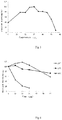
FIG.1 shows optimum pH values for the recombinant glucose oxidase. -
FIG.2 shows pH stabilities for the recombinant glucose oxidase. -
FIG.3 shows optimum temperature for the recombinant glucose oxidase. -
FIG.4 shows thermostability for the recombinant glucose oxidase. - The present invention is further illustrated with reference to the following Examples and the appended drawings, which should by no means be construed as limitations of the present invention.
-
- 1. Strains and vectors: Pichia pastoris strain GS115 (Invitrogen); and vetor pPIC9 (Invitrogen, San Diego, Calif.).
- 2. Enzymes and other biochemical reagents: restriction endonucleases (TaKaRa); ligase (Invitrogen); and birch xylan(Sigma)
- 3. Medium:
- (1) Enzyme production medium (/L) : 172.11g of glucose, 11.05g of corn syrup, 52.29g calcium carbonate, 0.5g of (NH4)H2PO4, 0.125g of MgSO4-7H2O, 0.125g of FeSO4˙7H2O, which are sterilized at 121°C for 20 min.
- (2) E.coli. LB medium: 1% of peptone, 0.5% of yeast extract, and 1% of NaCl, natural pH.
- (3) BMGY medium: 1% of yeast extract; 2% of peptone; 1.34% of YNB, 0.00004% of Biotin; and 1% of glycerol(V/V).
- (4)BMMY medium: 1% of yeast extract; 2% of peptone; 1.34% of YNB, 0.00004% of Biotin; and 0.5% of methanol (V/V).
- Suitable biology laboratory methods not particularly mentioned in the examples as below can be found in Sambrook, et al. (Molecular Cloning: A Laboratory Manual. 2nd, ed., Cold Spring Harbor Laboratory, Cold Spring Harbor Laboratory Press, Cold Spring Harbor, NY, 1989), and other kit laboratory manuals.
- First, bacteria cells cultured in enzyme-producing medium for 3 days were collected on the filter paper and pressed dry, followed by adding liquid nitrogen to a high-temperature sterilized mortar and quickly ground the bacteria into powder. Then, the grounded powder was transferred to a centrifuge tube with 800µL of Trizol, blended well and left in the room temperature for 5 min. 200L of chloroform was added, shaken violently for 15s, placed at room temperature for 3 min, and centrifuged at 4°C at 12,000 RPM for 15 min. The supernatant was obtained, and isopropanol of the equal volume was added to be mixed well, placed at room temperature for 10 min and centrifuged at 4°C at 12,000 RPM for 10 min. The supernatant was removed and the precipitation was washed twice with 70% of ethanol followed by drying in the air for 5 min, and an appropriate amount of DNase/ Rnase-free deionized water was added to dissolve RNA.
- One chain of total cDNA was obtained with Oligo (dT) 20 and the reverse transcriptase , and then primers F and R with EcoR I and Not I restriction sites were designed as list in the table 1 to perform PCR on the coding region of CnGODA mature protein to obtain the cDNA sequence of glucose oxidase.
Table 1 Primers Primer SEQUENCE (5'---3') Length (bp) F ACTGAATTCCTTCCCAATCAAACGCGAGCTGACAAAGCCC 40 R GAGTGCGGCCGCTCAATGTCCCTGATCTTCCTTAATCATC 40 - The expression vector pPIC9-CngodA comprising the full-length gene encoding glucose oxidase was constructed by inserting the gene at the downstream of the signal peptide of the plasmid to form the correct reading frame, followed to transform Ecoli cell Trans1 to screen the positive transformants for sequencing. The transformants with the correct sequence were used to prepare the recombinant plasmid in a large amount. The DNA of the expression vector was lined with restriction enzyme Bgl II, followed by electronically transforming Pichia pastoris strain GS115, and being cultured at 30°C for 2 to 3 days to screen the transformants on the MD plate for expressing assays. The particular operation refers to pichia pastoris expression manual.
- The recombinant expression vector comprising the gene including the signal peptide was constructed as same as above.
- The single colony on the MD plate was selected with a sterilized toothpick and numbered on the MD plates which were incubated at 30°C for 1 to 2 days until the colony grown. The transformants were inoculated in a centrifuge tube containing 3 mL BMGY medium, and cultured according to their number, cultured at 30°C and 220 RPM for 48h followed by centrifuging at 3,000×g for 15 min to remove supernatant, and adding 1mL BMMY medium containing 0.5% of methanol into the centrifuge tube for induction culturing at 30°C and 220 RPM for 48 h to collect the supernatant by centrifuging at 3,000×g for 5 min for detecting the activity. Finally, the transformant with high glucose oxidase activity were screened out. The particular operation refers to pichia pastoris expression manual.
- The screened transformants were incubated in 300 mL of BMGY for 48h at 30°C and 220 rpm, and then the cells were spun down by centrifuging at 4,500 rpm for 5 min and suspended in 100 mL of BMMY containing 0.5% of methanol to induce the glucose oxidase gene expression for 72 hours with addition of methanol solution every 24 hours to keep concentration of methanol as 0.5% by compensating the loss of methanol. After induction, the supernatant was recovered by spinning at 12,000×g for 10min to test the activity of the enzyme and performing SDS-PAGE.
- The supernatant of the recombinant glucose oxidase expressed in the shaking bottle was collected followed by being concentrated with 10 kDa membrane package while replacing the medium of the fermentation broth with low salt buffer, and further concentrated with 10 kDa ultrafiltration tube. The concentrated solution was further purified with ion exchange chromatography by loading 2.0mL of CnGODA concentrate into HiTrap Q Sepharose XL anion column pre-balanced with 20 mMPBS (pH 6.9), and eluting with NaCL in linear gradient of 0 to 1 mol/L, to detect enzyme activity and determine protein concentration of the eluent collected step by step.
- The activity of glucose oxidase was measured with a spectrophotometry by keeping 5mL of the reaction system comprising 2.5mL of adjacent anisidine buffer, 0.3mL of 18% glucose solution, 0.1mL of horseradish peroxidase in 90U/mL, and 0.1mL of appropriate diluted enzyme solution reacted at pH 6.0 and 30°C for 3 min, followed by adding 2mL of sulfuric acid in 2M to terminate the reaction, and determining the absorption value at OD540 after cooling.
- Definition of glucose oxidase activity unit (U): the enzyme amount decomposing 1 µmol of β-D-glucose into D- gluconic acid and hydrogen peroxide.
- The glucose oxidase purified in example 2 was reacted in the different pHs to determine optimum pH. The adjacent anisidine solution with different pHs was prepared with the glycine-hydrochloric acid buffer with pH 1.0 to 3.0, and citric acid-disodium hydrogen phosphate buffer with pH 8.0 to 10.0, for determining the optimum pH at 30°C. As shown in
Fig 1 , the activity of the recombinant glucose oxidase varied with pHs. The highest activity was observed at pH 7.0. The recombinant glucose oxidase was stable at pH 6.0 to 8.0 and maintained more than 90% of activity. - The pH stability of the glucose oxidase was researched by detecting its activity at optimum pH after being treated for 60min at 25 °C and different pHs. As shown in
Fig 2 , the recombinant glucose oxidase has good pH stability in that it maintains more than 80% of activity at pH 6.0 to 9.0, 60% and 70% of activity treated at pH 5.0 and 10.0 respectively. - The glucose oxidase was reacted in the different temperatures from 0 to 55 °C at pH 6.0 to determine its optimum temperature. As shown in
Fig 3 , the optimum temperature for this enzyme was 30°C, and it maintained more than 50% of activity between 15°C and 50°C . - The thermalstability was determined by detecting the enzyme activity of the glucose oxidase after being treated at 30°C, 35°C, 40°C for the different time. As shown by
Fig 4 , more than 70% of enzyme activity was kept after being treated at 35°C for 60 min, but only 20% of enzyme activity was kept after being treated at 40°C for20 min.


Claims (12)
- A glucose oxidase CnGODA with the following characteristics,(a) being a polypeptide having the amino acid sequence as set in forth in SEQ ID NO.1 or SEQ ID NO. 2, or(b) being a derived polypeptide which has the same glucose oxidase activity as that of (a), and has 75% to 99% homology with the amino acid sequence as set in forth in SEQ ID NO. 1 or SEQ ID NO. 2.
- The glucose oxidase CnGODA according to claim 1, being characterized in that said derived polypeptide has 90% to 95% homology with the amino acid sequence as set in forth in SEQ ID NO. 1 or SEQ ID NO. 2.
- The glucose oxidase CnGODA according to claim 1, being characterized in that said derived polypeptide has 95% to 99% homology with the amino acid sequence as set in forth in SEQ ID NO. 1 or SEQ ID NO. 2.
- A gene encoding the glucose oxidase CnGODA of claim 1.
- The gene according to claim 4, is characterized by(a) having the nucleotide sequence as set in forth in SEQ ID NO.3 or SEQ ID NO. 4, or(b) having 75% to 99% homology with the nucleotide sequence as set in forth in SEQ ID NO.3 or SEQ ID NO. 4, and encoding the polypeptide having the same glucose oxidase activity as that with the amino acid sequence as set in forth in SEQ ID NO. 1 or SEQ ID NO. 2.
- The gene according to claim 5, is characterized in that said gene has 95% to 99% homology with the nucleotide sequence as set in forth in SEQ ID NO.3 or SEQ ID NO. 4, and encodes the polypeptide having the same glucose oxidase activity as that with the amino acid sequence as set in forth in SEQ ID NO. 1 or SEQ ID NO.2.
- A recombinant expression vector comprising the gene of claim 4.
- The recombinant expression vector according to claim 7, is characterize in that said vector is the expression pPIC9 comprising the gene of claim 4.
- A recombinant expression host cell comprising the gene of claim 4.
- The recombinant host cell according to claim 9, is characterize in that said host cell is the recombinant Pichia pastoris strain GS115 comprising the gene of claim 4
- A method of producing glucose oxidase comprising the steps of:(1) transforming a host cell with a DNA constructor or a recombinant vector comprising the gene encoding the glucose oxidase of claim 1 to obtain the recombinant host cell ;(2) cultivating the recombinant host cell to induce expression of glucose oxidase; and(3) isolating and recovering said glucose oxidase.
- An application of the glucose oxidase of claim 1
Applications Claiming Priority (2)
| Application Number | Priority Date | Filing Date | Title |
|---|---|---|---|
| CN201710280740.9A CN108795891B (en) | 2017-04-26 | 2017-04-26 | A kind of glucose oxidase CnGODA and its gene and application |
| PCT/CN2018/090245 WO2018196881A1 (en) | 2017-04-26 | 2018-06-07 | Glucose oxidase cngoda and gene and application thereof |
Publications (4)
| Publication Number | Publication Date |
|---|---|
| EP3647414A1 true EP3647414A1 (en) | 2020-05-06 |
| EP3647414A4 EP3647414A4 (en) | 2021-03-03 |
| EP3647414B1 EP3647414B1 (en) | 2024-08-07 |
| EP3647414C0 EP3647414C0 (en) | 2024-08-07 |
Family
ID=63920254
Family Applications (1)
| Application Number | Title | Priority Date | Filing Date |
|---|---|---|---|
| EP18790650.8A Active EP3647414B1 (en) | 2017-04-26 | 2018-06-07 | Glucose oxidase cngoda and gene and application thereof |
Country Status (5)
| Country | Link |
|---|---|
| US (1) | US10920200B2 (en) |
| EP (1) | EP3647414B1 (en) |
| JP (1) | JP6991423B2 (en) |
| CN (1) | CN108795891B (en) |
| WO (1) | WO2018196881A1 (en) |
Families Citing this family (2)
| Publication number | Priority date | Publication date | Assignee | Title |
|---|---|---|---|---|
| US12203101B2 (en) | 2019-05-31 | 2025-01-21 | Nanjing Bestzyme Bio-Engineering Co., Ltd. | Thermostable glucose oxidase |
| CN110358688B (en) * | 2019-07-04 | 2022-07-12 | 河南省科学院生物研究所有限责任公司 | Extracellular glucose oxidase producing strain CY-12 and application thereof |
Family Cites Families (4)
| Publication number | Priority date | Publication date | Assignee | Title |
|---|---|---|---|---|
| US5834280A (en) * | 1994-05-03 | 1998-11-10 | Novo Nordisk A/S | Glucose oxidases obtained from a cladosporium |
| US5879921A (en) * | 1996-11-07 | 1999-03-09 | Novo Nordisk A/S | Recombinant expression of a glucose oxidase from a cladosporium strain |
| CN105779401B (en) * | 2016-05-16 | 2020-03-17 | 北京科为博生物科技有限公司 | High-temperature-resistant acidic glucose oxidase GODL8, and gene and application thereof |
| CN108034642B (en) * | 2017-11-13 | 2020-12-11 | 中国农业科学院北京畜牧兽医研究所 | Glucose oxidase CnGOD19 and its improved enzymes, genes and applications |
-
2017
- 2017-04-26 CN CN201710280740.9A patent/CN108795891B/en active Active
-
2018
- 2018-06-07 JP JP2019558533A patent/JP6991423B2/en active Active
- 2018-06-07 EP EP18790650.8A patent/EP3647414B1/en active Active
- 2018-06-07 US US16/608,833 patent/US10920200B2/en active Active
- 2018-06-07 WO PCT/CN2018/090245 patent/WO2018196881A1/en not_active Ceased
Also Published As
| Publication number | Publication date |
|---|---|
| EP3647414B1 (en) | 2024-08-07 |
| EP3647414C0 (en) | 2024-08-07 |
| WO2018196881A1 (en) | 2018-11-01 |
| JP2020522999A (en) | 2020-08-06 |
| US20200190484A1 (en) | 2020-06-18 |
| US10920200B2 (en) | 2021-02-16 |
| JP6991423B2 (en) | 2022-02-03 |
| CN108795891B (en) | 2021-03-26 |
| CN108795891A (en) | 2018-11-13 |
| EP3647414A4 (en) | 2021-03-03 |
Similar Documents
| Publication | Publication Date | Title |
|---|---|---|
| US11434473B2 (en) | Glucose oxidase GOD mutant and gene and application thereof | |
| US11407987B2 (en) | Mannanase PMAN5A mutant having improved heat resistance, gene thereof, and application | |
| US11377647B2 (en) | Amylase mutant having high specific activity and thermal stability, gene of mutant, and applications thereof | |
| CA2504744A1 (en) | Bgl6 beta-glucosidase and nucleic acids encoding the same | |
| CN101880681B (en) | Preparation method of maltooligosyltrehalose hydrolase gene sequence and recombinant protein thereof | |
| EP3647414B1 (en) | Glucose oxidase cngoda and gene and application thereof | |
| US10415025B2 (en) | Fungus-sourced high-temperature acid B-glucosidase as well as coding gene and application thereof | |
| CN107988190A (en) | A kind of acid protease and its encoding gene and application | |
| CN111690622B (en) | Laccase g2589 derived from fungi as well as gene and application thereof | |
| CN109182304A (en) | A kind of alpha-amylase gene and its application | |
| EP3578647B1 (en) | Acidic thermophilic polygalacturonase tepg28a, and encoding gene and application thereof | |
| CN115746129B (en) | COX VHb and recombinant bacterium X33-pPICZalpha A-102C300C-Vgb and application thereof | |
| JP2024543124A (en) | Mutant FTases with efficient transfructosylation activity - Patents.com | |
| US10767170B2 (en) | High-temperature neutral cellulase as well as coding gene and application thereof | |
| CN106834254B (en) | Acidic high-specific-activity xylanase XYN11A, and gene and application thereof | |
| CN117701410A (en) | Double transcription unit recombinant strain mediating coronexin and algin lyase and application thereof | |
| CN121793850A (en) | Methods for improving GOS stabilization in yogurt | |
| KR101244105B1 (en) | Recombinant expression vector for mass production of endo-1,4-β-xylanase A derived from Phanerochaete chrysosporium and Manufacturing method thereof | |
| CN117701411A (en) | Recombinant bacterium mediating protocol oxygen protein FHb1 and algin lyase genes and application thereof | |
| KR101235406B1 (en) | Recombinant expression vector for mass production of endo-β-xylanase A derived from Phanerochaete chrysosporium and Manufacturing method thereof | |
| CN121518437A (en) | An RNase R mutant for efficient enrichment of circular RNA and its applications | |
| EP1204762A1 (en) | D-gluconolactone oxidase gene and method for producing recombinant d-gluconolactone oxidase | |
| CN105420214A (en) | Alpha-amylase and encoding gene thereof and application |
Legal Events
| Date | Code | Title | Description |
|---|---|---|---|
| STAA | Information on the status of an ep patent application or granted ep patent |
Free format text: STATUS: THE INTERNATIONAL PUBLICATION HAS BEEN MADE |
|
| PUAI | Public reference made under article 153(3) epc to a published international application that has entered the european phase |
Free format text: ORIGINAL CODE: 0009012 |
|
| STAA | Information on the status of an ep patent application or granted ep patent |
Free format text: STATUS: REQUEST FOR EXAMINATION WAS MADE |
|
| 17P | Request for examination filed |
Effective date: 20191123 |
|
| AK | Designated contracting states |
Kind code of ref document: A1 Designated state(s): AL AT BE BG CH CY CZ DE DK EE ES FI FR GB GR HR HU IE IS IT LI LT LU LV MC MK MT NL NO PL PT RO RS SE SI SK SM TR |
|
| AX | Request for extension of the european patent |
Extension state: BA ME |
|
| DAV | Request for validation of the european patent (deleted) | ||
| DAX | Request for extension of the european patent (deleted) | ||
| A4 | Supplementary search report drawn up and despatched |
Effective date: 20210203 |
|
| RIC1 | Information provided on ipc code assigned before grant |
Ipc: C12R 1/84 20060101ALI20210128BHEP Ipc: C12N 15/53 20060101ALI20210128BHEP Ipc: C12N 9/04 20060101AFI20210128BHEP Ipc: C12N 15/81 20060101ALI20210128BHEP |
|
| STAA | Information on the status of an ep patent application or granted ep patent |
Free format text: STATUS: EXAMINATION IS IN PROGRESS |
|
| 17Q | First examination report despatched |
Effective date: 20230419 |
|
| RAP1 | Party data changed (applicant data changed or rights of an application transferred) |
Owner name: INSTITUTE OF ANIMAL SCIENCES OF CHINESE ACADEMY OF AGRICULTURAL SCIENCES |
|
| GRAP | Despatch of communication of intention to grant a patent |
Free format text: ORIGINAL CODE: EPIDOSNIGR1 |
|
| STAA | Information on the status of an ep patent application or granted ep patent |
Free format text: STATUS: GRANT OF PATENT IS INTENDED |
|
| INTG | Intention to grant announced |
Effective date: 20240219 |
|
| GRAS | Grant fee paid |
Free format text: ORIGINAL CODE: EPIDOSNIGR3 |
|
| GRAA | (expected) grant |
Free format text: ORIGINAL CODE: 0009210 |
|
| STAA | Information on the status of an ep patent application or granted ep patent |
Free format text: STATUS: THE PATENT HAS BEEN GRANTED |
|
| GRAT | Correction requested after decision to grant or after decision to maintain patent in amended form |
Free format text: ORIGINAL CODE: EPIDOSNCDEC |
|
| RIN1 | Information on inventor provided before grant (corrected) |
Inventor name: MENG, KUN Inventor name: WANG, YARU Inventor name: WANG, YUAN Inventor name: BAI, YINGGUO Inventor name: SU, XIAOYUN Inventor name: HUANG, HUOQING Inventor name: TU, TAO Inventor name: GE, JIANZHONG Inventor name: LIU, WEINA Inventor name: LUO, HUIYING Inventor name: YAO, BIN |
|
| AK | Designated contracting states |
Kind code of ref document: B1 Designated state(s): AL AT BE BG CH CY CZ DE DK EE ES FI FR GB GR HR HU IE IS IT LI LT LU LV MC MK MT NL NO PL PT RO RS SE SI SK SM TR |
|
| REG | Reference to a national code |
Ref country code: GB Ref legal event code: FG4D |
|
| REG | Reference to a national code |
Ref country code: CH Ref legal event code: EP |
|
| RAP4 | Party data changed (patent owner data changed or rights of a patent transferred) |
Owner name: INSTITUTE OF ANIMAL SCIENCES OF CHINESE ACADEMYOF AGRICULTURAL SCIENCES |
|
| REG | Reference to a national code |
Ref country code: IE Ref legal event code: FG4D |
|
| REG | Reference to a national code |
Ref country code: DE Ref legal event code: R096 Ref document number: 602018072816 Country of ref document: DE |
|
| U01 | Request for unitary effect filed |
Effective date: 20240807 |
|
| U07 | Unitary effect registered |
Designated state(s): AT BE BG DE DK EE FI FR IT LT LU LV MT NL PT SE SI Effective date: 20240814 |
|
| PG25 | Lapsed in a contracting state [announced via postgrant information from national office to epo] |
Ref country code: NO Free format text: LAPSE BECAUSE OF FAILURE TO SUBMIT A TRANSLATION OF THE DESCRIPTION OR TO PAY THE FEE WITHIN THE PRESCRIBED TIME-LIMIT Effective date: 20241107 |
|
| PG25 | Lapsed in a contracting state [announced via postgrant information from national office to epo] |
Ref country code: PL Free format text: LAPSE BECAUSE OF FAILURE TO SUBMIT A TRANSLATION OF THE DESCRIPTION OR TO PAY THE FEE WITHIN THE PRESCRIBED TIME-LIMIT Effective date: 20240807 Ref country code: GR Free format text: LAPSE BECAUSE OF FAILURE TO SUBMIT A TRANSLATION OF THE DESCRIPTION OR TO PAY THE FEE WITHIN THE PRESCRIBED TIME-LIMIT Effective date: 20241108 |
|
| PG25 | Lapsed in a contracting state [announced via postgrant information from national office to epo] |
Ref country code: IS Free format text: LAPSE BECAUSE OF FAILURE TO SUBMIT A TRANSLATION OF THE DESCRIPTION OR TO PAY THE FEE WITHIN THE PRESCRIBED TIME-LIMIT Effective date: 20241207 |
|
| PG25 | Lapsed in a contracting state [announced via postgrant information from national office to epo] |
Ref country code: HR Free format text: LAPSE BECAUSE OF FAILURE TO SUBMIT A TRANSLATION OF THE DESCRIPTION OR TO PAY THE FEE WITHIN THE PRESCRIBED TIME-LIMIT Effective date: 20240807 |
|
| PG25 | Lapsed in a contracting state [announced via postgrant information from national office to epo] |
Ref country code: RS Free format text: LAPSE BECAUSE OF FAILURE TO SUBMIT A TRANSLATION OF THE DESCRIPTION OR TO PAY THE FEE WITHIN THE PRESCRIBED TIME-LIMIT Effective date: 20241107 Ref country code: ES Free format text: LAPSE BECAUSE OF FAILURE TO SUBMIT A TRANSLATION OF THE DESCRIPTION OR TO PAY THE FEE WITHIN THE PRESCRIBED TIME-LIMIT Effective date: 20240807 |
|
| PG25 | Lapsed in a contracting state [announced via postgrant information from national office to epo] |
Ref country code: RS Free format text: LAPSE BECAUSE OF FAILURE TO SUBMIT A TRANSLATION OF THE DESCRIPTION OR TO PAY THE FEE WITHIN THE PRESCRIBED TIME-LIMIT Effective date: 20241107 Ref country code: PL Free format text: LAPSE BECAUSE OF FAILURE TO SUBMIT A TRANSLATION OF THE DESCRIPTION OR TO PAY THE FEE WITHIN THE PRESCRIBED TIME-LIMIT Effective date: 20240807 Ref country code: NO Free format text: LAPSE BECAUSE OF FAILURE TO SUBMIT A TRANSLATION OF THE DESCRIPTION OR TO PAY THE FEE WITHIN THE PRESCRIBED TIME-LIMIT Effective date: 20241107 Ref country code: IS Free format text: LAPSE BECAUSE OF FAILURE TO SUBMIT A TRANSLATION OF THE DESCRIPTION OR TO PAY THE FEE WITHIN THE PRESCRIBED TIME-LIMIT Effective date: 20241207 Ref country code: HR Free format text: LAPSE BECAUSE OF FAILURE TO SUBMIT A TRANSLATION OF THE DESCRIPTION OR TO PAY THE FEE WITHIN THE PRESCRIBED TIME-LIMIT Effective date: 20240807 Ref country code: GR Free format text: LAPSE BECAUSE OF FAILURE TO SUBMIT A TRANSLATION OF THE DESCRIPTION OR TO PAY THE FEE WITHIN THE PRESCRIBED TIME-LIMIT Effective date: 20241108 Ref country code: ES Free format text: LAPSE BECAUSE OF FAILURE TO SUBMIT A TRANSLATION OF THE DESCRIPTION OR TO PAY THE FEE WITHIN THE PRESCRIBED TIME-LIMIT Effective date: 20240807 |
|
| PG25 | Lapsed in a contracting state [announced via postgrant information from national office to epo] |
Ref country code: SM Free format text: LAPSE BECAUSE OF FAILURE TO SUBMIT A TRANSLATION OF THE DESCRIPTION OR TO PAY THE FEE WITHIN THE PRESCRIBED TIME-LIMIT Effective date: 20240807 |
|
| PG25 | Lapsed in a contracting state [announced via postgrant information from national office to epo] |
Ref country code: CZ Free format text: LAPSE BECAUSE OF FAILURE TO SUBMIT A TRANSLATION OF THE DESCRIPTION OR TO PAY THE FEE WITHIN THE PRESCRIBED TIME-LIMIT Effective date: 20240807 |
|
| PG25 | Lapsed in a contracting state [announced via postgrant information from national office to epo] |
Ref country code: SK Free format text: LAPSE BECAUSE OF FAILURE TO SUBMIT A TRANSLATION OF THE DESCRIPTION OR TO PAY THE FEE WITHIN THE PRESCRIBED TIME-LIMIT Effective date: 20240807 |
|
| PLBE | No opposition filed within time limit |
Free format text: ORIGINAL CODE: 0009261 |
|
| STAA | Information on the status of an ep patent application or granted ep patent |
Free format text: STATUS: NO OPPOSITION FILED WITHIN TIME LIMIT |
|
| 26N | No opposition filed |
Effective date: 20250508 |
|
| REG | Reference to a national code |
Ref country code: CH Ref legal event code: H13 Free format text: ST27 STATUS EVENT CODE: U-0-0-H10-H13 (AS PROVIDED BY THE NATIONAL OFFICE) Effective date: 20260127 |
|
| PG25 | Lapsed in a contracting state [announced via postgrant information from national office to epo] |
Ref country code: MC Free format text: LAPSE BECAUSE OF FAILURE TO SUBMIT A TRANSLATION OF THE DESCRIPTION OR TO PAY THE FEE WITHIN THE PRESCRIBED TIME-LIMIT Effective date: 20240807 |
|
| U21 | Renewal fee for the european patent with unitary effect paid with additional fee |
Year of fee payment: 8 Effective date: 20251231 |
|
| GBPC | Gb: european patent ceased through non-payment of renewal fee |
Effective date: 20250607 |
|
| PG25 | Lapsed in a contracting state [announced via postgrant information from national office to epo] |
Ref country code: GB Free format text: LAPSE BECAUSE OF NON-PAYMENT OF DUE FEES Effective date: 20250607 |
|
| PG25 | Lapsed in a contracting state [announced via postgrant information from national office to epo] |
Ref country code: IE Free format text: LAPSE BECAUSE OF NON-PAYMENT OF DUE FEES Effective date: 20250607 |
|
| PG25 | Lapsed in a contracting state [announced via postgrant information from national office to epo] |
Ref country code: RO Free format text: LAPSE BECAUSE OF FAILURE TO SUBMIT A TRANSLATION OF THE DESCRIPTION OR TO PAY THE FEE WITHIN THE PRESCRIBED TIME-LIMIT Effective date: 20240807 |
|
| PG25 | Lapsed in a contracting state [announced via postgrant information from national office to epo] |
Ref country code: CH Free format text: LAPSE BECAUSE OF NON-PAYMENT OF DUE FEES Effective date: 20250630 |
|
| PG25 | Lapsed in a contracting state [announced via postgrant information from national office to epo] |
Ref country code: CY Free format text: LAPSE BECAUSE OF FAILURE TO SUBMIT A TRANSLATION OF THE DESCRIPTION OR TO PAY THE FEE WITHIN THE PRESCRIBED TIME-LIMIT Effective date: 20240807 |