EP3647395A1 - Method for vaporizing liquid propane and vaporizing apparatus used therefor - Google Patents
Method for vaporizing liquid propane and vaporizing apparatus used therefor Download PDFInfo
- Publication number
- EP3647395A1 EP3647395A1 EP18881921.3A EP18881921A EP3647395A1 EP 3647395 A1 EP3647395 A1 EP 3647395A1 EP 18881921 A EP18881921 A EP 18881921A EP 3647395 A1 EP3647395 A1 EP 3647395A1
- Authority
- EP
- European Patent Office
- Prior art keywords
- propane
- liquid propane
- vaporization
- gas
- refrigerant
- Prior art date
- Legal status (The legal status is an assumption and is not a legal conclusion. Google has not performed a legal analysis and makes no representation as to the accuracy of the status listed.)
- Granted
Links
Images

Classifications
-
- C—CHEMISTRY; METALLURGY
- C10—PETROLEUM, GAS OR COKE INDUSTRIES; TECHNICAL GASES CONTAINING CARBON MONOXIDE; FUELS; LUBRICANTS; PEAT
- C10G—CRACKING HYDROCARBON OILS; PRODUCTION OF LIQUID HYDROCARBON MIXTURES, e.g. BY DESTRUCTIVE HYDROGENATION, OLIGOMERISATION, POLYMERISATION; RECOVERY OF HYDROCARBON OILS FROM OIL-SHALE, OIL-SAND, OR GASES; REFINING MIXTURES MAINLY CONSISTING OF HYDROCARBONS; REFORMING OF NAPHTHA; MINERAL WAXES
- C10G63/00—Treatment of naphtha by at least one reforming process and at least one other conversion process
- C10G63/02—Treatment of naphtha by at least one reforming process and at least one other conversion process plural serial stages only
- C10G63/04—Treatment of naphtha by at least one reforming process and at least one other conversion process plural serial stages only including at least one cracking step
-
- F—MECHANICAL ENGINEERING; LIGHTING; HEATING; WEAPONS; BLASTING
- F25—REFRIGERATION OR COOLING; COMBINED HEATING AND REFRIGERATION SYSTEMS; HEAT PUMP SYSTEMS; MANUFACTURE OR STORAGE OF ICE; LIQUEFACTION SOLIDIFICATION OF GASES
- F25J—LIQUEFACTION, SOLIDIFICATION OR SEPARATION OF GASES OR GASEOUS OR LIQUEFIED GASEOUS MIXTURES BY PRESSURE AND COLD TREATMENT OR BY BRINGING THEM INTO THE SUPERCRITICAL STATE
- F25J3/00—Processes or apparatus for separating the constituents of gaseous or liquefied gaseous mixtures involving the use of liquefaction or solidification
- F25J3/02—Processes or apparatus for separating the constituents of gaseous or liquefied gaseous mixtures involving the use of liquefaction or solidification by rectification, i.e. by continuous interchange of heat and material between a vapour stream and a liquid stream
- F25J3/0204—Processes or apparatus for separating the constituents of gaseous or liquefied gaseous mixtures involving the use of liquefaction or solidification by rectification, i.e. by continuous interchange of heat and material between a vapour stream and a liquid stream characterised by the feed stream
- F25J3/0219—Refinery gas, cracking gas, coke oven gas, gaseous mixtures containing aliphatic unsaturated CnHm or gaseous mixtures of undefined nature
-
- C—CHEMISTRY; METALLURGY
- C07—ORGANIC CHEMISTRY
- C07C—ACYCLIC OR CARBOCYCLIC COMPOUNDS
- C07C4/00—Preparation of hydrocarbons from hydrocarbons containing a larger number of carbon atoms
- C07C4/02—Preparation of hydrocarbons from hydrocarbons containing a larger number of carbon atoms by cracking a single hydrocarbon or a mixture of individually defined hydrocarbons or a normally gaseous hydrocarbon fraction
- C07C4/04—Thermal processes
-
- C—CHEMISTRY; METALLURGY
- C10—PETROLEUM, GAS OR COKE INDUSTRIES; TECHNICAL GASES CONTAINING CARBON MONOXIDE; FUELS; LUBRICANTS; PEAT
- C10G—CRACKING HYDROCARBON OILS; PRODUCTION OF LIQUID HYDROCARBON MIXTURES, e.g. BY DESTRUCTIVE HYDROGENATION, OLIGOMERISATION, POLYMERISATION; RECOVERY OF HYDROCARBON OILS FROM OIL-SHALE, OIL-SAND, OR GASES; REFINING MIXTURES MAINLY CONSISTING OF HYDROCARBONS; REFORMING OF NAPHTHA; MINERAL WAXES
- C10G9/00—Thermal non-catalytic cracking, in the absence of hydrogen, of hydrocarbon oils
-
- F—MECHANICAL ENGINEERING; LIGHTING; HEATING; WEAPONS; BLASTING
- F17—STORING OR DISTRIBUTING GASES OR LIQUIDS
- F17C—VESSELS FOR CONTAINING OR STORING COMPRESSED, LIQUEFIED OR SOLIDIFIED GASES; FIXED-CAPACITY GAS-HOLDERS; FILLING VESSELS WITH, OR DISCHARGING FROM VESSELS, COMPRESSED, LIQUEFIED, OR SOLIDIFIED GASES
- F17C13/00—Details of vessels or of the filling or discharging of vessels
- F17C13/02—Special adaptations of indicating, measuring, or monitoring equipment
- F17C13/025—Special adaptations of indicating, measuring, or monitoring equipment having the pressure as the parameter
-
- F—MECHANICAL ENGINEERING; LIGHTING; HEATING; WEAPONS; BLASTING
- F17—STORING OR DISTRIBUTING GASES OR LIQUIDS
- F17C—VESSELS FOR CONTAINING OR STORING COMPRESSED, LIQUEFIED OR SOLIDIFIED GASES; FIXED-CAPACITY GAS-HOLDERS; FILLING VESSELS WITH, OR DISCHARGING FROM VESSELS, COMPRESSED, LIQUEFIED, OR SOLIDIFIED GASES
- F17C7/00—Methods or apparatus for discharging liquefied, solidified, or compressed gases from pressure vessels, not covered by another subclass
- F17C7/02—Discharging liquefied gases
- F17C7/04—Discharging liquefied gases with change of state, e.g. vaporisation
-
- F—MECHANICAL ENGINEERING; LIGHTING; HEATING; WEAPONS; BLASTING
- F25—REFRIGERATION OR COOLING; COMBINED HEATING AND REFRIGERATION SYSTEMS; HEAT PUMP SYSTEMS; MANUFACTURE OR STORAGE OF ICE; LIQUEFACTION SOLIDIFICATION OF GASES
- F25J—LIQUEFACTION, SOLIDIFICATION OR SEPARATION OF GASES OR GASEOUS OR LIQUEFIED GASEOUS MIXTURES BY PRESSURE AND COLD TREATMENT OR BY BRINGING THEM INTO THE SUPERCRITICAL STATE
- F25J3/00—Processes or apparatus for separating the constituents of gaseous or liquefied gaseous mixtures involving the use of liquefaction or solidification
- F25J3/02—Processes or apparatus for separating the constituents of gaseous or liquefied gaseous mixtures involving the use of liquefaction or solidification by rectification, i.e. by continuous interchange of heat and material between a vapour stream and a liquid stream
- F25J3/0228—Processes or apparatus for separating the constituents of gaseous or liquefied gaseous mixtures involving the use of liquefaction or solidification by rectification, i.e. by continuous interchange of heat and material between a vapour stream and a liquid stream characterised by the separated product stream
- F25J3/0238—Processes or apparatus for separating the constituents of gaseous or liquefied gaseous mixtures involving the use of liquefaction or solidification by rectification, i.e. by continuous interchange of heat and material between a vapour stream and a liquid stream characterised by the separated product stream separation of CnHm with 2 carbon atoms or more
-
- C—CHEMISTRY; METALLURGY
- C10—PETROLEUM, GAS OR COKE INDUSTRIES; TECHNICAL GASES CONTAINING CARBON MONOXIDE; FUELS; LUBRICANTS; PEAT
- C10G—CRACKING HYDROCARBON OILS; PRODUCTION OF LIQUID HYDROCARBON MIXTURES, e.g. BY DESTRUCTIVE HYDROGENATION, OLIGOMERISATION, POLYMERISATION; RECOVERY OF HYDROCARBON OILS FROM OIL-SHALE, OIL-SAND, OR GASES; REFINING MIXTURES MAINLY CONSISTING OF HYDROCARBONS; REFORMING OF NAPHTHA; MINERAL WAXES
- C10G2300/00—Aspects relating to hydrocarbon processing covered by groups C10G1/00 - C10G99/00
- C10G2300/10—Feedstock materials
- C10G2300/1037—Hydrocarbon fractions
- C10G2300/104—Light gasoline having a boiling range of about 20 - 100 °C
-
- C—CHEMISTRY; METALLURGY
- C10—PETROLEUM, GAS OR COKE INDUSTRIES; TECHNICAL GASES CONTAINING CARBON MONOXIDE; FUELS; LUBRICANTS; PEAT
- C10G—CRACKING HYDROCARBON OILS; PRODUCTION OF LIQUID HYDROCARBON MIXTURES, e.g. BY DESTRUCTIVE HYDROGENATION, OLIGOMERISATION, POLYMERISATION; RECOVERY OF HYDROCARBON OILS FROM OIL-SHALE, OIL-SAND, OR GASES; REFINING MIXTURES MAINLY CONSISTING OF HYDROCARBONS; REFORMING OF NAPHTHA; MINERAL WAXES
- C10G2300/00—Aspects relating to hydrocarbon processing covered by groups C10G1/00 - C10G99/00
- C10G2300/10—Feedstock materials
- C10G2300/1037—Hydrocarbon fractions
- C10G2300/1044—Heavy gasoline or naphtha having a boiling range of about 100 - 180 °C
-
- C—CHEMISTRY; METALLURGY
- C10—PETROLEUM, GAS OR COKE INDUSTRIES; TECHNICAL GASES CONTAINING CARBON MONOXIDE; FUELS; LUBRICANTS; PEAT
- C10G—CRACKING HYDROCARBON OILS; PRODUCTION OF LIQUID HYDROCARBON MIXTURES, e.g. BY DESTRUCTIVE HYDROGENATION, OLIGOMERISATION, POLYMERISATION; RECOVERY OF HYDROCARBON OILS FROM OIL-SHALE, OIL-SAND, OR GASES; REFINING MIXTURES MAINLY CONSISTING OF HYDROCARBONS; REFORMING OF NAPHTHA; MINERAL WAXES
- C10G2300/00—Aspects relating to hydrocarbon processing covered by groups C10G1/00 - C10G99/00
- C10G2300/40—Characteristics of the process deviating from typical ways of processing
- C10G2300/4012—Pressure
-
- F—MECHANICAL ENGINEERING; LIGHTING; HEATING; WEAPONS; BLASTING
- F17—STORING OR DISTRIBUTING GASES OR LIQUIDS
- F17C—VESSELS FOR CONTAINING OR STORING COMPRESSED, LIQUEFIED OR SOLIDIFIED GASES; FIXED-CAPACITY GAS-HOLDERS; FILLING VESSELS WITH, OR DISCHARGING FROM VESSELS, COMPRESSED, LIQUEFIED, OR SOLIDIFIED GASES
- F17C2221/00—Handled fluid, in particular type of fluid
- F17C2221/03—Mixtures
- F17C2221/032—Hydrocarbons
- F17C2221/035—Propane butane, e.g. LPG, GPL
-
- F—MECHANICAL ENGINEERING; LIGHTING; HEATING; WEAPONS; BLASTING
- F17—STORING OR DISTRIBUTING GASES OR LIQUIDS
- F17C—VESSELS FOR CONTAINING OR STORING COMPRESSED, LIQUEFIED OR SOLIDIFIED GASES; FIXED-CAPACITY GAS-HOLDERS; FILLING VESSELS WITH, OR DISCHARGING FROM VESSELS, COMPRESSED, LIQUEFIED, OR SOLIDIFIED GASES
- F17C2227/00—Transfer of fluids, i.e. method or means for transferring the fluid; Heat exchange with the fluid
- F17C2227/03—Heat exchange with the fluid
- F17C2227/0302—Heat exchange with the fluid by heating
- F17C2227/0309—Heat exchange with the fluid by heating using another fluid
-
- F—MECHANICAL ENGINEERING; LIGHTING; HEATING; WEAPONS; BLASTING
- F25—REFRIGERATION OR COOLING; COMBINED HEATING AND REFRIGERATION SYSTEMS; HEAT PUMP SYSTEMS; MANUFACTURE OR STORAGE OF ICE; LIQUEFACTION SOLIDIFICATION OF GASES
- F25J—LIQUEFACTION, SOLIDIFICATION OR SEPARATION OF GASES OR GASEOUS OR LIQUEFIED GASEOUS MIXTURES BY PRESSURE AND COLD TREATMENT OR BY BRINGING THEM INTO THE SUPERCRITICAL STATE
- F25J2210/00—Processes characterised by the type or other details of the feed stream
- F25J2210/12—Refinery or petrochemical off-gas
-
- F—MECHANICAL ENGINEERING; LIGHTING; HEATING; WEAPONS; BLASTING
- F25—REFRIGERATION OR COOLING; COMBINED HEATING AND REFRIGERATION SYSTEMS; HEAT PUMP SYSTEMS; MANUFACTURE OR STORAGE OF ICE; LIQUEFACTION SOLIDIFICATION OF GASES
- F25J—LIQUEFACTION, SOLIDIFICATION OR SEPARATION OF GASES OR GASEOUS OR LIQUEFIED GASEOUS MIXTURES BY PRESSURE AND COLD TREATMENT OR BY BRINGING THEM INTO THE SUPERCRITICAL STATE
- F25J2210/00—Processes characterised by the type or other details of the feed stream
- F25J2210/62—Liquefied natural gas [LNG]; Natural gas liquids [NGL]; Liquefied petroleum gas [LPG]
-
- F—MECHANICAL ENGINEERING; LIGHTING; HEATING; WEAPONS; BLASTING
- F25—REFRIGERATION OR COOLING; COMBINED HEATING AND REFRIGERATION SYSTEMS; HEAT PUMP SYSTEMS; MANUFACTURE OR STORAGE OF ICE; LIQUEFACTION SOLIDIFICATION OF GASES
- F25J—LIQUEFACTION, SOLIDIFICATION OR SEPARATION OF GASES OR GASEOUS OR LIQUEFIED GASEOUS MIXTURES BY PRESSURE AND COLD TREATMENT OR BY BRINGING THEM INTO THE SUPERCRITICAL STATE
- F25J2215/00—Processes characterised by the type or other details of the product stream
- F25J2215/62—Ethane or ethylene
-
- F—MECHANICAL ENGINEERING; LIGHTING; HEATING; WEAPONS; BLASTING
- F25—REFRIGERATION OR COOLING; COMBINED HEATING AND REFRIGERATION SYSTEMS; HEAT PUMP SYSTEMS; MANUFACTURE OR STORAGE OF ICE; LIQUEFACTION SOLIDIFICATION OF GASES
- F25J—LIQUEFACTION, SOLIDIFICATION OR SEPARATION OF GASES OR GASEOUS OR LIQUEFIED GASEOUS MIXTURES BY PRESSURE AND COLD TREATMENT OR BY BRINGING THEM INTO THE SUPERCRITICAL STATE
- F25J2215/00—Processes characterised by the type or other details of the product stream
- F25J2215/64—Propane or propylene
-
- F—MECHANICAL ENGINEERING; LIGHTING; HEATING; WEAPONS; BLASTING
- F25—REFRIGERATION OR COOLING; COMBINED HEATING AND REFRIGERATION SYSTEMS; HEAT PUMP SYSTEMS; MANUFACTURE OR STORAGE OF ICE; LIQUEFACTION SOLIDIFICATION OF GASES
- F25J—LIQUEFACTION, SOLIDIFICATION OR SEPARATION OF GASES OR GASEOUS OR LIQUEFIED GASEOUS MIXTURES BY PRESSURE AND COLD TREATMENT OR BY BRINGING THEM INTO THE SUPERCRITICAL STATE
- F25J2270/00—Refrigeration techniques used
- F25J2270/90—External refrigeration, e.g. conventional closed-loop mechanical refrigeration unit using Freon or NH3, unspecified external refrigeration
- F25J2270/904—External refrigeration, e.g. conventional closed-loop mechanical refrigeration unit using Freon or NH3, unspecified external refrigeration by liquid or gaseous cryogen in an open loop
Definitions
- the present invention relates to a process for vaporizing and supplying liquid propane when it is used as a raw material for a naphtha cracker, and more particularly, to a method for more efficiently using vaporization heat generated during a vaporization process of liquid propane.
- Naphtha crackers mainly produce naphtha byproducts such as ethylene, propylene, butadiene, BTX, and the like, by injecting naphtha with steam at high temperatures and then cutting carbon rings by heating to 1000°C or higher. Due to the emergence of shale gas and price reduction of materials, i.e., ethane, propane, butane, and the like, which may be used as raw materials for producing ethylene, instead of naphtha, existing naphtha crackers commonly use a mix of these gases as raw materials and new facilities are designed to use these gases as raw materials in many cases.
- an ethylene refining column consumes 40 G cal/hr of a refrigerant having -40°C, and a considerable amount of refrigerant is also required for a deethanizer column or a demethanizer column.
- gas materials such as propane, or the like, are kept in a liquid state and vaporized before being injected into a reactor, and here, a heat source such as steam or hot water is consumed. If the gas materials are utilized by heat-exchanging with the refrigerant consumers, both the heat sources and the refrigerants may be saved.
- An object of the present invention is to provide a method for efficiently utilizing vaporization heat of liquid propane as a refrigerant when liquid propane is used as a raw material for naphtha cracking.
- Another object of the present invention is to provide a vaporizer for vaporizing liquid propane used in the above method.
- a method for vaporizing liquid propane which is to be injected as a raw material into a naphatha cracking reactor includes:
- the pressure of the liquid propane may be reduced to 7 kg/cm2G or less, and in step S2), the vaporization heat based on the liquid propane may be used as a refrigerant having a temperature less than 20°C.
- the pressure of the liquid propane may be reduced to 1 kg/cm 2 G or less, and in step S2), the vaporization heat based on the liquid propane may be used as a refrigerant having a temperature of -20°C or less.
- a utilization amount of the refrigerant using the vaporization heat based on decompression of the liquid propane may be 0.05 Gcal/hr or more per 1 ton/hr of propane.
- the propane gas may be compressed at a pressure of 7 kg/cm 2 G or more.
- a shaft work for compressing the propane gas may be 1 kW to 50 kW per 1 ton/hr of propane.
- a consumption amount of steam consumed for preheating the compressed propane gas may be 0.08 G cal/hr or less per 1 ton/hr of propane.
- the propane gas compressed in step S3) may be preheated at a temperature of 100°C or more in step S4).
- a vaporizer for vaporizing liquid propane which is to be injected into a naphtha cracking reactor includes:
- the preheating device may use steam as a heat source.
- the process of vaporizing liquid propane and supplying the same as a raw material to the naphtha cracking reactor includes the process of compressing a decompressed propane gas, flowability of the decompressed propane gas may be maintained and decompression pressure may be significantly lowered, and thus, vaporization heat may be more effectively used.
- heat energy consumed for additional vaporization and preheating of the propane gas during preheating at a previous stage of supplying a raw material to the naphtha cracking reactor may also be reduced.
- the present invention may be modified variably and may have various embodiments, particular examples of which will be illustrated in drawings and described in detail. However, it is to be understood that the present disclosure is not limited to a specific disclosed form, but includes all modifications, equivalents, and substitutions without departing from the scope and spirit of the present disclosure. In describing embodiments of the present invention, when it is determined that a detailed description of known techniques associated with the present disclosure unnecessarily obscures the gist of the present disclosure, the detailed description thereof will be omitted.
- liquid propane (C3 LPG) is supplied in a liquid state, and thus, liquid propane is lead in through a vaporization process before entering a naphtha cracking reactor.
- liquid propane may be utilized as a refrigerant because a vaporization temperature thereof is low.
- pressure cannot be lowered sufficiently to maintain flowability allowing liquid propane to be introduced into the reactor.
- liquid propane is used by lowering a vaporization point thereof to a level to decompress pressure of liquid propane (C3LPG) from 9.8 to 8.3 kg/cm 2 G.
- C3LPG liquid propane
- the degree of decompression is so small that it may be utilized as a refrigerant at about 21°C, and since the temperature is not significantly different from room temperature, than the value as a refrigerant is low. Therefore, the refrigerant may not be sufficiently utilized and a considerable portion thereof may be additionally vaporized using a heat source such as steam or hot water.
- the present invention provides a method for vaporizing liquid propane including:
- decompression may be performed to sufficiently lower a vaporization point of liquid propane during the decompression process, whereby a utilization amount as a refrigerant may be significantly enhanced using vaporization heat of liquid propane.
- a consumption amount of heat energy consumed during a preheating process before being supplied to the naphtha cracking reactor may also be significantly reduced.
- FIGS. 2 and 3 illustrate various embodiments according to the present invention.
- pressure of liquid propane may be reduced to 7 kg/cm 2 G or less in the decompression step, and the magnitude of the decompressed pressure may be adjusted according to conditions such as a cooling temperature, or the like, using the vaporization heat.
- the refrigerant using the vaporization heat generated during the decompression process may be used as a refrigerant having a temperature less than 20°C, may be used as a refrigerant for cooling to obtain a difference in temperature of 10°C or more than room temperature, for example, and may also be used as a refrigerant for a cooling temperature of 0°C or less depending on the degree of decompression.
- pressure of liquid propane may be reduced to 7 kg/cm 2 G or less, e.g., 5 kg/cm 2 G to 6.8 kg/cm 2 G, and in step S2), the vaporization heat based on liquid propane may be used as a refrigerant having a temperature less than 20°C, e.g., a refrigerant having a temperature ranging from 10 to 18°C.
- pressure of liquid propane may be reduced to 1 kg/cm 2 G or less, e.g., 0.3 kg/cm 2 G to 0.8 kg/cm2G, and in step S2), the vaporization heat based on liquid propane may be used as a refrigerant having a temperature of -20°C or less, e.g., a refrigerant having a temperature ranging from -25°C to -30°C.
- the vaporization heat may be used as a refrigerant for prechilling an extract of a reactor such as an ethylene rectification column, a demethanizer column, a deethanizer column or a raw material of a distillation column, or in a condenser of a distillation column through a heat exchanger.
- a reactor such as an ethylene rectification column, a demethanizer column, a deethanizer column or a raw material of a distillation column, or in a condenser of a distillation column through a heat exchanger.
- a utilization amount of the refrigerant using vaporization heat generated during the decompression process may be 0.05 Gcal/hr or more per 1 ton/hr of propane, preferably, 0.07 Gcal/hr or more per 1 ton/hr of propane, and more preferably, 0.08 Gcal/hr or more per 1 ton/hr of propane.
- the decompressed propane gas may be compressed using a compressor to maintain flowability thereof.
- a shaft work of 1 kW to 50 kW per 1 ton/hr of propane may be used, and preferably, a shaft work of 3 kW to 35 kW per 1 ton/hr of propane may be used.
- the propane gas may be compressed to a pressure of 7 to 8 kg/cm 2 G, or may be compressed to a pressure of 4 to 10 kg/cm 2 G according to the pressure in a rear stage process, and the temperature may be increased by about 8°C to 100°C.
- the propane gas compressed under the above conditions may be decompressed to a significantly low pressure so that the liquid propane may be sufficiently vaporized, and the temperature is increased through the compression process to reduce a consumption amount of heat energy used in the preheat process.
- the compressed propane gas may be introduced into the naphtha cracking reactor through a preheat process.
- a consumption amount of heat energy of the heat source consumed for preheating may be 0.05 Gcal/hr or less per 1 ton/hr of propane.
- the propane gas is not decompressed to a sufficiently low pressure, so the liquid propane must be additionally vaporized through a heat source, causing a consumption amount of heat energy to be increased to 0.09 Gcal/hr or more per 1 ton/hr of propane.
- the propane gas may be decompressed to a significantly low pressure, as compared with the existing decompression process, so the liquid propane may be sufficiently vaporized, and since the temperature is increased through the compression process, a consumption amount of heat energy used for the preheat process may be reduced.
- the present invention also provides a vaporizer for using the vaporization method.
- a vaporizer for vaporizing liquid propane which is to be injected into a naphtha cracking reactor includes: a decompression device decompressing liquid propane to lower a vaporization point to vaporize at least a portion of the liquid propane; a heat-exchanger utilizing vaporization heat based on vaporization of the liquid propane; a compressor compressing the decompressed propane gas; and a preheat device preheating the compressed gas.
- the preheat device may use steam, hot water, electric heater, or the like, as a heat source but is not limited thereto, and preferably, steam may be used.
- Propane was vaporized using the propane vaporization process illustrated in FIG. 1 .
- a temperature, pressure and flow rate in each unit of the process illustrated in FIG. 1 are illustrated in Table 1.
- codes denote as follows.
- C3LPG Liquid propane
- C3VAP Gaseous propane
- PRC Propylene refrigerant compressor
- PR Propylene refrigerant L, M, 1, 2, etc. are line codes.
- Liquid propane was vaporized using the propane vaporization process illustrated in FIG. 2 .
- Vaporization heat based on decompression was utilized as a refrigerant of 15.2°C, and a temperature, pressure, a propane flow rate, and the like, used in the vaporization process are illustrated in Table 2.
- Table 2 Classification C3LPG2 (21) L2 (22) PR2 (23) PRC2 (24) M2 (25) 1 (26) C3VAP2 (27) Temperature 17.9 16.1 29.0 18.2 15.2 24.1 120.0 (°C) Pressure (kg/cm 2 G) 9.80 6.80 12.80 12.60 6.30 7.80 7.80 Propane flow rate (kg/hr) 78659 78659 913300 913300 78659 78659 78659 Gas mass fraction 0.000 0.014 0.000 0.000 1.000 1.000 1.000
- Liquid propane was vaporized using the propane vaporization process illustrated in FIG. 3 .
- Vaporization heat based on decompression was utilized as a refrigerant of -27 °C, and a temperature, pressure, a propane flow rate, and the like, used in the vaporization process are illustrated in Table 3.
- Table 3 Classification C3LPG3 (31) L3 (32) PR3 (33) PRC3 (34) 2 (35) M3 (36) C3VAP3 (37) Temperature (°C) 17.9 -31.0 -20.0 -23.9 -26.9 56.8 120.0 Pressure (kg/cm 2 G) 9.80 0.60 2.11 1.70 0.20 7.80 7.80 Propane flow rate (kg/hr) 78659 78659 100000 100000 78659 78659 78659 Gas mass fraction 0.000 0.299 1.000 0.436 1.000 1.000 1.000 1.000
- Table 4 shows comparison between a refrigerant temperature, a utilization amount of refrigerant, a consumption amount of steam, and compressor shaft work according to the processes of Comparative Example 1 and Examples 1 and 2.
- decompre ssion pressure (kg/cm 2 G) Refrige rant tempera ture (°C) Flow rate of propa ne (ton/ hr) Utilizatio n amount of refrigeran t (G cal/hr) Heat amount of Preheat (Gcal/hr) Compressor shaft work (kW) tot al Per 1 ton of prop ane tot al Per 1 ton of prop ane tota l Per 1 ton of prop ane Compara 8.3 21 78.66 3.0 0.03 7.3 0.09 - tive Example 1 5 9 4 3 Example 1 6.8 15.2 78.66 6.6 1 0.08 4 3.5 7 0.04 5 246. 43 3.13 Example 2 0. 6 -27 78.66 5.7 0.07 2 2.4 2 0.03 1 2725
Landscapes
- Engineering & Computer Science (AREA)
- Chemical & Material Sciences (AREA)
- Oil, Petroleum & Natural Gas (AREA)
- Mechanical Engineering (AREA)
- General Engineering & Computer Science (AREA)
- Physics & Mathematics (AREA)
- Thermal Sciences (AREA)
- Organic Chemistry (AREA)
- Chemical Kinetics & Catalysis (AREA)
- General Chemical & Material Sciences (AREA)
- Filling Or Discharging Of Gas Storage Vessels (AREA)
- Organic Low-Molecular-Weight Compounds And Preparation Thereof (AREA)
Abstract
Description
- This application claims priority to Korean Patent Application No.
10-2017-0158631, filed on November 24, 2017 10-2018-0102507, filed on August 30, 2018 - The present invention relates to a process for vaporizing and supplying liquid propane when it is used as a raw material for a naphtha cracker, and more particularly, to a method for more efficiently using vaporization heat generated during a vaporization process of liquid propane.
- Naphtha crackers mainly produce naphtha byproducts such as ethylene, propylene, butadiene, BTX, and the like, by injecting naphtha with steam at high temperatures and then cutting carbon rings by heating to 1000°C or higher. Due to the emergence of shale gas and price reduction of materials, i.e., ethane, propane, butane, and the like, which may be used as raw materials for producing ethylene, instead of naphtha, existing naphtha crackers commonly use a mix of these gases as raw materials and new facilities are designed to use these gases as raw materials in many cases.
- Many consumers use naphtha crackers for low-temperature refrigerants for refining products. For example, an ethylene refining column consumes 40 G cal/hr of a refrigerant having -40°C, and a considerable amount of refrigerant is also required for a deethanizer column or a demethanizer column.
- Meanwhile, gas materials such as propane, or the like, are kept in a liquid state and vaporized before being injected into a reactor, and here, a heat source such as steam or hot water is consumed. If the gas materials are utilized by heat-exchanging with the refrigerant consumers, both the heat sources and the refrigerants may be saved.
- An object of the present invention is to provide a method for efficiently utilizing vaporization heat of liquid propane as a refrigerant when liquid propane is used as a raw material for naphtha cracking.
- Another object of the present invention is to provide a vaporizer for vaporizing liquid propane used in the above method.
- In one general aspect, a method for vaporizing liquid propane which is to be injected as a raw material into a naphatha cracking reactor, includes:
- S1) decompressing liquid propane to lower a vaporization point to vaporize at least a portion of the liquid propane;
- S2) utilizing vaporization heat based on vaporization of the liquid propane, as a refrigerant;
- S3) compressing the vaporized propane gas to increase a pressure of a gas; and
- S4) preheating the compressed propane gas.
- According to an aspect, in the decompression step S1), the pressure of the liquid propane may be reduced to 7 kg/cm2G or less, and in step S2), the vaporization heat based on the liquid propane may be used as a refrigerant having a temperature less than 20°C.
- According to another aspect, in the decompression step S1), the pressure of the liquid propane may be reduced to 1 kg/cm2G or less, and in step S2), the vaporization heat based on the liquid propane may be used as a refrigerant having a temperature of -20°C or less.
- According to an aspect, a utilization amount of the refrigerant using the vaporization heat based on decompression of the liquid propane may be 0.05 Gcal/hr or more per 1 ton/hr of propane.
- According to an aspect, in step S3), the propane gas may be compressed at a pressure of 7 kg/cm2G or more.
- According to an aspect, in step S3), a shaft work for compressing the propane gas may be 1 kW to 50 kW per 1 ton/hr of propane.
- According to an aspect, in step S4), a consumption amount of steam consumed for preheating the compressed propane gas may be 0.08 G cal/hr or less per 1 ton/hr of propane.
- According to an aspect, the propane gas compressed in step S3) may be preheated at a temperature of 100°C or more in step S4).
- In another general aspect, a vaporizer for vaporizing liquid propane which is to be injected into a naphtha cracking reactor includes:
- a decompressing device decompressing liquid propane to lower a vaporization point to vaporize at least a portion of the liquid propane;
- a heat-exchanger utilizing vaporization heat based on vaporization of the liquid propane;
- a compressor compressing the decompressed liquid propane gas; and
- a preheating device preheating the compressed gas.
- According to an aspect, the preheating device may use steam as a heat source.
- According to the present invention, since the process of vaporizing liquid propane and supplying the same as a raw material to the naphtha cracking reactor includes the process of compressing a decompressed propane gas, flowability of the decompressed propane gas may be maintained and decompression pressure may be significantly lowered, and thus, vaporization heat may be more effectively used. In addition, heat energy consumed for additional vaporization and preheating of the propane gas during preheating at a previous stage of supplying a raw material to the naphtha cracking reactor may also be reduced.
-
-
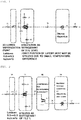
FIG. 1 is a view schematically illustrating a process of vaporizing liquid propane used in the related art. -
FIGS. 2 and3 are views schematically illustrating a process of vaporizing liquid propane according to various embodiments of the present invention. - The present invention may be modified variably and may have various embodiments, particular examples of which will be illustrated in drawings and described in detail. However, it is to be understood that the present disclosure is not limited to a specific disclosed form, but includes all modifications, equivalents, and substitutions without departing from the scope and spirit of the present disclosure. In describing embodiments of the present invention, when it is determined that a detailed description of known techniques associated with the present disclosure unnecessarily obscures the gist of the present disclosure, the detailed description thereof will be omitted.
- When transferred and stored, liquid propane (C3 LPG) is supplied in a liquid state, and thus, liquid propane is lead in through a vaporization process before entering a naphtha cracking reactor.
- Here, a portion of liquid propane may be utilized as a refrigerant because a vaporization temperature thereof is low. However, in the existing process as illustrated in
FIG. 1 , pressure cannot be lowered sufficiently to maintain flowability allowing liquid propane to be introduced into the reactor. In the existing process, liquid propane is used by lowering a vaporization point thereof to a level to decompress pressure of liquid propane (C3LPG) from 9.8 to 8.3 kg/cm2G. In this case, the degree of decompression is so small that it may be utilized as a refrigerant at about 21°C, and since the temperature is not significantly different from room temperature, than the value as a refrigerant is low. Therefore, the refrigerant may not be sufficiently utilized and a considerable portion thereof may be additionally vaporized using a heat source such as steam or hot water. - In order to solve the related art problem, the present invention provides a method for vaporizing liquid propane including:
- S1) decompressing liquid propane to lower a vaporization point to vaporize at least a portion of the liquid propane;
- S2) utilizing vaporization heat based on vaporization of the liquid propane, as a refrigerant;
- S3) compressing the vaporized propane gas to increase pressure of a gas; and
- S4) preheating the compressed propane gas.
- That is, in order to solve the problem that vaporization heat generated during a vaporization process of liquid propane is not effectively used because pressure is not sufficiently lowered during the vaporization process, flowability of decompressed gas is adjusted by providing a compression process using a compressor after the decompression process. Accordingly, decompression may be performed to sufficiently lower a vaporization point of liquid propane during the decompression process, whereby a utilization amount as a refrigerant may be significantly enhanced using vaporization heat of liquid propane.
- Also, in addition to receiving heat required for vaporization from the outside during the process in which the heat is used as a refrigerant, since a temperature of the propane gas is increased through the compression process, a consumption amount of heat energy consumed during a preheating process before being supplied to the naphtha cracking reactor may also be significantly reduced.
-
FIGS. 2 and3 illustrate various embodiments according to the present invention. - According to an embodiment, pressure of liquid propane may be reduced to 7 kg/cm2G or less in the decompression step, and the magnitude of the decompressed pressure may be adjusted according to conditions such as a cooling temperature, or the like, using the vaporization heat.
- The refrigerant using the vaporization heat generated during the decompression process may be used as a refrigerant having a temperature less than 20°C, may be used as a refrigerant for cooling to obtain a difference in temperature of 10°C or more than room temperature, for example, and may also be used as a refrigerant for a cooling temperature of 0°C or less depending on the degree of decompression.
- For example, according to the process of
FIG. 2 , during the decompression step S1), pressure of liquid propane may be reduced to 7 kg/cm2G or less, e.g., 5 kg/cm2G to 6.8 kg/cm2G, and in step S2), the vaporization heat based on liquid propane may be used as a refrigerant having a temperature less than 20°C, e.g., a refrigerant having a temperature ranging from 10 to 18°C. - Also, according to the process of
FIG. 3 , during the decompression step S1), pressure of liquid propane may be reduced to 1 kg/cm2G or less, e.g., 0.3 kg/cm2G to 0.8 kg/cm2G, and in step S2), the vaporization heat based on liquid propane may be used as a refrigerant having a temperature of -20°C or less, e.g., a refrigerant having a temperature ranging from -25°C to -30°C. - For example, the vaporization heat may be used as a refrigerant for prechilling an extract of a reactor such as an ethylene rectification column, a demethanizer column, a deethanizer column or a raw material of a distillation column, or in a condenser of a distillation column through a heat exchanger.
- According to an embodiment, a utilization amount of the refrigerant using vaporization heat generated during the decompression process may be 0.05 Gcal/hr or more per 1 ton/hr of propane, preferably, 0.07 Gcal/hr or more per 1 ton/hr of propane, and more preferably, 0.08 Gcal/hr or more per 1 ton/hr of propane.
- Also, according to an embodiment, the decompressed propane gas may be compressed using a compressor to maintain flowability thereof. Here, in order to compress the propane gas using the compressor, a shaft work of 1 kW to 50 kW per 1 ton/hr of propane may be used, and preferably, a shaft work of 3 kW to 35 kW per 1 ton/hr of propane may be used.
- Also, through the compression process, the propane gas may be compressed to a pressure of 7 to 8 kg/cm2G, or may be compressed to a pressure of 4 to 10 kg/cm2G according to the pressure in a rear stage process, and the temperature may be increased by about 8°C to 100°C.
- The propane gas compressed under the above conditions may be decompressed to a significantly low pressure so that the liquid propane may be sufficiently vaporized, and the temperature is increased through the compression process to reduce a consumption amount of heat energy used in the preheat process.
- According to an embodiment, the compressed propane gas may be introduced into the naphtha cracking reactor through a preheat process. Here, a consumption amount of heat energy of the heat source consumed for preheating may be 0.05 Gcal/hr or less per 1 ton/hr of propane. In the related art, the propane gas is not decompressed to a sufficiently low pressure, so the liquid propane must be additionally vaporized through a heat source, causing a consumption amount of heat energy to be increased to 0.09 Gcal/hr or more per 1 ton/hr of propane. In contrast, in the present invention, the propane gas may be decompressed to a significantly low pressure, as compared with the existing decompression process, so the liquid propane may be sufficiently vaporized, and since the temperature is increased through the compression process, a consumption amount of heat energy used for the preheat process may be reduced.
- The present invention also provides a vaporizer for using the vaporization method.
- More specifically, according to the present invention, a vaporizer for vaporizing liquid propane which is to be injected into a naphtha cracking reactor includes: a decompression device decompressing liquid propane to lower a vaporization point to vaporize at least a portion of the liquid propane; a heat-exchanger utilizing vaporization heat based on vaporization of the liquid propane; a compressor compressing the decompressed propane gas; and a preheat device preheating the compressed gas.
- According to an embodiment, the preheat device may use steam, hot water, electric heater, or the like, as a heat source but is not limited thereto, and preferably, steam may be used.
- Hereinafter, embodiments of the present invention will be described in detail so that those skilled in the art may easily carry out the present invention. However, the present invention may be embodied in many different forms and is not limited to the embodiments described herein.
- Propane was vaporized using the propane vaporization process illustrated in
FIG. 1 . - A temperature, pressure and flow rate in each unit of the process illustrated in
FIG. 1 are illustrated in Table 1. In the following, codes denote as follows.
C3LPG: Liquid propane
C3VAP: Gaseous propane
PRC: Propylene refrigerant compressor
PR: Propylene refrigerant
L, M, 1, 2, etc. are line codes.[Table 1] Classification C3LPG (11) L (12) PR (13) PRC (14) M (15) C3VAP (16) Temperature (°C) 17.9 17.9 29.0 24.1 21.1 120.0 Pressure (kg/cm2G) 9.80 8.30 12.80 12.60 7.80 7.80 Propane flow rate (kg/hr) 78659 78659 913300 913300 78659 78659 Gas mass fraction 0.000 0.000 0.000 0.000 0.441 1.000 - Liquid propane was vaporized using the propane vaporization process illustrated in
FIG. 2 . - Vaporization heat based on decompression was utilized as a refrigerant of 15.2°C, and a temperature, pressure, a propane flow rate, and the like, used in the vaporization process are illustrated in Table 2.
[Table 2] Classification C3LPG2 (21) L2 (22) PR2 (23) PRC2 (24) M2 (25) 1 (26) C3VAP2 (27) Temperature 17.9 16.1 29.0 18.2 15.2 24.1 120.0 (°C) Pressure (kg/cm2G) 9.80 6.80 12.80 12.60 6.30 7.80 7.80 Propane flow rate (kg/hr) 78659 78659 913300 913300 78659 78659 78659 Gas mass fraction 0.000 0.014 0.000 0.000 1.000 1.000 1.000 - Liquid propane was vaporized using the propane vaporization process illustrated in
FIG. 3 . - Vaporization heat based on decompression was utilized as a refrigerant of -27 °C, and a temperature, pressure, a propane flow rate, and the like, used in the vaporization process are illustrated in Table 3.
[Table 3] Classification C3LPG3 (31) L3 (32) PR3 (33) PRC3 (34) 2 (35) M3 (36) C3VAP3 (37) Temperature (°C) 17.9 -31.0 -20.0 -23.9 -26.9 56.8 120.0 Pressure (kg/cm2G) 9.80 0.60 2.11 1.70 0.20 7.80 7.80 Propane flow rate (kg/hr) 78659 78659 100000 100000 78659 78659 78659 Gas mass fraction 0.000 0.299 1.000 0.436 1.000 1.000 1.000 - Table 4 shows comparison between a refrigerant temperature, a utilization amount of refrigerant, a consumption amount of steam, and compressor shaft work according to the processes of Comparative Example 1 and Examples 1 and 2.
[Table 4] decompre ssion pressure (kg/cm2G) Refrige rant tempera ture (°C) Flow rate of propa ne (ton/ hr) Utilizatio n amount of refrigeran t (G cal/hr) Heat amount of Preheat (Gcal/hr) Compressor shaft work (kW) tot al Per 1 ton of prop ane tot al Per 1 ton of prop ane tota l Per 1 ton of prop ane Compara 8.3 21 78.66 3.0 0.03 7.3 0.09 - tive Example 1 5 9 4 3 Example 1 6.8 15.2 78.66 6.6 1 0.08 4 3.5 7 0.04 5 246. 43 3.13 Example 2 0. 6 -27 78.66 5.7 0.07 2 2.4 2 0.03 1 2725 .07 34.6 4 *G is gauge pressure - As can be seen from the results of Table 4, according to the present invention, since flowability of the decompressed propane gas is maintained using a compression unit such as a compressor in the compression step (S3), decompression is sufficiently performed in the decompression step (S1). Therefore, the vaporization point may be significantly lowered in vaporization through the decompression process of liquid propane, thus significantly enhancing utilization of vaporization heat.
- In addition, since consumption of heat energy for additional vaporization is reduced in the preheat step (S4) by steam, a consumption amount of steam is also reduced by half or more as compared with the existing method (Comparative Example 1).
- While the present invention has been particularly shown and described with reference to specific embodiments thereof, those skilled in the art will appreciate that such specific embodiments are merely preferred embodiments and the scope of the present invention is not limited thereto. Therefore, the substantial scope of the present invention will be defined by the appended claims and their equivalents.
Claims (10)
- A method for vaporizing liquid propane which is to be injected as a raw material into a naphatha cracking reactor, the method for vaporizing liquid propane comprising:S1) decompressing liquid propane to lower a vaporization point to vaporize at least a portion of the liquid propane;S2) utilizing vaporization heat based on vaporization of the liquid propane, as a refrigerant;S3) compressing the vaporized propane gas to increase pressure of a gas; andS4) preheating the compressed propane gas.
- The method of claim 1, wherein,
in the decompression step S1), the pressure of the liquid propane is reduced to 7 kg/cm2G or less, and in step S2), the vaporization heat based on the liquid propane is used as a refrigerant having a temperature less than 20°C. - The method of claim 1, wherein,
in the decompression step S1), the pressure of the liquid propane is reduced to 1 kg/cm2G or less, and in step S2), the vaporization heat based on the liquid propane is used as a refrigerant having a temperature of -20°C or less. - The method of claim 1, wherein,
in step S2), a utilization amount of the refrigerant using the vaporization heat based on decompression of the liquid propane is 0.05 Gcal/hr or more per 1 ton/hr of propane. - The method of claim 1, wherein,
in step S3), the propane gas is compressed at a pressure of 7 kg/cm2G or more. - The method of claim 1, wherein,
in step S3), a shaft work for compressing the propane gas is 1 kW to 50 kW per 1 ton/hr of propane. - The method of claim 1, wherein,
in step S4), a consumption amount of steam consumed for preheating the compressed propane gas is 0.08 Gcal/hr or less per 1 ton/hr of propane. - The method of claim 1, wherein,
the propane gas compressed in step S3) is preheated at a temperature of 100°C or more in step S4). - A vaporizer for vaporizing liquid propane which is to be injected into a naphtha cracking reactor, the vaporizer comprising:a decompression device decompressing liquid propane to lower a vaporization point to vaporize at least a portion of the liquid propane;a heat-exchanger utilizing vaporization heat based on vaporization of the liquid propane;a compressor compressing the decompressed propane gas; anda preheating device preheating the compressed gas.
- The vaporizer of claim 9, wherein, the preheating device uses steam as a heat source.
Applications Claiming Priority (3)
| Application Number | Priority Date | Filing Date | Title |
|---|---|---|---|
| KR20170158631 | 2017-11-24 | ||
| KR1020180102507A KR102349518B1 (en) | 2017-11-24 | 2018-08-30 | A process for vaporizing liquid propane and a vaporizing system used therefor |
| PCT/KR2018/010327 WO2019103290A1 (en) | 2017-11-24 | 2018-09-05 | Method for vaporizing liquid propane and vaporizing apparatus used therefor |
Publications (3)
| Publication Number | Publication Date |
|---|---|
| EP3647395A1 true EP3647395A1 (en) | 2020-05-06 |
| EP3647395A4 EP3647395A4 (en) | 2020-07-29 |
| EP3647395B1 EP3647395B1 (en) | 2022-07-27 |
Family
ID=66849468
Family Applications (1)
| Application Number | Title | Priority Date | Filing Date |
|---|---|---|---|
| EP18881921.3A Active EP3647395B1 (en) | 2017-11-24 | 2018-09-05 | Method for vaporizing liquid propane |
Country Status (5)
| Country | Link |
|---|---|
| US (1) | US11650008B2 (en) |
| EP (1) | EP3647395B1 (en) |
| JP (1) | JP6842598B2 (en) |
| KR (1) | KR102349518B1 (en) |
| CN (1) | CN110997877B (en) |
Families Citing this family (2)
| Publication number | Priority date | Publication date | Assignee | Title |
|---|---|---|---|---|
| KR102577682B1 (en) * | 2019-09-17 | 2023-09-11 | 주식회사 엘지화학 | Method for vaporizing liquid propane and apparatus used for the method |
| KR102625395B1 (en) * | 2019-09-17 | 2024-01-15 | 주식회사 엘지화학 | Method for vaporizing liquid propane and apparatus used for the method |
Family Cites Families (22)
| Publication number | Priority date | Publication date | Assignee | Title |
|---|---|---|---|---|
| US3323315A (en) | 1964-07-15 | 1967-06-06 | Conch Int Methane Ltd | Gas liquefaction employing an evaporating and gas expansion refrigerant cycles |
| US4384160A (en) | 1980-10-22 | 1983-05-17 | Phillips Petroleum Company | Prequench of cracked stream to avoid deposits in downstream heat exchangers |
| JPS5935895B2 (en) * | 1981-05-12 | 1984-08-31 | 東洋エンジニアリング株式会社 | Cold heat recovery method in the ethylene production process |
| JPS61180099A (en) | 1985-01-25 | 1986-08-12 | Kooa Gas Kagoshima:Kk | Propane air gas manufacturing plant |
| US4684759A (en) * | 1985-08-23 | 1987-08-04 | C. F. Braun & Co. | Process for recovering energy from an ethane-rich recycle stream |
| US4613318A (en) * | 1985-08-30 | 1986-09-23 | Canadian Fram Limited | Drive system with wear compensator |
| KR0131579B1 (en) * | 1992-07-24 | 1998-04-20 | 가시와라 마사아키 | Cooling apparatus using propane refrigerant gas in natural gas liquidification |
| US5499615A (en) | 1994-10-28 | 1996-03-19 | Caterpillar Inc. | Direct injection propane fuel system for diesel engine applications |
| JP2001081484A (en) | 1999-09-14 | 2001-03-27 | Osaka Gas Co Ltd | Liquefied-gas evaporation apparatus with cold-heat generation function |
| JP4596620B2 (en) | 2000-09-13 | 2010-12-08 | 伊藤工機株式会社 | LPG vaporization mechanism |
| JP2002349795A (en) * | 2001-05-31 | 2002-12-04 | Matsushita Electric Ind Co Ltd | Liquefied gas vaporizer |
| JP4291030B2 (en) | 2002-06-14 | 2009-07-08 | 中部電力株式会社 | Natural gas hydrate manufacturing method and apparatus |
| JP2005533972A (en) | 2002-07-22 | 2005-11-10 | スティンガー、ダニエル・エイチ | Cascading closed-loop cycle power generation |
| KR100751974B1 (en) * | 2005-12-22 | 2007-08-28 | 한국가스공사 | Intermediate Vaporizer |
| KR100948740B1 (en) | 2008-03-19 | 2010-03-22 | 현대중공업 주식회사 | Efficient Marine LNG Production Equipment Using Supercooling and Latent Heat Exchange |
| KR100966893B1 (en) | 2008-08-04 | 2010-06-30 | 한국기계연구원 | Engine system using latent heat of evaporation of fuel |
| CN201503189U (en) * | 2009-08-26 | 2010-06-09 | 四川空分设备(集团)有限责任公司 | Refrigeration system and liquefaction system of natural gas liquefaction process |
| US20150047391A1 (en) | 2013-08-13 | 2015-02-19 | S & B Engineers And Constructors, Ltd. | Low pressure deethanization process and system |
| KR101575028B1 (en) | 2014-04-01 | 2015-12-11 | 전승채 | Atmospheric Vaporizing System for Liquified Petroleum Gas |
| KR102306455B1 (en) | 2015-10-27 | 2021-09-29 | 한국조선해양 주식회사 | A ReGasification System Of Liquefied Gas |
| CN105545391B (en) * | 2016-02-05 | 2017-05-31 | 新地能源工程技术有限公司 | Using the technique and device of LNG cold energy generations |
| CN106949375A (en) * | 2017-03-27 | 2017-07-14 | 中国石油大学(华东) | A kind of methane propane joint liquefaction and vapourizing unit |
-
2018
- 2018-08-30 KR KR1020180102507A patent/KR102349518B1/en active Active
- 2018-09-05 US US16/635,102 patent/US11650008B2/en active Active
- 2018-09-05 JP JP2020503055A patent/JP6842598B2/en active Active
- 2018-09-05 CN CN201880048774.8A patent/CN110997877B/en active Active
- 2018-09-05 EP EP18881921.3A patent/EP3647395B1/en active Active
Also Published As
| Publication number | Publication date |
|---|---|
| EP3647395B1 (en) | 2022-07-27 |
| US20210095920A1 (en) | 2021-04-01 |
| KR20190060655A (en) | 2019-06-03 |
| US11650008B2 (en) | 2023-05-16 |
| JP2020528420A (en) | 2020-09-24 |
| JP6842598B2 (en) | 2021-03-17 |
| CN110997877B (en) | 2022-08-23 |
| EP3647395A4 (en) | 2020-07-29 |
| CN110997877A (en) | 2020-04-10 |
| KR102349518B1 (en) | 2022-01-10 |
Similar Documents
| Publication | Publication Date | Title |
|---|---|---|
| JP2012237554A5 (en) | ||
| CA2728716C (en) | Method of recovery of natural gas liquids from natural gas at ngls recovery plants | |
| EP3647395A1 (en) | Method for vaporizing liquid propane and vaporizing apparatus used therefor | |
| EP2789957A1 (en) | Method of liquefying a contaminated hydrocarbon-containing gas stream | |
| US10288347B2 (en) | Method of removing carbon dioxide during liquid natural gas production from natural gas at gas pressure letdown stations | |
| AU2012208931A1 (en) | Method of recovery of natural gas liquids from natural gas at NGLs recovery plants | |
| WO2013055305A1 (en) | Process for separating nitrogen from a natural gas stream with nitrogen stripping in the production of liquefied natural gas | |
| CN109651041A (en) | The preparation method of low-carbon alkene | |
| CN104246400B (en) | Fractionation process and associated apparatus for fractionation of cracked gas streams to obtain ethylene-rich fractions and fuel streams | |
| EP3052586B1 (en) | Split feed addition to iso-pressure open refrigeration lpg recovery | |
| KR20170126650A (en) | Method for preparing of ethylene improved an energy efficiency | |
| KR102358409B1 (en) | Method for quenching pyrolysis product | |
| EP3240875B1 (en) | Method for improving propylene recovery from fluid catalytic cracker unit | |
| KR102625395B1 (en) | Method for vaporizing liquid propane and apparatus used for the method | |
| CN105829506B (en) | Method and associated apparatus for fractionating a cracked gas stream using an intermediate recycle stream | |
| KR20220086559A (en) | Refrigeration Recovery from Reactor Feed in a Propane Dehydrogenation System | |
| US10852058B2 (en) | Method to produce LNG at gas pressure letdown stations in natural gas transmission pipeline systems | |
| US10890375B2 (en) | Method for liquefying natural gas and nitrogen | |
| KR102577682B1 (en) | Method for vaporizing liquid propane and apparatus used for the method | |
| KR102118304B1 (en) | Raw material gas liquefaction treatment method | |
| KR102513945B1 (en) | Method for vaporizing liquid propane and apparatus used for the method | |
| CN111148822B (en) | Process for the preparation of ethylene | |
| KR102171977B1 (en) | Mixed refrigerant | |
| CN121801599A (en) | A system and method for reducing ethylene loss in light pyrolysis feedstocks | |
| CN104726154A (en) | Method for preparing liquefied natural gas and byproduct hydrogen employing hydrogen-containing methane gas |
Legal Events
| Date | Code | Title | Description |
|---|---|---|---|
| STAA | Information on the status of an ep patent application or granted ep patent |
Free format text: STATUS: THE INTERNATIONAL PUBLICATION HAS BEEN MADE |
|
| PUAI | Public reference made under article 153(3) epc to a published international application that has entered the european phase |
Free format text: ORIGINAL CODE: 0009012 |
|
| STAA | Information on the status of an ep patent application or granted ep patent |
Free format text: STATUS: REQUEST FOR EXAMINATION WAS MADE |
|
| 17P | Request for examination filed |
Effective date: 20200131 |
|
| AK | Designated contracting states |
Kind code of ref document: A1 Designated state(s): AL AT BE BG CH CY CZ DE DK EE ES FI FR GB GR HR HU IE IS IT LI LT LU LV MC MK MT NL NO PL PT RO RS SE SI SK SM TR |
|
| AX | Request for extension of the european patent |
Extension state: BA ME |
|
| A4 | Supplementary search report drawn up and despatched |
Effective date: 20200626 |
|
| RIC1 | Information provided on ipc code assigned before grant |
Ipc: F17C 7/04 20060101ALI20200623BHEP Ipc: F23K 5/00 20060101ALI20200623BHEP Ipc: F02C 1/02 20060101ALI20200623BHEP Ipc: C10G 63/04 20060101AFI20200623BHEP Ipc: C10L 3/12 20060101ALI20200623BHEP Ipc: F25J 1/00 20060101ALI20200623BHEP Ipc: F17C 13/02 20060101ALI20200623BHEP |
|
| STAA | Information on the status of an ep patent application or granted ep patent |
Free format text: STATUS: EXAMINATION IS IN PROGRESS |
|
| 17Q | First examination report despatched |
Effective date: 20201127 |
|
| DAV | Request for validation of the european patent (deleted) | ||
| DAX | Request for extension of the european patent (deleted) | ||
| GRAP | Despatch of communication of intention to grant a patent |
Free format text: ORIGINAL CODE: EPIDOSNIGR1 |
|
| STAA | Information on the status of an ep patent application or granted ep patent |
Free format text: STATUS: GRANT OF PATENT IS INTENDED |
|
| INTG | Intention to grant announced |
Effective date: 20220520 |
|
| GRAS | Grant fee paid |
Free format text: ORIGINAL CODE: EPIDOSNIGR3 |
|
| GRAA | (expected) grant |
Free format text: ORIGINAL CODE: 0009210 |
|
| STAA | Information on the status of an ep patent application or granted ep patent |
Free format text: STATUS: THE PATENT HAS BEEN GRANTED |
|
| AK | Designated contracting states |
Kind code of ref document: B1 Designated state(s): AL AT BE BG CH CY CZ DE DK EE ES FI FR GB GR HR HU IE IS IT LI LT LU LV MC MK MT NL NO PL PT RO RS SE SI SK SM TR |
|
| REG | Reference to a national code |
Ref country code: CH Ref legal event code: EP |
|
| REG | Reference to a national code |
Ref country code: AT Ref legal event code: REF Ref document number: 1507077 Country of ref document: AT Kind code of ref document: T Effective date: 20220815 |
|
| REG | Reference to a national code |
Ref country code: DE Ref legal event code: R096 Ref document number: 602018038598 Country of ref document: DE |
|
| REG | Reference to a national code |
Ref country code: IE Ref legal event code: FG4D |
|
| REG | Reference to a national code |
Ref country code: LT Ref legal event code: MG9D |
|
| REG | Reference to a national code |
Ref country code: NL Ref legal event code: MP Effective date: 20220727 |
|
| PG25 | Lapsed in a contracting state [announced via postgrant information from national office to epo] |
Ref country code: SE Free format text: LAPSE BECAUSE OF FAILURE TO SUBMIT A TRANSLATION OF THE DESCRIPTION OR TO PAY THE FEE WITHIN THE PRESCRIBED TIME-LIMIT Effective date: 20220727 Ref country code: RS Free format text: LAPSE BECAUSE OF FAILURE TO SUBMIT A TRANSLATION OF THE DESCRIPTION OR TO PAY THE FEE WITHIN THE PRESCRIBED TIME-LIMIT Effective date: 20220727 Ref country code: PT Free format text: LAPSE BECAUSE OF FAILURE TO SUBMIT A TRANSLATION OF THE DESCRIPTION OR TO PAY THE FEE WITHIN THE PRESCRIBED TIME-LIMIT Effective date: 20221128 Ref country code: NO Free format text: LAPSE BECAUSE OF FAILURE TO SUBMIT A TRANSLATION OF THE DESCRIPTION OR TO PAY THE FEE WITHIN THE PRESCRIBED TIME-LIMIT Effective date: 20221027 Ref country code: NL Free format text: LAPSE BECAUSE OF FAILURE TO SUBMIT A TRANSLATION OF THE DESCRIPTION OR TO PAY THE FEE WITHIN THE PRESCRIBED TIME-LIMIT Effective date: 20220727 Ref country code: LV Free format text: LAPSE BECAUSE OF FAILURE TO SUBMIT A TRANSLATION OF THE DESCRIPTION OR TO PAY THE FEE WITHIN THE PRESCRIBED TIME-LIMIT Effective date: 20220727 Ref country code: LT Free format text: LAPSE BECAUSE OF FAILURE TO SUBMIT A TRANSLATION OF THE DESCRIPTION OR TO PAY THE FEE WITHIN THE PRESCRIBED TIME-LIMIT Effective date: 20220727 Ref country code: FI Free format text: LAPSE BECAUSE OF FAILURE TO SUBMIT A TRANSLATION OF THE DESCRIPTION OR TO PAY THE FEE WITHIN THE PRESCRIBED TIME-LIMIT Effective date: 20220727 Ref country code: ES Free format text: LAPSE BECAUSE OF FAILURE TO SUBMIT A TRANSLATION OF THE DESCRIPTION OR TO PAY THE FEE WITHIN THE PRESCRIBED TIME-LIMIT Effective date: 20220727 |
|
| REG | Reference to a national code |
Ref country code: AT Ref legal event code: MK05 Ref document number: 1507077 Country of ref document: AT Kind code of ref document: T Effective date: 20220727 |
|
| PG25 | Lapsed in a contracting state [announced via postgrant information from national office to epo] |
Ref country code: PL Free format text: LAPSE BECAUSE OF FAILURE TO SUBMIT A TRANSLATION OF THE DESCRIPTION OR TO PAY THE FEE WITHIN THE PRESCRIBED TIME-LIMIT Effective date: 20220727 Ref country code: IS Free format text: LAPSE BECAUSE OF FAILURE TO SUBMIT A TRANSLATION OF THE DESCRIPTION OR TO PAY THE FEE WITHIN THE PRESCRIBED TIME-LIMIT Effective date: 20221127 Ref country code: HR Free format text: LAPSE BECAUSE OF FAILURE TO SUBMIT A TRANSLATION OF THE DESCRIPTION OR TO PAY THE FEE WITHIN THE PRESCRIBED TIME-LIMIT Effective date: 20220727 Ref country code: GR Free format text: LAPSE BECAUSE OF FAILURE TO SUBMIT A TRANSLATION OF THE DESCRIPTION OR TO PAY THE FEE WITHIN THE PRESCRIBED TIME-LIMIT Effective date: 20221028 |
|
| PG25 | Lapsed in a contracting state [announced via postgrant information from national office to epo] |
Ref country code: SM Free format text: LAPSE BECAUSE OF FAILURE TO SUBMIT A TRANSLATION OF THE DESCRIPTION OR TO PAY THE FEE WITHIN THE PRESCRIBED TIME-LIMIT Effective date: 20220727 Ref country code: RO Free format text: LAPSE BECAUSE OF FAILURE TO SUBMIT A TRANSLATION OF THE DESCRIPTION OR TO PAY THE FEE WITHIN THE PRESCRIBED TIME-LIMIT Effective date: 20220727 Ref country code: MC Free format text: LAPSE BECAUSE OF FAILURE TO SUBMIT A TRANSLATION OF THE DESCRIPTION OR TO PAY THE FEE WITHIN THE PRESCRIBED TIME-LIMIT Effective date: 20220727 Ref country code: DK Free format text: LAPSE BECAUSE OF FAILURE TO SUBMIT A TRANSLATION OF THE DESCRIPTION OR TO PAY THE FEE WITHIN THE PRESCRIBED TIME-LIMIT Effective date: 20220727 Ref country code: CZ Free format text: LAPSE BECAUSE OF FAILURE TO SUBMIT A TRANSLATION OF THE DESCRIPTION OR TO PAY THE FEE WITHIN THE PRESCRIBED TIME-LIMIT Effective date: 20220727 Ref country code: AT Free format text: LAPSE BECAUSE OF FAILURE TO SUBMIT A TRANSLATION OF THE DESCRIPTION OR TO PAY THE FEE WITHIN THE PRESCRIBED TIME-LIMIT Effective date: 20220727 |
|
| REG | Reference to a national code |
Ref country code: CH Ref legal event code: PL |
|
| REG | Reference to a national code |
Ref country code: DE Ref legal event code: R097 Ref document number: 602018038598 Country of ref document: DE |
|
| REG | Reference to a national code |
Ref country code: BE Ref legal event code: MM Effective date: 20220930 |
|
| PG25 | Lapsed in a contracting state [announced via postgrant information from national office to epo] |
Ref country code: SK Free format text: LAPSE BECAUSE OF FAILURE TO SUBMIT A TRANSLATION OF THE DESCRIPTION OR TO PAY THE FEE WITHIN THE PRESCRIBED TIME-LIMIT Effective date: 20220727 Ref country code: EE Free format text: LAPSE BECAUSE OF FAILURE TO SUBMIT A TRANSLATION OF THE DESCRIPTION OR TO PAY THE FEE WITHIN THE PRESCRIBED TIME-LIMIT Effective date: 20220727 |
|
| PLBE | No opposition filed within time limit |
Free format text: ORIGINAL CODE: 0009261 |
|
| STAA | Information on the status of an ep patent application or granted ep patent |
Free format text: STATUS: NO OPPOSITION FILED WITHIN TIME LIMIT |
|
| PG25 | Lapsed in a contracting state [announced via postgrant information from national office to epo] |
Ref country code: LU Free format text: LAPSE BECAUSE OF NON-PAYMENT OF DUE FEES Effective date: 20220905 Ref country code: AL Free format text: LAPSE BECAUSE OF FAILURE TO SUBMIT A TRANSLATION OF THE DESCRIPTION OR TO PAY THE FEE WITHIN THE PRESCRIBED TIME-LIMIT Effective date: 20220727 |
|
| 26N | No opposition filed |
Effective date: 20230502 |
|
| PG25 | Lapsed in a contracting state [announced via postgrant information from national office to epo] |
Ref country code: LI Free format text: LAPSE BECAUSE OF NON-PAYMENT OF DUE FEES Effective date: 20220930 Ref country code: IE Free format text: LAPSE BECAUSE OF NON-PAYMENT OF DUE FEES Effective date: 20220905 Ref country code: CH Free format text: LAPSE BECAUSE OF NON-PAYMENT OF DUE FEES Effective date: 20220930 |
|
| PG25 | Lapsed in a contracting state [announced via postgrant information from national office to epo] |
Ref country code: SI Free format text: LAPSE BECAUSE OF FAILURE TO SUBMIT A TRANSLATION OF THE DESCRIPTION OR TO PAY THE FEE WITHIN THE PRESCRIBED TIME-LIMIT Effective date: 20220727 |
|
| PG25 | Lapsed in a contracting state [announced via postgrant information from national office to epo] |
Ref country code: BE Free format text: LAPSE BECAUSE OF NON-PAYMENT OF DUE FEES Effective date: 20220930 |
|
| PG25 | Lapsed in a contracting state [announced via postgrant information from national office to epo] |
Ref country code: HU Free format text: LAPSE BECAUSE OF FAILURE TO SUBMIT A TRANSLATION OF THE DESCRIPTION OR TO PAY THE FEE WITHIN THE PRESCRIBED TIME-LIMIT; INVALID AB INITIO Effective date: 20180905 |
|
| PG25 | Lapsed in a contracting state [announced via postgrant information from national office to epo] |
Ref country code: CY Free format text: LAPSE BECAUSE OF FAILURE TO SUBMIT A TRANSLATION OF THE DESCRIPTION OR TO PAY THE FEE WITHIN THE PRESCRIBED TIME-LIMIT Effective date: 20220727 |
|
| PG25 | Lapsed in a contracting state [announced via postgrant information from national office to epo] |
Ref country code: MK Free format text: LAPSE BECAUSE OF FAILURE TO SUBMIT A TRANSLATION OF THE DESCRIPTION OR TO PAY THE FEE WITHIN THE PRESCRIBED TIME-LIMIT Effective date: 20220727 Ref country code: IT Free format text: LAPSE BECAUSE OF FAILURE TO SUBMIT A TRANSLATION OF THE DESCRIPTION OR TO PAY THE FEE WITHIN THE PRESCRIBED TIME-LIMIT Effective date: 20220727 |
|
| PG25 | Lapsed in a contracting state [announced via postgrant information from national office to epo] |
Ref country code: TR Free format text: LAPSE BECAUSE OF FAILURE TO SUBMIT A TRANSLATION OF THE DESCRIPTION OR TO PAY THE FEE WITHIN THE PRESCRIBED TIME-LIMIT Effective date: 20220727 |
|
| PG25 | Lapsed in a contracting state [announced via postgrant information from national office to epo] |
Ref country code: BG Free format text: LAPSE BECAUSE OF FAILURE TO SUBMIT A TRANSLATION OF THE DESCRIPTION OR TO PAY THE FEE WITHIN THE PRESCRIBED TIME-LIMIT Effective date: 20220727 |
|
| PG25 | Lapsed in a contracting state [announced via postgrant information from national office to epo] |
Ref country code: MT Free format text: LAPSE BECAUSE OF FAILURE TO SUBMIT A TRANSLATION OF THE DESCRIPTION OR TO PAY THE FEE WITHIN THE PRESCRIBED TIME-LIMIT Effective date: 20220727 |
|
| PGFP | Annual fee paid to national office [announced via postgrant information from national office to epo] |
Ref country code: DE Payment date: 20250820 Year of fee payment: 8 |
|
| PGFP | Annual fee paid to national office [announced via postgrant information from national office to epo] |
Ref country code: GB Payment date: 20250820 Year of fee payment: 8 |
|
| PGFP | Annual fee paid to national office [announced via postgrant information from national office to epo] |
Ref country code: FR Payment date: 20250821 Year of fee payment: 8 |