EP3647311B1 - Rho-associated protein kinase inhibitor, pharmaceutical composition comprising same, and preparation method and use thereof - Google Patents
Rho-associated protein kinase inhibitor, pharmaceutical composition comprising same, and preparation method and use thereof Download PDFInfo
- Publication number
- EP3647311B1 EP3647311B1 EP18824200.2A EP18824200A EP3647311B1 EP 3647311 B1 EP3647311 B1 EP 3647311B1 EP 18824200 A EP18824200 A EP 18824200A EP 3647311 B1 EP3647311 B1 EP 3647311B1
- Authority
- EP
- European Patent Office
- Prior art keywords
- compound
- reg
- replaced
- ring
- group
- Prior art date
- Legal status (The legal status is an assumption and is not a legal conclusion. Google has not performed a legal analysis and makes no representation as to the accuracy of the status listed.)
- Active
Links
Classifications
-
- C—CHEMISTRY; METALLURGY
- C07—ORGANIC CHEMISTRY
- C07D—HETEROCYCLIC COMPOUNDS
- C07D403/00—Heterocyclic compounds containing two or more hetero rings, having nitrogen atoms as the only ring hetero atoms, not provided for by group C07D401/00
- C07D403/14—Heterocyclic compounds containing two or more hetero rings, having nitrogen atoms as the only ring hetero atoms, not provided for by group C07D401/00 containing three or more hetero rings
-
- C—CHEMISTRY; METALLURGY
- C07—ORGANIC CHEMISTRY
- C07D—HETEROCYCLIC COMPOUNDS
- C07D405/00—Heterocyclic compounds containing both one or more hetero rings having oxygen atoms as the only ring hetero atoms, and one or more rings having nitrogen as the only ring hetero atom
- C07D405/14—Heterocyclic compounds containing both one or more hetero rings having oxygen atoms as the only ring hetero atoms, and one or more rings having nitrogen as the only ring hetero atom containing three or more hetero rings
-
- A—HUMAN NECESSITIES
- A61—MEDICAL OR VETERINARY SCIENCE; HYGIENE
- A61K—PREPARATIONS FOR MEDICAL, DENTAL OR TOILETRY PURPOSES
- A61K31/00—Medicinal preparations containing organic active ingredients
- A61K31/33—Heterocyclic compounds
- A61K31/395—Heterocyclic compounds having nitrogen as a ring hetero atom, e.g. guanethidine or rifamycins
- A61K31/41—Heterocyclic compounds having nitrogen as a ring hetero atom, e.g. guanethidine or rifamycins having five-membered rings with two or more ring hetero atoms, at least one of which being nitrogen, e.g. tetrazole
- A61K31/415—1,2-Diazoles
- A61K31/416—1,2-Diazoles condensed with carbocyclic ring systems, e.g. indazole
-
- A—HUMAN NECESSITIES
- A61—MEDICAL OR VETERINARY SCIENCE; HYGIENE
- A61K—PREPARATIONS FOR MEDICAL, DENTAL OR TOILETRY PURPOSES
- A61K31/00—Medicinal preparations containing organic active ingredients
- A61K31/33—Heterocyclic compounds
- A61K31/395—Heterocyclic compounds having nitrogen as a ring hetero atom, e.g. guanethidine or rifamycins
- A61K31/495—Heterocyclic compounds having nitrogen as a ring hetero atom, e.g. guanethidine or rifamycins having six-membered rings with two or more nitrogen atoms as the only ring heteroatoms, e.g. piperazine or tetrazines
- A61K31/505—Pyrimidines; Hydrogenated pyrimidines, e.g. trimethoprim
- A61K31/506—Pyrimidines; Hydrogenated pyrimidines, e.g. trimethoprim not condensed and containing further heterocyclic rings
-
- A—HUMAN NECESSITIES
- A61—MEDICAL OR VETERINARY SCIENCE; HYGIENE
- A61P—SPECIFIC THERAPEUTIC ACTIVITY OF CHEMICAL COMPOUNDS OR MEDICINAL PREPARATIONS
- A61P1/00—Drugs for disorders of the alimentary tract or the digestive system
- A61P1/18—Drugs for disorders of the alimentary tract or the digestive system for pancreatic disorders, e.g. pancreatic enzymes
-
- A—HUMAN NECESSITIES
- A61—MEDICAL OR VETERINARY SCIENCE; HYGIENE
- A61P—SPECIFIC THERAPEUTIC ACTIVITY OF CHEMICAL COMPOUNDS OR MEDICINAL PREPARATIONS
- A61P11/00—Drugs for disorders of the respiratory system
-
- A—HUMAN NECESSITIES
- A61—MEDICAL OR VETERINARY SCIENCE; HYGIENE
- A61P—SPECIFIC THERAPEUTIC ACTIVITY OF CHEMICAL COMPOUNDS OR MEDICINAL PREPARATIONS
- A61P13/00—Drugs for disorders of the urinary system
- A61P13/12—Drugs for disorders of the urinary system of the kidneys
-
- A—HUMAN NECESSITIES
- A61—MEDICAL OR VETERINARY SCIENCE; HYGIENE
- A61P—SPECIFIC THERAPEUTIC ACTIVITY OF CHEMICAL COMPOUNDS OR MEDICINAL PREPARATIONS
- A61P17/00—Drugs for dermatological disorders
-
- A—HUMAN NECESSITIES
- A61—MEDICAL OR VETERINARY SCIENCE; HYGIENE
- A61P—SPECIFIC THERAPEUTIC ACTIVITY OF CHEMICAL COMPOUNDS OR MEDICINAL PREPARATIONS
- A61P17/00—Drugs for dermatological disorders
- A61P17/06—Antipsoriatics
-
- A—HUMAN NECESSITIES
- A61—MEDICAL OR VETERINARY SCIENCE; HYGIENE
- A61P—SPECIFIC THERAPEUTIC ACTIVITY OF CHEMICAL COMPOUNDS OR MEDICINAL PREPARATIONS
- A61P19/00—Drugs for skeletal disorders
- A61P19/02—Drugs for skeletal disorders for joint disorders, e.g. arthritis, arthrosis
-
- A—HUMAN NECESSITIES
- A61—MEDICAL OR VETERINARY SCIENCE; HYGIENE
- A61P—SPECIFIC THERAPEUTIC ACTIVITY OF CHEMICAL COMPOUNDS OR MEDICINAL PREPARATIONS
- A61P19/00—Drugs for skeletal disorders
- A61P19/08—Drugs for skeletal disorders for bone diseases, e.g. rachitism, Paget's disease
- A61P19/10—Drugs for skeletal disorders for bone diseases, e.g. rachitism, Paget's disease for osteoporosis
-
- A—HUMAN NECESSITIES
- A61—MEDICAL OR VETERINARY SCIENCE; HYGIENE
- A61P—SPECIFIC THERAPEUTIC ACTIVITY OF CHEMICAL COMPOUNDS OR MEDICINAL PREPARATIONS
- A61P21/00—Drugs for disorders of the muscular or neuromuscular system
- A61P21/04—Drugs for disorders of the muscular or neuromuscular system for myasthenia gravis
-
- A—HUMAN NECESSITIES
- A61—MEDICAL OR VETERINARY SCIENCE; HYGIENE
- A61P—SPECIFIC THERAPEUTIC ACTIVITY OF CHEMICAL COMPOUNDS OR MEDICINAL PREPARATIONS
- A61P25/00—Drugs for disorders of the nervous system
-
- A—HUMAN NECESSITIES
- A61—MEDICAL OR VETERINARY SCIENCE; HYGIENE
- A61P—SPECIFIC THERAPEUTIC ACTIVITY OF CHEMICAL COMPOUNDS OR MEDICINAL PREPARATIONS
- A61P27/00—Drugs for disorders of the senses
- A61P27/02—Ophthalmic agents
-
- A—HUMAN NECESSITIES
- A61—MEDICAL OR VETERINARY SCIENCE; HYGIENE
- A61P—SPECIFIC THERAPEUTIC ACTIVITY OF CHEMICAL COMPOUNDS OR MEDICINAL PREPARATIONS
- A61P29/00—Non-central analgesic, antipyretic or antiinflammatory agents, e.g. antirheumatic agents; Non-steroidal antiinflammatory drugs [NSAID]
-
- A—HUMAN NECESSITIES
- A61—MEDICAL OR VETERINARY SCIENCE; HYGIENE
- A61P—SPECIFIC THERAPEUTIC ACTIVITY OF CHEMICAL COMPOUNDS OR MEDICINAL PREPARATIONS
- A61P3/00—Drugs for disorders of the metabolism
-
- A—HUMAN NECESSITIES
- A61—MEDICAL OR VETERINARY SCIENCE; HYGIENE
- A61P—SPECIFIC THERAPEUTIC ACTIVITY OF CHEMICAL COMPOUNDS OR MEDICINAL PREPARATIONS
- A61P3/00—Drugs for disorders of the metabolism
- A61P3/08—Drugs for disorders of the metabolism for glucose homeostasis
- A61P3/10—Drugs for disorders of the metabolism for glucose homeostasis for hyperglycaemia, e.g. antidiabetics
-
- A—HUMAN NECESSITIES
- A61—MEDICAL OR VETERINARY SCIENCE; HYGIENE
- A61P—SPECIFIC THERAPEUTIC ACTIVITY OF CHEMICAL COMPOUNDS OR MEDICINAL PREPARATIONS
- A61P31/00—Antiinfectives, i.e. antibiotics, antiseptics, chemotherapeutics
- A61P31/10—Antimycotics
-
- A—HUMAN NECESSITIES
- A61—MEDICAL OR VETERINARY SCIENCE; HYGIENE
- A61P—SPECIFIC THERAPEUTIC ACTIVITY OF CHEMICAL COMPOUNDS OR MEDICINAL PREPARATIONS
- A61P31/00—Antiinfectives, i.e. antibiotics, antiseptics, chemotherapeutics
- A61P31/12—Antivirals
-
- A—HUMAN NECESSITIES
- A61—MEDICAL OR VETERINARY SCIENCE; HYGIENE
- A61P—SPECIFIC THERAPEUTIC ACTIVITY OF CHEMICAL COMPOUNDS OR MEDICINAL PREPARATIONS
- A61P33/00—Antiparasitic agents
-
- A—HUMAN NECESSITIES
- A61—MEDICAL OR VETERINARY SCIENCE; HYGIENE
- A61P—SPECIFIC THERAPEUTIC ACTIVITY OF CHEMICAL COMPOUNDS OR MEDICINAL PREPARATIONS
- A61P35/00—Antineoplastic agents
-
- A—HUMAN NECESSITIES
- A61—MEDICAL OR VETERINARY SCIENCE; HYGIENE
- A61P—SPECIFIC THERAPEUTIC ACTIVITY OF CHEMICAL COMPOUNDS OR MEDICINAL PREPARATIONS
- A61P37/00—Drugs for immunological or allergic disorders
-
- A—HUMAN NECESSITIES
- A61—MEDICAL OR VETERINARY SCIENCE; HYGIENE
- A61P—SPECIFIC THERAPEUTIC ACTIVITY OF CHEMICAL COMPOUNDS OR MEDICINAL PREPARATIONS
- A61P37/00—Drugs for immunological or allergic disorders
- A61P37/02—Immunomodulators
- A61P37/06—Immunosuppressants, e.g. drugs for graft rejection
-
- A—HUMAN NECESSITIES
- A61—MEDICAL OR VETERINARY SCIENCE; HYGIENE
- A61P—SPECIFIC THERAPEUTIC ACTIVITY OF CHEMICAL COMPOUNDS OR MEDICINAL PREPARATIONS
- A61P37/00—Drugs for immunological or allergic disorders
- A61P37/08—Antiallergic agents
-
- A—HUMAN NECESSITIES
- A61—MEDICAL OR VETERINARY SCIENCE; HYGIENE
- A61P—SPECIFIC THERAPEUTIC ACTIVITY OF CHEMICAL COMPOUNDS OR MEDICINAL PREPARATIONS
- A61P5/00—Drugs for disorders of the endocrine system
- A61P5/48—Drugs for disorders of the endocrine system of the pancreatic hormones
- A61P5/50—Drugs for disorders of the endocrine system of the pancreatic hormones for increasing or potentiating the activity of insulin
-
- A—HUMAN NECESSITIES
- A61—MEDICAL OR VETERINARY SCIENCE; HYGIENE
- A61P—SPECIFIC THERAPEUTIC ACTIVITY OF CHEMICAL COMPOUNDS OR MEDICINAL PREPARATIONS
- A61P7/00—Drugs for disorders of the blood or the extracellular fluid
- A61P7/02—Antithrombotic agents; Anticoagulants; Platelet aggregation inhibitors
-
- A—HUMAN NECESSITIES
- A61—MEDICAL OR VETERINARY SCIENCE; HYGIENE
- A61P—SPECIFIC THERAPEUTIC ACTIVITY OF CHEMICAL COMPOUNDS OR MEDICINAL PREPARATIONS
- A61P9/00—Drugs for disorders of the cardiovascular system
-
- A—HUMAN NECESSITIES
- A61—MEDICAL OR VETERINARY SCIENCE; HYGIENE
- A61P—SPECIFIC THERAPEUTIC ACTIVITY OF CHEMICAL COMPOUNDS OR MEDICINAL PREPARATIONS
- A61P9/00—Drugs for disorders of the cardiovascular system
- A61P9/10—Drugs for disorders of the cardiovascular system for treating ischaemic or atherosclerotic diseases, e.g. antianginal drugs, coronary vasodilators, drugs for myocardial infarction, retinopathy, cerebrovascula insufficiency, renal arteriosclerosis
-
- C—CHEMISTRY; METALLURGY
- C07—ORGANIC CHEMISTRY
- C07D—HETEROCYCLIC COMPOUNDS
- C07D401/00—Heterocyclic compounds containing two or more hetero rings, having nitrogen atoms as the only ring hetero atoms, at least one ring being a six-membered ring with only one nitrogen atom
- C07D401/14—Heterocyclic compounds containing two or more hetero rings, having nitrogen atoms as the only ring hetero atoms, at least one ring being a six-membered ring with only one nitrogen atom containing three or more hetero rings
-
- C—CHEMISTRY; METALLURGY
- C07—ORGANIC CHEMISTRY
- C07D—HETEROCYCLIC COMPOUNDS
- C07D409/00—Heterocyclic compounds containing two or more hetero rings, at least one ring having sulfur atoms as the only ring hetero atoms
- C07D409/14—Heterocyclic compounds containing two or more hetero rings, at least one ring having sulfur atoms as the only ring hetero atoms containing three or more hetero rings
-
- C—CHEMISTRY; METALLURGY
- C07—ORGANIC CHEMISTRY
- C07D—HETEROCYCLIC COMPOUNDS
- C07D413/00—Heterocyclic compounds containing two or more hetero rings, at least one ring having nitrogen and oxygen atoms as the only ring hetero atoms
- C07D413/14—Heterocyclic compounds containing two or more hetero rings, at least one ring having nitrogen and oxygen atoms as the only ring hetero atoms containing three or more hetero rings
-
- C—CHEMISTRY; METALLURGY
- C07—ORGANIC CHEMISTRY
- C07D—HETEROCYCLIC COMPOUNDS
- C07D417/00—Heterocyclic compounds containing two or more hetero rings, at least one ring having nitrogen and sulfur atoms as the only ring hetero atoms, not provided for by group C07D415/00
- C07D417/14—Heterocyclic compounds containing two or more hetero rings, at least one ring having nitrogen and sulfur atoms as the only ring hetero atoms, not provided for by group C07D415/00 containing three or more hetero rings
-
- C—CHEMISTRY; METALLURGY
- C07—ORGANIC CHEMISTRY
- C07D—HETEROCYCLIC COMPOUNDS
- C07D453/00—Heterocyclic compounds containing quinuclidine or iso-quinuclidine ring systems, e.g. quinine alkaloids
- C07D453/02—Heterocyclic compounds containing quinuclidine or iso-quinuclidine ring systems, e.g. quinine alkaloids containing not further condensed quinuclidine ring systems
-
- C—CHEMISTRY; METALLURGY
- C07—ORGANIC CHEMISTRY
- C07D—HETEROCYCLIC COMPOUNDS
- C07D471/00—Heterocyclic compounds containing nitrogen atoms as the only ring hetero atoms in the condensed system, at least one ring being a six-membered ring with one nitrogen atom, not provided for by groups C07D451/00 - C07D463/00
- C07D471/02—Heterocyclic compounds containing nitrogen atoms as the only ring hetero atoms in the condensed system, at least one ring being a six-membered ring with one nitrogen atom, not provided for by groups C07D451/00 - C07D463/00 in which the condensed system contains two hetero rings
- C07D471/04—Ortho-condensed systems
-
- C—CHEMISTRY; METALLURGY
- C07—ORGANIC CHEMISTRY
- C07D—HETEROCYCLIC COMPOUNDS
- C07D471/00—Heterocyclic compounds containing nitrogen atoms as the only ring hetero atoms in the condensed system, at least one ring being a six-membered ring with one nitrogen atom, not provided for by groups C07D451/00 - C07D463/00
- C07D471/02—Heterocyclic compounds containing nitrogen atoms as the only ring hetero atoms in the condensed system, at least one ring being a six-membered ring with one nitrogen atom, not provided for by groups C07D451/00 - C07D463/00 in which the condensed system contains two hetero rings
- C07D471/10—Spiro-condensed systems
-
- C—CHEMISTRY; METALLURGY
- C07—ORGANIC CHEMISTRY
- C07D—HETEROCYCLIC COMPOUNDS
- C07D487/00—Heterocyclic compounds containing nitrogen atoms as the only ring hetero atoms in the condensed system, not provided for by groups C07D451/00 - C07D477/00
- C07D487/02—Heterocyclic compounds containing nitrogen atoms as the only ring hetero atoms in the condensed system, not provided for by groups C07D451/00 - C07D477/00 in which the condensed system contains two hetero rings
- C07D487/04—Ortho-condensed systems
-
- C—CHEMISTRY; METALLURGY
- C07—ORGANIC CHEMISTRY
- C07D—HETEROCYCLIC COMPOUNDS
- C07D491/00—Heterocyclic compounds containing in the condensed ring system both one or more rings having oxygen atoms as the only ring hetero atoms and one or more rings having nitrogen atoms as the only ring hetero atoms, not provided for by groups C07D451/00 - C07D459/00, C07D463/00, C07D477/00 or C07D489/00
- C07D491/02—Heterocyclic compounds containing in the condensed ring system both one or more rings having oxygen atoms as the only ring hetero atoms and one or more rings having nitrogen atoms as the only ring hetero atoms, not provided for by groups C07D451/00 - C07D459/00, C07D463/00, C07D477/00 or C07D489/00 in which the condensed system contains two hetero rings
- C07D491/04—Ortho-condensed systems
- C07D491/044—Ortho-condensed systems with only one oxygen atom as ring hetero atom in the oxygen-containing ring
- C07D491/048—Ortho-condensed systems with only one oxygen atom as ring hetero atom in the oxygen-containing ring the oxygen-containing ring being five-membered
-
- C—CHEMISTRY; METALLURGY
- C07—ORGANIC CHEMISTRY
- C07D—HETEROCYCLIC COMPOUNDS
- C07D495/00—Heterocyclic compounds containing in the condensed system at least one hetero ring having sulfur atoms as the only ring hetero atoms
- C07D495/02—Heterocyclic compounds containing in the condensed system at least one hetero ring having sulfur atoms as the only ring hetero atoms in which the condensed system contains two hetero rings
- C07D495/04—Ortho-condensed systems
-
- C—CHEMISTRY; METALLURGY
- C07—ORGANIC CHEMISTRY
- C07D—HETEROCYCLIC COMPOUNDS
- C07D513/00—Heterocyclic compounds containing in the condensed system at least one hetero ring having nitrogen and sulfur atoms as the only ring hetero atoms, not provided for in groups C07D463/00, C07D477/00 or C07D499/00 - C07D507/00
- C07D513/02—Heterocyclic compounds containing in the condensed system at least one hetero ring having nitrogen and sulfur atoms as the only ring hetero atoms, not provided for in groups C07D463/00, C07D477/00 or C07D499/00 - C07D507/00 in which the condensed system contains two hetero rings
- C07D513/04—Ortho-condensed systems
-
- C—CHEMISTRY; METALLURGY
- C07—ORGANIC CHEMISTRY
- C07D—HETEROCYCLIC COMPOUNDS
- C07D519/00—Heterocyclic compounds containing more than one system of two or more relevant hetero rings condensed among themselves or condensed with a common carbocyclic ring system not provided for in groups C07D453/00 or C07D455/00
-
- C—CHEMISTRY; METALLURGY
- C07—ORGANIC CHEMISTRY
- C07F—ACYCLIC, CARBOCYCLIC OR HETEROCYCLIC COMPOUNDS CONTAINING ELEMENTS OTHER THAN CARBON, HYDROGEN, HALOGEN, OXYGEN, NITROGEN, SULFUR, SELENIUM OR TELLURIUM
- C07F9/00—Compounds containing elements of Groups 5 or 15 of the Periodic Table
- C07F9/02—Phosphorus compounds
- C07F9/547—Heterocyclic compounds, e.g. containing phosphorus as a ring hetero atom
- C07F9/6558—Heterocyclic compounds, e.g. containing phosphorus as a ring hetero atom containing at least two different or differently substituted hetero rings neither condensed among themselves nor condensed with a common carbocyclic ring or ring system
- C07F9/65583—Heterocyclic compounds, e.g. containing phosphorus as a ring hetero atom containing at least two different or differently substituted hetero rings neither condensed among themselves nor condensed with a common carbocyclic ring or ring system each of the hetero rings containing nitrogen as ring hetero atom
Definitions
- the present invention relates to a Rho-associated protein kinase inhibitor, a pharmaceutical composition comprising the same, a preparation method thereof, and compound for use in the prevention or treatment of a disease mediated by the Rho-associated protein kinase (ROCK).
- ROCK Rho-associated protein kinase
- Rho-associated protein kinase is a serine/threonine kinase from the AGC kinase family, and comprises two isoforms, ROCK1 and ROCK2.
- ROCK1 and ROCK2 are expressed and regulated differently in specific tissues.
- ROCK1 is ubiquitously expressed at a relatively high level, while ROCK2 is preferentially expressed in heart, brain and skeletal muscle.
- ROCK is the first downstream effector of the Rho protein discovered, and its biological function is achieved by phosphorylating the downstream effector proteins (MLC, Lin-11, Isl-1, LIMK, ERM, MARCKS, CRMP-2, etc. ) .
- ROCK is considered as an important target in the development of novel drugs.
- WO 2014/055996 A2 discloses ROCK1 and ROCK2 inhibitors and methods of inhibiting ROCK1 and ROCK2 for the treatment of disease.
- US 2012/202793 discloses pharmaceutical compositions of the ROCK2 inhibitor and methods of treating or preventing by administering the ROCK2 inhibitors.
- the present invention provides a compound for use as a ROCK (preferably ROCK2) inhibitor, it has superior properties, such as excellent inhibitory activity on ROCK (preferably ROCk2), good selectivity (higher selectivity towards ROCK2 as compared with ROCK1), better physicochemical properties (e.g., solubility, physical and /or chemical stability), improved pharmacokinetic properties (e.g., improved bioavailability, proper half-life and duration of action), improved safety (low toxicity and /or less side effects, wide therapeutic window), and the like.
- ROCK preferably ROCK2
- ROCk2 solubility, physical and /or chemical stability
- improved pharmacokinetic properties e.g., improved bioavailability, proper half-life and duration of action
- improved safety low toxicity and /or less side effects, wide therapeutic window
- the present invention provides a compound or a pharmaceutically acceptable salt, stereoisomer, polymorph, solvate, N-oxide, or isotopically labeled compound, thereof, wherein the compound has the structure of Formula (I): wherein:
- a pharmaceutical composition comprising a prophylactically or therapeutically effective amount of the compound of the present invention or a pharmaceutically acceptable salt, stereoisomer, polymorph, solvate, N-oxide, or isotopically labeled compound thereof and one or more pharmaceutically acceptable carriers is provided, and the pharmaceutical composition is preferably in the form of a solid, semi-solid, liquid, or gas preparation.
- Described herein is the use of the compound of the present invention or a pharmaceutically acceptable salt, stereoisomer, polymorph, solvate, N-oxide, or isotopically labeled compound, thereof or the pharmaceutical composition of the present invention in the preparation of a medicament for use as a Rho-associated protein kinase (ROCK) inhibitor, preferably a selective ROCK2 inhibitor.
- ROCK Rho-associated protein kinase
- the compound of the present invention or a pharmaceutically acceptable salt, stereoisomer, polymorph, solvate, N-oxide, or isotopically labeled compound, thereof or the pharmaceutical composition of the present invention for use as a Rho-associated protein kinase (ROCK) inhibitor, preferably a selective ROCK2 inhibitor, is provided.
- a Rho-associated protein kinase (ROCK) inhibitor preferably a selective ROCK2 inhibitor
- Described herein is a method for the prevention or treatment of a disease mediated by the Rho-associated protein kinase (ROCK), wherein the method comprises administering to a subject in need thereof an effective amount of the compound of the present invention or a pharmaceutically acceptable salt, stereoisomer, polymorph, solvate, N-oxide, or isotopically labeled compound, thereof or the pharmaceutical composition of the present invention.
- ROCK Rho-associated protein kinase
- alkylene refers to a saturated divalent hydrocarbyl, preferably refers to a saturated divalent hydrocarbyl having 1, 2, 3, 4, 5 or 6 carbon atoms, e.g., methylene, ethylene, propylene or butylene.
- alkyl is defined as a linear or branched saturated aliphatic hydrocarbon. In some embodiments, alkyl has 1-12, e.g., 1-6, carbon atoms.
- C 1-6 alkyl refers to a linear or branched group having 1-6 carbon atoms (such as methyl, ethyl, n-propyl, isopropyl, n-butyl, isobutyl, sec-butyl, tert -butyl, n-pentyl, isopentyl, neopentyl, or n-hexyl), which is optionally substituted with one or more (e.g., 1 to 3) suitable substituents such as halogen (in which case the group may be referred to as "haloalkyl”) (e.g., CH 2 F, CHF 2 , CF 3 , CCl 3 , C 2 F 5
- C 1-4 alkyl refers to a linear or branched aliphatic hydrocarbon chain having 1-4 carbon atoms (i.e., methyl, ethyl, n-propyl, isopropyl, n-butyl, isobutyl, sec-butyl or tert -butyl).
- alkenyl refers to a linear or branched monovalent hydrocarbyl having a double bond and 2-6 carbon atoms (“C 2-6 alkenyl”).
- the alkenyl is e.g., vinyl, 1-propenyl, 2-propenyl, 2-butenyl, 3-butenyl, 2-pentenyl, 3-pentenyl, 4-pentenyl, 2-hexenyl, 3-hexenyl, 4-hexenyl, 5-hexenyl, 2-methyl-2-propenyl and 4-methyl-3-pentenyl.
- the compound of the present invention contains an alkenylene group, the compound may exist as the pure E (enthafen) form, the pure Z (zusammen) form, or any mixture thereof.
- alkynyl refers to a monovalent hydrocarbyl containing one or more triple bond, and preferably having 2, 3, 4, 5 or 6 carbon atoms, e.g., ethynyl or propynyl.
- cycloalkyl refers to a saturated monocyclic or polycyclic (e.g., bicyclic) hydrocarbon ring (e.g., monocyclic, such as cyclopropyl, cyclobutyl, cyclopentyl, cyclohexyl, cycloheptyl, cyclooctyl, or cyclononyl, or bicyclic, including spiro, fused or bridged cyclic system (such as bicyclo[1.1.1]pentyl, bicyclo[2.2.1]heptyl, bicyclo[3.2.1]octyl or bicyclo[5.2.0]nonyl, or decahydronaphthalene etc .)) , which is optionally substituted with one or more (e.g., 1 to 3) suitable substituents.
- monocyclic such as cyclopropyl, cyclobutyl, cyclopentyl, cyclohexyl, cyclohepty
- the cycloalkyl has 3 to 15 carbon atoms.
- C 3-6 cycloalkyl refers to a saturated monocyclic or polycyclic (e.g., bicyclic) hydrocarbon ring having 3 to 6 ring forming carbon atoms (e.g., cyclopropyl, cyclobutyl, cyclopentyl, or cyclohexyl), which is optionally substituted with one or more (e.g., 1 to 3) suitable substituents, e.g., methyl substituted cyclopropyl.
- cyclic hydrocarbylene refers to a saturated (i.e., “cycloalkylene” and “cycloalkyl”) or unsaturated (i.e., having one or more double and /or triple bonds in the ring) monocyclic or polycyclic hydrocarbon ring having e.g., 3-10 (suitably having 3-8, and more suitably having 3-6) ring carbon atoms, including but not limited to cyclopropyl(ene) (ring), cyclobutyl(ene) (ring), cyclopentyl(ene) (ring), cyclohexyl(ene) (ring), cycloheptyl(ene) (ring), cyclooctyl(ene) (ring), cyclononyl(ene) (ring), cyclohexenyl(ene) (ring), and the like.
- heterocyclyl refers to a saturated (i.e., heterocycloalkyl) or partially unsaturated (i.e., having one or more double and /or triple bonds in the ring) cyclic group having e.g. 3-10 (suitably having 3-8, and more suitably having 3-6) ring atoms, wherein at least one ring atom is a heteroatom selected from the group consisting of N, O and S, and the remaining ring atoms are C.
- 3- to 10-membered heterocyclyl(ene) of “3- to 10-membered heterocycle” refers to saturated or partially unsaturated heterocyclyl(ene) or heterocycle having 2-9 (e.g., 2, 3, 4, 5, 6, 7, 8 or 9) ring carbon atoms and one or more (e.g., 1, 2, 3, or 4) heteroatoms independently selected from the group consisting of N, O and S.
- heterocyclylene, heterocyclyl and heterocycle include, but are not limited to oxiranyl(ene), aziridinyl(ene), azetidinyl(ene), oxetanyl(ene), tetrahydrofuranyl(ene), dioxolinyl(ene), pyrrolidinyl(ene), pyrrolidonyl(ene), imidazolidinyl(ene), pyrazolidinyl(ene), pyrrolinyl(ene), tetrahydropyranyl(ene), piperidinyl(ene), morpholinyl(ene), dithianyl(ene), thiomorpholinyl(ene), piperazinyl(ene) or trithianyl(ene).
- Said group also encompasses a bicyclic system, including a spiro, fused, or bridged system (e.g., 8-azaspiro[4.5]decane, 3,9-diazaspiro[5.5]undecane, 2-azabicyclo[2.2.2]octane, etc. ) .
- Heterocyclylene, heterocyclyl and heterocycle may optionally be substituted with one or more (e.g. 1, 2, 3 or 4) suitable substituents.
- aryl(ene) and aromatic ring refer to an all-carbon monocyclic or fused-ring polycyclic aromatic group having a conjugated ⁇ electron system.
- C 6-10 aryl(ene) and C 6-10 aromatic ring refer to an aromatic group containing 6 to 10 carbon atoms, such as phenyl(ene) (benzene ring) or naphthyl(ene) (naphthalene ring).
- Aryl(ene) or aromatic ring is optionally substituted with one or more (such as 1 to 3) suitable substituents (e.g., halogen, -OH, -CN, - NOz, and C 1-6 alkyl, etc. ) .
- suitable substituents e.g., halogen, -OH, -CN, - NOz, and C 1-6 alkyl, etc.
- heteroaryl(ene) and “heteroaromatic ring” refer to a monocyclic, bicyclic or tricyclic aromatic ring system having 5, 6, 8, 9, 10, 11, 12, 13 or 14 ring atoms, particularly 1 or 2 or 3 or 4 or 5 or 6 or 9 or 10 carbon atoms, and containing at least one heteroatom (such as O, N, or S), which can be same to different. Moreover, in each case, it can be benzo-fused.
- heteroaryl(ene) or “heteroaromatic ring” is selected from the group consisting of thienyl(ene), furyl(ene), pyrrolyl(ene), oxazolyl(ene), thiazolyl(ene), imidazolyl(ene), pyrazolyl(ene), isoxazolyl(ene), isothiazolyl(ene), oxadiazolyl(ene), triazolyl(ene), thiadiazolyl(ene) etc., and benzo derivatives thereof; or pyridinyl(ene), pyridazinyl(ene), pyrimidinyl(ene), pyrazinyl(ene), triazinyl(ene), etc., and benzo derivatives thereof.
- aralkyl preferably means aryl or heteroaryl substituted alkyl, wherein aryl, heteroaryl and alkyl are as defined herein. Normally, the aryl group may have 6-14 carbon atoms, the heteroaryl group may have 5-14 ring atoms, and the alkyl group may have 1-6 carbon atoms. Exemplary aralkyl group includes, but is not limited to, benzyl, phenylethyl, phenylpropyl, phenylbutyl.
- halo or halogen are defined to include F, Cl, Br, or I.
- the nitrogen containing heterocycle is attached to the rest of the molecule through the nitrogen atom and any other ring atom in said nitrogen containing heterocycle.
- the nitrogen containing heterocycle is optionally benzo-fused, and is preferably attached to the rest of the molecule through the nitrogen atom in said nitrogen containing heterocycle and any carbon atom in the fused benzene ring.
- substituted means that one or more (e.g., one, two, three, or four) hydrogens on the designated atom is replaced with a selection from the indicated group, provided that the designated atom's normal valency under the existing circumstances is not exceeded, and that the substitution results in a stable compound. Combinations of substituents and /or variables are permissible only if such combinations result in stable compounds.
- substituent may be either (1) not substituted, or (2) substituted. If a carbon of a substituent is described as being optionally substituted with one or more of a list of substituents, one or more of the hydrogens on the carbon (to the extent there are any) may separately and /or together be replaced with an independently selected optional substituent. If a nitrogen of a substituent is described as being optionally substituted with one or more of a list of substituents, one or more of the hydrogens on the nitrogen (to the extent there are any) may each be replaced with an independently selected optional substituent.
- each substituent is selected independent of the other(s). Each substituent therefore may be identical to or different from the other substituent(s).
- one or more means one or more than one (e.g., 2, 3, 4, 5 or 10) as reasonable.
- the point of attachment of a substituent can be from any suitable position of the substituent.
- the present invention also includes all pharmaceutically acceptable isotopically labeled compounds, which are identical to those of the present invention except that one or more atoms are replaced by an atom having the same atomic number, but an atomic mass or mass number different from the atomic mass or mass number which predominates in nature.
- isotopes suitable for inclusion in the compound of the present invention include, but are not limited to, isotopes of hydrogen, such as 2 H, 3 H; carbon, such as 11 C, 13 C, and 14 C; chlorine, such as 36 Cl; fluorine, such as 18 F; iodine, such as 123 I and 125 I; nitrogen, such as 13 N and 15 N; oxygen, such as 15 O, 17 O, and 18 O; phosphorus, such as 32 P; and sulfur, such as 35 S.
- isotopically labeled compounds of the present invention for example those incorporating a radioactive isotope, are useful in drug and /or substrate tissue distribution studies (e.g., assays).
- the radioactive isotopes tritium, i.e., 3 H, and carbon-14, i.e., 14 C, are particularly useful for this purpose in view of their ease of incorporation and ready means of detection. Substitution with positron-emitting isotopes, such as 11 C, 18 F, 15 O and 13 N, can be useful in positron emission tomography (PET) studies for examining substrate receptor occupancy.
- Isotopically labeled compounds of the present invention can generally be prepared by processes analogous to those described in the accompanying Schemes and /or in the Examples and Preparations, by using an appropriate isotopically labeled reagent in place of the non-labeled reagent previously employed.
- Pharmaceutically acceptable solvates in accordance with the invention include those wherein the solvent of crystallization may be isotopically substituted, e.g., D 2 O, acetone- d 6 , or DMSO- d 6 .
- stereoisomer refers to isomers with at least one asymmetric center.
- a compound having one or more (e.g., one, two, three or four) asymmetric centers can give rise to a racemic mixture, single enantiomer, diastereomer mixture and individual diastereomer.
- Certain individual molecules may exist as geometric isomers (cis/trans).
- the compound of the present invention may exist as a mixture of two or more structurally different forms in rapid equilibrium (generally referred to as tautomer).
- Typical examples of a tautomer include a keto-enol tautomer, phenol-keto tautomer, nitroso-oxime tautomer, imine-enamine tautomer and the like.
- the chemical bonds of the compound of the present invention may be depicted herein using a solid line ( ), a solid wedge ( ), or a dotted wedge ( ).
- a solid line to depict bonds to asymmetric carbon atoms is meant to indicate that all possible stereoisomers (e.g., specific enantiomers, racemic mixtures, etc. ) at that carbon atom are included.
- the use of either a solid or dotted wedge to depict bonds to asymmetric carbon atoms is meant to indicate that the stereoisomer shown is present.
- solid and dotted wedges are used to define relative stereochemistry, rather than absolute stereochemistry.
- the compound of the present invention can exist as stereoisomers, which include cis and trans isomers, optical isomers such as R and S enantiomers, diastereomers, geometric isomers, rotational isomers, conformational isomers, atropisomers, and mixtures thereof.
- the compound of the present invention may exhibit more than one type of isomerism, and consist of mixtures thereof (such as racemates and diastereomeric pairs).
- the present invention includes all possible crystalline forms or polymorphs of the compound of the present invention, either as a single polymorph, or as a mixture of more than one polymorphs, in any ratio.
- certain compounds of the present invention can be used for the treatment in a free from, or where appropriate, in a form of a pharmaceutically acceptable derivative.
- the pharmaceutically acceptable derivative includes, but is not limited to a pharmaceutically acceptable salt, solvate, N-oxide, , which can directly or indirectly provide the compound of the present invention after being administered to a patient in need thereof. Therefore, "the compound of the present invention” mentioned herein also means to encompass various derivative forms of the compound as mentioned above.
- a pharmaceutically acceptable salt of the compound of the present invention includes an acid addition salt and a base addition salt thereof.
- a suitable acid addition salt is formed from an acid which forms a pharmaceutically acceptable salt.
- Specific examples include acetate, adipate, aspartate, benzoate, besylate, bicarbonate/carbonate, bisulfate/sulfate, borate, camphorsulfonate, citrate, cyclamate, edisylate, esylate, formate, fumarate, gluceptate, gluconate, glucuronate, hexafluorophosphate, hibenzate, hydrochloride/chloride, hydrobromide/bromide, hydroiodide/iodide, isethionate, lactate, malate, maleate, malonate, mesylate, methylsulfate, naphthylate, 2-napsylate, nicotinate, nitrate, orotate, oxalate, palmitate, pamoate, phosphate/hydrogen phosphate/dihydrogen phosphate, pyrog
- a suitable base addition salt is formed from a base which forms a pharmaceutically acceptable salt.
- Specific examples include aluminum, arginine, benzathine, calcium, choline, diethylamine, diolamine, glycine, lysine, magnesium, meglumine, olamine, potassium, sodium, tromethamine and zinc salts.
- esters refers to those derived from the compounds of the various formulae, which include physiologically-hydrolyzable esters (which may be hydrolyzed under physiological conditions to release the compounds in the form of free acids or alcohols).
- the compound of the present invention can exist as a solvate (preferably a hydrate), wherein the compound of the present invention contains a polar solvent, in particular water, methanol or ethanol for example, as a structural element of the crystal lattice of the compound.
- a polar solvent in particular water, methanol or ethanol for example, as a structural element of the crystal lattice of the compound.
- the amount of the polar solvent, in particular water may exist in a stoichiometric or non-stoichiometric ratio.
- N-oxides of heterocycles and tertiary amines are well known to a person skilled in the art, and they include the oxidation of heterocycles and tertiary amines with peroxy acids such as peracetic acid and m-chloroperbenzoic acid (MCPBA), hydrogen peroxide, alkyl hydroperoxides such as tert-butyl hydroperoxide, sodium perborate, and dioxiranes such as dimethyldioxirane.
- MCPBA m-chloroperbenzoic acid
- alkyl hydroperoxides such as tert-butyl hydroperoxide
- sodium perborate sodium perborate
- dioxiranes such as dimethyldioxirane
- the present disclosure further encompasses the compound of the present invention having a protecting group.
- a protecting group During any of the processes for preparation of the compound of the present invention, it may be necessary and /or desirable to protect sensitive or reactive groups on any of the molecules concerned, thereby resulting in the chemically protected form of the compound of the present invention. This may be achieved by means of conventional protecting groups, e.g., those described in T.W. Greene & P.G.M. Wuts, Protective Groups in Organic Synthesis, John Wiley & Sons, 1991 . The protecting groups may be removed at a convenient subsequent stage using methods known from the art.
- the present invention provides a compound or a pharmaceutically acceptable salt, stereoisomer, polymorph, solvate, N-oxide, or isotopically labeled compound, thereof, wherein the compound has the structure of Formula (I): wherein:
- the present invention provides a compound or a pharmaceutically acceptable salt, stereoisomer, polymorph, solvate, N-oxide, or isotopically labeled compound, thereof, wherein Y is NH.
- the present invention provides a compound or a pharmaceutically acceptable salt, stereoisomer, polymorph, solvate, N-oxide, or isotopically labeled compound, thereof, wherein is
- is the above group is attached to Y at either of the two positions labeled * or **, and is attached to X at the other position.
- the present invention provides a compound or a pharmaceutically acceptable salt, stereoisomer, polymorph, solvate, N-oxide, or isotopically labeled compound, thereof, wherein ring E is preferably
- R 3 and R 4 are each independently selected from the group consisting of H, F, Cl, Br, I, -OH, methyl, ethyl, propyl, methoxy, -NH 2 , -N(CH 3 ) 2 , -O-ethylene-N(CH 3 ) 2 .
- ring E is
- the present invention provides a compound or a pharmaceutically acceptable salt, stereoisomer, polymorph, solvate, N-oxide, or isotopically labeled compound, thereof, wherein R 1a and R 1b are each independently selected from the group consisting of H, methyl, -CF 3 , ethyl, -CH 2 CF 3 , - CH 2 CH 2 CF 3 , -CH(CH 3 )CF 3 , n-propyl, isopropyl, cyclopropyl, cyclobutyl, cyclopentyl, cyclohexyl, - ethylene-O-methyl, -CH 2 CN, -CH 2 CH 2 CN, -CH 2 CH 2 OH, and or R 1a and R 1b together with the atom to which they are attached form the following group: (e.g.,
- the present invention provides a compound or a pharmaceutically acceptable salt, stereoisomer, polymorph, solvate, N-oxide, or isotopically labeled compound, , wherein the compound has the structure of any of the following formulae: wherein: are respectively
- the present invention provides a compound or a pharmaceutically acceptable salt, stereoisomer, polymorph, solvate, N-oxide, or isotopically labeled compound, thereof, wherein the compound has the structure of formula (XVII) or formula (XVII'): wherein:
- n is an integer of 0, 1 or 2.
- the present invention provides a compound or a pharmaceutically acceptable salt, stereoisomer, polymorph, solvate, N-oxide, isotopically labeled compound, thereof, wherein the structure and characterization data of the compound is as follows: No.
- the present invention provides a method for the preparation of a compound of Formula (II), wherein the method comprises the following steps: wherein:
- the present invention provides a method for the preparation of a compound of Formula (XII), wherein the method comprises the following steps: wherein:
- the present invention provides a method for the preparation of a compound of Formula (XIII), wherein the method comprises the following steps: wherein:
- the present invention provides a method for the preparation of a compound of Formula (XIV), wherein the method comprises the following steps: wherein:
- the boric acid or borate is e.g., bis(pinacolato)diboron.
- the palladium catalyst is e.g., Pd(dppf)Cl 2 , Pd(PPh 3 ) 4 , Pd(OAc) 2 or Pd(PPh 3 ) 2 Cl 2 .
- the condensation agent is e.g., DCC, EDCI, HATU, PyBOP.
- the appropriate base is e.g., diisopropylethylamine, triethylamine, pyridine, sodium carbonate, potassium acetate, potassium carbonate, potassium hydroxide, cesium carbonate.
- the present invention provides a pharmaceutical composition
- a pharmaceutical composition comprising a prophylactically or therapeutically effective amount of the compound of the present invention or a pharmaceutically acceptable salt, stereoisomer, polymorph, solvate, N-oxide, isotopically labeled compound, thereof and one or more pharmaceutically acceptable carriers, and the pharmaceutical composition is preferably in the form of a solid, semi-solid, liquid, or gas preparation.
- the pharmaceutical composition can further comprise one or more additional therapeutic agents.
- a pharmaceutically acceptable salt, stereoisomer, polymorph, solvate, N-oxide, isotopically labeled compound, thereof or the pharmaceutical composition of the present invention in the preparation of a medicament for use as a Rho-associated protein kinase (ROCK) inhibitor, preferably a selective ROCK2 inhibitor.
- ROCK Rho-associated protein kinase
- the present invention provides the compound of the present invention or a pharmaceutically acceptable salt, stereoisomer, polymorph, solvate, N-oxide, isotopically labeled compound, thereof or the pharmaceutical composition of the present invention for use as a Rho-associated protein kinase (ROCK) inhibitor, preferably a selective ROCK2 inhibitor.
- ROCK Rho-associated protein kinase
- a method for the prevention or treatment of a disease mediated by the Rho-associated protein kinase comprises administering to a subject in need thereof an effective amount of the compound of the present invention or a pharmaceutically acceptable salt, stereoisomer, polymorph, solvate, N-oxide, isotopically labeled compound, thereof or the pharmaceutical composition of the present invention.
- ROCK Rho-associated protein kinase
- the disease mediated by the Rho-associated protein kinase includes an autoimmune disorder (comprising rheumatoid arthritis, systemic lupus erythematosus (SLE; lupus), psoriasis, Crohn's disease, atopic dermatitis, eczema, or graft-versus-host disease (GVHD)); a cardiovascular disorder (comprising hypertension, atherosclerosis, restenosis, cardiac hypertrophy, cerebral ischemia, cerebral vasospasm, or erectile dysfunction); inflammation (comprising asthma, cardiovascular inflammation, ulcerative colitis, or renal inflammation); a central nervous system disorder (comprising neuronal degeneration or spinal cord injury; and the central nervous system disorder is preferably Huntington's disease, Parkinson's disease, Alzheimer's disease, Amyotrophic lateral sclerosis (ALS), or multiple sclerosis); an arterial thrombotic disorder (comprising platelet
- the disease mediated by the Rho-associated protein kinase includes lupus nephritis, atherosclerosis, rheumatoid arthritis (RA), hemangioma, angiofibroma, lung fibrosis, psoriasis, corneal graft rejection, insulin-dependent diabetes mellitus, multiple sclerosis, myasthenia gravis, Chron's disease, autoimmune nephritis, primary biliary cirrhosis, acute pancreatitis, allograph rejection, allergic inflammation, contact dermatitis, delayed hypersensitivity, inflammatory bowel disease, septic shock, osteoporosis, osteoarthritis, neuronal inflammation, Osier-Weber syndrome, restenosis, fungal infection, parasitic infection, and viral infection.
- RA rheumatoid arthritis
- hemangioma angiofibroma
- lung fibrosis fibrosis
- psoriasis corneal graf
- pharmaceutically acceptable carrier refers to a diluent, auxiliary material, excipient, or vehicle with which a therapeutic is administered, and it is, within the scope of sound medical judgment, suitable for contact with the tissues of human beings and animals without excessive toxicity, irritation, allergic response, or other problem or complication, commensurate with a reasonable benefit/risk ratio.
- the pharmaceutically acceptable carrier which can be employed in the pharmaceutical composition of the present invention includes, but is not limited to sterile liquids, such as water and oils, including those of petroleum, animal, vegetable or synthetic origin, such as peanut oil, soybean oil, mineral oil, sesame oil and the like. Water is an exemplary carrier when the pharmaceutical composition is administered intravenously. Physiological salines as well as aqueous dextrose and glycerol solutions can also be employed as liquid carriers, particularly for injectable solutions.
- Suitable pharmaceutical excipients include starch, glucose, lactose, sucrose, gelatin, maltose, chalk, silica gel, sodium stearate, glycerol monostearate, talc, sodium chloride, dried skim milk, glycerol, propylene glycol, water, ethanol and the like.
- the pharmaceutical composition if desired, can also contain minor amounts of wetting or emulsifying agents, or pH buffering agents.
- Oral formulations can include standard carriers such as pharmaceutical grades of mannitol, lactose, starch, magnesium stearate, sodium saccharine, cellulose, magnesium carbonate, etc. Examples of suitable pharmaceutical carriers are described in e.g. Remington's Pharmaceutical Sciences (1990 ).
- the pharmaceutical composition of the present invention can act systemically and /or topically. To this end, it can be administered through a suitable route, such as through injection, (intravenous, intraarterial, subcutaneous, intraperitoneal, intramuscular injection, including dripping), or transdermal administration, or administered via oral, buccal, nasal, transmucosal, topical, as an ophthalmic formulation, or via inhalation.
- a suitable route such as through injection, (intravenous, intraarterial, subcutaneous, intraperitoneal, intramuscular injection, including dripping), or transdermal administration, or administered via oral, buccal, nasal, transmucosal, topical, as an ophthalmic formulation, or via inhalation.
- the pharmaceutical composition of the present invention can be administered in a suitable dosage form.
- Such dosage forms include, but are not limited to tablets, capsules, lozenges, hard candies, powders, sprays, creams, salves, suppositories, gels, pastes, lotions, ointments, aqueous suspensions, injectable solutions, elixirs, and syrups.
- the term "effective amount” refers to the amount of a compound being administered which will relieve to some extent one or more of the symptoms of the disorder being treated.
- Dosage regimens may be adjusted to provide the optimum desired response. For example, a single bolus may be administered, several divided doses may be administered over time, or the dose may be proportionally reduced or increased as indicated by the exigencies of the therapeutic situation. It is to be noted that dosage values may vary with the type and severity of the condition to be alleviated, and may include single or multiple doses. It is to be further understood that for any particular subject, specific dosage regimens should be adjusted over time according to the individual need and the professional judgment of the person administering or supervising the administration of the composition.
- an effective dosage is in the range of about 0.0001 to about 50 mg per kg body weight per day, for example about 0.01 to about 10 mg/kg/day, in single or divided doses. For a 70 kg human, this would amount to about 0.007 mg to about 3500 mg/day, for example about 0.7 mg to about 700 mg/day.
- dosage levels below the lower limit of the aforesaid range may be more than adequate, while in other cases, still larger doses may be employed without causing any harmful side effect, provided that such larger doses are first divided into several small doses for administration throughout the day.
- the content or dosage of the compound of the present invention in the pharmaceutical composition is about 0.01 mg to about 1000 mg, suitably 0.1-500 mg, preferably 0.5-300 mg, more preferably 1-150 mg, particularly preferably 1-50 mg, e.g., 1.5 mg, 2 mg, 4 mg, 10 mg, 25 mg, etc.
- treating means reversing, alleviating, inhibiting the progress of, or preventing the disorder or condition to which such term applies, or one or more symptoms of such disorder or condition.
- the term "subject” includes a human or non-human animal.
- An exemplary human subject includes a human subject having a disease (such as one described herein) (referred to as a patient), or a normal subject.
- non-human animal as used herein includes all vertebrates, such as non-mammals (e.g. birds, amphibians, reptiles) and mammals, such as non-human primates, livestock and /or domesticated animals (such as sheep, dog, cat, cow, pig and the like).
- the pharmaceutical composition described herein can further comprise one or more additional therapeutic agents or prophylactic agents.
- the LC-MS assay was conducted on Shimadzu LC-MS-2020 liquid chromatography-mass spectrometer (Manufacturer: Shimadzu, Model: Shimadzu LC-MS-2020).
- Thin layer chromatography was performed with Huanghai HSGF 254 (5 ⁇ 20 cm) silica gel plates, and preparative thin layer chromatography was performed with GF 254 (0.4 ⁇ 0.5 nm) silica gel plates produced in Yantai.
- reaction was monitored by thin layer chromatography (TLC) or LC-MS, the developing solvent system included dichloromethane and methanol system, hexane and ethyl acetate system, as well as petroleum ether and ethyl acetate system, and was adjusted (by adjusting the volume ratio the solvents, or by adding triethylamine, etc .) according to the polarity of the compound to be separated.
- TLC thin layer chromatography
- LC-MS the developing solvent system included dichloromethane and methanol system, hexane and ethyl acetate system, as well as petroleum ether and ethyl acetate system, and was adjusted (by adjusting the volume ratio the solvents, or by adding triethylamine, etc .) according to the polarity of the compound to be separated.
- the microwave reaction was conducted by BiotageInitiator+ (400 W, RT ⁇ 300°C) microwave reactor.
- Silica gel (200-300 mesh) produced by Yucheng Chemical Co., Ltd was normally employed as a stationary phase in column chromatography.
- the eluent system included dichloromethane and methanol system, as well as hexane and ethyl acetate system, and was adjusted (by adjusting the volume ratio the solvents, or by adding triethylamine, etc .) according to the polarity of the compound to be separated.
- reaction temperature was room temperature (20°C ⁇ 30°C).
- the reagents employed in the Examples were purchased from companies such as Acros Organics, Aldrich Chemical Company, or Bide Pharmatech Ltd. etc.
- step 3 for the preparation of Reg-1-10 was prepared according to the following reaction:
- Reg-1-29-b (4.58 g, 22.126 mmol) was dissolved in dichloromethane (50 mL), DMAP (270 mg, 2.213 mmol) and DIEA (5.7 g, 44.251 mmol) were added, followed by slow dropwise addition of BoczO (5.79 g, 26.551 mmol). The reaction was performed overnight at room temperature. After the reaction was complete, the reaction solution was concentrated under reduced pressure to afford a crude product, which was separated by medium pressure preparative chromatography to afford Reg-1-29-c (3.6 g, yellow solid, yield: 53.04%).
- Reg-1-29-c (3.6 g, 11.726 mmol) and methanol (100 mL) were added to a 250 mL single neck flask, and then Pd/C (10 wt%, 360 mg) was added. The reaction was performed under a hydrogen atmosphere overnight. After thin layer chromatography indicated completion of the reaction, the reaction solution was filtered through Celite to afford Reg-1-29-d (3.0 g, brown oil, yield: 92.36%).
- TDI01314-1-a (8.00 g, 37.20 mmol) and 2-(chloromethyl)oxirane (6.88 g, 74.40 mmol) were dissolved in acetonitrile (200 mL), potassium carbonate (15.42 g, 111.60 mmol) was added, and the reaction was performed at 80°C overnight. Thin layer chromatography indicated the reaction was complete. The reaction solution was concentrated under reduced pressure, and the crude product was separated and purified by flash column chromatography to afford TDI01314-1-b (6 g, white solid, yield: 59.49%). MS m / z (ESI): 271.1; 273.1 [M+H].
- TDI01314-1-b (6 g, 22.13 mmol) was dissolved in dichloromethane (100 mL), m-chloroperbenzoic acid (7.64 g, 44.26 mmol) was added, and the reaction was performed at 40°C for 8 hours. Thin layer chromatography indicated the reaction was complete. The reaction solution was cooled to room temperature, and stirred for half an hour after addition of a saturated solution of sodium sulfite. The precipitated white solid was filtered, the organic phase was concentrated, and the crude product was separated and purified by column chromatography to afford TDI01314-1-c (3 g, white solid, yield: 47.21%). MS m / z (ESI): 287.1; 289.1 [M+H].
- TDI01314-1-c (3 g, 10.45 mmol) was dissolved in tetrahydrofuran (100 mL) and water (10 mL), sodium hydroxide (835.85 mg, 20.90 mmol) was added, and the reaction was performed at ambient temperature overnight. Thin layer chromatography indicated the reaction was complete. The reaction solution was extracted with ethyl acetate, concentrated under reduced pressure, and the residue was separated and purified by column chromatography to afford TDI01314-1-d (2 g, colorless oil, yield: 78.1%).
- TDI01314-1-d (2 g, 8.16 mmol) was added to water (100 mL), followed by addition of potassium carbonate (2.26 g, 16.32 mmol) and potassium permanganate (2.58 g, 16.32 mmol), and the reaction was performed at ambient temperature for 12 hours. LC-MS assay indicated the reaction was complete. The reaction solution was filtered, and the filtrate was concentrated to give a crude product, which was then separated and purified by column chromatography to afford TDI01314-1 (1 g, white solid, yield: 47.3%).
- TDIO 1178 6-(4-((1H-indazol-5-yl)amino)pyrim idin-2-yl)-N-(pyridazin-4-ylmethyl)-1H-indole-2-carboxamide in step 1 of Example 1 was replaced with in step 4 was replaced with 1 H NMR (400 MHz, DMSO- d 6 ) ⁇ 12.38 (s, 1H), 11.
- step 4 was replaced with isopropanol.
- TDIO 1368 (6-(4-((1H-indazol-5-yl)amino)pyrim idin-2-yl)-1H-indol-2-yl)(hexahydrop yrrolo[3,4-c]pyrrol-2(1H)-yl)methanone in step 1 of Example 1 was replaced with in step 4 was replaced with and then the product was obtained by removal of Boc using TFA.
- TDIO 1369 (6-(4-((4-(1H-pyrazol-4-yl)phenyl)amin o)pyrimidin-2-yl)-1H-indol-2-yl)(2,6-diazaspiro[3.3] heptan-2-yl)methanone in step 1 of Example 1 was replaced with (Reg-1-1) in step 3 was replaced with (Reg-1-16); and in step 4 was replaced with and then the product was obtained by removal of Boc using TFA.
- TDIO 1404 (6-(4-((1H-indazol-5-yl)amino)thien o[3,2-d]pyrimidin-2-yl)-1H-indol-2-yl)(3,9-diazaspiro[5.5] undecan-3-yl)methanone in step 1 of Example 1 was replaced with (Reg-1-1) in step 3 was replaced with (Reg-1-4); and in step 4 was replaced with and then the product was obtained by deprotection with HCl.
- TDIO 1406 6-(4-((1H-indazol-5-yl)amino)thien o[3,2-d]pyrimidin-2-yl)-N,N-dimethyl-1H-indole-2-carboxamide in step 1 of Example 1 was replaced with (Reg-1-1) in step 3 was replaced with (Reg-1-4); in step 4 was replaced with dimethylamine hydrochloride.
- 1 H NMR (400 MHz, DMSO- d 6 ) ⁇ 13.17 (s, 1H), 11.94 (s, 1H), 8.51 (s, 1H), 8.18 (m, 3H), 7.88 - 7.41 (m, 4H), 6.94 (s, 1H), 3.09 (s, 6H).
- TDIO 1423 6-(4-((4-(1H-pyrazol-4-yl)phenyl)amin o)thieno [3,2-d]pyrimidin-2-yl)-N-(tetrahydrofura n-3-yl)-1H-indole-2-carboxamide in step 1 of Example 1 was replaced with (Reg-1-1) in step 3 was replaced with (Reg-1-33).
- step 3 was replaced with (Reg-1-33); and in step 4 was replaced with TDIO 1425 (6-(4-((4-(1H-pyrazol-4-yl)phenyl)amin o)pyrimidin-2-yl)-1H-indol-2-yl)(3,9-diazaspiro[5.5] undecan-3-yl)methanone in step 1 of Example 1 was replaced with (Reg-1-1) in step 3 was replaced with (Reg-1-16); in step 4 was replaced with and then the product was obtained by removal of Boc using TFA.
- TDIO 1456 6-(4-((4-(1H-pyrazol-4-yl)phenyl)amin o)pyrimidin-2-yl)-N-(2,2,2-trifluoroethyl)b enzo[b]thiophe ne-2-carboxamide (Reg-1-1) in step 3 of Example 1 was replaced with (Reg-1-16); and in step 4 was replaced with trifluoroethylamine.
- TDIO 1819 6-(4-((4-(1H-pyrazol-4-yl)phenyl)amin o)pyrimidin-2-yl)-3-chloro-N-methyl-1H-indole-2-carboxamide in step 1 of Example 1 was replaced with (Reg-1-1) in step 3 was replaced with (Reg-1-16); and in step 4 was replaced with methylamine hydrochloride.
- TDIO 1822 6-(4-((4-(1H-pyrazol-4-yl)phenyl)amin o)pyrimidin-2-yl)-5-chloro-N,N-dimethyl-1H-indole-2-carboxamide The synthesis started from step 2 of Example 1.
- step 4 was replaced with TDI0 1862 6-(4-((4-(1H-pyrazol-4-yl)phenyl)amin o)quinazolin-2-yl)-N-isopropyl-1H-indole-2-carboxamide in step 1 of Example 1 was replaced with (Reg-1-1) in step 3 was replaced with (Reg-1-45); and in step 4 was replaced with 1 H NMR (400 MHz, DMSO- d 6 ) ⁇ 12.13 (s, 1H), 8.68 (s, 1H), 8.56 (s, 1H), 8.38 (s, 1H), 8.14 (s, 3H), 8.00 (s, 3H), 7.79 (s, 3H), 7.26 (s, 1H), 4.14 (s, 1H), 1.28 - 1.18 (m, 6H).
- TDI0 1872 (R)-(6-(4-((4-(1H-pyrazol-4-yl)phenyl)amin o)pyrimidin-2-yl)-1H-indol-2-yl)(2-methylpiperazi n-1-yl)methanone in step 1 of Example 1 was replaced with (Reg-1-1) in step 3 was replaced with (Reg-1-16); in step 4 was replaced with and the final product was obtained by removal of Boc using 4N hydrochloric acid/dioxane solution in the final step.
- reaction solution was cooled to room temperature, extracted with ethyl acetate (100 mL ⁇ 3) and water, respectively, washed with saturated brine (100 mL ⁇ 3), dried over anhydrous sodium sulfate, and concentrated under reduced pressure to afford compound TDI01102-2 (4.0 g, brown solid, crude product).
- step 5 was replaced with ( Reg-1-2 ).
- TDI01135 6-(4-((1H-indazol-5-yl)amino)furo [3,2-d]pyrimidin-2-yl)-N-isopropylbenzo [b]thiophen e-2-carboxamide
- the preparation started from step 3 of Example 2, and in step 3 was replaced with (Reg-1-1) in step 5 was replaced with (Reg-1-3).
- TDI01136 6-(4-((1H-indazol-5-yl)amino)thieno [3,2-d]pyrimidin-2-yl)-N-isopropylbenzo [b]thiophen e-2-carboxamide
- TDI01143 6-(4-((1H-indazol-5-yl)amino)-7H-pyrrolo[2,3-d]pyrimidin-2-yl)-N-isopropyl-1H-indole-2-carboxamide
- step 3 was replaced with (Reg-1-1) in step 5 was replaced with (Reg-1-6).
- TDI01149 6-(7-((1H-indazol-5-yl)amino)thiazolo[4,5-d]pyrimidin-5-yl)-N-isopropyl-1H-indole-2-carboxamide
- step 3 was replaced with (Reg-1-1) in step 5 was replaced with (Reg-1-7).
- TDI01262 6-(4-((1H-indazol-5-yl)amino)pyrimidin-2-yl)-N-(2-(dimethylamino)pyridin-4-yl)benzo [b]thiophene-2-carboxamide
- TDI01434 (6-(4-((4-(1H-pyrazol-4-yl)phenyl)amino)pyrimidi n-2-yl)-1H-indol-2-yl)(3,3-difluoroazetidin-1-yl)methanone
- TDI01434B (6-(4-((1H-indazol-5-yl)amino)pyrimidin-2-yl)-1H-indol-2-yl)(3,3-difluoroazetidin-1-yl)methanone
- TDI01526 (6-(4-((4-(1H-pyrazol-4-yl)phenyl)amino)pyrimidi n-2-yl)benzofuran-2-yl)(3,3-difluoroazetidin-1-yl)methanone
- step 3 was replaced with (Reg-1-1) in step 5 was replaced with (Reg-1-16).
- TDI01581 (6-(4-((4-(1H-pyrazol-4-yl)phenyl)amino)- 1,3,5 - triazin-2-yl)-1H-indol-2-yl)(3,3-difluoroazetidin-1-yl)methanone
- TDI01582 (6-(4-((4-(1H-pyrazol-4-yl)phenyl)amino)-5-fluoropyrimidin-2-yl)-1H-indol-2-yl)(3,3-difluoroazetidin-1-yl)methanone
- TDI01837 6-(4-((5-(1H-pyrazol-4-yl)pyridin-2-yl)amino)pyrimidin-2-yl)-N,N-dimethyl-1H-indole-2-carboxamide
- TDI01842 6-(4-((3-fluoro-4-(1H-pyrazol-4-yl)phenyl)amino)pyrimidi n-2-yl)-N,N-dimethyl-1H-indole-2-carboxamide
- TDI01842B (3,3-difluoroazetidin-1-yl)(6-(4-((3-fluoro-4-(1H-pyrazol-4-yl)phenyl)amino)pyrimidi n-2-yl)-1H-indol-2-yl)methanone
- TDI01865 6-(4-((4-(1H-pyrazol-4-yl)phenyl)amino)-6-(2-(dimethylamino)ethoxy)py rimidin-2-yl)-N-isopropyl-1H-indole-2-carboxamide
- step 3 was replaced with (Reg-1-1) in step 5 was replaced with (Reg-1-51).
- TDI01901 N-(2-(2-methyl-1H-indol-6-yl)pyrimidin-4-yl)-1H-indazol-5-amine
- TDI01914 (6-(4-((4-(1H-pyrazol-4-yl)phenyl)amino)-5 - methoxypyrimidin-2-yl)-1H-indol-2-yl)(3,3-difluoroazetidin-1-yl)methanone
- step 3 was replaced with (Reg-1-1) in step 5 was replaced with ( Reg-1-36 ); in step 3 was replaced with and the final product was obtained by removal of Boc using 4N hydrochloric acid/dioxane solution in the final step.
- reaction solution was concentrated under reduced pressure, the pH was adjusted to 3-4, and the solution was filtered to give a solid (1.5 g). 20 mL MTBE was added to obtain slurry, and the slurry was dried to afford compound TDI01212-3 (0.4 g, yellow solid, yield: 27%).
- reaction solution was diluted with ethyl acetate (80 mL), and successively washed with water (50 mL ⁇ 2), a saturated aqueous solution of ammonium chloride (80 mL ⁇ 2) and saturated brine (80 mL ⁇ 3).
- the organic phase was dried over anhydrous sodium sulfate, filtered, and concentrated under reduced pressure to afford compound TDI01139-2 (700 mg, yellow solid, yield: 99.5%).
- Trifluoroacetic acid (1 mL) was added to a solution of TDI01160-4 (30 mg, 0.055 mmol) in dichloromethane (3 mL), and the reaction was performed at room temperature for 2 hours. LC-MS indicated the reaction was complete. The reaction solution was cooled to room temperature, concentrated under reduced pressure, and the residue was purified by preparative liquid chromatography to afford compound TDI01160 (5.4 mg, yellow solid, yield: 22.0%).
- Compound TDI01219 (6-(3-((1H-indazol-5-yl)amino)pyrrolidin-1-yl)-N-isopropyl-1H-indole-2-carboxamide) was prepared according to a method similar to that described in Example 10:
- TDI01243-1 (1.0 g, 4.17 mmol) and N,N-dimethylformamide (10 mL) were successively added to a 50 mL single neck flask, HATU (2.38 g, 5.0 mmol) and DIEA (1.72 mL, 10.43 mmol) were cautiously added under stirring, and the reaction was performed in an oil bath at 50 °C for 1 h. After the reaction was complete, the reaction solution was slowly poured into water (20 mL) under stirring. A large amount of solid precipitated, and was filtered after being stirred for 30 min.
- reaction solution was concentrated under reduced pressure, the crude product was diluted with water (30 mL), and the pH was adjusted to 9 with saturated aqueous sodium carbonate. A large amount of solid precipitated, and was filtered after being stirred at room temperature for 1 hour. The solid was dissolved in toluene and then concentrated to afford compound TDI01147-5 (250 mg, yellow solid, yield: 73.3%).
- Example 16 preparation of 6-(3-((1H-indazol-5-yl)amino)piperidin-1-yl)-N-(pyridazin-4-yl)-1H-indole-2-carboxamide (TDI01234)
- 6-bromo-N-(pyridazin-4-yl)-1H-indole-2-carboxamide was prepared according to step 3 of Example 2 with being replaced with being replaced with
- Example 17 preparation of 6-((3-(1H-pyrazol-4-yl)phenyl)amino)-N-(pyridazin-4-yl)-1H-indole-2-carboxamide (TDI01245)
- Example 18 preparation of 6-(4-((1H-indazol-5-yl)amino)pyrimidin-2-yl)-N-(1,3,4-thiadiazol-2-yl)-1H-indole-2-carboxamide (TDI01247)
- reaction solution was diluted with water (80 mL), and extracted with ethyl acetate (100 mL ⁇ 2).
- organic phase was combined, successively washed with 0.5M HCl (80 mL ⁇ 2) and saturated brine (100 mL ⁇ 2), dried over anhydrous sodium sulfate, filtered, and concentrated to afford compound TDI01247-2 (2.8 g, yellow solid, yield: 70%).
- reaction solution was diluted with water (80 mL), and extracted with ethyl acetate(100 mL ⁇ 2) The organic phase was combined, successively washed with 0.5M HCl (150 mL ⁇ 2) and saturated brine (200 mL ⁇ 2), dried over anhydrous sodium sulfate, filtered, and concentrated to afford compound TDI01247-6 ( Reg-1-27, 7.0 g, yellow solid, yield: 90.9%).
- Example 19 preparation of 1-(6-(4-((1H-indazol-5-yl)amino)pyrimidin-2-yl)-1H-indol-1-yl)-2-(4-methylpiperazin-1-yl)ethan-1-one (TDI01230)
- Trifluoroacetic acid (1.5 mL) was added to a solution of TDI01230-4 (30 mg, 0.045 mmol) in dichloromethane (3 mL), and the reaction was performed at room temperature for 2 hours. LC-MS indicated the reaction was complete. The reaction solution was cooled to room temperature, concentrated under reduced pressure, and the residue was purified by liquid chromatography to afford compound TDI01230 (7.13 mg, yellow solid, yield: 34.0%).
- Example 21 preparation of 5-(4-((1H-indazol-5-yl)amino)pyrimidin-2-yl)-N-(pyridazin-4-yl)isoindoline-2-carboxamide (TDI01237)
- phenyl chloroformate (1.24 g, 7.89 mmol) was added to a solution of TDI01237-1 (500 mg, 5.27 mmol) and triethylamine (1.06 g, 10.54 mmol) in dichloromethane (10 mL), and the reaction was performed at room temperature for 2 h. LC-MS indicated the reaction was complete. The reaction was quenched by adding water (15 mL), extracted with dichloromethane (30 mL), washed with saturated brine (15 mL), dried, and concentrated to afford TDI01237-2 (600 mg, crude product). MS m / z (ESI): 216.1 [M+H].
- Trifluoroacetic acid (1 mL) was added to a solution of TDI01237-5 (30 mg, 0.055 mmol) in dichloromethane (3 mL), and the reaction was performed at room temperature for 2 hours. LC-MS indicated the reaction was complete. The reaction solution was cooled to room temperature, concentrated under reduced pressure, and the residue was purified by liquid chromatography to afford compound TDI01237 (2.13 mg, yellow solid, yield: 8.53%).
- Example 22 preparation of 2-(6-(4-((1H-indazol-5-yl)amino)pyrimidin-2-yl)-1-oxoisoindolin-2-yl)-N-(pyridazin-4-yl)acetamide (TDI01239)
- TDI01239-1 500 mg, 2.358 mmol was dissolved in tetrahydrofuran (24 mL), and cooled to 0 °C. Under the protection of nitrogen, 60% NaH (236 mg, 5.895 mmol) was added to the above reaction solution, and the reaction was performed at room temperature for 1 h after the addition. Bromoethyl acetate was then added at 0 °C, and the reaction was continued at room temperature for 2 h. LC-MS indicated the reaction was complete. After completion of the reaction, ice water and 1N HCl solution was added to quench the reaction, and the aqueous phase was extracted with ethyl acetate (15 mL).
- TDI01239-2 (700 mg, 2.357 mmol), lithium hydroxide monohydrate (297 mg, 7.071 mmol) were added to a mixed solution of tetrahydrofuran (10 mL) and water (10 mL), and the reaction was stirred at room temperature for 2 h. LC-MS indicated the reaction was complete. After pH was adjusted to 3 with dilute hydrochloric acid, the solution was extracted with ethyl acetate (2 mL). The organic phase was combined, washed with saturated brine, dried over anhydrous sodium sulfate, and concentrated to afford TDI01239-3 (600 mg, yellow solid, yield: 94.64%). MS m/z (ESI): 270.1 [M+H].
- TDI01239-3 (0.3 g, 1.115 mmol) and bis(pinacolato)diboron (425 mg, 1.673 mmol) were dissolved in 1,4-dioxane (10 mL), potassium acetate (328 mg, 3.345 mmol) and Pd(dppf)Cl 2 (82 mg, 0.1115 mmol) were added, purge with argon was performed for 3 times, and the reaction was placed in an oil bath at 100 °C, and allowed to proceed for 3 h. LC-MS indicated the reaction was complete. After the reaction was complete, the solution was filtered, and the filtrate was concentrated to afford TDI01239-4 (350 mg, black oil, crude product).
- TDI01239-4 350 mg, 1.104 mmol
- Reg-1-1 254 mg, 0.736 mmol
- ethanol 10 mL
- water 1.25 mL
- sodium carbonate 234 mg, 2.208 mmol
- Pd(PPh 3 ) 2 Cl 2 52 mg, 0.0736 mmol
- purge with argon was performed for 3 times, and the reaction was placed in an oil bath at 100 °C, and allowed to proceed for 16 h.
- LC-MS indicated the reaction was complete.
- TDI01239-5 70 mg, 0.175 mmol
- 4-aminopyridazine 20 mg, 0.21 mmol
- N,N-dimethylformamide (2 mL) HATU
- diisopropylethylamine 68 mg, 0.525 mmol
- TDI01272-1 (10.0 g, 45.7 mmol) was dissolved in anhydrous methanol (100 mL), sodium borohydride (3.38 g, 91.4 mmol) was added in portions under cooling of an ice bath, and the reaction was performed at room temperature for 2 h. Thin layer chromatography (ethyl acetate) indicated the reaction was complete. The reaction solution was quenched by water (80 mL), and extracted with dichloromethane (300 mL).
- TDI01272-2 (5.20 g, 23.6 mmol) was dissolved in dichloromethane (150 mL), triethylamine (7.15 g, 70.8 mmol) was added, and methylsulfonyl chloride (4.04 g, 35.5 mmol) was added under ice bath cooling. The reaction was performed at room temperature for 3 h. Thin layer chromatography indicated the reaction was complete. The reaction solution was quenched by water (100 mL), and extracted with dichloromethane (300 mL). The combined organic phase was washed with saturated brine (400 mL), dried over anhydrous sodium sulfate, filtered, and concentrated under reduced pressure to afford TDI01272-3 (7.50 g, yellow oil, crude product).
- 6-bromo-1H-indole (2.50 g, 12.8 mmol) was dissolved in N,N-dimethylformamide (40 mL), sodium hydride (1.03 g, 25.6 mmol) was added under ice bath cooling, and the reaction was performed at 0 °C for 30 minutes.
- TDI01272-3 (7.20 g, 24.1 mmol) was slowly added to the reaction solution, and the reaction was performed at 50°C overnight.
- TDI01272-6 300 mg, 0.96 mmol
- paraformaldehyde 144 mg, 4.81 mmol
- 1,2-dichloroethane 10 mL
- acetic acid 5 drops
- NaBH(OAc) 3 611 mg, 2.88 mmol
- the reaction was performed at room temperature overnight.
- the reaction solution was quenched by water (40 mL), and extracted with dichloromethane (100 mL).
- TDI01272-7 (98.8mg, 0.303 mmol) and Reg-1-2 (100 mg, 0.253 mmol) were dissolved in a mixed solution of ethanol : water (8:1) (9 mL), sodium carbonate (53.6 mg, 0.506 mmol) and Pd(PPh 3 )Cl 2 (17.6 mg, 0.025 mmol) were added, purge with argon was performed for 3 times, and the reaction was performed under microwave radiation (110 °C) for 1 hour. LC-MS indicated the reaction was complete. The reaction solution was cooled to room temperature, concentrated under reduced pressure, and the crude product was added with methanol and filtered. The resulted solid was purified by high-performance liquid chromatography to afford compound TDI01272 (86.9 mg, yellow solid, yield: 74.9%).
- TDI01287-2 500 mg, 1.873 mmol
- bis(pinacolato)diboron 952 mg, 3.75 mmol
- dioxane 8 mL
- potassium acetate 368 mg, 3.75 mmol
- Pd(dppf)Cl 2 138 mg, 0.187 mmol
- Trifluoroacetic acid (1 mL) was added to a solution of TDI01287-4 (50 mg, 0.1 mmol) in dichloromethane (3 mL), and the reaction was performed at room temperature for 2 hours. LC-MS indicated the reaction was complete. The reaction solution was cooled to room temperature, concentrated under reduced pressure, and the residue was purified by liquid chromatography to afford compound TDI01287 (2.41 mg, yellow solid, yield: 6.07%).
- TDI01288-1 (450 mg, 1.919 mmol), 40% formaldehyde solution (576 mg, 7.676 mmol), DCE (20 mL) and glacial acetic acid (5 drops) were added to a 50 mL single neck flask, and the reaction was performed at room temperature for 1 h. Sodium triacetoxyborohyride (1.6 g, 7.676 mmol) was then added, and the reaction was continued at room temperature for 2 h. The reaction solution was filtered, and the filtrate was evaporated to dryness to afford TDI01288-2 (405 mg, black oil). MS m / z (ESI): 212.1 [M+H].
- TDI01288-2 400 mg, 1.896 mmol
- bis(pinacolato)diboron 963 mg, 3.791 mmol
- dioxane 18 mL
- potassium acetate 557 mg, 5.688 mmol
- Pd(dppf)Cl 2 138 mg, 0.189 mmol
- purge with argon was performed for 3 times, and the reaction was placed in an oil bath at 100 °C, and allowed to proceed for 3.5 h. After the reaction was complete, the mixture was filtered, and the filtrate was concentrated under reduced pressure.
- TDI01288-3 300 mg, 1.159 mmol
- Reg-1-1 200 mg, 0.579 mmol
- ethanol 8 mL
- water 1 mL
- sodium carbonate 184 mg, 1.737 mmol
- Pd(PPh 3 ) 2 Cl 2 41 mg, 0.0579 mmol
- Example 26 preparation of methyl 2-(8-(4-((1H-indazol-5-yl)amino)pyrimidin-2-yl)-4-oxo-2,3,4,5-tetrahydro-1H-benzo[b][1,4]diazepin-1-yl)acetate (TDI01298)
- TDI01298-1 (6 g, 27.27 mmol), methyl 3-aminopropanoate (3.8 g, 27.27 mmol), potassium carbonate (11.29 g, 81.81 mmol) and tetrahydrofuran 60 mL were added to a 100 mL sealed tube. The reaction was warmed to 100°C, and allowed to proceed for 5 h. LC-MS indicated the reaction was complete. The reaction solution was filtered, and the filtrate was collected, and concentrated under reduced pressure to afford TDI01298-2 (8.5 g, yellow solid, yield: 100%). MS m/z (ESI): 305.1 [M+H].
- TDI01298-3 (5.0 g, 18.3 mmol), sodium hydroxide (2.2 g, 54.9 mmol), 100 mL methanol and 10 mL water were added to a 250 mL flask. The reaction was warmed to 50°C, and allowed to proceed for 1 h. LC-MS indicated the reaction was complete. The reaction solution was adjusted to pH 4-5 with concentrated hydrochloric acid, concentrated under reduced pressure to remove most of methanol, and filtered to collect the solid, so as to afford TDI01298-4 (4.4 g, brown solid, yield: 92.8%).
- TDI01298-4 (4 g, 15.44 mmol), HATU (7.06 g, 18.53 mmol), diisopropylethylamine (8.0 g, 61.8 mmol) and 150 mL N,N-dimethylformamide were added to a 250 mL flask, and the reaction was performed at room temperature for 0.5 h. LC-MS indicated the reaction was complete. The reaction solution was combined, added to 600 mL water, and extracted with ethyl acetate (600 mL).
Landscapes
- Chemical & Material Sciences (AREA)
- Organic Chemistry (AREA)
- Health & Medical Sciences (AREA)
- Life Sciences & Earth Sciences (AREA)
- General Health & Medical Sciences (AREA)
- Veterinary Medicine (AREA)
- Pharmacology & Pharmacy (AREA)
- Animal Behavior & Ethology (AREA)
- Public Health (AREA)
- Medicinal Chemistry (AREA)
- Nuclear Medicine, Radiotherapy & Molecular Imaging (AREA)
- Chemical Kinetics & Catalysis (AREA)
- General Chemical & Material Sciences (AREA)
- Engineering & Computer Science (AREA)
- Bioinformatics & Cheminformatics (AREA)
- Immunology (AREA)
- Diabetes (AREA)
- Epidemiology (AREA)
- Rheumatology (AREA)
- Physical Education & Sports Medicine (AREA)
- Orthopedic Medicine & Surgery (AREA)
- Biochemistry (AREA)
- Molecular Biology (AREA)
- Pain & Pain Management (AREA)
- Hematology (AREA)
- Neurology (AREA)
- Cardiology (AREA)
- Dermatology (AREA)
- Urology & Nephrology (AREA)
- Obesity (AREA)
- Pulmonology (AREA)
- Communicable Diseases (AREA)
- Oncology (AREA)
- Endocrinology (AREA)
- Heart & Thoracic Surgery (AREA)
- Emergency Medicine (AREA)
- Vascular Medicine (AREA)
- Transplantation (AREA)
- Neurosurgery (AREA)
- Tropical Medicine & Parasitology (AREA)
Description
- The present invention relates to a Rho-associated protein kinase inhibitor, a pharmaceutical composition comprising the same, a preparation method thereof, and compound for use in the prevention or treatment of a disease mediated by the Rho-associated protein kinase (ROCK).
- Rho-associated protein kinase (ROCK) is a serine/threonine kinase from the AGC kinase family, and comprises two isoforms, ROCK1 and ROCK2. ROCK1 and ROCK2 are expressed and regulated differently in specific tissues. For example, ROCK1 is ubiquitously expressed at a relatively high level, while ROCK2 is preferentially expressed in heart, brain and skeletal muscle. ROCK is the first downstream effector of the Rho protein discovered, and its biological function is achieved by phosphorylating the downstream effector proteins (MLC, Lin-11, Isl-1, LIMK, ERM, MARCKS, CRMP-2, etc.). Studies have shown that various diseases (e.g., pulmonary fibrosis, cardiac-cerebral vascular disease, neurological disease and cancer etc.) are related to the pathways mediated by ROCK. As such, ROCK is considered as an important target in the development of novel drugs.
- However, at present, only Fasudil is approved as a ROCK inhibitor for the treatment of cerebral vasospasm and ischemia in Japan. Although various small molecule ROCK inhibitors have been reported by now, most of them are for topical ophthalmic application, and no small molecule ROCK inhibitor suitable for systemic administration is available
-
WO 2014/055996 A2 discloses ROCK1 and ROCK2 inhibitors and methods of inhibiting ROCK1 and ROCK2 for the treatment of disease.US 2012/202793 discloses pharmaceutical compositions of the ROCK2 inhibitor and methods of treating or preventing by administering the ROCK2 inhibitors. - The present invention provides a compound for use as a ROCK (preferably ROCK2) inhibitor, it has superior properties, such as excellent inhibitory activity on ROCK (preferably ROCk2), good selectivity (higher selectivity towards ROCK2 as compared with ROCK1), better physicochemical properties (e.g., solubility, physical and /or chemical stability), improved pharmacokinetic properties (e.g., improved bioavailability, proper half-life and duration of action), improved safety (low toxicity and /or less side effects, wide therapeutic window), and the like.
- The present invention provides a compound or a pharmaceutically acceptable salt, stereoisomer, polymorph, solvate, N-oxide, or isotopically labeled compound, thereof, wherein the compound has the structure of Formula (I):

- X is a direct bond;
- Y is NR;
- R is selected from the group consisting of H, C1-6 alkyl, C2-6 alkenyl, C2-6 alkynyl, saturated or partially unsaturated C3-10 cyclic hydrocarbyl, saturated or partially unsaturated 3- to 10-membered heterocyclyl, C6-10 aryl, 5- to 14-membered heteroaryl and C6-12 aralkyl, and at most 2 ring members in the cyclic hydrocarbyl and heterocyclyl are C(=O);


- ring D is absent, or is selected from the group consisting of saturated or partially unsaturated C3-10 hydrocarbon ring, saturated or partially unsaturated 3- to 10-membered heterocycle, C6-10 aromatic ring and 5- to 14-membered heteroaromatic ring, and at most 2 ring members in the hydrocarbon ring and heterocycle are C(=O);
- ring E is selected from the group consisting of

- ring F is selected from the group consisting of saturated or partially unsaturated C3-10 hydrocarbon ring, saturated or partially unsaturated 3- to 10-membered heterocycle, C6-10 aromatic ring and 5- to 14-membered heteroaromatic ring, and at most 2 ring members in the hydrocarbon ring and heterocycle are C(=O);
- R1 is selected from the group consisting of H, -NH2, C1-6 alkyl, C6-10 aryl, 5- to 14-membered heteroaryl, N-methylpyrrolidinyl, N-methylpiperidinyl,


- provided that when one of R1 and R10 is C1-6 alkyl, and the other is H or C3-10 cyclic hydrocarbyl, at least one of X and Y is a direct bond, and ring C is not a 5-membered heteroaromatic ring; when one of R1 and R10 is H, and the other is


- R1a and R1b are each independently selected from the group consisting of H, halogen, amino, cyano, nitro, C1-6 alkyl, C2-6 alkenyl, C2-6 alkynyl, C3-10 cyclic hydrocarbyl, 3- to 10-membered heterocyclyl, C6-10 aryl, 5- to 14-membered heteroaryl, C6-12 aralkyl, -C(=O)R5, -OC(=O)R5, -C(=O)OR5, -OR5, -SR5, - S(=O)R5, -S(=O)2R5, -S(=O)2NR5R6, -NR5R6, -C(=O)NR5R6, -NR5-C(=O)R6, -NR5-C(=O)OR6, -NR5-S(=O)2-R6, -NR5-C(=O)-NR5R6, -C1-6 alkylene-NR5R6, -C1-6 alkylene-OR5 and -O-C1-6 alkylene-NR5R6, provided that when one of R1a and R1b is n-propyl, the other is not H; or R1a and R1b together with the atom to which they are attached form a 3- to 12-membered heterocycle or heteroaromatic ring;
- R2, R3, R4, R7, R8, R9 and R10, at each occurrence, are each independently selected from the group consisting of H, halogen, amino, cyano, nitro, C1-6 alkyl, C2-6 alkenyl, C2-6 alkynyl, C3-10 cyclic hydrocarbyl, 3- to 10-membered heterocyclyl, C6-10 aryl, 5- to 14-membered heteroaryl, C6-12 aralkyl, -C(=O)R5, - OC(=O)R5, -C(=O)OR5, -OR5, -SR5, -S(=O)R5, -S(=O)2R5, -S(=O)2NR5R6, -NR5R6, -C(=O)NR5R6, -NR5-C(=O)R6, -NR5-C(=O)OR6, -NR5-S(=O)2-R6, -NR5-C(=O)-NR5R6, -C1-6 alkylene-NR5R6, -C1-6 alkylene-O(P=O)(OH)2 and -O-C1-6 alkylene-NR5R6;
- the above alkyl, alkylene, alkenyl, alkynyl, cyclic hydrocarbyl, hydrocarbon ring, heterocyclyl, heterocycle, aryl, aromatic ring, heteroaryl, heteroaromatic ring and aralkyl, at each occurrence, are each optionally substituted with one or more substituents independently selected from the group consisting of halogen, hydroxyl, oxo, amino, cyano, nitro, C1-6 alkyl, C2-6 alkenyl, C2-6 alkynyl, C3-6 cyclic hydrocarbyl, 3- to 10-membered heterocyclyl, C6-10 aryl, 5- to 14-membered heteroaryl, C6-12 aralkyl, =N-OR5, - C(=NH)NH2, -C(=O)R5, -OC(=O)R5, -C(=O)OR5, -OR5, -SR5, -S(=O)R5, -S(=O)2R5, -S(=O)2NR5R6, - NR5R6, -C(=O)NR5R6, -NR5-C(=O)R6, -NR5-C(=O)OR6, -NR5-S(=O)2-R6, -NR5-C(=O)-NR5R6, -C1-6 alkylene-NR5R6 and -O-C1-6 alkylene-NR5R6, and the alkyl, cyclic hydrocarbyl, heterocyclyl, aryl, heteroaryl and aralkyl are further optionally substituted with one or more substituents independently selected from the group consisting of halogen, hydroxyl, oxo, amino, cyano, nitro, C1-6 alkyl, C3-6 cyclic hydrocarbyl, 3- to 10-membered heterocyclyl, C6-10 aryl, 5- to 14-membered heteroaryl and C6-12 aralkyl;
- R5 and R6, at each occurrence, are each independently selected from the group consisting of H, C1-6 alkyl, C3-10 cyclic hydrocarbyl, 3- to 10-membered heterocyclyl, C6-10 aryl, 5- to 14-membered heteroaryl and C6-12 aralkyl;
- m, at each occurrence, is each independently an integer of 0, 1, 2 or 3;
- n is an integer of 0, 1 or 2;
and - g is an integer of 0, 1, 2, 3 or 4.
- According to another aspect of the invention, a pharmaceutical composition comprising a prophylactically or therapeutically effective amount of the compound of the present invention or a pharmaceutically acceptable salt, stereoisomer, polymorph, solvate, N-oxide, or isotopically labeled compound thereof and one or more pharmaceutically acceptable carriers is provided, and the pharmaceutical composition is preferably in the form of a solid, semi-solid, liquid, or gas preparation.
- Described herein is the use of the compound of the present invention or a pharmaceutically acceptable salt, stereoisomer, polymorph, solvate, N-oxide, or isotopically labeled compound, thereof or the pharmaceutical composition of the present invention in the preparation of a medicament for use as a Rho-associated protein kinase (ROCK) inhibitor, preferably a selective ROCK2 inhibitor.
- According to another aspect of the invention, the compound of the present invention or a pharmaceutically acceptable salt, stereoisomer, polymorph, solvate, N-oxide, or isotopically labeled compound, thereof or the pharmaceutical composition of the present invention for use as a Rho-associated protein kinase (ROCK) inhibitor, preferably a selective ROCK2 inhibitor, is provided.
- Described herein is a method for the prevention or treatment of a disease mediated by the Rho-associated protein kinase (ROCK), wherein the method comprises administering to a subject in need thereof an effective amount of the compound of the present invention or a pharmaceutically acceptable salt, stereoisomer, polymorph, solvate, N-oxide, or isotopically labeled compound, thereof or the pharmaceutical composition of the present invention.
- According to another aspect of the invention, a method for the preparation of the compound of the present invention is provided.
- Unless otherwise defined in the context, all technical and scientific terms used herein are intended to have the same meaning as commonly understood by a person skilled in the art. References to techniques employed herein are intended to refer to the techniques as commonly understood in the art, including variations on those techniques or substitutions of equivalent techniques which would be apparent to a person skilled in the art. While it is believed that the following terms will be readily understood by a person skilled in the art, the following definitions are nevertheless put forth to better illustrate the present invention.
- The terms "contain", "include", "comprise", "have", or "relate to", as well as other variations used herein are inclusive or open-ended, and do not exclude additional, unrecited elements or method steps.
- As used herein, the term "alkylene" refers to a saturated divalent hydrocarbyl, preferably refers to a saturated divalent hydrocarbyl having 1, 2, 3, 4, 5 or 6 carbon atoms, e.g., methylene, ethylene, propylene or butylene.
- As used herein, the term "alkyl" is defined as a linear or branched saturated aliphatic hydrocarbon. In some embodiments, alkyl has 1-12, e.g., 1-6, carbon atoms. For example, as used herein, the term "C1-6 alkyl" refers to a linear or branched group having 1-6 carbon atoms (such as methyl, ethyl, n-propyl, isopropyl, n-butyl, isobutyl, sec-butyl, tert-butyl, n-pentyl, isopentyl, neopentyl, or n-hexyl), which is optionally substituted with one or more (e.g., 1 to 3) suitable substituents such as halogen (in which case the group may be referred to as "haloalkyl") (e.g., CH2F, CHF2, CF3, CCl3, C2F5, C2Cl5, CH2CF3, CH2Cl or -CH2CH2CF3 etc.). The term "C1-4 alkyl" refers to a linear or branched aliphatic hydrocarbon chain having 1-4 carbon atoms (i.e., methyl, ethyl, n-propyl, isopropyl, n-butyl, isobutyl, sec-butyl or tert-butyl).
- As used herein, the term "alkenyl" refers to a linear or branched monovalent hydrocarbyl having a double bond and 2-6 carbon atoms ("C2-6 alkenyl"). The alkenyl is e.g., vinyl, 1-propenyl, 2-propenyl, 2-butenyl, 3-butenyl, 2-pentenyl, 3-pentenyl, 4-pentenyl, 2-hexenyl, 3-hexenyl, 4-hexenyl, 5-hexenyl, 2-methyl-2-propenyl and 4-methyl-3-pentenyl. When the compound of the present invention contains an alkenylene group, the compound may exist as the pure E (entgegen) form, the pure Z (zusammen) form, or any mixture thereof.
- As used herein, the term "alkynyl" refers to a monovalent hydrocarbyl containing one or more triple bond, and preferably having 2, 3, 4, 5 or 6 carbon atoms, e.g., ethynyl or propynyl.
- As used herein, the term "cycloalkyl" refers to a saturated monocyclic or polycyclic (e.g., bicyclic) hydrocarbon ring (e.g., monocyclic, such as cyclopropyl, cyclobutyl, cyclopentyl, cyclohexyl, cycloheptyl, cyclooctyl, or cyclononyl, or bicyclic, including spiro, fused or bridged cyclic system (such as bicyclo[1.1.1]pentyl, bicyclo[2.2.1]heptyl, bicyclo[3.2.1]octyl or bicyclo[5.2.0]nonyl, or decahydronaphthalene etc.)), which is optionally substituted with one or more (e.g., 1 to 3) suitable substituents. The cycloalkyl has 3 to 15 carbon atoms. For example, the term "C3-6 cycloalkyl" refers to a saturated monocyclic or polycyclic (e.g., bicyclic) hydrocarbon ring having 3 to 6 ring forming carbon atoms (e.g., cyclopropyl, cyclobutyl, cyclopentyl, or cyclohexyl), which is optionally substituted with one or more (e.g., 1 to 3) suitable substituents, e.g., methyl substituted cyclopropyl.
- As used herein, the terms "cyclic hydrocarbylene", "cyclic hydrocarbyl" and "hydrocarbon ring" refer to a saturated (i.e., "cycloalkylene" and "cycloalkyl") or unsaturated (i.e., having one or more double and /or triple bonds in the ring) monocyclic or polycyclic hydrocarbon ring having e.g., 3-10 (suitably having 3-8, and more suitably having 3-6) ring carbon atoms, including but not limited to cyclopropyl(ene) (ring), cyclobutyl(ene) (ring), cyclopentyl(ene) (ring), cyclohexyl(ene) (ring), cycloheptyl(ene) (ring), cyclooctyl(ene) (ring), cyclononyl(ene) (ring), cyclohexenyl(ene) (ring), and the like.
- As used herein, the terms "heterocyclyl", "heterocyclylene" and "heterocycle" refer to a saturated (i.e., heterocycloalkyl) or partially unsaturated (i.e., having one or more double and /or triple bonds in the ring) cyclic group having e.g. 3-10 (suitably having 3-8, and more suitably having 3-6) ring atoms, wherein at least one ring atom is a heteroatom selected from the group consisting of N, O and S, and the remaining ring atoms are C. For example, "3- to 10-membered heterocyclyl(ene)" of "3- to 10-membered heterocycle" refers to saturated or partially unsaturated heterocyclyl(ene) or heterocycle having 2-9 (e.g., 2, 3, 4, 5, 6, 7, 8 or 9) ring carbon atoms and one or more (e.g., 1, 2, 3, or 4) heteroatoms independently selected from the group consisting of N, O and S. Examples of heterocyclylene, heterocyclyl and heterocycle include, but are not limited to oxiranyl(ene), aziridinyl(ene), azetidinyl(ene), oxetanyl(ene), tetrahydrofuranyl(ene), dioxolinyl(ene), pyrrolidinyl(ene), pyrrolidonyl(ene), imidazolidinyl(ene), pyrazolidinyl(ene), pyrrolinyl(ene), tetrahydropyranyl(ene), piperidinyl(ene), morpholinyl(ene), dithianyl(ene), thiomorpholinyl(ene), piperazinyl(ene) or trithianyl(ene). Said group also encompasses a bicyclic system, including a spiro, fused, or bridged system (e.g., 8-azaspiro[4.5]decane, 3,9-diazaspiro[5.5]undecane, 2-azabicyclo[2.2.2]octane, etc.). Heterocyclylene, heterocyclyl and heterocycle may optionally be substituted with one or more (e.g. 1, 2, 3 or 4) suitable substituents.
- As used herein, the terms "aryl(ene)" and "aromatic ring" refer to an all-carbon monocyclic or fused-ring polycyclic aromatic group having a conjugated π electron system. For example, as used herein, the terms "C6-10 aryl(ene)" and "C6-10 aromatic ring" refer to an aromatic group containing 6 to 10 carbon atoms, such as phenyl(ene) (benzene ring) or naphthyl(ene) (naphthalene ring). Aryl(ene) or aromatic ring is optionally substituted with one or more (such as 1 to 3) suitable substituents (e.g., halogen, -OH, -CN, - NOz, and C1-6 alkyl, etc.).
- As used herein, the terms "heteroaryl(ene)" and "heteroaromatic ring" refer to a monocyclic, bicyclic or tricyclic aromatic ring system having 5, 6, 8, 9, 10, 11, 12, 13 or 14 ring atoms, particularly 1 or 2 or 3 or 4 or 5 or 6 or 9 or 10 carbon atoms, and containing at least one heteroatom (such as O, N, or S), which can be same to different. Moreover, in each case, it can be benzo-fused. In particular, "heteroaryl(ene)" or "heteroaromatic ring" is selected from the group consisting of thienyl(ene), furyl(ene), pyrrolyl(ene), oxazolyl(ene), thiazolyl(ene), imidazolyl(ene), pyrazolyl(ene), isoxazolyl(ene), isothiazolyl(ene), oxadiazolyl(ene), triazolyl(ene), thiadiazolyl(ene) etc., and benzo derivatives thereof; or pyridinyl(ene), pyridazinyl(ene), pyrimidinyl(ene), pyrazinyl(ene), triazinyl(ene), etc., and benzo derivatives thereof.
- As used herein, the term "aralkyl" preferably means aryl or heteroaryl substituted alkyl, wherein aryl, heteroaryl and alkyl are as defined herein. Normally, the aryl group may have 6-14 carbon atoms, the heteroaryl group may have 5-14 ring atoms, and the alkyl group may have 1-6 carbon atoms. Exemplary aralkyl group includes, but is not limited to, benzyl, phenylethyl, phenylpropyl, phenylbutyl.
- As used herein, the term "halo" or "halogen" are defined to include F, Cl, Br, or I.
- As used herein, the term "nitrogen containing heterocycle" refers to a saturated or unsaturated monocyclic or bicyclic group having 2, 3, 4, 5, 6, 7, 8, 9, 10, 11, 12 or 13 carbon atoms and at least one nitrogen atom in the ring, which may further optionally comprise one or more (e.g., one, two, three or four) ring members selected from the group consisting of N, O, C=O, S, S=O and S(=O)2. The nitrogen containing heterocycle is attached to the rest of the molecule through the nitrogen atom and any other ring atom in said nitrogen containing heterocycle. The nitrogen containing heterocycle is optionally benzo-fused, and is preferably attached to the rest of the molecule through the nitrogen atom in said nitrogen containing heterocycle and any carbon atom in the fused benzene ring.
- The term "substituted" means that one or more (e.g., one, two, three, or four) hydrogens on the designated atom is replaced with a selection from the indicated group, provided that the designated atom's normal valency under the existing circumstances is not exceeded, and that the substitution results in a stable compound. Combinations of substituents and /or variables are permissible only if such combinations result in stable compounds.
- If a substituent is described as being "optionally substituted," the substituent may be either (1) not substituted, or (2) substituted. If a carbon of a substituent is described as being optionally substituted with one or more of a list of substituents, one or more of the hydrogens on the carbon (to the extent there are any) may separately and /or together be replaced with an independently selected optional substituent. If a nitrogen of a substituent is described as being optionally substituted with one or more of a list of substituents, one or more of the hydrogens on the nitrogen (to the extent there are any) may each be replaced with an independently selected optional substituent.
- If substituents are described as being "independently selected" from a group, each substituent is selected independent of the other(s). Each substituent therefore may be identical to or different from the other substituent(s).
- As used herein, the term "one or more" means one or more than one (e.g., 2, 3, 4, 5 or 10) as reasonable.
- As used herein, unless specified, the point of attachment of a substituent can be from any suitable position of the substituent.
- When a bond to a substituent is shown to cross a bond connecting two atoms in a ring, then such substituent may be bonded to any of the ring-forming atoms in that ring that are substitutable.
- The present invention also includes all pharmaceutically acceptable isotopically labeled compounds, which are identical to those of the present invention except that one or more atoms are replaced by an atom having the same atomic number, but an atomic mass or mass number different from the atomic mass or mass number which predominates in nature. Examples of isotopes suitable for inclusion in the compound of the present invention include, but are not limited to, isotopes of hydrogen, such as 2H, 3H; carbon, such as 11C, 13C, and 14C; chlorine, such as 36Cl; fluorine, such as 18F; iodine, such as 123I and 125I; nitrogen, such as 13N and 15N; oxygen, such as 15O, 17O, and 18O; phosphorus, such as 32P; and sulfur, such as 35S. Certain isotopically labeled compounds of the present invention, for example those incorporating a radioactive isotope, are useful in drug and /or substrate tissue distribution studies (e.g., assays). The radioactive isotopes tritium, i.e., 3H, and carbon-14, i.e., 14C, are particularly useful for this purpose in view of their ease of incorporation and ready means of detection. Substitution with positron-emitting isotopes, such as 11C, 18F, 15O and 13N, can be useful in positron emission tomography (PET) studies for examining substrate receptor occupancy. Isotopically labeled compounds of the present invention can generally be prepared by processes analogous to those described in the accompanying Schemes and /or in the Examples and Preparations, by using an appropriate isotopically labeled reagent in place of the non-labeled reagent previously employed. Pharmaceutically acceptable solvates in accordance with the invention include those wherein the solvent of crystallization may be isotopically substituted, e.g., D2O, acetone-d6 , or DMSO-d6 .
- The term "stereoisomer "refers to isomers with at least one asymmetric center. A compound having one or more (e.g., one, two, three or four) asymmetric centers can give rise to a racemic mixture, single enantiomer, diastereomer mixture and individual diastereomer. Certain individual molecules may exist as geometric isomers (cis/trans). Similarly, the compound of the present invention may exist as a mixture of two or more structurally different forms in rapid equilibrium (generally referred to as tautomer). Typical examples of a tautomer include a keto-enol tautomer, phenol-keto tautomer, nitroso-oxime tautomer, imine-enamine tautomer and the like. It is to be understood that all such isomers and mixtures thereof in any proportion (such as 60%, 65%, 70%, 75%, 80%, 85%, 90%, 95%, 96%, 97%, 98%, and 99%) are encompassed within the scope of the present invention.
- The chemical bonds of the compound of the present invention may be depicted herein using a solid line (), a solid wedge (
 ), or a dotted wedge (
 ). The use of a solid line to depict bonds to asymmetric carbon atoms is meant to indicate that all possible stereoisomers (e.g., specific enantiomers, racemic mixtures, etc.) at that carbon atom are included. The use of either a solid or dotted wedge to depict bonds to asymmetric carbon atoms is meant to indicate that the stereoisomer shown is present. When present in racemic compounds, solid and dotted wedges are used to define relative stereochemistry, rather than absolute stereochemistry. Unless stated otherwise, it is intended that the compound of the present invention can exist as stereoisomers, which include cis and trans isomers, optical isomers such as R and S enantiomers, diastereomers, geometric isomers, rotational isomers, conformational isomers, atropisomers, and mixtures thereof. The compound of the present invention may exhibit more than one type of isomerism, and consist of mixtures thereof (such as racemates and diastereomeric pairs).
- The present invention includes all possible crystalline forms or polymorphs of the compound of the present invention, either as a single polymorph, or as a mixture of more than one polymorphs, in any ratio.
- It also should be understood that, certain compounds of the present invention can be used for the treatment in a free from, or where appropriate, in a form of a pharmaceutically acceptable derivative. In the present invention, the pharmaceutically acceptable derivative includes, but is not limited to a pharmaceutically acceptable salt, solvate, N-oxide, , which can directly or indirectly provide the compound of the present invention after being administered to a patient in need thereof. Therefore, "the compound of the present invention" mentioned herein also means to encompass various derivative forms of the compound as mentioned above.
- A pharmaceutically acceptable salt of the compound of the present invention includes an acid addition salt and a base addition salt thereof.
- A suitable acid addition salt is formed from an acid which forms a pharmaceutically acceptable salt. Specific examples include acetate, adipate, aspartate, benzoate, besylate, bicarbonate/carbonate, bisulfate/sulfate, borate, camphorsulfonate, citrate, cyclamate, edisylate, esylate, formate, fumarate, gluceptate, gluconate, glucuronate, hexafluorophosphate, hibenzate, hydrochloride/chloride, hydrobromide/bromide, hydroiodide/iodide, isethionate, lactate, malate, maleate, malonate, mesylate, methylsulfate, naphthylate, 2-napsylate, nicotinate, nitrate, orotate, oxalate, palmitate, pamoate, phosphate/hydrogen phosphate/dihydrogen phosphate, pyroglutamate, saccharate, stearate, succinate, tannate, tartrate, tosylate, trifluoroacetate and xinofoate salts.
- A suitable base addition salt is formed from a base which forms a pharmaceutically acceptable salt. Specific examples include aluminum, arginine, benzathine, calcium, choline, diethylamine, diolamine, glycine, lysine, magnesium, meglumine, olamine, potassium, sodium, tromethamine and zinc salts.
- For a review on suitable salts, see "Hand book of Pharmaceutical Salts: Properties, Selection, and Use" by Stahl and Wermuth (Wiley-VCH, 2002). The method for preparing a pharmaceutically acceptable salt of the compound of the present invention is known to a person skilled in the art.
- As used herein, the term "ester" refers to those derived from the compounds of the various formulae, which include physiologically-hydrolyzable esters (which may be hydrolyzed under physiological conditions to release the compounds in the form of free acids or alcohols).
- The compound of the present invention can exist as a solvate (preferably a hydrate), wherein the compound of the present invention contains a polar solvent, in particular water, methanol or ethanol for example, as a structural element of the crystal lattice of the compound. The amount of the polar solvent, in particular water, may exist in a stoichiometric or non-stoichiometric ratio.
- As can be appreciated by a person skilled in the art, not all nitrogen containing heterocycles can form N-oxides since the nitrogen requires an available lone-pair electron for oxidation to the oxide; a person skilled in the art will recognize those nitrogen containing heterocycles which can form N-oxides. A person skilled in the art will also recognize that tertiary amines can form N-oxides. Synthetic methods for the preparation of N-oxides of heterocycles and tertiary amines are well known to a person skilled in the art, and they include the oxidation of heterocycles and tertiary amines with peroxy acids such as peracetic acid and m-chloroperbenzoic acid (MCPBA), hydrogen peroxide, alkyl hydroperoxides such as tert-butyl hydroperoxide, sodium perborate, and dioxiranes such as dimethyldioxirane. These methods for the preparation of N-oxides have been extensively described and reviewed in literatures, see e.g., T. L. Gilchrist, Comprehensive Organic Synthesis, vol. 7, pp 748-750; A. R. Katritzky and A. J. Boulton, Eds., Academic Press; and G. W. H. Cheeseman and E. S. G. Werstiuk, Advances in Heterocyclic Chemistry, vol. 22, pp 390-392, A. R. Katritzky and A. J. Boulton, Eds., Academic Press.
- The present disclosure further encompasses the compound of the present invention having a protecting group. During any of the processes for preparation of the compound of the present invention, it may be necessary and /or desirable to protect sensitive or reactive groups on any of the molecules concerned, thereby resulting in the chemically protected form of the compound of the present invention. This may be achieved by means of conventional protecting groups, e.g., those described in T.W. Greene & P.G.M. Wuts, Protective Groups in Organic Synthesis, John Wiley & Sons, 1991. The protecting groups may be removed at a convenient subsequent stage using methods known from the art.
- The term "about" refers to a range within ±10%, preferably within ±5%, and more preferably within ±2% of the specified value.
- The present invention provides a compound or a pharmaceutically acceptable salt, stereoisomer, polymorph, solvate, N-oxide, or isotopically labeled compound, thereof, wherein the compound has the structure of Formula (I):

- X is a direct bond,
- Y is NR;
- R is selected from the group consisting of H, C1-6 alkyl, C2-6 alkenyl, C2-6 alkynyl, saturated or partially unsaturated C3-10 cyclic hydrocarbyl, saturated or partially unsaturated 3- to 10-membered heterocyclyl, C6-10 aryl, 5- to 14-membered heteroaryl and C6-12 aralkyl, and at most 2 ring members in the cyclic hydrocarbyl and heterocyclyl are C(=O);


- ring D is absent, or is selected from the group consisting of saturated or partially unsaturated C3-10 hydrocarbon ring, saturated or partially unsaturated 3- to 10-membered heterocycle, C6-10 aromatic ring and 5- to 14-membered heteroaromatic ring, and at most 2 ring members in the hydrocarbon ring and heterocycle are C(=O);
- ring E is selected from the group consisting of

- ring F is selected from the group consisting of saturated or partially unsaturated C3-10 hydrocarbon ring, saturated or partially unsaturated 3- to 10-membered heterocycle, C6-10 aromatic ring and 5- to 14-membered heteroaromatic ring, and at most 2 ring members in the hydrocarbon ring and heterocycle are C(=O);
- R1 is selected from the group consisting of H, -NH2, C1-6 alkyl, C6-10 aryl, 5- to 14-membered heteroaryl, N-methylpyrrolidinyl, N-methylpiperidinyl,


- provided that when one of R1 and R10 is C1-6 alkyl, and the other is H or C3-10 cyclic hydrocarbyl, at least one of X and Y is a direct bond, and ring C is not a 5-membered heteroaromatic ring; when one of R1
- and R10 is H, and the other is


- R1a and R1b are each independently selected from the group consisting of H, halogen, amino, cyano, nitro, C1-6 alkyl, C2-6 alkenyl, C2-6 alkynyl, C3-10 cyclic hydrocarbyl, 3- to 10-membered heterocyclyl, C6-10 aryl, 5- to 14-membered heteroaryl, C6-12 aralkyl, -C(=O)R5, -OC(=O)R5, -C(=O)OR5, -OR5, -SR5, - S(=O)R5, -S(=O)2R5, -S(=O)2NR5R6, -NR5R6, -C(=O)NR5R6, -NR5-C(=O)R6, -NR5-C(=O)OR6, -NR5-S(=O)2-R6, -NR5-C(=O)-NR5R6, -C1-6 alkylene-NR5R6, -C1-6 alkylene-OR5 and -O-C1-6 alkylene-NR5R6, provided that when one of R1a and R1b is n-propyl, the other is not H; or R1a and R1b together with the atom to which they are attached form a 3- to 12-membered heterocycle or heteroaromatic ring;
- R2, R3, R4, R7, R8, R9 and R10, at each occurrence, are each independently selected from the group consisting of H, halogen, amino, cyano, nitro, C1-6 alkyl, C2-6 alkenyl, C2-6 alkynyl, C3-10 cyclic hydrocarbyl, 3- to 10-membered heterocyclyl, C6-10 aryl, 5- to 14-membered heteroaryl, C6-12 aralkyl, -C(=O)R5, - OC(=O)R5, -C(=O)OR5, -OR5, -SR5, -S(=O)R5, -S(=O)2R5, -S(=O)2NR5R6, -NR5R6, -C(=O)NR5R6, -NR5-C(=O)R6, -NR5-C(=O)OR6, -NR5-S(=O)2-R6, -NR5-C(=O)-NR5R6, -C1-6 alkylene-NR5R6, -C1-6 alkylene-O(P=O)(OH)2 and -O-C1-6 alkylene-NR5R6;
- the above alkyl, alkylene, alkenyl, alkynyl, cyclic hydrocarbyl, hydrocarbon ring, heterocyclyl, heterocycle, aryl, aromatic ring, heteroaryl, heteroaromatic ring and aralkyl, at each occurrence, are each optionally substituted with one or more substituents independently selected from the group consisting of halogen, hydroxyl, oxo, amino, cyano, nitro, C1-6 alkyl, C2-6 alkenyl, C2-6 alkynyl, C3-6 cyclic hydrocarbyl, 3- to 10-membered heterocyclyl, C6-10 aryl, 5- to 14-membered heteroaryl, C6-12 aralkyl, =N-OR5, - C(=NH)NH2, -C(=O)R5, -OC(=O)R5, -C(=O)OR5, -OR5, -SR5, -S(=O)R5, -S(=O)2R5, -S(=O)2NR5R6, - NR5R6, -C(=O)NR5R6, -NR5-C(=O)R6, -NR5-C(=O)OR6, -NR5-S(=O)2-R6, -NR5-C(=O)-NR5R6, -C1-6 alkylene-NR5R6 and -O-C1-6 alkylene-NR5R6, and the alkyl, cyclic hydrocarbyl, heterocyclyl, aryl, heteroaryl and aralkyl are further optionally substituted with one or more substituents independently selected from the group consisting of halogen, hydroxyl, oxo, amino, cyano, nitro, C1-6 alkyl, C3-6 cyclic hydrocarbyl, 3- to 10-membered heterocyclyl, C6-10 aryl, 5- to 14-membered heteroaryl and C6-12 aralkyl;
- R5 and R6, at each occurrence, are each independently selected from the group consisting of H, C1-6 alkyl, C3-10 cyclic hydrocarbyl, 3- to 10-membered heterocyclyl, C6-10 aryl, 5- to 14-membered heteroaryl and C6-12 aralkyl;
- m, at each occurrence, is each independently an integer of 0, 1, 2 or 3;
- n is an integer of 0, 1 or 2;
and - g is an integer of 0, 1, 2, 3 or 4.
- In some embodiments, the present invention provides a compound or a pharmaceutically acceptable salt, stereoisomer, polymorph, solvate, N-oxide, or isotopically labeled compound, thereof, wherein Y is NH.
- In some embodiments, the present invention provides a compound or a pharmaceutically acceptable salt, stereoisomer, polymorph, solvate, N-oxide, or isotopically labeled compound, thereof, wherein


- R9 and R10, at each occurrence, are each independently selected from the group consisting of halogen (e.g., F, Cl, or Br), methyl, ethyl, propyl (e.g., n-propyl or isopropyl), vinyl, cyclopropyl, cyclobutyl, cyclopentyl, oxetanyl, monofluoromethyl, difluoromethyl, trifluoromethyl, -CH2CHF2, acetyl, -OCH3, - CH2OH, -CH2OCH3, -CH2CH2OCH3, -CH2-O(P=O)(OH)2,

- In the most preferred embodiments,





- In some embodiments, the present invention provides a compound or a pharmaceutically acceptable salt, stereoisomer, polymorph, solvate, N-oxide, or isotopically labeled compound, thereof, wherein R7 and R8, at each occurrence, are each independently selected from the group consisting of F, Cl, Br, I, cyano, - N(CH3)2, methyl, ethyl, propyl, methoxy, trifluoromethyl, phenyl, -CH2-Ph, -NH-Ph, -O-Ph, -CH2OCH3, - CH2NH2, -CH2-NHCH3, -C(=O)CH3, -C(=O)OH, -C(=O)OCH2CH3, -C(=O)NH2, -O-CH2CH2-N(CH3)2 and -CH2CH2-N(CH3)2.
- In the most preferred embodiments,


- In some embodiments, the present invention provides a compound or a pharmaceutically acceptable salt, stereoisomer, polymorph, solvate, N-oxide, or isotopically labeled compound, thereof, wherein ring E is


- In some embodiments, R3 and R4, at each occurrence, are each independently selected from the group consisting of H, F, Cl, Br, I, -OH, methyl, ethyl, propyl, methoxy, -NH2, -N(CH3)2, -O-ethylene-N(CH3)2.
- In preferred embodiments, ring E is




- In some embodiments, the present invention provides a compound or a pharmaceutically acceptable salt, stereoisomer, polymorph, solvate, N-oxide, isotopically labeled compound, thereof, wherein R1 is methyl, -CHzOH,





- In some embodiments, the present invention provides a compound or a pharmaceutically acceptable salt, stereoisomer, polymorph, solvate, N-oxide, or isotopically labeled compound, thereof, wherein R1a and R1b are each independently selected from the group consisting of H, methyl, -CF3, ethyl, -CH2CF3, - CH2CH2CF3, -CH(CH3)CF3, n-propyl, isopropyl, cyclopropyl, cyclobutyl, cyclopentyl, cyclohexyl, - ethylene-O-methyl, -CH2CN, -CH2CH2CN, -CH2CH2OH,





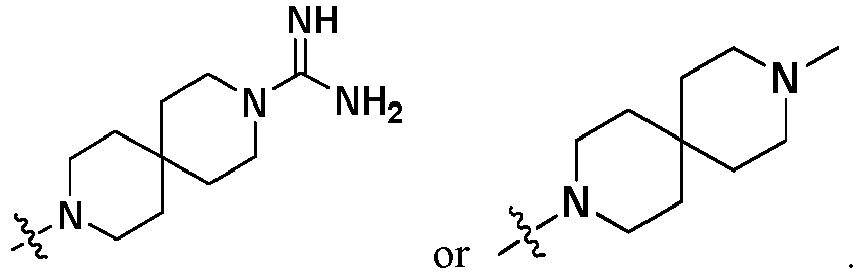
- In some embodiments, the present invention provides a compound or a pharmaceutically acceptable salt, stereoisomer, polymorph, solvate, N-oxide, or isotopically labeled compound, , wherein the compound has the structure of any of the following formulae:


- Z is selected from the group consisting of O, S(=O)i and NR;
- i is an integer of 0, 1 or 2;
- rin A' is selected from the group consisting of saturated or partially unsaturated 3- to 10-membered heterocycle and 5- to 14-membered heteroaromatic ring, and at most 2 ring members in the heterocycle are C(=O);
- R7 is selected from the group consisting of H, halogen, -NH2, -OH, C1-6 alkyl and -OR5;
- R11 is H, halogen, amino, cyano, nitro, C1-6 alkyl, C2-6 alkenyl, C2-6 alkynyl, C3-10 cyclic hydrocarbyl, 3- to 10-membered heterocyclyl, C6-10 aryl, 5- to 14-membered heteroaryl, C6-12 aralkyl, -C(=O)R5, - OC(=O)R5, -C(=O)OR5, -OR5, -SR5, -S(=O)R5, -S(=O)2R5, -S(=O)2NR5R6, -NR5R6, -C(=O)NR5R6, -NR5-C(=O)R6, -NR5-C(=O)OR6, -NR5-S(=O)2-R6, -NR5-C(=O)-NR5R6, -C1-6 alkylene-NR5R6 or -O-C1-6 alkylene-NR5R6;
- each of the remaining groups is as defined above.
- In preferred embodiments, the present invention provides a compound or a pharmaceutically acceptable salt, stereoisomer, polymorph, solvate, N-oxide, or isotopically labeled compound, thereof, wherein the compound has the structure of formula (XVII) or formula (XVII'):

- R is selected from the group consisting of H and C1-6 alkyl;
- ring D is saturated or partially unsaturated 3- to 10-membered heterocycle, C6-10 aryl or 5- to 10-membered heteroaromatic ring, preferably

- R2 is selected from the group consisting of H and C1-6 alkyl;
- R3, R4, R7, R7' and R8, at each occurrence, are each independently selected from the group consisting of H, halogen, -NH2, -OH, C1-6 alkyl and -OR5;
- R9 and R10, at each occurrence, are each independently selected from the group consisting of H, halogen, C1-6 alkyl, C2-6 alkenyl, C3-10 cyclic hydrocarbyl, 3- to 10-membered heterocyclyl, C6-10 aryl, 5- to 14-membered heteroaryl, C6-12 aralkyl, -C(=O)R5 and -C1-6 alkylene-O(P=O)(OH)2;
- the above alkyl, alkenyl, cyclic hydrocarbyl, heterocyclyl, aryl, heteroaryl, heteroaromatic ring and aralkyl, at each occurrence, are each optionally substituted with one or more substituents independently selected from the group consisting of halogen, C1-6 alkyl and -OR5;
- R5, at each occurrence, is each independently selected from the group consisting of H, C1-6 alkyl, C3-10 cyclic hydrocarbyl, 3- to 10-membered heterocyclyl, C6-10 aryl, 5- to 14-membered heteroaryl and C6-12 aralkyl;
- m, at each occurrence, is each independently an integer of 0, 1, 2 or 3; and
- n is an integer of 0, 1 or 2. In some embodiments, the present invention provides a compound or a pharmaceutically acceptable salt, stereoisomer, polymorph, solvate, N-oxide, isotopically labeled compound, thereof, wherein the structure and characterization data of the compound is as follows:
No. Structural Formula MS m/z (ESI): [M+H] TDI01102 
413.2 TDI01103 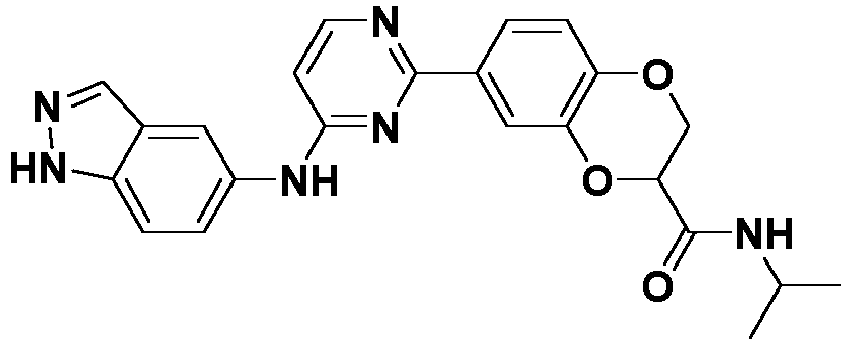
431.2 TDI01104 
429.3 TDI01105 
413.2 TDI01106 
429.2 TDI01107 
429.3 TDI01108 
412.2 TDI01109 
401.1 TDI01110 
415.1 TDI01111 
427.2 TDI01112 
469.1 TDI01113 
457.0 TDI01114 
484.3 TDI01115 
464.2 TDI01116 
465.1 TDI01117 
428.2 TDI01118 
444.1 TDI01119 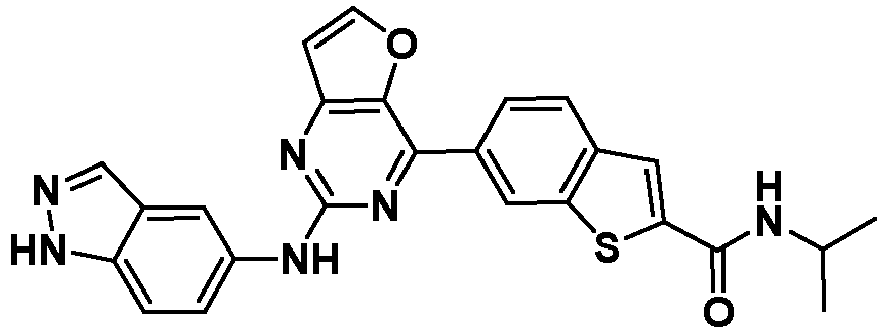
469.1 TDI01120 
485.1 TDI01121 
516.2 TDI01122 
539.1 TDI01127 
412.1 TDI01128 
462.2 TDI01129 
410.2 TDI01130 
504.1 TDI01131 
544.2 TDI01132 
532.2 TDI01133 
467.1 TDI01134 
450.2 TDI01135 
469.1 TDI01136 
485.1 TDI01139 
435.1 TDI01140 
474.1 TDI01141 
468.2 TDI01142 
468.1 TDI01143 
451.1 TDI01144 
451.2 TDI01145 
453.2 TDI01146 
453.2 TDI01147 
418.1 TDI01148 
469.1 TDI01149 
469.1 TDI01150 
469.1 TDI01151 
410.2 TDI01152 
448.2 TDI01153 
447.1 TDI01154 
454.1 TDI01155 
398.1 TDI01156 
437.1 TDI01157 
437.1 TDI01158 
454.1 TDI01159 
454.1 TDI01160 
448.2 TDI01161 
448.1 TDI01162 
448.2 TDI01163 
449.2 TDI01164 
487.1 TDI01165 
502.2 TDI01166 
488.2 TDI01167 
449.3 TDI01168 
473.2 TDI01169 
498.1 TDI01171 
447.1 TDI01172 
462.2 TDI01173 
448.2 TDI01174 
474.1 TDI01175 
504.1 TDI01176 
428.2 TDI01177 
385.2 TDI01178 
462.1 TDI01179 
482.1 TDI01180 
482.1 TDI01181 
482.2 TDI01182 
486.1 TDI01183 
463.2 TDI01184 
463.2 TDI01185 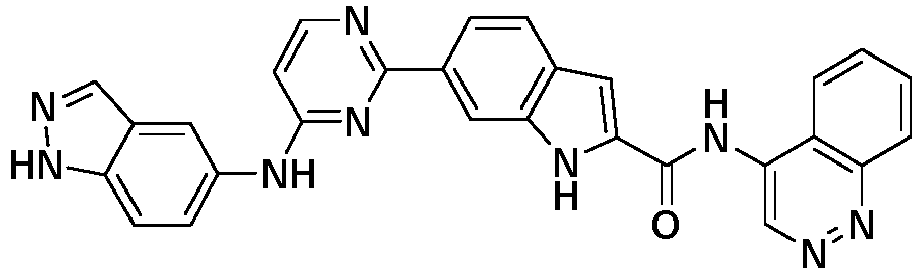
498.2 TDI01186 
464.2 TDI01187 
448.2 TDI01188 
448.2 TDI01189 
449.1 TDI01190 
449.2 TDI01191 
448.2 TDI01192 
449.2 TDI01193 
449.0 TDI01194 
466.1 TDI01195 
450.1 TDI01196 
449.2 TDI01197 
450.1 TDI01198 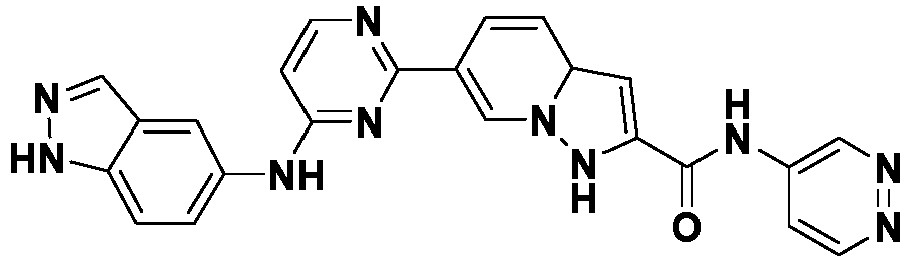
451.2 TDI01199 
436.1 TDI01200 
536.1 TDI01201 
462.2 TDI01209 
439.1 TDI01211 
448.2 TDI01212 
449.1 TDI01213 
466.1 TDI01214 
466.1 TDI01215 
446.1 TDI01216 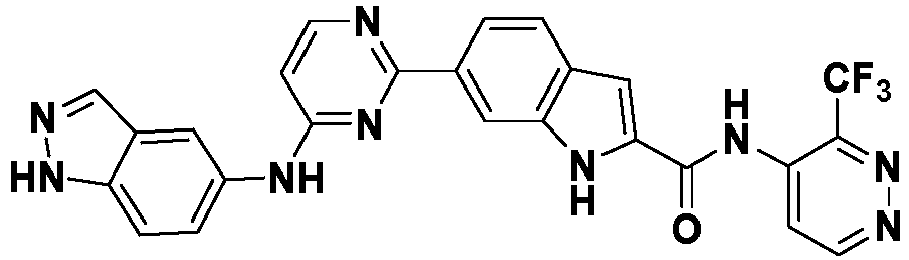
516.1 TDI01217 
546.2 TDI01218 
544.2 TDI01219 
403.2 TDI01220 
399.2 TDI01221 
490.1 TDI01222 
489.2 TDI01223 
478.2 TDI01224 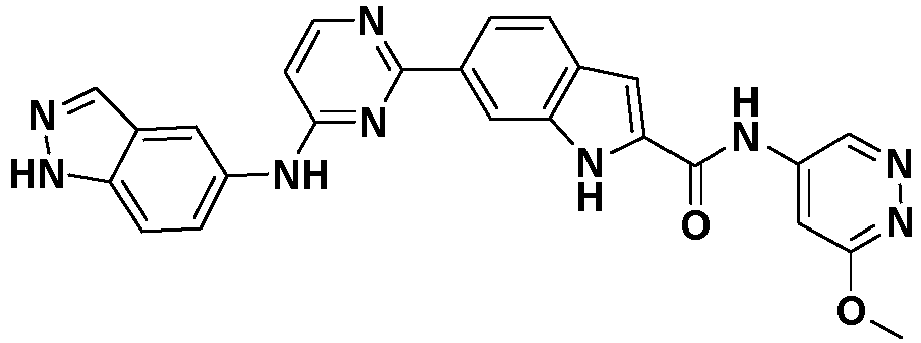
478.2 TDI01225 
478.2 TDI01226 
462.2 TDI01227 
546.2 TDI01228 
466.1 TDI01229 
369.3 TDI01230 
467.3 TDI01231 
516.2 TDI01232 
476.3 TDI01233 
538.1 TDI01234 
451.3 TDI01235 
519.2 TDI01236 
460.3 TDI01237 
450.2 TDI01238 
464.3 TDI01239 
478.2 TDI01240 
478.2 TDI01241 
474.2 TDI01242 
482.1 TDI01243 
396.1 TDI01244 
494.2 TDI01245 
396.2 TDI01246 
434.2 TDI01247 
454.1 TDI01248 
586.2 TDI01249 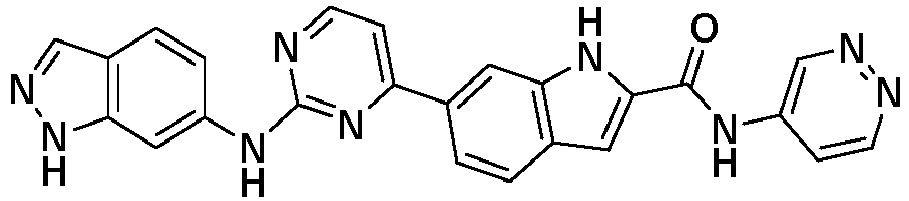
448.0 TDI01250 
462.3 TDI01251 
462.1 TDI01253 
444.2 TDI01254 
456.2 TDI01255 
456.2 TDI01256 
483.1 TDI01257 
508.2 TDI01258 
486.2 TDI01259 
485.2 TDI01260 
400.2 TDI01261 
462.1 TDI01262 
507.3 TDI01263 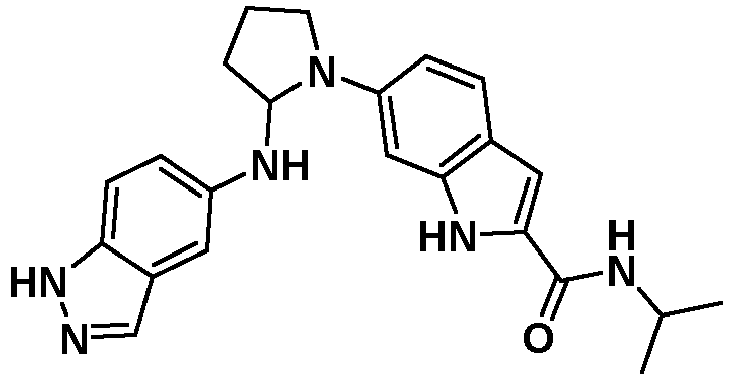
403.2 TDI01264 
359.2 TDI01265 
372.1 TDI01266 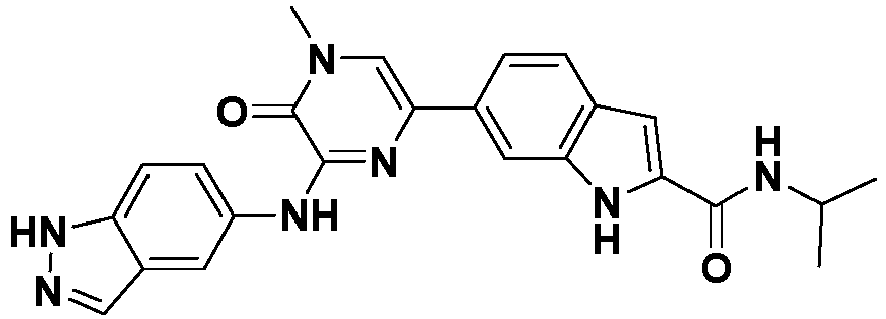
442.1 TDI01267 
416.2 TDI01268 
428.2 TDI01271 
484.2 TDI01272 
460.2 TDI01273 
412.2 TDI01274 
508.2 TDI01275 
462.2 TDI01276 
462.2 TDI01277 
466.1 TDI01278 
516.2 TDI01280 
438.3 TDI01281 
460.2 TDI01282 
476.3 TDI01283 
436.2 TDI01285 
412.3 TDI01286 
426.2 TDI01287 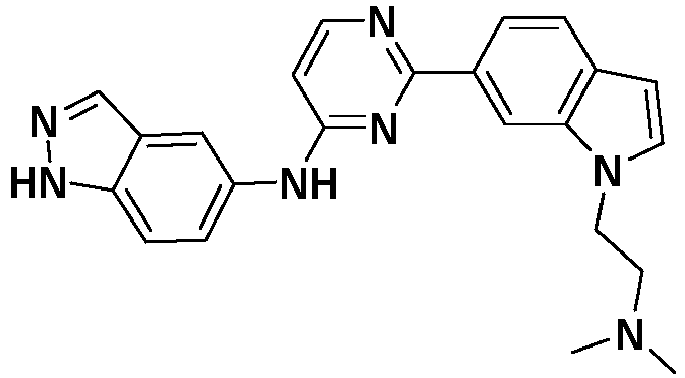
398.2 TDI01288 
343.2 TDI01289 
490.2 TDI01290 
481.1 TDI01291 
454.3 TDI01292 
414.2 TDI01294 
424.2 TDI01295 
416.2 TDI01296 
410.2 TDI01297 
545.2 TDI01298 
444.2 TDI01299 
439.2 TDI01300 
462.2 TDI01310 
398.2 TDI01311 
447.2 TDI01312 
414.2 TDI01314 
467.2 TDI01315 
477.2 TDI01316 
533.2 TDI01317 
550.3 TDI01318 
550.3 TDI01319 
536.3 TDI01320 
521.3 TDI01321 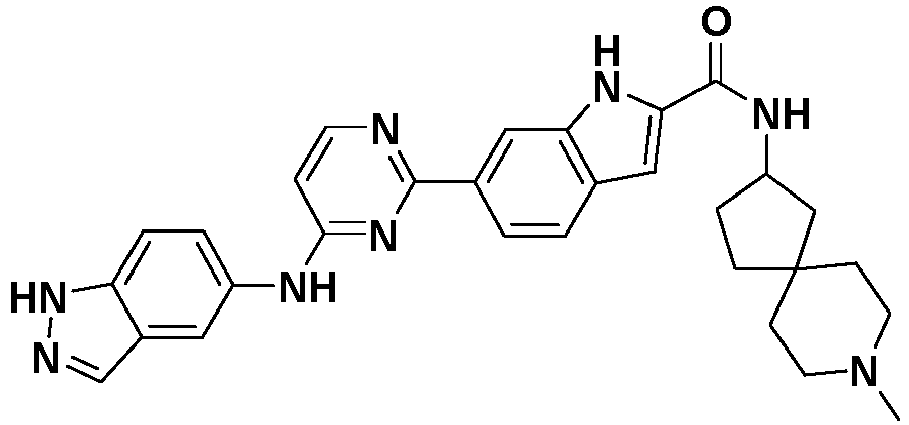
521.3 TDI01322 
333.1 TDI01323 
412.2 TDI01324 
436.2 TDI01325 
497.2 TDI01326 
469.2 TDI01327 
424.2 TDI01328 
410.1 TDI01329 
438.2 TDI01330 
436.2 TDI01331 
466.2 TDI01332 
452.2 TDI01333 
441.1 TDI01334 
480.2 TDI01335 
466.2 TDI01336 
512.2 TDI01337 
466.2 TDI01338 
480.2 TDI01339 
479.2 TDI01340 
454.2 TDI01341 
442.2 TDI01342 
468.2 TDI01343 
479.2 TDI01344 
466.2 TDI01345 
479.2 TDI01346 
482.2 TDI01347 
462.2 TDI01348 
458.1 TDI01348P-2 
445.1 TDI01350 
438.4 TDI01351 
452.2 TDI01353 
398.1 TDI01354 
507.3 TDI01355 
492.1 TDI01356 
449.1 TDI01357 
412.3 TDI01358 
471.3 TDI01360 
507.3 TDI01360P-1 
607.5 TDI01361 
480.1 TDI01362 
426.2 TDI01363 
473.2 TDI01364 
414.2 TDI01365 
428.1 TDI01366 
426.1 TDI01367 
509.2 TDI01368 
480.3 TDI01369 
477.1 TDI01370 
494.2 TDI01371 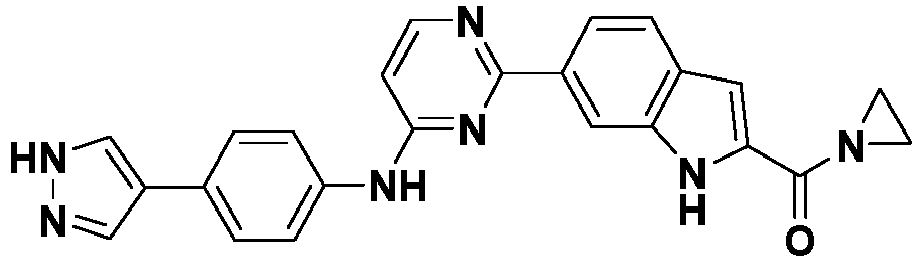
422.1 TDI01372 
498.1 TDI01373 
497.1 TDI01374 
483.1 TDI01375 
455.2 TDI01376 
483.1 TDI01379 
466.1 TDI01380 
536.3 TDI01381 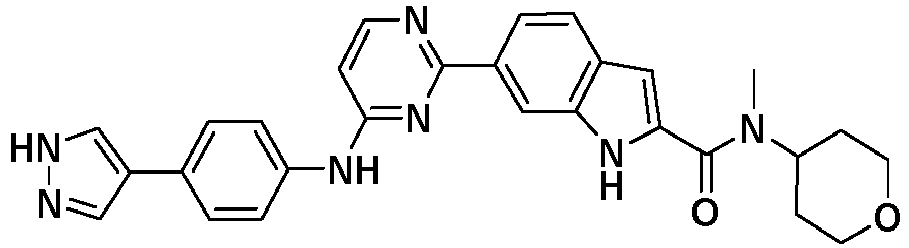
494.2 TDI01382 
470.1 TDI01383 
457.2 TDI01384 
447.1 TDI01385 
522.4 TDI01386 
461.1 TDI01387 
461.1 TDI01388 
475.2 TDI01389 
357.1 TDI01390 
537.3 TDI01391 
455.1 TDI01392 
471.1 TDI01393 
490.2 TDI01394 
465.2 TDI01395 
515.0 TDI01396 
483.1 TDI01397 
473.1 TDI01398 
461.2 TDI01399 
455.1 TDI01400 
529.3 TDI01402 
438.2 TDI01344-2A 
484.2 TDI01403 
449.1 TDI01404 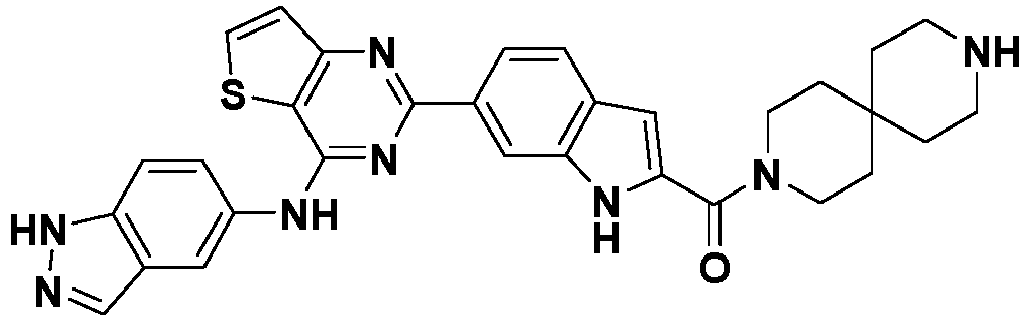
563.2 TDI01405 
440.3 TDI01406 
454.1 TDI01407 
468.1 TDI01408 
424.2 TDI01410 
492.0 TDI01411 
426.5 TDI01415 
468.1 TDI01416 
454.2 TDI01417 
443.2 TDI01418 
480.3 TDI01419 
480.2 TDI01420 
464.2 TDI01421 
487.2 TDI01422 
480.3 TDI01423 
522.2 TDI01424 
506.3 TDI01425 
533.3 TDI01426 
510.2 TDI01427 
492.2 TDI01428 
509.2 TDI01429 
492.2 TDI01430 
449.2 TDI01431 
480.3 TDI01432 
506.2 TDI01433 
504.2 TDI01434 
472.0 TDI01435 
486.2 TDI01436 
520.2 TDI01437 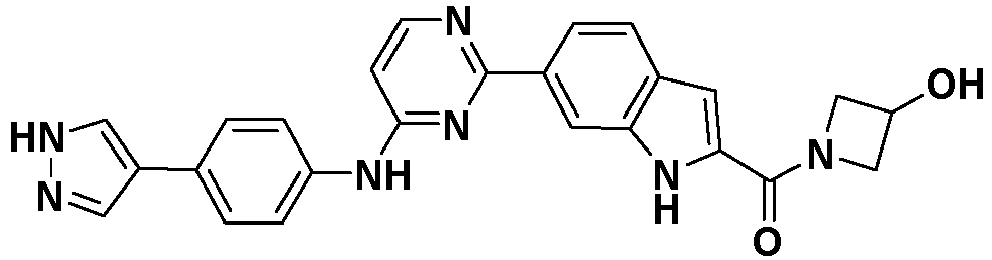
452.2 TDI01438 
466.1 TDI01439 
511.1 TDI01440 
560.2 TDI01441 
468.2 TDI01442 
463.2 TDI01443 
506.2 TDI01444 
518.3 TDI01445 
489.2 TDI01446 
442.1 TDI01447 
562.4 TDI01448 
475.2 TDI01449 
468.1 TDI01450 
522.2 TDI01451 
508.3 TDI01452 
506.1 TDI01453 
442.1 TDI01454 
513.1 TDI01455 
454.2 TDI01456 
495.1 TDI01457 
506.2 TDI01458 
480.2 TDI01459 
480.1 TDI01460 
450.1 TDI01461 
475.3 TDI01462 
466.3 TDI01463 
486.1 TDI01464 
505.3 TDI01465 
514.3 TDI01466 
480.2 TDI01467 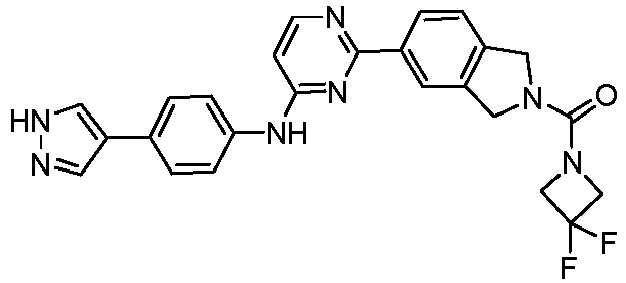
474.3 TDI01468 
519.3 TDI01469 
562.2 TDI01470 
486.2 TDI01471 
489.1 TDI01472 
528.1 TDI01473 
468.2 TDI01474 
446.1 TDI01475 
481.1 TDI01476 
481.1 TDI01477 
486.3 TDI01478 
486.2 TDI01479 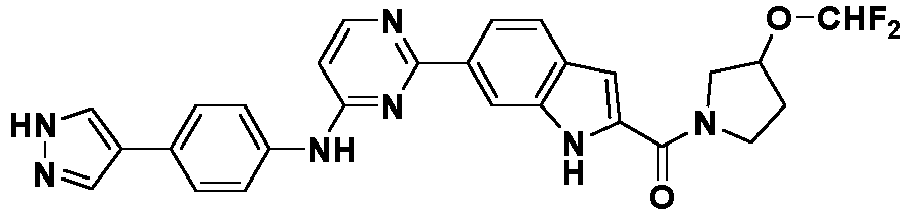
516.1 TDI01480 
465.1 TDI01481 
451.0 TDI01482 
471.1 TDI01483 
413.1 TDI01484 
482.1 TDI01485 
500.2 TDI01486 
512.2 TDI01487 
524.2 TDI01488 
542.1 TDI01489 
529.3 TDI01490 
498.2 TDI01491 
482.1 TDI01492 
500.1 TDI01493 
502.1 TDI01494 
484.1 TDI01495 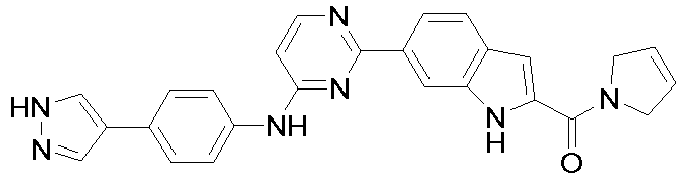
448.2 TDI01496 
468.1 TDI01497 
514.2 TDI01498 
465.2 TDI01499 
494.1 TDI01500 
478.1 TDI01501 
517.0 TDI01502 
463.1 TDI01503 
500.1 TDI01504 
532.3 TDI01505 
548.2 TDI01506 
532.2 TDI01507 
500.3 TDI01508 
542.2 TDI01509 
506.1 TDI01510 
477.1 TDI01511 
498.1 TDI01512 
512.2 TDI01513 
526.2 TDI01514 
500.2 TDI01515 
487.2 TDI01516 
471.4 TDI01517 
492.3 TDI01518 
498.2 TDI01519 
560.2 TDI01520 
498.2 TDI01521 
532.1 TDI01522 
532.1 TDI01523 
534.3 TDI01524 
500.3 TDI01525 
545.1 TDI01526 
473.1 TDI01529 
516.1 TDI01530 
504.1 TDI01531 
452.3 TDI01532 
487.2 TDI01533 
525.3 TDI01534 
475.2 TDI01535 
475.2 TDI01536 
473.8 TDI01537 
514.0 TDI01538 
518.3 TDI01543 
449.6 TDI01544 
434.2 TDI01545 
434.2 TDI01546 
505.8 TDI01547 
541.1 TDI01550 
502.6 TDI01551 
467.8 TDI01552 
482.0 TDI01553 
451.7 TDI01554 
482.8 TDI01555 
522.8 TDI01556 
521.1 TDI01557 
354.7 TDI01557B 
455.0 TDI01558 
447.1 TDI01559 
489.0 TDI01560 
466.8 TDI01561 
452.8 TDI01562 
489.0 TDI01563 
521.8 TDI01564 
511.6 TDI01565 
512.1 TDI01566 
467.7 TDI01567 
515.8 TDI01567B 
545.0 TDI01567C 
516.7 TDI01569 
559.5 TDI01570 
486.6 TDI01571 
501.1 TDI01571B 
482.8 TDI01572 
502.1 TDI01573 
501.1 TDI01574 
472.1 TDI01575 
460.7 TDI01578 
502.5 TDI01579 
500.1 TDI01580 
462.6 TDI01581 
472.7 TDI01582 
489.6 TDI01583 
471.1 TDI01584 
528.5 TDI01585 
504.5 TD01586 
484.6 TDI01587 
556.2 TDI01588 
422.1 TDI01589 
464.7 TDI01590 
491.1 TDI01591 
485.1 TDI01592 
516.1 TDI01593 
491.1 TDI01594 
458.7 TDI01594B 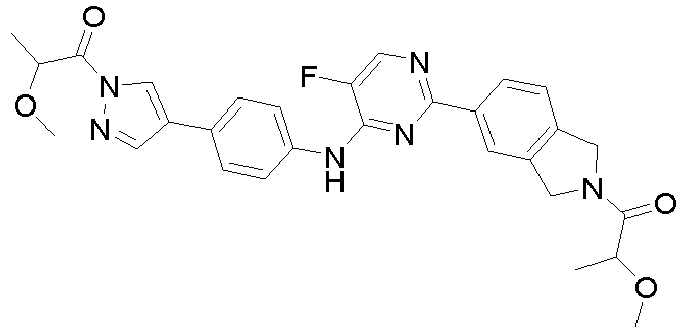
544.5 TDI01596 
504.7 TDI01596B 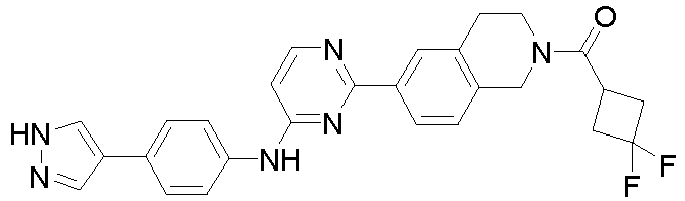
486.6 TDI01597 
485.1 TDI01597B 
466.8 TDI01598 
509.1 TDI01609 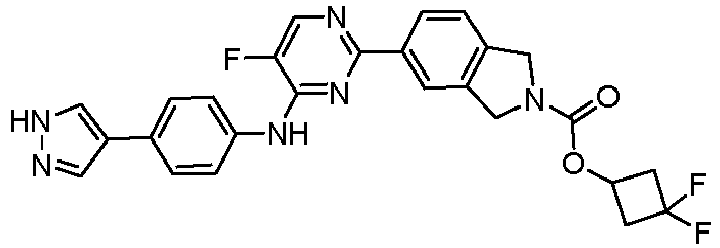
506.5 TDI01611 
504.6 TDI01613 
480.7 TDI01615 
504.1 TDI01617 
533.6 TDI01618A 
491.1 TDI01620 
521.8 TDI01621 
503.1 TDI01622 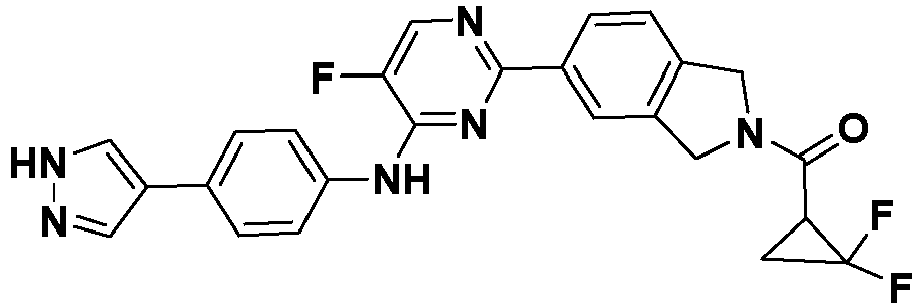
477.1 TDI01623 
544.1 TDI01628 
505.0 TDI01633 
556.5 TDI01634 
493.9 TDI01653 
474.1 TDI01654 
488.1 TDI01655 
518.6 TDI01656 
531.1 TDI01657 
533.1 TDI01658 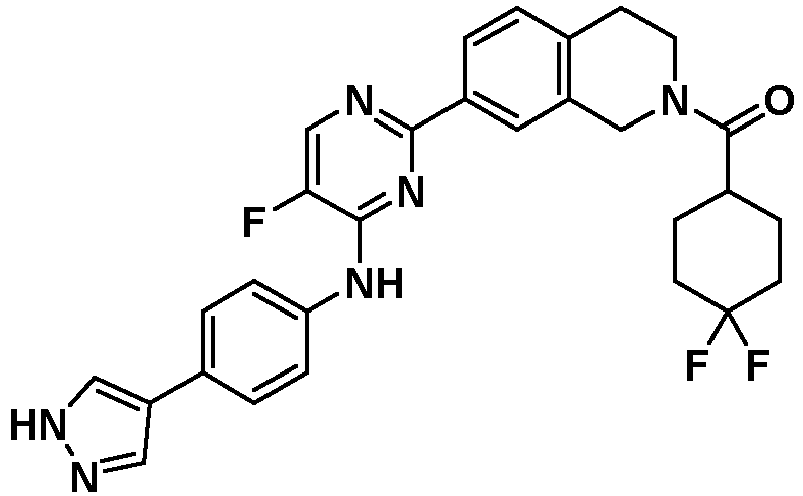
532.6 TDI01659 
505.1 TDI01662 
519.1 TDI01665 
520.6 TDI01666 
544.1 TDI01667 
524.7 TDI01668 
530.1 TDI01670 
509.1 TDI01672 
506.5 TDI01673 
483.1 TDI01674 
440.8 TDI01675 
507.0 TDI01676 
500.8 TDI01678 
535.5 TDI01681 
553.7 TDI01682 
460.7 TDI01683 
460.7 TDI01684 
451.1 TDI01689 
501.1 TDI01690 
516.6 TDI01691 
506.2 TDI01692 
492.0 TDI01693 
493.1 TDI01694 
479.1 TDI01695 
457.1 TDI01698 
500.1 TDI01706 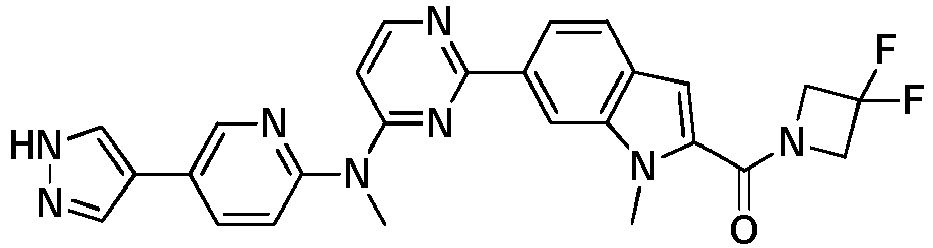
500.7 TDI01708 
487.1 TDI01709 
502.1 TDI01710 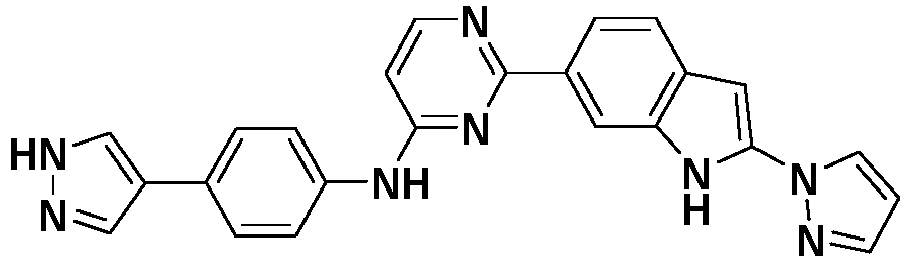
419.1 TDI01712 
473.1 TDI01714 
487.1 TDI01715 
484.1 TDI01721 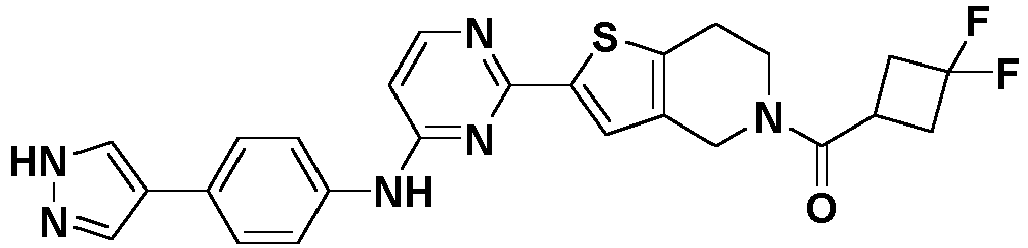
493.1 TDI01801 
478.2 TDI01802 
478.1 TDI01803 
494.9 TDI01804 
482.8 TDI01806 
456.0 TDI01807 
411.9 TDI01808 
552.3 TDI01809 
491.1 TDI01810 
491.1 TDI01811 
490.7 TDI01812 
491.1 TDI01813 
477.9 TDI01814 
529.9 TDI01815 
515.9 TDI01816 
443.7 TDI01816B 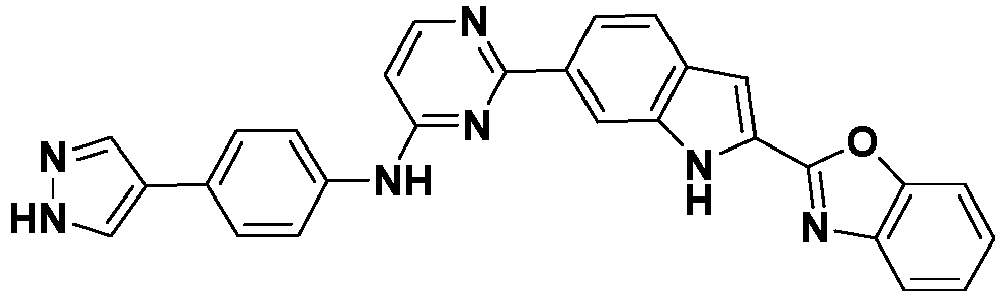
470.2 TDI01818 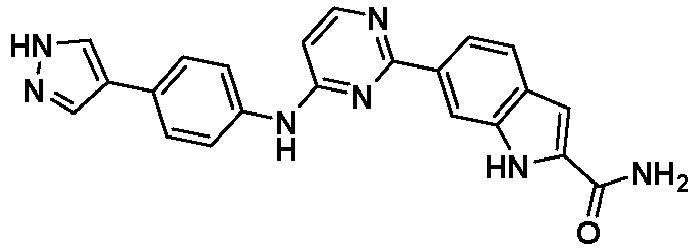
396.0 TDI01819 
444.0 TDI01820 
457.8 TDI01821 
443.8 TDI01822 
457.7 TDI01823 
482.0 TDI01824 
481.9 TDI01825 
462.1 TDI01825B 
440.0 TDI01825C 
466.0 TDI01826 
436.2 TDI01827 
420.1 TDI01829 
472.1 TDI01829B 
498.0 TDI01829C 
598.8 TDI01830 
428.1 TDI01831 
428.1 TDI01832 
454.2 TDI01833 
430.9 TDI01834 
479.1 TDI01835 
495.1 TDI01836 
467.2 TDI01837 
425.2 TDI01838 
425.2 TDI01839 
515.1 TDI01840 
530.0 TDI01841 
494.8 TDI01842 
442.2 TDI01842B 
489.9 TDI01843 
342.1 TDI01844 
481.9 TDI01845 
522.7 TDI01846 
429.2 TDI01847 
563.6 TDI01847B 
589.8 TDI01848 
442.9 TDI01849 
475.0 TDI01849B 
500.9 TDI01850 
508.1 TDI01851 
543.9 TDI01852 
496.0 TDI01853 
495.7 TDI01854 
463.2 TDI01855 
453.0 TDI01856 
452.8 TDI01861 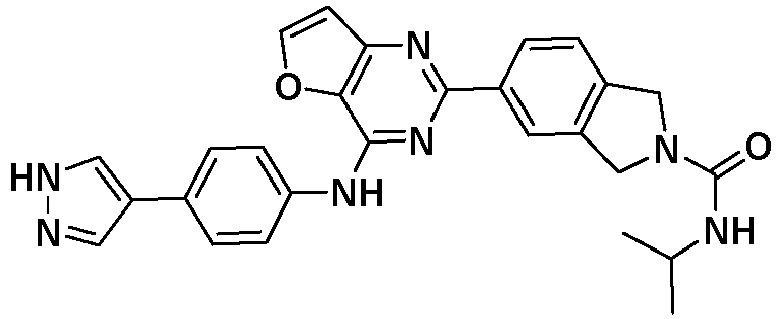
479.9 TDI01862 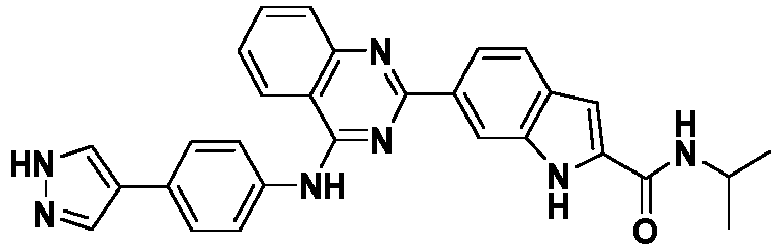
488.0 TDI01863 
438.1 TDI01864 
478.0 TDI01865 
524.8 TDI01867 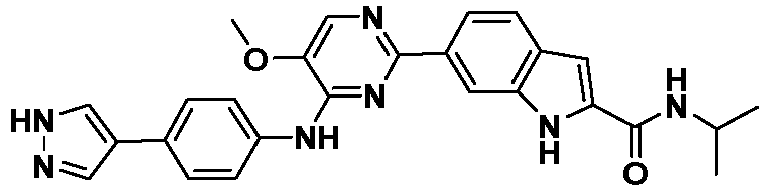
468.2 TDI01868 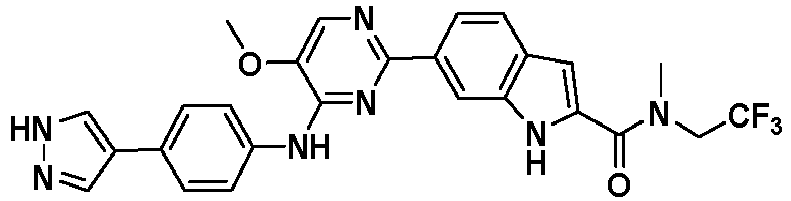
522.2 TDI01869 
429.9 TDI01870 
430.7 TDI01871 
466.0 TDI01872 
479.2 TDI01873 
418.9 TDI01874 
432.9 TDI01875 
417.9 TDI01876 
419.1 TDI01876B 
433.1 TDI01877 
435.9 TDI01878 
562.9 TDI01879 
466.0 TDI01880 
548.6 TDI01881 
460.0 TDI01882 
556.0 TDI01883 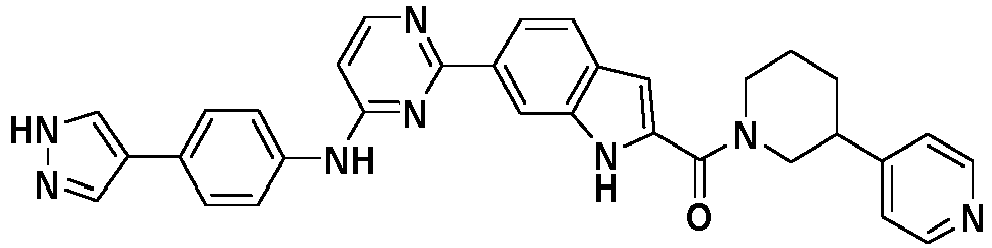
541.2 TDI01884 
606.9 TDI01885 
575.8 TDI01886 
453.9 TDI01887 
442.9 TDI01888 
393.9 TDI01890 
429.9 TDI01891 
430.9 TDI01892 
453.9 TDI01893 
430.9 TDI01894 
493.9 TDI01898 
501.6 TDI01898B 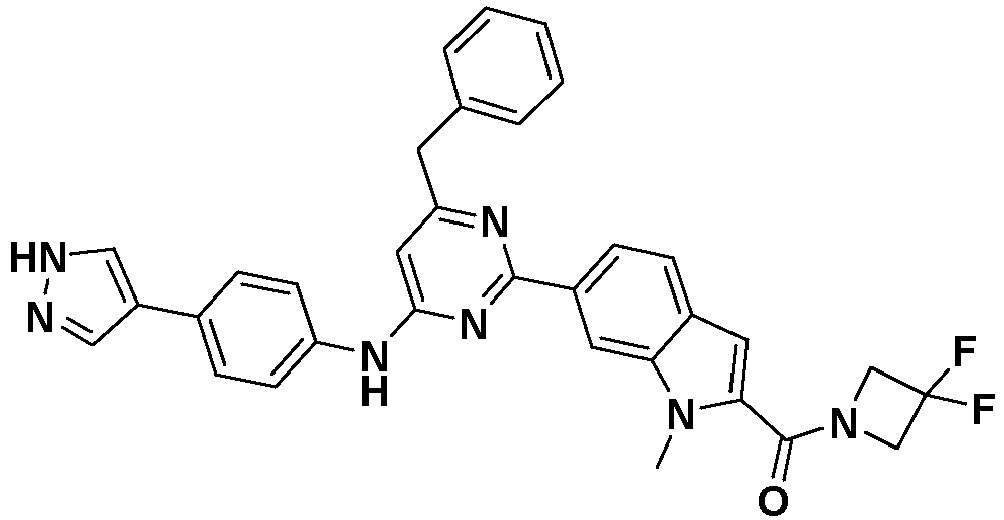
575.8 TDI01899 
504.0 TDI01900 
503.0 TDI01901 
341.1 TDI01902 
454.9 TDI01903 
499.2 TDI01904 
504.1 TDI01905 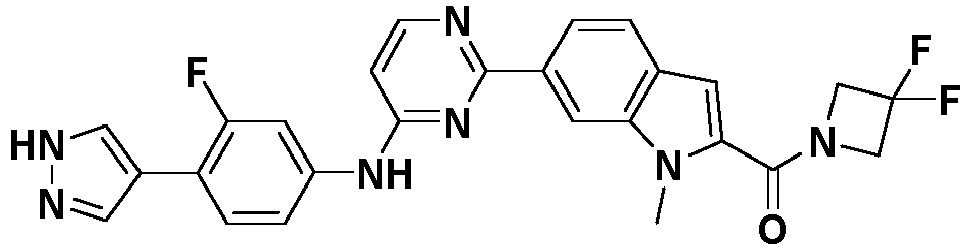
503.5 TDI01906 
460.0 TDI01907 
514.2 TDI01908 
453.9 TDI01909 
484.0 TDI01910 
516.2 TDI01911 
604.0 TDI01912 
465.6 TDI01913 
507.9 TDI01914 
501.6 TDI01915 
516.0 TDI01916 
525.6 TDI01917 
521.1 TDI01918 
535.9 TDI01919 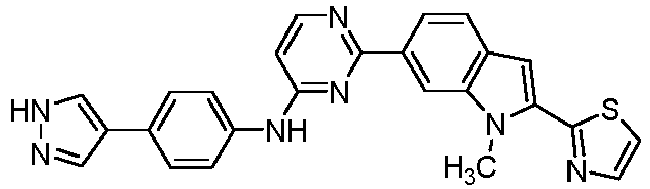
449.9 TDI01920 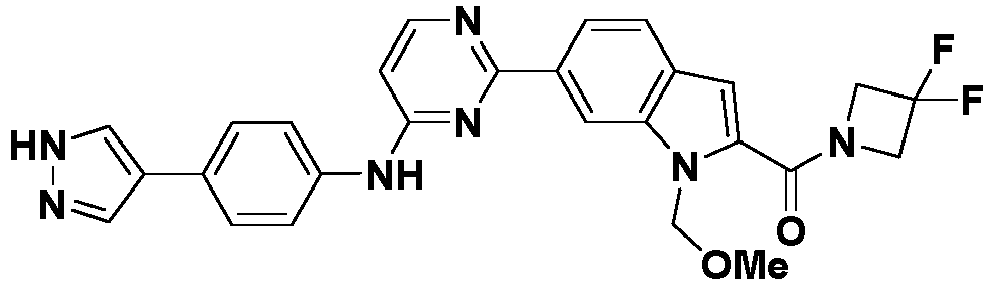
516.6 TDI01921 
529.6 TDI01923 
498.0 TDI01924 
514.1 TDI01925 
512.2 TDI01926 
528.2 TDI01927 
526.2 TDI01928 
556.2 TDI01929 
542.2 TDI01930 
562.2 TDI01931 
555.2 TDI01932 
504.0 TDI01933 
490.2 TDI01934 
504.2 TDI01935 
582.1 TDI01936 
486.6 TDI01937B 
486.6 TDI01938 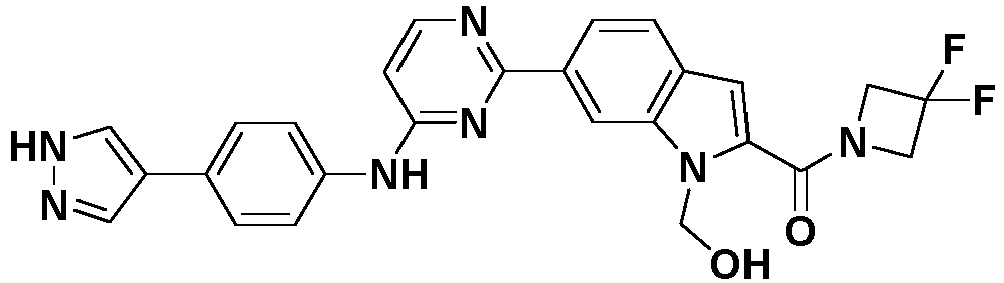
501.9 TDI01939 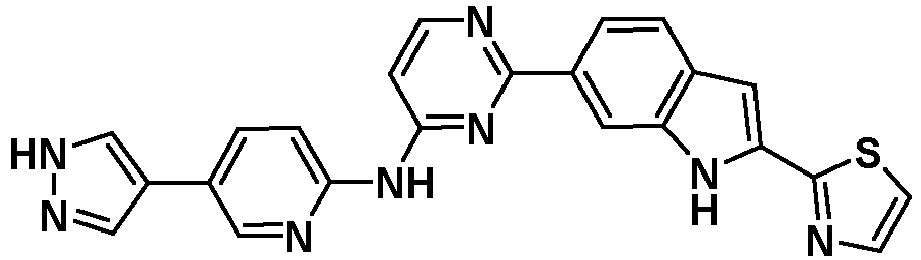
437.0 TDI01940 
437.0 TDI01941 
475.6 TDI01942 
472.9 TDI01943 
501.6 TDI01944 
472.5 TDI01945 
538.5 TDI01946 
525.9 TDI01947 
541.9 TDI01948 
524.9 TDI01949 
519.9 TDI01950 
499.2 TDI01951 
487.8 TDI01952 
527.6 TDI01953 
526.6 TDI01954 
540.5 TDI01955 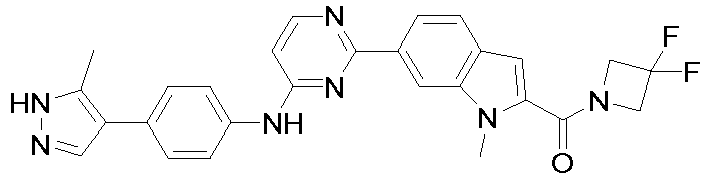
500.0 TDI01956 
503.9 TDI01957 
487.6 TDI01958 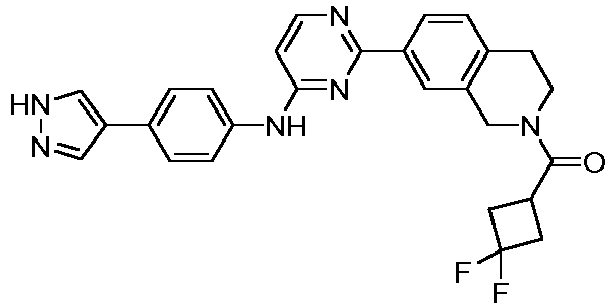
486.6 TDI01959 
488.1 TDI01960 
526.0 TDI01962 
527.6 TDI01965 
459.6 TDI01966 
459.6 TDI01967 
447.0 TDI01968A 
466.1 TDI01968B 
465.7 TDI01969 
452.0 TDI01972 
465.9 TDI01973 
535.1 TDI01974 
466.0 TDI01975 
472.0 TDI01976 
512.6 TDI01978 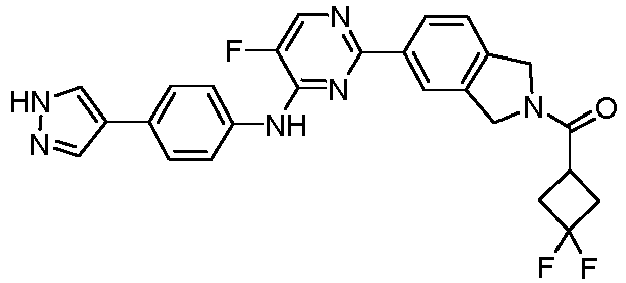
490.9 TDI01979 
474.0 TDI01989 
426.9 TDI01990 
472.0 TDI01991 
472.6 TDI01995 
521.0 TDI01996 
507.1 TDI01998 
535.0 TDI01999 
513.6 - In some embodiments, the present invention provides a method for the preparation of a compound of Formula (II), wherein the method comprises the following steps:

- R2 is H;
- Hal1 and Hal2 are same or different halogens, e.g., F, Cl, Br or I;
- PG1 is a carboxy protecting group, preferably C1-6 alkyl;
- PG2 is H or an amino protecting group, preferably tert-butyloxycarbonyl (Boc);
- Ra and Ra', at each occurrence, are each independently selected from the group consisting of H and C1-6 alkyl; or Ra and Ra' together with the group to which they are attached form a 5- to 10-membered ring system;


- the reaction conditions for each step are as follows:
- step 1: reacting compound a-1 with a boric acid or borate under the catalysis of a palladium catalyst (preferably in the presence of a base), to obtain compound b-1;
- step 2: reacting compound b-1 with compound REG-1 under the catalysis of a palladium catalyst (preferably in the presence of a base), to obtain compound c-1; and
- step 3: reacting compound c-1 with compound REG-2 (preferably in the presence of an appropriate condensation agent and an appropriate base), to obtain the compound of Formula (II);
- alternatively, the method comprises the following steps:

- wherein each of the groups is as defined above;
- the reaction conditions for each step are as follows:
- step 1: reacting compound a-2 with compound REG-2 (preferably in the presence of an appropriate condensation agent and an appropriate base), to obtain compound b-2;
- step 2: reacting compound b-2 with a boric acid or borate under the catalysis of a palladium catalyst (preferably in the presence of a base), to obtain compound c-2; and
- step 3: reacting compound c-2 with compound REG-1 under the catalysis of a palladium catalyst (preferably in the presence of a base), to obtain the compound of Formula (II);
- alternatively, the method comprises the following steps:

- wherein each of the groups is as defined above;
- the reaction conditions for each step are as follows:
- step 1: reacting compound a-1 with a boric acid or borate under the catalysis of a palladium catalyst (preferably in the presence of a base), to obtain compound b-1;
- step 2: deprotecting compound b-1 under a condition corresponding to PG1, to obtain compound c-3;
- step 3: reacting compound c-3 with compound REG-2 (preferably in the presence of an appropriate condensation agent and an appropriate base), to obtain compound d-3; and
- step 4: reacting compound d-3 with compound REG-1 under the catalysis of a palladium catalyst (preferably in the presence of a base), to obtain the compound of Formula (II);
- In some embodiments, the present invention provides a method for the preparation of a compound of Formula (XII), wherein the method comprises the following steps:

- R2 is H;
- Hal1 and Hal2 are same or different halogens, e.g., F, Cl, Br or I;
- PG1 is a carboxy protecting group, preferably C1-6 alkyl;
- PG2 is H or an amino protecting group, preferably tert-butyloxycarbonyl (Boc);
- Ra and Ra', at each occurrence, are each independently selected from the group consisting of H and C1-6 alkyl; or Ra and Ra' together with the group to which they are attached form a 5- to 10-membered ring system;
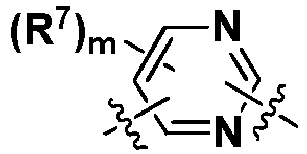

- the remaining groups are as defined above;
- the reaction conditions for each step are as follows:
- step 1: reacting compound a-1 with a boric acid or borate under the catalysis of a palladium catalyst (preferably in the presence of a base), to obtain compound b-1;
- step 2: reacting compound b-1 with compound REG-1' under the catalysis of a palladium catalyst (preferably in the presence of a base), to obtain compound c-1'; and
- step 3: reacting compound c-1' with compound REG-2' (preferably in the presence of an appropriate condensation agent and an appropriate base), to obtain the compound of Formula (XII).
- In some embodiments, the present invention provides a method for the preparation of a compound of Formula (XIII), wherein the method comprises the following steps:

- R2 is H;
- Hal1 and Hal2 are same or different halogens, e.g., F, Cl, Br or I;
- PG1 is a carboxy protecting group, preferably C1-6 alkyl;
- PG2 is H or an amino protecting group, preferably tert-butyloxycarbonyl (Boc);
- Ra and Ra', at each occurrence, are each independently selected from the group consisting of H and C1-6 alkyl; or Ra and Ra' together with the group to which they are attached form a 5- to 10-membered ring system;


- the remaining groups are as defined above;
- the reaction conditions for each step are as follows:
- step 1: reacting compound a-1 with a boric acid or borate under the catalysis of a palladium catalyst (preferably in the presence of a base), to obtain compound b-1;
- step 2: reacting compound b-1 with compound REG-1 under the catalysis of a palladium catalyst (preferably in the presence of a base), to obtain compound c-1; and
- step 3: reacting compound c-1 with compound REG-2' (preferably in the presence of an appropriate condensation agent and an appropriate base), to obtain the compound of Formula (XIII).
- In some embodiments, the present invention provides a method for the preparation of a compound of Formula (XIV), wherein the method comprises the following steps:

- R2 is H;
- Hal1 and Hal2 are same or different halogens, e.g., F, Cl, Br or I;
- PG1 is a carboxy protecting group, preferably C1-6 alkyl;
- PG2 is H or an amino protecting group, preferably tert-butyloxycarbonyl (Boc);
- Ra and Ra', at each occurrence, are each independently selected from the group consisting of H and C1-6 alkyl; or Ra and Ra' together with the group to which they are attached form a 5- to 10-membered ring system;


- the reaction conditions for each step are as follows:
- step 1: reacting compound a-1 with a boric acid or borate under the catalysis of a palladium catalyst (preferably in the presence of a base), to obtain compound b-1;
- step 2: reacting compound b-1 with compound REG-1' under the catalysis of a palladium catalyst (preferably in the presence of a base), to obtain compound c-1'; and
- step 3: reacting compound c-1' with compound REG-2 (preferably in the presence of an appropriate condensation agent and an appropriate base), to obtain the compound of Formula (XIV);
- alternatively, the method comprises the following steps:

- wherein each of the groups is as defined above;
- the reaction conditions for each step are as follows:
- step 1: reacting compound a-2 with compound REG-2 (preferably in the presence of an appropriate condensation agent and an appropriate base), to obtain compound b-2;
- step 2: reacting compound b-2 with a boric acid or borate under the catalysis of a palladium catalyst (preferably in the presence of a base), to obtain compound c-2; and
- step 3: reacting compound c-2 with compound REG-1' under the catalysis of a palladium catalyst (preferably in the presence of a base), to obtain the compound of Formula (XIV);
- alternatively, the method comprises the following steps:

- wherein each of the groups is as defined above;
- the reaction conditions for each step are as follows:
- step 1: reacting compound a-1 with a boric acid or borate under the catalysis of a palladium catalyst (preferably in the presence of a base), to obtain compound b-1;
- step 2: deprotecting compound b-1 under a condition corresponding to PG1, to obtain compound c-3;
- step 3: reacting compound c-3 with compound REG-2 (preferably in the presence of an appropriate condensation agent and an appropriate base), to obtain compound d-3; and
- step 4: reacting compound d-3 with compound REG-1' under the catalysis of a palladium catalyst (preferably in the presence of a base), to obtain the compound of Formula (XIV).
- In preferred embodiments, the boric acid or borate is e.g., bis(pinacolato)diboron.
- In preferred embodiments, the palladium catalyst is e.g., Pd(dppf)Cl2, Pd(PPh3)4, Pd(OAc)2 or Pd(PPh3)2Cl2.
- In preferred embodiments, the condensation agent is e.g., DCC, EDCI, HATU, PyBOP.
- In preferred embodiments, the appropriate base is e.g., diisopropylethylamine, triethylamine, pyridine, sodium carbonate, potassium acetate, potassium carbonate, potassium hydroxide, cesium carbonate.
- In some embodiments, the present invention provides a pharmaceutical composition comprising a prophylactically or therapeutically effective amount of the compound of the present invention or a pharmaceutically acceptable salt, stereoisomer, polymorph, solvate, N-oxide, isotopically labeled compound, thereof and one or more pharmaceutically acceptable carriers, and the pharmaceutical composition is preferably in the form of a solid, semi-solid, liquid, or gas preparation. In some embodiments, the pharmaceutical composition can further comprise one or more additional therapeutic agents.
- Disclosed herein is use of the compound of the present invention or a pharmaceutically acceptable salt, stereoisomer, polymorph, solvate, N-oxide, isotopically labeled compound, thereof or the pharmaceutical composition of the present invention in the preparation of a medicament for use as a Rho-associated protein kinase (ROCK) inhibitor, preferably a selective ROCK2 inhibitor.
- In some embodiments, the present invention provides the compound of the present invention or a pharmaceutically acceptable salt, stereoisomer, polymorph, solvate, N-oxide, isotopically labeled compound, thereof or the pharmaceutical composition of the present invention for use as a Rho-associated protein kinase (ROCK) inhibitor, preferably a selective ROCK2 inhibitor.
- Disclosed herein is a method for the prevention or treatment of a disease mediated by the Rho-associated protein kinase (ROCK), wherein the method comprises administering to a subject in need thereof an effective amount of the compound of the present invention or a pharmaceutically acceptable salt, stereoisomer, polymorph, solvate, N-oxide, isotopically labeled compound, thereof or the pharmaceutical composition of the present invention.
- In some embodiments, the disease mediated by the Rho-associated protein kinase (ROCK) includes an autoimmune disorder (comprising rheumatoid arthritis, systemic lupus erythematosus (SLE; lupus), psoriasis, Crohn's disease, atopic dermatitis, eczema, or graft-versus-host disease (GVHD)); a cardiovascular disorder (comprising hypertension, atherosclerosis, restenosis, cardiac hypertrophy, cerebral ischemia, cerebral vasospasm, or erectile dysfunction); inflammation (comprising asthma, cardiovascular inflammation, ulcerative colitis, or renal inflammation); a central nervous system disorder (comprising neuronal degeneration or spinal cord injury; and the central nervous system disorder is preferably Huntington's disease, Parkinson's disease, Alzheimer's disease, Amyotrophic lateral sclerosis (ALS), or multiple sclerosis); an arterial thrombotic disorder (comprising platelet aggregation, or leukocyte aggregation); a fibrotic disorder (comprising liver fibrosis, lung fibrosis, or kidney fibrosis); a neoplastic disease (comprising a lymphoma, carcinoma (e.g., squamous cell cancer, small-cell lung cancer, pituitary cancer, esophageal cancer, non-small cell lung cancer, adenocarcinoma of the lung, squamous carcinoma of the lung, cancer of the peritoneum, hepatocellular cancer, gastrointestinal cancer, pancreatic cancer, glioblastoma, cervical cancer, ovarian cancer, bladder cancer, liver cancer, breast cancer, colon cancer, colorectal cancer, endometrial or uterine carcinoma, salivary gland carcinoma, kidney cancer, prostate cancer, vulval cancer, thyroid cancer, brain cancer, endometrial cancer, testis cancer, cholangiocarcinoma, gallbladder carcinoma, gastric cancer, melanoma, or head and neck cancer), leukemia, astrocytoma, soft tissue sarcoma, sarcoma, or blastoma); a metabolic syndrome; insulin resistance; hyperinsulinemia; type 2 diabetes; glucose intolerance; osteoporosis; an ocular disorder (comprising ocular hypertension, age related macular degeneration (AMD), choroidal neovascularization (CNV), diabetic macular edema (DME), iris neovascularization, uveitis, glaucoma (comprising primary open-angle glaucoma, acute angle-closure glaucoma, pigmentary glaucoma, congenital glaucoma, normal tension glaucoma, secondary glaucoma or neo vascular glaucoma), or retinitis of prematurity (ROP)).
- In some embodiments, the disease mediated by the Rho-associated protein kinase (ROCK) includes lupus nephritis, atherosclerosis, rheumatoid arthritis (RA), hemangioma, angiofibroma, lung fibrosis, psoriasis, corneal graft rejection, insulin-dependent diabetes mellitus, multiple sclerosis, myasthenia gravis, Chron's disease, autoimmune nephritis, primary biliary cirrhosis, acute pancreatitis, allograph rejection, allergic inflammation, contact dermatitis, delayed hypersensitivity, inflammatory bowel disease, septic shock, osteoporosis, osteoarthritis, neuronal inflammation, Osier-Weber syndrome, restenosis, fungal infection, parasitic infection, and viral infection.
- The term "pharmaceutically acceptable carrier" in the present invention refers to a diluent, auxiliary material, excipient, or vehicle with which a therapeutic is administered, and it is, within the scope of sound medical judgment, suitable for contact with the tissues of human beings and animals without excessive toxicity, irritation, allergic response, or other problem or complication, commensurate with a reasonable benefit/risk ratio.
- The pharmaceutically acceptable carrier which can be employed in the pharmaceutical composition of the present invention includes, but is not limited to sterile liquids, such as water and oils, including those of petroleum, animal, vegetable or synthetic origin, such as peanut oil, soybean oil, mineral oil, sesame oil and the like. Water is an exemplary carrier when the pharmaceutical composition is administered intravenously. Physiological salines as well as aqueous dextrose and glycerol solutions can also be employed as liquid carriers, particularly for injectable solutions. Suitable pharmaceutical excipients include starch, glucose, lactose, sucrose, gelatin, maltose, chalk, silica gel, sodium stearate, glycerol monostearate, talc, sodium chloride, dried skim milk, glycerol, propylene glycol, water, ethanol and the like. The pharmaceutical composition, if desired, can also contain minor amounts of wetting or emulsifying agents, or pH buffering agents. Oral formulations can include standard carriers such as pharmaceutical grades of mannitol, lactose, starch, magnesium stearate, sodium saccharine, cellulose, magnesium carbonate, etc. Examples of suitable pharmaceutical carriers are described in e.g. Remington's Pharmaceutical Sciences (1990).
- The pharmaceutical composition of the present invention can act systemically and /or topically. To this end, it can be administered through a suitable route, such as through injection, (intravenous, intraarterial, subcutaneous, intraperitoneal, intramuscular injection, including dripping), or transdermal administration, or administered via oral, buccal, nasal, transmucosal, topical, as an ophthalmic formulation, or via inhalation.
- For these routes of administration, the pharmaceutical composition of the present invention can be administered in a suitable dosage form.
- Such dosage forms include, but are not limited to tablets, capsules, lozenges, hard candies, powders, sprays, creams, salves, suppositories, gels, pastes, lotions, ointments, aqueous suspensions, injectable solutions, elixirs, and syrups.
- As used herein, the term "effective amount" refers to the amount of a compound being administered which will relieve to some extent one or more of the symptoms of the disorder being treated.
- Dosage regimens may be adjusted to provide the optimum desired response. For example, a single bolus may be administered, several divided doses may be administered over time, or the dose may be proportionally reduced or increased as indicated by the exigencies of the therapeutic situation. It is to be noted that dosage values may vary with the type and severity of the condition to be alleviated, and may include single or multiple doses. It is to be further understood that for any particular subject, specific dosage regimens should be adjusted over time according to the individual need and the professional judgment of the person administering or supervising the administration of the composition.
- The amount of the compound of the present invention administered will be dependent on the subject being treated, the severity of the disorder or condition, the rate of administration, the disposition of the compound and the discretion of the prescribing physician. Generally, an effective dosage is in the range of about 0.0001 to about 50 mg per kg body weight per day, for example about 0.01 to about 10 mg/kg/day, in single or divided doses. For a 70 kg human, this would amount to about 0.007 mg to about 3500 mg/day, for example about 0.7 mg to about 700 mg/day. In some instances, dosage levels below the lower limit of the aforesaid range may be more than adequate, while in other cases, still larger doses may be employed without causing any harmful side effect, provided that such larger doses are first divided into several small doses for administration throughout the day.
- The content or dosage of the compound of the present invention in the pharmaceutical composition is about 0.01 mg to about 1000 mg, suitably 0.1-500 mg, preferably 0.5-300 mg, more preferably 1-150 mg, particularly preferably 1-50 mg, e.g., 1.5 mg, 2 mg, 4 mg, 10 mg, 25 mg, etc.
- Unless otherwise indicated, the term "treating" or "treatment", as used herein, means reversing, alleviating, inhibiting the progress of, or preventing the disorder or condition to which such term applies, or one or more symptoms of such disorder or condition.
- As used herein, the term "subject" includes a human or non-human animal. An exemplary human subject includes a human subject having a disease (such as one described herein) (referred to as a patient), or a normal subject. The term "non-human animal" as used herein includes all vertebrates, such as non-mammals (e.g. birds, amphibians, reptiles) and mammals, such as non-human primates, livestock and /or domesticated animals (such as sheep, dog, cat, cow, pig and the like).
- In some embodiments, the pharmaceutical composition described herein can further comprise one or more additional therapeutic agents or prophylactic agents.
- The structure of the compound was confirmed by nuclear magnetic resonance spectrum (1H NMR) or mass spectrum (MS).
- Chemical shifts (δ) are expressed in parts per million (ppm). 1HNMR was recorded on a Bruker BioSpin GmbH 400 spectrometer, the test solvent was deuterated methanol (CD3OD), deuterated chloroform (CDCl3) or hexadeuterated dimethyl sulfoxide (DMSO-d 6), and the internal standard was tetramethylsilane (TMS).
- The LC-MS assay was conducted on Shimadzu LC-MS-2020 liquid chromatography-mass spectrometer (Manufacturer: Shimadzu, Model: Shimadzu LC-MS-2020).
- Preparative high-performance liquid chromatography was conducted on Waters 2767 (waters sunfire, C18, 19× 250 mm 10um chromatographic column).
- Thin layer chromatography (TLC) was performed with Huanghai HSGF 254 (5 × 20 cm) silica gel plates, and preparative thin layer chromatography was performed with GF 254 (0.4 ~ 0.5 nm) silica gel plates produced in Yantai.
- The reaction was monitored by thin layer chromatography (TLC) or LC-MS, the developing solvent system included dichloromethane and methanol system, hexane and ethyl acetate system, as well as petroleum ether and ethyl acetate system, and was adjusted (by adjusting the volume ratio the solvents, or by adding triethylamine, etc.) according to the polarity of the compound to be separated.
- The microwave reaction was conducted by BiotageInitiator+ (400 W, RT ~ 300°C) microwave reactor.
- Silica gel (200-300 mesh) produced by Yucheng Chemical Co., Ltd was normally employed as a stationary phase in column chromatography. The eluent system included dichloromethane and methanol system, as well as hexane and ethyl acetate system, and was adjusted (by adjusting the volume ratio the solvents, or by adding triethylamine, etc.) according to the polarity of the compound to be separated.
- In the following examples, unless otherwise specified, the reaction temperature was room temperature (20°C~30°C).
- The reagents employed in the Examples were purchased from companies such as Acros Organics, Aldrich Chemical Company, or Bide Pharmatech Ltd. etc.
- The abbreviations as used in the present invention have the following meanings:
Abbreviation Meaning ACN acetonitrile AcOH acetic acid AcOK/KOAc potassium acetate aq. aqueous solution BINAP (±)-2,2'-Bis(diphenylphosphino)-1,1' -binaphthalene BoczO Di-tert-butyl dicarbonate Cs2CO3 cesium carbonate Cu(AcO)2 copper acetate CuCN cuprous cyanide DCC Dicyclohexylcarbodiimide DCE 1,2-dichloroethane DCM dichloromethane DIAD diisopropyl azodiformate DIEA/DIPEA N,N-diisopropylethylamine DMAP dimethylaminopyridine DMF N,N-dimethylformamide DMSO dimethyl sulfoxide DNPC bis(4-nitrophenyl)carbonate EA ethyl acetate EDCI 1 -ethyl-(3 -dimethylaminopropyl)carbodiimide hydrochloride Et3N triethylamine EtOH ethanol HATU O-(7-azabenzotriazol-1-yl)-N,N,N',N'-tetramethyluronium hexafluorophosphate HCl hydrochloric acid H2O water IPA isopropanol K2CO3 potassium carbonate KMnO4 potassium permanganate KOH potassium hydroxide KTB potassium tert-butoxide LiAlH4 lithium aluminium hydride LiOH·H2O lithium hydroxide monohydrate m-CPBA metachloroperbenzoic acid MeCN acetonitrile MeOH methanol MgCl2 magnesium chloride Mg2SO4 magnesium sulfate MnOz manganese dioxide MsCl methylsulfonyl chloride MTBE methyl tert-butyl ether NaBH4 sodium borohydride NaBH(OAc)3 sodium triacetoxyborohyride Na2CO3 sodium carbonate NaH sodium hydride NaOH sodium hydroxide NBS N-bromosuccinimide NH4Cl ammonium chloride N2H4·H2O hydrazine hydrate NMP N-methylpyrrolidone O2 oxygen Pd/C palladium/carbon Pd2(dba)3 tris(dibenzylideneacetone)dipalladium Pd(dppf)Cl2 [1,1'-bis(diphenylphosphino)ferrocene]dichloropalladium Pd(OAc)2 palladium acetate Pd(PPh3)4 tetrakis(triphenylphosphine)palladium Pd(PPh3)2Cl2 dichlorobis(triphenylphosphine)palladium PE petroleum ether Pin2B2 bis(pinacolato)diboron POCl3 phosphorus oxychloride PPh3 triphenylphosphine PyBOP Benzotriazol-1 -yl-oxytripyrrolidinophosphonium hexafluorophosphate SOCl2 thionyl chloride t-BuXPhos 2-di-tert-butylphosphino-2',4',6' -triisopropylbiphenyl TEA triethylamine TFA trifluoroacetic acid THF tetrahydrofuran TsCl 4-toluenesulfonyl chloride Xantphos 4,5-bis(diphenylphosphino)-9,9-dimethylxanthene Zn zinc -

- Compound Reg-1-1-a (26 g, 159.38 mmol) and tetrahydrofuran (400 mL) were added to a 1 L flask, and ethylamine (45 mL, 324.6 mmol) and 4-dimethylaminopyridine (2.92 g, 23.91 mmol) were added, followed by slowly dropwise addition of BoczO (41.74 g, 191.25 mmol). The reaction was performed overnight at room temperature. Thin layer chromatography (petroleum ether : ethyl acetate=3:1) indicated the reaction was complete. The reaction mixture was concentrated to obtain a crude product, which was dissolved in dichloromethane (400 mL), and the organic phase was washed three times with 0.5M dilute hydrochloric acid. The organic phase was then washed with saturated brine, dried over anhydrous sodium sulfate, filtered and concentrated to afford compound Reg-1-1-b (39 g, brown solid, yield: 92.95%).
- 1H NMR (400 MHz, CDCl3) δ 8.70 (d, J = 2.1 Hz, 1H), 8.42 (dd, J = 9.1, 2.1 Hz, 1H), 8.34 (d, J = 9.6 Hz, 2H), 1.75 (s, 9H). MS m/z (ESI): 164.2 [M-Boc+H].
- Compound Reg-1-1-b (38 g, 144.35 mmol) was dissolved in methanol (700 mL), Pd/C (3.8 g, 10% water) was added, purge with hydrogen was performed for three times, and the reaction was performed under a hydrogen atmosphere overnight. Thin layer chromatography (petroleum ether : ethyl acetate=3:1) indicated the reaction was complete. The reaction solution was filtered through Celite to afford compound Reg-1-1-c (33.2 g, brown solid, yield: 98.6%).
- 1H NMR (400 MHz, CDCl3) δ 7.97 (d, J = 10.8 Hz, 2H), 7.00 - 6.87 (m, 2H), 3.74 (s, 2H), 1.71 (s, 9H).
- Compound Reg-1-1-c (4 g, 17.14 mmol) and 2,4-dichloropyrimidine (5.1 g, 34.28 mmol) were dissolved in N,N-dimethylformamide (60 mL), diisopropylethylamine (11.08 g, 85.8 mmol) was added, and the reaction was placed in an oil bath at 80°C, and allowed to proceed overnight. Thin layer chromatography (petroleum ether : ethyl acetate=2:1) indicated the reaction was complete. The reaction solution was cooled to room temperature, concentrated under reduced pressure to give a crude product, which was separated through preparative chromatography (petroleum ether : ethyl acetate=100:1~1.5:1) to afford compound Reg-1-1 (3 g, yellow solid, yield: 50.60%).
- 1H NMR (400 MHz, CDCl3) δ 9.50 - 9.23 (m, 1H), 8.52 - 7.91 (m, 4H), 7.89 - 7.45 (m, 1H), 7.28 - 6.51 (m, 1H), 1.73 (s, 9H). MS m/z (ESI): 346.1 [M+H].
- The following intermediates were prepared according to methods similar to that described in Intermediate Example 1:
No. Structure of Intermediate Characterization Data Reg-1-2 
1H NMR (400 MHz, CDCl3) δ 8.41 (s, 1H), 8.24 - 8.22 (m, 2H), 7.91 - 7.87 (m, 2H), 7.86 - 7.82 (m, 1H), 7.74 (s, 1H), 7.67 (d, J = 8.8 Hz, 1H), 7.59 (t, J = 7.6 Hz, 1H), 1.75 (s, 9H). Reg-1-3 
1H NMR (400 MHz, CDCl3) δ 8.28 (s, 1H), 8.21 (d, J = 8.0 Hz, 2H), 7.79 (d, J = 2.0 Hz, 1H), 7.60 (d, J = 8.8 Hz, 1H), 7.27 (s, 1H), 6.87 (d, J = 2.0 Hz, 1H), 1.74 (s, 9H). Reg-1-4 
1H NMR (400 MHz, DMSO-d6 ) δ 10.35 (s, 1H), 8.48 (s, 1H), 8.28 (d, J = 5.2 Hz, 1H), 8.22 (s, 1H), 8.11 (d, J = 9.2 Hz, 1H), 7.83 (d, J = 9.2 Hz, 1H), 7.43 (d, J = 5.2 Hz, 1H), 1.67 (s, 9H). MS m/z (ESI): 402.1 [M+H]. Reg-1-5 
MS m/z (ESI): 402.1 [M+H]. Reg-1-6 
1H NMR 1H NMR (400 MHz, DMSO-d6 ) δ 11.99 (s, 1H), 10.06 (s, 1H), 8.46-8.41 (m, 2H), 8.06 (d, J = 8.0 Hz, 1H), 7.93 (d, J = 8.0 Hz, 1H), 7.24 (s, 1H), 6.86 (s, 1H). MS m/z (ESI): 385.2 [M+H]. Reg-1-7 
1H NMR (400 MHz, DMSO-d6 ) δ 10.84 (s, 1H), 9.42 (s, 1H), 8.49 (s, 1H), 8.33 (d, J = 1.2 Hz, 1H), 8.07 (d, J = 8.8 Hz, 1H), 7.97 (dd, J = 8.8, 1.6 Hz, 1H), 1.67 (s, 9H). Reg-1-8 
1H NMR (400 MHz, DMSO-d6 ) δ 10.08 (s, 1H), 8.49 (s, 1H), 8.34 (s, 1H), 8.24 (d, J = 1.5 Hz, 1H), 8.14 - 8.11 (m, 1H), 7.87 (dd, J = 9.0, 1.9 Hz, 1H), 7.64 (d, J = 0.9 Hz, 1H), 7.14 (s, 1H), 1.67 (s, 10H). MS m/z (ESI): 385.0 [M+H]. Reg-1-9 
1H NMR (400 MHz, CDCl3) δ 8.21 (s, 1H), 8.19 (s, 1H), 8.04 (s, 1H), 7.56 (dd, J = 8.9, 1.8 Hz, 1H), 7.26 (s, 2H), 7.21 (s, 1H), 6.97 (d, J = 3.6 Hz, 1H), 5.81 (d, J = 2.9 Hz, 1H), 4.30 (t, J = 6.4 Hz, 2H), 2.33 (s, 6H), 1.73 (d, J = 13.8 Hz, 9H). MS m/z (ESI): 454.1 [M-H]. Reg-1-10* 
1H NMR (400 MHz, CD3OD) δ 8.13 (d, J = 3.7 Hz, 1H), 8.05 (s, 1H), 7.86 (d, J = 8.9 Hz, 1H), 7.51 (m, 6H), 7.04 (m, 3H), 6.65 (d, J = 9.0 Hz, 1H). MS m/z (ESI): 361.1 [M+H]. Reg-1-11 
1H NMR (400 MHz, CDCl3) δ 8.49 (d, J = 24.0 Hz, 1H), 8.21 - 8.03 (m, 3H), 7.69 (d, J = 40.0 Hz, 1H), 7.46 (dd, J = 8.8, 4.0 Hz, 1H), 1.66 (s, 9H). MS m/z (ESI): 347.1 [M+H]. Reg-1-12 
1H NMR (400 MHz, DMSO-d6 ) δ 10.20 (s, 1H), 8.47 (s, 1H), 8.35 (d, J=3.6 Hz, 1H), 8.21 (d, J=1.2 Hz, 1H), 8.07 (d, J=8.8 Hz, 1H), 7.82 (dd, J=8.8, 2.0 Hz, 1H), 1.66 (s, 9H). Reg-1-15 
1H NMR (400 MHz, DMSO-d6 ) δ 10.07 (s, 1H), 8.44 (s, 1H), 8.16 (s, 1H), 8.05 (d, J = 9.2 Hz, 1H), 7.63 (d, J = 8.8 Hz, 1H), 6.61 (s, 1H), 2.29 (s, 3H), 1.66 (s, 9H). MS m/z (ESI): 360.0 [M+H]. Reg-1-30 
1H NMR (400 MHz, CDCl3) δ 8.25 (d, J = 8.8 Hz, 1H), 8.20 (s, 1H), 7.76 (s, 1H), 7.54 (s, 1H), 7.43 (d, J = 8.8 Hz, 1H), 6.48 (s, 1H), 1.73 (s, 9H). Reg-1-53 
1H NMR (400 MHz, DMSO-d6 ) δ 10.12 (s, 1H), 8.45 (d, J = 11.3 Hz, 1H), 8.18 (s, 1H), 8.03 (d, J = 9.1 Hz, 1H), 7.63 (t, J = 8.9 Hz, 1H), 7.33 (dt, J = 17.3, 8.3 Hz, 4H), 6.53 (d, J = 12.4 Hz, 1H), 3.94 (s, 2H), 1.66 (s, 9H). MS m/z (ESI): 436.0 [M+H]. Reg-1-55 
1H NMR (400 MHz, DMSO-d6 ) δ 7.49 (s, 1H), 7.35 (s, 1H), 7.20 (d, J = 8.9 Hz, 1H), 6.89 (d, J = 8.9 Hz, 1H), 6.77 (d, J = 7.6 Hz, 2H), 6.51 (s, 2H), 6.30 (m, 1H), 5.40 (s, 1H), 0.92 (s, 9H). MS m/z (ESI): 436.6, 438.7 [M+H]. Reg-1-80 
1H NMR (400 MHz, DMSO-d6 ) δ 9.52 (s, 1H), 8.44 (s, 1H), 8.25 (s, 1H), 8.02 (d, J = 9.0 Hz, 1H), 7.96 (s, 1H), 7.85 (d, J = 9.0 Hz, 1H), 3.96 (s, 3H), 1.66 (s, 9H). MS m/z (ESI): 375.9 [M+H]. Reg-1-81 
MS m/z (ESI): 379.9, 381.8 [M+H]. Reg-1-83 
1H NMR (400 MHz, DMSO-d6 ) δ 12.85 (s, 1H), 9.40 (s, 1H), 8.16 (s, 1H), 7.97 (s, 1H), 7.56 (dd, J = 9.0, 1.4 Hz, 1H), 7.44 (d, J = 8.9 Hz, 1H), 6.14 (s, 1H), 2.70 (s, 6H). MS m/z (ESI): 289.1 [M+H]. - The reagent employed in step 3 for the preparation of Reg-1-10 was prepared according to the following reaction:

- Compound Reg-1-10-1 (1.0 g, 5.32 mmol), phenylboronic acid (972.79 mg, 7.98 mmol) and pyridine (2.52 g, 31.86 mmol) were dissolved in dichloromethane (30 mL), followed by addition of copper acetate (0.966 g, 4.99 mmol) and molecular sieve (0.5 g), and then the reaction was performed under an oxygen atmosphere for 12 h. LC-MS indicated the reaction was complete. The reaction solution was filtered, and the filtrate was concentrated under reduced pressure to give a crude product, which was separated and purified through a medium pressure preparative column (petroleum ether : ethyl acetate=100:1~3:1) to afford compound Reg-1-10-2 (0.9 g, white solid, yield: 64.07%). MS m/z (ESI): 264.0 [M+H].
-

- Compound Reg-1-16-a (4.5 g, 2.58 mmol) and dichloromethane (200 mL) were added to a 100 mL flask, diisopropylethylamine (5.99 g, 46.38 mmol) and 4-dimethylaminopyridine (424 mg, 3.48 mmol) were added, followed by slow dropwise addition of BoczO (7.59 g, 34.79 mmol). The reaction was performed overnight at room temperature. Thin layer chromatography (petroleum ether : ethyl acetate=3:1) indicated the reaction was complete. The reaction solution was concentrated to give a crude product, which was dissolved in dichloromethane (100 mL), and the organic phase was then washed three times with 0.5M dilute hydrochloric acid. The organic phase was further washed with saturated brine, dried over anhydrous sodium sulfate, filtered, and concentrated to obtain Reg-1-16-b (6.8 g, colorless oil, yield: 99.68%). MS m/z (ESI): 195.2 [M-Boc+H].
- Compound Reg-1-16-b (6.8 g, 23.12 mmol) and 1-bromo-4-nitrobenzene (7.0 g, 34.68 mmol) were dissolved in a mixture of 1,4-dioxane / water (4:1) (200 mL), followed by addition of potassium carbonate (9.58 g, 69.35 mmol) and Pd(dppf)Cl2 (0.9 g, 1.16 mmol). Purge with argon was performed for 3 times, and the reaction was placed in an oil bath at 80°C overnight. LC-MS indicated the reaction was complete. The reaction solution was cooled to room temperature, filtered, and concentrated under reduced pressure to afford compound Reg-1-16-c (12 g, brown solid). The crude was used directly in the next reaction. MS m/z (ESI): 190.1 [M+H].
- Compound Reg-1-16-c (4.5 g, 2.58 mmol) and dichloromethane (200 mL) were added to a 250 mL flask, and diisopropylethylamine (8.54 mL, 52.86 mmol) and 4-dimethylaminopyridine (484 mg, 3.96 mmol) were added, followed by slow dropwise addition of BOCzO (8.65 g, 39.65 mmol). The reaction was performed overnight at room temperature. Thin layer chromatography (petroleum ether : ethyl acetate=3:1) indicated the reaction was complete. The reaction solution was concentrated to give a crude product, which was purified through flash column chromatography (petroleum ether : ethyl acetate=100:1 to 1.5:1) to afford compound Reg-1-16-d (6 g, light yellow oil, yield: 78.47%).
- 1H NMR (400 MHz, CDCl3) δ 8.44 (s, 1H), 8.27 (d, J = 8.8 Hz, 2H), 8.06 (s, 1H), 7.69 (d, J = 8.8 Hz, 2H), 1.34 - 1.12 (m, 9H). MS m/z (ESI): 190.2 [M-Boc+H].
- Compound Reg-1-16-d (6 g, 20 mmol) was dissolved in methanol (100 mL), Pd/C (10% water) was added, and purge with hydrogen was performed for 3 times. The reaction was performed under a hydrogen atmosphere overnight. LC-MS indicated the reaction was complete. The reaction solution was filtered through Celite, and concentrated to afford compound Reg-1-16-e (5 g, white solid, yield: 92.97%).
- 1H NMR (400 MHz, CDCl3) δ 7.74 (s, 1H), 7.49 (s, 1H), 6.89 - 6.82 (m, 2H), 6.25 (d, J = 8.8 Hz, 2H), 1.43 - 1.08 (m, 9H). MS m/z (ESI): 260.2 [M+H].
- Compound Reg-1-16-e (3.8 g, 14.65 mmol) and 2,4-dichloropyrimidine (4.37 g, 29.31 mmol) were dissolved in N,N-dimethylformamide (30 mL), diisopropylethylamine (7.22 mL, 43.98 mmol) was added, and the reaction was performed in an oil bath at 80°C for 8 h. LC-MS indicated the reaction was complete. The reaction solution was cooled to room temperature, and concentrated under reduced pressure to afford a crude product, which was separated through preparative chromatography (dichloromethane /methanol =100:1~100:5) to afford compound Reg-1-16 (2.2 g, yellow solid, yield: 54.80%).
- 1H NMR (400 MHz, CDCl3) δ 8.31 (s, 1H), 8.16 (d, J = 5.9 Hz, 1H), 7.99 (s, 1H), 7.57 (d, J = 8.4 Hz, 2H), 7.38 (d, J = 8.4 Hz, 2H), 6.98 (s, 1H), 6.62 (d, J = 5.9 Hz, 1H), 1.69 (s, 9H). MS m/z (ESI): 372.1 [M+H].
- The following intermediates were prepared according to methods similar to that described in Intermediate Example 2:
No. Structure of Intermediate Characterization Data Reg-1-33 
1H NMR (400 MHz, DMSO-d6 ) δ 10.22 (s, 1H), 8.73 (s, 1H), 8.32 (s, 1H), 8.30 (d, J = 5.6 Hz, 1H), 7.80 (s, 1H), 7.76 (s, 1H), 7.66 (s, 1H), 7.43 (d, J = 5.6 Hz, 1H), 1.62 (s, 9H). MS m/z (ESI): 428.3 [M+H]. Reg-1-34 
1H NMR (400 MHz, DMSO-d6 ) δ 9.56 (s, 1H), 8.72 (s, 1H), 8.39 (s, 1H), 8.31 (s, 1H), 7.78 (d, J = 8.8 Hz, 2H), 7.65 (d, J = 8.8 Hz, 2H), 1.61 (s, 9H). MS m/z (ESI): 404.1 [M-H]. Reg-1-36 
1H NMR (400 MHz, DMSO-d6 ) δ 9.52 (s, 1H), 8.44 (s, 1H), 8.25 (s, 1H), 8.02 (d, J = 8.0 Hz, 1H), 7.96 (s, 1H), 7.85 (d, J = 8.0 Hz, 1H), 3.96 (s, 3H), 1.66 (s, 9H). MS m/z (ESI): 375.9 [M-H]. Reg-1-70 
MS m/z (ESI): 311.1 [M+H]. -

- Compound Reg-1-17-a (650 mg, 4.30 mmol) and 2,4-dichloropyrimidine (1.28 g, 8.60 mmol) were dissolved in N,N-dimethylformamide (20 mL), diisopropylethylamine (2.22 g, 17.2 mmol) was added, and the reaction was performed in an oil bath at 80°C overnight. Thin layer chromatography (petroleum ether : ethyl acetate=1:1) indicated the reaction was complete. The reaction solution was cooled to room temperature, diluted with ethyl acetate (80 mL), and was successively washed with a saturated aqueous solution of ammonium chloride (80 mL × 2) and saturated brine (100 mL × 2). The organic phase was dried over anhydrous sodium sulfate, filtered, concentrated under reduced pressure, and the crude was separated and purified by column chromatography (petroleum ether : ethyl acetate=10:1, 4:1 to 2:1) to afford compound Reg-1-17 (480 mg, yellow solid, yield: 42.5%).
- 1H NMR (400 MHz, DMSO-d6 ) δ 13.20 (s, 1H), 9.75 (s, 1H), 8.21 - 8.06 (m, 2H), 7.98 (d, J=7.6 Hz, 1H), 7.50 (d, J=12.0 Hz, 1H), 6.67 (s, 1H).
- The following intermediates were prepared according to methods similar to that described in Intermediate Example 3:
No. Structure of Intermediate Characterization Data Reg-1-13 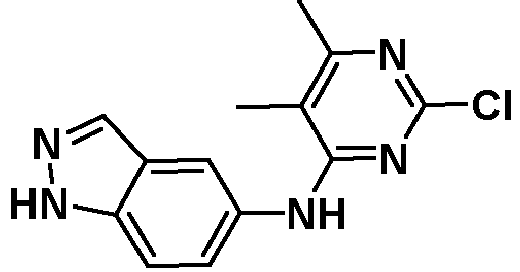
1H NMR (400 MHz, DMSO-d6 ) δ 8.81 (s, 1H), 8.06 (s, 1H), 7.85 (s, 1H), 7.53 (d, J = 8.8 Hz, 1H), 7.43 (d, J = 8.8 Hz, 1H), 2.32 (s, 3H), 2.16 (s, 3H). MS m/z (ESI): 274.0 [M+H]. Reg-1-14 
1H NMR (400 MHz, DMSO-d6 ) δ 13.07 (s, 1H), 8.92 (s, 1H), 8.08 (s, 1H), 8.00 (s, 1H), 7.93 (s, 1H), 7.56 (d, J = 8.8 Hz, 1H), 7.49 (dd, J = 8.9, 1.4 Hz, 1H), 2.18 (s, 3H). MS m/z (ESI): 260.1 [M+H]. Reg-1-19 
1H NMR (400 MHz, DMSO-d6 ) δ 13.20 (s, 1H), 9.75 (s, 1H), 8.21 - 8.06 (m, 2H), 7.98 (d, J=7.6 Hz, 1H), 7.50 (d, J=12.0 Hz, 1H), 6.67 (s, 1H). Reg-1-20 
1H NMR (400 MHz, DMSO-d6 ) δ 12.72 (s, 1H), 10.14 (s, 1H), 8.14 (d, J = 5.9 Hz, 1H), 8.00 (s, 1H), 7.93 (s, 1H), 7.52 (d, J = 8.8 Hz, 1H), 7.45 (d, J = 8.5 Hz, 1H), 2.51 (s, 3H). MS m/z (ESI): 260.1 [M+H]. Reg-1-21 
1H NMR (400 MHz, DMSO-d6 ) δ 13.10 (s, 1H), 9.99 (s, 1H), 8.13 - 8.06 (m, 2H), 7.99 (s, 1H), 7.57 (d, J = 8.8 Hz, 1H), 7.40 (d, J = 8.5 Hz, 1H), 6.70 (d, J = 5.8 Hz, 1H). Reg-1-22 
1H NMR (400 MHz, DMSO-d6 ) δ 12.98 (s, 1H), 9.69 (s, 1H), 8.20 (s, 1H), 8.01 (s, 1H), 7.50 (d, J = 15.6 Hz, 2H), 2.42 (s, 3H), 2.19 (s, 3H). MS m/z (ESI): 274.0 [M+H]. Reg-1-26 
1H NMR (400 MHz, DMSO-d6 ) δ 13.11 (s, 1H), 9.59 (s, 1H), 8.17 (s, 1H), 8.03 (d, J = 5.5 Hz, 1H), 7.41 (d, J = 8.6 Hz, 1H), 7.20 (d, J = 8.6 Hz, 1H), 2.40 (s, 3H). MS m/z (ESI): 260.1 [M+H]. Reg-1-28 
MS m/z (ESI): 302.1 [M+H]. Reg-1-88 
1H NMR (400 MHz, DMSO-d6 ) δ 12.95 (s, 1H), 9.43 (s, 1H), 8.22 (t, J = 13.4 Hz, 1H), 7.99 (s, 1H), 7.77 (s, 1H), 7.07 (s, 1H), 3.84 (s, 3H). MS m/z (ESI): 293.8 [M+H]. -

- Compound Reg-3-a (3 g, 15.63 mmol), 2-(dimethylamino)ethanol (1.7 g, 19.11 mmol) and triphenylphosphine (5.01 g 19.11 mmol) were dissolved in tetrahydrofuran (200 mL), diisopropyl azodiformate (4.83 g, 23.89 mmol) was added at 0°C, purge with argon was performed for 3 times, and the reaction was performed at room temperature for 6 hours. LC-MS indicated the reaction was complete. 200 mL ethyl acetate was added to the reaction solution; the organic phase was washed with water (100 mL × 3), dried, concentrated under reduced pressure, and the residue was purified by column chromatography (dichloromethane : methanol =100:1~20:1) to afford compound Reg-3 (3 g, brown solid, yield: 72.55%). MS m/z (ESI): 259.0 [M+H].
-

- Compound 2,4-dichloro-5-(trifluoromethyl)pyrimidine (3 g, 13.825 mmol) and N,N-diisopropylethylamine (2.14 g, 16.59 mmol) were dissolved in isopropanol (100 mL), compound Reg-1-1-c (3.2 g, 13.825 mmol) was then added to the aforementioned solution in portions. The reaction was performed at room temperature for 16 hours. LC-MS indicated the reaction was complete. The reaction solution was filtered, and the filter cake was rinsed once with isopropanol to afford compound Reg-1-24 (2.3 g, pink solid, yield: 40.19%); the filtrate was washed with saturated brine, dried over anhydrous sodium sulfate, and then concentrated to dryness, to afford compound Reg-1-23 (1.84 g, dark red solid, yield: 32.15%). Characterization data of the compound are as follows:
No. Structure of Intermediate Characterization Data Reg-1-23 
1H NMR (400 MHz, CDCl3): δ 8.46 (s, 1H), 8.21 (m, 2H), 8.08 (d, 1H), 7.53 (dd, 1H), 7.20 (s, 1H), 1.74 (s, 9H). MS m/z (ESI): 414.1 [M+H]. Reg-1-24 
1H NMR (400 MHz, CDCl3) δ 8.59 (s, 1H), 8.20 (m, 3H), 7.71 (s, 1H), 7.53 (dd, 1H), 1.73 (s, 9H). MS m/z (ESI): 414.1 [M+H]. -
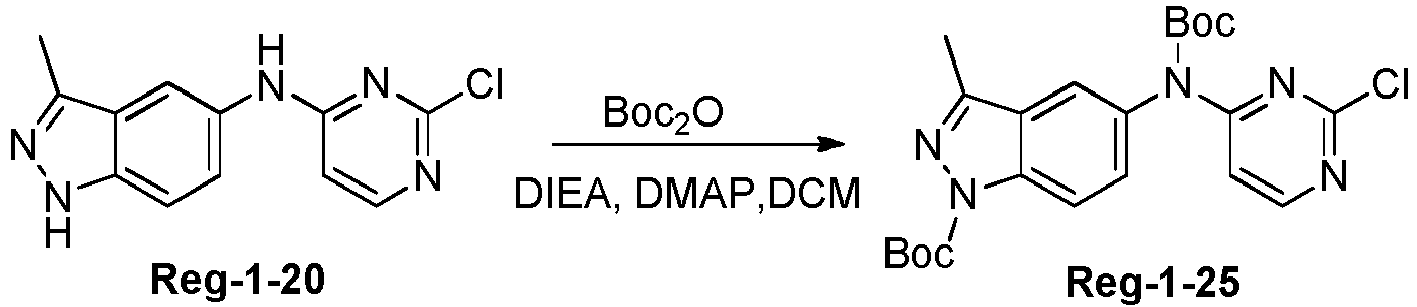
- Compound Reg-1-20 (0.8 g, 3.09 mmol) was dissolved in dichloromethane (100 mL), DIEA (1.59 g, 12.36 mmol) and DMAP (188 mg, 1.55 mmol) were added, and Boc2O (2.02 g, 9.27 mmol) was added after stir at room temperature for 10 minutes, the reaction was performed at room temperature for 3 hours. Thin layer chromatography (petroleum ether : ethyl acetate=2:1) indicated the reaction was complete. The reaction solution was dissolved in dichloromethane (400 mL), and successively washed with water (250 mL × 3) and saturated brine (250 mL), the organic phase was dried over anhydrous sodium sulfate, concentrated under reduced pressure, and the residue was separated and purified by column chromatography (petroleum ether : ethyl acetate= 1:0 to 5:1), to afford compound Reg-1-25 (2.01 g, white solid).
- 1H NMR (400 MHz, CDCl3) δ 8.45 (d, J = 5.6 Hz, 1H), 8.15 (d, J = 8.8 Hz, 1H), 7.96 (d, J = 5.6 Hz, 1H), 7.41 (d, J = 1.6 Hz, 1H), 7.29 (d, J = 1.6 Hz, 1H), 2.59 (s, 3H), 1.74 (s, 9H), 1.41 (s, 9H). MS m/z (ESI): 460.3 [M+H].
- The following intermediate was prepared according to a method similar to that described in Intermediate Example 6:
No. Structure of Intermediate Characterization Data Reg-1-27 
1H NMR (400 MHz, DMSO-d6 ) δ 8.63 (d, J = 6.0 Hz, 1H), 8.45 (s, 1H), 8.13 (d, J = 8.8 Hz, 1H), 8.02 (d, J = 6.0 Hz, 1H), 7.82 (d, J = 2.0 Hz, 1H), 7.50 (dd, J = 8.8, 2.0 Hz, 1H), 1.67 (s, 9H), 1.36 (s, 9H). -

- A solution of Reg-1-29-a (6.7 g, 30.612 mmol) and Reg-1-16-b (6.0 g, 20.408 mmol) dissolved in a mixture of dioxane and water (4:1) (84 mL) was added to a 250 mL single neck flask, potassium carbonate (11.28 g, 81.59 mmol) and [1,1'-bis(diphenylphosphino)ferrocene]dichloropalladium dichloromethane complex (833 mg, 1.020 mmol) were added, purge with argon was performed for 3 times, and the reaction was placed in an oil bath at 70°C for 3 hours. The reaction was cooled to room temperature, water (50 mL) was added, and the solution was extracted three times with ethyl acetate (150 mL). The organic phase was dried over sodium sulfate, filtered, dried by rotary evaporation, and the residue was directly used in the next reaction. MS m/z (ESI): 208.2 [M+H].
- Reg-1-29-b (4.58 g, 22.126 mmol) was dissolved in dichloromethane (50 mL), DMAP (270 mg, 2.213 mmol) and DIEA (5.7 g, 44.251 mmol) were added, followed by slow dropwise addition of BoczO (5.79 g, 26.551 mmol). The reaction was performed overnight at room temperature. After the reaction was complete, the reaction solution was concentrated under reduced pressure to afford a crude product, which was separated by medium pressure preparative chromatography to afford Reg-1-29-c (3.6 g, yellow solid, yield: 53.04%).
- 1H NMR (400 MHz, CDCl3) δ 8.44 (s, 1H), 8.17 - 8.10 (m, 1H), 8.03 (s, 1H), 7.43 (dt, J = 6.5, 2.1 Hz, 2H), 1.69 (s, 9H). MS m/z (ESI): 206.1 [M-Boc-H].
- Reg-1-29-c (3.6 g, 11.726 mmol) and methanol (100 mL) were added to a 250 mL single neck flask, and then Pd/C (10 wt%, 360 mg) was added. The reaction was performed under a hydrogen atmosphere overnight. After thin layer chromatography indicated completion of the reaction, the reaction solution was filtered through Celite to afford Reg-1-29-d (3.0 g, brown oil, yield: 92.36%).
- 1H NMR (400 MHz, CDCl3) δ 8.17 (s, 1H), 7.89 (s, 1H), 7.18 - 7.08 (m, 2H), 6.82 - 6.75 (m, 1H), 1.67 (s, 9H). MS m/z (ESI): 178.3 [M-Boc+H].
- Reg-1-29-d (3.3 g, 12.74 mmol) and 2,4-dichloropyrimidine (3.8 g, 25.48 mmol) were dissolved in DMF (60 mL), DIEA (4.93 g, 38.22 mmol) was added, and the reaction was performed in an oil bath at 120°C overnight. Thin layer chromatography indicated the reaction was complete. The reaction solution was cooled to room temperature, followed by addition of water (30 mL), and extraction with ethyl acetate (150 mL). The organic phase was dried over sodium sulfate, filtered, and dried by rotary evaporation to afford a crude product, which was separated by column chromatography to afford Reg-1-29 (1 g, yellow solid, yield: 29.52%).
- 1H NMR (400 MHz, DMSO-d6 ) δ 13.04 (s, 1H), 9.78 (s, 1H), 8.33 - 7.96 (m, 3H), 7.79 - 7.57 (m, 2H), 7.48 (dd, J = 8.3, 1.5 Hz, 1H), 6.75 (d, J = 5.3 Hz, 1H). MS m/z (ESI): 290.0 [M+H].
- The following intermediates were prepared according to methods similar to that described in Intermediate Example 7:
No. Structure of Intermediate Characterization Data Reg-1-32 
1H NMR (400 MHz, DMSO-d6 ) δ 12.99 (s, 1H), 9.48 (s, 1H), 9.23 (s, 1H), 8.53 (s, 1H), 8.17 (d, J = 5.9 Hz, 1H), 7.73 (d, J = 5.2 Hz, 1H), 7.61 (d, J = 5.2 Hz, 1H), 7.49 (dd, J = 8.2, 1.7 Hz, 1H), 7.28 (dd, J = 8.2, 1.7 Hz, 1H), 3.94 (s, 3H). MS m/z (ESI): 302.3 [M+H]. Reg-1-37 
1H NMR (400 MHz, DMSO-d6 ) δ 12.89 (s, 1H), 9.30 (s, 1H), 8.02 (s, 1H), 7.94 (s, 1H), 7.73 (d, J = 8.0 Hz, 2H), 7.58 (d, J = 8.0 Hz, 2H), 3.95 (s, 3H). MS m/z (ESI): 302.0 [M+H]. -

- Compound Reg-1-30 (2.0 g, 5.26 mmol) was dissolved in anhydrous ethanol (20 mL), and dimethylaminoethanol (468 mg, 5.26 mmol) and DIPEA (905 mg, 5.26 mmol) were added. The obtained mixture was heated to 90°C, at which temperature the reaction was performed overnight. LC-MS indicated the starting material underwent complete reaction. The reaction solution was concentrated under reduced pressure, and ethyl acetate (40 mL) and water (40 mL) were added to the residue. The organic layer was separated, and Reg-1-31 was obtained after evaporation under reduced pressure to remove solvents. MS m/z (ESI): 432.9 [M+H].
- The following intermediates were prepared according to methods similar to that described in Intermediate Example 8:
No. Structure of Intermediate Characterization Data Reg-1-54 
MS m/z (ESI): 437.7 [M+H]. Reg-1-82 
1H NMR (400 MHz, DMSO-d 6) δ 13.06 (s, 1H), 9.93 (s, 1H), 8.14 - 8.01 (m, 2H), 7.53 (d, J = 8.8 Hz, 1H), 7.42 (d, J = 8.8 Hz, 1H), 3.86 (s, 3H). -

- TDI01314-1-a (8.00 g, 37.20 mmol) and 2-(chloromethyl)oxirane (6.88 g, 74.40 mmol) were dissolved in acetonitrile (200 mL), potassium carbonate (15.42 g, 111.60 mmol) was added, and the reaction was performed at 80°C overnight. Thin layer chromatography indicated the reaction was complete. The reaction solution was concentrated under reduced pressure, and the crude product was separated and purified by flash column chromatography to afford TDI01314-1-b (6 g, white solid, yield: 59.49%). MS m/z (ESI): 271.1; 273.1 [M+H].
- TDI01314-1-b (6 g, 22.13 mmol) was dissolved in dichloromethane (100 mL), m-chloroperbenzoic acid (7.64 g, 44.26 mmol) was added, and the reaction was performed at 40°C for 8 hours. Thin layer chromatography indicated the reaction was complete. The reaction solution was cooled to room temperature, and stirred for half an hour after addition of a saturated solution of sodium sulfite. The precipitated white solid was filtered, the organic phase was concentrated, and the crude product was separated and purified by column chromatography to afford TDI01314-1-c (3 g, white solid, yield: 47.21%). MS m/z (ESI): 287.1; 289.1 [M+H].
- TDI01314-1-c (3 g, 10.45 mmol) was dissolved in tetrahydrofuran (100 mL) and water (10 mL), sodium hydroxide (835.85 mg, 20.90 mmol) was added, and the reaction was performed at ambient temperature overnight. Thin layer chromatography indicated the reaction was complete. The reaction solution was extracted with ethyl acetate, concentrated under reduced pressure, and the residue was separated and purified by column chromatography to afford TDI01314-1-d (2 g, colorless oil, yield: 78.1%).
- 1H NMR (400 MHz, CDCl3) δ 7.06 (dd, J = 11.2, 2.3 Hz, 1H), 6.95 (dd, J = 8.6, 2.3 Hz, 1H), 6.75 (d, J = 8.6 Hz, 1H), 4.33 - 4.22 (m, 2H), 4.14 - 4.05 (m, 1H), 3.95 - 3.79 (m, 2H).
- TDI01314-1-d (2 g, 8.16 mmol) was added to water (100 mL), followed by addition of potassium carbonate (2.26 g, 16.32 mmol) and potassium permanganate (2.58 g, 16.32 mmol), and the reaction was performed at ambient temperature for 12 hours. LC-MS assay indicated the reaction was complete. The reaction solution was filtered, and the filtrate was concentrated to give a crude product, which was then separated and purified by column chromatography to afford TDI01314-1 (1 g, white solid, yield: 47.3%).
- 1H NMR (400 MHz, CDCl3) δ 7.16 (d, J = 2.3 Hz, 1H), 6.99 (dd, J = 8.7, 2.3 Hz, 1H), 6.76 (d, J = 8.6 Hz, 1H), 4.88 (dd, J = 4.3, 3.0 Hz, 1H), 4.44 (dd, J = 11.5, 4.4 Hz, 1H), 4.36 (dd, J = 11.5, 2.9 Hz, 1H).
-

- Compound Reg-1-38-a (320 mg, 1.24 mmol) and 2,4-dichloropyrimidine (221 mg, 1.48 mmol) were dissolved in N,N-dimethylformamide (20 mL), diisopropylethylamine (638 mg, 4.94 mmol) was added, and the reaction solution was slowly warmed to 80°C, and kept at this temperature for 16 hours. Thin layer chromatography (petroleum ether/ethyl acetate=2:1) indicated the reaction was complete. The reaction solution was dissolved in ethyl acetate (250 mL), and successively washed with water (250 mL x 2) and saturated brine (250 mL). The organic phase was dried over anhydrous sodium sulfate, concentrated, and the crude product was directly used in the next reaction.
- The crude product obtained from the last step was dissolved in dichloromethane (20 mL), diisopropylethylamine (417 mg, 3.24 mmol) and 4-dimethylaminopyridine (99 mg, 0.81 mmol) were added, and the reaction was stirred at room temperature for 10 minutes. Di-tert-butyl dicarbonate (705 mg, 3.24 mmol) was then added, and the reaction was performed at room temperature for 3 hours. Thin layer chromatography (petroleum ether/ethyl acetate=2:1) indicated the reaction was complete. The reaction solution was dissolved in dichloromethane (400 mL), and successively washed with water (250 mL x 32) and saturated brine (250 mL). The organic phase was dried over anhydrous sodium sulfate, concentrated under reduced pressure, and the residue was separated and purified by column chromatography (petroleum ether : dichloromethane = 100:1 to 0:1) to afford compound Reg-1-38 (400 mg, light yellow oil).
- 1H NMR (400 MHz, CDCl3) δ 8.44 (d, J = 5.6 Hz, 1H), 8.31 (s, 1H), 7.99 (s, 1H), 7.90 (d, J = 5.6 Hz, 1H), 7.73 (dd, J = 5.6, 3.2 Hz, 1H), 7.53 (dd, J = 5.6, 3.2 Hz, 3H), 7.08 (d, J = 7.6 Hz, 1H), 1.68 (s, 9H), 1.43 (s, 9H). MS m/z (ESI): 472.3 [M+H].
-

- Compound Reg-1-39-1 (15 g, 68 mmol), 3-fluoro-4-bromonitrobenzene (24.2 g, 82 mmol) and potassium carbonate (28 g, 204 mmol) were mixed in mixed solvents of 1,4-dioxane (500 mL) and water (50 mL), the flask was purged with N2 3 times, followed by addition of Pd(dppf)Cl2 (10 g, 13.6 mmol). The flask was purged with N2 3 times again, and then the reaction solution was heated to reflux for 16 hours. LC-MS indicated the reaction was complete. The reaction solution was cooled to room temperature, filtered to remove salt impurities, the filtrate was concentrated under reduced pressure, and the crude product was separated through column chromatography on silica gel (petroleum ether : ethyl acetate = 3:1~1:3) to afford compound Reg-1-39-2 (10 g, brown solid, yield: 71.7%).
- 1H NMR (300 MHz, DMSO-d 6) δ 13.40 (s, 1H), 8.42 (s, 1H), 8.29 - 7.95 (m, 4H). MS m/z (ESI): 207.8 [M+H].
- Compound Reg-1-39-2 (10 g, 48 mmol) and Pd/C (10 g, 10%) were mixed in isopropanol (50 mL) and tetrahydrofuran (50 mL), the flask was purged with hydrogen 3 times, and the reaction was placed at room temperature under an atmosphere of hydrogen overnight. LC-MS indicated the reaction was complete. The reaction was filtered, the filter cake was washed repeatedly with tetrahydrofuran (200 mL), and the filtrates were combined and concentrated under reduced pressure to afford compound Reg-1-39-3 (8 g, brown solid, yield: 94%).
- 1H NMR (301 MHz, DMSO-d 6) δ 12.84 (s, 1H), 7.89 (s, 1H), 7.73 (s, 1H), 7.32 (t, J = 8.8 Hz, 1H), 6.38 (t, J = 9.2 Hz, 2H), 5.35 (s, 2H). MS m/z (ESI): 178.0 [M+H].
- Compound Reg-1-39-3 (8 g, 45 mmol), 2,4-dichloropyrimidine (6.69 g, 45 mmol) and DIPEA (17.42 g, 135 mmol) were dissolved in DMF (160 mL) and heated to 80°C overnight. LC-MS indicated the reaction was complete. The reaction solution was cooled to room temperature, concentrated under reduced pressure, and the crude product was separated through column chromatography on silica gel (petroleum ether : ethyl acetate = 3:1~1:3) to afford compound Reg-1-39-4 (4.8 g, yellow solid, yield: 36.9%).
- 1H NMR (301 MHz, DMSO-d 6) δ 10.22 (s, 1H), 8.20 (d, J = 5.9 Hz, 1H), 8.01 (s, 2H), 7.73 - 7.66 (m, 2H), 7.36 (dd, J = 8.5, 2.1 Hz, 1H), 6.80 (d, J = 5.9 Hz, 1H). MS m/z (ESI): 289.8, 291.7 [M+H, Cl].
- Compound Reg-1-39-4 (4.8 g, 16.6 mmol) and BoczO (5.07 g, 23 mmol) were dissolved in DMF (50 mL), DIPEA (6.4 g, 49.8 mmol) and DMAP (0.203 g, 1.66 mmol) were added, and the reaction was stirred at room temperature overnight. LC-MS indicated the reaction was complete. The reaction was concentrated under reduced pressure, and the crude product was separated by flash chromatography (petroleum ether : ethyl acetate = 3:1~1:3) to afford compound Reg-1-39 (4.6 g, yellow solid, yield: 71.3%).
- 1H NMR (400 MHz, DMSO-d6 ) δ 10.30 (s, 1H), 8.54 (d, J = 1.1 Hz, 1H), 8.27 - 8.22 (m, 2H), 7.85 (t, J = 8.7 Hz, 1H), 7.75 (dd, J = 13.7, 1.9 Hz, 1H), 7.41 (dd, J = 8.6, 2.0 Hz, 1H), 6.82 (d, J = 5.9 Hz, 1H), 1.61 (s, 9H). MS m/z (ESI): 389.6, 391.6 [M+H, Cl].
- The following intermediates were prepared according to methods similar to that described in Intermediate Example 11:
No. Structure of Intermediate Characterization Data Reg-1-40 
1H NMR (300 MHz, DMSO-d 6) δ 10.03 (s, 1H), 8.68 (d, J = 3.6 Hz, 1H), 8.30 (m, 2H), 7.72 (m, 4H), 1.60 (d, J = 3.5 Hz, 9H). MS m/z (ESI): 390.0, 391.9 [M+H]. Reg-1-41 
MS m/z (ESI): 372.8 [M+H]. Reg-1-42 
MS m/z (ESI): 401.9 [M+H]. Reg-1-43 
1H NMR (400 MHz, DMSO-d 6) δ 8.62 (t, J = 2.9 Hz, 2H), 8.35 (s, 1H), 7.88 (d, J = 5.9 Hz, 1H), 7.79 (d, J = 8.2 Hz, 1H), 7.07 (s, 1H), 6.90 (d, J = 8.2 Hz, 1H), 3.87 (s, 3H), 1.61 (s, 9H), 1.41 (s, 9H). MS m/z (ESI): 501.5 [M+H]. Reg-1-44 
1H NMR (400 MHz, DMSO-d 6) δ 10.43 (s, 1H), 8.71 (s, 1H), 8.43 (d, J = 2.0 Hz, 1H), 8.31 (s, 1H), 7.80 (q, J = 8.8 Hz, 4H), 7.08 (d, J = 2.0 Hz, 1H), 1.61 (s, 9H). MS m/z (ESI): 411.7 [M+H]. Reg-1-45 
1H NMR (400 MHz, DMSO-d 6) δ 12.95 (s, 1H), 10.21 (s, 1H), 8.58 (d, J = 8.5 Hz, 1H), 8.21 (s, 1H), 7.77 (m, 8H). MS m/z (ESI): 321.9, 323.9 [M+H]. Reg-1-46 
1H NMR (400 MHz, DMSO-d 6) δ 10.33 (s, 1H), 8.81 - 8.74 (m, 2H), 8.34 (s, 1H), 8.23 (d, J = 8.6 Hz, 1H), 8.13 (dd, J = 8.6, 2.4 Hz, 1H), 7.91 (d, J = 8.6 Hz, 1H), 6.82 (d, J = 5.9 Hz, 1H), 1.61 (s, 9H). Reg-1-56 
1H NMR (400 MHz, DMSO-d 6) δ 9.61 (d, J = 3.1 Hz, 1H), 8.70 (s, 1H), 8.30 (s, 1H), 7.73 (dt, J = 8.8, 6.4 Hz, 4H), 4.49 (dd, J = 28.5, 11.4 Hz, 4H), 1.61 (s, 9H), 1.47 (d, J = 8.0 Hz, 9H). MS m/z (ESI): 512.6, 514.6 [M+H]. Reg-1-57 
1H NMR (400 MHz, DMSO-d 6) δ 12.92 (s, 1H), 9.33 (s, 1H), 8.16 (s, 1H), 7.90 (s, 1H), 7.60 (s, 4, 3.80 (s, 2H), 3.75 (s, 2H), 3.17 (d, J = 5.2 Hz, 3H). MS m/z (ESI): 327.0, 329.0 [M+H]. Reg-1-58 
1H NMR (400 MHz, DMSO-d 6) δ 9.74 (d, J = 52.9 Hz, 1H), 9.47 (s, 1H), 8.84 (s, 1H), 8.39 (s, 1H), 7.79 (dd, J = 9.9, 7.0 Hz, 3H), 4.76 (d, J = 20.6 Hz, 2H), 4.51 (d, J = 33.7 Hz, 2H), 2.66 (s, 3H), 2.07 (d, J = 9.7 Hz, 3H). MS m/z (ESI): 396.6, 398.6 [M+H]. Reg-1-64 
MS m/z (ESI): 343.9 [M+H]. Reg-1-65 
1H NMR (300 MHz, DMSO-d 6) δ 10.10 (s, 1H), 8.44 (s, 1H), 8.35 (d, J = 3.1 Hz, 1H), 7.78 (d, J = 8.2 Hz, 2H), 7.57 (d, J = 8.4 Hz, 2H), 2.39 (s, 3H), 1.59 (s, 9H). MS m/z (ESI): 348.0, 350.0 [M+H]. Reg-1-70 
1H NMR (400 MHz, DMSO-d 6) δ 10.35 (s, 1H), 8.74 (s, 1H), 8.32 (s, 1H), 7.82 (d, J = 10.7 Hz, 5H), 7.25 (s, 1H), 6.77 (dd, J = 4.0, 2.7 Hz, 1H), 1.61 (s, 9H). MS m/z (ESI): 410.8 [M+H]. Reg-1-71 
1H NMR (300 MHz, DMSO-d 6) δ 8.77 (s, 1H), 8.56 (d, J = 5.9 Hz, 1H), 8.31 (s, 1H), 7.92 (d, J = 5.8 Hz, 1H), 7.49 (s, 1H), 7.40 (d, J = 8.2 Hz, 1H), 7.24 (d, J = 8.1 Hz, 1H), 5.24 (s, 2H), 3.18 (s, 3H), 1.60 (s, 9H), 1.36 (s, 9H). MS m/z (ESI): 532.0 [M+H]. Reg-1-72 
MS m/z (ESI): 524.5 [M+H]. Reg-1-73 
1H NMR (400 MHz, DMSO-d 6) δ 10.11 (s, 1H), 8.73 (s, 1H), 8.32 (s, 1H), 7.88 (d, J = 6.0 Hz, 1H), 7.82 (s, 4H), 7.76 (d, J = 5.9 Hz, 1H), 1.61 (s, 9H). MS m/z (ESI): 427.9, 429.9 [M+H]. Reg-1-74 
1H NMR (300 MHz, DMSO-d 6) δ 8.89 (s, 1H), 8.68 (s, 1H), 8.28 (s, 1H), 8.04 (s, 1H), 7.76-7.66 (m, 4H), 2.18 (s, 3H), 1.61 (s, 9H). MS m/z (ESI): 386.0 [M+H]. Reg-1-75 
1H NMR (400 MHz, DMSO-d 6) δ 9.63 (s, 1H), 8.70 (s, 1H), 8.30 (s, 1H), 7.95 (s, 1H), 7.77 (d, J = 8.4 Hz, 1H), 7.65 (dd, J = 18.4, 8.4 Hz, 2H), 4.98 (s, 2H), 4.85 (s, 2H), 1.61 (s, 9H). MS m/z (ESI): 413.6, 415.6 [M+H]. Reg-1-76 
MS m/z (ESI): 386.0 [M+H]. Reg-1-77 
1H NMR (400 MHz, DMSO-d 6) δ 9.17 (s, 1H), 8.69 (d, J = 0.6 Hz, 1H), 8.29 (d, J = 0.6 Hz, 1H), 7.73 (q, J = 9.0 Hz, 4H), 3.33 (s, 4H), 2.81 (s, 2H), 1.61 (s, 9H). MS m/z (ESI): 411.7, 413.7 [M+H]. Reg-1-78 
MS m/z (ESI): 522.0 [M+Na]. Reg-1-84 
MS m/z (ESI): 461.6 [M+H]. Reg-1-87 
MS m/z (ESI): 415.8 [M+H]. -

- Compound Reg-1-51-1 (50 mg, 0.27 mmol) and 4-(1H-pyrazol-4-yl)aniline (43.4 mg, 0.27 mmol) were dissolved in ethanol (3 mL), N,N-diisopropylethylamine (0.07 mL, 0.4 mmol) was added, and the reaction solution was heated to 90°C for 16 hours. LC-MS indicated the reaction was complete, the reaction solution was cooled to room temperature, the reaction solvent was removed through rotary evaporation under vacuum to afford the crude compound Reg-1-51-2 (100 mg).
- MS m/z (ESI): 305.8 [M+H].
- Compound Reg-1-51-2 (100 mg, 0.27 mmol) was dissolved in ethanol (50 mL), 2-(dimethylamino)ethanol (24 mg, 0.27 mmol) was added, and the reaction solution was heated to 90°C and stirred overnight. LC-MS indicated the reaction was complete, and the reaction solvent was removed through rotary evaporation under vacuum to afford compound Reg-1-51-3 (150 mg, crude product).
- MS m/z (ESI): 358.8 [M+H].
- Compound Reg-1-51-3 (150 mg, 0.418 mmol) was dissolved in dichloromethane (5 mL), BOC anhydride (228 mg, 1.045 mmol), triethylamine (0.2 mL, 1.254 mmol) and 4-dimethylaminopyridine (5 mg, 0.042 mmol) were respectively added, and the reaction solution was stirred at room temperature for 16 hours. LC-MS indicated the reaction was complete, and the reaction solvent was removed through rotary evaporation under vacuum. The residue was purified on a preparative silica gel plate (petroleum ether : ethyl acetate = 1:1) to afford compound Reg-1-51 (80 mg, 41.7% yield).
- MS m/z (ESI): 458.7 [M+H].
-

- Compound Reg-1-52-1 (1.02 g, 5 mmol) and 1-Boc-pyrazol-4-boronic acid pinacol ester (1.47 g, 5 mmol) were dissolved in 1,4-dioxane : water (40:4 mL), potassium carbonate (2.07 g, 15 mmol) was added, and the flask was purged with nitrogen three times. Pd(dppf)Cl2 (0.366 g, 0.5 mmol) was added, the flask was purged with nitrogen three times, and the reaction solution was stirred at 85°C for 6 hours. LC-MS indicated the reaction was complete, the reaction solution was cooled to room temperature, filtered, and the filtrate was rotary evaporated under vacuum to remove solvents. The residue was purified by column chromatography (petroleum ether : ethyl acetate = 1:2 to ethyl acetate ) to afford compound Reg-1-52-2 (0.5 g, 34.5% yield). 1H NMR (400 MHz, DMSO-d 6) δ 9.16 (s, 1H), 9.13 (d, J = 2.1 Hz, 1H), 8.61 (dd, J = 8.5, 2.3 Hz, 1H), 8.56 (s, 1H), 8.38 (d, J = 8.5 Hz, 1H), 1.62 (s, 9H).
- Compound Reg-1-52-2 (0.5 g, 1.71 mmol) was suspended in isopropanol (20 mL), Pd/C (0.5 g) was added, the flask was purged with hydrogen three times, and the reaction was performed overnight under normal pressure at room temperature under hydrogen atmosphere. LC-MS assay indicated the reaction was complete, the reaction solution was filtered, and the filtrate was rotary evaporated under vacuum to remove solvents, to afford compound Reg-1-52-3 (0.4 g, 89% yield). 1H NMR (400 MHz, DMSO-d 6) δ 8.54 (s, 1H), 8.32 (d, J = 2.1 Hz, 1H), 8.19 (s, 1H), 7.79 - 7.66 (m, 1H), 6.47 (d, J = 8.4 Hz, 1H), 6.05 (s, 2H), 1.59 (s, 9H).
- Compound Reg-1-52-3 (52 mg, 0.2 mmol), 2,4-dichloropyrimidine (29.8 mg, 0.2 mmol), cesium carbonate (130 mg, 0.4 mmol), Pd2(dba)3 (18.3 mg, 0.02 mmol) and Xantphos (11.6 mg, 0.02 mmol) were mixed in dioxane (2 mL), the reaction was purged with nitrogen three times, and heated to 110°C for 1 hour. LC-MS indicated the reaction was complete. The reaction solution was cooled to room temperature, filtered to remove insoluble salt impurities, the filtrate was concentrated under reduced pressure, and the crude product was separated through column chromatography on silica gel (dichloromethane / methanol = 20/1) to afford compound Reg-1-52 (20 mg, yellow solid, yield: 26.8%). 1H NMR (400 MHz, DMSO-d6 ) δ 10.78 (s, 1H), 8.80 (s, 1H), 8.77 (d, J = 2.1 Hz, 1H), 8.36 (d, J = 5.9 Hz, 1H), 8.35 (s, 1H), 8.18 (dd, J = 8.6, 2.4 Hz, 1H), 7.78 (s, 1H), 7.63 (d, J = 8.5 Hz, 1H), 1.61 (s, 9H).
- The following intermediates were prepared according to methods similar to that described in Intermediate Example 13:
No. Structure of Intermediate Characterization Data Reg-1-60 
1H NMR (400 MHz, DMSO-d6 ) δ 9.47 (s, 1H), 8.63 (s, 1H), 8.26 (s, 1H), 7.69 (d, J = 8.0 Hz, 2H), 7.64 (d, J = 8.0 Hz, 2H), 7.50 (t, J = 8.0 Hz, 1H), 6.94 (d, J = 8.0 Hz, 1H), 6.83 (d, J = 8.0 Hz, 1H), 1.60 (s, 9H). Reg-1-61 
1H NMR (400 MHz, DMSO-d6 ) δ 9.83 (s, 1H), 8.65 (s, 1H), 8.27 (s, 1H), 8.18 (d, J = 6.0 Hz, 2H), 7.74 (d, J = 8.6 Hz, 2H), 7.66 (d, J = 8.6 Hz, 2H), 1.60 (s, 9H). -

- A mixture of compound Reg-1-62-1 (200 mg, 1.26 mmol) and tert-butanol (12 mL) was added with 2,4-dichloro-5H-pyrrolo[3,2-d]pyrimidine (236 mg, 1.26 mmol) and trifluoroacetic acid (716 mg, 5 mmol), and the reaction was heated to 100°C for 2 hours. LC-MS indicated the reaction was complete. The reaction solution was cooled to room temperature, concentrated under reduced pressure, to afford crude product Reg-1-62-2 (800 mg, yellow solid), which was used directly in the next reaction step. 1H NMR (400 MHz, DMSO-d6 ) δ 12.05 (s, 1H), 10.39 (s, 1H), 8.11 (s, 2H), 7.87 (d, J = 8.7 Hz, 2H), 7.74 (t, J = 2.9 Hz, 1H), 7.66 (d, J = 8.7 Hz, 2H), 6.45 (dd, J = 2.9, 2.0 Hz, 1H).
- MS m/z (ESI): 310.7 [M+H, Cl].
- Compound Reg-1-62-2 (0.8 g, crude product, 1.26 mmol) and BOC anhydride (1.37 g, 6.28 mmol) were dissolved in DCM (20 mL), TEA (0.95 g, 9.42 mmol) and DMAP (0.019 g, 0.157 mmol) were added, and the reaction was stirred at room temperature overnight. LC-MS indicated the reaction was complete. The reaction was concentrated under reduced pressure, and the crude product was separated by flash column chromatography (petroleum ether : ethyl acetate = 3:1~1:3) to afford compound Reg-1-62 (0.63 g, yellow solid, yield: 78%).
- 1H NMR (400 MHz, DMSO-d6 ) δ 10.80 (s, 1H), 8.72 (s, 1H), 8.31 (s, 1H), 8.07 (d, J = 3.8 Hz, 1H), 7.82 (d, J = 8.7 Hz, 2H), 7.74 (d, J = 8.8 Hz, 2H), 6.73 (d, J = 3.8 Hz, 1H), 1.67 (s, 9H), 1.62 (s, 9H). MS m/z (ESI): 510.9 [M+H, Cl].
- The following intermediates were prepared according to methods similar to that described in Intermediate Example 14:
No. Structure of Intermediate Characterization Data Reg-1-63 
1H NMR (400 MHz, DMSO-d 6) δ 11.91 (s, 1H), 9.69 (s, 1H), 8.03 (s, 2H), 7.76 (d, J = 8.6 Hz, 2H), 7.63 (t, J = 8.2 Hz, 2H), 7.23 (s, 1H), 6.74 (s, 1H). MS m/z (ESI): 310.7 [M+H]. Reg-1-68 
MS m/z (ESI): 407.8 [M+H]. -

- Compound Reg-1-40 (110 mg, 0.3 mmol) was dissolved in acetonitrile (3 mL), and cesium carbonate (147 mg, 0.45 mmol) and iodomethane (64 mg, 0.45 mmol) were added. The reaction was stirred at room temperature overnight, and LC-MS indicated the reaction was complete. The solvents were evaporated off, and the residute was purified by preparative flash chromatography (EA/PE=0~25%) to afford a light yellow solid Reg-1-67 (110 mg, yield: 90.9%).
- 1H NMR (400 MHz, DMSO-d 6) δ 8.78 (s, 1H), 8.33 (s, 1H), 8.19 (d, J = 5.3 Hz, 1H), 7.80 (d, J = 8.2 Hz, 2H), 7.41 (d, J = 8.2 Hz, 2H), 3.44 (s, 3H), 1.61 (s, 9H).
-

- Metallic sodium (3.9 g, 170 mmol) was added portionwise to ethanol (250 mL) under stirring, and the reaction was continually stirred until a clear solution was obtained. Urea (10.2 g, 170 mmol) was added in one portion, the mixture was heated to reflux for 15 minutes, and then slowly cooled to room temperature. Dimethyl 2-methoxymalonate (25 g, 154 mmol) was added to result in a pink precipitate, and the reaction solution was heated to 100°C for 48 hours. LC-MS indicated the reaction was complete, the reaction solvent was removed through rotary evaporation under vacuum. The residue was added with water (200 mL), and the pH value was adjusted with concentrated hydrochloric acid to 3-4. The reaction was extracted with ethyl acetate (300 mL×2), the organic phases were combined, dried over anhydrous sodium sulfate, filtered, and the filtrate was rotary evaporated under vacuum to remove solvents, to afford a brown oil (23 g, crude product). MS m/z (ESI): 159.0 [M+H].
- Compound Reg-1-69-2 (23 g, crude product, 145 mmol) and phosphorus oxychloride (50 mL) were mixed. The reaction was heated to 100°C, and allowed to proceed overnight. LC-MS assay indicated that the starting materials had disappeared, and the new product had no signal in MS assay. The reaction solution was cooled to room temperature, and phosphorus oxychloride was removed by rotary evaporation under vacumm. The residue was slowly added to a mixture of ice and water (200 mL), extracted with ethyl acetate (200 mL×2), the organic phases were combined, washed with saturated sodium bicarbonate (100 mL). The mixture was dried over anhydrous sodium sulfate, filtered, and the filtrate was rotary evaporated under vacuum to remove solvents. The residue was purified by column chromatography (petroleum ether : ethyl acetate =10:1), to afford compound Reg-1-69-3 (13 g, white solid, 42% yield).
- Compound Reg-1-69-3 (13.7 g, 64 mol) and methyl 2-hydroxyacetate (6.93 g, 77 mmol) were dissolved in tetrahydrofuran (300 mL), and cooled to -5°C-0°C under protection of nitrogen. NaH (3.08 g, 77 mmol) was added portionwise, and the reaction solution was allowed to warm to room temperature, and stirred 16 hours. LC-MS indicated the reaction was complete, the reaction solution was added with water (300 mL), and extracted with ethyl acetate (300 mL×2). The organic phases were combined, dried over anhydrous sodium sulfate, filtered, and the filtrate was rotary evaporated under vacuum to remove solvents. The residue was purified by column chromatography (petroleum ether : ethyl acetate =8:1), to afford compound Reg-1-69-4 (15.6 g, colourless oil, 91.3% yield).
- 1H NMR (400 MHz, DMSO-d 6) δ 5.15 (s, 2H), 3.90 (s, 3H), 3.73 (s, 2H). MS m/z (ESI): 266.8 [M+H].
- Compound Reg-1-69-4 (14.6 g, 54.7 mmol) were dissolved in methanol (146 mL), sodium borohydride (6.2 g, 164 mmol) was added portionwise, and the reaction solution was stirred at room temperature for 16 hours. LC-MS indicated the reaction was complete, and the reaction was quenched by addition of water (10 mL). The reaction solvent was removed through rotary evaporation under vacuum to afford the crude compound Reg-1-69-5 (41 g, crude product). MS m/z (ESI): 238.7 [M+H].
- Compound Reg-1-69-5 (41 g, crude product, 54.7 mmol) was dissolved in dichloromethane (300 mL), and cooled to -50°C under protection of nitrogen. Boron tribromide (54.7 mL, 109.4 mmol) was slowly dropwise added, and the reaction solution was allowed to warm to room temperature, and stirred for 16 hours. LC-MS assay indicated that the reaction was substantially complete, the reaction solution was added with water (500 mL), and extracted with ethyl acetate (300 mL×2). The organic phases were combined, dried over anhydrous sodium sulfate, filtered, and the filtrate was rotary evaporated under vacuum to remove solvents. The residue was purified by column chromatography (ethyl acetate), to afford compound Reg-1-69-6 (5.6 g).
- 1H NMR (400 MHz, DMSO-d 6) δ 10.73 (s, 1H), 4.85 (s, 1H), 4.41 (t, J = 4.9 Hz, 2H), 3.75 (t, J = 4.9 Hz, 2H). MS m/z (ESI): 224.8 [M+H].
- Compound Reg-1-69-6 (5.45 g, 24.2 mmol) and triphenylphosphine (7.63 g, 29.1 mmol) were dissolved in tetrahydrofuran (270 mL), diisopropyl azodiformate (5.88 g, 29.1 mmol) was added at room temperature under protection of nitrogen, and the reaction solution was stirred at room temperature for 16 h. LC-MS indicated the reaction was complete, and the reaction solvent was removed through rotary evaporation under vacuum. The residue was purified by column chromatography (petroleum ether : ethyl acetate =4:1 to 1:1), to afford compound Reg-1-69-7 (6.7 g, 53% purity).
- 1H NMR (400 MHz, DMSO-d 6) δ 4.64 - 4.60 (m, 2H), 4.48 - 4.43 (m, 2H). MS m/z (ESI): 206.8 [M+H].
- Compound Reg-1-69-7 (960 mg, 53% purity, 2.46 mmol) and 4-(1H-pyrazol-4-yl)aniline (390 mg, 2.46 mmol) were dissolved in N-methylpyrrolidinone (10 mL), N,N-diisopropylethylamine (1.3 mL, 7.38 mmol) was added, and the reaction solution was performed at 200°C in the microwave for 2 hours. LC-MS assay indicated that the reaction was substantially complete, the reaction solution was added with water (80 mL), extracted with ethyl acetate (50 mL×2), and the organic phases were combined, and rotary evaporated under vacumm to remove solvents. The residue was purified by column chromatography (dichloromethane : methanol=30:1) to afford compound Reg-1-69-8 (600 mg, 74% yield).
- 1H NMR (400 MHz, DMSO-d 6) δ 12.89 (s, 1H), 9.22 (s, 1H), 8.02 (d, J = 28.9 Hz, 2H), 7.66 (d, J = 8.5 Hz, 2H), 7.56 (d, J = 8.6 Hz, 2H), 4.52 (s, 2H), 4.38 (s, 2H). MS m/z (ESI): 329.8 [M+H].
- Compound Reg-1-69-8 (600 mg, 1.82 mmol) was dissolved in tetrahydrofuran (15 mL), BOC anhydride (834 mg, 3.82 mmol), triethylamine (0.76 mL, 5.46 mmol) and 4-dimethylaminopyridine (22 mg, 0.182 mmol) were respectively added, and the reaction solution was stirred at room temperature for 16 hours. LC-MS indicated the reaction was complete, the reaction solvent was removed through rotary evaporation under vacuum. The residue was purified by column chromatography (petroleum ether : ethyl acetate =4:1 to 1:1) to afford compound Reg-1-69 (350 mg, 36.3% yield).
- 1H NMR (400 MHz, DMSO-d 6) δ 8.74 (s, 1H), 8.30 (s, 1H), 7.73 (d, J = 8.5 Hz, 2H), 7.21 (d, J = 8.5 Hz, 2H), 4.63 (s, 2H), 4.44 (s, 2H), 1.60 (s, 9H), 1.42 (s, 9H). MS m/z (ESI): 552.0 [M+Na].
-

- Compound Reg-1-84-1 (1.1 g, 6.0 mmol) was dissolved in tetrahydrofuran (20 mL), and cooled to - 78°C under protection of nitrogen. Benzylmagnesium chloride (6.0 mL, 6.0 mmol) was dropwise added, after which the reaction was allowed to warm to room temperature and proceed overnight. LC-MS indicated the reaction was complete. The reaction solution was concentrated under reduced pressure, the residue was added with dichloromethane (30 mL) and water (30 mL), and extracted. The organic phase was washed with a concentrated salt solution (30 mL), dried over anhydrous sodium sulfate, and rotary evaporated under reduced pressure to afford the crude compound Reg-1-84-2 (1.5 g, oil).
- 1H NMR (400 MHz, DMSO-d 6) δ 7.35 (d, J = 8.0 Hz, 1H), 7.29 - 7.15 (m, 5H), 4.12 (s, 2H). MS m/z (ESI): 238.8 [M+H].
-

- Compound Reg-1-16-e (0.3 g, 1.158 mmol) and 2,4-dichloro-5-(trifluoromethyl)pyrimidine (0.25 g, 1.158 mmol) were dissolved in N,N-dimethylformamide (20 mL), diisopropylethylamine (449 mg, 3.47 mmol) was added, and the reaction was performed in an ice-salt bath. LC-MS indicated the reaction was complete. The reaction solution was diluted with water (20 mL), and extracted with dichloromethane (30 mL x 3). The organic phase was combined, dried over sodium sulfate, filtered, and concentrated under reduced pressure to afford a residue, which was separated by flash column chromatography (petroleum ether / ethyl acetate =5:1~1:5) to afford a mixture of compound Reg-1-85 and Reg-1-86 (396 mg, colourless oil, yield: 78%).
- MS m/z (ESI): 439.9 [M+H](tR=1.701 min), 439.9 [M+H](tR=1.784 min).
-

- Compound TDI01113-1 (500 mg, 1.95 mmol) was dissolved in anhydrous methanol (20 mL), thionyl chloride (4 mL) was slowly added, and the reaction was performed at 70°C for 2 hours. Thin layer chromatography (petroleum ether : ethyl acetate=5:1) indicated the reaction was complete. The reaction solution was cooled to room temperature, and concentrated under reduced pressure. The crude product was dissolved in dichloromethane (40 mL), and successively washed with saturated aqueous sodium carbonate (50 mL X 2) and saturated brine (50 mL X 2). The organic phase was dried over anhydrous sodium sulfate, filtered, and concentrated to afford compound TDI01113-2 (550 mg, yellow solid, crude product).
- 1H NMR (400 MHz, CDCl3) δ 8.01 (s, 2H), 7.73 (d, J = 8.4 Hz, 1H), 7.51 (d, J = 8.4 Hz, 1H), 3.95 (s, 3H).
- Compound TDI01113-2 (550 mg, 2.04 mmol) and bis(pinacolato)diboron (621 mg, 2.44 mmol) were dissolved in 1,4-dioxane (20 mL), potassium acetate (600 mg, 6.12 mmol) and Pd(dppf)Cl2 (140 mg, 0.20 mmol) were added, purge with argon was performed for 3 times, and the reaction was placed in an oil bath at 80°C overnight. Thin layer chromatography (petroleum ether : ethyl acetate= 10:1) indicated the reaction was complete. The reaction solution was cooled to room temperature, and concentrated under reduced pressure. The residue was separated and purified by column chromatography (petroleum ether : ethyl acetate= 20:1) to afford compound TDI01113-3 (600 mg, white solid, yield: 92.3%).
- 1H NMR (400 MHz, CDCl3) δ 8.35 (s, 1H), 8.06 (s, 1H), 7.87 (d, J = 8.0 Hz, 1H), 7.80 (d, J = 8.0 Hz, 1H), 3.95 (s, 3H), 1.38 (s, 12H).
- Compound TDI01113-3 (600 mg, 1.90 mmol) and Reg-1-1 (546 mg, 1.58 mmol) were dissolved in a mixture of ethanol / water (10:1) (55 mL), sodium carbonate (335 mg, 3.16 mmol) and Pd(PPh3)2Cl2 (112 mg, 0.16 mmol) were added, purge with argon was performed for 3 times, and the reaction mixture was placed in an oil bath at 110°C overnight. Thin layer chromatography (ethyl acetate) indicated the reaction was complete. The reaction solution was cooled to room temperature, filtered, and concentrated under reduced pressure. The residue was dissolved in water (40 mL), extracted with ethyl acetate (50 mL X 2). The pH of the aqueous phase was adjusted to 2 with 4N HCl, the precipitated solid was filtered, dissolved in methanol, and then concentrated to afford compound TDI01113-4 (700 mg, yellow solid, crude product).
- 1H NMR (400 MHz, DMSO-d6 ) δ 11.90 (s, 1H), 9.06 (s, 1H), 8.37 (d, J = 6.4 Hz, 2H), 8.25 - 8.18 (m, 4H), 7.68 (d, J = 8.0 Hz, 2H), 7.51 (d, J = 7.6 Hz, 1H), 7.20 (s, 1H). MS m/z (ESI): 388.1 [M+H].
- Compound TDI01113-4 (200 mg, 0.52 mmol) and tetrahydrofuran-3-amine (54.6 mg, 0.62 mmol) were dissolved in N,N-dimethylformamide (10 mL), HATU (236 mg, 0.62 mmol) and diisopropylethylamine (268 mg, 2.08 mmol) were added, and the reaction was performed at room temperature overnight. Thin layer chromatography (dichloromethane /methanol =10:1) indicated the reaction was complete. Water (60 mL) was slowly added to the reaction solution, a large amount of solid precipitated and was filtered after being stirred for 30 minutes. The solid was purified by high-performance liquid chromatography to afford compound TDI01113 (56.2 mg, yellow solid, yield: 23.7%).
- 1H NMR (400 MHz, DMSO-d6 ) δ 13.05 (s, 1H), 9.67 (s, 1H), 8.93 (s, 1H), 8.90 (d, J = 6.4 Hz, 1H), 8.42 (dd, J = 8.4, 1.2 Hz, 1H), 8.39 (d, J = 6.0 Hz, 1H), 8.23 (s, 1H), 8.18 (s, 1H), 8.10 (s, 1H), 8.06 (d, J = 8.4 Hz, 1H), 7.59 (s, 2H), 6.71 (d, J = 6.0 Hz, 1H), 4.51 - 4.45 (m, 1H), 3.91 - 3.85 (m, 2H), 3.77 - 3.71 (m, 1H), 3.66 - 3.63 (m, 1H), 2.24 - 2.15 (m, 1H), 1.99 - 1.92 (m, 1H). MS m/z (ESI): 457.0 [M+H].
- The compounds in Table 1 were prepared according to methods similar to that described in Example 1.
Table 1 No. Compound Structure Compound Name Starting material or regent different from that in Example 1 Characterization Data TDIO 1116 
6-(4-((1H-indazol-5-yl)amino)pyrim idin-2-yl)-N-(pyridazin-4-yl)benzo[b]thio phene-2-carboxamide 
1H NMR (400 MHz, DMSO-d6 ) δ 13.16 (s, 1H), 11.28 (s, 1H), 10.18 (s, 1H), 9.56 (s, 1H), 9.18 (d, J = 4.0 Hz, 1H), 8.98 (s, 1H), 8.53 (s, 1H), 8.41 (d, J = 4.0 Hz, 2H), 8.24 (d, J = 8.0 Hz, 1H), 8.17 (s, 2H), 8.14 (s, 1H), 7.63 (d, J = 8.0 Hz, 1H), 7.60 (s, 1H), 6.80 (d, J = 8.0 Hz, 1H). MS m/z (ESI): 465.1 [M+H]. 
TDIO 1121 
6-(4-((1H-indazol-5-yl)amino)-6-(2-(dimethylamino )ethoxy)pyrimi din-2-yl)-N-isopropylbenzo [b]thiophene-2-carboxamide 
1H NMR (400 MHz, DMSO-d6 ) δ 9.82 (s, 1H), 9.65 (s, 1H), 8.71 (s, 1H), 8.61 (d, J = 8.0 Hz, 1H), 8.18 (s, 1H), 8.14 (s, 1H), 8.05 (d, J = 6.0 Hz, 2H), 8.01 (d, J = 8.0 Hz, 1H), 7.56 (d, J = 8.0 Hz, 1H), 7.49 (d, J = 8.0 Hz, 1H), 7.05 (s, 1H), 4.76 - 4.73 (m, 2H), 4.14 - 4.05 (m, 1H), 3.60 (s, 2H), 2.90 (s, 3H), 2.89 (s, 3H), 1.20 (d, J = 6.0 Hz, 6H). MS m/z (ESI): 516.2 [M+H]. with 
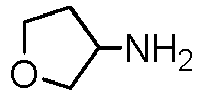
step 4 was replaced with 
TDI0 1127 
2-(4-((1H-indazol-5-yl)amino)pyrim idin-2-yl)-N-isopropyl-1H-indole-6-carboxamide 
1H NMR (400 MHz, DMSO-d 6) δ 11.88 (s, 1H), 10.22 (s, 1H), 8.34 (d, J = 6.3 Hz, 1H), 8.27 (s, 1H), 8.20 (d, J = 7.9 Hz, 1H), 8.16 (s, 1H), 8.05 (s, 1H), 7.72 (d, J = 8.5 Hz, 1H), 7.67 - 7.54 (m, 2H), 7.41 (s, 1H), 6.74 (d, J = 6.4 Hz, 1H), 4.17 - 4.11 (m, 1H), 1.19 (d, J = 6.6 Hz, 6H). MS m/z (ESI): 412.1 [M+H]. replaced with 

step 4 was replaced with 
TDIO 1130 
methyl 4-(6-(4-((1H-indazol-5-yl)amino)pyrim idin-2-yl)-1H-indole-2-carboxamido)b enzoate 
1H NMR (400 MHz, DMSO-d6 ) δ 13.05 (s, 1H), 12.17 (s, 1H), 10.61 (s, 1H), 9.62 (s, 1H), 8.58 (s, 1H), 8.37 (d, J = 5.9 Hz, 1H), 8.30 (s, 1H), 8.24 - 8.11 (m, 2H), 8.01 (s, 4H), 7.80 (d, J = 8.6 Hz, 1H), 7.58 (d, J = 20.9 Hz, 3H), 6.68 (d, J = 5.9 Hz, 1H), 3.86 (s, 3H). MS m/z (ESI): 504.1 [M+H]. with 

replaced with 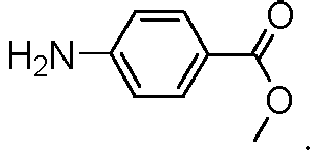
TDIO 1131 
6-(4-((1H-indazol-5-yl)amino)pyrim idin-2-yl)-N-(4-(4-methylpiperazi n-1-yl)phenyl)-1H-indole-2-carboxamide 
1H NMR (400 MHz, DMSO-d6 ) δ 13.03 (s, 1H), 12.03 (s, 1H), 10.11 (s, 1H), 9.60 (s, 1H), 8.55 (s, 1H), 8.35 (d, J = 4.0 Hz, 1H), 8.30 (s, 1H), 8.16 (d, J = 8.0 Hz, 2H), 7.75 (d, J = 8.0 Hz, 1H), 7.66 (d, J = 8.0 Hz, 2H), 7.59 (s, 2H), 7.42 (s, 1H), 6.96 (d, J = 16.0 Hz, 2H), 6.66 (d, J = 8.0 Hz, 1H), 3.12 (s, 4H), 2.46 (s, 4H), 2.23 (s, 3H). MS m/z (ESI): 544.2 [M+H]. 

TDIO 1132 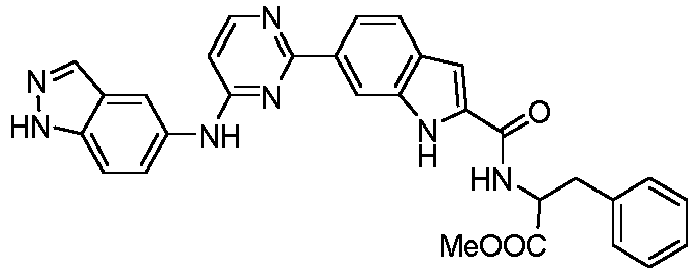
methyl (6-(4-((1H-indazol-5-yl)amino)pyrim idin-2-yl)-1H-indole-2-carbonyl)pheny lalaninate 
1H NMR (400 MHz, DMSO-d6 ) δ 13.23 (s, 1H), 12.27 (s, 1H), 11.08 (s, 1H), 9.09 (d, J = 8.0 Hz, 1H), 8.35 (s, 1H), 8.30 (d, J = 4.0 Hz, 1H), 8.20 (s, 1H), 7.90 (s, 2H), 7.69-7.62 (m, 2H), 7.33 (d, J = 8.0 Hz, 3H), 7.27 (t, J = 8.0 Hz, 2H), 7.19 (t, J = 8.0 Hz, 1H), 6.87 (s, 1H), 4.78-4.72 (m, 1H), 3.67 (s, 3H), 3.24-3.20 (m, 1H), 3.15-3.09 (m, 1H). MS m/z (ESI): 532.2 [M+H]. 

TDIO 1134 
6-(4-((1H-indazol-5-yl)amino)pyrim idin-2-yl)-N-(1-methyl-1H-pyrazol-4-yl)-1H-indole-2-carboxamide 
1H NMR (400 MHz, DMSO-d6 ) δ 13.23 (s, 1H), 12.41 (s, 1H), 10.83 (s, 1H), 8.50 (s, 1H), 8.32 (d, J = 6.7 Hz, 1H), 8.21 (s, 1H), 8.15 - 8.03 (m, 2H), 7.86 (d, J = 8.5 Hz, 1H), 7.66 (d, J = 7.6 Hz, 2H), 7.43 (d, J = 2.5 Hz, 1H), 7.32 (s, 1H), 7.19 (s, 1H), 6.97 (s, 1H), 3.86 (s, 3H). MS m/z (ESI): 450.2 [M+H]. with 


TDIO 1140 
6-(4-((1H-indazol-5-yl)amino)pyrim idin-2-yl)-N-(1-phenylethyl)-1H-indole-2-carboxamide 


1H NMR (400 MHz, DMSO-d6 ) δ 13.17 (s, 1H), 12.18 (s, 1H), 10.77 (s, 1H), 8.98 (d, J = 8.0 Hz, 1H), 8.40 (s, 1H), 8.31 (d, J = 4.0 Hz, 1H), 8.19 (s, 2H), 7.94 (d, J = 8.0 Hz, 1H), 7.85 (d, J = 8.0 Hz, 1H), 7.67-7.62 (m, 2H), 7.44-7.33 (m, 5H), 7.24 (t, J = 8.0 Hz, 1H), 6.83 (d, J = 4.0 Hz, 1H), 5.26-5.22 (m, 1H), 1.53 (d, J = 8.0 Hz, 3H). MS m/z (ESI): 474.1 [M+H]. TDIO 1151 
6-(4-((1H-indazol-5-yl)amino)pyrim idin-2-yl)-N-cyclopropyl-1H-indole-2-carboxamide 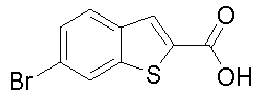


1H NMR (400 MHz, CD3OD) δ 8.36-8.16 (m, 4H), 7.83 (s, 2H), 7.70 (s, 2H), 7.15 (s, 1H), 6.88 (br, 1H), 2.88 (s, 1H), 0.85-0.84 (d, J = 4.0 Hz, 2H), 0.68 (s, 2H). MS m/z (ESI): 410.2 [M+H]. TDIO 1152 
6-(4-((1H-indazol-5-yl)amino)pyrim idin-2-yl)-N-(pyridazin-4-yl)-1H-indole-2-carboxamide 

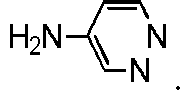
1H NMR (400 MHz, DMSO-d6 ) δ 9.60 (s, 1H), 9.27 (s, 1H), 8.83 (s, 1H), 8.54 (s, 1H), 8.35 (d, J = 5.6 Hz, 1H), 8.30 (s, 1H), 8.19 - 8.09 (m, 2H), 8.05 - 8.04 (m, 1H), 7.71 (d, J = 8.8 Hz, 1H), 7.64 - 7.58 (m, 2H), 7.21 (s, 1H), 6.65 (d, J = 5.6 Hz, 1H). MS m/z (ESI): 448.2 [M+H]. TDIO 1153 
6-(4-((1H-indazol-5-yl)amino)pyrim idin-2-yl)-N-(pyridin-4-yl)-1H-indole-2-carboxamide 

1H NMR (400 MHz, CD3OD) δ 8.66 (d, J = 6.1 Hz, 2H), 8.47 - 8.34 (t, 3H), 8.27 - 8.12 (t, 3H), 7.94 (q, J = 8.8 Hz, 2H), 7.73 - 7.56 (m, 3H), 6.89 (d, J = 6.9 Hz, 1H). MS m/z (ESI): 447.1 [M+H]. 
TDIO 1156 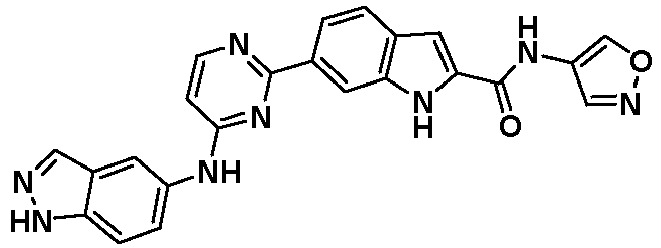
6-(4-((1H-indazol-5-yl)amino)pyrim idin-2-yl)-N-(isoxazol-4-yl)-1H-indole-2-carboxamide 


1H NMR (400 MHz, DMSO-d6 ) δ 13.21 (s, 1H), 12.44 (s, 1H), 10.99 (s, 1H), 10.76 (s, 1H), 9.30 (s, 1H), 8.81 (s, 1H), 8.41 (d, J = 43.7 Hz, 2H), 8.20 (s, 2H), 7.96 (d, J = 28.6 Hz, 2H), 7.66 (s, 2H), 7.42 (s, 1H), 6.85 (s, 1H). MS m/z (ESI): 437.1 [M+H]. TDIO 1161 
6-(4-((1H-indazol-5-yl)amino)pyrim idin-2-yl)-N-(pyrimidin-4-yl)-1H-indole-2-carboxamide 

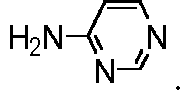
1H NMR (400 MHz, DMSO-d6 ) δ 13.12 (s, 1H), 12.28 (s, 1H), 11.39 (s, 1H), 9.98 (s, 1H), 9.01 (s, 1H), 8.79 (s, 1H), 8.53 (s, 1H), 8.36 (d, J = 6.0 Hz, 1H), 8.29 (d, J = 5.2 Hz, 2H), 8.17 (s, 1H), 8.13 (d, J = 8.4 Hz, 1H), 7.81 (d, J = 9.2 Hz, 2H), 7.62 (s, 2H), 6.74 (d, J = 6.0 Hz, 1H). MS m/z (ESI): 448.1 [M+H]. TDIO 1164 
6-(7-((1H-indazol-5-yl)amino)imida zo[1,2-c]pyrimidin-5-yl)-N-(pyridazin-4-yl)-1H-indole-2-carboxamide 


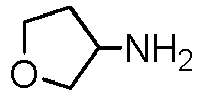

1H NMR (400 MHz, DMSO-d6 ) δ 13.24 (s, 1H), 12.33 (s, 1H), 10.97 (s, 1H), 10.31 (s, 1H), 9.59 (s, 1H), 9.14 (d, J = 5.8 Hz, 1H), 8.54 (s, 1H), 8.26 (s, 1H), 8.23 (s, 1H), 8.20 - 8.16 (m, 2H), 8.10 (s, 1H), 7.87 (s, 2H), 7.81 (d, J = 8.9 Hz, 1H), 7.77 - 7.71 (m, 2H), 7.59 (s, 1H). MS m/z (ESI): 487.1 [M+H]. TDIO 1167 
6-(4-((1H-indazol-5-yl)amino)-1,3,5-triazin-2-yl)-N-(pyridazin-4-yl)-1H-indole-2-carboxamide 

1H NMR (400 MHz, DMSO-d6 ) δ 13.26 - 12.93 (m, 1H), 12.41 (s, 1H), 11.03 (s, 1H), 10.30 (s, 1H), 9.60 (s, 1H), 9.16 (d, J = 5.2 Hz, 1H), 8.81 (s, 1H), 8.64 (s, 1H), 8.21 (s, 4H), 7.89 (d, J = 8.4 Hz, 1H), 7.63 (s, 3H). MS m/z (ESI): 449.3 [M+H]. replaced with 


TDIO 1169 
6-(4-((1H-indazol-5-yl)amino)quina zolin-2-yl)-N-(pyridazin-4-yl)-1H-indole-2-carboxamide 


1H NMR (400 MHz, DMSO-d6 ) δ 12.54 (s, 1H), 11.15 - 11.07 (m, 2H), 9.60 (s, 1H), 9.16 (d, J = 4.8 Hz, 1H), 8.73 (d, J = 7.6 Hz, 1H), 8.48 (s, 1H), 8.24 - 8.22 (m, 3H), 8.06 (br.s, 3H), 7.86 - 7.73 (m, 4H), 7.64 (s, 1H). MS m/z (ESI): 498.1 [M+H]. TDIO 1171 
6-(4-((1H-indazol-5-yl)amino)pyrim idin-2-yl)-N-(pyridin-3-yl)-1H-indole-2-carboxamide 


1H NMR (400 MHz, DMSO-d6 ) δ 12.52 (s, 1H), 10.90 (s, 1H), 10.85 (s, 1H), 9.17 (s, 1H), 8.52 - 8.49 (m, 2H), 8.45 - 8.39 (m, 2H), 8.26 (s, 2H), 8.05 - 7.98 (m, 2H), 7.74 - 7.64 (m, 4H), 6.92 (d, J = 6.4 Hz, 1H). MS m/z (ESI): 447.1 [M+H]. TDIO 1174 
6-(4-((4-(1H-pyrazol-4-yl)phenyl)amin o)pyrimidin-2-yl)-N-(pyridazin-4-yl)-1H-indole-2-carboxamide 

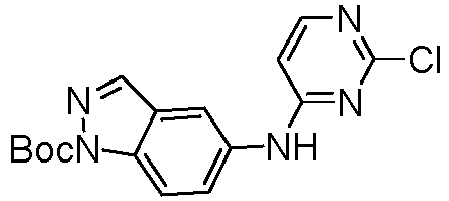

1H NMR (400 MHz, DMSO-d6 ) δ 12.52 (s, 1H), 11.14 (s, 1H), 10.60 (s, 1H), 9.61 (s, 1H), 9.19 (d, J = 5.9 Hz, 1H), 8.52 (s, 1H), 8.39 (d, J = 6.5 Hz, 1H), 8.26 (dd, J = 5.9, 2.5 Hz, 1H), 8.09 (s, 2H), 8.05 (d, J = 8.4 Hz, 1H), 7.96 (d, J = 8.5 Hz, 1H), 7.81 (d, J = 7.6 Hz, 2H), 7.72 (d, J = 8.5 Hz, 2H), 7.66 (s, 1H), 6.86 (d, J = 6.5 Hz, 1H). MS m/z (ESI): 474.1 [M+H]. with 
TDIO 1175 
6-(4-((1H-indazol-5-yl)amino)thien o[3,2-d]pyrimidin-2-yl)-N-(pyridazin-4-yl)-1H-indole-2-carboxamide 


1H NMR (400 MHz, DMSO-d6 ) δ 12.39 (s, 1H), 11.15 (s, 1H), 10.32 (s, 1H), 9.62 (s, 1H), 9.20 (d, J = 5.6 Hz, 1H), 8.56 (s, 1H), 8.30 - 8.26 (m, 2H), 8.19-9.17 (m, 3H), 7.88 (d, J = 8.4 Hz, 1H), 7.74 (d, J = 8.8 Hz, 1H), 7.38 - 7.64 (m, 2H), 7.56 (d, J = 5.4 Hz, 1H). MS m/z (ESI): 504.1 [M+H]. TDIO 1176 
6-(4-((1H-indazol-5-yl)amino)pyrim idin-2-yl)-N-(1-hydroxypropan -2-yl)-1H-indole-2-carboxamide 
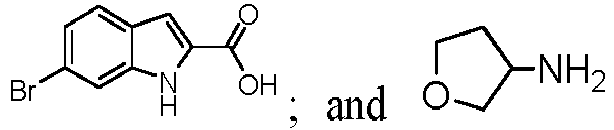

1H NMR (400 MHz, CD3OD) δ 8.38 (s, 1H), 8.24 - 8.09 (m, 3H), 7.84 (d, J = 8.5 Hz, 2H), 7.67 (t, J = 11.5 Hz, 2H), 7.22 (s, 1H), 6.85 (d, J = 7.0 Hz, 1H), 4.22 (dd, J = 12.6, 6.1 Hz, 1H), 3.65 - 3.60 (m, 2H), 1.28 (d, J = 6.8 Hz, 4H). MS m/z (ESI): 428.2 [M+H]. TDIO 1177 
6-(4-((1H-indazol-5-yl)amino)pyrim idin-2-yl)-N-(4-(1H-pyrazol-4-yl)phenyl)-1H-indole-2-carboxamide 


1H NMR (400 MHz, CD3OD) δ 7.99 (s, 2H), 7.80 (t, J = 6.9 Hz, 3H), 7.67 (d, J = 8.1 Hz, 2H), 7.37 - 7.25 (m, 1H), 6.96 (s, 2H), 6.38 (d, J = 7.3 Hz, 1H), 5.01 (d, J = 16.9 Hz, 2H), 4.82 (s, 2H), 3.82 (s, 3H). MS m/z (ESI): 385.2 [M+H]. TDIO 1178 
6-(4-((1H-indazol-5-yl)amino)pyrim idin-2-yl)-N-(pyridazin-4-ylmethyl)-1H-indole-2-carboxamide 


1H NMR (400 MHz, DMSO-d6 ) δ 12.38 (s, 1H), 11. 11 (s, 1H), 9.41 (t, J = 5.9 Hz, 1H), 9.28 - 9.15 (m, 2H), 8.30 (m, J = 40.4, 33.4 Hz, 5H), 7.91 (s, 2H), 7.72 - 7.60 (m, 3H), 7.34 (s, 1H), 6.89 (s, 1H), 4.62 (d, J = 5.8 Hz, 2H). MS m/z (ESI): 462.1 [M+H]. TDIO 1180 
6-(4-((1H-indazol-5-yl)amino)pyrim idin-2-yl)-N-(3-chloropyridazin -4-yl)-1H-indole-2-carboxamide 


1H NMR (400 MHz , CD3OD) δ 9.07 (d, J=5.4 Hz, 1H), 8.61 (d, J=5.4 Hz, 1H), 8.41 (s, 1H), 8.35 - 8.04 (m, 3H), 7.96 (d, J=8.3 Hz, 1H), 7.90 (s, 1H), 7.70 (d, J=7.5 Hz, 2H), 7.51 (s, 1H), 6.91 (s, 1H). MS m/z (ESI): 482.1 [M+H]. TDIO 1181 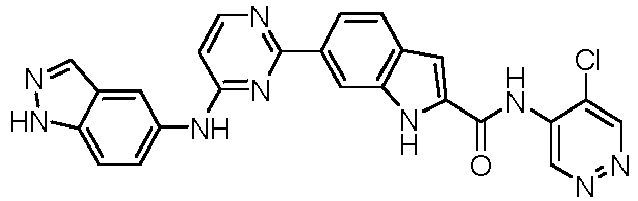
6-(4-((1H-indazol-5-yl)amino)pyrim idin-2-yl)-N-(5-chloropyridazin -4-yl)-1H-indole-2-carboxamide 


1H NMR (400 MHz, DMSO-d6 ) δ 13.2 - 13.10 (m, 1H), 12.49 (s, 1H), 10.66 (s, 1H), 9.64 (s, 1H), 9.44 (s, 1H), 8.49 (s, 1H), 8.35 (d, J = 6.4 Hz, 1H), 8.18 (s, 1H), 8.06 (d, J = 7.4 Hz, 1H), 7.91 (d, J = 8.0 Hz, 1H), 7.63 (s, 3H), 6.80 (s, 1H). MS m/z (ESI): 482.2 [M+H]. TDIO 1182 
6-(4-((1H-indazol-5-yl)amino)pyrim idin-2-yl)-N-(1H-indazol-5-yl)-1H-indole-2-carboxamide 


1H NMR (400 MHz, DMSO-d6 ) δ 13.18 (s, 2H), 12.41 (s, 1H), 10.94 (s, 1H), 10.44 (s, 1H), 8.45 (s, 1H), 8.35 (d, J = 6.8 Hz, 1H), 8.29 (s, 1H), 8.16 (d, J = 42.0 Hz, 3H), 7.95 (m, J = 17.1, 8.5 Hz, 2H), 7.74 - 7.61 (m, 3H), 7.58 (d, J = 12.7 Hz, 2H), 6.87 (d, J = 6.3 Hz, 1H). MS m/z (ESI): 486.1 [M+H]. TDIO 1187 
6-(4-((1H-indazol-5-yl)amino)pyrim idin-2-yl)-N-(pyridazin-4-yl)-1H-indole-3-carboxamide 


1H NMR (400 MHz, CD3OD) δ 9.55 (s, 1H), 9.23 (d, J = 5.0 Hz, 1H), 8.78 (d, J = 4.7 Hz, 1H), 8.58 (s, 1H), 8.50 (d, J = 8.5 Hz, 1H), 8.41 (s, 1H), 8.22 (d, J = 7.2 Hz, 2H), 8.16 (s, 1H), 8.04 (dd, J = 3.5, 1.4 Hz, 1H), 7.86 - 7.57 (m, 2H), 6.92 (s, 1H). MS m/z (ESI): 448.2 [M+H]. TDIO 1188 
5-(4-((1H-indazol-5-yl)amino)pyrim idin-2-yl)-N-(pyridazin-4-yl)-1H-indole-2-carboxamide 


1H NMR (400 MHz, DMSO-d6 ) δ 13.23 (s, 1H), 12.46 (s, 1H), 11.09 (s, 1H), 10.93 (s, 1H), 9.60 (d, J = 1.6 Hz, 1H), 9.17 (d, J = 6.0 Hz, 1H), 8.70 (s, 1H), 8.36 (d, J = 6.8 Hz, 1H), 8.21 (dt, J = 22.4, 7.2 Hz, 4H), 7.68 (dd, J = 28.8, 19.2 Hz, 4H), 6.86 (d, J = 6.4 Hz, 1H). MS m/z (ESI): 448.2 [M+H]. TDIO 1189 
6-(4-((1H-indazol-5-yl)amino)pyrim idin-2-yl)-N-(pyridazin-4-yl)-1H-pyrrolo [3,2-b]pyridine-2-carboxamide 


1H NMR (400 MHz, DMSO-d6 ) δ 13.08 (s, 2H), 12.78 (s, 1H), 11.14 (s, 1H), 10.07 (s, 1H), 9.61 (s, 1H), 9.46 (s, 1H), 9.18 (d, J = 6.0 Hz, 1H), 8.83 (s, 1H), 8.40 (d, J = 6.1 Hz, 1H), 8.21 (d, J = 3.3 Hz, 1H), 8.15 (s, 1H), 7.76 (s, 1H), 7.61 (t, J = 8.4 Hz, 2H), 6.78 (d, J = 6.1 Hz, 1H). MS m/z (ESI): 449.1 [M+H]. TDIO 1191 
5-(4-((1H-indazol-5-yl)amino)pyrim idin-2-yl)-N-(pyridazin-4-yl)-1H-indole-3-carboxamide 

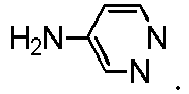
1H NMR (400 MHz, CD3OD) δ 9.58 (s, 1H), 9.33 (s, 1H), 9.23 (d, J = 5.2 Hz, 1H), 8.59 (s, 1H), 8.54 (d, J = 4.8 Hz, 1H), 8.41 (s, 1H), 8.27 - 8.25 (m, 2H), 8.15 (d, J = 8.8 Hz, 1H), 7.78 (d, J = 8.8 Hz, 1H), 7.71 (d, J = 8.8 Hz, 1H), 7.63 (s, 1H), 6.93 (d, J = 6.0 Hz, 1H). MS m/z (ESI): 448.2 [M+H]. TDIO 1193 
6-(4-((1H-indazol-5-yl)amino)pyrim idin-2-yl)-N-(pyridazin-4-yl)-1H-benzo[d]imidaz ole-2-carboxamide 


1H NMR (400 MHz, CD3OD) δ 9.68 (d, J = 2.3 Hz, 1H), 9.21 (d, J = 6.2 Hz, 1H), 8.68 (s, 1H), 8.54 (dd, J = 6.1, 2.6 Hz, 1H), 8.24 (m, 4H), 7.95 (d, J = 8.5 Hz, 1H), 7.72 (d, J = 8.3 Hz, 1H), 7.65 (s, 1H), 6.94 (d, J = 6.2 Hz, 1H). MS m/z (ESI): 449.0 [M+H]. TDIO 1199 
6-(4-((1H-indazol-5-yl)amino)pyrim idin-2-yl)-N-(1H-pyrazol-4-yl)-1H-indole-2-carboxamide 


1H NMR (400 MHz, DMSO-d6 ) δ 13.23 (s, 1H), 12.40 (s, 1H), 11.02 (s, 1H), 10.66 (s, 1H), 8.42 (s, 1H), 8.33 (d, J = 6.8 Hz, 1H), 8.21 (s, 2H), 7.95-7.92 (m, 2H), 7.88 (s, 2H), 7.70-7.64 (m, 2H), 7.40 (s, 1H), 6.87 (d, J = 5.2 Hz, 1H). MS m/z (ESI): 436.1 [M+H]. TDIO 1200 
tert-butyl 4-(6-(4-((1H-indazol-5-yl)amino)pyrim idin-2-yl)-1H-indole-2-carboxamido)-1H-pyrazole-1-carboxylate 


1H NMR (400 MHz, CD3OD) δ 8.58 (s, 1H), 8.54 (s, 1H), 8.30 (d, J = 6.0 Hz, 1H), 8.25 (s, 1H), 8.19 - 8.09 (m, 2H), 7.99 (s, 1H), 7.76 (d, J = 8.4 Hz, 1H), 7.66-7.60 (m, 2H), 7.29 (s, 1H), 6.66 (d, J = 6.0 Hz, 1H), 1.66 (s, 9H). MS m/z (ESI): 536.1 [M+H]. TDIO 1201 
6-(4-((1H-indazol-5-yl)amino)pyrim idin-2-yl)-1-methyl-N-(pyridazin-4-yl)-1H-indole-2-carboxamide The preparation started from step 3 of Example 1, 


1H NMR (400 MHz, DMSO-d6 ) δ 11.24 (s, 1H), 10.97 (s, 1H), 9.57 (s, 1H), 9.19 (d, J = 5.6 Hz, 1H), 8.54 (s, 1H), 8.40 (d, J = 6.4 Hz, 1H), 8.24 (s, 2H), 8.17 (s, 1H), 8.04 (d, J = 8.4 Hz, 1H), 7.95 (d, J = 8.4 Hz, 1H), 7.67 (d, J = 8.4 Hz, 1H), 7.61 - 7.57 (m, 2H), 6.89 (d, J = 6.0 Hz, 1H), 4.11 (s, 3H). MS m/z (ESI): 462.2 [M+H]. TDIO 1213 
6-(4-((1H-indazol-5-yl)amino)-5-fluoropyrimidin -2-yl)-N-(pyridazin-4-yl)-1H-indole-2-carboxamide 

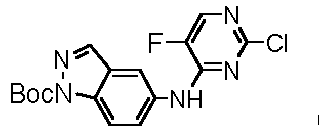


1H NMR (400 MHz, CD3OD + DMSO-d6 ) δ 9.64 (s, 1H), 9.19 (s, 1H), 8.53 - 8.47 (m, 2H), 8.41 (d, J = 3.6 Hz, 1H), 8.36 (s, 1H), 8.22 (s, 1H), 8.16 (d, J = 8.0 Hz, 1H), 7.85 (d, J = 8.8 Hz, 2H), 7.70 (d, J = 8.8 Hz, 1H), 7.57 (s, 1H). MS m/z (ESI): 466.1 [M+H]. TDIO 1214 
6-(4-((6-fluoro-1H-indazol-5-yl)amino)pyrim idin-2-yl)-N-(pyridazin-4-yl)-1H-indole-2-carboxamide 


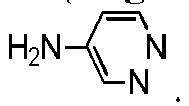
1H NMR (400 MHz, DMSO-d6 ) δ 12.35 (s, 1H), 11.02 (s, 1H), 9.91 (s, 1H), 9.60 (s, 1H), 9.14 (d, J = 5.2 Hz, 1H), 8.43 (s, 1H), 8.39 (d, J = 6.0 Hz, 1H), 8.27 - 8.14 (m, 3H), 8.02 (d, J = 8.0 Hz, 1H), 7.83 (d, J = 8.4 Hz, 1H), 7.60 (s, 1H), 7.55 (d, J = 10.8 Hz, 1H), 6.78 (d, J = 3.6 Hz, 1H). MS m/z (ESI): 466.1 [M+H]. TDIO 1215 
6-(4-((1H-indazol-5-yl)amino)pyrim idin-2-yl)-N-phenyl-1H-indole-2-carboxamide 


1H NMR (400 MHz, DMSO-d6 ) δ 13.22 (s, 1H), 12.40 (s, 1H), 10.85 (s, 1H), 10.39 (s, 1H), 8.45 (s, 1H), 8.34 (d, J = 6.8 Hz, 1H), 8.20 (s, 2H), 7.98 (d, J = 8.4 Hz, 1H), 7.91 (d, J = 8.4 Hz, 1H), 7.83 (d, J = 7.6 Hz, 2H), 7.66 (t, J = 9.2 Hz, 2H), 7.56 (s, 1H), 7.40 (t, J = 7.6 Hz, 2H), 7.14 (t, J = 7.2 Hz, 1H), 6.86 (d, J = 5.6 Hz, 1H). MS m/z (ESI): 446.1 [M+H]. TDIO 1221 
6-(4-((1H-indazol-5-yl)amino)pyrim idin-2-yl)-N-(6-(dimethylamino )pyridin-3-yl)-1H-indole-2-carboxamide 


1H NMR (400 MHz, DMSO-d6 ) δ 13.21 (s, 1H), 12.41 (s, 1H), 10.76 (s, 2H), 10.52 (s, 1H), 8.56 (s, 1H), 8.45 (s, 1H), 8.34 (d, J = 6.7 Hz, 1H), 8.20 (s, 2H), 8.11 (s, 1H), 8.00 (d, J = 8.3 Hz, 1H), 7.91 (d, J = 8.5 Hz, 1H), 7.66 (d, J = 8.8 Hz, 2H), 7.62 (s, 1H), 7.49 (s, 1H), 7.11 (s, 1H), 6.84 (s, 1H), 3.15 (s, 7H). MS m/z (ESI): 490.1 [M+H]. TDIO 1231 
6-(4-((1H-indazol-5-yl)amino)-5-(trifluoromethy l)pyrimidin-2-yl)-N-(pyridazin-4-yl)-1H-indole-2-carboxamide 


1H NMR (400 MHz, DMSO-d6 ) δ 13.16 (s, 1H), 12.31 (s, 1H), 11.06 (s, 1H), 9.58 (d, 1H), 9.17 (m, 2H), 8.75 (s, 1H), 8.45 (s, 1H), 8.26 (dd, 1H), 8.14 (s, 1H), 7.95 (dd, 1H), 7.88 (s, 1H), 7.76 (d, 1H), 7.60 (m, 3H). MS m/z (ESI): 516.2 [M+H]. in step 4 was replaced with 
TDIO 1232 
6-(4-((1H-indazol-5-yl)amino)-5,6-dimethylpyrimi din-2-yl)-N-(pyridazin-4-yl)-1H-indole-2-carboxamide 


1H NMR (400 MHz, DMSO-d6 ) δ 13.16 (s, 1H), 12.45 (s, 1H), 10.98 (s, 1H), 9.58 (s, 2H), 9.14 (s, 1H), 8.29 (s, 1H), 8.17 (s, 2H), 8.00 (s, 1H), 7.89 (d, J = 8.4 Hz, 2H), 7.64 (s, 2H), 7.59 (s, 1H), 2.58 (s, 3H), 2.31 (s, 3H). MS m/z (ESI): 476.3 [M+H]. TDIO 1248 
tert-butyl 5-(6-(4-((1H-indazol-5-yl)amino)pyrim idin-2-yl)-1H-indole-2-carboxamido)-1H-indazole-1-carboxylate 


1H NMR (400 MHz, CDCl3 + CD3OD) δ 8.46 (s, 1H), 8.36 (s, 1H), 8.26 - 8.20 (t, 2H), 8.13 (d, J = 9.5 Hz, 2H), 8.07 (d, J = 9.0 Hz, 2H), 7.82 (t, J = 8.9 Hz, 2H), 7.63 (d, J = 8.8 Hz, 1H), 7.58 (d, J = 8.9 Hz, 1H), 7.47 (s, 1H), 7.40 (s, 1H), 6.69 (d, J = 6.1 Hz, 1H), 1.76 (s, 9H). MS m/z (ESI): 586.2 [M+H]. TDIO 1250 
6-(4-((1H-indazol-5-yl)amino)-5-methylpyrimidi n-2-yl)-N-(pyridazin-4-yl)-1H-indole-2-carboxamide 


1H NMR (400 MHz, DMSO-d6 ) δ 13.17 (br, 1H), 12.52 (s, 1H), 11.04 (s, 1H), 9.95 (br, 1H), 9.59 (d, J = 4.0 Hz, 1H), 9.16 (d, J = 8.0 Hz, 1H), 8.31 (d, J = 5.2 Hz, 2H), 8.22 - 8.18 (m, 2H), 8.05 (s, 1H), 7.91 (d, J = 8.6 Hz, 1H), 7.85 (d, J = 7.9 Hz, 1H), 7.68 (s, 2H), 7.61 (s, 1H), 2.36 (s, 3H). MS m/z (ESI): 462.3 [M+H]. TDIO 1251 
6-(4-((1H-indazol-5-yl)amino)-6-methylpyrimidi n-2-yl)-N-(pyridazin-4-yl)-1H-indole-2-carboxamide 


1H NMR (400 MHz, DMSO-d6 ) δ 13.20 (s, 1H), 12.55 (s, 1H), 11.11 (s, 1H), 10.78 (s, 1H), 9.62 (d, J = 2.0 Hz, 1H), 9.18 (d, J = 6.0 Hz, 1H), 8.43 (s, 1H), 8.20 (dt, J = 40.4, 13.2 Hz, 3H), 7.97 (d, J = 8.8 Hz, 2H), 7.71 - 7.47 (m, 3H), 6.71 (s, 1H), 2.54 (s, 3H). MS m/z (ESI): 462.1 [M+H]. TDIO 1258 
6-(4-((1H-indazol-5-yl)amino)pyrim idin-2-yl)-N-(1H-pyrrolo [2,3-b]pyridin-5-yl)-1H-indole-2-carboxamide 


1H NMR (400 MHz, DMSO-d6 ) δ 13.14 (s, 1H), 12.41 (s, 1H), 11.64 (s, 1H), 10.91 (s, 1H), 10.46 (s, 1H), 8.52 (d, J = 2.3 Hz, 1H), 8.44 (s, 1H), 8.35 (dd, J = 16.0, 4.5 Hz, 2H), 8.20 (s, 1H), 7.94 (dd, J = 8.8 Hz, 2H), 7.72 - 7.48 (m, 5H), 6.87 (s, 1H), 6.49 (dd, J = 3.3, 1.8 Hz, 1H). MS m/z (ESI): 486.2 [M+H]. TDIO 1275 
6-(4-((3-methyl-1H-indazol-5-yl)amino)pyrim idin-2-yl)-N-(pyridazin-4-yl)-1H-indole-2-carboxamide 


1H NMR (400 MHz, DMSO-d6 ) δ 12.82 - 12.59 (m, 1H), 12.43 (s, 1H), 10.99 (s, 1H), 10.37 (s, 1H), 9.60 (s, 1H), 9.14 (d, J = 5.6 Hz, 1H), 8.50 (s, 1H), 8.35 (d, J = 6.4 Hz, 1H), 8.18 (d, J = 3.6 Hz, 2H), 8.09 (d, J = 8.4 Hz, 1H), 7.91 (d, J = 8.4 Hz, 1H), 7.62 (s, 1H), 7.55 (s, 1H), 6.78 (d, J = 5.6 Hz, 1H), 2.54 (s, 3H). MS m/z (ESI): 462.2 [M+H]. TDIO 1276 
6-(4-((4-methyl-1H-indazol-5-yl)amino)pyrim idin-2-yl)-N-(pyridazin-4-yl)-1H-indole-2-carboxamide 

1H NMR (400 MHz, DMSO-d6 ) δ 13.22 (s, 1H), 12.48 (s, 1H), 11.00 (s, 1H), 9.59 (d, J = 2.3 Hz, 1H), 9.15 (d, J = 6.0 Hz, 1H), 8.34 (s, 1H), 8.29 (d, J = 6.7 Hz, 1H), 8.24 (s, 1H), 8.20-8.16 (m, 1H), 7.90 (s, 2H), 7.61 (s, 1H), 7.50 (d, J = 8.7 Hz, 1H), 7.39 (s, d, J = 8.2 Hz, 1H), 2.50 (s, 3H). MS m/z (ESI): 462.2 [M+H]. replaced with 


TDIO 1278 
6-(2-((1H-indazol-5-yl)amino)-5-(trifluoromethy l)pyrimidin-4-yl)-N-(pyridazin-4-yl)-1H-indole-2-carboxamide 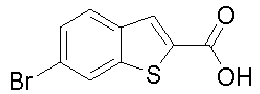


1H NMR (400 MHz, DMSO-d6 ) δ 12.98 (s, 1H), 12.26 (s, 1H), 11.04 (s, 1H), 10.34 (s, 1H), 9.59 (d, 1H), 9.17 (d, 1H), 8.86 (s, 1H), 8.24 (m, 2H), 8.03 (s, 1H), 7.88 (d, 1H), 7.76 (s, 1H), 7.63 (s, 2H), 7.50 (d, 1H), 7.34 (d, 1H). MS m/z (ESI): 516.2 [M+H]. TDIO 1282 
6-(2-((1H-indazol-5-yl)amino)-5,6-dimethylpyrimi din-4-yl)-N-(pyridazin-4-yl)-1H-indole-2-carboxamide 


1H NMR (400 MHz, DMSO-d6 ) δ 10.13 (s, 2H), 9.70 (s, 1H), 8.96 (s, 1H), 8.82 (s, 1H), 8.50 (s, 1H), 8.40 - 8.23 (m, 3H), 8.10 (d, J = 12.0 Hz, 3H), 7.93 (dd, J = 34.6, 8.8 Hz, 3H), 3.02 (s, 3H), 2.75 (s, 3H). MS m/z (ESI): 476.3 [M+H]. TDIO 1285 
5-(4-((1H-indazol-5-yl)amino)pyrim idin-2-yl)-N-isopropyl-1H-indole-3-carboxamide 


1H NMR (400 MHz, DMSO-d6 ) δ 13.17 (s, 1H), 11.97 (s, 1H), 10.96 (s, 1H), 9.33 (s, 1H), 8.52 (s, 1H), 8.36 (s, 1H), 8.30 (d, J = 6.8 Hz, 1H), 8.21 (d, J = 2.4 Hz, 1H), 8.05 (d, J = 8.4 Hz, 1H), 7.86 (d, J = 7.6 Hz, 1H), 7.67-7.63 (m, 2H), 7.54 (d, J = 8.0 Hz, 1H), 6.86 (d, J = 5.2 Hz, 1H), 4.25 - 4.17 (m, 1H), 1.23 (d, J = 6.4 Hz, 6H). MS m/z (ESI): 412.3 [M+H]. TDIO 1289 
6-(4-((1H-indazol-5-yl)amino)pyrim idin-2-yl)-N-(3-(dimethylamino )pyridin-4-yl)-1H-indole-2-carboxamide 


1H NMR (400 MHz, DMSO-d6 ) δ 13.17 (s, 1H), 12.57 (s, 1H), 10.49 (s, 1H), 10.08 (s, 1H), 8.63 (s, 1H), 8.57-8.52 (m, 2H), 8.50 (s, 1H), 8.36 (d, J = 6.4 Hz, 1H), 8.23 (s, 1H), 8.18 (s, 1H), 8.06 (d, J = 8.4 Hz, 1H), 7.92 (d, J = 8.8 Hz, 1H), 7.66-7.61 (m, 3H), 6.81 (d, J = 6.4 Hz, 1H), 2.86 (s, 6H). MS m/z (ESI): 490.2 [M+H]. TDIO 1290 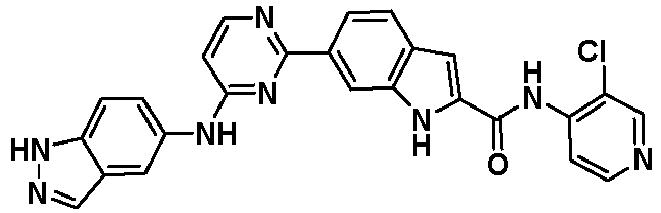
6-(4-((1H-indazol-5-yl)amino)pyrim idin-2-yl)-N-(3-chloropyridin-4-yl)-1H-indole-2-carboxamide 


1H NMR (400 MHz, DMSO-d 6) δ 13.16 (s, 1H), 12.48 (s, 1H), 10.65 (s, 1H), 10.24 (s, 1H), 8.73 (s, 1H), 8.56 (d, J = 5.3 Hz, 1H), 8.46 (s, 1H), 8.34 (d, J = 6.6 Hz, 1H), 8.19 (s, 2H), 8.01 (d, J = 8.3 Hz, 1H), 7.92 (t, J = 6.0 Hz, 2H), 7.65 (t, J = 9.0 Hz, 2H), 7.59 (s, 1H), 6.83 (s, 1H). MS m/z (ESI): 481.1 [M+H]. TDIO 1291 
6-(4-((1H-indazol-5-yl)amino)pyrim idin-2-yl)-N-(tetrahydro-2H-pyran-4-yl)-1H-indole-2-carboxamide 


1H NMR (400 MHz, DMSO-d6 ) δ 10.84 (br, 1H), 8.51 (d, J = 7.7 Hz, 1H), 8.41 (s, 1H), 8.33 (d, J = 6.8 Hz, 1H), 8.20 (s, 1H), 7.95 (d, J = 8.4 Hz, 1H), 7.85 (d, J = 8.5 Hz, 1H), 7.68-7.61 (m, 2H), 7.30 (s, 1H), 6.85 (d, J = 6.1 Hz, 1H), 3.92 (d, J = 8.0 Hz, 3H), 3.43 (t, J = 12.0 Hz, 2H), 1.81 (d, J = 12.0 Hz, 2H), 1.62 (dt, J = 11.8, 7.8 Hz, 2H). MS m/z (ESI): 454.3 [M+H]. TDIO 1292 
6-(4-((1H-indazol-5-yl)amino)pyrim idin-2-yl)-N-isopropylindoli ne-2-carboxamide 

1H NMR (400 MHz, DMSO-d6 ) δ 13.19 (s, 1H), 10.34 (s, 1H), 9.88 (s, 1H), 8.30 (d, J = 6.4 Hz, 1H), 8.17 (d, J = 25.2 Hz, 2H), 7.95 (s, 1H), 7.72 (d, J = 8.0 Hz, 1H), 7.56 (dd, J = 35.6, 28.5 Hz, 3H), 7.25 - 7.14 (m, 1H), 6.77 (s, 1H), 4.26 (d, J = 9.2 Hz, 1H), 3.89 (d, J = 7.2 Hz, 1H), 2.89 (s, 2H), 1.24 (s, 3H), 1.14 - 1.04 (m, 3H). MS m/z (ESI): 414.2 [M+H]. TDIO 1294 
6-(4-((4-(1H-pyrazol-4-yl)phenyl)amin o)pyrimidin-2-yl)-N,N-dimethyl-1H-indole-2-carboxamide 


1H NMR (400 MHz, DMSO-d6 ) δ 12.11 (s, 1H), 10.61 (s, 1H), 8.46 (s, 1H), 8.36 (d, J = 6.4 Hz, 1H), 8.08 (s, 2H), 7.99 (d, J = 8.8 Hz, 1H), 7.84 - 7.78 (m, 3H), 7.72 (d, J = 8.8 Hz, 2H), 7.00 (s, 1H), 6.85 (d, J = 6.4 Hz, 1H), 3.10 (s, 6H). MS m/z (ESI): 424.2 [M+H]. TDIO 1296 
6-(4-((4-(1H-pyrazol-4-yl)phenyl)amin o)pyrimidin-2-yl)-N-methyl-1H-indole-2-carboxamide 


1H NMR (400 MHz, DMSO-d6 ) δ 12.15 (s, 1H), 10.57 (s, 1H), 8.62 (d, J = 4.6 Hz, 1H), 8.46 (s, 1H), 8.35 (d, J = 6.6 Hz, 1H), 8.08 (s, 2H), 7.98 (d, J = 8.4 Hz, 1H), 7.81 (d, J = 8.4 Hz, 3H), 7.71 (d, J = 8.5 Hz, 2H), 7.17 (s, 1H), 6.83 (d, J = 6.5 Hz, 1H), 2.85 (d, J = 4.5 Hz, 3H). MS m/z (ESI): 410.2 [M+H]. TDIO 1299 
isopropyl 6-(4-((4-(1H-pyrazol-4-yl)phenyl)amin o)pyrimidin-2-yl)-1H-indole-2-carboxylate 


1H NMR (400 MHz, CD3OD) δ 8.46 (s, 1H), 8.24 (d, J = 7.3 Hz, 1H), 8.06 (s, 2H), 7.92 (s, 1H), 7.88 (d, J = 8.3 Hz, 1H), 7.78 (s, 4H), 7.28 (s, 1H), 6.94 (d, J = 7.2 Hz, 1H), 5.34 - 5.25 (m, 1H), 1.44 (d, J = 6.2 Hz, 6H). MS m/z (ESI): 439.2 [M+H]. 
TDIO 1314 
7-(4-((1H-indazol-5-yl)amino)pyrim idin-2-yl)-N-(pyridazin-4-yl)-2,3-dihydrobenzo[b ] [1,4]dioxine-2-carboxamide 

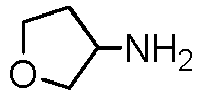

1H NMR (400 MHz, CD3OD) δ 9.40 (s, 1H), 9.15 (d, J = 6.1 Hz, 1H), 8.57 (d, J = 7.1 Hz, 1H), 8.47 (d, J = 3.1 Hz, 1H), 8.35 (d, J = 3.7 Hz, 1H), 8.18 (d, J = 7.2 Hz, 1H), 8.13 (s, 1H), 7.92 (s, 1H), 7.74 (s, 1H), 7.68 (d, J = 8.2 Hz, 1H), 7.15 (d, J = 8.6 Hz, 1H), 6.87 (s, 1H), 5.16 (s, 1H), 4.60 (d, J = 3.8 Hz, 2H). MS m/z (ESI): 467.2 [M+H]. TDIO 1315 
6-(4-((1H-indazol-5-yl)amino)pyrim idin-2-yl)-N-(6-methoxypyridin -3-yl)-1H-indole-2-carboxamide 


1H NMR (400 MHz, DMSO-d6 ) δ 13.16 (s, 1H), 12.37 (s, 1H), 10.67 (s, 1H), 10.45 (s, 1H), 8.58 (d, J = 2.4 Hz, 1H), 8.45 (s, 1H), 8.34 (d, J = 6.4 Hz, 1H), 8.20 (d, J = 6.4 Hz, 2H), 8.08 (dd, J = 8.8, 2.4 Hz, 1H), 8.00 (d, J = 8.4 Hz, 1H), 7.90 (d, J = 8.4 Hz, 1H), 7.65 (t, J = 8.8 Hz, 2H), 7.50 (s, 1H), 6.89 (d, J = 8.8 Hz, 1H), 6.82 (d, J = 6.4 Hz, 1H), 3.86 (s, 3H). MS m/z (ESI): 477.2 [M+H]. TDIO 1316 
6-(4-((1H-indazol-5-yl)amino)pyrim idin-2-yl)-N-(1-(1-methylpiperidin -4-yl)-1H-pyrazol-4-yl)-1H-indole-2-carboxamide 


1H NMR (400 MHz, DMSO-d6 ) δ 13.02 (s, 1H), 12.01 (s, 1H), 10.51 (s, 1H), 9.58 (s, 1H), 8.55 (s, 1H), 8.35 (d, 1H), 8.30 (s, 1H), 8.15 (t, 2H), 8.06 (s, 1H), 7.75 (d, 1H), 7.65 (s, 1H), 7.59 (s, 2H), 7.32 (s, 1H), 6.65 (d, 1H), 4.13 (m, 1H), 2.86 (d, 2H), 2.21 (s, 3H), 2.00 (m, 6H). MS m/z (ESI): 533.2 [M+H]. TDIO 1317 
6-(4-((1H-indazol-5-yl)amino)pyrim idin-2-yl)-N-(1'-methyl-[1,4'-bipiperidin]-4-yl)-1H-indole-2-carboxamide 


1H NMR (400 MHz, CD3OD) δ 8.45 (s, 1H), 8.26 (d, J = 6.0 Hz, 1H), 8.22 (s, 1H), 8.12 - 8.06 (m, 2H), 7.69 (d, J = 8.5 Hz, 1H), 7.65-7.57 (m, 2H), 7.16 (s, 1H), 6.63 (d, J = 6.0 Hz, 1H), 3.95-3.90 (m, 1H), 3.11 - 3.01 (m, 4H), 2.45-2.40 (m, 2H), 2.39 (s, 3H), 2.30 - 2.19 (m, 2H), 2.04-1.94 (m, 4H), 1.72-1.64 (m, 5H). MS m/z (ESI): 550.3 [M+H]. TDIO 1318 
6-(4-((1H-indazol-5-yl)amino)pyrim idin-2-yl)-N-(1'-methyl-[1,4'-bipiperidin]-3-yl)-1H-indole-2-carboxamide 


1H NMR (400 MHz, DMSO-d6 ) δ 12.23 (s, 1H), 9.90 (s, 2H), 8.78 (d, J = 6.6 Hz, 1H), 8.43 (s, 1H), 8.34 (d, J = 6.6 Hz, 1H), 8.24 (s, 1H), 8.18 (s, 1H), 7.99 (d, J = 8.7 Hz, 1H), 7.84 (d, J = 8.4 Hz, 1H), 7.64 (t, J = 10.5 Hz, 2H), 7.30 (s, 1H), 6.82 (d, J = 6.0 Hz, 1H), 4.30 (s, 1H), 2.99 (s, 6H), 2.79 (s, 3H), 2.33 (s, 2H), 1.95 (dd, J = 36.5, 12.4 Hz, 8H). MS m/z (ESI): 550.3 [M+H]. TDIO 1319 
(6-(4-((1H-indazol-5-yl)amino)pyrim idin-2-yl)-1H-indol-2-yl)(4-(4-methylpiperazi n-1-yl)piperidin-1-yl)methanone 


1H NMR (400 MHz, CD3OD) δ 8.45 (s, 1H), 8.26 (d, J = 6.0 Hz, 1H), 8.22 (s, 1H), 8.08 (dd, J = 5.8, 2.6 Hz, 2H), 7.72 (d, J = 8.5 Hz, 1H), 7.61 (q, J = 8.9 Hz, 2H), 6.89 (s, 1H), 6.66 (d, J = 6.1 Hz, 1H), 4.97 (s, 6H), 4.56 (s, 3H), 3.96 (s, 4H), 2.76 (s, 4H), 2.50 (s, 3H). MS m/z (ESI): 536.3 [M+H]. TDIO 1320 
(6-(4-((1H-indazol-5-yl)amino)pyrim idin-2-yl)-1H-indol-2-yl)(9-methyl-3,9-diazaspiro[5.5] undecan-3-yl)methanone 

1H NMR (400 MHz, DMSO-d6 ) δ 12.18 (s, 1H), 9.27 (s, 2H), 8.40 (s, 1H), 8.33 (d, J = 6.8 Hz, 1H), 8.19 (s, 2H), 7.95 (s, 2H), 7.81 (d, J = 8.6 Hz, 1H), 7.66 (d, J = 8.9 Hz, 1H), 7.62 - 7.56 (m, 1H), 6.86 (s, 2H), 3.29 (s, 2H), 3.09 (s, 2H), 2.79 (d, J = 4.5 Hz, 3H), 1.94 (d, J = 14.2 Hz, 2H), 1.71 (s, 2H), 1.49 (d, J = 26.0 Hz, 4H). MS m/z (ESI): 521.3 [M+H]. 
TDIO 1324 
6-(4-((4-(1H-pyrazol-4-yl)phenyl)amin o)pyrimidin-2-yl)-N-cyclopropyl-1H-indole-2-carboxamide 


1H NMR (400 MHz, DMSO-d6 ) δ 12.09 (s, 1H), 10.55 - 10.29 (br, 1H), 8.61 (d, J = 4.0 Hz, 1H), 8.47 (s, 1H), 8.35 (d, J = 6.4 Hz, 1H), 8.07 (s, 2H), 7.98 (s, 1H), 7.79 (d, J = 8.0 Hz, 3H), 7.70 (d, J = 8.5 Hz, 2H), 7.19 (s, 1H), 6.81 (d, J = 6.8 Hz, 1H), 2.89 (d, J = 3.9 Hz, 1H), 0.75 (q, J = 7.0 Hz, 2H), 0.64 - 0.59 (m, 2H). MS m/z (ESI): 436.2 [M+H]. TDIO 1329 
6-(4-((3-(1H-pyrazol-4-yl)phenyl)amin o)pyrimidin-2-yl)-N-isopropyl-1H-indole-2-carboxamide 


1H NMR (400 MHz, DMSO-d6 ) δ 12.07 (s, 1H), 10.46 (s, 1H), 8.45 (s, 1H), 8.38 (dd, J = 7.2, 3.6 Hz, 2H), 8.12 - 8.00 (m, 3H), 7.97 (s, 1H), 7.77 (d, J = 8.4 Hz, 1H), 7.65 (s, 1H), 7.50 - 7.41 (m, 2H), 7.25 (s, 1H), 6.83 (d, J = 6.4 Hz, 1H), 4.18 - 4.13 (m, 1H), 1.21 (d, J = 6.4 Hz, 6H). MS m/z (ESI): 438.2 [M+H]. TDIO 1330 
(6-(4-((4-(1H-pyrazol-4-yl)phenyl)amin o)pyrimidin-2-yl)-1H-indol-2-yl)(azetidin-1-yl)methanone 


1H NMR (400 MHz, DMSO-d6 ) δ 12.19 (s, 1H), 10.77 (s, 1H), 8.48 (s, 1H), 8.35 (d, J = 6.7 Hz, 1H), 8.08 (s, 2H), 7.98 (d, J = 8.5 Hz, 1H), 7.88 - 7.76 (m, 3H), 7.72 (d, J = 8.5 Hz, 2H), 6.96 - 6.84 (m, 2H), 4.57 (s, 2H), 4.13 (s, 2H), 2.42 - 2.33 (m, 2H). MS m/z (ESI): 436.2 [M+H]. TDIO 1331 
(6-(4-((4-(1H-pyrazol-4-yl)phenyl)amin o)pyrimidin-2-yl)-1H-indol-2-yl)(morpholino )methanone 


1H NMR (400 MHz, CD3OD) δ 8.41 (s, 1H), 8.20 (d, J = 7.2 Hz, 1H), 8.05 (s, 2H), 7.87 (s, 2H), 7.83 (d, J = 13.2 Hz, 2H), 7.75 (d, J = 8.4 Hz, 2H), 6.95 (s, 1H), 6.91 (d, J = 7.2 Hz, 1H), 3.86 (s, 4H), 3.76 (d, J = 4.4 Hz, 4H). MS m/z (ESI): 466.2 [M+H]. TDIO 1332 
6-(4-((4-(1H-pyrazol-4-yl)phenyl)amin o)pyrimidin-2-yl)-N,N-diethyl-1H-indole-2-carboxamide 


1H NMR (400 MHz, DMSO-d6 ) δ 12.18 (s, 1H), 10.89 - 10.62 (br, 1H), 8.45 (s, 1H), 8.36 (s, 1H), 8.10 (d, J = 3.6 Hz, 2H), 7.96 (s, 1H), 7.91 - 7.75 (m, 3H), 7.73 (d, J = 7.9 Hz, 2H), 6.91 (s, 2H), 1.24 (s, 6H). MS m/z (ESI): 452.2 [M+H]. TDIO 1333 
6-(4-((4-(1H-pyrazol-4-yl)phenyl)amin o)pyrimidin-2-yl)-N,N-dimethylbenzo[ b]thiophene-2-carboxamide 


1H NMR (400 MHz, DMSO-d6 ) δ 9.87 (s, 1H), 8.93 (s, 1H), 8.44 - 8.39 (m, 2H), 8.06 (t, J = 4.1 Hz, 2H), 7.89 (s, 1H), 7.79 (d, J = 8.4 Hz, 2H), 7.67 (d, J = 8.5 Hz, 2H), 6.78 (d, J = 6.0 Hz, 1H), 3.27 (s, 3H), 3.09 (s, 3H). MS m/z (ESI): 441.1 [M+H]. TDIO 1334 
6-(4-((4-(1H-pyrazol-4-yl)phenyl)amin o)thieno [3,2-d]pyrimidin-2-yl)-N,N-dimethyl-1H-indole-2-carboxamide 
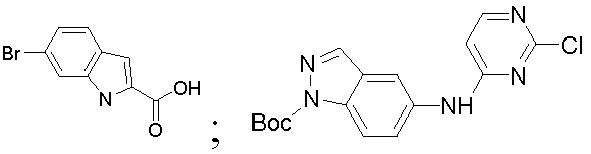

1H NMR (400 MHz, DMSO-d6 ) δ 11.92 (s, 1H), 10.09 (s, 1H), 8.56 (s, 1H), 8.29 (d, J = 5.2 Hz, 1H), 8.14 (d, J = 8.0 Hz, 1H), 8.09 (s, 2H), 7.92 (d, J = 8.0 Hz, 2H), 7.75 - 7.71 (m, 4H), 7.56 (d, J = 5.2 Hz, 1H), 6.95 (s, 1H), 2.54 (s, 6H). MS m/z (ESI): 480.2 [M+H]. 

TDIO 1335 
(6-(4-((4-(1H-pyrazol-4-yl)phenyl)amin o)pyrimidin-2-yl)-1H-indol-2-yl)(3-methoxyazetidi n-1-yl)methanone 


1H NMR (400 MHz, DMSO-d6 ) δ 12.16 (s, 1H), 10.46 (s, 1H), 8.49 (s, 1H), 8.36 (d, J = 6.5 Hz, 1H), 8.07 (s, 2H), 8.01 (d, J = 8.7 Hz, 1H), 7.81 (d, J = 8.5 Hz, 3H), 7.71 (d, J = 8.5 Hz, 2H), 6.96 (s, 1H), 6.82 (d, J = 6.4 Hz, 1H), 4.73 (s, 1H), 4.44 - 4.27 (m, 4H), 3.92 (d, J = 7.5 Hz, 1H), 3.28 (s, 3H). MS m/z (ESI): 466.2 [M+H]. TDIO 1336 
6-(4-((4-(1H-pyrazol-4-yl)phenyl)amin o)pyrimidin-2-yl)-N,N-bis(2-methoxyethyl)-1H-indole-2-carboxamide 


1H NMR (400 MHz, DMSO-d6 ) δ 12.00 (s, 1H), 10.27 (s, 1H), 8.49 (s, 1H), 8.36 (d, J = 6.3 Hz, 1H), 8.09 - 8.01 (m, 3H), 7.79 (dd, J = 17.6, 8.4 Hz, 3H), 7.69 (d, J = 8.5 Hz, 2H), 6.93 (s, 1H), 6.79 (d, J = 6.3 Hz, 1H), 3.61 (s, 8H), 3.29 (s, 6H). MS m/z (ESI): 512.2 [M+H]. TDIO 1337 
6-(4-((4-(1H-pyrazol-4-yl)phenyl)amin o)pyrimidin-2-yl)-N-(tetrahydrofura n-3-yl)-1H-indole-2-carboxamide 


1H NMR (400 MHz, CD3OD) δ 8.40 (s, 1H), 8.19 (d, J = 6.8 Hz, 1H), 8.03 (s, 2H), 7.89 - 7.82 (m, 3H), 7.79 - 7.68 (m, 3H), 7.25 (s, 1H), 6.90 (d, J = 6.8 Hz, 1H), 4.63 - 4.59 (m, 1H), 4.02 - 3.96 (m, 2H), 3.88 - 3.82 (m, 1H), 3.78 - 3.76 (m, 1H), 2.38 - 2.28 (m, 1H), 2.07 - 2.00 (m, 1H). MS m/z (ESI): 466.2 [M+H]. TDIO 1338 
6-(4-((4-(1H-pyrazol-4-yl)phenyl)amin o)pyrimidin-2-yl)-N-(tetrahydro-2H-pyran-4-yl)-1H-indole-2-carboxamide 
1H NMR (400 MHz, DMSO-d6 ) δ 12.23 (s, 1H), 10.89 (s, 1H), 8.52 (d, J = 7.8 Hz, 1H), 8.44 (s, 1H), 8.34 (d, J = 6.8 Hz, 1H), 8.09 (s, 2H), 7.94 (d, J = 8.7 Hz, 1H), 7.86 (d, J = 8.5 Hz, 1H), 7.79 (d, J = 7.5 Hz, 2H), 7.74 (d, J = 8.5 Hz, 2H), 7.31 (s, 1H), 6.89 (d, J = 6.8 Hz, 1H), 3.92 (s, 1H), 3.89 (s, 1H), 3.45 - 3.39 (m, 3H), 1.81 (d, J = 12.6 Hz, 2H), 1.67 - 1.62 (m, 1H), 1.62 - 1.56 (m, 1H). MS m/z (ESI): 480.2 [M+H] 


TDIO 1339 
6-(4-((4-(1H-pyrazol-4-yl)phenyl)amin o)pyrimidin-2-yl)-N-(1-methylpyrrolidi n-3-yl)-1H-indole-2-carboxamide 


1H NMR (400 MHz, DMSO-d6 ) δ 12.07 (s, 1H), 10.31 (s, 1H), 10.15 (s, 1H), 8.90 (d, J = 52.4 Hz, 1H), 8.51 (s, 1H), 8.36 (d, J = 5.6 Hz, 1H), 8.06 (d, J = 12.0 Hz, 3H), 7.93 - 7.73 (m, 2H), 7.68 (d, J = 7.6 Hz, 1H), 7.27 (s, 1H), 6.78 (d, J = 5.6 Hz, 1H), 4.71 (s, 2H), 3.09 - 3.02 (m, 1H), 2.91 (d, J = 12.4 Hz, 3H), 2.77 (s, 1H), 2.33 (s, 3H), 2.11 (s, 2H). MS m/z (ESI): 479.2 [M+H]. TDIO 1340 
6-(4-((2-methoxy-4-(1H-pyrazol-4-yl)phenyl)amin o)pyrimidin-2-yl)-N,N-dimethyl-1H-indole-2-carboxamide 


1H NMR (400 MHz, CD3OD) δ 8.37 (s, 1H), 8.17 (d, J = 7.3 Hz, 1H), 8.09 (s, 2H), 7.86-7.82 (m, 2H), 7.41 - 7.32 (m, 2H), 7.01 (s, 1H), 3.98 (s, 3H), 3.30 (s, 6H). MS m/z (ESI): 454.2 [M+H]. TDIO 1341 
6-(4-((2-fluoro-4-(1H-pyrazol-4-yl)phenyl)amin o)pyrimidin-2-yl)-N,N-dimethyl-1H-indole-2-carboxamide 

1H NMR (400 MHz, DMSO-d6 ) δ 11.96 (s, 1H), 9.96 (s, 1H), 8.46 - 8.36 (m, 2H), 8.15 (s, 2H), 8.09 - 7.94 (m, 2H), 7.73 (d, J = 8.4 Hz, 1H), 7.66 (d, J = 12.5 Hz, 1H), 7.57 (d, J = 8.5 Hz, 1H), 6.94 (s, 1H), 6.86 (s, 1H), 3.08 (s, 6H). MS m/z (ESI): 442.2 [M+H]. replaced with 


TDIO 1342 
6-(4-((4-(1H-pyrazol-4-yl)phenyl)amin o)pyrimidin-2-yl)-N-(2-methoxyethyl)-N-methyl-1H-indole-2-carboxamide 


1H NMR (400 MHz, DMSO-d6 +D2O) δ 8.42 (s, 1H), 8.30 (d, J = 7.2 Hz, 1H), 8.10 (s, 2H), 7.90 (s, 2H), 7.77 (s, 4H), 7.61 (t, J = 10.0 Hz, 1H), 7.05 (s, 1H), 6.93 (d, J = 7.2 Hz, 1H), 3.60 (t, J = 5.6 Hz, 2H), 3.37 (s, 1H), 3.29 (s, 3H), 3.07 (s, 3H), 2.78 (s, 1H). MS m/z (ESI): 468.2 [M+H]. TDIO 1343 
(6-(4-((4-(1H-pyrazol-4-yl)phenyl)amin o)pyrimidin-2-yl)-1H-indol-2-yl)(4-methylpiperazi n-1-yl)methanone 


1H NMR (400 MHz, DMSO-d6 ) δ 12.14 (s, 1H), 10.34 (s, 1H), 10.06 (s, 1H), 8.49 (s, 1H), 8.37 (d, J = 6.4 Hz, 1H), 8.06 (s, 2H), 8.04 (s, 1H), 7.80 (d, J = 8.0 Hz, 3H), 7.69 (d, J = 8.4 Hz, 2H), 7.02 (s, 1H), 6.81 (d, J = 6.0 Hz, 1H), 4.61 (s, 2H), 3.52 (s, 4H), 3.16 (s, 2H), 2.88 (s, 3H). MS m/z (ESI): 479.2 [M+H]. TDIO 1344 
6-(4-((4-(1H-pyrazol-4-yl)phenyl)amin o)pyrimidin-2-yl)-N-methyl-N-(oxetan-3-yl)-1H-indole-2-carboxamide 


1H NMR (400 MHz, CD3OD + DMSO-d6 ) δ 8.56 (s, 1H), 8.34 (d, J = 5.8 Hz, 1H), 8.17 (d, J = 8.5 Hz, 1H), 8.03 (s, 2H), 7.84 (d, J = 8.5 Hz, 2H), 7.75 (d, J = 8.4 Hz, 1H), 7.66 (d, J = 8.5 Hz, 1H), 6.92 (s, 1H), 6.68 (d, J = 5.9 Hz, 2H), 4.85 (dt, J = 17.3, 6.9 Hz, 4H), 4.12 (s, 1H), 3.40 (s, 3H). MS m/z (ESI): 466.2 [M+H]. TDIO 1344 -2A 
6-(4-((4-(1H-pyrazol-4-yl)phenyl)amin o)pyrimidin-2-yl)-N-(1,3-dihydroxypropa n-2-yl)-N-methyl-1H-indole-2-carboxamide 


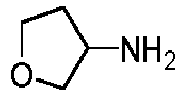

1H NMR (400 MHz, DMSO-d 6) δ 12.40 (s, 1H), 10.40 (s, 1H), 8.81 (s, 2H), 8.51 (s, 1H), 8.38 (d, J = 6.4 Hz, 1H), 8.07 (s, 2H), 7.87 (d, J = 8.5 Hz, 1H), 7.79 (d, J = 8.3 Hz, 2H), 7.70 (d, J = 8.5 Hz, 2H), 7.43 (s, 1H), 6.83 (d, J = 6.4 Hz, 1H), 5.70 - 5.40 (m, 2H), 4.56 (dd, J = 12.9, 5.0 Hz, 2H), 3.81 (dd, J = 13.0, 4.9 Hz, 2H), 3.59 (d, J = 4.9 Hz, 1H), 2.73 (S, 3H). MS m/z (ESI): 484.2 [M+H]. TDIO 1345 
6-(4-((4-(1H-pyrazol-4-yl)phenyl)amin o)pyrimidin-2-yl)-N-methyl-N-(pyrrolidin-3-yl)-1H-indole-2-carboxamide 


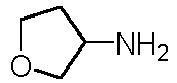

1H NMR (400 MHz, DMSO-d6 ) δ 12.02 (s, 1H), 8.89 (s, 1H), 8.79 (s, 1H), 8.51 (s, 1H), 8.37 (d, 1H), 8.06 (d, 3H), 7.79 (q, 3H), 7.68 (d, 2H), 7.00 (s, 1H), 6.77 (d, 1H), 5.17 (m, 1H), 3.47 (m, 1H), 3.23 (dd, 4H), 2.25 (m, 2H), 2.11 (m, 2H). MS m/z (ESI): 479.2 [M+H]. TDIO 1346 
6-(4-((4-(1H-pyrazol-4-yl)phenyl)amin o)pyrimidin-2-yl)-N-(1-methoxypropan -2-yl)-N-methyl-1H-indole-2-carboxamide 


1H NMR (400 MHz, CD3OD) δ 8.40 (s, 1H), 8.20 (d, J = 7.2 Hz, 1H), 8.03 (s, 2H), 7.87-7.73 (m, 6H), 6.98 (d, J = 16.0 Hz, 1H), 6.90 (d, J = 7.2 Hz, 1H), 3.67-3.54 (m, 1H), 3.35 (s, 3H), 3.30 (s, 3H), 3.00 (s, 2H), 1.26 (d, J = 6.8 Hz, 3H). MS m/z (ESI): 482.2 [M+H]. TDIO 1347 
6-(4-((1H-indazol-5-yl)amino)pyrim idin-2-yl)-N-methyl-N-(pyridazin-4-yl)-1H-indole-2-carboxamide 

1H NMR (400 MHz, DMSO-d6 ) δ 12.33 (s, 1H), 10.61 (s, 1H), 9.28 (d, J = 2.1 Hz, 1H), 9.23 (d, J = 5.7 Hz, 1H), 8.43 (s, 1H), 8.34 (d, J = 6.5 Hz, 1H), 8.19 (d, J = 13.4 Hz, 2H), 7.95 (d, J = 8.6 Hz, 1H), 7.78 (dd, J = 5.7, 2.7 Hz, 1H), 7.70 (d, J = 8.5 Hz, 1H), 7.63 (q, J = 8.8 Hz, 2H), 6.82 (d, J = 6.5 Hz, 1H), 6.39 (s, 1H), 3.59 (s, 3H). MS m/z (ESI): 462.2 [M+H]. 
TDIO 1348 
6-(4-((4-(1H-pyrazol-4-yl)phenyl)amin o)-5-chloropyrimidi n-2-yl)-N,N-dimethyl-1H-indole-2-carboxamide 


1H NMR (400 MHz, DMSO-d 6) δ 11.85 (s, 1H), 9.45 (s, 1H), 9.09 (s, 1H), 8.53 (s, 1H), 8.46 (s, 1H), 8.08 (s, 2H), 8.02 (d, J = 8.8 Hz, 1H), 7.84 (d, J = 8.8 Hz, 2H), 7.68 (dd, J = 8.8, 4.0 Hz, 3H), 6.92 (s, 1H), 2.77 (d, J = 4.8 Hz, 6H). MS m/z (ESI): 458.1 [M+H]. TDIO 1348 P-2 
methyl 6-(4-((4-(1H-pyrazol-4-yl)phenyl)amin o)-5-chloropyrimidi n-2-yl)-1H-indole-2-carboxylate 
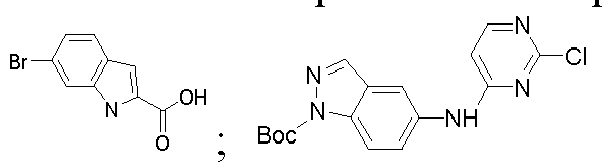

1H NMR (400 MHz, DMSO-d 6) δ 12.24 (s, 1H), 9.15 (s, 1H), 8.55 (s, 1H), 8.46 (s, 1H), 8.09 (s, 2H), 8.05 (d, J = 8.8 Hz, 1H), 7.83 (d, J = 8.8 Hz, 2H), 7.71 (dd, J = 16.8, 8.8 Hz, 3H), 7.20 (s, 1H), 3.90 (s, 3H). MS m/z (ESI): 445.1 [M+H]. TDIO 1350 
6-(4-((4-(1H-pyrazol-4-yl)phenyl)amin o)pyrimidin-2-yl)-N,N,1-trimethyl-1H-indole-2-carboxamide 
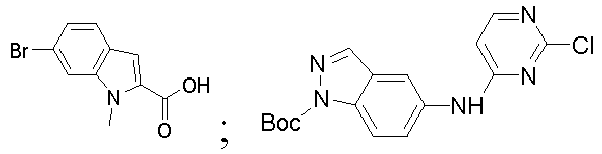


1H NMR (400 MHz, CD3OD) δ 8.40 (s, 1H), 8.23 (d, J = 7.2 Hz, 1H), 8.03 (s, 2H), 7.95 (d, J = 8.4 Hz, 1H), 7.85 (d, J = 8.4 Hz, 2H), 7.74 (d, J = 7.6 Hz, 3H), 6.91 (d, J = 7.2 Hz, 1H), 6.83 (s, 1H), 3.91 (s, 3H), 3.19 (s, 6H). MS m/z (ESI): 438.4 [M+H]. TDIO 1353 
6-(4-((1H-indazol-5-yl)amino)pyrim idin-2-yl)-N,N-dimethyl-1H-indole-2-carboxamide 


1H NMR (400 MHz, DMSO-d6 ) δ 12.17 (s, 1H), 10.91 (s, 1H), 8.41 (s, 1H), 8.33 (d, J = 6.7 Hz, 1H), 8.20 (s, 2H), 7.94 (d, J = 8.4 Hz, 1H), 7.83 (d, J = 8.5 Hz, 1H), 7.66 (t, J = 10.1 Hz, 2H), 6.99 (s, 1H), 6.87 (d, J = 6.5 Hz, 1H), 3.32 (s, 3H), 3.10 (s, 3H). MS m/z (ESI): 398.1 [M+H]. TDIO 1354 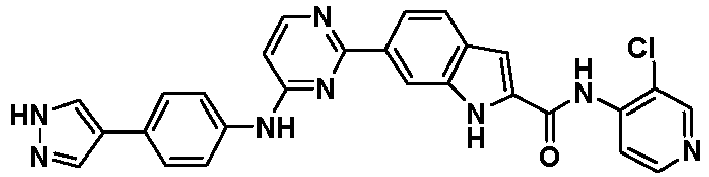
6-(4-((4-(1H-pyrazol-4-yl)phenyl)amin o)pyrimidin-2-yl)-N-(3-chloropyridin-4-yl)-1H-indole-2-carboxamide 


1H NMR (400 MHz, CD3OD) δ 8.66 (s, 1H), 8.47 (s, 2H), 8.40 (d, J = 5.5 Hz, 1H), 8.23 (d, J = 7.2 Hz, 1H), 8.03 (s, 2H), 7.98 (d, J = 8.6 Hz, 1H), 7.91 (d, J = 8.5 Hz, 1H), 7.76 (s, 4H), 7.50 (s, 1H), 6.93 (d, J = 7.2 Hz, 1H). MS m/z (ESI): 507.3 [M+H]. TDIO 1355 
6-(4-((4-(1H-pyrazol-4-yl)phenyl)amin o)pyrimidin-2-yl)-N-methyl-N-(2,2,2-trifluoroethyl)-1H-indole-2-carboxamide 


1H NMR (400 MHz, DMSO-d 6) δ 12.10 (s, 1H), 10.07 (s, 1H), 8.52 (s, 1H), 8.37 (d, J = 6.4 Hz, 1H), 8.18 - 7.99 (m, 3H), 7.93 - 7.76 (m, 3H), 7.68 (d, J = 8.0 Hz, 2H), 7.11 (s, 1H), 6.76 (d, J = 5.6 Hz, 1H), 2.77 (d, J = 4.8 Hz, 2H), 2.55 (s, 3H). MS m/z (ESI): 492.1 [M+H]. TDIO 1357 
N,N-dimethyl-6-(4-((3-methyl-1H-indazol-5-yl)amino)pyrim idin-2-yl)-1H-indole-2-carboxamide 

1H NMR (400 MHz, DMSO-d 6) δ 12.71 (s, 1H), 12.08 (s, 1H), 10.67 - 10.44 (m, 1H), 8.43 (s, 1H), 8.32 (d, J = 6.4 Hz, 1H), 8.21 (s, 1H), 8.01 (d, J = 8.4 Hz, 1H), 7.79 (d, J = 8.4 Hz, 1H), 7.54 (s, 2H), 6.79 (s, 1H), 3.32 (s, 3H), 3.09 (s, 3H), 2.53 (s, 3H). MS m/z (ESI): 412.3 [M+H]. replaced with 

TDIO 1360 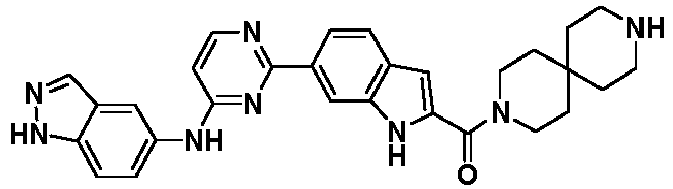
(6-(4-((1H-indazol-5-yl)amino)pyrim idin-2-yl)-1H-indol-2-yl)(3,9-diazaspiro[5.5] undecan-3-yl)methanone 


1H NMR (400 MHz, DMSO-d 6) δ 12.34 (s, 1H), 11.74 (s, 1H), 8.92 (s, 2H), 8.44 (s, 1H), 8.30 (d, J = 7.0 Hz, 2H), 8.22 (s, 1H), 8.02 (d, J = 8.5 Hz, 1H), 7.85 (d, J = 8.5 Hz, 1H), 7.75 (s, 1H), 7.69 (d, J = 8.6 Hz, 2H), 7.15 (s, 1H), 6.88 (s, 1H), 3.72 (s, 4H), 3.05 (s, 4H), 1.71 (s, 4H), 1.57 (s, 4H). MS m/z (ESI): 507.3 [M+H]. TDIO 1360 P-1 
tert-butyl 9-(6-(4-((1H-indazol-5-yl)amino)pyrim idin-2-yl)-1H-indole-2-carbonyl)-3,9-diazaspiro[5.5] undecan-3-carboxylate 


1H NMR (400 MHz, CD3OD) δ 8.44 (s, 1H), 8.26 (d, J = 6.0 Hz, 1H), 8.21 (s, 1H), 8.08 (s, 2H), 7.70 (d, J = 8.6 Hz, 1H), 7.59 (s, 2H), 6.83 (s, 1H), 6.63 (d, J = 6.0 Hz, 1H), 3.84 (s, 4H), 3.45 (s, 4H), 1.63 (s, 4H), 1.55 (s, 4H), 1.46 (s, 9H). MS m/z (ESI): 607.5 [M+H]. TDIO 1363 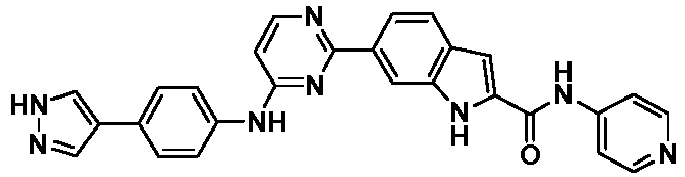
6-(4-((4-(1H-pyrazol-4-yl)phenyl)amin o)pyrimidin-2-yl)-N-(pyridin-4-yl)-1H-indole-2-carboxamide 


1H NMR (400 MHz, DMSO-d 6) δ 12.38 (s, 1H), 11.40 (s, 1H), 9.96 (s, 1H), 8.75 (d, 2H), 8.58 (s, 1H), 8.39 (d, 1H), 8.28 (d, 2H), 8.15 (d, 1H), 8.05 (s, 2H), 7.89 (d, 1H), 7.83 (d, 2H), 7.68 (d, 3H), 6.76 (d, 1H). MS m/z (ESI): 473.2 [M+H]. TDIO 1368 
(6-(4-((1H-indazol-5-yl)amino)pyrim idin-2-yl)-1H-indol-2-yl)(hexahydrop yrrolo[3,4-c]pyrrol-2(1H)-yl)methanone 


1H NMR (400 MHz, DMSO-d6 + CD3OD) δ 8.43 (s, 1H), 8.31 (d, J = 7.1 Hz, 2H), 8.21 (s, 1H), 7.91 (s, 2H), 7.70 (d, J = 7.5 Hz, 2H), 7.10 (s, 1H), 7.03 (s, 1H), 3.82 (d, J = 75.6 Hz, 4H), 3.46 (d, J = 12.0 Hz, 3H), 3.18 (d, J = 10.2 Hz, 3H). MS m/z (ESI): 480.3 [M+H]. TDIO 1369 
(6-(4-((4-(1H-pyrazol-4-yl)phenyl)amin o)pyrimidin-2-yl)-1H-indol-2-yl)(2,6-diazaspiro[3.3] heptan-2-yl)methanone 


1H NMR (400 MHz, CD3OD) δ 8.44 (s, 1H), 8.22 (d, J = 7.0 Hz, 1H), 8.02 (s, 2H), 7.90 (s, 2H), 7.75 (s, 4H), 6.99 (s, 1H), 6.91 (d, J = 7.2 Hz, 1H), 4.35 (s, 4H), 1.40 - 1.27 (m, 4H). MS m/z (ESI): 477.1 [M+H]. TDIO 1370 
6-(4-((4-(1H-pyrazol-4-yl)phenyl)amin o)thieno [3,2-d]pyrimidin-2-yl)-N-isopropyl-1H-indole-2-carboxamide 


1H NMR (400 MHz, CD3OD) δ 8.45 (s, 1H), 8.35 (d, J = 5.6 Hz, 1H), 8.06 (s, 2H), 7.96 (d, J = 8.8 Hz, 1H), 7.83 (d, J = 8.4 Hz, 1H), 7.76 (d, J = 8.8 Hz, 4H), 7.57 (d, J = 5.6 Hz, 1H), 7.19 (s, 1H), 4.29 - 4.22 (m, 1H), 1.29 (d, J = 6.4 Hz, 6H). MS m/z (ESI): 494.2 [M+H]. TDIO 1372 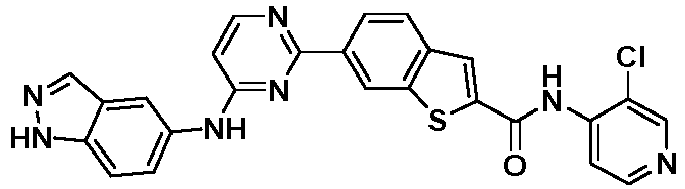
6-(4-((1H-indazol-5-yl)amino)pyrim idin-2-yl)-N-(3-chloropyridin-4-yl)benzo [b]thio phene-2-carboxamide 

1H NMR (400 MHz, DMSO-d6 ) δ 10.59 (s, 1H), 10.46 (s, 1H), 8.95 (s, 1H), 8.74 (s, 1H), 8.56 (d, J = 5.2 Hz, 1H), 8.52 (s, 1H), 8.41 (d, J = 6.4 Hz, 1H), 8.36 (d, J = 8.5 Hz, 1H), 8.23 (d, J = 8.5 Hz, 1H), 8.15 (s, 2H), 7.89 (d, J = 5.3 Hz, 1H), 7.63 (dd, J = 21.8, 8.8 Hz, 2H), 6.85 (d, J = 6.4 Hz, 1H). MS m/z (ESI): 498.1 [M+H]. TDIO 1379 
6-(4-((4-(1H-pyrazol-4-yl)phenyl)amin o)thieno [3,2-d]pyrimidin-2-yl)-N-methyl-1H-indole-2-carboxamide 


1H NMR (400 MHz, CD3OD) δ 8.46 (s, 1H), 8.35 (d, J = 5.6 Hz, 1H), 8.06 (s, 2H), 7.98 (dd, J = 8.8, 1.2 Hz, 1H), 7.83 (d, J = 8.8 Hz, 1H), 7.82 - 7.75 (m, 4H), 7.57 (d, J = 5.6 Hz, 1H), 7.11 (s, 1H), 2.96 (s, 3H). MS m/z (ESI): 466.1 [M+H]. TDIO 1380 
(6-(4-((1H-indazol-5-yl)amino)pyrim idin-2-yl)-1H-indol-2-yl)(3-(4-methylpiperazi n-1-yl)piperidin-1-yl)methanone 


1H NMR (400 MHz, DMSO-d 6) δ 12.21 (s, 1H), 10.86 (s, 1H), 8.41 (s, 1H), 8.34 (d, J = 6.7 Hz, 1H), 8.20 (s, 2H), 7.96 (d, J = 8.3 Hz, 1H), 7.82 (d, J = 8.5 Hz, 1H), 7.65 (t, J = 12.0 Hz, 2H), 6.87 (d, J = 11.1 Hz, 2H), 4.39 (s, 2H), 4.22 (s, 2H), 3.15 (s, 7H), 2.78 (s, 3H), 2.66 (s, 2H), 1.97 (s, 1H), 1.82 (s, 1H), 1.65 - 1.46 (m, 2H). MS m/z (ESI): 536.3 [M+H]. TDIO 1385 
methyl (6-(4-((1H-indazol-5-yl)amino)pyrim idin-2-yl)-1H-indole-2-carbonyl)histidi nate 

1H NMR (400 MHz, DMSO-d6 + D2O) δ 8.89 (d, J = 5.2 Hz, 1H), 8.33 (s, 1H), 8.25 - 8.14 (m, 3H), 7.89 - 7.87 (m, 2H), 7.69 (d, J = 8.4 Hz, 1H), 7.62 (s, 1H), 7.40 (s, 1H), 7.27 (s, 1H), 6.89 (d, J = 4.4 Hz, 1H), 4.92 - 4.83 (m, 1H), 3.68 (s, 3H), 3.35 - 3.30 (m, 1H), 3.26 - 3.18 (m, 1H). MS m/z (ESI): 522.4 [M+H]. TDIO 1388 
1-(6-(4-((4-(1H-pyrazol-4-yl)phenyl)amin o)pyrimidin-2-yl)-1H-indole-2-carbonyl)pyrrol idine-2-carbonitrile 
1H NMR (400 MHz, DMSO-d 6) δ 12.17 (s, 1H), 10.14 (s, 1H), 9.80 (s, 1H), 8.55 (s, 1H), 8.38 (d, J = 5.6 Hz, 1H), 8.06 (dd, J = 19.2, 11.2 Hz, 3H), 7.82 (t, J = 8.0 Hz, 3H), 7.69 (d, J = 8.0 Hz, 2H), 7.17 (s, 1H), 6.79 (d, J = 5.6 Hz, 1H), 5.03 (s, 1H), 4.71 (d, J = 7.2 Hz, 1H), 4.05 (s, 1H), 2.34 (s, 1H), 2.14 (s, 2H), 1.99 (s, 1H). MS m/z (ESI): 475.2 [M+H]. 


TDIO 1390 
6-(4-((1H-indazol-5-yl)amino)pyrim idin-2-yl)-N-(1-(tetrahydro-2H-pyran-4-yl)piperidin-3-yl)-1H-indole-2-carboxamide 


1H NMR (400 MHz, DMSO-d 6) δ 12.21 (s, 1H), 10.53 (s, 1H), 9.70 (s, 1H), 8.76 (d, J = 7.6 Hz, 1H), 8.44 (s, 1H), 8.34 (d, J = 6.5 Hz, 1H), 8.24 (s, 1H), 8.18 (s, 1H), 8.00 (d, J = 8.5 Hz, 1H), 7.83 (d, J = 8.5 Hz, 1H), 7.63 (q, J = 8.8 Hz, 2H), 7.29 (s, 1H), 6.81 (d, J = 6.5 Hz, 1H), 4.30 (s, 1H), 3.99 (d, J = 10.9 Hz, 2H), 3.38 - 3.28 (m, 4H), 2.92-2.77 (m, 2H), 2.00 (d, J = 8.4 Hz, 4H), 1.85 - 1.58 (m, 4H), 1.31 - 1.19 (m, 1H). MS m/z (ESI): 537.3 [M+H]. TDIO 1393 
6-(4-((4-(1H-pyrazol-4-yl)phenyl)amin o)pyrimidin-2-yl)-N-(pyridin-4-yl)benzo [b]thio phene-2-carboxamide 


1H NMR (400 MHz, DMSO-d6 ) δ 11.74 (s, 1H), 9.95 (s, 1H), 9.03 (s, 1H), 8.79 (d, J = 6.8 Hz, 2H), 8.61 (s, 1H), 8.46 (dd, J = 12.2, 7.6 Hz, 2H), 8.27 (dd, J = 17.7, 7.7 Hz, 3H), 8.06 (s, 2H), 7.79 (d, J = 8.3 Hz, 2H), 7.69 (s, 2H), 6.81 (d, J = 6.0 Hz, 1H). MS m/z (ESI): 490.2 [M+H]. TDIO 1397 
6-(4-((4-(1H-pyrazol-4-yl)phenyl)amin o)pyrimidin-2-yl)-N-(pyridin-3-yl)-1H-indole-2-carboxamide 

1H NMR (400 MHz, DMSO-d 6) δ 12.35 (s, 1H), 10.69 (s, 1H), 10.37 (s, 1H), 9.08 (s, 1H), 8.53 (s, 1H), 8.45 - 8.31 (m, 3H), 8.07 (s, 3H), 7.90 (d, J = 8.2 Hz, 1H), 7.82 (d, J = 7.5 Hz, 2H), 7.71 (d, J = 7.9 Hz, 2H), 7.57 (s, 2H), 6.82 (d, J = 6.1 Hz, 1H). MS m/z (ESI): 473.1 [M+H]. replaced with 


TDIO 1398 
1-(6-(4-((4-(1H-pyrazol-4-yl)phenyl)amin o)pyrimidin-2-yl)-1H-indole-2-carbonyl)azetid ine-3-carbonitrile 


1H NMR (400 MHz, CD3OD) δ 8.43 (s, 1H), 8.21 (d, J = 7.2 Hz, 1H), 8.03 (s, 2H), 7.92 (d, J = 8.4 Hz, 1H), 7.88 - 7.86 (m, 1H), 7.81 - 7.73 (m, 4H), 7.00 (s, 1H), 6.92 (d, J = 7.2 Hz, 1H), 4.55 (s, 2H), 4.39 (s, 2H), 3.91 - 3.85 (m, 1H). MS m/z (ESI): 461.2 [M+H]. TDIO 1402 
6-(4-((4-(1H-pyrazol-4-yl)phenyl)amin o)pyrimidin-2-yl)-N-ethyl-N-methyl-1H-indole-2-carboxamide 


1H NMR (400 MHz, DMSO-d 6) δ 12.16 (s, 1H), 10.79 (s, 1H), 8.44 (s, 1H), 8.35 (d, J = 6.7 Hz, 1H), 8.09 (s, 2H), 7.96 (d, J = 8.5 Hz, 1H), 7.81 (dd, J = 17.7, 7.6 Hz, 3H), 7.73 (d, J = 8.5 Hz, 2H), 6.98 (s, 1H), 6.87 (d, J = 6.6 Hz, 1H), 3.61 (s, 3H), 3.31 (s, 2H), 1.23 (s, 3H). MS m/z (ESI): 438.2 [M+H]. TDIO 1404 
(6-(4-((1H-indazol-5-yl)amino)thien o[3,2-d]pyrimidin-2-yl)-1H-indol-2-yl)(3,9-diazaspiro[5.5] undecan-3-yl)methanone 


1H NMR (400 MHz, CDCl3) δ 9.28 (s, 1H), 8.57 (s, 1H), 8.31 (d, J = 8.4 Hz, 1H), 8.14 (s, 1H), 8.01 (s, 1H), 7.72 (d, J = 8.4 Hz, 1H), 7.67 (d, J = 5.6 Hz, 1H), 7.61 (d, J = 8.8 Hz, 1H), 7.57 (d, J = 8.4 Hz, 1H), 7.49 (d, J = 5.6 Hz, 1H), 6.80 (s, 1H), 3.95 - 3.79 (m, 4H), 3.46 - 3.41 (m, 4H), 1.57 - 1.52 (m, 8H), 1.47 (s, 9H). MS m/z (ESI): 563.2 [M+H]. TDIO 1405 
6-(4-((1H-indazol-5-yl)amino)thien o[3,2-d]pyrimidin-2-yl)-N-methyl-1H-indole-2-carboxamide 


1H NMR (400 MHz, DMSO-d6 ) δ 13.16 (s, 1H), 11.95 (s, 1H), 10.07 (s, 1H), 8.60 - 8.49 (m, 2H), 8.28 - 8.08 (m, 4H), 7.73 (dd, J = 15.3, 8.8 Hz, 2H), 7.65 (d, J = 8.8 Hz, 1H), 7.52 (d, J = 5.4 Hz, 1H), 7.12 (s, 1H), 2.84 (d, J = 4.4 Hz, 3H). MS m/z (ESI): 440.3 [M+H]. TDIO 1406 
6-(4-((1H-indazol-5-yl)amino)thien o[3,2-d]pyrimidin-2-yl)-N,N-dimethyl-1H-indole-2-carboxamide 


1H NMR (400 MHz, DMSO-d6 ) δ 13.17 (s, 1H), 11.94 (s, 1H), 8.51 (s, 1H), 8.18 (m, 3H), 7.88 - 7.41 (m, 4H), 6.94 (s, 1H), 3.09 (s, 6H). MS m/z (ESI): 454.1 [M+H]. TDIO 1415 
6-(4-((4-(1H-pyrazol-4-yl)phenyl)amin o)pyrimidin-2-yl)-N-ethyl-N-(2-hydroxyethyl)-1H-indole-2-carboxamide 


1H NMR (400 MHz, CD3OD) δ 8.40 (s, 1H), 8.20 (d, J = 7.2 Hz, 1H), 8.03 (s, 2H), 7.87 (s, 2H), 7.75 (s, 4H), 7.04 (s, 1H), 6.90 (d, J = 7.2 Hz, 1H), 3.84 (d, J = 5.0 Hz, 2H), 3.77 (s, 4H), 1.32 (s, 3H). MS m/z (ESI): 468.1 [M+H]. TDIO 1417 
6-(4-((1H-indazol-5-yl)amino)pyrim idin-2-yl)-N,N-diethylbenzo[b] thiophene-2-carboxamide 
1H NMR (400 MHz, DMSO-d 6) δ 13.12 (s, 1H), 10.31 (s, 2H), 8.89 (s, 1H), 8.39 (d, J = 6.3 Hz, 1H), 8.33 (d, J = 8.4 Hz, 1H), 8.12 (dd, J = 14.6, 9.1 Hz, 3H), 7.80 (s, 1H), 7.61 (d, J = 13.3 Hz, 2H), 6.80 (d, J = 6.2 Hz, 1H), 3.54 - 3.52 (m, 4H), 1.22 - 1.20 (m, 6H). MS m/z (ESI): 443.2 [M+H]. TDIO 1421 
6-(4-((4-(1H-pyrazol-4-yl)phenyl)amin o)pyrimidin-2-yl)-N-methyl-N-(pyridin-4-yl)-1H-indole-2-carboxamide 


1H NMR (400 MHz, DMSO-d 6) δ 12.35 (s, 1H), 10.42 (s, 1H), 8.68 (d, J = 6.6 Hz, 2H), 8.48 (s, 1H), 8.36 (d, J = 6.4 Hz, 1H), 8.07 (s, 2H), 7.98 (d, J = 8.4 Hz, 1H), 7.79 (d, J = 8.3 Hz, 2H), 7.71 (dd, J = 10.2, 5.5 Hz, 5H), 6.82 (d, J = 6.5 Hz, 1H), 6.58 (s, 1H), 3.62 (s, 3H). MS m/z (ESI): 487.2 [M+H]. TDIO 1422 
6-(4-((4-(1H-pyrazol-4-yl)phenyl)amin o)thieno [3,2-d]pyrimidin-2-yl)-N-ethyl-1H-indole-2-carboxamide 


1H NMR (400 MHz, DMSO-d 6) δ 11.96 (s, 1H), 10.12 (s, 1H), 8.65 - 8.52 (m, 2H), 8.30 (d, J = 5.2 Hz, 1H), 8.20 - 8.06 (m, 3H), 7.98 - 7.88 (m, 2H), 7.74 (t, J = 7.9 Hz, 3H), 7.57 (d, J = 5.3 Hz, 1H), 7.17 (s, 1H), 3.35 (d, J = 6.6 Hz, 2H), 1.17 (t, J = 7.1 Hz, 3H). MS m/z (ESI): 480.3 [M+H]. TDIO 1423 
6-(4-((4-(1H-pyrazol-4-yl)phenyl)amin o)thieno [3,2-d]pyrimidin-2-yl)-N-(tetrahydrofura n-3-yl)-1H-indole-2-carboxamide 


1H NMR (400 MHz, CD3OD) δ 8.41 (s, 1H), 8.36 (d, J = 4.4 Hz, 1H), 8.05 (s, 2H), 7.92 (d, J = 8.0 Hz, 1H), 7.81 (d, J = 8.4 Hz, 1H), 7.80 - 7.72 (m, 4H), 7.56 (d, J = 4.8 Hz, 1H), 7.21 (s, 1H), 4.63 - 4.61 (m, 1H), 4.05 - 3.95 (m, 2H), 3.87 - 3.85 (m, 1H), 3.80 - 3.73 (m, 1H), 2.38 - 2.28 (m, 1H), 2.05 - 2.03 (m, 1H). MS m/z (ESI): 522.2 [M+H]. TDIO 1424 
6-(4-((4-(1H-pyrazol-4-yl)phenyl)amin o)thieno [3,2-d]pyrimidin-2-yl)-N-cyclobutyl-1H-indole-2-carboxamide 
1H NMR (400 MHz, CD3OD) δ 8.46 (s, 1H), 8.40 (s, 1H), 8.08 (br.s, 2H), 7.96 (d, J = 8.4 Hz, 1H), 7.86 (d, J = 8.4 Hz, 1H), 7.80 - 7.72 (m, 4H), 7.61 (d, J = 4.8 Hz, 1H), 7.22 (s, 1H), 4.58 - 4.51 (m, 1H), 2.39 - 2.37 (m, 2H), 2.21 - 2.12 (m, 2H), 1.85 - 1.76 (m, 2H). MS m/z (ESI): 506.3 [M+H]. 


TDIO 1425 
(6-(4-((4-(1H-pyrazol-4-yl)phenyl)amin o)pyrimidin-2-yl)-1H-indol-2-yl)(3,9-diazaspiro[5.5] undecan-3-yl)methanone 

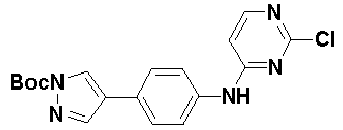


1H NMR (400 MHz, CD3OD) δ 8.37 (s, 1H), 8.18 (d, J = 7.2 Hz, 1H), 8.03 (s, 2H), 7.84 (s, 2H), 7.71 (d, J = 7.9 Hz, 4H), 6.94 - 6.83 (m, 2H), 3.84 (s, 4H), 3.22 (s, 4H), 1.91 - 1.75 (m, 4H), 1.69 (s, 4H). MS m/z (ESI): 533.3 [M+H]. TDIO 1428 
6-(4-((4-(1H-pyrazol-4-yl)phenyl)amin o)pyrimidin-2-yl)-N-methyl-N-(2,2,2-trifluoroethyl)b enzo[b]thiophe ne-2-carboxamide 


1H NMR (400 MHz, DMSO-d6 ) δ 9.89 (s, 1H), 8.96 (s, 1H), 8.42 (d, J = 6.3 Hz, 2H), 8.08 (d, J = 16.4 Hz, 3H), 7.78 (d, J = 6.6 Hz, 2H), 7.68 (d, J = 7.6 Hz, 2H), 6.78 (d, J = 5.6 Hz, 1H), 4.47 (d, J = 9.1 Hz, 2H), 3.41 (s, 3H). MS m/z (ESI): 509.2 [M+H]. TDIO 1439 
6-(4-((4-(1H-pyrazol-4-yl)phenyl)amin o)thieno [3,2-d]pyrimidin-2-yl)-N-isopropylbenzo [b]thiophene-2-carboxamide 


1H NMR (400 MHz, DMSO-d6 ) δ 9.99 (s, 1H), 8.97 (s, 1H), 8.59 (d, J = 7.2 Hz, 1H), 8.46 (d, J = 8.8 Hz, 1H), 8.30 (d, J = 5.6 Hz, 1H), 8.18 (s, 1H), 8.15 - 8.02 (m, 3H), 7.88 (d, J = 8.8 Hz, 2H), 7.72 (d, J = 8.8 Hz, 2H), 7.57 (d, J = 5.6 Hz, 1H), 4.13 - 4.08 (m, 1H), 1.21 (d, J = 6.4 Hz, 6H). MS m/z (ESI): 511.1 [M+H]. TDIO 1456 
6-(4-((4-(1H-pyrazol-4-yl)phenyl)amin o)pyrimidin-2-yl)-N-(2,2,2-trifluoroethyl)b enzo[b]thiophe ne-2-carboxamide 


1H NMR (400 MHz, DMSO-d6 ) δ 9.93 (s, 1H), 9.49 (t, J = 6.3 Hz, 1H), 8.96 (s, 1H), 8.42 (dd, J = 6.6, 3.6 Hz, 2H), 8.29 (s, 1H), 8.13 (d, J = 8.5 Hz, 1H), 8.07 (s, 2H), 7.78 (d, J = 8.5 Hz, 2H), 7.68 (d, J = 8.6 Hz, 2H), 6.79 (d, J = 6.0 Hz, 1H), 4.17-4.11 (m, 2H). MS m/z (ESI): 495.1 [M+H]. TDIO 1471 
(6-(4-((4-(1H-pyrazol-4-yl)phenyl)amin o)pyrimidin-2-yl)benzo [b]thio phen-2-yl)(3,3-difluoroazetidin -1-yl)methanone 


1H NMR (400 MHz, CD3OD) δ 8.91 (s, 1H), 8.41 - 8.34 (m, 2H), 8.20 (d, J = 8.4 Hz, 1H), 8.11 (s, 2H), 8.01 (s, 1H), 7.80 - 7.76 (m, 4H), 6.96 (d, J = 6.8 Hz, 1H), 5.07 (s, 4H). MS m/z (ESI): 489.1 [M+H]. TDIO 1500 
1-(6-(4-((4-(1H-pyrazol-4-yl)phenyl)amin o)pyrimidin-2-yl)benzo [b]thio phene-2-carbonyl)azetid ine-3-carbonitrile 


1H NMR (400 MHz, DMSO-d6 ) δ 9.86 (s, 1H), 8.95 (s, 1H), 8.44 - 8.40 (m, 2H), 8.11 - 8.03 (m, 3H), 7.96 (s, 1H), 7.78 (d, J = 8.2 Hz, 2H), 7.67 (d, J = 8.4 Hz, 2H), 6.78 (d, J = 5.9 Hz, 1H), 4.86 (s, 2H), 4.41 (s, 1H), 4.27 (s, 1H), 3.97 (d, J = 7.4 Hz, 1H). MS m/z (ESI): 478.1 [M+H]. TDIO 1525 
(6-(4-((4-(1H-pyrazol-4-yl)phenyl)amin o)thieno [3,2-d]pyrimidin-2-yl)benzo [b]thio phen-2-yl)(3,3-difluoroazetidin -1-yl)methanone 


1H NMR (400 MHz, DMSO-d6 ) δ 9.85 (s, 1H), 9.01 (s, 1H), 8.52 (dd, J = 8.5, 1.4 Hz, 1H), 8.44 (s, 2H), 8.27 (d, J = 5.4 Hz, 1H), 8.07 (d, J = 8.5 Hz, 1H), 8.00 (s, 1H), 7.89 (d, J = 8.6 Hz, 2H), 7.71 (d, J = 8.6 Hz, 1H), 7.56 (d, J = 5.4 Hz, 1H), 5.08 (s, 2H), 4.60 (s, 2H). MS m/z (ESI): 545.1 [M+H]. in step 4 was replaced with 
TDIO 1801 
6-(4-((1H-indazol-5-yl)amino)-6-methoxypyrimi din-2-yl)-N-(pyridazin-4-yl)-1H-indole-2-carboxamide 


1H NMR (400 MHz, DMSO-d 6) δ 12.29 (s, 1H), 11.10 (s, 1H), 9.91 (s, 1H), 9.60 (s, 1H), 9.20 (d, J = 6.0 Hz, 1H), 8.30 (s, 1H), 8.22 (s, 1H), 8.18 (s, 1H), 8.07 (s, 1H), 7.89 (d, J = 8.4 Hz, 1H), 7.74 (d, J = 8.8 Hz, 1H), 7.61 (s, 1H), 7.55 (t, J = 8.7 Hz, 2H), 6.93 (s, 1H), 4.01 (s, 3H). MS m/z (ESI): 478.2 [M+H]. TDIO 1803 
6-(4-((1H-indazol-5-yl)amino)pyrim idin-2-yl)-4-methoxy-N-(pyridazin-4-yl)benzo [b]thio phene-2-carboxamide The synthesis started from step 2 of Example 1. 


1H NMR (400 MHz, DMSO-d 6) δ 13.04 (s, 1H), 11.06 (s, 1H), 9.72 (s, 1H), 9.55 (s, 1H), 9.11 (d, J = 5.8 Hz, 1H), 8.61 (d, J = 6.3 Hz, 2H), 8.57 (d, J = 3.9 Hz, 1H), 8.40 (d, J = 5.8 Hz, 1H), 8.31 (s, 1H), 8.10 (dd, J = 5.9, 2.6 Hz, 1H), 8.06 (s, 1H), 8.01 (s, 1H), 7.78 (t, J = 7.6 Hz, 1H), 7.58 (dd, J = 16.2, 8.8 Hz, 2H), 7.40 - 7.37 (m, 1H), 6.73 (d, J = 5.9 Hz, 1H), 4.12 (s, 3H). MS m/z (ESI): 494.9 [M+H]. TDIO 1804 
6-(4-((1H-indazol-5-yl)amino)pyrim idin-2-yl)-4-fluoro-N-(pyridazin-4-yl)benzo [b]thio phene-2-carboxamide The synthesis started from step 2 of Example 1. 


1H NMR (400 MHz, DMSO-d 6) δ 13.06 (s, 1H), 11.12 (s, 1H), 9.73 (s, 1H), 9.53 (s, 1H), 9.13 (d, J = 5.9 Hz, 1H), 8.86 (s, 1H), 8.58 (s, 1H), 8.39 (d, J = 5.8 Hz, 1H), 8.11 (dd, J = 14.1, 9.3 Hz, 4H), 7.59 (dd, J = 17.7, 8.8 Hz, 2H), 6.73 (d, J = 5.8 Hz, 1H). MS m/z (ESI): 482.8 [M+H]. TDIO 1808 
6-(4-((1H-indazol-5-yl)amino)-6-(2-(dimethylamino )ethoxy)pyrimi din-2-yl)-N-(pyridazin-4-yl)benzo [b]thio phene-2-carboxamide 


1H NMR (400 MHz, CD3OD) δ 9.60 (s, 1H), 9.27 (d, J = 5.9 Hz, 1H), 8.68 (s, 2H), 8.43 (s, 1H), 8.18 - 8.04 (m, 4H), 7.58 (dd, J = 27.2, 8.7 Hz, 2H), 6.99 (s, 1H), 3.79 - 3.71 (m, 1H), 3.67 (s, 2H), 3.27 - 3.22 (m, 1H), 3.03 (s, 6H). MS m/z (ESI): 552.3 [M+H]. TDIO 1811 
6-(4-((1H-indazol-5-yl)amino)-6-(dimethylamino )pyrimidin-2-yl)-N-(pyridazin-4-yl)-1H-indole-2-carboxamide 


1H NMR (400 MHz, DMSO-d 6) δ 13.08 (s, 1H), 12.50 (s, 1H), 11.04 (s, 1H), 9.62 (s, 1H), 9.14 (d, J = 6.0 Hz, 1H), 8.22 - 8.07 (m, 4H), 7.97 (d, J = 8.3 Hz, 1H), 7.74 (d, J = 8.2 Hz, 1H), 7.65 (s, 1H), 7.58 (s, 2H), 6.80 (s, 1H), 3.27 (s, 6H). MS m/z (ESI): 490.7 [M+H]. TDIO 1813 
6-(4-((1H-indazol-5-yl)amino)-5-methoxypyrimi din-2-yl)-N-(pyridazin-4-yl)-1H-indole-2-carboxamide 


1H NMR (400 MHz, DMSO-d 6) δ 13.22 (s, 1H), 12.50 (s, 1H), 11.18 (s, 1H), 10.27 (s, 1H), 9.59 (s, 1H), 9.23 (s, 1H), 8.31 (s, 2H), 8.19 (s, 2H), 8.09 (s, 1H), 7.91 (d, J = 11.8 Hz, 2H), 7.76 (d, J = 8.9 Hz, 1H), 7.64 (d, J = 8.7 Hz, 2H), 4.10 (s, 3H). MS m/z (ESI): 477.9 [M+H]. TDIO 1814 
6-(4-((1H-indazol-5-yl)amino)pyrim idin-2-yl)-N-(1-(pyridin-4-yl)piperidin-4-yl)-1H-indole-2-carboxamide 

1H NMR (400 MHz, DMSO-d 6) δ 13.35 (s, 1H), 12.20 (s, 1H), 10.70 (s, 1H), 8.51 (d, J = 7.9 Hz , 1H), 8.42 (s, 1H), 8.33 (d, J = 6.5 Hz, 1H), 8.30 - 8.17 (m, 4H), 7.96 (d, J = 8.8 Hz, 1H), 7.82 (d, J = 8.5 Hz, 1H), 7.64-7.62 (m, 2H), 7.28-7.26 (m, 3H), 6.82 (d, J = 6.4 Hz, 1H), 4.29-4.26 (m, 3H), 3.42-3.36 (m, 2H), 2.05-2.02 (m, 2H), 1.63-1.60 (m, 2H). MS m/z (ESI): 529.9 [M+H]. 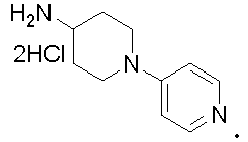
TDIO 1815 
(6-(4-((1H-indazol-5-yl)amino)pyrim idin-2-yl)-1H-indol-2-yl)(4-(pyridin-4-yl)piperazin-1-yl)methanone 


1H NMR (400 MHz, DMSO-d 6) δ 13.42 (s, 1H), 12.15 (s, 1H), 8.47 (s, 1H), 8.36 - 8.24 (m, 4H), 8.17 (s, 1H), 8.04 (d, J = 7.5 Hz, 1H), 7.80 (d, J = 8.6 Hz, 1H), 7.65-7.60 (m, 2H), 7.18 (d, J = 7.3 Hz, 2H), 7.00 (s, 1H), 6.76 (s, 1H), 4.02 (s, 2H), 3.88 (s, 2H). MS m/z (ESI): 515.9 [M+H]. TDIO 1818 
6-(4-((4-(1H-pyrazol-4-yl)phenyl)amin o)pyrimidin-2-yl)-1H-indole-2-carboxamide 


1H NMR (400 MHz,CD3OD) δ 8.45 (s, 1H), 8.24 (d, J = 6.8 Hz, 1H), 8.01 (s, 2H), 7.94 (d, J = 8.0 Hz, 1H), 7.83 (d, J = 8.0 Hz, 1H), 7.77 (s, 2H), 7.72 (d, J = 8.0 Hz, 2H), 7.20 (s, 1H), 6.83 (d, J = 6.8 Hz, 1H). MS m/z (ESI): 396.0 [M+H]. TDIO 1819 
6-(4-((4-(1H-pyrazol-4-yl)phenyl)amin o)pyrimidin-2-yl)-3-chloro-N-methyl-1H-indole-2-carboxamide 

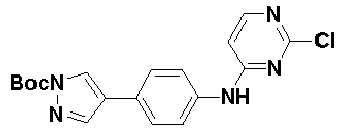

1H NMR (400 MHz, CD3OD) δ 8.44 (s, 1H), 8.25 (d, J = 6.9 Hz, 1H), 8.02 (s, 2H), 8.00 (d, J = 8.0 Hz, 1H), 7.84 (d, J = 8.0 Hz, 1H), 7.78 - 7.71 (m, 4H), 6.89 (d, J = 6.9 Hz, 1H). MS m/z (ESI): 444.0 [M+H]. TDIO 1820 
6-(4-((4-(1H-pyrazol-4-yl)phenyl)amin o)pyrimidin-2-yl)-3-chloro-N,N-dimethyl-1H-indole-2-carboxamide 


1H NMR (400 MHz, CD3OD) δ 8.39 (s, 1H), 8.23 (d, J = 8.0 Hz, 1H), 8.03 (s, 1H), 7.98 (d, J = 8.0 Hz, 1H), 7.84 (d, J = 8.0 Hz, 1H), 7.80 - 7.70 (m, 4H), 6.93 (d, J = 8.0 Hz, 1H), 5.35 (s, 1H), 3.17 (s, 6H). MS m/z (ESI): 457.8 [M+H]. TDIO 1821 
6-(4-((4-(1H-pyrazol-4-yl)phenyl)amin o)pyrimidin-2-yl)-5-chloro-N-methyl-1H-indole-2-carboxamide The synthesis started from step 2 of Example 1. 


1H NMR (400 MHz, DMSO-d 6) δ 12.23 (s, 1H), 10.99 (s, 1H), 8.70 (s, 1H), 8.45 (d, J = 6.8 Hz, 1H), 8.05 (s, 2H), 7.99 (s, 1H), 7.84 (s, 1H), 7.67 (m, J = 14.1 Hz, 4H), 7.17 (s, 1H), 6.98 (s, 1H), 2.85 (d, J = 4.5 Hz, 3H). MS m/z (ESI): 443.8 [M+H]. TDIO 1822 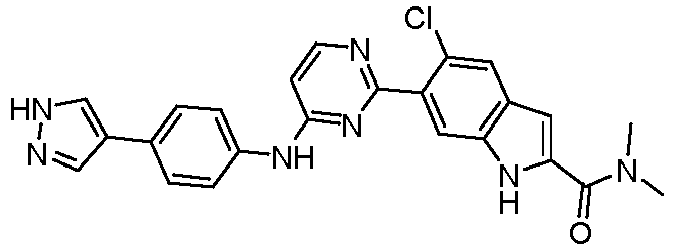
6-(4-((4-(1H-pyrazol-4-yl)phenyl)amin o)pyrimidin-2-yl)-5-chloro-N,N-dimethyl-1H-indole-2-carboxamide The synthesis started from step 2 of Example 1. 


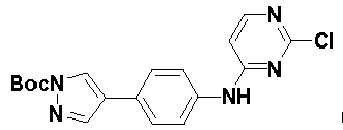


1H NMR (400 MHz, DMSO-d 6) δ 12.20 (s, 1H), 11.10 (s, 1H), 8.46 (d, J = 6.9 Hz, 1H), 8.06 (s, 2H), 7.95 (s, 1H), 7.87 (s, 1H), 7.67 (m, J = 12.8 Hz, 4H), 7.03 - 6.97 (m, 2H), 3.31 (d, J = 14.5 Hz, 3H), 3.08 (s, 3H). MS m/z (ESI): 457.7 [M+H]. TDIO 1823 
6-(4-((4-(1H-pyrazol-4-yl)phenyl)amin 
1H NMR (400 MHz, DMSO-d 6) δ 11.97 (s, 1H), 8.37 (s, 1H), 8.12 (s, 1H), 8.07 (s, 1H),7.94 (d, J = 8.0 Hz, 2H), 7.75 (d, o)-5-methoxypyrimi din-2-yl)-N,N-diethyl-1H-indole-2-carboxamide 


J = 8.0 Hz, 1H), 7.68 (d, J = 8.0 Hz, 1H), 6.85 (s, 1H), 4.05 (s, 3H), 3.56 (s, 4H), 1.24 (s, 6H). MS m/z (ESI): 482.0 [M+H]. TDIO 1824 
6-(4-((1H-indazol-5-yl)amino)pyrim idin-2-yl)-3-chloro-N-(pyridazin-4-yl)-1H-indole-2-carboxamide 


1H NMR (400 MHz, DMSO-d 6) δ 13.16 (d, J = 25.7 Hz, 1H), 12.69 (s, 1H), 10.92 (s, 1H), 10.38 (s, 1H), 9.51 (s, 1H), 9.18 (s, 1H), 8.49 (s, 1H), 8.37 (d, J = 6.4 Hz, 1H), 8.15 (d, J = 20.0 Hz, 4H), 7.85 (s, 1H), 7.62 (d, J = 8.6 Hz, 2H), 6.80 (s, 1H). MS m/z (ESI): 481.9 [M+H]. TDIO 1829 C 
6-(4-((4-(1H-pyrazol-4-yl)phenyl)amin o)pyrimidin-2-yl)-N-(3-iodopyridin-4-yl)-1H-indole-2-carboxamide 


1H NMR (400 MHz, DMSO-d 6) δ 12.42 (s, 1H), 11.71 (s, 1H), 10.04 (s, 1H), 8.99 (s, 1H), 8.58 (dd, J = 28.0, 22.8 Hz, 2H), 8.38 (d, J = 6.3 Hz, 1H), 8.07 (s, 2H), 7.90 (dd, J = 22.7, 14.4 Hz, 2H), 7.81 (d, J = 4.8 Hz, 2H), 7.67 (dd, J = 26.4, 7.9 Hz, 2H), 7.52 (s, 1H), 7.20 (m, 1H), 6.82 (s, 1H). MS m/z (ESI): 598.8 [M+H]. TDIO 1836 
4-(6-(4-((1H-indazol-5-yl)amino)pyrim idin-2-yl)-1H-indole-2-carbonyl)-1,1-dimethylpipera zin-1-ium chloride 


1H NMR (400 MHz, DMSO-d 6) δ 13.18 (s, 1H), 12.20 (s, 1H), 10.02 (s, 1H), 8.46 (s, 1H), 8.34 (d, J = 6.3 Hz, 1H), 8.25 (s, 1H), 8.18 (s, 1H), 8.04 (s, 1H), 7.80 (d, J = 8.5 Hz, 1H), 7.62 (t, J = 9.7 Hz, 2H), 7.02 (s, 1H), 6.79 (s, 1H), 4.62 (s, 2H), 4.15 (s, 2H), 3.97 (s, 2H), 3.54 (s, 6H), 3.23 (s, 1H), 2.87 (s, 1H). MS m/z (ESI): 467.2 [M-Cl]. TDI0 1840 
6-(4-((1H-indazol-5-yl)amino)pyrim idin-2-yl)-N-(1-(pyridin-4-yl)piperidin-3-yl)-1H-indole-2-carboxamide 


1H NMR (400 MHz, DMSO-d6 ) δ 13.30 (s, 1H), 12. 11 (s, 1H), 10.40 - 10.24 (m, 1H), 8.64 (d, J = 7.0 Hz, 1H), 8.46 (s, 1H), 8.33 (d, J = 6.3 Hz, 1H), 8.21 (d, J = 29.1 Hz, 3H), 8.03 (d, J = 8.4 Hz, 1H), 7.79 (d, J = 8.3 Hz, 1H), 7.62 (t, J = 8.2 Hz, 2H), 7.27 (s, 3H), 6.76 (s, 1H), 4.24 (d, J = 11.7 Hz, 1H), 4.14 (d, J = 13.2 Hz, 1H), 3.97 (s, 1H), 3.31 - 3.30 (m, 1H), 3.28 (s, 1H), 2.04 (s, 1H), 1.92 (s, 1H), 1.81 (d, J = 11.7 Hz, 1H), 1.63 (s, 1H). MS m/z (ESI): 530.0 [M+H]. TDI0 1841 
6-(4-((1H-indazol-5-yl)amino)pyrim idin-2-yl)-N-(3-chloropyridin-4-yl)-1-methyl-1H-indole-2-carboxamide The synthesis started from step 2 of Example 1. 


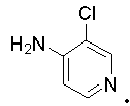
1H NMR (400 MHz, DMSO-d6 ) δ 10.80 (s, 1H), 10.30 (s, 1H), 8.74 (s, 1H), 8.57 (s, 2H), 8.40 (d, J = 6.2 Hz, 1H), 8.20 (d, J = 23.4 Hz, 2H), 8.07 (d, J = 8.5 Hz, 1H), 7.95 (t, J = 7.1 Hz, 2H), 7.68 (d, J = 8.8 Hz, 1H), 7.61 (s, 1H), 7.54 (s, 1H), 6.87 (d, J = 6.7 Hz, 1H), 5.33 (s, 1H), 4.14 (s, 3H). MS m/z (ESI): 494.8 [M+H]. TDI0 1844 
6-(4-((1H-indazol-5-yl)amino)-5-chloropyrimidi n-2-yl)-N-(pyridazin-4-yl)-1H-indole-2-carboxamide 
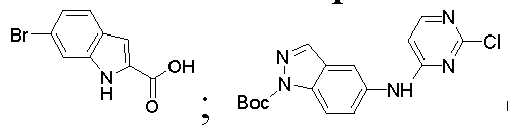


1H NMR (400 MHz, DMSO-d6 ) δ 13.12 (d, J = 8.0 Hz, 1H), 12.25 (s, 1H), 10.97 (s, 1H), 9.58 (s, 1H), 9.19 (d, J = 26.2 Hz, 2H), 8.53 (s, 1H), 8.43 (s, 1H), 8.22 (s, 1H), 8.15 (s, 1H), 8.09 (s, 1H), 8.01 (d, J = 8.6 Hz, 1H), 7.75 (dd, J = 19.5, 13.8 Hz, 2H), 7.58 (d, J = 17.9 Hz, 1H). MS m/z (ESI): 481.9 [M+H]. TDI0 1845 
6-(4-((4-(1H-pyrazol-4-yl)phenyl)amin o)pyrimidin-2-yl)-N-methyl-N-(2-morpholinoethy l)-1H-indole-2-carboxamide 

1H NMR (400 MHz, DMSO-d6 ) δ 12.03 (s, 1H), 10.1 (s, 1H), 9.61 (s, 1H), 8.53 (s, 1H), 8.37 (d, J = 6.0 Hz, 1H), 8.05 (s, 2H), 7.81 (t, J = 8.0 Hz, 2H), 7.68 (d, J = 8.0 Hz, 2H), 7.10 (s, 1H), 6.78 (d, J = 6.0 Hz, 1H), 4.02 - 3.93 (m, 5H), 3.75 - 3.59 (m, 6H), 3.25 - 3.10 (m, 4H). MS m/z (ESI): 522.7 [M+H]. replaced with 


TDI0 1847 
6-(4-((1H-indazol-5-yl)amino)pyrim idin-2-yl)-N-(1-(3-chloropyridin-4-yl)piperidin-4-yl)-1H-indole-2-carboxamide 


1H NMR (400 MHz, DMSO-d6 ) δ 13.02 (s, 1H), 11.92 (s, 1H), 9.59 (s, 1H), 8.52 (s, 1H), 8.46 (d, J = 8.0 Hz, 1H), 8.41 (s, 1H), 8.38 - 8.28 (m, 3H), 8.14 (d, J = 8.5 Hz, 2H), 7.71 (d, J = 8.3 Hz, 1H), 7.59 (s, 1H), 7.24 (s, 1H), 7.10 (d, J = 5.5 Hz, 1H), 6.65 (d, J = 5.9 Hz, 1H), 4.07 (s, 1H), 3.62 (d, J = 12.4 Hz, 2H), 2.94 (t, J = 11.7 Hz, 2H), 1.99 (d, J = 10.6 Hz, 2H), 1.85 - 1.73 (m, 2H). MS m/z (ESI): 563.6 [M+H]. TDIO 1847 B 
6-(4-((4-(1H-pyrazol-4-yl)phenyl)amin o)pyrimidin-2-yl)-N-(1-(3-chloropyridin-4-yl)piperidin-4-yl)-1H-indole-2-carboxamide 


1H NMR (400 MHz, DMSO-d6 ) δ 12.05 (s, 1H), 10.11 (s, 1H), 8.52 - 8.48 (m, 3H), 8.36 (d, J = 6.0 Hz, 2H), 8.13 (s, 1H), 8.06 - 8.04 (m, 3H), 7.82 (d, J = 8.0 Hz, 2H), 7.77 (d, J = 8.0 Hz, 1H), 7.68 (d, J = 8.0 Hz, 2H), 7.27 (s, 1H), 7.20 (d, J = 8.0 Hz, 1H), 6.76 (d, J = 6.0 Hz, 1H), 4.13 (d, J = 8.0 Hz, 1H), 3.78 (d, J = 12.0 Hz, 2H), 3.07 (t, J = 12.0 Hz, 2H), 2.02 - 1.99 (m, 2H), 1.82 - 1.74 (m, 2H). MS m/z (ESI): 589.8 [M+H]. TDI0 1848 
(R)-6-(4-((1H-indazol-5-yl)amino)pyrim idin-2-yl)-N-(1-(6-(trifluoromethy l)pyridin-3-yl)ethyl)-1H-indole-2-carboxamide 


1H NMR (400 MHz, DMSO-d6 ) δ 13.17 (d, J = 14.0 Hz, 1H), 12.18 (s, 1H), 9.15 (s, 1H), 8.85 (s, 1H), 8.41 (s, 1H), 8.32 (d, J = 6.5 Hz, 1H), 8.18 (s, 2H), 8.11 (d, J = 8.0 Hz, 1H), 8.03 - 7.89 (m, 3H), 7.85 (s, 1H), 7.63 (s, 2H), 7.38 (s, 1H), 6.79 (s, 1H), 5.33 (d, J = 6.9 Hz, 1H), 1.59 (d, J = 6.9 Hz, 3H). MS m/z (ESI): 442.9 [M+H]. TDI0 1849 
(R)-6-(4-((1H-indazol-5-yl)amino)pyrim idin-2-yl)-N-(1-(pyridin-4-yl)ethyl)-1H-indole-2-carboxamide 


1H NMR (400 MHz, DMSO-d6 ) δ 13.14 (s, 1H), 12.17 (s, 1H), 9.17 (d, J = 6.5 Hz, 1H), 8.71 (s, 2H), 8.42 (s, 1H), 8.32 (d, J = 6.5 Hz, 1H), 8.19 (d, J = 13.8 Hz, 2H), 7.98 (s, 1H), 7.86 (d, J = 8.3 Hz, 1H), 7.74 (s, 2H), 7.63 (t, J = 9.2 Hz, 3H), 7.42 (s, 1H), 6.80 (s, 1H), 5.30 (m, 1H), 1.56 (d, J = 6.9 Hz, 3H). MS m/z (ESI): 475.0 [M+H]. TDIO 1849 B 
(R)-6-(4-((4-(1H-pyrazol-4-yl)phenyl)amin o)pyrimidin-2-yl)-N-(1-(pyridin-4-yl)ethyl)-1H-indole-2-carboxamide 


1H NMR (400 MHz, DMSO-d6 ) δ 12.28 (s, 1H), 10.97 (s, 1H), 9.29 (d, J = 8.0 Hz, 1H), 8.85 (d, J = 8.0 Hz, 2H), 8.41 (s, 1H), 8.34 (d, J = 6.0 Hz, 1H), 8.09 (s, 2H), 8.02 (d, J = 8.0 Hz, 2H), 7.93 (s, 2H), 7.76 - 7.72 (m, 3H), 7.47 (s, 1H), 6.90 (d, J = 8.0 Hz, 1H), 5.42 - 5.34 (m, 1H), 1.59 (d, J = 8.0 Hz, 3H). MS m/z (ESI): 500.9 [M+H]. TDI0 1852 
(R)-(6-(4-((4-(1H-pyrazol-4-yl)phenyl)amin o)pyrimidin-2-yl)-1H-indol-2-yl)(2-(hydroxymethy l)morpholino)m ethanone 


1H NMR (400 MHz, DMSO-d6 ) δ 12.27 (s, 1H), 8.42 (s, 1H), 8.34 (d, J = 8.0 Hz, 1H), 8.10 (s, 2H), 7.94 (d, J = 8.0 Hz, 1H), 7.85 (d, J = 8.0 Hz, 1H), 7.77 - 7.72 (m, 3H), 6.94 (s, 1H), 6.89 (d, J = 8.0 Hz, 1H), 4.41 (m, 1H), 4.28 (m, 2H), 3.91 (m, 2H), 3.56 - 3.46 (m, 4H). MS m/z (ESI): 496.0 [M+H]. TDI0 1853 
(R)-(6-(4-((4-(1H-pyrazol-4-yl)phenyl)amin o)pyrimidin-2-yl)-1H-indol-2-yl)(3-(hydroxymethy l)morpholino)m ethanone 
1H NMR (400 MHz, DMSO-d6 ) δ 12.09 (s, 1H), 8.47 (s, 1H), 8.35 (d, J = 8.0 Hz, 1H), 8.07 (s, 1H), 8.01 (d, J = 8.0 Hz, 1H), 7.79 (s, 2H), 7.70 (d, J = 8.0 Hz, 1H), 6.97 (s, 1H), 6.81 (d, J = 8.0 Hz, 1H), 4.41 (s, 1H), 4.17 (d, J = 12.0 Hz, 1H), 3.93 - 3.88 (m, 2H), 3.76 - 3.72 (m, 2H), 3.67 - 3.64 (m, 4H). MS m/z (ESI): 495.7 [M+H]. 


TDI0 1854 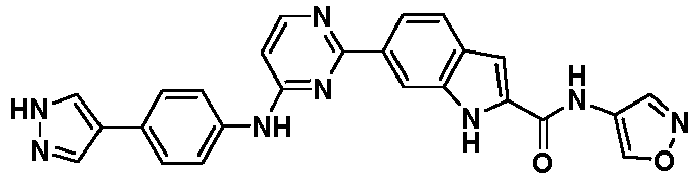
6-(4-((4-(1H-pyrazol-4-yl)phenyl)amin o)pyrimidin-2-yl)-N-(isoxazol-4-yl)-1H-indole-2-carboxamide 


1H NMR (400 MHz, DMSO-d6 ) δ 12.92 (s, 1H), 12.16 (s, 1H), 10.98 (s, 1H), 9.70 (s, 1H), 9.28 (s, 1H), 8.81 (s, 1H), 8.58 (s, 1H), 8.38 (d, J = 5.7 Hz, 1H), 8.16 (d, J = 8.3 Hz, 2H), 7.83 (m, 3H), 7.65 (d, J = 8.3 Hz, 2H), 7.40 (s, 1H), 6.71 (d, J = 5.7 Hz, 1H). MS m/z (ESI): 462.8 [M+H]. TDI0 1855 
(R)-6-(4-((4-(1H-pyrazol-4-yl)phenyl)amin o)pyrimidin-2-yl)-N-(1-aminopropan-2-yl)-1H-indole-2-carboxamide 


1H NMR (400 MHz, DMSO-d6 ) δ 11.99 (s, 1H), 9.64 (s, 1H), 8.56 (s, 2H), 8.37 (d, J = 8.0 Hz, 1H), 8.29 (s, 1H), 8.13 (d, J = 8.0 Hz, 1H), 8.03 (s, 2H), 7.84 (d, J = 8.0 Hz, 2H), 7.71 (d, J = 8.0 Hz, 1H), 7.65 (d, J = 8.0 Hz, 2H), 7.21 (s, 1H), 6.68 (d, J = 8.0 Hz, 1H), 4.27 - 4.20 (m 1H), 2.91 (d, J = 8.0 Hz, 2H), 1.22 (d, J = 8.0 Hz, 3H). MS m/z (ESI): 453.0 [M+H]. TDI0 1856 
(S)-6-(4-((4-(1H-pyrazol-4-yl)phenyl)amin o)pyrimidin-2-yl)-N-(1-aminopropan-2-yl)-1H-indole-2-carboxamide 

1H NMR (400 MHz, DMSO-d6 ) δ 12.00 (s, 1H), 9.64 (s, 1H), 8.58 (d, J = 8.0 Hz, 1H), 8.55 (s, 1H), 8.37 (d, J = 8.0 Hz, 1H), 8.32 (s, 1H), 8.12 (d, J = 8.0 Hz, 1H), 8.03 (s, 2H), 7.84 (d, J = 8.0 Hz, 2H), 7.71 (d, J = 8.0 Hz, 1H), 7.65 (d, J = 8.0 Hz, 2H), 7.21 (s, 1H), 6.68 (d, J = 8.0 Hz, 1H), 4.27 - 4.20 (m 1H), 2.89 (d, J = 8.0 Hz, 2H), 1.23 (d, J = 8.0 Hz, 3H). MS m/z (ESI): 452.8 [M+H]. replaced with 


TDI0 1862 
6-(4-((4-(1H-pyrazol-4-yl)phenyl)amin o)quinazolin-2-yl)-N-isopropyl-1H-indole-2-carboxamide 
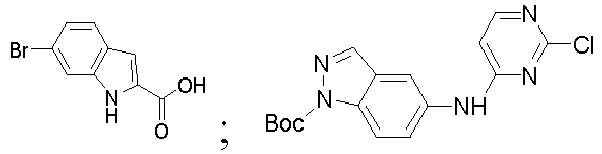


1H NMR (400 MHz, DMSO-d6 ) δ 12.13 (s, 1H), 8.68 (s, 1H), 8.56 (s, 1H), 8.38 (s, 1H), 8.14 (s, 3H), 8.00 (s, 3H), 7.79 (s, 3H), 7.26 (s, 1H), 4.14 (s, 1H), 1.28 - 1.18 (m, 6H). MS m/z (ESI): 488.0 [M+H]. TDI0 1867 
6-(4-((4-(1H-pyrazol-4-yl)phenyl)amin o)-5-methoxypyrimi din-2-yl)-N-isopropyl-1H-indole-2-carboxamide 


1H NMR (400 MHz, DMSO-d6 ) δ 11.86 (s, 1H), 9.18 (s, 1H), 8.41 (s, 1H), 8.32 (d, J = 7.7 Hz, 1H), 8.15 (s, 1H), 8.02 (dd, J = 16.7, 11.8 Hz, 5H), 7.67 (t, J = 8.8 Hz, 3H), 7.19 (s, 1H), 4.16 - 4.11 (m, 1H), 4.02 (s, 3H), 1.20 (d, J = 6.5 Hz, 6H). MS m/z (ESI): 468.0 [M+H]. TDI0 1868 
6-(4-((4-(1H-pyrazol-4-yl)phenyl)amin o)-5-methoxypyrimi din-2-yl)-N-methyl-N-(2,2,2-trifluoroethyl)-1H-indole-2-carboxamide 


1H NMR (400 MHz, DMSO-d6 ) δ 12.84 (s, 1H), 11.92 (s, 1H), 8.92 (s, 1H), 8.46 (s, 1H), 8.18 (s, 1H), 8.04 (dd, J = 21.7, 8.6 Hz, 4H), 7.67 (dd, J = 21.6, 8.4 Hz, 3H), 7.07 (s, 1H), 4.49 (d, J = 8.2 Hz, 2H), 4.01 (s, 3H), 3.45 (s, 3H). MS m/z (ESI): 521.9 [M+H]. TDI0 1872 
(R)-(6-(4-((4-(1H-pyrazol-4-yl)phenyl)amin o)pyrimidin-2-yl)-1H-indol-2-yl)(2-methylpiperazi n-1-yl)methanone 


1H NMR (400 MHz, DMSO-d6 ) δ 12.34 (s, 1H), 11.13 (s, 1H), 9.07 (s, 1H), 8.67 (s, 1H), 8.40 (s, 1H), 8.33 (s, 1H), 8.11 (s, 2H), 7.90 (s, 2H), 7.76 (s, 3H), 7.03 (s, 1H), 6.93 (s, 1H), 4.91 (s, 1H), 4.47 (d, J = 14.1 Hz, 2H), 3.27 (s, 2H), 3.10 (d, J = 10.9 Hz, 2H), 1.41 (d, J = 6.7 Hz, 3H), 1.25 (s, 1H). MS m/z (ESI): 478.9 [M+H]. TDI0 1878 
6-(4-((4-(1H-pyrazol-4-yl)phenyl)amin o)pyrimidin-2-yl)-N-(3-morpholinocycl ohexyl)-1H-indole-2-carboxamide 


1H NMR (400 MHz, DMSO-d6 ) δ 12.23 (s, 1H), 10.78 (s, 1H), 8.67 (s, 1H), 8.47 (s, 1H), 8.37 (d, J = 6.5 Hz, 1H), 8.09 (s, 2H), 7.98 (s, 1H), 7.87 - 7.79 (m, 2H), 7.73 (d, J = 7.8 Hz, 2H), 7.46 - 7.21 (m, 2H), 7.06 (d, J = 51.1 Hz, 1H), 6.87 (s, 1H), 4.41 (s, 1H), 4.01 (d, J = 12.4 Hz, 2H), 3.78 - 3.57 (m, 3H), 3.45 (d, J = 12.0 Hz, 2H), 3.12 (dd, J = 21.1, 11.5 Hz, 2H), 2.17 (dd, J = 66.0, 24.1 Hz, 2H), 1.96 - 1.73 (m, 3H), 1.61 (d, J = 7.8 Hz, 1H), 1.52 - 1.35 (m, 2H). MS m/z (ESI): 562.9 [M+H]. TDI0 1880 
(6-(4-((4-(1H-pyrazol-4-yl)phenyl)amin o)pyrimidin-2-yl)-1H-indol-2-yl)(3-morpholinopipe ridin-1-yl)methanone 


1H NMR (400 MHz, DMSO-d6 ) δ 12.16 (s, 1H), 9.89 (d, J = 7.3 Hz, 2H), 8.48 (s, 1H), 8.36 (d, J = 6.4 Hz, 1H), 8.11 - 7.97 (m, 3H), 7.81 (d, J = 8.0 Hz, 3H), 7.70 (d, J = 8.2 Hz, 3H), 6.98 (s, 1H), 6.82 (d, J = 4.5 Hz, 1H), 4.69 (s, 2H), 4.34 (d, J = 6.2 Hz, 3H), 4.04 (d, J = 11.7 Hz, 3H), 3.71 (s, 3H), 3.49 - 3.24 (m, 7H), 2.24 (s, 1H), 1.93 (d, J = 12.1 Hz, 1H), 1.79 (d, J = 10.0 Hz, 1H), 1.59 (s, 1H). MS m/z (ESI): 548.6 [M+H]. TDI0 1882 
6-(4-((4-(1H-pyrazol-4-yl)phenyl)amin o)pyrimidin-2-yl)-N-(1-(pyridin-4-yl)piperidin-3-yl)-1H-indole-2-carboxamide 

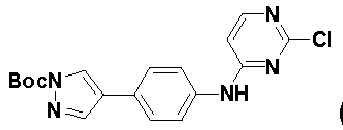


1H NMR (400 MHz, DMSO-d6 ) δ 13.28 (s, 1H), 12.18 (s, 1H), 8.68 (s, 1H), 8.48 (s, 1H), 8.36 (s, 1H), 8.24 (s, 2H), 8.04 (d, J = 28.6 Hz, 3H), 7.83 (s, 3H), 7.70 (d, J = 7.9 Hz, 2H), 7.26 (d, J = 23.9 Hz, 3H), 6.81 (s, 1H), 4.26 (s, 1H), 4.14 (d, J = 13.3 Hz, 4H), 1.93 (dd, J = 52.9, 42.3 Hz, 4H). MS m/z (ESI): 556.0 [M+H]. TDI0 1884 
6-(4-((4-(1H-pyrazol-4-yl)phenyl)amin o)pyrimidin-2-yl)-N-(1-(3-chloropyridin-4-yl)piperidin-4-yl)benzo [b]thio phene-2-carboxamide 


1H NMR (400 MHz, DMSO-d6 ) δ 10.19 (s, 2H), 8.93 (s, 1H), 8.81 (s, 1H), 8.67 (s, 1H), 8.40 (dd, J = 19.9, 7.4 Hz, 3H), 8.23 (s, 1H), 8.13 (d, J = 8.2 Hz, 1H), 8.08 (s, 1H), 7.78 (d, J = 8.1 Hz, 2H), 7.70 (d, J = 8.2 Hz, 2H), 7.36 (s, 1H), 6.83 (s, 1H), 4.16 (s, 1H), 4.01 (s, 2H), 3.28 (s, 2H), 2.05 (d, J = 11.6 Hz, 2H), 1.78 (dd, J = 21.7, 10.7 Hz, 2H). MS m/z (ESI): 606.9 [M+H]. TDI0 1885 
(6-(4-((4-(1H-pyrazol-4-yl)phenyl)amin o)pyrimidin-2-yl)-1H-indol-2-yl)(4-(3-chloropyridin-4-yl)piperazin-1-yl)methanone 


1H NMR (400 MHz, DMSO-d6 ) δ 12.20 (s, 1H), 10.56 (s, 1H), 8.59 (s, 1H), 8.48 (s, 1H), 8.41 (s, 1H), 8.36 (s, 1H), 8.10 (d, J = 22.4 Hz, 3H), 8.02 (s, 1H), 7.91 - 7.77 (m, 3H), 7.72 (s, 1H), 7.23 (s, 1H), 7.00 (s, 1H), 6.84 (s, 1H), 4.00 (s, 4H), 3.54 (s, 4H). MS m/z (ESI): 575.8 [M+H]. TDIO 1675 
(6-(4-((4-(1H-pyrazol-4-yl)phenyl)amin o)-5-fluoropyrimidin 

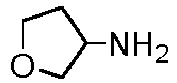
1H NMR (400 MHz, DMSO-d6 ) δ 9.73 (s, 1H), 8.89 (s, 1H), 8.53 (d, J = 2.9 Hz, 1H), 8.37 (d, J = 8.4 Hz, 1H), 8.12 - 8.04 (m, 3H), 8.00 (s, 1H), 7.90 (d, J = 8.2 Hz, 2H), 7.70 (d, J = 8.2 Hz, 2H), -2-yl)benzo [b]thio phen-2-yl)(3,3-difluoroazetidin -1-yl)methanone was replaced with 
5.08 (s, 2H), 4.59 (s, 2H). MS m/z (ESI): 507.0 [M+H]. TDI0 1691 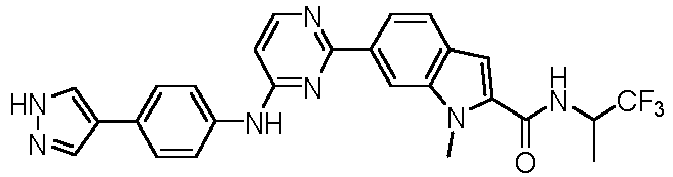
6-(4-((4-(1H-pyrazol-4-yl)phenyl)amin o)pyrimidin-2-yl)-1-methyl-N-(1,1,1-trifluoropropan -2-yl)-1H-indole-2-carboxamide 


1H NMR (400 MHz, DMSO-d6 ) δ 9.05 (d, J = 8.8 Hz, 1H), 8.53 (s, 1H), 8.40 (d, J = 6.4 Hz, 1H), 8.08 (s, 3H), 7.94 - 7.67 (m, 5H), 7.33 (s, 1H), 6.83 (s, 1H), 4.90 - 4.84 (m, 1H), 4.09 (s, 3H), 1.39 (d, J = 7.0 Hz, 3H). MS m/z (ESI): 506.2 [M+H]. -

- Compound TDI01102-1 (3.6 g, 17.9 mmol) and tert-butyl 2-bromoacetate (5.38 g, 27.6 mmol) were dissolved in dimethyl sulfoxide (100 mL), cesium carbonate (17.51 g, 53.7 mmol) was added, and the reaction was placed in an oil bath at 100°C, and allowed to proceed for 3 hours. Thin layer chromatography (petroleum ether) indicated the reaction was complete. The reaction solution was cooled to room temperature, extracted with ethyl acetate (100 mL × 3) and water, respectively, washed with saturated brine (100 mL × 3), dried over anhydrous sodium sulfate, and concentrated under reduced pressure to afford compound TDI01102-2 (4.0 g, brown solid, crude product).
- 1H NMR (400 MHz, CDCl3) δ 7.75 (s, 1H), 7.52 (d, J = 8.4 Hz, 1H), 7.41 (m, H), 7.38 (s, 1H), 1.62 (s, 9H).
- Compound TDI01102-2 (4.0 g, 13.47 mmol) was dissolved in anhydrous dichloromethane (40 mL), trifluoroacetic acid (10 mL) was added, and the reaction was performed at room temperature for 4 hours. Thin layer chromatography (petroleum ether) indicated the reaction was complete. The reaction solution was concentrated under reduced pressure, and the crude was dissolved in dichloromethane, and then concentrated to afford compound TDI01102-3 (3.0 g, yellow solid, crude product).
- 1H NMR (400 MHz, DMSO-d6 ) δ 13.63 (s, 1H), 8.06 (s, 1H), 7.76 (d, J = 8.4 Hz, 1H), 7.69 (s, 1H), 7.53 (m, 1H). MS m/z (ESI): 239.0 [M-H].
- Compound TDI01102-3 (400 mg, 1.66 mmol) and isopropylamine (119 mg, 2.0 mmol) were dissolved in N,N-dimethylformamide (10 mL), HATU (762 mg, 2.0 mmol) and diisopropylethylamine (1.07 g, 8.3 mmol) were added, and the reaction was performed at room temperature for 3 hours. Thin layer chromatography (petroleum ether : ethyl acetate=1:1) indicated the reaction was complete. Water (100 mL) was slowly added to the reaction solution, a large amount of solid precipitated, and was stirred for 30 minutes before filtered to afford compound TDI01102-4 (400 mg, yellow solid, crude product). MS m/z (ESI): 282.0/283.0 [M+H].
- Compound TDI01102-4 (400 mg, 1.42 mmol) and bis(pinacolato)diboron (440 mg, 1.7 mmol) were dissolved in 1,4-dioxane (50 mL), potassium acetate (424 mg, 4.26 mmol) and Pd(dppf)Cl2 (52 mg, 0.071 mmol) were added, purge with argon was performed for 3 times, and the reaction was placed in an oil bath at 90°C, and allowed to proceed for 4 hours. Thin layer chromatography (petroleum ether : ethyl acetate=4: 1) indicated the reaction was complete. The reaction solution was cooled to room temperature, concentrated under reduced pressure, and the residue was separated and purified by column chromatography (petroleum ether : ethyl acetate= 5:1 to 2:1), to afford compound TDI01102-5 (360 mg, yellow solid, crude product).
- 1H NMR (400 MHz, CDCl3) δ 7.94 (s, 1H), 7.72 (d, J = 7.6 Hz, 1H), 7.66 (d, J = 7.6 Hz, 1H), 7.45 (s, 1H), 6.46 (d, J = 7.6 Hz, 1H), 4.31 (m, 1H), 1.37 (s, 12H), 1.31 (d, J = 6.6 Hz, 6H). MS m/z (ESI): 330.2 [M+H].
- Compound Reg-1-1 (300 mg, 0.87 mmol) and TDI01102-5 (360 mg, 1.10 mmol) were dissolved in a mixture of ethanol / water (10:1) (30 mL), sodium carbonate (184 mg, 1.74 mmol) and Pd(PPh3)2Cl2 (63.0 mg, 0.09 mmol) were added, purge with argon was performed for 3 times, and the reaction was placed in an oil bath at 110°C overnight. LC-MS indicated the reaction was complete. The reaction solution was cooled to room temperature, filtered, and concentrated under reduced pressure. The residue was purified by preparative liquid chromatography to afford compound TDI01102 (100 mg, yellow solid, yield: 27.9%).
- 1H NMR (400 MHz, DMSO-d6 ) δ 13.11 (s, 1H), 10.66 (s, 1H), 8.63 (d, J = 8.0 Hz, 1H), 8.44 (s, 1H), 8.40 (d, J = 8.0 Hz, 1H), 8.24 (d, J = 8.0 Hz, 1H), 8.16 (s, 1H), 8.11 (s, 1H), 7.97 (d, J = 8.0 Hz, 1H), 7.67-7.60 (m, 3H), 6.86 (d, J = 8.0 Hz, 1H), 4.14 (m, 1H), 1.21 (d, J = 8.0 Hz, 6H). MS m/z (ESI): 413.2 [M+H].
- The compounds in Table 2 were prepared according to methods similar to that described in Example 2.
Table 2: No. Compound Structure Compound Name Starting material or regent different from that in Example 2 Characterization Data TDI01104 
6-(4-((1H-indazol-5-yl)amino)pyrimidin-2-yl)-N-isopropylbenzo [b]thiophen e-2-carboxamide The preparation started from step 3 of Example 2, and 

1H NMR (400 MHz, CD3OD) δ 8.76 (s, 1H), 8.24 (d, J = 7.2 Hz, 1H), 8.19 - 8.11 (m, 4H), 8.07 (s, 1H), 7.69 (s, 1H), 7.61 (s, 1H), 6.92 (d, J = 8.0 Hz, 1H), 4.25 - 4.19 (m, 1H), 1.29 (d, J = 6.4 Hz, 6H). MS m/z (ESI): 429.3 [M+H]. TDI01108 
6-(4-((1H-indazol-5-yl)amino)pyrimidin-2-yl)-N-isopropyl-1H-indole-2-carboxamide The preparation started from step 3 of Example 2, and 

1H NMR (400 MHz, CD3OD) δ 8.44 (s, 1H), 8.25 (d, J = 4.0 Hz, 1H), 8.20 (s, 1H), 8.09-8.06 (m, 2H), 7.69 (d, J = 8.0 Hz, 1H), 7.61 (m, 2H), 7.13 (s, 1H), 6.62 (d, J = 4.0 Hz, 1H), 4.28-4.21 (m, 1H), 1.30 (s, 3H), 1.28 (s, 3H). MS m/z (ESI): 412.2 [M+H]. TDI01109 
6-(4-((1H-indazol-5-yl)amino)pyrimidin-2-yl)-N-methylbenzo [b]thiophene-2-carboxamide The preparation started from step 3 of Example 2, and 
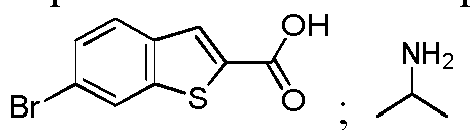

1H NMR (400 MHz, DMSO-d6 ) δ 13.08 (s, 1H), 10.28 (s, 1H), 8.88 (d, J = 19.2 Hz, 2H), 8.39 - 8.34 (m, 2H), 8.17 - 8.11 (m, 3H), 7.61 (d, J = 10.0 Hz, 2H), 7.31 - 7.06 (m, 1H), 6.81 (s, 1H), 2.83 (s, 3H). MS m/z (ESI): 401.1 [M+H]. TDI01110 
6-(4-((1H-indazol-5-yl)amino)pyrimidin-2-yl)-N,N-dimethylbenzo [b]thiophen e-2-carboxamide The preparation started from step 3 of Example 2, and 
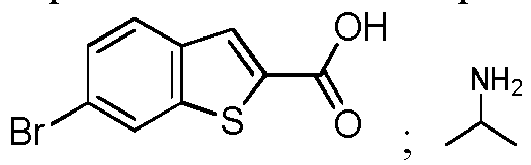
1H NMR (400 MHz, CD3OD) δ 8.78 (s, 1H), 8.24 (m, 3H), 8.13 (d, J = 4.0 Hz, 2H), 7.82 (s, 1H), 7.69 (d, J = 12 Hz, 1H), 7.62 (s, 1H), 6.88 (d, J = 8.0 Hz, 1H), 3.17 (s, 6H). MS m/z (ESI): 415.1 [M+H]. TDI01111 
6-(4-((1H-indazol-5-yl)amino)pyrimidin-2-yl)-N-cyclopropylbenzo [b]thioph ene-2-carboxamide The preparation started from step 3 of Example 2, and 


1H NMR (400 MHz, DMSO-d6 ) δ 13.12 (s, 1H), 10.25 (s, 1H), 8.87 (m, 1H), 8.39 (d, J = 4.0 Hz, 1H), 8.32 (d, J = 8.0 Hz, 1H), 8.13-8.08 (m, 4H), 7.61 (m, 2H), 6.79 (d, J = 4.0 Hz, 1H), 2.87 (s, 1H), 0.75 (d, J = 4.0 Hz, 2H), 0.62 (s, 2H). MS m/z (ESI): 427.2 [M+H]. TDI01112 
6-(4-((1H-indazol-5-yl)amino)pyrimidin-2-yl)-N-cyclohexylbenzo [b]thioph ene-2-carboxamide The preparation started from step 3 of Example 2, and 


1H NMR (400 MHz, DMSO-d6 ) δ 13.15 (s, 1H), 10.27 (s, 1H), 8.88 (s, 1H), 8.60 (d, J = 8.0 Hz, 1H), 8.39 (d, J =4.0 Hz, 1H), 8.31 (s, 1H), 8.21 (s, 1H), 8.13 (s, 2H), 8.10 (d, J = 8.0 Hz, 1H), 7.63 (d, J = 8.0 Hz, 1H), 7.59 (s, 1H), 6.80 (d, J =4.0 Hz, 1H), 3.77 (s, 1H), 1.87 (s, 2H), 1.76 (s, 2H), 1.65 - 1.59 (m, 1H), 1.34 (s, 4H), 1.17 (s, 1H). MS m/z (ESI): 469.1 [M+H]. TDI01114 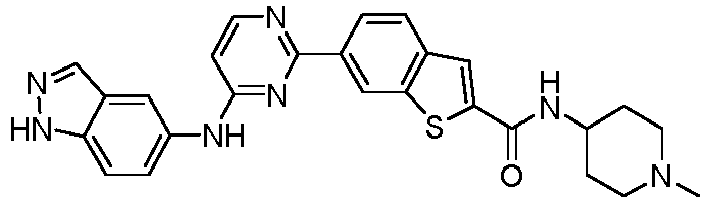
6-(4-((1H-indazol-5-yl)amino)pyrimidin-2-yl)-N-(1-methylpiperidin-4-yl)benzo [b]thiophene-2-carboxamide The preparation started from step 3 of Example 2, and 


1H NMR (400 MHz, CD3OD) δ 8.86 (s, 1H), 8.42 - 8.35 (m, 1H), 8.29 (d, J = 6.0 Hz, 1H), 8.13 (s, 1H), 8.04 (d, J = 17.2 Hz, 2H), 7.97 (d, J = 8.4 Hz, 1H), 7.59 (s, 2H), 6.66 (d, J = 6.0 Hz, 1H), 3.92 - 3.87 (m, 1H), 2.97 - 2.95 (m, 2H), 2.33 (s, 3H), 2.22 - 2.19 (m, 2H), 2.01 - 1.98 (m, 2H), 1.78 - 1.68 (m, 2H). MS m/z (ESI): 484.3 [M+H]. TDI01115 
6-(4-((1H-indazol-5-yl)amino)pyrimidin-2-yl)-N-(pyridin-3-yl)benzo [b]thiophene-2-carboxamide The preparation started from step 3 of Example 2, and 
1H NMR (400 MHz, DMSO-d6 ) δ 11.07 (s, 1H), 10.41 (s, 1H), 9.12 (s, 1H), 8.96 (s, 1H), 8.50 (s, 2H), 8.42 - 8.36 (m, 3H), 8.23 (d, J = 8.4 Hz, 1H), 8.17 - 8.15 (m, 2H), 7.68 - 7.59 (m, 3H), 6.84 (d, J = 6.4 Hz, 1H). MS m/z (ESI): 464.2 [M+H]. 

TDI01122 
6-(4-((1H-indazol-5-yl)amino)-7-(2-(dimethylamino)ethyl)-7H-pyrrolo[2,3-d]pyrimidin-2-yl)-N-isopropylbenzo [b]thiophen e-2-carboxamide The preparation started from step 3 of Example 2, and 


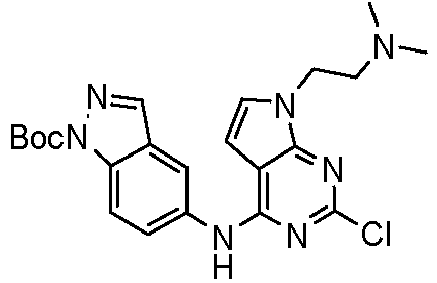
1H NMR (400 MHz, DMSO-d6 ) δ 9.62 (s, 1H), 9.57 (s, 1H), 9.00 (s, 1H), 8.58 (d, J = 7.8 Hz, 1H), 8.50 (d, J = 8.5 Hz, 1H), 8.32 (s, 1H), 8.17 (s, 1H), 8.12 (s, 1H), 8.03 (d, J = 8.5 Hz, 1H), 7.77 (d, J = 9.1 Hz, 1H), 7.62 (d, J = 8.9 Hz, 1H), 7.40 (d, J = 3.5 Hz, 1H), 6.81 (s, 1H), 4.69 (s, 2H), 4.13 - 4.07 (m, 1H), 3.67 (d, J = 5.6 Hz, 2H), 2.91 (d, J = 4.2 Hz, 6H), 1.21 (d, J = 6.6 Hz, 6H). MS m/z (ESI): 539.1 [M+H]. TDI01128 
6-(4-((1H-indazol-5-yl)amino)quinazolin-2-yl)-N-isopropyl-1H-indole-2-carboxamide The preparation started from step 3 of Example 2, and 

1H NMR (400 MHz, DMSO-d6 ) δ 13.09 (s, 1H), 11.82 (s, 1H), 9.87 (s, 1H), 8.58 (d, J = 7.6 Hz, 2H), 8.36 (s, 1H), 8.26 (d, J = 7.6 Hz, 1H), 8.21 (d, J = 8.8 Hz, 2H), 7.96 - 7.90 (m, 1H), 7.85 (d, J = 3.2 Hz, 2H), 7.67 (dd, J = 8.4, 2.8 Hz, 2H), 7.61 - 7.54 (m, 1H), 7.18 (s, 1H), 4.17 - 4.12 (m, 1H), 1.21 (d, J = 6.4 Hz, 6H). MS m/z (ESI): 462.2 [M+H]. 

TDI01135 
6-(4-((1H-indazol-5-yl)amino)furo [3,2-d]pyrimidin-2-yl)-N-isopropylbenzo [b]thiophen e-2-carboxamide The preparation started from step 3 of Example 2, and 


1H NMR (400 MHz, CD3OD) δ 8.74 (s, 1H), 8.27 - 8.19 (m, 3H), 8.11 (s, 1H), 8.01 (d, J = 7.6 Hz, 2H), 7.76 (dd, J = 8.8, 1.6 Hz, 1H), 7.65 (d, J = 8.8 Hz, 1H), 7.09 (d, J = 2.0 Hz, 1H), 4.25 - 4.19 (m, 1H), 1.29 (d, J = 6.4 Hz, 6H). MS m/z (ESI): 469.1 [M+H]. TDI01136 
6-(4-((1H-indazol-5-yl)amino)thieno [3,2-d]pyrimidin-2-yl)-N-isopropylbenzo [b]thiophen e-2-carboxamide The preparation started from step 3 of Example 2, and 


1H NMR (400 MHz, DMSO-d6 ) δ 13.25 (s, 1H), 10.25 (s, 1H), 8.94 (s, 1H), 8.61 (d, J = 8.0 Hz, 1H), 8.41 (d, J = 8.0 Hz, 1H), 8.26 (d, J = 4.0 Hz, 1H), 8.18-8.14 (m, 3H), 8.06 (d, J = 8.0 Hz, 1H), 7.71-7.65 (m, 2H), 7.54 (d, J = 4.0 Hz, 1H), 4.15-4.06 (m, 1H), 1.21 (d, J = 8.0 Hz, 6H). MS m/z (ESI): 485.1 [M+H]. was replaced with 
TDI01141 
6-(4-((1H-indazol-5-yl)amino)thieno [3,2-d]pyrimidin-2-yl)-N-isopropyl-1H-indole-2-carboxamide The preparation started from step 3 of Example 2, and 


1H NMR (400 MHz, DMSO-d6 ) δ 13.26 (s, 1H), 12.11 (s, 1H), 10.80 (s, 1H), 8.46 (s, 1H), 8.40 (d, J = 7.2 Hz, 1H), 8.33 (d, J = 4.0 Hz, 1H), 8.21 (s, 1H), 8.15 (s, 1H), 8.04 (d, J = 8.0 Hz, 1H), 7.80 (d, J = 8.0 Hz, 1H), 7.70 (s, 2H), 7.56 (d, J = 4.0 Hz, 1H), 7.26 (s, 1H), 4.20-4.12 (m, 1H), 1.22 (d, J = 6.4 Hz, 6H). MS m/z (ESI): 468.2 [M+H]. TDI01142 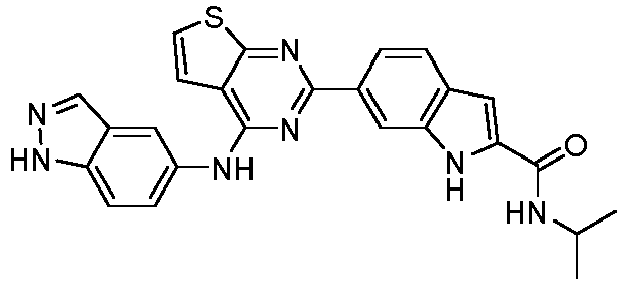
6-(4-((1H-indazol-5-yl)amino)thieno[2,3-d]pyrimidin-2-yl)-N-isopropyl-1H-indole-2-carboxamide The preparation started from step 3 of Example 2, and 


1H NMR (400 MHz, DMSO-d6 ) δ 11.18 (s, 1H), 9.79 (s, 1H), 8.37 (m, 3H), 8.15 (m, 1H), 8.00-7.86 (m, 2H), 7.67 (s, 2H), 7.20 (s, 1H), 1.22 (s, 6H). MS m/z (ESI): 468.1 [M+H]. TDI01143 
6-(4-((1H-indazol-5-yl)amino)-7H-pyrrolo[2,3-d]pyrimidin-2-yl)-N-isopropyl-1H-indole-2-carboxamide The preparation started from step 3 of Example 2, and 


1H NMR (400 MHz, CD3OD) δ 8.47 (s, 1H), 8.32 (s, 1H), 8.13 (d, J = 9.5 Hz, 2H), 7.84 (d, J = 7.8 Hz, 1H), 7.70 - 7.59 (m, 2H), 7.13 (d, 2H), 6.54 (s, 1H), 4.25 (m, J = 12.6, 6.3 Hz, 1H), 1.30 (s, 3H), 1.28 (s, 3H); MS m/z (ESI): 451.1 [M+H]. TDI01149 
6-(7-((1H-indazol-5-yl)amino)thiazolo[4,5-d]pyrimidin-5-yl)-N-isopropyl-1H-indole-2-carboxamide The preparation started from step 3 of Example 2, and 


1H NMR (400 MHz, DMSO-d6 ) δ 13.08 (s, 1H), 11.90 (s, 1H), 10.22 (s, 1H), 9.34 (s, 1H), 8.53 (s, 1H), 8.44 (s, 1H), 8.32 (d, J = 7.6 Hz, 1H), 8.19 (s, 1H), 8.15 (d, J = 8.4 Hz, 1H), 7.97 (d, J = 8.4 Hz, 1H), 7.70 (d, J = 8.4 Hz, 1H), 7.63 (d, J = 8.8 Hz, 1H), 7.21 (s, 1H), 4.16 - 4.13 (m, 1H), 1.21 (d, J = 6.4 Hz, 6H). MS m/z (ESI): 469.1 [M+H]. TDI01218 
6-(4-((1H-indazol-5-yl)amino)-7-phenyl-7H-pyrrolo [2,3 -d]pyrimidin-2-yl)-N-isopropylbenzo [b]thiophen e-2-carboxamide The preparation started from step 3 of Example 2, and 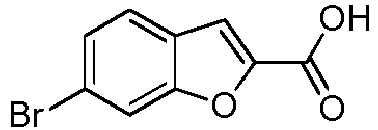


1H NMR (400 MHz, CD3OD) δ 8.94 (s, 1H), 8.85 (d, J=8.7 Hz, 1H), 8.53 (d, J=8.4 Hz, 1H), 8.22 (s, 1H), 7.98 (s, 2H), 7.96 - 7.85 (m, 2H), 7.70 (s, 1H), 7.62 (t, J=7.5 Hz, 2H), 7.47 (s, 2H), 7.16 (d, J=8.7 Hz, 1H), 7.10 (s, 1H), 4.23 (s, 1H), 1.30 (d, J=6.5 Hz, 6H). MS m/z (ESI): 544.2 [M+H]. TDI01262 
6-(4-((1H-indazol-5-yl)amino)pyrimidin-2-yl)-N-(2-(dimethylamino)pyridin-4-yl)benzo [b]thiophene-2-carboxamide The preparation started from step 3 of Example 2, and 
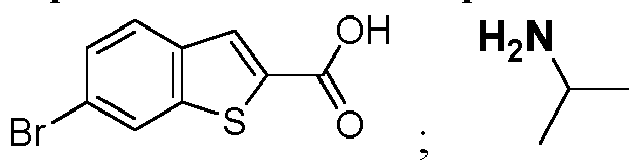
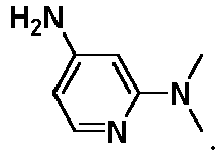
1H NMR (400 MHz, DMSO-d6 ) δ 13.07 (s, 1H), 10.78 (s, 1H), 9.72 (s, 1H), 8.99 (s, 1H), 8.48 (dd, J = 12.2, 5.8 Hz, 2H), 8.40 (d, J = 5.8 Hz, 1H), 8.15 (dd, J = 18.3, 9.8 Hz, 3H), 8.03 (d, J = 5.8 Hz, 1H), 7.60 (s, 2H), 7.13 (s, 2H), 6.73 (d, J = 5.8 Hz, 1H), 3.08 (s, 5H). MS m/z (ESI): 507.3 [M+H]. TDI01280 
6-(4-((4-(1H-pyrazol-4-yl)phenyl)amino)pyrimidi n-2-yl)-N-isopropyl-1H-indole-2-carboxamide The preparation started from step 3 of Example 2, and 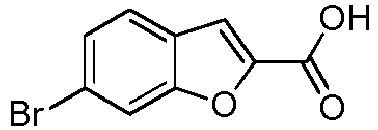
1H NMR (400 MHz, CD3OD) δ 8.42 (s, 1H), 8.20 (d, J=7.2 Hz, 1H), 8.04 (s, 2H), 7.86 (s, 4H), 7.76 (s, 2H), 7.22 (s, 1H), 6.91 (d, J=7.2 Hz, 1H), 4.25 (dt, J=13.2, 6.5 Hz, 1H), 1.29 (d, J=6.6 Hz, 7H). MS m/z (ESI): 438.3 [M+H]. 
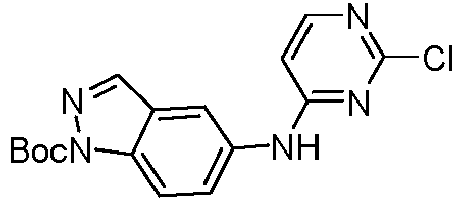

TDI01327 
7-(4-((1H-indazol-5-yl)amino)pyrimidin-2-yl)-N-isopropylquinoline-2-carboxamide The preparation started from step 3 of Example 2, and 

1H NMR (400 MHz, DMSO-d6 ) δ 13.12 (s, 1H), 10.03 (s, 1H), 9.16 (s, 1H), 8.68 - 8.58 (m, 3H), 8.45 (d, J = 6.1 Hz, 1H), 8.29 - 8.15 (m, 4H), 7.63 (d, J = 8.8 Hz, 1H), 7.57 (d, J = 9.5 Hz, 1H), 6.81 (d, J = 6.1 Hz, 1H), 4.20 (d, J = 7.9 Hz, 1H), 1.29 (d, J = 6.6 Hz, 6H). MS m/z (ESI): 424.2 [M+H]. TDI01392 
6-(4-((1H-indazol-5-yl)amino)pyrimidin-2-yl)-N-methyl-N-(tetrahydrofuran -3-yl)benzo [b]thiophene-2-carboxamide The preparation started from step 3 of Example 2, and 


1H NMR (400 MHz, DMSO-d6 ) δ 9.69 (s, 1H), 8.94 (s, 1H), 8.43 (d, J = 8.4 Hz, 1H), 8.39 (d, J = 5.6 Hz, 1H), 8.18 (s, 1H), 8.10 (s, 1H), 8.06 (d, J = 8.4 Hz, 1H), 7.83 (s, 1H), 7.62 - 7.57 (m, 2H), 6.71 (d, J = 5.6 Hz, 1H), 5.08 - 5.02 (m, 1H), 4.03 - 3.97 (m, 1H), 3.87 - 3.83 (m, 1H), 3.77 - 3.71 (m, 1H), 3.63 - 3.57 (m, 1H), 3.08 (s, 3H), 2.32 - 2.24 (m, 1H), 2.04 - 1.97 (m, 1H). MS m/z (ESI): 471.1 [M+H]. TDI01394 
6-(4-((1H-indazol-5-yl)amino)pyrimidin-2-yl)-N-(3-fluoropyridin-4-yl)-1H-indole-2-carboxamide The preparation started from step 3 of Example 2, and 


1H NMR (400 MHz, DMSO-d6 ) δ 13.04 (s, 1H), 12.20 (s, 1H), 10.48 (s, 1H), 9.63 (s, 1H), 8.63 (s, 1H), 8.56 (s, 1H), 8.43 (d, J = 5.2 Hz, 1H), 8.36 (d, J = 5.8 Hz, 1H), 8.29 (s, 1H), 8.23 - 8.12 (m, 1H), 8.02 - 7.96 (m, 1H), 7.80 (d, J = 8.5 Hz, 1H), 7.59 (d, J = 10.5 Hz, 1H), 6.68 (d, J = 5.9 Hz, 1H). MS m/z (ESI): 465.2 [M+H]. TDI01410 
6-(4-((4-(1H-pyrazol-4-yl)phenyl)amino)furo[3,2-d]pyrimidin-2-yl)-N,N-diethyl-1H-indole-2-carboxamide The preparation started from step 3 of Example 2, and 


1H NMR (400 MHz, DMSO-d6 ) δ 12.90 (s, 1H), 11.84 (s, 1H), 9.97 (s, 1H), 8.55 (s, 1H), 8.37 (s, 1H), 8.16 (d, J = 8.5 Hz, 2H), 8.02 (d, J = 8.6 Hz, 3H), 7.69 (t, J = 7.6 Hz, 3H), 7.15 (s, 1H), 6.83 (s, 1H), 3.60 (s, 2H), 3.31 (s, 2H), 1.23 (s, 6H). MS m/z (ESI): 492.0 [M+H]. TDI01434 
(6-(4-((4-(1H-pyrazol-4-yl)phenyl)amino)pyrimidi n-2-yl)-1H-indol-2-yl)(3,3-difluoroazetidin-1-yl)methanone The preparation started from step 3 of Example 2, and 



1H NMR (400 MHz, DMSO-d6 ) δ 12.89 (s, 1H), 12.07 (s, 1H), 9.65 (s, 1H), 8.58 (s, 1H), 8.38 (d, J = 5.8 Hz, 1H), 8.15 (d, J = 8.4 Hz, 1H), 7.92 (s, 1H), 7.83 (d, J = 8.2 Hz, 2H), 7.72 (d, J = 8.5 Hz, 1H), 7.65 (d, J = 8.4 Hz, 2H), 6.97 (s, 1H), 6.69 (d, J = 5.8 Hz, 1H), 5.02 (s, 2H), 4.59 (s, 2H). MS m/z (ESI): 472.0 [M+H]. TDI01434B 
(6-(4-((1H-indazol-5-yl)amino)pyrimidin-2-yl)-1H-indol-2-yl)(3,3-difluoroazetidin-1-yl)methanone The preparation started from step 3 of Example 2, and 


1H NMR (400 MHz, DMSO-d6 ) δ 13.04 (s, 1H), 12.09 (s, 1H), 9.69 (s, 1H), 8.53 (s, 1H), 8.35 (d, J = 5.7 Hz, 1H), 8.27 (s, 1H), 8.14 (d, J = 7.2 Hz, 2H), 7.73 (d, J = 8.4 Hz, 1H), 7.60 (s, 1H), 6.98 (s, 1H), 6.68 (d, J = 5.7 Hz, 1H), 5.02 (s, 2H), 4.60 (s, 2H). MS m/z (ESI): 445.9 [M+H]. TDI01526 
(6-(4-((4-(1H-pyrazol-4-yl)phenyl)amino)pyrimidi n-2-yl)benzofuran-2-yl)(3,3-difluoroazetidin-1-yl)methanone The preparation started from step 3 of Example 2, and 


1H NMR (400 MHz, DMSO-d6 ) δ 10.13 (s, 1H), 8.54 (s, 1H), 8.42 (d, J = 6.4 Hz, 1H), 8.34 (dd, J = 8.4, 1.2 Hz, 1H), 8.08 (s, 2H), 7.94 (d, J = 8.4 Hz, 1H), 7.77 (d, J = 8.4 Hz, 2H), 7.73 - 7.63 (m, 3H), 6.82 (d, J = 6.4 Hz, 1H), 5.11 (s, 2H), 4.56 (s, 2H). MS m/z (ESI): 473.2 [M+H]. TDI01581 
(6-(4-((4-(1H-pyrazol-4-yl)phenyl)amino)- 1,3,5 - triazin-2-yl)-1H-indol-2-yl)(3,3-difluoroazetidin-1-yl)methanone The preparation started from step 3 of Example 2, and 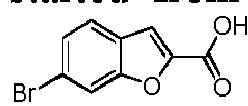


1H NMR (400 MHz, DMSO-d6 ) δ 12.21 (s, 1H), 10.28 (s, 1H), 8.82 (s, 1H), 8.64 (s, 1H), 8.17 (d, J = 8.9 Hz, 1H), 8.05 (s, 2H), 7.80 (t, J = 12.1 Hz, 3H), 7.65 (s, 2H), 7.02 (s, 1H), 5.06 (s, 2H), 4.60 (s, 2H). MS m/z (ESI): 472.7 [M+H]. TDI01582 
(6-(4-((4-(1H-pyrazol-4-yl)phenyl)amino)-5-fluoropyrimidin-2-yl)-1H-indol-2-yl)(3,3-difluoroazetidin-1-yl)methanone The preparation started from step 3 of Example 2, and 


1H NMR (400 MHz, DMSO-d6 ) δ 12.05 (s, 1H), 9.66 (s, 1H), 8.48 (s, 2H), 8.06 (d, J = 6.0 Hz, 3H), 7.94 (d, J = 8.4 Hz, 2H), 7.70 (dd, J = 13.3, 8.6 Hz, 3H), 6.96 (s, 1H), 4.96 (d, J = 16.2 Hz, 2H), 4.57 (s, 2H). MS m/z (ESI): 489.6 [M+H]. TDI01825B 
5-(4-((1H-indazol-5-yl)amino)pyrimidin-2-yl)-N,N-diethyl-3 -methyl-1H-indole-2-carboxamide The preparation started from step 3 of Example 2, and 


1H NMR (400 MHz, DMSO-d6 ) δ 13.03 (s, 1H), 11.41 (s, 1H), 9.59 (s, 1H), 8.65 (s, 1H), 8.33 (d, J = 4 Hz, 1H), 8.24 (d, J = 12 Hz, 1H), 8.08 (s, 1H), 7.56 (m, 1H), 7.42 (d, J = 8.4Hz, 2H) 6.63 (d, J = 6 Hz, 1H), 3.44 (s, 4H), 2.31 (s, 3H), 1.13 (s, 6H). MS m/z (ESI): 440.0 [M+H]. TDI01825C 
5-(4-((4-(1H-pyrazol-4-yl)phenyl)amino)pyrimidi n-2-yl)-N,N-diethyl-3-methyl-1H-indole-2-carboxamide The preparation started from step 3 of Example 2, and 


1H NMR (400 MHz, DMSO-d6 ) δ11.42 (s, 1H), 9.62 (s, 1H), 8.64 (s, 1H), 8.37 (s, 1H), 8.25 (s,, 1H) 8.16 (s, 1H), 8.06 (s, 1H), 7.82 (s, 2H), 7.67 (s, 2H) 7.43 (s, 1H) 6.66 (s, 1H) 3.45 (s, 4H), 2.30 (s, 3H), 1.13 (s, 6H). MS m/z (ESI): 466.0 [M+H]. TDI01832 
6-(4-((3-methoxy-4-(1H-pyrazol-4-yl)phenyl)amino)pyrimidi n-2-yl)-N,N-dimethyl-1H-indole-2-carboxamide The preparation started from step 3 of i Example 2, and 


1H NMR (400 MHz, DMSO-d6 ) δ 11.85 (s, 1H), 9.68 (s, 1H), 8.54 (s, 1H), 8.4 (d, J = 5.6 Hz), 8.17 (m, 2H) 8.02 (m, 2H) 7.79 (s, 1H), 7.70 (d, J = 8.4Hz, 1H), 7.63 (d, J = 8.4 Hz, 1H), 7.32 (d, J = 9.6 Hz, 1H), 6.93 (s, 1H), 6.71 (d, J = 6 Hz, 1H), 3.96 (s, 3H), 2.55 (s, 6H). MS m/z (ESI): 454.0 [M+H]. TDI01833 
N-(4-(1H-pyrazol-4-yl)phenyl)-2-(2-(methylsulfonyl)-1H-indol-6-yl)pyrimidin-4-amine The preparation started from step 4 of Example 2, and 


1H NMR (400 MHz, DMSO-d6 ) δ 12.73 (s, 1H), 10.29 (s, 1H), 8.52 (s, 1H), 8.39 (d, J = 6.3 Hz, 1H), 8.13 (d, J = 8.0 Hz, 1H), 8.07 (s, 1H), 7.88 (d, J = 8.0 Hz, 1H), 7.79 (d, J = 8.0 Hz, 2H), 7.69 (d, J = 8.0 Hz, 2H), 7.24 (s, 1H), 6.81 (d, J = 6.3 Hz, 1H), 3.39 (s, 3H). MS m/z (ESI): 430.9 [M+H]. TDI01837 
6-(4-((5-(1H-pyrazol-4-yl)pyridin-2-yl)amino)pyrimidin-2-yl)-N,N-dimethyl-1H-indole-2-carboxamide The preparation started from step 3 of Example 2, and 
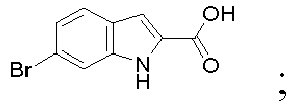


1H NMR (400 MHz, DMSO-d6 ) δ 12.08 (s, 1H), 11.03 (s, 1H), 8.72 (s, 1H), 8.58 - 8.45 (m, 2H), 8.30 - 7.96 (m, 5H), 7.82 (d, J = 8.0 Hz, 1H), 7.62 (s, 1H), 6.99 (s, 1H), 3.34 (s, 3H), 3.09 (s, 3H). MS m/z (ESI): 424.7 [M+H]. TDI01842 
6-(4-((3-fluoro-4-(1H-pyrazol-4-yl)phenyl)amino)pyrimidi n-2-yl)-N,N-dimethyl-1H-indole-2-carboxamide The preparation started from step 3 of Example 2, and 
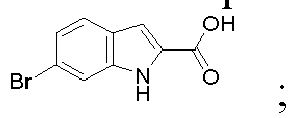


1H NMR (400 MHz, DMSO-d6 ) δ 13.03 (s, 1H), 11.88 (s, 1H), 9.86 (s, 1H), 8.53 (s, 1H), 8.43 (d, J = 5.7 Hz, 1H), 8.11 (d, J = 8.3 Hz, 1H), 8.03 (s, 2H), 7.91 (d, J = 13.7 Hz, 1H), 7.74 (dd, J = 16.5, 8.3 Hz, 2H), 7.60 (d, J = 8.5 Hz, 1H), 6.94 (s, 1H), 6.72 (d, J = 5.7 Hz, 1H), 3.40 (s, 3H), 3.08 (s, 3H). MS m/z (ESI): 441.8 [M+H]. TDI01842B 
(3,3-difluoroazetidin-1-yl)(6-(4-((3-fluoro-4-(1H-pyrazol-4-yl)phenyl)amino)pyrimidi n-2-yl)-1H-indol-2-yl)methanone The preparation started from step 3 of Example 2, and 


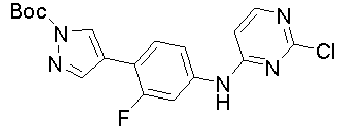

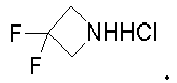
1H NMR (400 MHz, DMSO-d6 ) δ 13.04 (s, 1H), 12.10 (s, 1H), 9.92 (s, 1H), 8.55 (s, 1H), 8.43 (d, J = 5.6 Hz, 1H), 8.26 - 7.86 (m, 4H), 7.75 (t, J = 8.3 Hz, 2H), 7.61 (d, J = 8.3 Hz, 1H), 6.98 (s, 1H), 6.74 (d, J = 5.6 Hz, 1H), 5.04 (s, 2H), 4.59 (s, 2H). MS m/z (ESI): 489.9 [M+H]. TDI01864 
6-(4-((4-(1H-pyrazol-4-yl)phenyl)amino)furo [3,2-d]pyrimidin-2-yl)-N-isopropyl-1H-indole-2-carboxamide The preparation started from step 3 of Example 2, and 


1H NMR (400 MHz, DMSO-d6 ) δ 12.88 (s, 1H), 11.83 (s, 1H), 9.96 (s, 1H), 8.54 (s, 1H), 8.37 (s, 1H), 8.30 (d, J = 7.8 Hz, 1H), 8.16 (d, J = 8.5 Hz, 1H), 8.02 (d, J = 8.4 Hz, 4H), 7.68 (d, J = 8.4 Hz, 3H), 7.20 (s, 1H), 7.15 (s, 1H), 4.15 (dd, J = 13.5, 6.7 Hz, 1H), 1.21 (d, J = 6.6 Hz, 6H). MS m/z (ESI): 478.0 [M+H]. TDI01865 
6-(4-((4-(1H-pyrazol-4-yl)phenyl)amino)-6-(2-(dimethylamino)ethoxy)py rimidin-2-yl)-N-isopropyl-1H-indole-2-carboxamide The preparation started from step 3 of Example 2, and 


1H NMR (400 MHz, DMSO-d6 ) δ 11.88 (s, 1H), 9.81 (s, 1H), 9.65 (s, 1H), 8.35 (d, J = 7.8 Hz, 1H), 8.14 (s, 1H), 8.02 (s, 1H), 7.76 - 7.68 (m, 3H), 7.59 (d, J = 8.3 Hz, 2H), 7.22 (s, 1H), 7.00 (s, 1H), 6.67 (s, 1H), 5.34 (d, J = 4.6 Hz, 1H), 4.72 (s, 2H), 4.15 (d, J = 6.9 Hz, 1H), 3.61 (s, 3H), 2.91 (d, J = 3.7 Hz, 3H), 2.02 - 1.97 (m, 2H), 1.21 (d, J = 6.6 Hz, 6H). MS m/z (ESI): 524.8 [M+H]. TDI01879 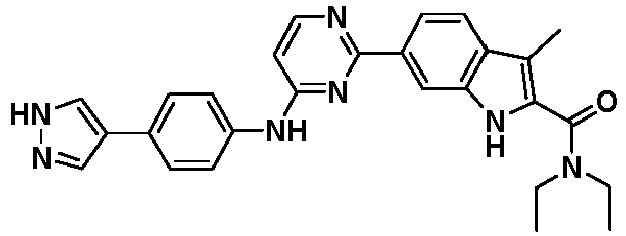
6-(4-((4-(1H-pyrazol-4-yl)phenyl)amino)pyrimidi n-2-yl)-N,N-diethyl-3-methyl-1H-indole-2-carboxamide The preparation started from step 3 of Example 2, and 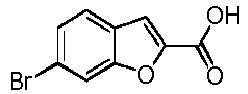

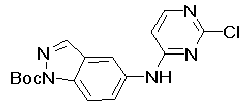


1H NMR (400 MHz, DMSO-d6 ) δ 11.49 (s, 1H), 9.63 (s, 1H), 8.46 - 8.35 (m, 4H), 8.11 (s, 1H), 7.82 (d, J = 8 Hz 2H), 6.67 (d, J = 5.6 Hz 2H), 3.5 (m, 4H), 2.25 (s, 3H), 1.10 (m, 6H). MS m/z (ESI): 466.0 [M+H]. TDI01898 
6-(4-((1H-indazol-5-yl)amino)-6-benzylpyrimidin-2-yl)-N-isopropyl-1H-indole-2-carboxamide The preparation started from step 3 of Example 2, and 


1H NMR (400 MHz, DMSO-d6 ) δ 13.09 (s, 1H), 12.02 (s, 1H), 8.42 (d, J = 29.2 Hz, 2H), 8.25 (s, 1H), 8.16 (s, 1H), 8.04 (s, 1H), 7.78 (s, 1H), 7.59 (s, 2H), 7.41 (s, 3H), 7.28 (d, J = 25.8 Hz, 2H), 6.43 (s, 1H), 4.16 (dd, J = 13.7, 6.8 Hz, 2H), 3.12 - 3.07 (m, 1H), 1.20 (dd, J = 17.9, 6.9 Hz, 6H). MS m/z (ESI): 501.6 [M+H]. replaced with 
TDI01899 
6-(4-((1H-indazol-5-yl)amino)-6-phenoxypyrimidin-2-yl)-N-isopropyl-1H-indole-2-carboxamide The preparation started from step 3 of Example 2, and 


1H NMR (400 MHz, DMSO-d6 ) δ 11.91 (s, 1H), 9.85 (s, 1H), 8.35 (d, J = 7.8 Hz, 1H), 8.14 (s, 1H), 7.90 (s, 1H), 7.79 (s, 1H), 7.73 (d, J = 8.4 Hz, 1H), 7.66 (d, J = 8.5 Hz, 1H), 7.56 (t, J = 7.8 Hz, 2H), 7.41 (t, J = 8.0 Hz, 2H), 7.30 (dd, J = 17.6, 8.4 Hz, 3H), 7.22 (s, 1H), 7.00 (s, 1H), 5.34 (d, J = 4.2 Hz, 1H), 4.18 - 4.13 (m, 1H), 1.23 (d, J = 7.2 Hz, 6H). MS m/z (ESI): 504.0 [M+H]. TDI01900 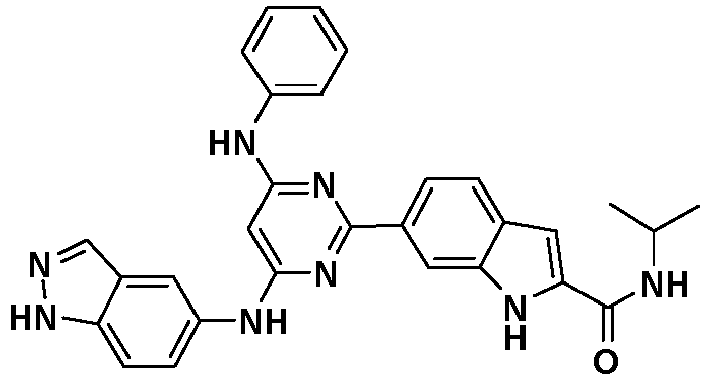
6-(4-((1H-indazol-5-yl)amino)-6-(phenylamino)pyrimidin-2-yl)-N-isopropyl-1H-indole-2-carboxamide The preparation started from step 3 of Example 2, and 


1H NMR (400 MHz, DMSO-d6 ) δ 13.04 (s, 1H), 12.05 (s, 1H), 8.40 (s, 1H), 8.21 (d, J = 9.9 Hz, 2H), 8.04 (s, 2H), 7.83 (s, 1H), 7.62 (d, J = 57.7 Hz, 6H), 7.34 - 7.24 (m, 3H), 7.09 (s, 1H), 6.72 (s, 1H), 4.15 (s, 1H), 1.21 (d, J = 6.5 Hz, 6H). MS m/z (ESI): 503.0 [M+H]. TDI01901 
N-(2-(2-methyl-1H-indol-6-yl)pyrimidin-4-yl)-1H-indazol-5-amine The preparation started from step 4 of Example 2, and 

1H NMR (400 MHz, DMSO-d6 ) δ 13.02 (s, 1H), 11.17 (s, 1H), 9.52 (s, 1H), 8.34 (s, 2H), 8.31 (d, J = 5.8 Hz, 1H), 8.19 (s, 1H), 8.14 (s, 1H), 8.03 (d, J = 8.5 Hz, 1H), 7.56 (s, 2H), 7.46 (d, J = 8.2 Hz, 1H), 6.60 (d, J = 5.8 Hz, 1H), 6.18 (s, 1H), 2.43 (s, 3H). MS m/z (ESI): 341.1 [M+H]. TDI01914 
(6-(4-((4-(1H-pyrazol-4-yl)phenyl)amino)-5 - methoxypyrimidin-2-yl)-1H-indol-2-yl)(3,3-difluoroazetidin-1-yl)methanone The preparation started from step 3 of Example 2, and 


1H NMR (400 MHz, DMSO-d6 ) δ 12.91 (s, 1H), 11.99 (s, 1H), 9.31 (s, 1H), 8.93 (s, 1H), 8.47 (s, 1H), 8.18 (s, 1H), 8.07 (d, J = 8.5 Hz, 1H), 8.02 (d, J = 8.4 Hz, 2H), 7.93 (s, 1H), 7.67 (dd, J = 16.0, 8.4 Hz, 3H), 6.95 (s, 1H), 5.01 (s, 2H), 4.57 (s, 2H), 4.01 (s, 3H). MS m/z (ESI): 501.6 [M+H]. -

-


- Intermediate TDI01212-a (3.00 g, 9.97 mmol) was dissolved in a mixture of methanol and water (2:1) (60 mL), lithium hydroxide monohydrate (4.19 g, 99.7 mmol) was added, and the reaction was performed at room temperature overnight. LC-MS indicated the reaction was complete. The reaction solution was concentrated under reduced pressure to remove methanol, the pH of the aqueous phase was adjusted to 3 with 6N HCl, a large amount of solid precipitated, and was stirred for 30 minutes before filtered to obtain intermediate TDI01212-b (2.1 g, yellow solid, yield: 73.2%).
- 1H NMR (400 MHz, DMSO-d6 ) δ 11.89 (s, 1H), 7.82 (s, 1H), 7.64 (d, J = 8.0 Hz, 1H), 7.34 (d, J = 8.0 Hz, 1H), 7.09 (s, 1H), 1.30 (s, 12H).
- Compound TDI01212-1 (600 mg, 3.36 mmol), 2,4-dichloropyrimidine (736 mg, 3.70 mmol), TEA (1.36 g, 10 mmol) and anhydrous ethanol (20 mL) were added to a 50 mL flask, and the reaction was warmed to 80°C, and allowed to proceed overnight. Thin layer chromatography (methanol / dichloromethane =1:10) indicated the reaction was complete. The reaction solution was concentrated to give a crude product, and the crude product was added to 20 mL MTBE and 7.5 mL anhydrous ethanol. The mixture was warmed to 50°C, and triturated to afford TDI01212-2 (1.2 g, yellow solid, yield: 87%).
- 1H NMR (400 MHz, DMSO-d6 ) δ 13.33 (s, 1H), 8.61 (d, J = 5.7 Hz, 1H), 8.11 (s, 1H), 7.67 - 7.63 (m, 2H), 7.25 (dd, J = 9.0, 2.0 Hz, 1H), 7.14 (d, J = 5.7 Hz, 1H). MS m/z (ESI): 247 [M+H].
- Compound TDI01212-2 (1 g, 4 mmol), TDI01212-b (1.44 g, 4.8 mmol), Pd(PPh3)Cl2 (0.28 g, 0.4 mmol), Na2CO3 (0.85 g,8 mmol), 40 mL ethanol and 5 mL water were added to a 100 mL flask, purge with argon was performed for 3 times, and the reaction was warmed to 105°C and allowed to proceed for 4 h. The reaction was cooled to 50°C, 0.32 g sodium hydroxide was added, and the reaction was continued for 1 h. LC-MS indicated the reaction was complete. The reaction solution was concentrated under reduced pressure, the pH was adjusted to 3-4, and the solution was filtered to give a solid (1.5 g). 20 mL MTBE was added to obtain slurry, and the slurry was dried to afford compound TDI01212-3 (0.4 g, yellow solid, yield: 27%).
- 1H NMR (400 MHz, DMSO-d6 ) δ 13.26 (s, 1H), 12.05 (s, 1H), 8.74 (d, J = 5.7 Hz, 1H), 8.38 (s, 1H), 8.13 (s, 1H), 7.92 (d, J = 8.6 Hz, 1H), 7.66 (d, J = 8.6 Hz, 3H), 7.51 (d, J = 6.9 Hz, 2H), 7.34 (d, J = 9.2 Hz, 2H), 7.09 (s, 1H), 6.91 (d, J = 5.7 Hz, 1H). MS m/z (ESI): 372 [M+H].
- Compound TDI01212-3 (200 mg, 0.54 mmol), pyridazin-4-amine (61.6 mg, 0.64 mmol), HATU (244 mg, 0.64 mmol), DIEA (280 mg, 2.16 mmol) and 12 mL DMF were added to a 25 mL flask, and the reaction was performed at room temperature for 3 h. LC-MS indicated the reaction was complete. The reaction solution was cooled to room temperature, and added to 100 mL water. The precipitated solid was filtered and dried before purified by preparative liquid chromatography to afford TDI01212 (50 mg, yellow solid, yield: 13.8%).
- 1H NMR (400 MHz, DMSO-d6 ) δ 13.28 (s, 1H), 12.27 (s, 1H), 11.08 (s, 1H), 9.58 (d, J = 2.0 Hz, 1H), 9.19 (d, J = 6.2 Hz, 1H), 8.76 (d, J = 5.7 Hz, 1H), 8.41 (s, 1H), 8.28 (dd, J = 6.0, 2.5 Hz, 1H), 8.13 (s, 1H), 7.96 (d, J = 8.5 Hz, 1H), 7.77 (d, J = 8.5 Hz, 1H), 7.72 - 7.66 (m, 2H), 7.57 (s, 1H), 7.34 (dd, J = 8.9, 2.1 Hz, 1H), 6.93 (d, J = 5.7 Hz, 1H). MS m/z (ESI): 449.1 [M+H].
-

- Compound TDI01103-1 (250 mg, 0.84 mmol) and bis(pinacolato)diboron (254 mg, 1.00 mmol) were dissolved in 1,4-dioxane (15 mL), potassium acetate (247 mg, 2.52 mmol) and Pd(dppf)Cl2 (61.5 mg, 0.08 mmol) were added, purge with argon was performed for 3 times, and the reaction was allowed to proceed overnight in an oil bath at 80°C. Thin layer chromatography (petroleum ether : ethyl acetate= 1:1) indicated the reaction was complete. The reaction solution was cooled to room temperature, concentrated under reduced pressure, and the residue was purified by preparative chromatography (petroleum ether : ethyl acetate= 1:1) to afford compound TDI01103-2 (240 mg, yellow solid, yield: 82.8%).
- 1H NMR (400 MHz, CDCl3) δ 7.43 (d, J = 1.2 Hz, 1H), 7.35 (dd, J = 8.0, 1.2 Hz, 1H), 6.91 (d, J = 8.0 Hz, 1H), 6.40 (s, 1H), 4.63 - 4.55 (m, 2H), 4.15 - 4.08 (m, 2H), 1.33 (s, 12H), 1.21 (d, J = 6.4 Hz, 3H), 1.14 (d, J = 6.4 Hz, 3H). MS m/z (ESI): 348.2 [M+H].
- Compound TDI01103-2 (240 mg, 0.68 mmol) and Reg-1-1 (200 mg, 0.57 mmol) were dissolved in a mixture of ethanol / water (10:1) (22 mL), sodium carbonate (120 mg, 1.14 mmol) and Pd(PPh3)2Cl2 (42.1 mg, 0.06 mmol) were added, purge with argon was performed for 3 times, and the reaction was allowed to proceed overnight in an oil bath at 110°C. LC-MS indicated the reaction was complete. The reaction solution was cooled to room temperature, filtered, concentrated under reduced pressure, and the residue was purified by preparative liquid chromatography to afford compound TDI01103 (18.5 mg, yellow solid, yield: 9.4%).
- 1H NMR (400 MHz, CD3OD) δ 8.16 (d, J = 7.2 Hz, 1H), 8.13 (s, 1H), 7.95 (d, J = 7.6 Hz, 1H), 7.86 (s, 1H), 7.73 (d, J = 8.4 Hz, 1H), 7.67 (d, J = 8.8 Hz, 1H), 7.59 (s, 1H), 7.11 (d, J = 8.8 Hz, 1H), 6.84 (d, J = 6.4 Hz, 1H), 4.80 - 4.77 (m, 1H), 4.53 - 4.50 (m, 1H), 4.36 - 4.31 (m, 1H), 4.07 - 4.01 (m, 1H), 1.19 (d, J = 6.4 Hz, 3H), 1.13 (d, J = 6.4 Hz, 3H). MS m/z (ESI): 431.2 [M+H].
-

- Compound TDI01106-1 (2.50 g, 7.04 mmol) and CuCN (1.58 g, 17.6 mmol) were dissolved in N-methylpyrrolidone (25 mL), the reaction was performed under microwave at 200°C for 1 hour. Thin layer chromatography (petroleum ether : ethyl acetate=5:1) indicated the reaction was complete. The reaction solution was cooled to room temperature, followed by addition of water (100 mL), and was extracted with ethyl acetate (50 mL × 3). The combined organic phase was washed with saturated brine (80 mL × 3), dried over anhydrous sodium sulfate, filtered, concentrated under reduced pressure, and the residue was purified by column chromatography (petroleum ether : ethyl acetate= 20:1), to afford compound TDI01106-2 (1.00 g, yellow solid, yield: 54.1%).
- 1H NMR (400 MHz, CDCl3) δ 8.22 (s, 1H), 7.90 (d, J = 8.4 Hz, 1H), 7.72 (d, J = 5.6 Hz, 1H), 7.60 (dd, J = 8.4, 1.2 Hz, 1H), 7.42 (d, J = 5.6 Hz, 1H).
- Compound TDI01106-2 (800 mg, 5.09 mmol) and potassium hydroxide (2.85 g, 50.9 mmol) were dissolved in a mixture of methanol / water (2:1) (30 mL), and the reaction was performed in an oil bath at 120°C overnight. Thin layer chromatography (petroleum ether : ethyl acetate=1:1) indicated the reaction was complete. The reaction solution was cooled to room temperature, and concentrated under reduced pressure to remove methanol before water (50 mL) was added. The pH was adjusted to 2 with 4N HCl, a large amount of solid precipitated, and was filtered after stir at room temperature for 30 minutes. The solid was dissolved in methanol, and the solution was concentrated under reduced pressure to afford compound TDI01106-3 (900 mg, yellow solid, yield: 99.2%).
- 1H NMR (400 MHz, CDCl3) δ 8.70 (s, 1H), 8.10 (dd, J = 8.4, 1.2 Hz, 1H), 7.90 (d, J = 8.4 Hz, 1H), 7.70 (d, J = 5.4 Hz, 1H), 7.42 (d, J = 5.4 Hz, 1H). MS m/z (ESI): 179.1 [M+H].
- Compound TDI01106-3 (900 mg, 5.06 mmol) and isopropylamine (358 mg, 6.07 mmol) were dissolved in N,N-dimethylformamide (40 mL), HATU (2.31 g, 6.07 mmol) and diisopropylethylamine (2.61 g, 20.2 mmol) were added, and the reaction was performed at room temperature overnight. Thin layer chromatography (petroleum ether : ethyl acetate=1:1) indicated the reaction was complete. The reaction solution was added with water (50 mL), and extracted with ethyl acetate (80 mL × 2). The organic phase was combined, successively washed with a saturated aqueous solution of ammonium chloride (100 mL × 2) and saturated brine (80 mL × 3), dried over anhydrous sodium sulfate, filtered, and concentrated under reduced pressure to afford compound TDI01106-4 (1.06 g, yellow solid, yield: 95.5%).
- 1H NMR (400 MHz, CDCl3) δ 8.33 (s, 1H), 7.84 (d, J = 8.4 Hz, 1H), 7.71 (dd, J = 8.4, 1.2 Hz, 1H), 7.58 (d, J = 5.4 Hz, 1H), 7.37 (d, J = 5.4 Hz, 1H), 6.03 (s, 1H), 4.37 - 4.29 (m, 1H), 1.29 (d, J = 6.4 Hz, 6H). MS m/z (ESI): 220.1 [M+H].
- Compound TDI01106-4 (1.06 g, 4.84 mmol) was dissolved in N,N-dimethylformamide (40 mL), N-bromosuccinimide (1.89 g, 10.7 mmol) was added, and the reaction solution was slowly warmed to 80°C, and was allowed to proceed at this temperature for 1 hour. Thin layer chromatography (petroleum ether : ethyl acetate=1:1) indicated the reaction was complete. The reaction solution was cooled to room temperature, and slowly added to water (100 mL), and a large amount of solid precipitated. The solid was filtered after stir at room temperature for 30 minutes, and purified by column chromatography (petroleum ether : ethyl acetate= 1:1) to afford compound TDI01106-5 (1.10 g, yellow solid, yield: 75.8%).
- 1H NMR (400 MHz, CDCl3) δ 8.32 (s, 1H), 7.86 (d, J = 8.4 Hz, 1H), 7.81 - 7.76 (m, 1H), 7.58 (s, 1H), 5.99 (s, 1H), 4.38 - 4.29 (m, 1H), 1.30 (d, J = 6.4 Hz, 6H). MS m/z (ESI): 298.0/300.0 [M+H].
- Compound TDI01106-5 (1.00 g, 3.34 mmol) and bis(pinacolato)diboron (1.02 g, 4.01 mmol) were dissolved in 1,4-dioxane (40 mL), potassium acetate (980 mg, 10.0 mmol) and Pd(dppf)Cl2 (242 mg, 0.33 mmol) were added, purge with argon was performed for 3 times, and the reaction was performed in an oil bath at 80°C overnight. Thin layer chromatography (petroleum ether : ethyl acetate=1:1) indicated the reaction was complete. The reaction solution was cooled to room temperature, concentrated under reduced pressure, and the residue was separated and purified by column chromatography (petroleum ether : ethyl acetate= 10:1 to 2:1) to afford compound TDI01106-6 (450 mg, yellow solid, yield: 39.1%). MS m/z (ESI): 346.1 [M+H].
- Compound Reg-1-1 (200 mg, 0.58 mmol) and TDI01106-6 (240 mg, 0.69 mmol) were dissolved in a mixture of ethanol / water (10:1) (22 mL), sodium carbonate (123 mg, 1.16 mmol) and Pd(PPh3)2Cl2 (42.0 mg, 0.06 mmol) were added, purge with argon was performed for 3 times, and the reaction was performed in an oil bath at 110°C overnight. LC-MS indicated the reaction was complete. The reaction solution was cooled to room temperature, filtered, concentrated under reduced pressure, and the residue was purified by preparative liquid chromatography to afford compound TDI01106 (87.1 mg, yellow solid, yield: 35.1%).
- 1H NMR (400 MHz, CD3OD) δ 8.81 (s, 1H), 8.70 - 8.65 (m, 1H), 8.46 (s, 1H), 8.27 (d, J = 7.2 Hz, 1H), 8.11 (s, 1H), 8.06 (s, 1H), 7.69 (d, J = 8.8 Hz, 2H), 7.58 (d, J = 8.4 Hz, 1H), 6.89 (d, J = 7.2 Hz, 1H), 4.27 - 4.20 (m, 1H), 1.27 (d, J = 6.4 Hz, 6H). MS m/z (ESI): 429.2 [M+H].
-

- Compound TDI01117-1 (500 mg, 2.15 mmol) and 2-chloro-4-iodopyridine (615 mg, 2.58 mmol) were dissolved in toluene (20 mL), palladium acetate (24.1 mg, 0.11 mmol), BINAP (137 mg, 0.22 mmol) and cesium carbonate (1.40 g, 4.30 mmol) were added, purge with argon was performed for 3 times, and the reaction was performed in an oil bath at 90°C overnight. Thin layer chromatography (petroleum ether : ethyl acetate=1:1) indicated the reaction was complete. The reaction solution was cooled to room temperature, and filtered. The filtrate was concentrated under reduced pressure, and the crude product was purified by column chromatography (petroleum ether : ethyl acetate= 10:1 to 1:1) to afford compound TDI01117-2 (350 mg, yellow solid, yield: 47.3%).
- 1H NMR (400 MHz, DMSO-d6 ) δ 13.09 (s, 1H), 9.00 (s, 1H), 8.05 (s, 1H), 7.93 (d, J = 6.0 Hz, 1H), 7.59 - 7.58 (m, 2H), 7.23 - 7.18 (m, 1H), 6.75 (dd, J = 6.0, 2.0 Hz, 1H), 6.70 (d, J = 1.6 Hz, 1H).
- Compound TDI01117-2 (200 mg, 0.82 mmol) and N-isopropyl-6-(4,4,5,5-tetramethyl-1,3,2-dioxaborolan-2-yl)benzo[b]thiophene-2-carboxamide (339 mg, 0.98 mmol, for preparation thereof, please refer to the synthesis of the corresponding intermediate in the preparation of TDI01104 in Table 2) were dissolved in a mixture of ethanol / water (10:1) (33 mL), sodium carbonate (174 mg, 1.64 mmol) and Pd(PPh3)2Cl2 (56.2 mg, 0.08 mmol) were added, purge with argon was performed for 3 times, and the reaction was performed in an oil bath at 110°C overnight. LC-MS indicated the reaction was complete. The reaction solution was cooled to room temperature, filtered, and concentrated under reduced pressure. The residue was purified by preparative liquid chromatography to afford compound TDI01117 (85.0 mg, yellow solid, yield: 24.3%).
- 1H NMR (400 MHz, CD3OD) δ 8.38 (s, 1H), 8.17 (d, J = 7.2 Hz, 1H), 8.14 - 8.07 (m, 2H), 8.05 (s, 1H), 7.84 (s, 1H), 7.76 - 7.71 (m, 2H), 7.40 (d, J = 8.8 Hz, 1H), 7.29 (s, 1H), 7.06 (s, 1H), 4.25 - 4.18 (m, 1H), 1.29 (d, J = 6.4 Hz, 6H). MS m/z (ESI): 428.2 [M+H].
-

- Compound TDI01139-1 (600 mg, 2.34 mmol) and isopropylamine (166 mg, 2.81 mmol) were dissolved in N,N-dimethylformamide (20 mL), HATU (1.07 g, 2.81 mmol) and diisopropylethylamine (1.21 g, 9.36 mmol) were added, and the reaction was performed at room temperature overnight. Thin layer chromatography (petroleum ether : ethyl acetate=2:1) indicated the reaction was complete. The reaction solution was diluted with ethyl acetate (80 mL), and successively washed with water (50 mL × 2), a saturated aqueous solution of ammonium chloride (80 mL × 2) and saturated brine (80 mL × 3). The organic phase was dried over anhydrous sodium sulfate, filtered, and concentrated under reduced pressure to afford compound TDI01139-2 (700 mg, yellow solid, yield: 99.5%).
- 1H NMR (400 MHz, CDCl3) δ 8.00 (s, 1H), 7.68 - 7.66 (m, 2H), 7.49 (dd, J = 8.8, 1.6 Hz, 1H), 5.89 (s, 1H), 4.33 - 4.25 (m, 1H), 1.29 (d, J = 6.4 Hz, 6H).
- Compound TDI01139-2 (600 mg, 2.01 mmol) and CuCN (271 mg, 3.01 mmol) were dissolved in N-methylpyrrolidone (15 mL), and the reaction was performed under microwave at 200°C for 2 hours. Thin layer chromatography (petroleum ether : ethyl acetate=2:1) indicated the reaction was complete. The reaction solution was diluted with ethyl acetate (80 mL), and successively washed with water (80 mL × 2) and saturated brine (100 mL × 2). The organic phase was dried over anhydrous sodium sulfate, filtered and concentrated. The residue was purified by column chromatography (petroleum ether : ethyl acetate= 10:1 to 2:1) to afford compound TDI01139-3 (350 mg, yellow solid, yield: 71.4%).
- 1H NMR (400 MHz, DMSO-d6 ) δ 8.70 (d, J = 7.2 Hz, 1H), 8.66 (s, 1H), 8.21 (s, 1H), 8.12 (d, J = 8.4 Hz, 1H), 7.80 (d, J = 8.4 Hz, 1H), 4.11 - 4.06 (m, 1H), 1.20 (d, J = 6.4 Hz, 6H).
- Compound TDI01139-3 (350 mg, 1.43 mmol) was dissolved in hydrochloric acid-methanol solution (20 mL), and the reaction was performed at 100°C overnight. Thin layer chromatography (petroleum ether : ethyl acetate=2:1) showed that some starting materials remained. The reaction solution was directly concentrated under reduced pressure, and the crude product was purified by column chromatography (petroleum ether : ethyl acetate= 10:1 to 6:1) to afford compound TDI01139-4 (100 mg, white solid, yield: 25.2%).
- 1H NMR (400 MHz, CDCl3) δ 8.58 (s, 1H), 8.04 (dd, J = 8.4, 1.2 Hz, 1H), 7.86 (d, J = 8.4 Hz, 1H), 7.76 (s, 1H), 5.92 (d, J = 6.0 Hz, 1H), 4.33 - 4.28 (m, 1H), 3.97 (s, 3H), 1.30 (d, J = 6.4 Hz, 6H). MS m/z (ESI): 278.1 [M+H].
- Compound TDI01139-4 (100 mg, 0.36 mmol) was dissolved in ethanol (5 mL), hydrazine hydrate (181 mg, 3.60 mmol) was added, and the reaction solution was slowly warmed to 80°C, and allowed to proceed at this temperature overnight. Thin layer chromatography (petroleum ether : ethyl acetate=2:1) indicated the reaction was complete. The reaction solution was cooled to room temperature, and concentrated under reduced pressure to afford compound TDI01139-5 (70 mg, yellow solid, yield: 70.0%).
- 1H NMR (400 MHz, DMSO-d6 ) δ 9.88 (s, 1H), 8.60 (d, J = 7.6 Hz, 1H), 8.44 (s, 1H), 8.15 (s, 1H), 7.98 (d, J = 8.4 Hz, 1H), 7.86 (d, J = 8.4 Hz, 1H), 4.54 (s, 2H), 4.11 - 4.04 (m, 1H), 1.19 (d, J = 6.4 Hz, 6H).
- Compound TDI01139-5 (70.0 mg, 0.25 mmol) and tert-butyl 5-isothiocyanato-1H-indazole-1-carboxylate (69.5 mg, 0.25 mmol) were dissolved in dichloromethane (5 mL), and the reaction solution was stirred at room temperature. Concentrated sulfuric acid (0.5 mL) was then slowly added to the reaction solution, and the reaction was performed at room temperature for 5 hours. LC-MS indicated the reaction was complete. The reaction solution was concentrated under reduced pressure, and the pH was adjusted to 9 with saturated aqueous sodium carbonate. The precipitated solid was filtered, and purified by high-performance liquid chromatography to afford compound TDI01139 (4.2 mg, yellow solid, yield: 3.7%).
- 1H NMR (400 MHz, DMSO-d6 ) δ 13.03 (s, 1H), 10.56 (s, 1H), 8.60 (d, J = 7.6 Hz, 1H), 8.50 (s, 1H), 8.27 (s, 1H), 8.16 (s, 1H), 8.08 - 8.01 (m, 2H), 7.98 (d, J = 8.4 Hz, 1H), 7.56 (d, J = 8.8 Hz, 1H), 7.43 (d, J = 8.8 Hz, 1H), 4.12 - 4.07 (m, 1H), 1.20 (d, J = 6.4 Hz, 6H). MS m/z (ESI): 435.1 [M+H].
-

- Compound TDI01155-1 (600 mg, 2.36 mmol) was dissolved in tetrahydrofuran (20 mL), LiAlH4 (269.3 mg, 7.09 mmol) was slowly added at 0°C, the reaction was slowly warmed to room temperature after being stirred for 30 minutes, and was further stirred at room temperature for 5 h. LC-MS assay indicated the reaction was complete. Water (0.27 mL), NaOH (15% aq., 0.27 mL) and water (0.81 mL) were successively added to the above reaction mixture, which was stirred at room temperature for 30 min, then dried over anhydrous Mg2SO4, and filtered. The filter cake was washed, and the filtrate was collected and concentrated under reduced pressure to afford compound TDI01155-2 (600 mg, crude product).
- 1H NMR (400 MHz, CDCl3) δ 8.43 (s, 1H), 7.49 (s, 1H), 7.42 (d, J = 8.4 Hz, 1H), 7.20 (m, 1H), 6.36 (s, 1H), 4.93 - 4.74 (m, 2H), 3.86 -3.68 (m, 1H). MS m/z (ESI): 228.0 [M+H].
- Compound TDI01155-2 (600 mg, 2.65 mmol) was dissolved in acetonitrile (20 mL), MnO2 (692 mg, 7.96 mmol) was added, and the reaction was stirred at room temperature overnight. Thin layer chromatography (petroleum ether : ethyl acetate=5:1) and LC-MS assay indicated the reaction was complete. The reaction solution was concentrated under reduced pressure, and the residue was purified by column chromatography (petroleum ether : ethyl acetate= 10:1 to 1:1) to afford compound TDI01155-3 (520 mg, yellow solid, yield: 87.6%).
- 1H NMR (400 MHz, CDCl3) δ 9.86 (s, 1H), 9.22 (s, 1H), 7.65 (s, 1H), 7.61 (d, J = 8.4 Hz, 1H), 7.30-7.28 (m, 1H), 7.25 (br, 1H). MS m/z (ESI): 224.0/226.0 [M+H].
- Compound TDI01155-3 (200 mg, 0.89 mmol) and bis(pinacolato)diboron (272 mg, 1.07 mmol) were dissolved in 1,4-dioxane (20 mL), potassium acetate (262.5 mg, 2.68 mmol) and Pd(dppf)Cl2 (33 mg, 0.045 mmol) were added, purge with argon was performed for 3 times, and the reaction was performed in an oil bath at 90°C overnight. Thin layer chromatography (petroleum ether : ethyl acetate=5:1) indicated the reaction was complete. The reaction solution was cooled to room temperature, concentrated under reduced pressure, and the residue was purified by column chromatography (petroleum ether : ethyl acetate= 10:1 to 1:1) to afford compound TDI01155-4 (200 mg, yellow solid, yield: 82.6%).
- 1H NMR (400 MHz, CDCl3) δ 9.87 (s, 1H), 9.04 (s, 1H), 7.94 (s, 1H), 7.75 (d, J = 8.0 Hz, 1H), 7.59 (d, J = 8.0 Hz, 1H), 7.27 (br, 1H), 1.38 (s, 12H). MS m/z (ESI): 272.1 [M+H].
- Compound TDI01155-4 (200 mg, 0.74 mmol) and isopropylamine (53 mg, 0.89 mmol) were dissolved in 1,2-dichloroethane (10 mL), and glacial acetic acid (10 drops) was added. After the reaction was stirred at room temperature for 1 h, sodium triacetoxyborohydride (471 mg, 2.22 mmol) was added. The reaction was stirred at room temperature overnight. Thin layer chromatography (dichloromethane / methanol =10:1) indicated the reaction was complete. The solvent was removed by concentration under reduced pressure, and the residue was purified by column chromatography (dichloromethane : methanol = 10:1 to 1:1) to afford compound TDI01155-5 (185 mg, yellow solid, yield: 58.9%).
- 1H NMR (400 MHz, CDCl3) δ 10.53 (s, 1H), 8.00 (s, 1H), 7.55-7.50 (m, 2H), 6.54 (s, 1H), 4.29 (s, 2H), 3.11-3.05 (m, 1H), 1.38 (d, J = 6.4 Hz, 6H), 1.35 (s, 12H). MS m/z (ESI): 315.2 [M+H].
- Compound Reg-1-21 (170 mg, 0.49 mmol) and compound TDI01155-5 (185 mg, 0.59 mmol) were dissolved in a mixture of ethanol / water (10:1) (20 mL), sodium carbonate (104 mg, 0.98 mmol) and Pd(PPh3)2Cl2 (35 mg, 0.049 mmol) were added, purge with argon was performed for 3 times, and the reaction was performed in an oil bath at 110°C overnight. LC-MS indicated the reaction was complete. The reaction solution was cooled to room temperature, filtered, and concentrated under reduced pressure. The residue was purified by liquid chromatography to afford compound TDI01155 (85 mg, yellow solid, yield: 21.4%).
- 1H NMR (400 MHz, DMSO-d6 ) δ 12.05 (s, 1H), 11.03 (s, 1H), 9.15 (s, 2H), 8.38 - 8.34 (m, 2H), 8.19 (s, 2H), 7.94 (d, J = 8.4 Hz, 1H), 7.80 (d, J = 8.4 Hz, 1H), 7.68 (d, J = 8.8 Hz, 1H), 7.62 (br, 1H), 6.88 (d, J = 5.6 Hz, 1H), 6.76 (s, 1H), 4.42-4.41 (m, 2H), 3.41-3.33 (m, 1H), 1.32 (s, 3H), 1.30 (s, 3H). MS m/z (ESI): 398.1 [M+H].
-

- Compound TDI01160-1 (1000 mg, 4.17 mmol) and pyrazin-2-amine (476 mg, 5.01 mmol) were dissolved in tetrahydrofuran (20 mL), pyridine (501 mg, 6.255 mmol) and phosphorus oxychloride (770 mg, 5.01 mmol) were added, and the reaction was performed at room temperature overnight. LC-MS indicated the reaction was complete. The reaction solution was slowly added to water (15 mL) under stirring, filtered, and the residue was rinsed with warmed methanol (50 mL) to afford crude product TDI01160-2 (260 mg, yellow solid, yield: 19.67%).
- 1H NMR (400 MHz, DMSO-d6 ) δ 12.02 (s, 1H), 11.24 (s, 1H), 9.47 (s, 1H), 8.52 - 8.40 (m, 2H), 7.67 (dd, J = 8.7, 4.1 Hz, 3H), 7.22 (dd, J = 8.6, 1.2 Hz, 1H). MS m/z (ESI): 317.0 [M+H].
- Compound TDI01160-2 (260 mg, 0.82 mmol) and bis(pinacolato)diboron (417 mg, 1.64 mmol) were dissolved in 1,4-dioxane (8 mL), potassium acetate (242 mg, 2.49 mmol) and palladium acetate (10 mg, 0.04 mmol) were added, purge with argon was performed for 3 times, and the reaction was performed under microwave radiation at 110 °C for 1 h. LC-MS indicated the reaction was complete. The reaction solution was cooled to room temperature, filtered followed by addition of water (5 mL), successively washed with dichloromethane (10 mL ×3) and saturated brine (5 mL × 2), dried over anhydrous sodium sulfate, concentrated before separated and purified by column chromatography (dichloromethane : methanol =100:0 to 20:1), to afford compound TDI01160-3 (80 mg, yellow solid, yield: 26.8%). MS m/z (ESI): 365.2 [M+H].
- Compound TDI01160-3 (66 mg, 0.147 mmol) and Reg-1-27 (80 mg, 0.22 mmol) were dissolved in 1,4-dioxane : water =5:1 (2.4 mL in total), sodium carbonate (32 mg, 0.249 mmol) and Pd(PPh3)2Cl2 (11 mg, 0.015 mmol) were added, purge with argon was performed for 3 times, and the reaction was performed under microwave radiation at 110 °C for 1 h. LC-MS indicated the reaction was complete. The reaction solution was cooled to room temperature, filtered followed by addition of water (5 mL), washed with dichloromethane (10 mL × 3) and saturated brine (5 mL × 2), dried over anhydrous sodium sulfate, and concentrated before purified by thin layer chromatography (dichloromethane : methanol = 10:1), to afford compound TDI01160-4 (30 mg, yellow solid, yield: 37.3%). MS m/z (ESI): 548.3 [M+H].
- Trifluoroacetic acid (1 mL) was added to a solution of TDI01160-4 (30 mg, 0.055 mmol) in dichloromethane (3 mL), and the reaction was performed at room temperature for 2 hours. LC-MS indicated the reaction was complete. The reaction solution was cooled to room temperature, concentrated under reduced pressure, and the residue was purified by preparative liquid chromatography to afford compound TDI01160 (5.4 mg, yellow solid, yield: 22.0%).
- 1H NMR (400 MHz, DMSO-d6 ) δ 13.14 (s, 1H), 12.37 (s, 1H), 11.31 (s, 1H), 10.36 (s, 1H), 9.51 (s, 1H), 8.48 (dd, J = 21.9, 6.7 Hz, 3H), 8.35 (d, J = 6.4 Hz, 1H), 8.20 (d, J = 18.1 Hz, 2H), 8.05 (d, J = 8.4 Hz, 1H), 7.86 (d, J = 8.6 Hz, 1H), 7.77 (s, 1H), 7.64 (d, J = 8.4 Hz, 2H), 6.78 (d, J = 6.4 Hz, 1H). MS m/z (ESI): 448.2 [M+H].
- The compound in following table 3 was prepared according to a method similar to that described in Example 9.
Table 3: No. Compound Structure Compound Name Starting material or regent different from that in Example 9 Characterization Data TDI0 1236 
7-(4-((1H-indazol-5-yl)amino)pyri 
1H NMR (400 MHz, DMSO-d6 ) δ 11.53 (s, 1H), 9.84 (d, J = 18.4 midin-2-yl)-N-(pyridazin-4-yl)quinoline-2-carboxamide replaced with 


Hz, 2H), 9.32 (s, 1H), 9.21 (s, 1H), 8.72 (t, J = 10 Hz, 2H), 8.47 (d, J = 5.9 Hz, 1H), 8.39 (s, 1H), 8.33 - 8.22 (m, 3H), 8.19 (s, 1H), 7.64 (s, 1H), 6.80 (d, J = 5.8 Hz, 1H). MS m/z (ESI): 460.3 [M+H]. -

- Compound TDI01209-1 (1.0 g, 4.3 mmol), tert-butyl 3-oxopyrrolidine-1-carboxylate (800 mg, 4.3 mmol), 1,2-dichloroethane (30 mL) and glacial acetic acid (8 drops) were added to a 50 mL single neck flask, and the reaction was performed at room temperature (15~25°C) for 1.5 h. Sodium triacetoxyborohyride (2.73 g, 12.9 mmol) was then added, and the reaction was performed at 50°C for 2 h. The reaction solution was added with 40 mL water, and extracted with dichloromethane (15 mL × 2). The organic phase was combined, washed with saturated brine, dried over anhydrous sodium sulfate, and purified by column chromatography (petroleum ether : ethyl acetate=10:1-7:1) to afford TDI01209-2 (1.44 g, light yellow solid, yield: 83.7%).
- 1H NMR (400 MHz, CDCl3) δ 8.04 - 7.94 (m, 2H), 6.88 (dd, J = 8.9, 2.1 Hz, 1H), 6.78 (d, J = 1.9 Hz, 1H), 3.47 (s, 4H), 2.22 (s, 1H), 1.95 (d, J = 9.0 Hz, 1H), 1.71 (s, 9H), 1.46 (s, 10H), 1.26 (t, J = 7.1 Hz, 1H). MS m/z (ESI): 403.2 [M+H].
- Compound TDI01209-2 (1.44 g, 3.58 mmol) and 30 mL hydrochloride methanol solution (3 mol/L) were added to a 50 mL single neck flask, and the reaction was warmed to 50°C, and allowed to proceed for 1 h. The reaction solution was concentrated under reduced pressure to remove methanol, followed by addition of methanol (20 mL), and sodium methoxide solid was added until the pH is basic. The reaction solution was filtered to collect filtrate, which was then evaporated to dryness to afford compound TDI01209-3 (1.14 g, grey solid, crude product).
- 1H NMR (400 MHz, DMSO-d6 ) δ 9.70 (s, 1H), 9.48 (s, 1H), 8.15 (s, 1H), 7.76 (s, 1H), 7.65 (d, J = 8.9 Hz, 1H), 7.43 (d, J = 8.5 Hz, 1H), 3.48 (ddd, J = 19.5, 11.2, 5.2 Hz, 3H), 3.24 (dd, J = 12.1, 6.2 Hz, 1H), 3.08 - 3.02 (m, 1H), 2.25 - 2.14 (m, 2H), 1.20 (t, J = 7.3 Hz, 2H). MS m/z (ESI): 203.2 [M+H].
- Compound TDI01209-4 (1 g, 4.167 mmol) and 4-aminopyridazine (475 mg, 4.999 mmol) were dissolved in N,N-dimethylformamide (40 mL), HATU (1.586 g, 4.167 mmol) and diisopropylethylamine (1.612 g, 12.501 mmol) were added, and the reaction was performed at room temperature for 16 h. After completion of the reaction, water (50 mL) was added, and a large amount of solid precipitated, and was filtered after being stirred for 30 min to afford compound TDI01209-5 (1.17 g, yellow solid, yield: 88.9%). MS m/z (ESI): 316.9 [M+H].
- Compound TDI01209-5 (250 mg, 0.788 mmol), TDI01209-3 (175 mg, 0.867 mmol), Pd2(dba)3 (75 mg, 0.0788 mmol), t-BuXPhos (67 mg, 0.1576 mmol), cesium carbonate (770 mg, 2.364 mmol) and tert-butanol (10 mL) were added to a microwave tube, and the reaction was performed under microwave radiation at 110°C for 2.5 h. The reaction solution was dissolved in methanol (20 mL), and concentrated to dryness after insoluble materials were filtered off. The residue was purified by high-performance liquid chromatography to afford TDI01209 (12.66 mg, yellow solid, yield: 3.7%).
- 1H NMR (400 MHz, DMSO-d6 ) δ 12.07 (s, 1H), 11.00 (s, 1H), 9.60 (d, J = 2.1 Hz, 1H), 9.15 (d, J = 6.0 Hz, 1H), 8.93 (s, 2H), 8.22 (dd, J = 6.0, 2.7 Hz, 1H), 8.13 (s, 1H), 7.92 (d, J = 8.6 Hz, 1H), 7.77 (s, 1H), 7.70 (d, J = 9.0 Hz, 1H), 7.64 (d, J = 1.3 Hz, 1H), 7.53 (dd, J = 8.6, 1.8 Hz, 1H), 6.98 (dd, J = 9.0, 2.0 Hz, 1H), 6.86 (d, J = 1.8 Hz, 1H), 4.15 (m, 1H), 3.48 (m, 1H), 3.33 (m, 2H), 3.12 (m, 1H), 2.26 (dd, J = 14.0, 7.7 Hz, 1H), 1.95 (m, 1H). MS m/z (ESI): 439.1 [M+H].
- Compound TDI01219 (6-(3-((1H-indazol-5-yl)amino)pyrrolidin-1-yl)-N-isopropyl-1H-indole-2-carboxamide) was prepared according to a method similar to that described in Example 10:

- 1H NMR (400 MHz, DMSO-d6 ) δ 11.66 (s, 1H), 8.86 (s, 2H), 8.30 (d, J = 7.92 Hz, 1H), 8.10 (s, 1H), 7.77 (d, J = 8.6 Hz, 1H), 7.70 (s, 1H), 7.65 (d, J = 9.0 Hz, 1H), 7.42 (dd, J = 8.6, 1.9 Hz, 1H), 7.23 (d, J = 1.4 Hz, 1H), 6.95 (dd, J = 9.0, 2.0 Hz, 1H), 6.83 (d, J = 1.8 Hz, 1H), 5.87 (s, 1H), 4.14 (d, J = 6.6 Hz, 2H), 3.35 (s, 2H), 3.12 (d, J = 4.52 Hz, 1H), 2.36 - 2.21 (m, 2H), 1.95 (d, J = 4.8 Hz, 1H), 1.21 (d, J = 6.6 Hz, 6H). MS m/z (ESI): 403.2 [M+H].
-

- Compound TDI01229-1 (3 g, 15.3 mmol) was dissolved in anhydrous acetonitrile (100 mL), acetyl chloride (9.69 g, 61.2 mmol) and cesium carbonate (19.95 g, 61.2 mmol) were added, and the reaction was performed at 50°C for 5 hours. LC-MS assay indicated the reaction was complete. The reaction solution was cooled to room temperature, filtered, concentrated under reduced pressure, and the residue was purified by column chromatography (petroleum ether : ethyl acetate= 20:1) to afford compound TDI01229-2 (1 g, brow solid, crude product).
- 1H NMR (400 MHz, CDCl3) δ 8.66 (s, 1H), 7.40 (d, J = 3.0 Hz, 1H), 7.39 - 7.37 (m, 1H), 6.60 (d, J = 3.7 Hz, 1H), 2.62 (s, 3H). MS m/z (ESI): 240.0 [M+H].
- Compound TDI01229-2 (1 g, 4.2 mmol) and bis(pinacolato)diboron (1.60 g, 6.3 mmol) were dissolved in 1,4-dioxane (40 mL), potassium acetate (1.23 g, 12.6 mmol) and Pd(dppf)Cl2 (462 mg, 0.63 mmol) were added, purge with argon was performed for 3 times, and the reaction was performed in an oil bath at 90°C overnight. Thin layer chromatography (petroleum ether : ethyl acetate = 4:1) indicated the reaction was complete. The reaction solution was cooled to room temperature, concentrated under reduced pressure, and the residue was purified by column chromatography (petroleum ether : ethyl acetate = 10:1) to afford compound TDI01229-3 (372 mg, white solid, yield: 20.8%). MS m/z (ESI): 286.1 [M+H].
- To a mixed solution of compound TDI01229-3 (300 mg, 0.87 mmol) and Reg-1-1 (372 mg, 1.3 mmol) in ethanol / water (10:1) (11 mL), potassium acetate (170 mg, 1.738 mmol) and Pd(dppf)Cl2 (63.0 mg, 0.087 mmol) were added, purge with argon was performed, and the reaction was performed under microwave radiation at 110 °C for 1 h. LC-MS indicated the reaction was complete. The reaction solution was cooled to room temperature, filtered, concentrated under reduced pressure, and the residue was purified by liquid chromatography to afford compound TDI01229 (3.99 mg, yellow solid, yield: 1.2%).
- 1H NMR (400 MHz, CD3OD) δ 8.42 (dd, J = 30.4, 13.8 Hz, 4H), 8.27 - 8.14 (m, 3H), 7.99 (s, 1H), 7.69 (s, 2H), 6.90 (s, 1H), 2.57 (s, 3H). MS m/z (ESI): 369.3 [M+H].
-

- TDI01243-1 (1.0 g, 4.17 mmol) and N,N-dimethylformamide (10 mL) were successively added to a 50 mL single neck flask, HATU (2.38 g, 5.0 mmol) and DIEA (1.72 mL, 10.43 mmol) were cautiously added under stirring, and the reaction was performed in an oil bath at 50 °C for 1 h. After the reaction was complete, the reaction solution was slowly poured into water (20 mL) under stirring. A large amount of solid precipitated, and was filtered after being stirred for 30 min. The solid was washed with water as well as a mixed solvent of petroleum ether and ethyl acetate (v/v = 20/1) for several times, to afford TDI01243-2 (1.26 g, grey-yellow solid, yield: 95.5%).
- 1H NMR (400 MHz, DMSO-d6 ) δ 12.08 (s, 1H), 10.83 (s, 1H), 9.56 (s, 1H), 9.10 (d, J = 5.9 Hz, 1H), 8.12 (dd, J = 5.5, 2.2 Hz, 1H), 7.73 (d, J = 8.5 Hz, 1H), 7.66 (s, 1H), 7.54 (s, 1H), 7.25 (d, J = 8.5 Hz, 1H). MS m/z (ESI): 317.0 [M+H].
- Compound TDI01243-2 (190.3 mg, 0.6 mmol), Reg-1-16-e (130 mg, 0.5 mmol), Pd2(dba)3 (50 mg, 0.05 mmol), t-BuXPhos (106 mg, 0.25 mmol), cesium carbonate (325.8 mg, 1 mmol) and 10 mL tert-butanol were added to a 25 mL microwave tube, purge with argon was performed for 4 times, and the reaction was performed under microwave radiation at 115°C for 2.5 h. LC-MS assay indicated the reaction was complete. The reaction solution was filtered, and concentrated under reduced pressure. The obtained solid was rinsed with 30 mL water and 30 mL dichloromethane to give 0.3 g solid, which was purified by preparative chromatography to afford TDI01243 (6.90 mg, dark brown solid, yield: 1.7%).
- 1H NMR (400 MHz, DMSO-d6 ) δ 11.51 (s, 1H), 10.64 (s, 1H), 9.56 (s, 1H), 9.06 (d, J = 5.9 Hz, 1H), 8.28 (s, 1H), 8.12 (d, J = 3.3 Hz, 1H), 7.96 (s, 2H), 7.57 (d, J = 8.5 Hz, 1H), 7.50 (d, J = 8.3 Hz, 2H), 7.45 (s, 1H), 7.17 (s, 1H), 7.13 (d, J = 8.4 Hz, 2H), 6.89 (d, J = 8.9 Hz, 1H), 6.57 (s, 1H). MS m/z (ESI): 396.1 [M+H].
-

- TDI01249-1-a (2 g, 8.33 mmol) and methanol (20 mL) were added to a 100 mL flask, thionyl chloride (1.98 g, 16.66 mmol) was added, and then the reaction was performed at 60°C for 3 hours. Thin layer chromatography (petroleum ether : ethyl acetate=10:1) indicated the reaction was complete. The reaction solution was concentrated to give a crude product, and the crude product was dissolved in dichloromethane (100 mL). The dichloromethane phase was washed with a saturated aqueous solution of sodium hydrogen carbonate twice (50 mL for each time). The dichloromethane phase was then washed with saturated brine, dried over anhydrous sodium sulfate, filtered, and concentrated to obtain TD101249-1-b (2.149 g, brown solid, yield: 100%).
- 1H NMR (400 MHz, CDCl3) δ 7.59 (s, 1H), 7.54 (d, J = 8.5 Hz, 1H), 7.25 (d, J = 8.6 Hz, 1H), 7.18 (s, 1H), 3.96 (s, 3H).
- TD101249-1-b (2 g, 7.87 mmol) and bis(pinacolato)diboron (3.0 g, 11.81 mmol) were dissolved in 1,4-dioxane (20 mL), potassium acetate (2.32 g, 23.61 mmol) and Pd(dppf)Cl2 (130 mg, 0.157 mmol) were added, purge with argon was performed for 3 times, and the reaction was placed in an oil bath at 80 °C overnight. Thin layer chromatography (petroleum ether : ethyl acetate=20:1) indicated the reaction was complete. The reaction solution was cooled to room temperature, concentrated under reduced pressure, and the residue was separated and purified by column chromatography (petroleum ether : ethyl acetate=100:1 to 5:1) to afford TDI01249-1 (2.0 g, white solid, yield: 84.37%).
- 1H NMR (400 MHz, CDCl3) δ 9.08 - 8.93 (m, 1H), 7.97 - 7.86 (m, 1H), 7.69 (d, J = 8.1 Hz, 1H), 7.61 - 7.52 (m, 1H), 7.21 (dd, J = 2.1, 1.0 Hz, 1H), 3.95 (s, 3H), 1.37 (s, 12H). MS m/z (ESI): 302.2 [M+H].
- Compound TDI01249-1 (2 g, 6.64 mmol), 2,4-dichloropyrimidine (1.08 g, 7.30 mmol), Pd(PPh3)2Cl2 (47 mg, 0.07 mmol), sodium carbonate (1.40 g, 13.28 mmol), 60 mL dioxane and 15 mL water were added to a 250 mL single neck flask, purge with argon was performed for 4 times, and the reaction was warmed to 105°C, and allowed to proceed for 3 h. LC-MS indicated the reaction was complete. The reaction solution was cooled followed by concentration under reduced pressure to remove dioxane, 100 mL water was added, and the solution was stirred at room temperature for 1 h. The reaction mixture was filtered to give a yellow solid (2.3 g), which was rinsed with dichloromethane (80 mL × 4) to afford TDI01249-2 (0.62 g, yellow solid, yield: 32.6%).
- 1H NMR (400 MHz, DMSO-d6 ) δ 12.33 (s, 1H), 8.78 (d, J = 5.2 Hz, 1H), 8.34 (s, 1H), 8.13 (d, J = 5.3 Hz, 1H), 7.89 (d, J = 8.4 Hz, 1H), 7.83 (d, J = 8.5 Hz, 1H), 7.24 (s, 1H), 3.91 (s, 3H). MS m/z (ESI): 288.0 [M+H].
- Compound TDI01249-2 (400 mg, 1.39 mmol), tert-butyl 5-amino-1H-indazole-1-carboxylate (200 mg, 0.86 mmol), Pd2(dba)3 (85.6 mg, 0.09 mmol), 2-di-tert-butylphosphino-2',4',6'-triisopropyl-biphenyl (182.4 mg, 0.43 mmol), potassium tert-butoxide (193 mg, 1.72 mmol) and 80 mL dioxane were added to a 250 mL single neck flask, purge with argon was performed for 4 times, and the reaction was warmed to 110°C, and allowed to proceed for 3 h. 20 mg Pd2(dba)3, 40 mg 2-di-tert-butylphosphino-2',4',6'-triisopropyl-biphenyl and 50 mg potassium tert-butoxide were supplemented, and the reaction was continued for 1 h. LC-MS indicated the reaction was complete. The reaction solution was concentrated under reduced pressure to remove dioxane, 80 mL ethyl acetate was added, and filtered to obtain the filtrate, which was purified to afford TDI01249-3 (100 mg, yellow solid, yield: 24%).
- 1H NMR (400 MHz, DMSO-d6 ) δ 12.31 (s, 1H), 9.92 (s, 1H), 8.58 (d, J = 5.2 Hz, 1H), 8.55 (d, J = 1.5 Hz, 1H), 8.46 (s, 1H), 8.35 (s, 1H), 8.03 (s, 1H), 7.94 (dd, J = 9.2, 1.8 Hz, 1H), 7.91 - 7.88 (m, 1H), 7.84 (s, 1H), 7.45 (d, J = 5.3 Hz, 1H), 7.25 (d, J = 1.2 Hz, 1H), 3.92 (s, 3H), 1.67 (s, 9H). MS m/z (ESI): 485.1 [M+H].
- Compound TDI01249-3 (100 mg, 0.135 mmol) and 2 mol/L hydrochloric acid/methanol (5 mL) were added to a 100 mL single neck flask. The reaction was warmed to 60°C, and allowed to proceed for 1.5 h. LC-MS indicated the reaction was complete. The reaction solution was cooled to room temperature, 10 mL 2 mol/L aqueous solution of sodium hydroxide was added, and the reaction was warmed to 60°C, and allowed to proceed for 0.5 h. LC-MS indicated the reaction was complete. The reaction solution was cooled to room temperature, and the pH was adjusted to above 12 with concentrated hydrochloric acid. Methanol was removed through concentration under reduced pressure, 20 mL water was then added, and the reaction was filtered after stirring, the solid obtained after filtration was dried to afford compound TDI01249-4 (50 mg, yellow solid, yield: 23.8%).
- 1H NMR (400 MHz, DMSO-d6 ) δ 12.22 (s, 1H), 9.82 (s, 1H), 8.57 (d, J = 5.4 Hz, 1H), 8.39 (s, 2H), 8.15 (s, 1H), 7.92 (d, J = 1.1 Hz, 1H), 7.87 (s, 1H), 7.72 (dd, J = 10.6, 9.0 Hz, 1H), 7.60 (s, 1H), 7.46 (d, J = 5.4 Hz, 1H), 7.22 (s, 1H). MS m/z (ESI): 371.0 [M+H].
- Compound TDI01249-4 (50 mg, 0.135 mmol), pyridazin-4-amine (15.4 mg, 0.162 mmol), HATU (61.7 mg, 0.162 mmol), DIEA (70 mg, 0.54 mmol) and 4 mL N,N-dimethylformamide were added to a 25 mL single neck flask, and the reaction was performed at room temperature for 0.5 h. LC-MS indicated the reaction was complete. The reaction solution was cooled to room temperature, and added to 20 mL water to give a solid, which was dried and purified by preparative chromatography to afford TDI01249 (14.38 mg, yellow solid, yield: 23.8%).
- 1H NMR (400 MHz, DMSO-d6 ) δ 12.89 (s, 1H), 12.33 (s, 1H), 10.94 (s, 1H), 9.62 (d, J = 17.6 Hz, 2H), 9.14 (d, J = 5.8 Hz, 1H), 8.54 (d, J = 5.2 Hz, 1H), 8.36 (d, J = 5.8 Hz, 2H), 8.18 (d, J = 3.2 Hz, 1H), 8.08 (s, 1H), 7.90 (s, 2H), 7.69 (s, 1H), 7.61 (s, 1H), 7.51 (d, J = 8.8 Hz, 1H), 7.38 (d, J = 5.2 Hz, 1H). MS m/z (ESI): 448.0 [M+H].
-

- Compound TDI01261-1 (2.0 g, 8.58 mmol) and tert-butyl 5-amino-1H-indazole-1-carboxylate (1.68 g, 10.296 mmol) were dissolved in N,N-dimethylformamide (150 mL), diisopropylethylamine (4.427 g, 34.32 mmol) was added, and the reaction was slowly warmed to 100°C, and allowed to proceed at this temperature for 16 hours. Thin layer chromatography (petroleum ether : ethyl acetate=2:1) indicated the reaction was complete. The reaction solution was slowly poured into water (900 mL), stirred for 30 minutes followed by filtration. The residue was separated and purified by column chromatography (petroleum ether : ethyl acetate= 1:0 to 1:1), to afford compound TDI01261-2 (300 mg, light yellow solid).
- 1H NMR (400 MHz, DMSO-d6 ) δ 10.18 (s, 1H), 8.40 (s, 1H), 8.37 (s, 1H), 7.98 (d, J = 9.2 Hz, 1H), 7.77 (dd, J = 9.2, 1.6 Hz, 1H), 6.92 (s, 1H), 2.40 (s, 3H), 1.65 (s, 8H). MS m/z (ESI): 360.0 [M+H].
- Compound TDI01261-2 (300 mg, 0.836 mmol) and TDI01249-1 (299 mg, 1.672 mmol) were dissolved in a mixed solution of ethanol : water (10:1) (30 mL), sodium carbonate (177 mg, 1.672 mmol) and Pd(PPh3)2Cl2 (59 mg, 0.0836 mmol) were added, purge with argon was performed for 3 times, and the reaction was perform in an oil bath at 110 °C overnight. LC-MS indicated the reaction was complete. The reaction solution was cooled to room temperature, filtered, and concentrated under reduced pressure. The residue was dissolved in dichloromethane (500 mL), washed with water (500 mL × 3), the pH of the aqueous phase was adjusted to 2 with concentrated hydrochloric acid (3 mL), and compound TDI01261-3 (110 mg, yellow solid, yield: 32.7%) was obtained by filtration.
- 1H NMR (400 MHz, DMSO-d6 ) δ 12.20 (s, 1H), 9.90 (s, 1H), 8.33 (d, J = 5.6 Hz, 2H), 8.12 (s, 1H), 7.87 (d, J = 8.4 Hz, 1H), 7.81 (d, J = 8.4 Hz, 1H), 7.71 - 7.66 (m, 1H), 7.56 (d, J = 8.8 Hz, 1H), 7.42 (s, 1H), 7.17 (s, 1H), 2.09 (s, 3H). MS m/z (ESI): 385.1 [M+H].
- Compound TDI01261-3 (100 mg, 0.26 mmol) and pyridazin-4-amine (30 mg, 0.313 mmol) were dissolved in N,N-dimethylformamide (10 mL), HATU (120 mg, 0.313 mmol) and diisopropylethylamine (130 mg, 1.04 mmol) were added, and the reaction was performed at room temperature overnight. LC-MS indicated the reaction was complete. The reaction solution was cooled to room temperature, filtered, concentrated under reduced pressure, and the residue was purified by liquid chromatography to afford compound TDI01261 (11.02 mg, yellow solid, yield: 10.2%).
- 1H NMR (400 MHz, DMSO-d6 ) δ 13.07 - 12.76 (m, 1H), 12.35 (s, 1H), 11.07 (s, 1H), 9.61 (s, 2H), 9.18 (d, J = 5.6 Hz, 1H), 8.39 (d, J = 20.0 Hz, 2H), 8.26 (d, J = 3.6 Hz, 1H), 8.09 (s, 1H), 7.90 (s, 2H), 7.72 (d, J = 8.8 Hz, 1H), 7.63 (s, 1H), 7.51 (d, J = 8.8 Hz, 1H), 7.32 (s, 1H), 2.46 (s, 3H). MS m/z (ESI): 462.1 [M+H].
-
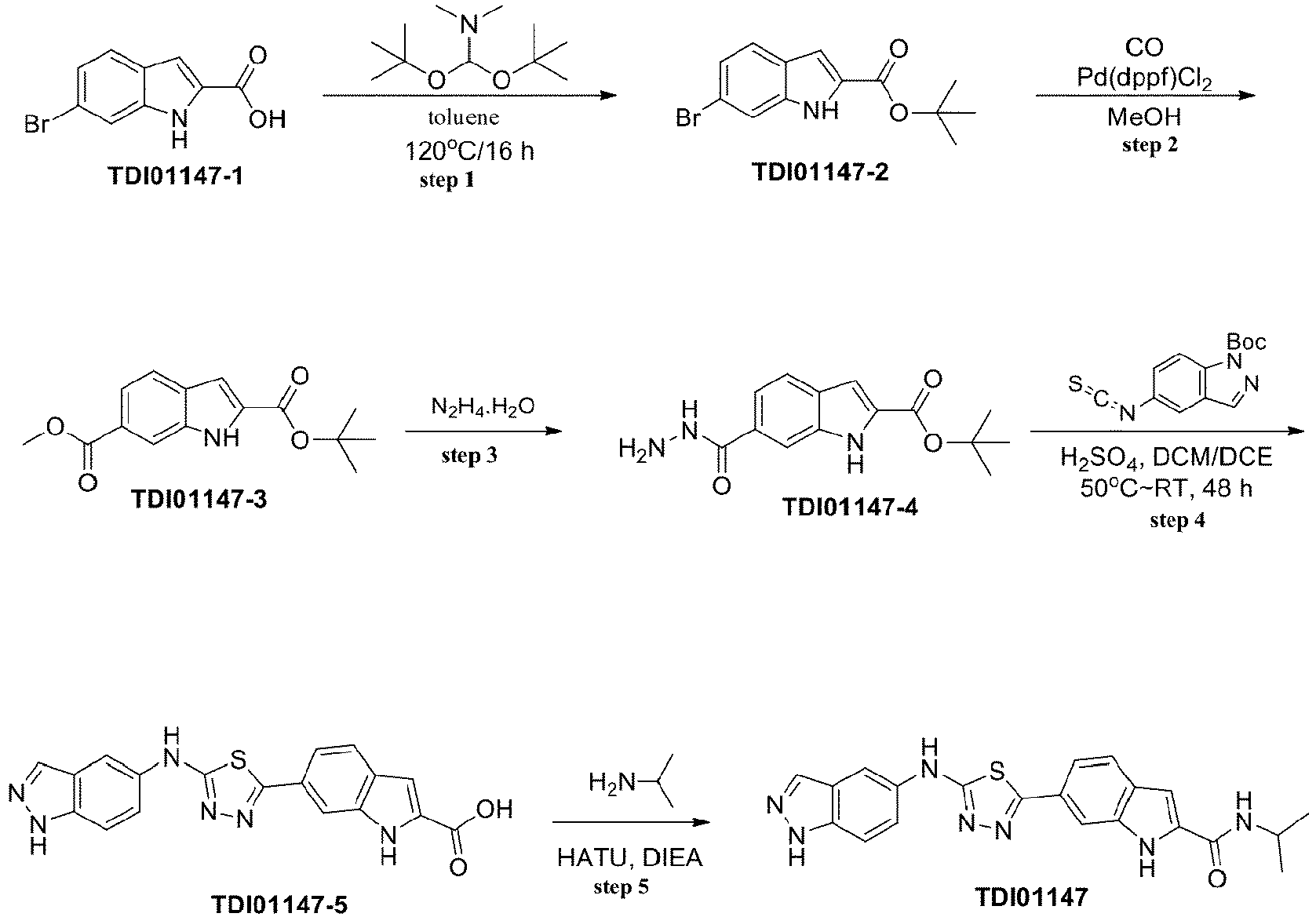
- Compound TDI01147-1 (2.00 g, 8.33 mmol) was dissolved in anhydrous toluene (30 mL), 1,1-di-tert-butoxy-N,N-dimethylmethanamine (4.56 g, 22.5 mmol) was slowly added under reflux, and the reaction was performed in an oil bath at 120°C overnight. Thin layer chromatography (petroleum ether : ethyl acetate= 4:1) indicated the reaction was complete. The reaction solution was cooled to room temperature, concentrated under reduced pressure, and the crude product was separated and purified by column chromatography (petroleum ether : ethyl acetate= 15:1) to afford compound TDI01147-2 (1.85 g, white solid, yield: 75.2%).
- 1H NMR (400 MHz, CDCl3) δ 8.95 (s, 1H), 7.59 (s, 1H), 7.53 (d, J = 8.4 Hz, 1H), 7.24 (dd, J = 8.4, 1.6 Hz, 1H), 7.10 (d, J = 1.2 Hz, 1H), 1.62 (s, 9H).
- Compound TDI01147-2 (1.85 g, 6.27 mmol) was dissolved in methanol (150 mL), triethylamine (1.90 g, 18.8 mmol) and Pd(dppf)Cl2 (461 mg, 0.63 mmol) were added, purge with CO were performed for 3 times, and the reaction was placed in an oil bath at 80 °C overnight. Thin layer chromatography (petroleum ether : ethyl acetate= 4:1) indicated the reaction was complete. The reaction solution was cooled to room temperature, and concentrated under reduced pressure. The residue was diluted with dichloromethane (150 mL), successively washed with water (150 mL) and saturated brine (150 mL × 2), dried over anhydrous sodium sulfate, filtered, and concentrated under reduced pressure. The crude product was separated and purified by column chromatography (ethyl acetate/petroleum ether= 6.2%~8.5%) to afford compound TDI01147-3 (620 mg, yellow solid, yield: 36.0%).
- 1H NMR (400 MHz, CDCl3) δ 9.10 (s, 1H), 8.18 (s, 1H), 7.82 (dd, J = 8.4, 1.2 Hz, 1H), 7.70 (d, J = 8.4 Hz, 1H), 7.16 (d, J = 1.2 Hz, 1H), 3.95 (s, 3H), 1.63 (s, 9H).
- Compound TDI01147-3 (570 mg, 2.07 mmol) was dissolved in ethanol (12 mL), hydrazine hydrate (3 mL) was added, and the reaction was performed under microwave radiation at 90 °C for 1 hour. LC-MS indicated half of the starting material was converted as the product. The reaction solution was diluted with ethyl acetate (80 mL), successively washed with water (100 mL) and saturated brine (100 mL × 2), dried over anhydrous sodium sulfate, filtered, and concentrated under reduced pressure. The crude product was rinsed with ethyl acetate to afford compound TDI01147-4 (300 mg, yellow solid, yield: 52.6%).
- 1H NMR (400 MHz, DMSO-d6 ) δ 11.98 (s, 1H), 9.76 (s, 1H), 7.95 (s, 1H), 7.67 (d, J = 8.4 Hz, 1H), 7.52 (dd, J = 8.4, 1.2 Hz, 1H), 7.08 (s, 1H), 4.49 (s, 2H), 1.58 (s, 9H).
- Compound TDI01147-4 (250 mg, 0.91 mmol) was dissolved in a mixed solution of anhydrous dichloromethane / 1,2-dichloroethane (2:1) (15 mL), compound tert-butyl 5-isothiocyanato-1H-indazole-1-carboxylate (250 mg, 0.91 mmol) was added, and the reaction solution was slowly warmed to 50°C, and allowed to proceed at this temperature for 16 hours. The reaction solution was cooled to room temperature, concentrated sulfuric acid was slowly added thereto under stirring, and the reaction was performed at room temperature for 6 hours. LC-MS indicated the reaction was complete. The reaction solution was concentrated under reduced pressure, the crude product was diluted with water (30 mL), and the pH was adjusted to 9 with saturated aqueous sodium carbonate. A large amount of solid precipitated, and was filtered after being stirred at room temperature for 1 hour. The solid was dissolved in toluene and then concentrated to afford compound TDI01147-5 (250 mg, yellow solid, yield: 73.3%).
- 1H NMR (400 MHz, DMSO-d6 ) δ 13.02 (s, 2H), 12.00 (s, 1H), 10.46 (s, 1H), 8.27 (s, 1H), 8.07 (s, 1H), 7.91 (s, 1H), 7.77 (d, J = 8.4 Hz, 1H), 7.60 - 7.54 (m, 2H), 7.43 (d, J = 8.6 Hz, 1H), 7.15 (s, 1H). MS m/z (ESI): 377.1 [M+H].
- Compound TDI01147-5 (100 mg, 0.27 mmol) was dissolved in N,N-dimethylformamide (6 mL), and HATU (122 mg, 0.32 mmol) and diisopropylethylamine (139 mg, 1.08 mmol) were added. After reaction at room temperature for 30 minutes, isopropylamine (18.8 mg, 0.32 mmol) was added, and the reaction was continued at room temperature overnight. LC-MS indicated the reaction was complete. The reaction solution was slowly added to water (20 mL), a large amount of solid precipitated, and was filtered after being stirred for 30 min. The solid was purified by high-performance liquid chromatography to afford compound TDI01147 (6.03 mg, yellow solid, yield: 5.4%).
- 1H NMR (400 MHz, DMSO-d6 ) δ 13.01 (s, 1H), 11.79 (s, 1H), 10.44 (s, 1H), 8.34 (d, J = 7.6 Hz, 1H), 8.27 (s, 1H), 8.07 (s, 1H), 7.90 (s, 1H), 7.73 (d, J = 8.4 Hz, 1H), 7.56 (d, J = 8.4 Hz, 2H), 7.43 (d, J = 8.8 Hz, 1H), 7.22 (s, 1H), 4.17 - 4.12 (m, 1H), 1.21 (d, J = 6.4 Hz, 6H). MS m/z (ESI): 418.1 [M+H].
-

- Compound TDI01234-1 (2.0 g, 8.86 mmol) was dissolved in 1,2-dichloroethane (150 mL), triethylamine (746 mg, 7.38 mmol) was added, and the reaction solution was warmed to 30°C and stirred for 1.5 hours. Tert-butyl 5-amino-1H-indazole-1-carboxylate (1.72 g, 7.38 mmol) and acetic acid (443 mg, 7.38 mmol) were then added, after stir of 0.5 hour, sodium triacetoxyborohydride (4.69 g, 22.14 mmol) was added, and the reaction was maintained at 30°C overnight. Thin layer chromatography (dichloromethane : methanol =60:1) assay indicated the reaction was complete. The reaction solution was dissolved in dichloromethane (1500 mL), successively washed with water (150 mL × 2) and saturated brine (150 mL), and the organic phase was dried over anhydrous sodium sulfate, concentrated, and purified by column chromatography (dichloromethane : methanol = 1:0 to 60:1), to afford compound TDI01234-2 (1.0 g, brown yellow solid).
- 1H NMR (400 MHz, CDCl3) δ 7.96 (s, 1H), 7.93 (d, J = 8.8 Hz, 1H), 7.30 (dd, J = 13.6, 5.2 Hz,4H), 7.24 (dd, J = 5.2, 3.2 Hz, 1H), 6.88 (dd, J = 8.8, 2.1 Hz, 1H), 6.75 (d, J = 1.6 Hz, 1H), 4.16 (s, 1H), 3.66 - 3.44 (m, 3H), 2.57 (d, J = 120.0 Hz, 4H), 1.70 (s, 11H), 1.59 (s, 2H). MS m/z (ESI): 407.3 [M+H].
- Compound TDI01234-2 (0.6 g, 1.478 mmol) was dissolved in methanol (50 mL), palladium / carbon (100 mg) was added, purge with hydrogen was performed for 3 times, and the reaction was placed in an oil bath at 35 °C overnight. LC-MS indicated the reaction was complete. The reaction solution was cooled to room temperature, filtered, concentrated under reduced pressure, and purified by column chromatography (dichloromethane : methanol = 1:0 to 10:1), to afford compound TDI01234-3 (200 mg, off-white solid).
- 1H NMR (400 MHz, CDCl3) δ 7.98 (s, 1H), 7.93 (d, J = 8.8 Hz, 1H), 6.94 - 6.88 (m, 1H), 6.83 - 6.78 (m, 1H), 4.09 (s, 1H), 3.56 (s, 1H), 3.33 - 3.19 (m, 1H), 2.99 - 2.90 (m, 1H), 2.81 (d, J = 8.0 Hz, 1H), 2.68 (dd, J = 11.2, 7.1 Hz, 1H), 1.84 (dd, J = 13.6, 6.7 Hz, 2H), 1.71 (s, 9H), 1.59 (dd, J = 19.2, 13.9 Hz, 3H). MS m/z (ESI): 317.3 [M+H].
- 6-bromo-N-(pyridazin-4-yl)-1H-indole-2-carboxamide was prepared according to step 3 of Example 2 with


- Compound TDI01234-3 (400 mg, 1.27 mmol) and 6-bromo-N-(pyridazin-4-yl)-1H-indole-2-carboxamide (400 mg, 1.27 mmol) were dissolved in dimethyl sulfoxide (10 mL). Pd2(dba)3 (120 mg, 0.127 mmol), t-BuXPhos (823 mg, 2.53 mmol) and cesium carbonate (268.4 mg, 0.63 mmol) were then added, and the reaction was performed under microwave radiation and the protection of argon for 2 hours. LC-MS indicated the reaction was complete. The reaction solution was cooled to room temperature, slowly added to water (80 mL), and filtered. The filter cake was rinsed with dichloromethane : ethyl acetate=1:1 (20 mL × 2), and the residue was purified by liquid chromatography to afford compound TDI01234 (2.58 mg, yellow solid).
- 1H NMR (400 MHz, DMSO-d6 ) δ 12.06 (s, 1H), 11.05 (s, 1H), 10.20 (s, 1H), 9.61 (s, 1H), 9.10 (s, 2H), 8.95 (s, 1H), 8.18 (s, 1H), 8.07 (s, 1H), 7.87 (d, J = 8.4 Hz, 1H), 7.76 (s, 1H), 7.66 (d, J = 9.6 Hz, 1H), 7.51 (d, J = 8.8 Hz, 1H), 6.98 (d, J = 8.4 Hz, 1H), 6.89 (s, 1H), 3.24 (s, 1H), 2.87 (s, 1H), 1.95 (d, J = 46.4 Hz, 3H), 1.74 (s, 2H), 1.52 (s, 2H). MS m/z (ESI): 451.3 [M-H].
-

- Compound TDI01245-1 (5.0 g, 25.77 mmol) was dissolved in dichloromethane (100 mL), diisopropylethylamine (13.30 g, 100.08 mmol) and 4-dimethylaminopyridine (1.57 g, 12.88 mmol) were added, and di-tert-butyl dicarbonate (11.24 g, 51.55 mmol) was added after the reaction was stirred at room temperature for 10 minutes. Thin layer chromatography (petroleum ether : ethyl acetate=3:1) indicated the reaction was complete. The reaction solution was dissolved in dichloromethane (400 mL), and successively washed with water (500 mL × 2) and saturated brine (500 mL). The organic phase was dried over anhydrous sodium sulfate, concentrated, and purified by column chromatography (petroleum ether : ethyl acetate= 1:0 to 10:1), to afford compound TDI01245-2 (4.58 g, white solid).
- 1H NMR (400 MHz, CDCl3) δ 8.42 - 8.34 (m, 1H), 7.93 (s, 1H), 1.65 (s, 9H), 1.34 (s, 12H).
- Compound TDI01245-2 (5.0 g, 17.01 mmol) and 1-bromo-3-nitrobenzene (2.863 g, 14.17 mmol) were dissolved in a mixed solution of 1,4-dioxane / water (8:1) (500 mL), potassium carbonate (3.91 g, 28.34 mmol) and Pd(dppf)Cl2 (497 mg, 0.708 mmol) were added, purge with argon was performed for 3 times, and the reaction was placed in an oil bath at 110 °C overnight. LC-MS indicated the reaction was complete. The reaction solution was cooled to room temperature, filtered, and concentrated under reduced pressure. The residue was dissolved in dichloromethane (500 mL), and successively washed with water (500 mL × 2) and saturated brine (500 mL). The organic phase was dried over anhydrous sodium sulfate, concentrated, and purified by column chromatography (dichloromethane : methanol = 1:0 to 50:1) to afford compound TDI01245-3 (850 mg, yellow solid).
- 1H NMR (400 MHz, DMSO-d6 ) δ 13.14 (s, 1H), 8.44 (d, J = 11.2 Hz, 2H), 8.20 - 8.06 (m, 2H), 8.03 (dd, J = 8.0, 1.6 Hz, 1H), 7.65 (t, J = 8.0 Hz, 1H). MS m/z (ESI): 190.3 [M+H].
- Compound TDI01245-3 (850 mg, 4.497 mmol) was dissolved in dichloromethane (100 mL), diisopropylethylamine (2.32 g, 17.989 mmol) and 4-dimethylaminopyridine (274 mg, 2.249 mmol) were added, and di-tert-butyl dicarbonate (1.96 g, 8.995 mmol) was added after the reaction was stirred at room temperature for 10 minutes. Thin layer chromatography (dichloromethane) indicated the reaction was complete. The reaction solution was dissolved in dichloromethane (400 mL), and successively washed with water (250 mL × 2) and saturated brine (250 mL). The organic phase was dried over anhydrous sodium sulfate, concentrated, and purified by column chromatography (petroleum ether : dichloromethane = 10:1 to 1:1), to afford compound TDI01245-4 (820 mg, white solid).
- 1H NMR (400 MHz, CDCl3) δ 8.43 (s, 1H), 8.38 (t, J = 1.6 Hz, 1H), 8.16 (dd, J = 8.0, 1.2 Hz, 1H), 7.85 (d, J = 7.6 Hz, 1H), 7.59 (t, J = 8.0 Hz, 1H), 7.26 (s, 1H), 1.70 (s, 9H).
- Compound TDI01245-4 (820 mg, 2.837 mmol) was dissolved in methanol (100 mL), palladium / carbon (100 mg) was added, purge with hydrogen was performed for 3 times, and the reaction was placed in an oil bath at 35°C overnight. LC-MS indicated the reaction was complete. The reaction solution was cooled to room temperature, filtered, concentrated under reduced pressure, and purified by column chromatography (dichloromethane : methanol = 1:0 to 100:1) to afford compound TDI01245-5 (650 mg, off-white solid).
- 1H NMR (400 MHz, CDCl3) δ 8.25 (s, 1H), 7.95 (s, 1H), 7.18 (t, J = 7.6 Hz, 1H), 6.92 (d, J = 7.6 Hz, 1H), 6.84 (s, 1H), 6.63 (d, J = 8.0 Hz, 1H), 3.71 (s, 2H), 1.67 (s, 9H). MS m/z (ESI): 249.0 [M-H].
- Compound TDI01245-5 (300 mg, 1.158 mmol) and 6-bromo-N-(pyridazin-4-yl)-1H-indole-2-carboxamide (the preparation method thereof is as described in Example 12) (366 mg, 1.158 mmol) were dissolved in tert-butanol (8 mL). Pd2(dba)3 (110 mg, 0.116 mmol), t-BuXPhos (753 mg, 2.316 mmol) and cesium carbonate (245.5 mg, 0.579 mmol) were added, and the reaction was performed under microwave radiation at 115°C and the protection of argon for 2 hours. LC-MS indicated the reaction was complete. The reaction solution was rotary evaporated to dryness, slurried in dichloromethane (20 mL), and filtered. The residue was purified by liquid chromatography to afford compound TDI01245 (53.25 mg, brownish red solid).
- 1H NMR (400 MHz, DMSO-d6 ) δ 11.55 (s, 1H), 10.81 (s, 1H), 9.56 (s, 1H), 9.13 (s, 1H), 8.23 (s, 2H), 7.98 (s, 2H), 7.58 (d, J = 8.8 Hz, 1H), 7.47 (s, 1H), 7.37 (s, 1H), 7.25 (s, 2H), 7.09 (d, J = 7.6 Hz, 1H), 6.93 (dd, J = 21.2, 7.9 Hz, 2H). MS m/z (ESI): 396.2 [M-H].
-
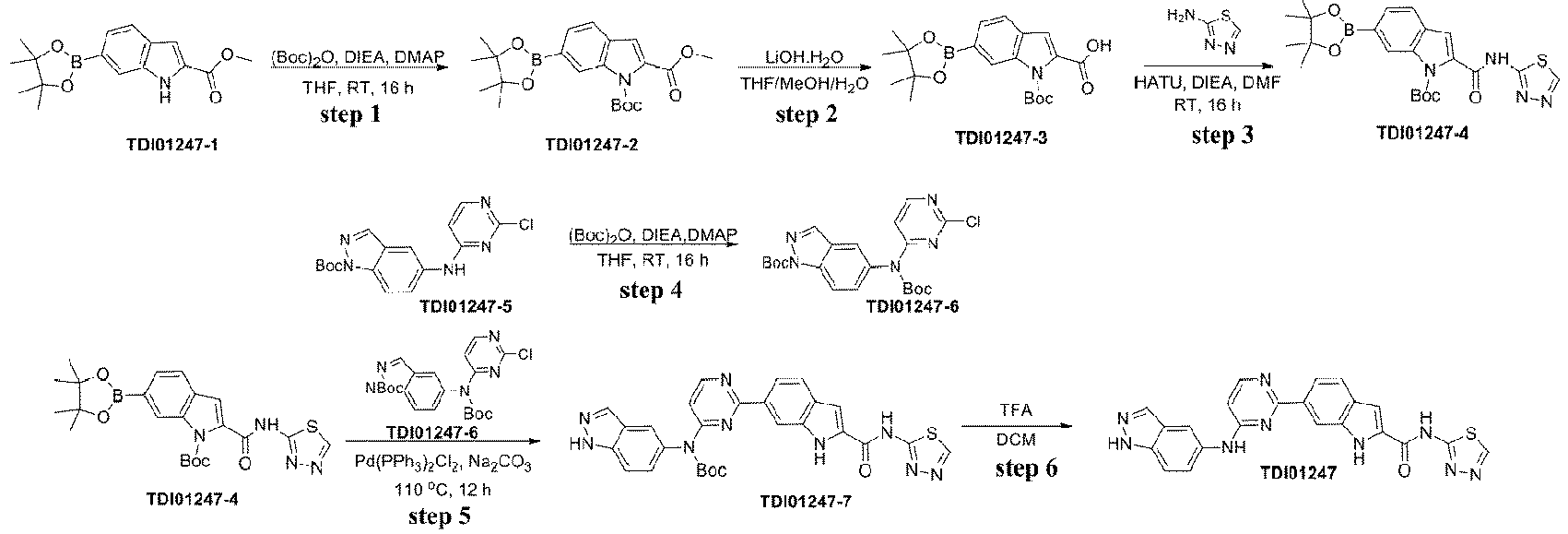
- Compound TDI01247-1 (the preparation thereof is as described in Example 13) (3.00 g, 9.97 mmol) was dissolved in tetrahydrofuran (50 mL), diisopropylethylamine (5.15 g, 39.9 mmol) and dimethylaminopyridine (182 mg, 1.50 mmol) were added, di-tert-butyl dicarbonate (3.25 g, 14.9 mmol) was added with stirring at room temperature, and the reaction was performed at room temperature overnight. Thin layer chromatography (petroleum ether : ethyl acetate=5:1) indicated the reaction was complete. The reaction solution was diluted with water (80 mL), and extracted with ethyl acetate (100 mL × 2). The organic phase was combined, successively washed with 0.5M HCl (80 mL × 2) and saturated brine (100 mL × 2), dried over anhydrous sodium sulfate, filtered, and concentrated to afford compound TDI01247-2 (2.8 g, yellow solid, yield: 70%).
- 1H NMR (400 MHz, CDCl3) δ 8.58 (s, 1H), 7.69 (d, J = 8.0 Hz, 1H), 7.59 (d, J = 8.0 Hz, 1H), 7.07 (s, 1H), 3.93 (s, 3H), 1.63 (s, 9H), 1.36 (s, 12H).
- Compound TDI01247-2 (2.8 g, 6.98 mmol) was dissolved in a mixed solution of tetrahydrofuran / methanol / water (2:2:1) (25 mL), lithium hydroxide (2.93 g, 69.8 mmol) was added, and the reaction was performed at room temperature overnight. LC-MS indicated the reaction was complete. The reaction solution was concentrated under reduced pressure, and the crude product was purified by column chromatography (dichloromethane /methanol =12:1) to afford compound TDI01247-3 (1.3 g, yellow solid, yield: 48.3%).
- 1H NMR (400 MHz, DMSO-d6 ) δ 11.89 (s, 1H), 8.37 (s, 1H), 7.70 (d, J = 8.0 Hz, 1H), 7.58 (d, J = 8.0 Hz, 1H), 7.20 (s, 1H), 1.57 (s, 9H), 1.32 (s, 12H). MS m/z (ESI): 388.2 [M+H].
- Compound TDI01247-3 (800 mg, 2.07 mmol) was dissolved in N,N-dimethylformamide (10 mL), and HATU (945 mg, 2.48 mmol) and diisopropylethylamine (1.07 g, 8.28 mmol) were added. After stirring at room temperature for 30 min, 1,3,4-thiadiazol-2-amine (250 mg, 2.48 mmol) was added, and the reaction was continued at room temperature overnight. LC-MS and thin layer chromatography (petroleum ether : ethyl acetate=1:1) indicated the reaction was complete. The reaction solution was washed with ethyl acetate (80 mL), and successively washed with water (60 mL × 2) and saturated brine (80 mL × 2). The organic phase was dried over anhydrous sodium sulfate, filtered, and concentrated under reduced pressure. The crude product was separated and purified by column chromatography (ethyl acetate/petroleum ether= 10%~50%) to afford compound TDI01247-4 (100 mg, yellow solid, yield: 10.3%).
- 1H NMR (400 MHz, CDCl3) δ 11.45 (s, 1H), 8.86 (s, 1H), 8.65 (s, 1H), 7.74 (d, J = 8.0 Hz, 1H), 7.66 (d, J = 8.0 Hz, 1H), 7.39 (s, 1H), 1.60 (s, 9H), 1.37 (s, 12H). MS m/z (ESI): 471.2 [M+H].
- Compound TDI01247-5 (6.00 g, 17.4 mmol) was dissolved in tetrahydrofuran (150 mL), diisopropylethylamine (8.98 g, 69.6 mmol) and dimethylaminopyridine (212 mg, 1.74 mmol) were added. Di-tert-butyl dicarbonate (4.55 g, 20.9 mmol) was slowly added under stirring at room temperature, and the reaction was performed at room temperature overnight. Thin layer chromatography (petroleum ether : ethyl acetate=1:1) indicated the reaction was complete. The reaction solution was diluted with water (80 mL), and extracted with ethyl acetate(100 mL × 2) The organic phase was combined, successively washed with 0.5M HCl (150 mL × 2) and saturated brine (200 mL × 2), dried over anhydrous sodium sulfate, filtered, and concentrated to afford compound TDI01247-6 (Reg-1-27, 7.0 g, yellow solid, yield: 90.9%).
- 1H NMR (400 MHz, DMSO-d6 ) δ 8.63 (d, J = 6.0 Hz, 1H), 8.45 (s, 1H), 8.13 (d, J = 8.8 Hz, 1H), 8.02 (d, J = 6.0 Hz, 1H), 7.82 (d, J = 2.0 Hz, 1H), 7.50 (dd, J = 8.8, 2.0 Hz, 1H), 1.67 (s, 9H), 1.36 (s, 9H).
- Compound TDI01247-4 (100 mg, 0.21 mmol) and TDI01247-6 (78.9 mg, 0.18 mmol) were dissolved in a mixed solution of ethanol / water (8:1) (9 mL), sodium carbonate (38.2 mg, 0.36 mmol) and Pd(PPh3)2Cl2 (14.0 mg, 0.02 mmol) were added, purge with argon was performed for 3 times, and the reaction was placed in an oil bath at 110 °C, and allowed to proceed overnight. LC-MS indicated the reaction was complete. The reaction solution was cooled to room temperature, filtered, concentrated under reduced pressure, and the residue was purified by preparative thin layer chromatography (ethyl acetate) to afford compound TDI01247-7 (50 mg, yellow oil, yield: 51.0%). MS m/z (ESI): 554.2 [M+H].
- Compound TDI01247-7 (50 mg, 0.09 mmol) was dissolved in dichloromethane (2 mL), trifluoroacetic acid (1 mL) was added at room temperature, and the reaction was performed in an oil bath at 40°C for 2 hours. LC-MS indicated the reaction was complete. The reaction solution was concentrated under reduced pressure, and the crude product was separated and purified by high-performance liquid chromatography (trifluoroacetic acid) to afford compound TDI01247 (8.23 mg, yellow solid, yield: 20.1%).
- 1H NMR (400 MHz, CD3OD, DMSO-d6 ) δ 9.12 (s, 1H), 8.42 (s, 1H), 8.23 (d, J = 7.2 Hz, 1H), 8.18 (s, 2H), 7.95 (d, J = 8.4 Hz, 2H), 7.90 (d, J = 8.8 Hz, 1H), 7.71 (d, J = 8.8 Hz, 2H), 7.63 (s, 2H), 6.90 (d, J = 6.8 Hz, 1H). MS m/z (ESI): 454.1 [M+H].
-

- Compound 2-(4-methylpiperazin-1-yl)acetic acid (2.4 g, 15.3 mmol) was dissolved in N,N-dimethylformamide (10 mL), PyBOP (7.9 g, 15.3 mmol) was added, and the reaction solution was stirred at ambient temperature for 1 hour. TDI01230-1 (2 g, 10.2 mmol) and DIPEA (3.9 g, 30.6 mmol) were then added, and the reaction was continued at ambient temperature for 2 h. LC-MS indicated the reaction was complete. The reaction solution was added with water (25 mL), and extracted with dichloromethane (50 mL × 3). The organic phase was washed with saturated brine (10 mL × 2), dried over anhydrous sodium sulfate, and concentrated, followed by purification by column chromatography (dichloromethane : methanol =100:0 to 20:1), to afford compound TDI01230-2 (600 g, yellow solid, crude product, yield: 11.6%).
- 1H NMR (400 MHz, DMSO-d6 ) δ 8.51 (s, 1H), 7.95 (d, J = 3.8 Hz, 1H), 7.60 (d, J = 8.3 Hz, 1H), 7.46 (d, J = 1.7 Hz, 1H), 6.76 (d, J = 3.7 Hz, 1H), 3.89 (s, 2H), 2.70 (d, J = 5.7 Hz, 8H), 2.38 (s, 3H). MS m/z (ESI): 336.1 [M+H].
- Compound TDI01230-2 (600 mg, 1.79 mmol) and bis(pinacolato)diboron (908 mg, 6.3 mmol) were dissolved in 1,4-dioxane (10 mL), potassium acetate (527 mg, 5.37 mmol) and Pd(dppf)Cl2 (132 mg, 0.18 mmol) were added, purge with argon was performed for 3 times, the reaction was placed in an oil bath at 110 °C, and allowed to proceed overnight. Thin layer chromatography (petroleum ether : ethyl acetate=20:1) indicated the reaction was complete. The reaction solution was cooled to room temperature, concentrated under reduced pressure, and the residue was purified by column chromatography (dichloromethane / methanol =100:0 to 20:1), to afford compound TDI01230-3 (300 mg, brown solid, yield: 43.8%). MS m/z (ESI): 384.3 [M+H].
- Compound TDI01230-3 (100 mg, 0.225 mmol) and tert-butyl 5-((tert-butoxycarbonyl)(2-chloropyrimidin-4-yl)amino)-1H-indazole-1-carboxylate (for preparation process thereof, please refer to Example 18) (129 mg, 0.337 mmol) were dissolved in a mixed solution of tetrahydrofuran / water (1:2) (3 mL), potassium phosphate (96 mg, 0.45 mmol) and chloro(2-dicyclohexylphosphino-2',4',6' -triisopropyl-1,1' -biphenyl) [2-(2 '-amino-1,1' -biphenyl)]palladium (II) (4 mg, 0.005 mmol) were added, purge with argon was performed, and the reaction was placed in an oil bath at 60°C, and allowed to proceed for 2 h. LC-MS indicated the reaction was complete. The reaction solution was cooled to room temperature followed by addition of water (5 mL), and then extracted with dichloromethane (5 mL × 3). The organic phase was extracted with saturated brine (5 mL × 2), dried over anhydrous sodium sulfate, and concentrated followed by purification by thin layer chromatography (dichloromethane : methanol =15:1) to afford compound TDI01230-4 (30 mg, yellow solid, yield: 20.0%). MS m/z (ESI): 369.3 [M+H].
- Trifluoroacetic acid (1.5 mL) was added to a solution of TDI01230-4 (30 mg, 0.045 mmol) in dichloromethane (3 mL), and the reaction was performed at room temperature for 2 hours. LC-MS indicated the reaction was complete. The reaction solution was cooled to room temperature, concentrated under reduced pressure, and the residue was purified by liquid chromatography to afford compound TDI01230 (7.13 mg, yellow solid, yield: 34.0%).
- 1H NMR (400 MHz, DMSO-d6 ) δ 10.47 (s, 1H), 9.77 (s, 1H), 9.55 (s, 1H), 8.64 (s, 1H), 8.44 - 8.31 (m, 2H), 8.26 (d, J = 7.8 Hz, 1H), 8.09 (s, 1H), 7.81 (d, J = 7.9 Hz, 1H), 7.63 (d, J = 8.5 Hz, 1H), 7.52 (d, J = 8.0 Hz, 1H), 6.95 - 6.78 (m, 2H), 4.14 (s, 2H), 3.47 (s, 2H), 3.20 (s, 4H), 2.85 (s, 3H), 2.73 (s, 2H). MS m/z (ESI): 467.3 [M+H].
-

- Compound TDI01238-1 (1 g, 10.526 mmol), chloroacetyl chloride (1.3 g, 11.504 mmol) and triethylamine (1.17 g, 11.584 mmol) were dissolved in dichloromethane (10 mL), and the reaction was performed at room temperature for 3 hours. LC-MS indicated the reaction was complete. Water (25 mL) and dichloromethane (30 mL) were added to the reaction solution, and precipitation occurred. The filter cake was obtained after filtration, washed with water and n-hexane, and dried to afford compound TDI01238-2 (950 mg, brown solid, yield: 52.78%).
- 1H NMR (400 MHz, DMSO-d6 ) δ 10.97 (s, 1H), 9.30 (dd, 1H), 9.07 (dd, 1H), 7.92 (dd, 1H), 4.37 (s, 2H). MS m/z (ESI): 172.1 [M+H].
- Compound TDI01238-3 (500 mg, 2.132 mmol), 4-tosyl chloride (447 mg, 2.345 mmol), 4-dimethylaminopyridine (78 mg, 0.6396 mmol), diisopropylethylamine (825 mg, 6.396 mmol) and tetrahydrofuran / acetonitrile (20/8 mL) were mixed, and reacted at room temperature for 16 h. After the reaction was complete, the reaction solution was concentrated to dryness, and the residue was added with water, followed by extraction with ethyl acetate (20 mL × 2). The organic phase was combined, washed with saturated brine, dried over anhydrous sodium sulfate, and then concentrated to dryness. The residue was rinsed with petroleum ether to afford compound TDI01238-4 (700 mg, white solid, yield: 93.58%).
- 1H NMR (400 MHz, CDCl3) δ 7.76 (d, 2H), 7.33 (dd, 4H), 7.03 (d, 1H), 4.57 (d, 4H), 2.41 (s, 3H). MS m/z (ESI): 352.1 [M+H].
- Compound TDI01238-4 (700 mg, 1.988 mmol) and bis(pinacolato)diboron (757 mg, 2.983 mmol) were dissolved in 1,4-dioxane (20 mL), potassium acetate (584 mg, 5.964 mmol) and Pd(dppf)Cl2 (146 mg, 0.199 mmol) were added, purge with argon was performed for 3 times, and the reaction was placed in an oil bath at 105°C, and allowed to proceed for 4 h. After the reaction was complete, the reaction solution was filtered, and the filtrate was concentrated under reduced pressure to dryness. The residue was added with water, and extracted with dichloromethane (20 mL × 2). The organic phase was combined, washed with saturated brine, dried over anhydrous sodium sulfate, and then concentrated to dryness. The residue was purified by column chromatography (petroleum ether : ethyl acetate=10:1) to afford compound TDI01238-5 (740 mg, white solid, yield: 93.3%).
- 1H NMR (400 MHz, CDCl3) δ 7.76 (d, 2H), 7.67 (d, 1H), 7.61 (s, 1H), 7.30 (d, 2H), 7.17 (d, 1H), 4.62 (d, 4H), 2.39 (s, 3H), 1.32 (s, 12H). MS m/z (ESI): 400.2 [M+H].
- Compound TDI01238-5 (0.5 g, 1.253 mmol) and Reg-1-1 (288 mg, 0.835 mmol) were dissolved in a mixed solution of ethanol / water (8/1 mL), sodium carbonate (266 mg, 2.505 mmol) and Pd(PPh3)2Cl2 (59 mg, 0.0835 mmol) were added, purge with argon was performed for 3 times, the reaction was placed in an oil bath at 100°C, and allowed to proceed for 2 h. After the reaction was complete, the reaction solution was filtered, and the filtrate was concentrated under reduced pressure to dryness. The residue was added with water, and extracted with ethyl acetate (20 mL × 3). The organic phase was combined, washed with saturated brine, dried over anhydrous sodium sulfate, and then concentrated to dryness. The residue was purified by column chromatography (dichloromethane : methanol = 30:1-20:1) to afford compound TDI01238-6 (260 mg, yellow oil, yield: 64.68%).
- 1H NMR (400 MHz, CDCl3) δ 8.30 (dd, 1H), 8.20 (s, 0.5H), 8.09 (d, 1H), 7.77 (dd, 2.5H), 7.68 (m, 1H), 7.55 (dd, 1H), 7.47 (d, 0.5H), 7.32 (m, 5H), 7.17 (d, 0.3H), 7.02 (s, 0.4H), 6.49 (dd, 0.7H), 4.65 (dd, 4H), 2.40 (d, 3H). MS m/z (ESI): 483.3 [M+H].
- Compound TDI01238-6 (245 mg, 0.508 mmol) and hydrobromic acid (5 mL) were placed in an oil bath at 95°C, and reacted for 6 h. After the reaction was complete, the reaction solution was concentrated under reduced pressure to dryness, toluene (10 mL) was added to dissolve the residue, and the resulted solution was then concentrated under reduced pressure to dryness, to afford compound TDI01238-7 (150 mg, yellow solid, yield: 90.36%).
- 1H NMR (400 MHz, DMSO-d6 ) δ 11.47 (s, 1H), 9.69 (s, 2H), 9.48 (s, 1H), 8.40 (d, 1H), 8.19 (s, 2H), 7.70 (m, 2H), 7.49 (d, 1H), 7.13 (d, 1H), 4.67 (s, 3H), 4.53 (t, 2H). MS m/z (ESI): 329.2 [M+H].
- Compound TDI01238-7 (100 mg, 0.244 mmol), TDI01238-2 (37 mg, 0.219 mmol) and N,N-diisopropylethylamine (94 mg, 0.732 mmol) were dissolved in acetonitrile (4 mL), and the reaction was performed in an oil bath at 70°C for 3 h. After the reaction was complete, insoluble was removed by filtration, the filtrate was evaporated to dryness, and the residue was purified by preparative thin layer chromatography (dichloromethane : methanol =10:1), to give a crude product (50 mg), which was further purified by high-performance liquid chromatography to afford compound TDI01238 (13.17 mg, yellow solid, yield: 11.65%).
- 1H NMR (400 MHz, DMSO-d6 ) δ 13.07 (s, 1H), 11.30 (s, 1H), 9.92 (s, 1H), 9.36 (s, 1H), 9.14 (d, 1H), 8.36 (m, 2H), 8.19 (s, 1H), 8.11 (s, 1H), 7.97 (m, 1H), 7.57 (dd, 2H), 6.75 (d, 1H), 4.84 (s, 3H), 4.60 (s, 1H). MS m/z (ESI): 464.3 [M+H].
-

- Under ice bath cooling, phenyl chloroformate (1.24 g, 7.89 mmol) was added to a solution of TDI01237-1 (500 mg, 5.27 mmol) and triethylamine (1.06 g, 10.54 mmol) in dichloromethane (10 mL), and the reaction was performed at room temperature for 2 h. LC-MS indicated the reaction was complete. The reaction was quenched by adding water (15 mL), extracted with dichloromethane (30 mL), washed with saturated brine (15 mL), dried, and concentrated to afford TDI01237-2 (600 mg, crude product). MS m/z (ESI): 216.1 [M+H].
- Compound TDI01237-2 (410 mg, 1.91 mmol) and 5-bromoisoindoline hydrochloride (895 mg, 3.82 mmol) were dissolved in N,N-dimethylformamide (5 mL), triethylamine (2 mL) was added, and the reaction was performed in an oil bath at 100°C for 1 h. LC-MS indicated the reaction was complete. Water (15 mL) was slowly added to the reaction solution, and a large amount of solid precipitated. The mixture was stirred for 30 min, filtered, and the solid thus obtained was TDI01237-3 (380 mg, wine red solid, yield: 62.56%). MS m/z (ESI): 319.2 [M+H].
- Compound TDI01237-3 (350 mg, 1.09 mmol) and bis(pinacolato)diboron (558 mg, 2.19 mmol) were dissolved in dioxane (12 mL), potassium acetate (323 mg, 3.29 mmol) and Pd(dppf)Cl2 (81 mg, 0.11 mmol) were added, purge with argon was performed for 3 times, the reaction was placed in an oil bath, and allowed to proceed overnight. Thin layer chromatography (dichloromethane /methanol =10:1) indicated the reaction was complete. The reaction solution was cooled to room temperature, concentrated under reduced pressure, and the residue was separated by column chromatography (dichloromethane /methanol =20:1), to afford compound TDI01237-4 (120 mg, yellow solid, yield: 30.08%). MS m/z (ESI): 367.2 [M+H].
- Compound TDI01237-4 (100 mg, 0.273 mmol) and intermediate Reg-1-27 (80 mg, 0.182 mmol) were dissolved in ethanol / water =5/2 (7 mL), sodium carbonate (58 mg, 0.546 mmol) and Pd(PPh3)2 (13 mg, 0.018 mmol) were added, purge with argon was performed for 3 times, and the reaction was performed under microwave radiation at 110°C for 1.5 h. LC-MS indicated the reaction was complete. The reaction solution was cooled to room temperature, filtered, and concentrated followed by addition of water (5 mL). The solution was extracted with dichloromethane (15 mL), washed with saturated brine (5 mL), dried over anhydrous sodium sulfate, and concentrated followed by purification by thin layer chromatography (dichloromethane : methanol = 10:1) to afford compound TDI01237-5 (30 mg, yellow solid, yield: 30.03%). MS m/z (ESI): 550.3 [M+H].
- Trifluoroacetic acid (1 mL) was added to a solution of TDI01237-5 (30 mg, 0.055 mmol) in dichloromethane (3 mL), and the reaction was performed at room temperature for 2 hours. LC-MS indicated the reaction was complete. The reaction solution was cooled to room temperature, concentrated under reduced pressure, and the residue was purified by liquid chromatography to afford compound TDI01237 (2.13 mg, yellow solid, yield: 8.53%).
- 1H NMR (400 MHz, DMSO-d6 ) δ 10.09 (s, 1H), 9.79 (s, 1H), 9.46 (d, J = 2.3 Hz, 1H), 9.11 (d, J = 6.4 Hz, 1H), 8.36 (d, J = 6.2 Hz, 1H), 8.29 (d, J = 8.1 Hz, 2H), 8.19 (dd, J = 7.4, 4.8 Hz, 2H), 8.12 (s, 1H), 7.62 - 7.53 (m, 3H), 6.76 (d, J = 6.2 Hz, 1H), 4.95 (s, 4H). MS m/z (ESI): 450.2 [M+H].
- The compounds in following table 4 were prepared according to methods similar to that described in Example 21.
Table 4: No. Compound Structure Compound Name Starting material or regent different from that in Example 21 Characterization Data TDI01374 
5-(4-((1H-indazol-5-yl)amino)pyrimidin-2-yl)-N-(3-chloropyridin-4-yl)isoindoline-2-carboxamide 

1H NMR (400 MHz, DMSO-d6 ) δ 13.11 (s, 1H), 10.10 (s, 1H), 8.62 (s, 1H), 8.42 (d, J = 5.3 Hz, 1H), 8.36 (d, J = 6.2 Hz, 1H), 8.27 (d, J = 7.9 Hz, 2H), 8.12 (dd, J = 21.4, 17.9 Hz, 4H), 7.59 (dd, J = 17.4, 8.2 Hz, 3H), 6.76 (d, J = 6.2 Hz, 1H), 4.98 (s, 4H). MS m/z (ESI): 483.1 [M+H]. TDI01376 
6-(4-((1H-indazol-5-yl)amino)pyrimidin-2-yl)-N-(3-chloropyridin-4-yl)indoline-1-carboxamide 


1H NMR (400 MHz, DMSO-d6 ) δ 11.06 (s, 1H), 8.89 (s, 1H), 8.74 (s, 1H), 8.55 (d, J = 5.2 Hz, 1H), 8.42 (s, 1H), 8.31 (d, J = 6.8 Hz, 1H), 8.18 - 8.12 (m, 2H), 7.87 (d, J = 7.7 Hz, 1H), 7.62 (d, J = 8.7 Hz, 1H), 7.55 (d, J = 8.5 Hz, 1H), 7.45 (d, J = 7.8 Hz, 1H), 6.91 (d, J = 6.4 Hz, 1H), 4.31 (t, J = 8.3 Hz, 2H), 3.30 (d, J = 8.2 Hz, 2H). MS m/z (ESI): 483.1 [M+H]. TDI01403 
phenyl 5-(4-((1H-indazol-5-yl)amino)pyrimidin-2-yl)isoindoline-2-carboxylate 
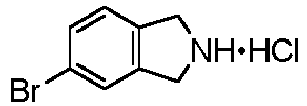
1H NMR (400 MHz, CD3OD) δ 8.23 (d, J = 7.2 Hz, 1H), 8.14 (d, J = 7.2 Hz, 3H), 8.08 (s, 1H), 7.68 (d, J = 6.0 Hz, 1H), 7.64 (t, J = 6.0 Hz, 2H), 7.41 (t, J = 8.0 Hz, 2H), 7.26 (t, J = 7.2 Hz, 1H), 7.20 (d, J = 8.0 Hz, 2H), 6.91 (d, J = 7.02 Hz, 1H), 5.08 (s, 2H), 4.90 (s, 2H). MS m/z (ESI): 449.1 [M+H]. TDI01534 
phenyl 5-(4-((4-(1H-pyrazol-4-yl)phenyl)amino)pyrimidi n-2-yl)isoindoline-2-carboxylate 

1H NMR (400 MHz, DMSO-d6 ) δ 10.23 (s, 1H), 8.40 (d, J = 6.4 Hz, 1H), 8.29 (d, J = 8.0 Hz, 2H), 8.08 (s, 2H), 7.77 (d, J = 8.0 Hz, 2H), 7.69 (d, J = 8.0 Hz, 2H), 7.59 (d, J = 8.0 Hz, Example 21; 

1H), 7.44 (t, J = 7.6 Hz, 2H), 7.29 - 7.22 (m, 3H), 6.83 (d, J = 6.0 Hz, 1H), 5.03 (d, J = 10.4 Hz, 2H), 4.84 (d, J = 12.0 Hz, 2H). MS m/z (ESI): 475.2 [M+H]. -

- TDI01239-1 (500 mg, 2.358 mmol) was dissolved in tetrahydrofuran (24 mL), and cooled to 0 °C. Under the protection of nitrogen, 60% NaH (236 mg, 5.895 mmol) was added to the above reaction solution, and the reaction was performed at room temperature for 1 h after the addition. Bromoethyl acetate was then added at 0 °C, and the reaction was continued at room temperature for 2 h. LC-MS indicated the reaction was complete. After completion of the reaction, ice water and 1N HCl solution was added to quench the reaction, and the aqueous phase was extracted with ethyl acetate (15 mL). The combined organic phase was washed with saturated brine, dried over anhydrous sodium sulfate and concentrated to dryness to afford TDI01239-2 (700 mg, yellow solid, yield: 99.57%). MS m/z (ESI): 298.1 [M+H].
- TDI01239-2 (700 mg, 2.357 mmol), lithium hydroxide monohydrate (297 mg, 7.071 mmol) were added to a mixed solution of tetrahydrofuran (10 mL) and water (10 mL), and the reaction was stirred at room temperature for 2 h. LC-MS indicated the reaction was complete. After pH was adjusted to 3 with dilute hydrochloric acid, the solution was extracted with ethyl acetate (2 mL). The organic phase was combined, washed with saturated brine, dried over anhydrous sodium sulfate, and concentrated to afford TDI01239-3 (600 mg, yellow solid, yield: 94.64%). MS m/z (ESI): 270.1 [M+H].
- TDI01239-3 (0.3 g, 1.115 mmol) and bis(pinacolato)diboron (425 mg, 1.673 mmol) were dissolved in 1,4-dioxane (10 mL), potassium acetate (328 mg, 3.345 mmol) and Pd(dppf)Cl2 (82 mg, 0.1115 mmol) were added, purge with argon was performed for 3 times, and the reaction was placed in an oil bath at 100 °C, and allowed to proceed for 3 h. LC-MS indicated the reaction was complete. After the reaction was complete, the solution was filtered, and the filtrate was concentrated to afford TDI01239-4 (350 mg, black oil, crude product).
- 1H NMR (400 MHz, DMSO-d6 ) δ 7.96 (s, 1H), 7.90 (d, 1H), 7.64 (d, 1H), 4.55 (s, 2H), 4.27 (s, 2H), 1.32 (s, 12H). MS m/z (ESI): 318.2 [M+H].
- TDI01239-4 (350 mg, 1.104 mmol) and Reg-1-1 (254 mg, 0.736 mmol) were dissolved in a mixed solution of ethanol (10 mL) and water (1.25 mL), sodium carbonate (234 mg, 2.208 mmol) and Pd(PPh3)2Cl2 (52 mg, 0.0736 mmol) were added, purge with argon was performed for 3 times, and the reaction was placed in an oil bath at 100 °C, and allowed to proceed for 16 h. LC-MS indicated the reaction was complete. The reaction solution was filtered, the filtrate was evaporated to dryness, and the residue was purified by column chromatography (dichloromethane : methanol = 20:1-1:1) to afford TDI01239-5 (130 mg, light yellow solid, yield: 29.48%).
- 1H NMR (400 MHz, CDCl3) δ 9.88 (s, 1H), 8.63 (s, 1H), 8.55 (d, 1H), 8.36 (d, J = 5.9 Hz, 1H), 8.20 (s, 1H), 8.04 (s, 1H), 7.69 (d, 1H), 7.57 (s, 2H), 6.75 (d, 1H), 4.62 (s, 2H), 3.87 (s, 2H). MS m/z (ESI): 401.2 [M+H].
- TDI01239-5 (70 mg, 0.175 mmol) and 4-aminopyridazine (20 mg, 0.21 mmol) were dissolved in N,N-dimethylformamide (2 mL), HATU (66 mg, 0.175 mmol) and diisopropylethylamine (68 mg, 0.525 mmol) were added, and the reaction was performed at room temperature for 16 h. LC-MS indicated the reaction was complete. The solvent was evaporated to dryness, and the residue was purified by preparative chromatograph (dichloromethane : methanol : aqueous ammonia=8:1:10 drops) to give a crude product, which was purified by high-performance liquid chromatography to afford compound TDI01239 (5.29 mg, yellow solid, yield: 6.37%).
- 1H NMR (400 MHz, DMSO-d6 ) δ 11.10 (s, 1H), 10.32 (s, 1H), 9.33 (d, 1H), 9.11 (d, 1H), 8.65 (s, 1H), 8.55 (dd, 1H), 8.39 (d, 1H), 8.15 (s, 1H), 8.10 (s, 1H), 8.00 (dd, 1H), 7.84 (d, 1H), 7.62 (d, 1H), 7.55 (d, 1H), 6.81 (d, 1H), 4.70 (s, 2H), 4.56 (s, 2H). MS m/z (ESI): 478.2 [M+H].
- The compound in following table 5 was prepared according to a method similar to that described in Example 22.
Table 5: No. Compound Structure Compoun d Name Starting material or regent different from that in Example 22 Characterization Data TDI0 1446 
2-(5-(4-((1H-indazol-5-yl)amino) pyrimidin-2-yl)-1-oxoisoind olin-2-yl)-N-isopropyla cetamide 
1H NMR (400 MHz, DMSO-d6 ) δ 13.09 (s, 1H), 10.02 (s, 1H), 8.51 (s, 1H), 8.45 (d, J = 8.0 Hz, 1H), 8.39 (d, J = 6.0 Hz, 1H), 8.19 (s, 1H), 8.13 (s, 1H), 8.02 (d, J = 7.2 Hz, 1H), 7.85 (d, J = 8.0 Hz, 1H), 7.62 - 7.55 (m, 2H), 6.78 (d, J = 6.0 Hz, 1H), 4.63 (s, 2H), 4.16 (s, 2H), 3.90 - 3.85 (m, 1H), 1.08 (d, J = 6.4 Hz, 6H). MS m/z (ESI): 442.1 [M+H]. -

- TDI01272-1 (10.0 g, 45.7 mmol) was dissolved in anhydrous methanol (100 mL), sodium borohydride (3.38 g, 91.4 mmol) was added in portions under cooling of an ice bath, and the reaction was performed at room temperature for 2 h. Thin layer chromatography (ethyl acetate) indicated the reaction was complete. The reaction solution was quenched by water (80 mL), and extracted with dichloromethane (300 mL). The combined organic phase was washed with saturated brine (300 mL), dried over anhydrous sodium sulfate, filtered, concentrated under reduced pressure, and the crude product was separated and purified by column chromatography (petroleum ether : ethyl acetate=1:1 to 0:1) to afford TDI01272-2 (5.20 g, yellow oil, yield: 51.9%).
- 1H NMR (400 MHz, CDCl3) δ 7.34 - 7.21 (m, 5H), 4.32 - 4.28 (m, 1H), 3.60 (s, 2H), 2.86 - 2.79 (m, 1H), 2.66 - 2.63 (m, 1H), 2.54 - 2.51 (m, 1H), 2.31 - 2.26 (m, 1H), 2.22 - 2.12 (m, 1H), 1.75 - 1.65 (m, 1H).
- TDI01272-2 (5.20 g, 23.6 mmol) was dissolved in dichloromethane (150 mL), triethylamine (7.15 g, 70.8 mmol) was added, and methylsulfonyl chloride (4.04 g, 35.5 mmol) was added under ice bath cooling. The reaction was performed at room temperature for 3 h. Thin layer chromatography indicated the reaction was complete. The reaction solution was quenched by water (100 mL), and extracted with dichloromethane (300 mL). The combined organic phase was washed with saturated brine (400 mL), dried over anhydrous sodium sulfate, filtered, and concentrated under reduced pressure to afford TDI01272-3 (7.50 g, yellow oil, crude product).
- 1H NMR (400 MHz, CDCl3) δ 7.33 - 7.29 (m, 4H), 7.28 - 7.24 (m, 1H), 5.21 - 5.15 (m, 1H), 3.68 (d, J = 12.8 Hz, 1H), 3.62 (d, J = 12.8 Hz, 1H), 2.98 (s, 3H), 2.86 - 2.78 (m, 3H), 2.53 - 2.47 (m, 1H), 2.35 - 2.28 (m, 1H), 2.11 - 2.04 (m, 1H).
- 6-bromo-1H-indole (2.50 g, 12.8 mmol) was dissolved in N,N-dimethylformamide (40 mL), sodium hydride (1.03 g, 25.6 mmol) was added under ice bath cooling, and the reaction was performed at 0 °C for 30 minutes. TDI01272-3 (7.20 g, 24.1 mmol) was slowly added to the reaction solution, and the reaction was performed at 50°C overnight. Thin layer chromatography (petroleum ether : ethyl acetate=5:1) indicated the reaction was complete. The reaction solution was quenched by water (100 mL), and extracted with ethyl acetate (200 mL). The combined organic phase was sequentially washed with a saturated aqueous solution of ammonium chloride (300 mL) and saturated brine (300 mL), dried over anhydrous sodium sulfate, filtered, and concentrated. The crude product was separated and purified by column chromatography (petroleum ether : ethyl acetate=20:1 to 8:1) to afford TDI01272-4 (4.10 g, yellow oil, yield: 80.4%).
- 1H NMR (400 MHz, CDCl3) δ 7.76 (s, 1H), 7.45 (d, J = 8.4 Hz, 1H), 7.39 (d, J = 7.2 Hz, 2H), 7.34 (dd, J = 9.2, 6.0 Hz, 3H), 7.27 (s, 1H), 7.17 (dd, J = 8.4, 1.6 Hz, 1H), 6.45 (d, J = 3.2 Hz, 1H), 4.94 - 4.88 (m, 1H), 3.74 (d, J = 12.8 Hz, 1H), 3.65 (d, J = 12.8 Hz, 1H), 3.10 - 3.07 (m, 1H), 3.00 - 2.96 (m, 1H), 2.80 - 2.76 (m, 1H), 2.50 - 2.43 (m, 2H), 2.12 - 2.05 (m, 1H).
- TDI01272-4 (2.00 g, 5.01 mmol) and bis(pinacolato)diboron (2.54 g, 10.0 mmol) were dissolved in 1,4-dioxane (40 mL), potassium acetate (4.90 g, 20.0 mmol) and Pd(dppf)Cl2 (366 mg, 0.50 mmol) were added, purge with argon was performed for 3 times, and the reaction was performed in an oil bath (90 °C) overnight. Thin layer chromatography (petroleum ether : ethyl acetate= 5:1) indicated the reaction was complete. The reaction solution was cooled to room temperature, concentrated under reduced pressure, and the residue was separated and purified by column chromatography (petroleum ether : ethyl acetate= 20:1 to 8:1) to afford TDI01272-5 (2.10 g, yellow oil, yield: 93.9%).
- 1H NMR (400 MHz, CDCl3) δ 7.92 (s, 1H), 7.60 (d, J = 8.0 Hz, 1H), 7.54 - 7.50 (m, 2H), 7.38 (d, J = 7.2 Hz, 2H), 7.32 (t, J = 7.2 Hz, 2H), 7.26 - 7.24 (m, 1H), 6.51 (d, J = 3.2 Hz, 1H), 5.17 - 5.10 (m, 1H), 3.71 (d, J = 12.8 Hz, 1H), 3.66 (d, J = 12.8 Hz, 1H), 3.06 - 3.02 (m, 1H), 2.95 - 2.92 (m, 1H), 2.83 - 2.79 (m, 1H), 2.54 - 2.45 (m, 2H), 2.08 - 2.02 (m, 1H), 1.37 (s, 12H).
- TDI01272-5 (2.10 g, 4.71 mmol) was dissolved in methanol (50 mL), Pd/C (210 mg) was added, and the reaction solution was purged with argon (3 times) and then hydrogen (3 times). The reaction was performed under an atmosphere of hydrogen at room temperature for 6 hours. Thin layer chromatography (petroleum ether : ethyl acetate= 5:1) and LC-MS indicated the reaction was complete. The reaction solution was filtered, the filtrate was concentrated under reduced pressure, and the crude product was separated and purified by column chromatography (dichloromethane /methanol = 20:1 to 10:1) to afford TDI01272-6 (550 mg, yellow oil, yield: 37.6%).
- 1H NMR (400 MHz, CDCl3) δ 7.91 (s, 1H), 7.63 (d, J = 8.0 Hz, 1H), 7.56 (d, J = 8.0 Hz, 1H), 7.30 (d, J = 3.2 Hz, 1H), 6.53 (d, J = 3.2 Hz, 1H), 5.14 - 5.08 (m, 1H), 3.41 - 3.36 (m, 1H), 3.31 - 3.25 (m, 1H), 3.17 - 3.10 (m, 2H), 2.43 - 2.34 (m, 1H), 2.16 - 2.09 (m, 1H), 1.38 (s, 12H). MS m/z (ESI): 313.3 [M+H].
- TDI01272-6 (300 mg, 0.96 mmol) and paraformaldehyde (144 mg, 4.81 mmol) were dissolved in 1,2-dichloroethane (10 mL), acetic acid (5 drops) was added, and the reaction was stirred at room temperature for 1 hour followed by addition of NaBH(OAc)3 (611 mg, 2.88 mmol). The reaction was performed at room temperature overnight. Thin layer chromatography (dichloromethane /methanol =10:1) and LC-MS indicated the reaction was complete. The reaction solution was quenched by water (40 mL), and extracted with dichloromethane (100 mL). The combined organic phase was sequentially washed with saturated aqueous sodium carbonate (100 mL) and saturated brine (160 mL), dried over anhydrous sodium sulfate, filtered, and concentrated. The crude product was separated and purified by preparative thin layer chromatography (dichloromethane /methanol = 10:1) to afford TDI01272-7 (100 mg, yellow oil, yield: 31.9%).
- 1H NMR (400 MHz, CDCl3) δ 7.87 (s, 1H), 7.62 (d, J = 8.0 Hz, 1H), 7.54 (d, J = 8.0 Hz, 1H), 7.50 (d, J = 3.2 Hz, 1H), 6.54 (d, J = 3.2 Hz, 1H), 5.25 - 5.20 (m, 1H), 3.12 - 3.06 (m, 1H), 2.99 - 2.98 (m, 2H), 2.66 - 2.61 (m, 1H), 2.58 - 2.54 (m, 1H), 2.50 (s, 3H), 2.19 - 2.14 (m, 1H), 1.37 (s, 12H). MS m/z (ESI): 327.3 [M+H].
- TDI01272-7 (98.8mg, 0.303 mmol) and Reg-1-2 (100 mg, 0.253 mmol) were dissolved in a mixed solution of ethanol : water (8:1) (9 mL), sodium carbonate (53.6 mg, 0.506 mmol) and Pd(PPh3)Cl2 (17.6 mg, 0.025 mmol) were added, purge with argon was performed for 3 times, and the reaction was performed under microwave radiation (110 °C) for 1 hour. LC-MS indicated the reaction was complete. The reaction solution was cooled to room temperature, concentrated under reduced pressure, and the crude product was added with methanol and filtered. The resulted solid was purified by high-performance liquid chromatography to afford compound TDI01272 (86.9 mg, yellow solid, yield: 74.9%).
- 1H NMR (400 MHz, CD3OD) δ 8.60 (d, J = 8.4 Hz, 1H), 8.44 (s, 1H), 8.23 (d, J = 3.2 Hz, 2H), 8.13 - 8.06 (m, 2H), 7.99 (dd, J = 8.4, 1.6 Hz, 1H), 7.84 (t, J = 6.8 Hz, 1H), 7.79 - 7.74 (m, 4H), 6.73 (d, J = 3.2 Hz, 1H), 5.50 - 5.43 (m, 1H), 3.99 - 3.58 (m, 4H), 3.03 (s, 3H), 2.73 - 2.68 (m, 1H), 2.52 - 2.47 (m, 1H). MS m/z (ESI): 460.2 [M+H].
-

- Under ice bath cooling, NaH (612 mg, 15.3 mmol) was added to a solution of TDI01287-1 (1.0 g, 7.6 mmol) in N,N-dimethylformamide (10 mL). The reaction was warmed to room temperature and stirred for 1 h, and then dimethylaminoethyl chloride hydrochloride (1.1 g, 7.6 mmol) was added The reaction was performed for 2 h. LC-MS indicated the reaction was complete. The reaction solution was added with water (25 mL), extracted with dichloromethane (150 mL), washed with saturated brine (30 mL), dried over anhydrous sodium sulfate, concentrated, and purified by column chromatography (dichloromethane : methanol =100:0 to 15:1) to afford TDI01287-2 (500 mg, yellow solid, yield: 12.23%). MS m/z (ESI): 267.1 [M+H].
- TDI01287-2 (500 mg, 1.873 mmol) and bis(pinacolato)diboron (952 mg, 3.75 mmol) were dissolved in dioxane (8 mL), potassium acetate (368 mg, 3.75 mmol) and Pd(dppf)Cl2 (138 mg, 0.187 mmol) were added, purge with argon was performed for 3 times, the reaction was placed in an oil bath at 90 °C, and allowed to proceed overnight. Thin layer chromatography (dichloromethane : methanol =15:1) indicated the reaction was complete. The reaction solution was cooled to room temperature, concentrated under reduced pressure, and the residue was separated and purified by column chromatography (petroleum ether : ethyl acetate=4:1) to afford TDI01287-3 (360 mg, yellow solid, yield: 61.21%). MS m/z (ESI): 315.3 [M+H].
- Compound Reg-1-27 (200 mg, 0.637 mmol) and TDI01287-3 (189 mg, 0.425 mmol) were dissolved in 1,4-dioxane / water =4/1 (5 mL), sodium carbonate (91 mg, 0.85 mmol) and 2-dicyclohexylphosphino-2',4',6'-triisopropylbiphenyl (40 mg, 0.085 mmol) and tris(dibenzylideneacetone)dipalladium (39 mg, 0.043 mmol) were added, purge with argon was performed for 3 times, and the reaction was performed under microwave radiation at 110 °C for 1 h. LC-MS indicated the reaction was complete. The reaction solution was cooled to room temperature, filtered, added with water (5 mL), extracted with dichloromethane (30 mL), washed with saturated brine (10 mL), dried over anhydrous sodium sulfate, and concentrated. The residue was purified by thin layer chromatography (dichloromethane : methanol =10:1) to afford TDI01287-4 (50 mg, yellow solid, yield: 15.79%). MS m/z (ESI): 498.4 [M+H].
- Trifluoroacetic acid (1 mL) was added to a solution of TDI01287-4 (50 mg, 0.1 mmol) in dichloromethane (3 mL), and the reaction was performed at room temperature for 2 hours. LC-MS indicated the reaction was complete. The reaction solution was cooled to room temperature, concentrated under reduced pressure, and the residue was purified by liquid chromatography to afford compound TDI01287 (2.41 mg, yellow solid, yield: 6.07%).
- 1H NMR (400 MHz, DMSO-d6 ) δ 10.77 (s, 1H), 9.86 (s, 1H), 8.48 (s, 1H), 8.38 (d, J = 6.6 Hz, 1H), 8.21 (s, 1H), 8.16 (s, 1H), 7.99 (d, J = 8.2 Hz, 1H), 7.79 (d, J = 8.4 Hz, 1H), 7.71 (s, 1H), 7.66 (d, J = 8.8 Hz, 1H), 7.60 (d, J = 8.8 Hz, 1H), 6.84 (d, J = 3.8 Hz, 1H), 6.66 (d, J = 3.0 Hz, 1H), 4.67 (t, J = 6.7 Hz, 2H),3.60 (t, J = 6.3 Hz, 2H), 2.81 (s, 6H). MS m/z (ESI): 398.2 [M+H].
-

- TDI01288-1 (450 mg, 1.919 mmol), 40% formaldehyde solution (576 mg, 7.676 mmol), DCE (20 mL) and glacial acetic acid (5 drops) were added to a 50 mL single neck flask, and the reaction was performed at room temperature for 1 h. Sodium triacetoxyborohyride (1.6 g, 7.676 mmol) was then added, and the reaction was continued at room temperature for 2 h. The reaction solution was filtered, and the filtrate was evaporated to dryness to afford TDI01288-2 (405 mg, black oil). MS m/z (ESI): 212.1 [M+H].
- TDI01288-2 (400 mg, 1.896 mmol) and bis(pinacolato)diboron (963 mg, 3.791 mmol) were dissolved in dioxane (18 mL), potassium acetate (557 mg, 5.688 mmol) and Pd(dppf)Cl2 (138 mg, 0.189 mmol) were added, purge with argon was performed for 3 times, and the reaction was placed in an oil bath at 100 °C, and allowed to proceed for 3.5 h. After the reaction was complete, the mixture was filtered, and the filtrate was concentrated under reduced pressure. The residue was purified by column chromatography (dichloromethane : methanol =50:1-20:1) to afford TDI01288-3 (520 mg, black oil). MS m/z (ESI): 260.2 [M+H].
- TDI01288-3 (300 mg, 1.159 mmol) and Reg-1-1 (200 mg, 0.579 mmol) were dissolved in a mixed solution of ethanol (8 mL) and water (1 mL), sodium carbonate (184 mg, 1.737 mmol) and Pd(PPh3)2Cl2 (41 mg, 0.0579 mmol) were added, purge with argon was performed for 3 times, and the reaction was performed under microwave radiation (115°C) for 3 h. The reaction solution was filtered, the filtrate was concentrated, and then purified by preparative thin layer chromatography (dichloromethane : methanol =5:1) to give a crude product (60 mg), which was then purified by high-performance liquid chromatography to afford compound TDI01288 (8.09 mg, yellow solid, yield: 4.04%).
- 1H NMR (400 MHz, DMSO-d6 ) δ 10.87 (s, 1H), 9.95 (s, 1H), 8.35 (m, 3H), 8.20 (s, 1H), 8.11 (s, 1H), 7.57 (m, 3H), 6.75 (d, 1H), 4.91 (m, 2H), 4.57 (s, 2H), 3.07 (s, 3H). MS m/z (ESI): 343.2 [M+H].
-

- TDI01298-1 (6 g, 27.27 mmol), methyl 3-aminopropanoate (3.8 g, 27.27 mmol), potassium carbonate (11.29 g, 81.81 mmol) and tetrahydrofuran 60 mL were added to a 100 mL sealed tube. The reaction was warmed to 100°C, and allowed to proceed for 5 h. LC-MS indicated the reaction was complete. The reaction solution was filtered, and the filtrate was collected, and concentrated under reduced pressure to afford TDI01298-2 (8.5 g, yellow solid, yield: 100%). MS m/z (ESI): 305.1 [M+H].
- TDI01298-2 (8.5 g, 28 mmol), zinc powder (18.2 g, 280 mmol), ammonium chloride (15 g, 280 mmol) and 260 mL methanol were added to a 500 mL flask. The reaction was warmed to 50°C, and allowed to proceed for 2 h. LC-MS indicated the reaction was complete. The reaction solution was filtered, and the filtrate was collected, and concentrated to dryness to give an oil, which was purified by column chromatography (petroleum ether : ethyl acetate=10:1~3:1), to afford TDI01298-3 (5.4 g, brown solid, yield: 70.7%).
- 1H NMR (400 MHz, CDCl3) δ 6.80 - 6.72 (m, 2H), 6.56 (d, J = 8.1 Hz, 1H), 3.71 (s, 3H), 3.39 (t, J = 6.3 Hz, 4H), 2.66 (t, J = 6.3 Hz, 2H). MS m/z (ESI): 275.1 [M+H].
- TDI01298-3 (5.0 g, 18.3 mmol), sodium hydroxide (2.2 g, 54.9 mmol), 100 mL methanol and 10 mL water were added to a 250 mL flask. The reaction was warmed to 50°C, and allowed to proceed for 1 h. LC-MS indicated the reaction was complete. The reaction solution was adjusted to pH 4-5 with concentrated hydrochloric acid, concentrated under reduced pressure to remove most of methanol, and filtered to collect the solid, so as to afford TDI01298-4 (4.4 g, brown solid, yield: 92.8%).
- 1H NMR (400 MHz, DMSO-d6 ) δ 6.55 (dd, J = 8.1, 2.1 Hz, 1H), 6.47 (t, J = 5.7 Hz, 2H), 3.23 (t, J = 6.7 Hz, 2H), 2.53 - 2.49 (m, 2H). MS m/z (ESI): 259.1 [M+H].
- TDI01298-4 (4 g, 15.44 mmol), HATU (7.06 g, 18.53 mmol), diisopropylethylamine (8.0 g, 61.8 mmol) and 150 mL N,N-dimethylformamide were added to a 250 mL flask, and the reaction was performed at room temperature for 0.5 h. LC-MS indicated the reaction was complete. The reaction solution was combined, added to 600 mL water, and extracted with ethyl acetate (600 mL). The organic phase was dried, concentrated under reduced pressure to give a brown red solid, which was rinsed with 10 mL ethyl acetate and 60 mL petroleum ether, to afford TDI01298-5 (3.8 g, brown solid, yield: 100%).
- 1H NMR (400 MHz, DMSO-d6 ) δ 9.49 (s, 1H), 6.91 (s, 1H), 6.80 (d, J = 8.4 Hz, 1H), 6.73 (s, 1H), 6.01 (s, 1H), 2.71 (d, J = 17.3 Hz, 1H), 2.52 (d, J = 5.2 Hz, 3H). MS m/z (ESI): 241.1 [M+H].
- Compound TDI01298-5 (800 mg, 3.32 mmol) and 40 mL tetrahydrofuran was added to a 100 mL flask. The reaction was cooled to 0~10°C, sodium hydride (146 mg, 3.65 mmol) was added, and the reaction was performed for 20 minutes, methyl 2-bromoacetate (813 mg, 5.31 mmol) was added, and the reaction was warmed to room temperature, and allowed to proceed for 0.5 h. TLC indicated the reaction was complete. The reaction solution was filtered, and the filtrate was collected, concentrated under reduced pressure to give a brown red oil, which was purified by column chromatography (petroleum ether : ethyl acetate=8:1~1:1) to afford TDI01298-6 (900 mg, brown red oil, yield: 86.5%).
- 1H NMR (400 MHz, DMSO-d6 ) δ 7.11 (d, J = 2.1 Hz, 1H), 6.99 (dt, J = 8.6, 5.3 Hz, 2H), 5.66 (s, 1H), 4.37 (s, 2H), 3.67 (s, 3H), 3.60 - 3.54 (m, 2H), 2.48 - 2.43 (m, 2H). MS m/z (ESI): 315.21 [M+H].
- Compound TDI01298-6 (850 mg, 2.71 mmol), bis(pinacolato)diboron (826 mg, 3.25 mmol), Pd(PPh3)2Cl2 (95 mg, 0.14 mmol), sodium carbonate (575 mg, 5.42 mmol) and 15 mL methanol were added to a 30 mL microwave tube. Purge with argon was performed for 4 times, the reaction was warmed to 95°C, and allowed to proceed for 1.5 h. LC-MS indicated the reaction was complete. The reaction solution was filtered, and the filtrate was concentrated under reduced pressure to give a dark brown oil, which was purified by column chromatography (petroleum ether : ethyl acetate=4:1~1:1) to obtain TDI01298-7 (650 mg, yellow solid, yield: 66.6%).
- 1H NMR (400 MHz, DMSO-d6 ) δ 7.34 (s, 1H), 7.18 (d, J = 7.8 Hz, 1H), 7.07 (d, J = 7.9 Hz, 1H), 5.34 (s, 1H), 4.38 (s, 2H), 3.68 (s, 3H), 3.57 (t, J = 6.1 Hz, 2H), 2.41 (t, J = 6.2 Hz, 2H), 1.28 (s, 12H). MS m/z (ESI): 361.3 [M+H].
- Compound TDI01298-7 (240 mg, 0.67 mmol), Reg-1-1 (150 mg, 0.43 mmol), Pd(PPh3)2Cl2 (28 mg, 0.04 mmol), sodium carbonate (92 mg, 0.86 mmol) and 12 mL methanol were added to a 30 mL microwave tube. The reaction solution was purged with argon for 1 minute, warmed to 100°C, and allowed to react under microwave radiation for 3 h. LC-MS indicated the reaction was complete. The reaction solution was filtered, and the filtrate was concentrated under reduced pressure to dryness to give a solid, which was washed with 5 mL ethyl acetate and 20 mL petroleum ether, to obtain 0.48 g solid. The solid was further purified by high-performance liquid chromatography to afford TDI01298 (62.97 mg, yellow solid, yield: 33%).
- 1H NMR (400 MHz, DMSO-d6 ) δ 10.48 (s, 1H), 8.32 (d, J = 6.5 Hz, 1H), 8.15 (d, J = 4.1 Hz, 2H), 7.85 (s, 1H), 7.76 - 7.72 (m, 1H), 7.61 (q, J = 8.9 Hz, 2H), 7.28 (d, J = 8.5 Hz, 1H), 6.80 (d, J = 6.5 Hz, 1H), 4.46 (s, 2H), 3.70 (s, 3H), 3.68 - 3.62 (m, 4H). MS m/z (ESI): 444.3 [M+H].
-

- TDI01311-1 (2.4 g, 10 mmol) and thionyl chloride (10 mL) were sequentially added to a 25 mL flask, N,N-dimethylformamide (1 drop) was cautiously added under stirring, the reaction was warmed to 70 °C in an oil bath, and allowed to proceed for 1 h. After the reaction solution became clear, thionyl chloride was removed under reduced pressure. The residue was dissolved in dichloromethane (10 mL), and directly used in the next reaction.
- 2-aminopyridine (1.13 g, 12 mmol), diisopropylethylamine (3.88 g, 30 mmol) and dichloromethane (10 mL) were sequentially added to a 50 mL tree-neck flask, and purge with nitrogen was performed for 3 times. In an ice bath and under the protection of nitrogen, a solution of the product prepared in the last step in dichloromethane (10 mL) was cautiously added dropwise. After the dropwise addition, the reaction was stirred at 0 °C for 15 minutes, and then performed at room temperature for 2 hours after the ice bath was removed. LC-MS indicated the reaction was complete. At this point, a large amount of yellow solid precipitated, which was filtered, washed with a mixed solvent of water (20 mL) and petroleum ether : ethyl acetate (20 mL), and then washed with acetonitrile (20 mL), to afford the first batch of the product (yellow solid, 2.1 g). The filtrate was extracted with dichloromethane (60 mL), and the organic phase was successively washed with water (30 mL) and saturated brine (30 mL), dried over anhydrous sodium sulfate for half an hour, filtered, and concentrated to dryness to afford the second batch of the product (yellow product, 0.9 g). The two batches were both TDI01311-3 (3.0 g, yield: 94.9%, yellow solid). MS m/z (ESI): 316.1 [M+H].
- TDI01311-3 (800 mg, 2.53 mmol), bis(pinacolato)diboron (964 mg, 3.80 mmol), potassium acetate (496 mg, 5.06 mmol), and dioxane (20 mL) were sequentially added to a 100 mL flask, and purge with nitrogen was performed for 3 times. Under the protection of nitrogen, Pd(dppf)Cl2 (185 mg, 0.253 mmol) was cautiously added. After the addition was complete, the reaction was performed in an oil bath at 120 °C for 2 hours. After the reaction was complete, the reaction solution was cooled to room temperature, filtered to remove insoluble, and washed with ethyl acetate (10 mL x 2). The filtrate was evaporated under reduced pressure to remove the solvent, and purified to afford TDI01311-4 (458 mg, yield: 50.0%).
- 1H NMR (400 MHz, DMSO-d6 ) δ 11.94 (s, 1H), 10.88 (s, 1H), 8.42 (d, J = 3.6 Hz, 1H), 8.24 (d, J = 8.4 Hz, 1H), 7.89-7.85 (m, 2H), 7.68-7.63 (m, 2H), 7.36 (d, J = 8.1 Hz, 1H), 7.21-7.15 (m, 1H), 1.16 (s, 12H). MS m/z (ESI): 364.3 [M+H].
- TDI01311-4 (200 mg, 0.449 mmol), Reg-1-27 (196 mg, 0.539 mmol), potassium phosphate (190 mg, 0.898 mmol), tetrahydrofuran (3 mL) and water (0.5 mL) were sequentially added to a 10 mL flask, purge with nitrogen was performed for 3 minutes, chloro(2-dicyclohexylphosphino-2',4',6'-triisopropyl-1,1'-biphenyl)[2-(2'-amino-1,1'-biphenyl)]palladium (II) (7 mg, 0.009 mmol) was cautiously added, and the reaction was performed in an oil bath at 70 °C for 2 hours. LC-MS indicated about 18% of the target product was formed. The reaction solution was cooled to room temperature, and then poured into 10 mL water. The solution was extracted with ethyl acetate (60 mL), and the organic phase was combined, washed with water (20 mL) and saturated brine (20 mL), dried over anhydrous sodium sulfate, filtered, and concentrated to give a crude product (85 mg), which was then separated by preparative thin layer chromatography to afford TDI01311-5 (25 mg, yellow solid, yield: 8.6%). MS m/z (ESI): 647.5 [M+H].
- TDI01311-5 (20 mg, 0.03 mmol) and dichloromethane (1 mL) were sequentially added to a 10 mL flask, and trifluoroacetic acid (1 mL) was cautiously added dropwise under stirring. After the dropwise addition, the reaction was stirred at room temperature for 1 hour. LC-MS indicated the reaction was complete. The solvent was removed by evaporation under reduced pressure to afford compound TDI01311 (7.24 mg, yellow solid, yield: 41.9%).
- 1H NMR (400 MHz, DMSO-d6 ) δ 12.37 (s, 1H), 11.00 (s, 1H), 8.45 (s, 1H), 8.43 (d, J = 3.8 Hz, 1H), 8.34 (d, J = 6.7 Hz, 1H), 8.25 (d, J = 8.3 Hz, 1H), 8.19 (s, 1H), 7.99 (d, J = 8.7 Hz, 1H), 7.92 - 7.85 (m, 2H), 7.75 (d, J = 1.2 Hz, 1H), 7.65 (t, J = 9.5 Hz, 2H), 7.24 (s, 1H), 7.21 (dd, J = 7.3, 5.5 Hz, 1H), 7.11 (s, 1H), 6.98 (s, 1H), 6.83 (d, J = 6.4 Hz, 1H). MS m/z (ESI): 447.2 [M+H].
-

- TDI01312-1 (150 mg, 1.765 mmol), 5-bromoisoindoline (620 mg, 2.647 mmol), diisopropylethylamine (341 mg, 2.647 mmol) and dichloromethane (9 mL) were added to a 50 mL single neck flask, and the reaction was performed at room temperature for 2 h. The reaction solution was added with 10 mL water, and extracted with dichloromethane (10 mL x 2). The organic phase was combined, washed with saturated brine, dried over anhydrous sodium sulfate, and concentrated to afford TDI01312-2 (575 mg, brown solid, crude product).
- 1H NMR (400 MHz, CDCl3) δ 7.41 (m, 2H), 7.13 (m, 1H), 4.65 (d, 4H), 4.04 (m, 1H), 1.22 (t, 6H). MS m/z (ESI): 283.1 [M+H].
- TDI01312-2 (300 mg, 1.064 mmol) and bis(pinacolato)diboron (405 mg, 1.596 mmol) were dissolved in dioxane (10 mL), potassium acetate (312 mg, 3.192 mmol) and Pd(dppf)Cl2 (79 mg, 0.1064 mmol) were added, purge with argon was performed for 3 times, the reaction was placed in an oil bath at 100 °C, and allowed to proceed for 2 h. After the reaction was complete, the reaction solution was filtered, and the filtrate was concentrated under reduced pressure to afford TDI01312-3 (400 mg, black solid, crude product). MS m/z (ESI): 331.3 [M+H].
- Compound TDI01312-3 (400 mg, 1.212 mmol) and Reg-1-1 (279 mg, 0.808 mmol) were dissolved in a mixed solution of ethanol (8 mL) and water (1 mL), sodium carbonate (257 mg, 2.424 mmol) and Pd(PPh3)2Cl2 (57 mg, 0.08 mmol) were added, purge with argon was performed for 3 times, and the reaction was performed at 100 °C for 16 h. The reaction solution was filtered, and the filtrate was concentrated. Then the residue was purified by thin layer chromatography (dichloromethane : methanol = 8:1, containing 1% aqueous ammonia), to afford a crude product (100 mg), which was then purified by high-performance liquid chromatography to afford compound TDI01312 (34.73 mg, yellow solid, yield: 10.43%).
- 1H NMR (400 MHz, DMSO-d6 ) δ 13.15 (s, 1H), 10.47 (s, 1H), 8.35 (d, 1H), 8.17 (dd, 4H), 7.62 (d, 1H), 7.54 (t, 2H), 6.81 (d, 1H), 6.05 (d, 1H), 4.67 (s, 4H), 3.83 (d, 1H), 1.12 (d, 6H). MS m/z (ESI): 414.2 [M+H].
- The compounds in following table 6 were prepared according to methods similar to that described in Example 28.
Table 6: No. Compound Structure Compound Name Starting material or regent different from that in Example 28 Characterization Data TDI0 1366 
5-(4-((4-(1H-pyrazol-4-yl)phenyl)ami no)pyrimidin-2-yl)-N,N-dimethylisoin doline-2-carboxamide 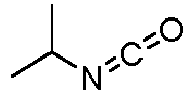


1H NMR (400 MHz, CD3OD) δ 8.24 (d, J = 7.2 Hz, 1H), 8.12 - 8.10 (m, 2H), 8.02 (s, 2H), 7.74 - 7.71 (m, 4H), 7.57 (d, J = 8.0 Hz, 1H), 6.94 (d, J = 7.2 Hz, 1H), 4.90 (s, 4H), 2.97 (s, 6H). MS m/z (ESI): 426.1 [M+H]. TDI0 1375 
(6-(4-((1H-indazol-5-yl)amino)pyri midin-2-yl)indolin-1-yl)(4-methylpiperaz in-1-yl)methanone 


1H NMR (400 MHz, DMSO-d6 ) δ 10.53 (s, 1H), 10.07 (s, 1H), 8.34 (d, J = 6.4 Hz, 2H), 8.20 (d, J = 9.6 Hz, 2H), 7.88 (d, J = 7.2 Hz, 1H), 7.61 (d, J = 8.8 Hz, 1H), 7.50 (d, J = 8.8 Hz, 1H), 7.43 (d, J = 7.2 Hz, 1H), 6.82 (d, J = 6.4 Hz, 1H), 4.04 (t, J = 8.8 Hz, 2H), 3.93 (d, J = 12.0 Hz, 2H), 3.46 (s, 2H), 3.18 (dd, J = 18.2, 9.6 Hz, 4H), 3.07 (s, 2H), 2.84 (s, 3H). MS m/z (ESI): 455.2 [M+H]. TDI0 1383 
8-(4-((1H-indazol-5-yl)amino)pyri midin-2-yl)-N-isopropyl-4-oxo-2,3,4,5-tetrahydro-1H-benzo[b][1,4] diazepine-1-carboxamide 

1H NMR (400 MHz, DMSO-d 6) δ 10.39 (s, 1H), 10.04 (s, 1H), 8.33 (d, J = 6.4 Hz, 1H), 8.28 - 8.19 (m, 2H), 8.15 (d, J = 8.4 Hz, 1H), 8.08 (s, 1H), 7.59 (d, J = 8.8 Hz, 1H), 7.52 (d, J = 9.3 Hz, 1H), 7.25 (d, J = 8.5 Hz, 1H), 6.78 (d, J = 6.4 Hz, 1H), 5.98 (d, J = 7.9 Hz, 1H), 3.94 (t, J = 6.5 Hz, 2H), 3.80 (s, 1H), 2.47 (d, J = 6.7 Hz, 2H), 0.97 (d, J = 6.6 Hz, 6H). MS m/z (ESI): 457.2 [M+H]. TDI0 1411 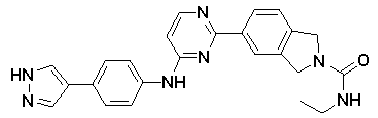
5-(4-((4-(1H-pyrazol-4-yl)phenyl)ami no)pyrimidin-2-yl)-N-ethylisoindoli ne-2-carboxamide 


1H NMR (400 MHz, DMSO-d 6) δ 9.99 (s, 1H), 9.59 (s, 1H), 8.37 (d, J = 6.4 Hz, 1H), 8.33 - 8.22 (m, 2H), 8.04 (s, 2H), 7.75 (d, J = 8.8 Hz,2H), 7.65 (d, J = 8.8 Hz, 2H), 7.49 (d, J = 7.2 Hz, 1H), 6.77 (d, J = 6.4 Hz, 1H), 6.39 (s, 1H), 4.67 (d, J = 8.8 Hz, 4H), 2.77 (d, J = 4.8 Hz,2H), 1.07 (t, J = 7.2 Hz, 3H). MS m/z (ESI): 426.5 [M+H]. -

- TDI01271-1 (1.0 g, 16.95 mmol) was dissolved in anhydrous dichloromethane (20 mL), and triethylamine (1.88 g, 18.64 mmol) and chloroacetyl chloride (2.1 g, 18.64 mmol) were slowly added dropwise. The reaction was performed at room temperature for 5 hours. LC-MS indicated the reaction was complete. The reaction solution was concentrated under reduced pressure, and the crude product was extracted with saturated dichloromethane (150 mL), and washed with saturated brine (100 mL). The organic phase was dried over anhydrous sodium sulfate, filtered, and concentrated to afford TDI01271-2 (440 mg, crude product).
- 1H NMR (400 MHz, DMSO-d6 ) δ 8.13 (s, 1H), 3.99 (s, 2H), 3.87-3.79 (m, 1H), 1.07 (d, J = 6.4 Hz, 6H). MS m/z (ESI): 136.2 [M+H].
- TDI01271-2 (400 mg, 2.96 mmol) and 5-bromoisoindoline hydrochloride (696.3 mg, 2.96 mmol) were dissolved in anhydrous acetonitrile (20 mL), potassium carbonate (1.7 g, 11.85 mmol) was added, and the reaction was performed at 90°C overnight. LC-MS indicated the reaction was complete. The reaction solution was concentrated under reduced pressure, and the crude product was extracted with saturated dichloromethane (150 mL), and washed with saturated brine (150 mL). The organic phase was dried over anhydrous sodium sulfate, filtered, and concentrated to afford TDI01271-3 (400 mg, crude product).
- 1H NMR (400 MHz, CDCl3) δ 7.36 (d, J = 4.0 Hz, 2H), 7.13 - 7.05 (m, 1H), 6.90 (s, 1H), 4.19 - 4.12 (m, 1H), 4.01 (s, 2H), 3.97 (s, 2H), 3.38 (s, 2H), 1.17 (d, J = 6.8 Hz, 6H). MS m/z (ESI): 297.1 [M+H].
- TDI01271-3 (400 mg, 1.347 mmol) and bis(pinacolato)diboron (648 mg, 2.694 mmol) were dissolved in 1,4-dioxane (20 mL), potassium acetate (528 mg, 5.388 mmol) and Pd(dppf)Cl2 (98 mg, 0.1347 mmol) were added, purge with argon was performed for 3 times, and the reaction was placed in an oil bath at 80 °C, and allowed to proceed overnight. LC-MS indicated the reaction was complete. The reaction solution was cooled to room temperature, concentrated under reduced pressure, and the residue was separated and purified by column chromatography to afford TDI01271-4 (300 mg, white solid, yield: 64.7%). MS m/z (ESI): 345.3 [M+H].
- TDI01271-4 (274.3 mg, 0.797 mmol) and Reg-1-28 (200 mg, 0.665 mmol) were dissolved in a mixed solvent of ethanol / water (10:1) (22 mL), sodium carbonate (141 mg, 1.329 mmol) and Pd(PPh3)2Cl2 (47 mg, 0.0665 mmol) were added, purge with argon was performed for 3 times, and the reaction was placed in an oil bath at 110 °C, and allowed to proceed overnight. LC-MS indicated the reaction was complete. The reaction solution was concentrated under reduced pressure, and the crude product was purified by high-performance liquid chromatography to afford compound TDI01271 (40.0 mg, yellow solid, yield: 10.4%).
- 1H NMR (400 MHz, DMSO-d6 ) δ 13.13 (s, 1H), 11.03 (s, 1H), 9.92 (s, 1H), 8.45 (d, J= 7.2 Hz, 1H), 8.39 (d, J = 5.6 Hz, 2H), 8.22 (d, J = 5.6 Hz, 1H), 8.14 (d, J = 9.2 Hz, 2H), 7.69 (d, J = 8.8 Hz, 1H), 7.62 (d, J = 8.8 Hz, 1H), 7.53 (d, J = 8.4 Hz, 1H), 7.50 (d, J = 5.6 Hz, 1H), 4.92 (s, 2H), 4.63 (s, 2H), 4.23 (s, 2H), 3.99-3.90 (m, 1H), 1.13 (d, J = 6.8 Hz, 6H). MS m/z (ESI): 484.2 [M+H].
-

- TDI01286-1 (1.0 g, 16.95 mmol) was dissolved in anhydrous dichloromethane (20 mL), and triethylamine (1.88 g, 18.64 mmol) and chloroacetyl chloride (2.1 g, 18.64 mmol) were slowly added dropwise. The reaction was performed at room temperature for 5 hours. LC-MS indicated the reaction was complete. The reaction solution was concentrated under reduced pressure, and the crude product was extracted with saturated dichloromethane (150 mL), and washed with saturated brine (100 mL) successively. The organic phase was dried over anhydrous sodium sulfate, filtered, and concentrated to afford TDI01286-2 (800 mg, crude product). MS m/z (ESI): 136.2 [M+H].
- 5-bromo-1H-indole (700 mg, 3.57 mmol) was dissolved in anhydrous DMF (10 mL), NaH (60%, 429 mg, 10.71 mmol) was added at 0 °C, the reaction solution was slowly warmed to room temperature, and allowed to proceed overnight. Then TDI01286-2 (579 mg, 4.29 mmol) was added at room temperature, and the reaction was further stirred for 3 hours at room temperature. LC-MS indicated the reaction was complete. The reaction solution was slowly added to 100 mL water, and stirred at room temperature for 30 min. A large amount of solid precipitated, and was filtered by suction. The filter cake was washed, collected and dried to afford TDI01286-3 (800 mg, crude product).
- 1H NMR (400 MHz, DMSO-d6 ) δ 8.17 (d, J = 7.2 Hz, 1H), 7.61 (s, 1H), 7.50 (d, J = 8.4 Hz, 1H), 7.33 (d, J = 3.2 Hz, 1H), 7.15 (d, J = 8.4 Hz, 1H), 6.46 (d, J = 2.8 Hz, 1H), 4.77 (s, 2H), 3.88-3.80 (m, 1H), 1.09 (d, J = 6.4 Hz, 6H). MS m/z (ESI): 297.2 [M+H].
- TDI01286-3 (500 mg, 1.695 mmol) and bis(pinacolato)diboron (861 mg, 3.390 mmol) were dissolved in dioxane (20 mL), potassium acetate (664.4 mg, 6.780 mmol) and Pd(dppf)Cl2 (124 mg, 0.1695 mmol) were added, purge with argon was performed for 3 times, the reaction was placed in an oil bath at 80 °C, and allowed to proceed overnight. Thin layer chromatography indicated the reaction was complete. The reaction solution was cooled to room temperature, concentrated under reduced pressure, and the residue was separated and purified by column chromatography to afford TDI01286-4 (400 mg, yellow solid, yield: 69%). MS m/z (ESI): 343.3 [M+H].
- Reg-1-21 (300 mg, 0.87 mmol) and TDI01286-4 (357 mg, 1.04 mmol) were dissolved in a mixture of ethanol / water (10:1)(15 mL), sodium carbonate (184 mg, 1.74 mmol) and Pd(PPh3)2Cl2 (61.0 mg, 0.087 mmol) were added, purge with argon was performed for 3 times, and the reaction was performed under microwave radiation at 110 °C for 2 hours. LC-MS indicated the reaction was complete. The reaction solution was cooled to room temperature, filtered, concentrated under reduced pressure, and the residue was purified by liquid chromatography to afford compound TDI01286 (30 mg, yellow solid, yield: 8.1%).
- 1H NMR (400 MHz, CD3OD) δ 8.46 (s, 1H), 8.30 (d, J = 6.0 Hz, 2H), 8.16 (d, J = 8.4 Hz, 1H), 8.10 (s, 1H), 7.67-7.58 (m, 3H), 7.39 (d, J = 3.2 Hz, 1H), 6.63 (d, J = 6.0 Hz, 1H), 6.54 (d, J = 3.2 Hz, 1H), 4.89 (s, 2H), 3.97-3.90 (m, 1H), 1.10 (d, J = 6.4 Hz, 6H). MS m/z (ESI): 426.4 [M+H].
- The compound in following table 7 was prepared according to a method similar to that described in Example 30.
Table 7: No. Compound Structure Compound Name Starting material or regent different from that in Example 30 Characterization Data TDI0 1358 
2-(8-(4-((1H-indazol-5-yl)amino)pyri midin-2-yl)-4-oxo-2,3,4,5-tetrahydro-1H-benzo[b][1,4] diazepin-1-yl)-N-isopropylacet amide 6-bromo-1H-indole in synthesis step 2 of Example 30 was replaced with 
1H NMR (400 MHz, DMSO-d6 ) δ 10.65 (s, 1H), 8.34 (d, J = 6.6 Hz, 1H), 8.15 (d, J= 8.0 Hz, 2H), 7.91 (dd, J = 10.8, 4.7 Hz, 2H), 7.83 (dd, J = 8.4, 1.8 Hz, 1H), 7.62 (dd, J = 19.5, 8.9 Hz, 2H), 7.44 (d, J = 8.4 Hz, 1H), 6.84 (d, J = 6.6 Hz, 1H), 4.28 (s, 2H), 3.82 (d, J = 7.0 Hz, 1H), 3.66 (t, J = 6.4 Hz, 2H), 2.47 (d, J = 6.5 Hz, 2H), 1.03 (d, J = 6.6 Hz, 6H). MS m/z (ESI): 471.3 [M+H]. -

- TDI01326-1 (5.0 g, 25.64 mmol) was dissolved in dichloromethane (400 mL), trifluoroacetic acid (27.5 mL) was added, and then triethylsilane (10.5 mL, 64.1 mmol) was added. The reaction was performed at room temperature for 16 hours. Thin layer chromatography indicated the reaction was complete. The reaction system was slowly added with aqueous ammonia to adjust the pH to about 9, followed by supplementary addition of dichloromethane (200 mL), and was successively washed with water (750 mL) and saturated brine (250 mL). The organic phase was dried over anhydrous sodium sulfate, concentrated under reduced pressure, and the residue was separated and purified by column chromatography to afford TDI01326-2 (3.6 g, light yellow oil).
- 1H NMR (400 MHz, CDCl3) δ 6.93 (d, J = 7.6 Hz, 1H), 6.78 (dd, J = 7.6, 1.6 Hz, 1H), 6.73 (d, J= 1.6 Hz, 1H), 3.56 (t, J= 8.4 Hz, 2H), 2.96 (t, J= 8.4 Hz, 2H). MS m/z (ESI): 200.1 [M+H].
- TDI01326-2 (2.6 g, 13.2 mmol) was dissolved in N,N-dimethylformamide (100 mL), HATU (5.03 g, 13.2 mmol) and diisopropylethylamine (5.68 g, 44 mmol) were added. After stir of 30 minutes, 2-(4-methylpiperazin-1-yl)acetic acid (1.74 g, 11 mmol) was added, and the reaction was performed at room temperature for 2 hours. LC-MS indicated the reaction was complete. The reaction solution was dissolved in ethyl acetate (500 mL), and successively washed with water (500 mL) and saturated brine (250 mL). The organic phase was dried over anhydrous sodium sulfate, and concentrated under reduced pressure to afford TDI01326-3 (3.1 g, light yellow oil).
- 1H NMR (400 MHz, DMSO-d6 ) δ 7.96 (s, 2H), 7.20 - 7.17 (m, 1H), 2.90 (s, 6H), 2.74 (s, 6H), 2.69 (s, 5H). MS m/z (ESI): 338.3 [M+H].
- TDI01326-3 (3.0 g, 8.90 mmol) and bis(pinacolato)diboron (3.4 g, 13.35 mmol) were dissolved in dioxane (100 mL), potassium acetate (2.62 g, 26.7 mmol) and Pd(dppf)Cl2 (312 mg, 0.45 mmol) were added, purge with argon was performed for 3 times, the reaction was placed in an oil bath at 80 °C, and allowed to proceed overnight. Thin layer chromatography indicated the reaction was complete. The reaction solution was cooled to room temperature, concentrated under reduced pressure, and the residue was purified by column chromatography to afford TDI01326-4 (2.0 g, brown yellow oil).
- 1H NMR (400 MHz, CDCl3) δ 8.61 (s, 1H), 7.49 (d, J = 7.2 Hz, 1H), 7.20 (d, J = 7.2 Hz, 1H), 4.08 (t, J = 8.0 Hz, 2H), 3.31 (s, 2H), 3.19 (t, J= 8.0 Hz, 2H), 2.81 (br.s, 5H), 2.47 (br.s, 3H), 2.03 (s, 3H), 1.32 (s, 12H).
- TDI01326-4 (134 mg, 0.35 mmol) and Reg-1-1 (100 mg, 0.29 mmol) were dissolved in a mixed solution of ethanol / water (8:1) (2.7 mL), sodium carbonate (61.5 mg, 0.58 mmol) and Pd(PPh3)2Cl2 (21.1 mg, 0.03 mmol) were added, purge with argon was performed for 3 times, and the reaction was performed under microwave radiation at 110 °C for 1 hour. LC-MS indicated the reaction was complete. The reaction solution was cooled to room temperature, concentrated under reduced pressure, and the residue was purified by high-performance liquid chromatography to afford compound TDI01326 (5.18 mg, yellow solid, yield: 3.8%).
- 1H NMR (400 MHz, DMSO-d6 ) δ 9.21 (s, 1H), 8.76 (s, 1H), 8.45 (s, 1H), 8.20 (d, J = 7.2 Hz, 1H), 7.85 (d, J= 7.6 Hz, 1H), 7.66 (d, J= 8.8 Hz, 1H), 7.51 (d, J= 8.0 Hz, 2H), 6.94 (s, 1H), 4.24 (t, J = 8.4 Hz, 2H), 3.67 (s, 2H), 3.50 - 3.48 (m, 4H), 3.37 (t, J = 8.4 Hz, 2H), 3.16 - 3.02 (m, 4H), 2.96 (s, 3H). MS m/z (ESI): 469.3 [M+H].
-

- TDI01264-1 (3.0 g, 1.38 mmol) and 1,3-dibromopropane (8.35 g, 4.14 mmol) were dissolved in acetonitrile (100 mL), potassium carbonate (6.09 g, 4.14 mmol) was added, the reaction was placed in an oil bath at 80°C, and allowed to proceed for 12 h. LC-MS indicated the reaction was complete. The reaction solution was cooled to room temperature, filtered, concentrated under reduced pressure, and the residue was separated and purified by column chromatography to afford TDI01264-2 (3.2 g, brick red oil, 68.6%).
- 1H NMR (400 MHz, CDCl3) δ 7.98 (t, J=6.1 Hz, 1H), 7.64 (dd, J=8.9, 2.5 Hz, 1H), 7.01 (d, J=8.9 Hz, 1H), 4.25 (t, J=5.7 Hz, 2H), 3.65 (t, J=6.2 Hz, 2H), 2.48 - 2.27 (m, 2H).
- TDI01264-2 (2.9 g, 8.56 mmol) was dissolved in methanol (100 mL), ammonium chloride (9.15 g, 171.10 mmol) was added, and then zinc powder (5.59 g, 85.6 mmol) was added in portions. The reaction was performed at ambient temperature for 12 h. LC-MS indicated the reaction was complete. The reaction solution was filtered, and concentrated under reduced pressure to give a crude product, which was separated by medium pressure preparative column chromatography to afford TDI01264-3 (0.9 g, brown solid, yield: 34.05%).
- 1H NMR (400 MHz, CD3OD) δ 7.54 (dd, J=8.9, 2.4 Hz, 1H), 7.50 - 7.46 (m, 1H), 7.04 (dt, J=11.0, 5.5 Hz, 1H), 4.10 (s, 2H), 3.46 (dd, J=13.7, 6.6 Hz, 2H), 2.23 - 2.12 (m, 2H). MS m/z (ESI): 307.9; 309.9 [M+H].
- TDI01264-3 (0.7 g, 2.27 mmol) was dissolved in acetonitrile (100 mL), potassium carbonate (0.626 g, 4.53 mmol) was added, the reaction was placed in an oil bath at 80 °C, and allowed to proceed for 12 h. LC-MS indicated the reaction was complete. The reaction solution was cooled to room temperature, filtered, concentrated under reduced pressure, and the residue was purified by column chromatography to afford TDI01264-4 (0.3 g, brown solid, yield: 58.06%).
- 1H NMR (400 MHz, CD3OD) δ 7.10 (d, J=2.3 Hz, 1H), 6.96 (dd, J=8.5, 2.4 Hz, 1H), 6.85 (d, J=8.5 Hz, 1H), 4.07 - 4.00 (m, 2H), 3.25 - 3.16 (m, 2H), 2.05 - 1.99 (m, 2H). MS m/z (ESI): 228.0 [M+H].
- TDI01264-4 (0.27 g, 1.18 mmol) and bis(pinacolato)diboron (0.599 g, 2.36 mmol) were dissolved in dioxane (30 mL), potassium acetate (0.347 g, 3.54mmol) and Pd(dppf)Cl2 (48 mg, 0.059 mmol) were added, purge with argon was performed for 3 times, the reaction was placed in an oil bath at 80°C, and allowed to proceed for 12 h. LC-MS indicated the reaction was complete. The reaction solution was cooled to room temperature, concentrated under reduced pressure, and the residue was separated and purified by column chromatography to afford TDI01264-5 (0.2 g, brown solid, yield: 61.40%). MS m/z (ESI): 276.2 [M+H].
- TDI01264-5 (160 mg, 0.581 mmol) and Reg-1-27 (0.20 g, 0.465 mmol) were dissolved in a mixed solution of ethanol / water (10:1) (11 mL), sodium carbonate (0.18 g, 11.74 mmol) and Pd(PPh3)2Cl2 (20.39 mg, 0.029 mmol) were added, purge with argon was performed for 3 times, the reaction was performed under microwave radiation at 110°C for 2 h. LC-MS indicated the reaction was complete. The reaction solution was cooled to room temperature, filtered, concentrated under reduced pressure, and the crude product was separated by preparative liquid chromatography to afford TDI01264 (13.69 mg; yellow solid, yield: 6.57%).
- 1H NMR (400 MHz, CD3OD) δ 8.14 (d, J=6.7 Hz, 2H), 7.68 (d, J=8.3 Hz, 2H), 7.59 (s, 1H), 7.50 (d, J=8.2 Hz, 1H), 7.06 (d, J=8.4 Hz, 1H), 6.84 (s, 1H), 4.28 - 4.12 (m, 2H), 3.28 (s, 2H), 2.09 - 1.96 (m, 2H). MS m/z (ESI): 359.2 [M+H].
-

- Compound TDI01265-1 (2 g, 9.1 mmol), methyl 3-aminopropanoate hydrochloride (1.27 g, 9.1 mmol), potassium carbonate (3.8 g, 27.3 mmol) and tetrahydrofuran (30 mL) were added to a 50 mL sealed tube. The reaction was warmed to 100°C for 4.5 h. LC-MS indicated the reaction was complete. The reaction solution was filtered, and the filtrate was collected, and concentrated under reduced pressure to give a solid, which was purified by column chromatography (petroleum ether : ethyl acetate=20:1~8:1) to afford TDI01265-2 (1.8 g, yellow solid, yield: 65.2%).
- 1H NMR (400 MHz, CDCl3) δ 8.21 (s, 1H), 8.04 (d, J= 9.1 Hz, 1H), 7.04 (d, J= 1.8 Hz, 1H), 6.79 (dd, J = 9.1, 1.9 Hz, 1H), 3.75 (s, 3H), 3.62 (dd, J = 12.4, 6.5 Hz, 2H), 2.73 (t, J = 6.6 Hz, 2H). MS m/z (ESI): 305.1 [M+H].
- Compound TDI01265-2 (1.3 g, 4.29 mmol), zinc powder (2.79 g, 42.9 mmol), ammonium chloride (2.30 g, 42.9 mmol) and 50 mL methanol were added to a 100 mL flask, and the reaction was warmed to 50°C, and allowed to proceed for 2 h. LC-MS indicated the reaction was complete. The reaction solution was filtered, and the filtrate was collected, concentrated to dryness to give an oil, which was purified by column chromatography (petroleum ether : ethyl acetate=10:1~4:1) to afford TDI01265-3 (1 g, brown red oil, yield: 85.5%).
- 1H NMR (400 MHz, CDCl3) δ 6.80 - 6.71 (m, 2H), 6.55 (d, J = 8.1 Hz, 1H), 3.71 (s, 3H), 3.39 (t, J = 6.3 Hz, 2H), 2.65 (t, J = 6.3 Hz, 2H). MS m/z (ESI): 275.1 [M+H].
- 15 mL methanol was added to a 100 mL flask, and cooled to 0°C. Sodium metal (0.25 g, 10.99 mmol) was added in portions, and the solid completely dissolve. TDI01265-3 (1.0 g, 3.66 mmol) and 15 mL methanol were added to another 100 mL flask, cooled to 0°C, and the freshly prepared solution of sodium methoxide was added dropwise. After the addition, the reaction was performed at room temperature overnight, and then warmed to 60°C, and allowed to proceed for 2 h. LC-MS indicated the reaction was complete. The reaction solution was cooled to 0~10°C, the pH was adjusted to 6 with a hydrochloride methanol solution. The reaction solution was concentrated under reduced pressure followed by addition of 20 mL anhydrous ethanol, and the solution was filtered to collect the filtrate, which was concentrated under reduced pressure to afford TDI01265-4 (0.98 g, brown red solid, yield: 100%). MS m/z (ESI): 259.0[M+H].
- Compound TDI01265-4 (500 mg, 1.92 mmol), HATU (880 mg, 2.30 mmol), diisopropylethylamine (990 mg, 7.68 mmol) and 100 mL N,N-dimethylformamide were added to a 250 mL flask, and the reaction was performed at room temperature for 10 minutes. LC-MS indicated the reaction was complete. The reaction solution was added to 500 mL water, extracted with ethyl acetate (200 mL x 2), and the organic phase was dried, and concentrated under reduced pressure to give a brown yellow oil, which was purified by column chromatography (petroleum ether : ethyl acetate=5:1~1:2) to afford TDI01265-5 (250 mg, brown red solid, yield: 53.9%).
- 1H NMR (400 MHz, CDCl3) δ 8.09 (s, 1H), 6.88 (d, J = 6.9 Hz, 2H), 6.74 (d, J = 8.3 Hz, 1H), 3.91 (s, 1H), 3.65 (d, J = 1.5 Hz, 2H), 2.76 - 2.69 (m, 2H). MS m/z (ESI): 241.1 [M+H].
- Compound TDI01265-5 (150 mg, 0.62 mmol), bis(pinacolato)diboron (190 mg, 0.75 mmol), Pd(PPh3)2Cl2 (42 mg, 0.06 mmol), Na2CO3 (131 mg, 1.24 mmol), 10 mL ethanol and 2 mL water were added to a 25 mL flask, purge with argon was performed for 4 times, and the reaction was warmed to 100°C, and allowed to proceed for 2 h. LC-MS indicated the reaction was complete. The reaction solution was filtered, and the filtrate was concentrated under reduced pressure to give a solid, which was purified by column chromatography (petroleum ether : ethyl acetate=10:1~1:2) to afford TDI01265-6 (100 mg, off-white solid, yield: 56%).
- 1H NMR (400 MHz, DMSO-d 6) δ 9.54 (s, 1H), 7.16 (s, 1H), 6.93 (d, J = 7.9 Hz, 1H), 6.87 (d, J = 7.8 Hz, 1H), 5.71 (s, 1H), 3.40 (d, J = 5.7 Hz, 2H), 2.49 - 2.47 (m, 2H), 1.26 (s, 12H). MS m/z (ESI): 289.2 [M+H].
- Compound TDI01265-6 (70 mg, 0.24 mmol), Reg-1-1 (70 mg, 0.20 mmol), Pd(PPh3)2Cl2 (14 mg, 0.02 mmol), sodium carbonate (42 mg, 0.40 mmol), 15 mL ethanol and 2 mL water were added to a 30 mL microwave tube, the system was purged with argon for 1 minute, the reaction was warmed to 95 °C, and performed under microwave radiation for 1 h, LC-MS indicated the reaction was complete. The reaction solution was filtered, and the filtrate was concentrated under reduced pressure to give a solid, which was purified by high-performance liquid chromatography to afford TDI01265 (8.95 mg, yellow solid, yield: 12%).
- 1H NMR (400 MHz, DMSO-d 6) δ 12.99 (s, 1H), 9.57 (d, J = 37.4 Hz, 2H), 8.28 (d, J = 5.3 Hz, 1H), 8.13 (d, J = 31.2 Hz, 2H), 7.82 (s, 1H), 7.64 - 7.54 (m, 3H), 6.99 (d, J = 8.0 Hz, 1H), 6.62 (d, J = 5.7 Hz, 1H), 5.94 (s, 1H), 3.47 (s, 2H), 2.57 (s, 2H). MS m/z (ESI): 372.3 [M+H].
-

- Compound TDI01470-1 (20 g, 83.31 mmol) and ethanol (200 mL) were added to a 500 mL flask, thionyl chloride (19.82 g, 166.63 mmol) was added, and then the reaction was performed at 60°C for 3 hours. Thin layer chromatography (petroleum ether / ethyl acetate =10:1) assay indicated the reaction was complete. The reaction solution was concentrated to afford a crude product, which was dissolved in dichloromethane (500 mL), and the resulting solution was washed twice with a saturated aqueous solution of sodium bicarbonate (150 mL each). The organic phase was washed with saturated brine, then dried over anhydrous sodium sulfate, filtered, and concentrated to afford compound TDI01470-2 (21 g, brown solid, yield: 94.01%). MS m/z (ESI): 266.1; 268.1 [M-H].
- Compound TDI01470-2 (21 g, 78.33 mmol) and bis(pinacolato)diboron (26.85 g, 105.74 mmol) were dissolved in 1,4-dioxane (200 mL), potassium acetate (23.06 g, 234.98 mmol) and Pd(dppf)Cl2 (3.24 g, 3.91 mmol) were added, purge with argon was performed for 3 times, and the reaction was placed in an oil bath at 80 °C overnight. LC-MS indicated the reaction was complete. The reaction solution was cooled to room temperature, concentrated under reduced pressure, and the residue was purified by column chromatography (petroleum ether / ethyl acetate = 100:1 to 5:1) to afford compound TDI01470-3 (17.5 g, white solid, yield: 70.89%).
- 1H NMR (400 MHz, CDCl3) δ 8.92 (s, 1H), 7.92 (s, 1H), 7.69 (d, J = 8.1 Hz, 1H), 7.57 (d, J = 8.1 Hz, 1H), 7.22 - 7.18 (m, 1H), 4.42 (q, J = 7.1 Hz, 2H), 1.42 (t, J = 7.1 Hz, 3H), 1.37 (s, 12H). MS m/z (ESI): 316.2 [M+H].
- Compound TDI01470-3 (10.0 g, 31.8 mmol) was dissolved in tetrahydrofuran (250 mL), sodium hydride (1.91 g, 47.8 mmol) was added under ice bath cooling, and then the reaction was performed for 30 minutes. Iodomethane (13.5 g, 95.4 mmol) was slowly added to the reaction solution, and the reaction was performed at room temperature overnight. Thin layer chromatography (petroleum ether / ethyl acetate = 5:1) indicated the reaction was complete. The reaction solution was quenched with water (100 mL), and extracted with ethyl acetate (150 mL x 2). The combined organic phases were washed sequentially with a saturated aqueous solution of ammonium chloride (200 mL x 2) and saturated brine (300 mL x 2), dried over anhydrous sodium sulfate, filtered, and concentrated. The crude product was separated and purified by column chromatography (petroleum ether / ethyl acetate = 15:1) to afford compound TDI01470-4 (6.5 g, yellow solid, yield: 62.5%).
- 1H NMR (400 MHz, CDCl3) δ 7.91 (s, 1H), 7.68 - 7.65 (m, 1H), 7.57 (d, J = 8.0 Hz, 1H), 7.27 (s, 1H), 4.12 (s, 3H), 3.91 (s, 3H), 1.38 (s, 12H).
- Compound Reg-1-16 (1.00 g, 2.70 mmol) and TDI01470-4 (1.33 g, 4.04 mmol) were dissolved in a mixed solution of ethanol/water (8:1) (120 mL), sodium carbonate (572 mg, 5.40 mmol) and Pd(PPh3)Cl2 (189 mg, 0.27 mmol) were added, purge with argon was performed for 3 times, and the reaction was placed in an oil bath at 110 °C overnight. LC-MS indicated the reaction was complete. The reaction solution was cooled to room temperature, and concentrated under reduced pressure. The residue was diluted with water (30 mL), and the pH was adjusted to 1 with 6N HCl. A large amount of solid precipitated, and was filtered. The solide was wahsed with methanol to afford compound TDI01470-5 (900 mg, yellow solid, crude product).
- 1H NMR (400 MHz, DMSO-d6 ) δ 11.54 (s, 1H), 8.77 (s, 1H), 8.38 (d, J = 7.2 Hz, 1H), 8.14 (s, 2H), 8.03 (d, J = 8.8 Hz, 1H), 7.92 (d, J = 8.4 Hz, 1H), 7.80 - 7.69 (m, 4H), 7.33 (s, 1H), 7.07 (d, J = 8.0 Hz, 1H), 4.16 (s, 3H).
- Compound TDI01470-5 (300 mg, 0.73 mmol) was dissolved in N,N-dimethylformamide (6 mL), HATU (335 mg, 0.88 mmol) and DIEA (377 mg, 2.92 mmol) were added, and the reaction was performed at room temperature for 30 min. Then, compound TDI01470-a (114 mg, 0.88 mmol) was added, and the reaction was continued at room temperature for 2 hours. LC-MS indicated the reaction was complete. The reaction solution was concentrated under reduced pressure, and the crude product was purified by high performance liquid chromatography to afford compound TDI01470 (185 mg, yellow solid, yield: 52.1%).
- 1H NMR (400 MHz, DMSO-d6 ) δ 10.63 (s, 1H), 8.52 (s, 1H), 8.41 (d, J = 6.4 Hz, 1H), 8.09 (s, 2H), 8.06 (dd, J = 8.4, 1.2 Hz, 1H), 7.83 (d, J = 8.4 Hz, 1H), 7.77 (d, J = 8.0 Hz, 2H), 7.72 (d, J = 8.4 Hz, 2H), 7.13 (s, 1H), 6.86 (d, J = 6.4 Hz, 1H), 4.91 (s, 2H), 4.57 (s, 2H), 4.05 (s, 3H). MS m/z (ESI): 486.2 [M+H].
- The compounds in following table 8 were prepared according to methods similar to that described in the synthetic route of TDI01470 in Example 34.
Table 8: No. Compound Structure Compound Name Starting material or regent different from that in the synthetic route of TDI01470 in Example 34 Characterization Data TDI01457 
6-(4-((4-(1H-pyrazol-4-yl)phenyl)amino)pyrimidi n-2-yl)-1-methyl-N-(1,1,1-trifluoropropan-2-yl)-1H-indole-2-carboxamide 

1H NMR (400 MHz, DMSO-d6 ) δ 10.44 (s, 1H), 9.07 (d, J = 8.8 Hz, 1H), 8.54 (s, 1H), 8.41 (d, J = 6.2 Hz, 1H), 8.10 (d, J = 7.4 Hz, 3H), 7.96 - 7.64 (m, 5H), 7.33 (s, 1H), 6.84 (d, J = 6.1 Hz, 1H), 4.90-4.85 (m, 1H), 4.09 (s, 3H), 1.40 (d, J = 6.5 Hz, 3H). MS m/z (ESI): 506.2 [M+H]. TDI01504 
6-(4-((4-(1H-pyrazol-4-yl)phenyl)amino)pyrimidi n-2-yl)-N,1-dimethyl-N-(2-(trifluoromethyl)cyclopro pyl)-1H-indole-2-carboxamide 

1H NMR (400 MHz, CD3OD) δ 8.42 (s, 1H), 8.24 (d, J = 7.2 Hz, 1H), 8.02 (t, J = 5.2 Hz, 2H), 7.98 (dd, J = 8.4, 1.2 Hz, 1H), 7.85 (d, J = 8.4 Hz, 1H), 7.77 - 7.71 (m, 4H), 6.95 (s, 1H), 6.89 (d, J = 7.2 Hz, 1H), 3.93 (s, 3H), 3.18 (s, 3H), 2.17 - 2.11 (m, 2H), 1.24 - 1.19 (m, 2H). MS m/z (ESI): 532.3 [M+H]. TDI01505 
(6-(4-((4-(1H-pyrazol-4-yl)phenyl)amino)pyrimidi n-2-yl)-1-methyl-1H-indol-2-yl)(3 -hydroxy-3 - (trifluoromethyl)pyrrolidi n-1 -yl)methanone 

1H NMR (400 MHz, DMSO-d6 ) δ 10.73 (s, 1H), 8.50 (s, 1H), 8.40 (d, J = 6.7 Hz, 1H), 8.10 (s, 2H), 8.04 (d, J = 8.3 Hz, 1H), 7.84 (d, J = 8.5 Hz, 1H), 7.77 (s, 2H), 7.73 (d, J = 8.5 Hz, 2H), 7.04 (d, J = 5.3 Hz, 1H), 6.87 (d, J = 6.6 Hz, 1H), 3.95 (s, 3H), 3.81-3.71 (m, 4H), 2.25-2.23 (m, 1H), 2.10-2.08 (m, 1H). MS m/z (ESI): 548.2 [M+H]. TDI01506 
(6-(4-((4-(1H-pyrazol-4-yl)phenyl)amino)pyrimidi n-2-yl)-1-methyl-1H-indol-2-yl)(3-(trifluoromethyl)pyrrolidi 
1H NMR (400 MHz, DMSO-d6 ) δ 10.72 (s, 1H), 8.50 (s, 1H), 8.41 (d, J = 6.5 Hz, 1H), 8.10 (s, 2H), 8.04 (d, J = 8.6 Hz, 1H), 7.87 - 7.71 (m, 6H), 7.01 (d, J = 17.7 Hz, 1H), 6.88 (d, J = 6.4 n-1 -yl)methanone was replaced with 
Hz, 1H), 3.93 (s, 3H), 3.41-3.37 (m, 3H), 2.51-2.33 (m, 2H), 2.24-2.09 (m, 2H). MS m/z (ESI): 532.2 [M+H]. TDI01507 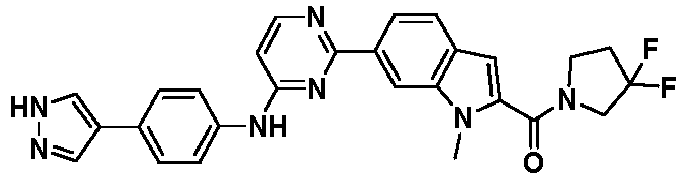
(6-(4-((4-(1H-pyrazol-4-yl)phenyl)amino)pyrimidi n-2-yl)-1-methyl-1H-indol-2-yl)(3,3-difluoropyrrolidin-1 - yl)methanone 
1H NMR (400 MHz, CD3OD) δ 8.42 (s, 1H), 8.24 (d, J = 7.2 Hz, 1H), 8.03 (s, 2H), 7.96 (d, J = 8.5 Hz, 1H), 7.89 (d, J = 8.5 Hz, 1H), 7.75 (d, J = 7.0 Hz, 4H), 7.03 (s, 1H), 6.92 (d, J = 7.2 Hz, 1H), 4.10 (d, J = 33.4 Hz, 2H), 4.00 (s, 5H), 2.52 (s, 2H). MS m/z (ESI): 500.3 [M+H]. route of TDI01470 in Example 34 was replaced with 
TDI01508 
(6-(4-((4-(1H-pyrazol-4-yl)phenyl)amino)thieno [3 ,2-d]pyrimidin-2-yl)-1 - methyl-1H-indol-2-yl)(3,3 -difluoroazetidin-1-yl)methanone 
1H NMR (400 MHz, DMSO-d6 ) δ 10.71 (s, 1H), 8.56 (s, 1H), 8.40 (d, J = 5.3 Hz, 1H), 8.13 (d, J = 9.2 Hz, 3H), 7.92 - 7.70 (m, 6H), 7.60 (d, J = 5.4 Hz, 1H), 7.12 (s, 1H), 4.90 (s, 2H), 4.62 - 4.53 (m, 2H), 4.06 (s, 3H). MS m/z (ESI): 542.2 [M+H]. synthetic route of TDI01470 in Example 34 was replaced with 
TDI01512 
(6-(4-((4-(1H-pyrazol-4-yl)phenyl)amino)pyrimidi n-2-yl)-1-methyl-1H-indol-2-yl)(6,6-difluoro-3-azabicyclo[3.1.0]hexan-3-yl)methanone 
1H NMR (400 MHz, CD3OD) δ 8.47 (s, 1H), 8.29 (d, J = 6.0 Hz, 1H), 8.15 (dd, J = 8.4, 1.2 Hz, 1H), 7.96 (s, 2H), 7.77 (d, J = 8.4 Hz, 2H), 7.71 (d, J = 8.4 Hz, 1H), 7.62 (d, J = 8.8 Hz, 2H), 6.84 (s, 1H), 6.66 (d, J = 6.0 Hz, 1H), 4.34 - 4.31 (m, 1H), 4.10 - 4.02 (m, 2H), 3.90 (s, 3H), 3.86 - 3.80 (m, 1H), 2.54 - 2.46 (m, 2H). MS m/z (ESI): 512.2 [M+H]. route of TDI01470 in Example 34 was replaced with 
TDI01513 
(6-(4-((4-(1H-pyrazol-4-yl)phenyl)amino)pyrimidi n-2-yl)-1-methyl-1H-indol-2-yl)(1,1-difluoro-5-azaspiro[2.4]heptan-5-yl)methanone 

1H NMR (400 MHz, CD3OD) δ 8.41 (s, 1H), 8.24 (d, J = 7.2 Hz, 1H), 8.06 (s, 2H), 7.96 (d, J = 7.6 Hz, 1H), 7.87 (d, J = 8.4 Hz, 1H), 7.82 - 7.73 (m, 4H), 7.00 (d, J = 10.8 Hz, 1H), 6.92 (d, J = 7.2 Hz, 1H), 3.99 (s, 3H), 3.88 - 3.84 (m, 2H), 2.32 - 2.07 (m, 3H), 1.62 - 1.50 (m, 3H). MS m/z (ESI): 526.2 [M+H]. TDI01514 
(6-(4-((4-(1H-pyrazol-4-yl)phenyl)amino)pyrimidi n-2-yl)-1-methyl-1H-indol-2-yl)((3 S,4R)-3,4-difluoropyrrolidin-1- yl)methanone 
1H NMR (400 MHz, DMSO-d6 ) δ 10.76 (s, 1H), 8.52 (s, 1H), 8.41 (d, J = 6.6 Hz, 1H), 8.12 - 8.03 (m, 3H), 7.86 - 7.71 (m, 5H), 7.08 (s, 1H), 6.89 (d, J = 6.7 Hz, 1H), 5.60 - 5.20 (m, 2H), 4.15 (m, 2H), 3.95 (s, 3H), 3.74 (d, J = 4.4 Hz, 2H). MS m/z (ESI): 500.2 [M+H]. was replaced with 
TDI01515 
2-(1-(6-(4-((4-(1H-pyrazol-4-yl)phenyl)amino)pyrimidi n-2-yl)-1-methyl-1H-indole-2-carbonyl)azetidin-3-ylidene)acetonitrile 
1H NMR (400 MHz, DMSO-d6 ) δ 10.42 (s, 1H), 8.52 (s, 1H), 8.41 (d, J = 6.4 Hz, 1H), 8.08 (s, 3H), 7.83 - 7.76 (m, 3H), 7.70 (d, J = 8.4 Hz, 2H), 7.12 (s, 1H), 6.83 (d, J = 6.4 Hz, 1H), 5.96 (s, 1H), 5.26 (d, J = 43.3 Hz, 2H), 4.88 (d, J = 26.0 Hz, 2H), 4.05 (s, 3H). MS m/z (ESI): 487.2 [M+H]. was replaced with 
TDI01516 
(6-(4-((4-(1H-pyrazol-4-yl)phenyl)amino)pyrimidi n-2-yl)-1-methyl-1H-indol-2-yl)(3-ethynylazetidin-1- yl)methanone 
1H NMR (400 MHz, DMSO-d6 ) δ 8.51 (s, 2H), 8.40 (d, J = 6.4 Hz, 1H), 8.10 - 8.08 (m, 3H), 7.80 - 7.77 (m, 3H), 7.69 (d, J = 8.4 Hz, 2H), 7.01 (s, 1H), 6.80 (d, J = 6.4 Hz, 2H), 4.71 - 4.62 (m, 2H), 4.42 - 4.38 (m, 2H), 4.04 (s, 3H), 3.62 - 3.56 (m, 2H). MS m/z (ESI): 471.4 [M+H]. was replaced with 
TDI01517 
1-(1-(6-(4-((4-(1H-pyrazol-4-yl)phenyl)amino)pyrimidi n-2-yl)-1-methyl-1H-indole-2-carbonyl)azetidin-3-yl)ethan-1-one 

1H NMR (400 MHz, DMSO-d6 ) δ 12.91 (s, 1H), 9.67 (s, 1H), 8.54 (s, 1H), 8.40 (d, J = 5.8 Hz, 1H), 8.18 (d, J = 8.3 Hz, 2H), 7.93 (s, 1H), 7.81 (d, J = 8.3 Hz, 2H), 7.74 (d, J = 8.4 Hz, 1H), 7.66 (d, J = 8.5 Hz, 2H), 6.97 (s, 1H), 6.71 (d, J = 5.8 Hz, 1H), 4.58 (s, 1H), 4.50 (s, 1H), 4.23 - 4.13 (m, 2H), 4.03 (s, 3H), 3.71 (d, J = 8.9 Hz, 1H), 2.19 (s, 3H). MS m/z (ESI): 492.3 [M+H]. TDI01518 
(6-(4-((4-(1H-pyrazol-4-yl)phenyl)amino)pyrimidi n-2-yl)-1-methyl-1H-indol-2-yl)((3R,4R)-3-fluoro-4-hydroxypyrrolidin-1- yl)methanone 
1H NMR (400 MHz, DMSO-d6 , D2O) δ 8.46 (s, 1H), 8.37 (dd, J = 7.2, 1.6 Hz, 1H), 8.12 (s, 2H), 7.98 (d, J = 8.4 Hz, 1H), 7.90 (d, J = 8.4 Hz, 1H), 7.84 - 7.72 (m, 4H), 7.08 (d, J = 2.0 Hz, 1H), 6.94 (d, J = 7.2 Hz, 1H), 5.16 - 5.19 (m, 1H), 5.03 - 4.96 (m, 1H), 4.37 - 4.28 (m, 1H), 4.14 - 4.01 (m, 1H), 3.95 (s, 3H), 3.91 - 3.83 (m, 1H), 3.77 - 3.74 (m, 1H). MS m/z (ESI): 498.2 [M+H]. was replaced with 
TDI01519 
(6-(4-((4-(1H-pyrazol-4-yl)phenyl)amino)pyrimidi n-2-yl)-1-methyl-1H-indol-2-yl)((3R,4R)-3-bromo-4-fluoropyrrolidin-1- yl)methanone 
1H NMR (400 MHz, DMSO-d6 ) δ 7.60 (s, 1H), 7.43 (d, J = 7.2 Hz, 1H), 7.23 (s, 2H), 7.15 (d, J = 8.4 Hz, 1H), 7.07 (d, J = 8.4 Hz, 1H), 6.98 - 6.92 (m, 4H), 6.25 - 6.18 (m, 1H), 6.11 (d, J = 7.2 Hz, 1H), 4.70 - 4.50 (m, 1H), 3.93 - 3.82 (m, 1H), 3.67 - 3.60 (m, 1H), 3.54 - 3.46 (m, 1H), 3.34 - 3.23 (m, 1H), 3.18 (s, 3H), 3.12 - 3.01 (m, 1H). MS m/z (ESI): 560.2 [M+H]. was replaced with 
TDI01520 
(6-(4-((4-(1H-pyrazol-4-yl)phenyl)amino)pyrimidi n-2-yl)-1-methyl-1H-indol-2-yl)((3 S,4R)-3-fluoro-4-hydroxypyrrolidin-1- yl)methanone 
1H NMR (400 MHz, DMSO-d6 ) δ 7.59 (s, 1H), 7.42 (d, J = 7.2 Hz, 1H), 7.23 (s, 2H), 7.14 (d, J = 7.6 Hz, 1 H), 7.10 - 7.00 (m, 2H), 6.99 - 6.92 (m, 3H), 6.17 (d, J = 10.0 Hz, 1H), 6.10 (d, J = 6.8 Hz, 1H), 4.42 - 4.17 (m, 2H), 3.70 - 3.53 (m, 1H), 3.27 - 3.19 (m, 1H), 3.16 (s, 3H), 3.07 (s, 1H), 2.88 - 2.72 (m, 1H). MS m/z (ESI): 498.2 [M+H]. was replaced with 
TDI01523 
(6-(4-((4-(1H-pyrazol-4-yl)phenyl)amino)pyrimidi n-2-yl)-1-methyl-1H-indol-2-yl)(3 -hydroxy-3- (trifluoromethyl)azetidin-1-yl)methanone 
1H NMR (400 MHz, DMSO-d6 ) δ 10.56 (s, 1H), 8.52 (s, 1H), 8.41 (d, J = 6.4 Hz, 1H), 8.12 - 8.04 (m, 3H), 7.83 (d, J = 8.4 Hz, 1H), 7.78 (d, J = 8.0 Hz, 2H), 7.71 (d, J = 8.4 Hz, 2H), 7.12 (s, 1H), 6.86 (d, J = 6.4 Hz, 1H), 4.76 - 4.70 (m, 1H), 4.46 - 4.44 (m, 1H), 4.35 - 4.33 (m, 1H), 4.14 - 4.10 (m, 1H), 4.05 (s, 3H). MS m/z (ESI): 534.3 [M+H]. was replaced with 
TDI01524 
(6-(4-((4-(1H-pyrazol-4-yl)phenyl)amino)pyrimidi n-2-yl)-1-methyl-1H-indol-2-yl)(3-fluoro-3-(fluoromethyl)azetidin-1-yl)methanone 
1H NMR (400 MHz, CD3OD) δ 8.45 (s, 1H), 8.26 (d, J = 6.5 Hz, 1H), 8.06 (d, J = 8.6 Hz, 1H), 7.98 (s, 2H), 7.74 (s, 3H), 7.66 (d, J = 8.5 Hz, 2H), 7.00 (s, 1H), 6.77 (d, J = 6.5 Hz, 1H), 4.72 (d, J = 21.5 Hz, 2H), 4.64 (s, 2H), 4.44 - 4.25 (m, 2H), 4.07 (s, 3H). MS m/z (ESI): 500.3 [M+H]. was replaced with 
TDI01531 
6-(4-((4-(1H-pyrazol-4-yl)phenyl)amino)pyrimidi n-2-yl)-N-ethyl-N,1-dimethyl-1H-indole-2-carboxamide 
1H NMR (400 MHz, CD3OD) δ 8.40 (s, 1H), 8.23 (d, J = 7.2 Hz, 1H), 8.04 (s, 2H), 7.96 (d, J = 8.5 Hz, 1H), 7.86 (d, J = 8.5 Hz, 3H), 7.76 (s, 2H), 6.91 (d, J = 7.2 Hz, 1H), 6.81 (d, J = 6.9 Hz, 1H), 3.90 (d, J = 3.4 Hz, 3H), 3.60 (dd, J = 50.8, 6.8 Hz, 2H), 3.16 (s, 3H), 1.33 - 1.20 (m, 3H). MS m/z (ESI): 452.3 [M+H]. TDI01532 
(6-(4-((4-(1H-pyrazol-4-yl)phenyl)amino)-1,3,5 - triazin-2-yl)-1 -methyl-1H-indol-2-yl)(3,3-difluoroazetidin-1-yl)methanone 
MS m/z (ESI): 487.2 [M+H]. 
TDI01533 
(6-(7-((4-(1H-pyrazol-4-yl)phenyl)amino)imidazo [1,2-c]pyrimidin-5-yl)-1-methyl-1H-indol-2-yl)(3,3-difluoroazetidin-1-yl)methanone 
1H NMR (400 MHz, DMSO-d6 ) δ 9.43 (s, 1H), 9.00 (s, 1H), 8.59 (s, 2H), 8.42 (s, 1H), 8.41 (d, J = 8.0 Hz, 1H), 7.94 (s, 1H), 7.78 - 7.82 (m, 3H), 7.09 (s, 1H), 7.01 (d, J = 8.0 Hz, 2H), 4.30 - 4.57 (m, 4H), 4.13 (s, 3H). MS m/z (ESI): 525.3 [M+H]. 
TDI01538 
(6-(4-((4-(1H-pyrazol-4-yl)phenyl)amino)pyrimidi n-2-yl)-1-methyl-1H-indol-2-yl)(3-(trifluoromethyl)azetidin-1-yl)methanone 
1H NMR (400 MHz, CD3OD) δ 8.43 (s, 1H), 8.25 (d, J = 7.2 Hz, 1H), 8.04 (s, 2H), 7.97 (dd, J = 8.4, 1.2 Hz, 1H), 7.91 (d, J = 8.4 Hz, 1H), 7.87 - 7.71 (m, 4H), 7.06 (s, 1H), 6.94 (d, J = 7.2 Hz, 1H), 4.76 - 4.68 (m, 1H), 4.58 - 4.51 (m, 1H), 4.48 - 4.41 (m, 1H), 4.28 - 4.21 (m, 1H), 4.10 (s, 3H), 3.66 - 3.58 (m, 1H). MS m/z (ESI): 518.3 [M+H]. was replaced with 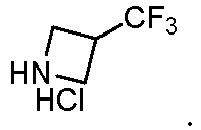
- Compound TDI01434 was prepared according to a method similar to that described in Example 34, with step 3 omitted

- 1H NMR (400 MHz, DMSO-d6 ) δ 12.28 (s, 1H), 10.61 (s, 1H), 8.48 (s, 1H), 8.35 (d, J = 6.4 Hz, 1H), 8.07 (s, 2H), 8.00 (d, J = 8.4 Hz, 1H), 7.83 (d, J = 8.4 Hz, 1H), 7.79 (d, J = 7.6 Hz, 2H), 7.71 (d, J = 8.4 Hz, 2H), 7.03 (s, 1H), 6.85 (d, J = 6.4 Hz, 1H), 5.03 (s, 2H), 4.58 (s, 2H). MS m/z (ESI): 472.1 [M+H].
- The compounds in following table 9 were prepared according to methods similar to that described in the synthetic route of TDI01434 in Example 34.
Table 9: No. Compound Structure Compound Name Starting material or regent different from that in the synthetic route of TDI01434 in Example 34 Characterization Data TDI01381 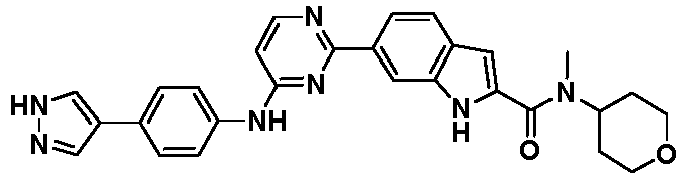
6-(4-((4-(1H-pyrazol-4-yl)phenyl)amino)pyrimidi n-2-yl)-N-methyl-N-(tetrahydro-2H-pyran-4-yl)-1H-indole-2-carboxamide 

1H NMR (400 MHz, CD3OD) δ 8.42 (s, 1H), 8.20 (d, J = 7.2 Hz, 1H), 8.03 (s, 2H), 7.88 (s, 3H), 7.74 (d, J = 7.7 Hz, 3H), 6.98 (s, 1H), 6.91 (d, J = 7.2 Hz, 1H), 4.05 (d, J = 8.3 Hz, 2H), 3.51 (s, 3H), 3.20 (s, 3H), 2.01 (s, 2H), 1.74 (d, J = 11.7 Hz, 2H). MS m/z (ESI): 494.3 [M+H]. TDI01408 
5-(4-((4-(1H-pyrazol-4-yl)phenyl)amino)pyrimidi n-2-yl)-N,N-diethyl-1H-indole-2-carboxamide 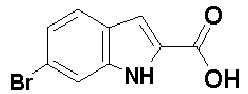

1H NMR (400 MHz, DMSO-d6 ) δ 11.93 (s, 1H), 10.39 (s, 1H), 8.66 (s, 1H), 8.35 (d, J = 6.3 Hz, 1H), 8.17 (d, J = 8.7 Hz, 1H), 8.07 (s, 2H), 7.79 (d, J = 7.7 Hz, 2H), 7.71 (d, J = 8.4 Hz, 2H), 7.58 (d, J = 8.7 Hz, 1H), 6.99 (s, 1H), 6.80 (d, J = 6.1 Hz, 1H), 3.62 - 3.60 (m, 4H), 1.20-1.28 (m, 6H). MS m/z (ESI): 452.3 [M+H]. TDI01418 
6-(4-((4-(1H-pyrazol-4-yl)phenyl)amino)pyrimidi n-2-yl)-N-(3-hydroxycyclobutyl)-N-methyl-1H-indole-2-carboxamide 

1H NMR (400 MHz, DMSO-d 6) δ 12.19 (s, 1H), 10.89 (s, 1H), 8.42 (s, 1H), 8.35 (d, J = 6.5 Hz, 1H), 8.09 (s, 2H), 7.93 (s, 1H), 7.86 (s, 1H), 7.76 (d, J = 11.7 Hz, 4H), 6.89 (d, J = 6.3 Hz, 2H), 4.43 (d, J = 8.3 Hz, 1H), 3.85 (s, 1H), 3.15 (s, 3H), 2.13 (s, 3H). MS m/z (ESI): 480.3 [M+H]. TDI01419 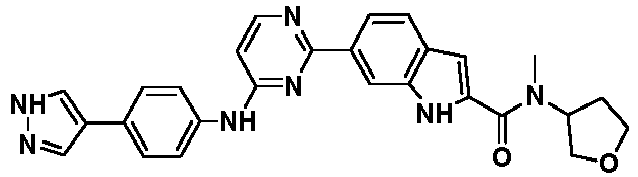
6-(4-((4-(1H-pyrazol-4-yl)phenyl)amino)pyrimidi n-2-yl)-N-methyl-N-(tetrahydrofuran-3 -yl)-1H-indole-2-carboxamide 

1H NMR (400 MHz, CD3OD) δ 8.60 (s, 1H), 8.38 (d, J = 2.8 Hz, 1H), 8.21 (d, J = 8.8 Hz, 1H), 8.07 (s, 2H), 7.90 (d, J = 8.4 Hz, 2H), 7.79 (d, J = 8.4 Hz, 1H), 7.72 (d, J = 8.4 Hz, 2H), 6.98 (s, 1H), 6.73 (d, J = 6.0 Hz, 1H), 5.35 (d, J = 8.8 Hz, 1H), 4.33 (s, 3H), 4.16 - 4.12 (m, 1H), 4.00 - 3.96 (m, 1H), 3.90 - 3.86 (m, 1H), 3.77 - 3.71 (m, 1H), 2.45 - 2.40 (m, 1H), 2.15 - 2.10 (m, 1H). MS m/z (ESI): 480.3 [M+H]. TDI01420 
6-(4-((4-(1H-pyrazol-4-yl)phenyl)amino)pyrimidi n-2-yl)-N-cyclobutyl-N-methyl-1H-indole-2-carboxamide 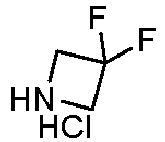

1H NMR (400 MHz, DMSO-d 6) δ 12.12 (s, 1H), 10.64 (s, 1H), 8.41 (d, J = 34.4 Hz, 2H), 8.09 (s, 2H), 7.98 (s, 1H), 7.88 - 7.67 (m, 4H), 6.89 (d, J = 25.6 Hz, 2H), 4.93 (s, 1H), 3.15 (s, 3H), 2.33 (s, 2H), 2.16 (s, 2H), 1.68 (s, 2H). MS m/z (ESI): 464.2 [M+H]. TDI01426 
6-(4-((4-(1H-pyrazol-4-yl)phenyl)amino)-5 - fluoropyrimidin-2-yl)-N-methyl-N-(2,2,2-trifluoroethyl)-1H-indole-2-carboxamide 


1H NMR (400 MHz, DMSO-d6 ) δ 11.99 (s, 1H), 9.65 (s, 1H), 8.48 (s, 2H), 8.06 (d, J = 4.9 Hz, 3H), 7.94 (d, J = 8.6 Hz, 2H), 7.70 (dd, J = 18.3, 8.6 Hz, 3H), 7.08 (s, 1H), 4.50 (s, 2H), 3.46 (s, 3H). MS m/z (ESI): 510.2 [M+H]. TDI01429 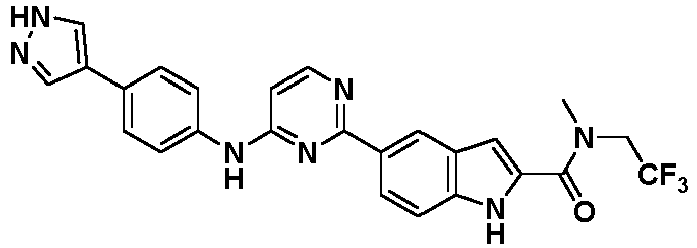
5-(4-((4-(1H-pyrazol-4-yl)phenyl)amino)pyrimidi n-2-yl)-N-methyl-N-(2,2,2-trifluoroethyl)-1H-indole-2-carboxamide 


1H NMR (400 MHz, DMSO-d6 ) δ 7.92 (s, 1H), 7.53 (s, 1H), 7.47 - 7.29 (m, 3H), 7.04-6.97 (m, 5H), 6.54 (s, 1H), 6.25 - 6.16 (m, 1H), 3.73 (s, 2H), 2.79 (s, 3H). MS m/z (ESI): 492.2 [M+H]. TDI01430 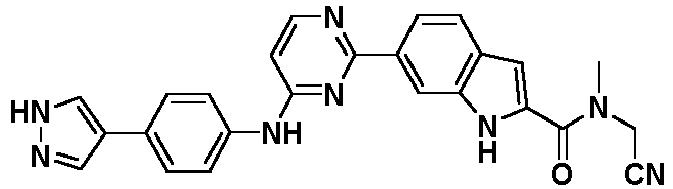
6-(4-((4-(1H-pyrazol-4-yl)phenyl)amino)pyrimidi n-2-yl)-N-(cyanomethyl)-N-methyl-1H-indole-2-carboxamide 

1H NMR (400 MHz, DMSO-d6 ) δ 12.25 (s, 1H), 10.50 (s, 1H), 8.49 (s, 1H), 8.37 (d, J= 6.4 Hz, 1H), 8.08 (s, 2H), 8.03 (d, J = 8.3 Hz, 1H), 7.82 (dd, J = 15.7, 8.1 Hz, 3H), 7.71 (d, J = 8.2 Hz, 2H), 7.13 (s, 1H), 6.84 (d, J = 6.3 Hz, 1H), 4.69 (s, 2H), 3.40 (s, 3H). MS m/z (ESI): 449.2 [M+H]. TDI01431 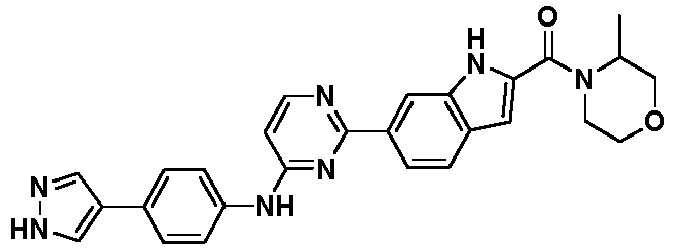
(6-(4-((4-(1H-pyrazol-4-yl)phenyl)amino)pyrimidi n-2-yl)-1H-indol-2-yl)(3 - methylmorpholino)metha none 

1H NMR (400 MHz, CD3OD) δ 8.41 (s, 1H), 8.21 (d, J = 7.2 Hz, 1H), 8.03 (s, 2H), 7.88 (s, 2H), 7.75 (d, J = 7.4 Hz, 3H), 6.96 - 6.87 (m, 2H), 4.61 (s, 1H), 4.21 (d, J = 9.1 Hz, 1H), 3.95 (d, J = 7.2 Hz, 1H), 3.71 (dd, J = 14.6, 11.8 Hz, 2H), 3.56 (d, J = 6.8 Hz, 2H), 1.46 (d, J = 6.9 Hz, 3H). MS m/z (ESI): 480.3 [M+H]. TDI01433 
(6-(4-((4-(1H-pyrazol-4-yl)phenyl)amino)pyrimidi n-2-yl)-1H-indol-2-yl)(3 - (trifluoromethyl)azetidin-1-yl)methanone 

1H NMR (400 MHz, DMSO-d6 ) δ 12.16 (s, 1H), 10.26 (s, 1H), 8.51 (s, 1H), 8.36 (d, J = 6.3 Hz, 1H), 8.05 (d, J = 9.5 Hz, 3H), 7.80 (t, J = 8.6 Hz, 3H), 7.69 (d, J = 8.3 Hz, 2H), 7.03 (s, 1H), 6.79 (d, J = 5.9 Hz, 1H), 4.81 (s, 1H), 4.62 (s, 1H), 4.38 (s, 1H), 4.10 (s, 1H), 3.79 (dd, J = 3.5, 1.3 Hz, 1H). MS m/z (ESI): 504.2 [M+H]. TDI01435 
(6-(4-((4-(1H-pyrazol-4-yl)phenyl)amino)pyrimidi n-2-yl)-1H-indol-2-yl)(3-(difluoromethyl)azetidin-1-yl)methanone 
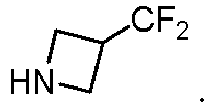
1H NMR (400 MHz, CD3OD) δ 8.42 (s, 1H), 8.20 (d, J = 7.1 Hz, 1H), 8.03 (s, 2H), 7.88 (dd, J = 18.4, 8.5 Hz, 2H), 7.74 (s, 3H), 6.99 (s, 1H), 6.90 (d, J = 7.1 Hz, 1H), 6.21 (dd, J = 57.6, 54.6 Hz, 1H), 4.73 (s, 1H), 4.60 (s, 1H), 4.22 (dd, J = 74.1, 31.0 Hz, 4H). MS m/z (ESI): 486.2 [M+H]. TDI01436 
(6-(4-((4-(1H-pyrazol-4-yl)phenyl)amino)pyrimidi n-2-yl)-1H-indol-2-yl)(3 - (trifluoromethoxy)azetidi n-1 -yl)methanone 

1H NMR (400 MHz, DMSO-d6 ) δ 8.53 (s, 1H), 8.37 (d, J = 6.1 Hz, 1H), 8.08 (d, J = 9.0 Hz, 3H), 7.82 (d, J = 8.0 Hz, 2H), 7.77 (d, J = 8.4 Hz, 1H), 7.70 (s, 2H), 6.97 (s, 1H), 6.75 (d, J = 5.8 Hz, 1H), 5.35 (s, 1H), 4.95 (s, 1H), 4.72 (s, 1H), 4.56 (s, 1H), 4.20 (s, 1H). MS m/z (ESI): 520.2 [M+H]. TDI01437 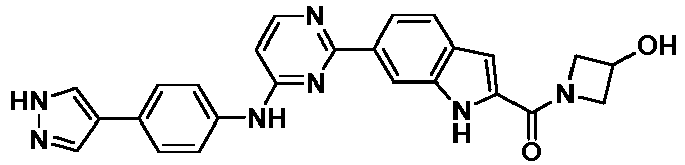
(6-(4-((4-(1H-pyrazol-4-yl)phenyl)amino)pyrimidi n-2-yl)-1H-indol-2-yl)(3 - hydroxyazetidin-1 - yl)methanone 

1H NMR (400 MHz, CD3OD) δ 8.43 (s, 1H), 8.21 (d, J = 7.2 Hz, 1H), 8.03 (s, 2H), 7.92 -7.84 (m, 2H), 7.75 (s, 4H), 6.99 (s, 1H), 6.91 (d, J = 7.2 Hz, 1H), 4.72 - 4.71 (m, 1H), 4.67 (s, 1H), 4.46 (s, 1H), 4.39 (s, 1H), 4.02 (s, 1H). MS m/z (ESI): 452.2 [M+H]. TDI01438 
(S)-(6-(4-((4-(1H-pyrazol-4-yl)phenyl)amino)pyrimidi n-2-yl)-1H-indol-2-yl)(3 - hydroxypyrrolidin-1 - yl)methanone 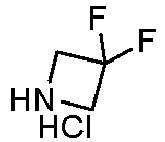

1H NMR (400 MHz, CD3OD) δ 8.42 (s, 1H), 8.20 (d, J = 7.2 Hz, 1H), 8.06 (s, 2H), 7.74 (m, 6H), 7.12 (d, J = 24.7 Hz, 1H), 6.90 (d, J = 7.2 Hz, 1H), 4.54 (d, J = 24.2 Hz, 1H), 4.14 - 3.67 (m, 4H), 2.22 - 1.97 (m, 2H). MS m/z (ESI): 466.1 [M+H]. TDI01441 
(6-(4-((4-(1H-pyrazol-4-yl)phenyl)amino)pyrimidi n-2-yl)-1H-indol-2-yl)(3-fluoro-3-methylazetidin-1-yl)methanone 

1H NMR (400 MHz, CD3OD) δ 8.43 (s, 1H), 8.21 (d, J = 7.2 Hz, 1H), 8.03 (s, 2H), 7.90 (t, J = 8.1 Hz, 2H), 7.75 (s, 4H), 7.00 (s, 1H), 6.91 (d, J = 7.2 Hz, 1H), 4.65 (s, 2H), 4.29 (s, 2H), 1.70 (d, J = 21.6 Hz, 3H). MS m/z (ESI): 468.2 [M+H]. TDI01442 
6-(4-((4-(1H-pyrazol-4-yl)phenyl)amino)pyrimidi n-2-yl)-N-(2-cyanoethyl)-N-methyl-1H-indole-2-carboxamide 

1H NMR (400 MHz, DMSO-d6 ) δ 12.16 (s, 1H), 10.57 (s, 1H), 8.49 (s, 1H), 8.37 (d, J = 6.5 Hz, 1H), 8.08 (s, 2H), 8.01 (d, J = 8.4 Hz, 1H), 7.82 (d, J = 8.6 Hz, 3H), 7.71 (d, J = 8.5 Hz, 2H), 7.05 (s, 1H), 6.85 (d, J = 6.5 Hz, 1H), 3.39 (s, 4H), 2.93 (s, 3H). MS m/z (ESI): 463.3 [M+H]. TDI01444 
(6-(4-((4-(1H-pyrazol-4-yl)phenyl)amino)pyrimidi n-2-yl)-1H-indol-2-yl)(3 - (trifluoromethyl)pyrrolidi n-1 -yl)methanone 

1H NMR (400 MHz, CD3OD) δ 8.44 (s, 1H), 8.21 (d, J = 7.2 Hz, 1H), 8.03 (s, 2H), 7.96 - 7.82 (m, 3H), 7.75 (d, J = 8.0 Hz, 3H), 7.15 (s, 1H), 6.92 (d, J = 7.2 Hz, 1H), 4.26 (s, 1H), 4.09 (d, J = 28.2 Hz, 2H), 3.99 - 3.83 (m, 2H), 2.35 (d, J = 41.6 Hz, 2H). MS m/z (ESI): 518.3 [M+H]. TDI01445 
1-(6-(4-((4-(1H-pyrazol-4-yl)phenyl)amino)pyrimidi n-2-yl)-1H-indole-2-carbonyl)piperidine-4-carbonitrile 

1H NMR (400 MHz, CD3OD) δ 8.38 (s, 1H), 8.19 (d, J = 7.1 Hz, 1H), 8.03 (s, 2H), 7.77 (dd, J = 42.4, 15.3 Hz, 6H), 6.99 - 6.84 (m, 2H), 4.10 (d, J = 12.3 Hz, 2H), 3.68 (s, 2H), 3.14 (s, 1H), 2.05 (s, 2H), 1.96 - 1.80 (m, 2H). MS m/z (ESI): 489.2 [M+H]. TDI01447 
(6-(4-((4-(1H-pyrazol-4-yl)phenyl)amino)pyrimidi n-2-yl)-1H-indol-2-yl)(3-(4-methylpiperazin-1 - yl)piperidin-1-yl)methanone 

1H NMR (400 MHz, DMSO-d6 ) δ 12.12 (s, 1H), 10.51 (s, 1H), 8.47 (s, 1H), 8.37 (d, J = 6.4 Hz, 1H), 8.07 (s, 2H), 8.02 (d, J = 8.5 Hz, 1H), 7.80 (d, J = 4.3 Hz, 3H), 7.71 (d, J = 8.3 Hz, 2H), 6.92 - 6.77 (m, 2H), 4.39 (s, 2H), 4.25 (d, J = 10.7 Hz, 2H), 3.02 (d, J = 80.3 Hz, 7H), 2.77 (s, 3H), 2.63 (s, 2H), 1.96 (s, 1H), 1.82 (s, 1H), 1.64 - 1.46 (m, 2H). MS m/z (ESI): 562.4 [M+H]. TDI01448 
1-(6-(4-((4-(1H-pyrazol-4-yl)phenyl)amino)pyrimidi n-2-yl)-1H-indole-2-carbonyl)pyrrolidine-3 - carbonitrile 

1H NMR (400 MHz, CD3OD) δ 8.44 (s, 1H), 8.21 (d, J = 7.1 Hz, 1H), 8.02 (s, 2H), 7.91 (s, 2H), 7.75 (s, 4H), 7.15 (d, J = 9.2 Hz, 1H), 6.90 (d, J = 7.2 Hz, 1H), 4.22 - 3.85 (m, 4H), 3.48 (d, J = 3.4 Hz, 1H), 2.41 (t, J = 26.9 Hz, 2H). MS m/z (ESI): 475.2 [M+H]. TDI01450 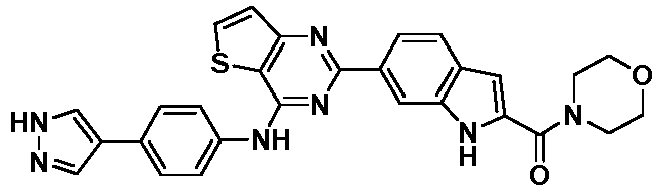
(6-(4-((4-(1H-pyrazol-4-yl)phenyl)amino)thieno [3 ,2-d]pyrimidin-2-yl)-1H-indol-2-yl)(morpholino)methanon e 


1H NMR (400 MHz, CD3OD) δ11.93 (s, 1H), 9.94 (s, 1H), 8.57 (s, 1H), 8.26 (d, J = 8.0 Hz, 1H), 8.15 (d, J = 8.0 Hz, 1H), 8.09 (s, 2H), 7.92 (d, J = 8.0 Hz, 2H), 7.71 (d, J = 8.0 Hz, 3H), 7.56 (s, 1H), 6.88 (s, 1H), 3.79-3.68 (m, 8H). MS m/z (ESI): 522.2 [M+H]. TDI01451 
6-(4-((4-(1H-pyrazol-4-yl)phenyl)amino)thieno [3 ,2-d]pyrimidin-2-yl)-N,N-diethyl-1H-indole-2-carboxamide 
1H NMR (400 MHz, DMSO-d6 ) δ 10.13 (s, 2H), 9.70 (s, 1H), 8.96 (s, 1H), 8.82 (s, 1H), 8.50 (s, 1H), 8.40 - 8.23 (m, 3H), 8.10 (d, J = 12.0 Hz, 3H), 7.93 (dd, J = 34.6, 8.8 Hz, 3H), 3.02 (s, 3H), 2.75 (s, 3H). MS m/z (ESI): 508.3 [M+H]. 

TDI01455 
(6-(4-((4-(1H-pyrazol-4-yl)phenyl)amino)pyrimidi n-2-yl)-1H-indol-2-yl)(3 - fluoroazetidin-1-yl)methanone 

1H NMR (400 MHz, DMSO-d6 ) δ 12.21 (s, 1H), 10.53 (s, 1H), 8.49 (s, 1H), 8.37 (d, J = 6.4 Hz, 1H), 8.08 (s, 2H), 8.01 (d, J = 8.8 Hz, 1H), 7.81 (dd, J = 8.8, 4.0 Hz, 3H), 7.71 (d, J = 8.8 Hz, 2H), 6.97 (s, 1H), 6.84 (d, J = 6.4 Hz, 1H), 5.54 (d, J = 57.6 Hz, 1H), 4.86 (s, 1H), 4.65 (s, 1H), 4.48 (s, 1H), 4.12 (s, 1H). MS m/z (ESI): 454.2 [M+H]. TDI01458 
(6-(4-((4-(1H-pyrazol-4-yl)phenyl)amino)pyrimidi n-2-yl)-1H-indol-2-yl)(4-hydroxypiperidin-1 - yl)methanone 
1H NMR (400 MHz, DMSO-d6 ) δ 12.04 (s, 1H), 10.32 (s, 1H), 8.47 (s, 1H), 8.36 (d, J = 6.3 Hz, 1H), 8.09 - 8.01 (m, 3H), 7.81-7.76 (m, 3H), 7.70 (d, J = 8.5 Hz, 2H), 6.85 (s, 1H), 6.80 (d, J = 6.2 Hz, 1H), 4.11-4.08 (m, 4H), 3.81-3.79 (m, 1H), 1.87 - 1.80 (m, 2H), 1.47 - 1.40 (m, 2H). MS m/z (ESI): 480.2 [M+H]. TDI01461 
1-(6-(4-((4-(1H-pyrazol-4-yl)phenyl)amino)pyrimidi n-2-yl)-1H-indole-2-carbonyl)-3-methylazetidine-3 - carbonitrile 

1H NMR (400 MHz, CD3OD) δ 8.43 (s, 1H), 8.21 (d, J = 7.2 Hz, 1H), 8.03 (s, 2H), 7.89 (dd, J = 16.6, 8.6 Hz, 2H), 7.75 (s, 4H), 6.99 (s, 1H), 6.91 (d, J = 7.2 Hz, 1H), 4.77 (s, 1H), 4.55 (s, 2H), 4.18 (s, 1H), 1.76 (s, 3H). MS m/z (ESI): 475.3 [M+H]. TDI01462 
(6-(4-((4-(1H-pyrazol-4-yl)phenyl)amino)pyrimidi n-2-yl)-1H-indol-2-yl)(pyrrolidin-1-yl)methanone 
1H NMR (400 MHz, DMSO-d6 ) δ 12.14 (s, 1H), 10.66 (s, 1H), 8.48 (s, 1H), 8.35 (d, J = 6.6 Hz, 1H), 8.08 (s, 2H), 7.98 (d, J = 8.5 Hz, 1H), 7.83 (d, J = 8.7 Hz, 3H), 7.72 (d, J = 8.4 Hz, 2H), 7.09 (s, 1H), 6.85 (d, J = 5.9 Hz, 1H), 3.86 (t, J = 6.5 Hz, 2H), 3.59 (s, 2H), 1.99 (d, J = 6.6 Hz, 2H), 1.93 - 1.86 (m, 2H). MS m/z (ESI): 466.3 [M+H]. TDI01463 
(6-(4-((4-(1H-pyrazol-4-yl)phenyl)amino)pyrimidi n-2-yl)-1H-indol-2-yl)(3,3-difluoropyrrolidin-1 - yl)methanone 
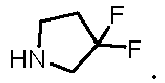
1H NMR (400 MHz, CD3OD) δ 8.41 (s, 1H), 8.20 (d, J = 6.2 Hz, 1H), 8.03 (s, 2H), 7.97 - 7.56 (m, 6H), 7.13 (s, 1H), 6.90 (d, J = 6.4 Hz, 1H), 4.22 - 4.20 (m, 2H), 3.98 - 3.96 (m, 2H), 2.57 - 2.55 (m, 2H). MS m/z (ESI): 486.1 [M+H]. TDI01464 
(6-(4-((4-(1H-pyrazol-4-yl)phenyl)amino)pyrimidi n-2-yl)-1H-indol-2-yl)(1,7-diazaspiro[3.5]nonan-7-yl)methanone 

1H NMR (400 MHz, DMSO-d6 ) δ 8.42 (s, 1H), 8.22 (d, J = 6.0 Hz, 1H), 8.06 (s, 2H), 7.89 (s, 2H), 7.80 - 7.75 (m 4H), 6.97 (s, 1H), 6.92 (d, J = 5.6 Hz, 1H), 4.14 - 4.00 (m, 4H), 3.79 - 3.64 (m, 2H), 2.57 - 2.53 (m, 2H), 2.23 - 2.16 (m, 4H). MS m/z (ESI): 505.3 [M+H]. TDI01465 
(6-(4-((4-(1H-pyrazol-4-yl)phenyl)amino)pyrimidi n-2-yl)-1H-indol-2-yl)(3 - (methylsulfonyl)azetidin-1-yl)methanone 

1H NMR (400 MHz, CD3OD) δ 8.41 (s, 1H), 8.20 (d, J = 7.2 Hz, 1H), 8.03 (s, 2H), 7.74 (s, 6H), 7.02 (s, 1H), 6.90 (d, J = 7.2 Hz, 1H), 4.45 (dd, J = 15.5, 11.5 Hz, 4H), 3.06 (s, 3H). MS m/z (ESI): 514.3 [M+H]. TDI01468 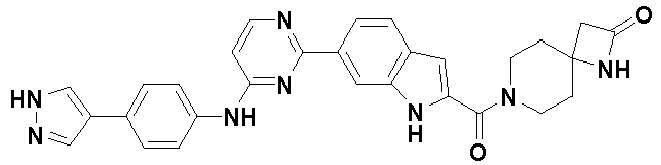
7-(6-(4-((4-(1H-pyrazol-4-yl)phenyl)amino)pyrimidi n-2-yl)-1H-indole-2-carbonyl)-1,7-diazaspiro[3.5]nonan-2-one 

1H NMR (400 MHz, CD3OD) δ 8.41 (s, 1H), 8.21 (d, J = 7.2 Hz, 1H), 8.03 (s, 2H), 7.93 - 7.82 (m, 3H), 7.79 - 7.74 (m, 3H), 6.95 (s, 1H), 6.91 (d, J = 7.2 Hz, 1H), 4.00 - 3.93 (m, 2H), 3.85 - 3.76 (m, 2H), 2.81 (s, 2H), 1.99 - 1.87 (m, 4H). MS m/z (ESI): 519.3 [M+H]. TDI01472 
(6-(4-((4-(1H-pyrazol-4-yl)phenyl)amino)thieno [3 ,2-d]pyrimidin-2-yl)-1H-indol-2-yl)(3,3-difluoroazetidin-1-yl)methanone 

1H NMR (400 MHz, DMSO-d6 ) δ 12.19 (s, 1H), 10.33 (s, 1H), 8.56 (s, 1H), 8.34 (d, J = 5.6 Hz, 1H), 8.19 - 8.08 (m, 3H), 7.90 (d, J = 8.8 Hz, 2H), 7.77 (dd, J = 21.2, 8.4 Hz, 3H), 7.58 (d, J = 5.6 Hz, 1H), 7.01 (s, 1H), 5.03 (s, 2H), 4.61 (s, 2H). MS m/z (ESI): 528.1 [M+H]. TDI01473 
(6-(4-((4-(1H-pyrazol-4-yl)phenyl)amino)pyrimidi n-2-yl)-1H-indol-2-yl)(3 - fluoropyrrolidin-1-yl)methanone 

1H NMR (400 MHz, DMSO-d6 ) δ 12.22 (s, 1H), 10.75 (s, 1H), 8.47 (s, 1H), 8.35 (d, J = 6.6 Hz, 1H), 8.09 (s, 2H), 7.97 (d, J = 8.4 Hz, 1H), 7.92 - 7.67 (m, 4H), 7.14 (d, J = 22.2 Hz, 1H), 6.87 (d, J = 6.6 Hz, 1H), 4.19 - 4.07 (m, 2H), 3.97 - 3.83 (m, 3H), 3.66 (s, 1H), 2.27 (d, J = 48.5 Hz, 2H). MS m/z (ESI): 468.2 [M+H]. TDI01477 
(6-(4-((4-(1H-pyrazol-4-yl)phenyl)amino)pyrimidi n-2-yl)-1H-indol-2-yl)((3S,4R)-3,4-difluoropyrrolidin-1 - yl)methanone 

1H NMR (400 MHz, CD3OD) δ 8.44 (s, 1H), 8.22 (d, J = 7.2 Hz, 1H), 8.03 (s, 2H), 7.94 (d, J = 8.5 Hz, 1H), 7.87 (d, J = 8.5 Hz, 1H), 7.76 (s, 4H), 7.17 (s, 1H), 6.92 (d, J = 7.2 Hz, 1H), 5.42 (m, 1H), 5.25 (m, 1H), 4.38 (m, 2H), 4.09 (m, 2H). MS m/z (ESI): 486.3 [M+H]. TDI01478 
(6-(4-((4-(1H-pyrazol-4-yl)phenyl)amino)pyrimidi n-2-yl)-1H-indol-2-yl)((3S,4S)-3,4-difluoropyrrolidin-1 - yl)methanone 

1H NMR (400 MHz, CD3OD) δ 8.52 (s, 1H), 8.29 (d, J = 6.0 Hz, 1H), 8.12 (dd, J = 8.5, 1.4 Hz, 1H), 7.96 (s, 2H), 7.79 (dd, J = 15.2, 8.5 Hz, 3H), 7.64 (d, J = 8.7 Hz, 2H), 7.12 (s, 1H), 6.67 (d, J = 6.0 Hz, 1H), 5.36 (s, 2H), 4.28 (s, 2H), 4.05 (d, J = 18.3 Hz, 2H). MS m/z (ESI): 486.2 [M+H]. TDI01485 
(6-(4-((4-(1H-pyrazol-4-yl)phenyl)amino)pyrimidi n-2-yl)-1H-indol-2-yl)(4,4-difluoropiperidin-1-yl)methanone 

1H NMR (400 MHz, DMSO-d6 ) δ 12.05 (s, 1H), 10.15 (s, 1H), 8.51 (s, 1H), 8.37 (d, J = 6.1 Hz, 1H), 8.10 - 8.04 (m, 3H), 7.82 (d, J = 8.4 Hz, 2H), 7.75 (d, J = 8.5 Hz, 1H), 7.68 (d, J = 8.5 Hz, 2H), 6.94 (s, 1H), 6.78 (d, J= 6.1 Hz, 1H), 3.87 (br.s, 4H), 2.12 (br.s, 4H). MS m/z (ESI): 500.2 [M+H]. TDI01486 
(6-(4-((4-(1H-pyrazol-4-yl)phenyl)amino)pyrimidi n-2-yl)-1H-indol-2-yl)(1,1-difluoro-5-azaspiro[2.4]heptan-5-yl)methanone 

1H NMR (400 MHz, CD3OD) δ 8.36 (s, 1H), 8.17 (d, J = 6.8 Hz, 1H), 8.02 (s, 2H), 7.93 - 7.58 (m, 6H), 7.06 (d, J = 14.4 Hz, 1H), 6.86 (d, J = 6.9 Hz, 1H), 4.18 - 3.69 (m, 4H), 2.21 (t, J = 32.1 Hz, 2H), 1.57 (s, 2H). MS m/z (ESI): 512.2 [M+H]. TDI01487 
6-(4-((4-(1H-pyrazol-4-yl)phenyl)amino)thieno [3 ,2-d]pyrimidin-2-yl)-N-(3 -fluorocyclobutyl)-1H-indole-2-carboxamide 

1H NMR (400 MHz, DMSO-d6 ) δ 11.95 (s, 1H), 9.99 (s, 1H), 8.81 (s, 1H), 8.57 (s, 1H), 8.28 (s, 1H), 8.16 (s, 1H), 8.09 (s, 2H), 7.94 (d, J = 6.4 Hz, 2H), 7.76 - 7.71 (m, 3H), 7.56 (s, 1H), 7.24 (s, 1H), 5.39 - 5.25 (m, 1H), 4.97 - 4.84 (m, 1H), 4.69 - 4.57 (m, 1H), 4.09 - 4.03 (m, 1H), 2.83 - 2.73 (m, 2H). MS m/z (ESI): 524.2 [M+H]. 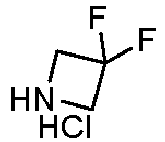

TDI01489 
N-(1-(6-(4-((4-(1H-pyrazol-4-yl)phenyl)amino)pyrimidi n-2-yl)-1H-indole-2-carbonyl)azetidin-3-yl)methanesulfonamide 

1H NMR (400 MHz, CD3OD) δ 8.43 (s, 1H), 8.22 (d, J = 6.9 Hz, 1H), 8.02 (s, 2H), 7.88 (q, J = 8.6 Hz, 2H), 7.73 (t, J = 8.2 Hz, 4H), 6.96 (s, 1H), 6.87 (d, J = 6.9 Hz, 1H), 4.52 (d, J = 31.4 Hz, 4H), 4.12 (s, 1H), 3.00 (s, 3H). MS m/z (ESI): 529.3 [M+H]. TDI01490 
(6-(4-((4-(1H-pyrazol-4-yl)phenyl)amino)pyrimidi n-2-yl)-1H-indol-2-yl)(6,6-difluoro-3-azabicyclo[3.1.0]hexan-3-yl)methanone 

1H NMR (400 MHz, DMSO-d6 ) δ 12.08 (s, 1H), 10.30 (s, 1H), 8.50 (s, 1H), 8.35 (s, 1H), 8.06 - 8.03 (m, 3H), 7.81 - 7.80 (m, 3H), 7.70 (d, J = 8.0 Hz, 2H), 7.10 (s, 1H), 6.80 (d, J = 5.6 Hz, 1H), 4.25 - 4.20 (m, 2H), 4.156 - 4.13 (m, 1H), 3.90 - 3.86 (m, 1H), 2.79 - 2.74 (m 1H), 2.69 - 2.65 (m, 1H). MS m/z (ESI): 498.2 [M+H]. TDI01495 
(6-(4-((4-(1H-pyrazol-4-yl)phenyl)amino)pyrimidi n-2-yl)-1H-indol-2-yl)(2,5-dihydro-1H-pyrrol-1 -yl)methanone 

1H NMR (400 MHz, DMSO-d6 ) δ 11.93 (s, 1H), 9.67 (s, 1H), 8.59 (s, 1H), 8.38 (d, J = 5.8 Hz, 2H), 8.15 (d, J = 8.5 Hz, 1H), 8.04 (s, 1H), 7.85 (d, J = 8.3 Hz, 2H), 7.74 (d, J = 8.5 Hz, 1H), 7.66 (d, J = 8.5 Hz, 2H), 7.10 (s, 1H), 6.69 (d, J = 5.8 Hz, 1H), 6.03 (s, 2H), 4.70 (br.s, 2H), 4.40 (br, 2H). MS m/z (ESI): 448.2 [M+H]. TDI01497 
(6-(4-((4-(1H-pyrazol-4-yl)phenyl)amino)pyrimidi n-2-yl)-1H-indol-2-yl)(1,1-dioxidothiomorpholino)m ethanone 

1H NMR (400 MHz, DMSO-d6 ) δ 12.13 (s, 1H), 10.41 (s, 1H), 8.48 (s, 1H), 8.36 (d, J = 6.4 Hz, 1H), 8.10 - 8.01 (m, 3H), 7.80 (d, J = 8.5 Hz, 3H), 7.70 (d, J = 8.6 Hz, 2H), 6.99 (d, J = 1.6 Hz, 1H), 6.81 (d, J = 6.4 Hz, 1H), 4.16 (br.s, 4H), 3.35 (br, 4H). MS m/z (ESI): 514.2 [M+H]. TDI01498 
(6-(4-((4-(1H-pyrazol-4-yl)phenyl)amino)pyrimidi n-2-yl)-1H-indol-2-yl)(3 - (hydroxyimino)azetidin-1-yl)methanone 

1H NMR (400 MHz, DMSO-d6 ) δ 8.44 (s, 1H), 8.20 (d, J = 8.0 Hz, 1H), 8.04 (s, 2H), 7.90 - 7.86 (m, 3H), 7.74 - 7.72 (m, 3H), 7.03 (d, J = 12.0 Hz, 1H), 6.92 (d, J = 8.0 Hz, 1H), 5.83-5.81 (m, 4H), MS m/z (ESI): 465.2 [M+H]. -

- Compound TDI01364-1 (1.36 g, 5.82 mmol) and N,N-dimethylaminoacetic acid (500 mg, 4.85 mmol) were dissolved in N,N-dimethylformamide (50 mL), HATU (2.22 g, 5.82 mmol) and diisopropylethylamine (2.5 g, 19.4 mmol) were added, and the reaction was performed at room temperature overnight. LC-MS indicated the reaction was complete. The reaction solution was dissolved in ethyl acetate (250 mL), washed sequentially with water (250 mL x 3) and saturated brine (250 mL x 2), and the organic phase was dried over anhydrous sodium sulfate, and concentrated to afford compound TDI01364-2 (1.05 g, light yellow oil).
- 1H NMR (400 MHz, DMSO-d6 ) δ 7.59 (d, J = 6.4 Hz, 1H), 7.48 (d, J = 8.0 Hz, 1H), 7.34 - 7.30 (m, 1H), 4.87 (d, J = 16.0 Hz, 2H), 4.62 (d, J = 16.8 Hz, 2H), 3.15 (s, 2H), 2.25 (s, 6H). MS m/z (ESI): 283.1 [M+H].
- Compound TDI01364-2 (1.0 g, 3.55 mmol) and bis(pinacolato)diboron (1.8 g, 7.09 mmol) were dissolved in 1,4-dioxane (100 mL), potassium acetate (1.04 g, 10.64 mmol) and Pd(dppf)Cl2 (125 mg, 0.18 mmol) were added, purge with argon was performed for 3 times, and the reaction was placed in an oil bath at 80 °C overnight. LC-MS indicated the reaction was complete. The reaction solution was cooled to room temperature, concentrated under reduced pressure, and the residue was purified by column chromatography (dichloromethane : methanol= 1:0 to 10:1), to afford compound TDI01364-3 (400 mg, light yellow oil).
- 1H NMR (400 MHz, CDCl3) δ 7.72 (d, J = 14.4 Hz, 2H), 7.30 (d, J = 7.2 Hz, 1H), 4.89 (d, J = 18.4 Hz, 2H), 4.82 (d, J = 4.8 Hz, 2H), 3.25 (s, 2H), 2.42 (s, 6H), 1.35 (s, 12H). MS m/z (ESI): 331.4 [M+H].
- Compound TDI01364-3 (115 mg, 0.35 mmol) and Intermediate Reg-1-1 (100 mg, 0.29 mmol) were dissolved in a mixed solution of ethanol/water (10:1) (5 mL), sodium carbonate (62 mg, 0.58 mmol) and Pd(PPh3)2Cl2 (21 mg, 0.03 mmol) were added, purge with argon was performed for 3 times, and the reaction was performed under microwave at 110°C for 2 hours. LC-MS indicated the reaction was complete. The reaction solution was cooled to room temperature, and concentrated under reduced pressure. The residue was dissolved in dimethyl sulfoxide (5 mL), filtered, and the filtrate was purified by liquid chromatography, to afford compound TDI01364 (21.4 mg, white solid).
- 1H NMR (400 MHz, DMSO-d6 ) δ 13.02 (s, 1H), 9.62 (s, 1H), 8.36 - 8.30 (m, 2H), 8.28 (d, J = 5.6 Hz, 1H), 8.18 (s, 1H), 8.09 (s, 1H), 7.57 (t, J = 7.2 Hz, 2H), 7.48 (t, J = 8.8 Hz, 1H), 6.68 (d, J = 5.6 Hz, 1H), 4.97 (s, 2H), 4.73 (d, J = 14.4 Hz, 2H), 3.18 (d, J = 7.2 Hz, 2H), 2.27 (d, J = 5.6 Hz, 6H). MS m/z (ESI): 414.2 [M+H].
-

- Compound TDI01384-1 (500 mg, 2.14 mmol), 2-chloro-4-iodopyridine (332 mg, 1.62 mmol), cesium carbonate (2.09 g, 6.42 mmol) and BINAP (68.49 mg, 0.11 mmol) were dissolved in toluene (20 mL), palladium acetate (24.70 mg, 0.11 mmol) was then added, and the reaction was placed in an oil bath at 100°C for 4 hours. LC-MS indicated the reaction was complete. The reaction solution was cooled to room temperature, filtered, and separated by column chromatography (dichloromethane : methanol=100:1~10:1) to afford compound TDI01384-2 (170 mg, 23.0%, yellow solid). MS m/z (ESI): 345.1 [M+H].
- Compound TDI01384-2 (170 mg, 0.493 mmol) and Intermediate TDI01247-1 (178.17 mg, 0.591 mmol) in Example 18 were dissolved in a mixed solution of ethanol/water (8:1) (45 mL), sodium carbonate (156.77 mg, 1.48 mmol) and Pd(PPh3)2Cl2 (17.30 mg, 0.0247 mmol) were added, purge with argon was performed for 3 times, and the reaction was placed in an oil bath at 110 °C overnight. LC-MS indicated the reaction was complete. The reaction solution was cooled to room temperature, concentrated under reduced pressure, the residue was diluted with water (40 mL), and the pH was adjusted with 6N HCl to 1. A large amount of solid precipitated, which was filtered, and slurried with methanol to afford compound TDI01384-3 (100 mg, yellow solid, yield 43.20%). MS m/z (ESI): 370.1 [M+H].
- Compound TDI01384-3 (90.0 mg, 0.243 mmol) was dissolved in N,N-dimethylformamide (5 mL), HATU (110 mg, 0.29 mmol) and diisopropylethylamine (94.22 mg, 0.73 mmol) were added, and the reaction was performed at room temperature for 30 min. Compound 4-aminopyridazine (27.81 mg, 0.29 mmol) was then added, and the reaction was continued at room temperature overnight. MS indicated the reaction was complete. The reaction solution was concentrated, and the solide was purified by high performance liquid chromatography (trifluoroacetic acid ) to afford compound TDI01384 (13.32 mg, yellow solid, yield 12.24%).
- 1H NMR (400 MHz, CD3OD) δ 9.59 (s, 1H), 9.18 (d, J = 6.5 Hz, 1H), 8.55 (s, 1H), 8.13 (s, 2H), 7.96 - 7.91 (m, 1H), 7.84 (s, 1H), 7.72 (d, J = 8.6 Hz, 1H), 7.58 (s, 1H), 7.47 (d, J = 7.4 Hz, 2H), 7.41 (d, J = 7.4 Hz, 1H), 7.35 (d, J = 8.2 Hz, 1H), 7.08 - 7.01 (m, 1H). MS m/z (ESI): 447.1 [M+H].
-

- Compound TDI01360 (30.00 mg, 0.059 mmol) in Table 1 of Example 1, compound 1H-pyrazolecarboximidamide (10.42 mg, 0.071 mmol) and diisopropylethylamine (23 mg, 0.178 mmol) were dissolved in N,N-dimethylformamide (1 mL), and the reaction was stirred at ambient temperature overnight. The reaction solution was concentrated under reduced pressure, separated by preparative liquid chromatography, and lyophilized to afford target compound (8.04 mg, yield 24.25%).
- 1H NMR (400 MHz, CD3OD) δ 8.36 (s, 1H), 8.19 (d, J = 7.2 Hz, 1H), 8.16 (s, 1H), 7.98 (s, 1H), 7.86 (s, 2H), 7.69 (s, 2H), 6.92 (s, 2H), 3.86 (s, 4H), 3.59 - 3.40 (m, 4H), 1.70 (s, 6H), 1.37 (s, 2H). MS m/z (ESI): 529.3 [M+H].
-

- Compound TDI01698-1 was synthesized according to step 1 to step 3 of Example 46.
- Compound TDI01698-1 (5 g, 13.3 mmol), 2-chloro-4-aminopyrimidine (1.7 g, 13 mmol) and potassium carbonate (5.38 g, 39 mmol) were mixed in a mixed solvent of 1,4-dioxane (100 mL) and water (10 mL), Pd(dppf)Cl2 (952 mg, 1.3 mmol) was added, the flask was purged with N2 3 times, and the reaction solution was heated to reflux and reacted overnight. LC-MS indicated the product was a mixture of target product TDI01698-2 and byproduct TDI01699B. The reaction solution was cooled to room temperature, and filtered to remove salt impurities. The filtrate was concentrated under reduced pressure, and the crude product was separated by preparative flash chromatography (methanol/dichloromethane =0~4%), to afford compound TDI01698-2 (0.36 g, light brown solid, gross yield: 8%) and TDI01699B (0.1 g, light yellow solid, gross yield: 1.8%).
- TDI01698-2: 1H NMR (400 MHz, DMSO-d 6) δ 8.45 (s, 1H), 8.19 (d, J = 5.7 Hz, 1H), 8.14 (d, J = 8.4 Hz, 1H), 7.66 (d, J= 8.5 Hz, 1H), 7.04 (s, 1H), 6.90 (s, 2H), 6.36 (d, J = 5.8 Hz, 1H), 4.84 (s, 2H), 4.58 (s, 2H), 4.00 (s, 3H).
- Compound TDI01698-3 (223 mg, 1 mmol) was dissolved in DMF (3 mL), and cooled to 0°C in an ice-water bath under protection of N2. NaH (60%, 60 mg, 1.5 mmol) was added, and the reaction was stirred for 0.5 hour before addition of iodomethane (213 mg, 1.5 mmol). The reaction was stirred at room temperature overnight. LC-MS indicated the reaction was complete. Water (20 mL) was added, the mixture was stirred for 10 minutes, and filtered. The filter cake was washed with water (10 mL), dried under reduced pressure to afford compound TDI01698-4 (0.2 g, brown solid, yield: 84%).
- 1H NMR (400 MHz, DMSO-d 6) δ 8.17 (s, 1H), 7.88 (s, 1H), 7.52 (s, 4H), 3.85 (s, 3H).
- Compound TDI01698-2 (70 mg, 0.2 mmol), compound TDI01698-4 (48 mg, 0.2 mmol) and cesium carbonate (196 mg, 0.6 mmol) were mixed in 1,4-dioxane (3 mL), Pd2(dba)3 (37 mg, 0.04 mmol) and Xantphos (69 mg, 0.12 mmol) were added, the flask was purged with N2 3 times, and the reaction solution was heated to reflux and reacted overnight. LC-MS indicated the reaction was complete. The reaction solution was cooled to room temperature, and filtered to remove salt impurities. The filtrate was concentrated under reduced pressure, and the crude product was separated by preparative HPLC (acetonitrile/water (0.5% TFA)= 20-60%, 30 minutes), to afford compound TDI01698 (10 mg, yellow solid, yield: 8%).
- 1H NMR (400 MHz, DMSO-d 6) δ 10.59 (s, 1H), 8.52 (s, 1H), 8.40 (d, J = 8.4 Hz, 1H), 8.14 (s, 1H), 8.06 (d, J = 8.4 Hz, 1H), 7.88 (s, 1H), 7.82 (d, J = 8.3 Hz, 1H), 7.77 (d, J = 7.4 Hz, 2H), 7.66 (d, J = 8.3 Hz, 2H), 7.12 (s, 1H), 6.85 (d, J = 6.7 Hz, 1H), 4.89 (s, 2H), 4.57 (s, 2H), 4.05 (s, 3H), 3.88 (s, 3H). MS m/z (ESI): 500.1 [M+H].
-

- Compound TDI01466-2 was obtained by reacting Intermediate TDI01434-1, as a starting material, with Intermediate TDI01466-1, according to the synthetic method in step 5 of the synthetic process of TDI01434.
- 1H NMR (400 MHz, DMSO-d6 ) δ 12.10 (s, 1H), 8.54 (s, 1H), 8.36 (d, J = 6.2 Hz, 1H), 8.14 - 8.02 (m, 3H), 7.92 - 7.64 (m, 5H), 6.91 (d, J = 37.8 Hz, 2H), 4.74 (d, J = 8.5 Hz, 1H), 4.61 (s, 1H), 4.31 (t, J = 9.3 Hz, 1H), 4.15 (s, 1H), 3.61 - 3.59 (m, 1H), 3.38 (s, 3H). MS m/z (ESI): 494.2 [M+H].
- Compound TDI01466-2 (50 mg, 0.1 mmol) was dissolved in (dichloromethane (10 mL) / water (5 mL)), LiOH (42 mg, 1.0 mmol) was then added, and the reaction was performed at 50°C for 1 hour. LC-MS indicated the reaction was complete. The sovlent was rotary evaporated to dryness, and 5 mL water was added. The mixture was filtered, and purified by preparative chromatography to afford compound TDI01466 (15 mg, yellow solid, 30.0%).
- 1H NMR (400 MHz, DMSO-d6 ) δ 12.26 (s, 1H), 10.75 (s, 1H), 8.46 (s, 1H), 8.35 (s, 1H), 8.09 (s, 2H), 7.97 (d, J = 7.5 Hz, 1H), 7.83-7.74 (m, 5H), 6.99 (s, 1H), 6.87 (s, 1H), 4.75 (s, 1H), 4.62 (s, 1H), 4.31 (s, 1H), 4.16 (s, 1H), 3.60 - 3.59 (m, 1H). MS m/z (ESI): 480.2 [M+H].
-

- Compound 5-bromoisoindoline hydrochloride (5.0 g, 21.3 mmol) was dissolved in tetrahydrofuran (100 mL), di-tert-butyl dicarbonate (9.3 g, 42.6 mmol), diisopropylethylamine (11.0 g, 85.2 mmol) and 4-dimethylaminopyridine (123 mg, 1.06 mmol) were added, and the reaction was performed at room temperature overnight. Thin layer chromatography (petroleum ether / ethyl acetate = 5:1) indicated the reaction was complete. The reaction solution was diluted with ethyl acetate (100 mL), and washed sequentially with saturated ammonium chloride (150 mL x 2) and saturated sodium chloride (200 mL x 2). The organic phase was dried over anhydrous sodium sulfate, filtered, and concentrated. The residue was purified by column chromatography (petroleum ether / ethyl acetate = 10:1) to afford compound TDI01467-1 (2.7 g, white solid, yield42.9%).
- 1H NMR (400 MHz, CDCl3) δ 7.42 - 7.36 (m, 2H), 7.15 - 7.08 (m, 1H), 4.63 (t, J = 15.2 Hz, 4H), 1.51 (s, 9H).
- Compound TDI01467-1 (2.70 g, 9.06 mmol) and bis(pinacolato)diboron (3.45 g, 13.6 mmol) were dissolved in 1,4-dioxane (100 mL), potassium acetate (2.67 g, 27.2 mmol) and Pd(dppf)Cl2 (666 mg, 0.91 mmol) were added, purge with argon was performed for 3 times, and the reaction was placed in an oil bath at 100°C overnight. Thin layer chromatography (petroleum ether / ethyl acetate = 5:1) indicated the reaction was complete. The reaction solution was cooled to room temperature, and concentrated under reduced pressure. The residue was purified by column chromatography (petroleum ether / ethyl acetate = 10:1) to afford compound TDI01467-2 ((3.0 g, white solid, yield 96.1%)
- 1H NMR (400 MHz, CDCl3) δ 7.72 (s, 1H), 7.71 - 7.65 (m, 1H), 7.29 - 7.23 (m, 1H), 4.70 - 4.62 (m, 4H), 1.52 (s, 9H), 1.35 (s, 12H).
- Compound TDI01467-2 (1.00 g, 2.89 mmol) was dissolved in methanol(10 mL), a 3M hydrochloric acid methanol solution (10 mL) was added, and the reaction solution was stirred at room temperature overnight. Thin layer chromatography (petroleum ether / ethyl acetate =5:1) indicated the reaction was complete. The reaction solution was concentrated under reduced pressure to afford compound TDI01467-3 (800 mg, yellow solid, crude product).
- 1H NMR (400 MHz, DMSO-d6 ) δ 9.95 (s, 1H), 7.71 (s, 1H), 7.65 (d, J = 7.6 Hz, 1H), 7.42 (d, J = 7.6 Hz, 1H), 4.54 - 4.47 (m, 4H), 1.17 (s, 12H).
- Compound TDI01467-3 (800 mg, 2.84 mmol) was dissolved in tetrahydrofuran (20 mL), diisopropylethylamine (1.47 g, 11.4 mmol) was added, 4-nitrophenyl carbonochloridate (570 mg, 2.84 mmol) was added under ice bath cooling, and the reaction was continued at room temperature overnight. LC-MS indicated the reaction was complete. The reaction solution was diluted with ethyl acetate (50 mL), and successively washed with water (40 mL x 2), saturated ammonium chloride (50 mL x 2) and saturated sodium chloride (80 mL x 2). The organic phase was dried over anhydrous sodium sulfate, filtered, and concentrated. The crude product was separated by column chromatography (petroleum ether / ethyl acetate =10:1) to afford compound TDI01467-4 (670 mg, yellow solid, yield 57.6%)
- 1H NMR (400 MHz, CDCl3) δ 8.32 - 8.25 (m, 2H), 8.19 - 8.14 (m, 1H), 7.42 - 7.37 (m, 2H), 7.36 - 7.29 (m, 1H), 6.91 - 6.86 (m, 1H), 4.95 (d, J = 15.2 Hz, 2H), 4.85 (d, J = 8.0 Hz, 2H), 1.37 (s, 12H). MS m/z (ESI): 411.2 [M+H].
- Compound TDI01467-4 (400 mg, 0.98 mmol) and Intermediate TDI01470-a (151 mg, 1.17 mmol) were dissolved in N,N-dimethylformamide (10 mL), diisopropylethylamine (506 mg, 3.92 mmol) was added, and the reaction was performed in an oil bath at 100°C for 24 hours. LC-MS indicated the reaction was complete. The reaction solution was diluted with ethyl acetate (40 mL), and successively washed with water (50 mL x 2), saturated ammonium chloride (80 mL x 2) and saturated sodium chloride (100 mL x 2). The organic phase was dried over anhydrous sodium sulfate, filtered, and concentrated. The crude product was separated by column chromatography (petroleum ether / ethyl acetate = 3:1) to afford compound TDI01467-5 (140 mg, yellow solid, yield 39.4%).
- 1H NMR (400 MHz, CDCl3) δ 7.74 (d, J = 7.6 Hz, 1H), 7.71 (s, 1H), 7.28 (s, 1H), 4.74 (s, 2H), 4.72 (s, 2H), 4.39 (t, J = 12.4 Hz, 4H), 1.35 (s, 12H). MS m/z (ESI): 365.1 [M+H].
- Intermediate compound Reg-1-16 (90 mg, 0.174 mmol) and TDI01467-5 (95 mg, 0.262 mmol) were dissolved in a mixed solution of dioxane/water (10:1) (8.8 mL), potassium carbonate (48 mg, 0.348 mmol) and Pd(dppf)Cl2 (12.7 mg, 0.017 mmol) were added, purge with argon was performed for 3 times, and the reaction was placed in an oil bath at 100°C overnight. LC-MS indicated the starting material reacted completely. The reaction solution was concentrated under reduced pressure, the crude product was dissolved in dichloromethane (6 mL), trifluoroacetic acid (2 mL) was added, and the reaction was performed at room temperature for 2 hours. LC-MS indicated the reaction was complete. The reaction solution was concentrated under reduced pressure, and the crude product was purified by high performance liquid chromatography to afford compound TDI01467 (11.71 mg, yellow solid, yield 20.9%).
- 1H NMR (400 MHz, DMSO-d6 ) δ 10.25 (s, 1H), 8.38 (d, J = 6.0 Hz, 1H), 8.24 (d, J = 7.2 Hz, 2H), 8.06 (d, J = 6.0 Hz, 2H), 7.75 (d, J = 6.4 Hz, 2H), 7.68 (d, J = 7.2 Hz, 2H), 7.53 (d, J = 7.6 Hz, 1H), 6.82 (d, J = 6.4 Hz, 1H), 4.77 (d, J = 6.4 Hz, 4H), 4.49 - 4.41 (m, 4H). MS m/z (ESI): 474.3 [M+H].
-

- Intermediate compound Reg-1-1 (500 mg, 1.45 mmol) and TDI01544-1 (599 mg, 1.74 mmol) were dissolved in ethanol (30 mL) and water (3 mL), sodium carbonate (459.77 mg, 4.34 mmol) and Pd(PPh3)2Cl2 (50.75 mg, 0.072 mmol) were added, and the reaction was refluxed at 110°C under protection of nitrogen. LC-MS indicated the reaction was complete. The reaction solution was cooled to room temperature, and filtered through Celite. The filtrate was concentrated, and separated by column chromatography (dichloromethane : methanol = 100:1~10:1) to afford compound TDI01544-2 (600 mg, yield78.50%).
- 1H NMR (400 MHz,CDCl3) δ 8.35 (d, J = 5.9 Hz, 1H), 8.33 - 8.19 (m, 2H), 8.08 (s, 1H), 7.76 (d, J = 4.6 Hz, 1H), 7.48 (t, J = 14.6 Hz, 2H), 7.39 - 7.32 (m, 1H), 7.28 (d, J = 5.7 Hz, 1H), 4.70 (dd, J = 18.6, 8.9 Hz, 4H), 1.54 (s, 9H). MS m/z ESI: 429.3 [M+H].
- Compound TDI01544-2 (0.6 g, 1.41 mmol) was dissolved in dichloromethane (20 mL), trifluoroacetic acid (2 mL) was then added, and the reaction was stirred at 30°C for 3 hours. LC-MS indicated the reaction was complete. The reaction solution was rotary evaporated to dryness to afford TDI01544-3 (0.35 g, brown oil, yield 76.12%).
- 1H NMR (400 MHz, DMSO-d6 ) δ 8.38 (d, J = 6.7 Hz, 1H), 8.22 (d, J = 11.8 Hz, 2H), 8.18 - 8.09 (m, 2H), 7.65 (d, J = 9.6 Hz, 2H), 7.56 (d, J = 9.0 Hz, 1H), 6.89 (d, J = 6.7 Hz, 1H), 4.72 - 4.57 (m, 4H). MS m/z ESI: 329.1 [M+H].
- Compound TDI01544-3 (50 mg, 0.152 mmol) and 4- pyridinecarboxy acid (22.41 mg, 0.182 mmol) were dissolved in N,N-dimethylformamide (5 mL), HATU (69.16 mg, 0.182 mmol) and diisopropylethylamine (58.94 mg, 0.456 mmol) were added, and the reaction was performed at room temperature for 1 hour. LC-MS indicated the reaction was complete. The solvent was evaporated off under reduced pressure, and the crude product was separated by high performance liquid chromatography to afford compound TDI01544 (4.04 mg, yellow solid, yield 6.12%).
- 1H NMR (400 MHz, DMSO-d6 ) δ 10.38 (s, 1H), 8.87 (s, 1H), 8.73 (s, 1H), 8.34 (dd, J = 17.0, 10.2 Hz, 2H), 8.25 - 8.17 (m, 1H), 8.17 - 8.06 (m, 3H), 7.57 (ddd, J = 42.5, 24.1, 8.5 Hz, 4H), 6.79 (t, J = 6.6 Hz, 1H), 4.99 (d, J = 9.7 Hz, 2H), 4.93 (d, J = 11.8 Hz, 2H). MS m/z ESI: 434.2 [M+H].
- The compound in following table 10 was prepared according to a method similar to that described in Example 41.
Table 10: No. Compound Structure Compound Name Starting material or regent different from that in Example 41 Characterization Data TDI0 1545 
(5-(4-((1H-indazol-5-yl)amino)pyri midin-2-yl)isoindolin-2-yl)(pyridin-3-yl)methanone 

1H NMR (400 MHz, DMSO-d6 ) δ 10.19 (d, J = 16.3 Hz, 1H), 8.79 (s, 3H), 8.35 (dd, J = 12.8, 5.5 Hz, 2H), 8.25 (dd, J = 12.0, 8.2 Hz, 1H), 8.16 - 8.09 (m, 2H), 7.83 (d, J = 5.3 Hz, 1H), 7.69 - 7.57 (m, 4H), 6.78 (t, J = 6.8 Hz, 1H), 4.97 (d, J = 10.8 Hz, 2H), 4.86 (d, J = 12.1 Hz, 2H). MS m/z (ESI): 434.2 [M+H]. -

- Compound TDI01535-1 (46 g, 0.15 mol) and bis(pinacolato)diboron (46 g, 0.18 mol) were dissolved in N,N-dimethylformamide (800 mL), potassium acetate (46 g, 0.47 mol) and Pd(dppf)Cl2 (10 g, 14 mmol) were added, the flask was purged with nitrogen three times,and the reaction solution was stirred at 110°C for 16 hours. LC-MS indicated the reaction was complete. The reaction solution was cooled to room temperature, and the reaction solvent was removed through rotary evaporation under vacuum. The residue was purified by column chromatography (petroleum ether : ethyl acetate = 20:1 to 5:1) to afford compound TDI01535-2 (37 g, white solid, yield 73%).
- 1H NMR (400 MHz, CDCl3) δ 7.67-7.72 (m, 2H), 7.22-7.29 (m, 1H), 4.62-4.69 (m, 4H), 1.52 (s, 9H), 1.35 (s, 12H), MS m/z (ESI): 367.9 [M+Na].
- Compound TDI01535-2 (5.17 g, 13.9 mmol) and compound Reg-1-16 (4.8 g, 13.9 mmol) were dissolved in a mixed solution of dioxane (100 mL) and water (10 mL), potassium carbonate (5.76 g, 41.7 mmol) was added, and the flask was purged with nitrogen three times. Pd(dppf)Cl2 (3.05 g, 4.17 mmol) was added, the flask was purged with nitrogen three times again, and the reaction solution was stirred at 110°C for 16 h. LC-MS indicated the reaction was complete. The reaction solution was cooled to room temperature, and the reaction solvent was removed through rotary evaporation under vacuum. The residue was purified by column chromatography (petroleum ether : ethyl acetate = 4:1 to pure ethyl acetate) to afford compound TDI01535-3 (2.5 g, off-white solid).
- 1H NMR (400 MHz, DMSO-d6 ) δ 9.87 (s, 1H), 8.38 (d, J = 6.0 Hz, 1H), 8.29 - 8.24 (m, 2H), 8.05 (s, 2H), 7.76 (d, J = 8.4 Hz, 2H), 7.66 (d, J = 8.5 Hz, 2H), 7.49 (d, J = 4.5 Hz, 1H), 6.76 (d, J = 6.0 Hz, 1H), 4.68 (t, J = 9.9 Hz, 4H), 1.48 (s, 9H). MS m/z (ESI): 455.0 [M+H].
- Compound TDI01535-3 (2.5 g, 5.5 mmol) was dissolved in dichloromethane (20 mL), a hydrochloric acid/dioxane solution (8 mL) was dropwise added, and a large amount of solid precipitated. The reaction was continually stirred at room temperature for 16 h. LC-MS indicated the reaction was complete. The reaction solvent was removed through rotary evaporation under vacuum to afford TDI01535-4 (2.2 g, yellow solid, crude product).
- 1H NMR (400 MHz, DMSO-d6 ) δ 10.01 (s, 1H), 9.58 (s, 2H), 8.39 (d, J = 6.0 Hz, 1H), 8.34 (d, J = 8.2 Hz, 2H), 8.04 (s, 2H), 7.76 (d, J = 8.4 Hz, 2H), 7.66 (d, J = 8.6 Hz, 2H), 7.59 (d, J = 7.9 Hz, 1H), 6.80 (d, J = 6.0 Hz, 1H), 4.61 (dd, J = 10.7, 5.2 Hz, 4H). MS m/z (ESI): 354.7 [M+H].
- Compound 4-hydroxypyridine (25 mg, 0.26 mmol) and DNPC (79 mg, 0.26 mmol) were dissolved in N,N-dimethylformamide (4 mL), diisopropylethylamine (134 mg, 1.04 mmol) was added, and the reaction was stirred at room temperature for 1 h. TDI01535-4 (92 mg, 0.26 mmol) was added, and the reaction was stirred at room temperature for 16 h. LC-MS indicated the reaction was complete, the reaction solvent was removed through rotary evaporation under vacuum, and the residue was purified by preparative liquid chromatography to afford compound TDI01535 (18.8 mg, yield 15.2%)
- 1H NMR (300 MHz, DMSO-d6 ) δ 10.45 (s, 1H), 8.35 (d, J = 6.4 Hz, 1H), 8.19 (dd, J = 23.5, 7.2 Hz, 4H), 8.04 (s, 2H), 7.69 (dd, J = 20.8, 8.4 Hz, 4H), 7.56 (d, J = 7.3 Hz, 1H), 6.85 (s, 1H), 6.42 - 6.33 (m, 2H), 4.99 (d, J = 7.3 Hz, 4H). MS m/z (ESI): 475.6 [M+H].
- The compounds in following table 11 were prepared according to methods similar to that described in Example 42.
Table 11: No. Compound Structure Compound Name Starting material or regent different from that in Example 42 Characterization Data TDI01543 
pyridin-4-yl 5-(4-((1H-indazol-5-yl)amino)pyrimidin-2-yl)isoindoline-2-carboxylate 
1H NMR (300 MHz, DMSO-d6 ) δ 13.04 (s, 1H), 10.16 (s, 1H), 8.34 - 8.18 (m, 3H), 8.15 - 7.99 (m, 4H), 7.57 (t, J = 7.5 Hz, 3H), 6.73 (d, J = 6.0 Hz, 1H), 6.23 (d, J = 7.3 Hz, 2H), 4.97 (d, J = 7.0 Hz, 4H). MS m/z (ESI): 449.6 [M+H]. with 
TDI01551 
pyrrolidin-3-yl 5-(4-((4-(1H-pyrazol-4-yl)phenyl)amino)pyr imidin-2-yl)isoindoline-2-carboxylate 
1H NMR (300 MHz, DMSO-d6 ) δ 11.88 (s, 1H), 8.96 (s, 3H), 8.41 - 8.15 (m, 6H), 7.78 (d, J = 15.8 Hz, 4H), 7.62 (t, J = 9.2 Hz, 1H), 7.20 (s, 1H), 6.98 (d, J = 6.7 Hz, 1H), 4.80 (d, J = 23.1 Hz, 4H), 3.72 - 3.51 (m, 2H), 3.44 - 3.28 (m, 1H), 3.18 (s, 2H), 2.95 (d, J = 31.8 Hz, 4H), 2.05 (dd, J = 21.5, 12.2 Hz, 4H), 1.75 (d, J = 48.5 Hz, 4H). MS m/z (ESI): 467.8 [M+H]. replaced with 
final product was obtained by removal of Boc using a 4N hydrochloric acid/dioxane solution in the final step. TDI01552 
1-methylpyrrolidin-3-yl5-(4-((4-(1H-pyrazol-4-yl)phenyl)amino)pyr imidin-2-yl)isoindoline-2-carboxylate 
1H NMR (400 MHz, DMSO-d6 ) δ 10.07 (s, 1H), 9.95 (s, 1H), 8.38 (d, J = 6.0 Hz, 1H), 8.31 (s, 1H), 8.04 (s, 2H), 7.75 (d, J = 6.1 Hz, 2H), 7.68 - 7.63 (m, 2H), 7.54 - 7.49 (m, 1H), 6.77 (d, J = 6.0 Hz, 1H), 5.31 (s, 1H), 4.83 - 4.72 (m, 4H), 3.75 (d, J = 7.5 Hz, 3H), 3.35 - 3.26 (m, 2H), 2.95 (d, J = 4.2 Hz, 2H), 2.88 (d, J = 4.1 Hz, 2H). MS m/z (ESI): 482.0 [M+H]. replaced with 
TDI01555 
(5-(4-((4-(1H-pyrazol-4-yl)phenyl)amino)pyr imidin-2-yl)isoindolin-2-yl)(4-(oxetan-3-yl)piperazin-1-yl)methanone 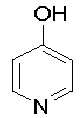
1H NMR (400 MHz, DMSO-d6 ) δ 12.82 (s, 1H), 9.68 (s, 1H), 8.38 (d, J = 5.9 Hz, 1H), 8.29 (d, J = 7.7 Hz, 2H), 8.04 (s, 1H), 7.77 (d, J = 8.3 Hz, 2H), 7.64 (d, J = 8.4 Hz, 2H), 7.45 (d, J = 8.3 Hz, 1H), 6.72 (d, J = 5.9 Hz, 1H), 4.80 (d, J = 10.0 Hz, 4H), 4.53 (d, J = 34.5 Hz, 4H), 3.47 (s, 1H), 3.33 (s, 4H), 2.33 (s, 4H). MS m/z (ESI): 522.8 [M+H]. replaced with 
TDI01557 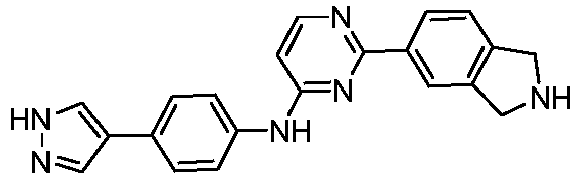
N-(4-(1H-pyrazol-4-yl)phenyl)-2-(isoindolin-5-yl)pyrimidin-4-amine Intermediate TDI01535-4 1H NMR (400 MHz, DMSO-d6 ) δ 10.01 (s, 1H), 9.58 (s, 2H), 8.39 (d, J = 6.0 Hz, 1H), 8.34 (d, J = 8.2 Hz, 2H), 8.04 (s, 2H), 7.76 (d, J = 8.4 Hz, 2H), 7.66 (d, J = 8.6 Hz, 2H), 7.59 (d, J = 7.9 Hz, 1H), 6.80 (d, J = 6.0 Hz, 1H), 4.61 (dd, J = 10.7, 5.2 Hz, 4H). MS m/z (ESI): 354.7 [M+H]. TDI01557B 
tert-butyl 5-(4-((4-(1H-pyrazol-4-yl)phenyl)amino)pyr imidin-2-yl)isoindoline-2-carboxylate Intermediate TDI01535-3 1H NMR (400 MHz, DMSO-d 6) δ 9.87 (s, 1H), 8.38 (d, J = 6.0 Hz, 1H), 8.29 - 8.24 (m, 2H), 8.05 (s, 2H), 7.76 (d, J = 8.4 Hz, 2H), 7.66 (d, J = 8.5 Hz, 2H), 7.49 (d, J = 4.5 Hz, 1H), 6.76 (d, J = 6.0 Hz, 1H), 4.68 (t, J = 9.9 Hz, 4H), 1.48 (s, 9H). MS m/z (ESI): 455.0 [M+H]. TDI01571B 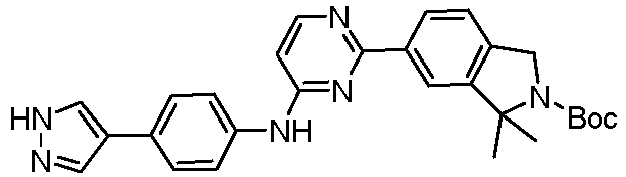
tert-butyl 6-(4-((4-(1H-pyrazol-4-yl)phenyl)amino)pyr imidin-2-yl)-1,1-dimethylisoindoline-2-carboxylate The compound was synthesized according to step 1 to step 2 of 1H NMR (400 MHz, DMSO-d 6) δ 8.39 (d, J = 6.2 Hz, 1H), 8.18 (s, 3H), 8.06 (s, 2H), 7.74 (s, 2H), 7.67 (s, 2H), 7.50 (s, 1H), 6.80 (s, 1H), 4.67 (d, J = 8.5 Hz, 2H), 1.67 (d, J = 5.9 Hz, 6H), 1.49 (d, J = 12.9 Hz, 9H). MS m/z (ESI): 482.8 [M+H]. Example 42, and 
step 1 of Example 42 was replaced with 
TDI01562 
3,3-difluorocyclobutyl 5-(4-((4-(1H-pyrazol-4-yl)phenyl)amino)pyr imidin-2-yl)isoindoline-2-carboxylate 
1H NMR (400 MHz, DMSO-d 6) δ 9.73 (s, 1H), 8.37 (d, J = 5.7 Hz, 1H), 8.33 - 8.27 (m, 2H), 8.03 (s, 2H), 7.76 (d, J = 8.2 Hz, 2H), 7.64 (d, J = 8.3 Hz, 2H), 7.60 - 7.36 (m, 2H), 6.73 (d, J = 5.8 Hz, 1H), 4.75 (dd, J = 23.4, 12.7 Hz, 4H), 3.12 - 3.05 (m, 2H), 2.76 (td, J = 13.6, 6.6 Hz, 2H). MS m/z (ESI): 489.0 [M+H]. replaced with 
TDI01580 
3,3-difluorocyclobutyl 5-(4-((1H-indazol-5-yl)amino)pyrimidin-2-yl)isoindoline-2-carboxylate 
1H NMR (400 MHz, DMSO-d 6) δ 13.15 (s, 1H), 10.43 (s, 1H), 8.34 (d, J = 6.3 Hz, 1H), 8.21 (d, J = 10.8 Hz, 2H), 8.13 (s, 2H), 7.62 (d, J = 8.7 Hz, 1H), 7.56 (d, J = 4.1 Hz, 2H), 6.80 (d, J = 6.1 Hz, 1H), 4.92 (s, 1H), 4.76 (dd, J = 22.3, 7.3 Hz, 4H), 3.12 - 3.05 (m, 2H), 2.79 - 2.71 (m, 2H). MS m/z (ESI): 462.6 [M+H]. in step 2 of Example 42 was replaced with 
(Reg-1-1); 
step was replaced with 
TDI01609 
3,3-difluorocyclobutyl 5-(4-((4-(1H-pyrazol-4-yl)phenyl)amino)-5 - fluoropyrimidin-2-yl)isoindoline-2-carboxylate 
1H NMR (400 MHz, DMSO-d6 ) δ 9.68 (s, 1H), 8.47 (s, 1H), 8.22 (d, J = 8.9 Hz, 2H), 8.07 (s, 2H), 7.88 (d, J = 7.8 Hz, 2H), 7.63 (dd, J = 26.8, 8.6 Hz, 2H), 7.47 (d, J = 7.7 Hz, 1H), 4.92 (s, 1H), 4.73 (dd, J = 23.6, 12.3 Hz, 4H), 3.09 (d, J = 6.9 Hz, 2H), 2.81 - 2.69 (m, 2H). MS m/z (ESI): 506.5 [M+H]. step 2 of Example 42 was replaced with 

with 
TDI01613 
3,3-difluorocyclobutyl 5-(4-((1H-indazol-5-yl)amino)-5-fluoropyrimidin-2-yl)isoindoline-2-carboxylate 
1H NMR (400 MHz, DMSO-d6 ) δ 13.04 (s, 1H), 9.72 (s, 1H), 8.44 (s, 1H), 8.19 (t, J = 8.9 Hz, 3H), 8.12 (s, 1H), 7.73 (d, J = 7.7 Hz, 1H), 7.59 (d, J = 8.8 Hz, 1H), 7.43 (d, J = 5.9 Hz, 1H), 4.91 (s, 1H), 4.71 (dd, J = 22.7, 9.6 Hz, 4H), 3.07 (d, J = 5.1 Hz, 2H), 2.75 (dd, J = 13.2, 6.9 Hz, 2H). MS m/z (ESI): 480.7 [M+H]. step 2 of Example 42 was replaced with 


TDI01620 
(1s,4s)-quinuclidin-3-yl6-(4-((4-(1H-pyrazol-4-yl)phenyl)amino)pyr imidin-2-yl)-3,4-dihydroisoquinoline-2(1H)-carboxylate 
1H NMR (400 MHz, DMSO-d6 ) δ 10.34 (s, 1H), 9.68 (s, 1H), 8.37 (d, J = 6.3 Hz, 1H), 8.11 (d, J = 7.7 Hz, 3H), 8.06 (s, 2H), 7.74 (d, J = 8.3 Hz, 2H), 7.67 (d, J = 8.4 Hz, 2H), 7.42 (s, 1H), 6.82 (d, J = 6.2 Hz, 1H), 4.94 (s, 1H), 4.77 - 4.62 (m, 2H), 3.78 - 3.59 (m, 4H), 3.35 - 3.23 (m, 3H), 3.19 (s, 2H), 2.95 (s, 2H), 2.29 (s, 1H), 2.07 (s, 1H), 1.96 - 1.72 (m, 3H). MS m/z (ESI): 521.8 [M+H]. 42 was replaced with 


TDI01621 
3,3-difluorocyclobutyl 6-(4-((4-(1H-pyrazol-4-yl)phenyl)amino)pyr imidin-2-yl)-3,4-dihydroisoquinoline-2(1H)-carboxylate 
1H NMR (400 MHz, DMSO-d6 ) δ 10.55 (s, 1H), 8.37 (d, J = 6.5 Hz, 1H), 8.08 (s, 4H), 7.70 (t, J = 7.7 Hz, 4H), 7.43 (d, J = 7.5 Hz, 1H), 6.85 (d, J = 6.6 Hz, 1H), 4.87 (s, 1H), 4.67 (d, J = 24.4 Hz, 2H), 3.68 (s, 2H), 3.04 (dt, J = 14.7, 7.5 Hz, 2H), 2.94 (s, 2H), 2.73 (dt, J = 19.4, 12.3 Hz, 2H). MS m/z (ESI): 503.1 [M+H]. 42 was replaced with 


TDI01634 
2-azaspiro[3.3]heptan-6-yl 5-(4-((4-(1H-pyrazol-4-yl)phenyl)amino)pyr imidin-2-yl)isoindoline-2-carboxylate 
1H NMR (400 MHz, DMSO-d6 ) δ 9.91 (s, 1H), 8.57 (s, 2H), 8.38 (d, J = 5.7 Hz, 1H), 8.32 - 8.25 (m, 2H), 8.05 (s, 2H), 7.76 (d, J = 7.8 Hz, 2H), 7.66 (d, J = 8.0 Hz, 2H), 7.50 (s, 1H), 6.77 (s, 1H), 4.88 - 4.84 (m, 1H), 4.72 (t, J = 12.9 Hz, 4H), 4.00 (d, J = 19.8 Hz, 4H), 2.68 (s, 2H), 2.33 (s, 2H). MS m/z (ESI): 493.9 [M+H] replaced with 
final product was obtained by removal of Boc using a 4N hydrochloric acid/dioxane solution in the final step. TDI01656 
4,4-difluorocyclohexyl 6-(4-((4-(1H-pyrazol-4-yl)phenyl)amino)pyr imidin-2-yl)-3,4-dihydroisoquinoline-2(1H)-carboxylate 
1H NMR (400 MHz, DMSO-d6 ) δ 10.62 (s, 1H), 8.37 (d, J = 6.5 Hz, 1H), 8.08 (s, 4H), 7.70 (t, J = 6.7 Hz, 4H), 7.45 (d, J = 8.4 Hz, 1H), 6.86 (d, J = 6.6 Hz, 1H), 4.84 (s, 1H), 4.66 (s, 2H), 3.68 (s, 2H), 2.94 (s, 2H), 2.10 - 1.91 (m, 4H), 1.91 - 1.70 (m, 4H). MS m/z (ESI): 531.1 [M+H]. replaced with 
TDI01667 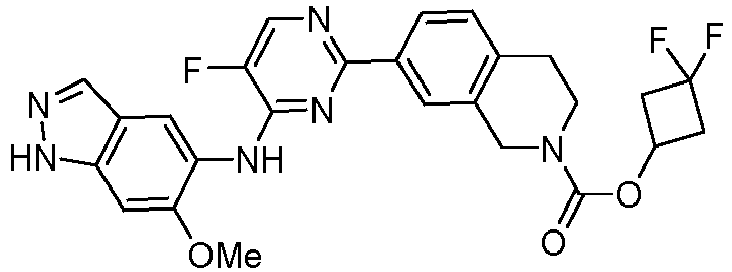
3,3-difluorocyclobutyl 7-(5-fluoro-4-((6-methoxy-1 -indazol-5-yl)amino)pyrimidin-2-yl)-3,4-dihydroisoquinoline-2(1H)-carboxylate 
1H NMR (400 MHz, DMSO-d6 ) δ 12.95 (s, 1H), 8.82 (s, 1H), 8.40 (d, J = 3.4 Hz, 1H), 8.16 (d, J = 9.3 Hz, 1H), 8.01 (s, 1H), 7.95 (s, 1H), 7.91 (d, J = 8.0 Hz, 1H), 7.23 (d, J = 7.9 Hz, 1H), 7.10 (s, 1H), 4.84 (d, J = 5.1 Hz, 1H), 4.58 (d, J = 34.7 Hz, 2H), 3.87 (s, 3H), 3.60 (s, 2H), 3.11 - 2.95 (m, 2H), 2.82 (s, 2H), 2.73 (d, J = 11.8 Hz, 2H). MS m/z (ESI): 524.7 [M+H]. 42 was replaced with 

replaced with 

with 
TDI01672 
3,3-difluorocyclobutyl 5-(4-((4-(1H-pyrazol-4-yl)phenyl)amino)-5 - fluoropyrimidin-2-yl)indoline-1-carboxylate 
1H NMR (400 MHz, DMSO-d6 ) δ 9.56 (s, 1H), 8.85 (s, 1H), 8.41 (s, 1H), 8.36 (d, J = 3.5 Hz, 1H), 8.01 - 7.89 (m, 4H), 7.81 (d, J = 8.4 Hz, 2H), 6.52 (d, J = 8.2 Hz, 1H), 6.01 (s, 1H), 5.25 - 5.19 (m, 1H), 3.51 (t, J = 8.3 Hz, 2H), 3.23 - 3.18 (m, 2H), 3.07 - 2.96 (m, 4H). MS m/z (ESI): 506.5 [M+H]. 42 was replaced with 
(Reg-1-16) in step 2 was replaced with 

with 
TDI01951 
5-(4-((4-(1H-pyrazol-4-yl)phenyl)amino)pyr imidin-2-yl)-N-(3,3-difluorocyclobutyl)i soindoline-2-carboxamide 
1H NMR (400 MHz, DMSO-d6 ) δ 10.46 (s, 1H), 8.39 (d, J = 6.4 Hz, 1H), 8.25 - 8.17 (m, 2H), 8.08 (s, 2H), 7.72 (dd, J = 21.9, 8.6 Hz, 4H), 7.56 (d, J = 8.0 Hz, 1H), 6.84 (t, J = 6.2 Hz, 2H), 4.71 (d, J = 4.7 Hz, 4H), 4.12 - 4.03 (m, 1H), 2.87 (ddd, J = 14.2, 9.8, 3.7 Hz, 2H), 2.70 (dt, J = 19.0, 6.6 Hz, 2H). MS m/z (ESI): 487.8 [M+H]. replaced with 
TDI01957 
(7-(4-((4-(1H-pyrazol-4-yl)phenyl)amino)pyr imidin-2-yl)-3,4-dihydroisoquinolin-2(1H)-yl)(3,3-difluoroazetidin-1-yl)methanone 
1H NMR (400 MHz, DMSO-d6 ) δ 10.54 (s, 0H), 8.37 (d, J = 8.0 Hz, 1H), 8.08 - 8.05 (m, 4H), 7.74 - 7.67 (m, 4H), 7.41 (d, J = 8.0 Hz, 1H), 6.85 (d, J = 8.0 Hz, 1H), 4.57 (s, 2H), 4.41 (t, J = 13.0 Hz, 4H), 3.55 (t, J = 6.0 Hz, 2H), 2.91 (t, J = 6.0 Hz, 2H). MS m/z (ESI): 487.6 [M+H]. 42 was replaced with 

in step 4 was replaced with 
TDI01959 
(6-(4-((4-(1H-pyrazol-4-yl)phenyl)amino)pyr imidin-2-yl)-3,4-dihydroisoquinolin-2(1H)-yl)(3,3-difluoroazetidin-1-yl)methanone 
1H NMR (300 MHz, DMSO-d6 ) δ 12.89 (s, 1H), 9.68 (s, 1H), 8.34 (d, J = 5.8 Hz, 1H), 8.14 (d, J = 5.1 Hz, 2H), 8.01 (s, 2H), 7.75 (d, J = 8.2 Hz, 2H), 7.62 (d, J = 8.2 Hz, 2H), 7.32 (d, J = 8.4 Hz, 1H), 6.70 (d, J = 5.9 Hz, 1H), 4.53 (s, 2H), 4.40 (t, J = 12.9 Hz, 4H), 3.55 (s, 2H), 2.92 (s, 2H). MS m/z (ESI): 488.1 [M+H]. 42 was replaced with 


TDI01974 
5-(4-((4-(1H-pyrazol-4-yl)phenyl)amino)fur o[3,2-d]pyrimidin-2-yl)-N,N-dimethylisoindoline-2-carboxamide 
1H NMR (400 MHz, DMSO-d6 ) δ 10.01 (s, 1H), 8.39 (d, J = 2.2 Hz, 1H), 8.31 (d, J = 5.7 Hz, 2H), 8.06 (s, 2H), 7.95 (d, J = 8.6 Hz, 2H), 7.67 (d, J = 8.6 Hz, 2H), 7.43 (d, J = 8.4 Hz, 1H), 7.13 (d, J = 2.2 Hz, 1H), 4.78 (d, J = 13.9 Hz, 4H), 2.87 (s, 6H). MS m/z (ESI): 466.0 [M+H]. step 2 of Example 42 was replaced with 

with 
TDI01861 
5-(4-((4-(1H-pyrazol-4-yl)phenyl)amino)fur o[3,2-d]pyrimidin-2-yl)-N-isopropylisoindoline -2-carboxamide 
1H NMR (400 MHz, DMSO-d6 ) δ 10.09 (s, 1H), 8.41 (s, 1H), 8.33 - 8.27 (m, 2H), 8.07 (s, 2H), 7.93 (d, J = 8.2 Hz, 2H), 7.66 (d, J = 8.2 Hz, 2H), 7.45 (d, J = 7.9 Hz, 1H), 7.15 (s, 1H), 6.04 (d, J = 6.7 Hz, 2H), 4.66 (d, J = 11.8 Hz, 4H), 3.83 (s, 1H), 1.12 (d, J = 6.5 Hz, 6H). MS m/z (ESI): 479.9 [M+H]. step 2 of Example 42 was replaced with 
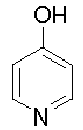
with 
-

- Compound TDI01557 (80 mg, 0.224 mmol) was dissolved in N,N-dimethylformamide (5 mL), diisopropylethylamine (144 mg, 1.12 mmol) and ethanesulfonyl chloride (28 mg, 0.224 mmol) were added, and the reaction was stirred at room temperature for 16 h. LC-MS indicated the reaction was complete. The reaction solvent was removed through rotary evaporation under vacuum, and the residue was purified by preparative liquid chromatography to afford compound TDI01558 (65 mg, yield65%).
- 1H NMR (400 MHz, DMSO-d6 ) δ 10.28 (s, 1H), 8.38 (d, J = 6.3 Hz, 1H), 8.25 (d, J = 9.6 Hz, 2H), 8.06 (s, 2H), 7.71 (dd, J = 28.0, 8.4 Hz, 4H), 7.54 (d, J = 7.9 Hz, 1H), 6.83 (d, J = 5.4 Hz, 1H), 4.78 (d, J = 10.1 Hz, 4H), 3.23 (q, J = 7.4 Hz, 2H), 1.25 (t, J = 7.4 Hz, 3H). MS m/z (ESI): 447.1 [M+H].
- The compound in following table 12 was prepared according to a method similar to that described in Example 43.
Table 12: TDI01 559 
benzyl 5-(4-((4-(1H-pyrazol-4-yl)phen yl)amin o)pyrim idin-2-yl)isoin dolin-2-carboxy late 
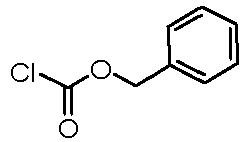
1H NMR (400 MHz, DMSO-d6 ) δ 10.30 (s, 2H), 8.38 (d, J = 6.3 Hz, 1H), 8.24 (d, J = 9.2 Hz, 2H), 8.06 (s, 2H), 7.72 (dd, J = 27.9, 7.6 Hz, 4H), 7.55 (t, J = 9.1 Hz, 1H), 7.39 (ddd, J = 23.8, 13.8, 7.0 Hz, 5H), 6.83 (d, J = 6.0 Hz, 1H), 5.18 (s, 2H), 4.80 (dd, J = 21.6, 10.7 Hz, 4H). MS m/z (ESI): 489.0 [M+H]. -
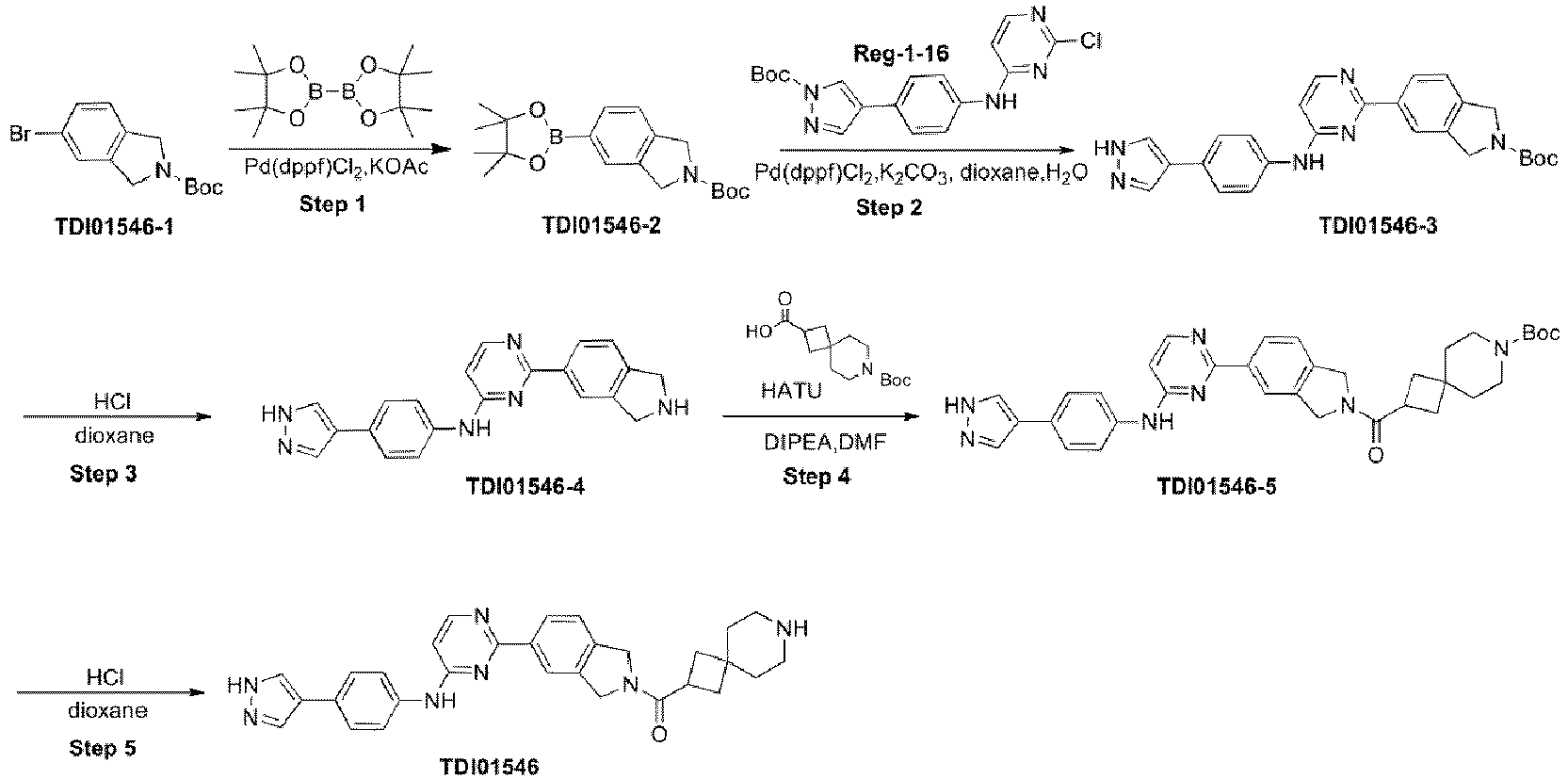
- The synthesis of Step 1 to Step 3 of Example 44 was performed according to Step 1 to Step 2 of Example 42.
- Compound TDI01546-4 (30 mg, 0.085 mmol) and HATU (39 mg, 0.102 mmol) were dissolved in N,N-dimethylformamide (3 mL), 7-(tert-butoxycarbonyl)-7-azaspiro[3,5]nonane-2-carboxylic acid (23 mg, 0.085 mmol) and diisopropylethylamine (32 mg, 0.255 mmol) were added, and the reaction was stirred at room temperature for 2 h. The reaction solution was diluted with water (10 mL), extracted with dichloromethane (20 mL x 3), dried over anhydrous sodium sulfate, filtered, and concentrated under reduced pressure. The residue was purified by flash column chromatography (dichloromethane : methanol=20:1) to afford compound TDI01546-5 (43 mg, yellow oil, crude product).
- MS m/z (ESI): 605.8 [M+H]
- Compound TDI01546-5 (43 mg, 0.071 mmol) was dissolved in dichloromethane (5 mL), a hydrochloric acid/dioxane solution (3 mL) was added, and the reaction was performed at room temperature for 16 h. The reaction solution was concentrated under reduced pressure, and the residue was purified by preparative liquid chromatography to afford compound TDI01546 (17 mg, yellow solid, yield 48%).
- 1H NMR (301 MHz, DMSO-d6 ) δ 10.22 (s, 1H), 8.38 (d, J = 5.6 Hz, 2H), 8.30 - 8.16 (m, 2H), 8.06 (s, 2H), 7.71 (dd, J = 24.1, 7.0 Hz, 4H), 7.59 - 7.46 (m, 1H), 6.81 (d, J = 5.9 Hz, 1H), 4.82 (s, 2H), 4.73 (d, J = 8.6 Hz, 2H), 3.45 - 3.27 (m, 1H), 2.99 (d, J = 28.4 Hz, 4H), 2.21 - 1.95 (m, 4H), 1.80 (s, 2H), 1.65 (s, 2H). MS m/z (ESI): 505.8 [M+H].
- The compounds in following table 13 were prepared according to methods similar to that described in Example 44.
Table 13: No. Compound Structure Compound Name Starting material or regent different from that in Example 44 Characterization Data TDI01553 
5-(4-((4-(1H-pyrazol-4-yl)phenyl)amino)pyrimidin-2-yl)-2-prolylisoindoline 
1H NMR (400 MHz, DMSO-d6 ) δ 10.07 (s, 1H), 9.41 (s, 1H), 8.67 (s, 1H), 8.52 - 8.22 (m, 3H), 8.05 (s, 2H), 7.86 - 7.52 (m, 4H), 6.80 (d, J = 6.1 Hz, 1H), 5.11 - 4.76 (m, 4H), 4.56 (s, 1H), 3.28 (dd, J = 31.9, 5.1 Hz, 2H), 2.54 (s, 2H), 1.97 (s, 2H). MS m/z (ESI): 451.7 [M+H]. 44 was replaced with 
TDI01554 
1-(5-(4-((4-(1H-pyrazol-4-yl)phenyl)amino)pyrimidin-2-yl)isoindolin-2-yl)-2,6-diaminohexan-1 -one 
1HNMR(400 MHz, DMSO-d6 ) δ 9.72 (s, 1H), 8.39 - 8.31 (m, 5H), 8.28 (s, 2H), 8.04 (s, 1H), 7.77 (d, J = 7.1 Hz, 2H), 7.65 (d, J = 8.5 Hz, 2H), 7.58 - 7.47 (m, 1H), 6.74 (d, J = 5.9 Hz, 1H), 5.11 (s, 1H), 4.94 (s, 1H), 4.82 - 4.71 (m, 3H), 3.64 (s, 1H), 3.51 (s, 7H), 2.78 (s, 2H), 1.56 (t, J = 37.2 Hz, 8H). MS m/z (ESI): 482.8 [M+H]. 
TDI01560 
(5-(4-((4-(1H-pyrazol-4-yl)phenyl)amino)pyrimidin-2-yl)isoindolin-2-yl)(tetrahydro-2H-pyran-4-yl)methanone 
1H NMR (301 MHz, DMSO-d6 ) δ 10.50 (s, 1H), 8.38 (d, J = 4.8 Hz, 1H), 8.29 - 8.15 (m, 2H), 8.08 (s, 2H), 7.84 - 7.64 (m, 4H), 7.56 (t, J = 6.7 Hz, 1H), 6.85 (d, J = 6.3 Hz, 1H), 5.04 (s, 2H), 4.74 (d, J = 7.7 Hz, 2H), 3.90 (d, J = 10.7 Hz, 2H), 3.41 (s, 2H), 2.83 (d, J = 4.7 Hz, 1H), 1.66 (s, 4H). MS m/z (ESI): 466.8 [M+H]. 44 was replaced with 
TDI01561 
(5-(4-((4-(1H-pyrazol-4-yl)phenyl)amino)pyrimidin-2-yl)isoindolin-2-yl)(3-hydroxycyclobutyl)methano ne 
1HNMR(400 MHz, DMSO-d6 ) δ 8.38 (d, J = 6.2 Hz, 1H), 8.27 (s, 3H), 8.07 (s, 1H), 7.75 (s, 2H), 7.68 (s, 2H), 7.53 (s, 2H), 6.80 (s, 2H), 4.87 (d, J = 8.2 Hz, 2H), 4.73 (d, J = 12.8 Hz, 2H), 4.02 (s, 2H), 2.79 (s, 1H), 2.45 (d, J = 6.6 Hz, 1H), 2.02 (dd, J = 19.8, 9.6 Hz, 4H). MS m/z (ESI): 452.8 [M+H]. 44 was replaced with 
TDI01563 
(5-(4-((4-(1H-pyrazol-4-yl)phenyl)amino)pyrimidin-2-yl)isoindolin-2-yl)(1-(oxetan-3 -yl)piperidin-4-yl)methanone 
1H NMR (400 MHz, DMSO-d6 ) δ 10.31 (s, 1H), 10.03 (s, 1H), 8.39 (dd, J = 6.1, 1.7 Hz, 1H), 8.34 - 8.24 (m, 2H), 8.05 (d, J = 3.5 Hz, 2H), 7.76 (d, J = 5.7 Hz, 2H), 7.71 - 7.62 (m, 2H), 7.57 - 7.50 (m, 1H), 6.79 (d, J = 5.3 Hz, 1H), 5.05 (d, J = 4.7 Hz, 2H), 4.83 - 4.68 (m, 6H), 4.40 (s, 1H), 3.48 (d, J = 11.3 Hz, 2H), 2.90 (s, 3H), 2.06 (d, J = 14.0 Hz, 2H), 1.89 (dd, J = 25.6, 12.8 Hz, 2H). MS m/z (ESI): 521.8 [M+H]. 44 was replaced with 
TDI01570 
(5-(4-((4-(1H-pyrazol-4-yl)phenyl)amino)pyrimidin-2-yl)isoindolin-2-yl)(3,3 - difluoro-1-methylcyclobutyl)methanon e 
1H NMR (400 MHz, DMSO-d6 ) δ 10.20 (s, 1H), 8.38 (d, J = 6.1 Hz, 1H), 8.25 (dd, J = 14.0, 5.5 Hz, 2H), 8.06 (s, 2H), 7.81 - 7.63 (m, 4H), 7.54 (dd, J = 20.3, 7.9 Hz, 1H), 6.81 (d, J = 5.7 Hz, 1H), 4.91 - 4.77 (m, 4H), 3.16 (d, J = 16.0 Hz, 2H), 2.56 (s, 2H), 1.49 (s, 3H). MS m/z (ESI): 486.6 [M+H]. 44 was replaced with 
TDI01575 
(7-(4-((1H-indazol-5-yl)amino)pyrimidin-2-yl)-3,4-dihydroisoquinolin-2(1H)-yl)(3,3-difluorocyclobutyl)methano ne 
1H NMR (400 MHz, DMSO-d6 ) δ 10.85 (s, 1H), 8.34 (d, J = 8.0 Hz, 1H), 8.19 - 8.02 (m, 4H), 7.66 - 7.63 (m, 1H), 7.55 (d, J = 8.0 Hz, 1H), 7.42 (t, J = 8.0 Hz, 1H), 6.85 (t, J = 8.0 Hz, 1H), 4.73 (d, J = 8.0 Hz, 2H), 3.77 - 3.66 (m, 2H), 3.46 - 3.35 (m, 1H), 3.00 - 2.69 (m, 6H). MS m/z (ESI): 460.7 [M+H]. 
replaced with 
(Reg-1-1); 
was replaced with 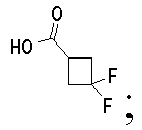
TDI01588 
3-(5-(4-((4-(1H-pyrazol-4-yl)phenyl)amino)pyrimidin-2-yl)isoindolin-2-yl)-3-oxopropanenitrile 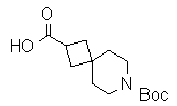
1H NMR (400 MHz, DMSO-d6 ) δ 10.03 (s, 1H), 8.38 (d, J = 6.0 Hz, 1H), 8.31 - 8.23 (m, 2H), 8.05 (s, 2H), 7.74 (s, 2H), 7.67 (d, J = 5.0 Hz, 2H), 7.57 - 7.52 (m, 1H), 6.78 (d, J = 5.8 Hz, 1H), 4.90 (d, J = 7.1 Hz, 2H), 4.77 (d, J = 14.1 Hz, 2H), 4.11 (s, 2H). MS m/z (ESI): 422.1 [M+H]. 44 was replaced with 
TDI01594 
1-(5-(4-((4-(1H-pyrazol-4-yl)phenyl)amino)-5 - fluoropyrimidin-2-yl)isoindolin-2-yl)-2-methoxypropan-1-one 
1H NMR (400 MHz, DMSO-d6 ) δ 9.69 (s, 1H), 8.48 (s, 1H), 8.27 - 8.21 (m, 2H), 8.07 (s, 2H), 7.92 - 7.85 (m, 2H), 7.67 (d, J = 5.9 Hz, 2H), 7.48 (t, J = 8.2 Hz, 1H), 5.03 (d, J = 10.7 Hz, 1H), 4.93 (d, J = 8.7 Hz, 1H), 4.79 - 4.72 (m, 2H), 4.21 - 4.17 (m, 1H), 3.25 (s, 3H), 1.28 (d, J = 6.4 Hz, 3H). MS m/z (ESI): 458.7 [M+H]. 

replaced with 
TDI01594B 
1-(4-(4-((5-fluoro-2-(2-(2-methoxypropanoyl)isoindoli n-5-yl)pyrimidin-4-yl)amino)phenyl)-1H-pyrazol-1-yl)-2-methoxypropan-1 -one 
1H NMR (400 MHz, DMSO-d6 ) δ 9.74 (d, J = 41.4 Hz, 1H), 8.91- 8.50 (d, J = 9.6 Hz, 2H), 8.27 - 8.20 (m, 2H), 8.07 (s, 1H), 7.99 - 7.94 (m, 1H), 7.87 (d, J = 6.7 Hz, 2H), 7.67 (d, J = 6.0 Hz, 1H), 7.48 (t, J = 8.4 Hz, 1H), 5.07 (d, J = 16.9 Hz, 1H), 4.93 (d, J = 9.7 Hz, 1H), 4.81 - 4.72 (m, 2H), 4.22 - 4.17 (m, 2H), 3.29 (d, J = 31.0 Hz, 6H), 1.48 - 1.22 (m, 6H). MS m/z (ESI): 544.5 [M+H]. 

replaced with 
TDI01597B 
1-(5-(4-((4-(1H-pyrazol-4-yl)phenyl)amino)pyrimidin-2-yl)isoindolin-2-yl)-2-(tetrahydrofuran-3 -yl)ethan-1-one 

1H NMR (400 MHz, DMSO-d6 ) δ 8.38 (d, J = 6.4 Hz, 1H), 8.28 - 8.23 (m, 2H), 8.06 (s, 2H), 7.75 (d, J = 8.4 Hz, 2H), 7.67 (d, J = 6.4 Hz, 2H), 7.54 (t, J = 8.4 Hz, 1H), 6.80 (d, J = 6.2 Hz, 1H), 4.93 (d, J = 6.7 Hz, 2H), 4.74 (d, J = 12.7 Hz, 3H), 3.88 (t, J = 6.7 Hz, 2H), 3.75 (dd, J = 13.5, 8.3 Hz, 2H), 3.65 (dd, J = 15.2, 7.5 Hz, 2H), 3.31 (d, J = 7.3 Hz, 1H), 2.08 (s, 1H), 1.56 (s, 1H). MS m/z (ESI): 466.8 [M+H]. TDI01618 A 
(5-(4-((4-(1H-pyrazol-4-yl)phenyl)amino)-5 - fluoropyrimidin-2-yl)indolin-1-yl)(3,3-difluorocyclobutyl)methano ne 
1H NMR (400 MHz, DMSO-d6 ) δ 9.68 (s, 1H), 8.44 (d, J = 3.6 Hz, 1H), 8.21 - 8.10 (m, 3H), 8.07 (s, 2H), 7.87 (d, J = 8.4 Hz, 2H), 7.66 (d, J = 8.4 Hz, 2H), 4.12 (t, J = 8.0 Hz, 2H), 3.38 - 3.32 (m, 1H), 3.23 (t, J = 8.5 Hz, 2H), 2.92 - 2.84 (m, 4H). MS m/z (ESI): 491.1 [M+H]. 


replaced with 
TDI01628 
(5-(4-((4-(1H-pyrazol-4-yl)phenyl)amino)-5 - fluoropyrimidin-2-yl)isoindolin-2-yl)(3,3 - difluoro-1-methylcyclobutyl)methanon e 
1H NMR (400 MHz, DMSO-d6 ) δ 9.68 (s, 1H), 8.48 (s, 1H), 8.28 - 8.19 (m, 2H), 8.07 (s, 2H), 7.93 - 7.83 (m, 2H), 7.73 - 7.63 (m, 2H), 7.46 (dd, J = 20.5, 7.8 Hz, 1H), 4.81 (dd, J = 31.0, 11.6 Hz, 4H), 3.20 - 3.09 (m, 2H), 2.54 (s, 2H), 1.49 (s, 3H). MS m/z (ESI): 505.0 [M+H]. 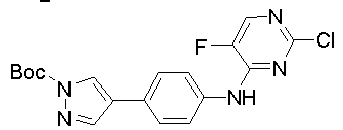

replaced with 
TDI01655 
(7-(4-((4-(1H-pyrazol-4-yl)phenyl)amino)-5 - fluoropyrimidin-2-yl)-3,4-dihydroisoquinolin-2(1H)-yl)(3,3-difluoro-1-methylcyclobutyl)methanon e 
1H NMR (400 MHz, DMSO-d6 ) δ 9.67 (s, 1H), 8.96 (s, 1H), 8.46 (s, 1H), 8.12 (d, J = 45.0 Hz, 4H), 7.88 (d, J = 8.0 Hz, 2H), 7.65 (d, J = 7.6 Hz, 2H), 7.31 (d, J = 7.8 Hz, 1H), 4.71 (s, 1H), 4.57 (s, 1H), 3.72 (s, 1H), 3.57 (s, 1H), 3.12 - 3.06 (m, 2H), 2.89 (d, J = 24.0 Hz, 2H), 2.65 (d, J = 15.8 Hz, 2H), 1.43 (d, J = 28.2 Hz, 3H). MS m/z (ESI): 518.6 [M+H]. 
replaced with 
(Reg-1-40); 
was replaced with 
TDI01657 
(6-(4-((4-(1H-pyrazol-4-yl)phenyl)amino)-5 - fluoropyrimidin-2-yl)-3,4-dihydroisoquinolin-2(1H)-yl)(4,4-difluorocyclohexyl)methano ne 
1H NMR (400 MHz, DMSO-d6 ) δ 9.68 (s, 1H), 8.46 (d, J = 3.3 Hz, 1H), 8.09 (d, J = 8.0 Hz, 2H), 8.06 (s, 1H), 7.87 (d, J = 8.5 Hz, 2H), 7.84 - 7.78 (m, 1H), 7.65 (d, J = 8.1 Hz, 1H), 7.58 - 7.49 (m (m, 1H), 7.32 (d, J = 8.2 Hz, 1H), 4.67 (s, 2H), 3.80 - 3.72 (m, 2H), 2.97 - 2.93 (m, 2H), 2.04 - 1.86 (m, 5H), 1.81 - 1.71 (m, 2H), 1.67 - 1.56 (m, 2H). MS m/z (ESI): 533.1 [M+H]. 
replaced with 
(Reg-1-40); 
was replaced with 
TDI01658 
(7-(4-((4-(1H-pyrazol-4-yl)phenyl)amino)-5 - fluoropyrimidin-2-yl)-3,4-dihydroisoquinolin-2(1H)-yl)(4,4-difluorocyclohexyl)methano ne 
1H NMR (400 MHz, DMSO-d6 ) δ 9.66 (s, 1H), 8.96 (s, 1H), 8.46 (s, 1H), 8.09 (t, J = 22.0 Hz, 4H), 7.88 (d, J = 6.7 Hz, 2H), 7.65 (d, J = 8.1 Hz, 2H), 7.31 (d, J = 6.2 Hz, 1H), 4.85 (s, 1H), 4.70 (s, 1H), 3.80 (s, 1H), 3.71 (s, 1H), 3.10 (d, J = 6.1 Hz, 2H), 2.83 (s, 1H), 2.10 - 1.86 (m, 4H), 1.77 (s, 2H), 1.62 (d, J = 12.6 Hz, 2H). MS m/z (ESI): 532.6 [M+H]. 
replaced with 
(Reg-1-40); 
was replaced with 
TDI01665 
(8-(4-((4-(1H-pyrazol-4-yl)phenyl)amino)-5 - fluoropyrimidin-2-yl)-2,3 - dihydrobenzo [f](1,4] oxazep in-4(5H)-yl)(3,3-difluorocyclobutyl)methano ne 
1H NMR (400 MHz, DMSO-d6 ) δ 9.72 (s, 1H), 8.48 (s, 1H), 8.09 (s, 2H), 7.94 - 7.89 (m, 1H), 7.85 (d, J = 8.5 Hz, 2H), 7.79 (s, 1H), 7.66 (d, J = 8.3 Hz, 2H), 7.48 (dd, J = 72.6, 7.7 Hz, 1H), 4.67 (d, J = 12.0 Hz, 2H), 4.18 (s, 2H), 3.90 (s, 2H), 3.28 (dd, J = 19.2, 7.3 Hz, 1H), 2.76 (dd, J = 27.6, 14.9 Hz, 4H). MS m/z (ESI): 520.6 [M+H]. 


replaced 
TDI01674 
1-(6-(4-((4-(1H-pyrazol-4-yl)phenyl)amino)pyrimidin-2-yl)-3,4-dihydroisoquinolin-2(1H)-yl)-2-hydroxypropan-1 -one 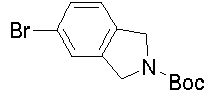
1H NMR (400 MHz, DMSO-d6 ) δ 10.65 (s, 1H), 8.37 (d, J = 6.6 Hz, 1H), 8.14 - 8.02 (s, 4H), 7.77 - 7.65 (m, 4H), 7.50 - 7.39 (m, 1H), 6.87 (d, J = 6.5 Hz, 1H), 4.95 - 4.74 (m, 2H), 4.73 (d, J = 9.6 Hz, 1H), 4.58 - 
step 4 was replaced with 4.50 (m, 2H), 3.89 - 3.76 (m, 2H), 3.04 - 2.85 (m, 2H), 1.28 - 1.16 (m, 3H). MS m/z (ESI): 440.8 [M+H]. 
TDI01676 
(7-(4-((4-(1H-pyrazol-4-yl)phenyl)amino)pyrimidin-2-yl)-3,4-dihydroisoquinolin-2(1H)-yl)(3,3-difluoro-1-methylcyclobutyl)methanon e 
1H NMR (400 MHz, DMSO-d6 ) δ 10.79 - 10.08 (s, 1H), 8.38 (d, J = 6.4 Hz, 1H), 8.08 (s, 4H), 7.77 - 7.66 (m, 4H), 7.40 (s, 1H), 6.83 (s, 1H), 4.75 (s, 1H), 4.60 (s, 1H), 3.75 (s, 1H), 3.60 (s, 1H), 3.09 - 2.92 (m, 4H), 2.68 (s, 2H), 1.45 (d, J = 26.7 Hz, 3H). MS m/z (ESI): 500.8 [M+H]. 

TDI01965 
(5-(4-((4-(1H-pyrazol-4-yl)phenyl)amino)pyrimidin-2-yl)isoindolin-2-yl)(pyridin-3-yl)methanone 
1H NMR (400 MHz, DMSO-d6 ) δ 12.88 (s, 1H), 9.84 (d, J = 8.9 Hz, 1H), 8.86 (s, 1H), 8.74 - 8.69 (m, 1H), 8.41 - 8.28 (m, 3H), 8.12 - 7.98 (m, 3H), 7.79 (t, J = 8.9 Hz, 2H), 7.64 (dd, J = 12.9, 8.6 Hz, 2H), 7.57 - 7.41 (m, 2H), 6.77 (t, J = 6.2 Hz, 1H), 4.95 (dd, J = 23.6, 15.8 Hz, 4H). MS m/z (ESI): 459.6 [M+H]. 44 was replaced with 
TDI01966 
(5-(4-((4-(1H-pyrazol-4-yl)phenyl)amino)pyrimidin-2-yl)isoindolin-2-yl)(pyridin-4-yl)methanone 
1H NMR (400 MHz, DMSO-d6 ) δ 13.13 (s, 1H), 9.76 (d, J = 10.1 Hz, 1H), 8.79 - 8.73 (m, 3H), 8.41 - 8.28 (m, 3H), 8.03 (d, J = 9.0 Hz, 2H), 7.83 - 7.75 (m, 4H), 7.63 (dd, J = 7.1, 2.8 Hz, 4H), 6.77 - 6.73 (m, 1H), 4.97 (d, J = 14.0 Hz, 2H), 4.85 (d, J = 17.9 Hz, 2H). MS m/z (ESI): 459.6 [M+H]. 44 was replaced with 
TDI01967 
(5-(4-((1H-indazol-5-yl)amino)pyrimidin-2-yl)isoindolin-2-yl)(3,3 - difluorocyclobutyl)methano ne 
1H NMR (400 MHz, DMSO-d6 ) δ 13.19 (s, 1H), 10.60 (s, 1H), 8.35 (d, J = 6.1 Hz, 1H), 8.23 - 8.11 (m, 4H), 7.60 (dd, J = 32.2, 8.4 Hz, 3H), 6.82 (d, J = 5.0 Hz, 1H), 4.92 (s, 2H), 4.77 (d, J = 9.8 Hz, 2H), 3.32 - 3.27 replaced with 
(Reg-1-1); 
(m, 1H), 2.86 (dd, J = 16.4, 8.4 Hz, 4H). MS m/z (ESI): 447.0 [M+H]. was replaced with 
TDI01968 A 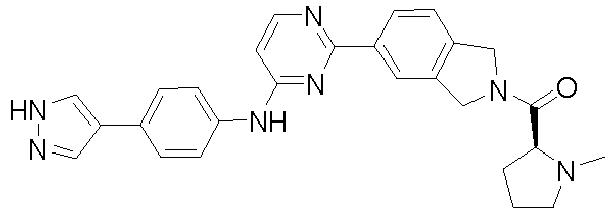
5-(4-((4-(1H-pyrazol-4-yl)phenyl)amino)pyrimidin-2-yl)-2-(methyl-L-prolyl)isoindoline 
1H NMR (400 MHz, DMSO-d6 ) δ 10.06 (s, 1H), 9.71 (s, 1H), 8.41 - 8.37 (m, 1H), 8.33 (d, J = 4.4 Hz, 1H), 8.05 (d, J = 3.3 Hz, 2H), 7.75 (d, J = 4.2 Hz, 2H), 7.69 - 7.63 (m, 2H), 7.57 (t, J = 8.5 Hz, 1H), 6.79 (d, J = 6.1 Hz, 1H), 5.07 (d, J = 14.2 Hz, 2H), 4.91 (dd, J = 14.7, 7.6 Hz, 2H), 3.64 (s, 1H), 2.85 (d, J = 4.4 Hz, 3H), 2.67 (s, 2H), 2.07 (dd, J = 62.3, 20.0 Hz, 4H). MS m/z (ESI): 466.1 [M+H]. 44 was replaced with 
TDI01968B 
5-(4-((4-(1H-pyrazol-4-yl)phenyl)amino)pyrimidin-2-yl)-2-(methyl-D-prolyl)isoindoline 
1H NMR (400 MHz, DMSO-d6 ) δ 10.22 (s, 1H), 9.72 (s, 1H), 8.41 - 8.38 (m, 1H), 8.30 (dd, J = 16.6, 8.3 Hz, 2H), 8.06 (d, J = 3.2 Hz, 2H), 7.75 (s, 2H), 7.70 - 7.65 (m, 2H), 7.59 (t, J = 8.6 Hz, 1H), 6.83 (d, J = 6.2 Hz, 1H), 5.05 (t, J = 23.5 Hz, 2H), 4.91 (dd, J = 14.7, 6.7 Hz, 2H), 3.21 - 3.14 (m, 1H), 2.86 (d, J = 2.6 Hz, 3H), 2.68 (s, 2H), 2.23 - 1.84 (m, 4H). MS m/z (ESI): 465.7 [M+H]. 
TDI01969 
(5-(4-((4-(1H-pyrazol-4-yl)phenyl)amino)pyrimidin-2-yl)isoindolin-2-yl)(1-methylazetidin-2-yl)methanone 
1H NMR (400 MHz, DMSO-d6 ) δ 9.97 (d, J = 32.8 Hz, 3H), 8.40 - 8.28 (m, 4H), 8.04 (d, J = 2.8 Hz, 2H), 7.77 - 7.73 (m, 2H), 7.67 - 7.63 (m, 2H), 7.55 (d, J = 7.6 Hz, 1H), 6.77 (d, J = 5.9 Hz, 1H), 5.36 (d, J = 7.5 Hz, 1H), 4.91 - 4.81 (m, 4H), 4.01 (d, J = 5.8 Hz, 2H), 2.85 (d, J = 3.7 Hz, 5H). MS m/z (ESI): 452.0 [M+H]. 
TDI01973 
(5-(4-((4-(1H-pyrazol-4-yl)phenyl)amino)pyrimidin-2-yl)isoindolin-2-yl)(5-methyl-4,5,6,7-tetrahydrothiazolo[5,4-c]pyridin-2-yl)methanone 
1H NMR (400 MHz, DMSO-d6 ) δ 10.35 (s, 1H), 10.00 (s, 1H), 8.37 (dd, J = 20.8, 14.4 Hz, 3H), 8.06 (s, 2H), 7.77 (d, J = 5.6 Hz, 2H), 7.64 (dd, J = 25.3, 7.4 Hz, 3H), 6.80 (d, J = 5.4 Hz, 1H), 5.46 (d, J = 6.9 Hz, 2H), 5.03 (d, J = 12.6 Hz, 2H), 4.81 (s, 1H), 4.53 (s, 1H), 3.81 (s, 1H), 3.57 (s, 1H), 3.25 (s, 2H), 3.01 (s, 3H). MS m/z (ESI): 535.1 [M+H]. 
TDI01976 
(5-(4-((4-(1H-pyrazol-4-yl)phenyl)amino)furo [3,2-d]pyrimidin-2-yl)isoindolin-2-yl)(3,3-difluorocyclobutyl)methano ne 
1H NMR (400 MHz, DMSO-d6 ) δ 10.30 (s, 1H), 8.45 (s, 1H), 8.30 (dd, J = 15.2, 6.9 Hz, 2H), 8.09 (d, J = 2.3 Hz, 2H), 7.92 (dd, J = 8.2, 3.0 Hz, 2H), 7.68 (dd, J = 8.4, 3.1 Hz, 2H), 7.53 - 7.47 (m, 1H), 7.16 (s, 1H), 4.90 (d, J = 11.0 Hz, 2H), 4.76 (d, J = 17.2 Hz, 2H), 3.32 - 3.27 (m, 1H), 2.90 - 2.83 (m, 4H). MS m/z (ESI): 512.6 [M+H]. replaced with 
(Reg-1-44); 
was replaced with 
TDI01978 
(5-(4-((4-(1H-pyrazol-4-yl)phenyl)amino)-5 - fluoropyrimidin-2-yl)isoindolin-2-yl)(3,3 - difluorocyclobutyl)methano ne 
1H NMR (400 MHz, DMSO-d6 ) δ 9.68 (s, 1H), 8.47 (d, J = 2.6 Hz, 1H), 8.23 (dd, J = 16.6, 8.4 Hz, 2H), 8.07 (s, 2H), 7.94 - 7.81 (m, 2H), 7.66 (dd, J = 8.4, 3.8 Hz, 2H), 7.47 (dd, J = 15.2, 8.0 Hz, 1H), 4.89 (d, J = 9.6 Hz, 2H), 4.74 (d, J = 15.1 Hz, 2H), 3.31 - 3.26 (m, 1H), 2.86 (dd, J = 16.4, 8.4 Hz, 4H). MS m/z (ESI): 490.9 [M+H]. replaced with 
(Reg-1-40); 
was replaced with 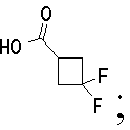
TDI01989 
1-(5-(4-((4-(1H-pyrazol-4-yl)phenyl)amino)pyrimidin-2-yl)isoindolin-2-yl)-2-hydroxypropan-1 -one 
1H NMR (400 MHz, DMSO-d6 ) δ 10.07 (s, 1H), 8.39 (d, J = 6.0 Hz, 1H), 8.28 (dd, J = 13.6, 5.1 Hz, 2H), 8.06 (s, 2H), 7.79 - 7.65 (m, 3H), 7.58 - 7.50 (m, 1H), 6.79 (d, J = 5.6 Hz, 1H), 5.10 (dd, J = 15.4, 6.0 Hz, 1H), 4.98 (dd, J = 14.9, 6.7 Hz, 1H), 4.82 - 4.71 (m, 2H), 4.45 - 4.40 (m, 1H), 3.15 (dd, J = 7.3, 4.2 Hz, 1H), 1.30 - 1.26 (m, 3H). MS m/z (ESI): 426.9 [M+H], 44 was replaced with 
-

- Compound TDI01944-1 (20 g, 67 mmol) was dissolved in dichloromethane (20 mL), trifluoroacetic acid (50 mL) was added, and the reaction solution was stirred at room temperature for 16 hours. The reaction solvent and trifluoroacetic acid were removed through rotary evaporation under vacuum, and the residue was added with 20 mLwater and 40 mL concentrated hydrochloric acid. A solid precipitated, and was filtered and dried to afford compound TDI01944-2 (15.3 g, grey solid).
- 1H NMR (400 MHz, CDCl3) δ 7.39 (s, 1H), 7.34 (d, J = 8.2 Hz, 1H), 7.12 (d, J = 8.0 Hz, 1H), 4.22 (d, J = 14.1 Hz, 4H). MS m/z (ESI): 197.9, 199.8 [M-Cl]+.
- Compound 3,3-difluorocyclobutanecarboxylic acid (3.1 g, 23 mmol) was dissolved in N,N-dimethylformamide (100 mL), HATU (9.5 g, 25 mmol), diisopropylethylamine (8.7 g, 67 mmol) and TDI01944-2 (4.5 g, 19 mmol) were successively added, and the reaction was continually stirred at room temperature for 16 hours. The reaction solvent was removed through rotary evaporation under vacuum, the residue was dissolved in 20 mL dichloromethane, washed with water (20 mL×3), and then the organic phase was concentrated until a solid precipitated. After the solid precipitated completely, it was filtered and dried to afford TDI01944-3 (4.2 g, grey solid, crude product, 70% yield).
- MS m/z (ESI): 315.7, 317.8 [M+H].
- Compound TDI01944-3 (4.1 g, 13 mmol) and bis(pinacolato)diboron (4.1 g, 16 mmol) were dissolved in N,N-dimethylformamide (100 mL), potassium acetate (4.1 g, 16 mmol) and Pd(dppf)Cl2 (0.95 g, 1.3 mmol) were added, the flask was purged with nitrogen three times, and the reaction solution was stirred at 110°C for 16 hours. LC-MS indicated the reaction was complete. The reaction solution was cooled to room temperature, and the reaction solvent was removed through rotary evaporation under vacuum. The residue was purified by column chromatography (petroleum ether : ethyl acetate = 5:1), to afford compound TDI01944-4 (3.8 g, white solid, 81% yield).
- 1H NMR (400 MHz, CDCl3) δ 7.73-7.79 (m, 2H), 728-7.35 (m, 1H), 4.78-4.85 (m, 4H), 3.09-3.17 (m, 1H), 2.94-3.05 (m, 2H), 2.80-2.85 (m, 2H), 1.38 (s, 12H). MS m/z (ESI): 363.9 [M+H].
- Compound TDI01944-4 (3.72 g, 10.0 mmol) and compound Reg-1-16 (3.63 g, 10.0 mmol) were dissolved in a mixed solution of dioxane (80 mL) and water (8 mL), potassium carbonate (4.15 g, 30.0 mmol) was added, and the flask was purged with nitrogen three times. Pd(dppf)Cl2 (1.46 g, 2.0 mmol) was added, the flask was purged with nitrogen three times again, and the reaction solution was stirred at 110°C for 16 h. LC-MS indicated the reaction was complete. The reaction solution was cooled to room temperature, and the reaction solvent was removed through rotary evaporation under vacuum. The residue was purified by column chromatography (petroleum ether : ethyl acetate = 4:1 to pure ethyl acetate) to afford compound TDI01944 (1.35 g, off-white solid, 28.7% yield).
- 1H NMR (400 MHz, DMSO-d6 ) δ 12.90 (s, 1H), 9.68 (s, 1H), 8.38 (dd, J = 5.8, 1.2 Hz, 1H), 8.36 - 8.28 (m, 2H), 8.16 (s, 1H), 7.92 (s, 1H), 7.77 (d, J = 6.7 Hz, 2H), 7.64 (dd, J = 8.6, 3.5 Hz, 2H), 7.49 (dd, J = 15.4, 8.0 Hz, 1H), 6.73 (d, J = 5.9 Hz, 1H), 4.91 (d, J = 11.0 Hz, 2H), 4.76 (d, J = 14.9 Hz, 2H), 3.29 (d, J = 8.3 Hz, 1H), 2.87 (dd, J = 16.5, 8.6 Hz, 4H). MS m/z (ESI): 472.5 [M+H].
- The compounds in following table 14 were prepared according to methods similar to that described in Example 45.
Table 14: No. Compound Structure Compound Name Starting material or regent different from that in Example 45 Characterization Data TDI01958 
(7-(4-((4-(1H-pyrazol-4-yl)phenyl)amino)pyrimi din-2-yl)-3,4-dihydroisoquinolin-2(1H)-yl)(3,3-difluorocyclobutyl)meth anone The synthesis started from step 2 of 1H NMR (400 MHz, DMSO-d6 ) δ 12.89 (s, 1H), 9.66 (s, 1H), 8.36 (d, J = 6.0 Hz, 1H), 8.26 - 8.11 (m, 3H), 7.91 (s, 1H), 7.81 - 7.71 (m, 2H), 7.63 (d, J = 8.0 Hz, 2H), 7.32 (dd, J = 8.0, 4 Hz, 1H), 6.71 (d, J = 6.0 Hz, 1H), 4.73 (d, J = 8.0 Hz, 2H), 3.71 (dt, J = 27.8, 5.8 Hz, 2H), 3.45 - 3.35 (m, 1H), 2.95 - 2.74 (m, 6H). MS m/z (ESI): 486.6 [M+H]. Example 45; 
was replaced with 
TDI01962 
(5-(4-((4-(1H-pyrazol-4-yl)phenyl)amino)-6-methyl-6,7-dihydro-5H-pyrrolo[3,4-d]pyrimidin-2-yl)isoindolin-2-yl)(3,3 - difluorocyclobutyl)meth anone 
1H NMR (400 MHz, DMSO-d6 ) δ 10.73 (s, 1H), 9.46 (s, 1H), 8.34 - 8.24 (m, 2H), 8.07 (s, 2H), 7.76 (s, 2H), 7.70 (s, 2H), 7.48 (s, 1H), 4.89 (s, 2H), 4.76 (d, J = 13.4 Hz, 4H), 4.46 (s, 2H), 3.29 (s, 1H), 3.12 (s, 3H), 2.92 - 2.76 (m, 4H). MS m/z (ESI): 527.6 [M+H]. 
(Reg-1-57). TDI01979 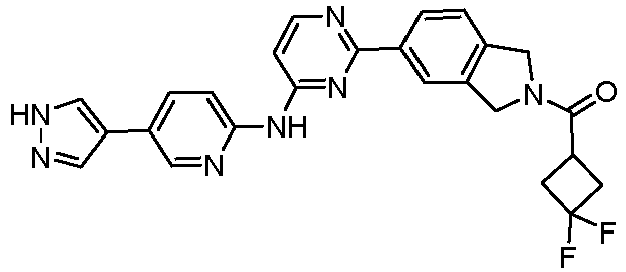
(5-(4-((5-(1H-pyrazol-4-yl)pyridin-2-yl)amino)pyrimidin-2-yl)isoindolin-2-yl)(3,3 - difluorocyclobutyl)meth anone 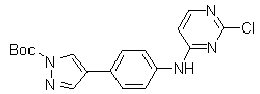
1H NMR (400 MHz, DMSO-d6 ) δ 10.85 (s, 1H), 8.68 (s, 1H), 8.53 (d, J = 6.0 Hz, 1H), 8.31 (s, 1H), 8.27 (d, J = 2.0 Hz, 1H), 8.14 - 8.10 (m, 3H), 7.94 - 7.85 (m, 1H), 7.73 - 7.65 (m, 2H), 7.58 - 7.51 (m, 1H), 4.91 (s, 2H), 4.79 (s, 2H), 3.34 - 3.24 (m, 1H), 2.90 - 2.81 (m, 4H). MS m/z (ESI): 474.0 [M+H]. 
(Reg-1-52). TDI01990 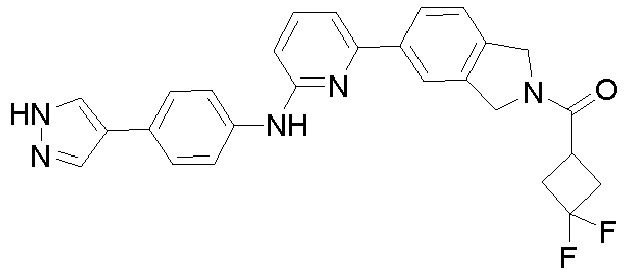
(5-(6-((4-(1H-pyrazol-4-yl)phenyl)amino)pyridi n-2-yl)isoindolin-2-yl)(3,3-difluorocyclobutyl)meth anone 
1H NMR (400 MHz, DMSO-d6 ) δ 9.16 (s, 1H), 8.04 - 7.98 (m, 4H), 7.77 (d, J = 8.0 Hz, 2H), 7.66 (t, J = 8.0 Hz, 1H), 7.56 (dd, J = 8.0, 4.0 Hz, 2H), 7.47 (dd, J = 16.0, 8.0 Hz, 1H), 7.31 (dd, J = 8.0, 4.0 Hz, 1H), 6.81 (d, J = 8.0 Hz, 1H), 4.89 (d, J = 12.0 Hz, 1H), 4.75 (d, J = 12.0 Hz, 1H), 3.36 - 3.23 (m, 1H), 2.96 - 2.74 (m, 4H). MS m/z (ESI): 472.0 [M+H]. 
(Reg-1-60). TDI01991 
(5-(6-((4-(1H-pyrazol-4-yl)phenyl)amino)pyrazi n-2-yl)isoindolin-2-yl)(3,3-difluorocyclobutyl)meth anone 
1H NMR (400 MHz, DMSO-d6 ) δ 9.61 (s, 1H), 8.52 (d, J = 4.0 Hz, 1H), 8.18 (s, 1H), 8.13 - 7.98 (m, 4H), 7.79 (d, J = 8.0 Hz, 2H), 7.60 (dd, J = 8.0, 4.0 Hz, 2H), 7.51 (q, J = 8.0 Hz, 1H), 4.90 (d, J = 16.0 Hz, 2H), 4.76 (d, J = 16.0 Hz, 2H), 3.32 - 3.26 (m, 1H), 2.90 - 2.83 (m, 4H). MS m/z (ESI): 472.6 [M+H]. 
(Reg-1-61). TDI01999 
(5-(4-((4-(1H-pyrazol-4-yl)phenyl)amino)-6,7-dihydro-5H-pyrrolo[3,4-d]pyrimidin-2-yl)isoindolin-2-yl)(3,3 - difluorocyclobutyl)meth anone 
1H NMR (300 MHz, DMSO-d6 ) δ 9.48 (s, 2H), 9.37 (s, 1H), 8.30 - 8.22 (m, 2H), 8.05 (s, 2H), 7.75 (d, J = 3.4 Hz, 2H), 7.67 (d, J = 6.2 Hz, 2H), 7.54 - 7.41 (m, 1H), 4.88 (s, 2H), 4.75 (d, J = 10.2 Hz, 2H), 4.51 (d, J = 14.3 Hz, 4H), 3.27 (d, J = 9.6 Hz, 1H), 2.86 (dd, J = 16.3, 8.4 Hz, 4H). MS m/z (ESI): 513.6 [M+H]. 
TDI01536 
(5-(4-((4-(1H-pyrazol-4-yl)phenyl)amino)-1,3,5-triazin-2-yl)isoindolin-2-yl)(3,3 - difluorocyclobutyl)meth anone 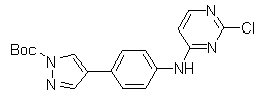
1H NMR (400 MHz, DMSO-d6 ) δ 10.35 (s, 1H), 8.84 (s, 1H), 8.43 - 8.31 (m, 2H), 8.05 (s, 1H), 7.79 (s, 2H), 7.65 (s, 2H), 7.56 (d, J = 8.1 Hz, 1H), 4.92 (s, 2H), 4.78 (d, J = 9.8 Hz, 2H), 3.31 (s, 1H), 2.87 (dd, J = 16.3, 8.6 Hz, 4H). MS m/z (ESI): 473.8 [M+H]. 
(Reg-1-41). TDI01550 
(3,3-difluorocyclobutyl)(5 - (4-((2-methoxy-4-(1H-pyrazol-4-yl)phenyl)amino)pyrimi din-2-yl)isoindolin-2-yl)methanone 
1H NMR (400 MHz, DMSO-d6 ) δ 9.91 (dd, J = 34.5, 20.4 Hz, 2H), 8.33 (d, J = 6.2 Hz, 1H), 8.26 - 8.02 (m, 4H), 7.85 (s, 1H), 7.55 (dd, J = 14.8, 8.1 Hz, 1H), 7.38 (s, 1H), 7.33 - 7.27 (m, 1H), 6.86 (s, 1H), 4.90 (s, 2H), 4.76 (d, J = 7.8 Hz, 2H), 3.93 (s, 3H), 3.29 (dd, J = 10.0, 6.3 Hz, 1H), 2.86 (dd, J = 16.3, 8.4 Hz, 4H). MS m/z (ESI): 502.6 [M+H]. 
(Reg-1-32). TDI01564 
(5-(4-((4-(1H-pyrazol-4-yl)phenyl)amino)-5H-pyrrolo[3,2-d]pyrimidin-2-yl)isoindolin-2-yl)(3,3 - difluorocyclobutyl)meth anone 
1H NMR (400 MHz, DMSO-d6 ) δ 11.85 (s, 1H), 8.22 (dd, J =16.1, 8.3 Hz, 2H), 8.10 (s, 2H), 7.93 - 7.86 (m, 2H), 7.78 - 7.70 (m, 2H), 7.61 (dd, J = 15.1, 7.8 Hz, 2H), 6.66 (s, 1H), 4.94 (d, J = 7.0 Hz, 2H), 4.80 (d, J = 15.9 Hz, 2H), 3.32 (d, J = 8.2 Hz, 1H), 2.88 (dd, J = 16.3, 8.2 Hz, 4H). MS m/z (ESI): 511.6 [M+H]. 
(Reg-1-62). TDI01565 
(5-(4-((4-(1H-pyrazol-4-yl)phenyl)amino)-7H-pyrrolo[2,3-d]pyrimidin-2-yl)isoindolin-2-yl)(3,3 - difluorocyclobutyl)meth anone 
1H NMR (400 MHz, DMSO-d6 ) δ 11.81 (s, 1H), 9.43 (s, 1H), 8.33 (d, J = 18.2 Hz, 3H), 8.06 (s, 2H), 7.97 (d, J = 5.5 Hz, 2H), 7.66 (d, J = 4.3 Hz, 2H), 7.49 - 7.44 (m, 1H), 7.28 (s, 1H), 6.82 (s, 1H), 4.90 (d, J = 16.4 Hz, 2H), 4.76 (d, J = 21.9 Hz, 2H), 3.30 (s, 1H), 2.87 (dd, J = 16.3, 8.4 Hz, 4H). MS m/z (ESI): 512.1 [M+H]. 
(Reg-1-63). TDI01566 
1-(5-(4-((4-(1H-pyrazol-4-yl)phenyl)amino)-6,7-dihydro-5H-pyrrolo[3,4-d]pyrimidin-2-yl)isoindolin-2-yl)-2-hydroxypropan-1 -one 
2 of Example 45 1H NMR (400 MHz, DMSO-d6 ) δ 9.50 (s, 2H), 9.39 (s, 1H), 8.35 - 8.22 (m, 2H), 8.07 (s, 2H), 7.78 (s, 2H), 7.69 (s, 2H), 7.49 (d, J = 8.8 Hz, 1H), 5.05 (s, 1H), 4.96 (s, 1H), 4.74 (d, J = 13.6 Hz, 2H), 4.52 (d, J = 19.2 Hz, 4H), 4.41 (s, 1H), 1.27 (d, J = 6.4 Hz, 3H). MS m/z (ESI): 467.7 [M+H]. was replaced with 

(Reg-1-16) in step 4 was replaced with 
(Reg-1-56); and the final product was obtained by removing Boc in the intermediate obtained in the final step using a 4N hydrochloric acid/dioxane solution. TDI01567 B 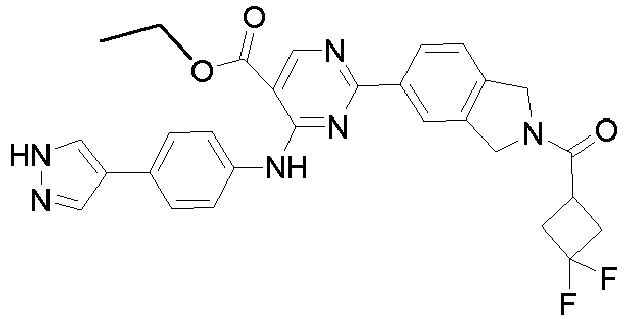
ethyl 4-((4-(1H-pyrazol-4-yl)phenyl)amino)-2-(2-(3,3-difluorocyclobutane-1 - carbonyl)isoindolin-5-yl)pyrimidine-5-carboxylate 
1H NMR (400 MHz, DMSO-d6 ) δ 10.26 (s, 1H), 9.05 (s, 1H), 8.34 (dd, J = 16.4, 8.1 Hz, 3H), 8.10 (s, 2H), 7.80 (s, 3H), 7.73 - 7.70 (m, 2H), 7.53 (dd, J = 15.5, 7.8 Hz, 1H), 4.92 (d, J = 5.9 Hz, 3H), 4.77 (d, J = 13.9 Hz, 3H), 4.42 (d, J = 7.2 Hz, 3H), 3.29 (s, 2H), 2.90 - 2.83 (m, 6H), 1.40 (t, J = 7.1 Hz, 4H). MS m/z (ESI): 545.0 [M+H]. 
(Reg-1-64). TDI01569 
(5-(4-((4-(1H-pyrazol-4-yl)phenyl)amino)-6-(2-(dimethylamino)ethoxy) pyrimidin-2-yl)isoindolin-2-yl)(3,3 - difluorocyclobutyl)meth anone 
1H NMR (400 MHz, DMSO-d6 ) δ 9.83 (s, 1H), 9.65 (s, 1H), 8.02 (s, 2H), 7.96 (d, J = 6.6 Hz, 1H), 7.68 (d, J = 8.0 Hz, 2H), 7.59 (d, J = 8.3 Hz, 2H), 7.54 - 7.48 (m, 1H), 6.97 (s, 1H), 4.89 (s, 2H), 4.78 - 4.69 (m, 4H), 3.59 (s, 2H), 3.28 (d, J = 8.0 Hz, 1H), 2.94 - 2.77 (m, 10H). MS m/z (ESI): 559.5 [M+H]. 
(Reg-1-51). TDI01578 
(5-(4-((1H-indazol-5-yl)amino)thieno [3,2-d]pyrimidin-2-yl)isoindolin-2-yl)(3,3 - difluorocyclobutyl)meth anone 
1H NMR (400 MHz, DMSO-d6 ) δ 13.14 (d, J = 14.1 Hz, 1H), 10.07 (s, 1H), 8.36 - 8.30 (m, 2H), 8.22 (d, J = 4.9 Hz, 1H), 8.14 (s, 2H), 7.67 (s, 1H), 7.62 (d, J = 8.8 Hz, 1H), 7.48 (dd, J = 15.1, 6.7 Hz, 2H), 4.89 (d, J = 8.7 Hz, 2H), 4.75 (d, J = 13.4 Hz, 2H), 3.32 - 3.27 (m, 1H), 2.90 - 2.81 (m, 4H). MS m/z (ESI): 502.5 [M+H]. 
(Reg-1-4). TDI01584 
(5-(4-((4-(1H-pyrazol-4-yl)phenyl)amino)thieno [3,2-d]pyrimidin-2-yl)isoindolin-2-yl)(3,3 - difluorocyclobutyl)meth anone 
1H NMR (400 MHz, DMSO-d6 ) δ 10.06 (s, 1H), 8.46 - 8.21 (m, 4H), 8.10 (s, 2H), 7.85 (d, J = 5.7 Hz, 2H), 7.70 (dd, J = 8.3, 2.5 Hz, 2H), 7.55 - 7.48 (m, 2H), 4.91 (d, J = 9.8 Hz, 2H), 4.77 (d, J = 17.4 Hz, 2H), 3.32 - 3.26 (m, 1H), 2.87 (dd, J = 16.5, 8.5 Hz, 4H). MS m/z (ESI): 528.5 [M+H]. 
(Reg-1-33). TDI01585 
(3,3-difluorocyclobutyl)(5 - (5-fluoro-4-((4-(5-methyl-1H-pyrazol-4-yl)phenyl)amino)pyrimi din-2-yl)isoindolin-2-yl)methanone 
1H NMR (400 MHz, DMSO-d6 ) δ 9.73 (s, 1H), 8.48 (d, J = 3.2 Hz, 1H), 8.26 - 8.17 (m, 2H), 7.95 - 7.83 (m, 3H), 7.55 - 7.42 (m, 3H), 4.88 (d, J = 7.7 Hz, 2H), 4.74 (d, J = 14.1 Hz, 2H), 3.32 - 3.24 (m, 1H), 2.85 (dd, J = 16.4, 8.4 Hz, 4H), 2.41 (s, 3H). MS m/z (ESI): 504.5 [M+H]. 
(Reg-1-65). TD01586 
(5-(4-((4-(1H-pyrazol-4-yl)phenyl)amino)-5 - fluoropyrimidin-2-yl)isoindolin-2-yl)(tetrahydro-2H-pyran-4-yl)methanone 
1H NMR (400 MHz, DMSO-d6 ) δ 9.68 (s, 1H), 8.47 (s, 1H), 8.27 - 8.17 (m, 2H), 8.06 (s, 2H), 7.87 (s, 2H), 7.67 (s, 2H), 7.47 (s, 1H), 5.01 (d, J = 7.4 Hz, 2H), 4.71 (d, J = 14.2 Hz, 2H), 3.90 (d, J = 10.9 Hz, 2H), 3.40 (s, 2H), 2.87 - 2.79 (m, 1H), 1.66 (s, 4H). MS m/z (ESI): 484.6 [M+H]. was replaced 


(Reg-1-40). TDI01587 
1-(4-((4-(1H-pyrazol-4-yl)phenyl)amino)-2-(2-(3,3-difluorocyclobutane-1 - carbonyl)isoindolin-5 - yl)-5,7-dihydro-6H-pyrrolo[3,4-d]pyrimidin-6-yl)ethan-1-one 
1H NMR (400 MHz, DMSO-d6 ) δ 9.23 (d, J = 6.8 Hz, 1H), 8.36 - 8.24 (m, 2H), 8.06 (s, 2H), 7.85 (d, J = 4.0 Hz, 2H), 7.66 (s, 2H), 7.48 (dd, J = 14.9, 7.9 Hz, 1H), 4.96 - 4.69 (m, 6H), 4.59 (d, J = 27.2 Hz, 2H), 3.29 (s, 1H), 2.86 (dd, J = 16.3, 8.3 Hz, 4H), 2.12 (d, J = 7.4 Hz, 3H). MS m/z (ESI): 556.2 [M+H]. 
(Reg-1-58). TDI01589 
(5-(4-((1H-indazol-5-yl)amino)-5-fluoropyrimidin-2-yl)isoindolin-2-yl)(3,3 - difluorocyclobutyl)meth anone 
1H NMR (400 MHz, DMSO-d6 ) δ 13.15 - 12.97 (m, 0H), 9.71 (s, 0H), 8.45 (d, J = 2.4 Hz, 0H), 8.34 - 8.07 (m, 1H), 7.73 (d, J = 8.9 Hz, 0H), 7.59 (d, J = 8.9 Hz, 0H), 7.45 (dd, J = 16.7, 8.0 Hz, 0H), 4.87 (d, J = 8.8 Hz, 1H), 4.72 (d, J = 11.9 Hz, 0H), 3.28 (d, J = 3.9 Hz, 1H), 2.85 (dd, J = 16.4, 8.4 Hz, 4H). MS m/z (ESI): 464.7 [M+H]. 
TDI01596 
(6-(4-((4-(1H-pyrazol-4-yl)phenyl)amino)-5 - fluoropyrimidin-2-yl)-3,4-dihydroisoquinolin-2(1H)-yl)(3,3-difluorocyclobutyl)meth anone The synthesis started from step 2 of Example 45; 


1H NMR (400 MHz, DMSO-d6 ) δ 9.68 (s, 1H), 8.46 (d, J = 2.6 Hz, 1H), 8.07 (d, J = 7.0 Hz, 5H), 7.87 (d, J = 7.9 Hz, 2H), 7.66 (d, J = 8.2 Hz, 2H), 7.33 (d, J = 7.2 Hz, 1H), 4.68 (d, J = 12.5 Hz, 2H), 3.70 (d, J = 31.3 Hz, 3H), 2.94 (s, 2H), 2.84 (dd, J = 15.9, 8.5 Hz, 4H). MS m/z (ESI): 504.7 [M+H]. TDI01596 B 
(6-(4-((4-(1H-pyrazol-4-yl)phenyl)amino)pyrimi din-2-yl)-3,4-dihydroisoquinolin-2(1H)-yl)(3,3-difluorocyclobutyl)meth anone The synthesis started from step 2 of Example 45; 

1H NMR (400 MHz, DMSO-d6 ) δ 10.32 (s, 1H), 8.36 (d, J = 6.3 Hz, 1H), 8.08 (d, J = 12.4 Hz, 4H), 7.69 (t, J = 11.5 Hz, 4H), 7.42 (t, J = 8.1 Hz, 2H), 6.82 (d, J = 6.2 Hz, 1H), 4.72 (d, J = 12.8 Hz, 2H), 3.70 (dd, J = 21.5, 16.0 Hz, 3H), 3.41 - 3.36 (m, 1H), 2.91 - 2.80 (m, 4H). MS m/z (ESI): 486.6 [M+H]. TDI01598 
(3,3-difluorocyclobutyl)(5 - (5 -fluoro-4-((2-fluoro-4-(1H-pyrazol-4-yl)phenyl)amino)pyrimi din-2-yl)isoindolin-2-yl)methanone 

1H NMR (400 MHz, DMSO-d6 ) δ 9.52 (s, 1H), 8.46 (s, 1H), 8.15 (d, J = 14.0 Hz, 3H), 8.09 - 8.02 (m, 2H), 7.65 (d, J = 12.1 Hz, 1H), 7.58 (d, J = 7.0 Hz, 1H), 7.52 (d, J = 8.0 Hz, 1H), 7.41 - 7.35 (m, 1H), 4.83 (s, 2H), 4.68 (d, J = 7.6 Hz, 2H), 3.26 (s, 1H), 2.83 (dd, J = 14.9, 7.5 Hz, 4H). MS m/z (ESI): 509.1 [M+H]. TDI01611 
N-(5-(4-((4-(1H-pyrazol-4-yl)phenyl)amino)-5 - fluoropyrimidin-2-yl)-2,3-dihydro-1H-inden-2-yl)-3,3-difluorocyclobutane-1 - carboxamide The synthesis started from step 2 of 1H NMR (400 MHz, DMSO-d6 ) δ 9.67 (s, 1H), 8.45 (d, J = 2.8 Hz, 1H), 8.38 (d, J = 6.6 Hz, 1H), 8.22 - 8.02 (m, 4H), 7.87 (d, J = 8.2 Hz, 2H), 7.65 (d, J = 8.3 Hz, 2H), 7.34 (d, J = 7.8 Hz, 1H), 4.52 (d, J = 6.0 Hz, 1H), 3.25 (td, J = 16.5, 7.2 Hz, 2H), 2.83 (d, J = 7.2 Hz, 3H), 2.67 (s, 4H). MS m/z (ESI): 504.6 [M+H]. 
was replaced with 

was replaced with 
TDI01662 
(6-(4-((4-(1H-pyrazol-4-yl)phenyl)(methyl)amin o)-5-fluoropyrimidin-2-yl)-3,4-dihydroisoquinolin-2(1H)-yl)(3,3-difluorocyclobutyl)meth anone The synthesis started from step 2 of 1H NMR (400 MHz, DMSO-d6 ) δ 8.31 (d, J = 8.0 Hz, 1H), 8.18 - 8.14 (m, 2H), 8.09 (s, 2H), 7.64 (d, J = 8.2 Hz, 2H), 7.33 (d, J = 8.2 Hz, 3H), 4.68 (s, 2H), 3.75 - 3.68 (m, 2H), 3.58 (s, 3H), 3.41 - 3.35 (m, 1H), 2.97 - 2.76 (m, 6H). MS m/z (ESI): 519.1 [M+H]. Example 45; 
was replaced with ; 

was replaced with 
(Reg-1-67). TDI01682 
(7-(4-((1H-indazol-5-yl)amino)pyrimidin-2-yl)-3,4-dihydroisoquinolin-2(1H)-yl)(3,3-difluorocyclobutyl)meth anone The synthesis started from step 2 of 1H NMR (400 MHz, DMSO-d6 ) δ 13.17 (s, 1H), 10.76 (s, 1H), 8.35 (d, J = 6.8 Hz, 1H), 8.13 (t, J = 6.5 Hz, 2H), 8.09 - 7.99 (m, 2H), 7.67 - 7.61 (m, 1H), 7.59 - 7.51 (m, 1H), 7.42 (t, J = 8.1 Hz, 1H), 6.88 - 6.78 (m, 1H), 4.77 - 4.70 (m, 2H), 3.78 - 3.72 (m, 1H), 3.70 - 3.65 (t, J = 5.6 Hz, 2H), 3.46 - 3.33 (s, 1H), 2.98 - 2.91 (m, 1H), 2.91 - 2.74 (m, 5H). MS m/z (ESI): 460.7 [M+H]. Example 45; 
was replaced with 

was replaced with 
(Reg-1-27). TDI01683 
(6-(4-((1H-indazol-5-yl)amino)pyrimidin-2-yl)-3,4-dihydroisoquinolin-2(1H)-yl)(3,3-difluorocyclobutyl)meth anone The synthesis started from step 2 of 1H NMR (400 MHz, DMSO-d6) δ 13.15 (s, 1H), 10.65 (s, 1H), 8.35 (d, J = 6.6 Hz, 1H), 8.14 (s, 2H), 8.06 (d, J = 8.6 Hz, 2H), 7.64 (d, J = 8.6 Hz, 1H), 7.56 (s, 1H), 7.44 (t, J = 8.2 Hz, 1H), 6.82 (d, J = 5.7 Hz, 1H), 4.73 (d, J = 12.2 Hz, 2H), 3.76 (s, 1H), 3.69 (s, 1H), 3.41 - 3.36 (m, 1H), 2.96 (s, 1H), 2.91 - 2.78 (m, 5H). MS m/z (ESI): 460.7 [M+H]. Example 45; 
was replaced with 

was replaced with 
(Reg-1-1). -

- TDI1916-1 (31.3 g, 130 mmol), 3,3-difluoroazetidine hydrochloride (20 g, 140 mmol), HATU (60 g, 160 mmol) and DMF (330 mL) were added to a 1 L flask, DIEA (50 g, 390 mmol) was added, and the reaction was stirred at room temperature overnight. LC-MS indicated the reaction was complete. The reaction solution was concentrated to afford a crude product, which was added with water (200 mL), methanol(20 mL) and acetonitrile (20 mL), and the mixture was stirred at room temperature for 1 hour. The mixture was filtered, and the solid thus obtained was once again subjected to the above slurry process, and dried to afford TDI1916-2 (41 g, brown solid, yield: 100%).
- 1H NMR (400 MHz, DMSO-d6 ) δ 11.88 (s, 1H), 7.61 (s, 1H), 7.60 (d, J = 8.6 Hz, 1H), 7.20 (d, J = 8.6 Hz, 1H), 6.94 (s, 1H), 4.98 (s, 2H), 4.56 (s, 2H). MS m/z (ESI): 314.9, 316.9 [M+H, Br].
- TDI1916-2 (30 g, 96 mmol) was dissolved in DMF (300 mL), and was cooled to 0°C in an ice-water bath under protection of N2. NaH (60%, 7.62 g, 191 mmol) was added portionwise, and the reaction was stirred for 1 hour before iodomethane (41 g, 288 mmol) was added. The reaction was stirred at 30 °C for 3 hours. LC-MS indicated the reaction was complete. The reaction solution was cooled to 0°C, and water (300 mL) was added. A large amount of solid precipitated, which was filtered, and the filter cake was washed with water (1 L) to neutral, and dried to afford TDI1916-3 (30.5 g, brown solid, yield: 96.5%).
- 1H NMR (400 MHz, DMSO-d6 ) δ 7.85 (s, 1H), 7.58 (d, J = 8.4 Hz, 1H), 7.25 (d, J = 8.4 Hz, 1H), 7.03 (s, 1H), 4.83 (s, 2H), 4.53 (s, 2H), 3.92 (s, 3H). MS m/z (ESI): 328.9, 330.9 [M+H, Br].
- TDI1916-3 (30.5 g, 93 mmol), bis(pinacolato)diboron (26 g, 100 mmol) and potassium acetate (27.3 g, 280 mmol) were dissolved in 1,4-dioxane (500 mL), the flask was purged with N2 3 times, followed by addition o Pd(dppf)Cl2 (10 g, 14 mmol). The flask was purged with N2 3 times again, and then the reaction was placed in an oil bath at 108°C for 4 hours. LC-MS indicated the reaction was complete. The reaction solution was cooled to room temperature, concentrated under reduced pressure to afford a crude product, which was separated through column chromatography on silica gel (petroleum ether : ethyl acetate =1:1) to afford TDI1916-4 (27.5 g, brown solid, yield: 78.6%).
- 1H NMR (400 MHz, DMSO-d6 ) δ 7.82 (s, 1H), 7.62 (d, J = 8.0 Hz, 1H), 7.41 (d, J= 8.0 Hz, 1H), 7.02 (s, 1H), 4.85 (s, 2H), 4.54 (s, 2H), 3.97 (s, 3H), 1.32 (s, 12H). MS m/z (ESI): 377.0 [M+H].
- Compound TDI01916-4 (3.0 g, 7.28 mmol) and compound Reg-1-44 (2.74 g, 7.28 mmol) were dissolved in a mixed solution of dioxane (80 mL) and water (8 mL), potassium carbonate (3 g, 21.8 mmol) was added, and the flask was purged with nitrogen three times. Pd(dppf)Cl2 (1.6 g, 2.18 mmol) was added, the flask was purged with nitrogen three times again, and the reaction solution was stirred at 110°C for 16 h. LC-MS indicated the reaction was complete. The reaction solution was cooled to room temperature, and the reaction solvent was removed through rotary evaporation under vacuum. The residue was purified by column chromatography (dichloromethane : methanol=60:1-40:1), to afford a crude product of compound TDI01916 (2 g), which was stirred in 10 mL dichloromethane for 0.5 h, filtered, and the filter cake was washed with dichloromethane (2 mL×3), and dried in vacuum to afford an off-white solid, TDI01916 (1.7 g, 44.4% yield).
- 1H NMR (400 MHz, DMSO-d6 ) δ 12.92 (s, 1H), 10.02 (s, 1H), 8.56 (s, 1H), 8.39 (s, 1H), 8.25 - 8.17 (m, 2H), 8.02 - 7.93 (m, 3H), 7.70 (dd, J = 18.9, 8.4 Hz, 3H), 7.17 (s, 1H), 7.07 (s, 1H), 4.85 (s, 2H), 4.59 (s, 2H), 4.05 (s, 3H). MS m/z (ESI): 525.6 [M+H].
- The compounds in following Table 15 were prepared according to methods similar to that described in Example 46.
Table 15: No. Compound Structure Compound Name Starting material or regent different from that in Example 46 Characterization Data TDI01851 
(6-(4-((4-(1H-pyrazol-4-yl)phenyl)amino)-6,7-dihydro-[1,4]dioxino[2,3-d]pyrimidin-2-yl)-1-methyl-1H-indol-2-yl)(3,3-difluoroazetidin-1-yl)methanone 
1H NMR (400 MHz, DMSO-d6 ) δ 8.93 (s, 1H), 8.36 (s, 1H), 8.05 (d, J = 5.6 Hz, 3H), 7.93 (d, J = 8.6 Hz, 2H), 7.69 (d, J = 8.5 Hz, 1H), 7.62 (d, J = 8.5 Hz, 2H), 7.05 (s, 1H), 4.90 (s, 4H), 4.56 (s, 2H), 4.43 (s, 2H), 4.02 (s, 3H). MS m/z (ESI): 543.9 [M+H]. 
TDI01898B 
(6-(4-((4-(1H-pyrazol-4-yl)phenyl) amino)-6-benzylpyrimidin-2-yl)-1-methyl-1H-indol-2-yl)(3,3-difluoroazetidin-1-yl)methanone 
1H NMR (400 MHz, CD3OD) δ 8.48 (s, 1H), 8.01 (d, J = 9.9 Hz, 3H), 7.90 (d, J = 8.5 Hz, 1H), 7.69 (d, J = 7.8 Hz, 4H), 7.50 - 7.38 (m, 5H), 7.08 (s, 1H), 6.40 (s, 1H), 4.63 (s, 4H), 4.28 (s, 2H), 4.12 (s, 3H). MS m/z (ESI): 575.8 [M+H]. 
TDI01903 
(6-(4-((4-(1H-pyrazol-4-yl)phenyl)amino)pyrimi din-2-yl)-1-ethyl-1H-indol-2-yl)(3,3-difluoroazetidin-1-yl)methanone Iodomethane in step 2 of Example 46 was 1H NMR (400 MHz, DMSO-d6 ) δ 8.54 (s, 1H), 8.41 (s, 1H), 8.08 (s, 3H), 7.90 - 7.73 (m, 3H), 7.69 (d, J = 8.1 Hz, 2H), 7.11 (s, 1H), 6.83 (s, 1H), 4.92 (s, 2H), 4.58 (d, J = 6.9 Hz, 4H), 1.41 (t, J = 6.9 Hz, 3H). MS m/z (ESI): 499.2 [M+H]. replaced with iodoethane; 

TDI01905 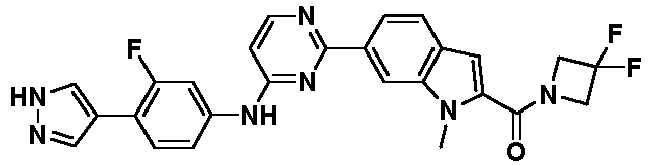
(3,3-difhioroazetidin-1-yl)(6-(4-((3-fluoro-4-(1H-pyrazol-4-yl)phenyl)amino)pyrimi din-2-yl)-1-methyl-1H-indol-2-yl)methanone 
1H NMR (400 MHz, DMSO-d6 ) δ 13.09 (s, 1H), 9.95 (s, 1H), 8.56 (s, 1H), 8.45 (d, J = 5.7 Hz, 1H), 8.18 (d, J = 8.4 Hz, 1H), 8.15 - 7.96 (m, 3H), 7.75 (t, J = 8.6 Hz, 2H), 7.48 (d, J = 8.4 Hz, 1H), 7.08 (s, 1H), 6.76 (d, J = 5.7 Hz, 1H), 4.89 (s, 2H), 4.56 (s, 2H), 4.08 - 4.01 (m, 3H). MS m/z (ESI): 503.5 [M+H]. 
TDI01906 
(6-(4-((1H-indazol-5-yl)amino)pyrimidin-2-yl)-1-methyl-1H-indol-2-yl)(3,3-difluoroazetidin-1-yl)methanone 
1H NMR (400 MHz, DMSO-d6 ) δ 10.71 (s, 1H), 8.52 (s, 1H), 8.37 (s, 1H), 8.19 (d, J = 32.9 Hz, 2H), 8.03 (s, 1H), 7.84 (s, 1H), 7.63 (d, J = 32.1 Hz, 2H), 7.12 (s, 1H), 6.84 (s, 1H), 5.76 (s, 1H), 4.55 (s, 4H), 4.04 (s, 3H). MS m/z (ESI): 460.0 [M+H]. 
TDI01910 
(3,3 -difluoroazetidin-1- yl)(6-(4-((3-methoxy-4-(1H-pyrazol-4-yl)phenyl)amino)pyrimi din-2-yl)-1-methyl-1H-indol-2-yl)methanone 
1H NMR (400 MHz, CD3OD) δ 8.43 (s, 1H), 8.28 (d, J = 7.2 Hz, 1H), 8.13 (s, 2H), 8.01 (d, J = 8.6 Hz, 1H), 7.92 (d, J = 8.5 Hz, 1H), 7.75 (d, J = 8.3 Hz, 2H), 7.36 (s, 1H), 7.10 (s, 1H), 6.97 (d, J = 7.2 Hz, 1H), 4.63 (s, 4H), 4.11 (s, 3H), 4.01 (s, 3H). MS m/z (ESI): 515.7 [M+H]. 
TDI01915 
(6-(4-((4-(1H-pyrazol-4-yl)phenyl)amino)-5- methoxypyrimidin-2-yl)-1-methyl-1H-indol-2-yl)(3,3-difluoroazetidin-1- yl)methanone 
1H NMR (400 MHz, DMSO-d6 ) δ 9.02 (s, 1H), 8.44 (s, 1H), 8.19 (s, 1H), 8.10 (d, J = 8.6 Hz, 2H), 7.99 (d, J = 8.5 Hz, 3H), 7.71 (s, 1H), 7.64 (d, J = 8.5 Hz, 2H), 7.05 (s, 1H), 4.72 (d, J = 105.4 Hz, 4H), 4.03 (s, 6H). MS m/z (ESI): 516.0 [M+H]. 
TDI01918 
(6-(4-((4-(1H-pyrazol-4-yl)phenyl)amino)quinaz olin-2-yl)-1-methyl-1H-indol-2-yl)(3,3-difluoroazetidin-1- 
1H NMR (400 MHz, DMSO-d6 ) δ 8.70 (d, J = 7.8 Hz, 1H), 8.60 (s, 1H), 8.15 (s, 3H), 8.05 (s, 2H), 7.92 (d, J = 7.8 Hz, 2H), 7.83 (dd, J = 15.2, 8.6 Hz, 4H), 7.13 (s, 1H), 4.92 (s, 2H), 4.54 (d, J = 7.0 Hz, 2H), yl)methanone 
4.05 (s, 3H). MS m/z (ESI): 535.9 [M+H]. TDI01920 
(6-(4-((4-(1H-pyrazol-4-yl)phenyl)amino)pyrimi din-2-yl)-1-(methoxymethyl)-1H-indol-2-yl)(3,3-difluoroazetidin-1-yl)methanone Iodomethane in step 2 of Example 46 was 1H NMR (400 MHz, DMSO-d6 ) δ 10.43 (s, 1H), 8.62 (s, 1H), 8.40 (d, J = 6.4 Hz, 1H), 8.12 (s, 1H), 8.07 (s, 2H), 7.91 - 7.74 (m, 3H), 7.69 (d, J = 8.2 Hz, 2H), 7.22 (s, 1H), 6.83 (d, J = 6.0 Hz, 1H), 5.93 (s, 2H), 4.90 (s, 2H), 4.60 (s, 2H), 3.23 (s, 3H). MS m/z (ESI): 515.6 [M+H]. replaced with MOMBr; 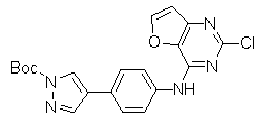

TDI01921 
(6-(4-((4-(1H-pyrazol-4-yl)phenyl)amino)pyrimi din-2-yl)-2-(2-methoxyethyl)-1H-indol-2-yl)(3,3-difluoroazetidin-1-yl)methanone Iodomethane in step 2 of Example 46 was 1H NMR (400 MHz, DMSO-d6 ) δ 10.50 (s, 1H), 8.57 (s, 1H), 8.40 (d, J = 6.4 Hz, 1H), 8.07 (s, 2H), 7.80 (s, 2H), 7.69 (d, J = 7.9 Hz, 2H), 7.21 (s, 1H), 7.09 (s, 1H), 6.96 (s, 1H), 6.83 (s, 1H), 4.79 (s, 2H), 4.72 (s, 2H), 4.56 (d, J = 12.9 Hz, 2H), 3.68 - 3.63 (m, 2H), 3.18 (s, 3H). MS m/z (ESI): 529.6 [M+H]. replaced with 

TDI01932 
(6-(4-((4-(1H-pyrazol-4-yl)phenyl)amino)-5- fluoropyrimidin-2-yl)-1-methyl-1H-indol-2-yl)(3,3-difluoroazetidin-1-yl)methanone 
1H NMR (400 MHz, DMSO-d6 ) δ 9.76 (s, 1H), 8.51 (d, J = 3.6 Hz, 1H), 8.46 (s, 1H), 8.12 - 8.07 (m, 3H), 7.93 (d, J = 8.5 Hz, 2H), 7.71 (dd, J = 17.3, 8.5 Hz, 3H), 7.07 (s, 1H), 4.89 (s, 2H), 4.58 (s, 2H), 4.03 (s, 3H). MS m/z (ESI): 504.0 [M+H]. 
TDI01936 
(6-(4-((6-(1H-pyrazol-4-yl)pyridin-3-yl)amino)pyrimidin-2-yl)-1-methyl-1H-indol-2-yl)(3,3-difluoroazetidin-1-yl)methanone 
1H NMR (301 MHz, DMSO-d6 ) δ 10.67 (s, 1H), 9.03 (s, 1H), 8.61 - 8.49 (m, 3H), 8.42 - 8.26 (m, 3H), 8.08 (d, J = 8.0 Hz, 1H), 7.97 (d, J = 8.0 Hz, 1H), 7.81 (d, J = 8.0 Hz, 1H), 7.11 (s, 1H), 6.89 (d, J = 6.2 Hz, 1H), 4.88 (s, 2H), 4.58 (s, 2H), 4.04 (s, 3H). MS m/z (ESI): 486.6 [M+H]. 
TDI01937B 
(6-(4-((5-(1H-pyrazol-4-yl)pyridin-2-yl)amino)pyrimidin-2-yl)-1-methyl-1H-indol-2-yl)(3,3-difluoroazetidin-1-yl)methanone 
1H NMR (301 MHz, DMSO-d6 ) δ 11.07 (s, 1H), 8.85 (s, 1H), 8.51 - 8.29 (m, 3H), 8.19 (s, 1H), 7.95 (s, 1H), 7.74 (d, J = 8.0 Hz, 1H), 7.52 (d, J = 8.0 Hz, 2H), 7.06 (s, 1H), 4.82 - 4.45 (m, 4H), 4.03 (s, 3H). MS m/z (ESI): 486.6 [M+H]. 
TDI01943 
(3,3-difhioroazetidin-1-yl)(6-(4-((2-hydroxy-4-(1H-pyrazol-4-yl)phenyl)amino)pyrimi din-2-yl)-1-methyl-1H-indol-2-yl)methanone 
1H NMR (400 MHz, DMSO-d6 ) δ 10.15 (s, 1H), 8.48 (s, 1H), 8.36 (s, 1H), 8.01 (s, 4H), 7.88 - 7.77 (m, 2H), 7.20 (d, J = 4.6 Hz, 3H), 7.12 (s, 1H), 4.91 (s, 2H), 4.55 (s, 2H), 4.03 (s, 3H). MS m/z (ESI): 501.6 [M+H]. 
TDI01945 
(6-(4-((4-(1H-pyrazol-4-yl)phenyl)amino)-5- methyl-5H-pyrrolo[3 ,2-d]pyrimidin-2-yl)-1-methyl-1H-indol-2-yl)(3,3-difluoroazetidin-1-yl)methanone 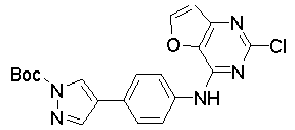
1H NMR (400 MHz, DMSO-d6 ) δ 8.40 (s, 2H), 8.14 (s, 2H), 7.97 - 7.67 (m, 7H), 7.09 (s, 2H), 6.63 (s, 1H), 4.87 (s, 3H), 4.55 (d, J = 11.6 Hz, 3H), 4.28 (s, 3H), 3.98 (s, 3H). MS m/z (ESI): 538.5 [M+H]. 
TDI01947 
(6-(4-((4-(1H-pyrazol-4-yl)phenyl)amino)thieno [2,3-d]pyrimidin-2-yl)-1-methyl-1H-indol-2-yl)(3,3-difluoroazetidin-1-yl)methanone 
1H NMR (400 MHz, DMSO-d6 ) δ 12.93 (s, 1H), 9.78 (s, 1H), 8.59 (s, 1H), 8.23 (d, J = 8.4 Hz, 1H), 7.96 (dd, J = 24.2, 7.1 Hz, 4H), 7.72 (dd, J = 13.3, 5.9 Hz, 4H), 7.56 (s, 1H), 7.08 (s, 1H), 4.89 (s, 2H), 4.56 (s, 2H), 4.06 (s, 3H). MS m/z (ESI): 541.9 [M+H]. 
TDI01948 
(6-(4-((4-(1H-pyrazol-4-yl)phenyl)amino)pyrrol o[2,1-f][1,2,4]triazin-2-yl)-1-methyl-1H-indol-2-yl)(3,3-difluoroazetidin-1-yl)methanone 
1H NMR (400 MHz, DMSO-d6 ) δ 12.91 (s, 1H), 9.97 (s, 1H), 8.43 (s, 1H), 8.06 (dd, J = 17.6, 8.4 Hz, 3H), 7.86 (s, 1H), 7.73 (dd, J = 8.2, 4.3 Hz, 2H), 7.50 (s, 1H), 7.22 (s, 1H), 7.08 (s, 1H), 6.78 (d, J = 3.0 Hz, 1H), 4.88 (s, 2H), 4.59 (s, 2H), 4.05 (s, 3H). MS m/z (ESI): 524.9 [M+H]. 
TDI01949 
(6-(4-((4-(1H-pyrazol-4-yl)phenyl)amino)-5- chloropyrimidin-2-yl)-1-methyl-1H-indol-2-yl)(3,3-difluoroazetidin-1-yl)methanone 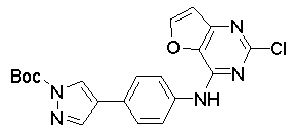
1H NMR (400 MHz, DMSO-d6 ) δ 9.24 (s, 1H), 8.57 (s, 1H), 8.47 (s, 1H), 8.10 (s, 2H), 8.07 (dd, J = 8.5, 1.3 Hz, 1H), 7.82 (d, J = 8.7 Hz, 2H), 7.71 (dd, J = 8.4, 5.1 Hz, 3H), 7.07 (s, 1H), 4.88 (s, 2H), 4.57 (s, 2H), 4.01 (s, 3H). MS m/z (ESI): 519.9 [M+H]. 
TDI01950 
(6-(4-((4-(1H-pyrazol-4-yl)phenyl)amino)-5- methylpyrimidin-2-yl)-1-methyl-1H-indol-2-yl)(3,3-difluoroazetidin-1-yl)methanone 
1H NMR (400 MHz, DMSO-d6 ) δ 9.63 (s, 1H), 8.45 (s, 1H), 8.36 (s, 1H), 8.11 (s, 2H), 7.95 (d, J = 8.4 Hz, 1H), 7.76 (dt, J = 16.5, 6.7 Hz, 6H), 7.10 (s, 1H), 4.88 (s, 2H), 4.56 (s, 2H), 4.01 (s, 3H), 2.33 (s, 3H). MS m/z (ESI): 499.2 [M+H]. 
TDI01952 
(6-(4-((4-(1H-pyrazol-4-yl)phenyl)amino)-5,7-dihydrofuro[3,4-d]pyrimidin-2-yl)-1-methyl-1H-indol-2-yl)(3,3 -difluoroazetidin-1-yl)methanone 
1H NMR (400 MHz, DMSO-d6 ) δ 9.29 (s, 1H), 8.52 (s, 1H), 8.28 - 8.01 (m, 3H), 7.85 (s, 2H), 7.78 - 7.65 (m, 2H), 7.07 (s, 1H), 5.03 (d, J = 40.1 Hz, 4H), 4.03 (s, 3H). MS m/z (ESI): 527.6 [M+H]. 
TDI01953 
(6-(4-((4-(1H-pyrazol-4-yl)phenyl)amino)-6,7-dihydro-5H-pyrrolo[3,4-d]pyrimidin-2-yl)-1-methyl-1H-indol-2-yl)(3,3-difluoroazetidin-1-yl)methanone 
1H NMR (400 MHz, DMSO-d6 ) δ 9.50 (s, 2H), 9.40 (s, 1H), 8.52 (s, 1H), 8.15 (d, J = 8.4 Hz, 1H), 8.08 (s, 2H), 7.83 (d, J = 8.3 Hz, 2H), 7.72 (dd, J = 16.5, 8.4 Hz, 3H), 7.08 (s, 1H), 4.92 - 4.77 (m, 4H), 4.53 (d, J = 5.1 Hz, 4H), 4.03 (s, 3H). MS m/z (ESI): 526.6 [M+H]. 
TDI01954 
(6-(4-((4-(1H-pyrazol-4-yl)phenyl)amino)-6-methyl-6,7-dihydro-5H-pyrrolo[3,4-d]pyrimidin-2-yl)-1-methyl-1H-indol-2-yl)(3,3-difluoroazetidin-1-yl)methanone 
1H NMR (300 MHz, DMSO-d6 ) δ 10.76 (s, 1H), 9.45 (s, 1H), 8.50 (s, 1H), 8.18 - 8.02 (m, 3H), 7.73 (dt, J = 12.8, 8.4 Hz, 5H), 7.06 (s, 1H), 4.79 (s, 2H), 4.47 (s, 2H), 4.02 (s, 4H), 3.13 (s, 3H), 2.45 - 2.44 (m, 3H). MS m/z (ESI): 540.5 [M+H]. 
TDI01955 
(3,3-difhioroazetidin-1-yl)(1-methyl-6-(4-((4-(5-methyl-1H-pyrazol-4-yl)phenyl)amino)pyrimi din-2-yl)-1H-indol-2-yl)methanone 
1H NMR (400 MHz, DMSO-d6 ) δ 10.57 (s, 1H), 8.53 (s, 1H), 8.41 (d, J = 6.5 Hz, 1H), 8.08 (d, J = 8.4 Hz, 1H), 7.82 (dd, J = 9.9, 7.0 Hz, 4H), 7.57 (d, J = 8.6 Hz, 2H), 7.13 (s, 1H), 6.86 (d, J = 6.6 Hz, 1H), 4.91 (s, 2H), 4.56 (s, 2H), 4.05 (s, 3H). MS m/z (ESI): 500.0 [M+H]. 
TDI01960 
(6-(4-((4-(1H-pyrazol-4-yl)phenyl)amino)-6,7-dihydro-5H-cyclopenta[d]pyrimidin -2-yl)-1-methyl-1H-indol-2-yl)(3,3-difluoroazetidin-1-yl)methanone 
1H NMR (400 MHz, DMSO-d6 ) δ 12.90 (s, 1H), 8.80 (s, 1H), 8.51 (s, 1H), 8.17 (d, J = 8.1 Hz, 2H), 8.02 - 7.86 (m, 3H), 7.67 (dd, J = 21.6, 8.4 Hz, 3H), 7.05 (s, 1H), 4.87 (d, J = 10.1 Hz, 2H), 4.58 (s, 2H), 4.03 (s, 3H), 2.99 - 2.85 (m, 4H), 2.10 (dd, J = 14.9, 7.7 Hz, 2H). MS m/z (ESI): 526.0 [M+H]. 
TDI01537 
(6-(4-((4-(1H-pyrazol-4-yl)phenyl)amino)-5,6-dimethylpyrimidin-2-yl)-1-methyl-1H-indol-2-yl)(3,3-difluoroazetidin-1-yl)methanone 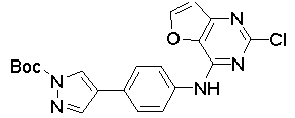
1H NMR (400 MHz, DMSO-d6 ) δ 9.14 (s, 0H), 8.64 (s, 0H), 8.35 (d, J = 10.9 Hz, 1H), 7.75 (t, J = 9.0 Hz, 1H), 7.09 (s, 0H), 7.03 (d, J = 7.6 Hz, 1H), 4.87 (s, 1H), 4.63 (s, 1H), 4.08 (s, 1H), 2.69 (s, 3H), 2.58 (s, 3H). MS m/z (ESI): 514.0 [M+H]. 
TDI01617 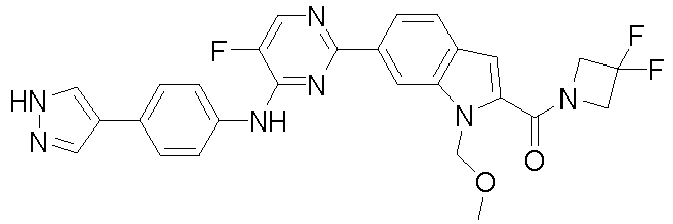
(6-(4-((4-(1H-pyrazol-4-yl)phenyl)amino)-5 - fluoropyrimidin-2-yl)-1-(methoxymethyl)-1H-indol-2-yl)(3,3-difluoroazetidin-1-yl)methanone Iodomethane in step 2 of Example 46 was replaced with MOMBr; 
1H NMR (400 MHz, DMSO-d6 ) δ 9.70 (s, 1H), 8.57 (s, 1H), 8.49 (d, J = 2.9 Hz, 1H), 8.14 (d, J = 8.4 Hz, 1H), 8.06 (s, 2H), 7.91 (d, J = 8.2 Hz, 2H), 7.75 (d, J = 8.3 Hz, 1H), 7.68 (s, 2H), 7.17 (s, 1H), 5.92 (s, 2H), 4.86 (d, J = 11.6 Hz, 2H), 4.63 (d, J = 25.1 Hz, 2H), 3.21 (s, 3H). MS m/z (ESI): 533.6 [M+H]. 
TDI01633 
(6-(4-((4-(1H-pyrazol-4-yl)phenyl)amino)-6,7-dihydro-5H-pyrrolo[3,4-d]pyrimidin-2-yl)-1-(methoxymethyl)-1H-indol-2-yl)(3,3-difluoroazetidin-1-yl)methanone Iodomethane in step 2 of Example 46 was 1H NMR (400 MHz, DMSO-d6 ) δ 9.52 (s, 2H), 9.41 (s, 1H), 8.62 (s, 1H), 8.20 (d, J = 8.4 Hz, 1H), 8.06 (s, 2H), 7.92 - 7.76 (m, 3H), 7.69 (d, J = 8.1 Hz, 2H), 7.18 (s, 1H), 5.92 (s, 2H), 4.89 (dd, J = 28.9, 11.9 Hz, 2H), 4.55 (s, 4H), 4.12 (d, J = 14.8 Hz, 2H), 3.21 (s, 3H). MS m/z (ESI): 556.5 [M+H]. 

TDI01668 
(6-(4-((4-(1H-pyrazol-4-yl)phenyl)amino)-5 - (methoxymethyl)pyrimi din-2-yl)-1-methyl-1H-indol-2-yl)(3,3-difluoroazetidin-1-yl)methanone 
1H NMR (400 MHz, DMSO-d6 ) δ 12.94 (s, 1H), 8.58 (s, 1H), 8.53 (s, 1H), 8.40 (s, 1H), 8.15 (d, J = 8.5 Hz, 2H), 7.96 (s, 2H), 7.84 (d, J = 8.1 Hz, 2H), 7.70 (dd, J = 13.9, 8.5 Hz, 2H), 7.07 (s, 1H), 4.85 (dd, J = 43.7, 16.3 Hz, 4H), 4.59 (s, 2H), 4.03 (s, 3H), 3.40 (s, 3H). MS m/z (ESI): 530.1 [M+H]. DMSO-d6 ) δ 
TDI01681 
(6-(4-((4-(1H-pyrazol-4-yl)phenyl)amino)-5 - (trifluoromethyl)pyrimi din-2-yl)-1-methyl-1H-indol-2-yl)(3,3-difluoroazetidin-1-yl)methanone 
1H NMR (400 MHz, DMSO-d6 ) δ 9.13 (s, 1H), 8.76 (s, 1H), 8.46 (s, 1H), 8.12 (s, 2H), 8.04 (d, J = 8.4 Hz, 1H), 7.70 (t, J = 8.7 Hz, 3H), 7.63 (d, J = 8.3 Hz, 2H), 7.05 (s, 1H), 4.87 (s, 2H), 4.55 (s, 2H), 3.95 (s, 3H). MS m/z (ESI): 553.7 [M+H]. (400 MHz, DMSO-d6 ) δ 
TDI01690 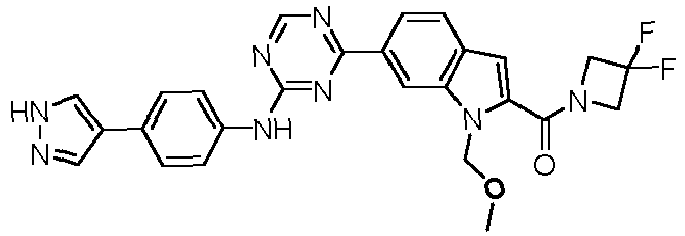
(6-(4-((4-(1H-pyrazol-4-yl)phenyl)amino)-1,3,5-triazin-2-yl)-1-(methoxymethyl)- 1H-indol-2-yl)(3,3-difluoroazetidin-1-yl)methanone Iodomethane in step 2 of Example 46 was replaced with MOMBr; 
1H NMR (400 MHz, DMSO-d6 ) δ 10.33 (s, 1H), 8.84 (s, 1H), 8.73 (s, 1H), 8.26 (d, J = 7.8 Hz, 1H), 8.04 (s, 2H), 7.82 (d, J = 8.4 Hz, 3H), 7.64 (s, 2H), 7.21 (s, 1H), 5.94 (s, 2H), 4.90 (s, 2H), 4.60 (s, 2H), 3.22 (s, 3H). MS m/z (ESI): 516.6 [M+H]. 
-

- Compound TDI01826-1 (10.0 g, 41.6 mmol), NH4Cl (2.67 g, 49.9 mmol), HATU (18.96 g, 49.9 mmol) and DIPEA (22 mL, 124.8 mmol) were dissolved in DMF (60 mL). The reaction solution was stirred at room temperature for 16 hours. LC-MS assay indicated the reaction was complete, and the reaction solvent was removed through rotary evaporation under vacuum. The residue was purified by column chromatography (petroleum ether : ethyl acetate = 1:1) to afford compound TDI01826-2 (9.3 g, off-white solid, 93.5% yield).
- 1H NMR (400 MHz, DMSO-d6 ) δ 11.70 (s, 1H), 8.04 (s, 1H), 7.59 (d, J = 8.0 Hz, 2H), 7.45 (s, 1H), 7.18 - 7.13 (m, 2H). MS m/z (ESI): 238.9 [M+H].
- Compound TDI01826-2 (9.3 g, 38.9 mmol) and Lawesson reagent (18.9 g, 46.7 mmol) were dissolved in tetrahydrofuran (200 mL), and the reaction solution was stirred at 90°C for 2 hours. LC-MS indicated the reaction was complete, and the reaction solvent was removed through rotary evaporation under vacuum. The residue was added with a saturated aqueous solution of sodium bicarbonate (150 mL) and ethyl acetate (150 mL), extracted and separated. The organic phase was dried and then rotary evaporated to remove the solvent, to afford compound TDI01826-3 (16 g, crude product). MS m/z (ESI): 254.9 [M+H].
- Compound TDI01826-3 (16 g, crude product, 62.7 mmol) and bromoacetaldehyde diethylacetal (13.6 g, 69 mmol) were dissolved in ethanol (125 mL), concentrated hydrochloric acid (2.5 mL) was added, and the reaction solution was stirred at 90°C for 16 hours. LC-MS indicated the reaction was complete. The reaction solution was cooled to room temperature, the reaction solvent was removed through rotary evaporation under vacuum, and the residue was purified by column chromatography (ethyl acetate; dichloromethane : methanol=10:1), to afford compound TDI01826-4 (4.9 g, 45% yield).
- 1H NMR (300 MHz, DMSO-d6 ) δ 12.04 (s, 1H), 7.92 (d, J = 3.1 Hz, 1H), 7.79 (d, J = 1.6 Hz, 1H), 7.54 (d, J = 12.4 Hz, 2H), 7.15 (d, J = 8.4 Hz, 1H), 7.06 (s, 1H). MS m/z (ESI): 278.7 [M+H].
- Compound TDI01826-4 (4.9 g, 17.55 mmol) and bis(pinacolato)diboron (5.35 g, 21.06 mmol) were dissolved in 1,4-dioxane (60 mL), potassium acetate (5.16 g, 52.65 mmol) was added, and the flask was purged with nitrogen three times. Pd(dppf)Cl2 (1.28 g, 1.755 mmol) was added, the flask was purged with nitrogen three times, and the reaction solution was stirred at 100°C for 16 hours. LC-MS indicated the reaction was complete. The reaction solution was cooled to room temperature, and the reaction solvent was removed through rotary evaporation under vacuum. The residue was purified by column chromatography (petroleum ether : ethyl acetate = 1:1), to afford compound TDI01826-5 (1.27 g, white solid, 22% yield).
- 1H NMR (400 MHz, DMSO-d6 ) δ 12.06 (s, 1H), 7.96 (d, J = 3.2 Hz, 1H), 7.83 - 7.80 (m, 2H), 7.58 (d, J = 8.0 Hz, 1H), 7.34 (dd, J = 8.0, 0.8 Hz, 1H), 7.08 (d, J = 1.4 Hz, 1H), 1.32 (s, 12H). MS m/z (ESI): 326.9 [M+H].
- Compound TDI01826-5 (180 m g, 0.55 mmol) and Reg-1-16 (150 mg, 0.55 mmol) were dissolved in 1,4-dioxane : water (15:2 mL), potassium carbonate (229 mg, 1.66 mmol) was added, and the flask was purged with nitrogen three times. Pd(dppf)Cl2 (80 mg, 0.11 mmol) was added, the flask was purged with nitrogen three times, and the reaction solution was stirred at 110°C for 16 hours. LC-MS indicated the reaction was complete, the reaction solution was cooled to room temperature, and the reaction solvent was removed through rotary evaporation under vacuum. The residue was purified by column chromatography (dichloromethane : methanol= 10:1), to afford compound TDI01826 (39 mg, 16% yield).
- 1H NMR (400 MHz, DMSO-d6 ) δ 12.20 (s, 1H), 9.63 (s, 1H), 8.54 (s, 1H), 8.37 (d, J = 4.0 Hz, 1H), 8.13 (d, J = 8.0 Hz, 2H), 8.04 (s, 2H), 7.96 (s, 1H), 7.85 - 7.81 (m, 3H), 7.67 (t, J = 8.0 Hz, 3H), 7.11 (s, 1H), 6.68 (d, J = 4.0 Hz, 1H). MS m/z (ESI): 436.2 [M+H].
- The compounds in following table 16 were prepared according to methods similar to that described in Example 47.
Table 16: No. Compound Structure Compound Name Starting material or regent different from that in Example 47 Characterization Data TDI01871 
N-(4-(1H-pyrazol-4-yl)phenyl)-5-methoxy-2-(2-(thiazol-2-yl)-1H-indol-6-yl)pyrimidin-4-amine 
1H NMR (400 MHz, DMSO-d6 ) δ 12.36 (s, 1H), 8.37 (s, 1H), 8.11 (d, J = 10.9 Hz, 3H), 7.97 (dd, J = 15.2, 5.3 Hz, 4H), 7.85 (d, J = 2.8 Hz, 1H), 7.72 (t, J = 9.9 Hz, 3H), 7.15 (s, 1H), 4.07 (s, 3H). MS m/z (ESI): 466.0 [M+H]. 
TDI01908 
N-(3-fluoro-4-(1H-pyrazol-4-yl)phenyl)-2-(2-(thiazol-2-yl)-1H-indol-6-yl)pyrimidin-4-amine 
1H NMR (400 MHz, DMSO-d6 ) δ 12.44 (s, 1H), 8.47 (s, 1H), 8.41 (d, J = 6.3 Hz, 1H), 8.07 (s, 2H), 8.05 - 7.98 (m, 2H), 7.88 (d, J = 13.1 Hz, 2H), 7.80 (dd, J = 22.0, 8.4 Hz, 2H), 7.60 (d, J = 7.9 Hz, 1H), 7.17 (s, 1H), 6.83 (s, 1H). MS m/z (ESI): 453.9 [M+H]. 
TDI01912 
N-(3-methoxy-4-(1H-pyrazol-4-yl)phenyl)-2-(2-(thiazol-2-yl)-1H-indol-6-yl)pyrimidin-4-amine 
1H NMR (400 MHz, DMSO-d6 ) δ 12.72 (s, 1H), 11.84 (s, 1H), 8.48 (s, 1H), 8.34 (d, J = 6.9 Hz, 1H), 8.23 (d, J = 5.0 Hz, 2H), 8.06 (d, J = 8.2 Hz, 1H), 8.01 (d, J = 2.8 Hz, 1H), 7.89 (d, J = 2.9 Hz, 1H), 7.81 (dd, J = 22.7, 8.4 Hz, 3H), 7.46 (s, 1H), 7.22 (s, 1H), 7.17 (s, 1H), 3.95 (s, 3H). MS m/z (ESI): 465.6 [M+H]. 
TDI01940 
N-(6-(1H-pyrazol-4-yl)pyridin-3-yl)-2-(2-(thiazol-2-yl)-1H-indol-6-yl)pyrimidin-4-amine 
1H NMR (400 MHz, DMSO-d6 ) δ 12.41 (s, 1H), 10.63 (s, 1H), 8.97 (s, 1H), 8.50 - 8.40 (m, 2H), 8.36 (d, J = 8.0 Hz, 1H), 8.27 (s, 2H), 8.02 - 7.99 (m, 2H), 7.92 (d, J = 8.0 Hz, 1H), 7.86 (d, J = 4.0 Hz, 1H), 7.77 (d, J = 8.0 Hz, 1H), 7.17 (d, J = 2.0 Hz, 1H), 6.87 (d, J = 8.0 Hz, 1H). MS m/z (ESI): 437.0 [M+H]. 
TDI01941 
N-(4-(1H-pyrazol-4-yl)phenyl)-2-(2-(thiazol-2-yl)-1H-indol-6-yl)furo[3,2-d]pyrimidin-4-amine 
1H NMR (400 MHz, DMSO-d6 ) δ 12.92 (s, 1H), 12.18 (s, 1H), 9.98 (s, 1H), 8.55 (s, 1H), 8.38 (d, J = 1.9 Hz, 1H), 8.17 (d, J = 8.3 Hz, 2H), 8.03 (d, J = 8.5 Hz, 2H), 7.96 (d, J = 3.1 Hz, 2H), 7.81 (d, J = 3.1 Hz, 1H), 7.68 (m, J = 9.1 Hz, 3H), 7.18 - 7.09 (m, 2H). MS m/z (ESI): 475.6 [M+H]. 
TDI01975 
5-fluoro-N-(3-fluoro-4-(1H-pyrazol-4-yl)phenyl)-2-(2-(thiazol-2-yl)-1H-indol-6-yl)pyrimidin-4-amine 
1H NMR (400 MHz, DMSO-d6 ) δ 12.23 (s, 1H), 9.82 (s, 1H), 8.52 (d, J = 3.3 Hz, 1H), 8.45 (s, 1H), 8.05 (d, J = 13.7 Hz, 3H), 7.99 - 7.92 (m, 2H), 7.85 - 7.80 (m, 2H), 7.69 (d, J = 8.4 Hz, 1H), 7.63 - 7.55 (m, 1H), 7.11 (s, 1H). MS m/z (ESI): 472.0 [M+H]. 
-

- Compound TDI01826-5 (489 mg, 1.5 mmol) was dissolved in N,N-dimethylformamide (30 mL), sodium hydride (72 mg, 3 mmol) was added at 0°C, the reaction was stirred for 30 min before addition of iodomethane (638 mg, 4.5 mmol), and the reaction solution was stirred at room temperature for 16 hours. LC-MS indicated the reaction was complete. The reaction solution was rotary evaporated under vacuum to remove the reaction solvent, and the residue was purified by column chromatography (petroleum ether : ethyl acetate = 4:1) to afford compound TDI01919-1 (420 mg, white solid, 82.3% yield).
- 1H NMR (400 MHz, DMSO-d6 ) δ 8.02 (d, J = 3.3 Hz, 1H), 7.88 - 7.83 (m, 2H), 7.63 (d, J = 8.0 Hz, 1H), 7.42 (d, J = 7.9 Hz, 1H), 7.11 (s, 1H), 4.18 (s, 3H), 1.33 (s, 12H). MS m/z (ESI): 341.0 [M+H].
- Compound TDI01919-1 (150 mg, 0.44 mmol) and Reg-1-16 (164 mg, 0.44 mmol) were dissolved in 1,4-dioxane:water (8:0.8 mL), potassium carbonate (182 mg, 1.32 mmol) was added, and the flask was purged with nitrogen three times. Pd(dppf)Cl2 (129 mg, 0.176 mmol) was added, the flask was purged with nitrogen three times, and the reaction solution was stirred at 110°C for 16 hours. LC-MS indicated the reaction was complete, the reaction solution was cooled to room temperature, and the reaction solvent was removed through rotary evaporation under vacuum. The residue was purified by preparative liquid chromatography to afford compound TDI01919 (40 mg, 20% yield).
- 1H NMR (400 MHz, DMSO-d6 ) δ 10.78 (s, 1H), 8.53 (s, 1H), 8.40 (d, J = 6.6 Hz, 1H), 8.07 (dd, J = 15.3, 12.2 Hz, 4H), 7.93 (d, J = 3.0 Hz, 1H), 7.88 - 7.70 (m, 5H), 7.23 (s, 1H), 6.87 (s, 1H), 4.26 (s, 3H). MS m/z (ESI): 449.9 [M+H].
-

- Compound TDI01806-1 was synthesized according to a method similar to that described in step 1 to step 3 of Example 35.
- Under protection of nitrogen, TDI01806-1 (100 mg, 0.305 mmol) was added to dichloromethane (10 mL), the reaction was cooled to 0°C, 2-bromoacetyl bromide (38 mg, 0.336 mmol) and trifluoroacetic acid (31 mg, 0.305 mmol) were slowly dropwise added, and the reaction was stirred at room temperature for 2 hours. morpholine (200 mg, 2.30 mmol) was added in one portion, and the reaction was allowed to warmed to room temperature, and stirred for 2 hours. LC-MS indicated the reaction was complete. The solvent was evaporated to afford a crude product, which was separated to afford compound TDI01806 (12 mg, yellow solid, yield: 9%).
- 1H NMR (400 MHz, DMSO-d6 ) δ 8.32 (d, J = 5.1 Hz, 1H), 8.19 (dd, J = 24.1, 14.6 Hz, 4H), 7.59 (dt, J = 14.1, 7.8 Hz, 3H), 6.82 (d, J = 6.4 Hz, 1H), 4.91 (s, 2H), 4.83 (d, J = 8.5 Hz, 2H), 4.34 (s, 2H), 3.75 (s, 4H), 3.08 (s, 4H). MS m/z (ESI): 456.0 [M+H].
-

- Compound TDI01816-1 (5 g, 20.8 mmol) and thionyl chloride (25 mL) were mixed, and stirred at room temperature until TLC indicated no starting materials remained. The reaction mixture was concentrated to remove thionyl chloride, and dissolved in dry dichloromethane (50 mL), a solution of 2-aminophenol (2.15 g, 19.7 mmol) in dichloromethane (50 mL) was added dropwise at 0°C, and the reaction was stirred at room temperature for 16 hours. The reaction solution was filteredto remove the insolubles, and the filtrate was concentrated to afford compound TDI01816-2 (1.95 g, brown solid, crude product, 28% yield).
- MS m/z (ESI): 330.9 [M+H].
- Compound TDI01816-2 (500 mg, 1.51 mmol) was dissolved in toluene (50 mL), p-toluenesulfonic acid (321 mg, 1.86 mmol) was added, and the reaction solution was stirred at 120°C for 48 hours. LC-MS assay indicated that the reaction was substantially complete. The reaction solution was cooled to room temperature, 100 mL ethyl acetate and 50 mL saturated aqueous solution of sodium bicarbonate were added, and the aqueous phase was extracted with ethyl acetate (50 mL) after phase separation. The organic phases were combined and evaporated to dryness, and the reaction solvent was removed through rotary evaporation under vacuum. The residue was purified by column chromatography (petroleum ether : ethyl acetate =10:1 to 5:1) to afford compound TDI01816-3 (249 mg, white solid, 53% yield).
- 1H NMR (400 MHz, DMSO-d6 ) δ 12.48 (s, 1H), 7.83-7.80 (m, 2H), 7.68 (d, J = 8.8 Hz, 1H), 7.66 (s, 1H), 7.49 - 7.42 (m, 2H), 7.38 (s, 1H), 7.25 (d, J = 8.4 Hz, 1H). MS m/z (ESI): 312.9, 314.8 [M+H].
- Compound TDI01816-3 (210 mg, 0.67 mmol) and bis(pinacolato)diboron (170 mg, 0.67 mol) were dissolved in 1,4-dioxane (20 mL), potassium acetate (197 mg, 2.01 mmol) and Pd (dppf)Cl2 (49 mg, 0.067 mmol) were added, the flask was purged with nitrogen three times, and the reaction solution was stirred at 100°C for 8 hours. LC-MS indicated the reaction was complete. The reaction solution was cooled to room temperature, filtered, the reaction solvent was removed through rotary evaporation under vacuum, and the residue was purified by column chromatography (petroleum ether : ethyl acetate =10:1 to 5:1) to afford compound TDI01816-4 (153 mg, 63% yield).
- MS m/z (ESI): 361.0 [M+H].
- Compound TDI01816-4 (100 mg, 0.28 mmol) and Reg-1-1 (96 mg, 0.28 mmol) were dissolved in tetrahydrofuran (20 mL) and water (2 mL), tripotassium phosphate (176 mg, 0.83 mmol) and Pd(PPh3)4 (32 mg, 0.028 mmol) were added, the flask was purged with nitrogen three times, and the reaction solution was stirred at 80°C for 16 hours. LC-MS assay indicated the reaction was incomplete. The reaction solution was cooled to room temperature, and the reaction solvent was removed through rotary evaporation under vacuum. The residue was purified by preparative high pressure liquid chromatography to afford compound TDI01816 (1.8 mg, 1.5% yield).
- 1H NMR (400 MHz, DMSO-d6 ) δ 12.78 (s, 1H), 10.22 (s, 1H), 8.55 (s, 2H), 8.38 (s, 2H), 8.24 (d, J = 29.3 Hz, 2H), 8.13 (s, 1H), 7.87 (s, 3H), 7.65 (s, 2H), 7.46 (t, J = 14.8 Hz, 2H), 6.74 (s, 1H). MS m/z (ESI): 443.7 [M+H].
- The compound in following table 18 was prepared according to a method similar to that described in Example 50.
Table 18: No. Compound Structure Compound Name Starting material or regent different from that in Example 50 Characterization Data TDI01 816B 
N-(4-(1H-pyrazol-4-yl)phenyl) -2-(2-(benzo[d] oxazol-2-yl)-1H-indol-6-yl)pyrimid in-4-amine 
(Reg-1-1) in step 4 of Example 50 was replaced with 1H NMR (400 MHz, DMSO-d6 ) δ 12.81 (s, 1H), 8.55 (s, 1H), 8.38 (d, J = 6.4 Hz, 1H), 8.09 (s, 3H), 7.93 - 7.77 (m, 6H), 7.72 (d, J = 8.3 Hz, 2H), 7.47 (dd, J = 8.2, 4.4 Hz, 3H), 6.81 (s, 1H). MS m/z (ESI): 470.2 [M+H]. 
(Reg-1-16). -

- Compound TDI01567B (195 mg, 0.358 mmol) was dissolved in THF (6 mL) and MeOH (6 mL), and 1 M aqueous solution of sodium hydroxide (6 mL) was added. The reaction was performed at room temperature for 3 h. LC-MS indicated the reaction was complete. The reaction solvent was removed through rotary evaporation under vacuum, and the residue was purified by preparative high pressure liquid chromatography to afford compound TDI01567C (117 mg, yellow solid, yield64%).
- 1H NMR (400 MHz, DMSO-d6 ) δ 10.56 (s, 1H), 9.02 (s, 1H), 8.35 (dd, J = 16.6, 8.7 Hz, 2H), 8.10 (s, 2H), 7.83 - 7.78 (m, 2H), 7.71 (dd, J = 8.4, 4.0 Hz, 2H), 7.53 (dd, J = 15.5, 8.0 Hz, 2H), 4.92 (d, J = 6.7 Hz, 2H), 4.77 (d, J = 12.7 Hz, 2H), 3.28 (d, J = 5.8 Hz, 1H), 2.87 (dd, J = 16.4, 8.6 Hz, 4H). MS m/z (ESI): 516.7 [M+H].
- Compound TDI01567C (100 mg, 0.194 mmol) and HATU (81 mg, 0.213 mmol) were dissolved in N,N-dimethylformamide, and diisopropylethylamine (125 mg, 0.968 mmol) was added. Ammonia gas was bubbled through the reaction solution, and the reaction solution was stirred at room temperature for 2 h. LC-MS indicated the reaction was complete, and the reaction solvent was removed through rotary evaporation under vacuum. The residue was purified by preparative high pressure liquid chromatography to afford compound TDI01567 (20.59 mg, yellow solid, yield 20%).
- 1H NMR (400 MHz, DMSO-d6 ) δ 11.49 - 11.46 (m, 1H), 9.01 (s, 1H), 8.44 (s, 1H), 8.32 (d, J = 9.7 Hz, 2H), 8.08 (s, 2H), 7.89 - 7.83 (m, 1H), 7.80 - 7.77 (m, 2H), 7.70 - 7.67 (m, 2H), 7.56 - 7.49 (m, 1H), 4.91 (s, 2H), 4.76 (s, 2H), 2.87 (d, J = 8.6 Hz, 4H). MS m/z (ESI): 515.8 [M+H].
-

- Compound TDI01829C (30 mg, 0.05 mmol) and Zn(CN)2 (17 mg, 0.15 mmol) were dissolved in N,N-dimethylformamide (3 mL), Pd(PPh3)4 (11 mg, 0.01 mmol) was added, the flask was purged with nitrogen three times, and the reaction solution was stirred at 110°C for 16 hours. LC-MS indicated the reaction was complete. The reaction solution was cooled to room temperature, added with water (5 mL), extracted with ethyl acetate (10 mL×3), and the organic phase was rotary evaporated under vacumm to remove the solvent. The residuewas purified by preparative high pressure liquid chromatography, to afford compound TDI01829B (2.37 mg, yellow solid, 10% yield).
- 1H NMR (400 MHz, DMSO-d6 ) δ 12.52 (s, 1H), 11.08 (s, 1H), 9.03 (s, 1H), 8.85 (s, 1H), 8.54 (s, 1H), 8.38 (d, J = 5.6 Hz, 1H), 8.09 (s, 4H), 7.96 (s, 1H), 7.76 (dd, J = 27.9, 10.9 Hz, 6H), 7.59 (s, 1H), 6.85 (s, 1H). MS m/z (ESI): 498.0 [M+H].
-

- Compound TDI01846-1 (1.0 g, 5.1 mmol) and bis(pinacolato)diboron (1.3 g, 5.1 mmol) were dissolved in 1,4-dioxane (20 mL), potassium acetate (1.5 g, 15.3 mmol) and Pd(dppf)Cl2 (373 mg, 0.51 mmol) were added, the flask was purged with nitrogen three times, and the reaction solution was stirred at 100°C for 16 hours. LC-MS indicated the reaction was complete. The reaction solution was cooled to room temperature, filtered to remove the insolubles, and the filtrate was rotary evaporated under vacuum to remove solvents. The residue was purified by column chromatography (petroleum ether : ethyl acetate = 4:1), to afford compound TDI01846-2 (670 mg, yellow solid, 54% yield).
- 1H NMR (400 MHz, DMSO-d6 ) δ 11.17 (s, 1H), 7.76 (s, 1H), 7.52 (d, J = 7.9 Hz, 1H), 7.44 (t, J = 2.7 Hz, 1H), 7.28 (d, J = 7.9 Hz, 1H), 6.43 (s, 1H), 1.30 (s, 12H). MS m/z (ESI): 244.0 [M+H].
- Compound TDI01846-2 (150 mg, 0.6 mmol) and compound Reg-1-16 (290 mg, 0.78 mmol) were dissolved in a mixed solution of dioxane (15 mL) and water (1.5 mL), tripotassium phosphate (382 mg, 1.8 mmol) and Pd(dppf)Cl2 (42 mg, 0.06 mmol) were added, the flask was purged with nitrogen three times, and the reaction solution was stirred at 100°C for 16 h. LC-MS indicated the reaction was complete. The reaction solution was cooled to room temperature, filtered to remove the insolubles, and the filtrate was rotary evaporated under vacuum to remove the reaction solvent. The residue was purified by column chromatography (dichloromethane : methanol= 30:1) to afford compound TDI01846-3 (344 mg, crude product).
- MS m/z (ESI): 453.0 [M+H].
- Compound TDI01846-3 (344 mg, 0.76 mmol) was dissolved in dichloromethane (10 mL), triethylamine (232 mg, 23 mmol) and 4,4-dimethylaminopyridine 9 mg, 0.076 mmol) were added, BoczO (479 mg, 2.3 mmol) was then added, and the reaction was performed at room temperature overnight. The reaction solution was concentrated to afford a crude product, The residue was purified by column chromatography (petroleum ether : ethyl acetate = 4:1) to afford compound TDI01846-4 (120 mg, off-white solid, 24% yield).
- MS m/z (ESI): 652.8 [M +H].
- A mixture of compound TDI01846-4 (70 mg, 0.11 mmol), Ag2CO3 (41 mg, 0.15 mmol) and Mg(NO3)2 (22 mg, 0.15 mmol) was added to acetonitrile (5 mL), HPOMe2 (12 mg, 0.15 mmol) was then added in one portion, the flask was purged with nitrogen three times, and the reaction solution was stirred at 80°C for 24 hours. LC-MS indicated the reaction was complete. The reaction solution was cooled to room temperature, the reaction solvent was removed through rotary evaporation under vacuum, and the residue was purified by preparative thin layer chromatography (developing agent: dichloromethane : methanol = 15:1), to afford compound TDI01846-5 (100 mg, crude product).
- MS m/z (ESI): 628.9 [M+H].
- Compound TDI01846-5 (100 mg, crude product, theoretically 0.11 mmol) was dissolved in tetrahydrofuran (2 mL), 4M HCl/dioxane (1 mL) was added, and the reaction solution was stirred at room temperature for 16 hours. LC-MS indicated the reaction was complete. The reaction solution was cooled to room temperature, the reaction solvent was removed through rotary evaporation under vacuum, and the residue was purified by preparative liquid chromatography to afford compound TDI01846 (6.1 mg, yellow solid, yield13%).
- 1H NMR (400 MHz, DMSO-d6 ) δ 12.20 (s, 1H), 8.46 (s, 1H), 8.36 (s, 1H), 8.08 (s, 1H), 8.03 (s, 1H), 7.92 - 7.76 (m, 3H), 7.71 (d, J = 8.2 Hz, 2H), 7.66 (s, 1H), 7.02 (s, 1H), 6.89 - 6.75 (m, 2H), 1.77 (t, J = 26.9 Hz, 6H). MS m/z (ESI): 428.9 [M+H].
-

- Compound TDI01881-1 (200 mg, 0.59 mmol), 2-iodobenzo[d]thiazole (170 mg, 0.65 mmol), sodium carbonate (191 mg, 1.77 mmol) and Pd(PPh3)Cl2 (42 mg, 0.059 mmol) were mixed in mixed solvents of acetonitrile (20 mL) and water (2 mL), the flask was purged with N2 3 times, and then the reaction solution was heated to reflux and reacted for 1 hour. LC-MS indicated the reaction was complete. The reaction solution was cooled to room temperature, filtered to remove salt impurities, the filtrate was concentrated under reduced pressure, and the crude product was separated through column chromatography on silica gel (petroleum ether : ethyl acetate =5:1) to afford compound TDI01881-2 (160 mg, brown viscous oil, yield: 63.5%).
- 1H NMR (400 MHz, DMSO-d6 ) δ 8.23 (d, J = 12.7 Hz, 2H), 8.12 (d, J = 8.0 Hz, 1H), 8.02 (d, J = 8.3 Hz, 1H), 7.73 (d, J = 8.4 Hz, 1H), 7.62 (d, J = 7.5 Hz, 1H), 7.52 (m, 2H), 1.25 (s, 9H). MS m/z (ESI): 428.5, 430.5 [M+H, Br].
- Compound TDI01881-2 (160 mg, 0.37 mmol), bis(pinacolato)diboron (150 mg, 0.49 mmol), potassium acetate (109 mg, 1.11 mmol) and Pd(dppf)Cl2 (27 mg, 0.037 mmol) were dissolved in 1,4-dioxane (8 mL), the flask was purged with N2 3 times, and the reaction was refluxed in an oil bath at 108°C for 10 hours. LC-MS indicated the reaction was complete. The reaction solution was cooled to room temperature, concentrated under reduced pressure to afford a crude product, which was separated through column chromatography on silica gel (petroleum ether : ethyl acetate =4:1) to afford compound TDI01881-3 (158 mg, orange solid, yield: 88.8%).
- 1H NMR (400 MHz, DMSO-d6 ) δ 8.46 (s, 1H), 8.23 (d, J = 7.8 Hz, 1H), 8.11 (d, J = 8.2 Hz, 1H), 7.75 (d, J = 7.8 Hz, 1H), 7.61 (m, 2H), 7.53 (m, 1H), 7.36 (s, 1H), 1.34 (s, 12H), 1.24 (s, 9H).
- Compound TDI01881-3 (50 mg, 0.24 mmol), compound Reg-1-1 (98 g, 0.28 mmol), potassium carbonate (116 mg, 0.84 mmol) and Pd(dppf)Cl2 (82 mg, 0.112 mmol) were mixed in mixed solvents of 1,4-dioxane (5 mL) and water (0.5 mL), the flask was purged with N2 3 times, and then the reaction solution was heated to reflux overnight. LC-MS indicated the reaction was complete. The reaction solution was cooled to room temperature, filtered to remove salt impurities, and the filtrate was concentrated under reduced pressure to afford a crude product, which was separated to afford compound TDI01881-4 (16 mg, yellow solid, yield: 27.3%).
- MS m/z (ESI): 559.5 [M+H].
- Compound TDI01881-4 (16 mg, 0.029 mmol) was dissolved in trifluoroacetic acid (2 mL) and tetrahydrofuran (3 mL), and heated to reflux overnight. LC-MS indicated the reaction was complete. The reaction solution was cooled to room temperature, concentrated under reduced pressure to afford a crude product, which was separated to afford compound TDI01881 (1.45 mg, yellow solid, yield: 11.2%).
- 1H NMR (400 MHz, DMSO-d6 ) δ 13.12 (s, 1H), 12.68 (s, 1H), 8.52 (s, 1H), 8.35 (d, J = 6.1 Hz, 1H), 8.28 - 8.16 (m, 3H), 8.09 (d, J = 7.9 Hz, 1H), 7.81 (s, 1H), 7.68 - 7.56 (m, 3H), 7.52 - 7.48 (m, 1H), 7.36 (s, 1H), 7.20 (s, 1H), 6.74 (s, 1H), 6.66 (s, 1H). MS m/z (ESI): 460.0 [M+H].
- The compound in following table 19 was prepared according to a method similar to that described in Example 54.
Table 19: No. Compound Structure Compound Name Starting material or regent different from that in Example 54 Characterization Data TDI01 870 
N-(4-(1H-pyrazol-4-yl)phenyl)-2-(2-(pyrimidin-2-yl)-1H -indol-6-yl)pyrimidin -4-amine 
1H NMR (400 MHz, DMSO-d6 ) δ 12.48 (s, 1H), 10.77 (s, 1H), 8.95 (d, J = 4.8 Hz, 2H), 8.52 (s, 1H), 8.36 (d, J = 6.7 Hz, 1H), 8.11 (s, 2H), 7.96 (d, J = 8.2 Hz, 1H), 7.91 - 7.79 (m, 3H), 7.75 (d, J = 8.4 Hz, 2H), 7.49 (m, J = 4.9 Hz, 1H), 7.43 (s, 1H), 6.88 (d, J = 6.0 Hz, 1H). MS m/z (ESI): 430.7 [M+H]. Example 54 was replaced with 


-

- Compound TDI01876B-1 (200 mg, 1.05 mmol) was dissolved in tetrahydrofuran (5 mL), and cooled to 0°C under protection of nitrogen. Sodium hydride (63 mg, 60%, 1.53 mmol) was added portionwise, and the reaction was performed at 0°C for 0.5 hour. Iodomethane (435 mg, 3.06 mmol) was added in one portion, and the reaction was stirred at room temperature overnight after the addition. LC-MS indicated the reaction was complete. 0.1 mL water was added dropwise, and the solvent was rotary evaporated to afford the crude product, which was separated through column chromatography on silica gel (petroleum ether : ethyl acetate =10:1) to afford compound TDI01876B-2 (180 mg, brown solid, yield: 84.5%).
- 1H NMR (400 MHz, DMSO-d6 ) δ 7.69 (s, 1H), 7.49 (d, J = 8.4 Hz, 1H), 7.34 (d, J = 3.0 Hz, 1H), 7.13 (m, 1H), 6.44 (d, J = 3.0 Hz, 1H), 3.78 (s, 3H).
- Compound TDI01876B-2 (180 mg, 0.86 mmol) and imidazole (146 mg, 2.15 mmol) were dissolved in mixed solvents of 1,4-dioxane (1 mL) and a saturated aqueous solution of ammonium formate, solid iodine (539 mg, 2.125 mmol) was added in one portion, and the reaction was stirred at room temperature overnight. LC-MS indicated the reaction was complete. Iodine was removed by washing with a saturated solution of sodium thiosulfate, the mixture was extracted with ethyl acetate (15 mL for three times), and the organic phases were combined and rotary evaporated to afford the crude product, which was purified by flash column chromatography to afford compound TDI01876B-3 (110 mg, brown solid, yield: 46.4%).
- 1H NMR (400 MHz, DMSO-d6 ) δ 8.03 (s, 1H), 7.86 (s, 1H), 7.58 (m, 2H), 7.26 (d, J = 8.4 Hz, 1H), 7.19 (s, 1H), 6.66 (s, 1H), 3.56 (s, 3H). MS m/z (ESI): 275.9, 278.0 [M+H, Br].
- Compound TDI01876B-3 (110 mg, 0.4 mmol), bis(pinacolato)diboron (112 mg, 0.44 mmol) and potassium acetate (118 g, 1.2 mmol) were dissolved in 1,4-dioxane (10 mL), the flask was purged with N2 3 times, followed by addtion of Pd(dppf)Cl2 (30 mg, 0.04 mmol), the flask was purged with N2 3 times again, and then the reaction was placed in an oil bath at 108°C for 4 hours. LC-MS indicated the reaction was complete. The reaction solution was cooled to room temperature, concentrated under reduced pressure to afford the crude product, which was separated through column chromatography on silica gel (petroleum ether : ethyl acetate = 8:1) to afford compound TDI01876B-4 (80 mg, yellow solid, yield: 62%).
- 1H NMR (400 MHz, DMSO-d6 ) δ 8.03 (s, 1H), 7.82 (s, 1H), 7.60 (d, J = 7.4 Hz, 2H), 7.44 (d, J = 7.9 Hz, 1H), 7.19 (s, 1H), 6.64 (s, 1H), 3.60 (s, 3H), 1.32 (s, 9H). MS m/z (ESI): 324.2 [M+H].
- Compound TDI01876B-4 (80 mg, 0.25 mmol), Reg-1-16 (92 mg, 0.25 mmol) and potassium carbonate (104 mg, 0.75 mmol) were mixed in mixted solvents of 1,4-dioxane (5 mL) and water (0.5 mL), Pd(dppf)Cl2 (37 mg, 0.05 mmol) was added, the flask was purged with N2 3 times, and then the reaction solution was heated to reflux and reacted for 20 hours. LC-MS indicated the reaction was complete. The reaction solution was cooled to room temperature, filtered to remove salt impurities, and the filtrate was concentrated under reduced pressure to afford the crude product, which was sepatated to afford TDI01876B (10 mg, yellow solid, yield: 9.3%).
- 1H NMR (400 MHz, DMSO-d6 ) δ 12.90 (s, 1H), 9.66 (s, 1H), 8.54 (s, 1H), 8.40 (d, J = 5.4 Hz, 1H), 8.22 (d, J = 8.3 Hz, 1H), 8.16 (s, 1H), 8.07 (s, 1H), 7.92 (s, 1H), 7.82 (d, J = 7.6 Hz, 2H), 7.76 - 7.60 (m, 4H), 7.21 (s, 1H), 6.69 (s, 2H), 3.66 (s, 3H). MS m/z (ESI): 433.1 [M+H].
- The compound in following table 20 was prepared according to a method similar to that described in Example 55.
Table 20: No. Compound Structure Compound Name Starting material or regent different from that in Example 55 Characterization Data TDI0 1684 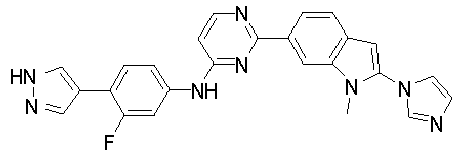
2-(2-(1H-imidazol-1-yl)-1-methyl-1H-indol-6-yl)-N-(3-fluoro-4-(1H-pyrazol-4-yl)phenyl)p yrimidin-4-amine 
1H NMR (400 MHz, DMSO-d6 ) δ 10.31 (s, 1H), 9.06 (s, 1H), 8.58 (s, 1H), 8.46 (d, J = 6.0 Hz, 1H), 8.18 (d, J = 8.2 Hz, 1H), 8.14 - 8.00 (m, 4H), 7.88 - 7.66 (m, 4H), 7.47 (d, J = 8.5 Hz, 1H), 6.91 (s, 1H), 6.82 (d, J = 5.8 Hz, 1H), 3.74 (s, 3H). MS m/z (ESI): 451.1 [M+H]. 
-

- Starting compound TDI01923-1 was synthesized according to the method in step 1 of Example 46.
- Compound TDI01923-1 (500 mg, 1.59 mmol) was dissolved in DMF (15 mL), and cooled to 0°C in an ice-water bath under protection of N2. NaH (60%, 96 mg, 2.39 mmol) was was added portionwise, and 1-bromo-2-chloroethane (339 mg, 2.39 mmol) was added after the reaction was stirred for 15 minutes. The reaction was stirred at 30 °C for 16 hours. LC-MS indicated half completion of the reaction. The reaction solution was cooled to 0°C, added with water (45 mL), and then extracted with ethyl acetate (15 mL×3). The residue obtaiend after evaporation of the organic phase was purified by column chromatography (petroleum ether : ethyl acetate = 5:1) to afford compound TDI01923-2 (280 mg, white solid, 47% yield).
- 1H NMR (400 MHz, DMSO-d6 ) δ 7.98 (s, 1H), 7.60 (d, J = 8.5 Hz, 1H), 7.27 (dd, J = 8.5, 1.1 Hz, 1H), 7.09 (s, 1H), 4.84 (t, J = 6.0 Hz, 2H), 4.82 (s, 2H), 4.53 (s, 2H), 3.95 (t, J = 6.0 Hz, 2H). MS m/z (ESI): 398.6, 400.4 [M+Na].
- Compound TDI01923-2 (280 mg, 0.74 mmol), potassium hydroxide (376 mg, 6.7 mmol) and hydroquinone (2 mg, 0.0074 mmol) were dissolved in toluene (10 mL), the reaction was purged with nitrogen three times, and placed in an oil bath at 115°C for 16 hours. LC-MS assay indicated the reaction was complete. The reaction solution was cooled to room temperature, concentrated, and the residue was purified by column chromatography (petroleum ether : ethyl acetate = 10:1) to afford compound TDI01923-3 (70 mg, white solid, 28% yield).
- MS m/z (ESI): 340.9, 342.9 [M+H].
- Compound TDI01923-3 (70 mg, 0.21 mmol) and bis(pinacolato)diboron (63 mg, 0.25 mmol) were dissolved in 1,4-dioxane (10 mL), potassium acetate (62 mg, 0.63 mmol) and Pd(dppf)Cl2 (31 mg, 0.042 mmol) were added, and the reaction was purged with nitrogen three times, and placed in an oil bath at 110°C for 16 hours. LC-MS assay indicated the reaction was complete. The reaction solution was cooled to room temperature, filtered to remove the insolubles, and the filtrate was concentrated under reduced pressure. The residue was purified by column chromatography (petroleum ether : ethyl acetate = 10:1 to 5:1), to afford compound TDI01923-4 (55 mg, white solid, 67% yield).
- MS m/z (ESI): 389.0 [M+H].
- Compound TDI01923-4 (55 mg, 0.14 mmol) and Reg-1-16 (58 mg, 0.16 mmol) were dissolved in 1,4-dioxane:water (5:0.5 mL), potassium carbonate (58 mg, 0.42 mmol) and Pd(dppf)Cl2 (20 mg, 0.028 mmol) were added, the flask was purged with nitrogen three times, and the reaction solution was stirred at 110°C for 16 hours. LC-MS indicated the reaction was complete, the reaction solution was cooled to room temperature, filtered to remove the insolubles, and the filtrate was rotary evaporated under vacuum to remove solvents. The residue was purified by preparative high pressure liquid chromatography to afford compound TDI01923 (5.7 mg, yellow solid, 8% yield).
- 1H NMR (400 MHz, DMSO-d6 ) δ 10.45 (s, 1H), 8.81 (s, 1H), 8.40 (d, J = 6.4 Hz, 1H), 8.15 (d, J = 8.4 Hz, 1H), 8.10 (s, 2H), 7.86 (d, J= 8.4 Hz, 1H), 7.78 (d, J= 7.8 Hz, 2H), 7.68 (d, J= 8.4 Hz, 2H), 7.56 (d, J = 7.0 Hz, 1H), 7.26 (s, 1H), 6.84 (d, J = 6.4 Hz, 1H), 5.60 (d, J = 16.0 Hz, 2H), 5.41 (d, J = 8.8 Hz, 1H), 4.90 (s, 2H), 4.55 (s, 2H). MS m/z (ESI): 498.0 [M+H].
-

- Compound TDI01678-1 in Example 57 was synthesized according to step 3 to step 4 of Example 2.
- Compound TDI01678-1 (200 mg, 0.55 mmol) was dissolved in N,N-dimethylformamide (5 mL), sodium hydride (33 mg, 0.83 mmol) was added at 0°C, after being stirred for 30 min, 1,1-difluoro-2-iodoethane (159 mg, 0.83 mmol) was added, and the reaction solution was stirred at room temperature for 16 hours. LC-MS indicated there was product formation. The reaction solution was rotary evaporated under vacuum to remove the reaction solvent, and the residue was purified by column chromatography (petroleum ether : ethyl acetate = 4:1) to afford compound TDI01678-2 (105 mg, 44.8% yield).
- MS m/z (ESI): 426.9 [M+H].
- Compound TDI01678-2 (105 mg, 0.246 mmol) and Reg-1-16 (92 mg, 0.246 mmol) were dissolved in 1,4-dioxane:water (10:1 mL), potassium carbonate (102 mg, 0.738 mmol) was added, and the flask was purged with nitrogen three times. Pd(dppf)Cl2 (54 mg, 0.074 mmol) was added, the flask was purged with nitrogen three times, and the reaction solution was stirred at 110°C for 16 hours. LC-MS indicated the reaction was complete. The reaction solution was cooled to room temperature, and the reaction solvent was removed through rotary evaporation under vacuum. The residue was purified by preparative liquid chromatography to afford compound TDI01678 (7 mg).
- 1H NMR (400 MHz, DMSO-d6 ) δ 10.37 (s, 1H), 8.64 (s, 1H), 8.41 (d, J = 6.2 Hz, 1H), 8.13 (d, J = 8.3 Hz, 1H), 8.04 (s, 2H), 7.89 - 7.79 (m, 3H), 7.68 (d, J = 8.1 Hz, 2H), 7.25 (s, 1H), 6.83 (d, J = 5.9 Hz, 1H), 6.66-6.38 (m, 1H), 5.01 (dd, J = 36.5, 21.2 Hz, 4H), 4.57 (s, 2H). MS m/z (ESI): 535.5 [M+H].
-

- Compound TDI01593-1 (5 g, 40.95 mmol) and 4-toluene sulfonyl chloride (9.37 g, 49.14 mmol) were dissolved in dichloromethane (150 mL), 4-dimethylaminopyridine (500 mg, 4.095 mmol) and triethylamine (12.4 g, 123.0 mmol) were added, and the reaction solution was stirred at room temperature for 16 hours. LC-MS indicated the reaction was complete, the reaction solution was rotary evaporated under vacuum to remove the reaction solvent, and the residue was purified by column chromatography (petroleum ether : ethyl acetate = 4:1) to afford compound TDI01593-2 (11.2 g, 99% yield).
- 1H NMR (400 MHz, DMSO-d6 ) δ 7.81 (d, J = 7.9 Hz, 2H), 7.50 (d, J = 7.9 Hz, 2H), 4.10 (d, J = 6.6 Hz, 2H), 2.67 - 2.56 (m, 2H), 2.43 (s, 4H), 2.30 (dd, J = 14.0, 6.3 Hz, 2H). MS m/z (ESI): 299.0 [M+Na].
- Compound TDI01593-2 (6.5 g, 23.6 mmol) and 5-bromoisoindolin-1-one(2.0 g, 9.43 mmol) were dissolved in acetonitrile (100 mL), cesium carbonate (7.7 mg, 23.6 mmol) and sodium iodide (3.54 g, 23.6 mmol) were added, and the reaction solution was stirred at 100°C for 16 hours. LC-MS assay indicated there was product formation. The reaction solution was subjected to vacuum filtration, the filtrate was rotary evaporated under vacuum to remove solvents, and the residue was purified by column chromatography (petroleum ether : ethyl acetate = 4:1 to 1:1) to afford compound TDI01593-3 (800 mg, 26.8% yield).
- 1H NMR (400 MHz, DMSO-d6 ) δ 7.87 (s, 1H), 7.69 (d, J = 8.1 Hz, 1H), 7.62 (d, J = 8.1 Hz, 1H), 4.50 (s, 2H), 3.65 (d, J = 7.3 Hz, 2H), 2.74 - 2.64 (m, 2H), 2.48 - 2.30 (m, 3H). MS m/z (ESI): 315.7 [M+H].
- Compound TDI01593-3 (600 mg, 1.9 mmol) and bis(pinacolato)diboron (579 mg, 2.28 mmol) were dissolved in 1,4-dioxane (20 mL), potassium acetate (559 mg, 5.7 mmol) was added, and the flask was purged with nitrogen three times. Pd(dppf)Cl2 (278 mg, 0.38 mmol) was added, the flask was purged with nitrogen three times, and the reaction solution was stirred at 100°C for 16 hours. LC-MS indicated the reaction was complete. The reaction solution was cooled to room temperature, and the reaction solvent was removed through rotary evaporation under vacuum. The residue was purified by column chromatography (petroleum ether : ethyl acetate = 4:1) to afford compound TDI01593-4 (620 mg, 89.8% yield).
- MS m/z (ESI): 364.1 [M+H].
- Compound TDI01593-4 (200 mg, 0.55 mmol) and Reg-1-40 (215 mg, 0.55 mmol) were dissolved in 1,4-dioxane:water (10:1 mL), potassium carbonate (228 mg, 1.65 mmol) was added, and the flask was purged with nitrogen three times. Pd(dppf)Cl2 (121 mg, 0.165 mmol) was added, the flask was purged with nitrogen three times, and the reaction solution was stirred at 110°C for 16 hours. LC-MS indicated the reaction was complete. The reaction solution was cooled to room temperature, and the reaction solvent was removed through rotary evaporation under vacuum. The residue was purified by column chromatography and preparativie liquid chromatography, to afford compound TDI01593 (52 mg).
- 1H NMR (400 MHz, DMSO-d6 ) δ 9.75 (s, 1H), 8.53 (d, J = 3.1 Hz, 1H), 8.44 (s, 1H), 8.40 (d, J = 7.7 Hz, 1H), 8.07 (s, 2H), 7.87 (d, J = 8.2 Hz, 2H), 7.79 (d, J = 8.0 Hz, 1H), 7.67 (d, J = 8.2 Hz, 2H), 4.60 (s, 2H), 3.69 (d, J = 6.9 Hz, 3H), 2.68 (s, 4H). MS m/z (ESI): 491.1 [M+H].
- The compound in following table 21 was prepared according to a method similar to that described in Example 58.
Table 21: No. Compound Structure Compound Name Starting material or regent different from that in Example 58 Characterization Data TDI0159 0 
6-(4-((4-(1H-pyrazol-4-yl)phenyl)amin o)-5-fluoropyrimidin -2-yl)-2-((3,3-difluorocyclobu tyl)methyl)isoi ndolin-1-one 
1H NMR (400 MHz, DMSO-d6 ) δ 9.73 (s, 1H), 8.56 - 8.46 (m, 3H), 8.08 (s, 2H), 7.86 (d, J = 8.3 Hz, 2H), 7.72 (d, J = 7.8 Hz, 1H), 7.67 (d, J = 8.5 Hz, 2H), 4.58 (s, 2H), 3.69 (d, J = 6.8 Hz, 2H), 2.70 (d, J = 14.4 Hz, 3H), 2.42 (s, 2H). MS m/z (ESI): 491.1 [M+H]. 2 of Example 58 was replaced with 
- The kinase IC50 was determined by a commercialized CISBIO kinase detection kit, HTRF KinEASE - STK S2 kit (62ST2PEC). ROCK2 (01-119) employed in the reaction was purchased from Carna Biosciences.
- Before the assay, the following working solutions as needed were formulated with corresponding reagents according to the instruction of the kinase detection kit: 1×kinase buffer, 5×STK-S2 substrate working solution (1.5 µM) and 5×ATP working solution (1.5 µM), 5×ROCK2 kinase working solution, 4×Streptavidin-XL665 working solution, and 4×STK-Ab-Cryptate 2 detection solution. Then the assay was performed according to the following procedure.
- A solution of a compound at a concentration of 10000 nM was prepared with the 1×kinase buffer containing 2.5% DMSO. Gradient dilution of the solution of the compound was performed with the kinase buffer containing DMSO, so as to obtain solutions of a test compound at 9 different concentrations. In addition to wells of test compounds, a positive well (containing all the reagents except the compound) and a negative well (containing all the reagents except the test compound and kinase) were set. Except for the control wells (positive and negative wells), a solution of a test compound (4 µL) was added to each of the reaction wells, and a solution of 2.5% DMSO was added to the control wells. Then the substrate (2 µM, i.e., 2 µL 5×STK-S2 substrate working solution) was added to each of the reaction wells. The 5×ROCK2 kinase working solution (2 µL, containing 1.4 ng ROCK2 kinase) was added to each of the reaction wells except for the negative well, the volume of which was made up with the 1×kinase buffer (2 µL). The 5×ATP working solution (2 µL) was added to each of the reaction wells, and the mixtures were incubated at room temperature for 2 hours. After the kinase reaction was complete, the 4×Streptavidin-XL665 working solution was added to each of the reaction wells, the solutions were mixed, followed by immediate addition of the 4×STK-Ab-Cryptate 2 detection solution (5 µL), and the mixtures were incubated at room temperature for 1 hour. The fluorescence signal was read on ENVISION (Perkinelmer) (excitation wavelength: 320 nm, and emission wavelength: 665 nm and 615 nm). The inhibitory rate in each well was calculated based on the fluorescence intensity value: ER (Emission Ratio) = (fluorescence intensity at 665 nm / fluorescence intensity at 615 nm); inhibitory rate = (ERpositive-ERtest compound) / (ERpositive-ERnegative)∗100%. Curves were plotted and fitted to obtain the median inhibitory concentration (IC50) of each teat compound with the PRISM 5.0 software. IC50 value of each compound is as shown in the following table.
Compound No. ROCK2 IC50 (nM) TDI01102 110 TDI01103 167 TDI01104 71 TDI01106 112 TDI01108 22 TDI01109 447 TDI01110 422 TDI01111 100 TDI01112 185 TDI01113 42 TDI01114 157 TDI01116 236 TDI01121 470 TDI01122 219 TDI01127 100 TDI01128 145 TDI01130 33 TDI01131 101 TDI01134 62 TDI01135 123 TDI01136 66 TDI01140 109 TDI01141 73 TDI01142 225 TDI01143 72 TDI01149 100 TDI01151 45 TDI01152 88 TDI01153 16 TDI01156 25 TDI01160 54 TDI01161 210 TDI01164 438 TDI01167 223 TDI01171 63 TDI01175 197 TDI01176 28 TDI01177 71 TDI01178 168 TDI01180 37 TDI01181 92 TDI01182 46 TDI01188 123 TDI01191 225 TDI01199 30 TDI01200 23 TDI01201 48 TDI01213 255 TDI01215 382 TDI01221 91 TDI01230 109 TDI01232 295 TDI01236 135 TDI01237 171 TDI01247 134 TDI01248 500 TDI01250 208 TDI01251 101 TDI01258 62 TDI01276 113 TDI01280 94 TDI01285 116 TDI01289 72 TDI01290 46 TDI01291 32 TDI01292 242 TDI01294 352 TDI01296 211 TDI01299 463 TDI01311 465 TDI01312 73 TDI01315 126 TDI01316 87 TDI01317 112 TDI01318 18 TDI01319 258 TDI01320 410 TDI01324 101 TDI01327 472 TDI01330 474 TDI01331 260 TDI01332 257 TDI01337 121 TDI01338 115 TDI01339 147 TDI01343 436 TDI01344 97 TDI01344-2A 107 TDI01345 333 TDI01347 356 TDI01353 307 TDI01354 254 TDI01355 54 TDI01360 26 TDI01363 104 TDI01366 260 TDI01368 412 TDI01369 266 TDI01370 109 TDI01372 123 TDI01374 64 TDI01379 411 TDI01381 341 TDI01385 107 TDI01390 18 TDI01392 172 TDI01393 258 TDI01394 28 TDI01397 120 TDI01398 16 TDI01400 240 TDI01403 110 TDI01404 35 TDI01405 160 TDI01406 285 TDI01408 400 TDI01411 258 TDI01415 262 TDI01418 272 TDI01419 385 TDI01420 477 TDI01421 289 TDI01423 264 TDI01424 138 TDI01425 119 TDI01426 365 TDI01428 69 TDI01429 99 TDI01430 116 TDI01431 203 TDI01433 13 TDI01434 34 TDI01435 28 TDI01437 247 TDI01438 402 TDI01439 203 TDI01441 181 TDI01442 305 TDI01444 32 TDI01445 64 TDI01448 13 TDI01450 453 TDI01455 29 TDI01456 15 TDI01457 395 TDI01461 140 TDI01462 240 TDI01463 11 TDI01464 175 TDI01465 398 TDI01467 75 TDI01470 33 TDI01472 174 TDI01473 18 TDI01477 47 TDI01485 276 TDI01486 185 TDI01487 193 TDI01490 81 TDI01497 319 TDI01498 415 TDI01500 13 TDI01505 209 TDI01506 295 TDI01507 113 TDI01508 159 TDI01512 22 TDI01513 269 TDI01514 49 TDI01515 110 TDI01516 322 TDI01517 92 TDI01518 78 TDI01519 102 TDI01520 15 TDI01523 86 TDI01524 30 TDI01525 335 TDI01532 49 TDI01534 114 TDI01536 105 TDI01538 198 TDI01546 26 TDI01550 21 TDI01551 31 TDI01552 51 TDI01555 140 TDI01557B 49 TDI01559 170 TDI01560 83 TDI01561 205 TDI01562 23 TDI01564 29 TDI01565 57 TDI01567 65 TDI01567C 29 TDI01570 22 TDI01575 169 TDI01578 129 TDI01580 19 TDI01581 28 TDI01582 24 TDI01584 60 TDI01585 93 TDI01586 162 TDI01587 25 TDI01589 39 TDI01590 266 TDI01596 275 TDI01596B 130 TDI01597B 123 TDI01598 216 TDI01609 69 TDI01613 27 TDI01617 255 TDI01618A 129 TDI01621 219 TDI01628 28 TDI01633 27 TDI01634 16 TDI01655 331 TDI01656 442 TDI01658 477 TDI01668 42 TDI01675 84 TDI01676 242 TDI01678 159 TDI01681 238 TDI01682 360 TDI01683 360 TDI01684 171 TDI01690 427 TDI01691 6 TDI01801 68 TDI01813 90 TDI01814 18 TDI01816 111 TDI01823 336 TDI01826 75 TDI01829B 82 TDI01829C 97 TDI01832 167 TDI01840 5 TDI01841 11 TDI01842 120 TDI01842B 61 TDI01844 370 TDI01847 14 TDI01847B 26 TDI01848 90 TDI01849 132 TDI01849B 210 TDI01851 15 TDI01852 482 TDI01853 275 TDI01855 147 TDI01856 141 TDI01861 41 TDI01862 382 TDI01864 30 TDI01865 400 TDI01868 32 TDI01870 46 TDI01876B 240 TDI01878 9 TDI01881 161 TDI01882 8 TDI01884 26 TDI01898 350 TDI01901 387 TDI01903 118 TDI01905 9 TDI01906 49 TDI01908 27 TDI01910 6 TDI01912 44 TDI01914 23 TDI01915 18 TDI01916 80 TDI01918 165 TDI01919 62 TDI01920 200 TDI01921 355 TDI01923 50 TDI01932 12 TDI01936 27 TDI01937B 39 TDI01940 147 TDI01943 34 TDI01944 44 TDI01945 76 TDI01947 88 TDI01948 103 TDI01949 59 TDI01950 19 TDI01951 27 TDI01952 10 TDI01953 4 TDI01954 14 TDI01955 33 TDI01957 214 TDI01958 214 TDI01959 131 TDI01960 50 TDI01962 40 TDI01965 393 TDI01966 313 TDI01967 45 TDI01968A 296 TDI01973 52 TDI01974 186 TDI01976 18 TDI01978 45 TDI01979 137 TDI01989 385 TDI01991 39 TDI01999 10 - According to a biological test method similar to the above, the IC50 values of the compounds on ROCK1 were tested. The results are shown in the following table.
Compound No. ROCK1 IC50 (nM) TDI01103 2055 TDI01104 870 TDI01109 >10000 TDI01110 >10000 TDI01111 1407 TDI01113 554 TDI01116 >10000 TDI01122 3267 TDI01134 1372 TDI01135 3000 TDI01136 827 TDI01141 839 TDI01143 1484 TDI01149 1323 TDI01151 892 TDI01152 >10000 TDI01153 2720 TDI01156 1994 TDI01160 2236 TDI01161 >10000 TDI01164 >10000 TDI01167 >10000 TDI01175 5189 TDI01176 521 TDI01177 894 TDI01180 2776 TDI01181 947 TDI01182 712 TDI01188 1279 TDI01191 2526 TDI01199 1098 TDI01200 559 TDI01201 6916 TDI01213 >10000 TDI01230 1503 TDI01232 >10000 TDI01236 >10000 TDI01237 >10000 TDI01247 >10000 TDI01250 >10000 TDI01251 >10000 TDI01276 >10000 TDI01280 1023 TDI01289 980 TDI01290 >10000 TDI01291 573 TDI01292 4839 TDI01294 >10000 TDI01296 2868 TDI01311 >10000 TDI01312 1843 TDI01315 2150 TDI01316 999 TDI01318 274 TDI01319 >10000 TDI01324 1741 TDI01330 7934 TDI01331 >10000 TDI01332 6272 TDI01337 2760 TDI01338 1802 TDI01343 7107 TDI01344-2A 4208 TDI01345 3909 TDI01347 5584 TDI01354 >10000 TDI01355 >10000 TDI01360 1470 TDI01363 >10000 TDI01366 >10000 TDI01368 >10000 TDI01369 6792 TDI01370 1491 TDI01372 >10000 TDI01374 >10000 TDI01379 >10000 TDI01381 4114 TDI01390 456 TDI01392 >10000 TDI01393 >10000 TDI01394 >10000 TDI01397 5999 TDI01398 >10000 TDI01403 3000 TDI01404 1522 TDI01405 4062 TDI01408 5629 TDI01411 >10000 TDI01415 3715 TDI01418 5384 TDI01419 >10000 TDI01420 9294 TDI01421 5942 TDI01423 >10000 TDI01424 4975 TDI01425 2945 TDI01426 >10000 TDI01428 >10000 TDI01429 >10000 TDI01430 >10000 TDI01431 4343 TDI01433 1969 TDI01434 >10000 TDI01435 1225 TDI01437 >10000 TDI01438 >10000 TDI01439 >10000 TDI01441 6068 TDI01442 >10000 TDI01444 8258 TDI01445 3000 TDI01448 3000 TDI01450 >10000 TDI01455 >10000 TDI01456 >10000 TDI01457 4892 TDI01461 4526 TDI01462 3589 TDI01463 >10000 TDI01464 2283 TDI01465 >10000 TDI01467 >10000 TDI01470 >10000 TDI01472 >10000 TDI01473 592 TDI01477 1132 TDI01485 3993 TDI01486 2997 TDI01487 5044 TDI01490 2254 TDI01497 >10000 TDI01498 >10000 TDI01500 >10000 TDI01505 5672 TDI01506 7296 TDI01507 6837 TDI01508 >10000 TDI01512 3629 TDI01513 7418 TDI01514 2734 TDI01515 6855 TDI01517 >10000 TDI01518 3033 TDI01519 5239 TDI01520 >10000 TDI01523 1889 TDI01524 1416 TDI01525 >10000 TDI01532 >10000 TDI01534 >10000 TDI01536 >10000 TDI01538 4926 TDI01546 1550 TDI01550 >10000 TDI01551 1728 TDI01552 2946 TDI01555 >10000 TDI01557B >10000 TDI01559 >10000 TDI01560 >10000 TDI01561 >10000 TDI01562 >10000 TDI01564 >10000 TDI01565 >10000 TDI01567 >10000 TDI01567C >10000 TDI01570 >10000 TDI01575 >10000 TDI01578 >10000 TDI01580 3292 TDI01581 >10000 TDI01582 >10000 TDI01584 >10000 TDI01585 >10000 TDI01586 >10000 TDI01587 >10000 TDI01589 >10000 TDI01590 >10000 TDI01596 >10000 TDI01596B >10000 TDI01597B >10000 TDI01598 >10000 TDI01609 >10000 TDI01613 >10000 TDI01617 >10000 TDI01618A >10000 TDI01621 >10000 TDI01628 >10000 TDI01633 >10000 TDI01634 2038 TDI01655 >10000 TDI01656 >10000 TDI01658 >10000 TDI01668 >10000 TDI01675 >10000 TDI01676 >10000 TDI01678 >10000 TDI01681 >10000 TDI01683 >10000 TDI01690 >10000 TDI01691 159 TDI01813 >10000 TDI01816 6011 TDI01823 >10000 TDI01826 >10000 TDI01829B >10000 TDI01829C >10000 TDI01832 >10000 TDI01840 89 TDI01841 1000 TDI01842 3000 TDI01842B 2771 TDI01844 >10000 TDI01847B 3380 TDI01851 >10000 TDI01852 >10000 TDI01853 2826 TDI01855 5424 TDI01856 2036 TDI01861 >10000 TDI01862 >10000 TDI01864 3000 TDI01868 >10000 TDI01870 >10000 TDI01876B >10000 TDI01881 >10000 TDI01882 139 TDI01884 >10000 TDI01898 >10000 TDI01903 5578 TDI01905 2300 TDI01906 >10000 TDI01908 >10000 TDI01910 >10000 TDI01912 >10000 TDI01915 >10000 TDI01916 >10000 TDI01918 >10000 TDI01919 4065 TDI01920 >10000 TDI01921 >10000 TDI01923 >10000 TDI01932 >10000 TDI01936 >10000 TDI01937B >10000 TDI01940 >10000 TDI01943 >10000 TDI01944 >10000 TDI01945 >10000 TDI01947 >10000 TDI01948 >10000 TDI01949 >10000 TDI01950 >10000 TDI01951 >10000 TDI01952 >10000 TDI01953 >10000 TDI01954 >10000 TDI01955 >10000 TDI01957 >10000 TDI01958 >10000 TDI01959 >10000 TDI01960 >10000 TDI01962 >10000 TDI01965 >10000 TDI01966 >10000 TDI01967 >10000 TDI01968A >10000 TDI01973 >10000 TDI01974 >10000 TDI01976 >10000 TDI01978 >10000 TDI01979 >10000 TDI01989 >10000 TDI01991 >10000 TDI01999 >10000 - According to the above data, the IC50 values of the tested compounds on ROCK2 are significantly lower than those on ROCK1, indicating the compound of the present invention has good selectivity towards ROCK2.
- Various modifications of the invention in addition to those described herein will become apparent to those skilled in the art from the foregoing description.
Claims (15)
- A compound or a pharmaceutically acceptable salt, stereoisomer, polymorph, solvate, N-oxide, or isotopically labeled compound thereof, wherein the compound has the structure of Formula (I):
 X is a direct bond;Y is NR;R is selected from the group consisting of H, C1-6 alkyl, C2-6 alkenyl, C2-6 alkynyl, saturated or partially unsaturated C3-10 cyclic hydrocarbyl, saturated or partially unsaturated 3- to 10-membered heterocyclyl, C6-10 aryl, 5- to 14-membered heteroaryl and C6-12 aralkyl, and at most 2 ring members in the cyclic hydrocarbyl and heterocyclyl are C(=O);


 ring D is absent, or is selected from the group consisting of saturated or partially unsaturated C3-10 hydrocarbon ring, saturated or partially unsaturated 3- to 10-membered heterocycle, C6-10 aromatic ring and 5- to 14-membered heteroaromatic ring, and at most 2 ring members in the hydrocarbon ring and heterocycle are C(=O);ring E is selected from the group consisting of
 ring F is selected from the group consisting of saturated or partially unsaturated C3-10 hydrocarbon ring, saturated or partially unsaturated 3- to 10-membered heterocycle, C6-10 aromatic ring and 5- to 14-membered heteroaromatic ring, and at most 2 ring members in the hydrocarbon ring and heterocycle are C(=O);R1 is selected from the group consisting of H, -NH2, C1-6 alkyl, C6-10 aryl, 5- to 14-membered heteroaryl, N-methylpyrrolidinyl, N-methylpiperidinyl,




 R1a and R1b are each independently selected from the group consisting of H, halogen, amino, cyano, nitro, C1-6 alkyl, C2-6 alkenyl, C2-6 alkynyl, C3-10 cyclic hydrocarbyl, 3- to 10-membered heterocyclyl, C6-10 aryl, 5- to 14-membered heteroaryl, C6-12 aralkyl, -C(=O)R5, -OC(=O)R5, -C(=O)OR5, -OR5, -SR5, -S(=O)R5, -S(=O)2R5, -S(=O)2NR5R6, -NR5R6, -C(=O)NR5R6, -NR5-C(=O)R6, -NR5-C(=O)OR6, -NR5-S(=O)2-R6, -NR5-C(=O)-NR5R6, -C1-6 alkylene-NR5R6, -C1-6 alkylene-OR5 and -O-C1-6 alkylene-NR5R6, provided that when one of R1a and R1b is n-propyl, the other is not H; or R1a and R1b together with the atom to which they are attached form a 3- to 12-membered heterocycle or heteroaromatic ring;R2, R3, R4, R7, R8, R9 and R10, at each occurrence, are each independently selected from the group consisting of H, halogen, amino, cyano, nitro, C1-6 alkyl, C2-6 alkenyl, C2-6 alkynyl, C3-10 cyclic hydrocarbyl, 3- to 10-membered heterocyclyl, C6-10 aryl, 5- to 14-membered heteroaryl, C6-12 aralkyl, -C(=O)R5, -OC(=O)R5, -C(=O)OR5, -OR5, -SR5, -S(=O)R5, -S(=O)2R5, -S(=O)2NR5R6, -NR5R6, -C(=O)NR5R6, -NR5-C(=O)R6, -NR5-C(=O)OR6, -NR5-S(=O)2-R6, -NR5-C(=O)-NR5R6, -C1-6 alkylene-NR5R6, -C1-6 alkylene-O(P=O)(OH)2 and -O-C1-6 alkylene-NR5R6;the above alkyl, alkylene, alkenyl, alkynyl, cyclic hydrocarbyl, hydrocarbon ring, heterocyclyl, heterocycle, aryl, aromatic ring, heteroaryl, heteroaromatic ring and aralkyl, at each occurrence, are each optionally substituted with one or more substituents independently selected from the group consisting of halogen, hydroxyl, oxo, amino, cyano, nitro, C1-6 alkyl, C2-6 alkenyl, C2-6 alkynyl, C3-6 cyclic hydrocarbyl, 3- to 10-membered heterocyclyl, C6-10 aryl, 5- to 14-membered heteroaryl, C6-12 aralkyl, =N-OR5, -C(=NH)NH2, -C(=O)R5, -OC(=O)R5, -C(=O)OR5, -OR5, -SR5, -S(=O)R5, -S(=O)2R5, -S(=O)2NR5R6, -NR5R6, -C(=O)NR5R6, -NR5-C(=O)R6, -NR5-C(=O)OR6, -NR5-S(=O)2-R6, -NR5-C(=O)-NR5R6, -C1-6 alkylene-NR5R6 and -O-C1-6 alkylene-NR5R6, and the alkyl, cyclic hydrocarbyl, heterocyclyl, aryl, heteroaryl and aralkyl are further optionally substituted with one or more substituents independently selected from the group consisting of halogen, hydroxyl, oxo, amino, cyano, nitro, C1-6 alkyl, C3-6 cyclic hydrocarbyl, 3- to 10-membered heterocyclyl, C6-10 aryl, 5- to 14-membered heteroaryl and C6-12 aralkyl;R5 and R6, at each occurrence, are each independently selected from the group consisting of H, C1-6 alkyl, C3-10 cyclic hydrocarbyl, 3- to 10-membered heterocyclyl, C6-10 aryl, 5- to 14-membered heteroaryl and C6-12 aralkyl;m, at each occurrence, is each independently an integer of 0, 1, 2 or 3;n is an integer of 0, 1 or 2; andg is an integer of 0, 1, 2, 3 or 4.
 - The compound according to claim 1, or a pharmaceutically acceptable salt, stereoisomer, polymorph, solvate, N-oxide, or isotopically labeled compound thereof, wherein Y is NH.
- The compound according to claim 1 or 2, or a pharmaceutically acceptable salt, stereoisomer, polymorph, solvate, N-oxide, or isotopically labeled compound thereof, wherein

 R9 and R10 , at each occurrence, are each independently selected from the group consisting of halogen, methyl, ethyl, propyl, vinyl, cyclopropyl, cyclobutyl, cyclopentyl, oxetanyl, monofluoromethyl, difluoromethyl, trifluoromethyl, -CH2CHF2, acetyl, -OCH3, -CH2OH, -CH2OCH3, -CH2CH2OCH3, -CH2-O(P=O)(OH)2,
 most preferably,


- The compound according to any one of claims 1 to 3, or a pharmaceutically acceptable salt, stereoisomer, polymorph, solvate, N-oxide, or isotopically labeled compound thereof, whereinR7 and R8, at each occurrence, are each independently selected from the group consisting of F, Cl, Br, I, cyano, -N(CH3)2, methyl, ethyl, propyl, methoxy, trifluoromethyl, phenyl, -CH2-Ph, -NH-Ph, -O-Ph, -CH2OCH3, -CH2NH2, -CH2-NHCH3, -C(=O)CH3, -C(=O)OH, -C(=O)OCH2CH3, -C(=O)NH2, -O-CH2CH2-N(CH3)2 and -CH2CH2-N(CH3)2;most preferably,


- The compound according to any one of claims 1 to 4, or a pharmaceutically acceptable salt, stereoisomer, polymorph, solvate, N-oxide, or isotopically labeled compound thereof, wherein ring E is


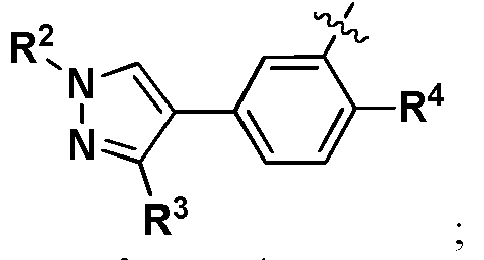 R3 and R4, at each occurrence, are each independently selected from the group consisting of H, F, Cl, Br, I, -OH, methyl, ethyl, propyl, methoxy, -NH2, -N(CH3)2, -O-ethylene-N(CH3)2;more preferably, ring E is


- The compound according to any one of claims 1 to 5, or a pharmaceutically acceptable salt, stereoisomer, polymorph, solvate, N-oxide, or isotopically labeled compound thereof, wherein R1 is methyl, -CH2OH,


- The compound according to any one of claims 1 to 6, or a pharmaceutically acceptable salt, stereoisomer, polymorph, solvate, N-oxide, or isotopically labeled compound thereof, wherein R1a and R1b are each independently selected from the group consisting of H, methyl, -CF3, ethyl, -CH2CF3, -CH2CH2CF3, -CHCH3CF3 n-propyl, isopropyl, cyclopropyl, cyclobutyl, cyclopentyl, cyclohexyl, -ethylene-O-methyl, -CH2CN, -CH2CH2CN, -CH2CH2OH,











- The compound according to any one of claims 1 to 7, or a pharmaceutically acceptable salt, stereoisomer, polymorph, solvate, N-oxide, or isotopically labeled compound thereof, wherein the compound has the structure of any of the following formulae:


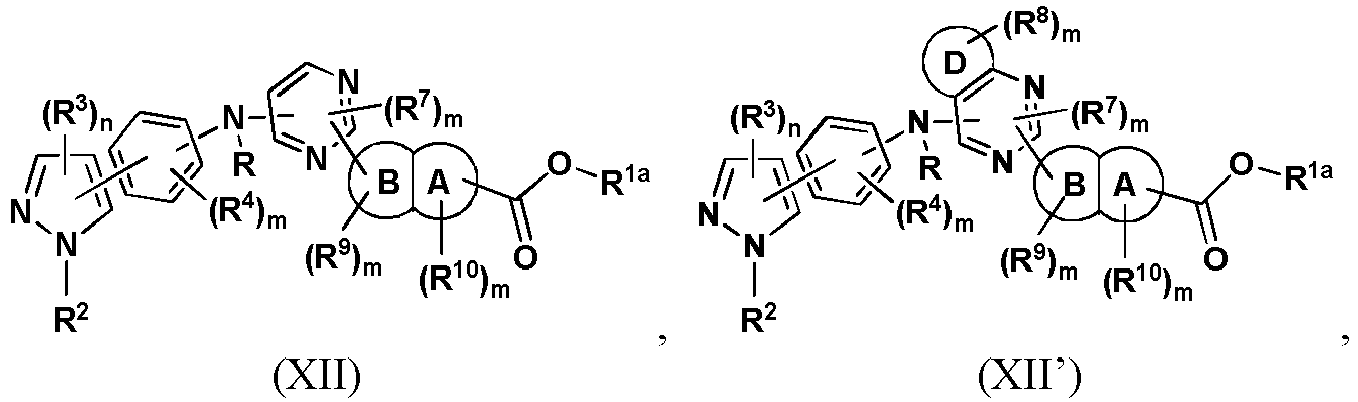


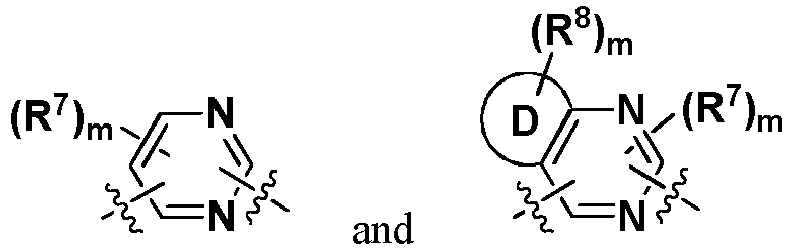

 Z is selected from the group consisting of O, S(=O)i and NR;i is an integer of 0, 1 or 2;ring A' is selected from the group consisting of saturated or partially unsaturated 3- to 10-membered heterocycle and 5- to 14-membered heteroaromatic ring, and at most 2 ring members in the heterocycle are C(=O);R7 is selected from the group consisting of H, halogen, -NH2, -OH, C1-6 alkyl and -OR5;R11 is H, halogen, amino, cyano, nitro, C1-6 alkyl, C2-6 alkenyl, C2-6 alkynyl, C3-10 cyclic hydrocarbyl, 3- to 10-membered heterocyclyl, C6-10 aryl, 5- to 14-membered heteroaryl, C6-12 aralkyl, -C(=O)R5, -OC(=O)R5, -C(=O)OR5, -OR5, -SR5, -S(=O)R5, -S(=O)2R5, -S(=O)2NR5R6, -NR5R6, -C(=O)NR5R6, -NR5-C(=O)R6, -NR5-C(=O)OR6, -NR5-S(=O)2-R6, -NR5-C(=O)-NR5R6, -C1-6 alkylene-NR5R6 or -O-C1-6 alkylene-NR5R6;each of the remaining groups is as defined in any one of the preceding claims.
 - The compound according to any one of claims 1 to 8, or a pharmaceutically acceptable salt, stereoisomer, polymorph, solvate, N-oxide, or isotopically labeled compound thereof, wherein the compound has the structure of formula (XVII) or formula (XVII'):
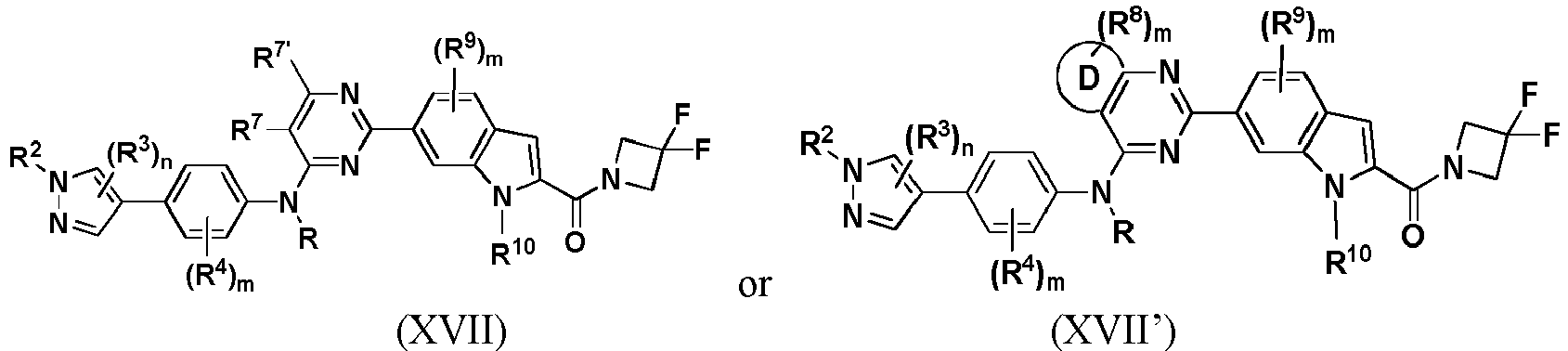 R is selected from the group consisting of H and C1-6 alkyl;ring D is saturated or partially unsaturated 3- to 10-membered heterocycle, C6-10 aryl or 5- to 10-membered heteroaromatic ring, preferably
 R2 is selected from the group consisting of H and C1-6 alkyl;R3, R4, R7, R7 and R8, at each occurrence, are each independently selected from the group consisting of H, halogen, -NH2, -OH, C1-6 alkyl and -OR5;R9 and R10, at each occurrence, are each independently selected from the group consisting of H, halogen, C1-6 alkyl, C2-6 alkenyl, C3-10 cyclic hydrocarbyl, 3- to 10-membered heterocyclyl, C6-10 aryl, 5- to 14-membered heteroaryl, C6-12 aralkyl, -C(=O)R5 and -C1-6 alkylene-O(P=O)(OH)2;the above alkyl, alkenyl, cyclic hydrocarbyl, heterocyclyl, aryl, heteroaryl, heteroaromatic ring and aralkyl, at each occurrence, are each optionally substituted with one or more substituents independently selected from the group consisting of halogen, C1-6 alkyl and -OR5;R5, at each occurrence, is each independently selected from the group consisting of H, C1-6 alkyl, C3-10 cyclic hydrocarbyl, 3- to 10-membered heterocyclyl, C6-10 aryl, 5- to 14-membered heteroaryl and C6-12 aralkyl;m, at each occurrence, is each independently an integer of 0, 1, 2 or 3; andn is an integer of 0, 1 or 2.
 - A compound, or a pharmaceutically acceptable salt, stereoisomer, polymorph, solvate, N-oxide, or isotopically labeled compound thereof, wherein the compound has the following structure:
No. Structural Formula TDI01102 
TDI01103 
TDI01104 
TDI01105 
TDI01106 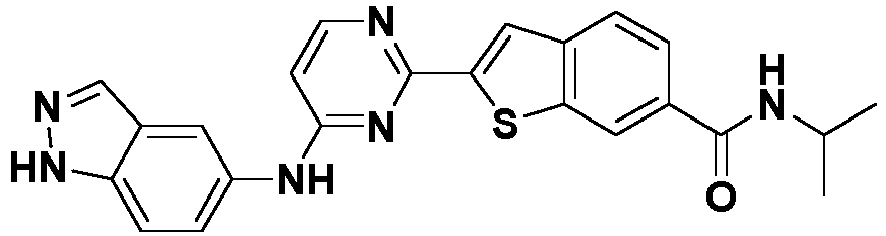
TDI01107 
TDI01108 
TDI01109 
TDI01110 
TDI01111 
TDI01112 
TDI01113 
TDI01114 
TDI01115 
TDI01116 
TDI01117 
TDI01118 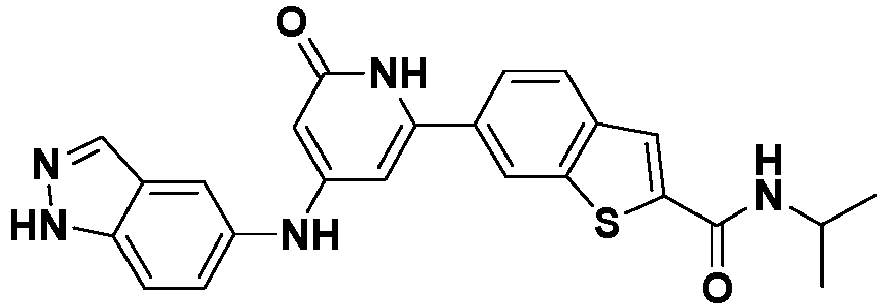
TDI01119 
TDI01120 
TDI01121 
TDI01122 
TDI01127 
TDI01128 
TDI01129 
TDI01130 
TDI01131 
TDI01132 
TDI01133 
TDI01134 
TDI01135 
TDI01136 
TDI01139 
TDI01140 
TDI01141 
TDI01142 
TDI01143 
TDI01144 
TDI01145 
TDI01146 
TDI01147 
TDI01148 
TDI01149 
TDI01150 
TDI01151 
TDI01152 
TDI01153 
TDI01154 
TDI01155 
TDI01156 
TDI01157 
TDI01158 
TDI01159 
TDI01160 
TDI01161 
TDI01162 
TDI01163 
TDI01164 
TDI01165 
TDI01166 
TDI01167 
TDI01168 
TDI01169 
TDI01171 
TDI01172 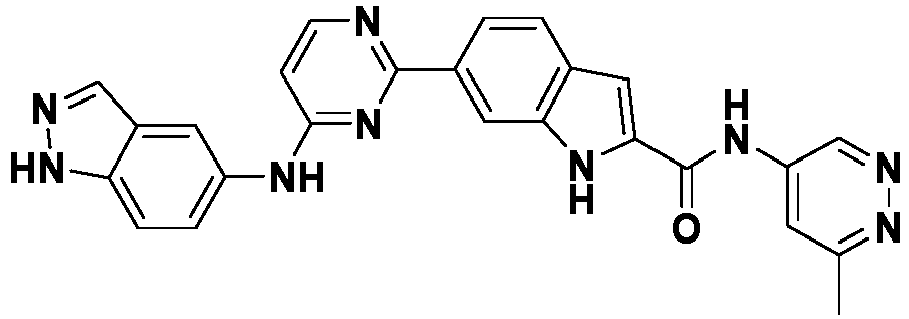
TDI01173 
TDI01174 
TDI01175 
TDI01176 
TDI01177 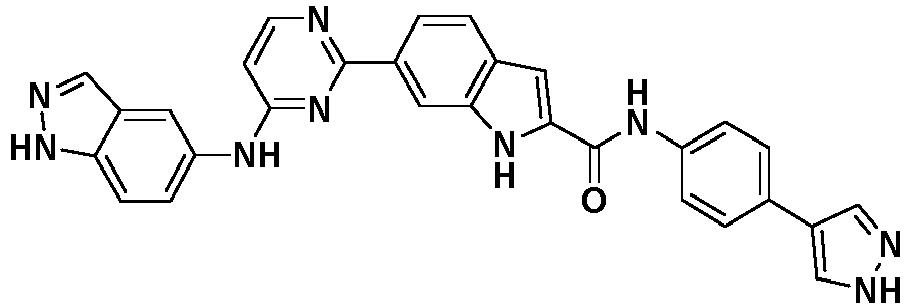
TDI01178 
TDI01179 
TDI01180 
TDI01181 
TDI01182 
TDI01183 
TDI01184 
TDI01185 
TDI01186 
TDI01187 
TDI01188 
TDI01189 
TDI01190 
TDI01191 
TDI01192 
TDI01193 
TDI01194 
TDI01195 
TDI01196 
TDI01197 
TDI01198 
TDI01199 
TDI01200 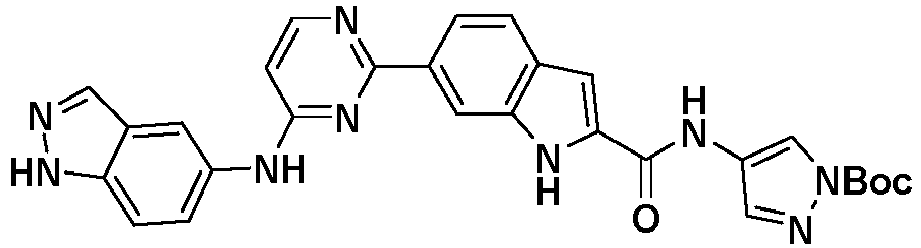
TDI01201 
TDI01209 
TDI01211 
TDI01212 
TDI01213 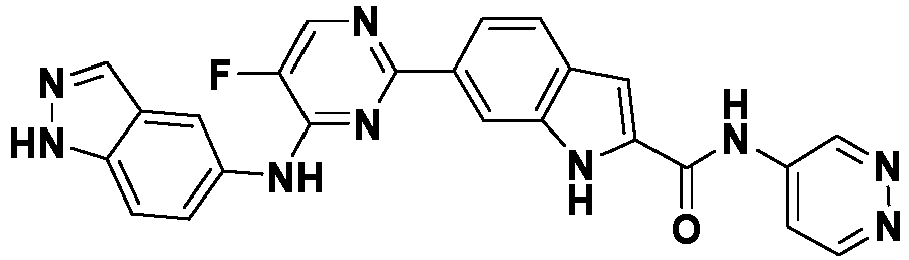
TDI01214 
TDI01215 
TDI01216 
TDI01217 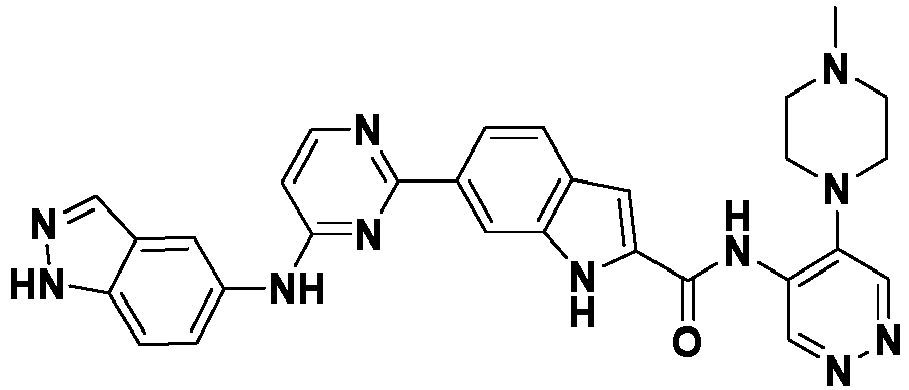
TDI01218 
TDI01219 
TDI01220 
TDI01221 
TDI01222 
TDI01223 
TDI01224 
TDI01225 
TDI01226 
TDI01227 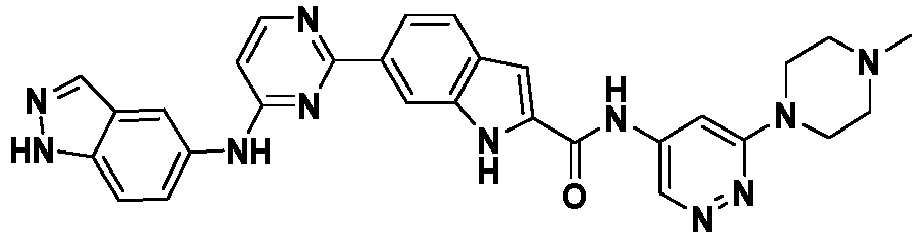
TDI01228 
TDI01229 
TDI01230 
TDI01231 
TDI01232 
TDI01233 
TDI01234 
TDI01235 
TDI01236 
TDI01237 
TDI01238 
TDI01239 
TDI01240 
TDI01241 
TDI01242 
TDI01243 
TDI01244 
TDI01245 
TDI01246 
TDI01247 
TDI01248 
TDI01249 
TDI01250 
TDI01251 
TDI01253 
TDI01254 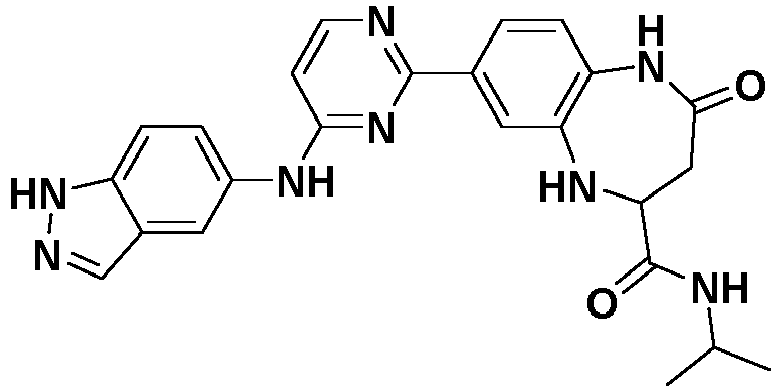
TDI01255 
TDI01256 
TDI01257 
TDI01258 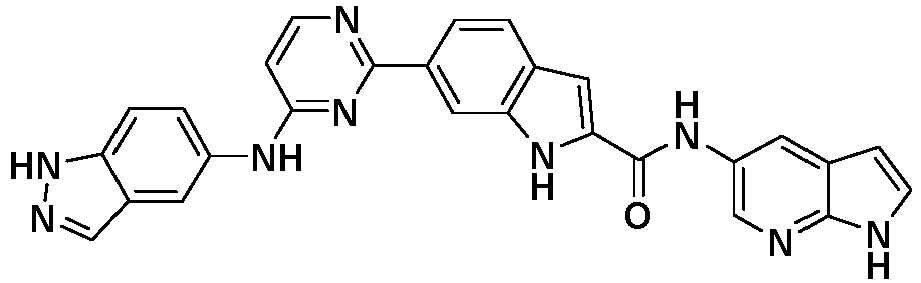
TDI01259 
TDI01260 
TDI01261 
TDI01262 
TDI01263 
TDI01264 
TDI01265 
TDI01266 
TDI01267 
TDI01268 
TDI01271 
TDI01272 
TDI01273 
TDI01274 
TDI01275 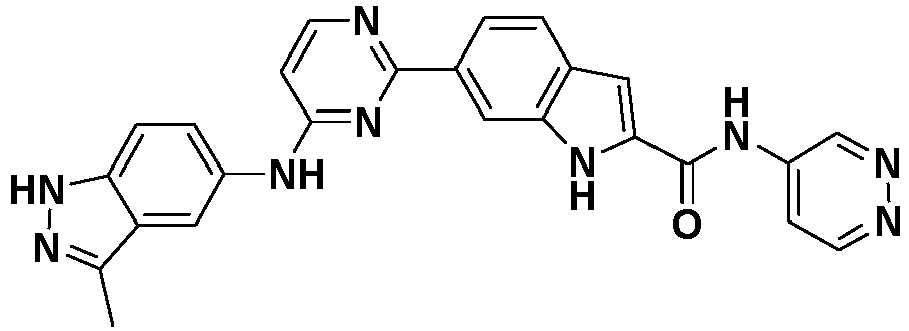
TDI01276 
TDI01277 
TDI01278 
TDI01280 
TDI01281 
TDI01282 
TDI01283 
TDI01285 
TDI01286 
TDI01287 
TDI01288 
TDI01289 
TDI01290 
TDI01291 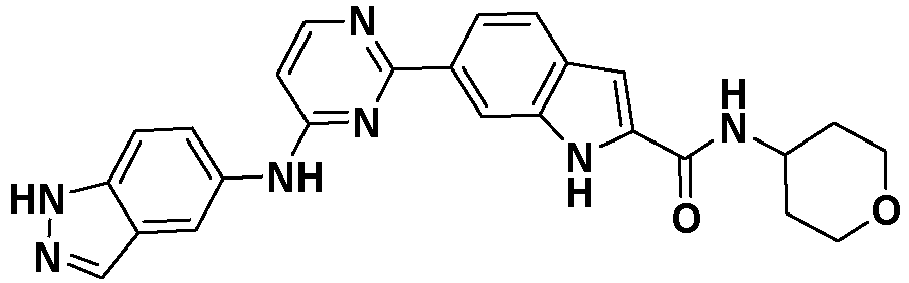
TDI01292 
TDI01294 
TDI01295 
TDI01296 
TDI01297 
TDI01298 
TDI01299 
TDI01300 
TDI01310 
TDI01311 
TDI01312 
TDI01314 
TDI01315 
TDI01316 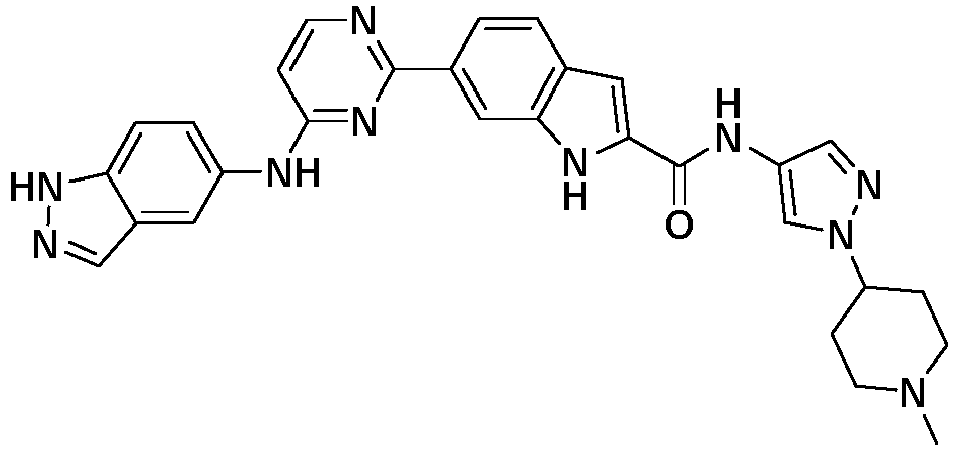
TDI01317 
TDI01318 
TDI01319 
TDI01320 
TDI01321 
TDI01322 
TDI01323 
TDI01324 
TDI01325 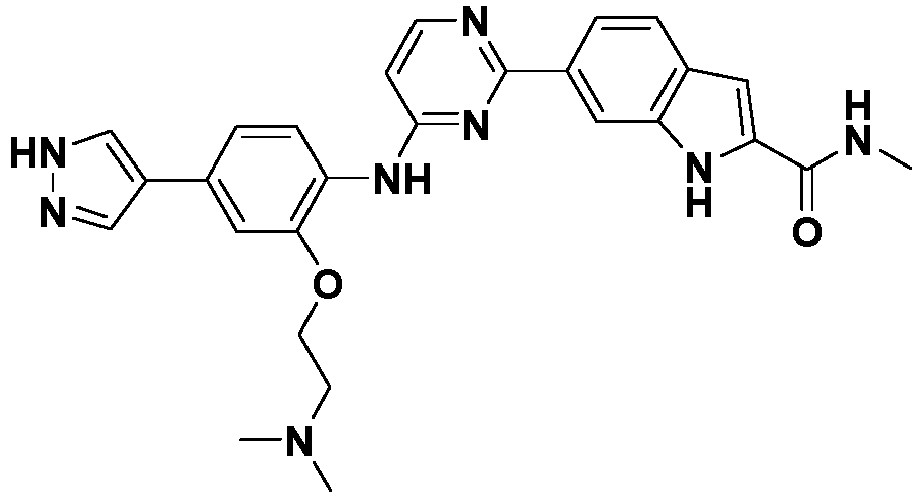
TDI01326 
TDI01327 
TDI01328 
TDI01329 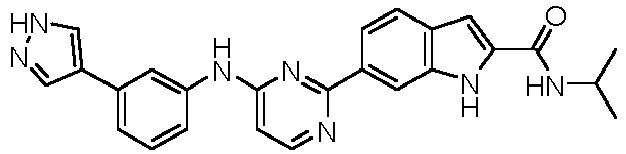
TDI01330 
TDI01331 
TDI01332 
TDI01333 
TDI01334 
TDI01335 
TDI01336 
TDI01337 
TDI01338 
TDI01339 
TDI01340 
TDI01341 
TDI01342 
TDI01343 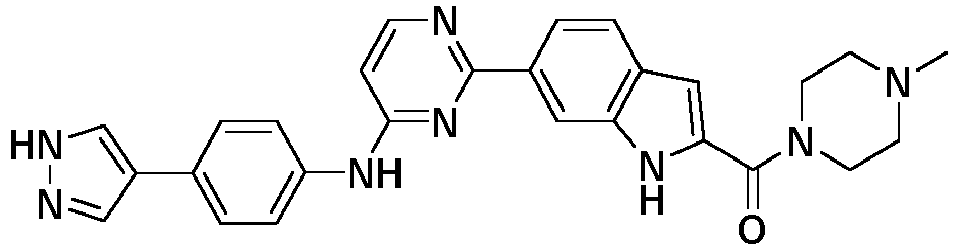
TDI01344 
TDI01345 
TDI01346 
TDI01347 
TDI01348 
TDI01348P-2 
TDI01350 
TDI01351 
TDI01353 
TDI01354 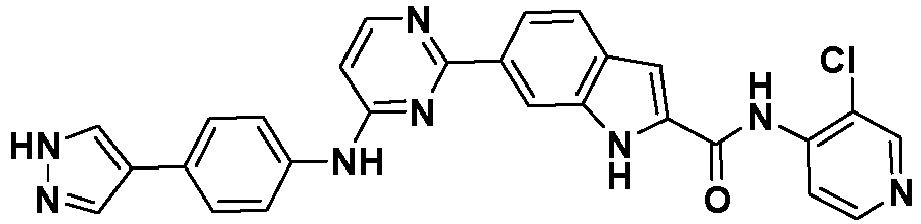
TDI01355 
TDI01356 
TDI01357 
TDI01358 
TDI01360 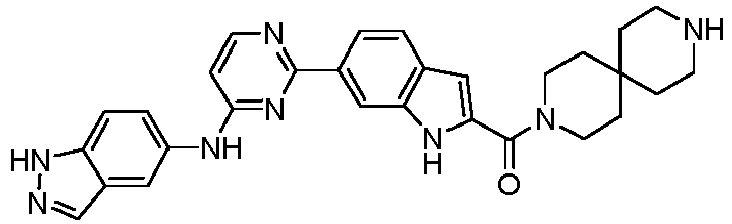
TDI01360P-1 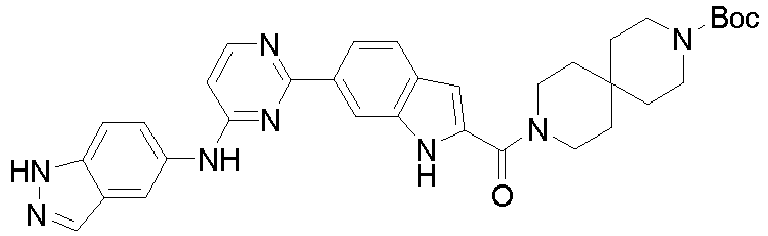
TDI01361 
TDI01362 
TDI01363 
TDI01364 
TDI01365 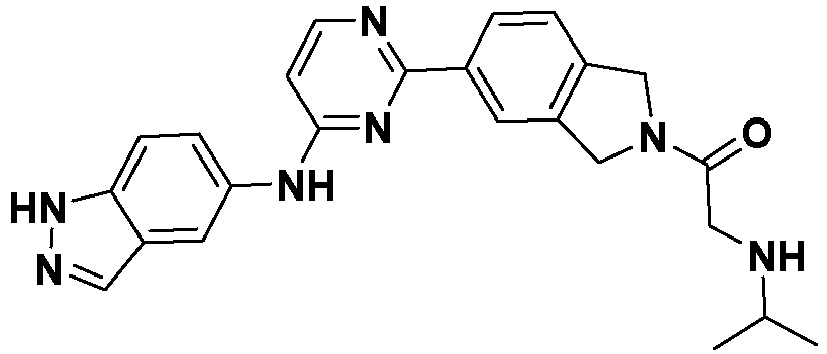
TDI01366 
TDI01367 
TDI01368 
TDI01369 
TDI01370 
TDI01371 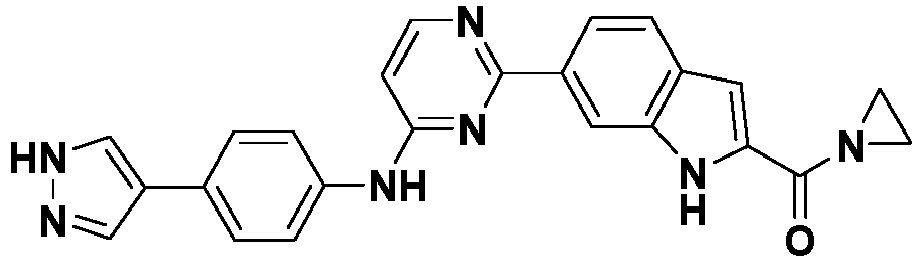
TDI01372 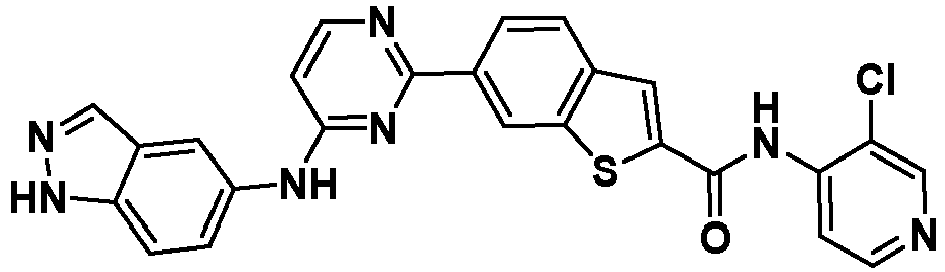
TDI01373 
TDI01374 
TDI01375 
TDI01376 
TDI01379 
TDI01380 
TDI01381 
TDI01382 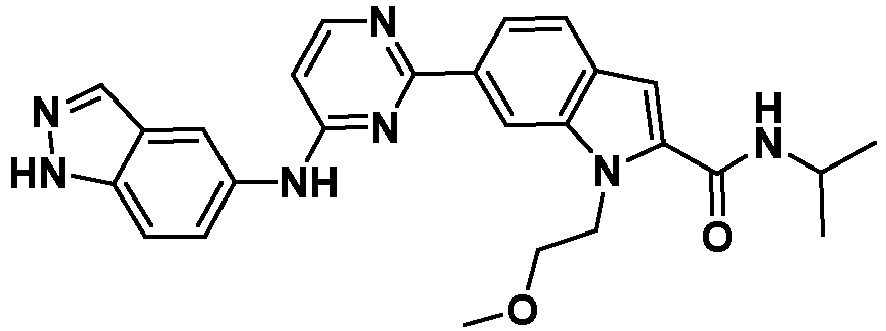
TDI01383 
TDI01384 
TDI01385 
TDI01386 
TDI01387 
TDI01388 
TDI01389 
TDI01390 
TDI01391 
TDI01392 
TDI01393 
TDI01394 
TDI01395 
TDI01396 
TDI01397 
TDI01398 
TDI01399 
TDI01400 
TDI01402 
TDI01344-2A 
TDI01403 
TDI01404 
TDI01405 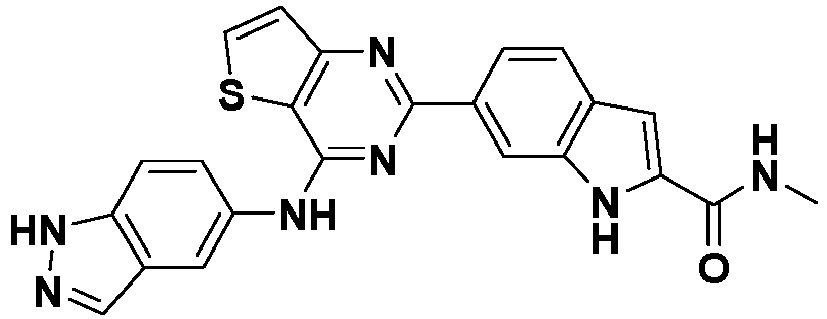
TDI01406 
TDI01407 
TDI01408 
TDI01410 
TDI01411 
TDI01415 
TDI01416 
TDI01417 
TDI01418 
TDI01419 
TDI01420 
TDI01421 
TDI01422 
TDI01423 
TDI01424 
TDI01425 
TDI01426 
TDI01427 
TDI01428 
TDI01429 
TDI01430 
TDI01431 
TDI01432 
TDI01433 
TDI01434 
TDI01435 
TDI01436 
TDI01437 
TDI01438 
TDI01439 
TDI01440 
TDI01441 
TDI01442 
TDI01443 
TDI01444 
TDI01445 
TDI01446 
TDI01447 
TDI01448 
TDI01449 
TDI01450 
TDI01451 
TDI01452 
TDI01453 
TDI01454 
TDI01455 
TDI01456 
TDI01457 
TDI01458 
TDI01459 
TDI01460 
TDI01461 
TDI01462 
TDI01463 
TDI01464 
TDI01465 
TDI01466 
TDI01467 
TDI01468 
TDI01469 
TDI01470 
TDI01471 
TDI01472 
TDI01473 
TDI01474 
TDI01475 
TDI01476 
TDI01477 
TDI01478 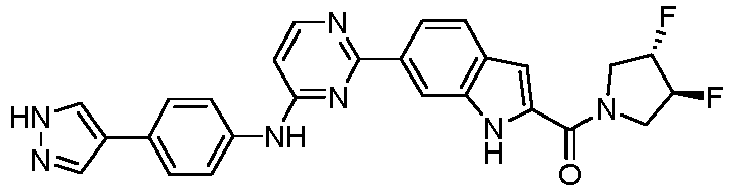
TDI01479 
TDI01480 
TDI01481 
TDI01482 
TDI01483 
TDI01484 
TDI01485 
TDI01486 
TDI01487 
TDI01488 
TDI01489 
TDI01490 
TDI01491 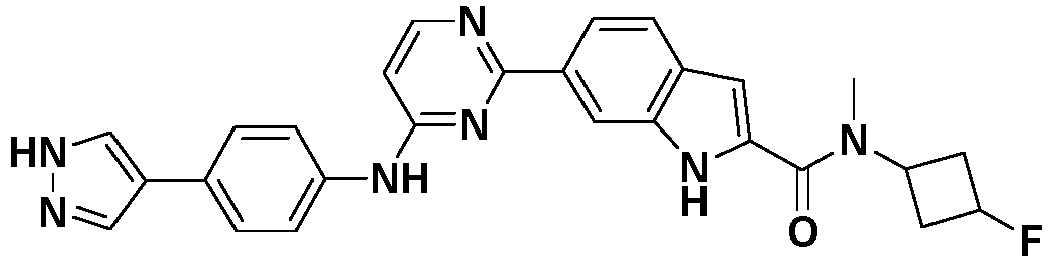
TDI01492 
TDI01493 
TDI01494 
TDI01495 
TDI01496 
TDI01497 
TDI01498 
TDI01499 
TDI01500 
TDI01501 
TDI01502 
TDI01503 
TDI01504 
TDI01505 
TDI01506 
TDI01507 
TDI01508 
TDI01509 
TDI01510 
TDI01511 
TDI01512 
TDI01513 
TDI01514 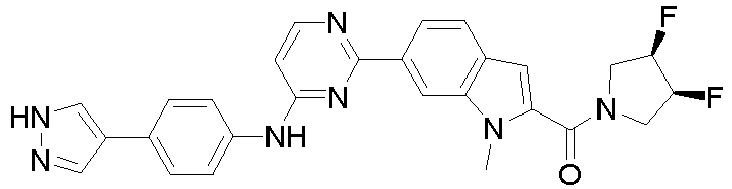
TDI01515 
TDI01516 
TDI01517 
TDI01518 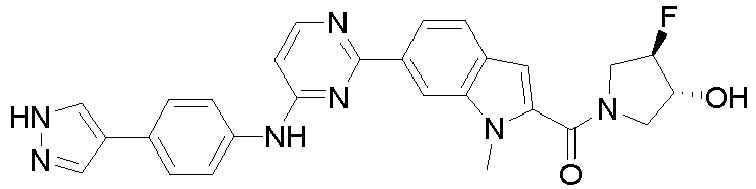
TDI01519 
TDI01520 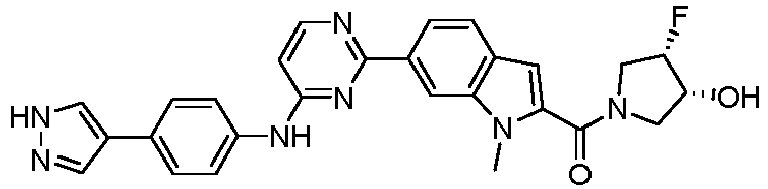
TDI01521 
TDI01522 
TDI01523 
TDI01524 
TDI01525 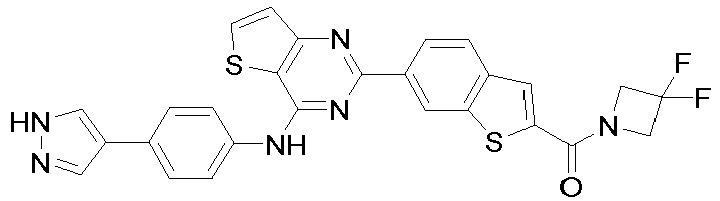
TDI01526 
TDI01529 
TDI01530 
TDI01531 
TDI01532 
TDI01533 
TDI01534 
TDI01535 
TDI01536 
TDI01537 
TDI01538 
TDI01543 
TDI01544 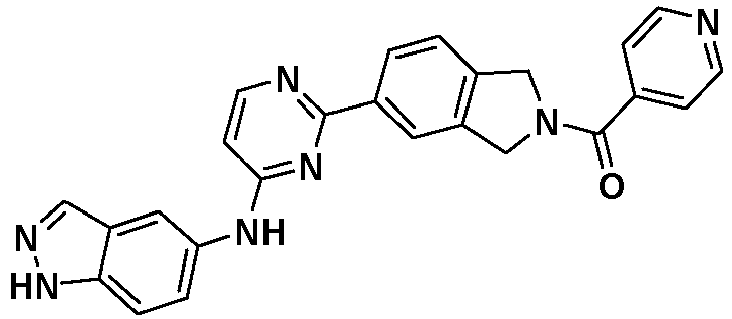
TDI01545 
TDI01546 
TDI01547 
TDI01550 
TDI01551 
TDI01552 
TDI01553 
TDI01554 
TDI01555 
TDI01556 
TDI01557 
TDI01557B 
TDI01558 
TDI01559 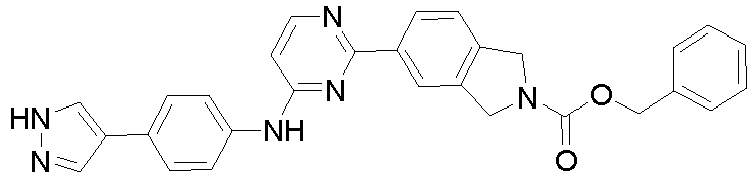
TDI01560 
TDI01561 
TDI01562 
TDI01563 
TDI01564 
TDI01565 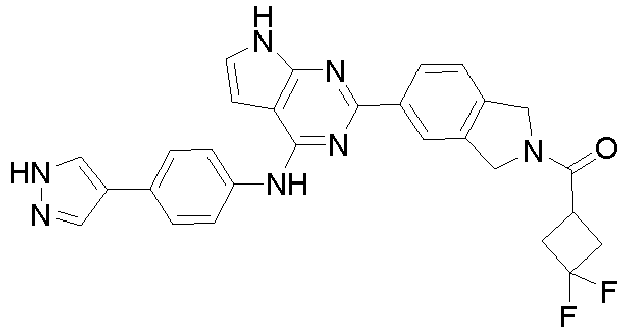
TDI01566 
TDI01567 
TDI01567B 
TDI01567C 
TDI01569 
TDI01570 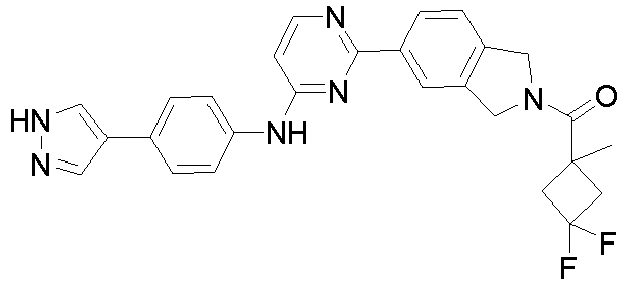
TDI01571 
TDI01571B 
TDI01572 
TDI01573 
TDI01574 
TDI01575 
TDI01578 
TDI01579 
TDI01580 
TDI01581 
TDI01582 
TDI01583 
TDI01584 
TDI01585 
TD01586 
TDI01587 
TDI01588 
TDI01589 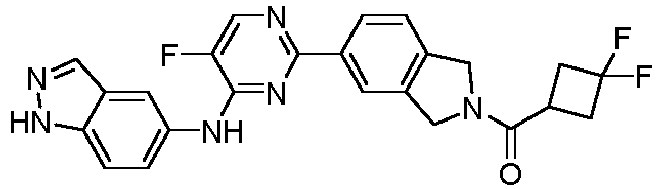
TDI01590 
TDI01591 
TDI01592 
TDI01593 
TDI01594 
TDI01594B 
TDI01596 
TDI01596B 
TDI01597 
TDI01597B 
TDI01598 
TDI01609 
TDI01611 
TDI01613 
TDI01615 
TDI01617 
TDI01618A 
TDI01620 
TDI01621 
TDI01622 
TDI01623 
TDI01628 
TDI01633 
TDI01634 
TDI01653 
TDI01654 
TDI01655 
TDI01656 
TDI01657 
TDI01658 
TDI01659 
TDI01662 
TDI01665 
TDI01666 
TDI01667 
TDI01668 
TDI01670 
TDI01672 
TDI01673 
TDI01674 
TDI01675 
TDI01676 
TDI01678 
TDI01681 
TDI01682 
TDI01683 
TDI01684 
TDI01689 
TDI01690 
TDI01691 
TDI01692 
TDI01693 
TDI01694 
TDI01695 
TDI01698 
TDI01706 
TDI01708 
TDI01709 
TDI01710 
TDI01712 
TDI01714 
TDI01715 
TDI01721 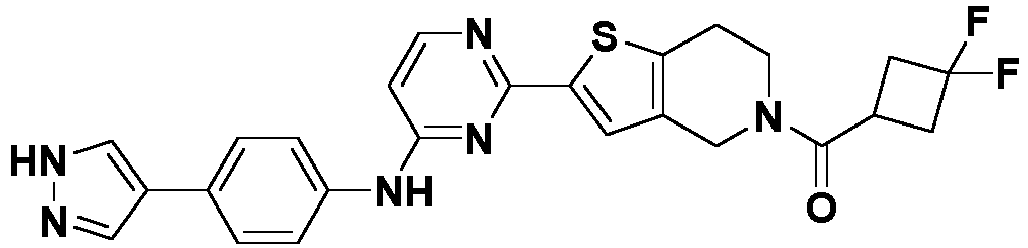
TDI01801 
TDI01802 
TDI01803 
TDI01804 
TDI01806 
TDI01807 
TDI01808 
TDI01809 
TDI01810 
TDI01811 
TDI01812 
TDI01813 
TDI01814 
TDI01815 
TDI01816 
TDI01816B 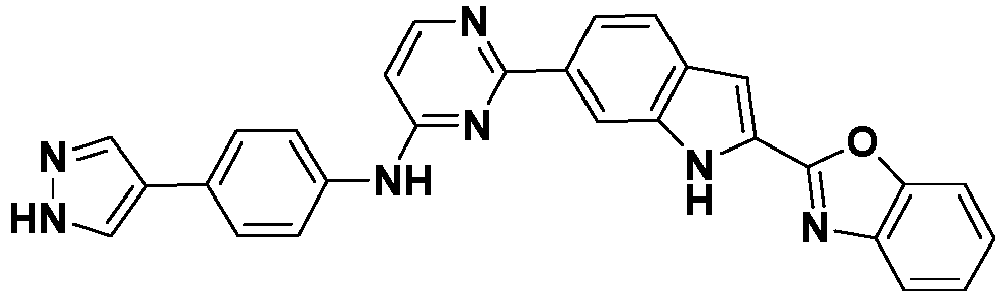
TDI01818 
TDI01819 
TDI01820 
TDI01821 
TDI01822 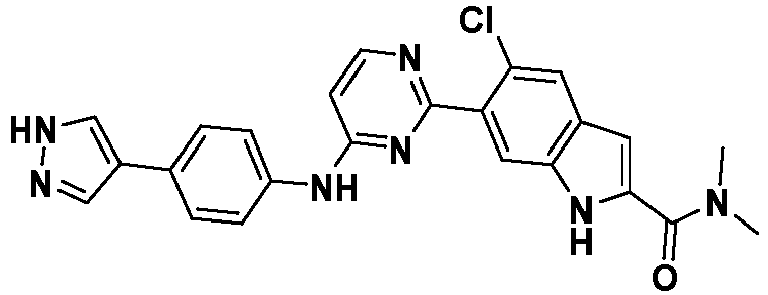
TDI01823 
TDI01824 
TDI01825 
TDI01825B 
TDI01825C 
TDI01826 
TDI01827 
TDI01829 
TDI01829B 
TDI01829C 
TDI01830 
TDI01831 
TDI01832 
TDI01833 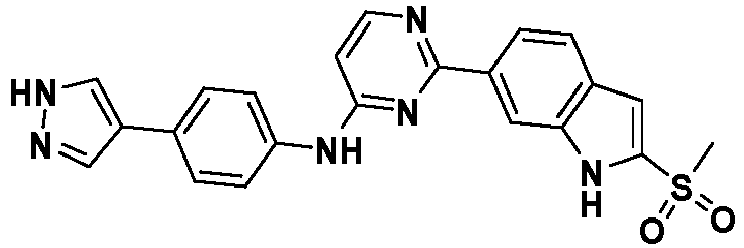
TDI01834 
TDI01835 
TDI01836 
TDI01837 
TDI01838 
TDI01839 
TDI01840 
TDI01841 
TDI01842 
TDI01842B 
TDI01843 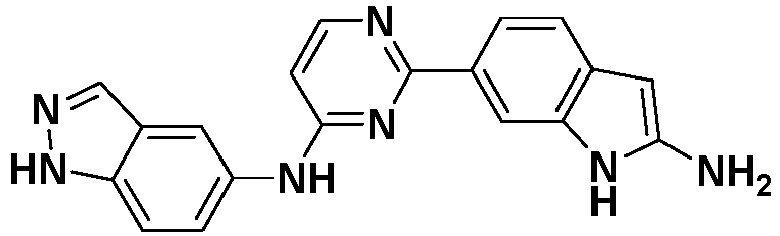
TDI01844 
TDI01845 
TDI01846 
TDI01847 
TDI01847B 
TDI01848 
TDI01849 
TDI01849B 
TDI01850 
TDI01851 
TDI01852 
TDI01853 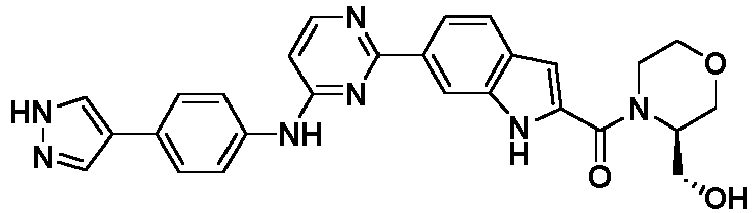
TDI01854 
TDI01855 
TDI01856 
TDI01861 
TDI01862 
TDI01863 
TDI01864 
TDI01865 
TDI01867 
TDI01868 
TDI01869 
TDI01870 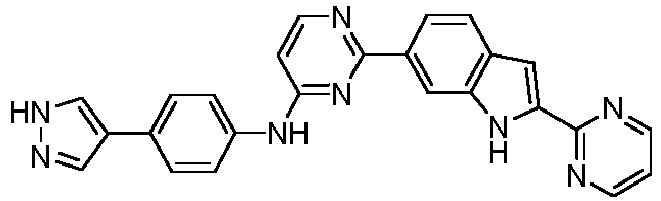
TDI01871 
TDI01872 
TDI01873 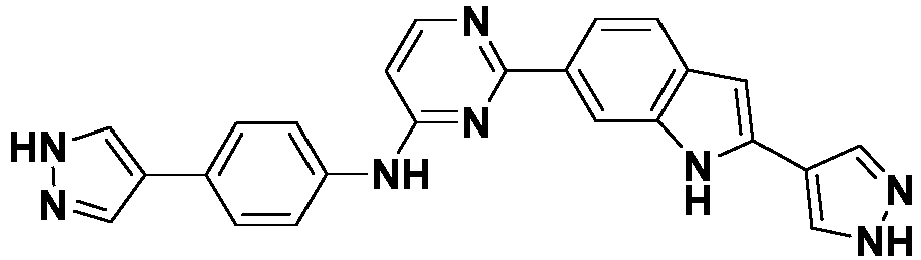
TDI01874 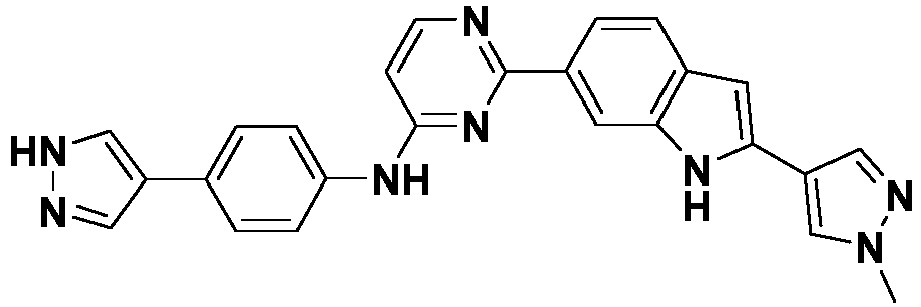
TDI01875 
TDI01876 
TDI01876B 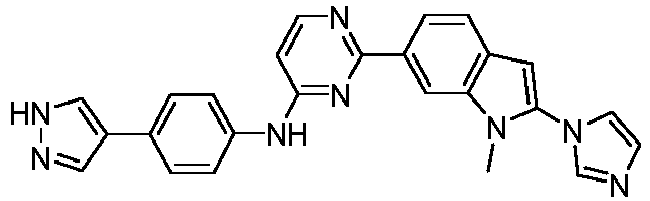
TDI01877 
TDI01878 
TDI01879 
TDI01880 
TDI01881 
TDI01882 
TDI01883 
TDI01884 
TDI01885 
TDI01886 
TDI01887 
TDI01888 
TDI01890 
TDI01891 
TDI01892 
TDI01893 
TDI01894 
TDI01898 
TDI01898B 
TDI01899 
TDI01900 
TDI01901 
TDI01902 
TDI01903 
TDI01904 
TDI01905 
TDI01906 
TDI01907 
TDI01908 
TDI01909 
TDI01910 
TDI01911 
TDI01912 
TDI01913 
TDI01914 
TDI01915 
TDI01916 
TDI01917 
TDI01918 
TDI01919 
TDI01920 
TDI01921 
TDI01923 
TDI01924 
TDI01925 
TDI01926 
TDI01927 
TDI01928 
TDI01929 
TDI01930 
TDI01931 
TDI01932 
TDI01933 
TDI01934 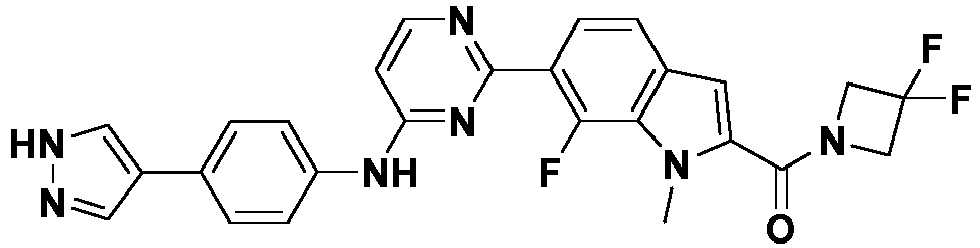
TDI01935 
TDI01936 
TDI01937B 
TDI01938 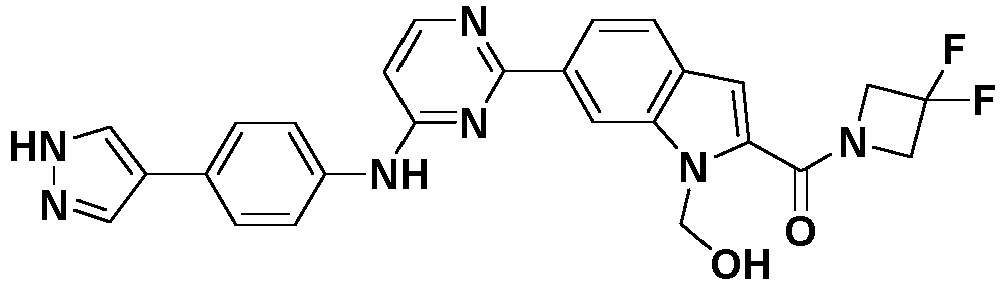
TDI01939 
TDI01940 
TDI01941 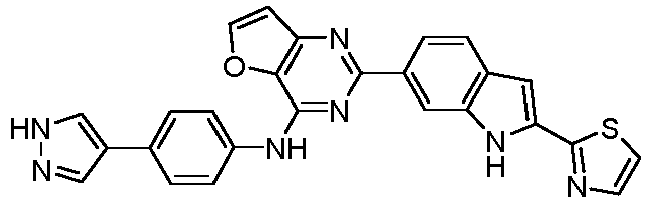
TDI01942 
TDI01943 
TDI01944 
TDI01945 
TDI01946 
TDI01947 
TDI01948 
TDI01949 
TDI01950 
TDI01951 
TDI01952 
TDI01953 
TDI01954 
TDI01955 
TDI01956 
TDI01957 
TDI01958 
TDI01959 
TDI01960 
TDI01962 
TDI01965 
TDI01966 
TDI01967 
TDI01968A 
TDI01968B 
TDI01969 
TDI01972 
TDI01973 
TDI01974 
TDI01975 
TDI01976 
TDI01978 
TDI01979 
TDI01989 
TDI01990 
TDI01991 
TDI01995 
TDI01996 
TDI01998 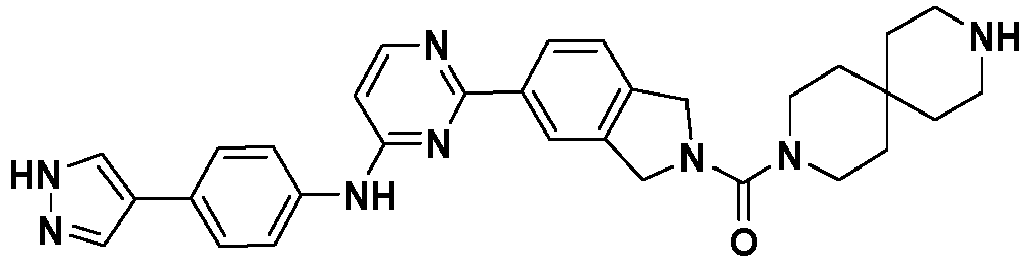
TDI01999 
- A pharmaceutical composition comprising a prophylactically or therapeutically effective amount of the compound according to any one of claims 1 to 10 or a pharmaceutically acceptable salt, stereoisomer, polymorph, solvate, N-oxide, or isotopically labeled compound thereof, and a pharmaceutically acceptable carrier, and the pharmaceutical composition is preferably in the form of a solid, semi-solid, liquid, or gas preparation.
- The compound according to any one of claims 1 to 10 or a pharmaceutically acceptable salt, stereoisomer, polymorph, solvate, N-oxide, or isotopically labeled compound thereof or the pharmaceutical composition according to claim 11 for use as a Rho-associated protein kinase (ROCK) inhibitor, preferably selective ROCK2 inhibitor.
- The compound or pharmaceutical composition for use according to claim 12 for the prevention or treatment of a disease mediated by the Rho-associated protein kinase (ROCK), including an autoimmune disorder (comprising rheumatoid arthritis, systemic lupus erythematosus (SLE; lupus), psoriasis, Crohn's disease, atopic dermatitis, eczema, or graft-versus-host disease (GVHD)); a cardiovascular disorder (comprising hypertension, atherosclerosis, restenosis, cardiac hypertrophy, cerebral ischemia, cerebral vasospasm, or erectile dysfunction); inflammation (comprising asthma, cardiovascular inflammation, ulcerative colitis, or renal inflammation); a central nervous system disorder (comprising neuronal degeneration or spinal cord injury; and the central nervous system disorder is preferably Huntington's disease, Parkinson's disease, Alzheimer's disease, Amyotrophic lateral sclerosis (ALS), or multiple sclerosis); an arterial thrombotic disorder (comprising platelet aggregation, or leukocyte aggregation); a fibrotic disorder (comprising liver fibrosis, lung fibrosis, or kidney fibrosis); a neoplastic disease (comprising a lymphoma, carcinoma (e.g., squamous cell cancer, small-cell lung cancer, pituitary cancer, esophageal cancer, non-small cell lung cancer, adenocarcinoma of the lung, squamous carcinoma of the lung, cancer of the peritoneum, hepatocellular cancer, gastrointestinal cancer, pancreatic cancer, glioblastoma, cervical cancer, ovarian cancer, bladder cancer, liver cancer, breast cancer, colon cancer, colorectal cancer, endometrial or uterine carcinoma, salivary gland carcinoma, kidney cancer, prostate cancer, vulval cancer, thyroid cancer, brain cancer, endometrial cancer, testis cancer, cholangiocarcinoma, gallbladder carcinoma, gastric cancer, melanoma, or head and neck cancer), leukemia, astrocytoma, soft tissue sarcoma, sarcoma, or blastoma); a metabolic syndrome; insulin resistance; hyperinsulinemia; type 2 diabetes; glucose intolerance; osteoporosis; an ocular disorder (comprising ocular hypertension, age related macular degeneration (AMD), choroidal neovascularization (CNV), diabetic macular edema (DME), iris neovascularization, uveitis, glaucoma (comprising primary open-angle glaucoma, acute angle-closure glaucoma, pigmentary glaucoma, congenital glaucoma, normal tension glaucoma, secondary glaucoma or neo vascular glaucoma), or retinitis of prematurity (ROP)).
- The compound or pharmaceutical composition for use according to claim 12 for the prevention or treatment of a disease mediated by the Rho-associated protein kinase (ROCK), including lupus nephritis, atherosclerosis, rheumatoid arthritis (RA), hemangioma, angiofibroma, lung fibrosis, psoriasis, corneal graft rejection, insulin-dependent diabetes mellitus, multiple sclerosis, myasthenia gravis, Chron's disease, autoimmune nephritis, primary biliary cirrhosis, acute pancreatitis, allograph rejection, allergic inflammation, contact dermatitis, delayed hypersensitivity, inflammatory bowel disease, septic shock, osteoporosis, osteoarthritis, neuronal inflammation, Osier-Weber syndrome, restenosis, fungal infection, parasitic infection, and viral infection.
- A method for the preparation of a compound, whereinthe compound is a compound of Formula (II), and the method comprises the following steps:
 wherein:R2 is H;Hal1 and Hal2 are same or different halogens, e.g., F, Cl, Br or I;PG1 is a carboxy protecting group, preferably C1-6 alkyl;PG2 is H or an amino protecting group, preferably tert-butyloxycarbonyl (Boc);Ra and Ra', at each occurrence, are each independently selected from the group consisting of H and C1-6 alkyl; or Ra and Ra' together with the group to which they are attached form a 5- to 10-membered ring system;
 the remaining groups are as defined in any one of claims 1 to 10;the reaction conditions for each step are as follows:step 1: reacting compound a-1 with a boric acid or borate under the catalysis of a palladium catalyst, to obtain compound b-1;step 2: reacting compound b-1 with compound REG-1 under the catalysis of a palladium catalyst, to obtain compound c-1; andstep 3: reacting compound c-1 with compound REG-2, to obtain the compound of Formula (II);alternatively, the method comprises the following steps:
 wherein each of the groups is as defined above;the reaction conditions for each step are as follows:step 1: reacting compound a-2 with compound REG-2, to obtain compound b-2;step 2: reacting compound b-2 with a boric acid or borate under the catalysis of a palladium catalyst, to obtain compound c-2; andstep 3: reacting compound c-2 with compound REG-1 under the catalysis of a palladium catalyst, to obtain the compound of Formula (II);alternatively, the method comprises the following steps:
 wherein each of the groups is as defined above;the reaction conditions for each step are as follows:step 1: reacting compound a-1 with a boric acid or borate under the catalysis of a palladium catalyst, to obtain compound b-1;step 2: deprotecting compound b-1 under a condition corresponding to PG', to obtain compound c-3;step 3: reacting compound c-3 with compound REG-2, to obtain compound d-3; andstep 4: reacting compound d-3 with compound REG-1 under the catalysis of a palladium catalyst, to obtain the compound of Formula (II);
or,the compound is a compound of Formula (XII), and the method comprises the following steps: wherein:R2 is H;Hal1 and Hal2 are same or different halogens, e.g., F, Cl, Br or I;PG1 is a carboxy protecting group, preferably C1-6 alkyl;PG2 is H or an amino protecting group, preferably tert-butyloxycarbonyl (Boc);Ra and Ra', at each occurrence, are each independently selected from the group consisting of H and C1-6 alkyl; or Ra and Ra' together with the group to which they are attached form a 5- to 10-membered ring system;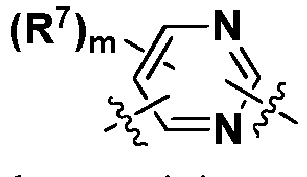
 the reaction conditions for each step are as follows:step 1: reacting compound a-1 with a boric acid or borate under the catalysis of a palladium catalyst, to obtain compound b-1;step 2: reacting compound b-1 with compound REG-1' under the catalysis of a palladium catalyst, to obtain compound c-1'; andstep 3: reacting compound c-1' with compound REG-2', to obtain the compound of Formula (XII);
orthe compound is a compound of Formula (XIII), and the method comprises the following steps: wherein:R2 is H;Hal1 and Hal2 are same or different halogens, e.g., F, Cl, Br or I;PG1 is a carboxy protecting group, preferably C1-6 alkyl;PG2 is H or an amino protecting group, preferably tert-butyloxycarbonyl (Boc);Ra and Ra', at each occurrence, are each independently selected from the group consisting of H and C1-6 alkyl; or Ra and Ra' together with the group to which they are attached form a 5- to 10-membered ring system;
 the remaining groups are as defined in any one of claims 1 to 10;the reaction conditions for each step are as follows:step 1: reacting compound a-1 with a boric acid or borate under the catalysis of a palladium catalyst, to obtain compound b-1;step 2: reacting compound b-1 with compound REG-1 under the catalysis of a palladium catalyst, to obtain compound c-1; andstep 3: reacting compound c-1 with compound REG-2', to obtain the compound of Formula (XIII);
orthe compound is a compound of Formula (XIV), and the method comprises the following steps: wherein:R2 is H;Hal1 and Hal2 are same or different halogens, e.g., F, Cl, Br or I;PG1 is a carboxy protecting group, preferably C1-6 alkyl;PG2 is H or an amino protecting group, preferably tert-butyloxycarbonyl (Boc);Ra and Ra', at each occurrence, are each independently selected from the group consisting of H and C1-6 alkyl; or Ra and Ra' together with the group to which they are attached form a 5- to 10-membered ring system;
 the remaining groups are as defined in any one of claims 1 to 10;the reaction conditions for each step are as follows:step 1: reacting compound a-1 with a boric acid or borate under the catalysis of a palladium catalyst, to obtain compound b-1;step 2: reacting compound b-1 with compound REG-1' under the catalysis of a palladium catalyst, to obtain compound c-1'; andstep 3: reacting compound c-1' with compound REG-2, to obtain the compound of Formula (XIV);alternatively, the method comprises the following steps:
 wherein each of the groups is as defined above;the reaction conditions for each step are as follows:step 1: reacting compound a-2 with compound REG-2, to obtain compound b-2;step 2: reacting compound b-2 with a boric acid or borate under the catalysis of a palladium catalyst, to obtain compound c-2; andstep 3: reacting compound c-2 with compound REG-1' under the catalysis of a palladium catalyst, to obtain the compound of Formula (XIV);alternatively, the method comprises the following steps:
 wherein each of the groups is as defined above;the reaction conditions for each step are as follows:step 1: reacting compound a-1 with a boric acid or borate under the catalysis of a palladium catalyst, to obtain compound b-1;step 2: deprotecting compound b-1 under a condition corresponding to PG1, to obtain compound c-3;step 3: reacting compound c-3 with compound REG-2, to obtain compound d-3; andstep 4: reacting compound d-3 with compound REG-1' under the catalysis of a palladium catalyst, to obtain the compound of Formula (XIV).
Applications Claiming Priority (4)
| Application Number | Priority Date | Filing Date | Title |
|---|---|---|---|
| CNPCT/CN2017/091085 | 2017-06-30 | ||
| PCT/CN2017/104290 WO2019000682A1 (en) | 2017-06-30 | 2017-09-29 | Rho-associated protein kinase inhibitor, pharmaceutical composition containing rho-associated protein kinase inhibitor, preparation method and use of the pharmaceutical composition |
| CN201711089580 | 2017-11-08 | ||
| PCT/CN2018/093713 WO2019001572A1 (en) | 2017-06-30 | 2018-06-29 | Rho-associated protein kinase inhibitor, pharmaceutical composition comprising same, and preparation method and use thereof |
Publications (4)
| Publication Number | Publication Date |
|---|---|
| EP3647311A1 EP3647311A1 (en) | 2020-05-06 |
| EP3647311A4 EP3647311A4 (en) | 2021-01-06 |
| EP3647311B1 true EP3647311B1 (en) | 2023-11-01 |
| EP3647311C0 EP3647311C0 (en) | 2023-11-01 |
Family
ID=64741145
Family Applications (1)
| Application Number | Title | Priority Date | Filing Date |
|---|---|---|---|
| EP18824200.2A Active EP3647311B1 (en) | 2017-06-30 | 2018-06-29 | Rho-associated protein kinase inhibitor, pharmaceutical composition comprising same, and preparation method and use thereof |
Country Status (9)
| Country | Link |
|---|---|
| US (2) | US11390609B2 (en) |
| EP (1) | EP3647311B1 (en) |
| JP (2) | JP7311228B2 (en) |
| KR (1) | KR102585860B1 (en) |
| CN (3) | CN110582489B (en) |
| AU (2) | AU2018294054B2 (en) |
| CA (1) | CA3063616A1 (en) |
| ES (1) | ES2969536T3 (en) |
| WO (1) | WO2019001572A1 (en) |
Families Citing this family (55)
| Publication number | Priority date | Publication date | Assignee | Title |
|---|---|---|---|---|
| CN110573501B (en) * | 2017-06-30 | 2023-09-29 | 北京泰德制药股份有限公司 | Rho-related protein kinase inhibitors, pharmaceutical compositions containing the same and preparation methods and uses thereof |
| WO2019000683A1 (en) * | 2017-06-30 | 2019-01-03 | 北京泰德制药股份有限公司 | Rho-associated protein kinase inhibitor, pharmaceutical composition containing rho-associated protein kinase inhibitor, preparation method and use of the pharmaceutical composition |
| AU2018294054B2 (en) * | 2017-06-30 | 2022-05-26 | Beijing Tide Pharmaceutical Co., Ltd. | Rho-associated protein kinase inhibitor, pharmaceutical composition comprising same, and preparation method and use thereof |
| EP3740207A4 (en) | 2018-01-16 | 2021-10-13 | Syros Pharmaceuticals, Inc. | INHIBITORS OF THE CYCLINE-DEPENDENT KINASE 7 (CDK7) |
| WO2019143730A1 (en) | 2018-01-16 | 2019-07-25 | Syros Pharmaceuticals, Inc. | Inhibitors of cyclin-dependent kinase 7 (cdk7) |
| GB201801226D0 (en) | 2018-01-25 | 2018-03-14 | Redx Pharma Plc | Modulators of Rho-associated protein kinase |
| AU2019319835A1 (en) | 2018-08-08 | 2021-03-25 | Bristol-Myers Squibb Company | Indole and azaindole inhibitors of PAD enzymes |
| JP7447080B2 (en) | 2018-08-08 | 2024-03-11 | ブリストル-マイヤーズ スクイブ カンパニー | Substituted thienopyrroles as PAD4 inhibitors |
| US12240869B2 (en) | 2018-11-01 | 2025-03-04 | Syros Pharmaceuticals, Inc. | Inhibitors of cyclin-dependent kinase 7 (CDK7) |
| US12398118B2 (en) * | 2018-11-09 | 2025-08-26 | Beijing Tide Pharmaceutical Co., Ltd. | Rho-associated protein kinase inhibitor, pharmaceutical composition comprising same, and use thereof |
| KR102906316B1 (en) * | 2019-03-01 | 2025-12-31 | 베이징 타이드 파마슈티컬 코퍼레이션 리미티드 | Treatment of fatty liver disease and/or steatohepatitis |
| CN111825675B (en) * | 2019-04-15 | 2023-08-01 | 武汉朗来科技发展有限公司 | ROCK inhibitor and preparation method and application thereof |
| CA3144113A1 (en) * | 2019-06-25 | 2020-12-30 | Beijing Tide Pharmaceutical Co., Ltd. | Method for treating idiopathic pulmonary fibrosis |
| JP2022539208A (en) | 2019-07-03 | 2022-09-07 | スミトモ ファーマ オンコロジー, インコーポレイテッド | Tyrosine kinase non-receptor 1 (TNK1) inhibitors and uses thereof |
| CN116348458A (en) | 2019-08-14 | 2023-06-27 | 因赛特公司 | Imidazolylpyrimidinylamine compounds as CDK2 inhibitors |
| CN119930611A (en) | 2019-10-11 | 2025-05-06 | 因赛特公司 | Dicyclomine as a CDK2 inhibitor |
| CN114555588B (en) * | 2019-11-07 | 2024-08-06 | 南京正大天晴制药有限公司 | Quinazolines as AXL inhibitors |
| EP4069686B1 (en) | 2019-12-02 | 2025-01-22 | Hyundai Pharm Co., Ltd. | Glp-1 receptor agonist |
| CN111004221B (en) * | 2019-12-13 | 2021-02-02 | 长治学院 | Pyrimidine/benzimidazole heterozygote, preparation method and medical application |
| TW202140477A (en) * | 2020-02-12 | 2021-11-01 | 美商必治妥美雅史谷比公司 | Heterocyclic pad4 inhibitors |
| AU2021309876B2 (en) * | 2020-07-14 | 2024-06-27 | Wuhan Ll Science And Technology Development Co., Ltd. | Rock inhibitor, and preparation method therefor and use thereof |
| CN116322670A (en) * | 2020-07-22 | 2023-06-23 | 北京泰德制药股份有限公司 | Method for treating graft-versus-host disease after hematopoietic stem cell transplantation |
| CN118772118A (en) * | 2020-08-31 | 2024-10-15 | 北京泰德制药股份有限公司 | Salts of Rho-associated protein kinase inhibitors, solid forms thereof, and preparation methods and uses thereof |
| KR20230058466A (en) | 2020-08-31 | 2023-05-03 | 베이징 타이드 파마슈티컬 코퍼레이션 리미티드 | Methods for preparing novel RHO-associated protein kinase inhibitors and intermediates in manufacturing methods |
| ES3033417T3 (en) * | 2020-09-25 | 2025-08-04 | Janssen Pharmaceutica Nv | Cyclin-dependent kinase 7 (cdk7) non-covalent inhibitors |
| US11767321B2 (en) | 2020-10-05 | 2023-09-26 | Enliven Inc. | 5- and 6-azaindole compounds for inhibition of BCR-ABL tyrosine kinases |
| CN114516856B (en) * | 2020-11-20 | 2025-05-23 | 安徽中科拓苒药物科学研究有限公司 | Dihydroisoquinolinone and isoindolinone derivatives and their uses |
| KR20240009918A (en) * | 2021-02-22 | 2024-01-23 | 그래비톤 바이오사이언스 비브이 | ROCK2 inhibitors for the treatment of viral infections |
| CN114573566B (en) * | 2021-03-04 | 2023-05-30 | 杭州邦顺制药有限公司 | Selective ROCK2 kinase inhibitors |
| US20240366604A1 (en) | 2021-04-28 | 2024-11-07 | Graviton Bioscience Bv | Selective inhibitors of rock2 for the treatment of muscular dystrophy |
| CN113200969B (en) * | 2021-05-19 | 2022-11-25 | 中国药科大学 | PI3K alpha selective inhibitor and preparation method and application thereof |
| US11981671B2 (en) | 2021-06-21 | 2024-05-14 | Incyte Corporation | Bicyclic pyrazolyl amines as CDK2 inhibitors |
| CN118019737A (en) | 2021-06-24 | 2024-05-10 | 英矽智能科技知识产权有限公司 | β-lactam derivatives for treating diseases |
| MX2024000313A (en) | 2021-07-09 | 2024-03-06 | Plexium Inc | Aryl compounds and pharmaceutical compositions that modulate ikzf2. |
| CN118019530A (en) * | 2021-09-17 | 2024-05-10 | 北京泰德制药股份有限公司 | Methods of treating viral infections |
| CA3231781A1 (en) * | 2021-09-18 | 2023-03-23 | Beijing Tide Pharmaceutical Co., Ltd. | Solid form of rho-associated protein kinase inhibitor or solvate thereof, preparation method and use thereof |
| US20250352543A1 (en) * | 2021-11-16 | 2025-11-20 | Beijing Tide Pharmaceutical Co., Ltd. | Nanocrystalline preparation of rock2 inhibitor and preparation method therefor |
| US12084453B2 (en) | 2021-12-10 | 2024-09-10 | Incyte Corporation | Bicyclic amines as CDK12 inhibitors |
| US11976073B2 (en) | 2021-12-10 | 2024-05-07 | Incyte Corporation | Bicyclic amines as CDK2 inhibitors |
| CN116425745B (en) * | 2022-01-13 | 2025-06-13 | 武汉朗来科技发展有限公司 | A salt of a ROCK inhibitor, and its crystal form, composition and pharmaceutical use |
| EP4504341A1 (en) | 2022-04-08 | 2025-02-12 | Shy Therapeutics LLC | Compounds that interact with ras superfamily proteins for treatment of cancers, inflammatory diseases, rasopathies, and fibrotic disease |
| KR20250004773A (en) * | 2022-04-20 | 2025-01-08 | 상하이 지멍 바이오파마 아이엔씨 | Rho-related protein kinase inhibitors and their preparation and applications |
| US20250289807A1 (en) * | 2022-04-29 | 2025-09-18 | Graviton Bioscience Bv | Inhibitors of ROCK2 |
| JP2025525058A (en) | 2022-07-27 | 2025-08-01 | グラビトン バイオサイエンス ベーフェー | ROCK2 INHIBITORS FOR THE TREATMENT OF VIRAL INFECTIONS - Patent application |
| EP4591863A1 (en) * | 2022-10-13 | 2025-07-30 | Beijing Tide Pharmaceutical Co., Ltd. | Method for treating pneumoconiosis |
| AU2023386016A1 (en) * | 2022-11-21 | 2025-06-19 | Graviton Bioscience Bv | Inhibitors of rock2 |
| KR20240156074A (en) * | 2023-04-21 | 2024-10-29 | (주)엠디바이오팜 | HPK1 and MLK3 inhibitor and anticancer compositions containing the same |
| KR102929140B1 (en) * | 2023-05-09 | 2026-02-24 | 주식회사 베노바이오 | A novel benzothiophene derivative inhibiting bet protein and a composition for preventing or treating cancer using the same |
| WO2025017499A1 (en) | 2023-07-17 | 2025-01-23 | Graviton Bioscience Bv | Formulations and uses of rock2 inhibitors for als |
| IL325831A (en) | 2023-07-17 | 2026-03-01 | Graviton Bioscience Bv | Formulations of rock2 inhibitors for cns disorders |
| AU2024352423A1 (en) | 2023-09-28 | 2026-05-14 | Graviton Pharmaceuticals B.V. | Therapy for treating type 1 diabetes using rock2 and dyrk1 inhibitors |
| WO2025069009A1 (en) | 2023-09-29 | 2025-04-03 | Graviton Bioscience Bv | Rock2 inhibitors in the treatment of obesity |
| WO2025104491A1 (en) | 2023-11-14 | 2025-05-22 | Mindset Pharma Inc. | Indole derivatives as serotonergic agents useful for the treatment of disorders related thereto |
| WO2026011127A1 (en) * | 2024-07-03 | 2026-01-08 | Avicenna Biosciences, Inc. | New rock inhibitors |
| WO2026053168A1 (en) | 2024-09-06 | 2026-03-12 | Graviton Bioscience Bv | Amorphous forms of a rock2 inhibitor and formulations thereof |
Family Cites Families (52)
| Publication number | Priority date | Publication date | Assignee | Title |
|---|---|---|---|---|
| OA12097A (en) | 1999-11-30 | 2006-05-04 | Pfizer Prod Inc | 2,4-Diaminopyrimidine compounds useful as immunosuppressants. |
| ES2266258T3 (en) | 2000-09-15 | 2007-03-01 | Vertex Pharmaceuticals Incorporated | PIRAZOL COMPOUNDS USED AS PROTEIN KINASES INHIBITORS. |
| EP1345925B1 (en) | 2000-12-21 | 2006-05-17 | Vertex Pharmaceuticals Incorporated | Pyrazole compounds useful as protein kinase inhibitors |
| JP4329003B2 (en) | 2001-03-23 | 2009-09-09 | バイエル コーポレイション | Rho kinase inhibitor |
| WO2003030909A1 (en) | 2001-09-25 | 2003-04-17 | Bayer Pharmaceuticals Corporation | 2- and 4-aminopyrimidines n-substtituded by a bicyclic ring for use as kinase inhibitors in the treatment of cancer |
| JP4505228B2 (en) | 2002-01-10 | 2010-07-21 | バイエル・シェーリング・ファルマ・アクチェンゲゼルシャフト | Rho-kinase inhibitor |
| TWI329105B (en) * | 2002-02-01 | 2010-08-21 | Rigel Pharmaceuticals Inc | 2,4-pyrimidinediamine compounds and their uses |
| US7645878B2 (en) * | 2002-03-22 | 2010-01-12 | Bayer Healthcare Llc | Process for preparing quinazoline Rho-kinase inhibitors and intermediates thereof |
| AU2003231231A1 (en) | 2002-05-06 | 2003-11-11 | Bayer Pharmaceuticals Corporation | Pyridinyl amino pyrimidine derivatives useful for treating hyper-proliferative disorders |
| BR0313059B8 (en) * | 2002-07-29 | 2021-07-27 | Rigel Pharmaceuticals | compound, and, pharmaceutical composition |
| ATE527250T1 (en) | 2002-11-21 | 2011-10-15 | Novartis Ag | 2,4,6-TRISUBSTITUTED PYRIMIDINES AS PHOSPHOTIDYLINOSITOL (PI) 3-KINASE INHIBITORS AND THEIR USE IN THE TREATMENT OF CANCER |
| WO2006135383A2 (en) | 2004-08-04 | 2006-12-21 | Myriad Genetics, Inc. | Indazoles |
| DE602005023333D1 (en) * | 2004-10-15 | 2010-10-14 | Takeda Pharmaceutical | KINASE INHIBITORS |
| CR9465A (en) * | 2005-03-25 | 2008-06-19 | Surface Logix Inc | PHARMACOCINETICALLY IMPROVED COMPOUNDS |
| KR20080016659A (en) | 2005-05-20 | 2008-02-21 | 버텍스 파마슈티칼스 인코포레이티드 | Pyrrolopyridines useful as inhibitors of protein kinase |
| WO2007076161A2 (en) | 2005-12-27 | 2007-07-05 | Myriad Genetics, Inc | Compounds with therapeutic activity |
| US20090247554A1 (en) * | 2006-03-30 | 2009-10-01 | Takeda San Diego, Inc. | Kinase inhibitors |
| CA2700988A1 (en) | 2006-09-27 | 2008-05-08 | Surface Logix, Inc. | Rho kinase inhibitors |
| BRPI0811065A2 (en) | 2007-06-08 | 2014-12-02 | Abbott Lab | 5-HETEROARYL INDAZOES REPLACED AS KINASE INHIBITORS |
| NZ587730A (en) * | 2008-03-07 | 2013-01-25 | Wing Entpr Inc | Ladders with locking, spreading, or holding mechanisms, and ladder components and related methods |
| WO2010056758A1 (en) | 2008-11-12 | 2010-05-20 | Yangbo Feng | Quinazoline derivatives as kinase inhibitors |
| EP2406236A4 (en) * | 2009-03-09 | 2013-07-24 | Surface Logix Inc | INHIBITORS OF RHO KINASE |
| WO2012040499A2 (en) | 2010-09-22 | 2012-03-29 | Surface Logix, Inc. | Metabolic inhibitors |
| EP2433636A1 (en) | 2010-09-27 | 2012-03-28 | Medizinische Universität Wien | Treatment of Malignant Diseases |
| US8791112B2 (en) | 2011-03-30 | 2014-07-29 | Arrien Pharmaceuticals Llc | Substituted 5-(pyrazin-2-yl)-1H-pyrazolo [3, 4-B] pyridine and pyrazolo [3, 4-B] pyridine derivatives as protein kinase inhibitors |
| WO2013025628A1 (en) * | 2011-08-15 | 2013-02-21 | Ligand Pharmaceuticals Incorporated | Janus kinase inhibitor compounds and methods |
| US9096579B2 (en) | 2012-04-20 | 2015-08-04 | Boehringer Ingelheim International Gmbh | Amino-indolyl-substituted imidazolyl-pyrimidines and their use as medicaments |
| EA030253B1 (en) | 2012-09-28 | 2018-07-31 | Кэнсэр Ресерч Текнолоджи Лимитед | Azaquinazoline inhibitors of atypical protein kinase c |
| EP2903618B1 (en) | 2012-10-05 | 2022-06-01 | Kadmon Corporation, LLC | Rho kinase inhibitors |
| US9637491B2 (en) | 2012-10-19 | 2017-05-02 | Origenis Gmbh | Pyrazolo[4,3-D]pyrimidines as kinase inhibitors |
| EP3181564B1 (en) * | 2012-11-20 | 2019-09-18 | H. Hoffnabb-La Roche Ag | Aminopyrimidine compounds as inhibitors of t790m containing egfr mutants |
| WO2014109414A1 (en) | 2013-01-11 | 2014-07-17 | 富士フイルム株式会社 | Nitrogen-containing heterocylic compound or salt thereof |
| CN104903312B (en) | 2013-10-07 | 2019-01-29 | 卡德门企业有限公司 | RHO kinase inhibitor |
| CA2934679C (en) * | 2013-12-30 | 2023-02-28 | Genentech, Inc. | Serine/threonine kinase inhibitors |
| MX375902B (en) * | 2013-12-30 | 2025-03-07 | Genentech Inc | SERINE/THREONINE KINASE INHIBITORS. |
| WO2015157556A1 (en) | 2014-04-09 | 2015-10-15 | Kadmon Corporation, Llc | Treatment of gvhd |
| US9902702B2 (en) | 2014-07-15 | 2018-02-27 | Bristol-Myers Squibb Company | Spirocycloheptanes as inhibitors of rock |
| US10436941B2 (en) * | 2014-07-18 | 2019-10-08 | Altec S.P.A. | Image and/or radio signals capturing platform |
| WO2016028971A1 (en) | 2014-08-21 | 2016-02-25 | Bristol-Myers Squibb Company | Tied-back benzamide derivatives as potent rock inhibitors |
| MA40957A (en) | 2014-10-09 | 2017-09-19 | Biomarin Pharm Inc | HEPARANE SULPHATE BIOSYNTHESIS INHIBITORS TO TREAT DISEASES |
| WO2016138335A1 (en) * | 2015-02-27 | 2016-09-01 | Lycera Corporation | Indazolyl thiadiazolamines and related compounds for inhibition of rho-associated protein kinase and the treatment of disease |
| EP3268360B1 (en) | 2015-03-09 | 2019-04-24 | Bristol-Myers Squibb Company | Lactams as inhibitors of rock |
| US11021468B2 (en) | 2015-04-01 | 2021-06-01 | Rigel Pharmaceuticals, Inc. | TGF-ß inhibitors |
| US10273248B2 (en) | 2015-06-26 | 2019-04-30 | Kadmon Corportion, LLC | Glucose uptake inhibitors |
| US10729691B2 (en) | 2015-06-26 | 2020-08-04 | Kadmon Corporation, Llc | Treatment of infectious diseases with glucose uptake inhibitors |
| CN106478651B (en) | 2015-08-31 | 2019-07-09 | 广东东阳光药业有限公司 | Substituted heteroaryl compound and combinations thereof and purposes |
| WO2017048675A1 (en) | 2015-09-17 | 2017-03-23 | Sunshine Lake Pharma Co., Ltd. | Substituted heteroaryl compounds and methods of use |
| WO2017205536A2 (en) * | 2016-05-24 | 2017-11-30 | Genentech, Inc. | Therapeutic compounds and uses thereof |
| EP3504204A4 (en) * | 2016-08-26 | 2020-05-27 | Lycera Corporation | INDAZOLYL-L, 2,4-THIADIAZOLAMINES AND RELATED COMPOUNDS FOR THE INHIBITION OF RHO ASSOCIATED PROTEIN KINASE AND THE TREATMENT OF DISEASE |
| AU2018294054B2 (en) | 2017-06-30 | 2022-05-26 | Beijing Tide Pharmaceutical Co., Ltd. | Rho-associated protein kinase inhibitor, pharmaceutical composition comprising same, and preparation method and use thereof |
| CN110573501B (en) * | 2017-06-30 | 2023-09-29 | 北京泰德制药股份有限公司 | Rho-related protein kinase inhibitors, pharmaceutical compositions containing the same and preparation methods and uses thereof |
| WO2019000683A1 (en) | 2017-06-30 | 2019-01-03 | 北京泰德制药股份有限公司 | Rho-associated protein kinase inhibitor, pharmaceutical composition containing rho-associated protein kinase inhibitor, preparation method and use of the pharmaceutical composition |
-
2018
- 2018-06-29 AU AU2018294054A patent/AU2018294054B2/en active Active
- 2018-06-29 US US16/344,965 patent/US11390609B2/en active Active
- 2018-06-29 CN CN201880028332.7A patent/CN110582489B/en active Active
- 2018-06-29 KR KR1020197038757A patent/KR102585860B1/en active Active
- 2018-06-29 JP JP2019572768A patent/JP7311228B2/en active Active
- 2018-06-29 CN CN202010118186.6A patent/CN111217797B/en active Active
- 2018-06-29 EP EP18824200.2A patent/EP3647311B1/en active Active
- 2018-06-29 CN CN202311291547.7A patent/CN117343049A/en active Pending
- 2018-06-29 ES ES18824200T patent/ES2969536T3/en active Active
- 2018-06-29 CA CA3063616A patent/CA3063616A1/en active Pending
- 2018-06-29 WO PCT/CN2018/093713 patent/WO2019001572A1/en not_active Ceased
-
2021
- 2021-07-06 US US17/367,726 patent/US20230030115A1/en active Pending
-
2022
- 2022-08-24 AU AU2022221446A patent/AU2022221446B2/en active Active
-
2023
- 2023-07-04 JP JP2023110247A patent/JP7672451B2/en active Active
Also Published As
| Publication number | Publication date |
|---|---|
| US20230030115A1 (en) | 2023-02-02 |
| CN110582489B (en) | 2023-10-27 |
| EP3647311A1 (en) | 2020-05-06 |
| EP3647311A4 (en) | 2021-01-06 |
| ES2969536T3 (en) | 2024-05-21 |
| JP2020525522A (en) | 2020-08-27 |
| AU2022221446B2 (en) | 2024-05-09 |
| CN111217797B (en) | 2021-02-05 |
| JP7311228B2 (en) | 2023-07-19 |
| CN111217797A (en) | 2020-06-02 |
| EP3647311C0 (en) | 2023-11-01 |
| CN117343049A (en) | 2024-01-05 |
| KR20200016297A (en) | 2020-02-14 |
| CN110582489A (en) | 2019-12-17 |
| CA3063616A1 (en) | 2019-12-06 |
| KR102585860B1 (en) | 2023-10-06 |
| WO2019001572A1 (en) | 2019-01-03 |
| AU2018294054A1 (en) | 2020-01-02 |
| US11390609B2 (en) | 2022-07-19 |
| JP7672451B2 (en) | 2025-05-07 |
| US20190276440A1 (en) | 2019-09-12 |
| AU2018294054B2 (en) | 2022-05-26 |
| JP2023126907A (en) | 2023-09-12 |
Similar Documents
| Publication | Publication Date | Title |
|---|---|---|
| US11390609B2 (en) | Rho-associated protein kinase inhibitor, pharmaceutical composition comprising same, and preparation method and use thereof | |
| EP3421465B1 (en) | Rho-associated protein kinase inhibitor, pharmaceutical composition comprising the same, as well as preparation method and use thereof | |
| AU2011253057B2 (en) | Nitrogen heterocyclic compounds useful as PDE10 inhibitors | |
| EP3421464B1 (en) | Rho-associated protein kinase inhibitor, pharmaceutical composition comprising the same, as well as preparation method and use thereof | |
| EP3070077B1 (en) | Heterocyclic compounds useful as pdk1 inhibitors | |
| EP3152210B1 (en) | Tank-binding kinase inhibitor compounds | |
| AU2011253003B2 (en) | Heteroaryloxyheterocyclyl compounds as PDE10 inhibitors | |
| WO2022015375A1 (en) | Kras g12d inhibitors | |
| EP3484856A1 (en) | 2,5-disubstituted 3-methyl pyrazines and 2,5,6-trisubstituted 3-methyl pyrazines as allosteric shp2 inhibitors | |
| CN112969694B (en) | Rho-associated protein kinase inhibitors, pharmaceutical compositions containing same and uses thereof | |
| CN120225521A (en) | AKT1 modulators | |
| HK40025018B (en) | Rho-associated protein kinase inhibitor, pharmaceutical composition comprising same, and preparation method and use thereof | |
| HK40025018A (en) | Rho-associated protein kinase inhibitor, pharmaceutical composition comprising same, and preparation method and use thereof | |
| HK1261891A1 (en) | Rho-associated protein kinase inhibitor, pharmaceutical composition comprising the same, as well as preparation method and use thereof | |
| HK1261891B (en) | Rho-associated protein kinase inhibitor, pharmaceutical composition comprising the same, as well as preparation method and use thereof | |
| HK1236197A1 (en) | Tank-binding kinase inhibitor compounds | |
| HK1236197B (en) | Tank-binding kinase inhibitor compounds |
Legal Events
| Date | Code | Title | Description |
|---|---|---|---|
| STAA | Information on the status of an ep patent application or granted ep patent |
Free format text: STATUS: THE INTERNATIONAL PUBLICATION HAS BEEN MADE |
|
| PUAI | Public reference made under article 153(3) epc to a published international application that has entered the european phase |
Free format text: ORIGINAL CODE: 0009012 |
|
| STAA | Information on the status of an ep patent application or granted ep patent |
Free format text: STATUS: REQUEST FOR EXAMINATION WAS MADE |
|
| 17P | Request for examination filed |
Effective date: 20191207 |
|
| AK | Designated contracting states |
Kind code of ref document: A1 Designated state(s): AL AT BE BG CH CY CZ DE DK EE ES FI FR GB GR HR HU IE IS IT LI LT LU LV MC MK MT NL NO PL PT RO RS SE SI SK SM TR |
|
| AX | Request for extension of the european patent |
Extension state: BA ME |
|
| DAV | Request for validation of the european patent (deleted) | ||
| DAX | Request for extension of the european patent (deleted) | ||
| REG | Reference to a national code |
Ref country code: HK Ref legal event code: DE Ref document number: 40025018 Country of ref document: HK |
|
| A4 | Supplementary search report drawn up and despatched |
Effective date: 20201208 |
|
| STAA | Information on the status of an ep patent application or granted ep patent |
Free format text: STATUS: EXAMINATION IS IN PROGRESS |
|
| 17Q | First examination report despatched |
Effective date: 20220128 |
|
| REG | Reference to a national code |
Free format text: PREVIOUS MAIN CLASS: C07D0401140000 Ref country code: DE Ref legal event code: R079 Ref document number: 602018060505 Country of ref document: DE Free format text: PREVIOUS MAIN CLASS: C07D0401140000 Ipc: C07D0405140000 |
|
| GRAP | Despatch of communication of intention to grant a patent |
Free format text: ORIGINAL CODE: EPIDOSNIGR1 |
|
| STAA | Information on the status of an ep patent application or granted ep patent |
Free format text: STATUS: GRANT OF PATENT IS INTENDED |
|
| RIC1 | Information provided on ipc code assigned before grant |
Ipc: C07D 513/04 20060101ALI20230203BHEP Ipc: C07D 498/04 20060101ALI20230203BHEP Ipc: C07D 491/04 20060101ALI20230203BHEP Ipc: A61P 35/00 20060101ALI20230203BHEP Ipc: A61P 33/00 20060101ALI20230203BHEP Ipc: C07D 495/04 20060101ALI20230203BHEP Ipc: C07D 487/04 20060101ALI20230203BHEP Ipc: C07D 417/14 20060101ALI20230203BHEP Ipc: C07D 409/14 20060101ALI20230203BHEP Ipc: C07D 403/14 20060101ALI20230203BHEP Ipc: C07D 413/14 20060101ALI20230203BHEP Ipc: C07D 405/14 20060101AFI20230203BHEP |
|
| INTG | Intention to grant announced |
Effective date: 20230223 |
|
| GRAS | Grant fee paid |
Free format text: ORIGINAL CODE: EPIDOSNIGR3 |
|
| GRAJ | Information related to disapproval of communication of intention to grant by the applicant or resumption of examination proceedings by the epo deleted |
Free format text: ORIGINAL CODE: EPIDOSDIGR1 |
|
| GRAL | Information related to payment of fee for publishing/printing deleted |
Free format text: ORIGINAL CODE: EPIDOSDIGR3 |
|
| STAA | Information on the status of an ep patent application or granted ep patent |
Free format text: STATUS: EXAMINATION IS IN PROGRESS |
|
| INTC | Intention to grant announced (deleted) | ||
| GRAP | Despatch of communication of intention to grant a patent |
Free format text: ORIGINAL CODE: EPIDOSNIGR1 |
|
| STAA | Information on the status of an ep patent application or granted ep patent |
Free format text: STATUS: GRANT OF PATENT IS INTENDED |
|
| INTG | Intention to grant announced |
Effective date: 20230829 |
|
| GRAA | (expected) grant |
Free format text: ORIGINAL CODE: 0009210 |
|
| STAA | Information on the status of an ep patent application or granted ep patent |
Free format text: STATUS: THE PATENT HAS BEEN GRANTED |
|
| AK | Designated contracting states |
Kind code of ref document: B1 Designated state(s): AL AT BE BG CH CY CZ DE DK EE ES FI FR GB GR HR HU IE IS IT LI LT LU LV MC MK MT NL NO PL PT RO RS SE SI SK SM TR |
|
| REG | Reference to a national code |
Ref country code: GB Ref legal event code: FG4D |
|
| REG | Reference to a national code |
Ref country code: CH Ref legal event code: EP |
|
| REG | Reference to a national code |
Ref country code: DE Ref legal event code: R096 Ref document number: 602018060505 Country of ref document: DE |
|
| REG | Reference to a national code |
Ref country code: IE Ref legal event code: FG4D |
|
| U01 | Request for unitary effect filed |
Effective date: 20231127 |
|
| U07 | Unitary effect registered |
Designated state(s): AT BE BG DE DK EE FI FR IT LT LU LV MT NL PT SE SI Effective date: 20231201 |
|
| PG25 | Lapsed in a contracting state [announced via postgrant information from national office to epo] |
Ref country code: GR Free format text: LAPSE BECAUSE OF FAILURE TO SUBMIT A TRANSLATION OF THE DESCRIPTION OR TO PAY THE FEE WITHIN THE PRESCRIBED TIME-LIMIT Effective date: 20240202 |
|
| PG25 | Lapsed in a contracting state [announced via postgrant information from national office to epo] |
Ref country code: IS Free format text: LAPSE BECAUSE OF FAILURE TO SUBMIT A TRANSLATION OF THE DESCRIPTION OR TO PAY THE FEE WITHIN THE PRESCRIBED TIME-LIMIT Effective date: 20240301 |
|
| PG25 | Lapsed in a contracting state [announced via postgrant information from national office to epo] |
Ref country code: IS Free format text: LAPSE BECAUSE OF FAILURE TO SUBMIT A TRANSLATION OF THE DESCRIPTION OR TO PAY THE FEE WITHIN THE PRESCRIBED TIME-LIMIT Effective date: 20240301 Ref country code: GR Free format text: LAPSE BECAUSE OF FAILURE TO SUBMIT A TRANSLATION OF THE DESCRIPTION OR TO PAY THE FEE WITHIN THE PRESCRIBED TIME-LIMIT Effective date: 20240202 |
|
| REG | Reference to a national code |
Ref country code: ES Ref legal event code: FG2A Ref document number: 2969536 Country of ref document: ES Kind code of ref document: T3 Effective date: 20240521 |
|
| PG25 | Lapsed in a contracting state [announced via postgrant information from national office to epo] |
Ref country code: RS Free format text: LAPSE BECAUSE OF FAILURE TO SUBMIT A TRANSLATION OF THE DESCRIPTION OR TO PAY THE FEE WITHIN THE PRESCRIBED TIME-LIMIT Effective date: 20231101 Ref country code: PL Free format text: LAPSE BECAUSE OF FAILURE TO SUBMIT A TRANSLATION OF THE DESCRIPTION OR TO PAY THE FEE WITHIN THE PRESCRIBED TIME-LIMIT Effective date: 20231101 Ref country code: NO Free format text: LAPSE BECAUSE OF FAILURE TO SUBMIT A TRANSLATION OF THE DESCRIPTION OR TO PAY THE FEE WITHIN THE PRESCRIBED TIME-LIMIT Effective date: 20240201 Ref country code: HR Free format text: LAPSE BECAUSE OF FAILURE TO SUBMIT A TRANSLATION OF THE DESCRIPTION OR TO PAY THE FEE WITHIN THE PRESCRIBED TIME-LIMIT Effective date: 20231101 |
|
| U20 | Renewal fee for the european patent with unitary effect paid |
Year of fee payment: 7 Effective date: 20240524 |
|
| PG25 | Lapsed in a contracting state [announced via postgrant information from national office to epo] |
Ref country code: CZ Free format text: LAPSE BECAUSE OF FAILURE TO SUBMIT A TRANSLATION OF THE DESCRIPTION OR TO PAY THE FEE WITHIN THE PRESCRIBED TIME-LIMIT Effective date: 20231101 |
|
| PG25 | Lapsed in a contracting state [announced via postgrant information from national office to epo] |
Ref country code: SK Free format text: LAPSE BECAUSE OF FAILURE TO SUBMIT A TRANSLATION OF THE DESCRIPTION OR TO PAY THE FEE WITHIN THE PRESCRIBED TIME-LIMIT Effective date: 20231101 |
|
| PG25 | Lapsed in a contracting state [announced via postgrant information from national office to epo] |
Ref country code: SM Free format text: LAPSE BECAUSE OF FAILURE TO SUBMIT A TRANSLATION OF THE DESCRIPTION OR TO PAY THE FEE WITHIN THE PRESCRIBED TIME-LIMIT Effective date: 20231101 Ref country code: SK Free format text: LAPSE BECAUSE OF FAILURE TO SUBMIT A TRANSLATION OF THE DESCRIPTION OR TO PAY THE FEE WITHIN THE PRESCRIBED TIME-LIMIT Effective date: 20231101 Ref country code: CZ Free format text: LAPSE BECAUSE OF FAILURE TO SUBMIT A TRANSLATION OF THE DESCRIPTION OR TO PAY THE FEE WITHIN THE PRESCRIBED TIME-LIMIT Effective date: 20231101 |
|
| REG | Reference to a national code |
Ref country code: DE Ref legal event code: R097 Ref document number: 602018060505 Country of ref document: DE |
|
| PLBE | No opposition filed within time limit |
Free format text: ORIGINAL CODE: 0009261 |
|
| STAA | Information on the status of an ep patent application or granted ep patent |
Free format text: STATUS: NO OPPOSITION FILED WITHIN TIME LIMIT |
|
| 26N | No opposition filed |
Effective date: 20240802 |
|
| PG25 | Lapsed in a contracting state [announced via postgrant information from national office to epo] |
Ref country code: MC Free format text: LAPSE BECAUSE OF FAILURE TO SUBMIT A TRANSLATION OF THE DESCRIPTION OR TO PAY THE FEE WITHIN THE PRESCRIBED TIME-LIMIT Effective date: 20231101 |
|
| U20 | Renewal fee for the european patent with unitary effect paid |
Year of fee payment: 8 Effective date: 20250509 |
|
| PGFP | Annual fee paid to national office [announced via postgrant information from national office to epo] |
Ref country code: GB Payment date: 20250401 Year of fee payment: 8 |
|
| PGFP | Annual fee paid to national office [announced via postgrant information from national office to epo] |
Ref country code: IE Payment date: 20250402 Year of fee payment: 8 |
|
| PGFP | Annual fee paid to national office [announced via postgrant information from national office to epo] |
Ref country code: ES Payment date: 20250707 Year of fee payment: 8 |
|
| PGFP | Annual fee paid to national office [announced via postgrant information from national office to epo] |
Ref country code: CH Payment date: 20250701 Year of fee payment: 8 |
|
| PG25 | Lapsed in a contracting state [announced via postgrant information from national office to epo] |
Ref country code: RO Free format text: LAPSE BECAUSE OF FAILURE TO SUBMIT A TRANSLATION OF THE DESCRIPTION OR TO PAY THE FEE WITHIN THE PRESCRIBED TIME-LIMIT Effective date: 20231101 |
|
| PG25 | Lapsed in a contracting state [announced via postgrant information from national office to epo] |
Ref country code: CY Free format text: LAPSE BECAUSE OF FAILURE TO SUBMIT A TRANSLATION OF THE DESCRIPTION OR TO PAY THE FEE WITHIN THE PRESCRIBED TIME-LIMIT; INVALID AB INITIO Effective date: 20180629 |
|
| PG25 | Lapsed in a contracting state [announced via postgrant information from national office to epo] |
Ref country code: HU Free format text: LAPSE BECAUSE OF FAILURE TO SUBMIT A TRANSLATION OF THE DESCRIPTION OR TO PAY THE FEE WITHIN THE PRESCRIBED TIME-LIMIT; INVALID AB INITIO Effective date: 20180629 |