EP3643310A1 - Composition for reverse control of cellular senescence comprising pdk1 inhibitor - Google Patents
Composition for reverse control of cellular senescence comprising pdk1 inhibitor Download PDFInfo
- Publication number
- EP3643310A1 EP3643310A1 EP19204217.4A EP19204217A EP3643310A1 EP 3643310 A1 EP3643310 A1 EP 3643310A1 EP 19204217 A EP19204217 A EP 19204217A EP 3643310 A1 EP3643310 A1 EP 3643310A1
- Authority
- EP
- European Patent Office
- Prior art keywords
- pdk1
- inhibitor
- cellular senescence
- cells
- gene
- Prior art date
- Legal status (The legal status is an assumption and is not a legal conclusion. Google has not performed a legal analysis and makes no representation as to the accuracy of the status listed.)
- Granted
Links
Images

Classifications
-
- A—HUMAN NECESSITIES
- A61—MEDICAL OR VETERINARY SCIENCE; HYGIENE
- A61K—PREPARATIONS FOR MEDICAL, DENTAL OR TOILETRY PURPOSES
- A61K31/00—Medicinal preparations containing organic active ingredients
- A61K31/33—Heterocyclic compounds
- A61K31/395—Heterocyclic compounds having nitrogen as a ring hetero atom, e.g. guanethidine or rifamycins
- A61K31/435—Heterocyclic compounds having nitrogen as a ring hetero atom, e.g. guanethidine or rifamycins having six-membered rings with one nitrogen as the only ring hetero atom
- A61K31/4353—Heterocyclic compounds having nitrogen as a ring hetero atom, e.g. guanethidine or rifamycins having six-membered rings with one nitrogen as the only ring hetero atom ortho- or peri-condensed with heterocyclic ring systems
- A61K31/437—Heterocyclic compounds having nitrogen as a ring hetero atom, e.g. guanethidine or rifamycins having six-membered rings with one nitrogen as the only ring hetero atom ortho- or peri-condensed with heterocyclic ring systems the heterocyclic ring system containing a five-membered ring having nitrogen as a ring hetero atom, e.g. indolizine, beta-carboline
-
- A—HUMAN NECESSITIES
- A61—MEDICAL OR VETERINARY SCIENCE; HYGIENE
- A61K—PREPARATIONS FOR MEDICAL, DENTAL OR TOILETRY PURPOSES
- A61K31/00—Medicinal preparations containing organic active ingredients
- A61K31/33—Heterocyclic compounds
- A61K31/395—Heterocyclic compounds having nitrogen as a ring hetero atom, e.g. guanethidine or rifamycins
- A61K31/41—Heterocyclic compounds having nitrogen as a ring hetero atom, e.g. guanethidine or rifamycins having five-membered rings with two or more ring hetero atoms, at least one of which being nitrogen, e.g. tetrazole
- A61K31/415—1,2-Diazoles
-
- A—HUMAN NECESSITIES
- A61—MEDICAL OR VETERINARY SCIENCE; HYGIENE
- A61K—PREPARATIONS FOR MEDICAL, DENTAL OR TOILETRY PURPOSES
- A61K31/00—Medicinal preparations containing organic active ingredients
- A61K31/33—Heterocyclic compounds
- A61K31/395—Heterocyclic compounds having nitrogen as a ring hetero atom, e.g. guanethidine or rifamycins
- A61K31/41—Heterocyclic compounds having nitrogen as a ring hetero atom, e.g. guanethidine or rifamycins having five-membered rings with two or more ring hetero atoms, at least one of which being nitrogen, e.g. tetrazole
- A61K31/425—Thiazoles
-
- A—HUMAN NECESSITIES
- A61—MEDICAL OR VETERINARY SCIENCE; HYGIENE
- A61K—PREPARATIONS FOR MEDICAL, DENTAL OR TOILETRY PURPOSES
- A61K31/00—Medicinal preparations containing organic active ingredients
- A61K31/33—Heterocyclic compounds
- A61K31/395—Heterocyclic compounds having nitrogen as a ring hetero atom, e.g. guanethidine or rifamycins
- A61K31/435—Heterocyclic compounds having nitrogen as a ring hetero atom, e.g. guanethidine or rifamycins having six-membered rings with one nitrogen as the only ring hetero atom
- A61K31/44—Non condensed pyridines; Hydrogenated derivatives thereof
- A61K31/445—Non condensed piperidines, e.g. piperocaine
-
- A—HUMAN NECESSITIES
- A61—MEDICAL OR VETERINARY SCIENCE; HYGIENE
- A61P—SPECIFIC THERAPEUTIC ACTIVITY OF CHEMICAL COMPOUNDS OR MEDICINAL PREPARATIONS
- A61P17/00—Drugs for dermatological disorders
- A61P17/10—Anti-acne agents
-
- A—HUMAN NECESSITIES
- A61—MEDICAL OR VETERINARY SCIENCE; HYGIENE
- A61P—SPECIFIC THERAPEUTIC ACTIVITY OF CHEMICAL COMPOUNDS OR MEDICINAL PREPARATIONS
- A61P19/00—Drugs for skeletal disorders
- A61P19/08—Drugs for skeletal disorders for bone diseases, e.g. rachitism, Paget's disease
- A61P19/10—Drugs for skeletal disorders for bone diseases, e.g. rachitism, Paget's disease for osteoporosis
-
- A—HUMAN NECESSITIES
- A61—MEDICAL OR VETERINARY SCIENCE; HYGIENE
- A61P—SPECIFIC THERAPEUTIC ACTIVITY OF CHEMICAL COMPOUNDS OR MEDICINAL PREPARATIONS
- A61P35/00—Antineoplastic agents
-
- A—HUMAN NECESSITIES
- A61—MEDICAL OR VETERINARY SCIENCE; HYGIENE
- A61P—SPECIFIC THERAPEUTIC ACTIVITY OF CHEMICAL COMPOUNDS OR MEDICINAL PREPARATIONS
- A61P43/00—Drugs for specific purposes, not provided for in groups A61P1/00-A61P41/00
-
- A—HUMAN NECESSITIES
- A61—MEDICAL OR VETERINARY SCIENCE; HYGIENE
- A61Q—SPECIFIC USE OF COSMETICS OR SIMILAR TOILETRY PREPARATIONS
- A61Q19/00—Preparations for care of the skin
- A61Q19/08—Anti-ageing preparations
Definitions
- the present disclosure relates to a reverse-cellular senescence inducing method that uses a specific molecular target to return senescent cells to a young cell state.
- the present disclosure relates to a reverse-cellular senescence inducing composition comprising PDK1 (phosphoinositide-dependent kinase-1) inhibitor or a reverse-cellular senescence inducing method comprising a step of applying the PDK1 inhibitor.
- PDK1 phosphoinositide-dependent kinase-1
- Cellular senescence is known as irreversible life phenomenon in which cells damaged by environmental stress permanently stop their cell cycle before they become cancerous.
- Cellular senescence is known to have a senescence associated secretory phenotype (SASP), along with permanently ceased cell division.
- SASP senescence associated secretory phenotype
- cellular senescence is a phenomenon caused by accumulation of DNA damage inside cells and by various transporters outside the cell.
- three major signaling pathways leading to cellular senescence are known to be a IGF1-PI3K-mTOR signaling pathway responsible for cell growth and division, a DNA damage-P53-RB signaling pathway, and a NF-kB signaling pathway which regulates SASP.
- IGF1-PI3K-mTOR signaling pathway responsible for cell growth and division
- DNA damage-P53-RB signaling pathway a DNA damage-P53-RB signaling pathway
- NF-kB signaling pathway which regulates SASP.
- the present inventors constructed a cellular senescence network model through a systems biology approach based on an understanding of the cellular senescence and suggested an optimal target for cellular senescence control. More specifically, we integrated three major signaling pathways based on previous literature, and estimated parameters for the network using phosphoprotein array data, and then confirmed that PDK1 is an optimal molecular target for reversing a senescent cell state into a young cell state by using our network model. Thus, we confirmed that inhibition of PDK1 could reverse the senescence of human dermal fibroblasts, thereby completing the present invention.
- a purpose of the present disclosure is to provide a reverse-cellular senescence inducing composition comprising a PDK1 (phosphoinositide-dependent kinase-1) inhibitor.
- PDK1 phosphoinositide-dependent kinase-1
- a purpose of the present disclosure is to provide a pharmaceutical composition for prevention or treatment of cellular senescence or age-related diseases, the composition comprising the PDK1 inhibitor.
- a purpose of the present disclosure is to provide a reverse-cellular senescence inducing method that involves applying the PDK1 inhibitor in vitro.
- a purpose of the present disclosure is to provide the PDK1 inhibitor for use in treatment of cellular senescence or age-related diseases.
- An exemplary embodiment of the present disclosure provides a reverse--cellular senescence inducing composition that contains a PDK1 inhibitor.
- compositions for prevention or treatment of cellular senescence or age-related diseases comprising the PDK1 inhibitor.
- another exemplary embodiment of the present disclosure provides a health functional food for prevention or amelioration of cellular senescence or age-related diseases, the food comprising the PDK1 inhibitor.
- Another exemplary embodiment of the present disclosure provides a reverse-cellular senescence inducing method that involves applying the PDK1 inhibitor in vitro.
- Another exemplary embodiment of the present disclosure provides a method for screening an agent for prevention or treatment of age-related diseases.
- Yet another exemplary embodiment of the present disclosure provides a PDK1 inhibitor for use in treatment of cellular senescence or age-related diseases.
- the PDK1 is a protein that regulates both mTOR and NF-kB, which are key signaling proteins involved in cellular senescence.
- the PDK1 is a key protein that determines growth, division and SASP of cells. Temporary inhibition of the PDK1 effectively reversed some of the senescent cells into normal young cells, and the phenotype of the senescent cells was no longer observed in the reversed cells.
- PDK1 opens up new possibilities for current aging treatment strategies, which have focused on inducing apoptosis of senescent cells.
- the PDK1 may be usefully used in development of anti-aging substances and an agent for treating age-related diseases.
- the present disclosure provides a reverse-cellular senescence inducing composition
- a reverse-cellular senescence inducing composition comprising a PDK1 (phosphoinositide-dependent kinase-1) inhibitor.
- reverse-cellular senescence refers to reverting a senescence state back to a young state by fundamentally controlling the expression of genetic factors that induce cellular senescence, unlike the anti-aging concept which is preventing and treating the aging.
- a cellular senescence network model was constructed to identify an optimal molecular target for reversing a senescent cell state to a young cell state. Subsequently, a phosphoprotein array of fibroblasts was performed. Then, we applied the 2000 network models trained through the evolutionary algorithm to the cellular senescence network model according to the present disclosure and then confirmed that the PDK1 is the optimal molecular target. Finally, it was confirmed that when the PDK1 inhibitor is applied to senescent fibroblasts, the senescence state of the cells decreases and the cells grow and divide again when the cells are cultured in a medium under normal conditions. In this way, the present inventors confirmed that the PDK1 inhibitor in accordance with the present disclosure could be usefully used as a reverse-cellular senescence inducing composition.
- the PDK1 inhibitor may be an expression inhibitor of the PDK1 gene or an activity inhibitor of the PDK1 protein.
- the expression inhibitor of the PDK1 gene may be at least one selected from a group consisting of antisense oligonucleotides, small interfering RNA (siRNA), small hairpin RNA (shRNA), and miRNA (microRNA) that complementarily bind to mRNA of a PDK1 gene or a gene that promotes PDK1 expression, but may not be limited thereto.
- the activity inhibitor of the PDK1 protein may be at least one selected from a group consisting of antibodies specifically binding to the PDK1 protein, and antigen-binding fragments, compounds, peptides, peptide mimetics and aptamers thereof, but may not be limited thereto.
- the activity inhibitor of the PDK1 protein may include a compound that directly/indirectly binds to PDK1 protein and inhibits activity thereof.
- the compound may include, but is not limited to, BX-795, BX-912, PHT-427, GSK2334470, OSU-03012, PDK1 inhibitor 7, and the like.
- the PDK1 inhibitors, BX-795 and PDK1 inhibitor 7 (C 28 H 22 F 2 N 4 O 4 , CAS No. 1001409-50-2 ) were used as the compound that inhibits the PDK1 activity.
- the term "antisense oligonucleotide” refers to DNA or RNA or derivatives thereof containing a nucleic acid sequence complementary to a sequence of a specific mRNA.
- the antisense oligonucleotide binds to a complementary sequence in mRNA and thus acts to inhibit translation of the mRNA into protein.
- the antisense sequence means a DNA or RNA sequence complementary to the mRNA of the gene and capable of binding to the mRNA.
- the antisense sequence may suppress essential activity for translation, translocation into cytoplasm, maturation or any other overall biological functions of the mRNA.
- the antisense nucleic acid may be modified at one or more bases, sugar or backbone positions thereof to enhance efficacy thereof.
- the nucleic acid backbone may be modified into phosphorothioate, phosphotriester, methylphosphonate, short chain alkyl, cycloalkyl, short chain heteroatomic, heterocyclic inter-saccharide linkages and the like.
- the antisense nucleic acid may contain one or more substituted sugar moieties.
- the antisense nucleic acid may contain a modified base.
- the modified base may include hypoxanthine, 6-methyladenine, 5-methylpyrimidine (especially 5-methylcytosine), 5-hydroxymethylcytosine (HMC), glycosyl HMC, gentobiosil HMC, 2-aminoadenine, 2-thiouracil, 2-thiothymine, 5-bromouracil, 5-hydroxymethyluracil, 8-azaguanine, 7-deazaguanine, N6(6-aminohexyl)adenine, 2,6-diaminopurine, etc.
- the antisense nucleic acid may be chemically bound with one or more moieties or conjugates that enhance the activity and cellular adsorption of the antisense nucleic acid.
- the moieties may include at-soluble moieties such as cholesterol moieties, cholesteryl moieties, cholic acids, thioethers, thiocholesterols, fatty chains, phospholipids, polyamines, polyethylene glycol chains, adamantane acetic acid, palmityl moiety, octadecylamine, hexylaminocarbonyloxycholesterol moiety, and the like, but are not limited thereto.
- the antisense oligonucleotide may be synthesized in vitro in a conventional manner and administered in vivo. Alternatively, the antisense oligonucleotide may be synthesized in vivo.
- siRNA refers to a nucleic acid molecule capable of mediating RNA interference or gene silencing. Since siRNAs can inhibit the expression of target genes, they are provided for efficient gene knockdown method or gene therapy methods.
- the siRNA molecule in accordance with the present disclosure may have a double chain structure in which a sense strand (a sequence corresponding to the mRNA sequence of the PDK1 gene as a target gene according to an embodiment of the present disclosure) and an antisense strand (a sequence complementary to the mRNA sequence) are positioned at opposite sides.
- the siRNA molecule in accordance with the present disclosure may have a single chain structure with a self-complementary sense and an antisense strand.
- siRNAs are not limited to the complete paring of double-stranded RNA portions in which RNAs pair with each other.
- the siRNA terminal structure may be both blunt terminal and a cohesive terminal.
- the cohesive terminal structure may include both 3'-terminal protruding structure and 5'-terminal protruding structure.
- the method for preparing siRNA includes a method of directly synthesizing siRNA in vitro, and then introducing siRNA into a cell via a transformation process, and a method of transforming or infecting, into the cells, a siRNA expression vector or a PCR-derived siRNA expression cassette as produced so that a siRNA is expressed in a cell.
- shRNA refers to small hairpin RNA or short hairpin RNA and is used to silence genes via RNA interference.
- the shRNA may be introduced into the target cell using a vector.
- the shRNA hairpin structure may be cleaved by other substances in the cell to become siRNA.
- the term "antibody” refers to a substance that reacts when an external substance, an antigen invades while the antibody is circulating in blood or lymph in an immune system of a living body.
- the antibody is globulin-based protein formed in a lymphoid tissue, also known as immunoglobulins.
- the antibody is a protein produced by B cells and flowing into body fluids and binds specifically to an antigen.
- One antibody molecule has two heavy chains and two light chains. Each of the heavy and light chains has a variable region at a N-terminal thereof. Each variable region is composed of three complementarity determining regions (CDRs) and four framework regions (FRs).
- CDRs complementarity determining regions
- FRs framework regions
- the CDRs determine the antigen-binding specificity of the antibody and is present in a form of a relatively short peptide sequence that is maintained by the FRs in the variable region.
- the antibody may be an antibody capable of binding to the PDK1 and inhibiting the activity of the PDK1.
- the PDK1 inhibitor may be characterized by inhibiting the transcriptional activity of the mammalian target of rapamycin (mTOR) and nuclear factor kappa B (NF-kB).
- mTOR mammalian target of rapamycin
- NF-kB nuclear factor kappa B
- the PDK1 inhibitor according to the present disclosure may therefore be characterized by simultaneous regulation of mTOR and NF-kB.
- the reverse-cellular senescence inducing composition according to the present disclosure may be applied both in vivo and in vitro.
- the reverse--cellular senescence inducing composition according to the present disclosure may be used in various forms such as a pharmaceutical composition, a nutraceutical composition, a cosmetic composition, a composition as added to a medium, and a reagent composition.
- the present disclosure provides a pharmaceutical composition for the prevention or treatment of cellular senescence or age-related diseases, the composition comprising the PDK1 inhibitor.
- the term “Senescence(or aging)” refers to all physiological changes in the body that occur over time, and refers to life phenomena that are caused by a variety of factors, depending on the individual.
- Cellular senescence refers to senescence in cell level driven by a variety of stresses, including DNA damage. Specifically, aging occurs in each organ and tissue, which results from the senescence of the cells (cellular senescence) that constitute the organism.
- the age-related disease may include at least one selected from a group consisting of hair loss, wrinkle, humpback, osteoporosis, rheumatoid arthritis, asthma, dermititis, psoriasis, cystic fibrosis, post transplantation late and chronic solid organ rejection, multiple sclerosis, systemic lupus erythematosus, Sjogren's syndrome, Hashimoto thyroiditis, polymyositis, scleroderma, Addison's disease, vitiligo, pernicious anemia, glomerulonephritis, pulmonary fibrosis, inflammatory bowel disease, autoimmune diabetes, diabetic retinopathy, rhinitis, ischemia-reperfusion injury, post-angioplasty restenosis, chronic obstructive pulmonary diseases (COPD), Grave's disease, gastrointestinal allergies, conjunctivitis, atherosclerosis, coronary artery disease, angina, cancer, arterio
- COPD chronic o
- the age-related disease may be at least one selected from a group consisting of rheumatoid arthritis, dermititis, cystic fibrosis, pulmonary fibrosis, inflammatory bowel disease, atherosclerosis, coronary artery disease, and cancer, but is not limited thereto.
- the pharmaceutical composition may be in a form of capsules, tablets, granules, injectables, ointments, powders or beverages.
- the pharmaceutical composition may target humans.
- the pharmaceutical composition may be prepared into an oral dosage form such as powders, granules, capsules, tablets, and aqueous suspensions, or into external application preparations, suppositories, and sterile injectable solutions according to conventional methods, but may not be limited thereto.
- the pharmaceutical composition according to the present disclosure may contain a pharmaceutically acceptable carrier.
- the pharmaceutically acceptable carrier may include binders, lubricants, disintegrants, excipients, solubilizers, dispersants, stabilizers, suspending agents, pigments, fragrances, etc.
- the pharmaceutically acceptable carrier may include buffers, preservatives, analgesics, solubilizers, isotonic agents, stabilizers, etc. which may be mixed with the composition.
- the pharmaceutically acceptable carrier may include bases, excipients, lubricants, preservatives and the like.
- the formulation of the pharmaceutical composition according to the present disclosure may be prepared in various ways by mixing the composition with the pharmaceutically acceptable carrier as described above.
- the formulation of the pharmaceutical composition may be in the form of tablets, troches, capsules, elixirs, suspensions, syrups, wafers, etc.
- the formulation of the pharmaceutical composition may be prepared in a unit dose ampoule or in multiple dose forms.
- the suitable carriers, excipients and diluents suitable for the formulation may include lactose, dextrose, sucrose, sorbitol, mannitol, xylitol, erythritol, maltitol, starch, acacia rubber, alginate, gelatin, calcium phosphate, calcium silicate, cellulose, methyl cellulose, microcrystalline cellulose, polyvinylpyrrolidone, water, methylhydroxybenzoate, propylhydroxybenzoate, talc, magnesium stearate or mineral oil and the like.
- the composition may contain additional fillers, anticoagulants, lubricants, wetting agents, fragrances, emulsifiers, and preservatives.
- a route of administration of the pharmaceutical composition according to the present disclosure may include oral, intravenous, intramuscular, intraarterial, intramedullary, intradural, intracardiac, transdermal, subcutaneous, intraperitoneal, intranasal, intestinal, topical, sublingual or rectal, but may not be limited thereto. However, the route of administration of the pharmaceutical composition according to the present disclosure is not limited thereto.
- the "parenteral” may include subcutaneous, intradermal, intravenous, intramuscular, intraarticular, intrabursal, intrasternal, intradural, intralesional and intracranial injection or infusion techniques.
- the pharmaceutical composition according to the present disclosure may be administered in the form of suppositories for rectal administration.
- the pharmaceutical composition according to the present disclosure may vary depending on many factors including activity of a specific effective component, age, weight, general health, sex, formulation, time of administration, route of administration, rate of release, drug combination and severity of a specific disease to be prevented or treated.
- the dosage of the pharmaceutical composition may vary depending on the patient's condition, weight, extent of disease, drug form, route of administration and duration, but may be appropriately selected by those skilled in the art.
- the composition may be administered in an amount that can achieve the maximum effect in a minimum amount without side effects. More preferably, the composition may be repeatedly administered several times a day at an effective dose of 1 to 10000 ⁇ g/kg body weight/day, even more preferably, 10 to 1000 mg/kg body weight/day.
- the dosage does not limit the scope of the present disclosure in any way.
- Cellular senescence may include senescence of at least one selected from a group consisting of fibroblast, vascular endothelial cells, myofibroblasts, osteoblasts, chondrocytes, cardiomyocytes, hematopoietic stem cells, hepatocytes, pancreatic cells, germ cells and keratinocytes, preferably, fibroblast or vascular endothelial cells, but may not be limited thereto.
- the pharmaceutical composition for the prevention or treatment of the cellular senescence or age-related diseases according to the present disclosure may additionally be co-administered with other agents for prevention or treatment of age-related diseases. Further, the pharmaceutical composition for the prevention or treatment of the cellular senescence or age-related diseases according to the present disclosure may be used alone or in combination with surgery, radiation therapy, hormone therapy, chemotherapy and biological response modifiers.
- the present disclosure provides a health functional food for the prevention or improvement of cellular senescence or age-related diseases, the food comprising a PDK1 inhibitor.
- the health functional food according to the present disclosure can be manufactured and processed in the form of tablets, capsules, powders, granules, liquids, and pills, etc for prevention and improvement of cellular senescence or age-related diseases.
- health functional food refers to foods manufactured and processed using raw materials or ingredients with useful functions for human body in accordance with the Law No. 6727 on Health Functional Foods
- the health functional food means the food as ingested for the purpose of regulating nutrients related to the structure and function of the human body or obtaining a beneficial effect for health uses such as physiological action.
- the health functional food according to the present disclosure may contain common food additives.
- the qualification of the food additives may comply with the provisions of the Food and Drug Administration Regulations as approved by the FDA and with General Regulations for Food Additives and General Testing Methods as approved by the FDA unless otherwise defined.
- kits for example include, for example, chemical compounds such as ketones, glycine, calcium citrate, nicotinic acid, and cinnamic acid.
- the items included in the food additive code include natural additives such as persimmon pigment, licorice extract, crystalline cellulose, high pigment, and guar gum, and mixed preparations such as a sodium L-glutamate preparation, a noodle-added alkaline agent, a preservative agent, and a tar coloring agent.
- a health functional food in a tablet form may be prepared by mixing an inhibitor of PDK1 as an active ingredient in accordance with the present disclosure with an excipient, a binder, a disintegrant and other additives, and then granulating the mixture and then adding the lubricant thereto and compression-molding the mixture, or directly compression-molding the mixture.
- the food functional food in a tablet form may contain bitters if necessary.
- a health functional food in a form of a hard capsule among capsules may be prepared by filling a mixture of additives such as excipients with an inhibitor of PDK1 as an active ingredient in accordance with the present disclosure into a conventional hard capsule.
- a health functional food in a form of a soft capsule may be prepared by filling a capsule base such as gelatin with a mixture of an inhibitor of PDK1 as an active ingredient with additives such as excipients.
- the soft capsule may contain a plasticizer such as glycerin or sorbitol, a colorant, a preservative, and the like, as necessary.
- a health functional food in a form of a pill may be prepared by molding a mixture of an inhibitor of PDK1 as an active ingredient in accordance with the present disclosure, an excipient, a binder, a disintegrant, and the like using a known method.
- the pill may be coated with sugar or other coatings as needed.
- the surface of the fill may be coated with a material such as starch or talc.
- the health functional food in a form of granule may be prepared by granulating a mixture of an inhibitor of PDK1 as an active ingredient in accordance with the present disclosure, an excipient, a binder, a disintegrant, etc. in a conventional method. If necessary, the granule may contain a flavoring agent, bitters and the like.
- the health functional food may include beverages, meat, chocolate, foods, confectionery, pizza, ramen, other noodles, gums, candy, ice cream, alcoholic beverages, vitamin complexes and dietary supplements.
- the present disclosure provides a reverse-cellular senescence inducing method that involves applying the PDK1 inhibitor to senescent cells in vitro.
- the present disclosure provides a method of screening an agent for prevention or treatment of age-related diseases, the method comprising (a) applying a candidate substance to an isolated senescent cell; (b) measuring a PDK1 expression or activity level in the senescent cell to which the candidate substance has been applied; (c) when the PDK1 expression or activity level measured in the step (b) is lower than a PDK1 expression or activity level measured in an isolated senescent cell to which the candidate substance is not applied, determining that the candidate substance can be used as an agent for prevention or treatment of age-related diseases.
- a candidate substance to be analyzed may first contact an isolated senescent cells.
- the candidate substances are unknown substances used in the screening to test whether the substances affect the expression level, protein amount, or protein activity of PDK1.
- the substance may include, but is not limited to, a chemical, antisense oligonucleotide, antisense-RNA, siRNA, shRNA, miRNA, an antibody specific to the protein or natural extract.
- the expression level of the gene, the amount of protein or activity of the protein in the cell to which the candidate substance is applied may be measured.
- the candidate substance could be determined to be used as an agent to treat or prevent age-related diseases.
- a method for measuring the expression level of the gene or the amount of the protein may include a known process for separating mRNA or protein from a biological sample using known techniques.
- biological sample refers to a sample taken from a living body in which the expression level of the gene or the protein level is different from that of a normal control group.
- the sample may include, but is not limited to, tissue, cells, blood, serum, plasma, saliva, and urine.
- the measurement of the expression level of the gene may be preferably the measurement of the level of mRNA.
- the method of measuring the mRNA level may include, but not be limited to, reverse transcriptase polymerase chain reaction (RT-PCR), real time reverse transcriptase chain reaction, RNase protection assay, Northern blot and DNA chip.
- the measurement of the protein level may use an antibody.
- a marker protein in the biological sample and the antibody specific thereto form a conjugate, an antigen-antibody complex.
- the amount of the antigen-antibody complex as formed may be measured quantitatively based on a magnitude of a signal of a detection label.
- a detection label may be selected from a group consisting of enzymes, fluorescent materials, ligands, luminescent materials, microparticles, redox molecules and radioisotopes.
- the present disclosure is not limited thereto.
- An analytical method for measuring the protein level may include western blotting, ELISA (enzyme linked immunosorbent assay), RIA (radioimmunoassay), radial immunodiffusion, Ouchterlony immunodiffusion, rocket immune electrophoresis, immune histochemical staining, immunoprecipitation assay, complement fixation assay, immunofluorescence, immunochromatography, FACS (fluorescence activated cell sorter analysis) or protein chip technology, but may not be limited thereto.
- the present disclosure provides a PDK1 inhibitor for use in treatment of cellular senescence or age-related diseases.
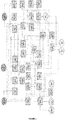
- FIG. 1 An cellular senescence network model composed of 41 nodes was constructed based on previous literature and is shown in FIG. 1 .
- the network was constructed based on following three major signaling pathways leading to cellular senescence: a IGF1-PI3K-mTOR signaling pathway responsible for cell growth and division; a DNA damage-P53-RB signaling pathway, and a NF-kB signaling pathway responsible for SASP.
- the previous literature information of 77 links contained in the network is shown in Table 1 below.
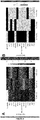
- FIG. 2A shows an area below a curve of time-series phosphoprotein array data corresponding to each gene based on a gene symbol and cellular state. The cellular state was divided into Quiescence, Senescence, or Proliferation.
- FIG. 2B shows a result of converting the area under curve value into 0 and 1, using a weighted sum Boolean logic model.
- the model refers to a model in which each link has a real number and each node has a base activity so that the node state is set to 0 or 1.
- a state of x 4 is 1 when w 1 ⁇ x 1 - w 2 ⁇ x 2 + w 3 x 3 , + b x 4 is greater than 0, while a state of x 4 is 0 when w 1 ⁇ x 1 - w 2 ⁇ x 2 + w 3 x 3 + b x 4 is smaller than or equal to 0.
- the state (0 or 1) of the node contained in the network changes according to the state (0 or 1) of other nodes. If the states of all nodes when the states of all nodes of the network are updated N times using the above method are the same as those of all nodes when the states of all nodes of the network are updated (N+1) times using the above method, the network reaches a fixed attractor. If the states of all nodes when the states of all nodes of the network are updated N times using the above method are the same as those of all nodes when the states of all nodes of the network are updated (N-M) times using the above method, the network reaches a cyclic attractor of a size M (where 1 ⁇ M ⁇ N).
- i each cellular state (a temporarily suspended state: quiescence, a permanently ceased(stopped) sate: senescence, and a division state: proliferation), and j means each node number of 41 nodes.
- x ij means a value (0 or 1) of a j th node in a i th state.
- H(x ij ) means the value (0 or 1) of the j th node in the i th state in the attractor computed from those inputs
- y ij means the value (0 or 1) of the j th node in the i th state from a target attractor, meaning the converted RPPA data value.
- the combination of input nodes is set to the permanently ceased state (senescence).
- the senescene attractor state is obtained.
- the results are shown in FIG. 3 .
- the PDK1 may be an optimal molecular target for reversing the senescent cell state to a young cell state among gene symbols of inhibition targets.
- the PDX1 inhibitor BX-795 (Selleckchem) was applied to the senescent fibroblasts. Then, SA ⁇ -gal activity assay (senescence-associated ⁇ -galactosidase kit), wound healing assay, and fluorescence staining experiments were performed. Thus, the cell cycle change in the senescent cells based on PDK1 Inhibition was checked.
- cellular senescence was caused by exposing the cells for 7 days to culture conditions causing senescence, containing 100 ng/ml of IGF1, 100 ng/ml of doxorubicin, 10 % FBS, and 4.5 g/L of glucose. At this time, most of the cells turned senescent. Then, the PDK1 inhibitor was applied to the same culture condition for 7 days. Total 14 days of the application lapsed. Then, the cells were treated with growth media free of IGF1, doxorubicin, or PDK1 inhibitor. One day later, SA ⁇ -gal activity assay was performed and the results are shown in FIG. 4A . The wound healing assay was performed under the same conditions. The cells were treated with the culture medium of the growth condition for 7 days, and the results are shown in FIG. 4B . Ki-67 expression was analyzed to evaluate the division activity of the cells and the results are shown in 4C.
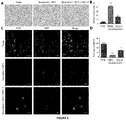
- SA ⁇ -gal activity assay was performed in the same manner using PDK1 inhibitor 7. Senescent cells express SA ⁇ -gal and show a blue color. Therefore, the number of blue-stained senescent cells as SA ⁇ -gal activity assay-positive and the total number of cells were counted using an optical microscope. Then, the percentage of the senescent cells was indicated. In addition, fluorescence staining experiments were performed to check the expression of the cell proliferation marker ki-67. The results are shown in FIG. 5 .
- the PDK1 is a protein that simultaneously regulates mTOR and NF-KB among the key proteins related to the cellular senescence, and is a key protein that determines growth, division and SASP of cells. Inhibition of the PDK1 effectively reverses some of the senescent cells into normal young cells, and it was confirmed that the phenotype of the senescent cells was no longer observed in the reversed cells. Thus, PDK1 opens up new possibilities for current aging treatment strategies, which have focused on inducing apoptosis of senescent cells.
- the PDK1 may be usefully used in development of anti-aging substances and an agent for treating age-related diseases.
Landscapes
- Health & Medical Sciences (AREA)
- Life Sciences & Earth Sciences (AREA)
- Chemical & Material Sciences (AREA)
- General Health & Medical Sciences (AREA)
- Animal Behavior & Ethology (AREA)
- Public Health (AREA)
- Veterinary Medicine (AREA)
- Medicinal Chemistry (AREA)
- Pharmacology & Pharmacy (AREA)
- Engineering & Computer Science (AREA)
- Epidemiology (AREA)
- Chemical Kinetics & Catalysis (AREA)
- General Chemical & Material Sciences (AREA)
- Nuclear Medicine, Radiotherapy & Molecular Imaging (AREA)
- Organic Chemistry (AREA)
- Bioinformatics & Cheminformatics (AREA)
- Physical Education & Sports Medicine (AREA)
- Rheumatology (AREA)
- Dermatology (AREA)
- Orthopedic Medicine & Surgery (AREA)
- Molecular Biology (AREA)
- Immunology (AREA)
- Biomedical Technology (AREA)
- Pharmaceuticals Containing Other Organic And Inorganic Compounds (AREA)
- Urology & Nephrology (AREA)
- Medicines That Contain Protein Lipid Enzymes And Other Medicines (AREA)
- Biochemistry (AREA)
- Hematology (AREA)
- Gerontology & Geriatric Medicine (AREA)
- Biotechnology (AREA)
- Food Science & Technology (AREA)
- Microbiology (AREA)
- Physics & Mathematics (AREA)
- Cell Biology (AREA)
- Analytical Chemistry (AREA)
- General Physics & Mathematics (AREA)
- Pathology (AREA)
- Mycology (AREA)
- Toxicology (AREA)
- Tropical Medicine & Parasitology (AREA)
Abstract
Description
- This application is based on and claims priority from Korean Patent Application No.
10-2018-0128184, filed on October 25th, 2018 - The present disclosure relates to a reverse-cellular senescence inducing method that uses a specific molecular target to return senescent cells to a young cell state. Specifically, the present disclosure relates to a reverse-cellular senescence inducing composition comprising PDK1 (phosphoinositide-dependent kinase-1) inhibitor or a reverse-cellular senescence inducing method comprising a step of applying the PDK1 inhibitor.
- Cellular senescence is known as irreversible life phenomenon in which cells damaged by environmental stress permanently stop their cell cycle before they become cancerous. Cellular senescence is known to have a senescence associated secretory phenotype (SASP), along with permanently ceased cell division. Recently, one after the other, it is announced that a substance released from the senescent cells may accelerate senescence of surrounding cells, as well as may cause a number of diseases including a cancer. Thus, a series of attempts to control the senescent cells are being carried out. Most attempts, however, focus on strategies that characteristically kill the senescent cells. To date, it has not been confirmed whether the senescent cells can be reverted back to young cells to prevent the side effects from the senescent cells. The studies indirectly show that the senescent cells may escape cellular senescence via molecular biological manipulations. However, these studies have limitations in making it impossible to fine-tune the cells for reversing the cellular senescence, due to a lack of understanding of the mechanisms of cellular senescence. To date, no molecular target has been suggested that can effectively reverse the senescent cells into normal young cells.
- Further, cellular senescence is a phenomenon caused by accumulation of DNA damage inside cells and by various transporters outside the cell. To date, three major signaling pathways leading to cellular senescence are known to be a IGF1-PI3K-mTOR signaling pathway responsible for cell growth and division, a DNA damage-P53-RB signaling pathway, and a NF-kB signaling pathway which regulates SASP. In order to understand the cellular senescence in which various signaling systems are collectively involved, a network based approach is required.
- Thus, the present inventors constructed a cellular senescence network model through a systems biology approach based on an understanding of the cellular senescence and suggested an optimal target for cellular senescence control. More specifically, we integrated three major signaling pathways based on previous literature, and estimated parameters for the network using phosphoprotein array data, and then confirmed that PDK1 is an optimal molecular target for reversing a senescent cell state into a young cell state by using our network model. Thus, we confirmed that inhibition of PDK1 could reverse the senescence of human dermal fibroblasts, thereby completing the present invention.
- A purpose of the present disclosure is to provide a reverse-cellular senescence inducing composition comprising a PDK1 (phosphoinositide-dependent kinase-1) inhibitor.
- A purpose of the present disclosure is to provide a pharmaceutical composition for prevention or treatment of cellular senescence or age-related diseases, the composition comprising the PDK1 inhibitor.
- A purpose of the present disclosure is to provide a reverse-cellular senescence inducing method that involves applying the PDK1 inhibitor in vitro.
- A purpose of the present disclosure is to provide the PDK1 inhibitor for use in treatment of cellular senescence or age-related diseases.
- An exemplary embodiment of the present disclosure provides a reverse--cellular senescence inducing composition that contains a PDK1 inhibitor.
- Further, another exemplary embodiment of the present disclosure provides a pharmaceutical composition for prevention or treatment of cellular senescence or age-related diseases, the composition comprising the PDK1 inhibitor.
- Further, another exemplary embodiment of the present disclosure provides a health functional food for prevention or amelioration of cellular senescence or age-related diseases, the food comprising the PDK1 inhibitor.
- Further, another exemplary embodiment of the present disclosure provides a reverse-cellular senescence inducing method that involves applying the PDK1 inhibitor in vitro.
- Further, another exemplary embodiment of the present disclosure provides a method for screening an agent for prevention or treatment of age-related diseases.
- Yet another exemplary embodiment of the present disclosure provides a PDK1 inhibitor for use in treatment of cellular senescence or age-related diseases.
- According to the exemplary embodiments of the present disclosure, the PDK1 is a protein that regulates both mTOR and NF-kB, which are key signaling proteins involved in cellular senescence. Thus, the PDK1 is a key protein that determines growth, division and SASP of cells. Temporary inhibition of the PDK1 effectively reversed some of the senescent cells into normal young cells, and the phenotype of the senescent cells was no longer observed in the reversed cells. Thus, PDK1 opens up new possibilities for current aging treatment strategies, which have focused on inducing apoptosis of senescent cells. The PDK1 may be usefully used in development of anti-aging substances and an agent for treating age-related diseases.
- The foregoing summary is illustrative only and is not intended to be in any way limiting. In addition to the illustrative aspects, embodiments, and features described above, further aspects, embodiments, and features will become apparent by reference to the drawings and the following detailed description.
-
-
FIG. 1 shows a cellular senescence network model consisting of 41 nodes which is constructed based on previous literature. A green arrow indicates an activation link and a red T-arrow indicates an inhibition link. There are three types of nodes: purple indicates input nodes (3 total), green ellipse indicates output nodes (6 total), and blue square indicates internal nodes (32 total). -
FIG. 2 shows a heat map of a result of the phosphoprotein array on fibroblasts. Each row of the heat map represents a cellular state (a temporarily suspended state: quiescence, a permanently ceased sate: senescence, and a division state: proliferation). Each column thereof represents a gene symbol.FIG. 2A shows an area below a curve of a time-series phosphoprotein array data corresponding to each gene.FIG. 2B shows a result of converting the area under curve value into 0 and 1. -
FIG. 3 shows a result oftraining 2000 network models using an evolutionary algorithm and then applying the trained models to an cellular senescence network model constructed in accordance with the present disclosure for large scale simulation. The y-axis represents a gene symbol of an inhibition target, and the x-axis represents the number of models representing the inhibition simulation result among the 2000 models. -
FIG. 4 shows a results of a cell experiment in which a PDK1 inhibitor (BX-795; Selleckchem) is applied to senescent fibroblasts.FIG. 4A shows a result of SA β-gal activity assay.FIG. 4B shows a result of wound healing assay.FIG. 4C shows a result of ki-67 fluorescence staining. In a direction from left to right, normal young cells, senescent cells, senescent cells treated with mTOR inhibitor and senescent cells treated with PDK1 inhibitor are shown. -
FIG. 5 shows a result of a cell experiment in which PDK1 inhibitor (PDK1 inhibitor 7) is applied to senescent fibroblasts.FIG. 5A, 5B show a result of SA β-gal activity assay.FIG. 5C, 5D show a result of ki-67 fluorescence staining. - In the following detailed description, reference is made to the accompanying drawing, which forms a part hereof. The illustrative embodiments described in the detailed description, drawing, and claims are not meant to be limiting. Other embodiments may be utilized, and other changes may be made, without departing from the spirit or scope of the subject matter presented here.
- Hereinafter, the present disclosure will be described in detail.
- The present disclosure provides a reverse-cellular senescence inducing composition comprising a PDK1 (phosphoinositide-dependent kinase-1) inhibitor.
- As used herein, the term "reverse-cellular senescence (or reverse control)" refers to reverting a senescence state back to a young state by fundamentally controlling the expression of genetic factors that induce cellular senescence, unlike the anti-aging concept which is preventing and treating the aging.
- Despite the fact that anti-aging and age-related diseases have been actively researched, current anti-aging and age-related disease treatment strategies focus on killing senescent cells that release harmful chemicals and adversely affect surrounding cells. Therefore, practically all anti-aging therapies fail to demonstrate reliable efficacy and stability in clinical trials. The present disclosures sought to determine whether it is possible to return senescent cells to the quiescence state while excluding random proliferation.
- First, in one embodiment of the present disclosure, a cellular senescence network model was constructed to identify an optimal molecular target for reversing a senescent cell state to a young cell state. Subsequently, a phosphoprotein array of fibroblasts was performed. Then, we applied the 2000 network models trained through the evolutionary algorithm to the cellular senescence network model according to the present disclosure and then confirmed that the PDK1 is the optimal molecular target. Finally, it was confirmed that when the PDK1 inhibitor is applied to senescent fibroblasts, the senescence state of the cells decreases and the cells grow and divide again when the cells are cultured in a medium under normal conditions. In this way, the present inventors confirmed that the PDK1 inhibitor in accordance with the present disclosure could be usefully used as a reverse-cellular senescence inducing composition.
- In the present disclosure, the PDK1 inhibitor may be an expression inhibitor of the PDK1 gene or an activity inhibitor of the PDK1 protein. The expression inhibitor of the PDK1 gene may be at least one selected from a group consisting of antisense oligonucleotides, small interfering RNA (siRNA), small hairpin RNA (shRNA), and miRNA (microRNA) that complementarily bind to mRNA of a PDK1 gene or a gene that promotes PDK1 expression, but may not be limited thereto. Further, the activity inhibitor of the PDK1 protein may be at least one selected from a group consisting of antibodies specifically binding to the PDK1 protein, and antigen-binding fragments, compounds, peptides, peptide mimetics and aptamers thereof, but may not be limited thereto. Preferably, the activity inhibitor of the PDK1 protein may include a compound that directly/indirectly binds to PDK1 protein and inhibits activity thereof. The compound may include, but is not limited to, BX-795, BX-912, PHT-427, GSK2334470, OSU-03012, PDK1 inhibitor 7, and the like. In one example of the present disclosure, the PDK1 inhibitors, BX-795 and PDK1 inhibitor 7 (C28H22F2N4O4, CAS No. 1001409-50-2) were used as the compound that inhibits the PDK1 activity.
- As used herein, the term "antisense oligonucleotide" refers to DNA or RNA or derivatives thereof containing a nucleic acid sequence complementary to a sequence of a specific mRNA. The antisense oligonucleotide binds to a complementary sequence in mRNA and thus acts to inhibit translation of the mRNA into protein. The antisense sequence means a DNA or RNA sequence complementary to the mRNA of the gene and capable of binding to the mRNA. The antisense sequence may suppress essential activity for translation, translocation into cytoplasm, maturation or any other overall biological functions of the mRNA.
- Further, the antisense nucleic acid may be modified at one or more bases, sugar or backbone positions thereof to enhance efficacy thereof. The nucleic acid backbone may be modified into phosphorothioate, phosphotriester, methylphosphonate, short chain alkyl, cycloalkyl, short chain heteroatomic, heterocyclic inter-saccharide linkages and the like. Further, the antisense nucleic acid may contain one or more substituted sugar moieties. The antisense nucleic acid may contain a modified base. The modified base may include hypoxanthine, 6-methyladenine, 5-methylpyrimidine (especially 5-methylcytosine), 5-hydroxymethylcytosine (HMC), glycosyl HMC, gentobiosil HMC, 2-aminoadenine, 2-thiouracil, 2-thiothymine, 5-bromouracil, 5-hydroxymethyluracil, 8-azaguanine, 7-deazaguanine, N6(6-aminohexyl)adenine, 2,6-diaminopurine, etc. Further, the antisense nucleic acid may be chemically bound with one or more moieties or conjugates that enhance the activity and cellular adsorption of the antisense nucleic acid. The moieties may include at-soluble moieties such as cholesterol moieties, cholesteryl moieties, cholic acids, thioethers, thiocholesterols, fatty chains, phospholipids, polyamines, polyethylene glycol chains, adamantane acetic acid, palmityl moiety, octadecylamine, hexylaminocarbonyloxycholesterol moiety, and the like, but are not limited thereto. The antisense oligonucleotide may be synthesized in vitro in a conventional manner and administered in vivo. Alternatively, the antisense oligonucleotide may be synthesized in vivo.
- As used herein, the term "siRNA" refers to a nucleic acid molecule capable of mediating RNA interference or gene silencing. Since siRNAs can inhibit the expression of target genes, they are provided for efficient gene knockdown method or gene therapy methods.
- The siRNA molecule in accordance with the present disclosure may have a double chain structure in which a sense strand (a sequence corresponding to the mRNA sequence of the PDK1 gene as a target gene according to an embodiment of the present disclosure) and an antisense strand (a sequence complementary to the mRNA sequence) are positioned at opposite sides. The siRNA molecule in accordance with the present disclosure may have a single chain structure with a self-complementary sense and an antisense strand. Furthermore, siRNAs are not limited to the complete paring of double-stranded RNA portions in which RNAs pair with each other. Rather, the unpaired portion due to a mismatch (the corresponding base is not complementary thereto), a bulge (no base corresponding to one of the chains), and the like may be contained in the siRNA. Further, as long as the siRNA terminal structure can inhibit the expression of the target gene by RNAi effect, the siRNA terminal structure may be both blunt terminal and a cohesive terminal. The cohesive terminal structure may include both 3'-terminal protruding structure and 5'-terminal protruding structure. The method for preparing siRNA includes a method of directly synthesizing siRNA in vitro, and then introducing siRNA into a cell via a transformation process, and a method of transforming or infecting, into the cells, a siRNA expression vector or a PCR-derived siRNA expression cassette as produced so that a siRNA is expressed in a cell.
- As used therein, the term "shRNA" refers to small hairpin RNA or short hairpin RNA and is used to silence genes via RNA interference. Usually, the shRNA may be introduced into the target cell using a vector. The shRNA hairpin structure may be cleaved by other substances in the cell to become siRNA.
- As used herein, the term "antibody" refers to a substance that reacts when an external substance, an antigen invades while the antibody is circulating in blood or lymph in an immune system of a living body. The antibody is globulin-based protein formed in a lymphoid tissue, also known as immunoglobulins. The antibody is a protein produced by B cells and flowing into body fluids and binds specifically to an antigen. One antibody molecule has two heavy chains and two light chains. Each of the heavy and light chains has a variable region at a N-terminal thereof. Each variable region is composed of three complementarity determining regions (CDRs) and four framework regions (FRs). The CDRs determine the antigen-binding specificity of the antibody and is present in a form of a relatively short peptide sequence that is maintained by the FRs in the variable region. For the purpose of the present disclosure, the antibody may be an antibody capable of binding to the PDK1 and inhibiting the activity of the PDK1.
- Further, in accordance with the present disclosure, the PDK1 inhibitor may be characterized by inhibiting the transcriptional activity of the mammalian target of rapamycin (mTOR) and nuclear factor kappa B (NF-kB). The PDK1 inhibitor according to the present disclosure may therefore be characterized by simultaneous regulation of mTOR and NF-kB.
- The reverse-cellular senescence inducing composition according to the present disclosure may be applied both in vivo and in vitro. For example, the reverse--cellular senescence inducing composition according to the present disclosure may be used in various forms such as a pharmaceutical composition, a nutraceutical composition, a cosmetic composition, a composition as added to a medium, and a reagent composition.
- Further, the present disclosure provides a pharmaceutical composition for the prevention or treatment of cellular senescence or age-related diseases, the composition comprising the PDK1 inhibitor.
- As used herein, the term "Senescence(or aging)" refers to all physiological changes in the body that occur over time, and refers to life phenomena that are caused by a variety of factors, depending on the individual. The term "Cellular senescence" refers to senescence in cell level driven by a variety of stresses, including DNA damage. Specifically, aging occurs in each organ and tissue, which results from the senescence of the cells (cellular senescence) that constitute the organism.
- In accordance with the present disclosure, the age-related disease may include at least one selected from a group consisting of hair loss, wrinkle, humpback, osteoporosis, rheumatoid arthritis, asthma, dermititis, psoriasis, cystic fibrosis, post transplantation late and chronic solid organ rejection, multiple sclerosis, systemic lupus erythematosus, Sjogren's syndrome, Hashimoto thyroiditis, polymyositis, scleroderma, Addison's disease, vitiligo, pernicious anemia, glomerulonephritis, pulmonary fibrosis, inflammatory bowel disease, autoimmune diabetes, diabetic retinopathy, rhinitis, ischemia-reperfusion injury, post-angioplasty restenosis, chronic obstructive pulmonary diseases (COPD), Grave's disease, gastrointestinal allergies, conjunctivitis, atherosclerosis, coronary artery disease, angina, cancer, arteriole disease, and graft-versus-host disease. Preferably, the age-related disease may be at least one selected from a group consisting of rheumatoid arthritis, dermititis, cystic fibrosis, pulmonary fibrosis, inflammatory bowel disease, atherosclerosis, coronary artery disease, and cancer, but is not limited thereto.
- In accordance with the present disclosure, the pharmaceutical composition may be in a form of capsules, tablets, granules, injectables, ointments, powders or beverages. The pharmaceutical composition may target humans. The pharmaceutical composition may be prepared into an oral dosage form such as powders, granules, capsules, tablets, and aqueous suspensions, or into external application preparations, suppositories, and sterile injectable solutions according to conventional methods, but may not be limited thereto.
- The pharmaceutical composition according to the present disclosure may contain a pharmaceutically acceptable carrier. In oral administration of the composition, the pharmaceutically acceptable carrier may include binders, lubricants, disintegrants, excipients, solubilizers, dispersants, stabilizers, suspending agents, pigments, fragrances, etc. In injection of the composition, the pharmaceutically acceptable carrier may include buffers, preservatives, analgesics, solubilizers, isotonic agents, stabilizers, etc. which may be mixed with the composition. For topical administration thereof, the pharmaceutically acceptable carrier may include bases, excipients, lubricants, preservatives and the like. The formulation of the pharmaceutical composition according to the present disclosure may be prepared in various ways by mixing the composition with the pharmaceutically acceptable carrier as described above. For example, in the oral administration thereof, the formulation of the pharmaceutical composition may be in the form of tablets, troches, capsules, elixirs, suspensions, syrups, wafers, etc. As an injectable, the formulation of the pharmaceutical composition may be prepared in a unit dose ampoule or in multiple dose forms.
- For example, the suitable carriers, excipients and diluents suitable for the formulation may include lactose, dextrose, sucrose, sorbitol, mannitol, xylitol, erythritol, maltitol, starch, acacia rubber, alginate, gelatin, calcium phosphate, calcium silicate, cellulose, methyl cellulose, microcrystalline cellulose, polyvinylpyrrolidone, water, methylhydroxybenzoate, propylhydroxybenzoate, talc, magnesium stearate or mineral oil and the like. Further, the composition may contain additional fillers, anticoagulants, lubricants, wetting agents, fragrances, emulsifiers, and preservatives.
- A route of administration of the pharmaceutical composition according to the present disclosure may include oral, intravenous, intramuscular, intraarterial, intramedullary, intradural, intracardiac, transdermal, subcutaneous, intraperitoneal, intranasal, intestinal, topical, sublingual or rectal, but may not be limited thereto. However, the route of administration of the pharmaceutical composition according to the present disclosure is not limited thereto. The "parenteral" may include subcutaneous, intradermal, intravenous, intramuscular, intraarticular, intrabursal, intrasternal, intradural, intralesional and intracranial injection or infusion techniques. The pharmaceutical composition according to the present disclosure may be administered in the form of suppositories for rectal administration.
- The pharmaceutical composition according to the present disclosure may vary depending on many factors including activity of a specific effective component, age, weight, general health, sex, formulation, time of administration, route of administration, rate of release, drug combination and severity of a specific disease to be prevented or treated. The dosage of the pharmaceutical composition may vary depending on the patient's condition, weight, extent of disease, drug form, route of administration and duration, but may be appropriately selected by those skilled in the art. Preferably, while taking into account all of the factors, the composition may be administered in an amount that can achieve the maximum effect in a minimum amount without side effects. More preferably, the composition may be repeatedly administered several times a day at an effective dose of 1 to 10000 µg/kg body weight/day, even more preferably, 10 to 1000 mg/kg body weight/day. The dosage does not limit the scope of the present disclosure in any way.
- Cellular senescence according to the present disclosure may include senescence of at least one selected from a group consisting of fibroblast, vascular endothelial cells, myofibroblasts, osteoblasts, chondrocytes, cardiomyocytes, hematopoietic stem cells, hepatocytes, pancreatic cells, germ cells and keratinocytes, preferably, fibroblast or vascular endothelial cells, but may not be limited thereto.
- The pharmaceutical composition for the prevention or treatment of the cellular senescence or age-related diseases according to the present disclosure may additionally be co-administered with other agents for prevention or treatment of age-related diseases. Further, the pharmaceutical composition for the prevention or treatment of the cellular senescence or age-related diseases according to the present disclosure may be used alone or in combination with surgery, radiation therapy, hormone therapy, chemotherapy and biological response modifiers.
- Further, the present disclosure provides a health functional food for the prevention or improvement of cellular senescence or age-related diseases, the food comprising a PDK1 inhibitor.
- The health functional food according to the present disclosure can be manufactured and processed in the form of tablets, capsules, powders, granules, liquids, and pills, etc for prevention and improvement of cellular senescence or age-related diseases.
- As used herein, the term "health functional food" refers to foods manufactured and processed using raw materials or ingredients with useful functions for human body in accordance with the Law No. 6727 on Health Functional Foods The health functional food means the food as ingested for the purpose of regulating nutrients related to the structure and function of the human body or obtaining a beneficial effect for health uses such as physiological action.
- The health functional food according to the present disclosure may contain common food additives. The qualification of the food additives may comply with the provisions of the Food and Drug Administration Regulations as approved by the FDA and with General Regulations for Food Additives and General Testing Methods as approved by the FDA unless otherwise defined.
- Commercially available items listed in the food additive code include, for example, chemical compounds such as ketones, glycine, calcium citrate, nicotinic acid, and cinnamic acid. The items included in the food additive code include natural additives such as persimmon pigment, licorice extract, crystalline cellulose, high pigment, and guar gum, and mixed preparations such as a sodium L-glutamate preparation, a noodle-added alkaline agent, a preservative agent, and a tar coloring agent.
- For example, a health functional food in a tablet form may be prepared by mixing an inhibitor of PDK1 as an active ingredient in accordance with the present disclosure with an excipient, a binder, a disintegrant and other additives, and then granulating the mixture and then adding the lubricant thereto and compression-molding the mixture, or directly compression-molding the mixture. Further, the food functional food in a tablet form may contain bitters if necessary.
- A health functional food in a form of a hard capsule among capsules may be prepared by filling a mixture of additives such as excipients with an inhibitor of PDK1 as an active ingredient in accordance with the present disclosure into a conventional hard capsule. A health functional food in a form of a soft capsule may be prepared by filling a capsule base such as gelatin with a mixture of an inhibitor of PDK1 as an active ingredient with additives such as excipients. The soft capsule may contain a plasticizer such as glycerin or sorbitol, a colorant, a preservative, and the like, as necessary.
- A health functional food in a form of a pill may be prepared by molding a mixture of an inhibitor of PDK1 as an active ingredient in accordance with the present disclosure, an excipient, a binder, a disintegrant, and the like using a known method. The pill may be coated with sugar or other coatings as needed. Alternatively, the surface of the fill may be coated with a material such as starch or talc.
- The health functional food in a form of granule may be prepared by granulating a mixture of an inhibitor of PDK1 as an active ingredient in accordance with the present disclosure, an excipient, a binder, a disintegrant, etc. in a conventional method. If necessary, the granule may contain a flavoring agent, bitters and the like.
- The health functional food may include beverages, meat, chocolate, foods, confectionery, pizza, ramen, other noodles, gums, candy, ice cream, alcoholic beverages, vitamin complexes and dietary supplements.
- Further, the present disclosure provides a reverse-cellular senescence inducing method that involves applying the PDK1 inhibitor to senescent cells in vitro.
- Further, the present disclosure provides a method of screening an agent for prevention or treatment of age-related diseases, the method comprising (a) applying a candidate substance to an isolated senescent cell; (b) measuring a PDK1 expression or activity level in the senescent cell to which the candidate substance has been applied; (c) when the PDK1 expression or activity level measured in the step (b) is lower than a PDK1 expression or activity level measured in an isolated senescent cell to which the candidate substance is not applied, determining that the candidate substance can be used as an agent for prevention or treatment of age-related diseases.
- According to the screening method in accordance with the present disclosure, first, a candidate substance to be analyzed may first contact an isolated senescent cells. The candidate substances are unknown substances used in the screening to test whether the substances affect the expression level, protein amount, or protein activity of PDK1. The substance may include, but is not limited to, a chemical, antisense oligonucleotide, antisense-RNA, siRNA, shRNA, miRNA, an antibody specific to the protein or natural extract.
- Then, the expression level of the gene, the amount of protein or activity of the protein in the cell to which the candidate substance is applied may be measured. When a decrease in the expression level of the gene, the amount of the protein or the activity of the protein is measured, the candidate substance could be determined to be used as an agent to treat or prevent age-related diseases.
- In accordance with the present disclosure, a method for measuring the expression level of the gene or the amount of the protein may include a known process for separating mRNA or protein from a biological sample using known techniques. As used herein, the term "biological sample" refers to a sample taken from a living body in which the expression level of the gene or the protein level is different from that of a normal control group. The sample may include, but is not limited to, tissue, cells, blood, serum, plasma, saliva, and urine.
- The measurement of the expression level of the gene may be preferably the measurement of the level of mRNA. The method of measuring the mRNA level may include, but not be limited to, reverse transcriptase polymerase chain reaction (RT-PCR), real time reverse transcriptase chain reaction, RNase protection assay, Northern blot and DNA chip.
- The measurement of the protein level may use an antibody. In this case, a marker protein in the biological sample and the antibody specific thereto form a conjugate, an antigen-antibody complex. The amount of the antigen-antibody complex as formed may be measured quantitatively based on a magnitude of a signal of a detection label. Such a detection label may be selected from a group consisting of enzymes, fluorescent materials, ligands, luminescent materials, microparticles, redox molecules and radioisotopes. However, the present disclosure is not limited thereto. An analytical method for measuring the protein level may include western blotting, ELISA (enzyme linked immunosorbent assay), RIA (radioimmunoassay), radial immunodiffusion, Ouchterlony immunodiffusion, rocket immune electrophoresis, immune histochemical staining, immunoprecipitation assay, complement fixation assay, immunofluorescence, immunochromatography, FACS (fluorescence activated cell sorter analysis) or protein chip technology, but may not be limited thereto.
- Further, the present disclosure provides a PDK1 inhibitor for use in treatment of cellular senescence or age-related diseases.
- Terms not otherwise defined herein have a meaning commonly used in the art to which the present disclosure belongs.
- Hereinafter, the present disclosure will be described in detail by examples.
- However, the following examples are merely illustrative of the present disclosure and the contents of the present disclosure are not limited to the following examples.
- An cellular senescence network model composed of 41 nodes was constructed based on previous literature and is shown in
FIG. 1 . - The network was constructed based on following three major signaling pathways leading to cellular senescence: a IGF1-PI3K-mTOR signaling pathway responsible for cell growth and division; a DNA damage-P53-RB signaling pathway, and a NF-kB signaling pathway responsible for SASP. The previous literature information of 77 links contained in the network is shown in Table 1 below.
[Table 1] From Regulation type To Mechanism PMID AKT1 - CDKN1A phosphorylation 11463845 AKT1 - FOXO3 phosphorylation 12517744 AKT1 + IKBKB phosphorylation 11259436 AKT1 + MDM2 phosphorylation 11923280 AKT1 + MTOR phosphorylation 16027121 AKT1 - PTEN ubiquitination 26183061 AKT1 - TSC2 phosphorylation 12172553 AMPK + FOXO3 phosphorylation 22186033 AMPK - MTOR phosphorylation 22186033 AMPK + NAD metabolism 19262508 AMPK + PPARGC1A transcription 23963743 AMPK + TP53 phosphorylation 22186033 AMPK + TSC2 phosphorylation 22186033 AMPK + ULK1 phosphorylation 22186033 ATM/ATR + TP53 phosphorylation 9925639 CDK2/4/6 - RB1 phosphorylation 24089445 CDKN1A - CDK2/4/6 binding 24089445 CDKN2A - CDK2/4/6 binding 24089445 CDKN2A - MDM2 binding 9724636 DNAdamage + ATM/ATR DNAdamage + MAP2K3/MAP2K6 DNAdamage + ROS FOXO3 + ATM/ATR phosphorylation 22893124 FOXO3 + CDKN1A transcription 28808415 FOXO3 + SOD2 transcription 26184557 IGF1 + IGF1R IGF1R + IRS1 phosphorylation 26474286 IGF1R + KRAS GTP-GDP conversion 23658296 IKBKB - IRS1 phosphorylation 22982470 IKBKB - NFKBIE phosphorylation 10602459 IKBKB - PTEN transcription 14729949 INSR + IRS1 binding 20966354 INSR + KRAS GTP-GDP conversion 20966354 IRS1 + PIK3CA binding 20966354 KRAS + MAPK1 phosphorylation 11942415 KRAS + PIK3CA binding 21779497 lowNutrition + AMPK lowNutrition - INSR MAP2K3/MAP2K6 + MAPK14 phosphorylation 11942415 MAPK1 - FOXO3 phosphorylation 18204439 MAPK14 + CDKN2A transcription 19619499 MAPK14 + FOXO3 phosphorylation 22128155 MAPK14 + TP53 phosphorylation 17481747 MDM2 - FOXO3 ubiquitination 21238503 MDM2 - RB1 ubiquitination 15577944 MDM2 - TP53 ubiquitination 23885265 MTOR - EIF4EBP1 phosphorylation 12080086 MTOR + PPARGC1A transcription 18046414 MTOR + S6K1 phosphorylation 12080086 MTOR - ULK1 phosphorylation 21258367 NAD+ + SIRT1 chemical reaction 22106091 NFKB1 + IL1B transcription 22182507 NFKB1 + IL6 transcription 22182507 NFKB1 + MAPK1 indirect 16644866 NFKBIE - NFKB1 binding 10602459 PDK1 + AKT1 phosphorylation 25295225 PDK1 + IKBKB indirect 15802604 PDK1 + SGK1 phosphorylation 28236975 PIK3CA + PDK1 binding 25295225 PTEN - PDK1 indirect 25295225 RB1 - E2F1 transcription 24089445 RHEB + MTOR binding 15854902 ROS + MAP2K3/MAP2K6 indirect 20112989 SGK1 - FOXO3 phosphorylation 11154281 SIRT1 + FOXO3 deacetylation 14976264 SIRT1 - NFKB1 de acetylation 23029496 SIRT1 + PPARGC1A de acetylation 21396404 SIRT1 - TP53 deacetylation 12220851 SIRT1 + TSC2 de acetylation 20169165 SOD2 - ROS chemical reaction 22302046 TP53 + CDKN1A transcription 24089445 TP53 - IGF1R indirect 29273484 TP53 + MDM2 transcription 14707283 TP53 + PTEN transcription 11545734 TSC2 - RHEB binding 12842888 E2F1 - IKBKB binding 27185527 TP53 + AMPK indirect 27454290 - A phosphoprotein array experiment(reverse phase protein assay, RPPA) was performed on fibroblasts and the results were plotted on a heat map. Specifically,
FIG. 2A shows an area below a curve of time-series phosphoprotein array data corresponding to each gene based on a gene symbol and cellular state. The cellular state was divided into Quiescence, Senescence, or Proliferation.FIG. 2B shows a result of converting the area under curve value into 0 and 1, using a weighted sum Boolean logic model. The model refers to a model in which each link has a real number and each node has a base activity so that the node state is set to 0 or 1. For example, in a following drawing below, a state of x4 is 1 when w1 ∗ x1 - w2 ∗ x2 + w3x3, + b x4 is greater than 0, while a state of x4 is 0 when w1 ∗ x1 - w2 ∗ x2 + w3x3 + b x4 is smaller than or equal to 0.
- Therefore, the state (0 or 1) of the node contained in the network changes according to the state (0 or 1) of other nodes. If the states of all nodes when the states of all nodes of the network are updated N times using the above method are the same as those of all nodes when the states of all nodes of the network are updated (N+1) times using the above method, the network reaches a fixed attractor. If the states of all nodes when the states of all nodes of the network are updated N times using the above method are the same as those of all nodes when the states of all nodes of the network are updated (N-M) times using the above method, the network reaches a cyclic attractor of a size M (where 1 < M <N).
- We trained 2000 network models through evolutionary algorithms. The trained models were applied to the cellular senescence network model constructed in the Example 1 for a large-scale simulation. Thus, an optimal molecular target capable of reversing the senescent cell state into a young cell state was discovered. The evolutionary algorithm is an optimization technique developed to mimic the evolution of living organisms and is suitable for solving discontinuity such as Boolean fitting. In this example, a following cost function below was used.

- In the function, i means each cellular state (a temporarily suspended state: quiescence, a permanently ceased(stopped) sate: senescence, and a division state: proliferation), and j means each node number of 41 nodes. xij means a value (0 or 1) of a j th node in a i th state. H(xij) means the value (0 or 1) of the j th node in the i th state in the attractor computed from those inputs, yij means the value (0 or 1) of the j th node in the i th state from a target attractor, meaning the converted RPPA data value. As a result, the network is trained such that the attractor obtained by applying the input node combination corresponding to the three states of Table 2 below is identical to the converted RPPA data value.
[Table 2] Input node DNAdamage lowNutrition IGF1 Proliferation 0 0 1 Quiscence 1 1 0 Senescence 1 0 1 - For the 2000 model networks trained through the evolutionary algorithm, the combination of input nodes is set to the permanently ceased state (senescence). Thus, the senescene attractor state is obtained. Then, while the input node combination is maintained, we performed a single inhibition simulation of all nodes and a inhibition simulation of the two nodes combinations. The results are shown in
FIG. 3 . As shown inFIG. 3 , it was confirmed that the PDK1 may be an optimal molecular target for reversing the senescent cell state to a young cell state among gene symbols of inhibition targets. - To determine whether the senescent cells subjected to the PDK1 inhibition are reverted to normal young cells, the PDX1 inhibitor BX-795 (Selleckchem) was applied to the senescent fibroblasts. Then, SA β-gal activity assay (senescence-associated β-galactosidase kit), wound healing assay, and fluorescence staining experiments were performed. Thus, the cell cycle change in the senescent cells based on PDK1 Inhibition was checked.
- Specifically, cellular senescence was caused by exposing the cells for 7 days to culture conditions causing senescence, containing 100 ng/ml of IGF1, 100 ng/ml of doxorubicin, 10 % FBS, and 4.5 g/L of glucose. At this time, most of the cells turned senescent. Then, the PDK1 inhibitor was applied to the same culture condition for 7 days. Total 14 days of the application lapsed. Then, the cells were treated with growth media free of IGF1, doxorubicin, or PDK1 inhibitor. One day later, SA β-gal activity assay was performed and the results are shown in
FIG. 4A . The wound healing assay was performed under the same conditions. The cells were treated with the culture medium of the growth condition for 7 days, and the results are shown inFIG. 4B . Ki-67 expression was analyzed to evaluate the division activity of the cells and the results are shown in 4C. - As shown in
FIG. 4A , when the BX-795 was applied to senescent fibroblasts, SA β -gal as an indicator of senescent cells was significantly reduced. Furthermore, it was confirmed fromFIG. 4B that when the BX-795 was applied to the senescent fibroblast, the cell rejuvenation ability of the senescent cells was normalized. Further, it was confirmed fromFIG. 4C through the ki-67 staining that cell division occurred in some of the cells when the cells were treated with the growth medium at 7 days after the drug application. This confirms that the cells grow and divide again when the cells were treated with the medium of the normal conditions. - In order to check whether the same result occurs when other PDK1 inhibitors are used, SA β-gal activity assay was performed in the same manner using PDK1 inhibitor 7. Senescent cells express SA β-gal and show a blue color. Therefore, the number of blue-stained senescent cells as SA β-gal activity assay-positive and the total number of cells were counted using an optical microscope. Then, the percentage of the senescent cells was indicated. In addition, fluorescence staining experiments were performed to check the expression of the cell proliferation marker ki-67. The results are shown in
FIG. 5 . - As shown in
FIG. 5A, 5B , when the PDK1 inhibitor 7 was applied to senescent fibroblasts, the stained cells showed statistically significant reduction by about 40% or greater compared with the PDK1 inhibitor non-treated group. Thus, it was confirmed that the senescence state of cell was significantly reduced. Further, as shown in inFIG. 5C, 5D , the results of fluorescence staining by ki-67 staining showed that the application of the PDK1 inhibitor 7 to the senescent cells significantly increased the number of ki-67 positive cells by 20% or greater, thereby confirming the re-growth and re-division of the cells. This indicates that the reverse-cellular senescence was effectively induced in the senescent cells. - It is conformed from the results that the PDK1 according to the present disclosure is a protein that simultaneously regulates mTOR and NF-KB among the key proteins related to the cellular senescence, and is a key protein that determines growth, division and SASP of cells. Inhibition of the PDK1 effectively reverses some of the senescent cells into normal young cells, and it was confirmed that the phenotype of the senescent cells was no longer observed in the reversed cells. Thus, PDK1 opens up new possibilities for current aging treatment strategies, which have focused on inducing apoptosis of senescent cells. The PDK1 may be usefully used in development of anti-aging substances and an agent for treating age-related diseases.
- From the foregoing, it will be appreciated that various embodiments of the present disclosure have been described herein for purposes of illustration, and that various modifications may be made without departing from the scope and spirit of the present disclosure. Accordingly, the various embodiments disclosed herein are not intended to be limiting, with the true scope and spirit being indicated by the following claims.
Claims (15)
- Use of a composition comprising a PDK1 (phosphoinositide-dependent kinase-1) inhibitor for inducing a reverse-cellular senescence.
- The use of claim 1, wherein the PDK1 inhibitor is an expression inhibitor of a PDK1 gene or an activity inhibitor of a PDK1 protein.
- The use of claim 2, wherein the expression inhibitor of the PDK1 gene is selected from a group consisting of antisense oligonucleotides, small interfering RNA (siRNA), small hairpin RNA (shRNA), and miRNA (microRNA) binding complementarily to mRNA of a gene for promoting PDK1 expression or PDK1 gene.
- The use of claim 2, wherein the activity inhibitor of the PDK1 protein is selected from a group consisting of an antibody, and an antigen-binding fragment thereof, a compound, a peptide, a peptide mimetic and an aptamer specifically binding to the PDK1 protein.
- The use of claim 1, wherein the PDK1 inhibitor inhibits transcriptional activity of a mammalian target of rapamycin (mTOR) and nuclear factor kappa B (NF-kB).
- A pharmaceutical composition for use for preventing or treating cellular senescence or age-related diseases, the composition comprising a PDK1 inhibitor.
- The pharmaceutical composition for use of claim 6, wherein the age-related disease is at least one selected from a group consisting of hair loss, wrinkle, humpback, osteoporosis, rheumatoid arthritis, asthma, dermititis, psoriasis, cystic fibrosis, post transplantation late and chronic solid organ rejection, multiple sclerosis, systemic lupus erythematosus, Sjogren's syndrome, Hashimoto thyroiditis, polymyositis, scleroderma, Addison's disease, vitiligo, pernicious anemia, glomerulonephritis, pulmonary fibrosis, inflammatory bowel disease, autoimmune diabetes, diabetic retinopathy, rhinitis, ischemia-reperfusion injury, post-angioplasty restenosis, chronic obstructive pulmonary diseases (COPD), Grave's disease, gastrointestinal allergies, conjunctivitis, atherosclerosis, coronary artery disease, angina, cancer, arteriole disease, and graft-versus-host disease.
- The pharmaceutical composition for use of claim 6, wherein the cellular senescence is senescence of fibroblast or vascular endothelial cells.
- The pharmaceutical composition for use of claim 6, wherein the pharmaceutical composition is co-administrated in combination with an age-related drug.
- A reverse-cellular senescence inducing method comprising applying a PDK1 inhibitor to an senescent cell in vitro.
- A method for screening an agent for prevention or treatment of age-related diseases, wherein the method includes:(a) applying a candidate substance to an isolated senescent cell;(b) measuring a PDK1 expression or activity level in the senescent cell to which the candidate substance has been applied;(c) when the PDK1 expression or activity level measured in the step (b) is lower than a PDK1 expression or activity level measured in an isolated senescent cell to which the candidate substance is not applied, determining that the candidate substance can be used as the agent for prevention or treatment of the age-related diseases.
- A PDK1 inhibitor for use in treatment of cellular senescence or age-related diseases.
- The pharmaceutical composition for use according to any one of claims 6 to 9 or the PDK1 inhibitor for use according to claim 12, wherein the PDK1 inhibitor is an expression inhibitor of a PDK1 gene or an activity inhibitor of a PDK1 protein.
- The pharmaceutical composition or the PDK1 inhibitor for use according to claim 13, wherein the expression inhibitor of the PDK1 gene is selected from a group consisting of antisense oligonucleotides, small interfering RNA (siRNA), small hairpin RNA (shRNA), and miRNA (microRNA) binding complementarily to mRNA of a gene for promoting PDK1 expression or PDK1 gene; or the activity inhibitor of the PDK1 protein is selected from a group consisting of an antibody, and an antigen-binding fragment thereof, a compound, a peptide, a peptide mimetic and an aptamer specifically binding to the PDK1 protein.
- The pharmaceutical composition for use according to any one of claims 6 to 9 or the PDK1 inhibitor for use according to claim 12, wherein the PDK1 inhibitor inhibits transcriptional activity of a mammalian target of rapamycin (mTOR) and nuclear factor kappa B (NF-kB).
Applications Claiming Priority (1)
| Application Number | Priority Date | Filing Date | Title |
|---|---|---|---|
| KR1020180128184A KR20200046680A (en) | 2018-10-25 | 2018-10-25 | Composition for reverse control of cellular senescence comprising pdk1 inhibitor |
Publications (2)
| Publication Number | Publication Date |
|---|---|
| EP3643310A1 true EP3643310A1 (en) | 2020-04-29 |
| EP3643310B1 EP3643310B1 (en) | 2021-11-24 |
Family
ID=68296188
Family Applications (1)
| Application Number | Title | Priority Date | Filing Date |
|---|---|---|---|
| EP19204217.4A Active EP3643310B1 (en) | 2018-10-25 | 2019-10-21 | Composition for reverse control of cellular senescence comprising pdk1 inhibitor |
Country Status (3)
| Country | Link |
|---|---|
| EP (1) | EP3643310B1 (en) |
| KR (1) | KR20200046680A (en) |
| WO (1) | WO2020085673A1 (en) |
Cited By (1)
| Publication number | Priority date | Publication date | Assignee | Title |
|---|---|---|---|---|
| CN114177188A (en) * | 2020-09-15 | 2022-03-15 | 株式会社爱茉莉太平洋 | Skin protective composition containing kaempferol glycoside compound |
Families Citing this family (1)
| Publication number | Priority date | Publication date | Assignee | Title |
|---|---|---|---|---|
| WO2025221087A1 (en) * | 2024-04-19 | 2025-10-23 | 인제대학교 산학협력단 | Pdk1 modulator compound and composition containing same |
Citations (2)
| Publication number | Priority date | Publication date | Assignee | Title |
|---|---|---|---|---|
| WO2012058174A1 (en) * | 2010-10-29 | 2012-05-03 | Schering Corporation | Novel thiazole-carboxamide derivatives as pdk1 inhibitors |
| WO2012104007A2 (en) * | 2011-02-01 | 2012-08-09 | Merck Patent Gmbh | 7-azaindole derivatives |
Family Cites Families (4)
| Publication number | Priority date | Publication date | Assignee | Title |
|---|---|---|---|---|
| US20090029904A1 (en) * | 2006-07-21 | 2009-01-29 | Sean Oldham | Compositions and methods for treatment of insulin-resistance diseases |
| KR20130128018A (en) * | 2009-04-10 | 2013-11-25 | 하이얀 치 | Novel anti-aging agents and methods to identify them |
| US20160319035A1 (en) * | 2014-12-05 | 2016-11-03 | Scott Kendall Dessain | Pdk1 binding molecules and uses thereof |
| CA2992945A1 (en) * | 2015-07-17 | 2017-01-26 | Memorial Sloan-Kettering Cancer Center | Combination therapy using pdk1 and pi3k inhibitors |
-
2018
- 2018-10-25 KR KR1020180128184A patent/KR20200046680A/en not_active Ceased
-
2019
- 2019-10-02 WO PCT/KR2019/012970 patent/WO2020085673A1/en not_active Ceased
- 2019-10-21 EP EP19204217.4A patent/EP3643310B1/en active Active
Patent Citations (2)
| Publication number | Priority date | Publication date | Assignee | Title |
|---|---|---|---|---|
| WO2012058174A1 (en) * | 2010-10-29 | 2012-05-03 | Schering Corporation | Novel thiazole-carboxamide derivatives as pdk1 inhibitors |
| WO2012104007A2 (en) * | 2011-02-01 | 2012-08-09 | Merck Patent Gmbh | 7-azaindole derivatives |
Non-Patent Citations (8)
| Title |
|---|
| CASTEL PAU ET AL: "PDK1-SGK1 Signaling Sustains AKT-Independent mTORC1 Activation and Confers Resistance to PI3K[alpha] Inhibition", CANCER CELL, CELL PRESS, US, vol. 30, no. 2, 21 July 2016 (2016-07-21), pages 229 - 242, XP029678738, ISSN: 1535-6108, DOI: 10.1016/J.CCELL.2016.06.004 * |
| CHRISTIAN M BEAUSÉJOUR ET AL: "Reversal of human cellular senescence: roles of the p53 and p16 pathways", THE EMBO JOURNAL, vol. 22, no. 16, 1 January 2003 (2003-01-01), pages 4212 - 4222, XP055658837 * |
| CHUNMEI YANG ET AL: "PDK1 inhibitor GSK2334470 exerts antitumor activity in multiple myeloma and forms a novel multitargeted combination with dual mTORC1/C2 inhibitor PP242", ONCOTARGET, vol. 8, no. 24, 13 June 2017 (2017-06-13), XP055658397, DOI: 10.18632/oncotarget.16642 * |
| GURLEEN KAUR ET AL: "Current Progress in the Rejuvenation of Aging Stem/Progenitor Cells for Improving the Therapeutic Effectiveness of Myocardial Repair", STEM CELLS INTERNATIONAL, vol. 2018, 1 January 2018 (2018-01-01), US, pages 1 - 9, XP055658654, ISSN: 1687-966X, DOI: 10.1155/2018/9308301 * |
| HANNAH E. WALTERS ET AL: "Reversal of phenotypes of cellular senescence by pan-mTOR inhibition", AGING (ALBANY, NY), vol. 8, no. 2, 1 February 2016 (2016-02-01), US, pages 231 - 244, XP055658657, ISSN: 1945-4589, DOI: 10.18632/aging.100872 * |
| HANNAH WALTERS ET AL: "mTORC Inhibitors as Broad-Spectrum Therapeutics for Age-Related Diseases", INT. J. MOL. SCI., vol. 19, no. 8, 8 August 2018 (2018-08-08), pages 2325, XP055658674, ISSN: 1661-6596, DOI: 10.3390/ijms19082325 * |
| LEI QI ET AL: "PDK1-mTOR signaling pathway inhibitors reduce cell proliferation in MK2206 resistant neuroblastoma cells", CANCER CELL INTERNATIONAL, vol. 15, no. 1, 29 September 2015 (2015-09-29), XP055658986, DOI: 10.1186/s12935-015-0239-4 * |
| SHAOBIN YANG ET AL: "Reducing the Levels of Akt Activation by PDK1 Knock-in Mutation Protects Neuronal Cultures against Synthetic Amyloid-Beta Peptides", FRONTIERS IN AGING NEUROSCIENCE, vol. 9, 8 January 2018 (2018-01-08), XP055658715, DOI: 10.3389/fnagi.2017.00435 * |
Cited By (1)
| Publication number | Priority date | Publication date | Assignee | Title |
|---|---|---|---|---|
| CN114177188A (en) * | 2020-09-15 | 2022-03-15 | 株式会社爱茉莉太平洋 | Skin protective composition containing kaempferol glycoside compound |
Also Published As
| Publication number | Publication date |
|---|---|
| WO2020085673A1 (en) | 2020-04-30 |
| EP3643310B1 (en) | 2021-11-24 |
| KR20200046680A (en) | 2020-05-07 |
Similar Documents
| Publication | Publication Date | Title |
|---|---|---|
| Desai et al. | Early biomarkers of doxorubicin-induced heart injury in a mouse model | |
| JP2017503488A (en) | Methods and assays for circulating tumor cells in the blood | |
| US12397011B2 (en) | Method for preventing or treating cancer using SYT11 inhibitor | |
| EP3643310B1 (en) | Composition for reverse control of cellular senescence comprising pdk1 inhibitor | |
| KR102405350B1 (en) | Composition for reverse control of cellular senescence comprising pdk1 inhibitor | |
| Cao et al. | Effects of tilianin on proliferation, migration and TGF‐β/smad signaling in rat vascular smooth muscle cells induced with angiotensin II | |
| Li et al. | Neutrophil extracellular traps in rheumatoid arthritis: Activating fibroblast-like synoviocytes via ATP citrate lyase | |
| CN115807082B (en) | Application of lncRNA LINREP in the diagnosis, prognosis and treatment of glioma | |
| US20250052754A1 (en) | Compositions and methods for diagnosis, treatment of and prevention of kidney disease | |
| EP3476401A1 (en) | Cell death inducer, cell proliferation inhibitor, and pharmaceutical composition for treating disease associated with abnormal cell proliferation | |
| CN116287272A (en) | Application of PRDX5 in diagnosis and treatment of glioma | |
| Mai et al. | MiR-34a affects hepatocyte proliferation during hepatocyte regeneration through regulating Notch/HIF-1α signaling pathway. | |
| US20150031742A1 (en) | Treatment of uterine leiomyomata | |
| CN115052590A (en) | RNA interference-inducing nucleic acids comprising 8-oxoguanine, modified nucleic acids binding to microRNAs comprising 8-oxoguanine, and uses thereof | |
| Zhu et al. | Understanding the roles of Non-coding RNAs and Exosomal Non-Coding RNAs in diabetic nephropathy | |
| JP7221050B2 (en) | Cancer treatment composition containing PLRG1 (PLEIOTROPIC REGULATOR 1) inhibitor | |
| KR20190059237A (en) | Biomarker composition for diagnosing radiation resistant cancer or predicting prognosis of radiation therapy comprising PMVK | |
| KR102944302B1 (en) | Pharmaceutical composition for preventing or treating colon cancer comprising an inhibitor of EDNRA | |
| CN108660211A (en) | A kind of and the relevant biomarker LINC01549 of hepatocellular carcinoma and its application | |
| KR20230019774A (en) | Composition comprising GAS5 inhibitor for preventing or treating of liver cancer | |
| KR102238520B1 (en) | Composition comprising FES inhibitor for enhancing radiation sensitivity | |
| Ou et al. | Epigenetically activated MIR100HG regulates UPF1-mediated oxidative stress to promote pulmonary vascular immune microenvironment remodeling | |
| CN119082310B (en) | Biomarkers related to AML diagnosis and prognosis prediction and their applications | |
| KR20140141200A (en) | Pharmaceutical Composition Comprising RSK2 Inhibitor for Preventing or Treating Skin Cancer | |
| CN109628592B (en) | Thyroid cancer related marker and application thereof |
Legal Events
| Date | Code | Title | Description |
|---|---|---|---|
| PUAI | Public reference made under article 153(3) epc to a published international application that has entered the european phase |
Free format text: ORIGINAL CODE: 0009012 |
|
| STAA | Information on the status of an ep patent application or granted ep patent |
Free format text: STATUS: THE APPLICATION HAS BEEN PUBLISHED |
|
| AK | Designated contracting states |
Kind code of ref document: A1 Designated state(s): AL AT BE BG CH CY CZ DE DK EE ES FI FR GB GR HR HU IE IS IT LI LT LU LV MC MK MT NL NO PL PT RO RS SE SI SK SM TR |
|
| AX | Request for extension of the european patent |
Extension state: BA ME |
|
| STAA | Information on the status of an ep patent application or granted ep patent |
Free format text: STATUS: REQUEST FOR EXAMINATION WAS MADE |
|
| 17P | Request for examination filed |
Effective date: 20201027 |
|
| RBV | Designated contracting states (corrected) |
Designated state(s): AL AT BE BG CH CY CZ DE DK EE ES FI FR GB GR HR HU IE IS IT LI LT LU LV MC MK MT NL NO PL PT RO RS SE SI SK SM TR |
|
| STAA | Information on the status of an ep patent application or granted ep patent |
Free format text: STATUS: EXAMINATION IS IN PROGRESS |
|
| 17Q | First examination report despatched |
Effective date: 20210305 |
|
| GRAP | Despatch of communication of intention to grant a patent |
Free format text: ORIGINAL CODE: EPIDOSNIGR1 |
|
| STAA | Information on the status of an ep patent application or granted ep patent |
Free format text: STATUS: GRANT OF PATENT IS INTENDED |
|
| INTG | Intention to grant announced |
Effective date: 20210720 |
|
| RIN1 | Information on inventor provided before grant (corrected) |
Inventor name: CHO, KWANG HYUN Inventor name: LEE, SOO BEOM Inventor name: AN, SU GYUN Inventor name: KANG, JUN SOO Inventor name: CHO, SI YOUNG Inventor name: KIM, HYUNG SU |
|
| GRAS | Grant fee paid |
Free format text: ORIGINAL CODE: EPIDOSNIGR3 |
|
| GRAA | (expected) grant |
Free format text: ORIGINAL CODE: 0009210 |
|
| STAA | Information on the status of an ep patent application or granted ep patent |
Free format text: STATUS: THE PATENT HAS BEEN GRANTED |
|
| AK | Designated contracting states |
Kind code of ref document: B1 Designated state(s): AL AT BE BG CH CY CZ DE DK EE ES FI FR GB GR HR HU IE IS IT LI LT LU LV MC MK MT NL NO PL PT RO RS SE SI SK SM TR |
|
| REG | Reference to a national code |
Ref country code: GB Ref legal event code: FG4D |
|
| REG | Reference to a national code |
Ref country code: AT Ref legal event code: REF Ref document number: 1449323 Country of ref document: AT Kind code of ref document: T Effective date: 20211215 |
|
| REG | Reference to a national code |
Ref country code: DE Ref legal event code: R096 Ref document number: 602019009502 Country of ref document: DE |
|
| REG | Reference to a national code |
Ref country code: IE Ref legal event code: FG4D |
|
| REG | Reference to a national code |
Ref country code: LT Ref legal event code: MG9D |
|
| REG | Reference to a national code |
Ref country code: NL Ref legal event code: MP Effective date: 20211124 |
|
| REG | Reference to a national code |
Ref country code: AT Ref legal event code: MK05 Ref document number: 1449323 Country of ref document: AT Kind code of ref document: T Effective date: 20211124 |
|
| PG25 | Lapsed in a contracting state [announced via postgrant information from national office to epo] |
Ref country code: RS Free format text: LAPSE BECAUSE OF FAILURE TO SUBMIT A TRANSLATION OF THE DESCRIPTION OR TO PAY THE FEE WITHIN THE PRESCRIBED TIME-LIMIT Effective date: 20211124 Ref country code: LT Free format text: LAPSE BECAUSE OF FAILURE TO SUBMIT A TRANSLATION OF THE DESCRIPTION OR TO PAY THE FEE WITHIN THE PRESCRIBED TIME-LIMIT Effective date: 20211124 Ref country code: FI Free format text: LAPSE BECAUSE OF FAILURE TO SUBMIT A TRANSLATION OF THE DESCRIPTION OR TO PAY THE FEE WITHIN THE PRESCRIBED TIME-LIMIT Effective date: 20211124 Ref country code: BG Free format text: LAPSE BECAUSE OF FAILURE TO SUBMIT A TRANSLATION OF THE DESCRIPTION OR TO PAY THE FEE WITHIN THE PRESCRIBED TIME-LIMIT Effective date: 20220224 Ref country code: AT Free format text: LAPSE BECAUSE OF FAILURE TO SUBMIT A TRANSLATION OF THE DESCRIPTION OR TO PAY THE FEE WITHIN THE PRESCRIBED TIME-LIMIT Effective date: 20211124 |
|
| PG25 | Lapsed in a contracting state [announced via postgrant information from national office to epo] |
Ref country code: IS Free format text: LAPSE BECAUSE OF FAILURE TO SUBMIT A TRANSLATION OF THE DESCRIPTION OR TO PAY THE FEE WITHIN THE PRESCRIBED TIME-LIMIT Effective date: 20220324 Ref country code: SE Free format text: LAPSE BECAUSE OF FAILURE TO SUBMIT A TRANSLATION OF THE DESCRIPTION OR TO PAY THE FEE WITHIN THE PRESCRIBED TIME-LIMIT Effective date: 20211124 Ref country code: PT Free format text: LAPSE BECAUSE OF FAILURE TO SUBMIT A TRANSLATION OF THE DESCRIPTION OR TO PAY THE FEE WITHIN THE PRESCRIBED TIME-LIMIT Effective date: 20220324 Ref country code: PL Free format text: LAPSE BECAUSE OF FAILURE TO SUBMIT A TRANSLATION OF THE DESCRIPTION OR TO PAY THE FEE WITHIN THE PRESCRIBED TIME-LIMIT Effective date: 20211124 Ref country code: NO Free format text: LAPSE BECAUSE OF FAILURE TO SUBMIT A TRANSLATION OF THE DESCRIPTION OR TO PAY THE FEE WITHIN THE PRESCRIBED TIME-LIMIT Effective date: 20220224 Ref country code: NL Free format text: LAPSE BECAUSE OF FAILURE TO SUBMIT A TRANSLATION OF THE DESCRIPTION OR TO PAY THE FEE WITHIN THE PRESCRIBED TIME-LIMIT Effective date: 20211124 Ref country code: LV Free format text: LAPSE BECAUSE OF FAILURE TO SUBMIT A TRANSLATION OF THE DESCRIPTION OR TO PAY THE FEE WITHIN THE PRESCRIBED TIME-LIMIT Effective date: 20211124 Ref country code: HR Free format text: LAPSE BECAUSE OF FAILURE TO SUBMIT A TRANSLATION OF THE DESCRIPTION OR TO PAY THE FEE WITHIN THE PRESCRIBED TIME-LIMIT Effective date: 20211124 Ref country code: GR Free format text: LAPSE BECAUSE OF FAILURE TO SUBMIT A TRANSLATION OF THE DESCRIPTION OR TO PAY THE FEE WITHIN THE PRESCRIBED TIME-LIMIT Effective date: 20220225 Ref country code: ES Free format text: LAPSE BECAUSE OF FAILURE TO SUBMIT A TRANSLATION OF THE DESCRIPTION OR TO PAY THE FEE WITHIN THE PRESCRIBED TIME-LIMIT Effective date: 20211124 |
|
| PG25 | Lapsed in a contracting state [announced via postgrant information from national office to epo] |
Ref country code: SM Free format text: LAPSE BECAUSE OF FAILURE TO SUBMIT A TRANSLATION OF THE DESCRIPTION OR TO PAY THE FEE WITHIN THE PRESCRIBED TIME-LIMIT Effective date: 20211124 Ref country code: SK Free format text: LAPSE BECAUSE OF FAILURE TO SUBMIT A TRANSLATION OF THE DESCRIPTION OR TO PAY THE FEE WITHIN THE PRESCRIBED TIME-LIMIT Effective date: 20211124 Ref country code: RO Free format text: LAPSE BECAUSE OF FAILURE TO SUBMIT A TRANSLATION OF THE DESCRIPTION OR TO PAY THE FEE WITHIN THE PRESCRIBED TIME-LIMIT Effective date: 20211124 Ref country code: EE Free format text: LAPSE BECAUSE OF FAILURE TO SUBMIT A TRANSLATION OF THE DESCRIPTION OR TO PAY THE FEE WITHIN THE PRESCRIBED TIME-LIMIT Effective date: 20211124 Ref country code: DK Free format text: LAPSE BECAUSE OF FAILURE TO SUBMIT A TRANSLATION OF THE DESCRIPTION OR TO PAY THE FEE WITHIN THE PRESCRIBED TIME-LIMIT Effective date: 20211124 Ref country code: CZ Free format text: LAPSE BECAUSE OF FAILURE TO SUBMIT A TRANSLATION OF THE DESCRIPTION OR TO PAY THE FEE WITHIN THE PRESCRIBED TIME-LIMIT Effective date: 20211124 |
|
| REG | Reference to a national code |
Ref country code: DE Ref legal event code: R097 Ref document number: 602019009502 Country of ref document: DE |
|
| PLBE | No opposition filed within time limit |
Free format text: ORIGINAL CODE: 0009261 |
|
| STAA | Information on the status of an ep patent application or granted ep patent |
Free format text: STATUS: NO OPPOSITION FILED WITHIN TIME LIMIT |
|
| PG25 | Lapsed in a contracting state [announced via postgrant information from national office to epo] |
Ref country code: AL Free format text: LAPSE BECAUSE OF FAILURE TO SUBMIT A TRANSLATION OF THE DESCRIPTION OR TO PAY THE FEE WITHIN THE PRESCRIBED TIME-LIMIT Effective date: 20211124 |
|
| 26N | No opposition filed |
Effective date: 20220825 |
|
| PG25 | Lapsed in a contracting state [announced via postgrant information from national office to epo] |
Ref country code: SI Free format text: LAPSE BECAUSE OF FAILURE TO SUBMIT A TRANSLATION OF THE DESCRIPTION OR TO PAY THE FEE WITHIN THE PRESCRIBED TIME-LIMIT Effective date: 20211124 |
|
| REG | Reference to a national code |
Ref country code: DE Ref legal event code: R119 Ref document number: 602019009502 Country of ref document: DE |
|
| PG25 | Lapsed in a contracting state [announced via postgrant information from national office to epo] |
Ref country code: MC Free format text: LAPSE BECAUSE OF FAILURE TO SUBMIT A TRANSLATION OF THE DESCRIPTION OR TO PAY THE FEE WITHIN THE PRESCRIBED TIME-LIMIT Effective date: 20211124 Ref country code: IT Free format text: LAPSE BECAUSE OF FAILURE TO SUBMIT A TRANSLATION OF THE DESCRIPTION OR TO PAY THE FEE WITHIN THE PRESCRIBED TIME-LIMIT Effective date: 20211124 |
|
| REG | Reference to a national code |
Ref country code: CH Ref legal event code: PL |
|
| REG | Reference to a national code |
Ref country code: BE Ref legal event code: MM Effective date: 20221031 |
|
| PG25 | Lapsed in a contracting state [announced via postgrant information from national office to epo] |
Ref country code: LU Free format text: LAPSE BECAUSE OF NON-PAYMENT OF DUE FEES Effective date: 20221021 |
|
| PG25 | Lapsed in a contracting state [announced via postgrant information from national office to epo] |
Ref country code: LI Free format text: LAPSE BECAUSE OF NON-PAYMENT OF DUE FEES Effective date: 20221031 Ref country code: DE Free format text: LAPSE BECAUSE OF NON-PAYMENT OF DUE FEES Effective date: 20230503 Ref country code: CH Free format text: LAPSE BECAUSE OF NON-PAYMENT OF DUE FEES Effective date: 20221031 |
|
| PG25 | Lapsed in a contracting state [announced via postgrant information from national office to epo] |
Ref country code: BE Free format text: LAPSE BECAUSE OF NON-PAYMENT OF DUE FEES Effective date: 20221031 |
|
| PG25 | Lapsed in a contracting state [announced via postgrant information from national office to epo] |
Ref country code: IE Free format text: LAPSE BECAUSE OF NON-PAYMENT OF DUE FEES Effective date: 20221021 |
|
| PG25 | Lapsed in a contracting state [announced via postgrant information from national office to epo] |
Ref country code: HU Free format text: LAPSE BECAUSE OF FAILURE TO SUBMIT A TRANSLATION OF THE DESCRIPTION OR TO PAY THE FEE WITHIN THE PRESCRIBED TIME-LIMIT; INVALID AB INITIO Effective date: 20191021 |
|
| PG25 | Lapsed in a contracting state [announced via postgrant information from national office to epo] |
Ref country code: CY Free format text: LAPSE BECAUSE OF FAILURE TO SUBMIT A TRANSLATION OF THE DESCRIPTION OR TO PAY THE FEE WITHIN THE PRESCRIBED TIME-LIMIT Effective date: 20211124 |
|
| PG25 | Lapsed in a contracting state [announced via postgrant information from national office to epo] |
Ref country code: MK Free format text: LAPSE BECAUSE OF FAILURE TO SUBMIT A TRANSLATION OF THE DESCRIPTION OR TO PAY THE FEE WITHIN THE PRESCRIBED TIME-LIMIT Effective date: 20211124 |
|
| GBPC | Gb: european patent ceased through non-payment of renewal fee |
Effective date: 20231021 |
|
| PG25 | Lapsed in a contracting state [announced via postgrant information from national office to epo] |
Ref country code: TR Free format text: LAPSE BECAUSE OF FAILURE TO SUBMIT A TRANSLATION OF THE DESCRIPTION OR TO PAY THE FEE WITHIN THE PRESCRIBED TIME-LIMIT Effective date: 20211124 |
|
| PG25 | Lapsed in a contracting state [announced via postgrant information from national office to epo] |
Ref country code: GB Free format text: LAPSE BECAUSE OF NON-PAYMENT OF DUE FEES Effective date: 20231021 |
|
| PG25 | Lapsed in a contracting state [announced via postgrant information from national office to epo] |
Ref country code: GB Free format text: LAPSE BECAUSE OF NON-PAYMENT OF DUE FEES Effective date: 20231021 |
|
| PG25 | Lapsed in a contracting state [announced via postgrant information from national office to epo] |
Ref country code: MT Free format text: LAPSE BECAUSE OF FAILURE TO SUBMIT A TRANSLATION OF THE DESCRIPTION OR TO PAY THE FEE WITHIN THE PRESCRIBED TIME-LIMIT Effective date: 20211124 |
|
| PGFP | Annual fee paid to national office [announced via postgrant information from national office to epo] |
Ref country code: FR Payment date: 20251001 Year of fee payment: 7 |