EP3639845A1 - Il-15 protein complex pharmaceutical composition and uses thereof - Google Patents
Il-15 protein complex pharmaceutical composition and uses thereof Download PDFInfo
- Publication number
- EP3639845A1 EP3639845A1 EP18838766.6A EP18838766A EP3639845A1 EP 3639845 A1 EP3639845 A1 EP 3639845A1 EP 18838766 A EP18838766 A EP 18838766A EP 3639845 A1 EP3639845 A1 EP 3639845A1
- Authority
- EP
- European Patent Office
- Prior art keywords
- pharmaceutical composition
- protein complex
- buffer
- concentration
- receptor
- Prior art date
- Legal status (The legal status is an assumption and is not a legal conclusion. Google has not performed a legal analysis and makes no representation as to the accuracy of the status listed.)
- Granted
Links
Images
Classifications
-
- A—HUMAN NECESSITIES
- A61—MEDICAL OR VETERINARY SCIENCE; HYGIENE
- A61P—SPECIFIC THERAPEUTIC ACTIVITY OF CHEMICAL COMPOUNDS OR MEDICINAL PREPARATIONS
- A61P7/00—Drugs for disorders of the blood or the extracellular fluid
-
- A—HUMAN NECESSITIES
- A61—MEDICAL OR VETERINARY SCIENCE; HYGIENE
- A61K—PREPARATIONS FOR MEDICAL, DENTAL OR TOILETRY PURPOSES
- A61K38/00—Medicinal preparations containing peptides
-
- A—HUMAN NECESSITIES
- A61—MEDICAL OR VETERINARY SCIENCE; HYGIENE
- A61K—PREPARATIONS FOR MEDICAL, DENTAL OR TOILETRY PURPOSES
- A61K38/00—Medicinal preparations containing peptides
- A61K38/16—Peptides having more than 20 amino acids; Gastrins; Somatostatins; Melanotropins; Derivatives thereof
- A61K38/17—Peptides having more than 20 amino acids; Gastrins; Somatostatins; Melanotropins; Derivatives thereof from animals; from humans
- A61K38/177—Receptors; Cell surface antigens; Cell surface determinants
- A61K38/1793—Receptors; Cell surface antigens; Cell surface determinants for cytokines; for lymphokines; for interferons
-
- A—HUMAN NECESSITIES
- A61—MEDICAL OR VETERINARY SCIENCE; HYGIENE
- A61K—PREPARATIONS FOR MEDICAL, DENTAL OR TOILETRY PURPOSES
- A61K38/00—Medicinal preparations containing peptides
- A61K38/16—Peptides having more than 20 amino acids; Gastrins; Somatostatins; Melanotropins; Derivatives thereof
- A61K38/17—Peptides having more than 20 amino acids; Gastrins; Somatostatins; Melanotropins; Derivatives thereof from animals; from humans
- A61K38/19—Cytokines; Lymphokines; Interferons
- A61K38/20—Interleukins [IL]
-
- A—HUMAN NECESSITIES
- A61—MEDICAL OR VETERINARY SCIENCE; HYGIENE
- A61K—PREPARATIONS FOR MEDICAL, DENTAL OR TOILETRY PURPOSES
- A61K38/00—Medicinal preparations containing peptides
- A61K38/16—Peptides having more than 20 amino acids; Gastrins; Somatostatins; Melanotropins; Derivatives thereof
- A61K38/17—Peptides having more than 20 amino acids; Gastrins; Somatostatins; Melanotropins; Derivatives thereof from animals; from humans
- A61K38/19—Cytokines; Lymphokines; Interferons
- A61K38/20—Interleukins [IL]
- A61K38/2086—IL-13 to IL-16
-
- A—HUMAN NECESSITIES
- A61—MEDICAL OR VETERINARY SCIENCE; HYGIENE
- A61K—PREPARATIONS FOR MEDICAL, DENTAL OR TOILETRY PURPOSES
- A61K45/00—Medicinal preparations containing active ingredients not provided for in groups A61K31/00 - A61K41/00
- A61K45/06—Mixtures of active ingredients without chemical characterisation, e.g. antiphlogistics and cardiaca
-
- A—HUMAN NECESSITIES
- A61—MEDICAL OR VETERINARY SCIENCE; HYGIENE
- A61K—PREPARATIONS FOR MEDICAL, DENTAL OR TOILETRY PURPOSES
- A61K47/00—Medicinal preparations characterised by the non-active ingredients used, e.g. carriers or inert additives; Targeting or modifying agents chemically bound to the active ingredient
- A61K47/06—Organic compounds, e.g. natural or synthetic hydrocarbons, polyolefins, mineral oil, petrolatum or ozokerite
- A61K47/08—Organic compounds, e.g. natural or synthetic hydrocarbons, polyolefins, mineral oil, petrolatum or ozokerite containing oxygen, e.g. ethers, acetals, ketones, quinones, aldehydes, peroxides
- A61K47/12—Carboxylic acids; Salts or anhydrides thereof
-
- A—HUMAN NECESSITIES
- A61—MEDICAL OR VETERINARY SCIENCE; HYGIENE
- A61K—PREPARATIONS FOR MEDICAL, DENTAL OR TOILETRY PURPOSES
- A61K47/00—Medicinal preparations characterised by the non-active ingredients used, e.g. carriers or inert additives; Targeting or modifying agents chemically bound to the active ingredient
- A61K47/06—Organic compounds, e.g. natural or synthetic hydrocarbons, polyolefins, mineral oil, petrolatum or ozokerite
- A61K47/22—Heterocyclic compounds, e.g. ascorbic acid, tocopherol or pyrrolidones
-
- A—HUMAN NECESSITIES
- A61—MEDICAL OR VETERINARY SCIENCE; HYGIENE
- A61K—PREPARATIONS FOR MEDICAL, DENTAL OR TOILETRY PURPOSES
- A61K47/00—Medicinal preparations characterised by the non-active ingredients used, e.g. carriers or inert additives; Targeting or modifying agents chemically bound to the active ingredient
- A61K47/06—Organic compounds, e.g. natural or synthetic hydrocarbons, polyolefins, mineral oil, petrolatum or ozokerite
- A61K47/26—Carbohydrates, e.g. sugar alcohols, amino sugars, nucleic acids, mono-, di- or oligo-saccharides; Derivatives thereof, e.g. polysorbates, sorbitan fatty acid esters or glycyrrhizin
-
- A—HUMAN NECESSITIES
- A61—MEDICAL OR VETERINARY SCIENCE; HYGIENE
- A61K—PREPARATIONS FOR MEDICAL, DENTAL OR TOILETRY PURPOSES
- A61K9/00—Medicinal preparations characterised by special physical form
- A61K9/0012—Galenical forms characterised by the site of application
- A61K9/0019—Injectable compositions; Intramuscular, intravenous, arterial, subcutaneous administration; Compositions to be administered through the skin in an invasive manner
-
- A—HUMAN NECESSITIES
- A61—MEDICAL OR VETERINARY SCIENCE; HYGIENE
- A61K—PREPARATIONS FOR MEDICAL, DENTAL OR TOILETRY PURPOSES
- A61K9/00—Medicinal preparations characterised by special physical form
- A61K9/14—Particulate form, e.g. powders, Processes for size reducing of pure drugs or the resulting products, Pure drug nanoparticles
- A61K9/19—Particulate form, e.g. powders, Processes for size reducing of pure drugs or the resulting products, Pure drug nanoparticles lyophilised, i.e. freeze-dried, solutions or dispersions
-
- A—HUMAN NECESSITIES
- A61—MEDICAL OR VETERINARY SCIENCE; HYGIENE
- A61P—SPECIFIC THERAPEUTIC ACTIVITY OF CHEMICAL COMPOUNDS OR MEDICINAL PREPARATIONS
- A61P1/00—Drugs for disorders of the alimentary tract or the digestive system
-
- A—HUMAN NECESSITIES
- A61—MEDICAL OR VETERINARY SCIENCE; HYGIENE
- A61P—SPECIFIC THERAPEUTIC ACTIVITY OF CHEMICAL COMPOUNDS OR MEDICINAL PREPARATIONS
- A61P17/00—Drugs for dermatological disorders
-
- A—HUMAN NECESSITIES
- A61—MEDICAL OR VETERINARY SCIENCE; HYGIENE
- A61P—SPECIFIC THERAPEUTIC ACTIVITY OF CHEMICAL COMPOUNDS OR MEDICINAL PREPARATIONS
- A61P19/00—Drugs for skeletal disorders
- A61P19/02—Drugs for skeletal disorders for joint disorders, e.g. arthritis, arthrosis
-
- A—HUMAN NECESSITIES
- A61—MEDICAL OR VETERINARY SCIENCE; HYGIENE
- A61P—SPECIFIC THERAPEUTIC ACTIVITY OF CHEMICAL COMPOUNDS OR MEDICINAL PREPARATIONS
- A61P29/00—Non-central analgesic, antipyretic or antiinflammatory agents, e.g. antirheumatic agents; Non-steroidal antiinflammatory drugs [NSAID]
-
- A—HUMAN NECESSITIES
- A61—MEDICAL OR VETERINARY SCIENCE; HYGIENE
- A61P—SPECIFIC THERAPEUTIC ACTIVITY OF CHEMICAL COMPOUNDS OR MEDICINAL PREPARATIONS
- A61P31/00—Antiinfectives, i.e. antibiotics, antiseptics, chemotherapeutics
-
- A—HUMAN NECESSITIES
- A61—MEDICAL OR VETERINARY SCIENCE; HYGIENE
- A61P—SPECIFIC THERAPEUTIC ACTIVITY OF CHEMICAL COMPOUNDS OR MEDICINAL PREPARATIONS
- A61P35/00—Antineoplastic agents
-
- A—HUMAN NECESSITIES
- A61—MEDICAL OR VETERINARY SCIENCE; HYGIENE
- A61P—SPECIFIC THERAPEUTIC ACTIVITY OF CHEMICAL COMPOUNDS OR MEDICINAL PREPARATIONS
- A61P37/00—Drugs for immunological or allergic disorders
-
- A—HUMAN NECESSITIES
- A61—MEDICAL OR VETERINARY SCIENCE; HYGIENE
- A61P—SPECIFIC THERAPEUTIC ACTIVITY OF CHEMICAL COMPOUNDS OR MEDICINAL PREPARATIONS
- A61P37/00—Drugs for immunological or allergic disorders
- A61P37/02—Immunomodulators
-
- C—CHEMISTRY; METALLURGY
- C07—ORGANIC CHEMISTRY
- C07K—PEPTIDES
- C07K14/00—Peptides having more than 20 amino acids; Gastrins; Somatostatins; Melanotropins; Derivatives thereof
- C07K14/435—Peptides having more than 20 amino acids; Gastrins; Somatostatins; Melanotropins; Derivatives thereof from animals; from humans
- C07K14/52—Cytokines; Lymphokines; Interferons
- C07K14/54—Interleukins [IL]
- C07K14/5443—IL-15
-
- C—CHEMISTRY; METALLURGY
- C07—ORGANIC CHEMISTRY
- C07K—PEPTIDES
- C07K14/00—Peptides having more than 20 amino acids; Gastrins; Somatostatins; Melanotropins; Derivatives thereof
- C07K14/435—Peptides having more than 20 amino acids; Gastrins; Somatostatins; Melanotropins; Derivatives thereof from animals; from humans
- C07K14/705—Receptors; Cell surface antigens; Cell surface determinants
- C07K14/715—Receptors; Cell surface antigens; Cell surface determinants for cytokines; for lymphokines; for interferons
- C07K14/7155—Receptors; Cell surface antigens; Cell surface determinants for cytokines; for lymphokines; for interferons for interleukins [IL]
-
- A—HUMAN NECESSITIES
- A61—MEDICAL OR VETERINARY SCIENCE; HYGIENE
- A61K—PREPARATIONS FOR MEDICAL, DENTAL OR TOILETRY PURPOSES
- A61K2300/00—Mixtures or combinations of active ingredients, wherein at least one active ingredient is fully defined in groups A61K31/00 - A61K41/00
Definitions
- IL-15 biological activity of IL-15 is significantly enhanced once IL-15 binds to its receptor IL-15R ⁇ to form a complex.
- IL-15 binds to its receptor IL-15R ⁇ to form a complex.
- the IL-15/IL-15R ⁇ complex significantly amplifies and induces the proliferation of CD12 high cells, including CD44 high CD8 + memory T cells which have been stimulated by antigens.
- the ability of IL-15/IL-15R ⁇ complex to stimulate the proliferation and maintain the survival of memory CD8 + T cells is 10 times higher than that of IL-15 alone, and the mechanism may be associated with the effect of trans-presentation.
- patent CN100334112C (Shanghai Haixin Biotechnology Co., Ltd.) relates to an IL-15-hIgG4Fc homo-dimeric protein for use in the treatment of microbial infections.
- the introduction of disulfide bond between IL-15 and IL-15R ⁇ into the complex molecules of the present application can improve the molecular stability and biological activity, and can also simplify the preparation process.
- the IL-15 protein complex concentration in the pharmaceutical composition is in the form of small dosage, from about 0.9 mg/ml to 1.1 mg/ml, preferably about 1 mg/ml.
- the IL-15 protein complex consists of IL-15 and any one selected from the group consisting of:
- Buffer refers to a buffer that is resistant to changes in pH by the action of its acid-base conjugate components.
- Examples of the buffer which controls the pH within an appropriate range include acetate, succinate, gluconate, histidine, oxalate, lactate, phosphate, citrate, tartrate, fumarate, glycylglycine and other organic acid buffers.
- acceptable criteria for stability are as follows: typically no more than about 10%, preferably no more than about 5% of the protein complex monomers are degraded, as measured by SEC-HPLC; By visual inspection, the pharmaceutical formulation is colorless or from clear to slightly milky white; No more than ⁇ 10% variation occurs in the concentration, pH and osmolality of the formulation; Generally no more than about 10%, preferably no more than about 5% truncation is observed; Generally no more than about 10%, preferably no more than about 5% aggregates are formed.
- a protein complex is deemed to "retain its chemical stability" in the pharmaceutical formulation, when said protein complex does not show a significant chemical modification.
- Chemical stability can be assessed by detecting and quantifying chemically altered forms of the protein.
- Degradation processes that frequently alter the chemical structure of a protein include hydrolysis or truncation (assessed by methods such as size exclusion chromatography and SDS-PAGE), oxidation (assessed by methods such as peptide spectroscopy in combination with mass spectrometry or MALDI/TOF/MS), deamidation (assessed by methods such as ion exchange chromatography, capillary isoelectric focusing, peptide spectroscopy, isoaspartic acid measurement) and isomerization (assessed by measuring for example the content of isoaspartic acid, peptide spectroscopy).
- any clinical test method commonly used by a physician or other professional health care provider to assess the severity or progression of the conditions can be used to assess whether the symptoms of a disease have been alleviated. While the embodiments of the disclosure (e.g., methods of treatment or product) may be ineffective in ameliorating the symptoms of single target disease, they should alleviate the symptoms of the target disease in a statistically significant number of patients according to any statistical test known in the art, such as Student's t-test, chi-square test, Mann and Whitney U-test, Kruskal-Wallis test (H test), Jonckheere-Terpstra test, and Wilcoxon test.
- Student's t-test chi-square test
- Mann and Whitney U-test Kruskal-Wallis test (H test)
- Jonckheere-Terpstra test and Wilcoxon test.
- Formulations of the IL-15 protein complex 3, at a concentration of 1 mg/mL, were prepared in a series of buffers of pH 5.0-8.5. Each formulation was filtered and filled into a 2 mL vial at 1 mL/vial, plugged with a stopper, capped and sealed. The samples were subjected to forced degradation testing, such as by placing at 40°C high temperature, repeated freezing-thawing and shaking. Appearance and SEC were used as evaluation indexes. The results showed that the purity of SEC monomer in each buffer system was decreased significantly after forced degradation testing at 40°C. However, the decrease in the citrate system was the least.
Landscapes
- Health & Medical Sciences (AREA)
- Life Sciences & Earth Sciences (AREA)
- Chemical & Material Sciences (AREA)
- General Health & Medical Sciences (AREA)
- Medicinal Chemistry (AREA)
- Pharmacology & Pharmacy (AREA)
- Veterinary Medicine (AREA)
- Public Health (AREA)
- Animal Behavior & Ethology (AREA)
- Engineering & Computer Science (AREA)
- General Chemical & Material Sciences (AREA)
- Chemical Kinetics & Catalysis (AREA)
- Epidemiology (AREA)
- Organic Chemistry (AREA)
- Bioinformatics & Cheminformatics (AREA)
- Nuclear Medicine, Radiotherapy & Molecular Imaging (AREA)
- Immunology (AREA)
- Proteomics, Peptides & Aminoacids (AREA)
- Gastroenterology & Hepatology (AREA)
- Zoology (AREA)
- Oil, Petroleum & Natural Gas (AREA)
- Molecular Biology (AREA)
- Biochemistry (AREA)
- Rheumatology (AREA)
- Cell Biology (AREA)
- Dermatology (AREA)
- Hematology (AREA)
- Diabetes (AREA)
- Pain & Pain Management (AREA)
- Communicable Diseases (AREA)
- Oncology (AREA)
- Toxicology (AREA)
- Biophysics (AREA)
- Genetics & Genomics (AREA)
- Physical Education & Sports Medicine (AREA)
- Orthopedic Medicine & Surgery (AREA)
- Medicinal Preparation (AREA)
- Medicines That Contain Protein Lipid Enzymes And Other Medicines (AREA)
- Peptides Or Proteins (AREA)
- Medicines Containing Antibodies Or Antigens For Use As Internal Diagnostic Agents (AREA)
Abstract
Description
- The invention belongs to the field of pharmaceutical preparations, in particular, it relates to a pharmaceutical composition comprising IL-15 protein complex and its use as a medicament.
- Interleukin-15 (IL-15) is a cytokine with about 12-14kD, discovered by Grabstein et al in 1994. It can play a role in normal immune response in vivo, such as promoting proliferation of T cells, B cells, and natural killer cells (NK).
- IL-15 is a member of Small Four α-helix Bundle Family of Cytokines. IL-15 exerts biological activity by binding to its receptor. IL-15 receptor consists of three receptor subunits: IL-15 receptor alpha (IL-15Rα), IL-2 receptor beta (IL-2Rβ, also known as IL-15Rβ or CD122) and γc (also known as CD132). IL-15Rα contains a Sushi domain, which is capable of binding to IL-15 and is essential for the biological function of bound IL-15.
- In recent years, it has been found that the biological activity of IL-15 is significantly enhanced once IL-15 binds to its receptor IL-15Rα to form a complex. Studies have shown that the complex formed by IL-15 and its soluble receptor IL-15Rα is significantly superior to IL-15 alone in stimulating the proliferation of memory CD8+T lymphocytes and NT/NKT cells. The IL-15/IL-15Rα complex significantly amplifies and induces the proliferation of CD12high cells, including CD44highCD8+ memory T cells which have been stimulated by antigens. The ability of IL-15/IL-15Rα complex to stimulate the proliferation and maintain the survival of memory CD8+T cells is 10 times higher than that of IL-15 alone, and the mechanism may be associated with the effect of trans-presentation.
- Due to the good expectations of IL-15 in the field of tumor immunotherapy, the NIH first conducted studies on the treatment of tumors with IL-15 and attempted to advance the study toward the clinical phase I study. However, there are some problems about IL-15, for example, due to the small molecular weight and short half-life in vivo, it is difficult to control the repeated administration dose of IL-15, and easy to cause systemically immunological side effects. Therefore, there is an urgent need to improve the half-life of IL-15 in vivo, to promote or to enhance the biological activity thereof in vivo. Many domestic or foreign companies or research institutes were engaged in studies on IL-15 immunotherapy, for example, patent CN100334112C (Shanghai Haixin Biotechnology Co., Ltd.) relates to an IL-15-hIgG4Fc homo-dimeric protein for use in the treatment of microbial infections. The introduction of disulfide bond between IL-15 and IL-15Rα into the complex molecules of the present application can improve the molecular stability and biological activity, and can also simplify the preparation process.
- However, macromolecular protein drugs are not stable, such as being susceptible to degradation, polymerization, or undesired chemical modification, due to their high molecular weight and complex structure. In order to make protein drug suitable for administration, to maintain stability during storage, transportation and subsequent use, and also to exert better effects, studies on stable formulation of protein drugs are particularly important.
- Currently, a number of companies have developed IL-15 protein complexes, for example,
CN103370339A ,CN100334112 ,CN101735982 ,WO2007001677 ,US20070160578 ,WO2016/095642 and the like. However, for IL-15 protein complexes with new structure, there is still a need to develop a pharmaceutical composition (formulation) comprising the IL-15 protein complex which is more suitable for administration. - The present invention provides a pharmaceutical composition comprising an IL-15 protein complex and a buffer, wherein the IL-15 protein complex consists of IL-15 and any one selected from the group consisting of:
- IL-15 receptor,
- a fragment comprising an extracellular region of IL-15 receptor, and
- a fusion protein comprising an extracellular region of IL-15 receptor.
- The buffer is selected from the group consisting of histidine buffer, succinate buffer, phosphate buffer and citrate buffer, preferably citrate buffer, more preferably citric acid-sodium citrate buffer.
- In an alternative embodiment, the concentration of the IL-15 protein complex in the pharmaceutical composition (i.e., the concentration of the IL-15 protein complex formulated in the buffer) is from about 1 mg/ml to 50 mg/ml, preferably from about 1 mg/ml to 20 mg/ml, most preferably from 1 mg/ml to 10 mg/ml. As non-limiting examples, include 1 mg/ml, 2 mg/ml, 3 mg/ml, 4 mg/ml, 5 mg/ml, 6 mg/ml, 7 mg/ml, 8 mg/ml, 9 mg/ml, 10 mg/ml.
- In an alternative embodiment, the IL-15 protein complex concentration in the pharmaceutical composition is in the form of small dosage, from about 0.9 mg/ml to 1.1 mg/ml, preferably about 1 mg/ml.
- In an alternative embodiment, the concentration of the buffer is from about 5 mM to 30 mM, preferably from about 10 mM to 20 mM, and as non-limiting examples, include 10 mM, 11 mM, 12 mM, 13 mM, 14 mM, 15 mM, 16 mM, 17 mM, 18 mM, 19 mM, 20 mM, more preferably about 10 mM ± 2 mM, and most preferably 10 mM.
- In an alternative embodiment, the pH value of the buffer in the pharmaceutical composition is from about 5.0 to 6.0, preferably from about 5.0 to 5.5, and as non-limiting examples, include about 5.0, about 5.1, about 5.15, about 5.2, about 5.25, about 5.3, about 5.35, about 5.4, about 5.45, about 5.5, more preferably from about 5.15 to 5.25, and most preferably about 5.2.
- Further, in an alternative embodiment, the pharmaceutical composition further comprises saccharide. The "saccharide " in the present disclosure comprises conventional composition (CH2O)n and derivatives thereof, including monosaccharides, disaccharides, trisaccharides, polysaccharides, sugar alcohols, reducing sugars, non-reducing sugars and the like, which can be selected from the group consisting of glucose, sucrose, trehalose, lactose, fructose, maltose, dextran, glycerol, erythritol, glycerol, arabitol, xylitol, sorbitol, mannitol, melibiose, melezitose, melitriose, mannotriose, stachyose, maltose, lactulose, maltulose, sorbitol, maltitol, lactitol, iso-maltoxose and the like. The preferred saccharide is non-reducing disaccharide, more preferably trehalose or sucrose. In the present disclosure, "trehalose" is preferably α,α-trehalose dihydrate.
- In an alternative embodiment, the concentration of the sugar in the pharmaceutical composition is from about 60 mg/ml to about 90 mg/ml, preferably 75 mg/ml ± 5 mg/ml, non-limiting examples include 70 mg/ml, 71 mg/ml, 72 mg/ml, 73 mg/ml, 73 mg/ml, 74 mg/ml, 75 mg/ml, 76 mg/ml, 77 mg/ml, 78 mg/ml, 79 mg/ml, 80 mg/ml, most preferably 75 mg/ml.
- In an alternative embodiment, the pharmaceutical composition further comprises surfactant(s). The surfactant can be selected from the group consisting of
polysorbate 20, polysorbate 80, poloxamer, Triton, sodium dodecyl sulfonate, sodium lauryl sulfonate, sodium octyl glycoside, lauryl-sulfobetaine, myristyl-sulfobetaine, linoleyl-sulfobetaine, stearyl-sulfobetaine, lauryl-sarcosine, myristyl-sarcosine, linoleyl-sarcosine, stearyl-sarcosine, linoleyl-betaine, myristyl-betaine, cetyl-betaine, lauramido propyl-betaine, cocaramide propyl-betaine, oleyamide propyl- betaine, myristylamide propyl-betaine, palmitamide propyl-betaine, isostearamide propyl-betaine, myristylamide propyl-dimethylamine, palmitamide propyl-dimethylamine, isostearamide propyl-dimethylamine, sodium methyl cocoyl, sodium methyl oleyl taurate, polyethylene glycol, polypropylene glycol, copolymer of ethylene and propylene glycol, and the like. Surfactant is preferably polysorbate 80 orpolysorbate 20, more preferablypolysorbate 20. - In an alternative embodiment, the concentration of the surfactant in the pharmaceutical composition is from about 0.1 mg/ml to 0.6 mg/ml, preferably from about 0.4 mg/ml to 0.6 mg/ml, and non-limiting examples include 0.4 mg/ml, 0.42 mg/ml, 0.44 mg/ml, 0.46 mg/ml, 0.48 mg/ml, 0.5 mg/ml, 0.52 mg/ml, 0.54 mg/ml, 0.56 mg/ml, 0.58 mg/ml, 0.6 mg/ml, most preferably 0.5 mg/ml.
- In an alternative embodiment, the pharmaceutical composition comprises:
- (a) 1 mg/ml to 10 mg/ml IL-15 protein complex,
- (b) 5 mM to 30 mM citrate buffer,
- (c) 60 mg/ml to 90 mg/ml trehalose, and
- (d) 0.1 mg/ml to 0.6 mg/
ml polysorbate 20, the pH of the pharmaceutical composition is about 5.0 to 6.0. - In an alternative embodiment, the pharmaceutical composition comprises: (a) 1 mg/ml to 5 mg/ml IL-15 protein complex, (b) 10 to 20 mM citrate buffer, (c) 60 mg/ml to 90 mg/ml trehalose, and (d) 0.4 mg/ml to 0.6 mg/
ml polysorbate 20, the pH of the pharmaceutical composition is about 5.0 to 5.5. - In an alternative embodiment, the pharmaceutical composition comprises:
- (a) 1 mg/ml IL-15 protein complex,
- (b) 10 mM ± 2 mM citrate buffer,
- (c) 75 mg/ml ± 5 mg/ml trehalose, and
- (d) 0.4 mg/ml to 0.6 mg/
ml polysorbate 20, the pH of the pharmaceutical composition is about 5.15 to 5.25. - In an alternative embodiment, the pharmaceutical composition comprises:
- (a) 1 mg/ml IL-15 protein complex,
- (b) 10 mM citrate buffer,
- (c) 75 mg/ml trehalose, and
- (d) 0.5 mg/
ml polysorbate 20, the pH of the pharmaceutical composition is about 5.15 to 5.25, preferably pH 5.2. - In an alternative embodiment, the pharmaceutical composition comprises: (a) 1 mg/ml IL-15
protein complex 3, and (b) 10 mM citrate buffer, the pH of the pharmaceutical composition is about 5.0 to 5.5. - In an alternative embodiment, the pharmaceutical composition comprises: (a) 1 to 5 mg/ml IL-15
protein complex 3, (b) 10 mM citric acid-sodium citrate buffer, (c) 60 mg/ml sucrose, and (d) 0.4 mg/ml polysorbate 20, the pH of the pharmaceutical composition is about 5.5. - In an alternative embodiment, the pharmaceutical composition comprises: (a) 1 mg/ml IL-15
protein complex 3, (b) 10 mM citric acid-sodium citrate buffer, and (c) 60 mg/ml trehalose, the pH of the pharmaceutical composition is about 5.5. - In an alternative embodiment, the pharmaceutical composition comprises: (a) 1 mg/ml IL-15
protein complex 3, (b) 10 mM citric acid-sodium citrate buffer, and (c) 90 mg/ml trehalose, the pH of the pharmaceutical composition is about 5.5. - In an alternative embodiment, the pharmaceutical composition comprises: (a) 1 mg/ml IL-15
protein complex 3, (b) 10 mM ± 2 mM citric acid-sodium citrate buffer, (c) 75 mg/ml ± 5 mg/ml trehalose, and (d) 0.4 mg/ml to 0.6 mg/ml polysorbate 20, the pH of the pharmaceutical composition is about 5.15 to 5.25. - In an alternative embodiment, the pharmaceutical composition comprises: (a) 1 mg/ml IL-15
protein complex 3, (b) 10 mM ± 2 mM citric acid-sodium citrate buffer, (c) 75 mg/ml ± 5 mg/ml trehalose, and (d) 0.4 mg/ml to 0.6 mg/ml polysorbate 20, the pH of the pharmaceutical composition is about 5.15 to 5.25. - In an alternative embodiment, the pharmaceutical composition comprises: (a) 1 mg/ml IL-15 protein complex, (b) 10 mM citric acid-sodium citrate buffer, (c) 75 mg/ml trehalose, and (d) 0.5 mg/
ml polysorbate 20, the pH of the pharmaceutical composition is about 5.2. - In an alternative embodiment, the IL-15 protein complex comprised in the pharmaceutical composition consists of IL-15 having at least 95%, 96%, 97%, 98%, 99% or 100% sequence identity to the polypeptide of SEQ ID NO: 1 and a fusion protein of IL-15 receptor having at least 95%, 96%, 97%, 98%, 99% or 100% sequence identity to the polypeptide of SEQ ID NO: 2.
- In a preferred embodiment, the IL-15 protein complex consists of IL-15 of SEQ ID NO: 1 and a fusion protein of IL-15 receptor of SEQ ID NO: 2.
- In some embodiments, the pharmaceutical composition is stable at 2-8 °C for at least 3 months, at least 6 months, at least 12 months, at least 18 months, or at least 24 months. In some embodiments, the pharmaceutical composition is stable at 40 °C for at least 7 days, at least 14 days or at least 28 days.
- The present invention also provides a method of preparing the pharmaceutical composition described above, including preparing the pharmaceutical composition with IL-15 protein complex and a buffer. In the pharmaceutical composition, the concentration of the IL-15 protein complex is from about 1 mg/ml to 10 mg/ml, preferably from about 1 mg/ml to 5 mg/ml, and most preferably from about 0.9 mg/ml to 1.1 mg/ml, more preferably 1 mg/ml.
- The buffer is preferably citrate buffer, the concentration of the buffer is preferably from about 5 mM to 30 mM, more preferably from about 5 mM to 20 mM, most preferably about 10 mM ± 2 mM, and the pH of the buffer is about 5.0 to 6.0, the pH is preferably from about 5.0 to 5.5, most preferably from about 5.15 to 5.25. The pH of the buffer with which the pharmaceutical composition is prepared in the present disclosure is substantially the same as the final pH of the pharmaceutical composition.
- The IL-15 protein complex consists of IL-15 and any one selected from the group consisting of:
- IL-15 receptor,
- a fragment comprising an extracellular region of IL-15 receptor, and
- a fusion protein comprising an extracellular region of IL-15 receptor.
- Specifically, the IL-15 protein complex consists of IL-15 having at least 95% sequence identity to the polypeptide of SEQ ID NO: 1 and a fusion protein of IL-15 receptor having at least 95% sequence identity to the polypeptide of SEQ ID NO: 2.
- Preferably, the IL-15 protein complex consists of IL-15 of SEQ ID NO: 1 and a fusion protein of IL-15 receptor of SEQ ID NO: 2.
- In an alternative embodiment, the method of preparing the pharmaceutical composition described above further comprises the step of adding trehalose and
polysorbate 20, preferably the concentration of the trehalose is from about 60 mg/ml to 90 mg/ml, preferably 75 ± 5 mg/ml, most preferably 75 mg/ml, the concentration of thepolysorbate 20 is from about 0.1 mg/ml to 0.6 mg/ml, preferably from about 0.4 mg/ml to 0.6 mg/ml, most preferably about 0.5 mg/ml. - The present invention also provides a method of preparing a lyophilized formulation comprising the IL-15 protein complex, which comprises the step of lyophilizing the pharmaceutical composition described above.
- In an alternative embodiment, the step of lyophilization included in the method of preparing a lyophilized formulation comprising the IL-15 protein complex comprises the steps of pre-freezing, primary drying and secondary drying, successively. The step of lyophilization is carried out by freezing the formulation and subsequently sublimating the water at a temperature suitable for primary drying. Under such conditions, the product temperature is lower than the eutectic point or the decomposition temperature of the formulation. Under a suitable pressure, typically in the range of about 50-250 mTorr, the temperature range for primary drying is typically from about -30 to 25°C (assuming that the product remains frozen during the primary drying). The time required for drying is dependent on the size and type of the formulation, container (e.g., glass vial) containing the sample, and the volume of the liquid. The time may range from a few hours to a few days (e.g., 40-60 hours). The secondary drying can be carried out at about 0-40°C, which is mainly dependent on the type and size of the container and the type of protein employed. Time for the secondary drying is determined by the desired residual moisture level in the product and typically at least about 5 hours is required. Typically, the formulation lyophilized under low pressure has a water content of less than about 5%, preferably less than about 3%. The pressure may be the same as the pressure applied in the step of primary drying. Preferably, the pressure applied during the secondary drying is lower than that during the primary drying. Conditions for lyophilization may vary with the sizes of the formulation and the vial. The pre-freezing of the present disclosure means freezing from 5°C to -40°C or -50°C, preferably -45°C, regardless of the vacuum degree. The temperature for the primary drying is preferably -25°C; the vacuum degree is from 0.01 mBar to 0.2 mBar, and is most preferably 0.08 mBar. The temperature for the secondary drying is from 20°C to 30°C, most preferably 25°C, and the vacuum degree is from 0.01 mBar to 0.2 mBar, most preferably 0.08 mBar, reduced to 0.005 mBar - 0.02 mBar, most preferably 0.01 mBar.
- The present disclosure also provides a lyophilized formulation comprising the IL-15 protein complex prepared by the method of preparing a lyophilized formulation comprising the IL-15 protein complex described above.
- The present disclosure also provides a method of preparing a reconstituted solution of the lyophilized formulation comprising the pharmaceutical composition described above, including a step of reconstituting the lyophilized formulation described above, wherein the solvent used for reconstitution is preferably water for injection.
- The present invention also provides a reconstituted solution comprising the IL-15 protein complex prepared by the method of preparing a reconstituted solution described above.
- In an alternative embodiment, in the reconstituted solution, the concentration of the IL-15 protein complex is from about 0.9 mg/ml to 1.1 mg/ml, preferably about 1 mg/ml.
- In an alternative embodiment, in the reconstituted solution, the pharmaceutical composition has pH of from about 5.0 to 6.0, preferably from about 5.0 to 5.5, more preferably from about 5.15 to 5.25, most preferably 5.2.
- In an alternative embodiment, the reconstituted solution comprises citric acid-sodium citrate buffer, and the concentration of the buffer is from about 5 mM to 30 mM, preferably from about 10 mM to 20 mM, more preferably 10 mM.
- In an alternative embodiment, the reconstituted solution further comprises disaccharide, preferably the disaccharide is selected from the group consisting of trehalose and sucrose, most preferably trehalose.
- In an alternative embodiment, in the reconstituted solution, the concentration of the sugar is from about 60 mg/ml to 90 mg/ml, preferably about 75 ± 5 mg/ml, more preferably 75 mg/ml.
- In an alternative embodiment, the reconstituted solution further comprises a surfactant, the surfactant is preferably polysorbate, more preferably is
polysorbate 20. - In an alternative embodiment, in the reconstituted solution, the concentration of the surfactant is from about 0.1 mg/ml to 0.6 mg/ml, preferably from about 0.4 mg/ml to 0.6 mg/ml, most preferably 0.5 mg/ml.
- The present disclosure also relates to a lyophilized formulation comprising IL-15 protein complex, and the lyophilized formulation is reconstituted to form the pharmaceutical composition described above.
- The disclosure further provides a product or kit comprising a container containing any pharmaceutical composition described herein. In some embodiments, the glass vial is a vial for injection made of neutral borosilicate glass.
- The disclosure further provides a use of the pharmaceutical composition or lyophilized formulation or reconstituted solution of the lyophilized formulation described above in the manufacture of a medicament for the treatment of IL-15 related diseases or conditions.
- In an alternative embodiment, the disease or condition described in the use described above is selected from the group consisting of infectious disease, cancer, blood disease, inflammatory disease, and autoimmune disease; the cancer is preferably selected from the group consisting of melanoma, colorectal cancer, skin cancer, lymphoma, renal cell carcinoma, liver cancer, lung cancer, stomach cancer, breast cancer; the infectious disease is preferably selected from the group consisting of variola virus infection, HIV infection, bacterial infection, fungal infection and HBV infection; the blood disease is preferably selected from the group consisting of anemia, acute myeloid leukemia, myelodysplastic syndrome and T-cell large granular lymphocytic leukemia; the autoimmune disease is preferably selected from the group consisting of multiple sclerosis, psoriasis, rheumatoid arthritis, gastritis and mucositis.
- In an alternative embodiment, according to the above use, wherein the pharmaceutical composition or the lyophilized formulation or the reconstituted solution of the lyophilized formulation is administered in combination with a small molecule inhibitor or an antibody drug; the small molecule inhibitor is preferably a targeting chemotherapeutic drug or a radiotherapeutic drug, more preferably an alkylating agent; the antibody drug is preferably a monoclonal antibody drug, more preferably anti-CD20, anti-PD1, anti-PDL1, anti-Her2, anti-EGFR, anti-c-MET antibody.
- The present disclosure also provides a use of the pharmaceutical composition or lyophilized formulation or reconstituted solution of the lyophilized formulation described above in the preparation of a medicament for cellular immunotherapy, in particular, the cellular immunotherapy is the immunotherapy for tumor cells, such as DC (Dendritic Cell Immunotherapy), CIK (Cytokine Induced Killer Cell Immunotherapy), DC-CIK (Dendritic Cell-Cytokine Induced Killer Cell Immunotherapy), ECIK (Enhanced Cytokine Induced Killer Cell Immunotherapy), NK (Natural Killer Cell Immunotherapy), CAS-T (Combined Antigen Stimulated T Cell Immunotherapy), BiAb-T (Bispecific antigen binding T cell immunotherapy), TCR-T (T cell receptor engineered T-Cell Immunotherapy), CAR-T (Chimeric Antigen Receptor T-Cell Immunotherapy).
- The disclosure further provides a method of treating IL-15 related diseases or conditions comprising a step of administering to a subject the pharmaceutical composition or lyophilized formulation or reconstituted solution of the lyophilized formulation described above.
- In an alternative embodiment, the method of treating IL-15 related diseases or conditions described above, wherein the disease or condition is selected from the group consisting of infectious disease, cancer, blood disease, inflammatory disease, and autoimmune disease.
- The cancer is preferably selected from the group consisting of melanoma, colorectal cancer, skin cancer, lymphoma, renal cell carcinoma, liver cancer, lung cancer, stomach cancer and breast cancer; the infectious disease is preferably selected from the group consisting of variola virus infection, HIV infection, bacterial infection, fungal infection and HBV infection; the blood disease is preferably selected from the group consisting of anemia, acute myeloid leukemia, myelodysplastic syndrome and T-cell large granular lymphocytic leukemia; the autoimmune disease is preferably selected from the group consisting of multiple sclerosis, psoriasis, rheumatism arthritis, gastritis and mucositis.
- In an alternative embodiment, the aforementioned method of treating IL-15 related diseases or conditions, wherein the pharmaceutical composition or the lyophilized formulation or the reconstituted solution of the lyophilized formulation is administered in combination with a small molecule inhibitor or with an antibody drug; the small molecule inhibitor is preferably a targeting chemotherapeutic drug or a radiotherapeutic drug, more preferably an alkylating agent; the antibody drug is preferably a monoclonal antibody drug, more preferably anti-CD20, anti-PD1, anti-PDL1, anti-Her2, anti-EGFR, anti-c-MET antibody.
- It is to be understood that one, some, or all of the features of the various embodiments described herein may be combined to form other embodiments of the disclosure. These and other aspects of the disclosure will be apparent to those skilled in the art. These and other embodiments of the disclosure are further described by the following detailed description.
-
-
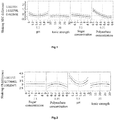
Figure 1 is a fitting curve chart indicating the difference in purity values of SEC after shaking when compared with that at D0. -
Figure 2 is a fitting curve chart indicating the difference in purity values after shaking when compared with that at D0, by using non-reducing CE-SDS. -
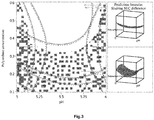
Figure 3 is a contour map showing the difference in values for SEC and non-reducing CE-SDS after shaking. - In order to more easily understand the present disclosure, certain technical and scientific terms are specifically defined below. All other technical and scientific terms used herein have the meaning commonly understood by one of ordinary skill in the art to which this disclosure belongs, unless otherwise explicitly defined herein.
- "Buffer" refers to a buffer that is resistant to changes in pH by the action of its acid-base conjugate components. Examples of the buffer which controls the pH within an appropriate range include acetate, succinate, gluconate, histidine, oxalate, lactate, phosphate, citrate, tartrate, fumarate, glycylglycine and other organic acid buffers.
- "Histidine buffer" is a buffer containing histidine ions. Examples of the histidine buffer include histidine-hydrochloride, histidine-acetate, histidine-phosphate, histidine-sulfate buffer, and the like, and histidine-hydrochloride buffer is preferred. The histidine-hydrochloride buffer is prepared by histidine and hydrochloric acid, or by histidine and histidine hydrochloride. "Citrate buffer" is a buffer that includes citrate ions. Examples of the citrate buffer include citric acid-sodium citrate, citric acid-histidine, citric acid-potassium citrate, citric acid-calcium citrate, citric acid-magnesium citrate, and the like. A preferred citrate buffer is citric acid-sodium citrate buffer.
- "Succinate buffer" is a buffer comprising succinate ions. Examples of the succinate buffer include succinic acid-sodium succinate, histidine succinate, succinic acid-potassium succinate, succinic acid-calcium succinate, and the like. A preferred succinate buffer is succinic acid-sodium succinate buffer.
- "Phosphate buffer" is a buffer comprising phosphate ions. Examples of the phosphate buffer include disodium hydrogen phosphate-sodium dihydrogen phosphate, disodium hydrogen phosphate-potassium dihydrogen phosphate, and the like. A preferred phosphate buffer is disodium hydrogen phosphate-sodium dihydrogen phosphate buffer.
- "Acetate buffer" is a buffer comprising acetate ions. Examples of the acetate buffer include acetic acid-sodium acetate, acetate histidine, acetic acid-potassium acetate, acetic acid-calcium acetate, acetic acid-magnesium acetate, and the like. A preferred acetate buffer is acetic acid-sodium acetate buffer.
- "Trehalose" is also known as "α,α-trehalose dihydrate".
- "Pharmaceutical composition" means a mixture comprising one or more of the IL-15 protein complexes described herein and other chemical components, such as physiological/pharmaceutically acceptable carriers and excipients. The purpose of the pharmaceutical composition is to facilitate the stable storage, transportation and to promote the administration to the organism, so as to facilitate the absorption and the biological activity of the active ingredient. As used herein, "pharmaceutical composition" and "formulation" are not mutually exclusive.
- According to the present disclosure, the solvent of the solution form of the pharmaceutical composition is water, unless otherwise specified.
- "Lyophilized formulation" means a formulation or a pharmaceutical composition obtained by vacuum lyophilization of pharmaceutical composition or a formulation in liquid or solution form.
- The pharmaceutical composition of the present disclosure is capable of achieving a stable effect: the protein complex included in the pharmaceutical composition substantially retains its physical stability and/or chemical stability and/or biological activity during storage. Preferably, the pharmaceutical composition substantially retains its physical stability and chemical stability as well as biological activity during storage. The length for storage is generally selected based on the predetermined shelf life of the pharmaceutical composition. There are currently a number of analytical techniques for measuring the stability of protein, which can be used to measure the stability after being stored for a selected period of time at a selected temperature.
- A stable protein pharmaceutical formulation is a formulation in which no significant change is observed under the following conditions: being stored at a cool temperature (2-8°C) for at least 3 months, preferably 6 months, more preferably 1 year, and even more preferably up to 2 years. In addition, stable liquid formulations include those exhibit desirable characteristics after being stored at temperature of 25 °C to 40 °C for 1 month, 3 months or 6 months. Typically, acceptable criteria for stability are as follows: typically no more than about 10%, preferably no more than about 5% of the protein complex monomers are degraded, as measured by SEC-HPLC; By visual inspection, the pharmaceutical formulation is colorless or from clear to slightly milky white; No more than ±10% variation occurs in the concentration, pH and osmolality of the formulation; Generally no more than about 10%, preferably no more than about 5% truncation is observed; Generally no more than about 10%, preferably no more than about 5% aggregates are formed.
- A protein complex is deemed to "retain its physical stability" in the pharmaceutical formulation, when said protein complex does not show a significant increase in aggregation, precipitation and/or denaturation, by visual inspection of the color and/or clarity, or by being measured via UV light scattering, size exclusion chromatography (SEC) and dynamic light scattering (DLS). Changes in protein conformation can be assessed by fluorescence spectroscopy, which determines the tertiary structure of the protein, and by FTIR spectroscopy, which determines the secondary structure of the protein.
- A protein complex is deemed to "retain its chemical stability" in the pharmaceutical formulation, when said protein complex does not show a significant chemical modification. Chemical stability can be assessed by detecting and quantifying chemically altered forms of the protein. Degradation processes that frequently alter the chemical structure of a protein include hydrolysis or truncation (assessed by methods such as size exclusion chromatography and SDS-PAGE), oxidation (assessed by methods such as peptide spectroscopy in combination with mass spectrometry or MALDI/TOF/MS), deamidation (assessed by methods such as ion exchange chromatography, capillary isoelectric focusing, peptide spectroscopy, isoaspartic acid measurement) and isomerization (assessed by measuring for example the content of isoaspartic acid, peptide spectroscopy).
- A protein complex is deemed to "retain its biological activity" in the pharmaceutical formulation, when the biological activity of the protein complex at a given time is still within the predetermined range of biological activity exhibited at the time when the pharmaceutical formulation was initially prepared. The biological activity of the protein complex can be determined, for example, by antigen binding assay.
- The three-letter code and the one-letter code for amino acids used in the present disclosure are described in J. Biol. Chem. 243, p3558 (1968).
- "IL-15 protein complex" is a protein complex formed by IL-15 protein and IL-15 receptor (and protein containing IL-15 receptor functional fragment), wherein IL-15 receptor functional fragment includes a fragment containing IL-15 receptor extracellular region or a fusion protein containing IL-15 receptor extracellular region. "IL-15
protein complex 3" refers toprotein complex 3 described inWO2016/095642 , which is a protein complex formed by mutated IL-15 (L52C) bound to IL-15Rα-Sushi+(S40C)-Fc, wherein IL-15 has L52C mutation, IL-15Rα extracellular region has S40C mutation (IL-15Rα-Sushi), and IL-15Rα -Sushi+ (S40C) is fused to Fc.

- Methods for producing and purifying proteins are well known in the art, such as the Molecular Cloning: a laboratory manual, Cold Spring Harbor Laboratory Press, Chapters 5-8 and 15. The protein complex of the disclosure is produced by conventional genetic engineering methods.
- The engineered protein complex of the present disclosure can be prepared and purified by conventional methods. For example, cDNA sequence encoding IL-15 and IL-15 receptor can be cloned and recombined into GS expression vector. The recombinant protein expression vector can be stably transfected into CHO cells. As a recommended prior art, mammalian expression systems may result in glycosylation of proteins, particularly at the highly conserved N-terminal site of the Fc region. Stable clones may be obtained by expressing proteins that specifically bind to human IL-15. Positive clones are expanded in serum-free medium in a bioreactor to produce protein complex. The culture medium into which the protein is secreted can be purified by a conventional technique. For example, purification is carried out by using A or G Sepharose FF column containing adjusted buffer. The non-specifically bound components are washed away. The bound protein complex is eluted by a pH gradient, and the protein fraction is detected by SDS-PAGE and collected. The protein complex can be concentrated by filtration with a conventional method. Soluble mixtures and multimers can also be removed by conventional methods such as molecular sieves, ion exchange. The resulting product needs to be frozen immediately, such as at-70 °C, or lyophilized.
- Amino acid sequence "identity" refers to sequence similarity between two proteins or polypeptides. When the positions in two sequences to be compared are occupied by the same amino acid residue, for example if the positions in two polypeptides are occupied by the same amino acid residue, the molecules are deemed to be identical at that position. Examples of algorithms suitable for determining percent sequence identity and percent sequence similarity are BLAST and BLAST 2.0 algorithms, which are described in Altschul et al. (1990) J. Mol. Biol. 215:403-410 and Altschul et al. (1977) Nucleic Acids Res. 25:3389-3402, respectively. Software for performing BLAST analyses are publicly available at the National Center for Biotechnology Information (http://www.ncbi.nlm.nih.gov/).
- "Administration" and "treatment", when applied to animal, human, experimental subject, cell, tissue, organ or biological fluid, refers to contacting an exogenous drug, therapeutic agent, diagnostic agent or composition with the animal, human, subject, cell, tissue, organ or biological fluid. "Administration" and "treatment" may refer to, for example, therapeutic, pharmacokinetic, diagnostic, research and experimental methods. Treatment of cells includes contacting the reagents with the cells, and contacting the reagents with the fluid, wherein the fluids are in contact with the cells. "Administration" and "treatment" also mean treating, for example, cells in vitro and ex vivo with reagents, diagnostics, binding compositions, or with another cell. "Treatment", when applied to human, veterinary or research subject, refers to therapeutic treatment, prophylactic or preventive measures, research and diagnostic applications.
- "Treatment" means administration of a therapeutic agent to a patient for internal or external use, for example a composition comprising any of the binding compounds of the present disclosure, the patient has one or more symptoms of the disease, and the therapeutic agent is known to have therapeutic effect on these symptoms. Generally, a therapeutic agent is administered to a subject or population to be treated in an amount to effectively alleviate one or more symptoms of the disease, so as to induce the degeneration of symptoms or inhibition the progression of such symptoms to any clinically measurable extent. The amount of therapeutic agent to effectively alleviate the symptom of any particular disease (also referred to as "therapeutically effective amount") can vary depending on a variety of factors, such as the patient's disease state, age and weight, and the ability of the drug to produce a desired effect in the patient. Any clinical test method commonly used by a physician or other professional health care provider to assess the severity or progression of the conditions can be used to assess whether the symptoms of a disease have been alleviated. While the embodiments of the disclosure (e.g., methods of treatment or product) may be ineffective in ameliorating the symptoms of single target disease, they should alleviate the symptoms of the target disease in a statistically significant number of patients according to any statistical test known in the art, such as Student's t-test, chi-square test, Mann and Whitney U-test, Kruskal-Wallis test (H test), Jonckheere-Terpstra test, and Wilcoxon test.
- An "effective amount" includes an amount sufficient to ameliorate or prevent symptoms or conditions of a medical disease. An effective amount also means an amount sufficient to allow or facilitate the diagnosis. The effective amount for a particular patient or veterinary subject can vary depending on factors such as the condition to be treated, the overall health of the patient, the method, route and dosage of the administration, and the severity of the side effects. An effective amount may be the maximum dosage or dosing regimen that avoids significant side effects or toxic effects.
- The disclosure is further described in the following examples. However, these examples are not intended to limit the scope of the disclosure.
- Experimental methods, for which the specific conditions are not specifically indicated in the examples or test examples of the present disclosure, were generally carried out according to conventional conditions or according to the conditions recommended by the manufacturers. See J. Sambrook et al., Molecular cloning: a laboratory manual. Cold Spring Harbor Laboratory Press; Frederick M. Ausubel, The Modern Molecular Biology Method, Greene Press Association. Reagents, for which the source is not specifically indicated, were routinely purchased from the market.
- The process for preparing a pharmaceutical composition (formulation) comprising the IL-15 protein complex is as follows (the components and compositions of each formulation can be selected and adjusted based on the stability of the protein complex):
The first step: preparing a stock solution comprising IL-15 protein complex 3 (For preparation, expression and purification of IL-15protein complex 3, see patent applicationWO2016/095642 filed on November 17, 2015 , with application number ofPCT/CN2015/094780 - IL-15
protein complex 3 consists of the following polypeptides:

- The second step: adjusting the loading volume to 1.1 ml, the filtrate was filled in a 2 ml vial, with a stopper plugged incompletely. Samplings are performed at the beginning, the middle and the end of the filling, respectively, to monitor the loading difference.
- The third step: the liquid solution with a stopper was filled into a lyophilization chamber and lyophilized. The lyophilization includes steps of pre-freezing, primary drying and secondary drying, successively. When the procedure of lyophilization is finished, the stopper is plugged completely under vacuum.
- The fourth step: capping with an aluminum cap by using a capping machine.
- The fifth step: Visual inspection was performed to confirm the product absence of collapse, accurate of loading volume and other defects. The label of vial was printed and pasted onto the vial. The vials were placed into a paper tray, print and pasting a label onto the paper tray.
- Formulations of the IL-15
protein complex 3, at a concentration of 1 mg/mL, were prepared in a series of buffers of pH 5.0-8.5. Each formulation was filtered and filled into a 2 mL vial at 1 mL/vial, plugged with a stopper, capped and sealed. The samples were subjected to forced degradation testing, such as by placing at 40°C high temperature, repeated freezing-thawing and shaking. Appearance and SEC were used as evaluation indexes. The results showed that the purity of SEC monomer in each buffer system was decreased significantly after forced degradation testing at 40°C. However, the decrease in the citrate system was the least. After shaking, freezing-thawing, the SEC in each buffer system (except phosphate system) showed no significant change when compared with that on D0. Hence, citrate was selected as buffer system. For citrate system, at pH 6.0, appearance after freezing-thawing and SEC at 40°C were slightly worse. Hence, the conditions at pH 5.0 to 5.5 were better.Table 1. Results of Screening Buffer System-pH for IL-15 Protein Complex 3 batch number, type and pH of buffer conditions times appearance SEC (%) polymer monomer fragment 1 10 mM buffer pH5.0 N/A 0 clear 0.3 96.7 3.0 40°C 17 days clear 0.2 90.1 9.7 freezing-thawing 5 times clear 0.4 96.7 2.9 shaking (25°C 250 rpm) 2 days clear 0.2 96.7 3.1 2 10 mM succinate buffer pH5.5 N/A 0 clear 0.5 96.7 2.8 40°C 17 days clear 0.4 88.0 11.6 freezing-thawing 5 times small and suspended particles 0.5 96.6 2.9 shaking (25°C 250 rpm) 2 days clear 0.3 96.6 3.1 3 10 mM succinate buffer pH6.0 N/A 0 clear 0.6 96.4 3.1 40 °C 17 days clear 0.4 90.1 9.5 freezing-thawing 5 times clear 0.6 96.4 3.0 shaking (25°C 250 rpm) 2 days clear 0.3 96.8 2.9 4 10 mM citrate buffer pH5.0 0 clear 0.5 96.9 2.6 40 °C 17 days clear 0.4 93.3 6.3 freezing-thawing 5 times clear 0.6 96.4 3.1 shaking (25°C 250 rpm) 2 days clear 0.3 96.7 3.0 5 10 mM citrate buffer pH5.5 N/A 0 clear 0.6 96.4 3.0 40°C 17 days clear 0.3 93.9 5.8 freezing-thawing 5 times clear 0.6 96.5 2.9 shaking (25°C 250 rpm) 2 days clear 0.4 96.6 3.1 6 10 mM citrate buffer pH6.0 N/A 0 clear 0.6 96.3 3.2 40 °C 17 days clear 0.3 92.5 7.1 freezing-thawing 5 times small and suspended particles 0.6 96.7 2.7 shaking (25°C 250 rpm) 2 days clear 0.4 96.6 3.0 7 10 mM phosphate buffer N/A 0 clear 0.5 96.9 2.6 40°C 17 days clear 0.3 89.4 10.3 freezing-thawing 5 times clear 0.6 96.4 2.9 pH6.0 shaking (25°C 250 rpm) 2 days small particles 0.3 97.0 2.7 8 10 mM phosphate buffer pH7.0 N/A 0 clear 0.6 95.9 3.5 40°C 17 days clear N/A N/A N/A freezing-thawing 5 times clear 0.7 96.1 3.2 shaking (25°C 250 rpm) 2 days clear 06 95.2 4.2 9 10 mM phosphate buffer pH7.5 N/A 0 clear 0.6 96.0 3.5 40°C 17 days clear N/A N/A N/A freezing-thawing 5 times clear 1.5 94.5 3.9 shaking (25°C 250 rpm) 2 days clear 0.5 92.8 6.6 10 10 mM phosphate buffer pH8.0 N/A 0 clear 0.6 95.2 4.2 40°C 17 days clear N/A N/A N/A freezing-thawing 5 times clear 1.4 94.6 4.0 shaking (25°C 250 rpm) 2 days clear 0.5 90.1 9.4 11 10 mM phosphate buffer pH8.5 N/A 0 clear 0.6 95.0 4.4 40°C 17 days clear N/A N/A N/A freezing-thawing 5 times clear 1.1 94.8 4.1 shaking (25°C 250 rpm) 2 days clear 0.5 90.5 9.0 12 10 mM histidine buffer pH5.5 N/A 0 clear 0.3 96.8 2.9 40°C 17 days clear 0.2 90.8 9.0 freezing-thawing 5 times clear 0.4 96.2 3.4 shaking (25°C 250 rpm) 2 days clear 0.2 97.0 2.8 13 10 mM histidine buffer pH6.0 N/A 0 clear 0.4 97.0 2.6 40°C 17 days clear 0.4 92.1 7.5 freezing-thawing 5 times clear 0.4 97.1 2.5 shaking (25°C 250 rpm) 2 days clear 0.3 97.0 2.7 Note: N/A means no special operation. - Formulations comprising IL-15
protein complex 3 at a concentration of 1 mg/mL, 10 mM citric acid-sodium citrate, 60 mg/mL sucrose, pH 5.5 were prepared in buffers containing various concentrations of surfactant as follows: - (1) 0.2mg/
mL polysorbate 20 - (2) 0.4mg/
mL polysorbate 20 - (3) 0.2mg/mL polysorbate 80
- (4) 0.4mg/mL polysorbate 80
- Each formulation was filtered and filled into a 2 mL vial at 1 mL/vial, plugged with a stopper, capped and sealed. The samples were subjected to forced degradation testing, such as by placing at 40 °C high temperature and repeated freezing-thawing. The stability results showed that there was no significant difference in appearance and SEC among different formulations. The results obtained under the condition of 40 °C high temperature and freezing-thawing non-reduced CE-SDS showed that the stability in 0.4 mg/
mL polysorbate 20 group is more superior.Table 2. Results of screening Tween for stability of IL-15 protein complex 3type and concentration of Tween experimental conditions SEC (%) non-reduced CE-SDS (%) appearance polymer monomer fragment 0.2mg/ ml polysorbate 200 0.1 97.8 2.0 87.3 clear freezing- thawing 5 times0.1 96.8 3.1 87.8 extremely small particles 40°C for 14 days 0.1 95.5 4.3 81.1 clear 0.4mg/ ml polysorbate 200 0.2 97.4 2.5 86.4 clear freezing- thawing 5 times0.1 97.0 2.9 89.5 extremely small particles 40°C for 14 days 0.1 95.6 4.3 82.8 clear 0.2mg/ml polysorbate 80 0 0.2 97.4 2.4 85.3 clear freezing- thawing 5 times0.1 97.1 2.8 87.5 extremely small particles 40°C for 14 days 0.2 95.3 4.5 80.9 clear 0.4mg/ml polysorbate 80 0 0.2 97.4 2.4 86.0 clear freezing- thawing 5 times0.2 96.9 3.0 88.1 extremely small particles 40°C for 14 days 0.1 95.4 4.4 82.0 clear - Pharmaceutical formulations comprising IL-15
protein complex 3 at a concentration of 1 mg/mL, 10 mM citric acid-sodium citrate were prepared in buffers (pH 5.5) containing α,α-trehalose dihydrate and sucrose, respectively. Each formulation was filtered and filled into a 2 mL vial at 1 mL/vial, plugged with a stopper, capped and sealed. The samples were subjected to forced degradation testing, such as by placing at 40 °C high temperature and repeated freezing-thawing. The results showed that the stability of IL-15protein complex 3 in trehalose system is superior to that in sucrose system.Table 3. Results of screening sugars for the stability of IL-15 protein complex 3type and concentration of saccharides experimental conditions SEC (%) non-reduced CE-SDS(%) appearance polymer monomer fragment 6% trehalose 0 0.2 97.5 2.3 87.2 clear freezing- thawing 5 times0.2 97.0 2.8 88.9 extremely fine particles 40°C for 14 days 0.3 95.0 4.7 82.5 filamentous particle 9% trehalose 0 0.1 97.6 2.3 85.3 clear freezing- thawing 5 times0.2 96.8 3.0 88.7 extremely fine particles 40°C for 14 days 0.1 95.3 4.6 85.6 filamentous particle 6% sucrose 0 0.1 97.4 2.4 84.9 clear freezing- thawing 5 times0.2 96.9 2.9 87.8 extremely fine particles 40°C for 14 days 0.2 95.4 4.4 81.7 filamentous particle 9% sucrose 0 0.2 97.3 2.5 86.7 clear freezing- thawing 5 times0.2 96.8 3.0 87.5 extremely fine particles 40°C for 14 days 0.2 94.8 5.0 79.9 filamentous particle Note: In the present disclosure, 6% of trehalose is 60 mg/ml; and 9% is 90 mg/ml. - In order to further optimize the concentration of trehalose and
polysorbate 20, ionic strength and pH, the DOE experiment was designed by using JMP software, and a series of formulations were obtained by using RSM model, wherein the protein concentration was 1 mg/mL. The solution was subjected to forced degradation method, wherein SEC and non-reduced CE-SDS were used as evaluation indexes, and the results were statistically analyzed by least squares test. The DOE parameters were shown in Table 4. The test formulations and results were shown in Tables 5 and 6. Statistical analysis results were shown inFigures 1 to 3 .Table 4. Factors and levels designed in DOE factor level response pH 5.0 - 6.0 40°C for 20 days, freezing- thawing 5 times shaking (300 rpm, 4°C) SEC, CE-SDS (non-reduced)ionic strength 10 - 30 mM trehalose 6 - 9 % polysorbate 20 0.1 - 0.6 mg/ml Table 5. Formulations of IL-15 Protein Complex 3 designed by DOEno. buffer pH ionic strength (mM) concentration of saccharide (%) concentration of polysorbate 20 mg/ml01 5 10 9 0.6 02 5 30 9 0.6 03 6 20 6 0.1 04 5.5 30 7.5 0.35 05 6 10 6 0.6 06 5.5 20 7.5 0.35 07 5.5 20 9 0.6 08 citric acid- sodium 6 30 9 0.1 09 citrate 5 20 7.5 0.6 10 5 10 6 0.35 11 5.5 30 6 0.6 12 6 30 7.5 0.6 13 5 20 9 0.1 14 5 30 6 0.1 15 5.5 10 7.5 0.1 16 6 10 9 0.35 Note: In the present disclosure, 6% of trehalose is 60 mg/ml; and 9% is 90 mg/ml. Other units are converted in a similar way. Table 6. Results of the screened formulations by DOE No. purity of SEC monomer (%) non-reduced CE-SDS(%) 0 freezing- thawing 5 times40°C for 20 days shaking for 15 days 0 freezing- thawing 5 times40°C for 20 days shaking for 15 days 01 96.0 97.0 92.1 95.8 94.1 94.9 90.3 92.1 02 95.9 96.9 92.5 96.3 94.7 95.6 90.8 93.4 03 96.1 96.6 91.3 93.6 92.0 92.9 88.4 89.8 04 96.1 96.9 91.9 96.2 93.6 94.2 90.5 92.3 05 96.0 96.8 92.0 95.9 92.8 93.9 89.4 90.1 06 96.4 97.0 93.8 96.3 93.3 94.5 90.3 91.6 07 96.1 97.2 92.1 96.0 93.6 94.7 91.0 92.0 08 95.8 96.5 92.7 95.9 91.8 93.2 89.0 90.6 09 96.3 96.6 93.0 96.7 94.7 94.9 90.9 93.8 10 96.4 96.9 91.6 95.9 94.1 94.5 90.6 91.8 11 96.0 96.7 93.6 96.2 93.9 94.8 91.3 93.1 12 96.4 96.6 92.9 95.6 93.0 93.9 90.0 91.4 13 96.1 96.5 92.9 94.4 94.2 94.1 89.9 92.4 14 96.0 96.7 92.7 93.4 94.5 94.8 90.7 93.2 15 95.6 96.5 94.1 94.0 93.3 93.7 90.8 90.7 16 95.9 96.8 91.0 95.4 92.4 93.3 89.2 89.6 - Data obtained from forced degradation were fitted and the results were as follows:
The difference in values of SEC monomer purity between D0 and D15 (after shaking) were fitted (the difference value is considered as 0, when it is negative), R2>0.99, P<0.05, the model was valid. The results were shown inFigure 1 . - By using non-reduced CE-SDS, the difference in values of purity between D0 and D15 (after shaking) were fitted, R2>0.98, P<0.05, and the model was valid. The results were shown in
Figure 2 . - For other data, fitting was invalid.
- In order to ensure good compactibility and suitable osmolality of the lyophilized formulation, the concentration of the trehalose was set to 7.5±0.5% (75±5 mg/ml). It was found that the 10±2 mM ionic strength had sufficient buffering capacity.
- The concentration of trehalose was set to 7.5% (75 mg/ml), the ionic strength was set to 10 mM, the pH was plotted on the abscissa, the concentration of polysorbate was plotted on the ordinate, and a contour map was plotted to show the difference in values of SEC after shaking and non-reduced CE-SDS. The results were shown in
Figure 3 . Based on the results shown in the figure in combination with the isoelectric point of the protein complex, it can be seen that a preferred pH range for the formulation is from pH5.15 to pH5.25, and the concentration of polysorbate is 0.4-0.6 mg/ml. - IL-15
Protein Complex 3 was formulated at 1.0 mg/mL in 10 mM citric acid-sodium citrate (pH 5.2), 75 mg/mL α, α- trehalose dihydrate, 0.5 mg/mL polysorbate 20, pH 5.2. The protein was filled into a 2 mL vial at 1.1 mL/vial, lyophilized at primary drying temperature of-25°C, -20°C and -15°C, respectively, and sealed with a lyophilized rubber stopper for testing. The results showed that appearance of all reconstituted solutions at various temperature met the requirements, and the appearance of the formulation lyophilized at -25°C was better, and the powder cake was full without collapse.Table 7. Steps for lyophilization of the formulation parameters for lyophilization process temperature (°C) vacuum degree (mBar) pre-freezing 5 N/A -45 N/A primary drying -25 0.08 secondary drying 25 0.01 - IL-15
Protein Complex 3 was formulated at 1.0 mg/mL in 10 mM citric acid-sodium citrate (pH 5.2), 75 mg/mL α,α- trehalose dihydrate, 0.5 mg/mL polysorbate 20, pH 5.2. The formulations were filled in glass vials, liquid storage bags and 316L stainless steel tanks, respectively, and placed at 2-8 °C and 25 °C, respectively for 24 hours. Analysis of appearance, pH, protein content and purity indicated that IL-15protein complex 3 was stable within 24 hours. The formulation was compatible with glass vials, stainless steel tanks and liquid storage bags.Table 8. Stability of IL-15 protein complex 3 in various contacting materialstempe rature grouping Time (h) appear ance pH content (mg/ml) purity of SEC mono mer (%) Non-reduced CE-SDS (%) 2-8°C glass 0 clear 5.28 1.043 99.83 96.4 8 clear 5.27 1.031 99.84 96.2 24 clear 5.28 1.030 99.82 96.0 liquid storage bags 8 clear 5.27 1.049 99.80 96.6 24 clear 5.27 1.027 99.82 96.1 stainless steel 8 clear 5.27 1.046 99.82 96.6 24 clear 5.27 1.056 99.90 95.3 25° C glass 8 clear 5.28 1.032 99.83 96.9 24 clear 5.28 1.026 99.79 95.3 liquid storage bags 8 clear 5.28 1.029 99.84 97.0 24 clear 5.25 1.034 99.78 96.6 stainless steel 8 clear 5.29 1.032 99.76 96.0 24 clear 5.27 1.057 99.88 95.0 - Other alternative pharmaceutical compositions (formulations) or reconstituted solutions:
Stable pharmaceutical formulations further provided comprise: - (1) 5 mg/ml IL-15
protein complex ml polysorbate - (2) 10 mg/ml IL-15
protein complex ml polysorbate - (3) 10 mg/ml IL-15
protein complex ml polysorbate - (4) 0.9 mg/ml IL-15
protein complex 3, 60 mg/ml trehalose, 0.1 mg/ml polysorbate - (5) 1 mg/ml IL-15
protein complex ml polysorbate - (6) 1.1 mg/ml IL-15
protein complex 3, 90 mg/ml trehalose, 0.6 mg/ml polysorbate 20, and 30 mM citric acid-sodium citrate buffer (pH 5.5); - (7) 0.9 mg/ml IL-15
protein complex 3, 60 mg/ml trehalose, 0.1 mg/ml polysorbate - (8) 1.1 mg/ml IL-15
protein complex 3, 90 mg/ml trehalose, 0.6 mg/ml polysorbate 20, and 30 mM citric acid-sodium citrate buffer, with final pH of 5.5; - (9) 0.5 mg/ml IL-15
protein complex 3, 65 mg/ml trehalose, 0.3 mg/ml polysorbate 20 (pH 5.3), and 15 mM citric acid-sodium citrate buffer.


Claims (34)
- A pharmaceutical composition comprising an IL-15 protein complex and a buffer, wherein the IL-15 protein complex consists of IL-15 and any one selected from the group consisting of:IL-15 receptor,a fragment comprising an extracellular region of IL-15 receptor, anda fusion protein comprising an extracellular region of IL-15 receptor;the buffer is selected from the group consisting of citrate buffer, succinate buffer and histidine buffer, preferably is citrate buffer, more preferably is citric acid-sodium citrate buffer;wherein the concentration of the IL-15 protein complex in the pharmaceutical composition is from about 1 mg/ml to 10 mg/ml.
- The pharmaceutical composition according to claim 1, wherein the concentration of the IL-15 protein complex in the pharmaceutical composition is from about 1 mg/ml to 5 mg/ml, preferably is from about 0.9 mg/ml to 1.1 mg/ml, more preferably is 1 mg/ml.
- The pharmaceutical composition according to claim 1 or 2, wherein the pH of the pharmaceutical composition is from about 5.0 to 6.0, preferably from about 5.0 to 5.5, more preferably from about 5.15 to 5.25, most preferably 5.2.
- The pharmaceutical composition according to any one of claims 1 to 3, wherein the concentration of the buffer is from about 5 mM to 30 mM, preferably from about 5 mM to 20 mM, more preferably about 10 ± 2 mM, and most preferably is 10 mM.
- The pharmaceutical composition according to claim 4, wherein the pH of the buffer is from about 5.0 to 6.0, preferably from about 5.0 to 5.5, more preferably from about 5.15 to 5.25, most preferably 5.2.
- The pharmaceutical composition according to any one of claims 1 to 4, further comprising disaccharide, preferably the disaccharide is selected from the group consisting of trehalose and sucrose, more preferably trehalose.
- The pharmaceutical composition according to claim 6, wherein the concentration of the disaccharide is from about 60 mg/ml to 90 mg/ml, preferably about 75 mg/ml ± 5 mg/ml, more preferably 75 mg/ml.
- The pharmaceutical composition according to any one of claims 1 to 7, which further comprises a surfactant, the surfactant is preferably polysorbate, more preferably is polysorbate 20.
- The pharmaceutical composition according to claim 8, wherein the concentration of the surfactant is from about 0.1 mg/ml to 0.6 mg/ml, preferably from about 0.4 mg/ml to 0.6 mg/ml, most preferably 0.5 mg/ml.
- The pharmaceutical composition according to any one of claims 1 to 9, which comprises:(a) 1 mg/ml to 10 mg/ml IL-15 protein complex,(b) 5mM to 30 mM citrate buffer,(c) 60 mg/ml to 90 mg/ml trehalose, and(d) 0.1 mg/ml to 0.6 mg/ml polysorbate 20,the pH of the pharmaceutical composition is about 5.0 to 6.0;
preferably, the pharmaceutical composition comprises:(a) 1 mg/ml IL-15 protein complex,(b) 10 mM±2 mM citrate buffer,(c) 75 mg/ml±5 mg/ml trehalose, and(d) 0.4 mg/ml to 0.6 mg/ml polysorbate 20,the pH of the pharmaceutical composition is about 5.15 to 5.25. - The pharmaceutical composition according to any one of claims 1 to 10, wherein the IL-15 protein complex consists of IL-15 having at least 95% sequence identity to the polypeptide of SEQ ID NO: 1 and a fusion protein of IL-15 receptor having at least 95% sequence identity to the polypeptide of SEQ ID NO: 2, preferably, the IL-15 protein complex consists of IL-15 of SEQ ID NO: 1 and a fusion protein of IL-15 receptor of SEQ ID NO: 2.
- A method of preparing the pharmaceutical composition according to any one of claims 1 to 11, wherein the method comprises a step of mixing the IL-15 protein complex with the buffer, wherein the concentration of the IL-15 protein complex in the pharmaceutical composition is from about 1 mg/ml to 10 mg/ml, preferably from about 1 mg/ml to 5 mg/ml, and most preferably from about 0.9 mg/ml to 1.1 mg/ml, more preferably 1 mg/ml.
- The method according to claim 12, wherein:the buffer is a citrate buffer,the concentration of the buffer is preferably from about 5 mM to 30 mM, more preferably from about 10 mM to 20 mM,the pH of the buffer is from about 5.0 to 6.0, preferably from about 5.0 to 5.5, more preferably from about 5.15 to 5.25, most preferably 5.2.
- The method according to claim 12, wherein the IL-15 protein complex consists of IL-15 and any one selected from the group consisting of:IL-15 receptor,a fragment comprising an extracellular region of IL-15 receptor, anda fusion protein comprising an extracellular region of IL-15 receptor.
- The method according to claim 14, wherein said IL-15 protein complex consists of IL-15 having at least 95% sequence identity to the polypeptide of SEQ ID NO: 1 and a fusion protein of IL-15 receptor having at least 95% sequence identity to the polypeptide of SEQ ID NO: 2, preferably, the IL-15 protein complex consists of IL-15 of SEQ ID NO: 1 and a fusion protein of IL-15 receptor of SEQ ID NO: 2.
- The method according to any one of claims 12 to 15, further comprising a step of adding trehalose and polysorbate 20,
the concentration of the trehalose is from about 60 mg/ml to 90 mg/ml, preferably about 75 mg/ml ± 5 mg/ml, most preferably 75 mg/ml,
the concentration of the polysorbate 20 is from about 0.1 mg/ml to 0.6 mg/ml, preferably from about 0.4 mg/ml to 0.6 mg/ml, most preferably about 0.5 mg/ml. - A lyophilized formulation, characterized in that the lyophilized formulation is reconstituted to form the pharmaceutical composition according to any one of claims 1 to 11.
- A method of preparing a lyophilized formulation comprising IL-15 protein complex, which comprises a step of lyophilizing the pharmaceutical composition according to any one of claims 1 to 11.
- The method of preparing a lyophilized formulation comprising IL-15 protein complex according to claim 18, wherein the step of lyophilization comprises steps of pre-freezing, primary drying and secondary drying, successively.
- A lyophilized formulation comprising IL-15 protein complex, which is prepared by the method of claim 18 or 19.
- A method of preparing a reconstituted solution comprising IL-15 protein complex, which comprises a step of reconstituting the lyophilized formulation of claim 20, wherein the solvent used for reconstitution is preferably water for injection.
- A reconstituted solution comprising IL-15 protein complex, which is prepared by the method of claim 21.
- The reconstituted solution according to claim 22, wherein the concentration of the IL-15 protein complex is from about 0.9 mg/ml to 1.1 mg/ml, preferably about 1 mg/ml.
- A reconstituted solution according to claim 22, wherein the pH of the reconstituted solution is from about 5.0 to 6.0, preferably from about 5.0 to 5.5, more preferably from about 5.15 to 5.25, most preferably 5.2.
- The reconstituted solution according to claim 22, which comprises citric acid-sodium citrate buffer, wherein the concentration of the buffer is from about 5 mM to 30 mM, preferably from about 10 mM to 20 mM, more preferably 10 mM.
- The reconstituted solution according to claim 22, further comprising disaccharide, preferably the disaccharide is selected from the group consisting of trehalose and sucrose, more preferably is trehalose.
- The reconstituted solution according to claim 26, wherein the concentration of the disaccharide is from about 60 mg/ml to 90 mg/ml, preferably about 75 mg/ml ± 5 mg/ml, more preferably 75 mg/ml.
- The reconstituted solution according to claim 22, further comprising surfactant, preferably the surfactant is polysorbate, more preferably polysorbate 20.
- The reconstituted solution according to claim 28, wherein the concentration of the surfactant is from about 0.1 mg/ml to 0.6 mg/ml, preferably from about 0.4 mg/ml to 0.6 mg/ml, most preferably 0.5 mg/ml.
- Use of the pharmaceutical composition according to any one of claims 1 to 11 or the lyophilized formulation according to claim 17 or 20 or the reconstituted solution according to any one of claims 22 to 29 in the manufacture of a medicament for treatment of IL-15 related diseases or conditions.
- The use according to claim 30, wherein the IL-15 related disease or condition is selected from the group consisting of infectious disease, cancer, blood disease, inflammatory disease, and autoimmune disease;
the cancer is preferably selected from the group consisting of melanoma, colorectal cancer, skin cancer, lymphoma, renal cell carcinoma, liver cancer, lung cancer, stomach cancer and breast cancer;
the infectious disease is preferably selected from the group consisting of variola virus infection, HIV infection, bacterial infection, fungal infection and HBV infection;
the blood disease is preferably selected from the group consisting of anemia, acute myeloid leukemia, myelodysplastic syndrome and T-cell large granular lymphocytic leukemia;
the autoimmune disease is preferably selected from the group consisting of multiple sclerosis, psoriasis, rheumatoid arthritis, gastritis and mucositis. - The use according to claim 30 or 31, wherein the pharmaceutical composition or the lyophilized formulation or the reconstituted solution is administered in combination with small molecule inhibitor or antibody drug;
the small molecule inhibitor is preferably a targeting chemotherapeutic drug or a radiotherapeutic drug, more preferably an alkylating agent;
the antibody drug is preferably a monoclonal antibody drug, more preferably anti-CD20, anti-PD1, anti-PDL1, anti-Her2, anti-EGFR, anti-c-MET antibody. - Use of the pharmaceutical composition according to any one of claims 1 to 11, or the lyophilized formulation according to claim 17 or 20 or the reconstituted solution according to any one of claims 22 to 29 in the preparation of a medicament for cellular immunotherapy, the cellular immunotherapy is an immunotherapy for tumor cells selected from the group consisting of Dendritic Cell Immunotherapy, Cytokine Induced Killer Cell Immunotherapy, Dendritic Cell-Cytokine Induced Killer Cell Immunotherapy, Enhanced Cytokine Induced Killer Cell Immunotherapy, Natural Killer Cell Immunotherapy, Combined Antigen Stimulated T Cell Immunotherapy, Bispecific antigen binding T cell immunotherapy, T cell receptor-engineered T-Cell Immunotherapy and Chimeric Antigen Receptor T-Cell Immunotherapy.
- A product, comprising container(s) containing the pharmaceutical composition of any one of claims 1 to 11, or the lyophilized formulation of claim 17 or 20, or the reconstituted solution of any one of claims 22-29.
Applications Claiming Priority (2)
| Application Number | Priority Date | Filing Date | Title |
|---|---|---|---|
| CN201710611317 | 2017-07-25 | ||
| PCT/CN2018/096775 WO2019019998A1 (en) | 2017-07-25 | 2018-07-24 | Il-15 protein complex pharmaceutical composition and uses thereof |
Publications (4)
| Publication Number | Publication Date |
|---|---|
| EP3639845A1 true EP3639845A1 (en) | 2020-04-22 |
| EP3639845A4 EP3639845A4 (en) | 2020-06-10 |
| EP3639845B1 EP3639845B1 (en) | 2023-06-21 |
| EP3639845C0 EP3639845C0 (en) | 2023-06-21 |
Family
ID=65041144
Family Applications (1)
| Application Number | Title | Priority Date | Filing Date |
|---|---|---|---|
| EP18838766.6A Active EP3639845B1 (en) | 2017-07-25 | 2018-07-24 | Il-15 protein complex pharmaceutical composition and uses thereof |
Country Status (15)
| Country | Link |
|---|---|
| US (1) | US11273205B2 (en) |
| EP (1) | EP3639845B1 (en) |
| JP (1) | JP7263312B2 (en) |
| KR (1) | KR102720834B1 (en) |
| CN (1) | CN109963581B (en) |
| AU (1) | AU2018308773B2 (en) |
| BR (1) | BR112020001101A2 (en) |
| CA (1) | CA3070016A1 (en) |
| ES (1) | ES2950570T3 (en) |
| PL (1) | PL3639845T3 (en) |
| RU (1) | RU2749342C1 (en) |
| TW (1) | TWI810196B (en) |
| UA (1) | UA125971C2 (en) |
| WO (1) | WO2019019998A1 (en) |
| ZA (1) | ZA201908610B (en) |
Cited By (2)
| Publication number | Priority date | Publication date | Assignee | Title |
|---|---|---|---|---|
| WO2021214658A1 (en) * | 2020-04-22 | 2021-10-28 | Novartis Ag | Pharmaceutical compositions and pharmaceutical products of heterodimeric human interleukin-15 (hetil-15) |
| US12104178B2 (en) | 2017-03-03 | 2024-10-01 | Obsidian Therapeutics, Inc. | DHFR tunable protein regulation |
Families Citing this family (6)
| Publication number | Priority date | Publication date | Assignee | Title |
|---|---|---|---|---|
| US20070157228A1 (en) | 2005-12-30 | 2007-07-05 | Jason Bayer | Advertising with video ad creatives |
| US20210395325A1 (en) * | 2020-05-11 | 2021-12-23 | Alkermes Pharma Ireland Limited | Il-2 fusion polypeptide compositions and methods of making and using the same |
| KR20230009446A (en) * | 2020-05-11 | 2023-01-17 | 엘커메스 파마 아일랜드 리미티드 | IL-2 Fusion Polypeptide Compositions and Methods of Making and Using The Same |
| CN118076380A (en) * | 2021-09-03 | 2024-05-24 | 雷迪博士实验室有限公司 | Pharmaceutical formulations of immune checkpoint inhibitors |
| WO2023031969A1 (en) * | 2021-09-03 | 2023-03-09 | Dr. Reddy’S Laboratories Limited | A method of improving stability of immune check point inhibitors |
| TWI857396B (en) * | 2021-11-18 | 2024-10-01 | 大陸商山東先聲生物製藥有限公司 | Pharmaceutical composition of il-15 mutant fusion protein |
Family Cites Families (16)
| Publication number | Priority date | Publication date | Assignee | Title |
|---|---|---|---|---|
| ZA966075B (en) | 1995-07-27 | 1998-01-19 | Genentech Inc | Protein formulation. |
| CN100334112C (en) * | 2004-10-15 | 2007-08-29 | 上海海欣生物技术有限公司 | Interfusion protein of human interleukin 15 and Fe |
| ES2633574T3 (en) * | 2005-03-25 | 2017-09-22 | Regeneron Pharmaceuticals, Inc. | VEGF antagonist formulations |
| EP3263581B2 (en) | 2005-05-17 | 2025-07-09 | University of Connecticut | Compositions and methods for immunomodulation in an organism |
| US20070160578A1 (en) | 2005-12-14 | 2007-07-12 | The Gov. Of The Usa As Represented By The Secretary Of The Dep. Of Health And Human Services | Expansion of natural killer and CD8 T-cells with IL-15R/ligand activator complexes |
| CA2674608A1 (en) * | 2007-01-09 | 2008-07-17 | Wyeth | Anti-il-13 antibody formulations and uses thereof |
| AU2013203204B2 (en) * | 2007-06-27 | 2016-05-19 | Novartis Ag | Complexes of il-15 and il-15r.alpha and uses thereof |
| PL4218797T3 (en) * | 2009-09-21 | 2025-02-10 | Takeda Pharmaceutical Company Limited | STABILIZED LIQUID AND LYOPHILIZED PREPARATIONS ADAMTS13 |
| CN101735982A (en) | 2009-12-31 | 2010-06-16 | 浙江中赢控股集团有限公司 | Method for amplifying lymphocyte by interleukin 15 receptor and interleukin 2 complex |
| US8507222B2 (en) | 2010-09-21 | 2013-08-13 | Altor Bioscience Corporation | Multimeric IL-15 soluble fusion molecules and methods of making and using same |
| US20150359853A1 (en) * | 2012-10-24 | 2015-12-17 | Admune Therapeutics Llc | Il-15r alpha forms, cells expressing il-15r alpha forms, and therapeutic uses of il-15r alpha and il-15/il-15r alpha complexes |
| RU2689717C2 (en) * | 2014-01-08 | 2019-05-28 | Шанхай Хэнжуй Фармасьютикал Ко., Лтд. | Heterodimeric il-15 protein and use thereof |
| CN105708811A (en) * | 2014-12-01 | 2016-06-29 | 西藏海思科药业集团股份有限公司 | Stable lyophilized preparation of recombinant human anti-CD20 monoclonal antibody |
| PL3235830T3 (en) * | 2014-12-19 | 2020-12-14 | Jiangsu Hengrui Medicine Co., Ltd. | Interleukin 15 protein complex and use thereof |
| CN106999591B (en) * | 2015-09-28 | 2021-02-23 | 苏州盛迪亚生物医药有限公司 | anti-PD-1 antibody preparation and application thereof in medicine |
| MX2018007304A (en) * | 2015-12-21 | 2019-03-14 | Armo Biosciences Inc | Interleukin-15 compositions and uses thereof. |
-
2018
- 2018-07-24 WO PCT/CN2018/096775 patent/WO2019019998A1/en not_active Ceased
- 2018-07-24 BR BR112020001101-0A patent/BR112020001101A2/en unknown
- 2018-07-24 CN CN201880004401.0A patent/CN109963581B/en active Active
- 2018-07-24 JP JP2020503306A patent/JP7263312B2/en active Active
- 2018-07-24 EP EP18838766.6A patent/EP3639845B1/en active Active
- 2018-07-24 ES ES18838766T patent/ES2950570T3/en active Active
- 2018-07-24 AU AU2018308773A patent/AU2018308773B2/en active Active
- 2018-07-24 US US16/632,411 patent/US11273205B2/en active Active
- 2018-07-24 KR KR1020207002789A patent/KR102720834B1/en active Active
- 2018-07-24 UA UAA202001110A patent/UA125971C2/en unknown
- 2018-07-24 TW TW107125509A patent/TWI810196B/en active
- 2018-07-24 PL PL18838766.6T patent/PL3639845T3/en unknown
- 2018-07-24 RU RU2020105270A patent/RU2749342C1/en active
- 2018-07-24 CA CA3070016A patent/CA3070016A1/en active Pending
-
2019
- 2019-12-23 ZA ZA2019/08610A patent/ZA201908610B/en unknown
Cited By (2)
| Publication number | Priority date | Publication date | Assignee | Title |
|---|---|---|---|---|
| US12104178B2 (en) | 2017-03-03 | 2024-10-01 | Obsidian Therapeutics, Inc. | DHFR tunable protein regulation |
| WO2021214658A1 (en) * | 2020-04-22 | 2021-10-28 | Novartis Ag | Pharmaceutical compositions and pharmaceutical products of heterodimeric human interleukin-15 (hetil-15) |
Also Published As
| Publication number | Publication date |
|---|---|
| US11273205B2 (en) | 2022-03-15 |
| AU2018308773A1 (en) | 2020-01-16 |
| US20200230210A1 (en) | 2020-07-23 |
| EP3639845A4 (en) | 2020-06-10 |
| EP3639845B1 (en) | 2023-06-21 |
| CN109963581A (en) | 2019-07-02 |
| JP2020528424A (en) | 2020-09-24 |
| AU2018308773B2 (en) | 2024-12-05 |
| ZA201908610B (en) | 2023-10-25 |
| UA125971C2 (en) | 2022-07-20 |
| CA3070016A1 (en) | 2019-01-31 |
| ES2950570T3 (en) | 2023-10-11 |
| PL3639845T3 (en) | 2023-10-23 |
| TWI810196B (en) | 2023-08-01 |
| KR102720834B1 (en) | 2024-10-23 |
| RU2749342C1 (en) | 2021-06-08 |
| BR112020001101A2 (en) | 2020-07-21 |
| TW201907947A (en) | 2019-03-01 |
| WO2019019998A1 (en) | 2019-01-31 |
| JP7263312B2 (en) | 2023-04-24 |
| CN109963581B (en) | 2023-09-19 |
| EP3639845C0 (en) | 2023-06-21 |
| KR20200033265A (en) | 2020-03-27 |
Similar Documents
| Publication | Publication Date | Title |
|---|---|---|
| US11273205B2 (en) | IL-15 protein complex pharmaceutical composition | |
| JP4018133B2 (en) | Aqueous preparation of human growth hormone | |
| EP4074337B1 (en) | Pharmaceutical taci-fc fusion protein formulation | |
| EP4470557A2 (en) | Anti-cgrp antibody formulation | |
| EA027325B1 (en) | Etanercept formulations stabilized with xylitol | |
| EA029193B1 (en) | Etanercept formulations exhibiting marked reduction in sub-visible particles | |
| AU2020345071A1 (en) | Anti-IL-23p19 antibody formulations | |
| KR20230004655A (en) | Pharmaceutical compositions and pharmaceutical products of heterodimeric human interleukin-15 (hetIL-15) | |
| JPH0314520A (en) | Interleucine-1 composition | |
| CN111375057A (en) | Pharmaceutical formulation comprising anti-Her 2 monoclonal antibody | |
| CN120514848B (en) | CD19 antibody pharmaceutical preparation | |
| WO2022033480A1 (en) | Liquid preparation and application thereof | |
| CN116077646A (en) | Antibody preparation for resisting coronavirus S protein, preparation method and application thereof | |
| CN103536567B (en) | Thymopentin (TP-5) powder injection | |
| HK40009390B (en) | Il-15 protein complex pharmaceutical composition and uses thereof | |
| HK40009390A (en) | Il-15 protein complex pharmaceutical composition and uses thereof | |
| TW202227123A (en) | A pharmaceutical composition comprising human interleukin 2 variants or derivatives thereof and uses thereof | |
| CN120957752A (en) | A pharmaceutical composition containing a drug conjugate of a glucocorticoid receptor agonist | |
| CN117257936A (en) | An adalimumab composition | |
| WO2022222945A1 (en) | Pharmaceutical composition comprising antibody fusion protein and use thereof | |
| CN111375058A (en) | Anti-tumor necrosis factor- α antibody injection preparation |
Legal Events
| Date | Code | Title | Description |
|---|---|---|---|
| STAA | Information on the status of an ep patent application or granted ep patent |
Free format text: STATUS: THE INTERNATIONAL PUBLICATION HAS BEEN MADE |
|
| PUAI | Public reference made under article 153(3) epc to a published international application that has entered the european phase |
Free format text: ORIGINAL CODE: 0009012 |
|
| STAA | Information on the status of an ep patent application or granted ep patent |
Free format text: STATUS: REQUEST FOR EXAMINATION WAS MADE |
|
| 17P | Request for examination filed |
Effective date: 20200118 |
|
| AK | Designated contracting states |
Kind code of ref document: A1 Designated state(s): AL AT BE BG CH CY CZ DE DK EE ES FI FR GB GR HR HU IE IS IT LI LT LU LV MC MK MT NL NO PL PT RO RS SE SI SK SM TR |
|
| AX | Request for extension of the european patent |
Extension state: BA ME |
|
| A4 | Supplementary search report drawn up and despatched |
Effective date: 20200512 |
|
| RIC1 | Information provided on ipc code assigned before grant |
Ipc: A61P 17/00 20060101ALI20200506BHEP Ipc: A61P 35/00 20060101ALI20200506BHEP Ipc: A61P 31/00 20060101ALI20200506BHEP Ipc: A61P 19/02 20060101ALI20200506BHEP Ipc: A61P 37/02 20060101ALI20200506BHEP Ipc: A61K 38/20 20060101AFI20200506BHEP Ipc: A61P 7/00 20060101ALI20200506BHEP Ipc: A61P 29/00 20060101ALI20200506BHEP Ipc: A61K 9/19 20060101ALI20200506BHEP Ipc: A61P 1/00 20060101ALI20200506BHEP |
|
| DAV | Request for validation of the european patent (deleted) | ||
| DAX | Request for extension of the european patent (deleted) | ||
| STAA | Information on the status of an ep patent application or granted ep patent |
Free format text: STATUS: EXAMINATION IS IN PROGRESS |
|
| 17Q | First examination report despatched |
Effective date: 20210325 |
|
| GRAP | Despatch of communication of intention to grant a patent |
Free format text: ORIGINAL CODE: EPIDOSNIGR1 |
|
| STAA | Information on the status of an ep patent application or granted ep patent |
Free format text: STATUS: GRANT OF PATENT IS INTENDED |
|
| INTG | Intention to grant announced |
Effective date: 20220913 |
|
| GRAJ | Information related to disapproval of communication of intention to grant by the applicant or resumption of examination proceedings by the epo deleted |
Free format text: ORIGINAL CODE: EPIDOSDIGR1 |
|
| STAA | Information on the status of an ep patent application or granted ep patent |
Free format text: STATUS: EXAMINATION IS IN PROGRESS |
|
| INTC | Intention to grant announced (deleted) | ||
| GRAP | Despatch of communication of intention to grant a patent |
Free format text: ORIGINAL CODE: EPIDOSNIGR1 |
|
| STAA | Information on the status of an ep patent application or granted ep patent |
Free format text: STATUS: GRANT OF PATENT IS INTENDED |
|
| INTG | Intention to grant announced |
Effective date: 20230227 |
|
| GRAS | Grant fee paid |
Free format text: ORIGINAL CODE: EPIDOSNIGR3 |
|
| GRAA | (expected) grant |
Free format text: ORIGINAL CODE: 0009210 |
|
| STAA | Information on the status of an ep patent application or granted ep patent |
Free format text: STATUS: THE PATENT HAS BEEN GRANTED |
|
| AK | Designated contracting states |
Kind code of ref document: B1 Designated state(s): AL AT BE BG CH CY CZ DE DK EE ES FI FR GB GR HR HU IE IS IT LI LT LU LV MC MK MT NL NO PL PT RO RS SE SI SK SM TR |
|
| REG | Reference to a national code |
Ref country code: CH Ref legal event code: EP |
|
| REG | Reference to a national code |
Ref country code: DE Ref legal event code: R096 Ref document number: 602018052207 Country of ref document: DE |
|
| REG | Reference to a national code |
Ref country code: AT Ref legal event code: REF Ref document number: 1580408 Country of ref document: AT Kind code of ref document: T Effective date: 20230715 |
|
| REG | Reference to a national code |
Ref country code: IE Ref legal event code: FG4D |
|
| U01 | Request for unitary effect filed |
Effective date: 20230714 |
|
| U07 | Unitary effect registered |
Designated state(s): AT BE BG DE DK EE FI FR IT LT LU LV MT NL PT SE SI Effective date: 20230724 |
|
| U20 | Renewal fee for the european patent with unitary effect paid |
Year of fee payment: 6 Effective date: 20230808 |
|
| REG | Reference to a national code |
Ref country code: LT Ref legal event code: MG9D |
|
| REG | Reference to a national code |
Ref country code: ES Ref legal event code: FG2A Ref document number: 2950570 Country of ref document: ES Kind code of ref document: T3 Effective date: 20231011 |
|
| REG | Reference to a national code |
Ref country code: GR Ref legal event code: EP Ref document number: 20230401100 Country of ref document: GR Effective date: 20230908 |
|
| PG25 | Lapsed in a contracting state [announced via postgrant information from national office to epo] |
Ref country code: NO Free format text: LAPSE BECAUSE OF FAILURE TO SUBMIT A TRANSLATION OF THE DESCRIPTION OR TO PAY THE FEE WITHIN THE PRESCRIBED TIME-LIMIT Effective date: 20230921 |
|
| PG25 | Lapsed in a contracting state [announced via postgrant information from national office to epo] |
Ref country code: RS Free format text: LAPSE BECAUSE OF FAILURE TO SUBMIT A TRANSLATION OF THE DESCRIPTION OR TO PAY THE FEE WITHIN THE PRESCRIBED TIME-LIMIT Effective date: 20230621 Ref country code: HR Free format text: LAPSE BECAUSE OF FAILURE TO SUBMIT A TRANSLATION OF THE DESCRIPTION OR TO PAY THE FEE WITHIN THE PRESCRIBED TIME-LIMIT Effective date: 20230621 |
|
| PG25 | Lapsed in a contracting state [announced via postgrant information from national office to epo] |
Ref country code: SK Free format text: LAPSE BECAUSE OF FAILURE TO SUBMIT A TRANSLATION OF THE DESCRIPTION OR TO PAY THE FEE WITHIN THE PRESCRIBED TIME-LIMIT Effective date: 20230621 |
|
| PG25 | Lapsed in a contracting state [announced via postgrant information from national office to epo] |
Ref country code: IS Free format text: LAPSE BECAUSE OF FAILURE TO SUBMIT A TRANSLATION OF THE DESCRIPTION OR TO PAY THE FEE WITHIN THE PRESCRIBED TIME-LIMIT Effective date: 20231021 |
|
| PG25 | Lapsed in a contracting state [announced via postgrant information from national office to epo] |
Ref country code: SM Free format text: LAPSE BECAUSE OF FAILURE TO SUBMIT A TRANSLATION OF THE DESCRIPTION OR TO PAY THE FEE WITHIN THE PRESCRIBED TIME-LIMIT Effective date: 20230621 Ref country code: SK Free format text: LAPSE BECAUSE OF FAILURE TO SUBMIT A TRANSLATION OF THE DESCRIPTION OR TO PAY THE FEE WITHIN THE PRESCRIBED TIME-LIMIT Effective date: 20230621 Ref country code: RO Free format text: LAPSE BECAUSE OF FAILURE TO SUBMIT A TRANSLATION OF THE DESCRIPTION OR TO PAY THE FEE WITHIN THE PRESCRIBED TIME-LIMIT Effective date: 20230621 Ref country code: IS Free format text: LAPSE BECAUSE OF FAILURE TO SUBMIT A TRANSLATION OF THE DESCRIPTION OR TO PAY THE FEE WITHIN THE PRESCRIBED TIME-LIMIT Effective date: 20231021 Ref country code: CZ Free format text: LAPSE BECAUSE OF FAILURE TO SUBMIT A TRANSLATION OF THE DESCRIPTION OR TO PAY THE FEE WITHIN THE PRESCRIBED TIME-LIMIT Effective date: 20230621 |
|
| PG25 | Lapsed in a contracting state [announced via postgrant information from national office to epo] |
Ref country code: MC Free format text: LAPSE BECAUSE OF FAILURE TO SUBMIT A TRANSLATION OF THE DESCRIPTION OR TO PAY THE FEE WITHIN THE PRESCRIBED TIME-LIMIT Effective date: 20230621 |
|
| REG | Reference to a national code |
Ref country code: DE Ref legal event code: R097 Ref document number: 602018052207 Country of ref document: DE |
|
| PG25 | Lapsed in a contracting state [announced via postgrant information from national office to epo] |
Ref country code: MC Free format text: LAPSE BECAUSE OF FAILURE TO SUBMIT A TRANSLATION OF THE DESCRIPTION OR TO PAY THE FEE WITHIN THE PRESCRIBED TIME-LIMIT Effective date: 20230621 |
|
| REG | Reference to a national code |
Ref country code: IE Ref legal event code: MM4A |
|
| PLBE | No opposition filed within time limit |
Free format text: ORIGINAL CODE: 0009261 |
|
| STAA | Information on the status of an ep patent application or granted ep patent |
Free format text: STATUS: NO OPPOSITION FILED WITHIN TIME LIMIT |
|
| 26N | No opposition filed |
Effective date: 20240322 |
|
| PG25 | Lapsed in a contracting state [announced via postgrant information from national office to epo] |
Ref country code: IE Free format text: LAPSE BECAUSE OF NON-PAYMENT OF DUE FEES Effective date: 20230724 |
|
| PG25 | Lapsed in a contracting state [announced via postgrant information from national office to epo] |
Ref country code: IE Free format text: LAPSE BECAUSE OF NON-PAYMENT OF DUE FEES Effective date: 20230724 |
|
| U20 | Renewal fee for the european patent with unitary effect paid |
Year of fee payment: 7 Effective date: 20240701 |
|
| PGFP | Annual fee paid to national office [announced via postgrant information from national office to epo] |
Ref country code: PL Payment date: 20250625 Year of fee payment: 8 |
|
| PGFP | Annual fee paid to national office [announced via postgrant information from national office to epo] |
Ref country code: GR Payment date: 20250623 Year of fee payment: 8 |
|
| PG25 | Lapsed in a contracting state [announced via postgrant information from national office to epo] |
Ref country code: CY Free format text: LAPSE BECAUSE OF FAILURE TO SUBMIT A TRANSLATION OF THE DESCRIPTION OR TO PAY THE FEE WITHIN THE PRESCRIBED TIME-LIMIT; INVALID AB INITIO Effective date: 20180724 |
|
| U20 | Renewal fee for the european patent with unitary effect paid |
Year of fee payment: 8 Effective date: 20250630 |
|
| PG25 | Lapsed in a contracting state [announced via postgrant information from national office to epo] |
Ref country code: HU Free format text: LAPSE BECAUSE OF FAILURE TO SUBMIT A TRANSLATION OF THE DESCRIPTION OR TO PAY THE FEE WITHIN THE PRESCRIBED TIME-LIMIT; INVALID AB INITIO Effective date: 20180724 |
|
| PGFP | Annual fee paid to national office [announced via postgrant information from national office to epo] |
Ref country code: ES Payment date: 20250811 Year of fee payment: 8 |
|
| PGFP | Annual fee paid to national office [announced via postgrant information from national office to epo] |
Ref country code: GB Payment date: 20250723 Year of fee payment: 8 |
|
| PGFP | Annual fee paid to national office [announced via postgrant information from national office to epo] |
Ref country code: CH Payment date: 20250801 Year of fee payment: 8 |
|
| PG25 | Lapsed in a contracting state [announced via postgrant information from national office to epo] |
Ref country code: TR Free format text: LAPSE BECAUSE OF FAILURE TO SUBMIT A TRANSLATION OF THE DESCRIPTION OR TO PAY THE FEE WITHIN THE PRESCRIBED TIME-LIMIT Effective date: 20230621 |