EP3638567B1 - Load status of transport chassis - Google Patents
Load status of transport chassis Download PDFInfo
- Publication number
- EP3638567B1 EP3638567B1 EP18817203.5A EP18817203A EP3638567B1 EP 3638567 B1 EP3638567 B1 EP 3638567B1 EP 18817203 A EP18817203 A EP 18817203A EP 3638567 B1 EP3638567 B1 EP 3638567B1
- Authority
- EP
- European Patent Office
- Prior art keywords
- transport chassis
- cargo
- ctu
- loaded
- measurement data
- Prior art date
- Legal status (The legal status is an assumption and is not a legal conclusion. Google has not performed a legal analysis and makes no representation as to the accuracy of the status listed.)
- Active
Links
Images

Classifications
-
- B—PERFORMING OPERATIONS; TRANSPORTING
- B60—VEHICLES IN GENERAL
- B60R—VEHICLES, VEHICLE FITTINGS, OR VEHICLE PARTS, NOT OTHERWISE PROVIDED FOR
- B60R25/00—Fittings or systems for preventing or indicating unauthorised use or theft of vehicles
- B60R25/30—Detection related to theft or to other events relevant to anti-theft systems
- B60R25/307—Detection related to theft or to other events relevant to anti-theft systems using data concerning maintenance or configuration
-
- B—PERFORMING OPERATIONS; TRANSPORTING
- B60—VEHICLES IN GENERAL
- B60R—VEHICLES, VEHICLE FITTINGS, OR VEHICLE PARTS, NOT OTHERWISE PROVIDED FOR
- B60R25/00—Fittings or systems for preventing or indicating unauthorised use or theft of vehicles
- B60R25/30—Detection related to theft or to other events relevant to anti-theft systems
- B60R25/33—Detection related to theft or to other events relevant to anti-theft systems of global position, e.g. by providing GPS coordinates
-
- B—PERFORMING OPERATIONS; TRANSPORTING
- B60—VEHICLES IN GENERAL
- B60R—VEHICLES, VEHICLE FITTINGS, OR VEHICLE PARTS, NOT OTHERWISE PROVIDED FOR
- B60R25/00—Fittings or systems for preventing or indicating unauthorised use or theft of vehicles
- B60R25/30—Detection related to theft or to other events relevant to anti-theft systems
-
- B—PERFORMING OPERATIONS; TRANSPORTING
- B60—VEHICLES IN GENERAL
- B60R—VEHICLES, VEHICLE FITTINGS, OR VEHICLE PARTS, NOT OTHERWISE PROVIDED FOR
- B60R25/00—Fittings or systems for preventing or indicating unauthorised use or theft of vehicles
- B60R25/30—Detection related to theft or to other events relevant to anti-theft systems
- B60R25/32—Detection related to theft or to other events relevant to anti-theft systems of vehicle dynamic parameters, e.g. speed or acceleration
-
- G—PHYSICS
- G01—MEASURING; TESTING
- G01G—WEIGHING
- G01G1/00—Weighing apparatus involving the use of a counterweight or other counterbalancing mass
-
- G—PHYSICS
- G01—MEASURING; TESTING
- G01G—WEIGHING
- G01G19/00—Weighing apparatus or methods adapted for special purposes not provided for in the preceding groups
- G01G19/08—Weighing apparatus or methods adapted for special purposes not provided for in the preceding groups for incorporation in vehicles
-
- G—PHYSICS
- G01—MEASURING; TESTING
- G01L—MEASURING FORCE, STRESS, TORQUE, WORK, MECHANICAL POWER, MECHANICAL EFFICIENCY, OR FLUID PRESSURE
- G01L5/00—Apparatus for, or methods of, measuring force, work, mechanical power, or torque, specially adapted for specific purposes
-
- G—PHYSICS
- G01—MEASURING; TESTING
- G01M—TESTING STATIC OR DYNAMIC BALANCE OF MACHINES OR STRUCTURES; TESTING OF STRUCTURES OR APPARATUS, NOT OTHERWISE PROVIDED FOR
- G01M17/00—Testing of vehicles
- G01M17/007—Wheeled or endless-tracked vehicles
-
- G—PHYSICS
- G01—MEASURING; TESTING
- G01S—RADIO DIRECTION-FINDING; RADIO NAVIGATION; DETERMINING DISTANCE OR VELOCITY BY USE OF RADIO WAVES; LOCATING OR PRESENCE-DETECTING BY USE OF THE REFLECTION OR RERADIATION OF RADIO WAVES; ANALOGOUS ARRANGEMENTS USING OTHER WAVES
- G01S19/00—Satellite radio beacon positioning systems; Determining position, velocity or attitude using signals transmitted by such systems
- G01S19/01—Satellite radio beacon positioning systems transmitting time-stamped messages, e.g. GPS [Global Positioning System], GLONASS [Global Orbiting Navigation Satellite System] or GALILEO
- G01S19/13—Receivers
- G01S19/14—Receivers specially adapted for specific applications
-
- G—PHYSICS
- G01—MEASURING; TESTING
- G01S—RADIO DIRECTION-FINDING; RADIO NAVIGATION; DETERMINING DISTANCE OR VELOCITY BY USE OF RADIO WAVES; LOCATING OR PRESENCE-DETECTING BY USE OF THE REFLECTION OR RERADIATION OF RADIO WAVES; ANALOGOUS ARRANGEMENTS USING OTHER WAVES
- G01S19/00—Satellite radio beacon positioning systems; Determining position, velocity or attitude using signals transmitted by such systems
- G01S19/01—Satellite radio beacon positioning systems transmitting time-stamped messages, e.g. GPS [Global Positioning System], GLONASS [Global Orbiting Navigation Satellite System] or GALILEO
- G01S19/13—Receivers
- G01S19/20—Integrity monitoring, fault detection or fault isolation of space segment
-
- G—PHYSICS
- G01—MEASURING; TESTING
- G01S—RADIO DIRECTION-FINDING; RADIO NAVIGATION; DETERMINING DISTANCE OR VELOCITY BY USE OF RADIO WAVES; LOCATING OR PRESENCE-DETECTING BY USE OF THE REFLECTION OR RERADIATION OF RADIO WAVES; ANALOGOUS ARRANGEMENTS USING OTHER WAVES
- G01S19/00—Satellite radio beacon positioning systems; Determining position, velocity or attitude using signals transmitted by such systems
- G01S19/38—Determining a navigation solution using signals transmitted by a satellite radio beacon positioning system
- G01S19/39—Determining a navigation solution using signals transmitted by a satellite radio beacon positioning system the satellite radio beacon positioning system transmitting time-stamped messages, e.g. GPS [Global Positioning System], GLONASS [Global Orbiting Navigation Satellite System] or GALILEO
-
- G—PHYSICS
- G01—MEASURING; TESTING
- G01S—RADIO DIRECTION-FINDING; RADIO NAVIGATION; DETERMINING DISTANCE OR VELOCITY BY USE OF RADIO WAVES; LOCATING OR PRESENCE-DETECTING BY USE OF THE REFLECTION OR RERADIATION OF RADIO WAVES; ANALOGOUS ARRANGEMENTS USING OTHER WAVES
- G01S5/00—Position-fixing by co-ordinating two or more direction or position line determinations; Position-fixing by co-ordinating two or more distance determinations
- G01S5/16—Position-fixing by co-ordinating two or more direction or position line determinations; Position-fixing by co-ordinating two or more distance determinations using electromagnetic waves other than radio waves
-
- G—PHYSICS
- G01—MEASURING; TESTING
- G01V—GEOPHYSICS; GRAVITATIONAL MEASUREMENTS; DETECTING MASSES OR OBJECTS; TAGS
- G01V3/00—Electric or magnetic prospecting or detecting; Measuring magnetic field characteristics of the earth, e.g. declination, deviation
- G01V3/08—Electric or magnetic prospecting or detecting; Measuring magnetic field characteristics of the earth, e.g. declination, deviation operating with magnetic or electric fields produced or modified by objects or geological structures or by detecting devices
- G01V3/081—Electric or magnetic prospecting or detecting; Measuring magnetic field characteristics of the earth, e.g. declination, deviation operating with magnetic or electric fields produced or modified by objects or geological structures or by detecting devices the magnetic field is produced by the objects or geological structures
-
- G—PHYSICS
- G01—MEASURING; TESTING
- G01V—GEOPHYSICS; GRAVITATIONAL MEASUREMENTS; DETECTING MASSES OR OBJECTS; TAGS
- G01V8/00—Prospecting or detecting by optical means
- G01V8/10—Detecting, e.g. by using light barriers
-
- G—PHYSICS
- G01—MEASURING; TESTING
- G01V—GEOPHYSICS; GRAVITATIONAL MEASUREMENTS; DETECTING MASSES OR OBJECTS; TAGS
- G01V9/00—Prospecting or detecting by methods not provided for in groups G01V1/00 - G01V8/00
-
- G—PHYSICS
- G06—COMPUTING OR CALCULATING; COUNTING
- G06Q—INFORMATION AND COMMUNICATION TECHNOLOGY [ICT] SPECIALLY ADAPTED FOR ADMINISTRATIVE, COMMERCIAL, FINANCIAL, MANAGERIAL OR SUPERVISORY PURPOSES; SYSTEMS OR METHODS SPECIALLY ADAPTED FOR ADMINISTRATIVE, COMMERCIAL, FINANCIAL, MANAGERIAL OR SUPERVISORY PURPOSES, NOT OTHERWISE PROVIDED FOR
- G06Q10/00—Administration; Management
- G06Q10/08—Logistics, e.g. warehousing, loading or distribution; Inventory or stock management
-
- G—PHYSICS
- G06—COMPUTING OR CALCULATING; COUNTING
- G06Q—INFORMATION AND COMMUNICATION TECHNOLOGY [ICT] SPECIALLY ADAPTED FOR ADMINISTRATIVE, COMMERCIAL, FINANCIAL, MANAGERIAL OR SUPERVISORY PURPOSES; SYSTEMS OR METHODS SPECIALLY ADAPTED FOR ADMINISTRATIVE, COMMERCIAL, FINANCIAL, MANAGERIAL OR SUPERVISORY PURPOSES, NOT OTHERWISE PROVIDED FOR
- G06Q10/00—Administration; Management
- G06Q10/08—Logistics, e.g. warehousing, loading or distribution; Inventory or stock management
- G06Q10/083—Shipping
-
- G—PHYSICS
- G06—COMPUTING OR CALCULATING; COUNTING
- G06Q—INFORMATION AND COMMUNICATION TECHNOLOGY [ICT] SPECIALLY ADAPTED FOR ADMINISTRATIVE, COMMERCIAL, FINANCIAL, MANAGERIAL OR SUPERVISORY PURPOSES; SYSTEMS OR METHODS SPECIALLY ADAPTED FOR ADMINISTRATIVE, COMMERCIAL, FINANCIAL, MANAGERIAL OR SUPERVISORY PURPOSES, NOT OTHERWISE PROVIDED FOR
- G06Q10/00—Administration; Management
- G06Q10/08—Logistics, e.g. warehousing, loading or distribution; Inventory or stock management
- G06Q10/083—Shipping
- G06Q10/0838—Historical data
-
- B—PERFORMING OPERATIONS; TRANSPORTING
- B60—VEHICLES IN GENERAL
- B60R—VEHICLES, VEHICLE FITTINGS, OR VEHICLE PARTS, NOT OTHERWISE PROVIDED FOR
- B60R2325/00—Indexing scheme relating to vehicle anti-theft devices
- B60R2325/30—Vehicles applying the vehicle anti-theft devices
-
- B—PERFORMING OPERATIONS; TRANSPORTING
- B60—VEHICLES IN GENERAL
- B60R—VEHICLES, VEHICLE FITTINGS, OR VEHICLE PARTS, NOT OTHERWISE PROVIDED FOR
- B60R2325/00—Indexing scheme relating to vehicle anti-theft devices
- B60R2325/30—Vehicles applying the vehicle anti-theft devices
- B60R2325/308—Industrial vehicles
-
- G—PHYSICS
- G01—MEASURING; TESTING
- G01S—RADIO DIRECTION-FINDING; RADIO NAVIGATION; DETERMINING DISTANCE OR VELOCITY BY USE OF RADIO WAVES; LOCATING OR PRESENCE-DETECTING BY USE OF THE REFLECTION OR RERADIATION OF RADIO WAVES; ANALOGOUS ARRANGEMENTS USING OTHER WAVES
- G01S2205/00—Position-fixing by co-ordinating two or more direction or position line determinations; Position-fixing by co-ordinating two or more distance determinations
- G01S2205/01—Position-fixing by co-ordinating two or more direction or position line determinations; Position-fixing by co-ordinating two or more distance determinations specially adapted for specific applications
Definitions
- This series of events can be compared to the profile data 120, and based on this comparison, the determination can be made.
- the profile data 120 can correlate combinations ranges or profiles of measurement data of different types of sensors with a respective loaded status or unloaded status of a transport chassis.
- the system 400 further includes a non-transitory machine-readable or computer-readable storage medium 404 storing machine-readable instructions, such as load status determination instructions 406 that are executable on the processor 402 to perform various tasks as discussed in the present disclosure.
- Instructions executable on a processor can refer to the instructions executing on one processor or on multiple processors.
- the storage medium 404 can include any or some combination of the following: a semiconductor memory device such as a dynamic or static random access memory (a DRAM or SRAM), an erasable and programmable read-only memory (EPROM), an electrically erasable and programmable read-only memory (EEPROM) and flash memory; a magnetic disk such as a fixed, floppy and removable disk; another magnetic medium including tape; an optical medium such as a compact disk (CD) or a digital video disk (DVD); or another type of storage device.
- a semiconductor memory device such as a dynamic or static random access memory (a DRAM or SRAM), an erasable and programmable read-only memory (EPROM), an electrically erasable and programmable read-only memory (EEPROM) and flash memory
- a magnetic disk such as a fixed, floppy and removable disk
- another magnetic medium including tape an optical medium such as a compact disk (CD) or a digital video disk (DVD); or another type of storage device.
- CD compact disk
Landscapes
- Engineering & Computer Science (AREA)
- Physics & Mathematics (AREA)
- General Physics & Mathematics (AREA)
- Remote Sensing (AREA)
- Radar, Positioning & Navigation (AREA)
- Business, Economics & Management (AREA)
- Life Sciences & Earth Sciences (AREA)
- Mechanical Engineering (AREA)
- General Life Sciences & Earth Sciences (AREA)
- Geophysics (AREA)
- Economics (AREA)
- Computer Networks & Wireless Communication (AREA)
- Electromagnetism (AREA)
- Marketing (AREA)
- Human Resources & Organizations (AREA)
- General Business, Economics & Management (AREA)
- Tourism & Hospitality (AREA)
- Strategic Management (AREA)
- Quality & Reliability (AREA)
- Operations Research (AREA)
- Theoretical Computer Science (AREA)
- Entrepreneurship & Innovation (AREA)
- Development Economics (AREA)
- Environmental & Geological Engineering (AREA)
- Geology (AREA)
- Computer Security & Cryptography (AREA)
- Management, Administration, Business Operations System, And Electronic Commerce (AREA)
Description
- A transport chassis is a support structure that can be used to carry a cargo transportation unit (CTU), such as a shipping container. The shipping container can be used to carry cargo. The transport chassis can be part of a truck, or alternatively, can be part of a trailer that has wheels. In an arrangement where there are a large number of transport chassis dispersed over a large geographical area, it can be difficult to determine which transport chassis are being used to carry cargo, and which are not.
-
- According to a first aspect of the present invention, there is provided a method according to claim 1. In further aspects, there are provided a system according to claim 12 and a non-transitory computer readable storage medium according to claim 13.
- Some implementations of the present disclosure are described with respect to the following figures.
-
Fig. 1 is a block diagram of an example arrangement that includes a transport chassis according to some implementations. -
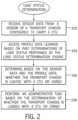
Fig. 2 is a flow diagram of a process of determining whether or not a transport chassis is loaded, according to some examples. -
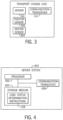
Fig. 3 is a block diagram of components of a transport chassis, according to further examples. -
Fig. 4 is a block diagram of a system according to some implementations. - Throughout the drawings, identical reference numbers designate similar, but not necessarily identical, elements. The figures are not necessarily to scale, and the size of some parts may be exaggerated to more clearly illustrate the example shown. Moreover, the drawings provide examples and/or implementations consistent with the description; however, the description is not limited to the examples and/or implementations provided in the drawings.
- In the present disclosure, use of the term "a," "an", or "the" is intended to include the plural forms as well, unless the context clearly indicates otherwise. Also, the term "includes," "including," "comprises," "comprising," "have," or "having" when used in this disclosure specifies the presence of the stated elements, but do not preclude the presence or addition of other elements.
- A transport chassis can include any support structure that is designed to carry a cargo transportation unit (CTU), where a CTU is configured to carry cargo items. A "cargo item" can refer to any physical item that is to be delivered from one location to another location. "Cargo" can refer to one or more cargo items.
- An example of a CTU is a shipping container that defines an inner chamber in which cargo can be placed. The shipping container can be enclosed on all sides, such that cargo items placed within the inner chamber of the shipping container are protected from the outside environment. In other examples, the shipping container can be partially open on at least one side, such as the top side, or a lateral side. In some examples, a shipping container can be referred to as an intermodal container. More generally, a CTU can refer to any platform or structure that is used to carry cargo.
- In some cases, the transport chassis, although configured to carry a shipping container or other CTU, is able to also in some cases directly carry large cargo items, such as logs, large equipment, steel beams, and so forth.
- A transport chassis can be part of a truck or a trailer (that is to be hauled by a tractor or other vehicle). More generally, a transport chassis is moveable by a vehicle between different geographic locations, for the purpose of carrying a CTU and/or cargo between different geographic locations. A transport chassis can be part of, mounted on, or attached, as applicable, to a vehicle, such as a truck, a trailer, a tractor, a car, a railed vehicle (e.g., a train), a watercraft (e.g., a ship), an aircraft, a spacecraft, and so forth.
- An enterprise can manage a fleet of transport chassis. Examples of enterprises include shippers, manufacturers, distributors, retailers, individuals, or any other entity that is responsible for managing a fleet of transport chassis. The fleet of transport chassis can be owned by one or more other entities. The transport chassis of the fleet may be dispersed across a number of geographic locations (e.g., in many cities, states, provinces, countries, etc.).
- An enterprise may want to know if each particular transport chassis is loaded or unloaded. A transport chassis is loaded (or has a loaded status) if the transport chassis is carrying a CTU and/or cargo. In other words, the transport chassis is loaded if a CTU is placed on the transport chassis (whether or not the CTU contains cargo), or alternatively, if cargo (such as one or more large cargo items) is placed directly on the transport chassis. A transport chassis is not loaded (or has an unloaded status) if no CTU and no cargo is placed on the transport chassis.
- When there is a large number of transport chassis, whether concentrated at a particular location or dispersed across a large number of geographic locations, it can be difficult to ascertain in an automated manner whether or not the different transport chassis are loaded or unloaded. Determining the load status (loaded status or unloaded status) of a transport chassis can be useful for various purposes, including tracking usage of each transport chassis, determining billing for a transport chassis (e.g., computing an amount to bill a customer for actual use of a transport chassis to deliver a CTU and/or cargo of the customer), determining a maintenance schedule for a transport chassis (e.g., determining when the transport chassis should be taken to a maintenance facility for maintenance), detecting theft of the transport chassis, and so forth.
- In some examples, a customer can be billed for actual use of the transport chassis, i.e., when the transport chassis is actually loaded with a CTU and/or cargo of the customer. Thus, if a particular transport chassis is loaded with the customer's CTU and/or cargo for a particular number of hours, then the customer can be billed for use of the particular transport chassis for those number of hours.
- Maintenance of a transport chassis can be based on the amount of usage of the transport chassis in carrying CTUS or cargo. For example, the transport chassis may be scheduled for maintenance after actual use (when the transport chassis is loaded) for some specified amount of time or some specified distance. Once the specified amount of time or distance of actual use of the transport chassis is detected, the transport chassis can be taken to a maintenance facility for maintenance.
- Theft of a transport chassis can be detected based on a determination of whether the transport chassis should have a loaded status but in fact is not loaded during a given time period. Alternatively, theft of a transport chassis can be detected based on a determination that the transport chassis is loaded when in fact the transport chassis is not supposed to be transporting a CTU or cargo. More generally, detection of an inconsistency between an actual load status and an expected load status of the transport chassis can provide an indication that theft of the transport chassis has occurred.
-
Fig. 1 shows an example arrangement where atransport chassis 102 is towed by a vehicle 104 (such as a tractor or other type of vehicle). In examples according toFig. 1 , thetransport chassis 102 is separate from thevehicle 104, and thetransport chassis 102 can be attached to atow platform 106 of thevehicle 104 to allow thevehicle 104 to tow thetransport chassis 102. In other examples, thevehicle 104 can be a truck, and thetransport chassis 102 can be part of thetruck 104. - In some examples, the
vehicle 104 is a driverless vehicle that can be driven in an autonomous manner. In alternative examples, thevehicle 104 can be driven by a human driver. - In the example shown in
Fig. 1 , thetransport chassis 102 has a bed 108 (or other type of support structure) on which aCTU 110 can be mounted. The CTU 110 has an inner chamber in which cargo can be carried. In other examples, although thetransport chassis 102 is configured to carry the CTU 110, thetransport chassis 102 is also able to directly carry cargo, such as large cargo items. - The
transport chassis 102 includes asensor 112 and acommunication transceiver 114. Thesensor 112 is able to acquire a measurement relating to thetransport chassis 102. Although just onesensor 112 is shown inFig. 1 , it is noted that in other examples, thetransport chassis 102 can include multiple sensors. Examples of various types of sensors are discussed further below. - The
sensor 112 can be located at various different locations of thetransport chassis 102. For example, where thetransport chassis 102 has a bumper, thesensor 112 can be located under the bumper or on top of the bumper. Alternatively, thesensor 112 can be attached to a frame of thetransport chassis 102. In other examples, thesensor 112 can be provided at a different part of thetransport chassis 102. - The
communication transceiver 114 is able to communicate over anetwork 116, which can be a wireless network. Examples of wireless networks include a cellular network, a wireless local area network (WLAN), and so forth. Thecommunication transceiver 114 can communicate radio frequency (RF) signals over a wireless network, such as RF signals used in a cellular network or a WLAN. - An example cellular network can operate according to the Long-Term Evolution (LTE) standards as provided by the Third Generation Partnership Project (3GPP). The LTE standards are also referred to as the Evolved Universal Terrestrial Radio Access (E-UTRA) standards. In other examples, other types of cellular networks can be employed, such as second generation (2G) or third generation (3G) cellular networks, e.g., a Global System for Mobile (GSM) cellular network, an Enhanced Data rates for GSM Evolution (EDGE) cellular network, a Universal Terrestrial Radio Access Network (UTRAN), a Code Division Multiple Access (CDMA) 2000 cellular network, and so forth. In further examples, cellular networks can be fifth generation (5G) or beyond cellular networks. In additional examples, a wireless network can include a WLAN, which can operate according to the Institute of Electrical and Electronic Engineers (IEEE) 802.11 or Wi-Fi Alliance Specifications. In other examples, other types of wireless networks can be employed by the
CTU controller 108 to communicate with a remote service, such as a Bluetooth link, a ZigBee network, and so forth. Additionally, some wireless networks can enable cellular loT, such as wireless access networks according to LTE Advanced for Machine-Type Communication (LTE-MTC), narrowband loT (NB-loT), and so forth. - A
server system 116 is also coupled to thenetwork 116, either wirelessly or over a wired link. Theserver system 116 can be implemented using a computer or using multiple computers, which can be distributed across different locations, such as different locations of a state or province, a country, or the world. Theserver system 116 also includes a loadstatus determination engine 118, which is able to determine a load status of thetransport chassis 102. - The load
status determination engine 118 can include a hardware processing circuit that can include any one or more of the following: a microprocessor, a core of a multi-core microprocessor, a microcontroller, a programmable gate array, a programmable integrated circuit device, or another type of hardware processing circuit. In further examples, the loadstatus determination engine 118 can include a combination of a hardware processing circuit and machine-readable instructions (software or firmware) executable on the hardware processing circuit. - The
communication transceiver 114 can send measurement data acquired by thesensor 112 over thenetwork 116 to theserver system 116. Based on the measurement data from thesensor 112, the loadstatus determination engine 118 is able to determine a load status of thetransport chassis 102. The loadstatus determination engine 118 determining the load status of a transport chassis based on measurement data from a sensor can refer to the load status determination engine determining the load status of thetransport chassis 102 based on measurement data from just a single sensor, or from multiple sensors. - Although
Fig. 1 shows just onetransport chassis 102, it is noted that theserver system 116 can be used to determine the load status of multiple transport chassis. Each such transport chassis can include a respective sensor and communication transceiver to communicate over a network, such as thenetwork 116, with theserver system 116. - The load
status determination engine 118 determines the load status of thetransport chassis 102 based on the measurement data from thesensor 112, as well asprofile data 120 stored in aninformation repository 122. Theinformation repository 122 can be implemented with a storage system or multiple storage systems, where a storage system can include one or more disk-based storage devices and/or one or more solid state storage devices. - The
profile data 120 represents a profile of thetransport chassis 102 based on past measurement data collected for the transport chassis 102 (or for a number of transport chassis). The past measurement data can include data indicating ranges of measurement data from a sensor (or from multiple sensors) that indicate whether or not a transport chassis is loaded. For example, if thesensor 112 is a strain gauge that is used to measure strain on a suspension (or multiple suspensions) of the transport chassis, then theprofile data 120 can specify that a first range of strain values indicates that a transport chassis is loaded, or a different second range of strain values indicates that the transport chassis is not loaded. In other examples, theprofile data 120 can include ranges of other measurement data corresponding to respective loaded and unloaded status of transport chassis. - The
profile data 120 can be continually updated as new measurement data is received and as determinations are made based on such new measurement data regarding whether or not the transport chassis is loaded. In some examples, user feedback or other feedback can be provided to indicate to the loadstatus determination engine 118 whether the determination of load status made by the loadstatus determination engine 118 based on a specific measurement data is correct. The update of theprofile data 120 based on determinations of load status of the loadstatus determination engine 118 and feedback regarding the correctness of the load status determinations is part of a process of learning the profile data. In this manner, by continually updating theprofile data 120, the loadstatus determination engine 118 can perform more accurate load status determinations as further measurement data is received from transport chassis. -
Fig. 2 is a flow diagram of a process performed by the loadstatus determination engine 118, according to some examples. The loadstatus determination engine 118 receives (at 202) sensor data from a sensor (e.g., 112) of a transport chassis (e.g., 102) configured to carry a CTU. The loadstatus determination engine 118 accesses (at 204) profile data (e.g., 120) learned based on past determinations of load status performed by the loadstatus determination engine 118. - The load
status determination engine 118 further determines (at 206), based on the sensor data and the profile data, whether the transport chassis is loaded with a CTU or cargo. - The load
status determination engine 118 further performs (at 208) an administrative task based on the determination of whether the transport chassis is loaded with a CTU or cargo. The administrative task can include one or more of tracking a usage of the transport chassis in carrying a CTU or cargo, determining billing for use of the transport chassis in carrying a CTU or cargo, determining whether maintenance is to be performed for the transport chassis, and detecting theft of the transport chassis. - As noted above, in some examples, the
sensor 112 can include a strain gauge to measure strain on a part of thetransport chassis 102, such as on a suspension of thetransport chassis 102. In some examples, multiple strain gauges can measure strain of respective suspensions of thetransport chassis 102. The suspension of thetransport chassis 102 is a mechanism that is used to support the weight of the transport chassis, where the suspension can be attached to a wheel of the transport chassis. The strain gauge is used to measure a strain of the suspension or other part of thetransport chassis 102. When theCTU 110 or cargo is loaded on thetransport chassis 102, the strain gauge will measure a strain value within a first range of strain values. On the other hand, if thetransport chassis 102 is not loaded with either a CTU or cargo, then the strain gauge will measure a strain value within a second range of strain values, where the second range is different from the first range. - In other examples, the
sensor 112 can include a signal characteristic sensor that is able to measure a signal characteristic of a wireless signal that is communicated by a wireless module (which can include thecommunication transceiver 114 ofFig. 1 ) over a wireless network (e.g., 116 inFig. 1 ). In some examples, the signal characteristic that is measured by the signal characteristic sensor can include an amplitude of the signal, a phase of the signal, a signal-to-noise ratio (SNR) of the signal, or any other signal characteristic. When a CTU or cargo is loaded on thetransport chassis 102, the signalcharacteristic sensor 112 measures a signal characteristic value that is within a first range of signal characteristic values. For example, the presence of the CTU or cargo on thetransport chassis 102 can interfere with wireless transmission by thecommunication transceiver 114, such that the amplitude of a transmitted signal is decreased or the noise level associated with the wireless signal is increased (which leads to a decreased SNR). In contrast, when thetransport chassis 102 is not loaded with a CTU or cargo, then the wireless transmission of a signal by thecommunication transceiver 114 is not interfered with by a CTU or cargo, such that the signal characteristic sensor can measure a signal characteristic value within a second range of signal characteristic values. Although reference is made to examples where the signal characteristic sensor measures signals wirelessly transmitted by thecommunication transceiver 114, it is noted that in other examples, the signal characteristic sensor can measure a signal characteristic of a wireless signal being received by the communication transceiver 114 (where this wireless signal is transmitted by a wireless network node that is part of the wireless network 116). - In further examples, instead of monitoring signal characteristics of wireless signals communicated (transmitted or received) by the
communication transceiver 114 with a wireless network, the signal characteristic sensor can be used to monitor GPS signals received by a GPS receiver of thetransport chassis 102. GPS signals are transmitted by satellites and received by the GPS receiver. Presence of a CTU or cargo on thebed 108 of thetransport chassis 102 can interfere with the reception of GPS signals by the GPS receiver. - Over time, the
profile data 120 that correlates ranges of signal characteristic values to a loaded or unloaded status of a transport chassis can be updated as measurements are made, and load status determinations are performed. Any feedback that is provided regarding the correctness of the load status performed by the loadstatus determination engine 118 can be used to adjust theprofile data 120. - In one aspect, the
sensor 112 of thetransport chassis 102 includes an optical sensor. For example, the optical sensor can be a time-of-flight (ToF) sensor. With a ToF sensor, a light source can be used to emit light that is propagated in a particular direction. For example, the direction of the light propagated by the light source can be in a general direction of where a CTU or cargo would be if loaded on thebed 108 of thetransport chassis 102. If the ToF sensor detects reflected light that is above a specified threshold, then that is an indication that thetransport chassis 102 is loaded with a CTU or cargo. On the other hand, if the amount of reflected light received by the optical sensor is less than the specified threshold, then that is an indication that thetransport chassis 102 is not loaded. The threshold at which the detection of a loaded status or unloaded status is performed can be part of theprofile data 120 that can be learned over time by the loadstatus determination engine 118. Theprofile data 120 can thus correlate a first range of optical signal characteristics (e.g., amplitude of a reflected optical signal being less than a specified threshold) with an unloaded status of thetransport chassis 102, and a second range of optical signal characteristics (e.g., amplitude of a reflected optical signal being greater than the specified threshold) with a loaded status of thetransport chassis 102. - In another aspect, the
sensor 112 includes a magnetic field sensor, which can detect a characteristic of a magnetic field of thetransport chassis 102. Presence of a CTU or cargo, which can be formed of a material that can interfere with or otherwise distort a magnetic field, can cause a characteristic of a magnetic field to deviate from an expected profile. If the CTU or cargo is not present, then the characteristic of a measured magnetic field as detected by the magnetic field sensor can be more consistent with the expected magnetic field profile. Theprofile data 120 can correlate different magnetic field profiles to a respective load status and unloaded status of thetransport chassis 102. - In further examples, the
sensor 112 can also include an accelerometer. The accelerometer can be used to detect an acceleration due to force imparted on thetransport chassis 102 when a CTU or cargo is dropped onto thebed 108 of thetransport chassis 102. Detection of an acceleration along a particular direction (e.g., vertical direction) that exceeds a specified threshold can be an indication that thetransport chassis 102 is loaded. The acceleration threshold is set to distinguish between acceleration due to forces detected by the accelerometer when thetransport chassis 102 is moving over a road (where forces can be applied by the road surface, including potholes or speed bumps) and acceleration due to force applied by dropping a CTU or cargo onto thebed 108 of thetransport chassis 102. This threshold can be learned over time and can be stored as part of theprofile data 120. - In further examples, the
sensor 112 can include a camera to capture the sky. If the sky is visible, then that is an indication that a CTU or cargo is not loaded on thetransport chassis 102. On the other hand, if the sky is not visible (or only partially visible), then that is an indication that thetransport chassis 102 is loaded. - Although the foregoing refers to examples where use of just one sensor is assumed, it is noted that in further examples, measurement data from multiple sensors can be used for determining, by the load
status determination engine 118, whether thetransport chassis 102 is loaded. For example, the loadstatus determination engine 118 can receive a series of events that correspond to measurements made by different sensors of thetransport chassis 102. A first event can be created in response to an acceleration detected by an accelerometer that exceeds a specified acceleration threshold. A second event can include an event generated in response to a camera no longer being able to see the sky. A third event can include an event generated based on measurement of a strain that exceeds a specified strain threshold by a strain gauge. The series of events can be collected by the loadstatus determination engine 118, and based on the series of events, the loadstatus determination engine 118 can determine whether thetransport chassis 102 is loaded or not loaded. - This series of events can be compared to the
profile data 120, and based on this comparison, the determination can be made. In such examples, theprofile data 120 can correlate combinations ranges or profiles of measurement data of different types of sensors with a respective loaded status or unloaded status of a transport chassis. - In some examples, weights can be assigned to each event, where a weight can indicate some likelihood that the respective event indicates a loaded status of the
transport chassis 102. For example, a first event can indicate a first likelihood of a loaded status of thetransport chassis 102, a second event can indicate a second likelihood of a loaded status of thetransport chassis 102, and a third event can indicate a third likelihood of a loaded status of thetransport chassis 102. These different likelihoods can be combined (such as by taking an average, taking a sum, and so forth), and the combined likelihood value can then be used to determine whether or not thetransport chassis 102 is loaded. - The determination of the load status of the
transport chassis 102 by the loadstatus determination engine 118 can further be based on a location of thetransport chassis 102. In some examples, as shown inFig. 3 , thetransport chassis 102 can also include a position sensor 302 to determine a location of thetransport chassis 102. For example, the position sensor 302 can include a GPS receiver or a position sensor that is able to determine the location of thetransport chassis 102 based on wireless signals received from a wireless network, such as based on triangulation of wireless signals received from base stations or access points having known locations. - Alternatively, or additionally, the
transport chassis 102 also includes amotion sensor 304 that is able to detect motion of thetransport chassis 102. Themotion sensor 304 can include an accelerometer, a speedometer, and so forth. - Based on the location or movement of the transport chassis 102 (as determined from the position data and/or motion data from the position sensor 302 and/or motion sensor 304), the load
status determination engine 118 can determine that an event is occurring with thetransport chassis 102. For example, if thetransport chassis 102 is moving, then that is an indication that something is happening with thetransport chassis 102. For example, thetransport chassis 102 may be moved to a location to load a CTU or cargo, or to unload a CTU or cargo. Alternatively, motion can indicate that thetransport chassis 102 is being hauled from one geographic location to another geographic location to transport a CTU or cargo. Thus, motion of thetransport chassis 102 can be used as a trigger to the loadstatus determination engine 118 to determine, based on further measurement data from another sensor (e.g., 112) of thetransport chassis 102, a load status of thetransport chassis 102. - As another example, the location determined by the position sensor 302 can be used as a trigger to determine whether the
transport chassis 102 is loaded. For example, if the location of thetransport chassis 102 is within or outside a specified area, then that is an indication that loading or unloading of a CTU or cargo may be performed, or that thetransport chassis 102 may be transporting a CTU or cargo. Thus, the location of thetransport chassis 102 can be used to trigger the determination by the loadstatus determination engine 118 of whether or not thetransport chassis 102 is loaded. - More generally, the load
status determination engine 118 receives information of a location or movement of a transport chassis, and determines whether the transport chassis is loaded with a CTU or cargo further based on the information of the location or movement of the transport chassis. - In a specific example, a geofence can be defined, where a geofence specifies a geographic area. In some examples, if the
transport chassis 102 is inside the geofence (e.g., within a dock yard), then that triggers the activation of the loadstatus determination engine 118. In other examples, if thetransport chassis 102 is outside the geofence, then that triggers the activation of the loadstatus determination engine 118. More generally, the loadstatus determination engine 118 determines whether thetransport chassis 102 has a specified relationship with respect to a geofence, and determines whether thetransport chassis 102 is loaded with a CTU or cargo further based on determining whether the transport chassis has the specified relationship with respect to the geofence. - In an example use case, a large number of transport chassis can be located in a dock yard of an enterprise. A dock yard refers to a facility where loading and unloading of transport chassis are performed. By being able to determine the load status of each transport chassis in the dock yard, a dock yard operator can quickly determine which transport chassis are loaded with a CTU or cargo, and which other transport chassis are unloaded. A loaded transport chassis can be moved to an unloading bay for unloading a CTU or cargo, while an unloaded transport chassis can be moved to a loading bay to load a CTU or cargo.
-
Fig. 4 is a block diagram of aserver system 400 according to some examples (which can be similar to theserver system 116 ofFig. 1 ). Theserver system 400 includes a processor 402 (or multiple processors). A processor can include a microprocessor, a core of a multi-core microprocessor, a microcontroller, a programmable integrated circuit, a programmable gate array, or another hardware processing circuit. - The
system 400 further includes a non-transitory machine-readable or computer-readable storage medium 404 storing machine-readable instructions, such as loadstatus determination instructions 406 that are executable on theprocessor 402 to perform various tasks as discussed in the present disclosure. Instructions executable on a processor can refer to the instructions executing on one processor or on multiple processors. - The
system 400 includes acommunication transceiver 408, such as a wireless transceiver to communicate wireless signals (e.g., radio frequency or RF signals). - The
storage medium 404 can include any or some combination of the following: a semiconductor memory device such as a dynamic or static random access memory (a DRAM or SRAM), an erasable and programmable read-only memory (EPROM), an electrically erasable and programmable read-only memory (EEPROM) and flash memory; a magnetic disk such as a fixed, floppy and removable disk; another magnetic medium including tape; an optical medium such as a compact disk (CD) or a digital video disk (DVD); or another type of storage device. Note that the instructions discussed above can be provided on one computer-readable or machine-readable storage medium, or alternatively, can be provided on multiple computer-readable or machine-readable storage media distributed in a large system having possibly plural nodes. Such computer-readable or machine-readable storage medium or media is (are) considered to be part of an article (or article of manufacture). An article or article of manufacture can refer to any manufactured single component or multiple components. The storage medium or media can be located either in the machine running the machine-readable instructions, or located at a remote site from which machine-readable instructions can be downloaded over a network for execution.
Claims (13)
- A computer implemented method, the method comprising:receiving information of a location or movement of a transport chassis (102), the transport chassis being configured to carry a cargo transportation unit, CTU; andusing the received information of a location or movement to trigger a determination of whether the transport chassis is loaded with a CTU or a cargo, wherein determining whether the transport chassis is loaded with the CTU or the cargo comprises:receiving measurement data from a sensor (112) of the transport chassis;accessing a profile learned based on past measurement data (120), the profile comprising a range of measurement data values indicating that the transport chassis is loaded; anddetermining, based on the measurement data and the profile, whether the transport chassis is loaded with the CTU or the cargo, said determining comprising determining that the measurement data is within the range of measurement data valueswherein measurement data is from either:an optical sensor of the transport chassis, the measurement data comprising a characteristic of an optical signal; ora magnetic field sensor of the transport chassis, the magnetic field sensor being configured to measure a distortion of the magnetic field by the presence of the CTU or the cargo.
- The method of claim 1 further comprising:
providing an indication that maintenance is to be performed for the transport chassis (102) in response to determining that an amount of usage of the transport chassis loaded with the CTU or the cargo is above a specified usage threshold. - The method of claim 1 or 2 further comprising:
providing an indication that a theft of the transport chassis (102) has occurred in response to detecting that an expected load status of the transport chassis is inconsistent with the determination of whether the transport chassis is loaded with the CTU or the cargo. - The method of any one of claims 1-3, wherein the measurement data is received over a network (116) from a communication transceiver (114) of the transport chassis (102).
- The method of any one of claims 1-3, wherein further measurement data comprises measurement data from a strain gauge, the strain gauge being configured to measure a strain of a suspension of the transport chassis (102).
- The method of claim 4, wherein further measurement data comprises a signal characteristic of a wireless signal to be transmitted or received by the communication transceiver (114) of the transport chassis (102), the signal characteristic being indicative of whether the wireless signal is subject to interference by the CTU or the cargo.
- The method of any one of claims 1-3, wherein further measurement data is from an accelerometer of the transport chassis, the accelerometer being configured to detect an acceleration due to force imparted on the transport chassis (102) when the CTU or the cargo is dropped onto a bed (108) of the transport chassis (102).
- The method of any preceding claims, wherein the optical sensor comprises a camera of the transport chassis, the method comprising determining whether the transport chassis is loaded with the CTU or the cargo based on determining whether the sky is visible in image data received from the camera.
- The method of claim 1 further comprising:receiving the measurement data as part of a collection of events detected by different types of sensors of the transport chassis,wherein the determining of whether the transport chassis is loaded with the CTU or the cargo is further based on the collection of events.
- The method of claim 1, wherein the measurement data from the sensor is part of a first event received from the sensor, and wherein the method further comprises:receiving a second event generated responsive to further measurement data from a further sensor,wherein the determining of whether the transport chassis is loaded with the CTU or the cargo is further based on a collection of events including the first and second events.
- The method of claim 10 further comprising:computing likelihoods of a loaded status corresponding to respective events of the collection of events,wherein the determining of whether the transport chassis is loaded with the CTU or the cargo is further based on the likelihoods.
- A system comprising at least one processor configured to perform the method of any one of the preceding claims.
- A non-transitory storage medium storing instructions that upon execution cause the processor of a system to perform the method of any one of claims 1-11.
Applications Claiming Priority (2)
| Application Number | Priority Date | Filing Date | Title |
|---|---|---|---|
| US15/622,475 US11001230B2 (en) | 2017-06-14 | 2017-06-14 | Load status of transport chassis |
| PCT/CA2018/050712 WO2018227291A1 (en) | 2017-06-14 | 2018-06-13 | Load status of transport chassis |
Publications (3)
| Publication Number | Publication Date |
|---|---|
| EP3638567A1 EP3638567A1 (en) | 2020-04-22 |
| EP3638567A4 EP3638567A4 (en) | 2020-05-13 |
| EP3638567B1 true EP3638567B1 (en) | 2023-05-10 |
Family
ID=64657096
Family Applications (1)
| Application Number | Title | Priority Date | Filing Date |
|---|---|---|---|
| EP18817203.5A Active EP3638567B1 (en) | 2017-06-14 | 2018-06-13 | Load status of transport chassis |
Country Status (3)
| Country | Link |
|---|---|
| US (1) | US11001230B2 (en) |
| EP (1) | EP3638567B1 (en) |
| WO (1) | WO2018227291A1 (en) |
Families Citing this family (8)
| Publication number | Priority date | Publication date | Assignee | Title |
|---|---|---|---|---|
| US11841264B2 (en) | 2019-02-22 | 2023-12-12 | Blackberry Limited | Method and system for cargo loading detection |
| US11415454B2 (en) * | 2019-05-28 | 2022-08-16 | Blackberry Limited | Method and system for shipping container load estimation |
| CN110450861A (en) * | 2019-07-23 | 2019-11-15 | 陈超 | A kind of buffer-type Intelligent logistics compartment for looking into goods |
| US11333547B2 (en) * | 2019-10-25 | 2022-05-17 | Blackberry Limited | Method and system for shipping container loading and unloading estimation |
| DE102021000598A1 (en) * | 2021-02-05 | 2022-08-11 | Daimler Truck AG | Procedure for preventing cargo theft for an autonomous commercial vehicle |
| EP4330639A4 (en) * | 2021-04-30 | 2024-10-23 | Transform Automation Makina Elektronik Bilisim Sanayi Ve Ticaret Anonim Sirketi | CLOUD-BASED AND REAL-TIME WEIGHT MEASUREMENT SYSTEM |
| EP4198847A1 (en) * | 2021-12-15 | 2023-06-21 | Volvo Truck Corporation | Production forecast methods for mass excavation projects |
| EP4383160B1 (en) * | 2022-12-06 | 2025-09-24 | Volvo Truck Corporation | A method for handling state machines of production assets |
Family Cites Families (12)
| Publication number | Priority date | Publication date | Assignee | Title |
|---|---|---|---|---|
| US5416706A (en) | 1984-04-27 | 1995-05-16 | Hagenbuch; Leroy G. | Apparatus for identifying containers from which refuse is collected and compiling a historical record of the containers |
| US20030204407A1 (en) * | 2002-04-26 | 2003-10-30 | John Nabors | System and apparatus for tracking, monitoring, and reporting parameter of a mobile unit |
| US20040183673A1 (en) * | 2003-01-31 | 2004-09-23 | Nageli Hans Peter | Portable detachable self-contained tracking unit for two-way satellite communication with a central server |
| US7079976B2 (en) * | 2003-10-07 | 2006-07-18 | The Johns Hopkins University | Dense object detection system and method |
| DE102004031224A1 (en) | 2004-06-29 | 2006-01-26 | Süddeutsche Aluminium Manufaktur GmbH | Roof rack system for motor vehicle, especially private motor vehicle, has sensor device for load carrier to record forces acting on support structure originating from roof load and to generate measurement signals |
| WO2006074465A2 (en) * | 2005-01-10 | 2006-07-13 | Seekernet Incorporated | Keyhole communication device for tracking and monitoring shipping container and contents thereof |
| US20070040677A1 (en) | 2005-08-17 | 2007-02-22 | Blair Herbert W Jr | Detecting cargo status and load activity |
| GB2461273A (en) | 2008-06-24 | 2009-12-30 | Seppo Haekkinen | Load monitoring system |
| DE102009033450A1 (en) | 2009-07-16 | 2011-01-20 | Alois Pöttinger Maschinenfabrik Gmbh | agricultural machinery |
| WO2015060319A1 (en) | 2013-10-23 | 2015-04-30 | 国立大学法人東京海洋大学 | Loading weight detection device |
| US10003379B2 (en) * | 2014-05-06 | 2018-06-19 | Starkey Laboratories, Inc. | Wireless communication with probing bandwidth |
| WO2016179715A1 (en) | 2015-05-12 | 2016-11-17 | González Méndez Pedro Renato | Monitoring system for anticipating dangerous conditions during the transportation of a cargo over land |
-
2017
- 2017-06-14 US US15/622,475 patent/US11001230B2/en active Active
-
2018
- 2018-06-13 WO PCT/CA2018/050712 patent/WO2018227291A1/en not_active Ceased
- 2018-06-13 EP EP18817203.5A patent/EP3638567B1/en active Active
Also Published As
| Publication number | Publication date |
|---|---|
| WO2018227291A1 (en) | 2018-12-20 |
| EP3638567A4 (en) | 2020-05-13 |
| EP3638567A1 (en) | 2020-04-22 |
| US11001230B2 (en) | 2021-05-11 |
| US20180361994A1 (en) | 2018-12-20 |
Similar Documents
| Publication | Publication Date | Title |
|---|---|---|
| EP3638567B1 (en) | Load status of transport chassis | |
| EP3541677B1 (en) | Adjusting mechanical elements of cargo transportation units | |
| US12474198B2 (en) | Method and system for cargo mass estimation using a vertical accelerometer | |
| JP5496659B2 (en) | Monitoring device and method for monitoring the status of a cargo container | |
| US20230014528A1 (en) | Weight Measurement and Cargo Tracking Systems and Methods | |
| US20180290621A1 (en) | Adjusting cargo transportation unit elements in response to theft events | |
| EP3669140B1 (en) | Updating a device position according to heading and movement | |
| EP3673297B1 (en) | Determining locations of cargo transportation units using image data | |
| CN114174775B (en) | Method and system for shipping container load estimation | |
| EP3589902A1 (en) | Controlling detection of cargo transportation unit conditions | |
| CA3115357C (en) | Method and apparatus for cargo mass estimation using a vertical accelerometer | |
| US20180349833A1 (en) | Managing usage of cargo transportation units | |
| EP4123529A1 (en) | Chain of custody information for cargo transportation units |
Legal Events
| Date | Code | Title | Description |
|---|---|---|---|
| STAA | Information on the status of an ep patent application or granted ep patent |
Free format text: STATUS: THE INTERNATIONAL PUBLICATION HAS BEEN MADE |
|
| PUAI | Public reference made under article 153(3) epc to a published international application that has entered the european phase |
Free format text: ORIGINAL CODE: 0009012 |
|
| STAA | Information on the status of an ep patent application or granted ep patent |
Free format text: STATUS: REQUEST FOR EXAMINATION WAS MADE |
|
| REG | Reference to a national code |
Ref country code: DE Ref legal event code: R079 Ref document number: 602018049729 Country of ref document: DE Free format text: PREVIOUS MAIN CLASS: B62D0021000000 Ipc: G06Q0050280000 |
|
| 17P | Request for examination filed |
Effective date: 20191211 |
|
| AK | Designated contracting states |
Kind code of ref document: A1 Designated state(s): AL AT BE BG CH CY CZ DE DK EE ES FI FR GB GR HR HU IE IS IT LI LT LU LV MC MK MT NL NO PL PT RO RS SE SI SK SM TR |
|
| AX | Request for extension of the european patent |
Extension state: BA ME |
|
| A4 | Supplementary search report drawn up and despatched |
Effective date: 20200417 |
|
| RIC1 | Information provided on ipc code assigned before grant |
Ipc: G06Q 30/04 20120101ALI20200409BHEP Ipc: G01D 5/26 20060101ALI20200409BHEP Ipc: B62D 21/00 20060101ALI20200409BHEP Ipc: G06Q 50/28 20120101AFI20200409BHEP Ipc: G01D 5/12 20060101ALI20200409BHEP Ipc: G01B 21/32 20060101ALI20200409BHEP Ipc: G01D 21/02 20060101ALI20200409BHEP Ipc: G01P 15/00 20060101ALI20200409BHEP Ipc: G06Q 10/08 20120101ALI20200409BHEP Ipc: B62D 63/08 20060101ALI20200409BHEP |
|
| DAV | Request for validation of the european patent (deleted) | ||
| DAX | Request for extension of the european patent (deleted) | ||
| STAA | Information on the status of an ep patent application or granted ep patent |
Free format text: STATUS: EXAMINATION IS IN PROGRESS |
|
| 17Q | First examination report despatched |
Effective date: 20211122 |
|
| GRAP | Despatch of communication of intention to grant a patent |
Free format text: ORIGINAL CODE: EPIDOSNIGR1 |
|
| STAA | Information on the status of an ep patent application or granted ep patent |
Free format text: STATUS: GRANT OF PATENT IS INTENDED |
|
| INTG | Intention to grant announced |
Effective date: 20221214 |
|
| RIN1 | Information on inventor provided before grant (corrected) |
Inventor name: TRAVERS, CHRISTOPHER SCOTT Inventor name: SEAMAN, CONRAD DELBERT Inventor name: WEST, STEPHEN |
|
| GRAS | Grant fee paid |
Free format text: ORIGINAL CODE: EPIDOSNIGR3 |
|
| GRAA | (expected) grant |
Free format text: ORIGINAL CODE: 0009210 |
|
| STAA | Information on the status of an ep patent application or granted ep patent |
Free format text: STATUS: THE PATENT HAS BEEN GRANTED |
|
| AK | Designated contracting states |
Kind code of ref document: B1 Designated state(s): AL AT BE BG CH CY CZ DE DK EE ES FI FR GB GR HR HU IE IS IT LI LT LU LV MC MK MT NL NO PL PT RO RS SE SI SK SM TR |
|
| REG | Reference to a national code |
Ref country code: GB Ref legal event code: FG4D |
|
| REG | Reference to a national code |
Ref country code: AT Ref legal event code: REF Ref document number: 1567450 Country of ref document: AT Kind code of ref document: T Effective date: 20230515 Ref country code: CH Ref legal event code: EP |
|
| REG | Reference to a national code |
Ref country code: DE Ref legal event code: R096 Ref document number: 602018049729 Country of ref document: DE |
|
| REG | Reference to a national code |
Ref country code: IE Ref legal event code: FG4D |
|
| P01 | Opt-out of the competence of the unified patent court (upc) registered |
Effective date: 20230518 |
|
| REG | Reference to a national code |
Ref country code: LT Ref legal event code: MG9D |
|
| REG | Reference to a national code |
Ref country code: NL Ref legal event code: MP Effective date: 20230510 |
|
| REG | Reference to a national code |
Ref country code: AT Ref legal event code: MK05 Ref document number: 1567450 Country of ref document: AT Kind code of ref document: T Effective date: 20230510 |
|
| PG25 | Lapsed in a contracting state [announced via postgrant information from national office to epo] |
Ref country code: SE Free format text: LAPSE BECAUSE OF FAILURE TO SUBMIT A TRANSLATION OF THE DESCRIPTION OR TO PAY THE FEE WITHIN THE PRESCRIBED TIME-LIMIT Effective date: 20230510 Ref country code: PT Free format text: LAPSE BECAUSE OF FAILURE TO SUBMIT A TRANSLATION OF THE DESCRIPTION OR TO PAY THE FEE WITHIN THE PRESCRIBED TIME-LIMIT Effective date: 20230911 Ref country code: NO Free format text: LAPSE BECAUSE OF FAILURE TO SUBMIT A TRANSLATION OF THE DESCRIPTION OR TO PAY THE FEE WITHIN THE PRESCRIBED TIME-LIMIT Effective date: 20230810 Ref country code: NL Free format text: LAPSE BECAUSE OF FAILURE TO SUBMIT A TRANSLATION OF THE DESCRIPTION OR TO PAY THE FEE WITHIN THE PRESCRIBED TIME-LIMIT Effective date: 20230510 Ref country code: ES Free format text: LAPSE BECAUSE OF FAILURE TO SUBMIT A TRANSLATION OF THE DESCRIPTION OR TO PAY THE FEE WITHIN THE PRESCRIBED TIME-LIMIT Effective date: 20230510 Ref country code: AT Free format text: LAPSE BECAUSE OF FAILURE TO SUBMIT A TRANSLATION OF THE DESCRIPTION OR TO PAY THE FEE WITHIN THE PRESCRIBED TIME-LIMIT Effective date: 20230510 |
|
| REG | Reference to a national code |
Ref country code: DE Ref legal event code: R079 Ref document number: 602018049729 Country of ref document: DE Free format text: PREVIOUS MAIN CLASS: G06Q0050280000 Ipc: G06Q0010080000 |
|
| PG25 | Lapsed in a contracting state [announced via postgrant information from national office to epo] |
Ref country code: RS Free format text: LAPSE BECAUSE OF FAILURE TO SUBMIT A TRANSLATION OF THE DESCRIPTION OR TO PAY THE FEE WITHIN THE PRESCRIBED TIME-LIMIT Effective date: 20230510 Ref country code: PL Free format text: LAPSE BECAUSE OF FAILURE TO SUBMIT A TRANSLATION OF THE DESCRIPTION OR TO PAY THE FEE WITHIN THE PRESCRIBED TIME-LIMIT Effective date: 20230510 Ref country code: LV Free format text: LAPSE BECAUSE OF FAILURE TO SUBMIT A TRANSLATION OF THE DESCRIPTION OR TO PAY THE FEE WITHIN THE PRESCRIBED TIME-LIMIT Effective date: 20230510 Ref country code: LT Free format text: LAPSE BECAUSE OF FAILURE TO SUBMIT A TRANSLATION OF THE DESCRIPTION OR TO PAY THE FEE WITHIN THE PRESCRIBED TIME-LIMIT Effective date: 20230510 Ref country code: IS Free format text: LAPSE BECAUSE OF FAILURE TO SUBMIT A TRANSLATION OF THE DESCRIPTION OR TO PAY THE FEE WITHIN THE PRESCRIBED TIME-LIMIT Effective date: 20230910 Ref country code: HR Free format text: LAPSE BECAUSE OF FAILURE TO SUBMIT A TRANSLATION OF THE DESCRIPTION OR TO PAY THE FEE WITHIN THE PRESCRIBED TIME-LIMIT Effective date: 20230510 Ref country code: GR Free format text: LAPSE BECAUSE OF FAILURE TO SUBMIT A TRANSLATION OF THE DESCRIPTION OR TO PAY THE FEE WITHIN THE PRESCRIBED TIME-LIMIT Effective date: 20230811 |
|
| PG25 | Lapsed in a contracting state [announced via postgrant information from national office to epo] |
Ref country code: FI Free format text: LAPSE BECAUSE OF FAILURE TO SUBMIT A TRANSLATION OF THE DESCRIPTION OR TO PAY THE FEE WITHIN THE PRESCRIBED TIME-LIMIT Effective date: 20230510 |
|
| PG25 | Lapsed in a contracting state [announced via postgrant information from national office to epo] |
Ref country code: SK Free format text: LAPSE BECAUSE OF FAILURE TO SUBMIT A TRANSLATION OF THE DESCRIPTION OR TO PAY THE FEE WITHIN THE PRESCRIBED TIME-LIMIT Effective date: 20230510 |
|
| PG25 | Lapsed in a contracting state [announced via postgrant information from national office to epo] |
Ref country code: SM Free format text: LAPSE BECAUSE OF FAILURE TO SUBMIT A TRANSLATION OF THE DESCRIPTION OR TO PAY THE FEE WITHIN THE PRESCRIBED TIME-LIMIT Effective date: 20230510 Ref country code: SK Free format text: LAPSE BECAUSE OF FAILURE TO SUBMIT A TRANSLATION OF THE DESCRIPTION OR TO PAY THE FEE WITHIN THE PRESCRIBED TIME-LIMIT Effective date: 20230510 Ref country code: RO Free format text: LAPSE BECAUSE OF FAILURE TO SUBMIT A TRANSLATION OF THE DESCRIPTION OR TO PAY THE FEE WITHIN THE PRESCRIBED TIME-LIMIT Effective date: 20230510 Ref country code: EE Free format text: LAPSE BECAUSE OF FAILURE TO SUBMIT A TRANSLATION OF THE DESCRIPTION OR TO PAY THE FEE WITHIN THE PRESCRIBED TIME-LIMIT Effective date: 20230510 Ref country code: DK Free format text: LAPSE BECAUSE OF FAILURE TO SUBMIT A TRANSLATION OF THE DESCRIPTION OR TO PAY THE FEE WITHIN THE PRESCRIBED TIME-LIMIT Effective date: 20230510 Ref country code: CZ Free format text: LAPSE BECAUSE OF FAILURE TO SUBMIT A TRANSLATION OF THE DESCRIPTION OR TO PAY THE FEE WITHIN THE PRESCRIBED TIME-LIMIT Effective date: 20230510 |
|
| REG | Reference to a national code |
Ref country code: CH Ref legal event code: PL |
|
| REG | Reference to a national code |
Ref country code: DE Ref legal event code: R097 Ref document number: 602018049729 Country of ref document: DE |
|
| REG | Reference to a national code |
Ref country code: BE Ref legal event code: MM Effective date: 20230630 |
|
| PG25 | Lapsed in a contracting state [announced via postgrant information from national office to epo] |
Ref country code: MC Free format text: LAPSE BECAUSE OF FAILURE TO SUBMIT A TRANSLATION OF THE DESCRIPTION OR TO PAY THE FEE WITHIN THE PRESCRIBED TIME-LIMIT Effective date: 20230510 |
|
| PG25 | Lapsed in a contracting state [announced via postgrant information from national office to epo] |
Ref country code: MC Free format text: LAPSE BECAUSE OF FAILURE TO SUBMIT A TRANSLATION OF THE DESCRIPTION OR TO PAY THE FEE WITHIN THE PRESCRIBED TIME-LIMIT Effective date: 20230510 |
|
| PG25 | Lapsed in a contracting state [announced via postgrant information from national office to epo] |
Ref country code: LU Free format text: LAPSE BECAUSE OF NON-PAYMENT OF DUE FEES Effective date: 20230613 |
|
| PLBE | No opposition filed within time limit |
Free format text: ORIGINAL CODE: 0009261 |
|
| STAA | Information on the status of an ep patent application or granted ep patent |
Free format text: STATUS: NO OPPOSITION FILED WITHIN TIME LIMIT |
|
| REG | Reference to a national code |
Ref country code: IE Ref legal event code: MM4A |
|
| PG25 | Lapsed in a contracting state [announced via postgrant information from national office to epo] |
Ref country code: LU Free format text: LAPSE BECAUSE OF NON-PAYMENT OF DUE FEES Effective date: 20230613 |
|
| PG25 | Lapsed in a contracting state [announced via postgrant information from national office to epo] |
Ref country code: IE Free format text: LAPSE BECAUSE OF NON-PAYMENT OF DUE FEES Effective date: 20230613 |
|
| 26N | No opposition filed |
Effective date: 20240213 |
|
| PG25 | Lapsed in a contracting state [announced via postgrant information from national office to epo] |
Ref country code: IE Free format text: LAPSE BECAUSE OF NON-PAYMENT OF DUE FEES Effective date: 20230613 Ref country code: CH Free format text: LAPSE BECAUSE OF NON-PAYMENT OF DUE FEES Effective date: 20230630 |
|
| PG25 | Lapsed in a contracting state [announced via postgrant information from national office to epo] |
Ref country code: SI Free format text: LAPSE BECAUSE OF FAILURE TO SUBMIT A TRANSLATION OF THE DESCRIPTION OR TO PAY THE FEE WITHIN THE PRESCRIBED TIME-LIMIT Effective date: 20230510 |
|
| PG25 | Lapsed in a contracting state [announced via postgrant information from national office to epo] |
Ref country code: SI Free format text: LAPSE BECAUSE OF FAILURE TO SUBMIT A TRANSLATION OF THE DESCRIPTION OR TO PAY THE FEE WITHIN THE PRESCRIBED TIME-LIMIT Effective date: 20230510 Ref country code: IT Free format text: LAPSE BECAUSE OF FAILURE TO SUBMIT A TRANSLATION OF THE DESCRIPTION OR TO PAY THE FEE WITHIN THE PRESCRIBED TIME-LIMIT Effective date: 20230510 Ref country code: BE Free format text: LAPSE BECAUSE OF NON-PAYMENT OF DUE FEES Effective date: 20230630 |
|
| PG25 | Lapsed in a contracting state [announced via postgrant information from national office to epo] |
Ref country code: BG Free format text: LAPSE BECAUSE OF FAILURE TO SUBMIT A TRANSLATION OF THE DESCRIPTION OR TO PAY THE FEE WITHIN THE PRESCRIBED TIME-LIMIT Effective date: 20230510 |
|
| PG25 | Lapsed in a contracting state [announced via postgrant information from national office to epo] |
Ref country code: BG Free format text: LAPSE BECAUSE OF FAILURE TO SUBMIT A TRANSLATION OF THE DESCRIPTION OR TO PAY THE FEE WITHIN THE PRESCRIBED TIME-LIMIT Effective date: 20230510 |
|
| PGFP | Annual fee paid to national office [announced via postgrant information from national office to epo] |
Ref country code: DE Payment date: 20250618 Year of fee payment: 8 |
|
| PGFP | Annual fee paid to national office [announced via postgrant information from national office to epo] |
Ref country code: GB Payment date: 20250620 Year of fee payment: 8 |
|
| PGFP | Annual fee paid to national office [announced via postgrant information from national office to epo] |
Ref country code: FR Payment date: 20250626 Year of fee payment: 8 |
|
| PG25 | Lapsed in a contracting state [announced via postgrant information from national office to epo] |
Ref country code: CY Free format text: LAPSE BECAUSE OF FAILURE TO SUBMIT A TRANSLATION OF THE DESCRIPTION OR TO PAY THE FEE WITHIN THE PRESCRIBED TIME-LIMIT; INVALID AB INITIO Effective date: 20180613 |
|
| PG25 | Lapsed in a contracting state [announced via postgrant information from national office to epo] |
Ref country code: HU Free format text: LAPSE BECAUSE OF FAILURE TO SUBMIT A TRANSLATION OF THE DESCRIPTION OR TO PAY THE FEE WITHIN THE PRESCRIBED TIME-LIMIT; INVALID AB INITIO Effective date: 20180613 |
|
| PG25 | Lapsed in a contracting state [announced via postgrant information from national office to epo] |
Ref country code: TR Free format text: LAPSE BECAUSE OF FAILURE TO SUBMIT A TRANSLATION OF THE DESCRIPTION OR TO PAY THE FEE WITHIN THE PRESCRIBED TIME-LIMIT Effective date: 20230510 |