EP3637899A1 - Scheduling method, device and system for transmitting resources - Google Patents
Scheduling method, device and system for transmitting resources Download PDFInfo
- Publication number
- EP3637899A1 EP3637899A1 EP17922204.7A EP17922204A EP3637899A1 EP 3637899 A1 EP3637899 A1 EP 3637899A1 EP 17922204 A EP17922204 A EP 17922204A EP 3637899 A1 EP3637899 A1 EP 3637899A1
- Authority
- EP
- European Patent Office
- Prior art keywords
- resources
- candidate
- uplink data
- transmission resource
- resource
- Prior art date
- Legal status (The legal status is an assumption and is not a legal conclusion. Google has not performed a legal analysis and makes no representation as to the accuracy of the status listed.)
- Withdrawn
Links
Images



Classifications
-
- H—ELECTRICITY
- H04—ELECTRIC COMMUNICATION TECHNIQUE
- H04W—WIRELESS COMMUNICATION NETWORKS
- H04W72/00—Local resource management
- H04W72/20—Control channels or signalling for resource management
-
- H—ELECTRICITY
- H04—ELECTRIC COMMUNICATION TECHNIQUE
- H04W—WIRELESS COMMUNICATION NETWORKS
- H04W72/00—Local resource management
- H04W72/12—Wireless traffic scheduling
- H04W72/1263—Mapping of traffic onto schedule, e.g. scheduled allocation or multiplexing of flows
- H04W72/1268—Mapping of traffic onto schedule, e.g. scheduled allocation or multiplexing of flows of uplink data flows
-
- H—ELECTRICITY
- H04—ELECTRIC COMMUNICATION TECHNIQUE
- H04L—TRANSMISSION OF DIGITAL INFORMATION, e.g. TELEGRAPHIC COMMUNICATION
- H04L5/00—Arrangements affording multiple use of the transmission path
- H04L5/003—Arrangements for allocating sub-channels of the transmission path
- H04L5/0053—Allocation of signalling, i.e. of overhead other than pilot signals
-
- H—ELECTRICITY
- H04—ELECTRIC COMMUNICATION TECHNIQUE
- H04W—WIRELESS COMMUNICATION NETWORKS
- H04W72/00—Local resource management
- H04W72/04—Wireless resource allocation
- H04W72/044—Wireless resource allocation based on the type of the allocated resource
- H04W72/0446—Resources in time domain, e.g. slots or frames
-
- H—ELECTRICITY
- H04—ELECTRIC COMMUNICATION TECHNIQUE
- H04W—WIRELESS COMMUNICATION NETWORKS
- H04W72/00—Local resource management
- H04W72/04—Wireless resource allocation
- H04W72/044—Wireless resource allocation based on the type of the allocated resource
- H04W72/0453—Resources in frequency domain, e.g. a carrier in FDMA
-
- H—ELECTRICITY
- H04—ELECTRIC COMMUNICATION TECHNIQUE
- H04W—WIRELESS COMMUNICATION NETWORKS
- H04W72/00—Local resource management
- H04W72/12—Wireless traffic scheduling
-
- H—ELECTRICITY
- H04—ELECTRIC COMMUNICATION TECHNIQUE
- H04W—WIRELESS COMMUNICATION NETWORKS
- H04W72/00—Local resource management
- H04W72/20—Control channels or signalling for resource management
- H04W72/21—Control channels or signalling for resource management in the uplink direction of a wireless link, i.e. towards the network
-
- H—ELECTRICITY
- H04—ELECTRIC COMMUNICATION TECHNIQUE
- H04W—WIRELESS COMMUNICATION NETWORKS
- H04W72/00—Local resource management
- H04W72/20—Control channels or signalling for resource management
- H04W72/23—Control channels or signalling for resource management in the downlink direction of a wireless link, i.e. towards a terminal
-
- H—ELECTRICITY
- H04—ELECTRIC COMMUNICATION TECHNIQUE
- H04W—WIRELESS COMMUNICATION NETWORKS
- H04W72/00—Local resource management
- H04W72/50—Allocation or scheduling criteria for wireless resources
- H04W72/54—Allocation or scheduling criteria for wireless resources based on quality criteria
- H04W72/541—Allocation or scheduling criteria for wireless resources based on quality criteria using the level of interference
-
- H—ELECTRICITY
- H04—ELECTRIC COMMUNICATION TECHNIQUE
- H04W—WIRELESS COMMUNICATION NETWORKS
- H04W72/00—Local resource management
- H04W72/50—Allocation or scheduling criteria for wireless resources
- H04W72/54—Allocation or scheduling criteria for wireless resources based on quality criteria
- H04W72/542—Allocation or scheduling criteria for wireless resources based on quality criteria using measured or perceived quality
-
- H—ELECTRICITY
- H04—ELECTRIC COMMUNICATION TECHNIQUE
- H04W—WIRELESS COMMUNICATION NETWORKS
- H04W72/00—Local resource management
- H04W72/02—Selection of wireless resources by user or terminal
-
- H—ELECTRICITY
- H04—ELECTRIC COMMUNICATION TECHNIQUE
- H04W—WIRELESS COMMUNICATION NETWORKS
- H04W74/00—Wireless channel access
- H04W74/002—Transmission of channel access control information
- H04W74/006—Transmission of channel access control information in the downlink, i.e. towards the terminal
Definitions
- the disclosure relates to the wireless communication technology, and particularly to a method, a device and a system for scheduling transmission resources.
- Radio access of 5G is called new radio (NR).
- NR new radio
- a spectrum resource adopted in each of three major application scenarios defined for 5G which include enhanced mobile broadband (eMBB), massive machine type communications (mMTC) and ultra-reliable low latency communications (URLLC)
- eMBB enhanced mobile broadband
- mMTC massive machine type communications
- URLLC ultra-reliable low latency communications
- LTE long term evolution
- the interference may include cross modulation interference, harmonic interference and harmonic mixing interference. Due to the interference, the terminal cannot simultaneously perform LTE and NR communication for data transmission and reception. That is, data transmission of the terminal through the LTE may interfere with data reception of the terminal through the NR, and data transmission of the terminal through the NR may interfere with data reception of the terminal through the LTE.
- a solution adopted currently includes scheduling an uplink transmission resource and downlink transmission resource of a terminal by a base station, thereby avoiding the terminal from simultaneously performing uplink transmission and downlink transmission of data on resources between which interference occurs.
- the solution may results in an increase in a processing load of the base station.
- a method, a device and a system for scheduling transmission resources are provided according to the embodiments of the disclosure, which can avoid interference between an uplink transmission resource and a downlink transmission resource and further reduce a processing load of a base station.
- a method for scheduling transmission resources is provided according to an embodiment of the disclosure, which is applied to a terminal and includes the following operations.
- Candidate uplink data sending resources are received, or candidate downlink data receiving resources are received.
- a transmission resource for sending uplink data is determined from the candidate uplink data sending resources according to a downlink transmission resource, or a transmission resource for receiving downlink data is determined from the candidate downlink data receiving resources according to an uplink transmission resource.
- a method for scheduling transmission resources is provided according to an embodiment of the disclosure, which may include the following operations.
- Candidate uplink data sending resources are allocated based on a downlink transmission resource, or candidate downlink data receiving resources are allocated based on an uplink transmission resource.
- the candidate uplink data sending resources or the candidate downlink data receiving resources are sent to a terminal.
- the candidate uplink data sending resources are used by a terminal to select a transmission resource for sending uplink data
- the candidate downlink data receiving resources are used by the terminal to select a transmission resource for receiving downlink data.
- a terminal is provided according to an embodiment of the disclosure, which may include a first receiving portion and a selecting portion.
- the first receiving portion is used to receive candidate uplink data sending resources or receive candidate downlink data receiving resources.
- the selecting portion is used to determine a transmission resource for sending uplink data from the candidate uplink data sending resources according to a downlink transmission resource or determine a transmission resource for receiving downlink data from the candidate downlink data receiving resources according to an uplink transmission resource.
- a base station is provided according to an embodiment of the disclosure, which may include an allocating portion and a third sending portion.
- the allocating portion may be used to allocate candidate uplink data sending resources based on a downlink transmission resource or allocate candidate downlink data receiving resources based on an uplink: transmission resource.
- the third sending portion may be used to send the candidate uplink data sending resources or the candidate downlink data receiving resources to a terminal.
- the candidate uplink data sending resources are used by a terminal to select a transmission resource for sending uplink data
- the candidate downlink data receiving resources are used by the terminal to select a transmission resource for receiving downlink data.
- a terminal is provided according to an embodiment of the disclosure, which may include a first network interface, a first memory and a first processor.
- the first network interface may be used to receive and send a signal in a process of receiving and sending information with another external network element.
- the first memory may be used to store a computer program capable of being run in the first processor.
- the first processor may be used to run the computer program to execute the operations of the method in the first aspect.
- a base station is provided according to an embodiment of the disclosure, which may include a second network interface, a second memory and a second processor.
- the second network interface may be used to receive and send a signal in a process of receiving and sending information with another external network element.
- the second memory is used to store a computer program capable of being run in the second processor.
- the second processor may be used to run the computer program to execute the operations of the method in the second aspect.
- a computer-readable medium is provided according to an embodiment of the disclosure, which may store a program for scheduling transmission resources.
- the program for scheduling transmission resources is executed by at least one processor to implement the operations of the method in the first aspect.
- a computer-readable medium is provided according to an embodiment of the disclosure, which may store a program for scheduling transmission resources.
- the program for scheduling transmission resources is executed by at least one processor to implement the operations of the method in the second aspect.
- a system for scheduling transmission resources is provided according to an embodiment of the disclosure, which may include a terminal and a base station.
- the base station may be used to allocate candidate uplink data sending resources based on a downlink transmission resource or allocate candidate downlink data receiving resources based on an uplink transmission resource, and send the candidate uplink data sending resources or the candidate downlink data receiving resources to the terminal.
- the candidate uplink data sending resources are used by a terminal to select a transmission resource for sending uplink data
- the candidate downlink data receiving resources are used by the terminal to select a transmission resource for receiving downlink data.
- the terminal may be used to receive the candidate uplink data sending resources or receive the candidate downlink data receiving resources, and determine a transmission resource for sending uplink data from the candidate uplink data sending resources according to a downlink transmission resource or determine a transmission resource for receiving downlink data from the candidate downlink data receiving resources according to an uplink transmission resource.
- the method, the device and the system for scheduling transmission resources are provided according to the embodiments of the disclosure.
- the terminal selects from the candidate uplink data sending resources based on the downlink transmission resource, a transmission resource which is capable of avoiding from interfering with the downlink transmission resource and used to send the uplink data, or the terminal selects from the candidate downlink data receiving resources based on the uplink transmission resource, a transmission resource which is capable of avoiding from interfering with the uplink transmission resource and used to send the downlink data. Therefore, scheduling of the base station is avoided, and further a processing load of the base station is reduced.
- the two radio access manners include an LTE access manner and a NG access manner
- the two core networks include an evolved packet core (EPC) and a next generation core network (NGCN).
- Base stations corresponding to the above two access manners may include an evolved node B (eNB) and a gNB. Therefore, a base station at a network side involved in the embodiments of the disclosure may include the two base stations. It may be understood that the base station may further include a base station of a type appearing in a subsequent technical development process, which is not limited in the embodiments of the disclosure.
- FIG. 1 is a schematic diagram of an atypical application scenario according to an embodiment of the disclosure.
- a terminal 1 is within coverage as illustrated by an ellipse in FIG. 1 , of a base station 2.
- the base station 2 allocates an uplink transmission resource and a downlink transmission resource to the terminal 1, uplink transmission is illustrated as a solid arrow in FIG. 1 and downlink transmission is illustrated as a dotted arrow in FIG. 1 .
- the base station 2 may be an eNB, or may be a gNB, or may further be a network device appearing in the subsequent technical development process and used to implement radio access of a terminal, which is not limited in the embodiments of the disclosure.
- the method includes operations in S201 and S202.
- candidate uplink data sending resources are received, or candidate downlink data receiving resources are received.
- an uplink transmission resource for sending uplink data is selected from the candidate uplink data sending resources according to a downlink transmission resource, or, a transmission resource for receiving downlink data is determined from the candidate downlink data receiving resources according to the uplink transmission resource.
- the terminal may include, for example, a user equipment (UE), a mobile station (MS), a mobile wireless device, a mobile communication device, a tablet computer, a handset or a wireless device of another type, which is not limited in the embodiment.
- UE user equipment
- MS mobile station
- a mobile wireless device a mobile communication device
- tablet computer a handset or a wireless device of another type, which is not limited in the embodiment.
- the terminal selects from the candidate uplink data sending resources based on the downlink transmission resource, a transmission resource which is capable of avoiding from interfering with the downlink transmission resource and used to send the uplink data, or the terminal selects from the candidate downlink data receiving resources based on the uplink transmission resource, a transmission resource which is capable of avoiding from interfering with the uplink transmission resource and used to send the downlink data. Therefore, scheduling of the base station is avoided, and further a processing load of the base station is reduced.
- the method may further include the following operation.
- a resource request indication is sent.
- the resource request indication requests a base station to allocate the candidate uplink data sending resources or the candidate downlink data receiving resources.
- the resource request indication may be reported in the form of signaling, and a format of the reported signaling may be physical-layer signaling, media access control (MAC)-layer signaling or radio resource control (RRC)-side signaling.
- a frequency identifier or a time identifier may further be sent. Based on the frequency identifier or the time identifier, an uplink data sending resource corresponding to the frequency identifier or the time identifier is removed from the candidate uplink data sending resources when the candidate uplink data sending resources are determined. Alternatively, based on the frequency identifier or the time identifier, a downlink data receiving resource corresponding to the frequency identifier or the time identifier is removed from the candidate downlink data receiving resources when the candidate downlink data receiving resources are determined.
- the terminal after acquiring the downlink transmission resource, may send the resource request indication in the form of reporting signaling, so as to avoid an uplink data sending resource from interfering with the downlink transmission resource.
- a network side for example, the base station, may transmit the candidate uplink data sending resources, and the terminal can select a transmission resource for sending uplink data from the candidate uplink data sending resources.
- the terminal after acquiring the uplink transmission resource, sends the resource request indication in form of reporting signaling, to avoid a downlink data receiving resource from interfering with the uplink transmission resource.
- the network side for example, the base station, may transmit the candidate downlink data receiving resources, and the terminal selects a transmission resource for receiving downlink data from the candidate downlink data receiving resources.
- the network side may also determine whether a phenomenon that the uplink data sending resource interferes with the downlink transmission resource may occur.
- a device at the network side is taken as an example of the base station.
- the resource request indication may be carried in an uplink scheduling request (SR) or a buffer status report (BSR).
- SR uplink scheduling request
- BSR buffer status report
- the base station after obtaining the SR or the BSR, may calculate a frequency band of an uplink data sending resource for uplink data transmission which may interfere with downlink data transmission.
- the candidate uplink data sending resources include uplink data sending resources on which interference is likely to be generated, or uplink data sending resources on which interference is generated, or uplink data sending resources on which no interference is generated.
- the candidate downlink data receiving resources include downlink data receiving resources on which interference is likely to be generated, or downlink data receiving resources on which interference is generated, or downlink data receiving resources on which no interference is generated.
- the terminal after obtaining the candidate uplink data sending resources, may select at least one uplink data sending resource as the transmission resource for sending uplink data, or the terminal, after acquiring the candidate downlink data receiving resources, may select at least one downlink data receiving resource as the transmission resource for receiving downlink data.
- the operation that the transmission resource for sending the uplink data is determined from the candidate uplink data sending resources according to the downlink transmission resource may include the following operations.
- An interference condition is determined according to the downlink transmission resource and the candidate uplink data sending resources.
- a preset number of transmission resources for sending uplink data are selected according to the interference condition, to perform data transmission.
- the operation that the transmission resource for receiving the downlink data is selected from the candidate downlink data receiving resources according to the uplink transmission resource includes the following operations.
- An interference condition is determined according to the uplink transmission resource and the candidate downlink data receiving resources.
- a preset number of transmission resources for receiving the downlink data are selected according to the interference condition, to perform data transmission.
- the interference condition may be determined based on the downlink transmission resource and each uplink data sending resource in the candidate uplink data sending resources according to a preset interference detection strategy, or determined through the uplink transmission resource and each downlink data receiving resource in the candidate downlink data receiving resources according to the preset interference detection strategy.
- the preset interference detection strategy may be a frequency detection strategy. That is, during implementation, the operation that the interference condition is determined according to the downlink transmission resource and the candidate uplink data sending resources may include the following operation.
- the terminal compares a frequency band where the downlink transmission resource is located with a frequency band where each of the candidate uplink data sending resources is located, to determine whether there is interference between the downlink transmission resource and each candidate uplink data sending resource.
- the interference includes cross modulation interference, harmonic interference and harmonic mixing interference. It may be understood that, in response to that a different between the frequency bands is greater than a preset difference threshold value, it may be determined that interference of the candidate uplink data sending resource to the downlink transmission resource is relatively little. In response to that the difference between the frequency bands is less than the preset difference threshold value, it may be determined that the interference of the candidate uplink data sending resource to the downlink transmission resource is relatively strong. The interference increases with the decrease in the difference between the frequency bands.
- the operation that the interference condition is determined according to the uplink transmission resource and the candidate downlink data receiving resources includes the following operation.
- a frequency band where the uplink transmission resource is located is compared with a frequency band where each of the candidate downlink data receiving resources is located, to determine whether there is interference between the uplink transmission resource and each candidate downlink data receiving resource.
- the interference includes cross modulation interference, harmonic interference and harmonic mixing interference.
- another interference detection manner may also be used to determine the interference condition of the candidate uplink data sending resources to the downlink transmission resource or the candidate downlink data receiving resources to the uplink transmission resource, which is not limited in the embodiment.
- a method for scheduling transmission resources is provided according to the embodiment.
- the terminal selects from the candidate uplink data sending resources based on the downlink transmission resource, a transmission resource which is capable of avoiding from interfering with the downlink transmission resource and used for sending the uplink data.
- the terminal selects from the candidate downlink data receiving resources based on the uplink transmission resource, a transmission resource which is capable of avoiding from interfering with the uplink transmission resource and used for sending the downlink data. Therefore, scheduling of the base station is avoided, and further the processing load of the base station is reduced.
- FIG. 3 illustrates a method for scheduling transmission resources provided in an embodiment of the disclosure.
- the method includes operations in S301 and S302.
- candidate uplink data sending resources are allocated based on a downlink transmission resource, or candidate downlink data receiving resources are allocated based on an uplink transmission resource.
- the candidate uplink data sending resources or the candidate downlink data receiving resources are sent to a terminal.
- the terminal selects a transmission resource for sending uplink data from the candidate uplink data sending resources, and selects a transmission resource for receiving downlink data from the candidate downlink data receiving resources.
- the technical solution illustrated in FIG. 3 may be applied to the base station in the scenario illustrated in FIG. 1 .
- the base station may be an eNB, or may be a gNB, or may further be a network device appearing in the subsequent technical development process and used to implement radio access of a terminal, which is not limited in the embodiment.
- the terminal since the base station sends the candidate uplink data sending resources or the candidate downlink data receiving resources to the terminal, and the terminal selects a transmission resource for sending uplink data from the candidate uplink data sending resources or selects a transmission resource for receiving downlink data from the candidate downlink data receiving resources. Therefore, the terminal selects and schedules the uplink or downlink transmission resource without scheduling of the base station for the uplink or downlink transmission resource of the terminal, thereby reducing a processing load of the base station.
- the method may further include the following operation.
- a resource request indication is received.
- the resource request indication is used to request allocation of the candidate uplink data sending resources or the candidate downlink data receiving resources.
- the resource request indication may be reported in the form of signaling, such as physical-layer signaling, MAC-layer signaling or RRC-side signaling.
- a frequency identifier or a time identifier may further be received. Based on the frequency identifier or the time identifier, an uplink data sending resource corresponding to the frequency identifier or the time identifier is removed from the candidate uplink data sending resources when the candidate uplink data sending resources are determined. Alternatively, based on the frequency identifier or the time identifier, a downlink data receiving resource corresponding to the frequency identifier or the time identifier is removed from the candidate downlink data receiving resources when the candidate downlink data receiving resources are determined.
- the terminal after acquiring the downlink transmission resource, may send a resource request indication in form of reporting signaling, to avoid an uplink data sending resource from interfering with the downlink transmission resource.
- the base station may transmit the candidate uplink data sending resources, and the terminal select a transmission resource for sending uplink data from the candidate uplink data sending resources.
- the terminal after acquiring the uplink transmission resource, may send a resource request indication in form of reporting signaling, to avoid a downlink data receiving resource from interfering with the uplink transmission resource.
- the base station may transmit the candidate downlink data receiving resources, and the terminal selects a transmission resource for receiving downlink data from the candidate downlink data receiving resources.
- the base station may determine whether a phenomenon that the uplink data sending resource interferes with the downlink transmission resource occurs. Therefore, the operation that the candidate uplink data sending resources are allocated based on the downlink transmission resource includes the following operations.
- An SR or a BSR is received.
- An uplink data sending resource that interferes with the downlink transmission resource is calculated according to the SR or the BSR.
- the uplink data sending resource that interferes with the downlink transmission resource is removed from the candidate uplink data sending resources.
- the candidate uplink data sending resources include uplink data sending resources on which interference is likely to be generated, or uplink data sending resources on which interference is generated or uplink data sending resources on which no interference is generated.
- the candidate downlink data receiving resources include downlink data receiving resources on which interference is likely to be generated, or downlink data receiving resources on which interference is generated or downlink data receiving resources on which no interference is generated.
- the terminal after obtaining the candidate uplink data sending resources or the candidate downlink data receiving resources, may select at least one resource as a transmission resource for sending uplink data or a transmission resource for receiving downlink data. Scheduling of the base station is avoided, and further the processing load of the base station is reduced.
- the flow may include operations in S401 to S405.
- a terminal after acquiring a downlink transmission resource, reports a resource request indication, and a frequency identifier or a time identifier to a base station.
- the terminal after acquiring the downlink transmission resource, may find that an uplink data sending resource may interfere with the downlink transmission resource, and thus the terminal may encapsulate the resource request indication into physical-layer signaling, MAC-layer signaling or RRC-layer signaling and send the encapsulated resource request indication to the base station.
- the resource request indication requests the base station to allocate candidate uplink data sending resources.
- the base station Based on the frequency identifier or the time identifier, the base station removes an uplink data sending resource corresponding to the frequency identifier or the time identifier from the candidate uplink data sending resources when allocating the candidate uplink data sending resources, thereby avoiding the base station from allocating the uplink data sending resource corresponding to the frequency identifier or the time identifier to the terminal.
- the base station allocates candidate uplink data sending resources based on the downlink transmission resource, the resource request indication, and the frequency identifier or the time identifier.
- the base station may obtain available uplink data sending resources according to the resource request indication, and then remove a uplink data sending resource corresponding to the frequency identifier or the time frequency from the available uplink data sending resources, and according to the downlink transmission resource, generate the candidate uplink data sending resources, which are allocated to the terminal, based on the uplink data sending resources left after removal.
- the candidate uplink data sending resources may include uplink data sending resources on which interference is likely to be generated, or uplink data sending resources on which interference is generated or uplink data sending resources on which no interference is generated.
- the base station sends the candidate uplink data sending resources to the terminal.
- the terminal compares a frequency band where the downlink transmission resource is located with a frequency band where each of the candidate uplink data sending resources is located to determine whether there is interference between the downlink transmission resource and each candidate uplink data sending resource.
- the interference includes cross modulation interference, harmonic interference and harmonic mixing interference.
- the terminal selects a transmission resource for sending uplink data from the candidate uplink data sending resources according to a preset number and a determined interference condition.
- the base station since the terminal finds the problem of interference with the downlink transmission resource, the base station allocates the candidate uplink data sending resources to the terminal according to the resource request indication reported by the terminal, and then the terminal selects the uplink transmission resource from the candidate uplink data sending resources. Therefore, scheduling of the base station is avoided, and further a processing load of the base station is reduced.
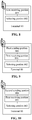
- 15 blocks are illustrated for representing 15 resource blocks on the left side of the arrow, and candidate uplink data sending resources are represented by resource blocks filled with slanted lines.
- the terminal may select the uplink transmission resource from the candidate uplink data sending resources.
- the black resource block is originally one of the candidate uplink data sending resources.
- the terminal removes the uplink data sending resource represented by the black resource block from the candidate uplink data sending resources because the uplink data sending resource may interfere with downlink data transmission. Therefore, the terminal determines the uplink data sending resources represented by the resource blocks filled with slanted lines on the right side of the arrow as transmission resources for sending uplink data.
- a base station finds the problem of interference with a downlink transmission resource. Therefore, referring to FIG. 6 , the example may include operations in S601 to S604.
- a terminal sends an SR or a BSR to the base station.
- the base station calculates an uplink data sending resource that interferes with the downlink transmission resource according to the SR or the BSR.
- the base station removes the uplink data sending resource that interferes with the downlink transmission resource from candidate uplink data sending resources.
- the base station sends the candidate uplink data sending resources to the terminal.
- the candidate uplink data sending resources may include uplink data sending resources on which interference is likely to be generated, or uplink data sending resources on which interference is generated or uplink data sending resources on which no interference is generated.
- the terminal selects a transmission resource for sending uplink data from the candidate uplink data sending resources according to the downlink transmission resource.
- An implementation process of the operation in S605 is the same as the operations in S404 and S405 in FIG. 4 and will not be elaborated in the example.
- the terminal when reported uplink data to be transmitted, may send an uplink SR to the base station and may also report the BSR.
- the base station after obtaining the SR or the BSR, may calculate a frequency band of an uplink data transmission resource, on which uplink data transmission may interfere with downlink data transmission.
- the base station since the base station finds the problem of the interference with the downlink transmission resource, the base station, when finding the interference with the downlink transmission resource, sends the candidate uplink data sending resources to the terminal, and the terminal selects the uplink transmission resource from the candidate uplink data sending resources, thereby avoid scheduling of the base station and further reducing a processing load of the base station.
- a process that the terminal selects the transmission resource for sending the uplink data from the candidate uplink data sending resources is elaborated through flows in the two examples.
- An example is used below to elaborate how the terminal selects a transmission resource for receiving downlink data from candidate downlink data receiving resources.
- FIG. 7 illustrates a flow of a method for scheduling transmission resources provided in the embodiment of the disclosure.
- the flow may include operations in S701 to S705.
- a terminal after acquiring an uplink transmission resource, reports a resource request indication, and a frequency identifier or a time identifier to a base station.
- the terminal after acquiring the uplink transmission resource, may find that a downlink data receiving resource may interfere with the uplink transmission resource, and thus the terminal may encapsulate the resource request indication into physical-layer signaling, MAC-layer signaling or RRC-layer signaling and send the encapsulated resource request indication to the base station.
- the resource request indication requests the base station to allocate candidate downlink data receiving resources.
- the base station Based on the frequency identifier or the time identifier, the base station removes a downlink data receiving resource corresponding to the frequency identifier or the time identifier from the candidate downlink data receiving resources when allocating the candidate downlink data receiving resources, thereby avoiding the base station from allocating the downlink data receiving resource corresponding to the frequency identifier or the time identifier to the terminal.
- the base station allocates candidate downlink data receiving resources based on the uplink transmission resource, the resource request indication, and the frequency identifier or the time identifier.
- the base station may obtain available downlink data receiving resources according to the resource request indication, and then remove the downlink data receiving resource corresponding to the frequency identifier or the time frequency from the available downlink data receiving resources, and according to the uplink transmission resource, generate the candidate downlink data receiving resources which is allocated to the terminal, based on the downlink data receiving resources left after removal.
- the candidate downlink data receiving resources include downlink data receiving resources on which interference is likely to be generated, or downlink data receiving resources on which interference is generated or downlink data receiving resources on which no interference is generated.
- the base station sends the candidate downlink data receiving resources to the terminal.
- the terminal compares a frequency band where the uplink transmission resource is located with a frequency band where each of the candidate downlink data receiving resources is located, to determine whether there is interference between the uplink transmission resource and each candidate downlink data receiving resource.
- the interference includes cross modulation interference, harmonic interference and harmonic mixing interference.
- the terminal selects a transmission resource for receiving downlink data from the candidate downlink data receiving resources according to a preset number and a determined interference condition.
- the base station since the terminal finds the problem of interference with the uplink transmission resource, the base station allocates the candidate downlink data receiving resources to the terminal according to the resource request indication reported by the terminal, and the terminal selects the downlink transmission resource from the candidate downlink data receiving resources. Therefore, scheduling of the base station is avoided, and further a processing load of the base station is reduced.
- FIG. 8 illustrates a terminal 80 provided in the embodiment of the disclosure.
- the terminal 80 includes a first receiving portion 801 and a selecting portion 802.
- the first receiving portion 801 is used to receive candidate uplink data sending resources or receive candidate downlink data receiving resources.
- the selecting portion 802 is used to determine a transmission resource for sending uplink data from the candidate uplink data sending resources according to a downlink transmission resource, or determine a transmission resource for receiving downlink data from the candidate downlink data receiving resources according to the uplink transmission resource.
- the terminal 80 further includes a first sending portion 803, used to send a resource request indication.
- the resource request indication requests a base station to allocate the candidate uplink data sending resources or the candidate downlink data receiving resources.
- the first sending portion 803 is further used to send a frequency identifier or a time identifier. Based on the frequency identifier or the time identifier, an uplink data sending resource corresponding to the frequency identifier or the time identifier is removed from the candidate uplink data sending resources when the candidate uplink data sending resources are determined. Alternatively, based on the frequency identifier or the time identifier, a downlink data receiving resource corresponding to the frequency identifier or the time identifier is removed from the candidate downlink data receiving resources when the candidate downlink data receiving resources are determined.
- the terminal 80 further includes a second sending portion 804, used to send a resource request indication.
- the indication is carried by an uplink SR or a BSR.
- the SR or the BSR is used to calculate an uplink data sending resource that interferes with the downlink transmission resource.
- the selecting portion 802 includes a determining sub-portion 8021 and a selecting sub-portion 8022.
- the determining sub-portion 8021 is used to determine an interference condition according to the downlink transmission resource and the candidate uplink data sending resources.
- the selecting sub-portion 8022 is used to select a preset number of transmission resources for sending uplink data according to the interference condition, to perform data transmission.
- the determining sub-portion 8021 is used to determine an interference condition according to the uplink transmission resource and the candidate downlink data receiving resources.
- the determining sub-portion 8022 is used to select a preset number of transmission resources for receiving downlink data according to the interference condition, to perform data transmission.
- the determining sub-portion 8021 is used to compare a frequency band where the downlink transmission resource is located with a frequency band where each of the candidate uplink data sending resources is located, to determine whether there is interference between the downlink transmission resource and each candidate uplink data sending resource.
- the determining sub-portion 8021 is used to compare a frequency band where the uplink transmission resource is located with a frequency band where each of the candidate downlink data receiving resources is located, to determine whether there is interference between the uplink transmission resource and each candidate downlink data receiving resource.
- the interference includes cross modulation interference, harmonic interference and harmonic mixing interference.
- portion may refer to a circuit portion, a processor portion, a program portion or a software portion and the like.
- the "portion” may also refer to a unit, or may also be a module and non-modular.
- the components in the embodiment may be integrated into a processing unit, or may also be independent physical units. Alternatively, two or more units may also be integrated into a unit.
- the integrated unit may be implemented in a hardware form and may also be implemented in form of software function module.
- the above integrated unit may also be stored in a computer-readable storage medium.
- a computer-readable storage medium including multiple instructions used to enable a computer device (which may be a personal computer, a server, network equipment or the like) or a processor to execute all or a part of operations of the method in the embodiment.
- the above storage medium includes a media capable of storing program codes such as a U-disk, mobile storage equipment, a read only memory (ROM), a random access memory (RAM), a magnetic disk or an optical disk.
- a computer-readable medium which stores a program for scheduling transmission resources, the program for scheduling transmission resources is executed by at least one processor to implement the following operations.
- Candidate uplink data sending resources are received, or, candidate downlink data receiving resources are received.
- a transmission resource for sending uplink data is determined from the candidate uplink data sending resources according to a downlink transmission resource.
- a transmission resource for receiving downlink data is determined from the candidate downlink data receiving resources according to the uplink transmission resource.
- the program for scheduling transmission resources is run by the processor to further execute the following operation.
- a resource request indication is sent.
- the resource request indication is used to request a base station to allocate the candidate uplink data sending resources or the candidate downlink data receiving resources.
- the program for scheduling transmission resources is run by the processor to further execute the following operation.
- a frequency identifier or a time identifier is sent. Based on the frequency identifier or the time identifier, an uplink data sending resource corresponding to the frequency identifier or the time identifier is removed from the candidate uplink data sending resources when the candidate uplink data sending resources are determined. Alternatively, based on the frequency identifier or the time identifier, a downlink data receiving resource corresponding to the frequency identifier or the time identifier is removed from the candidate downlink data receiving resources when the candidate downlink data receiving resources are determined.
- the program for scheduling transmission resources is run by the processor to further execute the following operation.
- the resource request indication is sent.
- the indication is carried through an uplink SR or a BSR.
- the SR or the BSR is used to calculate an uplink data sending resource that interferes with the downlink transmission resource.
- the program for scheduling transmission resources is run by the processor to further execute the following operations.
- An interference condition is determined according to the downlink transmission resource and the candidate uplink data sending resources.
- a preset number of transmission resources for sending the uplink data are selected according to the interference condition, to perform data transmission.
- the program for scheduling transmission resources is run by the processor to further execute the following operations.
- An interference condition is determined according to the uplink transmission resource and the candidate downlink data receiving resources.
- a preset number of transmission resources for receiving downlink data are selected according to the interference condition, to perform data transmission.
- the program for scheduling transmission resources is run by the processor to further execute the following operation.
- a frequency band where the downlink transmission resource is located is compared with a frequency band where each of the candidate uplink data sending resource is located, to determine whether there is interference between the downlink transmission resource and each candidate uplink data sending resource.
- the interference includes cross modulation interference, harmonic interference and harmonic mixing interference.
- the program for scheduling transmission resources is run by the processor to further execute the following operation.
- a frequency band where the uplink transmission resource is located is compared with a frequency band where each of the candidate downlink data receiving resources is located, to determine whether there is interference between the uplink transmission resource and each candidate downlink data receiving resource.
- the interference includes cross modulation interference, harmonic interference and harmonic mixing interference.
- the terminal 80 may include a first network interface 1201, a first memory 1202 and a first processor 1203.
- the components are coupled together through a bus system 1204.
- the bus system 1204 is used to implement connection and communication between these components.
- the bus system 1204 includes a power bus, a control bus and a state signal bus.
- various buses in FIG. 12 are represented as the bus system 1204.
- the first network interface 1201 is used to receive and send a signal in a process of receiving and sending information with another external network element.
- the first memory 1202 is used to store a computer program capable of being run in the first processor 1203.
- the first processor 1203 is used to run the computer program to execute the following operations.
- Candidate uplink data sending resources are received, or candidate downlink data receiving resources are received.
- a transmission resource for sending uplink data is determined from the candidate uplink data sending resources according to a downlink transmission resource.
- the transmission resource for receiving downlink data is determined from the candidate downlink data receiving resources according to the uplink transmission resource.
- the first memory 1202 in the embodiment of the disclosure may be a volatile memory or a nonvolatile memory, or may include both the volatile and nonvolatile memories.
- the nonvolatile memory may be a ROM, a programmable ROM (PROM), an erasable PROM (EPROM), an electrically EPROM (EEPROM) or a flash memory.
- the volatile memory may be a RAM, which is used as an external high-speed cache.
- RAMs in various forms are available, such as a static RAM (SRAM), a dynamic RAM (DRAM), a synchronous DRAM (SDRAM), a double data rate SDRAM (DDRSDRAM), an enhanced SDRAM (ESDRAM), a synchlink DRAM (SLDRAM) and a direct rambus RAM (DRRAM).
- SRAM static RAM
- DRAM dynamic RAM
- SDRAM synchronous DRAM
- DDRSDRAM double data rate SDRAM
- ESDRAM enhanced SDRAM
- SLDRAM synchlink DRAM
- DRRAM direct rambus RAM
- the first memory 1202 of a system and method described in the disclosure is intended to include, but be not limited to, these memories and memories of any other proper types.
- the first processor 1203 may be an integrated circuit chip having a signal processing capability. In an implementation process, each operation of the above method may be implemented by an integrated logic circuit of hardware in the first processor 1203 or an instruction in a software form.
- the above first processor 1203 may be a universal processor, a digital signal processor (DSP), an application specific integrated circuit (ASIC), a field programmable gate array (FPGA) or another programmable logic device (PLD), a discrete gate, a transistor logical device or a discrete hardware component, which can implement or execute each method, operation and logical block diagram disclosed in the embodiment of the disclosure.
- the universal processor may be a microprocessor or the processor may also be any conventional processor and the like.
- the operations of the method disclosed in combination with the embodiment of the disclosure may be directly implemented by a hardware decoding processor or a combination of hardware and software modules in the decoding processor.
- the software module may be located in a mature storage medium in the art such as a RAM, a flash memory, a ROM, a PROM or EEPROM and a register.
- the storage medium is located in the first memory 1202.
- the first processor 1203 reads information in the first memory 1202 and implements the operations of the method in combination with hardware thereof.
- the processing unit may be implemented in one or more ASICs, DSPs, DSP Devices (DSPDs), PLDs, FPGAs, universal processors, controllers, microcontrollers, microprocessors, other electronic units used to execute the functions in the disclosure or combinations thereof.
- ASICs ASICs, DSPs, DSP Devices (DSPDs), PLDs, FPGAs, universal processors, controllers, microcontrollers, microprocessors, other electronic units used to execute the functions in the disclosure or combinations thereof.
- the technology of the disclosure may be implemented through the modules (for example, processes and functions) executing the functions in the disclosure.
- a software code may be stored in the memory and executed by the processor.
- the memory may be implemented in the processor or outside the processor.
- the first processor 1203 is further used to run the computer program to execute the following operation.
- a resource request indication is sent.
- the resource request indication is used to request a base station to allocate the candidate uplink data sending resources or the candidate downlink data receiving resources.
- the first processor 1203 is further used to run the computer program to execute the following operation.
- a frequency identifier or a time identifier is sent. Based on the frequency identifier or the time identifier, an uplink data sending resource corresponding to the frequency identifier or the time identifier is removed from the candidate uplink data sending resources when the candidate uplink data sending resources are determined. Alternatively, based on the frequency identifier or the time identifier, a downlink data receiving resource corresponding to the frequency identifier or the time identifier is removed from the candidate downlink data receiving resources when the candidate downlink data receiving resources are determined.
- the first processor 1203 is further used to run the computer program to execute the following operation.
- a resource request indication is sent.
- the indication is carried by an uplink SR or a BSR.
- the SR or the BSR is used to calculate an uplink data sending resource that interferes with the downlink transmission resource.
- the first processor 1203 is further used to run the computer program to execute the following operations.
- An interference condition is determined according to the downlink transmission resource and the candidate uplink data sending resources.
- a preset number of transmission resources for sending the uplink data are selected according to the interference condition, to perform data transmission.
- the first processor 1203 is further used to run the computer program to execute the following operations.
- An interference condition is determined according to the uplink transmission resource and the candidate downlink data receiving resources.
- a preset number of transmission resources for receiving the downlink data are selected according to the interference condition, to perform data transmission.
- the first processor 1203 is further used to run the computer program to execute the following operation.
- a frequency band where the downlink transmission resource is located is compared with a frequency band where each of the candidate uplink data sending resources is located, to determine whether there is interference between the downlink transmission resource and each candidate uplink data sending resource.
- the interference includes cross modulation interference, harmonic interference and harmonic mixing interference.
- the first processor 1203 is further used to run the computer program to execute the following operation.
- a frequency band where the uplink transmission resource is located is compared with a frequency band where each of the candidate downlink data receiving resources is located, to determine whether there is interference between the uplink transmission resource and each candidate downlink data receiving resource.
- the interference includes cross modulation interference, harmonic interference and harmonic mixing interference.
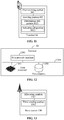
- FIG. 13 illustrates a base station 130 provided in the embodiment of the disclosure.
- the base station 130 may include an allocating portion 1301 and a third sending portion 1302.
- the allocating portion 1301 is used to allocate candidate uplink data sending resources based on a downlink transmission resource or allocate candidate downlink data receiving resources based on an uplink: transmission resource.
- the third sending portion 1302 is used to send the candidate uplink data sending resources or the candidate downlink data receiving resources to a terminal.
- the candidate uplink data sending resources are used by the terminal to select the transmission resource for sending uplink data
- the candidate downlink data receiving resources are used by the terminal to select the transmission resource for receiving downlink data.
- the base station 130 further includes a second receiving portion 1303, used to receive a resource request indication.
- the resource request indication is used to request allocation of the candidate uplink data sending resources or the candidate downlink data receiving resources.
- the second receiving portion 1303 is further used to receive a frequency identifier or a time identifier. Based on the frequency identifier or the time identifier, an uplink data sending resource corresponding to the frequency identifier or the time identifier is removed from the candidate uplink data sending resources when the candidate uplink data sending resources are determined. Alternatively, based on the frequency identifier or the time identifier, a downlink data receiving resource corresponding to the frequency identifier or the time identifier is removed from the candidate downlink data receiving resources when the candidate downlink data receiving resources are determined.
- the allocating portion 1301 is used to receive an uplink SR or a BSR, calculate an uplink data sending resource that interferes with the downlink transmission resource according to the SR or the BSR and remove the uplink data sending resource that interferes with the downlink transmission resource from the candidate uplink data sending resources.
- portion may refer to a circuit portion, a processor portion, a program portion or a software portion and the like.
- the "portion” may also refer to a unit, or may also be a module and non-modular.
- the components in the embodiment may be integrated into a processing unit, or may also independent physical units. Alternatively, two or more units may also be integrated into a unit.
- the integrated unit may be implemented in a hardware form and may also be implemented in form of software function module.
- the above integrated unit may also be stored in a computer-readable storage medium.
- a computer-readable storage medium including multiple instructions used to enable a computer device (which may be a personal computer, a server, network equipment or the like) or a processor to execute all or a part of operations of the method in the embodiment.
- the above storage medium includes a media capable of storing program codes such as a U-disk, mobile storage equipment, a read only memory (ROM), a random access memory (RAM), magnetic disk or an optical disk.
- a computer-readable medium which stores a program for scheduling transmission resources.
- the program for scheduling transmission resources is executed by at least one processor to implement the following operations.
- Candidate uplink data sending resources are allocated based on a downlink transmission resource, or candidate downlink data receiving resources are allocated based on an uplink transmission resource.
- the candidate uplink data sending resources or the candidate downlink data receiving resources are sent to a terminal.
- the candidate uplink data sending resources are used by a terminal to select a transmission resource for sending uplink data
- the candidate downlink data receiving resources are used by the terminal to select a transmission resource for receiving downlink data.
- the program for scheduling transmission resources is run by the processor to further execute the following operation.
- a resource request indication is received.
- the resource request indication is used to request allocation of the candidate uplink data sending resources or the candidate downlink data receiving resources.
- the program for scheduling transmission resources is run by the processor to further execute the following operation.
- a frequency identifier or a time identifier is received. Based on the frequency identifier or the time identifier, an uplink data sending resource corresponding to the frequency identifier or the time identifier is removed from the candidate uplink data sending resources when the candidate uplink data sending resources are determined. Alternatively, based on the frequency identifier or the time identifier, a downlink data receiving resource corresponding to the frequency identifier or the time identifier is removed from the candidate downlink data receiving resources when the candidate downlink data receiving resources are determined.
- the program for scheduling transmission resources is run by the processor to further execute the following operations.
- An uplink SR or a BSR is received.
- An uplink data sending resource that interferes with the downlink transmission resource is calculated according to the SR or the BSR.
- the uplink data sending resource that interferes with the downlink transmission resource is removed from the candidate uplink data sending resources.
- FIG. 15 illustrates a hardware structure of the base station 130 provided in the embodiment of the disclosure.
- the base station 130 may include a second network interface 1501, a second memory 1502 and a second processor 1503.
- the components are coupled together through a bus system 1504. It may be understood that the bus system 1504 is used to implement connection and communication between these components.
- the bus system 1504 includes a power bus, a control bus and a state signal bus. However, for clear description, various buses in FIG. 14 are represented as the bus system 1504.
- the second network interface 1501 is used to receive and send a signal in a process of receiving and sending information with another external network element.
- the second memory 1502 is used to store a computer program capable of being run in the second processor 1503.
- the second processor 1503 is used to run the computer program to execute the following operations.
- Candidate uplink data sending resources are allocated based on a downlink transmission resource, or candidate downlink data receiving resources are allocated based on an uplink transmission resource.
- the candidate uplink data sending resources or the candidate downlink data receiving resources are sent to a terminal.
- the candidate uplink data sending resources are used by a terminal to select a transmission resource for sending uplink data
- the candidate downlink data receiving resources are used by the terminal to select a transmission resource for receiving downlink data
- the second memory 1502 in the embodiment of the disclosure may be a volatile memory or a nonvolatile memory, or may include both the volatile and nonvolatile memories.
- the nonvolatile memory may be a ROM, a programmable ROM (PROM), an erasable PROM (EPROM), an electrically EPROM (EEPROM) or a flash memory.
- the volatile memory may be a RAM, which is used as an external high-speed cache.
- RAMs in various forms are available, such as a static RAM (SRAM), a dynamic RAM (DRAM), a synchronous DRAM (SDRAM), a double data rate SDRAM (DDRSDRAM), an enhanced SDRAM (ESDRAM), a synchlink DRAM (SLDRAM) and a direct rambus RAM (DRRAM).
- SRAM static RAM
- DRAM dynamic RAM
- SDRAM synchronous DRAM
- DDRSDRAM double data rate SDRAM
- ESDRAM enhanced SDRAM
- SLDRAM synchlink DRAM
- DRRAM direct rambus RAM
- the second memory 1502 of a system and method described in the disclosure includes, but is not limited to, these memories and memories of any other proper types.
- the second processor 1503 may be an integrated circuit chip having a signal processing capability. In an implementation process, each operation of the above method may be implemented by an integrated logic circuit of hardware in the second processor 1503 or an instruction in a software form.
- the above second processor 1503 may be a universal processor, a digital signal processor (DSP), an application specific integrated circuit (ASIC), a field programmable gate array (FPGA) or another programmable logic device (PLD), a discrete gate, a transistor logical device or a discrete hardware component, which can implement or execute each method, operation and logical block diagram disclosed in the embodiment of the disclosure.
- the universal processor may be a microprocessor or the processor may also be any conventional processor and the like.
- the operations of the method disclosed in combination with the embodiment of the disclosure may be directly implemented by a hardware decoding processor or a combination of hardware and software modules in the decoding processor.
- the software module may be located in a mature storage medium in the art such as a RAM, a flash memory, a ROM, a PROM or EEPROM and a register.
- the storage medium is located in the second memory 1502.
- the second processor 1503 reads information in the second memory 1502 and implements the operations of the method in combination with hardware thereof.
- the processing unit may be implemented in one or more ASICs, DSPs, DSP Devices (DSPDs), PLDs, FPGAs, universal processors, controllers, microcontrollers, microprocessors, other electronic units used to execute the functions in the disclosure or combinations thereof.
- ASICs ASICs, DSPs, DSP Devices (DSPDs), PLDs, FPGAs, universal processors, controllers, microcontrollers, microprocessors, other electronic units used to execute the functions in the disclosure or combinations thereof.
- the technology of the disclosure may be implemented through the modules (for example, processes and functions) executing the functions in the disclosure.
- a software code may be stored in the memory and executed by the processor.
- the memory may be implemented in the processor or outside the processor.
- the second processor 1503 is further used to run the computer program to execute the following operation.
- a resource request indication is received.
- the resource request indication is used to request allocation of the candidate uplink data sending resources or the candidate downlink data receiving resources.
- the second processor 1503 is further used to run the computer program to execute the following operation.
- a frequency identifier or a time identifier is received. Based on the frequency identifier or the time identifier, an uplink data sending resource corresponding to the frequency identifier or the time identifier is removed from the candidate uplink data sending resources when the candidate uplink data sending resources are determined. Alternatively, based on the frequency identifier or the time identifier, a downlink data receiving resource corresponding to the frequency identifier or the time identifier is removed from the candidate downlink data receiving resources when the candidate downlink data receiving resources are determined.
- the second processor 1503 is further used to run the computer program to execute the following operations.
- An uplink SR or a BSR is received.
- An uplink data sending resource that interferes with the downlink transmission resource is calculated according to the SR or the BSR.
- the uplink data sending resource that interferes with the downlink transmission resource is removed from the candidate uplink data sending resources.
- FIG. 16 illustrates a system 160 for scheduling transmission resources provided in the embodiment of the disclosure.
- the system 150 includes a terminal 80 and a base station 130.
- the base station 130 is used to allocate candidate uplink data sending resources based on a downlink transmission resource or allocate candidate downlink data receiving resources based on an uplink transmission resource, and send the candidate uplink data sending resources or the candidate downlink data receiving resources to the terminal 80.
- the candidate uplink data sending resources are used by a terminal to select a transmission resource for sending uplink data
- the candidate downlink data receiving resources are used by the terminal to select a transmission resource for receiving downlink data.
- the terminal 80 is used to receive the candidate uplink data sending resources or receive the candidate downlink data receiving resources, and determine a transmission resource for sending uplink data from the candidate uplink data sending resources according to the downlink transmission resource, or determine a transmission resource for receiving downlink data from the candidate downlink data receiving resources according to the uplink transmission resource.
- the terminal 80 in the embodiment may preferably be the terminal 80 in any abovementioned embodiment, and the base station 130 may preferably be the base station 130 in any abovementioned embodiment.
- the embodiment of the disclosure may be embodied as a method, a system or a computer program product. Therefore, the disclosure may be in a form of hardware embodiment, software embodiment or combined embodiment of software and hardware. Moreover, the disclosure may be a form of computer program product implemented on one or more computer-available storage media (including, but be not limited to, a disk memory and an optical memory) including computer-available program codes.
- a computer-available storage media including, but be not limited to, a disk memory and an optical memory
- each flow in the flowcharts and/or each block in the block diagrams and a combination of the flows in the flowcharts and/or a combination of blocks in the block diagrams may be implemented by computer program instructions.
- These computer program instructions may be provided for a universal computer, a dedicated computer, an embedded processor or a processor of other programmable data processing device to generate a machine, so that the instructions executed through the computer or the processor of the other programmable data processing device can generate a device for realizing a function specified in one or more flows in the flowcharts and/or one or more blocks in the block diagrams.
- These computer program instructions may also be stored in a computer-readable memory capable of guiding the computer or the other programmable data processing device to operate in a manner, so that the instructions stored in the computer-readable memory generate a product including an instruction device.
- the instruction device can realize the function specified in one or more flows in the flowcharts and/or one or more blocks in the block diagrams.
- These computer program instructions may further be loaded onto the computer or the other programmable data processing device, so that a series of operations are executed on the computer or the other programmable data processing device to generate processing implemented by the computer, and operations for realizing the function specified in one or more flows in the flowcharts and/or one or more blocks in the block diagrams are provided by the instructions executed on the computer or the other programmable data processing device.
- the terminal selects from the candidate uplink data sending resources based on the downlink transmission resource, a transmission resource which is capable of avoiding from interfering with the downlink transmission resource and used for sending uplink data.
- the terminal selects from the candidate downlink data receiving resources based on the uplink transmission resource, a transmission resource which is capable of avoiding from interfering with the uplink transmission resource and used for receiving downlink data. Therefore, scheduling of the base station is avoided, and further the processing load of the base station is reduced.
Landscapes
- Engineering & Computer Science (AREA)
- Signal Processing (AREA)
- Computer Networks & Wireless Communication (AREA)
- Quality & Reliability (AREA)
- Mobile Radio Communication Systems (AREA)
Abstract
Description
- The disclosure relates to the wireless communication technology, and particularly to a method, a device and a system for scheduling transmission resources.
- With development of communication technologies, researches on 5th Generation (5G) mobile communication technology have been made. Radio access of 5G is called new radio (NR). At present, a spectrum resource adopted in each of three major application scenarios defined for 5G which include enhanced mobile broadband (eMBB), massive machine type communications (mMTC) and ultra-reliable low latency communications (URLLC), includes a frequency band below 6GHz, while a frequency resource adopted for long term evolution (LTE) communication of a terminal in a LTE system is nearby 2GHz. Therefore, when a terminal simultaneously performs LTE and NR communication, it is relatively likely to generate interference between two frequency bands. The interference may include cross modulation interference, harmonic interference and harmonic mixing interference. Due to the interference, the terminal cannot simultaneously perform LTE and NR communication for data transmission and reception. That is, data transmission of the terminal through the LTE may interfere with data reception of the terminal through the NR, and data transmission of the terminal through the NR may interfere with data reception of the terminal through the LTE.
- For solving the problem, a solution adopted currently includes scheduling an uplink transmission resource and downlink transmission resource of a terminal by a base station, thereby avoiding the terminal from simultaneously performing uplink transmission and downlink transmission of data on resources between which interference occurs. However, the solution may results in an increase in a processing load of the base station.
- For solving the above technical problem, a method, a device and a system for scheduling transmission resources are provided according to the embodiments of the disclosure, which can avoid interference between an uplink transmission resource and a downlink transmission resource and further reduce a processing load of a base station.
- The technical solutions of the embodiments of the disclosure are implemented as follows.
- According to a first aspect, a method for scheduling transmission resources is provided according to an embodiment of the disclosure, which is applied to a terminal and includes the following operations.
- Candidate uplink data sending resources are received, or candidate downlink data receiving resources are received.
- A transmission resource for sending uplink data is determined from the candidate uplink data sending resources according to a downlink transmission resource, or a transmission resource for receiving downlink data is determined from the candidate downlink data receiving resources according to an uplink transmission resource.
- According to a second aspect, a method for scheduling transmission resources is provided according to an embodiment of the disclosure, which may include the following operations.
- Candidate uplink data sending resources are allocated based on a downlink transmission resource, or candidate downlink data receiving resources are allocated based on an uplink transmission resource.
- The candidate uplink data sending resources or the candidate downlink data receiving resources are sent to a terminal. The candidate uplink data sending resources are used by a terminal to select a transmission resource for sending uplink data, and the candidate downlink data receiving resources are used by the terminal to select a transmission resource for receiving downlink data.
- According to a third aspect, a terminal is provided according to an embodiment of the disclosure, which may include a first receiving portion and a selecting portion.
- The first receiving portion is used to receive candidate uplink data sending resources or receive candidate downlink data receiving resources.
- The selecting portion is used to determine a transmission resource for sending uplink data from the candidate uplink data sending resources according to a downlink transmission resource or determine a transmission resource for receiving downlink data from the candidate downlink data receiving resources according to an uplink transmission resource.
- According to a fourth aspect, a base station is provided according to an embodiment of the disclosure, which may include an allocating portion and a third sending portion.
- The allocating portion may be used to allocate candidate uplink data sending resources based on a downlink transmission resource or allocate candidate downlink data receiving resources based on an uplink: transmission resource.
- The third sending portion may be used to send the candidate uplink data sending resources or the candidate downlink data receiving resources to a terminal. The candidate uplink data sending resources are used by a terminal to select a transmission resource for sending uplink data, and the candidate downlink data receiving resources are used by the terminal to select a transmission resource for receiving downlink data.
- According to a fifth aspect, a terminal is provided according to an embodiment of the disclosure, which may include a first network interface, a first memory and a first processor.
- The first network interface may be used to receive and send a signal in a process of receiving and sending information with another external network element.
- The first memory may be used to store a computer program capable of being run in the first processor.
- The first processor may be used to run the computer program to execute the operations of the method in the first aspect.
- According to a sixth aspect, a base station is provided according to an embodiment of the disclosure, which may include a second network interface, a second memory and a second processor.
- The second network interface may be used to receive and send a signal in a process of receiving and sending information with another external network element.
- The second memory is used to store a computer program capable of being run in the second processor.
- The second processor may be used to run the computer program to execute the operations of the method in the second aspect.
- According to a seventh aspect, a computer-readable medium is provided according to an embodiment of the disclosure, which may store a program for scheduling transmission resources. The program for scheduling transmission resources is executed by at least one processor to implement the operations of the method in the first aspect.
- According to an eighth aspect, a computer-readable medium is provided according to an embodiment of the disclosure, which may store a program for scheduling transmission resources. The program for scheduling transmission resources is executed by at least one processor to implement the operations of the method in the second aspect.
- According to a ninth aspect, a system for scheduling transmission resources is provided according to an embodiment of the disclosure, which may include a terminal and a base station.
- The base station may be used to allocate candidate uplink data sending resources based on a downlink transmission resource or allocate candidate downlink data receiving resources based on an uplink transmission resource, and send the candidate uplink data sending resources or the candidate downlink data receiving resources to the terminal. The candidate uplink data sending resources are used by a terminal to select a transmission resource for sending uplink data, and the candidate downlink data receiving resources are used by the terminal to select a transmission resource for receiving downlink data.
- The terminal may be used to receive the candidate uplink data sending resources or receive the candidate downlink data receiving resources, and determine a transmission resource for sending uplink data from the candidate uplink data sending resources according to a downlink transmission resource or determine a transmission resource for receiving downlink data from the candidate downlink data receiving resources according to an uplink transmission resource.
- The method, the device and the system for scheduling transmission resources are provided according to the embodiments of the disclosure. The terminal selects from the candidate uplink data sending resources based on the downlink transmission resource, a transmission resource which is capable of avoiding from interfering with the downlink transmission resource and used to send the uplink data, or the terminal selects from the candidate downlink data receiving resources based on the uplink transmission resource, a transmission resource which is capable of avoiding from interfering with the uplink transmission resource and used to send the downlink data. Therefore, scheduling of the base station is avoided, and further a processing load of the base station is reduced.
-
-
FIG. 1 is a schematic diagram of an application scenario according to an embodiment of the disclosure. -
FIG. 2 is a flowchart of a method for scheduling transmission resources according to an embodiment of the disclosure. -
FIG. 3 is a flowchart of another method for scheduling transmission resources according to an embodiment of the disclosure. -
FIG. 4 is a flowchart of a method for scheduling transmission resources according to an embodiment of the disclosure. -
FIG. 5 is a schematic diagram of resources according to an embodiment of the disclosure. -
FIG. 6 is a flowchart of another method for scheduling transmission resources according to an embodiment of the disclosure. -
FIG. 7 is a flowchart of another method for scheduling transmission resources according to an embodiment of the disclosure. -
FIG. 8 is a schematic composition diagram of a terminal according to an embodiment of the disclosure. -
FIG. 9 is a schematic composition diagram of another terminal according to an embodiment of the disclosure. -
FIG. 10 is a schematic composition diagram of another terminal according to an embodiment of the disclosure. -
FIG. 11 is a schematic composition diagram of another terminal according to an embodiment of the disclosure. -
FIG. 12 is a schematic hardware structure diagram of a terminal according to an embodiment of the disclosure. -
FIG. 13 is a schematic composition diagram of a base station according to an embodiment of the disclosure. -
FIG. 14 is a schematic composition diagram of another base station according to an embodiment of the disclosure. -
FIG. 15 is a schematic hardware structure diagram of a base station according to an embodiment of the disclosure. -
FIG. 16 is a schematic composition diagram of a system for scheduling transmission resources according to an embodiment of the disclosure. - During smooth transition from LTE to 5G, a phase that LTE and 5G coexist occurs and a phenomenon in which two radio access manners and two core networks coexist occurs at this phase. The two radio access manners include an LTE access manner and a NG access manner, and the two core networks include an evolved packet core (EPC) and a next generation core network (NGCN). Base stations corresponding to the above two access manners may include an evolved node B (eNB) and a gNB. Therefore, a base station at a network side involved in the embodiments of the disclosure may include the two base stations. It may be understood that the base station may further include a base station of a type appearing in a subsequent technical development process, which is not limited in the embodiments of the disclosure.
-
FIG. 1 is a schematic diagram of an atypical application scenario according to an embodiment of the disclosure. Aterminal 1 is within coverage as illustrated by an ellipse inFIG. 1 , of abase station 2. Thebase station 2 allocates an uplink transmission resource and a downlink transmission resource to theterminal 1, uplink transmission is illustrated as a solid arrow inFIG. 1 and downlink transmission is illustrated as a dotted arrow inFIG. 1 . It may be understood that, inFIG. 1 , thebase station 2 may be an eNB, or may be a gNB, or may further be a network device appearing in the subsequent technical development process and used to implement radio access of a terminal, which is not limited in the embodiments of the disclosure. - The technical solutions of the embodiments of the disclosure will be described based on the application scenario illustrated in
FIG. 1 . - Referring to
FIG. 2 , which illustrates a method for scheduling transmission resources provided in the embodiment of the disclosure, the method includes operations in S201 and S202. - In S201, candidate uplink data sending resources are received, or candidate downlink data receiving resources are received.
- In S202, an uplink transmission resource for sending uplink data is selected from the candidate uplink data sending resources according to a downlink transmission resource, or, a transmission resource for receiving downlink data is determined from the candidate downlink data receiving resources according to the uplink transmission resource.
- The technical solution illustrated in
FIG. 2 may be applied to the terminal in the scenario illustrated inFIG. 1 . In an implementation process, the terminal may include, for example, a user equipment (UE), a mobile station (MS), a mobile wireless device, a mobile communication device, a tablet computer, a handset or a wireless device of another type, which is not limited in the embodiment. - Since an uplink sending resource interferes with a downlink receiving resource and the downlink receiving resource interferes with the uplink sending resource currently, in the technical solution illustrated in
FIG. 2 , the terminal selects from the candidate uplink data sending resources based on the downlink transmission resource, a transmission resource which is capable of avoiding from interfering with the downlink transmission resource and used to send the uplink data, or the terminal selects from the candidate downlink data receiving resources based on the uplink transmission resource, a transmission resource which is capable of avoiding from interfering with the uplink transmission resource and used to send the downlink data. Therefore, scheduling of the base station is avoided, and further a processing load of the base station is reduced. - For the technical solution illustrated in
FIG. 2 , in a possible implementation, before the operation in S201, the method may further include the following operation. - A resource request indication is sent. The resource request indication requests a base station to allocate the candidate uplink data sending resources or the candidate downlink data receiving resources.
- In the implementation, the resource request indication may be reported in the form of signaling, and a format of the reported signaling may be physical-layer signaling, media access control (MAC)-layer signaling or radio resource control (RRC)-side signaling. The format will not be elaborated herein. In addition, corresponding to sending of the resource request indication, a frequency identifier or a time identifier may further be sent. Based on the frequency identifier or the time identifier, an uplink data sending resource corresponding to the frequency identifier or the time identifier is removed from the candidate uplink data sending resources when the candidate uplink data sending resources are determined. Alternatively, based on the frequency identifier or the time identifier, a downlink data receiving resource corresponding to the frequency identifier or the time identifier is removed from the candidate downlink data receiving resources when the candidate downlink data receiving resources are determined.
- It is to be noted that, for the implementation, the terminal, after acquiring the downlink transmission resource, may send the resource request indication in the form of reporting signaling, so as to avoid an uplink data sending resource from interfering with the downlink transmission resource. A network side, for example, the base station, may transmit the candidate uplink data sending resources, and the terminal can select a transmission resource for sending uplink data from the candidate uplink data sending resources. Alternatively, the terminal, after acquiring the uplink transmission resource, sends the resource request indication in form of reporting signaling, to avoid a downlink data receiving resource from interfering with the uplink transmission resource. The network side, for example, the base station, may transmit the candidate downlink data receiving resources, and the terminal selects a transmission resource for receiving downlink data from the candidate downlink data receiving resources.
- In addition, it is also to be noted that the network side may also determine whether a phenomenon that the uplink data sending resource interferes with the downlink transmission resource may occur. A device at the network side is taken as an example of the base station. When the terminal reports uplink data to be transmitted, the resource request indication may be carried in an uplink scheduling request (SR) or a buffer status report (BSR). The base station, after obtaining the SR or the BSR, may calculate a frequency band of an uplink data sending resource for uplink data transmission which may interfere with downlink data transmission.
- For the technical solution illustrated in
FIG. 2 , in another possible implementation, the candidate uplink data sending resources include uplink data sending resources on which interference is likely to be generated, or uplink data sending resources on which interference is generated, or uplink data sending resources on which no interference is generated. - The candidate downlink data receiving resources include downlink data receiving resources on which interference is likely to be generated, or downlink data receiving resources on which interference is generated, or downlink data receiving resources on which no interference is generated.
- That is, the terminal, after obtaining the candidate uplink data sending resources, may select at least one uplink data sending resource as the transmission resource for sending uplink data, or the terminal, after acquiring the candidate downlink data receiving resources, may select at least one downlink data receiving resource as the transmission resource for receiving downlink data.
- For the technical solution illustrated in
FIG. 2 , in another possible implementation, the operation that the transmission resource for sending the uplink data is determined from the candidate uplink data sending resources according to the downlink transmission resource may include the following operations. - An interference condition is determined according to the downlink transmission resource and the candidate uplink data sending resources.
- A preset number of transmission resources for sending uplink data are selected according to the interference condition, to perform data transmission.
- Correspondingly, for the technical solution illustrated in
FIG. 2 , in another possible implementation, the operation that the transmission resource for receiving the downlink data is selected from the candidate downlink data receiving resources according to the uplink transmission resource includes the following operations. - An interference condition is determined according to the uplink transmission resource and the candidate downlink data receiving resources.
- A preset number of transmission resources for receiving the downlink data are selected according to the interference condition, to perform data transmission.
- The interference condition may be determined based on the downlink transmission resource and each uplink data sending resource in the candidate uplink data sending resources according to a preset interference detection strategy, or determined through the uplink transmission resource and each downlink data receiving resource in the candidate downlink data receiving resources according to the preset interference detection strategy. For example, the preset interference detection strategy may be a frequency detection strategy. That is, during implementation, the operation that the interference condition is determined according to the downlink transmission resource and the candidate uplink data sending resources may include the following operation.
- The terminal compares a frequency band where the downlink transmission resource is located with a frequency band where each of the candidate uplink data sending resources is located, to determine whether there is interference between the downlink transmission resource and each candidate uplink data sending resource. The interference includes cross modulation interference, harmonic interference and harmonic mixing interference. It may be understood that, in response to that a different between the frequency bands is greater than a preset difference threshold value, it may be determined that interference of the candidate uplink data sending resource to the downlink transmission resource is relatively little. In response to that the difference between the frequency bands is less than the preset difference threshold value, it may be determined that the interference of the candidate uplink data sending resource to the downlink transmission resource is relatively strong. The interference increases with the decrease in the difference between the frequency bands.
- Correspondingly, the operation that the interference condition is determined according to the uplink transmission resource and the candidate downlink data receiving resources includes the following operation.
- A frequency band where the uplink transmission resource is located is compared with a frequency band where each of the candidate downlink data receiving resources is located, to determine whether there is interference between the uplink transmission resource and each candidate downlink data receiving resource. The interference includes cross modulation interference, harmonic interference and harmonic mixing interference.
- It is to be noted that, in addition to frequency detection, another interference detection manner may also be used to determine the interference condition of the candidate uplink data sending resources to the downlink transmission resource or the candidate downlink data receiving resources to the uplink transmission resource, which is not limited in the embodiment.
- A method for scheduling transmission resources is provided according to the embodiment. The terminal selects from the candidate uplink data sending resources based on the downlink transmission resource, a transmission resource which is capable of avoiding from interfering with the downlink transmission resource and used for sending the uplink data. Alternatively, the terminal selects from the candidate downlink data receiving resources based on the uplink transmission resource, a transmission resource which is capable of avoiding from interfering with the uplink transmission resource and used for sending the downlink data. Therefore, scheduling of the base station is avoided, and further the processing load of the base station is reduced.
- Based on the same inventive concept of the abovementioned embodiment,
FIG. 3 illustrates a method for scheduling transmission resources provided in an embodiment of the disclosure. The method includes operations in S301 and S302. - In S301, candidate uplink data sending resources are allocated based on a downlink transmission resource, or candidate downlink data receiving resources are allocated based on an uplink transmission resource.
- In S302, the candidate uplink data sending resources or the candidate downlink data receiving resources are sent to a terminal.
- The terminal selects a transmission resource for sending uplink data from the candidate uplink data sending resources, and selects a transmission resource for receiving downlink data from the candidate downlink data receiving resources.
- The technical solution illustrated in
FIG. 3 may be applied to the base station in the scenario illustrated inFIG. 1 . The base station may be an eNB, or may be a gNB, or may further be a network device appearing in the subsequent technical development process and used to implement radio access of a terminal, which is not limited in the embodiment. - In the technical solution illustrated in
FIG. 3 , since the base station sends the candidate uplink data sending resources or the candidate downlink data receiving resources to the terminal, and the terminal selects a transmission resource for sending uplink data from the candidate uplink data sending resources or selects a transmission resource for receiving downlink data from the candidate downlink data receiving resources. Therefore, the terminal selects and schedules the uplink or downlink transmission resource without scheduling of the base station for the uplink or downlink transmission resource of the terminal, thereby reducing a processing load of the base station. - For the technical solution illustrated in
FIG. 3 , in a possible implementation, before the operation that the candidate uplink data sending resources are allocated based on the downlink transmission resource or the candidate downlink data receiving resources are allocated based on the uplink transmission resource, the method may further include the following operation. - A resource request indication is received. The resource request indication is used to request allocation of the candidate uplink data sending resources or the candidate downlink data receiving resources.
- The resource request indication may be reported in the form of signaling, such as physical-layer signaling, MAC-layer signaling or RRC-side signaling. In addition, corresponding to receiving of the resource request indication, a frequency identifier or a time identifier may further be received. Based on the frequency identifier or the time identifier, an uplink data sending resource corresponding to the frequency identifier or the time identifier is removed from the candidate uplink data sending resources when the candidate uplink data sending resources are determined. Alternatively, based on the frequency identifier or the time identifier, a downlink data receiving resource corresponding to the frequency identifier or the time identifier is removed from the candidate downlink data receiving resources when the candidate downlink data receiving resources are determined.
- It may be understood that, in the implementation, the terminal, after acquiring the downlink transmission resource, may send a resource request indication in form of reporting signaling, to avoid an uplink data sending resource from interfering with the downlink transmission resource. The base station may transmit the candidate uplink data sending resources, and the terminal select a transmission resource for sending uplink data from the candidate uplink data sending resources. Correspondingly, the terminal, after acquiring the uplink transmission resource, may send a resource request indication in form of reporting signaling, to avoid a downlink data receiving resource from interfering with the uplink transmission resource. The base station may transmit the candidate downlink data receiving resources, and the terminal selects a transmission resource for receiving downlink data from the candidate downlink data receiving resources.
- In addition, for the technical solution illustrated in
FIG. 3 , in another possible implementation, the base station may determine whether a phenomenon that the uplink data sending resource interferes with the downlink transmission resource occurs. Therefore, the operation that the candidate uplink data sending resources are allocated based on the downlink transmission resource includes the following operations. - An SR or a BSR is received.
- An uplink data sending resource that interferes with the downlink transmission resource is calculated according to the SR or the BSR.
- The uplink data sending resource that interferes with the downlink transmission resource is removed from the candidate uplink data sending resources.
- For the technical solution illustrated in
FIG. 3 , the candidate uplink data sending resources include uplink data sending resources on which interference is likely to be generated, or uplink data sending resources on which interference is generated or uplink data sending resources on which no interference is generated. - The candidate downlink data receiving resources include downlink data receiving resources on which interference is likely to be generated, or downlink data receiving resources on which interference is generated or downlink data receiving resources on which no interference is generated.
- That is, the terminal, after obtaining the candidate uplink data sending resources or the candidate downlink data receiving resources, may select at least one resource as a transmission resource for sending uplink data or a transmission resource for receiving downlink data. Scheduling of the base station is avoided, and further the processing load of the base station is reduced.
- Based on the same inventive concept of the abovementioned embodiments, the technical solutions of the abovementioned embodiments are described in the embodiment using two examples in detail.
- Referring to
FIG. 4 , which illustrates a flow of a method for scheduling transmission resources provided in the embodiment of the disclosure, the flow may include operations in S401 to S405. - In S401, a terminal, after acquiring a downlink transmission resource, reports a resource request indication, and a frequency identifier or a time identifier to a base station.
- It is to be noted that the terminal, after acquiring the downlink transmission resource, may find that an uplink data sending resource may interfere with the downlink transmission resource, and thus the terminal may encapsulate the resource request indication into physical-layer signaling, MAC-layer signaling or RRC-layer signaling and send the encapsulated resource request indication to the base station. The resource request indication requests the base station to allocate candidate uplink data sending resources. Based on the frequency identifier or the time identifier, the base station removes an uplink data sending resource corresponding to the frequency identifier or the time identifier from the candidate uplink data sending resources when allocating the candidate uplink data sending resources, thereby avoiding the base station from allocating the uplink data sending resource corresponding to the frequency identifier or the time identifier to the terminal.
- In S402, the base station allocates candidate uplink data sending resources based on the downlink transmission resource, the resource request indication, and the frequency identifier or the time identifier.
- The base station may obtain available uplink data sending resources according to the resource request indication, and then remove a uplink data sending resource corresponding to the frequency identifier or the time frequency from the available uplink data sending resources, and according to the downlink transmission resource, generate the candidate uplink data sending resources, which are allocated to the terminal, based on the uplink data sending resources left after removal.
- In the example, the candidate uplink data sending resources may include uplink data sending resources on which interference is likely to be generated, or uplink data sending resources on which interference is generated or uplink data sending resources on which no interference is generated.
- In S403, the base station sends the candidate uplink data sending resources to the terminal.
- In S404, the terminal compares a frequency band where the downlink transmission resource is located with a frequency band where each of the candidate uplink data sending resources is located to determine whether there is interference between the downlink transmission resource and each candidate uplink data sending resource.
- The interference includes cross modulation interference, harmonic interference and harmonic mixing interference.
- In S405, the terminal selects a transmission resource for sending uplink data from the candidate uplink data sending resources according to a preset number and a determined interference condition.
- In the example, since the terminal finds the problem of interference with the downlink transmission resource, the base station allocates the candidate uplink data sending resources to the terminal according to the resource request indication reported by the terminal, and then the terminal selects the uplink transmission resource from the candidate uplink data sending resources. Therefore, scheduling of the base station is avoided, and further a processing load of the base station is reduced.
- In combination with the solution illustrated in
FIG. 4 and referring to the schematic diagram for resources illustrated inFIG. 5 ,15 blocks are illustrated for representing 15 resource blocks on the left side of the arrow, and candidate uplink data sending resources are represented by resource blocks filled with slanted lines. After the candidate uplink data sending resources are sent to the terminal, the terminal may select the uplink transmission resource from the candidate uplink data sending resources. As illustrated by the right side of the arrow inFIG. 5 , the black resource block is originally one of the candidate uplink data sending resources. The terminal removes the uplink data sending resource represented by the black resource block from the candidate uplink data sending resources because the uplink data sending resource may interfere with downlink data transmission. Therefore, the terminal determines the uplink data sending resources represented by the resource blocks filled with slanted lines on the right side of the arrow as transmission resources for sending uplink data. - In the example, a base station finds the problem of interference with a downlink transmission resource. Therefore, referring to
FIG. 6 , the example may include operations in S601 to S604. - In S601, a terminal sends an SR or a BSR to the base station.
- In S602, the base station calculates an uplink data sending resource that interferes with the downlink transmission resource according to the SR or the BSR.
- In S603, the base station removes the uplink data sending resource that interferes with the downlink transmission resource from candidate uplink data sending resources.
- In S604, the base station sends the candidate uplink data sending resources to the terminal.
- In the example, the candidate uplink data sending resources may include uplink data sending resources on which interference is likely to be generated, or uplink data sending resources on which interference is generated or uplink data sending resources on which no interference is generated.
- In S605, the terminal selects a transmission resource for sending uplink data from the candidate uplink data sending resources according to the downlink transmission resource.
- An implementation process of the operation in S605 is the same as the operations in S404 and S405 in
FIG. 4 and will not be elaborated in the example. - It is to be noted that, for the operations in S601 to S603, the terminal, when reported uplink data to be transmitted, may send an uplink SR to the base station and may also report the BSR. The base station, after obtaining the SR or the BSR, may calculate a frequency band of an uplink data transmission resource, on which uplink data transmission may interfere with downlink data transmission.
- In the example, since the base station finds the problem of the interference with the downlink transmission resource, the base station, when finding the interference with the downlink transmission resource, sends the candidate uplink data sending resources to the terminal, and the terminal selects the uplink transmission resource from the candidate uplink data sending resources, thereby avoid scheduling of the base station and further reducing a processing load of the base station.
- A process that the terminal selects the transmission resource for sending the uplink data from the candidate uplink data sending resources is elaborated through flows in the two examples. An example is used below to elaborate how the terminal selects a transmission resource for receiving downlink data from candidate downlink data receiving resources.
-
FIG. 7 illustrates a flow of a method for scheduling transmission resources provided in the embodiment of the disclosure. The flow may include operations in S701 to S705. - In S701, a terminal, after acquiring an uplink transmission resource, reports a resource request indication, and a frequency identifier or a time identifier to a base station.
- It is to be noted that the terminal, after acquiring the uplink transmission resource, may find that a downlink data receiving resource may interfere with the uplink transmission resource, and thus the terminal may encapsulate the resource request indication into physical-layer signaling, MAC-layer signaling or RRC-layer signaling and send the encapsulated resource request indication to the base station. The resource request indication requests the base station to allocate candidate downlink data receiving resources. Based on the frequency identifier or the time identifier, the base station removes a downlink data receiving resource corresponding to the frequency identifier or the time identifier from the candidate downlink data receiving resources when allocating the candidate downlink data receiving resources, thereby avoiding the base station from allocating the downlink data receiving resource corresponding to the frequency identifier or the time identifier to the terminal.
- In S702, the base station allocates candidate downlink data receiving resources based on the uplink transmission resource, the resource request indication, and the frequency identifier or the time identifier.
- The base station may obtain available downlink data receiving resources according to the resource request indication, and then remove the downlink data receiving resource corresponding to the frequency identifier or the time frequency from the available downlink data receiving resources, and according to the uplink transmission resource, generate the candidate downlink data receiving resources which is allocated to the terminal, based on the downlink data receiving resources left after removal.
- In the example, the candidate downlink data receiving resources include downlink data receiving resources on which interference is likely to be generated, or downlink data receiving resources on which interference is generated or downlink data receiving resources on which no interference is generated.
- In S703, the base station sends the candidate downlink data receiving resources to the terminal.
- In S704, the terminal compares a frequency band where the uplink transmission resource is located with a frequency band where each of the candidate downlink data receiving resources is located, to determine whether there is interference between the uplink transmission resource and each candidate downlink data receiving resource.
- The interference includes cross modulation interference, harmonic interference and harmonic mixing interference.
- In S705, the terminal selects a transmission resource for receiving downlink data from the candidate downlink data receiving resources according to a preset number and a determined interference condition.
- In the example, since the terminal finds the problem of interference with the uplink transmission resource, the base station allocates the candidate downlink data receiving resources to the terminal according to the resource request indication reported by the terminal, and the terminal selects the downlink transmission resource from the candidate downlink data receiving resources. Therefore, scheduling of the base station is avoided, and further a processing load of the base station is reduced.
- Based on the same inventive concept of the abovementioned embodiments,
FIG. 8 illustrates a terminal 80 provided in the embodiment of the disclosure. The terminal 80 includes afirst receiving portion 801 and a selectingportion 802. - The
first receiving portion 801 is used to receive candidate uplink data sending resources or receive candidate downlink data receiving resources. - The selecting
portion 802 is used to determine a transmission resource for sending uplink data from the candidate uplink data sending resources according to a downlink transmission resource, or determine a transmission resource for receiving downlink data from the candidate downlink data receiving resources according to the uplink transmission resource. - In a possible implementation, referring to
FIG. 9 , the terminal 80 further includes a first sendingportion 803, used to send a resource request indication. The resource request indication requests a base station to allocate the candidate uplink data sending resources or the candidate downlink data receiving resources. - In a possible implementation, the first sending
portion 803 is further used to send a frequency identifier or a time identifier. Based on the frequency identifier or the time identifier, an uplink data sending resource corresponding to the frequency identifier or the time identifier is removed from the candidate uplink data sending resources when the candidate uplink data sending resources are determined. Alternatively, based on the frequency identifier or the time identifier, a downlink data receiving resource corresponding to the frequency identifier or the time identifier is removed from the candidate downlink data receiving resources when the candidate downlink data receiving resources are determined. - In a possible implementation, referring to
FIG. 10 , the terminal 80 further includes a second sendingportion 804, used to send a resource request indication. The indication is carried by an uplink SR or a BSR. The SR or the BSR is used to calculate an uplink data sending resource that interferes with the downlink transmission resource. - In a possible implementation, referring to
FIG. 11 , the selectingportion 802 includes a determining sub-portion 8021 and a selectingsub-portion 8022. - The determining sub-portion 8021 is used to determine an interference condition according to the downlink transmission resource and the candidate uplink data sending resources.
- The selecting
sub-portion 8022 is used to select a preset number of transmission resources for sending uplink data according to the interference condition, to perform data transmission. - Alternatively, the determining sub-portion 8021 is used to determine an interference condition according to the uplink transmission resource and the candidate downlink data receiving resources.
- The determining
sub-portion 8022 is used to select a preset number of transmission resources for receiving downlink data according to the interference condition, to perform data transmission. - In a possible implementation, the determining sub-portion 8021 is used to compare a frequency band where the downlink transmission resource is located with a frequency band where each of the candidate uplink data sending resources is located, to determine whether there is interference between the downlink transmission resource and each candidate uplink data sending resource.
- Alternatively, the determining sub-portion 8021 is used to compare a frequency band where the uplink transmission resource is located with a frequency band where each of the candidate downlink data receiving resources is located, to determine whether there is interference between the uplink transmission resource and each candidate downlink data receiving resource.
- The interference includes cross modulation interference, harmonic interference and harmonic mixing interference.
- It may be understood that, in the embodiment and other embodiments, "portion" may refer to a circuit portion, a processor portion, a program portion or a software portion and the like. Of course, the "portion" may also refer to a unit, or may also be a module and non-modular.
- In addition, the components in the embodiment may be integrated into a processing unit, or may also be independent physical units. Alternatively, two or more units may also be integrated into a unit. The integrated unit may be implemented in a hardware form and may also be implemented in form of software function module.
- When being implemented in the form of software function module and sold or used as an independent product, the above integrated unit may also be stored in a computer-readable storage medium. Based on such an understanding, an essential part or a part making contributions to the conventional art of the technical solutions of the embodiments of the disclosure, or a part or all of the technical solutions may be embodied in form of software product. The computer software product is stored in a storage medium, including multiple instructions used to enable a computer device (which may be a personal computer, a server, network equipment or the like) or a processor to execute all or a part of operations of the method in the embodiment. The above storage medium includes a media capable of storing program codes such as a U-disk, mobile storage equipment, a read only memory (ROM), a random access memory (RAM), a magnetic disk or an optical disk.
- Therefore, a computer-readable medium is provided according to an embodiment, which stores a program for scheduling transmission resources, the program for scheduling transmission resources is executed by at least one processor to implement the following operations.
- Candidate uplink data sending resources are received, or, candidate downlink data receiving resources are received.
- A transmission resource for sending uplink data is determined from the candidate uplink data sending resources according to a downlink transmission resource. Alternatively, a transmission resource for receiving downlink data is determined from the candidate downlink data receiving resources according to the uplink transmission resource.
- As another embodiment, the program for scheduling transmission resources is run by the processor to further execute the following operation.
- A resource request indication is sent. The resource request indication is used to request a base station to allocate the candidate uplink data sending resources or the candidate downlink data receiving resources.
- As another embodiment, the program for scheduling transmission resources is run by the processor to further execute the following operation.
- A frequency identifier or a time identifier is sent. Based on the frequency identifier or the time identifier, an uplink data sending resource corresponding to the frequency identifier or the time identifier is removed from the candidate uplink data sending resources when the candidate uplink data sending resources are determined. Alternatively, based on the frequency identifier or the time identifier, a downlink data receiving resource corresponding to the frequency identifier or the time identifier is removed from the candidate downlink data receiving resources when the candidate downlink data receiving resources are determined.
- As another embodiment, the program for scheduling transmission resources is run by the processor to further execute the following operation.
- The resource request indication is sent. The indication is carried through an uplink SR or a BSR. The SR or the BSR is used to calculate an uplink data sending resource that interferes with the downlink transmission resource.
- As another embodiment, the program for scheduling transmission resources is run by the processor to further execute the following operations.
- An interference condition is determined according to the downlink transmission resource and the candidate uplink data sending resources.
- A preset number of transmission resources for sending the uplink data are selected according to the interference condition, to perform data transmission.
- As another embodiment, the program for scheduling transmission resources is run by the processor to further execute the following operations.
- An interference condition is determined according to the uplink transmission resource and the candidate downlink data receiving resources.
- A preset number of transmission resources for receiving downlink data are selected according to the interference condition, to perform data transmission.
- As another embodiment, the program for scheduling transmission resources is run by the processor to further execute the following operation.
- A frequency band where the downlink transmission resource is located is compared with a frequency band where each of the candidate uplink data sending resource is located, to determine whether there is interference between the downlink transmission resource and each candidate uplink data sending resource. The interference includes cross modulation interference, harmonic interference and harmonic mixing interference.
- As another embodiment, the program for scheduling transmission resources is run by the processor to further execute the following operation.
- A frequency band where the uplink transmission resource is located is compared with a frequency band where each of the candidate downlink data receiving resources is located, to determine whether there is interference between the uplink transmission resource and each candidate downlink data receiving resource. The interference includes cross modulation interference, harmonic interference and harmonic mixing interference.
- Based on the terminal 80 and the computer-readable medium described above, referring to
FIG. 12 , which illustrates a hardware structure of the terminal 80 provided in the embodiment of the disclosure, the terminal 80 may include afirst network interface 1201, afirst memory 1202 and afirst processor 1203. The components are coupled together through abus system 1204. It may be understood that thebus system 1204 is used to implement connection and communication between these components. In addition to a data bus, thebus system 1204 includes a power bus, a control bus and a state signal bus. However, for clear description, various buses inFIG. 12 are represented as thebus system 1204. - Herein, the
first network interface 1201 is used to receive and send a signal in a process of receiving and sending information with another external network element. - The
first memory 1202 is used to store a computer program capable of being run in thefirst processor 1203. - The
first processor 1203 is used to run the computer program to execute the following operations. - Candidate uplink data sending resources are received, or candidate downlink data receiving resources are received.
- A transmission resource for sending uplink data is determined from the candidate uplink data sending resources according to a downlink transmission resource. Alternatively, the transmission resource for receiving downlink data is determined from the candidate downlink data receiving resources according to the uplink transmission resource.
- It can be understood that the
first memory 1202 in the embodiment of the disclosure may be a volatile memory or a nonvolatile memory, or may include both the volatile and nonvolatile memories. The nonvolatile memory may be a ROM, a programmable ROM (PROM), an erasable PROM (EPROM), an electrically EPROM (EEPROM) or a flash memory. The volatile memory may be a RAM, which is used as an external high-speed cache. In exemplary but non-limiting description, RAMs in various forms are available, such as a static RAM (SRAM), a dynamic RAM (DRAM), a synchronous DRAM (SDRAM), a double data rate SDRAM (DDRSDRAM), an enhanced SDRAM (ESDRAM), a synchlink DRAM (SLDRAM) and a direct rambus RAM (DRRAM). Thefirst memory 1202 of a system and method described in the disclosure is intended to include, but be not limited to, these memories and memories of any other proper types. - The
first processor 1203 may be an integrated circuit chip having a signal processing capability. In an implementation process, each operation of the above method may be implemented by an integrated logic circuit of hardware in thefirst processor 1203 or an instruction in a software form. The abovefirst processor 1203 may be a universal processor, a digital signal processor (DSP), an application specific integrated circuit (ASIC), a field programmable gate array (FPGA) or another programmable logic device (PLD), a discrete gate, a transistor logical device or a discrete hardware component, which can implement or execute each method, operation and logical block diagram disclosed in the embodiment of the disclosure. The universal processor may be a microprocessor or the processor may also be any conventional processor and the like. The operations of the method disclosed in combination with the embodiment of the disclosure may be directly implemented by a hardware decoding processor or a combination of hardware and software modules in the decoding processor. The software module may be located in a mature storage medium in the art such as a RAM, a flash memory, a ROM, a PROM or EEPROM and a register. The storage medium is located in thefirst memory 1202. Thefirst processor 1203 reads information in thefirst memory 1202 and implements the operations of the method in combination with hardware thereof. - It may be understood that these embodiments described in the disclosure may be implemented by hardware, software, firmware, middleware, a microcode or a combination thereof. In implementation with the hardware, the processing unit may be implemented in one or more ASICs, DSPs, DSP Devices (DSPDs), PLDs, FPGAs, universal processors, controllers, microcontrollers, microprocessors, other electronic units used to execute the functions in the disclosure or combinations thereof.
- In implementation with the software, the technology of the disclosure may be implemented through the modules (for example, processes and functions) executing the functions in the disclosure. A software code may be stored in the memory and executed by the processor. The memory may be implemented in the processor or outside the processor.
- As another embodiment, the
first processor 1203 is further used to run the computer program to execute the following operation. - A resource request indication is sent. The resource request indication is used to request a base station to allocate the candidate uplink data sending resources or the candidate downlink data receiving resources.
- As another embodiment, the
first processor 1203 is further used to run the computer program to execute the following operation. - A frequency identifier or a time identifier is sent. Based on the frequency identifier or the time identifier, an uplink data sending resource corresponding to the frequency identifier or the time identifier is removed from the candidate uplink data sending resources when the candidate uplink data sending resources are determined. Alternatively, based on the frequency identifier or the time identifier, a downlink data receiving resource corresponding to the frequency identifier or the time identifier is removed from the candidate downlink data receiving resources when the candidate downlink data receiving resources are determined.
- As another embodiment, the
first processor 1203 is further used to run the computer program to execute the following operation. - A resource request indication is sent. The indication is carried by an uplink SR or a BSR. The SR or the BSR is used to calculate an uplink data sending resource that interferes with the downlink transmission resource.
- As another embodiment, the
first processor 1203 is further used to run the computer program to execute the following operations. - An interference condition is determined according to the downlink transmission resource and the candidate uplink data sending resources.
- A preset number of transmission resources for sending the uplink data are selected according to the interference condition, to perform data transmission.
- As another embodiment, the
first processor 1203 is further used to run the computer program to execute the following operations. - An interference condition is determined according to the uplink transmission resource and the candidate downlink data receiving resources.
- A preset number of transmission resources for receiving the downlink data are selected according to the interference condition, to perform data transmission.
- As another embodiment, the
first processor 1203 is further used to run the computer program to execute the following operation. - A frequency band where the downlink transmission resource is located is compared with a frequency band where each of the candidate uplink data sending resources is located, to determine whether there is interference between the downlink transmission resource and each candidate uplink data sending resource. The interference includes cross modulation interference, harmonic interference and harmonic mixing interference.
- As another embodiment, the
first processor 1203 is further used to run the computer program to execute the following operation. - A frequency band where the uplink transmission resource is located is compared with a frequency band where each of the candidate downlink data receiving resources is located, to determine whether there is interference between the uplink transmission resource and each candidate downlink data receiving resource. The interference includes cross modulation interference, harmonic interference and harmonic mixing interference.
- Based on the same technical concept of the abovementioned embodiments,
FIG. 13 illustrates abase station 130 provided in the embodiment of the disclosure. Thebase station 130 may include an allocatingportion 1301 and athird sending portion 1302. - The allocating
portion 1301 is used to allocate candidate uplink data sending resources based on a downlink transmission resource or allocate candidate downlink data receiving resources based on an uplink: transmission resource. - The
third sending portion 1302 is used to send the candidate uplink data sending resources or the candidate downlink data receiving resources to a terminal. The candidate uplink data sending resources are used by the terminal to select the transmission resource for sending uplink data, and the candidate downlink data receiving resources are used by the terminal to select the transmission resource for receiving downlink data. - In a possible implementation, referring to
FIG. 14 , thebase station 130 further includes asecond receiving portion 1303, used to receive a resource request indication. The resource request indication is used to request allocation of the candidate uplink data sending resources or the candidate downlink data receiving resources. - In a possible implementation, the
second receiving portion 1303 is further used to receive a frequency identifier or a time identifier. Based on the frequency identifier or the time identifier, an uplink data sending resource corresponding to the frequency identifier or the time identifier is removed from the candidate uplink data sending resources when the candidate uplink data sending resources are determined. Alternatively, based on the frequency identifier or the time identifier, a downlink data receiving resource corresponding to the frequency identifier or the time identifier is removed from the candidate downlink data receiving resources when the candidate downlink data receiving resources are determined. - In a possible implementation, the allocating
portion 1301 is used to receive an uplink SR or a BSR, calculate an uplink data sending resource that interferes with the downlink transmission resource according to the SR or the BSR and remove the uplink data sending resource that interferes with the downlink transmission resource from the candidate uplink data sending resources. - It may be understood that, in the embodiment and other embodiments, "portion" may refer to a circuit portion, a processor portion, a program portion or a software portion and the like. Of course, the "portion" may also refer to a unit, or may also be a module and non-modular.
- In addition, the components in the embodiment may be integrated into a processing unit, or may also independent physical units. Alternatively, two or more units may also be integrated into a unit. The integrated unit may be implemented in a hardware form and may also be implemented in form of software function module.
- When being implemented in the form of software function module and sold or used as an independent product, the above integrated unit may also be stored in a computer-readable storage medium. Based on such an understanding, an essential part or a part making contributions to the conventional art of the technical solutions of the embodiments of the disclosure, or a part or all of the technical solutions may be embodied in form of software product. The computer software product is stored in a storage medium, including multiple instructions used to enable a computer device (which may be a personal computer, a server, network equipment or the like) or a processor to execute all or a part of operations of the method in the embodiment. The above storage medium includes a media capable of storing program codes such as a U-disk, mobile storage equipment, a read only memory (ROM), a random access memory (RAM), magnetic disk or an optical disk.
- Therefore, a computer-readable medium is provided according to the embodiment, which stores a program for scheduling transmission resources. The program for scheduling transmission resources is executed by at least one processor to implement the following operations.
- Candidate uplink data sending resources are allocated based on a downlink transmission resource, or candidate downlink data receiving resources are allocated based on an uplink transmission resource.
- The candidate uplink data sending resources or the candidate downlink data receiving resources are sent to a terminal. The candidate uplink data sending resources are used by a terminal to select a transmission resource for sending uplink data, and the candidate downlink data receiving resources are used by the terminal to select a transmission resource for receiving downlink data.
- As another embodiment, the program for scheduling transmission resources is run by the processor to further execute the following operation.
- A resource request indication is received. The resource request indication is used to request allocation of the candidate uplink data sending resources or the candidate downlink data receiving resources.
- As another embodiment, the program for scheduling transmission resources is run by the processor to further execute the following operation.
- A frequency identifier or a time identifier is received. Based on the frequency identifier or the time identifier, an uplink data sending resource corresponding to the frequency identifier or the time identifier is removed from the candidate uplink data sending resources when the candidate uplink data sending resources are determined. Alternatively, based on the frequency identifier or the time identifier, a downlink data receiving resource corresponding to the frequency identifier or the time identifier is removed from the candidate downlink data receiving resources when the candidate downlink data receiving resources are determined.
- As another embodiment, the program for scheduling transmission resources is run by the processor to further execute the following operations.
- An uplink SR or a BSR is received.
- An uplink data sending resource that interferes with the downlink transmission resource is calculated according to the SR or the BSR.
- The uplink data sending resource that interferes with the downlink transmission resource is removed from the candidate uplink data sending resources.
- Based on the
base station 130 and the computer-readable medium described above,FIG. 15 illustrates a hardware structure of thebase station 130 provided in the embodiment of the disclosure. Thebase station 130 may include asecond network interface 1501, asecond memory 1502 and asecond processor 1503. The components are coupled together through abus system 1504. It may be understood that thebus system 1504 is used to implement connection and communication between these components. In addition to a data bus, thebus system 1504 includes a power bus, a control bus and a state signal bus. However, for clear description, various buses inFIG. 14 are represented as thebus system 1504. - Herein, the
second network interface 1501 is used to receive and send a signal in a process of receiving and sending information with another external network element. - The
second memory 1502 is used to store a computer program capable of being run in thesecond processor 1503. - The
second processor 1503 is used to run the computer program to execute the following operations. - Candidate uplink data sending resources are allocated based on a downlink transmission resource, or candidate downlink data receiving resources are allocated based on an uplink transmission resource.
- The candidate uplink data sending resources or the candidate downlink data receiving resources are sent to a terminal. The candidate uplink data sending resources are used by a terminal to select a transmission resource for sending uplink data, and the candidate downlink data receiving resources are used by the terminal to select a transmission resource for receiving downlink data
- It can be understood that the
second memory 1502 in the embodiment of the disclosure may be a volatile memory or a nonvolatile memory, or may include both the volatile and nonvolatile memories. The nonvolatile memory may be a ROM, a programmable ROM (PROM), an erasable PROM (EPROM), an electrically EPROM (EEPROM) or a flash memory. The volatile memory may be a RAM, which is used as an external high-speed cache. In exemplary but non-limiting description, RAMs in various forms are available, such as a static RAM (SRAM), a dynamic RAM (DRAM), a synchronous DRAM (SDRAM), a double data rate SDRAM (DDRSDRAM), an enhanced SDRAM (ESDRAM), a synchlink DRAM (SLDRAM) and a direct rambus RAM (DRRAM). Thesecond memory 1502 of a system and method described in the disclosure includes, but is not limited to, these memories and memories of any other proper types. - The
second processor 1503 may be an integrated circuit chip having a signal processing capability. In an implementation process, each operation of the above method may be implemented by an integrated logic circuit of hardware in thesecond processor 1503 or an instruction in a software form. The abovesecond processor 1503 may be a universal processor, a digital signal processor (DSP), an application specific integrated circuit (ASIC), a field programmable gate array (FPGA) or another programmable logic device (PLD), a discrete gate, a transistor logical device or a discrete hardware component, which can implement or execute each method, operation and logical block diagram disclosed in the embodiment of the disclosure. The universal processor may be a microprocessor or the processor may also be any conventional processor and the like. The operations of the method disclosed in combination with the embodiment of the disclosure may be directly implemented by a hardware decoding processor or a combination of hardware and software modules in the decoding processor. The software module may be located in a mature storage medium in the art such as a RAM, a flash memory, a ROM, a PROM or EEPROM and a register. The storage medium is located in thesecond memory 1502. Thesecond processor 1503 reads information in thesecond memory 1502 and implements the operations of the method in combination with hardware thereof. - It may be understood that these embodiments described in the disclosure may be implemented by hardware, software, firmware, middleware, a microcode or a combination thereof. In implementation with the hardware, the processing unit may be implemented in one or more ASICs, DSPs, DSP Devices (DSPDs), PLDs, FPGAs, universal processors, controllers, microcontrollers, microprocessors, other electronic units used to execute the functions in the disclosure or combinations thereof.
- In implementation with the software, the technology of the disclosure may be implemented through the modules (for example, processes and functions) executing the functions in the disclosure. A software code may be stored in the memory and executed by the processor. The memory may be implemented in the processor or outside the processor.
- As another embodiment, the
second processor 1503 is further used to run the computer program to execute the following operation. - A resource request indication is received. The resource request indication is used to request allocation of the candidate uplink data sending resources or the candidate downlink data receiving resources.
- As another embodiment, the
second processor 1503 is further used to run the computer program to execute the following operation. - A frequency identifier or a time identifier is received. Based on the frequency identifier or the time identifier, an uplink data sending resource corresponding to the frequency identifier or the time identifier is removed from the candidate uplink data sending resources when the candidate uplink data sending resources are determined. Alternatively, based on the frequency identifier or the time identifier, a downlink data receiving resource corresponding to the frequency identifier or the time identifier is removed from the candidate downlink data receiving resources when the candidate downlink data receiving resources are determined.
- As another embodiment, the
second processor 1503 is further used to run the computer program to execute the following operations. - An uplink SR or a BSR is received.
- An uplink data sending resource that interferes with the downlink transmission resource is calculated according to the SR or the BSR.
- The uplink data sending resource that interferes with the downlink transmission resource is removed from the candidate uplink data sending resources.
- Based on the same inventive concept of the abovementioned embodiments,
FIG. 16 illustrates asystem 160 for scheduling transmission resources provided in the embodiment of the disclosure. The system 150 includes a terminal 80 and abase station 130. - The
base station 130 is used to allocate candidate uplink data sending resources based on a downlink transmission resource or allocate candidate downlink data receiving resources based on an uplink transmission resource, and send the candidate uplink data sending resources or the candidate downlink data receiving resources to the terminal 80. The candidate uplink data sending resources are used by a terminal to select a transmission resource for sending uplink data, and the candidate downlink data receiving resources are used by the terminal to select a transmission resource for receiving downlink data. - The terminal 80 is used to receive the candidate uplink data sending resources or receive the candidate downlink data receiving resources, and determine a transmission resource for sending uplink data from the candidate uplink data sending resources according to the downlink transmission resource, or determine a transmission resource for receiving downlink data from the candidate downlink data receiving resources according to the uplink transmission resource.
- In an implementation process, the terminal 80 in the embodiment may preferably be the terminal 80 in any abovementioned embodiment, and the
base station 130 may preferably be thebase station 130 in any abovementioned embodiment. - Those skilled in the art should know that the embodiment of the disclosure may be embodied as a method, a system or a computer program product. Therefore, the disclosure may be in a form of hardware embodiment, software embodiment or combined embodiment of software and hardware. Moreover, the disclosure may be a form of computer program product implemented on one or more computer-available storage media (including, but be not limited to, a disk memory and an optical memory) including computer-available program codes.
- The disclosure is described with reference to flowcharts and/or block diagrams of the method, device (system) and computer program product according to the embodiments of the disclosure. It is to be understood that each flow in the flowcharts and/or each block in the block diagrams and a combination of the flows in the flowcharts and/or a combination of blocks in the block diagrams may be implemented by computer program instructions. These computer program instructions may be provided for a universal computer, a dedicated computer, an embedded processor or a processor of other programmable data processing device to generate a machine, so that the instructions executed through the computer or the processor of the other programmable data processing device can generate a device for realizing a function specified in one or more flows in the flowcharts and/or one or more blocks in the block diagrams.
- These computer program instructions may also be stored in a computer-readable memory capable of guiding the computer or the other programmable data processing device to operate in a manner, so that the instructions stored in the computer-readable memory generate a product including an instruction device. The instruction device can realize the function specified in one or more flows in the flowcharts and/or one or more blocks in the block diagrams.
- These computer program instructions may further be loaded onto the computer or the other programmable data processing device, so that a series of operations are executed on the computer or the other programmable data processing device to generate processing implemented by the computer, and operations for realizing the function specified in one or more flows in the flowcharts and/or one or more blocks in the block diagrams are provided by the instructions executed on the computer or the other programmable data processing device.
- The foregoing only describes the preferred embodiment of the disclosure and is not intended to limit the scope of protection of the disclosure.
- In the embodiments, the terminal selects from the candidate uplink data sending resources based on the downlink transmission resource, a transmission resource which is capable of avoiding from interfering with the downlink transmission resource and used for sending uplink data. Alternatively, the terminal selects from the candidate downlink data receiving resources based on the uplink transmission resource, a transmission resource which is capable of avoiding from interfering with the uplink transmission resource and used for receiving downlink data. Therefore, scheduling of the base station is avoided, and further the processing load of the base station is reduced.
Claims (29)
- A method for scheduling transmission resources, applied to a terminal and comprising:receiving candidate uplink data sending resources, or receiving candidate downlink data receiving resources; anddetermining a transmission resource for sending uplink data from the candidate uplink data sending resources according to a downlink transmission resource, or determining a transmission resource for receiving downlink data from the candidate downlink data receiving resources according to an uplink transmission resource.
- The method of claim 1, wherein before receiving the candidate uplink data sending resources or receiving the candidate downlink data receiving resources, the method further comprises:
sending a resource request indication, wherein the resource request indication is used to request a base station to allocate the candidate uplink data sending resources or the candidate downlink data receiving resources. - The method of claim 2, wherein the method further comprises: sending a frequency identifier or a time identifier, wherein based on the frequency identifier or the time identifier, an uplink data sending resource corresponding to the frequency identifier or the time identifier is removed from the candidate uplink data sending resources when the candidate uplink data sending resources are determined, or based on the frequency identifier or the time identifier, a downlink data receiving resource corresponding to the frequency identifier or the time identifier is removed from the candidate downlink data receiving resources when the candidate downlink data receiving resources are determined.
- The method of claim 1 or 2, wherein the method further comprises: sending a resource request indication, wherein the indication is carried through an uplink scheduling request, SR, or a buffer status report, BSR, and the SR or the BSR is used to calculate an uplink data sending resource that interferes with the downlink transmission resource.
- The method of claim 1, wherein the candidate uplink data sending resources comprise one of the following: uplink data sending resources on which interference is likely to be generated, uplink data sending resources on which interference is generated or uplink data sending resources on which no interference is generated; and
the candidate downlink data receiving resources comprise one of the following: downlink data receiving resources on which interference is likely to be generated, downlink data receiving resources on which interference is generated or downlink data receiving resources on which no interference is generated. - The method of claim 1, wherein determining the transmission resource for sending uplink data from the candidate uplink data sending resources according to the downlink transmission resource comprises:determining an interference condition according to the downlink transmission resource and the candidate uplink data sending resources; andselecting a preset number of transmission resources for sending uplink data according to the interference condition, to perform data transmission.
- The method of claim 1, wherein selecting the transmission resource for receiving downlink data from the candidate downlink data receiving resources according to the uplink transmission resource comprises:determining an interference condition according to the uplink transmission resource and the candidate downlink data receiving resources; andselecting a preset number of transmission resources for receiving downlink data according to the interference condition, to perform data transmission.
- The method of claim 6, wherein determining the interference condition according to the downlink transmission resource and the candidate uplink data sending resources comprises:
comparing a frequency band where the downlink transmission resource is located with a frequency band where each of the candidate uplink data sending resources is located, to determine whether there is interference between the downlink transmission resource and each candidate uplink data sending resource, wherein the interference comprises cross modulation interference, harmonic interference and harmonic mixing interference. - The method of claim 7, wherein determining the interference condition according to the uplink transmission resource and the candidate downlink data receiving resources comprises:
comparing a frequency band where the uplink transmission resource is located with a frequency band where each of the candidate downlink data receiving resources is located, to determine whether there is interference between the uplink transmission resource and each candidate downlink data receiving resource, wherein the interference comprises cross modulation interference, harmonic interference and harmonic mixing interference. - A method for scheduling transmission resources, comprising:allocating candidate uplink data sending resources based on a downlink transmission resource, or allocating candidate downlink data receiving resources based on an uplink transmission resource; andsending the candidate uplink data sending resources or the candidate downlink data receiving resources to a terminal, wherein the candidate uplink data sending resources are used by the terminal to select a transmission resource for sending uplink data, and the candidate downlink data receiving resources are used by the terminal to select a transmission resource for receiving downlink data.
- The method of claim 10, wherein before allocating the candidate uplink data sending resources based on the downlink transmission resource or allocating the candidate downlink data receiving resources based on the uplink transmission resource, the method further comprises:
receiving a resource request indication, wherein the resource request indication is used to request allocation of the candidate uplink data sending resources or the candidate downlink data receiving resources. - The method of claim 11, wherein the method further comprises:
receiving a frequency identifier or a time identifier, wherein based on the frequency identifier or the time identifier, an uplink data sending resource corresponding to the frequency identifier or the time identifier is removed from the candidate uplink data sending resources when the candidate uplink data sending resources are determined, or based on the frequency identifier or the time identifier, a downlink data receiving resource corresponding to the frequency identifier or the time identifier is removed from the candidate downlink data receiving resources when the candidate downlink data receiving resources are determined. - The method of claim 10, wherein allocating the candidate uplink data sending resources based on the downlink transmission resource comprises:receiving an uplink scheduling request, SR, or a buffer status report, BSR;calculating an uplink data sending resource that interferes with the downlink transmission resource according to the SR or the BSR; andremoving the uplink data sending resource that interferes with the downlink transmission resource from the candidate uplink data sending resources.
- The method of claim 10, wherein the candidate uplink data sending resources comprise one of the following: uplink data sending resources on which interference is likely generated, uplink data sending resources on which interference is generated or uplink data sending resources on which no interference is generated; and
the candidate downlink data receiving resources comprise one of the following: downlink data receiving resources on which interference is likely to be generated, downlink data receiving resources on which interference is generated, or downlink data receiving resources on which no interference is generated. - A terminal, comprising a first receiving portion and a selecting portion, whereinthe first receiving portion is used to receive candidate uplink data sending resources or receive candidate downlink data receiving resources; andthe selecting portion is used to determine a transmission resource for sending uplink data from the candidate uplink data sending resources according to a downlink transmission resource, or determine a transmission resource for receiving downlink data from the candidate downlink data receiving resources according to an uplink transmission resource.
- The terminal of claim 15, wherein the terminal further comprises a first sending portion, used to send a resource request indication, wherein the resource request indication is used to request a base station to allocate the candidate uplink data sending resources or the candidate downlink data receiving resources.
- The terminal of claim 16, wherein the first sending portion is further used to send a frequency identifier or a time identifier, wherein based on the frequency identifier or the time identifier, an uplink data sending resource corresponding to the frequency identifier or the time identifier is removed from the candidate uplink data sending resources when the candidate uplink data sending resources are determined, or based on the frequency identifier or the time identifier, a downlink data receiving resource corresponding to the frequency identifier or the time identifier is removed from the candidate downlink data receiving resources when the candidate downlink data receiving resources are determined.
- The terminal of claim 15, wherein the terminal further comprises a second sending portion, used to send a resource request indication, wherein the indication is carried through an uplink scheduling request, SR, or a buffer status report, BSR, and the SR or the BSR is used to calculate an uplink data sending resource that interferes with the downlink transmission resource.
- The terminal of claim 15, wherein the selecting portion comprises a determining sub-portion and a selecting sub-portion,the determining sub-portion is used to determine an interference condition according to the downlink transmission resource and the candidate uplink data sending resources, andthe selecting sub-portion is used to select a preset number of transmission resources for sending uplink data according to the interference condition, to perform data transmission;or, the determining sub-portion is used to determine an interference condition according to the uplink transmission resource and the candidate downlink data receiving resources, andthe determining sub-portion is used to select a preset number of transmission resources for receiving downlink data according to the interference condition, to perform data transmission.
- The terminal of claim 19, wherein the determining sub-portion is used to:compare a frequency band where the downlink transmission resource is located with a frequency band where each of the candidate uplink data sending resources is located, to determine whether there is interference between the downlink transmission resource and each candidate uplink data sending resource, orcompare a frequency band where the uplink transmission resource is located with a frequency band where each of the candidate downlink data receiving resources is located, to determine whether there is interference between the uplink transmission resource and each candidate downlink data receiving resource,wherein the interference comprises cross modulation interference, harmonic interference and harmonic mixing interference.
- A base station, comprising an allocating portion and a third sending portion, whereinthe allocating portion is used to allocate candidate uplink data sending resources based on a downlink transmission resource or allocate candidate downlink data receiving resources based on an uplink: transmission resource; andthe third sending portion is used to send the candidate uplink data sending resources or the candidate downlink data receiving resources to a terminal, wherein the candidate uplink data sending resources are used by the terminal to select a transmission resource for sending uplink data, and the candidate downlink data receiving resources are used by the terminal to select a transmission resource for receiving downlink data.
- The base station of claim 21, wherein the base station further comprises a second receiving portion, used to receive a resource request indication, wherein the resource request indication is used to request allocation of the candidate uplink data sending resources or the candidate downlink data receiving resources.
- The base station of claim 22, wherein the second receiving portion is further used to receive a frequency identifier or a time identifier, wherein based on the frequency identifier or the time identifier, an uplink data sending resource corresponding to the frequency identifier or the time identifier is removed from the candidate uplink data sending resources when the candidate uplink data sending resources are determined, or based on the frequency identifier or the time identifier, a downlink data receiving resource corresponding to the frequency identifier or the time identifier is removed from the candidate downlink data receiving resources when the candidate downlink data receiving resources are determined.
- The base station of claim 21, wherein the allocating portion is used to:receive an uplink scheduling request, SR, or a buffer status report, BSR;calculate an uplink data sending resource that interferes with the downlink transmission resource according to the SR or the BSR; andremove the uplink data sending resource that interferes with the downlink transmission resource from the candidate uplink data sending resources.
- A terminal, comprising a first network interface, a first memory and a first processor, whereinthe first network interface is used to receive and send a signal in a process of receiving and sending information with another external network element;the first memory is used to store a computer program capable of being run in the first processor; andthe first processor is used to run the computer program to execute operations of the method of any one of claims 1 to 9.
- A base station, comprising a second network interface, a second memory and a second processor, whereinthe second network interface is used to receive and send a signal in a process of receiving and sending information with another external network element;the second memory is used to store a computer program capable of being run in the second processor; andthe second processor is used to run the computer program to execute operations of the method of any one of claims 10 to 14.
- A computer-readable medium having a program for scheduling transmission resources stored thereon, wherein the program for scheduling transmission resources is executed by at least one processor to implement operations of the method of any one of claims 1 to 9.
- A computer-readable medium having a program for scheduling transmission resources stored thereon, wherein the program for scheduling transmission resources is executed by at least one processor to implement operations of the method of any one of claims 10 to 14.
- A system for scheduling transmission resources, comprising a terminal and a base station, wherein
the base station is used to:allocate candidate uplink data sending resources based on a downlink transmission resource, or allocate candidate downlink data receiving resources based on an uplink transmission resource; andsend the candidate uplink data sending resources or the candidate downlink data receiving resources to the terminal, wherein the candidate uplink data sending resources are used by the terminal to select a transmission resource for sending uplink data, and the candidate downlink data receiving resources are used by the terminal to select a transmission resource for receiving downlink data, andthe terminal is used to:receive the candidate uplink data sending resources or receive the candidate downlink data receiving resources; anddetermine the transmission resource for sending the uplink data from the candidate uplink data sending resources according to the downlink transmission resource or determine the transmission resource for receiving the downlink data from the candidate downlink data receiving resources according to the uplink transmission resource.
Applications Claiming Priority (1)
| Application Number | Priority Date | Filing Date | Title |
|---|---|---|---|
| PCT/CN2017/098900 WO2019037047A1 (en) | 2017-08-24 | 2017-08-24 | Scheduling method, device and system for transmitting resources |
Publications (2)
| Publication Number | Publication Date |
|---|---|
| EP3637899A1 true EP3637899A1 (en) | 2020-04-15 |
| EP3637899A4 EP3637899A4 (en) | 2020-07-22 |
Family
ID=65438336
Family Applications (1)
| Application Number | Title | Priority Date | Filing Date |
|---|---|---|---|
| EP17922204.7A Withdrawn EP3637899A4 (en) | 2017-08-24 | 2017-08-24 | PLANNING PROCESS, DEVICE AND SYSTEM FOR RESOURCE TRANSFER |
Country Status (6)
| Country | Link |
|---|---|
| US (1) | US11265898B2 (en) |
| EP (1) | EP3637899A4 (en) |
| CN (1) | CN110720247B (en) |
| IL (1) | IL271391A (en) |
| PH (1) | PH12019502751A1 (en) |
| WO (1) | WO2019037047A1 (en) |
Cited By (1)
| Publication number | Priority date | Publication date | Assignee | Title |
|---|---|---|---|---|
| EP3700118A4 (en) * | 2017-11-07 | 2020-12-23 | Huawei Technologies Co., Ltd. | PROCEDURES FOR INTERFERENCE DETERMINATION AND NETWORK DEVICE |
Families Citing this family (2)
| Publication number | Priority date | Publication date | Assignee | Title |
|---|---|---|---|---|
| US11310751B2 (en) | 2019-05-28 | 2022-04-19 | Qualcomm Incorporated | Maximum permissible exposure assisted uplink traffic grant allocation |
| CN113194540B (en) * | 2021-04-27 | 2022-05-27 | 广东天域行城市更新技术咨询有限公司 | Smart city data management method and system |
Family Cites Families (15)
| Publication number | Priority date | Publication date | Assignee | Title |
|---|---|---|---|---|
| US8358624B1 (en) * | 2008-11-13 | 2013-01-22 | Clearwire Ip Holdings Llc | Bidirectional uplink/downlink handoff |
| CN101965059A (en) * | 2009-07-22 | 2011-02-02 | 中兴通讯股份有限公司 | Method and device for sending uplink and downlink data based on uplink and downlink fixed resources |
| CN102594537B (en) * | 2009-08-28 | 2013-08-14 | 华为技术有限公司 | Method and device for determining search space and candidate control channel resource |
| JP5227936B2 (en) * | 2009-11-02 | 2013-07-03 | 株式会社エヌ・ティ・ティ・ドコモ | Mobile communication method, mobile station and radio base station |
| CN102307393B (en) * | 2011-08-23 | 2014-05-07 | 电信科学技术研究院 | Resource distribution method and apparatus thereof |
| US9491630B2 (en) * | 2011-11-03 | 2016-11-08 | Kyocera Corporation | Mobile communication system and mobile communication method |
| CN109219098B (en) * | 2012-08-07 | 2021-09-14 | 华为技术有限公司 | Switching processing method and base station |
| JP6164859B2 (en) * | 2013-02-13 | 2017-07-19 | 株式会社Nttドコモ | Wireless base station, user terminal, and wireless communication method |
| US9094899B2 (en) * | 2013-05-28 | 2015-07-28 | Rivada Networks, Llc | Cell selection in dynamic spectrum arbitrage system |
| US9736018B2 (en) * | 2013-05-28 | 2017-08-15 | Rivada Networks, Llc | Method and system for a flexible dynamic spectrum arbitrage system |
| JP5864034B2 (en) * | 2013-10-11 | 2016-02-17 | 京セラ株式会社 | COMMUNICATION CONTROL METHOD, USER TERMINAL, AND COMMUNICATION DEVICE |
| EP3236700B1 (en) * | 2014-12-19 | 2021-12-15 | Fujitsu Limited | Redundant resource allocation for uplink communications in shared spectrum |
| US10405275B2 (en) * | 2015-03-31 | 2019-09-03 | Lg Electronics Inc. | Method for supporting mobility for terminal in wireless communication system and terminal utilizing the method |
| CN106686728B (en) * | 2015-11-06 | 2020-05-26 | 展讯通信(上海)有限公司 | Time-frequency resource allocation method and device |
| CN106788943B (en) * | 2017-02-16 | 2020-05-19 | 宇龙计算机通信科技(深圳)有限公司 | Resource allocation method free of uplink scheduling permission, user equipment and base station |
-
2017
- 2017-08-24 WO PCT/CN2017/098900 patent/WO2019037047A1/en not_active Ceased
- 2017-08-24 EP EP17922204.7A patent/EP3637899A4/en not_active Withdrawn
- 2017-08-24 CN CN201780091816.1A patent/CN110720247B/en active Active
-
2019
- 2019-12-05 PH PH12019502751A patent/PH12019502751A1/en unknown
- 2019-12-12 IL IL271391A patent/IL271391A/en unknown
- 2019-12-13 US US16/714,233 patent/US11265898B2/en active Active
Cited By (2)
| Publication number | Priority date | Publication date | Assignee | Title |
|---|---|---|---|---|
| EP3700118A4 (en) * | 2017-11-07 | 2020-12-23 | Huawei Technologies Co., Ltd. | PROCEDURES FOR INTERFERENCE DETERMINATION AND NETWORK DEVICE |
| US11463184B2 (en) | 2017-11-07 | 2022-10-04 | Huawei Technologies Co., Ltd. | Interference determining method and network device |
Also Published As
| Publication number | Publication date |
|---|---|
| CN110720247A (en) | 2020-01-21 |
| WO2019037047A1 (en) | 2019-02-28 |
| US11265898B2 (en) | 2022-03-01 |
| US20200120698A1 (en) | 2020-04-16 |
| EP3637899A4 (en) | 2020-07-22 |
| PH12019502751A1 (en) | 2020-10-26 |
| IL271391A (en) | 2020-01-30 |
| CN110720247B (en) | 2025-01-03 |
Similar Documents
| Publication | Publication Date | Title |
|---|---|---|
| US11297618B2 (en) | Method for device to device communication, and terminal device | |
| US11665520B2 (en) | Resource configuration method in D2D communication and terminal device | |
| US11172511B2 (en) | Information indication method and apparatus, network device and terminal device | |
| US20210282079A1 (en) | Method and device for determining synchronization signal block ssb transmission mode | |
| US20180199312A1 (en) | Sidelink Information Transmission Device and Method and Communications System | |
| KR102414373B1 (en) | Method and device of signal transmission | |
| EP3592065A1 (en) | Method for transmitting data, terminal device and network device | |
| US11071135B2 (en) | Uplink transmission method based on uplink reference signal, terminal, and network device | |
| US10841901B2 (en) | Inter-device communication method and apparatus | |
| US20230354286A1 (en) | Communication method, access network device, and terminal | |
| US10701721B2 (en) | Method and apparatus for transmitting feedback information | |
| CN113923750A (en) | Method and device for accessing cell | |
| US10986671B2 (en) | Techniques for determining non-contention random access resource, network device, and terminal device | |
| US11064502B2 (en) | Method for sending information, method for receiving information, network device, and terminal device | |
| US20200329446A1 (en) | Signal transmission method, terminal device and network device | |
| TW202025838A (en) | Communication method, terminal equipment and network equipment | |
| JP2020503733A (en) | Downlink control channel indication method, terminal device, and network device | |
| EP3852396A1 (en) | Method for determining transmission mode in sidelink, terminal apparatus, and network apparatus | |
| US11265898B2 (en) | Scheduling method, device and system for transmitting resources | |
| US12170980B2 (en) | Wireless communication resource allocation method and apparatus, and communication device | |
| US11785471B2 (en) | Method for transmitting information and receiving information and communication device | |
| CN113852997B (en) | A resource reservation method and related equipment | |
| CN113543142B (en) | Information transmission method and device | |
| WO2016004623A1 (en) | Interference coordination method and base station |
Legal Events
| Date | Code | Title | Description |
|---|---|---|---|
| STAA | Information on the status of an ep patent application or granted ep patent |
Free format text: STATUS: THE INTERNATIONAL PUBLICATION HAS BEEN MADE |
|
| PUAI | Public reference made under article 153(3) epc to a published international application that has entered the european phase |
Free format text: ORIGINAL CODE: 0009012 |
|
| STAA | Information on the status of an ep patent application or granted ep patent |
Free format text: STATUS: REQUEST FOR EXAMINATION WAS MADE |
|
| 17P | Request for examination filed |
Effective date: 20191206 |
|
| AK | Designated contracting states |
Kind code of ref document: A1 Designated state(s): AL AT BE BG CH CY CZ DE DK EE ES FI FR GB GR HR HU IE IS IT LI LT LU LV MC MK MT NL NO PL PT RO RS SE SI SK SM TR |
|
| AX | Request for extension of the european patent |
Extension state: BA ME |
|
| A4 | Supplementary search report drawn up and despatched |
Effective date: 20200622 |
|
| RIC1 | Information provided on ipc code assigned before grant |
Ipc: H04W 72/04 20090101AFI20200616BHEP Ipc: H04W 72/08 20090101ALI20200616BHEP |
|
| DAV | Request for validation of the european patent (deleted) | ||
| DAX | Request for extension of the european patent (deleted) | ||
| STAA | Information on the status of an ep patent application or granted ep patent |
Free format text: STATUS: EXAMINATION IS IN PROGRESS |
|
| 17Q | First examination report despatched |
Effective date: 20211124 |
|
| STAA | Information on the status of an ep patent application or granted ep patent |
Free format text: STATUS: THE APPLICATION HAS BEEN WITHDRAWN |
|
| 18W | Application withdrawn |
Effective date: 20220221 |