EP3636072A1 - Method for constructing sleep deprivation-based yin-deficiency fire-excess type oral ulcer animal model - Google Patents
Method for constructing sleep deprivation-based yin-deficiency fire-excess type oral ulcer animal model Download PDFInfo
- Publication number
- EP3636072A1 EP3636072A1 EP19827584.4A EP19827584A EP3636072A1 EP 3636072 A1 EP3636072 A1 EP 3636072A1 EP 19827584 A EP19827584 A EP 19827584A EP 3636072 A1 EP3636072 A1 EP 3636072A1
- Authority
- EP
- European Patent Office
- Prior art keywords
- yin
- deficiency
- group
- oral ulcer
- animal model
- Prior art date
- Legal status (The legal status is an assumption and is not a legal conclusion. Google has not performed a legal analysis and makes no representation as to the accuracy of the status listed.)
- Withdrawn
Links
- 208000007117 Oral Ulcer Diseases 0.000 title claims abstract description 48
- 208000002399 aphthous stomatitis Diseases 0.000 title claims abstract description 48
- 208000031971 Yin Deficiency Diseases 0.000 title claims abstract description 36
- 208000010340 Sleep Deprivation Diseases 0.000 title claims abstract description 30
- 238000010171 animal model Methods 0.000 title claims abstract description 23
- 238000000034 method Methods 0.000 title claims abstract description 20
- 208000011580 syndromic disease Diseases 0.000 claims abstract description 30
- XLYOFNOQVPJJNP-UHFFFAOYSA-N water Substances O XLYOFNOQVPJJNP-UHFFFAOYSA-N 0.000 claims abstract description 15
- ISWSIDIOOBJBQZ-UHFFFAOYSA-N Phenol Chemical compound OC1=CC=CC=C1 ISWSIDIOOBJBQZ-UHFFFAOYSA-N 0.000 claims abstract description 9
- 210000005178 buccal mucosa Anatomy 0.000 claims abstract description 3
- 238000005260 corrosion Methods 0.000 claims 1
- 230000007797 corrosion Effects 0.000 claims 1
- 238000011156 evaluation Methods 0.000 abstract description 5
- 208000027418 Wounds and injury Diseases 0.000 abstract description 4
- 230000006378 damage Effects 0.000 abstract description 4
- 230000007547 defect Effects 0.000 abstract description 4
- 208000014674 injury Diseases 0.000 abstract description 4
- 241000700159 Rattus Species 0.000 description 60
- 208000025865 Ulcer Diseases 0.000 description 25
- 231100000397 ulcer Toxicity 0.000 description 25
- 108060008682 Tumor Necrosis Factor Proteins 0.000 description 16
- 102000000852 Tumor Necrosis Factor-alpha Human genes 0.000 description 16
- QZAYGJVTTNCVMB-UHFFFAOYSA-N serotonin Chemical compound C1=C(O)C=C2C(CCN)=CNC2=C1 QZAYGJVTTNCVMB-UHFFFAOYSA-N 0.000 description 14
- MZOFCQQQCNRIBI-VMXHOPILSA-N (3s)-4-[[(2s)-1-[[(2s)-1-[[(1s)-1-carboxy-2-hydroxyethyl]amino]-4-methyl-1-oxopentan-2-yl]amino]-5-(diaminomethylideneamino)-1-oxopentan-2-yl]amino]-3-[[2-[[(2s)-2,6-diaminohexanoyl]amino]acetyl]amino]-4-oxobutanoic acid Chemical compound OC[C@@H](C(O)=O)NC(=O)[C@H](CC(C)C)NC(=O)[C@H](CCCN=C(N)N)NC(=O)[C@H](CC(O)=O)NC(=O)CNC(=O)[C@@H](N)CCCCN MZOFCQQQCNRIBI-VMXHOPILSA-N 0.000 description 13
- 210000002966 serum Anatomy 0.000 description 12
- 230000007812 deficiency Effects 0.000 description 11
- 210000002200 mouth mucosa Anatomy 0.000 description 11
- 238000002474 experimental method Methods 0.000 description 9
- OMFXVFTZEKFJBZ-UHFFFAOYSA-N Corticosterone Natural products O=C1CCC2(C)C3C(O)CC(C)(C(CC4)C(=O)CO)C4C3CCC2=C1 OMFXVFTZEKFJBZ-UHFFFAOYSA-N 0.000 description 8
- WSMYVTOQOOLQHP-UHFFFAOYSA-N Malondialdehyde Chemical compound O=CCC=O WSMYVTOQOOLQHP-UHFFFAOYSA-N 0.000 description 8
- 102000019197 Superoxide Dismutase Human genes 0.000 description 8
- 108010012715 Superoxide dismutase Proteins 0.000 description 8
- OMFXVFTZEKFJBZ-HJTSIMOOSA-N corticosterone Chemical compound O=C1CC[C@]2(C)[C@H]3[C@@H](O)C[C@](C)([C@H](CC4)C(=O)CO)[C@@H]4[C@@H]3CCC2=C1 OMFXVFTZEKFJBZ-HJTSIMOOSA-N 0.000 description 8
- BTCSSZJGUNDROE-UHFFFAOYSA-N gamma-aminobutyric acid Chemical compound NCCCC(O)=O BTCSSZJGUNDROE-UHFFFAOYSA-N 0.000 description 8
- 229940118019 malondialdehyde Drugs 0.000 description 8
- 230000001575 pathological effect Effects 0.000 description 8
- 238000011160 research Methods 0.000 description 8
- 206010061218 Inflammation Diseases 0.000 description 7
- 239000003470 adrenal cortex hormone Substances 0.000 description 7
- 210000005013 brain tissue Anatomy 0.000 description 7
- 239000003814 drug Substances 0.000 description 7
- 229960003692 gamma aminobutyric acid Drugs 0.000 description 7
- 230000004054 inflammatory process Effects 0.000 description 7
- 210000001519 tissue Anatomy 0.000 description 7
- 238000001514 detection method Methods 0.000 description 6
- BDAGIHXWWSANSR-UHFFFAOYSA-N methanoic acid Natural products OC=O BDAGIHXWWSANSR-UHFFFAOYSA-N 0.000 description 6
- 230000036760 body temperature Effects 0.000 description 5
- 235000009161 Espostoa lanata Nutrition 0.000 description 4
- 240000001624 Espostoa lanata Species 0.000 description 4
- 241001465754 Metazoa Species 0.000 description 4
- RNFNDJAIBTYOQL-UHFFFAOYSA-N chloral hydrate Chemical compound OC(O)C(Cl)(Cl)Cl RNFNDJAIBTYOQL-UHFFFAOYSA-N 0.000 description 4
- 229960002327 chloral hydrate Drugs 0.000 description 4
- 239000002858 neurotransmitter agent Substances 0.000 description 4
- 239000000243 solution Substances 0.000 description 4
- OSWFIVFLDKOXQC-UHFFFAOYSA-N 4-(3-methoxyphenyl)aniline Chemical compound COC1=CC=CC(C=2C=CC(N)=CC=2)=C1 OSWFIVFLDKOXQC-UHFFFAOYSA-N 0.000 description 3
- PIWKPBJCKXDKJR-UHFFFAOYSA-N Isoflurane Chemical compound FC(F)OC(Cl)C(F)(F)F PIWKPBJCKXDKJR-UHFFFAOYSA-N 0.000 description 3
- FAPWRFPIFSIZLT-UHFFFAOYSA-M Sodium chloride Chemical compound [Na+].[Cl-] FAPWRFPIFSIZLT-UHFFFAOYSA-M 0.000 description 3
- 210000000702 aorta abdominal Anatomy 0.000 description 3
- 210000004369 blood Anatomy 0.000 description 3
- 239000008280 blood Substances 0.000 description 3
- 230000037396 body weight Effects 0.000 description 3
- 208000037265 diseases, disorders, signs and symptoms Diseases 0.000 description 3
- 229940079593 drug Drugs 0.000 description 3
- 230000000694 effects Effects 0.000 description 3
- 235000019253 formic acid Nutrition 0.000 description 3
- 230000036039 immunity Effects 0.000 description 3
- 229960002725 isoflurane Drugs 0.000 description 3
- 210000004400 mucous membrane Anatomy 0.000 description 3
- 230000036542 oxidative stress Effects 0.000 description 3
- 230000000306 recurrent effect Effects 0.000 description 3
- 208000024891 symptom Diseases 0.000 description 3
- 206010002091 Anaesthesia Diseases 0.000 description 2
- 108060003951 Immunoglobulin Proteins 0.000 description 2
- 206010022998 Irritability Diseases 0.000 description 2
- 206010037660 Pyrexia Diseases 0.000 description 2
- 230000037005 anaesthesia Effects 0.000 description 2
- 239000003153 chemical reaction reagent Substances 0.000 description 2
- 201000010099 disease Diseases 0.000 description 2
- 230000002124 endocrine Effects 0.000 description 2
- 210000000981 epithelium Anatomy 0.000 description 2
- 230000001747 exhibiting effect Effects 0.000 description 2
- 239000012530 fluid Substances 0.000 description 2
- 230000006870 function Effects 0.000 description 2
- 230000035876 healing Effects 0.000 description 2
- 210000000987 immune system Anatomy 0.000 description 2
- 102000018358 immunoglobulin Human genes 0.000 description 2
- 230000000955 neuroendocrine Effects 0.000 description 2
- 210000000607 neurosecretory system Anatomy 0.000 description 2
- 230000000630 rising effect Effects 0.000 description 2
- 210000000952 spleen Anatomy 0.000 description 2
- 239000006228 supernatant Substances 0.000 description 2
- OGNSCSPNOLGXSM-UHFFFAOYSA-N (+/-)-DABA Natural products NCCC(N)C(O)=O OGNSCSPNOLGXSM-UHFFFAOYSA-N 0.000 description 1
- LOGFVTREOLYCPF-KXNHARMFSA-N (2s,3r)-2-[[(2r)-1-[(2s)-2,6-diaminohexanoyl]pyrrolidine-2-carbonyl]amino]-3-hydroxybutanoic acid Chemical compound C[C@@H](O)[C@@H](C(O)=O)NC(=O)[C@H]1CCCN1C(=O)[C@@H](N)CCCCN LOGFVTREOLYCPF-KXNHARMFSA-N 0.000 description 1
- 239000000275 Adrenocorticotropic Hormone Substances 0.000 description 1
- 206010006895 Cachexia Diseases 0.000 description 1
- 101800000414 Corticotropin Proteins 0.000 description 1
- 206010013954 Dysphoria Diseases 0.000 description 1
- 206010063560 Excessive granulation tissue Diseases 0.000 description 1
- 102000000589 Interleukin-1 Human genes 0.000 description 1
- 108010002352 Interleukin-1 Proteins 0.000 description 1
- 102000003777 Interleukin-1 beta Human genes 0.000 description 1
- 108090000193 Interleukin-1 beta Proteins 0.000 description 1
- 201000010927 Mucositis Diseases 0.000 description 1
- 206010049816 Muscle tightness Diseases 0.000 description 1
- 229930040373 Paraformaldehyde Natural products 0.000 description 1
- 206010041497 Spermatorrhoea Diseases 0.000 description 1
- AUYYCJSJGJYCDS-LBPRGKRZSA-N Thyrolar Chemical compound IC1=CC(C[C@H](N)C(O)=O)=CC(I)=C1OC1=CC=C(O)C(I)=C1 AUYYCJSJGJYCDS-LBPRGKRZSA-N 0.000 description 1
- 208000031975 Yang Deficiency Diseases 0.000 description 1
- 230000002159 abnormal effect Effects 0.000 description 1
- 238000009825 accumulation Methods 0.000 description 1
- 238000013019 agitation Methods 0.000 description 1
- 238000000540 analysis of variance Methods 0.000 description 1
- 230000015572 biosynthetic process Effects 0.000 description 1
- 210000000988 bone and bone Anatomy 0.000 description 1
- 230000001684 chronic effect Effects 0.000 description 1
- 239000011248 coating agent Substances 0.000 description 1
- 238000000576 coating method Methods 0.000 description 1
- IDLFZVILOHSSID-OVLDLUHVSA-N corticotropin Chemical compound C([C@@H](C(=O)N[C@@H](CO)C(=O)N[C@@H](CCSC)C(=O)N[C@@H](CCC(O)=O)C(=O)N[C@@H](CC=1NC=NC=1)C(=O)N[C@@H](CC=1C=CC=CC=1)C(=O)N[C@@H](CCCNC(N)=N)C(=O)N[C@@H](CC=1C2=CC=CC=C2NC=1)C(=O)NCC(=O)N[C@@H](CCCCN)C(=O)N1[C@@H](CCC1)C(=O)N[C@@H](C(C)C)C(=O)NCC(=O)N[C@@H](CCCCN)C(=O)N[C@@H](CCCCN)C(=O)N[C@@H](CCCNC(N)=N)C(=O)N[C@@H](CCCNC(N)=N)C(=O)N1[C@@H](CCC1)C(=O)N[C@@H](C(C)C)C(=O)N[C@@H](CCCCN)C(=O)N[C@@H](C(C)C)C(=O)N[C@@H](CC=1C=CC(O)=CC=1)C(=O)N1[C@@H](CCC1)C(=O)N[C@@H](CC(N)=O)C(=O)NCC(=O)N[C@@H](C)C(=O)N[C@@H](CCC(O)=O)C(=O)N[C@@H](CC(O)=O)C(=O)N[C@@H](CCC(O)=O)C(=O)N[C@@H](CO)C(=O)N[C@@H](C)C(=O)N[C@@H](CCC(O)=O)C(=O)N[C@@H](C)C(=O)N[C@@H](CC=1C=CC=CC=1)C(=O)N1[C@@H](CCC1)C(=O)N[C@@H](CC(C)C)C(=O)N[C@@H](CCC(O)=O)C(=O)N[C@@H](CC=1C=CC=CC=1)C(O)=O)NC(=O)[C@@H](N)CO)C1=CC=C(O)C=C1 IDLFZVILOHSSID-OVLDLUHVSA-N 0.000 description 1
- 229960000258 corticotropin Drugs 0.000 description 1
- 230000013872 defecation Effects 0.000 description 1
- 239000012153 distilled water Substances 0.000 description 1
- 238000001035 drying Methods 0.000 description 1
- 208000026500 emaciation Diseases 0.000 description 1
- 230000002996 emotional effect Effects 0.000 description 1
- 210000000750 endocrine system Anatomy 0.000 description 1
- 230000037149 energy metabolism Effects 0.000 description 1
- 229940013688 formic acid Drugs 0.000 description 1
- 210000001126 granulation tissue Anatomy 0.000 description 1
- 230000037308 hair color Effects 0.000 description 1
- 210000002216 heart Anatomy 0.000 description 1
- 238000007490 hematoxylin and eosin (H&E) staining Methods 0.000 description 1
- 238000010562 histological examination Methods 0.000 description 1
- 239000005556 hormone Substances 0.000 description 1
- 229940088597 hormone Drugs 0.000 description 1
- 230000000495 immunoinflammatory effect Effects 0.000 description 1
- 210000004969 inflammatory cell Anatomy 0.000 description 1
- 230000002401 inhibitory effect Effects 0.000 description 1
- 239000007928 intraperitoneal injection Substances 0.000 description 1
- 210000003734 kidney Anatomy 0.000 description 1
- 210000003127 knee Anatomy 0.000 description 1
- 239000000463 material Substances 0.000 description 1
- 230000002503 metabolic effect Effects 0.000 description 1
- 244000005700 microbiome Species 0.000 description 1
- 230000027939 micturition Effects 0.000 description 1
- 230000001338 necrotic effect Effects 0.000 description 1
- 206010029410 night sweats Diseases 0.000 description 1
- 230000036565 night sweats Effects 0.000 description 1
- 238000001543 one-way ANOVA Methods 0.000 description 1
- 239000012188 paraffin wax Substances 0.000 description 1
- 229920002866 paraformaldehyde Polymers 0.000 description 1
- 230000008506 pathogenesis Effects 0.000 description 1
- 230000001991 pathophysiological effect Effects 0.000 description 1
- 230000003285 pharmacodynamic effect Effects 0.000 description 1
- 229960003742 phenol Drugs 0.000 description 1
- 238000002360 preparation method Methods 0.000 description 1
- 238000012545 processing Methods 0.000 description 1
- 230000035807 sensation Effects 0.000 description 1
- 230000005982 spleen dysfunction Effects 0.000 description 1
- 238000010025 steaming Methods 0.000 description 1
- 210000002784 stomach Anatomy 0.000 description 1
- 239000007929 subcutaneous injection Substances 0.000 description 1
- 238000010254 subcutaneous injection Methods 0.000 description 1
- 239000000126 substance Substances 0.000 description 1
- 210000004876 tela submucosa Anatomy 0.000 description 1
- 238000012360 testing method Methods 0.000 description 1
- 239000011573 trace mineral Substances 0.000 description 1
- 235000013619 trace mineral Nutrition 0.000 description 1
- 229940035722 triiodothyronine Drugs 0.000 description 1
- 239000011782 vitamin Substances 0.000 description 1
- 229940088594 vitamin Drugs 0.000 description 1
- 229930003231 vitamin Natural products 0.000 description 1
- 235000013343 vitamin Nutrition 0.000 description 1
- 150000003722 vitamin derivatives Chemical class 0.000 description 1
- 238000005406 washing Methods 0.000 description 1
- 208000016261 weight loss Diseases 0.000 description 1
- 230000004580 weight loss Effects 0.000 description 1
Images
Classifications
-
- A—HUMAN NECESSITIES
- A01—AGRICULTURE; FORESTRY; ANIMAL HUSBANDRY; HUNTING; TRAPPING; FISHING
- A01K—ANIMAL HUSBANDRY; AVICULTURE; APICULTURE; PISCICULTURE; FISHING; REARING OR BREEDING ANIMALS, NOT OTHERWISE PROVIDED FOR; NEW BREEDS OF ANIMALS
- A01K67/00—Rearing or breeding animals, not otherwise provided for; New or modified breeds of animals
- A01K67/027—New or modified breeds of vertebrates
-
- A—HUMAN NECESSITIES
- A01—AGRICULTURE; FORESTRY; ANIMAL HUSBANDRY; HUNTING; TRAPPING; FISHING
- A01K—ANIMAL HUSBANDRY; AVICULTURE; APICULTURE; PISCICULTURE; FISHING; REARING OR BREEDING ANIMALS, NOT OTHERWISE PROVIDED FOR; NEW BREEDS OF ANIMALS
- A01K67/00—Rearing or breeding animals, not otherwise provided for; New or modified breeds of animals
-
- A—HUMAN NECESSITIES
- A01—AGRICULTURE; FORESTRY; ANIMAL HUSBANDRY; HUNTING; TRAPPING; FISHING
- A01K—ANIMAL HUSBANDRY; AVICULTURE; APICULTURE; PISCICULTURE; FISHING; REARING OR BREEDING ANIMALS, NOT OTHERWISE PROVIDED FOR; NEW BREEDS OF ANIMALS
- A01K67/00—Rearing or breeding animals, not otherwise provided for; New or modified breeds of animals
- A01K67/02—Breeding vertebrates
-
- A—HUMAN NECESSITIES
- A61—MEDICAL OR VETERINARY SCIENCE; HYGIENE
- A61D—VETERINARY INSTRUMENTS, IMPLEMENTS, TOOLS, OR METHODS
- A61D1/00—Surgical instruments for veterinary use
-
- A—HUMAN NECESSITIES
- A61—MEDICAL OR VETERINARY SCIENCE; HYGIENE
- A61K—PREPARATIONS FOR MEDICAL, DENTAL OR TOILETRY PURPOSES
- A61K31/00—Medicinal preparations containing organic active ingredients
- A61K31/045—Hydroxy compounds, e.g. alcohols; Salts thereof, e.g. alcoholates
- A61K31/05—Phenols
-
- A—HUMAN NECESSITIES
- A01—AGRICULTURE; FORESTRY; ANIMAL HUSBANDRY; HUNTING; TRAPPING; FISHING
- A01K—ANIMAL HUSBANDRY; AVICULTURE; APICULTURE; PISCICULTURE; FISHING; REARING OR BREEDING ANIMALS, NOT OTHERWISE PROVIDED FOR; NEW BREEDS OF ANIMALS
- A01K2207/00—Modified animals
- A01K2207/20—Animals treated with compounds which are neither proteins nor nucleic acids
-
- A—HUMAN NECESSITIES
- A01—AGRICULTURE; FORESTRY; ANIMAL HUSBANDRY; HUNTING; TRAPPING; FISHING
- A01K—ANIMAL HUSBANDRY; AVICULTURE; APICULTURE; PISCICULTURE; FISHING; REARING OR BREEDING ANIMALS, NOT OTHERWISE PROVIDED FOR; NEW BREEDS OF ANIMALS
- A01K2207/00—Modified animals
- A01K2207/35—Animals modified by environmental factors, e.g. temperature, O2
-
- A—HUMAN NECESSITIES
- A01—AGRICULTURE; FORESTRY; ANIMAL HUSBANDRY; HUNTING; TRAPPING; FISHING
- A01K—ANIMAL HUSBANDRY; AVICULTURE; APICULTURE; PISCICULTURE; FISHING; REARING OR BREEDING ANIMALS, NOT OTHERWISE PROVIDED FOR; NEW BREEDS OF ANIMALS
- A01K2227/00—Animals characterised by species
- A01K2227/10—Mammal
- A01K2227/105—Murine
-
- A—HUMAN NECESSITIES
- A01—AGRICULTURE; FORESTRY; ANIMAL HUSBANDRY; HUNTING; TRAPPING; FISHING
- A01K—ANIMAL HUSBANDRY; AVICULTURE; APICULTURE; PISCICULTURE; FISHING; REARING OR BREEDING ANIMALS, NOT OTHERWISE PROVIDED FOR; NEW BREEDS OF ANIMALS
- A01K2267/00—Animals characterised by purpose
- A01K2267/03—Animal model, e.g. for test or diseases
-
- A—HUMAN NECESSITIES
- A01—AGRICULTURE; FORESTRY; ANIMAL HUSBANDRY; HUNTING; TRAPPING; FISHING
- A01K—ANIMAL HUSBANDRY; AVICULTURE; APICULTURE; PISCICULTURE; FISHING; REARING OR BREEDING ANIMALS, NOT OTHERWISE PROVIDED FOR; NEW BREEDS OF ANIMALS
- A01K2267/00—Animals characterised by purpose
- A01K2267/03—Animal model, e.g. for test or diseases
- A01K2267/035—Animal model for multifactorial diseases
- A01K2267/0368—Animal model for inflammation
Definitions
- the present invention relates to a method for establishing an animal model in the field of medical research.
- a Yin-deficiency syndrome refers to functional Yin-fluid deficiency and failure of Yin to control Yang, resulting in relative excitement of Yang and exhibiting dryness, heat, rise and movement, such as body temperature rise, weight loss, irritability, and other pathological states of functional deficiency excitement.
- functional Yin-fluid deficiency caused by staying up late, appearance of dryness-heat, and the pathological state of functional deficiency excitement commonly exist.
- the patent application 201710902646.2 discloses a method for establishing the oral ulcer animal model with Yin-deficiency and fire-excess syndrome.
- the application firstly provides a method for establishing the oral ulcer animal model with Yin-deficiency and fire-excess syndrome by subcutaneous injection of a triiodothyronine solution combined with phenol to corrode oral mucosa to cause ulcer.
- the method still has the following defects: its syndrome modeling idea is to simulate a clinical symptom of Yin-deficiency, which is quite different in etiology clinically; there are a small number of biochemical indexes detected, which are insufficiently related to the modern research on Yin-deficiency and fire excess and the complex etiology of oral ulcer; and meanwhile, the model does not last long enough.
- the present invention provides a method for establishing an oral ulcer animal model with Yin-deficiency and fire-excess syndrome caused by sleep insufficiency, and the method overcomes the defects of single evaluation index, short model duration, and unconformity of etiology and clinic existed in the prior art.
- the technical solution adopted in the present invention is as follows: selecting a SD rat, exposing buccal mucosae on left and right sides, and placing the cotton balls soaked with phenol on the buccal mucosae on both sides of the SD rat to burn to cause white injuries. After 48 h, sleep deprivation is performed on the rat to obtain a target animal model.
- the method specifically comprises the following steps of:
- the device has the function as follows: the rat is allowed to move on different platforms, when the rat falls asleep, the rat wakes up by rhythmically touching water with head bowed due to reduction of a muscle tension of a whole body, thus realizing sleep deprivation.
- the platforms have a height of 5 cm to 10 cm, and the water has a temperature of 20°C to 25°C; and the rat is a SD rat with a weight of 150 g to 350 g.
- the platforms preferably have a diameter of 6.3 cm, the platforms preferably have an interval of 15 cm from each other, and the platforms are preferably 1 cm higher than the water surface.
- the oral ulcer animal model is preferably placed in the sleep deprivation device for 3 days.
- the oral ulcer animal model with Yin-deficiency and fire-excess syndrome established by the present invention can be applied to research the effects of drugs for treating oral inflammation diseases caused by a pathological state of functional deficiency excitement due to chronic sleep insufficiency.
- the animal model of the present invention has the following advantages that: in the method of the present invention, sleep deprivation is performed on a model animal, which is similar to the pathological state of rising of deficiency fire and functional deficiency excitement caused by staying up late and sleep insufficiency.
- the animal model is closer to a clinical etiology and a symptom characteristic of a corresponding disease, and a symptom of the model lasts longer.
- the biochemical index detection of the animal model are closely related to Yin-deficiency and fire-excess syndrome and the complex etiology of oral ulcer by modern research.
- the present disclosure has an important application value for precise and in-depth research on effects of drugs for treating oral mucosa inflammation caused by the pathological state of rising of deficiency fire and functional deficiency excitement due to sleep insufficiency.
- the sleep deprivation device is a multi-platform water environment device, the device is composed of a mouse box (1) in which a plurality of platforms (2) with a diameter of 4 cm to 8 cm are arranged at an interval of 10 cm to 20 cm from each other; and water is filled among the platforms (3), and the platforms (2) are about 0.1 cm to 2 cm higher than a water surface.
- Weight the rats were weighed with the electronic balance every morning.
- Body temperature a surface temperature of the rats was measured with the infrared electronic thermometer every afternoon.
- Neurotransmitter brain tissues of the rats in each group were homogenized with 1.89% formic acid solution (tissue/1.89% formic acid solution: g/10 ml), and 5-HT and GABA in brain tissues and serum were measured; endocrine indexes: corticosterone (CORT) and adrenocorticotrophic hormone (ACTH) in serum were detected; and immunoinflammatory indexes: immunoglobulin M (IgM) and tumor necrosis factor- ⁇ (TNF- ⁇ ) in serum were detected.
- CORT corticosterone
- ACTH adrenocorticotrophic hormone
- IgM immunoglobulin M
- TNF- ⁇ tumor necrosis factor- ⁇
- Detection of indexes of oxidative stress and inflammation oral mucosa tissues of the rats in each group were taken, and weighed after drying with filter paper to prepare 10% tissue homogenate (tissue/normal saline: 1/9, m/m) . The 10% tissue homogenate was centrifuged (at 4°C and 5000 rpm for 10 min), a supernatant was taken and sub-packaged, and refrigerated at -80°C. Malondialdehyde (MDA), superoxide dismutase (SOD), tumor necrosis factor- ⁇ (TNF- ⁇ ) and interleukin -1 ⁇ (IL-1 ⁇ ) in the supernatant were measured according to kit description.
- MDA malondialdehyde
- SOD superoxide dismutase
- TNF- ⁇ tumor necrosis factor- ⁇
- IL-1 ⁇ interleukin -1 ⁇
- Table 2 Change of Neurotransmitter in Brain Tissue of Rats Group 5-HT ( ⁇ g/g) GABA ( ⁇ g/g) 3 rd day 6 th day 3 rd day 6 th day Normal 0.75 ⁇ 0.11 0.71 ⁇ 0.07 445.46 ⁇ 17.91 398.81 ⁇ 21.24 OU 0.73 ⁇ 0.06 0.71 ⁇ 0.08 430.21 ⁇ 18.50 396.41 ⁇ 24.95 YU 0.81 ⁇ 0.07* 469.19 ⁇ 40.83** Note: compared with the normal group, *P ⁇ 0.05; ** P ⁇ 0.01 Table 3 Change of Neurotransmitter in Serum of Rats Group 5-HT (ng/ml) GABA (ng/ml) 3 rd day 6 th day 3 rd day 6 th day Normal 1126 ⁇ 194 1115 ⁇ 190 9338 ⁇ 1087 7998 ⁇ 750 OU 1211 ⁇ 265 1147 ⁇ 138 9218 ⁇ 1651 8106 ⁇ 664 YU 1604 ⁇ 351** 9614 ⁇ 2134** Note: compared with
- Table 5 Change of Indexes of Immune Inflammation in Serum of Rat s Group IgM ( ⁇ g/L) TNF- ⁇ (ng/L) 3 rd day 6 th day 3 rd day 6 th day Normal 0.07 ⁇ 0.03 0.07 ⁇ 0.03 510.3 ⁇ 33.1 478.4 ⁇ 54.8 OU 0.08 ⁇ 0.03 0.08 ⁇ 0.03 561.2 ⁇ 59.5 530.7 ⁇ 70.3 YU 0.12 ⁇ 0.04* 568.9 ⁇ 60.2* Note: compared with the normal group, *P ⁇ 0.05; ** P ⁇ 0.01
- Table 7 Change of Inflammation Indexes of Oral Mucosa Tissue of Rats Group TNF- ⁇ (pg/mgprot) IL-1 ⁇ (pg/mgprot) 3 rd day 6 th day 3 rd day 6 th day Normal 6.93 ⁇ 0.67 5.82 ⁇ 2.77 1.25 ⁇ 0.34 0.90 ⁇ 0.13 OU 18.91 ⁇ 6.6** 8.65 ⁇ 2.52 2.48 ⁇ 0.73 1.36 ⁇ 0.35 YU 10.47 ⁇ 2.74** 2.39 ⁇ 0.53* Note: compared with the normal group, *P ⁇ 0.05; ** P ⁇ 0.01
- MDA and SOD levels in an oral mucosa tissue were changed significantly.
- MDA and SOD levels of the rats in the ulcer group had no significant difference from those of the rats in the normal group, while MDA and SOD levels of the rats in the group of oral ulcer with Yin-deficiency and fire-excess syndrome were still significantly different from those of the rats in the normal group (see Table 8) showing that an oral ulcer model with Yin-deficiency and fire-excess syndrome constructed by sleep deprivation may increase ulcer duration.
- Table 8 Change of Oxidative Stress Indexes of Oral Mucosa Tissue of Rats Group MDA (nmol/mgprot) in tissue SOD (u/mgprot) in tissue 3 rd day 6 th day 3 rd day 6 th day Normal 0.90 ⁇ 0.22 0.78 ⁇ 0.16 149.76 ⁇ 17.17 150.24 ⁇ 18.96 OU 1.85 ⁇ 0.64* 0.87 ⁇ 0.33 110.12 ⁇ 7.46** 128.57 ⁇ 15.98 YU 1.62 ⁇ 0.44* 116.11 ⁇ 8.32** Note: compared with the normal group, *P ⁇ 0.05; ** P ⁇ 0.01
Landscapes
- Life Sciences & Earth Sciences (AREA)
- Environmental Sciences (AREA)
- Health & Medical Sciences (AREA)
- Animal Behavior & Ethology (AREA)
- Zoology (AREA)
- Animal Husbandry (AREA)
- Biodiversity & Conservation Biology (AREA)
- Veterinary Medicine (AREA)
- General Health & Medical Sciences (AREA)
- Public Health (AREA)
- Wood Science & Technology (AREA)
- Engineering & Computer Science (AREA)
- Surgery (AREA)
- Chemical & Material Sciences (AREA)
- Medicinal Chemistry (AREA)
- Pharmacology & Pharmacy (AREA)
- Epidemiology (AREA)
- Acyclic And Carbocyclic Compounds In Medicinal Compositions (AREA)
- Medicines Containing Plant Substances (AREA)
- Medicinal Preparation (AREA)
Abstract
Description
- The present invention relates to a method for establishing an animal model in the field of medical research.
- In traditional Chinese medicine, substances and functions with effects of moistening, condensing and inhibiting Yang heat belong to Yin. A Yin-deficiency syndrome refers to functional Yin-fluid deficiency and failure of Yin to control Yang, resulting in relative excitement of Yang and exhibiting dryness, heat, rise and movement, such as body temperature rise, weight loss, irritability, and other pathological states of functional deficiency excitement. At present, functional Yin-fluid deficiency caused by staying up late, appearance of dryness-heat, and the pathological state of functional deficiency excitement commonly exist. The pathophysiological research on Yin-deficiency and fire excess in modern medicine is mainly in endocrine system, immunity, energy metabolism, metabolic regulation imbalance and the like, thus having a preliminary explanation for an essence of a Yin-deficiency and fire-excess syndrome.
- According to a theory of traditional Chinese medicine, causes of recurrent oral ulcer comprise Yin-deficiency and fire excess, flaring stomach fire, accumulation of heat in heart and spleen, spleen dysfunction due to dampness, Yang-deficiency of spleen and kidney, etc. However, oral ulcer caused by Yin-deficiency and fire excess is not recovered for a long time, with recurrent attacks accompanied by soreness and weakness of waist and knees, spermatorrhea and night sweat, steaming bone and hectic fever, red tongue with little coating, and other pathological states of functional deficiency excitement. The etiology of oral ulcer is complex, and the pathogenesis of oral ulcer is not yet clear. The modern medicine believes that the etiology of oral ulcer may be related to the following factors: inheritance, immunity, microorganism, hormone, psychological factors, deficiency of vitamin and trace element, and the like. Clinically, sleep insufficiency usually leads to recurrent oral ulcer.
- The patent application
201710902646.2 - Therefore, it is necessary to establish a disease-syndrome combination model highly related to the complex etiology of the oral ulcer with Yin-deficiency and fire-excess syndrome, the application of the model has more comprehensive biochemical index detection and more in-depth pharmacodynamic research on drugs for treating Yin-deficiency and fire-excess oral inflammation.
- In order to overcome the technical defects above, the present invention provides a method for establishing an oral ulcer animal model with Yin-deficiency and fire-excess syndrome caused by sleep insufficiency, and the method overcomes the defects of single evaluation index, short model duration, and unconformity of etiology and clinic existed in the prior art.
- The technical solution adopted in the present invention is as follows: selecting a SD rat, exposing buccal mucosae on left and right sides, and placing the cotton balls soaked with phenol on the buccal mucosae on both sides of the SD rat to burn to cause white injuries. After 48 h, sleep deprivation is performed on the rat to obtain a target animal model. The method specifically comprises the following steps of:
- I. preparing an oral ulcer animal model: burning buccal mucosa of a rat with phenol to cause a white injury, and obtaining the oral ulcer animal model after 24 h to 48 h; and
- II. establishing a model with Yin-deficiency and fire-excess syndrome based on sleep-deprivation: placing the animal model in the step 1 in a sleep deprivation device for 2 days to 7 days, wherein the device is composed of a mouse box in which a plurality of platforms with a diameter of 4 cm to 8 cm are arranged at an interval of 10 cm to 20 cm from each other; and water is filled among the platforms, and the platforms are about 0.1 cm to 2 cm higher than a water surface.
- The device has the function as follows: the rat is allowed to move on different platforms, when the rat falls asleep, the rat wakes up by rhythmically touching water with head bowed due to reduction of a muscle tension of a whole body, thus realizing sleep deprivation.
- The platforms have a height of 5 cm to 10 cm, and the water has a temperature of 20°C to 25°C; and the rat is a SD rat with a weight of 150 g to 350 g.
- The platforms preferably have a diameter of 6.3 cm, the platforms preferably have an interval of 15 cm from each other, and the platforms are preferably 1 cm higher than the water surface.
- The oral ulcer animal model is preferably placed in the sleep deprivation device for 3 days.
- The oral ulcer animal model with Yin-deficiency and fire-excess syndrome established by the present invention can be applied to research the effects of drugs for treating oral inflammation diseases caused by a pathological state of functional deficiency excitement due to chronic sleep insufficiency.
- Compared with the existing animal model of the same type, the animal model of the present invention has the following advantages that: in the method of the present invention, sleep deprivation is performed on a model animal, which is similar to the pathological state of rising of deficiency fire and functional deficiency excitement caused by staying up late and sleep insufficiency. The animal model is closer to a clinical etiology and a symptom characteristic of a corresponding disease, and a symptom of the model lasts longer. The biochemical index detection of the animal model are closely related to Yin-deficiency and fire-excess syndrome and the complex etiology of oral ulcer by modern research. The present disclosure has an important application value for precise and in-depth research on effects of drugs for treating oral mucosa inflammation caused by the pathological state of rising of deficiency fire and functional deficiency excitement due to sleep insufficiency.
-
-
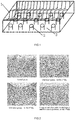
Fig. 1 illustrates a sleep deprivation device; -
Fig. 2 illustrates a pathological observation result of an oral mucosa tissue of a rat under HE staining; and -
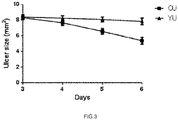
Fig. 3 illustrates an area change of an oral ulcer of a rat. - The present invention is further described hereinafter with reference to the specific embodiments, but the present invention is not limited by the embodiments.
-
- (1) Experiment animals: 50 SPF adult male SD rats with a weight ranging from 200 g to 260 g, provided by Guangdong Medical Laboratory Animal Center, with a license number: SCXK (Yue) 2013-0002.
- (2) Experiment reagents: isoflurane, phenol, formic acid, chloral hydrate, normal saline, 5-hydroxytryptamine (5-HT), γ-aminobutyric acid (GABA), and corticosterone (CORT); and detection kits of adrenocortical hormone (ACTH), immunoglobulin M (IgM), malondialdehyde (MDA), superoxide dismutase (SOD), tumor necrosis factor-α (TNF-α) and interleukin-1(β (IL-1β).
- (3) Experiment instruments: a self-made sleep deprivation device, an anesthesia machine (MATRX), an electronic analytical balance (Sartorius), an infrared electronic thermometer (Kefu), a refrigerator (Hair), and a plastic slim tube (with a length of 6 cm and an inner diameter of about 4 mm).
- Description for structure of the sleep deprivation device: the sleep deprivation device is a multi-platform water environment device, the device is composed of a mouse box (1) in which a plurality of platforms (2) with a diameter of 4 cm to 8 cm are arranged at an interval of 10 cm to 20 cm from each other; and water is filled among the platforms (3), and the platforms (2) are about 0.1 cm to 2 cm higher than a water surface.
-
- (1) Experiment grouping: SD rats were randomly divided into three groups, comprising 20 rats in a normal group, 20 rats in an oral ulcer group (OU group) and 10 rats in a group of oral ulcer with Yin-deficiency and fire-excess syndrome (YU group). The experiment on the animals was started after the animals adapted to the environment for one week.
- (2) Reagent preparation: phenol was firstly melted by slightly heat and then diluted to 95% with distilled water.
- (3) The method for establishing a model: on the 1st day of the experiment, the rats in the OU group and the YU group were anesthetized with isoflurane, their buccal mucosae on left and right sides were exposed, then a small cotton ball was placed at one end of a circular tube (with a length of 6 cm and an inner diameter of 4 mm) and flush with a tube orifice, 95% phenol was added dropwise until the cotton ball was just soaked, and the end of the circular tube at which cotton ball was placed was laid flat on the buccal mucosae on both sides of the rat to burn for 40 s finally to obtain a round white injury with a diameter of about 4 mm. After 48 h, observation was performed after anesthesia with isoflurane, and a digital camera was used to take a photo. 10 rats were randomly selected from the normal group and the OU group, anesthetized by intraperitoneal injection of 10% chloral hydrate (3 ml/kg), taken blood from abdominal aorta, and taken an oral mucosa tissue and a brain tissue, to measure relevant indexes. From the 3rd day, sleep deprivation was performed on the rats in the YU group for 3 days; on the 6th day, the rats in the YU group were observed and photographed, anesthetized with chloral hydrate, taken blood from abdominal aorta, and taken an oral mucosa tissue and a brain tissue, to measure relevant indexes.
- Weight: the rats were weighed with the electronic balance every morning.
- Body temperature: a surface temperature of the rats was measured with the infrared electronic thermometer every afternoon.
- Neurotransmitter: brain tissues of the rats in each group were homogenized with 1.89% formic acid solution (tissue/1.89% formic acid solution: g/10 ml), and 5-HT and GABA in brain tissues and serum were measured; endocrine indexes: corticosterone (CORT) and adrenocorticotrophic hormone (ACTH) in serum were detected; and immunoinflammatory indexes: immunoglobulin M (IgM) and tumor necrosis factor-α (TNF-α) in serum were detected.
- After 48 h of burning, a size, a shape and a color of oral ulcer were observed, and photographed with a camera to calculate an ulcer area. Histopathological observation: after 24 h of establishing model, 3 rats in each group were randomly selected, anesthetized with 10% chloral hydrate, sacrificed by taking blood from abdominal aorta, and exposed the left and right buccal mucosae, to cut out a mucosal tissue of 6 mm×4 mm as deep as a submucosa. After washing with sterile normal saline, the mucosal tissue was fixed in 4% paraformaldehyde to obtain a sample. The sample was embedded with paraffin, and after making slices, a histopathological manifestation was observed. Detection of indexes of oxidative stress and inflammation: oral mucosa tissues of the rats in each group were taken, and weighed after drying with filter paper to prepare 10% tissue homogenate (tissue/normal saline: 1/9, m/m) .The 10% tissue homogenate was centrifuged (at 4°C and 5000 rpm for 10 min), a supernatant was taken and sub-packaged, and refrigerated at -80°C. Malondialdehyde (MDA), superoxide dismutase (SOD), tumor necrosis factor-α (TNF-α) and interleukin -1β (IL-1β) in the supernatant were measured according to kit description.
- Data was expressed by a mean value ± a standard deviation, SPSS 20.0 was used for one-way analysis of variance (ANOVA) and T test analysis. A P value less than 0.05 or 0.01was deemed as having a significant difference.
- 4.1.1 General state: on the 6th day, the rats in the group of oral ulcer with Yin-deficiency and fire-excess syndrome were observed, exhibiting the characteristics of dry and lusterless fur, an excited grasping reaction, and irritability. A body temperature of the rats in the group of oral ulcer with Yin-deficiency and fire-excess syndrome was significantly higher than that of the rats in the oral ulcer group and the normal group (P<0.01), reflecting characteristics of dysphoria with feverish sensation in chest, and hot and fire rise; and a body weight of the rats in the group of oral ulcer with Yin-deficiency and fire-excess syndrome was significantly lower than that of the rats in the oral ulcer group and the normal group (P<0.01), reflecting a characteristic of emaciation. While the rats in the ulcer group had no significant difference from the rats in the normal group, as shown in Table 1.
Table 1 Changes of Body Weight and Body Temperature of Rats Group Body weight Body temperature Normal 309.2±11.3 35.50±0.42 OU 295.4±13.9 35.51±0.47 YU 261.2±15.6** 36.55±0.34** Note: compared with the normal group, *P<0.05; ** P<0.01 - On the 3rd day, there was no significant difference in 5-HT and GABA in brain tissues and serum between the ulcer group and the normal group. However, on the 6th day, after sleep deprivation, 5-HT and GABA in brain tissues and serum of the rats in the group of oral ulcer with Yin-deficiency and fire-excess syndrome were significantly higher than those of the rats in the normal group and the ulcer group, as shown in Tables 2 and 3.
Table 2 Change of Neurotransmitter in Brain Tissue of Rats Group 5-HT (µg/g) GABA (µg/g) 3rd day 6th day 3rd day 6th day Normal 0.75±0.11 0.71±0.07 445.46±17.91 398.81±21.24 OU 0.73±0.06 0.71±0.08 430.21±18.50 396.41±24.95 YU 0.81±0.07* 469.19±40.83** Note: compared with the normal group, *P<0.05; ** P<0.01 Table 3 Change of Neurotransmitter in Serum of Rats Group 5-HT (ng/ml) GABA (ng/ml) 3rd day 6th day 3rd day 6th day Normal 1126±194 1115±190 9338±1087 7998±750 OU 1211±265 1147±138 9218±1651 8106±664 YU 1604±351** 9614±2134** Note: compared with the normal group, *P<0.05; ** P<0.01 - On the 3rd day, there was no significant difference in CORT and ACTH in serum between the ulcer group and the normal group. However, on the 6th day, after sleep deprivation, CORT and ACTH in serum of the rats in the group of oral ulcer with Yin-deficiency and fire-excess syndrome were significantly higher than those of the rats in the normal group and the ulcer group (see Table 4), showing that sleep deprivation may activate a hypothalamus-pituitary-adrenal cortex axis, which was consistent with the modern research on Yin-deficiency.
Table 4 Changes of CORT and ACTH in Serum of Rats Group CORT (ng/ml) ACTH (ng/L) 3rd day 6th day 3rd day 6th day Normal 148.0±18.7 150.6±35.7 63.91±16.24 71.60±6.16 OU 125.0±21.8 132.8±25.0 65.83±11.77 70.68±6.10 YU 205.7±44.8** 96.88±14.09* Note: compared with the normal group, *P<0.05; ** P<0.01 - On the 3rd day, there was no significant difference in IgM and TNF-α in serum between the ulcer group and the normal group. However, on the 6th day, after sleep deprivation, IgM and TNF-α in serum of the rats in the group of oral ulcer with Yin-deficiency and fire-excess syndrome were significantly higher than those of the rats in the normal group and the ulcer group. Tables 6 and 7 showed that sleep deprivation slowed down the healing of oral ulcer by affecting body immunity. In an oral mucosa tissue, on the 3rd day, there was significant difference in IL-1β and TNF-α between the ulcer group and the normal group, but on the 6th day, there was no significant difference in IL-1β and TNF-α between the ulcer group and the normal group, while IL-1β and TNF-α of the rats in the group of oral ulcer with Yin-deficiency and fire-excess syndrome were still significantly higher than those of the rats in the normal group and the ulcer group (see Table 8), showing that an oral ulcer model with Yin-deficiency and fire-excess syndrome may last longer and was more stable.
Table 5 Change of Indexes of Immune Inflammation in Serum of Rat s Group IgM (µg/L) TNF-α (ng/L) 3rd day 6th day 3rd day 6th day Normal 0.07±0.03 0.07±0.03 510.3±33.1 478.4±54.8 OU 0.08±0.03 0.08±0.03 561.2±59.5 530.7±70.3 YU 0.12±0.04* 568.9±60.2* Note: compared with the normal group, *P<0.05; ** P<0.01 - On the 3rd day, that is, 48 h after burning with phenol, round ulcers with a diameter of about 4 mm appeared on buccal mucosae on both sides of the rats, with a necrotic tissue or a yellowish-white pseudomembrane covered on a surface. A pathological section result showed that an epithelium mucosae structure of the rats in the blank group was complete, and histological examination showed no abnormal change; and for the rats in the oral ulcer group, mucosal epithelium was missing, a granulation tissue could be seen in a lamina propria, and inflammatory cells were infiltered, as shown in
Fig. 2 . On the 6th day, after sleep deprivation, an ulcer area of the rats in the group of oral ulcer with Yin-deficiency and fire-excess syndrome was significantly higher than that of the rats in the ulcer group (see Table 6), showing that an ulcer healing speed was significantly slowed down and a model may last longer, as shown inFig. 3 .Table 6 Change of Oral Ulcer Area in Rats Group Ulcer area on the 3rd day Ulcer area on the 6th day OU 8.31±0.25 5.37±0.43 YU 8.40±0.28 7.84±0.43** Note: compared with the normal group, *P<0.05; ** P<0.01 - In an oral mucosa tissue, on the 3rd day, there was significant difference in IL-1β and TNF-α between the ulcer group and the normal group, but on the 6th day, there was no significant difference in IL-1β and TNF-α between the ulcer group and the normal group, while IL-1β and TNF-α of the rats in the group of oral ulcer with Yin-deficiency and fire-excess syndrome were still significantly higher than those of the rats in the normal group and the ulcer group (see Table 7), showing that an oral ulcer model with Yin-deficiency and fire-excess syndrome may last longer and was more stable.
Table 7 Change of Inflammation Indexes of Oral Mucosa Tissue of Rats Group TNF-α (pg/mgprot) IL-1β (pg/mgprot) 3rd day 6th day 3rd day 6th day Normal 6.93±0.67 5.82±2.77 1.25±0.34 0.90±0.13 OU 18.91±6.6** 8.65±2.52 2.48±0.73 1.36±0.35 YU 10.47±2.74** 2.39±0.53* Note: compared with the normal group, *P<0.05; ** P<0.01 - On the 3rd day, after formation of oral ulcer, MDA and SOD levels in an oral mucosa tissue were changed significantly. On the 6th day, MDA and SOD levels of the rats in the ulcer group had no significant difference from those of the rats in the normal group, while MDA and SOD levels of the rats in the group of oral ulcer with Yin-deficiency and fire-excess syndrome were still significantly different from those of the rats in the normal group (see Table 8) showing that an oral ulcer model with Yin-deficiency and fire-excess syndrome constructed by sleep deprivation may increase ulcer duration.
Table 8 Change of Oxidative Stress Indexes of Oral Mucosa Tissue of Rats Group MDA (nmol/mgprot) in tissue SOD (u/mgprot) in tissue 3rd day 6th day 3rd day 6th day Normal 0.90±0.22 0.78±0.16 149.76±17.17 150.24±18.96 OU 1.85±0.64* 0.87±0.33 110.12±7.46** 128.57±15.98 YU 1.62±0.44* 116.11 ±8.32** Note: compared with the normal group, *P<0.05; ** P<0.01
Claims (8)
- A method for establishing an oral ulcer animal model with Yin-deficiency and fire-excess syndrome based on sleep deprivation, comprising the following steps of:(1) preparing an oral ulcer animal model: contacting phenol with buccal mucosa of a rat to form a white corrosion spot, and obtaining the oral ulcer animal model after 24 h to 48 h; and(2) establishing a model with Yin-deficiency and fire-excess syndrome based on sleep deprivation: placing the animal model in the step 1 in a sleep deprivation device for 2 days to 7 days, wherein the device is composed of a mouse box in which a plurality of platforms with a diameter of 4 cm to 8 cm are arranged at an interval of 10 cm to 20 cm from each other; and water is filled among the platforms, and the platforms are about 0.1 cm to 2 cm higher than a water surface.
- The method for establishing according to claim 1, wherein the platforms have a diameter of 6.3 cm.
- The method for establishing according to claim 1, wherein the platforms have an interval of 15 cm from each other.
- The method for establishing according to claim 1, wherein the platforms are 1 cm higher than the water surface.
- The method for establishing according to claim 1, wherein the platforms have a height of 5 cm to 10 cm.
- The method for establishing according to claim 1, wherein the water has a temperature of 20°C to 25°C.
- The method for establishing according to claim 1, wherein the rat is a SD rat with a weight of 150 g to 350 g.
- The method for establishing according to claim 1, wherein the oral ulcer animal model is placed in the sleep deprivation device for 3 days.
Applications Claiming Priority (2)
| Application Number | Priority Date | Filing Date | Title |
|---|---|---|---|
| CN201810996259.4A CN109105336A (en) | 2018-08-29 | 2018-08-29 | A kind of construction method of the type of hyperactivity of fire caused by deficiency of YIN canker sore animal model based on sleep deprivation |
| PCT/CN2019/084920 WO2020042655A1 (en) | 2018-08-29 | 2019-04-29 | Method for constructing sleep deprivation-based yin-deficiency fire-excess type oral ulcer animal model |
Publications (2)
| Publication Number | Publication Date |
|---|---|
| EP3636072A1 true EP3636072A1 (en) | 2020-04-15 |
| EP3636072A4 EP3636072A4 (en) | 2020-08-19 |
Family
ID=64861248
Family Applications (1)
| Application Number | Title | Priority Date | Filing Date |
|---|---|---|---|
| EP19827584.4A Withdrawn EP3636072A4 (en) | 2018-08-29 | 2019-04-29 | METHOD OF MANUFACTURING AN ORAL Ulcer ANIMAL MODEL WITH YIN DEFICIENCY AND FIRE-AUSESS SYNDROME, BASED ON SLEEP DEPRESSION |
Country Status (4)
| Country | Link |
|---|---|
| US (1) | US20210329893A1 (en) |
| EP (1) | EP3636072A4 (en) |
| CN (1) | CN109105336A (en) |
| WO (1) | WO2020042655A1 (en) |
Families Citing this family (5)
| Publication number | Priority date | Publication date | Assignee | Title |
|---|---|---|---|---|
| CN109105336A (en) * | 2018-08-29 | 2019-01-01 | 中山大学 | A kind of construction method of the type of hyperactivity of fire caused by deficiency of YIN canker sore animal model based on sleep deprivation |
| CN110558240B (en) * | 2019-10-11 | 2022-02-11 | 浙江中医药大学 | A sleep deprivation instrument and a method for establishing a lit animal model |
| CN111011309A (en) * | 2020-03-03 | 2020-04-17 | 江西中医药大学 | A method for establishing a rat model of oral ulcer induced by chemotherapeutic drugs and its application |
| CN115316293B (en) * | 2022-07-12 | 2023-10-17 | 北京大学 | Aseptic animal sleep deprivation case |
| CN119344242A (en) * | 2024-12-02 | 2025-01-24 | 安徽医科大学第一附属医院 | A mouse behavior recognition and sleep disturbance method |
Family Cites Families (12)
| Publication number | Priority date | Publication date | Assignee | Title |
|---|---|---|---|---|
| CN102043042A (en) * | 2010-10-26 | 2011-05-04 | 李晓莉 | Method for proving sleep deprivation stress resistance of spirulina |
| CN202435938U (en) * | 2012-01-11 | 2012-09-19 | 中国人民解放军军事医学科学院基础医学研究所 | Device for depriving sleep of small animals |
| KR101401612B1 (en) * | 2012-04-30 | 2014-06-02 | 재단법인 전남생물산업진흥원 | Composition comprising extract of punica granatum for prevention and treatment of stress diseases |
| CN203577102U (en) * | 2013-11-06 | 2014-05-07 | 重庆医科大学 | Adjustable sleeping deprivation device |
| CN103623491B (en) * | 2013-11-07 | 2015-10-07 | 同济大学附属第十人民医院 | A kind of animal sleep deprivation device and application thereof |
| CN205287184U (en) * | 2016-01-11 | 2016-06-08 | 南阳医学高等专科学校 | Device is deprived in animal sleep |
| CN105853684A (en) * | 2016-05-25 | 2016-08-17 | 蚌埠丰原涂山制药有限公司 | Application of traditional Chinese medicine composition in treatment of oral ulcer |
| CN106070052A (en) * | 2016-07-07 | 2016-11-09 | 王涛 | A kind of method building the irritability stasis of blood stagnant card animal model |
| CN106577322B (en) * | 2016-11-30 | 2022-07-22 | 中国中医科学院西苑医院 | Small animal multi-platform water environment sleep deprivation water tank and system |
| CN107625760A (en) * | 2017-09-29 | 2018-01-26 | 中山大学 | A kind of preparation method of type of hyperactivity of fire caused by deficiency of YIN canker sore animal model |
| CN207383224U (en) * | 2017-11-08 | 2018-05-22 | 王新 | A kind of sleep deprivation model foundation device |
| CN109105336A (en) * | 2018-08-29 | 2019-01-01 | 中山大学 | A kind of construction method of the type of hyperactivity of fire caused by deficiency of YIN canker sore animal model based on sleep deprivation |
-
2018
- 2018-08-29 CN CN201810996259.4A patent/CN109105336A/en active Pending
-
2019
- 2019-04-29 EP EP19827584.4A patent/EP3636072A4/en not_active Withdrawn
- 2019-04-29 WO PCT/CN2019/084920 patent/WO2020042655A1/en not_active Ceased
- 2019-04-29 US US16/615,009 patent/US20210329893A1/en not_active Abandoned
Also Published As
| Publication number | Publication date |
|---|---|
| WO2020042655A1 (en) | 2020-03-05 |
| CN109105336A (en) | 2019-01-01 |
| EP3636072A4 (en) | 2020-08-19 |
| US20210329893A1 (en) | 2021-10-28 |
Similar Documents
| Publication | Publication Date | Title |
|---|---|---|
| US20210329893A1 (en) | Method for establishing an oral ulcer animal model with yin-deficiency and fire-excess syndrome based on sleep deprivation | |
| Chen et al. | Sleep deprivation worsened oral ulcers and delayed healing process in an experimental rat model | |
| Keremi et al. | Stress and salivary glands | |
| Ren et al. | Lavender improves sleep through olfactory perception and GABAergic neurons of the central amygdala | |
| Rawal et al. | Effects of exercise on pancreatic islets in zucker diabetic fatty rats | |
| Yang et al. | Effects and mechanisms of Ban-Xia Xie-Xin decoction on type 2 diabetes mellitus: network pharmacology analysis and experimental evidence | |
| Arika et al. | Modulation of Cognition: The Role of Gnidia glauca on Spatial Learning and Memory Retention in High‐Fat Diet‐Induced Obese Rats | |
| Wu et al. | Whole Body Vibration Retards Progression of Atherosclerosis via Insulin‐Like Growth Factor 1 in Apolipoprotein E‐Deficient Mice | |
| Rusdiana et al. | The anti-obesity properties of Anredera cordifolia leaf extract in rats fed a high-fat diet through inhibition of adipogenesis | |
| Feng et al. | C-Kit expression in the gallbladder of guinea pig with chronic calculous cholecystitis and the effect of Artemisia capillaris Thunb on interstitial cells of Cajal | |
| Prata et al. | Hypolipidemic and anti‐obesity effects of hydroalcoholic extract of brazilian red propolis in a rodent model of dyslipidemia | |
| WO2017174787A1 (en) | Tobacco leaf extract and use thereof for the treatment of tobacco addiction | |
| Luo et al. | Xiebai Zengye decoction improves respiratory function and attenuates inflammation in juvenile rats with postinfection cough via regulating ERK signaling pathway | |
| Dieleman et al. | Cardiopulmonary bypass and long-term neurocognitive dysfunction in the rat | |
| Chu et al. | The protective effects of mangiferin on metabolic and organs functions in the adolescent rat model of alcohol abuse | |
| CN101209341B (en) | Chinese medicinal preparation, preparation and detection method thereof | |
| CN119367383B (en) | Application of Rehmannia glutinosa D in the preparation of drugs for the prevention and/or treatment of Parkinson's disease | |
| Li et al. | IL‐6 signaling pathway contributes to exercise pressor reflex in rats with femoral artery occlusion in association with Kv4 activity in muscle afferent nerves | |
| CN117244010B (en) | Preparation method and application of Luoqianyu poultice, a Zhuang medicine for treating knee osteoarthritis. | |
| CN120643530A (en) | Preparation method of microcapsule for resisting chronic pharyngitis and application of microcapsule in tobacco products | |
| CN109125448A (en) | A kind of Chinese medicine composition for treating canker sore | |
| De Frutos González et al. | Development of Insulin and Leptin Resistance in the Mouse Brainstem with Age | |
| TWI650132B (en) | Use of garlic extract for preparing allergic asthma caused by dust mites | |
| Wu et al. | Integrated proteomics analysis and network pharmacology to elucidate the mechanism of Zhilong Huoxue Tongyu Capsule alleviate hypertensive retinopathy in Ang II infusion mice model | |
| CN116999710A (en) | Use of graphene material in preparation of device for preventing or treating type 2diabetes |
Legal Events
| Date | Code | Title | Description |
|---|---|---|---|
| STAA | Information on the status of an ep patent application or granted ep patent |
Free format text: STATUS: UNKNOWN |
|
| STAA | Information on the status of an ep patent application or granted ep patent |
Free format text: STATUS: THE INTERNATIONAL PUBLICATION HAS BEEN MADE |
|
| PUAI | Public reference made under article 153(3) epc to a published international application that has entered the european phase |
Free format text: ORIGINAL CODE: 0009012 |
|
| STAA | Information on the status of an ep patent application or granted ep patent |
Free format text: STATUS: REQUEST FOR EXAMINATION WAS MADE |
|
| 17P | Request for examination filed |
Effective date: 20200106 |
|
| AK | Designated contracting states |
Kind code of ref document: A1 Designated state(s): AL AT BE BG CH CY CZ DE DK EE ES FI FR GB GR HR HU IE IS IT LI LT LU LV MC MK MT NL NO PL PT RO RS SE SI SK SM TR |
|
| AX | Request for extension of the european patent |
Extension state: BA ME |
|
| A4 | Supplementary search report drawn up and despatched |
Effective date: 20200716 |
|
| RIC1 | Information provided on ipc code assigned before grant |
Ipc: A01K 67/027 20060101ALI20200710BHEP Ipc: A01K 67/02 20060101AFI20200710BHEP |
|
| STAA | Information on the status of an ep patent application or granted ep patent |
Free format text: STATUS: THE APPLICATION HAS BEEN WITHDRAWN |
|
| 18W | Application withdrawn |
Effective date: 20210420 |