EP3632892A1 - Method for producing 3-arylpropionamide compound and 3-arylpropionic acid ester compound - Google Patents
Method for producing 3-arylpropionamide compound and 3-arylpropionic acid ester compound Download PDFInfo
- Publication number
- EP3632892A1 EP3632892A1 EP18810411.1A EP18810411A EP3632892A1 EP 3632892 A1 EP3632892 A1 EP 3632892A1 EP 18810411 A EP18810411 A EP 18810411A EP 3632892 A1 EP3632892 A1 EP 3632892A1
- Authority
- EP
- European Patent Office
- Prior art keywords
- formula
- compound represented
- compound
- group
- fluorine atom
- Prior art date
- Legal status (The legal status is an assumption and is not a legal conclusion. Google has not performed a legal analysis and makes no representation as to the accuracy of the status listed.)
- Granted
Links
Classifications
-
- C—CHEMISTRY; METALLURGY
- C07—ORGANIC CHEMISTRY
- C07B—GENERAL METHODS OF ORGANIC CHEMISTRY; APPARATUS THEREFOR
- C07B61/00—Other general methods
-
- C—CHEMISTRY; METALLURGY
- C07—ORGANIC CHEMISTRY
- C07C—ACYCLIC OR CARBOCYCLIC COMPOUNDS
- C07C209/00—Preparation of compounds containing amino groups bound to a carbon skeleton
- C07C209/54—Preparation of compounds containing amino groups bound to a carbon skeleton by rearrangement reactions
- C07C209/58—Preparation of compounds containing amino groups bound to a carbon skeleton by rearrangement reactions from or via amides
-
- C—CHEMISTRY; METALLURGY
- C07—ORGANIC CHEMISTRY
- C07C—ACYCLIC OR CARBOCYCLIC COMPOUNDS
- C07C211/00—Compounds containing amino groups bound to a carbon skeleton
- C07C211/01—Compounds containing amino groups bound to a carbon skeleton having amino groups bound to acyclic carbon atoms
- C07C211/26—Compounds containing amino groups bound to a carbon skeleton having amino groups bound to acyclic carbon atoms of an unsaturated carbon skeleton containing at least one six-membered aromatic ring
- C07C211/29—Compounds containing amino groups bound to a carbon skeleton having amino groups bound to acyclic carbon atoms of an unsaturated carbon skeleton containing at least one six-membered aromatic ring the carbon skeleton being further substituted by halogen atoms or by nitro or nitroso groups
-
- C—CHEMISTRY; METALLURGY
- C07—ORGANIC CHEMISTRY
- C07C—ACYCLIC OR CARBOCYCLIC COMPOUNDS
- C07C231/00—Preparation of carboxylic acid amides
- C07C231/12—Preparation of carboxylic acid amides by reactions not involving the formation of carboxamide groups
-
- C—CHEMISTRY; METALLURGY
- C07—ORGANIC CHEMISTRY
- C07C—ACYCLIC OR CARBOCYCLIC COMPOUNDS
- C07C233/00—Carboxylic acid amides
- C07C233/01—Carboxylic acid amides having carbon atoms of carboxamide groups bound to hydrogen atoms or to acyclic carbon atoms
- C07C233/02—Carboxylic acid amides having carbon atoms of carboxamide groups bound to hydrogen atoms or to acyclic carbon atoms having nitrogen atoms of carboxamide groups bound to hydrogen atoms or to carbon atoms of unsubstituted hydrocarbon radicals
- C07C233/11—Carboxylic acid amides having carbon atoms of carboxamide groups bound to hydrogen atoms or to acyclic carbon atoms having nitrogen atoms of carboxamide groups bound to hydrogen atoms or to carbon atoms of unsubstituted hydrocarbon radicals with carbon atoms of carboxamide groups bound to carbon atoms of an unsaturated carbon skeleton containing six-membered aromatic rings
-
- C—CHEMISTRY; METALLURGY
- C07—ORGANIC CHEMISTRY
- C07C—ACYCLIC OR CARBOCYCLIC COMPOUNDS
- C07C269/00—Preparation of derivatives of carbamic acid, i.e. compounds containing any of the groups, the nitrogen atom not being part of nitro or nitroso groups
-
- C—CHEMISTRY; METALLURGY
- C07—ORGANIC CHEMISTRY
- C07C—ACYCLIC OR CARBOCYCLIC COMPOUNDS
- C07C271/00—Derivatives of carbamic acids, i.e. compounds containing any of the groups, the nitrogen atom not being part of nitro or nitroso groups
- C07C271/06—Esters of carbamic acids
- C07C271/08—Esters of carbamic acids having oxygen atoms of carbamate groups bound to acyclic carbon atoms
- C07C271/10—Esters of carbamic acids having oxygen atoms of carbamate groups bound to acyclic carbon atoms with the nitrogen atoms of the carbamate groups bound to hydrogen atoms or to acyclic carbon atoms
- C07C271/14—Esters of carbamic acids having oxygen atoms of carbamate groups bound to acyclic carbon atoms with the nitrogen atoms of the carbamate groups bound to hydrogen atoms or to acyclic carbon atoms to carbon atoms of hydrocarbon radicals substituted by halogen atoms or by nitro or nitroso groups
-
- C—CHEMISTRY; METALLURGY
- C07—ORGANIC CHEMISTRY
- C07C—ACYCLIC OR CARBOCYCLIC COMPOUNDS
- C07C67/00—Preparation of carboxylic acid esters
- C07C67/30—Preparation of carboxylic acid esters by modifying the acid moiety of the ester, such modification not being an introduction of an ester group
- C07C67/333—Preparation of carboxylic acid esters by modifying the acid moiety of the ester, such modification not being an introduction of an ester group by isomerisation; by change of size of the carbon skeleton
- C07C67/343—Preparation of carboxylic acid esters by modifying the acid moiety of the ester, such modification not being an introduction of an ester group by isomerisation; by change of size of the carbon skeleton by increase in the number of carbon atoms
- C07C67/347—Preparation of carboxylic acid esters by modifying the acid moiety of the ester, such modification not being an introduction of an ester group by isomerisation; by change of size of the carbon skeleton by increase in the number of carbon atoms by addition to unsaturated carbon-to-carbon bonds
-
- C—CHEMISTRY; METALLURGY
- C07—ORGANIC CHEMISTRY
- C07C—ACYCLIC OR CARBOCYCLIC COMPOUNDS
- C07C69/00—Esters of carboxylic acids; Esters of carbonic or haloformic acids
- C07C69/62—Halogen-containing esters
- C07C69/65—Halogen-containing esters of unsaturated acids
-
- C—CHEMISTRY; METALLURGY
- C07—ORGANIC CHEMISTRY
- C07D—HETEROCYCLIC COMPOUNDS
- C07D239/00—Heterocyclic compounds containing 1,3-diazine or hydrogenated 1,3-diazine rings
- C07D239/02—Heterocyclic compounds containing 1,3-diazine or hydrogenated 1,3-diazine rings not condensed with other rings
- C07D239/24—Heterocyclic compounds containing 1,3-diazine or hydrogenated 1,3-diazine rings not condensed with other rings having three or more double bonds between ring members or between ring members and non-ring members
- C07D239/28—Heterocyclic compounds containing 1,3-diazine or hydrogenated 1,3-diazine rings not condensed with other rings having three or more double bonds between ring members or between ring members and non-ring members with hetero atoms or with carbon atoms having three bonds to hetero atoms with at the most one bond to halogen, directly attached to ring carbon atoms
- C07D239/32—One oxygen, sulfur or nitrogen atom
- C07D239/42—One nitrogen atom
-
- C—CHEMISTRY; METALLURGY
- C07—ORGANIC CHEMISTRY
- C07C—ACYCLIC OR CARBOCYCLIC COMPOUNDS
- C07C233/00—Carboxylic acid amides
- C07C233/01—Carboxylic acid amides having carbon atoms of carboxamide groups bound to hydrogen atoms or to acyclic carbon atoms
- C07C233/02—Carboxylic acid amides having carbon atoms of carboxamide groups bound to hydrogen atoms or to acyclic carbon atoms having nitrogen atoms of carboxamide groups bound to hydrogen atoms or to carbon atoms of unsubstituted hydrocarbon radicals
- C07C233/08—Carboxylic acid amides having carbon atoms of carboxamide groups bound to hydrogen atoms or to acyclic carbon atoms having nitrogen atoms of carboxamide groups bound to hydrogen atoms or to carbon atoms of unsubstituted hydrocarbon radicals with carbon atoms of carboxamide groups bound to acyclic carbon atoms of a saturated carbon skeleton containing rings
-
- C—CHEMISTRY; METALLURGY
- C07—ORGANIC CHEMISTRY
- C07C—ACYCLIC OR CARBOCYCLIC COMPOUNDS
- C07C69/00—Esters of carboxylic acids; Esters of carbonic or haloformic acids
- C07C69/612—Esters of carboxylic acids having a carboxyl group bound to an acyclic carbon atom and having a six-membered aromatic ring in the acid moiety
Definitions
- the present invention relates to a method for producing a 3-arylpropionamide compound and a 3-arylpropionic acid ester compound, and the like.
- Patent Document 1 discloses that 5-chloro-4-ethyl-6-[2-(4-trifluoromethylphenyl)ethylamino]pyrimidine has pest control efficacy.
- Patent Document 1 discloses a method wherein 2-[4-(trifluoromethyl)phenyl]ethylamine is reacted with 4,5-dichloro-6-ethylpyrimidine.
- a phenylethylamine compound is useful as a pharmaceutical and agrochemical intermediate.
- Patent Document 2 discloses a method wherein in the first step, a fluorine-containing aryl bromide as a starting material is subjected to a Heck reaction in the presence of acrylamide and a palladium catalyst to produce a fluorine-containing 3-arylacrylamide compound; in the second step, the fluorine-containing 3-arylacrylamide compound is subjected to catalytic hydrogenation to produce a fluorine-containing 3-arylpropionamide compound; and in the third step, the fluorine-containing 3-arylpropionamide compound is subjected to a Hofmann rearrangement reaction by using bromine and an alkali metal hydroxide to produce a fluorine-containing phenylethylamine compound.
- the 3-arylacrylamide compound is efficiently produced.
- the method according to the Patent Document 2 does not an appropriate method for industrially producing the 3-arylacrylamide compound, because said method requires at least two steps from aryl bromide, and further requires using an expensive palladium catalyst, and the like, in order to produce the 3-arylacrylamide compound.
- An object for the present inventors is to provide a method for industrially producing a pyrimidine compound having pest control efficacy; 2-[4-(trifluoromethyl)phenyl]ethylamine which is a production intermediate of the pyrimidine compound; a phenylethylamine compound useful as a pharmaceutical and agrochemical intermediate; and further a 3-arylpropionamide compound and a 3-arylpropionic acid ester compound useful as production intermediates of the phenylethylamine compound.
- the present inventors have studied to solve the above problems, and as a result found a method for producing a 3-arylpropionamide compound or a 3-arylpropionic acid ester compound in a single step by reacting a compound represented by formula (1) (wherein X represents a chlorine atom or a bromine atom; and Y represents an alkyl group optionally substituted with fluorine atom(s), an alkoxy group optionally substituted with fluorine atom(s), an alkoxyalkyl group optionally substituted with fluorine atom(s), an alkylthio group optionally substituted with fluorine atom(s), an alkylsulfonyl group optionally substituted with fluorine atom(s), a hydrogen atom, a fluorine atom, a cyano group, an alkylcarbonyl group, or a dialkylamino group) with acrylamide or an acrylic acid ester in the presence of a metal catalyst and a reducing agent.
- a 3-arylpropionamide compound can be efficiently produced also by reacting a 3-arylpropionic acid ester compound with formamide in the presence of a strong base.
- the present invention provides the followings.
- a pyrimidine compound having pest control efficacy 2-[4-(trifluoromethyl)phenyl]ethylamine which is a production intermediate of the pyrimidine compound; a phenylethylamine compound useful as a pharmaceutical and agrochemical intermediate; and further a 3-arylpropionamide compound and a 3-arylpropionic acid ester compound useful as production intermediates of the phenylethylamine compound, can be industrially produced.
- Step (a) is described.
- the compound represented by formula (1) is reacted with the compound represented by formula (5) in the presence of a nickel compound and zinc to produce the compound represented by formula (2).
- the substituent represented by Y in the compound represented by formula (1) is not specifically limited as long as it is stable and does not disturb the reaction in the Step (a) and the Step (b).
- Examples of the substituent represented by Y include an alkyl group optionally substituted with fluorine atom(s) such as a methyl group, an ethyl group, a propyl group, a butyl group, a fluoromethyl group, a difluoromethyl group, and a trifluoromethyl group; an alkoxy group optionally substituted with fluorine atom(s) such as a methoxy group, an ethoxy group, a propoxy group, a butoxy group, and a trifluoromethoxy group; an alkoxyalkyl group optionally substituted with fluorine atom(s) such as a methoxymethyl group, an ethoxymethyl group, and a trifluoromethoxymethyl group; an alkylthio group optionally substituted with fluorine atom(s) such as a thiomethyl group, a thioethyl group, a thiopropyl group, and a thiotrifluoro
- substitution position of Y may be any one of 2- to 4-positions, preferably 3- or 4-position, especially preferably 4-position, relative to X.
- Examples of the compound represented by formula (1) include 4-methylchlorobenzene, 3-methylchlorobenzene, 4-methylbromobenzene, 3-methylbromobenzene, 4-ethylchlorobenzene, 3-ethylchlorobenzene, 4-ethylbromobenzene, 3-ethylbromobenzene, 4-propylchlorobenzene, 3-propylchlorobenzene, 4-propylbromobenzene, 3-propylbromobenzene, 4-butylchlorobenzene, 3-butylchlorobenzene, 4-butylbromobenzene, 3-butylbromobenzene, 4-(fluoromethyl)chlorobenzene, 3-(fluoromethyl)chlorobenzene, 4-(fluoromethyl)bromobenzene, 3-(fluoromethyl)bromobenzene, 4-(difluoromethyl)chlorobenzene, 3-
- the amount of the compound represented by formula (5) to be used is usually 1.0 to 5.0 mol, preferably 1.5 to 3.0 mol, relative to 1 mol of the compound represented by formula (1).
- nickel compound examples include nickel salts. Specific examples thereof include halogenated nickels such as nickel chloride and nickel bromide.
- the nickel compound may be used in the form of anhydride or hydrate. Examples of the nickel compound in the form of hydrate include nickel chloride hexahydrate and nickel bromide trihydrate.
- the amount of the nickel compound to be used is usually 0.01 to 0.5 mol, preferably 0.05 to 0.2 mol, relative to 1 mol of the compound represented by formula (1).
- the zinc is preferably used in a powdery state.
- the amount of the zinc to be used is usually 0.9 to 5 mol, preferably 1.0 to 3.0 mol, relative to 1 mol of the compound represented by formula (1).
- the reaction is usually carried out in a solvent.
- the solvent examples include ethers such as tetrahydrofuran, 2-methyltetrahydrofuran, cyclopentyl methyl ether, tert-butyl methyl ether, monoglyme, and diglyme; amides such as N,N-dimethylacetamide, N,N-dimethylformamide, and N-methylpyrrolidone; nitrogen-containing aromatic compounds such as pyridine, 2-methylpyridine, picoline, and quinoline; nitriles such as acetonitrile and propylnitrile; and mixed solvents thereof. Preferable examples thereof include amides, nitrogen-containing aromatic compounds, and mixed solvents thereof.
- the amount of the solvent to be used is usually 1 to 100 part(s) by weight, preferably 1 to 30 part(s) by weight, relative to 1 part by weight of the compound represented by formula (1).
- Addition of a compound which may be coordinated to the nickel compound can suppress the production of a by-product which is a compound represented by formula (1) wherein X is replaced with a hydrogen atom to improve the yield of the compound represented by formula (2).
- Examples of the compound which may be coordinated to the nickel compound include alkylamines such as N,N,N',N'-tetramethylethylenediamine, N,N,N',N'-tetraethylethylenediamine, trimethylamine, triethylamine, and N,N,N',N'-tetramethylpropylenediamine; phosphines such as triphenylphosphine, 1,2-bis(diphenylphosphino)ethane, and 1,3-bis(diphenylphosphino)propane; and nitrogen-containing aromatic compounds such as pyridine, 2,2'-bipyridyl, and phenanthroline.
- alkylamines such as N,N,N',N'-tetramethylethylenediamine, N,N,N',N'-tetraethylethylenediamine, trimethylamine, triethylamine, and N,N,N',N'-tetramethyl
- an alkylamine is preferably used.
- the amount of the compound which may be coordinated to the nickel compound to be used is usually 0.9 to 5 mol, preferably 1.0 to 3.0 mol, relative to 1 mol of the nickel compound.
- an acid may be added to the reaction at the time of reaction initiation.
- the acid include acetic acid, trifluoroacetic acid, hydrochloric acid, and sulfuric acid, and preferable examples thereof include trifluoroacetic acid.
- the amount of the acid to be used is usually 0.0001 to 0.01 mol relative to 1 mol of the zinc.
- the reaction temperature is usually within the range of 20 to 150°C, preferably 40 to 100°C.
- the reaction time is within the range of 0.1 to 48 hour(s).
- the reaction is usually carried out by a method wherein the nickel compound, the compound which may be coordinated to the nickel compound, and the solvent are mixed, then the compound represented by formula (1), the compound represented by formula (5), and the zinc are added thereto, and finally the acid is added thereto to initiate the reaction.
- the nickel compound and the zinc are removed by filtration; or a strong acid such as hydrochloric acid is added to the reaction to change the zinc into a water-soluble compound, then the resulting mixture is diluted with organic solvent(s), the resulting aqueous layer(s) is/are separated, further the resulting organic layer(s) is/are washed with water, and then organic solvent(s) is/are distilled away; or the like, to produce the compound represented by formula (2).
- the resulting compound may be further purified by distillation, column chromatography, or the like.
- Step (a-1) is described.
- the compound represented by formula (1) is reacted with the compound represented by formula (5b) in the presence of a nickel compound and zinc to produce the compound represented by formula (2b).
- reaction may be carried out according to the same method as the Step (a) by using the compound represented by formula (5b) instead of the compound represented by formula (5), the yield of the compound represented by formula (2b) is improved in the present reaction by further adding a hydrogen ion source thereto.
- Examples of the hydrogen ion source include alcohols such as methanol, ethanol, propanol, and butanol; amides such as formamide, acetamide, and 2-pyrrolidone; and ketones such as acetone and methyl isobutyl ketone. Preferable examples thereof include methyl isobutyl ketone.
- the amount of the hydrogen ion source to be used is usually 0.8 to 5.0 mol, preferably 0.8 to 1.2 mol, relative to 1 mol of the compound represented by formula (1).
- Step (b) is described.
- the compound represented by formula (2b) is reacted with formamide in the presence of a strong base to produce the compound represented by formula (2a).
- the amount of the formamide to be used is usually 0.9 to 10 mol, preferably 1.0 to 4 mol, relative to 1 mol of the compound represented by formula (2b).
- Examples of the strong base include alkali metal alcoholate compounds.
- Examples of the alkali metal alcoholate compound include alkali metal methylates such as lithium methylate, sodium methylate, and potassium methylate; alkali metal propoxides such as lithium n-propoxide, sodium isopropoxide, and potassium n-propoxide; and alkali metal butoxides such as lithium n-butoxide, sodium t-butoxide, and potassium t-butoxide, preferable examples thereof include alkali metal methylates, and especially preferable examples thereof include sodium methylate.
- the amount of the strong base such as alkali metal alcoholate compounds to be used is usually 1 to 15 mol, preferably 2 to 8 mol, relative to 1 mol of the compound represented by formula (2b).
- the reaction is usually carried out by using an alcohol as a solvent.
- Examples of the alcohol to be used as a solvent include methanol, ethanol, propanol, isopropyl alcohol, butanol, and t-butyl alcohol.
- a solution of the alkali metal alcoholate compound in the alcohol may be used in the reaction.
- the amount of the solvent to be used is usually 1 to 100 part(s) by weight, preferably 1 to 30 part(s) by weight, relative to 1 part by weight of the compound represented by formula (2b).
- the reaction temperature is usually within the range of 0 to 100°C, preferably 25 to 60°C.
- the reaction temperature is usually within the range of 25 to 100°C, preferably 25 to 60°C.
- the reaction time is within the range of 0.1 to 24 hour(s).
- reaction is usually carried out by a method wherein the compound represented by formula (2b), the alkali metal alcoholate compound, and the solvent are mixed, then formamide is added thereto, and the resulting mixture is heated to a desired temperature.
- the solvent is distilled away, then the resulting mixture is diluted with water and organic solvent(s) to be used for separation, washed with water, extracted, and the organic solvent(s) is/are distilled away to produce the compound represented by formula (2a).
- the compound represented by formula (2a) may be further purified by distillation, column chromatography, or the like.
- Step (a-2) is described.
- the compound represented by formula (1) is reacted with the compound represented by formula (5a) in the presence of a nickel compound and zinc to produce the compound represented by formula (2a).
- the reaction may be carried out according to the same method as the Step (a) by using the compound represented by formula (5a) instead of the compound represented by formula (5) .
- the Step (c) is described.
- the Step (c) consists of the Step (a-1) and the Step (b).
- the Step (d) comprises subjecting the compound represented by formula (2a) to a Hofmann rearrangement reaction to produce the compound represented by formula (3).
- the Hofmann rearrangement reaction may be carried out by using water or alcohol as a solvent in the presence of bromine or chlorine, and a base. Specific examples thereof include:
- the compound represented by formula (4) is produced, and the resulting compound represented by formula (4) is subsequently reacted in the presence of a strong acid to produce the compound represented by formula (3).
- the amount of the bromine or chlorine to be used is usually 0.9 to 3 mol, preferably 1.0 to 1.5 mol, relative to 1 mol of the compound represented by formula (2a).
- alkali metal hydroxide examples include lithium hydroxide, sodium hydroxide, and potassium hydroxide.
- the amount of the alkali metal hydroxide to be used is usually 1 to 15 mol, preferably 2 to 8 mol, relative to 1 mol of the compound represented by formula (2a).
- the reaction may also be carried out by using an alkali metal salt of hypobromous acid or hypochlorous acid, preferably sodium hypobromite or sodium hypochlorite instead of mixing the bromine or chlorine, and the alkali metal hydroxide in water.
- the amount of the sodium hypobromite or sodium hypochlorite to be used is the same as the amount of the bromine or chlorine to be used.
- the amount of the water to be used is usually 1 to 100 part(s) by weight, preferably 1 to 30 part(s) by weight, relative to 1 part by weight of the compound represented by formula (2a).
- the reaction temperature is usually within the range of 20 to 150°C, preferably 40 to 120°C.
- the reaction time is within the range of 0.1 to 24 hour(s).
- reaction is usually carried out by a method wherein the compound represented by formula (2a), the alkali metal hydroxide, and water are mixed, then bromine or chlorine are added thereto, and the resulting mixture is heated to a desired temperature.
- the reaction mixture is diluted with organic solvent(s), extracted, and the organic solvent(s) is/are distilled away to produce the compound represented by formula (3).
- the compound represented by formula (3) may be further purified by distillation, column chromatography, or the like.
- the amount of the bromine or chlorine to be used is usually 0.9 to 3 mol, preferably 1.0 to 1.5 mol, relative to 1 mol of the compound represented by formula (2a).
- alkali metal alcoholate compound examples include alkali metal methylates such as lithium methylate, sodium methylate, and potassium methylate; alkali metal propoxides such as lithium n-propoxide, sodium isopropoxide, and potassium n-propoxide; and alkali metal butoxides such as lithium n-butoxide, sodium t-butoxide, and potassium t-butoxide.
- alkali metal methylates such as lithium methylate, sodium methylate, and potassium methylate
- alkali metal propoxides such as lithium n-propoxide, sodium isopropoxide, and potassium n-propoxide
- alkali metal butoxides such as lithium n-butoxide, sodium t-butoxide, and potassium t-butoxide.
- Preferable examples thereof include alkali metal methylates, and especially preferable examples thereof include sodium methylate.
- the amount of the alkali metal alcoholate compound to be used is usually 1 to 15 mol, preferably 2 to 8 mol, relative to 1 mol of the compound represented by formula (2a) .
- Examples of the alcohol represented by formula (6) used as a solvent include methanol, ethanol, propanol, isopropyl alcohol, and butanol.
- the amount of the alcohol represented by formula (6) to be used is usually 1 to 100 part(s) by weight, preferably 1 to 30 part(s) by weight, relative to 1 part by weight of the compound represented by formula (2a).
- the reaction temperature is usually within the range of 20 to 150°C, preferably 40 to 100°C.
- the reaction time is within the range of 0.1 to 24 hour(s).
- reaction is usually carried out by a method wherein the compound represented by formula (2a), the alkali metal alcoholate compound, and the alcohol represented by formula (6) are mixed, then bromine or chlorine are added thereto, and the resulting mixture is heated to a desired temperature.
- the alcohol is distilled away, then the resulting mixture is diluted with water and organic solvent(s) to be used in separation, washed with water, extracted, and the organic solvent(s) is/are distilled away to produce the compound represented by formula (4).
- the compound represented by formula (4) may be further purified by distillation, column chromatography, or the like.
- Examples of the strong acid include hydrochloric acid, sulfuric acid, and phosphoric acid.
- the amount of the strong acid to be used is usually 1 to 15 mol, preferably 2 to 8 mol, relative to 1 mol of the compound represented by formula (4).
- the reaction temperature is usually within the range of 20 to 150°C, preferably 40 to 100°C.
- the reaction time is within the range of 0.1 to 100 hour(s).
- Preferable embodiments of the reaction include a method wherein the compound represented by formula (4), the strong acid, and if necessary a solvent are mixed, then the resulting mixture is heated to a desired temperature, and the eliminated alcohol is distilled away from a reaction container under reduced pressure or normal pressure.
- the reaction mixture is diluted with organic solvent(s), neutralized and washed with alkali water, then extracted, and the organic solvent(s) is/are distilled away to produce the compound represented by formula (3).
- the compound represented by formula (3) may be further purified by distillation, column chromatography, or the like.
- the compound represented by formula (7) is available as a commercialized product. Alternatively, the compound represented by formula (7) may be produced according to the method described in, for example, US5523404A .
- the reaction is usually carried out in a solvent.
- the solvent examples include alcohols such as methanol, ethanol, and isopropanol; aromatic hydrocarbons such as toluene, xylene, cumene, monochlorobenzene, and tetralin; hydrocarbons such as hexane, heptane, octane, nonane, and cyclohexane; sulfur-containing compounds such as dimethyl sulfoxide and sulfolane; ethers such as tetrahydrofuran, 2-methyltetrahydrofuran, cyclopentyl methyl ether, tert-butyl methyl ether, monoglyme, and diglyme; amides such as N,N-dimethylacetamide, N,N-dimethylformamide, and N-methylpyrrolidone; nitriles such as acetonitrile and propylnitrile; water; and mixed solvents thereof.
- aromatic hydrocarbons and amides such as tolu
- the amount of the solvent to be used is usually 1 to 100 part(s) by weight, preferably 1 to 30 part(s) by weight, relative to 1 part by weight of the compound represented by formula (3a).
- the amount of the compound represented by formula (7) to be used is usually 0.5 to 3 mol, preferably 0.8 to 1.5 mol, relative to 1 mol of the 2-[4-(trifluoromethyl)phenyl]ethylamine.
- the present reaction is usually carried out in the presence of a base.
- Examples of the base include alkali metal hydrides such as sodium hydride; carbonates such as sodium carbonate, potassium carbonate, and cesium carbonate; alkali metal hydroxides such as sodium hydroxide, potassium hydroxide, and lithium hydroxide; metal alcoholates such as sodium methylate, sodium ethylate, sodium tert-butoxide, potassium methylate, potassium ethylate, and potassium tert-butoxide; and organic amines such as triethylamine, diisopropylethylamine, pyridine, and diazabicycloundecene.
- alkali metal hydrides such as sodium hydride
- carbonates such as sodium carbonate, potassium carbonate, and cesium carbonate
- alkali metal hydroxides such as sodium hydroxide, potassium hydroxide, and lithium hydroxide
- metal alcoholates such as sodium methylate, sodium ethylate, sodium tert-butoxide, potassium methylate, potassium ethylate, and potassium
- the amount of the base to be used is usually 1 to 5 mol relative to 1 mol of the compound represented by formula (7).
- the reaction may be carried out in the presence of a phase-transfer catalyst.
- phase-transfer catalyst include tetrabutyl ammonium bromide and triethylbenzyl ammonium chloride.
- the amount of the phase-transfer catalyst to be used is 0.01 to 0.5 mol relative to 1 mol of the compound represented by formula (7).
- the reaction temperature is usually within the range of 0°C to 150°C, preferably 0°C to 100°C.
- the reaction time is within the range of 0.1 to 48 hour(s).
- the reaction is completed, for example, water is added to the reaction mixture, the resulting mixture is extracted with organic solvent(s), and the organic solvent(s) is/are distilled away to isolate the compound represented by formula (8).
- the compound represented by formula (8) may be further purified by crystallization, column chromatography, or the like.
- Examples of the compound represented by formula (8) include 5-chloro-4-ethyl-6-[2-(4-trifluoromethylphenyl)ethylamino]pyrimidine and 5-chloro-4-(1-fluoroethyl)-6-[2-(4-trifluoromethylphenyl)ethylamino]pyrimidine.
- nickel chloride anhydride 5.74 g
- N,N,N',N'-tetramethylethylenediamine 5.10 g
- N,N-dimethylformamide 79.2 g
- the mixture was stirred at the same temperature for 1 hour, then acrylamide (23.4 g) and 4-chlorobenzotrifluoride (40.0 g) were added thereto, and the resulting mixture was cooled to 60°C.
- Zinc powder (28.7 g) was added thereto over 30 minutes, then the resulting mixture was stirred at the same temperature for 48 hours.
- reaction mixture was sampled and analyzed by a gas chromatography area normalization method to confirm that the mixture included 3-[4-(trifluoromethyl)phenyl]propionamide (77%), 4-chlorobenzotrifluoride (0.5%), and trifluoromethylbenzene (13%) which was a dechlorinated product of the starting material.
- the reaction mixture was cooled to room temperature, added dropwise to 24% hydrochloric acid water (131 g) controlled at 15°C, and then the resulting mixture was stirred for 2 hours.
- reaction mixture was sampled and analyzed by a gas chromatography area normalization method to confirm that the mixture included 3-[3-(trifluoromethoxy)phenyl]propionamide (34%) and 3-trifluoromethoxychlorobenzene (66%).
- the reaction mixture was cooled to room temperature, 24% hydrochloric acid water (10 g) was added thereto, and then the resulting mixture was stirred for 2 hours.
- sodium chloride 5 g
- resulting mixture was extracted twice with ethyl acetate (10 g).
- the resulting oil layer was washed with water (10 g), and then the solvent was distilled away to give 3-[3-(trifluoromethoxy)phenyl]propionamide as white crystals (990 mg). The yield was 41.0%.
- reaction mixture was sampled and analyzed by a gas chromatography area normalization method to confirm that the mixture included 3-[2-(fluoro)phenyl]propionamide (3%) and 2-fluorochlorobenzene (97%).
- the reaction mixture was cooled to room temperature, 24% hydrochloric acid water (10 g) was added thereto, and then the resulting mixture was stirred for 2 hours.
- sodium chloride 5 g
- the resulting mixture was extracted twice with ethyl acetate (10 g).
- the resulting oil layer was washed with water (10 g), and then the solvent was distilled away to give 3-[2-(fluoro)phenyl]propionamide as white crystals (51 mg). The yield was 4.0%.
- reaction mixture was sampled and analyzed by a gas chromatography area normalization method to confirm that the mixture included ethyl 3-[4-(trifluoromethyl)phenyl]propionate (63%), 4-chlorobenzotrifluoride (0.1%), and trifluoromethylbenzene (5.4%) which was a dechlorinated product of the starting material.
- the reaction mixture was cooled to room temperature, added dropwise to 20% hydrochloric acid (161.6 g) cooled in an ice bath, and then the resulting mixture was filtered. The resulting filtrate was controlled at 40°C, and the resulting mixture was extracted twice with toluene (120 g).
- reaction mixture was sampled and analyzed by a gas chromatography area normalization method to confirm that the mixture included 3-[4-(trifluoromethyl)phenyl]propionamide (47%) and ethyl 3-[4-(trifluoromethyl)phenyl]propionate (2.7%).
- the reaction solution was concentrated under reduced pressure, then neutralized with 10% hydrochloric acid (76.0 g), and the resulting mixture was extracted twice with ethyl acetate (102.6 g). The resulting oil layer was concentrated under reduced pressure to give a brownish-red crude product (65.2 g).
- the product was analyzed by an internal reference method using high performance liquid chromatography to confirm that the yield of 3-[4-(trifluoromethyl)phenyl]propionamide was 97.0%.
- the resulting concentrate, water (30.1 g), and sulfuric acid (17.3 g) were mixed, and the resulting mixture was heated to 95°C. After starting the incubation at the same temperature, sulfuric acid (5.8 g) was additionally added thereto at 10, 20, and 36 hours, respectively, and the resulting mixture was stirred for 52 hours in total. A part of the reaction mixture was sampled and analyzed by a gas chromatography area normalization method to confirm that the mixture included 2-[4-(trifluoromethyl)phenyl]ethylamine (88.4%) and N-carbomethoxy-2-[4-(trifluoromethyl)phenyl]ethylamine (6.8%).
- a pyrimidine compound having pest control efficacy 2-[4-(trifluoromethyl)phenyl]ethylamine which is a production intermediate of the pyrimidine compound; a phenylethylamine compound useful as a pharmaceutical and agrochemical intermediate; and further a 3-arylpropionamide compound and a 3-arylpropionic acid ester compound useful as production intermediates of the phenylethylamine compound, can be industrially produced.
Landscapes
- Chemical & Material Sciences (AREA)
- Organic Chemistry (AREA)
- Chemical Kinetics & Catalysis (AREA)
- Organic Low-Molecular-Weight Compounds And Preparation Thereof (AREA)
- Low-Molecular Organic Synthesis Reactions Using Catalysts (AREA)
Abstract
Description
- This application claims priority to and the benefits of Japanese Patent Application No.
2017-107506 filed on May 31, 2017 - The present invention relates to a method for producing a 3-arylpropionamide compound and a 3-arylpropionic acid ester compound, and the like.
- Patent Document 1 discloses that 5-chloro-4-ethyl-6-[2-(4-trifluoromethylphenyl)ethylamino]pyrimidine has pest control efficacy. As an example of method for producing 5-chloro-4-ethyl-6-[2-(4-trifluoromethylphenyl)ethylamino]pyrimidine, Patent Document 1 discloses a method wherein 2-[4-(trifluoromethyl)phenyl]ethylamine is reacted with 4,5-dichloro-6-ethylpyrimidine. Thus, a phenylethylamine compound is useful as a pharmaceutical and agrochemical intermediate.
- As a method for producing a phenylethylamine compound, Patent Document 2 discloses a method wherein in the first step, a fluorine-containing aryl bromide as a starting material is subjected to a Heck reaction in the presence of acrylamide and a palladium catalyst to produce a fluorine-containing 3-arylacrylamide compound; in the second step, the fluorine-containing 3-arylacrylamide compound is subjected to catalytic hydrogenation to produce a fluorine-containing 3-arylpropionamide compound; and in the third step, the fluorine-containing 3-arylpropionamide compound is subjected to a Hofmann rearrangement reaction by using bromine and an alkali metal hydroxide to produce a fluorine-containing phenylethylamine compound. In the production of the phenylethylamine compound useful as a pharmaceutical and agrochemical intermediate, it is preferable that the 3-arylacrylamide compound is efficiently produced. However, the method according to the Patent Document 2 does not an appropriate method for industrially producing the 3-arylacrylamide compound, because said method requires at least two steps from aryl bromide, and further requires using an expensive palladium catalyst, and the like, in order to produce the 3-arylacrylamide compound.
-
- Patent Document 1:
WO 2015/146870 pamphlet - Patent Document 2:
JP 2001-39931 A - An object for the present inventors is to provide a method for industrially producing a pyrimidine compound having pest control efficacy; 2-[4-(trifluoromethyl)phenyl]ethylamine which is a production intermediate of the pyrimidine compound; a phenylethylamine compound useful as a pharmaceutical and agrochemical intermediate; and further a 3-arylpropionamide compound and a 3-arylpropionic acid ester compound useful as production intermediates of the phenylethylamine compound.
- The present inventors have studied to solve the above problems, and as a result found a method for producing a 3-arylpropionamide compound or a 3-arylpropionic acid ester compound in a single step by reacting a compound represented by formula (1)

- The present inventors have also found that a 3-arylpropionamide compound can be efficiently produced also by reacting a 3-arylpropionic acid ester compound with formamide in the presence of a strong base.
- Namely, the present invention provides the followings.
- [1] A method for producing a compound represented by formula (2)

- Y represents an alkyl group optionally substituted with fluorine atom(s), an alkoxy group optionally substituted with fluorine atom(s), an alkoxyalkyl group optionally substituted with fluorine atom(s), an alkylthio group optionally substituted with fluorine atom(s), an alkylsulfonyl group optionally substituted with fluorine atom(s), a hydrogen atom, a fluorine atom, a cyano group, an alkylcarbonyl group, or a dialkylamino group; Z represents a NH2 or a OR2; and
- R2 represents a methyl group or an ethyl group)
Step (a): reacting a compound represented by formula (1)
with a compound represented by formula (5)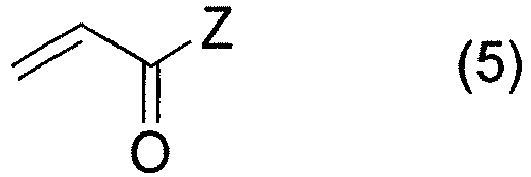
in the presence of a nickel compound and zinc to produce the compound represented by formula (2). - [2] A method for producing a compound represented by formula (2a)

Step (a-1): reacting a compound represented by formula (1)
with a compound represented by formula (5b)

- [3] A method for producing a compound represented by formula (3)

the method comprising the following Step (a-2) or Step (c), and comprising the following Step (d):
Step (a-2): reacting a compound represented by formula (1)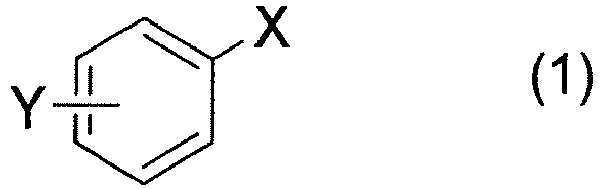
with a compound represented by formula (5a)

Step (d): subjecting the compound represented by formula (2a) to a Hofmann rearrangement to produce the compound represented by formula (3). - [4] The method according to [3], wherein the Step (d) is carried out in water in the presence of bromine or chlorine, and an alkali metal hydroxide.
- [5] The method according to [3], wherein the Step (d) is a step of
subjecting the compound represented by formula (2a) to a Hofmann rearrangement in an alcohol represented by formula (6)
R1OH (6)
(wherein R1 represents a methyl group, an ethyl group, a propyl group, an isopropyl group, or a butyl group) in the presence of bromine or chlorine, and an alkali metal alcoholate compound to produce a compound represented by formula (4)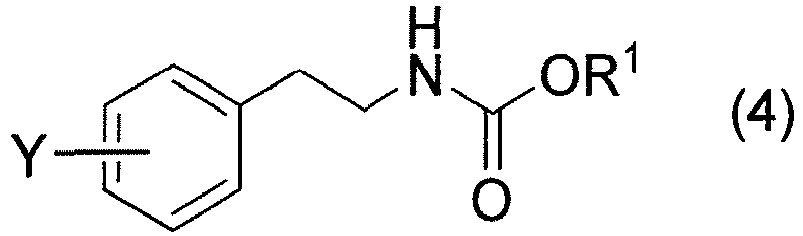
and then
reacting the compound represented by formula (4) in the presence of a strong acid to produce the compound represented by formula (3). - [6] The method according to any one of [1] to [5], wherein Y represents a 4-trifluoromethyl group.
- [7] A method for producing a compound represented by formula (8)

Step (e): reacting a compound represented by formula (3a)

to produce the compound represented by formula (8). - [8] N-carbomethoxy-2-[4-(trifluoromethyl)phenyl]ethylamine.
- According to the present invention, a pyrimidine compound having pest control efficacy; 2-[4-(trifluoromethyl)phenyl]ethylamine which is a production intermediate of the pyrimidine compound; a phenylethylamine compound useful as a pharmaceutical and agrochemical intermediate; and further a 3-arylpropionamide compound and a 3-arylpropionic acid ester compound useful as production intermediates of the phenylethylamine compound, can be industrially produced.
- Hereinafter, the present invention is described in detail.
- The Step (a) is described. In the Step (a), the compound represented by formula (1) is reacted with the compound represented by formula (5) in the presence of a nickel compound and zinc to produce the compound represented by formula (2).
- The substituent represented by Y in the compound represented by formula (1) is not specifically limited as long as it is stable and does not disturb the reaction in the Step (a) and the Step (b).
- Examples of the substituent represented by Y include an alkyl group optionally substituted with fluorine atom(s) such as a methyl group, an ethyl group, a propyl group, a butyl group, a fluoromethyl group, a difluoromethyl group, and a trifluoromethyl group; an alkoxy group optionally substituted with fluorine atom(s) such as a methoxy group, an ethoxy group, a propoxy group, a butoxy group, and a trifluoromethoxy group; an alkoxyalkyl group optionally substituted with fluorine atom(s) such as a methoxymethyl group, an ethoxymethyl group, and a trifluoromethoxymethyl group; an alkylthio group optionally substituted with fluorine atom(s) such as a thiomethyl group, a thioethyl group, a thiopropyl group, and a thiotrifluoromethyl group; an alkylsulfonyl group optionally substituted with fluorine atom(s) such as a methylsulfonyl group, an ethylsulfonyl group, and a trifluoromethylsulfonyl group; a hydrogen atom; a fluorine atom; a cyano group; an alkylcarbonyl group such as a methylcarbonyl group, an ethylcarbonyl group, and a propylcarbonyl group; a dialkylamino group such as a dimethylamino group and a diethylamino group, and preferable examples thereof include electron-withdrawing groups such as a fluorine atom, a trifluoromethyl group, an alkylcarbonyl group, and an alkylsulfonyl group.
- The substitution position of Y may be any one of 2- to 4-positions, preferably 3- or 4-position, especially preferably 4-position, relative to X.
- Examples of the compound represented by formula (1) include 4-methylchlorobenzene, 3-methylchlorobenzene, 4-methylbromobenzene, 3-methylbromobenzene, 4-ethylchlorobenzene, 3-ethylchlorobenzene, 4-ethylbromobenzene, 3-ethylbromobenzene, 4-propylchlorobenzene, 3-propylchlorobenzene, 4-propylbromobenzene, 3-propylbromobenzene, 4-butylchlorobenzene, 3-butylchlorobenzene, 4-butylbromobenzene, 3-butylbromobenzene, 4-(fluoromethyl)chlorobenzene, 3-(fluoromethyl)chlorobenzene, 4-(fluoromethyl)bromobenzene, 3-(fluoromethyl)bromobenzene, 4-(difluoromethyl)chlorobenzene, 3-(difluoromethyl)chlorobenzene, 4-(difluoromethyl)bromobenzene, 3-(difluoromethyl)bromobenzene, 4-(trifluoromethyl)chlorobenzene, 3-(trifluoromethyl)chlorobenzene, 4-(trifluoromethyl)bromobenzene, 3-(trifluoromethyl)bromobenzene; 4-methoxychlorobenzene, 3-methoxychlorobenzene, 4-methoxybromobenzene, 3-methoxybromobenzene, 4-ethoxychlorobenzene, 3-ethoxychlorobenzene, 4-ethoxybromobenzene, 3-ethoxybromobenzene, 4-propoxychlorobenzene, 3-propoxychlorobenzene, 4-propoxybromobenzene, 3-propoxybromobenzene, 4-butoxychlorobenzene, 3-butoxychlorobenzene, 4-butoxybromobenzene, 3-butoxybromobenzene, 4-(trifluoromethoxy)chlorobenzene, 3-(trifluoromethoxy)chlorobenzene, 4-(trifluoromethoxy)bromobenzene, 3-(trifluoromethoxy)bromobenzene; 4-(methoxymethyl)chlorobenzene, 3-(methoxymethyl)chlorobenzene, 4-(methoxymethyl)bromobenzene, 3-(methoxymethyl)bromobenzene, 4-(ethoxymethyl)chlorobenzene, 3-(ethoxymethyl)chlorobenzene, 4-(ethoxymethyl)bromobenzene, 3-(ethoxymethyl)bromobenzene, 4-(trifluoromethoxymethyl)chlorobenzene, 3-(trifluoromethoxymethyl)chlorobenzene, 4-(trifluoromethoxymethyl)bromobenzene, 3-(trifluoromethoxymethyl)bromobenzene; 4-(methylthio)chlorobenzene, 3-(methylthio)chlorobenzene, 4-(methylthio)bromobenzene, 3-(methylthio)bromobenzene, 4-(ethylthio)chlorobenzene, 3-(ethylthio)chlorobenzene, 4-(ethylthio)bromobenzene, 3-(ethylthio)bromobenzene, 4-(propylthio)chlorobenzene, 3-(propylthio)chlorobenzene, 4-(propylthio)bromobenzene, 3-(propylthio)bromobenzene, 4-(trifluoromethylthio)chlorobenzene, 3-(trifluoromethylthio)chlorobenzene, 4-(trifluoromethylthio)bromobenzene, 3-(trifluoromethylthio)bromobenzene; 4-(methylsulfonyl)chlorobenzene, 3-(methylsulfonyl)chlorobenzene, 4-(methylsulfonyl)bromobenzene, 3-(methylsulfonyl)bromobenzene, 4-(ethylsulfonyl)chlorobenzene, 3-(ethylsulfonyl)chlorobenzene, 4-(ethylsulfonyl)bromobenzene, 3-(ethylsulfonyl)bromobenzene, 4-(trifluoromethylsulfonyl)chlorobenzene, 3-(trifluoromethylsulfonyl)chlorobenzene, 4-(trifluoromethylsulfonyl)bromobenzene, 3-(trifluoromethylsulfonyl)bromobenzene; chlorobenzene, bromobenzene; 4-fluorochlorobenzene, 3-fluorochlorobenzene, 2-fluorochlorobenzene, 4-fluorobromobenzene, 3-fluorobromobenzene, 2-fluorobromobenzene; 4-cyanochlorobenzene, 3-cyanochlorobenzene, 4-cyanobromobenzene, 3-cyanobromobenzene; 4-methylcarbonylchlorobenzene, 3-methylcarbonylchlorobenzene, 4-methylcarbonylbromobenzene, 3-methylcarbonylbromobenzene, 4-ethylcarbonylchlorobenzene, 3-ethylcarbonylchlorobenzene, 4-ethylcarbonylbromobenzene, 3-ethylcarbonylbromobenzene, 4-propylcarbonylchlorobenzene, 3-propylcarbonylchlorobenzene, 4-propylcarbonylbromobenzene, 3-propylcarbonylbromobenzene; 4-(dimethylamino)chlorobenzene, 3-(dimethylamino)chlorobenzene, 4-(dimethylamino)bromobenzene, 3-(dimethylamino)bromobenzene, 4-(diethylamino)chlorobenzene, 3-(diethylamino)chlorobenzene, 4-(diethylamino)bromobenzene, and 3-(diethylamino)bromobenzene.
- The amount of the compound represented by formula (5) to be used is usually 1.0 to 5.0 mol, preferably 1.5 to 3.0 mol, relative to 1 mol of the compound represented by formula (1).
- Examples of the nickel compound include nickel salts. Specific examples thereof include halogenated nickels such as nickel chloride and nickel bromide. The nickel compound may be used in the form of anhydride or hydrate. Examples of the nickel compound in the form of hydrate include nickel chloride hexahydrate and nickel bromide trihydrate.
- The amount of the nickel compound to be used is usually 0.01 to 0.5 mol, preferably 0.05 to 0.2 mol, relative to 1 mol of the compound represented by formula (1).
- The zinc is preferably used in a powdery state.
- The amount of the zinc to be used is usually 0.9 to 5 mol, preferably 1.0 to 3.0 mol, relative to 1 mol of the compound represented by formula (1).
- The reaction is usually carried out in a solvent.
- Examples of the solvent include ethers such as tetrahydrofuran, 2-methyltetrahydrofuran, cyclopentyl methyl ether, tert-butyl methyl ether, monoglyme, and diglyme; amides such as N,N-dimethylacetamide, N,N-dimethylformamide, and N-methylpyrrolidone; nitrogen-containing aromatic compounds such as pyridine, 2-methylpyridine, picoline, and quinoline; nitriles such as acetonitrile and propylnitrile; and mixed solvents thereof. Preferable examples thereof include amides, nitrogen-containing aromatic compounds, and mixed solvents thereof.
- The amount of the solvent to be used is usually 1 to 100 part(s) by weight, preferably 1 to 30 part(s) by weight, relative to 1 part by weight of the compound represented by formula (1).
- Addition of a compound which may be coordinated to the nickel compound can suppress the production of a by-product which is a compound represented by formula (1) wherein X is replaced with a hydrogen atom to improve the yield of the compound represented by formula (2).
- Examples of the compound which may be coordinated to the nickel compound include alkylamines such as N,N,N',N'-tetramethylethylenediamine, N,N,N',N'-tetraethylethylenediamine, trimethylamine, triethylamine, and N,N,N',N'-tetramethylpropylenediamine; phosphines such as triphenylphosphine, 1,2-bis(diphenylphosphino)ethane, and 1,3-bis(diphenylphosphino)propane; and nitrogen-containing aromatic compounds such as pyridine, 2,2'-bipyridyl, and phenanthroline. When a halogenated nickel is used as the nickel compound, an alkylamine is preferably used. The amount of the compound which may be coordinated to the nickel compound to be used is usually 0.9 to 5 mol, preferably 1.0 to 3.0 mol, relative to 1 mol of the nickel compound.
- In order to activate the zinc, an acid may be added to the reaction at the time of reaction initiation. Examples of the acid include acetic acid, trifluoroacetic acid, hydrochloric acid, and sulfuric acid, and preferable examples thereof include trifluoroacetic acid. The amount of the acid to be used is usually 0.0001 to 0.01 mol relative to 1 mol of the zinc.
- The reaction temperature is usually within the range of 20 to 150°C, preferably 40 to 100°C.
- The reaction time is within the range of 0.1 to 48 hour(s).
- Although embodiments of the reaction are not specifically limited, the reaction is usually carried out by a method wherein the nickel compound, the compound which may be coordinated to the nickel compound, and the solvent are mixed, then the compound represented by formula (1), the compound represented by formula (5), and the zinc are added thereto, and finally the acid is added thereto to initiate the reaction.
- After the reaction is completed, for example, the nickel compound and the zinc are removed by filtration; or a strong acid such as hydrochloric acid is added to the reaction to change the zinc into a water-soluble compound, then the resulting mixture is diluted with organic solvent(s), the resulting aqueous layer(s) is/are separated, further the resulting organic layer(s) is/are washed with water, and then organic solvent(s) is/are distilled away; or the like, to produce the compound represented by formula (2). The resulting compound may be further purified by distillation, column chromatography, or the like.
- The Step (a-1) is described. In the Step (a-1), the compound represented by formula (1) is reacted with the compound represented by formula (5b) in the presence of a nickel compound and zinc to produce the compound represented by formula (2b).
- While the reaction may be carried out according to the same method as the Step (a) by using the compound represented by formula (5b) instead of the compound represented by formula (5), the yield of the compound represented by formula (2b) is improved in the present reaction by further adding a hydrogen ion source thereto.
- Examples of the hydrogen ion source include alcohols such as methanol, ethanol, propanol, and butanol; amides such as formamide, acetamide, and 2-pyrrolidone; and ketones such as acetone and methyl isobutyl ketone. Preferable examples thereof include methyl isobutyl ketone.
- The amount of the hydrogen ion source to be used is usually 0.8 to 5.0 mol, preferably 0.8 to 1.2 mol, relative to 1 mol of the compound represented by formula (1).
- The Step (b) is described. In the Step (b), the compound represented by formula (2b) is reacted with formamide in the presence of a strong base to produce the compound represented by formula (2a).
- The amount of the formamide to be used is usually 0.9 to 10 mol, preferably 1.0 to 4 mol, relative to 1 mol of the compound represented by formula (2b).
- Examples of the strong base include alkali metal alcoholate compounds. Examples of the alkali metal alcoholate compound include alkali metal methylates such as lithium methylate, sodium methylate, and potassium methylate; alkali metal propoxides such as lithium n-propoxide, sodium isopropoxide, and potassium n-propoxide; and alkali metal butoxides such as lithium n-butoxide, sodium t-butoxide, and potassium t-butoxide, preferable examples thereof include alkali metal methylates, and especially preferable examples thereof include sodium methylate.
- The amount of the strong base such as alkali metal alcoholate compounds to be used is usually 1 to 15 mol, preferably 2 to 8 mol, relative to 1 mol of the compound represented by formula (2b).
- The reaction is usually carried out by using an alcohol as a solvent.
- Examples of the alcohol to be used as a solvent include methanol, ethanol, propanol, isopropyl alcohol, butanol, and t-butyl alcohol.
- A solution of the alkali metal alcoholate compound in the alcohol may be used in the reaction.
- The amount of the solvent to be used is usually 1 to 100 part(s) by weight, preferably 1 to 30 part(s) by weight, relative to 1 part by weight of the compound represented by formula (2b).
- The reaction temperature is usually within the range of 0 to 100°C, preferably 25 to 60°C. When t-butyl alcohol is used as a solvent, the reaction temperature is usually within the range of 25 to 100°C, preferably 25 to 60°C.
- The reaction time is within the range of 0.1 to 24 hour(s).
- Although embodiments of the reaction are not specifically limited, the reaction is usually carried out by a method wherein the compound represented by formula (2b), the alkali metal alcoholate compound, and the solvent are mixed, then formamide is added thereto, and the resulting mixture is heated to a desired temperature.
- After the reaction is completed, for example, the solvent is distilled away, then the resulting mixture is diluted with water and organic solvent(s) to be used for separation, washed with water, extracted, and the organic solvent(s) is/are distilled away to produce the compound represented by formula (2a). The compound represented by formula (2a) may be further purified by distillation, column chromatography, or the like.
- The Step (a-2) is described. In the Step (a-2), the compound represented by formula (1) is reacted with the compound represented by formula (5a) in the presence of a nickel compound and zinc to produce the compound represented by formula (2a).
- The reaction may be carried out according to the same method as the Step (a) by using the compound represented by formula (5a) instead of the compound represented by formula (5) .
- The Step (c) is described. The Step (c) consists of the Step (a-1) and the Step (b).
- The Step (d) is described. The Step (d) comprises subjecting the compound represented by formula (2a) to a Hofmann rearrangement reaction to produce the compound represented by formula (3).
- The Hofmann rearrangement reaction may be carried out by using water or alcohol as a solvent in the presence of bromine or chlorine, and a base. Specific examples thereof include:
- (1) a method wherein the compound represented by formula (2a) is reacted in water in the presence of bromine or chlorine, and an alkali metal hydroxide to produce the compound represented by formula (3); and
- (2) a method wherein the compound represented by formula (2a) is reacted in the alcohol represented by formula (6) in the presence of bromine or chlorine, and an alkali metal alcoholate compound to produce the compound represented by formula (4).
- In the method according to (2), the compound represented by formula (4) is produced, and the resulting compound represented by formula (4) is subsequently reacted in the presence of a strong acid to produce the compound represented by formula (3).
- First, a method wherein the compound represented by formula (2a) is subjected to a Hofmann rearrangement reaction in water in the presence of bromine or chlorine, and an alkali metal hydroxide to produce the compound represented by formula (3), is described.
- The amount of the bromine or chlorine to be used is usually 0.9 to 3 mol, preferably 1.0 to 1.5 mol, relative to 1 mol of the compound represented by formula (2a).
- Examples of the alkali metal hydroxide include lithium hydroxide, sodium hydroxide, and potassium hydroxide. The amount of the alkali metal hydroxide to be used is usually 1 to 15 mol, preferably 2 to 8 mol, relative to 1 mol of the compound represented by formula (2a).
- The reaction may also be carried out by using an alkali metal salt of hypobromous acid or hypochlorous acid, preferably sodium hypobromite or sodium hypochlorite instead of mixing the bromine or chlorine, and the alkali metal hydroxide in water. The amount of the sodium hypobromite or sodium hypochlorite to be used is the same as the amount of the bromine or chlorine to be used.
- Water is used as a solvent.
- The amount of the water to be used is usually 1 to 100 part(s) by weight, preferably 1 to 30 part(s) by weight, relative to 1 part by weight of the compound represented by formula (2a).
- The reaction temperature is usually within the range of 20 to 150°C, preferably 40 to 120°C.
- The reaction time is within the range of 0.1 to 24 hour(s).
- Although embodiments of the reaction are not specifically limited, the reaction is usually carried out by a method wherein the compound represented by formula (2a), the alkali metal hydroxide, and water are mixed, then bromine or chlorine are added thereto, and the resulting mixture is heated to a desired temperature.
- After the reaction is completed, for example, the reaction mixture is diluted with organic solvent(s), extracted, and the organic solvent(s) is/are distilled away to produce the compound represented by formula (3). The compound represented by formula (3) may be further purified by distillation, column chromatography, or the like.
- Next, a method wherein the compound represented by formula (2a) is subjected to a Hofmann rearrangement reaction in the alcohol represented by formula (6) in the presence of bromine or chlorine, and an alkali metal alcoholate compound to produce the compound represented by formula (4), and then the resulting compound represented by formula (4) is reacted in the presence of a strong acid to produce the compound represented by formula (3), is described.
- The amount of the bromine or chlorine to be used is usually 0.9 to 3 mol, preferably 1.0 to 1.5 mol, relative to 1 mol of the compound represented by formula (2a).
- Examples of the alkali metal alcoholate compound include alkali metal methylates such as lithium methylate, sodium methylate, and potassium methylate; alkali metal propoxides such as lithium n-propoxide, sodium isopropoxide, and potassium n-propoxide; and alkali metal butoxides such as lithium n-butoxide, sodium t-butoxide, and potassium t-butoxide. Preferable examples thereof include alkali metal methylates, and especially preferable examples thereof include sodium methylate.
- The amount of the alkali metal alcoholate compound to be used is usually 1 to 15 mol, preferably 2 to 8 mol, relative to 1 mol of the compound represented by formula (2a) .
- Examples of the alcohol represented by formula (6) used as a solvent include methanol, ethanol, propanol, isopropyl alcohol, and butanol.
- The amount of the alcohol represented by formula (6) to be used is usually 1 to 100 part(s) by weight, preferably 1 to 30 part(s) by weight, relative to 1 part by weight of the compound represented by formula (2a).
- In the reaction, other solvent(s) such as chlorobenzene may also be present.
- The reaction temperature is usually within the range of 20 to 150°C, preferably 40 to 100°C.
- The reaction time is within the range of 0.1 to 24 hour(s).
- Although embodiments of the reaction are not specifically limited, the reaction is usually carried out by a method wherein the compound represented by formula (2a), the alkali metal alcoholate compound, and the alcohol represented by formula (6) are mixed, then bromine or chlorine are added thereto, and the resulting mixture is heated to a desired temperature.
- After the reaction is completed, for example, the alcohol is distilled away, then the resulting mixture is diluted with water and organic solvent(s) to be used in separation, washed with water, extracted, and the organic solvent(s) is/are distilled away to produce the compound represented by formula (4). The compound represented by formula (4) may be further purified by distillation, column chromatography, or the like.
- Subsequently, the compound represented by formula (4) is reacted in the presence of a strong acid to produce the compound represented by formula (3).
- Examples of the strong acid include hydrochloric acid, sulfuric acid, and phosphoric acid.
- The amount of the strong acid to be used is usually 1 to 15 mol, preferably 2 to 8 mol, relative to 1 mol of the compound represented by formula (4).
- Although it is not necessary to use a solvent in the reaction, a solvent which does not disturb the reaction may be used.
- The reaction temperature is usually within the range of 20 to 150°C, preferably 40 to 100°C.
- The reaction time is within the range of 0.1 to 100 hour(s).
- Preferable embodiments of the reaction include a method wherein the compound represented by formula (4), the strong acid, and if necessary a solvent are mixed, then the resulting mixture is heated to a desired temperature, and the eliminated alcohol is distilled away from a reaction container under reduced pressure or normal pressure.
- After the reaction is completed, for example, the reaction mixture is diluted with organic solvent(s), neutralized and washed with alkali water, then extracted, and the organic solvent(s) is/are distilled away to produce the compound represented by formula (3). The compound represented by formula (3) may be further purified by distillation, column chromatography, or the like.
- The Step (e) is described. The compound represented by formula (3a) (namely, 2-[4-(trifluoromethyl)phenyl]ethylamine) is reacted with the compound represented by formula (7) to produce the compound represented by formula (8).
- The compound represented by formula (7) is available as a commercialized product. Alternatively, the compound represented by formula (7) may be produced according to the method described in, for example,
US5523404A . - The reaction is usually carried out in a solvent.
- Examples of the solvent include alcohols such as methanol, ethanol, and isopropanol; aromatic hydrocarbons such as toluene, xylene, cumene, monochlorobenzene, and tetralin; hydrocarbons such as hexane, heptane, octane, nonane, and cyclohexane; sulfur-containing compounds such as dimethyl sulfoxide and sulfolane; ethers such as tetrahydrofuran, 2-methyltetrahydrofuran, cyclopentyl methyl ether, tert-butyl methyl ether, monoglyme, and diglyme; amides such as N,N-dimethylacetamide, N,N-dimethylformamide, and N-methylpyrrolidone; nitriles such as acetonitrile and propylnitrile; water; and mixed solvents thereof. Preferable examples thereof include aromatic hydrocarbons and amides.
- The amount of the solvent to be used is usually 1 to 100 part(s) by weight, preferably 1 to 30 part(s) by weight, relative to 1 part by weight of the compound represented by formula (3a).
- The amount of the compound represented by formula (7) to be used is usually 0.5 to 3 mol, preferably 0.8 to 1.5 mol, relative to 1 mol of the 2-[4-(trifluoromethyl)phenyl]ethylamine.
- The present reaction is usually carried out in the presence of a base.
- Examples of the base include alkali metal hydrides such as sodium hydride; carbonates such as sodium carbonate, potassium carbonate, and cesium carbonate; alkali metal hydroxides such as sodium hydroxide, potassium hydroxide, and lithium hydroxide; metal alcoholates such as sodium methylate, sodium ethylate, sodium tert-butoxide, potassium methylate, potassium ethylate, and potassium tert-butoxide; and organic amines such as triethylamine, diisopropylethylamine, pyridine, and diazabicycloundecene.
- The amount of the base to be used is usually 1 to 5 mol relative to 1 mol of the compound represented by formula (7).
- The reaction may be carried out in the presence of a phase-transfer catalyst. Examples of the phase-transfer catalyst include tetrabutyl ammonium bromide and triethylbenzyl ammonium chloride. The amount of the phase-transfer catalyst to be used is 0.01 to 0.5 mol relative to 1 mol of the compound represented by formula (7).
- The reaction temperature is usually within the range of 0°C to 150°C, preferably 0°C to 100°C.
- The reaction time is within the range of 0.1 to 48 hour(s).
- After the reaction is completed, for example, water is added to the reaction mixture, the resulting mixture is extracted with organic solvent(s), and the organic solvent(s) is/are distilled away to isolate the compound represented by formula (8). The compound represented by formula (8) may be further purified by crystallization, column chromatography, or the like.
- Examples of the compound represented by formula (8) include 5-chloro-4-ethyl-6-[2-(4-trifluoromethylphenyl)ethylamino]pyrimidine and 5-chloro-4-(1-fluoroethyl)-6-[2-(4-trifluoromethylphenyl)ethylamino]pyrimidine.
- The following Examples etc. serve to illustrate the present invention, which should not intend to limit the present invention.
-
• Measuring instrument: LC-20AD manufactured by Shimadzu Corporation
• Mobile phase: Solution A: 0.1% phosphoric acid aqueous solution, Solution B: acetonitrile
• Column: SUMIPAX (registered trademark) ODS Z-CLUE (manufactured by Sumika Chemical Analysis Service, Ltd.) Inner diameter: 4.6 mm, Length: 100 mm, particle size 3 µm
• Column temperature: 40°C
• Flow rate: 1.0 mL/min
• UV wavelength: 265 nm
• Injection volume: 5 µL
• Internal standard material: dimethyl phthalate
• Time programTime (min) B conc (%) 0 0 40 100 50 100 50.1 5 60 5 -
- Measuring instrument: GC-2010 manufactured by Shimadzu Corporation
- Column: DB-5, Length: 30 m, Inner diameter: 250 µm, Film thickness: 1.00 µm (manufactured by Agilent Technologies, Inc.)
- Column temperature: warmed from 150°C to 320°C at 10°C/min, then maintained at 320°C for 10 minutes
- Helium gas flow rate: 1.0 mL/min
- Injection volume: 1 µL
- Under nitrogen atmosphere in a four neck flask (200 mL), nickel chloride anhydride (5.74 g), N,N,N',N'-tetramethylethylenediamine (5.10 g), and N,N-dimethylformamide (79.2 g) were mixed, and the resulting mixture was warmed to 80°C. The mixture was stirred at the same temperature for 1 hour, then acrylamide (23.4 g) and 4-chlorobenzotrifluoride (40.0 g) were added thereto, and the resulting mixture was cooled to 60°C. Zinc powder (28.7 g) was added thereto over 30 minutes, then the resulting mixture was stirred at the same temperature for 48 hours. A part of the reaction mixture was sampled and analyzed by a gas chromatography area normalization method to confirm that the mixture included 3-[4-(trifluoromethyl)phenyl]propionamide (77%), 4-chlorobenzotrifluoride (0.5%), and trifluoromethylbenzene (13%) which was a dechlorinated product of the starting material. The reaction mixture was cooled to room temperature, added dropwise to 24% hydrochloric acid water (131 g) controlled at 15°C, and then the resulting mixture was stirred for 2 hours. To the resulting reaction mixture was added sodium chloride (39.9 g), and the resulting mixture was extracted twice with a mixed solvent (118.8 g) of ethyl acetate and chlorobenzene (2:1). The resulting oil layer was washed with water (118.8 g), and then analyzed by an internal reference method using high performance liquid chromatography to confirm that the yield of 3-[4-(trifluoromethyl)phenyl]propionamide was 69.4%.
- Under nitrogen atmosphere in a Schlenk flask (50 mL), nickel chloride anhydride (230 mg), N,N,N',N'-tetramethylethylenediamine (207 mg), and N,N-dimethylformamide (2 g) were mixed, and the resulting mixture was warmed to 80°C. The mixture was stirred at the same temperature for 1 hour, then acrylamide (950 mg) and chlorobenzene (1.0 g) were added thereto, and the resulting mixture was cooled to 60°C. Zinc powder (1.16 g) was added thereto, and then the resulting mixture was stirred at the same temperature for 8 hours. A part of the reaction mixture was sampled and analyzed by a gas chromatography area normalization method to confirm that the mixture included 3-phenylpropionamide (73%) and chlorobenzene (27%). The reaction mixture was cooled to room temperature, 24% hydrochloric acid water (10 g) was added thereto, and then the resulting mixture was stirred for 2 hours. To the resulting reaction mixture was added sodium chloride (5 g), and the resulting mixture was extracted twice with ethyl acetate (10 g). The resulting oil layer was washed with water (10 g), and then the solvent was distilled away to give 3-phenylpropionamide as white crystals (1.02 g). The yield was 77.0%.
- Under nitrogen atmosphere in a Schlenk flask (50 mL), nickel chloride anhydride (132 mg), N,N,N',N'-tetramethylethylenediamine (119 mg), and N,N-dimethylformamide (1.2 g) were mixed, and the resulting mixture was warmed to 80°C. The mixture was stirred at the same temperature for 1 hour, then acrylamide (542 mg) and 3-trifluoromethoxychlorobenzene (1.0 g) were added thereto, and the resulting mixture was cooled to 60°C. Zinc powder (666 mg) was added thereto, and then the resulting mixture was stirred at the same temperature for 8 hours. A part of the reaction mixture was sampled and analyzed by a gas chromatography area normalization method to confirm that the mixture included 3-[3-(trifluoromethoxy)phenyl]propionamide (34%) and 3-trifluoromethoxychlorobenzene (66%). The reaction mixture was cooled to room temperature, 24% hydrochloric acid water (10 g) was added thereto, and then the resulting mixture was stirred for 2 hours. To the resulting reaction mixture was added sodium chloride (5 g), and the resulting mixture was extracted twice with ethyl acetate (10 g). The resulting oil layer was washed with water (10 g), and then the solvent was distilled away to give 3-[3-(trifluoromethoxy)phenyl]propionamide as white crystals (990 mg). The yield was 41.0%.
- Under nitrogen atmosphere in a Schlenk flask (50 mL), nickel chloride anhydride (200 mg), N,N,N',N'-tetramethylethylenediamine (180 mg), and N,N-dimethylformamide (1.8 g) were mixed, and the resulting mixture was warmed to 80°C. The mixture was stirred at the same temperature for 1 hour, then acrylamide (820 mg) and 2-fluorochlorobenzene (1.0 g) were added thereto, and the resulting mixture was cooled to 60°C. Zinc powder (1.0 g) was added thereto, and then the resulting mixture was stirred at the same temperature for 8 hours. A part of the reaction mixture was sampled and analyzed by a gas chromatography area normalization method to confirm that the mixture included 3-[2-(fluoro)phenyl]propionamide (3%) and 2-fluorochlorobenzene (97%). The reaction mixture was cooled to room temperature, 24% hydrochloric acid water (10 g) was added thereto, and then the resulting mixture was stirred for 2 hours. To the resulting reaction mixture was added sodium chloride (5 g), and the resulting mixture was extracted twice with ethyl acetate (10 g). The resulting oil layer was washed with water (10 g), and then the solvent was distilled away to give 3-[2-(fluoro)phenyl]propionamide as white crystals (51 mg). The yield was 4.0%.
- Under nitrogen atmosphere in a four neck flask (500 mL), nickel chloride anhydride (5.82 g), pyridine (11.6 g), and N,N-dimethylformamide (116.4 g) were mixed, and the resulting mixture was stirred at room temperature for 5 minutes. Ethyl acrylate (66.5 g), 4-chlorobenzotrifluoride (40.0 g), zinc powder (29.0 g), and methyl isobutyl ketone (16.1 g) were sequentially added thereto at the same temperature, and then the resulting mixture was heated to 100°C. Trifluoroacetic acid (0.25 g) was added thereto, and then the resulting mixture was stirred at the same temperature for 6 hours. A part of the reaction mixture was sampled and analyzed by a gas chromatography area normalization method to confirm that the mixture included ethyl 3-[4-(trifluoromethyl)phenyl]propionate (63%), 4-chlorobenzotrifluoride (0.1%), and trifluoromethylbenzene (5.4%) which was a dechlorinated product of the starting material. The reaction mixture was cooled to room temperature, added dropwise to 20% hydrochloric acid (161.6 g) cooled in an ice bath, and then the resulting mixture was filtered. The resulting filtrate was controlled at 40°C, and the resulting mixture was extracted twice with toluene (120 g). The resulting oil layer was washed with water (40.0 g), and then concentrated under reduced pressure. The resulting yellow oil was analyzed by an internal reference method using high performance liquid chromatography to confirm that the yield of ethyl 3-[4-(trifluoromethyl)phenyl]propionate was 68.8%.
- Under nitrogen atmosphere, ethyl 3-[4-(trifluoromethyl)phenyl]propionate (66.0 g), a 28% solution of sodium methylate in methanol (41.9 g), and formamide (19.2 g) were mixed, and the resulting mixture was heated at 50°C. The mixture was stirred at the same temperature for 4 hours, then formamide (6.26 g) was additionally added thereto, and the resulting mixture was stirred for additional 1 hour. A part of the reaction mixture was sampled and analyzed by a gas chromatography area normalization method to confirm that the mixture included 3-[4-(trifluoromethyl)phenyl]propionamide (47%) and ethyl 3-[4-(trifluoromethyl)phenyl]propionate (2.7%). The reaction solution was concentrated under reduced pressure, then neutralized with 10% hydrochloric acid (76.0 g), and the resulting mixture was extracted twice with ethyl acetate (102.6 g). The resulting oil layer was concentrated under reduced pressure to give a brownish-red crude product (65.2 g). The product was analyzed by an internal reference method using high performance liquid chromatography to confirm that the yield of 3-[4-(trifluoromethyl)phenyl]propionamide was 97.0%.
- Under nitrogen atmosphere, 3-[4-(trifluoromethyl)phenyl]propionamide (500 mg) and a 28% solution of sodium methylate in methanol (2.8 g) were mixed, and the resulting mixture was cooled in a water bath. To the mixture was added dropwise bromine (410 mg), and then the resulting mixture was stirred at 60°C for 3 hours. The reaction mixture was cooled to room temperature, water (10 g) was added thereto, and then the resulting mixture was extracted twice with ethyl acetate (10 g). The resulting oil layer was concentrated to give a pale yellow oil (510 mg). Said oil was analyzed by 1H-NMR and GC-MS to be identified as N-carbomethoxy-2-[4-(trifluoromethyl)phenyl]ethylamine. The yield was 90%. 1H-NMR (CDCl3) δ(ppm): 7.51 (2H, dd), 7.30 (2H, dd), 4.24 (1H, bs), 3.18 (3H, s), 2.98 (2H, dd), 2.41 (2H, dd). GC-MS: [M+]247.
- Under nitrogen atmosphere, 3-[4-(trifluoromethyl)phenyl]propionamide (34.1 g) and a 28% solution of sodium methylate in methanol (68.6 g) were mixed, and the resulting mixture was heated to 45°C. To the mixture was added dropwise bromine (30.0 g), and then the resulting mixture was stirred at the same temperature for 5 hours. The reaction mixture was cooled to room temperature, a saturated aqueous solution of sodium sulfite (43.0 g) and sulfuric acid (0.42 g) were added thereto, the resulting mixture was concentrated under reduced pressure, and then subjected to azeotropic dehydration with xylene (30.9 g). To the resulting concentrate were added water (35.2 g) and sulfuric acid (18.2 g), and the resulting mixture was heated to 95°C. After starting the incubation at the same temperature, sulfuric acid (5.6 g) was additionally added thereto at 8, 17, 28, and 48 hours, respectively, and the resulting mixture was stirred for 70 hours in total. A part of the reaction mixture was sampled and analyzed by a gas chromatography area normalization method to confirm that the mixture included 2-[4-(trifluoromethyl)phenyl]ethylamine (94.9%) and N-carbomethoxy-2-[4-(trifluoromethyl)phenyl]ethylamine (2.7%). To the reaction mixture was added chlorobenzene, the resulting mixture was cooled to room temperature, added dropwise to a 14% aqueous solution of sodium hydroxide (246 g), and then the resulting mixture was separated at 40°C. The resulting oil layer was washed with water (30.9 g), and then the oil layer was analyzed by an internal reference method using high performance liquid chromatography to confirm that the yield of 2-[4-(trifluoromethyl)phenyl]ethylamine was 78%.
- Under nitrogen atmosphere, 3-[4-(trifluoromethyl)phenyl]propionamide (25.1 g), chlorobenzene (50.2 g), and a 28% solution of sodium methylate in methanol (55.7 g) were mixed, and the resulting mixture was heated to 45°C. To the mixture was added dropwise bromine (20.4 g), and then the resulting mixture was stirred at the same temperature for 4 hours. The reaction mixture was cooled to room temperature, then a 15% aqueous solution of sodium sulfite (21.4 g) and sulfuric acid (1.74 g) were added thereto, and the resulting mixture was concentrated under reduced pressure. The resulting concentrate, water (30.1 g), and sulfuric acid (17.3 g) were mixed, and the resulting mixture was heated to 95°C. After starting the incubation at the same temperature, sulfuric acid (5.8 g) was additionally added thereto at 10, 20, and 36 hours, respectively, and the resulting mixture was stirred for 52 hours in total. A part of the reaction mixture was sampled and analyzed by a gas chromatography area normalization method to confirm that the mixture included 2-[4-(trifluoromethyl)phenyl]ethylamine (88.4%) and N-carbomethoxy-2-[4-(trifluoromethyl)phenyl]ethylamine (6.8%). To the reaction mixture was added xylene (100.3 g), the resulting mixture was cooled to room temperature, added dropwise to a 20% aqueous solution of sodium hydroxide (170.7 g), and then the resulting mixture was separated at 60°C. The resulting oil layer was washed with water (25.1 g), and then analyzed by an internal reference method using high performance liquid chromatography to confirm that the yield of 2-[4-(trifluoromethyl)phenyl]ethylamine was 62%.
- Under nitrogen atmosphere, to a mixture of 3-[4-(trifluoromethyl)phenyl]propionamide (4.9 g) and a 20% aqueous solution of sodium hydroxide (27.5 g) was added dropwise bromine (4.0 g), and the resulting mixture was stirred at 100°C for 3 hours. The reaction mixture was cooled to room temperature, water (100 g) was added thereto, and then the resulting mixture was extracted twice with ethyl acetate (100 g). The resulting oil layer was concentrated, and then distilled under reduced pressure to give a colorless and transparent liquid of 2-[4-(trifluoromethyl)phenyl]ethylamine (1.9 g, yield: 48%) as the main distillate.
- Under nitrogen atmosphere in a separable flask (200 mL), potassium carbonate (5.9 g), N,N-dimethylformamide (15.3 g), and water (0.4 g) were mixed, and the resulting mixture was warmed to 60°C. To the resulting mixture were simultaneously and separately added dropwise 2-[4-(trifluoromethyl)phenyl]ethylamine (7.9 g) and 4,5-dichloro-6-ethylpyrimidine (a 37% by weight solution in xylene, 20.5 g), and the resulting mixture was stirred at the same temperature for 6 hours. The resulting reaction mixture, water (30.6 g), and xylene (11.1 g) were mixed, and the resulting mixture was separated at 55°C. The resulting oil layer was washed twice with water (15.3 g), then crystallized by evaporation, and the resulting solids were collected by filtration. The resulting solids were washed with water (15.3 g), and then dried under reduced pressure to give 5-chloro-4-ethyl-6-[2-(4-trifluoromethylphenyl)ethylamino]pyrimidine (11.6 g, yield: 86%) .
- According to the present invention, a pyrimidine compound having pest control efficacy; 2-[4-(trifluoromethyl)phenyl]ethylamine which is a production intermediate of the pyrimidine compound; a phenylethylamine compound useful as a pharmaceutical and agrochemical intermediate; and further a 3-arylpropionamide compound and a 3-arylpropionic acid ester compound useful as production intermediates of the phenylethylamine compound, can be industrially produced.
Claims (8)
- A method for producing a compound represented by formula (2)
 Y represents an alkyl group optionally substituted with fluorine atom(s), an alkoxy group optionally substituted with fluorine atom(s), an alkoxyalkyl group optionally substituted with fluorine atom(s), an alkylthio group optionally substituted with fluorine atom(s), an alkylsulfonyl group optionally substituted with fluorine atom(s), a hydrogen atom, a fluorine atom, a cyano group, an alkylcarbonyl group, or a dialkylamino group;Z represents a NH2 or a OR2; andR2 represents a methyl group or an ethyl group)the method comprising
Step (a): reacting a compound represented by formula (1)
with a compound represented by formula (5)
in the presence of a nickel compound and zinc to produce the compound represented by formula (2). - A method for producing a compound represented by formula (2a)

Step (a-1): reacting a compound represented by formula (1)
and Y is the same as defined above)
with a compound represented by formula (5b)

Step (b): reacting the compound represented by formula (2b) with formamide in the presence of a strong base to produce the compound represented by formula (2a). - A method for producing a compound represented by formula (3)

Step (a-2): reacting a compound represented by formula (1)
with a compound represented by formula (5a)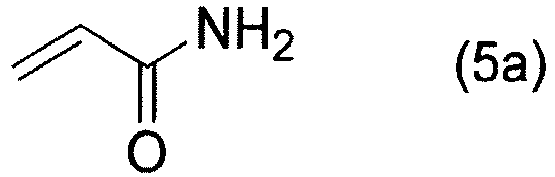

Step (c): the Step (a-1) and the Step (b) according to claim 2; and
Step (d): subjecting the compound represented by formula (2a) to a Hofmann rearrangement to produce the compound represented by formula (3). - The method according to claim 3, wherein the Step (d) is carried out in water in the presence of bromine or chlorine, and an alkali metal hydroxide.
- The method according to claim 3, wherein the Step (d) is a step of
subjecting the compound represented by formula (2a) to a Hofmann rearrangement in an alcohol represented by formula (6)
R1OH (6)
(wherein R1 represents a methyl group, an ethyl group, a propyl group, an isopropyl group, or a butyl group) in the presence of bromine or chlorine, and an alkali metal alcoholate compound to produce a compound represented by formula (4)
reacting the compound represented by formula (4) in the presence of a strong acid to produce the compound represented by formula (3). - The method according to any one of claims 1 to 5, wherein Y represents a 4-trifluoromethyl group.
- A method for producing a compound represented by formula (8)

Step (e): reacting a compound represented by formula (3a)

to produce the compound represented by formula (8). - N-carbomethoxy-2-[4-(trifluoromethyl)phenyl]ethylamine.
Applications Claiming Priority (2)
| Application Number | Priority Date | Filing Date | Title |
|---|---|---|---|
| JP2017107506 | 2017-05-31 | ||
| PCT/JP2018/020798 WO2018221604A1 (en) | 2017-05-31 | 2018-05-30 | Method for producing 3-arylpropionamide compound and 3-arylpropionic acid ester compound |
Publications (3)
| Publication Number | Publication Date |
|---|---|
| EP3632892A1 true EP3632892A1 (en) | 2020-04-08 |
| EP3632892A4 EP3632892A4 (en) | 2021-03-03 |
| EP3632892B1 EP3632892B1 (en) | 2024-07-31 |
Family
ID=64456260
Family Applications (1)
| Application Number | Title | Priority Date | Filing Date |
|---|---|---|---|
| EP18810411.1A Active EP3632892B1 (en) | 2017-05-31 | 2018-05-30 | Method for producing 3-arylpropionamide compound |
Country Status (8)
| Country | Link |
|---|---|
| US (1) | US11028056B2 (en) |
| EP (1) | EP3632892B1 (en) |
| JP (1) | JP7138628B2 (en) |
| KR (1) | KR20200014305A (en) |
| CN (1) | CN110799490B (en) |
| BR (1) | BR112019025242B1 (en) |
| IL (1) | IL270970B2 (en) |
| WO (1) | WO2018221604A1 (en) |
Families Citing this family (2)
| Publication number | Priority date | Publication date | Assignee | Title |
|---|---|---|---|---|
| CN110407715A (en) * | 2019-07-01 | 2019-11-05 | 陕西师范大学 | A kind of synthetic method of pregabalin intermediate |
| CN118388355A (en) * | 2024-06-27 | 2024-07-26 | 山东达冠医药科技有限公司 | Method for preparing dopamine hydrochloride intermediate |
Family Cites Families (4)
| Publication number | Priority date | Publication date | Assignee | Title |
|---|---|---|---|---|
| DE4323180A1 (en) | 1993-07-10 | 1995-01-19 | Hoechst Schering Agrevo Gmbh | Process for the preparation of 5-chloro-4-hydroxypyrimidines, 2-chlororenamines as intermediates in this process and their use |
| DE19931116A1 (en) * | 1999-07-06 | 2001-01-11 | Bayer Ag | Process for the production of phenethylamines and new chemical compounds |
| PH12016501906B1 (en) * | 2014-03-28 | 2023-12-13 | Innovative Vector Control Consortium | Pyrimidine compound |
| JP2017107506A (en) | 2015-12-11 | 2017-06-15 | キヤノン電子株式会社 | Optical information reading device |
-
2018
- 2018-05-30 US US16/616,596 patent/US11028056B2/en active Active
- 2018-05-30 KR KR1020197035416A patent/KR20200014305A/en not_active Ceased
- 2018-05-30 EP EP18810411.1A patent/EP3632892B1/en active Active
- 2018-05-30 JP JP2019521276A patent/JP7138628B2/en active Active
- 2018-05-30 CN CN201880035484.XA patent/CN110799490B/en active Active
- 2018-05-30 BR BR112019025242-8A patent/BR112019025242B1/en not_active IP Right Cessation
- 2018-05-30 WO PCT/JP2018/020798 patent/WO2018221604A1/en not_active Ceased
- 2018-05-30 IL IL270970A patent/IL270970B2/en unknown
Also Published As
| Publication number | Publication date |
|---|---|
| EP3632892B1 (en) | 2024-07-31 |
| CN110799490B (en) | 2023-05-02 |
| EP3632892A4 (en) | 2021-03-03 |
| IL270970B1 (en) | 2023-05-01 |
| BR112019025242B1 (en) | 2023-03-21 |
| WO2018221604A1 (en) | 2018-12-06 |
| IL270970B2 (en) | 2023-09-01 |
| BR112019025242A2 (en) | 2020-06-09 |
| JP7138628B2 (en) | 2022-09-16 |
| US20200165209A1 (en) | 2020-05-28 |
| US11028056B2 (en) | 2021-06-08 |
| KR20200014305A (en) | 2020-02-10 |
| JPWO2018221604A1 (en) | 2020-04-02 |
| IL270970A (en) | 2020-01-30 |
| CN110799490A (en) | 2020-02-14 |
Similar Documents
| Publication | Publication Date | Title |
|---|---|---|
| US10981888B2 (en) | Preparation method for tricyclic compounds | |
| KR20040030051A (en) | Preparation of aminopyrimidine compounds | |
| CN101142216A (en) | Process for preparing pyrazolo [3, 4-D ] pyrimidine ethers | |
| US8884028B2 (en) | Process for preparing alkyl 2-alkoxymethylene-4,4-difluoro-3-oxobutyrates | |
| CN105246878A (en) | Method for preparing 4,6-bis(aryloxy)pyrimidine derivatives | |
| EP3632892B1 (en) | Method for producing 3-arylpropionamide compound | |
| CN118317953A (en) | Method for preparing isoxazoline-5,5-vinyl carboxylic acid derivatives | |
| CN101115739A (en) | Process for the preparation of 4-(phenoxy-5-methyl-pyrimidin-4-yloxy)piperidine-1-carboxylic acid derivatives and related compounds | |
| TW201014528A (en) | Method for producing 6-aryloxyquinoline derivative and intermediate thereof | |
| CN117550960A (en) | Method for the preparation of 1-(3,5-dichloro-4-fluoro-phenyl)-2,2,2-trifluoro-ethanone | |
| EP0990647A1 (en) | Process for producing quinolone derivatives | |
| JP2023086860A (en) | Method for producing quinolin-4(1H)-one derivative | |
| US8334410B2 (en) | Method for producing 3-mercaptoaniline compound | |
| EP1873145B1 (en) | Method for producing nicotinic acid derivative or salt thereof | |
| TW201625511A (en) | Method for preparation of 4-alkoxy-1,1,1-trifluorobut-3-en-2-ones from 1,1,1-trifluoroacetone | |
| WO2013115381A1 (en) | Method for producing symmetrical 4,6-bis(aryloxy)pyrimidine compound | |
| JP2009505997A (en) | Preparation of thioalkylamines in high yield | |
| CN102548951A (en) | Indane derivatives as intermediates | |
| KR100467979B1 (en) | Fluorine-substituted heterocyclic compounds as intermediate for synthesis of agrochemical and medicinal antagonist and method for preparing thereof | |
| HK40113433A (en) | Process for producing isoxazoline-5,5-vinylcarboxylic acid derivatives | |
| JP2018203637A (en) | Process for producing 2- [4- (trifluoromethyl) phenyl] ethylamine and pyrimidine compounds | |
| CN103497125A (en) | Preparation method of ethylidene hydrazinoformate | |
| JP2012067060A (en) | Method for producing aniline derivative |
Legal Events
| Date | Code | Title | Description |
|---|---|---|---|
| STAA | Information on the status of an ep patent application or granted ep patent |
Free format text: STATUS: THE INTERNATIONAL PUBLICATION HAS BEEN MADE |
|
| PUAI | Public reference made under article 153(3) epc to a published international application that has entered the european phase |
Free format text: ORIGINAL CODE: 0009012 |
|
| STAA | Information on the status of an ep patent application or granted ep patent |
Free format text: STATUS: REQUEST FOR EXAMINATION WAS MADE |
|
| 17P | Request for examination filed |
Effective date: 20191218 |
|
| AK | Designated contracting states |
Kind code of ref document: A1 Designated state(s): AL AT BE BG CH CY CZ DE DK EE ES FI FR GB GR HR HU IE IS IT LI LT LU LV MC MK MT NL NO PL PT RO RS SE SI SK SM TR |
|
| AX | Request for extension of the european patent |
Extension state: BA ME |
|
| DAV | Request for validation of the european patent (deleted) | ||
| DAX | Request for extension of the european patent (deleted) | ||
| A4 | Supplementary search report drawn up and despatched |
Effective date: 20210128 |
|
| RIC1 | Information provided on ipc code assigned before grant |
Ipc: C07B 61/00 20060101ALI20210122BHEP Ipc: C07C 209/58 20060101ALI20210122BHEP Ipc: C07C 233/11 20060101ALI20210122BHEP Ipc: C07D 239/42 20060101ALI20210122BHEP Ipc: C07C 231/12 20060101AFI20210122BHEP Ipc: C07C 69/65 20060101ALI20210122BHEP Ipc: C07C 67/347 20060101ALI20210122BHEP Ipc: C07C 271/14 20060101ALI20210122BHEP Ipc: C07C 211/29 20060101ALI20210122BHEP |
|
| STAA | Information on the status of an ep patent application or granted ep patent |
Free format text: STATUS: EXAMINATION IS IN PROGRESS |
|
| 17Q | First examination report despatched |
Effective date: 20220201 |
|
| GRAP | Despatch of communication of intention to grant a patent |
Free format text: ORIGINAL CODE: EPIDOSNIGR1 |
|
| STAA | Information on the status of an ep patent application or granted ep patent |
Free format text: STATUS: GRANT OF PATENT IS INTENDED |
|
| INTG | Intention to grant announced |
Effective date: 20231010 |
|
| GRAJ | Information related to disapproval of communication of intention to grant by the applicant or resumption of examination proceedings by the epo deleted |
Free format text: ORIGINAL CODE: EPIDOSDIGR1 |
|
| STAA | Information on the status of an ep patent application or granted ep patent |
Free format text: STATUS: EXAMINATION IS IN PROGRESS |
|
| GRAP | Despatch of communication of intention to grant a patent |
Free format text: ORIGINAL CODE: EPIDOSNIGR1 |
|
| STAA | Information on the status of an ep patent application or granted ep patent |
Free format text: STATUS: GRANT OF PATENT IS INTENDED |
|
| INTC | Intention to grant announced (deleted) | ||
| INTG | Intention to grant announced |
Effective date: 20240216 |
|
| GRAS | Grant fee paid |
Free format text: ORIGINAL CODE: EPIDOSNIGR3 |
|
| GRAA | (expected) grant |
Free format text: ORIGINAL CODE: 0009210 |
|
| STAA | Information on the status of an ep patent application or granted ep patent |
Free format text: STATUS: THE PATENT HAS BEEN GRANTED |
|
| RAP1 | Party data changed (applicant data changed or rights of an application transferred) |
Owner name: SUMITOMO CHEMICAL COMPANY, LIMITED |
|
| AK | Designated contracting states |
Kind code of ref document: B1 Designated state(s): AL AT BE BG CH CY CZ DE DK EE ES FI FR GB GR HR HU IE IS IT LI LT LU LV MC MK MT NL NO PL PT RO RS SE SI SK SM TR |
|
| REG | Reference to a national code |
Ref country code: CH Ref legal event code: EP Ref country code: GB Ref legal event code: FG4D |
|
| P01 | Opt-out of the competence of the unified patent court (upc) registered |
Free format text: CASE NUMBER: APP_40506/2024 Effective date: 20240709 |
|
| REG | Reference to a national code |
Ref country code: DE Ref legal event code: R096 Ref document number: 602018072496 Country of ref document: DE |
|
| REG | Reference to a national code |
Ref country code: IE Ref legal event code: FG4D |
|
| REG | Reference to a national code |
Ref country code: LT Ref legal event code: MG9D |
|
| REG | Reference to a national code |
Ref country code: NL Ref legal event code: MP Effective date: 20240731 |
|
| PG25 | Lapsed in a contracting state [announced via postgrant information from national office to epo] |
Ref country code: PT Free format text: LAPSE BECAUSE OF FAILURE TO SUBMIT A TRANSLATION OF THE DESCRIPTION OR TO PAY THE FEE WITHIN THE PRESCRIBED TIME-LIMIT Effective date: 20241202 |
|
| REG | Reference to a national code |
Ref country code: AT Ref legal event code: MK05 Ref document number: 1708369 Country of ref document: AT Kind code of ref document: T Effective date: 20240731 |
|
| PG25 | Lapsed in a contracting state [announced via postgrant information from national office to epo] |
Ref country code: PT Free format text: LAPSE BECAUSE OF FAILURE TO SUBMIT A TRANSLATION OF THE DESCRIPTION OR TO PAY THE FEE WITHIN THE PRESCRIBED TIME-LIMIT Effective date: 20241202 |
|
| PG25 | Lapsed in a contracting state [announced via postgrant information from national office to epo] |
Ref country code: NO Free format text: LAPSE BECAUSE OF FAILURE TO SUBMIT A TRANSLATION OF THE DESCRIPTION OR TO PAY THE FEE WITHIN THE PRESCRIBED TIME-LIMIT Effective date: 20241031 |
|
| PG25 | Lapsed in a contracting state [announced via postgrant information from national office to epo] |
Ref country code: PL Free format text: LAPSE BECAUSE OF FAILURE TO SUBMIT A TRANSLATION OF THE DESCRIPTION OR TO PAY THE FEE WITHIN THE PRESCRIBED TIME-LIMIT Effective date: 20240731 Ref country code: FI Free format text: LAPSE BECAUSE OF FAILURE TO SUBMIT A TRANSLATION OF THE DESCRIPTION OR TO PAY THE FEE WITHIN THE PRESCRIBED TIME-LIMIT Effective date: 20240731 Ref country code: GR Free format text: LAPSE BECAUSE OF FAILURE TO SUBMIT A TRANSLATION OF THE DESCRIPTION OR TO PAY THE FEE WITHIN THE PRESCRIBED TIME-LIMIT Effective date: 20241101 Ref country code: NL Free format text: LAPSE BECAUSE OF FAILURE TO SUBMIT A TRANSLATION OF THE DESCRIPTION OR TO PAY THE FEE WITHIN THE PRESCRIBED TIME-LIMIT Effective date: 20240731 |
|
| PG25 | Lapsed in a contracting state [announced via postgrant information from national office to epo] |
Ref country code: BG Free format text: LAPSE BECAUSE OF FAILURE TO SUBMIT A TRANSLATION OF THE DESCRIPTION OR TO PAY THE FEE WITHIN THE PRESCRIBED TIME-LIMIT Effective date: 20240731 |
|
| PG25 | Lapsed in a contracting state [announced via postgrant information from national office to epo] |
Ref country code: LV Free format text: LAPSE BECAUSE OF FAILURE TO SUBMIT A TRANSLATION OF THE DESCRIPTION OR TO PAY THE FEE WITHIN THE PRESCRIBED TIME-LIMIT Effective date: 20240731 |
|
| PG25 | Lapsed in a contracting state [announced via postgrant information from national office to epo] |
Ref country code: IS Free format text: LAPSE BECAUSE OF FAILURE TO SUBMIT A TRANSLATION OF THE DESCRIPTION OR TO PAY THE FEE WITHIN THE PRESCRIBED TIME-LIMIT Effective date: 20241130 Ref country code: AT Free format text: LAPSE BECAUSE OF FAILURE TO SUBMIT A TRANSLATION OF THE DESCRIPTION OR TO PAY THE FEE WITHIN THE PRESCRIBED TIME-LIMIT Effective date: 20240731 |
|
| PG25 | Lapsed in a contracting state [announced via postgrant information from national office to epo] |
Ref country code: HR Free format text: LAPSE BECAUSE OF FAILURE TO SUBMIT A TRANSLATION OF THE DESCRIPTION OR TO PAY THE FEE WITHIN THE PRESCRIBED TIME-LIMIT Effective date: 20240731 |
|
| PG25 | Lapsed in a contracting state [announced via postgrant information from national office to epo] |
Ref country code: RS Free format text: LAPSE BECAUSE OF FAILURE TO SUBMIT A TRANSLATION OF THE DESCRIPTION OR TO PAY THE FEE WITHIN THE PRESCRIBED TIME-LIMIT Effective date: 20241031 Ref country code: ES Free format text: LAPSE BECAUSE OF FAILURE TO SUBMIT A TRANSLATION OF THE DESCRIPTION OR TO PAY THE FEE WITHIN THE PRESCRIBED TIME-LIMIT Effective date: 20240731 |
|
| PG25 | Lapsed in a contracting state [announced via postgrant information from national office to epo] |
Ref country code: RS Free format text: LAPSE BECAUSE OF FAILURE TO SUBMIT A TRANSLATION OF THE DESCRIPTION OR TO PAY THE FEE WITHIN THE PRESCRIBED TIME-LIMIT Effective date: 20241031 Ref country code: PL Free format text: LAPSE BECAUSE OF FAILURE TO SUBMIT A TRANSLATION OF THE DESCRIPTION OR TO PAY THE FEE WITHIN THE PRESCRIBED TIME-LIMIT Effective date: 20240731 Ref country code: NO Free format text: LAPSE BECAUSE OF FAILURE TO SUBMIT A TRANSLATION OF THE DESCRIPTION OR TO PAY THE FEE WITHIN THE PRESCRIBED TIME-LIMIT Effective date: 20241031 Ref country code: NL Free format text: LAPSE BECAUSE OF FAILURE TO SUBMIT A TRANSLATION OF THE DESCRIPTION OR TO PAY THE FEE WITHIN THE PRESCRIBED TIME-LIMIT Effective date: 20240731 Ref country code: LV Free format text: LAPSE BECAUSE OF FAILURE TO SUBMIT A TRANSLATION OF THE DESCRIPTION OR TO PAY THE FEE WITHIN THE PRESCRIBED TIME-LIMIT Effective date: 20240731 Ref country code: IS Free format text: LAPSE BECAUSE OF FAILURE TO SUBMIT A TRANSLATION OF THE DESCRIPTION OR TO PAY THE FEE WITHIN THE PRESCRIBED TIME-LIMIT Effective date: 20241130 Ref country code: HR Free format text: LAPSE BECAUSE OF FAILURE TO SUBMIT A TRANSLATION OF THE DESCRIPTION OR TO PAY THE FEE WITHIN THE PRESCRIBED TIME-LIMIT Effective date: 20240731 Ref country code: GR Free format text: LAPSE BECAUSE OF FAILURE TO SUBMIT A TRANSLATION OF THE DESCRIPTION OR TO PAY THE FEE WITHIN THE PRESCRIBED TIME-LIMIT Effective date: 20241101 Ref country code: FI Free format text: LAPSE BECAUSE OF FAILURE TO SUBMIT A TRANSLATION OF THE DESCRIPTION OR TO PAY THE FEE WITHIN THE PRESCRIBED TIME-LIMIT Effective date: 20240731 Ref country code: ES Free format text: LAPSE BECAUSE OF FAILURE TO SUBMIT A TRANSLATION OF THE DESCRIPTION OR TO PAY THE FEE WITHIN THE PRESCRIBED TIME-LIMIT Effective date: 20240731 Ref country code: BG Free format text: LAPSE BECAUSE OF FAILURE TO SUBMIT A TRANSLATION OF THE DESCRIPTION OR TO PAY THE FEE WITHIN THE PRESCRIBED TIME-LIMIT Effective date: 20240731 Ref country code: AT Free format text: LAPSE BECAUSE OF FAILURE TO SUBMIT A TRANSLATION OF THE DESCRIPTION OR TO PAY THE FEE WITHIN THE PRESCRIBED TIME-LIMIT Effective date: 20240731 |
|
| PG25 | Lapsed in a contracting state [announced via postgrant information from national office to epo] |
Ref country code: SM Free format text: LAPSE BECAUSE OF FAILURE TO SUBMIT A TRANSLATION OF THE DESCRIPTION OR TO PAY THE FEE WITHIN THE PRESCRIBED TIME-LIMIT Effective date: 20240731 Ref country code: RO Free format text: LAPSE BECAUSE OF FAILURE TO SUBMIT A TRANSLATION OF THE DESCRIPTION OR TO PAY THE FEE WITHIN THE PRESCRIBED TIME-LIMIT Effective date: 20240731 Ref country code: DK Free format text: LAPSE BECAUSE OF FAILURE TO SUBMIT A TRANSLATION OF THE DESCRIPTION OR TO PAY THE FEE WITHIN THE PRESCRIBED TIME-LIMIT Effective date: 20240731 |
|
| PG25 | Lapsed in a contracting state [announced via postgrant information from national office to epo] |
Ref country code: EE Free format text: LAPSE BECAUSE OF FAILURE TO SUBMIT A TRANSLATION OF THE DESCRIPTION OR TO PAY THE FEE WITHIN THE PRESCRIBED TIME-LIMIT Effective date: 20240731 |
|
| PG25 | Lapsed in a contracting state [announced via postgrant information from national office to epo] |
Ref country code: CZ Free format text: LAPSE BECAUSE OF FAILURE TO SUBMIT A TRANSLATION OF THE DESCRIPTION OR TO PAY THE FEE WITHIN THE PRESCRIBED TIME-LIMIT Effective date: 20240731 |
|
| PG25 | Lapsed in a contracting state [announced via postgrant information from national office to epo] |
Ref country code: IT Free format text: LAPSE BECAUSE OF FAILURE TO SUBMIT A TRANSLATION OF THE DESCRIPTION OR TO PAY THE FEE WITHIN THE PRESCRIBED TIME-LIMIT Effective date: 20240731 Ref country code: SK Free format text: LAPSE BECAUSE OF FAILURE TO SUBMIT A TRANSLATION OF THE DESCRIPTION OR TO PAY THE FEE WITHIN THE PRESCRIBED TIME-LIMIT Effective date: 20240731 |
|
| REG | Reference to a national code |
Ref country code: DE Ref legal event code: R097 Ref document number: 602018072496 Country of ref document: DE |
|
| PLBE | No opposition filed within time limit |
Free format text: ORIGINAL CODE: 0009261 |
|
| STAA | Information on the status of an ep patent application or granted ep patent |
Free format text: STATUS: NO OPPOSITION FILED WITHIN TIME LIMIT |
|
| 26N | No opposition filed |
Effective date: 20250501 |
|
| PG25 | Lapsed in a contracting state [announced via postgrant information from national office to epo] |
Ref country code: SE Free format text: LAPSE BECAUSE OF FAILURE TO SUBMIT A TRANSLATION OF THE DESCRIPTION OR TO PAY THE FEE WITHIN THE PRESCRIBED TIME-LIMIT Effective date: 20240731 |
|
| REG | Reference to a national code |
Ref country code: CH Ref legal event code: H13 Free format text: ST27 STATUS EVENT CODE: U-0-0-H10-H13 (AS PROVIDED BY THE NATIONAL OFFICE) Effective date: 20251223 |
|
| PG25 | Lapsed in a contracting state [announced via postgrant information from national office to epo] |
Ref country code: LU Free format text: LAPSE BECAUSE OF NON-PAYMENT OF DUE FEES Effective date: 20250530 |
|
| PG25 | Lapsed in a contracting state [announced via postgrant information from national office to epo] |
Ref country code: CH Free format text: LAPSE BECAUSE OF NON-PAYMENT OF DUE FEES Effective date: 20250531 |
|
| GBPC | Gb: european patent ceased through non-payment of renewal fee |
Effective date: 20250530 |
|
| REG | Reference to a national code |
Ref country code: BE Ref legal event code: MM Effective date: 20250531 |
|
| PG25 | Lapsed in a contracting state [announced via postgrant information from national office to epo] |
Ref country code: MC Free format text: LAPSE BECAUSE OF FAILURE TO SUBMIT A TRANSLATION OF THE DESCRIPTION OR TO PAY THE FEE WITHIN THE PRESCRIBED TIME-LIMIT Effective date: 20240731 |
|
| PG25 | Lapsed in a contracting state [announced via postgrant information from national office to epo] |
Ref country code: GB Free format text: LAPSE BECAUSE OF NON-PAYMENT OF DUE FEES Effective date: 20250530 |
|
| PG25 | Lapsed in a contracting state [announced via postgrant information from national office to epo] |
Ref country code: IE Free format text: LAPSE BECAUSE OF NON-PAYMENT OF DUE FEES Effective date: 20250530 |
|
| PG25 | Lapsed in a contracting state [announced via postgrant information from national office to epo] |
Ref country code: BE Free format text: LAPSE BECAUSE OF NON-PAYMENT OF DUE FEES Effective date: 20250531 |
|
| PG25 | Lapsed in a contracting state [announced via postgrant information from national office to epo] |
Ref country code: FR Free format text: LAPSE BECAUSE OF NON-PAYMENT OF DUE FEES Effective date: 20250531 |
|
| PG25 | Lapsed in a contracting state [announced via postgrant information from national office to epo] |
Ref country code: LT Free format text: LAPSE BECAUSE OF FAILURE TO SUBMIT A TRANSLATION OF THE DESCRIPTION OR TO PAY THE FEE WITHIN THE PRESCRIBED TIME-LIMIT Effective date: 20240731 |
|
| PGFP | Annual fee paid to national office [announced via postgrant information from national office to epo] |
Ref country code: DE Payment date: 20260421 Year of fee payment: 9 |
|
| PG25 | Lapsed in a contracting state [announced via postgrant information from national office to epo] |
Ref country code: CY Free format text: LAPSE BECAUSE OF FAILURE TO SUBMIT A TRANSLATION OF THE DESCRIPTION OR TO PAY THE FEE WITHIN THE PRESCRIBED TIME-LIMIT Effective date: 20240731 |