EP3626438A1 - Method and apparatus for applying an extraction element on a packaging material and packaging material - Google Patents
Method and apparatus for applying an extraction element on a packaging material and packaging material Download PDFInfo
- Publication number
- EP3626438A1 EP3626438A1 EP18196159.0A EP18196159A EP3626438A1 EP 3626438 A1 EP3626438 A1 EP 3626438A1 EP 18196159 A EP18196159 A EP 18196159A EP 3626438 A1 EP3626438 A1 EP 3626438A1
- Authority
- EP
- European Patent Office
- Prior art keywords
- activable
- packaging material
- adhesive state
- extraction element
- package
- Prior art date
- Legal status (The legal status is an assumption and is not a legal conclusion. Google has not performed a legal analysis and makes no representation as to the accuracy of the status listed.)
- Withdrawn
Links
Images


Classifications
-
- B—PERFORMING OPERATIONS; TRANSPORTING
- B29—WORKING OF PLASTICS; WORKING OF SUBSTANCES IN A PLASTIC STATE IN GENERAL
- B29C—SHAPING OR JOINING OF PLASTICS; SHAPING OF MATERIAL IN A PLASTIC STATE, NOT OTHERWISE PROVIDED FOR; AFTER-TREATMENT OF THE SHAPED PRODUCTS, e.g. REPAIRING
- B29C65/00—Joining or sealing of preformed parts, e.g. welding of plastics materials; Apparatus therefor
- B29C65/02—Joining or sealing of preformed parts, e.g. welding of plastics materials; Apparatus therefor by heating, with or without pressure
- B29C65/14—Joining or sealing of preformed parts, e.g. welding of plastics materials; Apparatus therefor by heating, with or without pressure using wave energy, i.e. electromagnetic radiation, or particle radiation
- B29C65/16—Laser beams
- B29C65/1629—Laser beams characterised by the way of heating the interface
- B29C65/1632—Laser beams characterised by the way of heating the interface direct heating the surfaces to be joined
-
- B—PERFORMING OPERATIONS; TRANSPORTING
- B29—WORKING OF PLASTICS; WORKING OF SUBSTANCES IN A PLASTIC STATE IN GENERAL
- B29C—SHAPING OR JOINING OF PLASTICS; SHAPING OF MATERIAL IN A PLASTIC STATE, NOT OTHERWISE PROVIDED FOR; AFTER-TREATMENT OF THE SHAPED PRODUCTS, e.g. REPAIRING
- B29C65/00—Joining or sealing of preformed parts, e.g. welding of plastics materials; Apparatus therefor
- B29C65/02—Joining or sealing of preformed parts, e.g. welding of plastics materials; Apparatus therefor by heating, with or without pressure
- B29C65/14—Joining or sealing of preformed parts, e.g. welding of plastics materials; Apparatus therefor by heating, with or without pressure using wave energy, i.e. electromagnetic radiation, or particle radiation
- B29C65/1429—Joining or sealing of preformed parts, e.g. welding of plastics materials; Apparatus therefor by heating, with or without pressure using wave energy, i.e. electromagnetic radiation, or particle radiation characterised by the way of heating the interface
- B29C65/1432—Joining or sealing of preformed parts, e.g. welding of plastics materials; Apparatus therefor by heating, with or without pressure using wave energy, i.e. electromagnetic radiation, or particle radiation characterised by the way of heating the interface direct heating of the surfaces to be joined
-
- B—PERFORMING OPERATIONS; TRANSPORTING
- B29—WORKING OF PLASTICS; WORKING OF SUBSTANCES IN A PLASTIC STATE IN GENERAL
- B29C—SHAPING OR JOINING OF PLASTICS; SHAPING OF MATERIAL IN A PLASTIC STATE, NOT OTHERWISE PROVIDED FOR; AFTER-TREATMENT OF THE SHAPED PRODUCTS, e.g. REPAIRING
- B29C65/00—Joining or sealing of preformed parts, e.g. welding of plastics materials; Apparatus therefor
- B29C65/02—Joining or sealing of preformed parts, e.g. welding of plastics materials; Apparatus therefor by heating, with or without pressure
- B29C65/14—Joining or sealing of preformed parts, e.g. welding of plastics materials; Apparatus therefor by heating, with or without pressure using wave energy, i.e. electromagnetic radiation, or particle radiation
- B29C65/1429—Joining or sealing of preformed parts, e.g. welding of plastics materials; Apparatus therefor by heating, with or without pressure using wave energy, i.e. electromagnetic radiation, or particle radiation characterised by the way of heating the interface
- B29C65/1464—Joining or sealing of preformed parts, e.g. welding of plastics materials; Apparatus therefor by heating, with or without pressure using wave energy, i.e. electromagnetic radiation, or particle radiation characterised by the way of heating the interface making use of several radiators
-
- B—PERFORMING OPERATIONS; TRANSPORTING
- B29—WORKING OF PLASTICS; WORKING OF SUBSTANCES IN A PLASTIC STATE IN GENERAL
- B29C—SHAPING OR JOINING OF PLASTICS; SHAPING OF MATERIAL IN A PLASTIC STATE, NOT OTHERWISE PROVIDED FOR; AFTER-TREATMENT OF THE SHAPED PRODUCTS, e.g. REPAIRING
- B29C65/00—Joining or sealing of preformed parts, e.g. welding of plastics materials; Apparatus therefor
- B29C65/02—Joining or sealing of preformed parts, e.g. welding of plastics materials; Apparatus therefor by heating, with or without pressure
- B29C65/14—Joining or sealing of preformed parts, e.g. welding of plastics materials; Apparatus therefor by heating, with or without pressure using wave energy, i.e. electromagnetic radiation, or particle radiation
- B29C65/1477—Joining or sealing of preformed parts, e.g. welding of plastics materials; Apparatus therefor by heating, with or without pressure using wave energy, i.e. electromagnetic radiation, or particle radiation making use of an absorber or impact modifier
-
- B—PERFORMING OPERATIONS; TRANSPORTING
- B29—WORKING OF PLASTICS; WORKING OF SUBSTANCES IN A PLASTIC STATE IN GENERAL
- B29C—SHAPING OR JOINING OF PLASTICS; SHAPING OF MATERIAL IN A PLASTIC STATE, NOT OTHERWISE PROVIDED FOR; AFTER-TREATMENT OF THE SHAPED PRODUCTS, e.g. REPAIRING
- B29C65/00—Joining or sealing of preformed parts, e.g. welding of plastics materials; Apparatus therefor
- B29C65/02—Joining or sealing of preformed parts, e.g. welding of plastics materials; Apparatus therefor by heating, with or without pressure
- B29C65/14—Joining or sealing of preformed parts, e.g. welding of plastics materials; Apparatus therefor by heating, with or without pressure using wave energy, i.e. electromagnetic radiation, or particle radiation
- B29C65/1477—Joining or sealing of preformed parts, e.g. welding of plastics materials; Apparatus therefor by heating, with or without pressure using wave energy, i.e. electromagnetic radiation, or particle radiation making use of an absorber or impact modifier
- B29C65/1483—Joining or sealing of preformed parts, e.g. welding of plastics materials; Apparatus therefor by heating, with or without pressure using wave energy, i.e. electromagnetic radiation, or particle radiation making use of an absorber or impact modifier coated on the article
-
- B—PERFORMING OPERATIONS; TRANSPORTING
- B29—WORKING OF PLASTICS; WORKING OF SUBSTANCES IN A PLASTIC STATE IN GENERAL
- B29C—SHAPING OR JOINING OF PLASTICS; SHAPING OF MATERIAL IN A PLASTIC STATE, NOT OTHERWISE PROVIDED FOR; AFTER-TREATMENT OF THE SHAPED PRODUCTS, e.g. REPAIRING
- B29C65/00—Joining or sealing of preformed parts, e.g. welding of plastics materials; Apparatus therefor
- B29C65/02—Joining or sealing of preformed parts, e.g. welding of plastics materials; Apparatus therefor by heating, with or without pressure
- B29C65/14—Joining or sealing of preformed parts, e.g. welding of plastics materials; Apparatus therefor by heating, with or without pressure using wave energy, i.e. electromagnetic radiation, or particle radiation
- B29C65/16—Laser beams
- B29C65/1629—Laser beams characterised by the way of heating the interface
- B29C65/1664—Laser beams characterised by the way of heating the interface making use of several radiators
-
- B—PERFORMING OPERATIONS; TRANSPORTING
- B29—WORKING OF PLASTICS; WORKING OF SUBSTANCES IN A PLASTIC STATE IN GENERAL
- B29C—SHAPING OR JOINING OF PLASTICS; SHAPING OF MATERIAL IN A PLASTIC STATE, NOT OTHERWISE PROVIDED FOR; AFTER-TREATMENT OF THE SHAPED PRODUCTS, e.g. REPAIRING
- B29C65/00—Joining or sealing of preformed parts, e.g. welding of plastics materials; Apparatus therefor
- B29C65/02—Joining or sealing of preformed parts, e.g. welding of plastics materials; Apparatus therefor by heating, with or without pressure
- B29C65/14—Joining or sealing of preformed parts, e.g. welding of plastics materials; Apparatus therefor by heating, with or without pressure using wave energy, i.e. electromagnetic radiation, or particle radiation
- B29C65/16—Laser beams
- B29C65/1629—Laser beams characterised by the way of heating the interface
- B29C65/1664—Laser beams characterised by the way of heating the interface making use of several radiators
- B29C65/1667—Laser beams characterised by the way of heating the interface making use of several radiators at the same time, i.e. simultaneous laser welding
- B29C65/167—Laser beams characterised by the way of heating the interface making use of several radiators at the same time, i.e. simultaneous laser welding using laser diodes
-
- B—PERFORMING OPERATIONS; TRANSPORTING
- B29—WORKING OF PLASTICS; WORKING OF SUBSTANCES IN A PLASTIC STATE IN GENERAL
- B29C—SHAPING OR JOINING OF PLASTICS; SHAPING OF MATERIAL IN A PLASTIC STATE, NOT OTHERWISE PROVIDED FOR; AFTER-TREATMENT OF THE SHAPED PRODUCTS, e.g. REPAIRING
- B29C65/00—Joining or sealing of preformed parts, e.g. welding of plastics materials; Apparatus therefor
- B29C65/02—Joining or sealing of preformed parts, e.g. welding of plastics materials; Apparatus therefor by heating, with or without pressure
- B29C65/14—Joining or sealing of preformed parts, e.g. welding of plastics materials; Apparatus therefor by heating, with or without pressure using wave energy, i.e. electromagnetic radiation, or particle radiation
- B29C65/16—Laser beams
- B29C65/1677—Laser beams making use of an absorber or impact modifier
-
- B—PERFORMING OPERATIONS; TRANSPORTING
- B29—WORKING OF PLASTICS; WORKING OF SUBSTANCES IN A PLASTIC STATE IN GENERAL
- B29C—SHAPING OR JOINING OF PLASTICS; SHAPING OF MATERIAL IN A PLASTIC STATE, NOT OTHERWISE PROVIDED FOR; AFTER-TREATMENT OF THE SHAPED PRODUCTS, e.g. REPAIRING
- B29C65/00—Joining or sealing of preformed parts, e.g. welding of plastics materials; Apparatus therefor
- B29C65/02—Joining or sealing of preformed parts, e.g. welding of plastics materials; Apparatus therefor by heating, with or without pressure
- B29C65/14—Joining or sealing of preformed parts, e.g. welding of plastics materials; Apparatus therefor by heating, with or without pressure using wave energy, i.e. electromagnetic radiation, or particle radiation
- B29C65/16—Laser beams
- B29C65/1677—Laser beams making use of an absorber or impact modifier
- B29C65/1683—Laser beams making use of an absorber or impact modifier coated on the article
-
- B—PERFORMING OPERATIONS; TRANSPORTING
- B29—WORKING OF PLASTICS; WORKING OF SUBSTANCES IN A PLASTIC STATE IN GENERAL
- B29C—SHAPING OR JOINING OF PLASTICS; SHAPING OF MATERIAL IN A PLASTIC STATE, NOT OTHERWISE PROVIDED FOR; AFTER-TREATMENT OF THE SHAPED PRODUCTS, e.g. REPAIRING
- B29C65/00—Joining or sealing of preformed parts, e.g. welding of plastics materials; Apparatus therefor
- B29C65/48—Joining or sealing of preformed parts, e.g. welding of plastics materials; Apparatus therefor using adhesives, i.e. using supplementary joining material; solvent bonding
- B29C65/4805—Joining or sealing of preformed parts, e.g. welding of plastics materials; Apparatus therefor using adhesives, i.e. using supplementary joining material; solvent bonding characterised by the type of adhesives
- B29C65/481—Non-reactive adhesives, e.g. physically hardening adhesives
- B29C65/4815—Hot melt adhesives, e.g. thermoplastic adhesives
-
- B—PERFORMING OPERATIONS; TRANSPORTING
- B29—WORKING OF PLASTICS; WORKING OF SUBSTANCES IN A PLASTIC STATE IN GENERAL
- B29C—SHAPING OR JOINING OF PLASTICS; SHAPING OF MATERIAL IN A PLASTIC STATE, NOT OTHERWISE PROVIDED FOR; AFTER-TREATMENT OF THE SHAPED PRODUCTS, e.g. REPAIRING
- B29C65/00—Joining or sealing of preformed parts, e.g. welding of plastics materials; Apparatus therefor
- B29C65/48—Joining or sealing of preformed parts, e.g. welding of plastics materials; Apparatus therefor using adhesives, i.e. using supplementary joining material; solvent bonding
- B29C65/50—Joining or sealing of preformed parts, e.g. welding of plastics materials; Apparatus therefor using adhesives, i.e. using supplementary joining material; solvent bonding using adhesive tape, e.g. thermoplastic tape; using threads or the like
- B29C65/5057—Joining or sealing of preformed parts, e.g. welding of plastics materials; Apparatus therefor using adhesives, i.e. using supplementary joining material; solvent bonding using adhesive tape, e.g. thermoplastic tape; using threads or the like positioned between the surfaces to be joined
-
- B—PERFORMING OPERATIONS; TRANSPORTING
- B29—WORKING OF PLASTICS; WORKING OF SUBSTANCES IN A PLASTIC STATE IN GENERAL
- B29C—SHAPING OR JOINING OF PLASTICS; SHAPING OF MATERIAL IN A PLASTIC STATE, NOT OTHERWISE PROVIDED FOR; AFTER-TREATMENT OF THE SHAPED PRODUCTS, e.g. REPAIRING
- B29C65/00—Joining or sealing of preformed parts, e.g. welding of plastics materials; Apparatus therefor
- B29C65/78—Means for handling the parts to be joined, e.g. for making containers or hollow articles, e.g. means for handling sheets, plates, web-like materials, tubular articles, hollow articles or elements to be joined therewith; Means for discharging the joined articles from the joining apparatus
- B29C65/7858—Means for handling the parts to be joined, e.g. for making containers or hollow articles, e.g. means for handling sheets, plates, web-like materials, tubular articles, hollow articles or elements to be joined therewith; Means for discharging the joined articles from the joining apparatus characterised by the feeding movement of the parts to be joined
- B29C65/7861—In-line machines, i.e. feeding, joining and discharging are in one production line
- B29C65/787—In-line machines, i.e. feeding, joining and discharging are in one production line using conveyor belts or conveyor chains
-
- B—PERFORMING OPERATIONS; TRANSPORTING
- B29—WORKING OF PLASTICS; WORKING OF SUBSTANCES IN A PLASTIC STATE IN GENERAL
- B29C—SHAPING OR JOINING OF PLASTICS; SHAPING OF MATERIAL IN A PLASTIC STATE, NOT OTHERWISE PROVIDED FOR; AFTER-TREATMENT OF THE SHAPED PRODUCTS, e.g. REPAIRING
- B29C66/00—General aspects of processes or apparatus for joining preformed parts
- B29C66/01—General aspects dealing with the joint area or with the area to be joined
- B29C66/05—Particular design of joint configurations
- B29C66/10—Particular design of joint configurations particular design of the joint cross-sections
- B29C66/11—Joint cross-sections comprising a single joint-segment, i.e. one of the parts to be joined comprising a single joint-segment in the joint cross-section
- B29C66/112—Single lapped joints
- B29C66/1122—Single lap to lap joints, i.e. overlap joints
-
- B—PERFORMING OPERATIONS; TRANSPORTING
- B29—WORKING OF PLASTICS; WORKING OF SUBSTANCES IN A PLASTIC STATE IN GENERAL
- B29C—SHAPING OR JOINING OF PLASTICS; SHAPING OF MATERIAL IN A PLASTIC STATE, NOT OTHERWISE PROVIDED FOR; AFTER-TREATMENT OF THE SHAPED PRODUCTS, e.g. REPAIRING
- B29C66/00—General aspects of processes or apparatus for joining preformed parts
- B29C66/50—General aspects of joining tubular articles; General aspects of joining long products, i.e. bars or profiled elements; General aspects of joining single elements to tubular articles, hollow articles or bars; General aspects of joining several hollow-preforms to form hollow or tubular articles
- B29C66/51—Joining tubular articles, profiled elements or bars; Joining single elements to tubular articles, hollow articles or bars; Joining several hollow-preforms to form hollow or tubular articles
- B29C66/53—Joining single elements to tubular articles, hollow articles or bars
- B29C66/532—Joining single elements to the wall of tubular articles, hollow articles or bars
-
- B—PERFORMING OPERATIONS; TRANSPORTING
- B29—WORKING OF PLASTICS; WORKING OF SUBSTANCES IN A PLASTIC STATE IN GENERAL
- B29C—SHAPING OR JOINING OF PLASTICS; SHAPING OF MATERIAL IN A PLASTIC STATE, NOT OTHERWISE PROVIDED FOR; AFTER-TREATMENT OF THE SHAPED PRODUCTS, e.g. REPAIRING
- B29C66/00—General aspects of processes or apparatus for joining preformed parts
- B29C66/70—General aspects of processes or apparatus for joining preformed parts characterised by the composition, physical properties or the structure of the material of the parts to be joined; Joining with non-plastics material
- B29C66/72—General aspects of processes or apparatus for joining preformed parts characterised by the composition, physical properties or the structure of the material of the parts to be joined; Joining with non-plastics material characterised by the structure of the material of the parts to be joined
- B29C66/723—General aspects of processes or apparatus for joining preformed parts characterised by the composition, physical properties or the structure of the material of the parts to be joined; Joining with non-plastics material characterised by the structure of the material of the parts to be joined being multi-layered
- B29C66/7232—General aspects of processes or apparatus for joining preformed parts characterised by the composition, physical properties or the structure of the material of the parts to be joined; Joining with non-plastics material characterised by the structure of the material of the parts to be joined being multi-layered comprising a non-plastics layer
- B29C66/72321—General aspects of processes or apparatus for joining preformed parts characterised by the composition, physical properties or the structure of the material of the parts to be joined; Joining with non-plastics material characterised by the structure of the material of the parts to be joined being multi-layered comprising a non-plastics layer consisting of metals or their alloys
-
- B—PERFORMING OPERATIONS; TRANSPORTING
- B29—WORKING OF PLASTICS; WORKING OF SUBSTANCES IN A PLASTIC STATE IN GENERAL
- B29C—SHAPING OR JOINING OF PLASTICS; SHAPING OF MATERIAL IN A PLASTIC STATE, NOT OTHERWISE PROVIDED FOR; AFTER-TREATMENT OF THE SHAPED PRODUCTS, e.g. REPAIRING
- B29C66/00—General aspects of processes or apparatus for joining preformed parts
- B29C66/70—General aspects of processes or apparatus for joining preformed parts characterised by the composition, physical properties or the structure of the material of the parts to be joined; Joining with non-plastics material
- B29C66/72—General aspects of processes or apparatus for joining preformed parts characterised by the composition, physical properties or the structure of the material of the parts to be joined; Joining with non-plastics material characterised by the structure of the material of the parts to be joined
- B29C66/723—General aspects of processes or apparatus for joining preformed parts characterised by the composition, physical properties or the structure of the material of the parts to be joined; Joining with non-plastics material characterised by the structure of the material of the parts to be joined being multi-layered
- B29C66/7232—General aspects of processes or apparatus for joining preformed parts characterised by the composition, physical properties or the structure of the material of the parts to be joined; Joining with non-plastics material characterised by the structure of the material of the parts to be joined being multi-layered comprising a non-plastics layer
- B29C66/72327—General aspects of processes or apparatus for joining preformed parts characterised by the composition, physical properties or the structure of the material of the parts to be joined; Joining with non-plastics material characterised by the structure of the material of the parts to be joined being multi-layered comprising a non-plastics layer consisting of natural products or their composites, not provided for in B29C66/72321 - B29C66/72324
- B29C66/72328—Paper
-
- B—PERFORMING OPERATIONS; TRANSPORTING
- B29—WORKING OF PLASTICS; WORKING OF SUBSTANCES IN A PLASTIC STATE IN GENERAL
- B29C—SHAPING OR JOINING OF PLASTICS; SHAPING OF MATERIAL IN A PLASTIC STATE, NOT OTHERWISE PROVIDED FOR; AFTER-TREATMENT OF THE SHAPED PRODUCTS, e.g. REPAIRING
- B29C66/00—General aspects of processes or apparatus for joining preformed parts
- B29C66/70—General aspects of processes or apparatus for joining preformed parts characterised by the composition, physical properties or the structure of the material of the parts to be joined; Joining with non-plastics material
- B29C66/72—General aspects of processes or apparatus for joining preformed parts characterised by the composition, physical properties or the structure of the material of the parts to be joined; Joining with non-plastics material characterised by the structure of the material of the parts to be joined
- B29C66/723—General aspects of processes or apparatus for joining preformed parts characterised by the composition, physical properties or the structure of the material of the parts to be joined; Joining with non-plastics material characterised by the structure of the material of the parts to be joined being multi-layered
- B29C66/7234—General aspects of processes or apparatus for joining preformed parts characterised by the composition, physical properties or the structure of the material of the parts to be joined; Joining with non-plastics material characterised by the structure of the material of the parts to be joined being multi-layered comprising a barrier layer
- B29C66/72341—General aspects of processes or apparatus for joining preformed parts characterised by the composition, physical properties or the structure of the material of the parts to be joined; Joining with non-plastics material characterised by the structure of the material of the parts to be joined being multi-layered comprising a barrier layer for gases
-
- B—PERFORMING OPERATIONS; TRANSPORTING
- B29—WORKING OF PLASTICS; WORKING OF SUBSTANCES IN A PLASTIC STATE IN GENERAL
- B29C—SHAPING OR JOINING OF PLASTICS; SHAPING OF MATERIAL IN A PLASTIC STATE, NOT OTHERWISE PROVIDED FOR; AFTER-TREATMENT OF THE SHAPED PRODUCTS, e.g. REPAIRING
- B29C66/00—General aspects of processes or apparatus for joining preformed parts
- B29C66/70—General aspects of processes or apparatus for joining preformed parts characterised by the composition, physical properties or the structure of the material of the parts to be joined; Joining with non-plastics material
- B29C66/73—General aspects of processes or apparatus for joining preformed parts characterised by the composition, physical properties or the structure of the material of the parts to be joined; Joining with non-plastics material characterised by the intensive physical properties of the material of the parts to be joined, by the optical properties of the material of the parts to be joined, by the extensive physical properties of the parts to be joined, by the state of the material of the parts to be joined or by the material of the parts to be joined being a thermoplastic or a thermoset
- B29C66/739—General aspects of processes or apparatus for joining preformed parts characterised by the composition, physical properties or the structure of the material of the parts to be joined; Joining with non-plastics material characterised by the intensive physical properties of the material of the parts to be joined, by the optical properties of the material of the parts to be joined, by the extensive physical properties of the parts to be joined, by the state of the material of the parts to be joined or by the material of the parts to be joined being a thermoplastic or a thermoset characterised by the material of the parts to be joined being a thermoplastic or a thermoset
- B29C66/7392—General aspects of processes or apparatus for joining preformed parts characterised by the composition, physical properties or the structure of the material of the parts to be joined; Joining with non-plastics material characterised by the intensive physical properties of the material of the parts to be joined, by the optical properties of the material of the parts to be joined, by the extensive physical properties of the parts to be joined, by the state of the material of the parts to be joined or by the material of the parts to be joined being a thermoplastic or a thermoset characterised by the material of the parts to be joined being a thermoplastic or a thermoset characterised by the material of at least one of the parts being a thermoplastic
- B29C66/73921—General aspects of processes or apparatus for joining preformed parts characterised by the composition, physical properties or the structure of the material of the parts to be joined; Joining with non-plastics material characterised by the intensive physical properties of the material of the parts to be joined, by the optical properties of the material of the parts to be joined, by the extensive physical properties of the parts to be joined, by the state of the material of the parts to be joined or by the material of the parts to be joined being a thermoplastic or a thermoset characterised by the material of the parts to be joined being a thermoplastic or a thermoset characterised by the material of at least one of the parts being a thermoplastic characterised by the materials of both parts being thermoplastics
-
- B—PERFORMING OPERATIONS; TRANSPORTING
- B29—WORKING OF PLASTICS; WORKING OF SUBSTANCES IN A PLASTIC STATE IN GENERAL
- B29C—SHAPING OR JOINING OF PLASTICS; SHAPING OF MATERIAL IN A PLASTIC STATE, NOT OTHERWISE PROVIDED FOR; AFTER-TREATMENT OF THE SHAPED PRODUCTS, e.g. REPAIRING
- B29C66/00—General aspects of processes or apparatus for joining preformed parts
- B29C66/80—General aspects of machine operations or constructions and parts thereof
- B29C66/84—Specific machine types or machines suitable for specific applications
- B29C66/843—Machines for making separate joints at the same time in different planes; Machines for making separate joints at the same time mounted in parallel or in series
- B29C66/8432—Machines for making separate joints at the same time mounted in parallel or in series
-
- B—PERFORMING OPERATIONS; TRANSPORTING
- B29—WORKING OF PLASTICS; WORKING OF SUBSTANCES IN A PLASTIC STATE IN GENERAL
- B29C—SHAPING OR JOINING OF PLASTICS; SHAPING OF MATERIAL IN A PLASTIC STATE, NOT OTHERWISE PROVIDED FOR; AFTER-TREATMENT OF THE SHAPED PRODUCTS, e.g. REPAIRING
- B29C66/00—General aspects of processes or apparatus for joining preformed parts
- B29C66/80—General aspects of machine operations or constructions and parts thereof
- B29C66/84—Specific machine types or machines suitable for specific applications
- B29C66/849—Packaging machines
-
- B—PERFORMING OPERATIONS; TRANSPORTING
- B65—CONVEYING; PACKING; STORING; HANDLING THIN OR FILAMENTARY MATERIAL
- B65B—MACHINES, APPARATUS OR DEVICES FOR, OR METHODS OF, PACKAGING ARTICLES OR MATERIALS; UNPACKING
- B65B61/00—Auxiliary devices, not otherwise provided for, for operating on sheets, blanks, webs, binding material, containers or packages
- B65B61/20—Auxiliary devices, not otherwise provided for, for operating on sheets, blanks, webs, binding material, containers or packages for adding cards, coupons or other inserts to package contents
- B65B61/205—Auxiliary devices, not otherwise provided for, for operating on sheets, blanks, webs, binding material, containers or packages for adding cards, coupons or other inserts to package contents for adding drinking straws to a container
-
- B—PERFORMING OPERATIONS; TRANSPORTING
- B29—WORKING OF PLASTICS; WORKING OF SUBSTANCES IN A PLASTIC STATE IN GENERAL
- B29C—SHAPING OR JOINING OF PLASTICS; SHAPING OF MATERIAL IN A PLASTIC STATE, NOT OTHERWISE PROVIDED FOR; AFTER-TREATMENT OF THE SHAPED PRODUCTS, e.g. REPAIRING
- B29C65/00—Joining or sealing of preformed parts, e.g. welding of plastics materials; Apparatus therefor
- B29C65/02—Joining or sealing of preformed parts, e.g. welding of plastics materials; Apparatus therefor by heating, with or without pressure
- B29C65/14—Joining or sealing of preformed parts, e.g. welding of plastics materials; Apparatus therefor by heating, with or without pressure using wave energy, i.e. electromagnetic radiation, or particle radiation
- B29C65/16—Laser beams
- B29C65/1687—Laser beams making use of light guides
-
- B—PERFORMING OPERATIONS; TRANSPORTING
- B29—WORKING OF PLASTICS; WORKING OF SUBSTANCES IN A PLASTIC STATE IN GENERAL
- B29C—SHAPING OR JOINING OF PLASTICS; SHAPING OF MATERIAL IN A PLASTIC STATE, NOT OTHERWISE PROVIDED FOR; AFTER-TREATMENT OF THE SHAPED PRODUCTS, e.g. REPAIRING
- B29C65/00—Joining or sealing of preformed parts, e.g. welding of plastics materials; Apparatus therefor
- B29C65/78—Means for handling the parts to be joined, e.g. for making containers or hollow articles, e.g. means for handling sheets, plates, web-like materials, tubular articles, hollow articles or elements to be joined therewith; Means for discharging the joined articles from the joining apparatus
- B29C65/7858—Means for handling the parts to be joined, e.g. for making containers or hollow articles, e.g. means for handling sheets, plates, web-like materials, tubular articles, hollow articles or elements to be joined therewith; Means for discharging the joined articles from the joining apparatus characterised by the feeding movement of the parts to be joined
- B29C65/7879—Means for handling the parts to be joined, e.g. for making containers or hollow articles, e.g. means for handling sheets, plates, web-like materials, tubular articles, hollow articles or elements to be joined therewith; Means for discharging the joined articles from the joining apparatus characterised by the feeding movement of the parts to be joined said parts to be joined moving in a closed path, e.g. a rectangular path
- B29C65/7882—Means for handling the parts to be joined, e.g. for making containers or hollow articles, e.g. means for handling sheets, plates, web-like materials, tubular articles, hollow articles or elements to be joined therewith; Means for discharging the joined articles from the joining apparatus characterised by the feeding movement of the parts to be joined said parts to be joined moving in a closed path, e.g. a rectangular path said parts to be joined moving in a circular path
-
- B—PERFORMING OPERATIONS; TRANSPORTING
- B29—WORKING OF PLASTICS; WORKING OF SUBSTANCES IN A PLASTIC STATE IN GENERAL
- B29C—SHAPING OR JOINING OF PLASTICS; SHAPING OF MATERIAL IN A PLASTIC STATE, NOT OTHERWISE PROVIDED FOR; AFTER-TREATMENT OF THE SHAPED PRODUCTS, e.g. REPAIRING
- B29C66/00—General aspects of processes or apparatus for joining preformed parts
- B29C66/70—General aspects of processes or apparatus for joining preformed parts characterised by the composition, physical properties or the structure of the material of the parts to be joined; Joining with non-plastics material
- B29C66/71—General aspects of processes or apparatus for joining preformed parts characterised by the composition, physical properties or the structure of the material of the parts to be joined; Joining with non-plastics material characterised by the composition of the plastics material of the parts to be joined
-
- B—PERFORMING OPERATIONS; TRANSPORTING
- B29—WORKING OF PLASTICS; WORKING OF SUBSTANCES IN A PLASTIC STATE IN GENERAL
- B29L—INDEXING SCHEME ASSOCIATED WITH SUBCLASS B29C, RELATING TO PARTICULAR ARTICLES
- B29L2023/00—Tubular articles
- B29L2023/008—Drinking straws
-
- B—PERFORMING OPERATIONS; TRANSPORTING
- B29—WORKING OF PLASTICS; WORKING OF SUBSTANCES IN A PLASTIC STATE IN GENERAL
- B29L—INDEXING SCHEME ASSOCIATED WITH SUBCLASS B29C, RELATING TO PARTICULAR ARTICLES
- B29L2031/00—Other particular articles
- B29L2031/712—Containers; Packaging elements or accessories, Packages
- B29L2031/7162—Boxes, cartons, cases
- B29L2031/7166—Cartons of the fruit juice or milk type, i.e. containers of polygonal cross sections formed by folding blanks into a tubular body with end-closing or contents-supporting elements, e.g. gable type containers
Definitions
- the present invention relates to a method for applying an extraction element on a packaging material, in particular a method for applying a drinking straw on a package, the package being formed from such packaging material and being configured to contain a pourable product, in particular a pourable food product.
- the present invention further relates to an apparatus for applying an extraction element on a packaging material, in particular an apparatus for applying a drinking straw on a package, the package being formed from such packaging material and being configured to contain a pourable product, in particular a pourable food product.
- the present invention also relates to a packaging material, in particular a packaging material for forming a package provided with an attached extraction element and configured to contain a pourable product, in particular a pourable food product.
- pourable food products such as fruit juice, UHT (ultra-high temperature-treated) milk, etc.
- UHT ultra-high temperature-treated milk
- a typical example is the parallelepiped-shaped package for pourable food products known as Tetra Brik Aseptic (registered trademark), which is made by folding and sealing a laminated web of packaging material.
- the packaging material has a multilayer structure comprising a number of lamination layers: a base layer, e.g. made of paper, covered on both sides with layers of heat-seal plastic material, e.g. polyethylene.
- the packaging material also comprises a layer of oxygen-barrier material, e.g. an aluminum foil, which is superimposed on a layer of heat-seal plastic material, and is in turn covered with another layer of heat-seal plastic material forming the inner face of the package eventually contacting the food product.
- a hole is obtained by punching out the packaging material forming the package, in particular by punching out the base layer made of paper, thereby obtaining a hole covered by the other lamination layers.
- This configuration allows to penetrate the hole by perforating the lamination layers covering the hole with the drinking straw accompanying the package, in order to consume the pourable food product enclosed within the package.
- the known packaging assemblies comprise one or more straw applicator units, which are configured to apply drinking straws, housed in their protective envelopes, on fully formed and sealed packages advanced through such straw applicator units.
- each straw applicator unit is configured to receive a succession of interconnected protective envelopes containing respective drinking straws.
- the protective envelopes are received and guided along an application path by a driving element of the straw applicator unit, typically a driving rotatable drum.
- the straw applicator units further comprise an applicator device for applying each enveloped drinking straw to one side wall of the package, while the package is advanced by a conveyor along an advancement direction.
- a typical known applicator device consists in an oscillating arm which, in use, extracts one enveloped drinking straw at a time from the drum, conveys the drinking straw towards the package and pushes such drinking straw against the side wall of the package.
- one or more securement points Prior to the application of the drinking straw, one or more securement points are provided.
- such securement points are provided on the package and consist of hot melt adhesive, usually molten glue which is applied by gluing means, for example glue guns, on the side wall of the package, or on the (enveloped) drinking straw.
- gluing means for example glue guns
- the hot melt adhesive glues the drinking straw envelope in place and retains the drinking straw when the hot melt adhesive has set.
- number 1 indicates as a whole a packaging assembly configured to form and seal a plurality of packages 2, suitable for containing a pourable product, and to apply respective extraction elements thereon, the extraction elements are designed to extract such pourable product from the interior of packages 2.
- the extraction elements are drinking straws 3, in particular drinking straws 3 of the flexible type.
- each drinking straw 3 comprises a first straight portion, a second straight portion, shorter than the first straight portion, and a curved bellows portion, which connects the first straight portion and the second straight portion.
- the bellows defined by the curved bellows portion permits a movement of the second portion relatively to the first portion, so that the drinking straw 3 can be conveniently folded to allow the user to extract (drink) the pourable product.
- the extraction element could be a spoon, a fork, or the like.
- packages 2 are configured to contain a pourable food product, such as fruit juice, milk, yogurt or the like, and are formed and sealed starting from a sheet of a first packaging material 4.
- a pourable food product such as fruit juice, milk, yogurt or the like
- first packaging material 4 has a multilayer structure (not shown), and comprises at least one base layer of fibrous material, e.g. paper, preferably covered on both sides with respective layers of heat-seal plastic material, e.g. polyethylene.
- fibrous material e.g. paper
- heat-seal plastic material e.g. polyethylene
- first packaging material 4 also comprises a layer of gas-and-light barrier material, e.g. aluminum foil or ethylene vinyl alcohol (EVOH) film, which is superimposed on a layer of heat-seal plastic material, and is in turn covered with another layer of heat-seal plastic material, the latter forming the inner face of package 2 eventually contacting the food product.
- gas-and-light barrier material e.g. aluminum foil or ethylene vinyl alcohol (EVOH) film
- packaging assembly 1 comprises a forming unit 5 configured to receive a sheet of first packaging material 4 and to cut, fold and seal first packaging material 4 so as to obtain a plurality of packages 2, according to a manner known and not described in detail.
- packages 2 obtained thereby are single-use disposable packages 2 onto which a respective drinking straw 3 of the above-mentioned type has to be attached.
- drinking straws 3 are at least partially housed, preferably entirely housed, in individual protective envelopes 6 made of a second packaging material 6a, with the purpose of maintaining the drinking straws 3 in proper hygienic conditions.
- second packaging material 6a is made of a polymeric material, preferably polyethylene.
- second packaging material 6a is formed into a plurality of envelopes 6 for housing at least respective portions of drinking straws 3.
- each envelope 6 and the respective drinking straw 3 constitute an attachable assembly 7 configured to be applied, in particular attached, on a respective package 2.
- attachable assemblies 7 are configured to be applied on respective side walls 2a of packages 2.
- a hole is obtained by punching out first packaging material 4, in particular by punching out the base layer made of paper, thereby obtaining a hole covered by at least one of the other layers, i.e. the heat-seal plastic material layers and the gas-and-light barrier layer.
- This configuration makes it possible to penetrate the hole by perforating the layer (s) covering the hole with the drinking straw 3 attached on package 2, in order to extract the pourable product contained therein.
- packaging assembly 1 further comprises an applicator unit 8 configured to apply each attachable assembly 7, i.e. each drinking straw 3 partially or entirely housed in its respective envelope 6, on a respective package 2, in particular on side wall 2a of such package 2.
- applicator unit 8 configured to apply each attachable assembly 7, i.e. each drinking straw 3 partially or entirely housed in its respective envelope 6, on a respective package 2, in particular on side wall 2a of such package 2.
- the formed and sealed packages 2 exiting from forming unit 5 are advanced on a conveyor 9, for example a belt conveyor, along an advancement direction P and are fed to applicator unit 8 for the application of attachable assemblies 7 thereon.
- a conveyor 9 for example a belt conveyor
- applicator unit 8 receives, in use, a succession of interconnected attachable assemblies 7, i.e. envelopes 6 housing respective drinking straws 3, preferably in the form of a continuous strip 10 of interconnected attachable assemblies 7.
- continuous strip 10 is advanced and guided, in use and in a manner known and not described in detail, within applicator unit 8 and is cut by cutting means 11 of applicator unit 8 into individual attachable assemblies 7.
- attachable assembly 7 is applied, in particular attached, on side wall 2a of the respective package 2.
- attachable assembly 7 is provided with, in particular comprises, an activable material 12 configured to be controlled from a non-adhesive state to an adhesive state by means of an electromagnetic radiation.
- activable material 12 may be defined by a layer of wax, resin, polyethylene, or the like.
- activable material 12 is a portion of the material, for example the polyethylene, forming attachable assembly 7.
- activable material 12 is treated so as to be capable of absorbing the above-mentioned electromagnetic radiation.
- activable material 12 is made in a color adapted to absorb the electromagnetic radiation, such as a dark color, for example black or gray or dark gray.
- the activable material 12 is preferably provided on envelope 6, in particular on a pair of activable areas 13 of such envelope 6.
- activable material 12 is a portion of envelope 6, which has been treated so as to be capable of absorbing the electromagnetic radiation.
- activable material 12 is defined by a dark-colored tape applied on envelope 6 at activable areas 13.
- activable material 12 could be defined by a dark-colored material arranged at least behind activable areas 13 during the control of activable material 12 by means of the electromagnetic radiation.
- activable areas 13 could be defined by dark-colored zones of envelope 6.
- second packaging material 6a of which envelope 6 is made, is provided with, in particular comprises, two activable areas 13 made of activable material 12.
- activable areas 13 are located at opposite end portions of envelope 6. Furthermore, activable areas 13 have a substantially rectangular shape.
- the activable material 12 could be provided directly on each drinking straw 3.
- drinking straw 3 is not housed in a respective envelope 6 and is intended to be directly attached to package 2.
- applicator unit 8 comprises at least one activator device, in particular an electromagnetic radiation generator device 14, two in this preferred embodiment.
- electromagnetic radiation generator devices 14 are configured to direct, in particular to irradiate, with the above-mentioned electromagnetic radiation, each one of the activable areas 13, so as to control the activable material 12 from the non-adhesive state into the adhesive state.
- the two electromagnetic radiation generator devices 14 are laser beam generator devices, such as optical fiber LED lasers.
- the activable material 12 is configured to be controlled from a non-adhesive state to an adhesive state by directing respective laser beams onto the activable areas 13.
- an activated adhesive area 13a is created within each activable area 13.
- Such adhesive areas 13a define the above-mentioned securement points.
- Applicator unit 8 further comprises an applicator device (known per se and not shown) configured to apply attachable assembly 7 on side wall 2a of package 2.
- attachable assembly 7 is attached and retained on such side wall 2a by means of the activable material 12.
- adhesive areas 13a are made of melted material, which works as glue once attachable assembly 7 contacts side wall 2a of package 2.
- drinking straw 3 housed in its envelope 6 made of second packaging material 6a, is applied on package 2.
- the laser beams are conveniently synchronized with cutting means 11 and with the applicator device, so as to be directed on activable areas 13 only when attachable assembly 7 is in the proper position, in order to avoid possible damage to drinking straw 3, envelope 6, first packaging material 4 or second packaging material 6a.
- packaging assembly 1 is described hereinafter with reference to a single package 2, formed from a sheet of first packaging material 4, exiting from forming unit 5 and being advanced by conveyor 9 along advancement direction P. Furthermore, the operation will be described starting from a condition in which such package 2 enters applicator unit 8 and a continuous strip 10 of interconnected attachable assemblies 7 is fed to applicator unit 8.
- an individual attachable assembly 7 i.e. an individual envelope 6 housing a single respective drinking straw 3, is cut, by cutting means 11, from continuous strip 10.
- electromagnetic radiation generator devices 14 direct a laser beam on each activable area 13 of envelope 6 of such attachable assembly 7, thereby activating the activable material 12 provided on such activable areas 13. In this way, activable material 12 is controlled from the non-adhesive state into the adhesive state.
- attachable assembly 7 is applied on side wall 2a of package 2 by means of the applicator device of applicator unit 8 and is retained on side wall 2a by activable material 12.
- Figure 3 shows a second preferred embodiment of the method according to the present invention.
- activable material 12 is provided on packages 2.
- activable material 12 is provided on first packaging material 4, instead of being provided on second packaging material 6a.
- activable material 12 defines at least a portion of the above-mentioned heat-seal plastic material layer of first packaging material 4 which has been treated so as to be capable of absorbing the electromagnetic radiation.
- activable material 12 is provided on two activable areas 13' of each sheet of first packaging material 4.
- activable areas 13' are portions of first packaging material 4 which have been treated so as to be capable of absorbing the electromagnetic radiation.
- packages 2 are formed from respective sheets of first packaging material 4, such activable areas 13' are arranged on the respective side walls 2a of packages 2.
- activable areas 13' could be defined by a dark-colored area of the above-mentioned base layer, successively covered by the heat-seal plastic material layer.
- activable areas 13' could be defined by dark-colored zones of the heat-seal plastic material layer of first packaging material 4.
- the activable areas 13' are destined to be activated by electromagnetic radiation generator devices 14 in the same manner described above for activable areas 13.
- an activated adhesive area 13a' is created within each activable area 13'.
- the two adhesive areas 13a' define a pair of securement points for attachable assemblies 7 to be applied and retained on the respective packages 2.
- packages 2 provided with two activable areas 13' made of activable material 12 are advanced by conveyor 9 along advancement direction P.
- the single attachable assembly 7 cut from the continuous strip 10 is applied on package 2 at activable areas 13'.
- second packaging material 6a constituting envelopes 6 of drinking straws 3 is not provided with any activable material 12.
- production time and production costs may be reduced, as the glue gun needs long warm up time and must be continuously warmed, whilst the laser device only needs energy while activating the laser beam and is immediately ready to use.
- one or more attachable assemblies 7 could be applied directly on one single respective sheet of first packaging material 4 before the formation of a respective package 2 therewith, or during the formation of such respective package 2 therewith. In this last case, all the step of the method concerning the application of the attachable assemblies 7 on first packaging material 4 are carried out before the respective packages 2 are formed from such first packaging material 4.
- first packaging material 4 and second packaging material 6a could be provided with activable material 12.
- first packaging material 4 would be provided with activable areas 13' and second packaging material 6a would be provided with activable areas 13.
Landscapes
- Engineering & Computer Science (AREA)
- Mechanical Engineering (AREA)
- Physics & Mathematics (AREA)
- Health & Medical Sciences (AREA)
- Electromagnetism (AREA)
- Toxicology (AREA)
- Optics & Photonics (AREA)
- Microelectronics & Electronic Packaging (AREA)
- Chemical & Material Sciences (AREA)
- Composite Materials (AREA)
- Manufacturing & Machinery (AREA)
- Auxiliary Devices For And Details Of Packaging Control (AREA)
- Making Paper Articles (AREA)
Abstract
Description
- The present invention relates to a method for applying an extraction element on a packaging material, in particular a method for applying a drinking straw on a package, the package being formed from such packaging material and being configured to contain a pourable product, in particular a pourable food product.
- The present invention further relates to an apparatus for applying an extraction element on a packaging material, in particular an apparatus for applying a drinking straw on a package, the package being formed from such packaging material and being configured to contain a pourable product, in particular a pourable food product.
- The present invention also relates to a packaging material, in particular a packaging material for forming a package provided with an attached extraction element and configured to contain a pourable product, in particular a pourable food product.
- As it is generally known, many pourable food products, such as fruit juice, UHT (ultra-high temperature-treated) milk, etc., are sold in packages made of sterilized packaging material.
- A typical example is the parallelepiped-shaped package for pourable food products known as Tetra Brik Aseptic (registered trademark), which is made by folding and sealing a laminated web of packaging material. The packaging material has a multilayer structure comprising a number of lamination layers: a base layer, e.g. made of paper, covered on both sides with layers of heat-seal plastic material, e.g. polyethylene. In the case of aseptic packages for long-storage products, such as UHT milk, the packaging material also comprises a layer of oxygen-barrier material, e.g. an aluminum foil, which is superimposed on a layer of heat-seal plastic material, and is in turn covered with another layer of heat-seal plastic material forming the inner face of the package eventually contacting the food product.
- Many single-use disposable packages made of such packaging material and typically used for containing beverages such as fruit juice are manufactured on fully automatic packaging assemblies in so-called portion volumes, intended to be consumed directly from the package. Generally, these packages are provided with a drinking straw, which is enveloped in a protective envelope and secured to one side wall of the package.
- On another wall of the package, often the top wall, a hole is obtained by punching out the packaging material forming the package, in particular by punching out the base layer made of paper, thereby obtaining a hole covered by the other lamination layers.
- This configuration allows to penetrate the hole by perforating the lamination layers covering the hole with the drinking straw accompanying the package, in order to consume the pourable food product enclosed within the package.
- For the purpose of securing the drinking straws to the respective packages, the known packaging assemblies comprise one or more straw applicator units, which are configured to apply drinking straws, housed in their protective envelopes, on fully formed and sealed packages advanced through such straw applicator units.
- Furthermore, each straw applicator unit is configured to receive a succession of interconnected protective envelopes containing respective drinking straws.
- In particular, the protective envelopes are received and guided along an application path by a driving element of the straw applicator unit, typically a driving rotatable drum.
- Adjacent the drum there are devices for cutting the succession of interconnected protective envelopes into individual protective envelopes, each one housing a respective drinking straw.
- The straw applicator units further comprise an applicator device for applying each enveloped drinking straw to one side wall of the package, while the package is advanced by a conveyor along an advancement direction.
- A typical known applicator device consists in an oscillating arm which, in use, extracts one enveloped drinking straw at a time from the drum, conveys the drinking straw towards the package and pushes such drinking straw against the side wall of the package.
- Prior to the application of the drinking straw, one or more securement points are provided.
- Typically, such securement points are provided on the package and consist of hot melt adhesive, usually molten glue which is applied by gluing means, for example glue guns, on the side wall of the package, or on the (enveloped) drinking straw.
- The hot melt adhesive glues the drinking straw envelope in place and retains the drinking straw when the hot melt adhesive has set.
- Although providing a functionally valid method for applying drinking straws to packages containing a pourable food product, the known straw applicators are still open for further improvement, in particular as to reduce the overall costs and the use of consumable resources.
- It is therefore an object of the present invention to provide a method for applying an extraction element on a packaging material, which is designed to fulfill the above-mentioned need in a straightforward and low-cost manner.
- This object is achieved by a method for applying an extraction element on a packaging material as claimed in
claim 1. - It is a further object of the present invention to provide an apparatus for applying an extraction element on a packaging material, which is designed to fulfill the above-mentioned need in a straightforward and low-cost manner.
- This object is achieved by an apparatus for applying an extraction element on a packaging material as claimed in
claim 11. - It is an even further object of the present invention to provide a packaging material, which is designed to fulfill the above-mentioned need in a straightforward and low-cost manner.
- This object is achieved by a packaging material as claimed in
claim 13. - Two non-limiting embodiments of the present invention will be described by way of example with reference to the accompanying drawings, in which:
-
Figure 1 schematically shows a packaging assembly for carrying out a method for applying an extraction element on a packaging material according to a first embodiment of the present invention; -
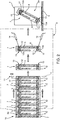
Figure 2 schematically illustrates a succession of steps according to the first embodiment of the method of the present invention; and -
Figure 3 schematically illustrates a succession of steps according to a second embodiment of the method of the present invention. - With reference to
Figure 1 ,number 1 indicates as a whole a packaging assembly configured to form and seal a plurality ofpackages 2, suitable for containing a pourable product, and to apply respective extraction elements thereon, the extraction elements are designed to extract such pourable product from the interior ofpackages 2. - According to this non-limiting preferred embodiment, the extraction elements are drinking
straws 3, inparticular drinking straws 3 of the flexible type. - In detail, each
drinking straw 3 comprises a first straight portion, a second straight portion, shorter than the first straight portion, and a curved bellows portion, which connects the first straight portion and the second straight portion. - In greater detail, the bellows defined by the curved bellows portion permits a movement of the second portion relatively to the first portion, so that the
drinking straw 3 can be conveniently folded to allow the user to extract (drink) the pourable product. - In an alternative embodiment not shown, the extraction element could be a spoon, a fork, or the like.
- In the embodiment shown,
packages 2 are configured to contain a pourable food product, such as fruit juice, milk, yogurt or the like, and are formed and sealed starting from a sheet of afirst packaging material 4. - In particular,
first packaging material 4 has a multilayer structure (not shown), and comprises at least one base layer of fibrous material, e.g. paper, preferably covered on both sides with respective layers of heat-seal plastic material, e.g. polyethylene. - In the case of aseptic packages for long-storage products, such as UHT milk,
first packaging material 4 also comprises a layer of gas-and-light barrier material, e.g. aluminum foil or ethylene vinyl alcohol (EVOH) film, which is superimposed on a layer of heat-seal plastic material, and is in turn covered with another layer of heat-seal plastic material, the latter forming the inner face ofpackage 2 eventually contacting the food product. - As schematically shown in
Figure 1 ,packaging assembly 1 comprises a formingunit 5 configured to receive a sheet offirst packaging material 4 and to cut, fold and sealfirst packaging material 4 so as to obtain a plurality ofpackages 2, according to a manner known and not described in detail. - In particular,
packages 2 obtained thereby are single-usedisposable packages 2 onto which arespective drinking straw 3 of the above-mentioned type has to be attached. - In this specific example described, drinking
straws 3 are at least partially housed, preferably entirely housed, in individualprotective envelopes 6 made of asecond packaging material 6a, with the purpose of maintaining thedrinking straws 3 in proper hygienic conditions. - In particular,
second packaging material 6a is made of a polymeric material, preferably polyethylene. - In light of the above,
second packaging material 6a is formed into a plurality ofenvelopes 6 for housing at least respective portions ofdrinking straws 3. - Hence, each
envelope 6 and therespective drinking straw 3 constitute anattachable assembly 7 configured to be applied, in particular attached, on arespective package 2. - In particular,
attachable assemblies 7 are configured to be applied onrespective side walls 2a ofpackages 2. - On another wall of each
package 2, for example the top wall, a hole (not shown) is obtained by punching outfirst packaging material 4, in particular by punching out the base layer made of paper, thereby obtaining a hole covered by at least one of the other layers, i.e. the heat-seal plastic material layers and the gas-and-light barrier layer. - This configuration makes it possible to penetrate the hole by perforating the layer (s) covering the hole with the
drinking straw 3 attached onpackage 2, in order to extract the pourable product contained therein. - As schematically shown in
Figure 1 ,packaging assembly 1 further comprises anapplicator unit 8 configured to apply eachattachable assembly 7, i.e. eachdrinking straw 3 partially or entirely housed in itsrespective envelope 6, on arespective package 2, in particular onside wall 2a ofsuch package 2. - In particular, the formed and sealed
packages 2 exiting from formingunit 5 are advanced on aconveyor 9, for example a belt conveyor, along an advancement direction P and are fed toapplicator unit 8 for the application ofattachable assemblies 7 thereon. - For this purpose,
applicator unit 8 receives, in use, a succession of interconnectedattachable assemblies 7,i.e. envelopes 6 housingrespective drinking straws 3, preferably in the form of acontinuous strip 10 of interconnectedattachable assemblies 7. - As schematically shown in
Figure 2 ,continuous strip 10 is advanced and guided, in use and in a manner known and not described in detail, withinapplicator unit 8 and is cut bycutting means 11 ofapplicator unit 8 into individualattachable assemblies 7. - In the following, since all the individual
attachable assemblies 7 obtained from thecontinuous strip 10 are identical to one another and for the sake of brevity, only one singleattachable assembly 7 to be applied on arespective package 2 will be described. - However, all the features disclosed hereinafter for such
attachable assembly 7 are applicable to allattachable assemblies 7 obtained from thecontinuous strip 10. - After being cut from the
continuous strip 10,attachable assembly 7 is applied, in particular attached, onside wall 2a of therespective package 2. - Prior to the application, securement points are provided for applying and retaining
attachable assembly 7 onsuch package 2. - According to this first preferred embodiment of the present invention,
attachable assembly 7 is provided with, in particular comprises, anactivable material 12 configured to be controlled from a non-adhesive state to an adhesive state by means of an electromagnetic radiation. - By way of example,
activable material 12 may be defined by a layer of wax, resin, polyethylene, or the like. - In particular,
activable material 12 is a portion of the material, for example the polyethylene, formingattachable assembly 7. - Conveniently,
activable material 12 is treated so as to be capable of absorbing the above-mentioned electromagnetic radiation. - Preferably,
activable material 12 is made in a color adapted to absorb the electromagnetic radiation, such as a dark color, for example black or gray or dark gray. - As visible in
Figure 2 , theactivable material 12 is preferably provided onenvelope 6, in particular on a pair ofactivable areas 13 ofsuch envelope 6. - In particular,
activable material 12 is a portion ofenvelope 6, which has been treated so as to be capable of absorbing the electromagnetic radiation. - By way of example,
activable material 12 is defined by a dark-colored tape applied onenvelope 6 atactivable areas 13. - According to a possible alternative embodiment,
activable material 12 could be defined by a dark-colored material arranged at least behindactivable areas 13 during the control ofactivable material 12 by means of the electromagnetic radiation. - According to a further possible alternative embodiment,
activable areas 13 could be defined by dark-colored zones ofenvelope 6. - In other words,
second packaging material 6a, of whichenvelope 6 is made, is provided with, in particular comprises, twoactivable areas 13 made ofactivable material 12. - In this described embodiment,
activable areas 13 are located at opposite end portions ofenvelope 6. Furthermore,activable areas 13 have a substantially rectangular shape. - According to a possible alternative embodiment not shown, the
activable material 12 could be provided directly on eachdrinking straw 3. In this case,drinking straw 3 is not housed in arespective envelope 6 and is intended to be directly attached topackage 2. - As schematically shown in
Figure 2 ,applicator unit 8 comprises at least one activator device, in particular an electromagneticradiation generator device 14, two in this preferred embodiment. In detail, electromagneticradiation generator devices 14 are configured to direct, in particular to irradiate, with the above-mentioned electromagnetic radiation, each one of theactivable areas 13, so as to control theactivable material 12 from the non-adhesive state into the adhesive state. - Preferably, the two electromagnetic
radiation generator devices 14 are laser beam generator devices, such as optical fiber LED lasers. Hence, theactivable material 12 is configured to be controlled from a non-adhesive state to an adhesive state by directing respective laser beams onto theactivable areas 13. - By controlling the
activable material 12 of theactivable areas 13 in the adhesive state, an activatedadhesive area 13a is created within eachactivable area 13. Suchadhesive areas 13a define the above-mentioned securement points. -
Applicator unit 8 further comprises an applicator device (known per se and not shown) configured to applyattachable assembly 7 onside wall 2a ofpackage 2. In detail,attachable assembly 7 is attached and retained onsuch side wall 2a by means of theactivable material 12. - Preferably,
adhesive areas 13a are made of melted material, which works as glue onceattachable assembly 7contacts side wall 2a ofpackage 2. - In this way,
drinking straw 3, housed in itsenvelope 6 made ofsecond packaging material 6a, is applied onpackage 2. - According to this preferred embodiment, the laser beams are conveniently synchronized with cutting means 11 and with the applicator device, so as to be directed on
activable areas 13 only whenattachable assembly 7 is in the proper position, in order to avoid possible damage todrinking straw 3,envelope 6,first packaging material 4 orsecond packaging material 6a. - The operation of
packaging assembly 1 is described hereinafter with reference to asingle package 2, formed from a sheet offirst packaging material 4, exiting from formingunit 5 and being advanced byconveyor 9 along advancement direction P. Furthermore, the operation will be described starting from a condition in whichsuch package 2 entersapplicator unit 8 and acontinuous strip 10 of interconnectedattachable assemblies 7 is fed toapplicator unit 8. - In this condition, an individual
attachable assembly 7, i.e. anindividual envelope 6 housing a singlerespective drinking straw 3, is cut, by cuttingmeans 11, fromcontinuous strip 10. - After
attachable assembly 7 is cut, electromagneticradiation generator devices 14 direct a laser beam on eachactivable area 13 ofenvelope 6 of suchattachable assembly 7, thereby activating theactivable material 12 provided on suchactivable areas 13. In this way,activable material 12 is controlled from the non-adhesive state into the adhesive state. - Consequently, respective
adhesive areas 13a withinactivable areas 13 are created. - At this point,
attachable assembly 7 is applied onside wall 2a ofpackage 2 by means of the applicator device ofapplicator unit 8 and is retained onside wall 2a byactivable material 12. -
Figure 3 shows a second preferred embodiment of the method according to the present invention. - In the following, only the differences with respect to the first embodiment of the method according to the present invention will be described, using the same names and/or reference numerals for equivalent steps and/or similar or equivalent parts.
- In particular, according to this second preferred embodiment,
activable material 12 is provided onpackages 2. - More specifically,
activable material 12 is provided onfirst packaging material 4, instead of being provided onsecond packaging material 6a. - In particular,
activable material 12 defines at least a portion of the above-mentioned heat-seal plastic material layer offirst packaging material 4 which has been treated so as to be capable of absorbing the electromagnetic radiation. - Preferably,
activable material 12 is provided on two activable areas 13' of each sheet offirst packaging material 4. - In particular, activable areas 13' are portions of
first packaging material 4 which have been treated so as to be capable of absorbing the electromagnetic radiation. - In detail, once
packages 2 are formed from respective sheets offirst packaging material 4, such activable areas 13' are arranged on therespective side walls 2a ofpackages 2. - According to a possible alternative embodiment, activable areas 13' could be defined by a dark-colored area of the above-mentioned base layer, successively covered by the heat-seal plastic material layer.
- According to a further possible alternative embodiment, activable areas 13' could be defined by dark-colored zones of the heat-seal plastic material layer of
first packaging material 4. - The activable areas 13' are destined to be activated by electromagnetic
radiation generator devices 14 in the same manner described above foractivable areas 13. - After the activation step is carried out, an activated
adhesive area 13a' is created within each activable area 13'. The twoadhesive areas 13a' define a pair of securement points forattachable assemblies 7 to be applied and retained on therespective packages 2. - In light of the above, in use,
packages 2 provided with two activable areas 13' made ofactivable material 12 are advanced byconveyor 9 along advancement direction P. - According to this second preferred embodiment, after activating the two activable areas 13' and, therefore, after the respective
adhesive areas 13a' made ofactivable material 12 controlled into the adhesive state are created, the singleattachable assembly 7 cut from thecontinuous strip 10, is applied onpackage 2 at activable areas 13'. - Conveniently, as visible in
Figure 3 ,second packaging material 6a constituting envelopes 6 ofdrinking straws 3 is not provided with anyactivable material 12. - The advantages of the method and of the
packaging material - In particular, the overall process as well as the architecture of
applicator unit 8 is simplified, as there is no need for a glue gun to provide molten glue for attaching and retaining apply thedrinking straws 3 onpackages 2. - Furthermore, the use of a consumable resource, i.e. glue, is avoided, thereby reducing the overall costs.
- Moreover, production time and production costs may be reduced, as the glue gun needs long warm up time and must be continuously warmed, whilst the laser device only needs energy while activating the laser beam and is immediately ready to use.
- In addition, production jamming and/or dirtiness due to possible glue spills can be avoided.
- Clearly, changes may be made to the method and to
packaging material - In particular, one or more
attachable assemblies 7 could be applied directly on one single respective sheet offirst packaging material 4 before the formation of arespective package 2 therewith, or during the formation of suchrespective package 2 therewith. In this last case, all the step of the method concerning the application of theattachable assemblies 7 onfirst packaging material 4 are carried out before therespective packages 2 are formed from suchfirst packaging material 4. - Moreover, both
first packaging material 4 andsecond packaging material 6a could be provided withactivable material 12. - In this last case,
first packaging material 4 would be provided with activable areas 13' andsecond packaging material 6a would be provided withactivable areas 13.
Claims (17)
- A method for applying an extraction element (3) on a first packaging material (4), the method comprising the steps of:- activating by means of an electromagnetic radiation an activable material (12) so as to control said activable material (12) from a non-adhesive state into an adhesive state; and- applying said extraction element (3) on said first packaging material (4) by means of the activable material (12) controlled into said adhesive state.
- The method according to claim 1, wherein the step of activating is performed by directing a laser beam on said activable material (12) for controlling said activable material (12) in said adhesive state.
- The method according to claim 1 or 2, wherein said activable material (12) is provided on at least an activable area (13') of said first packaging material (4) .
- The method according to claim 3, further comprising the step of:- advancing a package (2), formed from said first packaging material (4) and configured to contain and/or containing a pourable product, along an advancement direction (P) prior to said step of activating;wherein said activable area (13') is provided on said package (2);
and wherein, during the step of applying, said extraction element (3) is applied on said package (2) at said activable area (13'). - The method according to claim 1 or 2, and further comprising the step of:- providing a second packaging material (6a) defining an envelope (6) for housing at least a portion of said extraction element (3);wherein said envelope (6) and said extraction element (3) constitute an attachable assembly (7);
and wherein said activable material (12) is provided on said attachable assembly (7). - The method according to claim 5, wherein said activable material (12) is provided on said envelope (6).
- The method according to claim 6, wherein said activable material (12) is provided at least on an activable area (13) of said envelope (6).
- The method according to any one of claims 5 to 7, further comprising the steps of:- feeding a succession (10) of interconnected attachable assemblies (7) to an applicator unit (8);- cutting said succession (10) of interconnected attachable assemblies (7) into individual attachable assemblies (7), prior to the step of activating.
- The method according to any one of the foregoing claims, wherein said extraction element (3) is a drinking straw.
- The method according to any one of the foregoing claims, wherein said activable material (12) is treated so as to be capable of absorbing said electromagnetic radiation.
- Apparatus (8) for applying an extraction element (3) on a first packaging material (4); said apparatus (8) comprising:- at least one activator device (14) configured to control an activable material (12) from a non-adhesive state into an adhesive state by means of an electromagnetic radiation; and- an applicator device configured to apply said extraction element (3) on said first packaging material (4) by means of said activable material (12) controlled into said adhesive state.
- The apparatus according to claim 11, wherein said activator device (14) is a laser device.
- Packaging material (4, 6a) for forming a package (2) containing a pourable product and provided with an attached extraction element (3); at least a portion of said packaging material (4, 6a) comprising an activable material (12) configured to be controlled from a non-adhesive state into an adhesive state by means of an electromagnetic radiation; said extraction element (3) being attachable on said package (2) by means of said activable material (12) controlled in said adhesive state.
- The packaging material according to claim 13, wherein said activable material (12) is configured to be controlled from said non-adhesive state to said adhesive state by directing a laser beam onto said activable material (12).
- The packaging material according to claim 13 or 14, wherein said packaging material (4) is a multi-layer packaging material configured for forming said package (2) and comprising at least one layer of fibrous material.
- The packaging material according to claim 13 or 14, wherein said packaging material (6a) defines an envelope (6) for housing at least a portion of said extraction element (3).
- The packaging material according to any one of the claims 13 to 16, wherein said activable material (12) is treated so as to be capable of absorbing said electromagnetic radiation.
Priority Applications (1)
| Application Number | Priority Date | Filing Date | Title |
|---|---|---|---|
| EP18196159.0A EP3626438A1 (en) | 2018-09-24 | 2018-09-24 | Method and apparatus for applying an extraction element on a packaging material and packaging material |
Applications Claiming Priority (1)
| Application Number | Priority Date | Filing Date | Title |
|---|---|---|---|
| EP18196159.0A EP3626438A1 (en) | 2018-09-24 | 2018-09-24 | Method and apparatus for applying an extraction element on a packaging material and packaging material |
Publications (1)
| Publication Number | Publication Date |
|---|---|
| EP3626438A1 true EP3626438A1 (en) | 2020-03-25 |
Family
ID=63683007
Family Applications (1)
| Application Number | Title | Priority Date | Filing Date |
|---|---|---|---|
| EP18196159.0A Withdrawn EP3626438A1 (en) | 2018-09-24 | 2018-09-24 | Method and apparatus for applying an extraction element on a packaging material and packaging material |
Country Status (1)
| Country | Link |
|---|---|
| EP (1) | EP3626438A1 (en) |
Citations (1)
| Publication number | Priority date | Publication date | Assignee | Title |
|---|---|---|---|---|
| JP2010105734A (en) * | 2008-11-03 | 2010-05-13 | Nihon Tetra Pak Kk | Straw bonding method and straw bonding device |
-
2018
- 2018-09-24 EP EP18196159.0A patent/EP3626438A1/en not_active Withdrawn
Patent Citations (1)
| Publication number | Priority date | Publication date | Assignee | Title |
|---|---|---|---|---|
| JP2010105734A (en) * | 2008-11-03 | 2010-05-13 | Nihon Tetra Pak Kk | Straw bonding method and straw bonding device |
Similar Documents
| Publication | Publication Date | Title |
|---|---|---|
| EP0437847B1 (en) | A method of heating part of a continuous material web | |
| US5716471A (en) | Method for securing articles to laminates | |
| EP0357841B1 (en) | A method of providing score lines in packaging material | |
| KR920002809B1 (en) | Containers | |
| CA2430871C (en) | Sealed package for pourable food products | |
| RU2305059C2 (en) | Method of and device for gluing articles | |
| NZ211704A (en) | Laminated packaging material containing aluminium foil and manufacture thereof | |
| RU2107624C1 (en) | Sheet type packing material and method of its manufacture | |
| CN103180142A (en) | Container formed from container blank and having improved opening properties as a result of stretching heat treatment of polymer layers | |
| EP1184311B1 (en) | A method for splicing laminated material for packaging pourable food products | |
| EP0874725A1 (en) | Method of and apparatus for treating a laminate | |
| US5452849A (en) | Easy open tab sealer for packages | |
| KR101017200B1 (en) | Laminate Materials, Methods of Making Laminate Materials, Heat-Sealing Methods of Laminate Materials, and Packaging Containers | |
| US20260062161A1 (en) | Method for Producing a Packaging From a Recyclable Material | |
| EP1759998A1 (en) | Packaging method and machine for producing sealed packages of pourable food products | |
| AU3263997A (en) | Laminated package material, method for manufacturing the same, and a package | |
| US6474046B1 (en) | Method of induction sealing liners to cartons | |
| US6413199B1 (en) | Method of manufacturing edge-sealed packaging container blanks | |
| EP2957417B1 (en) | Method for fluid proof bonding of a covering part with a packaging container and packaging obtained thereby | |
| US9248622B2 (en) | Method for sealing a fiber-based material | |
| CA2136116C (en) | Paper container and stopper applying apparatus for paper containers | |
| WO1998038093A1 (en) | Method for securing fitments to containers | |
| MXPA98004366A (en) | Method of and apparatus for treating a laminate |
Legal Events
| Date | Code | Title | Description |
|---|---|---|---|
| PUAI | Public reference made under article 153(3) epc to a published international application that has entered the european phase |
Free format text: ORIGINAL CODE: 0009012 |
|
| STAA | Information on the status of an ep patent application or granted ep patent |
Free format text: STATUS: THE APPLICATION HAS BEEN PUBLISHED |
|
| AK | Designated contracting states |
Kind code of ref document: A1 Designated state(s): AL AT BE BG CH CY CZ DE DK EE ES FI FR GB GR HR HU IE IS IT LI LT LU LV MC MK MT NL NO PL PT RO RS SE SI SK SM TR |
|
| AX | Request for extension of the european patent |
Extension state: BA ME |
|
| STAA | Information on the status of an ep patent application or granted ep patent |
Free format text: STATUS: REQUEST FOR EXAMINATION WAS MADE |
|
| 17P | Request for examination filed |
Effective date: 20200925 |
|
| RBV | Designated contracting states (corrected) |
Designated state(s): AL AT BE BG CH CY CZ DE DK EE ES FI FR GB GR HR HU IE IS IT LI LT LU LV MC MK MT NL NO PL PT RO RS SE SI SK SM TR |
|
| STAA | Information on the status of an ep patent application or granted ep patent |
Free format text: STATUS: EXAMINATION IS IN PROGRESS |
|
| 17Q | First examination report despatched |
Effective date: 20210512 |
|
| STAA | Information on the status of an ep patent application or granted ep patent |
Free format text: STATUS: THE APPLICATION IS DEEMED TO BE WITHDRAWN |
|
| 18D | Application deemed to be withdrawn |
Effective date: 20231006 |