EP3626295A1 - Exacerbation predicting device, oxygen concentrating device, and exacerbation predicting system - Google Patents
Exacerbation predicting device, oxygen concentrating device, and exacerbation predicting system Download PDFInfo
- Publication number
- EP3626295A1 EP3626295A1 EP18802294.1A EP18802294A EP3626295A1 EP 3626295 A1 EP3626295 A1 EP 3626295A1 EP 18802294 A EP18802294 A EP 18802294A EP 3626295 A1 EP3626295 A1 EP 3626295A1
- Authority
- EP
- European Patent Office
- Prior art keywords
- patient
- respiration
- time
- stable
- respiration data
- Prior art date
- Legal status (The legal status is an assumption and is not a legal conclusion. Google has not performed a legal analysis and makes no representation as to the accuracy of the status listed.)
- Pending
Links
Images


Classifications
-
- A—HUMAN NECESSITIES
- A61—MEDICAL OR VETERINARY SCIENCE; HYGIENE
- A61B—DIAGNOSIS; SURGERY; IDENTIFICATION
- A61B5/00—Measuring for diagnostic purposes; Identification of persons
- A61B5/08—Measuring devices for evaluating the respiratory organs
- A61B5/0816—Measuring devices for examining respiratory frequency
-
- A—HUMAN NECESSITIES
- A61—MEDICAL OR VETERINARY SCIENCE; HYGIENE
- A61M—DEVICES FOR INTRODUCING MEDIA INTO, OR ONTO, THE BODY; DEVICES FOR TRANSDUCING BODY MEDIA OR FOR TAKING MEDIA FROM THE BODY; DEVICES FOR PRODUCING OR ENDING SLEEP OR STUPOR
- A61M16/00—Devices for influencing the respiratory system of patients by gas treatment, e.g. ventilators; Tracheal tubes
- A61M16/10—Preparation of respiratory gases or vapours
- A61M16/1005—Preparation of respiratory gases or vapours with O2 features or with parameter measurement
- A61M16/101—Preparation of respiratory gases or vapours with O2 features or with parameter measurement using an oxygen concentrator
-
- A—HUMAN NECESSITIES
- A61—MEDICAL OR VETERINARY SCIENCE; HYGIENE
- A61M—DEVICES FOR INTRODUCING MEDIA INTO, OR ONTO, THE BODY; DEVICES FOR TRANSDUCING BODY MEDIA OR FOR TAKING MEDIA FROM THE BODY; DEVICES FOR PRODUCING OR ENDING SLEEP OR STUPOR
- A61M16/00—Devices for influencing the respiratory system of patients by gas treatment, e.g. ventilators; Tracheal tubes
- A61M16/021—Devices for influencing the respiratory system of patients by gas treatment, e.g. ventilators; Tracheal tubes operated by electrical means
- A61M16/022—Control means therefor
- A61M16/024—Control means therefor including calculation means, e.g. using a processor
- A61M16/026—Control means therefor including calculation means, e.g. using a processor specially adapted for predicting, e.g. for determining an information representative of a flow limitation during a ventilation cycle by using a root square technique or a regression analysis
-
- A—HUMAN NECESSITIES
- A61—MEDICAL OR VETERINARY SCIENCE; HYGIENE
- A61B—DIAGNOSIS; SURGERY; IDENTIFICATION
- A61B5/00—Measuring for diagnostic purposes; Identification of persons
- A61B5/0002—Remote monitoring of patients using telemetry, e.g. transmission of vital signals via a communication network
- A61B5/0015—Remote monitoring of patients using telemetry, e.g. transmission of vital signals via a communication network characterised by features of the telemetry system
- A61B5/0022—Monitoring a patient using a global network, e.g. telephone networks, internet
-
- A—HUMAN NECESSITIES
- A61—MEDICAL OR VETERINARY SCIENCE; HYGIENE
- A61B—DIAGNOSIS; SURGERY; IDENTIFICATION
- A61B5/00—Measuring for diagnostic purposes; Identification of persons
- A61B5/08—Measuring devices for evaluating the respiratory organs
-
- A—HUMAN NECESSITIES
- A61—MEDICAL OR VETERINARY SCIENCE; HYGIENE
- A61B—DIAGNOSIS; SURGERY; IDENTIFICATION
- A61B5/00—Measuring for diagnostic purposes; Identification of persons
- A61B5/48—Other medical applications
- A61B5/4842—Monitoring progression or stage of a disease
-
- A—HUMAN NECESSITIES
- A61—MEDICAL OR VETERINARY SCIENCE; HYGIENE
- A61B—DIAGNOSIS; SURGERY; IDENTIFICATION
- A61B5/00—Measuring for diagnostic purposes; Identification of persons
- A61B5/72—Signal processing specially adapted for physiological signals or for diagnostic purposes
- A61B5/7271—Specific aspects of physiological measurement analysis
- A61B5/7275—Determining trends in physiological measurement data; Predicting development of a medical condition based on physiological measurements, e.g. determining a risk factor
-
- A—HUMAN NECESSITIES
- A61—MEDICAL OR VETERINARY SCIENCE; HYGIENE
- A61M—DEVICES FOR INTRODUCING MEDIA INTO, OR ONTO, THE BODY; DEVICES FOR TRANSDUCING BODY MEDIA OR FOR TAKING MEDIA FROM THE BODY; DEVICES FOR PRODUCING OR ENDING SLEEP OR STUPOR
- A61M16/00—Devices for influencing the respiratory system of patients by gas treatment, e.g. ventilators; Tracheal tubes
- A61M16/0057—Pumps therefor
- A61M16/0066—Blowers or centrifugal pumps
- A61M16/0069—Blowers or centrifugal pumps the speed thereof being controlled by respiratory parameters, e.g. by inhalation
-
- A—HUMAN NECESSITIES
- A61—MEDICAL OR VETERINARY SCIENCE; HYGIENE
- A61M—DEVICES FOR INTRODUCING MEDIA INTO, OR ONTO, THE BODY; DEVICES FOR TRANSDUCING BODY MEDIA OR FOR TAKING MEDIA FROM THE BODY; DEVICES FOR PRODUCING OR ENDING SLEEP OR STUPOR
- A61M16/00—Devices for influencing the respiratory system of patients by gas treatment, e.g. ventilators; Tracheal tubes
- A61M16/021—Devices for influencing the respiratory system of patients by gas treatment, e.g. ventilators; Tracheal tubes operated by electrical means
- A61M16/022—Control means therefor
- A61M16/024—Control means therefor including calculation means, e.g. using a processor
-
- G—PHYSICS
- G16—INFORMATION AND COMMUNICATION TECHNOLOGY [ICT] SPECIALLY ADAPTED FOR SPECIFIC APPLICATION FIELDS
- G16H—HEALTHCARE INFORMATICS, i.e. INFORMATION AND COMMUNICATION TECHNOLOGY [ICT] SPECIALLY ADAPTED FOR THE HANDLING OR PROCESSING OF MEDICAL OR HEALTHCARE DATA
- G16H20/00—ICT specially adapted for therapies or health-improving plans, e.g. for handling prescriptions, for steering therapy or for monitoring patient compliance
- G16H20/40—ICT specially adapted for therapies or health-improving plans, e.g. for handling prescriptions, for steering therapy or for monitoring patient compliance relating to mechanical, radiation or invasive therapies, e.g. surgery, laser therapy, dialysis or acupuncture
-
- G—PHYSICS
- G16—INFORMATION AND COMMUNICATION TECHNOLOGY [ICT] SPECIALLY ADAPTED FOR SPECIFIC APPLICATION FIELDS
- G16H—HEALTHCARE INFORMATICS, i.e. INFORMATION AND COMMUNICATION TECHNOLOGY [ICT] SPECIALLY ADAPTED FOR THE HANDLING OR PROCESSING OF MEDICAL OR HEALTHCARE DATA
- G16H40/00—ICT specially adapted for the management or administration of healthcare resources or facilities; ICT specially adapted for the management or operation of medical equipment or devices
- G16H40/60—ICT specially adapted for the management or administration of healthcare resources or facilities; ICT specially adapted for the management or operation of medical equipment or devices for the operation of medical equipment or devices
- G16H40/63—ICT specially adapted for the management or administration of healthcare resources or facilities; ICT specially adapted for the management or operation of medical equipment or devices for the operation of medical equipment or devices for local operation
-
- G—PHYSICS
- G16—INFORMATION AND COMMUNICATION TECHNOLOGY [ICT] SPECIALLY ADAPTED FOR SPECIFIC APPLICATION FIELDS
- G16H—HEALTHCARE INFORMATICS, i.e. INFORMATION AND COMMUNICATION TECHNOLOGY [ICT] SPECIALLY ADAPTED FOR THE HANDLING OR PROCESSING OF MEDICAL OR HEALTHCARE DATA
- G16H40/00—ICT specially adapted for the management or administration of healthcare resources or facilities; ICT specially adapted for the management or operation of medical equipment or devices
- G16H40/60—ICT specially adapted for the management or administration of healthcare resources or facilities; ICT specially adapted for the management or operation of medical equipment or devices for the operation of medical equipment or devices
- G16H40/67—ICT specially adapted for the management or administration of healthcare resources or facilities; ICT specially adapted for the management or operation of medical equipment or devices for the operation of medical equipment or devices for remote operation
-
- G—PHYSICS
- G16—INFORMATION AND COMMUNICATION TECHNOLOGY [ICT] SPECIALLY ADAPTED FOR SPECIFIC APPLICATION FIELDS
- G16H—HEALTHCARE INFORMATICS, i.e. INFORMATION AND COMMUNICATION TECHNOLOGY [ICT] SPECIALLY ADAPTED FOR THE HANDLING OR PROCESSING OF MEDICAL OR HEALTHCARE DATA
- G16H50/00—ICT specially adapted for medical diagnosis, medical simulation or medical data mining; ICT specially adapted for detecting, monitoring or modelling epidemics or pandemics
- G16H50/30—ICT specially adapted for medical diagnosis, medical simulation or medical data mining; ICT specially adapted for detecting, monitoring or modelling epidemics or pandemics for calculating health indices; for individual health risk assessment
-
- G—PHYSICS
- G16—INFORMATION AND COMMUNICATION TECHNOLOGY [ICT] SPECIALLY ADAPTED FOR SPECIFIC APPLICATION FIELDS
- G16H—HEALTHCARE INFORMATICS, i.e. INFORMATION AND COMMUNICATION TECHNOLOGY [ICT] SPECIALLY ADAPTED FOR THE HANDLING OR PROCESSING OF MEDICAL OR HEALTHCARE DATA
- G16H80/00—ICT specially adapted for facilitating communication between medical practitioners or patients, e.g. for collaborative diagnosis, therapy or health monitoring
-
- A—HUMAN NECESSITIES
- A61—MEDICAL OR VETERINARY SCIENCE; HYGIENE
- A61B—DIAGNOSIS; SURGERY; IDENTIFICATION
- A61B2505/00—Evaluating, monitoring or diagnosing in the context of a particular type of medical care
- A61B2505/07—Home care
-
- A—HUMAN NECESSITIES
- A61—MEDICAL OR VETERINARY SCIENCE; HYGIENE
- A61B—DIAGNOSIS; SURGERY; IDENTIFICATION
- A61B5/00—Measuring for diagnostic purposes; Identification of persons
- A61B5/72—Signal processing specially adapted for physiological signals or for diagnostic purposes
- A61B5/7235—Details of waveform analysis
- A61B5/7246—Details of waveform analysis using correlation, e.g. template matching or determination of similarity
-
- A—HUMAN NECESSITIES
- A61—MEDICAL OR VETERINARY SCIENCE; HYGIENE
- A61M—DEVICES FOR INTRODUCING MEDIA INTO, OR ONTO, THE BODY; DEVICES FOR TRANSDUCING BODY MEDIA OR FOR TAKING MEDIA FROM THE BODY; DEVICES FOR PRODUCING OR ENDING SLEEP OR STUPOR
- A61M16/00—Devices for influencing the respiratory system of patients by gas treatment, e.g. ventilators; Tracheal tubes
- A61M16/0051—Devices for influencing the respiratory system of patients by gas treatment, e.g. ventilators; Tracheal tubes with alarm devices
-
- A—HUMAN NECESSITIES
- A61—MEDICAL OR VETERINARY SCIENCE; HYGIENE
- A61M—DEVICES FOR INTRODUCING MEDIA INTO, OR ONTO, THE BODY; DEVICES FOR TRANSDUCING BODY MEDIA OR FOR TAKING MEDIA FROM THE BODY; DEVICES FOR PRODUCING OR ENDING SLEEP OR STUPOR
- A61M16/00—Devices for influencing the respiratory system of patients by gas treatment, e.g. ventilators; Tracheal tubes
- A61M16/0057—Pumps therefor
- A61M16/0063—Compressors
-
- A—HUMAN NECESSITIES
- A61—MEDICAL OR VETERINARY SCIENCE; HYGIENE
- A61M—DEVICES FOR INTRODUCING MEDIA INTO, OR ONTO, THE BODY; DEVICES FOR TRANSDUCING BODY MEDIA OR FOR TAKING MEDIA FROM THE BODY; DEVICES FOR PRODUCING OR ENDING SLEEP OR STUPOR
- A61M16/00—Devices for influencing the respiratory system of patients by gas treatment, e.g. ventilators; Tracheal tubes
- A61M16/0003—Accessories therefor, e.g. sensors, vibrators, negative pressure
- A61M2016/0027—Accessories therefor, e.g. sensors, vibrators, negative pressure pressure meter
-
- A—HUMAN NECESSITIES
- A61—MEDICAL OR VETERINARY SCIENCE; HYGIENE
- A61M—DEVICES FOR INTRODUCING MEDIA INTO, OR ONTO, THE BODY; DEVICES FOR TRANSDUCING BODY MEDIA OR FOR TAKING MEDIA FROM THE BODY; DEVICES FOR PRODUCING OR ENDING SLEEP OR STUPOR
- A61M16/00—Devices for influencing the respiratory system of patients by gas treatment, e.g. ventilators; Tracheal tubes
- A61M16/0003—Accessories therefor, e.g. sensors, vibrators, negative pressure
- A61M2016/003—Accessories therefor, e.g. sensors, vibrators, negative pressure with a flowmeter
-
- A—HUMAN NECESSITIES
- A61—MEDICAL OR VETERINARY SCIENCE; HYGIENE
- A61M—DEVICES FOR INTRODUCING MEDIA INTO, OR ONTO, THE BODY; DEVICES FOR TRANSDUCING BODY MEDIA OR FOR TAKING MEDIA FROM THE BODY; DEVICES FOR PRODUCING OR ENDING SLEEP OR STUPOR
- A61M16/00—Devices for influencing the respiratory system of patients by gas treatment, e.g. ventilators; Tracheal tubes
- A61M16/0003—Accessories therefor, e.g. sensors, vibrators, negative pressure
- A61M2016/003—Accessories therefor, e.g. sensors, vibrators, negative pressure with a flowmeter
- A61M2016/0033—Accessories therefor, e.g. sensors, vibrators, negative pressure with a flowmeter electrical
- A61M2016/0036—Accessories therefor, e.g. sensors, vibrators, negative pressure with a flowmeter electrical in the breathing tube and used in both inspiratory and expiratory phase
-
- A—HUMAN NECESSITIES
- A61—MEDICAL OR VETERINARY SCIENCE; HYGIENE
- A61M—DEVICES FOR INTRODUCING MEDIA INTO, OR ONTO, THE BODY; DEVICES FOR TRANSDUCING BODY MEDIA OR FOR TAKING MEDIA FROM THE BODY; DEVICES FOR PRODUCING OR ENDING SLEEP OR STUPOR
- A61M16/00—Devices for influencing the respiratory system of patients by gas treatment, e.g. ventilators; Tracheal tubes
- A61M16/0003—Accessories therefor, e.g. sensors, vibrators, negative pressure
- A61M2016/003—Accessories therefor, e.g. sensors, vibrators, negative pressure with a flowmeter
- A61M2016/0033—Accessories therefor, e.g. sensors, vibrators, negative pressure with a flowmeter electrical
- A61M2016/0039—Accessories therefor, e.g. sensors, vibrators, negative pressure with a flowmeter electrical in the inspiratory circuit
-
- A—HUMAN NECESSITIES
- A61—MEDICAL OR VETERINARY SCIENCE; HYGIENE
- A61M—DEVICES FOR INTRODUCING MEDIA INTO, OR ONTO, THE BODY; DEVICES FOR TRANSDUCING BODY MEDIA OR FOR TAKING MEDIA FROM THE BODY; DEVICES FOR PRODUCING OR ENDING SLEEP OR STUPOR
- A61M2202/00—Special media to be introduced, removed or treated
- A61M2202/02—Gases
- A61M2202/0266—Nitrogen (N)
-
- A—HUMAN NECESSITIES
- A61—MEDICAL OR VETERINARY SCIENCE; HYGIENE
- A61M—DEVICES FOR INTRODUCING MEDIA INTO, OR ONTO, THE BODY; DEVICES FOR TRANSDUCING BODY MEDIA OR FOR TAKING MEDIA FROM THE BODY; DEVICES FOR PRODUCING OR ENDING SLEEP OR STUPOR
- A61M2205/00—General characteristics of the apparatus
- A61M2205/33—Controlling, regulating or measuring
- A61M2205/3306—Optical measuring means
-
- A—HUMAN NECESSITIES
- A61—MEDICAL OR VETERINARY SCIENCE; HYGIENE
- A61M—DEVICES FOR INTRODUCING MEDIA INTO, OR ONTO, THE BODY; DEVICES FOR TRANSDUCING BODY MEDIA OR FOR TAKING MEDIA FROM THE BODY; DEVICES FOR PRODUCING OR ENDING SLEEP OR STUPOR
- A61M2205/00—General characteristics of the apparatus
- A61M2205/33—Controlling, regulating or measuring
- A61M2205/3317—Electromagnetic, inductive or dielectric measuring means
-
- A—HUMAN NECESSITIES
- A61—MEDICAL OR VETERINARY SCIENCE; HYGIENE
- A61M—DEVICES FOR INTRODUCING MEDIA INTO, OR ONTO, THE BODY; DEVICES FOR TRANSDUCING BODY MEDIA OR FOR TAKING MEDIA FROM THE BODY; DEVICES FOR PRODUCING OR ENDING SLEEP OR STUPOR
- A61M2205/00—General characteristics of the apparatus
- A61M2205/33—Controlling, regulating or measuring
- A61M2205/3331—Pressure; Flow
- A61M2205/3334—Measuring or controlling the flow rate
-
- A—HUMAN NECESSITIES
- A61—MEDICAL OR VETERINARY SCIENCE; HYGIENE
- A61M—DEVICES FOR INTRODUCING MEDIA INTO, OR ONTO, THE BODY; DEVICES FOR TRANSDUCING BODY MEDIA OR FOR TAKING MEDIA FROM THE BODY; DEVICES FOR PRODUCING OR ENDING SLEEP OR STUPOR
- A61M2205/00—General characteristics of the apparatus
- A61M2205/33—Controlling, regulating or measuring
- A61M2205/3375—Acoustical, e.g. ultrasonic, measuring means
-
- A—HUMAN NECESSITIES
- A61—MEDICAL OR VETERINARY SCIENCE; HYGIENE
- A61M—DEVICES FOR INTRODUCING MEDIA INTO, OR ONTO, THE BODY; DEVICES FOR TRANSDUCING BODY MEDIA OR FOR TAKING MEDIA FROM THE BODY; DEVICES FOR PRODUCING OR ENDING SLEEP OR STUPOR
- A61M2205/00—General characteristics of the apparatus
- A61M2205/35—Communication
- A61M2205/3546—Range
- A61M2205/3553—Range remote, e.g. between patient's home and doctor's office
-
- A—HUMAN NECESSITIES
- A61—MEDICAL OR VETERINARY SCIENCE; HYGIENE
- A61M—DEVICES FOR INTRODUCING MEDIA INTO, OR ONTO, THE BODY; DEVICES FOR TRANSDUCING BODY MEDIA OR FOR TAKING MEDIA FROM THE BODY; DEVICES FOR PRODUCING OR ENDING SLEEP OR STUPOR
- A61M2205/00—General characteristics of the apparatus
- A61M2205/35—Communication
- A61M2205/3576—Communication with non implanted data transmission devices, e.g. using external transmitter or receiver
-
- A—HUMAN NECESSITIES
- A61—MEDICAL OR VETERINARY SCIENCE; HYGIENE
- A61M—DEVICES FOR INTRODUCING MEDIA INTO, OR ONTO, THE BODY; DEVICES FOR TRANSDUCING BODY MEDIA OR FOR TAKING MEDIA FROM THE BODY; DEVICES FOR PRODUCING OR ENDING SLEEP OR STUPOR
- A61M2205/00—General characteristics of the apparatus
- A61M2205/35—Communication
- A61M2205/3576—Communication with non implanted data transmission devices, e.g. using external transmitter or receiver
- A61M2205/3584—Communication with non implanted data transmission devices, e.g. using external transmitter or receiver using modem, internet or Bluetooth®
-
- A—HUMAN NECESSITIES
- A61—MEDICAL OR VETERINARY SCIENCE; HYGIENE
- A61M—DEVICES FOR INTRODUCING MEDIA INTO, OR ONTO, THE BODY; DEVICES FOR TRANSDUCING BODY MEDIA OR FOR TAKING MEDIA FROM THE BODY; DEVICES FOR PRODUCING OR ENDING SLEEP OR STUPOR
- A61M2205/00—General characteristics of the apparatus
- A61M2205/35—Communication
- A61M2205/3576—Communication with non implanted data transmission devices, e.g. using external transmitter or receiver
- A61M2205/3592—Communication with non implanted data transmission devices, e.g. using external transmitter or receiver using telemetric means, e.g. radio or optical transmission
-
- A—HUMAN NECESSITIES
- A61—MEDICAL OR VETERINARY SCIENCE; HYGIENE
- A61M—DEVICES FOR INTRODUCING MEDIA INTO, OR ONTO, THE BODY; DEVICES FOR TRANSDUCING BODY MEDIA OR FOR TAKING MEDIA FROM THE BODY; DEVICES FOR PRODUCING OR ENDING SLEEP OR STUPOR
- A61M2205/00—General characteristics of the apparatus
- A61M2205/50—General characteristics of the apparatus with microprocessors or computers
- A61M2205/502—User interfaces, e.g. screens or keyboards
-
- A—HUMAN NECESSITIES
- A61—MEDICAL OR VETERINARY SCIENCE; HYGIENE
- A61M—DEVICES FOR INTRODUCING MEDIA INTO, OR ONTO, THE BODY; DEVICES FOR TRANSDUCING BODY MEDIA OR FOR TAKING MEDIA FROM THE BODY; DEVICES FOR PRODUCING OR ENDING SLEEP OR STUPOR
- A61M2205/00—General characteristics of the apparatus
- A61M2205/50—General characteristics of the apparatus with microprocessors or computers
- A61M2205/52—General characteristics of the apparatus with microprocessors or computers with memories providing a history of measured variating parameters of apparatus or patient
-
- A—HUMAN NECESSITIES
- A61—MEDICAL OR VETERINARY SCIENCE; HYGIENE
- A61M—DEVICES FOR INTRODUCING MEDIA INTO, OR ONTO, THE BODY; DEVICES FOR TRANSDUCING BODY MEDIA OR FOR TAKING MEDIA FROM THE BODY; DEVICES FOR PRODUCING OR ENDING SLEEP OR STUPOR
- A61M2205/00—General characteristics of the apparatus
- A61M2205/58—Means for facilitating use, e.g. by people with impaired vision
- A61M2205/583—Means for facilitating use, e.g. by people with impaired vision by visual feedback
-
- A—HUMAN NECESSITIES
- A61—MEDICAL OR VETERINARY SCIENCE; HYGIENE
- A61M—DEVICES FOR INTRODUCING MEDIA INTO, OR ONTO, THE BODY; DEVICES FOR TRANSDUCING BODY MEDIA OR FOR TAKING MEDIA FROM THE BODY; DEVICES FOR PRODUCING OR ENDING SLEEP OR STUPOR
- A61M2205/00—General characteristics of the apparatus
- A61M2205/82—Internal energy supply devices
- A61M2205/8206—Internal energy supply devices battery-operated
-
- A—HUMAN NECESSITIES
- A61—MEDICAL OR VETERINARY SCIENCE; HYGIENE
- A61M—DEVICES FOR INTRODUCING MEDIA INTO, OR ONTO, THE BODY; DEVICES FOR TRANSDUCING BODY MEDIA OR FOR TAKING MEDIA FROM THE BODY; DEVICES FOR PRODUCING OR ENDING SLEEP OR STUPOR
- A61M2205/00—General characteristics of the apparatus
- A61M2205/82—Internal energy supply devices
- A61M2205/8262—Internal energy supply devices connectable to external power source, e.g. connecting to automobile battery through the cigarette lighter
-
- A—HUMAN NECESSITIES
- A61—MEDICAL OR VETERINARY SCIENCE; HYGIENE
- A61M—DEVICES FOR INTRODUCING MEDIA INTO, OR ONTO, THE BODY; DEVICES FOR TRANSDUCING BODY MEDIA OR FOR TAKING MEDIA FROM THE BODY; DEVICES FOR PRODUCING OR ENDING SLEEP OR STUPOR
- A61M2230/00—Measuring parameters of the user
- A61M2230/005—Parameter used as control input for the apparatus
-
- A—HUMAN NECESSITIES
- A61—MEDICAL OR VETERINARY SCIENCE; HYGIENE
- A61M—DEVICES FOR INTRODUCING MEDIA INTO, OR ONTO, THE BODY; DEVICES FOR TRANSDUCING BODY MEDIA OR FOR TAKING MEDIA FROM THE BODY; DEVICES FOR PRODUCING OR ENDING SLEEP OR STUPOR
- A61M2230/00—Measuring parameters of the user
- A61M2230/20—Blood composition characteristics
- A61M2230/205—Blood composition characteristics partial oxygen pressure (P-O2)
-
- A—HUMAN NECESSITIES
- A61—MEDICAL OR VETERINARY SCIENCE; HYGIENE
- A61M—DEVICES FOR INTRODUCING MEDIA INTO, OR ONTO, THE BODY; DEVICES FOR TRANSDUCING BODY MEDIA OR FOR TAKING MEDIA FROM THE BODY; DEVICES FOR PRODUCING OR ENDING SLEEP OR STUPOR
- A61M2230/00—Measuring parameters of the user
- A61M2230/40—Respiratory characteristics
-
- A—HUMAN NECESSITIES
- A61—MEDICAL OR VETERINARY SCIENCE; HYGIENE
- A61M—DEVICES FOR INTRODUCING MEDIA INTO, OR ONTO, THE BODY; DEVICES FOR TRANSDUCING BODY MEDIA OR FOR TAKING MEDIA FROM THE BODY; DEVICES FOR PRODUCING OR ENDING SLEEP OR STUPOR
- A61M2230/00—Measuring parameters of the user
- A61M2230/40—Respiratory characteristics
- A61M2230/42—Rate
Definitions
- the present invention relates to an exacerbation prediction device, oxygen concentration device and an exacerbation prediction system, and especially relates to a configuration that enables advance prediction of acute exacerbation of HOT patients who receive home oxygen therapy mainly for respiratory diseases and prompt support to them, and is capable of providing information that helps a medical staff to diagnose and decide/change a treatment plan in a usual outpatient clinical setting.
- an oxygen concentration device comprising: a generation means of generating oxygen-enriched gas by concentrating oxygen in air, an oxygen supply path for supplying generated oxygen to a patient, a respiration sensing means of continuously sensing respiration data of the patient provided in the oxygen supply path, a calculation means of calculating stable respiration data that are respiration data during conditions under which a respiratory rate is lowered and stable for a certain period of time from the sensed continuous respiration data of the patient, and a prediction means of predicting occurrence of an acute exacerbation in the patient in accordance with the stable respiration data calculated during a certain period of time.
- Fig. 1 illustrates a diagram of the configuration of an oxygen concentration device equipped with an exacerbation prediction device as a preferred example concerning an embodiment of the present invention.
- Oxygen concentration device 1 of the present example is a device that separates nitrogen in the air and supplies high concentration oxygen (oxygen-enriched gas) to be used mainly for a home oxygen therapy and is, for example, a pressure swing adsorption type oxygen concentration device, wherein an adsorbent selectively adsorbing nitrogen more than oxygen such as molecular sieve zeolite 5A, 13X or lithium-based zeolite, and the like is filled in an adsorption cylinder (in adsorption unit 5), an air compressed by air compressor (compressor 4) is supplied to the adsorption cylinder, and then an oxygen-enriched gas is taken out.
- the arrow connecting between each block represents a flow of air
- the solid line represents electrical connection between each block.
- the exacerbation prediction device for a patient concerning the present embodiment is provided with respiration sensing unit 8 and respiratory information calculation unit 14b equipped in oxygen concentration device 1.
- respiratory information calculation unit 14b is recorded in CPU 14.
- Flow rate control unit 14a and respiratory information calculation unit 14b each may have a different CPU.
- the information processing means of respiration sensing unit 8 may be provided separately from respiratory information calculation unit 14b as mentioned above, or alternatively respiratory information calculation unit 14b may be used as the information processing means.
- the pressure fluctuation information acquired by the pressure fluctuation sensing means of respiration sensing unit 8 is transmitted to respiratory information calculation unit 14b, and a respiratory rate is determined based on the information in respiratory information calculation unit 14b.
- the predetermined range the predetermined time, and the certain range of respiratory rate
- common values for all patients can be set beforehand uniformly, or a healthcare worker can set the values according to medical opinions.
- a value common to all patients may be set beforehand uniformly, a healthcare worker may set the value according to medical opinions, or a value generated automatically by respiratory information calculation unit 14b or arithmetic unit 6a from the respiration data of the patient acquired by respiration sensing unit 8 of oxygen concentration device 1 may be used under the careful examination by the healthcare worker.
Landscapes
- Health & Medical Sciences (AREA)
- Engineering & Computer Science (AREA)
- Life Sciences & Earth Sciences (AREA)
- Public Health (AREA)
- General Health & Medical Sciences (AREA)
- Biomedical Technology (AREA)
- Medical Informatics (AREA)
- Heart & Thoracic Surgery (AREA)
- Animal Behavior & Ethology (AREA)
- Veterinary Medicine (AREA)
- Emergency Medicine (AREA)
- Pulmonology (AREA)
- Pathology (AREA)
- Surgery (AREA)
- Primary Health Care (AREA)
- Epidemiology (AREA)
- Hematology (AREA)
- Anesthesiology (AREA)
- Physics & Mathematics (AREA)
- Biophysics (AREA)
- Molecular Biology (AREA)
- Physiology (AREA)
- Urology & Nephrology (AREA)
- Nuclear Medicine, Radiotherapy & Molecular Imaging (AREA)
- Artificial Intelligence (AREA)
- Computer Vision & Pattern Recognition (AREA)
- Psychiatry (AREA)
- Signal Processing (AREA)
- Data Mining & Analysis (AREA)
- Databases & Information Systems (AREA)
- Business, Economics & Management (AREA)
- General Business, Economics & Management (AREA)
- Computer Networks & Wireless Communication (AREA)
- Measurement Of The Respiration, Hearing Ability, Form, And Blood Characteristics Of Living Organisms (AREA)
Abstract
Description
- The present invention relates to an exacerbation prediction device, oxygen concentration device and an exacerbation prediction system, and especially relates to a configuration that enables advance prediction of acute exacerbation of HOT patients who receive home oxygen therapy mainly for respiratory diseases and prompt support to them, and is capable of providing information that helps a medical staff to diagnose and decide/change a treatment plan in a usual outpatient clinical setting.
- Development of a respiratory gas supply device (hereinafter, also referred to as oxygen concentration device) for obtaining oxygen-enriched gas through separation and concentration of oxygen in air has enabled gradually wide-spread prescription of oxygen therapy using the oxygen concentration device for various diseases with hypoxemia mainly for patients with respiratory diseases.
- Though, in some cases, such an oxygen therapy is provided to a patient hospitalized in a medical institution, when the underlying disease (various diseases with hypoxemia including respiratory diseases, heart disorder) of the patient presents a chronic symptom, and calming and stabilization of the symptom are requires by the oxygen therapy for a long term, performed is a treatment method, wherein the above-mentioned oxygen concentration device is equipped in the home of the patient, and an oxygen-enriched gas supplied by the oxygen concentration device is led around the nasal cavity of the patient using a tube member called cannula, and the patient inhales the gas. This kind of treatment method is referred to as home oxygen therapy or HOT for short.
- The above-mentioned home oxygen therapy, since insurance is applied to the therapy in 1985, is prescribed mainly for chronic obstructive pulmonary disease (COPD) and pulmonary tuberculosis sequelae. In Japan, the number of the patients for these diseases is about 260,000 and the number of the patients receiving home oxygen therapy is about 160,000 (as of 2016).
- While HOT introduction thus allows patients mainly with respiratory disease a home care, at-home medical information of patients prescribed with HOT (hereinafter, referred to as HOT patient) is hardly grasped at present though the number of HOT patients increases and their medical management becomes an important problem. Conventionally, arterial blood gas and percutaneous arterial oxygen saturation (SpO2) were measured once or twice a month in an outpatient clinic, only with which medical information sufficient for determining the diagnosis and the effect of the treatment of the patient was not obtained.
- However, in recent years, a device and a system for counting a respiratory rate are developed, and exacerbation prediction of the HOT patients, including mainly those with respiratory disease, is studied. According to
NPL 1, from the observation of 89 patients with COPD for three months on their average respiratory rate in the time zone of (1) 8:00 to 16:00, (2) 16:00 to 24:00, and (3) 24:00 to 8:00, 30 patients who were hospitalized by COPD exacerbation all showed a tendency of increasing the average respiratory rate from five days before hospitalization. Besides, as disclosed inPTL - In
NPL 2, Takasaki et al. have examined efficacy of telemedicine for patients with severe chronic obstructive pulmonary disease using a bidirectional transmitter and receiver system equipped with a unidirectional transmitter and receiver system and a picture phone. After obtaining various biological information parameters of the patients hospitalized by acute exacerbation by reading at-home therapy diary, it has been revealed that (1) arterial oxygen saturation (SaO2) has shown a significant decrease from 10 days before hospitalization, (2) increase in the heart rate (HR), increase in the respiratory rate (RR), increase in the body temperature (BT), and change of the body weight (BW) has shown a significant change from about three weeks before hospitalization, respectively. - Furthermore, in
NPL 3, Ogawa et al. have examined whether the transition to a ventilatory support by respirator can be predicted from fatigue of the respiratory muscle by performing a respiratory physiology test for patients with chronic respiratory failure. In the results of the examination, it has been revealed that the ratio of tidal volume to vital capacity (VT/VC) and respiratory rate (RR) per one minute each represent a predicted value of the fatigue of respiratory muscle. -
- [PTL 1] Japanese Unexamined Patent Application Publication No.
2016-137251 - [PTL 2] Japanese Patent No.
5916618 - [PTL 3] Japanese Unexamined Patent Application Publication No.
2002-85566 -
- [NPL 1] CHEST Original Research "Monitoring Breathing Rate at Home Allows Early Identification of COPD Exacerbations"
- [NPL 2] Kozui Kida study group: Pollution-related Health Damage Compensation Association commissioned operation report, 1999 year report "Study on the way of everyday life and health guidance for elderly/severely affected patients" (II-1-(2), study on community care for severe chronic obstructive pulmonary disease of elderly patients by the cooperation with a regional medical association and medical practitioners, P31 - P43)
- [NPL 3] Kazuhiko Ogawa, Toshihiko Koga (March 1995) "Evaluation of the strength of respiratory muscle in patients with chronic respiratory failure", Journal of Japan Society for Respiratory Care, 4(3), p164-166
- Though, as the above-mentioned known documents each disclose, observation of temporary change of biological information of patients concerning respiratory function such as respiratory rate enables an advance prediction of acute exacerbation for HOT patients including mainly those with respiratory disease, making the prediction for at-home patients might require a heavy financial burden, such as newly installing an instrument at home for measuring respiration of the patient, operating the instrument by the patient and family of the patient, installing a communication means to transmit the measured data or visiting the home of the patient and collecting the data by a person in charge such as clinical test agency, and further day-after-day continuation of analyzing the transmitted/collected data by an analysis person with expert knowledge to judge occurrence possibility of acute exacerbation. In addition, the implementation of the above procedures also requires troublesome operations of the instrument and the data transmission by the patient and family of the patient, which causes a non-negligible problem that made practically the implementation difficult. It has also difficulty in realization from the point of view of the quality of life (QOL) of the patient to always wear the measurement device.
- Incidentally, the indices reported so far for a mean and a median respiratory rates may be insufficient, from the point of view of early detection and accuracy, for an index of exacerbation prediction because the effect of elaboration on the respiratory rate during awakening and the effect of the change in the sleep stage (fluctuation of the respiratory rate) on the respiratory rate during sleep are not considered.
- Besides, as for the configuration of a conventional oxygen concentration device, though, for example, as shown in
PTL 1, an oxygen concentration device equipped with a respiration sensing means embodied by a pressure detecting element to supply an oxygen-concentrated gas in synchronization with the inspiration of the patient is already suggested, the device is not originally configured for enabling continuous observation of the biological information and prediction of occurrence of acute exacerbation, and thus healthcare workers of medical institutions and the like were unable to know the exacerbation prediction quickly. - The present invention is in accordance with the above consideration, and thus aims to enable advance prediction of acute exacerbation of HOT patients, including mainly those with respiratory disease receiving a home therapy, much earlier with higher accuracy and prompt support without causing a financial burden and troublesome operations.
- In accordance with the present invention, to solve the above-mentioned problem, provided is an exacerbation prediction device comprising: a respiration sensing means of continuously sensing respiration data of a patient, a calculation means of calculating stable respiration data that are respiration data during conditions under which a respiratory rate is lowered and stable for a certain period of time from the sensed continuous respiration data of the patient, and a prediction means of predicting occurrence of an acute exacerbation in the patient in accordance with the stable respiration data calculated during a certain period of time.
- In accordance with another aspect of the present invention, provided is an oxygen concentration device comprising: a generation means of generating oxygen-enriched gas by concentrating oxygen in air, an oxygen supply path for supplying generated oxygen to a patient, a respiration sensing means of continuously sensing respiration data of the patient provided in the oxygen supply path, a calculation means of calculating stable respiration data that are respiration data during conditions under which a respiratory rate is lowered and stable for a certain period of time from the sensed continuous respiration data of the patient, and a prediction means of predicting occurrence of an acute exacerbation in the patient in accordance with the stable respiration data calculated during a certain period of time.
- In accordance with another aspect of the present invention, provided is an exacerbation prediction system comprising: a patient-side terminal having a respiration sensing means of continuously sensing respiration data of a patient and a transmission means of transmitting all the sensed respiration data of the patient to outside and an external terminal having a calculation means of calculating, after receiving the transmitted respiration data of the patient, stable respiration data that are respiration data during conditions under which a respiratory rate is lowered and stable for a certain period of time from the received continuous respiration data of the patient and a prediction means of predicting occurrence of an acute exacerbation in the patient in accordance with the stable respiration data calculated during a certain period of time.
- The present invention enables advance prediction of acute exacerbation of HOT patients, including mainly those with respiratory disease receiving a home therapy, much earlier with higher accuracy and prompt support without causing a financial burden and troublesome operations.
-
- [
Fig. 1] Fig. 1 illustrates a diagram of the configuration of an oxygen concentration device equipped with an exacerbation prediction device concerning an embodiment of the present invention. - [
Fig. 2] Fig. 2 illustrates a diagram of the configuration of an exacerbation prediction system concerning an embodiment of the present invention. - [
Fig. 3] Fig. 3 is a schematic diagram of expiration inspiration ratio. - [
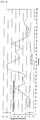
Fig. 4] Fig. 4 is a schematic diagram of fluctuation of a respiratory rate. - [
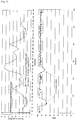
Fig. 5] Fig.5 is a diagram showing the waveforms of a respiratory rate and SpO2 measured simultaneously. - The oxygen concentration device of a preferred example concerning an embodiment of the present invention is explained below with reference to each Fig.
-
Fig. 1 illustrates a diagram of the configuration of an oxygen concentration device equipped with an exacerbation prediction device as a preferred example concerning an embodiment of the present invention.Oxygen concentration device 1 of the present example is a device that separates nitrogen in the air and supplies high concentration oxygen (oxygen-enriched gas) to be used mainly for a home oxygen therapy and is, for example, a pressure swing adsorption type oxygen concentration device, wherein an adsorbent selectively adsorbing nitrogen more than oxygen such as molecular sieve zeolite 5A, 13X or lithium-based zeolite, and the like is filled in an adsorption cylinder (in adsorption unit 5), an air compressed by air compressor (compressor 4) is supplied to the adsorption cylinder, and then an oxygen-enriched gas is taken out. Incidentally, inFig. 1 , the arrow connecting between each block represents a flow of air, and the solid line represents electrical connection between each block. -
Compressor 4 is equipped with a compressor drive motor for drivingcompressor 4, and the compressor drive motor drives and rotatescompressor 4 based on a driving current which is generated and output by powersupply control unit 3 so that the rotation speed set up byflow control unit 14a mentioned later is realized. A compression mechanism unit incompressor 4 is for compressing air using a rotating force obtained by the compressor drive motor, and various types of different compression methods exist for this mechanism and a piston type of reciprocating motion and a scroll type of rotary motion and the like are commonly used, and any type can be used as long as atmospheric air can be compressed. - Power
supply control unit 3 has a function to supply driving current output to drivecompressor 4 and electric power to each component equipped indevice 1. - Besides, when
oxygen concentration device 1 of the present example is configured as a portable type as inFig. 1 , it can be considered to adopt a three-way power supply method using a built-in battery, a domestic AC power supply and a DC in-car power supply, by replacing a power supply method using only a domestic AC power supply in the typical conventional oxygen concentration device of fixed installation type. Thus, powersupply input port 2 is provided on the housing outer periphery facing the device outside, through which electric power can be supplied from ACpower supply unit 15 or in-carpower supply unit 16 to be connected to a cigar lighter contact in the car by direct current. - In addition, repeatedly
rechargeable battery 13 is removably provided inoxygen concentration device 1, and electric power is supplied to powersupply control unit 3 by discharging frombattery 13 when power cannot be supplied through the electric powersupply input port 2. - Incidentally, charging of
battery 13 is usually performed by supplying electric power from ACpower supply unit 15 or in-carpower supply unit 16 to the battery via powersupply input port 2 and powersupply control unit 3, while leavingbattery 13 incorporated inoxygen concentration device 1. -
Oxygen concentration device 1 of the present example, a pressure swing adsorption type oxygen concentration device, as shown in the block diagram ofFig. 1 , supplies compressed air obtained by compressing the air bycompressor 4, to an adsorption cylinder (provided in adsorption unit 5) filled with an adsorbent adsorbing selectively nitrogen more than oxygen, makes the inside of the adsorption cylinder at a compressed condition and makes nitrogen adsorbed, and then takes out the unadsorbed oxygen. An oxygen enriched-gas, composed mainly of the oxygen taken out from the adsorption cylinder, is accumulated inproduct tank 6, then supplied to the outside ofdevice 1 fromproduct feed end 9 throughsensor unit 7 andrespiration sensing unit 8, and is supplied to a user (oxygen therapy patient) throughnasal cannula 1c which is a tube member for transporting oxygen-enriched gas fromoxygen concentration device 1 to around the nasal cavity of the patient. - Incidentally, since the amount of nitrogen an adsorbent can adsorb during one step of adsorption is determined by the amount and type of the adsorbent, before the amount of adsorbed nitrogen on the adsorbent is saturated, a flow path switching valve is switched to open the adsorption cylinder to the atmosphere and decompress the inside of the adsorption cylinder, wherein nitrogen is desorbed and the adsorbent is regenerated. In addition, the flow path switching valve is controlled by
main control unit 14 so as to be switched by a duration set beforehand. Incidentally, a vacuum pump can be used to evacuate the adsorption cylinder during the desorption step in order to increase an amount of adsorption/desorption per one step. - Note that, though
oxygen concentration device 1 of the present example may be configured for fixed installation at patient home like a conventional oxygen concentration device, in order to realize a smaller and lighter weight device for portable, it is a preferred embodiment to equipadsorption unit 5 provided with a rotation valve means for continuously making a gas flow path in a sequential order of multiple adsorption cylinders for compression and desorption, for example, using the configuration described in Japanese Patent No.3269626 - Flow
rate set unit 12 is operated by a user such as a patient to set a flow rate of an oxygen-enriched gas to be supplied, wherein, when the user operates, for example, a dial switch to select a desired select value from 1 L/m, 2 L/m, 3 L/m, and the like,flow control unit 14a senses the selected value and controls operating speed ofcompressor 4 andadsorption unit 5, and the like to realizes a set desired flow rate. That is,flow control unit 14a controlsadsorption unit 5 as mentioned above to control the flow rate of the oxygen-enriched gas supplied to the patient while controlling the drive ofcompressor 4 by controlling powersupply control unit 3. In the present embodiment, flowrate control unit 14a is recorded inCPU 14. -
Sensor unit 7 measures an actual flow rate of an oxygen-enriched gas in a gas flow path.Sensor assembly 7 is, for example, as described in Japanese Unexamined Patent Application Publication No.2002-214012 nasal cannula 1c. Based on the difference of the two measured value, it is possible to determine the actual flow rate of the oxygen enriched gas flowing throughnasal cannula 1c. Suitable is a configuration in which feedback control based on a measured actual flow rate is performed to modify an operation instruction tocompressor 4 andadsorption unit 5 by flowrate control unit 14a.Sensor unit 7 may adopt any sensor as long as it can measure an actual flow rate of the oxygen-enriched gas and other configuration and method may be used. - Note that on the implement of the present invention, the configuration concerning a basic oxygen concentration function of
oxygen concentration device 1 is not limited to embodiments explained here, and can adopt a well-known configuration or various configurations to be suggested in future. - The exacerbation prediction device for a patient concerning the present embodiment is provided with
respiration sensing unit 8 and respiratoryinformation calculation unit 14b equipped inoxygen concentration device 1. In the present embodiment, respiratoryinformation calculation unit 14b is recorded inCPU 14. Flowrate control unit 14a and respiratoryinformation calculation unit 14b each may have a different CPU. - At a downstream side of
sensor unit 7 in the oxygen flow path ofoxygen concentrator 1,respiration sensing unit 8 is provided.Respiration sensing unit 8 concerning the present embodiment is, as described in Japanese Unexamined Patent Application Publication No.H7-96035 respiration sensing unit 8 is transmitted to respiratoryinformation calculation unit 14b. - Incidentally, the information processing means of
respiration sensing unit 8 may be provided separately from respiratoryinformation calculation unit 14b as mentioned above, or alternatively respiratoryinformation calculation unit 14b may be used as the information processing means. In this case, the pressure fluctuation information acquired by the pressure fluctuation sensing means ofrespiration sensing unit 8 is transmitted to respiratoryinformation calculation unit 14b, and a respiratory rate is determined based on the information in respiratoryinformation calculation unit 14b. The specific configuration for sensing respiration of a patient inrespiration sensing unit 8 is realized not only by the pressure fluctuation sensing means but also by the following, for example, a configuration of converting audio signal (breath sounds of a patient) into a light signal using a light microphone, then into a voltage signal, and further into frequency to perform a frequency analysis in the frequency domain, and sensing respiration by a difference of the frequency band, as a configuration described in Japanese Unexamined Patent Application Publication No.2002-272845 S62-270170 H5-71894 H2-88078 - Respiratory
information calculation unit 14b calculates the following indices based on the respiratory rate of the patient acquired as mentioned above. Significance and method of calculating these indices are explained below. The calculated information is transmitted to displayunit 10. - (1) Respiratory rate (low rank level) of a patient
- (2) Expiration time of a patient
- (3) Inspiration time of a patient
- (4) Ratio of expiration time and inspiration time of a patient
- (5) Prediction result of acute exacerbation occurrence of a patient
- Incidentally, as for the predetermined range, the predetermined time, and the certain range of respiratory rate, common values for all patients can be set beforehand uniformly, or a healthcare worker can set the values according to medical opinions.
- In the present embodiment,
oxygen concentration device 1 is configured to be equipped with an interface such as a button and a selector switch, and operation of the above interface by a patient before or after going to bed makes it possible to determine each of the above-mentioned information using the data that are judged as data at asleep state. -
Display unit 10 is a display means equipped with a display member such as a liquid crystal panel and a peripheral interface unit, and displays information transmitted from respiratoryinformation calculation unit 14b to the outside ofoxygen concentration device 1. The contents of the data displayed indisplay unit 10 include one or more pieces of information of the above indices (1) to (5) based on the respiratory rate of the patient detected byrespiration sensing unit 8 as well as the contents displayed in a conventional oxygen concentration device such as operation state of on, alert and alarm, set flow rate, and the like. - In the above-mentioned embodiment, the calculation of respiratory rate of the patient and the indices based on the respiratory rate is executed inside
oxygen concentration device 1, which alternatively can be done using an arithmetic unit installed outsideoxygen concentration device 1.Fig. 2 illustrates a diagram of the configuration of an exacerbation prediction device concerning another embodiment of the present invention. - As show in
Fig. 1 ,oxygen concentration device 1 is equipped withinformation output terminal 11.Information output terminal 11 is an output terminal or transmission interface for transmitting data calculated inoxygen concentration device 1 to an external device of anoxygen concentration device 1, for example, a personal computer, through a wireless or wired transmission line and may be a configuration according to well-known communication standards such as IrDA, RS-232C, USB, radio communication or others. - Data output from
oxygen concentration device 1 throughinformation output terminal 11 to outside are, for example, pressure fluctuation information acquired by a pressure fluctuation sensing means ofrespiration sensing unit 8 or one or more pieces of information of the above indices (1) to (5) calculated by respiratoryinformation calculation unit 14b. - The data output through
information output terminal 11 are transmitted to receivingserver 6b in the remote management center andarithmetic unit 6a located in the management center determines information (respiratory rate and/or above-mentioned indices (1) to (5)) based on the respiration data of the patient using the data received and predicts the acute exacerbation of the patient using these pieces of information. A configuration for transmitting various pieces of information such as biological information of the patient, and the like from an oxygen concentration device at home through a transmission line to receivingserver 6b in the remote management center is described in detail, for example, in the following bulletins proposed by the present applicants: Japanese Unexamined Patent Application Publication No.H3-143451 H5-309135 H6-54910 H6-233744 H7-95963 - The present embodiment is suitably equipped with a function of transmitting the above-mentioned information and prediction result based on the respiration data of the patient from the management center to
oxygen concentration device 1, and displaying them ondisplay unit 10 or outputting frominformation output terminal 11. Furthermore, the above-mentioned information and prediction result based on the respiration data of the patient can be stored after calculation in a storing means (not illustrated in the Fig.) inarithmetic unit 6a and be output to display and so on when necessary. Adoption of such a configuration makesoxygen concentration device 1 configured simpler and thus reduce cost. The adoption enables a person in charge of the management center, a healthcare worker of a medical institution, and the like to know the exacerbation prediction quickly and thus further provides a merit of a quick support of contacting and visiting the patient's home. In a usual outpatient clinical setting also, it helps a medical staff to diagnose and decide/change a treatment plan. - Explained below is a principle, which was found by the inventors of the present application, of predicting occurrence of the acute exacerbation of the HOT patients including mainly those with respiratory disease.
- As mentioned above, in recent years, a device and a system for counting a respiratory rate are developed, and exacerbation prediction of the HOT patients, including mainly those with respiratory disease, is studied. However, the conventionally known respiration data used for grasping the sign of acute exacerbation of respiratory disease were an average and a median value of all measured data or an instantaneous value. That is, the above is thought to be under either of the following conditions: monitoring instantaneously increased or decreased values due to change of "oxygen demand from tissues" and "oxygen supply capacity of heart and lungs" during awakening and during sleep, which is described below, or monitoring an average and median values calculated from values including the above-mentioned increased or decreased values.
- Inventors of the present application have engaged for many years in the popularization of a home therapy particularly a home oxygen therapy, and had the opportunity to obtain various and useful information and instruction from the patients receiving the therapy and healthcare workers engaging in the therapy using the oxygen concentrator. After considering the various information obtained, inventors of the present application obtained the findings such as the following (1) and (2) which enable prediction of the acute exacerbation much earlier with high accuracy.
- (1) As shown in
Fig. 3 of a schematic diagram of expiration-inspiration ratio, at first as for exhalation-inspiration ratio of a healthy subject, the ratio of inspiration, i.e., time for inspiring air, to expiration, i.e., time for expiring air, is about 1:2 as shown in (A) of the Fig. On the other hand, the expiration time tends to be prolonged for a COPD patient. (B) of the Fig. illustrates the case where expiration time is prolonged to the ratio of 1:3. This is caused by the following reason: in the case of many COPD patients, since the airway is obstructed to limit the flow of air, though air is easily flown into the lungs at the inspiration because the chest can be spread, when air is expired, air must be expired through the narrowed airway, wherein it takes time before all is expired. As for COPD patients at an advanced stage, on the contrary, the expiration time tends to be shortened. (C) of the Fig. illustrates the case where the expiration time is shortened to the ratio of 1:1. Such shortened expiration time at the advanced stage is assumed to be caused by the following reason: at the advanced stage, since the airway becomes more narrowed due to infection and the like and thus the amount of ventilation decreases, which works to increase the respiratory rate, i.e., the number of inspirations per unit time, to improve even a little amount of ventilation per unit time. - (2) Respiration is performed to satisfy the oxygen demand of tissues and organs, and is thought to consist of voluntary respiration and involuntary respiration. The voluntary respiration is conscious respiration that, in many cases during awakening and under the voluntary control from the motor area in the precentral gyrus of the cerebral cortex, can be controlled freely the speed and depth of the respiration within a certain range. On the other hand, when voluntary control is lost, e.g., during sleep, though rhythmical contraction of respiratory muscles persists, respiration is performed unconsciously. The above respiration is involuntary respiration, is controlled by the brainstem, mainly the respiratory center in the medulla oblongata, and is said to be usually under the condition in which the respiratory frequency is not stable (condition with a fluctuating respiratory frequency) (
Fig. 4 ). The human respiratory frequency is determined by various factors, and can be explained using, as one factor, a balance between two elements of "oxygen demand of tissues" and "oxygen supply capacity of heart and lungs". Since the respiratory frequency is thought to be determined by the oxygen demand of the tissues and cardiopulmonary oxygen supply capacity of the heart and the lungs of each person, the condition under which the respiratory rate is lowered and stable for a certain period of time is assumed to be a condition under which "oxygen demand of tissues" is constant and the oxygen demand of the tissues is low. When "oxygen demand of tissues" is increased under the condition of lowered respiratory rate, the compensatory mechanism to the heart and the lungs works immediately to increase the respiratory rate, and thus the condition of being stable for a certain period of time does not appear. On the other hand, as for a time zone of increased respiratory frequency (high rank level) among respiratory frequencies during nocturnal sleep, it is judged that fluctuations of both "oxygen demand of tissues" and "oxygen supply capacity of heart and lungs" increase the respiratory frequency. That is, under the condition of lowered and stable respiratory rate during sleep, in which "oxygen demand of tissues" is thought to be low and stable, it is judged that the lowered "oxygen supply capacity of heart and lungs" can be grasped more conspicuously in the form of increased respiratory rate as an exacerbation sign of diseases including respiratory disease such as COPD and the like. From the above consideration, a monitoring index for predicting much earlier with high accuracy the exacerbation sign of COPD and the like can be judged as a condition under which the respiratory rate is lowered and stable for a certain period of time. Monitoring and observation, for a certain period of time (daily or monthly), of the value of respiratory rate under the condition in which the respiratory rate is lowered (low rank level) and stable for a certain period of time during nocturnal sleep is thought to enable prediction, earlier than a conventional method, with high accuracy, for the acute exacerbation of HOT patients including mainly those with respiratory disease receiving therapy at home. On the other hand, during awakening, activities such as conversation and diet, elaboration, room-to-room movement, going to toilet, bathing and the like are performed, and thus frequent and much times of "oxygen demand of tissues" are present compared with sleep time. Thus, this is difficult to be separated from a change of "oxygen supply capacity of heart and lungs" because both are present in a complicatedly mixed state. During awakening, grasping of the time zone when only "oxygen supply capacity of heart and lungs" changes under the condition of constant "oxygen demand of tissues" can be obtained by grasping the time zone of body motion using a device equipped with an acceleration sensor capable of acquiring various information such as inclination and movement, vibration and shock and by making the load given to a patient constant. - Based on the above-mentioned findings (1) and (2), inventors of the present application have found that detection of the occurrence of at least any one of the following conditions enables to know that the patient is now at an advanced stage, that is, to predict beforehand an acute exacerbation of the patient, and reached the present invention, the conditions are as follows: increase in the respiratory rate per unit time (high rank level, average value, low rank level), change in the ratio of inspiration time and expiration time in the direction of shortening the expiration time under the condition in which the respiratory rate is lowered and stable, and reduction of expiration time. In addition, the respiration pressure pattern under the condition in which the respiratory rate of a patient is lowered and stable, particularly the respiration pressure pattern at an advanced stage, exhibits a pressure pattern with a characteristic inherent in each patient. Therefore, continued monitoring of the current respiration pressure pattern based on the prior knowledge of the respiration pressure pattern at an advanced stage of a certain patient enables to know that the patient is at an advanced stage by detecting that a respiration pressure pattern has approached to the pressure pattern at the advanced stage, and the acute exacerbation of the patient can be predicted beforehand in the same way as above.
- Next, the operation of the exacerbation prediction device or the exacerbation prediction system of the present example is explained mainly on the operation of predicting occurrence of acute exacerbation of a patient. Referred to as necessary are a connection diagram of
device 1 shown inFig. 2 , a schematic diagram of the expiration-inspiration ratio shown inFig. 3 , and a schematic diagram of fluctuation of a respiratory rate shown inFig. 4 . Respiratoryinformation calculation unit 14b of the exacerbation prediction device orarithmetic unit 6a of the exacerbation prediction system of the present example is configured to predict beforehand an acute exacerbation of the patient based on the above-mentioned findings of the inventors of the present application, and thus at first acquired is at least any one of the following pieces of information based on the data of respiration of the patient sensed byrespiration sensing unit 8 under the condition in which the patient is usingoxygen concentration device 1. Then, these respiration data acquired daily are monitored over time and trend data over multiple days (e.g., from several days to several months) are stored. - (1) Respiratory rate (low rank level) of a patient
- (2) Expiration time of a patient
- (3) Inspiration time of a patient
- (4) Ratio of expiration time and inspiration time of a patient
- Then, respiratory
information calculation unit 14b orarithmetic unit 6a compares a value and a gradient of the recorded trend data at an arbitrary point of time with predetermined thresholds concerning the magnitude, determines whether the value and the gradient of the acquired information are within the predetermined range or not, and judges the patient as at advanced stage if the data are within the range. The above-mentioned predetermined range is a range predetermined by the above-mentioned threshold so that if a value of the acquired information is out of the range, the patient is judged as at the advanced stage. - AS for the above-mentioned threshold, a value common to all patients may be set beforehand uniformly, a healthcare worker may set the value according to medical opinions, or a value generated automatically by respiratory
information calculation unit 14b orarithmetic unit 6a from the respiration data of the patient acquired byrespiration sensing unit 8 ofoxygen concentration device 1 may be used under the careful examination by the healthcare worker. When multiple indices are acquired, respiratoryinformation calculation unit 14b orarithmetic unit 6a judges whether the patient is at advanced stage by using the judgment after comparing the value(s) of either one or more indices with the corresponding threshold(s), or combining the judgement with evaluation results of various other parameters, for example, by measuring percutaneous arterial oxygen saturation (SpO2) over multiple days at the same timing as the above respiration data and considering the relationship with the respiration data. - As a result of the judgment, when acute exacerbation is predicted, respiratory
information calculation unit 14b orarithmetic unit 6a transmits the judgement result to displayunit 10. When receiving a judgment that acute exacerbation is predicted,display unit 10 displays a warning message such as "Respiratory rate has increased. Notification to the medical institution is recommended." Also, a signal implying the same contents is output frominformation output terminal 11, which may allow an external display means to display and an external printer to indicate. - Alternatively, in the case where acute exacerbation is predicted, it may be configured so that the signal informing of the case is delivered via
information output terminal 11 to a terminal in the management center, a terminal of the medical institution, a mobile phone of a healthcare worker or family of the patient, and the like. - Separately from or in parallel with the above-mentioned judgment by magnitude comparison between a predetermined threshold and measurement data, it may be configured so that a correlation coefficient is calculated to make judgement.
- The judgment using the correlation coefficient is a method performed as follows: acquiring beforehand a respiration pressure pattern of the patient at normal time and/or at exacerbation time, and comparing a current respiration pressure pattern of the patient with the acquired patterns based on the well-known technique of pattern matching to know whether the current respiration pressure pattern of the patient is close to the respiration pressure pattern at normal time or the respiration pressure pattern at exacerbation time, or to know which of the two patterns the current pattern is closer to.
- Explained below is a procedure of displaying and outputting of respiration data at a visited hospital as well as general operation of
oxygen concentration device 1 of the present example with reference toFig. 2 . - When patient 1b receives oxygen therapy at the patient's home 1a, the patient, as usual, can inhale oxygen-enriched gas from
oxygen concentration device 1 of the present example by receiving electric power from a domestic AC power supply. Further, when inhalation is performed via a device driven bybattery 13 at the patient's home,patient 1b can continue the inhalation by carryingdevice 1 with him/her while freely moving around the patient's home without being constrained by the AC outlet. Accordingly, dissolved is inconvenience, as in a conventional fixed installation type device, of connecting a cannula with a long and bulky extension tube of several meters to an oxygen concentration device and inhaling via the cannula equipped with this extension tube. - As for a characteristic feature of the present example, while oxygen-enriched gas is supplied,
arithmetic unit 6a calculates, always or at an appropriate timing, the above-mentioned information on the respiration data of the patient and records/store the information in the memory unit (not illustrated in the Fig.) inCPU 14. - A medium for recording/storing the above-mentioned information may be, instead of a memory in
CPU 14, a memory means provided independently or a removable memory means. At the visit tomedical institution 2a, a removable memory means alone may be taken out and brought tomedical institution 2a, instead of bringing whole theoxygen concentration device 1. Alternatively, as for a method for delivering the above-mentioned information on the respiratory pattern to an information appliance of the medical institution, although the patient bringsoxygen concentration device 1 tomedical institution 2a for visiting, the information is delivered by so-called medium delivery: removing the removable memory means fromoxygen concentration device 1 and then attaching it to an information appliance of the medical institution. - The information on the respiratory pattern may be generated not only at patient home 1a but also, of course, at a place outside the patient's
home 3a. - Then, patient 1b visits the medical institution carrying
oxygen concentration device 1 regularly, e.g., on a monthly visit day.Physician 2b ofmedical institution 2a confirms the data by makingdisplay unit 10 ofdevice 1 display respiration data such as those mentioned above or data having other configuration, or displays the data on a personal computer connected toinformation output terminal 11 through transmission cable 2e or other transmission path, and confirms the data. These procedures help a healthcare worker to grasp the condition of the patient and can greatly promote treatment effect of the home oxygen therapy. - Of course, it is possible to adopt a configuration of printing respiration data on a paper medium using a print means, which is not illustrated.
- In addition, the information on the respiratory pattern output at the medical institution at visit may be transmitted to affiliated
medical institution terminal 4c of affiliatedmedical institution 4a, which offers the patient medical care in collaboration withmedical institution 2a, under security management viaInternet communications network 5a, to share the medical information. - HOT patients, including mainly those with respiratory disease, are reported to present desaturation, lowered SpO2 level, during nocturnal sleep. Desaturation during sleep is known to lead to sleep disruption by waking reaction, pulmonary hypertension and poor prognosis. Until now, most of the medical information of HOT patients, including mainly those with respiratory disease, was not grasped. Conventionally, although arterial blood gas and percutaneous arterial oxygen saturation (SpO2) were measured once or twice a month in an outpatient clinic, these data alone did not yield sufficient medical information for determining the diagnosis and the effect of the treatment of the patient.
- Decrease in the percutaneous arterial oxygen saturation (SpO2) at nocturnal sleep of HOT patients, including mainly those with respiratory disease, is combined with respiratory information to enable grasping and predicting of the pathophysiology, and makes it possible to provide information for treatment corresponding to the pathologic condition at an appropriate timing.
- Respiratory rate is said to present a condition of unstable respiration (with fluctuation) during sleep as shown in
Fig. 5 , and simultaneous observations of fluctuation of respiration (frequency) and a change of SpO2 at night enable distinction between a situation of physiologically uneventful respiration change and a situation in which a cardiorespiratory function cannot respond to the oxygen demand. For example, in the case where, when SpO2 level is decreased at nocturnal sleep, the respiratory rate is lowered and stable for a certain period of time, the case is judged as a situation in which a cardiorespiratory function cannot respond to the oxygen demand. As for this, human respiratory frequency is determined by various factors, and can be explained using, as one factor, a balance between two elements of "oxygen demand of tissues" and "oxygen supply capacity of heart and lungs". The respiratory frequency is thought to be determined by the oxygen demand of the tissues and the cardiopulmonary oxygen supply capacity of each person, and thus in the case where SpO2 decreases, that is, "oxygen demand of tissues" becomes higher, the condition under which the respiratory rate is stable for a certain period of time is judged not to appear since the compensation mechanism to the heart and lungs immediately works to increase the respiratory rate. The condition under which the respiratory rate is stable for a certain period of time in this case is an abnormal condition under which "oxygen supply capacity of heart and lungs" does not respond. The decrease in SpO2 as above is combined with the respiratory information to enable the classification of the desaturation degree and the supply of information for treatment at an appropriate timing corresponding to the pathologic condition. AS for the respiratory information, I/E ratio, intensity of respiration, gradient (change thereby) of inspiration and expiration obtained from I/E ratio and respiration time as well as a respiratory rate can be used for confirmation. - In addition, the respiratory information is combined with SpO2 level to determine the desaturation degree, and the feedback of it to a therapy device such as an oxygen concentration device enables the control of parameters for the treatment (e.g., flow rate and oxygen concentration of an oxygen concentrator for home oxygen therapy).
-
- 1. Oxygen concentration device
- 3. Power supply control unit
- 4. Compressor
- 5. Adsorption unit
- 8. Respiration sensing unit
- 14. Main control unit
- 6A. Arithmetic unit
Claims (5)
- An exacerbation prediction device comprising:a respiration sensing means of continuously sensing respiration data of a patient,a calculation means of calculating stable respiration data that are respiration data during a condition in which a respiratory rate is lowered and stable for a certain period of time from the sensed continuous respiration data of the patient, anda prediction means of predicting occurrence of an acute exacerbation in the patient in accordance with the stable respiration data calculated during a certain period of time.
- The exacerbation prediction device according to claim 1, wherein the stable respiration data are at least any one of (a) respiratory rate (low rank level) of a patient, (b) ratio of expiration time and inspiration time of a patient, and (c) inspiration time of a patient, during a condition in which a respiratory rate is lowered and stable for a certain period of time.
- The exacerbation prediction device according to claim 1, wherein the stable respiration data are at least one of (a) a correlation coefficient between a current respiration pressure pattern of a patient and a predetermined respiration pressure pattern at normal time and (b) a correlation coefficient between a current respiration pressure pattern of a patient and a predetermined respiration pressure pattern at acute exacerbation time, during a condition in which a respiratory rate is lowered and stable for a certain period of time.
- An oxygen concentration device comprising:a generation means of generating oxygen-enriched gas by concentrating oxygen in air,an oxygen supply path for supplying generated oxygen to a patient,a respiration sensing means, provided in the oxygen supply path, of continuously sensing respiration data of the patient,a calculation means of calculating stable respiration data that are respiration data during a condition in which a respiratory rate is lowered and stable for a certain period of time from the sensed continuous respiration data of the patient, anda prediction means of predicting occurrence of an acute exacerbation in the patient in accordance with the stable respiration data calculated during a certain period of time.
- An exacerbation prediction device comprising:a patient-side terminal having a respiration sensing means of continuously sensing respiration data of a patient, and a transmission means of transmitting all the sensed respiration data of the patient to outside, andan external terminal having a calculation means of receiving the transmitted respiration data of the patient and calculating stable respiration data that are respiration data during a condition in which a respiratory rate is lowered and stable for a certain period of time from the received continuous respiration data of the patient, and a prediction means of predicting occurrence of an acute exacerbation in the patient in accordance with the stable respiration data calculated during a certain period of time.
Applications Claiming Priority (2)
| Application Number | Priority Date | Filing Date | Title |
|---|---|---|---|
| JP2017099274 | 2017-05-18 | ||
| PCT/JP2018/018130 WO2018212067A1 (en) | 2017-05-18 | 2018-05-10 | Exacerbation predicting device, oxygen concentrating device, and exacerbation predicting system |
Publications (2)
| Publication Number | Publication Date |
|---|---|
| EP3626295A1 true EP3626295A1 (en) | 2020-03-25 |
| EP3626295A4 EP3626295A4 (en) | 2021-01-27 |
Family
ID=64274061
Family Applications (1)
| Application Number | Title | Priority Date | Filing Date |
|---|---|---|---|
| EP18802294.1A Pending EP3626295A4 (en) | 2017-05-18 | 2018-05-10 | DETERMINATION FORECAST DEVICE, OXYGEN CONCENTRATION DEVICE AND DETERMINATION FORECAST SYSTEM |
Country Status (6)
| Country | Link |
|---|---|
| US (1) | US11690971B2 (en) |
| EP (1) | EP3626295A4 (en) |
| JP (1) | JP7000423B2 (en) |
| KR (1) | KR102619750B1 (en) |
| CN (1) | CN110612136A (en) |
| WO (1) | WO2018212067A1 (en) |
Families Citing this family (3)
| Publication number | Priority date | Publication date | Assignee | Title |
|---|---|---|---|---|
| CN110780655B (en) * | 2019-07-01 | 2021-05-25 | 烟台宏远氧业股份有限公司 | Remote fault diagnosis and operation and maintenance method and system for hyperbaric oxygen chamber based on Internet of things |
| US11344852B1 (en) * | 2021-06-15 | 2022-05-31 | Enrichment Systems Llc | Hydroponic system and method for enriching a liquid with gas-bubbles |
| WO2025264184A1 (en) * | 2024-06-19 | 2025-12-26 | Agency For Science, Technology And Research | Method and system for detecting an exacerbation event in a respiratory waveform |
Family Cites Families (27)
| Publication number | Priority date | Publication date | Assignee | Title |
|---|---|---|---|---|
| JPS5916618B2 (en) | 1977-11-22 | 1984-04-17 | 日立造船株式会社 | Lining method for tunnels, etc. |
| JPS62270170A (en) | 1986-05-20 | 1987-11-24 | 住友ベークライト株式会社 | Respiration tuning type oxygen feeder |
| JPS6421330A (en) | 1987-07-16 | 1989-01-24 | Teijin Ltd | Pressure detector |
| JP2569147B2 (en) | 1988-09-26 | 1997-01-08 | 帝人株式会社 | Respiratory gas supply device |
| JP2831399B2 (en) | 1989-10-31 | 1998-12-02 | 帝人株式会社 | Respiratory gas supply system and respiratory gas supply device |
| EP0627953B1 (en) | 1992-02-28 | 1998-12-16 | Technologies Inc. Sequal | fluid fractionator |
| JPH05309135A (en) | 1992-05-11 | 1993-11-22 | Teijin Ltd | Breathing gas supply system |
| JP2777025B2 (en) | 1992-08-10 | 1998-07-16 | 帝人株式会社 | Oxygen-enriched gas supply system and device |
| JP3071596B2 (en) | 1993-02-09 | 2000-07-31 | 帝人株式会社 | Home therapy support system |
| JPH0795963A (en) | 1993-09-29 | 1995-04-11 | Teijin Ltd | Home therapy support system |
| JP2994187B2 (en) | 1993-09-30 | 1999-12-27 | 帝人株式会社 | Respiratory rate measuring device, respiratory gas supply device and respiratory monitoring system |
| JP4293581B2 (en) | 2000-09-21 | 2009-07-08 | 日本特殊陶業株式会社 | Oxygen concentrator, control device, and recording medium |
| JP4169483B2 (en) | 2001-01-22 | 2008-10-22 | 帝人株式会社 | Ultrasonic gas concentration flow measurement method and apparatus |
| JP2002272845A (en) | 2001-03-15 | 2002-09-24 | Teijin Ltd | Respiratory gas supply device |
| JP4357230B2 (en) * | 2003-07-14 | 2009-11-04 | 帝人株式会社 | Oxygen concentrator, home oxygen therapy system |
| US20070118054A1 (en) * | 2005-11-01 | 2007-05-24 | Earlysense Ltd. | Methods and systems for monitoring patients for clinical episodes |
| US8475387B2 (en) * | 2006-06-20 | 2013-07-02 | Adidas Ag | Automatic and ambulatory monitoring of congestive heart failure patients |
| FR2930165B1 (en) * | 2008-04-21 | 2010-08-20 | Air Liquide | DEVICE FOR DETECTING PATIENT OBSERVANCE OF OXYGEN THERAPY TREATMENT |
| US10252020B2 (en) * | 2008-10-01 | 2019-04-09 | Breathe Technologies, Inc. | Ventilator with biofeedback monitoring and control for improving patient activity and health |
| AU2010201032B2 (en) | 2009-04-29 | 2014-11-20 | Resmed Limited | Methods and Apparatus for Detecting and Treating Respiratory Insufficiency |
| MY165523A (en) * | 2009-08-13 | 2018-04-02 | Asanoi Hidetsugu | Device for calculating respiratory waveform information and medical instrument using respiratory waveform information |
| US8894751B2 (en) | 2009-10-05 | 2014-11-25 | Separation Design Group Llc | Ultra rapid cycle portable oxygen concentrator |
| CN102687152B (en) * | 2009-12-19 | 2017-03-22 | 皇家飞利浦电子股份有限公司 | COPD exacerbation prediction system |
| MX2014003317A (en) * | 2011-09-22 | 2014-04-25 | Koninkl Philips Nv | Supplemental gas delivery and monitoring system. |
| JP6219590B2 (en) * | 2013-04-18 | 2017-10-25 | 英次 麻野井 | Diagnostic device and medical system |
| WO2017032873A2 (en) * | 2015-08-26 | 2017-03-02 | Resmed Sensor Technologies Limited | Systems and methods for monitoring and management of chronic desease |
| EP3478167B1 (en) * | 2016-06-30 | 2024-05-01 | Koninklijke Philips N.V. | Processing apparatus for processing a physiological signal |
-
2018
- 2018-05-10 EP EP18802294.1A patent/EP3626295A4/en active Pending
- 2018-05-10 KR KR1020197036945A patent/KR102619750B1/en active Active
- 2018-05-10 US US16/613,889 patent/US11690971B2/en active Active
- 2018-05-10 CN CN201880032905.3A patent/CN110612136A/en active Pending
- 2018-05-10 JP JP2019518735A patent/JP7000423B2/en active Active
- 2018-05-10 WO PCT/JP2018/018130 patent/WO2018212067A1/en not_active Ceased
Also Published As
| Publication number | Publication date |
|---|---|
| US20200139068A1 (en) | 2020-05-07 |
| EP3626295A4 (en) | 2021-01-27 |
| US11690971B2 (en) | 2023-07-04 |
| KR102619750B1 (en) | 2023-12-29 |
| WO2018212067A1 (en) | 2018-11-22 |
| CN110612136A (en) | 2019-12-24 |
| KR20200010324A (en) | 2020-01-30 |
| JP7000423B2 (en) | 2022-01-19 |
| JPWO2018212067A1 (en) | 2019-11-07 |
Similar Documents
| Publication | Publication Date | Title |
|---|---|---|
| KR101184960B1 (en) | Oxygen enrichment device and method of supporting home oxygen therapy execution using same | |
| US11571533B2 (en) | Device for calculating respiratory waveform information and medical instrument using respiratory waveform information | |
| US6620106B2 (en) | Indirect calorimetry system | |
| US8287460B2 (en) | Disordered breathing monitoring device and method of using same including a study status indicator | |
| CN103153183B (en) | Device and method for diagnosing obstructive sleep apnea | |
| US10252020B2 (en) | Ventilator with biofeedback monitoring and control for improving patient activity and health | |
| AU2009245618B2 (en) | Device for detecting the observance by a patient of an oxygen-therapy treatment | |
| JP2012016598A (en) | Method and apparatus for monitoring cardiovascular condition of patient with sleep disordered breathing | |
| CA3118956C (en) | Method and apparatus for continuous management of airway pressure for detection and/or prediction of respiratory failure | |
| US11690971B2 (en) | Exacerbation predicting device, oxygen concentrating device, and exacerbation predicting system | |
| TWI260979B (en) | Sleep respiratory disorder examination device and treatment system | |
| JP2023504275A (en) | Systems and methods for metabolic monitoring | |
| JP4357230B2 (en) | Oxygen concentrator, home oxygen therapy system | |
| WO2005107590A1 (en) | Diagnostic system for disordered breathing | |
| JP2004283194A (en) | Biological information monitoring device, treatment system | |
| Murphy | Physiological Assessment of the Load-capacity-drive Relationship in Chronic Respiratory Failure and Outcomes Following Domiciliary Non-invasive Ventilation | |
| HK1167078B (en) | Device for calculating respiratory waveform information and medical device using respiratory waveform information |
Legal Events
| Date | Code | Title | Description |
|---|---|---|---|
| STAA | Information on the status of an ep patent application or granted ep patent |
Free format text: STATUS: THE INTERNATIONAL PUBLICATION HAS BEEN MADE |
|
| PUAI | Public reference made under article 153(3) epc to a published international application that has entered the european phase |
Free format text: ORIGINAL CODE: 0009012 |
|
| STAA | Information on the status of an ep patent application or granted ep patent |
Free format text: STATUS: REQUEST FOR EXAMINATION WAS MADE |
|
| 17P | Request for examination filed |
Effective date: 20191113 |
|
| AK | Designated contracting states |
Kind code of ref document: A1 Designated state(s): AL AT BE BG CH CY CZ DE DK EE ES FI FR GB GR HR HU IE IS IT LI LT LU LV MC MK MT NL NO PL PT RO RS SE SI SK SM TR |
|
| AX | Request for extension of the european patent |
Extension state: BA ME |
|
| DAV | Request for validation of the european patent (deleted) | ||
| DAX | Request for extension of the european patent (deleted) | ||
| REG | Reference to a national code |
Ref country code: DE Ref legal event code: R079 Free format text: PREVIOUS MAIN CLASS: A61M0016100000 Ipc: A61B0005080000 |
|
| A4 | Supplementary search report drawn up and despatched |
Effective date: 20210113 |
|
| RIC1 | Information provided on ipc code assigned before grant |
Ipc: A61B 5/00 20060101ALI20201222BHEP Ipc: A61B 5/08 20060101AFI20201222BHEP Ipc: A61M 16/00 20060101ALI20201222BHEP Ipc: A61M 16/10 20060101ALI20201222BHEP |
|
| STAA | Information on the status of an ep patent application or granted ep patent |
Free format text: STATUS: EXAMINATION IS IN PROGRESS |
|
| 17Q | First examination report despatched |
Effective date: 20231107 |