EP3624217A1 - Battery module and battery pack - Google Patents
Battery module and battery pack Download PDFInfo
- Publication number
- EP3624217A1 EP3624217A1 EP19177849.7A EP19177849A EP3624217A1 EP 3624217 A1 EP3624217 A1 EP 3624217A1 EP 19177849 A EP19177849 A EP 19177849A EP 3624217 A1 EP3624217 A1 EP 3624217A1
- Authority
- EP
- European Patent Office
- Prior art keywords
- battery
- battery module
- units
- battery units
- bridging
- Prior art date
- Legal status (The legal status is an assumption and is not a legal conclusion. Google has not performed a legal analysis and makes no representation as to the accuracy of the status listed.)
- Granted
Links
Images


Classifications
-
- H—ELECTRICITY
- H01—ELECTRIC ELEMENTS
- H01M—PROCESSES OR MEANS, e.g. BATTERIES, FOR THE DIRECT CONVERSION OF CHEMICAL ENERGY INTO ELECTRICAL ENERGY
- H01M10/00—Secondary cells; Manufacture thereof
- H01M10/42—Methods or arrangements for servicing or maintenance of secondary cells or secondary half-cells
-
- H—ELECTRICITY
- H01—ELECTRIC ELEMENTS
- H01M—PROCESSES OR MEANS, e.g. BATTERIES, FOR THE DIRECT CONVERSION OF CHEMICAL ENERGY INTO ELECTRICAL ENERGY
- H01M10/00—Secondary cells; Manufacture thereof
- H01M10/04—Construction or manufacture in general
- H01M10/0431—Cells with wound or folded electrodes
-
- H—ELECTRICITY
- H01—ELECTRIC ELEMENTS
- H01M—PROCESSES OR MEANS, e.g. BATTERIES, FOR THE DIRECT CONVERSION OF CHEMICAL ENERGY INTO ELECTRICAL ENERGY
- H01M50/00—Constructional details or processes of manufacture of the non-active parts of electrochemical cells other than fuel cells, e.g. hybrid cells
- H01M50/20—Mountings; Secondary casings or frames; Racks, modules or packs; Suspension devices; Shock absorbers; Transport or carrying devices; Holders
- H01M50/204—Racks, modules or packs for multiple batteries or multiple cells
- H01M50/207—Racks, modules or packs for multiple batteries or multiple cells characterised by their shape
- H01M50/209—Racks, modules or packs for multiple batteries or multiple cells characterised by their shape adapted for prismatic or rectangular cells
-
- H—ELECTRICITY
- H01—ELECTRIC ELEMENTS
- H01M—PROCESSES OR MEANS, e.g. BATTERIES, FOR THE DIRECT CONVERSION OF CHEMICAL ENERGY INTO ELECTRICAL ENERGY
- H01M50/00—Constructional details or processes of manufacture of the non-active parts of electrochemical cells other than fuel cells, e.g. hybrid cells
- H01M50/50—Current conducting connections for cells or batteries
- H01M50/502—Interconnectors for connecting terminals of adjacent batteries; Interconnectors for connecting cells outside a battery casing
- H01M50/505—Interconnectors for connecting terminals of adjacent batteries; Interconnectors for connecting cells outside a battery casing comprising a single busbar
-
- H—ELECTRICITY
- H01—ELECTRIC ELEMENTS
- H01M—PROCESSES OR MEANS, e.g. BATTERIES, FOR THE DIRECT CONVERSION OF CHEMICAL ENERGY INTO ELECTRICAL ENERGY
- H01M50/00—Constructional details or processes of manufacture of the non-active parts of electrochemical cells other than fuel cells, e.g. hybrid cells
- H01M50/50—Current conducting connections for cells or batteries
- H01M50/502—Interconnectors for connecting terminals of adjacent batteries; Interconnectors for connecting cells outside a battery casing
- H01M50/509—Interconnectors for connecting terminals of adjacent batteries; Interconnectors for connecting cells outside a battery casing characterised by the type of connection, e.g. mixed connections
-
- H—ELECTRICITY
- H01—ELECTRIC ELEMENTS
- H01M—PROCESSES OR MEANS, e.g. BATTERIES, FOR THE DIRECT CONVERSION OF CHEMICAL ENERGY INTO ELECTRICAL ENERGY
- H01M50/00—Constructional details or processes of manufacture of the non-active parts of electrochemical cells other than fuel cells, e.g. hybrid cells
- H01M50/50—Current conducting connections for cells or batteries
- H01M50/502—Interconnectors for connecting terminals of adjacent batteries; Interconnectors for connecting cells outside a battery casing
- H01M50/521—Interconnectors for connecting terminals of adjacent batteries; Interconnectors for connecting cells outside a battery casing characterised by the material
- H01M50/522—Inorganic material
-
- Y—GENERAL TAGGING OF NEW TECHNOLOGICAL DEVELOPMENTS; GENERAL TAGGING OF CROSS-SECTIONAL TECHNOLOGIES SPANNING OVER SEVERAL SECTIONS OF THE IPC; TECHNICAL SUBJECTS COVERED BY FORMER USPC CROSS-REFERENCE ART COLLECTIONS [XRACs] AND DIGESTS
- Y02—TECHNOLOGIES OR APPLICATIONS FOR MITIGATION OR ADAPTATION AGAINST CLIMATE CHANGE
- Y02E—REDUCTION OF GREENHOUSE GAS [GHG] EMISSIONS, RELATED TO ENERGY GENERATION, TRANSMISSION OR DISTRIBUTION
- Y02E60/00—Enabling technologies; Technologies with a potential or indirect contribution to GHG emissions mitigation
- Y02E60/10—Energy storage using batteries
-
- Y—GENERAL TAGGING OF NEW TECHNOLOGICAL DEVELOPMENTS; GENERAL TAGGING OF CROSS-SECTIONAL TECHNOLOGIES SPANNING OVER SEVERAL SECTIONS OF THE IPC; TECHNICAL SUBJECTS COVERED BY FORMER USPC CROSS-REFERENCE ART COLLECTIONS [XRACs] AND DIGESTS
- Y02—TECHNOLOGIES OR APPLICATIONS FOR MITIGATION OR ADAPTATION AGAINST CLIMATE CHANGE
- Y02P—CLIMATE CHANGE MITIGATION TECHNOLOGIES IN THE PRODUCTION OR PROCESSING OF GOODS
- Y02P70/00—Climate change mitigation technologies in the production process for final industrial or consumer products
- Y02P70/50—Manufacturing or production processes characterised by the final manufactured product
Definitions
- the present disclosure relates to the technical field of energy storage device, and in particular, relates to a battery module and a battery pack.
- a conventional arrangement of electrode connection pieces limits a diversity of configuration of the battery module, and has deficiencies with respect to heat dissipation and safety, which are not conducive to energy density of the battery module.
- the present disclosure provides a battery module and a battery pack.
- a battery module includes: a plurality of battery units connected in series; at least two electrode output connecting pieces each disposed at an output end of the battery module; a plurality of bridging busbars, each connecting two battery units spaced by another battery unit or more battery units among the plurality of battery units; and an adjacent busbar connecting two adjacent battery units among the plurality of battery units.
- An electrical connection path is formed in the battery module by the at least two electrode output connecting pieces, the plurality of bridging busbars and the adjacent busbar.
- each of the plurality of battery units is a single battery cell.
- each of the plurality of battery units is a battery group formed by connecting a plurality of battery cells in parallel.
- two battery units of the plurality of battery units that are spaced by one battery unit located therebetween are connected through one of the plurality of bridging busbars.
- two battery units of the plurality of battery units that are spaced by odd numbered battery units located therebetween are connected through each of the plurality of bridging busbars.
- two battery units of the plurality of battery units that are spaced by even numbered battery units located therebetween are connected through one of the plurality of bridging busbars.
- the plurality of bridging busbars has a same length or a same shape.
- the at least two electrode output connecting pieces are disposed on a same side of the battery module.
- the at least two electrode output connecting pieces extends from the battery module in a same direction.
- a battery pack is provided.
- the battery pack include the battery module according to the first aspect.
- a plurality of battery units is connected in series by the bridging busbars and the adjacent busbar. This can provide an important support to a diversity of configuration of the battery module.
- arranging electrode output connecting pieces of the battery module on a same side of the battery module can not only reduce a dimension of the whole battery module and enhance the energy density of the battery module, but also reduce a length of the bridging busbar. In this way, the bridging busbars will generate less heat during operation of the battery module, and thus the safety performance of the battery module can be improved.
- first”, “second”, “third”, or “fourth” in the description are used for a purpose of description only, but not intended to indicate or imply relative importance thereof.
- term “a plurality of' means two or more, terms “connected”, “fixed”, etc. shall be understood in a broad sense.
- the term “connected” includes various connection manners, such as fixed connection, detachable connection, integrated connection, electrical connection, direct connection or indirect connection via an intermediate medium.
- orientations or positions such as “upper”, “lower”, “left”, “right”, etc., generally are used to describe the orientations or positions with reference to the drawings, and thus should not be construed as a limitation of the present disclosure. It also should be understood that when an element is referred as being “on” or “under” another element, the element can be directly located “on” or “under” another element or connected to another element with an intermediate element.
- An embodiment of the present disclosure provides a battery module and a battery pack (not shown).
- the battery pack includes the battery module, and can also include a battery management system, a battery thermal management system, a battery system power distribution box, a soft connection, electrical interfaces and the like.
- the thermal management system can include an evaporator, a fan, an air duct, a temperature detecting mechanism and the like.
- One or more battery modules can be provided inside a single battery pack, and a specific number of the battery modules can be selected depending on an actual requirement.
- a single battery module includes a frame (not shown) and a plurality of battery units 1 disposed within the frame.
- the battery unit 1 can be a single battery cell 11.
- the battery unit 1 also can be a battery group formed by connecting a plurality of battery cells 11 in parallel, aiming to increase current output of the entire battery module.
- the battery unit 1 includes two battery cells 11. These two battery cells 11 are connected to one another in parallel through a bridging busbar 4, and further connected to another battery unit 1 in series.
- the battery cell 11 can be in a rectangular structure and include two electrode terminals 111 having opposite polarities.
- the plurality of battery units 1 is connected in series through the bridging busbar 4 and an adjacent busbar 3.
- the battery module is further provided with two electrode output connecting pieces 2 disposed at output ends of the battery module, acting as a positive output electrode and a negative output electrode, respectively.
- a length of the adjacent busbar can be reduced, and in the meantime, the two electrode output connecting pieces 2 can be disposed at a same side of the battery module, which is conducive to heat dissipation. In this way, a higher energy density can be achieved in a same assembly space, while a high safety can be guaranteed.
- the bridging busbar 4 is provided with a protective sleeve made of an insulating material.
- a safety space can be reserved between the bridging busbar 4 and the battery unit 1 bridged by the bridging busbar 4, so as to avoid the short circuit caused by their mutual contact.
- the electrode output connecting piece 2, the bridging busbar 4 and the adjacent busbar 3 can each be a structure made of a conductive material such as metal.
- the electrode output connecting piece 2, the bridging busbar 4 and the adjacent busbar 3 are made of copper or aluminum.
- the bridging busbar 4 and the adjacent busbars 3 both have a structure having a sheet shape, and a thickness and a length thereof can be selected depending upon practical requirements.
- the two electrode output connecting pieces 2 of the battery module can be disposed on a same side of the battery module.
- the two electrode output connecting pieces 2 are both disposed on a same side of the battery module in the length direction.
- the reserved installation space can be formed by the frame (such as the end plate) of the module.
- Such arrangement can reduce the space occupied by the battery module when compared with an arrangement in which the electrode output connecting pieces 2 are disposed on the same side in a height direction or a width direction.
- disposing the two electrode output connecting pieces 2 of the battery module on the same side can further avoid the short circuit in the battery module, which may be caused by the electrode output connecting piece 2 getting into contact with the frame when the battery module is pressed and there is a small distance therebetween.
- the length direction of the battery module is direction X
- the width direction of the battery module is direction Y
- the height direction of the battery module is direction Z.
- the plurality of battery units 1 is connected in series through the bridging busbars 4 and the adjacent busbars 3.
- the two electrode output connecting pieces 2 can be disposed on a same side of the battery module, or on different sides of the battery module, so that positions and orientations of the two electrode output connecting pieces 2 can be flexibly changed depending upon actual requirement during the design and assembling process of the battery module, thereby promoting the applications of the battery module in diverse situations.
- the dimension of the whole battery module can be reduced, the energy density of the battery module can be enhanced, and the length of the bridging busbar 4 can be reduced.
- the bridging busbars 4 will generate less heat during the operation of the battery module, and thus the safety performance of the battery module can be improved. Further, errors are less likely to occur during the assembly process of the battery module when the bridging busbars 4 have a smaller length, thereby facilitating the assembly process of the battery module.
- the bridging busbar 4 can bridge one battery unit 1, two battery units 1, or more battery units 1, which is not specifically limited herein.
- the bridging busbar 4 in the assembly process of a battery module, can bridge an odd number of battery units 1, so as to connect these battery units 1 together with the adjacent busbar 3.
- the bridging busbar 4 can bridge an even number of battery units 1, so as to connect these battery units 1 together with the adjacent busbar 3.
- the connection manner can be selected according to practical situations.
- two battery units 1 that are spaced by one battery unit 1 located therebetween are connected in series through the bridging busbar 4, and two adjacent battery units 1 are connected in series through the adjacent busbar 3, so as to connect all the battery units 1 together and form an electrical connection path.
- the bridging busbars 4 and the adjacent busbars 3 are simple in structure, this can facilitate manufacturing and assembling.
- the plurality of bridging busbar 4 can have a same length or a same shape, which can standardize components in the battery module, thereby further simplifying the processing of the bridging busbars 4 as well as the process of assembling the bridging busbars 4 with the battery units 1.
- the two electrode output connecting pieces 2 are arranged to extend in a same direction. As shown in FIGs. 1-6 , the two electrode output connecting pieces 2 both extend along the length direction of the battery module, so that the electrode output connecting pieces 2 would not contact the frame of the battery module, which would otherwise result in the short-circuit in the battery module, even if the battery module is subjected to squeezing from several directions other than the length direction during its operation.
Landscapes
- Chemical & Material Sciences (AREA)
- Chemical Kinetics & Catalysis (AREA)
- Electrochemistry (AREA)
- General Chemical & Material Sciences (AREA)
- Inorganic Chemistry (AREA)
- Engineering & Computer Science (AREA)
- Manufacturing & Machinery (AREA)
- Battery Mounting, Suspending (AREA)
- Connection Of Batteries Or Terminals (AREA)
Abstract
Description
- The present disclosure relates to the technical field of energy storage device, and in particular, relates to a battery module and a battery pack.
- With a transformation of energy resource structure, the sustainable electric energy has gradually replaced traditional fossil fuels and become a mainstream energy source. For example, electric vehicles are replacing traditional fuel vehicles and becoming a new trend of development, accompanying with a rapid development of rechargeable batteries.
- As regards a battery module in which a plurality of battery units are connected in series, a conventional arrangement of electrode connection pieces limits a diversity of configuration of the battery module, and has deficiencies with respect to heat dissipation and safety, which are not conducive to energy density of the battery module.
- In view of the above problems, the present disclosure provides a battery module and a battery pack.
- According to a first aspect of the present disclosure, a battery module is provided. The battery module includes: a plurality of battery units connected in series; at least two electrode output connecting pieces each disposed at an output end of the battery module; a plurality of bridging busbars, each connecting two battery units spaced by another battery unit or more battery units among the plurality of battery units; and an adjacent busbar connecting two adjacent battery units among the plurality of battery units. An electrical connection path is formed in the battery module by the at least two electrode output connecting pieces, the plurality of bridging busbars and the adjacent busbar.
- In an embodiment, each of the plurality of battery units is a single battery cell.
- In an embodiment, each of the plurality of battery units is a battery group formed by connecting a plurality of battery cells in parallel.
- In an embodiment, two battery units of the plurality of battery units that are spaced by one battery unit located therebetween are connected through one of the plurality of bridging busbars.
- In an embodiment, two battery units of the plurality of battery units that are spaced by odd numbered battery units located therebetween are connected through each of the plurality of bridging busbars.
- In an embodiment, two battery units of the plurality of battery units that are spaced by even numbered battery units located therebetween are connected through one of the plurality of bridging busbars.
- In an embodiment, the plurality of bridging busbars has a same length or a same shape.
- In an embodiment, the at least two electrode output connecting pieces are disposed on a same side of the battery module.
- In an embodiment, the at least two electrode output connecting pieces extends from the battery module in a same direction.
- According to a second aspect of the present disclosure, a battery pack is provided. The battery pack include the battery module according to the first aspect.
- The technical solution provided by the present disclosure brings following benefits.
- In the battery module provided by the present disclosure, a plurality of battery units is connected in series by the bridging busbars and the adjacent busbar. This can provide an important support to a diversity of configuration of the battery module.
- For example, arranging electrode output connecting pieces of the battery module on a same side of the battery module can not only reduce a dimension of the whole battery module and enhance the energy density of the battery module, but also reduce a length of the bridging busbar. In this way, the bridging busbars will generate less heat during operation of the battery module, and thus the safety performance of the battery module can be improved.
- Further, errors are less likely to occur during an assembly process of the battery module when the bridging busbars have a smaller length, thereby facilitating the assembly process of the battery module.
-
-
FIG. 1 is a structural schematic diagram of a battery module according to an embodiment of the present disclosure; -
FIG. 2 is a structural top view of a battery module according to an embodiment of the present disclosure; -
FIG. 3 is a structural top view of another battery module according to an embodiment of the present disclosure; -
FIG. 4 is a structural top view of yet another battery module according to an embodiment of the present disclosure; -
FIG. 5 is a structural top view of yet another battery module according to an embodiment of the present disclosure; -
FIG. 6 is a structural top view of yet another battery module according to an embodiment of the present disclosure; -
FIG. 7 is a structural schematic diagram of a bridging busbar in a battery module according to an embodiment of the present disclosure; -
FIG. 8 is a structural schematic diagram of another bridging busbar in a battery module according to an embodiment of the present disclosure; -
FIG. 9 is an exploded view of the bridging busbar shown inFIG. 8 ; -
FIG. 10 is a structural schematic diagram of an adjacent busbar in a battery module according to an embodiment of the present disclosure; -
FIG. 11 is a structural schematic diagram of yet another bridging busbar in a battery module according to an embodiment of the present disclosure; and -
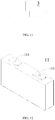
FIG. 12 is a structural schematic diagram of a battery pack according to an embodiment of the present disclosure. -
- 1 - battery unit;
11 - battery cell;
111 - electrode terminal; - 2 - electrode output connecting piece;
- 3 - adjacent busbar;
- 4 - bridging busbar.
- Accompanying drawings illustrating embodiments according to the present disclosure are incorporated in the description as a part, and used to elaborate the principle of the present disclosure.
- The present disclosure will be further described below by specific embodiments of the present disclosure in combination with the drawings.
- The terms "first", "second", "third", or "fourth" in the description are used for a purpose of description only, but not intended to indicate or imply relative importance thereof. Unless otherwise specified or stated, term "a plurality of' means two or more, terms "connected", "fixed", etc. shall be understood in a broad sense. For example, the term "connected" includes various connection manners, such as fixed connection, detachable connection, integrated connection, electrical connection, direct connection or indirect connection via an intermediate medium. These skilled in the art are able to understand specific meanings of the above terms in accordance with specific circumstances.
- It should be understood that terms indicating orientations or positions, such as "upper", "lower", "left", "right", etc., generally are used to describe the orientations or positions with reference to the drawings, and thus should not be construed as a limitation of the present disclosure. It also should be understood that when an element is referred as being "on" or "under" another element, the element can be directly located "on" or "under" another element or connected to another element with an intermediate element.
- An embodiment of the present disclosure provides a battery module and a battery pack (not shown). The battery pack includes the battery module, and can also include a battery management system, a battery thermal management system, a battery system power distribution box, a soft connection, electrical interfaces and the like. The thermal management system can include an evaporator, a fan, an air duct, a temperature detecting mechanism and the like. One or more battery modules can be provided inside a single battery pack, and a specific number of the battery modules can be selected depending on an actual requirement.
- A specific structure of the battery module will be described in detail as follow. As shown in
FIG. 1 , a single battery module includes a frame (not shown) and a plurality ofbattery units 1 disposed within the frame. Specifically, as shown inFIG. 1 , thebattery unit 1 can be asingle battery cell 11. In another embodiment, as shown inFIG. 5 , thebattery unit 1 also can be a battery group formed by connecting a plurality ofbattery cells 11 in parallel, aiming to increase current output of the entire battery module. - For example, the
battery unit 1, as shown inFIG. 5 , includes twobattery cells 11. These twobattery cells 11 are connected to one another in parallel through a bridgingbusbar 4, and further connected to anotherbattery unit 1 in series. Specifically, as shownFIG. 12 , thebattery cell 11 can be in a rectangular structure and include twoelectrode terminals 111 having opposite polarities. - In an assembly process of the battery module, the plurality of
battery units 1 is connected in series through the bridgingbusbar 4 and anadjacent busbar 3. In order to output electric energy of the entire battery module, the battery module is further provided with two electrodeoutput connecting pieces 2 disposed at output ends of the battery module, acting as a positive output electrode and a negative output electrode, respectively. - With the aid of the bridging
busbar 4, a length of the adjacent busbar can be reduced, and in the meantime, the two electrodeoutput connecting pieces 2 can be disposed at a same side of the battery module, which is conducive to heat dissipation. In this way, a higher energy density can be achieved in a same assembly space, while a high safety can be guaranteed. - Specifically, in a process of connecting the plurality of
battery units 1 in the battery module, among the plurality ofbattery units 1, twobattery units 1 that are spaced by onebattery unit 1 located therebetween are connected in series through the bridgingbusbar 4, and twoadjacent battery units 1 are connected in series through theadjacent busbar 3. After being connected in series through the bridgingbusbars 4 and theadjacent busbars 3, the remaining twobattery units 1 of the plurality ofbattery units 1 are connected to the two electrodeoutput connecting pieces 2, respectively, thereby forming an electrical connection path in the battery module. - In order to prevent the
bridging busbar 4 from contacting thebattery units 1 bridged by the bridgingbusbar 4, which would otherwise results in a short circuit, in an embodiment shown inFIGs. 7-10 , the bridgingbusbar 4 is provided with a protective sleeve made of an insulating material. As another embodiment, a safety space can be reserved between the bridgingbusbar 4 and thebattery unit 1 bridged by the bridgingbusbar 4, so as to avoid the short circuit caused by their mutual contact. - Specifically, the electrode
output connecting piece 2, the bridgingbusbar 4 and theadjacent busbar 3 can each be a structure made of a conductive material such as metal. In an embodiment, the electrodeoutput connecting piece 2, the bridgingbusbar 4 and theadjacent busbar 3 are made of copper or aluminum. As shown inFIGs. 6-11 , the bridgingbusbar 4 and theadjacent busbars 3 both have a structure having a sheet shape, and a thickness and a length thereof can be selected depending upon practical requirements. - The two electrode
output connecting pieces 2 of the battery module can be disposed on a same side of the battery module. For example, as shown inFIGs. 1-6 , the two electrodeoutput connecting pieces 2 are both disposed on a same side of the battery module in the length direction. During the assembly process of the battery module, it is only need to reserve an installation space at a position where the two electrodeoutput connecting pieces 2 are located, and the reserved installation space can be formed by the frame (such as the end plate) of the module. Such arrangement can reduce the space occupied by the battery module when compared with an arrangement in which the electrodeoutput connecting pieces 2 are disposed on the same side in a height direction or a width direction. Further, in a case of an unaltered dimension of the frame of the battery module, disposing the two electrodeoutput connecting pieces 2 of the battery module on the same side can further avoid the short circuit in the battery module, which may be caused by the electrodeoutput connecting piece 2 getting into contact with the frame when the battery module is pressed and there is a small distance therebetween. It should be understood that, as shown inFIG. 1 , the length direction of the battery module is direction X, the width direction of the battery module is direction Y, and the height direction of the battery module is direction Z. - In view of the above, in the battery module provided in the present disclosure, the plurality of
battery units 1 is connected in series through the bridgingbusbars 4 and theadjacent busbars 3. In the battery module, the two electrodeoutput connecting pieces 2 can be disposed on a same side of the battery module, or on different sides of the battery module, so that positions and orientations of the two electrodeoutput connecting pieces 2 can be flexibly changed depending upon actual requirement during the design and assembling process of the battery module, thereby promoting the applications of the battery module in diverse situations. - In another aspect, when the two electrode
output connecting pieces 2 of the battery module are both disposed on a same side of the battery module, the dimension of the whole battery module can be reduced, the energy density of the battery module can be enhanced, and the length of the bridgingbusbar 4 can be reduced. In this way, the bridgingbusbars 4 will generate less heat during the operation of the battery module, and thus the safety performance of the battery module can be improved. Further, errors are less likely to occur during the assembly process of the battery module when the bridgingbusbars 4 have a smaller length, thereby facilitating the assembly process of the battery module. - When the
battery units 1 are connected by the bridgingbusbars 4, the bridgingbusbar 4 can bridge onebattery unit 1, twobattery units 1, ormore battery units 1, which is not specifically limited herein. In an embodiment, in the assembly process of a battery module, the bridgingbusbar 4 can bridge an odd number ofbattery units 1, so as to connect thesebattery units 1 together with theadjacent busbar 3. In another embodiment, the bridgingbusbar 4 can bridge an even number ofbattery units 1, so as to connect thesebattery units 1 together with theadjacent busbar 3. In the manufacturing process of the battery module, the connection manner can be selected according to practical situations. - In an embodiment, as shown in
FIGs. 1-6 , twobattery units 1 that are spaced by onebattery unit 1 located therebetween are connected in series through the bridgingbusbar 4, and twoadjacent battery units 1 are connected in series through theadjacent busbar 3, so as to connect all thebattery units 1 together and form an electrical connection path. In the assembly process of a battery module adopting such connection manner, its operation is easy, and since the bridgingbusbars 4 and theadjacent busbars 3 are simple in structure, this can facilitate manufacturing and assembling. - Further, the plurality of bridging
busbar 4 can have a same length or a same shape, which can standardize components in the battery module, thereby further simplifying the processing of thebridging busbars 4 as well as the process of assembling the bridgingbusbars 4 with thebattery units 1. - In an embodiment, the two electrode
output connecting pieces 2 are arranged to extend in a same direction. As shown inFIGs. 1-6 , the two electrodeoutput connecting pieces 2 both extend along the length direction of the battery module, so that the electrodeoutput connecting pieces 2 would not contact the frame of the battery module, which would otherwise result in the short-circuit in the battery module, even if the battery module is subjected to squeezing from several directions other than the length direction during its operation. - The embodiments according to the present disclosure discussed above are merely illustrative embodiments, but not intended to limit the present disclosure. The technical solution according to the present disclosure can be modified in various manners. Any modifications, equivalent replacements, improvements within the principles of the present disclosure should be included in the scope of protection of the present disclosure.
Claims (10)
- A battery module, characterized in comprising:a plurality of battery units connected in series;at least two electrode output connecting pieces each disposed at an output end of the battery module;a plurality of bridging busbars, each bridging busbars connecting two battery units spaced by another battery unit or more battery units among the plurality of battery units; andan adjacent busbar connecting two adjacent battery units among the plurality of battery units,wherein an electrical connection path is formed in the battery module by the at least two electrode output connecting pieces, the bridging busbars and the adjacent busbar.
- The battery module according to claim 1, characterized in that each of the plurality of battery units is a single battery cell.
- The battery module according to claim 1, characterized in that each of the plurality of battery units is a battery group formed by connecting a plurality of battery cells in parallel.
- The battery module according to claim 1, characterized in that two battery units of the plurality of battery units that are spaced by one battery unit located therebetween are connected through one of the plurality of bridging busbars.
- The battery module according to claim 1, characterized in that two battery units of the plurality of battery units that are spaced by odd numbered battery units located therebetween are connected through each of the plurality of bridging busbars.
- The battery module according to claim 1, characterized in that two battery units of the plurality of battery units that are spaced by even numbered battery units located therebetween are connected through one of the plurality of bridging busbars.
- The battery module according to claim 1, characterized in that the plurality of bridging busbars has a same length or a same shape.
- The battery module according to claim 1, characterized in that the at least two electrode output connecting pieces are disposed on a same side of the battery module.
- The battery module according to claim 1, characterized in that the at least two electrode output connecting pieces extend from the battery module in a same direction.
- A battery pack, characterized in comprising the battery module according to any one of claims 1 to 9.
Applications Claiming Priority (1)
| Application Number | Priority Date | Filing Date | Title |
|---|---|---|---|
| CN201811074761.6A CN110911626B (en) | 2018-09-14 | 2018-09-14 | Battery modules and battery packs |
Publications (3)
| Publication Number | Publication Date |
|---|---|
| EP3624217A1 true EP3624217A1 (en) | 2020-03-18 |
| EP3624217B1 EP3624217B1 (en) | 2024-08-28 |
| EP3624217B8 EP3624217B8 (en) | 2024-10-16 |
Family
ID=66690222
Family Applications (1)
| Application Number | Title | Priority Date | Filing Date |
|---|---|---|---|
| EP19177849.7A Active EP3624217B8 (en) | 2018-09-14 | 2019-06-03 | Battery module and battery pack |
Country Status (5)
| Country | Link |
|---|---|
| US (1) | US11664524B2 (en) |
| EP (1) | EP3624217B8 (en) |
| JP (1) | JP6797969B2 (en) |
| CN (2) | CN113140874A (en) |
| HU (1) | HUE069394T2 (en) |
Cited By (1)
| Publication number | Priority date | Publication date | Assignee | Title |
|---|---|---|---|---|
| EP4456310A1 (en) * | 2023-04-03 | 2024-10-30 | Samsung SDI Co., Ltd. | Rechargeable battery pack |
Families Citing this family (1)
| Publication number | Priority date | Publication date | Assignee | Title |
|---|---|---|---|---|
| CN111710822A (en) * | 2020-06-19 | 2020-09-25 | 中航锂电(洛阳)有限公司 | Battery module |
Citations (3)
| Publication number | Priority date | Publication date | Assignee | Title |
|---|---|---|---|---|
| DE102009000675A1 (en) * | 2009-02-06 | 2010-08-12 | Robert Bosch Gmbh | Rechargeable battery e.g. nickel-metal hydride battery, for use as electro-chemical energy storage in e.g. electric vehicle, has line elements comprising specific distance to each other in region, where distance is lesser than region |
| DE102016213081A1 (en) * | 2016-07-18 | 2018-01-18 | Volkswagen Aktiengesellschaft | battery module |
| DE102016121265A1 (en) * | 2016-11-07 | 2018-05-09 | Elringklinger Ag | Cell contacting system for an electrochemical device |
Family Cites Families (9)
| Publication number | Priority date | Publication date | Assignee | Title |
|---|---|---|---|---|
| CN2587069Y (en) * | 2002-12-04 | 2003-11-19 | 春兰(集团)公司 | Nickel-hydrogen battery mould structure |
| EP2109906B1 (en) * | 2007-02-09 | 2016-09-07 | Johnson Controls Advanced Power Solutions LLC | Buss bar for batteries |
| US8470467B2 (en) * | 2010-05-27 | 2013-06-25 | GM Global Technology Operations LLC | Battery connection topology |
| DE102011087038A1 (en) * | 2011-11-24 | 2013-05-29 | Bayerische Motoren Werke Aktiengesellschaft | Power tap element for an energy storage module |
| KR102209824B1 (en) * | 2016-07-21 | 2021-01-29 | 삼성에스디아이 주식회사 | Battery module |
| CN206490119U (en) * | 2017-02-28 | 2017-09-12 | 宁德时代新能源科技股份有限公司 | Battery modules |
| CN207719261U (en) * | 2017-12-27 | 2018-08-10 | 宁德时代新能源科技股份有限公司 | Battery modules cover plate assembly and battery modules |
| CN207818732U (en) * | 2018-03-08 | 2018-09-04 | 宁德时代新能源科技股份有限公司 | battery module |
| CN208570760U (en) * | 2018-09-14 | 2019-03-01 | 宁德时代新能源科技股份有限公司 | Battery modules and battery pack |
-
2018
- 2018-09-14 CN CN202110402787.4A patent/CN113140874A/en active Pending
- 2018-09-14 CN CN201811074761.6A patent/CN110911626B/en active Active
-
2019
- 2019-06-03 HU HUE19177849A patent/HUE069394T2/en unknown
- 2019-06-03 EP EP19177849.7A patent/EP3624217B8/en active Active
- 2019-06-05 JP JP2019105049A patent/JP6797969B2/en active Active
- 2019-06-10 US US16/436,683 patent/US11664524B2/en active Active
Patent Citations (3)
| Publication number | Priority date | Publication date | Assignee | Title |
|---|---|---|---|---|
| DE102009000675A1 (en) * | 2009-02-06 | 2010-08-12 | Robert Bosch Gmbh | Rechargeable battery e.g. nickel-metal hydride battery, for use as electro-chemical energy storage in e.g. electric vehicle, has line elements comprising specific distance to each other in region, where distance is lesser than region |
| DE102016213081A1 (en) * | 2016-07-18 | 2018-01-18 | Volkswagen Aktiengesellschaft | battery module |
| DE102016121265A1 (en) * | 2016-11-07 | 2018-05-09 | Elringklinger Ag | Cell contacting system for an electrochemical device |
Cited By (1)
| Publication number | Priority date | Publication date | Assignee | Title |
|---|---|---|---|---|
| EP4456310A1 (en) * | 2023-04-03 | 2024-10-30 | Samsung SDI Co., Ltd. | Rechargeable battery pack |
Also Published As
| Publication number | Publication date |
|---|---|
| CN113140874A (en) | 2021-07-20 |
| EP3624217B8 (en) | 2024-10-16 |
| US20200091474A1 (en) | 2020-03-19 |
| CN110911626A (en) | 2020-03-24 |
| CN110911626B (en) | 2025-03-07 |
| JP2020047583A (en) | 2020-03-26 |
| EP3624217B1 (en) | 2024-08-28 |
| HUE069394T2 (en) | 2025-03-28 |
| JP6797969B2 (en) | 2020-12-09 |
| US11664524B2 (en) | 2023-05-30 |
Similar Documents
| Publication | Publication Date | Title |
|---|---|---|
| EP3624218B1 (en) | Battery module | |
| JP7673125B2 (en) | Battery module and power battery pack | |
| EP2752918B1 (en) | Battery module assembly having improved reliability and medium or large-sized battery pack including same | |
| EP2624334B1 (en) | Battery pack having a compact structure | |
| EP2538230B1 (en) | Voltage detection assembly for battery module and battery module including same | |
| CN109904378B (en) | Lithium battery energy storage module and lithium battery energy storage module | |
| US20160111760A1 (en) | Power storage module | |
| US12015173B2 (en) | Busbar assembly and cylindrical power battery module | |
| US11677119B2 (en) | Secondary battery | |
| CN209434283U (en) | Soft pack battery module | |
| CN115377622A (en) | Utmost point ear series connection module is piled to electricity core | |
| WO2025232029A1 (en) | Battery and electric device | |
| US11664524B2 (en) | Battery module and battery pack | |
| CN220041994U (en) | Battery pack and electric equipment | |
| CN217158550U (en) | A cylindrical battery module signal acquisition component and a cylindrical battery module | |
| CN209104206U (en) | battery module | |
| CN208570760U (en) | Battery modules and battery pack | |
| CN215731966U (en) | Battery module and battery pack | |
| CN117638423B (en) | Battery Pack and Vehicle | |
| CN110492049A (en) | Battery and battery pack | |
| CN209607828U (en) | Lithium battery energy storage module and lithium battery energy storage module | |
| CN116073078A (en) | Battery cell assembly and battery pack | |
| CN222463358U (en) | Blade batteries and battery packs | |
| CN224138266U (en) | Battery modules and battery packs | |
| CN223514174U (en) | A cell module for a battery pack |
Legal Events
| Date | Code | Title | Description |
|---|---|---|---|
| PUAI | Public reference made under article 153(3) epc to a published international application that has entered the european phase |
Free format text: ORIGINAL CODE: 0009012 |
|
| STAA | Information on the status of an ep patent application or granted ep patent |
Free format text: STATUS: REQUEST FOR EXAMINATION WAS MADE |
|
| 17P | Request for examination filed |
Effective date: 20190603 |
|
| AK | Designated contracting states |
Kind code of ref document: A1 Designated state(s): AL AT BE BG CH CY CZ DE DK EE ES FI FR GB GR HR HU IE IS IT LI LT LU LV MC MK MT NL NO PL PT RO RS SE SI SK SM TR |
|
| AX | Request for extension of the european patent |
Extension state: BA ME |
|
| STAA | Information on the status of an ep patent application or granted ep patent |
Free format text: STATUS: EXAMINATION IS IN PROGRESS |
|
| 17Q | First examination report despatched |
Effective date: 20210804 |
|
| REG | Reference to a national code |
Ref country code: DE Ref legal event code: R079 Free format text: PREVIOUS MAIN CLASS: H01M0002100000 Ipc: H01M0050209000 Ref document number: 602019057745 Country of ref document: DE |
|
| GRAP | Despatch of communication of intention to grant a patent |
Free format text: ORIGINAL CODE: EPIDOSNIGR1 |
|
| STAA | Information on the status of an ep patent application or granted ep patent |
Free format text: STATUS: GRANT OF PATENT IS INTENDED |
|
| RIC1 | Information provided on ipc code assigned before grant |
Ipc: H01M 50/522 20210101ALI20240517BHEP Ipc: H01M 50/509 20210101ALI20240517BHEP Ipc: H01M 50/505 20210101ALI20240517BHEP Ipc: H01M 50/209 20210101AFI20240517BHEP |
|
| INTG | Intention to grant announced |
Effective date: 20240619 |
|
| GRAS | Grant fee paid |
Free format text: ORIGINAL CODE: EPIDOSNIGR3 |
|
| GRAA | (expected) grant |
Free format text: ORIGINAL CODE: 0009210 |
|
| STAA | Information on the status of an ep patent application or granted ep patent |
Free format text: STATUS: THE PATENT HAS BEEN GRANTED |
|
| AK | Designated contracting states |
Kind code of ref document: B1 Designated state(s): AL AT BE BG CH CY CZ DE DK EE ES FI FR GB GR HR HU IE IS IT LI LT LU LV MC MK MT NL NO PL PT RO RS SE SI SK SM TR |
|
| REG | Reference to a national code |
Ref country code: GB Ref legal event code: FG4D |
|
| REG | Reference to a national code |
Ref country code: CH Ref legal event code: EP |
|
| REG | Reference to a national code |
Ref country code: DE Ref legal event code: R081 Ref document number: 602019057745 Country of ref document: DE Owner name: CONTEMPORARY AMPEREX TECHNOLOGY (HONG KONG) LI, HK Free format text: FORMER OWNER: CONTEMPORARY AMPEREX TECHNOLOGY CO., LIMITED, NINGDE CITY, FUJIAN, CN |
|
| REG | Reference to a national code |
Ref country code: DE Ref legal event code: R096 Ref document number: 602019057745 Country of ref document: DE |
|
| REG | Reference to a national code |
Ref country code: IE Ref legal event code: FG4D |
|
| REG | Reference to a national code |
Ref country code: CH Ref legal event code: PK Free format text: BERICHTIGUNG B8 |
|
| RAP2 | Party data changed (patent owner data changed or rights of a patent transferred) |
Owner name: CONTEMPORARY AMPEREX TECHNOLOGY(HONG KONG) LIMITED |
|
| P01 | Opt-out of the competence of the unified patent court (upc) registered |
Free format text: CASE NUMBER: APP_53007/2024 Effective date: 20240923 |
|
| REG | Reference to a national code |
Ref country code: NL Ref legal event code: FP |
|
| REG | Reference to a national code |
Ref country code: SE Ref legal event code: TRGR |
|
| REG | Reference to a national code |
Ref country code: LT Ref legal event code: MG9D |
|
| PG25 | Lapsed in a contracting state [announced via postgrant information from national office to epo] |
Ref country code: NO Free format text: LAPSE BECAUSE OF FAILURE TO SUBMIT A TRANSLATION OF THE DESCRIPTION OR TO PAY THE FEE WITHIN THE PRESCRIBED TIME-LIMIT Effective date: 20241128 |
|
| REG | Reference to a national code |
Ref country code: AT Ref legal event code: MK05 Ref document number: 1719004 Country of ref document: AT Kind code of ref document: T Effective date: 20240828 |
|
| PG25 | Lapsed in a contracting state [announced via postgrant information from national office to epo] |
Ref country code: FI Free format text: LAPSE BECAUSE OF FAILURE TO SUBMIT A TRANSLATION OF THE DESCRIPTION OR TO PAY THE FEE WITHIN THE PRESCRIBED TIME-LIMIT Effective date: 20240828 Ref country code: GR Free format text: LAPSE BECAUSE OF FAILURE TO SUBMIT A TRANSLATION OF THE DESCRIPTION OR TO PAY THE FEE WITHIN THE PRESCRIBED TIME-LIMIT Effective date: 20241129 Ref country code: PL Free format text: LAPSE BECAUSE OF FAILURE TO SUBMIT A TRANSLATION OF THE DESCRIPTION OR TO PAY THE FEE WITHIN THE PRESCRIBED TIME-LIMIT Effective date: 20240828 Ref country code: PT Free format text: LAPSE BECAUSE OF FAILURE TO SUBMIT A TRANSLATION OF THE DESCRIPTION OR TO PAY THE FEE WITHIN THE PRESCRIBED TIME-LIMIT Effective date: 20241230 |
|
| PG25 | Lapsed in a contracting state [announced via postgrant information from national office to epo] |
Ref country code: BG Free format text: LAPSE BECAUSE OF FAILURE TO SUBMIT A TRANSLATION OF THE DESCRIPTION OR TO PAY THE FEE WITHIN THE PRESCRIBED TIME-LIMIT Effective date: 20240828 |
|
| PG25 | Lapsed in a contracting state [announced via postgrant information from national office to epo] |
Ref country code: LV Free format text: LAPSE BECAUSE OF FAILURE TO SUBMIT A TRANSLATION OF THE DESCRIPTION OR TO PAY THE FEE WITHIN THE PRESCRIBED TIME-LIMIT Effective date: 20240828 |
|
| PG25 | Lapsed in a contracting state [announced via postgrant information from national office to epo] |
Ref country code: IS Free format text: LAPSE BECAUSE OF FAILURE TO SUBMIT A TRANSLATION OF THE DESCRIPTION OR TO PAY THE FEE WITHIN THE PRESCRIBED TIME-LIMIT Effective date: 20241228 Ref country code: AT Free format text: LAPSE BECAUSE OF FAILURE TO SUBMIT A TRANSLATION OF THE DESCRIPTION OR TO PAY THE FEE WITHIN THE PRESCRIBED TIME-LIMIT Effective date: 20240828 |
|
| PG25 | Lapsed in a contracting state [announced via postgrant information from national office to epo] |
Ref country code: HR Free format text: LAPSE BECAUSE OF FAILURE TO SUBMIT A TRANSLATION OF THE DESCRIPTION OR TO PAY THE FEE WITHIN THE PRESCRIBED TIME-LIMIT Effective date: 20240828 |
|
| PG25 | Lapsed in a contracting state [announced via postgrant information from national office to epo] |
Ref country code: ES Free format text: LAPSE BECAUSE OF FAILURE TO SUBMIT A TRANSLATION OF THE DESCRIPTION OR TO PAY THE FEE WITHIN THE PRESCRIBED TIME-LIMIT Effective date: 20240828 Ref country code: RS Free format text: LAPSE BECAUSE OF FAILURE TO SUBMIT A TRANSLATION OF THE DESCRIPTION OR TO PAY THE FEE WITHIN THE PRESCRIBED TIME-LIMIT Effective date: 20241128 |
|
| PG25 | Lapsed in a contracting state [announced via postgrant information from national office to epo] |
Ref country code: RS Free format text: LAPSE BECAUSE OF FAILURE TO SUBMIT A TRANSLATION OF THE DESCRIPTION OR TO PAY THE FEE WITHIN THE PRESCRIBED TIME-LIMIT Effective date: 20241128 Ref country code: PT Free format text: LAPSE BECAUSE OF FAILURE TO SUBMIT A TRANSLATION OF THE DESCRIPTION OR TO PAY THE FEE WITHIN THE PRESCRIBED TIME-LIMIT Effective date: 20241230 Ref country code: PL Free format text: LAPSE BECAUSE OF FAILURE TO SUBMIT A TRANSLATION OF THE DESCRIPTION OR TO PAY THE FEE WITHIN THE PRESCRIBED TIME-LIMIT Effective date: 20240828 Ref country code: NO Free format text: LAPSE BECAUSE OF FAILURE TO SUBMIT A TRANSLATION OF THE DESCRIPTION OR TO PAY THE FEE WITHIN THE PRESCRIBED TIME-LIMIT Effective date: 20241128 Ref country code: LV Free format text: LAPSE BECAUSE OF FAILURE TO SUBMIT A TRANSLATION OF THE DESCRIPTION OR TO PAY THE FEE WITHIN THE PRESCRIBED TIME-LIMIT Effective date: 20240828 Ref country code: IS Free format text: LAPSE BECAUSE OF FAILURE TO SUBMIT A TRANSLATION OF THE DESCRIPTION OR TO PAY THE FEE WITHIN THE PRESCRIBED TIME-LIMIT Effective date: 20241228 Ref country code: HR Free format text: LAPSE BECAUSE OF FAILURE TO SUBMIT A TRANSLATION OF THE DESCRIPTION OR TO PAY THE FEE WITHIN THE PRESCRIBED TIME-LIMIT Effective date: 20240828 Ref country code: GR Free format text: LAPSE BECAUSE OF FAILURE TO SUBMIT A TRANSLATION OF THE DESCRIPTION OR TO PAY THE FEE WITHIN THE PRESCRIBED TIME-LIMIT Effective date: 20241129 Ref country code: FI Free format text: LAPSE BECAUSE OF FAILURE TO SUBMIT A TRANSLATION OF THE DESCRIPTION OR TO PAY THE FEE WITHIN THE PRESCRIBED TIME-LIMIT Effective date: 20240828 Ref country code: ES Free format text: LAPSE BECAUSE OF FAILURE TO SUBMIT A TRANSLATION OF THE DESCRIPTION OR TO PAY THE FEE WITHIN THE PRESCRIBED TIME-LIMIT Effective date: 20240828 Ref country code: BG Free format text: LAPSE BECAUSE OF FAILURE TO SUBMIT A TRANSLATION OF THE DESCRIPTION OR TO PAY THE FEE WITHIN THE PRESCRIBED TIME-LIMIT Effective date: 20240828 Ref country code: AT Free format text: LAPSE BECAUSE OF FAILURE TO SUBMIT A TRANSLATION OF THE DESCRIPTION OR TO PAY THE FEE WITHIN THE PRESCRIBED TIME-LIMIT Effective date: 20240828 |
|
| REG | Reference to a national code |
Ref country code: HU Ref legal event code: AG4A Ref document number: E069394 Country of ref document: HU |
|
| PG25 | Lapsed in a contracting state [announced via postgrant information from national office to epo] |
Ref country code: SM Free format text: LAPSE BECAUSE OF FAILURE TO SUBMIT A TRANSLATION OF THE DESCRIPTION OR TO PAY THE FEE WITHIN THE PRESCRIBED TIME-LIMIT Effective date: 20240828 Ref country code: DK Free format text: LAPSE BECAUSE OF FAILURE TO SUBMIT A TRANSLATION OF THE DESCRIPTION OR TO PAY THE FEE WITHIN THE PRESCRIBED TIME-LIMIT Effective date: 20240828 Ref country code: RO Free format text: LAPSE BECAUSE OF FAILURE TO SUBMIT A TRANSLATION OF THE DESCRIPTION OR TO PAY THE FEE WITHIN THE PRESCRIBED TIME-LIMIT Effective date: 20240828 |
|
| PG25 | Lapsed in a contracting state [announced via postgrant information from national office to epo] |
Ref country code: CZ Free format text: LAPSE BECAUSE OF FAILURE TO SUBMIT A TRANSLATION OF THE DESCRIPTION OR TO PAY THE FEE WITHIN THE PRESCRIBED TIME-LIMIT Effective date: 20240828 |
|
| PG25 | Lapsed in a contracting state [announced via postgrant information from national office to epo] |
Ref country code: IT Free format text: LAPSE BECAUSE OF FAILURE TO SUBMIT A TRANSLATION OF THE DESCRIPTION OR TO PAY THE FEE WITHIN THE PRESCRIBED TIME-LIMIT Effective date: 20240828 Ref country code: SK Free format text: LAPSE BECAUSE OF FAILURE TO SUBMIT A TRANSLATION OF THE DESCRIPTION OR TO PAY THE FEE WITHIN THE PRESCRIBED TIME-LIMIT Effective date: 20240828 |
|
| REG | Reference to a national code |
Ref country code: DE Ref legal event code: R097 Ref document number: 602019057745 Country of ref document: DE |
|
| PLBE | No opposition filed within time limit |
Free format text: ORIGINAL CODE: 0009261 |
|
| STAA | Information on the status of an ep patent application or granted ep patent |
Free format text: STATUS: NO OPPOSITION FILED WITHIN TIME LIMIT |
|
| PGFP | Annual fee paid to national office [announced via postgrant information from national office to epo] |
Ref country code: DE Payment date: 20250625 Year of fee payment: 7 |
|
| PGFP | Annual fee paid to national office [announced via postgrant information from national office to epo] |
Ref country code: GB Payment date: 20250620 Year of fee payment: 7 |
|
| PGFP | Annual fee paid to national office [announced via postgrant information from national office to epo] |
Ref country code: NL Payment date: 20250619 Year of fee payment: 7 |
|
| PGFP | Annual fee paid to national office [announced via postgrant information from national office to epo] |
Ref country code: FR Payment date: 20250620 Year of fee payment: 7 Ref country code: HU Payment date: 20250612 Year of fee payment: 7 |
|
| PGFP | Annual fee paid to national office [announced via postgrant information from national office to epo] |
Ref country code: SE Payment date: 20250619 Year of fee payment: 7 |
|
| 26N | No opposition filed |
Effective date: 20250530 |
|
| REG | Reference to a national code |
Ref country code: CH Ref legal event code: H13 Free format text: ST27 STATUS EVENT CODE: U-0-0-H10-H13 (AS PROVIDED BY THE NATIONAL OFFICE) Effective date: 20260127 |
|
| PG25 | Lapsed in a contracting state [announced via postgrant information from national office to epo] |
Ref country code: MC Free format text: LAPSE BECAUSE OF FAILURE TO SUBMIT A TRANSLATION OF THE DESCRIPTION OR TO PAY THE FEE WITHIN THE PRESCRIBED TIME-LIMIT Effective date: 20240828 |
|
| PG25 | Lapsed in a contracting state [announced via postgrant information from national office to epo] |
Ref country code: LU Free format text: LAPSE BECAUSE OF NON-PAYMENT OF DUE FEES Effective date: 20250603 |
|
| REG | Reference to a national code |
Ref country code: BE Ref legal event code: MM Effective date: 20250630 |
|
| PG25 | Lapsed in a contracting state [announced via postgrant information from national office to epo] |
Ref country code: IE Free format text: LAPSE BECAUSE OF NON-PAYMENT OF DUE FEES Effective date: 20250603 |
|
| PG25 | Lapsed in a contracting state [announced via postgrant information from national office to epo] |
Ref country code: BE Free format text: LAPSE BECAUSE OF NON-PAYMENT OF DUE FEES Effective date: 20250630 |
|
| PG25 | Lapsed in a contracting state [announced via postgrant information from national office to epo] |
Ref country code: CH Free format text: LAPSE BECAUSE OF NON-PAYMENT OF DUE FEES Effective date: 20250630 |