EP3621040A1 - Data augmentation method, device and terminal - Google Patents
Data augmentation method, device and terminal Download PDFInfo
- Publication number
- EP3621040A1 EP3621040A1 EP19185787.9A EP19185787A EP3621040A1 EP 3621040 A1 EP3621040 A1 EP 3621040A1 EP 19185787 A EP19185787 A EP 19185787A EP 3621040 A1 EP3621040 A1 EP 3621040A1
- Authority
- EP
- European Patent Office
- Prior art keywords
- data
- new
- obstacles
- new obstacles
- obstacle
- Prior art date
- Legal status (The legal status is an assumption and is not a legal conclusion. Google has not performed a legal analysis and makes no representation as to the accuracy of the status listed.)
- Granted
Links
Images
Classifications
-
- G—PHYSICS
- G06—COMPUTING OR CALCULATING; COUNTING
- G06T—IMAGE DATA PROCESSING OR GENERATION, IN GENERAL
- G06T19/00—Manipulating three-dimensional [3D] models or images for computer graphics
- G06T19/20—Editing of three-dimensional [3D] images, e.g. changing shapes or colours, aligning objects or positioning parts
-
- G—PHYSICS
- G06—COMPUTING OR CALCULATING; COUNTING
- G06T—IMAGE DATA PROCESSING OR GENERATION, IN GENERAL
- G06T11/00—Two-dimensional [2D] image generation
- G06T11/40—Filling planar surfaces by adding surface attributes, e.g. adding colours or textures
-
- G—PHYSICS
- G06—COMPUTING OR CALCULATING; COUNTING
- G06F—ELECTRIC DIGITAL DATA PROCESSING
- G06F30/00—Computer-aided design [CAD]
- G06F30/20—Design optimisation, verification or simulation
-
- G—PHYSICS
- G06—COMPUTING OR CALCULATING; COUNTING
- G06T—IMAGE DATA PROCESSING OR GENERATION, IN GENERAL
- G06T2210/00—Indexing scheme for image generation or computer graphics
- G06T2210/56—Particle system, point based geometry or rendering
Definitions
- the present disclosure relates to the technical field of computers, and in particular to a data augmentation method, device and terminal.
- a position of an obstacle labeled with labeling data is extracted to serve as an arrangement position. Since the amount of the labeling data is limited, a diversity of the real data is not enough.
- the real data augmentation is typically performed by scaling or rotating a frame of image so as to obtain more real data. However, in such augmentation, not much data is modified, and thus it is still impossible to generate a large amount of real data.
- a data augmentation method, device and terminal are provided according to embodiments of the present disclosure, so as to solve at least the above technical problems in the conventional technologies.
- a data augmentation method is provided according to an embodiment of the present disclosure, which includes:
- the method before the adjusting the new obstacles based on the labeling data of the new obstacles to obtain layout data of the new obstacles, the method further includes: dividing the point cloud into a plurality of preset regions, wherein an new obstacle is arranging and adjusted in each preset region.
- the adjusting the new obstacles based on the labeling data of the new obstacles to obtain layout data of the new obstacles includes:
- the adjusting the new obstacles based on the labeling data of the new obstacles to obtain layout data of the new obstacles includes:
- the adjusting the new obstacles based on the labeling data of the new obstacles to obtain layout data of the new obstacles includes:
- the adjusting the new obstacles based on the labeling data of the new obstacles to obtain layout data of the new obstacles includes:
- a data augmentation device including; an acquiring module configured to acquire a point cloud of a frame, the point cloud comprising a plurality of original obstacles; a background obtaining module configured to obtain a plurality of position voids by removing the original obstacles from the point cloud, and fill the position voids to obtain a real background of the point cloud; an obstacle arranging module configured to arrange a plurality of new obstacles labeled by labeling data, in the real background of the point cloud; and an adjusting module configured to adjust the new obstacles based on the labeling data of the new obstacles to obtain layout data of the new obstacles.
- the device further includes: a region dividing module configured to divide the point cloud into a plurality of preset regions, wherein an new obstacle is arranging and adjusted in each preset region.
- a region dividing module configured to divide the point cloud into a plurality of preset regions, wherein an new obstacle is arranging and adjusted in each preset region.
- the adjusting module includes: a first adjusting unit configured to extract position data from the labeling data of the new obstacles, adjust the positions of the new obstacles based on the position data, and determine the adjusted position data as the layout data of the new obstacles.
- the adjusting module further includes: a second adjusting unit configured to extract position data from the labeling data of at least one of the new obstacles, replace a type of the at least one new obstacle according to the position data, and use the replaced type to construct the layout data of the new obstacles.
- a second adjusting unit configured to extract position data from the labeling data of at least one of the new obstacles, replace a type of the at least one new obstacle according to the position data, and use the replaced type to construct the layout data of the new obstacles.
- the adjusting module further includes: a third adjusting unit configured to extract position data from the labeling data of the new obstacles, obtaining a space between two adjacent new obstacles, add at least one new obstacle labeled by labeling data in the space, and us labeling data of the added new obstacle to construct the layout data of the new obstacles.
- a third adjusting unit configured to extract position data from the labeling data of the new obstacles, obtaining a space between two adjacent new obstacles, add at least one new obstacle labeled by labeling data in the space, and us labeling data of the added new obstacle to construct the layout data of the new obstacles.
- the adjusting module further includes: a fourth adjusting unit configured to extract an obstacle type from the labeling data of at least one of the new obstacles, adjust an orientation of the at least one new obstacle based on the obstacle type of the at least one new obstacles, and use the adjusted orientation of the at least one new obstacle to construct the layout data of the new obstacles.
- a fourth adjusting unit configured to extract an obstacle type from the labeling data of at least one of the new obstacles, adjust an orientation of the at least one new obstacle based on the obstacle type of the at least one new obstacles, and use the adjusted orientation of the at least one new obstacle to construct the layout data of the new obstacles.
- a data augmentation terminal including:
- a non-volatile computer readable storage medium having computer programs stored thereon, wherein the programs implement the method of the first aspect when being executed by a processor
- the original obstacles are removed from the point cloud, the voids obtained after removing of the original obstacles are filled with the surrounding environment, to obtain a real background of the point cloud; a plurality of new obstacles labeled by labeling data are arranged in the real background of the point cloud, and the new obstacles are adjusted based on the labeling data of the new obstacles to obtain more layout data of the new obstacles, thereby increasing the amount of the real data and improving the diversity of the real data in the traffic simulation.
- a data augmentation method is provided according to a specific embodiment of the present disclosure.
- the method includes steps S100 to S400.
- Step S100 acquiring a point cloud of a frame, the point cloud comprising a plurality of original obstacles.
- the acquisition vehicle may obtain a point cloud by scanning original obstacles around it with a radar.
- the acquisition vehicle may move along a main road or along a specified side road, which will fall within the protection scope of the embodiment of the present disclosure.
- the point cloud may be directly acquired externally.
- Step S200 obtaining a plurality of position voids by removing the original obstacles from the point cloud, and filling the position voids to obtain a real background of the point cloud.
- each point cloud a point-cloud coordinate system is established by taking the acquisition vehicle as an origin, and each original obstacle has relative coordinates with respect to the acquisition vehicle. Absolute coordinates of an original obstacle are obtained based on absolute coordinates of the acquisition vehicle and the relative coordinates of this original obstacle.
- the original obstacle is labeled according to the absolute coordinates thereof to obtain labeling data thereof.
- the labeling data of an original obstacle not only includes position data of the original obstacle, but also includes a type, an identity recognition number, an orientation and the like of the original obstacle.
- the removing is performed according to the position data of the original obstacles to obtain the position voids.
- the position void is filled with the surrounding environment, to obtain a real background of the point cloud.
- Step S300 arranging a plurality of new obstacles labeled by labeling data, in the real background of the point cloud.
- the labeling data of a new obstacle includes position data, a type, an identity recognition number, an orientation and the like of the new obstacle.
- Step S400 adjusting the new obstacles based on the labeling data of the new obstacles to obtain layout data of the new obstacles.
- the adjusting may include: adding or removing a new obstacle for different scenarios and requirements, and determining data obtained by the adding or removing to be the layout data; or, changing labeling data of a new obstacle by changing a position, an orientation, an identity recognition number and a type of this new obstacle, and using the changed labeling data of this new obstacle to construct layout data of the new obstacles. In this way, the amount of real data is increased, and the diversity of the real data is improved.
- the method before the adjusting the new obstacles based on the labeling data of the new obstacles to obtain layout data of the new obstacles, the method further includes: dividing the point cloud into a plurality of preset regions, wherein an new obstacle is arranging and adjusted in each preset region.
- the point cloud includes a plurality of preset regions and a new obstacle is arranged in a preset region, an adjustable range for the new obstacle can be obtained, thereby facilitating to perform subsequent adjusting.
- the size of a preset region may be adjusted based on a size of the new obstacle therein, which falls within the protection scope of the embodiment of the present disclosure.
- the adjusting the new obstacles based on the labeling data of the new obstacles to obtain layout data of the new obstacles includes: extracting position data from the labeling data of the new obstacles, and adjusting the positions of the new obstacles based on the position data, and determining the adjusted position data as the layout data of the new obstacles.
- the positions of the new obstacles are changed in the preset regions to obtain position data of the plurality of new obstacles, and the obtained position data is determined as the layout data of the new obstacles.
- the positions of the new obstacles are changed in the preset regions respectively, thereby avoiding a collision between the new obstacles in two regions adjacent on another.
- the adjusting the new obstacles based on the labeling data of the new obstacles to obtain layout data of the new obstacles includes: extracting position data from the labeling data of at least one of the new obstacles, and replacing a type of the at least one new obstacle according to the position data , and using the replaced type to construct the layout data of the new obstacles.
- the position of a new obstacle is determined firstly, and then the type of the new obstacle is replaced based on the position where the new obstacle is located in combination with a scenario.
- a new obstacle of a bicycle type is replaced with an obstacle of a roadblock sign type, and the roadblock sign type is used to construct the layout data of the new obstacles.
- the adjusting the new obstacles based on the labeling data of the new obstacles to obtain layout data of the new obstacles includes:
- a space between two adjacent new obstacles is obtained based on position data of the two adjacent new obstacles, and at least one obstacle is added in the space.
- a type of the added obstacle may be selected based on a size of the space so as to avoid a collision between the added obstacle and the two adjacent new obstacles. Labeling data of the added obstacle is used to construct the layout data of the new obstacles.
- the adjusting the new obstacles based on the labeling data of the new obstacles to obtain layout data of the new obstacles includes: extracting an obstacle type from the labeling data of at least one of the new obstacles, and adjusting an orientation of the at least one new obstacle based on the obstacle type of the at least one new obstacles; and using the adjusted orientation of the at least one new obstacle to construct the layout data of the new obstacles.
- the orientation of the new obstacle is changed based on the type of the new obstacle and the scenario. For example, a rotational angle of a new obstacle of an automobile type must not exceed a threshold; otherwise, the traffic regulation is violated.
- the adjusted orientation of the new obstacle is used to construct the layout data of the new obstacle.
- a data augmentation device is provided according to another specific embodiment of the present disclosure, which includes:
- the device further includes: a region dividing module configured to divide the point cloud into a plurality of preset regions, wherein an new obstacle is arranging and adjusted in each preset region.
- the adjusting module 40 includes: a first adjusting unit configured to extract position data from the labeling data of the new obstacles, adjust the positions of the new obstacles based on the position data, and determine the adjusted position data as the layout data of the new obstacles.
- the adjusting module 40 further includes: a second adjusting unit configured to extract position data from the labeling data of at least one of the new obstacles, replace a type of the at least one new obstacle according to the position data, and use the replaced type to construct the layout data of the new obstacles.
- the adjusting module 40 further includes: a third adjusting unit configured to extract position data from the labeling data of the new obstacles, obtaining a space between two adjacent new obstacles, add at least one new obstacle labeled by labeling data in the space, and us labeling data of the added new obstacle to construct the layout data of the new obstacles.
- the adjusting module 40 further includes: a fourth adjusting unit configured to extract an obstacle type from the labeling data of at least one of the new obstacles, adjust an orientation of the at least one new obstacle based on the obstacle type of the at least one new obstacles, and use the adjusted orientation of the at least one new obstacle to construct the layout data of the new obstacles.
- a fourth adjusting unit configured to extract an obstacle type from the labeling data of at least one of the new obstacles, adjust an orientation of the at least one new obstacle based on the obstacle type of the at least one new obstacles, and use the adjusted orientation of the at least one new obstacle to construct the layout data of the new obstacles.
- a data augmentation terminal is provided according to an embodiment of the present disclosure, which includes:
- the memory 400 may include a high-speed RAM memory, or may also include a non-volatile memory, such as at least one disk memory.
- the bus may be an industry standard architecture (ISA) bus, a peripheral component interconnect (PCI) bus, an extended industry standard architecture (EISA) bus, or the like.
- ISA industry standard architecture
- PCI peripheral component interconnect
- EISA extended industry standard architecture
- the bus may be categorized into an address bus, a data bus, a control bus or the like. For ease of illustration, only one bold line is shown in FIG. 3 to represent the bus, but it does not mean that there is only one bus or only one type of bus.
- the memory 400, the processor 500 and the communication interface 600 are integrated on one chip, then the memory 400, the processor 500 and the communication interface 600 can complete mutual communication through an internal interface.
- a computer readable storage medium is provided according to an embodiment of the present disclosure, the medium having a computer program stored thereon which, when executed by a processor, implements the data augmentation method described in any of the above embodiments.
- first and second are used for descriptive purposes only, and are not to be construed as indicating or implying relative importance or implicitly indicating the number of recited technical features.
- a feature defined with “first” and “second” may include at least one said feature, either explicitly or implicitly.
- the meaning of "a plurality” is two or more than two, unless otherwise explicitly or specifically indicated.
- the logics and/or steps represented in the flowcharts or otherwise described herein for example may be considered as an ordered list of executable instructions for implementing logical functions. They can be specifically embodied in any computer readable medium for use by an instruction execution system, apparatus or device (e.g., a computer-based system, a system including a processor, or another system that can obtain instructions from the instruction execution system, apparatus or device and execute these instructions) or for use in conjunction with the instruction execution system, apparatus or device.
- "computer readable medium” can be any means that can contain, store, communicate, propagate or transmit programs for use by an instruction execution system, apparatus or device or for use in conjunction with the instruction execution system, apparatus or device.
- computer readable storage medium at least include: electrical connection parts (electronic devices) having one or more wires, portable computer disk cartridges (magnetic devices), random access memory (RAM), read only memory (ROM), erasable programmable read-only memory (EPROM or flash memory), fiber optic devices, and portable read only memory (CDROM).
- the computer-readable storage medium may even be a paper or other suitable medium on which the programs can be printed. This is because for example the paper or other medium can be optically scanned, followed by editing, interpretation or, if necessary, other suitable ways of processing so as to obtain the programs electronically, which are then stored in a computer memory.
- individual functional units in various embodiments of the present disclosure may be integrated in one processing module, or individual units may also exist physically and independently, or two or more units may also be integrated in one module.
- the above integrated module can be implemented in the form of hardware or in the form of a software functional module.
- the integrated module may also be stored in a computer readable storage medium if it is implemented in the form of a software function module and sold or used as a stand-alone product.
- the storage medium may be a read-only memory, a magnetic disk or an optical disk, etc.
Landscapes
- Engineering & Computer Science (AREA)
- Physics & Mathematics (AREA)
- General Physics & Mathematics (AREA)
- Theoretical Computer Science (AREA)
- Architecture (AREA)
- Computer Graphics (AREA)
- Computer Hardware Design (AREA)
- General Engineering & Computer Science (AREA)
- Software Systems (AREA)
- Traffic Control Systems (AREA)
- Processing Or Creating Images (AREA)
- Image Processing (AREA)
Abstract
Description
- The present disclosure relates to the technical field of computers, and in particular to a data augmentation method, device and terminal.
- In traffic simulation, a position of an obstacle labeled with labeling data is extracted to serve as an arrangement position. Since the amount of the labeling data is limited, a diversity of the real data is not enough. At present, the real data augmentation is typically performed by scaling or rotating a frame of image so as to obtain more real data. However, in such augmentation, not much data is modified, and thus it is still impossible to generate a large amount of real data.
- A data augmentation method, device and terminal are provided according to embodiments of the present disclosure, so as to solve at least the above technical problems in the conventional technologies.
- In a first aspect, a data augmentation method is provided according to an embodiment of the present disclosure, which includes:
- acquiring a point cloud of a frame, the point cloud comprising a plurality of original obstacles;
- obtaining a plurality of position voids by removing the original obstacles from the point cloud, and filling the position voids to obtain a real background of the point cloud;
- arranging a plurality of new obstacles labeled by labeling data, in the real background of the point cloud; and
- adjusting the new obstacles based on the labeling data of the new obstacles to obtain layout data of the new obstacles.
- In combination with the first aspect, in a first implementation of the first aspect of the embodiment of the present disclosure, before the adjusting the new obstacles based on the labeling data of the new obstacles to obtain layout data of the new obstacles, the method further includes:
dividing the point cloud into a plurality of preset regions, wherein an new obstacle is arranging and adjusted in each preset region. - In combination with the first aspect, in a second implementation of the first aspect of the embodiment of the present disclosure, the adjusting the new obstacles based on the labeling data of the new obstacles to obtain layout data of the new obstacles includes:
- extracting position data from the labeling data of the new obstacles, and adjusting the positions of the new obstacles based on the position data; and
- determining the adjusted position data as the layout data of the new obstacles.
- In combination with the first aspect, in a third implementation of the first aspect of the embodiment of the present disclosure, the adjusting the new obstacles based on the labeling data of the new obstacles to obtain layout data of the new obstacles includes:
- extracting position data from the labeling data of at least one of the new obstacles, and replacing a type of the at least one new obstacle according to the position data; and
- using the replaced type to construct the layout data of the new obstacles.
- In combination with the first aspect, in a fourth implementation of the first aspect of the embodiment of the present disclosure, the adjusting the new obstacles based on the labeling data of the new obstacles to obtain layout data of the new obstacles includes:
- extracting position data from the labeling data of the new obstacles, and obtaining a space between two adjacent new obstacles; and
- adding at least one new obstacle labeled by labeling data in the space, and using labeling data of the added new obstacle to construct the layout data of the new obstacles.
- In combination with the first aspect, in a fifth implementation of the first aspect of the embodiment of the present disclosure, the adjusting the new obstacles based on the labeling data of the new obstacles to obtain layout data of the new obstacles includes:
- extracting an obstacle type from the labeling data of at least one of the new obstacles, and adjusting an orientation of the at least one new obstacle based on the obstacle type of the at least one new obstacles; and
- using the adjusted orientation of the at least one new obstacle to construct the layout data of the new obstacles.
- In a second aspect, a data augmentation device is provided, the device including;
an acquiring module configured to acquire a point cloud of a frame, the point cloud comprising a plurality of original obstacles;
a background obtaining module configured to obtain a plurality of position voids by removing the original obstacles from the point cloud, and fill the position voids to obtain a real background of the point cloud;
an obstacle arranging module configured to arrange a plurality of new obstacles labeled by labeling data, in the real background of the point cloud; and
an adjusting module configured to adjust the new obstacles based on the labeling data of the new obstacles to obtain layout data of the new obstacles. - Optionally, the device further includes:
a region dividing module configured to divide the point cloud into a plurality of preset regions, wherein an new obstacle is arranging and adjusted in each preset region. - Optionally, the adjusting module includes:
a first adjusting unit configured to extract position data from the labeling data of the new obstacles, adjust the positions of the new obstacles based on the position data, and determine the adjusted position data as the layout data of the new obstacles. - Optionally, the adjusting module further includes:
a second adjusting unit configured to extract position data from the labeling data of at least one of the new obstacles, replace a type of the at least one new obstacle according to the position data, and use the replaced type to construct the layout data of the new obstacles. - Optionally, the adjusting module further includes:
a third adjusting unit configured to extract position data from the labeling data of the new obstacles, obtaining a space between two adjacent new obstacles, add at least one new obstacle labeled by labeling data in the space, and us labeling data of the added new obstacle to construct the layout data of the new obstacles. - Optionally, the adjusting module further includes:
a fourth adjusting unit configured to extract an obstacle type from the labeling data of at least one of the new obstacles, adjust an orientation of the at least one new obstacle based on the obstacle type of the at least one new obstacles, and use the adjusted orientation of the at least one new obstacle to construct the layout data of the new obstacles. - In a third aspect, a data augmentation terminal is provided, the terminal including:
- one or more processors;
- a storage device for storing one or more programs;
- wherein when the one or more programs is executed by the one or more processors, the one or more processors implements the method of the first aspect.
- In a fourth aspect, a non-volatile computer readable storage medium is provided, the medium having computer programs stored thereon, wherein the programs implement the method of the first aspect when being executed by a processor
- One of the above technical solutions has the following advantages or advantageous effects. The original obstacles are removed from the point cloud, the voids obtained after removing of the original obstacles are filled with the surrounding environment, to obtain a real background of the point cloud; a plurality of new obstacles labeled by labeling data are arranged in the real background of the point cloud, and the new obstacles are adjusted based on the labeling data of the new obstacles to obtain more layout data of the new obstacles, thereby increasing the amount of the real data and improving the diversity of the real data in the traffic simulation.
- The above summary is provided only for illustration, and is not intended to limit the present disclosure in any way. In addition to the illustrative aspects, embodiments and features described above, further aspects, embodiments and features of the present disclosure may be readily understood from the following detailed description with reference to the accompanying drawings.
- Unless otherwise specified, identical or similar parts or elements are denoted by identical reference signs throughout several figures of the accompanying drawings. The drawings are not necessarily drawn to scale. It should be understood that these drawings merely illustrate some embodiments of the present disclosure, and should not be construed as limiting the scope of the disclosure.
-
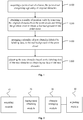
FIG. 1 shows a flowchart of a data augmentation method according to an embodiment of the present disclosure; -
Fig. 2 shows a schematic block diagram of a data augmentation device according to an embodiment of the present disclosure; and -
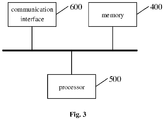
Fig. 3 shows a schematic diagram of a data augmentation terminal according to an embodiment of the present disclosure. - Hereinafter, only some exemplary embodiments are simply described. As can be appreciated by those skilled in the art, the described embodiments may be modified in various different ways without departing from the spirit or scope of the present disclosure. Accordingly, the drawings and the description should be considered as illustrative in nature instead of being restrictive.
- As shown in
FIG. 1 , a data augmentation method is provided according to a specific embodiment of the present disclosure. The method includes steps S100 to S400. - Step S100: acquiring a point cloud of a frame, the point cloud comprising a plurality of original obstacles.
- When an acquisition vehicle moves along a movement route, the acquisition vehicle may obtain a point cloud by scanning original obstacles around it with a radar. The acquisition vehicle may move along a main road or along a specified side road, which will fall within the protection scope of the embodiment of the present disclosure. Alternatively, the point cloud may be directly acquired externally.
- Step S200: obtaining a plurality of position voids by removing the original obstacles from the point cloud, and filling the position voids to obtain a real background of the point cloud.
- In each point cloud, a point-cloud coordinate system is established by taking the acquisition vehicle as an origin, and each original obstacle has relative coordinates with respect to the acquisition vehicle. Absolute coordinates of an original obstacle are obtained based on absolute coordinates of the acquisition vehicle and the relative coordinates of this original obstacle. The original obstacle is labeled according to the absolute coordinates thereof to obtain labeling data thereof. The labeling data of an original obstacle not only includes position data of the original obstacle, but also includes a type, an identity recognition number, an orientation and the like of the original obstacle.
- The removing is performed according to the position data of the original obstacles to obtain the position voids. The position void is filled with the surrounding environment, to obtain a real background of the point cloud.
- Step S300: arranging a plurality of new obstacles labeled by labeling data, in the real background of the point cloud. The labeling data of a new obstacle includes position data, a type, an identity recognition number, an orientation and the like of the new obstacle.
- Step S400: adjusting the new obstacles based on the labeling data of the new obstacles to obtain layout data of the new obstacles.
- The adjusting may include: adding or removing a new obstacle for different scenarios and requirements, and determining data obtained by the adding or removing to be the layout data; or, changing labeling data of a new obstacle by changing a position, an orientation, an identity recognition number and a type of this new obstacle, and using the changed labeling data of this new obstacle to construct layout data of the new obstacles. In this way, the amount of real data is increased, and the diversity of the real data is improved.
- In an embodiment, before the adjusting the new obstacles based on the labeling data of the new obstacles to obtain layout data of the new obstacles, the method further includes:
dividing the point cloud into a plurality of preset regions, wherein an new obstacle is arranging and adjusted in each preset region. - Since the point cloud includes a plurality of preset regions and a new obstacle is arranged in a preset region, an adjustable range for the new obstacle can be obtained, thereby facilitating to perform subsequent adjusting. The size of a preset region may be adjusted based on a size of the new obstacle therein, which falls within the protection scope of the embodiment of the present disclosure.
- In an embodiment, the adjusting the new obstacles based on the labeling data of the new obstacles to obtain layout data of the new obstacles includes:
extracting position data from the labeling data of the new obstacles, and adjusting the positions of the new obstacles based on the position data, and determining the adjusted position data as the layout data of the new obstacles. - The positions of the new obstacles are changed in the preset regions to obtain position data of the plurality of new obstacles, and the obtained position data is determined as the layout data of the new obstacles. The positions of the new obstacles are changed in the preset regions respectively, thereby avoiding a collision between the new obstacles in two regions adjacent on another.
- In an embodiment, the adjusting the new obstacles based on the labeling data of the new obstacles to obtain layout data of the new obstacles includes:
extracting position data from the labeling data of at least one of the new obstacles, and replacing a type of the at least one new obstacle according to the position data , and using the replaced type to construct the layout data of the new obstacles. - The position of a new obstacle is determined firstly, and then the type of the new obstacle is replaced based on the position where the new obstacle is located in combination with a scenario. In an example, in a side road scenario, a new obstacle of a bicycle type is replaced with an obstacle of a roadblock sign type, and the roadblock sign type is used to construct the layout data of the new obstacles.
- In an embodiment, the adjusting the new obstacles based on the labeling data of the new obstacles to obtain layout data of the new obstacles includes:
- extracting position data from the labeling data of the new obstacles, and obtaining a space between two adjacent new obstacles; and
- adding at least one new obstacle labeled by labeling data in the space, and using labeling data of the added new obstacle to construct the layout data of the new obstacles.
- A space between two adjacent new obstacles is obtained based on position data of the two adjacent new obstacles, and at least one obstacle is added in the space. A type of the added obstacle may be selected based on a size of the space so as to avoid a collision between the added obstacle and the two adjacent new obstacles. Labeling data of the added obstacle is used to construct the layout data of the new obstacles.
- In an embodiment, the adjusting the new obstacles based on the labeling data of the new obstacles to obtain layout data of the new obstacles includes:
extracting an obstacle type from the labeling data of at least one of the new obstacles, and adjusting an orientation of the at least one new obstacle based on the obstacle type of the at least one new obstacles; and using the adjusted orientation of the at least one new obstacle to construct the layout data of the new obstacles. - The orientation of the new obstacle is changed based on the type of the new obstacle and the scenario. For example, a rotational angle of a new obstacle of an automobile type must not exceed a threshold; otherwise, the traffic regulation is violated. The adjusted orientation of the new obstacle is used to construct the layout data of the new obstacle.
- As shown in
FIG. 2 , a data augmentation device is provided according to another specific embodiment of the present disclosure, which includes: - an acquiring
module 10 configured to acquire a point cloud of a frame, the point cloud comprising a plurality of original obstacles; - a
background obtaining module 20 configured to obtain a plurality of position voids by removing the original obstacles from the point cloud, and fill the position voids to obtain a real background of the point cloud; - an
obstacle arranging module 30 configured to arrange a plurality of new obstacles labeled by labeling data, in the real background of the point cloud; and - an adjusting
module 40 configured to adjust the new obstacles based on the labeling data of the new obstacles to obtain layout data of the new obstacles. - In an embodiment, the device further includes:
a region dividing module configured to divide the point cloud into a plurality of preset regions, wherein an new obstacle is arranging and adjusted in each preset region. - In an embodiment, the adjusting
module 40 includes:
a first adjusting unit configured to extract position data from the labeling data of the new obstacles, adjust the positions of the new obstacles based on the position data, and determine the adjusted position data as the layout data of the new obstacles. - In an embodiment, the adjusting
module 40 further includes:
a second adjusting unit configured to extract position data from the labeling data of at least one of the new obstacles, replace a type of the at least one new obstacle according to the position data, and use the replaced type to construct the layout data of the new obstacles. - In an embodiment, the adjusting
module 40 further includes:
a third adjusting unit configured to extract position data from the labeling data of the new obstacles, obtaining a space between two adjacent new obstacles, add at least one new obstacle labeled by labeling data in the space, and us labeling data of the added new obstacle to construct the layout data of the new obstacles. - In an embodiment, the adjusting
module 40 further includes:
a fourth adjusting unit configured to extract an obstacle type from the labeling data of at least one of the new obstacles, adjust an orientation of the at least one new obstacle based on the obstacle type of the at least one new obstacles, and use the adjusted orientation of the at least one new obstacle to construct the layout data of the new obstacles. - As shown in
FIG. 3 , a data augmentation terminal is provided according to an embodiment of the present disclosure, which includes: - a
memory 400 and a processor 500, wherein a computer program that can run on the processor 500 is stored in thememory 400; when the processor 500 executes the computer program, the data augmentation method according to the above embodiment is implemented; the number thememory 400 and the processor 500 may each be one or more; and - a
communication interface 600, configured to enable thememory 400 and the processor 500 to communicate with an external device. - The
memory 400 may include a high-speed RAM memory, or may also include a non-volatile memory, such as at least one disk memory. - If the
memory 400, the processor 500 and thecommunication interface 600 are implemented independently, thememory 400, the processor 500 and thecommunication interface 600 may be connected to each other via a bus so as to realize mutual communication. The bus may be an industry standard architecture (ISA) bus, a peripheral component interconnect (PCI) bus, an extended industry standard architecture (EISA) bus, or the like. The bus may be categorized into an address bus, a data bus, a control bus or the like. For ease of illustration, only one bold line is shown inFIG. 3 to represent the bus, but it does not mean that there is only one bus or only one type of bus. - Optionally, in a specific implementation, if the
memory 400, the processor 500 and thecommunication interface 600 are integrated on one chip, then thememory 400, the processor 500 and thecommunication interface 600 can complete mutual communication through an internal interface. - A computer readable storage medium is provided according to an embodiment of the present disclosure, the medium having a computer program stored thereon which, when executed by a processor, implements the data augmentation method described in any of the above embodiments.
- In the present specification, the description referring to the terms "one embodiment", "some embodiments", "an example", "a specific example", or "some examples" or the like means that the specific features, structures, materials, or characteristics described in connection with the embodiment or example are contained in at least one embodiment or example of the present disclosure. Moreover, the specific features, structures, materials, or characteristics described may be combined in a suitable manner in any one or more of the embodiments or examples. In addition, various embodiments or examples described in the specification as well as features of different embodiments or examples may be united and combined by those skilled in the art, as long as they do not contradict with each other.
- Furthermore, terms "first" and "second" are used for descriptive purposes only, and are not to be construed as indicating or implying relative importance or implicitly indicating the number of recited technical features. Thus, a feature defined with "first" and "second" may include at least one said feature, either explicitly or implicitly. In the description of the present disclosure, the meaning of "a plurality" is two or more than two, unless otherwise explicitly or specifically indicated.
- Any process or method described in the flowcharts or described otherwise herein may be construed as representing a module, segment or portion including codes for executing one or more executable instructions for implementing particular logical functions or process steps. The scope of the preferred embodiments of the present disclosure includes additional implementations in which functions may be implemented in an order that is not shown or discussed, including in a substantially concurrent manner or in a reverse order based on the functions involved. All these should be understood by those skilled in the art to which the embodiments of the present disclosure belong.
- The logics and/or steps represented in the flowcharts or otherwise described herein for example may be considered as an ordered list of executable instructions for implementing logical functions. They can be specifically embodied in any computer readable medium for use by an instruction execution system, apparatus or device (e.g., a computer-based system, a system including a processor, or another system that can obtain instructions from the instruction execution system, apparatus or device and execute these instructions) or for use in conjunction with the instruction execution system, apparatus or device. For the purposes of the present specification, "computer readable medium" can be any means that can contain, store, communicate, propagate or transmit programs for use by an instruction execution system, apparatus or device or for use in conjunction with the instruction execution system, apparatus or device. More specific examples (non-exhaustive list) of computer readable storage medium at least include: electrical connection parts (electronic devices) having one or more wires, portable computer disk cartridges (magnetic devices), random access memory (RAM), read only memory (ROM), erasable programmable read-only memory (EPROM or flash memory), fiber optic devices, and portable read only memory (CDROM). In addition, the computer-readable storage medium may even be a paper or other suitable medium on which the programs can be printed. This is because for example the paper or other medium can be optically scanned, followed by editing, interpretation or, if necessary, other suitable ways of processing so as to obtain the programs electronically, which are then stored in a computer memory.
- It should be understood that individual portions of the present disclosure may be implemented in the form of hardware, software, firmware, or a combination thereof. In the above embodiments, a plurality of steps or methods may be implemented using software or firmware stored in a memory and executed by a suitable instruction execution system. For example, if they are implemented in hardware, as in another embodiment, any one or a combination of the following techniques known in the art may be used: discrete logic circuits having logic gate circuits for implementing logic functions on data signals, application-specific integrated circuits having suitable combined logic gate circuits, programmable gate arrays (PGA), field programmable gate arrays (FPGA), etc.
- Those skilled in the art may understand that all or part of the steps carried in the method of the foregoing embodiments may be implemented by using a program to instruct the relevant hardware, and the program may be stored in a computer readable storage medium. When executed, the program includes one or a combination of the steps in the method embodiments.
- In addition, individual functional units in various embodiments of the present disclosure may be integrated in one processing module, or individual units may also exist physically and independently, or two or more units may also be integrated in one module. The above integrated module can be implemented in the form of hardware or in the form of a software functional module. The integrated module may also be stored in a computer readable storage medium if it is implemented in the form of a software function module and sold or used as a stand-alone product. The storage medium may be a read-only memory, a magnetic disk or an optical disk, etc.
- The above description only relates to specific embodiments of the present disclosure, but the scope of protection of the present disclosure is not limited thereto, and any of those skilled in the art can readily contemplate various changes or replacements within the technical scope of the present disclosure. All these changes or replacements should be covered by the scope of protection of the present disclosure. Therefore, the scope of protection of the present disclosure should be determined by the scope of the appended claims.
Claims (14)
- A data augmentation method, comprising:acquiring a point cloud of a frame, the point cloud comprising a plurality of original obstacles;obtaining a plurality of position voids by removing the original obstacles from the point cloud, and filling the position voids to obtain a real background of the point cloud;arranging a plurality of new obstacles labeled by labeling data, in the real background of the point cloud; andadjusting the new obstacles based on the labeling data of the new obstacles to obtain layout data of the new obstacles.
- The data augmentation method of claim 1, wherein before the adjusting the new obstacles based on the labeling data of the new obstacles to obtain layout data of the new obstacles, the method further comprises:
dividing the point cloud into a plurality of preset regions, wherein an new obstacle is arranging and adjusted in each preset region. - The data augmentation method of claim 1, wherein the adjusting the new obstacles based on the labeling data of the new obstacles to obtain layout data of the new obstacles comprises:extracting position data from the labeling data of the new obstacles, and adjusting the positions of the new obstacles based on the position data; anddetermining the adjusted position data as the layout data of the new obstacles.
- The data augmentation method of claim 1, wherein the adjusting the new obstacles based on the labeling data of the new obstacles to obtain layout data of the new obstacles comprises:extracting position data from the labeling data of at least one of the new obstacles, and replacing a type of the at least one new obstacle according to the position data; andusing the replaced type to construct the layout data of the new obstacles.
- The data augmentation method of claim 1, wherein the adjusting the new obstacles based on the labeling data of the new obstacles to obtain layout data of the new obstacles comprises:extracting position data from the labeling data of the new obstacles, and obtaining a space between two adjacent new obstacles; andadding at least one new obstacle labeled by labeling data in the space, and using labeling data of the added new obstacle to construct the layout data of the new obstacles.
- The data augmentation method of claim 1, wherein the adjusting the new obstacles based on the labeling data of the new obstacles to obtain layout data of the new obstacles comprises:extracting an obstacle type from the labeling data of at least one of the new obstacles, and adjusting an orientation of the at least one new obstacle based on the obstacle type of the at least one new obstacles; andusing the adjusted orientation of the at least one new obstacle to construct the layout data of the new obstacles.
- A data augmentation device, comprising:an acquiring module configured to acquire a point cloud of a frame, the point cloud comprising a plurality of original obstacles;a background obtaining module configured to obtain a plurality of position voids by removing the original obstacles from the point cloud, and fill the position voids to obtain a real background of the point cloud;an obstacle arranging module configured to arrange a plurality of new obstacles labeled by labeling data, in the real background of the point cloud; andan adjusting module configured to adjust the new obstacles based on the labeling data of the new obstacles to obtain layout data of the new obstacles.
- The data augmentation device of claim 7, wherein the device further comprises:
a region dividing module configured to divide the point cloud into a plurality of preset regions, wherein an new obstacle is arranging and adjusted in each preset region. - The data augmentation device of claim 7, wherein the adjusting module comprises:
a first adjusting unit configured to extract position data from the labeling data of the new obstacles, adjust the positions of the new obstacles based on the position data, and determine the adjusted position data as the layout data of the new obstacles. - The data augmentation device of claim 7, wherein the adjusting module further comprises:
a second adjusting unit configured to extract position data from the labeling data of at least one of the new obstacles, replace a type of the at least one new obstacle according to the position data, and use the replaced type to construct the layout data of the new obstacles. - The data augmentation device of claim 7, wherein the adjusting module further comprises:
a third adjusting unit configured to extract position data from the labeling data of the new obstacles, obtaining a space between two adjacent new obstacles, add at least one new obstacle labeled by labeling data in the space, and us labeling data of the added new obstacle to construct the layout data of the new obstacles. - The data augmentation device of claim 7, wherein the adjusting module further comprises:
a fourth adjusting unit configured to extract an obstacle type from the labeling data of at least one of the new obstacles, adjust an orientation of the at least one new obstacle based on the obstacle type of the at least one new obstacles, and use the adjusted orientation of the at least one new obstacle to construct the layout data of the new obstacles. - A data augmentation terminal, the terminal comprising:one or more processors;a storage device for storing one or more programs;wherein when the one or more programs is executed by the one or more processors, the one or more processors implements the method of any of claims 1 to 6.
- A non-volatile computer readable storage medium having computer programs stored thereon, wherein the programs implement the method of any of claims 1 to 6 when being executed by a processor.
Applications Claiming Priority (1)
| Application Number | Priority Date | Filing Date | Title |
|---|---|---|---|
| CN201811045664.4A CN109215136B (en) | 2018-09-07 | 2018-09-07 | Real data enhancement method and device and terminal |
Publications (2)
| Publication Number | Publication Date |
|---|---|
| EP3621040A1 true EP3621040A1 (en) | 2020-03-11 |
| EP3621040B1 EP3621040B1 (en) | 2023-09-06 |
Family
ID=64987804
Family Applications (1)
| Application Number | Title | Priority Date | Filing Date |
|---|---|---|---|
| EP19185787.9A Active EP3621040B1 (en) | 2018-09-07 | 2019-07-11 | Data augmentation method, device and terminal |
Country Status (4)
| Country | Link |
|---|---|
| US (1) | US11205289B2 (en) |
| EP (1) | EP3621040B1 (en) |
| JP (1) | JP7227867B2 (en) |
| CN (1) | CN109215136B (en) |
Cited By (1)
| Publication number | Priority date | Publication date | Assignee | Title |
|---|---|---|---|---|
| US12586356B2 (en) | 2023-02-02 | 2026-03-24 | Ford Global Technologies, Llc | Artificial image generation with traffic signs |
Families Citing this family (1)
| Publication number | Priority date | Publication date | Assignee | Title |
|---|---|---|---|---|
| CN109934141B (en) * | 2019-03-01 | 2021-05-04 | 北京百度网讯科技有限公司 | Method and apparatus for labeling data |
Citations (1)
| Publication number | Priority date | Publication date | Assignee | Title |
|---|---|---|---|---|
| CN105957145A (en) * | 2016-04-29 | 2016-09-21 | 百度在线网络技术(北京)有限公司 | Road barrier identification method and device |
Family Cites Families (85)
| Publication number | Priority date | Publication date | Assignee | Title |
|---|---|---|---|---|
| DE69532126T2 (en) | 1994-05-19 | 2004-07-22 | Geospan Corp., Plymouth | METHOD FOR COLLECTING AND PROCESSING VISUAL AND SPATIAL POSITION INFORMATION |
| JP4165722B2 (en) * | 1998-02-26 | 2008-10-15 | 株式会社バンダイナムコゲームス | Image generating apparatus and information storage medium |
| JP3300334B2 (en) | 1999-04-16 | 2002-07-08 | 松下電器産業株式会社 | Image processing device and monitoring system |
| JP2001013645A (en) | 1999-07-01 | 2001-01-19 | Konica Corp | Film unit with lens |
| FR2853121B1 (en) | 2003-03-25 | 2006-12-15 | Imra Europe Sa | DEVICE FOR MONITORING THE SURROUNDINGS OF A VEHICLE |
| JP2005202922A (en) | 2003-12-18 | 2005-07-28 | Nissan Motor Co Ltd | Driving support device and driving support program |
| JP5025940B2 (en) | 2005-10-26 | 2012-09-12 | 任天堂株式会社 | Information processing program, information processing apparatus, information processing system, and information processing method |
| US20080243378A1 (en) | 2007-02-21 | 2008-10-02 | Tele Atlas North America, Inc. | System and method for vehicle navigation and piloting including absolute and relative coordinates |
| TWI444382B (en) | 2008-03-11 | 2014-07-11 | Incyte Corp | Azetidine and cyclobutane derivatives as jak inhibitors |
| US20090232388A1 (en) * | 2008-03-12 | 2009-09-17 | Harris Corporation | Registration of 3d point cloud data by creation of filtered density images |
| US8611585B2 (en) | 2008-04-24 | 2013-12-17 | GM Global Technology Operations LLC | Clear path detection using patch approach |
| US8126642B2 (en) | 2008-10-24 | 2012-02-28 | Gray & Company, Inc. | Control and systems for autonomously driven vehicles |
| CN101441076B (en) | 2008-12-29 | 2010-06-02 | 东软集团股份有限公司 | Method and device for detecting barrier |
| US8260539B2 (en) * | 2010-05-12 | 2012-09-04 | GM Global Technology Operations LLC | Object and vehicle detection and tracking using 3-D laser rangefinder |
| WO2012001755A1 (en) | 2010-07-02 | 2012-01-05 | 株式会社ソニー・コンピュータエンタテインメント | Information processing system, information processing device, and information processing method |
| JP5206752B2 (en) | 2010-08-30 | 2013-06-12 | 株式会社デンソー | Driving environment recognition device |
| JP5535025B2 (en) | 2010-10-08 | 2014-07-02 | 三菱電機株式会社 | Outdoor feature detection system, program for outdoor feature detection system, and recording medium for program for outdoor feature detection system |
| JP5316572B2 (en) | 2011-03-28 | 2013-10-16 | トヨタ自動車株式会社 | Object recognition device |
| US8605998B2 (en) | 2011-05-06 | 2013-12-10 | Toyota Motor Engineering & Manufacturing North America, Inc. | Real-time 3D point cloud obstacle discriminator apparatus and associated methodology for training a classifier via bootstrapping |
| CN103258338A (en) | 2012-02-16 | 2013-08-21 | 克利特股份有限公司 | Method and system for driving simulated virtual environments with real data |
| CN102663196B (en) | 2012-04-17 | 2014-04-16 | 中南大学 | Automobile crane hoisting simulation method on basis of virtual reality |
| US9255989B2 (en) | 2012-07-24 | 2016-02-09 | Toyota Motor Engineering & Manufacturing North America, Inc. | Tracking on-road vehicles with sensors of different modalities |
| US9056395B1 (en) * | 2012-09-05 | 2015-06-16 | Google Inc. | Construction zone sign detection using light detection and ranging |
| JP5949353B2 (en) | 2012-09-07 | 2016-07-06 | 株式会社Ihi | Analysis apparatus and analysis method |
| JP2014106585A (en) | 2012-11-26 | 2014-06-09 | Sony Corp | Information processing device, terminal device, information processing method and program |
| US9082014B2 (en) | 2013-03-14 | 2015-07-14 | The Nielsen Company (Us), Llc | Methods and apparatus to estimate demography based on aerial images |
| US9523772B2 (en) * | 2013-06-14 | 2016-12-20 | Microsoft Technology Licensing, Llc | Object removal using lidar-based classification |
| CN104376297B (en) | 2013-08-12 | 2017-06-23 | 株式会社理光 | The detection method and device of the line style Warning Mark on road |
| JP5919243B2 (en) | 2013-10-18 | 2016-05-18 | 本田技研工業株式会社 | Driving training apparatus and driving training method |
| CN103914830B (en) | 2014-02-22 | 2017-02-01 | 小米科技有限责任公司 | Straight line detection method and device |
| CN104899855A (en) | 2014-03-06 | 2015-09-09 | 株式会社日立制作所 | Three-dimensional obstacle detection method and apparatus |
| CN104020674B (en) | 2014-04-21 | 2017-01-25 | 华南农业大学 | Matlab simulation visualized platform of vehicle Bug obstacle avoidance algorithm |
| CN104183014B (en) * | 2014-08-13 | 2017-01-18 | 浙江大学 | An information labeling method having high fusion degree and oriented to city augmented reality |
| CN104252716A (en) * | 2014-10-10 | 2014-12-31 | 江苏恒天先进制造科技有限公司 | Museum three-dimensional digital modeling system based on reverse engineering and use method thereof |
| KR101687073B1 (en) | 2014-10-22 | 2016-12-15 | 주식회사 만도 | Apparatus for esimating tunnel height and method thereof |
| CN104331910B (en) | 2014-11-24 | 2017-06-16 | 沈阳建筑大学 | A kind of track obstacle detecting system based on machine vision |
| CN104457569B (en) | 2014-11-27 | 2017-06-16 | 大连理工大学 | A kind of large-scale composite board geometric parameter vision measuring method |
| CN104950883A (en) | 2015-05-14 | 2015-09-30 | 西安电子科技大学 | Mobile robot route planning method based on distance grid map |
| TWI630132B (en) * | 2015-06-04 | 2018-07-21 | 國立虎尾科技大學 | 3D animation car accident scene reconstruction method |
| CN104933708A (en) | 2015-06-07 | 2015-09-23 | 浙江大学 | Barrier detection method in vegetation environment based on multispectral and 3D feature fusion |
| CN104931977B (en) | 2015-06-11 | 2017-08-25 | 同济大学 | A kind of obstacle recognition method for intelligent vehicle |
| US10410513B2 (en) | 2015-07-20 | 2019-09-10 | Dura Operating, Llc | Fusion of non-vehicle-to-vehicle communication equipped vehicles with unknown vulnerable road user |
| US9959765B2 (en) | 2015-07-20 | 2018-05-01 | Dura Operating Llc | System and method for providing alert to a vehicle or an advanced driver assist system based on vehicle dynamics input |
| US20170092000A1 (en) * | 2015-09-25 | 2017-03-30 | Moshe Schwimmer | Method and system for positioning a virtual object in a virtual simulation environment |
| US10745003B2 (en) * | 2015-11-04 | 2020-08-18 | Zoox, Inc. | Resilient safety system for a robotic vehicle |
| JP6464075B2 (en) | 2015-11-11 | 2019-02-06 | 日本電信電話株式会社 | What-if simulation apparatus, method, and program |
| US10591600B2 (en) | 2015-11-30 | 2020-03-17 | Luminar Technologies, Inc. | Lidar system with distributed laser and multiple sensor heads |
| JP2017113306A (en) | 2015-12-24 | 2017-06-29 | 株式会社コロプラ | Program and computer |
| CN105761308B (en) * | 2016-02-29 | 2018-09-07 | 武汉大学 | A kind of occlusion area building facade method for reconstructing of ground LiDAR and image data fusion |
| US10690495B2 (en) | 2016-03-14 | 2020-06-23 | Canon Kabushiki Kaisha | Ranging apparatus and moving object capable of high-accuracy ranging |
| CN105844600B (en) * | 2016-04-27 | 2018-03-16 | 北京航空航天大学 | A kind of extraterrestrial target three-dimensional point cloud fairing denoising method |
| JP6196416B1 (en) | 2016-05-27 | 2017-09-13 | 楽天株式会社 | 3D model generation system, 3D model generation method, and program |
| JP6088094B1 (en) * | 2016-06-20 | 2017-03-01 | 株式会社Cygames | System for creating a mixed reality environment |
| CN106204457A (en) | 2016-07-19 | 2016-12-07 | 科盾科技股份有限公司 | A kind of method for capture target and catching device |
| BR112019001441B1 (en) | 2016-07-26 | 2023-02-07 | Nissan Motor Co., Ltd | SELF-POSITION ESTIMATE METHOD AND SELF-POSITION ESTIMATE DEVICE |
| CN107818293A (en) * | 2016-09-14 | 2018-03-20 | 北京百度网讯科技有限公司 | Method and apparatus for handling cloud data |
| WO2018053833A1 (en) | 2016-09-26 | 2018-03-29 | 深圳市锐明技术股份有限公司 | Method and apparatus for quickly detecting paired lane lines |
| CN107871129B (en) * | 2016-09-27 | 2019-05-10 | 北京百度网讯科技有限公司 | Method and apparatus for processing point cloud data |
| JP6548691B2 (en) | 2016-10-06 | 2019-07-24 | 株式会社アドバンスド・データ・コントロールズ | Image generation system, program and method, simulation system, program and method |
| RO132599A2 (en) | 2016-11-23 | 2018-05-30 | Centrul It Pentru Ştiinţă Şi Tehnologie S.R.L. | Modular equipment for road inspection, passable way and adjacent area included, meant to be mounted to ordinary vehicles |
| CN106707293B (en) | 2016-12-01 | 2019-10-29 | 百度在线网络技术(北京)有限公司 | Obstacle recognition method and device for vehicle |
| CN106599832A (en) | 2016-12-09 | 2017-04-26 | 重庆邮电大学 | Method for detecting and recognizing various types of obstacles based on convolution neural network |
| CN108268518A (en) | 2016-12-30 | 2018-07-10 | 乐视汽车(北京)有限公司 | The device for the grid map that generation controls for unmanned vehicle navigation |
| CN106845412B (en) | 2017-01-20 | 2020-07-10 | 百度在线网络技术(北京)有限公司 | Obstacle identification method and device, computer equipment and readable medium |
| CN106919908B (en) | 2017-02-10 | 2020-07-28 | 百度在线网络技术(北京)有限公司 | Obstacle identification method and device, computer equipment and readable medium |
| CN108492356A (en) * | 2017-02-13 | 2018-09-04 | 苏州宝时得电动工具有限公司 | Augmented reality system and its control method |
| CN106997049B (en) | 2017-03-14 | 2020-07-03 | 奇瑞汽车股份有限公司 | A method and device for detecting obstacles based on laser point cloud data |
| CN107103627B (en) | 2017-04-27 | 2020-12-11 | 深圳市天双科技有限公司 | A method for calibrating external parameters of automotive panoramic camera based on lane lines |
| US10803663B2 (en) * | 2017-08-02 | 2020-10-13 | Google Llc | Depth sensor aided estimation of virtual reality environment boundaries |
| US11023596B2 (en) * | 2017-08-30 | 2021-06-01 | Go Ghost, LLC | Non-rasterized image streaming system that uses ray tracing samples |
| US10771350B2 (en) * | 2017-09-26 | 2020-09-08 | Siemens Aktiengesellschaft | Method and apparatus for changeable configuration of objects using a mixed reality approach with augmented reality |
| CN107657237B (en) | 2017-09-28 | 2020-03-31 | 东南大学 | Automobile collision detection method and system based on deep learning |
| CN107659774B (en) | 2017-09-30 | 2020-10-13 | 北京拙河科技有限公司 | Video imaging system and video processing method based on multi-scale camera array |
| CN107678306B (en) | 2017-10-09 | 2021-04-16 | 驭势(上海)汽车科技有限公司 | Dynamic scene information recording and simulation playback method, device, equipment and medium |
| CN107832806A (en) | 2017-12-06 | 2018-03-23 | 四川知创空间孵化器管理有限公司 | A kind of car plate type identification method and system |
| US10275689B1 (en) * | 2017-12-21 | 2019-04-30 | Luminar Technologies, Inc. | Object identification and labeling tool for training autonomous vehicle controllers |
| CN108156419A (en) | 2017-12-22 | 2018-06-12 | 湖南源信光电科技股份有限公司 | More focal length lens linkage imaging camera machine system based on multiple features combining and Camshift algorithms |
| CN108010360A (en) | 2017-12-27 | 2018-05-08 | 中电海康集团有限公司 | A kind of automatic Pilot context aware systems based on bus or train route collaboration |
| CN107993512A (en) | 2018-01-03 | 2018-05-04 | 深圳市欣横纵技术股份有限公司 | One seed nucleus security Table Top Tool systems and application method |
| CN108256506B (en) | 2018-02-14 | 2020-11-24 | 北京市商汤科技开发有限公司 | Method and device for detecting object in video and computer storage medium |
| DE112018006982B4 (en) * | 2018-03-05 | 2021-07-08 | Mitsubishi Electric Corporation | INFORMATION PROCESSING DEVICE, INFORMATION PROCESSING METHOD AND INFORMATION PROCESSING PROGRAM |
| US11094112B2 (en) * | 2018-09-06 | 2021-08-17 | Foresight Ai Inc. | Intelligent capturing of a dynamic physical environment |
| CN109146898B (en) | 2018-09-07 | 2020-07-24 | 百度在线网络技术(北京)有限公司 | Simulation data volume enhancing method and device and terminal |
| US10769846B2 (en) * | 2018-10-11 | 2020-09-08 | GM Global Technology Operations LLC | Point cloud data compression in an autonomous vehicle |
| US11295517B2 (en) * | 2019-11-15 | 2022-04-05 | Waymo Llc | Generating realistic point clouds |
-
2018
- 2018-09-07 CN CN201811045664.4A patent/CN109215136B/en active Active
-
2019
- 2019-07-11 EP EP19185787.9A patent/EP3621040B1/en active Active
- 2019-07-17 US US16/514,507 patent/US11205289B2/en not_active Expired - Fee Related
- 2019-07-19 JP JP2019133292A patent/JP7227867B2/en active Active
Patent Citations (1)
| Publication number | Priority date | Publication date | Assignee | Title |
|---|---|---|---|---|
| CN105957145A (en) * | 2016-04-29 | 2016-09-21 | 百度在线网络技术(北京)有限公司 | Road barrier identification method and device |
Non-Patent Citations (3)
| Title |
|---|
| ASVADI ALIREZA ET AL: "DepthCN: Vehicle detection using 3D-LIDAR and ConvNet", 2017 IEEE 20TH INTERNATIONAL CONFERENCE ON INTELLIGENT TRANSPORTATION SYSTEMS (ITSC), IEEE, 16 October 2017 (2017-10-16), pages 1 - 6, XP033330533, DOI: 10.1109/ITSC.2017.8317880 * |
| MIKOLAJCZYK AGNIESZKA ET AL: "Data augmentation for improving deep learning in image classification problem", 2018 INTERNATIONAL INTERDISCIPLINARY PHD WORKSHOP (IIPHDW), IEEE, 9 May 2018 (2018-05-09), pages 117 - 122, XP033360783, DOI: 10.1109/IIPHDW.2018.8388338 * |
| RAYMOND A. YEH ET AL: "Semantic Image Inpainting with Deep Generative Models", ARXIV - 1611.07004V2, 14 November 2016 (2016-11-14), pages 6882 - 6890, XP055532717, ISBN: 978-1-5386-0457-1, DOI: 10.1109/CVPR.2017.728 * |
Cited By (1)
| Publication number | Priority date | Publication date | Assignee | Title |
|---|---|---|---|---|
| US12586356B2 (en) | 2023-02-02 | 2026-03-24 | Ford Global Technologies, Llc | Artificial image generation with traffic signs |
Also Published As
| Publication number | Publication date |
|---|---|
| US11205289B2 (en) | 2021-12-21 |
| EP3621040B1 (en) | 2023-09-06 |
| CN109215136A (en) | 2019-01-15 |
| US20200082584A1 (en) | 2020-03-12 |
| JP7227867B2 (en) | 2023-02-22 |
| JP2020042790A (en) | 2020-03-19 |
| CN109215136B (en) | 2020-03-20 |
Similar Documents
| Publication | Publication Date | Title |
|---|---|---|
| US11276243B2 (en) | Traffic simulation method, device and storage medium | |
| US10984588B2 (en) | Obstacle distribution simulation method and device based on multiple models, and storage medium | |
| US11113546B2 (en) | Lane line processing method and device | |
| US11341297B2 (en) | Obstacle distribution simulation method, device and terminal based on a probability graph | |
| EP3620962A1 (en) | Method, device and terminal for simulating a distribution of obstacles | |
| JP6223607B1 (en) | Peripheral recognition device, peripheral recognition method, and peripheral recognition program | |
| WO2020216315A1 (en) | Method and system for rapid generation of reference driving route, terminal and storage medium | |
| JP7010535B2 (en) | Information processing equipment | |
| CN111199088B (en) | Method and device for reproducing scene data | |
| US11205289B2 (en) | Method, device and terminal for data augmentation | |
| CN112507857A (en) | Lane line updating method, device, equipment and storage medium | |
| CN115661313A (en) | Point cloud map generation method, device and storage medium | |
| CN113033426B (en) | Dynamic object labeling method, device, equipment and storage medium | |
| CN118568482A (en) | Model training method, device and storage medium | |
| CN110544256A (en) | Deep learning image segmentation method and device based on sparse features | |
| KR20190136212A (en) | Apparatus and method for image process | |
| CN118489127A (en) | Lane detection method and system | |
| CN118279137B (en) | Aerial image stitching method and device, terminal equipment and storage medium | |
| JP2021071515A (en) | Map generation device, method for generating map, and map generation program | |
| JP2021051348A (en) | Object distance estimation apparatus and object distance estimation method | |
| CN117765237A (en) | Motor vehicle real-time positioning method, device and computer-readable storage medium | |
| CN119942518A (en) | Target detection method and device based on radar parameter adaptive point cloud information | |
| US20190294880A1 (en) | Auxiliary display method and apparatus, and display system | |
| CN119845294A (en) | Method, apparatus, device and storage medium for controlling map component | |
| CN118053141A (en) | Surrounding vehicle detection method, system, device and medium |
Legal Events
| Date | Code | Title | Description |
|---|---|---|---|
| PUAI | Public reference made under article 153(3) epc to a published international application that has entered the european phase |
Free format text: ORIGINAL CODE: 0009012 |
|
| STAA | Information on the status of an ep patent application or granted ep patent |
Free format text: STATUS: REQUEST FOR EXAMINATION WAS MADE |
|
| 17P | Request for examination filed |
Effective date: 20190712 |
|
| AK | Designated contracting states |
Kind code of ref document: A1 Designated state(s): AL AT BE BG CH CY CZ DE DK EE ES FI FR GB GR HR HU IE IS IT LI LT LU LV MC MK MT NL NO PL PT RO RS SE SI SK SM TR |
|
| AX | Request for extension of the european patent |
Extension state: BA ME |
|
| STAA | Information on the status of an ep patent application or granted ep patent |
Free format text: STATUS: EXAMINATION IS IN PROGRESS |
|
| 17Q | First examination report despatched |
Effective date: 20220208 |
|
| GRAP | Despatch of communication of intention to grant a patent |
Free format text: ORIGINAL CODE: EPIDOSNIGR1 |
|
| STAA | Information on the status of an ep patent application or granted ep patent |
Free format text: STATUS: GRANT OF PATENT IS INTENDED |
|
| INTG | Intention to grant announced |
Effective date: 20230331 |
|
| GRAS | Grant fee paid |
Free format text: ORIGINAL CODE: EPIDOSNIGR3 |
|
| GRAA | (expected) grant |
Free format text: ORIGINAL CODE: 0009210 |
|
| STAA | Information on the status of an ep patent application or granted ep patent |
Free format text: STATUS: THE PATENT HAS BEEN GRANTED |
|
| AK | Designated contracting states |
Kind code of ref document: B1 Designated state(s): AL AT BE BG CH CY CZ DE DK EE ES FI FR GB GR HR HU IE IS IT LI LT LU LV MC MK MT NL NO PL PT RO RS SE SI SK SM TR |
|
| REG | Reference to a national code |
Ref country code: GB Ref legal event code: FG4D |
|
| REG | Reference to a national code |
Ref country code: CH Ref legal event code: EP |
|
| REG | Reference to a national code |
Ref country code: IE Ref legal event code: FG4D |
|
| REG | Reference to a national code |
Ref country code: DE Ref legal event code: R096 Ref document number: 602019036610 Country of ref document: DE |
|
| P01 | Opt-out of the competence of the unified patent court (upc) registered |
Effective date: 20231117 |
|
| REG | Reference to a national code |
Ref country code: LT Ref legal event code: MG9D Ref country code: SE Ref legal event code: TRGR |
|
| REG | Reference to a national code |
Ref country code: NL Ref legal event code: MP Effective date: 20230906 |
|
| PG25 | Lapsed in a contracting state [announced via postgrant information from national office to epo] |
Ref country code: GR Free format text: LAPSE BECAUSE OF FAILURE TO SUBMIT A TRANSLATION OF THE DESCRIPTION OR TO PAY THE FEE WITHIN THE PRESCRIBED TIME-LIMIT Effective date: 20231207 |
|
| PG25 | Lapsed in a contracting state [announced via postgrant information from national office to epo] |
Ref country code: RS Free format text: LAPSE BECAUSE OF FAILURE TO SUBMIT A TRANSLATION OF THE DESCRIPTION OR TO PAY THE FEE WITHIN THE PRESCRIBED TIME-LIMIT Effective date: 20230906 Ref country code: NO Free format text: LAPSE BECAUSE OF FAILURE TO SUBMIT A TRANSLATION OF THE DESCRIPTION OR TO PAY THE FEE WITHIN THE PRESCRIBED TIME-LIMIT Effective date: 20231206 Ref country code: LV Free format text: LAPSE BECAUSE OF FAILURE TO SUBMIT A TRANSLATION OF THE DESCRIPTION OR TO PAY THE FEE WITHIN THE PRESCRIBED TIME-LIMIT Effective date: 20230906 Ref country code: LT Free format text: LAPSE BECAUSE OF FAILURE TO SUBMIT A TRANSLATION OF THE DESCRIPTION OR TO PAY THE FEE WITHIN THE PRESCRIBED TIME-LIMIT Effective date: 20230906 Ref country code: HR Free format text: LAPSE BECAUSE OF FAILURE TO SUBMIT A TRANSLATION OF THE DESCRIPTION OR TO PAY THE FEE WITHIN THE PRESCRIBED TIME-LIMIT Effective date: 20230906 Ref country code: GR Free format text: LAPSE BECAUSE OF FAILURE TO SUBMIT A TRANSLATION OF THE DESCRIPTION OR TO PAY THE FEE WITHIN THE PRESCRIBED TIME-LIMIT Effective date: 20231207 Ref country code: FI Free format text: LAPSE BECAUSE OF FAILURE TO SUBMIT A TRANSLATION OF THE DESCRIPTION OR TO PAY THE FEE WITHIN THE PRESCRIBED TIME-LIMIT Effective date: 20230906 |
|
| REG | Reference to a national code |
Ref country code: AT Ref legal event code: MK05 Ref document number: 1609555 Country of ref document: AT Kind code of ref document: T Effective date: 20230906 |
|
| PG25 | Lapsed in a contracting state [announced via postgrant information from national office to epo] |
Ref country code: NL Free format text: LAPSE BECAUSE OF FAILURE TO SUBMIT A TRANSLATION OF THE DESCRIPTION OR TO PAY THE FEE WITHIN THE PRESCRIBED TIME-LIMIT Effective date: 20230906 |
|
| PG25 | Lapsed in a contracting state [announced via postgrant information from national office to epo] |
Ref country code: IS Free format text: LAPSE BECAUSE OF FAILURE TO SUBMIT A TRANSLATION OF THE DESCRIPTION OR TO PAY THE FEE WITHIN THE PRESCRIBED TIME-LIMIT Effective date: 20240106 |
|
| PG25 | Lapsed in a contracting state [announced via postgrant information from national office to epo] |
Ref country code: AT Free format text: LAPSE BECAUSE OF FAILURE TO SUBMIT A TRANSLATION OF THE DESCRIPTION OR TO PAY THE FEE WITHIN THE PRESCRIBED TIME-LIMIT Effective date: 20230906 |
|
| PG25 | Lapsed in a contracting state [announced via postgrant information from national office to epo] |
Ref country code: ES Free format text: LAPSE BECAUSE OF FAILURE TO SUBMIT A TRANSLATION OF THE DESCRIPTION OR TO PAY THE FEE WITHIN THE PRESCRIBED TIME-LIMIT Effective date: 20230906 |
|
| PG25 | Lapsed in a contracting state [announced via postgrant information from national office to epo] |
Ref country code: SM Free format text: LAPSE BECAUSE OF FAILURE TO SUBMIT A TRANSLATION OF THE DESCRIPTION OR TO PAY THE FEE WITHIN THE PRESCRIBED TIME-LIMIT Effective date: 20230906 Ref country code: RO Free format text: LAPSE BECAUSE OF FAILURE TO SUBMIT A TRANSLATION OF THE DESCRIPTION OR TO PAY THE FEE WITHIN THE PRESCRIBED TIME-LIMIT Effective date: 20230906 Ref country code: IS Free format text: LAPSE BECAUSE OF FAILURE TO SUBMIT A TRANSLATION OF THE DESCRIPTION OR TO PAY THE FEE WITHIN THE PRESCRIBED TIME-LIMIT Effective date: 20240106 Ref country code: ES Free format text: LAPSE BECAUSE OF FAILURE TO SUBMIT A TRANSLATION OF THE DESCRIPTION OR TO PAY THE FEE WITHIN THE PRESCRIBED TIME-LIMIT Effective date: 20230906 Ref country code: EE Free format text: LAPSE BECAUSE OF FAILURE TO SUBMIT A TRANSLATION OF THE DESCRIPTION OR TO PAY THE FEE WITHIN THE PRESCRIBED TIME-LIMIT Effective date: 20230906 Ref country code: CZ Free format text: LAPSE BECAUSE OF FAILURE TO SUBMIT A TRANSLATION OF THE DESCRIPTION OR TO PAY THE FEE WITHIN THE PRESCRIBED TIME-LIMIT Effective date: 20230906 Ref country code: AT Free format text: LAPSE BECAUSE OF FAILURE TO SUBMIT A TRANSLATION OF THE DESCRIPTION OR TO PAY THE FEE WITHIN THE PRESCRIBED TIME-LIMIT Effective date: 20230906 Ref country code: PT Free format text: LAPSE BECAUSE OF FAILURE TO SUBMIT A TRANSLATION OF THE DESCRIPTION OR TO PAY THE FEE WITHIN THE PRESCRIBED TIME-LIMIT Effective date: 20240108 Ref country code: SK Free format text: LAPSE BECAUSE OF FAILURE TO SUBMIT A TRANSLATION OF THE DESCRIPTION OR TO PAY THE FEE WITHIN THE PRESCRIBED TIME-LIMIT Effective date: 20230906 |
|
| PG25 | Lapsed in a contracting state [announced via postgrant information from national office to epo] |
Ref country code: PL Free format text: LAPSE BECAUSE OF FAILURE TO SUBMIT A TRANSLATION OF THE DESCRIPTION OR TO PAY THE FEE WITHIN THE PRESCRIBED TIME-LIMIT Effective date: 20230906 Ref country code: IT Free format text: LAPSE BECAUSE OF FAILURE TO SUBMIT A TRANSLATION OF THE DESCRIPTION OR TO PAY THE FEE WITHIN THE PRESCRIBED TIME-LIMIT Effective date: 20230906 |
|
| REG | Reference to a national code |
Ref country code: DE Ref legal event code: R097 Ref document number: 602019036610 Country of ref document: DE |
|
| PG25 | Lapsed in a contracting state [announced via postgrant information from national office to epo] |
Ref country code: DK Free format text: LAPSE BECAUSE OF FAILURE TO SUBMIT A TRANSLATION OF THE DESCRIPTION OR TO PAY THE FEE WITHIN THE PRESCRIBED TIME-LIMIT Effective date: 20230906 |
|
| PLBE | No opposition filed within time limit |
Free format text: ORIGINAL CODE: 0009261 |
|
| STAA | Information on the status of an ep patent application or granted ep patent |
Free format text: STATUS: NO OPPOSITION FILED WITHIN TIME LIMIT |
|
| PG25 | Lapsed in a contracting state [announced via postgrant information from national office to epo] |
Ref country code: DK Free format text: LAPSE BECAUSE OF FAILURE TO SUBMIT A TRANSLATION OF THE DESCRIPTION OR TO PAY THE FEE WITHIN THE PRESCRIBED TIME-LIMIT Effective date: 20230906 Ref country code: SI Free format text: LAPSE BECAUSE OF FAILURE TO SUBMIT A TRANSLATION OF THE DESCRIPTION OR TO PAY THE FEE WITHIN THE PRESCRIBED TIME-LIMIT Effective date: 20230906 |
|
| 26N | No opposition filed |
Effective date: 20240607 |
|
| PG25 | Lapsed in a contracting state [announced via postgrant information from national office to epo] |
Ref country code: BG Free format text: LAPSE BECAUSE OF FAILURE TO SUBMIT A TRANSLATION OF THE DESCRIPTION OR TO PAY THE FEE WITHIN THE PRESCRIBED TIME-LIMIT Effective date: 20230906 |
|
| PG25 | Lapsed in a contracting state [announced via postgrant information from national office to epo] |
Ref country code: BG Free format text: LAPSE BECAUSE OF FAILURE TO SUBMIT A TRANSLATION OF THE DESCRIPTION OR TO PAY THE FEE WITHIN THE PRESCRIBED TIME-LIMIT Effective date: 20230906 |
|
| REG | Reference to a national code |
Ref country code: DE Ref legal event code: R119 Ref document number: 602019036610 Country of ref document: DE |
|
| PG25 | Lapsed in a contracting state [announced via postgrant information from national office to epo] |
Ref country code: MC Free format text: LAPSE BECAUSE OF FAILURE TO SUBMIT A TRANSLATION OF THE DESCRIPTION OR TO PAY THE FEE WITHIN THE PRESCRIBED TIME-LIMIT Effective date: 20230906 |
|
| REG | Reference to a national code |
Ref country code: CH Ref legal event code: PL |
|
| REG | Reference to a national code |
Ref country code: SE Ref legal event code: EUG |
|
| PG25 | Lapsed in a contracting state [announced via postgrant information from national office to epo] |
Ref country code: LU Free format text: LAPSE BECAUSE OF NON-PAYMENT OF DUE FEES Effective date: 20240711 |
|
| GBPC | Gb: european patent ceased through non-payment of renewal fee |
Effective date: 20240711 |
|
| PG25 | Lapsed in a contracting state [announced via postgrant information from national office to epo] |
Ref country code: LU Free format text: LAPSE BECAUSE OF NON-PAYMENT OF DUE FEES Effective date: 20240711 |
|
| PG25 | Lapsed in a contracting state [announced via postgrant information from national office to epo] |
Ref country code: DE Free format text: LAPSE BECAUSE OF NON-PAYMENT OF DUE FEES Effective date: 20250201 |
|
| PG25 | Lapsed in a contracting state [announced via postgrant information from national office to epo] |
Ref country code: CH Free format text: LAPSE BECAUSE OF NON-PAYMENT OF DUE FEES Effective date: 20240731 Ref country code: BE Free format text: LAPSE BECAUSE OF NON-PAYMENT OF DUE FEES Effective date: 20240731 |
|
| PG25 | Lapsed in a contracting state [announced via postgrant information from national office to epo] |
Ref country code: FR Free format text: LAPSE BECAUSE OF NON-PAYMENT OF DUE FEES Effective date: 20240731 |
|
| PG25 | Lapsed in a contracting state [announced via postgrant information from national office to epo] |
Ref country code: GB Free format text: LAPSE BECAUSE OF NON-PAYMENT OF DUE FEES Effective date: 20240711 |
|
| REG | Reference to a national code |
Ref country code: BE Ref legal event code: MM Effective date: 20240731 |
|
| PG25 | Lapsed in a contracting state [announced via postgrant information from national office to epo] |
Ref country code: IE Free format text: LAPSE BECAUSE OF NON-PAYMENT OF DUE FEES Effective date: 20240711 |
|
| PG25 | Lapsed in a contracting state [announced via postgrant information from national office to epo] |
Ref country code: SE Free format text: LAPSE BECAUSE OF NON-PAYMENT OF DUE FEES Effective date: 20240712 |
|
| PG25 | Lapsed in a contracting state [announced via postgrant information from national office to epo] |
Ref country code: CY Free format text: LAPSE BECAUSE OF FAILURE TO SUBMIT A TRANSLATION OF THE DESCRIPTION OR TO PAY THE FEE WITHIN THE PRESCRIBED TIME-LIMIT; INVALID AB INITIO Effective date: 20190711 |
|
| PG25 | Lapsed in a contracting state [announced via postgrant information from national office to epo] |
Ref country code: HU Free format text: LAPSE BECAUSE OF FAILURE TO SUBMIT A TRANSLATION OF THE DESCRIPTION OR TO PAY THE FEE WITHIN THE PRESCRIBED TIME-LIMIT; INVALID AB INITIO Effective date: 20190711 |