EP3620394A1 - A propulsion system - Google Patents
A propulsion system Download PDFInfo
- Publication number
- EP3620394A1 EP3620394A1 EP18275140.4A EP18275140A EP3620394A1 EP 3620394 A1 EP3620394 A1 EP 3620394A1 EP 18275140 A EP18275140 A EP 18275140A EP 3620394 A1 EP3620394 A1 EP 3620394A1
- Authority
- EP
- European Patent Office
- Prior art keywords
- propulsion
- propellant
- engine
- electrical
- propulsion system
- Prior art date
- Legal status (The legal status is an assumption and is not a legal conclusion. Google has not performed a legal analysis and makes no representation as to the accuracy of the status listed.)
- Withdrawn
Links
Images
Classifications
-
- F—MECHANICAL ENGINEERING; LIGHTING; HEATING; WEAPONS; BLASTING
- F02—COMBUSTION ENGINES; HOT-GAS OR COMBUSTION-PRODUCT ENGINE PLANTS
- F02K—JET-PROPULSION PLANTS
- F02K9/00—Rocket-engine plants, i.e. plants carrying both fuel and oxidant therefor; Control thereof
-
- F—MECHANICAL ENGINEERING; LIGHTING; HEATING; WEAPONS; BLASTING
- F03—MACHINES OR ENGINES FOR LIQUIDS; WIND, SPRING, OR WEIGHT MOTORS; PRODUCING MECHANICAL POWER OR A REACTIVE PROPULSIVE THRUST, NOT OTHERWISE PROVIDED FOR
- F03H—PRODUCING A REACTIVE PROPULSIVE THRUST, NOT OTHERWISE PROVIDED FOR
- F03H1/00—Using plasma to produce a reactive propulsive thrust
- F03H1/0006—Details applicable to different types of plasma thrusters
- F03H1/0012—Means for supplying the propellant
-
- B—PERFORMING OPERATIONS; TRANSPORTING
- B64—AIRCRAFT; AVIATION; COSMONAUTICS
- B64G—COSMONAUTICS; VEHICLES OR EQUIPMENT THEREFOR
- B64G1/00—Cosmonautic vehicles
- B64G1/22—Parts of, or equipment specially adapted for fitting in or to, cosmonautic vehicles
- B64G1/40—Arrangements or adaptations of propulsion systems
- B64G1/402—Propellant tanks; Feeding propellants
- B64G1/4026—Propellant tanks; Feeding propellants providing propellant to propulsion systems of differing type
-
- B—PERFORMING OPERATIONS; TRANSPORTING
- B64—AIRCRAFT; AVIATION; COSMONAUTICS
- B64G—COSMONAUTICS; VEHICLES OR EQUIPMENT THEREFOR
- B64G1/00—Cosmonautic vehicles
- B64G1/22—Parts of, or equipment specially adapted for fitting in or to, cosmonautic vehicles
- B64G1/40—Arrangements or adaptations of propulsion systems
- B64G1/411—Electric propulsion
-
- F—MECHANICAL ENGINEERING; LIGHTING; HEATING; WEAPONS; BLASTING
- F02—COMBUSTION ENGINES; HOT-GAS OR COMBUSTION-PRODUCT ENGINE PLANTS
- F02K—JET-PROPULSION PLANTS
- F02K9/00—Rocket-engine plants, i.e. plants carrying both fuel and oxidant therefor; Control thereof
- F02K9/74—Rocket-engine plants, i.e. plants carrying both fuel and oxidant therefor; Control thereof combined with another jet-propulsion plant
- F02K9/76—Rocket-engine plants, i.e. plants carrying both fuel and oxidant therefor; Control thereof combined with another jet-propulsion plant with another rocket-engine plant; Multistage rocket-engine plants
-
- F—MECHANICAL ENGINEERING; LIGHTING; HEATING; WEAPONS; BLASTING
- F03—MACHINES OR ENGINES FOR LIQUIDS; WIND, SPRING, OR WEIGHT MOTORS; PRODUCING MECHANICAL POWER OR A REACTIVE PROPULSIVE THRUST, NOT OTHERWISE PROVIDED FOR
- F03H—PRODUCING A REACTIVE PROPULSIVE THRUST, NOT OTHERWISE PROVIDED FOR
- F03H1/00—Using plasma to produce a reactive propulsive thrust
- F03H1/0006—Details applicable to different types of plasma thrusters
- F03H1/0025—Neutralisers, i.e. means for keeping electrical neutrality
Definitions
- the present invention relates generally to a propulsion system for a spacecraft and particularly to a hybrid propulsion system.
- Spacecraft propulsion systems typically include engines which may be categorised as chemical or electrical propulsion engines.
- chemical propulsion systems are used for high thrust manoeuvers, such as fast orbit raising, short duration attitude control manoeuvers including de-tumbling and safe mode acquisition, and chemical orbit raising in non-electric orbit raising (EOR) spacecraft.
- Chemical propulsion systems typically generate thrusts ⁇ 0.15N, and can generate thrusts up to several hundred Newtons, at specific impulses (I sp ) typically lower than 500 seconds.
- Chemical propulsion systems can be either bipropellant or monopropellant systems and generate thrust by expelling gases generated via chemical reactions through a nozzle.
- the cost of chemical propulsions systems and propellants is generally low, although the cost of cryogenic systems can be significantly higher.
- Electrical propulsion systems are used for efficient high I sp manoeuvers where thrust is not a constraint, such as those with large delta-V orbit raising requirements, for example in EOR spacecraft.
- Electrical propulsion engines such as Hall thrusters, typically use xenon or other noble gases as propellants. These engines generate very low thrusts at specific impulses typically from 700 seconds up to several thousand seconds. The cost of these systems and propellants is generally high.
- a propulsion system for a spacecraft comprising at least one chemical propulsion engine; at least one electrical propulsion engine; and a propellant feed system comprising: a propellant supply system including at least one tank to store a common propellant; wherein the propellant supply system is configured to deliver a controlled flow of the common propellant to both the chemical propulsion engine and the electrical propulsion engine.
- the propellant feed system further comprises a pressurant gas system comprising a pressurant gas.
- the pressurant gas system is a repressurising system.
- the pressurant gas is an inert gas.
- the inert gas is helium, neon, argon, krypton, xenon or nitrogen.
- the electrical propulsion system further comprises at least one neutraliser.
- the pressurant gas is fed directly into the at least one neutraliser.
- the at least one neutraliser is a hollow cathode.
- the propellant feed system comprises a self-pressurised pressurant gas system.
- the at least one electrical propulsion engine further comprises an evaporator.
- the evaporator is configured to process inlet pressures of equal to or greater than a required inlet pressure of the at least one chemical engine.
- the propellant is fed directly into the electrical propulsion engine.
- the propulsion system further comprises a processor configured to control a high thrust mode of the propulsion system using the at least one chemical propulsion engine.
- the propulsion system further comprises a processor configured to control a high I sp mode of the propulsion system using the at least one electrical propulsion engine.
- the propulsion system further comprises a power processing unit.
- the at least one chemical propulsion engine is a bipropellant engine or a monopropellant engine.
- the propulsion system further comprises a second hypergolic propellant.
- the common propellant is not chemically decomposed prior to being fed into the electrical propulsion engine.
- the common propellant has an ionisation energy less than 20 eV and a density at ambient conditions greater than 600 kg/m 3 .
- the common propellant is selected from the group consisting of a solid, a liquid monopropellant or one component of a liquid bipropellant.
- the propellant comprises tri-amines, such as trimethylamine and tripropylamine; hydrogen peroxide or high test peroxide.
- a propulsion system for a spacecraft comprising: at least one electrical propulsion engine comprising at least one neutraliser; and a pressurant gas system comprising a pressurant gas; wherein the pressurant gas is fed directly into the at least one neutraliser.
- the pressurant gas system according to the second aspect is a repressurising system.
- the at least one neutraliser according to the second aspect is a hollow cathode.
- the pressurant gas according to the second aspect comprises an inert gas.
- the inert gas according to the second aspect is helium, neon, argon, krypton, xenon or nitrogen.
- the propulsion system according to the second aspect further comprises at least one chemical propulsion engine.
- the propulsion system according to the second aspect further comprises a processor configured to control a high thrust mode of the propulsion system using the at least one chemical propulsion engine.
- the propulsion system according to the second aspect further comprises a propellant feed system comprising a propellant supply system including at least one tank to store a common propellant; wherein the propellant supply system is configured to deliver a controlled flow of the common propellant to both the chemical propulsion engine and the electrical propulsion engine.
- the at least one electrical propulsion engine according to the second aspect further comprises an evaporator.
- the propulsion system according to the second aspect further comprises a processor configured to control a high I sp mode of the propulsion system using the at least one electrical propulsion engine.
- the propulsion system according to the second aspect further comprises a processor configured to control a high thrust mode of the propulsion system using the at least one chemical propulsion engine.
- the at least one chemical propulsion engine is a bipropellant engine or a monopropellant engine.
- the propulsion system further comprises a second hypergolic propellant.
- the propulsion system according to the second aspect further comprises a power processing unit.
- the common propellant according to the second aspect is not chemically decomposed prior to being fed into the electrical propulsion engine.
- the common propellant according to the second aspect has an ionisation energy less than 20 eV and a density at ambient conditions greater than 600 kg/m 3 .
- the common propellant according to the second aspect is selected from the group consisting of a solid, a liquid monopropellant or one component of a liquid bipropellant pair of substances.
- the propellant according to the second aspect comprises tri-amines, such as trimethylamine and tripropylamine, hydrogen peroxide, or high test peroxide.
- a common propellant in a spacecraft propulsion system comprising at least one electrical propulsion engine and at least one chemical propulsion engine.
- a method of providing a common propellant to spacecraft propulsion system comprising at least one electrical propulsion engine and at least one chemical propulsion engine.
- the propulsion system includes an electrical propulsion system 12 and a separate chemical propulsion system 14.
- the electrical propulsion system 12 has a first propellant supply system 16 and the chemical propulsion system 14 has a second propellant supply system 18.
- the chemical propulsion system 14 can also comprise an oxidiser supply 20 and a combustion chamber 24.
- the chemical thruster 28 is used to direct exhaust gases.
- the electrical propulsion system 12 comprises an electric thruster 26, which incorporates a plasma generator 22.
- the propulsion system for the spacecraft 10 includes both the electrical propulsion engine 12 and the chemical propulsion engine 14 because they each have specific advantages which necessitate their place on a spacecraft 10.
- chemical propulsion engines are typically used for high thrust requirements and electrical propulsion engines are used for high I sp manoeuvers.
- two separate systems are added to the spacecraft 10, at a significant cost and mass penalty.
- Embodiments of the application are directed to a new variant of propulsion system for a spacecraft 100 as depicted in Fig. 2 .
- Fig. 2 shows a hybrid propulsion system 140 comprising an electrical propulsion engine 120 and a chemical propulsion engine 130.
- a single common propellant feed system 110 is connected with both of the chemical engine 130 and the electrical engine 120.
- the hybrid propulsion system 140 can combine the low cost technologies, processes, high thrust engines, and propellants of chemical propulsion engines with the high specific impulse advantages of electrical propulsion engines within a single hybrid system.
- Hybrid propulsion systems as described herein relate to propulsion systems comprising a chemical engine and an electrical engine which are both fuelled by a common propellant.
- Such hybrid propulsion systems can be defined as chemical-electrical hybrid propulsion systems.
- the hybrid propulsion systems of the application are not related to hybrid rocket technology, which uses liquid and solid propellants for chemical propulsion.
- a hybrid propulsion system may use a single propellant for both chemical and electrical propulsion.
- the hybrid propulsion system allows for EOR, Chemical Orbit Raising (COR), and chemical or electrical station keeping/attitude control, using a single common propellant feed system. This removes the need for using separate chemical and electrical propulsion systems on the same spacecraft, dramatically reducing system size and cost while still providing both high thrust and high specific impulse capabilities.
- Hybrid propulsion systems require fewer components than a traditional propulsion system with separate electrical and chemical propulsion engines.
- electrical propulsion engines and chemical propulsion engines while using inexpensive and potentially less toxic propellants. This dramatically reduces the direct system cost through equipment part counts; reduces the system mass and therefore the launch cost; reduces the integration and test complexity, cost, and duration; reduces the handling constraints and safety measures; and reduces operations at the launch site.
- a consistent architecture for the hybrid propulsion system can be maintained for a variety of platform functionalities. That is, a common propulsion feed system can be used for all platform types with only the orbit raising engines selected for the application. This permits reduction in complexity without any reduction in flexibility.
- Cases which would benefit from a hybrid propulsion system that is able to deliver both high thrust and high I sp include: small satellites, constellations, telecommunication platforms, imaging satellites, lunar supply, high power electric propulsion, in-orbit servicing missions, and deep space missions.
- An additional advantage provided by embodiments of the presently disclosed hybrid propulsion system is the absence of a preliminary propellant decomposition stage.
- the propellant is not chemically decomposed or chemically altered prior to being fed into the electrical propulsion engine.
- the propellant used to fuel the electrical propulsion engine is chemically identical to the propellant used to fuel the chemical propulsion engine.
- the hybrid propulsion system disclosed herein combines the low cost technologies, processes, high thrust engines and propellants of chemical propulsion with the high specific impulse engines of electric propulsion within one system.
- a hybrid propulsion system 200 may include a chemical propulsion engine 202, an electrical propulsion engine 204 including an evaporator 214, a propellant supply system 206, a pressurant gas system 208, a second hypergolic propellant supply 210, and a power processing unit 212. It will be understood that although only a single chemical propulsion engine 202 and a single electrical propulsion engine 204 has been depicted for the sake of clarity, a hybrid propulsion system may have more that one of each type of engine.
- the propellant feed system comprises a device for storing a propellant, such as a tank.
- the propellant feed system may alternatively be referred to as a propellant supply system.
- the electrical propulsion engine is configured to generate thrust with high I sp by converting electrical energy into kinetic energy.
- the electrical propulsion engines comprise at least one electric thruster, configured to accelerate ions or plasma using an electric, magnetic or electro-magnetic field. In this way, the electrical propulsion engine generates thrust acting on the spacecraft.
- Electrical propulsion engines also generally include one or more neutralisers.
- electrical propulsion engines may comprise a cathode neutraliser, such as a hollow cathode.
- the electrical propulsion engine 204 may comprise an electrostatic propulsion engine. Electrostatic propulsion engines, such as ion thrusters, rely on the Coulomb force for acceleration. In other embodiments, the electrical propulsion engine 204 may comprise an electromagnetic propulsion engine. Electromagnetic propulsion engines rely on the Lorentz force or the effect of an electromagnetic field to accelerate ions. Alternatively, the electrical propulsion engine may be described as an engine which accelerates ions and therefore requires ionisation.
- Suitable electrostatic and electromagnetic engines include: Hall thrusters, gridded ion engines, ion engines, radiofrequency ion engines, magnetoplasma dynamic thrusters, colloid thrusters, field-emission electric propulsion (FEEP), helicon double layer thrusters, high efficiency multistage plasma thruster (HEMPT), variable specific impulse magnetoplasma rocket (VASMIR), vacuum arc thrusters, RF thrusters, and electron cyclotron resonance thrusters.
- Hall thrusters gridded ion engines, ion engines, radiofrequency ion engines, magnetoplasma dynamic thrusters, colloid thrusters, field-emission electric propulsion (FEEP), helicon double layer thrusters, high efficiency multistage plasma thruster (HEMPT), variable specific impulse magnetoplasma rocket (VASMIR), vacuum arc thrusters, RF thrusters, and electron cyclotron resonance thrusters.
- FEEP field-emission electric propulsion
- HMPT high efficiency multistage plasma thruster
- VASMIR variable specific impulse magnetoplasma rocket
- Electrothermal thrusters such as arcjets and resistojets are out of scope for use in the hybrid propulsion system as described herein.
- the chemical propulsion engine is configured to generate a high thrust by converting chemical internal energy of the propellant into kinetic energy through a combustion reaction.
- High thrust chemical propulsion engines typically use a variety of chemically active solid, liquid or gaseous propellants to generate thrust by expelling gases thermodynamically through a nozzle. These systems generate high thrust (typically ⁇ 0.15N up to several hundred Newtons) at specific impulses typically lower than 500 seconds.
- Suitable chemical propulsion engines 202 include monopropellant and bipropellant engines.
- the hybrid propulsion system comprises an second hypergolic propellant supply 210.
- the chemical propulsion engine may be defined as bipropellant.
- Suitable second hypergolic propellant include but are not limited to nitrogen based compounds, such as nitrogen tetroxide, mixed oxides of nitrogen, nitric acid, nitrous oxide, red fuming nitric acid, and ammonia perchlorate, as well as hydrogen peroxide and oxygen.
- a common propellant i.e. a propellant common to both the electrical propulsion engine and the chemical propulsion engine, is stored within a tank in the propellant feed system.
- a propellant may be described as a substance which is used to produce thrust.
- a propellant may be stored in solid, liquid or gaseous form.
- the propellant feed system is self-pressurised.
- Propellants that are capable of undergoing exothermic chemical reactions can typically be employed in a chemical propulsion engine.
- Propellants which are easily ionisable can typically be employed in electrical propulsion engines.
- the common propellant is capable of undergoing chemical conversion in the chemical propulsion engine.
- the common propellant may be capable of being chemically combusted in the chemical propulsion engine in order to produce thrust.
- the common propellant may be described as being burnable in the chemical prolusion engine.
- a propellant which is capable of reacting in a chemical propulsion engine and generate thrust itself is called a monopropellant.
- An example of a monopropellant is hydrazine.
- a chemical propulsion engine which requires two liquids, i.e. a fuel and an oxidiser, are called bipropellant.
- An exemplary bipropellant engine may rely on liquid hydrogen as the propellant and liquid oxygen as the oxidiser or monomethylhydrazine and nitrogen tetroxide.
- the common propellant may be a monopropellant or either propellant of a hypergolic bipropellant
- the common propellant has an ionisation energy less than 20 eV.
- the ionisation energy may be less than 18 eV, less than 15 eV, less than 12 eV, or less than 10 eV.
- the common propellant has an ionisation energy between 7 and 8 eV.
- the common propellant is stored as a liquid or gas.
- the common propellant may be a liquid at ambient temperature and storage pressure.
- the ambient temperature may be the ambient temperature of a spacecraft in normal operating conditions. In some embodiments, the ambient temperature may be between about 0 and about 75 °C.
- the ambient storage pressure of the common propellant within a tank is between about 4 and about 25 bar.
- the common propellant has a density greater than 600 kg/m 3 at ambient temperature and storage pressure.
- the common propellant has a density greater than 650 kg/m 3 , greater than 700 kg/m 3 , or greater than 750 kg/m 3 .
- the common propellant comprises tri-amines, such as trimethylamine and tripropylamine, hydrogen peroxide or high test peroxide.
- the above-mentioned common propellants have the required chemical properties which allow them to be used in both a chemical propulsion engine and an electrical propulsion engine.
- these chemicals are burnable in a chemical propulsion engine and can also be used in an electrical propulsion engine without suffering compatibility issues.
- tri-amines are compatible with stainless steel, titanium, and polytetrafluoroethylene (PTFE) and therefore existing components and systems may be used, avoiding the need to develop new system components.
- PTFE polytetrafluoroethylene
- xenon is one of the rarest gases and requires a large amount of energy to distil, having a major impact on the green rating of the propellant. It is not uncommon for the fuel cost alone for an electric propulsion system to be well in excess of USD 1300 per kg. The rarity of xenon also means that the supply can be intermittent, and requires long-term agreements to ensure an adequate secure supply.
- Xenon is a widely used propellant for electrical engines because, in particular: (i) it is an inert gas; (ii) it is highly compressible, which allows storage at moderate pressures and volumes; (iii) it provides a good overall electrical propulsion system efficiency, due to it being readily ionisable and having a high mass / charge ratio.
- the common propellants employable in a hybrid propulsion system as described herein can provide these advantages, while avoiding the cost, supply challenges and environmental implications associated with Xenon.
- Tri-amines such as trimethylamine and tripropylamine, hydrogen peroxide, and high test peroxide represent relatively "green" propellants which surprisingly can be used in both a chemical propulsion engine and an electrical propulsion engine.
- the electrical propulsion engine 204 further comprises an evaporator.
- the evaporator may be configured to evaporate the common propellant in order to enhance the compatibility of the propellant with the electrical propulsion engine.
- the common propellant is fed directly into the electrical propulsion engine.
- the electrical propulsion engine may not comprise an evaporator.
- the propellant may evaporate by other means, such as through direct contact with an anode, or gas distributer, located within the electrical engine.
- the electrical propulsion engine comprises a mass flow controller.
- a mass flow controller may be required because electrical propulsion engines typically require lower inlet pressures than chemical propulsion engines and require a controlled mass flow; the overall pressure of the hybrid propulsion system is dictated by the pressure requirements of the chemical propulsion engine so a controller is needed.
- the chemical propulsion engine is configured to handle pressures of between about 4 and about 25 bar.
- the mass flow controller is configured to deliver propellant to the electrical propulsion engine at a pressure less than about 5 bar.
- the pressure may be less than 4 bar, less than 3 bar, less than 2 bar or less than 1 bar.
- the hybrid propulsion system further comprises at least one processor.
- the hybrid propulsion system may comprise 1, 2, 3, 4 or 5 processors.
- the processors may be configured to control the propulsion system.
- a processor may be configured to control a high thrust mode of the system using the chemical propulsion engine.
- a processor may be configured to control a high I sp mode of the hybrid propulsion system using the electrical propulsion engine.
- the chemical engine has a maximum I sp of about 500 seconds and a minimum thrust of about 0.15 N.
- the electrical engine has a minimum I sp of about 500 seconds and a maximum thrust of about 1 N.
- Typical thrusts and I sp values for conventional chemical and electrical engines may be found in Table 1.
- Table 1 Engine type I SP [secs] Thrust [N] Cold gas (N2) ⁇ 80 10mN ⁇ T ⁇ 5N Hydrazine (monopropellant) 210 1, 5, 22, 200 H2O2 (monopropellant) 180 10 HAN-ADN (monopropellant) Hybrid Engine (H 2 O 2 +Plastic) 290 to 310 200 Bi-propellant (MON/MMH) 318 to 323 10, 20, 400 Cryogenic (O 2 /H 2 ) 400 to 470 seconds kN to MN Grid (Electrical propulsion) 300 ⁇ X ⁇ 4000 10 ⁇ -4 to 10 ⁇ -2 Hall effect (Electrical propulsion) 800 ⁇ X ⁇ 1800 10 ⁇ -3 to 10 ⁇ -1 Electrospray Thruster (FEEP & Colloidal Micro propulsion engines) >1000 10 ⁇ -6 to 10 ⁇ -3 Next Generation Green Systems 315 ⁇ X ⁇ 500 1 ⁇ X
- the propellant feed system 206 may be configured to deliver a controlled mass flow of propellant to both the chemical propulsion engine and the electrical propulsion engine.
- the propellant feed system may be described as a chemical propellant feed system.
- the feed system may comprise pipework and flow control devices, such as valves, orifices, and heaters, to control the propellant state and mass flow to the engines.
- pipework and flow control devices such as valves, orifices, and heaters, to control the propellant state and mass flow to the engines.
- the hybrid propulsion system 200 includes a power processing unit 212.
- the power processing unit 212 manages the electrical parameters of the power coming from the spacecraft power supply to tailor it to the requirements of the electrical engine.
- a power processing unit 212 represents an alternative to a direct drive solution.
- the hybrid propulsion system 200 further comprises a pressurant gas system 208.
- a pressurant gas system may control the pressure in a propellant tank.
- the pressurant gas system comprises a pressurant.
- the pressurant may be an inert gas.
- An inert gas is a gas which is generally unreactive with other substances.
- an inert gas is a non-reactive gas.
- Inert gases can include both elemental gases, such as noble gases, and molecular gases. Examples of inert gases include helium, neon, argon, krypton, xenon, and nitrogen. Preferably, the inert gas is helium or argon.
- the hybrid propulsion system which includes the pressurant gas system is a pressure regulated system, a repressurising system, or a blowdown system.
- the hybrid propulsion system is pressure regulated.
- the propellant is self-pressurised.
- a spacecraft propulsion system 300 comprises an electrical propulsion engine 302, a propellant supply system 304, a pressurant gas system 306, and a neutraliser 308 located within the electrical propulsion engine 304. As depicted in Fig. 4 , pressurant gas from the pressurant gas system 306 is fed directly into the neutraliser 308.
- Feeding the pressurant gas directly into the neutraliser of the electrical propulsion engine minimises modifications required to existing electrical propulsion engines and any potential neutraliser compatibility issues.
- the common propellant is used as the propellant for the electrical propulsion engine and the pressurant, such as an inert gas (for example helium, neon, argon, krypton, xenon or nitrogen) is fed directly into the neutraliser of the electrical propulsion engine. Feeding the pressurant directly to the neutraliser prevents the propellant from destroying the cathode of the electrical propulsion engine and allows the use of a propellant which is relatively cheap, readily available, and "green".
- an inert gas for example helium, neon, argon, krypton, xenon or nitrogen
Landscapes
- Engineering & Computer Science (AREA)
- Chemical & Material Sciences (AREA)
- Combustion & Propulsion (AREA)
- Mechanical Engineering (AREA)
- General Engineering & Computer Science (AREA)
- Remote Sensing (AREA)
- Aviation & Aerospace Engineering (AREA)
- Physics & Mathematics (AREA)
- Plasma & Fusion (AREA)
- Plasma Technology (AREA)
- Filling Or Discharging Of Gas Storage Vessels (AREA)
Abstract
The present invention relates to a propulsion system (200) for a spacecraft comprising at least one chemical propulsion engine (202), at least one electrical propulsion engine (204); and, a propellant feed system (206) comprising: a propellant supply system including at least one tank to store a common propellant; wherein the propellant supply system is configured to deliver a controlled flow of the common propellant to both the chemical propulsion engine (202) and the electrical propulsion engine (204). The present invention also relates to the use of a common propellant in a spacecraft and a method of providing a common propellant to an electrical and a chemical propulsion engine.
Description
- The present invention relates generally to a propulsion system for a spacecraft and particularly to a hybrid propulsion system.
- Spacecraft propulsion systems typically include engines which may be categorised as chemical or electrical propulsion engines.
- Generally, chemical propulsion systems are used for high thrust manoeuvers, such as fast orbit raising, short duration attitude control manoeuvers including de-tumbling and safe mode acquisition, and chemical orbit raising in non-electric orbit raising (EOR) spacecraft. Chemical propulsion systems typically generate thrusts ≥0.15N, and can generate thrusts up to several hundred Newtons, at specific impulses (Isp) typically lower than 500 seconds. Chemical propulsion systems can be either bipropellant or monopropellant systems and generate thrust by expelling gases generated via chemical reactions through a nozzle. The cost of chemical propulsions systems and propellants is generally low, although the cost of cryogenic systems can be significantly higher.
- Electrical propulsion systems are used for efficient high Isp manoeuvers where thrust is not a constraint, such as those with large delta-V orbit raising requirements, for example in EOR spacecraft. Electrical propulsion engines, such as Hall thrusters, typically use xenon or other noble gases as propellants. These engines generate very low thrusts at specific impulses typically from 700 seconds up to several thousand seconds. The cost of these systems and propellants is generally high.
- Conventionally, where a cross-over of high thrust and high specific impulse is required, two separate systems need to be added to a spacecraft at a significant cost, volume and mass penalty.
- According to a first aspect of the invention, there is provided a propulsion system for a spacecraft comprising at least one chemical propulsion engine; at least one electrical propulsion engine; and a propellant feed system comprising: a propellant supply system including at least one tank to store a common propellant; wherein the propellant supply system is configured to deliver a controlled flow of the common propellant to both the chemical propulsion engine and the electrical propulsion engine.
- In some embodiments, the propellant feed system further comprises a pressurant gas system comprising a pressurant gas.
- In some embodiments, the pressurant gas system is a repressurising system.
- In some embodiments, the pressurant gas is an inert gas.
- In some embodiments, the inert gas is helium, neon, argon, krypton, xenon or nitrogen.
- In some embodiments, the electrical propulsion system further comprises at least one neutraliser.
- In some embodiments, the pressurant gas is fed directly into the at least one neutraliser.
- In some embodiments, the at least one neutraliser is a hollow cathode.
- In some embodiments, the propellant feed system comprises a self-pressurised pressurant gas system.
- In some embodiments, the at least one electrical propulsion engine further comprises an evaporator.
- In some embodiments, the evaporator is configured to process inlet pressures of equal to or greater than a required inlet pressure of the at least one chemical engine.
- In some embodiments, the propellant is fed directly into the electrical propulsion engine.
- In some embodiments, the propulsion system further comprises a processor configured to control a high thrust mode of the propulsion system using the at least one chemical propulsion engine.
- In some embodiments, the propulsion system further comprises a processor configured to control a high Isp mode of the propulsion system using the at least one electrical propulsion engine.
- In some embodiments, the propulsion system further comprises a power processing unit.
- In some embodiments, the at least one chemical propulsion engine is a bipropellant engine or a monopropellant engine.
- In some embodiments, the propulsion system further comprises a second hypergolic propellant.
- In some embodiments, the common propellant is not chemically decomposed prior to being fed into the electrical propulsion engine.
- In some embodiments, the common propellant has an ionisation energy less than 20 eV and a density at ambient conditions greater than 600 kg/m3.
- In some embodiments, the common propellant is selected from the group consisting of a solid, a liquid monopropellant or one component of a liquid bipropellant.
- In some embodiments, the propellant comprises tri-amines, such as trimethylamine and tripropylamine; hydrogen peroxide or high test peroxide.
- According to a second aspect of the invention, there is provided a propulsion system for a spacecraft comprising: at least one electrical propulsion engine comprising at least one neutraliser; and a pressurant gas system comprising a pressurant gas; wherein the pressurant gas is fed directly into the at least one neutraliser.
- In some embodiments, the pressurant gas system according to the second aspect is a repressurising system.
- In some embodiments, the at least one neutraliser according to the second aspect is a hollow cathode.
- In some embodiments, the pressurant gas according to the second aspect comprises an inert gas.
- In some embodiments, the inert gas according to the second aspect is helium, neon, argon, krypton, xenon or nitrogen.
- In some embodiments, the propulsion system according to the second aspect further comprises at least one chemical propulsion engine.
- In some embodiments, the propulsion system according to the second aspect further comprises a processor configured to control a high thrust mode of the propulsion system using the at least one chemical propulsion engine.
- In some embodiments, the propulsion system according to the second aspect further comprises a propellant feed system comprising a propellant supply system including at least one tank to store a common propellant; wherein the propellant supply system is configured to deliver a controlled flow of the common propellant to both the chemical propulsion engine and the electrical propulsion engine.
- In some embodiments, the at least one electrical propulsion engine according to the second aspect further comprises an evaporator.
- In some embodiments, the propulsion system according to the second aspect further comprises a processor configured to control a high Isp mode of the propulsion system using the at least one electrical propulsion engine.
- In some embodiments, the propulsion system according to the second aspect further comprises a processor configured to control a high thrust mode of the propulsion system using the at least one chemical propulsion engine.
- In some embodiments, the at least one chemical propulsion engine is a bipropellant engine or a monopropellant engine.
- In some embodiments, the propulsion system further comprises a second hypergolic propellant.
- In some embodiments, the propulsion system according to the second aspect further comprises a power processing unit.
- In some embodiments, the common propellant according to the second aspect is not chemically decomposed prior to being fed into the electrical propulsion engine.
- In some embodiments, the common propellant according to the second aspect has an ionisation energy less than 20 eV and a density at ambient conditions greater than 600 kg/m3.
- In some embodiments, the common propellant according to the second aspect is selected from the group consisting of a solid, a liquid monopropellant or one component of a liquid bipropellant pair of substances.
- In some embodiments, the propellant according to the second aspect comprises tri-amines, such as trimethylamine and tripropylamine, hydrogen peroxide, or high test peroxide.
- According to a third aspect of the invention, there is provided use of a common propellant in a spacecraft propulsion system comprising at least one electrical propulsion engine and at least one chemical propulsion engine.
- According to a fourth aspect of the invention, there is provided a method of providing a common propellant to spacecraft propulsion system comprising at least one electrical propulsion engine and at least one chemical propulsion engine.
- Embodiments of the present invention will now be described, by way of example, with reference to the accompanying drawings, in which:
-
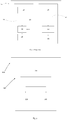
Fig. 1 is an example of spacecraft propulsion systems of the prior art; -
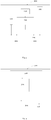
Fig. 2 is a diagram of a hybrid propulsion system according to a first embodiment; -
Fig. 3 is a diagram of the hybrid propulsion system according to the first embodiment; and -
Fig. 4 is a diagram of a propulsion system according to a second embodiment. - A conventional propulsion system for a
spacecraft 10 is shown inFig. 1 . The propulsion system includes anelectrical propulsion system 12 and a separatechemical propulsion system 14. Theelectrical propulsion system 12 has a firstpropellant supply system 16 and thechemical propulsion system 14 has a secondpropellant supply system 18. Thechemical propulsion system 14 can also comprise anoxidiser supply 20 and acombustion chamber 24. Thechemical thruster 28 is used to direct exhaust gases. Theelectrical propulsion system 12 comprises anelectric thruster 26, which incorporates aplasma generator 22. - The propulsion system for the
spacecraft 10 includes both theelectrical propulsion engine 12 and thechemical propulsion engine 14 because they each have specific advantages which necessitate their place on aspacecraft 10. In particular, chemical propulsion engines are typically used for high thrust requirements and electrical propulsion engines are used for high Isp manoeuvers. Where a mission requires both high thrust and high efficiency, two separate systems are added to thespacecraft 10, at a significant cost and mass penalty. - Embodiments of the application are directed to a new variant of propulsion system for a
spacecraft 100 as depicted inFig. 2 . In particular,Fig. 2 shows ahybrid propulsion system 140 comprising anelectrical propulsion engine 120 and achemical propulsion engine 130. A single commonpropellant feed system 110 is connected with both of thechemical engine 130 and theelectrical engine 120. Thehybrid propulsion system 140 can combine the low cost technologies, processes, high thrust engines, and propellants of chemical propulsion engines with the high specific impulse advantages of electrical propulsion engines within a single hybrid system. - Hybrid propulsion systems as described herein relate to propulsion systems comprising a chemical engine and an electrical engine which are both fuelled by a common propellant. Such hybrid propulsion systems can be defined as chemical-electrical hybrid propulsion systems. The hybrid propulsion systems of the application are not related to hybrid rocket technology, which uses liquid and solid propellants for chemical propulsion.
- A hybrid propulsion system may use a single propellant for both chemical and electrical propulsion. In this way, the hybrid propulsion system allows for EOR, Chemical Orbit Raising (COR), and chemical or electrical station keeping/attitude control, using a single common propellant feed system. This removes the need for using separate chemical and electrical propulsion systems on the same spacecraft, dramatically reducing system size and cost while still providing both high thrust and high specific impulse capabilities.
- Hybrid propulsion systems require fewer components than a traditional propulsion system with separate electrical and chemical propulsion engines. In addition, there is no distinction between electrical propulsion engines and chemical propulsion engines while using inexpensive and potentially less toxic propellants. This dramatically reduces the direct system cost through equipment part counts; reduces the system mass and therefore the launch cost; reduces the integration and test complexity, cost, and duration; reduces the handling constraints and safety measures; and reduces operations at the launch site.
- Furthermore, a consistent architecture for the hybrid propulsion system can be maintained for a variety of platform functionalities. That is, a common propulsion feed system can be used for all platform types with only the orbit raising engines selected for the application. This permits reduction in complexity without any reduction in flexibility.
- Cases which would benefit from a hybrid propulsion system that is able to deliver both high thrust and high Isp include: small satellites, constellations, telecommunication platforms, imaging satellites, lunar supply, high power electric propulsion, in-orbit servicing missions, and deep space missions.
- An additional advantage provided by embodiments of the presently disclosed hybrid propulsion system is the absence of a preliminary propellant decomposition stage. In other words, in some embodiments the propellant is not chemically decomposed or chemically altered prior to being fed into the electrical propulsion engine. Alternatively, it may be described that the propellant used to fuel the electrical propulsion engine is chemically identical to the propellant used to fuel the chemical propulsion engine.
- The hybrid propulsion system disclosed herein combines the low cost technologies, processes, high thrust engines and propellants of chemical propulsion with the high specific impulse engines of electric propulsion within one system.
- In an embodiment, referring now to
Fig. 3 , ahybrid propulsion system 200 may include achemical propulsion engine 202, anelectrical propulsion engine 204 including anevaporator 214, apropellant supply system 206, apressurant gas system 208, a secondhypergolic propellant supply 210, and apower processing unit 212. It will be understood that although only a singlechemical propulsion engine 202 and a singleelectrical propulsion engine 204 has been depicted for the sake of clarity, a hybrid propulsion system may have more that one of each type of engine. - In some embodiments, the propellant feed system comprises a device for storing a propellant, such as a tank. The propellant feed system may alternatively be referred to as a propellant supply system.
- The electrical propulsion engine is configured to generate thrust with high Isp by converting electrical energy into kinetic energy. The electrical propulsion engines comprise at least one electric thruster, configured to accelerate ions or plasma using an electric, magnetic or electro-magnetic field. In this way, the electrical propulsion engine generates thrust acting on the spacecraft. Electrical propulsion engines also generally include one or more neutralisers. For example, electrical propulsion engines may comprise a cathode neutraliser, such as a hollow cathode.
- In some embodiments, the
electrical propulsion engine 204 may comprise an electrostatic propulsion engine. Electrostatic propulsion engines, such as ion thrusters, rely on the Coulomb force for acceleration. In other embodiments, theelectrical propulsion engine 204 may comprise an electromagnetic propulsion engine. Electromagnetic propulsion engines rely on the Lorentz force or the effect of an electromagnetic field to accelerate ions. Alternatively, the electrical propulsion engine may be described as an engine which accelerates ions and therefore requires ionisation. - Suitable electrostatic and electromagnetic engines include: Hall thrusters, gridded ion engines, ion engines, radiofrequency ion engines, magnetoplasma dynamic thrusters, colloid thrusters, field-emission electric propulsion (FEEP), helicon double layer thrusters, high efficiency multistage plasma thruster (HEMPT), variable specific impulse magnetoplasma rocket (VASMIR), vacuum arc thrusters, RF thrusters, and electron cyclotron resonance thrusters. The use of electrostatic and electromagnetic thrusters allows for stronger benefits in terms of achievable Isp and thus system performance.
- Electrothermal thrusters, such as arcjets and resistojets are out of scope for use in the hybrid propulsion system as described herein.
- The chemical propulsion engine is configured to generate a high thrust by converting chemical internal energy of the propellant into kinetic energy through a combustion reaction. High thrust chemical propulsion engines typically use a variety of chemically active solid, liquid or gaseous propellants to generate thrust by expelling gases thermodynamically through a nozzle. These systems generate high thrust (typically ≥0.15N up to several hundred Newtons) at specific impulses typically lower than 500 seconds.
- Suitable
chemical propulsion engines 202 include monopropellant and bipropellant engines. - In some embodiments, the hybrid propulsion system comprises an second
hypergolic propellant supply 210. Where a hybrid propulsion system comprises an second hypergolic propellant, the chemical propulsion engine may be defined as bipropellant. Suitable second hypergolic propellant include but are not limited to nitrogen based compounds, such as nitrogen tetroxide, mixed oxides of nitrogen, nitric acid, nitrous oxide, red fuming nitric acid, and ammonia perchlorate, as well as hydrogen peroxide and oxygen. - In some embodiments, a common propellant, i.e. a propellant common to both the electrical propulsion engine and the chemical propulsion engine, is stored within a tank in the propellant feed system. In a spacecraft, a propellant may be described as a substance which is used to produce thrust. A propellant may be stored in solid, liquid or gaseous form.
- In some embodiments, the propellant feed system is self-pressurised.
- Propellants that are capable of undergoing exothermic chemical reactions can typically be employed in a chemical propulsion engine. Propellants which are easily ionisable can typically be employed in electrical propulsion engines. In some embodiments, the common propellant is capable of undergoing chemical conversion in the chemical propulsion engine. For example, the common propellant may be capable of being chemically combusted in the chemical propulsion engine in order to produce thrust. For example, the common propellant may be described as being burnable in the chemical prolusion engine.
- A propellant which is capable of reacting in a chemical propulsion engine and generate thrust itself is called a monopropellant. An example of a monopropellant is hydrazine. A chemical propulsion engine which requires two liquids, i.e. a fuel and an oxidiser, are called bipropellant. An exemplary bipropellant engine may rely on liquid hydrogen as the propellant and liquid oxygen as the oxidiser or monomethylhydrazine and nitrogen tetroxide. The common propellant may be a monopropellant or either propellant of a hypergolic bipropellant
- In some embodiments, the common propellant has an ionisation energy less than 20 eV. For example, the ionisation energy may be less than 18 eV, less than 15 eV, less than 12 eV, or less than 10 eV. In some embodiments, the common propellant has an ionisation energy between 7 and 8 eV.
- In some embodiments, the common propellant is stored as a liquid or gas. The common propellant may be a liquid at ambient temperature and storage pressure.
- The ambient temperature may be the ambient temperature of a spacecraft in normal operating conditions. In some embodiments, the ambient temperature may be between about 0 and about 75 °C.
- In some embodiments, the ambient storage pressure of the common propellant within a tank is between about 4 and about 25 bar.
- In some embodiments, the common propellant has a density greater than 600 kg/m3 at ambient temperature and storage pressure. For example, the common propellant has a density greater than 650 kg/m3, greater than 700 kg/m3, or greater than 750 kg/m3.
- In some embodiments, the common propellant comprises tri-amines, such as trimethylamine and tripropylamine, hydrogen peroxide or high test peroxide.
- The above-mentioned common propellants have the required chemical properties which allow them to be used in both a chemical propulsion engine and an electrical propulsion engine. In particular, these chemicals are burnable in a chemical propulsion engine and can also be used in an electrical propulsion engine without suffering compatibility issues.
- Another advantage associated with use of tri-amines is that tri-amines are compatible with stainless steel, titanium, and polytetrafluoroethylene (PTFE) and therefore existing components and systems may be used, avoiding the need to develop new system components.
- Common propellants employable in a hybrid propulsion system as described herein are cheap and readily available. This avoids the need to use conventional propellants which are often expensive, difficult to extract/distil, challenging to store or not considered "green", i.e. environmentally friendly.
- For example, the vast majority of conventional electrical propulsion engines use xenon as a propellant. Xenon is one of the rarest gases and requires a large amount of energy to distil, having a major impact on the green rating of the propellant. It is not uncommon for the fuel cost alone for an electric propulsion system to be well in excess of USD 1300 per kg. The rarity of xenon also means that the supply can be intermittent, and requires long-term agreements to ensure an adequate secure supply.
- Xenon is a widely used propellant for electrical engines because, in particular: (i) it is an inert gas; (ii) it is highly compressible, which allows storage at moderate pressures and volumes; (iii) it provides a good overall electrical propulsion system efficiency, due to it being readily ionisable and having a high mass / charge ratio. The common propellants employable in a hybrid propulsion system as described herein can provide these advantages, while avoiding the cost, supply challenges and environmental implications associated with Xenon.
- Tri-amines, such as trimethylamine and tripropylamine, hydrogen peroxide, and high test peroxide represent relatively "green" propellants which surprisingly can be used in both a chemical propulsion engine and an electrical propulsion engine.
- In some embodiments, the
electrical propulsion engine 204 further comprises an evaporator. The evaporator may be configured to evaporate the common propellant in order to enhance the compatibility of the propellant with the electrical propulsion engine. - In some embodiments, the common propellant is fed directly into the electrical propulsion engine. For example, the electrical propulsion engine may not comprise an evaporator. In such systems, the propellant may evaporate by other means, such as through direct contact with an anode, or gas distributer, located within the electrical engine.
- In some embodiments, the electrical propulsion engine comprises a mass flow controller. A mass flow controller may be required because electrical propulsion engines typically require lower inlet pressures than chemical propulsion engines and require a controlled mass flow; the overall pressure of the hybrid propulsion system is dictated by the pressure requirements of the chemical propulsion engine so a controller is needed.
- In some embodiments, the chemical propulsion engine is configured to handle pressures of between about 4 and about 25 bar.
- In some embodiments, the mass flow controller is configured to deliver propellant to the electrical propulsion engine at a pressure less than about 5 bar. For example, the pressure may be less than 4 bar, less than 3 bar, less than 2 bar or less than 1 bar.
- In some embodiments, the hybrid propulsion system further comprises at least one processor. For example, the hybrid propulsion system may comprise 1, 2, 3, 4 or 5 processors. The processors may be configured to control the propulsion system. For example, a processor may be configured to control a high thrust mode of the system using the chemical propulsion engine. In addition or alternatively, a processor may be configured to control a high Isp mode of the hybrid propulsion system using the electrical propulsion engine.
- In some embodiments, the chemical engine has a maximum Isp of about 500 seconds and a minimum thrust of about 0.15 N.
- In some embodiments, the electrical engine has a minimum Isp of about 500 seconds and a maximum thrust of about 1 N.
- Typical thrusts and Isp values for conventional chemical and electrical engines may be found in Table 1.
Table 1 Engine type ISP [secs] Thrust [N] Cold gas (N2) <80 10mN<T<5N Hydrazine (monopropellant) 210 1, 5, 22, 200 H2O2 (monopropellant) 180 10 HAN-ADN (monopropellant) Hybrid Engine (H2O2+Plastic) 290 to 310 200 Bi-propellant (MON/MMH) 318 to 323 10, 20, 400 Cryogenic (O2/H2) 400 to 470 seconds kN to MN Grid (Electrical propulsion) 300 < X < 4000 10^-4 to 10^-2 Hall effect (Electrical propulsion) 800 < X < 1800 10^-3 to 10^-1 Electrospray Thruster (FEEP & Colloidal Micro propulsion engines) >1000 10^-6 to 10^-3 Next Generation Green Systems 315 < X < 500 1 < X <400 - In some embodiments, the
propellant feed system 206 may be configured to deliver a controlled mass flow of propellant to both the chemical propulsion engine and the electrical propulsion engine. The propellant feed system may be described as a chemical propellant feed system. - The feed system may comprise pipework and flow control devices, such as valves, orifices, and heaters, to control the propellant state and mass flow to the engines.
- In some embodiments, the
hybrid propulsion system 200 includes apower processing unit 212. Thepower processing unit 212 manages the electrical parameters of the power coming from the spacecraft power supply to tailor it to the requirements of the electrical engine. Apower processing unit 212 represents an alternative to a direct drive solution. - In some embodiments, the
hybrid propulsion system 200 further comprises apressurant gas system 208. A pressurant gas system may control the pressure in a propellant tank. - In some embodiments, the pressurant gas system comprises a pressurant. For example, the pressurant may be an inert gas. An inert gas is a gas which is generally unreactive with other substances. In other words, an inert gas is a non-reactive gas. Inert gases can include both elemental gases, such as noble gases, and molecular gases. Examples of inert gases include helium, neon, argon, krypton, xenon, and nitrogen. Preferably, the inert gas is helium or argon.
- In some embodiments, the hybrid propulsion system which includes the pressurant gas system is a pressure regulated system, a repressurising system, or a blowdown system. Preferably, the hybrid propulsion system is pressure regulated.
- In some embodiments, the propellant is self-pressurised.
- According to a second aspect of the invention as shown in
Fig. 4 , aspacecraft propulsion system 300 comprises anelectrical propulsion engine 302, apropellant supply system 304, apressurant gas system 306, and aneutraliser 308 located within theelectrical propulsion engine 304. As depicted inFig. 4 , pressurant gas from thepressurant gas system 306 is fed directly into theneutraliser 308. - Feeding the pressurant gas directly into the neutraliser of the electrical propulsion engine minimises modifications required to existing electrical propulsion engines and any potential neutraliser compatibility issues.
- It is known that one of the most sensitive components of an electrical propulsion engine is the neutraliser (for example the cathode) and the propellant used must not degrade the condition of the neutraliser, which may decrease the efficiency of the electrical propulsion engine or may even prevent the engine from operating entirely. As a result of this, only a very specific group of chemicals are known to be suitable for use in an electrical propulsion engine. One such suitable known chemical, as discussed above, is xenon.
- In some embodiments, the common propellant is used as the propellant for the electrical propulsion engine and the pressurant, such as an inert gas (for example helium, neon, argon, krypton, xenon or nitrogen) is fed directly into the neutraliser of the electrical propulsion engine. Feeding the pressurant directly to the neutraliser prevents the propellant from destroying the cathode of the electrical propulsion engine and allows the use of a propellant which is relatively cheap, readily available, and "green".
- Although embodiments of the present invention have been shown and described, it will be appreciated by those skilled in the art that changes may be made in these embodiments without departing from the invention, the scope of which is defined in the appended claims. Various components of different embodiments may be combined where the principles underlying the embodiments are compatible.
- The following clauses describe embodiments of the invention. They are not claims.
- 1. A propulsion system for a spacecraft comprising:
- at least one chemical propulsion engine;
- at least one electrical propulsion engine; and
- a propellant feed system comprising:
a propellant supply system including at least one tank to store a common propellant;
- 2. The propulsion system according to clause 1, wherein the propellant feed system further comprises a pressurant gas system comprising a pressurant gas.
- 3. The propulsion system according to clause 2, wherein the pressurant gas system is a repressurising system.
- 4. The propulsion system according to clause 2 or clause 3, wherein the pressurant gas is an inert gas.
- 5. The propulsion system according to clause 4, wherein the inert gas is helium, neon, argon, krypton, xenon or nitrogen.
- 6. The propulsion system according to any one of clauses 2 to 5, wherein the electrical propulsion system further comprises at least one neutraliser.
- 7. The propulsion system according to clause 6, wherein the pressurant gas is fed directly into the at least one neutraliser.
- 8. The propulsion system according to clause 6 or clause 7, wherein the at least one neutraliser is a hollow cathode.
- 9. The propulsion system according to clause 1, wherein the propellant feed system comprises a self-pressurised pressurant gas system.
- 10. The propulsion system according to any one of clauses 1 to 9, wherein the at least one electrical propulsion engine further comprises an evaporator.
- 11. The propulsion system according to
clause 10, wherein the evaporator is configured to process inlet pressures of equal to or greater than a required inlet pressure of the at least one chemical engine. - 12. The propulsion system according to any one of clauses 1 to 9, wherein the propellant is fed directly into the electrical propulsion engine.
- 13. The propulsion system according to any one of clauses 1 to 11, further comprising a processor configured to control a high thrust mode of the propulsion system using the at least one chemical propulsion engine.
- 14. The propulsion system according to any one of clauses 1 to 12, further comprising a processor configured to control a high Isp mode of the propulsion system using the at least one electrical propulsion engine.
- 15. The propulsion system according to any one of clauses 1 to 13, further comprising a power processing unit.
- 16. The propulsion system according to any one of clauses 1 to 14, wherein the at least one chemical propulsion engine is a bipropellant engine or a monopropellant engine.
- 17. The propulsion system according to any one of clauses 1 to 16, further comprising a second hypergolic propellant.
- 18. The propulsion system according to any one of clauses 1 to 17, wherein the common propellant is not chemically decomposed prior to being fed into the electrical propulsion engine.
- 19. The propulsion system according to any one of clauses 1 to 18, wherein the common propellant has an ionisation energy less than 20 eV and a density at ambient conditions greater than 600 kg/m3.
- 20. The propulsion system according to any one of clauses 1 to 19, wherein the common propellant is selected from the group consisting of a solid, a liquid monopropellant or a liquid bipropellant pair of substances.
- 21. The propulsion system according to any one of clauses 1 to 20, wherein the propellant comprises tri-amines, such as trimethylamine and tripropylamine; hydrogen peroxide or high test peroxide.
- 22. A propulsion system for a spacecraft comprising:
- at least one electrical propulsion engine comprising at least one neutraliser; and
- a pressurant gas system comprising a pressurant gas;
- wherein the pressurant gas is fed directly into the at least one neutraliser.
- 23. The propulsion system according to
clause 22, wherein the pressurant gas system is a repressurising system. - 24. The propulsion system according to
clause 22 or clause 23, wherein the at least one neutraliser is a hollow cathode. - 25. The propulsion system according to any one of
clauses 22 to 24, wherein the pressurant gas comprises an inert gas. - 26. The propulsion system according to clause 25, wherein the inert gas is helium, neon, argon, krypton, xenon or nitrogen.
- 27. The propulsion system according to any one of
clauses 22 to 26, wherein the propulsion system further comprises at least one chemical propulsion engine. - 28. The propulsion system according to clause 27, further comprising a processor configured to control a high thrust mode of the propulsion system using the at least one chemical propulsion engine.
- 29. The propulsion system according to clause 27 or
clause 28, further comprising a propellant feed system comprising a propellant supply system including at least one tank to store a common propellant;
wherein the propellant supply system is configured to deliver a controlled flow of the common propellant to both the chemical propulsion engine and the electrical propulsion engine. - 30. The propulsion system according to any one of
clauses 22 to 29, wherein the at least one electrical propulsion engine further comprises an evaporator. - 31. The propulsion system according to any one of
clauses 22 to 34, further comprising a processor configured to control a high Isp mode of the propulsion system using the at least one electrical propulsion engine. - 32. The propulsion system according to any one of clauses 27 to 29, further comprising a processor configured to control a high thrust mode of the propulsion system using the at least one chemical propulsion engine.
- 33. The propulsion system according to any one of clauses 27 to 29, wherein the at least one chemical propulsion engine is a bipropellant engine or a monopropellant engine.
- 34. The propulsion system according to any one of clauses 27 to 29, further comprising a second hypergolic propellant.
- 35. The propulsion system according to any one of
clauses 22 to 35, further comprising a power processing unit. - 36. The propulsion system according to clause 29, wherein the common propellant is not chemically decomposed prior to being fed into the electrical propulsion engine.
- 37. The propulsion system according to clause 29, wherein the common propellant has an ionisation energy less than 20 eV and a density at ambient conditions greater than 600 kgs/m3.
- 38. The propulsion system according to clause 37, wherein the common propellant is selected from the group consisting of a solid, a liquid monopropellant or a liquid bipropellant pair of substances.
- 39. The propulsion system according to clause 38, wherein the propellant comprises tri-amines, such as trimethylamine and tripropylamine, hydrogen peroxide or high test peroxide.
- 40. Use of a common propellant in a spacecraft propulsion system comprising at least one electrical propulsion engine and at least one chemical propulsion engine.
- 41. A method of providing a common propellant to spacecraft propulsion system comprising at least one electrical propulsion engine and at least one chemical propulsion engine.
Claims (15)
- A propulsion system for a spacecraft comprising:at least one chemical propulsion engine;at least one electrical propulsion engine; anda propellant feed system comprising:wherein the propellant supply system is configured to deliver a controlled flow of the common propellant to both the chemical propulsion engine and the electrical propulsion engine.a propellant supply system including at least one tank to store a common propellant;
- The propulsion system according to claim 1, wherein the propellant feed system further comprises a pressurant gas system comprising a pressurant gas, wherein the pressurant gas comprises an inert gas, such as helium, neon, argon, krypton, xenon or nitrogen.
- The propulsion system according to claim 2, wherein the electrical propulsion system further comprises at least one neutraliser, such as a hollow cathode and wherein the pressurant gas is fed directly into the at least one neutraliser.
- The propulsion system according to any one of claims 1 to 3, further comprising a processor configured to control a high thrust mode of the propulsion system using the at least one chemical propulsion engine and/or a processor configured to control a high Isp mode of the propulsion system using the at least one electrical propulsion engine.
- The propulsion system according to any one of claims 1 to 4, wherein the common propellant is not chemically decomposed prior to being fed into the electrical propulsion engine.
- The propulsion system according to any one of claims 1 to 5, wherein the common propellant has an ionisation energy less than 20 eV and a density at ambient conditions greater than 600 kg/m3.
- The propulsion system according to any one of claims 1 to 6, wherein the common propellant comprises tri-amines, such as trimethylamine and tripropylamine; hydrogen peroxide or high test peroxide.
- A propulsion system for a spacecraft comprising:at least one electrical propulsion engine comprising at least one neutraliser; anda pressurant gas system comprising a pressurant gas;wherein the pressurant gas is fed directly into the at least one neutraliser.
- The propulsion system according to claim 8, wherein the pressurant gas comprises an inert gas, such as helium, neon, argon, krypton, xenon or nitrogen.
- The propulsion system according to claim 8 or claim 9, wherein the propulsion system further comprises at least one chemical propulsion engine.
- The propulsion system according to claim 10, further comprising a propellant feed system comprising a propellant supply system including at least one tank to store a common propellant;
wherein the propellant supply system is configured to deliver a controlled flow of the common propellant to both the chemical propulsion engine and the electrical propulsion engine. - The propulsion system according to claim 11, wherein the common propellant has an ionisation energy less than 20 eV and a density at ambient conditions greater than 600 kg/m3.
- The propulsion system according to claim 11 or claim 12, wherein the common propellant comprises tri-amines, such as trimethylamine and tripropylamine, hydrogen peroxide, or high test peroxide.
- Use of a common propellant in a spacecraft propulsion system comprising at least one electrical propulsion engine and at least one chemical propulsion engine.
- A method of providing a common propellant to a spacecraft propulsion system comprising at least one electrical propulsion engine and at least one chemical propulsion engine.
Priority Applications (9)
| Application Number | Priority Date | Filing Date | Title |
|---|---|---|---|
| EP18275140.4A EP3620394A1 (en) | 2018-09-06 | 2018-09-06 | A propulsion system |
| PCT/EP2019/073680 WO2020049091A1 (en) | 2018-09-06 | 2019-09-05 | A propulsion system |
| US17/273,924 US20210309396A1 (en) | 2018-09-06 | 2019-09-05 | A propulsion system |
| PCT/EP2019/073679 WO2020049090A1 (en) | 2018-09-06 | 2019-09-05 | A propulsion system |
| US17/273,927 US20210309395A1 (en) | 2018-09-06 | 2019-09-05 | A propulsion system |
| EP19762404.2A EP3847100A1 (en) | 2018-09-06 | 2019-09-05 | A propulsion system |
| JP2021506749A JP2021535025A (en) | 2018-09-06 | 2019-09-05 | Propulsion system |
| EP19765239.9A EP3847364A1 (en) | 2018-09-06 | 2019-09-05 | A propulsion system |
| JP2021506269A JP2021535023A (en) | 2018-09-06 | 2019-09-05 | Propulsion system |
Applications Claiming Priority (1)
| Application Number | Priority Date | Filing Date | Title |
|---|---|---|---|
| EP18275140.4A EP3620394A1 (en) | 2018-09-06 | 2018-09-06 | A propulsion system |
Publications (1)
| Publication Number | Publication Date |
|---|---|
| EP3620394A1 true EP3620394A1 (en) | 2020-03-11 |
Family
ID=63528666
Family Applications (2)
| Application Number | Title | Priority Date | Filing Date |
|---|---|---|---|
| EP18275140.4A Withdrawn EP3620394A1 (en) | 2018-09-06 | 2018-09-06 | A propulsion system |
| EP19762404.2A Withdrawn EP3847100A1 (en) | 2018-09-06 | 2019-09-05 | A propulsion system |
Family Applications After (1)
| Application Number | Title | Priority Date | Filing Date |
|---|---|---|---|
| EP19762404.2A Withdrawn EP3847100A1 (en) | 2018-09-06 | 2019-09-05 | A propulsion system |
Country Status (4)
| Country | Link |
|---|---|
| US (1) | US20210309395A1 (en) |
| EP (2) | EP3620394A1 (en) |
| JP (1) | JP2021535025A (en) |
| WO (1) | WO2020049090A1 (en) |
Cited By (5)
| Publication number | Priority date | Publication date | Assignee | Title |
|---|---|---|---|---|
| CN114922791A (en) * | 2022-06-10 | 2022-08-19 | 苏州纳飞卫星动力科技有限公司 | an electric propulsion system |
| CN115199436A (en) * | 2022-05-30 | 2022-10-18 | 北京控制工程研究所 | Ultramicro flow liquid propellant storage and supply system |
| EP4115082A4 (en) * | 2020-05-08 | 2024-03-06 | Orbion Space Technology, Inc. | Propulsion system for spacecraft |
| CN118270253A (en) * | 2024-04-11 | 2024-07-02 | 上海大学 | An integrated global micro-propulsion system and satellite |
| US12246855B2 (en) | 2018-04-05 | 2025-03-11 | Michigan Technological University | On-board propulsion testing apparatus |
Families Citing this family (2)
| Publication number | Priority date | Publication date | Assignee | Title |
|---|---|---|---|---|
| EP4206076A1 (en) * | 2021-12-30 | 2023-07-05 | Airbus Defence and Space Limited | A propulsion system |
| CN119062534B (en) * | 2024-11-05 | 2025-07-11 | 兰州空间技术物理研究所 | A method and device for controlling air supply of an ion electric propulsion system |
Citations (8)
| Publication number | Priority date | Publication date | Assignee | Title |
|---|---|---|---|---|
| US5651515A (en) * | 1995-01-30 | 1997-07-29 | Agence Spatiale Europeenne | Method for re-orbiting a dual-mode propulsion geostationary spacecraft |
| US20060168936A1 (en) * | 2005-01-31 | 2006-08-03 | The Boeing Company | Dual mode hybrid electric thruster |
| US20130047578A1 (en) * | 2011-08-31 | 2013-02-28 | Space Systems/Loral, Inc. | Unified chemical electric propulsion system |
| US20130200219A1 (en) * | 2010-08-12 | 2013-08-08 | Snecma | Electric thruster, a method of stopping an electric engine included in such a thruster, and a satellite including such a thruster |
| US20130327015A1 (en) * | 2012-06-12 | 2013-12-12 | Pamela Pollet | Dual use hydrazine propulsion thruster system |
| US20170191471A1 (en) * | 2015-12-31 | 2017-07-06 | The Curators Of The University Of Missouri | Electrical/chemical thruster using the same monopropellant and method |
| US20180017044A1 (en) * | 2016-07-15 | 2018-01-18 | Wesley Faler | Plasma Propulsion System Feedback Control |
| US20180119682A1 (en) * | 2015-03-25 | 2018-05-03 | Safran Aircraft Engines | Device and method for regulating flow rate |
Family Cites Families (4)
| Publication number | Priority date | Publication date | Assignee | Title |
|---|---|---|---|---|
| AU2003304728A1 (en) * | 2002-11-01 | 2009-05-28 | W.E. Research, Llc | Dual-mode chemical-electric thrusters for spacecraft |
| US9334855B1 (en) * | 2005-12-01 | 2016-05-10 | Busek Company, Inc. | Hall thruster for use with a condensable propellant |
| US20090229240A1 (en) * | 2008-03-12 | 2009-09-17 | Goodfellow Keith D | Hybrid plasma fuel engine rocket |
| FR2986213B1 (en) * | 2012-02-01 | 2014-10-10 | Snecma | SPIRAL PROPELLER WITH ELECTRICAL PROPULSION AND CHEMICAL WITH SOLID PROPERGOL |
-
2018
- 2018-09-06 EP EP18275140.4A patent/EP3620394A1/en not_active Withdrawn
-
2019
- 2019-09-05 JP JP2021506749A patent/JP2021535025A/en active Pending
- 2019-09-05 WO PCT/EP2019/073679 patent/WO2020049090A1/en not_active Ceased
- 2019-09-05 US US17/273,927 patent/US20210309395A1/en not_active Abandoned
- 2019-09-05 EP EP19762404.2A patent/EP3847100A1/en not_active Withdrawn
Patent Citations (8)
| Publication number | Priority date | Publication date | Assignee | Title |
|---|---|---|---|---|
| US5651515A (en) * | 1995-01-30 | 1997-07-29 | Agence Spatiale Europeenne | Method for re-orbiting a dual-mode propulsion geostationary spacecraft |
| US20060168936A1 (en) * | 2005-01-31 | 2006-08-03 | The Boeing Company | Dual mode hybrid electric thruster |
| US20130200219A1 (en) * | 2010-08-12 | 2013-08-08 | Snecma | Electric thruster, a method of stopping an electric engine included in such a thruster, and a satellite including such a thruster |
| US20130047578A1 (en) * | 2011-08-31 | 2013-02-28 | Space Systems/Loral, Inc. | Unified chemical electric propulsion system |
| US20130327015A1 (en) * | 2012-06-12 | 2013-12-12 | Pamela Pollet | Dual use hydrazine propulsion thruster system |
| US20180119682A1 (en) * | 2015-03-25 | 2018-05-03 | Safran Aircraft Engines | Device and method for regulating flow rate |
| US20170191471A1 (en) * | 2015-12-31 | 2017-07-06 | The Curators Of The University Of Missouri | Electrical/chemical thruster using the same monopropellant and method |
| US20180017044A1 (en) * | 2016-07-15 | 2018-01-18 | Wesley Faler | Plasma Propulsion System Feedback Control |
Cited By (9)
| Publication number | Priority date | Publication date | Assignee | Title |
|---|---|---|---|---|
| US12246855B2 (en) | 2018-04-05 | 2025-03-11 | Michigan Technological University | On-board propulsion testing apparatus |
| EP4115082A4 (en) * | 2020-05-08 | 2024-03-06 | Orbion Space Technology, Inc. | Propulsion system for spacecraft |
| EP4114741A4 (en) * | 2020-05-08 | 2024-03-27 | Orbion Space Technology, Inc. | PROPULSION SYSTEM FOR SPACECRAFT |
| EP4114739A4 (en) * | 2020-05-08 | 2024-04-10 | Orbion Space Technology, Inc. | Propulsion system for spacecraft |
| US12157586B2 (en) | 2020-05-08 | 2024-12-03 | Orbion Space Technology, Inc. | Propulsion system for spacecraft |
| CN115199436A (en) * | 2022-05-30 | 2022-10-18 | 北京控制工程研究所 | Ultramicro flow liquid propellant storage and supply system |
| CN115199436B (en) * | 2022-05-30 | 2024-05-31 | 北京控制工程研究所 | An ultra-micro flow liquid propellant storage and supply system |
| CN114922791A (en) * | 2022-06-10 | 2022-08-19 | 苏州纳飞卫星动力科技有限公司 | an electric propulsion system |
| CN118270253A (en) * | 2024-04-11 | 2024-07-02 | 上海大学 | An integrated global micro-propulsion system and satellite |
Also Published As
| Publication number | Publication date |
|---|---|
| JP2021535025A (en) | 2021-12-16 |
| US20210309395A1 (en) | 2021-10-07 |
| WO2020049090A1 (en) | 2020-03-12 |
| EP3847100A1 (en) | 2021-07-14 |
Similar Documents
| Publication | Publication Date | Title |
|---|---|---|
| EP3620394A1 (en) | A propulsion system | |
| US20210309396A1 (en) | A propulsion system | |
| US9145216B2 (en) | Unified chemical electric propulsion system | |
| Lemmer | Propulsion for cubesats | |
| US11365016B2 (en) | Electrodeless plasma thruster | |
| Schwertheim et al. | Experimental investigation of a water electrolysis Hall effect thruster | |
| WO2010036291A2 (en) | Ionic liquid multi-mode propulsion system | |
| US6892525B2 (en) | Micropump-based microthruster | |
| US7395656B2 (en) | Dual mode hybrid electric thruster | |
| EP3620646A1 (en) | A propellant | |
| de Groot et al. | Electrolysis propulsion for spacecraft applications | |
| US10336475B1 (en) | Flexible propulsion system | |
| JPH0771361A (en) | Production device for space navigation craft | |
| US12196158B2 (en) | Multimode propulsion system | |
| Mani | Combined chemical--electric propulsion design and hybrid trajectories for stand-alone deep-space CubeSats | |
| Sheth | Spacecraft Electric Propulsion–A review | |
| EP4206076A1 (en) | A propulsion system | |
| CN116529473B (en) | Spacecraft equipped with low-thrust and high-thrust propulsion systems | |
| Nardini et al. | I‐2d: Propulsion Systems | |
| JP6402020B2 (en) | Propulsion device | |
| US20250043751A1 (en) | Method for combusting of hybrid rocket fuel and device for combusting | |
| Koizumi et al. | Micropropulsion Systems Enabling Full Active Debris Removal by a small satellite ADRAS-1 | |
| Tsuchiya et al. | A chemically augmented Arcjet Thruster with exotic propellants | |
| CN118479063A (en) | A coaxial multi-component mixed working fluid space combined propulsion system | |
| WO2017023383A1 (en) | Liquid fueled pulsed plasma thruster |
Legal Events
| Date | Code | Title | Description |
|---|---|---|---|
| PUAI | Public reference made under article 153(3) epc to a published international application that has entered the european phase |
Free format text: ORIGINAL CODE: 0009012 |
|
| STAA | Information on the status of an ep patent application or granted ep patent |
Free format text: STATUS: THE APPLICATION HAS BEEN PUBLISHED |
|
| AK | Designated contracting states |
Kind code of ref document: A1 Designated state(s): AL AT BE BG CH CY CZ DE DK EE ES FI FR GB GR HR HU IE IS IT LI LT LU LV MC MK MT NL NO PL PT RO RS SE SI SK SM TR |
|
| AX | Request for extension of the european patent |
Extension state: BA ME |
|
| STAA | Information on the status of an ep patent application or granted ep patent |
Free format text: STATUS: THE APPLICATION IS DEEMED TO BE WITHDRAWN |
|
| 18D | Application deemed to be withdrawn |
Effective date: 20200912 |