EP3610972A1 - Systems and methods for high strength titanium wire additive manufacturing - Google Patents
Systems and methods for high strength titanium wire additive manufacturing Download PDFInfo
- Publication number
- EP3610972A1 EP3610972A1 EP19191301.1A EP19191301A EP3610972A1 EP 3610972 A1 EP3610972 A1 EP 3610972A1 EP 19191301 A EP19191301 A EP 19191301A EP 3610972 A1 EP3610972 A1 EP 3610972A1
- Authority
- EP
- European Patent Office
- Prior art keywords
- wire
- heat treated
- weight
- titanium
- additive manufacturing
- Prior art date
- Legal status (The legal status is an assumption and is not a legal conclusion. Google has not performed a legal analysis and makes no representation as to the accuracy of the status listed.)
- Pending
Links
Images
Classifications
-
- B—PERFORMING OPERATIONS; TRANSPORTING
- B22—CASTING; POWDER METALLURGY
- B22F—WORKING METALLIC POWDER; MANUFACTURE OF ARTICLES FROM METALLIC POWDER; MAKING METALLIC POWDER; APPARATUS OR DEVICES SPECIALLY ADAPTED FOR METALLIC POWDER
- B22F5/00—Manufacture of workpieces or articles from metallic powder characterised by the special shape of the product
- B22F5/12—Manufacture of workpieces or articles from metallic powder characterised by the special shape of the product of wires
-
- B—PERFORMING OPERATIONS; TRANSPORTING
- B21—MECHANICAL METAL-WORKING WITHOUT ESSENTIALLY REMOVING MATERIAL; PUNCHING METAL
- B21C—MANUFACTURE OF METAL SHEETS, WIRE, RODS, TUBES, PROFILES OR LIKE SEMI-MANUFACTURED PRODUCTS OTHERWISE THAN BY ROLLING; AUXILIARY OPERATIONS USED IN CONNECTION WITH METAL-WORKING WITHOUT ESSENTIALLY REMOVING MATERIAL
- B21C1/00—Manufacture of metal sheets, wire, rods, tubes or like semi-manufactured products by drawing
- B21C1/02—Drawing metal wire or like flexible metallic material by drawing machines or apparatus in which the drawing action is effected by drums
-
- B—PERFORMING OPERATIONS; TRANSPORTING
- B21—MECHANICAL METAL-WORKING WITHOUT ESSENTIALLY REMOVING MATERIAL; PUNCHING METAL
- B21C—MANUFACTURE OF METAL SHEETS, WIRE, RODS, TUBES, PROFILES OR LIKE SEMI-MANUFACTURED PRODUCTS OTHERWISE THAN BY ROLLING; AUXILIARY OPERATIONS USED IN CONNECTION WITH METAL-WORKING WITHOUT ESSENTIALLY REMOVING MATERIAL
- B21C23/00—Extruding metal; Impact extrusion
- B21C23/02—Making uncoated products
- B21C23/04—Making uncoated products by direct extrusion
- B21C23/08—Making wire, rods or tubes
-
- B—PERFORMING OPERATIONS; TRANSPORTING
- B21—MECHANICAL METAL-WORKING WITHOUT ESSENTIALLY REMOVING MATERIAL; PUNCHING METAL
- B21C—MANUFACTURE OF METAL SHEETS, WIRE, RODS, TUBES, PROFILES OR LIKE SEMI-MANUFACTURED PRODUCTS OTHERWISE THAN BY ROLLING; AUXILIARY OPERATIONS USED IN CONNECTION WITH METAL-WORKING WITHOUT ESSENTIALLY REMOVING MATERIAL
- B21C37/00—Manufacture of metal sheets, rods, wire, tubes, profiles or like semi-manufactured products, not otherwise provided for; Manufacture of tubes of special shape
- B21C37/04—Manufacture of metal sheets, rods, wire, tubes, profiles or like semi-manufactured products, not otherwise provided for; Manufacture of tubes of special shape of rods or wire
- B21C37/045—Manufacture of wire or rods with particular section or properties
-
- B—PERFORMING OPERATIONS; TRANSPORTING
- B22—CASTING; POWDER METALLURGY
- B22F—WORKING METALLIC POWDER; MANUFACTURE OF ARTICLES FROM METALLIC POWDER; MAKING METALLIC POWDER; APPARATUS OR DEVICES SPECIALLY ADAPTED FOR METALLIC POWDER
- B22F1/00—Metallic powder; Treatment of metallic powder, e.g. to facilitate working or to improve properties
- B22F1/09—Mixtures of metallic powders
-
- B—PERFORMING OPERATIONS; TRANSPORTING
- B22—CASTING; POWDER METALLURGY
- B22F—WORKING METALLIC POWDER; MANUFACTURE OF ARTICLES FROM METALLIC POWDER; MAKING METALLIC POWDER; APPARATUS OR DEVICES SPECIALLY ADAPTED FOR METALLIC POWDER
- B22F1/00—Metallic powder; Treatment of metallic powder, e.g. to facilitate working or to improve properties
- B22F1/12—Metallic powder containing non-metallic particles
-
- B—PERFORMING OPERATIONS; TRANSPORTING
- B22—CASTING; POWDER METALLURGY
- B22F—WORKING METALLIC POWDER; MANUFACTURE OF ARTICLES FROM METALLIC POWDER; MAKING METALLIC POWDER; APPARATUS OR DEVICES SPECIALLY ADAPTED FOR METALLIC POWDER
- B22F10/00—Additive manufacturing of workpieces or articles from metallic powder
- B22F10/30—Process control
- B22F10/34—Process control of powder characteristics, e.g. density, oxidation or flowability
-
- B—PERFORMING OPERATIONS; TRANSPORTING
- B22—CASTING; POWDER METALLURGY
- B22F—WORKING METALLIC POWDER; MANUFACTURE OF ARTICLES FROM METALLIC POWDER; MAKING METALLIC POWDER; APPARATUS OR DEVICES SPECIALLY ADAPTED FOR METALLIC POWDER
- B22F3/00—Manufacture of workpieces or articles from metallic powder characterised by the manner of compacting or sintering; Apparatus specially adapted therefor ; Presses and furnaces
- B22F3/12—Both compacting and sintering
- B22F3/16—Both compacting and sintering in successive or repeated steps
-
- B—PERFORMING OPERATIONS; TRANSPORTING
- B22—CASTING; POWDER METALLURGY
- B22F—WORKING METALLIC POWDER; MANUFACTURE OF ARTICLES FROM METALLIC POWDER; MAKING METALLIC POWDER; APPARATUS OR DEVICES SPECIALLY ADAPTED FOR METALLIC POWDER
- B22F3/00—Manufacture of workpieces or articles from metallic powder characterised by the manner of compacting or sintering; Apparatus specially adapted therefor ; Presses and furnaces
- B22F3/17—Manufacture of workpieces or articles from metallic powder characterised by the manner of compacting or sintering; Apparatus specially adapted therefor ; Presses and furnaces by forging
-
- B—PERFORMING OPERATIONS; TRANSPORTING
- B22—CASTING; POWDER METALLURGY
- B22F—WORKING METALLIC POWDER; MANUFACTURE OF ARTICLES FROM METALLIC POWDER; MAKING METALLIC POWDER; APPARATUS OR DEVICES SPECIALLY ADAPTED FOR METALLIC POWDER
- B22F3/00—Manufacture of workpieces or articles from metallic powder characterised by the manner of compacting or sintering; Apparatus specially adapted therefor ; Presses and furnaces
- B22F3/18—Manufacture of workpieces or articles from metallic powder characterised by the manner of compacting or sintering; Apparatus specially adapted therefor ; Presses and furnaces by using pressure rollers
-
- B—PERFORMING OPERATIONS; TRANSPORTING
- B22—CASTING; POWDER METALLURGY
- B22F—WORKING METALLIC POWDER; MANUFACTURE OF ARTICLES FROM METALLIC POWDER; MAKING METALLIC POWDER; APPARATUS OR DEVICES SPECIALLY ADAPTED FOR METALLIC POWDER
- B22F3/00—Manufacture of workpieces or articles from metallic powder characterised by the manner of compacting or sintering; Apparatus specially adapted therefor ; Presses and furnaces
- B22F3/20—Manufacture of workpieces or articles from metallic powder characterised by the manner of compacting or sintering; Apparatus specially adapted therefor ; Presses and furnaces by extruding
-
- B—PERFORMING OPERATIONS; TRANSPORTING
- B22—CASTING; POWDER METALLURGY
- B22F—WORKING METALLIC POWDER; MANUFACTURE OF ARTICLES FROM METALLIC POWDER; MAKING METALLIC POWDER; APPARATUS OR DEVICES SPECIALLY ADAPTED FOR METALLIC POWDER
- B22F3/00—Manufacture of workpieces or articles from metallic powder characterised by the manner of compacting or sintering; Apparatus specially adapted therefor ; Presses and furnaces
- B22F3/24—After-treatment of workpieces or articles
-
- B—PERFORMING OPERATIONS; TRANSPORTING
- B23—MACHINE TOOLS; METAL-WORKING NOT OTHERWISE PROVIDED FOR
- B23K—SOLDERING OR UNSOLDERING; WELDING; CLADDING OR PLATING BY SOLDERING OR WELDING; CUTTING BY APPLYING HEAT LOCALLY, e.g. FLAME CUTTING; WORKING BY LASER BEAM
- B23K35/00—Rods, electrodes, materials, or media, for use in soldering, welding, or cutting
- B23K35/02—Rods, electrodes, materials, or media, for use in soldering, welding, or cutting characterised by mechanical features, e.g. shape
- B23K35/0255—Rods, electrodes, materials, or media, for use in soldering, welding, or cutting characterised by mechanical features, e.g. shape for use in welding
- B23K35/0261—Rods, electrodes or wires
-
- B—PERFORMING OPERATIONS; TRANSPORTING
- B23—MACHINE TOOLS; METAL-WORKING NOT OTHERWISE PROVIDED FOR
- B23K—SOLDERING OR UNSOLDERING; WELDING; CLADDING OR PLATING BY SOLDERING OR WELDING; CUTTING BY APPLYING HEAT LOCALLY, e.g. FLAME CUTTING; WORKING BY LASER BEAM
- B23K35/00—Rods, electrodes, materials, or media, for use in soldering, welding, or cutting
- B23K35/22—Rods, electrodes, materials, or media, for use in soldering, welding, or cutting characterised by the composition or nature of the material
- B23K35/24—Selection of soldering or welding materials proper
- B23K35/32—Selection of soldering or welding materials proper with the principal constituent melting at more than 1550°C
- B23K35/325—Ti as the principal constituent
-
- B—PERFORMING OPERATIONS; TRANSPORTING
- B23—MACHINE TOOLS; METAL-WORKING NOT OTHERWISE PROVIDED FOR
- B23K—SOLDERING OR UNSOLDERING; WELDING; CLADDING OR PLATING BY SOLDERING OR WELDING; CUTTING BY APPLYING HEAT LOCALLY, e.g. FLAME CUTTING; WORKING BY LASER BEAM
- B23K35/00—Rods, electrodes, materials, or media, for use in soldering, welding, or cutting
- B23K35/40—Making wire or rods for soldering or welding
-
- B—PERFORMING OPERATIONS; TRANSPORTING
- B33—ADDITIVE MANUFACTURING TECHNOLOGY
- B33Y—ADDITIVE MANUFACTURING, i.e. MANUFACTURING OF THREE-DIMENSIONAL [3D] OBJECTS BY ADDITIVE DEPOSITION, ADDITIVE AGGLOMERATION OR ADDITIVE LAYERING, e.g. BY 3D PRINTING, STEREOLITHOGRAPHY OR SELECTIVE LASER SINTERING
- B33Y10/00—Processes of additive manufacturing
-
- B—PERFORMING OPERATIONS; TRANSPORTING
- B33—ADDITIVE MANUFACTURING TECHNOLOGY
- B33Y—ADDITIVE MANUFACTURING, i.e. MANUFACTURING OF THREE-DIMENSIONAL [3D] OBJECTS BY ADDITIVE DEPOSITION, ADDITIVE AGGLOMERATION OR ADDITIVE LAYERING, e.g. BY 3D PRINTING, STEREOLITHOGRAPHY OR SELECTIVE LASER SINTERING
- B33Y30/00—Apparatus for additive manufacturing; Details thereof or accessories therefor
-
- B—PERFORMING OPERATIONS; TRANSPORTING
- B33—ADDITIVE MANUFACTURING TECHNOLOGY
- B33Y—ADDITIVE MANUFACTURING, i.e. MANUFACTURING OF THREE-DIMENSIONAL [3D] OBJECTS BY ADDITIVE DEPOSITION, ADDITIVE AGGLOMERATION OR ADDITIVE LAYERING, e.g. BY 3D PRINTING, STEREOLITHOGRAPHY OR SELECTIVE LASER SINTERING
- B33Y70/00—Materials specially adapted for additive manufacturing
-
- B—PERFORMING OPERATIONS; TRANSPORTING
- B33—ADDITIVE MANUFACTURING TECHNOLOGY
- B33Y—ADDITIVE MANUFACTURING, i.e. MANUFACTURING OF THREE-DIMENSIONAL [3D] OBJECTS BY ADDITIVE DEPOSITION, ADDITIVE AGGLOMERATION OR ADDITIVE LAYERING, e.g. BY 3D PRINTING, STEREOLITHOGRAPHY OR SELECTIVE LASER SINTERING
- B33Y80/00—Products made by additive manufacturing
-
- C—CHEMISTRY; METALLURGY
- C22—METALLURGY; FERROUS OR NON-FERROUS ALLOYS; TREATMENT OF ALLOYS OR NON-FERROUS METALS
- C22C—ALLOYS
- C22C14/00—Alloys based on titanium
-
- C—CHEMISTRY; METALLURGY
- C22—METALLURGY; FERROUS OR NON-FERROUS ALLOYS; TREATMENT OF ALLOYS OR NON-FERROUS METALS
- C22F—CHANGING THE PHYSICAL STRUCTURE OF NON-FERROUS METALS AND NON-FERROUS ALLOYS
- C22F1/00—Changing the physical structure of non-ferrous metals or alloys by heat treatment or by hot or cold working
- C22F1/16—Changing the physical structure of non-ferrous metals or alloys by heat treatment or by hot or cold working of other metals or alloys based thereon
- C22F1/18—High-melting or refractory metals or alloys based thereon
- C22F1/183—High-melting or refractory metals or alloys based thereon of titanium or alloys based thereon
-
- B—PERFORMING OPERATIONS; TRANSPORTING
- B22—CASTING; POWDER METALLURGY
- B22F—WORKING METALLIC POWDER; MANUFACTURE OF ARTICLES FROM METALLIC POWDER; MAKING METALLIC POWDER; APPARATUS OR DEVICES SPECIALLY ADAPTED FOR METALLIC POWDER
- B22F10/00—Additive manufacturing of workpieces or articles from metallic powder
- B22F10/10—Formation of a green body
- B22F10/18—Formation of a green body by mixing binder with metal in filament form, e.g. fused filament fabrication [FFF]
-
- B—PERFORMING OPERATIONS; TRANSPORTING
- B22—CASTING; POWDER METALLURGY
- B22F—WORKING METALLIC POWDER; MANUFACTURE OF ARTICLES FROM METALLIC POWDER; MAKING METALLIC POWDER; APPARATUS OR DEVICES SPECIALLY ADAPTED FOR METALLIC POWDER
- B22F10/00—Additive manufacturing of workpieces or articles from metallic powder
- B22F10/20—Direct sintering or melting
- B22F10/25—Direct deposition of metal particles, e.g. direct metal deposition [DMD] or laser engineered net shaping [LENS]
-
- B—PERFORMING OPERATIONS; TRANSPORTING
- B22—CASTING; POWDER METALLURGY
- B22F—WORKING METALLIC POWDER; MANUFACTURE OF ARTICLES FROM METALLIC POWDER; MAKING METALLIC POWDER; APPARATUS OR DEVICES SPECIALLY ADAPTED FOR METALLIC POWDER
- B22F2301/00—Metallic composition of the powder or its coating
- B22F2301/20—Refractory metals
- B22F2301/205—Titanium, zirconium or hafnium
-
- B—PERFORMING OPERATIONS; TRANSPORTING
- B22—CASTING; POWDER METALLURGY
- B22F—WORKING METALLIC POWDER; MANUFACTURE OF ARTICLES FROM METALLIC POWDER; MAKING METALLIC POWDER; APPARATUS OR DEVICES SPECIALLY ADAPTED FOR METALLIC POWDER
- B22F2998/00—Supplementary information concerning processes or compositions relating to powder metallurgy
- B22F2998/10—Processes characterised by the sequence of their steps
-
- B—PERFORMING OPERATIONS; TRANSPORTING
- B22—CASTING; POWDER METALLURGY
- B22F—WORKING METALLIC POWDER; MANUFACTURE OF ARTICLES FROM METALLIC POWDER; MAKING METALLIC POWDER; APPARATUS OR DEVICES SPECIALLY ADAPTED FOR METALLIC POWDER
- B22F2999/00—Aspects linked to processes or compositions used in powder metallurgy
-
- B—PERFORMING OPERATIONS; TRANSPORTING
- B64—AIRCRAFT; AVIATION; COSMONAUTICS
- B64C—AEROPLANES; HELICOPTERS
- B64C25/00—Alighting gear
-
- B—PERFORMING OPERATIONS; TRANSPORTING
- B64—AIRCRAFT; AVIATION; COSMONAUTICS
- B64F—GROUND OR AIRCRAFT-CARRIER-DECK INSTALLATIONS SPECIALLY ADAPTED FOR USE IN CONNECTION WITH AIRCRAFT; DESIGNING, MANUFACTURING, ASSEMBLING, CLEANING, MAINTAINING OR REPAIRING AIRCRAFT, NOT OTHERWISE PROVIDED FOR; HANDLING, TRANSPORTING, TESTING OR INSPECTING AIRCRAFT COMPONENTS, NOT OTHERWISE PROVIDED FOR
- B64F5/00—Designing, manufacturing, assembling, cleaning, maintaining or repairing aircraft, not otherwise provided for; Handling, transporting, testing or inspecting aircraft components, not otherwise provided for
- B64F5/10—Manufacturing or assembling aircraft, e.g. jigs therefor
-
- Y—GENERAL TAGGING OF NEW TECHNOLOGICAL DEVELOPMENTS; GENERAL TAGGING OF CROSS-SECTIONAL TECHNOLOGIES SPANNING OVER SEVERAL SECTIONS OF THE IPC; TECHNICAL SUBJECTS COVERED BY FORMER USPC CROSS-REFERENCE ART COLLECTIONS [XRACs] AND DIGESTS
- Y02—TECHNOLOGIES OR APPLICATIONS FOR MITIGATION OR ADAPTATION AGAINST CLIMATE CHANGE
- Y02P—CLIMATE CHANGE MITIGATION TECHNOLOGIES IN THE PRODUCTION OR PROCESSING OF GOODS
- Y02P10/00—Technologies related to metal processing
- Y02P10/25—Process efficiency
Definitions
- the disclosure generally relates to the manufacture of sintered aerospace components using wires suitable for additive manufacturing and more particularly to the wires being produced by forming a sintered billet of titanium and other metallic powders.
- Aircraft landing gear designs incorporate large structural components made from high strength titanium alloys. Powder based additive manufacturing techniques, such as powder bed, for titanium alloy landing gear components are unsuited for producing large parts. Wire deposition additive manufacturing techniques may be used to form large parts. However, existing wire feedstocks for titanium alloys are high cost and tend to have reduced tensile and/or fatigue strength in comparison to wrought processed material.
- a method of titanium wire additive manufacturing may comprise mixing a plurality of powdered metals comprising titanium, iron, vanadium, and aluminum to produce a powder blend, sintering the powder blend to form a billet, performing a wire forming operation to produce a worked wire, heat treating the worked wire to produce a heat treated wire, loading the heat treated wire into a wirefeed additive manufacturing machine, and producing a metallic component from the heat treated wire.
- the titanium may be a titanium hydride powder.
- powder blend comprises between 4% and 6% by weight iron, between 0.5% to 2% by weight aluminum, and between 6% to 9% by weight vanadium.
- the sintering is performed between 482.2°C and 871.1°C (900°F and 1600°F) and under a vacuum.
- the wire forming operation may include at least one of rotary swaging, rolling, or extrusion.
- the wire forming operation may include at least one of a metal pickling treatment, an intermediate heat treatment, or applying anti-oxidation coating.
- any of the rotary swaging, rolling, extrusion, metal pickling treatment, or intermediate heat treatment may be performed in a vacuum or under an inert gas.
- the heat treatment or the intermediate heat treatment includes at least one of annealing, solutionizing, or aging.
- the heat treated wire comprises between 0.1% and 1.0% by weight oxygen and between 0.001% and 0.015% by weight hydrogen.
- the heat treated wire may undergo at least one of a beta phase transformation, a beta anneal, or a alpha-beta anneal during the heat treatment or the intermediate heat treatment.
- the diameter of the heat treated wire is between 0.26416mm and 3.9624mm (0.0104 in and 0.156 in).
- an article of manufacture including a metallic component additively manufactured from a wire feedstock by a wirefeed additive manufacturing machine may include the wire feedstock comprising a heat treated wire drawn from a sintered billet of powdered metals, the powdered metals comprising titanium hydride, iron, vanadium, and aluminum.
- the powdered metals may comprise between 4% and 6% by weight iron, between 0.5% to 2% by weight aluminum, and between 6% to 9% by weight vanadium.
- the heat treated wire may comprise between 0.1% and 1.0% by weight oxygen and between 0.001% and 0.015% by weight hydrogen.
- the heat treated wire is heat treated by at least one of annealing, solutionizing, or aging.
- the heat treated wire may undergo at least one of a beta phase transformation, a beta anneal, or an alpha-beta anneal during the at least one of annealing, solutionizing, or aging.
- a method of forming a wire for titanium wire additive manufacturing comprises mixing a plurality of powdered metals comprising titanium, iron, vanadium, and aluminum to produce a powder blend, sintering the powder blend to form a billet, performing a wire forming operation on the billet to produce a worked wire, and heat treating the worked wire to produce a heat treated wire.
- the titanium is a titanium hydride powder.
- the powder blend comprises between 4% and 6% by weight iron, between 0.5% to 2% by weight aluminum, and between 6% to 9% by weight vanadium.
- the sintering is performed between 482.2°C and 871.1°C (900°F and 1600°F) and under a vacuum.
- Titanium alloy Ti-185 has a relatively high tensile strength; however, the high iron percentage of the alloy causes segregation during conventional melting. Powder metallurgy techniques such as, for example, pressing and sintering may overcome the segregation issues induced in conventional melt metallurgy thereby enabling a lower cost part. Alloying powder may be either elemental powders (e.g., Ti, Fe, V, Al), master alloy powders, or a combination thereof. Sintered billets may be drawn or otherwise worked into a wire feedstock for additive manufacturing operations. In this regard, large high strength titanium alloy components such as, for example, pistons, bogie beams, torque links, brake rods, and/or the like may be produced at reduced cost. Additionally, additive manufacturing according to the process described herein may tend to overcome macro segregation issues encountered in conventional melt metallurgy and benefit of enhanced fatigue and ultimate strength.
- Powder metallurgy techniques such as, for example, pressing and sintering may overcome the segregation issues induced in conventional melt metallur
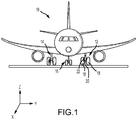
- an aircraft 10 in accordance with various embodiments may comprise aircraft systems and components.
- aircraft 10 may comprise one or more landing gear such as landing gear 12, landing gear 14 and landing gear 16.
- Landing gear 12, landing gear 14 and landing gear 16 may generally support aircraft 10 when aircraft 10 is not flying, allowing aircraft 10 to taxi, take off, and land without damage and may comprise wheels and an oleo strut, also referred to as a shock strut, comprising a strut cylinder and a strut piston filled with a hydraulic fluid.
- landing gear 12 may include wheels 18 coupled by an axle 20 and a shock strut 22.
- aircraft landing gear may experience significant forces such as landing loads and aerodynamic loads and may tend to benefit from high performance alloy construction.
- aircraft 10 components such as landing gear 12 and shock strut 22 may comprise complex geometries tending to benefit from additive manufacturing techniques.
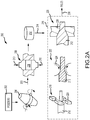
- a method for titanium wire additive manufacturing is illustrated according to various embodiments.
- a plurality of powdered metals 202 comprising titanium and iron are added to powder blender 204 and blended to consistency to powder blend 206.
- powder blend 206 may comprise titanium and iron and any of oxygen, aluminum, vanadium, and/or hydrogen.
- Powdered metals 202 may include titanium hydride powder.
- Powder blend 206 may be between 4% and 6% by weight iron, between 0.5% to 2% by weight aluminum, and between 6% to 9% by weight vanadium.
- the input powders may contain oxygen and hydrogen levels between 0.01 and 1.0% by weight.
- powdered metals consist of Al-V master alloy and Fe elemental powder blended with TiH 2 powder.
- the billet elemental weight percent may be adjusted to account for vaporization of elements such as aluminum during the wire-fed additive process tending thereby to ensure the additive manufactured part is within a desired weight percent limit.
- the billet shape may be a solid round or other shape as appropriate to input stock for wire drawing.
- Powder blend 206 is loaded into sintering furnace 208 which applies force 210 to compact the powder blend 206 and heat to sinter the powder blend 206, thereby forming billet 212.
- sintering furnace 208 may be a vacuum sintering furnace and powder blend 206 may be compressed and heated under a vacuum.
- the compressed powder blend 206 may be heated to between 900 °F [483 °C] and 1600 °F [871 °C] for the sintering operation.
- the sintered billet may undergo beta phase transformation.
- Sintering the powder blend 206 may include removing gasses evolved from the powder blend 206 during sintering and sintering furnace 208 may include a gas removal system and/or control system.
- oxygen, nitrogen, and/or hydrogen may be removed from the powder blend 206 during sintering.
- billet 212 may undergo an annealing cycle subsequent to sintering and prior to wire forming operations 216.
- the annealing cycle temperatures may be between 1200 °F [649 °C] and 1400 °F [760 °C].
- Billet 212 may receive an initial anti-oxidation coating 214 prior to undergoing wire forming operations 216.
- wire forming operations 216 may draw the billet 212 that has been sintered into a wire of a desired diameter.
- Wire forming operations 216 may include rotary swaging 218 via an array of swaging dies 220 which exert force circumferentially about billet 212, thereby reducing its diameter.
- Wire forming operations 216 may also include rolling 222 of billet 212 through rollers 224, thereby reducing its diameter.
- wire forming operations 216 may include extruding 226 of billet 212 through die 228, thereby reducing its diameter.
- a plurality of wire forming operations 216 may be conducted repeatedly or sequentially as required to achieve a desired wire diameter for a worked wire 230.
- the diameter of billet 212 may be reduced by wire forming operations 216 to a wire diameter between 0.0104 in [0.265 mm] and 0.156 in [4.0 mm].
- anti-oxidation coating 214 may be reapplied between successive wire forming operations 216 as rotary swaging 218, rolling 222, and extruding 226 tend to remove the coating.
- the worked billet 212 may undergo a metal pickling treatment between wire forming operations 216. In this regard, scale formation on billet 212, impurity, and oxygen uptake of billet 212 are reduced.
- any of wire forming operations 216 may be conducted in a vacuum or under an inert gas such as, for example, argon.
- worked wire 230 may undergo one or more heat treatment operations 232, for example, in a heat treat oven 234 between wire forming operations 216 (e.g., intermediate heat treatments) and, in this regard, crack formation and oxide formation during wire forming operations 216 may be reduced. and/or when worked wire 230 has achieved the desired final diameter (e.g., final heat treatment).
- Heat treatment operations may include solutionizing heat treatment, aging, and/or annealing.
- heat treatments may include a beta anneal and an alpha beta anneal.
- annealing between 1550 °F [843 °C] and 1600 °F [871 °C] or annealing between 1200 °F [649 °C] and 1400 °F [760 °C].
- a solutionizing heat treatment may be between 1350 °F [732 °C] and 1450 °F [788 °C].
- an aging heat treatment may be between 800 °F [427 °C] and 1100 °F [593 °C] or may be adjusted to achieve a desired material property for wire manufacture.
- the heat treated wire may have between 0.001% and 0.015% by weight hydrogen and may have between 0.1% and 1.0% by weight oxygen.
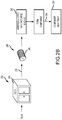
- Heat treated alloy wire 236 may be coiled 238 onto feed spools 240 and loaded in a wirefeed additive manufacturing machine 242 configured for heat treated alloy wire 236.
- Wirefeed additive manufacturing machine 242 may comprise hardware and/or software configured to perform additive manuring of an aerospace component.
- wirefeed additive manufacturing may include laser wire metal deposition, electron beam additive manufacturing, wire arc additive manufacturing and/or the like.
- wirefeed additive manufacturing machine 242 may be configured to deposit the heat treated wire on a substrate.
- the wirefeed additive manufacturing machine 242 may be configured with a turntable, gantry style or rotating head and tailstock style.
- the wirefeed additive manufacturing machine 242 may incorporate a single or a multiple wirefeed system and be capable of delivering the heat treated alloy wire 236 at a rate of of 0.5 in/min [1.27 cm/min] to 25 in/min [63.5 cm/min] and may have deposition rates between 1 and 20 lbs/hour [0.45 and 9 kg/hr].
- Wirefeed additive manufacturing machine 242 may produce a metallic aerospace component 244 from heat treated alloy wire 236.
- Metallic aerospace component 244 may undergo a component heat treat process 245 similar to heat treatment operations 232.
- references to "one embodiment”, “an embodiment”, “an example embodiment”, etc. indicate that the embodiment described may include a particular feature, structure, or characteristic, but every embodiment may not necessarily include the particular feature, structure, or characteristic. Moreover, such phrases are not necessarily referring to the same embodiment. Further, when a particular feature, structure, or characteristic is described in connection with an embodiment, it is submitted that it is within the knowledge of one skilled in the art to affect such feature, structure, or characteristic in connection with other embodiments whether or not explicitly described. After reading the description, it will be apparent to one skilled in the relevant art(s) how to implement the disclosure in alternative embodiment.
Landscapes
- Engineering & Computer Science (AREA)
- Chemical & Material Sciences (AREA)
- Manufacturing & Machinery (AREA)
- Mechanical Engineering (AREA)
- Materials Engineering (AREA)
- Metallurgy (AREA)
- Organic Chemistry (AREA)
- Automation & Control Theory (AREA)
- Physics & Mathematics (AREA)
- Thermal Sciences (AREA)
- Crystallography & Structural Chemistry (AREA)
- Powder Metallurgy (AREA)
Abstract
Description
- The disclosure generally relates to the manufacture of sintered aerospace components using wires suitable for additive manufacturing and more particularly to the wires being produced by forming a sintered billet of titanium and other metallic powders.
- Aircraft landing gear designs incorporate large structural components made from high strength titanium alloys. Powder based additive manufacturing techniques, such as powder bed, for titanium alloy landing gear components are unsuited for producing large parts. Wire deposition additive manufacturing techniques may be used to form large parts. However, existing wire feedstocks for titanium alloys are high cost and tend to have reduced tensile and/or fatigue strength in comparison to wrought processed material.
- In various embodiments, a method of titanium wire additive manufacturing may comprise mixing a plurality of powdered metals comprising titanium, iron, vanadium, and aluminum to produce a powder blend, sintering the powder blend to form a billet, performing a wire forming operation to produce a worked wire, heat treating the worked wire to produce a heat treated wire, loading the heat treated wire into a wirefeed additive manufacturing machine, and producing a metallic component from the heat treated wire. The titanium may be a titanium hydride powder.
- In various embodiments, powder blend comprises between 4% and 6% by weight iron, between 0.5% to 2% by weight aluminum, and between 6% to 9% by weight vanadium. In various embodiments, the sintering is performed between 482.2°C and 871.1°C (900°F and 1600°F) and under a vacuum. The wire forming operation may include at least one of rotary swaging, rolling, or extrusion. The wire forming operation may include at least one of a metal pickling treatment, an intermediate heat treatment, or applying anti-oxidation coating. In various embodiments, any of the rotary swaging, rolling, extrusion, metal pickling treatment, or intermediate heat treatment may be performed in a vacuum or under an inert gas. In various embodiments, the heat treatment or the intermediate heat treatment includes at least one of annealing, solutionizing, or aging. In various embodiments, the heat treated wire comprises between 0.1% and 1.0% by weight oxygen and between 0.001% and 0.015% by weight hydrogen. In various embodiments, the heat treated wire may undergo at least one of a beta phase transformation, a beta anneal, or a alpha-beta anneal during the heat treatment or the intermediate heat treatment. In various embodiments, the diameter of the heat treated wire is between 0.26416mm and 3.9624mm (0.0104 in and 0.156 in).
- In various embodiments, an article of manufacture including a metallic component additively manufactured from a wire feedstock by a wirefeed additive manufacturing machine may include the wire feedstock comprising a heat treated wire drawn from a sintered billet of powdered metals, the powdered metals comprising titanium hydride, iron, vanadium, and aluminum. The powdered metals may comprise between 4% and 6% by weight iron, between 0.5% to 2% by weight aluminum, and between 6% to 9% by weight vanadium. The heat treated wire may comprise between 0.1% and 1.0% by weight oxygen and between 0.001% and 0.015% by weight hydrogen. In various embodiments, the heat treated wire is heat treated by at least one of annealing, solutionizing, or aging. In various embodiments, the heat treated wire may undergo at least one of a beta phase transformation, a beta anneal, or an alpha-beta anneal during the at least one of annealing, solutionizing, or aging.
- In various embodiments, a method of forming a wire for titanium wire additive manufacturing comprises mixing a plurality of powdered metals comprising titanium, iron, vanadium, and aluminum to produce a powder blend, sintering the powder blend to form a billet, performing a wire forming operation on the billet to produce a worked wire, and heat treating the worked wire to produce a heat treated wire. In various embodiments, the titanium is a titanium hydride powder. In various embodiments, the powder blend comprises between 4% and 6% by weight iron, between 0.5% to 2% by weight aluminum, and between 6% to 9% by weight vanadium. In various embodiments, the sintering is performed between 482.2°C and 871.1°C (900°F and 1600°F) and under a vacuum.
- The foregoing features and elements may be combined in various combinations without exclusivity, unless expressly indicated herein otherwise. These features and elements as well as the operation of the disclosed embodiments will become more apparent in light of the following description and accompanying drawings.
- The subject matter of the present disclosure is particularly pointed out and distinctly claimed in the concluding portion of the specification. A more complete understanding of the present disclosures, however, may best be obtained by referring to the detailed description and claims when considered in connection with the drawing figures, wherein like numerals denote like elements.
-
FIG. 1 illustrates an exemplary aircraft, in accordance with various embodiments; -
FIG. 2A illustrates a method for titanium wire additive manufacturing, in accordance with various embodiments; and -
FIG. 2B illustrates a continuation of a method fromFIG. 2A for titanium wire additive manufacturing, in accordance with various embodiments. - The detailed description of exemplary embodiments herein makes reference to the accompanying drawings, which show exemplary embodiments by way of illustration and their best mode. While these exemplary embodiments are described in sufficient detail to enable those skilled in the art to practice the disclosures, it should be understood that other embodiments may be realized and that logical, chemical, and mechanical changes may be made without departing from the spirit and scope of the disclosures. Thus, the detailed description herein is presented for purposes of illustration only and not of limitation. For example, the steps recited in any of the method or process descriptions may be executed in any order and are not necessarily limited to the order presented. Furthermore, any reference to singular includes plural embodiments, and any reference to more than one component or step may include a singular embodiment or step. Also, any reference to attached, fixed, connected or the like may include permanent, removable, temporary, partial, full and/or any other possible attachment option. Additionally, any reference to without contact (or similar phrases) may also include reduced contact or minimal contact.
- Titanium alloy Ti-185 has a relatively high tensile strength; however, the high iron percentage of the alloy causes segregation during conventional melting. Powder metallurgy techniques such as, for example, pressing and sintering may overcome the segregation issues induced in conventional melt metallurgy thereby enabling a lower cost part. Alloying powder may be either elemental powders (e.g., Ti, Fe, V, Al), master alloy powders, or a combination thereof. Sintered billets may be drawn or otherwise worked into a wire feedstock for additive manufacturing operations. In this regard, large high strength titanium alloy components such as, for example, pistons, bogie beams, torque links, brake rods, and/or the like may be produced at reduced cost. Additionally, additive manufacturing according to the process described herein may tend to overcome macro segregation issues encountered in conventional melt metallurgy and benefit of enhanced fatigue and ultimate strength.
- With reference to
FIG. 1 , anaircraft 10 in accordance with various embodiments may comprise aircraft systems and components. For example,aircraft 10 may comprise one or more landing gear such aslanding gear 12,landing gear 14 andlanding gear 16.Landing gear 12,landing gear 14 andlanding gear 16 may generally supportaircraft 10 whenaircraft 10 is not flying, allowingaircraft 10 to taxi, take off, and land without damage and may comprise wheels and an oleo strut, also referred to as a shock strut, comprising a strut cylinder and a strut piston filled with a hydraulic fluid. For example,landing gear 12 may includewheels 18 coupled by an axle 20 and ashock strut 22. In operation, aircraft landing gear may experience significant forces such as landing loads and aerodynamic loads and may tend to benefit from high performance alloy construction. In various embodiments,aircraft 10 components such aslanding gear 12 andshock strut 22 may comprise complex geometries tending to benefit from additive manufacturing techniques. - With additional reference to
FIG. 2A , a method for titanium wire additive manufacturing is illustrated according to various embodiments. A plurality of powderedmetals 202 comprising titanium and iron are added topowder blender 204 and blended to consistency topowder blend 206. In various embodiments,powder blend 206 may comprise titanium and iron and any of oxygen, aluminum, vanadium, and/or hydrogen. Powderedmetals 202 may include titanium hydride powder.Powder blend 206 may be between 4% and 6% by weight iron, between 0.5% to 2% by weight aluminum, and between 6% to 9% by weight vanadium. The input powders may contain oxygen and hydrogen levels between 0.01 and 1.0% by weight. In various embodiments, powdered metals consist of Al-V master alloy and Fe elemental powder blended with TiH2 powder. The billet elemental weight percent may be adjusted to account for vaporization of elements such as aluminum during the wire-fed additive process tending thereby to ensure the additive manufactured part is within a desired weight percent limit. In various embodiments, the billet shape may be a solid round or other shape as appropriate to input stock for wire drawing. -
Powder blend 206 is loaded intosintering furnace 208 which appliesforce 210 to compact thepowder blend 206 and heat to sinter thepowder blend 206, thereby formingbillet 212. In various embodiments, sinteringfurnace 208 may be a vacuum sintering furnace andpowder blend 206 may be compressed and heated under a vacuum. In various embodiments, thecompressed powder blend 206 may be heated to between 900 °F [483 °C] and 1600 °F [871 °C] for the sintering operation. In this regard, the sintered billet may undergo beta phase transformation. Sintering thepowder blend 206 may include removing gasses evolved from thepowder blend 206 during sintering andsintering furnace 208 may include a gas removal system and/or control system. In various embodiments, oxygen, nitrogen, and/or hydrogen may be removed from thepowder blend 206 during sintering. In various embodiments,billet 212 may undergo an annealing cycle subsequent to sintering and prior to wire formingoperations 216. In various embodiments, the annealing cycle temperatures may be between 1200 °F [649 °C] and 1400 °F [760 °C]. -
Billet 212 may receive aninitial anti-oxidation coating 214 prior to undergoingwire forming operations 216. In various embodiments,wire forming operations 216 may draw thebillet 212 that has been sintered into a wire of a desired diameter.Wire forming operations 216 may includerotary swaging 218 via an array of swaging dies 220 which exert force circumferentially aboutbillet 212, thereby reducing its diameter.Wire forming operations 216 may also include rolling 222 ofbillet 212 throughrollers 224, thereby reducing its diameter. Additionally,wire forming operations 216 may include extruding 226 ofbillet 212 throughdie 228, thereby reducing its diameter. A plurality ofwire forming operations 216 may be conducted repeatedly or sequentially as required to achieve a desired wire diameter for a workedwire 230. In various embodiments, the diameter ofbillet 212 may be reduced bywire forming operations 216 to a wire diameter between 0.0104 in [0.265 mm] and 0.156 in [4.0 mm]. In various embodiments,anti-oxidation coating 214 may be reapplied between successivewire forming operations 216 asrotary swaging 218, rolling 222, and extruding 226 tend to remove the coating. In various embodiments, the workedbillet 212 may undergo a metal pickling treatment betweenwire forming operations 216. In this regard, scale formation onbillet 212, impurity, and oxygen uptake ofbillet 212 are reduced. In various embodiments, any ofwire forming operations 216 may be conducted in a vacuum or under an inert gas such as, for example, argon. - In various embodiments, worked
wire 230 may undergo one or moreheat treatment operations 232, for example, in aheat treat oven 234 between wire forming operations 216 (e.g., intermediate heat treatments) and, in this regard, crack formation and oxide formation duringwire forming operations 216 may be reduced. and/or when workedwire 230 has achieved the desired final diameter (e.g., final heat treatment). Heat treatment operations may include solutionizing heat treatment, aging, and/or annealing. In various embodiments, heat treatments may include a beta anneal and an alpha beta anneal. For example, annealing between 1550 °F [843 °C] and 1600 °F [871 °C] or annealing between 1200 °F [649 °C] and 1400 °F [760 °C]. In various embodiments, a solutionizing heat treatment may be between 1350 °F [732 °C] and 1450 °F [788 °C]. In various embodiments, an aging heat treatment may be between 800 °F [427 °C] and 1100 °F [593 °C] or may be adjusted to achieve a desired material property for wire manufacture. In various embodiments, the heat treated wire may have between 0.001% and 0.015% by weight hydrogen and may have between 0.1% and 1.0% by weight oxygen. - Heat treated
alloy wire 236 may be coiled 238 onto feed spools 240 and loaded in a wirefeedadditive manufacturing machine 242 configured for heat treatedalloy wire 236. Wirefeedadditive manufacturing machine 242 may comprise hardware and/or software configured to perform additive manuring of an aerospace component. In various embodiments wirefeed additive manufacturing may include laser wire metal deposition, electron beam additive manufacturing, wire arc additive manufacturing and/or the like. In various embodiments, wirefeedadditive manufacturing machine 242 may be configured to deposit the heat treated wire on a substrate. For example, the wirefeedadditive manufacturing machine 242 may be configured with a turntable, gantry style or rotating head and tailstock style. In various embodiments, the wirefeedadditive manufacturing machine 242 may incorporate a single or a multiple wirefeed system and be capable of delivering the heat treatedalloy wire 236 at a rate of of 0.5 in/min [1.27 cm/min] to 25 in/min [63.5 cm/min] and may have deposition rates between 1 and 20 lbs/hour [0.45 and 9 kg/hr]. Wirefeedadditive manufacturing machine 242 may produce ametallic aerospace component 244 from heat treatedalloy wire 236.Metallic aerospace component 244 may undergo a component heat treat process 245 similar toheat treatment operations 232. - Benefits, other advantages, and solutions to problems have been described herein with regard to specific embodiments. Furthermore, the connecting lines shown in the various figures contained herein are intended to represent exemplary functional relationships and/or physical couplings between the various elements. It should be noted that many alternative or additional functional relationships or physical connections may be present in a practical system. However, the benefits, advantages, solutions to problems, and any elements that may cause any benefit, advantage, or solution to occur or become more pronounced are not to be construed as critical, required, or essential features or elements of the disclosures.
- The scope of the disclosures is accordingly to be limited by nothing other than the appended claims, in which reference to an element in the singular is not intended to mean "one and only one" unless explicitly so stated, but rather "one or more." Moreover, where a phrase similar to "at least one of A, B, or C" is used in the claims, it is intended that the phrase be interpreted to mean that A alone may be present in an embodiment, B alone may be present in an embodiment, C alone may be present in an embodiment, or that any combination of the elements A, B and C may be present in a single embodiment; for example, A and B, A and C, B and C, or A and B and C. Different cross-hatching is used throughout the figures to denote different parts but not necessarily to denote the same or different materials.
- Systems, methods and apparatus are provided herein. In the detailed description herein, references to "one embodiment", "an embodiment", "an example embodiment", etc., indicate that the embodiment described may include a particular feature, structure, or characteristic, but every embodiment may not necessarily include the particular feature, structure, or characteristic. Moreover, such phrases are not necessarily referring to the same embodiment. Further, when a particular feature, structure, or characteristic is described in connection with an embodiment, it is submitted that it is within the knowledge of one skilled in the art to affect such feature, structure, or characteristic in connection with other embodiments whether or not explicitly described. After reading the description, it will be apparent to one skilled in the relevant art(s) how to implement the disclosure in alternative embodiment.
Claims (15)
- A method of forming a wire for titanium wire additive manufacturing, comprising:mixing a plurality of powdered metals (202) comprising titanium, iron, vanadium, and aluminum to produce a powder blend (206);sintering the powder blend to form a billet (212);performing a wire forming operation on the billet to produce a worked wire (230); and heat treating the worked wire to produce a heat treated wire (236).
- The method of claim 1, wherein the titanium is a titanium hydride powder.
- The method of claim 2, wherein the powder blend comprises between 4% and 6% by weight iron, between 0.5% to 2% by weight aluminum, and between 6% to 9% by weight vanadium.
- The method of claim 3, wherein the sintering is performed between 482.2°C and 871.1°C (900°F and 1600°F) and under a vacuum.
- The method of claim 3, wherein the wire forming operation includes at least one of rotary swaging, rolling, or extrusion, or wherein the wire forming operation includes at least one of a metal pickling treatment, an intermediate heat treatment, or applying anti-oxidation coating, and preferably wherein at least one of the rotary swaging, rolling, extrusion, metal pickling treatment, or intermediate heat treatment are performed in at least one of a vacuum or under an inert gas.
- The method of claim 5, wherein at least one of the heat treatment or the intermediate heat treatment includes at least one of annealing, solutionizing, or aging.
- The method of any preceding claim, wherein the heat treated wire comprises between 0.1% and 1.0% by weight oxygen and between 0.001% and 0.015% by weight hydrogen.
- The method of claim 7, wherein the heat treated wire has undergone at least one of a beta phase transformation, a beta anneal, or an alpha beta anneal during at least one of the heat treatment or the intermediate heat treatment.
- The method of claim 8, wherein the diameter of the heat treated wire is between 0.0104 in and 0.156 in (0.26416mm and 3.9624mm).
- A method of titanium wire additive manufacturing, comprising:forming a wire according to the method of any preceding claim;loading the heat treated wire into a wirefeed additive manufacturing machine configured to deposit the heat treated wire; andproducing a metallic component (244) from the heat treated wire.
- An article of manufacture including a metallic component additively manufactured from a wire feedstock by a wirefeed additive manufacturing machine, wherein:the wire feedstock comprises a heat treated wire (236) drawn from a sintered billet of powdered metals,the powdered metals comprising titanium hydride, iron, vanadium, and aluminum.
- The article of manufacture of claim 11, wherein the powdered metals comprise between 4% and 6% by weight iron, between 0.5% to 2% by weight aluminum, and between 6% to 9% by weight vanadium.
- The article of manufacture of claim 11 or 12, wherein the heat treated wire comprises between 0.1% and 1.0% by weight oxygen and between 0.001% and 0.015% by weight hydrogen.
- The article of manufacture of claim 13, wherein the heat treated wire is heat treated by at least one of annealing, solutionizing, or aging.
- The article of manufacture of claim 14, wherein the heat treated wire has undergone at least one of a beta phase transformation, a beta anneal, or an alpha beta anneal during the at least one of annealing, solutionizing, or aging.
Applications Claiming Priority (1)
| Application Number | Priority Date | Filing Date | Title |
|---|---|---|---|
| US16/102,430 US11192186B2 (en) | 2018-08-13 | 2018-08-13 | Systems and methods for high strength titanium wire additive manufacturing |
Publications (1)
| Publication Number | Publication Date |
|---|---|
| EP3610972A1 true EP3610972A1 (en) | 2020-02-19 |
Family
ID=67614508
Family Applications (1)
| Application Number | Title | Priority Date | Filing Date |
|---|---|---|---|
| EP19191301.1A Pending EP3610972A1 (en) | 2018-08-13 | 2019-08-12 | Systems and methods for high strength titanium wire additive manufacturing |
Country Status (2)
| Country | Link |
|---|---|
| US (1) | US11192186B2 (en) |
| EP (1) | EP3610972A1 (en) |
Cited By (4)
| Publication number | Priority date | Publication date | Assignee | Title |
|---|---|---|---|---|
| CN112958873A (en) * | 2021-02-20 | 2021-06-15 | 西安交通大学 | Metal sandwich electric arc additive manufacturing device and working method |
| EP4180139A1 (en) * | 2021-11-12 | 2023-05-17 | Goodrich Corporation | Systems and methods for high strength titanium rod additive manufacturing |
| EP4183497A1 (en) * | 2021-11-17 | 2023-05-24 | Goodrich Corporation | Systems and methods for high strength titanium rod additive manufacturing |
| EP4238671A1 (en) * | 2022-03-04 | 2023-09-06 | Goodrich Corporation | Systems and methods for manufacturing landing gear components using titanium |
Families Citing this family (3)
| Publication number | Priority date | Publication date | Assignee | Title |
|---|---|---|---|---|
| US12138708B2 (en) * | 2022-02-23 | 2024-11-12 | Goodrich Corporation | Methods, systems, and apparatus for component manufacturing |
| US12693078B2 (en) | 2022-10-05 | 2026-07-28 | Battelle Savannah River Alliance, Llc | High enthalpy thermochemical energy storage materials |
| CN122462360A (en) * | 2026-06-30 | 2026-07-28 | 西安赛特思迈钛业有限公司 | Drawing method of high-strength titanium alloy bar for aerospace vehicle fasteners |
Citations (3)
| Publication number | Priority date | Publication date | Assignee | Title |
|---|---|---|---|---|
| US20140000332A1 (en) * | 2011-03-10 | 2014-01-02 | Commonwealth Scientific And Industrial Research Organisation | Extrusion of high temperature formable non-ferrous metals |
| US20160151865A1 (en) * | 2011-03-22 | 2016-06-02 | Norsk Titanium As | Method for production of alloyed titanium welding wire |
| US20170306449A1 (en) * | 2016-04-25 | 2017-10-26 | Arconic Inc. | Bcc materials of titanium, aluminum, vanadium, and iron, and products made therefrom |
Family Cites Families (7)
| Publication number | Priority date | Publication date | Assignee | Title |
|---|---|---|---|---|
| US5897830A (en) | 1996-12-06 | 1999-04-27 | Dynamet Technology | P/M titanium composite casting |
| WO2013172745A1 (en) * | 2012-05-16 | 2013-11-21 | Gkn Aerospace Sweden Ab | Method for applying a titanium alloy on a substrate |
| US10829857B2 (en) | 2013-03-12 | 2020-11-10 | United States Of America As Represented By The Administrator Of Nasa | Gas phase alloying for wire fed joining and deposition processes |
| US9321524B2 (en) * | 2014-04-22 | 2016-04-26 | Goodrich Corporation | Bogie beam articulation mechanism |
| UA112682C2 (en) * | 2014-10-23 | 2016-10-10 | Приватне Акціонерне Товариство "Нво "Червона Хвиля" | A METHOD OF MANUFACTURING THREE-DIMENSIONAL OBJECTS AND DEVICES FOR ITS IMPLEMENTATION |
| US9796137B2 (en) | 2015-06-08 | 2017-10-24 | The Boeing Company | Additive manufacturing methods |
| US20180029131A1 (en) | 2016-07-26 | 2018-02-01 | The Boeing Company | Powdered Titanium Alloy Composition and Article Formed Therefrom |
-
2018
- 2018-08-13 US US16/102,430 patent/US11192186B2/en active Active
-
2019
- 2019-08-12 EP EP19191301.1A patent/EP3610972A1/en active Pending
Patent Citations (3)
| Publication number | Priority date | Publication date | Assignee | Title |
|---|---|---|---|---|
| US20140000332A1 (en) * | 2011-03-10 | 2014-01-02 | Commonwealth Scientific And Industrial Research Organisation | Extrusion of high temperature formable non-ferrous metals |
| US20160151865A1 (en) * | 2011-03-22 | 2016-06-02 | Norsk Titanium As | Method for production of alloyed titanium welding wire |
| US20170306449A1 (en) * | 2016-04-25 | 2017-10-26 | Arconic Inc. | Bcc materials of titanium, aluminum, vanadium, and iron, and products made therefrom |
Non-Patent Citations (3)
| Title |
|---|
| CURT LAVENDER ET AL: "2011 DOE Hydrogen and Fuel Cells and Vehicle Technologies Programs Annual Merit Review Low Cost Titanium - Propulsion Applications", 11 March 2011 (2011-03-11), XP055648462, Retrieved from the Internet <URL:https://www.energy.gov/sites/prod/files/2014/03/f11/pm006_lavender_2011_o.pdf> [retrieved on 20191203] * |
| GEORG I. ABAKUMOV ET AL: "GeorgAbakumov,DirectorBusinessDevelopment,ADMAProducts,Inc. Powder Metallurgy Titanium and Titanium Alloy Components Manufactured from Hydrogenated Titanium Powders", 10 October 2012 (2012-10-10), XP055648460, Retrieved from the Internet <URL:https://cdn.ymaws.com/titanium.org/resource/resmgr/2010_2014_papers/AbakumovGeorg_2012.pdf> [retrieved on 20191203] * |
| HAMID AZIZI ET AL: "Additive manufacturing of a novel Ti-Al-V-Fe alloy using selective laser melting", ADDITIVE MANUFACTURING, vol. 21, 1 May 2018 (2018-05-01), NL, pages 529 - 535, XP055648455, ISSN: 2214-8604, DOI: 10.1016/j.addma.2018.04.006 * |
Cited By (9)
| Publication number | Priority date | Publication date | Assignee | Title |
|---|---|---|---|---|
| CN112958873A (en) * | 2021-02-20 | 2021-06-15 | 西安交通大学 | Metal sandwich electric arc additive manufacturing device and working method |
| CN112958873B (en) * | 2021-02-20 | 2022-05-20 | 西安交通大学 | Metal sandwich electric arc additive manufacturing device and working method |
| EP4180139A1 (en) * | 2021-11-12 | 2023-05-17 | Goodrich Corporation | Systems and methods for high strength titanium rod additive manufacturing |
| US11786972B2 (en) | 2021-11-12 | 2023-10-17 | Goodrich Corporation | Systems and methods for high strength titanium rod additive manufacturing |
| US12115580B2 (en) | 2021-11-12 | 2024-10-15 | Goodrich Corporation | Systems and methods for high strength titanium rod additive manufacturing |
| EP4183497A1 (en) * | 2021-11-17 | 2023-05-24 | Goodrich Corporation | Systems and methods for high strength titanium rod additive manufacturing |
| US12186827B2 (en) | 2021-11-17 | 2025-01-07 | Goodrich Corporation | Systems and methods for high strength titanium rod additive manufacturing |
| EP4238671A1 (en) * | 2022-03-04 | 2023-09-06 | Goodrich Corporation | Systems and methods for manufacturing landing gear components using titanium |
| US12365028B2 (en) | 2022-03-04 | 2025-07-22 | Goodrich Corporation | Systems and methods for manufacturing landing gear components using titanium |
Also Published As
| Publication number | Publication date |
|---|---|
| US11192186B2 (en) | 2021-12-07 |
| US20200047248A1 (en) | 2020-02-13 |
Similar Documents
| Publication | Publication Date | Title |
|---|---|---|
| US11192186B2 (en) | Systems and methods for high strength titanium wire additive manufacturing | |
| US20240042558A1 (en) | Systems and methods for wire deposited additive manufacturing using titanium | |
| US12186827B2 (en) | Systems and methods for high strength titanium rod additive manufacturing | |
| US12115580B2 (en) | Systems and methods for high strength titanium rod additive manufacturing | |
| JP6616246B2 (en) | Additive manufacturing method | |
| US4714587A (en) | Method for producing very fine microstructures in titanium alloy powder compacts | |
| US12365028B2 (en) | Systems and methods for manufacturing landing gear components using titanium | |
| CA3109213C (en) | High-strength titanium alloy for additive manufacturing | |
| US20050109158A1 (en) | Method for preparing ultra-fine, submicron grain titanium and titanium-alloy articles and articles prepared thereby | |
| AU742807B2 (en) | Working and annealing liquid phase sintered tungsten heavy alloy | |
| CN109454188A (en) | Ti55531 titanium alloy large size bar free forging method | |
| RU2713668C1 (en) | Materials with hca structure based on aluminium, titanium and zirconium and articles made therefrom | |
| US11421303B2 (en) | Titanium alloy products and methods of making the same | |
| JP2019516861A (en) | Titanium, aluminum, vanadium and iron BCC materials and products made therefrom | |
| CN115255021B (en) | Large-single-weight TC4 titanium disc round wire for aerospace fastener and preparation method thereof | |
| CN118904961B (en) | Efficient and environment-friendly method for preparing large single-weight titanium alloy wire | |
| JP2000225412A (en) | Method of plastic working of aluminum alloy and high strength and high ductility aluminum alloy material using the method | |
| US4534808A (en) | Method for refining microstructures of prealloyed powder metallurgy titanium articles | |
| US4832760A (en) | Method for refining microstructures of prealloyed titanium powder compacts | |
| US4536234A (en) | Method for refining microstructures of blended elemental powder metallurgy titanium articles | |
| JP5342991B2 (en) | Manufacturing method of forged products | |
| CN117187603B (en) | Preparation method of high-temperature titanium alloy forging for aerospace structural part | |
| KR20210059671A (en) | How To Produce Metal Matrix Composite Strip Products | |
| JP2785139B2 (en) | Composite roll for rolling and manufacturing method thereof | |
| BR102023002879A2 (en) | METALLIC PART, AND, METHOD FOR MANUFACTURING A LANDING GEAR COMPONENT |
Legal Events
| Date | Code | Title | Description |
|---|---|---|---|
| PUAI | Public reference made under article 153(3) epc to a published international application that has entered the european phase |
Free format text: ORIGINAL CODE: 0009012 |
|
| STAA | Information on the status of an ep patent application or granted ep patent |
Free format text: STATUS: THE APPLICATION HAS BEEN PUBLISHED |
|
| AK | Designated contracting states |
Kind code of ref document: A1 Designated state(s): AL AT BE BG CH CY CZ DE DK EE ES FI FR GB GR HR HU IE IS IT LI LT LU LV MC MK MT NL NO PL PT RO RS SE SI SK SM TR |
|
| AX | Request for extension of the european patent |
Extension state: BA ME |
|
| STAA | Information on the status of an ep patent application or granted ep patent |
Free format text: STATUS: REQUEST FOR EXAMINATION WAS MADE |
|
| 17P | Request for examination filed |
Effective date: 20200819 |
|
| RBV | Designated contracting states (corrected) |
Designated state(s): AL AT BE BG CH CY CZ DE DK EE ES FI FR GB GR HR HU IE IS IT LI LT LU LV MC MK MT NL NO PL PT RO RS SE SI SK SM TR |
|
| STAA | Information on the status of an ep patent application or granted ep patent |
Free format text: STATUS: EXAMINATION IS IN PROGRESS |
|
| 17Q | First examination report despatched |
Effective date: 20230307 |
|
| P01 | Opt-out of the competence of the unified patent court (upc) registered |
Effective date: 20230922 |
|
| RIC1 | Information provided on ipc code assigned before grant |
Ipc: B22F 5/12 20060101AFI20260205BHEP Ipc: B33Y 70/00 20200101ALI20260205BHEP Ipc: B23K 35/32 20060101ALI20260205BHEP Ipc: B22F 10/34 20210101ALI20260205BHEP Ipc: B23K 35/40 20060101ALI20260205BHEP Ipc: B22F 1/12 20220101ALI20260205BHEP Ipc: C22C 1/04 20060101ALI20260205BHEP Ipc: B21C 37/04 20060101ALI20260205BHEP Ipc: B21C 1/02 20060101ALI20260205BHEP Ipc: B22F 3/16 20060101ALI20260205BHEP Ipc: B21C 23/08 20060101ALI20260205BHEP Ipc: B22F 3/17 20060101ALI20260205BHEP Ipc: B22F 3/18 20060101ALI20260205BHEP Ipc: B22F 3/20 20060101ALI20260205BHEP Ipc: B22F 3/24 20060101ALI20260205BHEP Ipc: B33Y 10/00 20150101ALI20260205BHEP Ipc: B33Y 80/00 20150101ALI20260205BHEP Ipc: B23K 35/02 20060101ALI20260205BHEP Ipc: B22F 1/00 20060101ALI20260205BHEP Ipc: C22C 14/00 20060101ALI20260205BHEP Ipc: B22F 10/18 20210101ALN20260205BHEP Ipc: B22F 10/25 20210101ALN20260205BHEP Ipc: B64C 25/00 20060101ALN20260205BHEP Ipc: B64F 5/10 20170101ALN20260205BHEP |
|
| RIC1 | Information provided on ipc code assigned before grant |
Ipc: B22F 5/12 20060101AFI20260206BHEP Ipc: B33Y 70/00 20200101ALI20260206BHEP Ipc: B23K 35/32 20060101ALI20260206BHEP Ipc: B22F 10/34 20210101ALI20260206BHEP Ipc: B23K 35/40 20060101ALI20260206BHEP Ipc: B22F 1/12 20220101ALI20260206BHEP Ipc: C22C 1/04 20060101ALI20260206BHEP Ipc: B21C 37/04 20060101ALI20260206BHEP Ipc: B21C 1/02 20060101ALI20260206BHEP Ipc: B22F 3/16 20060101ALI20260206BHEP Ipc: B21C 23/08 20060101ALI20260206BHEP Ipc: B22F 3/17 20060101ALI20260206BHEP Ipc: B22F 3/18 20060101ALI20260206BHEP Ipc: B22F 3/20 20060101ALI20260206BHEP Ipc: B22F 3/24 20060101ALI20260206BHEP Ipc: B33Y 10/00 20150101ALI20260206BHEP Ipc: B33Y 80/00 20150101ALI20260206BHEP Ipc: B23K 35/02 20060101ALI20260206BHEP Ipc: B22F 1/00 20060101ALI20260206BHEP Ipc: C22C 14/00 20060101ALI20260206BHEP Ipc: B22F 10/18 20210101ALN20260206BHEP Ipc: B22F 10/25 20210101ALN20260206BHEP Ipc: B64C 25/00 20060101ALN20260206BHEP Ipc: B64F 5/10 20170101ALN20260206BHEP |
|
| GRAP | Despatch of communication of intention to grant a patent |
Free format text: ORIGINAL CODE: EPIDOSNIGR1 |
|
| STAA | Information on the status of an ep patent application or granted ep patent |
Free format text: STATUS: GRANT OF PATENT IS INTENDED |
|
| RIC1 | Information provided on ipc code assigned before grant |
Ipc: B22F 5/12 20060101AFI20260407BHEP Ipc: B33Y 70/00 20200101ALI20260407BHEP Ipc: B23K 35/32 20060101ALI20260407BHEP Ipc: B22F 10/34 20210101ALI20260407BHEP Ipc: B23K 35/40 20060101ALI20260407BHEP Ipc: B22F 1/12 20220101ALI20260407BHEP Ipc: C22C 1/04 20060101ALI20260407BHEP Ipc: B21C 37/04 20060101ALI20260407BHEP Ipc: B21C 1/02 20060101ALI20260407BHEP Ipc: B22F 3/16 20060101ALI20260407BHEP Ipc: B21C 23/08 20060101ALI20260407BHEP Ipc: B22F 3/17 20060101ALI20260407BHEP Ipc: B22F 3/18 20060101ALI20260407BHEP Ipc: B22F 3/20 20060101ALI20260407BHEP Ipc: B22F 3/24 20060101ALI20260407BHEP Ipc: B33Y 10/00 20150101ALI20260407BHEP Ipc: B33Y 80/00 20150101ALI20260407BHEP Ipc: B23K 35/02 20060101ALI20260407BHEP Ipc: B22F 1/00 20060101ALI20260407BHEP Ipc: C22C 14/00 20060101ALI20260407BHEP Ipc: B22F 10/18 20210101ALN20260407BHEP Ipc: B22F 10/25 20210101ALN20260407BHEP Ipc: B64C 25/00 20060101ALN20260407BHEP Ipc: B64F 5/10 20170101ALN20260407BHEP |
|
| INTG | Intention to grant announced |
Effective date: 20260428 |
|
| GRAJ | Information related to disapproval of communication of intention to grant by the applicant or resumption of examination proceedings by the epo deleted |
Free format text: ORIGINAL CODE: EPIDOSDIGR1 |
|
| STAA | Information on the status of an ep patent application or granted ep patent |
Free format text: STATUS: EXAMINATION IS IN PROGRESS |
|
| INTC | Intention to grant announced (deleted) | ||
| GRAP | Despatch of communication of intention to grant a patent |
Free format text: ORIGINAL CODE: EPIDOSNIGR1 |
|
| STAA | Information on the status of an ep patent application or granted ep patent |
Free format text: STATUS: GRANT OF PATENT IS INTENDED |