EP3608417A1 - Novel malonyl-coa biosensor based on type iii polyketide synthase, and use thereof - Google Patents
Novel malonyl-coa biosensor based on type iii polyketide synthase, and use thereof Download PDFInfo
- Publication number
- EP3608417A1 EP3608417A1 EP18899006.3A EP18899006A EP3608417A1 EP 3608417 A1 EP3608417 A1 EP 3608417A1 EP 18899006 A EP18899006 A EP 18899006A EP 3608417 A1 EP3608417 A1 EP 3608417A1
- Authority
- EP
- European Patent Office
- Prior art keywords
- recombinant microorganism
- coa
- gene
- seq
- microorganism
- Prior art date
- Legal status (The legal status is an assumption and is not a legal conclusion. Google has not performed a legal analysis and makes no representation as to the accuracy of the status listed.)
- Withdrawn
Links
- 108010060641 flavanone synthetase Proteins 0.000 title claims description 58
- LTYOQGRJFJAKNA-VFLPNFFSSA-N malonyl-coa Chemical compound O[C@@H]1[C@H](OP(O)(O)=O)[C@@H](COP(O)(=O)OP(O)(=O)OCC(C)(C)C(O)C(=O)NCCC(=O)NCCSC(=O)CC(O)=O)O[C@H]1N1C2=NC=NC(N)=C2N=C1 LTYOQGRJFJAKNA-VFLPNFFSSA-N 0.000 title 1
- 244000005700 microbiome Species 0.000 claims abstract description 215
- 108090000623 proteins and genes Proteins 0.000 claims abstract description 214
- LTYOQGRJFJAKNA-KKIMTKSISA-N Malonyl CoA Natural products S(C(=O)CC(=O)O)CCNC(=O)CCNC(=O)[C@@H](O)C(CO[P@](=O)(O[P@](=O)(OC[C@H]1[C@@H](OP(=O)(O)O)[C@@H](O)[C@@H](n2c3ncnc(N)c3nc2)O1)O)O)(C)C LTYOQGRJFJAKNA-KKIMTKSISA-N 0.000 claims abstract description 146
- LTYOQGRJFJAKNA-DVVLENMVSA-N malonyl-CoA Chemical compound O[C@@H]1[C@H](OP(O)(O)=O)[C@@H](COP(O)(=O)OP(O)(=O)OCC(C)(C)[C@@H](O)C(=O)NCCC(=O)NCCSC(=O)CC(O)=O)O[C@H]1N1C2=NC=NC(N)=C2N=C1 LTYOQGRJFJAKNA-DVVLENMVSA-N 0.000 claims abstract description 146
- 238000004519 manufacturing process Methods 0.000 claims abstract description 121
- 238000000034 method Methods 0.000 claims abstract description 84
- 230000001965 increasing effect Effects 0.000 claims abstract description 78
- 239000000126 substance Substances 0.000 claims abstract description 63
- 239000013598 vector Substances 0.000 claims abstract description 35
- 229930001119 polyketide Natural products 0.000 claims abstract description 17
- 238000010276 construction Methods 0.000 claims abstract description 16
- 230000001939 inductive effect Effects 0.000 claims abstract description 15
- 150000003881 polyketide derivatives Chemical class 0.000 claims abstract description 14
- 238000012216 screening Methods 0.000 claims abstract description 14
- 238000001514 detection method Methods 0.000 claims abstract description 9
- HCJMNOSIAGSZBM-UHFFFAOYSA-N 6-methylsalicylic acid Chemical compound CC1=CC=CC(O)=C1C(O)=O HCJMNOSIAGSZBM-UHFFFAOYSA-N 0.000 claims description 94
- 230000014509 gene expression Effects 0.000 claims description 94
- JHELBXAAAYUKCT-UHFFFAOYSA-N aloesone Chemical compound C1=C(O)C=C2OC(CC(=O)C)=CC(=O)C2=C1C JHELBXAAAYUKCT-UHFFFAOYSA-N 0.000 claims description 74
- 241000588724 Escherichia coli Species 0.000 claims description 70
- 108020004566 Transfer RNA Proteins 0.000 claims description 45
- QNVSXXGDAPORNA-UHFFFAOYSA-N Resveratrol Natural products OC1=CC=CC(C=CC=2C=C(O)C(O)=CC=2)=C1 QNVSXXGDAPORNA-UHFFFAOYSA-N 0.000 claims description 43
- 235000021283 resveratrol Nutrition 0.000 claims description 43
- 229940016667 resveratrol Drugs 0.000 claims description 43
- LUKBXSAWLPMMSZ-OWOJBTEDSA-N Trans-resveratrol Chemical compound C1=CC(O)=CC=C1\C=C\C1=CC(O)=CC(O)=C1 LUKBXSAWLPMMSZ-OWOJBTEDSA-N 0.000 claims description 42
- 102000004190 Enzymes Human genes 0.000 claims description 40
- 108090000790 Enzymes Proteins 0.000 claims description 40
- WGEYAGZBLYNDFV-UHFFFAOYSA-N naringenin Natural products C1(=O)C2=C(O)C=C(O)C=C2OC(C1)C1=CC=C(CC1)O WGEYAGZBLYNDFV-UHFFFAOYSA-N 0.000 claims description 38
- 235000007625 naringenin Nutrition 0.000 claims description 38
- 229940117954 naringenin Drugs 0.000 claims description 38
- FTVWIRXFELQLPI-ZDUSSCGKSA-N (S)-naringenin Chemical compound C1=CC(O)=CC=C1[C@H]1OC2=CC(O)=CC(O)=C2C(=O)C1 FTVWIRXFELQLPI-ZDUSSCGKSA-N 0.000 claims description 37
- 239000012228 culture supernatant Substances 0.000 claims description 36
- 150000001413 amino acids Chemical class 0.000 claims description 29
- 238000012258 culturing Methods 0.000 claims description 27
- 101710098082 Aloesone synthase Proteins 0.000 claims description 23
- 238000002835 absorbance Methods 0.000 claims description 23
- 102000003960 Ligases Human genes 0.000 claims description 19
- 108090000364 Ligases Proteins 0.000 claims description 19
- 108010052982 Tyrosine 2,3-aminomutase Proteins 0.000 claims description 19
- NGSWKAQJJWESNS-ZZXKWVIFSA-N trans-4-coumaric acid Chemical compound OC(=O)\C=C\C1=CC=C(O)C=C1 NGSWKAQJJWESNS-ZZXKWVIFSA-N 0.000 claims description 18
- 230000033228 biological regulation Effects 0.000 claims description 17
- -1 polyketide compound Chemical class 0.000 claims description 17
- 108030002614 6-methylsalicylic acid synthases Proteins 0.000 claims description 16
- 102000006602 glyceraldehyde-3-phosphate dehydrogenase Human genes 0.000 claims description 16
- 108020004445 glyceraldehyde-3-phosphate dehydrogenase Proteins 0.000 claims description 16
- ALYNCZNDIQEVRV-UHFFFAOYSA-N 4-aminobenzoic acid Chemical compound NC1=CC=C(C(O)=O)C=C1 ALYNCZNDIQEVRV-UHFFFAOYSA-N 0.000 claims description 15
- 102100037579 D-3-phosphoglycerate dehydrogenase Human genes 0.000 claims description 15
- 101150072510 pabA gene Proteins 0.000 claims description 15
- 240000007474 Aloe arborescens Species 0.000 claims description 14
- 101100103045 Escherichia coli (strain K12) xapR gene Proteins 0.000 claims description 14
- 239000000758 substrate Substances 0.000 claims description 13
- 235000004509 Aloe arborescens Nutrition 0.000 claims description 12
- 101150026389 fabF gene Proteins 0.000 claims description 12
- 101150115959 fadR gene Proteins 0.000 claims description 12
- 108010016219 Acetyl-CoA carboxylase Proteins 0.000 claims description 11
- 102000000452 Acetyl-CoA carboxylase Human genes 0.000 claims description 11
- 108010004539 Chalcone isomerase Proteins 0.000 claims description 11
- 108010026217 Malate Dehydrogenase Proteins 0.000 claims description 11
- LCTONWCANYUPML-UHFFFAOYSA-M Pyruvate Chemical compound CC(=O)C([O-])=O LCTONWCANYUPML-UHFFFAOYSA-M 0.000 claims description 11
- 241000187432 Streptomyces coelicolor Species 0.000 claims description 11
- 241000187392 Streptomyces griseus Species 0.000 claims description 11
- 101100326957 Bacillus subtilis (strain 168) catD gene Proteins 0.000 claims description 10
- 101100337717 Escherichia coli (strain K12) grcA gene Proteins 0.000 claims description 10
- 230000003247 decreasing effect Effects 0.000 claims description 10
- 101100012355 Bacillus anthracis fabH1 gene Proteins 0.000 claims description 9
- 101100012357 Bacillus subtilis (strain 168) fabHA gene Proteins 0.000 claims description 9
- 108010018763 Biotin carboxylase Proteins 0.000 claims description 9
- 101000967356 Mycolicibacterium smegmatis (strain ATCC 700084 / mc(2)155) Fatty-acid O-methyltransferase Proteins 0.000 claims description 9
- 101150109777 cytR gene Proteins 0.000 claims description 9
- 101150035981 fabH gene Proteins 0.000 claims description 9
- 101150094267 mqo gene Proteins 0.000 claims description 9
- 101150116440 pyrF gene Proteins 0.000 claims description 9
- PCNFFWATXFRKOF-UHFFFAOYSA-N 2,7-dihydroxy-2-[(4-hydroxy-6-oxopyran-2-yl)methyl]-5-methyl-3H-chromen-4-one Chemical compound C1C(=O)C=2C(C)=CC(O)=CC=2OC1(O)CC1=CC(O)=CC(=O)O1 PCNFFWATXFRKOF-UHFFFAOYSA-N 0.000 claims description 8
- WFNZGUNBSCUXFX-UHFFFAOYSA-N 2,7-dihydroxy-5-[(4-hydroxy-6-oxopyran-2-yl)methyl]-2-methyl-3h-chromen-4-one Chemical compound C1=C(O)C=C2OC(C)(O)CC(=O)C2=C1CC1=CC(O)=CC(=O)O1 WFNZGUNBSCUXFX-UHFFFAOYSA-N 0.000 claims description 8
- 241000186000 Bifidobacterium Species 0.000 claims description 8
- 101100334304 Escherichia coli (strain K12) fadI gene Proteins 0.000 claims description 8
- 102100026384 L-aminoadipate-semialdehyde dehydrogenase-phosphopantetheinyl transferase Human genes 0.000 claims description 8
- OIRDTQYFTABQOQ-UHTZMRCNSA-N Vidarabine Chemical compound C1=NC=2C(N)=NC=NC=2N1[C@@H]1O[C@H](CO)[C@@H](O)[C@@H]1O OIRDTQYFTABQOQ-UHTZMRCNSA-N 0.000 claims description 8
- 229940024606 amino acid Drugs 0.000 claims description 8
- OIRDTQYFTABQOQ-UHFFFAOYSA-N ara-adenosine Natural products Nc1ncnc2n(cnc12)C1OC(CO)C(O)C1O OIRDTQYFTABQOQ-UHFFFAOYSA-N 0.000 claims description 8
- 101150035354 araA gene Proteins 0.000 claims description 8
- 239000003086 colorant Substances 0.000 claims description 8
- 101150026607 hycI gene Proteins 0.000 claims description 8
- 108010001814 phosphopantetheinyl transferase Proteins 0.000 claims description 8
- AUFGTPPARQZWDO-YPMHNXCESA-N 10-formyltetrahydrofolic acid Chemical compound C([C@H]1CNC=2N=C(NC(=O)C=2N1)N)N(C=O)C1=CC=C(C(=O)N[C@@H](CCC(O)=O)C(O)=O)C=C1 AUFGTPPARQZWDO-YPMHNXCESA-N 0.000 claims description 7
- 108050003185 3-oxoacyl-[acyl-carrier-protein] synthase 2 Proteins 0.000 claims description 7
- 101710168866 3-oxoacyl-[acyl-carrier-protein] synthase 3 Proteins 0.000 claims description 7
- 108010049926 Acetate-CoA ligase Proteins 0.000 claims description 7
- 102000055161 Adenylosuccinate lyases Human genes 0.000 claims description 7
- 108010052434 Aminodeoxychorismate synthase Proteins 0.000 claims description 7
- 101100496017 Arabidopsis thaliana CIPK15 gene Proteins 0.000 claims description 7
- 101710088194 Dehydrogenase Proteins 0.000 claims description 7
- 101100013508 Gibberella fujikuroi (strain CBS 195.34 / IMI 58289 / NRRL A-6831) FSR1 gene Proteins 0.000 claims description 7
- 101001131930 Homo sapiens Transcriptional activator protein Pur-beta Proteins 0.000 claims description 7
- 108010018080 L-arabinose isomerase Proteins 0.000 claims description 7
- 101100495288 Mus musculus Cda gene Proteins 0.000 claims description 7
- 101000911038 Mycobacterium tuberculosis (strain ATCC 25618 / H37Rv) Steroid 3-ketoacyl-CoA thiolase Proteins 0.000 claims description 7
- 101100238658 Mycobacterium tuberculosis (strain ATCC 25618 / H37Rv) msl3 gene Proteins 0.000 claims description 7
- PYUSHNKNPOHWEZ-YFKPBYRVSA-N N-formyl-L-methionine Chemical compound CSCC[C@@H](C(O)=O)NC=O PYUSHNKNPOHWEZ-YFKPBYRVSA-N 0.000 claims description 7
- 102100037214 Orotidine 5'-phosphate decarboxylase Human genes 0.000 claims description 7
- 108010055012 Orotidine-5'-phosphate decarboxylase Proteins 0.000 claims description 7
- 101150086937 PKS3 gene Proteins 0.000 claims description 7
- 102000011755 Phosphoglycerate Kinase Human genes 0.000 claims description 7
- 108010030975 Polyketide Synthases Proteins 0.000 claims description 7
- 240000001745 Rheum palmatum Species 0.000 claims description 7
- 101001099217 Thermotoga maritima (strain ATCC 43589 / DSM 3109 / JCM 10099 / NBRC 100826 / MSB8) Triosephosphate isomerase Proteins 0.000 claims description 7
- 210000004899 c-terminal region Anatomy 0.000 claims description 7
- 101150095524 cdd gene Proteins 0.000 claims description 7
- 108010008221 formate C-acetyltransferase Proteins 0.000 claims description 7
- 101150000069 nupC gene Proteins 0.000 claims description 7
- 101150012154 nupG gene Proteins 0.000 claims description 7
- 238000012545 processing Methods 0.000 claims description 7
- 108010076424 stilbene synthase Proteins 0.000 claims description 7
- 108091006106 transcriptional activators Proteins 0.000 claims description 7
- 101150098156 tsx gene Proteins 0.000 claims description 7
- 101150016042 udp gene Proteins 0.000 claims description 7
- 102100033647 Activity-regulated cytoskeleton-associated protein Human genes 0.000 claims description 6
- RTIXKCRFFJGDFG-UHFFFAOYSA-N Chrysin Natural products C=1C(O)=CC(O)=C(C(C=2)=O)C=1OC=2C1=CC=CC=C1 RTIXKCRFFJGDFG-UHFFFAOYSA-N 0.000 claims description 6
- 108091005804 Peptidases Proteins 0.000 claims description 6
- 239000004365 Protease Substances 0.000 claims description 6
- 239000002299 complementary DNA Substances 0.000 claims description 6
- MWDZOUNAPSSOEL-UHFFFAOYSA-N kaempferol Natural products OC1=C(C(=O)c2cc(O)cc(O)c2O1)c3ccc(O)cc3 MWDZOUNAPSSOEL-UHFFFAOYSA-N 0.000 claims description 6
- VLKZOEOYAKHREP-UHFFFAOYSA-N n-Hexane Chemical compound CCCCCC VLKZOEOYAKHREP-UHFFFAOYSA-N 0.000 claims description 6
- 230000001105 regulatory effect Effects 0.000 claims description 6
- 108091006107 transcriptional repressors Proteins 0.000 claims description 6
- 108091034117 Oligonucleotide Proteins 0.000 claims description 5
- 241000589516 Pseudomonas Species 0.000 claims description 5
- 235000008090 Rheum palmatum Nutrition 0.000 claims description 5
- 241000187747 Streptomyces Species 0.000 claims description 5
- 229930015704 phenylpropanoid Natural products 0.000 claims description 5
- 239000001149 (9Z,12Z)-octadeca-9,12-dienoate Substances 0.000 claims description 4
- KBPLFHHGFOOTCA-UHFFFAOYSA-N 1-Octanol Chemical compound CCCCCCCCO KBPLFHHGFOOTCA-UHFFFAOYSA-N 0.000 claims description 4
- BBMCTIGTTCKYKF-UHFFFAOYSA-N 1-heptanol Chemical compound CCCCCCCO BBMCTIGTTCKYKF-UHFFFAOYSA-N 0.000 claims description 4
- ALRHLSYJTWAHJZ-UHFFFAOYSA-N 3-hydroxypropionic acid Chemical compound OCCC(O)=O ALRHLSYJTWAHJZ-UHFFFAOYSA-N 0.000 claims description 4
- 102100031126 6-phosphogluconolactonase Human genes 0.000 claims description 4
- 108010029731 6-phosphogluconolactonase Proteins 0.000 claims description 4
- 241000589291 Acinetobacter Species 0.000 claims description 4
- 241000606750 Actinobacillus Species 0.000 claims description 4
- 241001024600 Aggregatibacter Species 0.000 claims description 4
- 241000589158 Agrobacterium Species 0.000 claims description 4
- HKIKAXXIWJHWLY-ZIIYPAMZSA-N Aloesin Chemical compound C=12OC(CC(=O)C)=CC(=O)C2=C(C)C=C(O)C=1[C@@H]1O[C@H](CO)[C@@H](O)[C@H](O)[C@H]1O HKIKAXXIWJHWLY-ZIIYPAMZSA-N 0.000 claims description 4
- HKIKAXXIWJHWLY-QEVGBQTESA-N Aloesin Natural products O=C(CC=1Oc2c([C@H]3[C@H](O)[C@@H](O)[C@@H](O)[C@@H](CO)O3)c(O)cc(C)c2C(=O)C=1)C HKIKAXXIWJHWLY-QEVGBQTESA-N 0.000 claims description 4
- 101100496009 Arabidopsis thaliana CIPK11 gene Proteins 0.000 claims description 4
- 241000589151 Azotobacter Species 0.000 claims description 4
- 241000193830 Bacillus <bacterium> Species 0.000 claims description 4
- 241000222120 Candida <Saccharomycetales> Species 0.000 claims description 4
- 241000193403 Clostridium Species 0.000 claims description 4
- 241000186216 Corynebacterium Species 0.000 claims description 4
- 241001464430 Cyanobacterium Species 0.000 claims description 4
- 241000970818 Cyclobacterium Species 0.000 claims description 4
- AOJJSUZBOXZQNB-TZSSRYMLSA-N Doxorubicin Chemical compound O([C@H]1C[C@@](O)(CC=2C(O)=C3C(=O)C=4C=CC=C(C=4C(=O)C3=C(O)C=21)OC)C(=O)CO)[C@H]1C[C@H](N)[C@H](O)[C@H](C)O1 AOJJSUZBOXZQNB-TZSSRYMLSA-N 0.000 claims description 4
- 241000588914 Enterobacter Species 0.000 claims description 4
- 241000588698 Erwinia Species 0.000 claims description 4
- ULGZDMOVFRHVEP-RWJQBGPGSA-N Erythromycin Chemical compound O([C@@H]1[C@@H](C)C(=O)O[C@@H]([C@@]([C@H](O)[C@@H](C)C(=O)[C@H](C)C[C@@](C)(O)[C@H](O[C@H]2[C@@H]([C@H](C[C@@H](C)O2)N(C)C)O)[C@H]1C)(C)O)CC)[C@H]1C[C@@](C)(OC)[C@@H](O)[C@H](C)O1 ULGZDMOVFRHVEP-RWJQBGPGSA-N 0.000 claims description 4
- 101000788825 Gibberella zeae (strain ATCC MYA-4620 / CBS 123657 / FGSC 9075 / NRRL 31084 / PH-1) Highly reducing polyketide synthase ZEA2 Proteins 0.000 claims description 4
- 108010018962 Glucosephosphate Dehydrogenase Proteins 0.000 claims description 4
- 108020005004 Guide RNA Proteins 0.000 claims description 4
- 241000186660 Lactobacillus Species 0.000 claims description 4
- 241000194036 Lactococcus Species 0.000 claims description 4
- 241001293415 Mannheimia Species 0.000 claims description 4
- FLIACVVOZYBSBS-UHFFFAOYSA-N Methyl palmitate Chemical compound CCCCCCCCCCCCCCCC(=O)OC FLIACVVOZYBSBS-UHFFFAOYSA-N 0.000 claims description 4
- HPEUJPJOZXNMSJ-UHFFFAOYSA-N Methyl stearate Chemical compound CCCCCCCCCCCCCCCCCC(=O)OC HPEUJPJOZXNMSJ-UHFFFAOYSA-N 0.000 claims description 4
- 101100445391 Mus musculus Ephb3 gene Proteins 0.000 claims description 4
- IMNFDUFMRHMDMM-UHFFFAOYSA-N N-Heptane Chemical compound CCCCCCC IMNFDUFMRHMDMM-UHFFFAOYSA-N 0.000 claims description 4
- AMQJEAYHLZJPGS-UHFFFAOYSA-N N-Pentanol Chemical compound CCCCCO AMQJEAYHLZJPGS-UHFFFAOYSA-N 0.000 claims description 4
- 101150081455 PKS5 gene Proteins 0.000 claims description 4
- 241000606860 Pasteurella Species 0.000 claims description 4
- OFBQJSOFQDEBGM-UHFFFAOYSA-N Pentane Chemical compound CCCCC OFBQJSOFQDEBGM-UHFFFAOYSA-N 0.000 claims description 4
- 108010038555 Phosphoglycerate dehydrogenase Proteins 0.000 claims description 4
- REFJWTPEDVJJIY-UHFFFAOYSA-N Quercetin Chemical compound C=1C(O)=CC(O)=C(C(C=2O)=O)C=1OC=2C1=CC=C(O)C(O)=C1 REFJWTPEDVJJIY-UHFFFAOYSA-N 0.000 claims description 4
- 241000232299 Ralstonia Species 0.000 claims description 4
- 241000589180 Rhizobium Species 0.000 claims description 4
- 241000191025 Rhodobacter Species 0.000 claims description 4
- 241000316848 Rhodococcus <scale insect> Species 0.000 claims description 4
- 241000187559 Saccharopolyspora erythraea Species 0.000 claims description 4
- 241000191940 Staphylococcus Species 0.000 claims description 4
- 241000194017 Streptococcus Species 0.000 claims description 4
- 241000405517 Streptomyces aculeolatus Species 0.000 claims description 4
- 241001468227 Streptomyces avermitilis Species 0.000 claims description 4
- 241000607598 Vibrio Species 0.000 claims description 4
- 241000589634 Xanthomonas Species 0.000 claims description 4
- 241000588901 Zymomonas Species 0.000 claims description 4
- RSYUFYQTACJFML-DZGCQCFKSA-N afzelechin Chemical compound C1([C@H]2OC3=CC(O)=CC(O)=C3C[C@@H]2O)=CC=C(O)C=C1 RSYUFYQTACJFML-DZGCQCFKSA-N 0.000 claims description 4
- OSKHFTHBEFJNCM-UHFFFAOYSA-N aklanonic acid Chemical compound O=C1C2=C(O)C=CC=C2C(=O)C2=C1C(O)=C(C(=O)CC(=O)CC)C(CC(O)=O)=C2 OSKHFTHBEFJNCM-UHFFFAOYSA-N 0.000 claims description 4
- 239000002551 biofuel Substances 0.000 claims description 4
- VEVZSMAEJFVWIL-UHFFFAOYSA-O cyanidin cation Chemical compound [O+]=1C2=CC(O)=CC(O)=C2C=C(O)C=1C1=CC=C(O)C(O)=C1 VEVZSMAEJFVWIL-UHFFFAOYSA-O 0.000 claims description 4
- ZQSIJRDFPHDXIC-UHFFFAOYSA-N daidzein Chemical compound C1=CC(O)=CC=C1C1=COC2=CC(O)=CC=C2C1=O ZQSIJRDFPHDXIC-UHFFFAOYSA-N 0.000 claims description 4
- MWKFXSUHUHTGQN-UHFFFAOYSA-N decan-1-ol Chemical compound CCCCCCCCCCO MWKFXSUHUHTGQN-UHFFFAOYSA-N 0.000 claims description 4
- DIOQZVSQGTUSAI-UHFFFAOYSA-N decane Chemical compound CCCCCCCCCC DIOQZVSQGTUSAI-UHFFFAOYSA-N 0.000 claims description 4
- LQZZUXJYWNFBMV-UHFFFAOYSA-N dodecan-1-ol Chemical compound CCCCCCCCCCCCO LQZZUXJYWNFBMV-UHFFFAOYSA-N 0.000 claims description 4
- SNRUBQQJIBEYMU-UHFFFAOYSA-N dodecane Chemical compound CCCCCCCCCCCC SNRUBQQJIBEYMU-UHFFFAOYSA-N 0.000 claims description 4
- RGXWDWUGBIJHDO-UHFFFAOYSA-N ethyl decanoate Chemical compound CCCCCCCCCC(=O)OCC RGXWDWUGBIJHDO-UHFFFAOYSA-N 0.000 claims description 4
- XIRNKXNNONJFQO-UHFFFAOYSA-N ethyl hexadecanoate Chemical compound CCCCCCCCCCCCCCCC(=O)OCC XIRNKXNNONJFQO-UHFFFAOYSA-N 0.000 claims description 4
- MMXKVMNBHPAILY-UHFFFAOYSA-N ethyl laurate Chemical compound CCCCCCCCCCCC(=O)OCC MMXKVMNBHPAILY-UHFFFAOYSA-N 0.000 claims description 4
- MMKRHZKQPFCLLS-UHFFFAOYSA-N ethyl myristate Chemical compound CCCCCCCCCCCCCC(=O)OCC MMKRHZKQPFCLLS-UHFFFAOYSA-N 0.000 claims description 4
- MVLVMROFTAUDAG-UHFFFAOYSA-N ethyl octadecanoate Chemical compound CCCCCCCCCCCCCCCCCC(=O)OCC MVLVMROFTAUDAG-UHFFFAOYSA-N 0.000 claims description 4
- ZYNDJIBBPLNPOW-UHFFFAOYSA-N eurucic acid methyl ester Natural products CCCCCCCCC=CCCCCCCCCCCCC(=O)OC ZYNDJIBBPLNPOW-UHFFFAOYSA-N 0.000 claims description 4
- XHEFDIBZLJXQHF-UHFFFAOYSA-N fisetin Chemical compound C=1C(O)=CC=C(C(C=2O)=O)C=1OC=2C1=CC=C(O)C(O)=C1 XHEFDIBZLJXQHF-UHFFFAOYSA-N 0.000 claims description 4
- VCCRNZQBSJXYJD-UHFFFAOYSA-N galangin Chemical compound C=1C(O)=CC(O)=C(C(C=2O)=O)C=1OC=2C1=CC=CC=C1 VCCRNZQBSJXYJD-UHFFFAOYSA-N 0.000 claims description 4
- GOQYKNQRPGWPLP-UHFFFAOYSA-N heptadecan-1-ol Chemical compound CCCCCCCCCCCCCCCCCO GOQYKNQRPGWPLP-UHFFFAOYSA-N 0.000 claims description 4
- NDJKXXJCMXVBJW-UHFFFAOYSA-N heptadecane Chemical compound CCCCCCCCCCCCCCCCC NDJKXXJCMXVBJW-UHFFFAOYSA-N 0.000 claims description 4
- DCAYPVUWAIABOU-UHFFFAOYSA-N hexadecane Chemical compound CCCCCCCCCCCCCCCC DCAYPVUWAIABOU-UHFFFAOYSA-N 0.000 claims description 4
- ZSIAUFGUXNUGDI-UHFFFAOYSA-N hexan-1-ol Chemical compound CCCCCCO ZSIAUFGUXNUGDI-UHFFFAOYSA-N 0.000 claims description 4
- CBFCDTFDPHXCNY-UHFFFAOYSA-N icosane Chemical compound CCCCCCCCCCCCCCCCCCCC CBFCDTFDPHXCNY-UHFFFAOYSA-N 0.000 claims description 4
- IYRMWMYZSQPJKC-UHFFFAOYSA-N kaempferol Chemical compound C1=CC(O)=CC=C1C1=C(O)C(=O)C2=C(O)C=C(O)C=C2O1 IYRMWMYZSQPJKC-UHFFFAOYSA-N 0.000 claims description 4
- 229940039696 lactobacillus Drugs 0.000 claims description 4
- ULHJWHCSSAEMLW-UHFFFAOYSA-N methyl 6a,7,10a,12-tetrahydroxy-3,8-dimethoxy-1-methyl-6,10,11-trioxo-7h-tetracene-2-carboxylate Chemical compound O=C1C2(O)C(=O)C=C(OC)C(O)C2(O)C(=O)C2=C1C(O)=C1C(C)=C(C(=O)OC)C(OC)=CC1=C2 ULHJWHCSSAEMLW-UHFFFAOYSA-N 0.000 claims description 4
- YRHYCMZPEVDGFQ-UHFFFAOYSA-N methyl decanoate Chemical compound CCCCCCCCCC(=O)OC YRHYCMZPEVDGFQ-UHFFFAOYSA-N 0.000 claims description 4
- ZYNDJIBBPLNPOW-KHPPLWFESA-N methyl erucate Chemical compound CCCCCCCC\C=C/CCCCCCCCCCCC(=O)OC ZYNDJIBBPLNPOW-KHPPLWFESA-N 0.000 claims description 4
- UQDUPQYQJKYHQI-UHFFFAOYSA-N methyl laurate Chemical compound CCCCCCCCCCCC(=O)OC UQDUPQYQJKYHQI-UHFFFAOYSA-N 0.000 claims description 4
- ZAZKJZBWRNNLDS-UHFFFAOYSA-N methyl tetradecanoate Chemical compound CCCCCCCCCCCCCC(=O)OC ZAZKJZBWRNNLDS-UHFFFAOYSA-N 0.000 claims description 4
- LQERIDTXQFOHKA-UHFFFAOYSA-N nonadecane Chemical compound CCCCCCCCCCCCCCCCCCC LQERIDTXQFOHKA-UHFFFAOYSA-N 0.000 claims description 4
- ZWRUINPWMLAQRD-UHFFFAOYSA-N nonan-1-ol Chemical compound CCCCCCCCCO ZWRUINPWMLAQRD-UHFFFAOYSA-N 0.000 claims description 4
- BKIMMITUMNQMOS-UHFFFAOYSA-N nonane Chemical compound CCCCCCCCC BKIMMITUMNQMOS-UHFFFAOYSA-N 0.000 claims description 4
- NCUJRUDLFCGVOE-UHFFFAOYSA-N noreugenin Chemical compound C1=C(O)C=C2OC(C)=CC(=O)C2=C1O NCUJRUDLFCGVOE-UHFFFAOYSA-N 0.000 claims description 4
- AZTPTPPLNRTTGQ-UHFFFAOYSA-N noreugenin Natural products OC1=CC(O)=C2C(=O)C(C)=COC2=C1 AZTPTPPLNRTTGQ-UHFFFAOYSA-N 0.000 claims description 4
- GLDOVTGHNKAZLK-UHFFFAOYSA-N octadecan-1-ol Chemical compound CCCCCCCCCCCCCCCCCCO GLDOVTGHNKAZLK-UHFFFAOYSA-N 0.000 claims description 4
- RZJRJXONCZWCBN-UHFFFAOYSA-N octadecane Chemical compound CCCCCCCCCCCCCCCCCC RZJRJXONCZWCBN-UHFFFAOYSA-N 0.000 claims description 4
- REIUXOLGHVXAEO-UHFFFAOYSA-N pentadecan-1-ol Chemical compound CCCCCCCCCCCCCCCO REIUXOLGHVXAEO-UHFFFAOYSA-N 0.000 claims description 4
- YCOZIPAWZNQLMR-UHFFFAOYSA-N pentadecane Chemical compound CCCCCCCCCCCCCCC YCOZIPAWZNQLMR-UHFFFAOYSA-N 0.000 claims description 4
- ULSUXBXHSYSGDT-UHFFFAOYSA-N tangeretin Chemical compound C1=CC(OC)=CC=C1C1=CC(=O)C2=C(OC)C(OC)=C(OC)C(OC)=C2O1 ULSUXBXHSYSGDT-UHFFFAOYSA-N 0.000 claims description 4
- HLZKNKRTKFSKGZ-UHFFFAOYSA-N tetradecan-1-ol Chemical compound CCCCCCCCCCCCCCO HLZKNKRTKFSKGZ-UHFFFAOYSA-N 0.000 claims description 4
- BGHCVCJVXZWKCC-UHFFFAOYSA-N tetradecane Chemical compound CCCCCCCCCCCCCC BGHCVCJVXZWKCC-UHFFFAOYSA-N 0.000 claims description 4
- NSYSSMYQPLSPOD-UHFFFAOYSA-N triacetate lactone Chemical compound CC1=CC(O)=CC(=O)O1 NSYSSMYQPLSPOD-UHFFFAOYSA-N 0.000 claims description 4
- IIYFAKIEWZDVMP-UHFFFAOYSA-N tridecane Chemical compound CCCCCCCCCCCCC IIYFAKIEWZDVMP-UHFFFAOYSA-N 0.000 claims description 4
- RSJKGSCJYJTIGS-UHFFFAOYSA-N undecane Chemical compound CCCCCCCCCCC RSJKGSCJYJTIGS-UHFFFAOYSA-N 0.000 claims description 4
- 101710192831 Octaketide synthase 2 Proteins 0.000 claims description 3
- 101710192828 Octaketide synthase 3 Proteins 0.000 claims description 3
- PFTAWBLQPZVEMU-DZGCQCFKSA-N (+)-catechin Chemical compound C1([C@H]2OC3=CC(O)=CC(O)=C3C[C@@H]2O)=CC=C(O)C(O)=C1 PFTAWBLQPZVEMU-DZGCQCFKSA-N 0.000 claims description 2
- PADQINQHPQKXNL-LSDHHAIUSA-N (+)-dihydrokaempferol Chemical compound C1([C@@H]2[C@H](C(C3=C(O)C=C(O)C=C3O2)=O)O)=CC=C(O)C=C1 PADQINQHPQKXNL-LSDHHAIUSA-N 0.000 claims description 2
- PFTAWBLQPZVEMU-ZFWWWQNUSA-N (+)-epicatechin Natural products C1([C@@H]2OC3=CC(O)=CC(O)=C3C[C@@H]2O)=CC=C(O)C(O)=C1 PFTAWBLQPZVEMU-ZFWWWQNUSA-N 0.000 claims description 2
- CXQWRCVTCMQVQX-LSDHHAIUSA-N (+)-taxifolin Chemical compound C1([C@@H]2[C@H](C(C3=C(O)C=C(O)C=C3O2)=O)O)=CC=C(O)C(O)=C1 CXQWRCVTCMQVQX-LSDHHAIUSA-N 0.000 claims description 2
- WWUZIQQURGPMPG-UHFFFAOYSA-N (-)-D-erythro-Sphingosine Natural products CCCCCCCCCCCCCC=CC(O)C(N)CO WWUZIQQURGPMPG-UHFFFAOYSA-N 0.000 claims description 2
- PFTAWBLQPZVEMU-UKRRQHHQSA-N (-)-epicatechin Chemical compound C1([C@H]2OC3=CC(O)=CC(O)=C3C[C@H]2O)=CC=C(O)C(O)=C1 PFTAWBLQPZVEMU-UKRRQHHQSA-N 0.000 claims description 2
- 239000001100 (2S)-5,7-dihydroxy-2-(3-hydroxy-4-methoxyphenyl)chroman-4-one Substances 0.000 claims description 2
- WTTJVINHCBCLGX-UHFFFAOYSA-N (9trans,12cis)-methyl linoleate Natural products CCCCCC=CCC=CCCCCCCCC(=O)OC WTTJVINHCBCLGX-UHFFFAOYSA-N 0.000 claims description 2
- XFRVVPUIAFSTFO-UHFFFAOYSA-N 1-Tridecanol Chemical compound CCCCCCCCCCCCCO XFRVVPUIAFSTFO-UHFFFAOYSA-N 0.000 claims description 2
- DVWSXZIHSUZZKJ-UHFFFAOYSA-N 18:3n-3 Natural products CCC=CCC=CCC=CCCCCCCCC(=O)OC DVWSXZIHSUZZKJ-UHFFFAOYSA-N 0.000 claims description 2
- AZSNMRSAGSSBNP-UHFFFAOYSA-N 22,23-dihydroavermectin B1a Natural products C1CC(C)C(C(C)CC)OC21OC(CC=C(C)C(OC1OC(C)C(OC3OC(C)C(O)C(OC)C3)C(OC)C1)C(C)C=CC=C1C3(C(C(=O)O4)C=C(C)C(O)C3OC1)O)CC4C2 AZSNMRSAGSSBNP-UHFFFAOYSA-N 0.000 claims description 2
- LNJCGNRKWOHFFV-UHFFFAOYSA-N 3-(2-hydroxyethylsulfanyl)propanenitrile Chemical compound OCCSCCC#N LNJCGNRKWOHFFV-UHFFFAOYSA-N 0.000 claims description 2
- NYCXYKOXLNBYID-UHFFFAOYSA-N 5,7-Dihydroxychromone Natural products O1C=CC(=O)C=2C1=CC(O)=CC=2O NYCXYKOXLNBYID-UHFFFAOYSA-N 0.000 claims description 2
- 108030002368 5,7-dihydroxy-2-methylchromone synthases Proteins 0.000 claims description 2
- WNPVZANXRCPJPW-UHFFFAOYSA-N 5-[isocyano-(4-methylphenyl)sulfonylmethyl]-1,2,3-trimethoxybenzene Chemical compound COC1=C(OC)C(OC)=CC(C([N+]#[C-])S(=O)(=O)C=2C=CC(C)=CC=2)=C1 WNPVZANXRCPJPW-UHFFFAOYSA-N 0.000 claims description 2
- STQGQHZAVUOBTE-UHFFFAOYSA-N 7-Cyan-hept-2t-en-4,6-diinsaeure Natural products C1=2C(O)=C3C(=O)C=4C(OC)=CC=CC=4C(=O)C3=C(O)C=2CC(O)(C(C)=O)CC1OC1CC(N)C(O)C(C)O1 STQGQHZAVUOBTE-UHFFFAOYSA-N 0.000 claims description 2
- SPBDXSGPUHCETR-JFUDTMANSA-N 8883yp2r6d Chemical compound O1[C@@H](C)[C@H](O)[C@@H](OC)C[C@@H]1O[C@@H]1[C@@H](OC)C[C@H](O[C@@H]2C(=C/C[C@@H]3C[C@@H](C[C@@]4(O[C@@H]([C@@H](C)CC4)C(C)C)O3)OC(=O)[C@@H]3C=C(C)[C@@H](O)[C@H]4OC\C([C@@]34O)=C/C=C/[C@@H]2C)/C)O[C@H]1C.C1C[C@H](C)[C@@H]([C@@H](C)CC)O[C@@]21O[C@H](C\C=C(C)\[C@@H](O[C@@H]1O[C@@H](C)[C@H](O[C@@H]3O[C@@H](C)[C@H](O)[C@@H](OC)C3)[C@@H](OC)C1)[C@@H](C)\C=C\C=C/1[C@]3([C@H](C(=O)O4)C=C(C)[C@@H](O)[C@H]3OC\1)O)C[C@H]4C2 SPBDXSGPUHCETR-JFUDTMANSA-N 0.000 claims description 2
- 239000005660 Abamectin Substances 0.000 claims description 2
- VTIKDEXOEJDMJP-UHFFFAOYSA-N Actinorhodine Natural products CC1OC(CC(=O)O)CC2=C1C(=O)c3c(O)c(cc(O)c3C2=O)c4cc(O)c5C(=O)C6=C(C(C)OC(CC(=O)O)C6)C(=O)c5c4O VTIKDEXOEJDMJP-UHFFFAOYSA-N 0.000 claims description 2
- MDUVOMDREZPQPI-UHFFFAOYSA-N Aklavinone Natural products CCC1(O)CC(O)c2c(O)c3C(=O)C4C(C=CC=C4O)C(=O)c3cc2C1C(=O)OC MDUVOMDREZPQPI-UHFFFAOYSA-N 0.000 claims description 2
- AFHJQYHRLPMKHU-XXWVOBANSA-N Aloin Natural products O=C1c2c(O)cc(CO)cc2[C@H]([C@H]2[C@H](O)[C@@H](O)[C@@H](O)[C@@H](CO)O2)c2c1c(O)ccc2 AFHJQYHRLPMKHU-XXWVOBANSA-N 0.000 claims description 2
- 241001468213 Amycolatopsis mediterranei Species 0.000 claims description 2
- YDNKGFDKKRUKPY-JHOUSYSJSA-N C16 ceramide Natural products CCCCCCCCCCCCCCCC(=O)N[C@@H](CO)[C@H](O)C=CCCCCCCCCCCCCC YDNKGFDKKRUKPY-JHOUSYSJSA-N 0.000 claims description 2
- GCPYCNBGGPHOBD-UHFFFAOYSA-N Delphinidin Natural products OC1=Cc2c(O)cc(O)cc2OC1=C3C=C(O)C(=O)C(=C3)O GCPYCNBGGPHOBD-UHFFFAOYSA-N 0.000 claims description 2
- UBSCDKPKWHYZNX-UHFFFAOYSA-N Demethoxycapillarisin Natural products C1=CC(O)=CC=C1OC1=CC(=O)C2=C(O)C=C(O)C=C2O1 UBSCDKPKWHYZNX-UHFFFAOYSA-N 0.000 claims description 2
- LVGKNOAMLMIIKO-UHFFFAOYSA-N Elaidinsaeure-aethylester Natural products CCCCCCCCC=CCCCCCCCC(=O)OCC LVGKNOAMLMIIKO-UHFFFAOYSA-N 0.000 claims description 2
- RSYUFYQTACJFML-UKRRQHHQSA-N Epiafzelechin Natural products C1([C@H]2OC3=CC(O)=CC(O)=C3C[C@H]2O)=CC=C(O)C=C1 RSYUFYQTACJFML-UKRRQHHQSA-N 0.000 claims description 2
- JRZJKWGQFNTSRN-UHFFFAOYSA-N Geldanamycin Natural products C1C(C)CC(OC)C(O)C(C)C=C(C)C(OC(N)=O)C(OC)CCC=C(C)C(=O)NC2=CC(=O)C(OC)=C1C2=O JRZJKWGQFNTSRN-UHFFFAOYSA-N 0.000 claims description 2
- MZSGWZGPESCJAN-MOBFUUNNSA-N Melitric acid A Natural products O([C@@H](C(=O)O)Cc1cc(O)c(O)cc1)C(=O)/C=C/c1cc(O)c(O/C(/C(=O)O)=C/c2cc(O)c(O)cc2)cc1 MZSGWZGPESCJAN-MOBFUUNNSA-N 0.000 claims description 2
- PKIXXJPMNDDDOS-UHFFFAOYSA-N Methyl linoleate Natural products CCCCC=CCCC=CCCCCCCCC(=O)OC PKIXXJPMNDDDOS-UHFFFAOYSA-N 0.000 claims description 2
- PCZOHLXUXFIOCF-UHFFFAOYSA-N Monacolin X Natural products C12C(OC(=O)C(C)CC)CC(C)C=C2C=CC(C)C1CCC1CC(O)CC(=O)O1 PCZOHLXUXFIOCF-UHFFFAOYSA-N 0.000 claims description 2
- IKMDFBPHZNJCSN-UHFFFAOYSA-N Myricetin Chemical compound C=1C(O)=CC(O)=C(C(C=2O)=O)C=1OC=2C1=CC(O)=C(O)C(O)=C1 IKMDFBPHZNJCSN-UHFFFAOYSA-N 0.000 claims description 2
- CRJGESKKUOMBCT-VQTJNVASSA-N N-acetylsphinganine Chemical compound CCCCCCCCCCCCCCC[C@@H](O)[C@H](CO)NC(C)=O CRJGESKKUOMBCT-VQTJNVASSA-N 0.000 claims description 2
- MHABMANUFPZXEB-UHFFFAOYSA-N O-demethyl-aloesaponarin I Natural products O=C1C2=CC=CC(O)=C2C(=O)C2=C1C=C(O)C(C(O)=O)=C2C MHABMANUFPZXEB-UHFFFAOYSA-N 0.000 claims description 2
- 239000004100 Oxytetracycline Substances 0.000 claims description 2
- FGUBFGWYEYFGRK-HNNXBMFYSA-N Pinocembrin Natural products Cc1cc(C)c2C(=O)C[C@H](Oc2c1)c3ccccc3 FGUBFGWYEYFGRK-HNNXBMFYSA-N 0.000 claims description 2
- 241000589540 Pseudomonas fluorescens Species 0.000 claims description 2
- ZVOLCUVKHLEPEV-UHFFFAOYSA-N Quercetagetin Natural products C1=C(O)C(O)=CC=C1C1=C(O)C(=O)C2=C(O)C(O)=C(O)C=C2O1 ZVOLCUVKHLEPEV-UHFFFAOYSA-N 0.000 claims description 2
- HWTZYBCRDDUBJY-UHFFFAOYSA-N Rhynchosin Natural products C1=C(O)C(O)=CC=C1C1=C(O)C(=O)C2=CC(O)=C(O)C=C2O1 HWTZYBCRDDUBJY-UHFFFAOYSA-N 0.000 claims description 2
- 229930189077 Rifamycin Natural products 0.000 claims description 2
- WVHLPZDGFGVNJI-UHFFFAOYSA-N SEK15 Natural products OC1=CC(=O)OC(=C1)C2c3cc(O)cc(O)c3C(=O)c4c(O)cc(O)cc24 WVHLPZDGFGVNJI-UHFFFAOYSA-N 0.000 claims description 2
- 241000187081 Streptomyces peucetius Species 0.000 claims description 2
- VGQOVCHZGQWAOI-UHFFFAOYSA-N UNPD55612 Natural products N1C(O)C2CC(C=CC(N)=O)=CN2C(=O)C2=CC=C(C)C(O)=C12 VGQOVCHZGQWAOI-UHFFFAOYSA-N 0.000 claims description 2
- VTIKDEXOEJDMJP-WYUUTHIRSA-N actinorhodin Chemical compound C([C@@H](CC(O)=O)O[C@@H]1C)C(C(C2=C(O)C=3)=O)=C1C(=O)C2=C(O)C=3C(C(=C1C2=O)O)=CC(O)=C1C(=O)C1=C2[C@@H](C)O[C@H](CC(O)=O)C1 VTIKDEXOEJDMJP-WYUUTHIRSA-N 0.000 claims description 2
- RACGRCLGVYXIAO-YOKWENHESA-N aklavinone Chemical compound O=C1C2=C(O)C=CC=C2C(=O)C2=C1C(O)=C1[C@@H](O)C[C@@](CC)(O)[C@H](C(=O)OC)C1=C2 RACGRCLGVYXIAO-YOKWENHESA-N 0.000 claims description 2
- KFJNVVJUICKJEQ-LQDZTQBFSA-N aloenin Chemical compound O1C(=O)C=C(OC)C=C1C1=C(C)C=C(O)C=C1O[C@H]1[C@H](O)[C@@H](O)[C@H](O)[C@@H](CO)O1 KFJNVVJUICKJEQ-LQDZTQBFSA-N 0.000 claims description 2
- KFJNVVJUICKJEQ-UHFFFAOYSA-N aloenin Natural products O1C(=O)C=C(OC)C=C1C1=C(C)C=C(O)C=C1OC1C(O)C(O)C(O)C(CO)O1 KFJNVVJUICKJEQ-UHFFFAOYSA-N 0.000 claims description 2
- AFHJQYHRLPMKHU-OSYMLPPYSA-N aloin A Chemical compound O[C@@H]1[C@@H](O)[C@H](O)[C@@H](CO)O[C@H]1[C@@H]1C2=CC(CO)=CC(O)=C2C(=O)C2=C(O)C=CC=C21 AFHJQYHRLPMKHU-OSYMLPPYSA-N 0.000 claims description 2
- VGQOVCHZGQWAOI-HYUHUPJXSA-N anthramycin Chemical compound N1[C@@H](O)[C@@H]2CC(\C=C\C(N)=O)=CN2C(=O)C2=CC=C(C)C(O)=C12 VGQOVCHZGQWAOI-HYUHUPJXSA-N 0.000 claims description 2
- KZNIFHPLKGYRTM-UHFFFAOYSA-N apigenin Chemical compound C1=CC(O)=CC=C1C1=CC(=O)C2=C(O)C=C(O)C=C2O1 KZNIFHPLKGYRTM-UHFFFAOYSA-N 0.000 claims description 2
- 229940117893 apigenin Drugs 0.000 claims description 2
- 235000008714 apigenin Nutrition 0.000 claims description 2
- XADJWCRESPGUTB-UHFFFAOYSA-N apigenin Natural products C1=CC(O)=CC=C1C1=CC(=O)C2=CC(O)=C(O)C=C2O1 XADJWCRESPGUTB-UHFFFAOYSA-N 0.000 claims description 2
- OFIDNKMQBYGNIW-UHFFFAOYSA-N arachidonic acid methyl ester Natural products CCCCCC=CCC=CCC=CCC=CCCCC(=O)OC OFIDNKMQBYGNIW-UHFFFAOYSA-N 0.000 claims description 2
- RRZXIRBKKLTSOM-XPNPUAGNSA-N avermectin B1a Chemical compound C1=C[C@H](C)[C@@H]([C@@H](C)CC)O[C@]11O[C@H](C\C=C(C)\[C@@H](O[C@@H]2O[C@@H](C)[C@H](O[C@@H]3O[C@@H](C)[C@H](O)[C@@H](OC)C3)[C@@H](OC)C2)[C@@H](C)\C=C\C=C/2[C@]3([C@H](C(=O)O4)C=C(C)[C@@H](O)[C@H]3OC\2)O)C[C@H]4C1 RRZXIRBKKLTSOM-XPNPUAGNSA-N 0.000 claims description 2
- 229930195731 calicheamicin Natural products 0.000 claims description 2
- HXCHCVDVKSCDHU-LULTVBGHSA-N calicheamicin Chemical compound C1[C@H](OC)[C@@H](NCC)CO[C@H]1O[C@H]1[C@H](O[C@@H]2C\3=C(NC(=O)OC)C(=O)C[C@](C/3=C/CSSSC)(O)C#C\C=C/C#C2)O[C@H](C)[C@@H](NO[C@@H]2O[C@H](C)[C@@H](SC(=O)C=3C(=C(OC)C(O[C@H]4[C@@H]([C@H](OC)[C@@H](O)[C@H](C)O4)O)=C(I)C=3C)OC)[C@@H](O)C2)[C@@H]1O HXCHCVDVKSCDHU-LULTVBGHSA-N 0.000 claims description 2
- ADRVNXBAWSRFAJ-UHFFFAOYSA-N catechin Natural products OC1Cc2cc(O)cc(O)c2OC1c3ccc(O)c(O)c3 ADRVNXBAWSRFAJ-UHFFFAOYSA-N 0.000 claims description 2
- 235000005487 catechin Nutrition 0.000 claims description 2
- 229940106189 ceramide Drugs 0.000 claims description 2
- ZVEQCJWYRWKARO-UHFFFAOYSA-N ceramide Natural products CCCCCCCCCCCCCCC(O)C(=O)NC(CO)C(O)C=CCCC=C(C)CCCCCCCCC ZVEQCJWYRWKARO-UHFFFAOYSA-N 0.000 claims description 2
- 235000015838 chrysin Nutrition 0.000 claims description 2
- 229940043370 chrysin Drugs 0.000 claims description 2
- 229950001002 cianidanol Drugs 0.000 claims description 2
- 235000007336 cyanidin Nutrition 0.000 claims description 2
- 235000007240 daidzein Nutrition 0.000 claims description 2
- STQGQHZAVUOBTE-VGBVRHCVSA-N daunorubicin Chemical compound O([C@H]1C[C@@](O)(CC=2C(O)=C3C(=O)C=4C=CC=C(C=4C(=O)C3=C(O)C=21)OC)C(C)=O)[C@H]1C[C@H](N)[C@H](O)[C@H](C)O1 STQGQHZAVUOBTE-VGBVRHCVSA-N 0.000 claims description 2
- 229960000975 daunorubicin Drugs 0.000 claims description 2
- 235000007242 delphinidin Nutrition 0.000 claims description 2
- JKHRCGUTYDNCLE-UHFFFAOYSA-O delphinidin Chemical compound [O+]=1C2=CC(O)=CC(O)=C2C=C(O)C=1C1=CC(O)=C(O)C(O)=C1 JKHRCGUTYDNCLE-UHFFFAOYSA-O 0.000 claims description 2
- KCFYHBSOLOXZIF-UHFFFAOYSA-N dihydrochrysin Natural products COC1=C(O)C(OC)=CC(C2OC3=CC(O)=CC(O)=C3C(=O)C2)=C1 KCFYHBSOLOXZIF-UHFFFAOYSA-N 0.000 claims description 2
- RAYJUFCFJUVJBB-UHFFFAOYSA-N dihydrokaempferol Natural products OC1Oc2c(O)cc(O)cc2C(=O)C1c3ccc(O)cc3 RAYJUFCFJUVJBB-UHFFFAOYSA-N 0.000 claims description 2
- XCGZWJIXHMSSQC-UHFFFAOYSA-N dihydroquercetin Natural products OC1=CC2OC(=C(O)C(=O)C2C(O)=C1)c1ccc(O)c(O)c1 XCGZWJIXHMSSQC-UHFFFAOYSA-N 0.000 claims description 2
- 229960004679 doxorubicin Drugs 0.000 claims description 2
- 229960003722 doxycycline Drugs 0.000 claims description 2
- XQTWDDCIUJNLTR-CVHRZJFOSA-N doxycycline monohydrate Chemical compound O.O=C1C2=C(O)C=CC=C2[C@H](C)[C@@H]2C1=C(O)[C@]1(O)C(=O)C(C(N)=O)=C(O)[C@@H](N(C)C)[C@@H]1[C@H]2O XQTWDDCIUJNLTR-CVHRZJFOSA-N 0.000 claims description 2
- QYDYPVFESGNLHU-UHFFFAOYSA-N elaidic acid methyl ester Natural products CCCCCCCCC=CCCCCCCCC(=O)OC QYDYPVFESGNLHU-UHFFFAOYSA-N 0.000 claims description 2
- LPTRNLNOHUVQMS-UHFFFAOYSA-N epicatechin Natural products Cc1cc(O)cc2OC(C(O)Cc12)c1ccc(O)c(O)c1 LPTRNLNOHUVQMS-UHFFFAOYSA-N 0.000 claims description 2
- 235000012734 epicatechin Nutrition 0.000 claims description 2
- 229930013356 epothilone Natural products 0.000 claims description 2
- 150000003883 epothilone derivatives Chemical class 0.000 claims description 2
- CAMHHLOGFDZBBG-UHFFFAOYSA-N epoxidized methyl oleate Natural products CCCCCCCCC1OC1CCCCCCCC(=O)OC CAMHHLOGFDZBBG-UHFFFAOYSA-N 0.000 claims description 2
- HTRPPTAOBPKNBX-UHFFFAOYSA-N epsilon-Rhodomycinone Natural products CCC1(O)CC(O)c2c(O)c3C(=O)C4C(C=CC=C4O)C(=O)c3c(O)c2C1C(=O)OC HTRPPTAOBPKNBX-UHFFFAOYSA-N 0.000 claims description 2
- PYFOXRACBORDCT-GOSXWKPOSA-N epsilon-rhodomycinone Chemical compound O=C1C2=C(O)C=CC=C2C(=O)C2=C1C(O)=C1[C@@H](O)C[C@@](CC)(O)[C@H](C(=O)OC)C1=C2O PYFOXRACBORDCT-GOSXWKPOSA-N 0.000 claims description 2
- SBHXYTNGIZCORC-ZDUSSCGKSA-N eriodictyol Chemical compound C1([C@@H]2CC(=O)C3=C(O)C=C(C=C3O2)O)=CC=C(O)C(O)=C1 SBHXYTNGIZCORC-ZDUSSCGKSA-N 0.000 claims description 2
- TUJPOVKMHCLXEL-UHFFFAOYSA-N eriodictyol Natural products C1C(=O)C2=CC(O)=CC(O)=C2OC1C1=CC=C(O)C(O)=C1 TUJPOVKMHCLXEL-UHFFFAOYSA-N 0.000 claims description 2
- 235000011797 eriodictyol Nutrition 0.000 claims description 2
- SBHXYTNGIZCORC-UHFFFAOYSA-N eriodyctiol Natural products O1C2=CC(O)=CC(O)=C2C(=O)CC1C1=CC=C(O)C(O)=C1 SBHXYTNGIZCORC-UHFFFAOYSA-N 0.000 claims description 2
- 229960003276 erythromycin Drugs 0.000 claims description 2
- YBKSMWBLSBAFBQ-UHFFFAOYSA-N ethyl arachidate Chemical compound CCCCCCCCCCCCCCCCCCCC(=O)OCC YBKSMWBLSBAFBQ-UHFFFAOYSA-N 0.000 claims description 2
- 125000001495 ethyl group Chemical group [H]C([H])([H])C([H])([H])* 0.000 claims description 2
- FMMOOAYVCKXGMF-MURFETPASA-N ethyl linoleate Chemical compound CCCCC\C=C/C\C=C/CCCCCCCC(=O)OCC FMMOOAYVCKXGMF-MURFETPASA-N 0.000 claims description 2
- 229940031016 ethyl linoleate Drugs 0.000 claims description 2
- JYYFMIOPGOFNPK-AGRJPVHOSA-N ethyl linolenate Chemical compound CCOC(=O)CCCCCCC\C=C/C\C=C/C\C=C/CC JYYFMIOPGOFNPK-AGRJPVHOSA-N 0.000 claims description 2
- JYYFMIOPGOFNPK-UHFFFAOYSA-N ethyl linolenate Natural products CCOC(=O)CCCCCCCC=CCC=CCC=CCC JYYFMIOPGOFNPK-UHFFFAOYSA-N 0.000 claims description 2
- 229940090028 ethyl linolenate Drugs 0.000 claims description 2
- LVGKNOAMLMIIKO-QXMHVHEDSA-N ethyl oleate Chemical compound CCCCCCCC\C=C/CCCCCCCC(=O)OCC LVGKNOAMLMIIKO-QXMHVHEDSA-N 0.000 claims description 2
- 229940093471 ethyl oleate Drugs 0.000 claims description 2
- 229940067592 ethyl palmitate Drugs 0.000 claims description 2
- JELGPLUONQGOHF-KTKRTIGZSA-N ethyl palmitoleate Chemical compound CCCCCC\C=C/CCCCCCCC(=O)OCC JELGPLUONQGOHF-KTKRTIGZSA-N 0.000 claims description 2
- 235000011990 fisetin Nutrition 0.000 claims description 2
- RJPAAOHQLUUTRQ-KSVPUCKHSA-N frenolicin Chemical compound O=C1C2=C(O)C=CC=C2C(=O)[C@]23C[C@@H](CC(O)=O)O[C@H](CCC)[C@]12O3 RJPAAOHQLUUTRQ-KSVPUCKHSA-N 0.000 claims description 2
- HHZQTKVPSKFGTN-UHFFFAOYSA-N frenolicin Natural products CCCC1OC(CC(=O)O)CC23OC12C(=O)c4cc(O)ccc4C3=O HHZQTKVPSKFGTN-UHFFFAOYSA-N 0.000 claims description 2
- CIPSYTVGZURWPT-UHFFFAOYSA-N galangin Natural products OC1=C(Oc2cc(O)c(O)cc2C1=O)c3ccccc3 CIPSYTVGZURWPT-UHFFFAOYSA-N 0.000 claims description 2
- QTQAWLPCGQOSGP-GBTDJJJQSA-N geldanamycin Chemical compound N1C(=O)\C(C)=C/C=C\[C@@H](OC)[C@H](OC(N)=O)\C(C)=C/[C@@H](C)[C@@H](O)[C@H](OC)C[C@@H](C)CC2=C(OC)C(=O)C=C1C2=O QTQAWLPCGQOSGP-GBTDJJJQSA-N 0.000 claims description 2
- TZBJGXHYKVUXJN-UHFFFAOYSA-N genistein Natural products C1=CC(O)=CC=C1C1=COC2=CC(O)=CC(O)=C2C1=O TZBJGXHYKVUXJN-UHFFFAOYSA-N 0.000 claims description 2
- 229940045109 genistein Drugs 0.000 claims description 2
- 235000006539 genistein Nutrition 0.000 claims description 2
- ZCOLJUOHXJRHDI-CMWLGVBASA-N genistein 7-O-beta-D-glucoside Chemical compound O[C@@H]1[C@@H](O)[C@H](O)[C@@H](CO)O[C@H]1OC1=CC(O)=C2C(=O)C(C=3C=CC(O)=CC=3)=COC2=C1 ZCOLJUOHXJRHDI-CMWLGVBASA-N 0.000 claims description 2
- AIONOLUJZLIMTK-AWEZNQCLSA-N hesperetin Chemical compound C1=C(O)C(OC)=CC=C1[C@H]1OC2=CC(O)=CC(O)=C2C(=O)C1 AIONOLUJZLIMTK-AWEZNQCLSA-N 0.000 claims description 2
- AIONOLUJZLIMTK-UHFFFAOYSA-N hesperetin Natural products C1=C(O)C(OC)=CC=C1C1OC2=CC(O)=CC(O)=C2C(=O)C1 AIONOLUJZLIMTK-UHFFFAOYSA-N 0.000 claims description 2
- 235000010209 hesperetin Nutrition 0.000 claims description 2
- 229960001587 hesperetin Drugs 0.000 claims description 2
- BXWNKGSJHAJOGX-UHFFFAOYSA-N hexadecan-1-ol Chemical compound CCCCCCCCCCCCCCCCO BXWNKGSJHAJOGX-UHFFFAOYSA-N 0.000 claims description 2
- IPCSVZSSVZVIGE-UHFFFAOYSA-M hexadecanoate Chemical compound CCCCCCCCCCCCCCCC([O-])=O IPCSVZSSVZVIGE-UHFFFAOYSA-M 0.000 claims description 2
- FTODBIPDTXRIGS-UHFFFAOYSA-N homoeriodictyol Natural products C1=C(O)C(OC)=CC(C2OC3=CC(O)=CC(O)=C3C(=O)C2)=C1 FTODBIPDTXRIGS-UHFFFAOYSA-N 0.000 claims description 2
- BTFJIXJJCSYFAL-UHFFFAOYSA-N icosan-1-ol Chemical compound CCCCCCCCCCCCCCCCCCCCO BTFJIXJJCSYFAL-UHFFFAOYSA-N 0.000 claims description 2
- AFHJQYHRLPMKHU-UHFFFAOYSA-N isobarbaloin Natural products OC1C(O)C(O)C(CO)OC1C1C2=CC(CO)=CC(O)=C2C(=O)C2=C(O)C=CC=C21 AFHJQYHRLPMKHU-UHFFFAOYSA-N 0.000 claims description 2
- 229960002418 ivermectin Drugs 0.000 claims description 2
- 235000008777 kaempferol Nutrition 0.000 claims description 2
- FMMOOAYVCKXGMF-UHFFFAOYSA-N linoleic acid ethyl ester Natural products CCCCCC=CCC=CCCCCCCCC(=O)OCC FMMOOAYVCKXGMF-UHFFFAOYSA-N 0.000 claims description 2
- 229960004844 lovastatin Drugs 0.000 claims description 2
- PCZOHLXUXFIOCF-BXMDZJJMSA-N lovastatin Chemical compound C([C@H]1[C@@H](C)C=CC2=C[C@H](C)C[C@@H]([C@H]12)OC(=O)[C@@H](C)CC)C[C@@H]1C[C@@H](O)CC(=O)O1 PCZOHLXUXFIOCF-BXMDZJJMSA-N 0.000 claims description 2
- QLJODMDSTUBWDW-UHFFFAOYSA-N lovastatin hydroxy acid Natural products C1=CC(C)C(CCC(O)CC(O)CC(O)=O)C2C(OC(=O)C(C)CC)CC(C)C=C21 QLJODMDSTUBWDW-UHFFFAOYSA-N 0.000 claims description 2
- IQPNAANSBPBGFQ-UHFFFAOYSA-N luteolin Chemical compound C=1C(O)=CC(O)=C(C(C=2)=O)C=1OC=2C1=CC=C(O)C(O)=C1 IQPNAANSBPBGFQ-UHFFFAOYSA-N 0.000 claims description 2
- 235000009498 luteolin Nutrition 0.000 claims description 2
- LRDGATPGVJTWLJ-UHFFFAOYSA-N luteolin Natural products OC1=CC(O)=CC(C=2OC3=CC(O)=CC(O)=C3C(=O)C=2)=C1 LRDGATPGVJTWLJ-UHFFFAOYSA-N 0.000 claims description 2
- QGBRLVONZXHAKJ-UHFFFAOYSA-N methyl arachidate Chemical compound CCCCCCCCCCCCCCCCCCCC(=O)OC QGBRLVONZXHAKJ-UHFFFAOYSA-N 0.000 claims description 2
- 125000002496 methyl group Chemical group [H]C([H])([H])* 0.000 claims description 2
- DVWSXZIHSUZZKJ-YSTUJMKBSA-N methyl linolenate Chemical compound CC\C=C/C\C=C/C\C=C/CCCCCCCC(=O)OC DVWSXZIHSUZZKJ-YSTUJMKBSA-N 0.000 claims description 2
- QYDYPVFESGNLHU-KHPPLWFESA-N methyl oleate Chemical compound CCCCCCCC\C=C/CCCCCCCC(=O)OC QYDYPVFESGNLHU-KHPPLWFESA-N 0.000 claims description 2
- 229940073769 methyl oleate Drugs 0.000 claims description 2
- IZFGRAGOVZCUFB-HJWRWDBZSA-N methyl palmitoleate Chemical compound CCCCCC\C=C/CCCCCCCC(=O)OC IZFGRAGOVZCUFB-HJWRWDBZSA-N 0.000 claims description 2
- UXOUKMQIEVGVLY-UHFFFAOYSA-N morin Natural products OC1=CC(O)=CC(C2=C(C(=O)C3=C(O)C=C(O)C=C3O2)O)=C1 UXOUKMQIEVGVLY-UHFFFAOYSA-N 0.000 claims description 2
- PCOBUQBNVYZTBU-UHFFFAOYSA-N myricetin Natural products OC1=C(O)C(O)=CC(C=2OC3=CC(O)=C(O)C(O)=C3C(=O)C=2)=C1 PCOBUQBNVYZTBU-UHFFFAOYSA-N 0.000 claims description 2
- 235000007743 myricetin Nutrition 0.000 claims description 2
- 229940116852 myricetin Drugs 0.000 claims description 2
- XGFDHKJUZCCPKQ-UHFFFAOYSA-N n-nonadecyl alcohol Natural products CCCCCCCCCCCCCCCCCCCO XGFDHKJUZCCPKQ-UHFFFAOYSA-N 0.000 claims description 2
- VVGIYYKRAMHVLU-UHFFFAOYSA-N newbouldiamide Natural products CCCCCCCCCCCCCCCCCCCC(O)C(O)C(O)C(CO)NC(=O)CCCCCCCCCCCCCCCCC VVGIYYKRAMHVLU-UHFFFAOYSA-N 0.000 claims description 2
- 229940038384 octadecane Drugs 0.000 claims description 2
- TVMXDCGIABBOFY-UHFFFAOYSA-N octane Chemical compound CCCCCCCC TVMXDCGIABBOFY-UHFFFAOYSA-N 0.000 claims description 2
- 229960000625 oxytetracycline Drugs 0.000 claims description 2
- IWVCMVBTMGNXQD-PXOLEDIWSA-N oxytetracycline Chemical compound C1=CC=C2[C@](O)(C)[C@H]3[C@H](O)[C@H]4[C@H](N(C)C)C(O)=C(C(N)=O)C(=O)[C@@]4(O)C(O)=C3C(=O)C2=C1O IWVCMVBTMGNXQD-PXOLEDIWSA-N 0.000 claims description 2
- 235000019366 oxytetracycline Nutrition 0.000 claims description 2
- HKUHOPQRJKPJCJ-UHFFFAOYSA-N pelargonidin Natural products OC1=Cc2c(O)cc(O)cc2OC1c1ccc(O)cc1 HKUHOPQRJKPJCJ-UHFFFAOYSA-N 0.000 claims description 2
- 235000006251 pelargonidin Nutrition 0.000 claims description 2
- XVFMGWDSJLBXDZ-UHFFFAOYSA-O pelargonidin Chemical compound C1=CC(O)=CC=C1C(C(=C1)O)=[O+]C2=C1C(O)=CC(O)=C2 XVFMGWDSJLBXDZ-UHFFFAOYSA-O 0.000 claims description 2
- YCOFRPYSZKIPBQ-UHFFFAOYSA-N penicillic acid Natural products COC1=CC(=O)OC1(O)C(C)=C YCOFRPYSZKIPBQ-UHFFFAOYSA-N 0.000 claims description 2
- VOUGEZYPVGAPBB-UHFFFAOYSA-N penicillin acid Natural products OC(=O)C=C(OC)C(=O)C(C)=C VOUGEZYPVGAPBB-UHFFFAOYSA-N 0.000 claims description 2
- SUYJZKRQHBQNCA-UHFFFAOYSA-N pinobanksin Natural products O1C2=CC(O)=CC(O)=C2C(=O)C(O)C1C1=CC=CC=C1 SUYJZKRQHBQNCA-UHFFFAOYSA-N 0.000 claims description 2
- URFCJEUYXNAHFI-ZDUSSCGKSA-N pinocembrin Chemical compound C1([C@@H]2CC(=O)C3=C(O)C=C(C=C3O2)O)=CC=CC=C1 URFCJEUYXNAHFI-ZDUSSCGKSA-N 0.000 claims description 2
- 235000005875 quercetin Nutrition 0.000 claims description 2
- 229960001285 quercetin Drugs 0.000 claims description 2
- ZAHRKKWIAAJSAO-UHFFFAOYSA-N rapamycin Natural products COCC(O)C(=C/C(C)C(=O)CC(OC(=O)C1CCCCN1C(=O)C(=O)C2(O)OC(CC(OC)C(=CC=CC=CC(C)CC(C)C(=O)C)C)CCC2C)C(C)CC3CCC(O)C(C3)OC)C ZAHRKKWIAAJSAO-UHFFFAOYSA-N 0.000 claims description 2
- 229960003292 rifamycin Drugs 0.000 claims description 2
- HJYYPODYNSCCOU-ODRIEIDWSA-N rifamycin SV Chemical compound OC1=C(C(O)=C2C)C3=C(O)C=C1NC(=O)\C(C)=C/C=C/[C@H](C)[C@H](O)[C@@H](C)[C@@H](O)[C@@H](C)[C@H](OC(C)=O)[C@H](C)[C@@H](OC)\C=C\O[C@@]1(C)OC2=C3C1=O HJYYPODYNSCCOU-ODRIEIDWSA-N 0.000 claims description 2
- 229960002930 sirolimus Drugs 0.000 claims description 2
- QFJCIRLUMZQUOT-HPLJOQBZSA-N sirolimus Chemical compound C1C[C@@H](O)[C@H](OC)C[C@@H]1C[C@@H](C)[C@H]1OC(=O)[C@@H]2CCCCN2C(=O)C(=O)[C@](O)(O2)[C@H](C)CC[C@H]2C[C@H](OC)/C(C)=C/C=C/C=C/[C@@H](C)C[C@@H](C)C(=O)[C@H](OC)[C@H](O)/C(C)=C/[C@@H](C)C(=O)C1 QFJCIRLUMZQUOT-HPLJOQBZSA-N 0.000 claims description 2
- WWUZIQQURGPMPG-KRWOKUGFSA-N sphingosine Chemical compound CCCCCCCCCCCCC\C=C\[C@@H](O)[C@@H](N)CO WWUZIQQURGPMPG-KRWOKUGFSA-N 0.000 claims description 2
- QJJXYPPXXYFBGM-SHYZHZOCSA-N tacrolimus Natural products CO[C@H]1C[C@H](CC[C@@H]1O)C=C(C)[C@H]2OC(=O)[C@H]3CCCCN3C(=O)C(=O)[C@@]4(O)O[C@@H]([C@H](C[C@H]4C)OC)[C@@H](C[C@H](C)CC(=C[C@@H](CC=C)C(=O)C[C@H](O)[C@H]2C)C)OC QJJXYPPXXYFBGM-SHYZHZOCSA-N 0.000 claims description 2
- 235000008603 tangeritin Nutrition 0.000 claims description 2
- IWVCMVBTMGNXQD-UHFFFAOYSA-N terramycin dehydrate Natural products C1=CC=C2C(O)(C)C3C(O)C4C(N(C)C)C(O)=C(C(N)=O)C(=O)C4(O)C(O)=C3C(=O)C2=C1O IWVCMVBTMGNXQD-UHFFFAOYSA-N 0.000 claims description 2
- 229930183776 tetracenomycin Natural products 0.000 claims description 2
- KJIOQYGWTQBHNH-UHFFFAOYSA-N undecanol Chemical compound CCCCCCCCCCCO KJIOQYGWTQBHNH-UHFFFAOYSA-N 0.000 claims description 2
- 102000008146 Acetate-CoA ligase Human genes 0.000 claims 2
- 102100037486 Reverse transcriptase/ribonuclease H Human genes 0.000 claims 2
- 238000013537 high throughput screening Methods 0.000 abstract description 8
- 239000002243 precursor Substances 0.000 abstract description 8
- 150000001875 compounds Chemical class 0.000 abstract description 7
- 230000007274 generation of a signal involved in cell-cell signaling Effects 0.000 abstract description 2
- 239000013612 plasmid Substances 0.000 description 150
- PEDCQBHIVMGVHV-UHFFFAOYSA-N Glycerine Chemical compound OCC(O)CO PEDCQBHIVMGVHV-UHFFFAOYSA-N 0.000 description 78
- RROPNRTUMVVUED-UHFFFAOYSA-N flaviolin Chemical compound C1=C(O)C=C2C(=O)C(O)=CC(=O)C2=C1O RROPNRTUMVVUED-UHFFFAOYSA-N 0.000 description 62
- 108020004414 DNA Proteins 0.000 description 47
- NGSWKAQJJWESNS-UHFFFAOYSA-N 4-coumaric acid Chemical compound OC(=O)C=CC1=CC=C(O)C=C1 NGSWKAQJJWESNS-UHFFFAOYSA-N 0.000 description 37
- 239000012634 fragment Substances 0.000 description 34
- 239000002609 medium Substances 0.000 description 31
- 210000004027 cell Anatomy 0.000 description 24
- GVEZIHKRYBHEFX-MNOVXSKESA-N 13C-Cerulenin Natural products CC=CCC=CCCC(=O)[C@H]1O[C@@H]1C(N)=O GVEZIHKRYBHEFX-MNOVXSKESA-N 0.000 description 19
- WQZGKKKJIJFFOK-GASJEMHNSA-N Glucose Natural products OC[C@H]1OC(O)[C@H](O)[C@@H](O)[C@@H]1O WQZGKKKJIJFFOK-GASJEMHNSA-N 0.000 description 19
- GVEZIHKRYBHEFX-UHFFFAOYSA-N caerulein A Natural products CC=CCC=CCCC(=O)C1OC1C(N)=O GVEZIHKRYBHEFX-UHFFFAOYSA-N 0.000 description 19
- GVEZIHKRYBHEFX-NQQPLRFYSA-N cerulenin Chemical compound C\C=C\C\C=C\CCC(=O)[C@H]1O[C@H]1C(N)=O GVEZIHKRYBHEFX-NQQPLRFYSA-N 0.000 description 19
- 229950005984 cerulenin Drugs 0.000 description 19
- NGSWKAQJJWESNS-ZZXKWVIFSA-M 4-Hydroxycinnamate Natural products OC1=CC=C(\C=C\C([O-])=O)C=C1 NGSWKAQJJWESNS-ZZXKWVIFSA-M 0.000 description 18
- DFYRUELUNQRZTB-UHFFFAOYSA-N Acetovanillone Natural products COC1=CC(C(C)=O)=CC=C1O DFYRUELUNQRZTB-UHFFFAOYSA-N 0.000 description 18
- 239000008103 glucose Substances 0.000 description 18
- 241000186226 Corynebacterium glutamicum Species 0.000 description 16
- ZSLZBFCDCINBPY-ZSJPKINUSA-N acetyl-CoA Chemical compound O[C@@H]1[C@H](OP(O)(O)=O)[C@@H](COP(O)(=O)OP(O)(=O)OCC(C)(C)[C@@H](O)C(=O)NCCC(=O)NCCSC(=O)C)O[C@H]1N1C2=NC=NC(N)=C2N=C1 ZSLZBFCDCINBPY-ZSJPKINUSA-N 0.000 description 16
- GNGACRATGGDKBX-UHFFFAOYSA-N dihydroxyacetone phosphate Chemical compound OCC(=O)COP(O)(O)=O GNGACRATGGDKBX-UHFFFAOYSA-N 0.000 description 16
- 239000000047 product Substances 0.000 description 16
- 108020005091 Replication Origin Proteins 0.000 description 15
- 238000012360 testing method Methods 0.000 description 14
- 241001198387 Escherichia coli BL21(DE3) Species 0.000 description 13
- 238000004895 liquid chromatography mass spectrometry Methods 0.000 description 13
- NGHMDNPXVRFFGS-IUYQGCFVSA-N D-erythrose 4-phosphate Chemical compound O=C[C@H](O)[C@H](O)COP(O)(O)=O NGHMDNPXVRFFGS-IUYQGCFVSA-N 0.000 description 12
- 230000006696 biosynthetic metabolic pathway Effects 0.000 description 11
- OKTJSMMVPCPJKN-UHFFFAOYSA-N Carbon Chemical compound [C] OKTJSMMVPCPJKN-UHFFFAOYSA-N 0.000 description 10
- 229910052799 carbon Inorganic materials 0.000 description 10
- 238000002474 experimental method Methods 0.000 description 10
- BPHPUYQFMNQIOC-NXRLNHOXSA-N isopropyl beta-D-thiogalactopyranoside Chemical compound CC(C)S[C@@H]1O[C@H](CO)[C@H](O)[C@H](O)[C@H]1O BPHPUYQFMNQIOC-NXRLNHOXSA-N 0.000 description 10
- 101150040445 lpd gene Proteins 0.000 description 10
- 241000219195 Arabidopsis thaliana Species 0.000 description 9
- KRKNYBCHXYNGOX-UHFFFAOYSA-N citric acid Chemical compound OC(=O)CC(O)(C(O)=O)CC(O)=O KRKNYBCHXYNGOX-UHFFFAOYSA-N 0.000 description 9
- 238000002415 sodium dodecyl sulfate polyacrylamide gel electrophoresis Methods 0.000 description 9
- OSJPPGNTCRNQQC-UWTATZPHSA-N 3-phospho-D-glyceric acid Chemical compound OC(=O)[C@H](O)COP(O)(O)=O OSJPPGNTCRNQQC-UWTATZPHSA-N 0.000 description 8
- 108010016192 4-coumarate-CoA ligase Proteins 0.000 description 8
- PJWIPEXIFFQAQZ-PUFIMZNGSA-N 7-phospho-2-dehydro-3-deoxy-D-arabino-heptonic acid Chemical compound OP(=O)(O)OC[C@@H](O)[C@@H](O)[C@H](O)CC(=O)C(O)=O PJWIPEXIFFQAQZ-PUFIMZNGSA-N 0.000 description 8
- 101001095815 Homo sapiens E3 ubiquitin-protein ligase RING2 Proteins 0.000 description 8
- 101001057193 Homo sapiens Membrane-associated guanylate kinase, WW and PDZ domain-containing protein 1 Proteins 0.000 description 8
- 101000740048 Homo sapiens Ubiquitin carboxyl-terminal hydrolase BAP1 Proteins 0.000 description 8
- 101000740049 Latilactobacillus curvatus Bioactive peptide 1 Proteins 0.000 description 8
- 102100027240 Membrane-associated guanylate kinase, WW and PDZ domain-containing protein 1 Human genes 0.000 description 8
- DTBNBXWJWCWCIK-UHFFFAOYSA-N Phosphoenolpyruvic acid Natural products OC(=O)C(=C)OP(O)(O)=O DTBNBXWJWCWCIK-UHFFFAOYSA-N 0.000 description 8
- 241000589776 Pseudomonas putida Species 0.000 description 8
- 230000000694 effects Effects 0.000 description 8
- KHPXUQMNIQBQEV-UHFFFAOYSA-N oxaloacetic acid Chemical compound OC(=O)CC(=O)C(O)=O KHPXUQMNIQBQEV-UHFFFAOYSA-N 0.000 description 8
- 101150047627 pgk gene Proteins 0.000 description 8
- DMZOKBALNZWDKI-JBNLOVLYSA-N 4-Coumaroyl-CoA Natural products S(C(=O)/C=C/c1ccc(O)cc1)CCNC(=O)CCNC(=O)[C@@H](O)C(CO[P@@](=O)(O[P@@](=O)(OC[C@H]1[C@@H](OP(=O)(O)O)[C@@H](O)[C@@H](n2c3ncnc(N)c3nc2)O1)O)O)(C)C DMZOKBALNZWDKI-JBNLOVLYSA-N 0.000 description 7
- 241001524101 Rhodococcus opacus Species 0.000 description 7
- 235000014787 Vitis vinifera Nutrition 0.000 description 7
- 240000006365 Vitis vinifera Species 0.000 description 7
- 238000004458 analytical method Methods 0.000 description 7
- 230000003115 biocidal effect Effects 0.000 description 7
- 238000005516 engineering process Methods 0.000 description 7
- 235000002532 grape seed extract Nutrition 0.000 description 7
- 102000004169 proteins and genes Human genes 0.000 description 7
- 108091008146 restriction endonucleases Proteins 0.000 description 7
- DMZOKBALNZWDKI-MATMFAIHSA-N trans-4-coumaroyl-CoA Chemical compound O=C([C@H](O)C(C)(COP(O)(=O)OP(O)(=O)OC[C@@H]1[C@H]([C@@H](O)[C@@H](O1)N1C2=NC=NC(N)=C2N=C1)OP(O)(O)=O)C)NCCC(=O)NCCSC(=O)\C=C\C1=CC=C(O)C=C1 DMZOKBALNZWDKI-MATMFAIHSA-N 0.000 description 7
- 244000193463 Picea excelsa Species 0.000 description 6
- 235000008124 Picea excelsa Nutrition 0.000 description 6
- 241001478477 Saccharothrix espanaensis Species 0.000 description 6
- 238000006243 chemical reaction Methods 0.000 description 6
- RXKJFZQQPQGTFL-UHFFFAOYSA-N dihydroxyacetone Chemical compound OCC(=O)CO RXKJFZQQPQGTFL-UHFFFAOYSA-N 0.000 description 6
- 230000002503 metabolic effect Effects 0.000 description 6
- 239000000243 solution Substances 0.000 description 6
- 102100035709 Acetyl-coenzyme A synthetase, cytoplasmic Human genes 0.000 description 5
- 235000010469 Glycine max Nutrition 0.000 description 5
- 244000068988 Glycine max Species 0.000 description 5
- OUYCCCASQSFEME-QMMMGPOBSA-N L-tyrosine Chemical compound OC(=O)[C@@H](N)CC1=CC=C(O)C=C1 OUYCCCASQSFEME-QMMMGPOBSA-N 0.000 description 5
- 239000003242 anti bacterial agent Substances 0.000 description 5
- WQZGKKKJIJFFOK-VFUOTHLCSA-N beta-D-glucose Chemical compound OC[C@H]1O[C@@H](O)[C@H](O)[C@@H](O)[C@@H]1O WQZGKKKJIJFFOK-VFUOTHLCSA-N 0.000 description 5
- 230000008859 change Effects 0.000 description 5
- 229910052564 epsomite Inorganic materials 0.000 description 5
- 238000000855 fermentation Methods 0.000 description 5
- 230000004151 fermentation Effects 0.000 description 5
- 230000003834 intracellular effect Effects 0.000 description 5
- 238000007852 inverse PCR Methods 0.000 description 5
- 239000003550 marker Substances 0.000 description 5
- WTFXTQVDAKGDEY-UHFFFAOYSA-N (-)-chorismic acid Natural products OC1C=CC(C(O)=O)=CC1OC(=C)C(O)=O WTFXTQVDAKGDEY-UHFFFAOYSA-N 0.000 description 4
- LXJXRIRHZLFYRP-VKHMYHEASA-L (R)-2-Hydroxy-3-(phosphonooxy)-propanal Natural products O=C[C@H](O)COP([O-])([O-])=O LXJXRIRHZLFYRP-VKHMYHEASA-L 0.000 description 4
- JMEVHYCNAPFOAB-UHFFFAOYSA-N 2-(3-hydroxy-5-sulfo-1H-indol-2-yl)-3-oxoindole-5-sulfonic acid Chemical compound Oc1c([nH]c2ccc(cc12)S(O)(=O)=O)C1=Nc2ccc(cc2C1=O)S(O)(=O)=O JMEVHYCNAPFOAB-UHFFFAOYSA-N 0.000 description 4
- GXIURPTVHJPJLF-UWTATZPHSA-N 2-phosphoglycerate Natural products OC[C@H](C(O)=O)OP(O)(O)=O GXIURPTVHJPJLF-UWTATZPHSA-N 0.000 description 4
- GXIURPTVHJPJLF-UHFFFAOYSA-N 2-phosphoglyceric acid Chemical compound OCC(C(O)=O)OP(O)(O)=O GXIURPTVHJPJLF-UHFFFAOYSA-N 0.000 description 4
- LJQLQCAXBUHEAZ-UWTATZPHSA-N 3-phospho-D-glyceroyl dihydrogen phosphate Chemical compound OP(=O)(O)OC[C@@H](O)C(=O)OP(O)(O)=O LJQLQCAXBUHEAZ-UWTATZPHSA-N 0.000 description 4
- 241000186249 Corynebacterium sp. Species 0.000 description 4
- LXJXRIRHZLFYRP-VKHMYHEASA-N D-glyceraldehyde 3-phosphate Chemical compound O=C[C@H](O)COP(O)(O)=O LXJXRIRHZLFYRP-VKHMYHEASA-N 0.000 description 4
- 108090000204 Dipeptidase 1 Proteins 0.000 description 4
- 235000011363 Fragaria x ananassa Nutrition 0.000 description 4
- 240000009088 Fragaria x ananassa Species 0.000 description 4
- 239000007836 KH2PO4 Substances 0.000 description 4
- 241000228127 Penicillium griseofulvum Species 0.000 description 4
- 102000035195 Peptidases Human genes 0.000 description 4
- 240000007377 Petunia x hybrida Species 0.000 description 4
- 241000195887 Physcomitrella patens Species 0.000 description 4
- 241000589774 Pseudomonas sp. Species 0.000 description 4
- 241000187562 Rhodococcus sp. Species 0.000 description 4
- 101150096783 STS gene Proteins 0.000 description 4
- FAPWRFPIFSIZLT-UHFFFAOYSA-M Sodium chloride Chemical compound [Na+].[Cl-] FAPWRFPIFSIZLT-UHFFFAOYSA-M 0.000 description 4
- WTFXTQVDAKGDEY-HTQZYQBOSA-N chorismic acid Chemical compound O[C@@H]1C=CC(C(O)=O)=C[C@H]1OC(=C)C(O)=O WTFXTQVDAKGDEY-HTQZYQBOSA-N 0.000 description 4
- 235000014113 dietary fatty acids Nutrition 0.000 description 4
- 239000013613 expression plasmid Substances 0.000 description 4
- 229930195729 fatty acid Natural products 0.000 description 4
- 239000000194 fatty acid Substances 0.000 description 4
- 150000004665 fatty acids Chemical class 0.000 description 4
- 230000004907 flux Effects 0.000 description 4
- 238000002514 liquid chromatography mass spectrum Methods 0.000 description 4
- 229910000402 monopotassium phosphate Inorganic materials 0.000 description 4
- KLAKIAVEMQMVBT-UHFFFAOYSA-N p-hydroxy-phenacyl alcohol Natural products OCC(=O)C1=CC=C(O)C=C1 KLAKIAVEMQMVBT-UHFFFAOYSA-N 0.000 description 4
- 229930029653 phosphoenolpyruvate Natural products 0.000 description 4
- 239000013600 plasmid vector Substances 0.000 description 4
- GNSKLFRGEWLPPA-UHFFFAOYSA-M potassium dihydrogen phosphate Chemical compound [K+].OP(O)([O-])=O GNSKLFRGEWLPPA-UHFFFAOYSA-M 0.000 description 4
- FPWMCUPFBRFMLH-UHFFFAOYSA-N prephenic acid Chemical compound OC1C=CC(CC(=O)C(O)=O)(C(O)=O)C=C1 FPWMCUPFBRFMLH-UHFFFAOYSA-N 0.000 description 4
- 238000005070 sampling Methods 0.000 description 4
- 238000004885 tandem mass spectrometry Methods 0.000 description 4
- 229910021654 trace metal Inorganic materials 0.000 description 4
- 101710115616 4-coumarate:CoA ligase 1 Proteins 0.000 description 3
- 108020003589 5' Untranslated Regions Proteins 0.000 description 3
- 101000761278 Arabidopsis thaliana 4-coumarate-CoA ligase 3 Proteins 0.000 description 3
- 101000678268 Arabidopsis thaliana 4-coumarate-CoA ligase-like 9 Proteins 0.000 description 3
- 244000075850 Avena orientalis Species 0.000 description 3
- 235000007319 Avena orientalis Nutrition 0.000 description 3
- 244000063299 Bacillus subtilis Species 0.000 description 3
- 235000014469 Bacillus subtilis Nutrition 0.000 description 3
- UXVMQQNJUSDDNG-UHFFFAOYSA-L Calcium chloride Chemical compound [Cl-].[Cl-].[Ca+2] UXVMQQNJUSDDNG-UHFFFAOYSA-L 0.000 description 3
- 241000262736 Cephalocereus senilis Species 0.000 description 3
- 108091026890 Coding region Proteins 0.000 description 3
- DHMQDGOQFOQNFH-UHFFFAOYSA-N Glycine Chemical compound NCC(O)=O DHMQDGOQFOQNFH-UHFFFAOYSA-N 0.000 description 3
- 239000007993 MOPS buffer Substances 0.000 description 3
- 235000002637 Nicotiana tabacum Nutrition 0.000 description 3
- 244000061176 Nicotiana tabacum Species 0.000 description 3
- 108091028043 Nucleic acid sequence Proteins 0.000 description 3
- 240000009164 Petroselinum crispum Species 0.000 description 3
- 235000002770 Petroselinum crispum Nutrition 0.000 description 3
- 240000004808 Saccharomyces cerevisiae Species 0.000 description 3
- 235000014680 Saccharomyces cerevisiae Nutrition 0.000 description 3
- 244000098338 Triticum aestivum Species 0.000 description 3
- 230000015572 biosynthetic process Effects 0.000 description 3
- 239000001110 calcium chloride Substances 0.000 description 3
- 229910001628 calcium chloride Inorganic materials 0.000 description 3
- 229940041514 candida albicans extract Drugs 0.000 description 3
- MLYYVTUWGNIJIB-BXKDBHETSA-N cefazolin Chemical compound S1C(C)=NN=C1SCC1=C(C(O)=O)N2C(=O)[C@@H](NC(=O)CN3N=NN=C3)[C@H]2SC1 MLYYVTUWGNIJIB-BXKDBHETSA-N 0.000 description 3
- 238000012512 characterization method Methods 0.000 description 3
- 210000000349 chromosome Anatomy 0.000 description 3
- 238000007796 conventional method Methods 0.000 description 3
- 230000001419 dependent effect Effects 0.000 description 3
- MNNHAPBLZZVQHP-UHFFFAOYSA-N diammonium hydrogen phosphate Chemical compound [NH4+].[NH4+].OP([O-])([O-])=O MNNHAPBLZZVQHP-UHFFFAOYSA-N 0.000 description 3
- 229910000388 diammonium phosphate Inorganic materials 0.000 description 3
- 229940120503 dihydroxyacetone Drugs 0.000 description 3
- 239000002207 metabolite Substances 0.000 description 3
- 229930014626 natural product Natural products 0.000 description 3
- 239000002773 nucleotide Substances 0.000 description 3
- 125000003729 nucleotide group Chemical group 0.000 description 3
- 238000005457 optimization Methods 0.000 description 3
- 230000002018 overexpression Effects 0.000 description 3
- 230000037361 pathway Effects 0.000 description 3
- 101150055460 rppA gene Proteins 0.000 description 3
- 244000209700 shan ge teng Species 0.000 description 3
- 238000002741 site-directed mutagenesis Methods 0.000 description 3
- AWUCVROLDVIAJX-GSVOUGTGSA-N sn-glycerol 3-phosphate Chemical compound OC[C@@H](O)COP(O)(O)=O AWUCVROLDVIAJX-GSVOUGTGSA-N 0.000 description 3
- 229960000268 spectinomycin Drugs 0.000 description 3
- UNFWWIHTNXNPBV-WXKVUWSESA-N spectinomycin Chemical compound O([C@@H]1[C@@H](NC)[C@@H](O)[C@H]([C@@H]([C@H]1O1)O)NC)[C@]2(O)[C@H]1O[C@H](C)CC2=O UNFWWIHTNXNPBV-WXKVUWSESA-N 0.000 description 3
- ACOOSTZBTYEGER-UHFFFAOYSA-N thiobenzaldehyde Chemical compound S=CC1=CC=CC=C1 ACOOSTZBTYEGER-UHFFFAOYSA-N 0.000 description 3
- 238000013518 transcription Methods 0.000 description 3
- 230000035897 transcription Effects 0.000 description 3
- 230000001131 transforming effect Effects 0.000 description 3
- 229960004441 tyrosine Drugs 0.000 description 3
- 239000012138 yeast extract Substances 0.000 description 3
- YQHMWTPYORBCMF-ZZXKWVIFSA-N 2',4,4',6'-tetrahydroxychalcone Chemical compound C1=CC(O)=CC=C1\C=C\C(=O)C1=C(O)C=C(O)C=C1O YQHMWTPYORBCMF-ZZXKWVIFSA-N 0.000 description 2
- KKADPXVIOXHVKN-UHFFFAOYSA-M 3-(4-hydroxyphenyl)pyruvate Chemical compound OC1=CC=C(CC(=O)C([O-])=O)C=C1 KKADPXVIOXHVKN-UHFFFAOYSA-M 0.000 description 2
- DVLFYONBTKHTER-UHFFFAOYSA-N 3-(N-morpholino)propanesulfonic acid Chemical compound OS(=O)(=O)CCCN1CCOCC1 DVLFYONBTKHTER-UHFFFAOYSA-N 0.000 description 2
- FWMNVWWHGCHHJJ-SKKKGAJSSA-N 4-amino-1-[(2r)-6-amino-2-[[(2r)-2-[[(2r)-2-[[(2r)-2-amino-3-phenylpropanoyl]amino]-3-phenylpropanoyl]amino]-4-methylpentanoyl]amino]hexanoyl]piperidine-4-carboxylic acid Chemical compound C([C@H](C(=O)N[C@H](CC(C)C)C(=O)N[C@H](CCCCN)C(=O)N1CCC(N)(CC1)C(O)=O)NC(=O)[C@H](N)CC=1C=CC=CC=1)C1=CC=CC=C1 FWMNVWWHGCHHJJ-SKKKGAJSSA-N 0.000 description 2
- KKADPXVIOXHVKN-UHFFFAOYSA-N 4-hydroxyphenylpyruvic acid Chemical compound OC(=O)C(=O)CC1=CC=C(O)C=C1 KKADPXVIOXHVKN-UHFFFAOYSA-N 0.000 description 2
- 101150106774 9 gene Proteins 0.000 description 2
- 241001468163 Acetobacterium woodii Species 0.000 description 2
- 241000186361 Actinobacteria <class> Species 0.000 description 2
- 101710146995 Acyl carrier protein Proteins 0.000 description 2
- 241001529821 Agastache Species 0.000 description 2
- NLXLAEXVIDQMFP-UHFFFAOYSA-N Ammonia chloride Chemical compound [NH4+].[Cl-] NLXLAEXVIDQMFP-UHFFFAOYSA-N 0.000 description 2
- 101100456369 Aquifex aeolicus (strain VF5) mdh1 gene Proteins 0.000 description 2
- 101000744240 Arabidopsis thaliana 4-coumarate-CoA ligase 1 Proteins 0.000 description 2
- 101100174521 Bradyrhizobium diazoefficiens (strain JCM 10833 / BCRC 13528 / IAM 13628 / NBRC 14792 / USDA 110) fumC2 gene Proteins 0.000 description 2
- 101100280051 Brucella abortus biovar 1 (strain 9-941) eryH gene Proteins 0.000 description 2
- 244000052707 Camellia sinensis Species 0.000 description 2
- 241000707019 Centaurium erythraea Species 0.000 description 2
- 235000005976 Citrus sinensis Nutrition 0.000 description 2
- 240000002319 Citrus sinensis Species 0.000 description 2
- 235000008358 Clitoria ternatea Nutrition 0.000 description 2
- 240000005605 Clitoria ternatea Species 0.000 description 2
- 235000013162 Cocos nucifera Nutrition 0.000 description 2
- 244000060011 Cocos nucifera Species 0.000 description 2
- 101100174653 Dictyostelium discoideum g6pd-2 gene Proteins 0.000 description 2
- 241000196324 Embryophyta Species 0.000 description 2
- 235000009008 Eriobotrya japonica Nutrition 0.000 description 2
- 244000061508 Eriobotrya japonica Species 0.000 description 2
- 240000006212 Erythrina crista-galli Species 0.000 description 2
- 101100174518 Escherichia coli (strain K12) fumB gene Proteins 0.000 description 2
- 241001646716 Escherichia coli K-12 Species 0.000 description 2
- BDAGIHXWWSANSR-UHFFFAOYSA-M Formate Chemical compound [O-]C=O BDAGIHXWWSANSR-UHFFFAOYSA-M 0.000 description 2
- 241000555712 Forsythia Species 0.000 description 2
- VFRROHXSMXFLSN-UHFFFAOYSA-N Glc6P Natural products OP(=O)(O)OCC(O)C(O)C(O)C(O)C=O VFRROHXSMXFLSN-UHFFFAOYSA-N 0.000 description 2
- 235000001453 Glycyrrhiza echinata Nutrition 0.000 description 2
- 240000004670 Glycyrrhiza echinata Species 0.000 description 2
- 235000009432 Gossypium hirsutum Nutrition 0.000 description 2
- 244000299507 Gossypium hirsutum Species 0.000 description 2
- 235000015928 Hibiscus cannabinus Nutrition 0.000 description 2
- 240000000797 Hibiscus cannabinus Species 0.000 description 2
- 241000123249 Inonotus hispidus Species 0.000 description 2
- 241000544657 Larix gmelinii Species 0.000 description 2
- 241001443170 Larix gmelinii var. gmelinii Species 0.000 description 2
- 241000534018 Larix kaempferi Species 0.000 description 2
- 241000300951 Larix kamtschatica Species 0.000 description 2
- 241001071917 Lithospermum Species 0.000 description 2
- 240000004296 Lolium perenne Species 0.000 description 2
- 235000017617 Lonicera japonica Nutrition 0.000 description 2
- 244000167230 Lonicera japonica Species 0.000 description 2
- 101150058595 MDH gene Proteins 0.000 description 2
- CSNNHWWHGAXBCP-UHFFFAOYSA-L Magnesium sulfate Chemical compound [Mg+2].[O-][S+2]([O-])([O-])[O-] CSNNHWWHGAXBCP-UHFFFAOYSA-L 0.000 description 2
- 235000010624 Medicago sativa Nutrition 0.000 description 2
- 240000004658 Medicago sativa Species 0.000 description 2
- 241000218666 Metasequoia Species 0.000 description 2
- 101100384788 Methanocaldococcus jannaschii (strain ATCC 43067 / DSM 2661 / JAL-1 / JCM 10045 / NBRC 100440) comC gene Proteins 0.000 description 2
- 101100235161 Mycolicibacterium smegmatis (strain ATCC 700084 / mc(2)155) lerI gene Proteins 0.000 description 2
- 101100020705 Mycoplasma gallisepticum (strain R(low / passage 15 / clone 2)) ldh gene Proteins 0.000 description 2
- YQHMWTPYORBCMF-UHFFFAOYSA-N Naringenin chalcone Natural products C1=CC(O)=CC=C1C=CC(=O)C1=C(O)C=C(O)C=C1O YQHMWTPYORBCMF-UHFFFAOYSA-N 0.000 description 2
- 235000010676 Ocimum basilicum Nutrition 0.000 description 2
- 240000007926 Ocimum gratissimum Species 0.000 description 2
- 235000004072 Ocimum sanctum Nutrition 0.000 description 2
- 240000002837 Ocimum tenuiflorum Species 0.000 description 2
- 235000007164 Oryza sativa Nutrition 0.000 description 2
- 240000007594 Oryza sativa Species 0.000 description 2
- 240000002834 Paulownia tomentosa Species 0.000 description 2
- 235000010678 Paulownia tomentosa Nutrition 0.000 description 2
- 235000010627 Phaseolus vulgaris Nutrition 0.000 description 2
- 244000046052 Phaseolus vulgaris Species 0.000 description 2
- 235000001550 Phyllostachys bambusoides Nutrition 0.000 description 2
- 240000007880 Phyllostachys bambusoides Species 0.000 description 2
- 235000005205 Pinus Nutrition 0.000 description 2
- 241000218602 Pinus <genus> Species 0.000 description 2
- 241000218679 Pinus taeda Species 0.000 description 2
- 235000008566 Pinus taeda Nutrition 0.000 description 2
- 235000010582 Pisum sativum Nutrition 0.000 description 2
- 240000004713 Pisum sativum Species 0.000 description 2
- 240000002924 Platycladus orientalis Species 0.000 description 2
- 108010021757 Polynucleotide 5'-Hydroxyl-Kinase Proteins 0.000 description 2
- 102000008422 Polynucleotide 5'-hydroxyl-kinase Human genes 0.000 description 2
- 241000249899 Populus tomentosa Species 0.000 description 2
- 235000011263 Populus tremuloides Nutrition 0.000 description 2
- 240000004923 Populus tremuloides Species 0.000 description 2
- 241000218981 Populus x canadensis Species 0.000 description 2
- 244000007021 Prunus avium Species 0.000 description 2
- 235000010401 Prunus avium Nutrition 0.000 description 2
- 101000794816 Pseudomonas putida Anthranilate synthase component 1 Proteins 0.000 description 2
- 101000847784 Pseudomonas putida Anthranilate synthase component 2 Proteins 0.000 description 2
- 101100290490 Rattus norvegicus Mdh1 gene Proteins 0.000 description 2
- 241000191023 Rhodobacter capsulatus Species 0.000 description 2
- 241000191043 Rhodobacter sphaeroides Species 0.000 description 2
- 241001493421 Robinia <trematode> Species 0.000 description 2
- 240000005746 Ruta graveolens Species 0.000 description 2
- 235000001347 Ruta graveolens Nutrition 0.000 description 2
- 235000002493 Salix babylonica Nutrition 0.000 description 2
- 244000020191 Salix babylonica Species 0.000 description 2
- 235000017089 Scutellaria baicalensis Nutrition 0.000 description 2
- 240000004534 Scutellaria baicalensis Species 0.000 description 2
- 240000003768 Solanum lycopersicum Species 0.000 description 2
- 235000002560 Solanum lycopersicum Nutrition 0.000 description 2
- 235000002595 Solanum tuberosum Nutrition 0.000 description 2
- 244000061456 Solanum tuberosum Species 0.000 description 2
- 244000019194 Sorbus aucuparia Species 0.000 description 2
- 235000009790 Sorbus aucuparia Nutrition 0.000 description 2
- 235000009337 Spinacia oleracea Nutrition 0.000 description 2
- 244000300264 Spinacia oleracea Species 0.000 description 2
- 238000000692 Student's t-test Methods 0.000 description 2
- 235000006468 Thea sinensis Nutrition 0.000 description 2
- 108091023040 Transcription factor Proteins 0.000 description 2
- 102000040945 Transcription factor Human genes 0.000 description 2
- 241000191891 Tulipa hybrid cultivar Species 0.000 description 2
- 101150085516 ZWF1 gene Proteins 0.000 description 2
- 240000008042 Zea mays Species 0.000 description 2
- 235000007244 Zea mays Nutrition 0.000 description 2
- 101150080083 accD1 gene Proteins 0.000 description 2
- 238000007792 addition Methods 0.000 description 2
- BFNBIHQBYMNNAN-UHFFFAOYSA-N ammonium sulfate Chemical compound N.N.OS(O)(=O)=O BFNBIHQBYMNNAN-UHFFFAOYSA-N 0.000 description 2
- 229910052921 ammonium sulfate Inorganic materials 0.000 description 2
- 230000001093 anti-cancer Effects 0.000 description 2
- 230000000843 anti-fungal effect Effects 0.000 description 2
- 239000003963 antioxidant agent Substances 0.000 description 2
- 230000003078 antioxidant effect Effects 0.000 description 2
- 235000006708 antioxidants Nutrition 0.000 description 2
- QVGXLLKOCUKJST-UHFFFAOYSA-N atomic oxygen Chemical compound [O] QVGXLLKOCUKJST-UHFFFAOYSA-N 0.000 description 2
- BGWGXPAPYGQALX-ARQDHWQXSA-N beta-D-fructofuranose 6-phosphate Chemical compound OC[C@@]1(O)O[C@H](COP(O)(O)=O)[C@@H](O)[C@@H]1O BGWGXPAPYGQALX-ARQDHWQXSA-N 0.000 description 2
- UUQMNUMQCIQDMZ-UHFFFAOYSA-N betahistine Chemical compound CNCCC1=CC=CC=N1 UUQMNUMQCIQDMZ-UHFFFAOYSA-N 0.000 description 2
- 230000010261 cell growth Effects 0.000 description 2
- 238000012790 confirmation Methods 0.000 description 2
- 238000005520 cutting process Methods 0.000 description 2
- 238000012217 deletion Methods 0.000 description 2
- 230000037430 deletion Effects 0.000 description 2
- 239000003623 enhancer Substances 0.000 description 2
- 230000007613 environmental effect Effects 0.000 description 2
- 239000013604 expression vector Substances 0.000 description 2
- 101150028420 fumC gene Proteins 0.000 description 2
- 108020001507 fusion proteins Proteins 0.000 description 2
- 102000037865 fusion proteins Human genes 0.000 description 2
- 238000003208 gene overexpression Methods 0.000 description 2
- 101150071520 gmm gene Proteins 0.000 description 2
- 230000002401 inhibitory effect Effects 0.000 description 2
- 230000005764 inhibitory process Effects 0.000 description 2
- 230000037041 intracellular level Effects 0.000 description 2
- 229930027917 kanamycin Natural products 0.000 description 2
- 229960000318 kanamycin Drugs 0.000 description 2
- SBUJHOSQTJFQJX-NOAMYHISSA-N kanamycin Chemical compound O[C@@H]1[C@@H](O)[C@H](O)[C@@H](CN)O[C@@H]1O[C@H]1[C@H](O)[C@@H](O[C@@H]2[C@@H]([C@@H](N)[C@H](O)[C@@H](CO)O2)O)[C@H](N)C[C@@H]1N SBUJHOSQTJFQJX-NOAMYHISSA-N 0.000 description 2
- 229930182823 kanamycin A Natural products 0.000 description 2
- 230000007246 mechanism Effects 0.000 description 2
- 238000012269 metabolic engineering Methods 0.000 description 2
- BCMKHWMDTMUUSI-UHFFFAOYSA-N naphthalene-1,3,6,8-tetrol Chemical compound OC1=CC(O)=CC2=CC(O)=CC(O)=C21 BCMKHWMDTMUUSI-UHFFFAOYSA-N 0.000 description 2
- 229910052760 oxygen Inorganic materials 0.000 description 2
- 239000001301 oxygen Substances 0.000 description 2
- KXFJZKUFXHWWAJ-UHFFFAOYSA-N p-hydroxybenzoylformic acid Natural products OC(=O)C(=O)C1=CC=C(O)C=C1 KXFJZKUFXHWWAJ-UHFFFAOYSA-N 0.000 description 2
- 101150079312 pgk1 gene Proteins 0.000 description 2
- 101150095149 pgkA gene Proteins 0.000 description 2
- 150000002995 phenylpropanoid derivatives Chemical class 0.000 description 2
- 229920001184 polypeptide Polymers 0.000 description 2
- 230000029279 positive regulation of transcription, DNA-dependent Effects 0.000 description 2
- 230000008569 process Effects 0.000 description 2
- 108090000765 processed proteins & peptides Proteins 0.000 description 2
- 102000004196 processed proteins & peptides Human genes 0.000 description 2
- 239000001229 ruta graveolens Substances 0.000 description 2
- 230000003248 secreting effect Effects 0.000 description 2
- 101150060936 serB gene Proteins 0.000 description 2
- 101150003830 serC gene Proteins 0.000 description 2
- JXOHGGNKMLTUBP-HSUXUTPPSA-N shikimic acid Chemical compound O[C@@H]1CC(C(O)=O)=C[C@@H](O)[C@H]1O JXOHGGNKMLTUBP-HSUXUTPPSA-N 0.000 description 2
- JXOHGGNKMLTUBP-JKUQZMGJSA-N shikimic acid Natural products O[C@@H]1CC(C(O)=O)=C[C@H](O)[C@@H]1O JXOHGGNKMLTUBP-JKUQZMGJSA-N 0.000 description 2
- 239000011780 sodium chloride Substances 0.000 description 2
- 238000006467 substitution reaction Methods 0.000 description 2
- 101150080369 tpiA gene Proteins 0.000 description 2
- 230000002103 transcriptional effect Effects 0.000 description 2
- 230000037426 transcriptional repression Effects 0.000 description 2
- 238000012546 transfer Methods 0.000 description 2
- 230000009466 transformation Effects 0.000 description 2
- 238000013519 translation Methods 0.000 description 2
- OUYCCCASQSFEME-UHFFFAOYSA-N tyrosine Natural products OC(=O)C(N)CC1=CC=C(O)C=C1 OUYCCCASQSFEME-UHFFFAOYSA-N 0.000 description 2
- 101150078419 zwf gene Proteins 0.000 description 2
- 101150026856 zwf2 gene Proteins 0.000 description 2
- 229910003208 (NH4)6Mo7O24·4H2O Inorganic materials 0.000 description 1
- CFFZDZCDUFSOFZ-UHFFFAOYSA-N 3,4-Dihydroxy-phenylacetic acid Chemical compound OC(=O)CC1=CC=C(O)C(O)=C1 CFFZDZCDUFSOFZ-UHFFFAOYSA-N 0.000 description 1
- 101150029435 4CL gene Proteins 0.000 description 1
- 101150044182 8 gene Proteins 0.000 description 1
- 102000057234 Acyl transferases Human genes 0.000 description 1
- 108700016155 Acyl transferases Proteins 0.000 description 1
- 229920001817 Agar Polymers 0.000 description 1
- VHUUQVKOLVNVRT-UHFFFAOYSA-N Ammonium hydroxide Chemical compound [NH4+].[OH-] VHUUQVKOLVNVRT-UHFFFAOYSA-N 0.000 description 1
- 244000105624 Arachis hypogaea Species 0.000 description 1
- 235000010777 Arachis hypogaea Nutrition 0.000 description 1
- 241000228215 Aspergillus aculeatus Species 0.000 description 1
- 241000228245 Aspergillus niger Species 0.000 description 1
- 241001465318 Aspergillus terreus Species 0.000 description 1
- 241001106599 Aspergillus westerdijkiae Species 0.000 description 1
- 241000894006 Bacteria Species 0.000 description 1
- 235000006463 Brassica alba Nutrition 0.000 description 1
- 244000140786 Brassica hirta Species 0.000 description 1
- 241000228339 Byssochlamys nivea Species 0.000 description 1
- 108010072454 CTGCAG-specific type II deoxyribonucleases Proteins 0.000 description 1
- 241000186145 Corynebacterium ammoniagenes Species 0.000 description 1
- 241000843054 Cosmos sulphureus Species 0.000 description 1
- GSXOAOHZAIYLCY-UHFFFAOYSA-N D-F6P Natural products OCC(=O)C(O)C(O)C(O)COP(O)(O)=O GSXOAOHZAIYLCY-UHFFFAOYSA-N 0.000 description 1
- NBSCHQHZLSJFNQ-GASJEMHNSA-N D-Glucose 6-phosphate Chemical compound OC1O[C@H](COP(O)(O)=O)[C@@H](O)[C@H](O)[C@H]1O NBSCHQHZLSJFNQ-GASJEMHNSA-N 0.000 description 1
- XPYBSIWDXQFNMH-UHFFFAOYSA-N D-fructose 1,6-bisphosphate Natural products OP(=O)(O)OCC(O)C(O)C(O)C(=O)COP(O)(O)=O XPYBSIWDXQFNMH-UHFFFAOYSA-N 0.000 description 1
- 244000000626 Daucus carota Species 0.000 description 1
- 235000002767 Daucus carota Nutrition 0.000 description 1
- 241001302584 Escherichia coli str. K-12 substr. W3110 Species 0.000 description 1
- 235000009419 Fagopyrum esculentum Nutrition 0.000 description 1
- 240000008620 Fagopyrum esculentum Species 0.000 description 1
- 241000192125 Firmicutes Species 0.000 description 1
- 241000039743 Freesia hybrid cultivar Species 0.000 description 1
- 241000233866 Fungi Species 0.000 description 1
- 241000791020 Gerbera hybrid cultivar Species 0.000 description 1
- 235000008100 Ginkgo biloba Nutrition 0.000 description 1
- 244000194101 Ginkgo biloba Species 0.000 description 1
- 241001460671 Glarea lozoyensis Species 0.000 description 1
- 235000000554 Glycyrrhiza uralensis Nutrition 0.000 description 1
- 240000008917 Glycyrrhiza uralensis Species 0.000 description 1
- 101100295959 Halobacterium salinarum (strain ATCC 700922 / JCM 11081 / NRC-1) arcB gene Proteins 0.000 description 1
- 241000282414 Homo sapiens Species 0.000 description 1
- 235000007340 Hordeum vulgare Nutrition 0.000 description 1
- 240000005979 Hordeum vulgare Species 0.000 description 1
- 235000008694 Humulus lupulus Nutrition 0.000 description 1
- 244000025221 Humulus lupulus Species 0.000 description 1
- 108010061647 HycI protease Proteins 0.000 description 1
- 102000004867 Hydro-Lyases Human genes 0.000 description 1
- 108090001042 Hydro-Lyases Proteins 0.000 description 1
- 241001243777 Hypericum androsaemum Species 0.000 description 1
- 235000011669 Juglans sp Nutrition 0.000 description 1
- 108091026898 Leader sequence (mRNA) Proteins 0.000 description 1
- 101001110310 Lentilactobacillus kefiri NADP-dependent (R)-specific alcohol dehydrogenase Proteins 0.000 description 1
- 241001648859 Lilium candidum Species 0.000 description 1
- 239000006142 Luria-Bertani Agar Substances 0.000 description 1
- 101100435931 Methanosarcina acetivorans (strain ATCC 35395 / DSM 2834 / JCM 12185 / C2A) aroK gene Proteins 0.000 description 1
- 101100120826 Methylorubrum extorquens (strain ATCC 14718 / DSM 1338 / JCM 2805 / NCIMB 9133 / AM1) fumC gene Proteins 0.000 description 1
- 241000187479 Mycobacterium tuberculosis Species 0.000 description 1
- 244000132436 Myrica rubra Species 0.000 description 1
- 235000014631 Myrica rubra Nutrition 0.000 description 1
- 101800000135 N-terminal protein Proteins 0.000 description 1
- 229910004835 Na2B4O7 Inorganic materials 0.000 description 1
- 101800001452 P1 proteinase Proteins 0.000 description 1
- 241001123663 Penicillium expansum Species 0.000 description 1
- 244000124853 Perilla frutescens Species 0.000 description 1
- 235000004348 Perilla frutescens Nutrition 0.000 description 1
- JPYHHZQJCSQRJY-UHFFFAOYSA-N Phloroglucinol Natural products CCC=CCC=CCC=CCC=CCCCCC(=O)C1=C(O)C=C(O)C=C1O JPYHHZQJCSQRJY-UHFFFAOYSA-N 0.000 description 1
- 235000000405 Pinus densiflora Nutrition 0.000 description 1
- 240000008670 Pinus densiflora Species 0.000 description 1
- 241000018650 Pinus massoniana Species 0.000 description 1
- 235000011609 Pinus massoniana Nutrition 0.000 description 1
- 235000008578 Pinus strobus Nutrition 0.000 description 1
- 240000007320 Pinus strobus Species 0.000 description 1
- 241000026988 Plagiochasma appendiculatum Species 0.000 description 1
- 206010035664 Pneumonia Diseases 0.000 description 1
- 241000589517 Pseudomonas aeruginosa Species 0.000 description 1
- 235000007959 Psilotum nudum Nutrition 0.000 description 1
- 240000003209 Psilotum nudum Species 0.000 description 1
- 240000001341 Reynoutria japonica Species 0.000 description 1
- 235000018167 Reynoutria japonica Nutrition 0.000 description 1
- 240000000528 Ricinus communis Species 0.000 description 1
- 235000004443 Ricinus communis Nutrition 0.000 description 1
- 235000009122 Rubus idaeus Nutrition 0.000 description 1
- 244000235659 Rubus idaeus Species 0.000 description 1
- 235000007238 Secale cereale Nutrition 0.000 description 1
- 244000082988 Secale cereale Species 0.000 description 1
- 241000219289 Silene Species 0.000 description 1
- 241000792444 Stellaria longipes Species 0.000 description 1
- 241000863001 Stigmatella aurantiaca Species 0.000 description 1
- 241000186988 Streptomyces antibioticus Species 0.000 description 1
- 241001147844 Streptomyces verticillus Species 0.000 description 1
- 101100002724 Thermus thermophilus aroH gene Proteins 0.000 description 1
- 102000002933 Thioredoxin Human genes 0.000 description 1
- 102000004357 Transferases Human genes 0.000 description 1
- 108090000992 Transferases Proteins 0.000 description 1
- 235000001484 Trigonella foenum graecum Nutrition 0.000 description 1
- 244000250129 Trigonella foenum graecum Species 0.000 description 1
- 244000171418 Verbena sp Species 0.000 description 1
- 235000012428 Verbena sp Nutrition 0.000 description 1
- 241000607618 Vibrio harveyi Species 0.000 description 1
- 241001232266 Xanthisma gracile Species 0.000 description 1
- 241000588902 Zymomonas mobilis Species 0.000 description 1
- 101100539012 Zymomonas mobilis subsp. mobilis (strain ATCC 31821 / ZM4 / CP4) tyrC gene Proteins 0.000 description 1
- 238000009825 accumulation Methods 0.000 description 1
- 101150047711 acs gene Proteins 0.000 description 1
- 239000008272 agar Substances 0.000 description 1
- 238000013019 agitation Methods 0.000 description 1
- RNBGYGVWRKECFJ-ZXXMMSQZSA-N alpha-D-fructofuranose 1,6-bisphosphate Chemical compound O[C@H]1[C@H](O)[C@](O)(COP(O)(O)=O)O[C@@H]1COP(O)(O)=O RNBGYGVWRKECFJ-ZXXMMSQZSA-N 0.000 description 1
- 235000011114 ammonium hydroxide Nutrition 0.000 description 1
- 229960000723 ampicillin Drugs 0.000 description 1
- AVKUERGKIZMTKX-NJBDSQKTSA-N ampicillin Chemical compound C1([C@@H](N)C(=O)N[C@H]2[C@H]3SC([C@@H](N3C2=O)C(O)=O)(C)C)=CC=CC=C1 AVKUERGKIZMTKX-NJBDSQKTSA-N 0.000 description 1
- 230000007131 anti Alzheimer effect Effects 0.000 description 1
- 230000003712 anti-aging effect Effects 0.000 description 1
- 229940088710 antibiotic agent Drugs 0.000 description 1
- 101150008194 argB gene Proteins 0.000 description 1
- 101150070427 argC gene Proteins 0.000 description 1
- 101150089042 argC2 gene Proteins 0.000 description 1
- 101150076125 aroG gene Proteins 0.000 description 1
- 101150007004 aroL gene Proteins 0.000 description 1
- 230000001580 bacterial effect Effects 0.000 description 1
- 229910052918 calcium silicate Inorganic materials 0.000 description 1
- 238000004113 cell culture Methods 0.000 description 1
- 210000000170 cell membrane Anatomy 0.000 description 1
- 229910052927 chalcanthite Inorganic materials 0.000 description 1
- 230000002759 chromosomal effect Effects 0.000 description 1
- 238000010367 cloning Methods 0.000 description 1
- 230000001276 controlling effect Effects 0.000 description 1
- 239000002537 cosmetic Substances 0.000 description 1
- 238000011161 development Methods 0.000 description 1
- BNIILDVGGAEEIG-UHFFFAOYSA-L disodium hydrogen phosphate Chemical compound [Na+].[Na+].OP([O-])([O-])=O BNIILDVGGAEEIG-UHFFFAOYSA-L 0.000 description 1
- 229910000397 disodium phosphate Inorganic materials 0.000 description 1
- UQGFMSUEHSUPRD-UHFFFAOYSA-N disodium;3,7-dioxido-2,4,6,8,9-pentaoxa-1,3,5,7-tetraborabicyclo[3.3.1]nonane Chemical compound [Na+].[Na+].O1B([O-])OB2OB([O-])OB1O2 UQGFMSUEHSUPRD-UHFFFAOYSA-N 0.000 description 1
- 229940088679 drug related substance Drugs 0.000 description 1
- 238000004520 electroporation Methods 0.000 description 1
- 210000003527 eukaryotic cell Anatomy 0.000 description 1
- 239000012527 feed solution Substances 0.000 description 1
- 229930003935 flavonoid Natural products 0.000 description 1
- 150000002215 flavonoids Chemical class 0.000 description 1
- 235000017173 flavonoids Nutrition 0.000 description 1
- 102000034287 fluorescent proteins Human genes 0.000 description 1
- 108091006047 fluorescent proteins Proteins 0.000 description 1
- RNBGYGVWRKECFJ-UHFFFAOYSA-N fructose-1,6-phosphate Natural products OC1C(O)C(O)(COP(O)(O)=O)OC1COP(O)(O)=O RNBGYGVWRKECFJ-UHFFFAOYSA-N 0.000 description 1
- 101150004244 fumA gene Proteins 0.000 description 1
- 101150091570 gapA gene Proteins 0.000 description 1
- 238000012224 gene deletion Methods 0.000 description 1
- 238000010353 genetic engineering Methods 0.000 description 1
- 230000012010 growth Effects 0.000 description 1
- XLYOFNOQVPJJNP-ZSJDYOACSA-N heavy water Substances [2H]O[2H] XLYOFNOQVPJJNP-ZSJDYOACSA-N 0.000 description 1
- 238000012405 in silico analysis Methods 0.000 description 1
- 230000006698 induction Effects 0.000 description 1
- 238000011081 inoculation Methods 0.000 description 1
- 150000002500 ions Chemical class 0.000 description 1
- 238000001294 liquid chromatography-tandem mass spectrometry Methods 0.000 description 1
- 101150094164 lysY gene Proteins 0.000 description 1
- 101150039489 lysZ gene Proteins 0.000 description 1
- 229910052943 magnesium sulfate Inorganic materials 0.000 description 1
- SQQMAOCOWKFBNP-UHFFFAOYSA-L manganese(II) sulfate Chemical compound [Mn+2].[O-]S([O-])(=O)=O SQQMAOCOWKFBNP-UHFFFAOYSA-L 0.000 description 1
- 229910000357 manganese(II) sulfate Inorganic materials 0.000 description 1
- 238000005259 measurement Methods 0.000 description 1
- 229910052603 melanterite Inorganic materials 0.000 description 1
- 238000006241 metabolic reaction Methods 0.000 description 1
- 230000000813 microbial effect Effects 0.000 description 1
- 239000000203 mixture Substances 0.000 description 1
- 238000001823 molecular biology technique Methods 0.000 description 1
- 239000005445 natural material Substances 0.000 description 1
- 239000002547 new drug Substances 0.000 description 1
- 235000015097 nutrients Nutrition 0.000 description 1
- 230000003287 optical effect Effects 0.000 description 1
- 238000007254 oxidation reaction Methods 0.000 description 1
- 239000002245 particle Substances 0.000 description 1
- 238000011056 performance test Methods 0.000 description 1
- 125000001474 phenylpropanoid group Chemical group 0.000 description 1
- QCDYQQDYXPDABM-UHFFFAOYSA-N phloroglucinol Chemical compound OC1=CC(O)=CC(O)=C1 QCDYQQDYXPDABM-UHFFFAOYSA-N 0.000 description 1
- 229960001553 phloroglucinol Drugs 0.000 description 1
- 125000000830 polyketide group Chemical group 0.000 description 1
- 230000004853 protein function Effects 0.000 description 1
- 230000008844 regulatory mechanism Effects 0.000 description 1
- 230000010076 replication Effects 0.000 description 1
- 238000011160 research Methods 0.000 description 1
- 230000028327 secretion Effects 0.000 description 1
- 101150056746 sfp gene Proteins 0.000 description 1
- 230000011664 signaling Effects 0.000 description 1
- 238000004088 simulation Methods 0.000 description 1
- 238000001228 spectrum Methods 0.000 description 1
- 230000002269 spontaneous effect Effects 0.000 description 1
- 150000003436 stilbenoids Chemical class 0.000 description 1
- 108060008226 thioredoxin Proteins 0.000 description 1
- 229940094937 thioredoxin Drugs 0.000 description 1
- KKSDGJDHHZEWEP-SNAWJCMRSA-M trans-3-coumarate Chemical compound OC1=CC=CC(\C=C\C([O-])=O)=C1 KKSDGJDHHZEWEP-SNAWJCMRSA-M 0.000 description 1
- 235000001019 trigonella foenum-graecum Nutrition 0.000 description 1
- 101150118060 trxA gene Proteins 0.000 description 1
- 239000012137 tryptone Substances 0.000 description 1
- 230000002087 whitening effect Effects 0.000 description 1
- NWONKYPBYAMBJT-UHFFFAOYSA-L zinc sulfate Chemical compound [Zn+2].[O-]S([O-])(=O)=O NWONKYPBYAMBJT-UHFFFAOYSA-L 0.000 description 1
- 229910000368 zinc sulfate Inorganic materials 0.000 description 1
- 239000011686 zinc sulphate Substances 0.000 description 1
Images
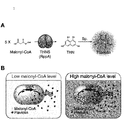


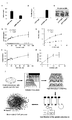


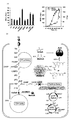
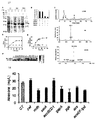

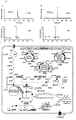
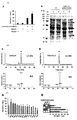
Classifications
-
- C—CHEMISTRY; METALLURGY
- C12—BIOCHEMISTRY; BEER; SPIRITS; WINE; VINEGAR; MICROBIOLOGY; ENZYMOLOGY; MUTATION OR GENETIC ENGINEERING
- C12P—FERMENTATION OR ENZYME-USING PROCESSES TO SYNTHESISE A DESIRED CHEMICAL COMPOUND OR COMPOSITION OR TO SEPARATE OPTICAL ISOMERS FROM A RACEMIC MIXTURE
- C12P7/00—Preparation of oxygen-containing organic compounds
- C12P7/02—Preparation of oxygen-containing organic compounds containing a hydroxy group
- C12P7/22—Preparation of oxygen-containing organic compounds containing a hydroxy group aromatic
-
- C—CHEMISTRY; METALLURGY
- C12—BIOCHEMISTRY; BEER; SPIRITS; WINE; VINEGAR; MICROBIOLOGY; ENZYMOLOGY; MUTATION OR GENETIC ENGINEERING
- C12N—MICROORGANISMS OR ENZYMES; COMPOSITIONS THEREOF; PROPAGATING, PRESERVING, OR MAINTAINING MICROORGANISMS; MUTATION OR GENETIC ENGINEERING; CULTURE MEDIA
- C12N15/00—Mutation or genetic engineering; DNA or RNA concerning genetic engineering, vectors, e.g. plasmids, or their isolation, preparation or purification; Use of hosts therefor
- C12N15/09—Recombinant DNA-technology
- C12N15/63—Introduction of foreign genetic material using vectors; Vectors; Use of hosts therefor; Regulation of expression
-
- C—CHEMISTRY; METALLURGY
- C12—BIOCHEMISTRY; BEER; SPIRITS; WINE; VINEGAR; MICROBIOLOGY; ENZYMOLOGY; MUTATION OR GENETIC ENGINEERING
- C12N—MICROORGANISMS OR ENZYMES; COMPOSITIONS THEREOF; PROPAGATING, PRESERVING, OR MAINTAINING MICROORGANISMS; MUTATION OR GENETIC ENGINEERING; CULTURE MEDIA
- C12N9/00—Enzymes; Proenzymes; Compositions thereof; Processes for preparing, activating, inhibiting, separating or purifying enzymes
- C12N9/10—Transferases (2.)
- C12N9/1025—Acyltransferases (2.3)
- C12N9/1029—Acyltransferases (2.3) transferring groups other than amino-acyl groups (2.3.1)
-
- C—CHEMISTRY; METALLURGY
- C12—BIOCHEMISTRY; BEER; SPIRITS; WINE; VINEGAR; MICROBIOLOGY; ENZYMOLOGY; MUTATION OR GENETIC ENGINEERING
- C12P—FERMENTATION OR ENZYME-USING PROCESSES TO SYNTHESISE A DESIRED CHEMICAL COMPOUND OR COMPOSITION OR TO SEPARATE OPTICAL ISOMERS FROM A RACEMIC MIXTURE
- C12P17/00—Preparation of heterocyclic carbon compounds with only O, N, S, Se or Te as ring hetero atoms
- C12P17/02—Oxygen as only ring hetero atoms
- C12P17/06—Oxygen as only ring hetero atoms containing a six-membered hetero ring, e.g. fluorescein
-
- C—CHEMISTRY; METALLURGY
- C12—BIOCHEMISTRY; BEER; SPIRITS; WINE; VINEGAR; MICROBIOLOGY; ENZYMOLOGY; MUTATION OR GENETIC ENGINEERING
- C12P—FERMENTATION OR ENZYME-USING PROCESSES TO SYNTHESISE A DESIRED CHEMICAL COMPOUND OR COMPOSITION OR TO SEPARATE OPTICAL ISOMERS FROM A RACEMIC MIXTURE
- C12P7/00—Preparation of oxygen-containing organic compounds
- C12P7/40—Preparation of oxygen-containing organic compounds containing a carboxyl group including Peroxycarboxylic acids
- C12P7/42—Hydroxy-carboxylic acids
-
- C—CHEMISTRY; METALLURGY
- C12—BIOCHEMISTRY; BEER; SPIRITS; WINE; VINEGAR; MICROBIOLOGY; ENZYMOLOGY; MUTATION OR GENETIC ENGINEERING
- C12Q—MEASURING OR TESTING PROCESSES INVOLVING ENZYMES, NUCLEIC ACIDS OR MICROORGANISMS; COMPOSITIONS OR TEST PAPERS THEREFOR; PROCESSES OF PREPARING SUCH COMPOSITIONS; CONDITION-RESPONSIVE CONTROL IN MICROBIOLOGICAL OR ENZYMOLOGICAL PROCESSES
- C12Q1/00—Measuring or testing processes involving enzymes, nucleic acids or microorganisms; Compositions therefor; Processes of preparing such compositions
- C12Q1/008—Measuring or testing processes involving enzymes, nucleic acids or microorganisms; Compositions therefor; Processes of preparing such compositions for determining co-enzymes or co-factors, e.g. NAD, ATP
-
- C—CHEMISTRY; METALLURGY
- C12—BIOCHEMISTRY; BEER; SPIRITS; WINE; VINEGAR; MICROBIOLOGY; ENZYMOLOGY; MUTATION OR GENETIC ENGINEERING
- C12Q—MEASURING OR TESTING PROCESSES INVOLVING ENZYMES, NUCLEIC ACIDS OR MICROORGANISMS; COMPOSITIONS OR TEST PAPERS THEREFOR; PROCESSES OF PREPARING SUCH COMPOSITIONS; CONDITION-RESPONSIVE CONTROL IN MICROBIOLOGICAL OR ENZYMOLOGICAL PROCESSES
- C12Q1/00—Measuring or testing processes involving enzymes, nucleic acids or microorganisms; Compositions therefor; Processes of preparing such compositions
- C12Q1/02—Measuring or testing processes involving enzymes, nucleic acids or microorganisms; Compositions therefor; Processes of preparing such compositions involving viable microorganisms
- C12Q1/025—Measuring or testing processes involving enzymes, nucleic acids or microorganisms; Compositions therefor; Processes of preparing such compositions involving viable microorganisms for testing or evaluating the effect of chemical or biological compounds, e.g. drugs, cosmetics
-
- C—CHEMISTRY; METALLURGY
- C12—BIOCHEMISTRY; BEER; SPIRITS; WINE; VINEGAR; MICROBIOLOGY; ENZYMOLOGY; MUTATION OR GENETIC ENGINEERING
- C12Q—MEASURING OR TESTING PROCESSES INVOLVING ENZYMES, NUCLEIC ACIDS OR MICROORGANISMS; COMPOSITIONS OR TEST PAPERS THEREFOR; PROCESSES OF PREPARING SUCH COMPOSITIONS; CONDITION-RESPONSIVE CONTROL IN MICROBIOLOGICAL OR ENZYMOLOGICAL PROCESSES
- C12Q1/00—Measuring or testing processes involving enzymes, nucleic acids or microorganisms; Compositions therefor; Processes of preparing such compositions
- C12Q1/48—Measuring or testing processes involving enzymes, nucleic acids or microorganisms; Compositions therefor; Processes of preparing such compositions involving transferase
-
- C—CHEMISTRY; METALLURGY
- C12—BIOCHEMISTRY; BEER; SPIRITS; WINE; VINEGAR; MICROBIOLOGY; ENZYMOLOGY; MUTATION OR GENETIC ENGINEERING
- C12Y—ENZYMES
- C12Y203/00—Acyltransferases (2.3)
- C12Y203/01—Acyltransferases (2.3) transferring groups other than amino-acyl groups (2.3.1)
Definitions
- the present invention relates to a novel malonyl-CoA biosensor based on type III polyketide synthase and the use thereof, and more particularly to a recombinant microorganism for malonyl-CoA detection into which a recombinant vector containing a type III polyketide synthase-encoding gene is introduced; a method of screening a malonyl-CoA production-inducing substance using the recombinant microorganism; a method of screening a gene which is involved in increased malonyl-CoA production; and a method comprising knocking down the gene, screened by the method, in a microorganism, thus increasing the production of malonyl-CoA in the microorganism, and producing a useful substance in the microorganism using malonyl-CoA as a precursor.
- cell factories Due to global environmental concerns, depletion of limited resources, and increased demand for environmentally friendly energy sources, the construction of cell factories based on reproducible organisms has been of increasing interest. These cell factories can produce desired metabolites (bioenergy, environmentally friendly chemical substances, new drug substances, etc.) through intracellular metabolic networks optimized for the production of the desired metabolites, and various molecular biology techniques are required for this technological process.
- desired metabolites bioenergy, environmentally friendly chemical substances, new drug substances, etc.
- malonyl-CoA is particularly important because it is a key precursor for producing very useful substances, such as polyketides, phenylpropanoids and biofuels.
- malonyl-CoA causes various essential metabolic reactions (such as fatty acid biosynthesis) in cells, and thus the amount of malonyl-CoA that can be utilized in metabolic engineering is very small.
- high-performance instruments such as LC-MS/MS are required to measure the intracellular concentration of malonyl-CoA, and a sampling method that takes a long time and requires very careful attention is required to measure malonyl-CoA which disappears after rapid production in cells and is sensitive to ambient environmental conditions.
- transcription factor-based malonyl-CoA biosensors have been developed from previous studies in order to more quickly and easily measure the intracellular concentration of malonyl-CoA ( Xu P, Li L, Zhang F, Stephanopoulos G, Koffas M (2014), Proc Natl Acad Sci USA 111:11299-11304 ; Li S, Si T, Wang M, Zhao H (2015), ACS Synth Biol 4:1308-1315 ).
- the fluorescent protein-based sensors based on transcription factors as described above have disadvantages in that they have to undergo various signaling steps and cannot be used in self-fluorescent microorganisms such as Pseudomonas.
- the present inventors have made efforts to solve the above-described problems, and as a result, have developed a novel malonyl-CoA biosensor based on type III polyketide synthase, which utilizes the property that type III polyketide synthases, including RppA, convert malonyl-CoA into a colored substance through a single-step reaction, and have found that the use of the biosensor can easily detect malonyl-CoA, makes it possible to screen a malonyl-CoA-producing strain, a malonyl-CoA production-inducing substance, and a gene which is involved in increased malonyl-CoA production, and makes it possible to easily construct a method of producing various useful substances using malonyl-CoA as either a substrate or a precursor, thereby completing the present invention.
- the present invention provides a recombinant microorganism for malonyl-CoA detection in which a type III polyketide synthase-encoding gene is inserted in the genome of the microorganism or into which a recombinant vector containing the type III polyketide synthase-encoding gene is introduced.
- the present invention also provides a method for screening a malonyl-CoA production-inducing substance, comprising the steps of:
- the present invention also provides a method for screening a gene involved in increased malonyl-CoA production, the method comprising the steps of:
- the present invention also provides a method for producing a recombinant microorganism having increased malonyl-CoA producing ability, the method comprising regulating expression of the gene, screened by the above-described method, in a microorganism inherently having malonyl-CoA producing ability or externally introduced with malonyl-CoA producing ability.
- the present invention also provides a recombinant microorganism having increased malonyl-CoA producing ability wherein expression of one or more genes selected from the group consisting of the following genes:
- the present invention also provides a method of producing a useful substance using malonyl-CoA as a substrate or an intermediate, the method comprising the steps of:
- the present invention also provides a recombinant microorganism for producing 6-methylsalicylic acid in which genes that encode 6-methylsalicylic acid synthase (6MSAS) and 4'-phosphopantetheinyl transferase (Sfp) are additionally introduced in the above-described recombinant microorganism or expression of the genes is increased.
- 6-methylsalicylic acid synthase (6MSAS)
- 4'-phosphopantetheinyl transferase Sfp
- the present invention also provides a method of producing 6-methylsalicylic acid, the method comprising the steps of:
- the present invention also provides a recombinant microorganism for producing aloesone in which a gene that encodes aloesone synthase is additionally introduced in the above-described recombinant microorganism or expression of the gene is increased.
- the present invention also provides a method of producing aloesone, the method comprising the steps of:
- the present invention also provides a recombinant microorganism for producing resveratrol in which genes that encode tyrosine ammonia-lyase (TAL), 4-coumarate:CoA ligase (4CL) and stilbene synthase (STS) are additionally introduced in the above-described recombinant microorganism or expression of the genes is increased.
- TAL tyrosine ammonia-lyase
- 4CL 4-coumarate:CoA ligase
- STS stilbene synthase
- the present invention also provides a method of producing resveratrol, the method comprising the steps of:
- the present invention also provides a recombinant microorganism for producing naringenin in which genes that encode tyrosine ammonia-lyase (TAL), 4-coumarate:CoA ligase (4CL), chalcone synthase (CHS), and chalcone isomerase (CHI) are additionally introduced in the above-described recombinant microorganism or expression of the genes is increased.
- TAL tyrosine ammonia-lyase
- 4CL 4-coumarate:CoA ligase
- CHS chalcone synthase
- CHI chalcone isomerase
- the present invention also provides a method of producing naringenin, the method comprising the steps of:
- the left graph of FIG. 15 shows the concentration of 6-methylsalicylic acid that appeared in flask culture when the genes at the bottom of the left graph were overexpressed in E . coli BAP1 pTac-Pg6MSAS pWAS-anti-pabA, a strain showing the highest 6-methylsalicylic acid productivity in FIG. 12 .
- the right graph shows the results of fed-batch fermentation of E . coli BAP1 pTac-Pg6MSAS pWAS-anti-pabA pBBR1-accBCD1, a strain showing the highest productivity.
- FIG. 16 shows the aloesone biosynthetic pathway.
- red X denotes knocked-out genes
- blue X denotes knocked-down genes.
- Glc glucose
- G6P glucose 6-phosphate
- F6P fructose 6-phosphate
- F1,6BP fructose 1,6-bisphosphate
- DHAP dihydroxyacetone phosphate
- G3P glyceraldehyde 3-phosphate
- 1,3BPG 1,3-bisphosphoglycerate
- 3PG 3-phosphoglycerate
- 2PG 2-phosphoglycerate
- PEP phosphoenolpyruvate
- PYR pyruvate
- OAA oxaloacetate
- E4P D-erythrose 4-phosphate
- DAHP 3-deoxy-D-arabinoheptulosonate 7-phosphate
- CHOR chorismate
- AcCoA acetyl-CoA
- MalCoA malonyl
- bla beta-lactamase gene
- spc R spectinomycin-resistance gene
- CDF replication origin
- ColE replication origin
- P T7 T7 promoter
- P BAD arabinose-inducible promoter
- P R P R promoter
- rrnB rrnBT1T2 terminator
- T1/TE terminator
- FIG. 17 shows aloesone production in modified E. coli strains.
- A shows the results of SDS-PAGE performed to analyze the expression of aloesone synthase (RpALS, 43 kDa) and aloesone synthase (AaPKS3, 44 kDa).
- B shows the production of aloesone when RpALS/AaPKS3 was expressed using glucose/glycerol as a carbon source.
- C shows the LC-MS and MS/MS spectra of aloesone produced in E. coli.
- (D) shows time-course aloesone production in a BL21(DE3) pCDF-RpALS strain
- (E) shows time-course aloesone production in a BL21(DE3) pCDF-RpALS pWAS-anti-pabA strain.
- the blue lines and points depict cell growth (OD 600 )
- the red lines and points depict the aloesone concentration.
- (F) shows the results of test tube-scale culture of strains produced by introducing 14 synthetic-control sRNAs, selected in Example 2.1, into two types of E. coli strains.
- FIG. 18 shows the concentration of aloesone that appeared in flask culture when the genes at the bottom of the graph were overexpressed in BL21(DE3) pCDF-RpALS pWAS-anti-pabA, a strain showing the highest aloesone productivity in FIG. 17(E) .
- FIG. 19 shows the resveratrol biosynthetic pathway.
- red X denotes knocked-out genes
- blue X denotes knocked-down genes.
- Black arrows along with genes written in bold letters denote overexpressed metabolic fluxes.
- Red dotted lines (along with - signs in circles) indicate transcriptional repression.
- Black dotted lines (along with + signs in circles) indicate transcriptional activation.
- Gly glycerol; Gly-3P, glycerol 3-phosphate; DHA, dihydroxyacetone; DHAP, dihydroxyacetone phosphate; G3P, glyceraldehyde 3-phosphate; 1,3BPG, 1,3-bisphosphoglycerate; 3PG, 3-phosphoglycerate; 2PG, 2-phosphoglycerate; PEP, phosphoenolpyruvate; PYR, pyruvate; OAA, oxaloacetate; E4P, D-erythrose 4-phosphate; DAHP, 3-deoxy-D-arabinoheptulosonate 7-phosphate; SHIK, shikimate; CHOR, chorismate; PPHN, prephenate; HPP, 4-hydroxyphenylpyruvate; FOR, formate; AcCoA, acetyl-CoA; MalCoA, malonyl-CoA.
- bla beta-lactamase gene
- kan R kanamycin-resistance gene
- spc R spectinomycin-resistance gene
- p15A replication origin
- ColE1 replication origin
- CDF replication origin
- P tac tac promoter
- P BAD arabinose-inducible promoter
- P R P R promoter
- P trc trc promoter
- rrnB rrnBT1T2 terminator
- T1/TE terminator.
- FIG. 20 shows the production of p -coumaric acid and resveratrol by modified E. coli strains.
- A shows the production of p -coumaric acid by various plasmids constructed to examine the effects of N-terminal protein tags. Each of the vectors except for pTY13-HisTAL was transformed into a BTY5.13 strain, and pTY13-HisTAL was transformed into a BTY5 strain.
- B shows the results of SDS-PAGE performed to analyze the expression of each protein. At4CL1m (61.1 kDa), At4CL3 (61.3 kDa), At4CL4 (62.6 kDa), Sc4CLm (55.3 kDa), STS (42.8 kDa).
- CT depicts a control.
- M depicts a protein size marker.
- C shows the results of resveratrol production by combinations of STS and different 4CLs.
- D shows the production of resveratrol by different plasmid construction strategies.
- 1 to 5 depict plasmids, and each of the plasmids is as follows.
- the plasmid corresponding to 5 was introduced into a BTY5 pTY13-HisTAL and was cultured in the presence of 20 g/L of glycerol.
- the strain corresponding to 5 was used as a resveratrol-producing base strain and indicated by the deeper blue bar.
- (E) shows the production of resveratrol obtained by transforming 14 synthetic-control sRNAs, selected in Example 2.1, into the base resveratrol-producing strain (BTY5 pTY13-HisTAL pTacCDF-VvSTS-At4CL1m), followed by flask culture.
- sRNAs corresponding to six strains displayed as deeper red graphs showed more than 2.5-fold increase in resveratrol production compared to the control, and thus were used in combinatorial double knockdown tests.
- F shows the results of combinatorial double knockdown tests using combinations of the previously selected six sRNAs. * P ⁇ 0.05, ** P ⁇ 0.01, ***P ⁇ 0.001 (two-tailed Student's t -test).
- FIG. 21 shows the results of LC-MS performed to determine the authenticity of resveratrol produced from modified E. coli.
- A shows the LC-MS spectrum of resveratrol produced from modified E. coli
- B shows the LC-MS spectrum of a commercially available resveratrol compound.
- FIG. 22 shows the naringenin biosynthetic pathway.
- red X denotes knocked-out genes
- blue X denotes knocked-down genes.
- Black arrows along with genes written in bold letters denote overexpressed metabolic fluxes.
- Red dotted lines (along with - signs in circles) indicate transcriptional repression.
- Black dotted lines (along with + signs in circles) indicate transcriptional activation.
- bla beta-lactamase gene
- kan R kanamycin-resistance gene
- spc R spectinomycin-resistance gene
- p15A replication origin
- ColE1 replication origin
- CDF replication origin
- P tac tac promoter
- P BAD arabinose-inducible promoter
- P R P R promoter
- P trc trc promoter
- rrnB rrnBTlT2 terminator
- T1/TE terminator.
- Gly glycerol; Gly-3P, glycerol 3-phosphate; DHA, dihydroxyacetone; DHAP, dihydroxyacetone phosphate; G3P, glyceraldehyde 3-phosphate; 1,3BPG, 1,3-bisphosphoglycerate; 3PG, 3-phosphoglycerate; 2PG, 2-phosphoglycerate; PEP, phosphoenolpyruvate; PYR, pyruvate; OAA, oxaloacetate; E4P, D-erythrose 4-phosphate; DAHP, 3-deoxy-D-arabinoheptulosonate 7-phosphate; SHIK, shikimate; CHOR, chorismate; PPHN, prephenate; HPP, 4-hydroxyphenylpyruvate; FOR, formate; AcCoA, acetyl-CoA; MalCoA, malonyl-CoA; TYR, L-tyrosine; COU, p- coumaric acid
- FIG. 23 shows naringenin production in modified E. coli.
- A shows naringenin production in strains containing a pTrcCDF-At4CL1m-AtCHI-PhCHS plasmid.
- the vector was transformed into a BTY5 pTY13-HisTAL strain, and in other cases, the vector was transformed into a BL21(DE3) strain, and then 2 mM p -coumaric acid was added to medium. 20 g/L of glucose or glycerol was added.
- B shows SDS-PAGE analysis of heterologous enzymes. At4CL1m, PhCHS (42.6 kDa), AtCHI (26.6 kDa) .
- FIG. 24 shows the results of LC-MS performed to determine the authenticity of naringenin produced from modified E. coli.
- A shows the LC-MS spectrum of naringenin produced from modified E. coli
- B shows the LC-MS spectrum of a commercially available naringenin compound.
- FIG. 25 shows naringenin production in modified E. coli.
- A shows the amount of naringenin produced by transforming 14 synthetic-control sRNAs, selected in Example 2.1, into a base naringenin strain (BTY5 pTY13-HisTAL pTrcCDF-At4CL1m-AtCHI-PhCHS), and then performing flask culture.
- sRNAs corresponding to three strains displayed as deeper red bars showed an increase in naringenin production of 15% or more compared to the control, and thus were used in combinatorial double knockdown tests.
- B shows the results of combinatorial double knockdown tests using combinations of the previously selected three sRNAs. * P ⁇ 0.05, ** P ⁇ 0.01 (two-tailed Student's t -test).
- the present invention is directed to a recombinant microorganism for malonyl-CoA detection in which a type III polyketide synthase-encoding gene is inserted in the genome of the microorganism or in which a recombinant vector containing the type III polyketide synthase-encoding gene is introduced.
- the type III polyketide synthase may be:
- Type III polyketide synthase RppA derived from the above-mentioned six Actinomycetes strains produces flaviolin as a product using malonyl-CoA as a substrate.
- other type III polyketide synthases also use malonyl-CoA as a substrate, but PhlD produces phloroglucinol as a product, DpgA produces dihydroxyphenylacetate as a product, PCS produces 5,7-dihydroxy-2-methylchromone as a product, and OKS, PKS4 or PKS5 produces SEK4 and SEK4b as a product.
- ALS and PKS3 produce aloesone as a product.
- amino acid sequence of each RppA enzyme used in the present invention is as follows:
- amino acid sequences of other type III polyketide synthases used in the present invention are as follows:
- the amino acid sequence of the above-described type III polyketide synthase illustrates some feasible enzymes for constructing the recombinant microorganism for malonyl-CoA detection according to the present invention.
- the present invention has a technical feature in that malonyl-CoA detection is possible by introduction of type III polyketide synthase.
- the present invention makes it possible to construct recombinant microorganisms introduced with type III polyketide synthases other than the above-described type III polyketide synthase.
- the recombinant microorganism may be characterized in that an gene encoding the type III polyketide synthase is operably linked to a promoter selected from the group consisting of tac, trc, T7, BAD, ⁇ PR an Anderson synthetic promoter, but is not limited thereto.
- the recombinant microorganism may be selected from the strain group consisting of E. coli, Rhizobium, Bifidobacterium, Rhodococcus, Candida, Erwinia, Enterobacter, Pasteurella, Mannheimia, Actinobacillus, Aggregatibacter, Xanthomonas, Vibrio, Pseudomonas, Azotobacter, Acinetobacter, Ralstonia, Agrobacterium, Rhodobacter, Zymomonas, Bacillus, Staphylococcus, Lactococcus, Streptococcus, Lactobacillus, Clostridium, Corynebacterium, Streptomyces, Bifidobacterium, Cyanobacterium, and Cyclobacterium, but the microorganism to which the present invention is applied is not limited thereto.
- the recombinant microorganism of the present invention may be constructed by introducing a recombinant vector into a microorganism selected from the group consisting of E. coli, Pseudomonas sp., Corynebacterium sp., and Rhodococcus sp., but is not limited thereto.
- E. coli one selected from among the E. coli strains shown in Table 2 below is preferably used, but those skilled in the art will appreciate that other E. coli strains expected to exhibit similar effects may also be used.
- the recombinant microorganism of the present invention may be constructed by using Pseudomonas putida as Pseudomonas sp., Corynebacterium glutamicum as Corynebacterium sp., and Rhodococcus opacus as Rhodococcus sp., but this is an example of a representative microorganism, and the microorganism to which the present invention is applied is not limited thereto.
- the recombinant microorganism for malonyl-CoA detection when used in which a type III polyketide synthase-encoding gene is inserted in the genome of the microorganism or in which a recombinant vector containing the type III polyketide synthase-encoding gene is introduced, the increase and decrease in the production of the malony-CoA could be easily confirmed through the concentration-dependent color development from the malony-CoA, and a malonyl-CoA production-inducing substance may be easily screened.
- the present invention is directed to a method for screening a malonyl-CoA production-inducing substance, comprising the steps of:
- step (c) may comprise clearly observing a change in the color by the naked eyes, or measuring absorbance and quantitatively expressing a change in the absorbance.
- the comparison between the colors in step (c) may be made by the naked eyes.
- step (c) may be made by measuring absorbance
- step (d) may comprises selecting the candidate substance as the malonyl-CoA production-inducing substance, when the absorbance measured after addition of the candidate substance is higher than that measured without addition of the candidate substance.
- the absorbance (OD value) at 280 to 450 nm, preferably 300 to 340 nm, may be measured, and the OD value increases as the malonyl-CoA concentration increases.
- the malonyl-CoA production-inducing substance can induce the production of the malonyl-CoA by a mechanism that regulates expression of the gene involved in increased malonyl-CoA production.
- the present invention is directed to a method for screening a gene involved in increase of malonyl-CoA production, the method comprising the steps of:
- step (b) may comprise clearly observing a change in the color by the naked eyes, or measuring absorbance and quantitatively expressing a change in the absorbance.
- the comparison of the color in step (c) may be made by the naked eyes.
- step (c) may comprise selecting the gene introduced in the recombinant microorganism library as a gene involved in increase of malonyl-CoA production, when the absorbance of the culture supernatant of the recombinant microorganism library is higher than that of the culture supernatant of the recombinant microorganism before introduction of the gene regulation library.
- the absorbance (OD value) at 280 to 450 nm, preferably 300 to 340 nm, may be measured, and the OD value increases as the malonyl-CoA concentration increases.
- the gene regulation library may be a library selected from an sRNA library, a genomic library, a cDNA library, a gRNA library, and an oligonucleotide library for construction of knockout or mutant strains, but is not limited thereto.
- the gene regulation library may be suitably selected from among the following:
- Example 2 the addition of the synthetic-control sRNA library described in Example 2 below is an example to describe the present invention in detail, and presents the method of using the same, and it is possible to introduce any other libraries known to exhibit similar functions.
- the present invention is directed to a method for producing a recombinant microorganism having increased malonyl-CoA producing ability, the method comprising regulating expression of the gene, screened by the method, in a microorganism having malonyl-CoA producing ability.
- the microorganism having malonyl-CoA producing ability means a microorganism inherently having malonyl-CoA producing ability or externally introduced with malonyl-CoA producing ability.
- the screened gene may be one or more genes selected from the group consisting of:
- fabF encodes 3-oxoacyl-[acyl-carrier-protein] synthase II
- yfcY encodes beta-ketoacyl-CoA thiolase
- xapR encodes transcriptional activator of xapAB
- cytR encodes transcriptional repressor for deo operon
- udp, cdd, tsx nupC and nupG
- fabH encodes 3-oxoacyl-[acyl-carrier-protein] synthase III
- mqo encodes malate dehydrogenase
- yfiD encodes pyruvate formate lyase subunit
- fmt encodes 10-formyltetrahydrofolate:L-methionyl-tRNA(fMet)N-formyltransferase
- pyrF encodes orotidine-5'-phosphate decarboxylase
- araA encodes L-arabi
- the amino acid sequence of each of enzymes, which are screened and used in the present invention is as follows, but may have a substitution, deletion or addition of one or more amino acids in the amino acid sequences, and in this case, the resulting mutant amino acid sequence may exhibit a function equal to or better than that in the present invention.
- the structural configuration of the mutant amino acid sequence is identical or similar to the wild-type amino acid sequence, and thus exhibits the same or higher effect on a substrate, the mutant amino acid sequence also falls within the scope of the present invention.
- the microorganism may be selected from the group consisting of E. coli, Rhizobium, Bifidobacterium, Rhodococcus, Candida, Erwinia, Enterobacter, Pasteurella, Mannheimia, Actinobacillus, Aggregatibacter, Xanthomonas, Vibrio, Pseudomonas, Azotobacter, Acinetobacter, Ralstonia, Agrobacterium, Rhodobacter, Zymomonas, Bacillus, Staphylococcus, Lactococcus, Streptococcus, Lactobacillus, Clostridium, Corynebacterium, Streptomyces, Bifidobacterium, Cyanobacterium, and Cyclobacterium, but the microorganism to which the present invention can be applied is not limited thereto.
- the microorganism of the present invention may be constructed by introducing a recombinant vector into a microorganism selected from the group consisting of E. coli, Pseudomonas sp., Corynebacterium sp., and Rhodococcus sp., but is not limited thereto.
- E. coli one selected from among the E. coli strains shown in Table 2 below is preferably used, but those skilled in the art will appreciate that other E. coli strains expected to exhibit similar effects may also be used.
- the recombinant microorganism of the present invention may be constructed by using Pseudomonas putida as Pseudomonas sp., Corynebacterium glutamicum as Corynebacterium sp., and Rhodococcus opacus as Rhodococcus sp., but this is an example of a representative microorganism, and the microorganism to which the present invention is applied is not limited thereto.
- the use of the screened gene can produce a useful substance using malonyl-CoA as a substrate or an intermediate in high yield by only a very simple genetic manipulation.
- the present invention is directed to a recombinant microorganism having increased malonyl-CoA producing ability wherein expression of one or more genes selected from the group consisting of the following genes:
- the microorganism having malonyl-CoA producing ability means a microorganism inherently having malonyl-CoA producing ability or externally introduced with malonyl-CoA producing ability.
- the present invention is also directed to a method of producing a useful substance using malonyl-CoA as a substrate or an intermediate, the method comprising the steps of:
- the useful substance may be one or more useful substances selected from among:
- the present invention is also directed to a recombinant microorganism for producing 6-methylsalicylic acid in which genes that encode 6-methylsalicylic acid synthase (6MSAS) and 4'-phosphopantetheinyl transferase (Sfp) are additionally introduced or expression of the genes is increased in the recombinant microorganism.
- 6-methylsalicylic acid synthase (6MSAS)
- 4'-phosphopantetheinyl transferase Sfp
- the 6MSAS may be derived from Penicillium patulum (or Penicillium griseofulvum), Aspergillus terreus, Aspergillus aculeatus, Aspergillus niger, Aspergillus westerdijkiae, Byssochlamys nivea, Glarea lozoyensis, Penicillium expansum, or Streptomyces antibioticus, but is not limited thereto.
- the Sfp may be derived from Bacillus subtilis, Corynebacterium ammoniagenes, Escherichia coli, Homo sapiens, Mycobacterium tuberculosis, Pseudomonas aeruginosa, Ricinus communis, Saccharomyces cerevisiae, Spinacia oleracea, Stigmatella aurantiaca, Streptomyces coelicolor, Streptomyces pneumonia, Streptomyces verticillus, or Vibrio harveyi, but is not limited thereto.
- the gene whose expression is decreased compared to that in a wild-type microorganism may be one or more selected from the group consisting of pabA, fabF, xapR and ytcY, but are not limited thereto.
- the recombinant microorganism for producing 6-methylsalicylic acid may be characterized in that genes that encode one or more enzymes selected from the group consisting of glucose-6-phosphate dehydrogenase (Zwf), malate dehydrogenase (Mdh), phosphoglycerate dehydrogenase (SerA), acetyl-CoA carboxylase (AccBC and AccD1), glyceraldehyde 3-phosphate dehydrogenase (GapA), phosphoglycerate kinase (Pgk), acetyl-CoA synthetase (Acs), and pyruvate dehydrogenase (PDH: AceEF and Lpd) are additionally introduced or expression of the genes is increased in the recombinant microorganism.
- Zwf glucose-6-phosphate dehydrogenase
- Mdh malate dehydrogenase
- SerA phosphoglycerate dehydrogenas
- the Zwf, Mdh, SerA, GapA, Pgk, Acs, AceE, AceF and Lpd may be derived from Escherichia coli (E. coli), but are not limited thereto.
- AccBC and AccD1 may be derived from Corynebacterium glutamicum, but are not limited thereto and can be extended to enzymes corresponding to other microorganism-derived acetyl-CoA carboxylases.
- the amino acid sequence of each of enzymes, which are screened and used in the present invention is as follows, but may have a substitution, deletion or addition of one or more amino acids in the amino acid sequences, and in this case, the resulting mutant amino acid sequence may exhibit a function equal to or better than that in the present invention.
- the structural configuration of the mutant amino acid sequence is identical or similar to the wild-type amino acid sequence, and thus exhibits the same or higher effect on a substrate, the mutant amino acid sequence also falls within the scope of the present invention.
- the present invention is also directed to a method of producing 6-methylsalicylic acid, the method comprising the steps of:
- the method of producing 6-methylsalicylic acid of the present invention may comprises culturing the recombinant microorganism by adding 1-50 g/L of glucose or 1-100 g/L of glycerol as a carbon source.
- the present invention is also directed to a recombinant microorganism for producing aloesone in which a gene that encodes aloesone synthase is additionally introduced or expression of the gene is increased in the recombinant microorganism.
- the aloesone synthase may be ALS or PKS3, the ALS may be derived from Rheum palmatum, and the PKS3 may be derived from Aloe arborescens, but aloesone synthase other than the aloesone synthase can be applied to the present invention.
- the gene whose expression is decreased compared to that in a wild-type microorganism may be pabA, but are not limited thereto.
- the recombinant microorganism for producing aloesone may be characterized in that genes that encode one or more enzymes selected from the group consisting of glucose-6-phosphate dehydrogenase (Zwf), malate dehydrogenase (Mdh), phosphoglycerate dehydrogenase (SerA), acetyl-CoA carboxylase (AccBC and AccD1), glyceraldehyde 3-phosphate dehydrogenase (GapA), phosphoglycerate kinase (Pgk), acetyl-CoA synthetase (Acs), and pyruvate dehydrogenase (PDH: AceEF and Lpd) are additionally introduced or expression of the genes is increased in the recombinant microorganism.
- Zwf glucose-6-phosphate dehydrogenase
- Mdh malate dehydrogenase
- SerA phosphoglycerate dehydrogenase
- the Zwf, Mdh, SerA, GapA, Pgk, Acs, AceE, AceF and Lpd may be derived from Escherichia coli (E. coli), but are not limited thereto.
- AccBC and AccD1 may be derived from Corynebacterium glutamicum, but are not limited thereto and can be extended to enzymes corresponding to other microorganism-derived acetyl-CoA carboxylases.
- the present invention is also directed to a method of producing aloesone, the method comprising the steps of:
- the method of producing aloesone of the present invention may comprises culturing the recombinant microorganism by adding 1-50 g/L of glucose or 1-100 g/L of glycerol as a carbon source.
- the present invention is also directed to a recombinant microorganism for producing resveratrol in which genes that encode tyrosine ammonia-lyase (TAL), 4-coumarate:CoA ligase (4CL) and stilbene synthase (STS) are additionally introduced or expression of the genes is increased in the recombinant microorganism.
- TAL tyrosine ammonia-lyase
- 4CL 4-coumarate:CoA ligase
- STS stilbene synthase
- TAL may be derived from Rhodobacter capsulatus, Clitoria ternatea, Fragaria x ananassa, Rhodobacter sphaeroides, Zea mays or Saccharothrix espanaensis,
- 4CL may be derived from Arabidopsis thaliana, Streptomyces coelicolor, Acetobacterium woodii, Agastache rugose, Avena sativa, Camellia sinensis, Centaurium erythraea, Cephalocereus senilis, Cocos nucifera, Eriobotrya japonica, Erythrina cristagalli, Forsythia sp., Fragaria x ananassa, Glycine max, Gossypium hirsutum, Hibiscus cannabinus, Larix cajanderi, Larix gmelinii, Larix kaempferi, Larix kamtschatica, Larix sibirica, Larix sukaczewii, Lithospermum erythrorhizon, Lolium perenne, Lonicera japonica, Metasequoia glyptost
- STS may be derived from Arachis hypogaea, Pinus densiflora, Pinus massoniana, Pinus strobus, Polygonum cuspidatum, Psilotum nudum or Vitis vinifera, but are not limited thereto.
- the 4-coumarate:CoA ligase may be either a mutant enzyme in which amino acids are mutated to I250L/N404K/I461V in the amino acid sequence represented by SEQ ID NO: 128 or a mutant enzyme in which amino acids are mutated to A294G/A318G in the amino acid sequence represented by SEQ ID NO: 131, but is not limited thereto.
- the gene whose expression is decreased compared to that in a wild-type microorganism may be one or more selected from the group consisting of pabA, yfiD, mqo, xapR, purB, fabH, fabF, ytcY, argC, nudD, araA, fadR, cytR, fmt and pyrF, but are not limited thereto.
- the present invention is also directed to a method of producing resveratrol, the method comprising the steps of:
- the method of producing resveratrol of the present invention may comprises culturing the recombinant microorganism by adding 1-50 g/L of glucose or 1-100 g/L of glycerol as a carbon source.
- the present invention is also directed to a recombinant microorganism for producing naringenin in which genes that encode tyrosine ammonia-lyase (TAL), 4-coumarate:CoA ligase (4CL), chalcone synthase (CHS), and chalcone isomerase (CHI) are additionally introduced in the above-described recombinant microorganism or expression of the genes is increased.
- TAL tyrosine ammonia-lyase
- 4CL 4-coumarate:CoA ligase
- CHS chalcone synthase
- CHI chalcone isomerase
- TAL may be derived from Rhodobacter capsulatus, Clitoria ternatea, Fragaria x ananassa, Rhodobacter sphaeroides, Zea mays or Saccharothrix espanaensis,
- 4CL may be derived from Arabidopsis thaliana, Streptomyces coelicolor, Acetobacterium woodii, Agastache rugose, Avena sativa, Camellia sinensis, Centaurium erythraea, Cephalocereus senilis, Cocos nucifera, Eriobotrya japonica, Erythrina cristagalli, Forsythia sp., Fragaria x ananassa, Glycine max, Gossypium hirsutum, Hibiscus cannabinus, Larix cajanderi, Larix gmelinii, Larix kaempferi, Larix kamtschatica, Larix sibirica, Larix sukaczewii, Lithospermum erythrorhizon, Lolium perenne, Lonicera japonica, Metasequoia glyptost
- CHS may be derived from Freesia hybrid cultivar, Medicago sativa, Physcomitrella patens, Plagiochasma appendiculatum, Triticum aestivum, Vitis vinifera, Citrus sinensis, Arabidopsis thaliana, Avena sativa, Daucus carota, Fagopyrum esculentum, Glycine max, Glycyrrhiza echinata, Humulus lupulus, Hypericum androsaemum, Petroselinum crispum, Physcomitrella patens, Rubus idaeus, Scutellaria baicalensis, Xanthisma gracile, Cosmos sulphureus, Gerbera hybrid cultivar, Hordeum vulgare, Juglans sp., Phaseolus vulgaris, Pueraria montana, Secale cereal, Silene sp., Sinapis alba, Spinaci
- CHI may be derived from Perilla frutescens, Ginkgo biloba, Trigonella foenumgraecum, Medicago sativa, Scutellaria baicalensis, Glycine max, Cephalocereus senilis, Citrus sinensis, Glycyrrhiza echinata, Glycyrrhiza uralensis, Lilium candidum, Morella rubra, Petunia x hybrid, Phaseolus vulgaris, Soja hispida, Tulipa hybrid cultivar, Arabidopsis thaliana or Nicotiana tabacum, but are not limited thereto.
- 4-coumarate:CoA ligase may be a mutant enzyme in which amino acids are mutated to I250L/N404K/I461V in the amino acid sequence represented by SEQ ID NO: 128, but is not limited thereto.
- the gene whose expression is decreased compared to that in a wild-type microorganism may be one or more selected from the group consisting of fadR, hycI and xapR.
- the present invention is also directed to a method of producing naringenin, the method comprising the steps of:
- the method of producing naringenin of the present invention may comprises culturing the recombinant microorganism by adding 1-50 g/L of glucose or 1-100 g/L of glycerol as a carbon source.
- regulation of a gene includes all gene deletion, expression inhibition, expression promotion, knockdown, promoter replacement, and inducing expression of the gene by a technique such as a regulatory mechanism, and is meant to include evolving or mutating one or more of enzymes present in the biosynthetic pathway.
- knockdown means significantly reducing the expression level of a gene so as to reduce the function of the gene, unlike “knockout” that completely blocks gene expression. It can be regulated at the gene transcript level or at the protein level. However, since the present invention is significant in inhibiting or reducing the expression of a gene encoding an enzyme involved in the corresponding pathway, the use of any of “knockdown” and “knockout” can achieve the desired object.
- the term "vector” means a DNA construct containing a DNA sequence operably linked to a suitable control sequence capable of effecting the expression of the DNA in a suitable host.
- the vector may be a plasmid, a phage particle, or simply a potential genomic insert. Once incorporated into a suitable host, the vector may replicate and function independently of the host genome, or may in some instances, integrate into the genome itself.
- plasmid and vector are sometimes used interchangeably, as the plasmid is the most commonly used form of vector.
- the plasmid vector is preferably used.
- a typical plasmid vector which can be used for this purpose contains: (a) a replication origin by which replication occurs efficiently such that several hundred plasmid vectors per host cell are created; (b) an antibiotic-resistant gene by which host cells transformed with the plasmid vector can be selected; and (c) restriction enzyme cutting sites into which foreign DNA fragments can be inserted. Even if suitable restriction enzyme cutting sites are not present in the vector, the use of a conventional synthetic oligonucleotide adaptor or linker enables the easy ligation between the vector and the foreign DNA fragments. After ligation, the vector should be transformed into suitable host cells. The transformation can be easily achieved by the calcium chloride method or electroporation ( Neumann, et al., EMBO J., 1:841, 1982 ).
- the promoter of the vector may be constructive or inductive, and may be further modified to achieve the effects of the present invention.
- the expression vector includes a selective marker for selecting a host cell containing the vector, and a replicable expression vector includes a replication origin.
- the vector may be self-replicating, or may be integrated into the host genome DNA.
- a gene inserted into the vector is irreversibly fused into the genome of the host cell, such that the expression of the gene in the cells is stably continued for a long period of time).
- a nucleotide sequence is "operably linked" when it is placed into a functional relationship with another nucleotide sequence.
- the nucleotide sequence may be a gene and a control sequence (s) linked to be capable of expressing the gene when it binds to a control sequence(s) (e.g., transcription-activating protein).
- DNA for a pre-sequence or a secretory leader is operably linked to DNA encoding polypeptide when expressed as pre-protein participating in secretion of polypeptide; a promoter or an enhancer is operably linked to a coding sequence when affecting the transcription of the sequence; and a ribosome binding site(RBS) is operably linked to a coding sequence when affecting the transcription of the sequence, or to a coding sequence when arranged to facilitate translation.
- the term "operably linked” means that the DNA linked sequences are contiguous, and in the case of the secretory leader, are contiguous and present in a reading frame.
- an enhancer is not necessarily contiguous. The linkage between these sequences is performed by ligation at a convenient restriction enzyme site. However, when the site does not exist, a synthetic oligonucleotide adaptor or a linker is used according to a conventional method.
- a corresponding gene in order to increase the expression level of a transfected gene in a host cell, a corresponding gene should be operably linked to transcription and translation expression control sequences which are operated in a selected expression host.
- the expression control sequences and the corresponding gene are included in one recombinant vector together with a bacterial selection marker and a replication origin.
- a recombinant vector should further include an expression marker which is useful in a eukaryotic expression host.
- the host cell transformed by the aforementioned recombinant vector constitutes another aspect of the present invention.
- transformation means that DNA can be replicated as a factor outside of chromosome or by means of completion of the entire chromosome by introducing DNA as a host.
- vectors and expression control sequences do not equally function to express DNA sequences according to the present invention.
- hosts do not equally function with respect to the same expression system.
- one skilled in the art may appropriately select from among various vectors, expression control sequences, and hosts without either departing from the scope of the present invention or bearing excessive experimental burden.
- a vector must be selected considering a host, because the vector must be replicated in the host.
- the copy number of the vector, the ability of regulating the copy number and the expression of other protein encoded by the corresponding vector should also be considered.
- the gene introduced in the present invention may be introduced into the genome of a host cell and present as a chromosomal factor. It will be obvious to those skilled in the art to which the present invention pertains that even when the gene is inserted into the genomic chromosome of a host cell, it has the same effect as when the recombinant vector is introduced into the host cell as described above.
- the restriction enzymes used in this Example and the following Examples were purchased from New England Labs (USA) or Enzynomics (Korea), and the PCR polymerase was purchased from Biofact (Korea). Others are marked separately.
- the introduced exogenous genes in this Example and the following Examples are summarized in Table 1 below together with the accession numbers in a database containing information thereon and the sequences thereof.
- the E. coli strain used in cloning was a DH5 ⁇ strain which was cultured in a LB medium (per liter: 10 g tryptone, 5 g yeast extract and 10g NaCl) or on an LB agar plate (1/5%, v/v).
- an antibiotic 50 ⁇ g/mL kanamycin, 100 ⁇ g/mL ampicillin and/or 100 ⁇ g/mL spectinomycin was added.
- red-colored flaviolin was produced from five molecules of malonyl-CoA using type III polyketide synthase RppA, and used as an indicator of intracellular malonyl-CoA level ( FIG. 1 ).
- Type III polyketide synthase-encoding rppA genes from a total of five Actinomycetes strains ( Streptomyces griseus, Streptomyces coelicolor, Streptomyces avermitilis, Saccharopolyspora erythraea, Streptomyces aculeolatus ) were cloned, and each of the genes was transformed into an E.
- each of the constructed strains was inoculated into a flask containing M9 minimal medium supplemented with 10 g/L of glucose, and then treated with 0.5 mM isopropyl- ⁇ -D-1-thiogalactopyranoside (IPTG) in an initial exponential phase.
- IPTG isopropyl- ⁇ -D-1-thiogalactopyranoside
- each strain was cultured for 48 hours, and the production of flaviolin was observed. At this time, the highest flaviolin production was observed in the strain in which the S. griseus-based enzyme Sgr_RppA was expressed (25.7 mg/L; FIG. 2A ).
- the constructed plasmids were based on pET-30a(+) (Novagen) and named pET-Sgr_rppA, pET-Sco_rppA, pET-Sma_rppA, pET-Sen_rppA, and pET-Sac_rppA, respectively.
- pET-Sgr_rppA the rppA gene was amplified using the genomic DNA of S. griseus as a template and the primer pair of SEQ ID NO: 1 and SEQ ID NO: 2. The gene was cloned into the pET-30a(+) plasmid at EcoRI and BamHI sites using Gibson assembly ( Gibson DG, et al.
- the M9 minimal medium contained, per liter, the following components: 12.8 g Na 2 HPO 4 ⁇ 7H 2 O, 3 g KH 2 PO 4 , 0.5 g NaCl, 1 g NH 4 Cl, 2 mM MgSO 4 , 0.1 mM CaCl 2 .
- FIG. 1A malonyl-CoA is converted to THN by the RppA enzyme. Then, THN is converted to flaviolin by a spontaneous oxidation reaction. WhiE_ORFIII was reported to involved in this final step ( Austin MB, et al. (2004), J Biol Chem 279:45162-45174 .), and hence, in the present invention, the corresponding gene was additionally cloned into pET-30a(+), but it caused reduced flaviolin production. This demonstrates that the rppA single gene is sufficient for flaviolin production. The produced flaviolin was confirmed by LC-MS and MS/MS ( FIG. 2B ).
- a pTacCDFS plasmid based on a pCDFDuet-1 (Novagen) plasmid was first constructed, which contains a CDF replication origin and has spectinomycin antibiotic resistance and a tac promoter-based gene expression cassette.
- a DNA fragment containing the tac promoter was amplified by PCR using a pTac15K plasmid ( Lee SY, et al.
- the pTrcCDFS plasmid was constructed in the same manner as the pTacCDFS plasmid, except that the DNA fragment containing the trc promoter was amplified by PCR using the pTrc99A plasmid ( Lee SY, et al. (2008), US patent 20110269183 ) as a template. Thereafter, the rppA expression plasmid pTac-Sgr_rppA based on the pTacCDFS plasmid was constructed by the following method. First, the rppA gene was amplified from the genomic DNA of S.
- inverse PCR was performed using pTac-Sgr_rppA as a template and the primers of SEQ ID NO: 9 and SEQ ID NO: 11.
- the produced linearized plasmid was treated with DpnI to remove the template, and ligated by T4 polynucleotide kinase (PNK) (Enzynomics, Korea) and T4 ligase (Elpis Biotech, Korea) treatment.
- PNK polynucleotide kinase
- Elpis Biotech, Korea T4 ligase
- the signal of the RppA malonyl-CoA biosensor was defined as the absorbance of culture supernatant at 340 nm ( FIG. 3D ).
- concentrations of a target compound has to be added to examine whether an increased signal occur.
- malonyl-CoA is a substance that cannot pass through the cell membrane, adding malonyl-CoA to medium is meaningless.
- cerulenin (Sigma-aldrich, USA) known to block fatty acid biosynthetic pathways was used to indirectly characterize the biosensor ( Omura S (1976), Bacteriol Rev 40:681-697 .). Cerulenin blocks fatty acid biosynthetic pathways, and thus leads to the accumulation of malonyl-CoA, a fatty acid precursor. Thus, the concentration of malonyl-CoA in E . coli according to addition of different concentrations of cerulenin as described in previous studies was measured ( Xu P, Li L, Zhang F, Stephanopoulos G, Koffas M (2014), Proc Natl Acad Sci U S A 111:11299-11304 ). An E.
- coli BL21(DE3) strain containing the plasmid pTac-5'UTR-Sgr_rppA was inoculated into 3 mL of LB medium in a 14-mL disposable Falcon round-bottom tube. Next, the strain was cultured in an incubator at 30°C and 220 rpm for 16 hours, and then inoculated into 3 mL of modified R/2 medium (pH 6.8) in another 14-mL disposable Falcon round-bottom tube.
- the modified R/2 medium was prepared to contain, per liter, the following components: 3g yeast extract, 6.75g KH 2 PO4, 2g (NH 4 ) 2 HPO 4 , 0.8g MgSO 4 ⁇ 7H 2 O, 3g (NH 4 ) 2 SO 4 , 0.85g citric acid, 5mL trace metal solution [per 1 L of 0.1 M HCl: 10g FeSO 4 ⁇ 7H 2 O, 2.25g ZnSO 4 ⁇ 7H 2 O, 0.58g MnSO 4 ⁇ 5H 2 O, 1g CuSO 4 ⁇ 5H 2 O, 0.1g (NH 4 ) 6 MO 7 O 24 ⁇ 4H 2 O, 0.02g Na 2 B 4 O 7 ⁇ 10H 2 O, 2g CaCl 2 ⁇ 2H 2 O].
- the RppA-expressing strain generated a normalized signal, which obviously increased as the concentration of cerulenin increased, compared to the strain that does not express RppA.
- FIG. 3A it could be confirmed that the normalized production of flaviolin also increased with increasing cerulenin concentration, as observed by the naked eyes ( FIG. 3B ).
- FIG. 3C it was confirmed that when the pTac-5'UTR-Sgr_rppA plasmid was introduced into 16 different E. coli strains (Table 2), flaviolin was produced from all the strains. This demonstrates that the malonyl-CoA biosensor proposed in the present invention is applicable to all E. coli strains ( FIG. 3C ) .
- Aloe arborescens type III polyketide synthase (octaketide synthase, OKS) [SEQ ID NO: 103]
- Aloe arborescens type III polyketide synthase (octaketide synthase 2, PKS4) [SEQ ID NO: 105]
- Aloe arborescens type III polyketide synthase (octaketide synthase 3, PKS5) [SEQ ID NO: 106]
- the plasmids pET-AaOKS, pET-AaPKS4 and pET-AaPKS5, each containing a gene encoding each of the enzymes were constructed as follows.
- AaOKS was amplified by PCR using a synthesized AaOKS gene (Integrated DNA Technologies, Inc., USA) as a template and the primers of SEQ ID NO: 137 and SEQ ID NO: 138, and then inserted into the a pET-30a(+) plasmid at NdeI and EcoRI sites.
- Other plasmids were also constructed in the same method as described above, except that AaPKS4 was amplified using the primers of SEQ ID NO: 141 and SEQ ID NO: 142 and AaPKS5 was amplified using the primers of SEQ ID NO: 143 and SEQ ID NO: 144.
- E. coli After the applicability in E. coli was demonstrated in the above-described Examples, the scalability of this RppA malonyl-CoA biosensor to other industrially useful strains was examined.
- strains which are used in this examination include, in addition to E. coli, Pseudomonas putida which is a representative Gram-negative bacterium, and Corynebacterium glutamicum and Rhodococcus opacus, which are representative gram-positive bacteria.
- a plasmid for producing flaviolin in a P. putida strain was constructed using pBBR1MCS2 as a base plasmid ( Kovach ME, et al. (1995), Gene 166:175-176 ).
- the pBBR1MCS2 plasmid was linearized using the primers of SEQ ID NO: 12 and SEQ ID NO: 13. Then, an rppA expression cassette containing the tac promoter was amplified by PCR using the pTac-Sgr_rppA plasmid as a template and the primers of SEQ ID NO: 14 and SEQ ID NO: 15. The obtained two DNA fragments were assembled using Gibson assembly, thereby constructing a pBBR1-rppA plasmid. Furthermore, in order to examine the effect of the N-terminal poly His-tag on enzyme expression and on flaviolin production, pTac-His-Sgr_rppA was first constructed.
- a pTacCDFS plasmid linearized by PCR using the primers of SEQ ID NO: 9 and SEQ ID NO: 10, and a His-tagged rppA gene amplified by PCR from the genomic DNA of S. griseus using the primers of SEQ ID NO: 16 and SEQ ID NO: 8 were assembled into a single plasmid (pTac-His-Sgr_rppA) using Gibson assembly.
- the constructed plasmid was amplified again by PCR using the primers of SEQ ID NO: 14 and SEQ ID NO: 15, and assembled with the linearized pBBR1MCS2 plasmid using Gibson assembly, thereby constructing a pBBR1-His-rppA plasmid.
- each of pBBR1-rppA and pBBR1-His-rppA plasmids was transformed into a P. putida strain, and then each of the resulting strains was inoculated into a test tube containing 5 mL of LB medium, and then cultured at 30°C and 220 rpm for 18 hours.
- the normalized signal and the normalized production of flaviolin also increased as the cerulenin concentration in the corresponding strain increased ( FIGS. 6B and 6C ).
- the subculture was performed in 2 mL of MR-MOPS medium supplemented with 20 g/L glucose, 25 ⁇ g/mL kanamycin, 0.5 mM IPTG and a suitable concentration of cerulenin, and the composition of the MR-MOPS medium (pH 7.0) contained, per liter, the following components: 6.67g KH 2 PO 4 , 4g (NH 4 ) 2 HPO 4 , 0.8 g citric acid, 5mL trace metal solution, 20.09g MOPS (3-(N-morpholino)propanesulfonic acid), 0.8g/L MgSO 4 ⁇ 7H 2 O.
- MOPS 3-(N-morpholino)propanesulfonic acid
- an rppA expression plasmid was constructed using pCES-H36 as a base plasmid ( Yim SS, An SJ, Kang M, Lee J, Jeong KJ (2013), Biotechnol Bioeng 110:2959-2969 ). To this end, the corresponding plasmid was linearized using a pCES-H36-GFP plasmid as a template and the primers of SEQ ID NO: 17 and SEQ ID NO: 18.
- a tac promoter-based rppA expression cassette was amplified by PCR using pTac-Sgr_rppA as a template and the primers of SEQ ID NO: 19 and SEQ ID NO: 20, and an N-terminal His-tagged rppA expression cassette based on the tac promoter was amplified by PCR using pTac-His-Sgr_rppA as a template and the primers of SEQ ID NO: 21 and SEQ ID NO: 20.
- the two different rppA expression cassettes were assembled with the above-described linearized pCES-H36 plasmid using Gibson assembly, thereby constructing pCES-rppA and pCES-His-rppA plasmids.
- the constructed plasmids were transformed into a C. glutamicum strain, and then inoculated into 5 mL of LB medium. Each of the resulting strains was cultured in an incubator at 30°C and 220 rpm for 18 hours, and then subcultured in 5 mL of LB medium for 48 hours, after which sampling was performed. At this time, 3.9 mg/L of flaviolin was produced only in the strain containing the N-terminal His-tagged rppA expression cassette (pCES-His-rppA) ( FIG. 6D ). Accordingly, using the selected C.
- an rppA expression plasmid was constructed using pCH as a base plasmid.
- An acetamide-inducible promoter G. Roberts et al., FEMS Microbiol. Lett. 222:131-136, 2003 ) was used, which was amplified by PCR using the primers of SEQ ID NO: 22 and SEQ ID NO: 23.
- an rppA expression cassette was amplified by PCR from the genomic DNA of S.
- rppA expression cassette for additional expression of the N-terminal His-tag was amplified by PCR using the primer of SEQ ID NO: 26 and SEQ ID NO: 25.
- Each rppA expression cassette, the acetamide-inducible promoter DNA fragment, and the pCH plasmid linearized by PstI were assembled together using Gibson assembly, thereby constructing two vectors (pCH-rppA and pCH-His-rppA).
- Each of the constructed plasmids was transformed into an R. opacus strain, and then inoculated into 5 mL of LB medium.
- Each of the resulting strains was cultured in an incubator at 30°C and 220 rpm for 18 hours, and then subcultured in 5 mL of LB medium for 48 hours, after which sampling was performed. It could be seen that red-colored flaviolin was produced only in the strain containing pCH-rppA ( FIG. 6G ).
- E. coli genome-scale synthetic-control sRNA library including 1,858 genes in E. coli K-12 W3110 strain was introduced and knocked down at the gene level, and knockdown gene targets effective for increased production of malonyl-CoA were screened.
- E. coli genome-scale synthetic-control sRNA library was introduced into an E.
- K3 colony picker KBiosystems, Basildon, UK
- KRIBB Korea Research Institute of Bioscience and Biotechnology
- the K3 colony picker illuminates and images the agar plates.
- the intrinsic program recognizes and locates colonies and instructs a robot arm tipped with pins to pick the selected colonies.
- the inoculated cells were cultured in a HT-MegaGrow incubator (Bioneer, Republic of Korea) at 30°C and 500 rpm for 24 hours.
- Flask culture conditions used in this Example and the following Examples are as follows unless otherwise specified.
- a colony was inoculated into a test tube containing 10 mL of LB medium, and cultured in an incubator at 37°C and 200 rpm.
- 1 mL of the cell culture was inoculated into a baffled flask containing 50 mL of modified R/2 medium.
- the strains were treated with 0.5 mM IPTG to induce production, and were cultured at 30°C and 200 rpm for 48 hours.
- As a carbon source glycerol or glucose was added.
- the knockdown gene targets selected in the above Example and enabling increased malonyl-CoA production, were applied for production of useful products in order to demonstrate that the biosensor of the present invention could successfully screen effective knockdown gene targets.
- 6-methylsalicylic acid (6MSA) reported to be produced from a Penicilium griseofulvum (or Penicilium patulum ) strain was attempted to be produced from genetically engineered E. coli.
- 6-Methylsalicylic acid possesses antibiotic and antifungal activities ( Dimroth P, Ringelmann E, Lynen F (1976), Eur J Biochem 68:591-596 ), and is produced from one molecule of acetyl-CoA and three molecules of malonyl-CoA by a 6-methylsalicylic acid synthase (6MSAS), type I iterative polyketide synthase, found in fungi ( FIG. 11 ).
- 6MSAS 6-methylsalicylic acid synthase
- 6-methylsalicylic acid synthase (6MSAS) that was used in the present invention is as follows:
- a pTac15K plasmid was first linearized by inverse PCR using the primers of SEQ ID NO: 27/ SEQ ID NO: 28, and then a Pg6MSAS gene encoding 6-methylsalicylic acid synthase was amplified using the genomic DNA of P. griseofulvum as a template and sequentially using the primers of SEQ ID NO: 29 and SEQ ID NO: 30, and SEQ ID NO: 31 and SEQ ID NO: 30.
- the two DNA fragments were assembled using Gibson assembly, thereby constructing a pTac-Pg6MSAS plasmid ( FIG. 12B ).
- the 6MSAS enzyme contains an acyl-carrier protein domain at its terminus, and 4'-phosphopantetheinyl transferase (Sfp) is required to activate this domain.
- the sequence of 4'-phosphopantetheinyl transferase (Sfp) that was used in the present invention is as follows:
- sfp gene fragment encoding 4'-phosphopantetheinyl transferase was amplified by PCR from the genomic DNA of Bacillus subtilis using the primers of SEQ ID NO: 32 and SEQ ID NO: 33, and inserted into a pTac15K plasmid at the EcoRI site.
- the resulting plasmid was amplified again by PCR using the primers of SEQ ID NO: 34 and SEQ ID NO: 35, and then inserted into a pTac-Pg6MSAS plasmid at the SphI site, thereby constructing a pTac-Pg6MSAS-sfp plasmid ( FIG. 12A ).
- the constructed plasmid was transformed into an E .
- the pTac-Pg6MSAS-sfp plasmid was introduced into the 16 E. coli strains shown in Table 1 above, and then test tube-scale culture of each of the strains was performed in 3 mL of modified R/2 medium.
- 6 strains NM522, BL21, S17-1, JM110, HB101, and XL1-Blue
- 14 selected sRNAs were introduced into each of the selected strains, thereby constructing a total of 84 strains, and test tube-scale of each of the constructed strains was performed.
- the pajbA -knockdown BL21(DE3) strain produced the largest amount of 6-methylsalicylic acid (6.1 mg/L; FIG. 14 ).
- This strain was further subjected to flask culture (50 mL) under the same medium conditions, and as a result, it produced 8.0 mg/L of 6-methylsalicylic acid ( FIG. 13E ) .
- the cells were inoculated into two baffled flasks, each containing 50 mL of modified R/2 medium, and at this time, 50 g/L of glycerol was used as a carbon source.
- Flask culture was performed for about 9 hours until the OD 600 value reached about 2, and then the cells were inoculated into a fermenter.
- the culture pH was maintained at 6.8 by 28% (v/v) ammonia solution, and the dissolved oxygen (DO) concentration was controlled at 40% of air saturation by supplying air at 2 L/min and automatically controlling the agitation speed as 1000 rpm and by increasing the oxygen flow rate.
- the pH-stat feeding strategy was employed in order to supply nutrients. When the pH becomes higher than 6.86, the feeding solution was automatically added.
- the feed solution contained, per liter, the following components: 800 g glycerol, 6 mL trace metal solution and 12 g MgSO 4 ⁇ 7H 2 O.
- Heterologous protein expression was induced with 0.5 mM IPTG when the OD 600 value after inoculation reached 2 to 3.
- the pBBR1TaC plasmid is a tac promoter-based expression plasmid constructed from pBBR1MCS.
- pBBR1MCS was first amplified by inverse PCR using the primers of SEQ ID NO: 147 and SEQ ID NO: 148, and a DNA fragment composed of tac promoter, MCS and rrnBT1T2 terminator was amplified using pTac15K as a template and the primers of SEQ ID NO: 149 and SEQ ID NO: 150, and cloned into the plasmid using Gibson assembly.
- zwf, mdh and serA genes were each amplified using the primers of SEQ ID NO: 151 and SEQ ID NO: 152, and the pBBR1TaC plasmid was amplified using the primers of SEQ ID NO: 75 and SEQ ID NO: 76, and then subjected to Gibson assembly, thereby constructing pBBR1-zwf, pBBR1-mdh and pBBR1-serA plasmids.
- glutamicum acetyl-CoA carboxylase is composed of the alpha subunit AccBC and the beta subunit AccD1, and the corresponding genes were each cloned into pBBR1TaC, thereby constructing pBBR1-accBC and pBBR1-accD1.
- the accBC gene was amplified using the primers of SEQ ID NO: 153 and SEQ ID NO: 154, and the accD1 gene was amplified using the primers of SEQ ID NO: 155 and SEQ ID NO: 156.
- the two gene fragments were each inserted by Gibson assembly into the pBBR1TaC plasmid amplified using the primers of SEQ ID NO: 9 and SEQ ID NO: 10.
- pBBR1-accD1 As a template among the two constructed plasmids, a DNA fragment containing tac promoter and accD1 was amplified using the primers of SEQ ID NO: 157 and SEQ ID NO: 158, and then inserted by Gibson assembly into a pBBR1-accBC plasmid digested by HindIII restriction enzyme, thereby constructing a pBBR1-accBCD1 plasmid.
- E. coli pyruvate dehydrogenase (PDH) is composed of subunits E1 (AceE), E2 (AceF) and E3 (Lpd).
- an aceEF gene fragment and an lpd gene fragment were cloned into a pBBR1TaC plasmid, thereby constructing pBBR1-aceEF and pBBR1-lpd plasmids.
- the gene fragment aceEF was amplified using the primers of SEQ ID NO: 159 and SEQ ID NO: 160
- lpd was amplified using the primers of SEQ ID NO: 161 and SEQ ID NO: 162.
- the two gene fragments were each inserted by Gibson assembly into the linearized pBBR1TaC plasmid used for construction of the pBBR1-accBC and pBBR1-accD1 plasmids.
- pBBR1-lpd As a template among the two constructed plasmids, a gene fragment comprising tac promoter and lpd was amplified using the primers of SEQ ID NO: 163 and SEQ ID NO: 164, and then inserted into a pBBR1-aceEF plasmid digested by SalI restriction enzyme, thereby constructing a pBBR1-aceEF-lpd plasmid.
- pBBR1-gapA pBBR1-pgk and pBBR1-acs plasmids containing E. coli glyceraldehyde 3-phosphate dehydrogenase (GapA), E.
- coli phosphoglycerate kinase Pgk
- E . coli acetyl-CoA synthetase Acs
- gapA, pgk and acs gene fragments were amplified by PCR using the primers of SEQ ID NO: 165 and SEQ ID NO: 166, SEQ ID NO: 167 and SEQ ID NO: 168, and SEQ ID NO: 169 and SEQ ID NO: 170, and then each inserted by Gibson assembly into the linearized pBBR1TaC plasmid.
- the 8 plasmids constructed as described above were each transformed into the strain E. coli BAP1 pTac-Pg6MSAS pWAS-anti-pabA showing the highest production, and then flask culture of the strain was performed.
- the results of the flask culture are shown in FIG. 15A .
- C. glutamicum acetyl-CoA carboxylase was overexpressed, the production of 6-methylsalicylic acid increased to 63.6 mg/L.
- Fed-batch fermentation of the corresponding strain was performed, and as a result, as shown in FIG. 15B , the production of 6-methylsalicylic acid from glycerol increased to 440.3 mg/L ⁇ 30.2 mg/L.
- aloesone produced from Rheum palmatum ( Abe I, Utsumi Y, Oguro S, Noguchi H (2004), FEBS Lett 562:171-176 ) or Aloe arborescens ( Mizuuchi Y, et al. (2009), FEBS J 276:2391-2401 ) type III polyketide synthase was tested.
- Aloesone is a precursor of aloesin which is widely used in the cosmetic field due its whitening effect.
- a biosynthetic pathway for producing aloesin from aloesone has not yet been reported.
- aloesone is produced from one molecule of acetyl-CoA and six molecules of malonyl-CoA ( FIG. 16 ) and is produced by R. palmatum aloesone synthase (ALS) or A. arborescens aloesone synthase (PKS3).
- ALS R. palmatum aloesone synthase
- PPS3 A. arborescens aloesone synthase
- ALS R. palmatum aloesone synthase
- PTS3 A. arborescens aloesone synthase
- the plasmid pCDF-RpALS was used in the following experiments.
- the authenticity of the produced aloesone was confirmed by LC-MS and MS/MS analysis ( FIG. 17C ).
- the 14 sRNAs selected in the above Example were introduced into various E. coli strains as described in Example 3.1 above.
- each sRNA was introduced into a BL21(DE3) strain and a W3110(DE3) strain, thereby constructing 28 strains.
- the results of test tube-scale culture of the constructed strains are shown in FIG. 17F .
- the pabA -knockdown BL21(DE3) strain showed the highest aloesone production (18.5 mg/L), and the aloesone production of the strain in flask culture was 27.1 mg/L, which corresponds to an increase of 32.2% compared to that of the control strain (containing no sRNA) ( FIGS. 17D and 17E ).
- plasmids pBBR1-zwf, pBBR1-mdh, pBBR1-serA, pBBR1-accBCD1, pBBR1-gapA, pBBR1-pgk, pBBR1-acs, and pBBR1-aceEF-lpd containing the corresponding genes were each transformed into the strain showing the highest aloesone production ( E. coli BL21(DE3) harboring pCDF-RpALS and pWAS-anti-pabA), and then flask culture of the resulting strains was performed. The results of the flask culture are shown in FIG. 18 . When C. glutamicum acetyl-CoA carboxylase was overexpressed, the production of aloesone increased to 30.9 mg/L. In this case, 20 g/L of glucose was used as a carbon source.
- Resveratrol a compound belonging to the stilbenoid family among phenylpropanoid-based natural products, is a very useful natural product having antioxidant, anti-aging and anticancer effects, etc.
- Resveratrol is produced from one molecule of p-coumaroyl-CoA and three molecules of malonyl-CoA ( FIG. 19 ). Accordingly, a strain that produces p-coumaric acid from a simple carbon source was constructed. To this end, a previously constructed tyrosine overproducing strain was used ( Kim B, Binkley R, Kim HU, Lee SY (2016), Biotechnol Bioeng ).
- This strain contains a pTac15K plasmid-based plasmid (pTY13) which overexpresses Zymomonas mobilis tyrC, E. coli aroG fbr , and aroL in a tyrR, tyrP -knockdown strain (BTY5) based on E. coli BL21(DE3).
- tyrosine ammonia-lyase TAL
- the gene SeTAL encoding tyrosine ammonia-lyase was amplified from the genomic DNA of Saccharothrix espanaensis using the primers of SEQ ID NO: 36 and SEQ ID NO: 37, and then a pTrc99A plasmid was linearized by PCR using the primers of SEQ ID NO: 38 and SEQ ID NO: 39. Next, the two DNA fragments were assembled using Gibson assembly, thereby constructing the plasmid pTrc-SeTAL.
- His-tag and thioredoxin tag were each attached to the N-terminus.
- His-SeTAL was amplified by PCR using the genomic DNA of S. espanaensis and the primers of SEQ ID NO: 40 and SEQ ID NO: 37, and pTrc-SeTAL as a template was linearized by inverse PCR using the primers of SEQ ID NO: 38 and SEQ ID NO: 41. The two DNA fragments were assembled using Gibson assembly, thereby constructing pTrc-HisTAL.
- trxA gene was amplified by PCR using the genomic DNA of E.
- coli W3110 as a template and the primers of SEQ ID NO: 42 and SEQ ID NO: 43, and TrxA-TAL was amplified by PCR using the genomic DNA of S. espanaensis as a template and the primers of SEQ ID NO: 44 and SEQ ID NO: 45.
- the two DNA fragments were subjected to extension PCR to obtain a single DNA fragment by PCR using the primers of SEQ ID NO: 46 and SEQ ID NO: 37.
- the obtained DNA fragment was assembled by Gibson assembly with the linearized pTrc-SeTAL DNA fragment used for construction of the pTrc-HisTAL, thereby constructing pTrc-TrxTAL.
- the three constructed plasmids pTrc-SeTAL, pTrc-HisTAL and pTrc-TrxTAL were each transformed into a BTY5.13 strain, and then inoculated into a flask containing 50 mL of modified MR medium supplemented with 20 g/L of glucose, and the strains were cultured at 30°C and 200 rpm. When the cells reached an OD 600 value of about 0.8, the cells were treated with 1 mM of IPTG, and then cultured for 36 hours.
- the modified MR medium contained, per liter, the following components: 6.67g KH 2 PO 4 , 4g (NH 4 ) 2 HPO 4 , 0.8g citric acid, 0.8g MgSO 4 ⁇ 7H 2 O, 5 mL trace metal solution, 2g yeast extract and 15g (NH 4 ) 2 SO 4 .
- His-TAL His-TAL was expressed, the highest level of p-coumaric acid production (0.41 g/L) could be obtained ( FIG. 20A ).
- the HisTAL portion was amplified using the primers of SEQ ID NO: 47 and SEQ ID NO: 48, and then inserted by Gibson assembly into the pTY13 plasmid at the NheI site, thereby constructing a pTY13-HisTAL plasmid.
- the constructed plasmid was transformed into a BTY5 strain, and then flask culture of the strain was performed. As a result, 0.35 g/L of p-coumaric acid was produced from 20 g/L of glycerol ( FIG. 20A ).
- At4CL1 gene was amplified from A. thaliana cDNA using the primers of SEQ ID NO: 49 and SEQ ID NO: 50, and then inserted by Gibson assembly into a pTac15K plasmid at EcoRI and KpnI sites, thereby constructing a pTac-At4CL1 plasmid.
- pTac-At4CL1m (At4CL1m; I250L/N404K/I461V) was constructed by three consecutive rounds of site-directed mutagenesis in order to enhance substrate specificity for p -coumaroyl-CoA.
- the primer pairs of SEQ ID NO: 51 and SEQ ID NO: 52, SEQ ID NO: 53 and SEQ ID NO: 54, and SEQ ID NO: 55 and SEQ ID NO: 56 were used.
- At4CL3 and At4CL4 genes that encode 4-coumarate:CoA ligase 3 and 4-coumarate:CoA ligase 4, respectively, were amplified by PCR using the primer pairs of SEQ ID NO: 57 and SEQ ID NO: 58, and SEQ ID NO: 59 and SEQ ID NO: 60, respectively, and from S . coelicolor, the Sc4CL gene encoding 4-coumarate:CoA ligase was amplified by PCR using the primer pair of SEQ ID NO: 61 and SEQ ID NO: 62.
- the amplified genes were cloned in the same manner as described above, thereby constructing pTac-At4CL3, pTac-At4CL4, and pTac-Sc4CL.
- pTac-Sc4CL one round of site-directed mutagenesis was performed using the primer pair of SEQ ID NO: 63 and SEQ ID NO: 64 in order to enhance substrate specificity for p-coumaroyl-CoA ( Kaneko M, Ohnishi Y, Horinouchi S (2003), J Bacteriol 185:20-27 ), thereby constructing a pTac-Sc4CLm(Sc4CLm; A294G/A318G) plasmid.
- the STS gene encoding Vitis vinifera stilbene synthase was synthesized by Integrated DNA Technologies Inc., and it was amplified by PCR using the primer pair of SEQ ID NO: 65 and SEQ ID NO: 66, and then inserted into a pTac15K plasmid at EcoRI and KpnI sites using Gibson assembly, thereby constructing a pTac-VvSTS plasmid.
- a . thaliana 4-coumarate:CoA ligase 1 that was used in the present invention is as follows.
- a . thaliana 4-coumarate:CoA ligase 3 that was used in the present invention is as follows.
- a . thaliana 4-coumarate:CoA ligase 4 that was used in the present invention is as follows.
- S. coelicolor 4-coumarate:CoA ligase The sequence of S. coelicolor 4-coumarate:CoA ligase that was used in the present invention is as follows.
- the sequence of stilbene synthase that was used in the present invention is as follows.
- Each of the above-described plasmids was transformed into a BL21(DE3) strain, and then the expression of heterologous enzymes in the resulting strains was analyzed using SDS-PAGE. Then, in order to assemble the 4CL gene with the STS gene into a single plasmid, the following operation was performed.
- a DNA fragment (containing tac promoter) for stilbene synthase expression was amplified by PCR from pTac-VvSTS using the primers of SEQ ID NO: 47 and SEQ ID NO: 48, and then inserted into pTac-At4CL3, pTac-At4CL4l and pTac-Sc4CLm plasmid at an NheI site by Gibson assembly, thereby constructing pTac-VvSTS-At4CL3, pTac-VvSTS-At4CL4 and pTac-VvSTS-Sc4CLm plasmids.
- At4CLlm a DNA fragment for 4-coumarate:CoA ligase expression was amplified by PCR from pTac-At4CL1m using the primers of SEQ ID NO: 67 and SEQ ID NO: 68, and then inserted into a pTac-VvSTS plasmid at the PvuII site, thereby constructing a pTac-VvSTS-At4CL1m plasmid.
- the constructed plasmids pTac-VvSTS-At4CL1m, pTac-VvSTS-At4CL3, pTac-VvSTS-At4CL4, and pTac-VvSTS-Sc4CLm was transformed into a BL21(DE3) strain, and flask culture of the strain was performed in medium supplemented with 2 mM p-coumaric acid). The results of the flask culture are shown in FIG. 20C . At this time, the BL21(DE3) pTac-VvSTS-At4CL1m strain showed the highest resveratrol production (18.0 mg/L).
- the STS gene was amplified by PCR using the primers of SEQ ID NO: 69 and SEQ ID NO: 70, and then inserted into a pTac-At4CL1m plasmid at the SphI site, thereby constructing a pTac-At4CL1m-opr-VvSTS plasmid.
- the At4CLlm gene was amplified by PCR using the primer pair of SEQ ID NO: 71 and SEQ ID NO: 72, and then inserted into a pTac-VvSTS plasmid at the NdeI site, thereby constructing a pTac-At4CL1m-fus-VvSTS plasmid.
- a glycine-serine linker (Gly-Gly-Gly-Ser) was used for expression of the fusion protein.
- Gly-Gly-Gly-Ser glycine-serine linker
- pTac-VvSTS-At4CL1m was selected as a final plasmid, and this plasmid was not compatible with pTY13-HisTAL (the two plasmid all have a p15A replication origin), and thus was transferred to the above-mentioned pTacCDFS plasmid.
- an STS expression cassette was amplified by PCR using the primers of SEQ ID NO: 73 and SEQ ID NO: 74, and then assembled by Gibson assembly with a pTacCDFS plasmid linearized using the primers of SEQ ID NO: 75 and SEQ ID NO: 76.
- the constructed plasmid was treated with PstI restriction enzyme, and then assembled by Gibson assembly or T4 ligation with an At4CLlm expression cassette amplified using the primers of SEQ ID NO: 75 and SEQ ID NO: 76, thereby constructing a single plasmid (pTacCDF-VvSTS-At4CL1m).
- the constructed plasmid was transformed into a BL21(DE3) strain, and then flask culture of the strain was performed, thereby producing 21.2 mg/L of resveratrol ( FIG. 20D ). However, this is the result of supplying 2 mM p-coumaric acid.
- the pTacCDF-VvSTS-At4CL1m plasmid was transformed into a BTY5 pTY13-HisTAL strain, and flask culture of the strain was performed, and as a result, 12.4 mg/L of resveratrol was produced from 20 g/L of glycerol.
- the authenticity of the produced resveratrol was confirmed by LC-MS ( FIG. 21 ).
- the 14 sRNAs selected in Example 2.1 above were introduced into the final resveratrol producing strain constructed as described above, and flask culture of the strain was performed. The results of the flask culture are shown in FIG. 20E .
- pabA was knocked down, 51.8 mg/L of resveratrol was produced from glycerol, and this production was 4.2-fold increase compared to that in the control strain (a strain having no sRNA).
- pabA is a knockdown target which showed the greatest increase in the production of both 6-methylsalicylic acid and aloesone as mentioned above.
- sRNA plasmids each containing a combination of two among the gene targets, were constructed.
- Each of the sRNA plasmids was transformed into a resveratrol producing strain, and then flask culture of each of the resulting strains was performed. The results of the flask culture are shown in FIG. 20 .
- an additional increase in resveratrol production was not achieved, because as the highest resveratrol production was 50.0 mg/L when yfiD and purB were simultaneously knocked down.
- the sRNA plasmids for combinatorial double knockdown were constructed as follows. A DNA fragment encoding a synthetic-control sRNA to be inserted was amplified from a parent plasmid using the primers of SEQ ID NO: 77 and SEQ ID NO: 78, and then assembled by Gibson assembly with a synthetic-control sRNA-containing parent plasmid linearized by PCR using the primers of SEQ ID NO: 79 and SEQ ID NO: 80.
- Naringenin is a common precursor of many pharmacologically useful products belonging to the flavonoid family among phenylpropanoid-based natural products. In addition, naringenin was reported to have anti-Alzheimer, anticancer, antioxidant and antifungal activities. Naringenin is produced from one molecule of p -coumaroyl-CoA and three molecules of malonyl-CoA, like resveratrol ( FIG. 21 ). Since the p -coumaric acid producing strain was constructed in Example 3.3 above, a downstream naringenin biosynthetic pathway was constructed in the present example.
- conversion from p -coumaric acid to p -coumaroyl-CoA was performed using A. thaliana mutant 4-coumarate:CoA ligase 1 (At4CL1m), and conversion from p -coumaroyl-CoA and malonyl-CoA to naringenin chalcone was performed using Petunia x hybria chalcone synthase (CHS), and conversion from naringenin chalcone to naringenin was performed using A. thaliana chalcone isomerase (CHI).
- A. thaliana mutant 4-coumarate:CoA ligase 1 At4CL1m
- conversion from p -coumaroyl-CoA and malonyl-CoA to naringenin chalcone was performed using Petunia x hybria chalcone synthase (CHS)
- CHS chalcone synthase
- CHI chalcone isomerase
- the At4CL1m gene encoding mutant 4-coumarate:CoA ligase 1 was amplified by PCR using A . thaliana cDNA as a template and the primers of SEQ ID NO: 81 and SEQ ID NO: 82, and the AtCHI gene encoding chalcone synthase was amplified by PCR using A . thaliana cDNA as a template and the primers of SEQ ID NO: 83 and SEQ ID NO: 84.
- the two DNA fragments were assembled into a single DNA fragment by extension PCR using the primers of SEQ ID NO: 81 and SEQ ID NO: 84, and then inserted into a pTrc99A plasmid at KpnI and BamHI sites.
- the PhCHS gene encoding chalcone synthase was amplified by PCR using a DNA fragment (synthesized by Integrated DNA Technologies Inc.) as a template and the primers of SEQ ID NO: 85 and SEQ ID NO: 86, and then inserted into the BamHI and XbaI sites of the above-constructed plasmid, thereby constructing a pTrc-At4CL1m-AtCHI-PsCHS plasmid.
- the plasmid pTrc-At4CL1m-AtCHI-PsCHS was digested with NcoI and PstI restriction enzymes so that it would be compatible with the plasmid in the p -coumaric acid producing strain.
- the produced DNA fragment was assembled by Gibson assembly with a pTrcCDFS plasmid linearized by inverse PCR using the primers of SEQ ID NO: 87 and SEQ ID NO: 88, thereby constructing a pTrcCDF-At4CL1m-AtCHI-PhCHS plasmid.
- the plasmid pTrcCDF-At4CL1m-AtCHI-PhCHS constructed as described above was introduced into a BTY5 pTY13-HisTAL strain, and then flask culture of the strain was performed. As a result, 37.2 mg/L and 64.5 mg/L of naringenin were produced from glucose and glycerol, respectively ( FIG. 23A ). Thus, the following experiments on naringenin production were all performed using glycerol.
- the expression of heterologous enzymes in the strain was analyzed by SDS-PAGE ( FIG. 23B ), and the authenticity of the produced naringenin was confirmed by LC-MS ( FIG. 24 ).
- the 14 sRNAs selected in Example 2.1 above were introduced into the constructed naringenin producing strain, and flask culture of each of the resulting strains was performed. The results of the flask culture are shown in FIG. 25A .
- the fadR -knockdown strain showed the highest naringenin production (92.3 mg/L), which was 43% increase in naringenin production compared to that in the control strain (a naringenin producing strain having no sRNA).
- knockdown targets showing more than 15% increase compared to the control were combined and subjected to a combinatorial double knockdown experiment, and the results of the experiment are shown in FIG. 25B .
- the sRNA plasmid for combinatorial double knockdown was constructed as follows. A DNA fragment encoding a synthetic-control sRNA to be inserted was amplified from the parent plasmid using the primers of SEQ ID NO: 89 and SEQ ID NO: 90, and then assembled by Gibson assembly with a synthetic-control sRNA-containing parent plasmid linearized by PCR using the primers of SEQ ID NO: 91 and SEQ ID NO: 92.
- the knockdown targets for increased malonyl-CoA production easily and rapidly screened by the RppA malonyl-CoA biosensor, all contributed greatly to the malonyl-CoA-based production of useful compounds.
- the four useful product-producing strains examined in the above Examples are not those constructed through many metabolic engineering strategies as reported in previous studies, but are those constructed in a short time by constructing basic production pathways and simply transforming sRNAs. The fact that the strains constructed in a sample manner as described above show remarkable producing ability is noteworthy in the art. In addition, it is obvious to those skilled in the art that the utility and applicability of the RppA biosensor are not limited only to the above-described examples.
- the use of the biosensor according to the present invention provides single-step signal generation, utilization in various microorganisms, utilization in self-fluorescent microorganisms, a simple construction method, and a simple screening method.
- the present invention when the present invention is combined with high-throughput screening, it has advantages in that strains having increased malonyl-CoA producing ability can be screened very easily and rapidly ( ⁇ 3 days) and can be applied directly to the malonyl-CoA-based production of useful compounds.
Landscapes
- Chemical & Material Sciences (AREA)
- Organic Chemistry (AREA)
- Life Sciences & Earth Sciences (AREA)
- Engineering & Computer Science (AREA)
- Health & Medical Sciences (AREA)
- Wood Science & Technology (AREA)
- Zoology (AREA)
- Genetics & Genomics (AREA)
- Bioinformatics & Cheminformatics (AREA)
- General Engineering & Computer Science (AREA)
- Biotechnology (AREA)
- General Health & Medical Sciences (AREA)
- Biochemistry (AREA)
- Microbiology (AREA)
- Proteomics, Peptides & Aminoacids (AREA)
- Molecular Biology (AREA)
- Biophysics (AREA)
- Physics & Mathematics (AREA)
- Biomedical Technology (AREA)
- Analytical Chemistry (AREA)
- Immunology (AREA)
- Chemical Kinetics & Catalysis (AREA)
- General Chemical & Material Sciences (AREA)
- Medicinal Chemistry (AREA)
- Plant Pathology (AREA)
- Toxicology (AREA)
- Micro-Organisms Or Cultivation Processes Thereof (AREA)
- Preparation Of Compounds By Using Micro-Organisms (AREA)
- Measuring Or Testing Involving Enzymes Or Micro-Organisms (AREA)
Abstract
Description
- The present invention relates to a novel malonyl-CoA biosensor based on type III polyketide synthase and the use thereof, and more particularly to a recombinant microorganism for malonyl-CoA detection into which a recombinant vector containing a type III polyketide synthase-encoding gene is introduced; a method of screening a malonyl-CoA production-inducing substance using the recombinant microorganism; a method of screening a gene which is involved in increased malonyl-CoA production; and a method comprising knocking down the gene, screened by the method, in a microorganism, thus increasing the production of malonyl-CoA in the microorganism, and producing a useful substance in the microorganism using malonyl-CoA as a precursor.
- Due to global environmental concerns, depletion of limited resources, and increased demand for environmentally friendly energy sources, the construction of cell factories based on reproducible organisms has been of increasing interest. These cell factories can produce desired metabolites (bioenergy, environmentally friendly chemical substances, new drug substances, etc.) through intracellular metabolic networks optimized for the production of the desired metabolites, and various molecular biology techniques are required for this technological process.
- Among various substances which can be produced by microbial cell factories, malonyl-CoA is particularly important because it is a key precursor for producing very useful substances, such as polyketides, phenylpropanoids and biofuels. However, malonyl-CoA causes various essential metabolic reactions (such as fatty acid biosynthesis) in cells, and thus the amount of malonyl-CoA that can be utilized in metabolic engineering is very small. Furthermore, high-performance instruments such as LC-MS/MS are required to measure the intracellular concentration of malonyl-CoA, and a sampling method that takes a long time and requires very careful attention is required to measure malonyl-CoA which disappears after rapid production in cells and is sensitive to ambient environmental conditions. Therefore, transcription factor-based malonyl-CoA biosensors have been developed from previous studies in order to more quickly and easily measure the intracellular concentration of malonyl-CoA (Xu P, Li L, Zhang F, Stephanopoulos G, Koffas M (2014), Proc Natl Acad Sci USA 111:11299-11304; Li S, Si T, Wang M, Zhao H (2015), ACS Synth Biol 4:1308-1315). However, the fluorescent protein-based sensors based on transcription factors as described above have disadvantages in that they have to undergo various signaling steps and cannot be used in self-fluorescent microorganisms such as Pseudomonas.
- Accordingly, the present inventors have made efforts to solve the above-described problems, and as a result, have developed a novel malonyl-CoA biosensor based on type III polyketide synthase, which utilizes the property that type III polyketide synthases, including RppA, convert malonyl-CoA into a colored substance through a single-step reaction, and have found that the use of the biosensor can easily detect malonyl-CoA, makes it possible to screen a malonyl-CoA-producing strain, a malonyl-CoA production-inducing substance, and a gene which is involved in increased malonyl-CoA production, and makes it possible to easily construct a method of producing various useful substances using malonyl-CoA as either a substrate or a precursor, thereby completing the present invention.
- It is an object of the present invention to provide a novel biosensor for malonyl-CoA detection and various methods of using the biosensor, and a method of increasing the production of malonyl-CoA in the microorganism by use of the methods, and producing a useful substance in the microorganism using malonyl-CoA as a substrate or a precursor.
- To achieve the above object, the present invention provides a recombinant microorganism for malonyl-CoA detection in which a type III polyketide synthase-encoding gene is inserted in the genome of the microorganism or into which a recombinant vector containing the type III polyketide synthase-encoding gene is introduced.
- The present invention also provides a method for screening a malonyl-CoA production-inducing substance, comprising the steps of:
- (a) culturing the above-described recombinant microorganism;
- (b) adding a candidate substance to the recombinant microorganism;
- (c) comparing the color of a culture supernatant of the recombinant microorganism after addition of the candidate substance with the color of a culture supernatant of the recombinant microorganism without addition of the candidate substance; and
- (d) selecting the candidate substance as the malonyl-CoA production-inducing substance, when the culture supernatant of the recombinant microorganism after addition of the candidate substance shows a deeper red color than the culture supernatant of the recombinant microorganism without addition of the candidate substance.
- The present invention also provides a method for screening a gene involved in increased malonyl-CoA production, the method comprising the steps of:
- (a) introducing a gene regulation library, which changes gene expression in a recombinant microorganism, into the above-described recombinant microorganism, thereby constructing a recombinant microorganism library in which gene expression in the recombinant microorganism is changed;
- (b) culturing the constructed recombinant microorganism library and the recombinant microorganism into which the gene regulation library is not introduced, measuring the absorbance of the culture supernatants , and comparing the color of the culture supernatants; and
- (c) selecting the gene introduced in the recombinant microorganism library, when the culture supernatant of the recombinant microorganism library shows a deeper red color than the culture supernatant of the recombinant microorganism into which the gene regulation library is not introduced.
- The present invention also provides a method for producing a recombinant microorganism having increased malonyl-CoA producing ability, the method comprising regulating expression of the gene, screened by the above-described method, in a microorganism inherently having malonyl-CoA producing ability or externally introduced with malonyl-CoA producing ability.
- The present invention also provides a recombinant microorganism having increased malonyl-CoA producing ability wherein expression of one or more genes selected from the group consisting of the following genes:
- fabF (3-oxoacyl-[acyl-carrier-protein] synthase II);
- yfcY (beta-ketoacyl-CoA thiolase);
- xapR (transcriptional activator of xapAB);
- cytR (transcriptional repressor for deo operon, udp, cdd, tsx, nupC and nupG) ;
- fabH (3-oxoacyl-[acyl-carrier-protein] synthase III);
- mqo (malate dehydrogenase);
- yfiD (pyruvate formate lyase subunit);
- fmt (10-formyltetrahydrofolate:L-methionyl-tRNA(fMet)N-formyltransferase);
- pyrF (orotidine-5'-phosphate decarboxylase);
- araA (L-arabinose isomerase);
- fadR (negative regulator for fad regulon and positive regulator of fabA);
- pabA (aminodeoxychorismate synthase, subunit II);
- purB (adenylosuccinate lyase); and
- hycI (protease involved in processing C-terminal end of HycE), in a microorganism having malonyl-CoA producing ability is decreased compared to that in a wild-type microorganism.
- The present invention also provides a method of producing a useful substance using malonyl-CoA as a substrate or an intermediate, the method comprising the steps of:
- (a) constructing a recombinant microorganism in which a gene involved in production of the useful substance is additionally introduced, or expression of the gene is increased, or the gene involved in production of the useful substance is additionally deleted, or expression of the gene is decreased;
- (b) culturing the constructed microorganism; and
- (c) recovering the useful substance from the cultured microorganism.
- The present invention also provides a recombinant microorganism for producing 6-methylsalicylic acid in which genes that encode 6-methylsalicylic acid synthase (6MSAS) and 4'-phosphopantetheinyl transferase (Sfp) are additionally introduced in the above-described recombinant microorganism or expression of the genes is increased.
- The present invention also provides a method of producing 6-methylsalicylic acid, the method comprising the steps of:
- (a) culturing the above-described recombinant microorganism; and
- (b) recovering the 6-methylsalicylic acid from the cultured microorganism.
- The present invention also provides a recombinant microorganism for producing aloesone in which a gene that encodes aloesone synthase is additionally introduced in the above-described recombinant microorganism or expression of the gene is increased.
- The present invention also provides a method of producing aloesone, the method comprising the steps of:
- (a) culturing the above-described recombinant microorganism; and
- (b) recovering the aloesone from the cultured microorganism.
- The present invention also provides a recombinant microorganism for producing resveratrol in which genes that encode tyrosine ammonia-lyase (TAL), 4-coumarate:CoA ligase (4CL) and stilbene synthase (STS) are additionally introduced in the above-described recombinant microorganism or expression of the genes is increased.
- The present invention also provides a method of producing resveratrol, the method comprising the steps of:
- (a) culturing the above-described recombinant microorganism; and
- (b) recovering the resveratrol from the cultured microorganism.
- The present invention also provides a recombinant microorganism for producing naringenin in which genes that encode tyrosine ammonia-lyase (TAL), 4-coumarate:CoA ligase (4CL), chalcone synthase (CHS), and chalcone isomerase (CHI) are additionally introduced in the above-described recombinant microorganism or expression of the genes is increased.
- The present invention also provides a method of producing naringenin, the method comprising the steps of:
- (a) culturing the above-described recombinant microorganism; and
- (b) recovering the naringenin from the cultured microorganism.
-
-
FIG. 1 shows the operational mechanism of a malonyl-CoA biosensor based on type III polyketide synthase (RppA). (A) RppA can convert five molecules of malonyl-CoA into one molecule of red-colored flaviolin. At this time, RppA is responsible for the conversion of malonyl-CoA to 1,3,6,8-tetrahydroxynaphthalene (THN), which is then spontaneously converted to flaviolin. (B) As the red color becomes deeper by the RppA biosensor, the intracellular level of malonyl-CoA is higher. -
FIG. 2 shows flaviolin biosynthesis. (A) Flaviolin production by rppA from five different strains. (B) Production of flaviolin confirmed by LC-MS and MS/MS analysis. (C) Optimization of flaviolin production. Flaviolin production was increased by optimization of 5'UTR. (D) Examination of the applicability of an RppA biosensor. Changes in signals due to changes in intracellular levels of malonyl-CoA by an indirect method using cerulenin. RppA+ denotes an RppA-expressing strain, and RppA- denotes a strain that does not express RppA. -
FIG. 3 shows the applicability and scalability of an RppA biosensor. (A) Flaviolin production increases as the amount of cerulenin added increases, and (B) this can be confirmed even by the naked eyes. (C) Flaviolin production from all 16 E. coli strains is possible. (D) In the case of an RppA-expressing strain (RppA+) and a control strain (RppA- ) that does not express RppA, the noise from the control at 340 nm (indicated by the arrow) was the lowest and the signal from the RppA+ strain was the strongest, and thus the absorbance at 340 nm was used as the signal of an RppA biosensor. -
FIG. 4 shows characterization of three type III polyketide synthases (AaOKS, AaPKS4, and AaPKS5) as malonyl-CoA biosensors. (A) Extracted ion chromatograms of culture supernatants of E. coli BL21(DE3) strains expressing AaOKS, AaPKS4 and AaPKS5 generated by LC-MS (negative scan mode). The products predicted from the chromatograms are as follows: 5,7-dihydroxy-2-methylchromone (m/z 191); aloesone (m/z 231); SEK4 and SEK4b (m/z 317). (B) shows the colors of culture supernatants of E. coli strains expressing AaOKS, AaPKS4 and AaPKS5 when different concentrations of cerulenin was added to the medium, and (C) shows the optical density (absorbance) of the culture supernatants at different wavelengths. CT, control strain (BL21 (DE3) pET-30a(+)). At this time, the signal of malonyl-CoA biosensor strains at 300 nm was the strongest compared to the control, and thus in the case of AaOKS, AaPKS4 and AaPKS5, the absorbance at 300 nm was used as the signal. The data points represent the average values of three biological replicates. -
FIG. 5 indicates that three type III polyketide synthases (AaOKS, AaPKS4, and AaPKS5) can be used as malonyl-CoA biosensors. (A) AaOKS, (B) AaPKS4, and (C) AaPKS5 indicate increased normalized signals caused by an increase in the malonyl-CoA level (controlled by addition of cerulenin). Each signal indicates each case that harbors or does not harbor PKS. -
FIG. 6 shows the results of testing an RppA biosensor in Pseudomonas putida, Corynebacterium glutamicum, and Rhodococcus opacus. (A) shows the production of flaviolin when the indicated plasmid was transformed into a P. putida strain. (B) shows the cerulenin concentration-dependent signal intensity of a P. putida pBBR1-rppA sensor strain, and (C) shows relative flaviolin production at this time. (D) shows the production of flaviolin when the indicated plasmid was transformed into a C. glutamicum strain. (E) shows the cerulenin concentration-dependent signal intensity of a C. glutamicum pCES-His-rppA sensor strain, and (F) shows relative flaviolin production at this time. (G) shows the color of medium when the indicated plasmid was transformed into an R. opacus strain. -
FIG. 7 shows a process of screening strains, which show increased malonyl-CoA production, by high-throughput screening using an RppA biosensor. -
FIG. 8 shows the initial results of screening strains which show increased malonyl-CoA levels when an E. coli genome-scale synthetic control sRNA library was introduced and high-throughput screening was performed using an RppA biosensor. -
FIG. 9 shows signals generated when 26 initially screened synthetic-control sRNAs involved in increased malonyl-CoA production were transformed into E. coli sensor strains. At this time, 14 synthetic-control sRNAs showing an increase in signal of 70% or more compared to the control were selected as final targets. -
FIG. 10 shows FVSEOF simulation performed to identify increased malonyl-CoA production. (A) shows the biosynthetic pathway related to malonyl-CoA biosynthesis. Letters in bold denote reactions, and plain letters denote metabolites. Grey arrows denote metabolic fluxes, and red arrows denote metabolic fluxes identified as overexpression targets. (B) shows biosensor signals appearing when overexpressing the gene targets identified by FVSEOF. (C) shows lists the gene targets identified by FVSEOF. -
FIG. 11 shows the biosynthetic pathway of 6-methylsalicylic acid. Here, red X denotes knocked-out genes, and blue X denotes knocked-down genes. bla, beta-lactamase gene; kan R , kanamycin-resistance gene; p15A, replication origin; ColE1, replication origin; P tac , tac promoter; P BAD , arabinose-inducible promoter; P R , P R promoter; rrnB, rrnBT1T2 terminator; T1/TE, terminator. Gly, glycerol; Gly-3P, glycerol 3-phosphate; DHA, dihydroxyacetone; DHAP, dihydroxyacetone phosphate; G3P, glyceraldehyde 3-phosphate; 1,3BPG, 1,3-bisphosphoglycerate; 3PG, 3-phosphoglycerate; 2PG, 2-phosphoglycerate; PEP, phosphoenolpyruvate; PYR, pyruvate; OAA, oxaloacetate; E4P, D-erythrose 4-phosphate; DAHP, 3-deoxy-D-arabinoheptulosonate 7-phosphate; CHOR, chorismate; AcCoA, acetyl-CoA; MalCoA, malonyl-CoA; 6MSAS, 6MSA synthase; KS, ketosynthase; AT, acyltransferase; DH, dehydratase; KR, ketoreductase; ACP, acyl carrier protein. -
FIG. 12 shows different gene expression cassettes for production of 6-methylsalicylic acid. (A) shows the plasmid pTac-Pg6MSAS-sfp, and (B) shows sfp expressed with the plasmid pTac-Pg6MSAS on the genome of an E. coli BAP1 strain. (C) shows the results of SDS-PAGE performed to analyze the expression of 6-methylsalicylic acid synthase (Pg6MSAS) and 4'-phosphopantetheinyl transferase (Sfp). Pg6MSAS (188 kDa), Sfp (26.1 kDa). -
FIG. 13 shows the production of 6-methylsalicylic acid from modified E. coli strains. (A) shows the production of 6-methylsalicylic acid from various concentrations of glucose/glycerol in a BL21-based strain and a BAP1-based strain. (B) shows the results of LC-MS analysis of 6-methylsalicylic acid produced from E. coli, and (C) shows the results of LC-MS analysis of a commercially available 6-methylsalicylic acid compound. (D) shows test-tube scale 6-methylsalicylic acid production in 16 E. coli strains. Blue sections indicate a production of 1 mg/L or more. (E) shows time-course 6-methylsalicylic acid production in an E. coli BL21(DE3) pTac-Pg6MSAS-sfp pWAS-anti-pabA (pabA-knockdown sRNA plasmid) strain. (F) shows time-course 6-methylsalicylic acid production in a BAP1 pTac-Pg6MSAS pWAS-anti-pabA strain. (G) shows fed-batch fermentation of the same strain. The red arrow denotes the onset of IPTG induction. In (E), (F) and (G), the blue lines and points denote cell growth (OD600), and the red lines and points denote 6-methylsalicylic acid concentrations. -
FIG. 14 shows 6-methylsalicylic acid production when 14 synthetic control sRNAs selected in Example 2.1 were introduced into 6 screened E. coli strains and test tube-scale culture of the produced strains was performed. - The left graph of
FIG. 15 shows the concentration of 6-methylsalicylic acid that appeared in flask culture when the genes at the bottom of the left graph were overexpressed in E. coli BAP1 pTac-Pg6MSAS pWAS-anti-pabA, a strain showing the highest 6-methylsalicylic acid productivity inFIG. 12 . The right graph shows the results of fed-batch fermentation of E. coli BAP1 pTac-Pg6MSAS pWAS-anti-pabA pBBR1-accBCD1, a strain showing the highest productivity. -
FIG. 16 shows the aloesone biosynthetic pathway. Here, red X denotes knocked-out genes, and blue X denotes knocked-down genes. Glc, glucose; G6P, glucose 6-phosphate; F6P, fructose 6-phosphate; F1,6BP,fructose 1,6-bisphosphate; DHAP, dihydroxyacetone phosphate; G3P, glyceraldehyde 3-phosphate; 1,3BPG, 1,3-bisphosphoglycerate; 3PG, 3-phosphoglycerate; 2PG, 2-phosphoglycerate; PEP, phosphoenolpyruvate; PYR, pyruvate; OAA, oxaloacetate; E4P, D-erythrose 4-phosphate; DAHP, 3-deoxy-D-arabinoheptulosonate 7-phosphate; CHOR, chorismate; AcCoA, acetyl-CoA; MalCoA, malonyl-CoA; ALS, aleosone synthase. bla, beta-lactamase gene; spc R , spectinomycin-resistance gene; CDF, replication origin; ColE1, replication origin; P T7 , T7 promoter; P BAD , arabinose-inducible promoter; P R , P R promoter; rrnB, rrnBT1T2 terminator; T1/TE, terminator. -
FIG. 17 shows aloesone production in modified E. coli strains. (A) shows the results of SDS-PAGE performed to analyze the expression of aloesone synthase (RpALS, 43 kDa) and aloesone synthase (AaPKS3, 44 kDa). (B) shows the production of aloesone when RpALS/AaPKS3 was expressed using glucose/glycerol as a carbon source. (C) shows the LC-MS and MS/MS spectra of aloesone produced in E. coli. (D) shows time-course aloesone production in a BL21(DE3) pCDF-RpALS strain, and (E) shows time-course aloesone production in a BL21(DE3) pCDF-RpALS pWAS-anti-pabA strain. In (D) and (E), the blue lines and points depict cell growth (OD600), and the red lines and points depict the aloesone concentration. (F) shows the results of test tube-scale culture of strains produced by introducing 14 synthetic-control sRNAs, selected in Example 2.1, into two types of E. coli strains. -
FIG. 18 shows the concentration of aloesone that appeared in flask culture when the genes at the bottom of the graph were overexpressed in BL21(DE3) pCDF-RpALS pWAS-anti-pabA, a strain showing the highest aloesone productivity inFIG. 17(E) . -
FIG. 19 shows the resveratrol biosynthetic pathway. Here, red X denotes knocked-out genes, and blue X denotes knocked-down genes. Black arrows along with genes written in bold letters denote overexpressed metabolic fluxes. Red dotted lines (along with - signs in circles) indicate transcriptional repression. Black dotted lines (along with + signs in circles) indicate transcriptional activation. Gly, glycerol; Gly-3P, glycerol 3-phosphate; DHA, dihydroxyacetone; DHAP, dihydroxyacetone phosphate; G3P, glyceraldehyde 3-phosphate; 1,3BPG, 1,3-bisphosphoglycerate; 3PG, 3-phosphoglycerate; 2PG, 2-phosphoglycerate; PEP, phosphoenolpyruvate; PYR, pyruvate; OAA, oxaloacetate; E4P, D-erythrose 4-phosphate; DAHP, 3-deoxy-D-arabinoheptulosonate 7-phosphate; SHIK, shikimate; CHOR, chorismate; PPHN, prephenate; HPP, 4-hydroxyphenylpyruvate; FOR, formate; AcCoA, acetyl-CoA; MalCoA, malonyl-CoA. bla, beta-lactamase gene; kan R , kanamycin-resistance gene; spc R , spectinomycin-resistance gene; p15A, replication origin; ColE1, replication origin; CDF, replication origin; P tac, tac promoter; P BAD , arabinose-inducible promoter; P R , P R promoter; P trc, trc promoter; rrnB, rrnBT1T2 terminator; T1/TE, terminator. -
FIG. 20 shows the production of p-coumaric acid and resveratrol by modified E. coli strains. (A) shows the production of p-coumaric acid by various plasmids constructed to examine the effects of N-terminal protein tags. Each of the vectors except for pTY13-HisTAL was transformed into a BTY5.13 strain, and pTY13-HisTAL was transformed into a BTY5 strain. (B) shows the results of SDS-PAGE performed to analyze the expression of each protein. At4CL1m (61.1 kDa), At4CL3 (61.3 kDa), At4CL4 (62.6 kDa), Sc4CLm (55.3 kDa), STS (42.8 kDa). CT depicts a control. M depicts a protein size marker. (C) shows the results of resveratrol production by combinations of STS and different 4CLs. (D) shows the production of resveratrol by different plasmid construction strategies. Here, 1 to 5 depict plasmids, and each of the plasmids is as follows. 1, pTac-VvSTS-At4CL1m; 2, pTac-At4CL1m-opr-VvSTS (expressing two genes in an operon); 3, pTac-At4CL1m-fus-VvSTS (expressing a fusion protein of At4CL1m and STS); 4 and 5, pTacCDF-VvSTS-At4CL1m. Here, the plasmids corresponding to 1 to 4 were introduced into E. coli BL21(DE3) and were cultured in the presence of 2 mM p-coumaric acid and 20 g/L glycerol. The plasmid corresponding to 5 was introduced into a BTY5 pTY13-HisTAL and was cultured in the presence of 20 g/L of glycerol. The strain corresponding to 5 was used as a resveratrol-producing base strain and indicated by the deeper blue bar. (E) shows the production of resveratrol obtained by transforming 14 synthetic-control sRNAs, selected in Example 2.1, into the base resveratrol-producing strain (BTY5 pTY13-HisTAL pTacCDF-VvSTS-At4CL1m), followed by flask culture. sRNAs corresponding to six strains displayed as deeper red graphs showed more than 2.5-fold increase in resveratrol production compared to the control, and thus were used in combinatorial double knockdown tests. (F) shows the results of combinatorial double knockdown tests using combinations of the previously selected six sRNAs. *P < 0.05, **P < 0.01, ***P < 0.001 (two-tailed Student's t-test). -
FIG. 21 shows the results of LC-MS performed to determine the authenticity of resveratrol produced from modified E. coli. (A) shows the LC-MS spectrum of resveratrol produced from modified E. coli, and (B) shows the LC-MS spectrum of a commercially available resveratrol compound. -
FIG. 22 shows the naringenin biosynthetic pathway. Here, red X denotes knocked-out genes, and blue X denotes knocked-down genes. Black arrows along with genes written in bold letters denote overexpressed metabolic fluxes. Red dotted lines (along with - signs in circles) indicate transcriptional repression. Black dotted lines (along with + signs in circles) indicate transcriptional activation. bla, beta-lactamase gene; kan R , kanamycin-resistance gene; spc R , spectinomycin-resistance gene; p15A, replication origin; ColE1, replication origin; CDF, replication origin; P tac , tac promoter; P BAD , arabinose-inducible promoter; P R , P R promoter; P trc, trc promoter; rrnB, rrnBTlT2 terminator; T1/TE, terminator. Gly, glycerol; Gly-3P, glycerol 3-phosphate; DHA, dihydroxyacetone; DHAP, dihydroxyacetone phosphate; G3P, glyceraldehyde 3-phosphate; 1,3BPG, 1,3-bisphosphoglycerate; 3PG, 3-phosphoglycerate; 2PG, 2-phosphoglycerate; PEP, phosphoenolpyruvate; PYR, pyruvate; OAA, oxaloacetate; E4P, D-erythrose 4-phosphate; DAHP, 3-deoxy-D-arabinoheptulosonate 7-phosphate; SHIK, shikimate; CHOR, chorismate; PPHN, prephenate; HPP, 4-hydroxyphenylpyruvate; FOR, formate; AcCoA, acetyl-CoA; MalCoA, malonyl-CoA; TYR, L-tyrosine; COU, p-coumaric acid; CouCoA, p-coumaroyl-CoA. -
FIG. 23 shows naringenin production in modified E. coli. (A) shows naringenin production in strains containing a pTrcCDF-At4CL1m-AtCHI-PhCHS plasmid. Here, in the case of strains having a p-coumaric acid pathway, the vector was transformed into a BTY5 pTY13-HisTAL strain, and in other cases, the vector was transformed into a BL21(DE3) strain, and then 2 mM p-coumaric acid was added to medium. 20 g/L of glucose or glycerol was added. (B) shows SDS-PAGE analysis of heterologous enzymes. At4CL1m, PhCHS (42.6 kDa), AtCHI (26.6 kDa) . -
FIG. 24 shows the results of LC-MS performed to determine the authenticity of naringenin produced from modified E. coli. (A) shows the LC-MS spectrum of naringenin produced from modified E. coli, and (B) shows the LC-MS spectrum of a commercially available naringenin compound. -
FIG. 25 shows naringenin production in modified E. coli. (A) shows the amount of naringenin produced by transforming 14 synthetic-control sRNAs, selected in Example 2.1, into a base naringenin strain (BTY5 pTY13-HisTAL pTrcCDF-At4CL1m-AtCHI-PhCHS), and then performing flask culture. sRNAs corresponding to three strains displayed as deeper red bars showed an increase in naringenin production of 15% or more compared to the control, and thus were used in combinatorial double knockdown tests. (B) shows the results of combinatorial double knockdown tests using combinations of the previously selected three sRNAs. *P < 0.05, **P < 0.01 (two-tailed Student's t-test). - Unless defined otherwise, all the technical and scientific terms used herein have the same meaning as those generally understood by one of ordinary skill in the art to which the invention pertains. Generally, the nomenclature used herein and the experiment methods, which will be described below, are those well known and commonly employed in the art.
- In the present invention, it has been found that the use of a recombinant microorganism introduced with type III polyketide synthase makes it possible to measure the malonyl-CoA concentration in a manner significantly improved in terms of time, cost, convenience and the like, compared to a conventional method of measuring the malonyl-CoA concentration.
- Therefore, in one aspect, the present invention is directed to a recombinant microorganism for malonyl-CoA detection in which a type III polyketide synthase-encoding gene is inserted in the genome of the microorganism or in which a recombinant vector containing the type III polyketide synthase-encoding gene is introduced.
- In the present invention, the type III polyketide synthase may be:
- RppA derived from a microorganism selected from the group consisting of Streptomyces griseus, Streptomyces coelicolor, Streptomyces avermitilis, Saccharopolyspora erythraea, Streptomyces peucetius, and Streptomyces aculeolatus;
- PhlD(polyketide synthase) derived from Pseudomonas fluorescens;
- DpgA(polyketide synthase) derived from Amycolatopsis mediterranei;
- ALS(aloesone synthase) derived from Rheum palmatum; or
- PCS (5,7-dihydroxy-2-methylchromone synthase), OKS (octaketide synthase), PKS3 (aloesone synthase), PKS4 (octaketide synthase 2) or PKS5(octaketide synthase 3), which is derived from Aloe arborescens, but is not limited thereto.
- Type III polyketide synthase RppA derived from the above-mentioned six Actinomycetes strains produces flaviolin as a product using malonyl-CoA as a substrate. In addition, other type III polyketide synthases also use malonyl-CoA as a substrate, but PhlD produces phloroglucinol as a product, DpgA produces dihydroxyphenylacetate as a product, PCS produces 5,7-dihydroxy-2-methylchromone as a product, and OKS, PKS4 or PKS5 produces SEK4 and SEK4b as a product. ALS and PKS3 produce aloesone as a product.
- The amino acid sequence of each RppA enzyme used in the present invention is as follows:


- The amino acid sequences of other type III polyketide synthases used in the present invention are as follows:


- The amino acid sequence of the above-described type III polyketide synthase illustrates some feasible enzymes for constructing the recombinant microorganism for malonyl-CoA detection according to the present invention. The present invention has a technical feature in that malonyl-CoA detection is possible by introduction of type III polyketide synthase. Thus, it will be obvious to those skilled in the art that the present invention makes it possible to construct recombinant microorganisms introduced with type III polyketide synthases other than the above-described type III polyketide synthase.
- In the present invention, the recombinant microorganism may be characterized in that an gene encoding the type III polyketide synthase is operably linked to a promoter selected from the group consisting of tac, trc, T7, BAD, λPR an Anderson synthetic promoter, but is not limited thereto.
- In the present invention, the recombinant microorganism may be selected from the strain group consisting of E. coli, Rhizobium, Bifidobacterium, Rhodococcus, Candida, Erwinia, Enterobacter, Pasteurella, Mannheimia, Actinobacillus, Aggregatibacter, Xanthomonas, Vibrio, Pseudomonas, Azotobacter, Acinetobacter, Ralstonia, Agrobacterium, Rhodobacter, Zymomonas, Bacillus, Staphylococcus, Lactococcus, Streptococcus, Lactobacillus, Clostridium, Corynebacterium, Streptomyces, Bifidobacterium, Cyanobacterium, and Cyclobacterium, but the microorganism to which the present invention is applied is not limited thereto. Preferably, the recombinant microorganism of the present invention may be constructed by introducing a recombinant vector into a microorganism selected from the group consisting of E. coli, Pseudomonas sp., Corynebacterium sp., and Rhodococcus sp., but is not limited thereto. As E. coli, one selected from among the E. coli strains shown in Table 2 below is preferably used, but those skilled in the art will appreciate that other E. coli strains expected to exhibit similar effects may also be used. The recombinant microorganism of the present invention may be constructed by using Pseudomonas putida as Pseudomonas sp., Corynebacterium glutamicum as Corynebacterium sp., and Rhodococcus opacus as Rhodococcus sp., but this is an example of a representative microorganism, and the microorganism to which the present invention is applied is not limited thereto.
- In the meantime, in the present invention, when the recombinant microorganism for malonyl-CoA detection is used in which a type III polyketide synthase-encoding gene is inserted in the genome of the microorganism or in which a recombinant vector containing the type III polyketide synthase-encoding gene is introduced, the increase and decrease in the production of the malony-CoA could be easily confirmed through the concentration-dependent color development from the malony-CoA, and a malonyl-CoA production-inducing substance may be easily screened.
- Therefore, in another aspect, the present invention is directed to a method for screening a malonyl-CoA production-inducing substance, comprising the steps of:
- (a) culturing the recombinant microorganism;
- (b) adding a candidate substance to the recombinant microorganism;
- (c) comparing the color of a culture supernatant of the recombinant microorganism after addition of the candidate substance with the color of a culture supernatant of the recombinant microorganism without addition of the candidate substance; and
- (d) selecting the candidate substance as the malonyl-CoA production-inducing substance, when the culture supernatant of the recombinant microorganism after addition of the candidate substance shows a deeper red color than the culture supernatant of the recombinant microorganism without addition of the candidate substance.
- In the present invention, step (c) may comprise clearly observing a change in the color by the naked eyes, or measuring absorbance and quantitatively expressing a change in the absorbance.
- Thus, the comparison between the colors in step (c) may be made by the naked eyes.
- In addition, the comparison between the colors in step (c) may be made by measuring absorbance, and step (d) may comprises selecting the candidate substance as the malonyl-CoA production-inducing substance, when the absorbance measured after addition of the candidate substance is higher than that measured without addition of the candidate substance.
- In the present invention, the absorbance (OD value) at 280 to 450 nm, preferably 300 to 340 nm, may be measured, and the OD value increases as the malonyl-CoA concentration increases.
- The malonyl-CoA production-inducing substance can induce the production of the malonyl-CoA by a mechanism that regulates expression of the gene involved in increased malonyl-CoA production.
- Therefore, in still another aspect, the present invention is directed to a method for screening a gene involved in increase of malonyl-CoA production, the method comprising the steps of:
- (a) introducing a gene regulation library, which changes gene expression in a recombinant microorganism, into the above-described recombinant microorganism, thereby constructing a recombinant microorganism library in which gene expression in the recombinant microorganism is changed;
- (b) culturing the constructed recombinant microorganism library, measuring the absorbance of the culture supernatant of the recombinant microorganism library, culturing the recombinant microorganism before introduction of the gene regulation library, and comparing the color of the culture supernatant of the recombinant microorganism library with the color of the culture supernatant of the recombinant microorganism before introduction of the gene regulation library; and
- (c) selecting the gene introduced in the recombinant microorganism library, when the culture supernatant of the recombinant microorganism library shows a deeper red color than the culture supernatant of the recombinant microorganism before introduction of the gene regulation library.
- In the present invention, step (b) may comprise clearly observing a change in the color by the naked eyes, or measuring absorbance and quantitatively expressing a change in the absorbance.
- Thus, the comparison of the color in step (c) may be made by the naked eyes.
- In addition, the comparison between the colors in step (b) is made by measuring absorbance, and step (c) may comprise selecting the gene introduced in the recombinant microorganism library as a gene involved in increase of malonyl-CoA production, when the absorbance of the culture supernatant of the recombinant microorganism library is higher than that of the culture supernatant of the recombinant microorganism before introduction of the gene regulation library.
- In the present invention, the absorbance (OD value) at 280 to 450 nm, preferably 300 to 340 nm, may be measured, and the OD value increases as the malonyl-CoA concentration increases.
- In the present invention, the gene regulation library may be a library selected from an sRNA library, a genomic library, a cDNA library, a gRNA library, and an oligonucleotide library for construction of knockout or mutant strains, but is not limited thereto.
- Specifically, to achieve the object of the present invention, the gene regulation library may be suitably selected from among the following:
- an sRNA library, or an oligonucleotide library for construction of knockout or mutant strains for inhibiting endogenous gene expression in the recombinant microorganism;
- a genomic library or a cDNA library which is a library for endogenous or exogenous gene overexpression; and
- a gRNA (guide RNA which is used in CRISPR (Clustered Regularly Interspaced Short Palindromic Repeats)-Cas9 technology) library which is a library enabling both gene expression inhibition and gene overexpression.
- That is, the addition of the synthetic-control sRNA library described in Example 2 below is an example to describe the present invention in detail, and presents the method of using the same, and it is possible to introduce any other libraries known to exhibit similar functions.
- Meanwhile, when the gene screened by the method is knocked down in a microorganism, malonyl-CoA production in the microorganism can be increased. Therefore, in yet another aspect, the present invention is directed to a method for producing a recombinant microorganism having increased malonyl-CoA producing ability, the method comprising regulating expression of the gene, screened by the method, in a microorganism having malonyl-CoA producing ability.
- The microorganism having malonyl-CoA producing ability means a microorganism inherently having malonyl-CoA producing ability or externally introduced with malonyl-CoA producing ability.
- In the present invention, the screened gene may be one or more genes selected from the group consisting of:
- fabF (3-oxoacyl-[acyl-carrier-protein] synthase II);
- yfcY (beta-ketoacyl-CoA thiolase);
- xapR (transcriptional activator of xapAB);
- cytR (transcriptional repressor for deo operon, udp, cdd, tsx, nupC and nupG) ;
- fabH (3-oxoacyl-[acyl-carrier-protein] synthase III);
- mqo (malate dehydrogenase);
- yfiD (pyruvate formate lyase subunit);
- fmt (10-formyltetrahydrofolate:L-methionyl-tRNA(fMet)N-formyltransferase);
- pyrF (orotidine-5'-phosphate decarboxylase);
- araA (L-arabinose isomerase);
- fadR (negative regulator for fad regulon and positive regulator of fabA);
- pabA (aminodeoxychorismate synthase, subunit II);
- purB (adenylosuccinate lyase); and
- hycI (protease involved in processing C-terminal end of HycE),
- and expression of the gene may be reduced, but is not limited thereto.
- In the present invention, fabF encodes 3-oxoacyl-[acyl-carrier-protein] synthase II, yfcY encodes beta-ketoacyl-CoA thiolase, xapR encodes transcriptional activator of xapAB, cytR encodes transcriptional repressor for deo operon, udp, cdd, tsx, nupC and nupG, fabH encodes 3-oxoacyl-[acyl-carrier-protein] synthase III, mqo encodes malate dehydrogenase, yfiD encodes pyruvate formate lyase subunit, fmt encodes 10-formyltetrahydrofolate:L-methionyl-tRNA(fMet)N-formyltransferase, pyrF encodes orotidine-5'-phosphate decarboxylase, araA encodes L-arabinose isomerase, fadR encodes negative regulator for fad regulon and positive regulator of fabA, pabA encodes aminodeoxychorismate synthase, subunit II, purB encodes adenylosuccinate lyase, and hycI encodes protease involved in processing C-terminal end of HycE, respectively.
- The amino acid sequence of each of enzymes, which are screened and used in the present invention, is as follows, but may have a substitution, deletion or addition of one or more amino acids in the amino acid sequences, and in this case, the resulting mutant amino acid sequence may exhibit a function equal to or better than that in the present invention. For example, it will be obvious that if the structural configuration of the mutant amino acid sequence is identical or similar to the wild-type amino acid sequence, and thus exhibits the same or higher effect on a substrate, the mutant amino acid sequence also falls within the scope of the present invention. In the same context, it will be obvious that besides enzymes used in the present invention, other microorganism-derived enzymes having an identical or similar function can be properly applied to the present invention, and the application of a corresponding enzyme within a range that can be easily applied by a person of ordinary skill in the art falls within the scope of the present invention.





- In the present invention, the microorganism may be selected from the group consisting of E. coli, Rhizobium, Bifidobacterium, Rhodococcus, Candida, Erwinia, Enterobacter, Pasteurella, Mannheimia, Actinobacillus, Aggregatibacter, Xanthomonas, Vibrio, Pseudomonas, Azotobacter, Acinetobacter, Ralstonia, Agrobacterium, Rhodobacter, Zymomonas, Bacillus, Staphylococcus, Lactococcus, Streptococcus, Lactobacillus, Clostridium, Corynebacterium, Streptomyces, Bifidobacterium, Cyanobacterium, and Cyclobacterium, but the microorganism to which the present invention can be applied is not limited thereto. Preferably, the microorganism of the present invention may be constructed by introducing a recombinant vector into a microorganism selected from the group consisting of E. coli, Pseudomonas sp., Corynebacterium sp., and Rhodococcus sp., but is not limited thereto. As E. coli, one selected from among the E. coli strains shown in Table 2 below is preferably used, but those skilled in the art will appreciate that other E. coli strains expected to exhibit similar effects may also be used. The recombinant microorganism of the present invention may be constructed by using Pseudomonas putida as Pseudomonas sp., Corynebacterium glutamicum as Corynebacterium sp., and Rhodococcus opacus as Rhodococcus sp., but this is an example of a representative microorganism, and the microorganism to which the present invention is applied is not limited thereto.
- In addition, the use of the screened gene can produce a useful substance using malonyl-CoA as a substrate or an intermediate in high yield by only a very simple genetic manipulation.
- Therefore, in a first further aspect, the present invention is directed to a recombinant microorganism having increased malonyl-CoA producing ability wherein expression of one or more genes selected from the group consisting of the following genes:
- fabF (3-oxoacyl-[acyl-carrier-protein] synthase II);
- yfcY (beta-ketoacyl-CoA thiolase);
- xapR (transcriptional activator of xapAB);
- cytR (transcriptional repressor for deo operon, udp, cdd, tsx, nupC and nupG) ;
- fabH (3-oxoacyl-[acyl-carrier-protein] synthase III);
- mqo (malate dehydrogenase);
- yfiD (pyruvate formate lyase subunit);
- fmt (10-formyltetrahydrofolate:L-methionyl-tRNA(fMet)N-formyltransferase);
- pyrF (orotidine-5'-phosphate decarboxylase);
- araA (L-arabinose isomerase);
- fadR (negative regulator for fad regulon and positive regulator of fabA);
- pabA (aminodeoxychorismate synthase, subunit II);
- purB (adenylosuccinate lyase); and
- hycI (protease involved in processing C-terminal end of HycE), in a microorganism having malonyl-CoA producing ability is decreased compared to that in a wild-type microorganism.
- The microorganism having malonyl-CoA producing ability means a microorganism inherently having malonyl-CoA producing ability or externally introduced with malonyl-CoA producing ability.
- The present invention is also directed to a method of producing a useful substance using malonyl-CoA as a substrate or an intermediate, the method comprising the steps of:
- (a) constructing a recombinant microorganism in which a gene involved in production of the useful substance is additionally introduced, or expression of the gene is increased, or a gene involved in production of the useful substance is additionally deleted, or expression of the gene is decreased;
- (b) culturing the constructed microorganism; and
- (c) recovering the useful substance from the cultured microorganism.
- In the present invention, the useful substance may be one or more useful substances selected from among:
- a polyketide compound composed of actinorhodin, doxorubicin, daunorubicin, oxytetracycline, rapamycin, lovastatin, SEK4, SEK4b, SEK34, SEK15, SEK26, FK506, DMAC, aklavinone, aklanonic acid, epsilon-rhodomycinone, aloesin, aloenin, barbaloin, 5,7-dihydroxy-2-methylchromone, erythromycin, rifamycin, avermectin, geldanamycin, ivermectin, doxycycline, anthramycin, penicillic acid, calicheamicin, epothilone, tetracenomycin, frenolicin, triacetic acid lactone, 6-methylsalicylic acid, and aloesone;
- a phenylpropanoid compound composed of pinocembrin, dihydrokaempferol, eriodictyol, dihydroquercetin, daidzein, genistein, apigenin, luteolin, kaempferol, quercetin, catechin, pelargonidin, cyanidin, afzelechin, myricetin, fisetin, galangin, hesperetin, tangeritin, delphinidin, epicatechin, chrysin, resveratrol, and naringenin;
- a biofuel group composed of pentane, hexane, heptane, octane, nonane, decane, undecane, dodecane, tridecane, tetradecane, pentadecane, hexadecane, heptadecane, octadecane, nonadecane, icosane, pentanol, hexanol, heptanol, octanol, nonanol, decanol, undecanol, dodecanol, tridecanol, tetradecanol, pentadecanol, hexadecanol, heptadecanol, octadecanol, nonadecanol, icosanol, methyl caprate, methyl laurate, methyl myristate, methyl palmitate, methyl palmitoleate, methyl stearate, methyl oleate, methyl linoleate, methyl linolenate, methyl arachidate, methyl paullinate, methyl erucate, ethyl caprate, ethyl laurate, ethyl myristate, ethyl palmitate, ethyl palmitoleate, ethyl stearate, ethyl oleate, ethyl linoleate, ethyl linolenate, ethyl arachidate, ethyl paullinate, and methyl erucate;
- a lipid compound composed of ceramide, palmitate, and sphingosine; and
- 3-hydroxypropionic acid, but is not limited thereto. In other words, the biosensor (i.e., recombinant microorganism) of the present invention can be applied to high-valued products such as other any malonyl-CoA-derived natural substances, compounds, biofuels, and the like, besides the above-described useful substances.
- The present invention is also directed to a recombinant microorganism for producing 6-methylsalicylic acid in which genes that encode 6-methylsalicylic acid synthase (6MSAS) and 4'-phosphopantetheinyl transferase (Sfp) are additionally introduced or expression of the genes is increased in the recombinant microorganism.
- The 6MSAS may be derived from Penicillium patulum (or Penicillium griseofulvum), Aspergillus terreus, Aspergillus aculeatus, Aspergillus niger, Aspergillus westerdijkiae, Byssochlamys nivea, Glarea lozoyensis, Penicillium expansum, or Streptomyces antibioticus, but is not limited thereto.
- The Sfp may be derived from Bacillus subtilis, Corynebacterium ammoniagenes, Escherichia coli, Homo sapiens, Mycobacterium tuberculosis, Pseudomonas aeruginosa, Ricinus communis, Saccharomyces cerevisiae, Spinacia oleracea, Stigmatella aurantiaca, Streptomyces coelicolor, Streptomyces pneumonia, Streptomyces verticillus, or Vibrio harveyi, but is not limited thereto.
- The gene whose expression is decreased compared to that in a wild-type microorganism may be one or more selected from the group consisting of pabA, fabF, xapR and ytcY, but are not limited thereto.
- The recombinant microorganism for producing 6-methylsalicylic acid may be characterized in that genes that encode one or more enzymes selected from the group consisting of glucose-6-phosphate dehydrogenase (Zwf), malate dehydrogenase (Mdh), phosphoglycerate dehydrogenase (SerA), acetyl-CoA carboxylase (AccBC and AccD1), glyceraldehyde 3-phosphate dehydrogenase (GapA), phosphoglycerate kinase (Pgk), acetyl-CoA synthetase (Acs), and pyruvate dehydrogenase (PDH: AceEF and Lpd) are additionally introduced or expression of the genes is increased in the recombinant microorganism.
- The Zwf, Mdh, SerA, GapA, Pgk, Acs, AceE, AceF and Lpd may be derived from Escherichia coli (E. coli), but are not limited thereto. AccBC and AccD1 may be derived from Corynebacterium glutamicum, but are not limited thereto and can be extended to enzymes corresponding to other microorganism-derived acetyl-CoA carboxylases.
- The amino acid sequence of each of enzymes, which are screened and used in the present invention, is as follows, but may have a substitution, deletion or addition of one or more amino acids in the amino acid sequences, and in this case, the resulting mutant amino acid sequence may exhibit a function equal to or better than that in the present invention. For example, it will be obvious that if the structural configuration of the mutant amino acid sequence is identical or similar to the wild-type amino acid sequence, and thus exhibits the same or higher effect on a substrate, the mutant amino acid sequence also falls within the scope of the present invention. In the same context, it will be obvious that besides enzymes used in the present invention, other microorganism-derived enzymes having an identical or similar function can be properly applied to the present invention, and the application of a corresponding enzyme within a range that can be easily applied by a person of ordinary skill in the art falls within the scope of the present invention.


- The present invention is also directed to a method of producing 6-methylsalicylic acid, the method comprising the steps of:
- (a) culturing the above-described recombinant microorganism; and
- (b) recovering the 6-methylsalicylic acid from the cultured microorganism.
- The method of producing 6-methylsalicylic acid of the present invention may comprises culturing the recombinant microorganism by adding 1-50 g/L of glucose or 1-100 g/L of glycerol as a carbon source.
- The present invention is also directed to a recombinant microorganism for producing aloesone in which a gene that encodes aloesone synthase is additionally introduced or expression of the gene is increased in the recombinant microorganism. In the present invention, the aloesone synthase may be ALS or PKS3, the ALS may be derived from Rheum palmatum, and the PKS3 may be derived from Aloe arborescens, but aloesone synthase other than the aloesone synthase can be applied to the present invention.
- The gene whose expression is decreased compared to that in a wild-type microorganism may be pabA, but are not limited thereto.
- The recombinant microorganism for producing aloesone may be characterized in that genes that encode one or more enzymes selected from the group consisting of glucose-6-phosphate dehydrogenase (Zwf), malate dehydrogenase (Mdh), phosphoglycerate dehydrogenase (SerA), acetyl-CoA carboxylase (AccBC and AccD1), glyceraldehyde 3-phosphate dehydrogenase (GapA), phosphoglycerate kinase (Pgk), acetyl-CoA synthetase (Acs), and pyruvate dehydrogenase (PDH: AceEF and Lpd) are additionally introduced or expression of the genes is increased in the recombinant microorganism.
- The Zwf, Mdh, SerA, GapA, Pgk, Acs, AceE, AceF and Lpd may be derived from Escherichia coli (E. coli), but are not limited thereto. AccBC and AccD1 may be derived from Corynebacterium glutamicum, but are not limited thereto and can be extended to enzymes corresponding to other microorganism-derived acetyl-CoA carboxylases.
- The present invention is also directed to a method of producing aloesone, the method comprising the steps of:
- (a) culturing the above-described recombinant microorganism; and
- (b) recovering the aloesone from the cultured microorganism.
- The method of producing aloesone of the present invention may comprises culturing the recombinant microorganism by adding 1-50 g/L of glucose or 1-100 g/L of glycerol as a carbon source.
- The present invention is also directed to a recombinant microorganism for producing resveratrol in which genes that encode tyrosine ammonia-lyase (TAL), 4-coumarate:CoA ligase (4CL) and stilbene synthase (STS) are additionally introduced or expression of the genes is increased in the recombinant microorganism.
- TAL may be derived from Rhodobacter capsulatus, Clitoria ternatea, Fragaria x ananassa, Rhodobacter sphaeroides, Zea mays or Saccharothrix espanaensis,
- 4CL may be derived from Arabidopsis thaliana, Streptomyces coelicolor, Acetobacterium woodii, Agastache rugose, Avena sativa, Camellia sinensis, Centaurium erythraea, Cephalocereus senilis, Cocos nucifera, Eriobotrya japonica, Erythrina cristagalli, Forsythia sp., Fragaria x ananassa, Glycine max, Gossypium hirsutum, Hibiscus cannabinus, Larix cajanderi, Larix gmelinii, Larix kaempferi, Larix kamtschatica, Larix sibirica, Larix sukaczewii, Lithospermum erythrorhizon, Lolium perenne, Lonicera japonica, Metasequoia glyptostroboides, Nicotiana tabacum, Ocimum basilicum, Ocimum tenuiflorum, Oryza sativa, Paulownia tomentosa, Petroselinum crispum, Phyllostachys bambusoides, Physcomitrella patens, Picea abies, Pinus radiate, Pinus taeda, Pisum sativum, Platycladus orientalis, Polyporus hispidus, Populus tomentosa, Populus tremuloides, Populus x canadensis, Prunus avium, Pueraria montana, Robinia pseudoacacia, Ruta graveolens, Saccharomyces cerevisiae, Salix babylonica, Solanum lycopersicum, Solanum tuberosum, Sorbus aucuparia, Triticum aestivum or Vitis vinifera, and
- STS may be derived from Arachis hypogaea, Pinus densiflora, Pinus massoniana, Pinus strobus, Polygonum cuspidatum, Psilotum nudum or Vitis vinifera, but are not limited thereto.
- The 4-coumarate:CoA ligase may be either a mutant enzyme in which amino acids are mutated to I250L/N404K/I461V in the amino acid sequence represented by SEQ ID NO: 128 or a mutant enzyme in which amino acids are mutated to A294G/A318G in the amino acid sequence represented by SEQ ID NO: 131, but is not limited thereto.
- The gene whose expression is decreased compared to that in a wild-type microorganism may be one or more selected from the group consisting of pabA, yfiD, mqo, xapR, purB, fabH, fabF, ytcY, argC, nudD, araA, fadR, cytR, fmt and pyrF, but are not limited thereto.
- The present invention is also directed to a method of producing resveratrol, the method comprising the steps of:
- (a) culturing the above-described recombinant microorganism; and
- (b) recovering the resveratrol from the cultured microorganism.
- The method of producing resveratrol of the present invention may comprises culturing the recombinant microorganism by adding 1-50 g/L of glucose or 1-100 g/L of glycerol as a carbon source.
- The present invention is also directed to a recombinant microorganism for producing naringenin in which genes that encode tyrosine ammonia-lyase (TAL), 4-coumarate:CoA ligase (4CL), chalcone synthase (CHS), and chalcone isomerase (CHI) are additionally introduced in the above-described recombinant microorganism or expression of the genes is increased.
- TAL may be derived from Rhodobacter capsulatus, Clitoria ternatea, Fragaria x ananassa, Rhodobacter sphaeroides, Zea mays or Saccharothrix espanaensis,
- 4CL may be derived from Arabidopsis thaliana, Streptomyces coelicolor, Acetobacterium woodii, Agastache rugose, Avena sativa, Camellia sinensis, Centaurium erythraea, Cephalocereus senilis, Cocos nucifera, Eriobotrya japonica, Erythrina cristagalli, Forsythia sp., Fragaria x ananassa, Glycine max, Gossypium hirsutum, Hibiscus cannabinus, Larix cajanderi, Larix gmelinii, Larix kaempferi, Larix kamtschatica, Larix sibirica, Larix sukaczewii, Lithospermum erythrorhizon, Lolium perenne, Lonicera japonica, Metasequoia glyptostroboides, Nicotiana tabacum, Ocimum basilicum, Ocimum tenuiflorum, Oryza sativa, Paulownia tomentosa, Petroselinum crispum, Phyllostachys bambusoides, Physcomitrella patens, Picea abies, Pinus radiate, Pinus taeda, Pisum sativum, Platycladus orientalis, Polyporus hispidus, Populus tomentosa, Populus tremuloides, Populus x canadensis, Prunus avium, Pueraria montana, Robinia pseudoacacia, Ruta graveolens, Saccharomyces cerevisiae, Salix babylonica, Solanum lycopersicum, Solanum tuberosum, Sorbus aucuparia, Triticum aestivum or Vitis vinifera,
- CHS may be derived from Freesia hybrid cultivar, Medicago sativa, Physcomitrella patens, Plagiochasma appendiculatum, Triticum aestivum, Vitis vinifera, Citrus sinensis, Arabidopsis thaliana, Avena sativa, Daucus carota, Fagopyrum esculentum, Glycine max, Glycyrrhiza echinata, Humulus lupulus, Hypericum androsaemum, Petroselinum crispum, Physcomitrella patens, Rubus idaeus, Scutellaria baicalensis, Xanthisma gracile, Cosmos sulphureus, Gerbera hybrid cultivar, Hordeum vulgare, Juglans sp., Phaseolus vulgaris, Pueraria montana, Secale cereal, Silene sp., Sinapis alba, Spinacia oleracea, Stellaria longipes, Tulipa hybrid cultivar, Verbena sp., or Petunia x hybrida, and
- CHI may be derived from Perilla frutescens, Ginkgo biloba, Trigonella foenumgraecum, Medicago sativa, Scutellaria baicalensis, Glycine max, Cephalocereus senilis, Citrus sinensis, Glycyrrhiza echinata, Glycyrrhiza uralensis, Lilium candidum, Morella rubra, Petunia x hybrid, Phaseolus vulgaris, Soja hispida, Tulipa hybrid cultivar, Arabidopsis thaliana or Nicotiana tabacum, but are not limited thereto.
- 4-coumarate:CoA ligase may be a mutant enzyme in which amino acids are mutated to I250L/N404K/I461V in the amino acid sequence represented by SEQ ID NO: 128, but is not limited thereto.
- The gene whose expression is decreased compared to that in a wild-type microorganism may be one or more selected from the group consisting of fadR, hycI and xapR.
- The present invention is also directed to a method of producing naringenin, the method comprising the steps of:
- (a) culturing the above-described recombinant microorganism; and
- (b) recovering the naringenin from the cultured microorganism.
- The method of producing naringenin of the present invention may comprises culturing the recombinant microorganism by adding 1-50 g/L of glucose or 1-100 g/L of glycerol as a carbon source.
- In the present invention, "regulation" of a gene includes all gene deletion, expression inhibition, expression promotion, knockdown, promoter replacement, and inducing expression of the gene by a technique such as a regulatory mechanism, and is meant to include evolving or mutating one or more of enzymes present in the biosynthetic pathway.
- In the present invention, "knockdown" means significantly reducing the expression level of a gene so as to reduce the function of the gene, unlike "knockout" that completely blocks gene expression. It can be regulated at the gene transcript level or at the protein level. However, since the present invention is significant in inhibiting or reducing the expression of a gene encoding an enzyme involved in the corresponding pathway, the use of any of "knockdown" and "knockout" can achieve the desired object.
- As used herein, the term "vector" means a DNA construct containing a DNA sequence operably linked to a suitable control sequence capable of effecting the expression of the DNA in a suitable host. The vector may be a plasmid, a phage particle, or simply a potential genomic insert. Once incorporated into a suitable host, the vector may replicate and function independently of the host genome, or may in some instances, integrate into the genome itself. In the present specification, "plasmid" and "vector" are sometimes used interchangeably, as the plasmid is the most commonly used form of vector. For the purpose of the present invention, the plasmid vector is preferably used. A typical plasmid vector which can be used for this purpose contains: (a) a replication origin by which replication occurs efficiently such that several hundred plasmid vectors per host cell are created; (b) an antibiotic-resistant gene by which host cells transformed with the plasmid vector can be selected; and (c) restriction enzyme cutting sites into which foreign DNA fragments can be inserted. Even if suitable restriction enzyme cutting sites are not present in the vector, the use of a conventional synthetic oligonucleotide adaptor or linker enables the easy ligation between the vector and the foreign DNA fragments. After ligation, the vector should be transformed into suitable host cells. The transformation can be easily achieved by the calcium chloride method or electroporation (Neumann, et al., EMBO J., 1:841, 1982).
- The promoter of the vector may be constructive or inductive, and may be further modified to achieve the effects of the present invention. Furthermore, the expression vector includes a selective marker for selecting a host cell containing the vector, and a replicable expression vector includes a replication origin. The vector may be self-replicating, or may be integrated into the host genome DNA. Preferably, a gene inserted into the vector is irreversibly fused into the genome of the host cell, such that the expression of the gene in the cells is stably continued for a long period of time).
- A nucleotide sequence is "operably linked" when it is placed into a functional relationship with another nucleotide sequence. The nucleotide sequence may be a gene and a control sequence (s) linked to be capable of expressing the gene when it binds to a control sequence(s) (e.g., transcription-activating protein). For example, DNA for a pre-sequence or a secretory leader is operably linked to DNA encoding polypeptide when expressed as pre-protein participating in secretion of polypeptide; a promoter or an enhancer is operably linked to a coding sequence when affecting the transcription of the sequence; and a ribosome binding site(RBS) is operably linked to a coding sequence when affecting the transcription of the sequence, or to a coding sequence when arranged to facilitate translation. Generally, the term "operably linked" means that the DNA linked sequences are contiguous, and in the case of the secretory leader, are contiguous and present in a reading frame. However, an enhancer is not necessarily contiguous. The linkage between these sequences is performed by ligation at a convenient restriction enzyme site. However, when the site does not exist, a synthetic oligonucleotide adaptor or a linker is used according to a conventional method.
- As is well known in the art, in order to increase the expression level of a transfected gene in a host cell, a corresponding gene should be operably linked to transcription and translation expression control sequences which are operated in a selected expression host. Preferably, the expression control sequences and the corresponding gene are included in one recombinant vector together with a bacterial selection marker and a replication origin. When a host cell is a eukaryotic cell, a recombinant vector should further include an expression marker which is useful in a eukaryotic expression host.
- The host cell transformed by the aforementioned recombinant vector constitutes another aspect of the present invention. As used herein, the term "transformation" means that DNA can be replicated as a factor outside of chromosome or by means of completion of the entire chromosome by introducing DNA as a host.
- Of course, it should be understood that all vectors and expression control sequences do not equally function to express DNA sequences according to the present invention. Similarly, all hosts do not equally function with respect to the same expression system. However, one skilled in the art may appropriately select from among various vectors, expression control sequences, and hosts without either departing from the scope of the present invention or bearing excessive experimental burden. For example, a vector must be selected considering a host, because the vector must be replicated in the host. Specifically, the copy number of the vector, the ability of regulating the copy number and the expression of other protein encoded by the corresponding vector (e.g., the expression of an antibiotic marker) should also be considered.
- In addition, the gene introduced in the present invention may be introduced into the genome of a host cell and present as a chromosomal factor. It will be obvious to those skilled in the art to which the present invention pertains that even when the gene is inserted into the genomic chromosome of a host cell, it has the same effect as when the recombinant vector is introduced into the host cell as described above.
- Hereinafter, the present invention will be described in further detail with reference to examples. It will be obvious to a person having ordinary skill in the art that these examples are for illustrative purposes only and are not to be construed to limit the scope of the present invention.
- The restriction enzymes used in this Example and the following Examples were purchased from New England Labs (USA) or Enzynomics (Korea), and the PCR polymerase was purchased from Biofact (Korea). Others are marked separately. In addition, the introduced exogenous genes in this Example and the following Examples are summarized in Table 1 below together with the accession numbers in a database containing information thereon and the sequences thereof. In addition, unless otherwise specified, the E. coli strain used in cloning was a DH5α strain which was cultured in a LB medium (per liter: 10 g tryptone, 5 g yeast extract and 10g NaCl) or on an LB agar plate (1/5%, v/v). Furthermore, if necessary, a suitable concentration of an antibiotic (50µg/mL kanamycin, 100µg/mL ampicillin and/or 100µg/mL spectinomycin) was added.
- In the present invention, red-colored flaviolin was produced from five molecules of malonyl-CoA using type III polyketide synthase RppA, and used as an indicator of intracellular malonyl-CoA level (
FIG. 1 ). To this end, the performances of various III polyketide synthases were compared and tested. Type III polyketide synthase-encoding rppA genes from a total of five Actinomycetes strains (Streptomyces griseus, Streptomyces coelicolor, Streptomyces avermitilis, Saccharopolyspora erythraea, Streptomyces aculeolatus) were cloned, and each of the genes was transformed into an E. coli BL21(DE3) strain. Then, each of the constructed strains was inoculated into a flask containing M9 minimal medium supplemented with 10 g/L of glucose, and then treated with 0.5 mM isopropyl-β-D-1-thiogalactopyranoside (IPTG) in an initial exponential phase. Next, each strain was cultured for 48 hours, and the production of flaviolin was observed. At this time, the highest flaviolin production was observed in the strain in which the S. griseus-based enzyme Sgr_RppA was expressed (25.7 mg/L;FIG. 2A ). The constructed plasmids were based on pET-30a(+) (Novagen) and named pET-Sgr_rppA, pET-Sco_rppA, pET-Sma_rppA, pET-Sen_rppA, and pET-Sac_rppA, respectively. For construction of pET-Sgr_rppA, the rppA gene was amplified using the genomic DNA of S. griseus as a template and the primer pair of SEQ ID NO: 1 and SEQ ID NO: 2. The gene was cloned into the pET-30a(+) plasmid at EcoRI and BamHI sites using Gibson assembly (Gibson DG, et al. (2009), Nature Methods 6:343-345). Other plasmids were also constructed by the same method as described above. The M9 minimal medium contained, per liter, the following components: 12.8 g Na2HPO4·7H2O, 3 g KH2PO4, 0.5 g NaCl, 1 g NH4Cl, 2 mM MgSO4, 0.1 mM CaCl2. - [SEQ ID NO: 1] 5'-CTTTAAGAAGGAGATATACATATGGCGACCCTGTGCCGACC-3'
- [SEQ ID NO: 2] 5'-CTTGTCGACGGAGCTCGAATTCATTAGCCGGACAGCGCAACGC-3'
- In
FIG. 1A , malonyl-CoA is converted to THN by the RppA enzyme. Then, THN is converted to flaviolin by a spontaneous oxidation reaction. WhiE_ORFIII was reported to involved in this final step (Austin MB, et al. (2004), J Biol Chem 279:45162-45174.), and hence, in the present invention, the corresponding gene was additionally cloned into pET-30a(+), but it caused reduced flaviolin production. This demonstrates that the rppA single gene is sufficient for flaviolin production. The produced flaviolin was confirmed by LC-MS and MS/MS (FIG. 2B ). Thereafter, the rppA expression platform was established in a tac promoter-based plasmid for its use in all E. coli strains beyond the conventional T7 promoter-based system. To this end, a pTacCDFS plasmid based on a pCDFDuet-1 (Novagen) plasmid was first constructed, which contains a CDF replication origin and has spectinomycin antibiotic resistance and a tac promoter-based gene expression cassette. To this end, a DNA fragment containing the tac promoter was amplified by PCR using a pTac15K plasmid (Lee SY, et al. (2008), US patent 20110269183 ) as a template and the primers of SEQ ID NO: 3 and SEQ ID NO: 4, and the corresponding plasmid was linearized using a pCDFDuet-1 plasmid as a template and the primers of SEQ ID NO: 5 and SEQ ID NO: 6. The produced two DNA fragments were assembled using Gibson assembly, thereby constructing a pTacCDFS plasmid. A pTrcCDFS plasmid was also constructed for further use, and this plasmid is the same as the pTacCDFS plasmid, except that it contains the trc promoter. In addition, the pTrcCDFS plasmid was constructed in the same manner as the pTacCDFS plasmid, except that the DNA fragment containing the trc promoter was amplified by PCR using the pTrc99A plasmid (Lee SY, et al. (2008), US patent 20110269183 ) as a template. Thereafter, the rppA expression plasmid pTac-Sgr_rppA based on the pTacCDFS plasmid was constructed by the following method. First, the rppA gene was amplified from the genomic DNA of S. griseus using the primers of SEQ ID NO: 7 and SEQ ID NO: 8, and the pTacCDFS plasmid was linearized using the primers of SEQ ID NO: 9 and SEQ ID NO: 10. The two produced DNA fragments were assembled using Gibson assembly, thereby constructing a pTac-Sgr_rppA plasmid. Furthermore, for optimized expression of rppA, optimization of the 5' untranslated region (5'UTR) was performed. The 5'UTR DNA sequence was designed using the previously reported UTR designer (url: https://sbi.postech.ac.kr/utr_designer/). For construction of the corresponding primer pTac-5'UTR-Sgr_rppA, inverse PCR was performed using pTac-Sgr_rppA as a template and the primers of SEQ ID NO: 9 and SEQ ID NO: 11. The produced linearized plasmid was treated with DpnI to remove the template, and ligated by T4 polynucleotide kinase (PNK) (Enzynomics, Korea) and T4 ligase (Elpis Biotech, Korea) treatment. The resulting plasmid was introduced into an E. coli BL21(DE3) strain and cultured in M9 minimal medium, thereby producing 17.8 mg/L of flaviolin (FIG. 2C ). - [SEQ ID NO: 3] 5'-CGACTCCTGCATTAGGAAATGACTGCACGGTGCACCAATG-3'
- [SEQ ID NO: 4] 5'- GCGTTTCACTTCTGAGTTCG-3'
- [SEQ ID NO: 5] 5'-CGAACTCAGAAGTGAAACGCCTGAAACCTCAGGCATTTGAG-3'
- [SEQ ID NO: 6] 5'- ATTTCCTAATGCAGGAGTCG-3'
- [SEQ ID NO: 7] 5'-CAATTTCACACAGGAAACAGAATGGCGACCCTGTGCCGACC-3'
- [SEQ ID NO: 8] 5'-CTCTAGAGGATCCCCGGGTACCATTAGCCGGACAGCGCAACGC-3'
- [SEQ ID NO: 9] 5'- GGTACCCGGGGATCCTCTAGAG-3'
- [SEQ ID NO: 10] 5'- TCTGTTTCCTGTGTGAAATTG-3'
- [SEQ ID NO: 11] 5'-GATGCTCCTTTCTTGTTATTGAAATTGTTATCCGCTCACAATTC-3'
- After construction of a malonyl-CoA biosensor based on S. griseus RppA, the following experiment was performed in order to examine the applicability of the biosensor. First, the signal of the RppA malonyl-CoA biosensor was defined as the absorbance of culture supernatant at 340 nm (
FIG. 3D ). Generally, for characterizing a biosensor, different concentrations of a target compound has to be added to examine whether an increased signal occur. However, because malonyl-CoA is a substance that cannot pass through the cell membrane, adding malonyl-CoA to medium is meaningless. Thus, cerulenin (Sigma-aldrich, USA) known to block fatty acid biosynthetic pathways was used to indirectly characterize the biosensor (Omura S (1976), Bacteriol Rev 40:681-697.). Cerulenin blocks fatty acid biosynthetic pathways, and thus leads to the accumulation of malonyl-CoA, a fatty acid precursor. Thus, the concentration of malonyl-CoA in E. coli according to addition of different concentrations of cerulenin as described in previous studies was measured (Xu P, Li L, Zhang F, Stephanopoulos G, Koffas M (2014), Proc Natl Acad Sci U S A 111:11299-11304). An E. coli BL21(DE3) strain containing the plasmid pTac-5'UTR-Sgr_rppA was inoculated into 3 mL of LB medium in a 14-mL disposable Falcon round-bottom tube. Next, the strain was cultured in an incubator at 30°C and 220 rpm for 16 hours, and then inoculated into 3 mL of modified R/2 medium (pH 6.8) in another 14-mL disposable Falcon round-bottom tube. The modified R/2 medium was prepared to contain, per liter, the following components: 3g yeast extract, 6.75g KH2PO4, 2g (NH4)2HPO4, 0.8g MgSO4·7H2O, 3g (NH4)2SO4, 0.85g citric acid, 5mL trace metal solution [per 1 L of 0.1 M HCl: 10g FeSO4·7H2O, 2.25g ZnSO4·7H2O, 0.58g MnSO4·5H2O, 1g CuSO4·5H2O, 0.1g (NH4)6MO7O24·4H2O, 0.02g Na2B4O7·10H2O, 2g CaCl2·2H2O]. 20 g/L of glucose, 100 µg/mL of spectinomycin, 0.2 mM IPTG, and a suitable concentration of cerulenin were added thereto. The concentrations of cerulenin added were as follows: 0, 5, 10, 15, 20, 25, 50, and 100 µM. The inoculated cells were cultured in an incubator at 30°C and 220 rpm for 16 hours, and then the growth (OD600) of the cells and the absorbance at 340 nm of the culture supernatant were measured. The results of the measurement are shown inFIG. 2D . At this time, it could be seen that the RppA-expressing strain generated a normalized signal, which obviously increased as the concentration of cerulenin increased, compared to the strain that does not express RppA. As shown inFIG. 3A , it could be confirmed that the normalized production of flaviolin also increased with increasing cerulenin concentration, as observed by the naked eyes (FIG. 3B ). In addition, it was confirmed that when the pTac-5'UTR-Sgr_rppA plasmid was introduced into 16 different E. coli strains (Table 2), flaviolin was produced from all the strains. This demonstrates that the malonyl-CoA biosensor proposed in the present invention is applicable to all E. coli strains (FIG. 3C ) .

- Furthermore, in order to demonstrate that other type III polyketide synthases in addition to the S. griseus RppA-based malonyl-CoA biosensor are also applicable as malonyl-CoA biosensors, three type III polyketide synthases were tested. To this end, Aloe arborescens type III polyketide synthase (octaketide synthase, OKS) [SEQ ID NO: 103], Aloe arborescens type III polyketide synthase (
octaketide synthase 2, PKS4) [SEQ ID NO: 105], and Aloe arborescens type III polyketide synthase (octaketide synthase 3, PKS5) [SEQ ID NO: 106] were tested, the plasmids pET-AaOKS, pET-AaPKS4 and pET-AaPKS5, each containing a gene encoding each of the enzymes, were constructed as follows. First, AaOKS was amplified by PCR using a synthesized AaOKS gene (Integrated DNA Technologies, Inc., USA) as a template and the primers of SEQ ID NO: 137 and SEQ ID NO: 138, and then inserted into the a pET-30a(+) plasmid at NdeI and EcoRI sites. Other plasmids were also constructed in the same method as described above, except that AaPKS4 was amplified using the primers of SEQ ID NO: 141 and SEQ ID NO: 142 and AaPKS5 was amplified using the primers of SEQ ID NO: 143 and SEQ ID NO: 144. - [SEQ ID NO: 135] 5'-CTTTAAGAAGGAGATATACATATGAGTTCACTCTCCAACTCTC-3'
- [SEQ ID NO: 136] 5'-CTTGTCGACGGAGCTCGAATTCATTACATGAGAGGCAGGCTGTG-3'
- [SEQ ID NO: 137] 5'-CTTTAAGAAGGAGATATACATATGAGTTCACTCTCCAACGCTTC-3'
- [SEQ ID NO: 138] 5'-CTTGTCGACGGAGCTCGAATTCATTACATGAGAGGCAGGCTGTG-3'
- [SEQ ID NO: 139] 5'-CTTTAAGAAGGAGATATACATATGGGTTCACTCTCCGACTCTAC-3'
- [SEQ ID NO: 140] 5'-CTTGTCGACGGAGCTCGAATTCATTACACAGGAGGCAGGCTATG-3'
- [SEQ ID NO: 141] 5'-CTTTAAGAAGGAGATATACATATGGGTTCACTCTCCAACTAC-3'
- [SEQ ID NO: 142] 5'-CTTGTCGACGGAGCTCGAATTCATTACACAGGGGGCAGGCTG-3'
- [SEQ ID NO: 143] 5'-CTTTAAGAAGGAGATATACATATGGGTTCGATCGCCGAG-3'
- [SEQ ID NO: 144] 5'-CTTGTCGACGGAGCTCGAATTCATTAGACAGGAGGCAGGCTG-3'
- [SEQ ID NO: 145] 5'-GCTCACCATCATTGGGCTCCGTGGCCCCAATG-3'
- [SEQ ID NO: 146] 5'- CATTGGGGCCACGGAGCCCAATGATGGTGAGC-3'
- When an E. coli BL21 (DE3) strain containing each of the constructed plasmids was cultured, change in the color of the strains expressing AaOKS, AaPKS4 and AaPKS5 could be observed. Thus, polyketide synthases that contributed to the color changes were analyzed by LC-MS analysis (
FIG. 4A ). As noted above, malonyl-CoA experiments using cerulenin were performed, and as a result, it was demonstrated that the signal generated from each strain increased as the intracellular malonyl-CoA concentration increased (FIGS. 4 and 5 ) . Here, the signal indicates the absorbance at 300 nm of the culture supernatant (FIG. 4C ). Therefore, in the present invention, it was demonstrated that not only the RppA enzyme, all other type III polyketide synthases capable of producing colored polyketide-based compounds from malonyl-CoA, can be used as malonyl-CoA biosensors. - In the following Examples, additional experiments were performed using RppA among the above-described type III polyketide synthases.
- After the applicability in E. coli was demonstrated in the above-described Examples, the scalability of this RppA malonyl-CoA biosensor to other industrially useful strains was examined. Examples of strains which are used in this examination include, in addition to E. coli, Pseudomonas putida which is a representative Gram-negative bacterium, and Corynebacterium glutamicum and Rhodococcus opacus, which are representative gram-positive bacteria. First, a plasmid for producing flaviolin in a P. putida strain was constructed using pBBR1MCS2 as a base plasmid (Kovach ME, et al. (1995), Gene 166:175-176). First, the pBBR1MCS2 plasmid was linearized using the primers of SEQ ID NO: 12 and SEQ ID NO: 13. Then, an rppA expression cassette containing the tac promoter was amplified by PCR using the pTac-Sgr_rppA plasmid as a template and the primers of SEQ ID NO: 14 and SEQ ID NO: 15. The obtained two DNA fragments were assembled using Gibson assembly, thereby constructing a pBBR1-rppA plasmid. Furthermore, in order to examine the effect of the N-terminal poly His-tag on enzyme expression and on flaviolin production, pTac-His-Sgr_rppA was first constructed. At this time, a pTacCDFS plasmid, linearized by PCR using the primers of SEQ ID NO: 9 and SEQ ID NO: 10, and a His-tagged rppA gene amplified by PCR from the genomic DNA of S. griseus using the primers of SEQ ID NO: 16 and SEQ ID NO: 8 were assembled into a single plasmid (pTac-His-Sgr_rppA) using Gibson assembly. The constructed plasmid was amplified again by PCR using the primers of SEQ ID NO: 14 and SEQ ID NO: 15, and assembled with the linearized pBBR1MCS2 plasmid using Gibson assembly, thereby constructing a pBBR1-His-rppA plasmid. At this time, each of pBBR1-rppA and pBBR1-His-rppA plasmids was transformed into a P. putida strain, and then each of the resulting strains was inoculated into a test tube containing 5 mL of LB medium, and then cultured at 30°C and 220 rpm for 18 hours. Next, 0.8 g/L MgSO4·7H2O, 10 g/L glucose, and an antibiotic were added to 5 mL LB, and then subculture was performed. After culture under the same conditions for 25 hours, sampling was performed. As a result, a larger amount of flaviolin was produced in the strain containing the pBBR1-rppA plasmid (44.7 mg/L;
FIG. 6A ). Accordingly, using the screened P. putida pBBR1-rppA strain, characterization of the malonyl-CoA biosensor was performed using cerulenin in the same manner as described in Example 1.2 above. As a result, it could be observed that the normalized signal and the normalized production of flaviolin also increased as the cerulenin concentration in the corresponding strain increased (FIGS. 6B and 6C ). Here, the subculture was performed in 2 mL of MR-MOPS medium supplemented with 20 g/L glucose, 25 µg/mL kanamycin, 0.5 mM IPTG and a suitable concentration of cerulenin, and the composition of the MR-MOPS medium (pH 7.0) contained, per liter, the following components: 6.67g KH2PO4, 4g (NH4)2HPO4, 0.8 g citric acid, 5mL trace metal solution, 20.09g MOPS (3-(N-morpholino)propanesulfonic acid), 0.8g/L MgSO4·7H2O. As a result, it was demonstrated that the RppA malonyl-CoA biosensor successfully acts in P. putida. - [SEQ ID NO: 12] 5'-CGAACTCAGAAGTGAAACGCTGCCTAATGAGTGAGCTAAC -3'
- [SEQ ID NO: 13] 5'-CATTGGTGCACCGTGCAGTCAAAATTCGCGTTAAATTTTTG-3'
- [SEQ ID NO: 14] 5'- GACTGCACGGTGCACCAATG-3'
- [SEQ ID NO: 15] 5'- GCGTTTCACTTCTGAGTTCG-3'
- [SEQ ID NO: 16] 5'-CAATTTCACACAGGAAACAGAATGCACCATCACCATCACCATGCGACCCTGTGCCGACC-3'
- In addition, in order to apply this biosensor to a C. glutamicum strain, an rppA expression plasmid was constructed using pCES-H36 as a base plasmid (Yim SS, An SJ, Kang M, Lee J, Jeong KJ (2013), Biotechnol Bioeng 110:2959-2969). To this end, the corresponding plasmid was linearized using a pCES-H36-GFP plasmid as a template and the primers of SEQ ID NO: 17 and SEQ ID NO: 18. A tac promoter-based rppA expression cassette was amplified by PCR using pTac-Sgr_rppA as a template and the primers of SEQ ID NO: 19 and SEQ ID NO: 20, and an N-terminal His-tagged rppA expression cassette based on the tac promoter was amplified by PCR using pTac-His-Sgr_rppA as a template and the primers of SEQ ID NO: 21 and SEQ ID NO: 20. The two different rppA expression cassettes were assembled with the above-described linearized pCES-H36 plasmid using Gibson assembly, thereby constructing pCES-rppA and pCES-His-rppA plasmids. The constructed plasmids were transformed into a C. glutamicum strain, and then inoculated into 5 mL of LB medium. Each of the resulting strains was cultured in an incubator at 30°C and 220 rpm for 18 hours, and then subcultured in 5 mL of LB medium for 48 hours, after which sampling was performed. At this time, 3.9 mg/L of flaviolin was produced only in the strain containing the N-terminal His-tagged rppA expression cassette (pCES-His-rppA) (
FIG. 6D ). Accordingly, using the selected C. glutamicum pCES-His-rppA strain, characterization of the malonyl-CoA biosensor was performed using cerulenin in the same manner as described in Example 1.2 above. As a result, it could be observed that the normalized signal and the normalized production of flaviolin also increased as the cerulenin concentration in the corresponding strain increased (FIGS. 6E and 6F ). - [SEQ ID NO: 17] 5'- CCATTATAATTAGGCCTCGG-3'
- [SEQ ID NO: 18] 5'- CCATGCTACTCCTACCAACC-3'
- [SEQ ID NO: 19] 5'-GGTTGGTAGGAGTAGCATGGGATCCATGGCGACCCTGTGCCGACC-3'
- [SEQ ID NO: 20] 5'-CCGAGGCCTAATTATAATGGATTAGCCGGACAGCGCAACGC-3'
- [SEQ ID NO: 21] 5'-GGTTGGTAGGAGTAGCATGGGATCCATGCACCATCACCATCACCATGC-3'
- In another example, in order to apply this biosensor to an R. opacus strain, an rppA expression plasmid was constructed using pCH as a base plasmid. An acetamide-inducible promoter (G. Roberts et al., FEMS Microbiol. Lett. 222:131-136, 2003) was used, which was amplified by PCR using the primers of SEQ ID NO: 22 and SEQ ID NO: 23. In addition, an rppA expression cassette was amplified by PCR from the genomic DNA of S. griseus using the primers of SEQ ID NO: 24 and SEQ ID NO: 25, and an rppA expression cassette for additional expression of the N-terminal His-tag was amplified by PCR using the primer of SEQ ID NO: 26 and SEQ ID NO: 25. Each rppA expression cassette, the acetamide-inducible promoter DNA fragment, and the pCH plasmid linearized by PstI were assembled together using Gibson assembly, thereby constructing two vectors (pCH-rppA and pCH-His-rppA). Each of the constructed plasmids was transformed into an R. opacus strain, and then inoculated into 5 mL of LB medium. Each of the resulting strains was cultured in an incubator at 30°C and 220 rpm for 18 hours, and then subcultured in 5 mL of LB medium for 48 hours, after which sampling was performed. It could be seen that red-colored flaviolin was produced only in the strain containing pCH-rppA (
FIG. 6G ). - [SEQ ID NO: 22] 5'-CTTGATCAGCTTGCATGCCTGCAGAAGCTTTCTAGCAGAAATAATTC-3'
- [SEQ ID NO: 23] 5'- GTGCATGTGGACTCCCTTTCTCTTATC-3'
- [SEQ ID NO: 24] 5'-GATAAGAGAAAGGGAGTCCACATGGCGACCCTGTGCCGACC-3'
- [SEQ ID NO: 25] 5'-GGATCCTCTAGAGTCGACCTGCAGATTAGCCGGACAGCGCAACGC-3'
- [SEQ ID NO: 26] 5'-GATAAGAGAAAGGGAGTCCACATGCACCATCACCATCACCATGC-3'
- After construction of the RppA malonyl-CoA biosensor, confirmation of successful operation thereof, and demonstration of the applicability and scalability of the biosensor, synthetic control sRNA technology developed by the present inventors was introduced in order to screen a strain having increased malonyl-CoA producing ability by the use of the biosensor (
KR 10-1575587 US 9388417 EP 13735942.8 CN 201380012767.X KR 10-1690780 KR 10-1750855 US 15317939 CN 201480081132.X FIG. 7 ). In order to cover all 1,858 sRNAs, 11,488 colonies having a size equal to larger than 6 times the library size were selected from the obtained colonies, and then a robotic automatic high-throughput screening system was used. To this end, a K3 colony picker (KBiosystems, Basildon, UK) was used, and each colony was inoculated into LB medium (supplemented with antibiotic and 0.2 mM IPTG) in 96-well microplates by a robot (Korea Research Institute of Bioscience and Biotechnology (KRIBB); Jeongeup, Republic of Korea). The K3 colony picker illuminates and images the agar plates. Then, the intrinsic program recognizes and locates colonies and instructs a robot arm tipped with pins to pick the selected colonies. The inoculated cells were cultured in a HT-MegaGrow incubator (Bioneer, Republic of Korea) at 30°C and 500 rpm for 24 hours. After culture, 231 strains with relatively strong signals were selected. The selected strains were cultured in 14 mL disposable Falcon round-bottom tubes containing 3 mL of LB medium supplemented with antibiotics and 0.2 mM IPTG at 30°C and 250 rpm for 24 hours. Among them, 70 strains showed high signals than the control strain (biosensor strain containing no sRNA), and sRNAs contained in these strains were sequenced (FIG. 8 ). At this time, three sRNAs were observed twice (argB, fabF, nudD). In addition, among them, 26 strains showed an increase in signal of 45% or more compared to the control strain. Accordingly, sRNA vectors corresponding to the 26 strains were transformed back to the original sensor strain (FIG. 9 ), and cultured again in 3 mL of LB as described above. As a result, among them, 14 sRNAs showing an increase in signal of more than 70% compared to the control strain were finally selected. The 14 selected knockdown gene targets for increased malonyl-CoA production are listed in Table 3 below.[Table 3] List of 14 finally selected knockdown target genes No. Target gene Protein function Essentiality ‡ 1 fabH 3-oxoacyl-[acyl-carrier-protein] synthase III NE 2 fabF 3-oxoacyl-[acyl-carrier-protein] synthase II NE 3 cytR LacI family transcriptional regulator, repressor for deo operon, udp, cdd, tsx, nupC and nupG NE 4 yfcY beta-ketoacyl- CoA thiolase NE 5 fmt 10-formyltetrahydrofolate:L-methionyl-tRNA(fMet)N- formyl transferase ND 6 mqo malate dehydrogenase, FAD/NAD(P)-binding domain ND 7 fadR GntR family transcriptional regulator, negative regulator for fad regulon and positive regulator of fabA NE 8 yfiD pyruvate formate lyase subunit NE 9 purB adenylosuccinate lyase NE 10 xapR transcriptional activator of xapAB NE 11 araA L- arabinose isomerase ND 12 pyrF orotidine-5'- phosphate decarboxylase E 13 pabA aminodeoxychorismate synthase, subunit II E 14 hycI protease involved in processing C-terminal end of HycE NE - Not only knockdown gene targets, but also overexpression gene targets were demonstrated by the RppA biosensor. At this time, gene targets identified using an FVSEOF algorithm were used (Park JM, et al. (2012), BMC Syst Biol 6:106). In silico analysis was performed using the E. coli genome-scale metabolic model iJO1366. (Orth JD, et al. (2011), Mol Syst Biol 7:535). Thus identified 9 gene targets are as follows: zwf, mdh, fumA, fumB, fumC, serA, serB, serC, and tpiA (
FIG. 10A and 10C ). Each gene target was amplified in E. coli BL21(DE3), and inserted into a pTrc99A plasmid under the trc promoter, and transformed into a BL21(DE3) pTac-5'UTR-Sgr_rppA strain. The constructed sensor strains were cultured in test tubes in the same manner as described in Example 2.1 above, and at this time, signals were measured. As a result, increased signals compared to the control were observed in 8 gene targets (serA, mdh, zwf, tpiA, serB, fumB, serC, and fumC) among 9 gene targets (FIG. 10B ). - Flask culture conditions used in this Example and the following Examples are as follows unless otherwise specified. A colony was inoculated into a test tube containing 10 mL of LB medium, and cultured in an incubator at 37°C and 200 rpm. 1 mL of the cell culture was inoculated into a baffled flask containing 50 mL of modified R/2 medium. When strains which have been grown at 37°C and 200 rpm reached an OD600 value of 0.8, the strains were treated with 0.5 mM IPTG to induce production, and were cultured at 30°C and 200 rpm for 48 hours. As a carbon source, glycerol or glucose was added.
- In the next step, the knockdown gene targets, selected in the above Example and enabling increased malonyl-CoA production, were applied for production of useful products in order to demonstrate that the biosensor of the present invention could successfully screen effective knockdown gene targets. Accordingly, as the first product, 6-methylsalicylic acid (6MSA) reported to be produced from a Penicilium griseofulvum (or Penicilium patulum) strain was attempted to be produced from genetically engineered E. coli. 6-Methylsalicylic acid possesses antibiotic and antifungal activities (Dimroth P, Ringelmann E, Lynen F (1976), Eur J Biochem 68:591-596), and is produced from one molecule of acetyl-CoA and three molecules of malonyl-CoA by a 6-methylsalicylic acid synthase (6MSAS), type I iterative polyketide synthase, found in fungi (
FIG. 11 ). - The sequence of 6-methylsalicylic acid synthase (6MSAS) that was used in the present invention is as follows:


- In order to construct an E. coli strain capable of producing 6-methylsalicylic acid, a pTac15K plasmid was first linearized by inverse PCR using the primers of SEQ ID NO: 27/ SEQ ID NO: 28, and then a Pg6MSAS gene encoding 6-methylsalicylic acid synthase was amplified using the genomic DNA of P. griseofulvum as a template and sequentially using the primers of SEQ ID NO: 29 and SEQ ID NO: 30, and SEQ ID NO: 31 and SEQ ID NO: 30. The two DNA fragments were assembled using Gibson assembly, thereby constructing a pTac-Pg6MSAS plasmid (
FIG. 12B ). The 6MSAS enzyme contains an acyl-carrier protein domain at its terminus, and 4'-phosphopantetheinyl transferase (Sfp) is required to activate this domain. - The sequence of 4'-phosphopantetheinyl transferase (Sfp) that was used in the present invention is as follows:


- sfp gene fragment encoding 4'-phosphopantetheinyl transferase was amplified by PCR from the genomic DNA of Bacillus subtilis using the primers of SEQ ID NO: 32 and SEQ ID NO: 33, and inserted into a pTac15K plasmid at the EcoRI site. The resulting plasmid was amplified again by PCR using the primers of SEQ ID NO: 34 and SEQ ID NO: 35, and then inserted into a pTac-Pg6MSAS plasmid at the SphI site, thereby constructing a pTac-Pg6MSAS-sfp plasmid (
FIG. 12A ). The constructed plasmid was transformed into an E. coli BL21(DE3) strain, and enzyme expression was checked by SDS-PAGE (FIG. 12C ). Then, flask culture of the strain was performed in modified R/2 medium in the presence of different concentrations of glucose or glycerol, and as a result, it could be seen that when 100 g/L of glycerol was added, 4.7 mg/L of 6-methylsalicylic acid was produced (FIG. 13A ). The authenticity of the produced 6-methylsalicylic acid was confirmed by LC-MS (FIGS. 13B and 13C ). Before introduction of the sRNAs selected in the above Example, in order to examine the production of 6-methylsalicylic acid in different E. coli strains, the pTac-Pg6MSAS-sfp plasmid was introduced into the 16 E. coli strains shown in Table 1 above, and then test tube-scale culture of each of the strains was performed in 3 mL of modified R/2 medium. Among these strains, 6 strains (NM522, BL21, S17-1, JM110, HB101, and XL1-Blue) producing more than 1 mg/L of 6MSA were selected (FIG. 13D ) . Then, 14 selected sRNAs were introduced into each of the selected strains, thereby constructing a total of 84 strains, and test tube-scale of each of the constructed strains was performed. As a result, the pajbA-knockdown BL21(DE3) strain produced the largest amount of 6-methylsalicylic acid (6.1 mg/L;FIG. 14 ). This strain was further subjected to flask culture (50 mL) under the same medium conditions, and as a result, it produced 8.0 mg/L of 6-methylsalicylic acid (FIG. 13E ) . - [SEQ ID NO: 27] 5'-GCTGAGAAGCTTGCCAAATAATGGATCCTCTAGAGTCGACCTG-3'

- [SEQ ID NO: 29] 5'- ACAGTGAATATGAATTCTCCAACG-3'
- [SEQ ID NO: 30] 5'- ATTATTTGGCAAGCTTCTCAGC-3'

- [SEQ ID NO: 32] 5'-TAATAAGAATTCATGAAGATTTACGGAATTTATATG-3'
- [SEQ ID NO: 33] 5'- TTATTAGAATTCTTATAAAAGCTCTTCGTACGAG-3'
- [SEQ ID NO: 34] 5'-CTAGAGTCGACCTGCAGGCATGCCACTCCCGTTCTGGATAATG-3'
- [SEQ ID NO: 35] 5'- CAAAACAGCCAAGCTTGCATGC-3'
- In order to further optimize the 6-methylsalicylic acid producing strain, only the Pg6MSAS gene having a long length (5.3 kb) was expressed with a plasmid (pTac-Pg6MSAS), and sfp was expressed using the strain BAP1 (Pfeifer BA, Admiraal SJ, Gramajo H, Cane DE, Khosla C (2001), Science 291:1790-1792), which is a strain that sfp is inserted into the genome of the BL21(DE3) strain. The results of flask culture showed an increased 6-methylsalicylic acid production of 17.6 mg/L, and from the results of SDS-PAGE analysis, this was believed to be because of improved 4'-phosphopantetheinyl transferase expression and the reduced proportion of inactivated 6-methylsalicylic acid synthase (
FIG. 12C ). Accordingly, when a pajbA-knockdown sRNA was introduced into an E. coli BAP1 pTac-Pg6MSAS strain, 6-methylsalicylic acid could be produced in an amount of 23.9 mg/L, which corresponding to an increase of about 35.8% (FIG. 13F ). When fed-batch fermentation of this strain was performed, an increased 6-methylsalicylic acid concentration of 97.8 mg/L could be obtained after about 27 hours (FIG. 13G ). The fed-batch fermentation was performed in 1.9 L of modified R/2 medium in a 6.6-L fermenter (BioFlo320, Eppendofr, Germany) in the presence of 50 g/L of glycerol as an initial carbon source. The colony was inoculated into a test tube containing 10 mL of LB medium, and then cultured at 37°C and 200 rpm for one day. Next, the cells were inoculated into two baffled flasks, each containing 50 mL of modified R/2 medium, and at this time, 50 g/L of glycerol was used as a carbon source. Flask culture was performed for about 9 hours until the OD600 value reached about 2, and then the cells were inoculated into a fermenter. The culture pH was maintained at 6.8 by 28% (v/v) ammonia solution, and the dissolved oxygen (DO) concentration was controlled at 40% of air saturation by supplying air at 2 L/min and automatically controlling the agitation speed as 1000 rpm and by increasing the oxygen flow rate. The pH-stat feeding strategy was employed in order to supply nutrients. When the pH becomes higher than 6.86, the feeding solution was automatically added. The feed solution contained, per liter, the following components: 800 g glycerol, 6 mL trace metal solution and 12 g MgSO4·7H2O. Heterologous protein expression was induced with 0.5 mM IPTG when the OD600 value after inoculation reached 2 to 3. - In order to further increase the production of 6-methylsalicylic acid, it was attempted to increase the expression of the previously selected three FVSEOF gene targets (P < 0.05; zwf, mdh, serA;
FIG. 10 ) and the following five enzymes: C. glutamicum acetyl-CoA carboxylase (AccBC and AccD1), E. coli glyceraldehyde 3-phosphate dehydrogenase (GapA), E. coli phosphoglycerate kinase (Pgk), E. coli acetyl-CoA synthetase (Acs), and E. coli pyruvate dehydrogenase (PDH: AceEF and Lpd). At this time, the corresponding gene fragments were inserted and cloned into a pBBR1TaC plasmid. The pBBR1TaC plasmid is a tac promoter-based expression plasmid constructed from pBBR1MCS. For construction of pBBR1TaC, pBBR1MCS was first amplified by inverse PCR using the primers of SEQ ID NO: 147 and SEQ ID NO: 148, and a DNA fragment composed of tac promoter, MCS and rrnBT1T2 terminator was amplified using pTac15K as a template and the primers of SEQ ID NO: 149 and SEQ ID NO: 150, and cloned into the plasmid using Gibson assembly. Next, in order to transfer genes from the pTrc99A-zwf, pTrc99A-mdh and pTrc99A-serA plasmids constructed in Example 2.2 above to pBBR1TaC, the following experiment was performed. First, zwf, mdh and serA genes were each amplified using the primers of SEQ ID NO: 151 and SEQ ID NO: 152, and the pBBR1TaC plasmid was amplified using the primers of SEQ ID NO: 75 and SEQ ID NO: 76, and then subjected to Gibson assembly, thereby constructing pBBR1-zwf, pBBR1-mdh and pBBR1-serA plasmids. C. glutamicum acetyl-CoA carboxylase is composed of the alpha subunit AccBC and the beta subunit AccD1, and the corresponding genes were each cloned into pBBR1TaC, thereby constructing pBBR1-accBC and pBBR1-accD1. At this time, the accBC gene was amplified using the primers of SEQ ID NO: 153 and SEQ ID NO: 154, and the accD1 gene was amplified using the primers of SEQ ID NO: 155 and SEQ ID NO: 156. The two gene fragments were each inserted by Gibson assembly into the pBBR1TaC plasmid amplified using the primers of SEQ ID NO: 9 and SEQ ID NO: 10. Using pBBR1-accD1 as a template among the two constructed plasmids, a DNA fragment containing tac promoter and accD1 was amplified using the primers of SEQ ID NO: 157 and SEQ ID NO: 158, and then inserted by Gibson assembly into a pBBR1-accBC plasmid digested by HindIII restriction enzyme, thereby constructing a pBBR1-accBCD1 plasmid. E. coli pyruvate dehydrogenase (PDH) is composed of subunits E1 (AceE), E2 (AceF) and E3 (Lpd). First, an aceEF gene fragment and an lpd gene fragment were cloned into a pBBR1TaC plasmid, thereby constructing pBBR1-aceEF and pBBR1-lpd plasmids. The gene fragment aceEF was amplified using the primers of SEQ ID NO: 159 and SEQ ID NO: 160, and lpd was amplified using the primers of SEQ ID NO: 161 and SEQ ID NO: 162. The two gene fragments were each inserted by Gibson assembly into the linearized pBBR1TaC plasmid used for construction of the pBBR1-accBC and pBBR1-accD1 plasmids. Using pBBR1-lpd as a template among the two constructed plasmids, a gene fragment comprising tac promoter and lpd was amplified using the primers of SEQ ID NO: 163 and SEQ ID NO: 164, and then inserted into a pBBR1-aceEF plasmid digested by SalI restriction enzyme, thereby constructing a pBBR1-aceEF-lpd plasmid. For construction of pBBR1-gapA, pBBR1-pgk and pBBR1-acs plasmids containing E. coli glyceraldehyde 3-phosphate dehydrogenase (GapA), E. coli phosphoglycerate kinase (Pgk) and E. coli acetyl-CoA synthetase (Acs), respectively, gapA, pgk and acs gene fragments were amplified by PCR using the primers of SEQ ID NO: 165 and SEQ ID NO: 166, SEQ ID NO: 167 and SEQ ID NO: 168, and SEQ ID NO: 169 and SEQ ID NO: 170, and then each inserted by Gibson assembly into the linearized pBBR1TaC plasmid. - [SEQ ID NO: 147] 5'-GACGGATGGCCTTTTACTAGTGCCTGGGGTGCCTAATGAG-3'
- [SEQ ID NO: 148] 5'-CGATGATTAATTGTCAACTGCTACGCCTGAATAAGTGATAATAAG-3'
- [SEQ ID NO: 149] 5'-GTTGACAATTAATCATCGGCTC-3'
- [SEQ ID NO: 150] 5'- ACTAGTAAAAGGCCATCCGTCAGGATG-3'
- [SEQ ID NO: 151] 5'- GTTGACAATTAATCATCGGC-3'
- [SEQ ID NO: 152] 5'- CGTTTCACTTCTGAGTTCGG-3'
- [SEQ ID NO: 153] 5'-CAATTTCACACAGGAAACAGAATTCGTGTCAGTCGAGACTAGGAAG-3'
- [SEQ ID NO: 154] 5'-CTCTAGAGGATCCCCGGGTACCATTACTTGATCTCGAGGAGAAC-3'
- [SEQ ID NO: 155] 5'-CAATTTCACACAGGAAACAGAATTCATGACCATTTCCTCACCTTTG-3'
- [SEQ ID NO: 156] 5'-CTCTAGAGGATCCCCGGGTACCATTACAGTGGCATGTTGCCGTG-3'
- [SEQ ID NO: 157] 5'-GAGTCGACCTGCAGGCATGCATTGACAATTAATCATCGGCTCG-3'
- [SEQ ID NO: 158] 5'-CTCATCCGCCAAAACAGCCAAGCTT-3'
- [SEQ ID NO: 159] 5'-CAATTTCACACAGGAAACAGAATTCATGTCAGAACGTTTCCCAAATG-3'
- [SEQ ID NO: 160] 5'-CTCTAGAGGATCCCCGGGTACCATTACATCACCAGACGGCGAATG-3'
- [SEQ ID NO: 161] 5'-CAATTTCACACAGGAAACAGAATTCATGAGTACTGAAATCAAAACTC-3'
- [SEQ ID NO: 162] 5'-CTCTAGAGGATCCCCGGGTACCATTACTTCTTCTTCGCTTTCGG-3'
- [SEQ ID NO: 163] 5'-GTACCCGGGGATCCTCTAGAGTTGACAATTAATCATCGGCTCG-3'
- [SEQ ID NO: 164] 5'- CAAGCTTGCATGCCTGCAGGTCGAC-3'
- [SEQ ID NO: 165] 5'-CAATTTCACACAGGAAACAGAATTCATGACTATCAAAGTAGGTATCAAC-3'
- [SEQ ID NO: 166] 5'-CTCTAGAGGATCCCCGGGTACCATTATTTGGAGATGTGAGCGATC-3'
- [SEQ ID NO: 167] 5'-CAATTTCACACAGGAAACAGAATTCATGTCTGTAATTAAGATGACCGATC-3'
- [SEQ ID NO: 168] 5'-CTCTAGAGGATCCCCGGGTACCATTACTTCTTAGCGCGCTCTTCG-3'
- [SEQ ID NO: 169] 5'-CAATTTCACACAGGAAACAGAATTCATGAGCCAAATTCACAAACAC-3'
- [SEQ ID NO: 170] 5'-CTCTAGAGGATCCCCGGGTACCATTACGATGGCATCGCGATAG-3'
- The 8 plasmids constructed as described above were each transformed into the strain E. coli BAP1 pTac-Pg6MSAS pWAS-anti-pabA showing the highest production, and then flask culture of the strain was performed. The results of the flask culture are shown in
FIG. 15A . When C. glutamicum acetyl-CoA carboxylase was overexpressed, the production of 6-methylsalicylic acid increased to 63.6 mg/L. Fed-batch fermentation of the corresponding strain was performed, and as a result, as shown inFIG. 15B , the production of 6-methylsalicylic acid from glycerol increased to 440.3 mg/L ± 30.2 mg/L. - As a second product, aloesone produced from Rheum palmatum (Abe I, Utsumi Y, Oguro S, Noguchi H (2004), FEBS Lett 562:171-176) or Aloe arborescens (Mizuuchi Y, et al. (2009), FEBS J 276:2391-2401) type III polyketide synthase was tested. Aloesone is a precursor of aloesin which is widely used in the cosmetic field due its whitening effect. However, a biosynthetic pathway for producing aloesin from aloesone has not yet been reported. It has been reported that aloesone is produced from one molecule of acetyl-CoA and six molecules of malonyl-CoA (
FIG. 16 ) and is produced by R. palmatum aloesone synthase (ALS) or A. arborescens aloesone synthase (PKS3). - The sequence of R. palmatum aloesone synthase (ALS) is as follows.

- In addition, the sequence of A. arborescens aloesone synthase (PKS3) is as follows.


- Genes corresponding to the two enzymes were each synthesized by Integrated DNA Technologies Inc. (USA) and then inserted by Gibson assembly into a pCDFDuet-1 (Novagen) plasmid at the NcoI site. The two constructed plasmids pCDF-RpALS and pCDF-AaPKS3 were each transformed into an E. coli BL21(DE3) strain, and then the expression of the heterologous enzymes was analyzed by SDS-PAGE (
FIG. 17A ). Flask culture of the strains was performed, and as a result, 20.5 mg/L and 4.7 mg/L of aloesone were produced from 20 g/L of glucose (FIG. 17B ). Accordingly, the plasmid pCDF-RpALS was used in the following experiments. The authenticity of the produced aloesone was confirmed by LC-MS and MS/MS analysis (FIG. 17C ). Next, the 14 sRNAs selected in the above Example were introduced into various E. coli strains as described in Example 3.1 above. To this end, each sRNA was introduced into a BL21(DE3) strain and a W3110(DE3) strain, thereby constructing 28 strains. The results of test tube-scale culture of the constructed strains are shown inFIG. 17F . At this time, the pabA-knockdown BL21(DE3) strain showed the highest aloesone production (18.5 mg/L), and the aloesone production of the strain in flask culture was 27.1 mg/L, which corresponds to an increase of 32.2% compared to that of the control strain (containing no sRNA) (FIGS. 17D and 17E ). - In order to further increase the production of aloesone, the expression of the three FVSEOF gene targets (zwf, mdh, and serA;
FIG. 10 ) and the following five enzymes used for increased production of 6-methylsalicylic acid was increased: C. glutamicum acetyl-CoA carboxylase (AccBC and AccD1), E. coli glyceraldehyde 3-phosphate dehydrogenase (GapA), E. coli phosphoglycerate kinase (Pgk), E. coli acetyl-CoA synthetase (Acs), and E. coli pyruvate dehydrogenase (PDH: AceEF and Lpd). To this end, eight plasmids pBBR1-zwf, pBBR1-mdh, pBBR1-serA, pBBR1-accBCD1, pBBR1-gapA, pBBR1-pgk, pBBR1-acs, and pBBR1-aceEF-lpd containing the corresponding genes were each transformed into the strain showing the highest aloesone production (E. coli BL21(DE3) harboring pCDF-RpALS and pWAS-anti-pabA), and then flask culture of the resulting strains was performed. The results of the flask culture are shown inFIG. 18 . When C. glutamicum acetyl-CoA carboxylase was overexpressed, the production of aloesone increased to 30.9 mg/L. In this case, 20 g/L of glucose was used as a carbon source. - As a third product, resveratrol produced in plants was selected. Resveratrol, a compound belonging to the stilbenoid family among phenylpropanoid-based natural products, is a very useful natural product having antioxidant, anti-aging and anticancer effects, etc. Resveratrol is produced from one molecule of p-coumaroyl-CoA and three molecules of malonyl-CoA (
FIG. 19 ). Accordingly, a strain that produces p-coumaric acid from a simple carbon source was constructed. To this end, a previously constructed tyrosine overproducing strain was used (Kim B, Binkley R, Kim HU, Lee SY (2018), Biotechnol Bioeng). This strain (BTY5.13) contains a pTac15K plasmid-based plasmid (pTY13) which overexpresses Zymomonas mobilis tyrC, E. coli aroG fbr, and aroL in a tyrR, tyrP-knockdown strain (BTY5) based on E. coli BL21(DE3). To convert tyrosine to p-coumaric acid, tyrosine ammonia-lyase (TAL) should be expressed. Thus, the gene SeTAL encoding tyrosine ammonia-lyase was amplified from the genomic DNA of Saccharothrix espanaensis using the primers of SEQ ID NO: 36 and SEQ ID NO: 37, and then a pTrc99A plasmid was linearized by PCR using the primers of SEQ ID NO: 38 and SEQ ID NO: 39. Next, the two DNA fragments were assembled using Gibson assembly, thereby constructing the plasmid pTrc-SeTAL. - The sequence of tyrosine ammonia-lyase that was used in the present invention is as follows.


- In order to optimize the expression of tyrosine ammonia-lyase, His-tag and thioredoxin tag (TrxA) were each attached to the N-terminus. For attachment of His-tag, His-SeTAL was amplified by PCR using the genomic DNA of S. espanaensis and the primers of SEQ ID NO: 40 and SEQ ID NO: 37, and pTrc-SeTAL as a template was linearized by inverse PCR using the primers of SEQ ID NO: 38 and SEQ ID NO: 41. The two DNA fragments were assembled using Gibson assembly, thereby constructing pTrc-HisTAL. Next, trxA gene was amplified by PCR using the genomic DNA of E. coli W3110 as a template and the primers of SEQ ID NO: 42 and SEQ ID NO: 43, and TrxA-TAL was amplified by PCR using the genomic DNA of S. espanaensis as a template and the primers of SEQ ID NO: 44 and SEQ ID NO: 45. The two DNA fragments were subjected to extension PCR to obtain a single DNA fragment by PCR using the primers of SEQ ID NO: 46 and SEQ ID NO: 37. The obtained DNA fragment was assembled by Gibson assembly with the linearized pTrc-SeTAL DNA fragment used for construction of the pTrc-HisTAL, thereby constructing pTrc-TrxTAL. The three constructed plasmids pTrc-SeTAL, pTrc-HisTAL and pTrc-TrxTAL were each transformed into a BTY5.13 strain, and then inoculated into a flask containing 50 mL of modified MR medium supplemented with 20 g/L of glucose, and the strains were cultured at 30°C and 200 rpm. When the cells reached an OD600 value of about 0.8, the cells were treated with 1 mM of IPTG, and then cultured for 36 hours. The modified MR medium contained, per liter, the following components: 6.67g KH2PO4, 4g (NH4)2HPO4, 0.8g citric acid, 0.8g MgSO4·7H2O, 5 mL trace metal solution, 2g yeast extract and 15g (NH4)2SO4. When His-TAL was expressed, the highest level of p-coumaric acid production (0.41 g/L) could be obtained (
FIG. 20A ). Thus, to construct a single plasmid by assembling pTrc-HisTAL with the pTY13 plasmid, the HisTAL portion was amplified using the primers of SEQ ID NO: 47 and SEQ ID NO: 48, and then inserted by Gibson assembly into the pTY13 plasmid at the NheI site, thereby constructing a pTY13-HisTAL plasmid. The constructed plasmid was transformed into a BTY5 strain, and then flask culture of the strain was performed. As a result, 0.35 g/L of p-coumaric acid was produced from 20 g/L of glycerol (FIG. 20A ).
- [SEQ ID NO: 37] 5'-TAGAGGATCCCCGGGTACTCATCCGAAATCCTTCCCGTC-3'
- [SEQ ID NO: 38] 5'-GTACCCGGGGATCCTCTAG-3'
- [SEQ ID NO: 39] 5'-TTGTTATCCGCTCACAATTC-3'

- [SEQ ID NO: 41] 5'-TTGCGATGCTCCTTTTCCTC-3'
- [SEQ ID NO: 42] 5'-ATGAGCGATAAAATTATTCACCTG-3'
- [SEQ ID NO: 43] 5'-CGCCAGGTTAGCGTCGAGG-3'
- [SEQ ID NO: 44] 5'-CCTCGACGCTAACCTGGCGACGCAGGTCGTGGAACGTC-3'
- [SEQ ID NO: 45] 5'- TCATCCGAAATCCTTCCCGTC-3'
- [SEQ ID NO: 46] 5'-AGACCGAGGAAAAGGAGCATCGCAAATGAGCGATAAAATTATTCACCTG-3'
- [SEQ ID NO: 47] 5'-GTAAGCCAGTATACACTCCGGACTGCACGGTGCACCAATG-3'
- [SEQ ID NO: 48] 5'-CTGTTGGGCGCCATCTCCTTGTGTAGAAACGCAAAAAGGCCATC-3'
- After successfully constructing the p-coumaric acid producing strain as described above, a downstream resveratrol biosynthetic pathway starting from p-coumaric acid was constructed, which is composed of Arabidopsis thaliana mutant 4-coumarate:CoA ligase (4CL) 1 (At4CL1m) and Vitis vinifera stilbene synthase (STS). First, At4CL1 gene was amplified from A. thaliana cDNA using the primers of SEQ ID NO: 49 and SEQ ID NO: 50, and then inserted by Gibson assembly into a pTac15K plasmid at EcoRI and KpnI sites, thereby constructing a pTac-At4CL1 plasmid. Next, pTac-At4CL1m (At4CL1m; I250L/N404K/I461V) was constructed by three consecutive rounds of site-directed mutagenesis in order to enhance substrate specificity for p-coumaroyl-CoA. At this time, for the three consecutive rounds of site-directed mutagenesis, the primer pairs of SEQ ID NO: 51 and SEQ ID NO: 52, SEQ ID NO: 53 and SEQ ID NO: 54, and SEQ ID NO: 55 and SEQ ID NO: 56 were used. Next, from A. thaliana, At4CL3 and At4CL4 genes that encode 4-coumarate:
CoA ligase 3 and 4-coumarate:CoA ligase 4, respectively, were amplified by PCR using the primer pairs of SEQ ID NO: 57 and SEQ ID NO: 58, and SEQ ID NO: 59 and SEQ ID NO: 60, respectively, and from S. coelicolor, the Sc4CL gene encoding 4-coumarate:CoA ligase was amplified by PCR using the primer pair of SEQ ID NO: 61 and SEQ ID NO: 62. The amplified genes were cloned in the same manner as described above, thereby constructing pTac-At4CL3, pTac-At4CL4, and pTac-Sc4CL. For pTac-Sc4CL, one round of site-directed mutagenesis was performed using the primer pair of SEQ ID NO: 63 and SEQ ID NO: 64 in order to enhance substrate specificity for p-coumaroyl-CoA (Kaneko M, Ohnishi Y, Horinouchi S (2003), J Bacteriol 185:20-27), thereby constructing a pTac-Sc4CLm(Sc4CLm; A294G/A318G) plasmid. The STS gene encoding Vitis vinifera stilbene synthase was synthesized by Integrated DNA Technologies Inc., and it was amplified by PCR using the primer pair of SEQ ID NO: 65 and SEQ ID NO: 66, and then inserted into a pTac15K plasmid at EcoRI and KpnI sites using Gibson assembly, thereby constructing a pTac-VvSTS plasmid. - The sequence of A. thaliana 4-coumarate:
CoA ligase 1 that was used in the present invention is as follows.
- The sequence of A. thaliana 4-coumarate:
CoA ligase 3 that was used in the present invention is as follows.
- The sequence of A. thaliana 4-coumarate:
CoA ligase 4 that was used in the present invention is as follows.

- The sequence of S. coelicolor 4-coumarate:CoA ligase that was used in the present invention is as follows.

- The sequence of stilbene synthase that was used in the present invention is as follows.


- Each of the above-described plasmids was transformed into a BL21(DE3) strain, and then the expression of heterologous enzymes in the resulting strains was analyzed using SDS-PAGE. Then, in order to assemble the 4CL gene with the STS gene into a single plasmid, the following operation was performed. First, a DNA fragment (containing tac promoter) for stilbene synthase expression was amplified by PCR from pTac-VvSTS using the primers of SEQ ID NO: 47 and SEQ ID NO: 48, and then inserted into pTac-At4CL3, pTac-At4CL4l and pTac-Sc4CLm plasmid at an NheI site by Gibson assembly, thereby constructing pTac-VvSTS-At4CL3, pTac-VvSTS-At4CL4 and pTac-VvSTS-Sc4CLm plasmids. For At4CLlm, a DNA fragment for 4-coumarate:CoA ligase expression was amplified by PCR from pTac-At4CL1m using the primers of SEQ ID NO: 67 and SEQ ID NO: 68, and then inserted into a pTac-VvSTS plasmid at the PvuII site, thereby constructing a pTac-VvSTS-At4CL1m plasmid. The constructed plasmids pTac-VvSTS-At4CL1m, pTac-VvSTS-At4CL3, pTac-VvSTS-At4CL4, and pTac-VvSTS-Sc4CLm was transformed into a BL21(DE3) strain, and flask culture of the strain was performed in medium supplemented with 2 mM p-coumaric acid). The results of the flask culture are shown in
FIG. 20C . At this time, the BL21(DE3) pTac-VvSTS-At4CL1m strain showed the highest resveratrol production (18.0 mg/L). The fact that resveratrol was produced in this amount even though p-coumaric acid was added at a concentration of 2 mM (328.1 mg/L) was added was an indirect evidence that malonyl-CoA was a bottleneck. In the present invention, before solving the problem according to this assumption by increasing the concentration of malonyl-CoA, this problem was solved by regulating the expression of exogenous genes for resveratrol production in various ways, and then malonyl-CoA was addressed. Thus, in order to express the At4CLlm gene and the STS gene in a single operon, the STS gene was amplified by PCR using the primers of SEQ ID NO: 69 and SEQ ID NO: 70, and then inserted into a pTac-At4CL1m plasmid at the SphI site, thereby constructing a pTac-At4CL1m-opr-VvSTS plasmid. In addition, in order to facilitate the transfer of a substrate by expressing the two enzymes as a single fused enzyme, the At4CLlm gene was amplified by PCR using the primer pair of SEQ ID NO: 71 and SEQ ID NO: 72, and then inserted into a pTac-VvSTS plasmid at the NdeI site, thereby constructing a pTac-At4CL1m-fus-VvSTS plasmid. For expression of the fusion protein, a glycine-serine linker (Gly-Gly-Gly-Ser) was used. However, neither of the two strategies produced a higher level of resveratrol (FIG. 20D ). Thus, pTac-VvSTS-At4CL1m was selected as a final plasmid, and this plasmid was not compatible with pTY13-HisTAL (the two plasmid all have a p15A replication origin), and thus was transferred to the above-mentioned pTacCDFS plasmid. To this end, an STS expression cassette was amplified by PCR using the primers of SEQ ID NO: 73 and SEQ ID NO: 74, and then assembled by Gibson assembly with a pTacCDFS plasmid linearized using the primers of SEQ ID NO: 75 and SEQ ID NO: 76. The constructed plasmid was treated with PstI restriction enzyme, and then assembled by Gibson assembly or T4 ligation with an At4CLlm expression cassette amplified using the primers of SEQ ID NO: 75 and SEQ ID NO: 76, thereby constructing a single plasmid (pTacCDF-VvSTS-At4CL1m). The constructed plasmid was transformed into a BL21(DE3) strain, and then flask culture of the strain was performed, thereby producing 21.2 mg/L of resveratrol (FIG. 20D ). However, this is the result of supplying 2 mM p-coumaric acid. Thus, in order to produce resveratrol directly from glycerol, the pTacCDF-VvSTS-At4CL1m plasmid was transformed into a BTY5 pTY13-HisTAL strain, and flask culture of the strain was performed, and as a result, 12.4 mg/L of resveratrol was produced from 20 g/L of glycerol. The authenticity of the produced resveratrol was confirmed by LC-MS (FIG. 21 ). - [SEQ ID NO: 49] 5'-CAATTTCACACAGGAAACAGACATATGGCGCCACAAGAACAAGC-3'
- [SEQ ID NO: 50] 5'-CTCTAGAGGATCCCCGGGTACCATTACAATCCATTTGCTAGTTTTG-3'
- [SEQ ID NO: 51] 5'-CACAGCGATGACGTCCTACTCTGTGTTTTG-3'
- [SEQ ID NO: 52] 5'-CAAAACACAGAGTAGGACGTCATCGCTGTG-3'
- [SEQ ID NO: 53] 5'-CTCTTTCGAGGAAACAACCCGGTGAG-3'
- [SEQ ID NO: 54] 5'-CTCACCGGGTTGTTTCCTCGAAAGAG-3'
- [SEQ ID NO: 55] 5'-GATTGAAAGAACTTGTCAAGTATAAAGG-3'
- [SEQ ID NO: 56] 5'-CCTTTATACTTGACAAGTTCTTTCAATC-3'
- [SEQ ID NO: 57] 5'-CAATTTCACACAGGAAACAGACATATGATCACTGCAGCTCTACAC-3'
- [SEQ ID NO: 58] 5'-CTCTAGAGGATCCCCGGGTACCATTAACAAAGCTTAGCTTTGAGG-3'
- [SEQ ID NO: 59] 5'-CAATTTCACACAGGAAACAGACATATGGTGCTCCAACAACAAACG-3'
- [SEQ ID NO: 60] 5'-CTCTAGAGGATCCCCGGGTACCATTATTTAGAGCACATGGTTTCC-3'
- [SEQ ID NO: 61] 5'-CAATTTCACACAGGAAACAGACATATGTTCCGCAGCGAGTACGC-3'
- [SEQ ID NO: 62] 5'-CTCTAGAGGATCCCCGGGTACCATTATCGCGGCTCCCTGAGCTGTC-3'
- [SEQ ID NO: 63] 5'-GTACATCGTCAGCGGCGCCGCCCCGCTCGACG-3'
- [SEQ ID NO: 64] 5'-CGTCGAGCGGGGCGGCGCCGCTGACGATGTAC-3'
- [SEQ ID NO: 65] 5'-CAATTTCACACAGGAAACAGACATATGGCAAGTGTCGAGGAATTC-3'
- [SEQ ID NO: 66] 5'-CTCTAGAGGATCCCCGGGTACCATTAATTGGTAACCATCGGAATGG-3'
- [SEQ ID NO: 67] 5'-GTAAGCCAGTATACACTCCGGACTGCACGGTGCACCAATG-3'
- [SEQ ID NO: 68] 5'-CTGTTGGGCGCCATCTCCTTGTGTAGAAACGCAAAAAGGCCATC-3'
- [SEQ ID NO: 69] 5'-GAGTCGACCTGCAGGCATGCAATTTCACACAGGAAACAGA-3'
- [SEQ ID NO: 70] 5'-CAAAACAGCCAAGCTTGCATG-3'
- [SEQ ID NO: 71] 5'-TTTCACACAGGAAACAGACATATG-3'
- [SEQ ID NO: 72] 5'-GAATTCCTCGACACTTGCCATACTACCACCACCCAATCCATTTGCTAGTTTTG-3'
- [SEQ ID NO: 73] 5'-GTTGACAATTAATCATCGGC-3'
- [SEQ ID NO: 74] 5'-CGTTTCACTTCTGAGTTCGG-3'
- [SEQ ID NO: 75] 5'-CCGAACTCAGAAGTGAAACG-3'
- [SEQ ID NO: 76] 5'-GCCGATGATTAATTGTCAAC-3'
- The 14 sRNAs selected in Example 2.1 above were introduced into the final resveratrol producing strain constructed as described above, and flask culture of the strain was performed. The results of the flask culture are shown in
FIG. 20E . As a result, when pabA was knocked down, 51.8 mg/L of resveratrol was produced from glycerol, and this production was 4.2-fold increase compared to that in the control strain (a strain having no sRNA). In addition, it is notable that pabA is a knockdown target which showed the greatest increase in the production of both 6-methylsalicylic acid and aloesone as mentioned above. Next, six knockdown gene targets enabling more than 2.5-fold increase in resveratrol titer were selected, and sRNA plasmids, each containing a combination of two among the gene targets, were constructed. Each of the sRNA plasmids was transformed into a resveratrol producing strain, and then flask culture of each of the resulting strains was performed. The results of the flask culture are shown inFIG. 20 . However, an additional increase in resveratrol production was not achieved, because as the highest resveratrol production was 50.0 mg/L when yfiD and purB were simultaneously knocked down. - Here, the sRNA plasmids for combinatorial double knockdown were constructed as follows. A DNA fragment encoding a synthetic-control sRNA to be inserted was amplified from a parent plasmid using the primers of SEQ ID NO: 77 and SEQ ID NO: 78, and then assembled by Gibson assembly with a synthetic-control sRNA-containing parent plasmid linearized by PCR using the primers of SEQ ID NO: 79 and SEQ ID NO: 80.
- [SEQ ID NO: 77] 5'-GAATTTTAACAAAATATTAACGAATTCTAACACCGTGCGTG-3'
- [SEQ ID NO: 78] 5'-GTGCCACCTAAATTGTAAGCGGCGAATTGGGTACCTATAAAC-3'
- [SEQ ID NO: 79] 5'- GCTTACAATTTAGGTGGCAC-3'
- [SEQ ID NO: 80] 5'- GTTAATATTTTGTTAAAATTCGCG-3'
- As a fourth product, naringenin produced in plants was selected. Naringenin is a common precursor of many pharmacologically useful products belonging to the flavonoid family among phenylpropanoid-based natural products. In addition, naringenin was reported to have anti-Alzheimer, anticancer, antioxidant and antifungal activities. Naringenin is produced from one molecule of p-coumaroyl-CoA and three molecules of malonyl-CoA, like resveratrol (
FIG. 21 ). Since the p-coumaric acid producing strain was constructed in Example 3.3 above, a downstream naringenin biosynthetic pathway was constructed in the present example. Here, conversion from p-coumaric acid to p-coumaroyl-CoA was performed using A. thaliana mutant 4-coumarate:CoA ligase 1 (At4CL1m), and conversion from p-coumaroyl-CoA and malonyl-CoA to naringenin chalcone was performed using Petunia x hybria chalcone synthase (CHS), and conversion from naringenin chalcone to naringenin was performed using A. thaliana chalcone isomerase (CHI). - The sequence of chalcone synthase (CHS) that was used in the present invention is as follows.


- The sequence of chalcone isomerase (CHI) that was used in the present invention is as follows.

- The At4CL1m gene encoding mutant 4-coumarate:
CoA ligase 1 was amplified by PCR using A. thaliana cDNA as a template and the primers of SEQ ID NO: 81 and SEQ ID NO: 82, and the AtCHI gene encoding chalcone synthase was amplified by PCR using A. thaliana cDNA as a template and the primers of SEQ ID NO: 83 and SEQ ID NO: 84. Then, the two DNA fragments were assembled into a single DNA fragment by extension PCR using the primers of SEQ ID NO: 81 and SEQ ID NO: 84, and then inserted into a pTrc99A plasmid at KpnI and BamHI sites. In addition, the PhCHS gene encoding chalcone synthase was amplified by PCR using a DNA fragment (synthesized by Integrated DNA Technologies Inc.) as a template and the primers of SEQ ID NO: 85 and SEQ ID NO: 86, and then inserted into the BamHI and XbaI sites of the above-constructed plasmid, thereby constructing a pTrc-At4CL1m-AtCHI-PsCHS plasmid. For the same reason as described in Example 3.3 above, the plasmid pTrc-At4CL1m-AtCHI-PsCHS was digested with NcoI and PstI restriction enzymes so that it would be compatible with the plasmid in the p-coumaric acid producing strain. The produced DNA fragment was assembled by Gibson assembly with a pTrcCDFS plasmid linearized by inverse PCR using the primers of SEQ ID NO: 87 and SEQ ID NO: 88, thereby constructing a pTrcCDF-At4CL1m-AtCHI-PhCHS plasmid. - [SEQ ID NO: 81] 5'- AGACAGGGTACCATGGCGCCACAAGAACAAG-3'
- [SEQ ID NO: 82] 5'-ATGTATATCTCCTTCTTAAAGTTAATTACAATCCATTTGCTAGTTTTGCCC-3'
- [SEQ ID NO: 83] 5'-TTAACTTTAAGAAGGAGATATACATATGTCTTCATCCAACGCCTGC-3'
- [SEQ ID NO: 84] 5'-AGACAGGGATCCTCAGTTCTCTTTGGCTAGTTTTTCC-3'
- [SEQ ID NO: 85] 5'- AGAGAGGATCCATAACAATTCCCCATCTTAG-3'
- [SEQ ID NO: 86] 5'-AGAGATCTAGATTAGGTAGCCACACTATGCAGAACC-3'
- [SEQ ID NO: 87] 5'-GAAACTGCTTGTTCTTGTGGCGCCATGGTCTGTTTCCTGTGTG-3'
- [SEQ ID NO: 88] 5'- CTAATCTAGAGTCGACCTGCAGGCATGCAAGCTTG-3'
- The plasmid pTrcCDF-At4CL1m-AtCHI-PhCHS constructed as described above was introduced into a BTY5 pTY13-HisTAL strain, and then flask culture of the strain was performed. As a result, 37.2 mg/L and 64.5 mg/L of naringenin were produced from glucose and glycerol, respectively (
FIG. 23A ). Thus, the following experiments on naringenin production were all performed using glycerol. The expression of heterologous enzymes in the strain was analyzed by SDS-PAGE (FIG. 23B ), and the authenticity of the produced naringenin was confirmed by LC-MS (FIG. 24 ). The 14 sRNAs selected in Example 2.1 above were introduced into the constructed naringenin producing strain, and flask culture of each of the resulting strains was performed. The results of the flask culture are shown inFIG. 25A . At this time, the fadR-knockdown strain showed the highest naringenin production (92.3 mg/L), which was 43% increase in naringenin production compared to that in the control strain (a naringenin producing strain having no sRNA). In addition, knockdown targets showing more than 15% increase compared to the control were combined and subjected to a combinatorial double knockdown experiment, and the results of the experiment are shown inFIG. 25B . At this time, in the strain in which both fadR and xapR were knocked down, 103.8 mg/L of naringenin was produced from glycerol, which was 61% increase in naringenin production compared to that in the control. - Here, the sRNA plasmid for combinatorial double knockdown was constructed as follows. A DNA fragment encoding a synthetic-control sRNA to be inserted was amplified from the parent plasmid using the primers of SEQ ID NO: 89 and SEQ ID NO: 90, and then assembled by Gibson assembly with a synthetic-control sRNA-containing parent plasmid linearized by PCR using the primers of SEQ ID NO: 91 and SEQ ID NO: 92.
- [SEQ ID NO: 89] 5'-CACTAGATCTCAAATGTGCTGGAATTCTAACACCGTGCGTG-3'
- [SEQ ID NO: 90] 5'-CCTTATAAATCAAACATGTGCGGCGAATTGGGTACCTATAAAC-3'
- [SEQ ID NO: 91] 5'- GCACATGTTTGATTTATAAGGG-3'
- [SEQ ID NO: 92] 5'- CAGCACATTTGAGATCTAGTGG-3'
- As examined in Example 3 above, the knockdown targets for increased malonyl-CoA production, easily and rapidly screened by the RppA malonyl-CoA biosensor, all contributed greatly to the malonyl-CoA-based production of useful compounds. The four useful product-producing strains examined in the above Examples are not those constructed through many metabolic engineering strategies as reported in previous studies, but are those constructed in a short time by constructing basic production pathways and simply transforming sRNAs. The fact that the strains constructed in a sample manner as described above show remarkable producing ability is noteworthy in the art. In addition, it is obvious to those skilled in the art that the utility and applicability of the RppA biosensor are not limited only to the above-described examples.
- Although the present invention has been described in detail with reference to the specific features, it will be apparent to those skilled in the art that this description is only for a preferred embodiment and does not limit the scope of the present invention. Thus, the substantial scope of the present invention will be defined by the appended claims and equivalents thereof.
- Conventional methods for measuring malonyl-CoA concentration have various disadvantages and limitations in that they are time-consuming and labor-intensive, require skilled technology, have low data reliability, have difficulty in large-volume experiments, and require high-performance devices. However, the use of the biosensor according to the present invention provides single-step signal generation, utilization in various microorganisms, utilization in self-fluorescent microorganisms, a simple construction method, and a simple screening method. In addition, when the present invention is combined with high-throughput screening, it has advantages in that strains having increased malonyl-CoA producing ability can be screened very easily and rapidly (∼3 days) and can be applied directly to the malonyl-CoA-based production of useful compounds.






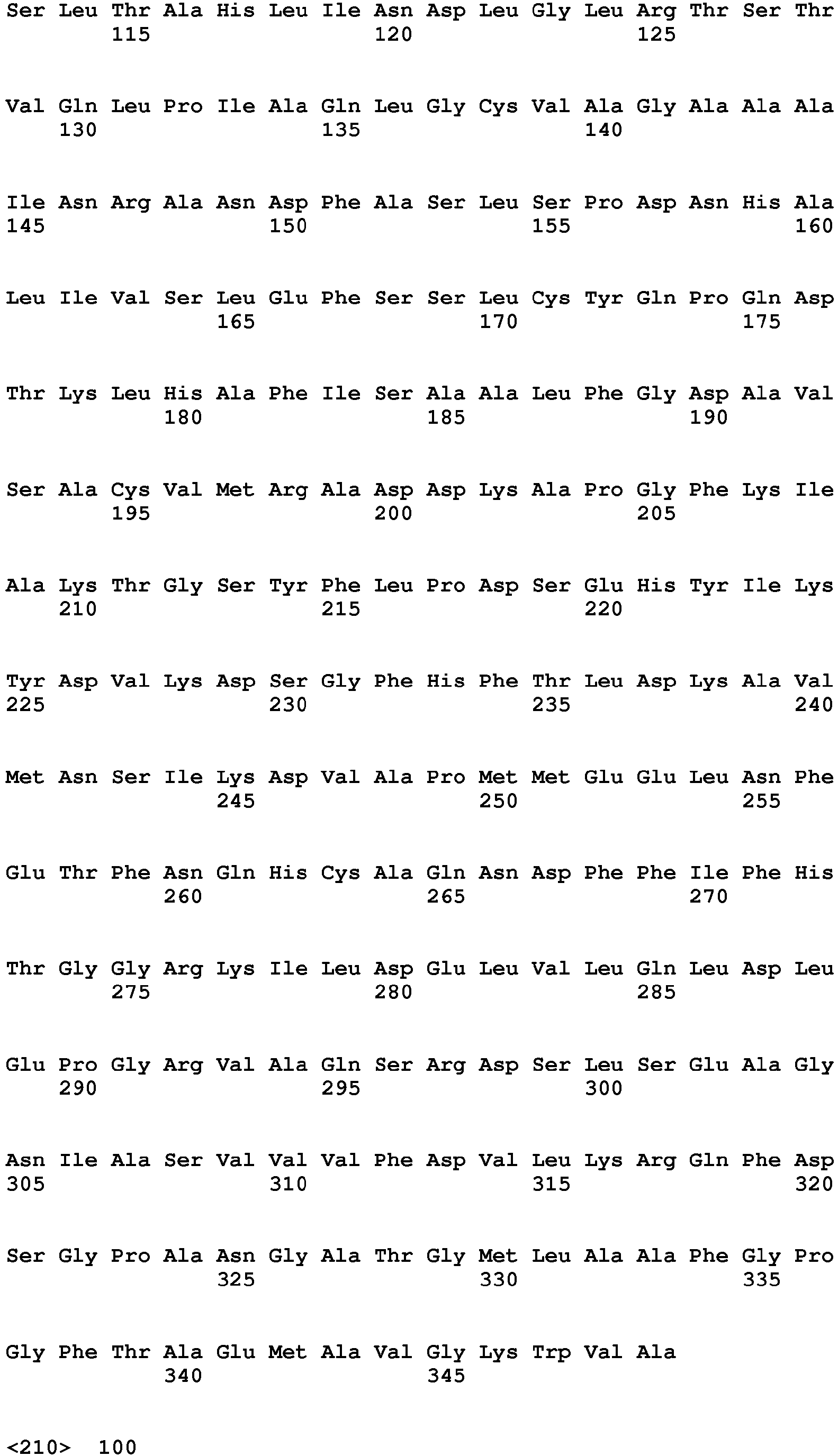


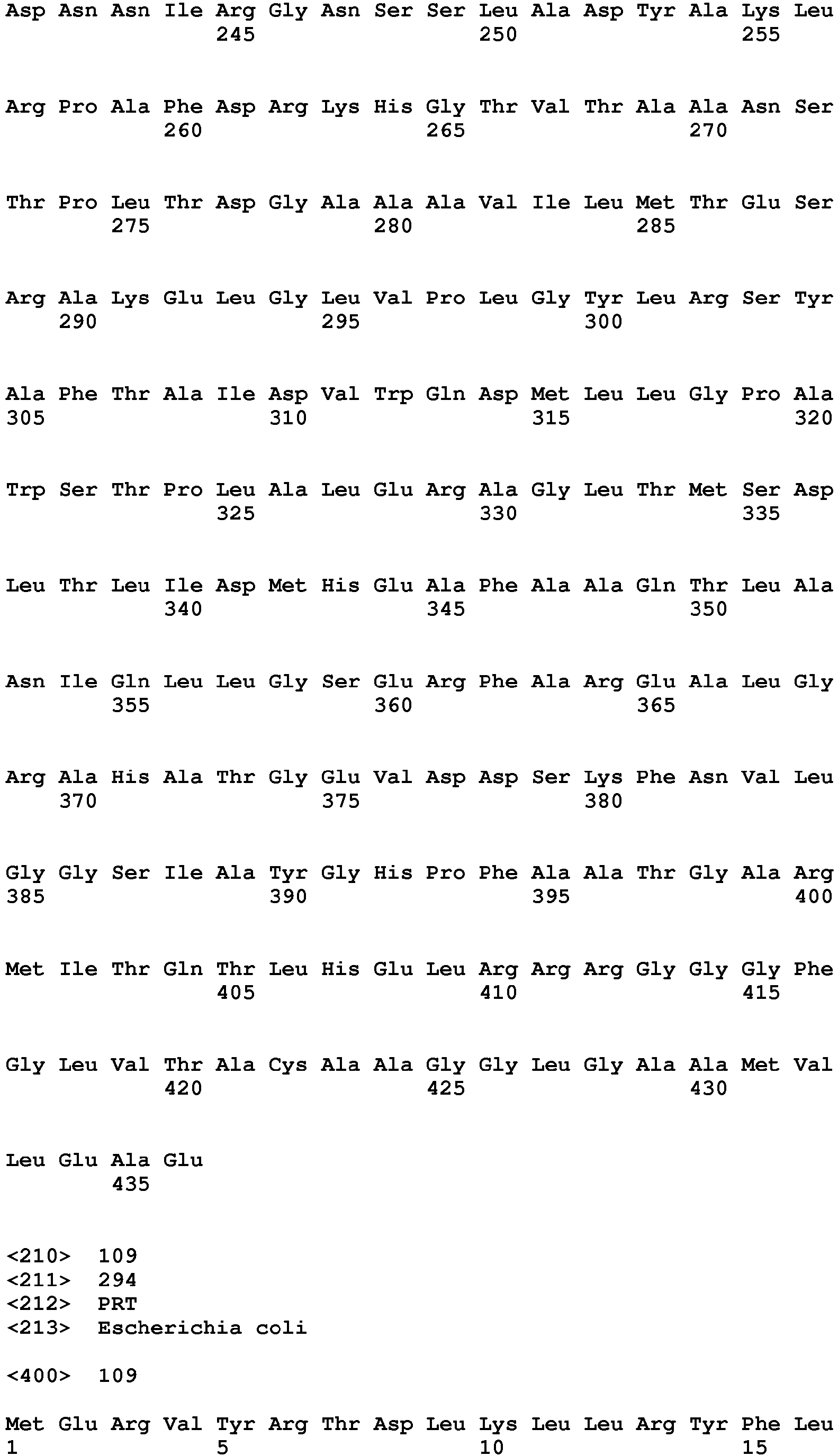


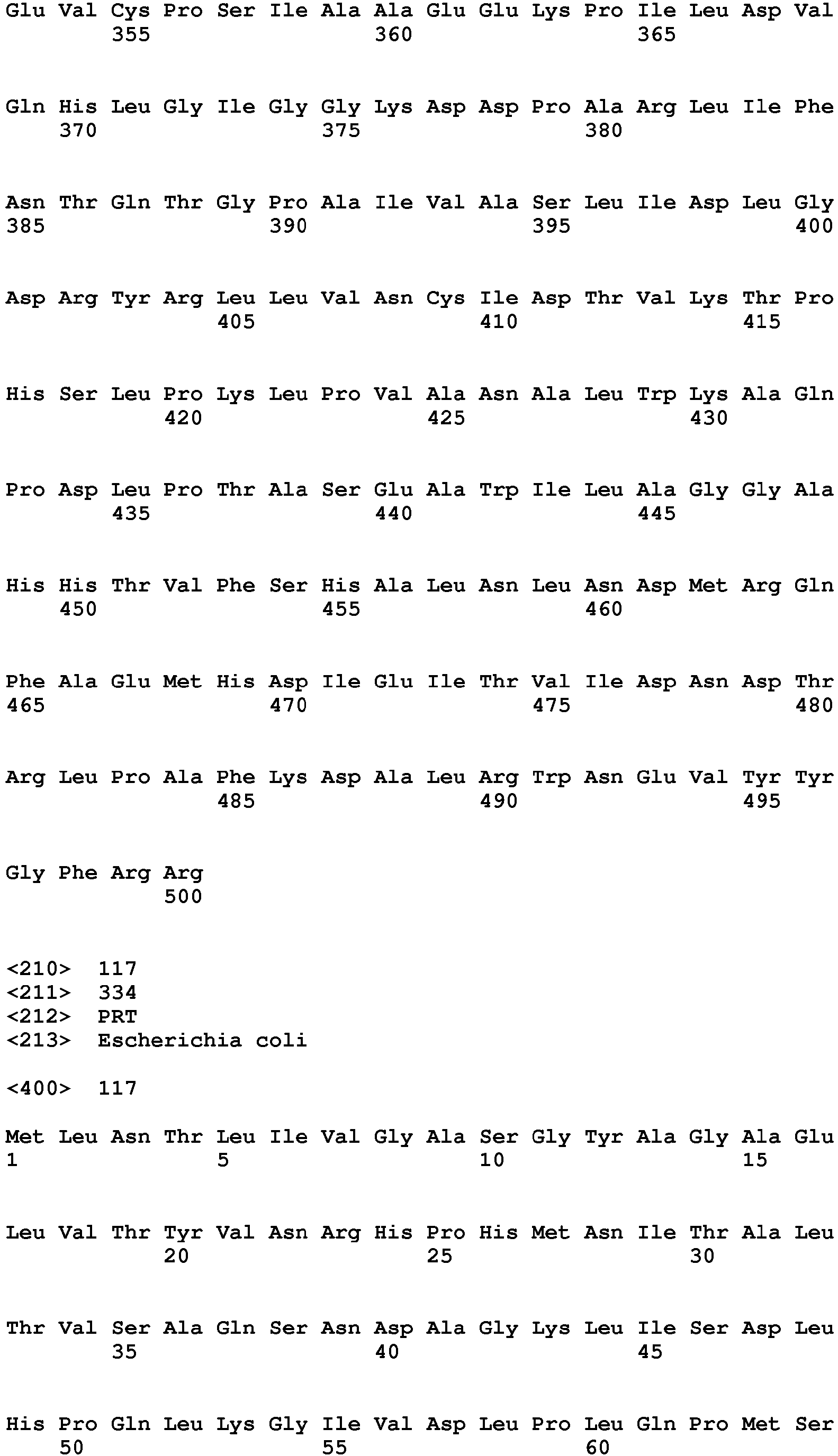


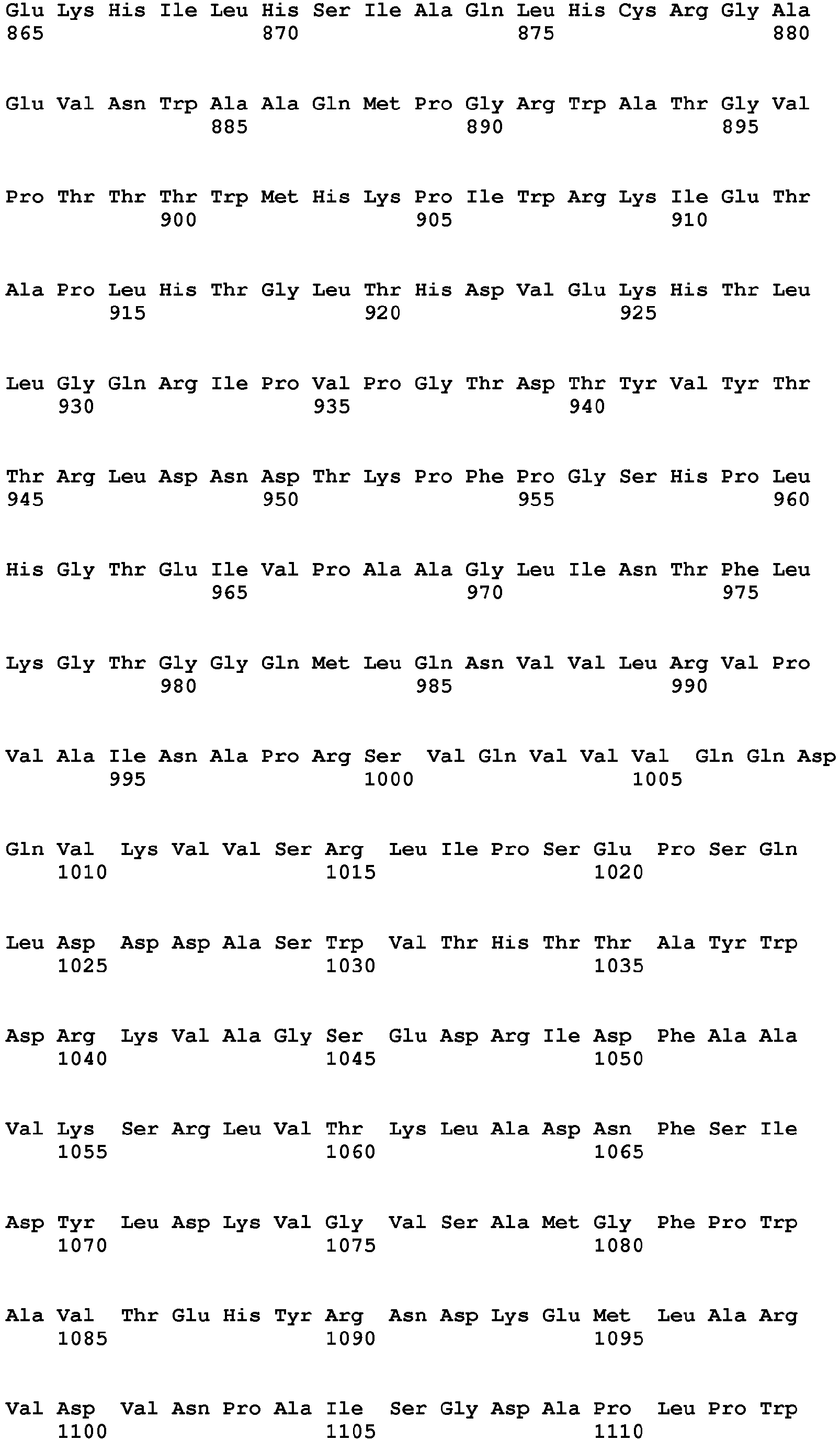
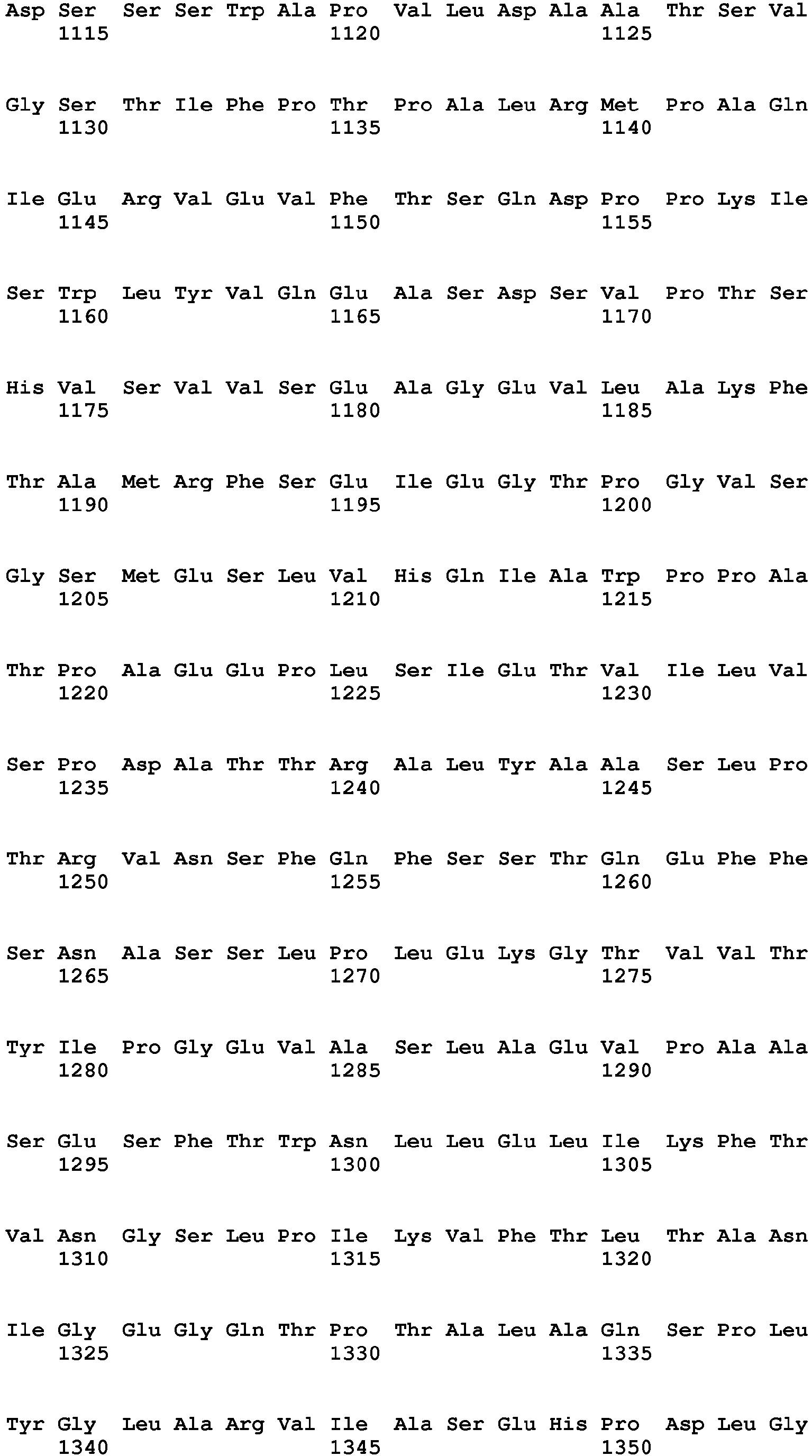


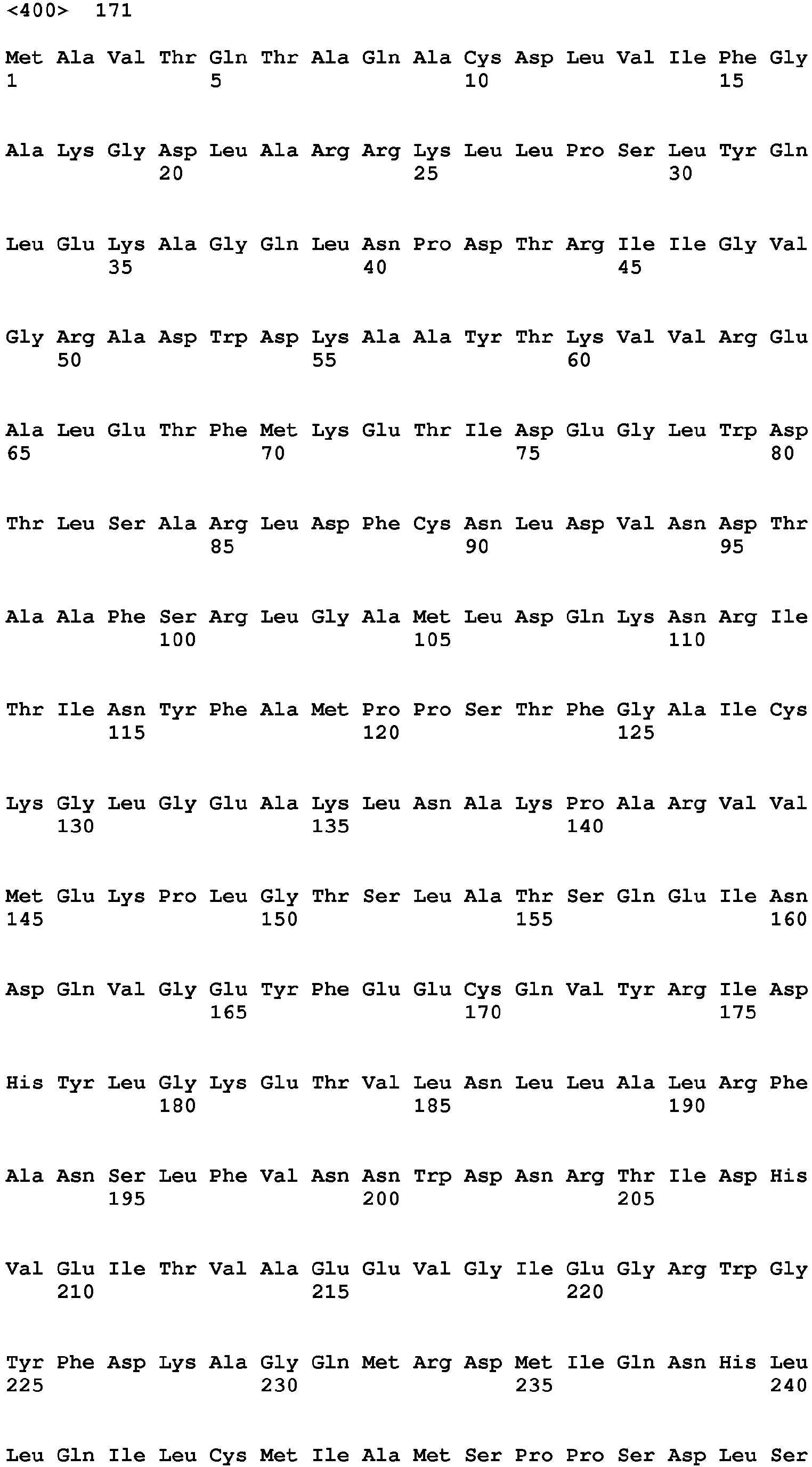


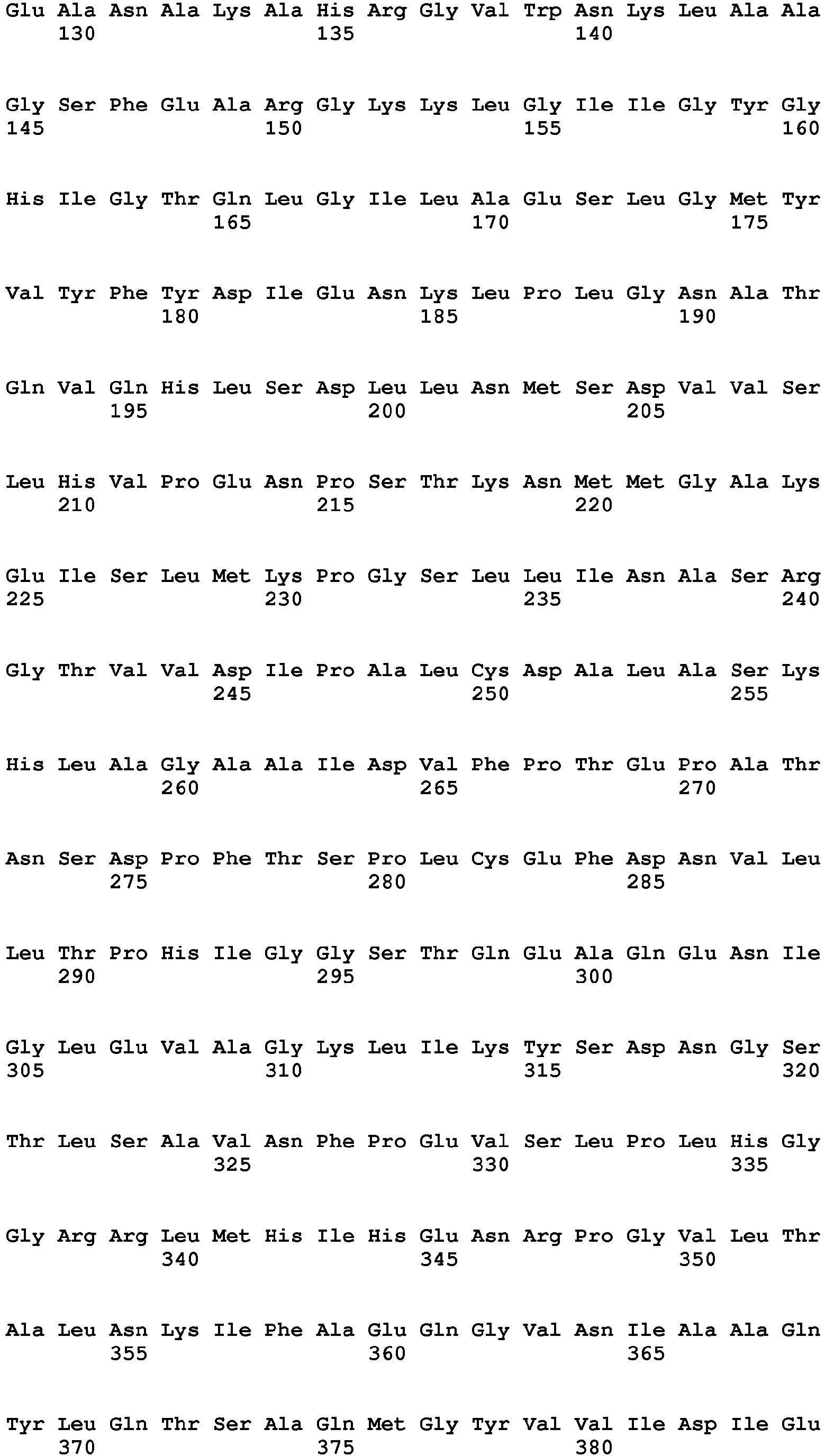


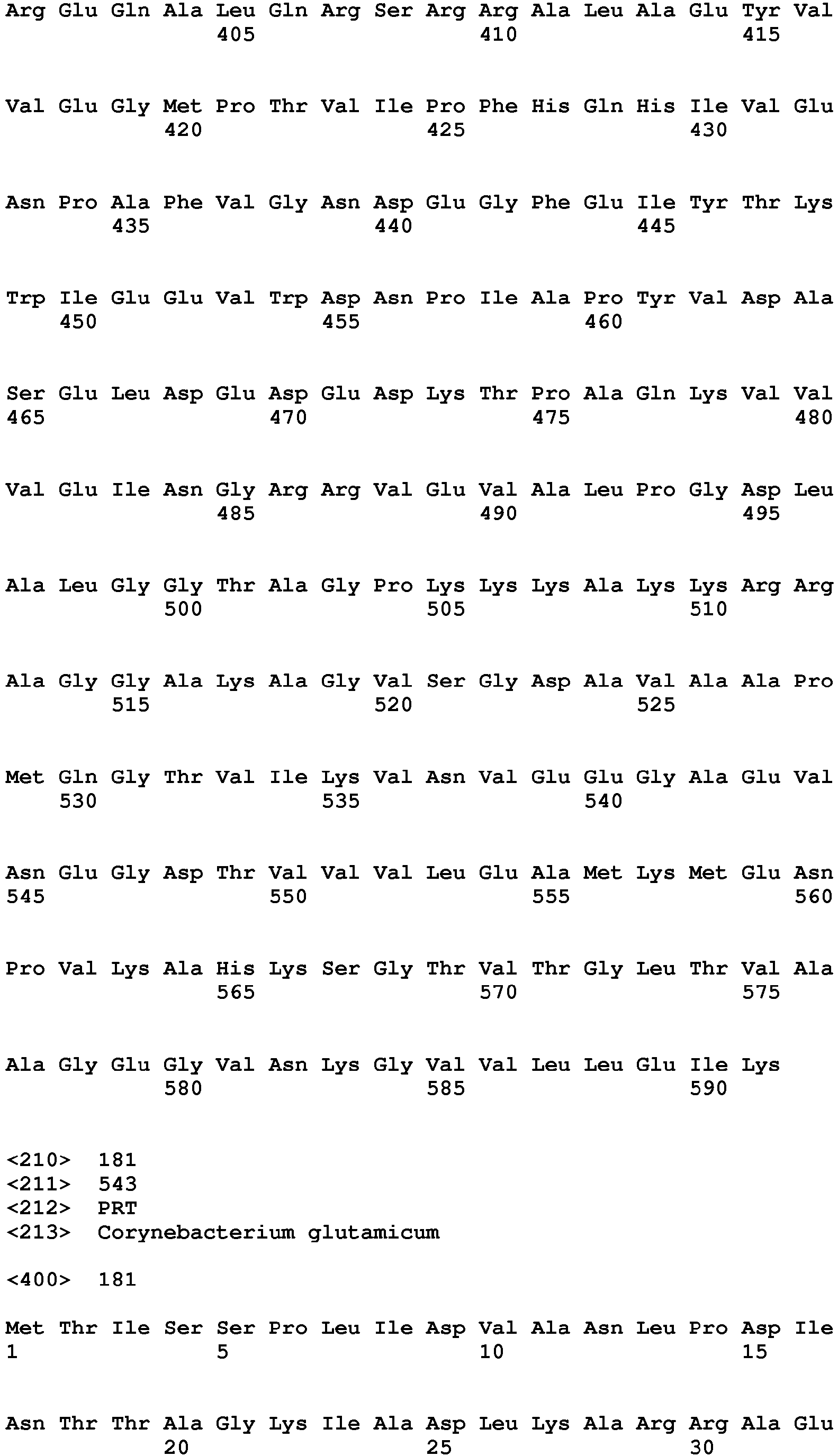


| Information on exogenous genes proposed in the present invention | ||
| Gene | Organism | Accession Number * |
| Sgr_rppA | Streptomyces griseus | BAE07216 |
| Sco_rppA | Streptomyces coelicolor | CAC01488 |
| Sma_rppA | Streptomyces avermitilis | BAC74842 |
| Sen_rppA | Saccharopolyspora erythraea | AAL78053 |
| Sac_rppA | Streptomyces aculeolatus | ABS50451 |
| whiE_ORFII | Streptomyces coelicolor | CAB45605 |
| AaPCS | Aloe arborescens | AAX35541 |
| AaOKS | Aloe arborescens | AAT48709 |
| AaPKS4 | Aloe arborescens | ACR19997 |
| AaPKS5 | Aloe arborescens | ACR19998 |
| sfp | Bacillus subtilis | ABV89950 |
| Pg6MSAS | Penicillium griseofulvum | CAA39295 |
| RpALS | Rheum palmatum | AAS87170 |
| AaPKS3 | Aloe arborescens | ABS72373 |
| SeTAL | Saccharothrix espanaensis | CCH33126 |
| At4CL1 | Arabidopsis thaliana | AAQ86588 |
| At4CL3 | Arabidopsis thaliana | AAQ86589 |
| At4CL4 | Arabidopsis thaliana | Q9LU36 |
| Sc4CL | Streptomyces coelicolor | CAB95894 |
| PhCHS | Petunia x hybrida | AGZ04577 |
| AtCHI | Arabidopsis thaliana | NP_191072 |
| VvSTS † | Vitis vinifera | CAA54221 |
| * depicts NCBI numbers for enzymes † codon-optimized for E. coli K-12 MG1655. |
Claims (33)
- A recombinant microorganism for malonyl-CoA detection in which a type III polyketide synthase-encoding gene is inserted in the genome of the microorganism or in which a recombinant vector containing the type III polyketide synthase-encoding gene is introduced.
- The recombinant microorganism of claim 1, wherein the type III polyketide synthase is:RppA derived from a microorganism selected from the group consisting of Streptomyces griseus, Streptomyces coelicolor, Streptomyces avermitilis, Saccharopolyspora erythraea, Streptomyces peucetius, and Streptomyces aculeolatus;PhlD(polyketide synthase) derived from Pseudomonas fluorescens;DpgA(polyketide synthase) derived from Amycolatopsis mediterranei;ALS(aloesone synthase) derived from Rheum palmatum; orPCS (5,7-dihydroxy-2-methylchromone synthase), OKS (octaketide synthase), PKS3 (aloesone synthase), PKS4 (octaketide synthase 2) or PKS5(octaketide synthase 3), which is derived from Aloe arborescens.
- The recombinant microorganism of claim 1, wherein a gene encoding the type III polyketide synthase is operably linked to a promoter selected from the group consisting of tac, trc, T7, BAD, λPR an Anderson synthetic promoter.
- The recombinant microorganism of claim 1, wherein the recombinant microorganism is selected from the group consisting of E. coli, Rhizobium, Bifidobacterium, Rhodococcus, Candida, Erwinia, Enterobacter, Pasteurella, Mannheimia, Actinobacillus, Aggregatibacter, Xanthomonas, Vibrio, Pseudomonas, Azotobacter, Acinetobacter, Ralstonia, Agrobacterium, Rhodobacter, Zymomonas, Bacillus, Staphylococcus, Lactococcus, Streptococcus, Lactobacillus, Clostridium, Corynebacterium, Streptomyces, Bifidobacterium, Cyanobacterium, and Cyclobacterium.
- A method for screening a malonyl-CoA production-inducing substance, comprising the steps of:(a) culturing the recombinant microorganism of claim 1;(b) adding a candidate substance to the recombinant microorganism;(c) comparing the color of a culture supernatant of the recombinant microorganism after addition of the candidate substance with the color of a culture supernatant of the recombinant microorganism without addition of the candidate substance; and(d) selecting the candidate substance as the malonyl-CoA production-inducing substance, when the culture supernatant of the recombinant microorganism after addition of the candidate substance shows a deeper red color than the culture supernatant of the recombinant microorganism without addition of the candidate substance.
- The method of claim 5, wherein the comparison between the colors in step (c) is made by the naked eyes.
- The method of claim 5, wherein the comparison between the colors in step (c) is made by measuring absorbance, and step (d) comprises selecting the candidate substance as the malonyl-CoA production-inducing substance, when the absorbance measured after addition of the candidate substance is higher than that measured without addition of the candidate substance.
- A method for screening a gene involved in increase of malonyl-CoA production, the method comprising the steps of:(a) introducing a gene regulation library, which changes gene expression in a recombinant microorganism, into the recombinant microorganism of claim 1, thereby constructing a recombinant microorganism library in which gene expression in the recombinant microorganism is changed;(b) culturing the constructed recombinant microorganism library, measuring the absorbance of the culture supernatant of the recombinant microorganism library, culturing the recombinant microorganism before introduction of the gene regulation library, and comparing the color of the culture supernatant of the recombinant microorganism library with the color of the culture supernatant of the recombinant microorganism before introduction of the gene regulation library; and(c) selecting the gene introduced in the recombinant microorganism library as a gene involved in increase of malonyl-CoA production, when the culture supernatant of the recombinant microorganism library shows a deeper red color than the culture supernatant of the recombinant microorganism before introduction of the gene regulation library.
- The method of claim 8, wherein the comparison between the colors in step (b) is made by the naked eyes.
- The method of claim 8, wherein the comparison between the colors in step (b) is made by measuring absorbance, and step (c) comprises selecting the gene introduced in the recombinant microorganism library, when the absorbance of the culture supernatant of the recombinant microorganism library is higher than that of the culture supernatant of the recombinant microorganism before introduction of the gene regulation library.
- The method of claim 8, wherein the gene regulation library is a library selected from an sRNA library, a genomic library, a cDNA library, a gRNA library, and an oligonucleotide library for construction of knockout or mutant strains.
- A method for producing a recombinant microorganism having increased malonyl-CoA producing ability, the method comprising regulating expression of the gene, screened by the method of any one of claims 8 to 11, in a microorganism having malonyl-CoA producing ability.
- The method of claim 12, wherein the screened gene is one or more genes selected from the group consisting of:fabF (3-oxoacyl-[acyl-carrier-protein] synthase II);yfcY (beta-ketoacyl-CoA thiolase);xapR (transcriptional activator of xapAB);cytR (transcriptional repressor for deo operon, udp, cdd, tsx, nupC and nupG);fabH (3-oxoacyl-[acyl-carrier-protein] synthase III);mqo (malate dehydrogenase);yfiD (pyruvate formate lyase subunit);fmt (10-formyltetrahydrofolate:L-methionyl-tRNA(fMet)N-formyltransferase);pyrF (orotidine-5'-phosphate decarboxylase);araA (L-arabinose isomerase);fadR (negative regulator for fad regulon and positive regulator of fabA);pabA (aminodeoxychorismate synthase, subunit II);purB (adenylosuccinate lyase); andhycI (protease involved in processing C-terminal end of HycE),and expression of the gene is reduced.
- The method of claim 12, wherein the microorganism is a microorganism selected from the group consisting of E. coli, Rhizobium, Bifidobacterium, Rhodococcus, Candida, Erwinia, Enterobacter, Pasteurella, Mannheimia, Actinobacillus, Aggregatibacter, Xanthomonas, Vibrio, Pseudomonas, Azotobacter, Acinetobacter, Ralstonia, Agrobacterium, Rhodobacter, Zymomonas, Bacillus, Staphylococcus, Lactococcus, Streptococcus, Lactobacillus, Clostridium, Corynebacterium, Streptomyces, Bifidobacterium, Cyanobacterium, and Cyclobacterium.
- A recombinant microorganism having increased malonyl-CoA producing ability wherein expression of one or more genes selected from the group consisting of the following genes:fabF (3-oxoacyl-[acyl-carrier-protein] synthase II);yfcY (beta-ketoacyl-CoA thiolase);xapR (transcriptional activator of xapAB);cytR (transcriptional repressor for deo operon, udp, cdd, tsx, nupC and nupG);fabH (3-oxoacyl-[acyl-carrier-protein] synthase III);mqo (malate dehydrogenase);yfiD (pyruvate formate lyase subunit);fmt (10-formyltetrahydrofolate:L-methionyl-tRNA(fMet)N-formyltransferase);pyrF (orotidine-5'-phosphate decarboxylase);araA (L-arabinose isomerase);fadR (negative regulator for fad regulon and positive regulator of fabA);pabA (aminodeoxychorismate synthase, subunit II);purB (adenylosuccinate lyase); andhycI (protease involved in processing C-terminal end of HycE), in a microorganism having malonyl-CoA producing ability, is decreased compared to that in a wild-type microorganism.
- A method of producing a useful substance using malonyl-CoA as a substrate or an intermediate, the method comprising the steps of:(a) constructing a recombinant microorganism in which a gene involved in production of the useful substance is additionally introduced, or expression of the gene is increased, or the gene involved in production of the useful substance is additionally deleted, or expression of the gene is decreased in the recombinant microorganism of claim 15;(b) culturing the constructed microorganism; and(c) recovering the useful substance from the cultured microorganism.
- The method of claim 16, wherein the useful substance is one or more selected from among:a polyketide compound of actinorhodin, doxorubicin, daunorubicin, oxytetracycline, rapamycin, lovastatin, SEK4, SEK4b, SEK34, SEK15, SEK26, FK506, DMAC, aklavinone, aklanonic acid, epsilon-rhodomycinone, aloesin, aloenin, barbaloin, 5,7-dihydroxy-2-methylchromone, erythromycin, rifamycin, avermectin, geldanamycin, ivermectin, doxycycline, anthramycin, penicillic acid, calicheamicin, epothilone, tetracenomycin, frenolicin, triacetic acid lactone, 6-methylsalicylic acid, or aloesone;a phenylpropanoid compound of pinocembrin, dihydrokaempferol, eriodictyol, dihydroquercetin, daidzein, genistein, apigenin, luteolin, kaempferol, quercetin, catechin, pelargonidin, cyanidin, afzelechin, myricetin, fisetin, galangin, hesperetin, tangeritin, delphinidin, epicatechin, chrysin, resveratrol or naringenin;a biofuel group of pentane, hexane, heptane, octane, nonane, decane, undecane, dodecane, tridecane, tetradecane, pentadecane, hexadecane, heptadecane, octadecane, nonadecane, icosane, pentanol, hexanol, heptanol, octanol, nonanol, decanol, undecanol, dodecanol, tridecanol, tetradecanol, pentadecanol, hexadecanol, heptadecanol, octadecanol, nonadecanol, icosanol, methyl caprate, methyl laurate, methyl myristate, methyl palmitate, methyl palmitoleate, methyl stearate, methyl oleate, methyl linoleate, methyl linolenate, methyl arachidate, methyl paullinate, methyl erucate, ethyl caprate, ethyl laurate, ethyl myristate, ethyl palmitate, ethyl palmitoleate, ethyl stearate, ethyl oleate, ethyl linoleate, ethyl linolenate, ethyl arachidate, ethyl paullinate or methyl erucate;a lipid compound of ceramide, palmitate or sphingosine; and3-hydroxypropionic acid.
- A recombinant microorganism for producing 6-methylsalicylic acid in which genes that encode 6-methylsalicylic acid synthase (6MSAS) and 4'-phosphopantetheinyl transferase (Sfp) are additionally introduced or expression of the genes is increased in the recombinant microorganism of claim 15.
- The recombinant microorganism of claim 18, wherein the knocked down gene is one or more selected from the group consisting of pabA, fabF, xapR and ytcY.
- The recombinant microorganism of claim 18, wherein genes that encode one or more enzymes selected from the group consisting of glucose-6-phosphate dehydrogenase (Zwf), malate dehydrogenase (Mdh), phosphoglycerate dehydrogenase (SerA), acetyl-CoA carboxylase (AccBC and AccD1), glyceraldehyde 3-phosphate dehydrogenase (GapA), phosphoglycerate kinase (Pgk), acetyl-CoA synthetase (Acs), and pyruvate dehydrogenase (AceEF and Lpd) are additionally introduced in the recombinant microorganism or expression of the genes is increased.
- A method of producing 6-methylsalicylic acid, the method comprising the steps of:(a) culturing the recombinant microorganism of claim 18; and(b) recovering the 6-methylsalicylic acid from the cultured microorganism.
- A recombinant microorganism for producing aloesone in which a gene that encodes aloesone synthase is additionally introduced or expression of the gene is increased in the recombinant microorganism of claim 15.
- The recombinant microorganism of claim 22, wherein the knocked down gene is pabA.
- The recombinant microorganism of claim 22, wherein genes that encode one or more enzymes selected from the group consisting of glucose-6-phosphate dehydrogenase (Zwf), malate dehydrogenase (Mdh), phosphoglycerate dehydrogenase (SerA), acetyl-CoA carboxylase (AccBC and AccD1), glyceraldehyde 3-phosphate dehydrogenase (GapA), phosphoglycerate kinase (Pgk), acetyl-CoA synthetase (Acs), and pyruvate dehydrogenase (AceEF and Lpd) are additionally introduced in the recombinant microorganism or expression of the genes is increased.
- A method of producing aloesone, the method comprising the steps of:(a) culturing the recombinant microorganism of claim 22; and(b) recovering the aloesone from the cultured microorganism.
- A recombinant microorganism for producing resveratrol in which genes that encode tyrosine ammonia-lyase (TAL), 4-coumarate:CoA ligase (4CL) and stilbene synthase (STS) are additionally introduced or expression of the genes is increased in the recombinant microorganism of claim 15.
- The recombinant microorganism of claim 26, wherein the 4-coumarate:CoA ligase is either a mutant enzyme in which the amino acid is mutated to I250L/N404K/I461V in the amino acid sequence represented by SEQ ID NO: 128 or a mutant enzyme in which the amino acid is mutated to A294G/A318G in the amino acid sequence represented by SEQ ID NO: 131.
- The recombinant microorganism of claim 26, wherein the knocked down gene is one or more selected from the group consisting of pabA, yfiD, mqo, xapR, purB, fabH, fabF, yfcY, , fadR, cytR, fmt and pyrF.
- A method of producing resveratrol, the method comprising the steps of:(a) culturing the recombinant microorganism of claim 26; and(b) recovering the resveratrol from the cultured microorganism.
- A recombinant microorganism for producing naringenin in which genes that encode tyrosine ammonia-lyase (TAL), 4-coumarate:CoA ligase (4CL), chalcone synthase (CHS), and chalcone isomerase (CHI) are additionally introduced or expression of the genes is increased in the recombinant microorganism of claim 15.
- The recombinant microorganism of claim 30, wherein the 4-coumarate:CoA ligase is a mutant enzyme in which the amino acid is mutated to I250L/N404K/I461V in the amino acid sequence represented by SEQ ID NO: 128.
- The recombinant microorganism of claim 30, wherein the knocked down gene is one or more selected from the group consisting of fadR, hycI and xapR.
- A method of producing naringenin, the method comprising the steps of:(a) culturing the recombinant microorganism of claim 30; and(b) recovering the naringenin from the cultured microorganism.
Applications Claiming Priority (2)
| Application Number | Priority Date | Filing Date | Title |
|---|---|---|---|
| KR20180066323 | 2018-06-08 | ||
| PCT/KR2018/010087 WO2019235688A1 (en) | 2018-06-08 | 2018-08-30 | Novel malonyl-coa biosensor based on type iii polyketide synthase, and use thereof |
Publications (2)
| Publication Number | Publication Date |
|---|---|
| EP3608417A1 true EP3608417A1 (en) | 2020-02-12 |
| EP3608417A4 EP3608417A4 (en) | 2020-12-09 |
Family
ID=68769437
Family Applications (1)
| Application Number | Title | Priority Date | Filing Date |
|---|---|---|---|
| EP18899006.3A Withdrawn EP3608417A4 (en) | 2018-06-08 | 2018-08-30 | NEW MALONYL COA BIOSENSOR BASED ON TYPE III POLYKETIDE SYNTHASE AND USE OF IT |
Country Status (6)
| Country | Link |
|---|---|
| US (1) | US20210277428A1 (en) |
| EP (1) | EP3608417A4 (en) |
| JP (1) | JP2020530757A (en) |
| KR (1) | KR102187682B1 (en) |
| CN (1) | CN110896642A (en) |
| WO (1) | WO2019235688A1 (en) |
Cited By (1)
| Publication number | Priority date | Publication date | Assignee | Title |
|---|---|---|---|---|
| EP4286515A4 (en) * | 2021-01-27 | 2026-02-25 | Korea Advanced Inst Sci & Tech | C-GLYCOSYLTRANSFERASE VARIANTS AND THEIR USE |
Families Citing this family (11)
| Publication number | Priority date | Publication date | Assignee | Title |
|---|---|---|---|---|
| CN110343639B (en) * | 2019-07-23 | 2021-04-27 | 中国医药集团总公司四川抗菌素工业研究所 | Streptomyces producing 15(S) -O-ethyl rapamycin |
| CN111979209A (en) * | 2020-08-24 | 2020-11-24 | 中国科学院大学 | Polyoctaketide synthase and coding gene and application thereof |
| CN112592940B (en) * | 2020-12-16 | 2023-05-02 | 江西邦泰绿色生物合成生态产业园发展有限公司 | Biological enzyme synthesis method of N- (9-fluorenylmethoxycarbonyl) -decylaminoacetaldehyde |
| KR102841189B1 (en) * | 2021-01-27 | 2025-08-04 | 한국과학기술원 | C-glycosyltransferase variants and Use thereof |
| CN113430215B (en) * | 2021-06-03 | 2023-04-18 | 昆明理工大学 | Acetyl CoA synthetase gene RKACS1 and application thereof |
| CN113527245B (en) * | 2021-06-28 | 2023-06-20 | 海南医学院 | A kind of synthetic method of aloe vera pine and its application |
| CN114574458B (en) * | 2022-02-28 | 2023-07-18 | 江南大学 | A mutant of chalcone synthase that can increase the production of naringenin |
| CN115433685B (en) * | 2022-06-08 | 2023-03-03 | 安徽大学 | A method for improving the production of erythromycin by modifying the SACE_5812 gene pathway of Saccharopolyspora erythromyces |
| CN115678934A (en) * | 2022-11-07 | 2023-02-03 | 陕西科技大学 | Method for synthesizing eriodictyol by co-culture of escherichia coli and corynebacterium glutamicum |
| CN118792292B (en) * | 2024-08-27 | 2025-12-16 | 江苏香地化学有限公司 | Method for catalytic production of 5-fluorouracil and application thereof |
| CN119875985B (en) * | 2025-03-28 | 2025-08-12 | 天津凯莱英生物科技有限公司 | Genetically engineered bacterium, preparation method thereof and application of genetically engineered bacterium in synthesis of resveratrol |
Family Cites Families (11)
| Publication number | Priority date | Publication date | Assignee | Title |
|---|---|---|---|---|
| CN101084311A (en) * | 2004-10-12 | 2007-12-05 | 密歇根州州立大学托管理事会 | Biosynthesis of phloroglucinol and preparation of 1,3-dihydroxybenzene therefrom |
| GB0503657D0 (en) * | 2005-02-22 | 2005-03-30 | Fluxome Sciences As | Metabolically engineered cells for the production of resveratrol or an oligomeric or glycosidically-bound derivative thereof |
| BRPI0819509A2 (en) | 2007-12-18 | 2014-10-14 | Korea Advanced Inst Sci & Tech | MICROORGANISM AND RECOMBINANT VECTOR, SACAROSIS PHOSPOTRANSFERASE, GENE (ptsG), BETA-FRUTOFURANOSIDASE AND METHOD FOR PRODUCING METABOLYTES, RECOMBINABLE OR PROTEIN POLYMERS |
| KR20110130614A (en) * | 2010-05-28 | 2011-12-06 | 건국대학교 산학협력단 | New Type III Polyketide Synthetase and Its Application |
| AU2012211052A1 (en) * | 2011-01-28 | 2013-09-05 | Amyris, Inc. | Gel-encapsulated microcolony screening |
| BR112013024288A2 (en) * | 2011-03-22 | 2016-08-16 | Opx Biotechnologies Inc | method for the production of fatty acid or fatty acid derivative, genetically modified organism and product |
| ES2709105T3 (en) | 2012-01-11 | 2019-04-15 | Korea Advanced Inst Sci & Tech | RNAs of regulation of synthesis and procedure of preparation of the same |
| KR101750855B1 (en) | 2014-06-11 | 2017-06-27 | 한국과학기술원 | Method for Fine-Tuning Gene Expression Using Synthetic Regulatory Small RNA |
| KR101690780B1 (en) | 2014-06-11 | 2016-12-29 | 한국과학기술원 | Method for Regulating Gene Expression Using Synthetic Regulatory Small RNA in Clostridia |
| BR112016029388A2 (en) * | 2014-06-16 | 2017-10-17 | Invista Tech Sarl | methods, reagents and cells to biosynthesize compounds |
| US10519460B2 (en) * | 2015-06-10 | 2019-12-31 | Danmarks Teniske Univesitet | Use of heterologous expressed polyketide synthase and small molecule foldases to make aromatic and cyclic compounds |
-
2018
- 2018-08-29 KR KR1020180102212A patent/KR102187682B1/en active Active
- 2018-08-30 US US16/477,897 patent/US20210277428A1/en not_active Abandoned
- 2018-08-30 EP EP18899006.3A patent/EP3608417A4/en not_active Withdrawn
- 2018-08-30 CN CN201880015083.8A patent/CN110896642A/en active Pending
- 2018-08-30 JP JP2019541153A patent/JP2020530757A/en not_active Ceased
- 2018-08-30 WO PCT/KR2018/010087 patent/WO2019235688A1/en not_active Ceased
Cited By (1)
| Publication number | Priority date | Publication date | Assignee | Title |
|---|---|---|---|---|
| EP4286515A4 (en) * | 2021-01-27 | 2026-02-25 | Korea Advanced Inst Sci & Tech | C-GLYCOSYLTRANSFERASE VARIANTS AND THEIR USE |
Also Published As
| Publication number | Publication date |
|---|---|
| CN110896642A (en) | 2020-03-20 |
| US20210277428A1 (en) | 2021-09-09 |
| EP3608417A4 (en) | 2020-12-09 |
| KR102187682B1 (en) | 2020-12-07 |
| JP2020530757A (en) | 2020-10-29 |
| KR20190139727A (en) | 2019-12-18 |
| WO2019235688A1 (en) | 2019-12-12 |
Similar Documents
| Publication | Publication Date | Title |
|---|---|---|
| US20210277428A1 (en) | Novel malonyl-coa biosensor based on type iii polyketide synthase and use thereof | |
| Rand et al. | A metabolic pathway for catabolizing levulinic acid in bacteria | |
| US11685908B2 (en) | Prenyltransferase variants and methods for production of prenylated aromatic compounds | |
| Lin et al. | Metabolic engineering of Escherichia coli for the production of riboflavin | |
| US7413878B2 (en) | Recombinant host cells expressing atoAD and capable of making a polyketide using a starter unit | |
| Milke et al. | Tailoring Corynebacterium glutamicum towards increased malonyl-CoA availability for efficient synthesis of the plant pentaketide noreugenin | |
| US20180237847A1 (en) | Compositions and multiplexed systems for coupled cell-free transcription-translation and protein synthesis and methods for using them | |
| Bang et al. | High-level production of trans-cinnamic acid by fed-batch cultivation of Escherichia coli | |
| US10233431B2 (en) | Producing 3-hydroxycarboxylic acid and ketone using polyketide synthases | |
| CN105813625A (en) | A method for producing acyl amino acids | |
| US20250163478A1 (en) | Bioconversion of levulinic acid in genetically engineered hosts | |
| CN109890972A (en) | Method for producing target substance | |
| KR20180076288A (en) | A recombinant microorganism introduced exotic genes and a method for producing useful product from carbon dioxide and formic acid using the recombinant microorganism | |
| Kukil et al. | Laboratory evolution of Synechocystis sp. PCC 6803 for phenylpropanoid production | |
| Vassallo et al. | The Streptomyces coelicolor small ORF trpM stimulates growth and morphological development and exerts opposite effects on actinorhodin and calcium-dependent antibiotic production | |
| US20220411766A1 (en) | Compositions and methods for using genetically modified orthologous enzymes | |
| WO2013003432A1 (en) | Microorganisms for producing succinate and methods related thereto | |
| KR20240134152A (en) | Genetically modified bacteria resistant to massive cell lysis | |
| WO2007047680A2 (en) | Increasing the activity of radical s-adenosyl methionine (sam) enzymes | |
| US20190382813A1 (en) | Production of cannabinoids in microorganisms from a carbon sugar precursor | |
| Tran et al. | Production of 5-aminolevulinic acid by recombinant Streptomyces coelicolor expressing hemA from Rhodobacter sphaeroides | |
| Zhang et al. | A permissive medium chain acyl-CoA carboxylase enables the efficient biosynthesis of extender units for engineering polyketide carbon scaffolds | |
| Liu et al. | Directed evolution and metabolic engineering generate an Escherichia coli cell factory for de novo production of 4-hydroxymandelate | |
| Liu et al. | Acs is essential for propionate utilization in Escherichia coli | |
| Jo et al. | Improvement of succinate production from methane by combining rational engineering and laboratory evolution in Methylomonas sp. DH-1 |
Legal Events
| Date | Code | Title | Description |
|---|---|---|---|
| STAA | Information on the status of an ep patent application or granted ep patent |
Free format text: STATUS: UNKNOWN |
|
| STAA | Information on the status of an ep patent application or granted ep patent |
Free format text: STATUS: THE INTERNATIONAL PUBLICATION HAS BEEN MADE |
|
| PUAI | Public reference made under article 153(3) epc to a published international application that has entered the european phase |
Free format text: ORIGINAL CODE: 0009012 |
|
| STAA | Information on the status of an ep patent application or granted ep patent |
Free format text: STATUS: REQUEST FOR EXAMINATION WAS MADE |
|
| 17P | Request for examination filed |
Effective date: 20190715 |
|
| AK | Designated contracting states |
Kind code of ref document: A1 Designated state(s): AL AT BE BG CH CY CZ DE DK EE ES FI FR GB GR HR HU IE IS IT LI LT LU LV MC MK MT NL NO PL PT RO RS SE SI SK SM TR |
|
| AX | Request for extension of the european patent |
Extension state: BA ME |
|
| A4 | Supplementary search report drawn up and despatched |
Effective date: 20201105 |
|
| RIC1 | Information provided on ipc code assigned before grant |
Ipc: C12Q 1/48 20060101AFI20201030BHEP Ipc: C12N 15/63 20060101ALI20201030BHEP Ipc: C12N 9/10 20060101ALI20201030BHEP Ipc: C12P 7/22 20060101ALI20201030BHEP Ipc: C12P 17/06 20060101ALI20201030BHEP Ipc: C12P 7/42 20060101ALI20201030BHEP |
|
| DAV | Request for validation of the european patent (deleted) | ||
| DAX | Request for extension of the european patent (deleted) | ||
| STAA | Information on the status of an ep patent application or granted ep patent |
Free format text: STATUS: THE APPLICATION HAS BEEN WITHDRAWN |
|
| 18W | Application withdrawn |
Effective date: 20221109 |