EP3608230A1 - Genset and method of producing a genset - Google Patents
Genset and method of producing a genset Download PDFInfo
- Publication number
- EP3608230A1 EP3608230A1 EP19185563.4A EP19185563A EP3608230A1 EP 3608230 A1 EP3608230 A1 EP 3608230A1 EP 19185563 A EP19185563 A EP 19185563A EP 3608230 A1 EP3608230 A1 EP 3608230A1
- Authority
- EP
- European Patent Office
- Prior art keywords
- generator
- gas turbine
- turbine engine
- struts
- genset
- Prior art date
- Legal status (The legal status is an assumption and is not a legal conclusion. Google has not performed a legal analysis and makes no representation as to the accuracy of the status listed.)
- Granted
Links
Images



Classifications
-
- B—PERFORMING OPERATIONS; TRANSPORTING
- B64—AIRCRAFT; AVIATION; COSMONAUTICS
- B64D—EQUIPMENT FOR FITTING IN OR TO AIRCRAFT; FLIGHT SUITS; PARACHUTES; ARRANGEMENT OR MOUNTING OF POWER PLANTS OR PROPULSION TRANSMISSIONS IN AIRCRAFT
- B64D27/00—Arrangement or mounting of power plants in aircraft; Aircraft characterised by the type or position of power plants
- B64D27/40—Arrangements for mounting power plants in aircraft
- B64D27/402—Arrangements for mounting power plants in aircraft comprising box like supporting frames, e.g. pylons or arrangements for embracing the power plant
-
- B—PERFORMING OPERATIONS; TRANSPORTING
- B64—AIRCRAFT; AVIATION; COSMONAUTICS
- B64D—EQUIPMENT FOR FITTING IN OR TO AIRCRAFT; FLIGHT SUITS; PARACHUTES; ARRANGEMENT OR MOUNTING OF POWER PLANTS OR PROPULSION TRANSMISSIONS IN AIRCRAFT
- B64D27/00—Arrangement or mounting of power plants in aircraft; Aircraft characterised by the type or position of power plants
- B64D27/02—Aircraft characterised by the type or position of power plants
- B64D27/10—Aircraft characterised by the type or position of power plants of gas-turbine type
-
- B—PERFORMING OPERATIONS; TRANSPORTING
- B64—AIRCRAFT; AVIATION; COSMONAUTICS
- B64D—EQUIPMENT FOR FITTING IN OR TO AIRCRAFT; FLIGHT SUITS; PARACHUTES; ARRANGEMENT OR MOUNTING OF POWER PLANTS OR PROPULSION TRANSMISSIONS IN AIRCRAFT
- B64D27/00—Arrangement or mounting of power plants in aircraft; Aircraft characterised by the type or position of power plants
- B64D27/02—Aircraft characterised by the type or position of power plants
- B64D27/10—Aircraft characterised by the type or position of power plants of gas-turbine type
- B64D27/12—Aircraft characterised by the type or position of power plants of gas-turbine type within, or attached to, wings
-
- B—PERFORMING OPERATIONS; TRANSPORTING
- B64—AIRCRAFT; AVIATION; COSMONAUTICS
- B64D—EQUIPMENT FOR FITTING IN OR TO AIRCRAFT; FLIGHT SUITS; PARACHUTES; ARRANGEMENT OR MOUNTING OF POWER PLANTS OR PROPULSION TRANSMISSIONS IN AIRCRAFT
- B64D27/00—Arrangement or mounting of power plants in aircraft; Aircraft characterised by the type or position of power plants
- B64D27/02—Aircraft characterised by the type or position of power plants
- B64D27/30—Aircraft characterised by electric power plants
- B64D27/33—Hybrid electric aircraft
-
- B—PERFORMING OPERATIONS; TRANSPORTING
- B64—AIRCRAFT; AVIATION; COSMONAUTICS
- B64D—EQUIPMENT FOR FITTING IN OR TO AIRCRAFT; FLIGHT SUITS; PARACHUTES; ARRANGEMENT OR MOUNTING OF POWER PLANTS OR PROPULSION TRANSMISSIONS IN AIRCRAFT
- B64D35/00—Transmitting power from power plants to propellers or rotors; Arrangements of transmissions
- B64D35/02—Transmitting power from power plants to propellers or rotors; Arrangements of transmissions specially adapted for specific power plants
- B64D35/021—Transmitting power from power plants to propellers or rotors; Arrangements of transmissions specially adapted for specific power plants for electric power plants
- B64D35/022—Transmitting power from power plants to propellers or rotors; Arrangements of transmissions specially adapted for specific power plants for electric power plants of hybrid-electric type
- B64D35/023—Transmitting power from power plants to propellers or rotors; Arrangements of transmissions specially adapted for specific power plants for electric power plants of hybrid-electric type of series-parallel type
-
- F—MECHANICAL ENGINEERING; LIGHTING; HEATING; WEAPONS; BLASTING
- F01—MACHINES OR ENGINES IN GENERAL; ENGINE PLANTS IN GENERAL; STEAM ENGINES
- F01D—NON-POSITIVE DISPLACEMENT MACHINES OR ENGINES, e.g. STEAM TURBINES
- F01D15/00—Adaptations of machines or engines for special use; Combinations of engines with devices driven thereby
- F01D15/10—Adaptations for driving, or combinations with, electric generators
-
- F—MECHANICAL ENGINEERING; LIGHTING; HEATING; WEAPONS; BLASTING
- F02—COMBUSTION ENGINES; HOT-GAS OR COMBUSTION-PRODUCT ENGINE PLANTS
- F02C—GAS-TURBINE PLANTS; AIR INTAKES FOR JET-PROPULSION PLANTS; CONTROLLING FUEL SUPPLY IN AIR-BREATHING JET-PROPULSION PLANTS
- F02C7/00—Features, components parts, details or accessories, not provided for in, or of interest apart form groups F02C1/00 - F02C6/00; Air intakes for jet-propulsion plants
- F02C7/20—Mounting or supporting of plant; Accommodating heat expansion or creep
-
- B—PERFORMING OPERATIONS; TRANSPORTING
- B64—AIRCRAFT; AVIATION; COSMONAUTICS
- B64D—EQUIPMENT FOR FITTING IN OR TO AIRCRAFT; FLIGHT SUITS; PARACHUTES; ARRANGEMENT OR MOUNTING OF POWER PLANTS OR PROPULSION TRANSMISSIONS IN AIRCRAFT
- B64D27/00—Arrangement or mounting of power plants in aircraft; Aircraft characterised by the type or position of power plants
- B64D27/02—Aircraft characterised by the type or position of power plants
- B64D27/026—Aircraft characterised by the type or position of power plants comprising different types of power plants, e.g. combination of a piston engine and a gas-turbine
-
- B—PERFORMING OPERATIONS; TRANSPORTING
- B64—AIRCRAFT; AVIATION; COSMONAUTICS
- B64D—EQUIPMENT FOR FITTING IN OR TO AIRCRAFT; FLIGHT SUITS; PARACHUTES; ARRANGEMENT OR MOUNTING OF POWER PLANTS OR PROPULSION TRANSMISSIONS IN AIRCRAFT
- B64D27/00—Arrangement or mounting of power plants in aircraft; Aircraft characterised by the type or position of power plants
- B64D27/40—Arrangements for mounting power plants in aircraft
- B64D27/404—Suspension arrangements specially adapted for supporting vertical loads
-
- F—MECHANICAL ENGINEERING; LIGHTING; HEATING; WEAPONS; BLASTING
- F05—INDEXING SCHEMES RELATING TO ENGINES OR PUMPS IN VARIOUS SUBCLASSES OF CLASSES F01-F04
- F05D—INDEXING SCHEME FOR ASPECTS RELATING TO NON-POSITIVE-DISPLACEMENT MACHINES OR ENGINES, GAS-TURBINES OR JET-PROPULSION PLANTS
- F05D2220/00—Application
- F05D2220/30—Application in turbines
- F05D2220/32—Application in turbines in gas turbines
- F05D2220/323—Application in turbines in gas turbines for aircraft propulsion, e.g. jet engines
-
- F—MECHANICAL ENGINEERING; LIGHTING; HEATING; WEAPONS; BLASTING
- F05—INDEXING SCHEMES RELATING TO ENGINES OR PUMPS IN VARIOUS SUBCLASSES OF CLASSES F01-F04
- F05D—INDEXING SCHEME FOR ASPECTS RELATING TO NON-POSITIVE-DISPLACEMENT MACHINES OR ENGINES, GAS-TURBINES OR JET-PROPULSION PLANTS
- F05D2220/00—Application
- F05D2220/70—Application in combination with
- F05D2220/76—Application in combination with an electrical generator
- F05D2220/768—Application in combination with an electrical generator equipped with permanent magnets
Definitions
- the present subject matter relates generally to power systems, and more particularly to a method of producing a genset, such as a turbogenerator for hybrid electric propulsion systems and or other electric loads.
- a generator - that receives mechanical power from a gas turbine engine - to drive an electric motor that assists in aircraft propulsion or to power electric loads, such as in a hybrid power generation system (PGS).
- PGS hybrid power generation system
- the torque and weight of the generator must be properly reacted to facilitate the operation of the hybrid PGS for either ground or flight applications.
- the combination of a gas turbine engine and a generator is referred to as a genset.
- United States patent application US 2005/0178889 A1 discloses a structure for mounting a turboprop engine under an aircraft wing having a rigid structure.
- the rigid structure comprises a box and the mounting structure comprises at least two lateral connecting rods resisting the engine torque generated by the turboprop engine.
- the connecting rods are arranged on each side of the box and each includes a forward end connected to a gear box of the turboprop engine and an aft end connected to said box.
- United States patent US 6,264,138 discloses a turboprop propulsion aircraft having a plurality of gas turbine engines.
- Each gas turbine engine comprises a two-stage reduction gearbox with an engine output shaft disposed in line with a propeller drive output shaft to drive a propeller in front of the engine in a tractor mode of propulsion.
- An input gear reduction stage and an output gear reduction stage share a plurality layshafts mounted in fixed circularly-spaced relation to each other about the axis of the output shafts in the mechanical housing in the aircraft.
- Each layshaft has a layshaft first end toward the rear, input end of the gearbox, and a layshaft second end toward the output, front end of the gearbox.
- the layshaft gears are arranged to avoid any net thrust loading of the layshafts.
- Spur and double helical gears are used in Fig. 4
- spur gears are used in Fig. 6 with suitable helix settings to neutralize end thrust on the layshaft.
- Cantilever layshaft input gear mounting in rear bearings enables same to share some layshaft output gear load sharing with the front bearing.
- a torquemeter is situated at the gearbox input end.
- the engine output gear, gearbox output gear, and propeller all have collinear rotational axes.
- United States patent application US 2016/0178464 A1 discloses a gas turbine engine torque monitoring system including a gas turbine engine and gas turbine engine electronics.
- the gas turbine engine includes a torque sensor coupled to a rotatable element of the gas turbine engine, such as a drive shaft.
- the torque monitoring system analyzes torque signals output by the torque sensor using a combination of frequency domain analysis and time domain analysis, and generates an interpretation of the torque sensor output signals.
- the gas turbine engine torque monitoring system can initiate a variety of different types of actions in relation to the gas turbine engine based on the interpretation of the torque sensor output signals.
- United States patent application US 2016/0023773A1 discloses mounting of an electric machine co-axially with or mechanically linked to a low-pressure turbine (LPT) shaft.
- the electric machine can function as a generator or as a motor in different operational phases. Additionally, the electric machine can be located downstream of the LPT or upstream of the low-pressure compressor.
- United States patent application US 2017/0313431A1 discloses a suspension for a propulsion assembly comprising a gas generator coupled by a coupling mechanism to a thrust generator having a structural torque transmission gearbox.
- a rigid cradle rigidly supports the thrust generator in a first suspension plane and the gas generator in distinct second and third suspension planes.
- the present disclosure provides a genset and a method of producing a genset as set out in the appended claims.
- a genset includes a gas turbine engine having a low pressure shaft wherein the gas turbine engine is adapted to provide mechanical power to a propulsion type load.
- the genset further includes a generator having an input power shaft wherein the generator is adapted to receive mechanical power to develop electric power.
- the genset further includes an output power shaft having a first end coupled to the low pressure shaft of the gas turbine and a second end coupled to the input power shaft of the generator and a plurality of struts wherein the first ends of the plurality of struts are coupled to the gas turbine engine and second ends of the plurality of struts are coupled to the generator at locations substantially aligned with a center of gravity of the generator.
- a suspension apparatus attaches the gas turbine engine and the generator at mounting locations substantially aligned with a gas turbine engine center of gravity and at mounting locations substantially aligned with the generator center of gravity, respectively.
- the plurality of struts comprise first and second struts.
- the gas turbine engine is adapted to provide mechanical power to a turboprop gearbox.
- the suspension apparatus suspends the gas turbine engine and the generator from an enclosed structure.
- the suspension apparatus comprises first and second separate suspension devices.
- the suspension apparatus comprises first and second suspension yokes.
- a method of producing a genset includes the steps of (a.) providing a gas turbine engine having a low pressure shaft wherein the gas turbine engine is adapted to provide mechanical power to a propulsion type load, and (b.) providing a generator having an input power shaft.
- the method further includes the steps of (c.) providing an output power shaft having a first end and a second end, (d.) providing a plurality of struts, (e.) securing first ends of the plurality of struts to the gas turbine engine, (f.) securing second ends of the plurality of struts to the generator at locations substantially aligned with a center of gravity of the generator, (g.) coupling the low pressure shaft of the gas turbine engine to the first end of the output power shaft, and coupling the input power shaft of the generator to the second end of the output power shaft, and (h.) suspending the gas turbine engine and the generator at an engine mounting location substantially aligned with a center of gravity of the gas turbine engine and at a generator mounting location substantially aligned with the generator center of gravity, respectively.
- the step (d.) comprises the step of providing first and second struts.
- the step (a.) comprises the step of providing a gas turbine engine adapted from providing mechanical power to a turboprop gearbox.
- the step (h.) comprises the step of suspending the gas turbine engine and the generator from an enclosed structure.
- the step (h.) comprises the step of providing first and second separate suspension devices.
- the step (h.) comprises the step of providing first and second suspension yokes.
- a method of producing a genset comprises the steps of (a.) providing an engine having a low pressure shaft wherein the engine is adapted to be coupled to a gearbox, (b.) providing a generator having an input power shaft and a generator mounting pad, (c.) providing an output power shaft with a first end and a second end wherein the first end is adapted to be coupled to the low pressure shaft of the engine and the second end is adapted to be coupled to a gearbox, (d.) securing a first mounting fitting to the engine, and (e.) securing a second mounting fitting to the generator.
- the method further comprises the steps of (f.) providing at least one strut, (g.) securing a first end of the strut to the first mounting fitting, (h.) securing a second end of the strut to the second mounting fitting to support the generator at a location substantially aligned with a center of gravity of the generator, and (i.) coupling the output power shaft at the first end to the low pressure shaft of the engine and the second end to the input power shaft of the generator.
- the engine is further adapted to be secured to a generator by a pair of struts and the step (f.) comprises the step of providing two struts substantially identical to the pair of struts except for length.
- the engine of step (a.) is adapted to be coupled to a generator by support apparatus including a pair of engine mounting pads secured to the engine.
- the engine mounting pads are disposed coincident with a line substantially aligned with a center of gravity of the engine.
- the engine is adapted to be coupled to a generator by support apparatus including a pair of gearbox mounting pads.
- the generator mounting pads are disposed on a line coincident with a center of gravity of the generator.
- methods may further comprise the step of (j.) further supporting the generator at least at a particular location substantially aligned with a center of gravity of the generator.
- the step (j.) comprises the step of coupling a yoke to the particular location.
- a conventional aerospace turboprop propulsion system 30 comprises a gas turbine engine (GTE) 32, a turboprop propeller 34, and a gearbox 36 that couples the gas turbine engine 32 to the turboprop propeller 34.
- the propulsion system 30 may be located under the wing of an aircraft or at another location.
- hybrid electric propulsion architecture configurations have been and continue to be developed whereby at least a portion of the power for aircraft propulsion is obtained from an electric system, including an electric motor.
- other power requirements may be supplied by an electric generator coupled to and driven by the gas turbine engine.
- the system 30 can be modified using commercially available parts to produce a GTE/generator combination (i.e., a genset, such as a turbogenerator).
- a GTE/generator combination i.e., a genset, such as a turbogenerator.
- the gearbox 36 and the turboprop propeller 34 may be decoupled from the GTE 32 and an electric generator 40 ( FIGS. 5-7 ) may be coupled to the GTE 32.
- the power developed by the generator 40 may be conditioned and regulated by circuitry (not shown) as needed to supply electric power for one or more electric loads (such as an electric motor that develops motive power to assist in aircraft propulsion), as desired.
- the system comprising the combination may be mounted on or under an aircraft component, such as under an aircraft wing, or may be mounted within an aircraft or another vehicle or stationary housing, such as a pod, a test cell, or a frame on the ground.
- a torquemeter 50 having an output power drive shaft 52 extending therethrough is coupled to the gearbox 36 and the low pressure shaft 33 of the GTE 32.
- the gearbox 36 is secured by gearbox mounting struts 54, 56 to the GTE 32.
- the torquemeter 50 and drive shaft 52 are vertically offset with respect to a shaft 60 (seen in FIG. 1 ) of the turboprop propeller 34 and both shafts 52, 60 (seen in FIG. 1 ) are offset with respect to a horizontal centerline 62 along the x-direction (seen in FIG. 1 ) of the gearbox 36.
- the offsets are provided at least in part to allow sufficient room for an air intake shroud 64 (seen in FIG. 1 ) (the air intake shroud is omitted in the remaining figures, and may be redirected to another location not below the gearbox 36) to collect air for the GTE 32.
- the struts 54, 56 are coupled to engine strut fittings 74, 76 that are, in turn, coupled to engine mounting pads 70, 72, respectively.
- the engine strut fittings 74, 76 are secured in any suitable fashion to the mounting pads 70, 72 of GTE 32, such as by bolts, and are coupled to the struts 54, 56 using mounting pins or bolts 94, 96.
- the engine mounting pads 70, 72 are located at approximately half past ten and half past one o'clock positions on the GTE 32 when viewed toward the aft, and thus the engine strut fittings 74, 76 are secured at the same positions.
- the struts 54, 56 are coupled to gearbox strut fittings 75, 77 via mounting pins or bolts 95, 97.
- the struts 54, 56 extend forwardly and upwardly and the gearbox strut fittings 75, 77 are secured to gearbox mounting pads 78, 80 in any suitable fashion, such as by bolts.
- the gearbox mounting pads 78, 80 are located at opposite sides of the gearbox 36.
- the gearbox 36 further includes spaced suspension mounting pads 82, 84, 86 and suspension fittings 83, 85, 87 may be secured in any suitable fashion thereto at spaced locations.
- the suspension fittings 83, 85, 87 may also be coupled in any suitable manner to a suspension apparatus comprising a suspension yoke 90, which is, in turn, adapted to be secured in any suitable manner to a suspending structure (not shown in FIGS. 1-3 ).
- the system 30 may be modified by disassembling the turboprop propeller 34 from the gearbox 36.
- the torquemeter 50 and the drive shaft 52 may further be uncoupled from an input power shaft (not shown) of the gearbox 36 and the low pressure shaft 33 of the GTE 32.
- the struts 54, 56 may be uncoupled from the gearbox strut fittings 75, 77 by removal of the mounting pins or bolts 95, 97.
- the gearbox strut fittings 75, 77 may also be uncoupled from the gearbox mounting pads 78, 80 of the gearbox 36.
- the struts 54, 56 may be uncoupled from the engine strut fittings 74, 76 by removal of the mounting pins or bolts 94, 96.
- the engine strut fittings 74, 76 may be uncoupled from the engine mounting pads 70, 72 of the GTE 32.
- the suspension yoke 90 may be disconnected from the gearbox 36, if the yoke 90 is otherwise secured to the suspending structure or another structure at the time of disassembly.
- the gearbox 36 may then be removed from the system 30, as may be the struts 54, 56.
- the gearbox 36 and the turboprop propeller 34 may be removed from the system 30 as a single unit, the struts 54, 56 may be disconnected from the gearbox strut fittings 75, 77 before the drive shaft 52 is uncoupled from the gearbox 36 and the low pressure shaft 33 of the GTE 32, and/or the struts 54, 56 may be disconnected from the engine strut fittings 74, 76 before the struts 54, 56 are disconnected from the gearbox strut fittings 75, 77, etc.
- one or more components not shown may also require disassembly from the gas turbine engine.
- the generator 40 may be coupled to the GTE 32 to form a new system 180.
- the generator 40 is prepared by securing generator strut fittings 100, 102, which are preferably (but not necessarily) similar or identical to or which may comprise the gearbox strut fittings 75, 77, in any suitable fashion to spaced mounting pads 101, 103 located adjacent or at an axial aft end 104 of the generator 40.
- these mounting pads 101, 103 are disposed at or approximately three o'clock and nine o'clock positions at radially outer surface(s) 105 of the generator 40, when viewed forwardly from an aft end of the generator 40, and adjacent the axial aft end 104.
- the generator strut fittings 100, 102 are thus preferably diametrically aligned (i.e., the generator strut fittings define a particular line parallel to the y-direction together with a central axis of an input power drive shaft 106 of the generator 40). Also preferably, this diametrical alignment (i.e., the particular line) is further aligned along (i.e., substantially coincident with) a z-direction with a center of gravity of the generator 40.
- suspension fittings 109, 111, 113 may comprise one or more of the suspension fittings 83, 85, 87 or other fittings similar or identical thereto.
- the fittings 109, 111, 113 are secured in any suitable fashion, such as bolts, to spaced mounting pads 108, 110, and 112 disposed on the radially outer surface 105.
- At least one of the suspension fittings 109-113 is aligned with a center of gravity of the generator 40.
- the mounting pads 108-112 are disposed in a y-z axial plane normal to a central rotational axis extending in an x-direction of the generator 40 and the axial plane includes the center of gravity of the generator 40. Accordingly, the suspension fittings 109, 111, 113 are coincident with the center of gravity of the generator 40.
- the GTE 32 is prepared for assembly by optionally removing the engine strut fittings 74, 76 and either refastening one or both engine strut fittings 74, 76 or fastening one or two other engine strut fittings 144, 146 to mounting pads 143, 145 on the GTE 32.
- the mounting pads 143, 145, and thus the engine strut fittings 144, 146 lie on a line parallel to the y-direction.
- the mounting pads 143, 145 are equally spaced from the center line of the GTE 32 and are therefore equally spaced from center of gravity of GTE 32 and components carried therewith.
- the engine strut fittings 74, 76 or 144, 146 are secured at approximately half past four o'clock and half past seven o'clock positions of the GTE 32, although such positions are approximate and may vary as noted below.
- the centers of gravity of the GTE 32 and the generator 40 may be different, in which case the locations of mounting portions of the pads 70, 72, 101, 103, 108, 110, 112, 143, and/or 145 may be varied to obtain a substantially balanced combination of system components.
- First and second ends of each of a plurality of struts 140, 142 are secured to the engine strut fittings 74, 76 or 144, 146 and the generator strut fittings 100, 102, respectively, by mounting pins or bolts 154, 155, 156, 157 which may be similar or identical to mounting pins or bolts 94, 95, 96, 97.
- the suspension yoke 90 which may comprise a portion of an overall suspension structure that includes multiple suspension devices, is bolted or otherwise secured to the suspension fittings 109, 111, and 113 as well as any additional pads that may be fastened to the generator 40, as necessary or desirable.
- the yoke 90 is, in turn, bolted or otherwise secured to a suitable support structure 160 (seen in FIGS. 6 and 7 ).
- the torquemeter 170 and power output drive shaft 172 which may be (but not necessarily) similar or identical to the torquemeter 50 and power output drive shaft 52, are then coupled to an input power drive shaft 106 of the generator 40.
- the GTE 32 is suspended in a plane or line coincident with the center of gravity of the GTE and components carried thereby by one or more suspension devices, such as suspension yoke 162 or equivalent structure, to a suitable support structure 164.
- the suspension yoke 162 may be integral with or separate from the overall suspension structure.
- the support structures 160, 164 may be separate or may be a part of and/or enclosed by a single enclosure 166 (seen in FIG. 7 ) that encloses the various parts and components of the resulting system, if desired.
- a single enclosure is preferably suitable for disposition in a structure, such as (but not limited to) an aircraft, a seagoing vessel, a spacecraft, a stationary structure, etc.
- the repositioning of the pads on the GTE 32 and the required spacing of the various elements of the system components may result in the need to use struts 140, 142 that are longer or shorter than the struts 54, 56, but otherwise identical thereto.
- the struts and/or any other components may be modified as necessary or desirable depending upon the particular installation.
- the GTE 32 develops motive power that is transferred through the low pressure shaft to the output power drive shaft 172 to the input power drive shaft 106 of the generator 40.
- the generator 40 may be of any type, the generator 40 is preferably of the synchronous type (such as a permanent magnet generator, a wound field generator, a brushless generator, etc.) that is supported by the struts 140, 142 and the yokes 90, 162 at points substantially or fully aligned with the centers of gravity of the generator 40 and the GTE 32, respectively.
- the generator 40 is individually balanced before installation, and hence the system configuration following assembly is such that static and dynamic forces during operation are minimized.
- the foregoing approach leverages existing mounts and mounting components.
- the existing gearbox strut fittings are adapted for use on the generator housing and engine compressor inlet housing.
- the primary generator mounts and primary GTE mounts are designed to align with their respective centers of gravity. Because of this, the nominal stresses in the struts and torque tube links are minimized, which is desirable inasmuch as these components react to maneuver loads and torque between the GTE and the generator.
- a turboprop propulsion system While the disclosed embodiment is described in connection with a turboprop propulsion system, it should be noted that the details disclosed herein are usable in connection with any kind of gas turbine engine-propulsion-type load combination, such as a turbofan power system, a turboshaft power system, or the like. Also, it is possible to assemble a resulting system using components or parts that are not previously assembled into a propulsion system. Thus, for example, a GTE adapted for use with a propulsion-type load may be coupled to a generator using the specified components and parts without any of the components and parts having been previously incorporated into a prior system.
Landscapes
- Engineering & Computer Science (AREA)
- Aviation & Aerospace Engineering (AREA)
- Mechanical Engineering (AREA)
- General Engineering & Computer Science (AREA)
- Chemical & Material Sciences (AREA)
- Combustion & Propulsion (AREA)
- Connection Of Motors, Electrical Generators, Mechanical Devices, And The Like (AREA)
Abstract
Description
- The present subject matter relates generally to power systems, and more particularly to a method of producing a genset, such as a turbogenerator for hybrid electric propulsion systems and or other electric loads.
- In known aerospace power applications that develop mechanical power using a gas turbine engine, the engine low pressure (LP) shaft torque and engine weight must be reacted within the overall system for desired aircraft operation. For a traditional aerospace turboprop engine system, this load reaction is addressed in conjunction with the propeller gearbox (PGB) and by properly integrating the components with structural elements of the aircraft.
- In some applications it may be desirable to use certain components of a turboprop engine system to produce a system that develops electric power. For example, one may wish to use a generator - that receives mechanical power from a gas turbine engine - to drive an electric motor that assists in aircraft propulsion or to power electric loads, such as in a hybrid power generation system (PGS). In such a case, if the PGB and associated hardware are removed and an electric generator is instead coupled to and driven by the LP shaft, the torque and weight of the generator must be properly reacted to facilitate the operation of the hybrid PGS for either ground or flight applications. In general, the combination of a gas turbine engine and a generator is referred to as a genset.
- United States patent application
US 2005/0178889 A1 discloses a structure for mounting a turboprop engine under an aircraft wing having a rigid structure. The rigid structure comprises a box and the mounting structure comprises at least two lateral connecting rods resisting the engine torque generated by the turboprop engine. The connecting rods are arranged on each side of the box and each includes a forward end connected to a gear box of the turboprop engine and an aft end connected to said box. - United States patent
US 6,264,138 discloses a turboprop propulsion aircraft having a plurality of gas turbine engines. Each gas turbine engine comprises a two-stage reduction gearbox with an engine output shaft disposed in line with a propeller drive output shaft to drive a propeller in front of the engine in a tractor mode of propulsion. An input gear reduction stage and an output gear reduction stage share a plurality layshafts mounted in fixed circularly-spaced relation to each other about the axis of the output shafts in the mechanical housing in the aircraft. Each layshaft has a layshaft first end toward the rear, input end of the gearbox, and a layshaft second end toward the output, front end of the gearbox. The layshaft gears are arranged to avoid any net thrust loading of the layshafts. Spur and double helical gears are used inFig. 4 , while spur gears are used inFig. 6 with suitable helix settings to neutralize end thrust on the layshaft. Cantilever layshaft input gear mounting in rear bearings enables same to share some layshaft output gear load sharing with the front bearing. A torquemeter is situated at the gearbox input end. The engine output gear, gearbox output gear, and propeller all have collinear rotational axes. - United States patent application
US 2016/0178464 A1 discloses a gas turbine engine torque monitoring system including a gas turbine engine and gas turbine engine electronics. The gas turbine engine includes a torque sensor coupled to a rotatable element of the gas turbine engine, such as a drive shaft. The torque monitoring system analyzes torque signals output by the torque sensor using a combination of frequency domain analysis and time domain analysis, and generates an interpretation of the torque sensor output signals. The gas turbine engine torque monitoring system can initiate a variety of different types of actions in relation to the gas turbine engine based on the interpretation of the torque sensor output signals. - International patent application
WO 2005/044662 discloses an aircraft propulsion system comprising two uncoupled separately operable turboprop gas turbine engines. Rotary axes of the engines are inclined relative to one another in a horizontal and/or vertical plane and each of which is connected by a drive shaft to a compound gearbox that drives a pair of coaxial contra-rotating airscrew shafts. - United States patent application
US 2016/0023773A1 discloses mounting of an electric machine co-axially with or mechanically linked to a low-pressure turbine (LPT) shaft. The electric machine can function as a generator or as a motor in different operational phases. Additionally, the electric machine can be located downstream of the LPT or upstream of the low-pressure compressor. - United States patent application
US 2017/0313431A1 discloses a suspension for a propulsion assembly comprising a gas generator coupled by a coupling mechanism to a thrust generator having a structural torque transmission gearbox. A rigid cradle rigidly supports the thrust generator in a first suspension plane and the gas generator in distinct second and third suspension planes. - The present disclosure provides a genset and a method of producing a genset as set out in the appended claims.
- According to one aspect, a genset includes a gas turbine engine having a low pressure shaft wherein the gas turbine engine is adapted to provide mechanical power to a propulsion type load. The genset further includes a generator having an input power shaft wherein the generator is adapted to receive mechanical power to develop electric power. The genset further includes an output power shaft having a first end coupled to the low pressure shaft of the gas turbine and a second end coupled to the input power shaft of the generator and a plurality of struts wherein the first ends of the plurality of struts are coupled to the gas turbine engine and second ends of the plurality of struts are coupled to the generator at locations substantially aligned with a center of gravity of the generator. A suspension apparatus attaches the gas turbine engine and the generator at mounting locations substantially aligned with a gas turbine engine center of gravity and at mounting locations substantially aligned with the generator center of gravity, respectively.
- In some embodiments the plurality of struts comprise first and second struts.
- In some embodiments, the gas turbine engine is adapted to provide mechanical power to a turboprop gearbox.
- In some embodiments, the suspension apparatus suspends the gas turbine engine and the generator from an enclosed structure.
- In some embodiments, the suspension apparatus comprises first and second separate suspension devices.
- In some embodiments, the suspension apparatus comprises first and second suspension yokes.
- According to a further aspect, a method of producing a genset includes the steps of (a.) providing a gas turbine engine having a low pressure shaft wherein the gas turbine engine is adapted to provide mechanical power to a propulsion type load, and (b.) providing a generator having an input power shaft. The method further includes the steps of (c.) providing an output power shaft having a first end and a second end, (d.) providing a plurality of struts, (e.) securing first ends of the plurality of struts to the gas turbine engine, (f.) securing second ends of the plurality of struts to the generator at locations substantially aligned with a center of gravity of the generator, (g.) coupling the low pressure shaft of the gas turbine engine to the first end of the output power shaft, and coupling the input power shaft of the generator to the second end of the output power shaft, and (h.) suspending the gas turbine engine and the generator at an engine mounting location substantially aligned with a center of gravity of the gas turbine engine and at a generator mounting location substantially aligned with the generator center of gravity, respectively.
- In some embodiments, the step (d.) comprises the step of providing first and second struts.
- In some embodiments, the step (a.) comprises the step of providing a gas turbine engine adapted from providing mechanical power to a turboprop gearbox.
- In some embodiments, the step (h.) comprises the step of suspending the gas turbine engine and the generator from an enclosed structure.
- In some embodiments, the step (h.) comprises the step of providing first and second separate suspension devices.
- In some embodiments, the step (h.) comprises the step of providing first and second suspension yokes.
- According to yet another aspect, a or further in accordance with the previous aspect, a method of producing a genset comprises the steps of (a.) providing an engine having a low pressure shaft wherein the engine is adapted to be coupled to a gearbox, (b.) providing a generator having an input power shaft and a generator mounting pad, (c.) providing an output power shaft with a first end and a second end wherein the first end is adapted to be coupled to the low pressure shaft of the engine and the second end is adapted to be coupled to a gearbox, (d.) securing a first mounting fitting to the engine, and (e.) securing a second mounting fitting to the generator. The method further comprises the steps of (f.) providing at least one strut, (g.) securing a first end of the strut to the first mounting fitting, (h.) securing a second end of the strut to the second mounting fitting to support the generator at a location substantially aligned with a center of gravity of the generator, and (i.) coupling the output power shaft at the first end to the low pressure shaft of the engine and the second end to the input power shaft of the generator.
- In some embodiments, the engine is further adapted to be secured to a generator by a pair of struts and the step (f.) comprises the step of providing two struts substantially identical to the pair of struts except for length.
- In some embodiments, the engine of step (a.) is adapted to be coupled to a generator by support apparatus including a pair of engine mounting pads secured to the engine.
- In some embodiments, the engine mounting pads are disposed coincident with a line substantially aligned with a center of gravity of the engine.
- In some embodiments, the engine is adapted to be coupled to a generator by support apparatus including a pair of gearbox mounting pads.
- In some embodiments, the generator mounting pads are disposed on a line coincident with a center of gravity of the generator.
- In some embodiments, methods may further comprise the step of (j.) further supporting the generator at least at a particular location substantially aligned with a center of gravity of the generator.
- In some embodiments, the step (j.) comprises the step of coupling a yoke to the particular location.
- Other aspects and advantages will become apparent upon consideration of the following detailed description and the attached drawings wherein like numerals designate like structures throughout the specification.
-
-
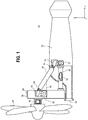
FIG. 1 is a side elevational view partly in section with portions broken away of a turboprop propulsion system; -
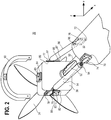
FIG. 2 is an isometric view partly exploded with a portion broken away looking forward of the turboprop propulsion system ofFIG. 1 ; -
FIG. 3 is an isometric view partly exploded looking aft of the turboprop propulsion system ofFIG. 1 ; -
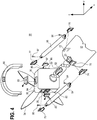
FIG. 4 is an exploded isometric view with portions broken away of the turboprop propulsion system during disassembly from the propeller gearbox; -
FIG. 5 is an exploded isometric view with portions broken away of the gas turbine engine ofFIGS. 1-4 in conjunction with a generator and associated mounting components prior to assembly thereof; -
FIG. 6 is a side elevational view with portions broken away after assembly of the components ofFIG. 5 ; and -
FIG. 7 is a partial fragmentary isometric view looking forward after assembly of the components ofFIG. 5 . - Referring first to
FIG. 1 , a conventional aerospaceturboprop propulsion system 30 comprises a gas turbine engine (GTE) 32, aturboprop propeller 34, and agearbox 36 that couples thegas turbine engine 32 to theturboprop propeller 34. Thepropulsion system 30 may be located under the wing of an aircraft or at another location. - Recently, hybrid electric propulsion architecture configurations have been and continue to be developed whereby at least a portion of the power for aircraft propulsion is obtained from an electric system, including an electric motor. Alternatively or in addition, other power requirements may be supplied by an electric generator coupled to and driven by the gas turbine engine.
- The
system 30 can be modified using commercially available parts to produce a GTE/generator combination (i.e., a genset, such as a turbogenerator). Using thesystem 30 that uses turboprop propulsion as an example, thegearbox 36 and theturboprop propeller 34 may be decoupled from theGTE 32 and an electric generator 40 (FIGS. 5-7 ) may be coupled to theGTE 32. The power developed by thegenerator 40 may be conditioned and regulated by circuitry (not shown) as needed to supply electric power for one or more electric loads (such as an electric motor that develops motive power to assist in aircraft propulsion), as desired. The system comprising the combination may be mounted on or under an aircraft component, such as under an aircraft wing, or may be mounted within an aircraft or another vehicle or stationary housing, such as a pod, a test cell, or a frame on the ground. - Referring to
FIGS. 1-3 , prior to disassembly, atorquemeter 50 having an outputpower drive shaft 52 extending therethrough is coupled to thegearbox 36 and thelow pressure shaft 33 of theGTE 32. Thegearbox 36 is secured by gearbox mounting struts 54, 56 to theGTE 32. Thetorquemeter 50 and driveshaft 52 are vertically offset with respect to a shaft 60 (seen inFIG. 1 ) of theturboprop propeller 34 and bothshafts 52, 60 (seen inFIG. 1 ) are offset with respect to ahorizontal centerline 62 along the x-direction (seen inFIG. 1 ) of thegearbox 36. The offsets are provided at least in part to allow sufficient room for an air intake shroud 64 (seen inFIG. 1 ) (the air intake shroud is omitted in the remaining figures, and may be redirected to another location not below the gearbox 36) to collect air for theGTE 32. Further, thestruts engine strut fittings engine mounting pads engine strut fittings pads GTE 32, such as by bolts, and are coupled to thestruts bolts engine mounting pads GTE 32 when viewed toward the aft, and thus theengine strut fittings struts gearbox strut fittings bolts struts gearbox strut fittings gearbox mounting pads gearbox mounting pads gearbox 36. - The
gearbox 36 further includes spacedsuspension mounting pads suspension fittings suspension fittings suspension yoke 90, which is, in turn, adapted to be secured in any suitable manner to a suspending structure (not shown inFIGS. 1-3 ). - Referring also to
FIG. 4 , in a specific embodiment thesystem 30 may be modified by disassembling theturboprop propeller 34 from thegearbox 36. Thetorquemeter 50 and thedrive shaft 52 may further be uncoupled from an input power shaft (not shown) of thegearbox 36 and thelow pressure shaft 33 of theGTE 32. Thestruts gearbox strut fittings bolts gearbox strut fittings gearbox mounting pads gearbox 36. Furthermore, thestruts engine strut fittings bolts gearbox strut fittings engine strut fittings engine mounting pads GTE 32. Thesuspension yoke 90 may be disconnected from thegearbox 36, if theyoke 90 is otherwise secured to the suspending structure or another structure at the time of disassembly. Thegearbox 36 may then be removed from thesystem 30, as may be thestruts - Of course, one or more of the steps of disassembly described above may be omitted and/or undertaken in a different order e.g., the
gearbox 36 and theturboprop propeller 34 may be removed from thesystem 30 as a single unit, thestruts gearbox strut fittings drive shaft 52 is uncoupled from thegearbox 36 and thelow pressure shaft 33 of theGTE 32, and/or thestruts engine strut fittings struts gearbox strut fittings - Referring to
FIGS. 5-7 , once disassembly is complete, thegenerator 40 may be coupled to theGTE 32 to form anew system 180. Thegenerator 40 is prepared by securinggenerator strut fittings gearbox strut fittings pads aft end 104 of thegenerator 40. In a preferred embodiment, these mountingpads generator 40, when viewed forwardly from an aft end of thegenerator 40, and adjacent the axialaft end 104. Thegenerator strut fittings power drive shaft 106 of the generator 40). Also preferably, this diametrical alignment (i.e., the particular line) is further aligned along (i.e., substantially coincident with) a z-direction with a center of gravity of thegenerator 40. -
Further suspension fittings suspension fittings fittings pads outer surface 105. At least one of the suspension fittings 109-113 is aligned with a center of gravity of thegenerator 40. Most preferably, the mounting pads 108-112 are disposed in a y-z axial plane normal to a central rotational axis extending in an x-direction of thegenerator 40 and the axial plane includes the center of gravity of thegenerator 40. Accordingly, thesuspension fittings generator 40. - The
GTE 32 is prepared for assembly by optionally removing theengine strut fittings engine strut fittings engine strut fittings pads GTE 32. Preferably, the mountingpads engine strut fittings pads GTE 32 and are therefore equally spaced from center of gravity ofGTE 32 and components carried therewith. In a specific embodiment, theengine strut fittings GTE 32, although such positions are approximate and may vary as noted below. - Depending upon the
particular generator 40,GTE 32, and orientation or arraignment of associated components used in thesystem 180, the centers of gravity of theGTE 32 and thegenerator 40 may be different, in which case the locations of mounting portions of thepads - First and second ends of each of a plurality of
struts engine strut fittings generator strut fittings bolts bolts - The
suspension yoke 90, which may comprise a portion of an overall suspension structure that includes multiple suspension devices, is bolted or otherwise secured to thesuspension fittings generator 40, as necessary or desirable. Theyoke 90 is, in turn, bolted or otherwise secured to a suitable support structure 160 (seen inFIGS. 6 and7 ). - The
torquemeter 170 and poweroutput drive shaft 172, which may be (but not necessarily) similar or identical to thetorquemeter 50 and poweroutput drive shaft 52, are then coupled to an inputpower drive shaft 106 of thegenerator 40. TheGTE 32 is suspended in a plane or line coincident with the center of gravity of the GTE and components carried thereby by one or more suspension devices, such assuspension yoke 162 or equivalent structure, to asuitable support structure 164. Thesuspension yoke 162 may be integral with or separate from the overall suspension structure. Further, thesupport structures FIG. 7 ) that encloses the various parts and components of the resulting system, if desired. Such a single enclosure is preferably suitable for disposition in a structure, such as (but not limited to) an aircraft, a seagoing vessel, a spacecraft, a stationary structure, etc. - In the illustrated embodiment, the repositioning of the pads on the
GTE 32 and the required spacing of the various elements of the system components may result in the need to usestruts struts - It should be noted that some or all of the assembly steps described herein may be undertaken in a different order as suitable for the installation. In addition, assembly may require other components not shown here.
- The result in the preferred embodiment is that the
GTE 32 develops motive power that is transferred through the low pressure shaft to the outputpower drive shaft 172 to the inputpower drive shaft 106 of thegenerator 40. While thegenerator 40 may be of any type, thegenerator 40 is preferably of the synchronous type (such as a permanent magnet generator, a wound field generator, a brushless generator, etc.) that is supported by thestruts yokes generator 40 and theGTE 32, respectively. As should be evident to one of ordinary skill in the art, thegenerator 40 is individually balanced before installation, and hence the system configuration following assembly is such that static and dynamic forces during operation are minimized. - In summary, the foregoing approach leverages existing mounts and mounting components. By incorporating the same (or substantially the same) mounts onto the electric generator at the center of gravity thereof, weight and torque can be reacted within the surrounding support structure. In addition, the existing gearbox strut fittings are adapted for use on the generator housing and engine compressor inlet housing. The primary generator mounts and primary GTE mounts are designed to align with their respective centers of gravity. Because of this, the nominal stresses in the struts and torque tube links are minimized, which is desirable inasmuch as these components react to maneuver loads and torque between the GTE and the generator.
- While the disclosed embodiment is described in connection with a turboprop propulsion system, it should be noted that the details disclosed herein are usable in connection with any kind of gas turbine engine-propulsion-type load combination, such as a turbofan power system, a turboshaft power system, or the like. Also, it is possible to assemble a resulting system using components or parts that are not previously assembled into a propulsion system. Thus, for example, a GTE adapted for use with a propulsion-type load may be coupled to a generator using the specified components and parts without any of the components and parts having been previously incorporated into a prior system.
- The use of the terms "a" and "an" and "the" and similar references in the context of describing the invention (especially in the context of the following claims) are to be construed to cover both the singular and the plural, unless otherwise indicated herein or clearly contradicted by context. Recitation of ranges of values herein are merely intended to serve as a shorthand method of referring individually to each separate value falling within the range, unless otherwise indicated herein, and each separate value is incorporated into the specification as if it were individually recited herein. All methods described herein can be performed in any suitable order unless otherwise indicated herein or otherwise clearly contradicted by context. The use of any and all examples, or exemplary language (e.g., "such as") provided herein, is intended merely to better illuminate the disclosure and does not pose a limitation on the scope of the disclosure unless otherwise claimed. No language in the specification should be construed as indicating any non-claimed element as essential to the practice of the disclosure.
- Numerous modifications to the present disclosure will be apparent to those skilled in the art in view of the foregoing description. It should be understood that the illustrated embodiments are exemplary only, and should not be taken as limiting the scope of the disclosure.
- The following numbered clauses are not to be considered as claims. The claims are defined in the next section.
- 1. A method of producing a genset, the method comprising the steps of:
- (a.) providing an engine having a low pressure shaft wherein the engine is adapted to be coupled to a gearbox;
- (b.) providing a generator having an input power shaft and a generator mounting pad;
- (c) providing an output power shaft with a first end and a second end wherein the first end is adapted to be coupled to the low pressure shaft of the engine and the second end is adapted to be coupled to a gearbox;
- (d.) securing a first mounting fitting to the engine;
- (e.) securing a second mounting fitting to the generator;
- (f.) providing at least one strut;
- (g.) securing a first end of the strut to the first mounting fitting;
- (h.) securing a second end of the strut to the second mounting fitting to support the generator at a location substantially aligned with a center of gravity of the generator; and
- (i.) coupling the output power shaft at the first end to the low pressure shaft of the engine and the second end to the input power shaft of the generator.
- 2. The method of
clause 1, wherein the engine is further adapted to be secured to a generator by a pair of struts and the step (f.) comprises the step of providing two struts substantially identical to the pair of struts except for length. - 3. The method of
clause 1 or clause 2, wherein the engine of step (a.) is adapted to be coupled to a generator by support apparatus including a pair of engine mounting pads secured to the engine. - 4. The method of any one of
clauses 1 to 3, wherein the engine mounting pads are disposed coincident with a line substantially aligned with a center of gravity of the engine. - 5. The method of any one of
clauses 1 to 4, wherein the engine is adapted to be coupled to a generator by support apparatus including a pair of gearbox mounting pads. - 6. The method of any one of
clauses 1 to 5, wherein the generator mounting pads are disposed on a line coincident with a center of gravity of the generator. - 7. The method of any one of
clauses 1 to 6, further comprising the step of (j.) further supporting the generator at least at a particular location substantially aligned with a center of gravity of the generator. - 8. The method of any one of
clauses 1 to 7, wherein the step (j.) comprises the step of coupling a yoke to the particular location.
Claims (12)
- A genset, comprising:a gas turbine engine (32) having a low pressure shaft (33) wherein the gas turbine engine is adapted to provide mechanical power to a propulsion type load;a generator (40) having an input power shaft wherein the generator is adapted to receive mechanical power to develop electric power;an output power shaft having a first end coupled to the low pressure shaft of the gas turbine and a second end coupled to the input power shaft of the generator;a plurality of struts (54, 56) wherein first ends of the plurality of struts are coupled to the gas turbine engine and second ends of the plurality of struts are coupled to the generator at locations substantially aligned with a center of gravity of the generator; anda suspension apparatus that attaches the gas turbine engine and the generator at mounting locations substantially aligned with a gas turbine engine center of gravity and at mounting locations substantially aligned with the generator center of gravity, respectively.
- The genset of claim 1, wherein the plurality of struts (54, 56) comprise first and second struts.
- The genset of claim 1 or claim 2, wherein the gas turbine engine (32) is adapted to provide mechanical power to a turboprop gearbox (36).
- The genset of any preceding claim, wherein the suspension apparatus suspends the gas turbine engine and the generator from an enclosed structure.
- The genset of any preceding claim, wherein the suspension apparatus comprises first and second separate suspension devices.
- The genset of any preceding claim, wherein the suspension apparatus comprises first and second suspension yokes.
- A method of producing a genset, the method comprising the steps of:(a.) providing a gas turbine engine (32) having a low pressure shaft (33) wherein the gas turbine engine is adapted to provide mechanical power to a propulsion type load;(b.) providing a generator (40) having an input power shaft;(c.) providing an output power shaft having a first end and a second end;(d.) providing a plurality of struts (54, 56);(e.) securing first ends of the plurality of struts to the gas turbine engine;(f.) securing second ends of the plurality of struts to the generator at locations substantially aligned with a center of gravity of the generator;(g.) coupling the low pressure shaft (33) of the gas turbine engine to the first end of the output power shaft and coupling the input power shaft of the generator to the second end of the output power shaft; and(h.) suspending the gas turbine engine and the generator at an engine mounting location substantially aligned with a center of gravity of the gas turbine engine and at a generator mounting location substantially aligned with the center of gravity of the generator, respectively.
- The method of claim 7, wherein the step (d.) comprises the step of providing first and second struts (54, 56).
- The method of claim 7 or 8, wherein the step (a.) comprises the step of providing a gas turbine engine adapted from providing mechanical power to a turboprop gearbox.
- The method of any one of claims 7 to 9, wherein the step (h.) comprises the step of suspending the gas turbine engine (32) and the generator (40) from an enclosed structure.
- The method of any one of claims 7 to 10, wherein the step (h.) comprises the step of providing first and second separate suspension devices.
- The method of any one of claims 7 to 11, wherein the step (h.) comprises the step of providing first and second suspension yokes.
Applications Claiming Priority (1)
| Application Number | Priority Date | Filing Date | Title |
|---|---|---|---|
| US16/101,194 US11008884B2 (en) | 2018-08-10 | 2018-08-10 | Gensets and methods of producing gensets from an engine and generator for hybrid electric propulsion |
Publications (2)
| Publication Number | Publication Date |
|---|---|
| EP3608230A1 true EP3608230A1 (en) | 2020-02-12 |
| EP3608230B1 EP3608230B1 (en) | 2021-01-27 |
Family
ID=67226178
Family Applications (1)
| Application Number | Title | Priority Date | Filing Date |
|---|---|---|---|
| EP19185563.4A Active EP3608230B1 (en) | 2018-08-10 | 2019-07-10 | Genset and method of producing a genset |
Country Status (3)
| Country | Link |
|---|---|
| US (1) | US11008884B2 (en) |
| EP (1) | EP3608230B1 (en) |
| CA (1) | CA3024043A1 (en) |
Families Citing this family (3)
| Publication number | Priority date | Publication date | Assignee | Title |
|---|---|---|---|---|
| US11174916B2 (en) | 2019-03-21 | 2021-11-16 | Pratt & Whitney Canada Corp. | Aircraft engine reduction gearbox |
| US11268453B1 (en) | 2021-03-17 | 2022-03-08 | Pratt & Whitney Canada Corp. | Lubrication system for aircraft engine reduction gearbox |
| FR3124492A1 (en) * | 2021-06-29 | 2022-12-30 | Airbus Operations (S.A.S.) | Propeller thruster and electric motor assembly comprising a suitable primary structure and aircraft comprising at least one such thruster assembly |
Citations (8)
| Publication number | Priority date | Publication date | Assignee | Title |
|---|---|---|---|---|
| GB864540A (en) * | 1957-12-12 | 1961-04-06 | Napier & Son Ltd | Turbine-propeller power units for aircraft |
| US6264138B1 (en) | 1998-09-18 | 2001-07-24 | Rolls-Royce Corporation | Propeller gearbox |
| WO2005044662A1 (en) | 2003-10-31 | 2005-05-19 | Advanced Creative Engineering Ltd. | Aircraft power assembly and aircraft provided with such an assembly |
| US20050178889A1 (en) | 2003-12-01 | 2005-08-18 | Airbus France | Structure for mounting a turboprop under an aircraft wing |
| US20160023773A1 (en) | 2014-07-23 | 2016-01-28 | Hamilton Sundstrand Corporation | Hybrid electric pulsed-power propulsion system for aircraft |
| US20160178464A1 (en) | 2014-12-19 | 2016-06-23 | Rolls-Royce Corporation | Torque sensor monitoring for gas turbine engine |
| US20170313431A1 (en) | 2016-04-28 | 2017-11-02 | Safran Aircraft Engines | Aircraft propulsion assembly with a filtered cradle |
| FR3061239A1 (en) * | 2016-12-26 | 2018-06-29 | Safran Aircraft Engines | AIRBORNE TURBOPROPOWER OF A TYPE OF SHAFT WITH ELECTRIC GENERATOR |
Family Cites Families (8)
| Publication number | Priority date | Publication date | Assignee | Title |
|---|---|---|---|---|
| US3028124A (en) * | 1958-05-16 | 1962-04-03 | Napier & Son Ltd | Mounting system of aircraft power plants |
| GB1409902A (en) * | 1972-05-24 | 1975-10-15 | Rolls Royce | Stationary gas turbine power plant mounting apparatus |
| DE3434453C2 (en) * | 1984-09-20 | 1986-12-04 | Dr.Ing.H.C. F. Porsche Ag, 7000 Stuttgart | Engine suspension for vehicles, in particular for propeller-driven aircraft |
| KR20080081000A (en) * | 2005-11-28 | 2008-09-05 | 로드코포레이션 | Isolated axial support brace and axial support brace isolator supporting axial load |
| FR2950860B1 (en) * | 2009-10-01 | 2011-12-09 | Airbus Operations Sas | DEVICE FOR CONNECTING AN ENGINE TO AN AIRCRAFT MAT |
| US8727269B2 (en) * | 2011-06-06 | 2014-05-20 | General Electric Company | System and method for mounting an aircraft engine |
| FR3040076B1 (en) * | 2015-08-13 | 2017-08-11 | Airbus Operations Sas | AIRCRAFT ENGINE ASSEMBLY COMPRISING A PRIMARY STRUCTURE OF A COUPLING MAT EQUIPPED WITH A BOX EXTENSION COMPRISING TWO PARTS IN GLOBAL ARCEAU SHAPE |
| FR3041996B1 (en) * | 2015-10-05 | 2017-10-27 | Snecma | SYSTEM FOR SUSPENSION OF TWO MODULES OF A PROPULSIVE ASSEMBLY |
-
2018
- 2018-08-10 US US16/101,194 patent/US11008884B2/en active Active
- 2018-11-14 CA CA3024043A patent/CA3024043A1/en not_active Abandoned
-
2019
- 2019-07-10 EP EP19185563.4A patent/EP3608230B1/en active Active
Patent Citations (8)
| Publication number | Priority date | Publication date | Assignee | Title |
|---|---|---|---|---|
| GB864540A (en) * | 1957-12-12 | 1961-04-06 | Napier & Son Ltd | Turbine-propeller power units for aircraft |
| US6264138B1 (en) | 1998-09-18 | 2001-07-24 | Rolls-Royce Corporation | Propeller gearbox |
| WO2005044662A1 (en) | 2003-10-31 | 2005-05-19 | Advanced Creative Engineering Ltd. | Aircraft power assembly and aircraft provided with such an assembly |
| US20050178889A1 (en) | 2003-12-01 | 2005-08-18 | Airbus France | Structure for mounting a turboprop under an aircraft wing |
| US20160023773A1 (en) | 2014-07-23 | 2016-01-28 | Hamilton Sundstrand Corporation | Hybrid electric pulsed-power propulsion system for aircraft |
| US20160178464A1 (en) | 2014-12-19 | 2016-06-23 | Rolls-Royce Corporation | Torque sensor monitoring for gas turbine engine |
| US20170313431A1 (en) | 2016-04-28 | 2017-11-02 | Safran Aircraft Engines | Aircraft propulsion assembly with a filtered cradle |
| FR3061239A1 (en) * | 2016-12-26 | 2018-06-29 | Safran Aircraft Engines | AIRBORNE TURBOPROPOWER OF A TYPE OF SHAFT WITH ELECTRIC GENERATOR |
Also Published As
| Publication number | Publication date |
|---|---|
| US20200049026A1 (en) | 2020-02-13 |
| EP3608230B1 (en) | 2021-01-27 |
| CA3024043A1 (en) | 2020-02-10 |
| US11008884B2 (en) | 2021-05-18 |
Similar Documents
| Publication | Publication Date | Title |
|---|---|---|
| US9481470B2 (en) | Intermediate structure for independently de-mountable propulsion components | |
| US10808622B2 (en) | Turbine engine case mount and dismount | |
| EP2532841B1 (en) | Flexible support structure for a geared architecture gas turbine engine | |
| EP3608230B1 (en) | Genset and method of producing a genset | |
| US8444084B2 (en) | Aeroengine mounting | |
| US8607578B2 (en) | Mounting an AGB on an intermediate casing for a turbojet fan compartment | |
| RU2487056C2 (en) | Turbojet hinged to aircraft pylon | |
| EP3273033A1 (en) | Turbine shaft power take-off | |
| JP2000186575A (en) | Gas turbine engine | |
| SE527711C2 (en) | Bearing rack structure and gas turbine engine incorporating the bearing rack structure | |
| US10400632B2 (en) | Unducted propeller turboshaft engine provided with a reinforcing shell integrating pipe segments | |
| US5205513A (en) | Method and system for the removal of large turbine engines | |
| EP3699414B1 (en) | Gas turbine engine with accessory gearbox | |
| CA2971053A1 (en) | Turbine shaft power take-off | |
| WO2013138103A1 (en) | Turbine engine case mount | |
| US10843806B2 (en) | Aircraft propulsion assembly with a filtered cradle | |
| CN103089449A (en) | Gas turbine engine front center body architecture | |
| JP2008525707A (en) | Annular torsional rigid body static parts for aircraft engines | |
| GB2238082A (en) | Disassembling and removing ultra high bypass gas turbine engine components | |
| US20240052788A1 (en) | Aircraft turbine engine assembly comprising a holder for fittings | |
| US12110803B2 (en) | Aircraft turbine engine assembly comprising a support for equipment | |
| EP3819478A1 (en) | Towershaft bearing mount for intermediate case | |
| EP4474282B1 (en) | Multi-motor assembly and installation method for electric aircraft propulsion |
Legal Events
| Date | Code | Title | Description |
|---|---|---|---|
| PUAI | Public reference made under article 153(3) epc to a published international application that has entered the european phase |
Free format text: ORIGINAL CODE: 0009012 |
|
| STAA | Information on the status of an ep patent application or granted ep patent |
Free format text: STATUS: THE APPLICATION HAS BEEN PUBLISHED |
|
| AK | Designated contracting states |
Kind code of ref document: A1 Designated state(s): AL AT BE BG CH CY CZ DE DK EE ES FI FR GB GR HR HU IE IS IT LI LT LU LV MC MK MT NL NO PL PT RO RS SE SI SK SM TR |
|
| AX | Request for extension of the european patent |
Extension state: BA ME |
|
| STAA | Information on the status of an ep patent application or granted ep patent |
Free format text: STATUS: REQUEST FOR EXAMINATION WAS MADE |
|
| 17P | Request for examination filed |
Effective date: 20200624 |
|
| RBV | Designated contracting states (corrected) |
Designated state(s): AL AT BE BG CH CY CZ DE DK EE ES FI FR GB GR HR HU IE IS IT LI LT LU LV MC MK MT NL NO PL PT RO RS SE SI SK SM TR |
|
| GRAP | Despatch of communication of intention to grant a patent |
Free format text: ORIGINAL CODE: EPIDOSNIGR1 |
|
| STAA | Information on the status of an ep patent application or granted ep patent |
Free format text: STATUS: GRANT OF PATENT IS INTENDED |
|
| INTG | Intention to grant announced |
Effective date: 20200910 |
|
| RIN1 | Information on inventor provided before grant (corrected) |
Inventor name: BENNETT, BRIAN Inventor name: BANHAM, CHRISTOPHER Inventor name: SWINDLE, JASON Inventor name: HUGHES, MELISSA |
|
| GRAS | Grant fee paid |
Free format text: ORIGINAL CODE: EPIDOSNIGR3 |
|
| GRAA | (expected) grant |
Free format text: ORIGINAL CODE: 0009210 |
|
| STAA | Information on the status of an ep patent application or granted ep patent |
Free format text: STATUS: THE PATENT HAS BEEN GRANTED |
|
| AK | Designated contracting states |
Kind code of ref document: B1 Designated state(s): AL AT BE BG CH CY CZ DE DK EE ES FI FR GB GR HR HU IE IS IT LI LT LU LV MC MK MT NL NO PL PT RO RS SE SI SK SM TR |
|
| REG | Reference to a national code |
Ref country code: GB Ref legal event code: FG4D |
|
| REG | Reference to a national code |
Ref country code: CH Ref legal event code: EP |
|
| REG | Reference to a national code |
Ref country code: AT Ref legal event code: REF Ref document number: 1358148 Country of ref document: AT Kind code of ref document: T Effective date: 20210215 |
|
| REG | Reference to a national code |
Ref country code: IE Ref legal event code: FG4D |
|
| REG | Reference to a national code |
Ref country code: DE Ref legal event code: R096 Ref document number: 602019002362 Country of ref document: DE |
|
| REG | Reference to a national code |
Ref country code: NL Ref legal event code: MP Effective date: 20210127 |
|
| REG | Reference to a national code |
Ref country code: LT Ref legal event code: MG9D |
|
| REG | Reference to a national code |
Ref country code: AT Ref legal event code: MK05 Ref document number: 1358148 Country of ref document: AT Kind code of ref document: T Effective date: 20210127 |
|
| PG25 | Lapsed in a contracting state [announced via postgrant information from national office to epo] |
Ref country code: LT Free format text: LAPSE BECAUSE OF FAILURE TO SUBMIT A TRANSLATION OF THE DESCRIPTION OR TO PAY THE FEE WITHIN THE PRESCRIBED TIME-LIMIT Effective date: 20210127 Ref country code: PT Free format text: LAPSE BECAUSE OF FAILURE TO SUBMIT A TRANSLATION OF THE DESCRIPTION OR TO PAY THE FEE WITHIN THE PRESCRIBED TIME-LIMIT Effective date: 20210527 Ref country code: NO Free format text: LAPSE BECAUSE OF FAILURE TO SUBMIT A TRANSLATION OF THE DESCRIPTION OR TO PAY THE FEE WITHIN THE PRESCRIBED TIME-LIMIT Effective date: 20210427 Ref country code: GR Free format text: LAPSE BECAUSE OF FAILURE TO SUBMIT A TRANSLATION OF THE DESCRIPTION OR TO PAY THE FEE WITHIN THE PRESCRIBED TIME-LIMIT Effective date: 20210428 Ref country code: FI Free format text: LAPSE BECAUSE OF FAILURE TO SUBMIT A TRANSLATION OF THE DESCRIPTION OR TO PAY THE FEE WITHIN THE PRESCRIBED TIME-LIMIT Effective date: 20210127 Ref country code: BG Free format text: LAPSE BECAUSE OF FAILURE TO SUBMIT A TRANSLATION OF THE DESCRIPTION OR TO PAY THE FEE WITHIN THE PRESCRIBED TIME-LIMIT Effective date: 20210427 Ref country code: HR Free format text: LAPSE BECAUSE OF FAILURE TO SUBMIT A TRANSLATION OF THE DESCRIPTION OR TO PAY THE FEE WITHIN THE PRESCRIBED TIME-LIMIT Effective date: 20210127 |
|
| PG25 | Lapsed in a contracting state [announced via postgrant information from national office to epo] |
Ref country code: RS Free format text: LAPSE BECAUSE OF FAILURE TO SUBMIT A TRANSLATION OF THE DESCRIPTION OR TO PAY THE FEE WITHIN THE PRESCRIBED TIME-LIMIT Effective date: 20210127 Ref country code: SE Free format text: LAPSE BECAUSE OF FAILURE TO SUBMIT A TRANSLATION OF THE DESCRIPTION OR TO PAY THE FEE WITHIN THE PRESCRIBED TIME-LIMIT Effective date: 20210127 Ref country code: PL Free format text: LAPSE BECAUSE OF FAILURE TO SUBMIT A TRANSLATION OF THE DESCRIPTION OR TO PAY THE FEE WITHIN THE PRESCRIBED TIME-LIMIT Effective date: 20210127 Ref country code: LV Free format text: LAPSE BECAUSE OF FAILURE TO SUBMIT A TRANSLATION OF THE DESCRIPTION OR TO PAY THE FEE WITHIN THE PRESCRIBED TIME-LIMIT Effective date: 20210127 Ref country code: AT Free format text: LAPSE BECAUSE OF FAILURE TO SUBMIT A TRANSLATION OF THE DESCRIPTION OR TO PAY THE FEE WITHIN THE PRESCRIBED TIME-LIMIT Effective date: 20210127 |
|
| PG25 | Lapsed in a contracting state [announced via postgrant information from national office to epo] |
Ref country code: IS Free format text: LAPSE BECAUSE OF FAILURE TO SUBMIT A TRANSLATION OF THE DESCRIPTION OR TO PAY THE FEE WITHIN THE PRESCRIBED TIME-LIMIT Effective date: 20210527 |
|
| REG | Reference to a national code |
Ref country code: DE Ref legal event code: R097 Ref document number: 602019002362 Country of ref document: DE |
|
| PG25 | Lapsed in a contracting state [announced via postgrant information from national office to epo] |
Ref country code: CZ Free format text: LAPSE BECAUSE OF FAILURE TO SUBMIT A TRANSLATION OF THE DESCRIPTION OR TO PAY THE FEE WITHIN THE PRESCRIBED TIME-LIMIT Effective date: 20210127 Ref country code: EE Free format text: LAPSE BECAUSE OF FAILURE TO SUBMIT A TRANSLATION OF THE DESCRIPTION OR TO PAY THE FEE WITHIN THE PRESCRIBED TIME-LIMIT Effective date: 20210127 Ref country code: SM Free format text: LAPSE BECAUSE OF FAILURE TO SUBMIT A TRANSLATION OF THE DESCRIPTION OR TO PAY THE FEE WITHIN THE PRESCRIBED TIME-LIMIT Effective date: 20210127 |
|
| PG25 | Lapsed in a contracting state [announced via postgrant information from national office to epo] |
Ref country code: DK Free format text: LAPSE BECAUSE OF FAILURE TO SUBMIT A TRANSLATION OF THE DESCRIPTION OR TO PAY THE FEE WITHIN THE PRESCRIBED TIME-LIMIT Effective date: 20210127 Ref country code: SK Free format text: LAPSE BECAUSE OF FAILURE TO SUBMIT A TRANSLATION OF THE DESCRIPTION OR TO PAY THE FEE WITHIN THE PRESCRIBED TIME-LIMIT Effective date: 20210127 Ref country code: RO Free format text: LAPSE BECAUSE OF FAILURE TO SUBMIT A TRANSLATION OF THE DESCRIPTION OR TO PAY THE FEE WITHIN THE PRESCRIBED TIME-LIMIT Effective date: 20210127 |
|
| PLBE | No opposition filed within time limit |
Free format text: ORIGINAL CODE: 0009261 |
|
| STAA | Information on the status of an ep patent application or granted ep patent |
Free format text: STATUS: NO OPPOSITION FILED WITHIN TIME LIMIT |
|
| 26N | No opposition filed |
Effective date: 20211028 |
|
| PG25 | Lapsed in a contracting state [announced via postgrant information from national office to epo] |
Ref country code: AL Free format text: LAPSE BECAUSE OF FAILURE TO SUBMIT A TRANSLATION OF THE DESCRIPTION OR TO PAY THE FEE WITHIN THE PRESCRIBED TIME-LIMIT Effective date: 20210127 Ref country code: ES Free format text: LAPSE BECAUSE OF FAILURE TO SUBMIT A TRANSLATION OF THE DESCRIPTION OR TO PAY THE FEE WITHIN THE PRESCRIBED TIME-LIMIT Effective date: 20210127 |
|
| REG | Reference to a national code |
Ref country code: DE Ref legal event code: R119 Ref document number: 602019002362 Country of ref document: DE |
|
| PG25 | Lapsed in a contracting state [announced via postgrant information from national office to epo] |
Ref country code: SI Free format text: LAPSE BECAUSE OF FAILURE TO SUBMIT A TRANSLATION OF THE DESCRIPTION OR TO PAY THE FEE WITHIN THE PRESCRIBED TIME-LIMIT Effective date: 20210127 |
|
| PG25 | Lapsed in a contracting state [announced via postgrant information from national office to epo] |
Ref country code: MC Free format text: LAPSE BECAUSE OF FAILURE TO SUBMIT A TRANSLATION OF THE DESCRIPTION OR TO PAY THE FEE WITHIN THE PRESCRIBED TIME-LIMIT Effective date: 20210127 |
|
| REG | Reference to a national code |
Ref country code: BE Ref legal event code: MM Effective date: 20210731 |
|
| PG25 | Lapsed in a contracting state [announced via postgrant information from national office to epo] |
Ref country code: IT Free format text: LAPSE BECAUSE OF FAILURE TO SUBMIT A TRANSLATION OF THE DESCRIPTION OR TO PAY THE FEE WITHIN THE PRESCRIBED TIME-LIMIT Effective date: 20210127 Ref country code: DE Free format text: LAPSE BECAUSE OF NON-PAYMENT OF DUE FEES Effective date: 20220201 |
|
| PG25 | Lapsed in a contracting state [announced via postgrant information from national office to epo] |
Ref country code: IS Free format text: LAPSE BECAUSE OF FAILURE TO SUBMIT A TRANSLATION OF THE DESCRIPTION OR TO PAY THE FEE WITHIN THE PRESCRIBED TIME-LIMIT Effective date: 20210527 Ref country code: LU Free format text: LAPSE BECAUSE OF NON-PAYMENT OF DUE FEES Effective date: 20210710 |
|
| PG25 | Lapsed in a contracting state [announced via postgrant information from national office to epo] |
Ref country code: IE Free format text: LAPSE BECAUSE OF NON-PAYMENT OF DUE FEES Effective date: 20210710 Ref country code: BE Free format text: LAPSE BECAUSE OF NON-PAYMENT OF DUE FEES Effective date: 20210731 |
|
| REG | Reference to a national code |
Ref country code: CH Ref legal event code: PL |
|
| PG25 | Lapsed in a contracting state [announced via postgrant information from national office to epo] |
Ref country code: LI Free format text: LAPSE BECAUSE OF NON-PAYMENT OF DUE FEES Effective date: 20220731 Ref country code: CH Free format text: LAPSE BECAUSE OF NON-PAYMENT OF DUE FEES Effective date: 20220731 |
|
| PG25 | Lapsed in a contracting state [announced via postgrant information from national office to epo] |
Ref country code: NL Free format text: LAPSE BECAUSE OF NON-PAYMENT OF DUE FEES Effective date: 20210127 Ref country code: CY Free format text: LAPSE BECAUSE OF FAILURE TO SUBMIT A TRANSLATION OF THE DESCRIPTION OR TO PAY THE FEE WITHIN THE PRESCRIBED TIME-LIMIT Effective date: 20210127 |
|
| P01 | Opt-out of the competence of the unified patent court (upc) registered |
Effective date: 20230528 |
|
| PG25 | Lapsed in a contracting state [announced via postgrant information from national office to epo] |
Ref country code: HU Free format text: LAPSE BECAUSE OF FAILURE TO SUBMIT A TRANSLATION OF THE DESCRIPTION OR TO PAY THE FEE WITHIN THE PRESCRIBED TIME-LIMIT; INVALID AB INITIO Effective date: 20190710 |
|
| GBPC | Gb: european patent ceased through non-payment of renewal fee |
Effective date: 20230710 |
|
| PG25 | Lapsed in a contracting state [announced via postgrant information from national office to epo] |
Ref country code: MK Free format text: LAPSE BECAUSE OF FAILURE TO SUBMIT A TRANSLATION OF THE DESCRIPTION OR TO PAY THE FEE WITHIN THE PRESCRIBED TIME-LIMIT Effective date: 20210127 Ref country code: GB Free format text: LAPSE BECAUSE OF NON-PAYMENT OF DUE FEES Effective date: 20230710 |
|
| PG25 | Lapsed in a contracting state [announced via postgrant information from national office to epo] |
Ref country code: MT Free format text: LAPSE BECAUSE OF FAILURE TO SUBMIT A TRANSLATION OF THE DESCRIPTION OR TO PAY THE FEE WITHIN THE PRESCRIBED TIME-LIMIT Effective date: 20210127 |
|
| PGFP | Annual fee paid to national office [announced via postgrant information from national office to epo] |
Ref country code: FR Payment date: 20250725 Year of fee payment: 7 |
|
| PG25 | Lapsed in a contracting state [announced via postgrant information from national office to epo] |
Ref country code: TR Free format text: LAPSE BECAUSE OF FAILURE TO SUBMIT A TRANSLATION OF THE DESCRIPTION OR TO PAY THE FEE WITHIN THE PRESCRIBED TIME-LIMIT Effective date: 20210127 |