EP3600019B1 - System and method for detecting vital physiological parameters of a subject - Google Patents
System and method for detecting vital physiological parameters of a subject Download PDFInfo
- Publication number
- EP3600019B1 EP3600019B1 EP18717699.5A EP18717699A EP3600019B1 EP 3600019 B1 EP3600019 B1 EP 3600019B1 EP 18717699 A EP18717699 A EP 18717699A EP 3600019 B1 EP3600019 B1 EP 3600019B1
- Authority
- EP
- European Patent Office
- Prior art keywords
- derivative
- systolic
- subject
- plet
- zero
- Prior art date
- Legal status (The legal status is an assumption and is not a legal conclusion. Google has not performed a legal analysis and makes no representation as to the accuracy of the status listed.)
- Active
Links
Images

Classifications
-
- A—HUMAN NECESSITIES
- A61—MEDICAL OR VETERINARY SCIENCE; HYGIENE
- A61B—DIAGNOSIS; SURGERY; IDENTIFICATION
- A61B5/00—Measuring for diagnostic purposes; Identification of persons
- A61B5/02—Detecting, measuring or recording for evaluating the cardiovascular system, e.g. pulse, heart rate, blood pressure or blood flow
- A61B5/0205—Simultaneously evaluating both cardiovascular conditions and different types of body conditions, e.g. heart and respiratory condition
- A61B5/02055—Simultaneously evaluating both cardiovascular condition and temperature
-
- A—HUMAN NECESSITIES
- A61—MEDICAL OR VETERINARY SCIENCE; HYGIENE
- A61B—DIAGNOSIS; SURGERY; IDENTIFICATION
- A61B5/00—Measuring for diagnostic purposes; Identification of persons
- A61B5/0002—Remote monitoring of patients using telemetry, e.g. transmission of vital signals via a communication network
- A61B5/0004—Remote monitoring of patients using telemetry, e.g. transmission of vital signals via a communication network characterised by the type of physiological signal transmitted
- A61B5/0006—ECG or EEG signals
-
- A—HUMAN NECESSITIES
- A61—MEDICAL OR VETERINARY SCIENCE; HYGIENE
- A61B—DIAGNOSIS; SURGERY; IDENTIFICATION
- A61B5/00—Measuring for diagnostic purposes; Identification of persons
- A61B5/01—Measuring temperature of body parts ; Diagnostic temperature sensing, e.g. for malignant or inflamed tissue
-
- A—HUMAN NECESSITIES
- A61—MEDICAL OR VETERINARY SCIENCE; HYGIENE
- A61B—DIAGNOSIS; SURGERY; IDENTIFICATION
- A61B5/00—Measuring for diagnostic purposes; Identification of persons
- A61B5/02—Detecting, measuring or recording for evaluating the cardiovascular system, e.g. pulse, heart rate, blood pressure or blood flow
- A61B5/021—Measuring pressure in heart or blood vessels
- A61B5/02108—Measuring pressure in heart or blood vessels from analysis of pulse wave characteristics
-
- A—HUMAN NECESSITIES
- A61—MEDICAL OR VETERINARY SCIENCE; HYGIENE
- A61B—DIAGNOSIS; SURGERY; IDENTIFICATION
- A61B5/00—Measuring for diagnostic purposes; Identification of persons
- A61B5/02—Detecting, measuring or recording for evaluating the cardiovascular system, e.g. pulse, heart rate, blood pressure or blood flow
- A61B5/021—Measuring pressure in heart or blood vessels
- A61B5/02108—Measuring pressure in heart or blood vessels from analysis of pulse wave characteristics
- A61B5/02125—Measuring pressure in heart or blood vessels from analysis of pulse wave characteristics of pulse wave propagation time
-
- A—HUMAN NECESSITIES
- A61—MEDICAL OR VETERINARY SCIENCE; HYGIENE
- A61B—DIAGNOSIS; SURGERY; IDENTIFICATION
- A61B5/00—Measuring for diagnostic purposes; Identification of persons
- A61B5/145—Measuring characteristics of blood in vivo, e.g. gas concentration or pH-value ; Measuring characteristics of body fluids or tissues, e.g. interstitial fluid or cerebral tissue
- A61B5/14542—Measuring characteristics of blood in vivo, e.g. gas concentration or pH-value ; Measuring characteristics of body fluids or tissues, e.g. interstitial fluid or cerebral tissue for measuring blood gases
-
- A—HUMAN NECESSITIES
- A61—MEDICAL OR VETERINARY SCIENCE; HYGIENE
- A61B—DIAGNOSIS; SURGERY; IDENTIFICATION
- A61B5/00—Measuring for diagnostic purposes; Identification of persons
- A61B5/24—Detecting, measuring or recording bioelectric or biomagnetic signals of the body or parts thereof
- A61B5/316—Modalities, i.e. specific diagnostic methods
- A61B5/318—Heart-related electrical modalities, e.g. electrocardiography [ECG]
- A61B5/33—Heart-related electrical modalities, e.g. electrocardiography [ECG] specially adapted for cooperation with other devices
-
- A—HUMAN NECESSITIES
- A61—MEDICAL OR VETERINARY SCIENCE; HYGIENE
- A61B—DIAGNOSIS; SURGERY; IDENTIFICATION
- A61B5/00—Measuring for diagnostic purposes; Identification of persons
- A61B5/72—Signal processing specially adapted for physiological signals or for diagnostic purposes
- A61B5/7235—Details of waveform analysis
- A61B5/7239—Details of waveform analysis using differentiation including higher order derivatives
-
- A—HUMAN NECESSITIES
- A61—MEDICAL OR VETERINARY SCIENCE; HYGIENE
- A61B—DIAGNOSIS; SURGERY; IDENTIFICATION
- A61B5/00—Measuring for diagnostic purposes; Identification of persons
- A61B5/72—Signal processing specially adapted for physiological signals or for diagnostic purposes
- A61B5/7235—Details of waveform analysis
- A61B5/7242—Details of waveform analysis using integration
-
- A—HUMAN NECESSITIES
- A61—MEDICAL OR VETERINARY SCIENCE; HYGIENE
- A61B—DIAGNOSIS; SURGERY; IDENTIFICATION
- A61B2503/00—Evaluating a particular growth phase or type of persons or animals
- A61B2503/10—Athletes
-
- A—HUMAN NECESSITIES
- A61—MEDICAL OR VETERINARY SCIENCE; HYGIENE
- A61B—DIAGNOSIS; SURGERY; IDENTIFICATION
- A61B5/00—Measuring for diagnostic purposes; Identification of persons
- A61B5/02—Detecting, measuring or recording for evaluating the cardiovascular system, e.g. pulse, heart rate, blood pressure or blood flow
- A61B5/021—Measuring pressure in heart or blood vessels
-
- A—HUMAN NECESSITIES
- A61—MEDICAL OR VETERINARY SCIENCE; HYGIENE
- A61B—DIAGNOSIS; SURGERY; IDENTIFICATION
- A61B5/00—Measuring for diagnostic purposes; Identification of persons
- A61B5/02—Detecting, measuring or recording for evaluating the cardiovascular system, e.g. pulse, heart rate, blood pressure or blood flow
- A61B5/024—Measuring pulse rate or heart rate
- A61B5/02416—Measuring pulse rate or heart rate using photoplethysmograph signals, e.g. generated by infrared radiation
-
- A—HUMAN NECESSITIES
- A61—MEDICAL OR VETERINARY SCIENCE; HYGIENE
- A61B—DIAGNOSIS; SURGERY; IDENTIFICATION
- A61B5/00—Measuring for diagnostic purposes; Identification of persons
- A61B5/08—Measuring devices for evaluating the respiratory organs
- A61B5/0816—Measuring devices for examining respiratory frequency
-
- A—HUMAN NECESSITIES
- A61—MEDICAL OR VETERINARY SCIENCE; HYGIENE
- A61B—DIAGNOSIS; SURGERY; IDENTIFICATION
- A61B5/00—Measuring for diagnostic purposes; Identification of persons
- A61B5/68—Arrangements of detecting, measuring or recording means, e.g. sensors, in relation to patient
- A61B5/6887—Arrangements of detecting, measuring or recording means, e.g. sensors, in relation to patient mounted on external non-worn devices, e.g. non-medical devices
- A61B5/6895—Sport equipment
Definitions
- the present invention relates to a system and a method for detecting vital physiological parameters of a subject, which are particularly but not exclusively useful and convenient in the healthcare sector, in the sports sector and in the automotive sector.
- the detection of the vital physiological parameters of a subject is particularly essential in order to perform first aid interventions, in order to assess the severity of a disease or of an injury and in order to monitor the state of health of a subject suitable to carry out work or sports activities.
- vital physiological parameters are, in fact, usually useful to healthcare professionals, who, in hospital facilities, take care of the sick or injured subject.
- said vital physiological parameters are particularly useful also to those who happen to give first aid and have no medical training.
- Detecting vital physiological parameters of a subject is becoming in fact an increasingly widespread practice in order to perform prevention in subjects particularly at risk, in order to monitor constantly the vital physiological parameters in subjects with ascertained pathologies and in order to collect data and information useful to check the state of health of a subject.
- the appropriate combination of said vital physiological parameters allows to evaluate also the emotional state of a subject with respect to a sudden event, a cardiac effort or a state of discomfort or stress.
- various devices are in use which allow a detection of vital physiological parameters of a subject, such as, for example, the heart rate, arterial oxygenation or breathing rate.
- these are devices that allow to improve the day-to-day management of specific pathologies and the monitoring of the state of health of a subject, facilitating self-care, i.e., a personal health treatment.
- the aim of the present invention is to overcome the limitations of the background art described above, by devising a system and a method for detecting vital physiological parameters of a subject, particularly useful and practical in the healthcare sector, in the sports sector and in the automotive sector, which allow to obtain better results than the ones obtainable with known solutions.
- an object of the present invention is to conceive a
- Another object of the present invention is to devise a system and a method for detecting vital physiological parameters of a subject that provide said vital physiological parameters without the aid of pumping systems, oscillometric systems or tonometric systems.
- a further object of the present invention is to conceive a system and a method for detecting vital physiological parameters of a subject that provide said vital physiological parameters even in the presence of movement of said subject.
- Another object of the present invention is to devise a system and a method for detecting vital physiological parameters of a subject that provide said vital physiological parameters simultaneously.
- a further object of the present invention is to conceive a system and a method for detecting vital physiological parameters of a subject that allow to calculate the vital physiological parameter related to systolic and diastolic arterial pressure (in short, the systolic and diastolic arterial pressure) on the basis of some parameters that can be identified by the electrocardiac signal (in short, ECG signal) and by the photoplethysmographic signal (in short, PPG signal).
- ECG signal electrocardiac signal
- PPG signal photoplethysmographic signal
- an object of the present invention is to devise a system and a method for detecting vital physiological parameters of a subject that allow to calculate the vital physiological parameter related to the breathing rate (in short, the breathing rate) by means of a processing of the PPG signal.
- Another object of the present invention is to devise a system and a method for detecting vital physiological parameters of a subject that is highly reliable, relatively easy to provide and at competitive costs if compared with the background art.
- a system and a method for detecting vital physiological parameters of a subject comprising support means which can be associated with said subject and are connected to acquisition means configured to acquire synchronously an ECG signal and a PPG signal of said subject, and processing means connected to said acquisition means, said processing means comprising a systolic and diastolic arterial pressure module configured to calculate a vital physiological parameter related to systolic and diastolic arterial pressure, respectively, which can be transmitted to at least one telematic device by means of transceiver means configured to transmit said vital physiological parameter toward said telematic device.
- the system for detecting vital physiological parameters of a subject designated generally by the reference numeral 1, comprises substantially support means 15, acquisition means 20, processing means 40 and transceiver means 60.
- the support means 15 are shaped to allow said subject 10 to place parts of the body, arranged symmetrically with respect to the cardiac axis, on said support means.
- These support means 15 comprise, for example, bicycle and motorcycle handles, supports for fitness machines, supports inside the cabin of a vehicle or wearable accessories.
- system 1 can be applied to situations of anchoring to the human body in different areas, such as, for example, in the nape region by way of support means 15 that can be integrated in a helmet, in the ear region by way of support means 15 that can be integrated in a headset, in the waist region by way of support means 15 connected to a belt or in the chest region by way of support means 15 connected to an elastic bandage.
- the acquisition means 20, connected to the support means 15, are configured to acquire synchronously an ECG signal and a PPG signal of said subject 10 according to the invention.
- the acquisition means 20 comprise at least one electrocardiac acquisition card 30 adapted to acquire said ECG signal of said subject 10 and at least one photoplethysmographic card 35 adapted to acquire said PPG signal of said subject 10.
- the electrocardiac acquisition card 30 is adapted to acquire said ECG signal of said subject 10 and to communicate with said photoplethysmographic acquisition card 35.
- the electrocardiac acquisition card 30 is configured to transform a superficial physiological signal caused by the depolarization and repolarization of the cardiac dipole into a signal of the electric type.
- the transformation from a superficial physiological signal, caused by the depolarization and repolarization of the cardiac dipole, to a signal of the electric type occurs by means of two components.
- the first component comprises an electroionic interface (electrode) composed of a particular conductive fabric based on silver, capable of transforming ionic conduction into a corresponding electron current.
- electrode electroionic interface
- the second component comprises an instrumentation amplifier and a system for conditioning and recovering the direct-current component of the ECG signal.
- This conditioning and recovery system comprises a microcontroller, for example a Texas Instruments MSP430 microcontroller, which allows to provide effectively the digital filtering and the following of the direct-current component of the ECG signal in order to convert the analog signal into a digital signal.
- the photoplethysmographic acquisition card 35 is adapted to acquire said PPG signal of said subject 10 and to communicate with said electrocardiac acquisition card 30.
- the photoplethysmographic acquisition card 35 comprises at least one sensor which acquires the variation of the light reflected by the vascularized tissue of peripheral microcirculation.
- This sensor is based on two LEDs, each with a different frequency emission (one in the visible range and one in the infrared range), and on a single receiving photodiode capable of receiving both frequencies.
- the signal received by the photodetector is transferred to the reading and conditioning circuit, which comprises a microcontroller, for example a Texas Instruments MSP430 microcontroller, which allows to provide effectively the filtering and following of the direct-current component of the PPG signal.
- the processing means 40 connected to said acquisition means 20, comprise at least one module 41, 42, 43, 44, 45 adapted to calculate a respective vital physiological parameter.
- the processing means 40 communicate only with one between the electrocardiac acquisition card 30 and the photoplethysmographic acquisition card 35. In this manner, data transfer is minimized, obtaining the data collected by the acquisition means 20 by means of a dialog based on a proprietary communication protocol, a particular serial communication protocol.
- the processing means 40 are configured to use the so-called "multicore" architecture, which provides for the presence of at least two processors capable of processing the received data and providing said vital physiological parameters.
- the processing means 20 such as for example a "Raspberry Pi” electronic board or a “C.H.I.P” electronic board, allow to apply a Loess (Local Regression) filter to the ECG signal and to the PPG signal, to process said ECG signal and said PPG signal by means of a processing system based on EMD (Empirical Mode Decomposition) and to select N functions that are intrinsically dependent on the signal (IMF, Intrinsic Mode Functions). These functions, deriving from the EMD decomposition, are then combined by the processing means 20 in order to obtain the signal from which to extract said vital physiological parameters.
- EMD Empirical Mode Decomposition
- IMF Intrinsic Mode Functions
- the cardiac module 41 allows to calculate the vital physiological parameter related to the heart rate (in short, the heart rate) by means of the analysis of the ECG signal.
- the respiration module 42 allows to calculate the vital physiological parameter related to the breathing rate (in short, the breathing rate).
- a processing of the PPG signal is performed, breaking down said PPG signal into a finite number of IMF and applying the Hilbert-Huang transform to each one of said intrinsically signal-dependent functions (IMF).
- IMF intrinsically signal-dependent functions
- the sum of the envelopes of the functions the frequency of which is comprised in a range equal to 10-20 breaths per minute (equal to 0.17-0.42 Hz), which corresponds to the range over which the breathing rate of a human subject can vary, provides the profile of the breathing signal.
- the inverse value of the peak-to-peak period of said breathing signal generates the breathing rate (in breaths per minute).
- the ECG signal 70 is characterized by various portions termed waves (P, Q, R, S), which repeat at each cardiac cycle.
- the parameters related to the PPG signal 80, to the first derivative of the PPG signal 81 and to the second derivative of the PPG signal 82 are evaluated as a function of the time tR of the wave R.
- the systolic and diastolic arterial pressure module 43 comprises a systolic arterial pressure module 43a adapted to calculate the systolic arterial pressure.
- the systolic and diastolic arterial pressure module 43 comprises a diastolic pressure module 43b adapted to calculate the diastolic arterial pressure.
- the systolic and diastolic arterial pressure module 43 uses the time intervals and the value of the areas described in Figure 2 to generate two linear or nonlinear models, each represented by a linear or nonlinear equation, which expresses the value of, respectively, systolic or diastolic arterial pressure for each cardiac cycle synchronized with all the other vital parameters calculated in the various embodiments of the system 1, described hereinafter.
- the systolic arterial pressure module 43a generates a linear or nonlinear model, represented by a linear or nonlinear equation, that expresses the systolic arterial pressure value
- the diastolic arterial pressure module 43b generates a linear or nonlinear model, represented by a linear or nonlinear equation, which expresses the diastolic arterial pressure value.
- the final expression of the equation of each one of the two models is established, once and for all, with an optimization process which compares the systolic or diastolic pressure value for each cardiac cycle with the systolic or diastolic pressure value obtained from a reference calibrated method for clinical use.
- the systolic and diastolic arterial pressure module 43 modifies the coefficients of the equation until the minimum difference is reached between the pressure values obtained from the models and those obtained from the systolic and diastolic pressure reference method, all the values being expressed in mmHg.
- This optimization process offers a reliable result and can be repeated in order to improve the accuracy of the calculation of systolic and diastolic pressure.
- the 14 parameters related to Figure 2 are as follows:
- the values of the coefficients T1s-T9s, Ais and Arls-Ar4s are calculated by means of the optimization process, using the systolic pressure values measured in the examined subjects.
- the final values of these coefficients, calculated in the optimization process and combined with the parameters described earlier, provide the final form of the equation used by the device for calculating systolic pressure in real time.
- the values of the coefficients T1d-T9d, Ais and Arld-Ar4d are calculated by means of the optimization process, using the diastolic pressure values measured in the examined subjects.
- the final values of the coefficients, calculated in the optimization process and combined with the parameters described earlier, provide the final form of the equation used by the device for calculating diastolic pressure in real time.
- the thermal module 44 allows to calculate the vital physiological parameter related to body temperature (in short, body temperature) by means of at least one temperature sensor based on thermocouples.
- the arterial oxygenation module 45 allows to calculate the vital physiological parameter related to the arterial oxygenation (in short, arterial oxygenation) by means of an analysis of the PPG signal.
- the above mentioned vital physiological parameters can be transmitted to at least one telematic device 5 by way of transceiver means 60.
- the transceiver means 60 are configured to transmit the vital physiological parameters evaluated by the processing means 40 to the telematic devices 5, such as for example a personal computer, a smartphone or a server computer.
- the transmission of vital physiological parameters from the processing means 40 to the telematic devices 5 occurs by means of communication protocols such as, for example, the UART (Universal Asynchronous Receiver-Transmitter) protocol, the I 2 C (Inter Integrated Circuit) protocol, the CanBus (Controller Area Network) protocol and the HTML (HyperText Markup Language) protocol.
- UART Universal Asynchronous Receiver-Transmitter
- I 2 C Inter Integrated Circuit
- CanBus Controller Area Network
- HTML HyperText Markup Language
- the system and the method according to the invention allow to determine the diastolic and systolic pressure values by synchronous detection of the ECG signal and of a single PPG signal. These signals are then processed and allow to determine, by means of two models, the diastolic pressure value and the systolic pressure value, without using any pneumatic cuff (cuffless) and any calibration procedure.
- Detection of the ECG signal can occur for example by placing the subject's two hands on the device and the PPG signal can be detected from a finger of the subject.
- Another advantage of the system and of the method for detecting vital physiological parameters of a subject according to the invention resides in that they allow to obtain said vital physiological parameters without the aid of pumping systems, oscillometric systems or tonometric systems.
- a further advantage of the system and of the method for detecting vital physiological parameters of a subject according to the invention resides in that they provide said vital physiological parameters even in the presence of motion of said subject.
- Another advantage of the system and of the method for detecting vital physiological parameters of a subject according to the invention resides in that they provide said vital physiological parameters simultaneously.
- a further advantage of the system and of the method for detecting vital physiological parameters of a subject according to the invention resides in that they allow to calculate systolic and diastolic arterial pressure on the basis of some parameters that can be identified from the ECG signal and from the PPG signal.
- Another advantage of the system and of the method for detecting vital physiological parameters of a subject according to the invention resides in that they allow to calculate the breathing rate by means of a processing of the PPG signal.
- system and the method for detecting vital physiological parameters of a subject according to the invention have been conceived particularly for use in the healthcare sector, in the sports sector or in the automotive sector, they can be used in any case more generally for detecting and monitoring personal vital physiological parameters.
- the materials used may be any according to requirements and to the state of the art.
Landscapes
- Health & Medical Sciences (AREA)
- Life Sciences & Earth Sciences (AREA)
- Engineering & Computer Science (AREA)
- Cardiology (AREA)
- Physics & Mathematics (AREA)
- Animal Behavior & Ethology (AREA)
- Pathology (AREA)
- Biomedical Technology (AREA)
- Heart & Thoracic Surgery (AREA)
- Medical Informatics (AREA)
- Molecular Biology (AREA)
- Surgery (AREA)
- Biophysics (AREA)
- General Health & Medical Sciences (AREA)
- Public Health (AREA)
- Veterinary Medicine (AREA)
- Physiology (AREA)
- Pulmonology (AREA)
- Psychiatry (AREA)
- Artificial Intelligence (AREA)
- Computer Vision & Pattern Recognition (AREA)
- Signal Processing (AREA)
- Vascular Medicine (AREA)
- Computer Networks & Wireless Communication (AREA)
- Optics & Photonics (AREA)
- Measuring Pulse, Heart Rate, Blood Pressure Or Blood Flow (AREA)
Description
- The present invention relates to a system and a method for detecting vital physiological parameters of a subject, which are particularly but not exclusively useful and convenient in the healthcare sector, in the sports sector and in the automotive sector.
- In the healthcare sector, the detection of the vital physiological parameters of a subject is particularly essential in order to perform first aid interventions, in order to assess the severity of a disease or of an injury and in order to monitor the state of health of a subject suitable to carry out work or sports activities.
- It is normally thought that detecting vital physiological parameters is an activity that can be performed only in ordinary hospitalization wards by highly trained staff. The vital physiological parameters are, in fact, usually useful to healthcare professionals, who, in hospital facilities, take care of the sick or injured subject.
- However, said vital physiological parameters are particularly useful also to those who happen to give first aid and have no medical training.
- Moreover, also in the sports sector detecting vital physiological parameters of a subject is necessary to analyze the physiological reactions of a subject based on the different activities performed. In this manner it is possible, therefore, to manage and improve one's own sports performance in order to obtain better results, saving any losses of psychophysical energies and limiting any unsuitable behaviors that would worsen the physical conditions of the subject.
- Detecting vital physiological parameters of a subject is becoming in fact an increasingly widespread practice in order to perform prevention in subjects particularly at risk, in order to monitor constantly the vital physiological parameters in subjects with ascertained pathologies and in order to collect data and information useful to check the state of health of a subject.
- Moreover, the appropriate combination of said vital physiological parameters allows to evaluate also the emotional state of a subject with respect to a sudden event, a cardiac effort or a state of discomfort or stress.
- For an accurate analysis it is essential to perform more than one repetition of the detection of said vital physiological parameters, allowing, in this manner, a comparison with the previous detections in order to highlight a worsening, an improvement or a stability of the state of health of the subject being examined.
- Recently, thanks to the continuous technological development in the health sector, there is a progressive change of the methods by means of which the subjects undergo medical treatments: there is, in fact, more and more a migration towards treatment management and monitoring of the personal state of health independent of the position occupied by the subject.
- Currently, various devices are in use which allow a detection of vital physiological parameters of a subject, such as, for example, the heart rate, arterial oxygenation or breathing rate. In particular, these are devices that allow to improve the day-to-day management of specific pathologies and the monitoring of the state of health of a subject, facilitating self-care, i.e., a personal health treatment.
- These devices, however, have drawbacks, which include in particular, a high degree of invasiveness, low portability and low quality of the acquired signal.
-
US-A1-2012/029320 andUS-A1-2016/106320 disclose prior art systems according to the preamble of Claim 1. - The aim of the present invention is to overcome the limitations of the background art described above, by devising a system and a method for detecting vital physiological parameters of a subject, particularly useful and practical in the healthcare sector, in the sports sector and in the automotive sector, which allow to obtain better results than the ones obtainable with known solutions.
- Within this aim, an object of the present invention is to conceive a
- system and a method for detecting vital physiological parameters of a subject that provide, following at least one cardiac cycle, said vital physiological parameters. Systems and method according to the invention are defined in the appended claims.
- Another object of the present invention is to devise a system and a method for detecting vital physiological parameters of a subject that provide said vital physiological parameters without the aid of pumping systems, oscillometric systems or tonometric systems.
- A further object of the present invention is to conceive a system and a method for detecting vital physiological parameters of a subject that provide said vital physiological parameters even in the presence of movement of said subject.
- Another object of the present invention is to devise a system and a method for detecting vital physiological parameters of a subject that provide said vital physiological parameters simultaneously.
- A further object of the present invention is to conceive a system and a method for detecting vital physiological parameters of a subject that allow to calculate the vital physiological parameter related to systolic and diastolic arterial pressure (in short, the systolic and diastolic arterial pressure) on the basis of some parameters that can be identified by the electrocardiac signal (in short, ECG signal) and by the photoplethysmographic signal (in short, PPG signal).
- Moreover, an object of the present invention is to devise a system and a method for detecting vital physiological parameters of a subject that allow to calculate the vital physiological parameter related to the breathing rate (in short, the breathing rate) by means of a processing of the PPG signal.
- Another object of the present invention is to devise a system and a method for detecting vital physiological parameters of a subject that is highly reliable, relatively easy to provide and at competitive costs if compared with the background art.
- This aim and these and other objects that will become better apparent hereinafter are achieved by a system and a method for detecting vital physiological parameters of a subject, comprising support means which can be associated with said subject and are connected to acquisition means configured to acquire synchronously an ECG signal and a PPG signal of said subject, and processing means connected to said acquisition means, said processing means comprising a systolic and diastolic arterial pressure module configured to calculate a vital physiological parameter related to systolic and diastolic arterial pressure, respectively, which can be transmitted to at least one telematic device by means of transceiver means configured to transmit said vital physiological parameter toward said telematic device.
- Further characteristics and advantages of the invention will become better apparent from the description of a preferred but not exclusive embodiment of the system for detecting vital physiological parameters of a subject according to the invention, illustrated by way of nonlimiting example in the accompanying drawings, wherein:
-
Figure 1 is a block diagram that shows schematically a possible embodiment of the system for detecting vital physiological parameters of a subject, according to the present invention; -
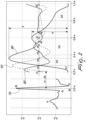
Figure 2 shows the behavior over time of the ECG signal and of the PPG signal within a same chart, according to the present invention. - With reference to
Figure 1 , the system for detecting vital physiological parameters of a subject according to the invention, designated generally by the reference numeral 1, comprises substantially support means 15, acquisition means 20, processing means 40 and transceiver means 60. - The support means 15 are shaped to allow said
subject 10 to place parts of the body, arranged symmetrically with respect to the cardiac axis, on said support means. These support means 15 comprise, for example, bicycle and motorcycle handles, supports for fitness machines, supports inside the cabin of a vehicle or wearable accessories. - In particular, the system 1 can be applied to situations of anchoring to the human body in different areas, such as, for example, in the nape region by way of support means 15 that can be integrated in a helmet, in the ear region by way of support means 15 that can be integrated in a headset, in the waist region by way of support means 15 connected to a belt or in the chest region by way of support means 15 connected to an elastic bandage.
- The acquisition means 20, connected to the support means 15, are configured to acquire synchronously an ECG signal and a PPG signal of said
subject 10 according to the invention. - The acquisition means 20 comprise at least one
electrocardiac acquisition card 30 adapted to acquire said ECG signal of saidsubject 10 and at least onephotoplethysmographic card 35 adapted to acquire said PPG signal of saidsubject 10. - The
electrocardiac acquisition card 30 is adapted to acquire said ECG signal of saidsubject 10 and to communicate with saidphotoplethysmographic acquisition card 35. - In one embodiment of the system 1 for detecting vital physiological parameters of a
subject 10 according to the invention, theelectrocardiac acquisition card 30 is configured to transform a superficial physiological signal caused by the depolarization and repolarization of the cardiac dipole into a signal of the electric type. The transformation from a superficial physiological signal, caused by the depolarization and repolarization of the cardiac dipole, to a signal of the electric type occurs by means of two components. - The first component comprises an electroionic interface (electrode) composed of a particular conductive fabric based on silver, capable of transforming ionic conduction into a corresponding electron current.
- The second component comprises an instrumentation amplifier and a system for conditioning and recovering the direct-current component of the ECG signal. This conditioning and recovery system comprises a microcontroller, for example a Texas Instruments MSP430 microcontroller, which allows to provide effectively the digital filtering and the following of the direct-current component of the ECG signal in order to convert the analog signal into a digital signal.
- The
photoplethysmographic acquisition card 35 is adapted to acquire said PPG signal of saidsubject 10 and to communicate with saidelectrocardiac acquisition card 30. - In one embodiment of the system 1 for detecting vital physiological parameters of a
subject 10 according to the invention, thephotoplethysmographic acquisition card 35 comprises at least one sensor which acquires the variation of the light reflected by the vascularized tissue of peripheral microcirculation. This sensor is based on two LEDs, each with a different frequency emission (one in the visible range and one in the infrared range), and on a single receiving photodiode capable of receiving both frequencies. The signal received by the photodetector is transferred to the reading and conditioning circuit, which comprises a microcontroller, for example a Texas Instruments MSP430 microcontroller, which allows to provide effectively the filtering and following of the direct-current component of the PPG signal. - The processing means 40, connected to said acquisition means 20, comprise at least one
module - In one embodiment of the system 1 for detecting vital physiological parameters of a
subject 10 according to the invention, the processing means 40 communicate only with one between theelectrocardiac acquisition card 30 and thephotoplethysmographic acquisition card 35. In this manner, data transfer is minimized, obtaining the data collected by the acquisition means 20 by means of a dialog based on a proprietary communication protocol, a particular serial communication protocol. The processing means 40 are configured to use the so-called "multicore" architecture, which provides for the presence of at least two processors capable of processing the received data and providing said vital physiological parameters. - In particular, the processing means 20, such as for example a "Raspberry Pi" electronic board or a "C.H.I.P" electronic board, allow to apply a Loess (Local Regression) filter to the ECG signal and to the PPG signal, to process said ECG signal and said PPG signal by means of a processing system based on EMD (Empirical Mode Decomposition) and to select N functions that are intrinsically dependent on the signal (IMF, Intrinsic Mode Functions). These functions, deriving from the EMD decomposition, are then combined by the processing means 20 in order to obtain the signal from which to extract said vital physiological parameters.
- In an embodiment of the system 1 for detecting vital physiological parameters of a
subject 10 according to the invention, thecardiac module 41 allows to calculate the vital physiological parameter related to the heart rate (in short, the heart rate) by means of the analysis of the ECG signal. - In one embodiment of the system 1 for detecting vital physiological parameters of a
subject 10 according to the invention, therespiration module 42 allows to calculate the vital physiological parameter related to the breathing rate (in short, the breathing rate). A processing of the PPG signal is performed, breaking down said PPG signal into a finite number of IMF and applying the Hilbert-Huang transform to each one of said intrinsically signal-dependent functions (IMF). One obtains as a result, for each one of the functions, the envelope and the instantaneous frequency. The sum of the envelopes of the functions the frequency of which is comprised in a range equal to 10-20 breaths per minute (equal to 0.17-0.42 Hz), which corresponds to the range over which the breathing rate of a human subject can vary, provides the profile of the breathing signal. The inverse value of the peak-to-peak period of said breathing signal generates the breathing rate (in breaths per minute). - With reference to
Figure 2 , theECG signal 70 is characterized by various portions termed waves (P, Q, R, S), which repeat at each cardiac cycle. The origin of the temporal axis (tR = 0s) coincides with the occurrence of the wave R, which corresponds to the depolarization of the apex of the left ventricle. The parameters related to thePPG signal 80, to the first derivative of thePPG signal 81 and to the second derivative of thePPG signal 82 are evaluated as a function of the time tR of the wave R. - In one embodiment of the system 1 for detecting vital physiological parameters of a
subject 10 according to the invention, the systolic and diastolicarterial pressure module 43 comprises a systolicarterial pressure module 43a adapted to calculate the systolic arterial pressure. - In one embodiment of the system 1 for detecting vital physiological parameters of a
subject 10 according to the invention, the systolic and diastolicarterial pressure module 43 comprises adiastolic pressure module 43b adapted to calculate the diastolic arterial pressure. - Using the time intervals and the value of the areas described in
Figure 2 , the systolic and diastolicarterial pressure module 43 generates two linear or nonlinear models, each represented by a linear or nonlinear equation, which expresses the value of, respectively, systolic or diastolic arterial pressure for each cardiac cycle synchronized with all the other vital parameters calculated in the various embodiments of the system 1, described hereinafter. - In particular, the systolic
arterial pressure module 43a generates a linear or nonlinear model, represented by a linear or nonlinear equation, that expresses the systolic arterial pressure value, while the diastolicarterial pressure module 43b generates a linear or nonlinear model, represented by a linear or nonlinear equation, which expresses the diastolic arterial pressure value. - The final expression of the equation of each one of the two models is established, once and for all, with an optimization process which compares the systolic or diastolic pressure value for each cardiac cycle with the systolic or diastolic pressure value obtained from a reference calibrated method for clinical use. In this process, the systolic and diastolic
arterial pressure module 43 modifies the coefficients of the equation until the minimum difference is reached between the pressure values obtained from the models and those obtained from the systolic and diastolic pressure reference method, all the values being expressed in mmHg. This optimization process offers a reliable result and can be repeated in order to improve the accuracy of the calculation of systolic and diastolic pressure. The 14 parameters related toFigure 2 are as follows: - t1-tR = plet_origin (zero 1st derivative);
- t2-tR = plet_syst_max_slope (zero 2nd derivative);
- t3-tR = plet_systolic (zero 1st derivative) or PTT (Pulse Transit Time), i.e., the time passing between the production of the wave R in the ECG signal and the maximum of the PPG signal. In particular, said PTT represents the propagation time of the cardiac impulse within the vascular system;
- t4-tR = plet_syst_dicrotic_notch (zero 2nd derivative);
- t5-tR = plet min betw_syst_diast (zero 1st derivative);
- t6-tR = plet_diast_max_slope (zero 2nd derivative);
- t7-tR = plet_diastolic (zero 1st derivative);
- t8-tR = plet_diast_dicrotic_notch (zero 2nd derivative);
- t9-tR = plet_end (zero 1st derivative);
- A_I = x/y (augmentation index);
- A1 = area under PPG between t1 and t2;
- A2 = area under PPG between t2 and t3;
- A3 = area under PPG between t3 and t7;
- A4 = area under PPG between t7 and t9;
- The systolic pressure value (Psist) is calculated by means of the following equation:

- The values of the coefficients T1s-T9s, Ais and Arls-Ar4s are calculated by means of the optimization process, using the systolic pressure values measured in the examined subjects. The final values of these coefficients, calculated in the optimization process and combined with the parameters described earlier, provide the final form of the equation used by the device for calculating systolic pressure in real time.
- The diastolic pressure value (Pdiast) is calculated by means of the following equation:

- The values of the coefficients T1d-T9d, Ais and Arld-Ar4d are calculated by means of the optimization process, using the diastolic pressure values measured in the examined subjects. The final values of the coefficients, calculated in the optimization process and combined with the parameters described earlier, provide the final form of the equation used by the device for calculating diastolic pressure in real time.
- In one embodiment of the system 1 for detecting vital physiological parameters of a subject 10 according to the invention, the
thermal module 44 allows to calculate the vital physiological parameter related to body temperature (in short, body temperature) by means of at least one temperature sensor based on thermocouples. - In one embodiment of the system 1 for detecting vital physiological parameters of a subject 10 according to the invention, the
arterial oxygenation module 45 allows to calculate the vital physiological parameter related to the arterial oxygenation (in short, arterial oxygenation) by means of an analysis of the PPG signal. - The above mentioned vital physiological parameters can be transmitted to at least one
telematic device 5 by way of transceiver means 60. - The transceiver means 60 are configured to transmit the vital physiological parameters evaluated by the processing means 40 to the
telematic devices 5, such as for example a personal computer, a smartphone or a server computer. The transmission of vital physiological parameters from the processing means 40 to thetelematic devices 5 occurs by means of communication protocols such as, for example, the UART (Universal Asynchronous Receiver-Transmitter) protocol, the I2C (Inter Integrated Circuit) protocol, the CanBus (Controller Area Network) protocol and the HTML (HyperText Markup Language) protocol. - In practice it has been found that the invention fully achieves the intended aim and objects. In particular, it has been shown that the system and the method for detecting vital physiological parameters of a subject thus conceived allow to overcome the quality limitations of the background art, since they allow to obtain better effects than those obtainable with known solutions, providing the vital physiological parameters of a subject after at least one cardiac cycle.
- The system and the method according to the invention allow to determine the diastolic and systolic pressure values by synchronous detection of the ECG signal and of a single PPG signal. These signals are then processed and allow to determine, by means of two models, the diastolic pressure value and the systolic pressure value, without using any pneumatic cuff (cuffless) and any calibration procedure.
- Detection of the ECG signal can occur for example by placing the subject's two hands on the device and the PPG signal can be detected from a finger of the subject.
- Another advantage of the system and of the method for detecting vital physiological parameters of a subject according to the invention resides in that they allow to obtain said vital physiological parameters without the aid of pumping systems, oscillometric systems or tonometric systems.
- A further advantage of the system and of the method for detecting vital physiological parameters of a subject according to the invention resides in that they provide said vital physiological parameters even in the presence of motion of said subject.
- Another advantage of the system and of the method for detecting vital physiological parameters of a subject according to the invention resides in that they provide said vital physiological parameters simultaneously.
- A further advantage of the system and of the method for detecting vital physiological parameters of a subject according to the invention resides in that they allow to calculate systolic and diastolic arterial pressure on the basis of some parameters that can be identified from the ECG signal and from the PPG signal.
- Another advantage of the system and of the method for detecting vital physiological parameters of a subject according to the invention resides in that they allow to calculate the breathing rate by means of a processing of the PPG signal.
- Although the system and the method for detecting vital physiological parameters of a subject according to the invention have been conceived particularly for use in the healthcare sector, in the sports sector or in the automotive sector, they can be used in any case more generally for detecting and monitoring personal vital physiological parameters.
- In practice, the materials used, so long as they are compatible with the specific use, as well as the contingent shapes and dimensions, may be any according to requirements and to the state of the art.
Claims (3)
- A system (1) for detecting vital physiological parameters of a subject (10), namely a systolic and diastolic arterial blood pressure of a subject (10), comprising support means (15) which can be associated with said subject (10) and are connected to acquisition means (20) configured to acquire synchronously an ECG signal (70) and a PPG signal (81) of said subject (10), and processing means (40) which are connected to said acquisition means (20), said processing means (40) comprising a systolic and diastolic arterial pressure module (43) configured to calculate a vital physiological parameter related to systolic and diastolic arterial pressure, which can be transmitted to at least one telematics device (5) by way of transceiver means (60) configured to transmit said vital physiological parameter towards said telematics device (5), characterized in that said system (1) is configured to acquire said ECG signal (70) when the two hands of said subject (10) are placed on said system (1), said system (1) is configured to acquire said PPG signal (81) when a finger of said subject (10) is placed on said system (1), and said system (1) is configured to evaluate parameters related to a first derivative of said PPG signal (81) and to a second derivative of said PPG signal (81) referred to peak R, origin of a time axis, of which said ECG signal (70) is 5 composed,in that said acquisition means (20) comprise at least one electro-cardiac acquisition card (30) which is adapted to acquire said ECG signal (70) of said subject (10), said acquisition means (20) 10 further comprising at least one photoplethysmographic card (35) which is adapted to acquire said PPG signal (81) of said subject (10);in that the systolic and diastolic arterial pressure module (43) comprises a systolic arterial 15 pressure module (43a) adapted to calculate the systolic arterial pressure and a diastolic pressure module (43b) adapted to calculate the diastolic arterial pressure,wherein the systolic pressure value (Psist) is 20 calculated by means of the following equation:
 wherein the diastolic pressure value (Pdiast) is calculated by means of the following equation:
 wherein the values of the coefficients T1s-T9s, Ais and Ar1s-Ar4s and T1d-T9d, Aid and Ar1d-Ar4d are calculated by means of an optimization process,wherein the following parameters use the time intervals and the value of the areas described in Figure 2:,- t1-tR = plet_origin (zero 1st derivative);- t2-tR = plet_syst_max_slope (zero 2nd derivative);- t3-tR = plet_systolic (zero 1st derivative) or PTT (Pulse Transit Time);- t4-tR = plet_syst_dicrotic_notch (zero 2nd derivative);- t5-tR = plet_min_betw_syst_diast (zero 1st derivative);- t6-tR = plet_diast_max_slope (zero 2nd derivative);- t7-tR = plet_diastolic (zero 1st derivative);- t8-tR = plet_diast_dicrotic_notch (zero 2nd derivative);- t9-tR = plet_end (zero 1st derivative);- A_I = x/y (augmentation index);- A1 = area under PPG between t1 and t2;- A2 = area under PPG between t2 and t3;- A3 = area under PPG between t3 and t7;- A4 = area under PPG between t7 and t9;in that said processing means (40) comprise a cardiac module (41) which is configured to calculate a vital physiological parameter related to the heart rate;in that said processing means (40) comprise a respiration module (42) configured to calculate a vital physiological parameter related to the breathing rate;in that said processing means (40) comprise a thermal module (44) configured to calculate a vital physiological parameter related to body temperature; andin that said processing means (40) comprise an arterial oxygenation module (45) which is configured to calculate a vital physiological parameter related to arterial oxygenation.
 - The system (1) according to claim 1, characterized in that said support means (15) are shaped to allow said subject (10) to place parts of the body, arranged symmetrically with respect to the cardiac axis, on said support means (15).
- A method for detecting the vital physiological parameters of a subject (10), namely a systolic and diastolic arterial blood pressure of a subject (10), comprising the steps of:- acquiring synchronously an ECG signal (70) and a PPG signal (81) of said subject (10) by way of acquisition means (20), said step of acquiring said ECG signal (70) occurring when the two hands of said subject (10) are placed on said system (1), said step of acquiring said PPG signal (81) occurring when a finger of said subject (10) is placed on said system (1), thereby evaluating parameters related to a first derivative of said PPG signal (81) and to a second derivative of said PPG signal (81) referred to peak R, origin of a time axis, of which said ECG signal (70) is composed;- calculating synchronously a vital physiological parameter related to systolic and diastolic arterial pressure by means of a systolic and diastolic arterial pressure module (43), which generates two linear or nonlinear models, each represented by a linear or nonlinear equation, which expresses the value of, respectively, systolic or diastolic arterial pressure for each cardiac cycle synchronized with all the other vital parameters being calculated, the final expression of the equation of each one of the two models being established with an optimization process which compares the systolic or diastolic pressure value for each cardiac cycle with the systolic or diastolic pressure value obtained from a references calibrated method for clinical use, said systolic and diastolic arterial pressure module (43) modifying the coefficients of the equation until a minimum difference is reached between pressure values obtained from the models and those obtained from the systolic and diastolic pressure reference method, wherein the systolic pressure value (Psist) is calculated by means of the following equation:

 wherein the values of the coefficients T1s-T9s, Ais and Ar1s-Ar4s and T1d-T9d, Aid and Ar1d-Ar4d are calculated by means of an optimization process,wherein the following parameters use the time intervals and the value of the areas described in Figure 2:,- t1-tR = plet_origin (zero 1st derivative);- t2-tR = plet_syst_max_slope (zero 2nd derivative);- t3-tR = plet_systolic (zero 1st derivative) or PTT (Pulse Transit Time);- t4-tR = plet_syst_dicrotic_notch (zero 2nd derivative);- t5-tR = plet_min_betw_syst_diast (zero 1st derivative);- t6-tR = plet_diast_max_slope (zero 2nd derivative);- t7-tR = plet_diastolic (zero 1st derivative);- t8-tR = plet_diast_dicrotic_notch (zero 2nd derivative);- t9-tR = plet_end (zero 1st derivative);- A_I = x/y (augmentation index);- A1 = area under PPG between t1 and t2;- A2 = area under PPG between t2 and t3;- A3 = area under PPG between t3 and t7;- A4 = area under PPG between t7 and t9;- transmitting said vital physiological parameter related to systolic and diastolic arterial pressure toward a telematics device (5) by way of transceiver means (60);- calculating a vital physiological parameter related to heart rate by means of a cardiac module (41);- calculating a vital physiological parameter related to breathing rate by means of a respiration module (42);- calculating a vital physiological parameter related to body temperature by means of a thermal module (44);- calculating a vital physiological parameter related to arterial oxygenation by means of an arterial oxygenation module (45).
Applications Claiming Priority (2)
| Application Number | Priority Date | Filing Date | Title |
|---|---|---|---|
| IT102017000031915A IT201700031915A1 (en) | 2017-03-23 | 2017-03-23 | SYSTEM AND METHOD FOR THE DETECTION OF PHYSIOLOGICAL VITAMINAL PARAMETERS OF A SUBJECT. |
| PCT/IB2018/051901 WO2018172958A1 (en) | 2017-03-23 | 2018-03-21 | System and method for detecting vital physiological parameters of a subject |
Publications (2)
| Publication Number | Publication Date |
|---|---|
| EP3600019A1 EP3600019A1 (en) | 2020-02-05 |
| EP3600019B1 true EP3600019B1 (en) | 2025-06-25 |
Family
ID=59683669
Family Applications (1)
| Application Number | Title | Priority Date | Filing Date |
|---|---|---|---|
| EP18717699.5A Active EP3600019B1 (en) | 2017-03-23 | 2018-03-21 | System and method for detecting vital physiological parameters of a subject |
Country Status (4)
| Country | Link |
|---|---|
| US (1) | US12343121B2 (en) |
| EP (1) | EP3600019B1 (en) |
| IT (1) | IT201700031915A1 (en) |
| WO (1) | WO2018172958A1 (en) |
Families Citing this family (3)
| Publication number | Priority date | Publication date | Assignee | Title |
|---|---|---|---|---|
| KR102560306B1 (en) | 2018-10-05 | 2023-07-26 | 삼성전자주식회사 | Apparatus and method for estimating blood pressure |
| KR102758582B1 (en) * | 2018-12-21 | 2025-01-21 | 삼성전자주식회사 | Apparatus and method for estimating cardiovascular information |
| EP3770921A1 (en) * | 2019-07-22 | 2021-01-27 | Tata Consultancy Services Limited | Method and system for pressure autoregulation based synthesizing of photoplethysmogram signal |
Citations (1)
| Publication number | Priority date | Publication date | Assignee | Title |
|---|---|---|---|---|
| US20160106320A1 (en) * | 2013-06-28 | 2016-04-21 | Murata Manufacturing Co., Ltd. | Biological state eliminating apparatus and method |
Family Cites Families (16)
| Publication number | Priority date | Publication date | Assignee | Title |
|---|---|---|---|---|
| EP1623669A1 (en) * | 2004-08-05 | 2006-02-08 | Centre de Recherche Public Henri Tudor | Non-invasive heart monitoring apparatus and method |
| US20080214942A1 (en) * | 2007-02-09 | 2008-09-04 | Lg Electronics Inc. | Apparatus and method for measuring blood pressure |
| WO2008154647A1 (en) * | 2007-06-12 | 2008-12-18 | Triage Wireless, Inc. | Vital sign monitor for cufflessly measuring blood pressure corrected for vascular index |
| KR20100060141A (en) * | 2008-11-27 | 2010-06-07 | 삼성전자주식회사 | Portable device for measuring blood pressure and method thereof |
| US8321017B2 (en) * | 2009-07-08 | 2012-11-27 | Pacesetter, Inc. | Electromechanical delay (EMD) monitoring devices, systems and methods |
| US20120029320A1 (en) * | 2010-07-30 | 2012-02-02 | Nellcor Puritan Bennett Llc | Systems and methods for processing multiple physiological signals |
| US20140073969A1 (en) * | 2012-09-12 | 2014-03-13 | Neurosky, Inc. | Mobile cardiac health monitoring |
| US10478075B2 (en) * | 2013-10-25 | 2019-11-19 | Qualcomm Incorporated | System and method for obtaining bodily function measurements using a mobile device |
| EP3139825A4 (en) * | 2014-05-05 | 2018-06-27 | Scanadu Incorporated | Portable device with multiple integrated sensors for vital signs scanning |
| JP6252682B2 (en) * | 2014-08-15 | 2017-12-27 | 株式会社村田製作所 | Biological information sensor |
| CN204515353U (en) * | 2015-03-31 | 2015-07-29 | 深圳市长桑技术有限公司 | A kind of intelligent watch |
| US20170079591A1 (en) * | 2015-09-21 | 2017-03-23 | Qualcomm Incorporated | System and method for obtaining vital measurements using a mobile device |
| US20170164856A1 (en) * | 2015-12-11 | 2017-06-15 | Intel Corporation | Sensing of a user's physiological context using a hand-held device |
| US10194862B2 (en) * | 2015-12-28 | 2019-02-05 | Sensesemi Technologies Private Limited | Smart wearable device for health watch |
| GB2546774A (en) * | 2016-01-28 | 2017-08-02 | Metix Ltd | Vital signs monitor |
| US20170281012A1 (en) * | 2016-03-29 | 2017-10-05 | Intel Corporation | Opportunistic measurements and processing of user's context |
-
2017
- 2017-03-23 IT IT102017000031915A patent/IT201700031915A1/en unknown
-
2018
- 2018-03-21 WO PCT/IB2018/051901 patent/WO2018172958A1/en not_active Ceased
- 2018-03-21 US US16/495,906 patent/US12343121B2/en active Active
- 2018-03-21 EP EP18717699.5A patent/EP3600019B1/en active Active
Patent Citations (1)
| Publication number | Priority date | Publication date | Assignee | Title |
|---|---|---|---|---|
| US20160106320A1 (en) * | 2013-06-28 | 2016-04-21 | Murata Manufacturing Co., Ltd. | Biological state eliminating apparatus and method |
Also Published As
| Publication number | Publication date |
|---|---|
| EP3600019A1 (en) | 2020-02-05 |
| WO2018172958A1 (en) | 2018-09-27 |
| US20200029836A1 (en) | 2020-01-30 |
| US12343121B2 (en) | 2025-07-01 |
| IT201700031915A1 (en) | 2018-09-23 |
Similar Documents
| Publication | Publication Date | Title |
|---|---|---|
| Pour Ebrahim et al. | Blood pressure estimation using on-body continuous wave radar and photoplethysmogram in various posture and exercise conditions | |
| US12446783B2 (en) | Monitoring device for monitoring of vital signs | |
| Charlton et al. | Breathing rate estimation from the electrocardiogram and photoplethysmogram: A review | |
| JP2021519621A (en) | A method for estimating blood pressure and arterial wall sclerosis based on photoplethysmographic (PPG) signals | |
| van Gent et al. | Heart rate analysis for human factors: Development and validation of an open source toolkit for noisy naturalistic heart rate data | |
| US20150216475A1 (en) | Determining physiological state(s) of an organism based on data sensed with sensors in motion | |
| US20150282768A1 (en) | Physiological signal determination of bioimpedance signals | |
| Lam et al. | Measuring heart rate variability in free-living conditions using consumer-grade photoplethysmography: validation study | |
| Prabakaran et al. | Review on the wearable health-care monitoring system with robust motion artifacts reduction techniques | |
| Hung et al. | Ubiquitous health monitoring: Integration of wearable sensors, novel sensing techniques, and body sensor networks | |
| US20050143668A1 (en) | Automatic diagnosing method for autonomic nervous system and device thereof | |
| Moreno et al. | Remote monitoring system of vital signs for triage and detection of anomalous patient states in the emergency room | |
| US12343121B2 (en) | System and method for detecting vital physiological parameters of a subject | |
| US20240306967A1 (en) | Signal processing apparatus and method | |
| Rao et al. | A comparative analysis of reflective and transmissive PPG sensor in pulse acquisition system | |
| Gospodinov et al. | Three-sensor portable information system for physiological data registration | |
| JP2024529373A (en) | DEVICES, SYSTEMS AND METHODS FOR DETERMINING HEALTH INFORMATION RELATED TO A SUBJECT'S CARDIOVASCULAR SYSTEM - Patent application | |
| JP2020188963A (en) | Electrocardiographic waveform estimation device | |
| US20190175031A1 (en) | Hand-based blood pressure measurement system, apparatus and method | |
| Srinivasa et al. | Wearable wireless body area nodes for remote physiological signal monitoring system | |
| Zhu et al. | RingBP: Towards Continuous, Comfortable, and Generalized Blood Pressure Monitoring Using a Smart Ring | |
| KR102521294B1 (en) | System for Monitoring Vital Sign by Using Continuous Blood Pressure Measurement | |
| Gupta | ECG and wearable computing for drowsiness detection | |
| Jegan et al. | Methodological role of mathematics to estimate human blood pressure through biosensors | |
| Boschi | Enhancing the research toward wearable solutions for continuous noninvasive blood pressure monitoring |
Legal Events
| Date | Code | Title | Description |
|---|---|---|---|
| STAA | Information on the status of an ep patent application or granted ep patent |
Free format text: STATUS: UNKNOWN |
|
| STAA | Information on the status of an ep patent application or granted ep patent |
Free format text: STATUS: THE INTERNATIONAL PUBLICATION HAS BEEN MADE |
|
| PUAI | Public reference made under article 153(3) epc to a published international application that has entered the european phase |
Free format text: ORIGINAL CODE: 0009012 |
|
| STAA | Information on the status of an ep patent application or granted ep patent |
Free format text: STATUS: REQUEST FOR EXAMINATION WAS MADE |
|
| 17P | Request for examination filed |
Effective date: 20190913 |
|
| AK | Designated contracting states |
Kind code of ref document: A1 Designated state(s): AL AT BE BG CH CY CZ DE DK EE ES FI FR GB GR HR HU IE IS IT LI LT LU LV MC MK MT NL NO PL PT RO RS SE SI SK SM TR |
|
| AX | Request for extension of the european patent |
Extension state: BA ME |
|
| DAV | Request for validation of the european patent (deleted) | ||
| DAX | Request for extension of the european patent (deleted) | ||
| STAA | Information on the status of an ep patent application or granted ep patent |
Free format text: STATUS: EXAMINATION IS IN PROGRESS |
|
| 17Q | First examination report despatched |
Effective date: 20220512 |
|
| GRAP | Despatch of communication of intention to grant a patent |
Free format text: ORIGINAL CODE: EPIDOSNIGR1 |
|
| STAA | Information on the status of an ep patent application or granted ep patent |
Free format text: STATUS: GRANT OF PATENT IS INTENDED |
|
| GRAS | Grant fee paid |
Free format text: ORIGINAL CODE: EPIDOSNIGR3 |
|
| GRAA | (expected) grant |
Free format text: ORIGINAL CODE: 0009210 |
|
| STAA | Information on the status of an ep patent application or granted ep patent |
Free format text: STATUS: THE PATENT HAS BEEN GRANTED |
|
| RIC1 | Information provided on ipc code assigned before grant |
Ipc: A61B 5/318 20210101ALI20250429BHEP Ipc: A61B 5/021 20060101ALI20250429BHEP Ipc: A61B 5/024 20060101ALI20250429BHEP Ipc: A61B 5/0205 20060101AFI20250429BHEP |
|
| INTG | Intention to grant announced |
Effective date: 20250513 |
|
| AK | Designated contracting states |
Kind code of ref document: B1 Designated state(s): AL AT BE BG CH CY CZ DE DK EE ES FI FR GB GR HR HU IE IS IT LI LT LU LV MC MK MT NL NO PL PT RO RS SE SI SK SM TR |
|
| REG | Reference to a national code |
Ref country code: GB Ref legal event code: FG4D |
|
| REG | Reference to a national code |
Ref country code: CH Ref legal event code: EP |
|
| REG | Reference to a national code |
Ref country code: DE Ref legal event code: R096 Ref document number: 602018082882 Country of ref document: DE |
|
| REG | Reference to a national code |
Ref country code: CH Ref legal event code: EP |
|
| REG | Reference to a national code |
Ref country code: IE Ref legal event code: FG4D |
|
| PG25 | Lapsed in a contracting state [announced via postgrant information from national office to epo] |
Ref country code: FI Free format text: LAPSE BECAUSE OF FAILURE TO SUBMIT A TRANSLATION OF THE DESCRIPTION OR TO PAY THE FEE WITHIN THE PRESCRIBED TIME-LIMIT Effective date: 20250625 |
|
| REG | Reference to a national code |
Ref country code: LT Ref legal event code: MG9D |
|
| PG25 | Lapsed in a contracting state [announced via postgrant information from national office to epo] |
Ref country code: NO Free format text: LAPSE BECAUSE OF FAILURE TO SUBMIT A TRANSLATION OF THE DESCRIPTION OR TO PAY THE FEE WITHIN THE PRESCRIBED TIME-LIMIT Effective date: 20250925 Ref country code: GR Free format text: LAPSE BECAUSE OF FAILURE TO SUBMIT A TRANSLATION OF THE DESCRIPTION OR TO PAY THE FEE WITHIN THE PRESCRIBED TIME-LIMIT Effective date: 20250926 |
|
| PG25 | Lapsed in a contracting state [announced via postgrant information from national office to epo] |
Ref country code: BG Free format text: LAPSE BECAUSE OF FAILURE TO SUBMIT A TRANSLATION OF THE DESCRIPTION OR TO PAY THE FEE WITHIN THE PRESCRIBED TIME-LIMIT Effective date: 20250625 |
|
| PG25 | Lapsed in a contracting state [announced via postgrant information from national office to epo] |
Ref country code: HR Free format text: LAPSE BECAUSE OF FAILURE TO SUBMIT A TRANSLATION OF THE DESCRIPTION OR TO PAY THE FEE WITHIN THE PRESCRIBED TIME-LIMIT Effective date: 20250625 |
|
| PG25 | Lapsed in a contracting state [announced via postgrant information from national office to epo] |
Ref country code: RS Free format text: LAPSE BECAUSE OF FAILURE TO SUBMIT A TRANSLATION OF THE DESCRIPTION OR TO PAY THE FEE WITHIN THE PRESCRIBED TIME-LIMIT Effective date: 20250925 |
|
| PG25 | Lapsed in a contracting state [announced via postgrant information from national office to epo] |
Ref country code: LV Free format text: LAPSE BECAUSE OF FAILURE TO SUBMIT A TRANSLATION OF THE DESCRIPTION OR TO PAY THE FEE WITHIN THE PRESCRIBED TIME-LIMIT Effective date: 20250625 |
|
| REG | Reference to a national code |
Ref country code: NL Ref legal event code: MP Effective date: 20250625 |
|
| PG25 | Lapsed in a contracting state [announced via postgrant information from national office to epo] |
Ref country code: NL Free format text: LAPSE BECAUSE OF FAILURE TO SUBMIT A TRANSLATION OF THE DESCRIPTION OR TO PAY THE FEE WITHIN THE PRESCRIBED TIME-LIMIT Effective date: 20250625 |
|
| PG25 | Lapsed in a contracting state [announced via postgrant information from national office to epo] |
Ref country code: PT Free format text: LAPSE BECAUSE OF FAILURE TO SUBMIT A TRANSLATION OF THE DESCRIPTION OR TO PAY THE FEE WITHIN THE PRESCRIBED TIME-LIMIT Effective date: 20251027 |
|
| REG | Reference to a national code |
Ref country code: AT Ref legal event code: MK05 Ref document number: 1805598 Country of ref document: AT Kind code of ref document: T Effective date: 20250625 |
|
| PG25 | Lapsed in a contracting state [announced via postgrant information from national office to epo] |
Ref country code: IS Free format text: LAPSE BECAUSE OF FAILURE TO SUBMIT A TRANSLATION OF THE DESCRIPTION OR TO PAY THE FEE WITHIN THE PRESCRIBED TIME-LIMIT Effective date: 20251025 |
|
| PG25 | Lapsed in a contracting state [announced via postgrant information from national office to epo] |
Ref country code: AT Free format text: LAPSE BECAUSE OF FAILURE TO SUBMIT A TRANSLATION OF THE DESCRIPTION OR TO PAY THE FEE WITHIN THE PRESCRIBED TIME-LIMIT Effective date: 20250625 Ref country code: SM Free format text: LAPSE BECAUSE OF FAILURE TO SUBMIT A TRANSLATION OF THE DESCRIPTION OR TO PAY THE FEE WITHIN THE PRESCRIBED TIME-LIMIT Effective date: 20250625 |
|
| PG25 | Lapsed in a contracting state [announced via postgrant information from national office to epo] |
Ref country code: CZ Free format text: LAPSE BECAUSE OF FAILURE TO SUBMIT A TRANSLATION OF THE DESCRIPTION OR TO PAY THE FEE WITHIN THE PRESCRIBED TIME-LIMIT Effective date: 20250625 |
|
| PG25 | Lapsed in a contracting state [announced via postgrant information from national office to epo] |
Ref country code: PL Free format text: LAPSE BECAUSE OF FAILURE TO SUBMIT A TRANSLATION OF THE DESCRIPTION OR TO PAY THE FEE WITHIN THE PRESCRIBED TIME-LIMIT Effective date: 20250625 |
|
| PG25 | Lapsed in a contracting state [announced via postgrant information from national office to epo] |
Ref country code: EE Free format text: LAPSE BECAUSE OF FAILURE TO SUBMIT A TRANSLATION OF THE DESCRIPTION OR TO PAY THE FEE WITHIN THE PRESCRIBED TIME-LIMIT Effective date: 20250625 |
|
| PG25 | Lapsed in a contracting state [announced via postgrant information from national office to epo] |
Ref country code: SK Free format text: LAPSE BECAUSE OF FAILURE TO SUBMIT A TRANSLATION OF THE DESCRIPTION OR TO PAY THE FEE WITHIN THE PRESCRIBED TIME-LIMIT Effective date: 20250625 |
|
| PG25 | Lapsed in a contracting state [announced via postgrant information from national office to epo] |
Ref country code: ES Free format text: LAPSE BECAUSE OF FAILURE TO SUBMIT A TRANSLATION OF THE DESCRIPTION OR TO PAY THE FEE WITHIN THE PRESCRIBED TIME-LIMIT Effective date: 20250625 |
|
| REG | Reference to a national code |
Ref country code: CH Ref legal event code: U11 Free format text: ST27 STATUS EVENT CODE: U-0-0-U10-U11 (AS PROVIDED BY THE NATIONAL OFFICE) Effective date: 20260401 |
|
| PG25 | Lapsed in a contracting state [announced via postgrant information from national office to epo] |
Ref country code: DK Free format text: LAPSE BECAUSE OF FAILURE TO SUBMIT A TRANSLATION OF THE DESCRIPTION OR TO PAY THE FEE WITHIN THE PRESCRIBED TIME-LIMIT Effective date: 20250625 |
|
| PGFP | Annual fee paid to national office [announced via postgrant information from national office to epo] |
Ref country code: DE Payment date: 20260327 Year of fee payment: 9 |
|
| PGFP | Annual fee paid to national office [announced via postgrant information from national office to epo] |
Ref country code: IT Payment date: 20260204 Year of fee payment: 9 |
|
| PGFP | Annual fee paid to national office [announced via postgrant information from national office to epo] |
Ref country code: FR Payment date: 20260325 Year of fee payment: 9 |
|
| PLBE | No opposition filed within time limit |
Free format text: ORIGINAL CODE: 0009261 |
|
| STAA | Information on the status of an ep patent application or granted ep patent |
Free format text: STATUS: NO OPPOSITION FILED WITHIN TIME LIMIT |
|
| REG | Reference to a national code |
Ref country code: CH Ref legal event code: L10 Free format text: ST27 STATUS EVENT CODE: U-0-0-L10-L00 (AS PROVIDED BY THE NATIONAL OFFICE) Effective date: 20260507 |