EP3598716A1 - Methods for uploading and downloading streaming media resource, distribution system, and streaming media server - Google Patents
Methods for uploading and downloading streaming media resource, distribution system, and streaming media server Download PDFInfo
- Publication number
- EP3598716A1 EP3598716A1 EP18821981.0A EP18821981A EP3598716A1 EP 3598716 A1 EP3598716 A1 EP 3598716A1 EP 18821981 A EP18821981 A EP 18821981A EP 3598716 A1 EP3598716 A1 EP 3598716A1
- Authority
- EP
- European Patent Office
- Prior art keywords
- streaming media
- media resource
- stream
- target
- target streaming
- Prior art date
- Legal status (The legal status is an assumption and is not a legal conclusion. Google has not performed a legal analysis and makes no representation as to the accuracy of the status listed.)
- Withdrawn
Links
Images




Classifications
-
- H—ELECTRICITY
- H04—ELECTRIC COMMUNICATION TECHNIQUE
- H04L—TRANSMISSION OF DIGITAL INFORMATION, e.g. TELEGRAPHIC COMMUNICATION
- H04L67/00—Network arrangements or protocols for supporting network services or applications
- H04L67/50—Network services
- H04L67/60—Scheduling or organising the servicing of application requests, e.g. requests for application data transmissions using the analysis and optimisation of the required network resources
-
- H—ELECTRICITY
- H04—ELECTRIC COMMUNICATION TECHNIQUE
- H04L—TRANSMISSION OF DIGITAL INFORMATION, e.g. TELEGRAPHIC COMMUNICATION
- H04L65/00—Network arrangements, protocols or services for supporting real-time applications in data packet communication
- H04L65/60—Network streaming of media packets
- H04L65/61—Network streaming of media packets for supporting one-way streaming services, e.g. Internet radio
-
- H—ELECTRICITY
- H04—ELECTRIC COMMUNICATION TECHNIQUE
- H04L—TRANSMISSION OF DIGITAL INFORMATION, e.g. TELEGRAPHIC COMMUNICATION
- H04L65/00—Network arrangements, protocols or services for supporting real-time applications in data packet communication
- H04L65/60—Network streaming of media packets
- H04L65/75—Media network packet handling
-
- H—ELECTRICITY
- H04—ELECTRIC COMMUNICATION TECHNIQUE
- H04L—TRANSMISSION OF DIGITAL INFORMATION, e.g. TELEGRAPHIC COMMUNICATION
- H04L67/00—Network arrangements or protocols for supporting network services or applications
- H04L67/01—Protocols
- H04L67/06—Protocols specially adapted for file transfer, e.g. file transfer protocol [FTP]
-
- H—ELECTRICITY
- H04—ELECTRIC COMMUNICATION TECHNIQUE
- H04L—TRANSMISSION OF DIGITAL INFORMATION, e.g. TELEGRAPHIC COMMUNICATION
- H04L67/00—Network arrangements or protocols for supporting network services or applications
- H04L67/14—Session management
- H04L67/141—Setup of application sessions
-
- H—ELECTRICITY
- H04—ELECTRIC COMMUNICATION TECHNIQUE
- H04L—TRANSMISSION OF DIGITAL INFORMATION, e.g. TELEGRAPHIC COMMUNICATION
- H04L67/00—Network arrangements or protocols for supporting network services or applications
- H04L67/01—Protocols
- H04L67/02—Protocols based on web technology, e.g. hypertext transfer protocol [HTTP]
Definitions
- the present disclosure generally relates to the field of Internet technology and, more particularly, relates to a method for uploading and downloading streaming media resources, a distribution system, and a streaming media server.
- WebRTC Web Real-Time Communication
- a peer-to-peer communication link may be generally established between User A and User B.
- the specific process may include the following steps:
- conference participants need to perform the above standard process with all other users in the conference, so that communication connections can be established with other users.
- the streaming media resource needs to be sent to each other user separately.
- N users participating in the video conference there are currently a total of N users participating in the video conference. Accordingly, a conference participant needs to perform N-1 times of the above seven steps to establish communication connections with the other users. Afterwards, when that user needs to share a streaming media resource, the streaming media resource needs to be sent N-1 times. It can be seen that according to the current WebRTC standard process, it takes users a really long time to establish connections with each other. This will affect the timeliness of communication. In addition, every time a streaming media resource needs to be shared, the amount of data repeatedly transmitted between users is too high, resulting in high demand on network bandwidth.
- the present disclosure provides a method for uploading and downloading streaming media resources, a distribution system, and a streaming media server, which may reduce the demand on network bandwidth, and at the same time improve the timeliness of communication.
- the present disclosure provides a method for uploading stream media resources.
- the method includes: receiving an uploading request for a target streaming media resource sent by a stream-pushing client, where the uploading request includes candidate streaming media information supported by the stream-pushing client; generating response streaming media information based on the candidate streaming media information, and generating an access address for accessing the target streaming media resource; feeding back the response streaming media information and the access address to the stream-pushing client, to allow the stream-pushing client to process the target streaming media resource according to the response streaming media information, and according to the access address, upload the processed target streaming media resource; and receiving the processed target streaming media resource uploaded by the stream-pushing client, and associating and storing the processed target streaming media resource with the response streaming media information.
- the present disclosure further provides a streaming media server.
- the streaming media server includes a memory and a processor, where the memory stores computer programs that, when executed by the processor, implement the above-described method.
- the present disclosure further provides a method for downloading stream media resources.
- the method includes: receiving an acquisition request for a target streaming media resource from a stream-pulling client; determining whether the target streaming media resource exists locally, and if the target streaming media resource exists locally, generating an access address for accessing the target streaming media resource; and feeding back the access address and target streaming media information associated with the target streaming media resource to the stream-pulling client, to allow the stream-pulling client to obtain the target streaming media resource based on the access address and the target streaming media information.
- the present disclosure further provides a streaming media server.
- the streaming media server includes a memory and a processor, where the memory stores computer programs that, when executed by the processor, implement the above-described method.
- the present disclosure further provides a distribution system.
- the system includes a stream-pushing client and a streaming media server, where: the stream-pushing client is configured to determine candidate streaming media information supported by the stream-pushing client, send an uploading request for a target streaming media resource to the streaming media server, where the uploading request includes the candidate streaming media information, receive a response message returned by the streaming media server, where the response message includes response streaming media information and an access address generated by the streaming media server, process the target streaming media resource according to the response streaming media information, and according to the access address, upload the processed target streaming media resource; and the streaming media server is configured to generate the response streaming media information based on the candidate streaming media information, generate the access address for accessing the target streaming media resource, feed back the response message including the response streaming media information and the access address to the stream-pushing client, receive the processed target streaming media resource uploaded by the stream-pushing client, and associate and store the processed target streaming media resource with the response streaming media information.
- the entire process may be split into two parts: uploading and downloading.
- the HTTP protocol and the WebRTC protocol are integrated into these two parts, thereby simplifying the process of establishing a communication connection.
- users do not need to repeatedly send the same streaming media resource in the network multiple times, and only need to upload/download the streaming media resources to/from the streaming media server, which may greatly reduce the demand on network bandwidth.
- a stream-pushing client may send an HTTP uploading request to the streaming media server.
- An HTTP module in the streaming media server may generate response streaming media information and an access address by analyzing the HTTP uploading request, and provide the response streaming media information and the access address to the stream-pushing client through an HTTP response message. Accordingly, the stream-pushing client may establish a WebRTC communication connection with the streaming media server, and upload the streaming media resource afterwards according to the access address.
- the uploaded streaming media resource may be processed by a WebRTC module in the streaming media server.
- a stream-pulling client may send an HTTP acquisition request to the streaming media server.
- the HTTP module in the streaming media server may generate an access address.
- the access address and streaming media information are included in an HTTP response message and fed back to the stream-pulling client, where the streaming media information is associated with the streaming media resource and the HTTP acquisition request is directed to the streaming media resource.
- the stream-pulling client may establish a WebRTC communication connection with the streaming media server.
- the stream-pulling client downloads the streaming media resource from the WebRTC module in the streaming media server according to the access address provided by the streaming media server.
- the disclosed embodiment provides a method for uploading streaming media resources.
- the method may be applied between a stream-pushing client and a streaming media server.
- the method may include the following steps.
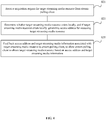
- S11 receive an uploading request for a target streaming media resource sent by a stream-pushing client, where the uploading request includes candidate streaming media information supported by the stream-pushing client.
- data may be stored and transferred through the streaming media server.
- the P2P server and the signaling server may be omitted, thereby simplifying the system architecture.
- the streaming media server may include an HTTP module for processing HTTP requests and a WebRTC module for performing streaming media resource transmission.
- each of the streaming media resources may be assigned a global unique identifier, so that the corresponding streaming media resource may be signified by the unique identifier.
- a unique identifier may be a Uniform Resource Locator (URL).
- the naming rule of a URL may be consistent with the naming rules of URLs of the streaming media resources in RTMP (Real Time Messaging Protocol) and HTTP (HyperText Transfer Protocol).
- RTMP Real Time Messaging Protocol
- HTTP HyperText Transfer Protocol
- the URL of a streaming media resource may be http://www.a.com/live/test.
- an Offer SDP may be generated based on the streaming media information collected by the hardware of the client.
- information supported by the client such as the video encoding modes, the audio encoding modes, the transmission protocol, and the security protocol, may be included.
- an Offer SDP may be as follows:
- the generated Offer SDP may include the above candidate streaming media information.
- the stream-pushing client may send the uploading request for the target streaming media resource to the streaming media server.
- the uploading request may be, for example, an HTTP POST request.
- the request message body of the request may be the above-described Offer SDP.
- the uploading request may include the candidate streaming media information supported by the stream-pushing client.
- the requested URL of the uploading request may be the URL of the target streaming media resource.
- the uploading request may include the unique identifier that signifies the target streaming media resource.
- S13 generate response streaming media information based on the candidate streaming media information, and generate an access address for accessing the target streaming media resource.
- the streaming media server may extract the included candidate streaming media information. Afterwards, according to its own hardware configuration, the streaming media server may determine a target video coding mode and a target audio coding mode supported by the server from the candidate streaming media information, and construct response streaming media information based on the target video coding mode and the target audio coding mode. For example, the streaming media server may determine that it is able to accept the target streaming media resource to be uploaded by the stream-pushing client at this moment, and specify that the video encoding mode is H264, the audio encoding mode is OPUS, and the target streaming media resource may be encrypted. Accordingly, an example of the response streaming media information (Answer SDP) generated by the streaming media server may be as follows:
- the streaming media server may generate the response streaming media information for the target streaming media resource.
- the audio/video encoding mode may be specified in the response streaming media information.
- ICE candidate information in order to establish a WebRTC, apart from the SDP information, ICE candidate information is also required.
- the ICE candidate information may be constructed based on a public network IP address.
- the streaming media server generally has a fixed public IP address. Therefore, a client that tries to establish a WebRTC communication connection with the streaming media server may omit the process of obtaining its own public network address from the P2P server, and the process of generating the ICE candidate may be executed on the streaming media server side.
- the streaming media server may obtain its own public network IP address and port address, where the public network IP address may be stored in the streaming media server without requiring to read from other servers. Afterwards, the streaming media server may use the combination of the public network IP address and the port address as an access address for accessing the target streaming media resource.
- the public network IP address may be 10.8.114.195
- the port address for receiving the streaming media resource may be 54225
- the eventually generated access address may be 10.8.114.195:54225. This access address may be used as the above ICE candidate.
- the streaming media server may obtain the response streaming media information (Answer SDP) and the ICE candidate required to establish the WebRTC communication connection.
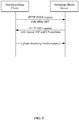
- S15 feed back the response streaming media information and the access address to the stream-pushing client, to allow the stream-pushing client to process the target streaming media resource according to the response streaming media information, and according to the access address, upload the processed target streaming media resource.
- the streaming media server may feed back a response message to the stream-pushing client in response to the received uploading request.
- the response message may be an HTTP response message with a status code of 200.
- the response streaming media information and the access address may be included in the response message body of the response message.
- the stream-pushing client may establish a WebRTC communication connection with the streaming media server. Afterwards, the stream-pushing client may process (e.g., encode, encrypt, etc.) the target streaming media resource according to the information specified in the Answer SDP. After the processing is completed, the processed target streaming media resource may be uploaded to the streaming media server based on the access address.
- process e.g., encode, encrypt, etc.
- S17 receive the processed target streaming media resource uploaded by the stream-pushing client, and associate and store the processed target streaming media resource with the response streaming media information.
- the streaming media server may store the processed target streaming media resource in a specified path. Afterwards, an association between the unique identifier of the target streaming media resource and the response streaming media information may be established. Later, if a stream-pulling client requests to acquire the target streaming media resource, the associated response streaming media information may be obtained according to the unique identifier of the target streaming media resource, and the response streaming media information may be fed back to the stream-pulling client as one of the requirements in establishing the WebRTC communication connection.
- the foregoing process of transmitting the target streaming media resource from/to the stream-pushing client may be completed in the WebRTC module of the streaming media server.
- the present disclosure further provides a method for downloading a streaming media resource.
- the method may be applied between a streaming media server and a stream-pulling client. Referring to FIG. 4 and FIG. 5 , the method may include the following steps.
- S21 receive an acquisition request for a target streaming media resource from a stream-pulling client.
- the streaming media resource may be obtained from the streaming media server.
- the stream-pulling client may send an acquisition request for the target streaming media resource to the streaming media server.
- the acquisition request may be, for example, an HTTP GET request.
- the URL of the request may be the unique identifier of the target streaming media resource.
- the acquisition request may include the unique identifier for signifying the target streaming media resource.
- S23 determine whether the target streaming media resource exists locally, and if the target streaming media resource exists locally, generate an access address for accessing the target streaming media resource.
- the streaming media server may determine, according to the unique identifier included in the request, whether the target streaming media resource that the stream-pulling client wants to download exists locally. Specifically, the streaming media server may locally query whether there is a streaming media resource having that unique identifier. If there is a streaming media resource having that unique identifier, it may be determined that the target streaming media resource exists locally. If there is no streaming media resource having that unique identifier, it may be determined that the target streaming media resource does not exist locally.
- the streaming media server may feed back an error notification message to the stream-pulling client. If the target streaming media resource exists in the streaming media server, the stream-pulling client may establish a WebRTC communication connection with the streaming media server, to allow the target streaming media resource to be downloaded from the streaming media server.
- the streaming media server has a fixed public network IP address, and thus the server may obtain its own public network IP address and port address.
- the public network IP address may be stored in the streaming media server without requiring to read from other servers.
- the streaming media server may use the combination of the public network IP address and the port address as the access address for accessing the target streaming media resource.
- the public network IP address may be 10.8.114.195
- the port address for transmitting the streaming media resource may be 54225.
- the eventually generated access address may be 10.8.114.195:54225. This access address may be used as the ICE candidate required to establish the WebRTC communication connection.
- S25 feed back the access address and target streaming media information associated with the target streaming media resource to the stream-pulling client, to allow the stream-pulling client to obtain the target streaming media resource based on the access address and the target streaming media information.
- the streaming media resource stored in the streaming media server may be uploaded by another stream-pushing client.
- the streaming media server may associate and store the streaming media resource and the corresponding response streaming media information.
- the streaming media server may query the response streaming media information associated with the target streaming media resource according to the unique identifier of the target streaming media resource, and use the response streaming media information as the target streaming media information associated with the target streaming media resource.
- the streaming media server may provide the target streaming media information to the stream-pulling client as the Offer SDP.
- the streaming media server may also provide the access address generated in Step S23 as the ICE candidate to the stream-pulling client.
- the streaming media server may return a response message to the stream-pulling client, where the response message may be, for example, an HTTP response message with a status code of 200.
- the response message body of the response message may include the above access address (ICE candidate) and the target streaming media information (Offer SDP) associated with the target streaming media resource.
- the stream-pulling client may establish a WebRTC communication connection with the streaming media server.
- the target streaming media resource may be obtained from the streaming media server based on the access address and the target streaming media information.
- the target streaming media resource may be decoded and decrypted according to the audio/video encoding modes and the encryption method specified in the target streaming media information, so that the decoded and decrypted target streaming media resource may be locally played.
- the foregoing processes of receiving the acquisition request and returning the response message to the stream-pulling client may be performed in the HTTP module of the streaming media server, and the process of transmitting the target streaming media resource to/from the stream-pulling client may be completed in the WebRTC module of the streaming media server.
- the present disclosure further provides a streaming media server, which includes a memory and a processor.
- the memory stores computer programs that, when executed by the processor, may implement various methods and steps described in Embodiment 1.
- the present disclosure further provides a streaming media server, which includes a memory and a processor.
- the memory stores computer programs that, when executed by the processor, may implement various methods and steps described in Embodiment 2.
- the memory may include physical devices, for storing information, that in general digitize the information and then store it in a medium using an electrical, magnetic, or optical means.
- the memory in the disclosed embodiment may also include: a device for storing information using electric energy, such as a RAM, a ROM, or the like; a device for storing information using magnetic energy, such as a hard disk, a floppy disk, a magnetic tape, a magnetic core memory, a magnetic bubble memory, and a USB flash drive; and a device for storing information in an optical approach, such as a CD or a DVD.
- computer storage media in other forms, such as a quantum memory, a graphene memory, are also contemplated.
- the processor may be embodied in various suitable manners.
- the processor may take the form of, for example, a microprocessor or processor and computer readable media for storing computer readable program code (e.g., software or firmware) executable by such microprocessor or processor, a logic gate, a switch, an Application Specific Integrated Circuit (ASIC), a programmable logic controller, or an embedded microcontroller, etc.
- computer readable program code e.g., software or firmware
- the present disclosure further provides a distribution system for streaming media resources.
- the system includes a stream-pushing client and a streaming media server, where:
- the system further includes a stream-pulling client, where the stream-pulling client is configured to send an acquisition request for the target streaming media resource to the streaming media server, receive a response message returned by the streaming media server, where the response message includes the target streaming media information associated with the target streaming media resource, and further includes the access address generated by the streaming media server, and obtain the target streaming media resource from the streaming media server based on the access address and the target streaming media information; and correspondingly, the streaming media server is further configured to, in response to the acquisition request, generate the access address for accessing the target streaming media resource, and feedback the access address and the target streaming media information associated with the target streaming media resource to the stream-pulling client.
- the stream-pulling client is configured to send an acquisition request for the target streaming media resource to the streaming media server, receive a response message returned by the streaming media server, where the response message includes the target streaming media information associated with the target streaming media resource, and further includes the access address generated by the streaming media server, and obtain the target streaming media resource from the streaming media server based on the access address
- the streaming media server when generating the access address for accessing the target streaming media resource, obtains its own public IP address and port address, and uses the combination of the public network IP address and the port address as the access address for accessing the target streaming media resource.
- the computer terminal 10 may include one or more (only one is shown in the figure) processors 102 (a processor 102 may include, but is not limited to, a processing device such as a microprocessor MCU or a programmable logic device FPGA), a memory 104 for storing data, and a transmission device 106 for communication purpose.
- processors 102 may include, but is not limited to, a processing device such as a microprocessor MCU or a programmable logic device FPGA), a memory 104 for storing data, and a transmission device 106 for communication purpose.
- a processing device such as a microprocessor MCU or a programmable logic device FPGA
- FPGA programmable logic device
- FIG. 7 is provided by way of illustration, but not by way of limitation of the structures of the above-described electronic devices.
- the computer terminal 10 may also include more or fewer components than those shown in FIG. 7 , or have a different configuration than that shown in FIG. 7 .
- the memory 104 may be used to store software programs and modules of application software.
- the processor 102 implements various functional applications and data processing by executing software programs and modules stored in the memory 104.
- the memory 104 may include a high-speed random access memory, and a non-volatile memory, such as one or more magnetic storage devices, flash memory, or other non-volatile solid-state memory.
- the memory 104 may further include a memory remotely disposed with respect to the processor 102, which may be connected to the computer terminal 10 through a network. Examples of such network include, but are not limited to, the Internet, an intranet, a local area network, a mobile communication network, and combinations thereof.
- the transmission device 106 is configured to receive or transmit data via the network.
- the aforementioned specific examples of the network may include a wireless network provided by the communication provider of the computer terminal 10.
- the transmission device 106 includes a network interface controller (NIC) that may be connected to other network devices through the base stations to allow it to communicate with the Internet.
- the transmission device 106 may be a Radio Frequency (RF) module that is configured to communicate with the Internet via a wireless approach.
- RF Radio Frequency
- the entire process may be split into two parts: uploading and downloading.
- the HTTP protocol and the WebRTC protocol are integrated into these two parts, thereby simplifying the process of establishing a communication connection.
- users do not need to repeatedly send the same streaming media resource in the network multiple times, and only need to upload/download the streaming media resources to/from the streaming media server, which may greatly reduce the demand on network bandwidth.
- a stream-pushing client may send an HTTP uploading request to the streaming media server.
- An HTTP module in the streaming media server may generate response streaming media information and an access address by analyzing the HTTP uploading request, and provide the response streaming media information and the access address to the stream-pushing client through an HTTP response message. Accordingly, the stream-pushing client may establish a WebRTC communication connection with the streaming media server, and upload the streaming media resource afterwards according to the access address.
- the uploaded streaming media resource may be processed by a WebRTC module in the streaming media server.
- a stream-pulling client may send an HTTP acquisition request to the streaming media server.
- the HTTP module in the streaming media server may generate an access address.
- the access address and streaming media information are included in an HTTP response message and fed back to the stream-pulling client, where the streaming media information is associated with the streaming media resource and the HTTP acquisition request is directed to the streaming media resource.
- the stream-pulling client may establish a WebRTC communication connection with the streaming media server.
- the stream-pulling client downloads the streaming media resource from the WebRTC module in the streaming media server according to the access address provided by the streaming media server.
- the various embodiments may take the form of a software plus a necessary general hardware platform implementation, and entirely a hardware implementation.
- the technical solutions, or essentially the parts that contribute to the current technology may be embodied by way of a software product.
- the computer software product may be stored in a computer-readable storage medium, such as a ROM/RAM, a magnetic disc, an optical disc, etc., and include a variety of programs that cause a computing device (which may be a personal computer, a server, or a network device, etc.) to implement each embodiment or methods described in certain parts of each embodiment.
Landscapes
- Engineering & Computer Science (AREA)
- Computer Networks & Wireless Communication (AREA)
- Signal Processing (AREA)
- Multimedia (AREA)
- Information Transfer Between Computers (AREA)
Abstract
Description
- The present disclosure generally relates to the field of Internet technology and, more particularly, relates to a method for uploading and downloading streaming media resources, a distribution system, and a streaming media server.
- WebRTC (Web Real-Time Communication) protocol is widely used in network-based video conferencing, video calling, and other applications due to its cross-platform structure and high real-time performance.
- Referring to
FIG. 1 , in the standard WebRTC protocol, a peer-to-peer communication link may be generally established between User A and User B. The specific process may include the following steps: - Step 1: User A sends a query to the P2P server to obtain its own public network address.
- Step 2: User A generates an Offer SDP according to the streaming media information collected by the hardware of User A, and sends the Offer SDP to User B through the relay of the signaling server.
- Step 3: User B receives and processes the Offer SDP, generates an Answer SDP according to the streaming media information collected by the hardware of User B, and sends the Answer SDP to User A through the relay of the signaling server.
- Step 4: User B sends a query to the P2P server to obtain its own public network address.
- Step 5: User A generates an ICE Candidate according to its public network address, and transmits the generated ICE Candidate to User B through the relay of the signaling server.
- Step 6: User B generates an ICE Candidate according to its public network address, and transmits the generated ICE Candidate to User A through the relay of the signaling server.
- Step 7: Both User A and User B may send their own streaming media to the other party according to the exchanged SDP and ICE Candidate, and receive the streaming media sent by the other party.
- For a multi-person video conference scenario, conference participants need to perform the above standard process with all other users in the conference, so that communication connections can be established with other users. After establishing the communication connections with other users, when one of the conference participants needs to share a streaming media resource, the streaming media resource needs to be sent to each other user separately. For example, there are currently a total of N users participating in the video conference. Accordingly, a conference participant needs to perform N-1 times of the above seven steps to establish communication connections with the other users. Afterwards, when that user needs to share a streaming media resource, the streaming media resource needs to be sent N-1 times. It can be seen that according to the current WebRTC standard process, it takes users a really long time to establish connections with each other. This will affect the timeliness of communication. In addition, every time a streaming media resource needs to be shared, the amount of data repeatedly transmitted between users is too high, resulting in high demand on network bandwidth.
- The present disclosure provides a method for uploading and downloading streaming media resources, a distribution system, and a streaming media server, which may reduce the demand on network bandwidth, and at the same time improve the timeliness of communication.
- To achieve the above objective, in one aspect, the present disclosure provides a method for uploading stream media resources. The method includes: receiving an uploading request for a target streaming media resource sent by a stream-pushing client, where the uploading request includes candidate streaming media information supported by the stream-pushing client; generating response streaming media information based on the candidate streaming media information, and generating an access address for accessing the target streaming media resource; feeding back the response streaming media information and the access address to the stream-pushing client, to allow the stream-pushing client to process the target streaming media resource according to the response streaming media information, and according to the access address, upload the processed target streaming media resource; and receiving the processed target streaming media resource uploaded by the stream-pushing client, and associating and storing the processed target streaming media resource with the response streaming media information.
- To achieve the above objective, in another aspect, the present disclosure further provides a streaming media server. The streaming media server includes a memory and a processor, where the memory stores computer programs that, when executed by the processor, implement the above-described method.
- To achieve the above objective, in another aspect, the present disclosure further provides a method for downloading stream media resources. The method includes: receiving an acquisition request for a target streaming media resource from a stream-pulling client; determining whether the target streaming media resource exists locally, and if the target streaming media resource exists locally, generating an access address for accessing the target streaming media resource; and feeding back the access address and target streaming media information associated with the target streaming media resource to the stream-pulling client, to allow the stream-pulling client to obtain the target streaming media resource based on the access address and the target streaming media information.
- To achieve the above objective, in another aspect, the present disclosure further provides a streaming media server. The streaming media server includes a memory and a processor, where the memory stores computer programs that, when executed by the processor, implement the above-described method.
- To achieve the above objective, in another aspect, the present disclosure further provides a distribution system. The system includes a stream-pushing client and a streaming media server, where: the stream-pushing client is configured to determine candidate streaming media information supported by the stream-pushing client, send an uploading request for a target streaming media resource to the streaming media server, where the uploading request includes the candidate streaming media information, receive a response message returned by the streaming media server, where the response message includes response streaming media information and an access address generated by the streaming media server, process the target streaming media resource according to the response streaming media information, and according to the access address, upload the processed target streaming media resource; and the streaming media server is configured to generate the response streaming media information based on the candidate streaming media information, generate the access address for accessing the target streaming media resource, feed back the response message including the response streaming media information and the access address to the stream-pushing client, receive the processed target streaming media resource uploaded by the stream-pushing client, and associate and store the processed target streaming media resource with the response streaming media information.
- As can be seen from the above, in the technical solutions provided by the present disclosure, the entire process may be split into two parts: uploading and downloading. The HTTP protocol and the WebRTC protocol are integrated into these two parts, thereby simplifying the process of establishing a communication connection. In addition, through the relay of the streaming media resources by the streaming media server, users do not need to repeatedly send the same streaming media resource in the network multiple times, and only need to upload/download the streaming media resources to/from the streaming media server, which may greatly reduce the demand on network bandwidth. Specifically, in the uploading part, a stream-pushing client may send an HTTP uploading request to the streaming media server. An HTTP module in the streaming media server may generate response streaming media information and an access address by analyzing the HTTP uploading request, and provide the response streaming media information and the access address to the stream-pushing client through an HTTP response message. Accordingly, the stream-pushing client may establish a WebRTC communication connection with the streaming media server, and upload the streaming media resource afterwards according to the access address. The uploaded streaming media resource may be processed by a WebRTC module in the streaming media server. In the downloading part, a stream-pulling client may send an HTTP acquisition request to the streaming media server. The HTTP module in the streaming media server may generate an access address. The access address and streaming media information are included in an HTTP response message and fed back to the stream-pulling client, where the streaming media information is associated with the streaming media resource and the HTTP acquisition request is directed to the streaming media resource. In this way, the stream-pulling client may establish a WebRTC communication connection with the streaming media server. Afterwards, the stream-pulling client downloads the streaming media resource from the WebRTC module in the streaming media server according to the access address provided by the streaming media server. It can be seen that the technical solutions provided by the present disclosure simplify the process of establishing the WebRTC communication connections, thereby improving the timeliness of communication. In addition, through the relay of the streaming media resources by the streaming media server, the demand on network bandwidth may be greatly reduced.
- To make the technical solutions in the embodiments of the present disclosure clearer, a brief introduction of the accompanying drawings consistent with descriptions of the embodiments will be provided hereinafter. It is to be understood that the following described drawings are merely some embodiments of the present disclosure. Based on the accompanying drawings and without creative efforts, persons of ordinary skill in the art may derive other drawings.
-
FIG. 1 is an interactive diagram of a standard WebRTC process in the prior art; -
FIG. 2 is a flowchart of a method for uploading streaming media resources according to some embodiments of the present disclosure; -
FIG. 3 is an interactive diagram of a method for uploading streaming media resources according to some embodiments of the present disclosure; -
FIG. 4 is a flowchart of a method for downloading streaming media resources according to some embodiments of the present disclosure; -
FIG. 5 is an interactive diagram of a method for downloading streaming media resources according to some embodiments of the present disclosure; -
FIG. 6 is a schematic diagram of a distribution system for streaming media resources according to some embodiments of the present disclosure; and -
FIG. 7 is a schematic structural diagram of a computer terminal according to some embodiments of the present disclosure. - To make the objective, technical solutions, and advantages of the present disclosure clearer, the present disclosure will be made in detail hereinafter with reference to the accompanying drawings.
- The disclosed embodiment provides a method for uploading streaming media resources. The method may be applied between a stream-pushing client and a streaming media server. Referring to
FIG. 2 andFIG. 3 , the method may include the following steps. - S11: receive an uploading request for a target streaming media resource sent by a stream-pushing client, where the uploading request includes candidate streaming media information supported by the stream-pushing client.
- In the disclosed embodiment, data may be stored and transferred through the streaming media server. Compared with the standard WebRTC process, the P2P server and the signaling server may be omitted, thereby simplifying the system architecture. Referring to
FIG. 6 , the streaming media server may include an HTTP module for processing HTTP requests and a WebRTC module for performing streaming media resource transmission. - In the disclosed embodiment, each of the streaming media resources may be assigned a global unique identifier, so that the corresponding streaming media resource may be signified by the unique identifier. In real applications, a unique identifier may be a Uniform Resource Locator (URL). In the disclosed embodiment, the naming rule of a URL may be consistent with the naming rules of URLs of the streaming media resources in RTMP (Real Time Messaging Protocol) and HTTP (HyperText Transfer Protocol). For example, the URL of a streaming media resource may be http://www.a.com/live/test.
- In the disclosed embodiment, when the stream-pushing client needs to upload a target streaming media resource to the streaming media server, an Offer SDP may be generated based on the streaming media information collected by the hardware of the client. In the Offer SDP, information supported by the client, such as the video encoding modes, the audio encoding modes, the transmission protocol, and the security protocol, may be included. For instance, a simple example of an Offer SDP may be as follows:
                 Offer SDP {
                 Going to send a streaming media resource now;
                Video coding may use H264, VP8, VP9;
                Audio coding may use AAC, MP3, OPUS;
                Encryption may be enabled;
                 }
                Answer SDP {
                 Can receive the streaming media resource you send;
                Please use H264 for video encoding;
                Please use OPUS for audio coding;
                Please enable encryption;
                 }
- the stream-pushing client is configured to determine candidate streaming media information supported by the stream-pushing client, send an uploading request for a target streaming media resource to the streaming media server, where the uploading request includes the candidate streaming media information, receive a response message returned by the streaming media server, where the response message includes response streaming media information and an access address generated by the streaming media server, process the target streaming media resource according to the response streaming media information, and according to the access address, upload the processed target streaming media resource; and
- the streaming media server is configured to generate the response streaming media information based on the candidate streaming media information, generate the access address for accessing the target streaming media resource, feed back the response message including the response streaming media information and the access address to the stream-pushing client, receive the processed target streaming media resource uploaded by the stream-pushing client, and associate and store the processed target streaming media resource with the response streaming media information.
correspondingly, the streaming media server is further configured to, in response to the acquisition request, generate the access address for accessing the target streaming media resource, and feedback the access address and the target streaming media information associated with the target streaming media resource to the stream-pulling client.
Claims (14)
- A method for uploading streaming media resources, comprising:receiving an uploading request for a target streaming media resource sent by a stream-pushing client, wherein the uploading request includes candidate streaming media information supported by the stream-pushing client;generating response streaming media information based on the candidate streaming media information, and generating an access address for accessing the target streaming media resource;feeding back the response streaming media information and the access address to the stream-pushing client, to allow the stream-pushing client to process the target streaming media resource according to the response streaming media information, and according to the access address, upload the processed target streaming media resource; andreceiving the processed target streaming media resource uploaded by the stream-pushing client, and associating and storing the processed target streaming media resource with the response streaming media information.
- The method according to claim 1, wherein generating the access address for accessing the target streaming media resource further includes:
obtaining own public network IP address and port address, and using a combination of the public network IP address and the port address as the access address for accessing the target streaming media resource. - The method according to claim 1, wherein feeding back the response streaming media information and the access address to the stream-pushing client further includes:
returning a response message to the stream-pushing client, wherein a response message body of the response message includes the response stream media information and the access address. - The method according to claim 1, wherein the uploading request includes a unique identifier for signifying the target streaming media resource, and associating and storing the processed target streaming media resource with the response streaming media information further includes:
storing the processed target streaming media resource in a specified path, and establishing an association between the unique identifier of the target streaming media resource and the response streaming media information. - A streaming media server comprising a memory and a processor, wherein the memory stores computer programs that, when executed by the processor, implement the method according to any one of claims 1 to 4.
- A method for downloading streaming media resources, comprising:receiving an acquisition request for a target streaming media resource from a stream-pulling client;determining whether the target streaming media resource exists locally, and if the target streaming media resource exists locally, generating an access address for accessing the target streaming media resource; andfeeding back the access address and target streaming media information associated with the target streaming media resource to the stream-pulling client, to allow the stream-pulling client to obtain the target streaming media resource based on the access address and the target streaming media information.
- The method according to claim 6, wherein the acquisition request includes a unique identifier for signifying the target streaming media resource, and determining whether the target streaming media resource exists locally further includes:
querying locally whether there is a streaming media resource having the unique identifier, if there is a streaming media resource having the unique identifier, determining that the target streaming media resource exists locally, and if there is no streaming media resource having the unique identifier, determining that the target streaming media resource does not exist locally. - The method according to claim 6 or 7, further comprising:
if the target streaming media resource does not exist locally, feeding back an error notification message to the stream-pulling client. - The method according to claim 6 or 7, wherein generating the access address for accessing the target streaming media resource further includes:
obtaining own public network IP address and port address, and using a combination of the public network IP address and the port address as the access address for accessing the target streaming media resource. - The method according to claim 6, wherein feeding back the access address and the target streaming media information associated with the target streaming media resource to the stream-pulling client further includes:
returning a response message to the stream-pulling client, wherein a response message body of the response message includes the access address and the target streaming media information associated with the target streaming media resource. - A streaming media server comprising a memory and a processor, wherein the memory stores computer programs that, when executed by the processor, implement the method according to any one of claims 6 to 10.
- A distribution system for streaming media resources, comprising a stream-pushing client and a streaming media server, wherein:the stream-pushing client is configured to determine candidate streaming media information supported by the stream-pushing client, send an uploading request for a target streaming media resource to the streaming media server, wherein the uploading request includes the candidate streaming media information, receive a response message returned by the streaming media server, wherein the response message includes response streaming media information and an access address generated by the streaming media server, process the target streaming media resource according to the response streaming media information, and according to the access address, upload the processed target streaming media resource; andthe streaming media server is configured to generate the response streaming media information based on the candidate streaming media information, generate the access address for accessing the target streaming media resource, feed back the response message including the response streaming media information and the access address to the stream-pushing client, receive the processed target streaming media resource uploaded by the stream-pushing client, and associate and store the processed target streaming media resource with the response streaming media information.
- The system according to claim 12, further comprising a stream-pulling client, wherein the stream-pulling client is configured to send an acquisition request for the target streaming media resource to the streaming media server, receive a response message returned by the streaming media server, wherein the response message includes the target streaming media information associated with the target streaming media resource and further includes the access address generated by the streaming media server, and obtain the target streaming media resource from the streaming media server based on the access address and the target streaming media information; and
the streaming media server is further configured to, in response to the acquisition request, generate the access address for accessing the target streaming media resource, and feed back the access address and the target streaming media information associated with the target streaming media resource to the stream-pulling client. - The system according to claim 12 or 13, wherein the streaming media server, when generating the access address for accessing the target streaming media resource, obtains own public IP address and port address, and uses a combination of the public network IP address and the port address as the access address for accessing the target streaming media resource.
Applications Claiming Priority (2)
| Application Number | Priority Date | Filing Date | Title |
|---|---|---|---|
| CN201810349757.XA CN110392071B (en) | 2018-04-18 | 2018-04-18 | Uploading and downloading method of streaming media resources, distribution system and streaming media server |
| PCT/CN2018/086181 WO2019200631A1 (en) | 2018-04-18 | 2018-05-09 | Methods for uploading and downloading streaming media resource, distribution system, and streaming media server |
Publications (2)
| Publication Number | Publication Date |
|---|---|
| EP3598716A1 true EP3598716A1 (en) | 2020-01-22 |
| EP3598716A4 EP3598716A4 (en) | 2020-07-29 |
Family
ID=68240538
Family Applications (1)
| Application Number | Title | Priority Date | Filing Date |
|---|---|---|---|
| EP18821981.0A Withdrawn EP3598716A4 (en) | 2018-04-18 | 2018-05-09 | METHOD FOR UPLOADING AND DOWNLOADING A STREAMING MEDIA RESOURCE, DISTRIBUTION SYSTEM AND STREAMING MEDIA SERVER |
Country Status (4)
| Country | Link |
|---|---|
| US (1) | US11316910B2 (en) |
| EP (1) | EP3598716A4 (en) |
| CN (1) | CN110392071B (en) |
| WO (1) | WO2019200631A1 (en) |
Families Citing this family (14)
| Publication number | Priority date | Publication date | Assignee | Title |
|---|---|---|---|---|
| CN110933470B (en) * | 2019-11-29 | 2022-02-22 | 杭州当虹科技股份有限公司 | Video data sharing method |
| CN113014859B (en) * | 2019-12-20 | 2023-08-25 | 阿里巴巴集团控股有限公司 | System, method, device and electronic equipment for obtaining video data |
| CN111787372B (en) * | 2020-07-01 | 2023-06-23 | 苏州万店掌网络科技有限公司 | Streaming media distribution method based on multiple condition scheduling |
| CN112202833B (en) * | 2020-08-26 | 2023-05-23 | 网宿科技股份有限公司 | CDN system, request processing method and scheduling server |
| CN112260961B (en) * | 2020-09-23 | 2024-06-14 | 北京金山云网络技术有限公司 | Network traffic scheduling method and device, electronic equipment and storage medium |
| CN112351299B (en) * | 2020-11-05 | 2022-11-04 | 山东亚华电子股份有限公司 | Propaganda and education broadcasting method and device |
| CN114117087B (en) * | 2021-11-23 | 2025-07-08 | 北京达佳互联信息技术有限公司 | Resource recommendation method, device, computer equipment and medium |
| CN116708530A (en) * | 2022-02-25 | 2023-09-05 | 腾讯科技(深圳)有限公司 | Information interaction method, device and computer equipment, storage medium, program product |
| CN114844870B (en) * | 2022-03-25 | 2024-03-26 | 阿里巴巴(中国)有限公司 | Media stream acquisition method and device, electronic equipment and storage medium |
| CN114827650B (en) * | 2022-04-22 | 2024-09-24 | 上海哔哩哔哩科技有限公司 | Streaming media content transmission, live broadcast and pulling method |
| CN115002081B (en) * | 2022-05-30 | 2023-12-26 | 重庆紫光华山智安科技有限公司 | Media streaming transmission method and related device |
| CN114884750B (en) * | 2022-07-07 | 2022-10-21 | 杭州筋斗腾云科技有限公司 | Access processing method, access processing system and computer system |
| CN117640609A (en) * | 2022-08-16 | 2024-03-01 | 杭州海康存储科技有限公司 | Point-to-point P2P transmission method, system and device |
| CN116016995B (en) * | 2022-12-02 | 2023-08-22 | 长扬科技(北京)股份有限公司 | Video acquisition equipment and method |
Family Cites Families (27)
| Publication number | Priority date | Publication date | Assignee | Title |
|---|---|---|---|---|
| US7937443B2 (en) * | 2002-03-10 | 2011-05-03 | Talkway, Inc. | Email messaging program with built-in video and/or audio media recording and/or playback capabilities |
| US7733808B2 (en) * | 2006-11-10 | 2010-06-08 | Microsoft Corporation | Peer-to-peer aided live video sharing system |
| US8789168B2 (en) * | 2008-05-12 | 2014-07-22 | Microsoft Corporation | Media streams from containers processed by hosted code |
| US9240214B2 (en) * | 2008-12-04 | 2016-01-19 | Nokia Technologies Oy | Multiplexed data sharing |
| WO2011006513A2 (en) * | 2009-07-13 | 2011-01-20 | Eyad Aii Mohammad Al Qalqili | Method and system for advertising on the mobile main screen by cbs technology |
| CN101729602B (en) * | 2009-12-11 | 2012-10-24 | 北京工业大学 | Method for acquiring P2P (peer-to-peer) video system program information |
| US9183560B2 (en) * | 2010-05-28 | 2015-11-10 | Daniel H. Abelow | Reality alternate |
| CN102006368B (en) * | 2010-12-03 | 2013-06-19 | 重庆新媒农信科技有限公司 | Streaming media audio file play method based on mobile terminal memory card cache technology |
| CN103546442B (en) * | 2012-07-17 | 2018-10-23 | 中兴通讯股份有限公司 | The communication monitoring method and device of browser |
| US20140195675A1 (en) * | 2013-01-09 | 2014-07-10 | Giga Entertainment Media Inc. | Simultaneous Content Data Streaming And Interaction System |
| CN103179214B (en) * | 2013-04-10 | 2016-01-13 | 网宿科技股份有限公司 | Based on the live TV stream plug-flow method and system of http protocol |
| CN103227788B (en) * | 2013-04-17 | 2016-02-03 | 广州市和声信息技术有限公司 | Realize the method and system that Web page application program and SIP equipment carry out communicating |
| CN104427354B (en) * | 2013-08-28 | 2019-07-12 | 中兴通讯股份有限公司 | A kind of method, streaming media server and node subsystem that live media is shared |
| CN103648014A (en) * | 2013-11-15 | 2014-03-19 | 乐视致新电子科技(天津)有限公司 | Method and apparatus for pushing resource to mobile communication terminal by intelligent television |
| US9661106B2 (en) * | 2013-12-04 | 2017-05-23 | Facebook, Inc. | Uploading and transcoding media files |
| CN104702565B (en) | 2013-12-05 | 2019-09-17 | 南京中兴新软件有限责任公司 | Media resource shared method, shared server and shared system |
| CN103702062A (en) * | 2013-12-27 | 2014-04-02 | Tcl集团股份有限公司 | Audio and video communication method, device and system |
| US10069872B2 (en) * | 2014-07-18 | 2018-09-04 | Verizon Patent And Licensing Inc. | Architecture to establish serverless WebRTC connections |
| CN106330997B (en) * | 2015-06-19 | 2019-08-09 | 网宿科技股份有限公司 | A method and system for content distribution of mobile terminal applications |
| CN105141660B (en) * | 2015-07-24 | 2018-04-24 | 网宿科技股份有限公司 | A kind of Streaming Media management method and system |
| US10523755B1 (en) * | 2016-02-17 | 2019-12-31 | Amazon Technologies, Inc. | Peer-based cloud storage for media broadcasts |
| CN105847264A (en) * | 2016-03-31 | 2016-08-10 | 乐视控股(北京)有限公司 | Method and system of providing streaming media service |
| CN106453328A (en) * | 2016-10-18 | 2017-02-22 | 乐视控股(北京)有限公司 | Publishing method for live broadcast video file, publishing client and edge streaming media server |
| CN107147919B (en) * | 2017-06-19 | 2020-11-27 | 网宿科技股份有限公司 | Method and system for quick start of live broadcast |
| CN107426629B (en) * | 2017-06-19 | 2020-06-23 | 网宿科技股份有限公司 | A kind of streaming media file processing method and live broadcast system |
| CN107682657B (en) * | 2017-09-13 | 2020-11-10 | 中山市华南理工大学现代产业技术研究院 | A method and system for multi-person voice and video call based on WebRTC |
| CN107809683B (en) * | 2017-11-22 | 2020-06-09 | 广东电网有限责任公司教育培训评价中心 | A browser-based live broadcast system and method without plug-ins |
-
2018
- 2018-04-18 CN CN201810349757.XA patent/CN110392071B/en not_active Expired - Fee Related
- 2018-05-09 US US16/098,574 patent/US11316910B2/en active Active
- 2018-05-09 WO PCT/CN2018/086181 patent/WO2019200631A1/en not_active Ceased
- 2018-05-09 EP EP18821981.0A patent/EP3598716A4/en not_active Withdrawn
Also Published As
| Publication number | Publication date |
|---|---|
| US20210243238A1 (en) | 2021-08-05 |
| CN110392071B (en) | 2021-06-22 |
| WO2019200631A1 (en) | 2019-10-24 |
| CN110392071A (en) | 2019-10-29 |
| US11316910B2 (en) | 2022-04-26 |
| EP3598716A4 (en) | 2020-07-29 |
Similar Documents
| Publication | Publication Date | Title |
|---|---|---|
| US11316910B2 (en) | Method for uploading and downloading streaming media resources, distribution system and streaming media server | |
| Kesavan et al. | An investigation on adaptive HTTP media streaming Quality-of-Experience (QoE) and agility using cloud media services | |
| CN107682657B (en) | A method and system for multi-person voice and video call based on WebRTC | |
| US9282448B2 (en) | Method, system and apparatus for providing streaming media service | |
| CN112738140B (en) | Video stream transmission method, device, storage medium and equipment based on WebRTC | |
| CN108259542B (en) | Resource transmission method and device | |
| EP3576371B1 (en) | Method and system for transmitting streaming media resource | |
| RU2647654C2 (en) | System and method of delivering audio-visual content to client device | |
| WO2016210109A1 (en) | Mechanisms to support adaptive constrained application protocol (coap) streaming for internet of things (iot) systems | |
| CN104093064A (en) | Method, system and device used for video interaction between terminal devices | |
| US12556590B2 (en) | Information interaction method and apparatus | |
| CN104683734A (en) | Video surveillance content adaptation method, system, central server and device | |
| CN103945277A (en) | Method, system and device for realizing mobile terminal video sharing | |
| CN105847264A (en) | Method and system of providing streaming media service | |
| Dogga et al. | Edge-based transcoding for adaptive live video streaming | |
| CN110113623B (en) | An audio and video slice transmission platform based on SIP protocol | |
| Cui et al. | Research and Implementation of WEBRTC Signaling via websocket-based for real-time multimedia communications | |
| CN103648056A (en) | Point-to-point transmission method and apparatus for smart television | |
| US20130238767A1 (en) | Method and system for downloading real-time streaming media in peer-to-peer network | |
| WO2026044968A1 (en) | Streaming media pushing method, streaming media pushing system, and storage medium | |
| CN108810475A (en) | A kind of Android video monitoring apparatus based on Onvif standards and Sip agreements | |
| CN116708391A (en) | Signaling negotiation method, information transmission method and content distribution system | |
| CN102088445A (en) | Method, system and device for realizing peer-to-peer technology | |
| HK40092333A (en) | Information interaction method, apparatus, and computer device, storage medium, program product | |
| CN116708392A (en) | Transmission method, device, storage medium and electronic device of media stream file |
Legal Events
| Date | Code | Title | Description |
|---|---|---|---|
| STAA | Information on the status of an ep patent application or granted ep patent |
Free format text: STATUS: UNKNOWN |
|
| STAA | Information on the status of an ep patent application or granted ep patent |
Free format text: STATUS: THE INTERNATIONAL PUBLICATION HAS BEEN MADE |
|
| PUAI | Public reference made under article 153(3) epc to a published international application that has entered the european phase |
Free format text: ORIGINAL CODE: 0009012 |
|
| STAA | Information on the status of an ep patent application or granted ep patent |
Free format text: STATUS: REQUEST FOR EXAMINATION WAS MADE |
|
| 17P | Request for examination filed |
Effective date: 20190103 |
|
| AK | Designated contracting states |
Kind code of ref document: A1 Designated state(s): AL AT BE BG CH CY CZ DE DK EE ES FI FR GB GR HR HU IE IS IT LI LT LU LV MC MK MT NL NO PL PT RO RS SE SI SK SM TR |
|
| AX | Request for extension of the european patent |
Extension state: BA ME |
|
| R17P | Request for examination filed (corrected) |
Effective date: 20190103 |
|
| RIC1 | Information provided on ipc code assigned before grant |
Ipc: H04L 29/08 20060101ALI20200324BHEP Ipc: H04L 29/06 20060101AFI20200324BHEP |
|
| A4 | Supplementary search report drawn up and despatched |
Effective date: 20200629 |
|
| RIC1 | Information provided on ipc code assigned before grant |
Ipc: H04L 29/06 20060101AFI20200623BHEP Ipc: H04L 29/08 20060101ALI20200623BHEP |
|
| STAA | Information on the status of an ep patent application or granted ep patent |
Free format text: STATUS: EXAMINATION IS IN PROGRESS |
|
| 17Q | First examination report despatched |
Effective date: 20210315 |
|
| DAV | Request for validation of the european patent (deleted) | ||
| DAX | Request for extension of the european patent (deleted) | ||
| STAA | Information on the status of an ep patent application or granted ep patent |
Free format text: STATUS: THE APPLICATION IS DEEMED TO BE WITHDRAWN |
|
| 18D | Application deemed to be withdrawn |
Effective date: 20221201 |