EP3597753A1 - Method for improving activity of pet-degrading enzyme using additive - Google Patents
Method for improving activity of pet-degrading enzyme using additive Download PDFInfo
- Publication number
- EP3597753A1 EP3597753A1 EP18767937.8A EP18767937A EP3597753A1 EP 3597753 A1 EP3597753 A1 EP 3597753A1 EP 18767937 A EP18767937 A EP 18767937A EP 3597753 A1 EP3597753 A1 EP 3597753A1
- Authority
- EP
- European Patent Office
- Prior art keywords
- petase
- pet
- surfactant
- sodium
- activity
- Prior art date
- Legal status (The legal status is an assumption and is not a legal conclusion. Google has not performed a legal analysis and makes no representation as to the accuracy of the status listed.)
- Withdrawn
Links
- 230000000694 effects Effects 0.000 title claims abstract description 85
- 108090000790 Enzymes Proteins 0.000 title claims abstract description 73
- 102000004190 Enzymes Human genes 0.000 title claims abstract description 73
- 238000000034 method Methods 0.000 title claims abstract description 34
- 239000000654 additive Substances 0.000 title description 40
- 230000000996 additive effect Effects 0.000 title description 39
- 101000693878 Ideonella sakaiensis (strain NBRC 110686 / TISTR 2288 / 201-F6) Poly(ethylene terephthalate) hydrolase Proteins 0.000 claims abstract description 105
- 101000693873 Unknown prokaryotic organism Leaf-branch compost cutinase Proteins 0.000 claims abstract description 105
- 239000004094 surface-active agent Substances 0.000 claims abstract description 62
- 125000003275 alpha amino acid group Chemical group 0.000 claims abstract description 33
- 239000003153 chemical reaction reagent Substances 0.000 claims abstract description 24
- 238000007792 addition Methods 0.000 claims abstract description 23
- FWMNVWWHGCHHJJ-SKKKGAJSSA-N 4-amino-1-[(2r)-6-amino-2-[[(2r)-2-[[(2r)-2-[[(2r)-2-amino-3-phenylpropanoyl]amino]-3-phenylpropanoyl]amino]-4-methylpentanoyl]amino]hexanoyl]piperidine-4-carboxylic acid Chemical compound C([C@H](C(=O)N[C@H](CC(C)C)C(=O)N[C@H](CCCCN)C(=O)N1CCC(N)(CC1)C(O)=O)NC(=O)[C@H](N)CC=1C=CC=CC=1)C1=CC=CC=C1 FWMNVWWHGCHHJJ-SKKKGAJSSA-N 0.000 claims abstract description 20
- 125000003118 aryl group Chemical group 0.000 claims abstract description 18
- 150000001413 amino acids Chemical class 0.000 claims abstract description 13
- 238000012217 deletion Methods 0.000 claims abstract description 8
- 230000037430 deletion Effects 0.000 claims abstract description 8
- 238000006467 substitution reaction Methods 0.000 claims abstract description 8
- -1 alkane sulfonate Chemical class 0.000 claims description 48
- 239000000203 mixture Substances 0.000 claims description 34
- 239000011734 sodium Substances 0.000 claims description 25
- 229910052708 sodium Inorganic materials 0.000 claims description 25
- 150000001335 aliphatic alkanes Chemical class 0.000 claims description 17
- 125000004432 carbon atom Chemical group C* 0.000 claims description 16
- DGAQECJNVWCQMB-PUAWFVPOSA-M Ilexoside XXIX Chemical compound C[C@@H]1CC[C@@]2(CC[C@@]3(C(=CC[C@H]4[C@]3(CC[C@@H]5[C@@]4(CC[C@@H](C5(C)C)OS(=O)(=O)[O-])C)C)[C@@H]2[C@]1(C)O)C)C(=O)O[C@H]6[C@@H]([C@H]([C@@H]([C@H](O6)CO)O)O)O.[Na+] DGAQECJNVWCQMB-PUAWFVPOSA-M 0.000 claims description 15
- 229920003171 Poly (ethylene oxide) Polymers 0.000 claims description 12
- 125000000217 alkyl group Chemical group 0.000 claims description 10
- 238000006731 degradation reaction Methods 0.000 claims description 10
- 230000015556 catabolic process Effects 0.000 claims description 9
- RTZKZFJDLAIYFH-UHFFFAOYSA-N ether Substances CCOCC RTZKZFJDLAIYFH-UHFFFAOYSA-N 0.000 claims description 9
- BDHFUVZGWQCTTF-UHFFFAOYSA-M sulfonate Chemical compound [O-]S(=O)=O BDHFUVZGWQCTTF-UHFFFAOYSA-M 0.000 claims description 9
- 125000005037 alkyl phenyl group Chemical group 0.000 claims description 8
- 150000008051 alkyl sulfates Chemical class 0.000 claims description 6
- 229920002114 octoxynol-9 Polymers 0.000 claims description 6
- 229920000139 polyethylene terephthalate Polymers 0.000 description 81
- 239000005020 polyethylene terephthalate Substances 0.000 description 81
- DBMJMQXJHONAFJ-UHFFFAOYSA-M Sodium laurylsulphate Chemical compound [Na+].CCCCCCCCCCCCOS([O-])(=O)=O DBMJMQXJHONAFJ-UHFFFAOYSA-M 0.000 description 46
- 239000000243 solution Substances 0.000 description 20
- 238000006243 chemical reaction Methods 0.000 description 17
- DVDUMIQZEUTAGK-UHFFFAOYSA-N p-nitrophenyl butyrate Chemical compound CCCC(=O)OC1=CC=C([N+]([O-])=O)C=C1 DVDUMIQZEUTAGK-UHFFFAOYSA-N 0.000 description 15
- 230000008859 change Effects 0.000 description 12
- 239000007857 degradation product Substances 0.000 description 11
- 239000002773 nucleotide Substances 0.000 description 11
- 125000003729 nucleotide group Chemical group 0.000 description 11
- 108090000623 proteins and genes Proteins 0.000 description 11
- 108010076504 Protein Sorting Signals Proteins 0.000 description 10
- KKEYFWRCBNTPAC-UHFFFAOYSA-N Terephthalic acid Chemical compound OC(=O)C1=CC=C(C(O)=O)C=C1 KKEYFWRCBNTPAC-UHFFFAOYSA-N 0.000 description 10
- 239000000872 buffer Substances 0.000 description 10
- 239000013604 expression vector Substances 0.000 description 10
- 244000005700 microbiome Species 0.000 description 10
- 238000001179 sorption measurement Methods 0.000 description 10
- 210000004027 cell Anatomy 0.000 description 9
- 238000006911 enzymatic reaction Methods 0.000 description 9
- 102000004169 proteins and genes Human genes 0.000 description 9
- 239000013598 vector Substances 0.000 description 9
- 230000006872 improvement Effects 0.000 description 7
- 229920005989 resin Polymers 0.000 description 7
- 239000011347 resin Substances 0.000 description 7
- IAZDPXIOMUYVGZ-UHFFFAOYSA-N Dimethylsulphoxide Chemical compound CS(C)=O IAZDPXIOMUYVGZ-UHFFFAOYSA-N 0.000 description 6
- LYCAIKOWRPUZTN-UHFFFAOYSA-N Ethylene glycol Chemical compound OCCO LYCAIKOWRPUZTN-UHFFFAOYSA-N 0.000 description 6
- 230000002209 hydrophobic effect Effects 0.000 description 6
- 238000011533 pre-incubation Methods 0.000 description 6
- 238000004064 recycling Methods 0.000 description 6
- 241001357511 Ideonella sp. Species 0.000 description 5
- QAOWNCQODCNURD-UHFFFAOYSA-L Sulfate Chemical compound [O-]S([O-])(=O)=O QAOWNCQODCNURD-UHFFFAOYSA-L 0.000 description 5
- 239000003054 catalyst Substances 0.000 description 5
- 238000000746 purification Methods 0.000 description 5
- 230000035484 reaction time Effects 0.000 description 5
- 238000002415 sodium dodecyl sulfate polyacrylamide gel electrophoresis Methods 0.000 description 5
- AYFACLKQYVTXNS-UHFFFAOYSA-M sodium;tetradecane-1-sulfonate Chemical compound [Na+].CCCCCCCCCCCCCCS([O-])(=O)=O AYFACLKQYVTXNS-UHFFFAOYSA-M 0.000 description 5
- 239000000126 substance Substances 0.000 description 5
- 239000000758 substrate Substances 0.000 description 5
- 229920002799 BoPET Polymers 0.000 description 4
- CURLTUGMZLYLDI-UHFFFAOYSA-N Carbon dioxide Chemical compound O=C=O CURLTUGMZLYLDI-UHFFFAOYSA-N 0.000 description 4
- 108020004705 Codon Proteins 0.000 description 4
- PXHVJJICTQNCMI-UHFFFAOYSA-N Nickel Chemical compound [Ni] PXHVJJICTQNCMI-UHFFFAOYSA-N 0.000 description 4
- FAPWRFPIFSIZLT-UHFFFAOYSA-M Sodium chloride Chemical compound [Na+].[Cl-] FAPWRFPIFSIZLT-UHFFFAOYSA-M 0.000 description 4
- QAOWNCQODCNURD-UHFFFAOYSA-N Sulfuric acid Chemical compound OS(O)(=O)=O QAOWNCQODCNURD-UHFFFAOYSA-N 0.000 description 4
- 150000001875 compounds Chemical class 0.000 description 4
- 238000012258 culturing Methods 0.000 description 4
- 230000000593 degrading effect Effects 0.000 description 4
- 239000002736 nonionic surfactant Substances 0.000 description 4
- 239000000047 product Substances 0.000 description 4
- CACJZDMMUHMEBN-UHFFFAOYSA-M sodium;tridecane-1-sulfonate Chemical compound [Na+].CCCCCCCCCCCCCS([O-])(=O)=O CACJZDMMUHMEBN-UHFFFAOYSA-M 0.000 description 4
- XLYOFNOQVPJJNP-UHFFFAOYSA-N water Substances O XLYOFNOQVPJJNP-UHFFFAOYSA-N 0.000 description 4
- BTJIUGUIPKRLHP-UHFFFAOYSA-N 4-nitrophenol Chemical compound OC1=CC=C([N+]([O-])=O)C=C1 BTJIUGUIPKRLHP-UHFFFAOYSA-N 0.000 description 3
- 241000894006 Bacteria Species 0.000 description 3
- 240000004808 Saccharomyces cerevisiae Species 0.000 description 3
- 235000014680 Saccharomyces cerevisiae Nutrition 0.000 description 3
- HEMHJVSKTPXQMS-UHFFFAOYSA-M Sodium hydroxide Chemical compound [OH-].[Na+] HEMHJVSKTPXQMS-UHFFFAOYSA-M 0.000 description 3
- 238000001042 affinity chromatography Methods 0.000 description 3
- 239000003945 anionic surfactant Substances 0.000 description 3
- 230000003247 decreasing effect Effects 0.000 description 3
- 230000007062 hydrolysis Effects 0.000 description 3
- 238000006460 hydrolysis reaction Methods 0.000 description 3
- 230000003993 interaction Effects 0.000 description 3
- 235000010482 polyoxyethylene sorbitan monooleate Nutrition 0.000 description 3
- 229920000053 polysorbate 80 Polymers 0.000 description 3
- 229960000776 sodium tetradecyl sulfate Drugs 0.000 description 3
- DAJSVUQLFFJUSX-UHFFFAOYSA-M sodium;dodecane-1-sulfonate Chemical compound [Na+].CCCCCCCCCCCCS([O-])(=O)=O DAJSVUQLFFJUSX-UHFFFAOYSA-M 0.000 description 3
- UPUIQOIQVMNQAP-UHFFFAOYSA-M sodium;tetradecyl sulfate Chemical compound [Na+].CCCCCCCCCCCCCCOS([O-])(=O)=O UPUIQOIQVMNQAP-UHFFFAOYSA-M 0.000 description 3
- HQCFDOOSGDZRII-UHFFFAOYSA-M sodium;tridecyl sulfate Chemical compound [Na+].CCCCCCCCCCCCCOS([O-])(=O)=O HQCFDOOSGDZRII-UHFFFAOYSA-M 0.000 description 3
- 238000011282 treatment Methods 0.000 description 3
- 230000007306 turnover Effects 0.000 description 3
- 238000005406 washing Methods 0.000 description 3
- IDOQDZANRZQBTP-UHFFFAOYSA-N 2-[2-(2,4,4-trimethylpentan-2-yl)phenoxy]ethanol Chemical compound CC(C)(C)CC(C)(C)C1=CC=CC=C1OCCO IDOQDZANRZQBTP-UHFFFAOYSA-N 0.000 description 2
- BCBHDSLDGBIFIX-UHFFFAOYSA-M 4-[(2-hydroxyethoxy)carbonyl]benzoate Chemical compound OCCOC(=O)C1=CC=C(C([O-])=O)C=C1 BCBHDSLDGBIFIX-UHFFFAOYSA-M 0.000 description 2
- BCBHDSLDGBIFIX-UHFFFAOYSA-N 4-[(2-hydroxyethoxy)carbonyl]benzoic acid Chemical compound OCCOC(=O)C1=CC=C(C(O)=O)C=C1 BCBHDSLDGBIFIX-UHFFFAOYSA-N 0.000 description 2
- 241000588724 Escherichia coli Species 0.000 description 2
- ZHNUHDYFZUAESO-UHFFFAOYSA-N Formamide Chemical compound NC=O ZHNUHDYFZUAESO-UHFFFAOYSA-N 0.000 description 2
- 239000006173 Good's buffer Substances 0.000 description 2
- 241001509283 Ideonella Species 0.000 description 2
- 239000007983 Tris buffer Substances 0.000 description 2
- 229920004929 Triton X-114 Polymers 0.000 description 2
- 238000002835 absorbance Methods 0.000 description 2
- 238000010521 absorption reaction Methods 0.000 description 2
- 125000005907 alkyl ester group Chemical group 0.000 description 2
- 210000004102 animal cell Anatomy 0.000 description 2
- 125000000129 anionic group Chemical group 0.000 description 2
- 238000002869 basic local alignment search tool Methods 0.000 description 2
- QPKOBORKPHRBPS-UHFFFAOYSA-N bis(2-hydroxyethyl) terephthalate Chemical group OCCOC(=O)C1=CC=C(C(=O)OCCO)C=C1 QPKOBORKPHRBPS-UHFFFAOYSA-N 0.000 description 2
- 239000001569 carbon dioxide Substances 0.000 description 2
- 229910002092 carbon dioxide Inorganic materials 0.000 description 2
- 125000002091 cationic group Chemical group 0.000 description 2
- 239000003093 cationic surfactant Substances 0.000 description 2
- 229920001577 copolymer Polymers 0.000 description 2
- 230000009881 electrostatic interaction Effects 0.000 description 2
- 239000000835 fiber Substances 0.000 description 2
- 238000009396 hybridization Methods 0.000 description 2
- QQVIHTHCMHWDBS-UHFFFAOYSA-N isophthalic acid Chemical compound OC(=O)C1=CC=CC(C(O)=O)=C1 QQVIHTHCMHWDBS-UHFFFAOYSA-N 0.000 description 2
- 238000005259 measurement Methods 0.000 description 2
- VUZPPFZMUPKLLV-UHFFFAOYSA-N methane;hydrate Chemical compound C.O VUZPPFZMUPKLLV-UHFFFAOYSA-N 0.000 description 2
- 230000004048 modification Effects 0.000 description 2
- 238000012986 modification Methods 0.000 description 2
- 229910052759 nickel Inorganic materials 0.000 description 2
- 239000011780 sodium chloride Substances 0.000 description 2
- NRHMKIHPTBHXPF-TUJRSCDTSA-M sodium cholate Chemical compound [Na+].C([C@H]1C[C@H]2O)[C@H](O)CC[C@]1(C)[C@@H]1[C@@H]2[C@@H]2CC[C@H]([C@@H](CCC([O-])=O)C)[C@@]2(C)[C@@H](O)C1 NRHMKIHPTBHXPF-TUJRSCDTSA-M 0.000 description 2
- LENZDBCJOHFCAS-UHFFFAOYSA-N tris Chemical compound OCC(N)(CO)CO LENZDBCJOHFCAS-UHFFFAOYSA-N 0.000 description 2
- 239000002699 waste material Substances 0.000 description 2
- OVSKIKFHRZPJSS-UHFFFAOYSA-N 2,4-D Chemical compound OC(=O)COC1=CC=C(Cl)C=C1Cl OVSKIKFHRZPJSS-UHFFFAOYSA-N 0.000 description 1
- JKMHFZQWWAIEOD-UHFFFAOYSA-N 2-[4-(2-hydroxyethyl)piperazin-1-yl]ethanesulfonic acid Chemical compound OCC[NH+]1CCN(CCS([O-])(=O)=O)CC1 JKMHFZQWWAIEOD-UHFFFAOYSA-N 0.000 description 1
- UMCMPZBLKLEWAF-BCTGSCMUSA-N 3-[(3-cholamidopropyl)dimethylammonio]propane-1-sulfonate Chemical compound C([C@H]1C[C@H]2O)[C@H](O)CC[C@]1(C)[C@@H]1[C@@H]2[C@@H]2CC[C@H]([C@@H](CCC(=O)NCCC[N+](C)(C)CCCS([O-])(=O)=O)C)[C@@]2(C)[C@@H](O)C1 UMCMPZBLKLEWAF-BCTGSCMUSA-N 0.000 description 1
- JYCQQPHGFMYQCF-UHFFFAOYSA-N 4-tert-Octylphenol monoethoxylate Chemical compound CC(C)(C)CC(C)(C)C1=CC=C(OCCO)C=C1 JYCQQPHGFMYQCF-UHFFFAOYSA-N 0.000 description 1
- 241000972773 Aulopiformes Species 0.000 description 1
- 241000193830 Bacillus <bacterium> Species 0.000 description 1
- 244000063299 Bacillus subtilis Species 0.000 description 1
- 235000014469 Bacillus subtilis Nutrition 0.000 description 1
- KWIUHFFTVRNATP-UHFFFAOYSA-N Betaine Natural products C[N+](C)(C)CC([O-])=O KWIUHFFTVRNATP-UHFFFAOYSA-N 0.000 description 1
- FERIUCNNQQJTOY-UHFFFAOYSA-N Butyric acid Chemical compound CCCC(O)=O FERIUCNNQQJTOY-UHFFFAOYSA-N 0.000 description 1
- 241000282693 Cercopithecidae Species 0.000 description 1
- VEXZGXHMUGYJMC-UHFFFAOYSA-M Chloride anion Chemical compound [Cl-] VEXZGXHMUGYJMC-UHFFFAOYSA-M 0.000 description 1
- 241000699802 Cricetulus griseus Species 0.000 description 1
- 241000672609 Escherichia coli BL21 Species 0.000 description 1
- 108090000371 Esterases Proteins 0.000 description 1
- LFQSCWFLJHTTHZ-UHFFFAOYSA-N Ethanol Chemical compound CCO LFQSCWFLJHTTHZ-UHFFFAOYSA-N 0.000 description 1
- 239000007995 HEPES buffer Substances 0.000 description 1
- FSVCELGFZIQNCK-UHFFFAOYSA-N N,N-bis(2-hydroxyethyl)glycine Chemical compound OCCN(CCO)CC(O)=O FSVCELGFZIQNCK-UHFFFAOYSA-N 0.000 description 1
- 239000000020 Nitrocellulose Substances 0.000 description 1
- 229910019142 PO4 Inorganic materials 0.000 description 1
- OOMVFHYSCSEDOM-UHFFFAOYSA-M S(=O)(=O)(OCCCCCCCCCCCCCCCCCCCCCCC)[O-].[Na+] Chemical compound S(=O)(=O)(OCCCCCCCCCCCCCCCCCCCCCCC)[O-].[Na+] OOMVFHYSCSEDOM-UHFFFAOYSA-M 0.000 description 1
- 238000002105 Southern blotting Methods 0.000 description 1
- 229920004890 Triton X-100 Polymers 0.000 description 1
- 239000013504 Triton X-100 Substances 0.000 description 1
- 229920004896 Triton X-405 Polymers 0.000 description 1
- XSQUKJJJFZCRTK-UHFFFAOYSA-N Urea Chemical compound NC(N)=O XSQUKJJJFZCRTK-UHFFFAOYSA-N 0.000 description 1
- 239000002253 acid Substances 0.000 description 1
- 230000009471 action Effects 0.000 description 1
- 150000005215 alkyl ethers Chemical class 0.000 description 1
- 239000002280 amphoteric surfactant Substances 0.000 description 1
- 229940077388 benzenesulfonate Drugs 0.000 description 1
- 229960003237 betaine Drugs 0.000 description 1
- 239000007998 bicine buffer Substances 0.000 description 1
- QMNOIORHZMRPLS-UHFFFAOYSA-N butan-1-ol;ethane-1,2-diol;propane-1,2-diol Chemical compound OCCO.CCCCO.CC(O)CO QMNOIORHZMRPLS-UHFFFAOYSA-N 0.000 description 1
- 239000004202 carbamide Substances 0.000 description 1
- 239000007795 chemical reaction product Substances 0.000 description 1
- 238000011098 chromatofocusing Methods 0.000 description 1
- 238000004587 chromatography analysis Methods 0.000 description 1
- 230000000295 complement effect Effects 0.000 description 1
- 239000012228 culture supernatant Substances 0.000 description 1
- 239000003398 denaturant Substances 0.000 description 1
- 235000014113 dietary fatty acids Nutrition 0.000 description 1
- UMCMPZBLKLEWAF-UHFFFAOYSA-O dimethyl-(3-sulfopropyl)-[3-[4-(3,7,12-trihydroxy-10,13-dimethyl-2,3,4,5,6,7,8,9,11,12,14,15,16,17-tetradecahydro-1h-cyclopenta[a]phenanthren-17-yl)pentanoylamino]propyl]azanium Chemical compound OC1CC2CC(O)CCC2(C)C2C1C1CCC(C(CCC(=O)NCCC[N+](C)(C)CCCS(O)(=O)=O)C)C1(C)C(O)C2 UMCMPZBLKLEWAF-UHFFFAOYSA-O 0.000 description 1
- 239000012153 distilled water Substances 0.000 description 1
- 150000002148 esters Chemical class 0.000 description 1
- 238000002474 experimental method Methods 0.000 description 1
- 239000000194 fatty acid Substances 0.000 description 1
- 229930195729 fatty acid Natural products 0.000 description 1
- 150000004665 fatty acids Chemical class 0.000 description 1
- 210000002950 fibroblast Anatomy 0.000 description 1
- 238000001502 gel electrophoresis Methods 0.000 description 1
- 238000001641 gel filtration chromatography Methods 0.000 description 1
- 125000000755 henicosyl group Chemical group [H]C([*])([H])C([H])([H])C([H])([H])C([H])([H])C([H])([H])C([H])([H])C([H])([H])C([H])([H])C([H])([H])C([H])([H])C([H])([H])C([H])([H])C([H])([H])C([H])([H])C([H])([H])C([H])([H])C([H])([H])C([H])([H])C([H])([H])C([H])([H])C([H])([H])[H] 0.000 description 1
- 238000004128 high performance liquid chromatography Methods 0.000 description 1
- 230000003100 immobilizing effect Effects 0.000 description 1
- 238000004255 ion exchange chromatography Methods 0.000 description 1
- 238000001155 isoelectric focusing Methods 0.000 description 1
- 238000002955 isolation Methods 0.000 description 1
- BPHPUYQFMNQIOC-NXRLNHOXSA-N isopropyl beta-D-thiogalactopyranoside Chemical compound CC(C)S[C@@H]1O[C@H](CO)[C@H](O)[C@H](O)[C@H]1O BPHPUYQFMNQIOC-NXRLNHOXSA-N 0.000 description 1
- 239000007788 liquid Substances 0.000 description 1
- 238000009630 liquid culture Methods 0.000 description 1
- 238000011866 long-term treatment Methods 0.000 description 1
- 230000001404 mediated effect Effects 0.000 description 1
- 239000012528 membrane Substances 0.000 description 1
- 239000011259 mixed solution Substances 0.000 description 1
- 230000035772 mutation Effects 0.000 description 1
- 229920001220 nitrocellulos Polymers 0.000 description 1
- 229920002113 octoxynol Polymers 0.000 description 1
- 238000005457 optimization Methods 0.000 description 1
- 230000002611 ovarian Effects 0.000 description 1
- 230000036961 partial effect Effects 0.000 description 1
- NBIIXXVUZAFLBC-UHFFFAOYSA-K phosphate Chemical compound [O-]P([O-])([O-])=O NBIIXXVUZAFLBC-UHFFFAOYSA-K 0.000 description 1
- 239000010452 phosphate Substances 0.000 description 1
- 239000013612 plasmid Substances 0.000 description 1
- 229920001225 polyester resin Polymers 0.000 description 1
- 239000004645 polyester resin Substances 0.000 description 1
- 239000000244 polyoxyethylene sorbitan monooleate Substances 0.000 description 1
- 229940068968 polysorbate 80 Drugs 0.000 description 1
- 239000011541 reaction mixture Substances 0.000 description 1
- 230000002829 reductive effect Effects 0.000 description 1
- 238000004007 reversed phase HPLC Methods 0.000 description 1
- 235000019515 salmon Nutrition 0.000 description 1
- 239000012723 sample buffer Substances 0.000 description 1
- 230000035939 shock Effects 0.000 description 1
- 239000001509 sodium citrate Substances 0.000 description 1
- NLJMYIDDQXHKNR-UHFFFAOYSA-K sodium citrate Chemical compound O.O.[Na+].[Na+].[Na+].[O-]C(=O)CC(O)(CC([O-])=O)C([O-])=O NLJMYIDDQXHKNR-UHFFFAOYSA-K 0.000 description 1
- WCNHOCCQPIOMBZ-UHFFFAOYSA-M sodium heptacosane-1-sulfonate Chemical compound [Na+].CCCCCCCCCCCCCCCCCCCCCCCCCCCS([O-])(=O)=O WCNHOCCQPIOMBZ-UHFFFAOYSA-M 0.000 description 1
- KRWVSEHYEJUARP-UHFFFAOYSA-M sodium heptacosyl sulfate Chemical compound S(=O)(=O)(OCCCCCCCCCCCCCCCCCCCCCCCCCCC)[O-].[Na+] KRWVSEHYEJUARP-UHFFFAOYSA-M 0.000 description 1
- BYDAEBLVHNLSTA-UHFFFAOYSA-M sodium hexacosane-1-sulfonate Chemical compound [Na+].CCCCCCCCCCCCCCCCCCCCCCCCCCS([O-])(=O)=O BYDAEBLVHNLSTA-UHFFFAOYSA-M 0.000 description 1
- QFQVQCFDZBAOMR-UHFFFAOYSA-M sodium nonacosane-1-sulfonate Chemical compound [Na+].CCCCCCCCCCCCCCCCCCCCCCCCCCCCCS([O-])(=O)=O QFQVQCFDZBAOMR-UHFFFAOYSA-M 0.000 description 1
- USUAPEQBARRMOJ-UHFFFAOYSA-M sodium nonacosyl sulfate Chemical compound S(=O)(=O)(OCCCCCCCCCCCCCCCCCCCCCCCCCCCCC)[O-].[Na+] USUAPEQBARRMOJ-UHFFFAOYSA-M 0.000 description 1
- ZWBKZLUVJCRWBA-UHFFFAOYSA-M sodium octacosane-1-sulfonate Chemical compound [Na+].CCCCCCCCCCCCCCCCCCCCCCCCCCCCS([O-])(=O)=O ZWBKZLUVJCRWBA-UHFFFAOYSA-M 0.000 description 1
- 229940067741 sodium octyl sulfate Drugs 0.000 description 1
- TYXOCNUDBAFAID-UHFFFAOYSA-M sodium pentacosane-1-sulfonate Chemical compound C(CCCCCCCCCCCCCCCCCCCCCCCC)S(=O)(=O)[O-].[Na+] TYXOCNUDBAFAID-UHFFFAOYSA-M 0.000 description 1
- SFZAFEQCIKXUQZ-UHFFFAOYSA-M sodium pentacosyl sulfate Chemical compound S(=O)(=O)(OCCCCCCCCCCCCCCCCCCCCCCCCC)[O-].[Na+] SFZAFEQCIKXUQZ-UHFFFAOYSA-M 0.000 description 1
- 159000000000 sodium salts Chemical class 0.000 description 1
- XMYBBMHRUWBSCC-UHFFFAOYSA-M sodium triacontane-1-sulfonate Chemical compound C(CCCCCCCCCCCCCCCCCCCCCCCCCCCCC)S(=O)(=O)[O-].[Na+] XMYBBMHRUWBSCC-UHFFFAOYSA-M 0.000 description 1
- YJSBZMJLQLDBTN-UHFFFAOYSA-M sodium triacontyl sulfate Chemical compound S(=O)(=O)(OCCCCCCCCCCCCCCCCCCCCCCCCCCCCCC)[O-].[Na+] YJSBZMJLQLDBTN-UHFFFAOYSA-M 0.000 description 1
- CBBWFFCSURDBAW-UHFFFAOYSA-M sodium tricosane-1-sulfonate Chemical compound C(CCCCCCCCCCCCCCCCCCCCCC)S(=O)(=O)[O-].[Na+] CBBWFFCSURDBAW-UHFFFAOYSA-M 0.000 description 1
- AIMUHNZKNFEZSN-UHFFFAOYSA-M sodium;decane-1-sulfonate Chemical compound [Na+].CCCCCCCCCCS([O-])(=O)=O AIMUHNZKNFEZSN-UHFFFAOYSA-M 0.000 description 1
- XZTJQQLJJCXOLP-UHFFFAOYSA-M sodium;decyl sulfate Chemical compound [Na+].CCCCCCCCCCOS([O-])(=O)=O XZTJQQLJJCXOLP-UHFFFAOYSA-M 0.000 description 1
- CSUKGWJPGDWLPS-UHFFFAOYSA-M sodium;docosane-1-sulfonate Chemical compound [Na+].CCCCCCCCCCCCCCCCCCCCCCS([O-])(=O)=O CSUKGWJPGDWLPS-UHFFFAOYSA-M 0.000 description 1
- CVPADSYHPKIYAH-UHFFFAOYSA-M sodium;docosyl sulfate Chemical compound [Na+].CCCCCCCCCCCCCCCCCCCCCCOS([O-])(=O)=O CVPADSYHPKIYAH-UHFFFAOYSA-M 0.000 description 1
- JIBIRKJWPLYULV-UHFFFAOYSA-M sodium;heptadecane-1-sulfonate Chemical compound [Na+].CCCCCCCCCCCCCCCCCS([O-])(=O)=O JIBIRKJWPLYULV-UHFFFAOYSA-M 0.000 description 1
- HHURSJAUVYNJBT-UHFFFAOYSA-M sodium;heptadecyl sulfate Chemical compound [Na+].CCCCCCCCCCCCCCCCCOS([O-])(=O)=O HHURSJAUVYNJBT-UHFFFAOYSA-M 0.000 description 1
- REFMEZARFCPESH-UHFFFAOYSA-M sodium;heptane-1-sulfonate Chemical compound [Na+].CCCCCCCS([O-])(=O)=O REFMEZARFCPESH-UHFFFAOYSA-M 0.000 description 1
- GRNNMEITWDFPOL-UHFFFAOYSA-M sodium;heptyl sulfate Chemical compound [Na+].CCCCCCCOS([O-])(=O)=O GRNNMEITWDFPOL-UHFFFAOYSA-M 0.000 description 1
- APTYBPOYHBMIED-UHFFFAOYSA-M sodium;hexacosyl sulfate Chemical compound [Na+].CCCCCCCCCCCCCCCCCCCCCCCCCCOS([O-])(=O)=O APTYBPOYHBMIED-UHFFFAOYSA-M 0.000 description 1
- PNGBYKXZVCIZRN-UHFFFAOYSA-M sodium;hexadecane-1-sulfonate Chemical compound [Na+].CCCCCCCCCCCCCCCCS([O-])(=O)=O PNGBYKXZVCIZRN-UHFFFAOYSA-M 0.000 description 1
- GGHPAKFFUZUEKL-UHFFFAOYSA-M sodium;hexadecyl sulfate Chemical compound [Na+].CCCCCCCCCCCCCCCCOS([O-])(=O)=O GGHPAKFFUZUEKL-UHFFFAOYSA-M 0.000 description 1
- QWSZRRAAFHGKCH-UHFFFAOYSA-M sodium;hexane-1-sulfonate Chemical compound [Na+].CCCCCCS([O-])(=O)=O QWSZRRAAFHGKCH-UHFFFAOYSA-M 0.000 description 1
- WSVLUYNDHYCZGD-UHFFFAOYSA-M sodium;hexyl sulfate Chemical compound [Na+].CCCCCCOS([O-])(=O)=O WSVLUYNDHYCZGD-UHFFFAOYSA-M 0.000 description 1
- HXOQLADEVGCOQM-UHFFFAOYSA-M sodium;icosane-1-sulfonate Chemical compound [Na+].CCCCCCCCCCCCCCCCCCCCS([O-])(=O)=O HXOQLADEVGCOQM-UHFFFAOYSA-M 0.000 description 1
- QNVVZAPPULYURG-UHFFFAOYSA-M sodium;icosyl sulfate Chemical compound [Na+].CCCCCCCCCCCCCCCCCCCCOS([O-])(=O)=O QNVVZAPPULYURG-UHFFFAOYSA-M 0.000 description 1
- SVYHNISOBDHBQA-UHFFFAOYSA-M sodium;nonadecane-1-sulfonate Chemical compound [Na+].CCCCCCCCCCCCCCCCCCCS([O-])(=O)=O SVYHNISOBDHBQA-UHFFFAOYSA-M 0.000 description 1
- RUYRDULZOKULPK-UHFFFAOYSA-M sodium;nonane-1-sulfonate Chemical compound [Na+].CCCCCCCCCS([O-])(=O)=O RUYRDULZOKULPK-UHFFFAOYSA-M 0.000 description 1
- FTWCSAMTIKSPAT-UHFFFAOYSA-M sodium;nonyl sulfate Chemical compound [Na+].CCCCCCCCCOS([O-])(=O)=O FTWCSAMTIKSPAT-UHFFFAOYSA-M 0.000 description 1
- CGQPFDZORYUARU-UHFFFAOYSA-M sodium;octacosyl sulfate Chemical compound [Na+].CCCCCCCCCCCCCCCCCCCCCCCCCCCCOS([O-])(=O)=O CGQPFDZORYUARU-UHFFFAOYSA-M 0.000 description 1
- KBAFDSIZQYCDPK-UHFFFAOYSA-M sodium;octadecane-1-sulfonate Chemical compound [Na+].CCCCCCCCCCCCCCCCCCS([O-])(=O)=O KBAFDSIZQYCDPK-UHFFFAOYSA-M 0.000 description 1
- NWZBFJYXRGSRGD-UHFFFAOYSA-M sodium;octadecyl sulfate Chemical compound [Na+].CCCCCCCCCCCCCCCCCCOS([O-])(=O)=O NWZBFJYXRGSRGD-UHFFFAOYSA-M 0.000 description 1
- HRQDCDQDOPSGBR-UHFFFAOYSA-M sodium;octane-1-sulfonate Chemical compound [Na+].CCCCCCCCS([O-])(=O)=O HRQDCDQDOPSGBR-UHFFFAOYSA-M 0.000 description 1
- WFRKJMRGXGWHBM-UHFFFAOYSA-M sodium;octyl sulfate Chemical compound [Na+].CCCCCCCCOS([O-])(=O)=O WFRKJMRGXGWHBM-UHFFFAOYSA-M 0.000 description 1
- PLQISZLZPSPBDP-UHFFFAOYSA-M sodium;pentadecane-1-sulfonate Chemical compound [Na+].CCCCCCCCCCCCCCCS([O-])(=O)=O PLQISZLZPSPBDP-UHFFFAOYSA-M 0.000 description 1
- SMECTXYFLVLAJE-UHFFFAOYSA-M sodium;pentadecyl sulfate Chemical compound [Na+].CCCCCCCCCCCCCCCOS([O-])(=O)=O SMECTXYFLVLAJE-UHFFFAOYSA-M 0.000 description 1
- ROBLTDOHDSGGDT-UHFFFAOYSA-M sodium;pentane-1-sulfonate Chemical compound [Na+].CCCCCS([O-])(=O)=O ROBLTDOHDSGGDT-UHFFFAOYSA-M 0.000 description 1
- KLZYTGLGWPHIDV-UHFFFAOYSA-M sodium;pentyl sulfate Chemical compound [Na+].CCCCCOS([O-])(=O)=O KLZYTGLGWPHIDV-UHFFFAOYSA-M 0.000 description 1
- TZMQJLNSTCXBPC-UHFFFAOYSA-M sodium;tetracosane-1-sulfonate Chemical compound [Na+].CCCCCCCCCCCCCCCCCCCCCCCCS([O-])(=O)=O TZMQJLNSTCXBPC-UHFFFAOYSA-M 0.000 description 1
- JTESKNWFQRABFY-UHFFFAOYSA-M sodium;tetracosyl sulfate Chemical compound [Na+].CCCCCCCCCCCCCCCCCCCCCCCCOS([O-])(=O)=O JTESKNWFQRABFY-UHFFFAOYSA-M 0.000 description 1
- DBMQUCVJHLWQHT-UHFFFAOYSA-M sodium;undecane-1-sulfonate Chemical compound [Na+].CCCCCCCCCCCS([O-])(=O)=O DBMQUCVJHLWQHT-UHFFFAOYSA-M 0.000 description 1
- UOWRKHDWHDWJHK-UHFFFAOYSA-M sodium;undecyl sulfate Chemical compound [Na+].CCCCCCCCCCCOS([O-])(=O)=O UOWRKHDWHDWJHK-UHFFFAOYSA-M 0.000 description 1
- 239000002689 soil Substances 0.000 description 1
- 239000006228 supernatant Substances 0.000 description 1
- 230000036962 time dependent Effects 0.000 description 1
- 230000001131 transforming effect Effects 0.000 description 1
- GPRLSGONYQIRFK-MNYXATJNSA-N triton Chemical compound [3H+] GPRLSGONYQIRFK-MNYXATJNSA-N 0.000 description 1
- 238000000108 ultra-filtration Methods 0.000 description 1
- 238000012795 verification Methods 0.000 description 1
Images






Classifications
-
- C—CHEMISTRY; METALLURGY
- C12—BIOCHEMISTRY; BEER; SPIRITS; WINE; VINEGAR; MICROBIOLOGY; ENZYMOLOGY; MUTATION OR GENETIC ENGINEERING
- C12N—MICROORGANISMS OR ENZYMES; COMPOSITIONS THEREOF; PROPAGATING, PRESERVING, OR MAINTAINING MICROORGANISMS; MUTATION OR GENETIC ENGINEERING; CULTURE MEDIA
- C12N9/00—Enzymes; Proenzymes; Compositions thereof; Processes for preparing, activating, inhibiting, separating or purifying enzymes
- C12N9/14—Hydrolases (3)
- C12N9/16—Hydrolases (3) acting on ester bonds (3.1)
- C12N9/18—Carboxylic ester hydrolases (3.1.1)
-
- C—CHEMISTRY; METALLURGY
- C08—ORGANIC MACROMOLECULAR COMPOUNDS; THEIR PREPARATION OR CHEMICAL WORKING-UP; COMPOSITIONS BASED THEREON
- C08J—WORKING-UP; GENERAL PROCESSES OF COMPOUNDING; AFTER-TREATMENT NOT COVERED BY SUBCLASSES C08B, C08C, C08F, C08G or C08H
- C08J11/00—Recovery or working-up of waste materials
- C08J11/04—Recovery or working-up of waste materials of polymers
- C08J11/10—Recovery or working-up of waste materials of polymers by chemically breaking down the molecular chains of polymers or breaking of crosslinks, e.g. devulcanisation
- C08J11/105—Recovery or working-up of waste materials of polymers by chemically breaking down the molecular chains of polymers or breaking of crosslinks, e.g. devulcanisation by treatment with enzymes
-
- C—CHEMISTRY; METALLURGY
- C12—BIOCHEMISTRY; BEER; SPIRITS; WINE; VINEGAR; MICROBIOLOGY; ENZYMOLOGY; MUTATION OR GENETIC ENGINEERING
- C12P—FERMENTATION OR ENZYME-USING PROCESSES TO SYNTHESISE A DESIRED CHEMICAL COMPOUND OR COMPOSITION OR TO SEPARATE OPTICAL ISOMERS FROM A RACEMIC MIXTURE
- C12P7/00—Preparation of oxygen-containing organic compounds
- C12P7/02—Preparation of oxygen-containing organic compounds containing a hydroxy group
- C12P7/04—Preparation of oxygen-containing organic compounds containing a hydroxy group acyclic
- C12P7/18—Preparation of oxygen-containing organic compounds containing a hydroxy group acyclic polyhydric
-
- C—CHEMISTRY; METALLURGY
- C12—BIOCHEMISTRY; BEER; SPIRITS; WINE; VINEGAR; MICROBIOLOGY; ENZYMOLOGY; MUTATION OR GENETIC ENGINEERING
- C12P—FERMENTATION OR ENZYME-USING PROCESSES TO SYNTHESISE A DESIRED CHEMICAL COMPOUND OR COMPOSITION OR TO SEPARATE OPTICAL ISOMERS FROM A RACEMIC MIXTURE
- C12P7/00—Preparation of oxygen-containing organic compounds
- C12P7/40—Preparation of oxygen-containing organic compounds containing a carboxyl group including Peroxycarboxylic acids
- C12P7/44—Polycarboxylic acids
-
- C—CHEMISTRY; METALLURGY
- C12—BIOCHEMISTRY; BEER; SPIRITS; WINE; VINEGAR; MICROBIOLOGY; ENZYMOLOGY; MUTATION OR GENETIC ENGINEERING
- C12Y—ENZYMES
- C12Y301/00—Hydrolases acting on ester bonds (3.1)
- C12Y301/01—Carboxylic ester hydrolases (3.1.1)
-
- C—CHEMISTRY; METALLURGY
- C07—ORGANIC CHEMISTRY
- C07C—ACYCLIC OR CARBOCYCLIC COMPOUNDS
- C07C305/00—Esters of sulfuric acids
- C07C305/02—Esters of sulfuric acids having oxygen atoms of sulfate groups bound to acyclic carbon atoms of a carbon skeleton
- C07C305/04—Esters of sulfuric acids having oxygen atoms of sulfate groups bound to acyclic carbon atoms of a carbon skeleton being acyclic and saturated
-
- C—CHEMISTRY; METALLURGY
- C07—ORGANIC CHEMISTRY
- C07C—ACYCLIC OR CARBOCYCLIC COMPOUNDS
- C07C309/00—Sulfonic acids; Halides, esters, or anhydrides thereof
- C07C309/01—Sulfonic acids
- C07C309/02—Sulfonic acids having sulfo groups bound to acyclic carbon atoms
- C07C309/03—Sulfonic acids having sulfo groups bound to acyclic carbon atoms of an acyclic saturated carbon skeleton
- C07C309/04—Sulfonic acids having sulfo groups bound to acyclic carbon atoms of an acyclic saturated carbon skeleton containing only one sulfo group
-
- C—CHEMISTRY; METALLURGY
- C08—ORGANIC MACROMOLECULAR COMPOUNDS; THEIR PREPARATION OR CHEMICAL WORKING-UP; COMPOSITIONS BASED THEREON
- C08J—WORKING-UP; GENERAL PROCESSES OF COMPOUNDING; AFTER-TREATMENT NOT COVERED BY SUBCLASSES C08B, C08C, C08F, C08G or C08H
- C08J2367/00—Characterised by the use of polyesters obtained by reactions forming a carboxylic ester link in the main chain; Derivatives of such polymers
- C08J2367/02—Polyesters derived from dicarboxylic acids and dihydroxy compounds
- C08J2367/03—Polyesters derived from dicarboxylic acids and dihydroxy compounds the dicarboxylic acids and dihydroxy compounds having the hydroxy and the carboxyl groups directly linked to aromatic rings
-
- Y—GENERAL TAGGING OF NEW TECHNOLOGICAL DEVELOPMENTS; GENERAL TAGGING OF CROSS-SECTIONAL TECHNOLOGIES SPANNING OVER SEVERAL SECTIONS OF THE IPC; TECHNICAL SUBJECTS COVERED BY FORMER USPC CROSS-REFERENCE ART COLLECTIONS [XRACs] AND DIGESTS
- Y02—TECHNOLOGIES OR APPLICATIONS FOR MITIGATION OR ADAPTATION AGAINST CLIMATE CHANGE
- Y02W—CLIMATE CHANGE MITIGATION TECHNOLOGIES RELATED TO WASTEWATER TREATMENT OR WASTE MANAGEMENT
- Y02W30/00—Technologies for solid waste management
- Y02W30/50—Reuse, recycling or recovery technologies
- Y02W30/62—Plastics recycling; Rubber recycling
Definitions
- the present invention relates to a technique relevant to degradation of PET (polyethylene terephthalate) resin by using PET hydrolase (hereinafter referred to as "PETase").
- PET resin Since PET resin has high transparency and excellent strength, it has been widely used for bottles and the like. However, since such stable PET resin has not been degraded in the nature, it has caused garbage problems. Thus, the PET resin has become recycled, and at present, chemical recycling has been widely carried out.
- PET is treated at a high temperature of 150°C to 250°C with a catalyst and excessive water, so that the PET is depolymerized into terephthalic acid (TPA) and ethylene glycol (EG).
- TPA terephthalic acid
- EG ethylene glycol
- an acid such as sulfuric acid, or a base such as sodium hydroxide is used.
- the chemical recycling has been problematic in terms of a waste liquid treatment, etc.
- Non Patent Literature 1 Yoshida et al., Science, Vol. 351, Issue 6278, pp. 1196-1199 (2016 )
- PETase had been isolated from the strain (No. 201-F6 strain) completely degrading PET into carbon dioxide and water, but the PET-degrading efficiency of the enzyme had not been sufficient. Hence, the present inventors have conducted intensive studies regarding whether the degrading efficiency of the enzyme can be improved by adding an additive into the enzyme reaction system.
- the present inventors have found that, by adding a surfactant such as SDS into the enzyme reaction system and then allowing PETase to act on PET, the PET-degrading activity of the PETase is drastically improved, in comparison to the case of not adding such a surfactant, thereby completing the present invention.
- a surfactant such as SDS
- PET is treated with a certain type of surfactant, so that the surfactant is allowed to adhere onto the surface of the PET, and thereafter, PETase is allowed to act on the PET, thereby drastically improving the PET-degrading efficiency.
- the present invention relates to a method for improving the enzyme activity of a PET-degrading enzyme (hereinafter referred to as "PETase”) by adding an additive to the enzyme reaction system.
- PETase a PET-degrading enzyme
- Examples of the PETase used in the present invention may include the following enzymes.
- PETase is an enzyme that hydrolyzes aromatic polyester resins such as PET resin.
- aromatic polyester-degrading enzyme an enzyme that hydrolyzes polyethylene terephthalate (PET), or a partial structure thereof that is bis(2-hydroxyethyl) terephthalate (BHET)).
- the PETase can be isolated from Ideonella sp., No. 201-F6 strain that is a Gram-negative bacillus belonging to genus Ideonella isolated from the soil. Isolation of the microorganisms of genus Ideonella can be carried out by a known method. Ideonella sp. No. 201-F6 strain is described in JP Patent Publication (Kokai) No. 2008-199957 A .
- the nucleotide sequence of DNA encoding the PETase is as set forth in SEQ ID NO: 1.
- the amino acid sequence of this enzyme is as set forth in SEQ ID NO: 2.
- the nucleotide sequence as set forth in SEQ ID NO: 1 comprises the nucleotide sequence of ENA encoding a signal sequence (wherein the sequence consisting of the nucleotides at positions 1 to 81 is the sequence encoding the signal sequence), and the amino acid sequence as set forth in SEQ ID NO: 2 comprises the signal sequence (wherein the sequence consisting of the amino acids at positions 1 to 27 is the signal sequence).
- the PETase includes those comprising the signal sequence and those not comprising the signal sequence.
- the DNA encoding the PETase includes those comprising the nucleotide sequence encoding the signal sequence and those not comprising the nucleotide sequence encoding the signal sequence.
- An example of the DNA encoding the PETase that does not comprise the signal sequence may be DNA consisting of the nucleotides at positions 82 to 873 of the nucleotide sequence as set forth in SEQ ID NO: 1.
- the PETase used in the present invention can be obtained by culturing the above-described Ideonella sp. No. 201-F6 strain, then allowing the strain to generate it, and then purifying it. Otherwise, the present PETase can also be obtained by transforming host microorganisms with a gene encoding the enzyme of the present invention and then culturing the transformed microorganisms.
- the rate of utilizing a codon is preferably optimized depending on the host microorganisms. Optimization of a codon can be carried out by a known method.
- the nucleotide sequence, in which the codon is optimized is as set forth in SEQ ID NO: 3.
- the amino acid sequence of the PETase encoded by the gene is as set forth in SEQ ID NO: 4.
- the amino acid sequence as set forth in SEQ ID NO: 4 is the same as an amino acid sequence obtained by excluding the signal sequence from the amino acid sequence as set forth in SEQ ID NO: 2.
- the PETase may comprise a mutation such as a deletion, substitution or addition of at least one, and preferably, one or several amino acids with respect to the aforementioned amino acid sequence, as long as a protein consisting of the amino acid sequence has PETase activity.
- amino acids may be deleted from the amino acid sequence as set forth in SEQ ID NO: 2 or 4; at least one, and preferably, one or several (e.g., 1 to 10, preferably 1 to 5, more preferably 1 to 3, and particularly preferably 1 or 2) amino acids may be added to the amino acid sequence as set forth in SEQ ID NO: 2 or 4; or at least one, and preferably, one or several (e.g., 1 to 10, preferably 1 to 5, more preferably 1 to 3, and particularly preferably 1 or 2) amino acids of the amino acid sequence as set forth in SEQ ID NO: 2 or 4 may be substituted with other amino acids.
- Such an amino acid sequence comprising a deletion, substitution or addition of one or several amino acids with respect to the amino acid sequence as set forth in SEQ ID NO: 2 or 4 may be, for example, an amino acid sequence having a sequence identity of at least 85% or more, preferably 90% or more, more preferably 95% or more, and particularly preferably 97% or more, to the amino acid sequence as set forth in SEQ ID NO: 2 or 4, when the sequence identity is calculated using BLAST (Basic Local Alignment Search Tool at the National Center for Biological Information), etc. (e.g. default, namely, initial setting parameters).
- BLAST Basic Local Alignment Search Tool at the National Center for Biological Information
- a protein having an amino acid sequence comprising a deletion, substitution or addition of one or several amino acids with respect to the amino acid sequence as set forth in SEQ ID NO: 2 or 4 is substantially identical to a protein having the amino acid sequence as set forth in SEQ ID NO: 2 or 4.
- DNA which can hybridize under the below-mentioned stringent conditions with DNA consisting of a sequence complementary to DNA consisting of the nucleotide sequence as set forth in SEQ ID NO: 1 or 3, and encodes a protein having an aromatic polyester-degrading enzyme activity, is included in the DNA of the present invention.
- the stringent conditions mean conditions under which DNA can be identified by performing hybridization using a DNA-immobilized filter in the presence of 0.7 to 1.0 M NaCl at 68°C, and then washing the reaction product at 68°C using 0.1 to 2 x SSC solution (wherein 1 x SSC consists of 150 mM NaCl and 15 mM sodium citrate).
- this is DNA capable of forming a hybrid by transcribing and immobilizing the DNA on a nitrocellulose membrane according to a Southern blotting method, and then reacting it in a hybridization buffer [50% formamide, 4 x SSC, 50 mM HEPES (pH 7.0), 10 x Denhardt's solution, and 100 ⁇ g/ml salmon sperm DNA] at 42°C overnight.
- a hybridization buffer [50% formamide, 4 x SSC, 50 mM HEPES (pH 7.0), 10 x Denhardt's solution, and 100 ⁇ g/ml salmon sperm DNA] at 42°C overnight.
- DNA which has a sequence identity of at least 85% or more, preferably 90% or more, more preferably 95% or more, and particularly preferably 97% or more, to the DNA consisting of the nucleotide sequence as set forth in SEQ ID NO: 1 or 3, when the sequence identity is calculated using BLAST (Basic Local Alignment Search Tool at the National Center for Biological Information), etc. (e.g., default, namely, initial setting parameters), and encodes a protein having PETase activity, is also included in the DNA encoding the PETase.
- BLAST Basic Local Alignment Search Tool at the National Center for Biological Information
- the PETase used in the present invention can be produced by culturing Ideonella sp. No. 201-F6 strain, and then isolating it from the culture solution of the Ideonella sp. No. 201-F6 strain, etc. according to a known method.
- the PETase used in the present invention can be produced as a recombinant enzyme by introducing DNA encoding the PETase into host microorganisms and then culturing the microorganisms.
- the DNA encoding the PETase is connected with (inserted into) a suitable vector to produce an expression vector, and the expression vector is then introduced into host microorganisms, so that the host microorganisms may be transformed.
- the vector used to insert the DNA encoding the PETase into the host microorganisms is not particularly limited, as long as it is able to replicate in host cells such as bacteria, yeasts or animal cells.
- Examples of the vector may include plasmid DNA and phage DNA.
- vector DNA used to construct such an expression vector widely diffused, easily available DNA is used. Examples thereof may include a pET vector, a pQE vector, a pCold vector, and a pUC19 vector.
- the method of constructing the expression vector is not particularly limited, and the expression vector can be constructed according to an ordinary method.
- the host cells transformed with the expression vector are not particularly limited, as long as they can express the DNA encoding the PETase.
- Examples of the bacteria used as such an expression vector may include Escherichia coli and Bacillus subtilis.
- An example of the yeast used as an expression vector may be Saccharomyces cerevisiae.
- Examples of the animal cells used as an expression vector may include Chinese hamster ovarian (CHO) cells, monkey COS cells, and mouse fibroblasts.
- the PETase generated by host cells can be purified by known purification methods such as, for example, gel filtration chromatography, ultrafiltration, ion exchange chromatography, affinity chromatography, hydrophobic chromatography, chromatofocusing, isoelectric focusing, and gel electrophoresis, which are applied alone or in combination.
- the additive that improves the activity of the PETase may be, for example, a compound having a hydrophilic region and a hydrophobic region.
- the additive that improves the activity of the PETase binds to the PETase in the hydrophilic region thereof, and adheres to the surface of PET in the hydrophobic region thereof.
- a representative compound having a hydrophilic region and a hydrophobic region may be a surfactant.
- Examples of the surfactant improving the activity of the PETase may include: anionic surfactants such as monoalkyl sulfate, alkyl polyoxyethylene sulfate, alkyl benzenesulfonate, and monoalkyl phosphate; cationic surfactants such as alkylamine salts; amphoteric surfactants such as alkyl dimethyl amine oxide and alkyl carboxy betaine; and nonionic surfactants such as polyoxyethylene alkyl phenyl ether (alkylphenolic surfactant), polyoxyethylene alkyl ether, alkyl polyglucoside, fatty acid diethanolamide, and alkyl monoglyceryl ether.
- anionic surfactants such as monoalkyl sulfate, alkyl polyoxyethylene sulfate, alkyl benzenesulfonate, and monoalkyl phosphate
- cationic surfactants such as alkylamine salts
- amphoteric surfactants
- anionic surfactants such as alkyl sulfate and alkane sulfonate, or alkylphenolic surfactants that are nonionic surfactants are used herein.
- alkyl sulfate may include sodium salts of long chain alkyl esters of sulfuric acid (sodium alkyl sulfate (sodium alkyl ester sulfate and higher alcohol sodium ester sulfate)).
- alkyl of the sodium alkyl sulfate include alkyl containing 5 to 30 carbon atoms, preferably alkyl containing 10 to 15 carbon atoms, and more preferably alkyl containing 12 to 14 carbon atoms.
- Examples of the sodium alkyl sulfate containing 5 to 30 carbon atoms may include sodium pentyl sulfate (C5), sodium hexyl sulfate (C6), sodium heptyl sulfate (C7), sodium octyl sulfate (C8), sodium nonyl sulfate (C9), sodium decyl sulfate (C10), sodium undecyl sulfate (C11), sodium dodecyl sulfate (C12), sodium tridecyl sulfate (C13), sodium tetradecyl sulfate (C14), sodium pentadecyl sulfate (C15), sodium hexadecyl sulfate (C16), sodium heptadecyl sulfate (C17), sodium octadecyl sulfate (C18), sodium nadecyl sul
- the alkane sulfonate includes straight chain sodium alkane-1-sulfate.
- Examples of the alkane of the sodium alkane sulfonate may include alkane containing 5 to 30 carbon atoms, preferably alkane containing 10 to 15 carbon atoms, and more preferably alkane containing 12 to 14 carbon atoms.
- Examples of the sodium alkane sulfonate containing 5 to 30 carbon atoms may include sodium pentane-1-sulfonate (C5), sodium hexane-1-sulfonate (C6), sodium heptane-1-sulfonate (C7), sodium octane-1-sulfonate (C8), sodium nonane-1-sulfonate (C9), sodium decane-1-sulfonate (C10), sodium undecane-1-sulfonate (C11), sodium dodecane-1-sulfonate (C12), sodium tridecane-1-sulfonate (C13), sodium tetradecane-1-sulfonate (C14), sodium pentadecane-1-sulfonate (C15), sodium hexadecane-1-sulfonate (C16), sodium heptadecane-1-sulfonate (C17), sodium octadecane-1-
- the alkylphenolic nonionic surfactant includes polyoxyethylene alkyl phenyl ether (alkyl phenol ethoxylate).
- the polyoxyethylene alkyl phenyl ether has a structure in which a hydrophilic polyoxyethylene (POE) chain binds to a hydrophobic alkylphenol group via an ether bond.
- POE polyoxyethylene
- Specific examples of the polyoxyethylene alkyl phenyl ether may include polyoxyethylene octyl phenyl ether and polyoxyethylene nonyl phenyl ether.
- Such alkylphenolic nonionic surfactants are available, in the form of a mixture of a large number of compounds each having a different POE length, as products each having a different mean chain length.
- Examples of a product of polyoxyethylene octyl phenyl ether may include Triton (R) X series (Dow Chemical) such as Triton X-100, Triton X-114, and Triton X-405.
- Examples of a product of polyoxyethylene nonyl phenyl ether may include Tergitol (R) NP series (Dow Chemical) and Igepal (R) CO series (Rhodia).
- the shape of the PET to be degraded is not limited, and examples of the shape of the PET may include fibrous, particulate, flake-like, pellet-like, film-like, massive, and bottle-like shapes. In addition, a mixture thereof can also be used.
- the PETase used in the present invention can degrade isophthalic acid copolymeric amorphous PET (iso PET) and terephthalic acid copolymeric amorphous PET (tere PET).
- the present PETase can degrade, for example, an iso PET film and a tere PET film, which are placed on a film.
- the present PETase can degrade iso PET and tere PET at a rate of, for example, 0.02 mg/cm 2 /day or more, preferably 0.05 mg/cm 2 /day or more, more preferably 0.1 mg/cm 2 /day or more, and also, at a rate of, for example, 0.3 mg/cm 2 /day or less, preferably 0.5 mg/cm 2 /day or less, more preferably 1.0 mg/cm 2 /day or less.
- Whether or not the PET has been degraded by the PETase of the present invention can be determined, for example, by using, as an indicator, generation of monohydroxyethyl terephthalate (TA-EG, MHET) or terephthalic acid (TPA), each of which is a degradation product of PET.
- TA-EG monohydroxyethyl terephthalate
- TPA terephthalic acid
- whether or not the above-described additive has improved the activity of PETase may be determined by allowing PET to react with PETase, and then measuring a degradation product of PET.
- the activity of PETase can be measured by using a pNPB (p-nitrophenyl-butyrate)-hydrolyzing activity as an indicator.
- Degradation of PET by PETase can be carried out by allowing the PETase to act on the PET.
- the above-described additive may be added.
- act is used herein to mean that PET is allowed to come into contact with an enzyme so as to cause an enzyme reaction.
- the method of adding the additive is not limited.
- the additive may be first added to the PET, and the PETase may be then allowed to act thereon.
- a solution containing the additive and the PET may be placed into a vessel, followed by treating them for a predetermined period of time, and thereafter, the PETase may be added into the vessel.
- the additive adheres onto the surface of the PET.
- the additive may be added to the PET and they may be left for several hours to several days, and thereafter, the PETase may be added thereto. During a period from addition of the additive to the PET until addition of the enzyme thereto, they may be left at rest, or may be stirred.
- PET, an additive and PETase may be simultaneously added, for example, in the form of a mixed solution, into a vessel, so that the treatment with the additive and the enzyme reaction may be simultaneously carried out. In this case also, they may be left at rest, or may be stirred.
- the additive is allowed to adhere onto the surface of the PET, and thereafter, they are placed into an enzyme solution, so that the enzyme reaction may be carried out.
- the reaction may be carried out in a buffer.
- the used buffer is not limited, and a Tris buffer, a Good's buffer or the like may be used, as appropriate. Since the optimal pH of the PETase is approximately pH 9.0, the pH of the buffer is adjusted to pH 8 to 10, and preferably pH 8.5 to 9.5.
- the amount of the PET with respect to the amount of the solution is not limited. The amount of the solution and the amount of the PET may be adjusted, so that the PET can be completely immersed in the solution.
- the concentration of the PETase and the amount of the additive may be determined, as appropriate, depending on the amount of the PET to be degraded, etc.
- the concentration of the PETase is preferably 10 nM to 5000 nM (0. 28 to 140 ⁇ g/mL), and more preferably 20 nM to 1000 nM (0. 56 to 28 ⁇ g/mL).
- the concentration of the additive is different depending on the compound used, it is preferably 0.001 to 0.1 (w/v)%, more preferably 0.005 to 0.05 (w/v)%, and particularly preferably 0.01 to 0.05 (w/v)%.
- the concentration of the PETase and the concentration of the additive in the solution may be adjusted to the above-described concentrations.
- the concentration of the additive to be adhered may be adjusted to the above-described concentration.
- 1 mL of the additive in a concentration of 0.01 to 0.05 (w/v)% may be added with respect to 0.1 to 100 cm 2 of the surface area of the PET to be degraded.
- 1 mL of the additive in a concentration of 0.01 to 0.05 (w/v)% may be added with respect to 1 to 20 cm 2 of the surface area of the PET.
- the enzyme may be added thereto, in a concentration of preferably 0.001 to 0.1 (w/v)%, more preferably 0.005 to 0.05 (w/v)%, and particularly preferably 0.01 to 0.05 (w/v)%.
- the reaction temperature is 15°C to 50°C, preferably 20°C to 40°C, and particularly preferably 25°C to 30°C.
- the pH applied during the reaction is around pH 9.0, preferably pH 8.0 to 10.0, and more preferably pH 8.5 to 9.5.
- the reaction time may be determined, as appropriate, depending on the amount of the PET to be degraded, and it is several hours to several months. When a long-term treatment is carried out, PETase may be added on a regular basis.
- the present invention encompasses a reagent composition for degrading PET.
- This reagent composition comprises PETase and an additive.
- the reagent may be a mixture of the PETase and the additive, or may also comprise the PETase and the additive, which are placed in different vessels.
- the present invention encompasses a PET-degrading reagent composition comprising a mixture of PETase and an additive, or a PET-degrading reagent composition comprising PETase and an additive, separately.
- the reagent composition is also referred to as a "reagent composition kit.”
- the concentration of the PETase and the concentration of the additive are not limited.
- the concentration of the PETase is preferably 10 nM to 5000 nM (0. 28 to 140 ⁇ g/mL), and more preferably 20 nM to 1000 nM (0.56 to 28 ⁇ g/mL).
- the concentration of the additive is preferably 0.001 to 0.1 (w/v)%, more preferably 0.005 to 0.05 (w/v)%, and particularly preferably 0.01 to 0.05 (w/v)%.
- the PETase or the additive may be added into a buffer.
- the buffer is not limited, and a Tris buffer, a Good's buffer or the like may be used, as appropriate.
- the pH of the buffer is pH 8 to 10, and preferably pH 8.5 to 9.5.
- PET may be placed in a PET-degrading reagent composition vessel, and the mixture of the PETase and the additive may be added therein, so that they may be reacted with each other.
- PET-degrading regent kit comprising the PETase and the additive
- PET may be added to a PET-degrading reagent composition vessel.
- the additive may be first added into the vessel, so that the surface of the PET may be treated with the additive, and after that, the PETase may be added thereto to promote a degradation reaction. Otherwise, the additive and the PETase comprised in the kit may be simultaneously added.
- PETase used in the present invention wastes such as PET bottles can be treated. PET is degraded with the PETase, and the degradation products can be then used in recycling. Furthermore, using the PETase used in the present invention, modification of the surface of PET processed products such as PET films, modification of the surface of PET fibers, washing of clothes in which PET fibers are used, washing of PET resins subjected to recycling, and the like can be carried out.
- PET-hydrolyzing activity the activity of PETase (PET-hydrolyzing activity) was measured using, as indicators, the amount of a degradation product and pNPB (p-nitrophenyl-butyrate)-hydrolyzing activity.
- pNPB p-nitrophenyl-butyrate
- pNPB used as an artificial substrate in the measurement of esterase activity is hydrolyzed into 1-butanoic acid and p-nitrophenol (pNP). At this time, since pNP exhibits yellow color, the concentration thereof can be measured using an absorption spectrometer.
- the pNPB-hydrolyzing activity immediately after purification of the enzyme was measured.
- the composition of a reaction solution is shown in Table 1.
- pNPB was dissolved in dimethyl sulfoxide (DMSO).
- DMSO dimethyl sulfoxide
- the enzyme was mixed with a buffer, and the obtained mixture was then incubated at 30°C for 30 minutes. Thereafter, the substrate was added to the reaction mixture, and a change in the absorbance at 425 nm for 1 minute was measured three times.
- the inclination ( ⁇ Abs) of the measured absorbance change was applied to the following equation to obtain catalyst turnover frequency.
- TOF ⁇ ⁇ Abs ⁇ ⁇ ⁇ c ⁇ 1 ⁇ ⁇ t ⁇ 1 TOF: Catalyst turnover frequency; ⁇ : Molar absorption coefficient; c: Enzyme concentration; 1: Thickness of solution layer; ⁇ t: Reaction time.
- the catalyst turnover frequency became 1.80 g -1 when the concentration of the enzyme was 250 nM and the concentration of pNPB was 100 ⁇ M, and thus, it was found that the activity can be measured using pNPB.
- the ORF2645 protein expression vector pET21-b(+) optORF2645 was introduced into the competent cells of Escherichia coli BL21 Codon Plus (DE3) RIPL (Agilent) according to a heat shock method.
- the vector pET21-b(+) optORF2645 was constructed by the method described in International Publication WO2015/025861 . Subsequently, the transformed cells were subjected to liquid culture, and were then induced by IPTG, so that the cells were allowed to express a protein. However, when the present enzyme is overexpressed in a cell mass, a majority thereof becomes insoluble. Hence, the acquisition of an active enzyme by refolding was analyzed. First, the insoluble enzyme was solubilized using Urea.
- the enzyme was then purified according to nickel affinity chromatography. Thereafter, each eluate obtained by purification with a column was subjected to SDS-PAGE. As a result, a band of PETase (approximately 28 kDa) could be confirmed in an eluate fraction.
- a surfactant was added in a concentration of 0.001 to 0.01 (w/v)%, and the activity was then measured.
- surfactants six types of surfactants, namely, [A] Sodium Cholate (SC), [B] 3-[(3-Cholamidopropyl)dimethylammonio]propanesulfonate (CHAPS), [C] Sodium dodecyl sulfate (SDS), [D] Octylphenol ethoxylate (Triton X-114), [E] Polysorbate 80 (Tween 80), [F] and Dodecyltrimethylammoniumu chloride (DTMA-Cl), were used ( Figure 1 ).
- the surfactant, a buffer and a film were added to the reaction system, and the obtained mixture was then pre-incubated at 30°C for 1 hour. Thereafter, the concentration of the enzyme was set at 50 nM, the film area was set at 3.39 cm 2 /mL, and the reaction was carried out for 3 hours.
- the film area was changed, and the enzyme concentration was set at 50 nM or 500 nM, and thereafter, the activity was measured under the optimal conditions and in the presence of 0.01(v/v)% SDS. Moreover, a comparison was made regarding the case of setting the enzyme concentration at 50 nM and the amount of the degradation product (monohydroxyethyl terephthalate (MHET)) depending on the reaction time.
- MHET monohydroxyethyl terephthalate
- the amount of the degradation product was measured by reverse phase high performance liquid chromatography (HPLC) in accordance with the method described in International Publication WO 2015/025861 .
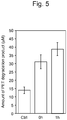
- the pre-incubation time after addition of SDS was set at 0 or 1 hour, the reaction time was set at 1 hour, the enzyme concentration was set at 50 nm, and the film area was set at 3.39 cm 2 /mL. Thereafter, a comparison was made in terms of the activity under the optimal conditions.
- the enzyme concentration was set at 500 nM, the SDS concentration and the film area were changed, and the activity under the optimal conditions was then measured.
- the amount of the enzyme adsorbed on the film was observed under conditions in which the activity was changed by addition of a surfactant.
- SDS was added to the reaction system to result in a concentration of 0.01 (w/v)% to 0.04 (w/v)%, in addition to conditions of an enzyme concentration of 500 nM, a pre-incubation time of 1 hour, a reaction time of 3 hours, and a film area of 1.13 cm 2 /mL.
- the film was removed using tweezers, and was then rinsed with distilled water. The film was placed on the lid of a 1.5-mL tube, and thereafter, 10 ⁇ L of an SDS-PAGE sample buffer was added thereto.
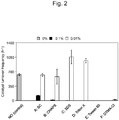
- the activity was measured under conditions in which a small amount of surfactant was present.
- the concentration of the surfactant exceeded 0.1% (w/v)
- the activity was decreased.
- the concentration was decreased to 0.01% (w/v)
- the activity was found with the surfactants other than Tween 80 and DTMA-Cl ( Figure 2 ).
- the activity was significantly decreased.
- the activity was measured under conditions of an enzyme concentration of 500 nM in the same manner as described above. As a result, it was found that the activity was exhibited, although almost no activity was exhibited in the case of the control (Table 3). This is considered because the enzyme that became congested on the film could have activity.
- the improvement of the activity should be achieved, regardless of the type of a substrate on which the enzyme is allowed to act.
- the used substrate was converted to pNPB, and the activity was then measured before and after addition of SDS.
- the activity was reduced by approximately 5%, which was different from the results of the reaction system with the film ( Figure 4 ). From these results, it was considered that SDS would not improve the enzyme activity, but rather, it would increase the degraded amount by acting on the film.
- the surfactant acted on the film to increase the amount of the enzyme adsorbed thereon, it was considered that the hydrophobic region of the surfactant faced towards the film, whereas the hydrophilic region thereof faced towards the side of the solution, so that the surface of the film became anionic and thus, the cationic region of the enzyme would be adsorbed on the film according to electrostatic interaction.
- the anionic SDS was compared with the cationic DTMA-Cl
- the amount of the enzyme adsorbed was largely changed only with the electric charge in the hydrophilic portion. Accordingly, it is highly likely that the electric charge in the hydrophilic region of the surfactant would be associated with adsorption of the enzyme.
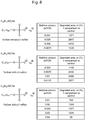
- sodium dodecyl sulfate (C12), sodium tridecyl sulfate (C13), sodium tetradecyl sulfate (C14), sodium dodecane-1-sulfonate (C12), sodium tridecane-1-sulfonate (C13) and sodium tetradecane-1-sulfonate (C14) were used.
- the obtained mixture was pre-incubated at 30°C for 1 hour. Thereafter, the concentration of the enzyme was set at 50 nM, the film area was set at 3.39 cm 2 /mL and the reaction was carried out for 3 hours (reaction scale: 500 ⁇ L).
- the method for improving the activity of PETase of the present invention can contribute to the effective utilization of PET resins.
Landscapes
- Chemical & Material Sciences (AREA)
- Organic Chemistry (AREA)
- Life Sciences & Earth Sciences (AREA)
- Health & Medical Sciences (AREA)
- Engineering & Computer Science (AREA)
- Zoology (AREA)
- Wood Science & Technology (AREA)
- Genetics & Genomics (AREA)
- Bioinformatics & Cheminformatics (AREA)
- General Health & Medical Sciences (AREA)
- Biochemistry (AREA)
- General Engineering & Computer Science (AREA)
- Microbiology (AREA)
- Biotechnology (AREA)
- Medicinal Chemistry (AREA)
- Chemical Kinetics & Catalysis (AREA)
- Molecular Biology (AREA)
- Biomedical Technology (AREA)
- General Chemical & Material Sciences (AREA)
- Sustainable Development (AREA)
- Polymers & Plastics (AREA)
- Enzymes And Modification Thereof (AREA)
Abstract
(a) an aromatic polyester-degrading enzyme consisting of the amino acid sequence as set forth in SEQ ID NO: 2 or 4 in the sequence listing; or
(b) an aromatic polyester-degrading enzyme consisting of an amino acid sequence comprising a deletion, substitution or addition of one or several amino acids with respect to the amino acid sequence as set forth in SEQ ID NO: 2 or 4 in the sequence listing, and having an aromatic polyester-degrading activity.
Description
- The present invention relates to a technique relevant to degradation of PET (polyethylene terephthalate) resin by using PET hydrolase (hereinafter referred to as "PETase").
- Since PET resin has high transparency and excellent strength, it has been widely used for bottles and the like. However, since such stable PET resin has not been degraded in the nature, it has caused garbage problems. Thus, the PET resin has become recycled, and at present, chemical recycling has been widely carried out.
- In common chemical recycling involving hydrolysis, PET is treated at a high temperature of 150°C to 250°C with a catalyst and excessive water, so that the PET is depolymerized into terephthalic acid (TPA) and ethylene glycol (EG). As a catalyst for hydrolysis, an acid such as sulfuric acid, or a base such as sodium hydroxide is used. However, the chemical recycling has been problematic in terms of a waste liquid treatment, etc.
- It has been reported that, aiming at treating such used PET without giving a load to the environment, PET-degrading bacteria have been searched and as a result, a strain (No. 201-F6 strain) completely degrading PET into carbon dioxide and water has been successfully separated (see Patent Literature 1). Moreover, PETase has been isolated from the No. 201-F6 strain (see
Patent Literature 2 and Non Patent Literature 1). - However, when the PETase was used alone, PET degradation progressed, but the degradation efficiency was not sufficient.
-
- Patent Literature 1: JP Patent Publication (Kokai) No.
2008-199957 A - Patent Literature 2: International Publication
WO 2015/025861 - Non Patent Literature 1: Yoshida et al., Science, Vol. 351, Issue 6278, pp. 1196-1199 (2016)
- It is an object of the present invention to provide a method for improving the activity of PETase, and a reagent therefor.
- PETase had been isolated from the strain (No. 201-F6 strain) completely degrading PET into carbon dioxide and water, but the PET-degrading efficiency of the enzyme had not been sufficient. Hence, the present inventors have conducted intensive studies regarding whether the degrading efficiency of the enzyme can be improved by adding an additive into the enzyme reaction system.
- As a result, the present inventors have found that, by adding a surfactant such as SDS into the enzyme reaction system and then allowing PETase to act on PET, the PET-degrading activity of the PETase is drastically improved, in comparison to the case of not adding such a surfactant, thereby completing the present invention.
- Specifically the present invention is as follows.
- [1] A method for improving PETase activity, comprising adding a surfactant, when the following PETase (a) or (b) is allowed to act on PET so as to degrade the PET:
- (a) an aromatic polyester-degrading enzyme consisting of the amino acid sequence as set forth in SEQ ID NO: 2 or 4 in the sequence listing; or
- (b) an aromatic polyester-degrading enzyme consisting of an amino acid sequence comprising a deletion, substitution or addition of one or several amino acids with respect to the amino acid sequence as set forth in SEQ ID NO: 2 or 4 in the sequence listing, and having an aromatic polyester-degrading activity.
- [2] The method according to the above [1], wherein the surfactant is selected from the group consisting of alkyl sulfate, alkane sulfonate, and polyoxyethylene alkyl phenyl ether.
- [3] The method according to the above [2], wherein the surfactant is sodium alkyl sulfate having alkyl containing 5 to 30 carbon atoms, or sodium alkane sulfonate having alkane containing 5 to 30 carbon atoms.
- [4] The method according to the above [2], wherein the surfactant is polyoxyethylene octyl phenyl ether or polyoxyethylene nonyl phenyl ether.
- [5] The method according to any one of the above [1] to [4], wherein the surfactant is added to the PET, and after a predetermined period of time, the PETase is added thereto.
- [6] The method according to any one of the above [1] to [4], wherein the surfactant and the PETase are simultaneously added to the PET.
- [7] A reagent composition kit for use in PET degradation, which comprises the following PETase (a) or (b) and a surfactant and improves PETase activity:
- (a) an aromatic polyester-degrading enzyme consisting of the amino acid sequence as set forth in SEQ ID NO: 2 or 4 in the sequence listing; or
- (b) an aromatic polyester-degrading enzyme consisting of an amino acid sequence comprising a deletion, substitution or addition of one or several amino acids with respect to the amino acid sequence as set forth in SEQ ID NO: 2 or 4 in the sequence listing, and having an aromatic polyester-degrading activity.
- [8] The reagent composition kit according to the above [7], wherein the surfactant is selected from the group consisting of alkyl sulfate, alkane sulfonate, and polyoxyethylene alkyl phenyl ether.
- [9] The reagent composition kit according to the above [8], wherein the surfactant is sodium alkyl sulfate having alkyl containing 5 to 30 carbon atoms, or sodium alkane sulfonate having alkane containing 5 to 30 carbon atoms.
- [10] The reagent composition kit according to the above [8], wherein the surfactant is polyoxyethylene octyl phenyl ether or polyoxyethylene nonyl phenyl ether.
- [11] The reagent composition kit according to any one of the above [7] to [10], comprising a mixture of the PETase and the surfactant.
- [12] The reagent composition kit according to any one of the above [7] to [10], comprising the PETase and the surfactant, separately.
- The present description claims priority from Japanese Patent Application No.
2017-049198 - PET is treated with a certain type of surfactant, so that the surfactant is allowed to adhere onto the surface of the PET, and thereafter, PETase is allowed to act on the PET, thereby drastically improving the PET-degrading efficiency.
- According to the method of the present invention, it becomes possible to practicalize PET bio-recycling.
-
- [
Figure 1] Figure 1 is a view showing the structures of surfactants used as additives. - [
Figure 2] Figure 2 is a view showing the influence of surfactants on PET-hydrolyzing activity. - [
Figure 3] Figure 3 is a view showing a change over time in the amount of a PET degradation product in the presence or absence of SDS. - [
Figure 4] Figure 4 is a view showing pNPB-hydrolyzing activity in the presence or absence of SDS. - [
Figure 5] Figure 5 is a view showing a change in activity for a pre-incubation time. - [
Figure 6] Figure 6 is a view showing a relationship between a film area and an SDS concentration. - [
Figure 7] Figure 7 is a view showing a comparison made in terms of the amount of a protein adsorbed on a film by addition of a surfactant. - [
Figure 8] Figure 8 is a view showing the improvement of PETase activity by sodium alkyl sulfate. - [
Figure 9] Figure 9 is a view showing the improvement of PETase activity by sodium alkane sulfonate. - Hereinafter, the present invention will be described in detail.
- The present invention relates to a method for improving the enzyme activity of a PET-degrading enzyme (hereinafter referred to as "PETase") by adding an additive to the enzyme reaction system.
- Examples of the PETase used in the present invention may include the following enzymes.
- PETase is an enzyme that hydrolyzes aromatic polyester resins such as PET resin. This is an aromatic polyester-degrading enzyme (an enzyme that hydrolyzes polyethylene terephthalate (PET), or a partial structure thereof that is bis(2-hydroxyethyl) terephthalate (BHET)).
- The PETase can be isolated from Ideonella sp., No. 201-F6 strain that is a Gram-negative bacillus belonging to genus Ideonella isolated from the soil. Isolation of the microorganisms of genus Ideonella can be carried out by a known method. Ideonella sp. No. 201-F6 strain is described in JP Patent Publication (Kokai) No.
2008-199957 A - The nucleotide sequence of DNA encoding the PETase is as set forth in SEQ ID NO: 1. The amino acid sequence of this enzyme is as set forth in SEQ ID NO: 2. The nucleotide sequence as set forth in SEQ ID NO: 1 comprises the nucleotide sequence of ENA encoding a signal sequence (wherein the sequence consisting of the nucleotides at
positions 1 to 81 is the sequence encoding the signal sequence), and the amino acid sequence as set forth in SEQ ID NO: 2 comprises the signal sequence (wherein the sequence consisting of the amino acids atpositions 1 to 27 is the signal sequence). The PETase includes those comprising the signal sequence and those not comprising the signal sequence. In addition, the DNA encoding the PETase includes those comprising the nucleotide sequence encoding the signal sequence and those not comprising the nucleotide sequence encoding the signal sequence. An example of the DNA encoding the PETase that does not comprise the signal sequence may be DNA consisting of the nucleotides atpositions 82 to 873 of the nucleotide sequence as set forth in SEQ ID NO: 1. - The PETase used in the present invention can be obtained by culturing the above-described Ideonella sp. No. 201-F6 strain, then allowing the strain to generate it, and then purifying it. Otherwise, the present PETase can also be obtained by transforming host microorganisms with a gene encoding the enzyme of the present invention and then culturing the transformed microorganisms. When the present PETase is produced by the latter method, in order to increase the expression level of the PETase in the host microorganisms, the rate of utilizing a codon is preferably optimized depending on the host microorganisms. Optimization of a codon can be carried out by a known method. For example, when the PETase used in the present invention is produced as a recombinant enzyme using Escherichia coli as a host, the nucleotide sequence, in which the codon is optimized, is as set forth in SEQ ID NO: 3. The amino acid sequence of the PETase encoded by the gene is as set forth in SEQ ID NO: 4. The amino acid sequence as set forth in SEQ ID NO: 4 is the same as an amino acid sequence obtained by excluding the signal sequence from the amino acid sequence as set forth in SEQ ID NO: 2.
- The PETase may comprise a mutation such as a deletion, substitution or addition of at least one, and preferably, one or several amino acids with respect to the aforementioned amino acid sequence, as long as a protein consisting of the amino acid sequence has PETase activity.
- For example, at least one, and preferably, one or several (e.g., 1 to 10, preferably 1 to 5, more preferably 1 to 3, and particularly preferably 1 or 2) amino acids may be deleted from the amino acid sequence as set forth in SEQ ID NO: 2 or 4; at least one, and preferably, one or several (e.g., 1 to 10, preferably 1 to 5, more preferably 1 to 3, and particularly preferably 1 or 2) amino acids may be added to the amino acid sequence as set forth in SEQ ID NO: 2 or 4; or at least one, and preferably, one or several (e.g., 1 to 10, preferably 1 to 5, more preferably 1 to 3, and particularly preferably 1 or 2) amino acids of the amino acid sequence as set forth in SEQ ID NO: 2 or 4 may be substituted with other amino acids.
- Such an amino acid sequence comprising a deletion, substitution or addition of one or several amino acids with respect to the amino acid sequence as set forth in SEQ ID NO: 2 or 4 may be, for example, an amino acid sequence having a sequence identity of at least 85% or more, preferably 90% or more, more preferably 95% or more, and particularly preferably 97% or more, to the amino acid sequence as set forth in SEQ ID NO: 2 or 4, when the sequence identity is calculated using BLAST (Basic Local Alignment Search Tool at the National Center for Biological Information), etc. (e.g. default, namely, initial setting parameters).
- A protein having an amino acid sequence comprising a deletion, substitution or addition of one or several amino acids with respect to the amino acid sequence as set forth in SEQ ID NO: 2 or 4 is substantially identical to a protein having the amino acid sequence as set forth in SEQ ID NO: 2 or 4.
- Moreover, DNA, which can hybridize under the below-mentioned stringent conditions with DNA consisting of a sequence complementary to DNA consisting of the nucleotide sequence as set forth in SEQ ID NO: 1 or 3, and encodes a protein having an aromatic polyester-degrading enzyme activity, is included in the DNA of the present invention. That is to say, the stringent conditions mean conditions under which DNA can be identified by performing hybridization using a DNA-immobilized filter in the presence of 0.7 to 1.0 M NaCl at 68°C, and then washing the reaction product at 68°C using 0.1 to 2 x SSC solution (wherein 1 x SSC consists of 150 mM NaCl and 15 mM sodium citrate). Otherwise, this is DNA capable of forming a hybrid by transcribing and immobilizing the DNA on a nitrocellulose membrane according to a Southern blotting method, and then reacting it in a hybridization buffer [50% formamide, 4 x SSC, 50 mM HEPES (pH 7.0), 10 x Denhardt's solution, and 100 µg/ml salmon sperm DNA] at 42°C overnight.
- Furthermore, DNA, which has a sequence identity of at least 85% or more, preferably 90% or more, more preferably 95% or more, and particularly preferably 97% or more, to the DNA consisting of the nucleotide sequence as set forth in SEQ ID NO: 1 or 3, when the sequence identity is calculated using BLAST (Basic Local Alignment Search Tool at the National Center for Biological Information), etc. (e.g., default, namely, initial setting parameters), and encodes a protein having PETase activity, is also included in the DNA encoding the PETase.
- The PETase used in the present invention can be produced by culturing Ideonella sp. No. 201-F6 strain, and then isolating it from the culture solution of the Ideonella sp. No. 201-F6 strain, etc. according to a known method. In addition, the PETase used in the present invention can be produced as a recombinant enzyme by introducing DNA encoding the PETase into host microorganisms and then culturing the microorganisms. For example, the DNA encoding the PETase is connected with (inserted into) a suitable vector to produce an expression vector, and the expression vector is then introduced into host microorganisms, so that the host microorganisms may be transformed. The vector used to insert the DNA encoding the PETase into the host microorganisms is not particularly limited, as long as it is able to replicate in host cells such as bacteria, yeasts or animal cells. Examples of the vector may include plasmid DNA and phage DNA. As vector DNA used to construct such an expression vector, widely diffused, easily available DNA is used. Examples thereof may include a pET vector, a pQE vector, a pCold vector, and a pUC19 vector. The method of constructing the expression vector is not particularly limited, and the expression vector can be constructed according to an ordinary method. The host cells transformed with the expression vector are not particularly limited, as long as they can express the DNA encoding the PETase. Examples of the bacteria used as such an expression vector may include Escherichia coli and Bacillus subtilis. An example of the yeast used as an expression vector may be Saccharomyces cerevisiae. Examples of the animal cells used as an expression vector may include Chinese hamster ovarian (CHO) cells, monkey COS cells, and mouse fibroblasts.
- The PETase generated by host cells can be purified by known purification methods such as, for example, gel filtration chromatography, ultrafiltration, ion exchange chromatography, affinity chromatography, hydrophobic chromatography, chromatofocusing, isoelectric focusing, and gel electrophoresis, which are applied alone or in combination.
- The additive that improves the activity of the PETase may be, for example, a compound having a hydrophilic region and a hydrophobic region. The additive that improves the activity of the PETase binds to the PETase in the hydrophilic region thereof, and adheres to the surface of PET in the hydrophobic region thereof. As a result, the amount of the PETase adsorbed on the surface of the PET is increased, and the PETase is contacted with the PET to promote the enzyme reaction, so that the PET-degrading efficiency is improved. A representative compound having a hydrophilic region and a hydrophobic region may be a surfactant.
- Examples of the surfactant improving the activity of the PETase may include: anionic surfactants such as monoalkyl sulfate, alkyl polyoxyethylene sulfate, alkyl benzenesulfonate, and monoalkyl phosphate; cationic surfactants such as alkylamine salts; amphoteric surfactants such as alkyl dimethyl amine oxide and alkyl carboxy betaine; and nonionic surfactants such as polyoxyethylene alkyl phenyl ether (alkylphenolic surfactant), polyoxyethylene alkyl ether, alkyl polyglucoside, fatty acid diethanolamide, and alkyl monoglyceryl ether.
- Among these surfactants, anionic surfactants such as alkyl sulfate and alkane sulfonate, or alkylphenolic surfactants that are nonionic surfactants are used herein.
- Examples of the alkyl sulfate may include sodium salts of long chain alkyl esters of sulfuric acid (sodium alkyl sulfate (sodium alkyl ester sulfate and higher alcohol sodium ester sulfate)). Examples of the alkyl of the sodium alkyl sulfate include alkyl containing 5 to 30 carbon atoms, preferably alkyl containing 10 to 15 carbon atoms, and more preferably alkyl containing 12 to 14 carbon atoms.
- Examples of the sodium alkyl sulfate containing 5 to 30 carbon atoms may include sodium pentyl sulfate (C5), sodium hexyl sulfate (C6), sodium heptyl sulfate (C7), sodium octyl sulfate (C8), sodium nonyl sulfate (C9), sodium decyl sulfate (C10), sodium undecyl sulfate (C11), sodium dodecyl sulfate (C12), sodium tridecyl sulfate (C13), sodium tetradecyl sulfate (C14), sodium pentadecyl sulfate (C15), sodium hexadecyl sulfate (C16), sodium heptadecyl sulfate (C17), sodium octadecyl sulfate (C18), sodium nadecyl sulfate (C19), sodium icosyl sulfate (C20), sodium heneicosyl sulfate (C21), sodium docosyl sulfate (C22), sodium tricosyl sulfate (C23), sodium tetracosyl sulfate (C24), sodium pentacosyl sulfate (C25), sodium hexacosyl sulfate (C26), sodium heptacosyl sulfate (C27), sodium octacosyl sulfate (C28), sodium nonacosyl sulfate (C29), and sodium triacontyl sulfate (C30).
- The alkane sulfonate includes straight chain sodium alkane-1-sulfate. Examples of the alkane of the sodium alkane sulfonate may include alkane containing 5 to 30 carbon atoms, preferably alkane containing 10 to 15 carbon atoms, and more preferably alkane containing 12 to 14 carbon atoms.
- Examples of the sodium alkane sulfonate containing 5 to 30 carbon atoms may include sodium pentane-1-sulfonate (C5), sodium hexane-1-sulfonate (C6), sodium heptane-1-sulfonate (C7), sodium octane-1-sulfonate (C8), sodium nonane-1-sulfonate (C9), sodium decane-1-sulfonate (C10), sodium undecane-1-sulfonate (C11), sodium dodecane-1-sulfonate (C12), sodium tridecane-1-sulfonate (C13), sodium tetradecane-1-sulfonate (C14), sodium pentadecane-1-sulfonate (C15), sodium hexadecane-1-sulfonate (C16), sodium heptadecane-1-sulfonate (C17), sodium octadecane-1-sulfonate (C18), sodium nonadecane-1-sulfonate (C19), sodium icosane-1-sulfonate (C20), sodium heneicosane-1-sulfonate (C21), sodium docosane-1-sulfonate (C22), sodium tricosane-1-sulfonate (C23), sodium tetracosane-1-sulfonate (C24), sodium pentacosane-1-sulfonate (C25), sodium hexacosane-1-sulfonate (C26), sodium heptacosane-1-sulfonate (C27), sodium octacosane-1-sulfonate (C28), sodium nonacosane-1-sulfonate (C29), and sodium triacontane-1-sulfonate (C30).
- The alkylphenolic nonionic surfactant includes polyoxyethylene alkyl phenyl ether (alkyl phenol ethoxylate). The polyoxyethylene alkyl phenyl ether has a structure in which a hydrophilic polyoxyethylene (POE) chain binds to a hydrophobic alkylphenol group via an ether bond. Specific examples of the polyoxyethylene alkyl phenyl ether may include polyoxyethylene octyl phenyl ether and polyoxyethylene nonyl phenyl ether. Such alkylphenolic nonionic surfactants are available, in the form of a mixture of a large number of compounds each having a different POE length, as products each having a different mean chain length. Examples of a product of polyoxyethylene octyl phenyl ether may include Triton(R) X series (Dow Chemical) such as Triton X-100, Triton X-114, and Triton X-405. Examples of a product of polyoxyethylene nonyl phenyl ether may include Tergitol(R) NP series (Dow Chemical) and Igepal(R) CO series (Rhodia).
- When PET is degraded by using the PETase, the shape of the PET to be degraded is not limited, and examples of the shape of the PET may include fibrous, particulate, flake-like, pellet-like, film-like, massive, and bottle-like shapes. In addition, a mixture thereof can also be used.
- The PETase used in the present invention can degrade isophthalic acid copolymeric amorphous PET (iso PET) and terephthalic acid copolymeric amorphous PET (tere PET). The present PETase can degrade, for example, an iso PET film and a tere PET film, which are placed on a film. The present PETase can degrade iso PET and tere PET at a rate of, for example, 0.02 mg/cm2/day or more, preferably 0.05 mg/cm2/day or more, more preferably 0.1 mg/cm2/day or more, and also, at a rate of, for example, 0.3 mg/cm2/day or less, preferably 0.5 mg/cm2/day or less, more preferably 1.0 mg/cm2/day or less. Whether or not the PET has been degraded by the PETase of the present invention can be determined, for example, by using, as an indicator, generation of monohydroxyethyl terephthalate (TA-EG, MHET) or terephthalic acid (TPA), each of which is a degradation product of PET.
- Accordingly, whether or not the above-described additive has improved the activity of PETase may be determined by allowing PET to react with PETase, and then measuring a degradation product of PET. In addition, the activity of PETase can be measured by using a pNPB (p-nitrophenyl-butyrate)-hydrolyzing activity as an indicator.
- Degradation of PET by PETase can be carried out by allowing the PETase to act on the PET. When the PETase is allowed to act on the PET, the above-described additive may be added. The term "act" is used herein to mean that PET is allowed to come into contact with an enzyme so as to cause an enzyme reaction.
- The method of adding the additive is not limited. For example, the additive may be first added to the PET, and the PETase may be then allowed to act thereon. For example, a solution containing the additive and the PET may be placed into a vessel, followed by treating them for a predetermined period of time, and thereafter, the PETase may be added into the vessel. By adding the additive to the PET and then leaving them for a predetermined period of time, the additive adheres onto the surface of the PET. The additive may be added to the PET and they may be left for several hours to several days, and thereafter, the PETase may be added thereto. During a period from addition of the additive to the PET until addition of the enzyme thereto, they may be left at rest, or may be stirred.
- Otherwise, PET, an additive and PETase may be simultaneously added, for example, in the form of a mixed solution, into a vessel, so that the treatment with the additive and the enzyme reaction may be simultaneously carried out. In this case also, they may be left at rest, or may be stirred.
- By using a large-scale treatment vessel, a large amount of PET can be degraded at one time.
- Further, the additive is allowed to adhere onto the surface of the PET, and thereafter, they are placed into an enzyme solution, so that the enzyme reaction may be carried out.
- When the enzyme reaction is carried out by treating the PET with the additive, the reaction may be carried out in a buffer. The used buffer is not limited, and a Tris buffer, a Good's buffer or the like may be used, as appropriate. Since the optimal pH of the PETase is approximately pH 9.0, the pH of the buffer is adjusted to
pH 8 to 10, and preferably pH 8.5 to 9.5. The amount of the PET with respect to the amount of the solution is not limited. The amount of the solution and the amount of the PET may be adjusted, so that the PET can be completely immersed in the solution. - When the PET is degraded according to the enzyme reaction, the concentration of the PETase and the amount of the additive may be determined, as appropriate, depending on the amount of the PET to be degraded, etc.
- The concentration of the PETase is preferably 10 nM to 5000 nM (0. 28 to 140 µg/mL), and more preferably 20 nM to 1000 nM (0. 56 to 28 µg/mL). In addition, although the concentration of the additive is different depending on the compound used, it is preferably 0.001 to 0.1 (w/v)%, more preferably 0.005 to 0.05 (w/v)%, and particularly preferably 0.01 to 0.05 (w/v)%. When the PET is degraded in a solution, the concentration of the PETase and the concentration of the additive in the solution may be adjusted to the above-described concentrations. On the other hand, when the PET was treated by allowing the additive to adhere onto the surface of the PET, the concentration of the additive to be adhered may be adjusted to the above-described concentration.
- Moreover, for example, when the surface area of the PET to be treated can be calculated, 1 mL of the additive in a concentration of 0.01 to 0.05 (w/v)% may be added with respect to 0.1 to 100 cm2 of the surface area of the PET to be degraded. Preferably, 1 mL of the additive in a concentration of 0.01 to 0.05 (w/v)% may be added with respect to 1 to 20 cm2 of the surface area of the PET. Thereafter, the enzyme may be added thereto, in a concentration of preferably 0.001 to 0.1 (w/v)%, more preferably 0.005 to 0.05 (w/v)%, and particularly preferably 0.01 to 0.05 (w/v)%.
- Upon degradation of the PET, the reaction temperature is 15°C to 50°C, preferably 20°C to 40°C, and particularly preferably 25°C to 30°C. The pH applied during the reaction is around pH 9.0, preferably pH 8.0 to 10.0, and more preferably pH 8.5 to 9.5. The reaction time may be determined, as appropriate, depending on the amount of the PET to be degraded, and it is several hours to several months. When a long-term treatment is carried out, PETase may be added on a regular basis.
- The present invention encompasses a reagent composition for degrading PET. This reagent composition comprises PETase and an additive. The reagent may be a mixture of the PETase and the additive, or may also comprise the PETase and the additive, which are placed in different vessels.
- That is to say, the present invention encompasses a PET-degrading reagent composition comprising a mixture of PETase and an additive, or a PET-degrading reagent composition comprising PETase and an additive, separately. The reagent composition is also referred to as a "reagent composition kit."
- The concentration of the PETase and the concentration of the additive are not limited. For example, the concentration of the PETase is preferably 10 nM to 5000 nM (0. 28 to 140 µg/mL), and more preferably 20 nM to 1000 nM (0.56 to 28 µg/mL). On the other hand, the concentration of the additive is preferably 0.001 to 0.1 (w/v)%, more preferably 0.005 to 0.05 (w/v)%, and particularly preferably 0.01 to 0.05 (w/v)%. The PETase or the additive may be added into a buffer. The buffer is not limited, and a Tris buffer, a Good's buffer or the like may be used, as appropriate. The pH of the buffer is
pH 8 to 10, and preferably pH 8.5 to 9.5. - In the case of using the reagent composition comprising a mixture of the PETase and the additive, PET may be placed in a PET-degrading reagent composition vessel, and the mixture of the PETase and the additive may be added therein, so that they may be reacted with each other. On the other hand, in the case of using the PET-degrading regent kit comprising the PETase and the additive, separately, PET may be added to a PET-degrading reagent composition vessel. Thereafter, the additive may be first added into the vessel, so that the surface of the PET may be treated with the additive, and after that, the PETase may be added thereto to promote a degradation reaction. Otherwise, the additive and the PETase comprised in the kit may be simultaneously added.
- With the PETase used in the present invention, wastes such as PET bottles can be treated. PET is degraded with the PETase, and the degradation products can be then used in recycling. Furthermore, using the PETase used in the present invention, modification of the surface of PET processed products such as PET films, modification of the surface of PET fibers, washing of clothes in which PET fibers are used, washing of PET resins subjected to recycling, and the like can be carried out.
- The present invention will be specifically described in the following examples. However, these examples are not intended to limit the scope of the present invention.
- In the following examples, the activity of PETase (PET-hydrolyzing activity) was measured using, as indicators, the amount of a degradation product and pNPB (p-nitrophenyl-butyrate)-hydrolyzing activity. Hereafter, a method of measuring pNPB (p-nitrophenyl-butyrate)-hydrolyzing activity is described.
- pNPB used as an artificial substrate in the measurement of esterase activity is hydrolyzed into 1-butanoic acid and p-nitrophenol (pNP). At this time, since pNP exhibits yellow color, the concentration thereof can be measured using an absorption spectrometer.
- The pNPB-hydrolyzing activity immediately after purification of the enzyme was measured. The composition of a reaction solution is shown in Table 1. pNPB was dissolved in dimethyl sulfoxide (DMSO). The enzyme was mixed with a buffer, and the obtained mixture was then incubated at 30°C for 30 minutes. Thereafter, the substrate was added to the reaction mixture, and a change in the absorbance at 425 nm for 1 minute was measured three times. The inclination (ΔAbs) of the measured absorbance change was applied to the following equation to obtain catalyst turnover frequency.

- With regard to the pNPB-hydrolyzing activity, the catalyst turnover frequency became 1.80 g-1 when the concentration of the enzyme was 250 nM and the concentration of pNPB was 100 µM, and thus, it was found that the activity can be measured using pNPB.
- The ORF2645 protein expression vector pET21-b(+) optORF2645 was introduced into the competent cells of Escherichia coli BL21 Codon Plus (DE3) RIPL (Agilent) according to a heat shock method. The vector pET21-b(+) optORF2645 was constructed by the method described in International Publication
WO2015/025861 . Subsequently, the transformed cells were subjected to liquid culture, and were then induced by IPTG, so that the cells were allowed to express a protein. However, when the present enzyme is overexpressed in a cell mass, a majority thereof becomes insoluble. Hence, the acquisition of an active enzyme by refolding was analyzed. First, the insoluble enzyme was solubilized using Urea. Thereafter, a culture supernatant, a homogenized supernatant, and a solubilized solution were subjected to SDS-PAGE. As a result, a dense band of PETase was observed around 28 kDa in the solubilized solution, and thus, it was found that the enzyme could be solubilized. - Since the present enzyme was successfully solubilized, the enzyme was then purified according to nickel affinity chromatography. Thereafter, each eluate obtained by purification with a column was subjected to SDS-PAGE. As a result, a band of PETase (approximately 28 kDa) could be confirmed in an eluate fraction.
- In addition to the optimal conditions, a surfactant was added in a concentration of 0.001 to 0.01 (w/v)%, and the activity was then measured. As surfactants, six types of surfactants, namely, [A] Sodium Cholate (SC), [B] 3-[(3-Cholamidopropyl)dimethylammonio]propanesulfonate (CHAPS), [C] Sodium dodecyl sulfate (SDS), [D] Octylphenol ethoxylate (Triton X-114), [E] Polysorbate 80 (Tween 80), [F] and Dodecyltrimethylammoniumu chloride (DTMA-Cl), were used (
Figure 1 ). The surfactant, a buffer and a film were added to the reaction system, and the obtained mixture was then pre-incubated at 30°C for 1 hour. Thereafter, the concentration of the enzyme was set at 50 nM, the film area was set at 3.39 cm2/mL, and the reaction was carried out for 3 hours. - A system, to which no surfactants were added, was used as a control.
- The film area was changed, and the enzyme concentration was set at 50 nM or 500 nM, and thereafter, the activity was measured under the optimal conditions and in the presence of 0.01(v/v)% SDS. Moreover, a comparison was made regarding the case of setting the enzyme concentration at 50 nM and the amount of the degradation product (monohydroxyethyl terephthalate (MHET)) depending on the reaction time.
- The amount of the degradation product was measured by reverse phase high performance liquid chromatography (HPLC) in accordance with the method described in International Publication
WO 2015/025861 . - The p-nitrophenyl-butyrate(pNPB)-hydrolyzing activity was measured in the presence of 0.01 (w/v)% SDS, in addition to the conditions shown in Table 1.
[Table 1] Composition of pNPB reaction solution 10 mM pNPB in DMSO 10 µL Purified enzyme solution Final concentration 250 nM 50 mM Bicine(pH9.0) up to 1000 µL - The pre-incubation time after addition of SDS was set at 0 or 1 hour, the reaction time was set at 1 hour, the enzyme concentration was set at 50 nm, and the film area was set at 3.39 cm2/mL. Thereafter, a comparison was made in terms of the activity under the optimal conditions.
- The enzyme concentration was set at 500 nM, the SDS concentration and the film area were changed, and the activity under the optimal conditions was then measured.
- The amount of the enzyme adsorbed on the film was observed under conditions in which the activity was changed by addition of a surfactant. SDS was added to the reaction system to result in a concentration of 0.01 (w/v)% to 0.04 (w/v)%, in addition to conditions of an enzyme concentration of 500 nM, a pre-incubation time of 1 hour, a reaction time of 3 hours, and a film area of 1.13 cm2/mL. After completion of the reaction, the film was removed using tweezers, and was then rinsed with distilled water. The film was placed on the lid of a 1.5-mL tube, and thereafter, 10 µL of an SDS-PAGE sample buffer was added thereto. After that, the resultant was left at rest for 10 minutes, and was then centrifuged. The thus centrifuged solution was subjected to SDS-PAGE. Moreover, in addition to the conditions without addition of surfactants, a comparison was made with conditions including addition of DTMA-Cl that was a cationic surfactant.
- In order to verify the influence of the enzyme activity by addition of a surfactant, the activity was measured under conditions in which a small amount of surfactant was present. As a result, regardless of the type of the surfactant, when the concentration of the surfactant exceeded 0.1% (w/v), the activity was decreased. Thus, when the concentration was decreased to 0.01% (w/v), the activity was found with the surfactants other than
Tween 80 and DTMA-Cl (Figure 2 ). Among others, under conditions including addition of SDS, the activity that was approximately two times greater than the activity of the control was exhibited. However, in the case of DTMA-Cl having a different charge in the hydrophilic region, the activity was significantly decreased. - Moreover, it was considered that the surfactant that was a denaturant might have influence on the stability of the enzyme. Hence, a change in the amount of a PET degradation product was measured for a reaction of 3 hours. As a result, it was found that the amount of a PET degradation product was increased in a time-dependent manner. Accordingly, it was found that almost no activity decrease took place at least after the reaction of 3 hours (
Figure 3 ). - How the relationship between the film area and the activity by addition of SDS was changed depending on the enzyme concentration was observed. As a result, when the enzyme concentration was set at 50 nM, the activity became approximately 2.5 times higher than the control under conditions including a film area of 1.13 cm2/mL, and approximately 1.7 times higher than the control under conditions including a film area of 11.3 cm2 /mL (Table 2). Thus, it was found that the change rate of the activity was different depending on the film area, and that the effects were exhibited, in particular, in the case of a small film area.
[Table 2] Activity change depending on film area (enzyme concentration: 50 nM) Film area (cm2/mL) Control (h-1) Upon addition of 0.01% SDS (h-1) Relative activity (fold) 1.13 321 793 2.47 2.26 453 901 1.99 3.39 547 1020 1.86 5.65 726 1270 1.75 9.04 841 1680 1.99 11.3 1110 1910 1.72 - Furthermore, the activity was measured under conditions of an enzyme concentration of 500 nM in the same manner as described above. As a result, it was found that the activity was exhibited, although almost no activity was exhibited in the case of the control (Table 3). This is considered because the enzyme that became congested on the film could have activity.
- From these results, it is suggested that SDS should have influence on the interaction between the film and the enzyme. Thus, in the subsequent experiment, whether or not this change is an action that depends on the interaction between the film and SDS was verified.
[Table 3] Activity change depending on film area (enzyme concentration: 500 nM) Film area (cm2/mL) Control (h-1) Upon addition of 0.01% SDS (h-1) Relative activity (fold) 1.13 0.071 154 2170 2.26 5.14 260 50.6 3.39 49.4 297 6.01 5.65 126 451 3.58 9.04 199 660 3.32 11.3 239 743 3.11 - If SDS activated the enzyme, the improvement of the activity should be achieved, regardless of the type of a substrate on which the enzyme is allowed to act. As such, in order to confirm the influence of SDS on the enzyme, the used substrate was converted to pNPB, and the activity was then measured before and after addition of SDS. As a result, the activity was reduced by approximately 5%, which was different from the results of the reaction system with the film (
Figure 4 ). From these results, it was considered that SDS would not improve the enzyme activity, but rather, it would increase the degraded amount by acting on the film. - From the results described in the above 2., it was suggested that SDS should act on the film. Hence, the influence of the amount of SDS adsorbed on the film on the activity was verified. It was considered that adsorption of SDS on the film would occur time-dependently, and verification was carried out while changing the pre-incubation time. As a result, the amount of a degradation product was changed depending on the pre-incubation time (
Figure 5 ). From these results, it was found that hydrolysis by the enzyme easily progresses as a result of adsorption of SDS on the film. - In addition, since the degraded amount is increased by adsorption of SDS on the film, it is considered that the optimal SDS concentration changes with the film area as a result of adsorption equilibrium.
- Hence, the influence of the adjustment of the SDS concentration depending on the film area on the activity was examined. As a result, under conditions of a fil area of up to 5.65 cm2/mL, the optimal SDS concentration was 0.02 (w/v)%. In contrast, under conditions of a fil area of up to 11.3 cm2/mL, the optimal SDS concentration was 0.03 (w/v)% (
Figure 6 ). It is considered that this is a change due to the adsorption equilibrium between SDS and the film, and these results suggest that SDS is adsorbed on the film. - From these results, it was found that SDS certainly acts on the film, so as to increase the degraded amount.
- Since SDS interacts with the film to increase the degraded amount, it is considered that efficient degradation is achieved by a change in the amount of the enzyme adsorbed. Hence, the amount of the enzyme adsorbed on the film was confirmed by visualizing it according to SDS-PAGE under conditions including addition of SDS. As a result, adsorption of a large amount of protein was confirmed under conditions including addition of SDS (
Figure 7 ). In view of the foregoing, it was found that SDS increases the amount of the enzyme adsorbed, so as to achieve efficient film degradation. - As a reason why the surfactant acted on the film to increase the amount of the enzyme adsorbed thereon, it was considered that the hydrophobic region of the surfactant faced towards the film, whereas the hydrophilic region thereof faced towards the side of the solution, so that the surface of the film became anionic and thus, the cationic region of the enzyme would be adsorbed on the film according to electrostatic interaction. In particular, when the anionic SDS was compared with the cationic DTMA-Cl, the amount of the enzyme adsorbed was largely changed only with the electric charge in the hydrophilic portion. Accordingly, it is highly likely that the electric charge in the hydrophilic region of the surfactant would be associated with adsorption of the enzyme. Thus, it is considered that, since the surfactant acted so that it mediated adsorption of the enzyme on the film, the improvement of the activity could not be confirmed in the activity measurement using a water-soluble substrate. Moreover, also as a reason why the enzyme has activity in a high concentration, it was considered that the adsorption was converted to adsorption according to the above-described electrostatic interaction, and thus it was not influenced by the distance between molecules.
- Whether sodium alkyl sulfate and sodium alkane sulfonate that are anionic surfactants improve the PET-hydrolyzing activity of PETase was confirmed.
- As surfactants, sodium dodecyl sulfate (C12), sodium tridecyl sulfate (C13), sodium tetradecyl sulfate (C14), sodium dodecane-1-sulfonate (C12), sodium tridecane-1-sulfonate (C13) and sodium tetradecane-1-sulfonate (C14) were used.
- As a surfactant, 0.01 to 0.04 (w/v)% of sodium dodecyl sulfate (C12), 0.005 to 0.0125 (w/v)% of sodium tridecyl sulfate (C13), 0.004 to 0.0075 (w/v)% of sodium tetradecyl sulfate (C14), 0.05 to 0.2 (w/v)% of sodium dodecane-1-sulfonate (C12), 0.04 to 0.07 (w/v)% of sodium tridecane-1-sulfonate (C13), or 0.015 to 0.03 (w/v)% of sodium tetradecane-1-sulfonate (C14) was used, and a buffer and a film were added thereto. The obtained mixture was pre-incubated at 30°C for 1 hour. Thereafter, the concentration of the enzyme was set at 50 nM, the film area was set at 3.39 cm2/mL and the reaction was carried out for 3 hours (reaction scale: 500 µL).
- A reaction system, to which no surfactants were added, was used as a control, and the aforementioned reaction system was compared with the control in terms of the amount of a degradation product, and the activity of the enzyme was indicated as a decomposed amount (%) compared with the control.
- The results are shown in
Figure 8 (sodium alkyl sulfate) andFigure 9 (sodium alkane sulfonate). - As shown in the figures, the improvement of the activity of PETase was observed, regardless of the type of the surfactant used.
- The method for improving the activity of PETase of the present invention can contribute to the effective utilization of PET resins.
- All publications, patents and patent applications cited in the present description are incorporated herein by reference in their entirety.


Claims (12)
- A method for improving PETase activity, comprising adding a surfactant, when the following PETase (a) or (b) is allowed to act on PET so as to degrade the PET:(a) an aromatic polyester-degrading enzyme consisting of the amino acid sequence as set forth in SEQ ID NO: 2 or 4 in the sequence listing; or(b) an aromatic polyester-degrading enzyme consisting of an amino acid sequence comprising a deletion, substitution or addition of one or several amino acids with respect to the amino acid sequence as set forth in SEQ ID NO: 2 or 4 in the sequence listing, and having an aromatic polyester-degrading activity.
- The method according to claim 1, wherein the surfactant is selected from the group consisting of alkyl sulfate, alkane sulfonate, and polyoxyethylene alkyl phenyl ether.
- The method according to claim 2, wherein the surfactant is sodium alkyl sulfate having alkyl containing 5 to 30 carbon atoms, or sodium alkane sulfonate having alkane containing 5 to 30 carbon atoms.
- The method according to claim 2, wherein the surfactant is polyoxyethylene octyl phenyl ether or polyoxyethylene nonyl phenyl ether.
- The method according to any one of claims 1 to 4, wherein the surfactant is added to the PET, and after a predetermined period of time, the PETase is added thereto.
- The method according to any one of claims 1 to 4, wherein the surfactant and the PETase are simultaneously added to the PET.
- A reagent composition kit for use in PET degradation, which comprises the following PETase (a) or (b) and a surfactant and improves PETase activity:(a) an aromatic polyester-degrading enzyme consisting of the amino acid sequence as set forth in SEQ ID NO: 2 or 4 in the sequence listing; or(b) an aromatic polyester-degrading enzyme consisting of an amino acid sequence comprising a deletion, substitution or addition of one or several amino acids with respect to the amino acid sequence as set forth in SEQ ID NO: 2 or 4 in the sequence listing, and having an aromatic polyester-degrading activity.
- The reagent composition kit according to claim 7, wherein the surfactant is selected from the group consisting of alkyl sulfate, alkane sulfonate, and polyoxyethylene alkyl phenyl ether.
- The reagent composition kit according to claim 8, wherein the surfactant is sodium alkyl sulfate having alkyl containing 5 to 30 carbon atoms, or sodium alkane sulfonate having alkane containing 5 to 30 carbon atoms.
- The reagent composition kit according to claim 8, wherein the surfactant is polyoxyethylene octyl phenyl ether or polyoxyethylene nonyl phenyl ether.
- The reagent composition kit according to any one of claims 7 to 10, comprising a mixture of the PETase and the surfactant.
- The reagent composition kit according to any one of claims 7 to 10, comprising the PETase and the surfactant, separately.
Applications Claiming Priority (2)
| Application Number | Priority Date | Filing Date | Title |
|---|---|---|---|
| JP2017049198 | 2017-03-14 | ||
| PCT/JP2018/009170 WO2018168679A1 (en) | 2017-03-14 | 2018-03-09 | Method for improving activity of pet-degrading enzyme using additive |
Publications (2)
| Publication Number | Publication Date |
|---|---|
| EP3597753A1 true EP3597753A1 (en) | 2020-01-22 |
| EP3597753A4 EP3597753A4 (en) | 2020-12-02 |
Family
ID=63523017
Family Applications (1)
| Application Number | Title | Priority Date | Filing Date |
|---|---|---|---|
| EP18767937.8A Withdrawn EP3597753A4 (en) | 2017-03-14 | 2018-03-09 | METHOD FOR IMPROVING THE ACTIVITY OF A PET-DEGRADING ENZYME WITH THE USE OF AN ADDITIVE |
Country Status (4)
| Country | Link |
|---|---|
| US (1) | US20200283742A1 (en) |
| EP (1) | EP3597753A4 (en) |
| JP (1) | JPWO2018168679A1 (en) |
| WO (1) | WO2018168679A1 (en) |
Families Citing this family (4)
| Publication number | Priority date | Publication date | Assignee | Title |
|---|---|---|---|---|
| CN116981725A (en) * | 2021-02-26 | 2023-10-31 | 高丽大学校产学协力团 | Integrated PET chemical and biodegradation methods for recycling polyethylene terephthalate (PET) |
| CN114891767B (en) * | 2022-05-19 | 2023-04-28 | 华南理工大学 | Cutinase-esterase fusion protein and application thereof |
| KR102901005B1 (en) * | 2023-01-30 | 2025-12-19 | 디컴포지션 주식회사 | PET microplastic detection method and its kit using TPA |
| KR20240147078A (en) * | 2023-03-31 | 2024-10-08 | 에스케이이노베이션 주식회사 | A process to collect and remove microplastics in wastewater |
Family Cites Families (8)
| Publication number | Priority date | Publication date | Assignee | Title |
|---|---|---|---|---|
| JPH0665987B2 (en) * | 1982-11-19 | 1994-08-24 | 富士写真フイルム株式会社 | Analysis element |
| EP1009800B1 (en) * | 1997-07-29 | 2004-06-23 | The Procter & Gamble Company | Aqueous, gel laundry detergent composition |
| DE10030529A1 (en) * | 1999-09-30 | 2001-04-19 | Biotechnolog Forschung Gmbh | DNA sequences that encode enzymes that cleave ester groups |
| JP2006124677A (en) * | 2004-10-01 | 2006-05-18 | Mitsubishi Chemicals Corp | Biodegradable resin decomposition treatment liquid and disposal method using the same |
| JP2008199957A (en) | 2007-02-20 | 2008-09-04 | Kyoto Institute Of Technology | Aromatic polyester degrading bacteria and method for decomposing aromatic polyester using the same |
| WO2015025861A1 (en) | 2013-08-21 | 2015-02-26 | 学校法人慶應義塾 | Aromatic polyester decomposition enzyme and method for decomposing aromatic polyester using said enzyme |
| EP3778883A1 (en) * | 2014-10-21 | 2021-02-17 | Carbios | Polypeptide having a polyester degrading activity and uses thereof |
| JP6646983B2 (en) | 2015-09-04 | 2020-02-14 | 前田建設工業株式会社 | Method for exploring the front of the face |
-
2018
- 2018-03-09 EP EP18767937.8A patent/EP3597753A4/en not_active Withdrawn
- 2018-03-09 WO PCT/JP2018/009170 patent/WO2018168679A1/en not_active Ceased
- 2018-03-09 JP JP2019505963A patent/JPWO2018168679A1/en not_active Ceased
- 2018-03-09 US US16/493,887 patent/US20200283742A1/en not_active Abandoned
Also Published As
| Publication number | Publication date |
|---|---|
| US20200283742A1 (en) | 2020-09-10 |
| WO2018168679A1 (en) | 2018-09-20 |
| EP3597753A4 (en) | 2020-12-02 |
| JPWO2018168679A1 (en) | 2020-02-06 |
Similar Documents
| Publication | Publication Date | Title |
|---|---|---|
| Liu et al. | Structural and functional characterization of polyethylene terephthalate hydrolase from Ideonella sakaiensis | |
| US20200283742A1 (en) | METHOD FOR IMPROVING ACTIVITY OF PET-DEGRADING ENZYME BY USING ADDITIVE [As Amended] | |
| Schmidt-Dannert et al. | Screening, purification and properties of a thermophilic lipase from Bacillus thermocatenulatus | |
| Spezio et al. | Crystal structure of the catalytic domain of a thermophilic endocellulase | |
| EP2250258B1 (en) | Lipolytic enzyme variant with improved stability and polynucleotides encoding same | |
| Duan et al. | High-level expression and characterization of a novel cutinase from Malbranchea cinnamomea suitable for butyl butyrate production | |
| JP6599767B2 (en) | Aromatic polyester degrading enzyme and method for decomposing aromatic polyester using the enzyme | |
| Chen et al. | A novel spore peptidoglycan hydrolase of Bacillus cereus: biochemical characterization and nucleotide sequence of the corresponding gene, sleL | |
| WO2019168811A1 (en) | Enzymes for polymer degradation | |
| Sharma et al. | Characterization of a thermostable lipase showing loss of secondary structure at ambient temperature | |
| Griffith et al. | [47] Phosphatidylinositol-specific phospholipases C from Bacillus cereus and Bacillus thuringiensis | |
| de Pascale et al. | The cold-active Lip1 lipase from the Antarctic bacterium Pseudoalteromonas haloplanktis TAC125 is a member of a new bacterial lipolytic enzyme family | |
| JPH08511824A (en) | Liquid detergent composition containing cellulase and amine | |
| Bermúdez-García et al. | ANCUT2, a thermo-alkaline cutinase from Aspergillus nidulans and its potential applications | |
| CN118773166B (en) | A lipase mutant and its application in oil processing | |
| CN118773165B (en) | Lipase mutant | |
| CN118028266A (en) | A fungal cutinase for efficiently hydrolyzing polyester-type polyurethane plastics and its application | |
| Riaz et al. | Physiochemical properties and kinetics of glucoamylase produced from deoxy-D-glucose resistant mutant of Aspergillus niger for soluble starch hydrolysis | |
| Thammasirirak et al. | Purification and characterization of goose type lysozyme from cassowary (Casuarius casuarius) egg white | |
| Massadeh et al. | Purification of lipase enzyme produced by Bacillus stearothermophilus HU1 | |
| Volwerk et al. | Phosphatidylinositol‐specific phospholipase C From Bacillus cereus: Improved purification, amino acid composition, and amino‐terminal sequence | |
| CN118755697B (en) | Lipase mutant with high specific activity and application thereof | |
| Loureiro et al. | Structural and functional analysis of Aspergillus niger xylanase to be employed in polyethylenglycol/salt aqueous two-phase extraction | |
| Economopoulou et al. | Molecular cloning and characterization of the human RNase κ, an ortholog of Cc RNase | |
| Fujii et al. | Mg2+ binding and catalytic function of sphingomyelinase from Bacillus cereus |
Legal Events
| Date | Code | Title | Description |
|---|---|---|---|
| STAA | Information on the status of an ep patent application or granted ep patent |
Free format text: STATUS: THE INTERNATIONAL PUBLICATION HAS BEEN MADE |
|
| PUAI | Public reference made under article 153(3) epc to a published international application that has entered the european phase |
Free format text: ORIGINAL CODE: 0009012 |
|
| STAA | Information on the status of an ep patent application or granted ep patent |
Free format text: STATUS: REQUEST FOR EXAMINATION WAS MADE |
|
| 17P | Request for examination filed |
Effective date: 20190930 |
|
| AK | Designated contracting states |
Kind code of ref document: A1 Designated state(s): AL AT BE BG CH CY CZ DE DK EE ES FI FR GB GR HR HU IE IS IT LI LT LU LV MC MK MT NL NO PL PT RO RS SE SI SK SM TR |
|
| AX | Request for extension of the european patent |
Extension state: BA ME |
|
| DAV | Request for validation of the european patent (deleted) | ||
| DAX | Request for extension of the european patent (deleted) | ||
| A4 | Supplementary search report drawn up and despatched |
Effective date: 20201030 |
|
| RIC1 | Information provided on ipc code assigned before grant |
Ipc: C12N 9/16 20060101ALI20201026BHEP Ipc: C12P 7/44 20060101ALI20201026BHEP Ipc: C12N 15/56 20060101AFI20201026BHEP Ipc: C08J 11/18 20060101ALI20201026BHEP Ipc: C12P 7/04 20060101ALI20201026BHEP |
|
| STAA | Information on the status of an ep patent application or granted ep patent |
Free format text: STATUS: EXAMINATION IS IN PROGRESS |
|
| 17Q | First examination report despatched |
Effective date: 20210803 |
|
| STAA | Information on the status of an ep patent application or granted ep patent |
Free format text: STATUS: REQUEST FOR EXAMINATION WAS MADE |
|
| STAA | Information on the status of an ep patent application or granted ep patent |
Free format text: STATUS: EXAMINATION IS IN PROGRESS |
|
| 17Q | First examination report despatched |
Effective date: 20211201 |
|
| STAA | Information on the status of an ep patent application or granted ep patent |
Free format text: STATUS: THE APPLICATION IS DEEMED TO BE WITHDRAWN |
|
| 18D | Application deemed to be withdrawn |
Effective date: 20230516 |