EP3597224A1 - Pigment-coupled mannosyl serum albumin complex and lymph node-probing composition comprising same - Google Patents
Pigment-coupled mannosyl serum albumin complex and lymph node-probing composition comprising same Download PDFInfo
- Publication number
- EP3597224A1 EP3597224A1 EP18766993.2A EP18766993A EP3597224A1 EP 3597224 A1 EP3597224 A1 EP 3597224A1 EP 18766993 A EP18766993 A EP 18766993A EP 3597224 A1 EP3597224 A1 EP 3597224A1
- Authority
- EP
- European Patent Office
- Prior art keywords
- serum albumin
- mannosyl
- pigment
- lymph node
- blue
- Prior art date
- Legal status (The legal status is an assumption and is not a legal conclusion. Google has not performed a legal analysis and makes no representation as to the accuracy of the status listed.)
- Granted
Links
Images


Classifications
-
- A—HUMAN NECESSITIES
- A61—MEDICAL OR VETERINARY SCIENCE; HYGIENE
- A61K—PREPARATIONS FOR MEDICAL, DENTAL OR TOILETRY PURPOSES
- A61K49/00—Preparations for testing in vivo
- A61K49/0002—General or multifunctional contrast agents, e.g. chelated agents
-
- A—HUMAN NECESSITIES
- A61—MEDICAL OR VETERINARY SCIENCE; HYGIENE
- A61B—DIAGNOSIS; SURGERY; IDENTIFICATION
- A61B5/00—Measuring for diagnostic purposes; Identification of persons
- A61B5/41—Detecting, measuring or recording for evaluating the immune or lymphatic systems
-
- A—HUMAN NECESSITIES
- A61—MEDICAL OR VETERINARY SCIENCE; HYGIENE
- A61K—PREPARATIONS FOR MEDICAL, DENTAL OR TOILETRY PURPOSES
- A61K49/00—Preparations for testing in vivo
- A61K49/001—Preparation for luminescence or biological staining
- A61K49/0013—Luminescence
- A61K49/0017—Fluorescence in vivo
- A61K49/005—Fluorescence in vivo characterised by the carrier molecule carrying the fluorescent agent
- A61K49/0052—Small organic molecules
-
- A—HUMAN NECESSITIES
- A61—MEDICAL OR VETERINARY SCIENCE; HYGIENE
- A61K—PREPARATIONS FOR MEDICAL, DENTAL OR TOILETRY PURPOSES
- A61K49/00—Preparations for testing in vivo
- A61K49/001—Preparation for luminescence or biological staining
- A61K49/0013—Luminescence
- A61K49/0017—Fluorescence in vivo
- A61K49/005—Fluorescence in vivo characterised by the carrier molecule carrying the fluorescent agent
- A61K49/0056—Peptides, proteins, polyamino acids
-
- A—HUMAN NECESSITIES
- A61—MEDICAL OR VETERINARY SCIENCE; HYGIENE
- A61K—PREPARATIONS FOR MEDICAL, DENTAL OR TOILETRY PURPOSES
- A61K49/00—Preparations for testing in vivo
- A61K49/001—Preparation for luminescence or biological staining
- A61K49/006—Biological staining of tissues in vivo, e.g. methylene blue or toluidine blue O administered in the buccal area to detect epithelial cancer cells, dyes used for delineating tissues during surgery
-
- A—HUMAN NECESSITIES
- A61—MEDICAL OR VETERINARY SCIENCE; HYGIENE
- A61K—PREPARATIONS FOR MEDICAL, DENTAL OR TOILETRY PURPOSES
- A61K51/00—Preparations containing radioactive substances for use in therapy or testing in vivo
- A61K51/02—Preparations containing radioactive substances for use in therapy or testing in vivo characterised by the carrier, i.e. characterised by the agent or material covalently linked or complexing the radioactive nucleus
- A61K51/04—Organic compounds
- A61K51/0491—Sugars, nucleosides, nucleotides, oligonucleotides, nucleic acids, e.g. DNA, RNA, nucleic acid aptamers
-
- A—HUMAN NECESSITIES
- A61—MEDICAL OR VETERINARY SCIENCE; HYGIENE
- A61K—PREPARATIONS FOR MEDICAL, DENTAL OR TOILETRY PURPOSES
- A61K51/00—Preparations containing radioactive substances for use in therapy or testing in vivo
- A61K51/02—Preparations containing radioactive substances for use in therapy or testing in vivo characterised by the carrier, i.e. characterised by the agent or material covalently linked or complexing the radioactive nucleus
- A61K51/04—Organic compounds
- A61K51/08—Peptides, e.g. proteins, carriers being peptides, polyamino acids, proteins
- A61K51/081—Peptides, e.g. proteins, carriers being peptides, polyamino acids, proteins the protein being an albumin, e.g. human serum albumin [HSA], bovine serum albumin [BSA], ovalbumin
-
- C—CHEMISTRY; METALLURGY
- C09—DYES; PAINTS; POLISHES; NATURAL RESINS; ADHESIVES; COMPOSITIONS NOT OTHERWISE PROVIDED FOR; APPLICATIONS OF MATERIALS NOT OTHERWISE PROVIDED FOR
- C09B—ORGANIC DYES OR CLOSELY-RELATED COMPOUNDS FOR PRODUCING DYES, e.g. PIGMENTS; MORDANTS; LAKES
- C09B68/00—Organic pigments surface-modified by grafting, e.g. by establishing covalent or complex bonds, in order to improve the pigment properties, e.g. dispersibility or rheology
- C09B68/40—Organic pigments surface-modified by grafting, e.g. by establishing covalent or complex bonds, in order to improve the pigment properties, e.g. dispersibility or rheology characterised by the chemical nature of the attached groups
- C09B68/41—Polymers attached to the pigment surface
Definitions
- the present invention relates to a pigment-coupled mannosyl serum albumin complex and a lymph node-probing composition comprising the same.
- the surgical range of various cancers including breast cancer, melanoma, lung cancer, esophageal cancer, and stomach cancer, is determined after confirming the metastatic site of cancer.
- these cancers tend to metastasize to the lymph node, so that it is very important to find the lymph node closest to the cancer site, which is called the outpost lymph node during surgery.
- a staining reagent or a radioactive colloid is often used for this purpose.
- Coomassie blue, patent blue, or Evans blue is used as the staining reagent.
- the staining reagent When the staining reagent is injected subcutaneously around the cancer tissues, it can bind to albumin immediately, move to the lymph node, and dye the lymph node in blue, by which the outpost lymph node can be detected.
- the albumin-conjugated pigment does not stay in the lymph node for a long time, and thus it is hard to distinguish the outpost lymph node after a lapse of time. Since the pigment is not visible even if it is a little deep inside the tissue, there is an inevitable problem that it can be seen only by deeply cutting the part where the lymph node is presumed to exist.
- colloids labeled with radioactive isotopes that can be accumulated in the outpost lymph node with high efficiency are used.
- these colloids can display the location of the outpost lymph node through images before surgery. In the middle of surgery, the lymph node can be precisely located by using a gamma probe.
- the colloid particles are too big in size, so that they cannot move to the lymph node after being injected and instead most of the colloid particles stay at the site of injection, suggesting that the radioactivity is highly detectable not in the actual lymph node but in other sites.
- Tc-99m-tilmanocept which is Tc-99m (metastable Technetium-99) labeled mannose conjugated dextran as a radiopharmaceutical binding to the mannose receptor existing on the surface of macrophages in the lymph node.
- Korean Patent No. 10-0557008 describes Tc-99m-mannosylated human serum albumin (MSA).
- Korean Patent Publication No. 10-2016-0020296 describes a composition in which Tc-99m-MSA is further labeled with indocyanine green that emits near-infrared fluorescence. However, it also requires a special device for imaging near-infrared ray, and it is not possible for an operator to perform surgery with seeing the color in the tissue directly but to do surgery with watching the overlapped image on the image monitor, which is inconvenient.
- the present inventors tried to develop an outpost lymph node-probing composition that can be identified by the naked eye directly.
- the present inventors confirmed that when a pigment was conjugated to MSA binding to the mannose receptor existing on the surface of macrophages of the lymph node, it was able to stay longer in the lymph node than when a pigment alone was injected, suggesting that the observation with the naked eye was possible even a quite long time had passed.
- the present inventors also confirmed that when a pigment was co-treated with a radiopharmaceutical such as Tc-99m-MSA, Lymphoseek, or Tc-99m-colloid, visual detection of the lymph node was possible along with gamma ray detection, leading to the completion of the present invention.
- a radiopharmaceutical such as Tc-99m-MSA, Lymphoseek, or Tc-99m-colloid
- the present invention provides a pigment-coupled mannosyl serum albumin complex represented by general formula 1 below: [General Formula 1] (Man) m -SA-(D) n
- the present invention also provides a pigment and radioisotope-coupled mannosyl serum albumin complex represented by general formula 2 below: [General Formula 2] (Man) m -SA-(D) n -RI
- the present invention also provides a lymph node-probing composition comprising one or more complexes selected from the above complexes.
- the present invention also provides a kit comprising the composition above.
- the present invention also provides a method for probing the lymph node comprising a step of administering one or more complexes selected from the above complexes to a subject.
- the present invention provides a use of one or more complexes above for the preparation of a lymph node-probing composition.
- the pigment-coupled mannosyl serum albumin complex of the present invention can be observed with the naked eye to exist in a condense state for a long period of time in the inguinal lymph node when administered to mice.
- the complex and a composition comprising the same can be effectively used for probing the lymph node.
- the present invention provides a pigment-coupled mannosyl serum albumin complex represented by general formula 1 below: [General Formula 1] (Man) m -SA-(D) n
- mannosyl group or "mannose” used in this specification might indicate a component of a glycoprotein of animals and plants. In general, it can be a component of O antigen of lipopolysaccharide, plant mannan, or microorganism mannan.
- a material that can bind strongly to the mannose receptor existing in immune cells of the lymph node is needed.
- the mannosyl group-coupled serum albumin complex of the present invention binds to the mannose receptor in immune cells of the lymph node strongly and is accumulated in the lymph node. Therefore, such a material can be used to detect the lymph node by labeling it with a detecting material.
- serum albumin used in this specification indicates a kind of protein included in plasma, which is composed of a single polypeptide chain. Serum albumin takes approximately 50 ⁇ 60% (4 g/dl) of plasma protein, and is easily dissolved in water. Serum albumin contains total 58 lysine groups, and if it includes N-terminal, the number of total amino group therein would be 59. Thus, theoretically, a maximum of 59 mannosyl groups can bind to the amino groups.
- the molecular weight of serum albumin is 66,462 and the isoelectric point (IEP) is 4.8. Especially, the size of the long axis and the short axis of the molecule is 8 nm and 6 nm respectively, indicating that it can be rapidly absorbed into the lymph node due to its small size.
- the said serum albumin (SA) can be reduced type serum albumin, and the reduced type serum albumin can include a thiol group.
- the thiol group is a functional group contained in cysteine, one of amino acids, and is involved in a redox reaction when cysteine is oxidized to form cystine, by which it can reduce disulfide of serum albumin so that radioactive isotopes can be readily bound.
- the process above can minimize the structural changes in serum albumin and minimize the changes of in vivo physical functions of serum albumin.
- a reducing agent containing the thiol group above can be any reducing agent well informed to those in the art. Particularly, it can be one or more materials selected from the group consisting of 2-mercaptoethanol, 1,4-dithiodratol, 2-aminoethanethiol, thioglycolate, cysteine, and glutathione.
- the said serum albumin contains 17 disulfide bonds. So, when it is reduced by a proper reducing agent, about 2 to 34 thiol groups can be formed in the serum albumin.
- the thiol groups generated in the serum albumin are stable in the anaerobic condition and the stability increases at low pH below pH 6. Rapid freezing at a liquid nitrogen temperature enables long-term storage without contamination or loss of thiol groups.
- the pigment (D) can be contrasted with the color of the tissue or blood to be administered.
- the color of the pigment can be deep blue, blue, purple, black or green, and any pigment known to those in the art that emits light in the visible light region can be used.
- the color of the pigment can be blue.
- the pigment (D) above can be prepared in this invention or can be purchased.
- standard molecular chemical methods, physicochemical methods or molecular biological methods such as chemical synthesis or recombinant technique can be used.
- the pigment (D) can bind strongly to albumin molecules.
- the pigment can be selected from the group consisting of brilliant blue R, brilliant blue G, naphthol blue black, Evans blue, patent blue VF, nitrazine yellow and reactive blue 4.
- the pigment can be naphthol blue black or Evans blue.
- the mixing ratio of the serum albumin and the pigment is 1:1 to 10, preferably 1:2 to 6, and more preferably 1:3 to 5.
- the complex according to the present invention can additionally contain a linker bound to a mannosyl group (Man).
- the linker herein can be one or more linkers selected from the group consisting of substituted or nonsubstituted C 1 ⁇ C 10 alkyl, C 4 ⁇ C 10 aryl, monopeptide, dipeptide, oligopeptide, C 4 ⁇ C 10 cycloalkyl, benzyl, thioether, ether, amine, hydrazide, pentose, hexose and alcohol.
- the complex containing the linker bound to the mannosyl group (Man) can have the structure shown in formula 1 below:
- SA is serum albumin.
- MSA coupled to brilliant blue G, brilliant blue R, naphthol blue black, Evans blue, patent blue VF, nitrazine yellow or reactive blue 4 was prepared (see Figure 1 ). Then, the present inventors confirmed that naphthol blue black and Evans blue were stably bound to the mannose conjugated human serum albumin (see Table 1), and the color observed with the naked eye was most intense (see Figure 4 ).
- the present inventors prepared Tc-99m-MSA coupled respectively with naphthol blue black and Evans blue and then administered them to an animal model.
- the present inventors observed by the naked eye that the said pigment-coupled Tc-99m-MSA was retained in the popliteal lymph node for a long time as coagulated (see Figures 5 and 6 ).
- the pigment-coupled mannosyl serum albumin complex and the composition comprising the same can be effectively used for probing lymph nodes.
- the present invention also provides a pigment and a radioisotope-coupled mannosyl serum albumin complex represented by general formula 2 below: [General Formula 2] (Man) m -SA-(D) n -RI
- the mannosyl group, serum albumin and pigment can have the characteristics described above.
- the mannosyl group (Man) can additionally include a linker conjugated mannosyl group.
- the linker herein can be one or more linkers selected from the group consisting of substituted or nonsubstituted C 1 ⁇ C 10 alkyl, C 4 ⁇ C 10 aryl, monopeptide, dipeptide, oligopeptide, C 4 ⁇ C 10 cycloalkyl, benzyl, thioether, ether, amine, hydrazide, pentose, hexose and alcohol.
- the radioisotope above can be a metallic radioisotope.
- the radioisotope above can be one or more radioisotopes selected from the group consisting of 99m Tc, 188 Re, 186 Re, 67 Cu, 212 Pb, 212 Bi and 109 Pd.
- the said radioisotope can be stably labeled by binding with a thiol group of the mannosyl serum albumin.
- the present invention also provides a lymph node-probing composition which comprises the mannosyl serum albumin complex represented by general formula 1 or 2 above.
- the mannosyl serum albumin complex included in the composition above can have the characteristics described above.
- composition above can be mixed or co-treated with a material exhibiting the same or similar effect.
- composition above can be a pharmaceutically acceptable non-pyrogenic sterilized composition or an injection vial containing the pigment-coupled MSA at the concentration of about 100 to 1,000 mg.
- Formulations for parenteral administration of the composition above are sterilized aqueous solutions, water-insoluble excipients, suspensions, emulsions, lyophilized preparations and suppositories.
- Water insoluble excipients and suspensions can contain, in addition to the active compound or compounds, propylene glycol, polyethylene glycol, vegetable oil like olive oil, injectable ester like ethylolate, etc.
- Suppositories can contain, in addition to the active compound or compounds, witepsol, macrogol, tween 61, cacao butter, laurin butter, glycerogelatin, etc.
- the dosage of the composition of the present invention can be adjusted by weight, age, gender and health condition of a patient, diet, administration time, administration method, execretion rate and severity of disease, but any method cannot limit the scope of the present invention.
- the present invention also provides a kit comprising the lymph node-probing composition above.
- the mannosyl serum albumin complex represented by general formula 1 or 2 included in the kit above can have the characteristics described above.
- the kit above can additionally include a buffer for the regulation of pH.
- the buffer herein can be one or more buffer solutions selected from the group consisting of acetic acid, phosphoric acid, citric acid, fumaric acid, butyric acid, succinic acid, tartaric acid, carbonic acid, glucoheptanoic acid, gluconic acid, glucuronic acid, glucaric acid, boric acid, ascorbic acid, gentisic acid and sodium or potassium salts thereof.
- the buffer above is in pH 5 ⁇ pH 9, and preferably in pH 6 ⁇ pH 8.
- the buffer can be included at the concentration of 1 ⁇ 10 M, and preferably 2 ⁇ 8 M and more preferably 3 ⁇ 7 M.
- the said buffer can be provided at the time of manufacturing the kit as dissolved, frozen or freeze-dried and sealed.
- the kit can additionally include an antioxidant and an excipient.
- the antioxidant herein is to prevent degradation of the radioisotope labeled MSA by radiation decomposition, which is exemplified by vitamin C and gentisic acid.
- the antioxidant and the excipient can be included at the concentration of 0 ⁇ 500 mg/unit dosage of the kit.
- the kit can be provided as frozen or freeze-dried in the presence of an inert gas in a sterilized container.
- the kit can additionally include buffer sterilizing vial, saline, syringe, filter, column and other auxiliary devices to produce an injection to be used in a hospital.
- buffer sterilizing vial, saline, syringe, filter, column and other auxiliary devices to produce an injection to be used in a hospital.
- the present invention also provides a method for probing the lymph node comprising a step of administering one or more complexes according to the present invention to a subject.
- the complex above can have the characteristics described above.
- the said complex can be the mannosyl serum albumin complex represented by general formula 1 or 2.
- the subject can be a mammal, and particularly a human.
- the present invention provides a use of one or more complexes of the present invention for the preparation of a lymph node-probing composition.
- the complex above can have the characteristics described above.
- the said complex can be the mannosyl serum albumin complex represented by general formula 1 or 2.
- Example 1 The MSA obtained in Example 1 was coupled to a pigment by the following method.
- each of the pigments was dissolved in distilled water at the concentration of 1 mM. 2 ml of 200 mg/mL MSA was added thereto to prepare the reaction mixture in total volume of 3 mL. Reaction was induced at 37°C for 2 hours.
- the amount of the pigment not coupled to MSA was measured by performing thin layer chromatography (TLC) with the pigment-coupled MSA hourly.
- TLC thin layer chromatography
- methanol and methylene chloride (MeOH:MeCl 2 ) mixture was used as a solvent and the results were quantitatively analyzed by multi-gauge 3.0 software using LAS3000 (Fuji Film).
- Tc-99m was labeled by the following method using the MSA prepared in Example 1.
- disulfide of serum albumin was reduced to bind a radioisotope.
- 40 ⁇ l of 1 M sodium bicarbonate and 10 ⁇ l of 1.5 M ⁇ -mercaptoethanol were added to 1 mL of MSA (13.6 mg/mL) respectively, followed by reaction at 37°C for 1 hour.
- the reaction mixture was loaded in a sephadex G-25 column and as a result disulfide reduced mannosyl serum albumin was obtained.
- 0.3 mL of glucarate solution (2 mg/mL, pH 7.0, containing 6 ⁇ g of SnCl 2 .
- Example 3 50 ⁇ l of the Tc-99m-MSA prepared in Example 3 was added to 300 ⁇ l of the pigment-coupled MSA prepared in Example 2, followed by mixing at room temperature for 1 minute using a vortex. As a result, pigment and Tc-99m labeled MSA was prepared.
- the color of the pigment-coupled MSA prepared in Example 2 was observed by the naked eye.
- the pigment-coupled MSA was serially diluted by 1 ⁇ 2 with distilled water, and the solutions were added to 2 mL vials (1 mL/vial) . Then, photographs were taken with a white background on the back, and the color was observed. At this time, a solution containing the pigment non-coupled to MSA was used as the control.
- BR, BG, NBB, EB, PBVF, and RB4 showed a dark color in contrast to the color of tissue or blood, confirming that they were suitable for visual observation ( Figure 4 ).
- the percentage of NBB and EB binding with albumin was high (Table 2), and the color observed with the naked eye was the darkest, confirming that they were the most suitable pigments.
- the pigment-coupled MSA solution was loaded in a 96-well plate, which was scanned with visible light ranging between 350 nm and 850 nm to measure the absorbance at the peak of absorption spectrum using Varioskan Flash (Thermo Fisher Scientific Inc., Finland) spectrometer. The molecular extinction coefficient was measured by calculating the absorbance per 1 cm length according to Beer-Lambert law. [Table 3] Absorption peak and molecular extinction coefficient of pigment-coupled MSA Pigment NBB PBVF RB4 NY EB BR BG Wavelengt h (nm) 620 640 600 560 610 590 620 ⁇ 62222 141481 23333 43333 95926 54444 61852
- the lymph node probing effect of the NBB or EB-coupled Tc-99m-MSA prepared in Example 4 was confirmed in an animal model by the following method.
- Tc-99m-MSA 35 ⁇ l of NBB or EB-coupled Tc-99m-MSA was subcutaneously injected into the soles of mice using a Hamilton syringe. After anesthetizing the mice, the skin was peeled off and the movement of the pigment was observed by the naked eye. On the other hand, Tc-99m, a radioactive material, was observed by SPECT/CT.
Landscapes
- Health & Medical Sciences (AREA)
- Life Sciences & Earth Sciences (AREA)
- Animal Behavior & Ethology (AREA)
- General Health & Medical Sciences (AREA)
- Public Health (AREA)
- Veterinary Medicine (AREA)
- Chemical & Material Sciences (AREA)
- Proteomics, Peptides & Aminoacids (AREA)
- Epidemiology (AREA)
- Physics & Mathematics (AREA)
- Engineering & Computer Science (AREA)
- Molecular Biology (AREA)
- Optics & Photonics (AREA)
- Pharmacology & Pharmacy (AREA)
- Medicinal Chemistry (AREA)
- Biomedical Technology (AREA)
- Biotechnology (AREA)
- Biochemistry (AREA)
- Heart & Thoracic Surgery (AREA)
- Vascular Medicine (AREA)
- Biophysics (AREA)
- Pathology (AREA)
- Immunology (AREA)
- Medical Informatics (AREA)
- Surgery (AREA)
- Organic Chemistry (AREA)
- Biodiversity & Conservation Biology (AREA)
- Nuclear Medicine, Radiotherapy & Molecular Imaging (AREA)
- Oncology (AREA)
- Medicines Containing Antibodies Or Antigens For Use As Internal Diagnostic Agents (AREA)
- Peptides Or Proteins (AREA)
- Medicinal Preparation (AREA)
- Investigating Or Analysing Biological Materials (AREA)
Abstract
Description
- The present invention relates to a pigment-coupled mannosyl serum albumin complex and a lymph node-probing composition comprising the same.
- The surgical range of various cancers including breast cancer, melanoma, lung cancer, esophageal cancer, and stomach cancer, is determined after confirming the metastatic site of cancer. In particular, these cancers tend to metastasize to the lymph node, so that it is very important to find the lymph node closest to the cancer site, which is called the outpost lymph node during surgery. A staining reagent or a radioactive colloid is often used for this purpose.
- Coomassie blue, patent blue, or Evans blue is used as the staining reagent. When the staining reagent is injected subcutaneously around the cancer tissues, it can bind to albumin immediately, move to the lymph node, and dye the lymph node in blue, by which the outpost lymph node can be detected. However, the albumin-conjugated pigment does not stay in the lymph node for a long time, and thus it is hard to distinguish the outpost lymph node after a lapse of time. Since the pigment is not visible even if it is a little deep inside the tissue, there is an inevitable problem that it can be seen only by deeply cutting the part where the lymph node is presumed to exist.
- Therefore, various colloids labeled with radioactive isotopes (Tc-99m-antimony sulfurcolloid, Tc-99m-sulfur colloid, Tc-99m-phytate, Tc-99m-albumin nanocolloid, and Tc-99m-tin colloid, etc.) that can be accumulated in the outpost lymph node with high efficiency are used. When they are administered in vivo, these colloids can display the location of the outpost lymph node through images before surgery. In the middle of surgery, the lymph node can be precisely located by using a gamma probe. However, the colloid particles are too big in size, so that they cannot move to the lymph node after being injected and instead most of the colloid particles stay at the site of injection, suggesting that the radioactivity is highly detectable not in the actual lymph node but in other sites.
- Navidia Co., USA has developed Tc-99m-tilmanocept which is Tc-99m (metastable Technetium-99) labeled mannose conjugated dextran as a radiopharmaceutical binding to the mannose receptor existing on the surface of macrophages in the lymph node. In relation to the above, Korean Patent No.
10-0557008 - These radiopharmaceuticals are smaller than the colloids in size, so that they can move from the injection site to the lymph node rapidly at a larger amount, indicating that they can provide improved images and excellent detection rates. However, such medicines containing radioactive materials cannot be seen by a surgeon directly, so that an assistant has to hold the gamma probe continuously. Korean Patent Publication No.
10-2016-0020296 - Thus, the present inventors tried to develop an outpost lymph node-probing composition that can be identified by the naked eye directly. In the course of our study, the present inventors confirmed that when a pigment was conjugated to MSA binding to the mannose receptor existing on the surface of macrophages of the lymph node, it was able to stay longer in the lymph node than when a pigment alone was injected, suggesting that the observation with the naked eye was possible even a quite long time had passed. The present inventors also confirmed that when a pigment was co-treated with a radiopharmaceutical such as Tc-99m-MSA, Lymphoseek, or Tc-99m-colloid, visual detection of the lymph node was possible along with gamma ray detection, leading to the completion of the present invention.
- It is an object of the present invention to provide a pigment-coupled mannosyl serum albumin complex and a lymph node-probing composition comprising the same.
- To achieve the above object, the present invention provides a pigment-coupled mannosyl serum albumin complex represented by general formula 1 below:
[General Formula 1] (Man)m-SA-(D)n
- In general formula above,
- Man is a mannosyl group,
- SA is serum albumin,
- D is a pigment,
- M is an integer of 1 to 42, and
- n is an integer of 1 to 34.
- The present invention also provides a pigment and radioisotope-coupled mannosyl serum albumin complex represented by
general formula 2 below:
[General Formula 2] (Man)m-SA-(D)n-RI
- In general formula above,
- Man is a mannosyl group,
- SA is serum albumin,
- D is a pigment,
- RI is a radioisotope,
- M is an integer of 1 to 42, and
- n is an integer of 1 to 34.
- The present invention also provides a lymph node-probing composition comprising one or more complexes selected from the above complexes.
- The present invention also provides a kit comprising the composition above.
- The present invention also provides a method for probing the lymph node comprising a step of administering one or more complexes selected from the above complexes to a subject.
- In addition, the present invention provides a use of one or more complexes above for the preparation of a lymph node-probing composition.
- The pigment-coupled mannosyl serum albumin complex of the present invention can be observed with the naked eye to exist in a condense state for a long period of time in the inguinal lymph node when administered to mice. Thus, the complex and a composition comprising the same can be effectively used for probing the lymph node.
-
-
Figure 1 is a diagram showing the chemical formulas of the pigments Evans blue, patent blue VF, brilliant blue R, brilliant blue G, reactive blue 4, naphthol blue and nitrazine yellow used in Example 2. -
Figure 2 is a diagram showing the structure of mannosyl group and serum albumin in which thiourea bond is formed. -
Figure 3 is a graph illustrating the high Tc-99m labeling efficiency of MSA, confirmed by thin layer chromatography (TLC). -
Figure 4 is a diagram illustrating the result of the observation by the naked eye, performed to investigate whether the color of the pigment such as brilliant blue G, brilliant blue R, naphthol blue black, Evans blue, patent blue VF, nitrazine yellow or reactive blue 4 itself diluted at different concentrations or the pigment-coupled MSA exhibits a dark color contrasted with the tissues or blood. -
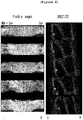
Figure 5 is a set of photographs illustrating the time-dependent observation of naphthol blue black-coupled Tc-99m-MSA in the popliteal lymph node of an animal model. -
Figure 6 is a set of photographs illustrating the time-dependent observation of Evans blue-coupled Tc-99m-MSA in the popliteal lymph node of an animal model. - Hereinafter, the present invention is described in detail.
- The present invention provides a pigment-coupled mannosyl serum albumin complex represented by general formula 1 below:
[General Formula 1] (Man)m-SA-(D)n
- In general formula above,
- Man is a mannosyl group,
- SA is serum albumin,
- D is a pigment,
- M is an integer of 1 to 42, and
- n is an integer of 1 to 34.
- The term "mannosyl group" or "mannose" used in this specification might indicate a component of a glycoprotein of animals and plants. In general, it can be a component of O antigen of lipopolysaccharide, plant mannan, or microorganism mannan. To detect the lymph node, a material that can bind strongly to the mannose receptor existing in immune cells of the lymph node is needed. The mannosyl group-coupled serum albumin complex of the present invention binds to the mannose receptor in immune cells of the lymph node strongly and is accumulated in the lymph node. Therefore, such a material can be used to detect the lymph node by labeling it with a detecting material.
- The term "serum albumin" used in this specification indicates a kind of protein included in plasma, which is composed of a single polypeptide chain. Serum albumin takes approximately 50 ∼ 60% (4 g/dl) of plasma protein, and is easily dissolved in water. Serum albumin contains total 58 lysine groups, and if it includes N-terminal, the number of total amino group therein would be 59. Thus, theoretically, a maximum of 59 mannosyl groups can bind to the amino groups. The molecular weight of serum albumin is 66,462 and the isoelectric point (IEP) is 4.8. Especially, the size of the long axis and the short axis of the molecule is 8 nm and 6 nm respectively, indicating that it can be rapidly absorbed into the lymph node due to its small size.
- The said serum albumin (SA) can be reduced type serum albumin, and the reduced type serum albumin can include a thiol group. The thiol group is a functional group contained in cysteine, one of amino acids, and is involved in a redox reaction when cysteine is oxidized to form cystine, by which it can reduce disulfide of serum albumin so that radioactive isotopes can be readily bound. The process above can minimize the structural changes in serum albumin and minimize the changes of in vivo physical functions of serum albumin. A reducing agent containing the thiol group above can be any reducing agent well informed to those in the art. Particularly, it can be one or more materials selected from the group consisting of 2-mercaptoethanol, 1,4-dithiodratol, 2-aminoethanethiol, thioglycolate, cysteine, and glutathione.
- The said serum albumin contains 17 disulfide bonds. So, when it is reduced by a proper reducing agent, about 2 to 34 thiol groups can be formed in the serum albumin. The thiol groups generated in the serum albumin are stable in the anaerobic condition and the stability increases at low pH below pH 6. Rapid freezing at a liquid nitrogen temperature enables long-term storage without contamination or loss of thiol groups.
- The pigment (D) can be contrasted with the color of the tissue or blood to be administered. Particularly, the color of the pigment can be deep blue, blue, purple, black or green, and any pigment known to those in the art that emits light in the visible light region can be used. According to an embodiment of the present invention, the color of the pigment can be blue.
- The pigment (D) above can be prepared in this invention or can be purchased. For the preparation of the pigment, standard molecular chemical methods, physicochemical methods or molecular biological methods such as chemical synthesis or recombinant technique can be used. The pigment (D) can bind strongly to albumin molecules. Particularly, the pigment can be selected from the group consisting of brilliant blue R, brilliant blue G, naphthol blue black, Evans blue, patent blue VF, nitrazine yellow and reactive blue 4. In a preferred embodiment of the present invention, the pigment can be naphthol blue black or Evans blue.
- The mixing ratio of the serum albumin and the pigment is 1:1 to 10, preferably 1:2 to 6, and more preferably 1:3 to 5.
- The complex according to the present invention can additionally contain a linker bound to a mannosyl group (Man). The linker herein can be one or more linkers selected from the group consisting of substituted or nonsubstituted C1 ∼ C10 alkyl, C4 ∼ C10 aryl, monopeptide, dipeptide, oligopeptide, C4 ∼ C10 cycloalkyl, benzyl, thioether, ether, amine, hydrazide, pentose, hexose and alcohol. The complex containing the linker bound to the mannosyl group (Man) can have the structure shown in formula 1 below:

- In Formula 1, SA is serum albumin.
- In a preferred embodiment of the present invention, MSA coupled to brilliant blue G, brilliant blue R, naphthol blue black, Evans blue, patent blue VF, nitrazine yellow or reactive blue 4 was prepared (see
Figure 1 ). Then, the present inventors confirmed that naphthol blue black and Evans blue were stably bound to the mannose conjugated human serum albumin (see Table 1), and the color observed with the naked eye was most intense (seeFigure 4 ). - The present inventors prepared Tc-99m-MSA coupled respectively with naphthol blue black and Evans blue and then administered them to an animal model. The present inventors observed by the naked eye that the said pigment-coupled Tc-99m-MSA was retained in the popliteal lymph node for a long time as coagulated (see
Figures 5 and6 ). - Therefore, the pigment-coupled mannosyl serum albumin complex and the composition comprising the same can be effectively used for probing lymph nodes.
- The present invention also provides a pigment and a radioisotope-coupled mannosyl serum albumin complex represented by
general formula 2 below:
[General Formula 2] (Man)m-SA-(D)n-RI
- In general formula above,
- Man is a mannosyl group,
- SA is serum albumin,
- D is a pigment,
- RI is a radioisotope,
- M is an integer of 1 to 42, and
- n is an integer of 1 to 34.
- In the formula above, the mannosyl group, serum albumin and pigment can have the characteristics described above. The mannosyl group (Man) can additionally include a linker conjugated mannosyl group. The linker herein can be one or more linkers selected from the group consisting of substituted or nonsubstituted C1 ∼ C10 alkyl, C4 ∼ C10 aryl, monopeptide, dipeptide, oligopeptide, C4 ∼ C10 cycloalkyl, benzyl, thioether, ether, amine, hydrazide, pentose, hexose and alcohol.
- The radioisotope above can be a metallic radioisotope. Particularly, the radioisotope above can be one or more radioisotopes selected from the group consisting of 99mTc, 188Re, 186Re, 67Cu, 212Pb, 212Bi and 109Pd. The said radioisotope can be stably labeled by binding with a thiol group of the mannosyl serum albumin. When the radioisotope is parenterally administered in the body, it is accumulated in the lymph node and thus can be used for imaging of the lymph node function using the conventional nuclear medicine equipment.
- The present invention also provides a lymph node-probing composition which comprises the mannosyl serum albumin complex represented by
general formula 1 or 2 above. The mannosyl serum albumin complex included in the composition above can have the characteristics described above. - The composition above can be mixed or co-treated with a material exhibiting the same or similar effect.
- The composition above, for example, can be a pharmaceutically acceptable non-pyrogenic sterilized composition or an injection vial containing the pigment-coupled MSA at the concentration of about 100 to 1,000 mg.
- Formulations for parenteral administration of the composition above are sterilized aqueous solutions, water-insoluble excipients, suspensions, emulsions, lyophilized preparations and suppositories. Water insoluble excipients and suspensions can contain, in addition to the active compound or compounds, propylene glycol, polyethylene glycol, vegetable oil like olive oil, injectable ester like ethylolate, etc. Suppositories can contain, in addition to the active compound or compounds, witepsol, macrogol, tween 61, cacao butter, laurin butter, glycerogelatin, etc.
- The dosage of the composition of the present invention can be adjusted by weight, age, gender and health condition of a patient, diet, administration time, administration method, execretion rate and severity of disease, but any method cannot limit the scope of the present invention.
- The present invention also provides a kit comprising the lymph node-probing composition above. The mannosyl serum albumin complex represented by
general formula 1 or 2 included in the kit above can have the characteristics described above. - The kit above can additionally include a buffer for the regulation of pH. Particularly, the buffer herein can be one or more buffer solutions selected from the group consisting of acetic acid, phosphoric acid, citric acid, fumaric acid, butyric acid, succinic acid, tartaric acid, carbonic acid, glucoheptanoic acid, gluconic acid, glucuronic acid, glucaric acid, boric acid, ascorbic acid, gentisic acid and sodium or potassium salts thereof.
- The buffer above is in pH 5 ∼ pH 9, and preferably in pH 6 ∼ pH 8. The buffer can be included at the concentration of 1 ∼ 10 M, and preferably 2 ∼ 8 M and more preferably 3 ∼ 7 M. The said buffer can be provided at the time of manufacturing the kit as dissolved, frozen or freeze-dried and sealed.
- The kit can additionally include an antioxidant and an excipient. At this time, the antioxidant herein is to prevent degradation of the radioisotope labeled MSA by radiation decomposition, which is exemplified by vitamin C and gentisic acid. The antioxidant and the excipient can be included at the concentration of 0 ∼ 500 mg/unit dosage of the kit.
- The kit can be provided as frozen or freeze-dried in the presence of an inert gas in a sterilized container. The kit can additionally include buffer sterilizing vial, saline, syringe, filter, column and other auxiliary devices to produce an injection to be used in a hospital. Such modifications are well known to those in the art who has a general knowledge in this field.
- The present invention also provides a method for probing the lymph node comprising a step of administering one or more complexes according to the present invention to a subject.
- The complex above can have the characteristics described above. Particularly, the said complex can be the mannosyl serum albumin complex represented by
general formula 1 or 2. - The subject can be a mammal, and particularly a human.
- In addition, the present invention provides a use of one or more complexes of the present invention for the preparation of a lymph node-probing composition.
- The complex above can have the characteristics described above. Particularly, the said complex can be the mannosyl serum albumin complex represented by
general formula 1 or 2. - Practical and presently preferred embodiments of the present invention are illustrative as shown in the following Examples.
- However, it will be appreciated that those skilled in the art, on consideration of this disclosure, may make modifications and improvements within the spirit and scope of the present invention.
- 268 mg of human serum albumin (Green Cross Corp., Korea) was dissolved in 25 ml of 0.1 M sodium carbonate buffer (pH 9.5), to which 25 mg of mannopyranosyl-phenylisocyanate was added, followed by stirring at room temperature for 20 hours. The formation of thiourea binding enabled to induce a covalent binding between mannosyl group and serum albumin, as shown
inFigure 2. The stirred reaction mixture was eluted with PBS (pH 7) using sephadex G-25 column (Pharmacia, Uppsala, Sweden). As a result, high quality MSA was obtained. - The MSA obtained in Example 1 was coupled to a pigment by the following method.
- Particularly, each of the pigments, brilliant blue G (BG), brilliant blue R (BR), naphthol blue black (NBB), Evans blue (EB), patent blue VF (PBVF), nitrazine yellow (NY), and reactive blue 4 (RB4) (
Figure 1 ), was dissolved in distilled water at the concentration of 1 mM. 2 ml of 200 mg/mL MSA was added thereto to prepare the reaction mixture in total volume of 3 mL. Reaction was induced at 37°C for 2 hours. - Upon completion of the reaction, the amount of the pigment not coupled to MSA was measured by performing thin layer chromatography (TLC) with the pigment-coupled MSA hourly. At this time, methanol and methylene chloride (MeOH:MeCl2) mixture was used as a solvent and the results were quantitatively analyzed by multi-gauge 3.0 software using LAS3000 (Fuji Film).
[Table 1] TLC developing solvent and Rf value of each pigment Pigment Solvent (MeOH: MeCl2) Rf Patent blue VF (PBVF) 3:7 0.4 Naphthol blue black (NBB) 3:7 0.25 Nitrazine yellow (NY) 2.5:7.5 0.35 Reactive blue 4 (RB4) 8:5 0.9 Brilliant blue G (BG) 2:8 0.3 Brilliant blue R (BR) 3:7 0.7 Evans blue(EB) 5:5 0.9 [Table 2] Percentage of pigment not coupled to MSA Pigment 10 min 30 min 1 hr 2 hr 6 hr 24 hr BG 0.0±0.0 0.0±0.0 0.0±0.0 0.0±0.0 0.0±0.0 0.0±0.0 BR 7.8±0.5 7.6±0.8 7.7±0.9 6.3±0.5 5.9±0.6 3.8±0.6 NBB 0.0±0.0 0.0±0.0 0.0±0.0 0.0±0.0 0.2±0.3 0.0±0.0 EB 0.0±0.0 0.0±0.0 0.0±0.0 0.0±0.0 0.0±0.0 0.0±0.0 PBVF 0.0±0.0 0.0±0.0 0.0±0.0 0.0±0.0 0.0±0.0 0.0±0.0 NY 9.6±0.5 8.4±0.5 7.2±0.4 6.4±0.4 0.4±0.6 0.1±0.2 RB4 0.0±0.0 0.1±0.2 0.0±0.0 0.0±0.0 0.0±0.0 0.1±0.1 - As a result, as shown in Table 1, all the pigments coupled to MSA did not move from the origin, so that the retention factor (Rf) of each pigment coupled to MSA was all 0. The retention factor of each pigment was 0.25 ∼ 0.9 (Table 1). As shown in Table 2, BG, NBB, EB, PBVF, and RB4, except BR and NY, were all confirmed to be used as a pigment that was able to bind stably and strongly to MSA (Table 2).
- Tc-99m was labeled by the following method using the MSA prepared in Example 1.
- First, disulfide of serum albumin was reduced to bind a radioisotope. Particularly, 40 µℓ of 0.3 M EDTA (pH 8.0), 40 µℓ of 1 M sodium bicarbonate and 10 µℓ of 1.5 M β-mercaptoethanol were added to 1 mL of MSA (13.6 mg/mL) respectively, followed by reaction at 37°C for 1 hour. The reaction mixture was loaded in a sephadex G-25 column and as a result disulfide reduced mannosyl serum albumin was obtained. 0.3 mL of glucarate solution (2 mg/mL, pH 7.0, containing 6 µg of SnCl2. 2H2O) was added to the obtained 1 mL of disulfide reduced mannosyl serum albumin (13.6 mg/mL), followed by mixing. The mixture equivalent to protein 1 mg was dispensed into each vial, to which 2 ∼ 5 mL of saline containing pertechnetic acid (99mTcO4 -) eluted from 99Mo/99mTc-generator (Samyoung Unitech Co., Ltd.) was added. The reaction mixture was reacted at room temperature for 10 to 30 minutes, and as a result MSA labeled with Tc-99m was prepared. TLC was performed to measure the labeling efficiency.
- As a result, as shown in
Figure 3 , it was confirmed that the Tc-99m labeling efficiency of MSA was very high (Figure 3 ). - 50 µℓ of the Tc-99m-MSA prepared in Example 3 was added to 300 µℓ of the pigment-coupled MSA prepared in Example 2, followed by mixing at room temperature for 1 minute using a vortex. As a result, pigment and Tc-99m labeled MSA was prepared.
- The color of the pigment-coupled MSA prepared in Example 2 was observed by the naked eye.
- Particularly, the pigment-coupled MSA was serially diluted by ½ with distilled water, and the solutions were added to 2 mL vials (1 mL/vial) . Then, photographs were taken with a white background on the back, and the color was observed. At this time, a solution containing the pigment non-coupled to MSA was used as the control.
- As a result, as shown in
Figure 4 , BR, BG, NBB, EB, PBVF, and RB4 showed a dark color in contrast to the color of tissue or blood, confirming that they were suitable for visual observation (Figure 4 ). In particular, the percentage of NBB and EB binding with albumin was high (Table 2), and the color observed with the naked eye was the darkest, confirming that they were the most suitable pigments. - Molecular extinction coefficient of the pigment-coupled MSA prepared in Example 2 was measured as follows.
- The pigment-coupled MSA solution was loaded in a 96-well plate, which was scanned with visible light ranging between 350 nm and 850 nm to measure the absorbance at the peak of absorption spectrum using Varioskan Flash (Thermo Fisher Scientific Inc., Finland) spectrometer. The molecular extinction coefficient was measured by calculating the absorbance per 1 cm length according to Beer-Lambert law.
[Table 3] Absorption peak and molecular extinction coefficient of pigment-coupled MSA Pigment NBB PBVF RB4 NY EB BR BG Wavelengt h (nm) 620 640 600 560 610 590 620 ε 62222 141481 23333 43333 95926 54444 61852 - As a result, as shown in Table 3, RB4 and NY displayed the relatively low molecular extinction coefficient, while PBVF showed the highest molecular extinction coefficient (Table 3).
- The lymph node probing effect of the NBB or EB-coupled Tc-99m-MSA prepared in Example 4 was confirmed in an animal model by the following method.
- Particularly, 35 µℓ of NBB or EB-coupled Tc-99m-MSA was subcutaneously injected into the soles of mice using a Hamilton syringe. After anesthetizing the mice, the skin was peeled off and the movement of the pigment was observed by the naked eye. On the other hand, Tc-99m, a radioactive material, was observed by SPECT/CT.
- As a result, as shown in
Figures 5 and6 , the pigment and the radioactivity were all condensed in the mouse popliteal lymph node after 10 minutes of administration of NBB-coupled Tc-99m-MSA, which continued for 2 hours (Figure 5 ). On the other hand, after 10 minutes of administration of EB-coupled Tc-99m-MSA, both the pigment and the radioactivity were observed as condensed in the mouse popliteal lymph node, which continued for 4 hours (Figure 6 ). From the results above, it was confirmed that the NBB or EB-coupled Tc-99m-MSA can be used as an effective agent for probing the lymph node.
Claims (16)
- A pigment-coupled mannosyl serum albumin complex represented by general formula 1 below:
[General Formula 1] (Man)m-SA-(D)n
In general formula above,Man is a mannosyl group,SA is serum albumin,D is a pigment,M is an integer of 1 to 42, andn is an integer of 1 to 34. - The mannosyl serum albumin complex according to claim 1, wherein the pigment (D) color is blue.
- The mannosyl serum albumin complex according to claim 1, wherein the pigment is one or more pigments selected from the group consisting of brilliant blue R, brilliant blue G, naphthol blue black, Evans blue, patent blue VF, nitrazine yellow, and reactive blue 4.
- The mannosyl serum albumin complex according to claim 1, wherein the serum albumin (SA) is reduced serum albumin.
- The mannosyl serum albumin complex according to claim 1, wherein the serum albumin and the pigment are mixed at the molar ratio of 1:1 to 10.
- The mannosyl serum albumin complex according to claim 1, wherein the mannosyl serum albumin complex further comprises a linker bound to the mannosyl group (Man).
- The mannosyl serum albumin complex according to claim 6, wherein the linker is one or more linkers selected from the group consisting of substituted or nonsubstituted C1 ∼ C10 alkyl, C4 ∼ C10 aryl, monopeptide, dipeptide, oligopeptide, C4 ∼ C10 cycloalkyl, benzyl, thioether, ether, amine, hydrazide, pentose, hexose, and alcohol.
- The mannosyl serum albumin complex according to claim 6, wherein the mannosyl serum albumin complex containing the linker bound to the mannosyl group (Man) has the structure represented by formula 1 below:

- A pigment and a radioisotope-coupled mannosyl serum albumin complex represented by general formula 2 below:
[General Formula 2] (Man)m-SA-(D)n-RI
In general formula above,Man is a mannosyl group,SA is serum albumin,D is a pigment,RI is a radioisotope,M is an integer of 1 to 42, andn is an integer of 1 to 34. - The mannosyl serum albumin complex according to claim 9, wherein the radioisotope is a metallic radioisotope.
- The mannosyl serum albumin complex according to claim 9, wherein the radioisotope is one or more radioisotopes selected from the group consisting of 99mTc, 188Re, 186Re, 67Cu, 212Pb, 212Bi, and 109Pd.
- The mannosyl serum albumin complex according to claim 9, wherein the mannosyl serum albumin complex further comprises a linker bound to the mannosyl group (Man).
- A lymph node-probing composition comprising the complex of claim 1 or claim 9.
- A kit comprising the composition of claim 13.
- A method for probing the lymph node comprising a step of administering the complex of claim 1 or claim 9 to a subject.
- A use of the complex of claim 1 or claim 9 for the preparation of a lymph node-probing composition.
Applications Claiming Priority (2)
| Application Number | Priority Date | Filing Date | Title |
|---|---|---|---|
| KR1020170033770A KR101881692B1 (en) | 2017-03-17 | 2017-03-17 | Dye-conjugated mannosylated serum albumin complex and detecting composition for lymph node comprising thereof |
| PCT/KR2018/003106 WO2018169356A1 (en) | 2017-03-17 | 2018-03-16 | Pigment-coupled mannosyl serum albumin complex and lymph node-probing composition comprising same |
Publications (3)
| Publication Number | Publication Date |
|---|---|
| EP3597224A1 true EP3597224A1 (en) | 2020-01-22 |
| EP3597224A4 EP3597224A4 (en) | 2020-04-01 |
| EP3597224B1 EP3597224B1 (en) | 2022-01-12 |
Family
ID=63058722
Family Applications (1)
| Application Number | Title | Priority Date | Filing Date |
|---|---|---|---|
| EP18766993.2A Active EP3597224B1 (en) | 2017-03-17 | 2018-03-16 | Pigment-coupled mannosyl serum albumin complex and lymph node-probing composition comprising same |
Country Status (6)
| Country | Link |
|---|---|
| US (1) | US20200009275A1 (en) |
| EP (1) | EP3597224B1 (en) |
| JP (1) | JP6748789B2 (en) |
| KR (1) | KR101881692B1 (en) |
| CN (1) | CN110430902A (en) |
| WO (1) | WO2018169356A1 (en) |
Family Cites Families (7)
| Publication number | Priority date | Publication date | Assignee | Title |
|---|---|---|---|---|
| CA2273609A1 (en) * | 1999-06-04 | 2000-12-04 | Resolution Pharmaceuticals Inc. | Radiopharmaceuticals and methods for imaging |
| EP1419787A1 (en) * | 2002-11-18 | 2004-05-19 | Uwe Prof. Dr. Till | Contrast agent for the identification of lymph nodes |
| KR100557008B1 (en) * | 2003-05-14 | 2006-03-03 | 정재민 | Disulfide Reduced Mannose-bound Serum Albumin and Radioisotope Labeling Compounds Containing It for Lymphatic System Imaging |
| JP2005226021A (en) * | 2004-02-16 | 2005-08-25 | Nihon Medi Physics Co Ltd | Mannose receptor affinity compounds |
| KR101055700B1 (en) * | 2009-01-28 | 2011-08-11 | 서울대학교산학협력단 | Conjugates of Bifunctional Chelating Agents with Mannosyl Phosphorus Albumin and Radioisotope Labeling Compounds for Immune Cell Imaging and Detection |
| KR101228147B1 (en) * | 2010-08-13 | 2013-01-31 | 국립암센터 | Sentinel lymph nodes marker comprising albumin labeled with a radioisotope, a near infrared fluorescent dye, and a visible dye |
| KR102096469B1 (en) | 2014-08-13 | 2020-04-02 | 주식회사 셀비온 | Complex of Mannosyl Serum Albumin, Method of Preparing the Same, Optical Imaging Probe and Kit Comprising the Same |
-
2017
- 2017-03-17 KR KR1020170033770A patent/KR101881692B1/en active Active
-
2018
- 2018-03-16 JP JP2019551334A patent/JP6748789B2/en active Active
- 2018-03-16 EP EP18766993.2A patent/EP3597224B1/en active Active
- 2018-03-16 CN CN201880018249.1A patent/CN110430902A/en active Pending
- 2018-03-16 US US16/494,709 patent/US20200009275A1/en not_active Abandoned
- 2018-03-16 WO PCT/KR2018/003106 patent/WO2018169356A1/en not_active Ceased
Also Published As
| Publication number | Publication date |
|---|---|
| JP6748789B2 (en) | 2020-09-02 |
| WO2018169356A9 (en) | 2019-11-14 |
| US20200009275A1 (en) | 2020-01-09 |
| JP2020511474A (en) | 2020-04-16 |
| CN110430902A (en) | 2019-11-08 |
| WO2018169356A1 (en) | 2018-09-20 |
| EP3597224B1 (en) | 2022-01-12 |
| KR101881692B1 (en) | 2018-07-25 |
| EP3597224A4 (en) | 2020-04-01 |
Similar Documents
| Publication | Publication Date | Title |
|---|---|---|
| CN114989166A (en) | Tumor KRAS G12C mutation targeted positron tracer, preparation method and application | |
| KR101853993B1 (en) | Peptide radiotracer compositions | |
| US10159756B2 (en) | Complex of mannosyl serum albumin, method of preparing the same, optical imaging probe and kit comprising the same | |
| Qin et al. | A tri-modal molecular imaging agent for sentinel lymph node mapping | |
| EP2658581B1 (en) | A conjugate of human albumin and 2-(4-isothiocyanatobenzyl)-1,4,7,10-tetraazacyclododecane-1,4,7,10-tetraacetic acid useful for the localization of radionuclides for diagnostic and therapeutic purposes | |
| US20240350679A1 (en) | RADIOLABELING AND FORMULATION FOR SCALE UP OF 64Cu-DOTATATE | |
| KR102834174B1 (en) | Composition containing somatostatin analogue for radiopharmaceutical use | |
| Zhang et al. | First-in-human study of an optimized, potential kit-type, SSTR antagonist 68Ga-DATA5m-LM4 in patients with metastatic neuroendocrine tumors | |
| US20250066417A9 (en) | New peptide-based diagnostic and therapeutic agents | |
| EP3597224B1 (en) | Pigment-coupled mannosyl serum albumin complex and lymph node-probing composition comprising same | |
| JP7802851B2 (en) | Pharmaceutical compositions comprising a radiolabeled GPRP antagonist and a surfactant | |
| CA3075958C (en) | Pharmaceutical composition comprising tetrofosmin and pharmaceutically acceptable salts thereof | |
| Korde et al. | Improved kit formulation for preparation of 99mTc-HYNIC-TOC: Results of preliminary clinical evaluation in imaging patients with neuroendocrine tumors | |
| US20240050597A1 (en) | Radiolabelled alpha-v beta-3 and/or alpha-v beta-5 integrins antagonist for use as theragnostic agent | |
| Sosabowski et al. | Formulation development and manufacturing of a gastrin/CCK-2 receptor targeting peptide as an intermediate drug product for a clinical imaging study | |
| KR102150415B1 (en) | Targeting compound of cancer and use thereof | |
| Erfani et al. | Preparation and evaluation of 188Re-labeled octreotide analog in C6 glioma tumor | |
| Chopra | Abbreviated name:[99m Tc] TP3954 | |
| Chopra | acid-Gly-Gly-(D)-Ala-Gly | |
| Buck et al. | Preclinical and clinical tumor imaging with SPECT/CT and PET/CT | |
| EA047851B1 (en) | COMPOSITION CONTAINING AN ANALOGUE OF SOMATOSTATIN FOR RADIOPHARMACEUTICAL USE | |
| Gnanasegaran | Methods to assess the biodistribution of radiolabelled somatostatin analogues and treatment response of neuroendocrine tumours |
Legal Events
| Date | Code | Title | Description |
|---|---|---|---|
| STAA | Information on the status of an ep patent application or granted ep patent |
Free format text: STATUS: THE INTERNATIONAL PUBLICATION HAS BEEN MADE |
|
| PUAI | Public reference made under article 153(3) epc to a published international application that has entered the european phase |
Free format text: ORIGINAL CODE: 0009012 |
|
| STAA | Information on the status of an ep patent application or granted ep patent |
Free format text: STATUS: REQUEST FOR EXAMINATION WAS MADE |
|
| 17P | Request for examination filed |
Effective date: 20191015 |
|
| AK | Designated contracting states |
Kind code of ref document: A1 Designated state(s): AL AT BE BG CH CY CZ DE DK EE ES FI FR GB GR HR HU IE IS IT LI LT LU LV MC MK MT NL NO PL PT RO RS SE SI SK SM TR |
|
| AX | Request for extension of the european patent |
Extension state: BA ME |
|
| A4 | Supplementary search report drawn up and despatched |
Effective date: 20200228 |
|
| RIC1 | Information provided on ipc code assigned before grant |
Ipc: A61K 49/00 20060101AFI20200224BHEP Ipc: A61K 51/08 20060101ALI20200224BHEP Ipc: A61K 51/04 20060101ALI20200224BHEP Ipc: A61B 5/00 20060101ALI20200224BHEP |
|
| DAV | Request for validation of the european patent (deleted) | ||
| DAX | Request for extension of the european patent (deleted) | ||
| STAA | Information on the status of an ep patent application or granted ep patent |
Free format text: STATUS: EXAMINATION IS IN PROGRESS |
|
| REG | Reference to a national code |
Ref country code: DE Ref legal event code: R079 Ref document number: 602018029555 Country of ref document: DE Free format text: PREVIOUS MAIN CLASS: A61K0051080000 Ipc: A61K0049000000 |
|
| 17Q | First examination report despatched |
Effective date: 20210902 |
|
| GRAP | Despatch of communication of intention to grant a patent |
Free format text: ORIGINAL CODE: EPIDOSNIGR1 |
|
| STAA | Information on the status of an ep patent application or granted ep patent |
Free format text: STATUS: GRANT OF PATENT IS INTENDED |
|
| RIC1 | Information provided on ipc code assigned before grant |
Ipc: A61K 103/10 20060101ALI20210930BHEP Ipc: A61B 5/00 20060101ALI20210930BHEP Ipc: A61K 51/04 20060101ALI20210930BHEP Ipc: A61K 51/08 20060101ALI20210930BHEP Ipc: A61K 49/00 20060101AFI20210930BHEP |
|
| INTG | Intention to grant announced |
Effective date: 20211021 |
|
| RAP3 | Party data changed (applicant data changed or rights of an application transferred) |
Owner name: SEOUL NATIONAL UNIVERSITY R&DB FOUNDATION |
|
| GRAS | Grant fee paid |
Free format text: ORIGINAL CODE: EPIDOSNIGR3 |
|
| GRAA | (expected) grant |
Free format text: ORIGINAL CODE: 0009210 |
|
| STAA | Information on the status of an ep patent application or granted ep patent |
Free format text: STATUS: THE PATENT HAS BEEN GRANTED |
|
| AK | Designated contracting states |
Kind code of ref document: B1 Designated state(s): AL AT BE BG CH CY CZ DE DK EE ES FI FR GB GR HR HU IE IS IT LI LT LU LV MC MK MT NL NO PL PT RO RS SE SI SK SM TR |
|
| REG | Reference to a national code |
Ref country code: GB Ref legal event code: FG4D |
|
| REG | Reference to a national code |
Ref country code: CH Ref legal event code: EP |
|
| REG | Reference to a national code |
Ref country code: DE Ref legal event code: R096 Ref document number: 602018029555 Country of ref document: DE |
|
| REG | Reference to a national code |
Ref country code: IE Ref legal event code: FG4D |
|
| REG | Reference to a national code |
Ref country code: AT Ref legal event code: REF Ref document number: 1461956 Country of ref document: AT Kind code of ref document: T Effective date: 20220215 |
|
| REG | Reference to a national code |
Ref country code: NL Ref legal event code: FP |
|
| REG | Reference to a national code |
Ref country code: LT Ref legal event code: MG9D |
|
| REG | Reference to a national code |
Ref country code: AT Ref legal event code: MK05 Ref document number: 1461956 Country of ref document: AT Kind code of ref document: T Effective date: 20220112 |
|
| PG25 | Lapsed in a contracting state [announced via postgrant information from national office to epo] |
Ref country code: SE Free format text: LAPSE BECAUSE OF FAILURE TO SUBMIT A TRANSLATION OF THE DESCRIPTION OR TO PAY THE FEE WITHIN THE PRESCRIBED TIME-LIMIT Effective date: 20220112 Ref country code: RS Free format text: LAPSE BECAUSE OF FAILURE TO SUBMIT A TRANSLATION OF THE DESCRIPTION OR TO PAY THE FEE WITHIN THE PRESCRIBED TIME-LIMIT Effective date: 20220112 Ref country code: PT Free format text: LAPSE BECAUSE OF FAILURE TO SUBMIT A TRANSLATION OF THE DESCRIPTION OR TO PAY THE FEE WITHIN THE PRESCRIBED TIME-LIMIT Effective date: 20220512 Ref country code: NO Free format text: LAPSE BECAUSE OF FAILURE TO SUBMIT A TRANSLATION OF THE DESCRIPTION OR TO PAY THE FEE WITHIN THE PRESCRIBED TIME-LIMIT Effective date: 20220412 Ref country code: LT Free format text: LAPSE BECAUSE OF FAILURE TO SUBMIT A TRANSLATION OF THE DESCRIPTION OR TO PAY THE FEE WITHIN THE PRESCRIBED TIME-LIMIT Effective date: 20220112 Ref country code: HR Free format text: LAPSE BECAUSE OF FAILURE TO SUBMIT A TRANSLATION OF THE DESCRIPTION OR TO PAY THE FEE WITHIN THE PRESCRIBED TIME-LIMIT Effective date: 20220112 Ref country code: ES Free format text: LAPSE BECAUSE OF FAILURE TO SUBMIT A TRANSLATION OF THE DESCRIPTION OR TO PAY THE FEE WITHIN THE PRESCRIBED TIME-LIMIT Effective date: 20220112 Ref country code: BG Free format text: LAPSE BECAUSE OF FAILURE TO SUBMIT A TRANSLATION OF THE DESCRIPTION OR TO PAY THE FEE WITHIN THE PRESCRIBED TIME-LIMIT Effective date: 20220412 |
|
| PG25 | Lapsed in a contracting state [announced via postgrant information from national office to epo] |
Ref country code: PL Free format text: LAPSE BECAUSE OF FAILURE TO SUBMIT A TRANSLATION OF THE DESCRIPTION OR TO PAY THE FEE WITHIN THE PRESCRIBED TIME-LIMIT Effective date: 20220112 Ref country code: LV Free format text: LAPSE BECAUSE OF FAILURE TO SUBMIT A TRANSLATION OF THE DESCRIPTION OR TO PAY THE FEE WITHIN THE PRESCRIBED TIME-LIMIT Effective date: 20220112 Ref country code: GR Free format text: LAPSE BECAUSE OF FAILURE TO SUBMIT A TRANSLATION OF THE DESCRIPTION OR TO PAY THE FEE WITHIN THE PRESCRIBED TIME-LIMIT Effective date: 20220413 Ref country code: FI Free format text: LAPSE BECAUSE OF FAILURE TO SUBMIT A TRANSLATION OF THE DESCRIPTION OR TO PAY THE FEE WITHIN THE PRESCRIBED TIME-LIMIT Effective date: 20220112 Ref country code: AT Free format text: LAPSE BECAUSE OF FAILURE TO SUBMIT A TRANSLATION OF THE DESCRIPTION OR TO PAY THE FEE WITHIN THE PRESCRIBED TIME-LIMIT Effective date: 20220112 |
|
| PG25 | Lapsed in a contracting state [announced via postgrant information from national office to epo] |
Ref country code: IS Free format text: LAPSE BECAUSE OF FAILURE TO SUBMIT A TRANSLATION OF THE DESCRIPTION OR TO PAY THE FEE WITHIN THE PRESCRIBED TIME-LIMIT Effective date: 20220512 |
|
| REG | Reference to a national code |
Ref country code: DE Ref legal event code: R097 Ref document number: 602018029555 Country of ref document: DE |
|
| PG25 | Lapsed in a contracting state [announced via postgrant information from national office to epo] |
Ref country code: SM Free format text: LAPSE BECAUSE OF FAILURE TO SUBMIT A TRANSLATION OF THE DESCRIPTION OR TO PAY THE FEE WITHIN THE PRESCRIBED TIME-LIMIT Effective date: 20220112 Ref country code: SK Free format text: LAPSE BECAUSE OF FAILURE TO SUBMIT A TRANSLATION OF THE DESCRIPTION OR TO PAY THE FEE WITHIN THE PRESCRIBED TIME-LIMIT Effective date: 20220112 Ref country code: RO Free format text: LAPSE BECAUSE OF FAILURE TO SUBMIT A TRANSLATION OF THE DESCRIPTION OR TO PAY THE FEE WITHIN THE PRESCRIBED TIME-LIMIT Effective date: 20220112 Ref country code: MC Free format text: LAPSE BECAUSE OF FAILURE TO SUBMIT A TRANSLATION OF THE DESCRIPTION OR TO PAY THE FEE WITHIN THE PRESCRIBED TIME-LIMIT Effective date: 20220112 Ref country code: EE Free format text: LAPSE BECAUSE OF FAILURE TO SUBMIT A TRANSLATION OF THE DESCRIPTION OR TO PAY THE FEE WITHIN THE PRESCRIBED TIME-LIMIT Effective date: 20220112 Ref country code: DK Free format text: LAPSE BECAUSE OF FAILURE TO SUBMIT A TRANSLATION OF THE DESCRIPTION OR TO PAY THE FEE WITHIN THE PRESCRIBED TIME-LIMIT Effective date: 20220112 Ref country code: CZ Free format text: LAPSE BECAUSE OF FAILURE TO SUBMIT A TRANSLATION OF THE DESCRIPTION OR TO PAY THE FEE WITHIN THE PRESCRIBED TIME-LIMIT Effective date: 20220112 |
|
| PLBE | No opposition filed within time limit |
Free format text: ORIGINAL CODE: 0009261 |
|
| STAA | Information on the status of an ep patent application or granted ep patent |
Free format text: STATUS: NO OPPOSITION FILED WITHIN TIME LIMIT |
|
| PG25 | Lapsed in a contracting state [announced via postgrant information from national office to epo] |
Ref country code: AL Free format text: LAPSE BECAUSE OF FAILURE TO SUBMIT A TRANSLATION OF THE DESCRIPTION OR TO PAY THE FEE WITHIN THE PRESCRIBED TIME-LIMIT Effective date: 20220112 |
|
| 26N | No opposition filed |
Effective date: 20221013 |
|
| PG25 | Lapsed in a contracting state [announced via postgrant information from national office to epo] |
Ref country code: LU Free format text: LAPSE BECAUSE OF NON-PAYMENT OF DUE FEES Effective date: 20220316 |
|
| PG25 | Lapsed in a contracting state [announced via postgrant information from national office to epo] |
Ref country code: SI Free format text: LAPSE BECAUSE OF FAILURE TO SUBMIT A TRANSLATION OF THE DESCRIPTION OR TO PAY THE FEE WITHIN THE PRESCRIBED TIME-LIMIT Effective date: 20220112 |
|
| PG25 | Lapsed in a contracting state [announced via postgrant information from national office to epo] |
Ref country code: MK Free format text: LAPSE BECAUSE OF FAILURE TO SUBMIT A TRANSLATION OF THE DESCRIPTION OR TO PAY THE FEE WITHIN THE PRESCRIBED TIME-LIMIT Effective date: 20220112 Ref country code: CY Free format text: LAPSE BECAUSE OF FAILURE TO SUBMIT A TRANSLATION OF THE DESCRIPTION OR TO PAY THE FEE WITHIN THE PRESCRIBED TIME-LIMIT Effective date: 20220112 |
|
| PG25 | Lapsed in a contracting state [announced via postgrant information from national office to epo] |
Ref country code: HU Free format text: LAPSE BECAUSE OF FAILURE TO SUBMIT A TRANSLATION OF THE DESCRIPTION OR TO PAY THE FEE WITHIN THE PRESCRIBED TIME-LIMIT; INVALID AB INITIO Effective date: 20180316 |
|
| PG25 | Lapsed in a contracting state [announced via postgrant information from national office to epo] |
Ref country code: TR Free format text: LAPSE BECAUSE OF FAILURE TO SUBMIT A TRANSLATION OF THE DESCRIPTION OR TO PAY THE FEE WITHIN THE PRESCRIBED TIME-LIMIT Effective date: 20220112 |
|
| PG25 | Lapsed in a contracting state [announced via postgrant information from national office to epo] |
Ref country code: MT Free format text: LAPSE BECAUSE OF FAILURE TO SUBMIT A TRANSLATION OF THE DESCRIPTION OR TO PAY THE FEE WITHIN THE PRESCRIBED TIME-LIMIT Effective date: 20220112 |
|
| PGFP | Annual fee paid to national office [announced via postgrant information from national office to epo] |
Ref country code: CH Payment date: 20250401 Year of fee payment: 8 |
|
| PGFP | Annual fee paid to national office [announced via postgrant information from national office to epo] |
Ref country code: NL Payment date: 20260227 Year of fee payment: 9 |
|
| REG | Reference to a national code |
Ref country code: CH Ref legal event code: U11 Free format text: ST27 STATUS EVENT CODE: U-0-0-U10-U11 (AS PROVIDED BY THE NATIONAL OFFICE) Effective date: 20260401 |
|
| PGFP | Annual fee paid to national office [announced via postgrant information from national office to epo] |
Ref country code: GB Payment date: 20260223 Year of fee payment: 9 |
|
| PGFP | Annual fee paid to national office [announced via postgrant information from national office to epo] |
Ref country code: DE Payment date: 20260218 Year of fee payment: 9 Ref country code: IE Payment date: 20260224 Year of fee payment: 9 |
|
| PGFP | Annual fee paid to national office [announced via postgrant information from national office to epo] |
Ref country code: BE Payment date: 20260227 Year of fee payment: 9 Ref country code: IT Payment date: 20260226 Year of fee payment: 9 |
|
| PGFP | Annual fee paid to national office [announced via postgrant information from national office to epo] |
Ref country code: FR Payment date: 20260223 Year of fee payment: 9 |