EP3596234B1 - Methods for identifying and monitoring pregnant women at risk of preeclampsia - Google Patents
Methods for identifying and monitoring pregnant women at risk of preeclampsia Download PDFInfo
- Publication number
- EP3596234B1 EP3596234B1 EP18767878.4A EP18767878A EP3596234B1 EP 3596234 B1 EP3596234 B1 EP 3596234B1 EP 18767878 A EP18767878 A EP 18767878A EP 3596234 B1 EP3596234 B1 EP 3596234B1
- Authority
- EP
- European Patent Office
- Prior art keywords
- preeclampsia
- seq
- ncrnas
- ncrna
- pregnant woman
- Prior art date
- Legal status (The legal status is an assumption and is not a legal conclusion. Google has not performed a legal analysis and makes no representation as to the accuracy of the status listed.)
- Active
Links
Images

Classifications
-
- C—CHEMISTRY; METALLURGY
- C12—BIOCHEMISTRY; BEER; SPIRITS; WINE; VINEGAR; MICROBIOLOGY; ENZYMOLOGY; MUTATION OR GENETIC ENGINEERING
- C12Q—MEASURING OR TESTING PROCESSES INVOLVING ENZYMES, NUCLEIC ACIDS OR MICROORGANISMS; COMPOSITIONS OR TEST PAPERS THEREFOR; PROCESSES OF PREPARING SUCH COMPOSITIONS; CONDITION-RESPONSIVE CONTROL IN MICROBIOLOGICAL OR ENZYMOLOGICAL PROCESSES
- C12Q1/00—Measuring or testing processes involving enzymes, nucleic acids or microorganisms; Compositions therefor; Processes of preparing such compositions
- C12Q1/68—Measuring or testing processes involving enzymes, nucleic acids or microorganisms; Compositions therefor; Processes of preparing such compositions involving nucleic acids
- C12Q1/6876—Nucleic acid products used in the analysis of nucleic acids, e.g. primers or probes
- C12Q1/6883—Nucleic acid products used in the analysis of nucleic acids, e.g. primers or probes for diseases caused by alterations of genetic material
-
- C—CHEMISTRY; METALLURGY
- C12—BIOCHEMISTRY; BEER; SPIRITS; WINE; VINEGAR; MICROBIOLOGY; ENZYMOLOGY; MUTATION OR GENETIC ENGINEERING
- C12Q—MEASURING OR TESTING PROCESSES INVOLVING ENZYMES, NUCLEIC ACIDS OR MICROORGANISMS; COMPOSITIONS OR TEST PAPERS THEREFOR; PROCESSES OF PREPARING SUCH COMPOSITIONS; CONDITION-RESPONSIVE CONTROL IN MICROBIOLOGICAL OR ENZYMOLOGICAL PROCESSES
- C12Q1/00—Measuring or testing processes involving enzymes, nucleic acids or microorganisms; Compositions therefor; Processes of preparing such compositions
- C12Q1/68—Measuring or testing processes involving enzymes, nucleic acids or microorganisms; Compositions therefor; Processes of preparing such compositions involving nucleic acids
- C12Q1/6813—Hybridisation assays
- C12Q1/6834—Enzymatic or biochemical coupling of nucleic acids to a solid phase
-
- C—CHEMISTRY; METALLURGY
- C12—BIOCHEMISTRY; BEER; SPIRITS; WINE; VINEGAR; MICROBIOLOGY; ENZYMOLOGY; MUTATION OR GENETIC ENGINEERING
- C12Q—MEASURING OR TESTING PROCESSES INVOLVING ENZYMES, NUCLEIC ACIDS OR MICROORGANISMS; COMPOSITIONS OR TEST PAPERS THEREFOR; PROCESSES OF PREPARING SUCH COMPOSITIONS; CONDITION-RESPONSIVE CONTROL IN MICROBIOLOGICAL OR ENZYMOLOGICAL PROCESSES
- C12Q1/00—Measuring or testing processes involving enzymes, nucleic acids or microorganisms; Compositions therefor; Processes of preparing such compositions
- C12Q1/68—Measuring or testing processes involving enzymes, nucleic acids or microorganisms; Compositions therefor; Processes of preparing such compositions involving nucleic acids
- C12Q1/6844—Nucleic acid amplification reactions
- C12Q1/6851—Quantitative amplification
-
- G—PHYSICS
- G01—MEASURING; TESTING
- G01N—INVESTIGATING OR ANALYSING MATERIALS BY DETERMINING THEIR CHEMICAL OR PHYSICAL PROPERTIES
- G01N33/00—Investigating or analysing materials by specific methods not covered by groups G01N1/00 - G01N31/00
- G01N33/48—Biological material, e.g. blood, urine; Haemocytometers
- G01N33/50—Chemical analysis of biological material, e.g. blood, urine; Testing involving biospecific ligand binding methods; Immunological testing
- G01N33/53—Immunoassay; Biospecific binding assay; Materials therefor
- G01N33/5308—Immunoassay; Biospecific binding assay; Materials therefor for analytes not provided for elsewhere, e.g. nucleic acids, uric acid, worms, mites
-
- G—PHYSICS
- G16—INFORMATION AND COMMUNICATION TECHNOLOGY [ICT] SPECIALLY ADAPTED FOR SPECIFIC APPLICATION FIELDS
- G16B—BIOINFORMATICS, i.e. INFORMATION AND COMMUNICATION TECHNOLOGY [ICT] SPECIALLY ADAPTED FOR GENETIC OR PROTEIN-RELATED DATA PROCESSING IN COMPUTATIONAL MOLECULAR BIOLOGY
- G16B20/00—ICT specially adapted for functional genomics or proteomics, e.g. genotype-phenotype associations
-
- C—CHEMISTRY; METALLURGY
- C12—BIOCHEMISTRY; BEER; SPIRITS; WINE; VINEGAR; MICROBIOLOGY; ENZYMOLOGY; MUTATION OR GENETIC ENGINEERING
- C12Q—MEASURING OR TESTING PROCESSES INVOLVING ENZYMES, NUCLEIC ACIDS OR MICROORGANISMS; COMPOSITIONS OR TEST PAPERS THEREFOR; PROCESSES OF PREPARING SUCH COMPOSITIONS; CONDITION-RESPONSIVE CONTROL IN MICROBIOLOGICAL OR ENZYMOLOGICAL PROCESSES
- C12Q2600/00—Oligonucleotides characterized by their use
- C12Q2600/158—Expression markers
-
- C—CHEMISTRY; METALLURGY
- C12—BIOCHEMISTRY; BEER; SPIRITS; WINE; VINEGAR; MICROBIOLOGY; ENZYMOLOGY; MUTATION OR GENETIC ENGINEERING
- C12Q—MEASURING OR TESTING PROCESSES INVOLVING ENZYMES, NUCLEIC ACIDS OR MICROORGANISMS; COMPOSITIONS OR TEST PAPERS THEREFOR; PROCESSES OF PREPARING SUCH COMPOSITIONS; CONDITION-RESPONSIVE CONTROL IN MICROBIOLOGICAL OR ENZYMOLOGICAL PROCESSES
- C12Q2600/00—Oligonucleotides characterized by their use
- C12Q2600/178—Oligonucleotides characterized by their use miRNA, siRNA or ncRNA
-
- G—PHYSICS
- G01—MEASURING; TESTING
- G01N—INVESTIGATING OR ANALYSING MATERIALS BY DETERMINING THEIR CHEMICAL OR PHYSICAL PROPERTIES
- G01N2496/00—Reference solutions for assays of biological material
-
- G—PHYSICS
- G01—MEASURING; TESTING
- G01N—INVESTIGATING OR ANALYSING MATERIALS BY DETERMINING THEIR CHEMICAL OR PHYSICAL PROPERTIES
- G01N2800/00—Detection or diagnosis of diseases
- G01N2800/36—Gynecology or obstetrics
- G01N2800/368—Pregnancy complicated by disease or abnormalities of pregnancy, e.g. preeclampsia, preterm labour
-
- G—PHYSICS
- G16—INFORMATION AND COMMUNICATION TECHNOLOGY [ICT] SPECIALLY ADAPTED FOR SPECIFIC APPLICATION FIELDS
- G16B—BIOINFORMATICS, i.e. INFORMATION AND COMMUNICATION TECHNOLOGY [ICT] SPECIALLY ADAPTED FOR GENETIC OR PROTEIN-RELATED DATA PROCESSING IN COMPUTATIONAL MOLECULAR BIOLOGY
- G16B25/00—ICT specially adapted for hybridisation; ICT specially adapted for gene or protein expression
- G16B25/10—Gene or protein expression profiling; Expression-ratio estimation or normalisation
-
- G—PHYSICS
- G16—INFORMATION AND COMMUNICATION TECHNOLOGY [ICT] SPECIALLY ADAPTED FOR SPECIFIC APPLICATION FIELDS
- G16B—BIOINFORMATICS, i.e. INFORMATION AND COMMUNICATION TECHNOLOGY [ICT] SPECIALLY ADAPTED FOR GENETIC OR PROTEIN-RELATED DATA PROCESSING IN COMPUTATIONAL MOLECULAR BIOLOGY
- G16B40/00—ICT specially adapted for biostatistics; ICT specially adapted for bioinformatics-related machine learning or data mining, e.g. knowledge discovery or pattern finding
Definitions
- the present invention relates to identifying and monitoring the risk of a pregnant woman to develop preeclampsia by analyzing circulating non-coding RNAs (ncRNAs).
- ncRNAs circulating non-coding RNAs
- Preeclampsia is one of the most dangerous pregnancy complications and is the leading cause of maternal and perinatal morbidity and mortality. It typically occurs in the second or third trimester and is characterized by the development of concurrent hypertension and proteinuria, sometimes progressing into a multi-organ cluster of varying clinical features affecting the kidneys, liver, brain and heart of the pregnant woman. Preeclampsia can develop either gradually or suddenly, and may remain mild throughout the pregnancy or become severe. Common symptoms in addition to high blood pressure and proteinuria include elevated uric acid, vision problems such as blinking lights or blurry vision, persistent headaches, extreme swelling of hands and feet, fluid retention and pain in the upper right abdomen.
- preeclampsia pathogenesis states that it begins with poor placentation in the first trimester of pregnancy, and evidence show that it involves inadequate blood supply to the placenta leading to an hypoxic environment. It has also been suggested that placental mitochondria are involved in the development of preeclampsia.
- diagnosis is typically made only after increased blood pressure and protein in the urine are detected, for example in routine physician tests following the 20 th week of pregnancy.
- cff DNA and RNA were previously identified in the maternal blood ( Poon et al., 2000, Clin. Chem. 46:1832-1834 ). Additionally, in pregnancies complicated by preeclampsia, expression levels of cff DNA and cff RNA in maternal plasma were reported to be increased ( Lo et al., 1999, Clin. Chem. 45:184-188 ; Ng et al., 2003, Clin. Chem. 49:727-731 ; Swinkels et al., 2002, Clin. Chem. 48:650-653 ; Zhong et al., Am. J. Obstet. Gynecol. 184:414-419 ).
- mRNA markers of preeclampsia were found in maternal plasma (Ng et al., 2003, ibid ; Ashur-Fabian et al., 2012, PLoS ONE 7:e37273 ), though they were all identified at late stages of the pregnancy.
- ncRNAs small non-coding RNAs
- small non-coding RNAs are a diverse family of untranslated RNA molecules ( ⁇ 200 nucleotides) that are part of the transcribed genomic output. Some of these molecules were reported to have a functional role in cells.
- Small ncRNAs include microRNAs (miRNA), which are about 22 nucleotides long RNA molecules that in animals regulate gene expression post-transcriptionally in a sequence-specific manner, by facilitating messenger RNA (mRNA) degradation or by controlling translation.
- miRNA microRNAs
- small ncRNAs include: PIWI-interacting RNA (piRNA), about 28 nucleotides long RNA molecules involved in transposon repression and DNA methylation; small nucleolar RNA (snoRNA), about 60-300 nucleotides long, components of small nucleolar ribonucleoproteins, which modulate biogenesis and activity of ribosomes by post-transcriptional modifications of ribosomal RNA (rRNA); small nuclear RNA (snRNA), about 150 nucleotides long RNA molecules that facilitate mRNA splicing and regulate transcription factors; and transfer RNA (tRNA), typically 73-94 nucleotides long, which are the most abundant small ncRNA and play a role in translation.
- piRNA PIWI-interacting RNA
- snoRNA small nucleolar RNA
- rRNA ribosomal RNA
- snRNA small nuclear RNA
- tRNA transfer RNA
- tRNA transfer RNA
- Small ncRNAs particularly miRNAs typically have tissue-specific expression patterns. Tissue-specific small ncRNAs are sometimes shed into the circulation where they may be detected using e.g., reverse transcription PCR-based techniques. Williams et al., 2013, Proc Natl Acad Sci U S A. 110(11):4255-60 studied the presence of placenta-specific miRNAs in the blood.
- ncRNAs The role of small ncRNAs in human diseases has been investigated mainly in the context of regulating gene expression via miRNAs, and has been well studied in several systems, especially in cancer, neurogenesis and diabetes. Recent studies have shown that dysregulation of other small ncRNAs, besides miRNAs, have functional relevance in cancer and other diseases as well.
- RNA biomarkers for pre-symptomatic detection of pregnancy-associated diseases with placental origin and/or dysfunction, identified by reviewing genes with placental expression in the Human SymAtlas and comparison with proven qualifiers.
- US 9,334,540 and US 8,580,503 disclose methods and compositions for identifying subjects at risk of developing a complication of pregnancy, such as preeclampsia or preterm labor.
- the compositions are microRNAs and associated nucleic acids.
- microRNA 10b is disclosed as having an increased expression level in serum samples from pregnant women with severe preeclampsia (measured just before they were delivered by Caesarean section) compared to control women with no pregnancy complication.
- Luque et al., 2014, Sci Rep. 4:4882 studied the usefulness of circulating miRNAs for the prediction of early preeclampsia at the first-trimester of pregnancy by collecting and analyzing pooled sera from early preeclampsia patients and uncomplicated pregnancies. However, statistical analysis of the identified miRNAs showed that none of them was differentially abundant in serum from preeclamptic pregnancies compared with serum from normal pregnancies. It was therefore concluded that maternal serum miRNA assessment at first-trimester of pregnancy does not appear to have any predictive value for early preeclampsia.
- miRNAs microRNAs
- WO2009093254 discloses a method of determining a preeclampsia in a woman, comprising detecting the level of a microRNA in a serum sample obtained from the subject, wherein a level of the microRNA different from a control is indicative of said condition in the pregnant woman.
- US2013245135 disclosed a method for characterizing a preeclampsia-related condition in a subject comprising collecting a first non-placental biological sample, extracting microRNA-comprising RNA from the first non-placental biological sample, quantifying at least one microRNA within the extracted RNA, and comparing the quantification of the at least one microRNA to a quantification of the at least one microRNA from a second, non-placental biological sample.
- Hromadnikova et al. (2017, PLoS One, 15;9(12):e113735 ) reports a comparison of the expression of placental specific microRNAs in plasma samples from first trimester pregnancies that subsequently developed preeclampsia, and normal pregnancies.
- Yang et al. (Nucleic Acids Res 2013 Jan;41 ( Database issue): D177-87 ) discloses a novel database developed to facilitate the comprehensive annotation and discovery of transcription factor binding maps and transcriptional regulatory relationships of long non-coding RNAs and miRNAs from ChIP-Seq data.
- the present invention provides, according to some aspects, methods and kits for identification and monitoring of pregnant women at risk of developing preeclampsia by analyzing circulating non-coding RNAs (ncRNAs), mainly small ncRNAs. More particularly, the present invention is directed to a set of ncRNAs whose expression pattern in body fluids at early stages of the pregnancy is indicative of an increased risk to develop preeclampsia at later stages of the pregnancy.
- ncRNAs circulating non-coding RNAs
- the present invention is based in part on the surprising finding that plasma samples taken at a pre-symptomatic stage (e.g., at the end of the first trimester) from pregnant women that developed preeclampsia show altered levels of a set of ncRNAs compared to the levels of these ncRNAs in plasma samples of pregnant women that did not develop preeclampsia during their pregnancy.
- ncRNAs were found to include a subset of molecules characterized by increased expression levels in samples from women that developed preeclampsia, and another subset of molecules characterized by decreased expression levels in samples from women that developed preeclampsia.
- the methods and kits of the present invention are particularly advantageous as they provide minimally-invasive means for early detection of preeclampsia risk and, as a consequence, closer and better monitoring of women at risk. To date there has been no method of predicting a risk of developing preeclampsia at such an early stage of pregnancy when no symptoms of this type of complication are evinced. The methods and kits of the present invention are therefore useful for determining whether a pregnant woman is in need of monitoring for development of preeclampsia.
- kits disclosed herein are further useful for aiding, or confirming, the diagnosis of preeclampsia in pregnant women suspected of having preeclampsia, for example, in pregnant women that show elevated blood pressure without further symptoms characteristics of preeclampsia.
- the present invention provides a method for determining whether a pregnant woman is at risk of developing preeclampsia, the method comprising:
- a method for determining whether a pregnant woman is at risk of developing preeclampsia comprising:
- the pregnant woman is in the first trimester of the pregnancy.
- the pregnant woman is in weeks 10 to 12 of the pregnancy or the pregnant woman is in weeks 10 to 14 of the pregnancy.
- the sample is selected from the group consisting of plasma and serum samples. Each possibility represents a separate embodiment of the present invention.
- the sample is a plasma sample.
- said measuring levels of a plurality of ncRNAs comprises extracting RNA from the plasma or serum sample, reverse transcribing said RNA into cDNA, and measuring the amount of said cDNA using quantitative-PCR.
- said measuring levels of a plurality of ncRNAs comprises applying a plurality of detectably labeled oligonucleotides, each capable of specifically hybridizing to one of said ncRNAs.
- said detectably labeled oligonucleotides are immobilized to a solid surface.
- said plurality comprises at least five ncRNAs. In some embodiments, said plurality comprises at least ten ncRNAs. In additional embodiments, said plurality comprises at least fifteen ncRNAs. In yet additional embodiments, said plurality comprises at least twenty ncRNAs. Said plurality comprises the set of ncRNAs corresponding to SEQ ID NOs: 1-25.
- characterizing the woman as being at risk of developing preeclampsia further comprises characterizing the woman as requiring monitoring for development of preeclampsia symptoms.
- said comparing is carried out using a computer software employing a pattern analyzing algorithm.
- the present invention provides a kit for determining whether a pregnant woman is at risk of developing preeclampsia, the kit comprising:
- the kit may additionally comprise manual instructions for characterizing the pregnant woman as being at an increased risk of developing preeclampsia as detailed above. said the kit may further comprise written material that further specifies preeclampsia reference values for each of said plurality of ncRNAs corresponding to SEQ ID NOs: 1-25.
- the written material and instruction manual may in an electronic form.
- the computer software employs a pattern analyzing algorithm.
- said probes for measuring levels of a plurality of ncRNAs comprise oligonucleotide primer pairs for reverse transcribing RNA of said plurality of ncRNAs from the plasma or serum sample into cDNA, and measuring the amount of said cDNA using quantitative-PCR.
- said oligonucleotide primer pairs are detectably-labeled.
- the kit comprises detectably-labeled oligonucleotides for detecting amplification products in the quantitative-PCR.
- said probes for measuring levels of a plurality of ncRNAs comprise a plurality of detectably-labeled oligonucleotides that specifically hybridize to said ncRNAs.
- said detectably-labeled oligonucleotides are immobilized to a surface.
- the kit further comprises means for extracting RNA from the plasma or serum sample.
- the present invention provides, according to some aspects, methods and kits for identification and monitoring of pregnant women having an increased risk of developing preeclampsia.
- the present invention proposes a unique marker of preeclampsia - an expression pattern of a set of ncRNAs that were found to be differentially expressed in first trimester body fluid samples of pregnant women that developed preeclampsia compared to similar samples of women that did not develop preeclampsia.
- Preeclampsia may be defined as hypertension (systolic blood pressure ⁇ 140 mmHg or diastolic blood pressure ⁇ 90 mmHg on at least two occasions, 6 hours apart), and proteinuria (>300 milligrams in a 24 hour urine collection or one dipstick measurement >2+).
- the woman to be tested by the methods and kits of the present invention is asymptomatic and the method/kit is applied for evaluating the risk of said woman to develop preeclampsia.
- the woman may show one or more signs characteristic of preeclampsia (e.g., increased blood pressure) and the method/kit is applied for confirming the diagnosis, or for aiding the diagnosis of preeclampsia in said woman.
- preeclampsia e.g., increased blood pressure
- the woman to be tested according to the present invention is at early stages of the pregnancy.
- the woman to be tested is in the first trimester of the pregnancy, which is typically defined as week 1 through week 12.
- the woman to be tested is in weeks 12-14.
- the method is applied for confirming or aiding the diagnosis of a woman showing some symptoms of preeclampsia.
- the term "increased”, when referring to a risk of developing preeclampsia, refers to increased risk compared to the normal risk in the population.
- the method of the present invention comprises the following steps: (i) measuring the levels of a plurality of ncRNAs (small ncRNAs according to some embodiments) selected from ncRNAs corresponding to SEQ ID NOs: 1-25 in a plasma or serum sample from said pregnant woman, the pregnant woman being in the first trimester of the pregnancy or in week 10 to 14 of the pregnancy, thereby obtaining a ncRNA pattern of the pregnant woman; (ii) comparing the ncRNA pattern of the pregnant woman to a non-preeclampsia reference pattern; and (iii) characterizing the pregnant woman as being at an increased risk of developing preeclampsia wherein the ncRNA pattern of the pregnant woman is determined to be different from the non-preeclampsia reference pattern by detecting at least one of: increased levels of the one or more ncRNA set forth in SEQ ID NOs: 1-2, 5, 7-10, 13, 16-17, 19-23 and 25 compared to non-preeclam
- the method may further comprise informing the pregnant woman characterized as being at risk of developing preeclampsia, or a health care professional involved in the prenatal care of said pregnant woman, that said pregnant woman must be monitored for development of symptoms of preeclampsia.
- a health care professional may include, for example, a gynecologist, a family doctor or a nurse.
- Treatment to reduce the risk of developing preeclampsia, or to reduce the severity of preeclampsia may include rest, close monitoring and diet changes. Close monitoring may include blood tests, urine tests and monitoring of blood pressure more frequently than what is typically recommended for pregnancy.
- a kit for determining whether a pregnant woman is at risk of developing preeclampsia, the kit comprising:
- the kit may further include, in at least one of said written material and instruction manual, a recommendation for a pregnant woman found to be at risk of developing preeclampsia to be monitored for symptoms of preeclampsia.
- a "plurality" indicates at least two.
- a plurality refers to at least three ncRNAs, for example at least four, at least five, at least six, at least seven, at least eight, at least nine, at least ten, at least eleven, at least twelve, at least thirteen, at least fourteen, at least fifteen, at least sixteen, at least seventeen, at least eighteen, at least nineteen, at least twenty, at least twenty-one, at least twenty-two, at least twenty-three, at least twenty-four or twenty-five ncRNAs.
- Each possibility represents a separate embodiment of the present invention.
- polynucleotide molecules As referred to herein, the terms “polynucleotide molecules”, “oligonucleotide”, “polynucleotide”, “nucleic acid” and “nucleotide” sequences may interchangeably be used.
- the terms are directed to polymers of deoxyribonucleotides (DNA), ribonucleotides (RNA), and modified forms thereof in the form of a separate fragment or as a component of a larger construct, linear or branched, single stranded(ss), double stranded (ds), triple stranded (ts), or hybrids thereof.
- the term also encompasses RNA/DNA hybrids.
- the polynucleotides may be, for example, sense and antisense oligonucleotide or polynucleotide sequences of DNA or RNA.
- the DNA or RNA molecules may be, for example, but are not limited to: complementary DNA (cDNA), genomic DNA, synthesized DNA, recombinant DNA, or a hybrid thereof or an RNA molecule such as miRNA.
- cDNA complementary DNA
- oligonucleotide molecules oligonucleotide
- polynucleotide polynucleotide
- nucleic acid and “nucleotide” sequences are meant to refer to both DNA and RNA molecules.
- the terms further include oligonucleotides composed of naturally occurring bases, sugars, and covalent inter nucleoside linkages, as well as oligonucleotides having non-naturally occurring portions, which function similarly to respective naturally occurring portions.
- Non-coding RNA refers to untranslated RNA molecules that are part of the transcribed genomic output. Some of these molecules were reported to have functional roles in cells, for example, in regulation of gene expression.
- Non-coding RNAs include long non-coding RNA molecules (typically more than 200 nucleotides in length), such as long intergenic non-coding RNAs (lincRNAs), and small non-coding RNA molecules.
- Small ncRNAs include microRNAs (miRNA), which are about 22 nucleotides long RNA molecules that in animals regulate gene expression post-transcriptionally in a sequence-specific manner by facilitating messenger RNA (mRNA) degradation or by controlling translation.
- miRNA microRNAs
- small ncRNAs include: PIWI-interacting RNA (piRNA), which are about 28 nucleotides long RNA molecules involved in transposon repression and DNA methylation; small nucleolar RNA (snoRNA), which are about 60-300 nucleotides long, components of small nucleolar ribonucleoproteins that modulate biogenesis and activity of ribosomes by post-transcriptional modifications of ribosomal RNA (rRNA); small nuclear RNA (snRNA), which are about 150 nucleotides long RNA molecules that facilitate mRNA splicing and regulate transcription factors; and transfer RNA (tRNA), typically 73-94 nucleotides long, which are the most abundant small ncRNA and play a role in translation.
- piRNA PIWI-interacting RNA
- rRNA small nucleolar RNA
- snRNA small nuclear RNA
- tRNA transfer RNA
- cDNA complementary DNA
- RNA complementary DNA
- the term also encompasses a DNA molecule produced by reverse transcription of an RNA molecule.
- the present invention is based on determining the level of at least two non-coding RNA molecules selected from ncRNAs corresponding to SEQ ID NOs: 1-25.
- SEQ ID NOs: 1-25 are cDNA sequences of the transcripts listed in Table 1 (see the Examples section below). It is understood that in a body fluid sample that is analyzed according to the methods of the present invention the polynucleotide molecules are RNA molecules, in which the sequences are identical to the cDNA sequences except for T nucleotides being replaced with U nucleotides.
- ncRNA corresponding to therefore encompasses both the RNA molecules themselves, which can be detected by known methods such as array-based methods, and cDNA generated based on the ncRNA molecules having sequences as set forth in SEQ ID NOs: 1-25. The latter can be detected, for example, using array-based methods as well as quantitative PCR methods.
- ncRNAs analyzed according to the methods of the present invention originate from a plasma or serum sample. Each possibility represents a separate embodiment of the present invention.
- the ncRNA molecules analyzed according to the methods of the present invention are "circulating" ncRNA molecules, namely, present in circulating blood (in the plasma/serum fractions)
- the plasma or serum sample may be obtained or collected from a subject by conventional methods.
- the body fluid sample may be treated prior to being subjected to the methods of the present invention.
- the sample may be treated to remove cells and cell debris.
- the cells or debris of cells may be precipitated by centrifugation and the supernatant is taken for determining the levels of the ncRNAs as disclosed herein.
- cells can be removed by filtration.
- the plasma or serum samples are collected from women at the first trimester of the pregnancy, for example between weeks 10-14, or 10-13.
- determination of a "level" of a particular small ncRNA or long ncRNA may refer to determining concentration, expressed, for example, as nanograms/milliliter (ng/ml). In some embodiments, determination of a "level” refers to determining intensity of a signal collected from a probe that represents the amount or concentration of the ncRNA in the sample. In additional embodiments, determination of a "level” refers to calculating an index that represents the amount or concentration of the ncRNA in the sample (for example, determining a Ct value of a real-time PCR reaction). Measuring the levels of the RNA molecules described herein can be performed by any method known in the art.
- measuring a level of a certain ncRNA refers to measuring a level of a fragment thereof, for example a fragment of between 100-200 bps, such as between 140-160 bps.
- Primers, probes or other molecules may be designed for the detection and measurement of a single fragment or a plurality of fragments of a certain ncRNA, or tiled across the ncRNA such that all of the ncRNA can be detected and measured.
- comparing when referring to expression levels of a tested sample versus reference pattern/values includes comparison of values such as concentrations, or Ct values or other indices indicating expression levels.
- a pattern of Ct values is generated for a tested sample and compared to a reference pattern of Ct values.
- a reference pattern of fluorescence units is generated for a tested sample and compared to a reference pattern of fluorescence units.
- the method initially includes extracting total RNA from the body fluid sample.
- the method includes reverse-transcribing the RNA into cDNA, either specifically (e.g., using primers specific to each ncRNA to be measured) or non-specifically (e.g., using poly-A tailing and universal oligo-d(T) primer).
- RNA e.g., reverse-transcribing the RNA into cDNA
- primers specific to each ncRNA to be measured e.g., using primers specific to each ncRNA to be measured
- non-specifically e.g., using poly-A tailing and universal oligo-d(T) primer
- the method further includes quantitatively-amplifying from the cDNA each of the plurality of ncRNA (i.e., DNA sequences corresponding to those of the RNA).
- the quantitative amplification is carried out using labeled primers, e.g., fluorescently labeled primer, to enable detection and quantification of the amplification product, and accordingly the level of the ncRNA in the body fluid sample.
- labeled primers e.g., fluorescently labeled primer
- detection and quantification of the amplification product is carried out by adding fluorescently labeled oligonucleotide probes to the amplification reaction.
- the method includes fluorescently-labeling the ncRNAs following extraction from the body fluid sample, or the corresponding cDNA, and hybridizing the fluorescently-labeled molecules to an array comprising a plurality of oligonucleotide probes. In some embodiments, the method further includes scanning the array to detect binding of the oligonucleotide probes, and accordingly determining the level of the ncRNA in the original sample. In some embodiments, the method includes comparing the test sample hybridization profile to a reference hybridization profile representing preeclampsia and/or to a reference hybridization profile representing non-preeclampsia. In some embodiments, the method further comprises reverse-transcribing and amplifying the target ncRNAs prior to hybridization with the microarray.
- the method includes separating the ncRNAs following extraction from the body fluid sample, or their corresponding DNA amplification products by gel electrophoresis, transferring to a membrane, probing with oligonucleotide probes capable of specific hybridization to each ncRNA and detecting and quantifying the hybridization to determine the level of the ncRNAs in the original body fluid sample.
- a “primer” defines an oligonucleotide which is capable of annealing to (hybridizing with) a target sequence, thereby creating a double stranded region which can serve as an initiation point for DNA synthesis under suitable conditions.
- the terminology "primer pair” refers to a pair of oligonucleotides which are used together in amplifying a selected nucleic acid sequence by PCR.
- the primers may be designed to bind to a complementary sequence under selected conditions.
- the methods disclosed herein involve simultaneous amplification of more than one target sequence (e.g., more than one ncRNA) in the same reaction mixture, a process known as multiplex amplification or co-amplification.
- This process requires simultaneous use of a plurality of primer pairs.
- the primers may be designed such that they can work at the same annealing temperature during amplification.
- primers with similar melting temperature (Tm) are used in the method disclosed herein. A Tm variation of between about 3°-5°C is considered acceptable for primers used in a pool.
- each ncRNA is amplified in a separate reaction mixture.
- the methods of the present invention employ quantitative amplification to measure the levels of ncRNAs.
- Quantitative amplification typically involves the use of fluorescent probes for detection of the amplification product.
- the fluorescent signal emitted from the probe correlates with the amount of the amplification product, i.e., the signal increases as the amplification product accumulates.
- Probes encompass probes for detection of amplification products in quantitative amplification such as real-time PCR, as well as probes for detection of polynucleotide sequences of interest in an array-based assay.
- probes encompass fluorophores such as SYBR ® Green, which generally bind the amplification product in a sequence-independent manner, as well as oligonucleotide probes.
- probes typically refers to oligonucleotide probes.
- oligonucleotide probes refers to oligonucleotides which are complementary to specific sub-sequences within a nucleic acid sequence of interest, for example, within the sequence of a ncRNA or a corresponding cDNA, and which facilitate the detection and quantification of the nucleic acid of interest.
- the oligonucleotide probes are detectably-labeled.
- the oligonucleotide probes typically selectively hybridize to their target sequences.
- “selectively hybridize to” refers to the binding, duplexing, or hybridizing of a nucleic acid molecule (such as a primer or a probe) preferentially to a particular complementary nucleotide sequence under stringent conditions.
- stringent conditions refers to conditions under which a nucleic acid molecule will hybridize preferentially to its target sequence and to a lesser extent to, or not at all to, other non-target sequences.
- a “stringent hybridization” in the context of nucleic acid hybridization is sequence-dependent, and differs under different conditions, as known in the art.
- Polynucleotide probes may vary in length. In some embodiments, the polynucleotide probes may include between 15-30 bases. In additional embodiments, the polynucleotide probes may include between 25-30 bases. In some embodiments, the polynucleotide probes may include between 20-30 bases.
- polynucleotide probes may be designed to bind to either strand of the template. Additional considerations include the Tm of the polynucleotide probes, which should preferably be compatible to that of the primers. Computer software may be used for designing the primers and probes.
- the methods of the present invention comprise according to some embodiments measuring levels of at least two non-coding RNAs selected from ncRNAs corresponding to SEQ ID NOs: 1-25 in a plasma or serum sample from a pregnant woman in the first trimester of the pregnancy.
- the methods of the present invention comprise measuring the level of the ncRNA corresponding to SEQ ID NO: 1 and at least one more ncRNA corresponding to SEQ ID NOs: 2-25.
- the methods of the present invention comprise measuring the level of the ncRNA corresponding to SEQ ID NO: 2 and at least one more ncRNA corresponding to SEQ ID NOs: 1, 3-25.
- the methods of the present invention comprise measuring the level of the ncRNA corresponding to SEQ ID NO: 3 and at least one more ncRNA corresponding to SEQ ID NOs: 1-2, 4-25.
- the methods of the present invention comprise measuring the level of the ncRNA corresponding to SEQ ID NO: 4 and at least one more ncRNA corresponding to SEQ ID NOs: 1-3, 5-25.
- the methods of the present invention comprise measuring the level of the ncRNA corresponding to SEQ ID NO: 5 and at least one more ncRNA corresponding to SEQ ID NOs: 1-4, 6-25.
- the methods of the present invention comprise measuring the level of the ncRNA corresponding to SEQ ID NO: 6 and at least one more ncRNA corresponding to SEQ ID NOs: 1-5, 7-25.
- the methods of the present invention comprise measuring the level of the ncRNA corresponding to SEQ ID NO: 7 and at least one more ncRNA corresponding to SEQ ID NOs: 1-6, 8-25.
- the methods of the present invention comprise measuring the level of the ncRNA corresponding to SEQ ID NO: 8 and at least one more ncRNA corresponding to SEQ ID NOs: 1-7, 9-25.
- the methods of the present invention comprise measuring the level of the ncRNA corresponding to SEQ ID NO: 9 and at least one more ncRNA corresponding to SEQ ID NOs: 1-8, 10-25.
- the methods of the present invention comprise measuring the level of the ncRNA corresponding to SEQ ID NO: 10 and at least one more ncRNA corresponding to SEQ ID NOs: 1-9, 11-25.
- the methods of the present invention comprise measuring the level of the ncRNA corresponding to SEQ ID NO: 11 and at least one more ncRNA corresponding to SEQ ID NOs: 1-10, 12-25.
- the methods of the present invention comprise measuring the level of the ncRNA corresponding to SEQ ID NO: 12 and at least one more ncRNA corresponding to SEQ ID NOs: 1-11, 13-25.
- the methods of the present invention comprise measuring the level of the ncRNA corresponding to SEQ ID NO: 13 and at least one more ncRNA corresponding to SEQ ID NOs: 1-12, 14-25.
- the methods of the present invention comprise measuring the level of the ncRNA corresponding to SEQ ID NO: 14 and at least one more ncRNA corresponding to SEQ ID NOs: 1-13, 15-25.
- the methods of the present invention comprise measuring the level of the ncRNA corresponding to SEQ ID NO: 15 and at least one more ncRNA corresponding to SEQ ID NOs: 1-14, 16-25.
- the methods of the present invention comprise measuring the level of the ncRNA corresponding to SEQ ID NO: 16 and at least one more ncRNA corresponding to SEQ ID NOs: 1-15, 17-25.
- the methods of the present invention comprise measuring the level of the ncRNA corresponding to SEQ ID NO: 17 and at least one more ncRNA corresponding to SEQ ID NOs: 1-16, 18-25.
- the methods of the present invention comprise measuring the level of the ncRNA corresponding to SEQ ID NO: 18 and at least one more ncRNA corresponding to SEQ ID NOs: 1-17, 19-25.
- the methods of the present invention comprise measuring the level of the ncRNA corresponding to SEQ ID NO: 19 and at least one more ncRNA corresponding to SEQ ID NOs: 1-18, 20-25.
- the methods of the present invention comprise measuring the level of the ncRNA corresponding to SEQ ID NO: 20 and at least one more ncRNA corresponding to SEQ ID NOs: 1-19, 21-25.
- the methods of the present invention comprise measuring the level of the ncRNA corresponding to SEQ ID NO: 21 and at least one more ncRNA corresponding to SEQ ID NOs: 1-20, 22-25.
- the methods of the present invention comprise measuring the level of the ncRNA corresponding to SEQ ID NO: 22 and at least one more ncRNA corresponding to SEQ ID NOs: 1-21, 23-25.
- the methods of the present invention comprise measuring the level of the ncRNA corresponding to SEQ ID NO: 23 and at least one more ncRNA corresponding to SEQ ID NOs: 1-22, 24-25.
- the methods of the present invention comprise measuring the level of the ncRNA corresponding to SEQ ID NO: 24 and at least one more ncRNA corresponding to SEQ ID NOs: 1-23, 25.
- the methods of the present invention comprise measuring the level of the ncRNA corresponding to SEQ ID NO: 25 and at least one more ncRNA corresponding to SEQ ID NOs: 1-24.
- the methods of the present invention comprise measuring the level of a plurality of ncRNAs corresponding to SEQ ID NO: 11 (microRNA 99b), SEQ ID NO: 14 (microRNA 151a), SEQ ID NO: 15 (microRNA 191), SEQ ID NO: 18 (microRNA 146b) and SEQ ID NO: 19 (microRNA 221), and optionally measuring the levels of at least one more ncRNA selected from ncRNAs corresponding to SEQ ID NOs: 1-10, 12-13, 16-17, 20-25.
- the methods of the present invention comprise measuring the level of at least three, at least four or the five ncRNAs corresponding to SEQ ID NO: 11, SEQ ID NO: 14, SEQ ID NO: 15, SEQ ID NO: 18 and SEQ ID NO: 19, and optionally measuring the levels of at least one more ncRNA selected from ncRNAs corresponding to SEQ ID Nos: 1-10, 12-13, 16-17, 20-25.
- Non-coding RNAs having a sequence identity of at least 80-90 % with the ncRNAs corresponding to SEQ ID Nos; 1-25 are also encompassed by the methods of the present invention.
- Preeclampsia and non-preeclampsia reference values are typically compiled from data obtained from a plurality of pregnant women.
- plasma or serum samples are preferably taken from a large set of women during the first trimester of their pregnancy or up to week 14. Each woman is followed-up until the end of the pregnancy for preeclampsia development.
- Samples originating from women who did not develop preeclampsia during their pregnancy are classified as "non-preeclampsia" and the levels measured for the set of ncRNAs disclosed herein are stored as non-preeclampsia values.
- Samples originating from women that developed preeclampsia are classified as "preeclampsia” and the levels measured for the set of ncRNAs disclosed herein are stored as preeclampsia values.
- reference values may be represented in a number of ways.
- reference values may be statistic values, such as mean values determined in each group.
- reference values may be threshold, or cutoff, values, differentiating between preeclampsia and non-preeclampsia.
- preeclampsia reference pattern and/or preeclampsia reference values are determined from expression levels of the different ncRNAs in a subset of body fluid samples of pregnant women who developed preeclampsia out of a set of plasma samples of pregnant women collected at the first trimester of the pregnancy.
- each of the ncRNAs that are increased in preeclampsia may be indeed detected at elevated levels, but in some embodiments only a portion of the ncRNAs that are increased in preeclampsia is elevated in the tested sample.
- a pattern analyzing algorithm is typically used in order to determine whether an expression pattern of a tested sample as a whole correlates, or is different from, a reference pattern.
- comparing comprises determining for each ncRNA if its expression level is above or below a predetermined cutoff that differentiates preeclampsia from non-preeclampsia. In some embodiments, detecting an expression level of a ncRNA above a preeclampsia cutoff identifies this ncRNA as representing preeclampsia or risk of preeclampsia. In some embodiments, comparing comprises allocating a score for each ncRNA identified as representing preeclampsia or risk of preeclampsia.
- comparing comprises calculating a total score for each sample based on the number of ncRNAs identified as representing preeclampsia, and characterizing the woman as having preeclampsia wherein said total score is above a predefined threshold.
- Example of a score-based classification method can be carried out as follows: (i) For each marker, find the best split point to minimize the number of misclassified subjects. The split point defines two intervals: one for normal pregnancy and another for pregnancy destined to be complicated by preeclampsia. A score of 0 is assigned to a subject if its related observation falls in the normal interval; otherwise, a score of 1 is assigned. (ii) Overall, a subject is assigned a score as the sum of these assigned scores from m different markers. Therefore, the range of such score is between 0 and m.
- a given threshold (t) is used to predict the disease status for a given subject, e.g., a given woman with a total score equal or less than t is predicted to have normal status (e.g., pregnancy not destined to be complicated by preeclampsia), whereas a woman with a score higher than t will be diagnosed to have disease or likely to develop a disease (e.g., pregnancy destined to be complicated by preeclampsia).
- determining that an expression level is "different" from that of a reference level indicates a statistically significant difference, for example a statistically significant increase or a statistically significant decrease compared to the reference level.
- the methods of the invention may employ the use of learning and pattern recognition analyzers, clustering algorithms and the like, in order to discriminate between expression patterns of samples obtained from pregnant women that had developed preeclampsia to control samples.
- Example 1 Detecting differentially expressed ncRNAs between preeclampsia and control samples
- non-coding RNAs mainly small ncRNAs but also degradation products of long ncRNAs
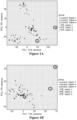
- FIG. 1B shows the PCA plot after batch effect removal.
- the PCA plot also indicates the existence of two outlier samples (marked with a circle), which were removed from downstream analysis.
- each transcript from the 100 most highly abundant transcripts was tested for differential expression in the preeclampsia/control group via DESeq2 package in R ( Love et al., ibid ) .
- Twenty-five (25) transcripts were found to be differentially expressed between preeclampsia and control samples after correction for multiple testing (adjusted p-value ⁇ 0.05, see Table 1 ): 16 transcripts were found to be up-regulated and 9 were downregulated in preeclampsia compared to control.
- transcripts 7 transcripts were transfer RNAs (tRNAs) and ribosomal RNAs (rRNAs) encoded in the mitochondria, 12 transcripts were microRNAs, 4 transcripts were long non-coding RNAs (line), one transcript was ribosomal RNA and one transcript was processed transcript (i.e., a non-coding transcript that does not belong to any of the categories in Ensembl database).
- Table 1 Differentially expressed ncRNAs in preeclampsia vs.
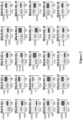
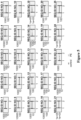
- Figure 2 demonstrates the count differences in both conditions (preeclampsia - "PE", and control) for the significant differentially expressed transcripts listed in Table 1.
- the cross validation concept was applied 100 times (cycles). In each cycle, the data was divided to training and test sets, and 5-fold cross validation was applied on the training set, i.e., the training set was divided to 5 non-overlapping and equally sized subsets, a logistic regression model was trained on 4 subsets and tested in the remaining subset. This process was repeated 5 times, thus all subsets were used as a test set in each step.
- model selection glmulti package in R was used ( Calcagno and de Mazancourt, 2010, J. Stat. Softw. 34:29 ), which performs an exhaustive search over all possible models, fit each model to the current set using glm and ranks them by Akaike information criterion (AIC).
- a feature selection procedure was applied in each CV cycle and the list of transcripts was narrowed down to differentially expressed transcripts that have substantial expression (i.e., in the top 100 most abundant transcripts). Highly correlated transcripts (i.e., Pearson correlation > 0.7) were then collapsed. Best model (i.e., with the highest AIC calculated by glmulti ) was tested in each CV step on the reaming subset (i.e., the inner test set), and misclassification error was calculated. The model that got the lowest CV error in all CV steps was then selected, fitted on the complete training set and tested on the outer test set. After 100 repeats, the average error rate and related statistics was calculated.
- K-fold cross validation was applied in 100 repeats to obtain a generalizable logistic regression model that includes feature selection pre-processing step.
- the goodness of the procedure was estimated on a new blind data set.
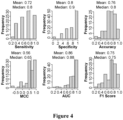
- Figure 4 displays summary statistic histograms, mean and medians calculated in each of the 100 repeats. All measures imply that the procedure can classify blind samples with preeclampsia/control conditions in a relatively good manner.
- small ncRNAs were sequenced in the plasma of a subset of 40 women (out of the 75) at weeks 20-22 (second trimester): 20 women who developed preeclampsia and 20 control women.
- the sequencing data from the second trimester samples were compared to those of the first trimester samples.
- the first trimester samples of this subset of 40 women were analyzed again. As this subset is half the size of the original size and thus insufficiently powered, out of the 25 differentially expressed transcripts, only 9 transcripts were significantly differentially expressed between preeclampsia and control samples in the limited set of 40 first trimester samples (adjusted p -value ⁇ 0.05). In the second trimester samples, 4 transcripts out of the 25 were differentially expressed (adjusted p -value ⁇ 0.05).
- the first and second trimester samples were then combined and a design formula was used, which models the condition-specific (i.e., preeclampsia or control) difference at the first trimester, the difference over trimesters, and any condition-specific differences over trimesters (i.e., an interaction term condition: trimester).
- a likelihood ratio test was performed with a reduced model which does not contain the interaction term, to test whether the condition induces a change in gene expression at the second trimester compared to the first trimester. Only transcripts with p -value ⁇ 0.05 after false discovery rate (FDR) adjustment were considered.
- the expression of the 25 differentially expressed transcripts was tested in preeclampsia and control placenta biopsies. Placenta segments were collected from 15 different locations in the placenta, from 6 different placentas: 3 from preeclampsia patients and 3 from healthy pregnant women. Small ncRNA from all locations was extracted and sequenced, and the expression of all 25 transcripts was examined. In this sample set, none of the transcripts displayed differential expression in those samples between preeclampsia and control groups.
Landscapes
- Chemical & Material Sciences (AREA)
- Life Sciences & Earth Sciences (AREA)
- Health & Medical Sciences (AREA)
- Engineering & Computer Science (AREA)
- Organic Chemistry (AREA)
- Proteomics, Peptides & Aminoacids (AREA)
- Molecular Biology (AREA)
- Analytical Chemistry (AREA)
- Wood Science & Technology (AREA)
- Zoology (AREA)
- Immunology (AREA)
- Physics & Mathematics (AREA)
- Genetics & Genomics (AREA)
- General Health & Medical Sciences (AREA)
- Biotechnology (AREA)
- Bioinformatics & Cheminformatics (AREA)
- Biochemistry (AREA)
- Microbiology (AREA)
- Biophysics (AREA)
- General Engineering & Computer Science (AREA)
- Pathology (AREA)
- Biomedical Technology (AREA)
- Urology & Nephrology (AREA)
- Hematology (AREA)
- Food Science & Technology (AREA)
- Tropical Medicine & Parasitology (AREA)
- Cell Biology (AREA)
- Medicinal Chemistry (AREA)
- General Physics & Mathematics (AREA)
- Chemical Kinetics & Catalysis (AREA)
- Theoretical Computer Science (AREA)
- Spectroscopy & Molecular Physics (AREA)
- Medical Informatics (AREA)
- Evolutionary Biology (AREA)
- Bioinformatics & Computational Biology (AREA)
- Measuring Or Testing Involving Enzymes Or Micro-Organisms (AREA)
Description
- The present invention relates to identifying and monitoring the risk of a pregnant woman to develop preeclampsia by analyzing circulating non-coding RNAs (ncRNAs).
- Preeclampsia is one of the most dangerous pregnancy complications and is the leading cause of maternal and perinatal morbidity and mortality. It typically occurs in the second or third trimester and is characterized by the development of concurrent hypertension and proteinuria, sometimes progressing into a multi-organ cluster of varying clinical features affecting the kidneys, liver, brain and heart of the pregnant woman. Preeclampsia can develop either gradually or suddenly, and may remain mild throughout the pregnancy or become severe. Common symptoms in addition to high blood pressure and proteinuria include elevated uric acid, vision problems such as blinking lights or blurry vision, persistent headaches, extreme swelling of hands and feet, fluid retention and pain in the upper right abdomen.
- The cause of preeclampsia is unclear. Current theory of preeclampsia pathogenesis states that it begins with poor placentation in the first trimester of pregnancy, and evidence show that it involves inadequate blood supply to the placenta leading to an hypoxic environment. It has also been suggested that placental mitochondria are involved in the development of preeclampsia. Currently there is no test that can effectively predict or diagnose preeclampsia prior to its clinical presentation, and diagnosis is typically made only after increased blood pressure and protein in the urine are detected, for example in routine physician tests following the 20th week of pregnancy.
- Cell-free fetal (cff) DNA and RNA were previously identified in the maternal blood (Poon et al., 2000, Clin. Chem. 46:1832-1834). Additionally, in pregnancies complicated by preeclampsia, expression levels of cff DNA and cff RNA in maternal plasma were reported to be increased (Lo et al., 1999, Clin. Chem. 45:184-188; Ng et al., 2003, Clin. Chem. 49:727-731; Swinkels et al., 2002, Clin. Chem. 48:650-653; Zhong et al., Am. J. Obstet. Gynecol. 184:414-419). A few potential messenger RNA (mRNA) markers of preeclampsia were found in maternal plasma (Ng et al., 2003, ibid; Ashur-Fabian et al., 2012, PLoS ONE 7:e37273), though they were all identified at late stages of the pregnancy.
- In addition to mRNA, small non-coding RNAs (ncRNAs) have been investigated. Small non-coding RNAs (ncRNAs) are a diverse family of untranslated RNA molecules (<200 nucleotides) that are part of the transcribed genomic output. Some of these molecules were reported to have a functional role in cells. Small ncRNAs include microRNAs (miRNA), which are about 22 nucleotides long RNA molecules that in animals regulate gene expression post-transcriptionally in a sequence-specific manner, by facilitating messenger RNA (mRNA) degradation or by controlling translation. Other small ncRNAs include: PIWI-interacting RNA (piRNA), about 28 nucleotides long RNA molecules involved in transposon repression and DNA methylation; small nucleolar RNA (snoRNA), about 60-300 nucleotides long, components of small nucleolar ribonucleoproteins, which modulate biogenesis and activity of ribosomes by post-transcriptional modifications of ribosomal RNA (rRNA); small nuclear RNA (snRNA), about 150 nucleotides long RNA molecules that facilitate mRNA splicing and regulate transcription factors; and transfer RNA (tRNA), typically 73-94 nucleotides long, which are the most abundant small ncRNA and play a role in translation.
- Small ncRNAs, particularly miRNAs typically have tissue-specific expression patterns. Tissue-specific small ncRNAs are sometimes shed into the circulation where they may be detected using e.g., reverse transcription PCR-based techniques. Williams et al., 2013, Proc Natl Acad Sci U S A. 110(11):4255-60 studied the presence of placenta-specific miRNAs in the blood.
- The role of small ncRNAs in human diseases has been investigated mainly in the context of regulating gene expression via miRNAs, and has been well studied in several systems, especially in cancer, neurogenesis and diabetes. Recent studies have shown that dysregulation of other small ncRNAs, besides miRNAs, have functional relevance in cancer and other diseases as well.
- In recent years, abundantly and differentially expressed miRNA species in placental samples from women with preeclampsia versus healthy women have been reported (Enquobahrie et al., 2011 Am. J. Obstet. Gynecol. 204:178.e12-178.e21; Hu et al., 2009, Clin. Chem. Lab. Med. 47:923-929; Pineles et al., 2007, Am. J. Obstet. Gynecol. 196:261.e1-261.e6; Roman et al., 2008, Am. J. Obstet. Gynecol. 199:S78; Zhu et al., 2009 Am. J. Obstet. Gynecol. 200:661.e1-661.e7; Mayor-Lynn et al., 2011, Reprod. Sci. Thousand Oaks Calif 18:46-56).
- Smets et al., 2006, Clin. Chim. Acta 364:22-32 describe RNA biomarkers for pre-symptomatic detection of pregnancy-associated diseases with placental origin and/or dysfunction, identified by reviewing genes with placental expression in the Human SymAtlas and comparison with proven qualifiers.
-
US 9,334,540 US 8,580,503 disclose methods and compositions for identifying subjects at risk of developing a complication of pregnancy, such as preeclampsia or preterm labor. The compositions are microRNAs and associated nucleic acids. Among others,microRNA 10b is disclosed as having an increased expression level in serum samples from pregnant women with severe preeclampsia (measured just before they were delivered by Caesarean section) compared to control women with no pregnancy complication. - Luque et al., 2014, Sci Rep. 4:4882 studied the usefulness of circulating miRNAs for the prediction of early preeclampsia at the first-trimester of pregnancy by collecting and analyzing pooled sera from early preeclampsia patients and uncomplicated pregnancies. However, statistical analysis of the identified miRNAs showed that none of them was differentially abundant in serum from preeclamptic pregnancies compared with serum from normal pregnancies. It was therefore concluded that maternal serum miRNA assessment at first-trimester of pregnancy does not appear to have any predictive value for early preeclampsia.
- Ura et al., (Taiwan J Obstet Gynecol, 2014 Jun;53(2):232-4) researched microRNAs (miRNAs) differentially expressed at early stages of gestation (12-14 weeks) in the serum of pregnant women, who later developed severe preeclampsia (sPE) in the third trimester of pregnancy (n = 24) compared to women with normal pregnancy (n = 24) and found 19 mature miRNAs to be differentially expressed in the group of women who later developed sPE as compared to normal women.
WO2009093254 discloses a method of determining a preeclampsia in a woman, comprising detecting the level of a microRNA in a serum sample obtained from the subject, wherein a level of the microRNA different from a control is indicative of said condition in the pregnant woman.US2013245135 disclosed a method for characterizing a preeclampsia-related condition in a subject comprising collecting a first non-placental biological sample, extracting microRNA-comprising RNA from the first non-placental biological sample, quantifying at least one microRNA within the extracted RNA, and comparing the quantification of the at least one microRNA to a quantification of the at least one microRNA from a second, non-placental biological sample. Hromadnikova et al., (2017, PLoS One, 15;9(12):e113735) reports a comparison of the expression of placental specific microRNAs in plasma samples from first trimester pregnancies that subsequently developed preeclampsia, and normal pregnancies. Yang et al. (Nucleic Acids Res 2013 Jan;41 (Database issue): D177-87) discloses a novel database developed to facilitate the comprehensive annotation and discovery of transcription factor binding maps and transcriptional regulatory relationships of long non-coding RNAs and miRNAs from ChIP-Seq data. - There still remains a need for efficient diagnostic methods and kits for detection of preeclampsia risk at early stages of pregnancy, and for monitoring pregnant women at risk of developing preeclampsia.
- The present invention provides, according to some aspects, methods and kits for identification and monitoring of pregnant women at risk of developing preeclampsia by analyzing circulating non-coding RNAs (ncRNAs), mainly small ncRNAs. More particularly, the present invention is directed to a set of ncRNAs whose expression pattern in body fluids at early stages of the pregnancy is indicative of an increased risk to develop preeclampsia at later stages of the pregnancy.
- The present invention is based in part on the surprising finding that plasma samples taken at a pre-symptomatic stage (e.g., at the end of the first trimester) from pregnant women that developed preeclampsia show altered levels of a set of ncRNAs compared to the levels of these ncRNAs in plasma samples of pregnant women that did not develop preeclampsia during their pregnancy. These ncRNAs were found to include a subset of molecules characterized by increased expression levels in samples from women that developed preeclampsia, and another subset of molecules characterized by decreased expression levels in samples from women that developed preeclampsia.
- The methods and kits of the present invention are particularly advantageous as they provide minimally-invasive means for early detection of preeclampsia risk and, as a consequence, closer and better monitoring of women at risk. To date there has been no method of predicting a risk of developing preeclampsia at such an early stage of pregnancy when no symptoms of this type of complication are evinced. The methods and kits of the present invention are therefore useful for determining whether a pregnant woman is in need of monitoring for development of preeclampsia.
- The methods and kits disclosed herein are further useful for aiding, or confirming, the diagnosis of preeclampsia in pregnant women suspected of having preeclampsia, for example, in pregnant women that show elevated blood pressure without further symptoms characteristics of preeclampsia.
- The present invention provides a method for determining whether a pregnant woman is at risk of developing preeclampsia, the method comprising:
- (i) measuring the levels of a plurality of non-coding RNAs (ncRNAs) selected from ncRNAs corresponding to SEQ ID NOs: 1-25 in a plasma or serum sample that has been obtained from the pregnant woman in the first trimester of the pregnancy or in
week 10 to 14 of the pregnancy, to thereby obtain a ncRNA expression pattern of said pregnant woman; - (ii) comparing the ncRNA expression pattern of the pregnant woman to a non-preeclampsia reference pattern;
- (iii) characterizing the pregnant woman as being at risk of developing preeclampsia wherein the ncRNA expression pattern of the pregnant woman is determined to be different from the non-preeclampsia reference pattern, by detecting at least one of: increased expression levels of one or more ncRNA corresponding to SEQ ID NOs: 1-2, 5, 7-10, 13, 16-17, 19-23 and 25 compared to non-preeclampsia reference values; and decreased expression levels of one or more ncRNA corresponding to SEQ ID NOs: 3-4, 6, 11-12, 14-15, 18 and 24 compared to the non-preeclampsia reference values.
- In some embodiments, there is provided herein a method for determining whether a pregnant woman is at risk of developing preeclampsia, the method comprising:
- (i) measuring the levels of a plurality of ncRNAs selected from ncRNAs corresponding to SEQ ID NOs: 1-25 in a plasma or serumsample that has been obtained from the pregnant woman in the first trimester of the pregnancy or in
week 10 to 14 of the pregnancy, to thereby obtain a ncRNA expression pattern of said pregnant woman; - (ii) providing preeclampsia and non-preeclampsia reference values of each of said plurality of ncRNAs corresponding to SEQ ID NOs: 1-25;
- (iii) comparing the ncRNA expression pattern of the pregnant woman to the reference values to determine if said ncRNA expression pattern of the pregnant woman is a preeclampsia or a non-preeclampsia pattern; and
- (vi) characterizing the woman as being at risk of developing preeclampsia wherein the ncRNA expression pattern of the pregnant woman is a preeclampsia pattern, wherein said preeclampsia pattern is characterized by at least one of: increased expression levels of one or more ncRNA corresponding to SEQ ID NOs: 1-2, 5, 7-10, 13, 16-17, 19-23 and 25 compared to a non-preeclampsia pattern; and decreased expression levels of one or more ncRNA corresponding to SEQ ID NOs: 3-4, 6, 11-12, 14-15, 18 and 24 compared to the non-preeclampsia pattern.
- The pregnant woman is in the first trimester of the pregnancy. The pregnant woman is in
weeks 10 to 12 of the pregnancy or the pregnant woman is inweeks 10 to 14 of the pregnancy. - The sample is selected from the group consisting of plasma and serum samples. Each possibility represents a separate embodiment of the present invention.
- In some particular embodiments, the sample is a plasma sample.
- In some embodiments, said measuring levels of a plurality of ncRNAs comprises extracting RNA from the plasma or serum sample, reverse transcribing said RNA into cDNA, and measuring the amount of said cDNA using quantitative-PCR.
- In some embodiments, said measuring levels of a plurality of ncRNAs comprises applying a plurality of detectably labeled oligonucleotides, each capable of specifically hybridizing to one of said ncRNAs. In some embodiments, said detectably labeled oligonucleotides are immobilized to a solid surface.
- In some embodiments, said plurality comprises at least five ncRNAs. In some embodiments, said plurality comprises at least ten ncRNAs. In additional embodiments, said plurality comprises at least fifteen ncRNAs. In yet additional embodiments, said plurality comprises at least twenty ncRNAs. Said plurality comprises the set of ncRNAs corresponding to SEQ ID NOs: 1-25.
- In some embodiments, characterizing the woman as being at risk of developing preeclampsia further comprises characterizing the woman as requiring monitoring for development of preeclampsia symptoms.
- In some embodiments, said comparing is carried out using a computer software employing a pattern analyzing algorithm.
- According to a further aspect, the present invention provides a kit for determining whether a pregnant woman is at risk of developing preeclampsia, the kit comprising:
- (a) probes for measuring the levels of a plurality of ncRNAs selected from ncRNAs corresponding to SEQ ID NOs: 1-25 in a plasma or serum sample that has been obtained from a pregnant woman in need for assessment of risk of preeclampsia; the pregnant woman being in the first trimester of the pregnancy or in
week 10 to 14 of the pregnancy; - (b) a computer software employing a pattern analyzing algorithm for carrying out a comparison between the ncRNA expression pattern of the pregnant woman and reference values, the computer software: (i) compares the ncRNA expression pattern in the plasma or serum sample of the pregnant woman to non-preeclampsia reference pattern, preeclampsia reference pattern or both; and (ii) based on the comparison, outputs an indication whether the pregnant woman is at risk of developing preeclampsia, by detecting at least one of: increased expression levels of one or more ncRNA corresponding to SEQ ID NOs: 1-2, 5, 7-10, 13, 16-17, 19-23 and 25 compared to non-preeclampsia reference values; and decreased expression levels of one or more ncRNA corresponding to SEQ ID NOs: 3-4, 6, 11-12, 14-15, 18 and 24 compared to non-preeclampsia reference values. Preferably, the computer software outputs a score indicative of the risk of the pregnant woman to develop preeclampsia, wherein a score above a predefined threshold is indicative of risk of developing preeclampsia requiring regular monitoring and frequent prenatal checkups.
- The kit may additionally comprise manual instructions for characterizing the pregnant woman as being at an increased risk of developing preeclampsia as detailed above.
said the kit may further comprise written material that further specifies preeclampsia reference values for each of said plurality of ncRNAs corresponding to SEQ ID NOs: 1-25. - The written material and instruction manual may in an electronic form.
- In some embodiments, the computer software employs a pattern analyzing algorithm.
- In some embodiments, said probes for measuring levels of a plurality of ncRNAs comprise oligonucleotide primer pairs for reverse transcribing RNA of said plurality of ncRNAs from the plasma or serum sample into cDNA, and measuring the amount of said cDNA using quantitative-PCR.
- In some embodiments, said oligonucleotide primer pairs are detectably-labeled.
- In some embodiments, the kit comprises detectably-labeled oligonucleotides for detecting amplification products in the quantitative-PCR.
- In some embodiments, said probes for measuring levels of a plurality of ncRNAs comprise a plurality of detectably-labeled oligonucleotides that specifically hybridize to said ncRNAs.
- In some embodiments, said detectably-labeled oligonucleotides are immobilized to a surface.
- In some embodiments, the kit further comprises means for extracting RNA from the plasma or serum sample.
-
-
Figure 1 . Principal component analysis (PCA) plot. The samples are shown in the 2D plane spanned by their first two principal components. (A) Samples before batch effects removal and (B) after batch effects removal. Outlier samples are highlighted by a circle. "control" - samples from healthy women; "PE" - samples from women that developed preeclampsia. -
Figure 2 . Plots of normalized counts for the 25 differentially expressed transcripts in the top 100 most abundant transcripts in preeclampsia (marked as PE) and control samples. The Y axis represents normalized counts. -
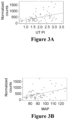
Figure 3 . Correlation between microRNA 4433b (SEQ ID NO: 8) and maternal clinical characteristics. Plots of mir-4433b normalized counts obtained by RNA-Seq of circulating non-coding RNA extracted from first trimester pregnant women plasma, versus clinical features of these women: (A) uterine artery pulsatility index (UT PI, r=0.395, p-value=0.016); (B) mean arterial pressure (MAP, r=0.442, p-value=0.003). -
Figure 4 . Statistic histograms obtained by 100 repeats of the classification procedure described in Example 2 (i.e., on 100 random test sets). Means and medians are indicated. -
Figure 5 . Normalized counts for the 25 differentially expressed transcripts in preeclampsia (PE) vs. control samples in the first and second trimesters. Regression lines for both groups are indicated, to display expression trend between the two trimesters. The X axis represents the different trimesters (1 and 2). The Y axis represents normalized counts. -
Figure 6 . Relative expression of miR-22, miR-10b, miR-146b, and miR-151a in human first trimester cytotrophoblast cell line (HTR8/SVneo cells) cultured under both hypoxic (PE model) and normal (control) conditions. Expressions were measured by RT-qPCR. Control expressions were set to 1. - The present invention provides, according to some aspects, methods and kits for identification and monitoring of pregnant women having an increased risk of developing preeclampsia.
- The present invention proposes a unique marker of preeclampsia - an expression pattern of a set of ncRNAs that were found to be differentially expressed in first trimester body fluid samples of pregnant women that developed preeclampsia compared to similar samples of women that did not develop preeclampsia.
- Preeclampsia may be defined as hypertension (systolic blood pressure ≧140 mmHg or diastolic blood pressure ≧90 mmHg on at least two occasions, 6 hours apart), and proteinuria (>300 milligrams in a 24 hour urine collection or one dipstick measurement >2+).
- The woman to be tested by the methods and kits of the present invention is asymptomatic and the method/kit is applied for evaluating the risk of said woman to develop preeclampsia.
- The woman may show one or more signs characteristic of preeclampsia (e.g., increased blood pressure) and the method/kit is applied for confirming the diagnosis, or for aiding the diagnosis of preeclampsia in said woman.
- The woman to be tested according to the present invention is at early stages of the pregnancy. In some embodiments, the woman to be tested is in the first trimester of the pregnancy, which is typically defined as
week 1 throughweek 12. In some embodiments, the woman to be tested is in weeks 12-14. In additional embodiments, for example when the method is applied for confirming or aiding the diagnosis of a woman showing some symptoms of preeclampsia. - As used herein, the term "increased", when referring to a risk of developing preeclampsia, refers to increased risk compared to the normal risk in the population.
- According to some embodiments, the method of the present invention comprises the following steps: (i) measuring the levels of a plurality of ncRNAs (small ncRNAs according to some embodiments) selected from ncRNAs corresponding to SEQ ID NOs: 1-25 in a plasma or serum sample from said pregnant woman, the pregnant woman being in the first trimester of the pregnancy or in
week 10 to 14 of the pregnancy, thereby obtaining a ncRNA pattern of the pregnant woman; (ii) comparing the ncRNA pattern of the pregnant woman to a non-preeclampsia reference pattern; and (iii) characterizing the pregnant woman as being at an increased risk of developing preeclampsia wherein the ncRNA pattern of the pregnant woman is determined to be different from the non-preeclampsia reference pattern by detecting at least one of: increased levels of the one or more ncRNA set forth in SEQ ID NOs: 1-2, 5, 7-10, 13, 16-17, 19-23 and 25 compared to non-preeclampsia reference values; and decreased values of the one or more ncRNA corresponding to SEQ ID NOs: 3-4, 6, 11-12, 14-15, 18 and 24 compared to non-preeclampsia reference values. - The method may further comprise informing the pregnant woman characterized as being at risk of developing preeclampsia, or a health care professional involved in the prenatal care of said pregnant woman, that said pregnant woman must be monitored for development of symptoms of preeclampsia. A health care professional may include, for example, a gynecologist, a family doctor or a nurse.
- Treatment to reduce the risk of developing preeclampsia, or to reduce the severity of preeclampsia, may include rest, close monitoring and diet changes. Close monitoring may include blood tests, urine tests and monitoring of blood pressure more frequently than what is typically recommended for pregnancy.
- In some embodiments, a kit is provided for determining whether a pregnant woman is at risk of developing preeclampsia, the kit comprising:
- (a) probes for measuring levels of a plurality of ncRNAs selected from ncRNAs corresponding to SEQ ID NOs: 1-25 in a plasma or serum sample that has been obtained from a pregnant woman in need for assessment of risk of preeclampsia, the pregnant woman being in the first trimester of the pregnancy or in
week 10 to 14 of the pregnancy; - (b) a computer software employing a pattern analyzing algorithm for carrying out a comparison between the ncRNA expression pattern of the pregnant woman and reference values; and
- (c) the computer software: (i) compares the ncRNA expression pattern in the plasma or serum sample of the pregnant woman to non-preeclampsia reference pattern, preeclampsia reference pattern or both; and (ii) based on the comparison, outputs an indication whether the pregnant woman is at risk of developing preeclampsia, by detecting at least one of: increased expression levels of the one or more ncRNA corresponding to SEQ ID NOs: 1-2, 5, 7-10, 13, 16-17, 19-23 and 25 compared to corresponding non-preeclampsia reference values; and decreased expression levels of the one or more ncRNA corresponding to SEQ ID NOs: 3-4, 6, 11-12, 14-15, 18 and 24 compared to corresponding non-preeclampsia reference values. The computer software then outputs a score indicative of the risk of the pregnant woman to develop preeclampsia, wherein a score above a predefined threshold is indicative of risk of developing preeclampsia requiring regular monitoring and frequent prenatal checkups.
- The kit may further include, in at least one of said written material and instruction manual, a recommendation for a pregnant woman found to be at risk of developing preeclampsia to be monitored for symptoms of preeclampsia.
- As used herein, a "plurality" indicates at least two. In some embodiments, a plurality refers to at least three ncRNAs, for example at least four, at least five, at least six, at least seven, at least eight, at least nine, at least ten, at least eleven, at least twelve, at least thirteen, at least fourteen, at least fifteen, at least sixteen, at least seventeen, at least eighteen, at least nineteen, at least twenty, at least twenty-one, at least twenty-two, at least twenty-three, at least twenty-four or twenty-five ncRNAs. Each possibility represents a separate embodiment of the present invention.
- As referred to herein, the terms "polynucleotide molecules", "oligonucleotide", "polynucleotide", "nucleic acid" and "nucleotide" sequences may interchangeably be used. The terms are directed to polymers of deoxyribonucleotides (DNA), ribonucleotides (RNA), and modified forms thereof in the form of a separate fragment or as a component of a larger construct, linear or branched, single stranded(ss), double stranded (ds), triple stranded (ts), or hybrids thereof. The term also encompasses RNA/DNA hybrids. The polynucleotides may be, for example, sense and antisense oligonucleotide or polynucleotide sequences of DNA or RNA. The DNA or RNA molecules may be, for example, but are not limited to: complementary DNA (cDNA), genomic DNA, synthesized DNA, recombinant DNA, or a hybrid thereof or an RNA molecule such as miRNA. Accordingly, as used herein, the terms "polynucleotide molecules", "oligonucleotide", "polynucleotide", "nucleic acid" and "nucleotide" sequences are meant to refer to both DNA and RNA molecules. The terms further include oligonucleotides composed of naturally occurring bases, sugars, and covalent inter nucleoside linkages, as well as oligonucleotides having non-naturally occurring portions, which function similarly to respective naturally occurring portions.
- The terms "non-coding RNA" (typically abbreviated "ncRNA") refers to untranslated RNA molecules that are part of the transcribed genomic output. Some of these molecules were reported to have functional roles in cells, for example, in regulation of gene expression. Non-coding RNAs include long non-coding RNA molecules (typically more than 200 nucleotides in length), such as long intergenic non-coding RNAs (lincRNAs), and small non-coding RNA molecules. Small ncRNAs include microRNAs (miRNA), which are about 22 nucleotides long RNA molecules that in animals regulate gene expression post-transcriptionally in a sequence-specific manner by facilitating messenger RNA (mRNA) degradation or by controlling translation. Other small ncRNAs include: PIWI-interacting RNA (piRNA), which are about 28 nucleotides long RNA molecules involved in transposon repression and DNA methylation; small nucleolar RNA (snoRNA), which are about 60-300 nucleotides long, components of small nucleolar ribonucleoproteins that modulate biogenesis and activity of ribosomes by post-transcriptional modifications of ribosomal RNA (rRNA); small nuclear RNA (snRNA), which are about 150 nucleotides long RNA molecules that facilitate mRNA splicing and regulate transcription factors; and transfer RNA (tRNA), typically 73-94 nucleotides long, which are the most abundant small ncRNA and play a role in translation.
- The term "complementary DNA", abbreviated "cDNA", refers to a DNA sequence complementary to a mature RNA molecule, and is therefore a copy of the intron-free biologically active RNA. The term also encompasses a DNA molecule produced by reverse transcription of an RNA molecule.
- The present invention is based on determining the level of at least two non-coding RNA molecules selected from ncRNAs corresponding to SEQ ID NOs: 1-25. SEQ ID NOs: 1-25 are cDNA sequences of the transcripts listed in Table 1 (see the Examples section below). It is understood that in a body fluid sample that is analyzed according to the methods of the present invention the polynucleotide molecules are RNA molecules, in which the sequences are identical to the cDNA sequences except for T nucleotides being replaced with U nucleotides. The term "ncRNA corresponding to" therefore encompasses both the RNA molecules themselves, which can be detected by known methods such as array-based methods, and cDNA generated based on the ncRNA molecules having sequences as set forth in SEQ ID NOs: 1-25. The latter can be detected, for example, using array-based methods as well as quantitative PCR methods.
- The ncRNAs analyzed according to the methods of the present invention originate from a plasma or serum sample. Each possibility represents a separate embodiment of the present invention. Thus, according to some embodiments, the ncRNA molecules analyzed according to the methods of the present invention are "circulating" ncRNA molecules, namely, present in circulating blood (in the plasma/serum fractions)
- The plasma or serum sample may be obtained or collected from a subject by conventional methods. The body fluid sample may be treated prior to being subjected to the methods of the present invention. For example, the sample may be treated to remove cells and cell debris. For removing cells or debris of cells from a plasma or serum sample, the cells or debris of cells may be precipitated by centrifugation and the supernatant is taken for determining the levels of the ncRNAs as disclosed herein. Alternatively, cells can be removed by filtration.
- According to the present invention, the plasma or serum samples are collected from women at the first trimester of the pregnancy, for example between weeks 10-14, or 10-13.
- As used herein, determination of a "level" of a particular small ncRNA or long ncRNA may refer to determining concentration, expressed, for example, as nanograms/milliliter (ng/ml). In some embodiments, determination of a "level" refers to determining intensity of a signal collected from a probe that represents the amount or concentration of the ncRNA in the sample. In additional embodiments, determination of a "level" refers to calculating an index that represents the amount or concentration of the ncRNA in the sample (for example, determining a Ct value of a real-time PCR reaction). Measuring the levels of the RNA molecules described herein can be performed by any method known in the art. Non-limiting examples include reverse-transcription and quantitative amplification, microarray, NGS (deep sequencing) and Northern blot. Each possibility represents a separate embodiment of the present invention. In some embodiments, measuring a level of a certain ncRNA refers to measuring a level of a fragment thereof, for example a fragment of between 100-200 bps, such as between 140-160 bps. Primers, probes or other molecules may be designed for the detection and measurement of a single fragment or a plurality of fragments of a certain ncRNA, or tiled across the ncRNA such that all of the ncRNA can be detected and measured.
- As used herein, "comparing", when referring to expression levels of a tested sample versus reference pattern/values includes comparison of values such as concentrations, or Ct values or other indices indicating expression levels. For example, in some embodiments, a pattern of Ct values is generated for a tested sample and compared to a reference pattern of Ct values. As another example, a reference pattern of fluorescence units is generated for a tested sample and compared to a reference pattern of fluorescence units.
- Typically, the method initially includes extracting total RNA from the body fluid sample.
- In some embodiments, the method includes reverse-transcribing the RNA into cDNA, either specifically (e.g., using primers specific to each ncRNA to be measured) or non-specifically (e.g., using poly-A tailing and universal oligo-d(T) primer). Each possibility represents a separate embodiment of the present invention.
- In some embodiments, the method further includes quantitatively-amplifying from the cDNA each of the plurality of ncRNA (i.e., DNA sequences corresponding to those of the RNA).
- In some embodiment, the quantitative amplification is carried out using labeled primers, e.g., fluorescently labeled primer, to enable detection and quantification of the amplification product, and accordingly the level of the ncRNA in the body fluid sample.
- In additional embodiments, detection and quantification of the amplification product is carried out by adding fluorescently labeled oligonucleotide probes to the amplification reaction.
- In some embodiment, the method includes fluorescently-labeling the ncRNAs following extraction from the body fluid sample, or the corresponding cDNA, and hybridizing the fluorescently-labeled molecules to an array comprising a plurality of oligonucleotide probes. In some embodiments, the method further includes scanning the array to detect binding of the oligonucleotide probes, and accordingly determining the level of the ncRNA in the original sample. In some embodiments, the method includes comparing the test sample hybridization profile to a reference hybridization profile representing preeclampsia and/or to a reference hybridization profile representing non-preeclampsia. In some embodiments, the method further comprises reverse-transcribing and amplifying the target ncRNAs prior to hybridization with the microarray.
- In some embodiments, the method includes separating the ncRNAs following extraction from the body fluid sample, or their corresponding DNA amplification products by gel electrophoresis, transferring to a membrane, probing with oligonucleotide probes capable of specific hybridization to each ncRNA and detecting and quantifying the hybridization to determine the level of the ncRNAs in the original body fluid sample.
- As used herein, a "primer" defines an oligonucleotide which is capable of annealing to (hybridizing with) a target sequence, thereby creating a double stranded region which can serve as an initiation point for DNA synthesis under suitable conditions. The terminology "primer pair" refers to a pair of oligonucleotides which are used together in amplifying a selected nucleic acid sequence by PCR. As commonly known in the art, the primers may be designed to bind to a complementary sequence under selected conditions.
- In some embodiments, the methods disclosed herein involve simultaneous amplification of more than one target sequence (e.g., more than one ncRNA) in the same reaction mixture, a process known as multiplex amplification or co-amplification. This process requires simultaneous use of a plurality of primer pairs. As known in the art, the primers may be designed such that they can work at the same annealing temperature during amplification. In some embodiments, primers with similar melting temperature (Tm) are used in the method disclosed herein. A Tm variation of between about 3°-5°C is considered acceptable for primers used in a pool.
- In other embodiments, each ncRNA is amplified in a separate reaction mixture.
- In some embodiments, the methods of the present invention employ quantitative amplification to measure the levels of ncRNAs. Quantitative amplification typically involves the use of fluorescent probes for detection of the amplification product. The fluorescent signal emitted from the probe correlates with the amount of the amplification product, i.e., the signal increases as the amplification product accumulates.
- "Probes" according to the present invention encompass probes for detection of amplification products in quantitative amplification such as real-time PCR, as well as probes for detection of polynucleotide sequences of interest in an array-based assay. In the context of quantitative amplification, "probes" encompass fluorophores such as SYBR® Green, which generally bind the amplification product in a sequence-independent manner, as well as oligonucleotide probes. In the context of array-based quantification of ncRNAs of interest, "probes" typically refers to oligonucleotide probes. As used herein, the term "oligonucleotide probes" refers to oligonucleotides which are complementary to specific sub-sequences within a nucleic acid sequence of interest, for example, within the sequence of a ncRNA or a corresponding cDNA, and which facilitate the detection and quantification of the nucleic acid of interest. In some embodiments, the oligonucleotide probes are detectably-labeled. The oligonucleotide probes typically selectively hybridize to their target sequences.
- As used herein, "selectively hybridize to" (as well as "selective hybridization," "specifically hybridize to," and "specific hybridization") refers to the binding, duplexing, or hybridizing of a nucleic acid molecule (such as a primer or a probe) preferentially to a particular complementary nucleotide sequence under stringent conditions. The term "stringent conditions" refers to conditions under which a nucleic acid molecule will hybridize preferentially to its target sequence and to a lesser extent to, or not at all to, other non-target sequences. A "stringent hybridization" in the context of nucleic acid hybridization is sequence-dependent, and differs under different conditions, as known in the art.
- Polynucleotide probes may vary in length. In some embodiments, the polynucleotide probes may include between 15-30 bases. In additional embodiments, the polynucleotide probes may include between 25-30 bases. In some embodiments, the polynucleotide probes may include between 20-30 bases.
- For quantitative PCR amplification, polynucleotide probes may be designed to bind to either strand of the template. Additional considerations include the Tm of the polynucleotide probes, which should preferably be compatible to that of the primers. Computer software may be used for designing the primers and probes.
- The methods of the present invention comprise according to some embodiments measuring levels of at least two non-coding RNAs selected from ncRNAs corresponding to SEQ ID NOs: 1-25 in a plasma or serum sample from a pregnant woman in the first trimester of the pregnancy.
- In some embodiments, the methods of the present invention comprise measuring the level of the ncRNA corresponding to SEQ ID NO: 1 and at least one more ncRNA corresponding to SEQ ID NOs: 2-25.
- In some embodiments, the methods of the present invention comprise measuring the level of the ncRNA corresponding to SEQ ID NO: 2 and at least one more ncRNA corresponding to SEQ ID NOs: 1, 3-25.
- In some embodiments, the methods of the present invention comprise measuring the level of the ncRNA corresponding to SEQ ID NO: 3 and at least one more ncRNA corresponding to SEQ ID NOs: 1-2, 4-25.
- In some embodiments, the methods of the present invention comprise measuring the level of the ncRNA corresponding to SEQ ID NO: 4 and at least one more ncRNA corresponding to SEQ ID NOs: 1-3, 5-25.
- In some embodiments, the methods of the present invention comprise measuring the level of the ncRNA corresponding to SEQ ID NO: 5 and at least one more ncRNA corresponding to SEQ ID NOs: 1-4, 6-25.
- In some embodiments, the methods of the present invention comprise measuring the level of the ncRNA corresponding to SEQ ID NO: 6 and at least one more ncRNA corresponding to SEQ ID NOs: 1-5, 7-25.
- In some embodiments, the methods of the present invention comprise measuring the level of the ncRNA corresponding to SEQ ID NO: 7 and at least one more ncRNA corresponding to SEQ ID NOs: 1-6, 8-25.
- In some embodiments, the methods of the present invention comprise measuring the level of the ncRNA corresponding to SEQ ID NO: 8 and at least one more ncRNA corresponding to SEQ ID NOs: 1-7, 9-25.
- In some embodiments, the methods of the present invention comprise measuring the level of the ncRNA corresponding to SEQ ID NO: 9 and at least one more ncRNA corresponding to SEQ ID NOs: 1-8, 10-25.
- In some embodiments, the methods of the present invention comprise measuring the level of the ncRNA corresponding to SEQ ID NO: 10 and at least one more ncRNA corresponding to SEQ ID NOs: 1-9, 11-25.
- In some embodiments, the methods of the present invention comprise measuring the level of the ncRNA corresponding to SEQ ID NO: 11 and at least one more ncRNA corresponding to SEQ ID NOs: 1-10, 12-25.
- In some embodiments, the methods of the present invention comprise measuring the level of the ncRNA corresponding to SEQ ID NO: 12 and at least one more ncRNA corresponding to SEQ ID NOs: 1-11, 13-25.
- In some embodiments, the methods of the present invention comprise measuring the level of the ncRNA corresponding to SEQ ID NO: 13 and at least one more ncRNA corresponding to SEQ ID NOs: 1-12, 14-25.
- In some embodiments, the methods of the present invention comprise measuring the level of the ncRNA corresponding to SEQ ID NO: 14 and at least one more ncRNA corresponding to SEQ ID NOs: 1-13, 15-25.
- In some embodiments, the methods of the present invention comprise measuring the level of the ncRNA corresponding to SEQ ID NO: 15 and at least one more ncRNA corresponding to SEQ ID NOs: 1-14, 16-25.
- In some embodiments, the methods of the present invention comprise measuring the level of the ncRNA corresponding to SEQ ID NO: 16 and at least one more ncRNA corresponding to SEQ ID NOs: 1-15, 17-25.
- In some embodiments, the methods of the present invention comprise measuring the level of the ncRNA corresponding to SEQ ID NO: 17 and at least one more ncRNA corresponding to SEQ ID NOs: 1-16, 18-25.
- In some embodiments, the methods of the present invention comprise measuring the level of the ncRNA corresponding to SEQ ID NO: 18 and at least one more ncRNA corresponding to SEQ ID NOs: 1-17, 19-25.
- In some embodiments, the methods of the present invention comprise measuring the level of the ncRNA corresponding to SEQ ID NO: 19 and at least one more ncRNA corresponding to SEQ ID NOs: 1-18, 20-25.
- In some embodiments, the methods of the present invention comprise measuring the level of the ncRNA corresponding to SEQ ID NO: 20 and at least one more ncRNA corresponding to SEQ ID NOs: 1-19, 21-25.
- In some embodiments, the methods of the present invention comprise measuring the level of the ncRNA corresponding to SEQ ID NO: 21 and at least one more ncRNA corresponding to SEQ ID NOs: 1-20, 22-25.
- In some embodiments, the methods of the present invention comprise measuring the level of the ncRNA corresponding to SEQ ID NO: 22 and at least one more ncRNA corresponding to SEQ ID NOs: 1-21, 23-25.
- In some embodiments, the methods of the present invention comprise measuring the level of the ncRNA corresponding to SEQ ID NO: 23 and at least one more ncRNA corresponding to SEQ ID NOs: 1-22, 24-25.
- In some embodiments, the methods of the present invention comprise measuring the level of the ncRNA corresponding to SEQ ID NO: 24 and at least one more ncRNA corresponding to SEQ ID NOs: 1-23, 25.
- In some embodiments, the methods of the present invention comprise measuring the level of the ncRNA corresponding to SEQ ID NO: 25 and at least one more ncRNA corresponding to SEQ ID NOs: 1-24.
- In some embodiments, the methods of the present invention comprise measuring the level of a plurality of ncRNAs corresponding to SEQ ID NO: 11 (microRNA 99b), SEQ ID NO: 14 (
microRNA 151a), SEQ ID NO: 15 (microRNA 191), SEQ ID NO: 18 (microRNA 146b) and SEQ ID NO: 19 (microRNA 221), and optionally measuring the levels of at least one more ncRNA selected from ncRNAs corresponding to SEQ ID NOs: 1-10, 12-13, 16-17, 20-25. - In some embodiments, the methods of the present invention comprise measuring the level of at least three, at least four or the five ncRNAs corresponding to SEQ ID NO: 11, SEQ ID NO: 14, SEQ ID NO: 15, SEQ ID NO: 18 and SEQ ID NO: 19, and optionally measuring the levels of at least one more ncRNA selected from ncRNAs corresponding to SEQ ID Nos: 1-10, 12-13, 16-17, 20-25.
- Non-coding RNAs having a sequence identity of at least 80-90 % with the ncRNAs corresponding to SEQ ID Nos; 1-25 are also encompassed by the methods of the present invention.
- Preeclampsia and non-preeclampsia reference values are typically compiled from data obtained from a plurality of pregnant women. To generate the reference values, plasma or serum samples are preferably taken from a large set of women during the first trimester of their pregnancy or up to
week 14. Each woman is followed-up until the end of the pregnancy for preeclampsia development. Samples originating from women who did not develop preeclampsia during their pregnancy are classified as "non-preeclampsia" and the levels measured for the set of ncRNAs disclosed herein are stored as non-preeclampsia values. Samples originating from women that developed preeclampsia are classified as "preeclampsia" and the levels measured for the set of ncRNAs disclosed herein are stored as preeclampsia values. - The data from the large set of women is analyzed to generate reference values (reference pattern) for preeclampsia, non-preeclampsia or both. Reference values may be represented in a number of ways. For example, reference values may be statistic values, such as mean values determined in each group. As another example, reference values may be threshold, or cutoff, values, differentiating between preeclampsia and non-preeclampsia.
- Thus, in some embodiments, preeclampsia reference pattern and/or preeclampsia reference values are determined from expression levels of the different ncRNAs in a subset of body fluid samples of pregnant women who developed preeclampsia out of a set of plasma samples of pregnant women collected at the first trimester of the pregnancy.
- When comparing an expression pattern of a tested sample to a reference pattern, for example to a preeclampsia pattern, each of the ncRNAs that are increased in preeclampsia may be indeed detected at elevated levels, but in some embodiments only a portion of the ncRNAs that are increased in preeclampsia is elevated in the tested sample. A pattern analyzing algorithm is typically used in order to determine whether an expression pattern of a tested sample as a whole correlates, or is different from, a reference pattern.
- In some embodiment, comparing comprises determining for each ncRNA if its expression level is above or below a predetermined cutoff that differentiates preeclampsia from non-preeclampsia. In some embodiments, detecting an expression level of a ncRNA above a preeclampsia cutoff identifies this ncRNA as representing preeclampsia or risk of preeclampsia. In some embodiments, comparing comprises allocating a score for each ncRNA identified as representing preeclampsia or risk of preeclampsia. In some embodiments, comparing comprises calculating a total score for each sample based on the number of ncRNAs identified as representing preeclampsia, and characterizing the woman as having preeclampsia wherein said total score is above a predefined threshold.
- Example of a score-based classification method can be carried out as follows: (i) For each marker, find the best split point to minimize the number of misclassified subjects. The split point defines two intervals: one for normal pregnancy and another for pregnancy destined to be complicated by preeclampsia. A score of 0 is assigned to a subject if its related observation falls in the normal interval; otherwise, a score of 1 is assigned. (ii) Overall, a subject is assigned a score as the sum of these assigned scores from m different markers. Therefore, the range of such score is between 0 and m. (iii) A given threshold (t) is used to predict the disease status for a given subject, e.g., a given woman with a total score equal or less than t is predicted to have normal status (e.g., pregnancy not destined to be complicated by preeclampsia), whereas a woman with a score higher than t will be diagnosed to have disease or likely to develop a disease (e.g., pregnancy destined to be complicated by preeclampsia).
- Typically, determining that an expression level is "different" from that of a reference level, for example increased or decreased compared to a reference level, indicates a statistically significant difference, for example a statistically significant increase or a statistically significant decrease compared to the reference level. As used herein, the term "statistically significant difference", or simply "significant difference", is well within the knowledge of a skilled artisan and can be determined empirically with reference to each particular biomarker or panel of biomarkers. For example, a significant difference in the body fluid level of a biomarker in a woman at risk of developing preeclampsia as compared to one not at risk of developing preeclampsia is any difference that is statistically significant (for example, level=p<0.05).
- Advantageously, the methods of the invention may employ the use of learning and pattern recognition analyzers, clustering algorithms and the like, in order to discriminate between expression patterns of samples obtained from pregnant women that had developed preeclampsia to control samples.
- The following examples are presented in order to more fully illustrate certain embodiments of the invention. They should in no way, however, be construed as limiting the broad scope of the invention.
-
- Non-coding RNA extraction and sequencing. Total RNA was extracted from plasma samples via miRNeasy™ Serum/Plasma Kit, and quantified using a NanoDrop spectrophotometer (ND-1000). The spectrophotometric absorbance parameters of the samples were: 260/280 nm ~1.8 and 260/230 nm ~1.8. Small RNA libraries were prepared for deep sequencing using Illumina's TruSeq® small RNA sample preparation kit. During this process, RNA molecules from each sample were ligated with 3' and 5' adapters, reverse-transcribed and then amplified using a PCR. Libraries of cDNA were prepared from 140-160 bp PCR products (representing 20-50 nt RNA molecules) and sequenced in separate lanes on an Illumina HiSeq® 2500 instrument. The plasma samples were processed in three batches (i.e., RNA extraction, library preparation and sequencing).
- Sequence reads profiling and differential expression analysis. Sequence reads were analyzed as follows:
- 1. Fastq-mcf tool was used for adapter sequences clipping, low quality (i.e., quality 30) bases trimming and filtering out short reads (i.e., reads with less than 16 nt).
- 2. Reads were mapped against Ensembl database for human ncRNAs (Flicek et al., 2014, Nucleic Acids Res. 42:D749-D755) using Burrows-Wheeler transform based alignment tool (BWA) (Li and Durbin, 2009, Bioinformatics 25:1754-1760).
- 3. Read counts were summarized in a counts matrix that contained the number of reads mapped to each transcript in each sample. Only uniquely mapped reads with no mismatches were considered.
- 4. Data normalization was performed using DESeq2 package in R to the effective library size (Love et al., 2014, Genome Biol. 15(12):550). Each column was divided by the geometric means of the rows. The median of these ratios (skipping the genes with a geometric mean of zero) was used as the size factor for this column. Each column of the count table was divided by the size factor for this column. This normalization brings all samples to a common scale and allows the comparison between samples.
- 5. Principal component analysis (PCA) and samples clustering were performed in R using prcomp and heatmap2 methods respectively to discover batch effects and outlier samples.
- 6. Differential expression analysis: DESeq2 (in R) was applied to obtain a list of differentially expressed transcripts between control and preeclampsia samples. Only transcripts with p-value<=0.05 after false discovery rate (FDR) adjustment were considered.
- RNA was extracted and non-coding RNAs (mainly small ncRNAs but also degradation products of long ncRNAs) were sequenced from plasma samples taken from 75 pregnant women at the end of the first trimester: 35 women that developed preeclampsia (these women showed no signs of preeclampsia at the time of collecting the sample but developed preeclampsia afterwards) and 40 healthy women that did not develop preeclampsia during their pregnancy (a control set).
- Sequence reads were analyzed to obtain a counts matrix. In the matrix, a cell in the ith row and the jth column holds the number of reads mapped uniquely to gene i in sample j. As noted above, the samples were processed in three batches (i.e., RNA extraction, library preparation and sequencing), which inserted technical noise to the results. To examine the batch effect, principal component analysis (PCA) was performed.
Figure 1A shows the PCA plot displaying a clear batch effect that is captured in the first principal component. To remove this unwanted effect, ComBat method from sva package in R was used, which adjusts for known batches using an empirical Bayesian framework (Leek et al, 2012, Bioinformatics 28:882-883; and Johnson et al., 2007, Biostat. Oxf. Engl. 8:118-127).Figure 1B shows the PCA plot after batch effect removal. The PCA plot also indicates the existence of two outlier samples (marked with a circle), which were removed from downstream analysis. - Next, each transcript from the 100 most highly abundant transcripts was tested for differential expression in the preeclampsia/control group via DESeq2 package in R (Love et al., ibid). Twenty-five (25) transcripts were found to be differentially expressed between preeclampsia and control samples after correction for multiple testing (adjusted p-value < 0.05, see Table 1): 16 transcripts were found to be up-regulated and 9 were downregulated in preeclampsia compared to control. Of these, 7 transcripts were transfer RNAs (tRNAs) and ribosomal RNAs (rRNAs) encoded in the mitochondria, 12 transcripts were microRNAs, 4 transcripts were long non-coding RNAs (line), one transcript was ribosomal RNA and one transcript was processed transcript (i.e., a non-coding transcript that does not belong to any of the categories in Ensembl database).
Table 1 - Differentially expressed ncRNAs in preeclampsia vs. control samples Transcript IDa Description *Base mean count **Fold change P-value Adjusted P-value ENST00000387461 (SEQ ID NO: 1) mitochondrially encoded tRNA proline 489.86 4.25 1.65E-16 1.57E-14 ENST00000387421 (SEQ ID NO: 2) mitochondrially encoded tRNA lysine 433.25 2.27 3.43E-06 1.63E-04 ENST00000385255 (SEQ ID NO: 3) microRNA 182 1325.43 0.54 5.45E-06 1.73E-04 ENST00000385011 (SEQ ID NO: 4) microRNA 10b 7115.29 0.50 8.96E-06 2.13E-04 ENST00000361558 (SEQ ID NO: 5) mucin 2, oligomeric mucus/gel-forming (processed transcript) 900.99 2.34 1.68E-05 3.19E-04 ENST000003 84816 (SEQ ID NO: 6) microRNA 25 5584.66 0.61 5.38E-05 6.39E-04 ENST00000514519 (SEQ ID NO: 7) RP11-259O2.3-001 (lincRNA) 408.71 2.97 4.92E-05 6.39E-04 ENST00000581329 (SEQ ID NO: 8) microRNA 4433b 473.02 1.71 4.98E-05 6.39E-04 ENST00000387441 (SEQ ID NO: 9) mitochondrially encoded tRNA histidine 246.72 1.95 9.21E-05 9.72E-04 ENST00000626826 (SEQ ID NO: 10) HELLP associated long non-coding RNA (macro_lncRNA) 729.26 2.02 1.08E-04 1.03E-03 ENST000003 84819 (SEQ ID NO: 11) microRNA 99b 344.45 0.65 1.57E-04 1.31E-03 ENST00000385300 (SEQ ID NO: 12) microRNA 143 1631.94 0.62 1.66E-04 1.31E-03 ENST000003 87342 (SEQ ID NO: 13) mitochondrially encoded tRNA valine 664.18 1.99 2.11E-04 1.54E-03 ENST00000521276 (SEQ ID NO: 14) microRNA 151a 10020.95 0.75 5.68E-04 3.85E-03 ENST000003 84873 (SEQ ID NO: 15) microRNA 191 31187.05 0.75 6.26E-04 3.97E-03 ENST00000365096 (SEQ ID NO: 16) RNA, 5.8S ribosomal pseudogene 4 (rRNA) 1652.37 1.68 1.65E-03 9.21E-03 ENST000003 87449 (SEQ ID NO: 17) mitochondrially encoded tRNA serine 2 (AGU/C) 1249.73 1.72 1.61E-03 9.21E-03 ENST00000365699 (SEQ ID NO: 18) microRNA 146b 1322.69 0.75 2.67E-03 1.41E-02 ENST00000385135 (SEQ ID NO: 19) microRNA 221 587.31 1.44 3.97E-03 1.98E-02 ENST00000387409 (SEQ ID NO: 20) mitochondrially encoded tRNA tyrosine 173.20 1.53 4.41E-03 2.09E-02 ENST00000387347 (SEQ ID NO: 21) mitochondrially encoded 16S RNA 6217.70 1.63 4.82E-03 2.18E-02 ENST00000362280 (SEQ ID NO: 22) microRNA let-7g 1072.71 1.27 9.85E-03 4.26E-02 ENST00000315707 (SEQ ID NO: 23) long intergenic non-protein coding RNA 324 (lincRNA) 1086.88 1.50 1.03E-02 4.27E-02 ENST00000612171 (SEQ ID NO: 24) AC113133.1-201 (miRNA-486) 17568.81 0.70 1.11E-02 4.38E-02 ENST00000614316 (SEQ ID NO: 25) AC020956.3-001 (lincRNA) 901.99 1.71 1.18E-02 4.47E-02 a The transcript ID is the accession number in Ensembl database. The sequences are cDNA sequences corresponding to the RNA transcripts.
∗ mean of normalized counts for all samples
∗∗ preeclampsia compared to control -
Figure 2 demonstrates the count differences in both conditions (preeclampsia - "PE", and control) for the significant differentially expressed transcripts listed in Table 1. - Next, the correlation of each of the differentially expressed transcripts and maternal clinical features (as measured during the first trimester, at the time of taking the blood sample for the RNA analyses) was analyzed. The analysis has shown moderate yet significant correlations between miR-4433b (SEQ ID NO: 8) and two maternal clinical features (
Figures 3A +B): the uterine artery pulsatility index (UT PI; r = 0.395, adjusted p-value = 0.016), and the mean arterial pressure (MAP; r = 0.442, adjustedp-value = 0.003). - In order to validate the expression data obtained by sequencing, the expression of five microRNAs was examined using qPCR in 14 samples: 6 preeclampsia samples and 8 control samples, and the correlation between the expression of these microRNAs obtained by sequencing and by qPCR in the relevant samples was analyzed. Pearson's product moment correlation coefficients were calculated between normalized counts obtained by sequencing and qPCR normalized values (2-Ct). The analysis has shown a significant correlation for all tested microRNAs (see Table 2), which confirms the microRNA counts obtained by sequencing.
Table 2 - Expression of microRNAs - sequencing vs. qPCR miRNA Fold change P-value Correlation between sequencing and qPCR (r2) P-value microRNA 99b (SEQ ID NO: 11) 0.65 1.57E-04 0.83 0.017 microRNA 151a (SEQ ID NO: 14)0.75 5.68E-04 0.73 0.011 microRNA 191 (SEQ ID NO: 15) 0.75 6.26E-04 0.7 0.016 microRNA 146b (SEQ ID NO: 18)0.75 2.67E-03 0.85 0.00099 microRNA 221 (SEQ ID NO: 19) 1.44 3.97E-03 0.83 0.0015 - As noted above, counts were normalized and transformed using DESeq2 by normalization to the effective library size and variance stabilizing transformations (VST) to estimate the mean-dispersion relationship of data (Love et al., ibid). Next, for the purpose of building a generalized classifier and estimating its performance when applied on new samples, logistic regression in a k-fold cross validation (CV) procedure was used.
- In order to obtain more generalizable models, the cross validation concept was applied 100 times (cycles). In each cycle, the data was divided to training and test sets, and 5-fold cross validation was applied on the training set, i.e., the training set was divided to 5 non-overlapping and equally sized subsets, a logistic regression model was trained on 4 subsets and tested in the remaining subset. This process was repeated 5 times, thus all subsets were used as a test set in each step. For model selection glmulti package in R was used (Calcagno and de Mazancourt, 2010, J. Stat. Softw. 34:29), which performs an exhaustive search over all possible models, fit each model to the current set using glm and ranks them by Akaike information criterion (AIC). A feature selection procedure was applied in each CV cycle and the list of transcripts was narrowed down to differentially expressed transcripts that have substantial expression (i.e., in the top 100 most abundant transcripts). Highly correlated transcripts (i.e., Pearson correlation > 0.7) were then collapsed. Best model (i.e., with the highest AIC calculated by glmulti) was tested in each CV step on the reaming subset (i.e., the inner test set), and misclassification error was calculated. The model that got the lowest CV error in all CV steps was then selected, fitted on the complete training set and tested on the outer test set. After 100 repeats, the average error rate and related statistics was calculated.
- K-fold cross validation was applied in 100 repeats to obtain a generalizable logistic regression model that includes feature selection pre-processing step. Using this technique, the goodness of the procedure was estimated on a new blind data set.
Figure 4 displays summary statistic histograms, mean and medians calculated in each of the 100 repeats. All measures imply that the procedure can classify blind samples with preeclampsia/control conditions in a relatively good manner. - To assess the expression of the 25 differentially expressed transcripts later in the pregnancy, after the appearance of preeclampsia symptoms, small ncRNAs were sequenced in the plasma of a subset of 40 women (out of the 75) at weeks 20-22 (second trimester): 20 women who developed preeclampsia and 20 control women. The sequencing data from the second trimester samples were compared to those of the first trimester samples.
- Before the comparison was made, the first trimester samples of this subset of 40 women were analyzed again. As this subset is half the size of the original size and thus insufficiently powered, out of the 25 differentially expressed transcripts, only 9 transcripts were significantly differentially expressed between preeclampsia and control samples in the limited set of 40 first trimester samples (adjusted p-value < 0.05). In the second trimester samples, 4 transcripts out of the 25 were differentially expressed (adjusted p-value < 0.05).
- The first and second trimester samples were then combined and a design formula was used, which models the condition-specific (i.e., preeclampsia or control) difference at the first trimester, the difference over trimesters, and any condition-specific differences over trimesters (i.e., an interaction term condition: trimester). A likelihood ratio test was performed with a reduced model which does not contain the interaction term, to test whether the condition induces a change in gene expression at the second trimester compared to the first trimester. Only transcripts with p-value < 0.05 after false discovery rate (FDR) adjustment were considered. Applying this test, none of the transcripts displayed significant preeclampsia-dependent change in expression over the trimesters (preeclampsia /trimester interaction test, see Table 3 and
Figure 5 . These results suggest that fold changes in expression observed in the first trimester are maintained during the second trimester as well, after the appearance of preeclampsia symptoms, though more samples from both gestational ages are required to further investigate this matter.Table 3 - Comparison of first and second trimesters Transcript ID Description Base mean count *Fold change P-value Adjusted P-value ENST00000521276 (SEQ ID NO: 14) microRNA 151a 4,514.08 0.27 0.04 0.40 ENST00000384873 (SEQ ID NO: 15) microRNA 191 12,546.19 0.28 0.06 0.40 ENST00000384819 (SEQ ID NO: 11) microRNA 99b 129.85 0.31 0.07 0.40 ENST00000362280 (SEQ ID NO: 22) microRNA let-7g 653.84 0.36 0.08 0.40 ENST00000387342 (SEQ ID NO: 13) mitochondrially encoded tRNA valine 1,517.16 0.31 0.09 0.40 ENST00000385135 (SEQ ID NO: 19) microRNA 221 446.48 0.36 0.10 0.40 ENST00000626826 (SEQ ID NO: 10) HELLP associated long non-coding RNA 497.67 1.30 0.14 0.49 ENST00000365699 (SEQ ID NO: 18) microRNA 146b 413.93 0.42 0.17 0.52 ENST00000385300 (SEQ ID NO: 12) microRNA 143 861.77 0.45 0.19 0.52 ENST00000385255 (SEQ ID NO: 3) microRNA 182 617.00 0.47 0.23 0.52 ENST00000612171 (SEQ ID NO: 24) AC113133.1-201 10,420.59 0.48 0.24 0.52 ENST00000387461 (SEQ ID NO: 1) mitochondrially encoded tRNA proline 315.89 1.74 0.25 0.52 ENST00000385011 (SEQ ID NO: 4) microRNA 10b 2,488.02 0.53 0.27 0.53 ENST00000514519 (SEQ ID NO: 7) RP11-259O2.3-001 209.70 0.60 0.39 0.63 ENST00000384816 (SEQ ID NO: 6) microRNA 25 2,728.09 0.59 0.40 0.63 ENST00000387441 (SEQ ID NO: 9) mitochondrially encoded tRNA histidine 356.59 1.70 0.40 0.63 ENST00000387449 (SEQ ID NO: 17) mitochondrially encoded tRNA serine 2 (AGU/C) 1,106.02 1.44 0.52 0.74 ENST00000614316 (SEQ ID NO: 25) AC020956.3-001 568.39 0.80 0.54 0.74 ENST00000315707 (SEQ ID NO: 23) long intergenic non-protein coding RNA 324 651.28 0.83 0.57 0.74 ENST00000387421 (SEQ ID NO: 2) mitochondrially encoded tRNA lysine 926.67 0.71 0.60 0.74 ENST00000387409 (SEQ ID NO: 20) mitochondrially encoded tRNA tyrosine 207.66 1.27 0.64 0.74 ENST00000387347 (SEQ ID NO: 21) mitochondrially encoded 16S RNA 6,306.61 1.28 0.68 0.74 ENST00000365096 (SEQ ID NO: 16) RNA, 5.8S ribosomal pseudogene 4 1,782.07 0.81 0.69 0.74 ENST00000581329 (SEQ ID NO: 8) microRNA 4433b 200.30 0.79 0.72 0.75 ENST00000361558 (SEQ ID NO: 5) mucin 2, oligomeric mucus/gel-forming 792.728 0.94 0.87 0.87 *fold changes are a ratio of first trimester fold change divided by second trimester fold change. - Although the cause of preeclampsia is unclear, it is known that it involves inadequate blood supply to the placenta, leading to a hypoxic environment. To evaluate the effect of hypoxic conditions on the expression level of the differentially expressed transcripts, four (4) microRNAs out of the 25 differentially expressed transcripts were tested for their expression in human first-trimester cytotrophoblast cell line (HTR8/SVneo cells) cultured for 48 hours under hypoxic or normal conditions. Out of the four tested microRNAs, 2 microRNAs, miR-10b and miR-221, displayed significant differential expression, similar to the differential expression identified in the plasma (
Figure 6 ). These results suggest that their observed expression changes in the plasma originated in the placenta. - To further inspect this matter, the expression of the 25 differentially expressed transcripts was tested in preeclampsia and control placenta biopsies. Placenta segments were collected from 15 different locations in the placenta, from 6 different placentas: 3 from preeclampsia patients and 3 from healthy pregnant women. Small ncRNA from all locations was extracted and sequenced, and the expression of all 25 transcripts was examined. In this sample set, none of the transcripts displayed differential expression in those samples between preeclampsia and control groups.
Claims (8)
- A method for determining whether a pregnant woman at an early stage of the pregnancy is at risk of developing preeclampsia, the method comprising:(i) measuring the levels of a plurality of non-coding RNAs (ncRNAs) selected from ncRNAs corresponding to SEQ ID NOs: 1-25 in a plasma or serum sample that has been obtained from the pregnant woman, wherein the pregnant woman is in the first trimester of the pregnancy or in week 10 to 14 of the pregnancy, to thereby obtain a ncRNA expression pattern of said pregnant woman;(ii) comparing the ncRNA expression pattern of the pregnant woman to a non-preeclampsia reference pattern;(iii) characterizing the pregnant woman as being at risk of developing preeclampsia wherein the ncRNA expression pattern of the pregnant woman is determined to be different from the non-preeclampsia reference pattern, by detecting at least one of: increased expression levels of one or more ncRNA corresponding to SEQ ID NOs: 1-2, 5, 7-10, 13, 16-17, 19-23 and 25 compared to non-preeclampsia reference values; and decreased expression levels of one or more ncRNA corresponding to SEQ ID NOs: 3-4, 6, 11-12, 14-15, 18 and 24 compared to non-preeclampsia reference values.
- The method of claim 1,wherein said measuring levels of a plurality of ncRNAs comprises extracting RNA from the plasma or serum sample, reverse transcribing said RNA into cDNA, and measuring the amount of said cDNA using quantitative-PCR; orwherein said measuring levels of a plurality of ncRNAs comprises applying a plurality of detectably labeled oligonucleotides, each capable of specifically hybridizing to one of said ncRNAs, preferably wherein said detectably labeled oligonucleotides are immobilized to a solid surface.
- The method of any one of the preceding claims, wherein said plurality comprises at least five ncRNAs; preferably wherein said plurality comprises at least ten ncRNAs; preferably wherein said plurality comprises the set of ncRNAs corresponding to SEQ ID NOs: 1-25.
- The method of any one of the preceding claims, wherein said characterizing the woman as being at risk of developing preeclampsia further comprises characterizing the woman as requiring monitoring for development of preeclampsia symptoms.
- A kit for determining whether a pregnant woman is at risk of developing preeclampsia, the kit comprising:probes for measuring the levels of a plurality of ncRNAs selected from ncRNAs corresponding to SEQ ID NOs: 1-25 in a plasma or serum sample that has been obtained from the pregnant woman, wherein the pregnant woman is in the first trimester of the pregnancy or in week 10 to 14 of the pregnancy; anda computer software employing a pattern analyzing algorithm for carrying out a comparison between the ncRNA expression pattern of the pregnant woman and reference values,wherein the computer software: (i) compares the ncRNA expression pattern in the plasma or serum sample of the pregnant woman to non-preeclampsia reference pattern, preeclampsia reference pattern or both; and (ii) based on the comparison, outputs an indication whether the pregnant woman is at risk of developing preeclampsia, by detecting at least one of: increased expression levels of one or more ncRNA corresponding to SEQ ID NOs: 1-2, 5, 7-10, 13, 16-17, 19-23 and 25 compared to non-preeclampsia reference values; and decreased expression levels of one or more ncRNA corresponding to SEQ ID NOs: 3-4, 6, 11-12, 14-15, 18 and 24 compared to non-preeclampsia reference values; preferablywherein the computer software outputs a score indicative of the risk of the pregnant woman to develop preeclampsia, wherein a score above a predefined threshold is indicative of risk of developing preeclampsia requiring regular monitoring and frequent prenatal checkups.
- The kit of claim 5, wherein said probes for measuring levels of a plurality of small ncRNAs comprise oligonucleotide primer pairs for reverse transcribing RNA of said plurality of ncRNAs from the plasma or serum sample into cDNA, and measuring the amount of said cDNA using quantitative-PCR; preferablywherein said oligonucleotide primer pairs are detectably-labeled, orfurther comprising detectably-labeled oligonucleotides for detecting amplification products in the quantitative-PCR.
- The kit of claim 5, wherein said probes for measuring levels of a plurality of ncRNAs comprise a plurality of detectably-labeled oligonucleotides that specifically hybridize to said ncRNAs, preferably wherein said detectably-labeled oligonucleotides are immobilized to a surface.
- The kit of any one of claims 5-7, further comprising means for extracting RNA from the plasma or serum sample.
Applications Claiming Priority (2)
| Application Number | Priority Date | Filing Date | Title |
|---|---|---|---|
| US201762471976P | 2017-03-16 | 2017-03-16 | |
| PCT/IL2018/050301 WO2018167790A1 (en) | 2017-03-16 | 2018-03-15 | Methods for identifying and monitoring pregnant women at risk of preeclampsia |
Publications (3)
| Publication Number | Publication Date |
|---|---|
| EP3596234A1 EP3596234A1 (en) | 2020-01-22 |
| EP3596234A4 EP3596234A4 (en) | 2020-11-18 |
| EP3596234B1 true EP3596234B1 (en) | 2023-08-16 |
Family
ID=63522941
Family Applications (1)
| Application Number | Title | Priority Date | Filing Date |
|---|---|---|---|
| EP18767878.4A Active EP3596234B1 (en) | 2017-03-16 | 2018-03-15 | Methods for identifying and monitoring pregnant women at risk of preeclampsia |
Country Status (3)
| Country | Link |
|---|---|
| US (1) | US11821036B2 (en) |
| EP (1) | EP3596234B1 (en) |
| WO (1) | WO2018167790A1 (en) |
Families Citing this family (2)
| Publication number | Priority date | Publication date | Assignee | Title |
|---|---|---|---|---|
| US20220177967A1 (en) * | 2019-03-08 | 2022-06-09 | Edward E. Winger, M.D., Professional Corporation | Reagents, methods and kits for identifying pregnant human beings at risk for placental bed disorder(s) |
| CN113718028A (en) * | 2021-10-15 | 2021-11-30 | 青岛大学附属医院 | micro-RNA based preeclampsia diagnostic application and composition |
Family Cites Families (10)
| Publication number | Priority date | Publication date | Assignee | Title |
|---|---|---|---|---|
| AU2009207291B2 (en) | 2008-01-27 | 2014-11-06 | Mor Research Applications | Methods and compositions for diagnosing complications of pregnancy |
| US20120107825A1 (en) | 2010-11-01 | 2012-05-03 | Winger Edward E | Methods and compositions for assessing patients with reproductive failure using immune cell-derived microrna |
| CN103547682B (en) * | 2011-01-14 | 2016-09-14 | 新加坡科技研究局 | Gene signature of hepatocellular carcinoma |
| TR201802778T4 (en) * | 2011-12-13 | 2018-03-21 | Ford Henry Health System | Methods, systems and compositions for cell-based / vesicle-based microrn delivery. |
| US20160369343A1 (en) | 2014-02-28 | 2016-12-22 | Friedrich Miescher Institute For Biomedical Research | Prediction of preeclampsia using microrna |
| KR20170007317A (en) * | 2014-05-01 | 2017-01-18 | 스티칭 브이유엠씨 | Small ncrnas as biomarkers |
| WO2017180984A1 (en) * | 2016-04-14 | 2017-10-19 | The Texas A&M University System | First trimester epigenetic and microrna biomarkers for preeclampsia |
| CN106754914B (en) * | 2016-11-28 | 2019-03-15 | 江苏省人民医院 | A long non-coding RNA and its application in diagnosis/treatment of preeclampsia |
| CN106520771B (en) * | 2016-12-20 | 2019-02-12 | 江苏省人民医院 | A long non-coding RNA and its application in diagnosis/treatment of preeclampsia |
| CN106480037B (en) * | 2016-12-20 | 2019-02-12 | 江苏省人民医院 | A kind of long non-coding RNA and its application in the preparation and diagnosis of preeclampsia and target drug therapy |
-
2018
- 2018-03-15 WO PCT/IL2018/050301 patent/WO2018167790A1/en not_active Ceased
- 2018-03-15 US US16/493,874 patent/US11821036B2/en active Active
- 2018-03-15 EP EP18767878.4A patent/EP3596234B1/en active Active
Also Published As
| Publication number | Publication date |
|---|---|
| US20210116444A1 (en) | 2021-04-22 |
| EP3596234A4 (en) | 2020-11-18 |
| EP3596234A1 (en) | 2020-01-22 |
| WO2018167790A1 (en) | 2018-09-20 |
| US11821036B2 (en) | 2023-11-21 |
Similar Documents
| Publication | Publication Date | Title |
|---|---|---|
| US10731217B2 (en) | Markers for prenatal diagnosis and monitoring | |
| US20250027157A1 (en) | Methods and Compositions for Assessing Patients with Preeclampsia-Related Conditions Using MicroRNA | |
| JP6513622B2 (en) | Process and composition for methylation based enrichment of fetal nucleic acid from maternal sample useful for non-invasive prenatal diagnosis | |
| RU2589681C2 (en) | Non-invasive detection of genetic foetal abnormality | |
| CN101260429B (en) | Circulating mRNA as a diagnostic marker for pregnancy-related disorders | |
| EP2334812B1 (en) | Noninvasive diagnosis of fetal aneuploidy by sequencing | |
| EP3802880B1 (en) | Circulating rna signatures specific to preeclampsia | |
| JP2015534807A (en) | Non-invasive method for detecting fetal chromosomal aneuploidy | |
| EP3571315B1 (en) | Methods for identifying and using small rna predictors | |
| Pan et al. | Sequencing the miRNAs in maternal plasma from women before and after parturition | |
| US11821036B2 (en) | Methods for identifying and monitoring pregnant women at risk of preeclampsia | |
| CN101298630A (en) | A method for identification of microRNA in the serum of patients with colon cancer using Solexa technology | |
| JP2023527761A (en) | Nucleic acid sample enrichment and screening methods | |
| CN112458165A (en) | Alzheimer disease prediction marker, detection kit and application | |
| CN116716396B (en) | Non-invasive prenatal screening molecular marker of microRNAs as nerve tube deformity and application thereof | |
| HK40050272A (en) | Circulating rna signatures specific to preeclampsia | |
| HK40050272B (en) | Circulating rna signatures specific to preeclampsia | |
| HK1083227B (en) | Circulating mrna as diagnostic markers for pregnancy-related disorders | |
| HK1217354B (en) | Noninvasive diagnosis of fetal aneuploidy by sequencing | |
| HK1122338B (en) | Circulating mrna as diagnostic markers for pregnancy-related disorders | |
| HK1122337A (en) | Circulating mrna as diagnostic markers for pregnancy-related disorders | |
| HK1177767B (en) | Noninvasive diagnosis of fetal aneuploidy by sequencing |
Legal Events
| Date | Code | Title | Description |
|---|---|---|---|
| STAA | Information on the status of an ep patent application or granted ep patent |
Free format text: STATUS: THE INTERNATIONAL PUBLICATION HAS BEEN MADE |
|
| PUAI | Public reference made under article 153(3) epc to a published international application that has entered the european phase |
Free format text: ORIGINAL CODE: 0009012 |
|
| STAA | Information on the status of an ep patent application or granted ep patent |
Free format text: STATUS: REQUEST FOR EXAMINATION WAS MADE |
|
| 17P | Request for examination filed |
Effective date: 20190912 |
|
| AK | Designated contracting states |
Kind code of ref document: A1 Designated state(s): AL AT BE BG CH CY CZ DE DK EE ES FI FR GB GR HR HU IE IS IT LI LT LU LV MC MK MT NL NO PL PT RO RS SE SI SK SM TR |
|
| AX | Request for extension of the european patent |
Extension state: BA ME |
|
| DAV | Request for validation of the european patent (deleted) | ||
| DAX | Request for extension of the european patent (deleted) | ||
| A4 | Supplementary search report drawn up and despatched |
Effective date: 20201021 |
|
| RIC1 | Information provided on ipc code assigned before grant |
Ipc: C12Q 1/6883 20180101ALI20201015BHEP Ipc: C12Q 1/6851 20180101ALI20201015BHEP Ipc: C12Q 1/6809 20180101ALI20201015BHEP Ipc: G01N 33/96 20060101ALI20201015BHEP Ipc: C12Q 1/6876 20180101AFI20201015BHEP |
|
| STAA | Information on the status of an ep patent application or granted ep patent |
Free format text: STATUS: EXAMINATION IS IN PROGRESS |
|
| 17Q | First examination report despatched |
Effective date: 20211013 |
|
| REG | Reference to a national code |
Ref country code: DE Ref legal event code: R079 Free format text: PREVIOUS MAIN CLASS: C12Q0001687600 Ipc: C12Q0001688300 Ref country code: DE Ref legal event code: R079 Ref document number: 602018055507 Country of ref document: DE Free format text: PREVIOUS MAIN CLASS: C12Q0001687600 Ipc: C12Q0001688300 |
|
| GRAP | Despatch of communication of intention to grant a patent |
Free format text: ORIGINAL CODE: EPIDOSNIGR1 |
|
| RIC1 | Information provided on ipc code assigned before grant |
Ipc: G16B 20/00 20190101ALI20230309BHEP Ipc: G16B 25/10 20190101ALI20230309BHEP Ipc: C12Q 1/6883 20180101AFI20230309BHEP |
|
| STAA | Information on the status of an ep patent application or granted ep patent |
Free format text: STATUS: GRANT OF PATENT IS INTENDED |
|
| INTG | Intention to grant announced |
Effective date: 20230413 |
|
| GRAS | Grant fee paid |
Free format text: ORIGINAL CODE: EPIDOSNIGR3 |
|
| GRAA | (expected) grant |
Free format text: ORIGINAL CODE: 0009210 |
|
| STAA | Information on the status of an ep patent application or granted ep patent |
Free format text: STATUS: THE PATENT HAS BEEN GRANTED |
|
| AK | Designated contracting states |
Kind code of ref document: B1 Designated state(s): AL AT BE BG CH CY CZ DE DK EE ES FI FR GB GR HR HU IE IS IT LI LT LU LV MC MK MT NL NO PL PT RO RS SE SI SK SM TR |
|
| REG | Reference to a national code |
Ref country code: CH Ref legal event code: EP Ref country code: DE Ref legal event code: R096 Ref document number: 602018055507 Country of ref document: DE |
|
| REG | Reference to a national code |
Ref country code: IE Ref legal event code: FG4D |
|
| P01 | Opt-out of the competence of the unified patent court (upc) registered |
Effective date: 20230907 |
|
| REG | Reference to a national code |
Ref country code: LT Ref legal event code: MG9D |
|
| REG | Reference to a national code |
Ref country code: NL Ref legal event code: MP Effective date: 20230816 |
|
| REG | Reference to a national code |
Ref country code: AT Ref legal event code: MK05 Ref document number: 1600118 Country of ref document: AT Kind code of ref document: T Effective date: 20230816 |
|
| PG25 | Lapsed in a contracting state [announced via postgrant information from national office to epo] |
Ref country code: GR Free format text: LAPSE BECAUSE OF FAILURE TO SUBMIT A TRANSLATION OF THE DESCRIPTION OR TO PAY THE FEE WITHIN THE PRESCRIBED TIME-LIMIT Effective date: 20231117 |
|
| PG25 | Lapsed in a contracting state [announced via postgrant information from national office to epo] |
Ref country code: IS Free format text: LAPSE BECAUSE OF FAILURE TO SUBMIT A TRANSLATION OF THE DESCRIPTION OR TO PAY THE FEE WITHIN THE PRESCRIBED TIME-LIMIT Effective date: 20231216 |
|
| PG25 | Lapsed in a contracting state [announced via postgrant information from national office to epo] |
Ref country code: SE Free format text: LAPSE BECAUSE OF FAILURE TO SUBMIT A TRANSLATION OF THE DESCRIPTION OR TO PAY THE FEE WITHIN THE PRESCRIBED TIME-LIMIT Effective date: 20230816 Ref country code: RS Free format text: LAPSE BECAUSE OF FAILURE TO SUBMIT A TRANSLATION OF THE DESCRIPTION OR TO PAY THE FEE WITHIN THE PRESCRIBED TIME-LIMIT Effective date: 20230816 Ref country code: PT Free format text: LAPSE BECAUSE OF FAILURE TO SUBMIT A TRANSLATION OF THE DESCRIPTION OR TO PAY THE FEE WITHIN THE PRESCRIBED TIME-LIMIT Effective date: 20231218 Ref country code: NO Free format text: LAPSE BECAUSE OF FAILURE TO SUBMIT A TRANSLATION OF THE DESCRIPTION OR TO PAY THE FEE WITHIN THE PRESCRIBED TIME-LIMIT Effective date: 20231116 Ref country code: NL Free format text: LAPSE BECAUSE OF FAILURE TO SUBMIT A TRANSLATION OF THE DESCRIPTION OR TO PAY THE FEE WITHIN THE PRESCRIBED TIME-LIMIT Effective date: 20230816 Ref country code: LV Free format text: LAPSE BECAUSE OF FAILURE TO SUBMIT A TRANSLATION OF THE DESCRIPTION OR TO PAY THE FEE WITHIN THE PRESCRIBED TIME-LIMIT Effective date: 20230816 Ref country code: LT Free format text: LAPSE BECAUSE OF FAILURE TO SUBMIT A TRANSLATION OF THE DESCRIPTION OR TO PAY THE FEE WITHIN THE PRESCRIBED TIME-LIMIT Effective date: 20230816 Ref country code: IS Free format text: LAPSE BECAUSE OF FAILURE TO SUBMIT A TRANSLATION OF THE DESCRIPTION OR TO PAY THE FEE WITHIN THE PRESCRIBED TIME-LIMIT Effective date: 20231216 Ref country code: HR Free format text: LAPSE BECAUSE OF FAILURE TO SUBMIT A TRANSLATION OF THE DESCRIPTION OR TO PAY THE FEE WITHIN THE PRESCRIBED TIME-LIMIT Effective date: 20230816 Ref country code: GR Free format text: LAPSE BECAUSE OF FAILURE TO SUBMIT A TRANSLATION OF THE DESCRIPTION OR TO PAY THE FEE WITHIN THE PRESCRIBED TIME-LIMIT Effective date: 20231117 Ref country code: FI Free format text: LAPSE BECAUSE OF FAILURE TO SUBMIT A TRANSLATION OF THE DESCRIPTION OR TO PAY THE FEE WITHIN THE PRESCRIBED TIME-LIMIT Effective date: 20230816 Ref country code: AT Free format text: LAPSE BECAUSE OF FAILURE TO SUBMIT A TRANSLATION OF THE DESCRIPTION OR TO PAY THE FEE WITHIN THE PRESCRIBED TIME-LIMIT Effective date: 20230816 |
|
| PG25 | Lapsed in a contracting state [announced via postgrant information from national office to epo] |
Ref country code: PL Free format text: LAPSE BECAUSE OF FAILURE TO SUBMIT A TRANSLATION OF THE DESCRIPTION OR TO PAY THE FEE WITHIN THE PRESCRIBED TIME-LIMIT Effective date: 20230816 |
|
| PG25 | Lapsed in a contracting state [announced via postgrant information from national office to epo] |
Ref country code: ES Free format text: LAPSE BECAUSE OF FAILURE TO SUBMIT A TRANSLATION OF THE DESCRIPTION OR TO PAY THE FEE WITHIN THE PRESCRIBED TIME-LIMIT Effective date: 20230816 |
|
| PG25 | Lapsed in a contracting state [announced via postgrant information from national office to epo] |
Ref country code: SM Free format text: LAPSE BECAUSE OF FAILURE TO SUBMIT A TRANSLATION OF THE DESCRIPTION OR TO PAY THE FEE WITHIN THE PRESCRIBED TIME-LIMIT Effective date: 20230816 Ref country code: RO Free format text: LAPSE BECAUSE OF FAILURE TO SUBMIT A TRANSLATION OF THE DESCRIPTION OR TO PAY THE FEE WITHIN THE PRESCRIBED TIME-LIMIT Effective date: 20230816 Ref country code: ES Free format text: LAPSE BECAUSE OF FAILURE TO SUBMIT A TRANSLATION OF THE DESCRIPTION OR TO PAY THE FEE WITHIN THE PRESCRIBED TIME-LIMIT Effective date: 20230816 Ref country code: EE Free format text: LAPSE BECAUSE OF FAILURE TO SUBMIT A TRANSLATION OF THE DESCRIPTION OR TO PAY THE FEE WITHIN THE PRESCRIBED TIME-LIMIT Effective date: 20230816 Ref country code: DK Free format text: LAPSE BECAUSE OF FAILURE TO SUBMIT A TRANSLATION OF THE DESCRIPTION OR TO PAY THE FEE WITHIN THE PRESCRIBED TIME-LIMIT Effective date: 20230816 Ref country code: CZ Free format text: LAPSE BECAUSE OF FAILURE TO SUBMIT A TRANSLATION OF THE DESCRIPTION OR TO PAY THE FEE WITHIN THE PRESCRIBED TIME-LIMIT Effective date: 20230816 Ref country code: SK Free format text: LAPSE BECAUSE OF FAILURE TO SUBMIT A TRANSLATION OF THE DESCRIPTION OR TO PAY THE FEE WITHIN THE PRESCRIBED TIME-LIMIT Effective date: 20230816 |
|
| REG | Reference to a national code |
Ref country code: DE Ref legal event code: R097 Ref document number: 602018055507 Country of ref document: DE |
|
| PLBE | No opposition filed within time limit |
Free format text: ORIGINAL CODE: 0009261 |
|
| STAA | Information on the status of an ep patent application or granted ep patent |
Free format text: STATUS: NO OPPOSITION FILED WITHIN TIME LIMIT |
|
| 26N | No opposition filed |
Effective date: 20240517 |
|
| PG25 | Lapsed in a contracting state [announced via postgrant information from national office to epo] |
Ref country code: IT Free format text: LAPSE BECAUSE OF FAILURE TO SUBMIT A TRANSLATION OF THE DESCRIPTION OR TO PAY THE FEE WITHIN THE PRESCRIBED TIME-LIMIT Effective date: 20230816 Ref country code: SI Free format text: LAPSE BECAUSE OF FAILURE TO SUBMIT A TRANSLATION OF THE DESCRIPTION OR TO PAY THE FEE WITHIN THE PRESCRIBED TIME-LIMIT Effective date: 20230816 |
|
| REG | Reference to a national code |
Ref country code: DE Ref legal event code: R082 Ref document number: 602018055507 Country of ref document: DE Representative=s name: STRAUS, ALEXANDER, DIPL.-CHEM.UNIV. DR.PHIL., DE |
|
| REG | Reference to a national code |
Ref country code: DE Ref legal event code: R119 Ref document number: 602018055507 Country of ref document: DE |
|
| REG | Reference to a national code |
Ref country code: CH Ref legal event code: PL |
|
| PG25 | Lapsed in a contracting state [announced via postgrant information from national office to epo] |
Ref country code: BG Free format text: LAPSE BECAUSE OF FAILURE TO SUBMIT A TRANSLATION OF THE DESCRIPTION OR TO PAY THE FEE WITHIN THE PRESCRIBED TIME-LIMIT Effective date: 20230816 |
|
| PG25 | Lapsed in a contracting state [announced via postgrant information from national office to epo] |
Ref country code: LU Free format text: LAPSE BECAUSE OF NON-PAYMENT OF DUE FEES Effective date: 20240315 |
|
| PG25 | Lapsed in a contracting state [announced via postgrant information from national office to epo] |
Ref country code: MC Free format text: LAPSE BECAUSE OF FAILURE TO SUBMIT A TRANSLATION OF THE DESCRIPTION OR TO PAY THE FEE WITHIN THE PRESCRIBED TIME-LIMIT Effective date: 20230816 |
|
| GBPC | Gb: european patent ceased through non-payment of renewal fee |
Effective date: 20240315 |
|
| PG25 | Lapsed in a contracting state [announced via postgrant information from national office to epo] |
Ref country code: MC Free format text: LAPSE BECAUSE OF FAILURE TO SUBMIT A TRANSLATION OF THE DESCRIPTION OR TO PAY THE FEE WITHIN THE PRESCRIBED TIME-LIMIT Effective date: 20230816 Ref country code: LU Free format text: LAPSE BECAUSE OF NON-PAYMENT OF DUE FEES Effective date: 20240315 Ref country code: BG Free format text: LAPSE BECAUSE OF FAILURE TO SUBMIT A TRANSLATION OF THE DESCRIPTION OR TO PAY THE FEE WITHIN THE PRESCRIBED TIME-LIMIT Effective date: 20230816 |
|
| REG | Reference to a national code |
Ref country code: BE Ref legal event code: MM Effective date: 20240331 |
|
| PG25 | Lapsed in a contracting state [announced via postgrant information from national office to epo] |
Ref country code: DE Free format text: LAPSE BECAUSE OF NON-PAYMENT OF DUE FEES Effective date: 20241001 |
|
| PG25 | Lapsed in a contracting state [announced via postgrant information from national office to epo] |
Ref country code: BE Free format text: LAPSE BECAUSE OF NON-PAYMENT OF DUE FEES Effective date: 20240331 |
|
| PG25 | Lapsed in a contracting state [announced via postgrant information from national office to epo] |
Ref country code: GB Free format text: LAPSE BECAUSE OF NON-PAYMENT OF DUE FEES Effective date: 20240315 |
|
| PG25 | Lapsed in a contracting state [announced via postgrant information from national office to epo] |
Ref country code: FR Free format text: LAPSE BECAUSE OF NON-PAYMENT OF DUE FEES Effective date: 20240331 |
|
| PG25 | Lapsed in a contracting state [announced via postgrant information from national office to epo] |
Ref country code: IE Free format text: LAPSE BECAUSE OF NON-PAYMENT OF DUE FEES Effective date: 20240315 |
|
| PG25 | Lapsed in a contracting state [announced via postgrant information from national office to epo] |
Ref country code: IE Free format text: LAPSE BECAUSE OF NON-PAYMENT OF DUE FEES Effective date: 20240315 Ref country code: GB Free format text: LAPSE BECAUSE OF NON-PAYMENT OF DUE FEES Effective date: 20240315 Ref country code: FR Free format text: LAPSE BECAUSE OF NON-PAYMENT OF DUE FEES Effective date: 20240331 Ref country code: DE Free format text: LAPSE BECAUSE OF NON-PAYMENT OF DUE FEES Effective date: 20241001 Ref country code: BE Free format text: LAPSE BECAUSE OF NON-PAYMENT OF DUE FEES Effective date: 20240331 Ref country code: CH Free format text: LAPSE BECAUSE OF NON-PAYMENT OF DUE FEES Effective date: 20240331 |
|
| PG25 | Lapsed in a contracting state [announced via postgrant information from national office to epo] |
Ref country code: CY Free format text: LAPSE BECAUSE OF FAILURE TO SUBMIT A TRANSLATION OF THE DESCRIPTION OR TO PAY THE FEE WITHIN THE PRESCRIBED TIME-LIMIT; INVALID AB INITIO Effective date: 20180315 |
|
| PG25 | Lapsed in a contracting state [announced via postgrant information from national office to epo] |
Ref country code: HU Free format text: LAPSE BECAUSE OF FAILURE TO SUBMIT A TRANSLATION OF THE DESCRIPTION OR TO PAY THE FEE WITHIN THE PRESCRIBED TIME-LIMIT; INVALID AB INITIO Effective date: 20180315 |
|
| PG25 | Lapsed in a contracting state [announced via postgrant information from national office to epo] |
Ref country code: TR Free format text: LAPSE BECAUSE OF FAILURE TO SUBMIT A TRANSLATION OF THE DESCRIPTION OR TO PAY THE FEE WITHIN THE PRESCRIBED TIME-LIMIT Effective date: 20230816 |