EP3594221A1 - Gpr84 receptor antagonist and use thereof - Google Patents
Gpr84 receptor antagonist and use thereof Download PDFInfo
- Publication number
- EP3594221A1 EP3594221A1 EP18763472.0A EP18763472A EP3594221A1 EP 3594221 A1 EP3594221 A1 EP 3594221A1 EP 18763472 A EP18763472 A EP 18763472A EP 3594221 A1 EP3594221 A1 EP 3594221A1
- Authority
- EP
- European Patent Office
- Prior art keywords
- independently
- compound
- ring
- alkyl
- gpr84
- Prior art date
- Legal status (The legal status is an assumption and is not a legal conclusion. Google has not performed a legal analysis and makes no representation as to the accuracy of the status listed.)
- Granted
Links
- 0 C[C@@](*)C(C(C1)(C(C2)C2C(C)(C2)C1IC)C(CCC(CC(C)CCC1)[C@@]3C1(C)C31)C2I)=C1N Chemical compound C[C@@](*)C(C(C1)(C(C2)C2C(C)(C2)C1IC)C(CCC(CC(C)CCC1)[C@@]3C1(C)C31)C2I)=C1N 0.000 description 6
- SGKHOYJFWSJDDK-UHFFFAOYSA-N OP(OC1=Cc(cccc2)c2Oc2c1cccc2)(OC1=Cc2ccccc2Oc2c1cccc2)=O Chemical compound OP(OC1=Cc(cccc2)c2Oc2c1cccc2)(OC1=Cc2ccccc2Oc2c1cccc2)=O SGKHOYJFWSJDDK-UHFFFAOYSA-N 0.000 description 2
- KSXXCMACFWCDNM-UHFFFAOYSA-N CC(C)[O](C)(C)N=O Chemical compound CC(C)[O](C)(C)N=O KSXXCMACFWCDNM-UHFFFAOYSA-N 0.000 description 1
- ZASHRRCIVVIFMW-UHFFFAOYSA-N CC(CC=C1)C(CCc2ccccc22)=C1C=C2OP([NH+](C)[O-])(OC(c1ccccc1CC1)=Cc2c1cccc2)=O Chemical compound CC(CC=C1)C(CCc2ccccc22)=C1C=C2OP([NH+](C)[O-])(OC(c1ccccc1CC1)=Cc2c1cccc2)=O ZASHRRCIVVIFMW-UHFFFAOYSA-N 0.000 description 1
- SYPBMQYUHHPLDL-UHFFFAOYSA-N CC1C=C(C=C(c(cccc2OC)c2S2)OP(N=O)(OC(C(C3(C)Sc4c5)C=CC=C3OC)=Cc4ccc5F)=O)C2=CC1F Chemical compound CC1C=C(C=C(c(cccc2OC)c2S2)OP(N=O)(OC(C(C3(C)Sc4c5)C=CC=C3OC)=Cc4ccc5F)=O)C2=CC1F SYPBMQYUHHPLDL-UHFFFAOYSA-N 0.000 description 1
- RZLHEOKBLLWLAH-UHFFFAOYSA-N CN1c(cccc2)c2C(OP(O)(OC2=Cc3ccccc3N(C)c3c2cccc3)=O)=Cc2c1cccc2 Chemical compound CN1c(cccc2)c2C(OP(O)(OC2=Cc3ccccc3N(C)c3c2cccc3)=O)=Cc2c1cccc2 RZLHEOKBLLWLAH-UHFFFAOYSA-N 0.000 description 1
- JPCJVBOSLKHUHA-UHFFFAOYSA-N Cc(cc1)cc2c1Sc(cccc1)c1C=C2OP(N=O)(OC1=Cc2ccccc2Sc2c1cc(C)cc2)=O Chemical compound Cc(cc1)cc2c1Sc(cccc1)c1C=C2OP(N=O)(OC1=Cc2ccccc2Sc2c1cc(C)cc2)=O JPCJVBOSLKHUHA-UHFFFAOYSA-N 0.000 description 1
- ASJSQBZOIDJRLC-ZTKZIYFRSA-N Cc1c(/C=C(\c2cccc(C)c2S)/OP([NH+](C=C)[O-])(OC2=Cc3ccccc3Sc3c2cccc3C)=O)cccc1 Chemical compound Cc1c(/C=C(\c2cccc(C)c2S)/OP([NH+](C=C)[O-])(OC2=Cc3ccccc3Sc3c2cccc3C)=O)cccc1 ASJSQBZOIDJRLC-ZTKZIYFRSA-N 0.000 description 1
- UKUWTVUMAIGSNN-UHFFFAOYSA-N O=NP(OC1=Cc2ccccc2Sc2c1cc[s]2)(OC1=Cc(cccc2)c2Sc2c1cc[s]2)=O Chemical compound O=NP(OC1=Cc2ccccc2Sc2c1cc[s]2)(OC1=Cc(cccc2)c2Sc2c1cc[s]2)=O UKUWTVUMAIGSNN-UHFFFAOYSA-N 0.000 description 1
- ZBALCJWXWPYZAS-UHFFFAOYSA-N OP(OC1=Cc(cccc2)c2Sc2c1cccc2)(OC1=Cc2ccccc2Sc2c1cccc2)=O Chemical compound OP(OC1=Cc(cccc2)c2Sc2c1cccc2)(OC1=Cc2ccccc2Sc2c1cccc2)=O ZBALCJWXWPYZAS-UHFFFAOYSA-N 0.000 description 1
Classifications
-
- C—CHEMISTRY; METALLURGY
- C07—ORGANIC CHEMISTRY
- C07F—ACYCLIC, CARBOCYCLIC OR HETEROCYCLIC COMPOUNDS CONTAINING ELEMENTS OTHER THAN CARBON, HYDROGEN, HALOGEN, OXYGEN, NITROGEN, SULFUR, SELENIUM OR TELLURIUM
- C07F9/00—Compounds containing elements of Groups 5 or 15 of the Periodic Table
- C07F9/02—Phosphorus compounds
- C07F9/06—Phosphorus compounds without P—C bonds
- C07F9/08—Esters of oxyacids of phosphorus
- C07F9/09—Esters of phosphoric acids
- C07F9/12—Esters of phosphoric acids with hydroxyaryl compounds
-
- C—CHEMISTRY; METALLURGY
- C07—ORGANIC CHEMISTRY
- C07F—ACYCLIC, CARBOCYCLIC OR HETEROCYCLIC COMPOUNDS CONTAINING ELEMENTS OTHER THAN CARBON, HYDROGEN, HALOGEN, OXYGEN, NITROGEN, SULFUR, SELENIUM OR TELLURIUM
- C07F9/00—Compounds containing elements of Groups 5 or 15 of the Periodic Table
- C07F9/02—Phosphorus compounds
- C07F9/06—Phosphorus compounds without P—C bonds
- C07F9/08—Esters of oxyacids of phosphorus
- C07F9/09—Esters of phosphoric acids
-
- A—HUMAN NECESSITIES
- A61—MEDICAL OR VETERINARY SCIENCE; HYGIENE
- A61K—PREPARATIONS FOR MEDICAL, DENTAL OR TOILETRY PURPOSES
- A61K31/00—Medicinal preparations containing organic active ingredients
- A61K31/66—Phosphorus compounds
- A61K31/661—Phosphorus acids or esters thereof not having P—C bonds, e.g. fosfosal, dichlorvos, malathion or mevinphos
-
- A—HUMAN NECESSITIES
- A61—MEDICAL OR VETERINARY SCIENCE; HYGIENE
- A61K—PREPARATIONS FOR MEDICAL, DENTAL OR TOILETRY PURPOSES
- A61K31/00—Medicinal preparations containing organic active ingredients
- A61K31/66—Phosphorus compounds
- A61K31/661—Phosphorus acids or esters thereof not having P—C bonds, e.g. fosfosal, dichlorvos, malathion or mevinphos
- A61K31/6615—Compounds having two or more esterified phosphorus acid groups, e.g. inositol triphosphate, phytic acid
-
- A—HUMAN NECESSITIES
- A61—MEDICAL OR VETERINARY SCIENCE; HYGIENE
- A61K—PREPARATIONS FOR MEDICAL, DENTAL OR TOILETRY PURPOSES
- A61K31/00—Medicinal preparations containing organic active ingredients
- A61K31/66—Phosphorus compounds
- A61K31/665—Phosphorus compounds having oxygen as a ring hetero atom, e.g. fosfomycin
-
- A—HUMAN NECESSITIES
- A61—MEDICAL OR VETERINARY SCIENCE; HYGIENE
- A61K—PREPARATIONS FOR MEDICAL, DENTAL OR TOILETRY PURPOSES
- A61K31/00—Medicinal preparations containing organic active ingredients
- A61K31/66—Phosphorus compounds
- A61K31/67—Phosphorus compounds having sulfur as a ring hetero atom
-
- A—HUMAN NECESSITIES
- A61—MEDICAL OR VETERINARY SCIENCE; HYGIENE
- A61K—PREPARATIONS FOR MEDICAL, DENTAL OR TOILETRY PURPOSES
- A61K31/00—Medicinal preparations containing organic active ingredients
- A61K31/66—Phosphorus compounds
- A61K31/675—Phosphorus compounds having nitrogen as a ring hetero atom, e.g. pyridoxal phosphate
-
- A—HUMAN NECESSITIES
- A61—MEDICAL OR VETERINARY SCIENCE; HYGIENE
- A61P—SPECIFIC THERAPEUTIC ACTIVITY OF CHEMICAL COMPOUNDS OR MEDICINAL PREPARATIONS
- A61P1/00—Drugs for disorders of the alimentary tract or the digestive system
-
- A—HUMAN NECESSITIES
- A61—MEDICAL OR VETERINARY SCIENCE; HYGIENE
- A61P—SPECIFIC THERAPEUTIC ACTIVITY OF CHEMICAL COMPOUNDS OR MEDICINAL PREPARATIONS
- A61P19/00—Drugs for skeletal disorders
- A61P19/02—Drugs for skeletal disorders for joint disorders, e.g. arthritis, arthrosis
-
- A—HUMAN NECESSITIES
- A61—MEDICAL OR VETERINARY SCIENCE; HYGIENE
- A61P—SPECIFIC THERAPEUTIC ACTIVITY OF CHEMICAL COMPOUNDS OR MEDICINAL PREPARATIONS
- A61P25/00—Drugs for disorders of the nervous system
-
- A—HUMAN NECESSITIES
- A61—MEDICAL OR VETERINARY SCIENCE; HYGIENE
- A61P—SPECIFIC THERAPEUTIC ACTIVITY OF CHEMICAL COMPOUNDS OR MEDICINAL PREPARATIONS
- A61P29/00—Non-central analgesic, antipyretic or antiinflammatory agents, e.g. antirheumatic agents; Non-steroidal antiinflammatory drugs [NSAID]
-
- C—CHEMISTRY; METALLURGY
- C07—ORGANIC CHEMISTRY
- C07F—ACYCLIC, CARBOCYCLIC OR HETEROCYCLIC COMPOUNDS CONTAINING ELEMENTS OTHER THAN CARBON, HYDROGEN, HALOGEN, OXYGEN, NITROGEN, SULFUR, SELENIUM OR TELLURIUM
- C07F9/00—Compounds containing elements of Groups 5 or 15 of the Periodic Table
- C07F9/02—Phosphorus compounds
- C07F9/06—Phosphorus compounds without P—C bonds
- C07F9/08—Esters of oxyacids of phosphorus
- C07F9/09—Esters of phosphoric acids
- C07F9/117—Esters of phosphoric acids with cycloaliphatic alcohols
-
- C—CHEMISTRY; METALLURGY
- C07—ORGANIC CHEMISTRY
- C07F—ACYCLIC, CARBOCYCLIC OR HETEROCYCLIC COMPOUNDS CONTAINING ELEMENTS OTHER THAN CARBON, HYDROGEN, HALOGEN, OXYGEN, NITROGEN, SULFUR, SELENIUM OR TELLURIUM
- C07F9/00—Compounds containing elements of Groups 5 or 15 of the Periodic Table
- C07F9/02—Phosphorus compounds
- C07F9/547—Heterocyclic compounds, e.g. containing phosphorus as a ring hetero atom
- C07F9/553—Heterocyclic compounds, e.g. containing phosphorus as a ring hetero atom having one nitrogen atom as the only ring hetero atom
- C07F9/5532—Seven-(or more) membered rings
- C07F9/5535—Seven-(or more) membered rings condensed with carbocyclic rings or ring systems
-
- C—CHEMISTRY; METALLURGY
- C07—ORGANIC CHEMISTRY
- C07F—ACYCLIC, CARBOCYCLIC OR HETEROCYCLIC COMPOUNDS CONTAINING ELEMENTS OTHER THAN CARBON, HYDROGEN, HALOGEN, OXYGEN, NITROGEN, SULFUR, SELENIUM OR TELLURIUM
- C07F9/00—Compounds containing elements of Groups 5 or 15 of the Periodic Table
- C07F9/02—Phosphorus compounds
- C07F9/547—Heterocyclic compounds, e.g. containing phosphorus as a ring hetero atom
- C07F9/655—Heterocyclic compounds, e.g. containing phosphorus as a ring hetero atom having oxygen atoms, with or without sulfur, selenium, or tellurium atoms, as the only ring hetero atoms
- C07F9/65515—Heterocyclic compounds, e.g. containing phosphorus as a ring hetero atom having oxygen atoms, with or without sulfur, selenium, or tellurium atoms, as the only ring hetero atoms the oxygen atom being part of a five-membered ring
- C07F9/65517—Heterocyclic compounds, e.g. containing phosphorus as a ring hetero atom having oxygen atoms, with or without sulfur, selenium, or tellurium atoms, as the only ring hetero atoms the oxygen atom being part of a five-membered ring condensed with carbocyclic rings or carbocyclic ring systems
-
- C—CHEMISTRY; METALLURGY
- C07—ORGANIC CHEMISTRY
- C07F—ACYCLIC, CARBOCYCLIC OR HETEROCYCLIC COMPOUNDS CONTAINING ELEMENTS OTHER THAN CARBON, HYDROGEN, HALOGEN, OXYGEN, NITROGEN, SULFUR, SELENIUM OR TELLURIUM
- C07F9/00—Compounds containing elements of Groups 5 or 15 of the Periodic Table
- C07F9/02—Phosphorus compounds
- C07F9/547—Heterocyclic compounds, e.g. containing phosphorus as a ring hetero atom
- C07F9/655—Heterocyclic compounds, e.g. containing phosphorus as a ring hetero atom having oxygen atoms, with or without sulfur, selenium, or tellurium atoms, as the only ring hetero atoms
- C07F9/65525—Heterocyclic compounds, e.g. containing phosphorus as a ring hetero atom having oxygen atoms, with or without sulfur, selenium, or tellurium atoms, as the only ring hetero atoms the oxygen atom being part of a seven-(or more) membered ring
- C07F9/65527—Heterocyclic compounds, e.g. containing phosphorus as a ring hetero atom having oxygen atoms, with or without sulfur, selenium, or tellurium atoms, as the only ring hetero atoms the oxygen atom being part of a seven-(or more) membered ring condensed with carbocyclic rings or carbocyclic ring systems
-
- C—CHEMISTRY; METALLURGY
- C07—ORGANIC CHEMISTRY
- C07F—ACYCLIC, CARBOCYCLIC OR HETEROCYCLIC COMPOUNDS CONTAINING ELEMENTS OTHER THAN CARBON, HYDROGEN, HALOGEN, OXYGEN, NITROGEN, SULFUR, SELENIUM OR TELLURIUM
- C07F9/00—Compounds containing elements of Groups 5 or 15 of the Periodic Table
- C07F9/02—Phosphorus compounds
- C07F9/547—Heterocyclic compounds, e.g. containing phosphorus as a ring hetero atom
- C07F9/6553—Heterocyclic compounds, e.g. containing phosphorus as a ring hetero atom having sulfur atoms, with or without selenium or tellurium atoms, as the only ring hetero atoms
- C07F9/655381—Heterocyclic compounds, e.g. containing phosphorus as a ring hetero atom having sulfur atoms, with or without selenium or tellurium atoms, as the only ring hetero atoms the sulfur atom being part of a seven-(or more) membered ring
- C07F9/65539—Heterocyclic compounds, e.g. containing phosphorus as a ring hetero atom having sulfur atoms, with or without selenium or tellurium atoms, as the only ring hetero atoms the sulfur atom being part of a seven-(or more) membered ring condensed with carbocyclic rings or carbocyclic ring systems
-
- C—CHEMISTRY; METALLURGY
- C07—ORGANIC CHEMISTRY
- C07F—ACYCLIC, CARBOCYCLIC OR HETEROCYCLIC COMPOUNDS CONTAINING ELEMENTS OTHER THAN CARBON, HYDROGEN, HALOGEN, OXYGEN, NITROGEN, SULFUR, SELENIUM OR TELLURIUM
- C07F9/00—Compounds containing elements of Groups 5 or 15 of the Periodic Table
- C07F9/02—Phosphorus compounds
- C07F9/547—Heterocyclic compounds, e.g. containing phosphorus as a ring hetero atom
- C07F9/6561—Heterocyclic compounds, e.g. containing phosphorus as a ring hetero atom containing systems of two or more relevant hetero rings condensed among themselves or condensed with a common carbocyclic ring or ring system, with or without other non-condensed hetero rings
-
- C—CHEMISTRY; METALLURGY
- C07—ORGANIC CHEMISTRY
- C07F—ACYCLIC, CARBOCYCLIC OR HETEROCYCLIC COMPOUNDS CONTAINING ELEMENTS OTHER THAN CARBON, HYDROGEN, HALOGEN, OXYGEN, NITROGEN, SULFUR, SELENIUM OR TELLURIUM
- C07F9/00—Compounds containing elements of Groups 5 or 15 of the Periodic Table
- C07F9/02—Phosphorus compounds
- C07F9/547—Heterocyclic compounds, e.g. containing phosphorus as a ring hetero atom
- C07F9/6561—Heterocyclic compounds, e.g. containing phosphorus as a ring hetero atom containing systems of two or more relevant hetero rings condensed among themselves or condensed with a common carbocyclic ring or ring system, with or without other non-condensed hetero rings
- C07F9/65616—Heterocyclic compounds, e.g. containing phosphorus as a ring hetero atom containing systems of two or more relevant hetero rings condensed among themselves or condensed with a common carbocyclic ring or ring system, with or without other non-condensed hetero rings containing the ring system having three or more than three double bonds between ring members or between ring members and non-ring members, e.g. purine or analogs
Definitions
- the present invention relates to a ligand molecule of G protein-coupled receptor 84 (GPR84).
- GPR84 G protein-coupled receptor 84
- the ligand molecule of the present invention has an antagonistic activity of GPR84, can competitively inhibit the activation of the receptor by an agonist of GPR84, and can be used for the treatment of a related disease caused by hyper-excitability or high expression of GPR84 receptor, such as multiple sclerosis, inflammatory bowel disease, arthritis and the like.
- GPR84 G protein-coupled receptor 84
- C9-C14 medium-chain fatty acid receptor firstly discovered by Wittenberger et al. in 2001 (J. Mol. Biol. 2001, 307, 799-813 ), and it is mainly expressed in bone marrow, peripheral blood leukocytes (including neutrophils, eosinophils, basophils) and adipocytes.
- GPR84 expression is up-regulated in monocytes/macrophages, and medium-chain fatty acids can significantly up-regulate the expression of IL-12 p40 subunit in macrophage cell line RAW264.7 by GPR84, regulate immune response of Thl cells, promote the occurrence of inflammation and play an important role in the development of inflammatory diseases such as multiple sclerosis (MS), inflammatory bowel disease, arthritis and the like. Moreover, the occurrence of metabolic diseases such as obesity, diabetes and the like is closely related to chronic inflammation.
- MS multiple sclerosis
- metabolic diseases such as obesity, diabetes and the like is closely related to chronic inflammation.
- GPR84 can promote the occurrence of inflammation, it plays an important role in the development of inflammation-related diseases. Therefore, an inflammation-related disease such as multiple sclerosis, inflammatory bowel disease, arthritis and the like can be treated by inhibiting the activity of GPR84 by GPR84 antagonist.
- GPR84 antagonist is only reported in two patent documents from Belgian Galapagos Company ( WO 2013/092791 ; WO 2014/095798 ). Both of these patent documents show that all of such antagonists have a structural nucleus of dihydropyrimidine isoquinolinone.
- the company reported that the GPR84 antagonist GLPG1205 (structure not published) at an oral dose of 3 mg/kg/d can obviously relieve the symptoms of enteritis in inflammatory bowel disease (IBD) model of a mouse induced by dextran sulphate sodium (DSS) and the effect is similar to the clinically positive drugs cyclosporin (20 mg/kg/d) and sulfazalazine (25 mg/kg/d).
- IBD inflammatory bowel disease
- DSS dextran sulphate sodium
- GPR84 is still an effective target for targeted therapy of inflammatory diseases.
- the current research on GPR84 is still relatively preliminary, and its detailed pathological function and its role in immune regulation remain still need to be further elucidated, the discovery of GPR84 antagonist with high activity and high selectivity will continue to promote the researches and developments of function of the receptor, target validation and drugs targeting the receptor.
- the object of the present invention is to provide a novel GPR84 antagonist, a process preparation and use thereof.
- the first aspect of the invention provides a compound or a pharmaceutically acceptable salt having the structure of formula I,
- each of rings A, B, C and D is independently a benzene ring, a C 3 -C 6 cycloalkane ring, a C 3 -C 6 heterocycloalkane ring or a C 3 -C 6 heteroaryl ring.
- each of rings A, B, C and D is independently a benzene ring, a thiophene ring, a furan ring, a pyridine ring, a pyrimidine ring, an oxazole ring, a thiazole ring, a pyrazole ring, a pyrrole ring, a furan ring, a cyclohexane ring, a cyclopentane ring or a cycloheptane ring.
- R 1 , R 2 , R 3 and R 4 are each independently one, two or three substituents on rings A, B, C and D, and each substituent is independently absent, substituted or unsubstituted C 1 -C 4 alkyl, -C r H 2r -L 7 -C s H 2s+1 , -C r H 2r -N(C t H 2t+1 )-C s H 2s+1 , hydroxyl, mercapto, amino, F, Cl, Br, I; the above substitution means there is one or more substituents selected from the group consisting of halogen, hydroxyl, amino, -COOC 1 -C 6 alkyl, -COOH; L 7 is each independently O, S, NH, each r is independently an integer of 0-4, each s is independently an integer of 0-4, and each t is independently an integer of 1-4.
- the C 3 -C 6 oxa-cycloalkyl is -C(dioxolane)-.
- R 1 represents 1-2 substituents on ring A, and each substituent is independently absent, -O(C 1 -C 4 )alkyl, hydroxy, F, Cl, Br, I, C 1 -C 4 alkyl, C 1 -C 4 haloalkyl, -C 2 H 4 COOH, -C 2 H 4 COOC 2 H 5 .
- R 2 represents 1-2 substituents on ring B, and each substituent is independently absent, -O(C 1 -C 4 )alkyl, hydroxy, F, Cl, Br, I, C 1 -C 4 alkyl, C 1 -C 4 haloalkyl, -C 2 H 4 COOH, -C 2 H 4 COOC 2 H 5 .
- R 3 represents 1-2 substituents on ring C, and each substituent is independently absent, -O(C 1 -C 4 )alkyl, hydroxy, F, Cl, Br, I, C 1 -C 4 alkyl, C 1 -C 4 haloalkyl, -C 2 H 4 COOH, -C 2 H 4 COOC 2 H 5 .
- R 4 represents 1-2 substituents on ring D, and each substituent is independently absent, -O(C 1 -C 4 )alkyl, hydroxy, F, Cl, Br, I, C 1 -C 4 alkyl, C 1 -C 4 haloalkyl, -C 2 H 4 COOH, -C 2 H 4 COOC 2 H 5 .
- the compound is:
- each of the rings and substituents described in formula I is independently a corresponding group of each specific compound described in the specification.
- the second aspect of the invention provides a process for the preparation of the compound of the first aspect, the method comprising the step:
- the third aspect of the invention provides a process for the preparation of the compound of the first aspect, the method comprising the step:
- the fourth aspect of the invention provides a pharmaceutical composition
- a pharmaceutical composition comprising the compound or the pharmaceutically acceptable salt of the first aspect; and a pharmaceutically acceptable carrier.
- the fifth aspect of the invention provides use of the compound or the pharmaceutically acceptable salt of the first aspect or the pharmaceutical composition of the fourth aspect,
- the disease is multiple sclerosis, inflammatory bowel disease or arthritis.
- the fifth aspect of the present invention provides a method for treating a related disease caused by hyper-excitability or high expression of GPR84 receptor, comprising administering the compound or the pharmaceutically acceptable salt of the present invention to a patient in need thereof.
- the inventors of the present application have extensively and intensively studied to develop a novel GPR84 antagonist, which can competitively inhibit the activation of the receptor by GPR84 agonist, and can be used for the preparation of a medicament for treating a related disease caused by hyper-excitability or high expression of GPR84 receptor including multiple sclerosis, inflammatory bowel disease, arthritis, and the like. On the basis of this, the present invention has been completed.
- C 6 -C 10 means there are 6 to 10 carbon atoms
- C 3 -C 6 means there are 3 to 6 carbon atoms, and so on.
- An integer of 0-4 means 0, 1, 2, 3, 4; and 6-10 carbon atoms means 6, 7, 8, 9, 10 carbon atoms, and so on.
- alkyl refers to a saturated linear or branched hydrocarbyl; for example, -CH 3 or -CH(CH 3 ) 2 ; alkylidene refers to a remaining moiety formed by formally removing two one-valence hydrogens from a saturated hydrocarbyl, including but not limited to methene (-CH 2 -), ethylene (-CH 2 CH 2 -), and the like.
- Alkoxy means -O-(alkyl), including but not limited to -OCH 3 , -OCH 2 CH 3 and the like.
- Cycloalkyl refers to a saturated cyclic hydrocarbyl such as a cyclohexyl.
- Heterocycloalkyl refers to a saturated cyclic hydrocarbyl containing at least one hetero atom (e.g., N, O or S).
- Heteroaryl refers to an aromatic ring containing at least one hetero atom.
- the aromatic ring, heteroaryl ring, cycloalkane ring, alkyl, alkylidene, alkoxy, cycloalkyl, heterocycloalkyl, and the like described herein include both substituted and unsubstituted moiety, and possible substituent includes, but is not limited to, C 1 -C 10 alkyl, C 2 -C 10 alkenyl, C 2 -C 10 alkynyl, C 3 -C 20 cycloalkyl, C 3 -C 20 cycloalkenyl, C 1 -C 20 heterocycloalkyl, C 1 -C 20 heterocycloalkenyl, C 1 -C 10 alkoxy, aryl, aryloxy, heteroaryl, heteroaryloxy, amino, hydroxy, halogen, mercapto, cyano, nitro, carboxyl and carboxylate group.
- the GPR84 antagonist provided by the present invention is a compound having the structure of formula I:
- the compounds of formula I according to the present invention are compounds prepared in the examples.
- the invention also provides a pharmaceutically acceptable salt thereof, comprising a salt formed from the reaction of the compound of formula I and an inorganic or organic base compound.
- Salts derived from inorganic bases include, but are not limited to, aluminum salts, ammonium salts, calcium salts, copper salts, iron salts, ferrous salts, lithium salts, magnesium salts, manganese salts, manganite salts, potassium salts, sodium salts, zinc salts, etc. Ammonium salts, calcium salts, magnesium salts, potassium salts and sodium salts are particularly preferred.
- Salts are derived from pharmaceutically acceptable organic non-toxic bases including, but not limited to, salts of primary, secondary and tertiary amines, substituted amines include naturally occurring substituted amines, cyclic amines and basic ions exchange resin such as arginine, betaine, caffeine, choline, N,N'-dibenzylethylenediamine, diethylamine, 2-diethylaminoethanol, 2-dimethylaminoethanol, aminoethanol, ethanolamine, ethylenediamine, N-ethylmorpholine, N-ethylpiperidine, glucosamine, aminoglucose, histidine, hydroxocobalamin, isopropylamine, lysine, methyl glucosamine, morpholine, piperazine, piperidine, polyamine resin, procaine, purine, theobromine, triethylamine, trimethylamine, tripropylamine, trometamol, and the like.
- the compound of formula I can be achieved by any of the following routes 1 to 6:
- the reaction is carried out in pyridine; the reaction temperature is from 60°C to 100 °C; the reaction time is about 1 to 24 hours; after the reaction is completed, the reaction mixture is extracted with a solvent such as AcOEt, Et 2 O, CH 2 Cl 2 , CHCl 3 and the like, washed with saturated brine, dried, and subjected to low temperature and reduced pressure to remove the solvent, and the concentrate is subjected to column chromatography to give the desired product confirmed by NMR or the like.
- a solvent such as AcOEt, Et 2 O, CH 2 Cl 2 , CHCl 3 and the like
- the reaction is carried out in toluene; the base used is hexamethyldisilazane, the reaction temperature is 80 °C to 120 °C; the reaction time is about 1 to 24 hours; after the reaction is completed, the reaction mixture is extracted with a solvent such as AcOEt, Et 2 O, CH 2 Cl 2 , CHCl 3 and the like, washed with a saturated brine, dried, and subjected to low temperature and reduced pressure to remove the solvent, and the concentrate is subjected to column chromatography to give the desired product confirmed by NMR or the like.
- a solvent such as AcOEt, Et 2 O, CH 2 Cl 2 , CHCl 3 and the like
- the starting material P2 is dissolved in EA, and washed twice with an aqueous solution, into which a base (the conjugate base of M, the hydroxide of M or the carbonic acid compound of M) is added.
- a base the conjugate base of M, the hydroxide of M or the carbonic acid compound of M
- the aqueous layer is back-extracted with EA, the EA layer is concentrated, and the crude product is subjected to silica gel column chromatography to obtain the product P4.
- M is a cation of the following metals: Li, Na, K, Ca, Mg, Cu, Fe, Zn, Al, Mn; or a conjugated acid of the following base: NH3, arginine, betaine, caffeine, choline, N,N'-dibenzylethylenediamine, diethylamine, 2-diethylaminoethanol, 2-dimethylaminoethanol, aminoethanol, ethanolamine, ethylenediamine, N-ethylmorpholine, N-ethylpiperidine, glucosamine, aminoglucose, histidine, hydroxocobalamin, isopropylamine, lysine, methyl glucosamine, morpholine, piperazine, piperidine, polyamine resin, procaine, purine, theobromine, triethylamine, trimethylamine, tripropylamine, trometamol, and the like; and the other substituents are as defined above.
- the starting material P5 is dissolved in anhydrous DCM under N 2 , and a solution of BBr3 in DCM is added dropwise under dry ice-acetone cooling, then gradually warmed to room temperature and stirred overnight.
- the reaction solution is diluted with water and extracted with EA, EA layer is washed with brine, and the organic phase is concentrated and subjected to silica gel column chromatography to obtain P6.
- R1' is a C 1 -C 4 alkyl, and the other substituents are as defined above.
- the starting material P7 is dissolved in a mixed solution of DCM/MeOH, and an aqueous NaOH solution is added thereto under stirring at room temperature, and reacted at room temperature. After the reaction is completed, the reaction solution is concentrated under reduced pressure to remove MeOH, and then diluted with water. The pH was adjusted to pH 2 with IN HC1, then the mixture is extracted with EA, washed with brine, and the organic phase is dried over anhydrous Na 2 SO 4 , filtrated, and concentrated to obtain a crude product which is recrystallized from PE/DCM to give the hydrolysate P8.
- R 5 is a C 1 -C 4 alkyl
- L 7 is a C 1 -C 4 alkylidene, and the other substituents are as defined above.
- the starting material P9 is dissolved in MeOH, and a solution of Oxone in H 2 O is added dropwise with stirring at room temperature overnight.
- the reaction solution is diluted with water, extracted with EA and washed with brine.
- the organic phase is concentrated and subjected to silica gel column chromatography to obtain P10 and P11.
- the compound of the formula I as an antagonist of GPR84, is capable of competitively inhibiting the activation of the receptor by an agonist of GPR84, and can be used for the preparation of a medicament for treating a disease caused by hyper-excitability or high expression of GPR84 receptor.
- the diseases include multiple sclerosis, inflammatory bowel disease, arthritis and the like.
- the pharmaceutical composition of the present invention comprises a therapeutically effective amount of the compound of formula I or the pharmaceutically acceptable salt thereof, and one or more medicinal carriers.
- Medical carrier means one or more compatible solid or liquid filler or gel material which is suitable for human use and which must have sufficient purity and low toxicity.
- compatibil it is meant herein that each component in the composition is capable of intermixing with the active ingredient of the present invention (the compound of formula I or a pharmaceutically acceptable salt thereof) without significantly reducing the efficacy of the active ingredient.
- Examples of pharmaceutically acceptable carriers are cellulose and its derivatives (such as sodium carboxymethylcellulose, sodium ethylcellulose, cellulose acetate, etc.), gelatin, talc, solid lubricant (such as stearic acid, magnesium stearate), calcium sulfate, vegetable oil (such as soybean oil, sesame oil, peanut oil, olive oil, etc.), polyol (such as propylene glycol, glycerin, mannitol, sorbitol, etc.), emulsifier (Tween®), wetting agent (such as sodium dodecyl sulfate), colorant, flavoring agent, stabilizer, antioxidant, preservative, pyrogen-free water and the like.
- cellulose and its derivatives such as sodium carboxymethylcellulose, sodium ethylcellulose, cellulose acetate, etc.
- gelatin such as talc
- solid lubricant such as stearic acid, magnesium stearate
- calcium sulfate such as
- the compounds and pharmaceutical compositions of the present invention may be in various forms, and may be administered orally in the form of, such as capsule, tablet, granule, solution, powder, pulvis or syrup, or administered in the non-oral form, such as an injection.
- the compounds and pharmaceutical compositions may be presented in a suitable solid or liquid vehicle and in a suitable sterilizing device for injection or drip.
- the above formulations can be prepared by conventional pharmaceutical methods.
- the compounds and pharmaceutical compositions of the present invention are useful for clinical use in mammals, including humans and animals, and can be administered by the oral, nasal or gastrointestinal routes.
- the most preferred route of administration is oral.
- NMR was measured using a Mercury-VX 300M or Mercury-VX400M instrument manufactured by Varian (NMR calibration: ⁇ H 7.26 ppm (CDCl3), 2.50 ppm (DMSO- d 6 ), 3.15 ppm (CD 3 OD)).
- the reagents were mainly provided by Shanghai Chemical Reagent Co., Ltd..
- TLC thin layer chromatography silica gel plate (model, HSGF 254) is produced by Shandong Yantai Huiyou Silicone Development Co., Ltd..
- the normal phase column chromatography silica gel used for compound purification (model zcx- 11, 200-300 mesh) is produced by Branch Factory of Shandong Qingdao Marine Chemical Plant.
- G1 was synthesized by referring to J. Med. Chem. 2010, 53, 7021-7034 ; and PCT Int. Appl., 2009016085, 05 Feb 2009 . Some analogs of G1 can be purchased from reagent companies, and the others were prepared using the same or similar routes as for the synthesis of G1.
- the starting material G1 (510 mg, 2.25 mmol) was dissolved in dry pyridine (2.5 mL), and then double-distilled POCl 3 (207 ⁇ L, 2.25 mmol) was added dropwise under N 2 and reacted at 130 °C for 3 h.
- the reaction solution was cooled to room temperature, diluted with water, adjusted to pH2 with 6 N HCl and then extracted with EA.
- the starting material G1 (2.635g, 11.64 mmol) was dissolved in dry pyridine (10 mL), and then double-distilled POCl 3 (0.610 mL, 6.64 mmol) was added dropwise under N 2 and reacted at 130 °C for 3 h.
- the reaction solution was cooled to room temperature, diluted with water, adjusted to pH2 with 6 N HCl and then extracted with EA. The EA layer was washed with saturated Na 2 CO 3 solution.
- XYF632b 1 H NMR ( d 6 -DMSO, 400 MHz): 87.14-7.29 (m, 12H), 7.05 (d, J 8.0 Hz, 2H), 3.81 (s, 6H).
- XYF604c 1H NMR (d6-DMSO, 300 MHz): ⁇ 7.69 (d, J 7.2 Hz, 2H), 7.54 (s, 2H) 7.22-7.47 (m, 12H)
- the starting material G2 was purchased from a reagent company, and the synthesis of the starting material G3 was carried out in the same synthetic route as G1.
- the starting materials G2 (62.7 mg, 0.192 mmol) and G3 (49.2 mg, 0.192 mmol) were dissolved in dry pyridine (0.5 mL), and then double-distilled POCl 3 (21 ⁇ L, 0.230 mmol) was added dropwise under N 2 and reacted at 130 °C for 3 h.
- the reaction solution was diluted with EA, then diluted with water, adjusted to pH1 with 6 N HCl and then extracted with EA three times.
- the EA layer was washed with saturated brine and then saturated Na 2 CO 3 solution.
- the starting material CLH736 (13 mg, 0.018 mmol) was dissolved in 4 mL of methanol, and IN aqueous NaOH (1 mL) was added under stirring at room temperature, and reacted at room temperature for 2 h.
- the reaction solution was concentrated under reduced pressure to remove MeOH, diluted with water, and then adjusted to pH2 with IN HCl.
- the mixture was extracted with EA and washed with brine. The aqueous layer was back-extracted once and the organic phase was dried over Na 2 SO 4 , filtrated and concentrated.
- the obtained crude product was recrystallized from PE/DCM to give the product CLH680 (8.8 mg, 72%, white solid).
- the starting material G1 (226 mg, 1 mmol) was dissolved in THF (4 mL), and a solution of methylmagnesium bromide in diethyl ether (3 mol/L, 0.5 mL) was added dropwise under the ice bath, then warmed to room temperature and reacted for 3 hours.
- the saturated ammonium chloride solution was added to quench the reaction.
- the mixture was extracted with EA, washed with saturated brine, dried over anhydrous sodium sulfate and dried by rotary evaporation.
- a solution of hydrochloric acid/ethyl acetate solution (4 mol/L, 2 mL) was added and reacted at room temperature overnight.
- the starting material G4 (135 mg, 0.60 mmol) was dissolved in carbon tetrachloride (5 mL), and NBS (139 mg, 0.78 mmol) and AIBN (10 mg) were added successively, and the mixture was heated to reflux for 5 hours, then cooled to room temperature and filtered to remove the solid. The filtrate was concentrated and separated by column chromatography to afford product G5 (82 mg, yield 45%).
- the starting material G5 100 mg, 0.33 mmol
- amine phosphite 11 mg, 0.13 mmol
- HMDS hexamethyldisilazane
- the mixture was cooled to room temperature and dried by rotary evaporation to remove toluene.
- dichloromethane: methanol (1: 1) was added to dissolve the residue.
- GPR84 antagonistic activity of the compounds of the invention was determined.
- the human GPR84 cell line was obtained by transfecting a HEK293 cell line with a plasmid encoding GPR84 and G ⁇ 16 proteins.
- Fluorescent dye Fluo-4AM was purchased from Invitrogen.
- Intracellular Ca 2+ ion is a very important second messenger of G protein-coupled receptor signaling pathway. When combined with G ⁇ 16 protein-coupled GPR84 and agonist, intracellular Ca 2+ ion concentration can be significantly increased.
- Fluo-4 is a Ca 2+ ion-specific fluorescent probe that binds quantitatively to Ca 2+ ions and emits fluorescence. Therefore, the agonistic or antagonistic activity of the compound can be detected in a 96-well or 384-well flat-bottomed microplate using a fluorescence assay.
- Detection of receptor inhibitory effect by GPR84 antagonist After incubated with fluorescent dye Fluo-4, GPR84 cells were incubated with different concentrations of antagonistic compounds for a period of time to occupy the binding site of agonist to GPR84 (antagonistic binding site). A certain concentration of agonist (6-OAU) was added to compete with the antagonist compound for binding sites. A light source with a wavelength of 485 nm was used for excitation and changes in the fluorescence intensity of the dye caused by changes in intracellular calcium concentration at 525 nm was detected. The half-inhibitory concentration (IC 50 ) of the compound was calculated by using GraphPad PRISM software.
- HBSS 0.4 g/L KCl (5.4 mM), 0.12 g/L Na 2 HPO 4 ⁇ 12H 2 O (0.3 mM), 0.06 g/L KH 2 PO 4 (0.4 mM), 0.35 g/L NaHCO3 (4.2 mM), 0.14 g/L CaCl 2 (1.3 mM), 0.10 g/L MgCl 2 ⁇ 6H 2 O (0.5 mM), 0.05 g/L MgSO 4 (0.6 mM), 8.0 g/L NaCl (137 mM).
- the above ingredients were weighed and dissolved in ultrapure water. pH was adjusted to 7.4 by using hydrochloric acid or NaOH solution. The mixture was filtered and stored at 4 °C for one month.
- BSA 0.5g
- 560 mM D-glucose (1 mL) stock solution and 250 mM 1,2-diphenyl-4-(2-phenylsulfinyl)ethyl-3,5-pyrazolidinedione 100 ⁇ L
- the buffer was prepared on site.
- the cells were seeded at a density of 40,000cells/well into a 96-well cell culture plate, and cultured for 24 hours or more to a cell density of 80 to 90% for experimental detection.
- the culture medium in the well to be tested was removed and 40 ⁇ L/well of freshly prepared dye was added and incubated in a 37-degree incubator for 40 min to 50 min.
- the compound was formulated during cell incubation (this step can also be carried out in advance).
- the compound used as antagonist was diluted with calcium buffer freshly prepared before the experiment to 1.5 times of the final working concentration.
- the compound as agonist was diluted to 3 times of the final working concentration (if the compound is dissolved in DMSO, the final work concentration of DMSO shall not exceed 1%).
Landscapes
- Chemical & Material Sciences (AREA)
- Health & Medical Sciences (AREA)
- Organic Chemistry (AREA)
- Life Sciences & Earth Sciences (AREA)
- General Health & Medical Sciences (AREA)
- Biochemistry (AREA)
- Molecular Biology (AREA)
- Animal Behavior & Ethology (AREA)
- Medicinal Chemistry (AREA)
- Veterinary Medicine (AREA)
- Public Health (AREA)
- Pharmacology & Pharmacy (AREA)
- Nuclear Medicine, Radiotherapy & Molecular Imaging (AREA)
- General Chemical & Material Sciences (AREA)
- Chemical Kinetics & Catalysis (AREA)
- Bioinformatics & Cheminformatics (AREA)
- Engineering & Computer Science (AREA)
- Epidemiology (AREA)
- Rheumatology (AREA)
- Biomedical Technology (AREA)
- Neurosurgery (AREA)
- Neurology (AREA)
- Orthopedic Medicine & Surgery (AREA)
- Pain & Pain Management (AREA)
- Immunology (AREA)
- Physical Education & Sports Medicine (AREA)
- Pharmaceuticals Containing Other Organic And Inorganic Compounds (AREA)
Abstract
Description
- The present invention relates to a ligand molecule of G protein-coupled receptor 84 (GPR84). The ligand molecule of the present invention has an antagonistic activity of GPR84, can competitively inhibit the activation of the receptor by an agonist of GPR84, and can be used for the treatment of a related disease caused by hyper-excitability or high expression of GPR84 receptor, such as multiple sclerosis, inflammatory bowel disease, arthritis and the like.
- GPR84 (G protein-coupled receptor 84) is a medium-chain fatty acid (C9-C14) receptor firstly discovered by Wittenberger et al. in 2001 (J. Mol. Biol. 2001, 307, 799-813), and it is mainly expressed in bone marrow, peripheral blood leukocytes (including neutrophils, eosinophils, basophils) and adipocytes. In the presence of lipopolysaccharide (LPS), GPR84 expression is up-regulated in monocytes/macrophages, and medium-chain fatty acids can significantly up-regulate the expression of IL-12 p40 subunit in macrophage cell line RAW264.7 by GPR84, regulate immune response of Thl cells, promote the occurrence of inflammation and play an important role in the development of inflammatory diseases such as multiple sclerosis (MS), inflammatory bowel disease, arthritis and the like. Moreover, the occurrence of metabolic diseases such as obesity, diabetes and the like is closely related to chronic inflammation. When macrophages invade adipose tissue, the occurrence of inflammation can be promoted by the secretion of cytokines, and GPR84 expression in adipocytes will be increased, indicating that GPR84 is also involved in cross-regulation between fatty acid metabolism and the immune system.
- Since GPR84 can promote the occurrence of inflammation, it plays an important role in the development of inflammation-related diseases. Therefore, an inflammation-related disease such as multiple sclerosis, inflammatory bowel disease, arthritis and the like can be treated by inhibiting the activity of GPR84 by GPR84 antagonist.
- To date, GPR84 antagonist is only reported in two patent documents from Belgian Galapagos Company (
WO 2013/092791 ;WO 2014/095798 ). Both of these patent documents show that all of such antagonists have a structural nucleus of dihydropyrimidine isoquinolinone. In December of the same year, the company reported that the GPR84 antagonist GLPG1205 (structure not published) at an oral dose of 3 mg/kg/d can obviously relieve the symptoms of enteritis in inflammatory bowel disease (IBD) model of a mouse induced by dextran sulphate sodium (DSS) and the effect is similar to the clinically positive drugs cyclosporin (20 mg/kg/d) and sulfazalazine (25 mg/kg/d). (J Crohns Colitis 2015, 9 Suppl 1, S387; J Crohns Colitis 2015, 9 Suppl 1, S92-3). The Phase I clinical trial of GLPG1205 was completed a year ago, but the company reported at the end of January 2016 that there was no significant difference between GLPG1205 and placebo in the treatment of inflammatory bowel disease in Phase IIa clinical trials and announced the failure of the clinical trials. The specific results will be announced in the second half of this year. It is possible to develop GLPG1205 as a therapeutic drug for other indications. - The failure of clinical trial of GLPG1205 is likely due to the defect in the activity or drug-likeness of the compound itself. GPR84 is still an effective target for targeted therapy of inflammatory diseases. Although the current research on GPR84 is still relatively preliminary, and its detailed pathological function and its role in immune regulation remain still need to be further elucidated, the discovery of GPR84 antagonist with high activity and high selectivity will continue to promote the researches and developments of function of the receptor, target validation and drugs targeting the receptor.
- The object of the present invention is to provide a novel GPR84 antagonist, a process preparation and use thereof.
- The first aspect of the invention provides a compound or a pharmaceutically acceptable salt having the structure of formula I,

- wherein, Y is O or S; Z is H, or an ion of the following metal: Li, Na, K, Ca, Mg, Cu, Fe, Zn, Al, Mn, or a conjugated acid of the following base: NH3, arginine, betaine, caffeine, choline, N,N'-dibenzylethylenediamine, diethylamine, 2-diethylaminoethanol, 2-dimethylaminoethanol, aminoethanol, ethanolamine, ethylenediamine, N-ethylmorpholine, N-ethylpiperidine, glucosamine, aminoglucose, histidine, hydroxycobalamin, isopropylamine, lysine, methyl glucosamine, morpholine, piperazine, piperidine, polyamine resin, procaine, purine, theobromine, triethylamine, trimethylamine, tripropylamine, trometamol and the like;
- L3 and L6 are each independently O, S, NH or CH2;
- each of rings A, B, C, and D is independently a C6-C10 aromatic ring, a C3-C10 cycloalkane ring, a C3-C10 heterocycloalkane ring, or a C3-C10 heteroaryl ring;
- R1, R2, R3, and R4 are each independently 1 to 4 substituents on rings A, B, C, and D, and each substituent is independently absent, hydroxyl, mercapto, amino, F, Cl, Br, I, -CrH2r-L7-CsH2s+1, -CrH2r-N(CtH2t+1)-CsH2s+1, substituted or unsubstituted C1-C6 alkyl, substituted or unsubstituted C3-C6 cycloalkyl, substituted or unsubstituted C6-C10 aryl, substituted or unsubstituted C3-C10 heteroaryl, the above substitution means that there is one or more substituents selected from the group consisting of C1-C6 alkyl, C1-C6 alkoxy, halogen, hydroxyl, amino, -COOC1-C6 alkyl, -COOH; L7 is each independently O, S, NH, each r is independently an integer of 0-6, each s is independently an integer of 0-6, and each t is independently an integer of 1-6;
- L2 and L5 are each independently absent, CH, N;
- L1 and L4 are each independently absent, CH, O, S, SO, SO2, -CH=CH-, CO, -C(=CH2)-, substituted or unsubstituted C1-C6 alkylidene, -NH-, -N(C1-C4 alkyl)-, C3-C6 cycloalkyl or C3-C6 heterocycloalkyl, said "substituted" means that there is one or more substituents selected from the group consisting of C1-C6 alkyl, C1-C6 alkoxy, halogen, hydroxy;
- --- represents a single bond or a double bond.
- In another preferred embodiment, each of rings A, B, C and D is independently a benzene ring, a C3-C6 cycloalkane ring, a C3-C6 heterocycloalkane ring or a C3-C6 heteroaryl ring.
- In another preferred embodiment, each of rings A, B, C and D is independently a benzene ring, a thiophene ring, a furan ring, a pyridine ring, a pyrimidine ring, an oxazole ring, a thiazole ring, a pyrazole ring, a pyrrole ring, a furan ring, a cyclohexane ring, a cyclopentane ring or a cycloheptane ring.
- In another preferred embodiment, R1, R2, R3 and R4 are each independently one, two or three substituents on rings A, B, C and D, and each substituent is independently absent, substituted or unsubstituted C1-C4 alkyl, -CrH2r-L7-CsH2s+1, -CrH2r-N(CtH2t+1)-CsH2s+1, hydroxyl, mercapto, amino, F, Cl, Br, I; the above substitution means there is one or more substituents selected from the group consisting of halogen, hydroxyl, amino, -COOC1-C6 alkyl, -COOH; L7 is each independently O, S, NH, each r is independently an integer of 0-4, each s is independently an integer of 0-4, and each t is independently an integer of 1-4.
- In another preferred embodiment, L1 and L4 are each independently absent, CH, O, S, SO, SO2, -CH=CH-, CO, -C(=CH2)-, substituted or unsubstituted C1-C4 alkylidene, -NH-, -N(C1-C3 alkyl)-, C3-C6 cycloalkyl or C3-C6 oxa-cycloalkyl, said substitution means there is one or more substituents selected from the group consisting of C1-C6 alkyl, C1-C6 alkoxy, halogen, hydroxyl.
- In another preferred embodiment, the C3-C6 oxa-cycloalkyl is -C(dioxolane)-.
- In another preferred embodiment, a carbon attached to L3 and/or L6 and a carbon of ring B and/or ring D form -CH=CH- when L2 and/or L5 are absent.
- In another preferred embodiment, a carbon attached to L3 and/or L6 and a carbon attached to L2 and/or L5 form -CH=CH- or -CH=N- when L2 and/or L5 are CH or N.
- In another preferred embodiment, R1 represents 1-2 substituents on ring A, and each substituent is independently absent, -O(C1-C4)alkyl, hydroxy, F, Cl, Br, I, C1-C4 alkyl, C1-C4 haloalkyl, -C2H4COOH, -C2H4COOC2H5.
- In another preferred embodiment, R2 represents 1-2 substituents on ring B, and each substituent is independently absent, -O(C1-C4)alkyl, hydroxy, F, Cl, Br, I, C1-C4 alkyl, C1-C4 haloalkyl, -C2H4COOH, -C2H4COOC2H5.
- In another preferred embodiment, R3 represents 1-2 substituents on ring C, and each substituent is independently absent, -O(C1-C4)alkyl, hydroxy, F, Cl, Br, I, C1-C4 alkyl, C1-C4 haloalkyl, -C2H4COOH, -C2H4COOC2H5.
- In another preferred embodiment, R4 represents 1-2 substituents on ring D, and each substituent is independently absent, -O(C1-C4)alkyl, hydroxy, F, Cl, Br, I, C1-C4 alkyl, C1-C4 haloalkyl, -C2H4COOH, -C2H4COOC2H5.
- In another preferred embodiment, L1 is absent, CH, CH2, O, -N(C1-C2 alkyl)-, S, -CH=CH-, -C(=CH2)-, -C(=O)-, -CH(CH3)-, -CH2CH2-, -C(CH2CH2)-, -S(=O)-, -SO2- or -C(-OCH2CH2O-)-.
- In another preferred embodiment, L4 is absent, CH, CH2, O, -N(C1-C2 alkyl)-, S, -CH=CH-, -C(=CH2)-, -C(=O)-, -CH(CH3)-, -CH2CH2-, -C(CH2CH2)-, -S(=O)-, -SO2- or -C(-OCH2CH2O-)-.
- In another preferred embodiment, when L2 is absent, a carbon attached to L3 and a carbon of ring B form -CH=CH-.
- In another preferred embodiment, when L5 is absent, a carbon attached to L6 and a carbon of ring D form -CH=CH-.
- In another preferred embodiment, a carbon attached to L3 and L2 form -CH=CH- or -CH=N- when L2 is CH or N.
- In another preferred embodiment, a carbon attached to L6 and L5 form -CH=CH- or -CH=N- when L5 is CH or N.
- In another preferred embodiment, the compound is:


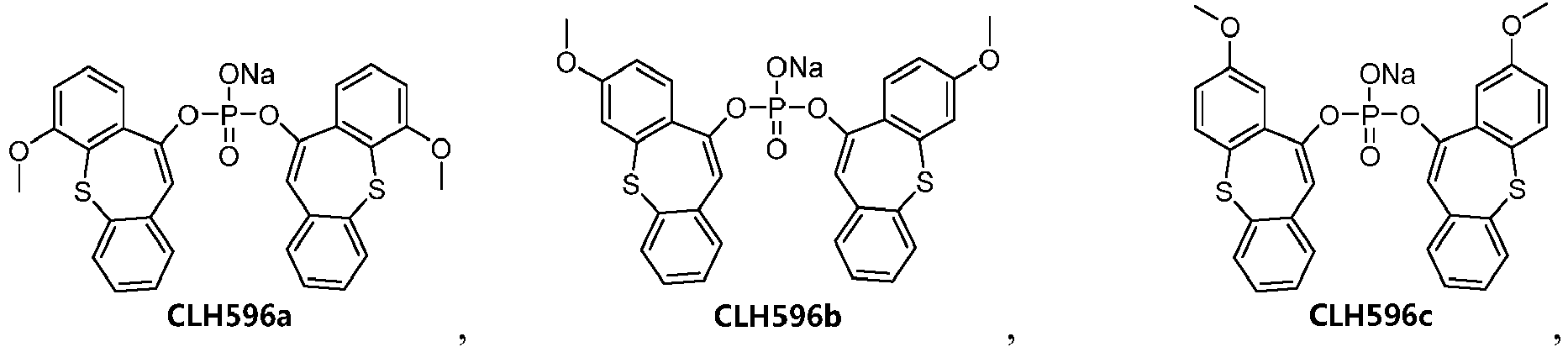


- Or in another preferred embodiment, each of the rings and substituents described in formula I is independently a corresponding group of each specific compound described in the specification.
- The second aspect of the invention provides a process for the preparation of the compound of the first aspect, the method comprising the step:

- reacting a compound of formula S1, a compound of formula S2 and a compound of formula S3 as starting materials to obtain the compound of formula I,
- wherein R1, R2, R3, R4, L1, L2, L3, L4, L5, L6, Y, Z, ring A, B, C, and D are as defined above, and --- represents a single bond or a double bond;
- X is F, Cl, Br or I.
- The third aspect of the invention provides a process for the preparation of the compound of the first aspect, the method comprising the step:

- wherein R1, R2, R3, R4, L1, L2, L3, L4, L5, L6, Y, Z, ring A, B, C, and D are as defined above, and --- represents a single bond or a double bond;
- X is F, Cl, Br or I.
- The fourth aspect of the invention provides a pharmaceutical composition comprising the compound or the pharmaceutically acceptable salt of the first aspect; and
a pharmaceutically acceptable carrier. - The fifth aspect of the invention provides use of the compound or the pharmaceutically acceptable salt of the first aspect or the pharmaceutical composition of the fourth aspect,
- (i) for the preparation of a GPR84 antagonist;
- (ii) as a GPR84 antagonist;
- (iii) for the preparation of a medicament for the treatment of a related disease caused by hyper-excitability or high expression of GPR84 receptor.
- In another preferred embodiment, the disease is multiple sclerosis, inflammatory bowel disease or arthritis.
- The fifth aspect of the present invention provides a method for treating a related disease caused by hyper-excitability or high expression of GPR84 receptor, comprising administering the compound or the pharmaceutically acceptable salt of the present invention to a patient in need thereof.
- Unless otherwise defined, all professional and scientific terms used herein have the same meaning known as those skilled in the art. Moreover, any methods and materials similar or equivalent to those described herein may be employed in the methods of the invention. The preferred embodiments and materials described herein are for illustrative purposes only.
- It should be understood that within the scope of the present invention, each of the above technical features of the present invention and each of technical features specifically described below (as in the embodiment) can be combined with each other to constitute a new or preferred technical solution. Due to space limitations, they will not be repeated herein.
- The inventors of the present application have extensively and intensively studied to develop a novel GPR84 antagonist, which can competitively inhibit the activation of the receptor by GPR84 agonist, and can be used for the preparation of a medicament for treating a related disease caused by hyper-excitability or high expression of GPR84 receptor including multiple sclerosis, inflammatory bowel disease, arthritis, and the like. On the basis of this, the present invention has been completed.
- In the present invention, C6-C10 means there are 6 to 10 carbon atoms, and C3-C6 means there are 3 to 6 carbon atoms, and so on.
- An integer of 0-4 means 0, 1, 2, 3, 4; and 6-10 carbon atoms means 6, 7, 8, 9, 10 carbon atoms, and so on.
- In the present invention, terms such as an aromatic ring, a cycloalkane ring, an alkyl and the like have the same meanings as those familiar to those skilled in the art unless otherwise specified. For example, alkyl refers to a saturated linear or branched hydrocarbyl; for example, -CH3 or -CH(CH3)2; alkylidene refers to a remaining moiety formed by formally removing two one-valence hydrogens from a saturated hydrocarbyl, including but not limited to methene (-CH2-), ethylene (-CH2CH2-), and the like. Alkoxy means -O-(alkyl), including but not limited to -OCH3, -OCH2CH3 and the like. Cycloalkyl refers to a saturated cyclic hydrocarbyl such as a cyclohexyl. Heterocycloalkyl refers to a saturated cyclic hydrocarbyl containing at least one hetero atom (e.g., N, O or S). Heteroaryl refers to an aromatic ring containing at least one hetero atom.
- Unless otherwise stated, the aromatic ring, heteroaryl ring, cycloalkane ring, alkyl, alkylidene, alkoxy, cycloalkyl, heterocycloalkyl, and the like described herein include both substituted and unsubstituted moiety, and possible substituent includes, but is not limited to, C1-C10 alkyl, C2-C10 alkenyl, C2-C10 alkynyl, C3-C20 cycloalkyl, C3-C20 cycloalkenyl, C1-C20 heterocycloalkyl, C1-C20 heterocycloalkenyl, C1-C10 alkoxy, aryl, aryloxy, heteroaryl, heteroaryloxy, amino, hydroxy, halogen, mercapto, cyano, nitro, carboxyl and carboxylate group.
- The GPR84 antagonist provided by the present invention is a compound having the structure of formula I:

- Each substituent is as defined above.
- Most preferably, the compounds of formula I according to the present invention are compounds prepared in the examples.
- The invention also provides a pharmaceutically acceptable salt thereof, comprising a salt formed from the reaction of the compound of formula I and an inorganic or organic base compound.
- Salts derived from inorganic bases include, but are not limited to, aluminum salts, ammonium salts, calcium salts, copper salts, iron salts, ferrous salts, lithium salts, magnesium salts, manganese salts, manganite salts, potassium salts, sodium salts, zinc salts, etc. Ammonium salts, calcium salts, magnesium salts, potassium salts and sodium salts are particularly preferred.
- Salts are derived from pharmaceutically acceptable organic non-toxic bases including, but not limited to, salts of primary, secondary and tertiary amines, substituted amines include naturally occurring substituted amines, cyclic amines and basic ions exchange resin such as arginine, betaine, caffeine, choline, N,N'-dibenzylethylenediamine, diethylamine, 2-diethylaminoethanol, 2-dimethylaminoethanol, aminoethanol, ethanolamine, ethylenediamine, N-ethylmorpholine, N-ethylpiperidine, glucosamine, aminoglucose, histidine, hydroxocobalamin, isopropylamine, lysine, methyl glucosamine, morpholine, piperazine, piperidine, polyamine resin, procaine, purine, theobromine, triethylamine, trimethylamine, tripropylamine, trometamol, and the like.
- The compound of formula I can be achieved by any of the following routes 1 to 6:
- The reaction is carried out in pyridine; the reaction temperature is from 60°C to 100 °C; the reaction time is about 1 to 24 hours; after the reaction is completed, the reaction mixture is extracted with a solvent such as AcOEt, Et2O, CH2Cl2, CHCl3 and the like, washed with saturated brine, dried, and subjected to low temperature and reduced pressure to remove the solvent, and the concentrate is subjected to column chromatography to give the desired product confirmed by NMR or the like.
- When the starting material S1 = S3, two equivalents of the starting material S1 are required for the reaction, and the obtained product P1 has a symmetrical structure. When the starting material S1 ≠ S3, the reaction produces a mixture of three products (PI to P3), and each product is separated by column chromatography.

- Each substituent is as defined above.
- The reaction is carried out in toluene; the base used is hexamethyldisilazane, the reaction temperature is 80 °C to 120 °C; the reaction time is about 1 to 24 hours; after the reaction is completed, the reaction mixture is extracted with a solvent such as AcOEt, Et2O, CH2Cl2, CHCl3 and the like, washed with a saturated brine, dried, and subjected to low temperature and reduced pressure to remove the solvent, and the concentrate is subjected to column chromatography to give the desired product confirmed by NMR or the like.

- When the starting material S4 = S6, two equivalents of the starting material S1 are required for the reaction, and the obtained product P1 has a symmetrical structure. When the starting material S4 ≠ S6, the reaction produces a mixture of three products (PI to P3), and each product is separated by column chromatography.
- Each substituent is as defined above.
-

- The starting material P2 is dissolved in EA, and washed twice with an aqueous solution, into which a base (the conjugate base of M, the hydroxide of M or the carbonic acid compound of M) is added. The aqueous layer is back-extracted with EA, the EA layer is concentrated, and the crude product is subjected to silica gel column chromatography to obtain the product P4.
- M is a cation of the following metals: Li, Na, K, Ca, Mg, Cu, Fe, Zn, Al, Mn;
or a conjugated acid of the following base: NH3, arginine, betaine, caffeine, choline, N,N'-dibenzylethylenediamine, diethylamine, 2-diethylaminoethanol, 2-dimethylaminoethanol, aminoethanol, ethanolamine, ethylenediamine, N-ethylmorpholine, N-ethylpiperidine, glucosamine, aminoglucose, histidine, hydroxocobalamin, isopropylamine, lysine, methyl glucosamine, morpholine, piperazine, piperidine, polyamine resin, procaine, purine, theobromine, triethylamine, trimethylamine, tripropylamine, trometamol, and the like; and the other substituents are as defined above.. -

- The starting material P5 is dissolved in anhydrous DCM under N2, and a solution of BBr3 in DCM is added dropwise under dry ice-acetone cooling, then gradually warmed to room temperature and stirred overnight. The reaction solution is diluted with water and extracted with EA, EA layer is washed with brine, and the organic phase is concentrated and subjected to silica gel column chromatography to obtain P6.
- R1' is a C1-C4 alkyl, and the other substituents are as defined above.
-

- The starting material P7 is dissolved in a mixed solution of DCM/MeOH, and an aqueous NaOH solution is added thereto under stirring at room temperature, and reacted at room temperature. After the reaction is completed, the reaction solution is concentrated under reduced pressure to remove MeOH, and then diluted with water. The pH was adjusted to pH 2 with IN HC1, then the mixture is extracted with EA, washed with brine, and the organic phase is dried over anhydrous Na2SO4, filtrated, and concentrated to obtain a crude product which is recrystallized from PE/DCM to give the hydrolysate P8.
- R5 is a C1-C4 alkyl, and L7 is a C1-C4 alkylidene, and the other substituents are as defined above.
-

- The starting material P9 is dissolved in MeOH, and a solution of Oxone in H2O is added dropwise with stirring at room temperature overnight. The reaction solution is diluted with water, extracted with EA and washed with brine. The organic phase is concentrated and subjected to silica gel column chromatography to obtain P10 and P11.
- The compound of the formula I, as an antagonist of GPR84, is capable of competitively inhibiting the activation of the receptor by an agonist of GPR84, and can be used for the preparation of a medicament for treating a disease caused by hyper-excitability or high expression of GPR84 receptor. The diseases include multiple sclerosis, inflammatory bowel disease, arthritis and the like.
- The pharmaceutical composition of the present invention comprises a therapeutically effective amount of the compound of formula I or the pharmaceutically acceptable salt thereof, and one or more medicinal carriers.
- "Medicinal carrier", "pharmaceutically acceptable carrier" or "pharmacologically available carrier" means one or more compatible solid or liquid filler or gel material which is suitable for human use and which must have sufficient purity and low toxicity. By "compatibility", it is meant herein that each component in the composition is capable of intermixing with the active ingredient of the present invention (the compound of formula I or a pharmaceutically acceptable salt thereof) without significantly reducing the efficacy of the active ingredient. Examples of pharmaceutically acceptable carriers are cellulose and its derivatives (such as sodium carboxymethylcellulose, sodium ethylcellulose, cellulose acetate, etc.), gelatin, talc, solid lubricant (such as stearic acid, magnesium stearate), calcium sulfate, vegetable oil (such as soybean oil, sesame oil, peanut oil, olive oil, etc.), polyol (such as propylene glycol, glycerin, mannitol, sorbitol, etc.), emulsifier (Tween®), wetting agent (such as sodium dodecyl sulfate), colorant, flavoring agent, stabilizer, antioxidant, preservative, pyrogen-free water and the like.
- The compounds and pharmaceutical compositions of the present invention may be in various forms, and may be administered orally in the form of, such as capsule, tablet, granule, solution, powder, pulvis or syrup, or administered in the non-oral form, such as an injection. The compounds and pharmaceutical compositions may be presented in a suitable solid or liquid vehicle and in a suitable sterilizing device for injection or drip. The above formulations can be prepared by conventional pharmaceutical methods.
- The compounds and pharmaceutical compositions of the present invention are useful for clinical use in mammals, including humans and animals, and can be administered by the oral, nasal or gastrointestinal routes. The most preferred route of administration is oral.
- The above features mentioned in the present invention, or the features mentioned in the embodiments, may be arbitrarily combined. All of the features disclosed in the present specification can be used in combination with any of the compositions, and each of the various features disclosed in the specification can be replaced by any alternative feature that provides the same, equal or similar purpose. Therefore, unless otherwise stated, the disclosed features are only general examples of equal or similar features.
- The invention is further illustrated below in conjunction with specific examples. It is to be understood that the examples are for illustrative purposes only and are not intended to limit the scope of the invention. The experimental methods in the following examples which do not specify the specific conditions are usually carried out according to the conventional conditions, such as the conditions described in Sambrook et al., Molecular Cloning: Laboratory Manual (New York: Cold Spring Harbor Laboratory Press, 1989), or according to the conditions suggested by the manufacturer. Unless otherwise stated, percentages and parts are by weight.
- In the following examples, NMR was measured using a Mercury-VX 300M or Mercury-VX400M instrument manufactured by Varian (NMR calibration: δ H 7.26 ppm (CDCl3), 2.50 ppm (DMSO-d6 ), 3.15 ppm (CD3OD)). The reagents were mainly provided by Shanghai Chemical Reagent Co., Ltd.. TLC thin layer chromatography silica gel plate (model, HSGF 254) is produced by Shandong Yantai Huiyou Silicone Development Co., Ltd.. The normal phase column chromatography silica gel used for compound purification (model zcx- 11, 200-300 mesh) is produced by Branch Factory of Shandong Qingdao Marine Chemical Plant.
-

- G1 was synthesized by referring to J. Med. Chem. 2010, 53, 7021-7034; and
PCT Int. Appl., 2009016085, 05 Feb 2009 . Some analogs of G1 can be purchased from reagent companies, and the others were prepared using the same or similar routes as for the synthesis of G1. - The starting material G1 (510 mg, 2.25 mmol) was dissolved in dry pyridine (2.5 mL), and then double-distilled POCl3 (207 µL, 2.25 mmol) was added dropwise under N2 and reacted at 130 °C for 3 h. The reaction solution was cooled to room temperature, diluted with water, adjusted to pH2 with 6 N HCl and then extracted with EA. The aqueous layer was back-extracted three times, dried over anhydrous Na2SO4, filtrated, concentrated, and then subjected to silica gel column chromatography (DCM/MeOH = 20/1 - 10/1) to obtain the desired compound CLH514 (230 mg, 40%, white solid). 1H NMR (d 6-DMSO, 300 MHz): δ 7.63 (d, J = 7.2 Hz, 2H), 7.41-7.50 (m, 4H), 7.20-7.40 (m, 12H), 3.56 (br, 1H).
- The following compounds were synthesized in the same manner:
No. Structure formula 1H NMR data CLH478 
1H NMR (CDCb, 300 MHz): δ 7.64 (d, J = 7.5 Hz, 2H), 7.25 (s, 2H), 6.78-7.10 (m, 14H), 3.36 (s, 4H), 3.00 (br, 1H). CLH482 
1H NMR (CDCl3, 300 MHz): δ 7.43 (d, J = 7.5 Hz, 2H), 6.90-7.10 (m, 12H), 6.69 (t, J = 6.9 Hz, 4H), 3.59 (br, 1H). CLH508 
1H NMR (d 6-DMSO, 300 MHz): δ 7.35-7.55 (m, 2H), 7.10-7.35 (m, 4H), 6.80-7.10 (m, 12H), 3.34 (s, 1H), 3.17 (s, 3H), 3.12 (s, 3H). -

- The starting material G1 (2.635g, 11.64 mmol) was dissolved in dry pyridine (10 mL), and then double-distilled POCl3 (0.610 mL, 6.64 mmol) was added dropwise under N2 and reacted at 130 °C for 3 h. The reaction solution was cooled to room temperature, diluted with water, adjusted to pH2 with 6 N HCl and then extracted with EA. The EA layer was washed with saturated Na2CO3 solution. The aqueous layer was back-extracted three times, dried over anhydrous Na2SO4, filtrated, concentrated, and then subjected to silica gel column chromatography (DCM/MeOH = 10/1) to obtain the desired compound CLH536 (2.247g, 72%, white solid). 1H NMR (d 6-DMSO, 300 MHz): δ 7.72 (dd, J = 5.4 Hz, 1.8 Hz, 2H), 7.40-7.44 (m, 4H), 7.15-7.35 (m, 12H).
- The following compounds were synthesized in the same manner.
No. Structure formula 1H NMR data CLH472 
1H NMR (d 6-DMSO, 300 MHz): δ 8.76 (d, J = 8.4 Hz, 2H), 8.65-8.72 (m , 2H), 8.27 (d, J = 8.1 Hz, 2H), 7.85 (s, 2H), 7.70-7.75 (m, 2H), 7.65 (t, J = 6.9 Hz, 2H), 7.45-7.60 (m , 6H). CLH472a 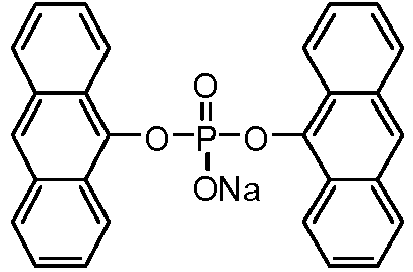
1U NMR (d 6-DMSO, 300 MHz): δ 8.73 (d, J = 8.4 Hz, 4H), 8.33 (s, 2H), 8.06 (d, J = 8.4 Hz, 4H), 7.48 (t, J = 7.2 Hz, 4H), 7.39 (t, J = 7.2 Hz, 4H) CLH524 
1H NMR (CDCl3, 300 MHz): δ 7.35 (d, J = 8.1 Hz, 1H), 7.20-7.28 (m, 1H), 6.72-7.10 (m, 16H), 6.50-6.70 (m, 4H). CLH524a 
1H NMR (CDCl3, 300 MHz): δ 7.60-7.70 (m, 2H), 7.00-7.20 (m, 10H), 6.80-7.00 (m, 6H), 4.80-5.00 (m 4H). CLH528 
1H NMR (CDCl3, 300 MHz): 8.13-8.16 (m, 2H), 8.01-8.04 (m, 2H), 7.60-7.75 (m, 6H), 7.40-7.50 (m, 2H), 7.28-7.40 (m, 4H), 6.80 (s, 2H). CLH528a 
1H NMR (CDCl3, 400 MHz): δ 7.35-7.40 (m, 4H), 7.15-7.25 (m, 8H), 7.10-7.16 (m, 4H), 6.40-6.60 (br, 2H), 4.20 (q, J = 6.6 Hz, 2H), 1.62 (s, 6H). XYF528 
1H NMR (CDCl3, 400 MHz): δ 7.27(s, 2H), 6.86-6.97 (m,14H), 6.75(s, 2H), 3.04-3.14 (m, 8H). CLH544 
1H NMR (CDCl3, 300 MHz): δ 7.47-7.72 (br, 2H), 7.01-7.25 (br, 2H), 6.71-7.69 (br, 2H), 6.36-6.62 (br, 2H), 3.70 (s, 6H), 3.00-3.20 (br, 4H), 2.26-2.56 (br, 4H), 1.20-1.60 (m, 8H). CLH544a 
1H NMR (CDCl3, 300 MHz) δ 7.55-7.47 (m, 4H), 7.30-7.15 (m, 4H), 6.72 (s, 2H), 2.41 (t, J = 12.5 Hz, 4H), 2.32 (t, J = 12.0 Hz, 4H), 1.80-1.67 (m, 4H), 1.65-1.52 (m, 4H). CLH548 
1H NMR (CDCl3, 300 MHz): δ 7.28-7.35 (m, 2H), 7.08-7.18 (m, 8H), 7.02-7.08 (m, 2H), 6.77 (s, 2H). CLH552 
1H NMR (CDCl3, 300 MHz): δ 7.72 (d, J = 6.6 Hz, 1H), 7.60 (d, J = 6.6 Hz, 1H), 7.34 (s, 2H), 7.16 (s, 4H), 6.88-7.10 (m, 6H), 6.60-6.88 (m, 4H), 1.16-1.36 (br, 3H), 1.11 (t, J = 6.3 Hz, 1H), 0.35-0.60 (m, 2H), 0.15-0.35 (br, 2H). CLH560 
1H NMR (CDCl3, 300 MHz): δ 7.20-7.30 (m, 4H), 7.13 (d, J = 7.8 Hz, 2H), 6.90-7.06 (m, 4H), 6.66-6.86 (m, 4H), 6.57 (d, J = 8.1 Hz, 2H), 3.66 (s, 6H), 3.40-3.58 (br, 4H). XYF560 
1H NMR (CDCl3, 300 MHz): δ 7.85-8.1 (m, 4H), 6.50-7.10 (m, 6H). CLH572a 
1H NMR (CDCl3, 300 MHz): δ 7.30-8.00 (br, 5H), 6.10-7.20 (m, 11H). CLH572b 
1H NMR (CDCl3, 300 MHz): δ 7.15-8.00 (br, 6H), 6.60-7.13 (m, 7H), 6.00-6.60 (br, 3H). CLH572c 
1H NMR (CDCl3, 300 MHz): δ 7.30-8.50 (m, 6H), 6.10-7.20 (m, 10H). XYF573 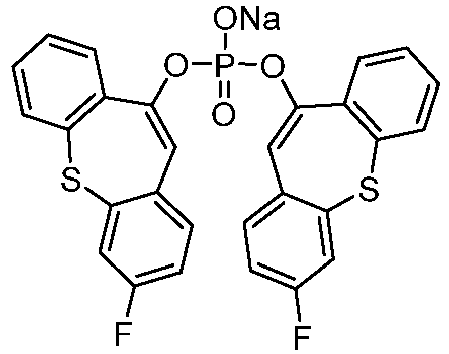
1H NMR (d6 -DMSO, 300 MHz): δ7.71 (d, J = 7.2 Hz, 2H), 7.15-7.42 (m, 14H). XYF573a 
1H NMR (d6 -DMSO, 300 MHz): δ7.71 (d, J=9.0Hz,2H), 7.17-7.48 (m, 12H), 7.02(d, J=7.8 Hz, 2H). XYF573b 
1H NMR (d6 -DMSO, 300 MHz): δ7.71 (d, J=6.9 Hz, 2H), 7.32-7.48 (m, 10H), 7.06-7.10(m, 2H), 6.97(d, J=10.2 Hz, 2H). XYF573c 
1H NMR (d6 -DMSO, 300 MHz): δ7.73 (d, J=7.8 Hz, 2H), 7.15-7.46 (m, 14H). CLH596a 
1H NMR (CDCl3, 300 MHz): δ 7.40 (d, J = 8.4 Hz, 2H), 7.30 (s, 2H), 7.22 (d, J = 7.8 Hz, 2H), 7.03 (t, J = 7.2 Hz, 4H), 6.88-7.00 (m, 4H), 6.59 (d, J = 7.2 Hz, 2H), 3.67 (s, 6H). CLH596b 
1H NMR (CDCl3, 300 MHz): δ 7.30-7.70 (br, 4H), 7.10-7.30 (br, 2H), 6.50-7.10 (m, 8H), 6.00-6.50 (br, 2H), 3.49 (s, 6H). CLH596c 
1H NMR (CDCl3, 300 MHz): δ 7.32-7.60 (br, 2H), 7.17-7.30 (br, 2H), 6.85-7.17 (m, 8H), 6.70-6.85 (br, 2H), 6.45-6.65 (br, 2H), 3.34 (s, 6H). XYF608 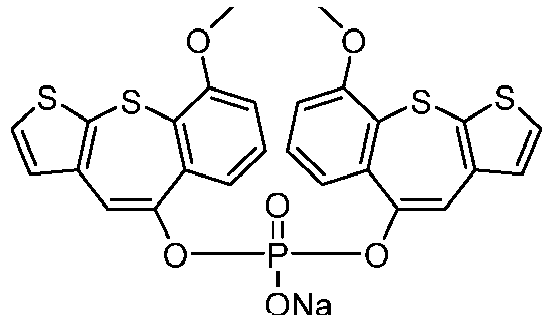
1H NMR (CDCl3, 300 MHz): δ 7.15-7.23 (m, 4H), 6.86-6.96 (m, 4H), 6.58-6.63(m, 4H), 3.67(s, 6H) CLH616a 
1H NMR (CDCl3, 300 MHz): δ 7.46-7.52 (m, 4H), 7.28-7.44 (m, 8H), 7.12-7.22 (m, 4H), 6.75 (s, 2H), 4.15-4.35 (m, 8H). CLH624 
1H NMR (CDCl3, 300 MHz): δ 7.30-7.52 (m, 4H), 7.12-7.23 (m, 2H), 6.94-7.12 (m, 4H), 6.73-6.93 (m, 4H), 6.50-6.68 (m, 2H), 3.90 (q, J = 6.6 Hz, 4H), 1.37 (t, J = 6.6 Hz, 6H). XYF628 
1H NMR (d6 -DMSO, 300 MHz): δ7.55 (d, J=7.5 Hz, 2H), 7.31-7.36 (m, 6H), 7.16-7.23 (m, 6H), 2.94 (q, J=7.5 Hz, 4H), 1.17 (t, J=7.5 Hz, 3H). XYF628a 
1H NMR (d6 -DMSO, 300 MHz): δ7.55 (d, J = 7.5 Hz, 2H), 7.16-7.40 (m, 10H), 7.03 (d, J = 9.6 Hz, 2H), 2.97 (q, J = 7.5 Hz, 4H), 1.18 (t, J = 7.5 Hz, 3H). XYF628b 
1H NMR (d6 -DMSO, 300 MHz): δ 7.54-7.56 (m, 4H), 7.31-7.34 (m, 4H), 7.20 (t, J = 7.5 Hz, 2H), 7.09 (t, J = 8.4 Hz, 2H), 6.95 (d, J = 9.6 Hz, 2H), 2.93 (q, J = 7.5 Hz, 4H), 1.16 (t, J = 7.5 Hz, 3H). XYF628c 
1H NMR (d6 -DMSO, 300 MHz): δ7.56 (d, J = 7.2 Hz, 2H), 7.15-7.43 (m, 12H), 2.93 (q, J = 7.5 Hz, 4H), 1.17 (t, J = 7.5 Hz, 3H). XYF632 
1H NMR (CDCl3, 400 MHz): δ7.21 (s, 2H), 7.08-7.13 (m, 4H), 6.84-6.91 (m, 4H), 6.61 (d, J = 8.0 Hz, 2H), 6.50-6.58 (m, 2H), 3.69 (s, 6H). XYF632a 
1H NMR (d 6-DMSO, 400 MHz): δ7.35 (s, 2H), 7.27-7.30 (m, 6H), 7.14 (t, J = 8.8 Hz, 2H), 7.07 (dd, J = 2.0 Hz, 7.6Hz, 2H), 6.98 (d, J = 8.0 Hz, 2H), 3.82 (s, 6H). XYF632b 
1H NMR (d 6-DMSO, 400 MHz): 87.14-7.29 (m, 12H), 7.05 (d, J = 8.0 Hz, 2H), 3.81 (s, 6H). XYF632c 
1H NMR (d 6-DMSO, 400 MHz): δ7.39 (s, 2H), 7.17-7.32 (m, 10H), 7.06 (d, J = 8.0 Hz, 2H), 3.81 (s, 6H). CLH652 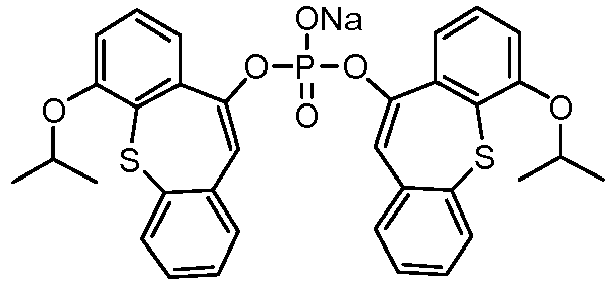
1H NMR (CDCl3, 300 MHz): δ 7.29-7.46 (d, J = 6.9 Hz, 4H), 7.15-7.25 (m, 2H), 6.96-7.10 (m, 4H), 6.75-6.96 (m, 4H), 6.58-6.73 (d, J = 6.6 Hz, 2H), 4.15-4.39 (m, 2H), 1.26 (d, J = 6.0 Hz, 12H). CLH656 
1H NMR (CDCl3, 300 MHz): δ 7.40 (s, 2H), 7.20-7.34 (m 2H), 6.80-7.10 (m, 8H), 6.72 (s, 2H), 3.75 (s, 6H), 3.28 (s, 6H). CLH656a 
1H NMR (CDCl3, 300 MHz): δ 7.43-7.46 (m, 2H), 7.06-7.23 (m, 8H), 6.59-6.74 (m, 4H), 3.74 (s, 3H), 3.73 (s, 3H), 3.60 (s, 6H). XYF656 
1H NMR (CDCl3, 400 MHz): δ7.25-7.28 (m, 4H), 6.92-6.95 (m, 6H), 6.59 (d, J = 4.0 Hz, 2H), 6.45 (d, J = 4.0Hz, 2H), 3.70(s, 6H), 3.63 (s, 6H). XYF656a 
1H NMR (d 6-DMSO, 400 MHz): δ7.30(s, 2H), 7.28 (d, J = 1.6Hz, 2H), 7.17-7.22 (m, 4H), 7.02 (d, J = 8.0 Hz, 2H), 6.91 (d, J = 8.0 Hz, 2H), 6.73 (d, J = 8.0 Hz, 2H), 3.80 (s, 12H). XYF656b 
1H NMR (d 6-DMSO, 400 MHz): 87.30-7.34 (m, 6H), 7.21(t, J=8.0Hz, 2H), 7.03 (d, J = 8.0 Hz, 2H), 6.77 (dd, J = 4.0 Hz, 12.0Hz, 2H), 6.66 (d, J = 4.0 Hz, 2H), 3.81 (s, 12H), (3.68, 2H). CLH736 
1H NMR (CDCl3, 300 MHz): δ 7.57 (d, J = 7.5 Hz, 2H), 7.20-7.40 (m, 6H), 6.90-7.15 (m, 8H), 3.93 (q, J = 7.2 Hz, 4H), 3.44 (q, J = 7.2 Hz, 2H), 1.24 (d, J = 7.2 Hz, 6H), 1.04 (t, J = 7.2 Hz, 6H). XYF536c 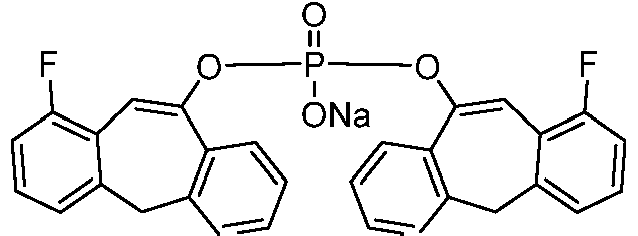
1H NMR (d6-DMSO, 300 MHz): δ7.65 (d, J=7.5 Hz, 2H), 7.14-7.34 (m, 12H) 6.98-7.04 (m, 2H), 3.59(s, 4H) XYF604 
1H NMR (d6-DMSO, 500 MHz): δ7.71 (d, J=7.5 Hz, 2H), 7.45-7.49 (m, 4H), 7.34-7.41(m, 6H), 7.26(t, J=7.5, 2H), 7.15(d, J=8.0Hz, 2H) XYF604a 
1H NMR (d6-DMSO, 500 MHz): δ7.70 (d, J=8.0 Hz, 2H), 7.51(dd, J=7.5Hz, 1.0 Hz, 2H), 7.30-7.39 (m, 8H), 7.20(d, J=8.5Hz, 2H) XYF604b 
1H NMR (d6-DMSO, 300 MHz): δ7.71 (d, J=7.8 Hz, 2H), 7.28-7.45 (m, 12H), 7.17(d, J=2.1, 2H). XYF604c 
1H NMR (d6-DMSO, 300 MHz): δ7.69 (d, J=7.2 Hz, 2H), 7.54 (s, 2H) 7.22-7.47 (m, 12H) XYF564a 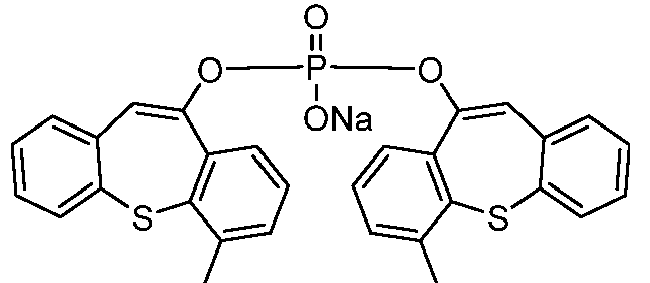
1H NMR (d6-DMSO, 500 MHz): δ7.58 (d, J=7.5 Hz, 2H), 7.52(d, J=7.5Hz, 2H), 7.38 (s, 2H), 7.32-7.21 (m, 8H), 7.16(t, J=7.5Hz, 2H), 2.53 (s, 6H) XYF564b 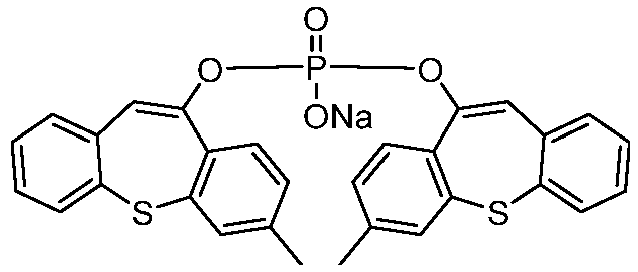
1H NMR (d6-DMSO, 500 MHz): δ 7.63 (d, J=8.0 Hz, 2H), 7.44 (dd, J=7.5, 1.0 Hz, 2H), 7.34 (s, 2H), 7.30-7.22 (m, 6H), 7.18(d, J=7.5Hz, 2H), 7.11 (d, J=7.5Hz, 2H), 2.26 (s, 6H) XYF564c 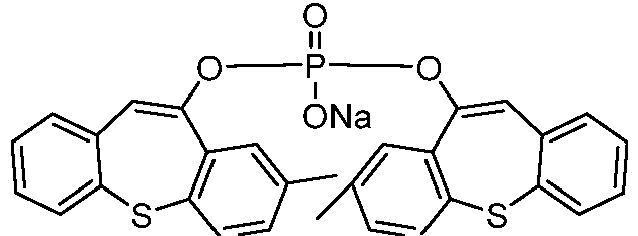
1H NMR (d6-DMSO, 500 MHz): δ7.49 (s, 2H), 7.44 (d, J=8.0 Hz, 2H), 7.38 (s, 2H), 7.32-7.21 (m, 6H), 7.20(d, J=7.5Hz, 2H), 7.15 (dd, J=8.0, 1.5 Hz, 2H), 2.14 (s, 6H) XYF540 
1H NMR (d6-DMSO, 500 MHz): 7.62 (dd, J=8.0, 2.0 Hz, 2H), 7.41 (td, J=8.0, 2.0 Hz, 2H), 7.31-7.24 (m, 4H), 7.16 (td, J=8.0, 1.5 Hz, 2H), 7.12-7.03 (m, 6H) XYF564-2a 
1H NMR (d6-DMSO, 500 MHz): 87.26-7.23 (m, 2H), 7.20-7.05 (m, 10H), 6.96 (s, 12H), 3.86 (s, 6H) -

- The starting material G2 was purchased from a reagent company, and the synthesis of the starting material G3 was carried out in the same synthetic route as G1.
- The starting materials G2 (62.7 mg, 0.192 mmol) and G3 (49.2 mg, 0.192 mmol) were dissolved in dry pyridine (0.5 mL), and then double-distilled POCl3 (21 µL, 0.230 mmol) was added dropwise under N2 and reacted at 130 °C for 3 h. The reaction solution was diluted with EA, then diluted with water, adjusted to pH1 with 6 N HCl and then extracted with EA three times. The EA layer was washed with saturated brine and then saturated Na2CO3 solution. The organic phase was concentrated and subjected to silica gel column chromatography (DCM/MeOH = 20/1 - 6/1) to obtain the desired compound CLH666 (23 mg, 18%, white solid). 1HNMR (CDCl3, 300 MHz): δ7.53 (d, J = 6.9 Hz, 1H), 7.42 (d, J = 7.8 Hz, 1H), 7.16-7.37 (m, 5H), 6.83-7.16 (m, 8H), 6.61 (d, J = 8.4 Hz, 1H), 3.75-4.00 (m, 2H), 3.69 (s, 3H), 3.43 (q, J = 6.9 Hz, 1H), 1.22 (d, J = 6.9 Hz, 3H), 1.01 (t, J = 6.9 Hz, 3H).
-

- The starting material, CLH596a (45.2 mg, 0.076 mmol), was dissolved in dry EtOAc (1 mL). 2N solution of BBr3 in DCM ((190 µL, 0.3 mmol) was added dropwise under N2 and dry ice-acetone cooling, then gradually warmed to room temperature and stirred overnight. The reaction solution was diluted with water and extracted with EA three times. The EA layer was washed with brine and then saturated Na2CO3 solution. The organic phase was concentrated and purified by silica gel preparation plate (DCM/MeOH = 20/1 - 6/1, developped twice) to obtain the desired compounds.
- CLH568 (18.3 mg, 42.3%, white solid). 1H NMR (d 6-DMSO, 300 MHz): δ 9.50-9.70 (br, 2H), 7.47 (d, J = 6.3 Hz, 2H), 7.10-7.35 (m, 10H), 7.04 (t, J = 7.8 Hz, 2H), 6.89 (J = 7.8 Hz, 2H).
- CLH582 (11.2 mg, 25.3%, white solid). 1H NMR (CDCl3, 300 MHz): δ 7.30-7.40 (m, 3H), 7.15-7.26 (m, 3H), 7.12 (d, J = 7.2 Hz, 1H), 6.70-7.05 (m, 8H), 6.38 (d, J = 8.1 Hz, 1H), 3.61 (s, 3H).
-
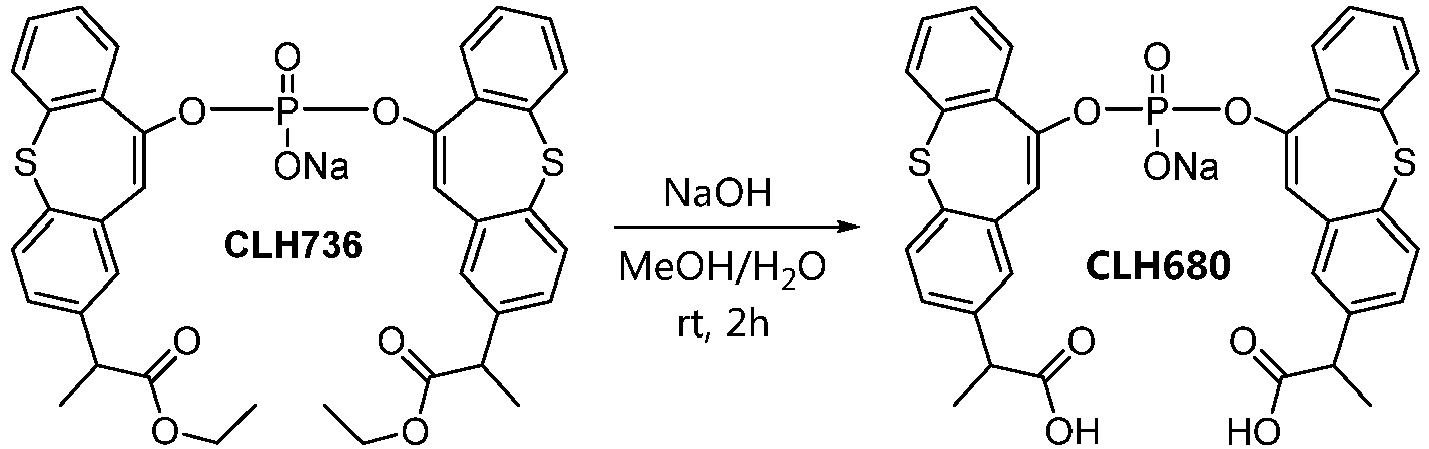
- The starting material CLH736 (13 mg, 0.018 mmol) was dissolved in 4 mL of methanol, and IN aqueous NaOH (1 mL) was added under stirring at room temperature, and reacted at room temperature for 2 h. The reaction solution was concentrated under reduced pressure to remove MeOH, diluted with water, and then adjusted to pH2 with IN HCl. The mixture was extracted with EA and washed with brine. The aqueous layer was back-extracted once and the organic phase was dried over Na2SO4, filtrated and concentrated. The obtained crude product was recrystallized from PE/DCM to give the product CLH680 (8.8 mg, 72%, white solid). 1H NMR (CDCl3, 300 MHz): δ 7.57 (d, J = 7.5 Hz, 2H), 7.20-7.40 (m, 6H), 6.90-7.15 (m, 8H), 3.44 (q, J = 7.2 Hz, 2H), 1.24 (d, J = 7.2 Hz, 6H).
- The following compound was synthesized in the same manner:
CLH638 
1H NMR (CDCl3, 300 MHz): δ 7.57 (d, J = 6.9 Hz, 1H), 7.44 (d, J = 7.8 Hz, 1H), 7.16-7.37 (m, 5H), 6.83-7.16 (m, 8H), 6.77 (d, J = 7.5 Hz, 1H), 3.67 (s, 3H), 3.40-3.45 (m, 1H), 1.29 (d, J = 5.7 Hz, 3H). -

- The starting material CLH536 (100 mg, 0.186 mmol) was dissolved in MeOH (20 mL). A solution of Oxone (potassium hydrogen peroxymonosulfate, 500 mg, 1.627 mmol) in H2O was added dropwise under stirring at room temperature and reacted at room temperature overnight. The reaction solution was diluted with water, extracted with EA, washed with brine and subjected to silica gel column chromatography (DCM/MeOH = 25/1 - 6/1) to obtain the products.
- CLH600 (20 mg, 18%, white solid). 1H NMR (d 6-DMSO, 300 MHz): δ 8.16 (s, 2H), 8.06 (d, J = 7.2 Hz, 4H), 7.65-7.80 (m, 8H), 7.50-7.65 (m, 4H).
- CLH584 (12 mg, 11%, white solid). 1H NMR (d 6-DMSO, 300 MHz): δ 8.00-8.12 (m, 3H), 7.46-7.80 (m, 11H), 7.30-7.46 (m, 4H).
- CLH568a (10 mg, 9%, white solid). 1H NMR (d 6-DMSO, 300 MHz): δ 6.60-7.90 (m, 8H), 7.56 (t, J = 7.2 Hz, 2H), 7.32-7.50 (m, 7H), 7.25 (d, J = 7.2 Hz, 1H).
-

- The starting material G1 (226 mg, 1 mmol) was dissolved in THF (4 mL), and a solution of methylmagnesium bromide in diethyl ether (3 mol/L, 0.5 mL) was added dropwise under the ice bath, then warmed to room temperature and reacted for 3 hours. The saturated ammonium chloride solution was added to quench the reaction. The mixture was extracted with EA, washed with saturated brine, dried over anhydrous sodium sulfate and dried by rotary evaporation. A solution of hydrochloric acid/ethyl acetate solution (4 mol/L, 2 mL) was added and reacted at room temperature overnight. The reaction solution was concentrated and the crude product was separated by column chromatography (PE/EA = 20/1 - 10/1) to afford product G4 (135 mg, yield 60%).
- The starting material G4 (135 mg, 0.60 mmol) was dissolved in carbon tetrachloride (5 mL), and NBS (139 mg, 0.78 mmol) and AIBN (10 mg) were added successively, and the mixture was heated to reflux for 5 hours, then cooled to room temperature and filtered to remove the solid. The filtrate was concentrated and separated by column chromatography to afford product G5 (82 mg, yield 45%).
- The starting material G5 (100 mg, 0.33 mmol) and amine phosphite (11 mg, 0.13 mmol) were dissolved in anhydrous toluene (1.5 mL), and hexamethyldisilazane (HMDS, 110 µL, 0.53 mmol) was added under argon atmosphere and heated to reflux overnight. The mixture was cooled to room temperature and dried by rotary evaporation to remove toluene. Then dichloromethane: methanol (1: 1) was added to dissolve the residue. The mixture was dried by rotary evaporation and subjected to silica gel column chromatography (DCM/MeOH = 25/1 - 6/1) to give product XYF 532 (30 mg, yield 43%). 1H NMR (CDCl3, 300 MHz): δ 7.10-7.40 (m, 18H), 2.96-3.27 (br, 4H).
- GPR84 antagonistic activity of the compounds of the invention was determined.
- The human GPR84 cell line was obtained by transfecting a HEK293 cell line with a plasmid encoding GPR84 and Gα16 proteins. Fluorescent dye Fluo-4AM was purchased from Invitrogen.
- Intracellular Ca2+ ion is a very important second messenger of G protein-coupled receptor signaling pathway. When combined with Gα16 protein-coupled GPR84 and agonist, intracellular Ca2+ ion concentration can be significantly increased. Fluo-4 is a Ca2+ ion-specific fluorescent probe that binds quantitatively to Ca2+ ions and emits fluorescence. Therefore, the agonistic or antagonistic activity of the compound can be detected in a 96-well or 384-well flat-bottomed microplate using a fluorescence assay.
- Detection of receptor inhibitory effect by GPR84 antagonist: After incubated with fluorescent dye Fluo-4, GPR84 cells were incubated with different concentrations of antagonistic compounds for a period of time to occupy the binding site of agonist to GPR84 (antagonistic binding site). A certain concentration of agonist (6-OAU) was added to compete with the antagonist compound for binding sites. A light source with a wavelength of 485 nm was used for excitation and changes in the fluorescence intensity of the dye caused by changes in intracellular calcium concentration at 525 nm was detected. The half-inhibitory concentration (IC50) of the compound was calculated by using GraphPad PRISM software.
- Preparation of HBSS: 0.4 g/L KCl (5.4 mM), 0.12 g/L Na2HPO4·12H2O (0.3 mM), 0.06 g/L KH2PO4 (0.4 mM), 0.35 g/L NaHCO3 (4.2 mM), 0.14 g/L CaCl2 (1.3 mM), 0.10 g/L MgCl2·6H2O (0.5 mM), 0.05 g/L MgSO4 (0.6 mM), 8.0 g/L NaCl (137 mM). The above ingredients were weighed and dissolved in ultrapure water. pH was adjusted to 7.4 by using hydrochloric acid or NaOH solution. The mixture was filtered and stored at 4 °C for one month.
- Preparation of calcium buffer: 560 mM D-glucose (100X) aqueous stock solution and 250 mM 1,2-diphenyl-4-(2-phenylsulfinyl)ethyl-3,5-pyrazolidinedione (1000X) stock solution were firstly prepared. Then BSA (0.5g), 560 mM D-glucose (1 mL) stock solution and 250 mM 1,2-diphenyl-4-(2-phenylsulfinyl)ethyl-3,5-pyrazolidinedione (100 µL) stock solution were added to 100 mL HBSS to a final concentration of 0.5% BSA, 5.6 mM D-glucose, 250 µM 1,2-diphenyl-4-(2-phenylsulfinyl)ethyl-3,5-pyrazolidinedione and mixed. The buffer was prepared on site.
- Preparation of dyes: 3% Cremophor EL (100X) stock solution in PBS and 2 mM Fluo-4 (1000X) stock solution in DMSO were firstly prepared. The preparation of each milliliter of dye is as follows. 1 µL of 2 mM Fluo-4 AM was mixed with 10 µL of 3% Cremophor EL, then diluted with 1 mL of calcium buffer and mixed.
- The cells were seeded at a density of 40,000cells/well into a 96-well cell culture plate, and cultured for 24 hours or more to a cell density of 80 to 90% for experimental detection. The culture medium in the well to be tested was removed and 40 µL/well of freshly prepared dye was added and incubated in a 37-degree incubator for 40 min to 50 min.
- The compound was formulated during cell incubation (this step can also be carried out in advance). The compound used as antagonist was diluted with calcium buffer freshly prepared before the experiment to 1.5 times of the final working concentration. The compound as agonist was diluted to 3 times of the final working concentration (if the compound is dissolved in DMSO, the final work concentration of DMSO shall not exceed 1%).
- After the incubation step was completed, the dye was discarded, and the residue was washed with calcium buffer once and then replaced with 50 µL of calcium buffer containing different concentrations of antagonist and incubated for another 10 min.
- 25 µL/well of calcium buffer containing a certain concentration of agonist (usually an effective concentration of agonist ECso) was added for stimulation and a light source with a wavelength of 485 nm was used for excitation and changes in the fluorescence intensity of the dye caused by changes in intracellular calcium concentration at 525 nm was detected by using a FlexStation III microplate reader.
-
Table 1. IC50 of the compound detected by the GPR84 calcium flow model Compound No. GPR84 Compound No. GPR84 Compound No. GPR84 CLH472 * CLH568 *** XYF628b ** CLH472a ** CLH572a ** XYF628c *** CLH478 *** CLH572b ** XYF632 *** CLH482 ** CLH572c ** XYF632a *** CLH508 ** XYF573 ** XYF632b *** CLH514 *** XYF573a ** XYF632c *** CLH524 ** XYF573b *** CLH638 *** CLH524a ** XYF573c *** CLH652 ** CLH528 ** CLH582 *** CLH656 *** CLH528a ** CLH584 * CLH656a ** XYF528 ** CLH596a *** XYF656 *** XYF532 * CLH596b *** XYF656a ** CLH536 *** CLH596c *** XYF656b *** CLH544 ** CLH600 * CLH666 *** CLH544a ** XYF608 *** CLH680 * CLH548 *** CLH616a ** CLH736 * CLH552 *** CLH624 *** XYF536c *** CLH560 *** XYF628 * XYF604 ** XYF560 ** XYF628a *** XYF604a ** XYF604b *** XYF564b *** XYF564-2a *** XYF604c *** XYF564c *** XYF564a *** XYF540 *** * 1 - 10 µM; ** 0.1 - 1 µM; *** 0.1 - 100 nM - All documents mentioned in the present application are incorporated herein by reference, just as each document is cited separately as a reference. In addition, it should be understood that various modifications and changes may be made by those skilled in the art after reading the above teachings of the present invention. These equivalent forms are also within the scope defined by the claims appended hereto.
Claims (10)
- A compound or a pharmaceutically acceptable salt having the structure of formula I,
 Y is O or S;Z is H, or an ion of the following metal: Li, Na, K, Ca, Mg, Cu, Fe, Zn, Al, Mn, or a conjugated acid of the following base: NH3, arginine, betaine, caffeine, choline, N,N'-dibenzylethylenediamine, diethylamine, 2-diethylaminoethanol, 2-dimethylaminoethanol, aminoethanol, ethanolamine, ethylenediamine, N-ethylmorpholine, N-ethylpiperidine, glucosamine, aminoglucose, histidine, hydroxycobalamin, isopropylamine, lysine, methyl glucosamine, morpholine, piperazine, piperidine, polyamine resin, procaine, purine, theobromine, triethylamine, trimethylamine, tripropylamine, trometamol;L3 and L6 are each independently O, S, NH or CH2;each of rings A, B, C, and D is independently a C6-C10 aromatic ring, a C3-C10 cycloalkane ring, a C3-C10 heterocycloalkane ring, or a C3-C10 heteroaryl ring;R1, R2, R3, and R4 are each independently 1 to 4 substituents on rings A, B, C, and D, and each substituent is independently absent, hydroxyl, mercapto, amino, F, Cl, Br, I, -CrH2r-L7-CsH2s+1, -CrH2r-N(CtH2t+1)-CsH2s+1, substituted or unsubstituted C1-C6 alkyl, substituted or unsubstituted C3-C6 cycloalkyl, substituted or unsubstituted C6-C10 aryl, substituted or unsubstituted C3-C10 heteroaryl, the above substitution means there is one or more substituents selected from the group consisting of C1-C6 alkyl, C1-C6 alkoxy, halogen, hydroxyl, amino, -COOC1-C6 alkyl, -COOH; L7 is each independently O, S, NH, each r is independently an integer of 0-6, each s is independently an integer of 0-6, and each t is independently an integer of 1-6;L2 and L5 are each independently absent, CH, N;L1 and L4 are each independently absent, CH, O, S, SO, SO2, -CH=CH-, CO, -C(=CH2)-, substituted or unsubstituted C1-C6 alkylidene, -NH-, -N(C1-C4 alkyl)-, C3-C6 cycloalkyl or C3-C6 heterocycloalkyl, said "substituted" means that there is one or more substituents selected from the group consisting of C1-C6 alkyl, C1-C6 alkoxy, halogen, hydroxy;--- represents a single bond or a double bond.
 - The compound according to claim 1, wherein each of rings A, B, C and D is independently a benzene ring, a C3-C6 cycloalkane ring, a C3-C6 heterocycloalkane ring or a C3-C6 heteroaryl ring.
- The compound according to claim 1, wherein R1, R2, R3 and R4 are each independently one, two or three substituents on rings A, B, C and D, and each substituent is independently absent, substituted or unsubstituted C1-C4 alkyl, -CrH2r-L7-CsH2s+1, -CrH2r-N(CtH2t+1)-CsH2s+1, hydroxyl, mercapto, amino, F, Cl, Br, I; the above substitution means there is one or more substituents selected from the group consisting of halogen, hydroxyl, amino, -COOC1-C6 alkyl, -COOH; L7 is each independently O, S, NH, each r is independently an integer of 0-4, each s is independently an integer of 0-4, and each t is independently an integer of 1-4.
- The compound according to claim 1, wherein L1 and L4 are each independently absent, CH, O, S, SO, SO2, -CH=CH-, CO, -C(=CH2)-, substituted or unsubstituted C1-C4 alkylidene, -NH-, -N(C1-C3 alkyl)-, C3-C6 cycloalkyl or C3-C6 oxa-cycloalkyl, said substitution means there is one or more substituents selected from the group consisting of C1-C6 alkyl, C1-C6 alkoxy, halogen, hydroxyl.
- The compound according to claim 1, wherein, a carbon attached to L3 and/or L6 and a carbon of ring B and/or ring D form -CH=CH- when L2 and/or L5 are absent;
a carbon attached to L3 and/or L6 and a carbon attached to L2 and/or L5 form -CH=CH- or -CH=N- when L2 and/or L5 are CH or N. - The compound according to claim 1, wherein said compound is:


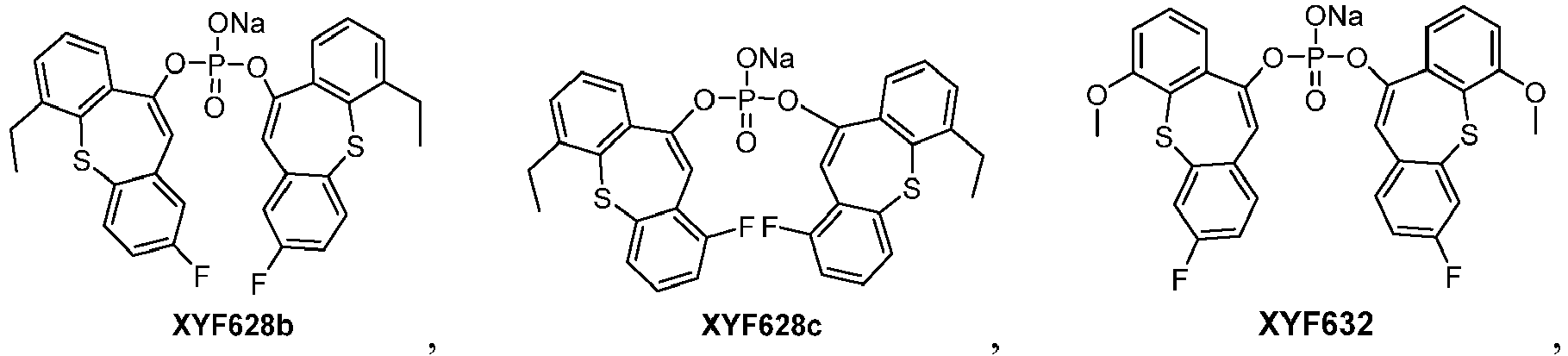
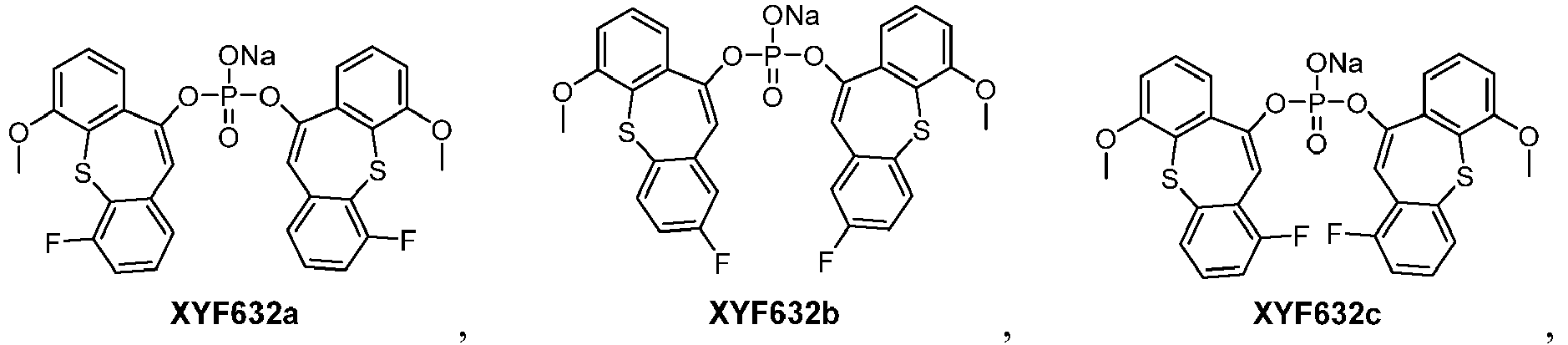
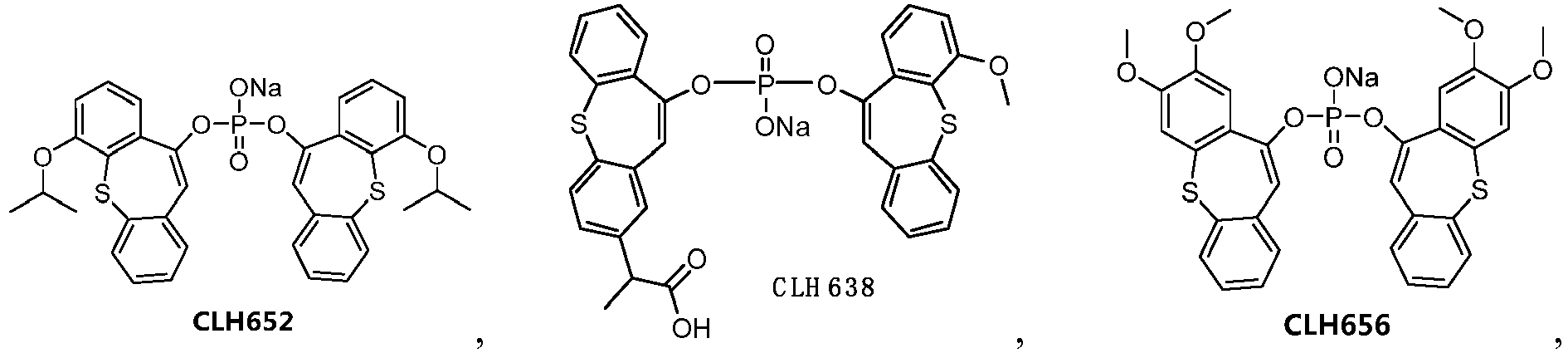


- A method for preparing the compound according to claim 1, wherein the method comprises the following step:
 reacting a compound of formula S1, a compound of formula S2 and a compound of formula S3 as starting materials to obtain the compound of formula I,wherein R1, R2, R3, R4, L1, L2, L3, L4, L5, L6, Y, Z, ring A, B, C, and D are as defined in claim 1, and --- represents a single bond or a double bond;X is F, Cl, Br or I.
 - A method for preparing the compound according to claim 1, wherein the method comprises the following steps:
 wherein R1, R2, R3, R4, L1, L2, L3, L4, L5, L6, Y, Z, ring A, B, C, and D are as defined in claim 1, and --- represents a single bond or a double bond;X is F, Cl, Br or I.
 - A pharmaceutical composition, comprising the compound or the pharmaceutically acceptable salt according to any one of claims 1 to 6; and
a pharmaceutically acceptable carrier. - Use of the compound or the pharmaceutically acceptable salt according to claim 1 or the pharmaceutical composition according to claim 9,(i) for the preparation of a GPR84 antagonist;(ii) as a GPR84 antagonist;(iii) for the preparation of a medicament for the treatment of a related disease caused by hyper-excitability or high expression of GPR84 receptor.
Applications Claiming Priority (2)
| Application Number | Priority Date | Filing Date | Title |
|---|---|---|---|
| CN201710128201 | 2017-03-06 | ||
| PCT/CN2018/077584 WO2018161831A1 (en) | 2017-03-06 | 2018-02-28 | Gpr84 receptor antagonist and use thereof |
Publications (3)
| Publication Number | Publication Date |
|---|---|
| EP3594221A1 true EP3594221A1 (en) | 2020-01-15 |
| EP3594221A4 EP3594221A4 (en) | 2020-08-05 |
| EP3594221B1 EP3594221B1 (en) | 2021-06-30 |
Family
ID=63447204
Family Applications (1)
| Application Number | Title | Priority Date | Filing Date |
|---|---|---|---|
| EP18763472.0A Active EP3594221B1 (en) | 2017-03-06 | 2018-02-28 | Gpr84 receptor antagonist and use thereof |
Country Status (6)
| Country | Link |
|---|---|
| US (1) | US11098071B2 (en) |
| EP (1) | EP3594221B1 (en) |
| JP (1) | JP6918957B2 (en) |
| KR (1) | KR102305710B1 (en) |
| CN (1) | CN108530480B (en) |
| WO (1) | WO2018161831A1 (en) |
Families Citing this family (8)
| Publication number | Priority date | Publication date | Assignee | Title |
|---|---|---|---|---|
| WO2020007342A1 (en) * | 2018-07-06 | 2020-01-09 | 中国科学院上海药物研究所 | Application of biphenyl phosphate compound as gpr84 antagonist |
| GEP20247585B (en) | 2019-12-19 | 2024-01-25 | Bayer Ag | Furoindazole derivatives |
| MX2023008677A (en) | 2021-01-27 | 2023-10-03 | Vandria Sa | Urolithin derivatives and methods of use thereof. |
| CA3211437A1 (en) | 2021-02-23 | 2022-09-01 | Bayer Aktiengesellschaft | Furoindazole derivatives as gpr84 antagonists |
| US20240239804A1 (en) | 2021-04-29 | 2024-07-18 | Bayer Aktiengesellschaft | Furoindazole derivatives as antagonists or inhibitors of gpr84 |
| CN115611944A (en) * | 2021-07-15 | 2023-01-17 | 中国科学院上海药物研究所 | Asymmetric GPR84 antagonists and uses thereof |
| WO2024083705A1 (en) | 2022-10-18 | 2024-04-25 | Bayer Aktiengesellschaft | Furoindazole derivatives for the treatment of pain |
| CN121265777A (en) * | 2024-07-02 | 2026-01-06 | 博骥源(上海)生物医药有限公司 | Use of GPR84 antagonists |
Family Cites Families (6)
| Publication number | Priority date | Publication date | Assignee | Title |
|---|---|---|---|---|
| WO2008042867A2 (en) * | 2006-09-29 | 2008-04-10 | Emiliem Inc. | Modulators of multiple kinases |
| WO2008141438A1 (en) * | 2007-05-17 | 2008-11-27 | Sunnybrook Health Sciences Centre | Gabaergic modulators for treating airway conditions |
| GB0714713D0 (en) | 2007-07-27 | 2007-09-05 | Glaxo Group Ltd | Novel compounds |
| AR089284A1 (en) * | 2011-12-22 | 2014-08-13 | Galapagos Nv | DIHYDROPIRIMIDINOISOQUINOLINONES AND PHARMACEUTICAL COMPOSITIONS OF THE SAME FOR THE TREATMENT OF INFLAMMATORY DISORDERS |
| US9708312B2 (en) | 2012-12-20 | 2017-07-18 | Galapagos Nv | Dihydropyrimidinoisoquinolinones and pharmaceutical compositions thereof for the treatment of inflammatory disorders (GPR84 antagonists) |
| GB201411241D0 (en) * | 2014-06-25 | 2014-08-06 | Galapagos Nv | Novel dihydropyridoisoquinolinones and pharmaceutical compositions thereof for the treatment of inflammatory disorders |
-
2018
- 2018-02-28 US US16/490,837 patent/US11098071B2/en active Active
- 2018-02-28 CN CN201810168007.2A patent/CN108530480B/en active Active
- 2018-02-28 KR KR1020197028924A patent/KR102305710B1/en active Active
- 2018-02-28 EP EP18763472.0A patent/EP3594221B1/en active Active
- 2018-02-28 JP JP2019548461A patent/JP6918957B2/en active Active
- 2018-02-28 WO PCT/CN2018/077584 patent/WO2018161831A1/en not_active Ceased
Also Published As
| Publication number | Publication date |
|---|---|
| CN108530480A (en) | 2018-09-14 |
| CN108530480B (en) | 2022-06-28 |
| WO2018161831A1 (en) | 2018-09-13 |
| EP3594221B1 (en) | 2021-06-30 |
| JP6918957B2 (en) | 2021-08-11 |
| JP2020510017A (en) | 2020-04-02 |
| EP3594221A4 (en) | 2020-08-05 |
| US20200010492A1 (en) | 2020-01-09 |
| KR20190126835A (en) | 2019-11-12 |
| US11098071B2 (en) | 2021-08-24 |
| KR102305710B1 (en) | 2021-09-30 |
Similar Documents
| Publication | Publication Date | Title |
|---|---|---|
| EP3594221B1 (en) | Gpr84 receptor antagonist and use thereof | |
| CA1215985A (en) | 2-amino-5-hydroxy-4-methylpyrimidine derivatives | |
| JP3510955B2 (en) | Improved antiviral compounds | |
| JP3016876B2 (en) | N- (pyrrolo [2,3-d] pyrimidin-3-ylacyl) glutamic acid derivatives | |
| JP3939246B2 (en) | Indoloquinazolinones | |
| JP3900720B2 (en) | Method for producing quinolinone derivative | |
| CA2696429A1 (en) | Pyrrole compounds having sphingosine-1-phosphate receptor agonist or antagonist biological activity | |
| CN110680823A (en) | Application of Biphenyl Phosphate Compounds as GPR84 Antagonists | |
| JPH11171848A (en) | Aromatic amide derivative | |
| JPH10182583A (en) | New hydroxamic acid derivative | |
| JPH0819125B2 (en) | Novel benzothiophene and benzofuran derivatives | |
| JP2012521352A (en) | Method for preparing [2- (8,9-dioxo-2,6-diazabicyclo [5.2.0] non-1 (7) -en-2-yl) ethyl] phosphonic acid and its precursors | |
| JP2002020386A (en) | Pyrazolopyridine derivative | |
| WO2004058713A1 (en) | Differential tumor cytotoxocity compounds and compositions | |
| HU200761B (en) | Process for producing chromone derivatives and pharmaceutical compositions comprising same as active ingredient | |
| US4325964A (en) | Phenylamidine derivatives | |
| KR19990001101A (en) | Catechol amino acid derivatives, preparation methods thereof and pharmaceutical compositions containing the same | |
| ES2519441T3 (en) | Compounds to treat impotence | |
| JP5311371B2 (en) | Efficient production method of methylated catechin | |
| JP2668259B2 (en) | Heterocyclic compounds and anti-ulcer agents | |
| RU2140416C1 (en) | Derivatives of cyclohexane carboxylic acid, mixture of their isomers or separate isomers and physiologically tolerant salts, pharmaceutical composition | |
| CS229692B2 (en) | Manufacturing process of derivate 4-phenylquinazoline | |
| EP0303478B1 (en) | Improvements in or relating to leukotriene antagonists | |
| JP2024526350A (en) | Asymmetric GPR84 antagonists and uses thereof | |
| US4820722A (en) | Disubstituted tetrazoles and their use as leukotriene antagonists |
Legal Events
| Date | Code | Title | Description |
|---|---|---|---|
| STAA | Information on the status of an ep patent application or granted ep patent |
Free format text: STATUS: THE INTERNATIONAL PUBLICATION HAS BEEN MADE |
|
| PUAI | Public reference made under article 153(3) epc to a published international application that has entered the european phase |
Free format text: ORIGINAL CODE: 0009012 |
|
| STAA | Information on the status of an ep patent application or granted ep patent |
Free format text: STATUS: REQUEST FOR EXAMINATION WAS MADE |
|
| 17P | Request for examination filed |
Effective date: 20190925 |
|
| AK | Designated contracting states |
Kind code of ref document: A1 Designated state(s): AL AT BE BG CH CY CZ DE DK EE ES FI FR GB GR HR HU IE IS IT LI LT LU LV MC MK MT NL NO PL PT RO RS SE SI SK SM TR |
|
| AX | Request for extension of the european patent |
Extension state: BA ME |
|
| DAV | Request for validation of the european patent (deleted) | ||
| DAX | Request for extension of the european patent (deleted) | ||
| A4 | Supplementary search report drawn up and despatched |
Effective date: 20200703 |
|
| RIC1 | Information provided on ipc code assigned before grant |
Ipc: C07F 9/547 20060101AFI20200629BHEP Ipc: C07F 9/655 20060101ALI20200629BHEP Ipc: A61K 31/67 20060101ALI20200629BHEP Ipc: C07F 9/12 20060101ALI20200629BHEP Ipc: C07F 9/6561 20060101ALI20200629BHEP Ipc: C07F 9/553 20060101ALI20200629BHEP Ipc: A61P 29/00 20060101ALI20200629BHEP Ipc: C07F 9/6553 20060101ALI20200629BHEP Ipc: C07F 9/117 20060101ALI20200629BHEP Ipc: A61P 25/00 20060101ALI20200629BHEP Ipc: A61P 1/00 20060101ALI20200629BHEP Ipc: A61K 31/6615 20060101ALI20200629BHEP Ipc: A61K 31/661 20060101ALI20200629BHEP Ipc: A61K 31/665 20060101ALI20200629BHEP Ipc: A61K 31/675 20060101ALI20200629BHEP Ipc: A61P 19/02 20060101ALI20200629BHEP |
|
| STAA | Information on the status of an ep patent application or granted ep patent |
Free format text: STATUS: EXAMINATION IS IN PROGRESS |
|
| 17Q | First examination report despatched |
Effective date: 20201014 |
|
| GRAP | Despatch of communication of intention to grant a patent |
Free format text: ORIGINAL CODE: EPIDOSNIGR1 |
|
| STAA | Information on the status of an ep patent application or granted ep patent |
Free format text: STATUS: GRANT OF PATENT IS INTENDED |
|
| INTG | Intention to grant announced |
Effective date: 20210303 |
|
| GRAS | Grant fee paid |
Free format text: ORIGINAL CODE: EPIDOSNIGR3 |
|
| GRAA | (expected) grant |
Free format text: ORIGINAL CODE: 0009210 |
|
| STAA | Information on the status of an ep patent application or granted ep patent |
Free format text: STATUS: THE PATENT HAS BEEN GRANTED |
|
| AK | Designated contracting states |
Kind code of ref document: B1 Designated state(s): AL AT BE BG CH CY CZ DE DK EE ES FI FR GB GR HR HU IE IS IT LI LT LU LV MC MK MT NL NO PL PT RO RS SE SI SK SM TR |
|
| REG | Reference to a national code |
Ref country code: CH Ref legal event code: EP |
|
| REG | Reference to a national code |
Ref country code: AT Ref legal event code: REF Ref document number: 1406278 Country of ref document: AT Kind code of ref document: T Effective date: 20210715 |
|
| REG | Reference to a national code |
Ref country code: DE Ref legal event code: R096 Ref document number: 602018019448 Country of ref document: DE |
|
| REG | Reference to a national code |
Ref country code: IE Ref legal event code: FG4D |
|
| REG | Reference to a national code |
Ref country code: LT Ref legal event code: MG9D |
|
| PG25 | Lapsed in a contracting state [announced via postgrant information from national office to epo] |
Ref country code: BG Free format text: LAPSE BECAUSE OF FAILURE TO SUBMIT A TRANSLATION OF THE DESCRIPTION OR TO PAY THE FEE WITHIN THE PRESCRIBED TIME-LIMIT Effective date: 20210930 Ref country code: FI Free format text: LAPSE BECAUSE OF FAILURE TO SUBMIT A TRANSLATION OF THE DESCRIPTION OR TO PAY THE FEE WITHIN THE PRESCRIBED TIME-LIMIT Effective date: 20210630 Ref country code: HR Free format text: LAPSE BECAUSE OF FAILURE TO SUBMIT A TRANSLATION OF THE DESCRIPTION OR TO PAY THE FEE WITHIN THE PRESCRIBED TIME-LIMIT Effective date: 20210630 |
|
| REG | Reference to a national code |
Ref country code: NL Ref legal event code: MP Effective date: 20210630 |
|
| REG | Reference to a national code |
Ref country code: AT Ref legal event code: MK05 Ref document number: 1406278 Country of ref document: AT Kind code of ref document: T Effective date: 20210630 |
|
| PG25 | Lapsed in a contracting state [announced via postgrant information from national office to epo] |
Ref country code: GR Free format text: LAPSE BECAUSE OF FAILURE TO SUBMIT A TRANSLATION OF THE DESCRIPTION OR TO PAY THE FEE WITHIN THE PRESCRIBED TIME-LIMIT Effective date: 20211001 Ref country code: LV Free format text: LAPSE BECAUSE OF FAILURE TO SUBMIT A TRANSLATION OF THE DESCRIPTION OR TO PAY THE FEE WITHIN THE PRESCRIBED TIME-LIMIT Effective date: 20210630 Ref country code: NO Free format text: LAPSE BECAUSE OF FAILURE TO SUBMIT A TRANSLATION OF THE DESCRIPTION OR TO PAY THE FEE WITHIN THE PRESCRIBED TIME-LIMIT Effective date: 20210930 Ref country code: RS Free format text: LAPSE BECAUSE OF FAILURE TO SUBMIT A TRANSLATION OF THE DESCRIPTION OR TO PAY THE FEE WITHIN THE PRESCRIBED TIME-LIMIT Effective date: 20210630 Ref country code: SE Free format text: LAPSE BECAUSE OF FAILURE TO SUBMIT A TRANSLATION OF THE DESCRIPTION OR TO PAY THE FEE WITHIN THE PRESCRIBED TIME-LIMIT Effective date: 20210630 |
|
| PG25 | Lapsed in a contracting state [announced via postgrant information from national office to epo] |
Ref country code: SM Free format text: LAPSE BECAUSE OF FAILURE TO SUBMIT A TRANSLATION OF THE DESCRIPTION OR TO PAY THE FEE WITHIN THE PRESCRIBED TIME-LIMIT Effective date: 20210630 Ref country code: NL Free format text: LAPSE BECAUSE OF FAILURE TO SUBMIT A TRANSLATION OF THE DESCRIPTION OR TO PAY THE FEE WITHIN THE PRESCRIBED TIME-LIMIT Effective date: 20210630 Ref country code: RO Free format text: LAPSE BECAUSE OF FAILURE TO SUBMIT A TRANSLATION OF THE DESCRIPTION OR TO PAY THE FEE WITHIN THE PRESCRIBED TIME-LIMIT Effective date: 20210630 Ref country code: PT Free format text: LAPSE BECAUSE OF FAILURE TO SUBMIT A TRANSLATION OF THE DESCRIPTION OR TO PAY THE FEE WITHIN THE PRESCRIBED TIME-LIMIT Effective date: 20211102 Ref country code: CZ Free format text: LAPSE BECAUSE OF FAILURE TO SUBMIT A TRANSLATION OF THE DESCRIPTION OR TO PAY THE FEE WITHIN THE PRESCRIBED TIME-LIMIT Effective date: 20210630 Ref country code: AT Free format text: LAPSE BECAUSE OF FAILURE TO SUBMIT A TRANSLATION OF THE DESCRIPTION OR TO PAY THE FEE WITHIN THE PRESCRIBED TIME-LIMIT Effective date: 20210630 Ref country code: SK Free format text: LAPSE BECAUSE OF FAILURE TO SUBMIT A TRANSLATION OF THE DESCRIPTION OR TO PAY THE FEE WITHIN THE PRESCRIBED TIME-LIMIT Effective date: 20210630 Ref country code: ES Free format text: LAPSE BECAUSE OF FAILURE TO SUBMIT A TRANSLATION OF THE DESCRIPTION OR TO PAY THE FEE WITHIN THE PRESCRIBED TIME-LIMIT Effective date: 20210630 Ref country code: EE Free format text: LAPSE BECAUSE OF FAILURE TO SUBMIT A TRANSLATION OF THE DESCRIPTION OR TO PAY THE FEE WITHIN THE PRESCRIBED TIME-LIMIT Effective date: 20210630 |
|
| PG25 | Lapsed in a contracting state [announced via postgrant information from national office to epo] |
Ref country code: PL Free format text: LAPSE BECAUSE OF FAILURE TO SUBMIT A TRANSLATION OF THE DESCRIPTION OR TO PAY THE FEE WITHIN THE PRESCRIBED TIME-LIMIT Effective date: 20210630 |
|
| REG | Reference to a national code |
Ref country code: DE Ref legal event code: R097 Ref document number: 602018019448 Country of ref document: DE |
|
| PG25 | Lapsed in a contracting state [announced via postgrant information from national office to epo] |
Ref country code: DK Free format text: LAPSE BECAUSE OF FAILURE TO SUBMIT A TRANSLATION OF THE DESCRIPTION OR TO PAY THE FEE WITHIN THE PRESCRIBED TIME-LIMIT Effective date: 20210630 |
|
| PLBE | No opposition filed within time limit |
Free format text: ORIGINAL CODE: 0009261 |
|
| STAA | Information on the status of an ep patent application or granted ep patent |
Free format text: STATUS: NO OPPOSITION FILED WITHIN TIME LIMIT |
|
| PG25 | Lapsed in a contracting state [announced via postgrant information from national office to epo] |
Ref country code: AL Free format text: LAPSE BECAUSE OF FAILURE TO SUBMIT A TRANSLATION OF THE DESCRIPTION OR TO PAY THE FEE WITHIN THE PRESCRIBED TIME-LIMIT Effective date: 20210630 |
|
| 26N | No opposition filed |
Effective date: 20220331 |
|
| PG25 | Lapsed in a contracting state [announced via postgrant information from national office to epo] |
Ref country code: MC Free format text: LAPSE BECAUSE OF FAILURE TO SUBMIT A TRANSLATION OF THE DESCRIPTION OR TO PAY THE FEE WITHIN THE PRESCRIBED TIME-LIMIT Effective date: 20210630 |
|
| REG | Reference to a national code |
Ref country code: CH Ref legal event code: PL |
|
| REG | Reference to a national code |
Ref country code: BE Ref legal event code: MM Effective date: 20220228 |
|
| PG25 | Lapsed in a contracting state [announced via postgrant information from national office to epo] |
Ref country code: LU Free format text: LAPSE BECAUSE OF NON-PAYMENT OF DUE FEES Effective date: 20220228 |
|
| PG25 | Lapsed in a contracting state [announced via postgrant information from national office to epo] |
Ref country code: LI Free format text: LAPSE BECAUSE OF NON-PAYMENT OF DUE FEES Effective date: 20220228 Ref country code: IE Free format text: LAPSE BECAUSE OF NON-PAYMENT OF DUE FEES Effective date: 20220228 Ref country code: CH Free format text: LAPSE BECAUSE OF NON-PAYMENT OF DUE FEES Effective date: 20220228 |
|
| PG25 | Lapsed in a contracting state [announced via postgrant information from national office to epo] |
Ref country code: BE Free format text: LAPSE BECAUSE OF NON-PAYMENT OF DUE FEES Effective date: 20220228 |
|
| PG25 | Lapsed in a contracting state [announced via postgrant information from national office to epo] |
Ref country code: LT Free format text: LAPSE BECAUSE OF FAILURE TO SUBMIT A TRANSLATION OF THE DESCRIPTION OR TO PAY THE FEE WITHIN THE PRESCRIBED TIME-LIMIT Effective date: 20210630 |
|
| P01 | Opt-out of the competence of the unified patent court (upc) registered |
Effective date: 20230517 |
|
| PG25 | Lapsed in a contracting state [announced via postgrant information from national office to epo] |
Ref country code: MK Free format text: LAPSE BECAUSE OF FAILURE TO SUBMIT A TRANSLATION OF THE DESCRIPTION OR TO PAY THE FEE WITHIN THE PRESCRIBED TIME-LIMIT Effective date: 20210630 Ref country code: CY Free format text: LAPSE BECAUSE OF FAILURE TO SUBMIT A TRANSLATION OF THE DESCRIPTION OR TO PAY THE FEE WITHIN THE PRESCRIBED TIME-LIMIT Effective date: 20210630 |
|
| PG25 | Lapsed in a contracting state [announced via postgrant information from national office to epo] |
Ref country code: HU Free format text: LAPSE BECAUSE OF FAILURE TO SUBMIT A TRANSLATION OF THE DESCRIPTION OR TO PAY THE FEE WITHIN THE PRESCRIBED TIME-LIMIT; INVALID AB INITIO Effective date: 20180228 |
|
| PG25 | Lapsed in a contracting state [announced via postgrant information from national office to epo] |
Ref country code: TR Free format text: LAPSE BECAUSE OF FAILURE TO SUBMIT A TRANSLATION OF THE DESCRIPTION OR TO PAY THE FEE WITHIN THE PRESCRIBED TIME-LIMIT Effective date: 20210630 |
|
| PG25 | Lapsed in a contracting state [announced via postgrant information from national office to epo] |
Ref country code: MT Free format text: LAPSE BECAUSE OF FAILURE TO SUBMIT A TRANSLATION OF THE DESCRIPTION OR TO PAY THE FEE WITHIN THE PRESCRIBED TIME-LIMIT Effective date: 20210630 |
|
| PGFP | Annual fee paid to national office [announced via postgrant information from national office to epo] |
Ref country code: GB Payment date: 20260219 Year of fee payment: 9 |
|
| PGFP | Annual fee paid to national office [announced via postgrant information from national office to epo] |
Ref country code: DE Payment date: 20260218 Year of fee payment: 9 |
|
| PGFP | Annual fee paid to national office [announced via postgrant information from national office to epo] |
Ref country code: IT Payment date: 20260224 Year of fee payment: 9 |
|
| PGFP | Annual fee paid to national office [announced via postgrant information from national office to epo] |
Ref country code: FR Payment date: 20260218 Year of fee payment: 9 |