EP3590754A1 - Electricity generation devices using formic acid - Google Patents
Electricity generation devices using formic acid Download PDFInfo
- Publication number
- EP3590754A1 EP3590754A1 EP19187792.7A EP19187792A EP3590754A1 EP 3590754 A1 EP3590754 A1 EP 3590754A1 EP 19187792 A EP19187792 A EP 19187792A EP 3590754 A1 EP3590754 A1 EP 3590754A1
- Authority
- EP
- European Patent Office
- Prior art keywords
- formic acid
- hydrogen
- reaction chamber
- fuel cell
- carbon dioxide
- Prior art date
- Legal status (The legal status is an assumption and is not a legal conclusion. Google has not performed a legal analysis and makes no representation as to the accuracy of the status listed.)
- Granted
Links
Images

Classifications
-
- H—ELECTRICITY
- H01—ELECTRIC ELEMENTS
- H01M—PROCESSES OR MEANS, e.g. BATTERIES, FOR THE DIRECT CONVERSION OF CHEMICAL ENERGY INTO ELECTRICAL ENERGY
- H01M8/00—Fuel cells; Manufacture thereof
- H01M8/06—Combination of fuel cells with means for production of reactants or for treatment of residues
- H01M8/0606—Combination of fuel cells with means for production of reactants or for treatment of residues with means for production of gaseous reactants
- H01M8/0612—Combination of fuel cells with means for production of reactants or for treatment of residues with means for production of gaseous reactants from carbon-containing material
- H01M8/0625—Combination of fuel cells with means for production of reactants or for treatment of residues with means for production of gaseous reactants from carbon-containing material in a modular combined reactor/fuel cell structure
- H01M8/0631—Reactor construction specially adapted for combination reactor/fuel cell
-
- B—PERFORMING OPERATIONS; TRANSPORTING
- B01—PHYSICAL OR CHEMICAL PROCESSES OR APPARATUS IN GENERAL
- B01J—CHEMICAL OR PHYSICAL PROCESSES, e.g. CATALYSIS OR COLLOID CHEMISTRY; THEIR RELEVANT APPARATUS
- B01J6/00—Heat treatments such as Calcining; Fusing ; Pyrolysis
- B01J6/008—Pyrolysis reactions
-
- B—PERFORMING OPERATIONS; TRANSPORTING
- B01—PHYSICAL OR CHEMICAL PROCESSES OR APPARATUS IN GENERAL
- B01J—CHEMICAL OR PHYSICAL PROCESSES, e.g. CATALYSIS OR COLLOID CHEMISTRY; THEIR RELEVANT APPARATUS
- B01J8/00—Chemical or physical processes in general, conducted in the presence of fluids and solid particles; Apparatus for such processes
- B01J8/18—Chemical or physical processes in general, conducted in the presence of fluids and solid particles; Apparatus for such processes with fluidised particles
- B01J8/20—Chemical or physical processes in general, conducted in the presence of fluids and solid particles; Apparatus for such processes with fluidised particles with liquid as a fluidising medium
-
- B—PERFORMING OPERATIONS; TRANSPORTING
- B60—VEHICLES IN GENERAL
- B60L—PROPULSION OF ELECTRICALLY-PROPELLED VEHICLES; SUPPLYING ELECTRIC POWER FOR AUXILIARY EQUIPMENT OF ELECTRICALLY-PROPELLED VEHICLES; ELECTRODYNAMIC BRAKE SYSTEMS FOR VEHICLES IN GENERAL; MAGNETIC SUSPENSION OR LEVITATION FOR VEHICLES; MONITORING OPERATING VARIABLES OF ELECTRICALLY-PROPELLED VEHICLES; ELECTRIC SAFETY DEVICES FOR ELECTRICALLY-PROPELLED VEHICLES
- B60L50/00—Electric propulsion with power supplied within the vehicle
- B60L50/50—Electric propulsion with power supplied within the vehicle using propulsion power supplied by batteries or fuel cells
- B60L50/70—Electric propulsion with power supplied within the vehicle using propulsion power supplied by batteries or fuel cells using power supplied by fuel cells
- B60L50/72—Constructional details of fuel cells specially adapted for electric vehicles
-
- B—PERFORMING OPERATIONS; TRANSPORTING
- B60—VEHICLES IN GENERAL
- B60L—PROPULSION OF ELECTRICALLY-PROPELLED VEHICLES; SUPPLYING ELECTRIC POWER FOR AUXILIARY EQUIPMENT OF ELECTRICALLY-PROPELLED VEHICLES; ELECTRODYNAMIC BRAKE SYSTEMS FOR VEHICLES IN GENERAL; MAGNETIC SUSPENSION OR LEVITATION FOR VEHICLES; MONITORING OPERATING VARIABLES OF ELECTRICALLY-PROPELLED VEHICLES; ELECTRIC SAFETY DEVICES FOR ELECTRICALLY-PROPELLED VEHICLES
- B60L58/00—Methods or circuit arrangements for monitoring or controlling batteries or fuel cells, specially adapted for electric vehicles
- B60L58/30—Methods or circuit arrangements for monitoring or controlling batteries or fuel cells, specially adapted for electric vehicles for monitoring or controlling fuel cells
- B60L58/32—Methods or circuit arrangements for monitoring or controlling batteries or fuel cells, specially adapted for electric vehicles for monitoring or controlling fuel cells for controlling the temperature of fuel cells, e.g. by controlling the electric load
- B60L58/34—Methods or circuit arrangements for monitoring or controlling batteries or fuel cells, specially adapted for electric vehicles for monitoring or controlling fuel cells for controlling the temperature of fuel cells, e.g. by controlling the electric load by heating
-
- B—PERFORMING OPERATIONS; TRANSPORTING
- B60—VEHICLES IN GENERAL
- B60L—PROPULSION OF ELECTRICALLY-PROPELLED VEHICLES; SUPPLYING ELECTRIC POWER FOR AUXILIARY EQUIPMENT OF ELECTRICALLY-PROPELLED VEHICLES; ELECTRODYNAMIC BRAKE SYSTEMS FOR VEHICLES IN GENERAL; MAGNETIC SUSPENSION OR LEVITATION FOR VEHICLES; MONITORING OPERATING VARIABLES OF ELECTRICALLY-PROPELLED VEHICLES; ELECTRIC SAFETY DEVICES FOR ELECTRICALLY-PROPELLED VEHICLES
- B60L58/00—Methods or circuit arrangements for monitoring or controlling batteries or fuel cells, specially adapted for electric vehicles
- B60L58/40—Methods or circuit arrangements for monitoring or controlling batteries or fuel cells, specially adapted for electric vehicles for controlling a combination of batteries and fuel cells
-
- C—CHEMISTRY; METALLURGY
- C01—INORGANIC CHEMISTRY
- C01B—NON-METALLIC ELEMENTS; COMPOUNDS THEREOF; METALLOIDS OR COMPOUNDS THEREOF NOT COVERED BY SUBCLASS C01C
- C01B3/00—Hydrogen; Gaseous mixtures containing hydrogen; Separation of hydrogen from mixtures containing it; Purification of hydrogen; Reversible storage of hydrogen
- C01B3/02—Production of hydrogen; Production of gaseous mixtures containing hydrogen
- C01B3/22—Production of hydrogen; Production of gaseous mixtures containing hydrogen by decomposition of gaseous or liquid organic compounds
-
- H—ELECTRICITY
- H01—ELECTRIC ELEMENTS
- H01M—PROCESSES OR MEANS, e.g. BATTERIES, FOR THE DIRECT CONVERSION OF CHEMICAL ENERGY INTO ELECTRICAL ENERGY
- H01M16/00—Structural combinations of different types of electrochemical generators
- H01M16/003—Structural combinations of different types of electrochemical generators of fuel cells with other electrochemical devices, e.g. capacitors, electrolysers
-
- H—ELECTRICITY
- H01—ELECTRIC ELEMENTS
- H01M—PROCESSES OR MEANS, e.g. BATTERIES, FOR THE DIRECT CONVERSION OF CHEMICAL ENERGY INTO ELECTRICAL ENERGY
- H01M16/00—Structural combinations of different types of electrochemical generators
- H01M16/003—Structural combinations of different types of electrochemical generators of fuel cells with other electrochemical devices, e.g. capacitors, electrolysers
- H01M16/006—Structural combinations of different types of electrochemical generators of fuel cells with other electrochemical devices, e.g. capacitors, electrolysers of fuel cells with rechargeable batteries
-
- H—ELECTRICITY
- H01—ELECTRIC ELEMENTS
- H01M—PROCESSES OR MEANS, e.g. BATTERIES, FOR THE DIRECT CONVERSION OF CHEMICAL ENERGY INTO ELECTRICAL ENERGY
- H01M8/00—Fuel cells; Manufacture thereof
- H01M8/04—Auxiliary arrangements, e.g. for control of pressure or for circulation of fluids
- H01M8/04007—Auxiliary arrangements, e.g. for control of pressure or for circulation of fluids related to heat exchange
- H01M8/04067—Heat exchange or temperature measuring elements, thermal insulation, e.g. heat pipes, heat pumps, fins
-
- H—ELECTRICITY
- H01—ELECTRIC ELEMENTS
- H01M—PROCESSES OR MEANS, e.g. BATTERIES, FOR THE DIRECT CONVERSION OF CHEMICAL ENERGY INTO ELECTRICAL ENERGY
- H01M8/00—Fuel cells; Manufacture thereof
- H01M8/04—Auxiliary arrangements, e.g. for control of pressure or for circulation of fluids
- H01M8/04082—Arrangements for control of reactant parameters, e.g. pressure or concentration
- H01M8/04201—Reactant storage and supply, e.g. means for feeding, pipes
- H01M8/04216—Reactant storage and supply, e.g. means for feeding, pipes characterised by the choice for a specific material, e.g. carbon, hydride, absorbent
-
- H—ELECTRICITY
- H01—ELECTRIC ELEMENTS
- H01M—PROCESSES OR MEANS, e.g. BATTERIES, FOR THE DIRECT CONVERSION OF CHEMICAL ENERGY INTO ELECTRICAL ENERGY
- H01M8/00—Fuel cells; Manufacture thereof
- H01M8/04—Auxiliary arrangements, e.g. for control of pressure or for circulation of fluids
- H01M8/04223—Auxiliary arrangements, e.g. for control of pressure or for circulation of fluids during start-up or shut-down; Depolarisation or activation, e.g. purging; Means for short-circuiting defective fuel cells
- H01M8/04268—Heating of fuel cells during the start-up of the fuel cells
-
- H—ELECTRICITY
- H01—ELECTRIC ELEMENTS
- H01M—PROCESSES OR MEANS, e.g. BATTERIES, FOR THE DIRECT CONVERSION OF CHEMICAL ENERGY INTO ELECTRICAL ENERGY
- H01M8/00—Fuel cells; Manufacture thereof
- H01M8/04—Auxiliary arrangements, e.g. for control of pressure or for circulation of fluids
- H01M8/04298—Processes for controlling fuel cells or fuel cell systems
- H01M8/043—Processes for controlling fuel cells or fuel cell systems applied during specific periods
- H01M8/04302—Processes for controlling fuel cells or fuel cell systems applied during specific periods applied during start-up
-
- H—ELECTRICITY
- H01—ELECTRIC ELEMENTS
- H01M—PROCESSES OR MEANS, e.g. BATTERIES, FOR THE DIRECT CONVERSION OF CHEMICAL ENERGY INTO ELECTRICAL ENERGY
- H01M8/00—Fuel cells; Manufacture thereof
- H01M8/04—Auxiliary arrangements, e.g. for control of pressure or for circulation of fluids
- H01M8/04298—Processes for controlling fuel cells or fuel cell systems
- H01M8/04694—Processes for controlling fuel cells or fuel cell systems characterised by variables to be controlled
- H01M8/04701—Temperature
- H01M8/04738—Temperature of auxiliary devices, e.g. reformer, compressor, burner
-
- H—ELECTRICITY
- H01—ELECTRIC ELEMENTS
- H01M—PROCESSES OR MEANS, e.g. BATTERIES, FOR THE DIRECT CONVERSION OF CHEMICAL ENERGY INTO ELECTRICAL ENERGY
- H01M8/00—Fuel cells; Manufacture thereof
- H01M8/06—Combination of fuel cells with means for production of reactants or for treatment of residues
- H01M8/0606—Combination of fuel cells with means for production of reactants or for treatment of residues with means for production of gaseous reactants
- H01M8/0612—Combination of fuel cells with means for production of reactants or for treatment of residues with means for production of gaseous reactants from carbon-containing material
- H01M8/0618—Reforming processes, e.g. autothermal, partial oxidation or steam reforming
-
- H—ELECTRICITY
- H02—GENERATION; CONVERSION OR DISTRIBUTION OF ELECTRIC POWER
- H02J—ELECTRIC POWER NETWORKS; CIRCUIT ARRANGEMENTS OR SYSTEMS FOR SUPPLYING OR DISTRIBUTING ELECTRIC POWER; SYSTEMS FOR STORING ELECTRIC ENERGY
- H02J7/00—Circuit arrangements for charging or discharging batteries or for supplying loads from batteries
-
- B—PERFORMING OPERATIONS; TRANSPORTING
- B01—PHYSICAL OR CHEMICAL PROCESSES OR APPARATUS IN GENERAL
- B01J—CHEMICAL OR PHYSICAL PROCESSES, e.g. CATALYSIS OR COLLOID CHEMISTRY; THEIR RELEVANT APPARATUS
- B01J2208/00—Processes carried out in the presence of solid particles; Reactors therefor
- B01J2208/00008—Controlling the process
- B01J2208/00017—Controlling the temperature
- B01J2208/00106—Controlling the temperature by indirect heat exchange
- B01J2208/00168—Controlling the temperature by indirect heat exchange with heat exchange elements outside the bed of solid particles
- B01J2208/00203—Coils
-
- B—PERFORMING OPERATIONS; TRANSPORTING
- B01—PHYSICAL OR CHEMICAL PROCESSES OR APPARATUS IN GENERAL
- B01J—CHEMICAL OR PHYSICAL PROCESSES, e.g. CATALYSIS OR COLLOID CHEMISTRY; THEIR RELEVANT APPARATUS
- B01J2208/00—Processes carried out in the presence of solid particles; Reactors therefor
- B01J2208/00008—Controlling the process
- B01J2208/00017—Controlling the temperature
- B01J2208/00477—Controlling the temperature by thermal insulation means
- B01J2208/00495—Controlling the temperature by thermal insulation means using insulating materials or refractories
-
- C—CHEMISTRY; METALLURGY
- C01—INORGANIC CHEMISTRY
- C01B—NON-METALLIC ELEMENTS; COMPOUNDS THEREOF; METALLOIDS OR COMPOUNDS THEREOF NOT COVERED BY SUBCLASS C01C
- C01B2203/00—Integrated processes for the production of hydrogen or synthesis gas
- C01B2203/02—Processes for making hydrogen or synthesis gas
- C01B2203/0266—Processes for making hydrogen or synthesis gas containing a decomposition step
- C01B2203/0277—Processes for making hydrogen or synthesis gas containing a decomposition step containing a catalytic decomposition step
-
- C—CHEMISTRY; METALLURGY
- C01—INORGANIC CHEMISTRY
- C01B—NON-METALLIC ELEMENTS; COMPOUNDS THEREOF; METALLOIDS OR COMPOUNDS THEREOF NOT COVERED BY SUBCLASS C01C
- C01B2203/00—Integrated processes for the production of hydrogen or synthesis gas
- C01B2203/06—Integration with other chemical processes
- C01B2203/066—Integration with other chemical processes with fuel cells
-
- C—CHEMISTRY; METALLURGY
- C01—INORGANIC CHEMISTRY
- C01B—NON-METALLIC ELEMENTS; COMPOUNDS THEREOF; METALLOIDS OR COMPOUNDS THEREOF NOT COVERED BY SUBCLASS C01C
- C01B2203/00—Integrated processes for the production of hydrogen or synthesis gas
- C01B2203/08—Methods of heating or cooling
- C01B2203/0805—Methods of heating the process for making hydrogen or synthesis gas
- C01B2203/0838—Methods of heating the process for making hydrogen or synthesis gas by heat exchange with exothermic reactions, other than by combustion of fuel
-
- C—CHEMISTRY; METALLURGY
- C01—INORGANIC CHEMISTRY
- C01B—NON-METALLIC ELEMENTS; COMPOUNDS THEREOF; METALLOIDS OR COMPOUNDS THEREOF NOT COVERED BY SUBCLASS C01C
- C01B2203/00—Integrated processes for the production of hydrogen or synthesis gas
- C01B2203/08—Methods of heating or cooling
- C01B2203/0805—Methods of heating the process for making hydrogen or synthesis gas
- C01B2203/085—Methods of heating the process for making hydrogen or synthesis gas by electric heating
-
- C—CHEMISTRY; METALLURGY
- C01—INORGANIC CHEMISTRY
- C01B—NON-METALLIC ELEMENTS; COMPOUNDS THEREOF; METALLOIDS OR COMPOUNDS THEREOF NOT COVERED BY SUBCLASS C01C
- C01B2203/00—Integrated processes for the production of hydrogen or synthesis gas
- C01B2203/10—Catalysts for performing the hydrogen forming reactions
- C01B2203/1041—Composition of the catalyst
- C01B2203/1047—Group VIII metal catalysts
-
- C—CHEMISTRY; METALLURGY
- C01—INORGANIC CHEMISTRY
- C01B—NON-METALLIC ELEMENTS; COMPOUNDS THEREOF; METALLOIDS OR COMPOUNDS THEREOF NOT COVERED BY SUBCLASS C01C
- C01B2203/00—Integrated processes for the production of hydrogen or synthesis gas
- C01B2203/10—Catalysts for performing the hydrogen forming reactions
- C01B2203/1041—Composition of the catalyst
- C01B2203/1047—Group VIII metal catalysts
- C01B2203/1064—Platinum group metal catalysts
-
- C—CHEMISTRY; METALLURGY
- C01—INORGANIC CHEMISTRY
- C01B—NON-METALLIC ELEMENTS; COMPOUNDS THEREOF; METALLOIDS OR COMPOUNDS THEREOF NOT COVERED BY SUBCLASS C01C
- C01B2203/00—Integrated processes for the production of hydrogen or synthesis gas
- C01B2203/10—Catalysts for performing the hydrogen forming reactions
- C01B2203/1041—Composition of the catalyst
- C01B2203/1047—Group VIII metal catalysts
- C01B2203/1064—Platinum group metal catalysts
- C01B2203/107—Platinum catalysts
-
- C—CHEMISTRY; METALLURGY
- C01—INORGANIC CHEMISTRY
- C01B—NON-METALLIC ELEMENTS; COMPOUNDS THEREOF; METALLOIDS OR COMPOUNDS THEREOF NOT COVERED BY SUBCLASS C01C
- C01B2203/00—Integrated processes for the production of hydrogen or synthesis gas
- C01B2203/12—Feeding the process for making hydrogen or synthesis gas
- C01B2203/1205—Composition of the feed
- C01B2203/1211—Organic compounds or organic mixtures used in the process for making hydrogen or synthesis gas
-
- C—CHEMISTRY; METALLURGY
- C01—INORGANIC CHEMISTRY
- C01B—NON-METALLIC ELEMENTS; COMPOUNDS THEREOF; METALLOIDS OR COMPOUNDS THEREOF NOT COVERED BY SUBCLASS C01C
- C01B3/00—Hydrogen; Gaseous mixtures containing hydrogen; Separation of hydrogen from mixtures containing it; Purification of hydrogen; Reversible storage of hydrogen
- C01B3/0005—Reversible storage of hydrogen, e.g. by hydrogen getters or electrodes
- C01B3/001—Reversible storage of hydrogen, e.g. by hydrogen getters or electrodes characterised by the uptaking media; Treatment thereof
- C01B3/0015—Organic compounds, e.g. liquid organic hydrogen carriers [LOHC] or metalorganic compounds; Solutions thereof
-
- H—ELECTRICITY
- H01—ELECTRIC ELEMENTS
- H01M—PROCESSES OR MEANS, e.g. BATTERIES, FOR THE DIRECT CONVERSION OF CHEMICAL ENERGY INTO ELECTRICAL ENERGY
- H01M2250/00—Fuel cells for particular applications; Specific features of fuel cell system
- H01M2250/20—Fuel cells in motive systems, e.g. vehicle, ship, plane
-
- H—ELECTRICITY
- H01—ELECTRIC ELEMENTS
- H01M—PROCESSES OR MEANS, e.g. BATTERIES, FOR THE DIRECT CONVERSION OF CHEMICAL ENERGY INTO ELECTRICAL ENERGY
- H01M2250/00—Fuel cells for particular applications; Specific features of fuel cell system
- H01M2250/40—Combination of fuel cells with other energy production systems
- H01M2250/402—Combination of fuel cell with other electric generators
-
- H—ELECTRICITY
- H02—GENERATION; CONVERSION OR DISTRIBUTION OF ELECTRIC POWER
- H02J—ELECTRIC POWER NETWORKS; CIRCUIT ARRANGEMENTS OR SYSTEMS FOR SUPPLYING OR DISTRIBUTING ELECTRIC POWER; SYSTEMS FOR STORING ELECTRIC ENERGY
- H02J7/00—Circuit arrangements for charging or discharging batteries or for supplying loads from batteries
- H02J7/34—Parallel operation in networks using both storage and other DC sources, e.g. providing buffering
- H02J7/345—Parallel operation in networks using both storage and other DC sources, e.g. providing buffering using capacitors as storage or buffering devices
-
- Y—GENERAL TAGGING OF NEW TECHNOLOGICAL DEVELOPMENTS; GENERAL TAGGING OF CROSS-SECTIONAL TECHNOLOGIES SPANNING OVER SEVERAL SECTIONS OF THE IPC; TECHNICAL SUBJECTS COVERED BY FORMER USPC CROSS-REFERENCE ART COLLECTIONS [XRACs] AND DIGESTS
- Y02—TECHNOLOGIES OR APPLICATIONS FOR MITIGATION OR ADAPTATION AGAINST CLIMATE CHANGE
- Y02B—CLIMATE CHANGE MITIGATION TECHNOLOGIES RELATED TO BUILDINGS, e.g. HOUSING, HOUSE APPLIANCES OR RELATED END-USER APPLICATIONS
- Y02B90/00—Enabling technologies or technologies with a potential or indirect contribution to GHG emissions mitigation
- Y02B90/10—Applications of fuel cells in buildings
-
- Y—GENERAL TAGGING OF NEW TECHNOLOGICAL DEVELOPMENTS; GENERAL TAGGING OF CROSS-SECTIONAL TECHNOLOGIES SPANNING OVER SEVERAL SECTIONS OF THE IPC; TECHNICAL SUBJECTS COVERED BY FORMER USPC CROSS-REFERENCE ART COLLECTIONS [XRACs] AND DIGESTS
- Y02—TECHNOLOGIES OR APPLICATIONS FOR MITIGATION OR ADAPTATION AGAINST CLIMATE CHANGE
- Y02E—REDUCTION OF GREENHOUSE GAS [GHG] EMISSIONS, RELATED TO ENERGY GENERATION, TRANSMISSION OR DISTRIBUTION
- Y02E60/00—Enabling technologies; Technologies with a potential or indirect contribution to GHG emissions mitigation
- Y02E60/10—Energy storage using batteries
-
- Y—GENERAL TAGGING OF NEW TECHNOLOGICAL DEVELOPMENTS; GENERAL TAGGING OF CROSS-SECTIONAL TECHNOLOGIES SPANNING OVER SEVERAL SECTIONS OF THE IPC; TECHNICAL SUBJECTS COVERED BY FORMER USPC CROSS-REFERENCE ART COLLECTIONS [XRACs] AND DIGESTS
- Y02—TECHNOLOGIES OR APPLICATIONS FOR MITIGATION OR ADAPTATION AGAINST CLIMATE CHANGE
- Y02E—REDUCTION OF GREENHOUSE GAS [GHG] EMISSIONS, RELATED TO ENERGY GENERATION, TRANSMISSION OR DISTRIBUTION
- Y02E60/00—Enabling technologies; Technologies with a potential or indirect contribution to GHG emissions mitigation
- Y02E60/30—Hydrogen technology
- Y02E60/32—Hydrogen storage
-
- Y—GENERAL TAGGING OF NEW TECHNOLOGICAL DEVELOPMENTS; GENERAL TAGGING OF CROSS-SECTIONAL TECHNOLOGIES SPANNING OVER SEVERAL SECTIONS OF THE IPC; TECHNICAL SUBJECTS COVERED BY FORMER USPC CROSS-REFERENCE ART COLLECTIONS [XRACs] AND DIGESTS
- Y02—TECHNOLOGIES OR APPLICATIONS FOR MITIGATION OR ADAPTATION AGAINST CLIMATE CHANGE
- Y02E—REDUCTION OF GREENHOUSE GAS [GHG] EMISSIONS, RELATED TO ENERGY GENERATION, TRANSMISSION OR DISTRIBUTION
- Y02E60/00—Enabling technologies; Technologies with a potential or indirect contribution to GHG emissions mitigation
- Y02E60/30—Hydrogen technology
- Y02E60/50—Fuel cells
-
- Y—GENERAL TAGGING OF NEW TECHNOLOGICAL DEVELOPMENTS; GENERAL TAGGING OF CROSS-SECTIONAL TECHNOLOGIES SPANNING OVER SEVERAL SECTIONS OF THE IPC; TECHNICAL SUBJECTS COVERED BY FORMER USPC CROSS-REFERENCE ART COLLECTIONS [XRACs] AND DIGESTS
- Y02—TECHNOLOGIES OR APPLICATIONS FOR MITIGATION OR ADAPTATION AGAINST CLIMATE CHANGE
- Y02T—CLIMATE CHANGE MITIGATION TECHNOLOGIES RELATED TO TRANSPORTATION
- Y02T10/00—Road transport of goods or passengers
- Y02T10/60—Other road transportation technologies with climate change mitigation effect
- Y02T10/70—Energy storage systems for electromobility, e.g. batteries
-
- Y—GENERAL TAGGING OF NEW TECHNOLOGICAL DEVELOPMENTS; GENERAL TAGGING OF CROSS-SECTIONAL TECHNOLOGIES SPANNING OVER SEVERAL SECTIONS OF THE IPC; TECHNICAL SUBJECTS COVERED BY FORMER USPC CROSS-REFERENCE ART COLLECTIONS [XRACs] AND DIGESTS
- Y02—TECHNOLOGIES OR APPLICATIONS FOR MITIGATION OR ADAPTATION AGAINST CLIMATE CHANGE
- Y02T—CLIMATE CHANGE MITIGATION TECHNOLOGIES RELATED TO TRANSPORTATION
- Y02T90/00—Enabling technologies or technologies with a potential or indirect contribution to GHG emissions mitigation
- Y02T90/40—Application of hydrogen technology to transportation, e.g. using fuel cells
Definitions
- Li-battery technology Li-battery technology
- hydrogen fuel cells technology suffer significant limitations. For example, the recharging time (multiple hours) for Li-batteries can be too long for some users, and the power capacity is not large enough for a long driving range. Additionally, the storage and transportation of hydrogen gas for use of hydrogen fuel cell technology raises serious safety concerns.
- the pressure of a hydrogen tank in hydrogen fuel cell car can be up to 600 times larger than the atmosphere pressure, and hydrogen gas is extremely flammable.
- the present disclosure relates generally to new forms of portable energy generation devices and methods.
- the devices are designed to covert formic acid into released hydrogen, alleviating the need for a hydrogen tank as a hydrogen source for fuel cell power.
- This technology is clean and renewable and overcomes the limitations of Li-batteries and hydrogen tanks.
- the present methods and devices address alternate electricity options based on production of hydrogen from formic acid.
- Formic acid is a naturally-occurring product and is relatively safe in low concentrations.
- the HCO 2 H molecule is also a precursor for some fuel production processes. Rich in hydrogen and carbon, it is a liquid in atmospheric temperatures.
- the formic acid molecule also decomposes with heat into simple carbon dioxide and water.
- Various methods of converting formic acid to hydrogen are contemplated for use in the methods and devices described herein.
- PCT Application No. PCT/US14/67546 claiming benefit to U.S. Provisional 61/910,530 filed December 2, 2013 , described a method for the conversion of formic acid (FA) into hydrogen.
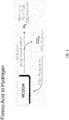
- This figure illustrates a hydrogen generation system based on the concept of employing carbon dioxide as a hydrogen carrier.
- Utilizing CO 2 as a medium for hydrogen storage relies on the use of efficient catalysts for both hydrogenation of CO 2 and selective dehydrogenation of formic acid.
- Novel catalysts based on pincer ligands are used with good selectivity and high turnover numbers. This technology allows the use of formic acid in connection with fuel cells without the associated problems presented by hydrogen tanks (including their pressure, storage, and weight).
- Fuel cell systems provide a promising, cleaner, and quieter way to create energy and electricity.
- a fuel cell system produces electrical energy as a main product by combining a fuel source of liquid, gaseous, or solid hydrogen with a source of oxygen, such as oxygen in the air or compressed oxygen.
- a fuel cell system has several outputs in addition to electrical power. For example, thermal power (heat), water, and oxygen-depleted air are produced as by-products. These by-products are less harmful than other toxic emissions from some of the current power generation and/or gasoline burning processes.
- Formic acid is a relatively non-toxic chemical, which can be used as a food additive as approved by FDA. It is one of the major products formed in biomass processing and can be a convenient hydrogen carrier for fuel cells designed for portable electricity generation and use.
- the decomposition of formic acid into hydrogen is a promising way to solve the difficulty of hydrogen gas storage, which has severely limited the "hydrogen economy.” A sustainable cycle can be envisioned using formic acid to supply hydrogen.
- the hydrogen storage density of formic acid is relatively high. In one example, it can be about 53g H 2 /L. This amount can be suitable for automobile and portable applications.
- An efficient catalytic system for hydrogen generation from formic acid (as outlined in U.S. Serial No. PCT/US14/67546 , claiming benefit to U.S. Provisional 61/910,530 filed December 2, 2013 ) is useful in the applications.
- the reaction rate (turnover frequency >10,000/hr) and lifetime (turnover number over 1,000,000) of formic acid that can be achieved now renders the technology useful for automobile and other mobile applications.
- formic acid is low cost, nonflammable, readily available as exhaust from fuel cells, and contains only water and CO 2 , an automobile or other electricity-requiring device or system constructed based on the formic acid technology can be environmentally-friendly. The system is unlikely to explode or ignite. Because of its nonflammable nature, formic acid in an automobile, for example, can easily reach a driving range of 3000 miles, which is 8-10 times better than current automobiles. Such a long driving range can be very important for many applications (e.g., such as for military applications or other long-range uses). In addition, the technology can be used independently or integrated with electrical automobiles in order to provide an instant power source so that the long battery charging time can be avoided.
- FIG. 2 Similar systems for automobiles with higher power (400W, 2KW, and 35KW) are provided herein as well.
- the system provides the core technology that used to construct automobiles or other motor/electricity-requiring vehicles or other equipment based on the formic acid technology.
- FIGS. 3 and 4 Examples of a system that uses formic acid for powering a fuel cell are illustrated by FIGS. 3 and 4 .
- the fuel cell is used to power a battery.
- the battery is used to power one or more drive motors of an automobile.
- this disclosure is generally directed toward the use of this technology in connection with automobiles, it should be understood that the technology may be used in connection with any electricity-requiring device, including but not limited to hydrogen generators (without fuel cells); electricity generators; other mobile applications, such as cell phone/laptop power source/charger, drones, transportation uses, such as electric cars/airplanes/other vehicles and other equipment.
- electricity-requiring device including but not limited to hydrogen generators (without fuel cells); electricity generators; other mobile applications, such as cell phone/laptop power source/charger, drones, transportation uses, such as electric cars/airplanes/other vehicles and other equipment.
- a formic acid reservoir is optionally provided for containing an appropriate amount of formic acid. It is generally expected that the formic acid will be in liquid form, but other options are possible and considered within the scope of this disclosure.
- the formic acid reservoir may be fluidly connected to a reaction chamber.
- a conduit or inlet valve may be provided for delivering formic acid from the formic acid reservoir to the reaction chamber.
- the formic acid reservoir may be fluidly connected to the reaction chamber via a feed pump. The feed pump can move the formic acid into the reaction chamber.
- the reaction chamber may also be fed with heat.
- the heat may be delivered to the reaction chamber via a heat pipe from the fuel cell. Additionally or alternatively, heat from operation of the fuel cell is delivered to the formic acid reservoir.
- a fuel cell generates heat as one of its byproducts. The systems may use that generated heat in order to provide heat required by the reaction chamber.
- the reaction chamber converts the formic acid it receives into hydrogen (H 2 ) and carbon dioxide (CO 2 ).
- H 2 hydrogen
- CO 2 carbon dioxide
- the one or more catalysts may include but are not limited to homogeneous or heterogeneous Fe, Ru, Ir, Pd, Ag catalysts, other catalysts, or combinations thereof. It should be understood, however, that other methods for conversion of formic acid into hydrogen are possible and considered within the scope of this disclosure.
- the reaction chamber may include a stir system for mixing the reactants.
- the reaction chamber is optionally associated with or surrounded by a heat insulator to prevent or reduce heat from undesirably escaping.
- the reaction chamber may also include an exhaust gas react furnace to transfer the heat to the reactor.
- the carbon dioxide may be moved into a tank (with or without filter) for other uses or for recycling into the reactor.
- the reaction chamber is optionally used in connection with a heater control.
- the heater control controls the heat to be delivered to the reaction chamber via an electric heater or the fuel cell.
- the electricity generation system optionally includes a delivery system for moving the hydrogen that is recovered from the formic acid into the fuel cell.
- the delivery system includes one or more filters.
- the delivery system includes one or more hydrogen tanks.
- the delivery system includes a flowmeter.
- the one or more filters act to filter the hydrogen gas as it leaves the reaction chamber.
- the one or more tanks are used to store the hydrogen, carbon dioxide, or both separately that leave the reaction chamber. It is possible for the flowmeter to be used to control the flow of hydrogen that is delivered to the fuel cell. Delivery of the hydrogen to the fuel cell provides the input that the fuel cell needs in order to generate electricity. As shown by FIG. 4 , the fuel cell also receives an oxygen input.
- the fuel cell optionally cooperates with a power converter to convert electricity generated by operations of the fuel cell to an appropriate current for delivery to a battery.
- the power converter is optionally a DC/DC converter.
- the converted power is optionally delivered to a battery.
- the battery may be any appropriate battery necessary for powering the electric device to be powered. In one example, the battery is an electric car battery for powering an electric automobile.
- Power from the battery is optionally delivered to one or more drive motors.
- the one or more drive motors may be drive motors of an automobile.
- Power from the battery is optionally delivered to one or more ultra-capacitors.
- the one or more ultra-capacitors for example, power one or more of the drive motors.
- Power from the battery is optionally delivered to the heater control and/or the feed pump. The feed pump then powers the pump's movement of formic acid through the system.
- a method for generating electricity for powering a fuel cell using formic acid may include (a) providing a source of formic acid, a reaction chamber, and a fuel cell that generates electricity; (b) delivering formic acid to the reaction chamber, wherein the reaction chamber causes the formic acid to convert to hydrogen and carbon dioxide; (c) delivering the converted hydrogen to the fuel cell; and (d) powering a battery by electricity generated by the fuel cell.
- any subset or combination of these is also specifically contemplated and disclosed. This concept applies to all aspects of this disclosure including, but not limited to, steps in methods using the disclosed compositions. Thus, if there are a variety of additional steps that can be performed, it is understood that each of these additional steps can be performed with any specific method steps or combination of method steps of the disclosed methods, and that each such combination or subset of combinations is specifically contemplated and should be considered disclosed.
Landscapes
- Engineering & Computer Science (AREA)
- Chemical & Material Sciences (AREA)
- Sustainable Development (AREA)
- Sustainable Energy (AREA)
- Life Sciences & Earth Sciences (AREA)
- Chemical Kinetics & Catalysis (AREA)
- General Chemical & Material Sciences (AREA)
- Electrochemistry (AREA)
- Manufacturing & Machinery (AREA)
- Organic Chemistry (AREA)
- Power Engineering (AREA)
- Transportation (AREA)
- Mechanical Engineering (AREA)
- Combustion & Propulsion (AREA)
- Health & Medical Sciences (AREA)
- General Health & Medical Sciences (AREA)
- Inorganic Chemistry (AREA)
- Physics & Mathematics (AREA)
- Thermal Sciences (AREA)
- Fuel Cell (AREA)
- Electric Propulsion And Braking For Vehicles (AREA)
Abstract
Description
- This application claims the benefit of
U.S. Provisional Application No. 62/267,645 filed December 15, 2015 - Electrical automobiles are gradually replacing traditional gasoline-based counterparts, because of their clean and renewable nature. However, two current approaches (Li-battery technology and hydrogen fuel cells technology) suffer significant limitations. For example, the recharging time (multiple hours) for Li-batteries can be too long for some users, and the power capacity is not large enough for a long driving range. Additionally, the storage and transportation of hydrogen gas for use of hydrogen fuel cell technology raises serious safety concerns. The pressure of a hydrogen tank in hydrogen fuel cell car can be up to 600 times larger than the atmosphere pressure, and hydrogen gas is extremely flammable.
- The present disclosure relates generally to new forms of portable energy generation devices and methods. The devices are designed to covert formic acid into released hydrogen, alleviating the need for a hydrogen tank as a hydrogen source for fuel cell power. This technology is clean and renewable and overcomes the limitations of Li-batteries and hydrogen tanks.
-
-
FIG. 1 shows a schematic view of one embodiment for converting formic acid to hydrogen. -
FIG. 2 shows a prototype of an electric car that uses conversion of formic acid to hydrogen to power a fuel cell. -
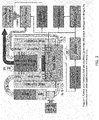
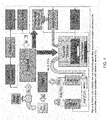
FIG. 3 shows a schematic of a fuel cell system that is powered using hydrogen derived from formic acid. -
FIG. 4 shows a blown apart view of the schematic ofFIG. 3 . - The present methods and devices address alternate electricity options based on production of hydrogen from formic acid. Formic acid is a naturally-occurring product and is relatively safe in low concentrations. The HCO2H molecule is also a precursor for some fuel production processes. Rich in hydrogen and carbon, it is a liquid in atmospheric temperatures. The formic acid molecule also decomposes with heat into simple carbon dioxide and water. Various methods of converting formic acid to hydrogen are contemplated for use in the methods and devices described herein. By way of example, PCT Application No.
PCT/US14/67546 , claiming benefit toU.S. Provisional 61/910,530 filed December 2, 2013 - The decomposition of formic acid to H2 and CO2 is thermodynamically favored, but the energy barrier is high and the selectivity is low (for the formation of H2O and CO). Thus, suitable catalysts are selected for more efficient hydrogen generation from formic acid, rather than for the formation of H2O and CO. See process outlined in
FIG. 1 . - This figure illustrates a hydrogen generation system based on the concept of employing carbon dioxide as a hydrogen carrier. Utilizing CO2 as a medium for hydrogen storage relies on the use of efficient catalysts for both hydrogenation of CO2 and selective dehydrogenation of formic acid. Novel catalysts based on pincer ligands are used with good selectivity and high turnover numbers. This technology allows the use of formic acid in connection with fuel cells without the associated problems presented by hydrogen tanks (including their pressure, storage, and weight).
- Fuel cell systems provide a promising, cleaner, and quieter way to create energy and electricity. A fuel cell system produces electrical energy as a main product by combining a fuel source of liquid, gaseous, or solid hydrogen with a source of oxygen, such as oxygen in the air or compressed oxygen. A fuel cell system has several outputs in addition to electrical power. For example, thermal power (heat), water, and oxygen-depleted air are produced as by-products. These by-products are less harmful than other toxic emissions from some of the current power generation and/or gasoline burning processes.
- Formic acid is a relatively non-toxic chemical, which can be used as a food additive as approved by FDA. It is one of the major products formed in biomass processing and can be a convenient hydrogen carrier for fuel cells designed for portable electricity generation and use. The decomposition of formic acid into hydrogen is a promising way to solve the difficulty of hydrogen gas storage, which has severely limited the "hydrogen economy." A sustainable cycle can be envisioned using formic acid to supply hydrogen.
- To store hydrogen, hydrogen and CO2 are added together to form formic acid. To release hydrogen, formic acid is decomposed into hydrogen and CO2. The hydrogen storage density of formic acid is relatively high. In one example, it can be about 53g H2/L. This amount can be suitable for automobile and portable applications. An efficient catalytic system for hydrogen generation from formic acid (as outlined in U.S. Serial No.
PCT/US14/67546 , claiming benefit toU.S. Provisional 61/910,530 filed December 2, 2013 - Because formic acid is low cost, nonflammable, readily available as exhaust from fuel cells, and contains only water and CO2, an automobile or other electricity-requiring device or system constructed based on the formic acid technology can be environmentally-friendly. The system is unlikely to explode or ignite. Because of its nonflammable nature, formic acid in an automobile, for example, can easily reach a driving range of 3000 miles, which is 8-10 times better than current automobiles. Such a long driving range can be very important for many applications (e.g., such as for military applications or other long-range uses). In addition, the technology can be used independently or integrated with electrical automobiles in order to provide an instant power source so that the long battery charging time can be avoided.
- By way of example, a 12W hydrogen fuel cell model car based on this technology was built and is the first self-sustainable formic acid model car. One example is illustrated by
FIG. 2 . Similar systems for automobiles with higher power (400W, 2KW, and 35KW) are provided herein as well. - Provided herein is a formic acid hydrogen fuel cell electricity generation system. The system provides the core technology that used to construct automobiles or other motor/electricity-requiring vehicles or other equipment based on the formic acid technology.
- Examples of a system that uses formic acid for powering a fuel cell are illustrated by
FIGS. 3 and4 . By way of example, the fuel cell is used to power a battery. Optionally, the battery is used to power one or more drive motors of an automobile. Although this disclosure is generally directed toward the use of this technology in connection with automobiles, it should be understood that the technology may be used in connection with any electricity-requiring device, including but not limited to hydrogen generators (without fuel cells); electricity generators; other mobile applications, such as cell phone/laptop power source/charger, drones, transportation uses, such as electric cars/airplanes/other vehicles and other equipment. These examples are intended only to be illustrative only and are non-limiting examples of potential uses of the technology described herein. - As illustrated, a formic acid reservoir is optionally provided for containing an appropriate amount of formic acid. It is generally expected that the formic acid will be in liquid form, but other options are possible and considered within the scope of this disclosure. The formic acid reservoir may be fluidly connected to a reaction chamber. For example, a conduit or inlet valve may be provided for delivering formic acid from the formic acid reservoir to the reaction chamber. In one example, the formic acid reservoir may be fluidly connected to the reaction chamber via a feed pump. The feed pump can move the formic acid into the reaction chamber.
- In addition to being fed with formic acid, the reaction chamber may also be fed with heat. The heat may be delivered to the reaction chamber via a heat pipe from the fuel cell. Additionally or alternatively, heat from operation of the fuel cell is delivered to the formic acid reservoir. During operation, a fuel cell generates heat as one of its byproducts. The systems may use that generated heat in order to provide heat required by the reaction chamber. The reaction chamber converts the formic acid it receives into hydrogen (H2) and carbon dioxide (CO2). One example of a method for this conversion is described in co-pending application
U. S. Provisional No. 62/262,247, filed on December 2, 2015 - As shown, the reaction chamber may include a stir system for mixing the reactants. The reaction chamber is optionally associated with or surrounded by a heat insulator to prevent or reduce heat from undesirably escaping. The reaction chamber may also include an exhaust gas react furnace to transfer the heat to the reactor. The carbon dioxide may be moved into a tank (with or without filter) for other uses or for recycling into the reactor. The reaction chamber is optionally used in connection with a heater control. The heater control controls the heat to be delivered to the reaction chamber via an electric heater or the fuel cell.
- The electricity generation system optionally includes a delivery system for moving the hydrogen that is recovered from the formic acid into the fuel cell. In one example, the delivery system includes one or more filters. For example, the delivery system includes one or more hydrogen tanks. Optionally, the delivery system includes a flowmeter. The one or more filters act to filter the hydrogen gas as it leaves the reaction chamber. The one or more tanks are used to store the hydrogen, carbon dioxide, or both separately that leave the reaction chamber. It is possible for the flowmeter to be used to control the flow of hydrogen that is delivered to the fuel cell. Delivery of the hydrogen to the fuel cell provides the input that the fuel cell needs in order to generate electricity. As shown by
FIG. 4 , the fuel cell also receives an oxygen input. - The fuel cell optionally cooperates with a power converter to convert electricity generated by operations of the fuel cell to an appropriate current for delivery to a battery. In one example, the power converter is optionally a DC/DC converter. The converted power is optionally delivered to a battery. The battery may be any appropriate battery necessary for powering the electric device to be powered. In one example, the battery is an electric car battery for powering an electric automobile.
- Power from the battery is optionally delivered to one or more drive motors. By way of example, the one or more drive motors may be drive motors of an automobile. Power from the battery is optionally delivered to one or more ultra-capacitors. The one or more ultra-capacitors, for example, power one or more of the drive motors. Power from the battery is optionally delivered to the heater control and/or the feed pump. The feed pump then powers the pump's movement of formic acid through the system.
- In use, there may be provided a method for generating electricity for powering a fuel cell using formic acid. The method may include (a) providing a source of formic acid, a reaction chamber, and a fuel cell that generates electricity; (b) delivering formic acid to the reaction chamber, wherein the reaction chamber causes the formic acid to convert to hydrogen and carbon dioxide; (c) delivering the converted hydrogen to the fuel cell; and (d) powering a battery by electricity generated by the fuel cell.
- Changes and modifications, additions and deletions may be made to the structures and methods recited above and shown in the drawings without departing from the scope or spirit of the disclosure or the following claims.
- Disclosed are materials, compositions, and components that can be used for, can be used in conjunction with, can be used in preparation for, or are products of the disclosed methods and compositions. These and other materials are disclosed herein, and it is understood that when combinations, subsets, interactions, groups, etc. of these materials are disclosed that while specific reference of each various individual and collective combinations and permutations of these compositions may not be explicitly disclosed, each is specifically contemplated and described herein. For example, if a method is disclosed and discussed and a number of modifications that can be made to a number of compositions including the method are discussed, each and every combination and permutation of the method, and the modifications that are possible are specifically contemplated unless specifically indicated to the contrary.
- Likewise, any subset or combination of these is also specifically contemplated and disclosed. This concept applies to all aspects of this disclosure including, but not limited to, steps in methods using the disclosed compositions. Thus, if there are a variety of additional steps that can be performed, it is understood that each of these additional steps can be performed with any specific method steps or combination of method steps of the disclosed methods, and that each such combination or subset of combinations is specifically contemplated and should be considered disclosed.
Claims (15)
- An electricity generation device, comprising:(a) a formic acid reservoir;(b) a reaction chamber comprising an exhaust gas react furnace;(c) a conduit for delivering formic acid from the formic acid reservoir to the reaction chamber;(d) a fuel cell that generates at least electricity and heat as by-products;
wherein the reaction chamber receives heat generated by operation of the fuel cell or from another heat source, and promotes the formic acid to convert to hydrogen and carbon dioxide, wherein the initial heating is powered by a battery;(e) a delivery system for moving converted hydrogen into the fuel cell; and(f) a battery powered by electricity generated by the fuel cell. - The device of claim 1, wherein the reaction chamber further comprises a heat insulator.
- The device of claim 1, further comprising a tank and filter system for storing the hydrogen and carbon dioxide leaving the reaction chamber.
- The device of claim 1, wherein the battery powers one or more drive motors.
- The device of claim 1, wherein the battery powers one or more drive motors of an automobile.
- The device of claim 1, further comprising a heating control.
- The device of claim 1, wherein the reaction chamber expels carbon dioxide and delivers hydrogen to the delivery system
- The device of claim 1, wherein the reaction chamber comprises formic acid, catalyst, and/or solvent and base, and generates hydrogen and carbon dioxide.
- An electricity generation device, comprising:(a) a formic acid reservoir;(b) a reaction chamber;(c) a conduit for delivering formic acid from the formic acid reservoir to the reaction chamber;(d) a fuel cell that generates at least electricity and heat as by-products;
wherein the reaction chamber receives heat generated by operation of the fuel cell or from another heat source, and promotes the formic acid to convert to hydrogen and carbon dioxide, wherein the initial heating is powered by a battery;(e) a delivery system for moving converted hydrogen into the fuel cell;(f) a battery powered by electricity generated by the fuel cell; and(g) a heat pipe for delivering heat from the fuel cell to the reaction chamber, to the formic acid reservoir, or both. - The device of claim 9, further comprising a tank and filter system for storing the hydrogen and carbon dioxide leaving the reaction chamber.
- The device of claim 9, wherein the battery powers one or more drive motors.
- The device of claim 9, wherein the battery powers one or more drive motors of an automobile.
- The device of claim 9, further comprising a heating control.
- The device of claim 9, wherein the reaction chamber expels carbon dioxide and delivers hydrogen to the delivery system
- The device of claim 9, wherein the reaction chamber comprises formic acid, catalyst, and/or solvent and base, and generates hydrogen and carbon dioxide.
Applications Claiming Priority (3)
| Application Number | Priority Date | Filing Date | Title |
|---|---|---|---|
| US201562267645P | 2015-12-15 | 2015-12-15 | |
| PCT/IB2016/057628 WO2017103820A1 (en) | 2015-12-15 | 2016-12-14 | Electricity generation devices using formic acid |
| EP16823052.2A EP3391447B1 (en) | 2015-12-15 | 2016-12-14 | Electricity generation devices using formic acid |
Related Parent Applications (2)
| Application Number | Title | Priority Date | Filing Date |
|---|---|---|---|
| EP16823052.2A Division-Into EP3391447B1 (en) | 2015-12-15 | 2016-12-14 | Electricity generation devices using formic acid |
| EP16823052.2A Division EP3391447B1 (en) | 2015-12-15 | 2016-12-14 | Electricity generation devices using formic acid |
Publications (2)
| Publication Number | Publication Date |
|---|---|
| EP3590754A1 true EP3590754A1 (en) | 2020-01-08 |
| EP3590754B1 EP3590754B1 (en) | 2021-02-03 |
Family
ID=57755413
Family Applications (2)
| Application Number | Title | Priority Date | Filing Date |
|---|---|---|---|
| EP16823052.2A Active EP3391447B1 (en) | 2015-12-15 | 2016-12-14 | Electricity generation devices using formic acid |
| EP19187792.7A Active EP3590754B1 (en) | 2015-12-15 | 2016-12-14 | Electricity generation devices using formic acid |
Family Applications Before (1)
| Application Number | Title | Priority Date | Filing Date |
|---|---|---|---|
| EP16823052.2A Active EP3391447B1 (en) | 2015-12-15 | 2016-12-14 | Electricity generation devices using formic acid |
Country Status (3)
| Country | Link |
|---|---|
| US (2) | US11258085B2 (en) |
| EP (2) | EP3391447B1 (en) |
| WO (1) | WO2017103820A1 (en) |
Families Citing this family (6)
| Publication number | Priority date | Publication date | Assignee | Title |
|---|---|---|---|---|
| WO2020128668A1 (en) * | 2018-12-17 | 2020-06-25 | King Abdullah University Of Science And Technology | Heterogenized ru amine or imine catalysts for hydrogen generation from formic acid |
| CN110416572B (en) * | 2019-07-26 | 2024-09-10 | 北京青木子科技发展有限公司 | Heating system and method for heating formic acid reactor by using waste heat of fuel cell |
| NL2024350B1 (en) | 2019-12-02 | 2021-08-31 | Dens B V | System and method for hydrogen production by dehydrogenation of formic acid |
| CN111697253B (en) * | 2020-06-06 | 2021-02-26 | 北京潞电电气设备有限公司 | Hydrogen fuel cell uninterrupted power supply method, device and hydrogen fuel cell |
| MY204772A (en) * | 2020-12-09 | 2024-09-12 | Nanomalaysia Berhad | A hydrogen generator for fuel cell application, a method and a system thereof |
| NL2030045B1 (en) | 2021-12-06 | 2023-06-22 | Dens B V | A method for producing hydrogen containing gas |
Citations (4)
| Publication number | Priority date | Publication date | Assignee | Title |
|---|---|---|---|---|
| GB2250130A (en) * | 1990-11-23 | 1992-05-27 | Vickers Shipbuilding & Eng | Power generation system using fuel cells |
| EP0817298A1 (en) * | 1996-01-22 | 1998-01-07 | Matsushita Electric Industrial Co., Ltd. | Fuel cell system |
| US20100080735A1 (en) * | 2008-10-01 | 2010-04-01 | Angstrom Power Incorporated | Portable hydrogen generator |
| US20130004800A1 (en) * | 2011-06-30 | 2013-01-03 | Formic Acid-Hydrogen Energy Development Corporation | Hydrogen generation system and method for generating hydrogen for mobile and power generator |
Family Cites Families (7)
| Publication number | Priority date | Publication date | Assignee | Title |
|---|---|---|---|---|
| US3321333A (en) * | 1962-07-11 | 1967-05-23 | Leesona Corp | Fuel cell system |
| US4376097A (en) * | 1981-02-27 | 1983-03-08 | Melvin Emelock | Hydrogen generator for motor vehicle |
| US6458478B1 (en) * | 2000-09-08 | 2002-10-01 | Chi S. Wang | Thermoelectric reformer fuel cell process and system |
| US6506510B1 (en) * | 2000-12-15 | 2003-01-14 | Uop Llc | Hydrogen generation via methane cracking for integrated heat and electricity production using a fuel cell |
| JP5024725B2 (en) * | 2006-12-27 | 2012-09-12 | トヨタ自動車株式会社 | Fuel cell system |
| CA2932568A1 (en) | 2013-12-02 | 2015-06-11 | King Abdullah University Of Science And Technology | Metal-ligand cooperative catalysis through n-h arm deprotonation/pyridine dearomatiztion for efficient hydrogen generation from formic acid |
| US9963411B2 (en) | 2015-12-02 | 2018-05-08 | King Abdullah University Of Science And Technology | Utilization and recycling of emitted carbon dioxide |
-
2016
- 2016-12-14 US US15/776,915 patent/US11258085B2/en active Active
- 2016-12-14 EP EP16823052.2A patent/EP3391447B1/en active Active
- 2016-12-14 EP EP19187792.7A patent/EP3590754B1/en active Active
- 2016-12-14 WO PCT/IB2016/057628 patent/WO2017103820A1/en not_active Ceased
-
2022
- 2022-01-27 US US17/586,058 patent/US11901596B2/en active Active
Patent Citations (4)
| Publication number | Priority date | Publication date | Assignee | Title |
|---|---|---|---|---|
| GB2250130A (en) * | 1990-11-23 | 1992-05-27 | Vickers Shipbuilding & Eng | Power generation system using fuel cells |
| EP0817298A1 (en) * | 1996-01-22 | 1998-01-07 | Matsushita Electric Industrial Co., Ltd. | Fuel cell system |
| US20100080735A1 (en) * | 2008-10-01 | 2010-04-01 | Angstrom Power Incorporated | Portable hydrogen generator |
| US20130004800A1 (en) * | 2011-06-30 | 2013-01-03 | Formic Acid-Hydrogen Energy Development Corporation | Hydrogen generation system and method for generating hydrogen for mobile and power generator |
Also Published As
| Publication number | Publication date |
|---|---|
| WO2017103820A1 (en) | 2017-06-22 |
| US11258085B2 (en) | 2022-02-22 |
| US20220149404A1 (en) | 2022-05-12 |
| EP3391447B1 (en) | 2019-09-11 |
| EP3391447A1 (en) | 2018-10-24 |
| US11901596B2 (en) | 2024-02-13 |
| EP3590754B1 (en) | 2021-02-03 |
| US20180337416A1 (en) | 2018-11-22 |
Similar Documents
| Publication | Publication Date | Title |
|---|---|---|
| US11901596B2 (en) | Electricity generation devices using formic acid | |
| US11834985B2 (en) | Systems and methods for processing ammonia | |
| JP7187558B2 (en) | Conversion of carbon dioxide from vehicle exhaust to liquid fuels and fuel additives | |
| US11063282B2 (en) | Separation system | |
| JP6738422B2 (en) | Energy generation method and energy generation device, especially for mobile applications | |
| US9315910B2 (en) | Methods and devices for the production of hydrocarbons from carbon and hydrogen sources | |
| JP2021002512A (en) | Ammonia fuel cell system and electrically-driven device | |
| CN214716493U (en) | Ammonia decomposition reaction device | |
| JP2010282755A (en) | Fuel cell system using ammonia as fuel | |
| HK1216456A1 (en) | Mobile power charging station with a plurality of sets of power generation modules of hydrogen production by reforming of methanol-water and the charging method thereof | |
| US20020110712A1 (en) | Hydrocarbon fueled hydrogen fuel generator system and apparatus in combination with hydrogen fuel cells | |
| CN102076603A (en) | Hydrogen-generating colloidal suspension | |
| KR20170029889A (en) | Hydrogen supply system of underwater moving body using gasoline fuel | |
| Huang et al. | Electricity generation devices using formic acid | |
| Rhyme et al. | Technological Trends in Ammonia-to-Hydrogen Production: Insights from a Global Patent Review | |
| Solorza-Feria | Green hydrogen, PEM fuel cells, and li-ion batteries in a vehicular-transport prototype | |
| CN207683373U (en) | Ethanol reformation fuel cell car | |
| CN102036910B (en) | System for autonomous generation of hydrogen for on-board system | |
| CN219003011U (en) | Continuous hydrogen supply system started without heat source | |
| EP2383223A1 (en) | Hydrocarbon and water hybrid engine | |
| EP2728664A1 (en) | Fuel provision system | |
| WO2022226380A1 (en) | Systems and methods for producing hydrogen and byproducts from natural gas | |
| CN204324864U (en) | High-efficiency hydrogen manufacturing equipment | |
| Nishida et al. | Hydrogen fueling system for moving vehicle with use of high electric-field plasma | |
| CN113091052A (en) | Catalytic combustion ignition starting device and method utilizing thermochemical heat storage |
Legal Events
| Date | Code | Title | Description |
|---|---|---|---|
| PUAI | Public reference made under article 153(3) epc to a published international application that has entered the european phase |
Free format text: ORIGINAL CODE: 0009012 |
|
| STAA | Information on the status of an ep patent application or granted ep patent |
Free format text: STATUS: THE APPLICATION HAS BEEN PUBLISHED |
|
| AC | Divisional application: reference to earlier application |
Ref document number: 3391447 Country of ref document: EP Kind code of ref document: P |
|
| AK | Designated contracting states |
Kind code of ref document: A1 Designated state(s): AL AT BE BG CH CY CZ DE DK EE ES FI FR GB GR HR HU IE IS IT LI LT LU LV MC MK MT NL NO PL PT RO RS SE SI SK SM TR |
|
| STAA | Information on the status of an ep patent application or granted ep patent |
Free format text: STATUS: REQUEST FOR EXAMINATION WAS MADE |
|
| 17P | Request for examination filed |
Effective date: 20200511 |
|
| RBV | Designated contracting states (corrected) |
Designated state(s): AL AT BE BG CH CY CZ DE DK EE ES FI FR GB GR HR HU IE IS IT LI LT LU LV MC MK MT NL NO PL PT RO RS SE SI SK SM TR |
|
| GRAP | Despatch of communication of intention to grant a patent |
Free format text: ORIGINAL CODE: EPIDOSNIGR1 |
|
| STAA | Information on the status of an ep patent application or granted ep patent |
Free format text: STATUS: GRANT OF PATENT IS INTENDED |
|
| RIC1 | Information provided on ipc code assigned before grant |
Ipc: B60L 50/72 20190101AFI20200709BHEP Ipc: C01B 3/00 20060101ALN20200709BHEP Ipc: C01B 3/22 20060101ALI20200709BHEP Ipc: H01M 8/04082 20160101ALI20200709BHEP Ipc: H01M 8/04701 20160101ALI20200709BHEP Ipc: H01M 8/04302 20160101ALI20200709BHEP Ipc: H01M 8/04007 20160101ALI20200709BHEP Ipc: B01J 8/20 20060101ALI20200709BHEP Ipc: B60L 58/34 20190101ALI20200709BHEP Ipc: H01M 8/04223 20160101ALI20200709BHEP Ipc: H01M 16/00 20060101ALI20200709BHEP Ipc: H01M 8/0612 20160101ALI20200709BHEP Ipc: B60L 58/40 20190101ALI20200709BHEP |
|
| RIC1 | Information provided on ipc code assigned before grant |
Ipc: H01M 8/04223 20160101ALI20200723BHEP Ipc: B60L 50/72 20190101AFI20200723BHEP Ipc: H01M 8/04082 20160101ALI20200723BHEP Ipc: C01B 3/22 20060101ALI20200723BHEP Ipc: H01M 8/04701 20160101ALI20200723BHEP Ipc: C01B 3/00 20060101ALN20200723BHEP Ipc: H01M 8/04007 20160101ALI20200723BHEP Ipc: B60L 58/34 20190101ALI20200723BHEP Ipc: B01J 8/20 20060101ALI20200723BHEP Ipc: H01M 8/0612 20160101ALI20200723BHEP Ipc: B60L 58/40 20190101ALI20200723BHEP Ipc: H01M 16/00 20060101ALI20200723BHEP Ipc: H01M 8/04302 20160101ALI20200723BHEP |
|
| INTG | Intention to grant announced |
Effective date: 20200805 |
|
| GRAS | Grant fee paid |
Free format text: ORIGINAL CODE: EPIDOSNIGR3 |
|
| GRAA | (expected) grant |
Free format text: ORIGINAL CODE: 0009210 |
|
| STAA | Information on the status of an ep patent application or granted ep patent |
Free format text: STATUS: THE PATENT HAS BEEN GRANTED |
|
| AC | Divisional application: reference to earlier application |
Ref document number: 3391447 Country of ref document: EP Kind code of ref document: P |
|
| AK | Designated contracting states |
Kind code of ref document: B1 Designated state(s): AL AT BE BG CH CY CZ DE DK EE ES FI FR GB GR HR HU IE IS IT LI LT LU LV MC MK MT NL NO PL PT RO RS SE SI SK SM TR |
|
| REG | Reference to a national code |
Ref country code: GB Ref legal event code: FG4D |
|
| REG | Reference to a national code |
Ref country code: AT Ref legal event code: REF Ref document number: 1359632 Country of ref document: AT Kind code of ref document: T Effective date: 20210215 Ref country code: CH Ref legal event code: EP |
|
| REG | Reference to a national code |
Ref country code: DE Ref legal event code: R096 Ref document number: 602016052423 Country of ref document: DE |
|
| REG | Reference to a national code |
Ref country code: IE Ref legal event code: FG4D |
|
| REG | Reference to a national code |
Ref country code: NL Ref legal event code: FP |
|
| REG | Reference to a national code |
Ref country code: LT Ref legal event code: MG9D |
|
| REG | Reference to a national code |
Ref country code: AT Ref legal event code: MK05 Ref document number: 1359632 Country of ref document: AT Kind code of ref document: T Effective date: 20210203 |
|
| PG25 | Lapsed in a contracting state [announced via postgrant information from national office to epo] |
Ref country code: HR Free format text: LAPSE BECAUSE OF FAILURE TO SUBMIT A TRANSLATION OF THE DESCRIPTION OR TO PAY THE FEE WITHIN THE PRESCRIBED TIME-LIMIT Effective date: 20210203 Ref country code: BG Free format text: LAPSE BECAUSE OF FAILURE TO SUBMIT A TRANSLATION OF THE DESCRIPTION OR TO PAY THE FEE WITHIN THE PRESCRIBED TIME-LIMIT Effective date: 20210503 Ref country code: GR Free format text: LAPSE BECAUSE OF FAILURE TO SUBMIT A TRANSLATION OF THE DESCRIPTION OR TO PAY THE FEE WITHIN THE PRESCRIBED TIME-LIMIT Effective date: 20210504 Ref country code: FI Free format text: LAPSE BECAUSE OF FAILURE TO SUBMIT A TRANSLATION OF THE DESCRIPTION OR TO PAY THE FEE WITHIN THE PRESCRIBED TIME-LIMIT Effective date: 20210203 Ref country code: PT Free format text: LAPSE BECAUSE OF FAILURE TO SUBMIT A TRANSLATION OF THE DESCRIPTION OR TO PAY THE FEE WITHIN THE PRESCRIBED TIME-LIMIT Effective date: 20210604 Ref country code: NO Free format text: LAPSE BECAUSE OF FAILURE TO SUBMIT A TRANSLATION OF THE DESCRIPTION OR TO PAY THE FEE WITHIN THE PRESCRIBED TIME-LIMIT Effective date: 20210503 Ref country code: LT Free format text: LAPSE BECAUSE OF FAILURE TO SUBMIT A TRANSLATION OF THE DESCRIPTION OR TO PAY THE FEE WITHIN THE PRESCRIBED TIME-LIMIT Effective date: 20210203 |
|
| PG25 | Lapsed in a contracting state [announced via postgrant information from national office to epo] |
Ref country code: AT Free format text: LAPSE BECAUSE OF FAILURE TO SUBMIT A TRANSLATION OF THE DESCRIPTION OR TO PAY THE FEE WITHIN THE PRESCRIBED TIME-LIMIT Effective date: 20210203 Ref country code: PL Free format text: LAPSE BECAUSE OF FAILURE TO SUBMIT A TRANSLATION OF THE DESCRIPTION OR TO PAY THE FEE WITHIN THE PRESCRIBED TIME-LIMIT Effective date: 20210203 Ref country code: LV Free format text: LAPSE BECAUSE OF FAILURE TO SUBMIT A TRANSLATION OF THE DESCRIPTION OR TO PAY THE FEE WITHIN THE PRESCRIBED TIME-LIMIT Effective date: 20210203 Ref country code: RS Free format text: LAPSE BECAUSE OF FAILURE TO SUBMIT A TRANSLATION OF THE DESCRIPTION OR TO PAY THE FEE WITHIN THE PRESCRIBED TIME-LIMIT Effective date: 20210203 Ref country code: SE Free format text: LAPSE BECAUSE OF FAILURE TO SUBMIT A TRANSLATION OF THE DESCRIPTION OR TO PAY THE FEE WITHIN THE PRESCRIBED TIME-LIMIT Effective date: 20210203 |
|
| PG25 | Lapsed in a contracting state [announced via postgrant information from national office to epo] |
Ref country code: IS Free format text: LAPSE BECAUSE OF FAILURE TO SUBMIT A TRANSLATION OF THE DESCRIPTION OR TO PAY THE FEE WITHIN THE PRESCRIBED TIME-LIMIT Effective date: 20210603 |
|
| PG25 | Lapsed in a contracting state [announced via postgrant information from national office to epo] |
Ref country code: SM Free format text: LAPSE BECAUSE OF FAILURE TO SUBMIT A TRANSLATION OF THE DESCRIPTION OR TO PAY THE FEE WITHIN THE PRESCRIBED TIME-LIMIT Effective date: 20210203 Ref country code: EE Free format text: LAPSE BECAUSE OF FAILURE TO SUBMIT A TRANSLATION OF THE DESCRIPTION OR TO PAY THE FEE WITHIN THE PRESCRIBED TIME-LIMIT Effective date: 20210203 Ref country code: CZ Free format text: LAPSE BECAUSE OF FAILURE TO SUBMIT A TRANSLATION OF THE DESCRIPTION OR TO PAY THE FEE WITHIN THE PRESCRIBED TIME-LIMIT Effective date: 20210203 |
|
| REG | Reference to a national code |
Ref country code: DE Ref legal event code: R097 Ref document number: 602016052423 Country of ref document: DE |
|
| PG25 | Lapsed in a contracting state [announced via postgrant information from national office to epo] |
Ref country code: DK Free format text: LAPSE BECAUSE OF FAILURE TO SUBMIT A TRANSLATION OF THE DESCRIPTION OR TO PAY THE FEE WITHIN THE PRESCRIBED TIME-LIMIT Effective date: 20210203 Ref country code: SK Free format text: LAPSE BECAUSE OF FAILURE TO SUBMIT A TRANSLATION OF THE DESCRIPTION OR TO PAY THE FEE WITHIN THE PRESCRIBED TIME-LIMIT Effective date: 20210203 Ref country code: RO Free format text: LAPSE BECAUSE OF FAILURE TO SUBMIT A TRANSLATION OF THE DESCRIPTION OR TO PAY THE FEE WITHIN THE PRESCRIBED TIME-LIMIT Effective date: 20210203 |
|
| PLBE | No opposition filed within time limit |
Free format text: ORIGINAL CODE: 0009261 |
|
| STAA | Information on the status of an ep patent application or granted ep patent |
Free format text: STATUS: NO OPPOSITION FILED WITHIN TIME LIMIT |
|
| 26N | No opposition filed |
Effective date: 20211104 |
|
| PG25 | Lapsed in a contracting state [announced via postgrant information from national office to epo] |
Ref country code: ES Free format text: LAPSE BECAUSE OF FAILURE TO SUBMIT A TRANSLATION OF THE DESCRIPTION OR TO PAY THE FEE WITHIN THE PRESCRIBED TIME-LIMIT Effective date: 20210203 Ref country code: AL Free format text: LAPSE BECAUSE OF FAILURE TO SUBMIT A TRANSLATION OF THE DESCRIPTION OR TO PAY THE FEE WITHIN THE PRESCRIBED TIME-LIMIT Effective date: 20210203 |
|
| PG25 | Lapsed in a contracting state [announced via postgrant information from national office to epo] |
Ref country code: SI Free format text: LAPSE BECAUSE OF FAILURE TO SUBMIT A TRANSLATION OF THE DESCRIPTION OR TO PAY THE FEE WITHIN THE PRESCRIBED TIME-LIMIT Effective date: 20210203 |
|
| PG25 | Lapsed in a contracting state [announced via postgrant information from national office to epo] |
Ref country code: IS Free format text: LAPSE BECAUSE OF FAILURE TO SUBMIT A TRANSLATION OF THE DESCRIPTION OR TO PAY THE FEE WITHIN THE PRESCRIBED TIME-LIMIT Effective date: 20210603 |
|
| PG25 | Lapsed in a contracting state [announced via postgrant information from national office to epo] |
Ref country code: MC Free format text: LAPSE BECAUSE OF FAILURE TO SUBMIT A TRANSLATION OF THE DESCRIPTION OR TO PAY THE FEE WITHIN THE PRESCRIBED TIME-LIMIT Effective date: 20210203 |
|
| REG | Reference to a national code |
Ref country code: CH Ref legal event code: PL |
|
| REG | Reference to a national code |
Ref country code: BE Ref legal event code: MM Effective date: 20211231 |
|
| PG25 | Lapsed in a contracting state [announced via postgrant information from national office to epo] |
Ref country code: LU Free format text: LAPSE BECAUSE OF NON-PAYMENT OF DUE FEES Effective date: 20211214 Ref country code: IE Free format text: LAPSE BECAUSE OF NON-PAYMENT OF DUE FEES Effective date: 20211214 |
|
| PG25 | Lapsed in a contracting state [announced via postgrant information from national office to epo] |
Ref country code: BE Free format text: LAPSE BECAUSE OF NON-PAYMENT OF DUE FEES Effective date: 20211231 |
|
| PG25 | Lapsed in a contracting state [announced via postgrant information from national office to epo] |
Ref country code: LI Free format text: LAPSE BECAUSE OF NON-PAYMENT OF DUE FEES Effective date: 20211231 Ref country code: CH Free format text: LAPSE BECAUSE OF NON-PAYMENT OF DUE FEES Effective date: 20211231 |
|
| PG25 | Lapsed in a contracting state [announced via postgrant information from national office to epo] |
Ref country code: CY Free format text: LAPSE BECAUSE OF FAILURE TO SUBMIT A TRANSLATION OF THE DESCRIPTION OR TO PAY THE FEE WITHIN THE PRESCRIBED TIME-LIMIT Effective date: 20210203 |
|
| P01 | Opt-out of the competence of the unified patent court (upc) registered |
Effective date: 20230530 |
|
| PG25 | Lapsed in a contracting state [announced via postgrant information from national office to epo] |
Ref country code: HU Free format text: LAPSE BECAUSE OF FAILURE TO SUBMIT A TRANSLATION OF THE DESCRIPTION OR TO PAY THE FEE WITHIN THE PRESCRIBED TIME-LIMIT; INVALID AB INITIO Effective date: 20161214 |
|
| PG25 | Lapsed in a contracting state [announced via postgrant information from national office to epo] |
Ref country code: MK Free format text: LAPSE BECAUSE OF FAILURE TO SUBMIT A TRANSLATION OF THE DESCRIPTION OR TO PAY THE FEE WITHIN THE PRESCRIBED TIME-LIMIT Effective date: 20210203 |
|
| PG25 | Lapsed in a contracting state [announced via postgrant information from national office to epo] |
Ref country code: TR Free format text: LAPSE BECAUSE OF FAILURE TO SUBMIT A TRANSLATION OF THE DESCRIPTION OR TO PAY THE FEE WITHIN THE PRESCRIBED TIME-LIMIT Effective date: 20210203 |
|
| PG25 | Lapsed in a contracting state [announced via postgrant information from national office to epo] |
Ref country code: MT Free format text: LAPSE BECAUSE OF FAILURE TO SUBMIT A TRANSLATION OF THE DESCRIPTION OR TO PAY THE FEE WITHIN THE PRESCRIBED TIME-LIMIT Effective date: 20210203 |
|
| PGFP | Annual fee paid to national office [announced via postgrant information from national office to epo] |
Ref country code: GB Payment date: 20251229 Year of fee payment: 10 |
|
| PGFP | Annual fee paid to national office [announced via postgrant information from national office to epo] |
Ref country code: IT Payment date: 20251219 Year of fee payment: 10 |
|
| PGFP | Annual fee paid to national office [announced via postgrant information from national office to epo] |
Ref country code: NL Payment date: 20251226 Year of fee payment: 10 Ref country code: FR Payment date: 20251226 Year of fee payment: 10 |
|
| PGFP | Annual fee paid to national office [announced via postgrant information from national office to epo] |
Ref country code: DE Payment date: 20251229 Year of fee payment: 10 |