EP3582126A1 - Kommunikationsverfahren, computerprogrammprodukt und computersystem - Google Patents
Kommunikationsverfahren, computerprogrammprodukt und computersystem Download PDFInfo
- Publication number
- EP3582126A1 EP3582126A1 EP19184220.2A EP19184220A EP3582126A1 EP 3582126 A1 EP3582126 A1 EP 3582126A1 EP 19184220 A EP19184220 A EP 19184220A EP 3582126 A1 EP3582126 A1 EP 3582126A1
- Authority
- EP
- European Patent Office
- Prior art keywords
- information
- computer system
- communication
- security module
- signal
- Prior art date
- Legal status (The legal status is an assumption and is not a legal conclusion. Google has not performed a legal analysis and makes no representation as to the accuracy of the status listed.)
- Granted
Links
Images



Classifications
-
- G—PHYSICS
- G06—COMPUTING OR CALCULATING; COUNTING
- G06F—ELECTRIC DIGITAL DATA PROCESSING
- G06F21/00—Security arrangements for protecting computers, components thereof, programs or data against unauthorised activity
- G06F21/60—Protecting data
- G06F21/606—Protecting data by securing the transmission between two devices or processes
-
- G—PHYSICS
- G06—COMPUTING OR CALCULATING; COUNTING
- G06F—ELECTRIC DIGITAL DATA PROCESSING
- G06F21/00—Security arrangements for protecting computers, components thereof, programs or data against unauthorised activity
- G06F21/60—Protecting data
- G06F21/64—Protecting data integrity, e.g. using checksums, certificates or signatures
- G06F21/645—Protecting data integrity, e.g. using checksums, certificates or signatures using a third party
-
- H—ELECTRICITY
- H04—ELECTRIC COMMUNICATION TECHNIQUE
- H04L—TRANSMISSION OF DIGITAL INFORMATION, e.g. TELEGRAPHIC COMMUNICATION
- H04L63/00—Network architectures or network communication protocols for network security
- H04L63/08—Network architectures or network communication protocols for network security for authentication of entities
- H04L63/0823—Network architectures or network communication protocols for network security for authentication of entities using certificates
-
- H—ELECTRICITY
- H04—ELECTRIC COMMUNICATION TECHNIQUE
- H04L—TRANSMISSION OF DIGITAL INFORMATION, e.g. TELEGRAPHIC COMMUNICATION
- H04L63/00—Network architectures or network communication protocols for network security
- H04L63/08—Network architectures or network communication protocols for network security for authentication of entities
- H04L63/0869—Network architectures or network communication protocols for network security for authentication of entities for achieving mutual authentication
-
- H—ELECTRICITY
- H04—ELECTRIC COMMUNICATION TECHNIQUE
- H04L—TRANSMISSION OF DIGITAL INFORMATION, e.g. TELEGRAPHIC COMMUNICATION
- H04L63/00—Network architectures or network communication protocols for network security
- H04L63/12—Applying verification of the received information
- H04L63/126—Applying verification of the received information the source of the received data
-
- H—ELECTRICITY
- H04—ELECTRIC COMMUNICATION TECHNIQUE
- H04L—TRANSMISSION OF DIGITAL INFORMATION, e.g. TELEGRAPHIC COMMUNICATION
- H04L9/00—Cryptographic mechanisms or cryptographic arrangements for secret or secure communications; Network security protocols
- H04L9/32—Cryptographic mechanisms or cryptographic arrangements for secret or secure communications; Network security protocols including means for verifying the identity or authority of a user of the system or for message authentication, e.g. authorization, entity authentication, data integrity or data verification, non-repudiation, key authentication or verification of credentials
- H04L9/3247—Cryptographic mechanisms or cryptographic arrangements for secret or secure communications; Network security protocols including means for verifying the identity or authority of a user of the system or for message authentication, e.g. authorization, entity authentication, data integrity or data verification, non-repudiation, key authentication or verification of credentials involving digital signatures
-
- H—ELECTRICITY
- H04—ELECTRIC COMMUNICATION TECHNIQUE
- H04L—TRANSMISSION OF DIGITAL INFORMATION, e.g. TELEGRAPHIC COMMUNICATION
- H04L9/00—Cryptographic mechanisms or cryptographic arrangements for secret or secure communications; Network security protocols
- H04L9/32—Cryptographic mechanisms or cryptographic arrangements for secret or secure communications; Network security protocols including means for verifying the identity or authority of a user of the system or for message authentication, e.g. authorization, entity authentication, data integrity or data verification, non-repudiation, key authentication or verification of credentials
- H04L9/3271—Cryptographic mechanisms or cryptographic arrangements for secret or secure communications; Network security protocols including means for verifying the identity or authority of a user of the system or for message authentication, e.g. authorization, entity authentication, data integrity or data verification, non-repudiation, key authentication or verification of credentials using challenge-response
-
- H—ELECTRICITY
- H04—ELECTRIC COMMUNICATION TECHNIQUE
- H04W—WIRELESS COMMUNICATION NETWORKS
- H04W12/00—Security arrangements; Authentication; Protecting privacy or anonymity
- H04W12/06—Authentication
-
- H—ELECTRICITY
- H04—ELECTRIC COMMUNICATION TECHNIQUE
- H04W—WIRELESS COMMUNICATION NETWORKS
- H04W12/00—Security arrangements; Authentication; Protecting privacy or anonymity
- H04W12/10—Integrity
-
- G—PHYSICS
- G06—COMPUTING OR CALCULATING; COUNTING
- G06F—ELECTRIC DIGITAL DATA PROCESSING
- G06F2221/00—Indexing scheme relating to security arrangements for protecting computers, components thereof, programs or data against unauthorised activity
- G06F2221/21—Indexing scheme relating to G06F21/00 and subgroups addressing additional information or applications relating to security arrangements for protecting computers, components thereof, programs or data against unauthorised activity
- G06F2221/2103—Challenge-response
-
- G—PHYSICS
- G06—COMPUTING OR CALCULATING; COUNTING
- G06F—ELECTRIC DIGITAL DATA PROCESSING
- G06F2221/00—Indexing scheme relating to security arrangements for protecting computers, components thereof, programs or data against unauthorised activity
- G06F2221/21—Indexing scheme relating to G06F21/00 and subgroups addressing additional information or applications relating to security arrangements for protecting computers, components thereof, programs or data against unauthorised activity
- G06F2221/2129—Authenticate client device independently of the user
-
- H—ELECTRICITY
- H04—ELECTRIC COMMUNICATION TECHNIQUE
- H04L—TRANSMISSION OF DIGITAL INFORMATION, e.g. TELEGRAPHIC COMMUNICATION
- H04L2209/00—Additional information or applications relating to cryptographic mechanisms or cryptographic arrangements for secret or secure communication H04L9/00
- H04L2209/80—Wireless
- H04L2209/805—Lightweight hardware, e.g. radio-frequency identification [RFID] or sensor
-
- H—ELECTRICITY
- H04—ELECTRIC COMMUNICATION TECHNIQUE
- H04L—TRANSMISSION OF DIGITAL INFORMATION, e.g. TELEGRAPHIC COMMUNICATION
- H04L2209/00—Additional information or applications relating to cryptographic mechanisms or cryptographic arrangements for secret or secure communication H04L9/00
- H04L2209/84—Vehicles
-
- H—ELECTRICITY
- H04—ELECTRIC COMMUNICATION TECHNIQUE
- H04L—TRANSMISSION OF DIGITAL INFORMATION, e.g. TELEGRAPHIC COMMUNICATION
- H04L63/00—Network architectures or network communication protocols for network security
- H04L63/04—Network architectures or network communication protocols for network security for providing a confidential data exchange among entities communicating through data packet networks
- H04L63/0428—Network architectures or network communication protocols for network security for providing a confidential data exchange among entities communicating through data packet networks wherein the data content is protected, e.g. by encrypting or encapsulating the payload
- H04L63/0492—Network architectures or network communication protocols for network security for providing a confidential data exchange among entities communicating through data packet networks wherein the data content is protected, e.g. by encrypting or encapsulating the payload by using a location-limited connection, e.g. near-field communication or limited proximity of entities
-
- H—ELECTRICITY
- H04—ELECTRIC COMMUNICATION TECHNIQUE
- H04W—WIRELESS COMMUNICATION NETWORKS
- H04W4/00—Services specially adapted for wireless communication networks; Facilities therefor
- H04W4/70—Services for machine-to-machine communication [M2M] or machine type communication [MTC]
Definitions
- the invention relates to a communication method for transmitting information from a first device to a second device, i.e. for a so-called machine-to-machine communication, a device and a computer system.
- Token-based authentication methods are in the unpublished patent applications at the time of filing DE 10 2008 000 067.1-31 .
- the EP 1 701 282 A1 describes a computer system with means for establishing communication connections with several participants, means for signing data received by one of the participants, means for verifying an electronic signature of data received by one of the participants, means for archiving Data received by one of the participants, means for storing participant profiles, a participant profile determining whether data received from the participant in question are to be signed, verified and / or archived.
- VANETS vehicle ad hoc network
- a secure authentication mechanism is proposed to prevent tampering and unauthorized use.
- the invention is based on the object of creating an improved communication method and a corresponding computer program product, a device, a computer system and a communication system.
- a communication method for transmitting information from a first device to a second device is created, the first device having a security module in which the information is stored. After successful mutual authentication of a computer system and the first device, the information is transmitted from the first device to the computer system. The computer system signs this information. The signed information is then transmitted to the second device.
- the security module forms an integral part of the first device or is permanently connected to it.
- Embodiments of the invention are particularly advantageous since the information can only be read out of the first device by a trustworthy entity, namely the computer system, after successful authentication. This can ensure that the trustworthy entity is authorized to read the information and does not manipulate it. Since the first device also has to authenticate itself to the computer system, it is further ensured that the first device is also integral. The second device then receives the information with the signature of the computer system, so that the second device can be sure that the information has not been manipulated.
- the first and second devices can be the components of an automation system of an industrial production plant or components of a transport system.
- the first and / or the second device can be part of a means of transport, such as a motor vehicle.
- Embodiments of the invention in particular enable highly secure car-to-car communication.
- the communication between the first and second devices and the computer system takes place wirelessly, for example via a mobile radio network or using an RFID or near-field communication method. Communication via WLAN, Bluetooth or wireless USB is also possible.
- the mutual authentication and the signing of the information take place with the help of certificates of a public key infrastructure (PKI).
- PKI public key infrastructure
- at least the first device and the computer system are each assigned a certificate with an associated private key.
- a “certificate” is understood here to mean a digital certificate, which is also referred to as a public key certificate.
- a certificate is structured data that is used to assign a public key of an asymmetric cryptosystem to an identity, such as a person or a device.
- the certificate can conform to the X.509 standard or another standard.
- the first device has a security module in which the information is stored, the authentication being carried out with the aid of the security module, and with a connection via which the information is transmitted with end-to-end encryption between the Security module and the computer system is built.
- a “security module” is understood here to mean a hardware security module (HSM) and also a tamper proof module (TPM), which is also referred to as a tamper resistant module (TRM).
- HSM hardware security module
- TPM tamper proof module
- TRM tamper resistant module
- the end-to-end encryption also ensures that the communication between the security module and the computer system cannot be manipulated or intercepted. This enables a particularly high level of security.
- the authentication takes place by means of a challenge response method, with the help of the challenge response method generating a symmetrical key which is used for the end-to-end encryption of the connection.
- the first device or the computer system generates a challenge, such as a random number, which is used as a symmetric key after authentication.
- the computer system has at least one certificate which is used to authenticate the computer system to the security module of the first device.
- the certificate contains an indication of the information for which the computer system has read authorization.
- the security module uses this certificate to check whether the computer system has the necessary read authorization for read access to the stored information before such a read access can be carried out by the computer system.
- the signed information is transmitted from the computer system directly to the second device.
- the signed information can be sent from the computer system to the first device, which then forwards the signed information to the second device.
- the first device can add further information to the signed information in order to forward the signed information with the supplemented further information to the second device.
- the computer system can also transmit the signed information to a further system component, of which the signed information is processed.
- the further system component then forwards the result of the processing of the signed information and / or the signed information itself to the first device.
- the further system component can be, for example, an off-board navigation system, which uses the signed information to generate navigation data as additional information.
- the further system component can also be a traffic control component or the like.
- the first device sends a signal to the second device in order to signal to the second device that information is stored in the first device that is intended for transmission to the second device.
- the first device then sends a request to read the information to the computer system. This is followed by the mutual authentication of the computer system and the first device, the reading of the information and the transmission of the signed information from the computer system to the second device.
- the first device sends the information directly to the second device.
- the second device can then begin processing the information.
- the second device sends a request to the computer system to confirm the information received from the first device.
- the mutual authentication of the computer system and the first device, the transmission of the information from the first device to the computer system and the signing of the information and the transmission of the information from the computer system to the second device are then carried out again.
- the second device can then check that the information initially received by the first device matches the signed information received by the computer system. If this information matches, the processing of the information is continued by the second device, otherwise the processing is terminated.
- an action is only triggered by the second device on the basis of a result of the processing of the information if that by the information received by the first device and the signed information received by the computer system match each other; otherwise the action is not triggered.
- the action can be, for example, the generation of a control and / or regulation signal relating to the mode of operation of the second device and / or an output signal, for example for output via a user interface.
- the action can be used to trigger a braking of the motor vehicle if the second device is installed in a motor vehicle. Such braking, in particular full braking, may be necessary if the first device communicates the presence of a dangerous situation by transmitting the information to the second device.
- the processing of the information can begin as soon as the information is transmitted in advance from the first device to the second device while the information is being confirmed by the computer system. This improves the real-time capability of the communication.
- the first and / or the second device is part of a means of transport, such as a motor vehicle, in particular a component of motor vehicle electronics.
- the first and / or second device can also be part of a traffic sign, a traffic light, a traffic jam warning system, traffic counting system or an on-board or off-board navigation system.
- a Motor vehicle receive telematics information from a traffic light switched to "red", this telematics information being authenticated by means of the method according to the invention.
- a motor vehicle can receive telematics information from other traffic control components, such as, for example, variable displays with speed restrictions or with traffic jam warnings, these telematics information having been authenticated using the method according to the invention.
- the received telematics information can then be the basis for generating vehicle control commands, such as for speed reduction or for braking or for switching on the hazard warning lights, but at least for outputting optical and / or acoustic warning signals to the vehicle driver or user.
- the received telematics information can also contain the latest diversion recommendations, which are output acoustically via a loudspeaker or optically via a display unit. This is also advantageous, for example, for a vehicle driver who is on a route unknown to him and who may have missed a speed indicator.
- it can be provided that the most recent traffic information or bids or bans are stored in a data memory until a lifting of the bids or bans is received. In this way, a reliable traffic flow control is provided, which moreover enables an increase in safety in road traffic and increases driving comfort.
- the information read out by the computer system from the first device is reported to a center, such as the second device.
- the second device calculates a route, traffic light phases or the like from the information.
- Communication based on the PKI is used to protect the information.
- the required security can be achieved through networked and encrypted authorization.
- communication between different components of the first and second devices and / or the computer system can ensure that they are original components and not counterfeits and that no subsequent manipulation of the components was carried out.
- the invention relates to a computer program product, in particular a digital storage medium, with executable program instructions for carrying out a method according to the invention.
- the invention relates to a first device with communication means for communicating with a computer system, a security module with means for authentication to the computer system, storage means for storing information, and means for establishing a protected connection via the communication means to the first computer system the first computer system can receive the information from the storage means, provided that mutual authentication has taken place, the connection being protected by means of end-to-end encryption
- the first device can be designed for stationary or mobile operation.
- the device can be attached to a stationary traffic control component, e.g. a traffic sign, a traffic light or another signal transmitter of a traffic monitoring or traffic management system. This can e.g. act as a traffic counting system or a traffic jam warning system.
- a stationary traffic control component e.g. a traffic sign, a traffic light or another signal transmitter of a traffic monitoring or traffic management system. This can e.g. act as a traffic counting system or a traffic jam warning system.
- the first device can also be designed for mobile operation; for example, the device can be provided for a motor vehicle.
- the device can have an interface to a motor vehicle bus system of motor vehicle electronics in order to be able to communicate with the components of the motor vehicle electronics via the bus system.
- the first device has means for detecting the second device and means for transmitting a signal via the communication means based on the detection of the second device.
- the first device can detect the passing motor vehicle, for example via an optical, capacitive or inductive proximity sensor. Radar is also possible as a means of detection.
- the detection means can also be designed such that the communication means of the first device detect that the corresponding communication means of the second device are within the range of the communication. In particular, the detection can take place according to an RFID or an NFC method, that is to say as a so-called discovery of the second device by the first device.
- the first device Based on the detection of the presence of the second device, such as a passing motor vehicle, the first device generates and sends a signal via the communication means, for example to the computer system and / or the second device and / or a further system component.
- the signal can contain the information or merely signal that information is available for transmission in the first device.
- the information can e.g. a speed limit, the notification of a right of way regulation or a warning of a dangerous traffic situation, e.g. an oncoming ghost driver, a traffic jam end lying behind a curve, objects lying on the road or the like.
- Embodiments of the invention therefore enable safety-critical applications, such as e.g. in the field of driver assistance systems, autonomous driving and other applications to improve driving safety, since, for example, the deliberate dissemination of incorrect information for the purposes of sabotage or terrorist acts cannot trigger appropriate actions, since such incorrect information cannot come from a trustworthy source , This is ensured in particular by the PKI.
- the invention relates to a computer system with means for receiving a request for information, means for authentication to a first device, means for reading the information from a security module of the first device via a protected connection, which is a connection to End-to-end encryption between the security module and the computer system, and where the prerequisite for reading the information is the previous mutual authentication, means for signing the information, means for sending the signed information.
- the computer system is located in a so-called trust center, in particular in a trust center that complies with the signature law. If the computer system is in a trust center, its trustworthiness is guaranteed to a particularly high degree.
- the invention relates to a communication system, in particular for machine-to-machine communication between the first and second devices with the aid of the computer system.
- the Figure 1 shows a first device 100.
- the device 100 can be designed for a mobile or a stationary operation.
- the device 100 can be a stationary signal transmitter.
- the device 100 can be arranged on a traffic sign and store information in its storage area 124 that corresponds to or is the same as the information displayed on the traffic sign. This information can be, for example, a speed limit, a right of way regulation or the like.
- the device 100 can also be arranged on a traffic light.
- the device 100 is connected to a control of the traffic lights so that the information stored in the storage area 124 indicates the current traffic light phase.
- the device 100 can also be part of a traffic jam warning system.
- the information stored in the storage area 124 is, for example, a traffic jam warning.
- the device 100 can also be provided for mobile use.
- the device 100 can be attached to a motor vehicle.
- device 100 may be an integral part of automotive electronics;
- device 100 may be a so-called electronic control unit (ECU) of the motor vehicle.
- ECU electronice control unit
- the device 100 can have an internal interface to a bus system of the motor vehicle, via which the information is transmitted to the device 100 in order to store the information in the memory area 124 of the security module 106.
- the information stored in memory area 124 can be static or dynamic.
- the information can be an identification of the motor vehicle that does not change over time and / or a current driving parameter of the motor vehicle.
- the information can be the current speed and / or the acceleration and / or yaw rate and / or other information supplied by an ESP system of the motor vehicle, and / or an indication of the condition of the roadway sensed by the motor vehicle act.
- it can are also a warning signal or an emergency signal, for example to inform subsequent road users of a current dangerous situation.
- the device 100 has at least one processor 110 for executing program instructions 112 and an interface for external communication, such as a network interface 114 for communication via a network 116.
- the network can be a computer network, such as the Internet, a bus system, in particular a field bus system, for use in the field of automation systems, in particular a mobile radio network.
- the device 100 can also have an RFID or an NFC interface, or a WLAN, Bluetooth or wireless USB interface.
- the device 100 also has an internal interface for communication with a security module 106, which has a corresponding interface 108.
- the interfaces 104 and 108 can be hard-wired, in particular when the security module forms an integral part of the device 100. This is particularly advantageous if the security module 106 is designed as an electronic circuit integrated into the device 100, in particular as a semiconductor chip, which cannot be removed from the device 100 without being destroyed.
- the interfaces 104 and 108 can also be designed such that the security module 106 can be removed from the device 100 without destruction and can be replaced by another security module 106.
- the security module 106 is then a chip card or a value or security document, in particular an identification document, such as trained as an electronic identity card.
- the interface 104 then forms, for example, a chip card reader which is integrated in the device 100.
- the security module 106 can be a so-called ID token.
- the security module 106 has an electronic memory 118 with protected memory areas 120, 122 or 124.
- the protected memory area 120 is used for storage a reference value that is required for the authentication of the user 102 to the security module 106.
- This reference value is, for example, an identifier, in particular a so-called personal identification number (PIN), or reference data for a biometric feature of a user 102, which can be used to authenticate the user to the security module 106.
- PIN personal identification number
- Such an embodiment with a stored reference value for the authentication of the user 102 is particularly advantageous if the security module 106 is assigned to the user 102 and not to the device 100 or the motor vehicle to which the device 100 belongs. This embodiment is particularly advantageous if the security module 106 is a chip card or an identification document, such as an electronic identity card.
- the security module 106 forms an integral part of the device 100 and cannot be removed from the device 100 without destruction and / or if the security module 106 is not assigned to a user 102 but to the device 100, such a reference value need not be stored , since the authentication of the user 102 can then be omitted.
- the protected storage area 122 is used to store a private key and the protected storage area 124 is used to store the information.
- the electronic memory 118 can furthermore have a memory area 126 for storing a certificate.
- the certificate includes a public key that is associated with the private key stored in the protected storage area 122.
- the certificate can have been created according to a Public Key Infrastructure (PKI) standard, for example according to the X.509 standard.
- PKI Public Key Infrastructure
- the certificate does not necessarily have to be stored in the electronic memory 118 of the security module 106. Alternatively or additionally, the certificate can also be stored in a public directory server.
- the security module 106 has a processor 128.
- the processor 128 is used to execute program instructions 130, 132 and 134.
- the program instructions 130 are used for user authentication, i.e. for authenticating the user 102 to the security module 106, if such authentication is provided.
- the user 102 enters his PIN for his authentication in the security module 106, for example via a user interface of the motor vehicle to which the device 100 belongs.
- the execution of the program instructions 130 then accesses the protected memory area 120 in order to compare the entered PIN with the reference value of the PIN stored there. In the event that the entered PIN matches the reference value of the PIN, the user 102 is considered authenticated.
- a biometric feature of user 102 is captured.
- the security module 106 has a fingerprint sensor for this purpose or a fingerprint sensor is connected to the device 100.
- the biometric data captured by the user 102 are compared to the biometric reference data stored in the protected memory area 120 by executing the program instructions 130 in this embodiment. If the biometric data recorded by the user 102 matches the biometric reference data sufficiently, the user 102 is considered authenticated.
- the program instructions 134 are used to execute the steps of a cryptographic protocol relating to the security module 106 for authenticating an ID provider computer system 136 to the security module 106.
- the cryptographic protocol can be a challenge-response protocol based on a symmetric key or a act asymmetric key pair.
- the cryptographic protocol implements an extended access control method as specified by the international aviation authority (ICAO) for machine-readable travel documents (MRTD).
- IAO international aviation authority
- MRTD machine-readable travel documents
- the ID provider computer system authenticates itself by successfully executing the cryptographic protocol 136 compared to the security module 106 and thereby proves its read authorization to read the information stored in the protected memory area 124.
- the authentication can also be mutual, ie the security module 106 must then also authenticate itself to the ID provider computer system 136 according to the same or a different cryptographic protocol.
- the program instructions 132 are used for end-to-end encryption of the information transmitted between the security module 106 and the ID provider computer system 136.
- a symmetrical key can be used for the end-to-end encryption, which is agreed, for example, on the occasion of the execution of the cryptographic protocol between the security module 106 and the ID provider computer system 136.
- the ID provider computer system 136 has an interface for communicating with the device 100, such as a network interface 138 for communicating over the network 116.
- the ID provider computer system 136 also has a memory 140 in which a private key 142 of the ID provider computer system 136 and the corresponding certificate 144 is stored.
- This certificate can also be a certificate according to a PKI standard, such as X.509, for example.
- the ID provider computer system 136 also has at least one processor 145 for executing program instructions 146 and 148. By executing the program instructions 146, the steps of the cryptographic protocol relating to the ID provider computer system 136 are carried out. Overall, the cryptographic protocol is therefore implemented by the execution of the program instructions 134 by the processor 128 of the security module 106 and by the execution of the program instructions 146 by the processor 145 of the ID provider computer system 136.
- the program instructions 148 serve to implement the end-to-end encryption on the part of the ID provider computer system 136, for example based on the symmetrical key that is used when the cryptographic protocol is executed between the security module 106 and the ID provider computer system 136 has been agreed.
- any method known per se for agreeing the symmetrical key for end-to-end encryption can be used, such as a Diffie-Hellman key exchange.
- the ID provider computer system 136 is preferably located in a particularly protected environment, in particular in a so-called trust center, so that the ID provider computer system 136 forms the trust anchor for the authenticity of the attributes read out from the security module 106.
- a second device 150 can be designed to receive the information and to process or forward it.
- the device 150 can be designed for stationary operation.
- the device 150 can be a traffic control system which processes the information received by the device 100 and the information received by first devices (not shown in the figure) of other road users, which are basically the same in structure.
- the device 150 can also be designed for mobile operation.
- the device 150 can in principle have the same structure as the device 100 and can also be arranged on a motor vehicle. In this case, devices 100 and 150 are designed for car-to-car communication.
- Device 150 has an interface for communicating with device 100 and ID provider computer system 136, such as a network interface 152 for connecting to network 116. Furthermore, device 150 has at least one processor 154 for executing program instructions 156 By executing the program instructions 156, the information received by the device 100 is processed and / or forwarded. By executing the program instructions 156, a control and / or regulation signal can be generated with the aid of the information. This control and / or regulation signal can be automatically entered into the motor vehicle electronics in order to initiate an action, for example braking the motor vehicle. By executing the program instructions 156, the information can also be used to generate a signal, for example via a user interface for the driver of the motor vehicle in which the device 150 is installed.
- This information is signed by the ID provider computer system with the aid of its certificate 144 and transmitted via the device 100 or directly to the device 150.
- the order of authentication can be different. For example, it can be provided that the user 102 must first authenticate themselves to the security module 106 and subsequently the ID provider computer system 136. In principle, however, it is also possible that the ID provider computer system 136 must first authenticate themselves to the security module 106 and only subsequently the user 102.
- the security module 106 is configured, for example, in such a way that it is only activated by the user 102 by entering a correct PIN or a correct biometric feature. Only this activation enables the start of the program instructions 132 and 134 and thus the authentication of the ID provider computer system 136.
- the program instructions 134 are designed such that the ID provider computer system 136 can only carry out read access to the protected memory area 124 in order to read out one or more of the attributes after the program instructions 130 have also successfully authenticated the user 102 has been signaled.
- the above-mentioned process for the transmission of the information is started, for example, when the device 100 detects the device 150.
- the device 100 can have a proximity sensor for this purpose in order to detect the device 150 as soon as the device 150 is in the vicinity of the device 100.
- the device 100 is designed for stationary operation and the device 150 for mobile operation, the device 100 can, for example, detect the passing of the motor vehicle in which the device 150 is installed. If devices 100 and 150 are both installed in motor vehicles, device 100 may detect device 150 when device 150 is within a predetermined distance from device 100.
- the device 150 can also be detected with the aid of the interfaces 114 or 152.
- the presence of the device 150 in the vicinity of the device 100 can also be signaled to the device 100 via the network 116 by another system component, such as a traffic control system.
- the device 100 then generates a signal 172 by executing the program instructions 112, which signal is transmitted to the device 150 via the network 116.
- the device 150 By executing the program instructions 156, the device 150 then generates a request 174 that is transmitted to the ID provider computer system 136 via the network 116. Based on the request 174, the above-mentioned steps for authentication, for reading out the information from the memory area 124 and for signing the information are then carried out.
- the ID provider computer system 136 thus receives a message 176 with the information read from the memory area 124 via the connection protected with end-to-end encryption.
- the ID provider computer system 136 sends the information and its signature as a message 178 to the device 150 over the network 116.
- step 200 device 100 sends signal 172 to device 150.
- Device 150 responds to signal 172 with request 174, which is sent to ID provider computer system 136.
- the ID provider computer system 136 responds to the request 174 by establishing a secure connection between the security module 106 and the ID provider computer system 136, for example according to a so-called secure messaging method.
- step 206 at least one-sided authentication or mutual authentication of the ID provider computer system 136 and the security module 106 takes place via the connection established in step 204.
- the certificate 144 can be transmitted to the security module 106 in order to authorize the ID provider computer system 136 to the security module 106 to receive the information stored in the memory area 124.
- step 208 the information is read out from the memory area 124 and transmitted as a message 176 via the secure connection to the ID provider computer system 136.
- the ID provider computer system 136 signs this information using its private key 142 and its certificate 144 and then sends the message 178 with the information and its signature to the device 150 (step 212).
- step 214 the device 150 checks the validity of the signature of the information received with the message 178. If the signature is valid, the information is processed and / or forwarded in step 216.
- the result of the processing of the information can be a control and / or regulation signal, which is output, for example, via a motor vehicle bus, for an action, such as, for example, automatic braking of the motor vehicle or output of an optical and / or acoustic warning signal to the user, initiate.
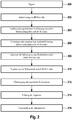
- FIG. 3 shows an alternative embodiment.
- signal 172 already contains the information read from memory area 124.
- device 150 After receiving signal 172, device 150 sends request 174 to ID provider computer system 136, as in the embodiment of FIG Figure 1 the case is.
- Device 150 begins processing the information immediately upon receipt of signal 172.
- the ID provider computer system 136 reads out the information from the security module 106, namely after authentication and establishment of the protected connection, as is also the case in the embodiment according to Figure 1 the case is.
- the device 150 can check whether the information received with the signal 172 and with the message 178 are consistent. Only if this is the case, the processing of the information by the device 150 is continued, the information is forwarded or a result of the processing of the information, such as a control and / or regulation signal, is output, for example in order to initiate an action.
- This embodiment is advantageous for improving the real-time capability of the communication system, since the time required for reading out the information from the security module 106 by the ID provider computer system 136 and for signing and transmitting this information can be used by the device 150 to process the information , which overall reduces the response time of device 150 to signal 172.
- step 300 device 150 receives signal 172 from device 100, signal 172 including information A.
- step 202 processing of information A is started by executing program instructions 156.
- step 302 the request 150 is sent from the device 150 to the ID provider computer system 136 to receive an acknowledgment of this information.
- Steps 304 through 314 below are analogous to steps 204 through 216 in the embodiment of FIG Figure 2 carried out, ie the ID provider computer system 136 reads information B from the security module 106 via the secured connection, signs this information B and transmits the signed information B to the device 150.
- step 316 If the verification of the signature carried out in step 114 shows that the signature is valid, the device 150 checks in step 316 whether the information A and B are consistent, ie, for example, identical. If this is not the case, the process is terminated in step 318. In particular, the processing of the information A started in the step 301 is canceled, or when the processing the information A has already been completed, a control and / or regulation signal generated on the basis of it is deleted.
- the processing of the information A is continued until the processing is finished. If the result of the processing of the information is, for example, a control and / or regulation signal, this is output by the device 150 in order to trigger an action, such as, for example, an automatic braking.
- a control and / or regulation signal this is output by the device 150 in order to trigger an action, such as, for example, an automatic braking.
Landscapes
- Engineering & Computer Science (AREA)
- Computer Security & Cryptography (AREA)
- Computer Networks & Wireless Communication (AREA)
- Signal Processing (AREA)
- Computer Hardware Design (AREA)
- General Engineering & Computer Science (AREA)
- Theoretical Computer Science (AREA)
- Computing Systems (AREA)
- Bioethics (AREA)
- General Health & Medical Sciences (AREA)
- Software Systems (AREA)
- Physics & Mathematics (AREA)
- General Physics & Mathematics (AREA)
- Health & Medical Sciences (AREA)
- Mobile Radio Communication Systems (AREA)
- Traffic Control Systems (AREA)
Abstract
Description
- Die Erfindung betrifft ein Kommunikationsverfahren zur Übertragung einer Information von einer ersten Vorrichtung zu einer zweiten Vorrichtung, d.h. für eine sogenannte machine-to-machine Kommunikation, eine Vorrichtung und ein Computersystem.
- Die vorliegende Patentanmeldung ist eine Teilanmeldung zur Stammanmeldung
PCT/EP2010/060064 - Vorbekannte Kommunikationsverfahren zur machine-to-machine Kommunikation haben den gemeinsamen Nachteil, dass die Kommunikation zwischen den Maschinen manipuliert werden kann. Ein weiterer Nachteil vorbekannter Verfahren ist, dass neben der eigentlichen Kommunikation auch die beteiligten Maschinen selbst nicht manipulationssicher sind.
- Token-basierte Authentifizierungsverfahren sind in den zum Anmeldezeitpunkt unveröffentlichten Patentanmeldungen
DE 10 2008 000 067.1-31 DE 10 2008 040 416.0-31 DE 10 2008 042 262.2-31 DE 10 2009 026 953.3 derselben Patentanmelderin offenbart. - Die
EP 1 701 282 A1 beschreibt ein Computersystem mit Mitteln zur Herstellung von Kommunikationsverbindungen mit mehreren Teilnehmern, Mitteln zur Signierung von Daten, die von einem der Teilnehmer empfangen worden sind, Mitteln zur Verifizierung einer elektronischen Signatur von Daten, die von einem der Teilnehmer empfangen worden sind, Mitteln zur Archivierung von Daten, die von einem der Teilnehmer empfangen worden sind, Mitteln zur Speicherung von Teilnehmerprofilen, wobei durch ein Teilnehmerprofil festgelegt ist, ob von dem betreffenden Teilnehmer empfangene Daten zu signieren, zu verifizieren und/oder zu archivieren sind. - Der Artikel von M. Raya et al.: "Securing Vehicular Communications", IEEE Wireless Communications, IEEE Service Center, Piscataway, NJ, US, Bd. 13, Nr. 5, 1. Oktober 2006, analysiert potenzielle Sicherheitsbedrohungen für eine Fahrzeugkommunikation sowie eine robuste Sicherheitsarchitektur, die mit diesen Bedrohungen umgehen kann.
- Der Artikel von F. Dötzer et al.: "Secure Communication for Intersection Assistance", WIT 2005: 2nd International Workshop on Intelligent Transportation, beschreibt ein Vehicle Adhoc-Netz (VANETS), welches eine Vielzahl von Fahrzeugkomfort-Diensten, Verkehrsmanagement-Anwendungen und Infotainment-Diensten ermöglicht sowie eine Grundlage für präventive und aktive Sicherheitsfunktionen bietet. Durch eine intelligente Steuerung der Signalgebung an Kreuzungen, die Bereitstellung zusätzlicher Informationen für den Fahrer und die Unterstützung des Fahrers in kritischen Situationen, kann die Zahl von Unfällen an Kreuzungen reduziert werden. Es erfolgt ein lokaler Informationsaustausch.
- Für Dienste, die von Einheiten an Straßen oder von anderen Fahrzeugen angeboten werden, wird ein sicherer Authentifizierungsmechanismus vorgeschlagen, um Manipulationen und unautorisierte Nutzungen zu verhindern.
- Der Erfindung liegt demgegenüber die Aufgabe zugrunde, ein verbessertes Kommunikationsverfahren zu schaffen sowie ein entsprechendes Computerprogrammprodukt, eine Vorrichtung, ein Computersystem und ein Kommunikationssystem.
- Die der Erfindung zugrunde liegenden Aufgaben werden jeweils mit den Merkmalen der unabhängigen Patentansprüche gelöst. Ausführungsformen der Erfindung sind in den abhängigen Patentansprüchen angegeben.
- Nach Ausführungsformen der Erfindung wird ein Kommunikationsverfahren zur Übertragung einer Information von einer ersten Vorrichtung zu einer zweiten Vorrichtung geschaffen, wobei die erste Vorrichtung ein Sicherheitsmodul aufweist, in dem die Information gespeichert ist. Nach einer erfolgreichen gegenseitigen Authentifikation eines Computersystems und der ersten Vorrichtung erfolgt die Übertragung der Information von der ersten Vorrichtung an das Computersystem. Das Computersystem signiert diese Information. Die signierte Information wird dann an die zweite Vorrichtung übertragen.
- Nach Ausführungsformen der Erfindung bildet das Sicherheitsmodul einen integralen Bestandteil der ersten Vorrichtung oder ist mit dieser unlösbar verbunden.
- Ausführungsformen der Erfindung sind besonders vorteilhaft, da die Information durch eine vertrauenswürdige Instanz, nämlich das Computersystem, erst nach einer erfolgreichen Authentifizierung aus der ersten Vorrichtung ausgelesen werden kann. Hierdurch kann sichergestellt werden, dass die vertrauenswürdige Instanz zum Auslesen der Information befugt ist und diese nicht manipuliert. Da sich auch die erste Vorrichtung gegenüber dem Computersystem authentifizieren muss, ist ferner sichergestellt, dass auch die erste Vorrichtung integer ist. Die zweite Vorrichtung empfängt dann die Information mit der Signatur des Computersystems, sodass die zweite Vorrichtung sicher sein kann, dass die Information nicht manipuliert ist.
- Auf diese Art und Weise wird eine hochsichere Kommunikation zwischen der ersten Vorrichtung und der zweiten Vorrichtung unter Zuhilfenahme einer vertrauenswürdigen Instanz ermöglicht. Dies eröffnet Anwendungen auf verschiedenen Gebieten. Beispielsweise kann es sich bei den ersten und zweiten Vorrichtungen um die Komponenten eines Automatisierungssystems einer industriellen Produktionsanlage handeln oder um Komponenten eines Transportsystems. Insbesondere können die erste und/oder die zweite Vorrichtung Teil eines Transportmittels, wie zum Beispiel eines Kraftfahrzeugs, sein. Ausführungsformen der Erfindung ermöglichen insbesondere eine hochsichere car-to-car Kommunikation.
- Nach einer Ausführungsform der Erfindung erfolgt die Kommunikation zwischen den ersten und zweiten Vorrichtungen und dem Computersystem drahtlos, wie zum Beispiel über ein Mobilfunknetz oder nach einem RFID- oder Nahfeld-Kommunikationsverfahren. Auch eine Kommunikation über WLAN, Bluetooth oder wireless USB ist möglich.
- Nach einer Ausführungsform der Erfindung erfolgen die gegenseitige Authentifizierung und die Signierung der Information mit Hilfe von Zertifikaten einer Public Key Infrastructure (PKI). Hierzu ist zumindest der ersten Vorrichtung und dem Computersystem jeweils ein Zertifikat mit einem dazugehörigen privaten Schlüssel zugeordnet.
- Unter einem "Zertifikat" wird hier ein digitales Zertifikat verstanden, welches auch als Public-Key-Zertifikat bezeichnet wird. Bei einem Zertifikat handelt es sich um strukturierte Daten, die dazu dienen, einen öffentlichen Schlüssel eines asymmetrischen Kryptosystems einer Identität, wie zum Beispiel einer Person oder einer Vorrichtung, zuzuordnen. Beispielsweise kann das Zertifikat dem Standard X.509 oder einem anderen Standard entsprechen.
- Nach einer Ausführungsform der Erfindung hat die erste Vorrichtung ein Sicherheitsmodul, in dem die Information gespeichert ist, wobei die Authentifizierung mit Hilfe des Sicherheitsmoduls erfolgt, und wobei eine Verbindung, über die die Information übertragen wird, mit Ende-zu-Ende-Verschlüsselung zwischen dem Sicherheitsmodul und dem Computersystem aufgebaut wird.
- Unter einem "Sicherheitsmodul" wird hier ein Hardware-Sicherheitsmodul (HSM) verstanden sowie auch ein Tamper Proof Module (TPM), welches auch als Tamper Resistant Module (TRM) bezeichnet wird. Das Sicherheitsmodul ist also durch geeignete Software- und Hardwaremaßnahmen gegen Eingriffe und Manipulationen geschützt.
- Durch die Ende-zu-Ende-Verschlüsselung wird ferner sichergestellt, dass die Kommunikation zwischen dem Sicherheitsmodul und dem Computersystem nicht manipuliert oder abgehört werden kann. Dies ermöglicht ein besonders hohes Maß an Sicherheit.
- Nach einer Ausführungsform der Erfindung erfolgt die Authentifizierung mittels eines Challenge-Response-Verfahrens, wobei mit Hilfe des Challenge-Response-Verfahrens ein symmetrischer Schlüssel erzeugt wird, der für die Ende-zu-Ende Verschlüsselung der Verbindung verwendet wird. Beispielsweise generiert die erste Vorrichtung oder das Computersystem eine Challenge, wie zum Beispiel eine Zufallszahl, die nach der Authentifizierung als symmetrischer Schlüssel verwendet wird.
- Nach einer Ausführungsform der Erfindung hat das Computersystem zumindest ein Zertifikat, welches zur Authentifizierung des Computersystems gegenüber dem Sicherheitsmodul der ersten Vorrichtung verwendet wird. Das Zertifikat beinhaltet eine Angabe derjenigen Informationen, für welche das Computersystem eine Leseberechtigung hat. Das Sicherheitsmodul prüft anhand dieses Zertifikats, ob das Computersystem die erforderliche Leseberechtigung für den Lesezugriff auf die gespeicherte Information hat, bevor ein solcher Lesezugriff durch das Computersystem durchgeführt werden kann.
- Nach einer Ausführungsform der Erfindung erfolgt die Übertragung der signierten Information von dem Computersystem unmittelbar an die zweite Vorrichtung. Alternativ oder zusätzlich kann die signierte Information von dem Computersystem an die erste Vorrichtung gesendet werden, welche die signierte Information dann an die zweite Vorrichtung weiterleitet. Dabei kann die erste Vorrichtung die signierte Information um weitere Informationen ergänzen, um die signierte Information mit den ergänzten weiteren Informationen an die zweite Vorrichtung weiterzuleiten. Alternativ oder zusätzlich kann das Computersystem die signierte Information auch an eine weitere Systemkomponente übertragen, von der die signierte Information verarbeitet wird. Die weitere Systemkomponente leitet dann das Ergebnis der Verarbeitung der signierten Information und/oder die signierte Information selbst an die erste Vorrichtung weiter. Bei der weiteren Systemkomponente kann es sich zum Beispiel um ein off-board-Navigationssystem handeln, welches mit Hilfe der signierten Information Navigationsdaten als ergänzende Informationen generiert. Bei der weiteren Systemkomponente kann es sich auch um eine Verkehrsleitkomponente oder dergleichen handeln.
- Nach einer Ausführungsform der Erfindung sendet die erste Vorrichtung ein Signal an die zweite Vorrichtung, um der zweiten Vorrichtung zu signalisieren, dass eine Information in der ersten Vorrichtung gespeichert ist, die zur Übertragung an die zweite Vorrichtung vorgesehen ist. Die erste Vorrichtung sendet daraufhin eine Anforderung zum Lesen der Information an das Computersystem. Daraufhin erfolgt die gegenseitige Authentifizierung des Computersystems und der ersten Vorrichtung, das Auslesen der Information und die Übertragung der signierten Information von dem Computersystem an die zweite Vorrichtung.
- Nach einer Ausführungsform der Erfindung sendet die erste Vorrichtung die Information direkt an die zweite Vorrichtung. Die zweite Vorrichtung kann daraufhin mit der Verarbeitung der Information beginnen. Im Wesentlichen gleichzeitig mit dem Beginn der Verarbeitung der Information sendet die zweite Vorrichtung eine Anforderung zur Bestätigung der von der ersten Vorrichtung empfangenen Information an das Computersystem. Daraufhin erfolgt wiederum die gegenseitige Authentifizierung des Computersystems und der ersten Vorrichtung, die Übertragung der Information von der ersten Vorrichtung an das Computersystem sowie die Signierung der Information und die Übertragung der Information von dem Computersystem an die zweite Vorrichtung. Die zweite Vorrichtung kann daraufhin die zunächst unmittelbar von der ersten Vorrichtung empfangene Information mit der von dem Computersystem empfangenen signierten Information auf Übereinstimmung prüfen. Wenn diese Informationen übereinstimmen, so wird die Verarbeitung der Information durch die zweite Vorrichtung fortgesetzt, im gegenteiligen Fall wird die Verarbeitung abgebrochen.
- Für den Fall, dass die Verarbeitung der Information durch die zweite Vorrichtung bereits abgeschlossen ist, wenn die signierte Information von dem Computersystem empfangen wird, so wird aufgrund eines Ergebnisses der Verarbeitung der Information nur dann eine Aktion durch die zweite Vorrichtung ausgelöst, wenn die von der ersten Vorrichtung empfangene Information und die von dem Computersystem empfangene signierte Information miteinander übereinstimmen; im gegenteiligen Fall wird die Aktion nicht ausgelöst.
- Bei der Aktion kann es sich zum Beispiel um die Generierung eines Steuerungs- und/oder Regelungssignals betreffend die Arbeitsweise der zweiten Vorrichtung und/oder ein Ausgabesignal, beispielsweise zur Ausgabe über eine Nutzer-Schnittstelle, handeln. Beispielsweise kann es sich bei der Aktion um die Auslösung einer Abbremsung des Kraftfahrzeugs handeln, wenn die zweite Vorrichtung in einem Kraftfahrzeug eingebaut ist. Eine solche Abbremsung, insbesondere eine Vollbremsung, kann dann erforderlich sein, wenn die erste Vorrichtung durch die Übermittlung der Information an die zweite Vorrichtung das Vorliegen einer Gefahrensituation kommuniziert.
- Von besonderem Vorteil ist hierbei, dass durch die vorab erfolgende Übertragung der Information unmittelbar von der ersten Vorrichtung an die zweite Vorrichtung bereits die Verarbeitung der Information beginnen kann, während die Bestätigung der Information durch das Computersystem erfolgt. Hierdurch wird die Echtzeitfähigkeit der Kommunikation verbessert.
- Nach einer Ausführungsform der Erfindung handelt es sich bei der ersten und/oder bei der zweiten Vorrichtung um einen Teil eines Transportmittels, wie zum Beispiel eines Kraftfahrzeugs, insbesondere um eine Komponente der Kraftfahrzeugelektronik. Die erste und/oder zweite Vorrichtung können auch Teil eines Verkehrsschildes, einer Ampel, einer Stauwarnanlage, Verkehrszählungsanlage oder eines on-board oder off-board-Navigationssystems sein.
- Mit anderen Worten betreffen weitere Ausführungsformen der Erfindung eine Kommunikation zwischen einem Transportmittel und einem Verkehrsleit- oder Telematiksystem zur Verkehrssteuerung oder Komponenten des Telematiksystems. Beispielsweise kann ein Kraftfahrzeug Telematikinformationen von einer auf "rot" geschalteten Ampel empfangen, wobei diese Telematikinformationen mittels des erfindungsgemäßen Verfahrens authentifiziert werden. In einem weiteren Beispiel kann ein Kraftfahrzeug Telematikinformationen von anderen Verkehrsleitkomponenten empfangen, wie beispielsweise variablen Anzeigen mit Geschwindigkeitsbeschränkungen oder mit Stauwarnungen, wobei diese Telematikinformationen mittels des erfindungsgemäßen Verfahrens authentifiziert wurden. Die empfangenen Telematikinformationen können dann Grundlage für eine Erzeugung von Fahrzeugsteuerbefehlen sein, wie beispielsweise zur Geschwindigkeitsreduktion oder zur Bremsung oder zum Einschalten der Warnblinkanlage, zumindest aber zum Ausgeben optischer und/oder akustischer Warnsignale an den Fahrzeugführer oder Nutzer. Die empfangenen Telematikinformationen können im Falle eines Staus oder einer Baustelle auch aktuellste Umleitungsempfehlungen enthalten, die über einen Lautsprecher akustisch oder über eine Displayeinheit optisch ausgegeben werden. Dies ist beispielsweise auch vorteilhaft für einen Fahrzeugführer, der sich auf einer ihm unbekannten Strecke befindet und dabei möglicherweise einen Geschwindigkeitshinweis übersehen hat. In einer Ausführungsform kann vorgesehen sein, dass die jüngsten Verkehrshinweise oder Gebote oder Verbote solange in einem Datenspeicher gespeichert werden, bis eine Aufhebung des Gebots oder Verbots empfangen wird. Auf diese Weise ist eine vertrauenswürdige Verkehrsflusssteuerung bereitgestellt, welche darüberhinaus eine Erhöhung der Sicherheit im Straßenverkehr ermöglicht und einen Fahrkomfort erhöht.
- Beispielsweise werden die von dem Computersystem aus der ersten Vorrichtung ausgelesenen Informationen einer Zentrale, wie zum Beispiel der zweiten Vorrichtung, gemeldet. Aus den Informationen berechnet die zweite Vorrichtung eine Route, Ampelphasen oder dergleichen. Zum Schutz der Informationen dient dabei die Kommunikation basierend auf der PKI. Die erforderliche Sicherheit kann durch vernetzte und verschlüsselte Autorisierung erreicht werden. Ferner kann durch eine Kommunikation verschiedener Bauteile der ersten und zweiten Vorrichtungen und/oder des Computersystems untereinander sichergestellt werden, dass es sich um Originalbauteile und nicht um Fälschungen handelt sowie dass nicht nachträglich an den Bauteilen manipuliert wurde.
- In einem weiteren Aspekt betrifft die Erfindung ein Computerprogrammprodukt, insbesondere ein digitales Speichermedium, mit ausführbaren Programminstruktionen zur Durchführung eines erfindungsgemäßen Verfahrens.
- In einem weiteren Aspekt betrifft die Erfindung eine erste Vorrichtung mit Kommunikationsmitteln zur Kommunikation mit einem Computersystem, einem Sicherheitsmodul mit Mitteln zur Authentifizierung gegenüber dem Computersystem, Speichermitteln zur Speicherung einer Information, und Mitteln zum Aufbau einer geschützten Verbindung über die Kommunikationsmittel zu dem ersten Computersystem, über die das erste Computersystem die Information aus den Speichermitteln empfangen kann, unter der Voraussetzung, dass die gegenseitige Authentifizierung erfolgt ist, wobei die Verbindung mittels Ende-zu-Ende-Verschlüsselung geschützt ist
- Die erste Vorrichtung kann für einen stationären oder einen mobilen Betrieb ausgebildet sein. Insbesondere kann die Vorrichtung an einer stationären Verkehrsleitkomponente, wie z.B. einem Verkehrsschild, einer Verkehrsampel oder einem anderen Signalgeber eines Verkehrsüberwachungs- oder Verkehrsleitsystems angeordnet sein. Hierbei kann es sich z.B. um eine Verkehrszählungsanlage oder eine Stauwarnanlage handeln.
- Die erste Vorrichtung kann auch für einen mobilen Betrieb ausgelegt sein; beispielsweise kann die Vorrichtung für ein Kraftfahrzeug vorgesehen sein. Beispielsweise kann die Vorrichtung eine Schnittstelle zu einem Kraftfahrzeugbussystem der Kraftfahrzeugelektronik aufweisen, um über das Bussystem mit den Komponenten der Kraftfahrzeugelektronik kommunizieren zu können.
- Nach einer Ausführungsform der Erfindung hat die erste Vorrichtung Mittel zur Detektion der zweiten Vorrichtung und Mittel zum Senden eines Signals über die Kommunikationsmittel aufgrund der Detektion der zweiten Vorrichtung. Wenn beispielsweise die zweite Vorrichtung in einem Kraftfahrzeug eingebaut ist, so kann die erste Vorrichtung das vorbeifahrende Kraftfahrzeug detektieren, wie z.B. über einen optischen, kapazitiven oder induktiven Näherungssensor. Auch Radar ist als Mittel zur Detektion möglich. Die Mittel zur Detektion können auch so ausgebildet sein, dass die Kommunikationsmittel der ersten Vorrichtung detektieren, dass sich die entsprechenden Kommunikationsmittel der zweiten Vorrichtung innerhalb der Reichweite der Kommunikation befinden. Insbesondere kann die Detektion nach einem RFID- oder einem NFC-Verfahren erfolgen, das heißt als eine sogenannte Discovery der zweiten Vorrichtung durch die erste Vorrichtung. Aufgrund der Detektion der Präsenz der zweiten Vorrichtung, wie z.B. eines vorbeifahrenden Kraftfahrzeugs, generiert und sendet die erste Vorrichtung ein Signal über die Kommunikationsmittel, beispielsweise an das Computersystem und/oder die zweite Vorrichtung und/oder eine weitere Systemkomponente.
- Das Signal kann die Information beinhalten oder lediglich signalisieren, dass eine Information in der ersten Vorrichtung zur Übertragung bereitsteht. Bei der Information kann es sich z.B. um eine Geschwindigkeitsbegrenzung, die Mitteilung einer Vorfahrtregelung oder einer Warnung vor einer gefährlichen Verkehrssituation, wie z.B. eines entgegenkommenden Geisterfahrers, eines hinter einer Kurve liegenden Stauendes, auf der Fahrbahn liegender Gegenstände oder dergleichen handeln.
- Von besonderem Vorteil ist dabei, dass die Information von einer aufgrund der Authentifizierung ausgewiesenen vertrauenswürdigen Quelle, das heißt der ersten Vorrichtung bzw. deren Sicherheitsmodul, stammt und dass diese Information manipulationssicher übertragen wird, da sie durch eine vertrauenswürdige Instanz, das heißt das Computersystem, signiert worden ist. Ausführungsformen der Erfindung ermöglichen daher sicherheitskritische Anwendungen, wie z.B. im Bereich der Fahrerassistenzsysteme, des autonomen Fahrens und anderer Anwendungen zur Verbesserung der Fahrsicherheit, da beispielsweise die vorsätzliche Verbreitung von falschen Informationen für die Zwecke von Sabotage oder terroristischer Akte nicht zur Auslösung entsprechender Aktionen führen kann, da solche Fehlinformationen nicht aus einer vertrauenswürdigen Quelle stammen können. Dies wird insbesondere durch die PKI sichergestellt.
- In einem weiteren Aspekt betrifft die Erfindung ein Computersystem mit Mitteln zum Empfang einer Anforderung für eine Information, Mitteln zur Authentifizierung gegenüber einer ersten Vorrichtung, Mitteln zum Lesen der Information aus einem Sicherheitsmodul der ersten Vorrichtung über eine geschützte Verbindung, wobei es sich um eine Verbindung mit Ende-zu-Ende-Verschlüsselung zwischen dem Sicherheitsmodul und dem Computersystem handelt, und wobei Voraussetzung für das Lesen der Information die zuvorige gegenseitige Authentifizierung ist, Mitteln zum Signieren der Information, Mitteln zum Senden der signierten Information.
- Nach einer Ausführungsform der Erfindung befindet sich das Computersystem in einem so genannten Trust-Center, insbesondere in einem signaturgesetzkonformen Trust-Center. Wenn sich das Computersystem in einem Trust-Center befindet, ist in besonders hohem Maße dessen Vertrauenswürdigkeit gewährleistet.
- In einem weiteren Aspekt betrifft die Erfindung ein Kommunikationssystem, insbesondere für die machine-to-machine communication zwischen den ersten und zweiten Vorrichtungen unter Zuhilfenahme des Computersystems.
- Im Weiteren werden Ausführungsformen der Erfindung mit Bezugnahme auf die Zeichnungen näher erläutert. Es zeigen:
-
Figur 1 ein Blockdiagramm einer ersten Ausführungsform eines erfindungs- gemäßen Kommunikationssystems und dessen Komponenten, -
Figur 2 ein Flussdiagramm einer ersten Ausführungsform eines erfindungsgemäßen Verfahrens, -
Figur 3 ein Blockdiagramm einer zweiten Ausführungsform eines erfindungsgemäßen Kommunikationssystems und dessen Komponenten, -
Figur 4 ein Flussdiagramm einer zweiten Ausführungsform eines erfindungsgemäßen Verfahrens. - Elemente der nachfolgenden Figuren, die einander entsprechen, werden jeweils mit denselben Bezugszeichen gekennzeichnet.
- Die
Figur 1 zeigt eine erste Vorrichtung 100. Die Vorrichtung 100 kann für einen mobilen oder einen stationären Betrieb ausgebildet sein. Insbesondere kann es sich bei der Vorrichtung 100 um einen stationären Signalgeber handeln. Beispielsweise kann die Vorrichtung 100 an einem Verkehrsschild angeordnet sein und in deren Speicherbereich 124 eine Information speichern, die der auf dem Verkehrsschild angezeigten Information entspricht oder gleicht. Bei dieser Information kann es sich z.B. um eine Geschwindigkeitsbegrenzung, eine Vorfahrtsregelung oder dergleichen handeln. - Die Vorrichtung 100 kann auch an einer Verkehrsampel angeordnet sein. Beispielsweise ist die Vorrichtung 100 mit einer Steuerung der Verkehrsampel verbunden, sodass die in dem Speicherbereich 124 gespeicherte Information die jeweils aktuelle Ampelphase angibt.
- Die Vorrichtung 100 kann auch Teil einer Stauwarnanlage sein. In diesem Fall handelt es sich bei der in dem Speicherbereich 124 gespeicherten Information beispielsweise um eine Stauwarnung.
- Die Vorrichtung 100 kann auch für einen mobilen Einsatz vorgesehen sein. Beispielsweise kann die Vorrichtung 100 an einem Kraftfahrzeug angebracht sein. Beispielsweise kann die Vorrichtung 100 ein integraler Bestandteil der Kraftfahrzeugelektronik sein; beispielsweise kann es sich bei der Vorrichtung 100 um eine sogenannte Electronic Control Unit (ECU) des Kraftfahrzeugs handeln. Die Vorrichtung 100 kann eine interne Schnittstelle zu einem Bussystem des Kraftfahrzeugs aufweisen, über das die Information zu der Vorrichtung 100 übertragen wird, um die Information in dem Speicherbereich 124 des Sicherheitsmoduls 106 zu speichern.
- Die in dem Speicherbereich 124 gespeicherte Information kann statisch oder dynamisch sein. Beispielsweise kann es sich bei der Information um eine zeitlich unveränderliche Kennung des Kraftfahrzeugs und/oder einen aktuellen Fahrparameter des Kraftfahrzeugs handeln. Beispielsweise kann es sich bei der Information um die aktuelle Geschwindigkeit und/oder die Beschleunigung und/oder Gier-Rate und/oder eine andere von einem ESP System des Kraftfahrzeugs gelieferte Information, und/oder eine Angabe zu der von dem Kraftfahrzeug sensierten Beschaffenheit der Fahrbahn handeln. Bei der Information kann es sich auch um ein Warnsignal oder ein Notfallsignal handeln, beispielsweise um nachfolgende Verkehrsteilnehmer auf eine aktuelle Gefahrensituation hinzuweisen.
- Die Vorrichtung 100 hat zumindest einen Prozessor 110 zur Ausführung von Programminstruktionen 112 sowie eine Schnittstelle zur Kommunikation nach außen, wie z.B. eine Netzwerk-Schnittstelle 114 zur Kommunikation über ein Netzwerk 116. Bei dem Netzwerk kann es sich um ein Computer-Netzwerk, wie zum Beispiel das Internet, ein Bussystem, insbesondere ein Feldbussystem, für Einsätze im Bereich der Automatisierungssysteme, insbesondere ein Mobilfunknetzwerk handeln. Alternativ oder zusätzlich zu der Netzwerk-Schnittstelle 114 kann die Vorrichtung 100 auch eine RFID- oder eine NFC-Schnittstelle aufweisen, oder eine WLAN-, Bluetooth oder auch wireless USB-Schnittstelle.
- Die Vorrichtung 100 hat ferner eine interne Schnittstelle zur Kommunikation mit einem Sicherheitsmodul 106, das eine entsprechende Schnittstelle 108 aufweist.
- Die Schnittstellen 104 und 108 können fest verdrahtet sein, insbesondere dann, wenn das Sicherheitsmodul einen integralen Bestandteil der Vorrichtung 100 bildet. Dies ist insbesondere dann vorteilhaft, wenn das Sicherheitsmodul 106 als ein in die Vorrichtung 100 integrierter elektronischer Schaltkreis, insbesondere als Halbleiterchip, ausgebildet ist, der nicht zerstörungsfrei aus der Vorrichtung 100 entfernbar ist.
- Die Schnittstellen 104 und 108 können auch so ausgebildet sein, dass das Sicherheitsmodul 106 aus der Vorrichtung 100 zerstörungsfrei entfernbar und durch ein anderes Sicherheitsmodul 106 austauschbar ist. Beispielsweise ist das Sicherheitsmodul 106 dann als Chipkarte oder als Wert- oder Sicherheitsdokument, insbesondere als Ausweisdokument, wie z.B. als elektronischer Personalausweis, ausgebildet. Durch die Schnittstelle 104 wird dann beispielsweise ein Chipkarten-Lesegerät gebildet, welches in die Vorrichtung 100 integriert ist. Insbesondere kann es sich bei dem Sicherheitsmodul 106 um einen sogenannten ID-Token handeln.
- Das Sicherheitsmodul 106 hat einen elektronischen Speicher 118 mit geschützten Speicherbereichen 120, 122 oder 124. Der geschützte Speicherbereich 120 dient zur Speicherung eines Referenzwertes, der für die Authentifizierung des Nutzers 102 gegenüber dem Sicherheitsmodul 106 benötigt wird. Bei diesem Referenzwert handelt es sich beispielsweise um eine Kennung, insbesondere eine sogenannte Personal Identification Number (PIN) oder um Referenzdaten für ein biometrisches Merkmal eines Nutzers 102, welches für die Authentifizierung des Nutzers gegenüber dem Sicherheitsmodul 106 verwendet werden kann. Eine solche Ausführungsform mit einem gespeicherten Referenzwert für die Authentifizierung des Nutzers 102 ist insbesondere dann vorteilhaft, wenn das Sicherheitsmodul 106 dem Nutzer 102 und nicht der Vorrichtung 100 bzw. dem Kraftfahrzeug, zu dem die Vorrichtung 100 gehört, zugeordnet ist. Insbesondere ist diese Ausführungsform dann vorteilhaft, wenn es sich bei dem Sicherheitsmodul 106 um eine Chipkarte oder ein Ausweisdokument, wie zum Beispiel einen elektronischen Personalausweis, handelt.
- Wenn das Sicherheitsmodul 106 hingegen einen integralen Bestandteil der Vorrichtung 100 bildet und nicht zerstörungsfrei von der Vorrichtung 100 entfernt werden kann und/oder wenn das Sicherheitsmodul 106 nicht einem Nutzer 102, sondern der Vorrichtung 100 zugeordnet ist, so braucht ein solcher Referenzwert nicht gespeichert zu werden, da dann die Authentifizierung des Nutzers 102 entfallen kann.
- Der geschützte Speicherbereich 122 dient zur Speicherung eines privaten Schlüssels und der geschützte Speicherbereich 124 dient zur Speicherung der Information.
- Der elektronische Speicher 118 kann ferner einen Speicherbereich 126 zur Speicherung eines Zertifikats aufweisen. Das Zertifikat beinhaltet einen öffentlichen Schlüssel, der dem in dem geschützten Speicherbereich 122 gespeicherten privaten Schlüssel zugeordnet ist. Das Zertifikat kann nach einem Public Key Infrastructure (PKI)-Standard erstellt worden sein, beispielsweise nach dem X.509 Standard.
- Das Zertifikat muss nicht zwangsläufig in dem elektronischen Speicher 118 des Sicherheitsmoduls 106 gespeichert sein. Alternativ oder zusätzlich kann das Zertifikat auch in einem öffentlichen Verzeichnisserver gespeichert sein.
- Das Sicherheitsmodul 106 hat einen Prozessor 128. Der Prozessor 128 dient zur Ausführung von Programminstruktionen 130, 132 und 134. Die Programminstruktionen 130 dienen zur Nutzer-Authentifizierung, d.h. zur Authentifizierung des Nutzers 102 gegenüber dem Sicherheitsmodul 106, falls eine solche Authentifizierung vorgesehen ist.
- Bei einer Ausführungsform mit PIN gibt der Nutzer 102 seine PIN zu seiner Authentifizierung in das Sicherheitsmodul 106 ein, beispielsweise über eine Nutzer-Schnittstelle des Kraftfahrzeugs, zu dem die Vorrichtung 100 gehört. Durch Ausführung der Programminstruktionen 130 wird dann auf den geschützten Speicherbereich 120 zugegriffen, um die eingegebene PIN mit dem dort gespeicherten Referenzwert der PIN zu vergleichen. Für den Fall, dass die eingegebene PIN mit dem Referenzwert der PIN übereinstimmt, gilt der Nutzer 102 als authentifiziert.
- Alternativ wird ein biometrisches Merkmal des Nutzers 102 erfasst. Beispielsweise hat das Sicherheitsmodul 106 hierzu einen Fingerabdrucksensor oder ein Fingerabdrucksensor ist an die Vorrichtung 100 angeschlossen. Die von dem Nutzer 102 erfassten biometrischen Daten werden durch Ausführung der Programminstruktionen 130 bei dieser Ausführungsform mit den in dem geschützten Speicherbereich 120 gespeicherten biometrischen Referenzdaten verglichen. Bei hinreichender Übereinstimmung der von dem Nutzer 102 erfassten biometrischen Daten mit den biometrischen Referenzdaten gilt der Nutzer 102 als authentifiziert.
- Die Programminstruktionen 134 dienen zur Ausführung der das Sicherheitsmodul 106 betreffenden Schritte eines kryptografischen Protokolls zur Authentifizierung eines ID-Provider-Computersystems 136 gegenüber dem Sicherheitsmodul 106. Bei dem kryptografischen Protokoll kann es sich um ein Challenge-Response-Protokoll basierend auf einem symmetrischen Schlüssel oder einem asymmetrischen Schlüsselpaar handeln.
- Beispielsweise wird durch das kryptografische Protokoll ein Extended Access Control-Verfahren implementiert, wie es für maschinenlesbare Reisedokumente (machine-readable travel documents - MRTD) von der internationalen Luftfahrtbehörde (ICAO) spezifiziert ist. Durch erfolgreiche Ausführung des kryptografischen Protokolls authentifiziert sich das ID-Provider-Computersystem 136 gegenüber dem Sicherheitsmodul 106 und weist dadurch seine Leseberechtigung zum Lesen der in dem geschützten Speicherbereich 124 gespeicherten Information nach. Die Authentifizierung kann auch gegenseitig sein, d.h. auch das Sicherheitsmodul 106 muss sich dann gegenüber dem ID-Provider-Computersystem 136 nach demselben oder einem anderen kryptografischen Protokoll authentifizieren.
- Die Programminstruktionen 132 dienen zur Ende-zu-Ende-Verschlüsselung von der zwischen dem Sicherheitsmodul 106 und dem ID-Provider-Computersystem 136 übertragenen Information. Für die Ende-zu-Ende-Verschlüsselung kann ein symmetrischer Schlüssel verwendet werden, der beispielsweise anlässlich der Ausführung des kryptografischen Protokolls zwischen dem Sicherheitsmodul 106 und dem ID-Provider-Computersystem 136 vereinbart wird.
- Das ID-Provider-Computersystem 136 hat eine Schnittstelle zur Kommunikation mit der Vorrichtung 100, wie zum Beispiel eine Netzwerk-Schnittstelle 138 zur Kommunikation über das Netzwerk 116. Das ID-Provider-Computersystem 136 hat ferner einen Speicher 140, in dem ein privater Schlüssel 142 des ID-Provider-Computersystems 136 sowie das entsprechende Zertifikat 144 gespeichert ist. Auch bei diesem Zertifikat kann es sich beispielsweise um ein Zertifikat nach einem PKI-Standard, wie zum Beispiel X.509, handeln.
- Das ID-Provider-Computersystem 136 hat ferner zumindest einen Prozessor 145 zur Ausführung von Programminstruktionen 146 und 148. Durch Ausführung der Programminstruktionen 146 werden die das ID-Provider-Computersystem 136 betreffende Schritte des kryptographischen Protokolls ausgeführt. Insgesamt wird also das kryptographische Protokoll durch Ausführung der Programminstruktionen 134 durch den Prozessor 128 des Sicherheitsmoduls 106 sowie durch Ausführung der Programminstruktionen 146 durch den Prozessor 145 des ID-Provider-Computersystems 136 implementiert.
- Die Programminstruktionen 148 dienen zur Implementierung der Ende-zu-Ende-Verschlüsselung auf Seiten des ID-Provider-Computersystems 136, beispielsweise basierend auf dem symmetrischen Schlüssel, der anlässlich der Ausführung des kryptographischen Protokolls zwischen dem Sicherheitsmodul 106 und dem ID-Provider-Computersystem 136 vereinbart worden ist. Prinzipiell kann jedes an sich vor bekannte Verfahren zur Vereinbarung des symmetrischen Schlüssels für die Ende-zu-Ende-Verschlüsselung verwendet werden, wie zum Beispiel ein Diffie-Hellman-Schlüsselaustausch.
- Das ID-Provider-Computersystem 136 befindet sich vorzugsweise in einer besonders geschützten Umgebung, insbesondere in einem so genannten Trust-Center, sodass das ID-Provider-Computersystem 136 den Vertrauensanker für die Authentizität der aus dem Sicherheitsmodul 106 ausgelesenen Attribute bildet.
- Eine zweite Vorrichtung 150 kann zum Empfang der Information und deren Verarbeitung oder Weiterleitung ausgebildet sein. Die Vorrichtung 150 kann für einen stationären Betrieb ausgebildet sein. Beispielsweise kann es sich bei der Vorrichtung 150 um ein Verkehrsleitsystem handeln, welches die von der Vorrichtung 100 empfangene Information und die von prinzipiell gleich aufgebauten ersten Vorrichtungen (in der Fig. nicht gezeigt) anderer Verkehrsteilnehmer empfangenen Informationen verarbeitet. Die Vorrichtung 150 kann auch für einen mobilen Betrieb ausgebildet sein. Beispielsweise kann die Vorrichtung 150 prinzipiell gleich aufgebaut sein wie die Vorrichtung 100 und ebenfalls an einem Kraftfahrzeug angeordnet sein. In diesem Fall sind die Vorrichtungen 100 und 150 für eine car-to-car Kommunikation ausgebildet.
- Die Vorrichtung 150 hat eine Schnittstelle zur Kommunikation mit der Vorrichtung 100 und dem ID-Provider-Computersystem 136, wie zum Beispiel eine Netzwerk-Schnittstelle 152 zur Verbindung mit dem Netzwerk 116. Ferner hat die Vorrichtung 150 zumindest einen Prozessor 154 zur Ausführung von Programminstruktionen 156. Durch Ausführung der Programminstruktionen 156 wird die von der Vorrichtung 100 empfangene Information verarbeitet und/oder weitergeleitet. Durch Ausführung der Programminstruktionen 156 kann mit Hilfe der Information ein Steuerungs- und/oder Regelungssignal generiert werden. Dieses Steuerungs- und/oder Regelungssignal kann automatisch in die Kraftfahrzeugelektronik eingegeben werden, um eine Aktion zu veranlassen, wie zum Beispiel eine Abbremsung des Kraftfahrzeugs. Durch Ausführung der Programminstruktionen 156 kann mit Hilfe der Information auch ein Signal generiert werden, das über eine Nutzer-Schnittstelle zum Beispiel für den Fahrer des Kraftfahrzeugs, in dem die Vorrichtung 150 eingebaut ist, abgegeben werden kann.
- Für die Übertragung der Information von der Vorrichtung 100 zu der Vorrichtung 150 kann beispielsweise wie folgt vorgegangen werden:
- 1. Authentifizierung des Nutzers 102 gegenüber dem Sicherheitsmodul 106.
Der Nutzer 102 authentifiziert sich gegenüber dem Sicherheitsmodul 106. Bei einer Implementierung mit PIN gibt der Nutzer 102 hierzu seine PIN beispielsweise über die Vorrichtung 100 oder einen daran angeschlossenen Chipkarten-Terminal ein. Durch Ausführung der Programminstruktionen 130 prüft dann der Sicherheitsmodul 106 die Korrektheit der eingegebenen PIN. Wenn die eingegebene PIN mit dem in dem geschützten Speicherbereich 120 gespeicherten Referenzwert der PIN übereinstimmt, so gilt der Nutzer 102 als authentifiziert. Analog kann vorgegangen werden, wenn ein biometrisches Merkmal des Nutzers 102 zu dessen Authentifizierung verwendet wird, wie oben beschrieben.
Die Authentifizierung des Nutzers 102 gegenüber dem Sicherheitsmodul 106 kann je nach Ausführungsform entfallen. - 2. Authentifizierung des ID-Provider-Computersystems 136 gegenüber dem Sicherheitsmodul 106.
Hierzu wird eine Verbindung 180 zwischen dem Sicherheitsmodul 106 und dem ID-Provider-Computersystem 136 über das Vorrichtung 100 und das Netzwerk 116 hergestellt. Beispielsweise überträgt das ID-Provider-Computersystem 136 sein Zertifikat 144 über diese Verbindung an den Sicherheitsmodul 106. Durch die Programminstruktionen 134 wird dann eine so genannte Challenge generiert, d.h. beispielsweise eine Zufallszahl. Diese Zufallszahl wird mit dem in dem Zertifikat 144 beinhalteten öffentlichen Schlüssel des ID-Provider-Computersystems 136 verschlüsselt. Das resultierende Chiffrat wird von dem Sicherheitsmodul 106 über die Verbindung an das ID-Provider-Computersystem 136 gesendet. Das ID-Provider-Computersystem 136 entschlüsselt das Chiffrat mit Hilfe seines privaten Schlüssels 142 und erhält so die Zufallszahl. Die Zufallszahl sendet das ID-Provider-Computersystem 136 über die Verbindung an den Sicherheitsmodul 106 zurück. Durch Ausführung der Programminstruktionen 134 wird dort geprüft, ob die von dem ID-Provider-Computersystem 136 empfangene Zufallszahl mit der ursprünglich generierten Zufallszahl, d.h. der Challenge, übereinstimmt. Ist dies der Fall, so gilt das ID-Provider-Computersystem 136 als gegenüber dem Sicherheitsmodul 106 authentifiziert. Die Zufallszahl kann als symmetrischer Schlüssel für die Ende-zu-Ende Verschlüsselung verwendet werden. - 3. Nachdem sich der Nutzer 102 erfolgreich gegenüber dem Sicherheitsmodul 106 authentifiziert hat, und nachdem sich das ID-Provider-Computersystem 136 erfolgreich gegenüber dem Sicherheitsmodul 106 authentifiziert hat, erhält das ID-Provider-Computersystem 136 eine Leseberechtigung zum Auslesen der in dem geschützten Speicherbereich 124 gespeicherten Information. Aufgrund eines entsprechenden Lesekommandos, welches das ID-Provider-Computersystem 136 über die Verbindung an den Sicherheitsmodul 106 sendet, wird die Information aus dem geschützten Speicherbereich 124 ausgelesen und durch Ausführung der Programminstruktionen 132 verschlüsselt. Die verschlüsselten Attribute werden über die Verbindung an das ID-Provider-Computersystem 136 übertragen und dort durch Ausführung der Programminstruktionen 148 entschlüsselt. Dadurch erhält das ID-Provider-Computersystem 136 Kenntnis der aus dem Sicherheitsmodul 106 ausgelesenen Information.
- Diese Information von dem ID-Provider-Computersystem mit Hilfe seines Zertifikats 144 signiert und über die Vorrichtung 100 oder direkt an die Vorrichtung 150 übertragen.
- Je nach Ausführungsform kann die Reihenfolge der Authentifizierung unterschiedlich sein. Beispielsweise kann vorgesehen sein, dass sich zunächst der Nutzer 102 gegenüber dem Sicherheitsmodul 106 authentifizieren muss und nachfolgend das ID-Provider-Computersystem 136. Es ist aber grundsätzlich auch möglich, dass sich zunächst das ID-Provider-Computersystem 136 gegenüber dem Sicherheitsmodul 106 authentifizieren muss und erst nachfolgend der Nutzer 102.
- In dem ersten Fall ist der Sicherheitsmodul 106 beispielsweise so ausgebildet, dass er nur durch Eingabe einer korrekten PIN oder eines korrekten biometrischen Merkmals durch den Nutzer 102 freigeschaltet wird. Erst diese Freischaltung ermöglicht den Start der Programminstruktionen 132 und 134 und damit die Authentifizierung des ID-Provider-Computersystems 136.
- Im zweiten Fall ist ein Start der Programminstruktionen 132 und 134 auch bereits möglich, wenn sich der Nutzer 102 noch nicht gegenüber dem Sicherheitsmodul 106 authentifiziert hat. In diesem Fall sind beispielsweise die Programminstruktionen 134 so ausgebildet, dass das ID-Provider-Computersystem 136 erst dann einen Lesezugriff auf den geschützten Speicherbereich 124 zum Auslesen eines oder mehrerer der Attribute durchführen kann, nachdem von den Programminstruktionen 130 die erfolgreiche Authentifizierung auch des Nutzers 102 signalisiert worden ist.
- Der oben genannte Ablauf für die Übertragung der Information wird beispielsweise gestartet, wenn die Vorrichtung 100 die Vorrichtung 150 detektiert. Beispielsweise kann die Vorrichtung 100 hierzu einen Näherungssensor aufweisen, um die Vorrichtung 150 zu detektieren, sobald sich die Vorrichtung 150 in der Nähe der Vorrichtung 100 befindet. Wenn die Vorrichtung 100 für einen stationären Betrieb und die Vorrichtung 150 für einen mobilen Betrieb ausgebildet ist, so kann die Vorrichtung 100 beispielsweise das Vorbeifahren des Kraftfahrzeugs, in dem die Vorrichtung 150 eingebaut ist, detektieren. Wenn die Vorrichtungen 100 und 150 beide in Kraftfahrzeuge eingebaut sind, so kann die Vorrichtung 100 die Vorrichtung 150 detektieren, wenn sich die Vorrichtung 150 innerhalb eines vorgegebenen Abstandes von der Vorrichtung 100 befindet. Die Detektion der Vorrichtung 150 kann auch mit Hilfe der Schnittstellen 114 bzw. 152 erfolgen. Die Anwesenheit der Vorrichtung 150 in der Nähe der Vorrichtung 100 kann der Vorrichtung 100 über das Netzwerk 116 auch von einer weiteren Systemkomponente, wie zum Beispiel einem Verkehrsleitsystem, signalisiert werden.
- Die Vorrichtung 100 generiert daraufhin durch Ausführung der Programminstruktionen 112 ein Signal 172, welches über das Netzwerk 116 zu der Vorrichtung 150 übertragen wird.
- Hierdurch wird der Vorrichtung 150 signalisiert, dass eine Information von der Vorrichtung 100 an die Vorrichtung 150 zu übertragen ist.
- Durch Ausführung der Programminstruktionen 156 generiert die Vorrichtung 150 daraufhin eine Anforderung 174, die über das Netzwerk 116 an das ID-Provider-Computersystem 136 übertragen wird. Aufgrund der Anforderung 174 werden dann die oben genannten Schritte zur Authentifizierung, zum Auslesen der Information aus dem Speicherbereich 124 sowie zur Signierung der Information ausgeführt.
- Das ID-Provider-Computersystem 136 empfängt also über die mit Ende-zu-Ende-Verschlüsselung geschützte Verbindung eine Nachricht 176 mit der aus dem Speicherbereich 124 ausgelesenen Information. Das ID-Provider-Computersystem 136 sendet die Information und deren Signatur als eine Nachricht 178 über das Netzwerk 116 zu der Vorrichtung 150.
- Die
Figur 2 zeigt ein entsprechendes Flussdiagramm. In dem Schritt 200 sendet die Vorrichtung 100 das Signal 172 an die Vorrichtung 150. Auf dieses Signal 172 antwortet die Vorrichtung 150 mit der Anforderung 174, die an ID-Provider-Computersystem 136 gesendet wird. - Auf die Anforderung 174 reagiert das ID-Provider-Computersystem 136, indem eine gesicherte Verbindung zwischen dem Sicherheitsmodul 106 und dem ID-Provider-Computersystem 136 aufgebaut wird, beispielsweise nach einem sogenannten Secure Messaging-Verfahren.
- In dem Schritt 206 erfolgt zumindest eine einseitige Authentifizierung oder eine gegenseitige Authentifizierung des ID-Provider-Computersystems 136 und des Sicherheitsmoduls 106 über die in dem Schritt 204 aufgebaute Verbindung.
- Im Rahmen der Authentifizierung des ID-Provider-Computersystems 136 gegenüber dem Sicherheitsmodul 106 kann das Zertifikat 144 an das Sicherheitsmodul 106 übertragen werden, um die Berechtigung des ID-Provider-Computersystems 136 gegenüber dem Sicherheitsmodul 106 zum Empfang der in dem Speicherbereich 124 gespeicherten Information nachzuweisen.
- In dem Schritt 208 wird die Information aus dem Speicherbereich 124 ausgelesen und über die gesicherte Verbindung an das ID-Provider-Computersystem 136 als Nachricht 176 übertragen.
- Das ID-Provider-Computersystem 136 signiert diese Information mit Hilfe seines privaten Schlüssels 142 und seines Zertifikats 144 und sendet dann die Nachricht 178 mit der Information und deren Signatur an die Vorrichtung 150 (Schritt 212).
- In dem Schritt 214 überprüft die Vorrichtung 150 die Gültigkeit der mit der Nachricht 178 empfangenen Signatur der Information. Wenn die Signatur gültig ist, so erfolgt in dem Schritt 216 eine Verarbeitung und/oder Weiterleitung der Information. Das Ergebnis der Verarbeitung der Information kann ein Steuerungs- und/oder Regelungssignal sein, welches zum Beispiel über einen Kraftfahrzeugbus ausgegeben wird, um eine Aktion, wie zum Beispiel eine automatische Abbremsung des Kraftfahrzeugs oder Ausgabe eines optischen und/oder akustischen Warnsignals an den Nutzer, einzuleiten.
- Die
Figur 3 zeigt eine alternative Ausführungsform. Im Unterschied zu der Ausführungsform gemäßFigur 1 , beinhaltet das Signal 172 bereits die aus dem Speicherbereich 124 ausgelesene Information. Nach dem Empfang des Signals 172 sendet die Vorrichtung 150 die Anforderung 174 an das ID-Provider-Computersystem 136, wie dies auch bei der Ausführungsform gemäßFigur 1 der Fall ist. - Im Unterschied zu der Ausführungsform gemäß
Figur 1 beginnt die Vorrichtung 150 unmittelbar nach dem Empfang des Signals 172 bereits mit der Verarbeitung der Information. Während der Verarbeitung der Information liest das ID-Provider-Computersystem 136 die Information aus dem Sicherheitsmodul 106 aus, und zwar nach Authentifizierung und Aufbau der geschützten Verbindung, so wie es auch bei der Ausführungsform gemäßFigur 1 der Fall ist. Wenn die Vorrichtung 150 die Nachricht 178 empfängt, so kann die Vorrichtung 150 prüfen, ob die mit dem Signal 172 und mit der Nachricht 178 empfangenen Informationen übereinstimmend sind. Nur wenn dies der Fall ist, wird die Verarbeitung der Information durch die Vorrichtung 150 fortgesetzt, die Information weitergeleitet oder ein Ergebnis der Verarbeitung der Information, wie zum Beispiel ein Steuerungs- und/oder Regelungssignal, ausgegeben, beispielsweise um eine Aktion zu veranlassen. - Diese Ausführungsform ist zur Verbesserung der Echtzeitfähigkeit des Kommunikationssystems vorteilhaft, da die zum Auslesen der Information aus dem Sicherheitsmodul 106 seitens des ID-Provider-Computersystems 136 sowie zur Signierung und Übertragung dieser Information erforderliche Zeit, durch die Vorrichtung 150 zur Verarbeitung der Information genutzt werden kann, was insgesamt die Reaktionszeit der Vorrichtung 150 auf das Signal 172 reduziert. Insbesondere kann so die Zeitdauer bis zu einem Ansprechen der Bremsen des Kraftfahrzeugs der Vorrichtung 150 reduziert werden, wenn aufgrund der Information ein automatischer Abbremsvorgang eingeleitet wird.
- Die
Figur 4 zeigt ein entsprechendes Flussdiagramm. In dem Schritt 300 empfängt die Vorrichtung 150 das Signal 172 von der Vorrichtung 100, wobei das Signal 172 eine Information A beinhaltet. In dem Schritt 202 wird durch Ausführung der Programminstruktionen 156 die Verarbeitung der Information A gestartet. Im Wesentlichen gleichzeitig zu dem Schritt 302 wird die Anforderung 174 von der Vorrichtung 150 an das ID-Provider-Computersystem 136 gesendet, um eine Bestätigung dieser Information zu erhalten. - Die nachfolgenden Schritte 304 bis 314 werden analog zu den Schritten 204 bis 216 in der Ausführungsform der
Figur 2 durchgeführt, d.h. das ID-Provider-Computersystem 136 liest eine Information B aus dem Sicherheitsmodul 106 über die gesicherte Verbindung aus, signiert diese Information B und überträgt die signierte Information B an die Vorrichtung 150. - Wenn die in dem Schritt 114 ausgeführte Prüfung der Signatur ergibt, dass die Signatur valide ist, so wird in dem Schritt 316 von der Vorrichtung 150 geprüft, ob die Informationen A und B konsistent, d.h. beispielsweise identisch, sind. Ist dies nicht der Fall, so wird der Ablauf in dem Schritt 318 abgebrochen. Insbesondere wird die Verarbeitung der Information A, die in dem Schritt 301 gestartet worden ist, abgebrochen, oder, wenn die Verarbeitung der Information A bereits abgeschlossen ist, ein aufgrund dessen generiertes Steuerungs- und/oder Regelungssignal gelöscht.
- Im gegenteiligen Fall wird die Verarbeitung der Information A fortgeführt bis die Verarbeitung beendet ist. Wenn das Ergebnis der Verarbeitung der Information beispielsweise ein Steuerungs- und/oder Regelungssignal ist, so wird dieses von der Vorrichtung 150 ausgegeben, um eine Aktion auszulösen, wie zum Beispiel eine automatische Abbremsung.
- Im Folgenden werden weitere Beispiele spezifiziert. Beispielsweise wird ein Kommunikationsverfahren zur Übertragung einer Information von einer ersten Vorrichtung zu einer zweiten Vorrichtung offenbart, wobei die erste Vorrichtung ein Sicherheitsmodul aufweist, in dem die Information gespeichert ist, mit folgenden Schritten:
- Authentifizierung der ersten Vorrichtung und eines Computersystems,
- Übertragung der Information von der ersten Vorrichtung an das Computersystem unter der Voraussetzung, dass die Authentifizierung erfolgt ist,
- Signierung der Information durch das Computersystem,
- Übertragung der Information und deren Signatur an die zweite Vorrichtung.
- Übertragung eines Signals von der ersten Vorrichtung an die zweite Vorrichtung,
- aufgrund des Empfangs des Signals durch die zweite Vorrichtung, Übertragung einer Anforderung von der zweiten Vorrichtung an das Computersystem zur Übertragung der Information an die zweite Vorrichtung.
- Beispielsweise umfasst das Kommunikationsverfahren die folgenden weiteren Schritte:
- Übertragung der Information von der ersten Vorrichtung an die zweite Vorrichtung,
- Beginn der Verarbeitung der Information durch die zweite Vorrichtung,
- Anforderung einer Bestätigung der Information von der zweiten Vorrichtung an das Computersystem.
- Kommunikationsmitteln zur Kommunikation mit einem Computersystem,
- einem Sicherheitsmodul mit Mitteln zur Authentifizierung gegenüber dem Computersystem,
- Speichermitteln zur Speicherung einer Information,
- Mitteln zum Aufbau einer geschützten Verbindung über die Kommunikationsmittel zu dem ersten Computersystem, über die das erste Computersystem die Information aus den Speichermitteln empfangen kann, unter der Voraussetzung, dass die Authentifizierung erfolgt ist, wobei die Verbindung mittels Ende-zu-Ende-Verschlüsselung geschützt ist.
- Beispielsweise handelt es sich um eine Ampel, Stauwarnanlage, Verkehrszählungsanlage oder ein on-board- oder off-board-Navigationssystems.
Beispielsweise sind die Kommunikationsmittel für eine drahtlose Kommunikation, insbesondere über ein Mobilfunknetz, mittels eines RFID- oder eines Nahfeld-Kommunikationsverfahrens, ausgebildet.
Beispielsweise wird ein Computersystem offenbart mit - Mitteln zum Empfang einer Anforderung für eine Information,
- Mitteln zur Authentifizierung gegenüber einer ersten Vorrichtung,
- Mitteln zum Lesen der Information aus einem Sicherheitsmodul der ersten Vorrichtung über eine geschützte Verbindung, wobei es sich um eine Verbindung mit Ende-zu-Ende-Verschlüsselung zwischen dem Sicherheitsmodul und dem Computersystem handelt, und wobei Voraussetzung für das Lesen der Information die zuvorige Authentifizierung ist,
- Mitteln zum Signieren der Information,
- Mitteln zum Senden der signierten Information.
-
- 100
- Vorrichtung
- 102
- Nutzer
- 104
- Schnittstelle
- 106
- Sicherheitsmodul
- 108
- Schnittstelle
- 110
- Prozessor
- 112
- Programminstruktionen
- 114
- Netzwerk-Schnittstelle
- 116
- Netzwerk
- 118
- elektronischer Speicher
- 120
- geschützter Speicherbereich
- 122
- geschützter Speicherbereich
- 124
- geschützter Speicherbereich
- 126
- Speicherbereich
- 128
- Prozessor
- 130
- Programminstruktionen
- 132
- Programminstruktionen
- 134
- Programminstruktionen
- 136
- ID-Provider-Computersystem
- 138
- Netzwerk-Schnittstelle
- 140
- Speicher
- 142
- privater Schlüssel
- 144
- Zertifikat
- 145
- Prozessor
- 146
- Programminstruktionen
- 148
- Programminstruktionen
- 149
- Programminstruktionen
- 150
- Vorrichtung
- 152
- Netzwerk-Schnittstelle
- 154
- Prozessor
- 156
- Programminstruktionen
- 158
- Konfigurationsdatensatz
- 160
- Konfigurationsdatensatz
- 161
- Konfigurationsdatensatz
- 162
- Nutzereingabe
- 164
- Dienst-Anforderung
- 166
- Attributspezifizierung
- 168
- Anforderung
- 170
- Antwort
- 172
- Signal
- 174
- Anforderung
- 176
- Nachricht
- 178
- Nachricht
- 180
- Verbindung
Beispielsweise erfolgt die gegenseitige Authentifizierung mittels eines Challenge-Response-Verfahrens, wobei mit Hilfe des Challenge-Response-Verfahrens ein symmetrischer Schlüssel erzeugt wird, der zum Aufbau der Verbindung mit Ende-zu-Ende-Verschlüsselung verwendet wird.
Beispielsweise erfolgt die gegenseitige Authentifizierung und/oder die Signierung der Information mit Hilfe von Zertifikaten einer Public Key Infrastructure.
Beispielsweise umfasst das Kommunikationsverfahren die folgenden weiteren Schritte:
Beispielsweise ist zumindest eine der ersten und zweiten Vorrichtungen Teil eines Transportmittels, beispielsweise eines Kraftfahrzeugs.
Beispielsweise wird ein Computerprogrammprodukt offenbart, insbesondere ein digitales Speichermedium, mit ausführbaren Programminstruktionen zur Durchführung eines Kommunikationsverfahrens nach einem der vorangehenden Beispiele.
Beispielsweise wird eine Vorrichtung offenbart mit
Beispielsweise umfasst die Vorrichtung Mittel zur Detektion der zweiten Vorrichtung, und Mittel zum Senden eines Signals über die Kommunikationsmittel aufgrund der Detektion der zweiten Vorrichtung.
Beispielsweise handelt es sich um eine Automobilelektronikkomponente.
Beispielsweise sind die Kommunikationsmittel für eine car-to-car Kommunikation ausgebildet.
Beispielsweise wird ein Kommunikationssystem mit einer ersten Vorrichtung nach einem der vorangehenden Beispiele, der zweiten Vorrichtung und einem Computersystem nach einem der vorangehenden Beispiele.
Claims (12)
- Kommunikationsverfahren zur Übertragung einer Information von einer ersten Vorrichtung (100) zu einer zweiten Vorrichtung (150) mit folgenden Schritten:- Übertragung eines Signals (172) von der ersten Vorrichtung an die zweite Vorrichtung,- aufgrund des Empfangs des Signals durch die zweite Vorrichtung, Übertragung einer Anforderung (174) von der zweiten Vorrichtung an ein Computersystem (136) zur Übertragung der Information an die zweite Vorrichtung,- gegenseitige Authentifizierung der ersten Vorrichtung und des Computersystems,- Übertragung der Information von der ersten Vorrichtung an das Computersystem, wobei eine Verbindung (180) mit Ende-zu-Ende-Verschlüsselung zwischen einem Sicherheitsmodul (106) der ersten Vorrichtung und dem Computersystem aufgebaut wird, wobei das Computersystem die Information aus dem Sicherheitsmodul (106), in dem Information gespeichert ist, über die geschützte Verbindung (180) ausliest, wobei Voraussetzung für das Lesen der Information die zuvorige Authentifizierung ist,- Signierung der Information durch das Computersystem,- Übertragung der Information und deren Signatur an die zweite Vorrichtung.
- Kommunikationsverfahren nach Anspruch 1, wobei die gegenseitige Authentifizierung mittels eines Challenge-Response-Verfahrens erfolgt, wobei mit Hilfe des Challenge-Response-Verfahrens ein symmetrischer Schlüssel erzeugt wird, der zum Aufbau der Verbindung mit Ende-zu-Ende-Verschlüsselung verwendet wird.
- Kommunikationsverfahren nach einem der vorhergehenden Ansprüche, wobei die gegenseitige Authentifizierung und/oder die Signierung der Information mit Hilfe von Zertifikaten einer Public Key Infrastructure erfolgt.
- Kommunikationsverfahren nach einem der vorhergehenden Ansprüche, wobei die zweite Vorrichtung aufgrund des Empfangs der Information ein Steuerungs- und/oder Regelungssignal und/oder ein zur Ausgabe an einen Nutzer bestimmtes Signal generiert.
- Kommunikationsverfahren nach einem der vorhergehenden Ansprüche, wobei zumindest eine der ersten und zweiten Vorrichtungen Teil eines Transportmittels, beispielsweise eines Kraftfahrzeugs, ist.
- Computerprogrammprodukt, insbesondere digitales Speichermedium, mit ausführbaren Programminstruktionen zur Durchführung eines Kommunikationsverfahrens nach einem der Ansprüche 1 bis 5.
- Kommunikationssystem mit einer ersten Vorrichtung (100), einer zweiten Vorrichtung (150) und einem Computersystem (136),
wobei die zweite Vorrichtung umfasst:- Mittel (152) zum Empfang eines Signals (172) von der ersten Vorrichtung und zur Übertragung einer Anforderung (174) an das Computersystem zur Übertragung der Information aufgrund des Empfangs des Signals,- Mittel (154, 156) zum Verarbeiten der Information,wobei die erste Vorrichtung umfasst:- Kommunikationsmittel (114) zur Kommunikation mit dem Computersystem und zum Senden des Signals (172) an die zweite Vorrichtung,- ein Sicherheitsmodul (106) mit Mitteln (134, 122, 126) zur Authentifizierung gegenüber dem Computersystem,- Speichermittel (124) zur Speicherung der Information,- Mittel (132) zum Aufbau einer geschützten Verbindung (180) über die Kommunikationsmittel zu dem Computersystem, über die das Computersystem die Information aus den Speichermitteln empfangen kann, unter der Voraussetzung, dass die Authentifizierung erfolgt ist, wobei die Verbindung mittels Ende-zu-Ende-Verschlüsselung geschützt ist, undwobei das Computersystem umfasst:- Mittel (138) zum Empfang der Anforderung (174) von der zweiten Vorrichtung zur Übertragung der Information an die zweite Vorrichtung,- Mittel (146, 144, 142) zur Authentifizierung gegenüber der ersten Vorrichtung (100),- Mittel (145) zum Lesen der Information aus einem Sicherheitsmodul (106) der ersten Vorrichtung über eine geschützte Verbindung (180), wobei es sich um eine Verbindung mit Ende-zu-Ende-Verschlüsselung zwischen dem Sicherheitsmodul und dem Computersystem handelt, und wobei Voraussetzung für das Lesen der Information die zuvorige Authentifizierung ist,- Mittel (146, 144, 142) zum Signieren der Information,- Mittel (138) zum Senden der signierten Information an die zweite Vorrichtung. - Kommunikationssystem nach Anspruch 7, wobei die erste Vorrichtung ein Zertifikat (126) einer PKI für die Authentifizierung der ersten Vorrichtung gegenüber dem Computersystem umfasst.
- Kommunikationssystem nach Anspruch 7 oder 8 mit Mitteln (114) zur Detektion der zweiten Vorrichtung, und mit Mitteln (110, 112) zum Senden eines Signals über die Kommunikationsmittel (114) aufgrund der Detektion der zweiten Vorrichtung.
- Kommunikationssystem nach einem der vorhergehenden Ansprüche 7 bis 9, wobei es sich um eine Automobilelektronikkomponente, eine Ampel, Stauwarnanlage, Verkehrszählungsanlage oder ein on-board- oder off-board-Navigationssystems handelt, und
wobei die Kommunikationsmittel (114) vorzugsweise für eine car-to-car Kommunikation ausgebildet sind. - Kommunikationssystem nach einem der vorhergehenden Ansprüche 7 bis 10, wobei die Kommunikationsmittel (114) für eine drahtlose Kommunikation, insbesondere über ein Mobilfunknetz, mittels eines RFID- oder eines Nahfeld-Kommunikationsverfahrens, ausgebildet sind.
- Kommunikationssystem nach einem der vorhergehenden Ansprüche 7 bis 11, wobei das Computersystem ein Zertifikat (144) einer Public Key Infrastructure, wobei die Mittel zum Signieren der Information so ausgebildet sind, dass die Signierung der Information mit Hilfe des Zertifikats erfolgt.
Applications Claiming Priority (3)
| Application Number | Priority Date | Filing Date | Title |
|---|---|---|---|
| DE102009027676A DE102009027676A1 (de) | 2009-07-14 | 2009-07-14 | Kommunikationsverfahren, Computerprogrammprodukt, Vorrichtung und Computersystem |
| EP10730484.2A EP2454701B1 (de) | 2009-07-14 | 2010-07-13 | Kommunikationsverfahren, computerprogrammprodukt und kommunikationssystem |
| PCT/EP2010/060064 WO2011006893A1 (de) | 2009-07-14 | 2010-07-13 | Kommunikationsverfahren, computerprogrammprodukt, vorrichtung und computersystem |
Related Parent Applications (2)
| Application Number | Title | Priority Date | Filing Date |
|---|---|---|---|
| EP10730484.2A Division-Into EP2454701B1 (de) | 2009-07-14 | 2010-07-13 | Kommunikationsverfahren, computerprogrammprodukt und kommunikationssystem |
| EP10730484.2A Division EP2454701B1 (de) | 2009-07-14 | 2010-07-13 | Kommunikationsverfahren, computerprogrammprodukt und kommunikationssystem |
Publications (2)
| Publication Number | Publication Date |
|---|---|
| EP3582126A1 true EP3582126A1 (de) | 2019-12-18 |
| EP3582126B1 EP3582126B1 (de) | 2021-04-28 |
Family
ID=42457528
Family Applications (2)
| Application Number | Title | Priority Date | Filing Date |
|---|---|---|---|
| EP19184220.2A Active EP3582126B1 (de) | 2009-07-14 | 2010-07-13 | Kommunikationsverfahren, computerprogrammprodukt und computersystem |
| EP10730484.2A Active EP2454701B1 (de) | 2009-07-14 | 2010-07-13 | Kommunikationsverfahren, computerprogrammprodukt und kommunikationssystem |
Family Applications After (1)
| Application Number | Title | Priority Date | Filing Date |
|---|---|---|---|
| EP10730484.2A Active EP2454701B1 (de) | 2009-07-14 | 2010-07-13 | Kommunikationsverfahren, computerprogrammprodukt und kommunikationssystem |
Country Status (3)
| Country | Link |
|---|---|
| EP (2) | EP3582126B1 (de) |
| DE (1) | DE102009027676A1 (de) |
| WO (1) | WO2011006893A1 (de) |
Families Citing this family (12)
| Publication number | Priority date | Publication date | Assignee | Title |
|---|---|---|---|---|
| DE102011089580B3 (de) * | 2011-12-22 | 2013-04-25 | AGETO Innovation GmbH | Verfahren zum Lesen von Attributen aus einem ID-Token |
| DE102012201209A1 (de) | 2012-01-27 | 2013-08-01 | AGETO Innovation GmbH | Verfahren zur Erzeugung eines Pseudonyms mit Hilfe eines ID-Tokens |
| DE102012202744A1 (de) | 2012-02-22 | 2013-08-22 | AGETO Innovation GmbH | Verfahren zur Erzeugung eines Pseudonyms mit Hilfe eines ID-Tokens |
| DE102012202781A1 (de) | 2012-02-23 | 2013-08-29 | Bundesdruckerei Gmbh | Computerimplementiertes Verfahren für eine Nutzungskontrolle, Computerprogrammprodukt, Datenverarbeitungssystem und Transportsystem |
| DE102012215630A1 (de) | 2012-09-04 | 2014-03-06 | Bundesdruckerei Gmbh | Verfahren zur Personalisierung eines Secure Elements (SE) und Computersystem |
| DE102012224083A1 (de) | 2012-12-20 | 2015-08-20 | Bundesdruckerei Gmbh | Verfahren zur Personalisierung eines Secure Elements (SE) und Computersystem |
| DE102015208098B4 (de) | 2015-04-30 | 2022-07-21 | Bundesdruckerei Gmbh | Verfahren zur Erzeugung einer elektronischen Signatur |
| DE102015208088A1 (de) | 2015-04-30 | 2016-11-03 | Bundesdruckerei Gmbh | Verfahren zur Erzeugung einer elektronischen Signatur |
| DE102016202262A1 (de) | 2016-02-15 | 2017-08-17 | Bundesdruckerei Gmbh | Verfahren und System zur Authentifizierung eines mobilen Telekommunikationsendgeräts an einem Dienst-Computersystem und mobilen Telekommunikationsendgerät |
| DE102017213010A1 (de) | 2017-07-28 | 2019-01-31 | Audi Ag | Gesamtvorrichtung mit einer Authentifizierungsanordnung und Verfahren zur Authentifizierung |
| DE102017118164A1 (de) * | 2017-08-09 | 2019-02-14 | Infineon Technologies Ag | Kryptographische schaltung und datenverarbeitung |
| DE102018127330A1 (de) * | 2018-11-01 | 2020-05-07 | Infineon Technologies Ag | System-on-Chip und Verfahren zum Betreiben eines System-on-Chip |
Citations (2)
| Publication number | Priority date | Publication date | Assignee | Title |
|---|---|---|---|---|
| EP1701282A1 (de) | 2005-03-09 | 2006-09-13 | BUNDESDRUCKEREI GmbH | Computersystem und Verfahren zur Signierung, Signaturverifizierung und/oder Archivierung |
| DE102009026953A1 (de) | 2009-06-16 | 2010-12-23 | Bundesdruckerei Gmbh | Verfahren zum Einbuchen eines Mobilfunkgeräts in ein Mobilfunknetz |
Family Cites Families (6)
| Publication number | Priority date | Publication date | Assignee | Title |
|---|---|---|---|---|
| ATE254773T1 (de) * | 2002-03-18 | 2003-12-15 | Ubs Ag | Sichere benutzerauthenifizierung über ein kommunikationsnetzwerk |
| DE102004056724B4 (de) * | 2004-11-19 | 2021-04-29 | Volkswagen Ag | Verfahren und Anordnung für ein Fahrzeug-Fahrzeug Kommunikationsnetz |
| US9213992B2 (en) * | 2005-07-08 | 2015-12-15 | Microsoft Technology Licensing, Llc | Secure online transactions using a trusted digital identity |
| DE102008000067C5 (de) | 2008-01-16 | 2012-10-25 | Bundesdruckerei Gmbh | Verfahren zum Lesen von Attributen aus einem ID-Token |
| DE102008040416A1 (de) | 2008-07-15 | 2010-01-21 | Bundesdruckerei Gmbh | Verfahren zum Lesen von Attributen aus einem ID-Token |
| DE102008042262B4 (de) | 2008-09-22 | 2010-05-27 | Bundesdruckerei Gmbh | Verfahren zur Speicherung von Daten, Computerprogrammprodukt, ID-Token und Computersystem |
-
2009
- 2009-07-14 DE DE102009027676A patent/DE102009027676A1/de not_active Withdrawn
-
2010
- 2010-07-13 WO PCT/EP2010/060064 patent/WO2011006893A1/de not_active Ceased
- 2010-07-13 EP EP19184220.2A patent/EP3582126B1/de active Active
- 2010-07-13 EP EP10730484.2A patent/EP2454701B1/de active Active
Patent Citations (2)
| Publication number | Priority date | Publication date | Assignee | Title |
|---|---|---|---|---|
| EP1701282A1 (de) | 2005-03-09 | 2006-09-13 | BUNDESDRUCKEREI GmbH | Computersystem und Verfahren zur Signierung, Signaturverifizierung und/oder Archivierung |
| DE102009026953A1 (de) | 2009-06-16 | 2010-12-23 | Bundesdruckerei Gmbh | Verfahren zum Einbuchen eines Mobilfunkgeräts in ein Mobilfunknetz |
Non-Patent Citations (3)
| Title |
|---|
| CHENXI ZHANG ET AL: "An Efficient Identity-Based Batch Verification Scheme for Vehicular Sensor Networks", INFOCOM 2008. THE 27TH CONFERENCE ON COMPUTER COMMUNICATIONS. IEEE, IEEE, PISCATAWAY, NJ, USA, 13 April 2008 (2008-04-13), pages 246 - 250, XP031263808, ISBN: 978-1-4244-2025-4 * |
| F. DÖTZER ET AL.: "Secure Communication for Intersection Assistance", WIT 2005: 2ND INTERNATIONAL WORKSHOP ON INTELLIGENT TRANSPORTATION, BESCHREIBT EIN VEHICLE ADHOC-NETZ (VANETS |
| M. RAYA ET AL.: "IEEE Wireless Communications", vol. 13, 1 October 2006, IEEE SERVICE CENTER, article "Securing Vehicular Communications" |
Also Published As
| Publication number | Publication date |
|---|---|
| EP2454701B1 (de) | 2019-08-28 |
| DE102009027676A1 (de) | 2011-01-20 |
| EP2454701A1 (de) | 2012-05-23 |
| WO2011006893A1 (de) | 2011-01-20 |
| EP3582126B1 (de) | 2021-04-28 |
Similar Documents
| Publication | Publication Date | Title |
|---|---|---|
| EP3582126B1 (de) | Kommunikationsverfahren, computerprogrammprodukt und computersystem | |
| EP2606621B1 (de) | Verfahren zum bereitstellen eines drahtlosen fahrzeugzugangs | |
| DE112012002836B4 (de) | Fahrzeugbasiertes Netzwerksystem | |
| DE102012204880B4 (de) | Verfahren und Fahrzeug-zu-X-Kommunikationssystem zur selektiven Prüfung von Datensicherheitssequenzen empfangener Fahrzeug-zu-X-Botschaften | |
| EP2195790B1 (de) | System, das einen tachographen und eine maut-on-board-unit als kommunikationspartner einer datenkommunikation umfasst | |
| DE112023003620T5 (de) | Interne Zertifizierungsstelle für elektronische Steuereinheit | |
| DE102016218982B3 (de) | Verfahren zur Kommunikation von Fahrzeugen | |
| DE102008042262B4 (de) | Verfahren zur Speicherung von Daten, Computerprogrammprodukt, ID-Token und Computersystem | |
| EP1999725A1 (de) | Verfahren zum schutz eines beweglichen gutes, insbesondere eines fahrzeugs, gegen unberechtigte nutzung | |
| DE102019121164A1 (de) | Fahrzeugbasiertes passwort | |
| DE102018101479A1 (de) | Steuerungsschnittstelle für ein autonomes fahrzeug | |
| EP4357945A2 (de) | Verfahren zum lesen eines attributs aus einem id-token | |
| EP3078218A1 (de) | Zugangs- und nutzungskontrolle eines kraftfahrzeugs | |
| DE102016113333A1 (de) | System und Verfahren zum Sichern eines Fahrzeugs | |
| EP3135546B1 (de) | Autoschlüssel, kommunikationssystem sowie verfahren hierzu | |
| DE102017205993A1 (de) | System und Verfahren zur selektiven Freischaltung von Fahrzeugfunktionen | |
| DE102010029418B4 (de) | Zuteilung von Fahrzeug zu X-Zertifikaten über Infrastruktureinheiten | |
| DE102021127395A1 (de) | Biometrisch authentifizierter fahrzeugstart mithilfe von mit sensor gekoppelter schlüsselangriffsdetektion | |
| CN107483393A (zh) | 车联网的通信方法、服务器及通信系统 | |
| CN102984196A (zh) | 一种基于身份认证的车辆鉴权发送方法,以及车载终端 | |
| DE102018109080A1 (de) | Systeme und verfahren zum verwenden mechanischer schwingung für ausserbandkommunikationen an bord eines fahrzeugs | |
| DE102016222100A1 (de) | Verfahren und System zum Nachweis eines Besitzes eines Fahrzeugs | |
| DE102022101596A1 (de) | Dienstorientierte architektur in einem fahrzeug | |
| DE112023003424T5 (de) | Bluetooth-hf-signatur für aktive sicherungsmassnahme | |
| DE102004056724B4 (de) | Verfahren und Anordnung für ein Fahrzeug-Fahrzeug Kommunikationsnetz |
Legal Events
| Date | Code | Title | Description |
|---|---|---|---|
| PUAI | Public reference made under article 153(3) epc to a published international application that has entered the european phase |
Free format text: ORIGINAL CODE: 0009012 |
|
| STAA | Information on the status of an ep patent application or granted ep patent |
Free format text: STATUS: THE APPLICATION HAS BEEN PUBLISHED |
|
| AC | Divisional application: reference to earlier application |
Ref document number: 2454701 Country of ref document: EP Kind code of ref document: P |
|
| AK | Designated contracting states |
Kind code of ref document: A1 Designated state(s): AL AT BE BG CH CY CZ DE DK EE ES FI FR GB GR HR HU IE IS IT LI LT LU LV MC MK MT NL NO PL PT RO SE SI SK SM TR |
|
| STAA | Information on the status of an ep patent application or granted ep patent |
Free format text: STATUS: REQUEST FOR EXAMINATION WAS MADE |
|
| 17P | Request for examination filed |
Effective date: 20200618 |
|
| RBV | Designated contracting states (corrected) |
Designated state(s): AL AT BE BG CH CY CZ DE DK EE ES FI FR GB GR HR HU IE IS IT LI LT LU LV MC MK MT NL NO PL PT RO SE SI SK SM TR |
|
| REG | Reference to a national code |
Ref country code: DE Ref legal event code: R079 Ref document number: 502010016902 Country of ref document: DE Free format text: PREVIOUS MAIN CLASS: G06F0021000000 Ipc: G06F0021600000 |
|
| GRAP | Despatch of communication of intention to grant a patent |
Free format text: ORIGINAL CODE: EPIDOSNIGR1 |
|
| STAA | Information on the status of an ep patent application or granted ep patent |
Free format text: STATUS: GRANT OF PATENT IS INTENDED |
|
| RIC1 | Information provided on ipc code assigned before grant |
Ipc: G06F 21/60 20130101AFI20201109BHEP Ipc: H04L 9/32 20060101ALI20201109BHEP Ipc: H04W 12/10 20090101ALI20201109BHEP Ipc: G06F 21/64 20130101ALI20201109BHEP Ipc: H04L 29/06 20060101ALI20201109BHEP Ipc: H04W 4/44 20180101ALN20201109BHEP Ipc: H04W 12/06 20090101ALI20201109BHEP |
|
| INTG | Intention to grant announced |
Effective date: 20201124 |
|
| GRAS | Grant fee paid |
Free format text: ORIGINAL CODE: EPIDOSNIGR3 |
|
| GRAA | (expected) grant |
Free format text: ORIGINAL CODE: 0009210 |
|
| STAA | Information on the status of an ep patent application or granted ep patent |
Free format text: STATUS: THE PATENT HAS BEEN GRANTED |
|
| AC | Divisional application: reference to earlier application |
Ref document number: 2454701 Country of ref document: EP Kind code of ref document: P |
|
| AK | Designated contracting states |
Kind code of ref document: B1 Designated state(s): AL AT BE BG CH CY CZ DE DK EE ES FI FR GB GR HR HU IE IS IT LI LT LU LV MC MK MT NL NO PL PT RO SE SI SK SM TR |
|
| REG | Reference to a national code |
Ref country code: GB Ref legal event code: FG4D Free format text: NOT ENGLISH |
|
| REG | Reference to a national code |
Ref country code: CH Ref legal event code: EP |
|
| REG | Reference to a national code |
Ref country code: AT Ref legal event code: REF Ref document number: 1387904 Country of ref document: AT Kind code of ref document: T Effective date: 20210515 |
|
| REG | Reference to a national code |
Ref country code: DE Ref legal event code: R096 Ref document number: 502010016902 Country of ref document: DE |
|
| REG | Reference to a national code |
Ref country code: IE Ref legal event code: FG4D Free format text: LANGUAGE OF EP DOCUMENT: GERMAN |
|
| REG | Reference to a national code |
Ref country code: LT Ref legal event code: MG9D |
|
| PG25 | Lapsed in a contracting state [announced via postgrant information from national office to epo] |
Ref country code: FI Free format text: LAPSE BECAUSE OF FAILURE TO SUBMIT A TRANSLATION OF THE DESCRIPTION OR TO PAY THE FEE WITHIN THE PRESCRIBED TIME-LIMIT Effective date: 20210428 Ref country code: HR Free format text: LAPSE BECAUSE OF FAILURE TO SUBMIT A TRANSLATION OF THE DESCRIPTION OR TO PAY THE FEE WITHIN THE PRESCRIBED TIME-LIMIT Effective date: 20210428 Ref country code: LT Free format text: LAPSE BECAUSE OF FAILURE TO SUBMIT A TRANSLATION OF THE DESCRIPTION OR TO PAY THE FEE WITHIN THE PRESCRIBED TIME-LIMIT Effective date: 20210428 Ref country code: BG Free format text: LAPSE BECAUSE OF FAILURE TO SUBMIT A TRANSLATION OF THE DESCRIPTION OR TO PAY THE FEE WITHIN THE PRESCRIBED TIME-LIMIT Effective date: 20210728 Ref country code: NL Free format text: LAPSE BECAUSE OF FAILURE TO SUBMIT A TRANSLATION OF THE DESCRIPTION OR TO PAY THE FEE WITHIN THE PRESCRIBED TIME-LIMIT Effective date: 20210428 |
|
| PG25 | Lapsed in a contracting state [announced via postgrant information from national office to epo] |
Ref country code: GR Free format text: LAPSE BECAUSE OF FAILURE TO SUBMIT A TRANSLATION OF THE DESCRIPTION OR TO PAY THE FEE WITHIN THE PRESCRIBED TIME-LIMIT Effective date: 20210729 Ref country code: IS Free format text: LAPSE BECAUSE OF FAILURE TO SUBMIT A TRANSLATION OF THE DESCRIPTION OR TO PAY THE FEE WITHIN THE PRESCRIBED TIME-LIMIT Effective date: 20210828 Ref country code: PT Free format text: LAPSE BECAUSE OF FAILURE TO SUBMIT A TRANSLATION OF THE DESCRIPTION OR TO PAY THE FEE WITHIN THE PRESCRIBED TIME-LIMIT Effective date: 20210830 Ref country code: SE Free format text: LAPSE BECAUSE OF FAILURE TO SUBMIT A TRANSLATION OF THE DESCRIPTION OR TO PAY THE FEE WITHIN THE PRESCRIBED TIME-LIMIT Effective date: 20210428 Ref country code: PL Free format text: LAPSE BECAUSE OF FAILURE TO SUBMIT A TRANSLATION OF THE DESCRIPTION OR TO PAY THE FEE WITHIN THE PRESCRIBED TIME-LIMIT Effective date: 20210428 Ref country code: NO Free format text: LAPSE BECAUSE OF FAILURE TO SUBMIT A TRANSLATION OF THE DESCRIPTION OR TO PAY THE FEE WITHIN THE PRESCRIBED TIME-LIMIT Effective date: 20210728 Ref country code: LV Free format text: LAPSE BECAUSE OF FAILURE TO SUBMIT A TRANSLATION OF THE DESCRIPTION OR TO PAY THE FEE WITHIN THE PRESCRIBED TIME-LIMIT Effective date: 20210428 |
|
| REG | Reference to a national code |
Ref country code: NL Ref legal event code: MP Effective date: 20210428 |
|
| PG25 | Lapsed in a contracting state [announced via postgrant information from national office to epo] |
Ref country code: SK Free format text: LAPSE BECAUSE OF FAILURE TO SUBMIT A TRANSLATION OF THE DESCRIPTION OR TO PAY THE FEE WITHIN THE PRESCRIBED TIME-LIMIT Effective date: 20210428 Ref country code: EE Free format text: LAPSE BECAUSE OF FAILURE TO SUBMIT A TRANSLATION OF THE DESCRIPTION OR TO PAY THE FEE WITHIN THE PRESCRIBED TIME-LIMIT Effective date: 20210428 Ref country code: ES Free format text: LAPSE BECAUSE OF FAILURE TO SUBMIT A TRANSLATION OF THE DESCRIPTION OR TO PAY THE FEE WITHIN THE PRESCRIBED TIME-LIMIT Effective date: 20210428 Ref country code: SM Free format text: LAPSE BECAUSE OF FAILURE TO SUBMIT A TRANSLATION OF THE DESCRIPTION OR TO PAY THE FEE WITHIN THE PRESCRIBED TIME-LIMIT Effective date: 20210428 Ref country code: RO Free format text: LAPSE BECAUSE OF FAILURE TO SUBMIT A TRANSLATION OF THE DESCRIPTION OR TO PAY THE FEE WITHIN THE PRESCRIBED TIME-LIMIT Effective date: 20210428 Ref country code: DK Free format text: LAPSE BECAUSE OF FAILURE TO SUBMIT A TRANSLATION OF THE DESCRIPTION OR TO PAY THE FEE WITHIN THE PRESCRIBED TIME-LIMIT Effective date: 20210428 Ref country code: CZ Free format text: LAPSE BECAUSE OF FAILURE TO SUBMIT A TRANSLATION OF THE DESCRIPTION OR TO PAY THE FEE WITHIN THE PRESCRIBED TIME-LIMIT Effective date: 20210428 |
|
| REG | Reference to a national code |
Ref country code: DE Ref legal event code: R097 Ref document number: 502010016902 Country of ref document: DE |
|
| REG | Reference to a national code |
Ref country code: CH Ref legal event code: PL |
|
| PLBE | No opposition filed within time limit |
Free format text: ORIGINAL CODE: 0009261 |
|
| STAA | Information on the status of an ep patent application or granted ep patent |
Free format text: STATUS: NO OPPOSITION FILED WITHIN TIME LIMIT |
|
| PG25 | Lapsed in a contracting state [announced via postgrant information from national office to epo] |
Ref country code: MC Free format text: LAPSE BECAUSE OF FAILURE TO SUBMIT A TRANSLATION OF THE DESCRIPTION OR TO PAY THE FEE WITHIN THE PRESCRIBED TIME-LIMIT Effective date: 20210428 |
|
| REG | Reference to a national code |
Ref country code: BE Ref legal event code: MM Effective date: 20210731 |
|
| 26N | No opposition filed |
Effective date: 20220131 |
|
| PG25 | Lapsed in a contracting state [announced via postgrant information from national office to epo] |
Ref country code: LI Free format text: LAPSE BECAUSE OF NON-PAYMENT OF DUE FEES Effective date: 20210731 Ref country code: CH Free format text: LAPSE BECAUSE OF NON-PAYMENT OF DUE FEES Effective date: 20210731 |
|
| PG25 | Lapsed in a contracting state [announced via postgrant information from national office to epo] |
Ref country code: IS Free format text: LAPSE BECAUSE OF FAILURE TO SUBMIT A TRANSLATION OF THE DESCRIPTION OR TO PAY THE FEE WITHIN THE PRESCRIBED TIME-LIMIT Effective date: 20210828 Ref country code: LU Free format text: LAPSE BECAUSE OF NON-PAYMENT OF DUE FEES Effective date: 20210713 Ref country code: AL Free format text: LAPSE BECAUSE OF FAILURE TO SUBMIT A TRANSLATION OF THE DESCRIPTION OR TO PAY THE FEE WITHIN THE PRESCRIBED TIME-LIMIT Effective date: 20210428 |
|
| PG25 | Lapsed in a contracting state [announced via postgrant information from national office to epo] |
Ref country code: IT Free format text: LAPSE BECAUSE OF FAILURE TO SUBMIT A TRANSLATION OF THE DESCRIPTION OR TO PAY THE FEE WITHIN THE PRESCRIBED TIME-LIMIT Effective date: 20210428 Ref country code: IE Free format text: LAPSE BECAUSE OF NON-PAYMENT OF DUE FEES Effective date: 20210713 Ref country code: BE Free format text: LAPSE BECAUSE OF NON-PAYMENT OF DUE FEES Effective date: 20210731 |
|
| REG | Reference to a national code |
Ref country code: AT Ref legal event code: MM01 Ref document number: 1387904 Country of ref document: AT Kind code of ref document: T Effective date: 20210713 |
|
| PG25 | Lapsed in a contracting state [announced via postgrant information from national office to epo] |
Ref country code: AT Free format text: LAPSE BECAUSE OF NON-PAYMENT OF DUE FEES Effective date: 20210713 |
|
| PG25 | Lapsed in a contracting state [announced via postgrant information from national office to epo] |
Ref country code: CY Free format text: LAPSE BECAUSE OF FAILURE TO SUBMIT A TRANSLATION OF THE DESCRIPTION OR TO PAY THE FEE WITHIN THE PRESCRIBED TIME-LIMIT Effective date: 20210428 |
|
| P01 | Opt-out of the competence of the unified patent court (upc) registered |
Effective date: 20230526 |
|
| PG25 | Lapsed in a contracting state [announced via postgrant information from national office to epo] |
Ref country code: HU Free format text: LAPSE BECAUSE OF FAILURE TO SUBMIT A TRANSLATION OF THE DESCRIPTION OR TO PAY THE FEE WITHIN THE PRESCRIBED TIME-LIMIT; INVALID AB INITIO Effective date: 20100713 |
|
| PG25 | Lapsed in a contracting state [announced via postgrant information from national office to epo] |
Ref country code: MK Free format text: LAPSE BECAUSE OF FAILURE TO SUBMIT A TRANSLATION OF THE DESCRIPTION OR TO PAY THE FEE WITHIN THE PRESCRIBED TIME-LIMIT Effective date: 20210428 |
|
| PG25 | Lapsed in a contracting state [announced via postgrant information from national office to epo] |
Ref country code: MT Free format text: LAPSE BECAUSE OF FAILURE TO SUBMIT A TRANSLATION OF THE DESCRIPTION OR TO PAY THE FEE WITHIN THE PRESCRIBED TIME-LIMIT Effective date: 20210428 |
|
| PGFP | Annual fee paid to national office [announced via postgrant information from national office to epo] |
Ref country code: DE Payment date: 20250722 Year of fee payment: 16 |
|
| PGFP | Annual fee paid to national office [announced via postgrant information from national office to epo] |
Ref country code: GB Payment date: 20250724 Year of fee payment: 16 |
|
| PGFP | Annual fee paid to national office [announced via postgrant information from national office to epo] |
Ref country code: FR Payment date: 20250723 Year of fee payment: 16 |
|
| PG25 | Lapsed in a contracting state [announced via postgrant information from national office to epo] |
Ref country code: TR Free format text: LAPSE BECAUSE OF FAILURE TO SUBMIT A TRANSLATION OF THE DESCRIPTION OR TO PAY THE FEE WITHIN THE PRESCRIBED TIME-LIMIT Effective date: 20210428 |