EP3578560A1 - Quinazoline compound - Google Patents
Quinazoline compound Download PDFInfo
- Publication number
- EP3578560A1 EP3578560A1 EP18747957.1A EP18747957A EP3578560A1 EP 3578560 A1 EP3578560 A1 EP 3578560A1 EP 18747957 A EP18747957 A EP 18747957A EP 3578560 A1 EP3578560 A1 EP 3578560A1
- Authority
- EP
- European Patent Office
- Prior art keywords
- esi
- compound
- mixture
- salt
- methyl
- Prior art date
- Legal status (The legal status is an assumption and is not a legal conclusion. Google has not performed a legal analysis and makes no representation as to the accuracy of the status listed.)
- Granted
Links
- 0 CCCCN(C)*(*)(*(C)C*(C)*=C)*=C Chemical compound CCCCN(C)*(*)(*(C)C*(C)*=C)*=C 0.000 description 12
- HUBQXSXWHYNLOU-UHFFFAOYSA-N CC(C)(C)OC(N(C1)CC1(CC1)CCN1c1nc(OC(CC2)CCN2C(CF)CF)nc(c(F)c2Br)c1cc2I)=O Chemical compound CC(C)(C)OC(N(C1)CC1(CC1)CCN1c1nc(OC(CC2)CCN2C(CF)CF)nc(c(F)c2Br)c1cc2I)=O HUBQXSXWHYNLOU-UHFFFAOYSA-N 0.000 description 1
- NOZAHSMHSQZYMT-UHFFFAOYSA-N CC(C)(C)OC(N(C1)CC1(CC1)CCN1c1nc(OC(CC2)CCN2C(CF)CF)nc(c(OCC(F)(F)F)c2Br)c1cc2I)=O Chemical compound CC(C)(C)OC(N(C1)CC1(CC1)CCN1c1nc(OC(CC2)CCN2C(CF)CF)nc(c(OCC(F)(F)F)c2Br)c1cc2I)=O NOZAHSMHSQZYMT-UHFFFAOYSA-N 0.000 description 1
- MXJRKCVNQIBCAG-UHFFFAOYSA-N CC(C)(C)OC(N(C1)CC1(CC1)CCN1c1nc(OC(CC2)CCN2C(OC)=O)nc2c1cc(C=C)c(-c1c(cn[nH]3)c3ccc1C)c2OCC(F)(F)F)=O Chemical compound CC(C)(C)OC(N(C1)CC1(CC1)CCN1c1nc(OC(CC2)CCN2C(OC)=O)nc2c1cc(C=C)c(-c1c(cn[nH]3)c3ccc1C)c2OCC(F)(F)F)=O MXJRKCVNQIBCAG-UHFFFAOYSA-N 0.000 description 1
- SPRBBHVNNYJTSQ-UHFFFAOYSA-N CC(C)(C)OC(N(C1)CC1(CC1)CCN1c1nc(OC(CC2)CCN2C2CCOCC2)nc2c1cc(C=C)c(Br)c2OCC(F)(F)F)=O Chemical compound CC(C)(C)OC(N(C1)CC1(CC1)CCN1c1nc(OC(CC2)CCN2C2CCOCC2)nc2c1cc(C=C)c(Br)c2OCC(F)(F)F)=O SPRBBHVNNYJTSQ-UHFFFAOYSA-N 0.000 description 1
- GUJPOSOQKFQQOS-UHFFFAOYSA-N CC(C)(C)OC(N(C1)CC1(CC1)CCN1c1nc(OC(CC2)CCS2(=O)=O)nc(c(OCC(F)(F)F)c2Br)c1cc2I)=O Chemical compound CC(C)(C)OC(N(C1)CC1(CC1)CCN1c1nc(OC(CC2)CCS2(=O)=O)nc(c(OCC(F)(F)F)c2Br)c1cc2I)=O GUJPOSOQKFQQOS-UHFFFAOYSA-N 0.000 description 1
- AQUZGWVYJPQEHR-UHFFFAOYSA-N CC(C)(C)OC(N(C1)CC1(CC1)CCN1c1nc(OC2CCN(CCOC)CC2)nc2c1cc(C=C)c(Br)c2OCC(F)(F)F)=O Chemical compound CC(C)(C)OC(N(C1)CC1(CC1)CCN1c1nc(OC2CCN(CCOC)CC2)nc2c1cc(C=C)c(Br)c2OCC(F)(F)F)=O AQUZGWVYJPQEHR-UHFFFAOYSA-N 0.000 description 1
- XYNCOWXEKGKRML-UHFFFAOYSA-N CC(C)(C)OC(N(C1)CC1(CC1)CCN1c1nc(OC2CCN(CCS(C)(=O)=O)CC2)nc2c1cc(C=C)c(Br)c2OCC(F)(F)F)=O Chemical compound CC(C)(C)OC(N(C1)CC1(CC1)CCN1c1nc(OC2CCN(CCS(C)(=O)=O)CC2)nc2c1cc(C=C)c(Br)c2OCC(F)(F)F)=O XYNCOWXEKGKRML-UHFFFAOYSA-N 0.000 description 1
- KSTYSJQYTDMMFD-UHFFFAOYSA-N CC(C)(C)OC(N(C1)CC1(CC1)CCN1c1nc(OCCCN(C)C)nc2c1cc(C=C)c(Br)c2OCC(F)(F)F)=O Chemical compound CC(C)(C)OC(N(C1)CC1(CC1)CCN1c1nc(OCCCN(C)C)nc2c1cc(C=C)c(Br)c2OCC(F)(F)F)=O KSTYSJQYTDMMFD-UHFFFAOYSA-N 0.000 description 1
- HYUAVUAEKKNTAA-UHFFFAOYSA-N CC(CCC1)CC1(CC1)CCN1c1c(cc(c(Br)c2F)Cl)c2nc(OC2CCN(C)CC2)n1 Chemical compound CC(CCC1)CC1(CC1)CCN1c1c(cc(c(Br)c2F)Cl)c2nc(OC2CCN(C)CC2)n1 HYUAVUAEKKNTAA-UHFFFAOYSA-N 0.000 description 1
- JBMWAQOENQRMRU-UHFFFAOYSA-N CC(N(CC1)CCC1Oc1nc(c(OCC(F)(F)F)c(c(C=C)c2)-c3c(cn[nH]4)c4ccc3C)c2c(N2CCC(C3)(CN3C(C=C)=O)CC2)n1)=O Chemical compound CC(N(CC1)CCC1Oc1nc(c(OCC(F)(F)F)c(c(C=C)c2)-c3c(cn[nH]4)c4ccc3C)c2c(N2CCC(C3)(CN3C(C=C)=O)CC2)n1)=O JBMWAQOENQRMRU-UHFFFAOYSA-N 0.000 description 1
- VWLNPZLBYDFHBV-UHFFFAOYSA-N CCN(CC1)CCC1Oc1nc(N(CC2)CCC2(CC2)CC(C)C2C(C=C)=O)c(cc(C=C)c(-c2c(cn[nH]3)c3ccc2C)c2OCC)c2n1 Chemical compound CCN(CC1)CCC1Oc1nc(N(CC2)CCC2(CC2)CC(C)C2C(C=C)=O)c(cc(C=C)c(-c2c(cn[nH]3)c3ccc2C)c2OCC)c2n1 VWLNPZLBYDFHBV-UHFFFAOYSA-N 0.000 description 1
- QHZSENHQRFMFRO-UHFFFAOYSA-N CCN(CC1)CCC1Oc1nc(N2CCC3(CNCC3)CC2)c(cc(C=C)c(-c2c(C)ccc3c2cn[nH]3)c2OCC)c2n1 Chemical compound CCN(CC1)CCC1Oc1nc(N2CCC3(CNCC3)CC2)c(cc(C=C)c(-c2c(C)ccc3c2cn[nH]3)c2OCC)c2n1 QHZSENHQRFMFRO-UHFFFAOYSA-N 0.000 description 1
- FVIBLQGJHOGVAL-UHFFFAOYSA-N CCN(CC1)CCC1Oc1nc(c(OC(C2)CC2(F)F)c(c(C=C)c2)-c3c(cn[nH]4)c4ccc3C)c2c(N(CC2)CCC2(CCC2)CC2C(C=C)=O)n1 Chemical compound CCN(CC1)CCC1Oc1nc(c(OC(C2)CC2(F)F)c(c(C=C)c2)-c3c(cn[nH]4)c4ccc3C)c2c(N(CC2)CCC2(CCC2)CC2C(C=C)=O)n1 FVIBLQGJHOGVAL-UHFFFAOYSA-N 0.000 description 1
- WEDHHWIOTNKSFK-UHFFFAOYSA-N CCN(CC1)CCC1Oc1nc(c(OCC)c(c([I]2[IH]C2)c2)Br)c2c(N2CCC(C3)(CN3C(OC(C)(C)C)=O)CC2)n1 Chemical compound CCN(CC1)CCC1Oc1nc(c(OCC)c(c([I]2[IH]C2)c2)Br)c2c(N2CCC(C3)(CN3C(OC(C)(C)C)=O)CC2)n1 WEDHHWIOTNKSFK-UHFFFAOYSA-N 0.000 description 1
- KNCVLJZJKFOIOF-UHFFFAOYSA-N CCOc(c1c(cc2I)c(N3CCC(C4)(CN4C(OC(C)(C)C)=O)CC3)nc(OC3CCN(CCC#N)CC3)n1)c2Br Chemical compound CCOc(c1c(cc2I)c(N3CCC(C4)(CN4C(OC(C)(C)C)=O)CC3)nc(OC3CCN(CCC#N)CC3)n1)c2Br KNCVLJZJKFOIOF-UHFFFAOYSA-N 0.000 description 1
- DZPUAXQGOGKFJH-UHFFFAOYSA-N Cc1ccc2[nH]ncc2c1-c(c(C=C)cc(c(N1CCC(C2)(CN2C(C=C)=O)CC1)n1)c2nc1OC1CCN(CC(F)(F)F)CC1)c2OCC(F)(F)F Chemical compound Cc1ccc2[nH]ncc2c1-c(c(C=C)cc(c(N1CCC(C2)(CN2C(C=C)=O)CC1)n1)c2nc1OC1CCN(CC(F)(F)F)CC1)c2OCC(F)(F)F DZPUAXQGOGKFJH-UHFFFAOYSA-N 0.000 description 1
- IUNIUHFNFGDVTM-UHFFFAOYSA-N Cc1ccc2[nH]ncc2c1-c1c(C=C)cc2c(N3CCC(C4)(CN4C(C=C)=O)CC3)nc(OC3CCN(CC4CC4)CC3)nc2c1OCC(F)(F)F Chemical compound Cc1ccc2[nH]ncc2c1-c1c(C=C)cc2c(N3CCC(C4)(CN4C(C=C)=O)CC3)nc(OC3CCN(CC4CC4)CC3)nc2c1OCC(F)(F)F IUNIUHFNFGDVTM-UHFFFAOYSA-N 0.000 description 1
Classifications
-
- C—CHEMISTRY; METALLURGY
- C07—ORGANIC CHEMISTRY
- C07D—HETEROCYCLIC COMPOUNDS
- C07D471/00—Heterocyclic compounds containing nitrogen atoms as the only ring hetero atoms in the condensed system, at least one ring being a six-membered ring with one nitrogen atom, not provided for by groups C07D451/00 - C07D463/00
- C07D471/02—Heterocyclic compounds containing nitrogen atoms as the only ring hetero atoms in the condensed system, at least one ring being a six-membered ring with one nitrogen atom, not provided for by groups C07D451/00 - C07D463/00 in which the condensed system contains two hetero rings
- C07D471/10—Spiro-condensed systems
-
- A—HUMAN NECESSITIES
- A61—MEDICAL OR VETERINARY SCIENCE; HYGIENE
- A61K—PREPARATIONS FOR MEDICAL, DENTAL OR TOILETRY PURPOSES
- A61K31/00—Medicinal preparations containing organic active ingredients
- A61K31/33—Heterocyclic compounds
- A61K31/395—Heterocyclic compounds having nitrogen as a ring hetero atom, e.g. guanethidine or rifamycins
- A61K31/495—Heterocyclic compounds having nitrogen as a ring hetero atom, e.g. guanethidine or rifamycins having six-membered rings with two or more nitrogen atoms as the only ring heteroatoms, e.g. piperazine or tetrazines
- A61K31/505—Pyrimidines; Hydrogenated pyrimidines, e.g. trimethoprim
- A61K31/517—Pyrimidines; Hydrogenated pyrimidines, e.g. trimethoprim ortho- or peri-condensed with carbocyclic ring systems, e.g. quinazoline, perimidine
-
- A—HUMAN NECESSITIES
- A61—MEDICAL OR VETERINARY SCIENCE; HYGIENE
- A61K—PREPARATIONS FOR MEDICAL, DENTAL OR TOILETRY PURPOSES
- A61K31/00—Medicinal preparations containing organic active ingredients
- A61K31/33—Heterocyclic compounds
- A61K31/395—Heterocyclic compounds having nitrogen as a ring hetero atom, e.g. guanethidine or rifamycins
- A61K31/535—Heterocyclic compounds having nitrogen as a ring hetero atom, e.g. guanethidine or rifamycins having six-membered rings with at least one nitrogen and one oxygen as the ring hetero atoms, e.g. 1,2-oxazines
- A61K31/5375—1,4-Oxazines, e.g. morpholine
- A61K31/5377—1,4-Oxazines, e.g. morpholine not condensed and containing further heterocyclic rings, e.g. timolol
-
- A—HUMAN NECESSITIES
- A61—MEDICAL OR VETERINARY SCIENCE; HYGIENE
- A61K—PREPARATIONS FOR MEDICAL, DENTAL OR TOILETRY PURPOSES
- A61K31/00—Medicinal preparations containing organic active ingredients
- A61K31/33—Heterocyclic compounds
- A61K31/395—Heterocyclic compounds having nitrogen as a ring hetero atom, e.g. guanethidine or rifamycins
- A61K31/55—Heterocyclic compounds having nitrogen as a ring hetero atom, e.g. guanethidine or rifamycins having seven-membered rings, e.g. azelastine, pentylenetetrazole
-
- A—HUMAN NECESSITIES
- A61—MEDICAL OR VETERINARY SCIENCE; HYGIENE
- A61K—PREPARATIONS FOR MEDICAL, DENTAL OR TOILETRY PURPOSES
- A61K31/00—Medicinal preparations containing organic active ingredients
- A61K31/33—Heterocyclic compounds
- A61K31/395—Heterocyclic compounds having nitrogen as a ring hetero atom, e.g. guanethidine or rifamycins
- A61K31/55—Heterocyclic compounds having nitrogen as a ring hetero atom, e.g. guanethidine or rifamycins having seven-membered rings, e.g. azelastine, pentylenetetrazole
- A61K31/551—Heterocyclic compounds having nitrogen as a ring hetero atom, e.g. guanethidine or rifamycins having seven-membered rings, e.g. azelastine, pentylenetetrazole having two nitrogen atoms, e.g. dilazep
-
- A—HUMAN NECESSITIES
- A61—MEDICAL OR VETERINARY SCIENCE; HYGIENE
- A61P—SPECIFIC THERAPEUTIC ACTIVITY OF CHEMICAL COMPOUNDS OR MEDICINAL PREPARATIONS
- A61P35/00—Antineoplastic agents
Definitions
- the present invention relates to a quinazoline compound which is useful as a pharmaceutical composition and a G12C mutation KRAS inhibitor, and is expected to be useful as an active ingredient of a pharmaceutical composition, for example, a pharmaceutical composition for treating lung cancer.
- NSCLC non-small cell lung cancer
- adenocarcinoma and squamous cell carcinoma are classified as the most common type of NSCLC. The clinical course of these tumors is similar, but adenocarcinoma is characterized by the peripheral localization of the lungs.
- RAS protein is a small molecule guanosine triphosphate (GTP) binding protein of approximately 21 kDa consisting of 188 to 189 amino acids, and there are four main proteins (KRAS (KRAS4A and KRAS4B), NRAS, HRAS) generated from three genes such as KRAS gene, NRAS gene, and HRAS gene.
- GTP small molecule guanosine triphosphate
- KRAS4A and KRAS4B main proteins
- NRAS NRAS
- HRAS guanosine diphosphate
- the RAS protein is activated by exchanging GDP for GTP by ligand stimulation to cell membrane receptor such as EGFR.
- the active form RAS binds to about 20 kinds of effector proteins such as RAF, PI3K, and RALGDS, and activates a signal cascade on the downstream.
- active form RAS becomes inactive by converting GTP to GDP by endogenous GTP hydrolysis (GTPase) activity.
- GTPase activity is enhanced by GAP (GTPase activating protein).
- GAP GTPase activating protein
- the G12C mutation in which glycine at codon 12 is substituted with cysteine is a frequent mutation in the KRAS gene and occupies the highest proportion as 44% of the KRAS gene mutation observed in pulmonary adenocarcinoma ( Nature rev. drug discov., 13, 828, 2014 ).
- Patent Documents 1, 2, and 3 disclose a compound of Example I-59 (hereinafter, also referred to as Compound C). (The meanings of the symbols in the formulae refer to Patent Documents)
- a compound which is useful as a pharmaceutical composition such as a G12C mutation KRAS inhibitor, and is expected to be useful as an active ingredient of a pharmaceutical composition for treating lung cancer and KRAS G12C mutation positive lung cancer.
- the present inventors have earnestly studied compounds useful as an active ingredient of a pharmaceutical composition for treating lung cancer, and as a result, it was found that a quinazoline compound of Formula (I) has an excellent G12C mutation KRAS inhibitory activity, and thereby the present invention has been completed.
- the present invention relates to a compound of Formula (I) or a salt thereof, and a pharmaceutical composition containing the compound of Formula (I) or the salt thereof, and an excipient.
- a compound of Formula (I) or a salt thereof and a pharmaceutical composition containing the compound of Formula (I) or the salt thereof, and an excipient.
- the present invention relates to a pharmaceutical composition for treating lung cancer, which contains a compound of Formula (I) or a salt thereof, and particularly, relates to a pharmaceutical composition for treating KRAS G12C mutation positive lung cancer.
- the pharmaceutical composition includes a therapeutic agent for lung cancer, particularly, KRAS G12C mutation positive lung cancer, which contains the compound of Formula (I) or the salt thereof.
- the present invention relates to a compound of Formula (I) or a salt thereof which is a G12C mutation KRAS inhibitor; the compound of Formula (I) or the salt thereof for use as the G12C mutation KRAS inhibitor; the G12C mutation KRAS inhibitor containing the compound of Formula (I) or the salt thereof; use of the compound of Formula (I) or the salt thereof for the manufacture of a pharmaceutical composition for treating lung cancer, particularly, KRAS G12C mutation positive lung cancer; use of the compound of Formula (I) or the salt thereof for treating lung cancer, particularly, KRAS G12C mutation positive lung cancer; the compound of Formula (I) or the salt thereof for use in the treatment of lung cancer, particularly, KRAS G12C mutation positive lung cancer; and a method of treating lung cancer, particularly, KRAS G12C mutation positive lung cancer including administering an effective dose of the compound of Formula (I) or the salt thereof to a target.
- target is a human or other animals in need of treatment thereof, and as an embodiment, the target
- the compound of Formula (I) or the salt thereof has G12C mutation KRAS inhibitory activity, and can be used as a therapeutic agent for lung cancer.
- Substituted means having 1 to 5 substituents, and "substituted with two or more F's” means having 2 to 5 F atoms.
- C 1-3 alkyl is a linear or branched alkyl having 1 to 3 carbon atoms, and examples thereof include methyl, ethyl, n-propyl, and isopropyl.
- C 1-3 alkyl is methyl, ethyl, or n-propyl, as an embodiment, it is methyl or ethyl, as an embodiment, it is methyl or n-propyl, as an embodiment, it is ethyl or n-propyl, as an embodiment, it is methyl, as an embodiment, it is ethyl, and as an embodiment, it is n-propyl.
- C 3-4 alkyl means a linear or branched alkyl having 3 to 4 carbon atoms, and examples thereof include n-propyl, isopropyl, n-butyl, sec-butyl, isobutyl, and tert-butyl. As an embodiment, C 3-4 alkyl is n-propyl or isobutyl, and as an embodiment, it is isobutyl.
- C 3-5 alkyl means a linear or branched alkyl having 3 to 5 carbon atoms, and examples thereof include n-propyl, isopropyl, n-butyl, sec-butyl, isobutyl, tert-butyl, and n-pentyl.
- C 3-5 alkyl is n-propyl, n-butyl, or n-pentyl, as an embodiment, it is n-propyl or n-butyl, and as an embodiment, it is n-propyl.
- Cycloalkyl means a saturated hydrocarbon ring group having 3 to 10 ring members which may have a crosslink, and examples thereof include cyclopropyl, cyclobutyl, cyclopentyl, cyclohexyl, cycloheptyl, cyclooctyl, and adamantyl.
- Cycloalkyl is cyclopentyl, cyclohexyl, or cycloheptyl, and as an embodiment, it is cyclohexyl.
- C 3-4 cycloalkyl means cycloalkyl having 3 to 4 ring members.
- C 3-4 cycloalkyl is cyclopropyl or cyclobutyl, as an embodiment, it is cyclopropyl, and as an embodiment, it is cyclobutyl.
- a “nonaromatic heterocyclic group having 4 to 6 ring members” means a monovalent group of a nonaromatic heterocyclic group having 4 to 6 ring members, which has 1 to 2 identical or different heteroatoms selected from the group consisting of N, O, and S, and examples thereof include azetidinyl, oxetanyl, pyrrolidinyl, piperidinyl, piperazinyl, morpholinyl, thiomorpholinyl, tetrahydropyranyl, tetrahydrofuryl, tetrahydrothienyl, and tetrahydrothiopyranyl.
- the nonaromatic heterocyclic group having 4 to 6 ring members is oxetanyl, tetrahydropyranyl, piperidinyl, pyrrolidinyl, or morpholinyl, as an embodiment, it is oxetanyl or tetrahydropyranyl, as an embodiment, it is pyrrolidinyl, morpholinyl, or tetrahydropyranyl, as an embodiment, it is oxetanyl, and as an embodiment, it is tetrahydropyranyl.
- aromatic heterocyclic group means a monovalent group of an aromatic heterocycle having 5 to 10 ring members having 1 to 4 identical or different heteroatoms selected from the group consisting of N, O and S, and examples thereof include pyridyl, pyrrolyl, pyrazinyl, pyrimidinyl, pyridazinyl, imidazolyl, pyrazolyl, thiazolyl, oxazolyl, thienyl, furyl, and 1,2,4-oxadiazolyl, as an embodiment, it is an aromatic heterocyclic group having 5 to 6 ring members having 1 to 2 N atoms, and as an embodiment, it is pyridyl.
- G12C mutation indicates a mutation in the wild-type gene in which the residue corresponding to position 12 is converted from glycine into cysteine.
- G12C mutation KRAS means KRAS having the above-described "G12C mutation” in the gene encoding wild-type KRAS.
- “Lung cancer” is, for example, small cell lung cancer and non-small cell lung cancer, and as an embodiment, it is non-small cell lung cancer, as an embodiment, it is pulmonary adenocarcinoma, as an embodiment, it is KRAS G12C mutation positive lung cancer, as an embodiment, it is KRAS G12C mutation positive non-small cell lung cancer, and as an embodiment, it is KRAS G12C mutation positive pulmonary adenocarcinoma.
- a tautomer or a geometric isomer may be present in the compound of Formula (I) depending on the type of the substituent.
- the compound of Formula (I) is described in only one embodiment of the isomer; however, the present invention includes other isomers, separated isomers, or a mixture thereof.
- the compound of Formula (I) may have asymmetric carbon atom and axis chirality, and based thereon, an optical isomer may exist.
- the present invention also includes separated forms of optical isomers of the compound of Formula (I), or a mixture thereof.
- the present invention further includes a pharmaceutically acceptable prodrug of the compounds of Formula (I).
- a pharmacologically acceptable prodrug is a compound having a group that can be converted into an amino group, a hydroxyl group, a carboxyl group or the like by solvolysis or under physiological conditions. Examples of a group forming a prodrug include groups disclosed in Prog. Med., 5, 2157-2161 (1985 ) and " Development of pharmaceuticals" (Hirokawa Shoten, 1990) Volume 7 , Molecular Design 163-198 .
- the salt of the compound of Formula (I) is a pharmaceutically acceptable salt of the compound of Formula (I), and depending on the kind of the substituent, it may form an acid addition salt or a salt with a base.
- examples thereof include an acid addition salt of an inorganic acid such as a hydrochloric acid, a hydrobromic acid, a hydroiodic acid, a sulfuric acid, a nitric acid, and a phosphoric acid, and an organic acid such as a formic acid, an acetic acid, a propionic acid, an oxalic acid, a malonic acid, a succinic acid, a fumaric acid, a maleic acid, a lactic acid, a malic acid, a mandelic acid, a tartaric acid, a dibenzoyltartaric acid, a ditoluoyltartaric acid, a citric acid, a methanesulfonic acid, an ethanesulfonic acid
- the present invention also includes various hydrates and solvates of the compound of Formula (I) and salts thereof, and substances of crystalline polymorphism.
- the invention also includes compounds labeled with various radioactive or nonradioactive isotopes.
- the compound of Formula (I) and a salt thereof can be prepared by applying various known synthetic methods by using features based on the basic structure thereof or the type of substituent. Depending on the type of the functional group, it may be effective to substitute a functional group with an appropriate protecting group (a group which can be easily converted into the functional group) at a stage from a starting material to the intermediate.
- an appropriate protecting group a group which can be easily converted into the functional group
- a protecting group for example, a protecting group disclosed in " Greene's Protective Groups in Organic Synthesis (5 Edition, 2014)” written by Wuts (P. G. M. Wuts) and Greene (T. W. Greene ) can be exemplified, and it may be appropriately selected and used according to these reaction conditions. In such a method, a desired compound can be obtained by introducing the protecting group and performing the reaction, and then removing the protecting group as necessary.
- the prodrug of the compound of Formula (I) can be prepared by introducing a specific group at the stage from the starting material to the intermediate or further performing the reaction by using the obtained compound of Formula (I).
- the reaction can be performed by applying methods known to those skilled in the art such as ordinary esterification, amidation, dehydration, and the like.
- TEA triethylamine
- DIPEA N,N-diisopropylethylamine
- NMO N-methylmorpholine
- DABCO 1,4-diazabicyclo[2.2.2]octane
- THF tetrahydrofuran
- DMF N,N-dimethylformamide
- DMSO dimethyl sulfoxide (in the formula, PG 1 represents a protecting group, and PG 2 represents a protecting group or a hydrogen atom.)
- a compound of Formula (I)-1 representing the compound of Formula (I) can be obtained by subjecting the compound (1) to a deprotection reaction so as to obtain a compound (2), and then subjecting to an acylation reaction.
- the protecting group include a tert-butoxycarbonyl group, a benzyl group, a benzyloxycarbonyl group, a (trimethylsilyl)ethoxymethyl group, a trifluoroacetyl group, an allyl group, and a tetrahydro-2H-pyran-2-yl group.
- acylation reaction an equivalent amount of the compound (2) obtained in the preceding step and an acylation reagent, or an excess amount of one thereof is used, the mixture is reacted in a solvent inert to the reaction, under the presence of a base, and stirred the mixture under cooling to heating, at a preferably temperature of -20°C to 80°C, usually for 0.1 hours to 1 day.
- the solvent to be used here is not particularly limited, and examples thereof include halogenated hydrocarbons such as dichloromethane, 1,2-dichloroethane, and chloroform, aromatic hydrocarbons such as benzene, toluene, and xylene, ethers such as diethyl ether, THF, 1,4-dioxane, and 1,2-dimethoxyethane, DMF, DMSO, ethyl acetate, acetonitrile, water, and a mixture thereof.
- examples of the base used here include an inorganic base such as sodium carbonate, potassium carbonate, and sodium hydrogen carbonate, or an organic base such as TEA, DIPEA, and NMO.
- examples of the acylation reagent include an acyl halide and an acid anhydride.
- examples of the acyl halide include such as acryloyl chloride and 3-chloropropanoyl chloride.
- a method of reacting the mixture obtained by using an equivalent amount of the compound (2) and a carboxylic acid, or an excess amount of one thereof under the presence of a condensing agent can be used.
- the condensing agent is not particularly limited, and examples thereof include 1-(3-dimethylaminopropyl)-3-ethylcarbodiimide, dicyclohexylcarbodiimide, 1,1'-carbonyldiimidazole, diphenylphosphate azide, and phosphorus oxychloride.
- the present reaction may be performed after once isolating the compound (2) which is an amine compound obtained by deprotection reaction.
- the compound of Formula (I)-1 it may be necessary to subject a compound obtained by acylation reaction with 3-chloropropanoyl chloride or the like to elimination reaction under the presence of a base in a solvent inert to the reaction.
- the solvent used here is not particularly limited, and examples thereof include alcohols such as isopropyl alcohol, water, and a mixture thereof.
- examples of the base include an inorganic base such as sodium hydroxide.
- the compound of Formula (I)-1 may have axial chirality, and can be obtained as a mixture of atropisomers, but the respective atropisomers can be isolated by performing ordinary resolution operation, for example, optical resolution using supercritical fluid chiral column chromatography.
- A represents a boronic acid, boronate ester, or a trifluoroborate salt.
- X + represents a metal cation, such as Na + , K + , and Cs + .
- the present preparing method is a first method of preparing a starting compound (1).
- This step is a method of preparing the compound (5) by an ipso-substitution reaction between the compound (3) and the compound (4).
- an equivalent amount of the compound (3) and compound (4), or an excess amount of one thereof is used, and the mixture thereof is stirred in a solvent inert to the reaction, or under the absence of solvent, under cooling to heating reflux, preferably temperature of 0°C to 80°C, usually for 0.1 hours to 5 days.
- the solvent to be used here is not particularly limited, and examples thereof include halogenated hydrocarbons such as dichloromethane, 1,2-dichloroethane, and chloroform, aromatic hydrocarbons such as benzene, toluene, and xylene, ethers such as diethyl ether, THF, 1,4-dioxane, and 1,2-dimethoxyethane, DMF, DMSO, ethyl acetate, acetonitrile, and a mixture thereof. It may be advantageous to perform the reaction in the presence of an organic base such as TEA, DIPEA, NMO, and DABCO, and an inorganic base such as potassium carbonate, sodium carbonate, and cesium carbonate in order to smoothly progress the reaction.
- halogenated hydrocarbons such as dichloromethane, 1,2-dichloroethane, and chloroform
- aromatic hydrocarbons such as benzene, toluene, and xylene
- This step is a method of preparing the compound (7) by an ipso-substitution reaction between the compound (5) and the compound (6).
- reaction conditions are similar to the first step of Starting material synthesis 1.
- This step is a method of preparing the compound (9) by an ipso-substitution reaction between the compound (7) and the compound (8).
- reaction conditions are similar to the first step of Starting material synthesis 1.
- the compound (8) used in the present reaction may be prepared by stirring the corresponding alcohol with base in a solvent inert to the reaction under cooling to room temperature usually for 0.1 hours to 1 hour.
- the solvent to be used herein is not particularly limited, and examples thereof include ethers such as diethyl ether, THF, 1,4-dioxane, and 1,2-dimethoxyethane, DMF, DMSO, and a mixture thereof.
- examples of the base used here include an inorganic base such as sodium hydride and cesium carbonate, or an organic base such as potassium tert-butoxide.
- This step is a method of preparing the compound (11) by Suzuki coupling reaction between the compound (9) and the compound (10).
- the solvent to be used here is not particularly limited, and examples thereof include halogenated hydrocarbons such as dichloromethane, 1,2-dichloroethane, and chloroform, aromatic hydrocarbons such as benzene, toluene, and xylene, ethers such as diethyl ether, THF, 1,4-dioxane, and 1,2-dimethoxyethane, alcohols such as methanol, ethanol, isopropyl alcohol, and butanol, DMF, DMSO, acetonitrile, 1,3-dimethylimidazolidin-2-one, water, and a mixture thereof.
- halogenated hydrocarbons such as dichloromethane, 1,2-dichloroethane, and chloroform
- aromatic hydrocarbons such as benzene, toluene, and xylene
- ethers such as diethyl ether, THF, 1,4-dioxane, and 1,2-dimethoxy
- Examples of the base include an inorganic base such as tripotassium phosphate, sodium carbonate, potassium carbonate, and sodium hydroxide.
- Examples of a palladium catalyst include tetrakis(triphenylphosphine)palladium, bis(triphenylphosphine)palladium(II) dichloride, [1,1'-bis(diphenylphosphino)ferrocene]palladium(II) dichloride dichloromethane adduct, and (IE, 4E)-1,5-diphenylpenta-1,4-dien-3-one/palladium (3:2).
- a ligand such as dicyclohexyl(2',6'-dimethoxybiphenyl-2-yl)phosphine
- This step is a method of preparing the compound (1) by Suzuki coupling reaction between the compound (11) and the compound (12).
- reaction conditions are similar to the fourth step of Starting material synthesis 1.
- the present preparing method is a second method of preparing a starting compound (1).
- This step is a method of preparing a compound (14) by subjecting the compound (13) to an iodination reaction.
- an equivalent amount of the compound (13) and an iodination reagent, or an excess amount of one thereof is used, and the mixture thereof is stirred in a solvent inert to the reaction under room temperature to heating reflux, usually for 0.1 hours to 5 days.
- the solvent to be used here is not particularly limited, and examples thereof include halogenated hydrocarbons such as dichloromethane, 1,2-dichloroethane, and chloroform, ethers such as diethyl ether, THF, 1,4-dioxane, and 1,2-dimethoxyethane, alcohols such as methanol, ethanol, isopropyl alcohol, and butanol, DMF, DMSO, and a mixture thereof.
- the iodination reagent N-iodosuccinimide or the like is preferable.
- an equivalent amount of the compound (14) and urea, or an excess amount of one thereof is used, and the mixture thereof is stirred in a solvent inert to the reaction, or under the absence of solvent, under room temperature to heating reflux, usually for 0.1 hours to 1 day, and an equivalent amount of the obtained cyclized product and chlorination reagent, or an excess amount of one thereof is used, and the mixture thereof is stirred in a solvent inert to the reaction, or under the absence of solvent, under room temperature to heating reflux, usually for 0.1 hours to 1 day.
- the solvent to be used here are not particularly limited, and examples thereof include halogenated hydrocarbons such as dichloromethane, 1,2-dichloroethane, and chloroform, aromatic hydrocarbons such as benzene, toluene, and xylene, ethers such as diethyl ether, THF, 1,4-dioxane, and 1,2-dimethoxyethane, DMF, DMSO, and a mixture thereof.
- halogenated hydrocarbons such as dichloromethane, 1,2-dichloroethane, and chloroform
- aromatic hydrocarbons such as benzene, toluene, and xylene
- ethers such as diethyl ether, THF, 1,4-dioxane, and 1,2-dimethoxyethane, DMF, DMSO, and a mixture thereof.
- ethers such as diethyl ether, THF, 1,4-dioxane, and 1,2-d
- the cyclized product as an intermediate in this step can be obtained by subjecting the compound (14) to a condensation reaction with aqueous ammonia in a solvent inert to the reaction under the presence of condensing agent, and then by reacting the obtained amide product with 1,1'-carbonyldiimidazole in a solvent inert to the reaction under the presence of base.
- the solvent to be used here is not particularly limited, and examples thereof include halogenated hydrocarbons such as dichloromethane, 1,2-dichloroethane, and chloroform, aromatic hydrocarbons such as benzene, toluene, and xylene, ethers such as diethyl ether, THF, 1,4-dioxane, and 1,2-dimethoxyethane, DMF, DMSO, and a mixture thereof.
- the condensing agent 1H-benzotriazol-1-ol, 1-(3-dimethyl aminopropyl)-3-ethylcarbodiimide, and the like are preferable.
- examples of the base include an inorganic base such as potassium carbonate, sodium carbonate, and cesium carbonate, and an organic base such as TEA, DIPEA, and NMO.
- This step is a method of preparing the compound (16) by an ipso-substitution reaction between the compound (15) and the compound (4).
- reaction conditions are similar to the first step of Starting material synthesis 1.
- This step is a method of preparing the compound (17) by an ipso-substitution reaction between the compound (16) and the compound (6).
- reaction conditions are similar to the second step of Starting material synthesis 1.
- This step is a method of preparing the compound (18) by an ipso-substitution reaction between the compound (17) and the compound (8).
- reaction conditions are similar to the third step of Starting material synthesis 1.
- This step is a method of preparing the compound (19) by Suzuki coupling reaction between the compound (18) and the compound (12).
- reaction conditions are similar to the fifth step of Starting material synthesis 1.
- This step is a method of preparing the compound (1) by Suzuki coupling reaction between the compound (19) and the compound (10).
- reaction conditions are similar to the fourth step of Starting material synthesis 1.
- the present preparing method is a third method of preparing a starting compound (1).
- This step is a method of preparing the compound (21) by an ipso-substitution reaction between the compound (16) and the compound (20).
- reaction conditions are similar to the second step of Starting material synthesis 1.
- This step is a method of preparing the compound (22) by an ipso-substitution reaction between the compound (21) and the compound (8).
- reaction conditions are similar to the third step of Starting material synthesis 1.
- This step is a method of preparing the compound (23) by Suzuki coupling reaction between the compound (22) and the compound (12).
- reaction conditions are similar to the fifth step of Starting material synthesis 1.
- This step is a method of preparing the compound (24) by Suzuki coupling reaction between the compound (23) and the compound (10).
- reaction conditions are similar to the fourth step of Starting material synthesis 1.
- This step is a method of preparing a compound (25) by subjecting the protecting group represented by PG 3 of the compound (24) to a selective deprotection reaction.
- PG 3 include a 2-(trimethylsilyl)ethoxycarbonyl group, a tert-butoxycarbonyl group, a benzyl group, a benzyloxycarbonyl group, a (trimethylsilyl)ethoxymethyl group, a trifluoroacetyl group, and an allyl group.
- This step is a method of preparing the compound (1) by a reaction between the compound (25) and the compound (26).
- the leaving group include halogen, methanesulfonyloxy, and a p-toluenesulfonyloxy group. It is possible to obtain a desired compound (1) by reacting an epoxide compound such as 2,2-dimethyloxirane instead of the compound (26).
- the solvent to be used here is not particularly limited, and examples thereof include halogenated hydrocarbons such as dichloromethane, 1,2-dichloroethane, and chloroform, aromatic hydrocarbons such as benzene, toluene, and xylene, ethers such as diethyl ether, THF, 1,4-dioxane, and 1,2-dimethoxyethane, alcohols such as methanol, ethanol, isopropyl alcohol, and butanol, DMF, DMSO, ethyl acetate, acetonitrile, water, and a mixture thereof.
- halogenated hydrocarbons such as dichloromethane, 1,2-dichloroethane, and chloroform
- aromatic hydrocarbons such as benzene, toluene, and xylene
- ethers such as diethyl ether, THF, 1,4-dioxane, and 1,2-dimethoxyethane
- the reaction may be advantageous to perform the reaction in the presence of the organic base such as TEA, DIPEA, or NMO, or the inorganic base such as potassium carbonate, sodium carbonate, cesium carbonate, or potassium hydroxide in order to smoothly progress the reaction. It may be advantageous to heat the mixture by microwave irradiation in order to smoothly progress the reaction.
- the organic base such as TEA, DIPEA, or NMO
- the inorganic base such as potassium carbonate, sodium carbonate, cesium carbonate, or potassium hydroxide
- the compound of Formula (I) is isolated and purified as a free compound, a salt thereof, a hydrate, a solvate or a substance of crystalline polymorphism.
- the salt of the compound of Formula (I) can also be prepared by subjecting it to a conventional salt formation reaction.
- the isolation and purification are carried out by applying ordinary chemical operations such as extraction, fractional crystallization, various fractionation chromatography and the like.
- the optical isomer can be obtained by a general optical resolution method of the racemic compound (for example, fractional crystallization leading to a diastereomeric salt with an optically active base or an acid, chromatography using a chiral column or the like), and can also be prepared from a suitably optical active starting compound.
- a general optical resolution method of the racemic compound for example, fractional crystallization leading to a diastereomeric salt with an optically active base or an acid, chromatography using a chiral column or the like
- TR-FRET time-resolved fluorescence resonance energy transfer
- Biotinylated AviTag-KRAS G12C (amino acid region 1-185, GDP) (2.5 ⁇ L; 400 nM) dissolved in assay buffer (50mM HEPES, 150 mM NaCl, 5 mM MgCl 2 , 0.05% Tween 20, pH 7.4) and test compound were added in a volume of 2.5 ⁇ L from 4,000 nM to 4 nM were added to 384 well plate (Corning Inc). Son of Sevenless (SOS) (amino acid region 564-1049, 2.5 ⁇ L; 1.3 ⁇ M) and c-Raf (amino acid region 51-131) GST containing GTP (Sigma-Aldrich Co.
- SOS Son of Sevenless
- the ERK phosphorylation inhibitory action by the test compound was evaluated by measuring phosphorylation of 202th threonine (Thr 202) and 204th tyrosine (Tyr 204) of ERK on the downstream of the KRAS signal by Cell ELISA.
- NCI-H1373 cells (ATCC, CRL-5866) were seeded in 384 well plates (Greiner bio-one) at 36 ⁇ L/ well each so as to be 2 x 10 4 cell per well.
- Cell culture was performed under the conditions of temperature of 37°C in the presence of 5% CO 2 by using RPMI 1640 medium (Sigma-Aldrich Co. LLC) containing 10% fetal bovine serum (GE Life Sciences).
- test compounds (six points in a range of final concentration 1,000 nM to 0.3 nM), final concentration 1 ⁇ M of Trametinib (GlaxoSmithKline Inc.; MEK inhibitor) as a positive control, and DMSO which is a solvent of the test compound as a negative control were diluted 100-fold with fresh medium, 4 ⁇ L each was added to each well, and then cultured for 2 hours. Immediately after culturing, 30 ⁇ L of 30% glyoxal solution (Wako; 40% glyoxal diluted with Phosphate Buffered Saline (PBS; Wako)) was added to each well, and the cells were left to stand at room temperature for one hour to be fixed.
- PBS Phosphate Buffered Saline
- the supernatant was removed by centrifuging the plate (110 ⁇ g for 7 seconds, unless otherwise stated below under the same conditions), and 20 ⁇ L of PBS containing 0.1% Triton X-100 (Amersham Biosciences Corp.) was added to each well. After being left to stand at room temperature for 10 minutes, the supernatant was removed by centrifugation, and the same operation was repeated. Next, 20 ⁇ L of PBS containing 0.5% SDS (Invitrogen) was added to each well, and the mixture was left to stand at room temperature for 30 minutes, and then centrifuged to remove the supernatant.
- PBS containing 0.1% Triton X-100 Amersham Biosciences Corp.
- a blocking solution OYSSEY Blocking Buffer; LI-COR Biosciences
- 20 ⁇ L of a blocking solution OYSSEY Blocking Buffer; LI-COR Biosciences
- a blocking solution prepared by diluting ERK (Thr 202/Tyr 204) of a phosphorylation antibody (Cell Signaling Technology, Inc.) as a primary antibody to be 1/2, 500 amount with respect to a stock solution was added to each well and was left to stand at 4°C for overnight.
- the reaction liquid was removed by centrifuging the plate, and each well was washed three times with 0.05% Tween-20-containing PBS in the same manner as after primary antibody reaction.
- the centrifugation after the third wash was 171 ⁇ g for 17 seconds.
- the plate was left to air dry at room temperature for three hours or more and the fluorescent signal at 800 nm was measured by Aerius (LI-COR Biosciences).
- test compound An anchorage-independent cell proliferation inhibitory action by the test compound was evaluated by a spheroid three-dimensional culture.
- NCI-H1373 cells were seeded in cell low adsorption U bottom 384 well plates (Prime Surface: Sumitomo Bakelite Co., Ltd.) at 36 ⁇ L/ well each so as to be 5 x 10 2 cell per well.
- the cell culture was performed under the same conditions as Test example 2.
- test compounds (six points in a range of final concentration 1,000 nM to 0.3 nM) and DMSO which is a solvent of the test compound as a negative control were diluted 100-fold with fresh medium, 4 ⁇ L each was added to each well. After culturing at 37°C in the presence of 5% CO 2 for six days, 20 ⁇ L of CellTiter Glo or CellTiter Glo 2.0 (Promega Corporation) was added to each well. After stirring for one hour at room temperature using a plate mixer (FINEPCR), an emission signal was measured with ARVO X3 (PerkinElmer Co., Ltd.).
- the phosphorylation amount of ERK in tumor sample after administration of test compound was examined by using pERK measurement kit (Advanced ERK phospho-T202/Y204 kit, Cisbio co.,Ltd) through a TR-FRET method.
- pERK measurement kit Advanced ERK phospho-T202/Y204 kit, Cisbio co.,Ltd
- NCI-H1373 cells were prepared by using a solution in which an equivalent amount of Matrigel (Becton, Dickinson and Company) was added to PBS, were injected subcutaneously in a volume of 100 ⁇ L and planted to male nude mice of 4-5 weeks old (CAnN.Cg-Foxn 1 nu/CrlCrlj (nu/nu), Charles River Laboratories Japan, Inc.), and then the male nude mice were used for the test 15 to 26 days later.
- the test was conducted with three mice in a solvent group and three mice in a test compound administration group, and the test compounds were prepared by using a solvent such that the dosage thereof is as indicated in Table 4.
- the test compound was administered subcutaneously or orally.
- a tumor was excised from a cervical dislocated mouse under isoflurane anesthesia, and a part thereof was put into a 2 mL Eppendorf tube and frozen using liquid nitrogen. The tumor sample was stored in a deep freezer at -80°C until it was subjected to the pERK measurement test.
- lysis buffer 1 Phospholysis buffer [Cisbio Co.,Ltd], Complete EDTA free [Roche Diagnostics K.K.], Phosphatase inhibitor cocktail 2 [Sigma-Aldrich Co. LLC]
- one bead 5 mm YTZ ball [Nikkato Corp.]
- Tissue Lyser II QIAGEN GmbH
- the whole amount was transferred to a new tube and centrifuged (20,400 ⁇ g for 10 minutes, 4°C) by using a micro amount high speed cooling centrifuge so as to obtain a tumor lysate which is a supernatant.
- Protein quantification of tumor lysate was performed by using a protein quantification kit (Pierce 660 nm Protein Assay Kit [Thermo Fisher Scientific Inc.]), and each sample was diluted by using lysis buffer 2 (Phosphorysis buffer [Cisbio Co.,Ltd], Blocking Agent [attached to pERK measurement kit]) such that the amount thereof is to be a final concentration of 0.5 ⁇ g/uL.
- lysis buffer 2 Phosphorysis buffer [Cisbio Co.,Ltd], Blocking Agent [attached to pERK measurement kit]
- Each of p-ERK1/2 Cryptate antibody and p-ERK1/2 d2 antibody was diluted 20-fold with each detection buffer (attached to pERK measurement kit), and thereby a mixed solution of these two types of antibodies was prepared.
- a mixed solution of antibody was added to a 384 well plate at a volume of 4 ⁇ L/well. Further, tumor lysate diluted to 0.5 ⁇ g/ ⁇ L was added at a volume of 16 ⁇ L/well.
- the fluorescence intensity at 620 nm and 665 nm was measured under the condition of excitation wavelength of 337 nm by using EnVision 2103 Multilabel Reader (PerkinElmer Co., Ltd.). After normalizing the value with the fluorescence intensity at the reference wavelength of 620 nm, the count of the vehicle administration group was set as 0% inhibition, the count without addition of lysate was set as 100% inhibition, and an inhibition value of the test compound administration sample was calculated % by inhibition rate.
- the results of several test compounds of Formula (I) are indicated in Table 4.
- the test was conducted with five mice in a solvent group and five mice in a test compound administration group, and an aqueous solution of 6% 2-hydroxypropyl- ⁇ -cyclodextrin (Sigma-Aldrich Co. LLC) was orally administered to the solvent group and an aqueous solution of 6% 2-hydroxypropyl- ⁇ -cyclodextrin which the test compound (10 or 40 mg/kg) was mixed was orally administered to the test compound administration group.
- the administration was performed once a day for 13 or 14 days, and tumor diameter and volume were measured twice a week. For calculation of tumor volume, the following formula was used.
- tumor volume mm 3 major diameter mm of tumor ⁇ minor diameter mm of tumor 2 ⁇ 0.5
- the tumor growth inhibition rate (%) by the test compound was calculated by setting the tumor volume of the test compound administration group on the day before the administration started as 100% inhibition, and the tumor volume of the solvent group on the last day of administration as 0% inhibition.
- the tumor regression rate (%) of the test compound was calculated by setting the tumor volume on the day before the administration started as 0% regression, and the tumor volume 0 as 100% regression.
- Table 5 Ex Dosage (mg/kg) Antitumor effect 24 40 48% regression 35 10 72% regression 36 10 43% regression 37 10 58% regression 38 10 58% regression 39 10 96% inhibition 40 10 15% regression
- the compound of Formula (I) can be used for treatment of lung cancer, KRAS G12C mutation positive lung cancer, and the like.
- a pharmaceutical composition containing the compound of Formula (I) or one or more kinds of salts as active ingredients can be prepared by using an excipient commonly used in this field, that is, an excipient for pharmaceuticals and a carrier for pharmaceuticals through the commonly used methods.
- the administration may be any of oral administration with tablets, pills, capsules, granules, powders, solutions, and the like, and parenteral administration with injections such as intra-articular, intravenous, intramuscular, and the like, suppositories, eye drops, ophthalmic ointments, transdermal solutions, ointments, transdermal patches, transmucosal solutions, transmucosal patches, and inhalant.
- parenteral administration with injections such as intra-articular, intravenous, intramuscular, and the like, suppositories, eye drops, ophthalmic ointments, transdermal solutions, ointments, transdermal patches, transmucosal solutions, transmucosal patches, and inhalant.
- a solid composition for the oral administration tablets, powders, granules and the like are used.
- one or more active ingredients are mixed with at least one kind of inert excipient.
- the composition may contain an inert additive such as a lubricant, a disintegrant, a stabilizer, and a solubilizing agent according to the conventional method.
- the tablets or pills may be coated with a sugar coating or a film of gastric or enteric substance, if necessary.
- a liquid composition for the oral administration includes a pharmaceutically acceptable emulsion, a solution, a suspension, a syrup, an elixir, and the like, and further includes commonly used inert diluent such as purified water or ethanol.
- the liquid composition may include a solubilizing agent, a wetting agent, an adjuvant such as a suspending agent, a sweetening agent, a flavoring agent, an aromatic, and a preservative, in addition to the inert diluent.
- An injection for parenteral administration includes a sterile aqueous or nonaqueous solution, a suspension, or an emulsion.
- an aqueous solvent include distilled water for injection or physiological saline.
- a nonaqueous solvent include alcohols such as ethanol.
- Such a composition may further include an isotonizing agent, a preservative, a wetting agent, an emulsifying agent, a dispersing agent, a stabilizing agent, or a solubilizing agent.
- These compositions are sterilized, for example, by filtration through a bacteria-retaining filter, blending of a sterilizing agent, or irradiation.
- these compositions are used to prepare a sterile solid composition, and can be used by being dissolved or suspended in sterile water or a sterile injectable solvent before use.
- a transmucosal agent such as an inhalation agent and a transnasal agent are in a state of solid, liquid, or semisolid, and can be prepared according to conventionally known methods.
- a pH adjuster, a preservative, a surfactant, a lubricant, a stabilizer, and a thickener may be appropriately added.
- a device for suitable inhalation or insufflation can be used.
- the compound may be administered alone or as a powder of the formulated mixture, or as a solution or a suspension in combination with a pharmaceutically acceptable carrier.
- a dry powder inhaler or the like may be used for single or multiple administrations, and dry powder or powder containing capsules can be used.
- a suitable ejection agent for example, a form of pressurized aerosol spray using suitable gases such as chlorofluoroalkane or carbon dioxide may be employed.
- a suitable dosage per day is approximately in a range of 0.001 to 100 mg/kg per body weight, is preferably in a range of 0.1 to 30 mg/kg, and further preferably in a range of 0.1 to 10 mg/kg, and the administration is performed once or two to four divided dosages.
- a suitable dosage per day is approximately in a range of 0.0001 to 10 mg/kg per body weight, and the administration is performed once a day to several times a day.
- the transmucosal agent approximately 0.001 to 100 mg/kg per body weight is administered once to several times a day. The dosage is appropriately decided according to individual cases in consideration of symptoms, age, sex, and the like.
- the pharmaceutical composition of the present invention contains one or more kinds of the compounds of Formula (I) or salts thereof having active ingredients in a range of 0.01% to 100% by weight, and as an embodiment, active ingredients in a range of 0.01% to 50% by weight.
- the compound of Formula (I) can be used in combination with various therapeutic or prophylactic agents for diseases in which the compound of Formula (I) is considered to exhibit efficacy.
- the combination may be administered simultaneously, or separately in succession, or at a desired time interval.
- Co-administered preparation may be a compounding agent or separately formulated.
- the preparation method of the compound of Formula (I) will be described in more detail based on the Example. It is to be noted that the present invention is not limited to the compounds described in the following Examples. In addition, the preparing method of the starting compound is described in Preparation Examples respectively. Further, the preparing method of the compound of Formula (I) is not limited to only the preparing methods of the specific examples described below, and the compound of Formula (I) may be prepared by combining these preparing methods, or may be prepared by methods obvious to those skilled in the art.
- the concentration mol/L is represented as M.
- 1 M sodium hydroxide aqueous solution means 1 mol/L sodium hydroxide aqueous solution.
- DMF N,N-dimethylformamide
- the reaction mixture was cooled to room temperature, then water was added and the mixture was stirred at room temperature for 5 hours.
- the precipitated solid was collected by filtration and air-dried at room temperature.
- the obtained solid was suspended in water and stirred at room temperature for 1 hour.
- the solid was collected by filtration, washed with water and dried at 50°C under reduced pressure to obtain 2-amino-4-bromo-3-fluoro-5-iodobenzoic acid (5.6 g) as a solid.
- the reaction mixture was stirred at 150°C for 2.5 hours.
- the reaction mixture was cooled to room temperature, then concentrated under reduced pressure, and ethyl acetate was added to the obtained residue.
- the reaction mixture was poured into ice water, then an insoluble material was separated by filtration, and the filtrate was extracted with ethyl acetate.
- An organic layer was washed with a saturated aqueous sodium chloride solution, and then dried by anhydrous magnesium sulfate so as to concentrate a solution under reduced pressure.
- the obtained residue was purified by silica gel column chromatography (hexane/ethyl acetate) so as to obtain 7-bromo-2,4-dichloro-8-fluoro-6-iodoquinazoline (3.6 g) as a solid.
- the obtained residue was purified by silica gel column chromatography (chloroform/ethyl acetate) so as to obtain tert-butyl 7-(7-bromo-2-chloro-8-fluoro-6-iodoquinazolin-4-yl)-2,7-diazaspiro[3.5]nonane-2-carboxylate (4.6 g) as a solid.
- Potassium carbonate (1.1 g) and [1,1'-bis(diphenylphosphino)ferrocene]palladium(II) dichloride dichloromethane adduct (hereinafter, abbreviated as PdCl 2 (dppf) ⁇ CH 2 Cl 2 ) (210 mg) were added to a mixture of tert-butyl 7- ⁇ 7-bromo-8-(2,2-difluoroethoxy)-6-iodo-2-[(1-methylpiperidin-4-yl)oxy]quinazolin-4-yl ⁇ -2,7-diazaspiro[3.5]nonane-2-carboxylate (2.0 g), 4,4,5,5-tetramethyl-2-vinyl-1,3,2-dioxaborolane (0.88 mL), 1,4-dioxane (40 mL), and water (4.0 mL), and the mixture was stirred at 80°C for 1 hour.
- the obtained purified product was purified by silica gel column chromatography (chloroform/methanol/28% ammonia water) so as to obtain tert-butyl 7- ⁇ 8-(2,2-difluoroethoxy)-7-(5-methyl-1H-indazol-4-yl)-2-[(1-methylpiperidin-4-yl)oxy]-6-vinylquinazo lin-4-yl ⁇ -2,7-diazaspiro[3.5]nonane-2-carboxylate (290 mg).
- reaction mixture was cooled to room temperature, then water was added, and the mixture was extracted with ethyl acetate. An organic layer was washed with a saturated aqueous sodium chloride solution, and then dried by anhydrous sodium sulfate.
- tert-butyl 7- ⁇ 7-bromo-6-cyclopropyl-8-ethoxy-2-[(1-methylpiperidin-4-yl)oxy]quinazolin-4-yl ⁇ -2,7-diazaspiro[3.5]nonane-2-carboxylate (420 mg), (5-methyl-1H-indazol-4-yl)boronic acid (230 mg), Pd 2 (dba) 3 (61 mg), SPhos (55 mg), tripotassium phosphate (500 mg), 1,4-dioxane (10 mL), and water (1.0 mL) were mixed, and the mixture was stirred at 120°C for 2 hours under microwave irradiation.
- a saturated aqueous ammonium chloride solution was added to the reaction mixture, and the mixture was extracted with ethyl acetate. An organic layer was washed with a saturated aqueous sodium chloride solution, and then dried by anhydrous magnesium sulfate.
- reaction mixture was cooled in ice bath, and then a mixture of tert-butyl 7-[2-( ⁇ 1-[(benzyloxy)carbonyl]piperidin-4-yl ⁇ oxy)-7-bromo-8-fluoro-6-iodoquinazolin-4-yl]-2,7-diazaspiro[3.5]nonane-2-carboxylate (2.7 g) and DMF (15 mL) was added thereto. The reaction mixture was stirred at the same temperature for 10 minutes, and then stirred at room temperature for 4 hours. Water was added to the reaction mixture and extracted with ethyl acetate.
- Cyclopropylboronic acid (290 mg), tripotassium phosphate (2.3 g), and PdCl 2 (dppf) ⁇ CH 2 Cl 2 (250 mg) were added to a mixture of tert-butyl 7-[2-( ⁇ 1-[(benzyloxy)carbonyl]piperidin-4-yl ⁇ oxy)-7-bromo-8-(2,2-difluoroethoxy)-6-iodoquinazolin-4-yl]-2,7-diazaspiro[3.5]nonane-2-carboxylate (2.6 g), 1,4-dioxane (52 mL), and water (10 mL), and the mixture was stirred at 90°C for 14 hours under the argon atmosphere.
- a cyclopropylboronic acid (100 mg) was added to the reaction mixture, and the mixture was stirred at 90°C for 8 hours. After the reaction mixture was cooled to room temperature, a saturated aqueous sodium chloride solution was added to the reaction mixture, and the mixture was extracted with ethyl acetate. An organic layer was dried by anhydrous magnesium sulfate, and then a solution was concentrated under reduced pressure.
- the obtained residue was purified by silica gel column chromatography (hexane/ethyl acetate) so as to obtain tert-butyl 7-[2-( ⁇ 1-[(benzyloxy)carbonyl]piperidin-4-yl ⁇ oxy)-7-bromo-6-cyclopropyl-8-(2,2-difluoroethoxy)quinazolin-4-yl]-2,7-diazaspiro[3.5]nonane-2-carboxylate (1.4 g) as a solid.
- Formaldehyde (37% aqueous solution, 0.40 mL) and 10% palladium carbon (wetted with ca. 50% water, 180 mg) were added to a mixture of tert-butyl 7- ⁇ 2-( ⁇ 1-[(benzyloxy)carbonyl]piperidin-4-yl ⁇ oxy)-6-cyclopropyl-8-(2,2-difluoroethoxy)-7-[5-methyl-1-(tetrahydro-2H-pyran-2-yl)-1H-indazol-4-yl]quinazolin-4-yl ⁇ -2,7-diazaspiro[3.5]nonane-2-carboxylate (820 mg) and methanol (16 mL), and the mixture was stirred at room temperature under hydrogen atmosphere for 8 hours.
- the reaction mixture was filtered through celite and the filtrate was concentrated under reduced pressure.
- the obtained residue was purified by silica gel column chromatography (amino silica gel, hexane/ethyl acetate) so as to obtain tert-butyl 7- ⁇ 6-cyclopropyl-8-(2,2-difluoroethoxy)-2-[(1-methylpiperidin-4-yl)oxy]-7-[5-methyl-1-(tetrahydro-2H-pyran-2-yl)-1H-indazo1-4-yl]quinazolin-4-yl ⁇ -2,7-diazaspiro[3.5]nonane-2-carboxylate (530 mg) as a solid.
- reaction mixture was cooled to room temperature, then water was added, and the mixture was extracted with ethyl acetate. An organic layer was washed with a saturated aqueous sodium chloride solution, and then dried by anhydrous sodium sulfate.
- reaction mixture was cooled to room temperature, then water was added, and the mixture was extracted with ethyl acetate. An organic layer was washed with a saturated aqueous sodium chloride solution, and then dried by anhydrous sodium sulfate.
- tert-butyl 7-[7-bromo-6-cyclopropyl-8-(2,2-difluoroethoxy)-2- ⁇ [(2S)-1-methylpyrrolidin-2-yl]methoxy ⁇ quinazolin-4-yl]-2,7-diazaspiro[3.5]nonane-2-carboxylate (980 mg), (5-methyl-1H-indazol-4-yl)boronic acid (520 mg), Pd 2 (dba) 3 (140 mg), SPhos (120 mg), tripotassium phosphate (1.1 g), 1,4-dioxane (15 mL), and water (1.2 mL) were mixed, and the mixture was stirred at 120°C for 2 hours under microwave irradiation.
- the reaction mixture was cooled to room temperature, then water was added, and the mixture was extracted with ethyl acetate. An organic layer was washed with a saturated aqueous sodium chloride solution, and then dried by anhydrous magnesium sulfate. After concentrating the solution under reduced pressure, the obtained residue was purified by silica gel column chromatography (chloroform/methanol). The obtained purified product was purified by silica gel column chromatography (amino silica gel, hexane/ethyl acetate).
- the obtained purified product was purified by silica gel column chromatography (chloroform/methanol) so as to obtain tert-butyl 7- ⁇ 6-chloro-8-ethoxy-7-(5-methyl-1H-indazol-4-yl)-2-[(1-methylpiperidin-4-yl)oxy]quinazolin-4-yl ⁇ -2,7-diazaspiro[3.5]nonane-2-carboxylate (1.0 g) as a solid.
- the obtained purified product was purified by silica gel column chromatography (amino silica gel, hexane/ethyl acetate) so as to obtain tert-butyl 7- ⁇ 8-ethoxy-7-(5-methyl-1H-indazol-4-yl)-2-[(1-methylpiperidin-4-yl)oxy]-6-vinylquinazolin-4-yl ⁇ -2,7-diazaspiro[3.5]nonane-2-carboxylate (360 mg).
- the precipitated solid was collected by filtration so as to obtain tert-butyl 7- ⁇ 8-ethoxy-7-(5-methyl-1H-indazol-4-yl)-2-[(1-methylpiperidin-4-yl)oxy]-6-vinylquinazolin-4-yl ⁇ -2,7-diazaspiro[3.5]nonane-2-carboxylate (2.2 g) as a solid.
- TFA trifluoroacetic acid
- the obtained residue was purified by silica gel column chromatography (octadecylsilyl (hereinafter, abbreviated as ODS) silica gel, water/acetonitrile/TFA).
- ODS silica gel column chromatography
- a saturated aqueous sodium hydrogen carbonate solution and water were added to the obtained purified product, a mixture was extracted with chloroform/methanol (4:1), and an organic layer was dried with anhydrous magnesium sulfate.
- the precipitated solid was collected by filtration, washed with cold water, and then air-dried so as to obtain a solid (solid A).
- a mixture of potassium acetate (670 mg), 1,4,7,10,13,16-hexaoxacyclooctadecane (47 mg), and chloroform (44 mL) were added to a solid A, and the mixture was stirred at room temperature for 5 hours. After an insoluble material was separated by filtration, a filtrate was washed with a saturated aqueous sodium chloride solution, and dried by anhydrous magnesium sulfate.
- the obtained solid was dissolved in dichloromethane, dried by anhydrous magnesium sulfate, and then a solution was concentrated under reduced pressure.
- the obtained residue was purified by silica gel column chromatography (amino silica gel, hexane/ethyl acetate) so as to obtain tert-butyl 7- ⁇ 7-bromo-6-chloro-2-[(1-ethylpiperidin-4-yl)oxy]-8-(2,2,2-trifluoroethoxy)quinazolin-4-yl ⁇ -2,7-diazaspiro[3.5]nonane-2-carboxylate (2.4 g).
- Potassium carbonate (5.5 g) and PdCl 2 (dppf) ⁇ CH 2 Cl 2 (1.1 g) were added to a mixture of tert-butyl 7- ⁇ 7-bromo-8-ethoxy-6-iodo-2-[(1-methylpiperidin-4-yl)oxy]quinazolin-4-yl ⁇ -2,7-diazaspiro[3.5]nonane-2-carboxylate (9.5 g), 4,4,5,5-tetramethyl-2-vinyl-1,3,2-dioxaborolane (4.5 mL), 1,4-dioxane (100 mL), and water (10 mL), and the mixture was stirred at 80°C for 1 hour under the argon atmosphere.
- the obtained residue was purified by silica gel column chromatography (amino silica gel, hexane/ethyl acetate) so as to obtain tert-butyl 7- ⁇ 7-bromo-8-ethoxy-2-[(1-methylpiperidin-4-yl)oxy]-6-vinylquinazolin-4-yl ⁇ -2,7-diazaspiro[3.5]nonane-2-carboxylate (6.8 g) as a solid.
- Potassium carbonate (1.5 g) and PdCl 2 (dppf) ⁇ CH 2 Cl 2 (30 mg) were added to a mixture of tert-butyl 7-[7-bromo-6-iodo-2- ⁇ [1-(2-methoxyethyl)piperidin-4-yl]oxy ⁇ -8-(2,2,2-trifluoroethoxy)quinazolin-4-yl]-2,7-diazaspiro[3.5]nonane-2-carboxylate (3.0 g), potassium vinyltrifluoroborate (640 mg), 1,4-dioxane (30 mL), and water (3.0 mL), and the mixture was stirred at 50°C for 2 hours under a nitrogen atmosphere.
- PdCl 2 (dppf) ⁇ CH 2 Cl 2 150 mg was added to the reaction mixture, and the mixture was stirred at 60°C for 4 hours under a nitrogen atmosphere.
- the reaction mixture was cooled to room temperature, then ethyl acetate and water were added thereto. An insoluble material was separated by filtration, and a filtrate was extracted with ethyl acetate. An organic layer was dried by anhydrous magnesium sulfate, and then a solution was concentrated under reduced pressure.
- the obtained residue was purified by silica gel column chromatography (amino silica gel, hexane/ethyl acetate) so as to obtain tert-butyl 7-[7-bromo-2- ⁇ [1 -(2-methoxyethyl)piperidin-4-yl]oxy ⁇ -8-(2,2,2-trifluoroethoxy)-6-vinylquinazolin-4-yl]-2,7-diazaspiro[3.5]nonane-2-carboxylate (2.2 g).
- the reaction mixture was cooled to room temperature, then ethyl acetate and water were added thereto. An insoluble material was separated by filtration, and a filtrate was extracted with ethyl acetate. An organic layer was dried by anhydrous magnesium sulfate, and then a solution was concentrated under reduced pressure.
- the obtained residue was purified by silica gel column chromatography (chloroform/methanol/28% ammonia water).
- the obtained purified product was purified by silica gel column chromatography (amino silica gel, hexane/ethyl acetate). Acetonitrile was added to the obtained solid, and then the mixture was stirred at room temperature.
- the precipitated solid was collected by filtration so as to obtain tert-butyl 7-[2- ⁇ [1-(2-methoxyethyl)piperidin-4-yl]oxy ⁇ -7-(5-methyl-1H-indazol-4-yl)-8-(2,2,2-trifluoroethoxy)-6-vinylquinazolin-4-yl]-2,7-diazaspiro[3.5]nonane-2-carboxylate (630 mg) as a solid.
- the obtained residue was purified by silica gel column chromatography (amino silica gel, hexane/ethyl acetate) so as to obtain tert-butyl 7-[7-bromo-6-cyclopropyl-2- ⁇ [1-(3-methoxypropyl)piperidin-4-yl]oxy ⁇ -8-(2,2,2-trifluoroethoxy)quinazolin-4-yl]-2,7-diazaspiro[3.5]nonane-2-carboxylate (1.9 g).
- tert-butyl 7-[7-bromo-6-cyclopropyl-2- ⁇ [1-(3-methoxypropyl)piperidin-4-yl]oxy ⁇ -8-(2,2,2-trifluoroethoxy)quinazolin-4-yl]-2,7-diazaspiro[3.5]nonane-2-carboxylate (1.9 g), (5-methyl-1H-indazol-4-yl)boronic acid (710 mg), Pd 2 (dba) 3 (230 mg), SPhos (210 mg), tripotassium phosphate (2.2 g), 1,4-dioxane (15 mL), and water (2.8 mL) were mixed, and the mixture was stirred at 120°C for 70 minutes under microwave irradiation.
- the obtained residue was purified by silica gel column chromatography (amino silica gel, hexane/ethyl acetate). Acetonitrile was added to the obtained purified product, and then the mixture was stirred at room temperature for 30 minutes.
- the precipitated solid was collected by filtration so as to obtain tert-butyl 7-[6-cyclopropyl-2- ⁇ [1-(3-methoxypropyl)piperidin-4-yl]oxy ⁇ -7-(5-methyl-1H-indazol-4-yl)-8-(2,2,2-trifluoroethoxy)quinazolin-4-yl]-2,7-diazaspiro[3.5]nonane-2-carboxylate (630 mg) as a solid.
- the obtained purified product was purified by silica gel column chromatography (amino silica gel, hexane/ethyl acetate) so as to obtain tert-butyl 7-(7-bromo-8-fluoro-6-iodo-2- ⁇ [1-(tetrahydro-2H-pyran-4-yl)piperidin-4-yl]oxy ⁇ quinazolin-4-yl)-2,7-diazaspiro[3.5]nonane-2-carboxylate (5.2 g) as a solid.
- Potassium carbonate (740 mg) and PdCl 2 (dppf) ⁇ CH 2 Cl 2 (15 mg) were added to a mixture of tert-butyl 7-[7-bromo-6-iodo-2- ⁇ [1-(tetrahydro-2H-pyran-4-yl)piperidin-4-yl]oxy ⁇ -8-(2,2,2-trifluoroethoxy)quinazolin-4-yl]-2,7-diazaspiro[3.5]nonane-2-carboxylate (1.5 g), potassium vinyltrifluoroborate (290 mg), 1,4-dioxane (15 mL), and water (1.5 mL), and the mixture was stirred at 40°C for 18 hours under the argon atmosphere.
- Pd 2 (dba) 3 120 mg
- SPhos 110 mg
- tert-butyl 7-[7-bromo-2- ⁇ [1-(tetrahydro-2H-pyran-4-yl)piperidin-4-yl]oxy ⁇ -8-(2,2,2-trifluoroethoxy)-6-vinylquinazolin-4-yl]-2,7-diazaspiro[3.5]nonane-2-carboxylate (940 mg), (5-methyl-1H-indazol-4-yl)boronic acid (330 mg), tripotassium phosphate (1.3 g), 1,4-dioxane (10 mL), and water (2.0 mL), and the mixture was stirred at 120°C for 4 hours under the argon atmosphere.
- the precipitated solid was collected by filtration so as to obtain tert-butyl 7-[7-(5-methyl-1H-indazol-4-yl)-2- ⁇ [1-(tetrahydro-2H-pyran-4-yl)piperidin-4-yl]oxy ⁇ -8-(2,2,2-trifluoroethoxy)-6-vinylquinazolin-4-yl]-2,7-diazaspiro[3.5]nonane-2-carboxylate (610 mg) as a solid.
- Tetrabutylammonium fluoride (1M THF solution, 3.6 mL) was added dropwise to a mixture oftert-butyl 7- ⁇ 7-[5-methyl-1-(tetrahydro-2H-pyran-2-yl)-1H-indazol-4-yl]-8-(2,2,2-trifluoroethoxy)-2-[(1- ⁇ [2-(trimethylsilyl)ethoxy]carbonyl ⁇ piperidin-4-yl)oxy]-6-vinylquinazolin-4-yl ⁇ -2,7-diazaspiro[3.5]nonane-2-carboxylate (1.7 g) and THF (25 mL), and the mixture was stirred at 50°C for 5 hours.
- tert-butyl 7- ⁇ 7-[5-methyl-1-(tetrahydro-2H-pyran-2-yl)-1H-indazol-4-yl]-2-(piperidin-4-yloxy)-8-(2,2,2-trifluoroethoxy)-6-vinylquinazolin-4-yl ⁇ -2,7-diazaspiro[3.5]nonane-2-carboxylate 500 mg
- 2,2-dimethyloxirane 68 ⁇ L
- triethylamine (0.18 mL)
- ethanol 4.0 mL
- the reaction mixture was stirred at 100°C for 30 minutes under microwave irradiation. 2,2-dimethyloxirane (28 ⁇ L) was added to the reaction mixture, and the mixture was stirred at 100°C for 1 hour under microwave irradiation. The reaction mixture was stirred at 120°C for 1 hour under microwave irradiation. Water was added to the reaction mixture and extracted with ethyl acetate. An organic layer was washed with a saturated aqueous sodium chloride solution, and then dried by anhydrous magnesium sulfate. After concentrating the solution under reduced pressure, the obtained residue was purified by silica gel column chromatography (chloroform/methanol).
- the obtained purified product was purified by silica gel column chromatography (amino silica gel, hexane/ethyl acetate) so as to obtain tert-butyl 7-[2- ⁇ [1-(2-hydroxy-2-methylpropyl)piperidin-4-yl]oxy ⁇ -7-[5-methyl-1-(tetrahydro-2H-pyran-2-yl)-1H-indazol-4-yl]-8-(2,2,2-trifluoroethoxy)-6-vinylquinazolin-4-yl]-2,7-diazaspiro[3.5]nonane-2-carboxylate (450 mg).
- O-methylhydroxylamine hydrochloride (2.2 g) was added to a mixture of 2-bromo-5,6-difluoro-3-methylbenzaldehyde (5.2 g), potassium carbonate (3.9 g), and 1,2-dimethoxyethane (25 mL), and the mixture was stirred at room temperature for 3 days. An insoluble material was separated by filtration and a filtrate was concentrated under reduced pressure. The obtained residue was purified by silica gel column chromatography (hexane/ethyl acetate). Hydrazine monohydrate (20 mL) was added to a mixture of the obtained oil (4.2 g) and 1,2-dimethoxyethane (20 mL), and the mixture was stirred at 100°C for 20 hours.
- Potassium acetate (720 mg), palladium acetate (26 mg), and dicyclohexyl(2',4',6'-triisopropylbiphenyl-2-yl)phosphine (120 mg) were added to a mixture of 4-chloro-1-(tetrahydro-2H-pyran-2-yl)-5-vinyl-1H-indazole (630 mg), 4,4,4',4',5,5,5',5'-octamethyl-2,2'-bi-1,3,2-dioxaborolane (1.0 g), and 1,4-dioxane (6.0 mL), and the mixture was stirred at 100°C for 15 hours under a nitrogen atmosphere.
- reaction mixture was cooled to room temperature, then ethyl acetate was added, and an insoluble material was separated by filtration. After concentrating the filtrate under reduced pressure, the obtained residue was purified by silica gel column chromatography (hexane/ethyl acetate) so as to obtain 1-(tetrahydro-2H-pyran-2-yl)-4-(4,4,5,5-tetramethyl-1,3,2-dioxaborolan-2-yl)-5-vinyl-1H-indazole (390 mg) as an oil.
- 1,3-difluoropropan-2-ylp-toluenesulfonate 13 g was added to a mixture of piperidin-4-ol (5.0 g), potassium iodide (1.6 g), potassium carbonate (13 g), and DMF (40 mL), and the mixture was stirred at 70°C for 16 hours. The reaction mixture was cooled to room temperature, and an insoluble material was separated by filtration.
- the precipitated solid was collected by filtration, and washed with water, and the obtained solid was dried at 50°C under reduced pressure so as to obtain 2-amino-4-bromo-3-fluoro-5-iodobenzamide (1.0 g) as a solid.
- 1,1'-carbonyldiimidazole (920 mg) was added to a mixture of 2-amino-4-bromo-3-fluoro-5-iodobenzamide (1.0 g), potassium carbonate (1.0 g), and DMF (5.0 mL), and the mixture was stirred at room temperature for 30 minutes.
- 1,1'-carbonyldiimidazole (1.4 g) was added to the reaction mixture, and the mixture was stirred at room temperature for 30 minutes.
- Water and 1M hydrochloric acid were added to the reaction mixture, and the mixture was stirred at room temperature for 2 hours.
- the precipitated solid was collected by filtration, washed with water, and dried at 50°C under reduced pressure so as to obtain 7-bromo-8-fluoro-6-iodoquinazoline-2,4(1H,3H)-dione (1.0 g) as a solid.
- reaction mixture was cooled to room temperature, then water was added, and the mixture was extracted with ethyl acetate. An organic layer was washed with water and a saturated aqueous sodium chloride solution, and then dried by anhydrous magnesium sulfate.
- the obtained residue was purified by silica gel column chromatography (amino silica gel, hexane/ethyl acetate). Potassium carbonate (60 mg) and PdCl 2 (dppf) ⁇ CH 2 Cl 2 (10 mg) were added to a mixture of the obtained purified product (100 mg), 4,4,5,5-tetramethyl-2-vinyl-1,3,2-dioxaborolane (50 ⁇ L), 1,4-dioxane (5.0 mL), and water (0.50 mL), and the mixture was stirred at 60°C for 2 hours.
- Cesium carbonate (1.0 g) and sodium chloro(difluoro)acetate (490 mg) were added to a mixture of tert-butyl 7- ⁇ 7-bromo-8-hydroxy-6-iodo-2-[(1- ⁇ [2-(trimethylsilyl)ethoxy]carbonyl ⁇ piperidin-4-yl)oxy]quinazolin-4-yl ⁇ -2,7-diazaspiro[3.5]nonane-2-carboxylate (1.1 g), DMF (10 mL), and water (1.0 mL), and the mixture was stirred at 100°C for 2 hours.
- the obtained residue was purified by silica gel column chromatography (hexane/ethyl acetate) so as to obtain tert-butyl 7- ⁇ 7-bromo-8-(difluoromethoxy)-6-iodo-2-[(1- ⁇ [2-(trimethylsilyl)ethoxy]carbonyl ⁇ piperidin-4-yl)oxy]quinazolin-4-yl ⁇ -2,7-diazaspiro[3.5]nonane-2-carboxylate (1.0 g).
- reaction mixture was purified by silica gel column chromatography (chloroform/methanol) so as to obtain tert-butyl 7-[2- ⁇ [1-(dimethylcarbamoyl)piperidin-4-yl]oxy ⁇ -7-(5-methyl-1H-indazol-4-yl)-8-(2,2,2-trifluoroethoxy)-6-vinylquinazolin-4-yl]-2,7-diazaspiro[3.5]nonane-2-carboxylate (290 mg).
- N-chlorosuccinimide (32 mg) was added to a mixture of tert-butyl 7-[2- ⁇ [1-(2-methoxyethyl)piperidin-4-yl]oxy ⁇ -7-(5-methyl-1H-indazol-4-yl)-8-(2,2,2-trifluoroethoxy)-6-vinylquinazolin-4-yl]-2,7-diazaspiro[3.5]nonane-2-carboxylate (150 mg), 1M aqueous sodium hydroxide solution (1.6 mL), and ethanol (3.0 mL), and the mixture was stirred at room temperature for 30 minutes.
- N-chlorosuccinimide (16 mg) was added to the reaction mixture, and the mixture was stirred at room temperature for 15 minutes.
- a sodium sulfite aqueous solution was added to the reaction mixture and extracted with ethyl acetate.
- An organic layer was washed with a saturated aqueous sodium hydrogen carbonate solution, and a saturated aqueous sodium chloride solution, and then dried by anhydrous magnesium sulfate.
- the obtained solid was purified by silica gel column chromatography (chloroform/methanol) so as to obtain 2-(trimethylsilyl)ethyl 4-[(7-bromo-8-fluoro-6-iodo-4-oxo-3,4-dihydroquinazolin-2-yl)methyl]piperidine-1-carboxylate (3.5 g) as a solid.
- the obtained residue was purified by silica gel column chromatography (chloroform/methanol/28% ammonia water). Acetonitrile was added to the obtained purified product, and then the mixture was stirred at room temperature. The precipitated solid was collected by filtration so as to obtain 1-(7- ⁇ 8-(2,2-difluoroethoxy)-7-(5-methyl-1H-indazol-4-yl)-2-[(1-methylpiperidin-4-yl)oxy]-6-vinylquinazolin-4-yl ⁇ -2,7-diazaspiro[3.5]non-2-yl)prop-2-en-1-one (77 mg).
- the precipitated solid was collected by filtration so as to obtain 1-(7- ⁇ 6-cyclopropyl-8-ethoxy-7-(5-methyl-1H-indazol-4-yl)-2-[(1-methylpiperidin-4-yl)oxy]quinazolin-4-yl ⁇ -2,7-diazaspiro[3.5]non-2-yl)prop-2-en-1-one (62 mg) as a solid.
- the obtained residue was purified by silica gel column chromatography (ODS silica gel, water/acetonitrile) so as to obtain 1- ⁇ 7-[6-cyclopropyl-8-(2,2-difluoroethoxy)-7-(5-methyl-1H-indazol-4-yl)-2- ⁇ [(2S)-1-methylpyrrolidin-2-yl]methoxy ⁇ quinazolin-4-yl]-2,7-diazaspiro[3.5]non-2-yl ⁇ prop-2-en-1-one (88 mg) as a solid.
- the obtained residue was purified by silica gel column chromatography (chloroform/methanol/28% ammonia water). Acetonitrile was added to the obtained purified product, and then the precipitated solid was collected by filtration. The obtained solid was dried at 50°C under reduced pressure so as to obtain 1-(7- ⁇ 8-ethoxy-7-(5-methyl-1H-indazol-4-yl)-2-[(1-methylpiperidin-4-yl)oxy]-6-vinylquinazolin-4-yl ⁇ -2,7-diazaspiro[3.5]non-2-yl)prop-2-en-1-one (980 mg) as a solid.
- the precipitated solid was collected by filtration so as to obtain 1-(7- ⁇ 8-(cyclobutyloxy)-6-cyclopropyl-7-(5-methyl-1H-indazol-4-yl)-2-[(1-methylpiperidin-4-yl)oxy]quinazolin-4-yl ⁇ -2,7-diazaspiro[3.5]non-2-yl)prop-2-en-1-one (120 mg) as a solid.
- a solid (3.0 g) obtained by performing the above-described method a plurality of times was purified by silica gel column chromatography (ODS silica gel, water/methanol). Acetonitrile was added to the obtained purified product, and then the mixture was stirred at room temperature.
- Chloroform/IPA (4:1) and 2M potassium carbonate aqueous solution (11 mL) were added to the reaction mixture.
- a water layer was extracted with chloroform/IPA (4:1), and an organic layer was dried by anhydrous magnesium sulfate, and then a solution was concentrated under reduced pressure (residue A).
- DIPEA 0.45 mL
- THF 16 mL
- acryloyl chloride 0.20 mL
- the precipitated solid was collected by filtration so as to obtain 1- ⁇ 7-[6-cyclopropyl-2- ⁇ [1-(2-methoxyethyl)piperidin-4-yl]oxy ⁇ -7-(5-methyl-1H-indazol-4-yl)-8-(2,2,2-trifluoroethoxy)quinazolin-4-yl]-2,7-diazaspiro[3.5]non-2-yl ⁇ prop-2-en-1-one (410 mg) as a solid.
- the obtained residue was purified by silica gel column chromatography (chloroform/methanol/28% ammonia water). Acetonitrile was added to the obtained purified product, and then the mixture was stirred at room temperature for 5 minutes.
- the precipitated solid was collected by filtration, and dried at 30°C under reduced pressure so as to obtain 1- ⁇ 7-[2- ⁇ [1-(2-methoxyethyl)piperidin-4-yl]oxy ⁇ -7-(5-methyl-1H-indazol-4-yl)-8-(2,2,2-trifluoroethoxy)-6-vinylquinazolin-4-yl]-2,7-diazaspiro[3.5]non-2-yl ⁇ prop-2-en-1-one (320 mg) as a solid.
- the reaction mixture was extracted with ethyl acetate, and then an organic layer was washed with a saturated aqueous sodium chloride solution. An organic layer was dried by anhydrous magnesium sulfate, and then a solution was concentrated under reduced pressure. The obtained residue was purified by silica gel column chromatography (chloroform/methanol). Acetonitrile was added to the obtained purified product, and then the mixture was stirred at room temperature for 1 hour.
- the precipitated solid was collected by filtration so as to obtain 1- ⁇ 7-[6-cyclopropyl-2- ⁇ [1-(3-methoxypropyl)piperidin-4-yl]oxy ⁇ -7-(5-methyl-1H-indazol-4-yl)-8-(2,2,2-trifluoroethoxy)quinazolin-4-yl]-2,7-diazaspiro[3.5]non-2-yl ⁇ prop-2-en-1-one (230 mg) as a solid.
- reaction mixture was extracted with ethyl acetate, and an organic layer was dried with anhydrous magnesium sulfate. After concentrating the solution under reduced pressure, the obtained residue was purified by silica gel column chromatography (chloroform/methanol/28% ammonia water).
- Acetonitrile was added to the obtained purified product, and the precipitated solid was collected by filtration so as to obtain 1- ⁇ 7-[7-(5-methyl-1H-indazol-4-yl)-2- ⁇ [1-(tetrahydro-2H-pyran-4-yl)piperidin-4-yl]oxy ⁇ -8-(2,2,2-trifluoroethoxy)-6-vinylquinazolin-4-yl]-2,7-diazaspiro[3.5]non-2-yl ⁇ prop-2-en-1-one (420 mg) as a solid.
- IPA 3.0 mL
- 4M aqueous sodium hydroxide solution 1.6 mL
- Water was added to the reaction mixture and extracted with ethyl acetate.
- An organic layer was washed with a saturated aqueous sodium chloride solution, and then dried by anhydrous magnesium sulfate.
- the obtained residue was purified by silica gel column chromatography (chloroform/methanol/28% ammonia water). Hexane and ethyl acetate were added to the obtained purified product and triturated.
- the precipitated solid was collected by filtration so as to obtain 1- ⁇ 7-[2- ⁇ [1-(2-hydroxy-2-methylpropyl)piperidin-4-yl]oxy ⁇ -7-(5-methyl-1H-indazol-4-yl)-8-(2,2,2-trifluoroethoxy)-6-vinylquinazolin-4-yl]-2,7-diazaspiro[3.5]non-2-yl ⁇ prop-2-en-1-one (110 mg) as a solid.
- the obtained fractionated material was purified by silica gel column chromatography (chloroform/methanol/28% ammonia water) so as to obtain (+)-1- ⁇ 7-[2- ⁇ [1-(2-methoxyethyl)piperidin-4-yl]oxy ⁇ -7-(5-methyl-1H-indazol-4-yl)-8-(2,2,2-trifluoroethoxy)-6-vinylquinazolin-4-yl]-2,7-diazaspiro[3.5]non-2-yl ⁇ prop-2-en-1-one (810 mg).
- the obtained fractionated material was purified by silica gel column chromatography (chloroform/methanol) so as to obtain (+)-1- ⁇ 7-[6-cyclopropyl-2- ⁇ [1-(3-methoxypropyl)piperidin-4-yl]oxy ⁇ -7-(5-methyl-1H-indazol-4-yl)-8-(2,2,2-trifluoroethoxy)quinazolin-4-yl]-2,7-diazaspiro[3.5]non-2-yl ⁇ prop-2-en-1-one (1.1 g).
- the obtained fractionated material was purified by silica gel column chromatography (chloroform/methanol) so as to obtain (+)-1- ⁇ 7-[7-(5-methyl-1H-indazol-4-yl)-2- ⁇ [1-(tetrahydro-2H-pyran-4-yl)piperidin-4-yl]oxy ⁇ -8-(2,2,2-trifluoroethoxy)-6-vinylquinazolin-4-yl]-2,7-diazaspiro[3.5]non-2-yl ⁇ prop-2-en-1-one (930 mg).
- the obtained residue was purified by silica gel column chromatography (chloroform/methanol/28% ammonia water). Acetonitrile was added to the obtained purified product, and then the precipitated solid was collected by filtration.
- Tripotassium phosphate 120 mg
- Pd 2 (dba) 3 (30 mg)
- SPhos (30 mg) were added to a mixture of tert-butyl 7- ⁇ 7-bromo-2-[(1-methylpiperidin-4-yl)sulfanyl]-8-(2,2,2-trifluoroethoxy)-6-vinylquinazolin-4-yl ⁇ -2,7-diazaspiro[3.5]nonane-2-carboxylate (73 mg), (5-methyl-1H-indazol-4-yl)boronic acid (28 mg), 1,4-dioxane (5.0 mL), water (1.0 mL), and the mixture was stirred at 120°C for 4 hours.
- the reaction mixture was cooled to room temperature, and an insoluble material was separated by filtration. After concentrating the filtrate under reduced pressure, the obtained residue was purified by silica gel column chromatography (amino silica gel, hexane/ethyl acetate). Amixture of the obtained purified product (40 mg) and 1M hydrochloric acid (2.0 mL) was stirred at 60°C for 1 hour. After the reaction mixture was cooled in ice bath, dichloromethane (0.80 mL), 3-chloropropanoyl chloride (12 ⁇ L), sodium hydrogen carbonate (180 mg) were added to the reaction mixture, and the mixture was stirred at the same temperature for 30 minutes.
- IPA 2.4 mL
- 4M aqueous sodium hydroxide solution (0.80 mL) were added to the reaction mixture at the same temperature, and the mixture was stirred at room temperature for 4 hours.
- 1M hydrochloric acid 1.7 mL
- saturated aqueous sodium hydrogen carbonate solution were added to the reaction mixture, and the reaction mixture was extracted with ethyl acetate.
- An organic layer was dried by anhydrous magnesium sulfate, and then a solution was concentrated under reduced pressure.
- the obtained residue was purified by silica gel column chromatography (chloroform/methanol/28% ammonia water) so as to obtain 1- ⁇ 7-[7-(5-methyl-1H-indazol-4-yl)-2-[(1-methylpiperidin-4-yl)sulfanyl]-8-(2,2,2-trifluoroethoxy)-6-vinylquinazolin-4-yl]-2,7-diazaspiro[3.5]non-2-yl ⁇ prop-2-en-1-one (10 mg).
- a saturated aqueous sodium hydrogen carbonate solution was added to the reaction mixture, and the mixture was extracted with ethyl acetate. An organic layer was washed with water and a saturated aqueous sodium chloride solution, and then dried by anhydrous magnesium sulfate.
- a compound denoted by "*" in a chemical structural formula indicates that the compound is an isomer having a stereochemistry of the notation structure.
- a compound denoted by "#” represents a single optical isomer based on axial chirality.
- Dat physicochemical data
- ESI+ m/z value in mass spectrometry (ionization method ESI, unless otherwise [M+H] + )
- ESI- m/z value in mass spectrometry (ionization method ESI, unless otherwise [M-H] - )
- NMR a ⁇ value (ppm) of a signal in 1 H-NMR in DMSO-d6, s: singlet (spectrum), d: doublet (spectrum), t: triplet (spectrum), m: multiplet (spectrum), [ ⁇ ]
- the compound of the present invention and a salt thereof are useful as a G12C mutation KRAS inhibitor, and may be used as a pharmaceutical composition, for example, an active ingredient of a pharmaceutical composition for treating lung cancer.
Landscapes
- Health & Medical Sciences (AREA)
- Chemical & Material Sciences (AREA)
- Organic Chemistry (AREA)
- General Health & Medical Sciences (AREA)
- Veterinary Medicine (AREA)
- Pharmacology & Pharmacy (AREA)
- Life Sciences & Earth Sciences (AREA)
- Animal Behavior & Ethology (AREA)
- Medicinal Chemistry (AREA)
- Public Health (AREA)
- Epidemiology (AREA)
- Chemical Kinetics & Catalysis (AREA)
- General Chemical & Material Sciences (AREA)
- Nuclear Medicine, Radiotherapy & Molecular Imaging (AREA)
- Pharmaceuticals Containing Other Organic And Inorganic Compounds (AREA)
- Nitrogen Condensed Heterocyclic Rings (AREA)
- Plural Heterocyclic Compounds (AREA)
Abstract
Description
- The present invention relates to a quinazoline compound which is useful as a pharmaceutical composition and a G12C mutation KRAS inhibitor, and is expected to be useful as an active ingredient of a pharmaceutical composition, for example, a pharmaceutical composition for treating lung cancer.
- It has been reported that the number of deaths due to lung cancer is the largest as 19% of all cancer deaths, and 1.8 million new cases per year worldwide are newly affected (GLOBOCAN, 2012). In non-small cell lung cancer (NSCLC) which is set to occupy nearly 80% of lung cancer, (American Cancer Society. Cancer Facts and Figures, 2016), although surgical therapy has been considered until a certain stage, and after that stage, chemotherapy or radiotherapy is used as a main treatment without having surgical adaptation. Based on cell morphology, adenocarcinoma and squamous cell carcinoma are classified as the most common type of NSCLC. The clinical course of these tumors is similar, but adenocarcinoma is characterized by the peripheral localization of the lungs.
- RAS protein is a small molecule guanosine triphosphate (GTP) binding protein of approximately 21 kDa consisting of 188 to 189 amino acids, and there are four main proteins (KRAS (KRAS4A and KRAS4B), NRAS, HRAS) generated from three genes such as KRAS gene, NRAS gene, and HRAS gene. RAS protein has two types of a GTP binding type which is an active form and a guanosine diphosphate (GDP) binding type which is an inactive form. The RAS protein is activated by exchanging GDP for GTP by ligand stimulation to cell membrane receptor such as EGFR. The active form RAS binds to about 20 kinds of effector proteins such as RAF, PI3K, and RALGDS, and activates a signal cascade on the downstream. On the other hand, active form RAS becomes inactive by converting GTP to GDP by endogenous GTP hydrolysis (GTPase) activity. This GTPase activity is enhanced by GAP (GTPase activating protein). From this, RAS plays an important "molecular switch" function in intracellular signaling pathway such as EGFR and plays an important role in progress of cell growth, proliferation, and blood vessel formation (Nature rev. cancer, 11, 761, 2011, Nature rev. drug discov., 13, 828, 2014, Nature rev. drug discov., 15, 771, 2016).
- When amino acid substitution occurs due to mutation of RAS gene, it is considered that the proportion of the active form increases due to a decrease in endogenous GTPase activity or a decrease in affinity for GAP. It is considered that excessive signal transmission resulting from this causes carcinogenesis and cancer growth proliferation. In the lung cancer, the mutation of the RAS gene was observed in 32% of pulmonary adenocarcinoma. It has been reported that the breakdown of the mutation frequency is 96% of the KRAS gene, 3% of the NRAS gene, and 1% of the HRAS gene, and there are many point mutations of KRAS exon 2 (codon 12, codon 13). In particular, the G12C mutation in which glycine at codon 12 is substituted with cysteine is a frequent mutation in the KRAS gene and occupies the highest proportion as 44% of the KRAS gene mutation observed in pulmonary adenocarcinoma (Nature rev. drug discov., 13, 828, 2014).
- In the creation of a KRAS inhibitor, it is ideal to selectively inhibit a function of KRAS mutant protein. On the other hand, since a resulting mutation site is a distal from an effector binding site, obtaining a compound having selectivity in an inhibitory activity of a mutant type and a wild type is generally considered to be difficult (Bioorg. Med. Chem. Lett., 22, 5766, 2012). In recent years, a compound which is irreversibly bonded to G12C mutation KRAS (Nature, 503, 548, 2013, Angew. Chem., Int. Ed. Engl., 53, 199, 2014, Cancer Discov., 6, 316, 2016) by forming a covalent bond with respect to a mutation cysteine has been reported along with the existence of an allosteric pocket in the vicinity of a region called switch II being shown (Nature, 503, 548, 2013) against the G12C mutation KRAS. A G12C mutation KRAS selective inhibitor inhibits conversion from the inactive form to the active form by covalently binding to the G12C mutation KRAS and induces cancer cell death by blocking the downstream signal. Accordingly, a compound with this mechanism of action has been reported to be useful for a treatment of KRAS G12C mutation positive lung cancer.
- It has been reported that compounds represented by Formula (A) and Formula (B) have binding capacity for the G12C mutation KRAS (Patent Documents 1, 2, and 3), and Patent Document 2 discloses a compound of Example I-59 (hereinafter, also referred to as Compound C).


-
- [Patent Document 1] Pamphlet of International Publication No.
WO 2015/054572 - [Patent Document 2] Pamphlet of International Publication No.
WO 2016/164675 - [Patent Document 3] Pamphlet of International Publication No.
WO 2017/087528 - There is provided a compound which is useful as a pharmaceutical composition such as a G12C mutation KRAS inhibitor, and is expected to be useful as an active ingredient of a pharmaceutical composition for treating lung cancer and KRAS G12C mutation positive lung cancer.
- The present inventors have earnestly studied compounds useful as an active ingredient of a pharmaceutical composition for treating lung cancer, and as a result, it was found that a quinazoline compound of Formula (I) has an excellent G12C mutation KRAS inhibitory activity, and thereby the present invention has been completed.
- That is, the present invention relates to a compound of Formula (I) or a salt thereof, and a pharmaceutical composition containing the compound of Formula (I) or the salt thereof, and an excipient.

- R1 is vinyl, (E)-1-propenyl or cyclopropyl,
- R2 is Formula (II) or (III),

- R3 is C3-4 alkyl, methyl or n-propyl each of which may be substituted with two or more F's, ethyl or C3-4 cycloalkyl each of which may be substituted with F, benzyl which may be substituted with C1-3 alkyl, benzyl which may be substituted with -O-C1-3 alkyl, or benzyl which may be substituted with -O-(C1-3 alkyl which is substituted with F),
- R4 is -O-C3-5 alkyl which may be substituted, -O-cycloalkyl which may be substituted, or Formula (IV), (V), (VI), or (VII),

- R5 is H or CF3,
- Ra is H or F,
- Rb is H or F,
- Rc is H, methyl, vinyl, or Cl,
- Rd is H or Cl,
- Re is CO2Me, COMe, CON(Me)2, SO2Me, C3-4 cycloalkyl, a nonaromatic heterocyclic group having 4 to 6 ring members which may be substituted, or C1-3 alkyl which may be substituted with a group selected from the Group G,
- the Group G is -O-C1-3 alkyl, -O-(C1-3 alkyl which is substituted with F or C3-4 cycloalkyl), C3-4 cycloalkyl, -F, -CN, -SO2Me, and aromatic heterocyclic group, a nonaromatic heterocyclic group having 4 to 6 ring members, -N(C1-3 alkyl)2, and -C(Me)2OH,
- Rf is H, methyl, or F,
- Rg is H, methyl, or ethyl,
- Rh is C1-3 alkyl which may be substituted with -OMe,
- X is O, NH, S, or methylene,
- Y is a bond or methylene,
- Z is a bond, methylene, or ethylene,
- Q is methylene or ethylene,
- n is an integer of 1 or 2, and
- m is an integer in a range of 1 to 3.)
- Unless otherwise specified, in a case where symbols in certain chemical formulae in this specification are also used in other chemical formulae, the same symbols have the same meaning.
- In addition, the present invention relates to a pharmaceutical composition for treating lung cancer, which contains a compound of Formula (I) or a salt thereof, and particularly, relates to a pharmaceutical composition for treating KRAS G12C mutation positive lung cancer. Note that, the pharmaceutical composition includes a therapeutic agent for lung cancer, particularly, KRAS G12C mutation positive lung cancer, which contains the compound of Formula (I) or the salt thereof.
- In addition, the present invention relates to a compound of Formula (I) or a salt thereof which is a G12C mutation KRAS inhibitor; the compound of Formula (I) or the salt thereof for use as the G12C mutation KRAS inhibitor; the G12C mutation KRAS inhibitor containing the compound of Formula (I) or the salt thereof; use of the compound of Formula (I) or the salt thereof for the manufacture of a pharmaceutical composition for treating lung cancer, particularly, KRAS G12C mutation positive lung cancer; use of the compound of Formula (I) or the salt thereof for treating lung cancer, particularly, KRAS G12C mutation positive lung cancer; the compound of Formula (I) or the salt thereof for use in the treatment of lung cancer, particularly, KRAS G12C mutation positive lung cancer; and a method of treating lung cancer, particularly, KRAS G12C mutation positive lung cancer including administering an effective dose of the compound of Formula (I) or the salt thereof to a target. Note that, "target" is a human or other animals in need of treatment thereof, and as an embodiment, the target is a human in need of prevention or treatment thereof.
- The compound of Formula (I) or the salt thereof has G12C mutation KRAS inhibitory activity, and can be used as a therapeutic agent for lung cancer.
- Hereinafter, the present invention will be described in detail.
- In the present specification, a phrase "may be substituted with" means having no substituted group or 1 to 3 substituents.
- "Substituted" means having 1 to 5 substituents, and "substituted with two or more F's" means having 2 to 5 F atoms.
- "C1-3 alkyl" is a linear or branched alkyl having 1 to 3 carbon atoms, and examples thereof include methyl, ethyl, n-propyl, and isopropyl. As an embodiment, C1-3 alkyl is methyl, ethyl, or n-propyl, as an embodiment, it is methyl or ethyl, as an embodiment, it is methyl or n-propyl, as an embodiment, it is ethyl or n-propyl, as an embodiment, it is methyl, as an embodiment, it is ethyl, and as an embodiment, it is n-propyl.
- "C3-4 alkyl" means a linear or branched alkyl having 3 to 4 carbon atoms, and examples thereof include n-propyl, isopropyl, n-butyl, sec-butyl, isobutyl, and tert-butyl. As an embodiment, C3-4 alkyl is n-propyl or isobutyl, and as an embodiment, it is isobutyl.
- "C3-5 alkyl" means a linear or branched alkyl having 3 to 5 carbon atoms, and examples thereof include n-propyl, isopropyl, n-butyl, sec-butyl, isobutyl, tert-butyl, and n-pentyl. As an embodiment, C3-5 alkyl is n-propyl, n-butyl, or n-pentyl, as an embodiment, it is n-propyl or n-butyl, and as an embodiment, it is n-propyl.
- "Cycloalkyl" means a saturated hydrocarbon ring group having 3 to 10 ring members which may have a crosslink, and examples thereof include cyclopropyl, cyclobutyl, cyclopentyl, cyclohexyl, cycloheptyl, cyclooctyl, and adamantyl. As an embodiment, Cycloalkyl is cyclopentyl, cyclohexyl, or cycloheptyl, and as an embodiment, it is cyclohexyl.
- "C3-4 cycloalkyl" means cycloalkyl having 3 to 4 ring members. As an embodiment, C3-4 cycloalkyl is cyclopropyl or cyclobutyl, as an embodiment, it is cyclopropyl, and as an embodiment, it is cyclobutyl.
- A "nonaromatic heterocyclic group having 4 to 6 ring members" means a monovalent group of a nonaromatic heterocyclic group having 4 to 6 ring members, which has 1 to 2 identical or different heteroatoms selected from the group consisting of N, O, and S, and examples thereof include azetidinyl, oxetanyl, pyrrolidinyl, piperidinyl, piperazinyl, morpholinyl, thiomorpholinyl, tetrahydropyranyl, tetrahydrofuryl, tetrahydrothienyl, and tetrahydrothiopyranyl. As an embodiment, the nonaromatic heterocyclic group having 4 to 6 ring members is oxetanyl, tetrahydropyranyl, piperidinyl, pyrrolidinyl, or morpholinyl, as an embodiment, it is oxetanyl or tetrahydropyranyl, as an embodiment, it is pyrrolidinyl, morpholinyl, or tetrahydropyranyl, as an embodiment, it is oxetanyl, and as an embodiment, it is tetrahydropyranyl.
- An "aromatic heterocyclic group" means a monovalent group of an aromatic heterocycle having 5 to 10 ring members having 1 to 4 identical or different heteroatoms selected from the group consisting of N, O and S, and examples thereof include pyridyl, pyrrolyl, pyrazinyl, pyrimidinyl, pyridazinyl, imidazolyl, pyrazolyl, thiazolyl, oxazolyl, thienyl, furyl, and 1,2,4-oxadiazolyl, as an embodiment, it is an aromatic heterocyclic group having 5 to 6 ring members having 1 to 2 N atoms, and as an embodiment, it is pyridyl.
- "G12C mutation" indicates a mutation in the wild-type gene in which the residue corresponding to position 12 is converted from glycine into cysteine.
- "G12C mutation KRAS" means KRAS having the above-described "G12C mutation" in the gene encoding wild-type KRAS.
- "Lung cancer" is, for example, small cell lung cancer and non-small cell lung cancer, and as an embodiment, it is non-small cell lung cancer, as an embodiment, it is pulmonary adenocarcinoma, as an embodiment, it is KRAS G12C mutation positive lung cancer, as an embodiment, it is KRAS G12C mutation positive non-small cell lung cancer, and as an embodiment, it is KRAS G12C mutation positive pulmonary adenocarcinoma.
- An embodiment of the compound of Formula (I) of the present invention or the salt thereof will be described below.
- (1) A compound or a salt thereof in which R1 is vinyl, (E)-1-propenyl, or cyclopropyl. As an embodiment, a compound or a salt thereof in which R1 is vinyl or cyclopropyl. As an embodiment, a compound or a salt thereof in which R1 is vinyl. As an embodiment, a compound or a salt thereof in which R1 is cyclopropyl.
- (2) A compound or a salt thereof in which R2 is Formula (II) or Formula (III). As an embodiment, a compound or a salt thereof in which R2 is Formula (II). As an embodiment, a compound or a salt thereof in which R2 is Formula (III).
- (3) A compound or a salt thereof in which Ra is H or F in Formula (II). As an embodiment, a compound or a salt thereof in which Ra is H in Formula (II). As an embodiment, a compound or a salt thereof in which Ra is F in Formula (II).
- (4) A compound or a salt thereof in which Rb is H or F in Formula (II). As an embodiment, a compound or a salt thereof in which Rb is H in Formula (II). As an embodiment, a compound or a salt thereof in which Rb is F in Formula (II).
- (5) A compound or a salt thereof in which Rc is methyl, vinyl, or Cl in Formula (II). As an embodiment, a compound or a salt thereof in which Rc is methyl or Cl in Formula (II). As an embodiment, a compound or a salt thereof in which Rc is methyl or vinyl in Formula (II). As an embodiment, a compound or a salt thereof in which Rc is methyl in Formula (II). As an embodiment, a compound or a salt thereof in which Rc is vinyl in Formula (II). As an embodiment, a compound or a salt thereof in which Rc is Cl in Formula (II).
- (6) A compound or a salt thereof in which Rd is H or Cl in Formula (II). As an embodiment, a compound or a salt thereof in which Rd is H in Formula (II). As an embodiment, a compound or a salt thereof in which Rd is Cl in Formula (II).
- (7) A compound or a salt thereof in which R3 is C3-4 alkyl, methyl or n-propyl each of which is substituted with two or more F's, ethyl or C3-4 cycloalkyl each of which may be substituted with F, benzyl which may be substituted with C1-3 alkyl, benzyl which may be substituted with -O-C1-3 alkyl, or benzyl which may be substituted with -O-(C1-3 alkyl which is substituted with F). As an embodiment, a compound or a salt thereof in which R3 is C3-4 alkyl, methyl or n-propyl each of which is substituted with two or more F's, or ethyl or C3-4 cycloalkyl each of which may be substituted with F. As an embodiment, a compound or a salt thereof in which R3 is C3-4 alkyl, methyl or n-propyl each of which is substituted with two or more F's. As an embodiment, a compound or a salt thereof in which R3 is ethyl, cyclopropyl, or cyclobutyl each of which may be substituted with F. As an embodiment, a compound or a salt thereof in which R3 is ethyl which may be substituted with F. As an embodiment, a compound or a salt thereof in which R3 is ethyl, difluoroethyl, or trifluoroethyl. As an embodiment, a compound or a salt thereof in which R3 is ethyl or difluoroethyl. As an embodiment, a compound or a salt thereof in which R3 is ethyl or trifluoroethyl. As an embodiment, a compound or a salt thereof in which R3 is ethyl or 2,2,2-trifluoroethyl. As an embodiment, a compound or a salt thereof in which R3 is difluoroethyl, or trifluoroethyl. As an embodiment, a compound or a salt thereof in which R3 is ethyl. As an embodiment, a compound or a salt thereof in which R3 is difluoroethyl. As an embodiment, a compound or a salt thereof in which R3 is 2,2-difluoroethyl. As an embodiment, a compound or a salt thereof in which R3 is trifluoroethyl. As an embodiment, a compound or a salt thereof in which R3 is 2,2,2-trifluoroethyl. As an embodiment, a compound or a salt thereof in which R3 is C3-4 alkyl. As an embodiment, a compound or a salt thereof in which R3 is isobutyl. As an embodiment, a compound or a salt thereof in which R3 is methyl or n-propyl each of which is substituted with two or more F's. As an embodiment, a compound or a salt thereof in which R3 is C3-4 cycloalkyl which may be substituted with F. As an embodiment, a compound or a salt thereof in which R3 is cyclobutyl which may be substituted with F. As an embodiment, a compound or a salt thereof in which R3 is cyclobutyl. As an embodiment, a compound or a salt thereof in which R3 is ethyl or cyclobutyl each of which may be substituted with F.
- (8) A compound or a salt thereof in which R4 is -O-C3-5 alkyl which may be substituted,-O-cycloalkyl which may be substituted, or Formula (IV), (V), (VI), or (VII). As an embodiment, a compound or a salt thereof in which R4 is -O-C3-5 alkyl which may be substituted or is -O-cycloalkyl which may be substituted. As an embodiment, a compound or a salt thereof in which R4 is Formula (IV). As an embodiment, a compound or a salt thereof in which R4 is Formula (V). As an embodiment, a compound or a salt thereof in which R4 is Formula (VI). As an embodiment, a compound or a salt thereof in which R4 is Formula (VII).
- (9) A compound or a salt thereof in which Re in Formula (IV) is a nonaromatic heterocyclic group having 4 to 6 ring members which may be substituted, or C1-3 alkyl which may be substituted with a substituent selected from the Group G. As an embodiment, a compound or a salt thereof in which Re in Formula (IV) is oxetanyl, tetrahydropyranyl, or C1-3 alkyl which may be substituted with a substituent selected from the group consisting of -O-C1-3 alkyl and -C(Me)2OH. As an embodiment, a compound or a salt thereof in which Re in Formula (IV) is oxetanyl, tetrahydropyranyl, or C1-3 alkyl which may be substituted with a substituent selected from the group consisting of -OMe, -OEt, and-C(Me)2OH. As an embodiment, a compound or a salt thereof in which Re in Formula (IV) is C1-3 alkyl which may be substituted with -OMe. As an embodiment, a compound or a salt thereof in which Re in Formula (IV) is C1-3 alkyl which may be substituted with-OEt. As an embodiment, a compound or a salt thereof in which Re in Formula (IV) is C1-3 alkyl which may be substituted with -C(Me)2OH. As an embodiment, a compound or a salt thereof in which Re in Formula (IV) is C1-3 alkyl. As an embodiment, a compound or a salt thereof in which Re in Formula (IV) is methyl or ethyl. As an embodiment, a compound or a salt thereof in which Re in Formula (IV) is methyl. As an embodiment, a compound or a salt thereof in which Re in Formula (IV) is ethyl. As an embodiment, a compound or a salt thereof in which Re in Formula (IV) is methoxyethyl. As an embodiment, a compound or a salt thereof in which Re in Formula (IV) is ethoxyethyl. As an embodiment, a compound or a salt thereof in which Re in Formula (IV) is methoxypropyl.
- (10) A compound or a salt thereof in which Rf in Formula (IV) is H, methyl, or F. As an embodiment, a compound or a salt thereof in which Rf in Formula (IV) is H. As an embodiment, a compound or a salt thereof in which Rf in Formula (IV) is methyl. As an embodiment, a compound or a salt thereof in which Rf in Formula (IV) is F.
- (11) A compound or a salt thereof in which X in Formula (IV) is O, NH, S, or methylene. As an embodiment, a compound or a salt thereof in which X in Formula (IV) is O. As an embodiment, a compound or a salt thereof in which X in Formula (IV) is NH. As an embodiment, a compound or a salt thereof in which X in Formula (IV) is S. As an embodiment, a compound or a salt thereof in which X in Formula (IV) is methylene.
- (12) A compound or a salt thereof in which Y in Formula (IV) is a bond or methylene. As an embodiment, a compound or a salt thereof in which Y in Formula (IV) is a bond. As an embodiment, a compound or a salt thereof in which Y in Formula (IV) is methylene.
- (13) A compound or a salt thereof in which Z in Formula (IV) is a bond, methylene, or ethylene. As an embodiment, a compound or a salt thereof in which Z in Formula (IV) is a bond. As an embodiment, a compound or a salt thereof in which Z in Formula (IV) is methylene. As an embodiment, a compound or a salt thereof in which Z in Formula (IV) is ethylene.
- (14) A compound or a salt thereof in which Q in Formula (IV) is methylene or ethylene. As an embodiment, a compound or a salt thereof in which Q in Formula (IV) is methylene. As an embodiment, a compound or a salt thereof in which Q in Formula (IV) is ethylene.
- (15) A compound or a salt thereof in which R5 is H or CF3. As an embodiment, a compound or a salt thereof in which R5 is H. As an embodiment, a compound or a salt thereof in which R5 is CF3.
- (16) A compound or a salt thereof which is a combination of arbitrary two or more which are not contradictory, among the embodiments described in the above (1) to (15).
Examples of the embodiments described in the above (16) include the following compounds or salts thereof. - (17) A compound or a salt thereof in which R1 is vinyl, (E)-1-propenyl, or cyclopropyl, R2 is Formula (II) or (III), R3 is C2-4 alkyl, methyl or n-propyl each of which is substituted with two or more F's, ethyl or C3-4 cycloalkyl each of which may be substituted with F, benzyl which may be substituted with C1-3 alkyl, benzyl which may be substituted with -O-C1-3 alkyl, or benzyl which may be substituted with -O-(C1-3 alkyl substituted with F), R4 is -O-C3-5 alkyl which may be substituted, -O-cycloalkyl which may be substituted, or Formula (IV), (V), (VI), or (VII), R5 is H or CF3, Ra is H or F, Rb is H or F, Rc is H, methyl, vinyl, or Cl, Rd is H or Cl, Re is CO2Me, COMe, CON(Me)2, SO2Me, or C3-4 cycloalkyl, a nonaromatic heterocyclic group having 4 to 6 ring members which may be substituted, C1-3 alkyl which may be substituted with a group selected from the Group G in which the Group G is -O-C1-3 alkyl, -O-(C1-3 alkyl substituted with F or C3-4 cycloalkyl), C3-4 cycloalkyl, -F, -CN, -SO2Me, an aromatic heterocyclic group, a nonaromatic heterocyclic group having 4 to 6 ring members, -N(C1-3 alkyl)2, and -C(Me)2OH, Rf is H, methyl, or F, Rg is H, methyl, or ethyl, Rh is C1-3 alkyl which may be substituted with-OMe, X is O, NH, S, or methylene, Y is a bond or methylene, Z is a bond, methylene, or ethylene, Q is methylene or ethylene, n is an integer of 1 or 2, and m is an integer in a range of 1 to 3.
- (18) The compound or the salt thereof described in (17) in which R2 is Formula (II).
- (19) The compound or the salt thereof described in (18) in which R4 is Formula (IV).
- (20) The compound or the salt thereof described in (19) in which X is O.
- (21) The compound or the salt thereof described in (20) in which R5 is H.
- (22) The compound or the salt thereof described in (21) in which R1 is vinyl or cyclopropyl.
- (23) The compound or the salt thereof described in (22) in which Ra is H, Rb is H or F, Rc is methyl or Cl, and Rd is H.
- (24) The compound or the salt thereof described in (23) in which R3 is C3-4 alkyl, methyl or n-propyl each of which is substituted with two or more F's, or ethyl or C3-4 cycloalkyl each of which may be substituted with F.
- (25) The compound or the salt thereof described in (24) in which Re is a nonaromatic heterocyclic group having 4 to 6 ring members which may be substituted, or C1-3 alkyl which may be substituted with a substituent selected from the Group G.
- (26) The compound or the salt thereof described in (25) in which Re is oxetanyl, tetrahydropyranyl, or C1-3 alkyl which may be substituted with a substituent selected from the group consisting of -OMe, -OEt, and -C(Me)2OH.
- (27) The compound or the salt thereof described in (25) or (26) in which Rf is H.
- (28) The compound or the salt thereof described in (27) in which Y is a bond.
- (29) The compound or the salt thereof described in (28) in which Z is ethylene.
- (30) The compound or the salt thereof described in (29) in which Q is methylene.
As the combination of the embodiments described in the above (16), specific examples are as follows. - (31) A compound of Formula (I) or a salt thereof in which R1 is vinyl or cyclopropyl, R2 is Formula (II), R3 is ethyl, cyclopropyl, or cyclobutyl each of which is substituted with F, R4 is Formula (IV), R5 is H, Ra is H, Rb is H or F, Rc is methyl or Cl, Rd is H, Re is oxetanyl, tetrahydropyranyl, or C1-3 alkyl which may be substituted with a substituent selected from the group consisting of -OMe, -OEt, and -C(Me)2OH, Rf is H, X is O, Y is a bond or methylene, Z is a bond, methylene, or ethylene, Q is methylene or ethylene.
- (32) A compound of Formula (I) or a salt thereof in which R1 is vinyl or cyclopropyl, R2 is Formula (II), R3 is ethyl, cyclopropyl, or cyclobutyl each of which may be substituted with F, R4 is Formula (IV), R5 is H, Ra is H, Rb is H or F, Rc is methyl or Cl, Rd is H, Re is C1-3 alkyl which may be substituted with -OMe, Rf is H, X is O, Y is a bond or methylene, Z is a bond, methylene, or ethylene, Q is methylene or ethylene.
- (33) A compound of Formula (I) or a salt thereof in which R1 is vinyl or cyclopropyl, R2 is Formula (II), R3 is ethyl or 2,2,2-trifluoroethyl, R4 is Formula (IV), R5 is H, Ra is H, Rb is H, Rc is methyl, Rd is H, Re is C1-3 alkyl which may be substituted with -OMe, Rf is H, X is O, Y is a bond, Z is ethylene, Q is methylene.
- As an example of specific compounds included in the present invention, the following compounds can be exemplified as an embodiment. 1-(7-{8-(2,2-difluoroethoxy)-7-(5-methyl-1H-indazol-4-yl)-2-[(1-methylpiperidin-4-yl)oxy]-6-vinylquinazolin-4-yl}-2,7-diazaspiro[3.5]non-2-yl)prop-2-en-1-one, 1-(7-{6-cyclopropyl-8-ethoxy-7-(5-methyl-1H-indazol-4-yl)-2-[(1-methylpiperidin-4-yl)oxy]quinazolin-4-yl}-2,7-diazaspiro[3.5]non-2-yl)prop-2-en-1-one, 1-(7-{6-cyclopropyl-8-(2,2-difluoroethoxy)-7-(5-methyl-1H-indazol-4-yl)-2-[(1-methylpiperidin-4-yl)oxy]quinazolin-4-yl}-2,7-diazaspiro[3.5]non-2-yl)prop-2-en-1-one, 1-{7-[6-cyclopropyl-8-(2,2-difluoroethoxy)-7-(5-methyl-1H-indazol-4-yl)-2-{[(2S)-1-methylpyrrolidin-2-yl]methoxy}quinazolin-4-yl]-2,7-diazaspiro[3.5]non-2-yl}prop-2-en-1-one, and 1-(7-{8-ethoxy-7-(5-methyl-1H-indazol-4-yl)-2-[(1-methylpiperidin-4-yl)oxy]-6-vinylquinazolin-4-yl}-2,7-diazaspiro[3.5]non-2-yl)prop-2-en-1-one, and a salt thereof.
- As an example of specific compounds included in the present invention, the following compounds can be exemplified as another embodiment. 1-(7-{8-(2,2-difluoroethoxy)-7-(5-methyl-1H-indazol-4-yl)-2-[(1-methylpiperidin-4-yl)oxy]-6-vinylquinazolin-4-yl}-2,7-diazaspiro[3.5]non-2-yl)prop-2-en-1-one, 1-(7-{6-cyclopropyl-8-ethoxy-7-(5-methyl-1H-indazol-4-yl)-2-[(1-methylpiperidin-4-yl)oxy]quinazolin-4-y1}-2,7-diazaspiro[3.5]non-2-yl)prop-2-en-1-one, 1-(7-{6-cyclopropyl-8-(2,2-difluoroethoxy)-7-(5-methyl-1H-indazol-4-yl)-2-[(1-methylpiperidin-4-yl)oxy]quinazolin-4-yl}-2,7-diazaspiro[3.5]non-2-yl)prop-2-en-1-one, 1-{7-[6-cyclopropyl-8-(2,2-difluoroethoxy)-7-(5-methyl-1H-indazol-4-yl)-2-{[(2S)-1-methylpyrrolidin-2-yl]methoxy}quinazolin-4-yl]-2,7-diazaspiro[3.5]non-2-yl}prop-2-en-1-one,
1-(7-{8-ethoxy-7-(5-methyl-1H-indazol-4-yl)-2-[(1-methylpiperidin-4-yl)oxy]-6-vinylquinazolin-4-yl}-2,7-diazaspiro[3.5]non-2-yl)prop-2-en-1-one, (+)-1-(7-{8-ethoxy-7-(5-methyl-1H-indazol-4-yl)-2-[(1-methylpiperidin-4-yl)oxy]-6-vinylquinazolin-4-yl}-2,7-diazaspiro[3.5]non-2-yl)prop-2-en-1-one, 1-{7-[6-cyclopropyl-2-{[1-(2-methoxyethyl)piperidin-4-yl]oxy}-7-(5-methyl-1H-indazol-4-yl)-8-(2,2,2-trifluoroethoxy)quinazolin-4-yl]-2,7-diazaspir[3.5]non-2-yl}prop-2-en-1-one,
1-{7-[6-cyclopropyl-2-{[1-(3-methoxypropyl)piperidin-4-yl]oxy}-7-(5-methyl-1H-indazol-4-yl)-8-(2,2,2-trifluoroethoxy)quinazolin-4-yl]-2,7-diazaspiro[3.5]non-2-yl}prop-2-en-1-one, and a salt thereof. - Further, as an example of specific compounds included in the present invention, the following compounds can be exemplified as another embodiment. (+)-1-(7-{8-ethoxy-7-(5-methyl-1H-indazol-4-yl)-2-[(1-methylpiperidin-4-yl)oxy]-6-vinylquinazolin-4-yl}-2,7-diazaspiro[3.5]non-2-yl)prop-2-en-1-one, (+)-1-{7-[6-cyclopropyl-2-{[1-(2-methoxyethyl)piperidin-4-yl]oxy}-7-(5-methyl-1H-indazol-4-yl)-8-(2,2,2-trifluoroethoxy)quinazolin-4-yl]-2,7-diazaspiro[3.5]non-2-yl}prop-2-en-1-one,
(+)-1-{7-[2-{[1-(2-methoxyethyl)piperidin-4-yl]oxy}-7-(5-methyl-1H-indazol-4-yl)-8-(2,2,2-trifluoroethoxy)-6-vinylquinazolin-4-yl]-2,7-diazaspiro[3.5]non-2-yl}prop-2-en-1-one,
(+)-1-{7-[2-{[1-(2-ethoxyethyl)piperidin-4-yl]oxy}-7-(5-methyl-1H-indazol-4-yl)-8-(2,2,2-trifluoroethoxy)-6-vinylquinazolin-4-yl]-2,7-diazaspiro[3.5]non-2-yl}prop-2-en-1-one,
(+)-1-{7-[6-cyclopropyl-2-{[1-(3-methoxypropyl)piperidin-4-yl]oxy}-7-(5-methyl-1H-indazol-4-yl)-8-(2,2,2-trifluoroethoxy)quinazolin-4-yl]-2,7-diazaspiro[3.5]non-2-yl}prop-2-en-1-one,
(+)-1-{7-[7-(5-methyl-1H-indazol-4-yl)-2-{[1-(tetrahydro-2H-pyran-4-yl)piperidin-4-yl]oxy}-8-(2,2,2-trifluoroethoxy)-6-vinylquinazolin-4-yl]-2,7-diazaspiro[3.5]non-2-yl}prop-2-en-1-one, and
(+)-1-{7-[2-{[1-(2-hydroxy-2-methylpropyl)piperidin-4-yl]oxy}-7-(5-methyl-1H-indazol-4-yl)-8-(2,2,2-trifluoroethoxy)-6-vinylquinazolin-4-yl]-2,7-diazaspiro[3.5]non-2-yl}prop-2-en-1-one, and a salt thereof. - A tautomer or a geometric isomer may be present in the compound of Formula (I) depending on the type of the substituent. In the present specification, the compound of Formula (I) is described in only one embodiment of the isomer; however, the present invention includes other isomers, separated isomers, or a mixture thereof.
- In addition, the compound of Formula (I) may have asymmetric carbon atom and axis chirality, and based thereon, an optical isomer may exist. The present invention also includes separated forms of optical isomers of the compound of Formula (I), or a mixture thereof.
- The present invention further includes a pharmaceutically acceptable prodrug of the compounds of Formula (I). A pharmacologically acceptable prodrug is a compound having a group that can be converted into an amino group, a hydroxyl group, a carboxyl group or the like by solvolysis or under physiological conditions. Examples of a group forming a prodrug include groups disclosed in Prog. Med., 5, 2157-2161 (1985) and "Development of pharmaceuticals" (Hirokawa Shoten, 1990) Volume 7, Molecular Design 163-198.
- In addition, the salt of the compound of Formula (I) is a pharmaceutically acceptable salt of the compound of Formula (I), and depending on the kind of the substituent, it may form an acid addition salt or a salt with a base. Specifically, examples thereof include an acid addition salt of an inorganic acid such as a hydrochloric acid, a hydrobromic acid, a hydroiodic acid, a sulfuric acid, a nitric acid, and a phosphoric acid, and an organic acid such as a formic acid, an acetic acid, a propionic acid, an oxalic acid, a malonic acid, a succinic acid, a fumaric acid, a maleic acid, a lactic acid, a malic acid, a mandelic acid, a tartaric acid, a dibenzoyltartaric acid, a ditoluoyltartaric acid, a citric acid, a methanesulfonic acid, an ethanesulfonic acid, a benzenesulfonic acid, a p-toluenesulfonic acid, an aspartic acid, and a glutamic acid, a salt with inorganic metal such as sodium, potassium, magnesium, calcium, and aluminum, a salt with an organic base such as methylamine, ethylamine, and ethanolamine, various amino acids such as acetyl leucine, lysine, and ornithine, a salt with amino acid derivative, and an ammonium salt.
- Furthermore, the present invention also includes various hydrates and solvates of the compound of Formula (I) and salts thereof, and substances of crystalline polymorphism. In addition, the invention also includes compounds labeled with various radioactive or nonradioactive isotopes.
- The compound of Formula (I) and a salt thereof can be prepared by applying various known synthetic methods by using features based on the basic structure thereof or the type of substituent. Depending on the type of the functional group, it may be effective to substitute a functional group with an appropriate protecting group (a group which can be easily converted into the functional group) at a stage from a starting material to the intermediate. As such a protecting group, for example, a protecting group disclosed in "Greene's Protective Groups in Organic Synthesis (5 Edition, 2014)" written by Wuts (P. G. M. Wuts) and Greene (T. W. Greene) can be exemplified, and it may be appropriately selected and used according to these reaction conditions. In such a method, a desired compound can be obtained by introducing the protecting group and performing the reaction, and then removing the protecting group as necessary.
- In addition, similar to the above-described protecting group, the prodrug of the compound of Formula (I) can be prepared by introducing a specific group at the stage from the starting material to the intermediate or further performing the reaction by using the obtained compound of Formula (I). The reaction can be performed by applying methods known to those skilled in the art such as ordinary esterification, amidation, dehydration, and the like.
- Hereinafter, a typical preparing method of the compound of Formula (I) will be described. Each preparing method can also be performed with reference to the references attached to the explanation. The preparing method of the present invention is not limited to the examples described below.
- In the present specification, the following abbreviations may be used.
- TEA: triethylamine, DIPEA: N,N-diisopropylethylamine, NMO: N-methylmorpholine, DABCO: 1,4-diazabicyclo[2.2.2]octane, THF: tetrahydrofuran, DMF: N,N-dimethylformamide, DMSO: dimethyl sulfoxide

- A compound of Formula (I)-1 representing the compound of Formula (I) can be obtained by subjecting the compound (1) to a deprotection reaction so as to obtain a compound (2), and then subjecting to an acylation reaction. Here, examples of the protecting group include a tert-butoxycarbonyl group, a benzyl group, a benzyloxycarbonyl group, a (trimethylsilyl)ethoxymethyl group, a trifluoroacetyl group, an allyl group, and a tetrahydro-2H-pyran-2-yl group.
- The deprotection reaction performed with reference to "Protective Groups in Organic Synthesis" written by Greene and Wuts, 5th Edition, published by John Wiley & Sons Inc, 2014.
- In the acylation reaction, an equivalent amount of the compound (2) obtained in the preceding step and an acylation reagent, or an excess amount of one thereof is used, the mixture is reacted in a solvent inert to the reaction, under the presence of a base, and stirred the mixture under cooling to heating, at a preferably temperature of -20°C to 80°C, usually for 0.1 hours to 1 day. The solvent to be used here is not particularly limited, and examples thereof include halogenated hydrocarbons such as dichloromethane, 1,2-dichloroethane, and chloroform, aromatic hydrocarbons such as benzene, toluene, and xylene, ethers such as diethyl ether, THF, 1,4-dioxane, and 1,2-dimethoxyethane, DMF, DMSO, ethyl acetate, acetonitrile, water, and a mixture thereof. In addition, examples of the base used here include an inorganic base such as sodium carbonate, potassium carbonate, and sodium hydrogen carbonate, or an organic base such as TEA, DIPEA, and NMO. Further, examples of the acylation reagent include an acyl halide and an acid anhydride. Examples of the acyl halide include such as acryloyl chloride and 3-chloropropanoyl chloride. In addition, a method of reacting the mixture obtained by using an equivalent amount of the compound (2) and a carboxylic acid, or an excess amount of one thereof under the presence of a condensing agent can be used. The condensing agent is not particularly limited, and examples thereof include 1-(3-dimethylaminopropyl)-3-ethylcarbodiimide, dicyclohexylcarbodiimide, 1,1'-carbonyldiimidazole, diphenylphosphate azide, and phosphorus oxychloride.
- Note that, the present reaction may be performed after once isolating the compound (2) which is an amine compound obtained by deprotection reaction.
- It may also be necessary to remove excessively reacted acylation reagent under the presence of the inorganic base such as an aqueous sodium carbonate solution.
- In addition, in order to obtain the compound of Formula (I)-1, it may be necessary to subject a compound obtained by acylation reaction with 3-chloropropanoyl chloride or the like to elimination reaction under the presence of a base in a solvent inert to the reaction. The solvent used here is not particularly limited, and examples thereof include alcohols such as isopropyl alcohol, water, and a mixture thereof. In addition, examples of the base include an inorganic base such as sodium hydroxide.
- Further, the compound of Formula (I)-1 may have axial chirality, and can be obtained as a mixture of atropisomers, but the respective atropisomers can be isolated by performing ordinary resolution operation, for example, optical resolution using supercritical fluid chiral column chromatography.
- J. Med. Chem. 43, 2591-2600, 2000
-


- (In the formula, A represents a boronic acid, boronate ester, or a trifluoroborate salt. In addition, X+ represents a metal cation, such as Na+, K+, and Cs+.)
- The present preparing method is a first method of preparing a starting compound (1).
- This step is a method of preparing the compound (5) by an ipso-substitution reaction between the compound (3) and the compound (4).
- In the present reaction, an equivalent amount of the compound (3) and compound (4), or an excess amount of one thereof is used, and the mixture thereof is stirred in a solvent inert to the reaction, or under the absence of solvent, under cooling to heating reflux, preferably temperature of 0°C to 80°C, usually for 0.1 hours to 5 days. The solvent to be used here is not particularly limited, and examples thereof include halogenated hydrocarbons such as dichloromethane, 1,2-dichloroethane, and chloroform, aromatic hydrocarbons such as benzene, toluene, and xylene, ethers such as diethyl ether, THF, 1,4-dioxane, and 1,2-dimethoxyethane, DMF, DMSO, ethyl acetate, acetonitrile, and a mixture thereof. It may be advantageous to perform the reaction in the presence of an organic base such as TEA, DIPEA, NMO, and DABCO, and an inorganic base such as potassium carbonate, sodium carbonate, and cesium carbonate in order to smoothly progress the reaction.
- This step is a method of preparing the compound (7) by an ipso-substitution reaction between the compound (5) and the compound (6).
- The reaction conditions are similar to the first step of Starting material synthesis 1.
- This step is a method of preparing the compound (9) by an ipso-substitution reaction between the compound (7) and the compound (8).
- The reaction conditions are similar to the first step of Starting material synthesis 1.
- The compound (8) used in the present reaction may be prepared by stirring the corresponding alcohol with base in a solvent inert to the reaction under cooling to room temperature usually for 0.1 hours to 1 hour. The solvent to be used herein is not particularly limited, and examples thereof include ethers such as diethyl ether, THF, 1,4-dioxane, and 1,2-dimethoxyethane, DMF, DMSO, and a mixture thereof. Further, examples of the base used here include an inorganic base such as sodium hydride and cesium carbonate, or an organic base such as potassium tert-butoxide.
- This step is a method of preparing the compound (11) by Suzuki coupling reaction between the compound (9) and the compound (10).
- In the present reaction, an equivalent amount of the compound (9) and compound (10), or an excess amount of one thereof is used, and the mixture thereof is stirred in a solvent inert to the reaction under the presence of a base and a palladium catalyst under room temperature to heating reflux, usually for 0.1 hours to 5 days. The solvent to be used here is not particularly limited, and examples thereof include halogenated hydrocarbons such as dichloromethane, 1,2-dichloroethane, and chloroform, aromatic hydrocarbons such as benzene, toluene, and xylene, ethers such as diethyl ether, THF, 1,4-dioxane, and 1,2-dimethoxyethane, alcohols such as methanol, ethanol, isopropyl alcohol, and butanol, DMF, DMSO, acetonitrile, 1,3-dimethylimidazolidin-2-one, water, and a mixture thereof. Examples of the base include an inorganic base such as tripotassium phosphate, sodium carbonate, potassium carbonate, and sodium hydroxide. Examples of a palladium catalyst include tetrakis(triphenylphosphine)palladium, bis(triphenylphosphine)palladium(II) dichloride, [1,1'-bis(diphenylphosphino)ferrocene]palladium(II) dichloride dichloromethane adduct, and (IE, 4E)-1,5-diphenylpenta-1,4-dien-3-one/palladium (3:2). It may be advantageous to perform the reaction in the presence of a ligand such as dicyclohexyl(2',6'-dimethoxybiphenyl-2-yl)phosphine in order to smoothly progress the reaction. It may be advantageous to heat the mixture by microwave irradiation in order to smoothly progress the reaction.
- J. Am. Chem. Soc. 127, 4685-4696, 2005
- This step is a method of preparing the compound (1) by Suzuki coupling reaction between the compound (11) and the compound (12).
- The reaction conditions are similar to the fourth step of Starting material synthesis 1.
-


- The present preparing method is a second method of preparing a starting compound (1).
- This step is a method of preparing a compound (14) by subjecting the compound (13) to an iodination reaction.
- In the present reaction, an equivalent amount of the compound (13) and an iodination reagent, or an excess amount of one thereof is used, and the mixture thereof is stirred in a solvent inert to the reaction under room temperature to heating reflux, usually for 0.1 hours to 5 days. The solvent to be used here is not particularly limited, and examples thereof include halogenated hydrocarbons such as dichloromethane, 1,2-dichloroethane, and chloroform, ethers such as diethyl ether, THF, 1,4-dioxane, and 1,2-dimethoxyethane, alcohols such as methanol, ethanol, isopropyl alcohol, and butanol, DMF, DMSO, and a mixture thereof. As the iodination reagent, N-iodosuccinimide or the like is preferable.
- J. Med. Chem. 58, 3548-3571, 2015
- In this step, cyclization reaction of the compound (14) with urea is performed and then the resultant cyclized compound is subjected to chlorination reaction to prepare the compound (15).
- In the present reaction, an equivalent amount of the compound (14) and urea, or an excess amount of one thereof is used, and the mixture thereof is stirred in a solvent inert to the reaction, or under the absence of solvent, under room temperature to heating reflux, usually for 0.1 hours to 1 day, and an equivalent amount of the obtained cyclized product and chlorination reagent, or an excess amount of one thereof is used, and the mixture thereof is stirred in a solvent inert to the reaction, or under the absence of solvent, under room temperature to heating reflux, usually for 0.1 hours to 1 day. The solvent to be used here are not particularly limited, and examples thereof include halogenated hydrocarbons such as dichloromethane, 1,2-dichloroethane, and chloroform, aromatic hydrocarbons such as benzene, toluene, and xylene, ethers such as diethyl ether, THF, 1,4-dioxane, and 1,2-dimethoxyethane, DMF, DMSO, and a mixture thereof. As the chlorination reagent, phosphorus oxychloride, thionyl chloride and the like are preferable. It may be advantageous to perform the reaction in the presence of the organic base such as DIPEA in order to smoothly progress the reaction.
- The cyclized product as an intermediate in this step can be obtained by subjecting the compound (14) to a condensation reaction with aqueous ammonia in a solvent inert to the reaction under the presence of condensing agent, and then by reacting the obtained amide product with 1,1'-carbonyldiimidazole in a solvent inert to the reaction under the presence of base. The solvent to be used here is not particularly limited, and examples thereof include halogenated hydrocarbons such as dichloromethane, 1,2-dichloroethane, and chloroform, aromatic hydrocarbons such as benzene, toluene, and xylene, ethers such as diethyl ether, THF, 1,4-dioxane, and 1,2-dimethoxyethane, DMF, DMSO, and a mixture thereof. In addition, as the condensing agent, 1H-benzotriazol-1-ol, 1-(3-dimethyl aminopropyl)-3-ethylcarbodiimide, and the like are preferable. Further, examples of the base include an inorganic base such as potassium carbonate, sodium carbonate, and cesium carbonate, and an organic base such as TEA, DIPEA, and NMO.
- Note that, it may be advantageous to perform the following reaction after isolating the intermediate amide and cyclized products respectively in order to smoothly progress the reaction.
- J. Med. Chem. 58, 3548-3571, 2015
- This step is a method of preparing the compound (16) by an ipso-substitution reaction between the compound (15) and the compound (4).
- The reaction conditions are similar to the first step of Starting material synthesis 1.
- This step is a method of preparing the compound (17) by an ipso-substitution reaction between the compound (16) and the compound (6).
- The reaction conditions are similar to the second step of Starting material synthesis 1.
- This step is a method of preparing the compound (18) by an ipso-substitution reaction between the compound (17) and the compound (8).
- The reaction conditions are similar to the third step of Starting material synthesis 1.
- This step is a method of preparing the compound (19) by Suzuki coupling reaction between the compound (18) and the compound (12).
- The reaction conditions are similar to the fifth step of Starting material synthesis 1.
- This step is a method of preparing the compound (1) by Suzuki coupling reaction between the compound (19) and the compound (10).
- The reaction conditions are similar to the fourth step of Starting material synthesis 1.
-


- The present preparing method is a third method of preparing a starting compound (1).
- This step is a method of preparing the compound (21) by an ipso-substitution reaction between the compound (16) and the compound (20).
- The reaction conditions are similar to the second step of Starting material synthesis 1.
- This step is a method of preparing the compound (22) by an ipso-substitution reaction between the compound (21) and the compound (8).
- The reaction conditions are similar to the third step of Starting material synthesis 1.
- This step is a method of preparing the compound (23) by Suzuki coupling reaction between the compound (22) and the compound (12).
- The reaction conditions are similar to the fifth step of Starting material synthesis 1.
- This step is a method of preparing the compound (24) by Suzuki coupling reaction between the compound (23) and the compound (10).
- The reaction conditions are similar to the fourth step of Starting material synthesis 1.
- This step is a method of preparing a compound (25) by subjecting the protecting group represented by PG3 of the compound (24) to a selective deprotection reaction. Here, examples of PG3 include a 2-(trimethylsilyl)ethoxycarbonyl group, a tert-butoxycarbonyl group, a benzyl group, a benzyloxycarbonyl group, a (trimethylsilyl)ethoxymethyl group, a trifluoroacetyl group, and an allyl group. The deprotection reaction performed with reference to "Protective Groups in Organic Synthesis" written by Greene and Wuts, 5th Edition, published by John Wiley & Sons Inc, 2014.
- This step is a method of preparing the compound (1) by a reaction between the compound (25) and the compound (26). Here, examples of the leaving group include halogen, methanesulfonyloxy, and a p-toluenesulfonyloxy group. It is possible to obtain a desired compound (1) by reacting an epoxide compound such as 2,2-dimethyloxirane instead of the compound (26).
- In the present reaction, an equivalent amount of the compound (25) and compound (26), or an excess amount of one thereof is used, and the mixture thereof is stirred in a solvent inert to the reaction, or under the absence of solvent, under cooling to heating reflux, preferably temperature of 0°C to 120°C, usually for 0.1 hours to 5 days. The solvent to be used here is not particularly limited, and examples thereof include halogenated hydrocarbons such as dichloromethane, 1,2-dichloroethane, and chloroform, aromatic hydrocarbons such as benzene, toluene, and xylene, ethers such as diethyl ether, THF, 1,4-dioxane, and 1,2-dimethoxyethane, alcohols such as methanol, ethanol, isopropyl alcohol, and butanol, DMF, DMSO, ethyl acetate, acetonitrile, water, and a mixture thereof. It may be advantageous to perform the reaction in the presence of the organic base such as TEA, DIPEA, or NMO, or the inorganic base such as potassium carbonate, sodium carbonate, cesium carbonate, or potassium hydroxide in order to smoothly progress the reaction. It may be advantageous to heat the mixture by microwave irradiation in order to smoothly progress the reaction.
- The compound of Formula (I) is isolated and purified as a free compound, a salt thereof, a hydrate, a solvate or a substance of crystalline polymorphism. The salt of the compound of Formula (I) can also be prepared by subjecting it to a conventional salt formation reaction.
- The isolation and purification are carried out by applying ordinary chemical operations such as extraction, fractional crystallization, various fractionation chromatography and the like.
- Various kinds of isomers can be prepared by selecting an appropriate starting compound or can be separated utilizing a difference in physicochemical properties between isomers. For example, the optical isomer can be obtained by a general optical resolution method of the racemic compound (for example, fractional crystallization leading to a diastereomeric salt with an optically active base or an acid, chromatography using a chiral column or the like), and can also be prepared from a suitably optical active starting compound.
- The pharmacological activity of the compound of Formula (I) was confirmed by the following test.
- Human Recombinant KRAS G12C, SOS, and c-Rafprotein were used, and with respect to the complex formation of these proteins, an inhibitory action of the test compound was examined through a time-resolved fluorescence resonance energy transfer (TR-FRET) method.
- Biotinylated AviTag-KRAS G12C (amino acid region 1-185, GDP) (2.5 µL; 400 nM) dissolved in assay buffer (50mM HEPES, 150 mM NaCl, 5 mM MgCl2, 0.05% Tween 20, pH 7.4) and test compound were added in a volume of 2.5 µL from 4,000 nM to 4 nM were added to 384 well plate (Corning Inc). Son of Sevenless (SOS) (amino acid region 564-1049, 2.5 µL; 1.3 µM) and c-Raf (amino acid region 51-131) GST containing GTP (Sigma-Aldrich Co. LLC) (2.5 µL; 130 nM and 4 µM of each) were added to the above mixture, and the resultant was left to stand for one hour at room temperature. Thereafter, a mixed solution (10 µL) of LANCE Ulight-anti-GST (120 nM, PerkinElmer. Co., Ltd) and LANCE Eu-W1024 labeled Streptoavidin (100 ng/mL, PerkinElmer. Co., Ltd) was added, and a fluorescence intensity on the condition of wavelength of 620 nm and 665 nm was measured by using EnVision 2103 Multilabel Reader (PerkinElmer Co., Ltd.) under the condition of excitation wavelength of 337 nm. After a value at the fluorescence intensity in reference wavelength of 620 nm was standardized, when a signal value in a solvent treatment was set as 0% inhibition, and a signal value without addition of GTP was set as 100% inhibition, 50% inhibitory concentration (IC50) was calculated through Sigmoid-Emax model nonlinear regression analysis. The results of several test compounds of Formula (I) are indicated in Table 1. In Tables, Ex represents Example numbers described later. In addition, in Tables, Compound C represents a test compound of Example I-59 disclosed in Pamphlet of International Publication No.
WO 2016/164675 , and the structures of Reference Example 1 and Reference Example 2 are indicated in Table 168 described below (the same shall apply hereinafter).[Table 1] Ex IC50 (nM) Ex IC50 (nM) Ex IC50 (nM) 1 34 33 44 65 46 2 37 34 36 66 47 3 29 35 17 67 43 4 35 36 21 68 45 5 31 37 17 69 50 6 37 38 15 70 79 7 33 39 14 71 40 8 32 40 15 72 41 9 55 41 42 73 44 10 34 42 44 74 50 11 38 43 50 75 51 12 23 44 41 76 43 13 37 45 38 77 56 14 50 46 48 78 47 15 52 47 43 79 57 16 45 48 54 80 166 17 34 49 41 81 41 18 46 50 50 82 43 19 48 51 59 83 108 20 32 52 56 84 43 21 65 53 37 85 56 22 39 54 60 86 72 23 39 55 83 87 39 24 21 56 63 88 148 25 48 57 52 89 53 26 41 58 57 90 55 27 40 59 63 91 42 28 38 60 98 Reference example 1 37 29 49 61 56 Reference example 2 35 30 45 62 37 Compound C 68 31 45 63 53 32 39 64 32 - The ERK phosphorylation inhibitory action by the test compound was evaluated by measuring phosphorylation of 202th threonine (Thr 202) and 204th tyrosine (Tyr 204) of ERK on the downstream of the KRAS signal by Cell ELISA.
- NCI-H1373 cells (ATCC, CRL-5866) were seeded in 384 well plates (Greiner bio-one) at 36 µL/ well each so as to be 2 x 10⁴ cell per well. Cell culture was performed under the conditions of temperature of 37°C in the presence of 5% CO2 by using RPMI 1640 medium (Sigma-Aldrich Co. LLC) containing 10% fetal bovine serum (GE Life Sciences).
- The next day, the test compounds (six points in a range of final concentration 1,000 nM to 0.3 nM), final concentration 1 µM of Trametinib (GlaxoSmithKline Inc.; MEK inhibitor) as a positive control, and DMSO which is a solvent of the test compound as a negative control were diluted 100-fold with fresh medium, 4 µL each was added to each well, and then cultured for 2 hours. Immediately after culturing, 30 µL of 30% glyoxal solution (Wako; 40% glyoxal diluted with Phosphate Buffered Saline (PBS; Wako)) was added to each well, and the cells were left to stand at room temperature for one hour to be fixed. Thereafter, the supernatant was removed by centrifuging the plate (110 × g for 7 seconds, unless otherwise stated below under the same conditions), and 20 µL of PBS containing 0.1% Triton X-100 (Amersham Biosciences Corp.) was added to each well. After being left to stand at room temperature for 10 minutes, the supernatant was removed by centrifugation, and the same operation was repeated. Next, 20 µL of PBS containing 0.5% SDS (Invitrogen) was added to each well, and the mixture was left to stand at room temperature for 30 minutes, and then centrifuged to remove the supernatant. Subsequently, 20 µL of a blocking solution (ODYSSEY Blocking Buffer; LI-COR Biosciences) was added to each well, and left to stand at room temperature for one hour. The supernatant was removed by centrifugation, and 10 µL of a blocking solution prepared by diluting ERK (Thr 202/Tyr 204) of a phosphorylation antibody (Cell Signaling Technology, Inc.) as a primary antibody to be 1/2, 500 amount with respect to a stock solution was added to each well and was left to stand at 4°C for overnight.
- The next day, a reaction liquid is removed by centrifuging the plate, 20 µL of 0.05% Tween-20-containing PBS (Thermo Scientific; 20 x PBS Tween-20 diluted 20-fold with ion exchanged water) was added to each well, and each well was washed by removing the supernatant by centrifugation. Washing was performed three times in total. After washing, 10 µL of a blocking solution prepared by diluting IRDye 800CW Goat anti-Rabbit IgG (LI-COR Biosciences) as a secondary antibody to be 1/1,000 amount with respect to a stock solution was added to each well and was left to stand at room temperature for one hour. The reaction liquid was removed by centrifuging the plate, and each well was washed three times with 0.05% Tween-20-containing PBS in the same manner as after primary antibody reaction. The centrifugation after the third wash was 171 × g for 17 seconds. After removal of the cleaning solution, the plate was left to air dry at room temperature for three hours or more and the fluorescent signal at 800 nm was measured by Aerius (LI-COR Biosciences).
- When a signal value at the time of adding DMSO was set as 0% inhibition, and a signal value at the time of adding 1 µM of Trametinib was set as 100% inhibition, a value of 50% inhibition (IC50) was calculated through Sigmoid-Emax model nonlinear regression analysis. The results of several test compounds of Formula (I) are indicated in Table 2.
[Table 2] Ex IC50 (nM) Ex IC50 (nM) Ex IC50 (nM) 1 6.4 33 4.6 65 9.3 2 4.4 34 5.8 66 9.7 3 3.3 35 2.5 67 11 4 2.9 36 3.0 68 12 5 4.7 37 2.5 69 12 6 3.5 38 3.4 70 18 7 8.8 39 3.0 71 14 8 2.6 40 3.1 72 14 9 3.8 41 6.2 73 15 10 5.7 42 4.4 74 15 11 10 43 5.0 75 15 12 6.7 44 5.1 76 15 13 11 45 5.2 77 16 14 6.1 46 5.5 78 16 15 11 47 5.6 79 16 16 9.1 48 5.9 80 16 17 4.9 49 2.9 81 16 18 5.9 50 6.4 82 16 19 4.5 51 8.9 83 16 20 6.5 52 6.7 84 17 21 14 53 6.8 85 17 22 4.6 54 7.2 86 12 23 4.9 55 7.4 87 18 24 3.7 56 7.7 88 19 25 2.5 57 8.2 89 19 26 3.3 58 8.4 90 22 27 3.3 59 8.4 91 22 28 3.5 60 8.8 Reference example 1 22 29 4.2 61 8.8 Reference example 2 17 30 3.1 62 8.8 Compound C 210 31 6.3 63 6.6 32 5.7 64 9.1 - An anchorage-independent cell proliferation inhibitory action by the test compound was evaluated by a spheroid three-dimensional culture.
- NCI-H1373 cells were seeded in cell low adsorption U bottom 384 well plates (Prime Surface: Sumitomo Bakelite Co., Ltd.) at 36 µL/ well each so as to be 5 x 10² cell per well. The cell culture was performed under the same conditions as Test example 2.
- The next day, the test compounds (six points in a range of final concentration 1,000 nM to 0.3 nM) and DMSO which is a solvent of the test compound as a negative control were diluted 100-fold with fresh medium, 4 µL each was added to each well. After culturing at 37°C in the presence of 5% CO2 for six days, 20 µL of CellTiter Glo or CellTiter Glo 2.0 (Promega Corporation) was added to each well. After stirring for one hour at room temperature using a plate mixer (FINEPCR), an emission signal was measured with ARVO X3 (PerkinElmer Co., Ltd.).
- When a signal value in a DMSO treatment was set as 0% inhibition, and a signal value in cell-free medium only was set as 100% inhibition, a value of 50% inhibition (IC50) was calculated through Sigmoid-Emax model nonlinear regression analysis. The results of several test compounds of Formula (I) are indicated in Table 3.
[Table 3] Ex IC50 (nM) Ex IC50 (nM) Ex IC50 (nM) 1 12 33 8.7 65 27 2 6.2 34 7.5 66 39 3 4.7 35 2.5 67 18 4 3.4 36 3.2 68 16 5 8.1 37 8.8 69 17 6 12 38 2.5 70 71 7 11 39 4.3 71 10 8 3.5 40 5.1 72 24 9 5.5 41 14 73 28 10 10 42 13 74 21 11 12 43 6.0 75 43 12 11 44 7.6 76 25 13 13 45 7.3 77 32 14 8.8 46 8.1 78 24 15 14 47 17 79 43 16 10 48 15 80 75 17 12 49 4.6 81 26 18 7.3 50 16 82 62 19 15 51 24 83 51 20 11 52 16 84 33 21 27 53 9.8 85 27 22 15 54 6.8 86 37 23 5.9 55 43 87 35 24 6.1 56 21 88 90 25 5.2 57 39 89 40 26 8.6 58 17 90 53 27 6.5 59 26 91 39 28 5.8 60 35 Reference example 1 32 29 10 61 17 Reference example 2 22 30 5.4 62 14 Compound C 320 31 8.3 63 14 32 7.1 64 15 - The phosphorylation amount of ERK in tumor sample after administration of test compound was examined by using pERK measurement kit (Advanced ERK phospho-T202/Y204 kit, Cisbio co.,Ltd) through a TR-FRET method.
- 2.0 to 5.0 × 10⁶ NCI-H1373 cells were prepared by using a solution in which an equivalent amount of Matrigel (Becton, Dickinson and Company) was added to PBS, were injected subcutaneously in a volume of 100 µL and planted to male nude mice of 4-5 weeks old (CAnN.Cg-Foxn 1 nu/CrlCrlj (nu/nu), Charles River Laboratories Japan, Inc.), and then the male nude mice were used for the test 15 to 26 days later. The test was conducted with three mice in a solvent group and three mice in a test compound administration group, and the test compounds were prepared by using a solvent such that the dosage thereof is as indicated in Table 4. The test compound was administered subcutaneously or orally. For subcutaneous administration, physiological saline supplemented with equimolar hydrochloric acid was used as a solvent. For oral administration, 6% 2-hydroxypropyl-β-cyclodextrin (Sigma-Aldrich Co. LLC) was used as a solvent. Six hours after the administration, a tumor was excised from a cervical dislocated mouse under isoflurane anesthesia, and a part thereof was put into a 2 mL Eppendorf tube and frozen using liquid nitrogen. The tumor sample was stored in a deep freezer at -80°C until it was subjected to the pERK measurement test.
- 500 µL of lysis buffer 1 (Phospholysis buffer [Cisbio Co.,Ltd], Complete EDTA free [Roche Diagnostics K.K.], Phosphatase inhibitor cocktail 2 [Sigma-Aldrich Co. LLC]) and one bead (5 mm YTZ ball [Nikkato Corp.]) was added to the tumor sample, and crushed (frequency 25/s for 3 minutes) by using Tissue Lyser II (QIAGEN GmbH). The whole amount was transferred to a new tube and centrifuged (20,400 × g for 10 minutes, 4°C) by using a micro amount high speed cooling centrifuge so as to obtain a tumor lysate which is a supernatant. Protein quantification of tumor lysate was performed by using a protein quantification kit (Pierce 660 nm Protein Assay Kit [Thermo Fisher Scientific Inc.]), and each sample was diluted by using lysis buffer 2 (Phosphorysis buffer [Cisbio Co.,Ltd], Blocking Agent [attached to pERK measurement kit]) such that the amount thereof is to be a final concentration of 0.5 µg/uL.
- Each of p-ERK1/2 Cryptate antibody and p-ERK1/2 d2 antibody (attached to pERK measurement kit) was diluted 20-fold with each detection buffer (attached to pERK measurement kit), and thereby a mixed solution of these two types of antibodies was prepared. A mixed solution of antibody was added to a 384 well plate at a volume of 4 µL/well. Further, tumor lysate diluted to 0.5 µg/µL was added at a volume of 16 µL/well. After standing at room temperature in a wet box for about 17 hours, the fluorescence intensity at 620 nm and 665 nm was measured under the condition of excitation wavelength of 337 nm by using EnVision 2103 Multilabel Reader (PerkinElmer Co., Ltd.). After normalizing the value with the fluorescence intensity at the reference wavelength of 620 nm, the count of the vehicle administration group was set as 0% inhibition, the count without addition of lysate was set as 100% inhibition, and an inhibition value of the test compound administration sample was calculated % by inhibition rate. The results of several test compounds of Formula (I) are indicated in Table 4.
[Table 4] Ex Route of administration Dosage (mg/kg) pERK inhibition (%) 2 Subcutaneous administration 1 54 3 Subcutaneous administration 1 57 4 Subcutaneous administration 1 58 5 Subcutaneous administration 3 72 7 Subcutaneous administration 3 59 15 Subcutaneous administration 3 53 16 Subcutaneous administration 3 51 24 Oral administration 40 72 25 Oral administration 10 66 26 Oral administration 10 50 28 Oral administration 10 46 29 Oral administration 10 62 30 Oral administration 10 56 31 Oral administration 10 51 32 Oral administration 10 55 33 Oral administration 10 71 34 Oral administration 10 54 35 Oral administration 10 68 36 Oral administration 10 46 37 Oral administration 10 63 38 Oral administration 10 66 39 Oral administration 10 43 40 Oral administration 10 58 50 Oral administration 10 63 52 Oral administration 10 68 56 Oral administration 10 53 65 Oral administration 10 68 Compound C Subcutaneous administration 30 54 - A cell suspension prepared per 3.0 x 10⁷/mL by suspending NCI-H1373 cells in PBS, an equivalent amount of Matrigel (Becton, Dickinson and Company) was added thereto, and the cell suspension was subcutaneously planted in a volume of 100 µL to male nude mice of 4-5 weeks old (CAnN.Cg-Foxnlnu/CrlCrlj (nu/nu), Charles River Laboratories Japan, Inc.). Approximately 2 weeks after planting, groups were divided so that tumor volume and body weight between the groups were almost equivalent to each other, and administration of the test compound was started from the next day. The test was conducted with five mice in a solvent group and five mice in a test compound administration group, and an aqueous solution of 6% 2-hydroxypropyl-β-cyclodextrin (Sigma-Aldrich Co. LLC) was orally administered to the solvent group and an aqueous solution of 6% 2-hydroxypropyl- β-cyclodextrin which the test compound (10 or 40 mg/kg) was mixed was orally administered to the test compound administration group. The administration was performed once a day for 13 or 14 days, and tumor diameter and volume were measured twice a week. For calculation of tumor volume, the following formula was used.

- The tumor growth inhibition rate (%) by the test compound was calculated by setting the tumor volume of the test compound administration group on the day before the administration started as 100% inhibition, and the tumor volume of the solvent group on the last day of administration as 0% inhibition. In addition, in a case where the tumor volume of the test compound administration group was lower than the tumor volume on the day before the administration started, the tumor regression rate (%) of the test compound was calculated by setting the tumor volume on the day before the administration started as 0% regression, and the tumor volume 0 as 100% regression. The results of several test compounds of Formula (I) are indicated in Table 5.
[Table 5] Ex Dosage (mg/kg) Antitumor effect 24 40 48% regression 35 10 72% regression 36 10 43% regression 37 10 58% regression 38 10 58% regression 39 10 96% inhibition 40 10 15% regression - As a result of the above tests, G12C mutation KRAS inhibitory action was confirmed in several compounds of Formula (I). Accordingly, the compound of Formula (I) can be used for treatment of lung cancer, KRAS G12C mutation positive lung cancer, and the like.
- A pharmaceutical composition containing the compound of Formula (I) or one or more kinds of salts as active ingredients can be prepared by using an excipient commonly used in this field, that is, an excipient for pharmaceuticals and a carrier for pharmaceuticals through the commonly used methods.
- The administration may be any of oral administration with tablets, pills, capsules, granules, powders, solutions, and the like, and parenteral administration with injections such as intra-articular, intravenous, intramuscular, and the like, suppositories, eye drops, ophthalmic ointments, transdermal solutions, ointments, transdermal patches, transmucosal solutions, transmucosal patches, and inhalant.
- As a solid composition for the oral administration, tablets, powders, granules and the like are used. In such a solid composition, one or more active ingredients are mixed with at least one kind of inert excipient. The composition may contain an inert additive such as a lubricant, a disintegrant, a stabilizer, and a solubilizing agent according to the conventional method. The tablets or pills may be coated with a sugar coating or a film of gastric or enteric substance, if necessary.
- A liquid composition for the oral administration includes a pharmaceutically acceptable emulsion, a solution, a suspension, a syrup, an elixir, and the like, and further includes commonly used inert diluent such as purified water or ethanol. The liquid composition may include a solubilizing agent, a wetting agent, an adjuvant such as a suspending agent, a sweetening agent, a flavoring agent, an aromatic, and a preservative, in addition to the inert diluent.
- An injection for parenteral administration includes a sterile aqueous or nonaqueous solution, a suspension, or an emulsion. Examples of an aqueous solvent include distilled water for injection or physiological saline. Examples of a nonaqueous solvent include alcohols such as ethanol. Such a composition may further include an isotonizing agent, a preservative, a wetting agent, an emulsifying agent, a dispersing agent, a stabilizing agent, or a solubilizing agent. These compositions are sterilized, for example, by filtration through a bacteria-retaining filter, blending of a sterilizing agent, or irradiation. In addition, these compositions are used to prepare a sterile solid composition, and can be used by being dissolved or suspended in sterile water or a sterile injectable solvent before use.
- A transmucosal agent such as an inhalation agent and a transnasal agent are in a state of solid, liquid, or semisolid, and can be prepared according to conventionally known methods. For example, in addition to the well-known excipient, a pH adjuster, a preservative, a surfactant, a lubricant, a stabilizer, and a thickener may be appropriately added. For administration, a device for suitable inhalation or insufflation can be used. For example, using a known device such as a metered administration inhalation device or a nebulizer, the compound may be administered alone or as a powder of the formulated mixture, or as a solution or a suspension in combination with a pharmaceutically acceptable carrier. A dry powder inhaler or the like may be used for single or multiple administrations, and dry powder or powder containing capsules can be used. Alternatively, a suitable ejection agent, for example, a form of pressurized aerosol spray using suitable gases such as chlorofluoroalkane or carbon dioxide may be employed.
- In a case of the common oral administration, a suitable dosage per day is approximately in a range of 0.001 to 100 mg/kg per body weight, is preferably in a range of 0.1 to 30 mg/kg, and further preferably in a range of 0.1 to 10 mg/kg, and the administration is performed once or two to four divided dosages. In a case of intravenous administration, a suitable dosage per day is approximately in a range of 0.0001 to 10 mg/kg per body weight, and the administration is performed once a day to several times a day. Further, as the transmucosal agent, approximately 0.001 to 100 mg/kg per body weight is administered once to several times a day. The dosage is appropriately decided according to individual cases in consideration of symptoms, age, sex, and the like.
- Depending on an administration route, a dosage form, an administration site, the types of excipients and additives, the pharmaceutical composition of the present invention contains one or more kinds of the compounds of Formula (I) or salts thereof having active ingredients in a range of 0.01% to 100% by weight, and as an embodiment, active ingredients in a range of 0.01% to 50% by weight.
- The compound of Formula (I) can be used in combination with various therapeutic or prophylactic agents for diseases in which the compound of Formula (I) is considered to exhibit efficacy. The combination may be administered simultaneously, or separately in succession, or at a desired time interval. Co-administered preparation may be a compounding agent or separately formulated.
- Hereinafter, the preparation method of the compound of Formula (I) will be described in more detail based on the Example. It is to be noted that the present invention is not limited to the compounds described in the following Examples. In addition, the preparing method of the starting compound is described in Preparation Examples respectively. Further, the preparing method of the compound of Formula (I) is not limited to only the preparing methods of the specific examples described below, and the compound of Formula (I) may be prepared by combining these preparing methods, or may be prepared by methods obvious to those skilled in the art.
- In the present specification, there are cases where naming software such as ACD/Name (registered trademark, Advanced Chemistry Development, Inc.) is used for naming compounds.
- Also, for convenience, the concentration mol/L is represented as M. For example, 1 M sodium hydroxide aqueous solution means 1 mol/L sodium hydroxide aqueous solution.
- A mixture of 2-amino-4-bromo-3-fluorobenzoic acid (4.0 g), N-iodosuccinimide (4.0 g), and N,N-dimethylformamide (hereinafter, abbreviated as DMF) (40 mL) was stirred at 50°C for 2 hours under an argon flow. N-iodosuccinimide (1.5 g) was added to the reaction mixture at 50°C, and the mixture was stirred at the same temperature for 1.5 hours. N-iodosuccinimide (1.5 g) was added to the reaction mixture at 50°C, and the mixture was stirred at the same temperature overnight. The reaction mixture was cooled to room temperature, then water was added and the mixture was stirred at room temperature for 5 hours. The precipitated solid was collected by filtration and air-dried at room temperature. The obtained solid was suspended in water and stirred at room temperature for 1 hour. The solid was collected by filtration, washed with water and dried at 50°C under reduced pressure to obtain 2-amino-4-bromo-3-fluoro-5-iodobenzoic acid (5.6 g) as a solid.
- A mixture of 2-amino-4-bromo-3-fluoro-5-iodobenzoic acid (5.6 g) and urea (4.7 g) was stirred at 200°C for 3 hours. The reaction mixture was cooled to room temperature, then water was added and the mixture was stirred at room temperature for 15 minutes. The solid was collected by filtration, washed with water, and dried at 50°C under reduced pressure. The obtained solid was ground into powder, then was mixed with phosphorus oxychloride (80 mL), cooled in ice bath, and N,N-diisopropylethylamine (hereinafter, abbreviated as DIPEA) (8.0 mL) was added dropwise to the mixture in a nitrogen flow. The reaction mixture was stirred at 150°C for 2.5 hours. The reaction mixture was cooled to room temperature, then concentrated under reduced pressure, and ethyl acetate was added to the obtained residue. The reaction mixture was poured into ice water, then an insoluble material was separated by filtration, and the filtrate was extracted with ethyl acetate. An organic layer was washed with a saturated aqueous sodium chloride solution, and then dried by anhydrous magnesium sulfate so as to concentrate a solution under reduced pressure. The obtained residue was purified by silica gel column chromatography (hexane/ethyl acetate) so as to obtain 7-bromo-2,4-dichloro-8-fluoro-6-iodoquinazoline (3.6 g) as a solid.
- A mixture of 7-bromo-2,4-dichloro-8-fluoro-6-iodoquinazoline (3.6 g) and 1,4-dioxane (35 mL) was cooled in ice bath, then DIPEA (8.0 mL) and tert-butyl 2,7-diazaspiro[3.5]nonane-2-carboxylate (2.0 g) were added to the mixture in a nitrogen flow, and the mixture was stirred at room temperature for 1.5 hours. Water was added to the reaction mixture and extracted with chloroform. An organic layer was dried by anhydrous magnesium sulfate, and then a solution was concentrated under reduced pressure. The obtained residue was purified by silica gel column chromatography (chloroform/ethyl acetate) so as to obtain tert-butyl 7-(7-bromo-2-chloro-8-fluoro-6-iodoquinazolin-4-yl)-2,7-diazaspiro[3.5]nonane-2-carboxylate (4.6 g) as a solid.
- 1-methylpiperidin-4-ol (3.5 mL), cesium carbonate (9.6 g), and 1,4-diazabicyclo[2.2.2]octane (hereinafter, abbreviated as DABCO) (220 mg) were added to a mixture of tert-butyl 7-(7-bromo-2-chloro-8-fluoro-6-iodoquinazolin-4-yl)-2,7-diazaspiro[3.5]nonane-2-carboxylate (6.0 g), DMF (60 mL) and tetrahydrofuran (hereinafter, abbreviated as THF) (60 mL) under the argon atmosphere, and then stirred at room temperature for 14 hours. Water was added to the reaction mixture and extracted with ethyl acetate. An organic layer was washed with a saturated aqueous sodium chloride solution, and then dried by anhydrous sodium sulfate. After concentrating the solution under reduced pressure, the obtained residue was purified by silica gel column chromatography (chloroform/methanol/28% ammonia water) so as to obtain tert-butyl 7-{7-bromo-8-fluoro-6-iodo-2-[(1-methylpiperidin-4-yl)oxy]quinazolin-4-yl}-2,7-diazaspiro[3.5]nonane-2-carboxylate (6.3 g).
- A mixture of 2,2-difluoroethanol (0.37 mL) and DMF (20 mL) were cooled in ice bath, sodium hydride (55%, liquid paraffin dispersion, 250 mg) was added to the mixture, stirred at the same temperature for 5 minutes under the argon atmosphere, and then stirred at room temperature for 20 minutes (mixture A). A mixture of tert-butyl 7-{7-bromo-8-fluoro-6-iodo-2-[(1-methylpiperidin-4-yl)oxy]quinazolin-4-yl}-2,7-diazaspiro[3.5]nonane-2-carboxylate (2.0 g) and THF (40 mL) were cooled in ice bath, the mixture A was added dropwise to the mixture, stirred at the same temperature for 1 hour under the argon atmosphere, and then stirred at room temperature for 2 hours. Under the argon atmosphere, a mixture of 2,2-difluoroethanol (92 µL) and DMF (5 mL) were cooled in ice bath, sodium hydride (55%, liquid paraffin dispersion, 63 mg) was added to the mixture, stirred at the same temperature for 5 minutes, and then stirred at room temperature for 20 minutes (mixture B). The reaction mixture was cooled in ice bath, then the mixture B was added, and the mixture was stirred at room temperature for 3 hours. Water and a saturated aqueous sodium chloride solution were added to the reaction mixture and extracted with ethyl acetate. An organic layer was washed with a saturated aqueous sodium chloride solution, and then dried by anhydrous magnesium sulfate. After concentrating the solution under reduced pressure, the obtained residue was purified by silica gel column chromatography (amino silica gel, hexane/ethyl acetate) so as to obtain tert-butyl 7-{7-bromo-8-(2,2-difluoroethoxy)-6-iodo-2-[(1-methylpiperidin-4-yl)oxy]quinazolin-4-yl}-2,7-diazaspiro[3.5]nonane-2-carboxylate (2.0 g).
- Potassium carbonate (1.1 g) and [1,1'-bis(diphenylphosphino)ferrocene]palladium(II) dichloride dichloromethane adduct (hereinafter, abbreviated as PdCl2(dppf)·CH2Cl2) (210 mg) were added to a mixture of tert-butyl 7-{7-bromo-8-(2,2-difluoroethoxy)-6-iodo-2-[(1-methylpiperidin-4-yl)oxy]quinazolin-4-yl}-2,7-diazaspiro[3.5]nonane-2-carboxylate (2.0 g), 4,4,5,5-tetramethyl-2-vinyl-1,3,2-dioxaborolane (0.88 mL), 1,4-dioxane (40 mL), and water (4.0 mL), and the mixture was stirred at 80°C for 1 hour. After the reaction mixture was cooled to room temperature, and ethyl acetate and a saturated aqueous sodium chloride solution were added to the reaction mixture. An insoluble material was separated by filtration, then a filtrate was extracted with ethyl acetate, and an organic layer was dried with anhydrous magnesium sulfate. After concentrating the solution under reduced pressure, the obtained residue was purified by silica gel column chromatography (amino silica gel, hexane/ethyl acetate). The obtained purified product was purified by silica gel column chromatography (chloroform/methanol/28% ammonia water). Ethyl acetate and hexane were added to the obtained purified product, the solvent was evaporated under reduced pressure so as to obtain tert-butyl 7-{7-bromo-8-(2,2-difluoroethoxy)-2-[(1-methylpiperidin-4-yl)oxy]-6-vinylquinazolin-4-yl}-2,7-diazaspiro[3.5]nonane-2-carboxylate (1.4 g).
- A mixture of tert-butyl 7-{7-bromo-8-(2,2-difluoroethoxy)-2-[(1-methylpiperidin-4-yl)oxy]-6-vinylquinazolin-4-yl}-2,7-diazaspiro[3.5]nonane-2-carboxylate (1.4 g), (5-methyl-1H-indazol-4-yl)boronic acid (760 mg), 1,4-dioxane (17 mL), and water (1.7 mL) was bubbled under argon, then tripotassium phosphate (2.3 g), dicyclohexyl(2',6'-dimethoxybiphenyl-2-yl)phosphine (hereinafter, abbreviated as SPhos) (270 mg), and (1E,4E)-1,5-diphenylpenta-1,4-dien-3-one/palladium (3:2) (hereinafter, abbreviated as Pd2(dba)3) (400 mg) were added to the mixture, and the mixture was stirred at 120°C for 1 hour under microwave irradiation. Ethyl acetate was added to the reaction mixture, and the mixture was washed with a saturated aqueous sodium chloride solution. An organic layer was dried by anhydrous magnesium sulfate, and then a solution was concentrated under reduced pressure. The obtained residue was purified by silica gel column chromatography (amino silica gel, hexane/ethyl acetate). The obtained purified product was purified by silica gel column chromatography (chloroform/methanol/28% ammonia water) so as to obtain tert-butyl 7-{8-(2,2-difluoroethoxy)-7-(5-methyl-1H-indazol-4-yl)-2-[(1-methylpiperidin-4-yl)oxy]-6-vinylquinazo lin-4-yl}-2,7-diazaspiro[3.5]nonane-2-carboxylate (290 mg).
- Sodium ethoxide (390 mg) was added to a mixture of tert-butyl 7-{7-bromo-8-fluoro-6-iodo-2-[(1-methylpiperidin-4-yl)oxy]quinazolin-4-yl}-2,7-diazaspiro[3.5]nonane-2-carboxylate (3.3 g) and THF (65 mL), and the mixture was stirred at 40°C overnight. Sodium ethoxide (390 mg) was added to the reaction mixture, and the mixture was stirred at 40°C overnight. A saturated aqueous ammonium chloride solution was added to the reaction mixture, and the mixture was extracted with ethyl acetate. An organic layer was washed with a saturated aqueous sodium chloride solution, and then dried by anhydrous magnesium sulfate. After concentrating the solution under reduced pressure, the obtained residue was purified by silica gel column chromatography (amino silica gel, hexane/ethyl acetate) so as to obtain tert-butyl 7-{7-bromo-8-ethoxy-6-iodo-2-[(1-methylpiperidin-4-yl)oxy]quinazolin-4-yl}-2,7-diazaspiro[3.5]nonane-2-carboxylate (1.3 g) as a solid.
- A mixture of tert-butyl 7-{7-bromo-8-ethoxy-6-iodo-2-[(1-methylpiperidin-4-yl)oxy]quinazolin-4-yl}-2,7-diazaspiro[3.5]nonane-2-carboxylate (1.3 g), 1,4-dioxane (25 mL), water (5.0 mL), cyclopropylboronic acid (160 mg), tripotassium phosphate (1.4 g), PdCl2(dppf)·CH2Cl2 (150 mg) was stirred at 100°C overnight under the argon atmosphere. The reaction mixture was cooled to room temperature, then water was added, and the mixture was extracted with ethyl acetate. An organic layer was washed with a saturated aqueous sodium chloride solution, and then dried by anhydrous sodium sulfate. After concentrating the solution under reduced pressure, the obtained residue was purified by silica gel column chromatography (amino silica gel, hexane/ethyl acetate) so as to obtain tert-butyl 7-{7-bromo-6-cyclopropyl-8-ethoxy-2-[(1-methylpiperidin-4-yl)oxy]quinazolin-4-yl}-2,7-diazaspiro[3.5]nonane-2-carboxylate (800 mg).
- Under the argon atmosphere, tert-butyl 7-{7-bromo-6-cyclopropyl-8-ethoxy-2-[(1-methylpiperidin-4-yl)oxy]quinazolin-4-yl}-2,7-diazaspiro[3.5]nonane-2-carboxylate (420 mg), (5-methyl-1H-indazol-4-yl)boronic acid (230 mg), Pd2(dba)3 (61 mg), SPhos (55 mg), tripotassium phosphate (500 mg), 1,4-dioxane (10 mL), and water (1.0 mL) were mixed, and the mixture was stirred at 120°C for 2 hours under microwave irradiation. A saturated aqueous ammonium chloride solution was added to the reaction mixture, and the mixture was extracted with ethyl acetate. An organic layer was washed with a saturated aqueous sodium chloride solution, and then dried by anhydrous magnesium sulfate. After concentrating the solution under reduced pressure, the obtained residue was purified by silica gel column chromatography (amino silica gel, hexane/ethyl acetate) so as to obtain tert-butyl 7-{6-cyclopropyl-8-ethoxy-7-(5-methyl-1H-indazol-4-yl)-2-[(1-methylpiperidin-4-yl)oxy]quinazolin-4-yl}-2,7-diazaspiro[3.5]nonane-2-carboxylate (180 mg).
- A mixture of tert-butyl 7-(7-bromo-2-chloro-8-fluoro-6-iodoquinazolin-4-yl)-2,7-diazaspiro[3.5]nonane-2-carboxylate (5.0 g), benzyl 4-hydroxypiperidine-1-carboxylate (3.7 mL), DMF (75 mL), cesium carbonate (8.0 g), and DABCO (140 mg) was stirred at room temperature for 16 hours under the argon atmosphere. Water was added to the reaction mixture and extracted with ethyl acetate. An organic layer was washed with water and a saturated aqueous sodium chloride solution, and then dried by anhydrous sodium sulfate. After concentrating the solution under reduced pressure, the obtained residue was purified by silica gel column chromatography (hexane/ethyl acetate) so as to obtain tert-butyl 7-[2-({1-[(benzyloxy)carbonyl]piperidin-4-yl}oxy)-7-bromo-8-fluoro-6-iodoquinazolin-4-yl]-2,7-diazaspiro[3.5]nonane-2-carboxylate (4.1 g).
- A mixture of 2,2-difluoroethanol (0.42 mL) and DMF (30 mL) was cooled in ice bath, sodium hydride (55%, liquid paraffin dispersion, 290 mg) was added to the mixture, and stirred at room temperature for 5 minutes under the argon atmosphere. The reaction mixture was cooled in ice bath, and then a mixture of tert-butyl 7-[2-({1-[(benzyloxy)carbonyl]piperidin-4-yl}oxy)-7-bromo-8-fluoro-6-iodoquinazolin-4-yl]-2,7-diazaspiro[3.5]nonane-2-carboxylate (2.7 g) and DMF (15 mL) was added thereto. The reaction mixture was stirred at the same temperature for 10 minutes, and then stirred at room temperature for 4 hours. Water was added to the reaction mixture and extracted with ethyl acetate. An organic layer was washed with a saturated aqueous sodium chloride solution, and then dried by anhydrous sodium sulfate. After concentrating the solution under reduced pressure, the obtained residue was purified by silica gel column chromatography (amino silica gel, hexane/ethyl acetate) so as to obtain tert-butyl 7-[2-({1-[(benzyloxy)carbonyl]piperidin-4-yl}oxy)-7-bromo-8-(2,2-difluoroethoxy)-6-iodoquinazolin-4-yl]-2,7-diazaspiro[3.5]nonane-2-carboxylate (2.7 g) as a solid.
- Cyclopropylboronic acid (290 mg), tripotassium phosphate (2.3 g), and PdCl2(dppf)·CH2Cl2 (250 mg) were added to a mixture of tert-butyl 7-[2-({1-[(benzyloxy)carbonyl]piperidin-4-yl}oxy)-7-bromo-8-(2,2-difluoroethoxy)-6-iodoquinazolin-4-yl]-2,7-diazaspiro[3.5]nonane-2-carboxylate (2.6 g), 1,4-dioxane (52 mL), and water (10 mL), and the mixture was stirred at 90°C for 14 hours under the argon atmosphere. A cyclopropylboronic acid (100 mg) was added to the reaction mixture, and the mixture was stirred at 90°C for 8 hours. After the reaction mixture was cooled to room temperature, a saturated aqueous sodium chloride solution was added to the reaction mixture, and the mixture was extracted with ethyl acetate. An organic layer was dried by anhydrous magnesium sulfate, and then a solution was concentrated under reduced pressure. The obtained residue was purified by silica gel column chromatography (hexane/ethyl acetate) so as to obtain tert-butyl 7-[2-({1-[(benzyloxy)carbonyl]piperidin-4-yl}oxy)-7-bromo-6-cyclopropyl-8-(2,2-difluoroethoxy)quinazolin-4-yl]-2,7-diazaspiro[3.5]nonane-2-carboxylate (1.4 g) as a solid.
- A mixture oftert-butyl 7-[2-({1-[(benzyloxy)carbonyl]piperidin-4-yl}oxy)-7-bromo-6-cyclopropyl-8-(2,2-difluoroethoxy)quinazolin-4-yl]-2,7-diazaspiro[3.5]nonane-2-carboxylate (1.4 g), 5-methyl-1-(tetrahydro-2H-pyran-2-yl)-4-(4,4,5,5-tetramethyl-1,3,2-dioxaborolan-2-yl)-1H-indazole (700 mg), tripotassium phosphate (1.2 g), SPhos (140 mg), Pd2(dba)3 (160 mg), 1,4-dioxane (30 mL), and water (3.0 mL) was divided into equal amounts, and under the argon atmosphere, the mixture was stirred at 120°C for 1 hour under microwave irradiation. The reaction mixture was mixed, and the mixture was concentrated under reduced pressure. The obtained residue was purified by silica gel column chromatography (amino silica gel, hexane/ethyl acetate) so as to obtain tert-butyl 7-{2-({1-[(benzyloxy)carbonyl]piperidin-4-yl}oxy)-6-cyclopropyl-8-(2,2-difluoroethoxy)-7-[5-methyl-1-(tetrahydro-2H-pyran-2-yl)-1H-indazol-4-yl]quinazolin-4-yl}-2,7-diazaspiro[3.5]nonane-2-carboxylate (820 mg) as a solid.
- Formaldehyde (37% aqueous solution, 0.40 mL) and 10% palladium carbon (wetted with ca. 50% water, 180 mg) were added to a mixture of tert-butyl 7-{2-({1-[(benzyloxy)carbonyl]piperidin-4-yl}oxy)-6-cyclopropyl-8-(2,2-difluoroethoxy)-7-[5-methyl-1-(tetrahydro-2H-pyran-2-yl)-1H-indazol-4-yl]quinazolin-4-yl}-2,7-diazaspiro[3.5]nonane-2-carboxylate (820 mg) and methanol (16 mL), and the mixture was stirred at room temperature under hydrogen atmosphere for 8 hours. The reaction mixture was filtered through celite and the filtrate was concentrated under reduced pressure. The obtained residue was purified by silica gel column chromatography (amino silica gel, hexane/ethyl acetate) so as to obtain tert-butyl 7-{6-cyclopropyl-8-(2,2-difluoroethoxy)-2-[(1-methylpiperidin-4-yl)oxy]-7-[5-methyl-1-(tetrahydro-2H-pyran-2-yl)-1H-indazo1-4-yl]quinazolin-4-yl}-2,7-diazaspiro[3.5]nonane-2-carboxylate (530 mg) as a solid.
- A mixture of tert-butyl 7-(7-bromo-2-chloro-8-fluoro-6-iodoquinazolin-4-yl)-2,7-diazaspiro[3.5]nonane-2-carboxylate (3.0 g), [(2S)-1-methylpyrrolidin-2-yl]methanol (2.4 mL), acetonitrile (30 mL), and potassium carbonate (2.1 g) was stirred at 80°C for 18 hours under the argon atmosphere. [(2S)-1-methylpyrrolidin-2-yl]methanol (0.60 mL) was added to the reaction mixture, and the mixture was stirred at 80°C for 5 hours. The reaction mixture was cooled to room temperature, then water was added, and the mixture was extracted with ethyl acetate. An organic layer was washed with a saturated aqueous sodium chloride solution, and then dried by anhydrous sodium sulfate. After concentrating the solution under reduced pressure, the obtained residue was purified by silica gel column chromatography (amino silica gel, hexane/ethyl acetate) so as to obtain tert-butyl 7-(7-bromo-8-fluoro-6-iodo-2-{[(2S)-1-methylpyrrolidin-2-yl]methoxy}quinazolin-4-yl)-2,7-diazaspiro[3.5]nonane-2-carboxylate (2.8 g).
- A mixture of 2,2-difluoroethanol (600 mg) and DMF (30 mL) were cooled in ice bath, sodium hydride (55%, liquid paraffin dispersion, 310 mg) was added to the mixture, and stirred at room temperature for 5 minutes under the argon atmosphere (mixture C). After the mixture of tert-butyl 7-(7-bromo-8-fluoro-6-iodo-2-{[(2S)-1-methylpyrrolidin-2-yl]methoxy}quinazolin-4-yl)-2,7-diazaspiro[3.5]nonane-2-carboxylate (2.8 g), and THF (30 mL) was cooled in ice bath, the mixture C was added to the mixture, the mixture was stirred at the same temperature for 10 minutes, and then stirred at room temperature for 3 hours. Water was added to the reaction mixture and extracted with ethyl acetate. An organic layer was washed with a saturated aqueous sodium chloride solution, and then dried by anhydrous sodium sulfate. After concentrating the solution under reduced pressure, the obtained residue was purified by silica gel column chromatography (amino silica gel, hexane/ethyl acetate) so as to obtain tert-butyl 7-[7-bromo-8-(2,2-difluoroethoxy)-6-iodo-2-{[(2S)-1-methylpyrrolidin-2-yl]methoxy}quinazolin-4-yl]-2,7-diazaspiro[3.5]nonane-2-carboxylate (2.3 g).
- A mixture of tert-butyl 7-[7-bromo-8-(2,2-difluoroethoxy)-6-iodo-2-{[(2S)-1-methylpyrrolidin-2-yl]methoxy}quinazolin-4-yl]-2,7-diazaspiro[3.5]nonane-2-carboxylate (2.2 g), 1,4-dioxane (45 mL), water (4.5 mL), cyclopropylboronic acid (280 mg), tripotassium phosphate (2.3 g), and PdCl2(dppf)·CH2Cl2 (240 mg) was stirred at 95°C for 8 hours under the argon atmosphere, and then stirred at 100°C for 16 hours. The reaction mixture was cooled to room temperature, then water was added, and the mixture was extracted with ethyl acetate. An organic layer was washed with a saturated aqueous sodium chloride solution, and then dried by anhydrous sodium sulfate. After concentrating the solution under reduced pressure, the obtained residue was purified by silica gel column chromatography (amino silica gel, hexane/ethyl acetate) so as to obtain tert-butyl 7-[7-bromo-6-cyclopropyl-8-(2,2-difluoroethoxy)-2-{[(2S)-1-methylpyrrolidin-2-yl]methoxy}quinazolin-4-yl]-2,7-diazaspiro[3.5]nonane-2-carboxylate (980 mg).
- Under the argon atmosphere, tert-butyl 7-[7-bromo-6-cyclopropyl-8-(2,2-difluoroethoxy)-2-{[(2S)-1-methylpyrrolidin-2-yl]methoxy}quinazolin-4-yl]-2,7-diazaspiro[3.5]nonane-2-carboxylate (980 mg), (5-methyl-1H-indazol-4-yl)boronic acid (520 mg), Pd2(dba)3 (140 mg), SPhos (120 mg), tripotassium phosphate (1.1 g), 1,4-dioxane (15 mL), and water (1.2 mL) were mixed, and the mixture was stirred at 120°C for 2 hours under microwave irradiation. Water was added to the reaction mixture and extracted with ethyl acetate. An organic layer was washed with a saturated aqueous sodium chloride solution, and then dried by anhydrous sodium sulfate. After concentrating the solution under reduced pressure, the obtained residue was purified by silica gel column chromatography (amino silica gel, hexane/ethyl acetate) so as to obtain tert-butyl 7-[6-cyclopropyl-8-(2,2-difluoroethoxy)-7-(5-methyl-1H-indazol-4-yl)-2-{[(2S)-1-methylpyrrolidin-2-yl]methoxy}quinazolin-4-yl]-2,7-diazaspiro[3.5]nonane-2-carboxylate (470 mg).
- A mixture of 7-bromo-2,4,6-trichloro-8-fluoroquinazoline (30 g) and 1,4-dioxane (300 mL) was cooled in ice bath, then DIPEA (85 mL) and tert-butyl 2,7-diazaspiro[3.5]nonane-2-carboxylate (21 g) were added to the mixture in a nitrogen flow, and the mixture was stirred at room temperature for overnight. Water was added to the reaction mixture, and the mixture was stirred at room temperature for 1 hour. The precipitated solid was collected by filtration, washed with water, and then washed with hexane/ethyl acetate (4:1). The obtained solid was dried at 50°C under reduced pressure so as to obtain tert-butyl 7-(7-bromo-2,6-dichloro-8-fluoroquinazolin-4-yl)-2,7-diazaspiro[3.5]nonane-2-carboxylate (47 g) as a solid.
- A mixture of tert-butyl 7-(7-bromo-2,6-dichloro-8-fluoroquinazolin-4-yl)-2,7-diazaspiro[3.5]nonane-2-carboxylate (5.0 g), 1-methylpiperidin-4-ol (2.8 mL), DMF (50 mL), and cesium carbonate (11 g), and DABCO (160 mg) was stirred at room temperature for 3 days. Water was added to the reaction mixture and extracted with ethyl acetate. An organic layer was washed with a saturated aqueous sodium chloride solution, and then dried by anhydrous magnesium sulfate. After concentrating the solution under reduced pressure, the obtained residue was purified by silica gel column chromatography (amino silica gel, hexane/ethyl acetate) so as to obtain tert-butyl 7-{7-bromo-6-chloro-8-fluoro-2-[(1-methylpiperidin-4-yl)oxy]quinazolin-4-yl}-2,7-diazaspiro[3.5]nonane-2-carboxylate (4.9 g) as a solid.
- Sodium ethoxide (830 mg) was added to a mixture of tert-butyl 7-{7-bromo-6-chloro-8-fluoro-2-[(1-methylpiperidin-4-yl)oxy]quinazolin-4-yl}-2,7-diazaspiro[3.5]nonane-2-carboxylate (4.9 g) and THF (100 mL), and the mixture was stirred at room temperature for 1 day. Sodium ethoxide (830 mg) was added to the reaction mixture, and the mixture was stirred at room temperature for 1 day. Water was added to the reaction mixture and extracted with ethyl acetate. An organic layer was washed with water and a saturated aqueous sodium chloride solution, and then dried by anhydrous magnesium sulfate. After concentrating the solution under reduced pressure, the obtained residue was purified by silica gel column chromatography (amino silica gel, hexane/ethyl acetate) so as to obtain tert-butyl 7-{7-bromo-6-chloro-8-ethoxy-2-[(1-methylpiperidin-4-yl)oxy]quinazolin-4-yl}-2,7-diazaspiro[3.5]nonane-2-carboxylate (3.8 g) as a solid.
- A mixture of tert-butyl 7-{7-bromo-6-chloro-8-ethoxy-2-[(1-methylpiperidin-4-yl)oxy]quinazolin-4-yl}-2,7-diazaspiro[3.5]nonane-2-carboxylate (3.8 g), (5-methyl-1H-indazol-4-yl)boronic acid (1.6 g), Pd2(dba)3 (1.1 g), SPhos (1.0 g), 1,4-dioxane (60 mL), tripotassium phosphate (6.5 g), and water (15 mL) was stirred at 115°C for 3 hours under the argon atmosphere. The reaction mixture was cooled to room temperature, then water was added, and the mixture was extracted with ethyl acetate. An organic layer was washed with a saturated aqueous sodium chloride solution, and then dried by anhydrous magnesium sulfate. After concentrating the solution under reduced pressure, the obtained residue was purified by silica gel column chromatography (chloroform/methanol). The obtained purified product was purified by silica gel column chromatography (amino silica gel, hexane/ethyl acetate). The obtained purified product was purified by silica gel column chromatography (chloroform/methanol) so as to obtain tert-butyl 7-{6-chloro-8-ethoxy-7-(5-methyl-1H-indazol-4-yl)-2-[(1-methylpiperidin-4-yl)oxy]quinazolin-4-yl}-2,7-diazaspiro[3.5]nonane-2-carboxylate (1.0 g) as a solid.
- A mixture of tert-butyl 7-{6-chloro-8-ethoxy-7-(5-methyl-1H-indazol-4-yl)-2-[(1-methylpiperidin-4-yl)oxy]quinazolin-4-yl}-2,7-diazaspiro[3.5]nonane-2-carboxylate (1.0 g), 1,4-dioxane (12 mL), 4,4,5,5-tetramethyl-2-vinyl-1,3,2-dioxaborolane (1.3 mL), Pd2(dba)3 (140 mg), SPhos (180 mg), tripotassium phosphate (1.6 g), and water (3.0 mL) was stirred at 150°C for 1.5 hours under microwave irradiation. 4,4,5,5-tetramethyl-2-vinyl-1,3,2-dioxaborolane (0.25 mL), Pd2(dba)3 (140 mg), and SPhos (180 mg) were added to the reaction mixture, and the mixture was stirred at 150°C for 30 minutes under microwave irradiation, and further stirred at the same temperature for 30 minutes. Water was added to the reaction mixture and extracted with ethyl acetate. An organic layer was washed with a saturated aqueous sodium chloride solution, and then dried by anhydrous magnesium sulfate. After concentrating the solution under reduced pressure, the obtained residue was purified by silica gel column chromatography (chloroform/methanol). The obtained purified product was purified by silica gel column chromatography (amino silica gel, hexane/ethyl acetate) so as to obtain tert-butyl 7-{8-ethoxy-7-(5-methyl-1H-indazol-4-yl)-2-[(1-methylpiperidin-4-yl)oxy]-6-vinylquinazolin-4-yl}-2,7-diazaspiro[3.5]nonane-2-carboxylate (360 mg).
- A mixture of tert-butyl 7-{7-bromo-8-ethoxy-2-[(1-methylpiperidin-4-yl)oxy]-6-vinylquinazolin-4-yl}-2,7-diazaspiro[3.5]nonane-2-carboxylate (5.7 g), (5-methyl-1H-indazol-4-yl)boronic acid (2.4 g), Pd2(dba)3 (850 mg), SPhos (760 mg), 1,4-dioxane (60 mL), tripotassium phosphate (10 g), and water (12 mL) was stirred at 120°C for 4 hours under the argon atmosphere. After the reaction mixture was cooled to room temperature, ethyl acetate and a saturated aqueous sodium chloride solution were added to the reaction mixture, and an insoluble material was separated by filtration. The filtrate was extracted with ethyl acetate. An organic layer was dried by anhydrous magnesium sulfate. After concentrating the solution under reduced pressure, the obtained residue was purified by silica gel column chromatography (chloroform/methanol/28% ammonia water). Acetonitrile was added to the obtained purified product, and then the mixture was stirred at room temperature for 6 hours. The precipitated solid was collected by filtration so as to obtain tert-butyl 7-{8-ethoxy-7-(5-methyl-1H-indazol-4-yl)-2-[(1-methylpiperidin-4-yl)oxy]-6-vinylquinazolin-4-yl}-2,7-diazaspiro[3.5]nonane-2-carboxylate (2.2 g) as a solid.
- A trifluoroacetic acid (hereinafter, abbreviated as TFA) (5.0 mL) was added to a mixture of tert-butyl 7-{8-(cyclobutyloxy)-6-cyclopropyl-2-[(1-methylpiperidin-4-yl)oxy]-7-[5-methyl-1-(tetrahydro-2H-pyran-2-yl)-1H-indazol-4-yl]quinazolin-4-yl}-2,7-diazaspiro[3.5]nonane-2-carboxylate (540 mg) and dichloromethane (10 mL), and the mixture was stirred at room temperature for 4 hours. Toluene was added to the reaction mixture, and the mixture was concentrated under reduced pressure. The obtained residue was purified by silica gel column chromatography (chloroform/methanol/28% ammonia water) so as to obtain 8-(cyclobutyloxy)-6-cyclopropyl-4-(2,7-diazaspiro[3.5]non-7-yl)-7-(5-methyl-1H-indazol-4-yl)-2-[(1-methylpiperidin-4-yl)oxy]quinazoline (310 mg) as a solid.
- TFA(1.0 mL) was added to a mixture of tert-butyl 7-{8-ethoxy-2-[(1-ethylpiperidine-4-yl)oxy]-7-(5-methyl-1H-indazol-4-yl)-6-vinylquinazolin-4-yl}-2,7-diazaspiro[3.5]nonane-2-carboxylate (560 mg) and dichloromethane (1.0 mL), and the mixture was stirred at room temperature for 1 hour. After concentrating the reaction mixture under reduced pressure, the obtained residue was purified by silica gel column chromatography (octadecylsilyl (hereinafter, abbreviated as ODS) silica gel, water/acetonitrile/TFA). A saturated aqueous sodium hydrogen carbonate solution and water were added to the obtained purified product, a mixture was extracted with chloroform/methanol (4:1), and an organic layer was dried with anhydrous magnesium sulfate. The solvent was evaporated under reduced pressure so as to obtain 4-(2,7-diazaspiro[3.5]non-7-yl)-8-ethoxy-2-[(1-ethylpiperidin-4-yl)oxy]-7-(5-methyl-1H-indazol-4-yl)-6-vinylquinazoline (370 mg).
- After a mixture of 3-bromo-5-fluoro-2,4-dimethylaniline (1.1 g), 12M hydrochloric acid (6.0 mL), and water (4.0 mL) was cooled in ice bath, a mixture of sodium nitrite (380 mg) and water (4.0 mL) was added dropwise to the mixture, and the mixture was stirred at the same temperature for 30 minutes. 12M hydrochloric acid (2.0 mL) was added to the reaction mixture, and the mixture was stirred at the same temperature for 1 hour. Sodium tetrafluoroborate (720 mg) was added to the reaction mixture, and the mixture was stirred at the same temperature for 1 hour. The precipitated solid was collected by filtration, washed with cold water, and then air-dried so as to obtain a solid (solid A). A mixture of potassium acetate (670 mg), 1,4,7,10,13,16-hexaoxacyclooctadecane (47 mg), and chloroform (44 mL) were added to a solid A, and the mixture was stirred at room temperature for 5 hours. After an insoluble material was separated by filtration, a filtrate was washed with a saturated aqueous sodium chloride solution, and dried by anhydrous magnesium sulfate. After concentrating the solution under reduced pressure, the obtained residue was purified by silica gel column chromatography (hexane/ethyl acetate) so as to obtain 4-bromo-6-fluoro-5-methyl-1H-indazole (240 mg) as a solid.
- 3,4-dihydro-2H-pyran (0.24 mL) and p-toluenesulfonic acid monohydrate (40 mg) were added to a mixture of 4-bromo-6-fluoro-5-methyl-1H-indazole (240 mg) and dichloromethane (10 mL), and the mixture was stirred at room temperature for 2 hours. After the reaction mixture was cooled in ice bath, a saturated aqueous sodium hydrogen carbonate solution was added to the reaction mixture, and the reaction mixture was extracted with chloroform. An organic layer was dried by anhydrous magnesium sulfate, and then a solution was concentrated under reduced pressure. The obtained residue was purified by silica gel column chromatography (hexane/ethyl acetate) so obtain 4-bromo-6-fluoro-5-methyl-1-(tetrahydro-2H-pyran-2-yl)-1H-indazole (350 mg) as an oil.
- Potassium acetate (310 mg) and PdCl2(dppf)·CH2Cl2 (68 mg) were added to a mixture of 4-bromo-6-fluoro-5-methyl-1-(tetrahydro-2H-pyran-2-yl)-1H-indazole (330 mg), 4,4,4',4',5,5,5',5'-octamethyl-2,2'-bi-1,3,2-dioxaborolane (320 mg), and 1,4-dioxane (7.0 mL), and the mixture was stirred at 100°C for 3 hours under the argon atmosphere. The reaction mixture was cooled to room temperature, then ethyl acetate was added, and an insoluble material was separated by filtration. After concentrating the filtrate under reduced pressure, the obtained residue was purified by silica gel column chromatography (hexane/ethyl acetate) so as to obtain 6-fluoro-5-methyl-1-(tetrahydro-2H-pyran-2-yl)-4-(4,4,5,5-tetramethyl-1,3,2-dioxaborolan-2-yl)-1H-indazole (220 mg) as an oil.
- A mixture of tert-butyl 7-{7-bromo-6-chloro-2-[(1-ethylpiperidin-4-yl)oxy]-8-fluoroquinazolin-4-yl}-2,7-diazaspiro[3.5]nonane-2-carboxylate (2.5 g), 2,2,2-trifluoroethanol (0.59 mL), cesium carbonate (2.7 g), and DMF (25 mL) was stirred at room temperature under the argon atmosphere for 3 days. Water was added to the reaction mixture, the mixture was stirred at room temperature for 10 minutes, and then the precipitated solid was collected by filtration. The obtained solid was dissolved in dichloromethane, dried by anhydrous magnesium sulfate, and then a solution was concentrated under reduced pressure. The obtained residue was purified by silica gel column chromatography (amino silica gel, hexane/ethyl acetate) so as to obtain tert-butyl 7-{7-bromo-6-chloro-2-[(1-ethylpiperidin-4-yl)oxy]-8-(2,2,2-trifluoroethoxy)quinazolin-4-yl}-2,7-diazaspiro[3.5]nonane-2-carboxylate (2.4 g).
- Potassium carbonate (5.5 g) and PdCl2(dppf)·CH2Cl2 (1.1 g) were added to a mixture of tert-butyl 7-{7-bromo-8-ethoxy-6-iodo-2-[(1-methylpiperidin-4-yl)oxy]quinazolin-4-yl}-2,7-diazaspiro[3.5]nonane-2-carboxylate (9.5 g), 4,4,5,5-tetramethyl-2-vinyl-1,3,2-dioxaborolane (4.5 mL), 1,4-dioxane (100 mL), and water (10 mL), and the mixture was stirred at 80°C for 1 hour under the argon atmosphere. After the reaction mixture was cooled to room temperature, ethyl acetate, a saturated aqueous sodium chloride solution, and celite were added to the reaction mixture, and the reaction mixture was stirred at room temperature for 10 minutes. An insoluble material was separated by filtration, then a filtrate was extracted with ethyl acetate, and an organic layer was dried with anhydrous magnesium sulfate. After concentrating the solution under reduced pressure, the obtained residue was purified by silica gel column chromatography (amino silica gel, hexane/ethyl acetate) so as to obtain tert-butyl 7-{7-bromo-8-ethoxy-2-[(1-methylpiperidin-4-yl)oxy]-6-vinylquinazolin-4-yl}-2,7-diazaspiro[3.5]nonane-2-carboxylate (6.8 g) as a solid.
- A mixture of tert-butyl 7-(7-bromo-2-chloro-8-fluoro-6-iodoquinazolin-4-yl)-2,7-diazaspiro[3.5]nonane-2-carboxylate (8.1 g), 1-(2-methoxyethyl)piperidin-4-ol (5.3 g), cesium carbonate (13 g), DABCO (220 mg), DMF (65 mL), and THF (65 mL) was stirred at room temperature for 3 days under the argon atmosphere. Water was added to the reaction mixture and extracted with ethyl acetate. An organic layer was washed with a saturated aqueous sodium chloride solution, and then dried by anhydrous magnesium sulfate. After concentrating the solution under reduced pressure, the obtained residue was purified by silica gel column chromatography (amino silica gel, hexane/ethyl acetate) so as to obtain tert-butyl 7-(7-bromo-8-fluoro-6-iodo-2-{[1-(2-methoxyethyl)piperidin-4-yl]oxy}quinazolin-4-yl)-2,7-diazaspiro[3.5]nonane-2-carboxylate (7.9 g).
- A mixture of tert-butyl 7-(7-bromo-8-fluoro-6-iodo-2-{[1-(2-methoxyethyl)piperidin-4-yl]oxy}quinazolin-4-yl)-2,7-diazaspiro[3.5]nonane-2-carboxylate (3.8 g), 2,2,2-trifluoroethanol (0.75 mL), cesium carbonate (3.4 g), and DMF (40 mL) was stirred at room temperature for 20 hours under the argon atmosphere. 2,2,2-trifluoroethanol (0.40 mL) and cesium carbonate (1.7 g) were added to the reaction mixture, and the mixture was stirred at room temperature for 24 hours under the argon atmosphere. Water was added to the reaction mixture, and the mixture was stirred at room temperature for 10 minutes. The precipitated solid was collected by filtration, then chloroform/methanol (9:1) was added thereto, and the obtained solution was dried with anhydrous magnesium sulfate. After concentrating the solution under reduced pressure, the obtained residue was purified by silica gel column chromatography (amino silica gel, hexane/ethyl acetate) so as to obtain tert-butyl 7-[7-bromo-6-iodo-2-{[1-(2-methoxyethyl)piperidin-4-yl]oxy}-8-(2,2,2-trifluoroethoxy)quinazolin-4-yl]-2,7-diazaspiro[3.5]nonane-2-carboxylate (3.1 g) as a solid.
- Potassium carbonate (1.5 g) and PdCl2(dppf)·CH2Cl2 (30 mg) were added to a mixture of tert-butyl 7-[7-bromo-6-iodo-2-{[1-(2-methoxyethyl)piperidin-4-yl]oxy}-8-(2,2,2-trifluoroethoxy)quinazolin-4-yl]-2,7-diazaspiro[3.5]nonane-2-carboxylate (3.0 g), potassium vinyltrifluoroborate (640 mg), 1,4-dioxane (30 mL), and water (3.0 mL), and the mixture was stirred at 50°C for 2 hours under a nitrogen atmosphere. PdCl2(dppf)·CH2Cl2 (150 mg) was added to the reaction mixture, and the mixture was stirred at 60°C for 4 hours under a nitrogen atmosphere. The reaction mixture was cooled to room temperature, then ethyl acetate and water were added thereto. An insoluble material was separated by filtration, and a filtrate was extracted with ethyl acetate. An organic layer was dried by anhydrous magnesium sulfate, and then a solution was concentrated under reduced pressure. The obtained residue was purified by silica gel column chromatography (amino silica gel, hexane/ethyl acetate) so as to obtain tert-butyl 7-[7-bromo-2- {[1 -(2-methoxyethyl)piperidin-4-yl]oxy} -8-(2,2,2-trifluoroethoxy)-6-vinylquinazolin-4-yl]-2,7-diazaspiro[3.5]nonane-2-carboxylate (2.2 g).
- (5-methyl-1H-indazol-4-yl)boronic acid (490 mg), Pd2(dba)3 (130 mg), and SPhos (120 mg) were added to a mixture oftert-butyl 7-[7-bromo-2-{[1-(2-methoxyethyl)piperidin-4-yl]oxy}-8-(2,2,2-trifluoroethoxy)-6-vinylquinazolin-4-yl]-2,7-diazaspiro[3.5]nonane-2-carboxylate (1.0 g), tripotassium phosphate (900 mg), 1,4-dioxane (10 mL), and water (2.0 mL), and the mixture was stirred at 130°C for 4 hours under the argon atmosphere. The reaction mixture was cooled to room temperature, then ethyl acetate and water were added thereto. An insoluble material was separated by filtration, and a filtrate was extracted with ethyl acetate. An organic layer was dried by anhydrous magnesium sulfate, and then a solution was concentrated under reduced pressure. The obtained residue was purified by silica gel column chromatography (chloroform/methanol/28% ammonia water). The obtained purified product was purified by silica gel column chromatography (amino silica gel, hexane/ethyl acetate). Acetonitrile was added to the obtained solid, and then the mixture was stirred at room temperature. The precipitated solid was collected by filtration so as to obtain tert-butyl 7-[2-{[1-(2-methoxyethyl)piperidin-4-yl]oxy}-7-(5-methyl-1H-indazol-4-yl)-8-(2,2,2-trifluoroethoxy)-6-vinylquinazolin-4-yl]-2,7-diazaspiro[3.5]nonane-2-carboxylate (630 mg) as a solid.
- A mixture of tert-butyl 7-(7-bromo-2-chloro-8-fluoro-6-iodoquinazolin-4-yl)-2,7-diazaspiro[3.5]nonane-2-carboxylate (9.5 g), 1-(3-methoxypropyl)piperidin-4-ol (6.8 g), cesium carbonate (15 g), DABCO (260 mg), DMF (76 mL), and THF (76 mL) was stirred at room temperature for overnight under the argon atmosphere. Water was added to the reaction mixture and extracted with ethyl acetate. An organic layer was washed with a saturated aqueous sodium chloride solution, and then dried by anhydrous magnesium sulfate. After concentrating the solution under reduced pressure, diisopropyl ether was added to the obtained solid, and the mixture was stirred at room temperature. The solid was collected by filtration, and dried at 50°C under reduced pressure so as to obtain tert-butyl 7-(7-bromo-8-fluoro-6-iodo-2-{[1-(3-methoxypropyl)piperidin-4-yl]oxy}quinazolin-4-yl)-2,7-diazaspiro[3.5]nonane-2-carboxylate (9.1 g) as a solid.
- A mixture oftert-butyl 7-(7-bromo-8-fluoro-6-iodo-2-{[1-(3-methoxypropyl)piperidin-4-yl]oxy}quinazolin-4-yl)-2,7-diazaspiro[3.5]nonane-2-carboxylate (5.0 g), 2,2,2-trifluoroethanol (1.4 mL), cesium carbonate (6.5 g), and DMF (50 mL) was stirred at room temperature for 5 hours. The reaction mixture was stirred at 50°C for 1.5 hours. The reaction mixture was cooled to room temperature, then water was added, and the mixture was extracted with ethyl acetate. An organic layer was washed with water and a saturated aqueous sodium chloride solution, and then dried by anhydrous magnesium sulfate. After concentrating the solution under reduced pressure, the obtained residue was purified by silica gel column chromatography (amino silica gel, hexane/ethyl acetate) so as to obtain tert-butyl 7-[7-bromo-6-iodo-2-{[1-(3-methoxypropyl)piperidin-4-yl]oxy}-8-(2,2,2-trifluoroethoxy)quinazolin-4-yl]-2,7-diazaspiro[3.5]nonane-2-carboxylate (5.5 g).
- A mixture of tert-butyl 7-[7-bromo-6-iodo-2-{[1-(3-methoxypropyl)piperidin-4-yl]oxy}-8-(2,2,2-trifluoroethoxy)quinazolin-4-yl]-2,7-diazaspiro[3.5]nonane-2-carboxylate (2.7 g), cyclopropylboronic acid (560 mg), tripotassium phosphate (2.5 g), PdCl2(dppf)·CH2Cl2 (270 mg), 1,4-dioxane (20 mL), acetonitrile (20 mL), and water (8.6 mL) was stirred at 100°C for 4 hours under the argon atmosphere. After the reaction mixture was cooled to room temperature, a saturated aqueous sodium chloride solution was added to the reaction mixture, and the mixture was extracted with ethyl acetate. An organic layer was dried by anhydrous magnesium sulfate, and then a solution was concentrated under reduced pressure. The obtained residue was purified by silica gel column chromatography (amino silica gel, hexane/ethyl acetate) so as to obtain tert-butyl 7-[7-bromo-6-cyclopropyl-2-{[1-(3-methoxypropyl)piperidin-4-yl]oxy}-8-(2,2,2-trifluoroethoxy)quinazolin-4-yl]-2,7-diazaspiro[3.5]nonane-2-carboxylate (1.9 g).
- Under the argon atmosphere, tert-butyl 7-[7-bromo-6-cyclopropyl-2-{[1-(3-methoxypropyl)piperidin-4-yl]oxy}-8-(2,2,2-trifluoroethoxy)quinazolin-4-yl]-2,7-diazaspiro[3.5]nonane-2-carboxylate (1.9 g), (5-methyl-1H-indazol-4-yl)boronic acid (710 mg), Pd2(dba)3 (230 mg), SPhos (210 mg), tripotassium phosphate (2.2 g), 1,4-dioxane (15 mL), and water (2.8 mL) were mixed, and the mixture was stirred at 120°C for 70 minutes under microwave irradiation. After concentrating the reaction mixture under reduced pressure, the obtained residue was purified by silica gel column chromatography (amino silica gel, hexane/ethyl acetate). Acetonitrile was added to the obtained purified product, and then the mixture was stirred at room temperature for 30 minutes. The precipitated solid was collected by filtration so as to obtain tert-butyl 7-[6-cyclopropyl-2-{[1-(3-methoxypropyl)piperidin-4-yl]oxy}-7-(5-methyl-1H-indazol-4-yl)-8-(2,2,2-trifluoroethoxy)quinazolin-4-yl]-2,7-diazaspiro[3.5]nonane-2-carboxylate (630 mg) as a solid.
- A mixture of tert-butyl 7-(7-bromo-2-chloro-8-fluoro-6-iodoquinazolin-4-yl)-2,7-diazaspiro[3.5]nonane-2-carboxylate (4.5 g), 1-(tetrahydro-2H-pyran-4-yl)piperidin-4-ol (4.1 g), cesium carbonate (7.2 g), DABCO (120 mg), DMF (45 mL), and THF (45 mL) was stirred at room temperature for 16 hours. Water was added to the reaction mixture and extracted with ethyl acetate. An organic layer was washed with a saturated aqueous sodium chloride solution, and then dried by anhydrous magnesium sulfate. After concentrating the solution under reduced pressure, the obtained residue was purified by silica gel column chromatography (hexane/ethyl acetate, and then chloroform/methanol/28% ammonia water). The obtained purified product was purified by silica gel column chromatography (amino silica gel, hexane/ethyl acetate) so as to obtain tert-butyl 7-(7-bromo-8-fluoro-6-iodo-2-{[1-(tetrahydro-2H-pyran-4-yl)piperidin-4-yl]oxy}quinazolin-4-yl)-2,7-diazaspiro[3.5]nonane-2-carboxylate (5.2 g) as a solid.
- A mixture of tert-butyl 7-(7-bromo-8-fluoro-6-iodo-2-{[1-(tetrahydro-2H-pyran-4-yl)piperidin-4-yl]oxy}quinazolin-4-yl)-2,7-diazaspiro[3.5]nonane-2-carboxylate (5.2 g), 2,2,2-trifluoroethanol (1.5 mL), cesium carbonate (6.7 g), and DMF (50 mL) was stirred at 50°C for overnight. The reaction mixture was cooled to room temperature, then water was added, and the mixture was extracted with ethyl acetate. An organic layer was washed with water and a saturated aqueous sodium chloride solution, and then dried by anhydrous magnesium sulfate. After concentrating the solution under reduced pressure, the obtained residue was purified by silica gel column chromatography (amino silica gel, hexane/ethyl acetate). Diisopropyl ether was added to the obtained solid, and the mixture was stirred at room temperature for 1 hour. The solid was collected by filtration so as to obtain tert-butyl 7-[7-bromo-6-iodo-2-{[1-(tetrahydro-2H-pyran-4-yl)piperidin-4-yl]oxy}-8-(2,2,2-trifluoroethoxy)quinazolin-4-yl]-2,7-diazaspiro[3.5]nonane-2-carboxylate (4.1 g) as a solid.
- Potassium carbonate (740 mg) and PdCl2(dppf)·CH2Cl2 (15 mg) were added to a mixture of tert-butyl 7-[7-bromo-6-iodo-2-{[1-(tetrahydro-2H-pyran-4-yl)piperidin-4-yl]oxy}-8-(2,2,2-trifluoroethoxy)quinazolin-4-yl]-2,7-diazaspiro[3.5]nonane-2-carboxylate (1.5 g), potassium vinyltrifluoroborate (290 mg), 1,4-dioxane (15 mL), and water (1.5 mL), and the mixture was stirred at 40°C for 18 hours under the argon atmosphere. After the reaction mixture was cooled to room temperature, ethyl acetate, water and a saturated aqueous sodium chloride solution were added to the reaction mixture. An insoluble material was separated by filtration, and a filtrate was extracted with ethyl acetate. An organic layer was washed with water and a saturated aqueous sodium chloride solution, and then dried by anhydrous magnesium sulfate. After concentrating the solution under reduced pressure, the obtained residue was purified by silica gel column chromatography (amino silica gel, hexane/ethyl acetate). Diisopropyl ether was added to the obtained solid, and the mixture was stirred at room temperature for 1 hour. The solid was collected by filtration so as to obtain tert-butyl 7-[7-bromo-2-{[1-(tetrahydro-2H-pyran-4-yl)piperidin-4-yl]oxy}-8-(2,2,2-trifluoroethoxy)-6-vinylquinazolin-4-yl]-2,7-diazaspiro[3.5]nonane-2-carboxylate (940 mg) as a solid.
- Pd2(dba)3 (120 mg), and SPhos (110 mg) were added to a mixture of tert-butyl 7-[7-bromo-2-{[1-(tetrahydro-2H-pyran-4-yl)piperidin-4-yl]oxy}-8-(2,2,2-trifluoroethoxy)-6-vinylquinazolin-4-yl]-2,7-diazaspiro[3.5]nonane-2-carboxylate (940 mg), (5-methyl-1H-indazol-4-yl)boronic acid (330 mg), tripotassium phosphate (1.3 g), 1,4-dioxane (10 mL), and water (2.0 mL), and the mixture was stirred at 120°C for 4 hours under the argon atmosphere. After the reaction mixture was cooled to room temperature, ethyl acetate, water, and a saturated aqueous sodium chloride solution were added to the reaction mixture. An insoluble material was separated by filtration, and a filtrate was extracted with ethyl acetate. An organic layer was dried by anhydrous magnesium sulfate, and then a solution was concentrated under reduced pressure. The obtained residue was purified by silica gel column chromatography (amino silica gel, hexane/ethyl acetate). Acetonitrile was added to the obtained solid, and then the mixture was stirred at room temperature for 5 hours. The precipitated solid was collected by filtration so as to obtain tert-butyl 7-[7-(5-methyl-1H-indazol-4-yl)-2-{[1-(tetrahydro-2H-pyran-4-yl)piperidin-4-yl]oxy}-8-(2,2,2-trifluoroethoxy)-6-vinylquinazolin-4-yl]-2,7-diazaspiro[3.5]nonane-2-carboxylate (610 mg) as a solid.
- 2-(trimethylsilyl)ethyl 4-hydroxypiperidine-1-carboxylate (1.0 g), cesium carbonate (2.7 g), and DABCO (31 mg) were added to a mixture of tert-butyl 7-(7-bromo-2-chloro-8-fluoro-6-iodoquinazolin-4-yl)-2,7-diazaspiro[3.5]nonane-2-carboxylate (1.7 g), DMF (5.0 mL), and THF (5.0 mL), and the mixture was stirred at room temperature for 16 hours under the argon atmosphere. 2,2,2-trifluoroethanol (0.60 mL) and cesium carbonate (1.8 g) were added to the reaction mixture, and the mixture was stirred at room temperature for 3 days. Water was added to the reaction mixture, and the mixture was stirred at room temperature for 2 hours. The precipitated solid was collected by filtration so as to obtain tert-butyl 7-{7-bromo-6-iodo-8-(2,2,2-trifluoroethoxy)-2-[(1-{[2-(trimethylsilyl)ethoxy]carbonyl}piperidin-4-yl)oxy]quinazolin-4-yl}-2,7-diazaspiro[3.5]nonane-2-carboxylate (2.7 g) as a solid.
- Tetrabutylammonium fluoride (1M THF solution, 3.6 mL) was added dropwise to a mixture oftert-butyl 7-{7-[5-methyl-1-(tetrahydro-2H-pyran-2-yl)-1H-indazol-4-yl]-8-(2,2,2-trifluoroethoxy)-2-[(1-{[2-(trimethylsilyl)ethoxy]carbonyl}piperidin-4-yl)oxy]-6-vinylquinazolin-4-yl}-2,7-diazaspiro[3.5]nonane-2-carboxylate (1.7 g) and THF (25 mL), and the mixture was stirred at 50°C for 5 hours. The reaction mixture was cooled to room temperature, and then was concentrated under reduced pressure. Ethyl acetate was added to the obtained residue, and the mixture was washed with water and a saturated aqueous sodium chloride solution. An organic layer was dried by anhydrous magnesium sulfate, and then a solution was concentrated under reduced pressure so as to obtain tert-butyl 7-{7-[5-methyl-1-(tetrahydro-2H-pyran-2-yl)-1H-indazol-4-yl]-2-(piperidin-4-yloxy)-8-(2,2,2-trifluoroethoxy)-6-vinylquinazolin-4-yl}-2,7-diazaspiro[3.5]nonane-2-carboxylate (1.3 g).
- tert-butyl 7-{7-[5-methyl-1-(tetrahydro-2H-pyran-2-yl)-1H-indazol-4-yl]-2-(piperidin-4-yloxy)-8-(2,2,2-trifluoroethoxy)-6-vinylquinazolin-4-yl}-2,7-diazaspiro[3.5]nonane-2-carboxylate (500 mg), 2,2-dimethyloxirane (68 µL), triethylamine (0.18 mL), and ethanol (4.0 mL) were mixed, and the mixture was stirred at 80°C for 30 minutes under microwave irradiation. The reaction mixture was stirred at 100°C for 30 minutes under microwave irradiation. 2,2-dimethyloxirane (28 µL) was added to the reaction mixture, and the mixture was stirred at 100°C for 1 hour under microwave irradiation. The reaction mixture was stirred at 120°C for 1 hour under microwave irradiation. Water was added to the reaction mixture and extracted with ethyl acetate. An organic layer was washed with a saturated aqueous sodium chloride solution, and then dried by anhydrous magnesium sulfate. After concentrating the solution under reduced pressure, the obtained residue was purified by silica gel column chromatography (chloroform/methanol). The obtained purified product was purified by silica gel column chromatography (amino silica gel, hexane/ethyl acetate) so as to obtain tert-butyl 7-[2-{[1-(2-hydroxy-2-methylpropyl)piperidin-4-yl]oxy}-7-[5-methyl-1-(tetrahydro-2H-pyran-2-yl)-1H-indazol-4-yl]-8-(2,2,2-trifluoroethoxy)-6-vinylquinazolin-4-yl]-2,7-diazaspiro[3.5]nonane-2-carboxylate (450 mg).
- A mixture of 2,2,6,6-tetramethylpiperidine (4.3 mL) and THF (50 mL) was cooled to -70°C, then n-butyllithium (1.6M hexane solution, 16 mL) was added dropwise to the mixture under the argon atmosphere, and the mixture was stirred at the same temperature for 10 minutes. A mixture of 1-bromo-4,5-difluoro-2-methylbenzene (5.0 g) and THF (25 mL) was added dropwise to the reaction mixture, and the mixture was stirred at the same temperature for 2 hours. After DMF (2.0 mL) was added to the reaction mixture, the temperature of the reaction mixture was raised to -20°C. 1M hydrochloric acid was added dropwise to the reaction mixture, and the reaction mixture was extracted with diethyl ether. An organic layer was washed with 1M hydrochloric acid and a saturated aqueous sodium chloride solution, and then dried by anhydrous magnesium sulfate. A solvent was evaporated under reduced pressure so as to obtain 2-bromo-5,6-difluoro-3-methylbenzaldehyde (5.2 g) as a solid.
- O-methylhydroxylamine hydrochloride (2.2 g) was added to a mixture of 2-bromo-5,6-difluoro-3-methylbenzaldehyde (5.2 g), potassium carbonate (3.9 g), and 1,2-dimethoxyethane (25 mL), and the mixture was stirred at room temperature for 3 days. An insoluble material was separated by filtration and a filtrate was concentrated under reduced pressure. The obtained residue was purified by silica gel column chromatography (hexane/ethyl acetate). Hydrazine monohydrate (20 mL) was added to a mixture of the obtained oil (4.2 g) and 1,2-dimethoxyethane (20 mL), and the mixture was stirred at 100°C for 20 hours. After the reaction mixture was cooled to room temperature, ethyl acetate was added to the reaction mixture, and the mixture was washed with a saturated aqueous sodium chloride solution. An organic layer was dried by anhydrous magnesium sulfate, and then a solvent was evaporated under reduced pressure so as to obtain 4-bromo-7-fluoro-5-methyl-1H-indazole (3.6 g) as a solid.
- Potassium carbonate (3.0 g) and PdCl2(dppf)·CH2Cl2 (580 mg) were added to a mixture of 5-bromo-4-chloro-1-(tetrahydro-2H-pyran-2-yl)-1H-indazole (2.3 g), trivinylboroxine/pyridine (1:1) (1.4 g), 1,4-dioxane (22 mL), and water (4.5 mL), and the mixture was stirred at 70°C for 15 hours under a nitrogen atmosphere. The reaction mixture was cooled to room temperature, then ethyl acetate and water were added, and an insoluble material was separated by filtration. After extracting the filtrate with ethyl acetate, an organic layer was washed with a saturated aqueous sodium chloride solution, and then dried by anhydrous magnesium sulfate. After concentrating the solution under reduced pressure, the obtained residue was purified by silica gel column chromatography (hexane/ethyl acetate) so as to obtain 4-chloro-1-(tetrahydro-2H-pyran-2-yl)-5-vinyl-1H-indazole (1.6 g) as a solid.
- Potassium acetate (720 mg), palladium acetate (26 mg), and dicyclohexyl(2',4',6'-triisopropylbiphenyl-2-yl)phosphine (120 mg) were added to a mixture of 4-chloro-1-(tetrahydro-2H-pyran-2-yl)-5-vinyl-1H-indazole (630 mg), 4,4,4',4',5,5,5',5'-octamethyl-2,2'-bi-1,3,2-dioxaborolane (1.0 g), and 1,4-dioxane (6.0 mL), and the mixture was stirred at 100°C for 15 hours under a nitrogen atmosphere. The reaction mixture was cooled to room temperature, then ethyl acetate was added, and an insoluble material was separated by filtration. After concentrating the filtrate under reduced pressure, the obtained residue was purified by silica gel column chromatography (hexane/ethyl acetate) so as to obtain 1-(tetrahydro-2H-pyran-2-yl)-4-(4,4,5,5-tetramethyl-1,3,2-dioxaborolan-2-yl)-5-vinyl-1H-indazole (390 mg) as an oil.
- 4,4,4',4',5,5,5',5'-octamethyl-2,2'-bi-1,3,2-dioxaborolane (720 mg), potassium acetate (700 mg), and PdCl2(dppf)·CH2Cl2 (190 mg) were added to a mixture of 7-bromo-6-methyl-1H-indazole (500 mg) and 1,4-dioxane (8.0 mL), and the mixture was stirred at 100°C for 18 hours under the argon atmosphere. The reaction mixture was cooled to room temperature, then ethyl acetate and water were added, and an insoluble material was separated by filtration. After extracting the filtrate with ethyl acetate, an organic layer was washed with a saturated aqueous sodium chloride solution, and then dried by anhydrous sodium sulfate. After concentrating the solution under reduced pressure, the obtained residue was purified by silica gel column chromatography (hexane/ethyl acetate) so as to obtain 6-methyl-7-(4,4,5,5-tetramethyl-1,3,2-dioxaborolan-2-yl)-1H-indazole (350 mg) as a solid.
- 1-({[2-(trimethylsilyl)ethoxy]carbonyl}oxy)pyrrolidine-2,5-dione (4.0 g) was added to a mixture of methyl piperidin-4-ylacetate hydrochloride (3.0 g), triethylamine (5.4 mL), and DMF (15 mL), and the mixture was stirred at room temperature for 30 minutes. Water was added to the reaction mixture and extracted with ethyl acetate/hexane (10:1). An organic layer was washed with 1M aqueous sodium hydroxide solution, 1M hydrochloric acid, and a saturated aqueous sodium chloride solution, and then dried by anhydrous magnesium sulfate. The solvent was evaporated under reduced pressure so as to obtain 2-(trimethylsilyl)ethyl 4-(2-methoxy-2-oxoethyl)piperidine-1-carboxylate (4.7 g) as an oil.
- 1M aqueous sodium hydroxide solution (31 mL) was added to 2-(trimethylsilyl)ethyl 4-(2-methoxy-2-oxoethyl)piperidine-1-carboxylate (4.7 g) and methanol (23 mL), and the mixture was stirred at room temperature for 3 hours. After the reaction mixture was concentrated under reduced pressure, 1M hydrochloric acid (31 mL) was added to the reaction mixture, and then extracted with chloroform. An organic layer was dried by anhydrous magnesium sulfate. The solvent was evaporated under reduced pressure so as to obtain (1-{[2-(trimethylsilyl)ethoxy]carbonyl}piperidin-4-yl)acetic acid (4.2 g) as a solid.
- 1,3-difluoropropan-2-ylp-toluenesulfonate (13 g) was added to a mixture of piperidin-4-ol (5.0 g), potassium iodide (1.6 g), potassium carbonate (13 g), and DMF (40 mL), and the mixture was stirred at 70°C for 16 hours. The reaction mixture was cooled to room temperature, and an insoluble material was separated by filtration. After concentrating the filtrate under reduced pressure, the obtained residue was purified by silica gel column chromatography (amino silica gel, hexane/ethyl acetate) so as to obtain 1-(1,3-difluoropropan-2-yl)piperidin-4-ol (5.0 g) as an oil.
- A mixture of 2-amino-4-bromo-3-fluoro-5-iodobenzoic acid (1.0 g), 1H-benzotriazole-1-ol (450 mg), 1-(3-dimethylaminopropyl)-3-ethylcarbodiimide hydrochloride (640 mg), and DMF (5.0 mL) was stirred at room temperature for 30 minutes. 28% ammonia water (0.28 mL) was added to the reaction mixture, and the mixture was stirred at room temperature for 1.5 hours. A saturated aqueous sodium hydrogen carbonate solution was added to the reaction mixture, and the mixture was stirred at room temperature. The precipitated solid was collected by filtration, and washed with water, and the obtained solid was dried at 50°C under reduced pressure so as to obtain 2-amino-4-bromo-3-fluoro-5-iodobenzamide (1.0 g) as a solid.
- 1,1'-carbonyldiimidazole (920 mg) was added to a mixture of 2-amino-4-bromo-3-fluoro-5-iodobenzamide (1.0 g), potassium carbonate (1.0 g), and DMF (5.0 mL), and the mixture was stirred at room temperature for 30 minutes. 1,1'-carbonyldiimidazole (1.4 g) was added to the reaction mixture, and the mixture was stirred at room temperature for 30 minutes. Water and 1M hydrochloric acid were added to the reaction mixture, and the mixture was stirred at room temperature for 2 hours. The precipitated solid was collected by filtration, washed with water, and dried at 50°C under reduced pressure so as to obtain 7-bromo-8-fluoro-6-iodoquinazoline-2,4(1H,3H)-dione (1.0 g) as a solid.
- 2-bromoethyl cyclopropylmethyl ether (170 mg) was added to a mixture of tert-butyl 7-{7-[5-methyl-1-(tetrahydro-2H-pyran-2-yl)-1H-indazol-4-yl]-2-(piperidin-4-yloxy)-8-(2,2,2-trifluoroethoxy)-6-vinylquinazolin-4-yl}-2,7-diazaspiro[3.5]nonane-2-carboxylate (500 mg), DIPEA (0.33 mL), and DMF (5.0 mL), and the mixture was stirred at 70°C for 16 hours. The reaction mixture was cooled to room temperature, then water was added, and the mixture was extracted with ethyl acetate. An organic layer was washed with water and a saturated aqueous sodium chloride solution, and then dried by anhydrous magnesium sulfate. After concentrating the solution under reduced pressure, the obtained residue was purified by silica gel column chromatography (amino silica gel, hexane/ethyl acetate) so as to obtain tert-butyl 7-[2-({1-[2-(cyclopropylmethoxy)ethyl]piperidin-4-yl}oxy)-7-[5-methyl-1-(tetrahydro-2H-pyran-2-yl)-1H-indazol-4-yl]-8-(2,2,2-trifluoroethoxy)-6-vinylquinazolin-4-yl]-2,7-diazaspiro[3.5]nonane-2-carboxylate (470 mg).
- Sodium triacetoxyborohydride (180 mg) was added to a mixture of tert-butyl 7-[7-(5-methyl-1H-indazol-4-yl)-2-(piperidin-4-yloxy)-8-(2,2,2-trifluoroethoxy)-6-vinylquinazolin-4-yl]-2,7-diazaspiro[3.5]nonane-2-carboxylate (310 mg), tetrahydro-2H-pyran-4-carbaldehyde (100 mg), acetic acid (0.12 mL), and dichloromethane (3.0 mL), and the mixture was stirred at room temperature for 18 hours. A saturated aqueous sodium hydrogen carbonate solution and water were added to the reaction mixture, and the mixture was extracted with chloroform. An organic layer was purified by silica gel column chromatography (chloroform/methanol/28% ammonia water) so as to obtain tert-butyl 7-[7-(5-methyl-1H-indazol-4-yl)-2-{[1-(tetrahydro-2H-pyran-4-ylmethyl)piperidin-4-yl]oxy}-8-(2,2,2-trifluoroethoxy)-6-vinylquinazolin-4-yl]-2,7-diazaspiro[3.5]nonane-2-carboxylate (300 mg) as an oil.
- A mixture of tert-butyl 7- {7-bromo-8-fluoro-6-iodo-2-[(1-methylpiperidin-4-yl)sulfanyl]quinazolin-4-yl}-2,7-diazaspiro[3.5]nonane-2-carboxylate (180 mg), 2,2,2-trifluoroethanol (92 µL), cesium carbonate (420 mg), and DMF (5.0 mL) was stirred at room temperature for overnight. Water was added to the reaction mixture, and extracted with chloroform, and an organic layer was dried with anhydrous magnesium sulfate. After concentrating the solution under reduced pressure, the obtained residue was purified by silica gel column chromatography (amino silica gel, hexane/ethyl acetate). Potassium carbonate (60 mg) and PdCl2(dppf)·CH2Cl2 (10 mg) were added to a mixture of the obtained purified product (100 mg), 4,4,5,5-tetramethyl-2-vinyl-1,3,2-dioxaborolane (50 µL), 1,4-dioxane (5.0 mL), and water (0.50 mL), and the mixture was stirred at 60°C for 2 hours. After the reaction mixture was cooled to room temperature, a saturated aqueous sodium chloride solution was added to the reaction mixture, and the mixture was extracted with chloroform. An organic layer was dried by anhydrous magnesium sulfate. After concentrating the solution under reduced pressure, the obtained residue was purified by silica gel column chromatography (amino silica gel, hexane/ethyl acetate) so as to obtain tert-butyl 7-{7-bromo-2-[(1-methylpiperidin-4-yl)sulfanyl]-8-(2,2,2-trifluoroethoxy)-6-vinylquinazolin-4-yl}-2,7-diazaspiro[3.5]nonane-2-carboxylate (73 mg).
- Cesium carbonate (1.0 g) and sodium chloro(difluoro)acetate (490 mg) were added to a mixture of tert-butyl 7-{7-bromo-8-hydroxy-6-iodo-2-[(1-{[2-(trimethylsilyl)ethoxy]carbonyl}piperidin-4-yl)oxy]quinazolin-4-yl}-2,7-diazaspiro[3.5]nonane-2-carboxylate (1.1 g), DMF (10 mL), and water (1.0 mL), and the mixture was stirred at 100°C for 2 hours. After the reaction mixture was cooled to room temperature, ethyl acetate was added to the reaction mixture, and the mixture was washed with water and a saturated aqueous sodium chloride solution. An organic layer was dried by anhydrous magnesium sulfate, and then a solution was concentrated under reduced pressure. The obtained residue was purified by silica gel column chromatography (hexane/ethyl acetate) so as to obtain tert-butyl 7-{7-bromo-8-(difluoromethoxy)-6-iodo-2-[(1-{[2-(trimethylsilyl)ethoxy]carbonyl}piperidin-4-yl)oxy]quinazolin-4-yl}-2,7-diazaspiro[3.5]nonane-2-carboxylate (1.0 g).
- A mixture of tert-butyl 7-(7-bromo-2-chloro-8-fluoro-6-iodoquinazolin-4-yl)-2,7-diazaspiro[3.5]nonane-2-carboxylate (2.0 g), 1-methylpiperidine-4-amine (750 mg), DIPEA (1.7 mL), and 1-methylpyrrolidin-2-one (20 mL) was stirred at 100°C for overnight. The reaction mixture was cooled to room temperature, then water was added, and the mixture was extracted with ethyl acetate. An organic layer was washed with water and a saturated aqueous sodium chloride solution, and then dried by anhydrous sodium sulfate. After concentrating the solution under reduced pressure, the obtained residue was purified by silica gel column chromatography (amino silica gel, hexane/ethyl acetate) so as to obtain tert-butyl 7-{7-bromo-8-fluoro-6-iodo-2-[(1-methylpiperidin-4-yl)amino]quinazolin-4-yl}-2,7-diazaspiro[3.5]nonane-2-carboxylate (730 mg).
- A mixture of tert-butyl 7-[7-(5-methyl-1H-indazol-4-yl)-2-(piperidin-4-yloxy)-8-(2,2,2-trifluoroethoxy)-6-vinylquinazolin-4-yl]-2,7-diazaspiro[3.5]nonane-2-carboxylate (300 mg), triethylamine (0.18 mL), and dichloromethane (6.0 mL) was cooled in ice bath, and then dimethylcarbamoyl chloride (39 µL) was added dropwise to the mixture, and the mixture was stirred at room temperature for 2 hours. The reaction mixture was purified by silica gel column chromatography (chloroform/methanol) so as to obtain tert-butyl 7-[2-{[1-(dimethylcarbamoyl)piperidin-4-yl]oxy}-7-(5-methyl-1H-indazol-4-yl)-8-(2,2,2-trifluoroethoxy)-6-vinylquinazolin-4-yl]-2,7-diazaspiro[3.5]nonane-2-carboxylate (290 mg).
- N-chlorosuccinimide (32 mg) was added to a mixture of tert-butyl 7-[2-{[1-(2-methoxyethyl)piperidin-4-yl]oxy}-7-(5-methyl-1H-indazol-4-yl)-8-(2,2,2-trifluoroethoxy)-6-vinylquinazolin-4-yl]-2,7-diazaspiro[3.5]nonane-2-carboxylate (150 mg), 1M aqueous sodium hydroxide solution (1.6 mL), and ethanol (3.0 mL), and the mixture was stirred at room temperature for 30 minutes. N-chlorosuccinimide (16 mg) was added to the reaction mixture, and the mixture was stirred at room temperature for 15 minutes. A sodium sulfite aqueous solution was added to the reaction mixture and extracted with ethyl acetate. An organic layer was washed with a saturated aqueous sodium hydrogen carbonate solution, and a saturated aqueous sodium chloride solution, and then dried by anhydrous magnesium sulfate. After concentrating the solution under reduced pressure, the obtained residue was purified by silica gel column chromatography (amino silica gel, hexane/ethyl acetate) so as to obtain tert-butyl 7-[7-(3-chloro-5-methyl-1H-indazol-4-yl)-2-{[1-(2-methoxyethyl)piperidin-4-yl]oxy}-8-(2,2,2-trifluoroethoxy)-6-vinylquinazolin-4-yl]-2,7-diazaspiro[3.5]nonane-2-carboxylate (130 mg) as a solid.
- Thionyl chloride (2.0 mL) was added to a mixture of (1-{[2-(trimethylsilyl)ethoxy]carbonyl}piperidin-4-yl)acetic acid (1.9 g) and toluene (20 mL), and the mixture was stirred at 60°C for 1 hour. The reaction mixture was cooled to room temperature, and then was concentrated under reduced pressure. The obtained residue was azeotroped with toluene. 2-amino-4-bromo-3-fluoro-5-iodobenzamide (2.0 g) and pyridine (2.0 mL) were added to a mixture of the obtained residue and dichloromethane (20 mL), and then the mixture was stirred at room temperature for overnight. After concentrating the reaction mixture under reduced pressure, 1,4-dioxane (30 mL) and 1M aqueous sodium hydroxide solution (30 mL) were added to the obtained residue, and the mixture was stirred at room temperature for 2 hours. 1 M hydrochloric acid (30 mL) was added to the reaction mixture, and then the precipitated solid was collected by filtration. The obtained solid was purified by silica gel column chromatography (chloroform/methanol) so as to obtain 2-(trimethylsilyl)ethyl 4-[(7-bromo-8-fluoro-6-iodo-4-oxo-3,4-dihydroquinazolin-2-yl)methyl]piperidine-1-carboxylate (3.5 g) as a solid.
- (1H-benzotriazol-1-yloxy)[tri(pyrrolidin-1-yl)]phosphonium hexafluorophosphate (4.4 g) was added to a mixture of 2-(trimethylsilyl)ethyl 4-[(7-bromo-8-fluoro-6-iodo-4-oxo-3,4-dihydroquinazolin-2-yl)methyl]piperidine-1-carboxylate (3.5 g), tert-butyl 2,7-diazaspiro[3.5]nonane-2-carboxylate (1.9 g), 1,8-diazabicyclo[5.4.0]-7-undecene (1.7 mL), and acetonitrile (50 mL), and the mixture was stirred at room temperature for 30 minutes. Water was added to the reaction mixture and extracted with ethyl acetate. An organic layer was washed with 1M hydrochloric acid, a saturated aqueous sodium hydrogen carbonate solution, and a saturated aqueous sodium chloride solution, and then dried by anhydrous magnesium sulfate. After concentrating the solution under reduced pressure, the obtained residue was purified by silica gel column chromatography (hexane/ethyl acetate) so as to obtain tert-butyl 7-{7-bromo-8-fluoro-6-iodo-2-[(1-{[2-(trimethylsilyl)ethoxy]carbonyl}piperidin-4-yl)methyl]quinazolin-4-yl}-2,7-diazaspiro[3.5]nonane-2-carboxylate (3.7 g).
- The compounds indicated in Tables 6 to 118 below were prepared in the same manner as the preparation methods in the Preparation Examples described above. The preparing method, structure, and physicochemical data of the compounds in the respective Preparation Examples are indicated in Tables 6 to 118
- A mixture of tert-butyl 7-{8-(2,2-difluoroethoxy)-7-(5-methyl-1H-indazol-4-yl)-2-[(1-methylpiperidin-4-yl)oxy]-6-vinylquinazolin-4-yl}-2,7-diazaspiro[3.5]nonane-2-carboxylate (290 mg), and dichloromethane (6.0 mL) was cooled in ice bath, then TFA (3.0 mL) was added to the mixture, and the mixture was stirred at room temperature for 1 hour. After concentrating the reaction mixture under reduced pressure, the reaction mixture was azeotroped with toluene, and then was azeotroped with THF. After a mixture of the obtained residue and THF (6.0 mL) was cooled in ice bath, a saturated aqueous sodium hydrogen carbonate solution (3.0 mL) and acryloyl chloride (35 µL) were added to the mixture, and the mixture was stirred at the same temperature for 30 minutes. A saturated aqueous sodium hydrogen carbonate solution and a saturated aqueous sodium chloride solution were added to the reaction mixture, and was extracted with chloroform/isopropyl alcohol (hereinafter, abbreviated as IPA) (4:1). An organic layer was dried by anhydrous magnesium sulfate, and then a solution was concentrated under reduced pressure. The obtained residue was purified by silica gel column chromatography (chloroform/methanol/28% ammonia water). Acetonitrile was added to the obtained purified product, and then the mixture was stirred at room temperature. The precipitated solid was collected by filtration so as to obtain 1-(7-{8-(2,2-difluoroethoxy)-7-(5-methyl-1H-indazol-4-yl)-2-[(1-methylpiperidin-4-yl)oxy]-6-vinylquinazolin-4-yl}-2,7-diazaspiro[3.5]non-2-yl)prop-2-en-1-one (77 mg).
- A mixture of tert-butyl 7-{6-cyclopropyl-8-ethoxy-7-(5-methyl-1H-indazol-4-yl)-2-[(1-methylpiperidin-4-yl)oxy]quinazolin-4-yl}-2,7-diazaspiro[3.5]nonane-2-carboxylate (180 mg) and dichloromethane (3.0 mL) was cooled in ice bath, then TFA (3.0 mL) was added to the mixture, and the mixture was stirred at the same temperature for 1 hour. After concentrating the reaction mixture under reduced pressure, the reaction mixture was azeotroped with toluene. After a mixture of the obtained residue and THF (5.0 mL) was cooled in ice bath, 1M sodium hydrogen carbonate solution (5.0 mL) and acryloyl chloride (24 µL) were added to the mixture, and the mixture was stirred at the same temperature for 3 hours. After concentrating the reaction mixture, the obtained residue was purified by silica gel column chromatography (ODS silica gel, water/acetonitrile). Hexane and ethyl acetate were added to the obtained purified product and sonicated. The precipitated solid was collected by filtration so as to obtain 1-(7-{6-cyclopropyl-8-ethoxy-7-(5-methyl-1H-indazol-4-yl)-2-[(1-methylpiperidin-4-yl)oxy]quinazolin-4-yl}-2,7-diazaspiro[3.5]non-2-yl)prop-2-en-1-one (62 mg) as a solid.
- TFA (5.0 mL) was added to a mixture of tert-butyl 7-{6-cyclopropyl-8-(2,2-difluoroethoxy)-2-[(1-methylpiperidin-4-yl)oxy]-7-[5-methyl-1-(tetrahydro-2H-pyran-2-yl)-1H-indazol-4-yl]quinazolin-4-yl}-2,7-diazaspiro[3.5]nonane-2-carboxylate (530 mg), and dichloromethane (10 mL), and the mixture was stirred at room temperature for 4 hours. After concentrating the reaction mixture under reduced pressure, the reaction mixture was azeotroped with toluene. After a mixture of the obtained residue and THF (10 mL) was cooled in ice bath, a saturated aqueous sodium hydrogen carbonate solution (4.0 mL) and acryloyl chloride (55 µL) were added to the mixture, and the mixture was stirred at the same temperature for 30 minutes. The reaction mixture was extracted with chloroform/IPA (4:1). An organic layer was dried by anhydrous magnesium sulfate, and then a solution was concentrated under reduced pressure. The obtained residue was purified by silica gel column chromatography (ODS silica gel, water/methanol). The obtained purified product was purified by silica gel column chromatography (chloroform/methanol/28% ammonia water). Hexane was added to the obtained purified product and sonicated. The precipitated solid was collected by filtration so as to obtain 1-(7-{6-cyclopropyl-8-(2,2-difluoroethoxy)-7-(5-methyl-1H-indazol-4-yl)-2-[(1-methylpiperidin-4-yl)oxy]quinazolin-4-yl}-2,7-diazaspiro[3.5]non-2-yl)prop-2-en-1-one (120 mg) as a solid.
- TFA (2.5 mL) was added to a mixture of tert-butyl 7-[6-cyclopropyl-8-(2,2-difluoroethoxy)-7-(5-methyl-1H-indazol-4-yl)-2-{[(2S)-1-methylpyrrolidin-2-yl]methoxy}quinazolin-4-yl]-2,7-diazaspiro[3.5]nonane-2-carboxylate (470 mg), and dichloromethane (9.0 mL), and the mixture was stirred at room temperature for 1 hour. After concentrating the reaction mixture under reduced pressure, the reaction mixture was azeotroped with THF. After a mixture of the obtained residue and THF (9.0 mL) was cooled in ice bath, a saturated aqueous sodium hydrogen carbonate solution (4.0 mL) and THF (2.0 mL) solution of acryloyl chloride (63 µL) were added to the mixture, and the mixture was stirred at the same temperature for 1 hour. Water was added to the reaction mixture, and the reaction mixture was extracted with chloroform/IPA (4:1). An organic layer was dried by anhydrous sodium sulfate, and then a solution was concentrated under reduced pressure. The obtained residue was purified by silica gel column chromatography (ODS silica gel, water/acetonitrile) so as to obtain 1-{7-[6-cyclopropyl-8-(2,2-difluoroethoxy)-7-(5-methyl-1H-indazol-4-yl)-2-{[(2S)-1-methylpyrrolidin-2-yl]methoxy}quinazolin-4-yl]-2,7-diazaspiro[3.5]non-2-yl}prop-2-en-1-one (88 mg) as a solid.
- TFA (1.0 mL) was added to a mixture of tert-butyl 7-{8-ethoxy-7-(5-methyl-1H-indazol-4-yl)-2-[(1-methylpiperidin-4-yl)oxy]-6-vinylquinazolin-4-yl}-2,7-diazaspiro[3.5]nonane-2-carboxylate (360 mg), and dichloromethane (6.0 mL), and the mixture was stirred at room temperature for 1 hour. After concentrating the reaction mixture under reduced pressure, the reaction mixture was azeotroped with chloroform. After THF (3.0 mL), water (3.0 mL), and sodium hydrogen carbonate (740 mg) were added to the obtained residue, and cooled in ice bath, THF (1.0 mL) solution of acryloyl chloride (54 µL) was added to the mixture. The reaction mixture was stirred at room temperature for 1 hour. A saturated aqueous sodium hydrogen carbonate solution was added to the reaction mixture, and the mixture was stirred for 10 minutes. Water was added to the reaction mixture and extracted with chloroform. An organic layer was dried by anhydrous magnesium sulfate, and then a solution was concentrated under reduced pressure. The obtained residue was purified by silica gel column chromatography (chloroform/methanol). Hexane was added to the obtained purified product and sonicated. The precipitated solid was collected by filtration so as to obtain 1-(7-{8-ethoxy-7-(5-methyl-1H-indazol-4-yl)-2-[(1-methylpiperidin-4-yl)oxy]-6-vinylquinazolin-4-yl}-2,7-diazaspiro[3.5]non-2-yl)prop-2-en-1-one (85 mg) as a solid.
- A mixture of tert-butyl 7-{8-ethoxy-7-(5-methyl-1H-indazol-4-yl)-2-[(1-methylpiperidin-4-yl)oxy]-6-vinylquinazolin-4-yl}-2,7-diazaspiro[3.5]nonane-2-carboxylate (1.3 g), and 1M hydrochloric acid (13 mL) was stirred at room temperature for 18 hours. After the reaction mixture was cooled in ice bath, dichloromethane (6.5 mL), 3-chloropropanoyl chloride (0.41 mL), sodium hydrogen carbonate (1.6 g) were added to the reaction mixture, and the mixture was stirred at the same temperature for 30 minutes. IPA (13 mL) and 4M aqueous sodium hydroxide solution (4.9 mL) were added to the reaction mixture at the same temperature, and the mixture was stirred at room temperature for 4 hours. After the reaction mixture was cooled in ice bath, 1M hydrochloric acid (6.4 mL), 5% aqueous sodium hydrogen carbonate solution (26 mL), and chloroform (39 mL) were added to the reaction mixture, and the mixture was stirred at room temperature for 10 minutes. The reaction mixture was filtered through celite and the filtrate was extracted with chloroform. An organic layer was dried by anhydrous magnesium sulfate, and then a solution was concentrated under reduced pressure. The obtained residue was purified by silica gel column chromatography (chloroform/methanol/28% ammonia water). Acetonitrile was added to the obtained purified product, and then the precipitated solid was collected by filtration. The obtained solid was dried at 50°C under reduced pressure so as to obtain 1-(7-{8-ethoxy-7-(5-methyl-1H-indazol-4-yl)-2-[(1-methylpiperidin-4-yl)oxy]-6-vinylquinazolin-4-yl}-2,7-diazaspiro[3.5]non-2-yl)prop-2-en-1-one (980 mg) as a solid.
- After a mixture of DIPEA (0.22 mL) and THF (3.0 mL) was cooled in ice bath, acryloyl chloride (0.10 mL) was added to the mixture. THF (6.0 mL) solution of 8-(cyclobutyloxy)-6-cyclopropyl-4-(2,7-diazaspiro[3.5]non-7-yl)-7-(5-methyl-1H-indazol-4-yl)-2-[(1-methylpiperidin-4-yl)oxy]quinazoline (310 mg) was added dropwise to the mixture, and the mixture was stirred at the same temperature for 30 minutes. 1M aqueous sodium hydroxide solution (3.0 mL) was added dropwise to the reaction mixture at the same temperature, and the mixture was stirred at room temperature for 1 hour. Water and a saturated aqueous sodium chloride solution were added to the reaction mixture, and the mixture was extracted with chloroform/IPA (4:1). An organic layer was washed with a saturated aqueous sodium chloride solution, and then dried by anhydrous magnesium sulfate. After concentrating the solution under reduced pressure, the obtained residue was purified by silica gel column chromatography (ODS silica gel, water/methanol). Hexane and ethyl acetate were added to the obtained purified product and triturated. The precipitated solid was collected by filtration so as to obtain 1-(7-{8-(cyclobutyloxy)-6-cyclopropyl-7-(5-methyl-1H-indazol-4-yl)-2-[(1-methylpiperidin-4-yl)oxy]quinazolin-4-yl}-2,7-diazaspiro[3.5]non-2-yl)prop-2-en-1-one (120 mg) as a solid.
- A mixture of 4-(2,7-diazaspiro[3.5]non-7-yl)-8-ethoxy-2-[(1-ethylpiperidin-4-yl)oxy]-7-(5-methyl-1H-indazol-4-yl)-6-vinylquinazoline (150 mg), sodium hydrogen carbonate (320 mg), THF (1.5 mL), and water (1.5 mL) were cooled in ice bath, and a THF (0.50 mL) solution of acryloyl chloride (21 µL) was added to the mixture, and the mixture was stirred at the same temperature for 30 minutes. After concentrating the reaction mixture, the obtained residue was purified by silica gel column chromatography (ODS silica gel, water/acetonitrile). Acetonitrile was added to the obtained purified product, and a solvent was evaporated under reduced pressure. The precipitated solid was collected by filtration so as to obtain 1-(7-{8-ethoxy-2-[(1-ethylpiperidin-4-yl)oxy]-7-(5-methyl-1H-indazol-4-yl)-6-vinylquinazolin-4-yl}-2,7-diazaspiro[3,5]non-2-yl)prop-2-en-1-one (90 mg) as a solid.
- 1-(7-{8-ethoxy-7-(5-methyl-1H-indazol-4-yl)-2-[(1-methylpiperidin-4-yl)oxy]-6-vinylquinazolin-4-yl}-2,7-diazaspiro[3.5]non-2-yl)prop-2-en-1-one (1.5 g) was fractionated by supercritical fluid chromatography (chiral column, carbon dioxide/ethanol/triethylamine). Hexane and ethyl acetate were added to the obtained fractionated product and triturated. The precipitated solid was collected by filtration so as to obtain (+)-1-(7-{8-ethoxy-7-(5-methyl-1H-indazol-4-yl)-2-[(1-methylpiperidin-4-yl)oxy]-6-vinylquinazolin-4-yl}-2,7-diazaspiro[3.5]non-2-yl)prop-2-en-1-one (670 mg) as a solid.
- A solid (3.0 g) obtained by performing the above-described method a plurality of times was purified by silica gel column chromatography (ODS silica gel, water/methanol). Acetonitrile was added to the obtained purified product, and then the mixture was stirred at room temperature. The precipitated solid was collected by filtration, and the obtained solid was dried at 40°C under reduced pressure so as to obtain (+)-1-(7-{8-ethoxy-7-(5-methyl-1H-indazol-4-yl)-2-[(1-methylpiperidin-4-yl)oxy]-6-vinylquinazolin-4-yl} -2,7-diazaspiro[3.5]non-2-yl)prop-2-en-1-one (2.0 g) as a crystal.
- A mixture of tert-butyl 7-[6-cyclopropyl-2-{[1-(2-methoxyethyl)piperidin-4-yl]oxy}-7-(5-methyl-1H-indazol-4-yl)-8-(2,2,2-trifluoroethoxy)quinazolin-4-yl]-2,7-diazaspiro[3.5]nonane-2-carboxylate (800 mg) and dichloromethane (4.0 mL) was cooled in ice bath, TFA (1.2 mL) was added to the mixture, and the mixture was stirred at room temperature for 6 hours. Chloroform/IPA (4:1) and 2M potassium carbonate aqueous solution (11 mL) were added to the reaction mixture. A water layer was extracted with chloroform/IPA (4:1), and an organic layer was dried by anhydrous magnesium sulfate, and then a solution was concentrated under reduced pressure (residue A). After a mixture of DIPEA (0.45 mL) and THF (16 mL) was cooled in an ice-methanol bath, acryloyl chloride (0.20 mL) was added to the mixture. To this mixture, a THF (12 mL) solution of residue A was added dropwise, and the mixture was stirred at the same temperature for 20 minutes. 1M aqueous sodium hydroxide solution (5.0 mL) was added dropwise to the reaction mixture at the same temperature, and the mixture was stirred at room temperature for 4 hours. A saturated aqueous sodium hydrogen carbonate solution was added to the reaction mixture, and the mixture was extracted with ethyl acetate. An organic layer was dried by anhydrous magnesium sulfate, and then a solution was concentrated under reduced pressure. The obtained residue was purified by silica gel column chromatography (chloroform/methanol/28% ammonia water). Acetonitrile was added to the obtained purified product and sonicated. The precipitated solid was collected by filtration so as to obtain 1-{7-[6-cyclopropyl-2-{[1-(2-methoxyethyl)piperidin-4-yl]oxy}-7-(5-methyl-1H-indazol-4-yl)-8-(2,2,2-trifluoroethoxy)quinazolin-4-yl]-2,7-diazaspiro[3.5]non-2-yl}prop-2-en-1-one (410 mg) as a solid.
- A mixture of tert-butyl 7-[2-{[1-(2-methoxyethyl)piperidin-4-yl]oxy}-7-(5-methyl-1H-indazol-4-yl)-8-(2,2,2-trifluoroethoxy)-6-vinylquinazolin-4-yl]-2,7-diazaspiro[3.5]nonane-2-carboxylate (470 mg), and 1M hydrochloric acid (4.1 mL) was stirred at 50°C for 1 hour. After the reaction mixture was cooled in ice bath, dichloromethane (2.3 mL), 3-chloropropanoyl chloride (0.13 mL), sodium hydrogen carbonate (520 mg) were added to the reaction mixture, and the mixture was stirred at the same temperature for 1 hour. IPA (4.7 mL) and 4M aqueous sodium hydroxide solution (2.3 mL) were added to the reaction mixture at the same temperature, and the mixture was stirred at room temperature for 2 hours. Water was added to the reaction mixture and extracted with ethyl acetate. An organic layer was washed with a saturated aqueous sodium chloride solution, and then dried by anhydrous magnesium sulfate. After concentrating the solution under reduced pressure, the obtained residue was purified by silica gel column chromatography (chloroform/methanol/28% ammonia water). Acetonitrile was added to the obtained purified product, and then the mixture was stirred at room temperature for 5 minutes. The precipitated solid was collected by filtration, and dried at 30°C under reduced pressure so as to obtain 1-{7-[2-{[1-(2-methoxyethyl)piperidin-4-yl]oxy}-7-(5-methyl-1H-indazol-4-yl)-8-(2,2,2-trifluoroethoxy)-6-vinylquinazolin-4-yl]-2,7-diazaspiro[3.5]non-2-yl}prop-2-en-1-one (320 mg) as a solid.
- A mixture of tert-butyl 7-[6-cyclopropyl-2-{[1-(3-methoxypropyl)piperidin-4-yl]oxy}-7-(5-methyl-1H-indazol-4-yl)-8-(2,2,2-trifluoroethoxy)quinazolin-4-yl]-2,7-diazaspiro[3.5]nonane-2-carboxylate (630 mg) and 1M hydrochloric acid (5.5 mL) was stirred at 50°C for 1 hour under the argon atmosphere. After the reaction mixture was cooled in ice bath, dichloromethane (3.2 mL), 3-chloropropanoyl chloride (0.17 mL), sodium hydrogen carbonate (670 mg) were added to the reaction mixture, and the mixture was stirred at the same temperature for 30 minutes. IPA (9.3 mL) and 4M aqueous sodium hydroxide solution (3.0 mL) were added to the reaction mixture at the same temperature, and the mixture was stirred at room temperature for 3 hours. After the reaction mixture was cooled in ice bath, then 1M hydrochloric acid (10 mL), a saturated aqueous sodium hydrogen carbonate solution, and ethyl acetate were added to the reaction mixture, and the reaction mixture was stirred at room temperature for 5 minutes. The reaction mixture was extracted with ethyl acetate, and then an organic layer was washed with a saturated aqueous sodium chloride solution. An organic layer was dried by anhydrous magnesium sulfate, and then a solution was concentrated under reduced pressure. The obtained residue was purified by silica gel column chromatography (chloroform/methanol). Acetonitrile was added to the obtained purified product, and then the mixture was stirred at room temperature for 1 hour. The precipitated solid was collected by filtration so as to obtain 1-{7-[6-cyclopropyl-2-{[1-(3-methoxypropyl)piperidin-4-yl]oxy}-7-(5-methyl-1H-indazol-4-yl)-8-(2,2,2-trifluoroethoxy)quinazolin-4-yl]-2,7-diazaspiro[3.5]non-2-yl}prop-2-en-1-one (230 mg) as a solid.
- A mixture of tert-butyl 7-[7-(5-methyl-1H-indazol-4-yl)-2-{[1-(tetrahydro-2H-pyran-4-yl)piperidin-4-yl]oxy}-8-(2,2,2-trifluoroethoxy)-6-vinylquinazolin-4-yl]-2,7-diazaspiro[3.5]nonane-2-carboxylate (610 mg), and 1M hydrochloric acid (5.2 mL) was stirred at 50°C for 30 minutes. After the reaction mixture was cooled in ice bath, dichloromethane (3.0 mL), 3-chloropropanoyl chloride (0.17 mL), sodium hydrogen carbonate (650 mg) were added to the reaction mixture, and the mixture was stirred at the same temperature for 1 hour. IPA (6.0 mL) and 4M aqueous sodium hydroxide solution (3.0 mL) were added to the reaction mixture at the same temperature, and the mixture was stirred at room temperature for 4 hours. After the reaction mixture was cooled in ice bath, then 1M hydrochloric acid (7.0 mL), a saturated aqueous sodium hydrogen carbonate solution, and ethyl acetate were added to the reaction mixture, and the reaction mixture was stirred at room temperature for 5 minutes. The reaction mixture was extracted with ethyl acetate, and an organic layer was dried with anhydrous magnesium sulfate. After concentrating the solution under reduced pressure, the obtained residue was purified by silica gel column chromatography (chloroform/methanol/28% ammonia water). Acetonitrile was added to the obtained purified product, and the precipitated solid was collected by filtration so as to obtain 1-{7-[7-(5-methyl-1H-indazol-4-yl)-2-{[1-(tetrahydro-2H-pyran-4-yl)piperidin-4-yl]oxy}-8-(2,2,2-trifluoroethoxy)-6-vinylquinazolin-4-yl]-2,7-diazaspiro[3.5]non-2-yl}prop-2-en-1-one (420 mg) as a solid.
- A mixture of 1-(4-{[4-(2,7-diazaspiro[3.5]non-7-yl)-7-(5-methyl-1H-indazol-4-yl)-8-(2,2,2-trifluoroethoxy)-6-vinylquinazolin-2-yl]oxy}piperidin-1-yl)-2-methylpropan-2-ol (290 mg), 1M hydrochloric acid (3.0 mL), and dichloromethane (1.5 mL) was cooled in ice bath, and then 3-chloropropanoyl chloride (90 µL) was added thereto. Sodium hydrogen carbonate (430 mg) was added to the reaction mixture, and the mixture was stirred at the same temperature for 15 minutes. IPA (3.0 mL) and 4M aqueous sodium hydroxide solution (1.6 mL) were added to the reaction mixture at the same temperature, and the mixture was stirred at room temperature for 1 hour. Water was added to the reaction mixture and extracted with ethyl acetate. An organic layer was washed with a saturated aqueous sodium chloride solution, and then dried by anhydrous magnesium sulfate. After concentrating the solution under reduced pressure, the obtained residue was purified by silica gel column chromatography (chloroform/methanol/28% ammonia water). Hexane and ethyl acetate were added to the obtained purified product and triturated. The precipitated solid was collected by filtration so as to obtain 1-{7-[2-{[1-(2-hydroxy-2-methylpropyl)piperidin-4-yl]oxy}-7-(5-methyl-1H-indazol-4-yl)-8-(2,2,2-trifluoroethoxy)-6-vinylquinazolin-4-yl]-2,7-diazaspiro[3.5]non-2-yl}prop-2-en-1-one (110 mg) as a solid.
- 1-{7-[2-{[1-(2-methoxyethyl)piperidin-4-yl]oxy}-7-(5-methyl-1H-indazol-4-yl)-8-(2,2,2-trifluoroethoxy)-6-vinylquinazolin-4-yl]-2,7-diazaspiro[3.5]non-2-yl}prop-2-en-1-one (2.0 g) was fractionated by supercritical fluid chromatography (chiral column, carbon dioxide/methanol/triethylamine, carbon dioxide/ethanol/triethylamine). The obtained fractionated material was purified by silica gel column chromatography (chloroform/methanol/28% ammonia water) so as to obtain (+)-1-{7-[2-{[1-(2-methoxyethyl)piperidin-4-yl]oxy}-7-(5-methyl-1H-indazol-4-yl)-8-(2,2,2-trifluoroethoxy)-6-vinylquinazolin-4-yl]-2,7-diazaspiro[3.5]non-2-yl}prop-2-en-1-one (810 mg).
- 1-{7-[6-cyclopropyl-2-{[1-(3-methoxypropyl)piperidin-4-yl]oxy}-7-(5-methyl-1H-indazol-4-yl)-8-(2,2,2-trifluoroethoxy)quinazolin-4-yl]-2,7-diazaspiro[3.5]non-2-yl}prop-2-en-1-one (2.2 g) was fractionated by supercritical fluid chromatography (chiral column, carbon dioxide/ethanol/triethylamine). The obtained fractionated material was purified by silica gel column chromatography (chloroform/methanol) so as to obtain (+)-1-{7-[6-cyclopropyl-2-{[1-(3-methoxypropyl)piperidin-4-yl]oxy}-7-(5-methyl-1H-indazol-4-yl)-8-(2,2,2-trifluoroethoxy)quinazolin-4-yl]-2,7-diazaspiro[3.5]non-2-yl}prop-2-en-1-one (1.1 g).
- 1-{7-[7-(5-methyl-1H-indazol-4-yl)-2-{[1-(tetrahydro-2H-pyran-4-yl)piperidin-4-yl]oxy}-8-(2,2,2-trifluoroethoxy)-6-vinylquinazolin-4-yl]-2,7-diazaspiro[3.5]non-2-yl}prop-2-en-1-one (2.0 g) was fractionated by high performance liquid chromatography (chiral column, hexane/ethanol/triethylamine). The obtained fractionated material was purified by silica gel column chromatography (chloroform/methanol) so as to obtain (+)-1-{7-[7-(5-methyl-1H-indazol-4-yl)-2-{[1-(tetrahydro-2H-pyran-4-yl)piperidin-4-yl]oxy}-8-(2,2,2-trifluoroethoxy)-6-vinylquinazolin-4-yl]-2,7-diazaspiro[3.5]non-2-yl}prop-2-en-1-one (930 mg).
- A mixture of tert-butyl 7-[2-({1-[2-(cyclopropylmethoxy)ethyl]piperidin-4-yl}oxy)-7-[5-methyl-1-(tetrahydro-2H-pyran-2-yl)-1H-indazol-4-yl]-8-(2,2,2-trifluoroethoxy)-6-vinylquinazolin-4-yl]-2,7-diazaspiro[3.5]nonane-2-carboxylate (470 mg), 1M hydrochloric acid (4.0 mL), and THF (2.0 mL) was stirred at room temperature for 6 days. After the reaction mixture was cooled in ice bath, dichloromethane (3.0 mL), 3-chloropropanoyl chloride (0.12 mL), sodium hydrogen carbonate (450 mg) were added to the reaction mixture, and the mixture was stirred at the same temperature for 30 minutes. IPA (5.0 mL) and 4M aqueous sodium hydroxide solution (2.0 mL) were added to the reaction mixture at the same temperature, and the mixture was stirred at room temperature for 2 hours. Water was added to the reaction mixture and extracted with ethyl acetate. An organic layer was washed with a saturated aqueous sodium chloride solution, and then dried by anhydrous magnesium sulfate. After concentrating the solution under reduced pressure, the obtained residue was purified by silica gel column chromatography (chloroform/methanol/28% ammonia water). Acetonitrile was added to the obtained purified product, and then the precipitated solid was collected by filtration. The obtained solid was dried at 50°C under reduced pressure so as to obtain 1-{7-[2-({1-[2-(cyclopropylmethoxy)ethyl]piperidin-4-yl}oxy)-7-(5-methyl-1H-indazol-4-yl)-8-(2,2,2-trifluoroethoxy)-6-vinylquinazolin-4-yl]-2,7-diazaspiro[3.5]non-2-yl}prop-2-en-1-one (82 mg) as a solid.
- Tripotassium phosphate (120 mg), Pd2(dba)3 (30 mg), and SPhos (30 mg) were added to a mixture of tert-butyl 7-{7-bromo-2-[(1-methylpiperidin-4-yl)sulfanyl]-8-(2,2,2-trifluoroethoxy)-6-vinylquinazolin-4-yl}-2,7-diazaspiro[3.5]nonane-2-carboxylate (73 mg), (5-methyl-1H-indazol-4-yl)boronic acid (28 mg), 1,4-dioxane (5.0 mL), water (1.0 mL), and the mixture was stirred at 120°C for 4 hours. The reaction mixture was cooled to room temperature, and an insoluble material was separated by filtration. After concentrating the filtrate under reduced pressure, the obtained residue was purified by silica gel column chromatography (amino silica gel, hexane/ethyl acetate). Amixture of the obtained purified product (40 mg) and 1M hydrochloric acid (2.0 mL) was stirred at 60°C for 1 hour. After the reaction mixture was cooled in ice bath, dichloromethane (0.80 mL), 3-chloropropanoyl chloride (12 µL), sodium hydrogen carbonate (180 mg) were added to the reaction mixture, and the mixture was stirred at the same temperature for 30 minutes. IPA (2.4 mL) and 4M aqueous sodium hydroxide solution (0.80 mL) were added to the reaction mixture at the same temperature, and the mixture was stirred at room temperature for 4 hours. After the reaction mixture was cooled in ice bath, then 1M hydrochloric acid (1.7 mL) and saturated aqueous sodium hydrogen carbonate solution were added to the reaction mixture, and the reaction mixture was extracted with ethyl acetate. An organic layer was dried by anhydrous magnesium sulfate, and then a solution was concentrated under reduced pressure. The obtained residue was purified by silica gel column chromatography (chloroform/methanol/28% ammonia water) so as to obtain 1-{7-[7-(5-methyl-1H-indazol-4-yl)-2-[(1-methylpiperidin-4-yl)sulfanyl]-8-(2,2,2-trifluoroethoxy)-6-vinylquinazolin-4-yl]-2,7-diazaspiro[3.5]non-2-yl}prop-2-en-1-one (10 mg).
- A mixture of 6-cyclopropyl-4-(2,7-diazaspiro[3.5]non-7-yl)-8-(2,2-difluoroethoxy)-2-{[1-(2-methoxyethyl)piperidin-4-yl]oxy}-7-(5-methyl-1H-indazol-4-yl)quinazoline (100 mg), (2E)-4,4,4-trifluorobut-2-enoic acid (33 mg), O-(7-azabenzotriazole-1-yl)-N,N,N',N'-tetramethyluronium hexafluorophosphate (89 mg), DIPEA (80 µL), and DMF (2.0 mL) was stirred at room temperature for overnight. A saturated aqueous sodium hydrogen carbonate solution was added to the reaction mixture, and the mixture was extracted with ethyl acetate. An organic layer was washed with water and a saturated aqueous sodium chloride solution, and then dried by anhydrous magnesium sulfate. After concentrating the solution under reduced pressure, the obtained residue was purified by silica gel column chromatography (amino silica gel, chloroform/methanol) so as to obtain (2E)-1-{7-[6-cyclopropyl-8-(2,2-difluoroethoxy)-2-{[1-(2-methoxyethyl)piperidin-4-yl]oxy}-7-(5-methyl-1H-indazol-4-yl)quinazolin-4-yl]-2,7-diazaspiro[3.5]non-2-yl}-4,4,4-trifluorobut-2-en-1-one (25 mg) as a solid.
- The compounds indicated in Tables 119 to 160 below were prepared in the same manner as the preparation methods of Examples described above. In addition, structures of compounds in the respective Examples are indicated in Tables 119 to 160 described below, and preparing methods and physicochemical data of compounds in the respective Examples are indicated in Tables 161 to 167.
- In Tables described below, the following abbreviations may be used.
PEx: the number of Preparation Examples, Ex: the number of Examples, PSyn: the number of Preparation Examples prepared using the similar method, Syn: the number of Examples prepared using the similar method (for example, E1 represents Example 1), Str: chemical structural formula (Me: methyl, Et: ethyl, Boc: tert-butoxycarbonyl, THP: tetrahydro-2H-pyran-2-yl, Cbz: benzyloxycarbonyl, and Teoc: 2-(trimethylsilyl)ethoxycarbonyl. Note that, a compound denoted by "*" in a chemical structural formula indicates that the compound is an isomer having a stereochemistry of the notation structure. In addition, a compound denoted by "#" represents a single optical isomer based on axial chirality.), Dat: physicochemical data, ESI+: m/z value in mass spectrometry (ionization method ESI, unless otherwise [M+H]+), ESI-: m/z value in mass spectrometry (ionization method ESI, unless otherwise [M-H]-), CI+: m/z value in mass spectrometry (ionization method CI, unless otherwise [M+H]+), NMR: a δ value (ppm) of a signal in 1H-NMR in DMSO-d6, s: singlet (spectrum), d: doublet (spectrum), t: triplet (spectrum), m: multiplet (spectrum), [α]D 20: specific rotation at 20°C, c: concentration at the measurement of specific rotation (g/100 mL).[Table 6] PEx PSyn Str Dat 1 1 
ESI-; 359.8 2 2 
CI+; 422.9 3 3 
ESI+; 611.2, 613.2 4 4 
ESI+; 692.3 [Table 7] PEx PSyn Str Dat 5 5 
ESI+; 754.3 6 6 
ESI+; 654.4 [Table 8] PEx PSyn Str Dat 7 7 
ESI+; 704.6 8 8 
ESI+; 718.3 [Table 9] PEx PSyn Str Dat 9 9 
ESI+; 632.5 10 10 
ESI+; 682.7 11 11 
ESI+; 810.3 [Table 10] PEx PSyn Str Dat 12 12 
ESI+; 874.4 13 13 
ESI+; 788.5 [Table 11] PEx PSyn Str Dat 14 14 
ESI+; 922.8 15 15 
ESI+; 802.7 [Table 12] PEx PSyn Str Dat 16 16 
ESI+; 690.3 17 17 
ESI+; 754.4 [Table 13] PEx PSyn Str Dat 18 18 
ESI+; 668.5 19 19 
ESI+; 718.6 [Table 14] PEx PSyn Str Dat 20 20 
ESI+; 521.2 21 21 
ESI+; 598.2, 600.2 22 22 
ESI+; 624.1, 626.1 [Table 15] PEx PSyn Str Dat 23 23 
ESI+; 676.3 24 24 
ESI+; 668.3 24-2 25 5 
ESI+; 744.3 [Table 16] PEx PSyn Str Dat 26 9 
ESI+; 658.5 27 7 
ESI+; 792.7 [Table 17] PEx PSyn Str Dat 28 28 
ESI+; 608.6 29 4 
ESI+; 612.4, 614.4 30 8 
ESI+; 638.4, 640.4 [Table 18] PEx PSyn Str Dat 31 23 
ESI+; 690.7 32 24 
ESI+; 682.6 33 33 
ESI+; 582.6 [Table 19] PEx PSyn Str Dat 34 34 
ESI+; 231.0 35 35 
ESI+; 313.1 36 36 
ESI+; 361.3 37 7 
ESI+; 792.7 [Table 20] PEx PSyn Str Dat 38 24 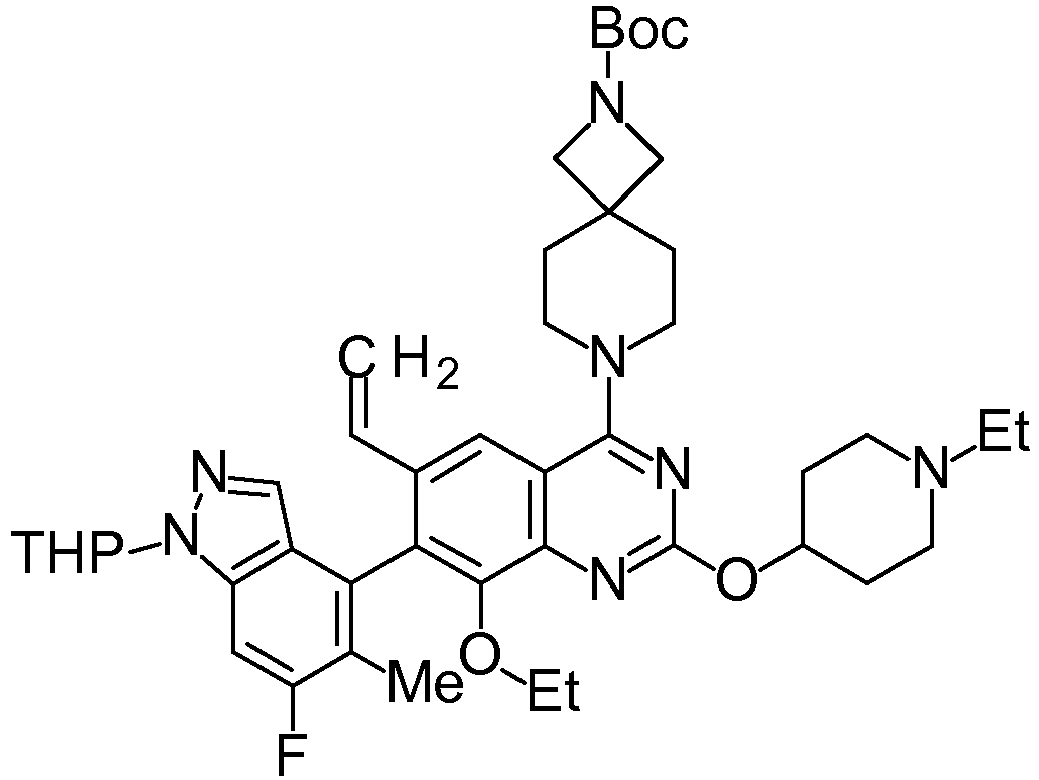
ESI+; 784.7 39 39 
ESI+; 692.5, 694.4 [Table 21] PEx PSyn Str Dat 40 7 
ESI+; 744.6, 746.5 41 24 
ESI+; 736.6 [Table 22] PEx PSyn Str Dat 42 5 
ESI+; 676.4 43 23 
ESI+; 726.6 [Table 23] PEx PSyn Str Dat 44 24 
ESI+; 718.7 45 5 
ESI+; 700.2, 702.2 [Table 24] PEx PSyn Str Dat 46 7 
ESI+; 752.6, 754.5 47 24 
ESI+; 744.6 [Table 25] PEx PSyn Str Dat 48 4 
ESI+; 628.2 49 8 
ESI+; 652.2, 654.2 50 7 
ESI+; 704.4 [Table 26] PEx PSyn Str Dat 51 24 
ESI+; 696.3 52 4 
ESI+; 644.1 53 8 
ESI+; 668.2, 670.2 [Table 27] PEx PSyn Str Dat 54 7 
ESI+; 720.5 55 24 
ESI+; 712.6 56 16 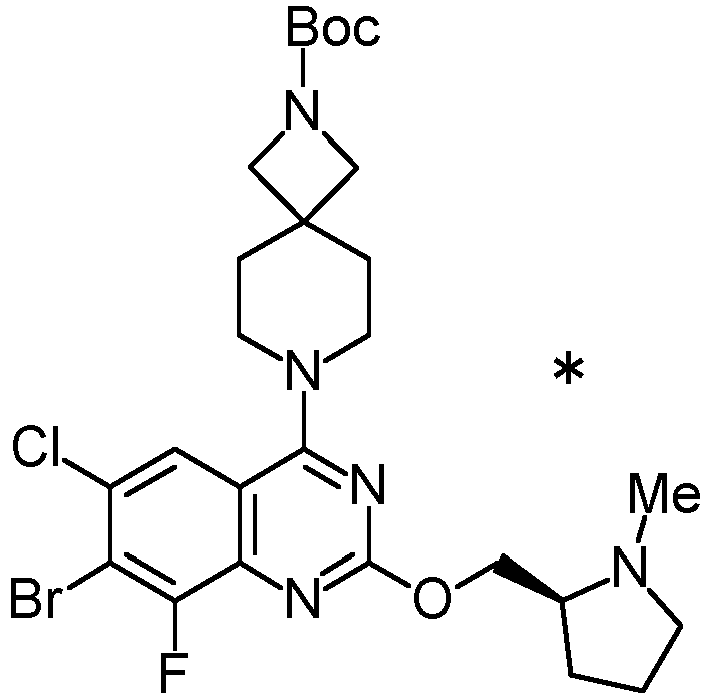
ESI+; 598.3, 600.3 [Table 28] PEx PSyn Str Dat 57 5 
ESI+; 660.4, 662.4 58 7 
ESI+; 796.6 [Table 29] PEx PSyn Str Dat 59 24 
ESI+; 788.8 60 5 
ESI+; 650.5, 652.5 [Table 30] PEx PSyn Str Dat 61 7 
ESI+; 702.4 62 24 
ESI+; 694.6 63 8 
ESI+; 624.4, 626.4 [Table 31] PEx PSyn Str Dat 64 23 
ESI+; 676.6, 678.6 65 24 
ESI+; 668.5 66 6 
ESI+; 644.4 [Table 32] PEx PSyn Str Dat 67 7 
ESI+; 694.6 68 4 
ESI+; 706.3 69 8 
ESI+; 732.3 [Table 33] PEx PSyn Str Dat 70 9 
ESI+; 646.5 71 7 
ESI+; 780.6 72 5 
ESI+; 758.4 [Table 34] PEx PSyn Str Dat 73 9 
ESI+; 670.5 74 7 
ESI+; 806.8 [Table 35] PEx PSyn Str Dat 75 6 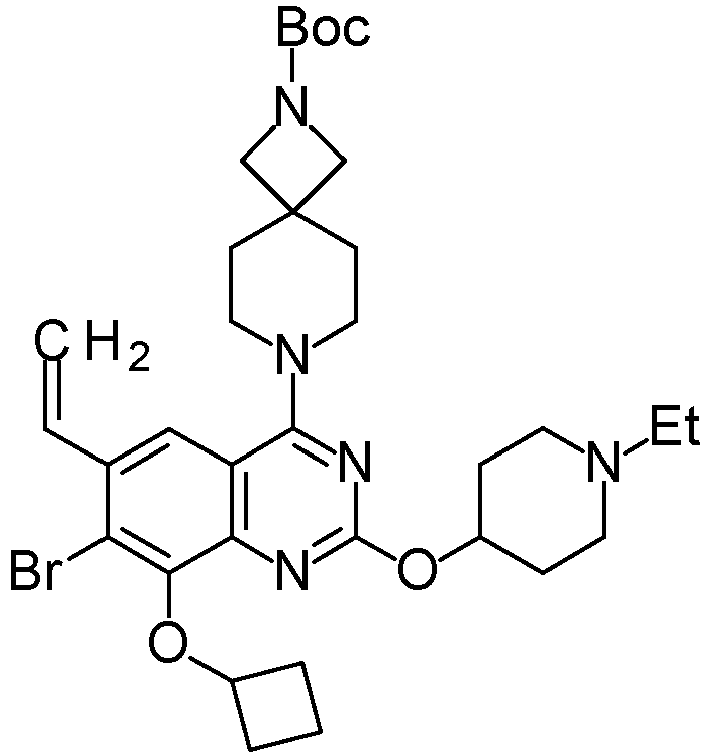
ESI+; 658.4 76 7 
ESI+; 792.7 77 35 
ESI+; 317.1 [Table 36] PEx PSyn Str Dat 78 36 
ESI+; 363.3 79 6 
ESI+; 632.5 80 7 
ESI+; 786.6 [Table 37] PEx PSyn Str Dat 81 5 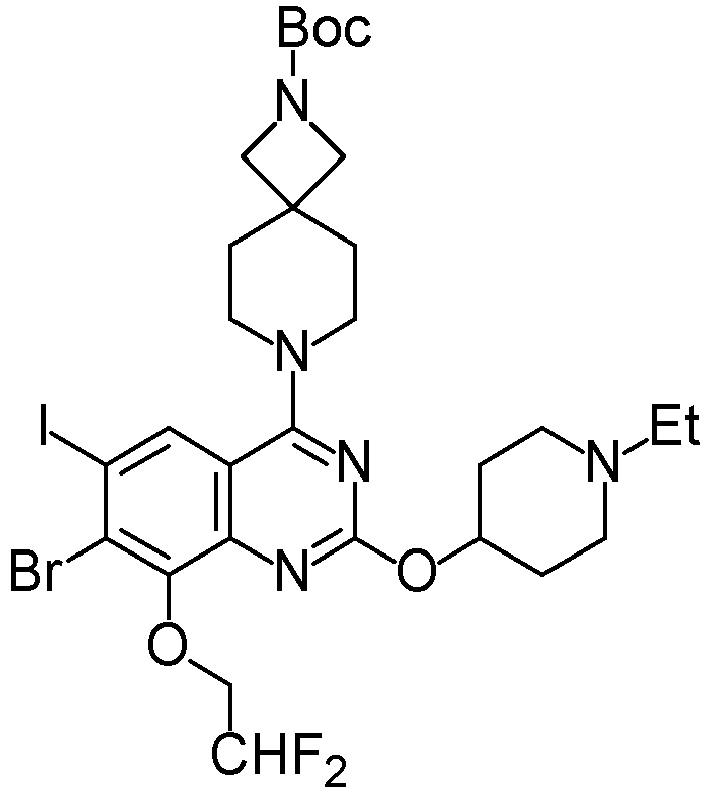
ESI+; 768.3 82 9 
ESI+; 680.5 [Table 38] PEx PSyn Str Dat 83 7 
ESI+; 816.6 84 28 
ESI+; 632.5 85 8 
ESI+; 718.3 [Table 39] PEx PSyn Str Dat 86 9 
ESI+; 632.5 87 7 
ESI+; 682.6 88 8 
ESI+; 716.3 [Table 40] PEx PSyn Str Dat 89 6 
ESI+; 618.4 90 7 
ESI+; 772.6 91 8 
ESI+; 612.2 [Table 41] PEx PSyn Str Dat 92 7 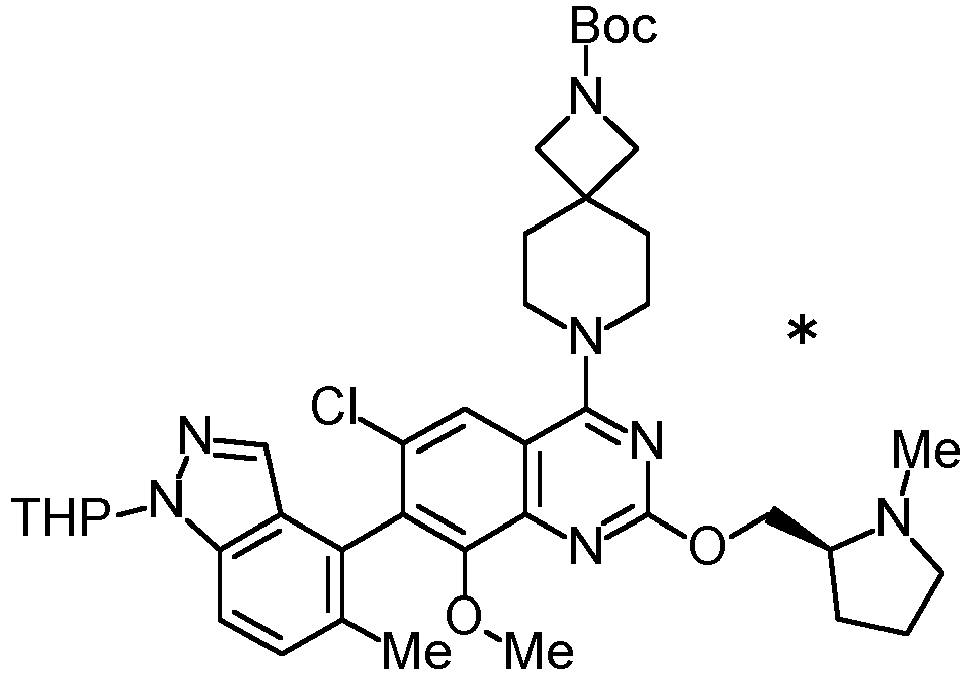
ESI+; 746.4 93 24 
ESI+; 738.4 [Table 42] PEx PSyn Str Dat 94 94 
ESI+; 618.3 95 95 
ESI+; 734.3 96 96 
ESI+; 814.2 [Table 43] PEx PSyn Str Dat 97 9 
ESI+; 730.4 98 7 
ESI+; 780.6 [Table 44] PEx PSyn Str Dat 99 99 
ESI+; 716.4 100 100 
ESI+; 766.5 [Table 45] PEx PSyn Str Dat 101 101 
ESI+; 748.3 102 102 
ESI+; 830.2 103 6 
ESI+; 730.4 [Table 46] PEx PSyn Str Dat 104 23 
ESI+; 780.6 105 105 
ESI+; 744.3 [Table 47] PEx PSyn Str Dat 106 106 
ESI+; 794.5 107 4 
ESI+; 750.3 108 39 
ESI+; 830.3 [Table 48] PEx PSyn Str Dat 109 6 
ESI+; 728.4, 730.3 110 23 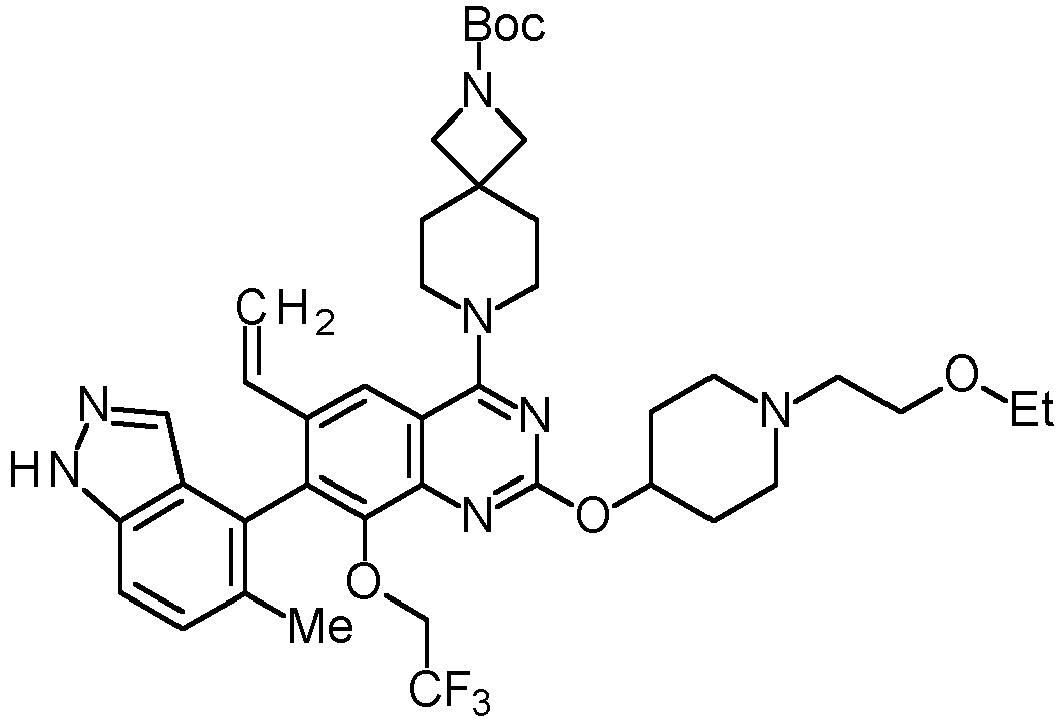
ESI+; 780.6 111 111 
ESI+; 760.3, 762.4 [Table 49] PEx PSyn Str Dat 112 112 
ESI+; 840.3 113 113 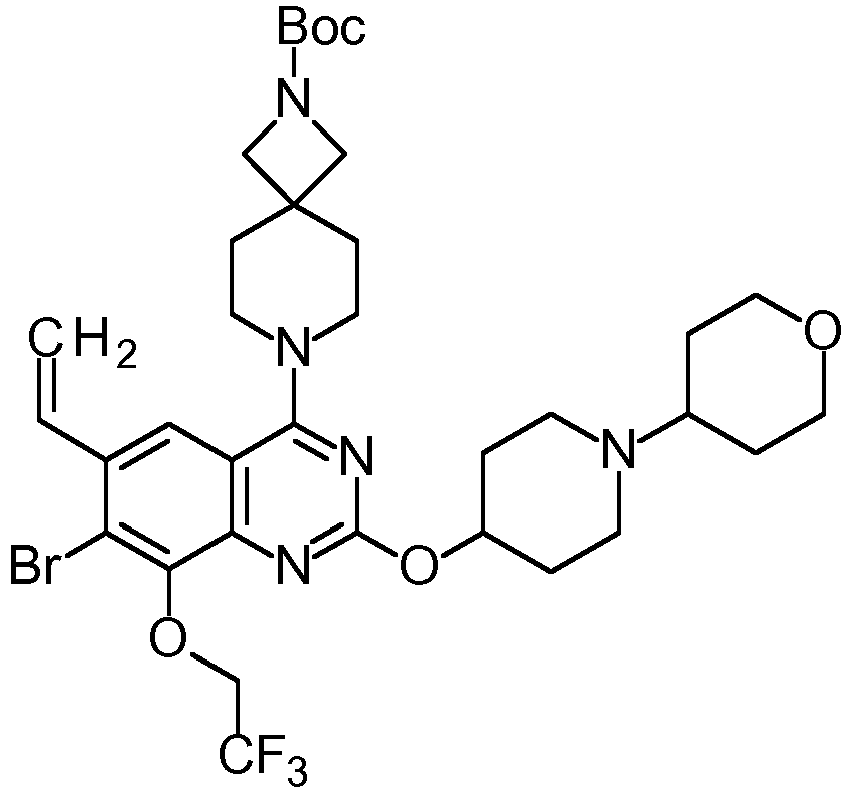
ESI+; 740.6 [Table 50] PEx PSyn Str Dat 114 114 
ESI+; 792.6 115 115 
ESI+; 900.4, 902.4 [Table 51] PEx PSyn Str Dat 116 6 
ESI+; 800.5, 802.5 117 23 
ESI+; 936.6 [Table 52] PEx PSyn Str Dat 118 118 
ESI+; 792.5 119 119 
ESI+; 864.6 [Table 53] PEx PSyn Str Dat 120 28 
ESI+; 680.5 121 39 
ESI+; 798.3 [Table 54] PEx PSyn Str Dat 122 9 
ESI+; 712.5 123 23 
ESI+; 762.6 124 4 
ESI+; 732.2 [Table 55] PEx PSyn Str Dat 125 39 
ESI+; 812.3, 814.3 126 6 
ESI+; 712.4, 714.4 [Table 56] PEx PSyn Str Dat 127 23 
ESI+; 764.5 128 8 
ESI+; 760.2 129 9 
ESI+; 672.5, 674.4 [Table 57] PEx PSyn Str Dat 130 7 
ESI+; 724.7 131 33 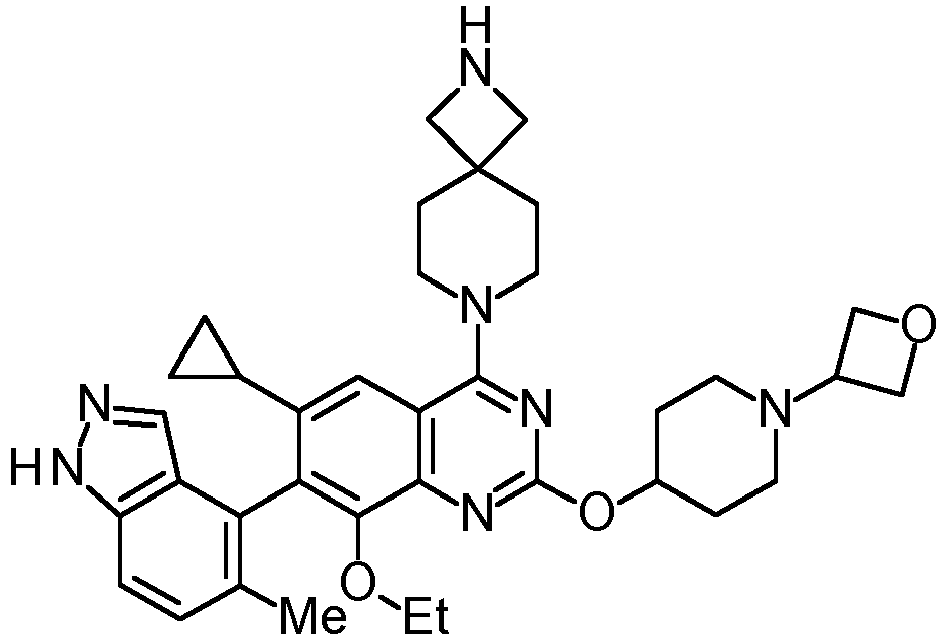
ESI+; 624.5 [Table 58] PEx PSyn Str Dat 132 132 
CI+; 235.0 133 133 
ESI+; 228.9 134 35 
ESI+; 313.0 135 36 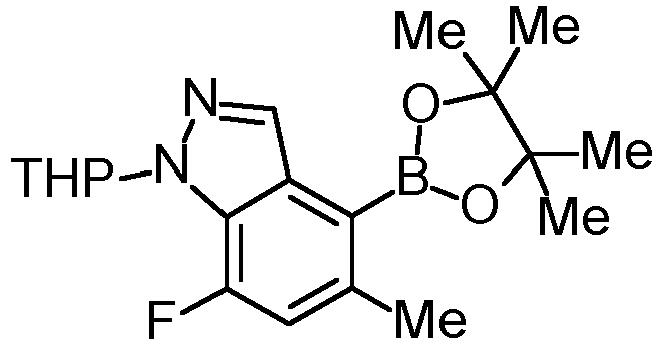
ESI+; [M+Na]+ 383.3 136 136 
ESI+; 263.2 [Table 59] PEx PSyn Str Dat 137 137 
ESI+; 355.3 138 138 
ESI+; 259.2 139 139 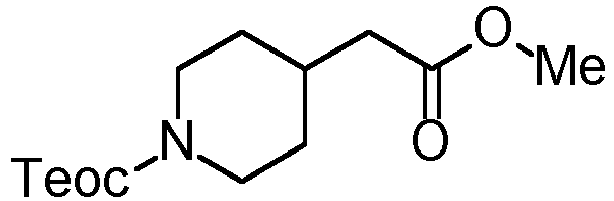
ESI+; [M+Na]+ 324.2 140 140 
ESI+; [M+Na]+ 310.1 [Table 60] PEx PSyn Str Dat 141 141 
ESI+; 180.1 142 142 
ESI+; 359.0 143 143 
ESI+; 385.0, 386.9 144 144 
ESI+; 890.7 [Table 61] PEx PSyn Str Dat 145 4 
ESI+; 705.3 146 39 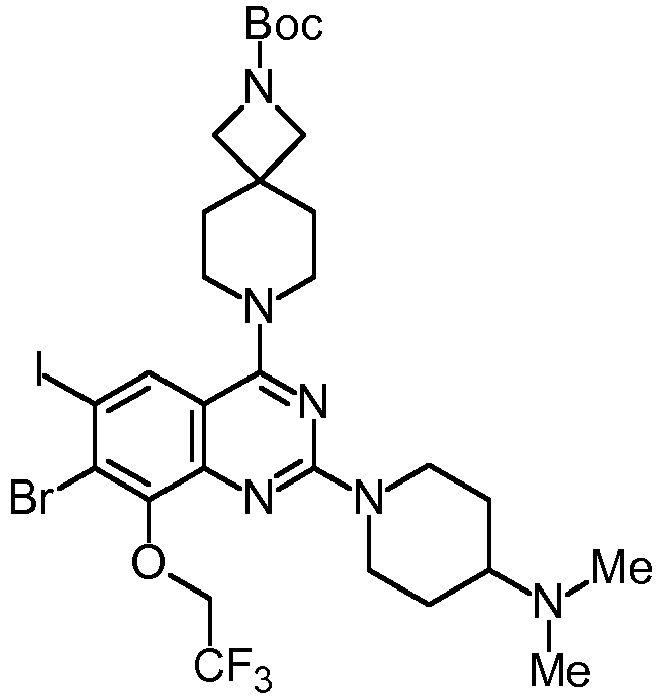
ESI+; 785.2 [Table 62] PEx PSyn Str Dat 147 6 
ESI+; 683.4 148 7 
ESI+; 735.5 149 4 
ESI+; 718.1 [Table 63] PEx PSyn Str Dat 150 8 
ESI+; 744.1 151 9 
ESI+; 658.3 152 7 
ESI+; 708.4 [Table 64] PEx PSyn Str Dat 153 23 
ESI+; 852.6 154 118 
ESI+; 708.5 [Table 65] PEx PSyn Str Dat 155 155 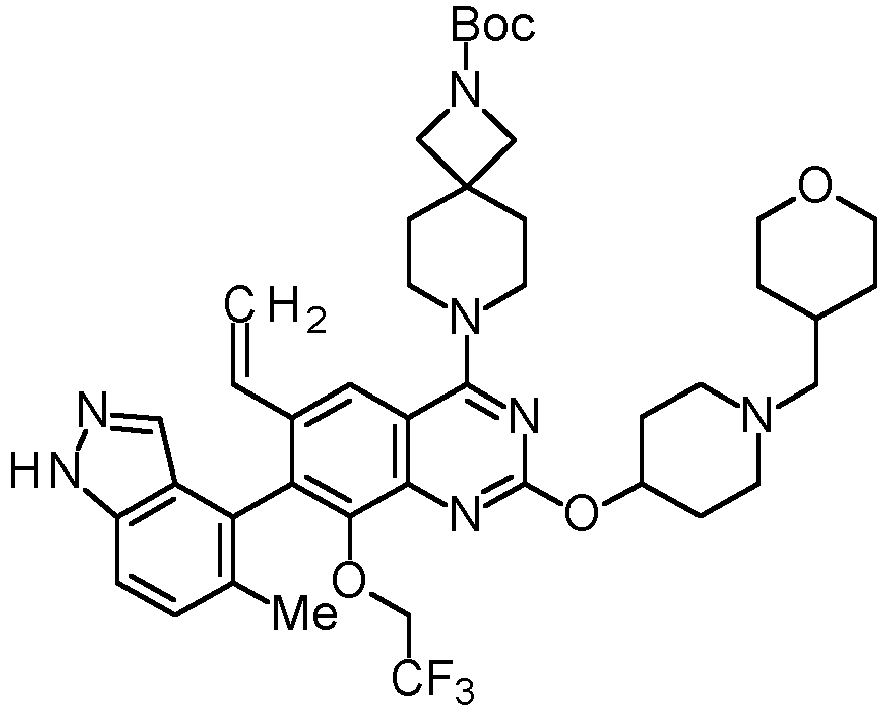
ESI+; 806.6 156 4 
ESI+; 791.3 157 39 
ESI+; 871.2 [Table 66] PEx PSyn Str Dat 158 9 
ESI+; 785.5 159 23 
ESI+; 835.6 [Table 67] PEx PSyn Str Dat 160 155 
ESI+; 762.4 161 4 
ESI+; 762.4 162 39 
ESI+; 844.3 [Table 68] PEx PSyn Str Dat 163 6 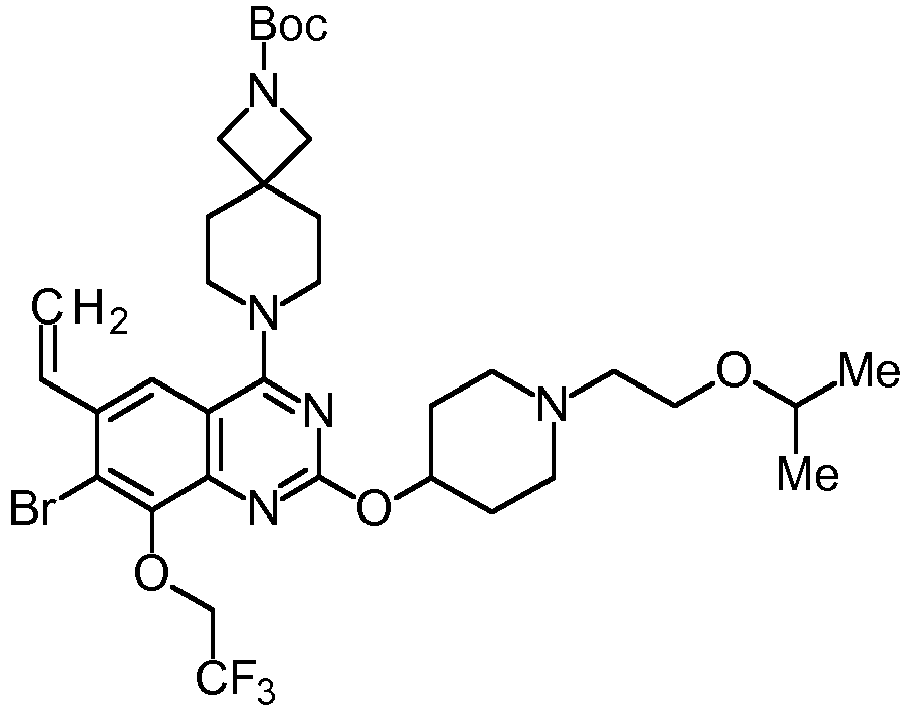
ESI+; 744.4 164 23 
ESI+; 794.6 165 4 
ESI+; 706.2 [Table 69] PEx PSyn Str Dat 166 39 
ESI+; 786.2 167 6 
ESI+; 686.4 168 23 
ESI+; 736.5 [Table 70] PEx PSyn Str Dat 169 23 
ESI+; [M+Na]+ 884.8 170 4 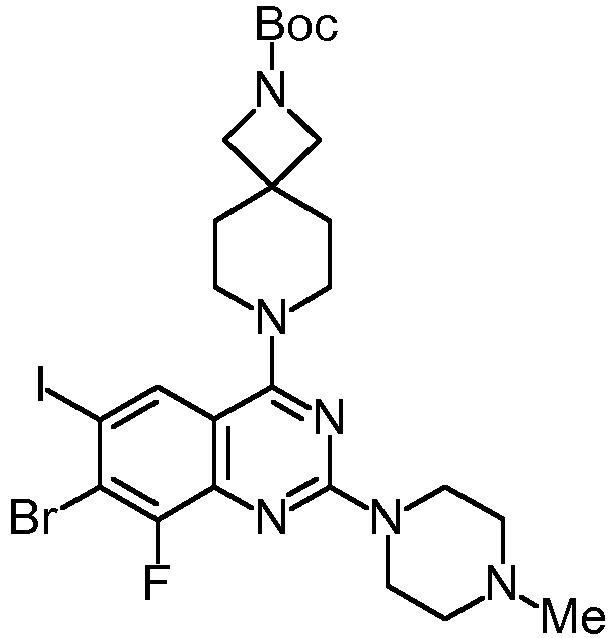
ESI+; 677.2 171 39 
ESI+; 757.2 [Table 71] PEx PSyn Str Dat 172 6 
ESI+; 657.3 173 7 
ESI+; 707.5 174 4 
ESI+; 706.2 [Table 72] PEx PSyn Str Dat 175 175 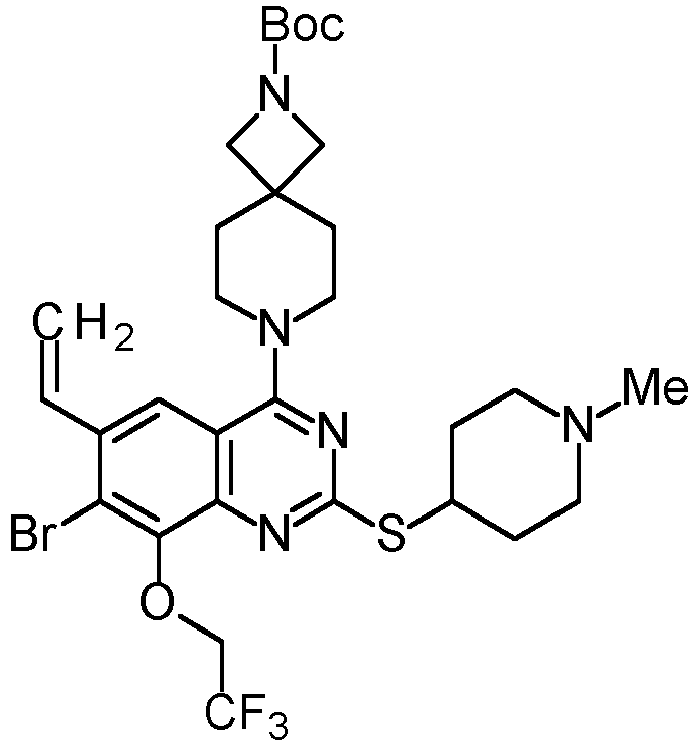
ESI+; 688.3 176 4 
ESI+; 708.2, 710.2 177 39 
ESI+; 790.2 [Table 73] PEx PSyn Str Dat 178 6 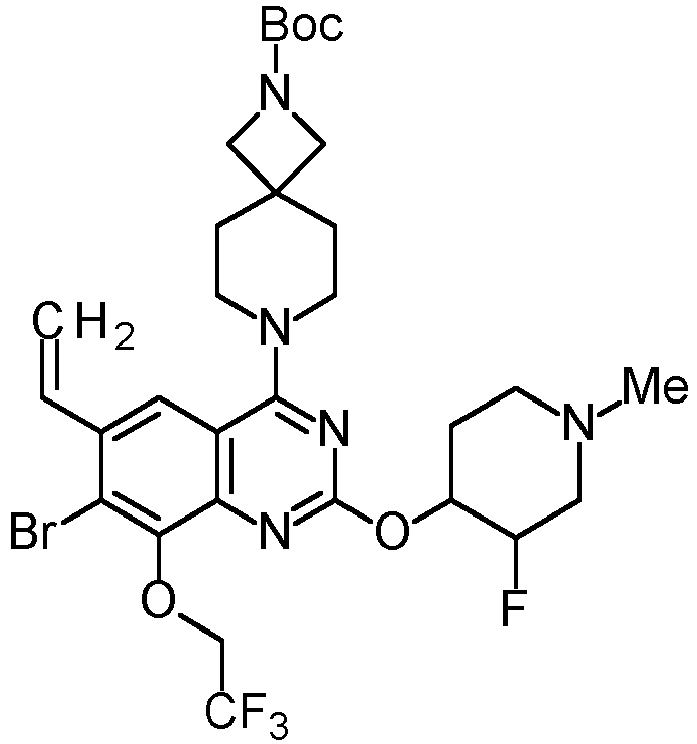
ESI+; 690.3 179 23 
ESI+; 740.5 180 115 
ESI+; 818.3, 820.2 [Table 74] PEx PSyn Str Dat 181 181 
ESI+; 868.3, 870.3 182 6 
ESI+; 768.5, 770.4 183 118 
ESI+; 624.4 [Table 75] PEx PSyn Str Dat 184 144 
ESI+; 684.4 185 23 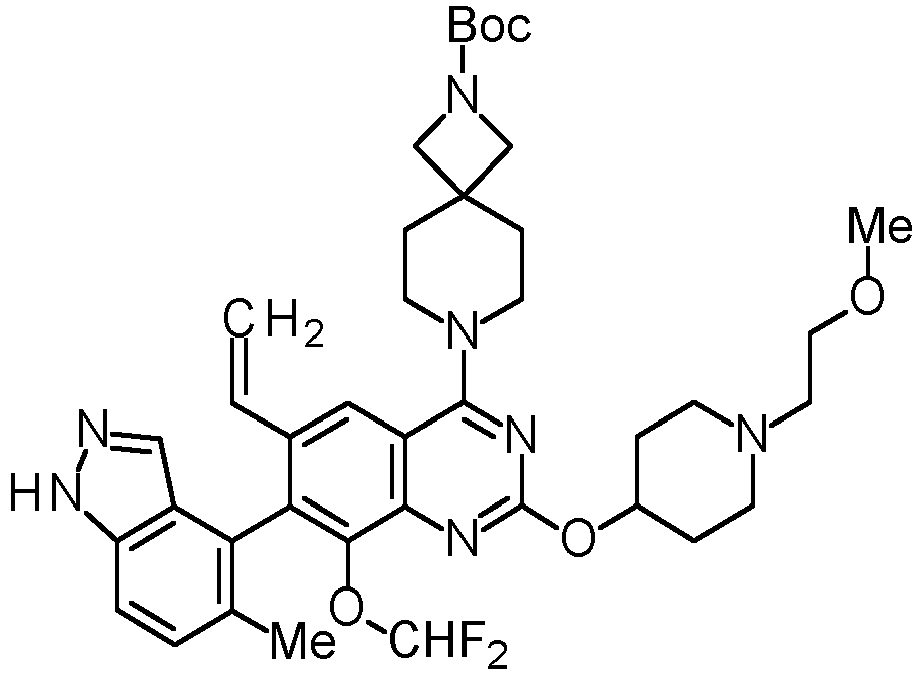
ESI+; 734.6 186 4 
ESI+; 731.0 [Table 76] PEx PSyn Str Dat 187 8 
ESI+; 755.1 188 9 
ESI+; 671.2 189 7 
ESI+; 721.4 [Table 77] PEx PSyn Str Dat 190 4 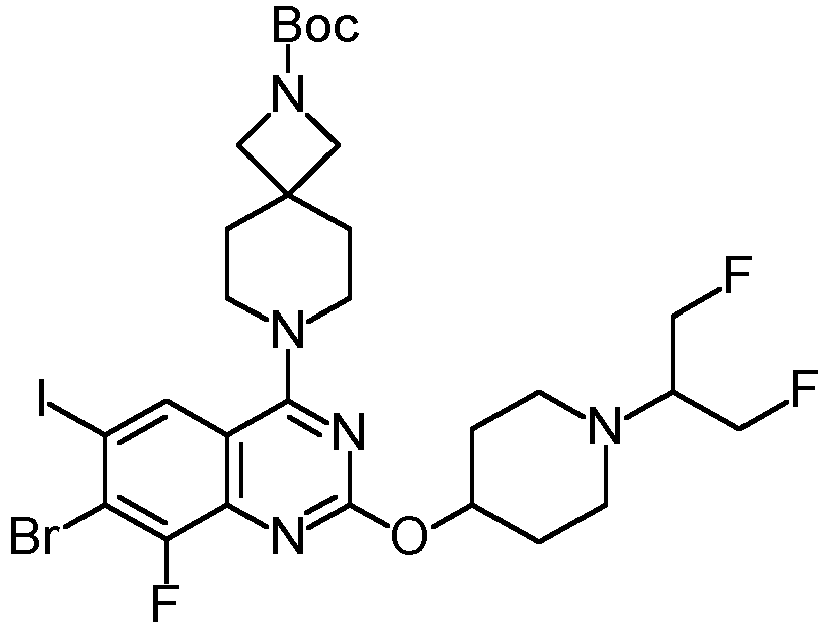
ESI+; 756.2 191 39 
ESI+; 836.3 192 6 
ESI+; 736.3 [Table 78] PEx PSyn Str Dat 193 23 
ESI+; 786.5 194 155 
ESI+; 799.5 [Table 79] PEx PSyn Str Dat 195 5 
ESI+; 810.3 196 6 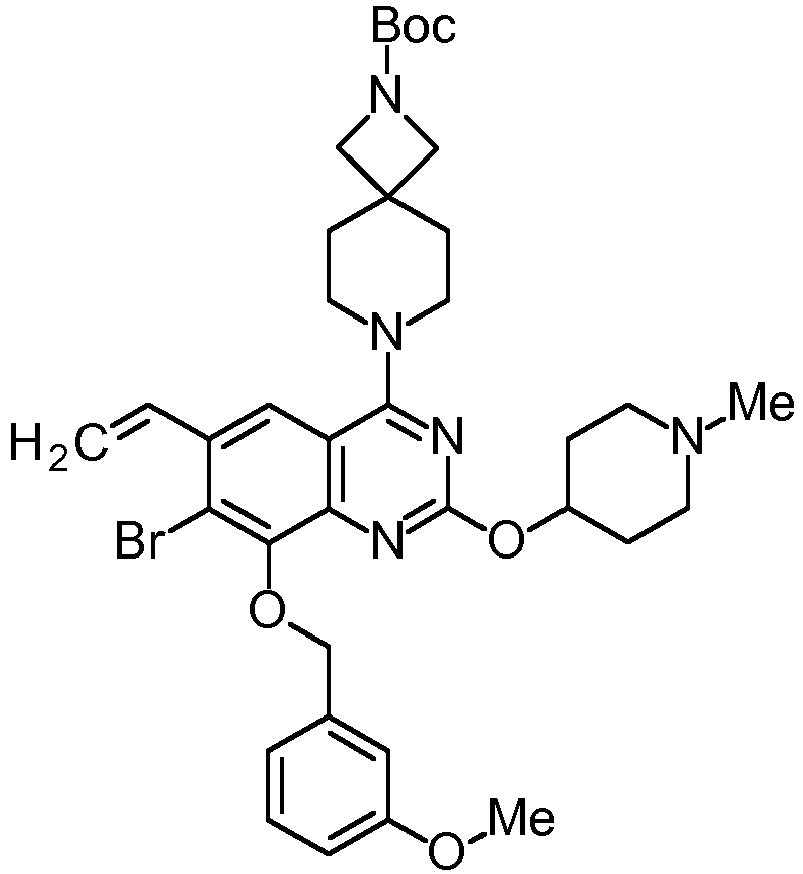
ESI+; 710.5 [Table 80] PEx PSyn Str Dat 197 23 
ESI+; 760.7 198 5 
ESI+; 794.3 [Table 81] PEx PSyn Str Dat 199 6 
ESI+; 694.4 200 23 
ESI+; 744.7 [Table 82] PEx PSyn Str Dat 201 4 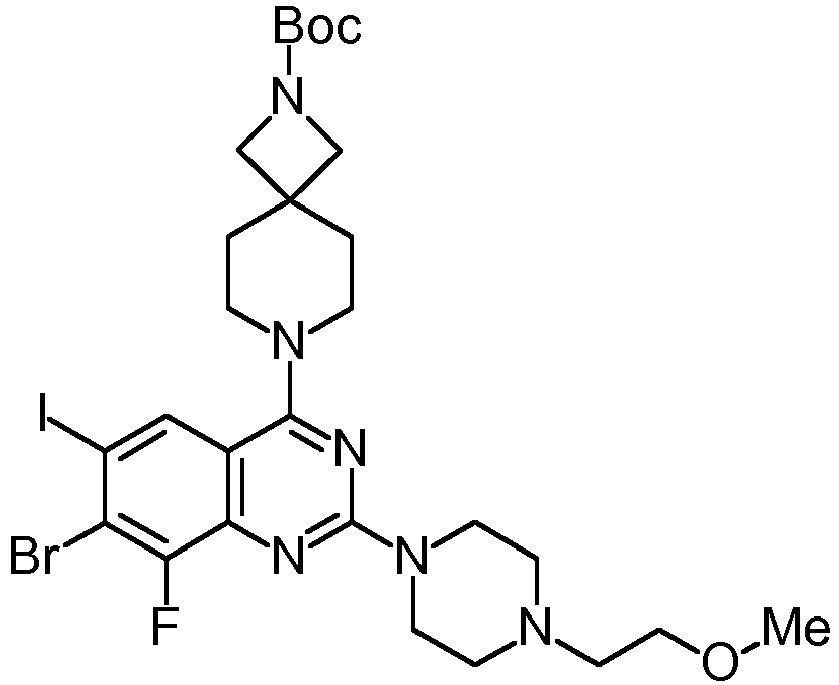
ESI+; 721.3 202 39 
ESI+; 801.3 203 6 
ESI+; 699.4 [Table 83] PEx PSyn Str Dat 204 7 
ESI+; 751.5 205 4 
ESI+; 772.2, 774.2 206 39 
ESI+; 854.4 [Table 84] PEx PSyn Str Dat 207 6 
ESI+; 752.3, 754.3 208 23 
ESI+; 804.5 [Table 85] PEx PSyn Str Dat 209 5 
ESI+; 778.3 210 6 
ESI+; 678.4, 680.3 [Table 86] PEx PSyn Str Dat 211 23 
ESI+; 730.7 212 23 
ESI+; 766.6 [Table 87] PEx PSyn Str Dat 213 175 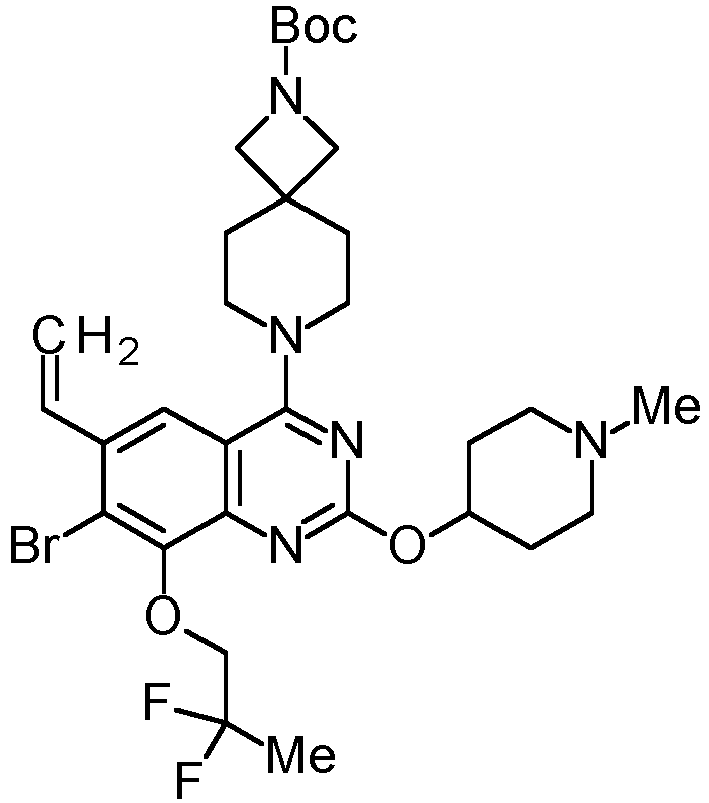
ESI+; 668.3 214 7 
ESI+; [M+Na]+ 740.5 [Table 88] PEx PSyn Str Dat 215 4 
ESI+; 718.2, 720.2 216 39 
ESI+; 800.2 217 6 
ESI+; 700.5 [Table 89] PEx PSyn Str Dat 218 23 
ESI+; 750.6 219 4 
ESI+; 677.2 220 39 
ESI+; 757.3 [Table 90] PEx PSyn Str Dat 221 6 
ESI+; 657.3 222 7 
ESI+; 707.6 [Table 91] PEx PSyn Str Dat 223 5 
ESI+; 846.2 224 6 
ESI+; 746.5 [Table 92] PEx PSyn Str Dat 225 23 
ESI+; 796.6 226 144 
ESI+; 891.7 [Table 93] PEx PSyn Str Dat 227 227 
ESI+; 689.2, 691.2 228 39 
ESI+; 769.3, 771.3 229 6 
ESI+; 671.3 [Table 94] PEx PSyn Str Dat 230 23 
ESI+; 721.5 231 4 
ESI+; 704.2, 706.2 232 39 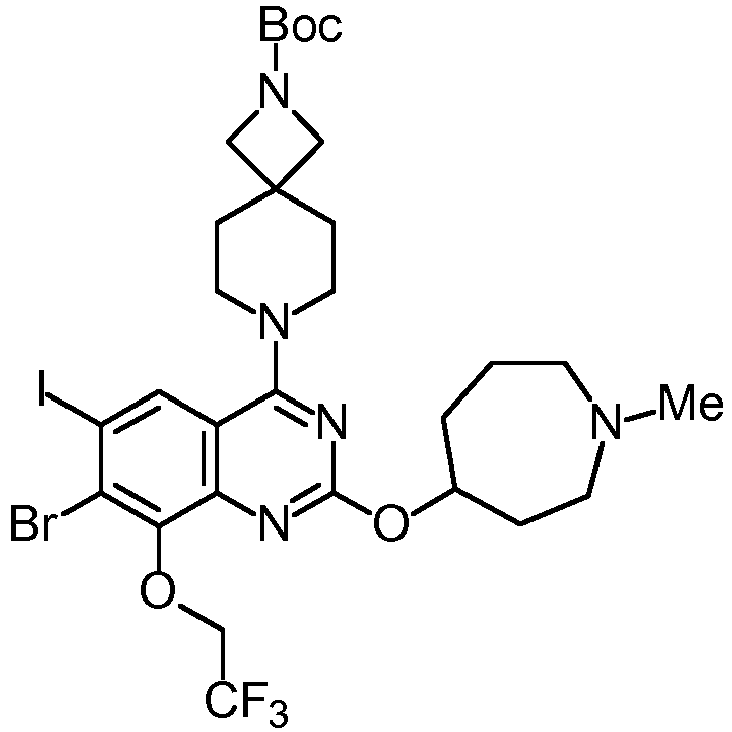
ESI+; 784.3 [Table 95] PEx PSyn Str Dat 233 6 
ESI+; 684.5 234 23 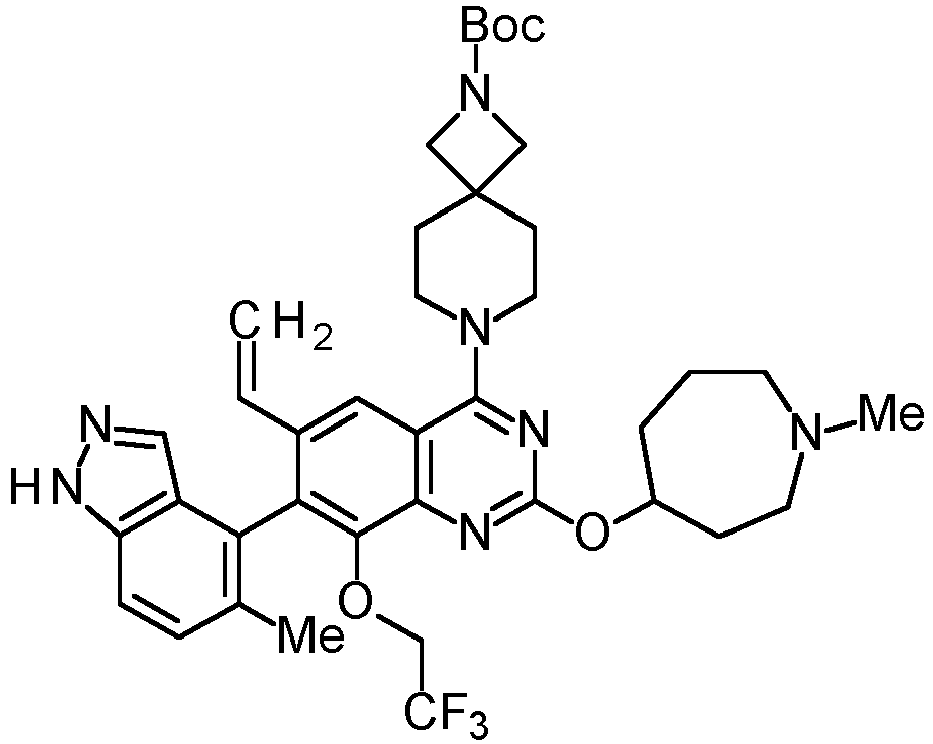
ESI+; [M+Na]+ 758.5 [Table 96] PEx PSyn Str Dat 235 235 
ESI+; 779.6 236 4 
ESI+; 680.2 237 39 
ESI+; 760.2 [Table 97] PEx PSyn Str Dat 238 6 
ESI+; 660.3 239 23 
ESI+; 710.5 [Table 98] PEx PSyn Str Dat 240 155 
ESI+; 805.5 241 141 
ESI+; 889.5 [Table 99] PEx PSyn Str Dat 242 5 
ESI+; 746.3 243 6 
ESI+; 646.4 [Table 100] PEx PSyn Str Dat 244 23 
ESI+; 696.6 245 4 
ESI+; 727.2 246 39 
ESI+; 805.2, 807.2 [Table 101] PEx PSyn Str Dat 247 6 
ESI+; 705.3, 707.3 248 23 
ESI+; 757.5 249 4 
ESI+; 691.2 [Table 102] PEx PSyn Str Dat 250 39 
ESI+; 771.3 251 6 
ESI+; 671.4 [Table 103] PEx PSyn Str Dat 252 23 
ESI+; 721.5 253 253 
ESI+; 800.4, 802.5 [Table 104] PEx PSyn Str Dat 254 7 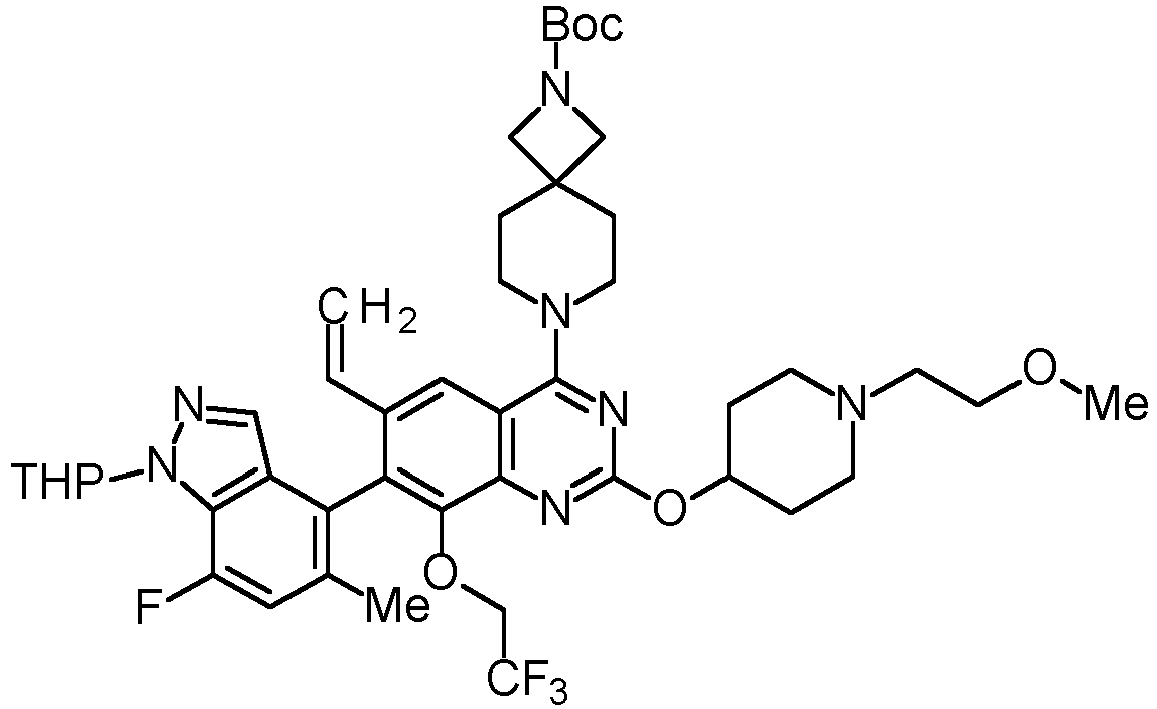
ESI+; 868.5 255 28 
ESI+; 684.5 [Table 105] PEx PSyn Str Dat 256 39 
ESI+; 864.4, 866.4 257 6 
ESI+; 764.4, 766.3 [Table 106] PEx PSyn Str Dat 258 23 
ESI+; 816.5 259 4 
ESI+; 758.3, 760.3 260 39 
ESI+; 838.2, 840.2 [Table 107] PEx PSyn Str Dat 261 6 
ESI+; 740.3 262 23 
ESI+; 790.6 263 4 
ESI+; 784.0 [Table 108] PEx PSyn Str Dat 264 39 
ESI+; 864.0 265 6 
ESI+; 764.2 [Table 109] PEx PSyn Str Dat 266 23 
ESI+; 814.3 267 23 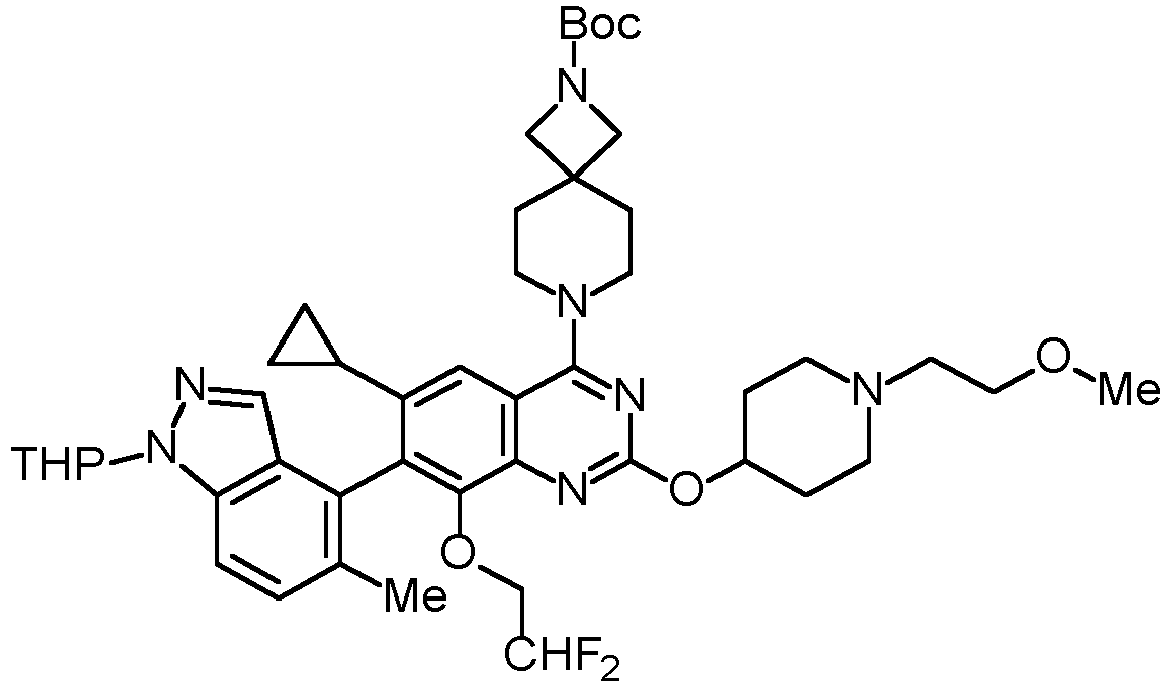
ESI+; 846.6 [Table 110] PEx PSyn Str Dat 268 28 
ESI+; 662.5 269 144 
ESI+; 918.5 [Table 111] PEx PSyn Str Dat 270 24 
ESI+; 732.7 271 4 
ESI+; 628.4, 630.4 272 8 
ESI+; 654.4, 656.4 [Table 112] PEx PSyn Str Dat 273 7 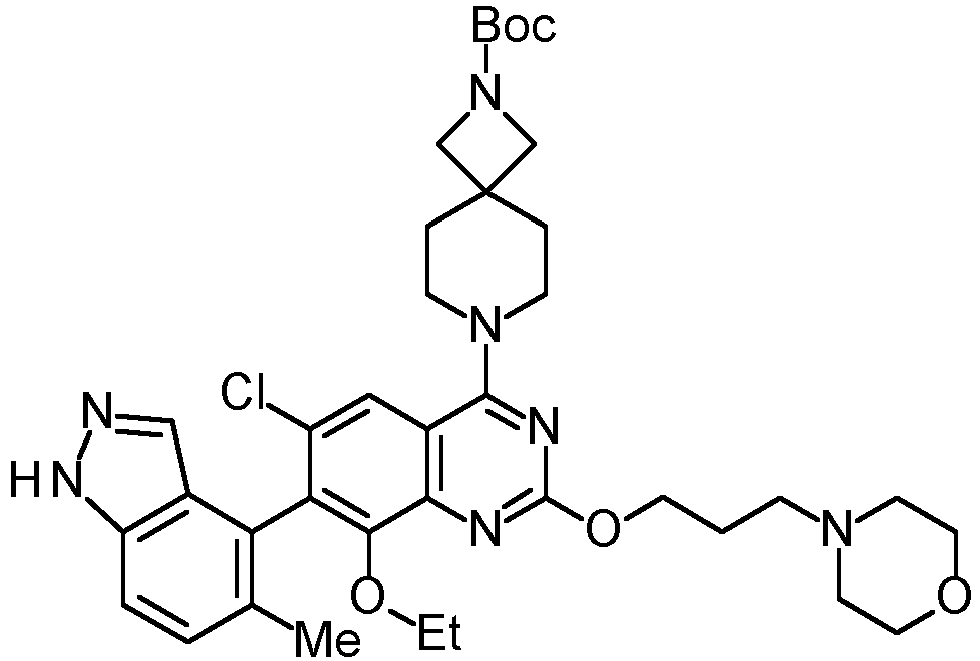
ESI+; 706.5, 708.5 274 24 
ESI+; 698.7 275 235 
ESI+; 786.5 [Table 113] PEx PSyn Str Dat 276 7 
ESI+; 766.5 277 235 
ESI+; 766.4 [Table 114] PEx PSyn Str Dat 278 4 
ESI+; 705.2 279 39 
ESI+; 783.3 [Table 115] PEx PSyn Str Dat 280 6 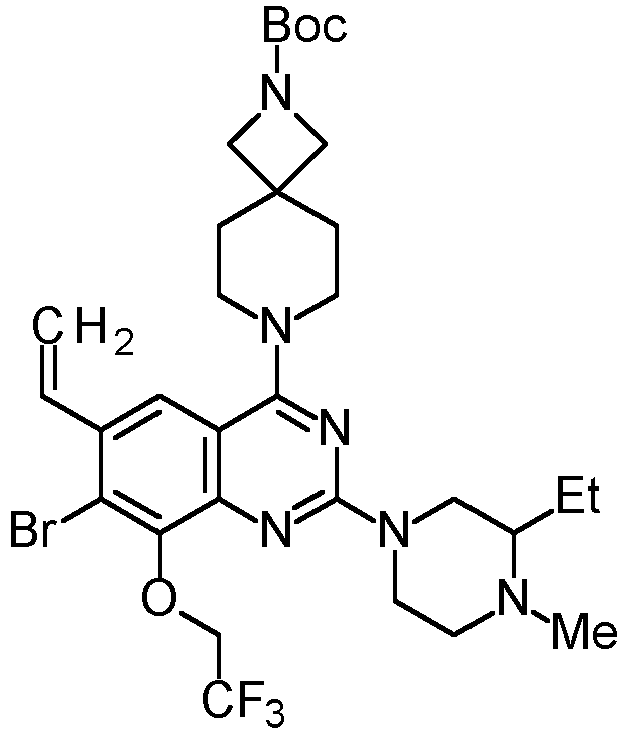
ESI+; 685.4 281 23 
ESI+; 735.5 [Table 116] PEx PSyn Str Dat 282 235 
ESI+; 750.5 283 283 
ESI-; 608.2 284 284 
ESI+; 818.3, 820.3 [Table 117] PEx PSyn Str Dat 285 39 
ESI+; 898.3, 900.4 286 6 
ESI+; 798.5, 800.5 [Table 118] PEx PSyn Str Dat 287 118 
ESI+; 656.3 288 144 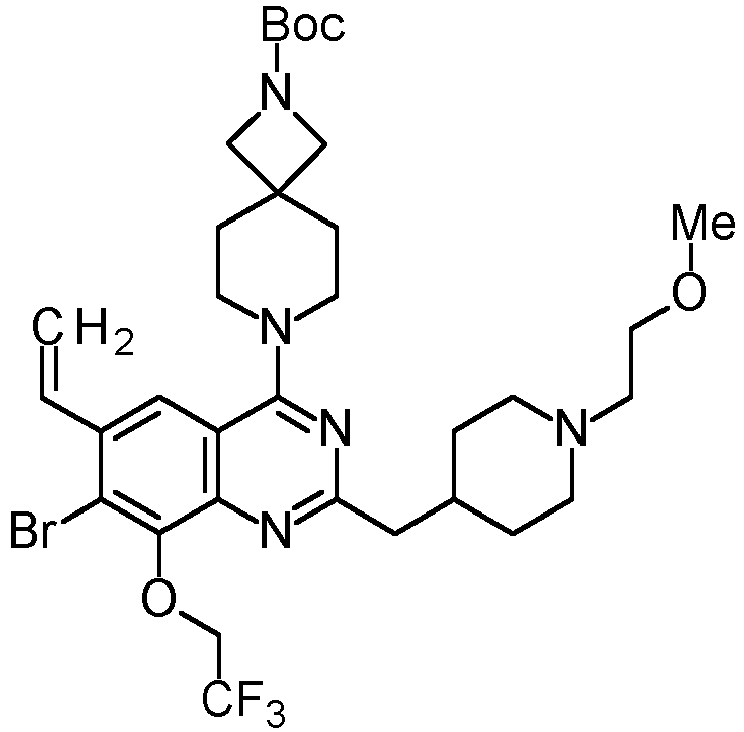
ESI+; 714.4 289 23 
ESI+; 764.5 [Table 119] Ex Str 1 
2 
[Table 120] Ex Str 3 
4 
[Table 121] Ex Str 5 
6 
7 
[Table 122] Ex Str 8 
9 
[Table 123] Ex Str 10 
11 
[Table 124] Ex Str 12 
13 
14 
[Table 125] Ex Str 15 
16 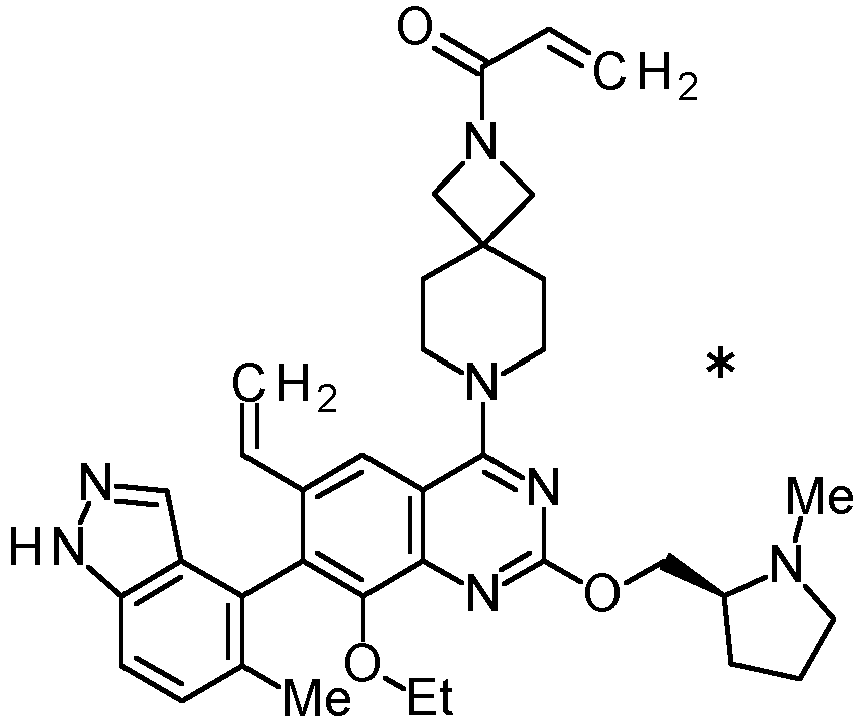
17 
[Table 126] Ex Str 18 
19 
[Table 127] Ex Str 20 
21 
[Table 128] Ex Str 22 
23 
[Table 129] Ex Str 24 
25 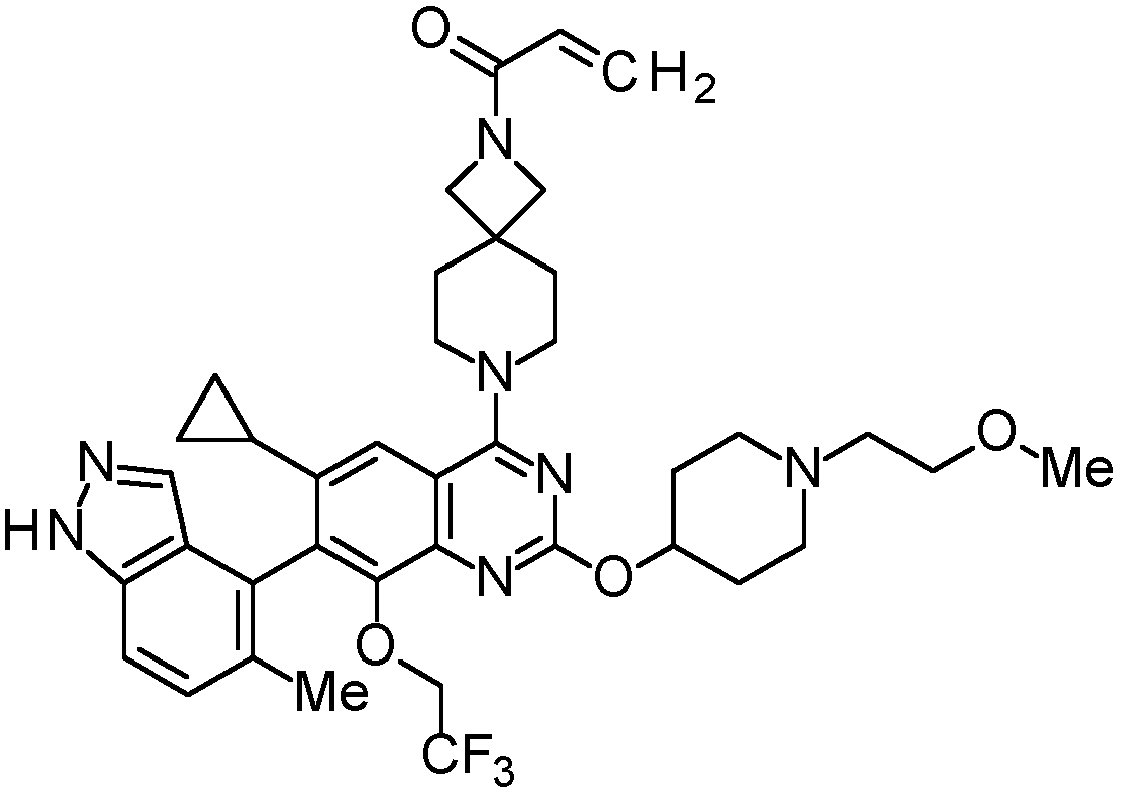
26 
[Table 130] Ex Str 27 
28 
[Table 131] Ex Str 29 
30 
[Table 132] Ex Str 31 
32 
[Table 133] Ex Str 33 
34 
[Table 134] Ex Str 35 
36 
[Table 135] Ex Str 37 
38 
[Table 136] Ex Str 39 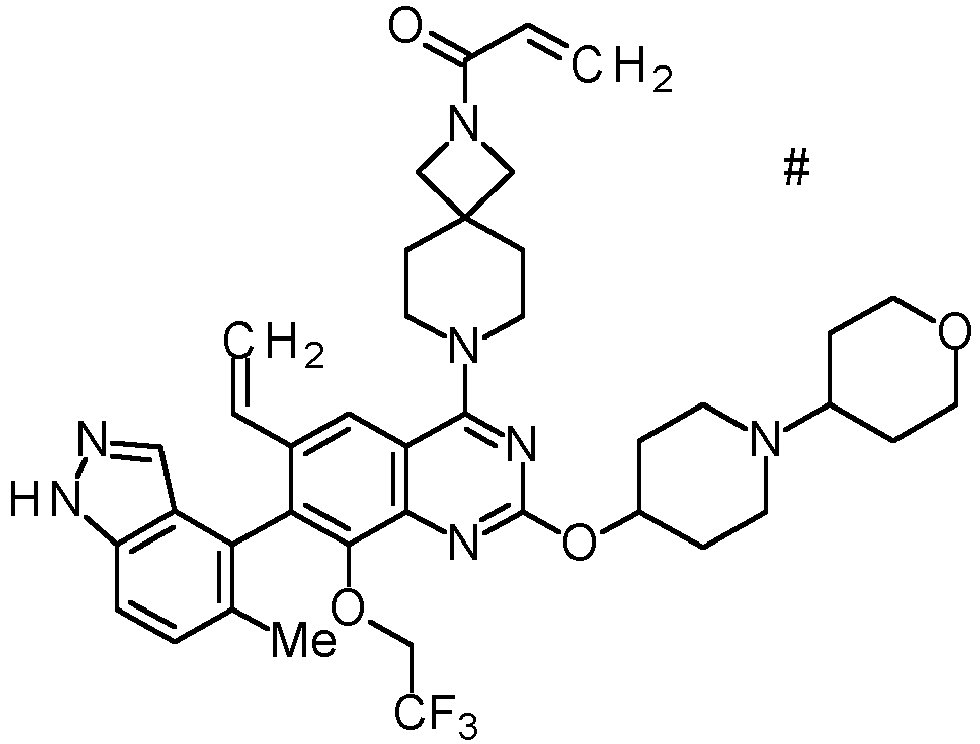
40 
[Table 137] Ex Str 41 
42 
[Table 138] Ex Str 43 
44 
45 
[Table 139] Ex Str 46 
47 
[Table 140] Ex Str 48 
49 
[Table 141] Ex Str 50 
51 
[Table 142] Ex Str 52 
53 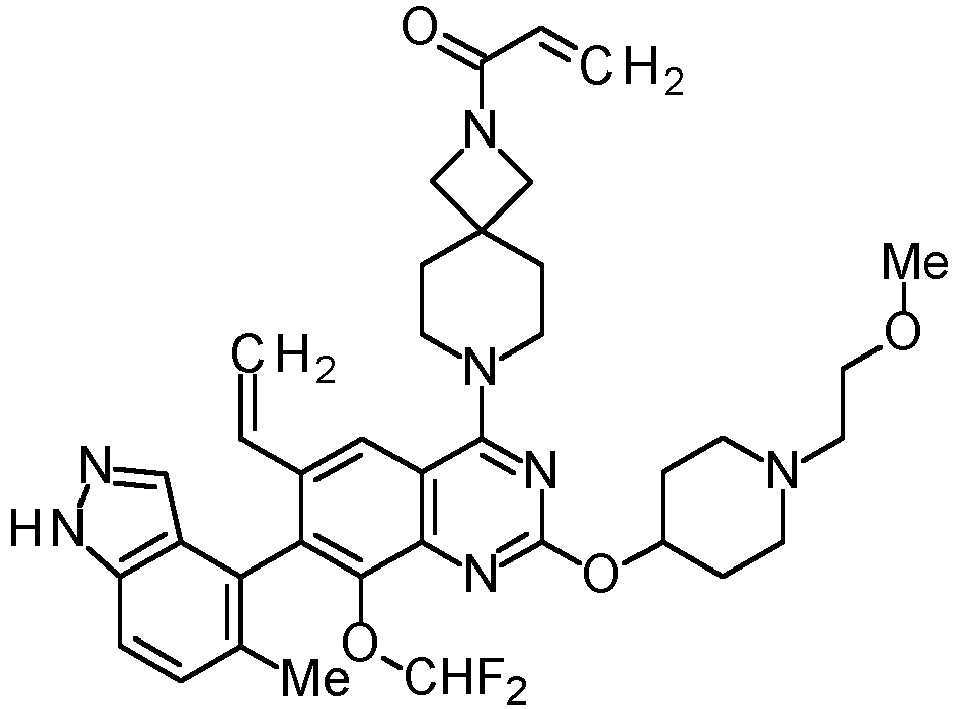
54 
[Table 143] Ex Str 55 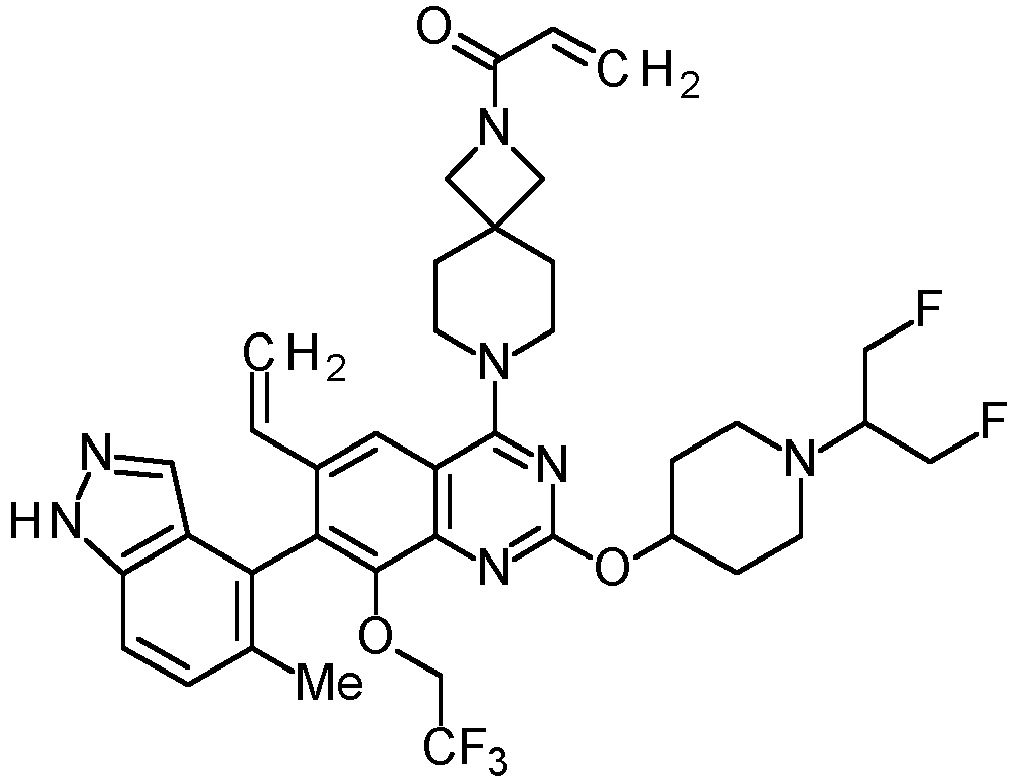
56 
[Table 144] Ex Str 57 
58 
[Table 145] Ex Str 59 
60 
[Table 146] Ex Str 61 
62 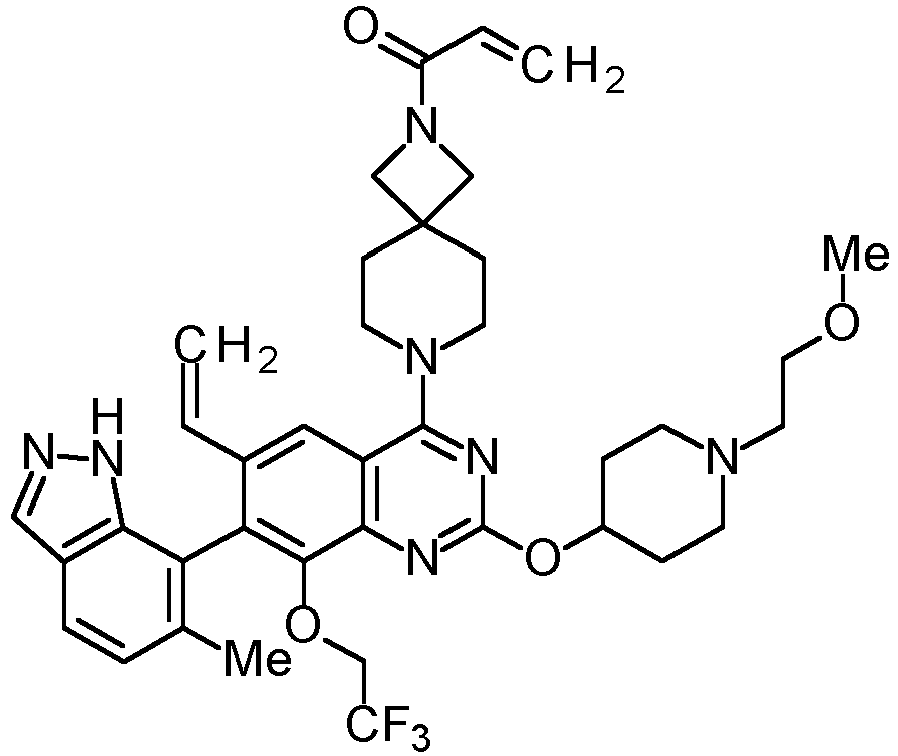
[Table 147] Ex Str 63 
64 
[Table 148] Ex Str 65 
66 
[Table 149] Ex Str 67 
68 
[Table 150] Ex Str 69 
70 
[Table 151] Ex Str 71 
72 
[Table 152] Ex Str 73 
74 
[Table 153] Ex Str 75 
76 
[Table 154] Ex Str 77 
78 
[Table 155] Ex Str 79 
80 
[Table 156] Ex Str 81 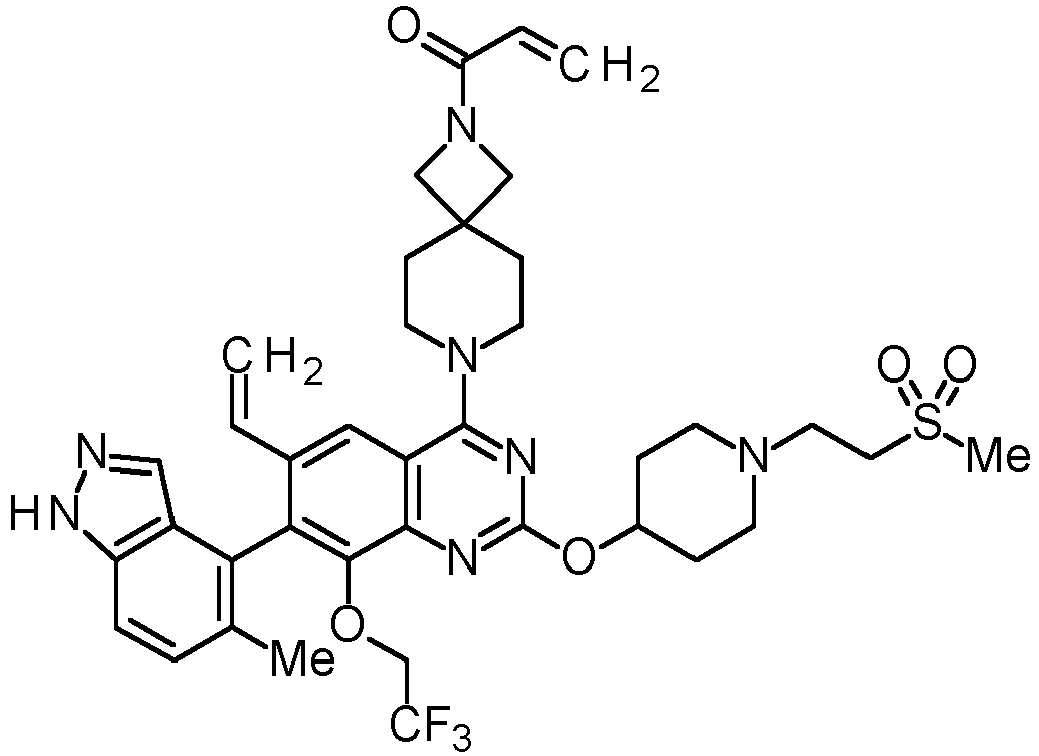
82 
[Table 157] Ex Str 83 
84 
[Table 158] Ex Str 85 
86 
87 
[Table 159] Ex Str 88 
89 
[Table 160] Ex Str 90 
91 
[Table 161] Ex Syn Dat 1 E1 ESI+; 658.5 NMR (400 MHz): 1.63 - 1.80 (2 H, m) 1.91 - 2.22 (8 H, m) 2.04 (3 H, s) 2.17 (3 H, s) 2.59 - 2.79 (2 H, m) 3.65 - 3.84 (4 H, m) 3.75 (2 H, s) 4.00 - 4.17 (1 H, m) 4.04 (2 H, s) 4.25 - 4.44 (1 H, m) 4.92 - 5.11 (2 H, m) 5.72 (1 H, tt, J=55.3, 4.0 Hz) 5.65 - 5.71 (2 H, m) 5.99 - 6.18 (2 H, m) 6.34 (1 H, dd, J=17.0, 10.4 Hz) 7.33 (1 H, d, J=8.6 Hz) 7.38 - 7.45 (1 H, m) 7.50 (1 H, d, J=8.4 Hz) 7.96 (1 H, s) 13.03 (1 H, s) 2 E2 ESI+; 636.6 NMR (500 MHz): 0.42 - 0.71 (4 H, m) 0.83 (3 H, t, J=7.0 Hz) 1.23 - 1.36 (1 H, m) 1.59 - 1.79 (2 H, m) 1.90 - 1.98 (4 H, m) 1.99 - 2.25 (4 H, m) 2.11 (3 H, s) 2.18 (3 H, s) 2.65 - 2.77 (2 H, m) 3.57 - 3.68 (4 H, m) 3.75 (2 H, s) 3.77 - 3.87 (1 H, m) 3.98 - 4.12 (1 H, m) 4.03 (2 H, s) 4.92 - 5.03 (1 H, m) 5.68 (1 H, dd, J=10.3, 2.3 Hz) 6.12 (1 H, dd, J=17.0, 2.3 Hz) 6.34 (1 H, dd, J=17.0, 10.3 Hz) 7.14 (1 H, s) 7.33 (1 H, d, J=8.6 Hz) 7.41 - 7.44 (1 H, m) 7.46 (1 H, d, J=8.6 Hz) 12.96 (1 H, s) 3 E3 ESI+; 672.6 NMR (500 MHz): 0.46 - 0.73 (4 H, m) 1.24 - 1.37 (1 H, m) 1.62 - 1.80 (2 H, m) 1.89 - 2.23 (8 H, m) 2.11 (3 H, s) 2.17 (3 H, s) 2.60 - 2.76 (2 H, m) 3.57 - 3.69 (4 H, m) 3.75 (2 H, s) 3.97 - 4.15 (1 H, m) 4.03 (2 H, s) 4.22 - 4.48 (1 H, m) 4.87 - 5.03 (1 H, m) 5.72 (1 H, tt, J=55.2, 3.8 Hz) 5.68 (1 H, dd, J=10.3, 2.3 Hz) 6.12 (1 H, dd, J=17.0, 2.3 Hz) 6.34 (1 H, dd, J=16.8, 10.3 Hz) 7.20 (1 H, s) 7.34 (1 H, d, J=8.4 Hz) 7.43 - 7.52 (2 H, m) 12.99 (1 H, s) [Table 162] Ex Syn Dat 4 E4 ESI+; 672.6 NMR (400 MHz): 0.46 - 0.76 (4 H, m) 1.21 - 1.45 (1 H, m) 1.57 - 3.01 (14 H, m) 2.11 (3 H, s) 3.58 - 3.83 (4 H, m) 3.76 (2 H, s) 3.95 - 4.19 (1 H, m) 4.04 (2 H, s) 4.21 - 4.65 (3 H, m) 5.72 (1 H, tt, J=55.1, 3.7 Hz) 5.69 (1 H, dd, J=10.1, 2.2 Hz) 6.12 (1 H, dd, J=16.8, 2.2 Hz) 6.34 (1 H, dd, J=17.0, 10.1 Hz) 7.22 (1 H, s) 7.35 (1 H, d, J=8.6 Hz) 7.44 - 7.48 (1 H, m) 7.49 (1 H, d, J=8.6 Hz) 13.01 (1 H, s) 5 E5 ESI+; 622.5 E5-2 NMR (400 MHz): 0.83 (3 H, t, J=7.1 Hz) 1.62 - 1.83 (2 H, m) 1.87 - 2.27 (8 H, m) 2.04 (3 H, s) 2.18 (3 H, s) 2.62 - 2.78 (2 H, m) 3.63 - 3.80 (4 H, m) 3.76 (2 H, s) 3.78 - 3.91 (1 H, m) 3.98 - 4.16 (1 H, m) 4.04 (2 H, s) 4.93 - 5.08 (2 H, m) 5.60 - 5.74 (2 H, m) 6.00 - 6.17 (2 H, m) 6.34 (1 H, dd, J=17.0, 10.4 Hz) 7.32 (1 H, d, J=8.6 Hz) 7.36 - 7.41 (1 H, m) 7.49 (1 H, d, J=8.4 Hz) 7.90 (1 H, s) 13.01 (1 H, s) 6 E6 ESI+; 662.5 7 E7 ESI+; 636.5 8 E3 ESI+; 654.6 9 E1 ESI+; 690.6 10 E1 ESI+; 672.6 11 E1 ESI+; 698.6 12 E1 ESI+; 650.6 13 E1 ESI+; 666.6 14 E3 ESI+; 658.6 15 E1 ESI+; 648.6 16 E1 ESI+; 622.6 17 E1 ESI+; 648.6 18 E3 ESI+; 650.5 [Table 163] Ex Syn Dat 19 E3 ESI+; 676.5 20 E3 ESI+; 662.6 21 E3 ESI+; 656.5 22 E6 ESI+; 686.5 23 E1 ESI+; 636.5 24 E24 ESI+; 622.4 NMR (500 MHz): 0.83 (3 H, t, J=7.0 Hz) 1.64 - 1.79 (2 H, m) 1.90 - 2.23 (8 H, m) 2.04 (3 H, s) 2.17 (3 H, s) 2.65 - 2.75 (2 H, m) 3.67 - 3.75 (4 H, m) 3.76 (2 H, s) 3.79 - 3.88 (1 H, m) 4.00 - 4.13 (1 H, m) 4.04 (2 H, s) 4.94 - 5.07 (2 H, m) 5.62 - 5.72 (2 H, m) 6.06 (1 H, dd, J=17.5, 10.9 Hz) 6.12 (1 H, dd, J=17.0, 2.3 Hz) 6.35 (1 H, dd, J=17.1, 10.3 Hz) 7.32 (1 H, d, J=8.6 Hz) 7.35 - 7.41 (1 H, m) 7.49 (1 H, d, J=8.6 Hz) 7.90 (1 H, s) 13.01 (1 H, s) [α]D 20 +39.6 (c 0.35, MeOH) 25 E25 ESI+; 734.5 26 E26 ESI+; 720.5 NMR (500 MHz): 1.63 - 1.76 (2 H, m) 1.91 - 2.11 (6 H, m) 2.05 (3 H, s) 2.12 - 2.22 (2 H, m) 2.47 (2 H, t, J=5.8 Hz) 2.75 - 2.87 (2 H, m) 3.22 (3 H, s) 3.42 (2 H, t, J=5.8 Hz) 3.68 - 3.82 (4 H, m) 3.76 (2 H, s) 4.04 (2 H, s) 4.42 - 4.54 (1 H, m) 4.70 - 4.85 (1 H, m) 4.92 - 5.03 (1 H, m) 5.07 (1 H, d, J=11.8 Hz) 5.64 - 5.75 (2 H, m) 6.02 - 6.18 (2 H, m) 6.35 (1 H, dd, J=17.0, 10.3 Hz) 7.32 (1 H, d, J=8.7 Hz) 7.38 - 7.42 (1 H, m) 7.49 (1 H, d, J=8.6 Hz) 7.98 (1 H, s) 13.00 (1 H, s) 27 E5-2 ESI+; 734.5 [Table 164] Ex Syn Dat 28 E28 ESI+; 748.5 NMR (400 MHz): 0.46 - 0.78 (4 H, m) 1.24 - 1.41 (1 H, m) 1.58 - 1.77 (4 H, m) 1.87 - 2.16 (8 H, m) 2.11 (3 H, s) 2.25 - 2.36 (2 H, m) 2.70 - 2.84 (2 H, m) 3.21 (3 H, s) 3.27 - 3.37 (2 H, m) 3.59 - 3.72 (4 H, m) 3.75 (2 H, s) 4.03 (2 H, s) 4.38 - 4.53 (1 H, m) 4.69 - 4.84 (1 H, m) 4.89 - 5.03 (1 H, m) 5.68 (1 H, dd, J=10.1, 2.2 Hz) 6.12 (1 H, dd, J=17.1, 2.3 Hz) 6.34 (1 H, dd, J=17.0, 10.1 Hz) 7.22 (1 H, s) 7.33 (1 H, d, J=8.6 Hz) 7.42 - 7.51 (2 H, m) 12.96 (1 H, s) 29 E5-2 ESI+; 734.5 30 E30 ESI+; 746.6 NMR (500 MHz): 1.34 - 1.50 (2 H, m) 1.59 - 1.76 (4 H, m) 1.90 - 2.13 (6 H, m) 2.05 (3 H, s) 2.22 - 2.33 (2 H, m) 2.38 - 2.50 (1 H, m) 2.80 - 2.92 (2 H, m) 3.20 - 3.33 (2 H, m) 3.69 - 3.81 (4 H, m) 3.76 (2 H, s) 3.82 - 3.92 (2 H, m) 4.04 (2 H, s) 4.42 - 4.54 (1 H, m) 4.72 - 4.84 (1 H, m) 4.93 - 5.01 (1 H, m) 5.06 (1 H, d, J=11.9 Hz) 5.65 - 5.74 (2 H, m) 6.03 - 6.17 (2 H, m) 6.35 (1 H, dd, J=17.0, 10.4 Hz) 7.32 (1 H, d, J=8.7 Hz) 7.37 - 7.43 (1 H, m) 7.49 (1 H, d, J=8.9 Hz) 7.98 (1 H, s) 12.74 - 13.27 (1 H, m) 31 E31 ESI+; 734.5 32 E5-2 ESI+; 716.6 33 E5-2 ESI+; 718.5 34 E31 ESI+; 678.5 [Table 165] Ex Syn Dat 35 E24 ESI+; 734.5 [α]D 20 +19.7 (c 0.35, MeOH) 36 E36 ESI+; 720.5 NMR (400 MHz): 1.62 - 1.77 (2 H, m) 1.91 - 2.09 (6 H, m) 2.05 (3 H, s) 2.11 - 2.23 (2 H, m) 2.45 - 2.52 (2 H, m) 2.75 - 2.89 (2 H, m) 3.22 (3 H, s) 3.42 (2 H, t, J=5.8 Hz) 3.69 - 3.81 (4 H, m) 3.76 (2 H, s) 4.04 (2 H, s) 4.41 - 4.54 (1 H, m) 4.71 - 4.84 (1 H, m) 4.92 - 5.03 (1 H, m) 5.06 (1 H, d, J=11.7 Hz) 5.64 - 5.76 (2 H, m) 6.01 - 6.19 (2 H, m) 6.34 (1 H, dd, J=17.0, 10.4 Hz) 7.32 (1 H, d, J=8.6 Hz) 7.37 - 7.43 (1 H, m) 7.49 (1 H, d, J=8.6 Hz) 7.98 (1 H, s) 12.94 - 13.06 (1 H, m) [α]D 20 +33.2 (c 0.35, MeOH) 37 E24 ESI+; 734.5 [α]D 20 +34.2 (c 0.35, MeOH) 38 E38 ESI+; 748.5 NMR (400 MHz): 0.48 - 0.74 (4 H, m) 1.27 - 1.40 (1 H, m) 1.58 - 1.75 (4 H, m) 1.88 - 2.16 (8 H, m) 2.11 (3 H, s) 2.24 - 2.38 (2 H, m) 2.71 - 2.83 (2 H, m) 3.21 (3 H, s) 3.27 - 3.36 (2 H, m) 3.51 - 3.71 (4 H, m) 3.75 (2 H, s) 4.03 (2 H, s) 4.35 - 4.55 (1 H, m) 4.67 - 4.85 (1 H, m) 4.88 - 5.06 (1 H, m) 5.68 (1 H, dd, J=10.1, 2.2 Hz) 6.12 (1 H, dd, J=17.0, 2.2 Hz) 6.34 (1 H, dd, J=17.0, 10.1 Hz) 7.22 (1 H, s) 7.33 (1 H, d, J=8.6 Hz) 7.42 - 7.52 (2 H, m) 12.96 (1 H, s) [α]D 20 +20.0 (c 0.35, MeOH) [Table 166] Ex Syn Dat 39 E39 ESI+; 746.5 NMR (500 MHz): 1.35 - 1.49 (2 H, m) 1.60 - 1.75 (4 H, m) 1.91 - 2.12 (6 H, m) 2.05 (3 H, s) 2.23 - 2.34 (2 H, m) 2.38 - 2.54 (1 H, m) 2.80 - 2.92 (2 H, m) 3.19 - 3.35 (2 H, m) 3.69 - 3.81 (4 H, m) 3.76 (2 H, s) 3.82 - 3.91 (2 H, m) 4.04 (2 H, s) 4.42 - 4.53 (1 H, m) 4.72 - 4.85 (1 H, m) 4.92 - 5.02 (1 H, m) 5.06 (1 H, d, J=11.8 Hz) 5.64 - 5.75 (2 H, m) 6.02 - 6.17 (2 H, m) 6.35 (1 H, dd, J=17.1, 10.3 Hz) 7.32 (1 H, d, J=8.7 Hz) 7.38 - 7.43 (1 H, m) 7.49 (1 H, d, J=8.7 Hz) 7.98 (1 H, s) 12.76 - 13.18 (1 H, m) [α]D 20 +32.7 (c 0.35, MeOH) 40 E39 ESI+; 734.5 [α]D 20 +31.2 (c 0.35, MeOH) 41 E41 ESI+; 760.5 42 E5-2 ESI+; 689.5 43 E25 ESI+; 662.5 44 E5-2 ESI+; 760.5 45 E5-2 ESI+; 789.5 46 E5-2 ESI+; 716.5 47 E5-2 ESI+; 748.5 48 E5-2 ESI+; 690.5 49 E41 ESI+; 732.5 50 E5-2 ESI+; 661.5 51 E51 ESI+; 692.4 52 E5-2 ESI+; 694.4 53 E5-2 ESI+; 688.5 54 E25 ESI+; 675.6 55 E5-2 ESI+; 740.5 56 E5-2 ESI+; 753.5 57 E5-2 ESI+; 714.5 58 E5-2 ESI+; 698.5 [Table 167] Ex Syn Dat 59 E5-2 ESI+; 705.5 60 E5-2 ESI+; 758.4 61 E5-2 ESI+; 684.5 62 E5-2 ESI+; 720.5 63 E5-2 ESI+; 672.5 64 E5-2 ESI+; 704.5 65 E5-2 ESI+; 661.5 66 E5-2 ESI+; 750.5 67 E41 ESI+; 761.5 68 E5-2 ESI+; 675.5 69 E5-2 ESI+; 690.5 70 E5-2 ESI+; 733.5 71 E5-2 ESI+; 664.4 72 E5-2 ESI+; 759.5 73 E41 ESI+; 759.5 74 E5-2 ESI+; 650.4 75 E5-2 ESI+; 711.4 76 E5-2 ESI+; 675.5 77 E5-2 ESI+; 754.5 78 E31 ESI+; 738.5 79 E5-2 ESI+; 770.5 80 E5-2 ESI+; 744.5 81 E5-2 ESI+; 768.4 82 E82 ESI+; 784.5 83 E41 ESI+; 788.5 84 E1 ESI+; 686.6 85 E1 ESI+; 652.5 86 E5-2 ESI+; 740.4 87 E5-2 ESI+; 720.4 88 E5-2 ESI+; 720.5 89 E5-2 ESI+; 689.5 90 E5-2 ESI+; 704.5 91 E5-2 ESI+; 718.5 [Table 168] Reference example 1 
Syn: E3 Dat: ESI+; 642.5 Reference example 2 
Syn: E3 Dat: ESI+; 608.6 - The compound of the present invention and a salt thereof are useful as a G12C mutation KRAS inhibitor, and may be used as a pharmaceutical composition, for example, an active ingredient of a pharmaceutical composition for treating lung cancer.
Claims (17)
- A compound of Formula (I) or a salt thereof:
 R1 is vinyl, (E)-1-propenyl or cyclopropyl,R2 is Formula (II) or (III),
 R3 is C3-4 alkyl, methyl or n-propyl each of which may be substituted with two or more F's, ethyl or C3-4 cycloalkyl each of which may be substituted with F, benzyl which may be substituted with C1-3 alkyl, benzyl which may be substituted with -O-C1-3 alkyl, or benzyl which may be substituted with -O-(C1-3 alkyl which is substituted with F),R4 is -O-C3-5 alkyl which may be substituted, -O-cycloalkyl which may be substituted, or Formula (IV), (V), (VI), or (VII),
 R5 is H or CF3,Ra is H or F,Rb is H or F,Rc is H, methyl, vinyl, or Cl,Rd is H or Cl,Re is CO2Me, COMe, CON(Me)2, SO2Me, C3-4 cycloalkyl, a nonaromatic heterocyclic group having 4 to 6 ring members which may be substituted, or C1-3 alkyl which may be substituted with a group selected from the Group G,the Group G is -O-C1-3 alkyl, -O-(C1-3 alkyl which is substituted with F or C3-4 cycloalkyl), C3-4 cycloalkyl, -F, -CN, -SO2Me, an aromatic heterocyclic group, a nonaromatic heterocyclic group having 4 to 6 ring members, -N(C1-3 alkyl)2, and -C(Me)2OH,Rf is H, methyl, or F,Rg is H, methyl, or ethyl,Rh is C1-3 alkyl which may be substituted with -OMe,X is O, NH, S, or methylene,Y is a bond or methylene,Z is a bond, methylene, or ethylene,Q is methylene or ethylene,n is an integer of 1 or 2, andm is an integer in a range of 1 to 3.)
 - The compound or the salt thereof according to claim 1,
wherein R2 is Formula (II). - The compound or the salt thereof according to claim 2,
wherein R4 is Formula (IV). - The compound or the salt thereof according to claim 3,
wherein X is O. - The compound or the salt thereof according to claim 4,
wherein R5 is H. - The compound or the salt thereof according to claim 5,
wherein R1 is vinyl or cyclopropyl. - The compound or the salt thereof according to claim 6,
wherein Ra is H, Rb is H or F, Rc is methyl or Cl, and Rd is H. - The compound or the salt thereof according to claim 7,
wherein R3 is C3-4 alkyl, methyl or n-propyl each of which is substituted with two or more F's, or ethyl or C3-4 cycloalkyl each of which may be substituted with F. - The compound or the salt thereof according to claim 8,
wherein Re is a nonaromatic heterocyclic group having 4 to 6 ring members which may be substituted, or C1-3 alkyl which may be substituted with a group selected from the Group G. - The compound or the salt thereof according to claim 9,
wherein Re is oxetanyl, tetrahydropyranyl, or C1-3 alkyl which may be substituted with a group selected from the group consisting of -OMe, -OEt, and -C(Me)2OH. - The compound or the salt thereof according to claim 1,
wherein the compound is selected from the group consisting of (+)-1-(7-{8-ethoxy-7-(5-methyl-1H-indazol-4-yl)-2-[(1-methylpiperidin-4-yl)oxy]-6-vinylquinazolin-4-yl}-2,7-diazaspiro[3.5]non-2-yl)prop-2-en-1-one, (+)-1-{7-[6-cyclopropyl-2-{[1-(2-methoxyethyl)piperidin-4-yl]oxy}-7-(5-methyl-1H-indazol-4-yl)-8-(2,2,2-trifluoroethoxy)quinazolin-4-yl]-2,7-diazaspiro[3.5]non-2-yl}prop-2-en-1-one,
(+)-1-{7-[2-{[1-(2-methoxyethyl)piperidin-4-yl]oxy}-7-(5-methyl-1H-indazol-4-yl)-8-(2,2,2-trifluoroethoxy)-6-vinylquinazolin-4-yl]-2,7-diazaspiro[3.5]non-2-yl}prop-2-en-1-one,
(+)-1-{7-[2-{[1-(2-ethoxyethyl)piperidin-4-yl]oxy}-7-(5-methyl-1H-indazol-4-yl)-8-(2,2,2-trifluoroethoxy)-6-vinylquinazolin-4-yl]-2,7-diazaspiro[3.5]non-2-yl}prop-2-en-1-one,
(+)-1-{7-[6-cyclopropyl-2-{[1-(3-methoxypropyl)piperidin-4-yl]oxy}-7-(5-methyl-1H-indazol-4-yl)-8-(2,2,2-trifluoroethoxy)quinazolin-4-yl]-2,7-diazaspiro[3.5]non-2-yl}prop-2-en-1-one,
(+)-1-{7-[7-(5-methyl-1H-indazol-4-yl)-2-{[1-(tetrahydro-2H-pyran-4-yl)piperidin-4-yl]oxy}-8-(2,2,2-trifluoroethoxy)-6-vinylquinazolin-4-yl]-2,7-diazaspiro[3.5]non-2-yl}prop-2-en-1-one, and
(+)-1-{7-[2-{[1-(2-hydroxy-2-methylpropyl)piperidin-4-yl]oxy}-7-(5-methyl-1H-indazol-4-yl)-8-(2,2,2-trifluoroethoxy)-6-vinylquinazolin-4-yl]-2,7-diazaspiro[3.5]non-2-yl}prop-2-en-1-one. - A pharmaceutical composition, comprising:the compound or the salt thereof according to claim1; anda pharmaceutically acceptable excipient.
- The pharmaceutical composition according to claim 12 which is a pharmaceutical composition for treating lung cancer.
- Use of the compound or the salt thereof according to claim 1 for the manufacture of a pharmaceutical composition for treating lung cancer.
- The compound or the salt thereof according to claim 1 for use in the treatment of lung cancer.
- Use of the compound or the salt thereof according to claim 1 for treating lung cancer.
- A method of treating lung cancer, comprising:
administering an effective dose of the compound or the salt thereof according to claim 1 to a target.
Priority Applications (1)
| Application Number | Priority Date | Filing Date | Title |
|---|---|---|---|
| PL18747957T PL3578560T3 (en) | 2017-02-02 | 2018-02-01 | Quinazoline compound |
Applications Claiming Priority (3)
| Application Number | Priority Date | Filing Date | Title |
|---|---|---|---|
| JP2017017266 | 2017-02-02 | ||
| JP2017143607 | 2017-07-25 | ||
| PCT/JP2018/003323 WO2018143315A1 (en) | 2017-02-02 | 2018-02-01 | Quinazoline compound |
Publications (3)
| Publication Number | Publication Date |
|---|---|
| EP3578560A1 true EP3578560A1 (en) | 2019-12-11 |
| EP3578560A4 EP3578560A4 (en) | 2020-10-21 |
| EP3578560B1 EP3578560B1 (en) | 2021-11-10 |
Family
ID=63040813
Family Applications (1)
| Application Number | Title | Priority Date | Filing Date |
|---|---|---|---|
| EP18747957.1A Active EP3578560B1 (en) | 2017-02-02 | 2018-02-01 | Quinazoline compound |
Country Status (21)
| Country | Link |
|---|---|
| US (2) | US10556906B2 (en) |
| EP (1) | EP3578560B1 (en) |
| JP (1) | JP6587116B2 (en) |
| KR (1) | KR20190113799A (en) |
| CN (1) | CN110267957B (en) |
| AU (1) | AU2018216411A1 (en) |
| BR (1) | BR112019015364A2 (en) |
| CA (1) | CA3052125A1 (en) |
| CO (1) | CO2019008487A2 (en) |
| ES (1) | ES2899871T3 (en) |
| IL (1) | IL268190A (en) |
| JO (1) | JOP20190186A1 (en) |
| MA (1) | MA47433A (en) |
| MX (1) | MX2019009187A (en) |
| PH (1) | PH12019501685A1 (en) |
| PL (1) | PL3578560T3 (en) |
| PT (1) | PT3578560T (en) |
| RU (1) | RU2019123529A (en) |
| SG (1) | SG11201907038WA (en) |
| TW (1) | TW201838996A (en) |
| WO (1) | WO2018143315A1 (en) |
Cited By (2)
| Publication number | Priority date | Publication date | Assignee | Title |
|---|---|---|---|---|
| EP3908283A4 (en) * | 2019-01-10 | 2022-10-12 | Mirati Therapeutics, Inc. | Kras g12c inhibitors |
| EP4706774A3 (en) * | 2021-02-15 | 2026-04-15 | Astellas Pharma Inc. | Quinazoline compound for inducing degradation of g12d mutant kras protein |
Families Citing this family (161)
| Publication number | Priority date | Publication date | Assignee | Title |
|---|---|---|---|---|
| US9227978B2 (en) | 2013-03-15 | 2016-01-05 | Araxes Pharma Llc | Covalent inhibitors of Kras G12C |
| TWI659021B (en) | 2013-10-10 | 2019-05-11 | 亞瑞克西斯製藥公司 | Inhibitors of kras g12c |
| AU2016245864C1 (en) | 2015-04-10 | 2021-09-09 | Araxes Pharma Llc | Substituted quinazoline compounds and methods of use thereof |
| EP3356359B1 (en) | 2015-09-28 | 2021-10-20 | Araxes Pharma LLC | Inhibitors of kras g12c mutant proteins |
| US10975071B2 (en) | 2015-09-28 | 2021-04-13 | Araxes Pharma Llc | Inhibitors of KRAS G12C mutant proteins |
| WO2017058728A1 (en) | 2015-09-28 | 2017-04-06 | Araxes Pharma Llc | Inhibitors of kras g12c mutant proteins |
| EP3356347A1 (en) | 2015-09-28 | 2018-08-08 | Araxes Pharma LLC | Inhibitors of kras g12c mutant proteins |
| KR102932353B1 (en) | 2015-11-16 | 2026-02-27 | 아락세스 파마 엘엘씨 | 2-substituted quinazoline compounds comprising a substituted heterocyclic group and methods of use thereof |
| ES2863873T3 (en) | 2016-05-18 | 2021-10-11 | Mirati Therapeutics Inc | KRAS G12C inhibitors |
| EP3824906A1 (en) | 2016-12-21 | 2021-05-26 | Amgen Inc. | Anti-tnf alpha antibody formulations |
| US11136308B2 (en) | 2017-01-26 | 2021-10-05 | Araxes Pharma Llc | Substituted quinazoline and quinazolinone compounds and methods of use thereof |
| WO2018140599A1 (en) | 2017-01-26 | 2018-08-02 | Araxes Pharma Llc | Benzothiophene and benzothiazole compounds and methods of use thereof |
| EP3573954A1 (en) | 2017-01-26 | 2019-12-04 | Araxes Pharma LLC | Fused bicyclic benzoheteroaromatic compounds and methods of use thereof |
| JP7327802B2 (en) | 2017-01-26 | 2023-08-16 | アラクセス ファーマ エルエルシー | Fused hetero-heterobicyclic compounds and methods of use thereof |
| EP3573971A1 (en) | 2017-01-26 | 2019-12-04 | Araxes Pharma LLC | 1-(3-(6-(3-hydroxynaphthalen-1-yl)benzofuran-2-yl)azetidin-1yl)prop-2-en-1-one derivatives and similar compounds as kras g12c modulators for treating cancer |
| TW201906832A (en) | 2017-05-25 | 2019-02-16 | 美商亞瑞克西斯製藥公司 | Compounds for cancer treatment and methods of use thereof |
| WO2018218069A1 (en) | 2017-05-25 | 2018-11-29 | Araxes Pharma Llc | Quinazoline derivatives as modulators of mutant kras, hras or nras |
| CN110869358A (en) | 2017-05-25 | 2020-03-06 | 亚瑞克西斯制药公司 | Covalent inhibitors of KRAS |
| CA3082579A1 (en) | 2017-11-15 | 2019-05-23 | Mirati Therapeutics, Inc. | Kras g12c inhibitors |
| US10647715B2 (en) | 2017-11-15 | 2020-05-12 | Mirati Therapeutics, Inc. | KRas G12C inhibitors |
| WO2019217307A1 (en) | 2018-05-07 | 2019-11-14 | Mirati Therapeutics, Inc. | Kras g12c inhibitors |
| TW202012415A (en) | 2018-05-08 | 2020-04-01 | 瑞典商阿斯特捷利康公司 | Chemical compounds |
| JP2021176819A (en) * | 2018-07-31 | 2021-11-11 | アステラス製薬株式会社 | Pharmaceutical composition comprising quinazoline compound as active ingredient |
| JP2021176820A (en) * | 2018-07-31 | 2021-11-11 | アステラス製薬株式会社 | Pharmaceutical composition comprising quinazoline compound as active ingredient |
| BR112021001709A2 (en) | 2018-08-01 | 2021-05-04 | Araxes Pharma Llc | heterocyclic spiro compounds and methods of using them for the treatment of cancer |
| US12208099B2 (en) | 2018-09-10 | 2025-01-28 | Mirati Therapeutics, Inc. | Combination therapies |
| AU2019338207B2 (en) | 2018-09-10 | 2025-01-02 | Mirati Therapeutics, Inc. | Combination therapies |
| SMT202500028T1 (en) | 2018-09-10 | 2025-03-12 | Mirati Therapeutics Inc | Combination therapies |
| CA3112043A1 (en) | 2018-09-10 | 2020-03-19 | Mirati Therapeutics, Inc. | Combination therapies |
| AU2019364417A1 (en) * | 2018-10-24 | 2021-05-20 | Araxes Pharma Llc | 2-(2-acryloyl-2,6-diazaspiro[3.4]octan-6-yl)-6-(1H-indazol-4-yl)-benzonitrile derivatives and related compounds as inhibitors of G12C mutant KRAS protein for inhibiting tumor metastasis |
| WO2020085504A1 (en) * | 2018-10-26 | 2020-04-30 | 大鵬薬品工業株式会社 | Method for producing chloroazole carboxylate derivative using sandmeyer reaction with light irradiation |
| EP3887373A1 (en) * | 2018-11-29 | 2021-10-06 | Araxes Pharma LLC | Compounds and methods of use thereof for treatment of cancer |
| US12377101B2 (en) | 2018-12-05 | 2025-08-05 | Mirati Therapeutics, Inc. | Combination therapies |
| CN111499634B (en) * | 2019-01-31 | 2023-05-12 | 贝达药业股份有限公司 | Quinazoline compound and application thereof in medicine |
| CN113382774A (en) | 2019-02-12 | 2021-09-10 | 诺华股份有限公司 | Pharmaceutical combination comprising TNO155 and KRASG12C inhibitors |
| WO2020177629A1 (en) * | 2019-03-01 | 2020-09-10 | 劲方医药科技(上海)有限公司 | Spiro-substituted pyrimidine-fused cyclic compound, preparation method therefor and medical use thereof |
| ES3010507T3 (en) | 2019-03-05 | 2025-04-03 | Astrazeneca Ab | Fused tricyclic compounds useful as anticancer agents |
| JP7324862B2 (en) * | 2019-04-10 | 2023-08-10 | メッドシャイン ディスカバリー インコーポレイテッド | EGFR INHIBITOR CRYSTALS AND METHOD FOR PREPARATION THEREOF |
| KR20220012248A (en) | 2019-04-22 | 2022-02-03 | 베타 파머수티컬 컴퍼니 리미티드 | Quinazoline compounds and their applications in pharmaceuticals |
| CA3141604A1 (en) * | 2019-05-20 | 2020-11-26 | 1200 Pharma Llc | Kras g12c inhibitors and uses thereof |
| CN112110918B (en) * | 2019-06-21 | 2023-08-22 | 劲方医药科技(上海)有限公司 | Spiro substituted pyrimido cyclic compounds, process for their preparation and their use in medicine |
| WO2020259573A1 (en) * | 2019-06-25 | 2020-12-30 | 南京明德新药研发有限公司 | Seven-membered heterocyclic derivative acting as kras g12c mutant protein inhibitor |
| CN114222743A (en) * | 2019-08-16 | 2022-03-22 | 劲方医药科技(上海)有限公司 | Oxoaxamembered ring pyrimidine compounds, preparation method and medical application thereof |
| CN114615981B (en) | 2019-08-29 | 2024-04-12 | 米拉蒂治疗股份有限公司 | KRAS G12D inhibitors |
| US12122787B2 (en) | 2019-09-20 | 2024-10-22 | Shanghai Jemincare Pharmaceuticals Co., Ltd | Fused pyridone compound, and preparation method therefor and use thereof |
| CN114761012B (en) | 2019-09-24 | 2025-03-21 | 米拉蒂治疗股份有限公司 | Combination therapy |
| MD4051678T2 (en) | 2019-10-28 | 2026-07-31 | Merck Sharp & Dohme Llc | Small molecule inhibitors of kras g12c mutant |
| WO2021085653A1 (en) | 2019-10-31 | 2021-05-06 | Taiho Pharmaceutical Co., Ltd. | 4-aminobut-2-enamide derivatives and salts thereof |
| MX2022005359A (en) | 2019-11-04 | 2022-06-02 | Revolution Medicines Inc | Ras inhibitors. |
| CN121471132A (en) | 2019-11-04 | 2026-02-06 | 锐新医药公司 | RAS inhibitors |
| WO2021091956A1 (en) | 2019-11-04 | 2021-05-14 | Revolution Medicines, Inc. | Ras inhibitors |
| CN112851663B (en) * | 2019-11-12 | 2023-07-18 | 博瑞生物医药(苏州)股份有限公司 | Parallel heterocyclic compound and application thereof |
| WO2021093758A1 (en) * | 2019-11-15 | 2021-05-20 | 四川海思科制药有限公司 | Pyrimido derivative and application thereof in medicine |
| CN114980976A (en) | 2019-11-27 | 2022-08-30 | 锐新医药公司 | Covalent RAS inhibitors and uses thereof |
| EP4067343A4 (en) | 2019-11-29 | 2024-01-03 | Taiho Pharmaceutical Co., Ltd. | Novel phenol compound or salt thereof |
| WO2021106231A1 (en) | 2019-11-29 | 2021-06-03 | Taiho Pharmaceutical Co., Ltd. | A compound having inhibitory activity against kras g12d mutation |
| PH12022551513A1 (en) | 2019-12-20 | 2023-04-24 | Mirati Therapeutics Inc | Sos1 inhibitors |
| WO2021120890A1 (en) | 2019-12-20 | 2021-06-24 | Novartis Ag | Pyrazolyl derivatives useful as anti-cancer agents |
| AU2020414943A1 (en) * | 2019-12-27 | 2022-08-04 | Wigen Biomedicine Technology (shanghai) Co., Ltd. | Spiro ring-containing quinazoline compound |
| GB202001344D0 (en) | 2020-01-31 | 2020-03-18 | Redx Pharma Plc | Ras Inhibitors |
| TW202140450A (en) * | 2020-02-24 | 2021-11-01 | 大陸商泰勵生物科技(上海)有限公司 | Kras inhibitors useful for the treatment of cancers |
| EP4112606A4 (en) * | 2020-02-24 | 2024-04-10 | Shanghai Zheye Biotechnology Co., Ltd. | AROMATIC COMPOUND AND ITS USE IN THE PREPARATION OF ANTINEOPLASIC DRUGS |
| US12391692B2 (en) | 2020-03-25 | 2025-08-19 | Wigen Boimedicine Technology (Shanghai) Co., Ltd. | Spiro ring-containing quinazoline compound |
| WO2021215544A1 (en) | 2020-04-24 | 2021-10-28 | Taiho Pharmaceutical Co., Ltd. | Kras g12d protein inhibitors |
| US12702658B2 (en) | 2020-04-24 | 2026-08-11 | Taiho Pharmaceutical Co., Ltd. | Anticancer combination therapy with N-(1-acryloyl-azetidin-3-yl)-2-((1H-indazol-3-yl)amino)methyl)-1H-imidazole-5-carboxamide inhibitor of KRAS-G12C |
| CN115697994B (en) * | 2020-06-10 | 2024-08-13 | 江苏恒瑞医药股份有限公司 | Fused quinazoline derivative, preparation method thereof and application thereof in medicine |
| CN115916194A (en) | 2020-06-18 | 2023-04-04 | 锐新医药公司 | Methods for delaying, preventing and treating acquired resistance to RAS inhibitors |
| US12655160B2 (en) | 2020-08-04 | 2026-06-16 | Mirati Therapeutics, Inc. | KRAS G12D inhibitors |
| CA3191279A1 (en) | 2020-08-28 | 2022-03-03 | Yi Liu | Heterocyclic compounds and uses thereof |
| EP4208261A1 (en) | 2020-09-03 | 2023-07-12 | Revolution Medicines, Inc. | Use of sos1 inhibitors to treat malignancies with shp2 mutations |
| EP4210833A4 (en) | 2020-09-11 | 2024-09-11 | Mirati Therapeutics, Inc. | CRYSTALLINE FORMS OF A KRAS-G12C INHIBITOR |
| IL301298A (en) | 2020-09-15 | 2023-05-01 | Revolution Medicines Inc | Indole derivatives as ras inhibitors in the treatment of cancer |
| EP4216951B1 (en) | 2020-09-22 | 2026-04-01 | Mirati Therapeutics, Inc. | Kras g12d inhibitors |
| CN116390728B (en) * | 2020-09-27 | 2024-03-29 | 微境生物医药科技(上海)有限公司 | Quinazoline derivatives and their preparation methods and uses |
| CN116323624B (en) * | 2020-09-30 | 2026-07-10 | 上海医药集团股份有限公司 | A quinazoline compound and its application |
| TW202227441A (en) * | 2020-10-21 | 2022-07-16 | 大陸商貝達藥業股份有限公司 | Quinazoline compound and pharmaceutical composition thereof |
| CN112341351B (en) * | 2020-10-27 | 2022-03-11 | 无锡双启科技有限公司 | Preparation method of 2-amino-4-bromo-3-fluoro-5-iodobenzamide |
| WO2022105855A1 (en) * | 2020-11-20 | 2022-05-27 | Jacobio Pharmaceuticals Co., Ltd. | Kras g12d inhibitors |
| WO2022109487A1 (en) | 2020-11-23 | 2022-05-27 | Merck Sharp & Dohme Corp. | Spirocyclic-substituted 6,7-dihydro-pyrano[2,3-d]pyrimidine inhibitors of kras g12c mutant |
| WO2022111527A1 (en) * | 2020-11-24 | 2022-06-02 | 成都百裕制药股份有限公司 | Piperazine-2,3-dione derivative and application thereof in medicine |
| EP4262807A4 (en) | 2020-12-15 | 2025-04-23 | Mirati Therapeutics, Inc. | Azaquinazoline pan-kras inhibitors |
| WO2022133038A1 (en) | 2020-12-16 | 2022-06-23 | Mirati Therapeutics, Inc. | Tetrahydropyridopyrimidine pan-kras inhibitors |
| US20240100172A1 (en) | 2020-12-21 | 2024-03-28 | Hangzhou Jijing Pharmaceutical Technology Limited | Methods and compounds for targeted autophagy |
| WO2022135470A1 (en) * | 2020-12-22 | 2022-06-30 | 上海科州药物研发有限公司 | Preparation and application method of heterocyclic compound as kras inhibitor |
| EP4269404A4 (en) * | 2020-12-25 | 2024-12-04 | Xizang Haisco Pharmaceutical Co., Ltd. | KETOHEXOKINASE INHIBITOR AND ITS USE |
| WO2022152313A1 (en) * | 2021-01-18 | 2022-07-21 | 成都百裕制药股份有限公司 | Pyrimidine derivative and pharmaceutical application thereof |
| AU2022220678A1 (en) * | 2021-02-09 | 2023-09-21 | Kumquat Biosciences Inc. | Heterocyclic compounds and uses thereof |
| CN116783194B (en) * | 2021-02-09 | 2026-02-24 | 微境生物医药科技(上海)有限公司 | Spirocyclic quinazoline derivatives |
| JP2024505594A (en) * | 2021-02-09 | 2024-02-06 | メッドシャイン ディスカバリー インコーポレイテッド | Pyrimidine aromatic ring compound |
| CA3211110A1 (en) * | 2021-02-15 | 2022-08-18 | Astellas Pharma Inc. | 4-aminoquinazoline compound |
| CN115124524A (en) * | 2021-03-26 | 2022-09-30 | 浙江海正药业股份有限公司 | Tricyclic derivative and preparation method and application thereof |
| US20240262842A1 (en) * | 2021-04-27 | 2024-08-08 | Merck Sharp & Dohme Llc | Small molecule inhibitors of kras g12c mutant |
| PE20240088A1 (en) | 2021-05-05 | 2024-01-16 | Revolution Medicines Inc | RAS INHIBITORS |
| IL308195A (en) | 2021-05-05 | 2024-01-01 | Revolution Medicines Inc | Ras inhibitors for the treatment of cancer |
| US20240300980A1 (en) * | 2021-05-22 | 2024-09-12 | Shanghai Kechow Pharma, Inc. | Heterocyclic compounds as kras inhibitor, and preparation therefor and use thereof in treatment |
| AU2022281749A1 (en) * | 2021-05-24 | 2023-11-30 | 280 Bio, Inc. | Nitrogen-containing heterocyclic compound, method for preparing same and use of same |
| WO2022258974A1 (en) * | 2021-06-10 | 2022-12-15 | Redx Pharma Plc | Quinazoline derivatives useful as ras inhibitiors |
| WO2022266206A1 (en) | 2021-06-16 | 2022-12-22 | Erasca, Inc. | Kras inhibitor conjugates |
| TW202317100A (en) | 2021-06-23 | 2023-05-01 | 瑞士商諾華公司 | Pharmaceutical combinations comprising a kras g12c inhibitor and uses thereof for the treatment of cancers |
| EP4378478A4 (en) | 2021-07-27 | 2025-11-12 | Toray Industries | MEDICINE FOR THE TREATMENT AND/OR PREVENTION OF CANCER |
| US20240374571A1 (en) | 2021-09-01 | 2024-11-14 | Novartis Ag | Pharmaceutical combinations comprising a tead inhibitor and uses thereof for the treatment of cancers |
| EP4389751A1 (en) | 2021-09-03 | 2024-06-26 | Kumquat Biosciences Inc. | Heterocyclic compounds and uses thereof |
| CN117222646A (en) * | 2021-09-16 | 2023-12-12 | 苏州赞荣医药科技有限公司 | KRAS G12C inhibitors and their uses |
| AR127308A1 (en) | 2021-10-08 | 2024-01-10 | Revolution Medicines Inc | RAS INHIBITORS |
| TW202340214A (en) | 2021-12-17 | 2023-10-16 | 美商健臻公司 | Pyrazolopyrazine compounds as shp2 inhibitors |
| WO2023122723A1 (en) | 2021-12-23 | 2023-06-29 | The Broad Institute, Inc. | Panels and methods for diagnosing and treating lung cancer |
| WO2023119677A1 (en) * | 2021-12-24 | 2023-06-29 | Astellas Pharma Inc. | Pharmaceutical composition comprising a quinazoline compound |
| JP7629580B1 (en) * | 2022-01-21 | 2025-02-13 | ユーシノヴァ・ファーマシューティカルズ・リミテッド | Benzopyrimidine compounds and uses thereof |
| EP4227307A1 (en) | 2022-02-11 | 2023-08-16 | Genzyme Corporation | Pyrazolopyrazine compounds as shp2 inhibitors |
| WO2023172940A1 (en) | 2022-03-08 | 2023-09-14 | Revolution Medicines, Inc. | Methods for treating immune refractory lung cancer |
| CA3255513A1 (en) * | 2022-03-11 | 2025-03-04 | Astellas Pharma Inc. | Heterocyclic compound for inducing degradation of g12d mutant kras protein |
| WO2023199180A1 (en) | 2022-04-11 | 2023-10-19 | Novartis Ag | Therapeutic uses of a krasg12c inhibitor |
| EP4511128A1 (en) | 2022-04-20 | 2025-02-26 | Kumquat Biosciences Inc. | Macrocyclic heterocycles and uses thereof |
| EP4536364A1 (en) | 2022-06-10 | 2025-04-16 | Revolution Medicines, Inc. | Macrocyclic ras inhibitors |
| TW202412789A (en) * | 2022-08-05 | 2024-04-01 | 日商安斯泰來製藥股份有限公司 | Heterocyclic compound for inducing degradation of mutant kras protein |
| CN119604495A (en) * | 2022-08-09 | 2025-03-11 | 安斯泰来制药株式会社 | Heterocyclic compounds for inducing degradation of G12V mutant KRAS protein |
| JPWO2024034591A1 (en) | 2022-08-09 | 2024-02-15 | ||
| EP4568674A1 (en) | 2022-08-12 | 2025-06-18 | Astellas Pharma Inc. | Combination of anticancer agents comprising a bifunctional compound with g12d mutant kras inhibitory activity |
| WO2024034123A1 (en) * | 2022-08-12 | 2024-02-15 | アステラス製薬株式会社 | Pharmaceutical composition containing heterocyclic compound |
| AU2023322690A1 (en) * | 2022-08-12 | 2025-03-20 | Astellas Pharma Inc. | Anti cancer combinations comprising chemotherapy |
| GB202212641D0 (en) | 2022-08-31 | 2022-10-12 | Jazz Pharmaceuticals Ireland Ltd | Novel compounds |
| AU2023377064A1 (en) | 2022-11-09 | 2025-05-22 | Revolution Medicines, Inc. | Compounds, complexes, and methods for their preparation and of their use |
| WO2024188281A1 (en) * | 2023-03-13 | 2024-09-19 | 南京明德新药研发有限公司 | Compound having quinazoline structure and use thereof |
| CN121487738A (en) | 2023-03-30 | 2026-02-06 | 锐新医药公司 | Compositions for inducing RAS GTP hydrolysis and their uses |
| WO2024211712A1 (en) | 2023-04-07 | 2024-10-10 | Revolution Medicines, Inc. | Condensed macrocyclic compounds as ras inhibitors |
| CN121487951A (en) | 2023-04-07 | 2026-02-06 | 锐新医药公司 | Macrocyclic RAS inhibitors |
| EP4695261A1 (en) | 2023-04-14 | 2026-02-18 | Revolution Medicines, Inc. | Crystalline forms of ras inhibitors, compositions containing the same, and methods of use thereof |
| AU2024251341A1 (en) | 2023-04-14 | 2025-10-16 | Revolution Medicines, Inc. | Crystalline forms of a ras inhibitor |
| KR20260019479A (en) | 2023-05-04 | 2026-02-10 | 레볼루션 메디슨즈, 인크. | Combination therapy for RAS-related diseases or disorders |
| WO2024243441A1 (en) | 2023-05-24 | 2024-11-28 | Kumquat Biosciences Inc. | Heterocyclic compounds and uses thereof |
| JPWO2024248123A1 (en) | 2023-06-02 | 2024-12-05 | ||
| EP4735451A1 (en) | 2023-06-30 | 2026-05-06 | Kumquat Biosciences Inc. | Substituted condensed tricyclic amine compounds and uses thereof as ras inhibitors |
| CN121889155A (en) | 2023-08-07 | 2026-04-17 | 锐新医药公司 | RMC-6291 for the treatment of RAS protein-related diseases or disorders |
| WO2025052649A1 (en) * | 2023-09-08 | 2025-03-13 | アステラス製薬株式会社 | Method for selective production of single axially chiral compound |
| AU2024360465A1 (en) | 2023-10-12 | 2026-04-09 | Revolution Medicines, Inc. | Macrocyclic ras inhibitors |
| KR20260096846A (en) | 2023-10-20 | 2026-06-24 | 머크 샤프 앤드 돔 엘엘씨 | Small molecule inhibitors of KRAS protein |
| WO2025171055A1 (en) | 2024-02-06 | 2025-08-14 | Kumquat Biosciences Inc. | Heterocyclic conjugates and uses thereof |
| WO2025171296A1 (en) | 2024-02-09 | 2025-08-14 | Revolution Medicines, Inc. | Ras inhibitors |
| WO2025230971A1 (en) | 2024-04-30 | 2025-11-06 | Kumquat Biosciences Inc. | Macrocyclic heterocycles as anticancer agents |
| WO2025240847A1 (en) | 2024-05-17 | 2025-11-20 | Revolution Medicines, Inc. | Ras inhibitors |
| US20250375445A1 (en) | 2024-06-07 | 2025-12-11 | Revolution Medicines, Inc. | Methods of treating a ras protein-related disease or disorder |
| WO2025265060A1 (en) | 2024-06-21 | 2025-12-26 | Revolution Medicines, Inc. | Therapeutic compositions and methods for managing treatment-related effects |
| WO2026006747A1 (en) | 2024-06-28 | 2026-01-02 | Revolution Medicines, Inc. | Ras inhibitors |
| WO2026015796A1 (en) | 2024-07-12 | 2026-01-15 | Revolution Medicines, Inc. | Methods of treating a ras related disease or disorder |
| WO2026015790A1 (en) | 2024-07-12 | 2026-01-15 | Revolution Medicines, Inc. | Methods of treating a ras related disease or disorder |
| WO2026015825A1 (en) | 2024-07-12 | 2026-01-15 | Revolution Medicines, Inc. | Use of ras inhibitor for treating pancreatic cancer |
| WO2026015801A1 (en) | 2024-07-12 | 2026-01-15 | Revolution Medicines, Inc. | Methods of treating a ras related disease or disorder |
| TW202615038A (en) | 2024-08-07 | 2026-04-16 | 美商太斯萊特醫藥美國有限責任公司 | Kras-targeting covalent-induced drug conjugates comprising a topoisomerase payload |
| WO2026035945A1 (en) | 2024-08-07 | 2026-02-12 | Tesseract Medicines Us, Llc | Covalent-induced drug conjugates targeting kras and comprising a topoisomerase payload |
| WO2026050446A1 (en) | 2024-08-29 | 2026-03-05 | Revolution Medicines, Inc. | Ras inhibitors |
| WO2026064520A1 (en) | 2024-09-19 | 2026-03-26 | Tesseract Medicines Us, Llc | Covalent-induced drug conjugates targeting kras and comprising a tubulin inhibitor payload |
| WO2026064527A1 (en) | 2024-09-19 | 2026-03-26 | Tesseract Medicines Us, Llc | Kras-targeting covalent-induced drug conjugates comprising a tubulin inhibitor payload |
| WO2026072904A2 (en) | 2024-09-26 | 2026-04-02 | Revolution Medicines, Inc. | Compositions and methods for treating lung cancer |
| WO2026090116A2 (en) | 2024-10-21 | 2026-04-30 | Revolution Medicines, Inc. | Ras inhibitors |
| US20260108528A1 (en) | 2024-10-22 | 2026-04-23 | Revolution Medicines, Inc. | Methods of treating a ras protein-related disease or disorder |
| WO2026090245A1 (en) | 2024-10-22 | 2026-04-30 | Revolution Medicines, Inc. | Use of ras inhibitors for treating cancer |
| WO2026106912A1 (en) | 2024-11-12 | 2026-05-21 | Revolution Medicines, Inc. | Ras inhibitors |
| WO2026112260A1 (en) | 2024-11-21 | 2026-05-28 | Revolution Medicines, Inc. | Ras inhibitors |
| WO2026122764A2 (en) | 2024-12-06 | 2026-06-11 | Revolution Medicines, Inc. | Ras inhibitors |
| WO2026128688A2 (en) | 2024-12-13 | 2026-06-18 | Revolution Medicines, Inc. | Ras inhibitors |
| WO2026161839A1 (en) | 2025-01-27 | 2026-07-30 | Revolution Medicines, Inc. | Ras inhibitors |
Family Cites Families (4)
| Publication number | Priority date | Publication date | Assignee | Title |
|---|---|---|---|---|
| WO2013155223A1 (en) * | 2012-04-10 | 2013-10-17 | The Regents Of The University Of California | Compositions and methods for treating cancer |
| MX380928B (en) * | 2013-10-10 | 2025-03-12 | Araxes Pharma Llc | KRAS G12C INHIBITORS. |
| AU2016245864C1 (en) * | 2015-04-10 | 2021-09-09 | Araxes Pharma Llc | Substituted quinazoline compounds and methods of use thereof |
| KR102932353B1 (en) | 2015-11-16 | 2026-02-27 | 아락세스 파마 엘엘씨 | 2-substituted quinazoline compounds comprising a substituted heterocyclic group and methods of use thereof |
-
2017
- 2017-06-16 JO JOP/2019/0186A patent/JOP20190186A1/en unknown
-
2018
- 2018-02-01 JP JP2018565632A patent/JP6587116B2/en not_active Expired - Fee Related
- 2018-02-01 CN CN201880009482.3A patent/CN110267957B/en not_active Expired - Fee Related
- 2018-02-01 TW TW107103604A patent/TW201838996A/en unknown
- 2018-02-01 AU AU2018216411A patent/AU2018216411A1/en not_active Abandoned
- 2018-02-01 ES ES18747957T patent/ES2899871T3/en active Active
- 2018-02-01 WO PCT/JP2018/003323 patent/WO2018143315A1/en not_active Ceased
- 2018-02-01 SG SG11201907038WA patent/SG11201907038WA/en unknown
- 2018-02-01 RU RU2019123529A patent/RU2019123529A/en not_active Application Discontinuation
- 2018-02-01 MX MX2019009187A patent/MX2019009187A/en unknown
- 2018-02-01 BR BR112019015364-0A patent/BR112019015364A2/en not_active IP Right Cessation
- 2018-02-01 EP EP18747957.1A patent/EP3578560B1/en active Active
- 2018-02-01 KR KR1020197022735A patent/KR20190113799A/en not_active Withdrawn
- 2018-02-01 PT PT187479571T patent/PT3578560T/en unknown
- 2018-02-01 MA MA047433A patent/MA47433A/en unknown
- 2018-02-01 PL PL18747957T patent/PL3578560T3/en unknown
- 2018-02-01 CA CA3052125A patent/CA3052125A1/en not_active Abandoned
-
2019
- 2019-06-05 US US16/432,077 patent/US10556906B2/en not_active Expired - Fee Related
- 2019-07-21 IL IL26819019A patent/IL268190A/en unknown
- 2019-07-22 PH PH12019501685A patent/PH12019501685A1/en unknown
- 2019-08-02 CO CONC2019/0008487A patent/CO2019008487A2/en unknown
- 2019-12-12 US US16/712,018 patent/US10774082B2/en not_active Expired - Fee Related
Cited By (2)
| Publication number | Priority date | Publication date | Assignee | Title |
|---|---|---|---|---|
| EP3908283A4 (en) * | 2019-01-10 | 2022-10-12 | Mirati Therapeutics, Inc. | Kras g12c inhibitors |
| EP4706774A3 (en) * | 2021-02-15 | 2026-04-15 | Astellas Pharma Inc. | Quinazoline compound for inducing degradation of g12d mutant kras protein |
Also Published As
| Publication number | Publication date |
|---|---|
| US20190292182A1 (en) | 2019-09-26 |
| WO2018143315A1 (en) | 2018-08-09 |
| BR112019015364A2 (en) | 2020-03-10 |
| PH12019501685A1 (en) | 2020-06-01 |
| US10774082B2 (en) | 2020-09-15 |
| JP6587116B2 (en) | 2019-10-09 |
| CA3052125A1 (en) | 2018-08-09 |
| ES2899871T3 (en) | 2022-03-15 |
| RU2019123529A (en) | 2021-03-02 |
| MX2019009187A (en) | 2019-09-26 |
| JOP20190186A1 (en) | 2019-08-01 |
| US20200140437A1 (en) | 2020-05-07 |
| US10556906B2 (en) | 2020-02-11 |
| PL3578560T3 (en) | 2022-01-17 |
| MA47433A (en) | 2019-12-11 |
| CN110267957B (en) | 2022-04-26 |
| EP3578560B1 (en) | 2021-11-10 |
| SG11201907038WA (en) | 2019-08-27 |
| EP3578560A4 (en) | 2020-10-21 |
| AU2018216411A1 (en) | 2019-08-15 |
| PT3578560T (en) | 2021-12-13 |
| JPWO2018143315A1 (en) | 2019-08-08 |
| CO2019008487A2 (en) | 2019-08-20 |
| CN110267957A (en) | 2019-09-20 |
| KR20190113799A (en) | 2019-10-08 |
| TW201838996A (en) | 2018-11-01 |
| IL268190A (en) | 2019-10-31 |
Similar Documents
| Publication | Publication Date | Title |
|---|---|---|
| EP3578560B1 (en) | Quinazoline compound | |
| EP4491624A1 (en) | Heterocyclic compound for inducing degradation of g12d mutant kras protein | |
| EP4293025B1 (en) | 4-aminoquinazoline compound | |
| JP5546693B2 (en) | Pyrazoloquinoline derivatives | |
| AU2022221145A1 (en) | Quinazoline compound for inducing degradation of G12D mutant KRAS protein | |
| JP2021505553A (en) | New compounds and their pharmaceutical compositions for the treatment of diseases | |
| WO2020027083A1 (en) | Pharmaceutical composition comprising quinazoline compound as active ingredient | |
| MD3497103T2 (en) | Pyridopyrimdinone cdk2/4/6 inhibitors | |
| TW202344253A (en) | Erbb receptor inhibitors | |
| KR20120081164A (en) | Pi3k(delta) selective inhibitors | |
| HUE028723T2 (en) | Piperidin-4-yl azetidine derivatives as jak1 inhibitors | |
| CN112292129A (en) | Novel compounds and pharmaceutical compositions thereof for the treatment of diseases | |
| US20200071326A1 (en) | Tam kinase inhibitors | |
| JP2016505021A (en) | Bicyclic aromatic carboxamide compounds useful as Pim kinase inhibitors | |
| US12612408B2 (en) | Pyrazolone-fused pyrimidine compound, preparation method for same and applications thereof | |
| WO2011146594A2 (en) | Mtor selective kinase inhibitors | |
| JP2022526364A (en) | Novel compounds for the treatment of inflammatory disorders and their pharmaceutical compositions | |
| EP4495110A1 (en) | Nitrogen-containing heterocyclic derivative inhibitor, preparation method therefor and use thereof | |
| WO2019014513A1 (en) | Tam kinase inhibitors | |
| CN117120447A (en) | Cyclic compounds and methods of using them | |
| EA049356B1 (en) | QUINAZOLINE COMPOUND FOR INDUCING DEGRADATION OF KRAS PROTEIN WITH G12D MUTATION | |
| HK40119923A (en) | Inhibitors of cyclin-dependent kinase (cdk) 12 and/or cdk13 and uses thereof |
Legal Events
| Date | Code | Title | Description |
|---|---|---|---|
| STAA | Information on the status of an ep patent application or granted ep patent |
Free format text: STATUS: THE INTERNATIONAL PUBLICATION HAS BEEN MADE |
|
| PUAI | Public reference made under article 153(3) epc to a published international application that has entered the european phase |
Free format text: ORIGINAL CODE: 0009012 |
|
| STAA | Information on the status of an ep patent application or granted ep patent |
Free format text: STATUS: REQUEST FOR EXAMINATION WAS MADE |
|
| 17P | Request for examination filed |
Effective date: 20190802 |
|
| AK | Designated contracting states |
Kind code of ref document: A1 Designated state(s): AL AT BE BG CH CY CZ DE DK EE ES FI FR GB GR HR HU IE IS IT LI LT LU LV MC MK MT NL NO PL PT RO RS SE SI SK SM TR |
|
| AX | Request for extension of the european patent |
Extension state: BA ME |
|
| A4 | Supplementary search report drawn up and despatched |
Effective date: 20200918 |
|
| RIC1 | Information provided on ipc code assigned before grant |
Ipc: A61K 31/55 20060101ALI20200914BHEP Ipc: A61K 31/551 20060101ALI20200914BHEP Ipc: A61P 35/00 20060101ALI20200914BHEP Ipc: A61K 31/5377 20060101ALI20200914BHEP Ipc: A61K 31/517 20060101ALI20200914BHEP Ipc: C07D 471/10 20060101AFI20200914BHEP |
|
| GRAP | Despatch of communication of intention to grant a patent |
Free format text: ORIGINAL CODE: EPIDOSNIGR1 |
|
| STAA | Information on the status of an ep patent application or granted ep patent |
Free format text: STATUS: GRANT OF PATENT IS INTENDED |
|
| RIC1 | Information provided on ipc code assigned before grant |
Ipc: C07D 471/10 20060101AFI20210528BHEP Ipc: A61K 31/517 20060101ALI20210528BHEP Ipc: A61P 35/00 20060101ALI20210528BHEP Ipc: A61K 31/5377 20060101ALI20210528BHEP Ipc: A61K 31/55 20060101ALI20210528BHEP Ipc: A61K 31/551 20060101ALI20210528BHEP |
|
| INTG | Intention to grant announced |
Effective date: 20210628 |
|
| GRAS | Grant fee paid |
Free format text: ORIGINAL CODE: EPIDOSNIGR3 |
|
| GRAA | (expected) grant |
Free format text: ORIGINAL CODE: 0009210 |
|
| STAA | Information on the status of an ep patent application or granted ep patent |
Free format text: STATUS: THE PATENT HAS BEEN GRANTED |
|
| AK | Designated contracting states |
Kind code of ref document: B1 Designated state(s): AL AT BE BG CH CY CZ DE DK EE ES FI FR GB GR HR HU IE IS IT LI LT LU LV MC MK MT NL NO PL PT RO RS SE SI SK SM TR |
|
| REG | Reference to a national code |
Ref country code: GB Ref legal event code: FG4D |
|
| REG | Reference to a national code |
Ref country code: AT Ref legal event code: REF Ref document number: 1445995 Country of ref document: AT Kind code of ref document: T Effective date: 20211115 Ref country code: CH Ref legal event code: EP |
|
| REG | Reference to a national code |
Ref country code: DE Ref legal event code: R096 Ref document number: 602018026493 Country of ref document: DE |
|
| REG | Reference to a national code |
Ref country code: IE Ref legal event code: FG4D |
|
| REG | Reference to a national code |
Ref country code: PT Ref legal event code: SC4A Ref document number: 3578560 Country of ref document: PT Date of ref document: 20211213 Kind code of ref document: T Free format text: AVAILABILITY OF NATIONAL TRANSLATION Effective date: 20211206 |
|
| REG | Reference to a national code |
Ref country code: SE Ref legal event code: TRGR |
|
| REG | Reference to a national code |
Ref country code: NL Ref legal event code: FP |
|
| REG | Reference to a national code |
Ref country code: GR Ref legal event code: EP Ref document number: 20210403238 Country of ref document: GR Effective date: 20220113 |
|
| REG | Reference to a national code |
Ref country code: LT Ref legal event code: MG9D |
|
| REG | Reference to a national code |
Ref country code: ES Ref legal event code: FG2A Ref document number: 2899871 Country of ref document: ES Kind code of ref document: T3 Effective date: 20220315 |
|
| PG25 | Lapsed in a contracting state [announced via postgrant information from national office to epo] |
Ref country code: RS Free format text: LAPSE BECAUSE OF FAILURE TO SUBMIT A TRANSLATION OF THE DESCRIPTION OR TO PAY THE FEE WITHIN THE PRESCRIBED TIME-LIMIT Effective date: 20211110 Ref country code: LT Free format text: LAPSE BECAUSE OF FAILURE TO SUBMIT A TRANSLATION OF THE DESCRIPTION OR TO PAY THE FEE WITHIN THE PRESCRIBED TIME-LIMIT Effective date: 20211110 Ref country code: FI Free format text: LAPSE BECAUSE OF FAILURE TO SUBMIT A TRANSLATION OF THE DESCRIPTION OR TO PAY THE FEE WITHIN THE PRESCRIBED TIME-LIMIT Effective date: 20211110 Ref country code: BG Free format text: LAPSE BECAUSE OF FAILURE TO SUBMIT A TRANSLATION OF THE DESCRIPTION OR TO PAY THE FEE WITHIN THE PRESCRIBED TIME-LIMIT Effective date: 20220210 |
|
| PG25 | Lapsed in a contracting state [announced via postgrant information from national office to epo] |
Ref country code: IS Free format text: LAPSE BECAUSE OF FAILURE TO SUBMIT A TRANSLATION OF THE DESCRIPTION OR TO PAY THE FEE WITHIN THE PRESCRIBED TIME-LIMIT Effective date: 20220310 Ref country code: NO Free format text: LAPSE BECAUSE OF FAILURE TO SUBMIT A TRANSLATION OF THE DESCRIPTION OR TO PAY THE FEE WITHIN THE PRESCRIBED TIME-LIMIT Effective date: 20220210 Ref country code: LV Free format text: LAPSE BECAUSE OF FAILURE TO SUBMIT A TRANSLATION OF THE DESCRIPTION OR TO PAY THE FEE WITHIN THE PRESCRIBED TIME-LIMIT Effective date: 20211110 Ref country code: HR Free format text: LAPSE BECAUSE OF FAILURE TO SUBMIT A TRANSLATION OF THE DESCRIPTION OR TO PAY THE FEE WITHIN THE PRESCRIBED TIME-LIMIT Effective date: 20211110 |
|
| PG25 | Lapsed in a contracting state [announced via postgrant information from national office to epo] |
Ref country code: SM Free format text: LAPSE BECAUSE OF FAILURE TO SUBMIT A TRANSLATION OF THE DESCRIPTION OR TO PAY THE FEE WITHIN THE PRESCRIBED TIME-LIMIT Effective date: 20211110 Ref country code: SK Free format text: LAPSE BECAUSE OF FAILURE TO SUBMIT A TRANSLATION OF THE DESCRIPTION OR TO PAY THE FEE WITHIN THE PRESCRIBED TIME-LIMIT Effective date: 20211110 Ref country code: RO Free format text: LAPSE BECAUSE OF FAILURE TO SUBMIT A TRANSLATION OF THE DESCRIPTION OR TO PAY THE FEE WITHIN THE PRESCRIBED TIME-LIMIT Effective date: 20211110 Ref country code: EE Free format text: LAPSE BECAUSE OF FAILURE TO SUBMIT A TRANSLATION OF THE DESCRIPTION OR TO PAY THE FEE WITHIN THE PRESCRIBED TIME-LIMIT Effective date: 20211110 Ref country code: DK Free format text: LAPSE BECAUSE OF FAILURE TO SUBMIT A TRANSLATION OF THE DESCRIPTION OR TO PAY THE FEE WITHIN THE PRESCRIBED TIME-LIMIT Effective date: 20211110 Ref country code: CZ Free format text: LAPSE BECAUSE OF FAILURE TO SUBMIT A TRANSLATION OF THE DESCRIPTION OR TO PAY THE FEE WITHIN THE PRESCRIBED TIME-LIMIT Effective date: 20211110 |
|
| VS25 | Lapsed in a validation state [announced via postgrant information from nat. office to epo] |
Ref country code: MD Free format text: LAPSE BECAUSE OF FAILURE TO SUBMIT A TRANSLATION OF THE DESCRIPTION OR TO PAY THE FEE WITHIN THE PRESCRIBED TIME-LIMIT Effective date: 20211110 |
|
| REG | Reference to a national code |
Ref country code: DE Ref legal event code: R097 Ref document number: 602018026493 Country of ref document: DE |
|
| PLBE | No opposition filed within time limit |
Free format text: ORIGINAL CODE: 0009261 |
|
| STAA | Information on the status of an ep patent application or granted ep patent |
Free format text: STATUS: NO OPPOSITION FILED WITHIN TIME LIMIT |
|
| PG25 | Lapsed in a contracting state [announced via postgrant information from national office to epo] |
Ref country code: MC Free format text: LAPSE BECAUSE OF FAILURE TO SUBMIT A TRANSLATION OF THE DESCRIPTION OR TO PAY THE FEE WITHIN THE PRESCRIBED TIME-LIMIT Effective date: 20211110 |
|
| 26N | No opposition filed |
Effective date: 20220811 |
|
| PG25 | Lapsed in a contracting state [announced via postgrant information from national office to epo] |
Ref country code: LU Free format text: LAPSE BECAUSE OF NON-PAYMENT OF DUE FEES Effective date: 20220201 Ref country code: AL Free format text: LAPSE BECAUSE OF FAILURE TO SUBMIT A TRANSLATION OF THE DESCRIPTION OR TO PAY THE FEE WITHIN THE PRESCRIBED TIME-LIMIT Effective date: 20211110 |
|
| PG25 | Lapsed in a contracting state [announced via postgrant information from national office to epo] |
Ref country code: SI Free format text: LAPSE BECAUSE OF FAILURE TO SUBMIT A TRANSLATION OF THE DESCRIPTION OR TO PAY THE FEE WITHIN THE PRESCRIBED TIME-LIMIT Effective date: 20211110 |
|
| PGFP | Annual fee paid to national office [announced via postgrant information from national office to epo] |
Ref country code: NL Payment date: 20230226 Year of fee payment: 6 |
|
| PGFP | Annual fee paid to national office [announced via postgrant information from national office to epo] |
Ref country code: IE Payment date: 20230227 Year of fee payment: 6 Ref country code: FR Payment date: 20230223 Year of fee payment: 6 Ref country code: ES Payment date: 20230301 Year of fee payment: 6 Ref country code: CH Payment date: 20230307 Year of fee payment: 6 Ref country code: AT Payment date: 20230119 Year of fee payment: 6 |
|
| REG | Reference to a national code |
Ref country code: AT Ref legal event code: UEP Ref document number: 1445995 Country of ref document: AT Kind code of ref document: T Effective date: 20211110 |
|
| PGFP | Annual fee paid to national office [announced via postgrant information from national office to epo] |
Ref country code: TR Payment date: 20230127 Year of fee payment: 6 Ref country code: SE Payment date: 20230227 Year of fee payment: 6 Ref country code: PT Payment date: 20230118 Year of fee payment: 6 Ref country code: PL Payment date: 20230119 Year of fee payment: 6 Ref country code: IT Payment date: 20230221 Year of fee payment: 6 Ref country code: GR Payment date: 20230228 Year of fee payment: 6 Ref country code: GB Payment date: 20230227 Year of fee payment: 6 Ref country code: DE Payment date: 20230223 Year of fee payment: 6 Ref country code: BE Payment date: 20230227 Year of fee payment: 6 |
|
| PG25 | Lapsed in a contracting state [announced via postgrant information from national office to epo] |
Ref country code: MK Free format text: LAPSE BECAUSE OF FAILURE TO SUBMIT A TRANSLATION OF THE DESCRIPTION OR TO PAY THE FEE WITHIN THE PRESCRIBED TIME-LIMIT Effective date: 20211110 Ref country code: CY Free format text: LAPSE BECAUSE OF FAILURE TO SUBMIT A TRANSLATION OF THE DESCRIPTION OR TO PAY THE FEE WITHIN THE PRESCRIBED TIME-LIMIT Effective date: 20211110 |
|
| VS25 | Lapsed in a validation state [announced via postgrant information from nat. office to epo] |
Ref country code: MA Free format text: LAPSE BECAUSE OF FAILURE TO SUBMIT A TRANSLATION OF THE DESCRIPTION OR TO PAY THE FEE WITHIN THE PRESCRIBED TIME-LIMIT Effective date: 20211110 |
|
| PG25 | Lapsed in a contracting state [announced via postgrant information from national office to epo] |
Ref country code: HU Free format text: LAPSE BECAUSE OF FAILURE TO SUBMIT A TRANSLATION OF THE DESCRIPTION OR TO PAY THE FEE WITHIN THE PRESCRIBED TIME-LIMIT; INVALID AB INITIO Effective date: 20180201 |
|
| REG | Reference to a national code |
Ref country code: DE Ref legal event code: R119 Ref document number: 602018026493 Country of ref document: DE |
|
| PG25 | Lapsed in a contracting state [announced via postgrant information from national office to epo] |
Ref country code: MT Free format text: LAPSE BECAUSE OF FAILURE TO SUBMIT A TRANSLATION OF THE DESCRIPTION OR TO PAY THE FEE WITHIN THE PRESCRIBED TIME-LIMIT Effective date: 20211110 |
|
| REG | Reference to a national code |
Ref country code: CH Ref legal event code: PL |
|
| REG | Reference to a national code |
Ref country code: SE Ref legal event code: EUG |
|
| REG | Reference to a national code |
Ref country code: NL Ref legal event code: MM Effective date: 20240301 |
|
| PG25 | Lapsed in a contracting state [announced via postgrant information from national office to epo] |
Ref country code: GR Free format text: LAPSE BECAUSE OF NON-PAYMENT OF DUE FEES Effective date: 20240904 |
|
| PG25 | Lapsed in a contracting state [announced via postgrant information from national office to epo] |
Ref country code: PT Free format text: LAPSE BECAUSE OF NON-PAYMENT OF DUE FEES Effective date: 20240801 |
|
| REG | Reference to a national code |
Ref country code: AT Ref legal event code: MM01 Ref document number: 1445995 Country of ref document: AT Kind code of ref document: T Effective date: 20240201 |
|
| PG25 | Lapsed in a contracting state [announced via postgrant information from national office to epo] |
Ref country code: CH Free format text: LAPSE BECAUSE OF NON-PAYMENT OF DUE FEES Effective date: 20240229 |
|
| GBPC | Gb: european patent ceased through non-payment of renewal fee |
Effective date: 20240201 |
|
| PG25 | Lapsed in a contracting state [announced via postgrant information from national office to epo] |
Ref country code: AT Free format text: LAPSE BECAUSE OF NON-PAYMENT OF DUE FEES Effective date: 20240201 |
|
| PG25 | Lapsed in a contracting state [announced via postgrant information from national office to epo] |
Ref country code: PT Free format text: LAPSE BECAUSE OF NON-PAYMENT OF DUE FEES Effective date: 20240801 Ref country code: GR Free format text: LAPSE BECAUSE OF NON-PAYMENT OF DUE FEES Effective date: 20240904 Ref country code: CH Free format text: LAPSE BECAUSE OF NON-PAYMENT OF DUE FEES Effective date: 20240229 Ref country code: AT Free format text: LAPSE BECAUSE OF NON-PAYMENT OF DUE FEES Effective date: 20240201 |
|
| PG25 | Lapsed in a contracting state [announced via postgrant information from national office to epo] |
Ref country code: NL Free format text: LAPSE BECAUSE OF NON-PAYMENT OF DUE FEES Effective date: 20240301 |
|
| PG25 | Lapsed in a contracting state [announced via postgrant information from national office to epo] |
Ref country code: NL Free format text: LAPSE BECAUSE OF NON-PAYMENT OF DUE FEES Effective date: 20240301 |
|
| REG | Reference to a national code |
Ref country code: BE Ref legal event code: MM Effective date: 20240229 |
|
| PG25 | Lapsed in a contracting state [announced via postgrant information from national office to epo] |
Ref country code: DE Free format text: LAPSE BECAUSE OF NON-PAYMENT OF DUE FEES Effective date: 20240903 |
|
| PG25 | Lapsed in a contracting state [announced via postgrant information from national office to epo] |
Ref country code: BE Free format text: LAPSE BECAUSE OF NON-PAYMENT OF DUE FEES Effective date: 20240229 |
|
| PG25 | Lapsed in a contracting state [announced via postgrant information from national office to epo] |
Ref country code: GB Free format text: LAPSE BECAUSE OF NON-PAYMENT OF DUE FEES Effective date: 20240201 |
|
| PG25 | Lapsed in a contracting state [announced via postgrant information from national office to epo] |
Ref country code: FR Free format text: LAPSE BECAUSE OF NON-PAYMENT OF DUE FEES Effective date: 20240229 |
|
| PG25 | Lapsed in a contracting state [announced via postgrant information from national office to epo] |
Ref country code: IE Free format text: LAPSE BECAUSE OF NON-PAYMENT OF DUE FEES Effective date: 20240201 |
|
| PG25 | Lapsed in a contracting state [announced via postgrant information from national office to epo] |
Ref country code: IE Free format text: LAPSE BECAUSE OF NON-PAYMENT OF DUE FEES Effective date: 20240201 Ref country code: GB Free format text: LAPSE BECAUSE OF NON-PAYMENT OF DUE FEES Effective date: 20240201 Ref country code: FR Free format text: LAPSE BECAUSE OF NON-PAYMENT OF DUE FEES Effective date: 20240229 Ref country code: DE Free format text: LAPSE BECAUSE OF NON-PAYMENT OF DUE FEES Effective date: 20240903 Ref country code: BE Free format text: LAPSE BECAUSE OF NON-PAYMENT OF DUE FEES Effective date: 20240229 |
|
| PG25 | Lapsed in a contracting state [announced via postgrant information from national office to epo] |
Ref country code: IT Free format text: LAPSE BECAUSE OF NON-PAYMENT OF DUE FEES Effective date: 20240201 |
|
| REG | Reference to a national code |
Ref country code: ES Ref legal event code: FD2A Effective date: 20250326 |
|
| PG25 | Lapsed in a contracting state [announced via postgrant information from national office to epo] |
Ref country code: ES Free format text: LAPSE BECAUSE OF NON-PAYMENT OF DUE FEES Effective date: 20240202 |
|
| PG25 | Lapsed in a contracting state [announced via postgrant information from national office to epo] |
Ref country code: SE Free format text: LAPSE BECAUSE OF NON-PAYMENT OF DUE FEES Effective date: 20240202 |
|
| PG25 | Lapsed in a contracting state [announced via postgrant information from national office to epo] |
Ref country code: PL Free format text: LAPSE BECAUSE OF NON-PAYMENT OF DUE FEES Effective date: 20240201 |
|
| PG25 | Lapsed in a contracting state [announced via postgrant information from national office to epo] |
Ref country code: TR Free format text: LAPSE BECAUSE OF NON-PAYMENT OF DUE FEES Effective date: 20240201 |