EP3575401A1 - Methods of treating or preventing an aging-related disease - Google Patents
Methods of treating or preventing an aging-related disease Download PDFInfo
- Publication number
- EP3575401A1 EP3575401A1 EP18174938.3A EP18174938A EP3575401A1 EP 3575401 A1 EP3575401 A1 EP 3575401A1 EP 18174938 A EP18174938 A EP 18174938A EP 3575401 A1 EP3575401 A1 EP 3575401A1
- Authority
- EP
- European Patent Office
- Prior art keywords
- pum2
- gene
- group
- nucleic acid
- sequence
- Prior art date
- Legal status (The legal status is an assumption and is not a legal conclusion. Google has not performed a legal analysis and makes no representation as to the accuracy of the status listed.)
- Withdrawn
Links
- 230000032683 aging Effects 0.000 title claims abstract description 61
- 238000000034 method Methods 0.000 title claims abstract description 43
- 208000037265 diseases, disorders, signs and symptoms Diseases 0.000 title claims abstract description 41
- 201000010099 disease Diseases 0.000 title claims abstract description 33
- 102100027352 Pumilio homolog 2 Human genes 0.000 claims abstract description 144
- 230000000694 effects Effects 0.000 claims abstract description 42
- 239000008194 pharmaceutical composition Substances 0.000 claims abstract description 41
- 102000039446 nucleic acids Human genes 0.000 claims description 46
- 108020004707 nucleic acids Proteins 0.000 claims description 46
- 239000013598 vector Substances 0.000 claims description 46
- 150000007523 nucleic acids Chemical group 0.000 claims description 43
- 108020004414 DNA Proteins 0.000 claims description 41
- 230000001105 regulatory effect Effects 0.000 claims description 39
- 239000003795 chemical substances by application Substances 0.000 claims description 38
- 101100031716 Mus musculus Pum2 gene Proteins 0.000 claims description 33
- 108091033409 CRISPR Proteins 0.000 claims description 29
- 238000001476 gene delivery Methods 0.000 claims description 28
- 239000004055 small Interfering RNA Substances 0.000 claims description 25
- 230000027455 binding Effects 0.000 claims description 23
- 239000002679 microRNA Substances 0.000 claims description 23
- 108091032973 (ribonucleotides)n+m Proteins 0.000 claims description 22
- 108091027967 Small hairpin RNA Proteins 0.000 claims description 22
- 108091034117 Oligonucleotide Proteins 0.000 claims description 18
- 239000002773 nucleotide Substances 0.000 claims description 18
- 125000003729 nucleotide group Chemical group 0.000 claims description 18
- -1 hnRNA Proteins 0.000 claims description 17
- 230000008685 targeting Effects 0.000 claims description 17
- 101100031715 Homo sapiens PUM2 gene Proteins 0.000 claims description 15
- 101150051375 PUM2 gene Proteins 0.000 claims description 15
- 108091070501 miRNA Proteins 0.000 claims description 15
- 108020005004 Guide RNA Proteins 0.000 claims description 14
- 108020004459 Small interfering RNA Proteins 0.000 claims description 14
- 239000013612 plasmid Substances 0.000 claims description 13
- RIUPLDUFZCXCHM-UHFFFAOYSA-N Urolithin A Chemical compound OC1=CC=C2C3=CC=C(O)C=C3OC(=O)C2=C1 RIUPLDUFZCXCHM-UHFFFAOYSA-N 0.000 claims description 12
- 238000013519 translation Methods 0.000 claims description 12
- 239000000427 antigen Substances 0.000 claims description 11
- 108091007433 antigens Proteins 0.000 claims description 11
- 102000036639 antigens Human genes 0.000 claims description 11
- 239000012634 fragment Substances 0.000 claims description 11
- 108090000765 processed proteins & peptides Proteins 0.000 claims description 11
- 102000039471 Small Nuclear RNA Human genes 0.000 claims description 10
- 239000000074 antisense oligonucleotide Substances 0.000 claims description 10
- 238000012230 antisense oligonucleotides Methods 0.000 claims description 10
- 239000013043 chemical agent Substances 0.000 claims description 10
- 230000001939 inductive effect Effects 0.000 claims description 10
- 230000003612 virological effect Effects 0.000 claims description 10
- BMZRVOVNUMQTIN-UHFFFAOYSA-N Carbonyl Cyanide para-Trifluoromethoxyphenylhydrazone Chemical compound FC(F)(F)OC1=CC=C(NN=C(C#N)C#N)C=C1 BMZRVOVNUMQTIN-UHFFFAOYSA-N 0.000 claims description 9
- 108091007412 Piwi-interacting RNA Proteins 0.000 claims description 9
- 108020004688 Small Nuclear RNA Proteins 0.000 claims description 9
- 239000002924 silencing RNA Substances 0.000 claims description 9
- 108091028113 Trans-activating crRNA Proteins 0.000 claims description 8
- 239000013600 plasmid vector Substances 0.000 claims description 8
- 230000003007 single stranded DNA break Effects 0.000 claims description 8
- 239000002253 acid Substances 0.000 claims description 7
- 206010013801 Duchenne Muscular Dystrophy Diseases 0.000 claims description 6
- 108091062183 EsiRNA Proteins 0.000 claims description 6
- 239000004098 Tetracycline Substances 0.000 claims description 6
- 230000004770 neurodegeneration Effects 0.000 claims description 6
- 229960002180 tetracycline Drugs 0.000 claims description 6
- 229930101283 tetracycline Natural products 0.000 claims description 6
- 235000019364 tetracycline Nutrition 0.000 claims description 6
- 150000003522 tetracyclines Chemical class 0.000 claims description 6
- 239000013603 viral vector Substances 0.000 claims description 6
- DYUQAZSOFZSPHD-UHFFFAOYSA-N Phenylpropanol Chemical compound CCC(O)C1=CC=CC=C1 DYUQAZSOFZSPHD-UHFFFAOYSA-N 0.000 claims description 5
- 206010002026 amyotrophic lateral sclerosis Diseases 0.000 claims description 5
- 208000015122 neurodegenerative disease Diseases 0.000 claims description 5
- 238000013518 transcription Methods 0.000 claims description 5
- 230000035897 transcription Effects 0.000 claims description 5
- SGKRLCUYIXIAHR-AKNGSSGZSA-N (4s,4ar,5s,5ar,6r,12ar)-4-(dimethylamino)-1,5,10,11,12a-pentahydroxy-6-methyl-3,12-dioxo-4a,5,5a,6-tetrahydro-4h-tetracene-2-carboxamide Chemical compound C1=CC=C2[C@H](C)[C@@H]([C@H](O)[C@@H]3[C@](C(O)=C(C(N)=O)C(=O)[C@H]3N(C)C)(O)C3=O)C3=C(O)C2=C1O SGKRLCUYIXIAHR-AKNGSSGZSA-N 0.000 claims description 4
- 208000024827 Alzheimer disease Diseases 0.000 claims description 4
- 241000713666 Lentivirus Species 0.000 claims description 4
- 229960003722 doxycycline Drugs 0.000 claims description 4
- 206010012289 Dementia Diseases 0.000 claims description 3
- 241000702421 Dependoparvovirus Species 0.000 claims description 3
- 208000036119 Frailty Diseases 0.000 claims description 3
- 208000023105 Huntington disease Diseases 0.000 claims description 3
- 208000029578 Muscle disease Diseases 0.000 claims description 3
- 208000018737 Parkinson disease Diseases 0.000 claims description 3
- XJLATMLVMSFZBN-VYDXJSESSA-N actinonin Chemical compound CCCCC[C@H](CC(=O)NO)C(=O)N[C@@H](C(C)C)C(=O)N1CCC[C@H]1CO XJLATMLVMSFZBN-VYDXJSESSA-N 0.000 claims description 3
- XJLATMLVMSFZBN-UHFFFAOYSA-N actinonine Natural products CCCCCC(CC(=O)NO)C(=O)NC(C(C)C)C(=O)N1CCCC1CO XJLATMLVMSFZBN-UHFFFAOYSA-N 0.000 claims description 3
- 206010003549 asthenia Diseases 0.000 claims description 3
- 201000008319 inclusion body myositis Diseases 0.000 claims description 3
- 201000006938 muscular dystrophy Diseases 0.000 claims description 3
- 230000000069 prophylactic effect Effects 0.000 claims description 3
- 208000001076 sarcopenia Diseases 0.000 claims description 3
- 230000001225 therapeutic effect Effects 0.000 claims description 3
- AYIRNRDRBQJXIF-NXEZZACHSA-N (-)-Florfenicol Chemical compound CS(=O)(=O)C1=CC=C([C@@H](O)[C@@H](CF)NC(=O)C(Cl)Cl)C=C1 AYIRNRDRBQJXIF-NXEZZACHSA-N 0.000 claims description 2
- XIYOPDCBBDCGOE-IWVLMIASSA-N (4s,4ar,5s,5ar,12ar)-4-(dimethylamino)-1,5,10,11,12a-pentahydroxy-6-methylidene-3,12-dioxo-4,4a,5,5a-tetrahydrotetracene-2-carboxamide Chemical compound C=C1C2=CC=CC(O)=C2C(O)=C2[C@@H]1[C@H](O)[C@H]1[C@H](N(C)C)C(=O)C(C(N)=O)=C(O)[C@@]1(O)C2=O XIYOPDCBBDCGOE-IWVLMIASSA-N 0.000 claims description 2
- FFTVPQUHLQBXQZ-KVUCHLLUSA-N (4s,4as,5ar,12ar)-4,7-bis(dimethylamino)-1,10,11,12a-tetrahydroxy-3,12-dioxo-4a,5,5a,6-tetrahydro-4h-tetracene-2-carboxamide Chemical compound C1C2=C(N(C)C)C=CC(O)=C2C(O)=C2[C@@H]1C[C@H]1[C@H](N(C)C)C(=O)C(C(N)=O)=C(O)[C@@]1(O)C2=O FFTVPQUHLQBXQZ-KVUCHLLUSA-N 0.000 claims description 2
- 229960005091 chloramphenicol Drugs 0.000 claims description 2
- WIIZWVCIJKGZOK-RKDXNWHRSA-N chloramphenicol Chemical compound ClC(Cl)C(=O)N[C@H](CO)[C@H](O)C1=CC=C([N+]([O-])=O)C=C1 WIIZWVCIJKGZOK-RKDXNWHRSA-N 0.000 claims description 2
- 229960003760 florfenicol Drugs 0.000 claims description 2
- 229960004196 lymecycline Drugs 0.000 claims description 2
- AHEVKYYGXVEWNO-UEPZRUIBSA-N lymecycline Chemical compound C1=CC=C2[C@](O)(C)[C@H]3C[C@H]4[C@H](N(C)C)C(O)=C(C(=O)NCNCCCC[C@H](N)C(O)=O)C(=O)[C@@]4(O)C(O)=C3C(=O)C2=C1O AHEVKYYGXVEWNO-UEPZRUIBSA-N 0.000 claims description 2
- 229940042016 methacycline Drugs 0.000 claims description 2
- 229960004023 minocycline Drugs 0.000 claims description 2
- 229960005009 rolitetracycline Drugs 0.000 claims description 2
- HMEYVGGHISAPJR-IAHYZSEUSA-N rolitetracycline Chemical compound O=C([C@@]1(O)C(O)=C2[C@@H]([C@](C3=CC=CC(O)=C3C2=O)(C)O)C[C@H]1[C@@H](C=1O)N(C)C)C=1C(=O)NCN1CCCC1 HMEYVGGHISAPJR-IAHYZSEUSA-N 0.000 claims description 2
- 229960003053 thiamphenicol Drugs 0.000 claims description 2
- OTVAEFIXJLOWRX-NXEZZACHSA-N thiamphenicol Chemical compound CS(=O)(=O)C1=CC=C([C@@H](O)[C@@H](CO)NC(=O)C(Cl)Cl)C=C1 OTVAEFIXJLOWRX-NXEZZACHSA-N 0.000 claims description 2
- 108010043645 Transcription Activator-Like Effector Nucleases Proteins 0.000 claims 10
- 101001082138 Homo sapiens Pumilio homolog 2 Proteins 0.000 claims 4
- 101710087309 Pumilio homolog 2 Proteins 0.000 description 119
- 210000004027 cell Anatomy 0.000 description 106
- 108090000623 proteins and genes Proteins 0.000 description 65
- 108020004999 messenger RNA Proteins 0.000 description 54
- 102000004169 proteins and genes Human genes 0.000 description 51
- 235000018102 proteins Nutrition 0.000 description 50
- 230000002438 mitochondrial effect Effects 0.000 description 42
- 241000282414 Homo sapiens Species 0.000 description 37
- 230000014509 gene expression Effects 0.000 description 28
- 239000000203 mixture Substances 0.000 description 28
- 239000008187 granular material Substances 0.000 description 27
- 101150103710 MFF gene Proteins 0.000 description 26
- 102100025782 Mitochondrial fission factor Human genes 0.000 description 26
- 101710148184 Mitochondrial fission factor Proteins 0.000 description 26
- 210000001519 tissue Anatomy 0.000 description 26
- 241000699666 Mus <mouse, genus> Species 0.000 description 25
- 230000021125 mitochondrion degradation Effects 0.000 description 24
- 238000004458 analytical method Methods 0.000 description 23
- 210000003205 muscle Anatomy 0.000 description 22
- 102000044126 RNA-Binding Proteins Human genes 0.000 description 21
- 108700020471 RNA-Binding Proteins Proteins 0.000 description 21
- 230000001965 increasing effect Effects 0.000 description 21
- 241000699670 Mus sp. Species 0.000 description 20
- 238000002474 experimental method Methods 0.000 description 19
- 230000035882 stress Effects 0.000 description 17
- 230000009368 gene silencing by RNA Effects 0.000 description 16
- 238000000692 Student's t-test Methods 0.000 description 15
- 210000003470 mitochondria Anatomy 0.000 description 15
- 108091030071 RNAI Proteins 0.000 description 14
- 239000000872 buffer Substances 0.000 description 13
- 230000014616 translation Effects 0.000 description 13
- XLYOFNOQVPJJNP-UHFFFAOYSA-N water Substances O XLYOFNOQVPJJNP-UHFFFAOYSA-N 0.000 description 13
- 210000004556 brain Anatomy 0.000 description 12
- 230000004992 fission Effects 0.000 description 12
- 230000000670 limiting effect Effects 0.000 description 12
- 230000004048 modification Effects 0.000 description 12
- 238000012986 modification Methods 0.000 description 12
- 210000000478 neocortex Anatomy 0.000 description 12
- 239000002299 complementary DNA Substances 0.000 description 11
- 238000010199 gene set enrichment analysis Methods 0.000 description 11
- 238000011002 quantification Methods 0.000 description 11
- 239000006228 supernatant Substances 0.000 description 11
- 101100337060 Caenorhabditis elegans glp-1 gene Proteins 0.000 description 10
- 108010012887 Poly(A)-Binding Protein I Proteins 0.000 description 10
- 102100026090 Polyadenylate-binding protein 1 Human genes 0.000 description 10
- 230000008859 change Effects 0.000 description 10
- 150000001875 compounds Chemical class 0.000 description 10
- 230000006870 function Effects 0.000 description 10
- 238000001727 in vivo Methods 0.000 description 10
- 239000006166 lysate Substances 0.000 description 10
- 238000003752 polymerase chain reaction Methods 0.000 description 10
- 239000000523 sample Substances 0.000 description 10
- 238000001262 western blot Methods 0.000 description 10
- PEDCQBHIVMGVHV-UHFFFAOYSA-N Glycerine Chemical compound OCC(O)CO PEDCQBHIVMGVHV-UHFFFAOYSA-N 0.000 description 9
- 239000011324 bead Substances 0.000 description 9
- 230000000875 corresponding effect Effects 0.000 description 9
- 239000000463 material Substances 0.000 description 9
- 230000004898 mitochondrial function Effects 0.000 description 9
- 238000003762 quantitative reverse transcription PCR Methods 0.000 description 9
- 108020005345 3' Untranslated Regions Proteins 0.000 description 8
- 230000001419 dependent effect Effects 0.000 description 8
- 208000035475 disorder Diseases 0.000 description 8
- 241000894007 species Species 0.000 description 8
- 238000011282 treatment Methods 0.000 description 8
- 108010030844 2-methylcitrate synthase Proteins 0.000 description 7
- 108010071536 Citrate (Si)-synthase Proteins 0.000 description 7
- 102000006732 Citrate synthase Human genes 0.000 description 7
- 102100031181 Glyceraldehyde-3-phosphate dehydrogenase Human genes 0.000 description 7
- 241001465754 Metazoa Species 0.000 description 7
- 241000244206 Nematoda Species 0.000 description 7
- FAPWRFPIFSIZLT-UHFFFAOYSA-M Sodium chloride Chemical compound [Na+].[Cl-] FAPWRFPIFSIZLT-UHFFFAOYSA-M 0.000 description 7
- 238000010201 enrichment analysis Methods 0.000 description 7
- 238000003197 gene knockdown Methods 0.000 description 7
- 108020004445 glyceraldehyde-3-phosphate dehydrogenase Proteins 0.000 description 7
- 238000003384 imaging method Methods 0.000 description 7
- 238000001114 immunoprecipitation Methods 0.000 description 7
- 230000037361 pathway Effects 0.000 description 7
- 230000001124 posttranscriptional effect Effects 0.000 description 7
- 238000002360 preparation method Methods 0.000 description 7
- 210000002027 skeletal muscle Anatomy 0.000 description 7
- WEVYAHXRMPXWCK-UHFFFAOYSA-N Acetonitrile Chemical compound CC#N WEVYAHXRMPXWCK-UHFFFAOYSA-N 0.000 description 6
- 239000004475 Arginine Substances 0.000 description 6
- 238000011746 C57BL/6J (JAX™ mouse strain) Methods 0.000 description 6
- LFQSCWFLJHTTHZ-UHFFFAOYSA-N Ethanol Chemical compound CCO LFQSCWFLJHTTHZ-UHFFFAOYSA-N 0.000 description 6
- 101710163270 Nuclease Proteins 0.000 description 6
- JLCPHMBAVCMARE-UHFFFAOYSA-N [3-[[3-[[3-[[3-[[3-[[3-[[3-[[3-[[3-[[3-[[3-[[5-(2-amino-6-oxo-1H-purin-9-yl)-3-[[3-[[3-[[3-[[3-[[3-[[5-(2-amino-6-oxo-1H-purin-9-yl)-3-[[5-(2-amino-6-oxo-1H-purin-9-yl)-3-hydroxyoxolan-2-yl]methoxy-hydroxyphosphoryl]oxyoxolan-2-yl]methoxy-hydroxyphosphoryl]oxy-5-(5-methyl-2,4-dioxopyrimidin-1-yl)oxolan-2-yl]methoxy-hydroxyphosphoryl]oxy-5-(6-aminopurin-9-yl)oxolan-2-yl]methoxy-hydroxyphosphoryl]oxy-5-(6-aminopurin-9-yl)oxolan-2-yl]methoxy-hydroxyphosphoryl]oxy-5-(6-aminopurin-9-yl)oxolan-2-yl]methoxy-hydroxyphosphoryl]oxy-5-(6-aminopurin-9-yl)oxolan-2-yl]methoxy-hydroxyphosphoryl]oxyoxolan-2-yl]methoxy-hydroxyphosphoryl]oxy-5-(5-methyl-2,4-dioxopyrimidin-1-yl)oxolan-2-yl]methoxy-hydroxyphosphoryl]oxy-5-(4-amino-2-oxopyrimidin-1-yl)oxolan-2-yl]methoxy-hydroxyphosphoryl]oxy-5-(5-methyl-2,4-dioxopyrimidin-1-yl)oxolan-2-yl]methoxy-hydroxyphosphoryl]oxy-5-(5-methyl-2,4-dioxopyrimidin-1-yl)oxolan-2-yl]methoxy-hydroxyphosphoryl]oxy-5-(6-aminopurin-9-yl)oxolan-2-yl]methoxy-hydroxyphosphoryl]oxy-5-(6-aminopurin-9-yl)oxolan-2-yl]methoxy-hydroxyphosphoryl]oxy-5-(4-amino-2-oxopyrimidin-1-yl)oxolan-2-yl]methoxy-hydroxyphosphoryl]oxy-5-(4-amino-2-oxopyrimidin-1-yl)oxolan-2-yl]methoxy-hydroxyphosphoryl]oxy-5-(4-amino-2-oxopyrimidin-1-yl)oxolan-2-yl]methoxy-hydroxyphosphoryl]oxy-5-(6-aminopurin-9-yl)oxolan-2-yl]methoxy-hydroxyphosphoryl]oxy-5-(4-amino-2-oxopyrimidin-1-yl)oxolan-2-yl]methyl [5-(6-aminopurin-9-yl)-2-(hydroxymethyl)oxolan-3-yl] hydrogen phosphate Polymers Cc1cn(C2CC(OP(O)(=O)OCC3OC(CC3OP(O)(=O)OCC3OC(CC3O)n3cnc4c3nc(N)[nH]c4=O)n3cnc4c3nc(N)[nH]c4=O)C(COP(O)(=O)OC3CC(OC3COP(O)(=O)OC3CC(OC3COP(O)(=O)OC3CC(OC3COP(O)(=O)OC3CC(OC3COP(O)(=O)OC3CC(OC3COP(O)(=O)OC3CC(OC3COP(O)(=O)OC3CC(OC3COP(O)(=O)OC3CC(OC3COP(O)(=O)OC3CC(OC3COP(O)(=O)OC3CC(OC3COP(O)(=O)OC3CC(OC3COP(O)(=O)OC3CC(OC3COP(O)(=O)OC3CC(OC3COP(O)(=O)OC3CC(OC3COP(O)(=O)OC3CC(OC3COP(O)(=O)OC3CC(OC3COP(O)(=O)OC3CC(OC3CO)n3cnc4c(N)ncnc34)n3ccc(N)nc3=O)n3cnc4c(N)ncnc34)n3ccc(N)nc3=O)n3ccc(N)nc3=O)n3ccc(N)nc3=O)n3cnc4c(N)ncnc34)n3cnc4c(N)ncnc34)n3cc(C)c(=O)[nH]c3=O)n3cc(C)c(=O)[nH]c3=O)n3ccc(N)nc3=O)n3cc(C)c(=O)[nH]c3=O)n3cnc4c3nc(N)[nH]c4=O)n3cnc4c(N)ncnc34)n3cnc4c(N)ncnc34)n3cnc4c(N)ncnc34)n3cnc4c(N)ncnc34)O2)c(=O)[nH]c1=O JLCPHMBAVCMARE-UHFFFAOYSA-N 0.000 description 6
- 210000005013 brain tissue Anatomy 0.000 description 6
- 239000003814 drug Substances 0.000 description 6
- 238000009472 formulation Methods 0.000 description 6
- 238000011068 loading method Methods 0.000 description 6
- 239000003550 marker Substances 0.000 description 6
- 210000003098 myoblast Anatomy 0.000 description 6
- 239000000243 solution Substances 0.000 description 6
- 125000006850 spacer group Chemical group 0.000 description 6
- 239000000725 suspension Substances 0.000 description 6
- 239000003765 sweetening agent Substances 0.000 description 6
- 238000012360 testing method Methods 0.000 description 6
- 238000012762 unpaired Student’s t-test Methods 0.000 description 6
- 241000282412 Homo Species 0.000 description 5
- 239000004472 Lysine Substances 0.000 description 5
- 108020005196 Mitochondrial DNA Proteins 0.000 description 5
- 238000009825 accumulation Methods 0.000 description 5
- 230000000692 anti-sense effect Effects 0.000 description 5
- 230000001413 cellular effect Effects 0.000 description 5
- 238000010226 confocal imaging Methods 0.000 description 5
- 239000000796 flavoring agent Substances 0.000 description 5
- 235000003599 food sweetener Nutrition 0.000 description 5
- 238000012744 immunostaining Methods 0.000 description 5
- 230000002401 inhibitory effect Effects 0.000 description 5
- 239000002609 medium Substances 0.000 description 5
- 210000004940 nucleus Anatomy 0.000 description 5
- 239000002245 particle Substances 0.000 description 5
- 108091007428 primary miRNA Proteins 0.000 description 5
- PTLRDCMBXHILCL-UHFFFAOYSA-M sodium arsenite Chemical compound [Na+].[O-][As]=O PTLRDCMBXHILCL-UHFFFAOYSA-M 0.000 description 5
- 230000004906 unfolded protein response Effects 0.000 description 5
- RFLVMTUMFYRZCB-UHFFFAOYSA-N 1-methylguanine Chemical compound O=C1N(C)C(N)=NC2=C1N=CN2 RFLVMTUMFYRZCB-UHFFFAOYSA-N 0.000 description 4
- IJGRMHOSHXDMSA-UHFFFAOYSA-N Atomic nitrogen Chemical compound N#N IJGRMHOSHXDMSA-UHFFFAOYSA-N 0.000 description 4
- 108091003079 Bovine Serum Albumin Proteins 0.000 description 4
- 108060001084 Luciferase Proteins 0.000 description 4
- 239000005089 Luciferase Substances 0.000 description 4
- 101150117157 MYO3 gene Proteins 0.000 description 4
- 241000124008 Mammalia Species 0.000 description 4
- 108091093105 Nuclear DNA Proteins 0.000 description 4
- 241000283973 Oryctolagus cuniculus Species 0.000 description 4
- 238000011529 RT qPCR Methods 0.000 description 4
- 241000242739 Renilla Species 0.000 description 4
- 102000004389 Ribonucleoproteins Human genes 0.000 description 4
- 108010081734 Ribonucleoproteins Proteins 0.000 description 4
- 108091028664 Ribonucleotide Proteins 0.000 description 4
- 239000004480 active ingredient Substances 0.000 description 4
- 230000004075 alteration Effects 0.000 description 4
- 230000001580 bacterial effect Effects 0.000 description 4
- 238000006243 chemical reaction Methods 0.000 description 4
- 239000003086 colorant Substances 0.000 description 4
- 239000007859 condensation product Substances 0.000 description 4
- 239000005547 deoxyribonucleotide Substances 0.000 description 4
- 125000002637 deoxyribonucleotide group Chemical group 0.000 description 4
- 235000014113 dietary fatty acids Nutrition 0.000 description 4
- 239000002270 dispersing agent Substances 0.000 description 4
- 150000002148 esters Chemical class 0.000 description 4
- 239000000194 fatty acid Substances 0.000 description 4
- 229930195729 fatty acid Natural products 0.000 description 4
- 150000004665 fatty acids Chemical class 0.000 description 4
- 235000013355 food flavoring agent Nutrition 0.000 description 4
- 238000010362 genome editing Methods 0.000 description 4
- 210000004602 germ cell Anatomy 0.000 description 4
- 239000003112 inhibitor Substances 0.000 description 4
- 230000003993 interaction Effects 0.000 description 4
- 239000007788 liquid Substances 0.000 description 4
- 238000003670 luciferase enzyme activity assay Methods 0.000 description 4
- 238000004519 manufacturing process Methods 0.000 description 4
- 230000007246 mechanism Effects 0.000 description 4
- 210000001700 mitochondrial membrane Anatomy 0.000 description 4
- 210000001087 myotubule Anatomy 0.000 description 4
- 238000001543 one-way ANOVA Methods 0.000 description 4
- 239000000546 pharmaceutical excipient Substances 0.000 description 4
- 239000002953 phosphate buffered saline Substances 0.000 description 4
- 229920000642 polymer Polymers 0.000 description 4
- 239000003755 preservative agent Substances 0.000 description 4
- 102000004196 processed proteins & peptides Human genes 0.000 description 4
- 239000000047 product Substances 0.000 description 4
- 230000007111 proteostasis Effects 0.000 description 4
- RXWNCPJZOCPEPQ-NVWDDTSBSA-N puromycin Chemical compound C1=CC(OC)=CC=C1C[C@H](N)C(=O)N[C@H]1[C@@H](O)[C@H](N2C3=NC=NC(=C3N=C2)N(C)C)O[C@@H]1CO RXWNCPJZOCPEPQ-NVWDDTSBSA-N 0.000 description 4
- 230000004044 response Effects 0.000 description 4
- 239000002336 ribonucleotide Substances 0.000 description 4
- 125000002652 ribonucleotide group Chemical group 0.000 description 4
- 238000007619 statistical method Methods 0.000 description 4
- 210000000130 stem cell Anatomy 0.000 description 4
- UCSJYZPVAKXKNQ-HZYVHMACSA-N streptomycin Chemical compound CN[C@H]1[C@H](O)[C@@H](O)[C@H](CO)O[C@H]1O[C@@H]1[C@](C=O)(O)[C@H](C)O[C@H]1O[C@@H]1[C@@H](NC(N)=N)[C@H](O)[C@@H](NC(N)=N)[C@H](O)[C@H]1O UCSJYZPVAKXKNQ-HZYVHMACSA-N 0.000 description 4
- 239000000375 suspending agent Substances 0.000 description 4
- 208000024891 symptom Diseases 0.000 description 4
- 239000003826 tablet Substances 0.000 description 4
- XOAAWQZATWQOTB-UHFFFAOYSA-N taurine Chemical compound NCCS(O)(=O)=O XOAAWQZATWQOTB-UHFFFAOYSA-N 0.000 description 4
- 238000001890 transfection Methods 0.000 description 4
- 230000003827 upregulation Effects 0.000 description 4
- 239000003981 vehicle Substances 0.000 description 4
- 239000000080 wetting agent Substances 0.000 description 4
- QKNYBSVHEMOAJP-UHFFFAOYSA-N 2-amino-2-(hydroxymethyl)propane-1,3-diol;hydron;chloride Chemical compound Cl.OCC(N)(CO)CO QKNYBSVHEMOAJP-UHFFFAOYSA-N 0.000 description 3
- 238000010356 CRISPR-Cas9 genome editing Methods 0.000 description 3
- 101100447432 Danio rerio gapdh-2 gene Proteins 0.000 description 3
- 239000006144 Dulbecco’s modified Eagle's medium Substances 0.000 description 3
- 241000283074 Equus asinus Species 0.000 description 3
- 108700039887 Essential Genes Proteins 0.000 description 3
- IAYPIBMASNFSPL-UHFFFAOYSA-N Ethylene oxide Chemical compound C1CO1 IAYPIBMASNFSPL-UHFFFAOYSA-N 0.000 description 3
- 101150112014 Gapdh gene Proteins 0.000 description 3
- 101710113864 Heat shock protein 90 Proteins 0.000 description 3
- 102100034051 Heat shock protein HSP 90-alpha Human genes 0.000 description 3
- 101000605835 Homo sapiens Serine/threonine-protein kinase PINK1, mitochondrial Proteins 0.000 description 3
- 108060003951 Immunoglobulin Proteins 0.000 description 3
- OKKJLVBELUTLKV-UHFFFAOYSA-N Methanol Chemical compound OC OKKJLVBELUTLKV-UHFFFAOYSA-N 0.000 description 3
- 229910003328 NaAsO2 Inorganic materials 0.000 description 3
- 229940124158 Protease/peptidase inhibitor Drugs 0.000 description 3
- 238000003559 RNA-seq method Methods 0.000 description 3
- 240000004808 Saccharomyces cerevisiae Species 0.000 description 3
- 102100020814 Sequestosome-1 Human genes 0.000 description 3
- 102100038376 Serine/threonine-protein kinase PINK1, mitochondrial Human genes 0.000 description 3
- COQLPRJCUIATTQ-UHFFFAOYSA-N Uranyl acetate Chemical compound O.O.O=[U]=O.CC(O)=O.CC(O)=O COQLPRJCUIATTQ-UHFFFAOYSA-N 0.000 description 3
- 101150063416 add gene Proteins 0.000 description 3
- 230000002776 aggregation Effects 0.000 description 3
- 238000004220 aggregation Methods 0.000 description 3
- 239000007900 aqueous suspension Substances 0.000 description 3
- 230000033228 biological regulation Effects 0.000 description 3
- 238000010367 cloning Methods 0.000 description 3
- 238000004132 cross linking Methods 0.000 description 3
- 230000001086 cytosolic effect Effects 0.000 description 3
- 210000001947 dentate gyrus Anatomy 0.000 description 3
- 229960003964 deoxycholic acid Drugs 0.000 description 3
- KXGVEGMKQFWNSR-LLQZFEROSA-N deoxycholic acid Chemical compound C([C@H]1CC2)[C@H](O)CC[C@]1(C)[C@@H]1[C@@H]2[C@@H]2CC[C@H]([C@@H](CCC(O)=O)C)[C@@]2(C)[C@@H](O)C1 KXGVEGMKQFWNSR-LLQZFEROSA-N 0.000 description 3
- 238000011161 development Methods 0.000 description 3
- 230000018109 developmental process Effects 0.000 description 3
- 239000003085 diluting agent Substances 0.000 description 3
- 229940079593 drug Drugs 0.000 description 3
- 239000000839 emulsion Substances 0.000 description 3
- 239000000284 extract Substances 0.000 description 3
- 239000012894 fetal calf serum Substances 0.000 description 3
- 235000013305 food Nutrition 0.000 description 3
- 210000003194 forelimb Anatomy 0.000 description 3
- 230000002068 genetic effect Effects 0.000 description 3
- 239000001963 growth medium Substances 0.000 description 3
- 102000018358 immunoglobulin Human genes 0.000 description 3
- 238000002347 injection Methods 0.000 description 3
- 239000007924 injection Substances 0.000 description 3
- 229940057995 liquid paraffin Drugs 0.000 description 3
- 238000013227 male C57BL/6J mice Methods 0.000 description 3
- 239000002207 metabolite Substances 0.000 description 3
- 239000013642 negative control Substances 0.000 description 3
- 239000003921 oil Substances 0.000 description 3
- 235000019198 oils Nutrition 0.000 description 3
- 239000004006 olive oil Substances 0.000 description 3
- 235000008390 olive oil Nutrition 0.000 description 3
- 229910000489 osmium tetroxide Inorganic materials 0.000 description 3
- 239000012285 osmium tetroxide Substances 0.000 description 3
- 230000036284 oxygen consumption Effects 0.000 description 3
- 230000036961 partial effect Effects 0.000 description 3
- 102000040430 polynucleotide Human genes 0.000 description 3
- 108091033319 polynucleotide Proteins 0.000 description 3
- 239000002157 polynucleotide Substances 0.000 description 3
- 101150105899 ppiB gene Proteins 0.000 description 3
- 230000008569 process Effects 0.000 description 3
- 150000003212 purines Chemical class 0.000 description 3
- 150000003230 pyrimidines Chemical class 0.000 description 3
- 210000003314 quadriceps muscle Anatomy 0.000 description 3
- 238000003753 real-time PCR Methods 0.000 description 3
- 239000011347 resin Substances 0.000 description 3
- 229920005989 resin Polymers 0.000 description 3
- 230000029058 respiratory gaseous exchange Effects 0.000 description 3
- 238000003757 reverse transcription PCR Methods 0.000 description 3
- 229920002477 rna polymer Polymers 0.000 description 3
- 238000012163 sequencing technique Methods 0.000 description 3
- 150000003384 small molecules Chemical class 0.000 description 3
- 239000011780 sodium chloride Substances 0.000 description 3
- 239000002904 solvent Substances 0.000 description 3
- 238000010186 staining Methods 0.000 description 3
- PUPZLCDOIYMWBV-UHFFFAOYSA-N (+/-)-1,3-Butanediol Chemical compound CC(O)CCO PUPZLCDOIYMWBV-UHFFFAOYSA-N 0.000 description 2
- 102000040650 (ribonucleotides)n+m Human genes 0.000 description 2
- HPZMWTNATZPBIH-UHFFFAOYSA-N 1-methyladenine Chemical compound CN1C=NC2=NC=NC2=C1N HPZMWTNATZPBIH-UHFFFAOYSA-N 0.000 description 2
- VBICKXHEKHSIBG-UHFFFAOYSA-N 1-monostearoylglycerol Chemical compound CCCCCCCCCCCCCCCCCC(=O)OCC(O)CO VBICKXHEKHSIBG-UHFFFAOYSA-N 0.000 description 2
- FZWGECJQACGGTI-UHFFFAOYSA-N 2-amino-7-methyl-1,7-dihydro-6H-purin-6-one Chemical compound NC1=NC(O)=C2N(C)C=NC2=N1 FZWGECJQACGGTI-UHFFFAOYSA-N 0.000 description 2
- IZHVBANLECCAGF-UHFFFAOYSA-N 2-hydroxy-3-(octadecanoyloxy)propyl octadecanoate Chemical compound CCCCCCCCCCCCCCCCCC(=O)OCC(O)COC(=O)CCCCCCCCCCCCCCCCC IZHVBANLECCAGF-UHFFFAOYSA-N 0.000 description 2
- OVONXEQGWXGFJD-UHFFFAOYSA-N 4-sulfanylidene-1h-pyrimidin-2-one Chemical compound SC=1C=CNC(=O)N=1 OVONXEQGWXGFJD-UHFFFAOYSA-N 0.000 description 2
- OIVLITBTBDPEFK-UHFFFAOYSA-N 5,6-dihydrouracil Chemical compound O=C1CCNC(=O)N1 OIVLITBTBDPEFK-UHFFFAOYSA-N 0.000 description 2
- DCPSTSVLRXOYGS-UHFFFAOYSA-N 6-amino-1h-pyrimidine-2-thione Chemical compound NC1=CC=NC(S)=N1 DCPSTSVLRXOYGS-UHFFFAOYSA-N 0.000 description 2
- KDCGOANMDULRCW-UHFFFAOYSA-N 7H-purine Chemical compound N1=CNC2=NC=NC2=C1 KDCGOANMDULRCW-UHFFFAOYSA-N 0.000 description 2
- 244000215068 Acacia senegal Species 0.000 description 2
- 235000006491 Acacia senegal Nutrition 0.000 description 2
- 241000972680 Adeno-associated virus - 6 Species 0.000 description 2
- 229920000936 Agarose Polymers 0.000 description 2
- 235000003911 Arachis Nutrition 0.000 description 2
- 244000105624 Arachis hypogaea Species 0.000 description 2
- CIWBSHSKHKDKBQ-JLAZNSOCSA-N Ascorbic acid Chemical compound OC[C@H](O)[C@H]1OC(=O)C(O)=C1O CIWBSHSKHKDKBQ-JLAZNSOCSA-N 0.000 description 2
- 241000416162 Astragalus gummifer Species 0.000 description 2
- 108091032955 Bacterial small RNA Proteins 0.000 description 2
- 238000010354 CRISPR gene editing Methods 0.000 description 2
- 101100190541 Caenorhabditis elegans pink-1 gene Proteins 0.000 description 2
- OYPRJOBELJOOCE-UHFFFAOYSA-N Calcium Chemical compound [Ca] OYPRJOBELJOOCE-UHFFFAOYSA-N 0.000 description 2
- 102100032620 Cytotoxic granule associated RNA binding protein TIA1 Human genes 0.000 description 2
- 108010053770 Deoxyribonucleases Proteins 0.000 description 2
- 102000016911 Deoxyribonucleases Human genes 0.000 description 2
- 201000011240 Frontotemporal dementia Diseases 0.000 description 2
- WQZGKKKJIJFFOK-GASJEMHNSA-N Glucose Chemical compound OC[C@H]1OC(O)[C@H](O)[C@@H](O)[C@@H]1O WQZGKKKJIJFFOK-GASJEMHNSA-N 0.000 description 2
- SXRSQZLOMIGNAQ-UHFFFAOYSA-N Glutaraldehyde Chemical compound O=CCCCC=O SXRSQZLOMIGNAQ-UHFFFAOYSA-N 0.000 description 2
- 229920000084 Gum arabic Polymers 0.000 description 2
- 241001559542 Hippocampus hippocampus Species 0.000 description 2
- 108010021625 Immunoglobulin Fragments Proteins 0.000 description 2
- 102000008394 Immunoglobulin Fragments Human genes 0.000 description 2
- QNAYBMKLOCPYGJ-REOHCLBHSA-N L-alanine Chemical compound C[C@H](N)C(O)=O QNAYBMKLOCPYGJ-REOHCLBHSA-N 0.000 description 2
- 102100040243 Microtubule-associated protein tau Human genes 0.000 description 2
- 101100513152 Mus musculus Mff gene Proteins 0.000 description 2
- 108091028043 Nucleic acid sequence Proteins 0.000 description 2
- 201000009110 Oculopharyngeal muscular dystrophy Diseases 0.000 description 2
- 229930040373 Paraformaldehyde Natural products 0.000 description 2
- 229930182555 Penicillin Natural products 0.000 description 2
- JGSARLDLIJGVTE-MBNYWOFBSA-N Penicillin G Chemical compound N([C@H]1[C@H]2SC([C@@H](N2C1=O)C(O)=O)(C)C)C(=O)CC1=CC=CC=C1 JGSARLDLIJGVTE-MBNYWOFBSA-N 0.000 description 2
- 108091005804 Peptidases Proteins 0.000 description 2
- 108091093037 Peptide nucleic acid Proteins 0.000 description 2
- 239000004365 Protease Substances 0.000 description 2
- 108010026552 Proteome Proteins 0.000 description 2
- 239000012083 RIPA buffer Substances 0.000 description 2
- 238000012228 RNA interference-mediated gene silencing Methods 0.000 description 2
- 239000013614 RNA sample Substances 0.000 description 2
- 102100037486 Reverse transcriptase/ribonuclease H Human genes 0.000 description 2
- 102000005039 SLC6A6 Human genes 0.000 description 2
- 108060007765 SLC6A6 Proteins 0.000 description 2
- 108020003224 Small Nucleolar RNA Proteins 0.000 description 2
- 102000042773 Small Nucleolar RNA Human genes 0.000 description 2
- CDBYLPFSWZWCQE-UHFFFAOYSA-L Sodium Carbonate Chemical compound [Na+].[Na+].[O-]C([O-])=O CDBYLPFSWZWCQE-UHFFFAOYSA-L 0.000 description 2
- 229930006000 Sucrose Natural products 0.000 description 2
- CZMRCDWAGMRECN-UGDNZRGBSA-N Sucrose Chemical compound O[C@H]1[C@H](O)[C@@H](CO)O[C@@]1(CO)O[C@@H]1[C@H](O)[C@@H](O)[C@H](O)[C@@H](CO)O1 CZMRCDWAGMRECN-UGDNZRGBSA-N 0.000 description 2
- 229920001615 Tragacanth Polymers 0.000 description 2
- 229920004890 Triton X-100 Polymers 0.000 description 2
- 239000013504 Triton X-100 Substances 0.000 description 2
- 108091027563 Twisted intercalating nucleic acid Proteins 0.000 description 2
- ISAKRJDGNUQOIC-UHFFFAOYSA-N Uracil Chemical compound O=C1C=CNC(=O)N1 ISAKRJDGNUQOIC-UHFFFAOYSA-N 0.000 description 2
- 241000700605 Viruses Species 0.000 description 2
- 108010017070 Zinc Finger Nucleases Proteins 0.000 description 2
- 230000001594 aberrant effect Effects 0.000 description 2
- 230000002159 abnormal effect Effects 0.000 description 2
- 235000010489 acacia gum Nutrition 0.000 description 2
- 235000004279 alanine Nutrition 0.000 description 2
- 229940024606 amino acid Drugs 0.000 description 2
- 235000001014 amino acid Nutrition 0.000 description 2
- 150000001413 amino acids Chemical class 0.000 description 2
- 238000013459 approach Methods 0.000 description 2
- 238000003556 assay Methods 0.000 description 2
- 239000008228 bacteriostatic water for injection Substances 0.000 description 2
- 229960000074 biopharmaceutical Drugs 0.000 description 2
- 238000001574 biopsy Methods 0.000 description 2
- 230000015572 biosynthetic process Effects 0.000 description 2
- 239000001506 calcium phosphate Substances 0.000 description 2
- 229910000389 calcium phosphate Inorganic materials 0.000 description 2
- 235000011010 calcium phosphates Nutrition 0.000 description 2
- 238000004364 calculation method Methods 0.000 description 2
- 239000012876 carrier material Substances 0.000 description 2
- 230000005754 cellular signaling Effects 0.000 description 2
- 210000001638 cerebellum Anatomy 0.000 description 2
- 238000011490 co-immunoprecipitation assay Methods 0.000 description 2
- 239000002537 cosmetic Substances 0.000 description 2
- 210000000172 cytosol Anatomy 0.000 description 2
- 101150108611 dct-1 gene Proteins 0.000 description 2
- 238000002716 delivery method Methods 0.000 description 2
- 238000000432 density-gradient centrifugation Methods 0.000 description 2
- 238000010586 diagram Methods 0.000 description 2
- 210000002472 endoplasmic reticulum Anatomy 0.000 description 2
- 230000005284 excitation Effects 0.000 description 2
- 239000013604 expression vector Substances 0.000 description 2
- 238000005194 fractionation Methods 0.000 description 2
- 210000005153 frontal cortex Anatomy 0.000 description 2
- 239000007903 gelatin capsule Substances 0.000 description 2
- 239000011521 glass Substances 0.000 description 2
- UYTPUPDQBNUYGX-UHFFFAOYSA-N guanine Chemical compound O=C1NC(N)=NC2=C1N=CN2 UYTPUPDQBNUYGX-UHFFFAOYSA-N 0.000 description 2
- 230000012447 hatching Effects 0.000 description 2
- 230000036541 health Effects 0.000 description 2
- BXWNKGSJHAJOGX-UHFFFAOYSA-N hexadecan-1-ol Chemical compound CCCCCCCCCCCCCCCCO BXWNKGSJHAJOGX-UHFFFAOYSA-N 0.000 description 2
- 230000013632 homeostatic process Effects 0.000 description 2
- 238000001361 intraarterial administration Methods 0.000 description 2
- 238000001990 intravenous administration Methods 0.000 description 2
- 238000002372 labelling Methods 0.000 description 2
- 125000005647 linker group Chemical group 0.000 description 2
- 230000033001 locomotion Effects 0.000 description 2
- HQKMJHAJHXVSDF-UHFFFAOYSA-L magnesium stearate Chemical compound [Mg+2].CCCCCCCCCCCCCCCCCC([O-])=O.CCCCCCCCCCCCCCCCCC([O-])=O HQKMJHAJHXVSDF-UHFFFAOYSA-L 0.000 description 2
- 238000005259 measurement Methods 0.000 description 2
- KJLLKLRVCJAFRY-UHFFFAOYSA-N mebutizide Chemical compound ClC1=C(S(N)(=O)=O)C=C2S(=O)(=O)NC(C(C)C(C)CC)NC2=C1 KJLLKLRVCJAFRY-UHFFFAOYSA-N 0.000 description 2
- 230000001404 mediated effect Effects 0.000 description 2
- 230000037353 metabolic pathway Effects 0.000 description 2
- 239000002480 mineral oil Substances 0.000 description 2
- 235000010446 mineral oil Nutrition 0.000 description 2
- 230000004065 mitochondrial dysfunction Effects 0.000 description 2
- 239000001788 mono and diglycerides of fatty acids Substances 0.000 description 2
- 230000004899 motility Effects 0.000 description 2
- 238000010172 mouse model Methods 0.000 description 2
- 238000001964 muscle biopsy Methods 0.000 description 2
- 230000029712 muscle cell homeostasis Effects 0.000 description 2
- 230000035772 mutation Effects 0.000 description 2
- 239000002105 nanoparticle Substances 0.000 description 2
- 238000003012 network analysis Methods 0.000 description 2
- 229910052757 nitrogen Inorganic materials 0.000 description 2
- 231100000252 nontoxic Toxicity 0.000 description 2
- 230000003000 nontoxic effect Effects 0.000 description 2
- 239000000346 nonvolatile oil Substances 0.000 description 2
- 239000012053 oil suspension Substances 0.000 description 2
- 230000036542 oxidative stress Effects 0.000 description 2
- 238000004806 packaging method and process Methods 0.000 description 2
- 229920002866 paraformaldehyde Polymers 0.000 description 2
- 230000001717 pathogenic effect Effects 0.000 description 2
- 229940049954 penicillin Drugs 0.000 description 2
- 239000000137 peptide hydrolase inhibitor Substances 0.000 description 2
- 125000002467 phosphate group Chemical group [H]OP(=O)(O[H])O[*] 0.000 description 2
- 235000010482 polyoxyethylene sorbitan monooleate Nutrition 0.000 description 2
- 239000000244 polyoxyethylene sorbitan monooleate Substances 0.000 description 2
- 229920001184 polypeptide Polymers 0.000 description 2
- 229920000053 polysorbate 80 Polymers 0.000 description 2
- 239000013641 positive control Substances 0.000 description 2
- 239000000276 potassium ferrocyanide Substances 0.000 description 2
- 239000000843 powder Substances 0.000 description 2
- QELSKZZBTMNZEB-UHFFFAOYSA-N propylparaben Chemical compound CCCOC(=O)C1=CC=C(O)C=C1 QELSKZZBTMNZEB-UHFFFAOYSA-N 0.000 description 2
- 235000019419 proteases Nutrition 0.000 description 2
- 238000002731 protein assay Methods 0.000 description 2
- 238000001243 protein synthesis Methods 0.000 description 2
- 229950010131 puromycin Drugs 0.000 description 2
- 102000005912 ran GTP Binding Protein Human genes 0.000 description 2
- 230000009467 reduction Effects 0.000 description 2
- 230000002829 reductive effect Effects 0.000 description 2
- 238000010839 reverse transcription Methods 0.000 description 2
- 230000002441 reversible effect Effects 0.000 description 2
- 210000002966 serum Anatomy 0.000 description 2
- 230000035939 shock Effects 0.000 description 2
- 229960005322 streptomycin Drugs 0.000 description 2
- 239000000126 substance Substances 0.000 description 2
- 239000005720 sucrose Substances 0.000 description 2
- 230000008093 supporting effect Effects 0.000 description 2
- 239000006188 syrup Substances 0.000 description 2
- 235000020357 syrup Nutrition 0.000 description 2
- 229960003080 taurine Drugs 0.000 description 2
- XOGGUFAVLNCTRS-UHFFFAOYSA-N tetrapotassium;iron(2+);hexacyanide Chemical compound [K+].[K+].[K+].[K+].[Fe+2].N#[C-].N#[C-].N#[C-].N#[C-].N#[C-].N#[C-] XOGGUFAVLNCTRS-UHFFFAOYSA-N 0.000 description 2
- RYYWUUFWQRZTIU-UHFFFAOYSA-K thiophosphate Chemical group [O-]P([O-])([O-])=S RYYWUUFWQRZTIU-UHFFFAOYSA-K 0.000 description 2
- RWQNBRDOKXIBIV-UHFFFAOYSA-N thymine Chemical compound CC1=CNC(=O)NC1=O RWQNBRDOKXIBIV-UHFFFAOYSA-N 0.000 description 2
- 238000010361 transduction Methods 0.000 description 2
- 230000026683 transduction Effects 0.000 description 2
- 238000004627 transmission electron microscopy Methods 0.000 description 2
- 235000015112 vegetable and seed oil Nutrition 0.000 description 2
- 239000008158 vegetable oil Substances 0.000 description 2
- OZFAFGSSMRRTDW-UHFFFAOYSA-N (2,4-dichlorophenyl) benzenesulfonate Chemical compound ClC1=CC(Cl)=CC=C1OS(=O)(=O)C1=CC=CC=C1 OZFAFGSSMRRTDW-UHFFFAOYSA-N 0.000 description 1
- YIMATHOGWXZHFX-WCTZXXKLSA-N (2r,3r,4r,5r)-5-(hydroxymethyl)-3-(2-methoxyethoxy)oxolane-2,4-diol Chemical compound COCCO[C@H]1[C@H](O)O[C@H](CO)[C@H]1O YIMATHOGWXZHFX-WCTZXXKLSA-N 0.000 description 1
- LNAZSHAWQACDHT-XIYTZBAFSA-N (2r,3r,4s,5r,6s)-4,5-dimethoxy-2-(methoxymethyl)-3-[(2s,3r,4s,5r,6r)-3,4,5-trimethoxy-6-(methoxymethyl)oxan-2-yl]oxy-6-[(2r,3r,4s,5r,6r)-4,5,6-trimethoxy-2-(methoxymethyl)oxan-3-yl]oxyoxane Chemical compound CO[C@@H]1[C@@H](OC)[C@H](OC)[C@@H](COC)O[C@H]1O[C@H]1[C@H](OC)[C@@H](OC)[C@H](O[C@H]2[C@@H]([C@@H](OC)[C@H](OC)O[C@@H]2COC)OC)O[C@@H]1COC LNAZSHAWQACDHT-XIYTZBAFSA-N 0.000 description 1
- WRIDQFICGBMAFQ-UHFFFAOYSA-N (E)-8-Octadecenoic acid Natural products CCCCCCCCCC=CCCCCCCC(O)=O WRIDQFICGBMAFQ-UHFFFAOYSA-N 0.000 description 1
- DNIAPMSPPWPWGF-GSVOUGTGSA-N (R)-(-)-Propylene glycol Chemical compound C[C@@H](O)CO DNIAPMSPPWPWGF-GSVOUGTGSA-N 0.000 description 1
- ZORQXIQZAOLNGE-UHFFFAOYSA-N 1,1-difluorocyclohexane Chemical compound FC1(F)CCCCC1 ZORQXIQZAOLNGE-UHFFFAOYSA-N 0.000 description 1
- HNSDLXPSAYFUHK-UHFFFAOYSA-N 1,4-bis(2-ethylhexyl) sulfosuccinate Chemical compound CCCCC(CC)COC(=O)CC(S(O)(=O)=O)C(=O)OCC(CC)CCCC HNSDLXPSAYFUHK-UHFFFAOYSA-N 0.000 description 1
- JLPULHDHAOZNQI-ZTIMHPMXSA-N 1-hexadecanoyl-2-(9Z,12Z-octadecadienoyl)-sn-glycero-3-phosphocholine Chemical compound CCCCCCCCCCCCCCCC(=O)OC[C@H](COP([O-])(=O)OCC[N+](C)(C)C)OC(=O)CCCCCCC\C=C/C\C=C/CCCCC JLPULHDHAOZNQI-ZTIMHPMXSA-N 0.000 description 1
- IXPNQXFRVYWDDI-UHFFFAOYSA-N 1-methyl-2,4-dioxo-1,3-diazinane-5-carboximidamide Chemical compound CN1CC(C(N)=N)C(=O)NC1=O IXPNQXFRVYWDDI-UHFFFAOYSA-N 0.000 description 1
- SATCOUWSAZBIJO-UHFFFAOYSA-N 1-methyladenine Natural products N=C1N(C)C=NC2=C1NC=N2 SATCOUWSAZBIJO-UHFFFAOYSA-N 0.000 description 1
- HWPZZUQOWRWFDB-UHFFFAOYSA-N 1-methylcytosine Chemical compound CN1C=CC(N)=NC1=O HWPZZUQOWRWFDB-UHFFFAOYSA-N 0.000 description 1
- IIZPXYDJLKNOIY-JXPKJXOSSA-N 1-palmitoyl-2-arachidonoyl-sn-glycero-3-phosphocholine Chemical compound CCCCCCCCCCCCCCCC(=O)OC[C@H](COP([O-])(=O)OCC[N+](C)(C)C)OC(=O)CCC\C=C/C\C=C/C\C=C/C\C=C/CCCCC IIZPXYDJLKNOIY-JXPKJXOSSA-N 0.000 description 1
- HLYBTPMYFWWNJN-UHFFFAOYSA-N 2-(2,4-dioxo-1h-pyrimidin-5-yl)-2-hydroxyacetic acid Chemical compound OC(=O)C(O)C1=CNC(=O)NC1=O HLYBTPMYFWWNJN-UHFFFAOYSA-N 0.000 description 1
- SVBOROZXXYRWJL-UHFFFAOYSA-N 2-[(4-oxo-2-sulfanylidene-1h-pyrimidin-5-yl)methylamino]acetic acid Chemical compound OC(=O)CNCC1=CNC(=S)NC1=O SVBOROZXXYRWJL-UHFFFAOYSA-N 0.000 description 1
- JKMHFZQWWAIEOD-UHFFFAOYSA-N 2-[4-(2-hydroxyethyl)piperazin-1-yl]ethanesulfonic acid Chemical compound OCC[NH+]1CCN(CCS([O-])(=O)=O)CC1 JKMHFZQWWAIEOD-UHFFFAOYSA-N 0.000 description 1
- HDXJBHKUPVMLDS-UHFFFAOYSA-L 2-aminobutanedioate;lead(2+) Chemical compound [Pb+2].[O-]C(=O)C(N)CC([O-])=O HDXJBHKUPVMLDS-UHFFFAOYSA-L 0.000 description 1
- VADKRMSMGWJZCF-UHFFFAOYSA-N 2-bromophenol Chemical compound OC1=CC=CC=C1Br VADKRMSMGWJZCF-UHFFFAOYSA-N 0.000 description 1
- XMSMHKMPBNTBOD-UHFFFAOYSA-N 2-dimethylamino-6-hydroxypurine Chemical compound N1C(N(C)C)=NC(=O)C2=C1N=CN2 XMSMHKMPBNTBOD-UHFFFAOYSA-N 0.000 description 1
- SMADWRYCYBUIKH-UHFFFAOYSA-N 2-methyl-7h-purin-6-amine Chemical compound CC1=NC(N)=C2NC=NC2=N1 SMADWRYCYBUIKH-UHFFFAOYSA-N 0.000 description 1
- LQJBNNIYVWPHFW-UHFFFAOYSA-N 20:1omega9c fatty acid Natural products CCCCCCCCCCC=CCCCCCCCC(O)=O LQJBNNIYVWPHFW-UHFFFAOYSA-N 0.000 description 1
- 108700020831 3-Hydroxyacyl-CoA Dehydrogenase Proteins 0.000 description 1
- 102100021834 3-hydroxyacyl-CoA dehydrogenase Human genes 0.000 description 1
- KOLPWZCZXAMXKS-UHFFFAOYSA-N 3-methylcytosine Chemical compound CN1C(N)=CC=NC1=O KOLPWZCZXAMXKS-UHFFFAOYSA-N 0.000 description 1
- FWBHETKCLVMNFS-UHFFFAOYSA-N 4',6-Diamino-2-phenylindol Chemical compound C1=CC(C(=N)N)=CC=C1C1=CC2=CC=C(C(N)=N)C=C2N1 FWBHETKCLVMNFS-UHFFFAOYSA-N 0.000 description 1
- GJAKJCICANKRFD-UHFFFAOYSA-N 4-acetyl-4-amino-1,3-dihydropyrimidin-2-one Chemical compound CC(=O)C1(N)NC(=O)NC=C1 GJAKJCICANKRFD-UHFFFAOYSA-N 0.000 description 1
- MQJSSLBGAQJNER-UHFFFAOYSA-N 5-(methylaminomethyl)-1h-pyrimidine-2,4-dione Chemical compound CNCC1=CNC(=O)NC1=O MQJSSLBGAQJNER-UHFFFAOYSA-N 0.000 description 1
- LQLQRFGHAALLLE-UHFFFAOYSA-N 5-bromouracil Chemical compound BrC1=CNC(=O)NC1=O LQLQRFGHAALLLE-UHFFFAOYSA-N 0.000 description 1
- CFGDUDUEDQSSKF-UHFFFAOYSA-N 5-butyl-1h-pyrimidine-2,4-dione Chemical compound CCCCC1=CNC(=O)NC1=O CFGDUDUEDQSSKF-UHFFFAOYSA-N 0.000 description 1
- RHIULBJJKFDJPR-UHFFFAOYSA-N 5-ethyl-1h-pyrimidine-2,4-dione Chemical compound CCC1=CNC(=O)NC1=O RHIULBJJKFDJPR-UHFFFAOYSA-N 0.000 description 1
- KELXHQACBIUYSE-UHFFFAOYSA-N 5-methoxy-1h-pyrimidine-2,4-dione Chemical compound COC1=CNC(=O)NC1=O KELXHQACBIUYSE-UHFFFAOYSA-N 0.000 description 1
- ZLAQATDNGLKIEV-UHFFFAOYSA-N 5-methyl-2-sulfanylidene-1h-pyrimidin-4-one Chemical compound CC1=CNC(=S)NC1=O ZLAQATDNGLKIEV-UHFFFAOYSA-N 0.000 description 1
- LRSASMSXMSNRBT-UHFFFAOYSA-N 5-methylcytosine Chemical compound CC1=CNC(=O)N=C1N LRSASMSXMSNRBT-UHFFFAOYSA-N 0.000 description 1
- QCRCBPQJIOLDSS-UHFFFAOYSA-N 5-pentyl-1h-pyrimidine-2,4-dione Chemical compound CCCCCC1=CNC(=O)NC1=O QCRCBPQJIOLDSS-UHFFFAOYSA-N 0.000 description 1
- JHEKLAXXCHLMNM-UHFFFAOYSA-N 5-propyl-1h-pyrimidine-2,4-dione Chemical compound CCCC1=CNC(=O)NC1=O JHEKLAXXCHLMNM-UHFFFAOYSA-N 0.000 description 1
- UDZRZGNQQSUDNP-UHFFFAOYSA-N 6-(aminomethyl)-5-methoxy-2-sulfanylidene-1H-pyrimidin-4-one Chemical compound COC=1C(NC(NC=1CN)=S)=O UDZRZGNQQSUDNP-UHFFFAOYSA-N 0.000 description 1
- PLUDYDNNASPOEE-UHFFFAOYSA-N 6-(aziridin-1-yl)-1h-pyrimidin-2-one Chemical compound C1=CNC(=O)N=C1N1CC1 PLUDYDNNASPOEE-UHFFFAOYSA-N 0.000 description 1
- GTSVFOOLVUMMCX-UHFFFAOYSA-N 6-(methylaminomethyl)-2,4-dioxo-1H-pyrimidine-5-carboxylic acid Chemical compound C(=O)(O)C=1C(NC(NC=1CNC)=O)=O GTSVFOOLVUMMCX-UHFFFAOYSA-N 0.000 description 1
- CZJGCEGNCSGRBI-UHFFFAOYSA-N 6-amino-5-ethyl-1h-pyrimidin-2-one Chemical compound CCC1=CNC(=O)N=C1N CZJGCEGNCSGRBI-UHFFFAOYSA-N 0.000 description 1
- QHAZIWURUZYEQM-UHFFFAOYSA-N 6-amino-5-pentyl-1h-pyrimidin-2-one Chemical compound CCCCCC1=CNC(=O)N=C1N QHAZIWURUZYEQM-UHFFFAOYSA-N 0.000 description 1
- OJPWPQVMVIQVRH-UHFFFAOYSA-N 6-amino-5-propyl-1h-pyrimidin-2-one Chemical compound CCCC1=CNC(=O)N=C1N OJPWPQVMVIQVRH-UHFFFAOYSA-N 0.000 description 1
- CKOMXBHMKXXTNW-UHFFFAOYSA-N 6-methyladenine Chemical compound CNC1=NC=NC2=C1N=CN2 CKOMXBHMKXXTNW-UHFFFAOYSA-N 0.000 description 1
- VKKXEIQIGGPMHT-UHFFFAOYSA-N 7h-purine-2,8-diamine Chemical compound NC1=NC=C2NC(N)=NC2=N1 VKKXEIQIGGPMHT-UHFFFAOYSA-N 0.000 description 1
- QSBYPNXLFMSGKH-UHFFFAOYSA-N 9-Heptadecensaeure Natural products CCCCCCCC=CCCCCCCCC(O)=O QSBYPNXLFMSGKH-UHFFFAOYSA-N 0.000 description 1
- 102100027573 ATP synthase subunit alpha, mitochondrial Human genes 0.000 description 1
- 102000007469 Actins Human genes 0.000 description 1
- 108010085238 Actins Proteins 0.000 description 1
- 229920001817 Agar Polymers 0.000 description 1
- 239000012103 Alexa Fluor 488 Substances 0.000 description 1
- GUBGYTABKSRVRQ-XLOQQCSPSA-N Alpha-Lactose Chemical compound O[C@@H]1[C@@H](O)[C@@H](O)[C@@H](CO)O[C@H]1O[C@@H]1[C@@H](CO)O[C@H](O)[C@H](O)[C@H]1O GUBGYTABKSRVRQ-XLOQQCSPSA-N 0.000 description 1
- 239000005995 Aluminium silicate Substances 0.000 description 1
- ATRRKUHOCOJYRX-UHFFFAOYSA-N Ammonium bicarbonate Chemical compound [NH4+].OC([O-])=O ATRRKUHOCOJYRX-UHFFFAOYSA-N 0.000 description 1
- 102000009091 Amyloidogenic Proteins Human genes 0.000 description 1
- 108010048112 Amyloidogenic Proteins Proteins 0.000 description 1
- 108020000948 Antisense Oligonucleotides Proteins 0.000 description 1
- 241000283690 Bos taurus Species 0.000 description 1
- 101150005393 CBF1 gene Proteins 0.000 description 1
- 241000244202 Caenorhabditis Species 0.000 description 1
- 241000244203 Caenorhabditis elegans Species 0.000 description 1
- 101100327692 Caenorhabditis elegans hsp-60 gene Proteins 0.000 description 1
- 101100528916 Caenorhabditis elegans rol-6 gene Proteins 0.000 description 1
- 101100203566 Caenorhabditis elegans sod-3 gene Proteins 0.000 description 1
- 241000282836 Camelus dromedarius Species 0.000 description 1
- 241000283707 Capra Species 0.000 description 1
- 108010078791 Carrier Proteins Proteins 0.000 description 1
- 241000282693 Cercopithecidae Species 0.000 description 1
- KRKNYBCHXYNGOX-UHFFFAOYSA-K Citrate Chemical compound [O-]C(=O)CC(O)(CC([O-])=O)C([O-])=O KRKNYBCHXYNGOX-UHFFFAOYSA-K 0.000 description 1
- 108010047041 Complementarity Determining Regions Proteins 0.000 description 1
- RYGMFSIKBFXOCR-UHFFFAOYSA-N Copper Chemical compound [Cu] RYGMFSIKBFXOCR-UHFFFAOYSA-N 0.000 description 1
- 101100329224 Coprinopsis cinerea (strain Okayama-7 / 130 / ATCC MYA-4618 / FGSC 9003) cpf1 gene Proteins 0.000 description 1
- 229920002261 Corn starch Polymers 0.000 description 1
- 244000102209 Crateva religiosa Species 0.000 description 1
- 235000003494 Crateva religiosa Nutrition 0.000 description 1
- 102100039441 Cytochrome b-c1 complex subunit 2, mitochondrial Human genes 0.000 description 1
- 102220605874 Cytosolic arginine sensor for mTORC1 subunit 2_D10A_mutation Human genes 0.000 description 1
- FBPFZTCFMRRESA-FSIIMWSLSA-N D-Glucitol Natural products OC[C@H](O)[C@H](O)[C@@H](O)[C@H](O)CO FBPFZTCFMRRESA-FSIIMWSLSA-N 0.000 description 1
- FBPFZTCFMRRESA-JGWLITMVSA-N D-glucitol Chemical compound OC[C@H](O)[C@@H](O)[C@H](O)[C@H](O)CO FBPFZTCFMRRESA-JGWLITMVSA-N 0.000 description 1
- 238000000116 DAPI staining Methods 0.000 description 1
- 241000255925 Diptera Species 0.000 description 1
- 241000255601 Drosophila melanogaster Species 0.000 description 1
- 239000012591 Dulbecco’s Phosphate Buffered Saline Substances 0.000 description 1
- 102100024827 Dynamin-1-like protein Human genes 0.000 description 1
- KCXVZYZYPLLWCC-UHFFFAOYSA-N EDTA Chemical compound OC(=O)CN(CC(O)=O)CCN(CC(O)=O)CC(O)=O KCXVZYZYPLLWCC-UHFFFAOYSA-N 0.000 description 1
- 108010067770 Endopeptidase K Proteins 0.000 description 1
- 241000283073 Equus caballus Species 0.000 description 1
- 241001167795 Escherichia coli OP50 Species 0.000 description 1
- 241000874889 Euphilotes enoptes Species 0.000 description 1
- 241000272186 Falco columbarius Species 0.000 description 1
- 241000282326 Felis catus Species 0.000 description 1
- GHASVSINZRGABV-UHFFFAOYSA-N Fluorouracil Chemical compound FC1=CNC(=O)NC1=O GHASVSINZRGABV-UHFFFAOYSA-N 0.000 description 1
- 230000005526 G1 to G0 transition Effects 0.000 description 1
- 108091092584 GDNA Proteins 0.000 description 1
- 108010010803 Gelatin Proteins 0.000 description 1
- 208000031448 Genomic Instability Diseases 0.000 description 1
- 108060003393 Granulin Proteins 0.000 description 1
- HVLSXIKZNLPZJJ-TXZCQADKSA-N HA peptide Chemical compound C([C@@H](C(=O)N[C@@H](CC(O)=O)C(=O)N[C@@H](C(C)C)C(=O)N1[C@@H](CCC1)C(=O)N[C@@H](CC(O)=O)C(=O)N[C@@H](CC=1C=CC(O)=CC=1)C(=O)N[C@@H](C)C(O)=O)NC(=O)[C@H]1N(CCC1)C(=O)[C@@H](N)CC=1C=CC(O)=CC=1)C1=CC=C(O)C=C1 HVLSXIKZNLPZJJ-TXZCQADKSA-N 0.000 description 1
- 239000007995 HEPES buffer Substances 0.000 description 1
- 238000012156 HITS-CLIP Methods 0.000 description 1
- 229920000209 Hexadimethrine bromide Polymers 0.000 description 1
- 102100029242 Hexokinase-2 Human genes 0.000 description 1
- 101710198385 Hexokinase-2 Proteins 0.000 description 1
- 101000936262 Homo sapiens ATP synthase subunit alpha, mitochondrial Proteins 0.000 description 1
- 101000936965 Homo sapiens ATP synthase-coupling factor 6, mitochondrial Proteins 0.000 description 1
- 101000746756 Homo sapiens Cytochrome b-c1 complex subunit 2, mitochondrial Proteins 0.000 description 1
- 101000654853 Homo sapiens Cytotoxic granule associated RNA binding protein TIA1 Proteins 0.000 description 1
- 101000909218 Homo sapiens Dynamin-1-like protein Proteins 0.000 description 1
- 101000619542 Homo sapiens E3 ubiquitin-protein ligase parkin Proteins 0.000 description 1
- 101100513151 Homo sapiens MFF gene Proteins 0.000 description 1
- 101000609211 Homo sapiens Polyadenylate-binding protein 2 Proteins 0.000 description 1
- 101000644537 Homo sapiens Sequestosome-1 Proteins 0.000 description 1
- 101000874160 Homo sapiens Succinate dehydrogenase [ubiquinone] iron-sulfur subunit, mitochondrial Proteins 0.000 description 1
- 102000013463 Immunoglobulin Light Chains Human genes 0.000 description 1
- 108010065825 Immunoglobulin Light Chains Proteins 0.000 description 1
- 108010067060 Immunoglobulin Variable Region Proteins 0.000 description 1
- 102000017727 Immunoglobulin Variable Region Human genes 0.000 description 1
- UGQMRVRMYYASKQ-KQYNXXCUSA-N Inosine Chemical compound O[C@@H]1[C@H](O)[C@@H](CO)O[C@H]1N1C2=NC=NC(O)=C2N=C1 UGQMRVRMYYASKQ-KQYNXXCUSA-N 0.000 description 1
- 229930010555 Inosine Natural products 0.000 description 1
- 101150118523 LYS4 gene Proteins 0.000 description 1
- GUBGYTABKSRVRQ-QKKXKWKRSA-N Lactose Natural products OC[C@H]1O[C@@H](O[C@H]2[C@H](O)[C@@H](O)C(O)O[C@@H]2CO)[C@H](O)[C@@H](O)[C@H]1O GUBGYTABKSRVRQ-QKKXKWKRSA-N 0.000 description 1
- 240000007472 Leucaena leucocephala Species 0.000 description 1
- 235000010643 Leucaena leucocephala Nutrition 0.000 description 1
- 235000019759 Maize starch Nutrition 0.000 description 1
- 102000018697 Membrane Proteins Human genes 0.000 description 1
- 108010052285 Membrane Proteins Proteins 0.000 description 1
- 108091060294 Messenger RNP Proteins 0.000 description 1
- 108700011259 MicroRNAs Proteins 0.000 description 1
- SGSSKEDGVONRGC-UHFFFAOYSA-N N(2)-methylguanine Chemical compound O=C1NC(NC)=NC2=C1N=CN2 SGSSKEDGVONRGC-UHFFFAOYSA-N 0.000 description 1
- 208000034176 Neoplasms, Germ Cell and Embryonal Diseases 0.000 description 1
- 101100491597 Neurospora crassa (strain ATCC 24698 / 74-OR23-1A / CBS 708.71 / DSM 1257 / FGSC 987) arg-6 gene Proteins 0.000 description 1
- 101100062121 Neurospora crassa (strain ATCC 24698 / 74-OR23-1A / CBS 708.71 / DSM 1257 / FGSC 987) cyc-1 gene Proteins 0.000 description 1
- 239000005642 Oleic acid Substances 0.000 description 1
- ZQPPMHVWECSIRJ-UHFFFAOYSA-N Oleic acid Natural products CCCCCCCCC=CCCCCCCCC(O)=O ZQPPMHVWECSIRJ-UHFFFAOYSA-N 0.000 description 1
- 238000012408 PCR amplification Methods 0.000 description 1
- 102000017946 PGC-1 Human genes 0.000 description 1
- 108700038399 PGC-1 Proteins 0.000 description 1
- 229910019142 PO4 Inorganic materials 0.000 description 1
- 235000019483 Peanut oil Nutrition 0.000 description 1
- 241001494479 Pecora Species 0.000 description 1
- 102100040283 Peptidyl-prolyl cis-trans isomerase B Human genes 0.000 description 1
- 102100025516 Peroxisome biogenesis factor 2 Human genes 0.000 description 1
- 101710124390 Peroxisome biogenesis factor 2 Proteins 0.000 description 1
- 241000009328 Perro Species 0.000 description 1
- 229940122907 Phosphatase inhibitor Drugs 0.000 description 1
- 102000004160 Phosphoric Monoester Hydrolases Human genes 0.000 description 1
- 108090000608 Phosphoric Monoester Hydrolases Proteins 0.000 description 1
- 102100039427 Polyadenylate-binding protein 2 Human genes 0.000 description 1
- WDVSHHCDHLJJJR-UHFFFAOYSA-N Proflavine Chemical compound C1=CC(N)=CC2=NC3=CC(N)=CC=C3C=C21 WDVSHHCDHLJJJR-UHFFFAOYSA-N 0.000 description 1
- CZPWVGJYEJSRLH-UHFFFAOYSA-N Pyrimidine Chemical compound C1=CN=CN=C1 CZPWVGJYEJSRLH-UHFFFAOYSA-N 0.000 description 1
- 108091034057 RNA (poly(A)) Proteins 0.000 description 1
- 102000009572 RNA Polymerase II Human genes 0.000 description 1
- 108010009460 RNA Polymerase II Proteins 0.000 description 1
- 108091008103 RNA aptamers Proteins 0.000 description 1
- 102000003890 RNA-binding protein FUS Human genes 0.000 description 1
- 108090000292 RNA-binding protein FUS Proteins 0.000 description 1
- 238000011530 RNeasy Mini Kit Methods 0.000 description 1
- 241000700159 Rattus Species 0.000 description 1
- 101100533820 Rattus norvegicus Sod3 gene Proteins 0.000 description 1
- 102000006382 Ribonucleases Human genes 0.000 description 1
- 108010083644 Ribonucleases Proteins 0.000 description 1
- 241000316887 Saissetia oleae Species 0.000 description 1
- 108091081021 Sense strand Proteins 0.000 description 1
- XUIMIQQOPSSXEZ-UHFFFAOYSA-N Silicon Chemical compound [Si] XUIMIQQOPSSXEZ-UHFFFAOYSA-N 0.000 description 1
- 108010003723 Single-Domain Antibodies Proteins 0.000 description 1
- 229920002472 Starch Polymers 0.000 description 1
- 235000021355 Stearic acid Nutrition 0.000 description 1
- 241000193996 Streptococcus pyogenes Species 0.000 description 1
- 101000910035 Streptococcus pyogenes serotype M1 CRISPR-associated endonuclease Cas9/Csn1 Proteins 0.000 description 1
- 102100035726 Succinate dehydrogenase [ubiquinone] iron-sulfur subunit, mitochondrial Human genes 0.000 description 1
- 241000282898 Sus scrofa Species 0.000 description 1
- 108010004348 T-Cell Intracellular Antigen-1 Proteins 0.000 description 1
- 102100040347 TAR DNA-binding protein 43 Human genes 0.000 description 1
- 101710150875 TAR DNA-binding protein 43 Proteins 0.000 description 1
- LJTFFORYSFGNCT-UHFFFAOYSA-N Thiocarbohydrazide Chemical compound NNC(=S)NN LJTFFORYSFGNCT-UHFFFAOYSA-N 0.000 description 1
- 108010073062 Transcription Activator-Like Effectors Proteins 0.000 description 1
- 108091023040 Transcription factor Proteins 0.000 description 1
- 102000040945 Transcription factor Human genes 0.000 description 1
- 239000007983 Tris buffer Substances 0.000 description 1
- 108090000631 Trypsin Proteins 0.000 description 1
- 102000004142 Trypsin Human genes 0.000 description 1
- 238000002835 absorbance Methods 0.000 description 1
- DPXJVFZANSGRMM-UHFFFAOYSA-N acetic acid;2,3,4,5,6-pentahydroxyhexanal;sodium Chemical compound [Na].CC(O)=O.OCC(O)C(O)C(O)C(O)C=O DPXJVFZANSGRMM-UHFFFAOYSA-N 0.000 description 1
- 230000021736 acetylation Effects 0.000 description 1
- 238000006640 acetylation reaction Methods 0.000 description 1
- 239000011149 active material Substances 0.000 description 1
- UDMBCSSLTHHNCD-KQYNXXCUSA-N adenosine 5'-monophosphate Chemical compound C1=NC=2C(N)=NC=NC=2N1[C@@H]1O[C@H](COP(O)(O)=O)[C@@H](O)[C@H]1O UDMBCSSLTHHNCD-KQYNXXCUSA-N 0.000 description 1
- 239000002671 adjuvant Substances 0.000 description 1
- 239000008272 agar Substances 0.000 description 1
- 235000010443 alginic acid Nutrition 0.000 description 1
- 239000000783 alginic acid Substances 0.000 description 1
- 229920000615 alginic acid Polymers 0.000 description 1
- 229960001126 alginic acid Drugs 0.000 description 1
- 150000004781 alginic acids Chemical class 0.000 description 1
- 125000002947 alkylene group Chemical group 0.000 description 1
- XAGFODPZIPBFFR-UHFFFAOYSA-N aluminium Chemical compound [Al] XAGFODPZIPBFFR-UHFFFAOYSA-N 0.000 description 1
- 229910052782 aluminium Inorganic materials 0.000 description 1
- 235000012211 aluminium silicate Nutrition 0.000 description 1
- 125000000539 amino acid group Chemical group 0.000 description 1
- 239000001099 ammonium carbonate Substances 0.000 description 1
- 235000012501 ammonium carbonate Nutrition 0.000 description 1
- 230000003942 amyloidogenic effect Effects 0.000 description 1
- 230000019552 anatomical structure morphogenesis Effects 0.000 description 1
- 230000000890 antigenic effect Effects 0.000 description 1
- 239000003963 antioxidant agent Substances 0.000 description 1
- 230000003078 antioxidant effect Effects 0.000 description 1
- 235000006708 antioxidants Nutrition 0.000 description 1
- ODKSFYDXXFIFQN-UHFFFAOYSA-N arginine Natural products OC(=O)C(N)CCCNC(N)=N ODKSFYDXXFIFQN-UHFFFAOYSA-N 0.000 description 1
- 229960005070 ascorbic acid Drugs 0.000 description 1
- 235000010323 ascorbic acid Nutrition 0.000 description 1
- 239000011668 ascorbic acid Substances 0.000 description 1
- 238000003149 assay kit Methods 0.000 description 1
- 238000013475 authorization Methods 0.000 description 1
- 230000004900 autophagic degradation Effects 0.000 description 1
- 235000013871 bee wax Nutrition 0.000 description 1
- 239000012166 beeswax Substances 0.000 description 1
- 230000008901 benefit Effects 0.000 description 1
- 239000011230 binding agent Substances 0.000 description 1
- 230000003115 biocidal effect Effects 0.000 description 1
- 238000007622 bioinformatic analysis Methods 0.000 description 1
- 239000013060 biological fluid Substances 0.000 description 1
- 230000031018 biological processes and functions Effects 0.000 description 1
- 230000005540 biological transmission Effects 0.000 description 1
- HOQPTLCRWVZIQZ-UHFFFAOYSA-H bis[[2-(5-hydroxy-4,7-dioxo-1,3,2$l^{2}-dioxaplumbepan-5-yl)acetyl]oxy]lead Chemical compound [Pb+2].[Pb+2].[Pb+2].[O-]C(=O)CC(O)(CC([O-])=O)C([O-])=O.[O-]C(=O)CC(O)(CC([O-])=O)C([O-])=O HOQPTLCRWVZIQZ-UHFFFAOYSA-H 0.000 description 1
- 230000037396 body weight Effects 0.000 description 1
- 235000019437 butane-1,3-diol Nutrition 0.000 description 1
- 239000007978 cacodylate buffer Substances 0.000 description 1
- VTYYLEPIZMXCLO-UHFFFAOYSA-L calcium carbonate Substances [Ca+2].[O-]C([O-])=O VTYYLEPIZMXCLO-UHFFFAOYSA-L 0.000 description 1
- 229910000019 calcium carbonate Inorganic materials 0.000 description 1
- 238000004422 calculation algorithm Methods 0.000 description 1
- 238000007623 carbamidomethylation reaction Methods 0.000 description 1
- 239000001768 carboxy methyl cellulose Substances 0.000 description 1
- 101150059443 cas12a gene Proteins 0.000 description 1
- 238000004113 cell culture Methods 0.000 description 1
- 230000003915 cell function Effects 0.000 description 1
- 239000013592 cell lysate Substances 0.000 description 1
- 210000000170 cell membrane Anatomy 0.000 description 1
- 230000004663 cell proliferation Effects 0.000 description 1
- 230000019522 cellular metabolic process Effects 0.000 description 1
- 230000004637 cellular stress Effects 0.000 description 1
- 238000005119 centrifugation Methods 0.000 description 1
- 229960000541 cetyl alcohol Drugs 0.000 description 1
- 238000007385 chemical modification Methods 0.000 description 1
- 239000003153 chemical reaction reagent Substances 0.000 description 1
- 238000004587 chromatography analysis Methods 0.000 description 1
- GTZCVFVGUGFEME-IWQZZHSRSA-N cis-aconitic acid Chemical compound OC(=O)C\C(C(O)=O)=C\C(O)=O GTZCVFVGUGFEME-IWQZZHSRSA-N 0.000 description 1
- 239000013599 cloning vector Substances 0.000 description 1
- 238000000749 co-immunoprecipitation Methods 0.000 description 1
- 239000011248 coating agent Substances 0.000 description 1
- 238000000576 coating method Methods 0.000 description 1
- 239000003240 coconut oil Substances 0.000 description 1
- 235000019864 coconut oil Nutrition 0.000 description 1
- 230000000112 colonic effect Effects 0.000 description 1
- 238000009833 condensation Methods 0.000 description 1
- 230000005494 condensation Effects 0.000 description 1
- 229910052802 copper Inorganic materials 0.000 description 1
- 239000010949 copper Substances 0.000 description 1
- 230000002596 correlated effect Effects 0.000 description 1
- 238000010219 correlation analysis Methods 0.000 description 1
- 230000001186 cumulative effect Effects 0.000 description 1
- 108010048032 cyclophilin B Proteins 0.000 description 1
- 230000006378 damage Effects 0.000 description 1
- 230000034994 death Effects 0.000 description 1
- 230000003247 decreasing effect Effects 0.000 description 1
- 230000032459 dedifferentiation Effects 0.000 description 1
- 230000002950 deficient Effects 0.000 description 1
- 230000003412 degenerative effect Effects 0.000 description 1
- 238000006731 degradation reaction Methods 0.000 description 1
- 238000012217 deletion Methods 0.000 description 1
- 238000001514 detection method Methods 0.000 description 1
- 230000001627 detrimental effect Effects 0.000 description 1
- ANCLJVISBRWUTR-UHFFFAOYSA-N diaminophosphinic acid Chemical compound NP(N)(O)=O ANCLJVISBRWUTR-UHFFFAOYSA-N 0.000 description 1
- 229910003460 diamond Inorganic materials 0.000 description 1
- 239000010432 diamond Substances 0.000 description 1
- 235000005911 diet Nutrition 0.000 description 1
- 230000037213 diet Effects 0.000 description 1
- PGUYAANYCROBRT-UHFFFAOYSA-N dihydroxy-selanyl-selanylidene-lambda5-phosphane Chemical compound OP(O)([SeH])=[Se] PGUYAANYCROBRT-UHFFFAOYSA-N 0.000 description 1
- NAGJZTKCGNOGPW-UHFFFAOYSA-K dioxido-sulfanylidene-sulfido-$l^{5}-phosphane Chemical compound [O-]P([O-])([S-])=S NAGJZTKCGNOGPW-UHFFFAOYSA-K 0.000 description 1
- LOKCTEFSRHRXRJ-UHFFFAOYSA-I dipotassium trisodium dihydrogen phosphate hydrogen phosphate dichloride Chemical compound P(=O)(O)(O)[O-].[K+].P(=O)(O)([O-])[O-].[Na+].[Na+].[Cl-].[K+].[Cl-].[Na+] LOKCTEFSRHRXRJ-UHFFFAOYSA-I 0.000 description 1
- 230000006806 disease prevention Effects 0.000 description 1
- 201000009338 distal myopathy Diseases 0.000 description 1
- 210000005064 dopaminergic neuron Anatomy 0.000 description 1
- 239000002552 dosage form Substances 0.000 description 1
- 231100000673 dose–response relationship Toxicity 0.000 description 1
- 239000003937 drug carrier Substances 0.000 description 1
- 239000004847 durcupan Substances 0.000 description 1
- 239000000975 dye Substances 0.000 description 1
- 235000013601 eggs Nutrition 0.000 description 1
- 238000000635 electron micrograph Methods 0.000 description 1
- 238000001493 electron microscopy Methods 0.000 description 1
- 239000003974 emollient agent Substances 0.000 description 1
- 239000003995 emulsifying agent Substances 0.000 description 1
- 238000005516 engineering process Methods 0.000 description 1
- 239000002702 enteric coating Substances 0.000 description 1
- 238000009505 enteric coating Methods 0.000 description 1
- 230000002255 enzymatic effect Effects 0.000 description 1
- 125000001495 ethyl group Chemical group [H]C([H])([H])C([H])([H])* 0.000 description 1
- 230000007717 exclusion Effects 0.000 description 1
- 230000029142 excretion Effects 0.000 description 1
- 210000001808 exosome Anatomy 0.000 description 1
- 238000000605 extraction Methods 0.000 description 1
- 239000011536 extraction buffer Substances 0.000 description 1
- 235000013861 fat-free Nutrition 0.000 description 1
- 239000012091 fetal bovine serum Substances 0.000 description 1
- 210000002950 fibroblast Anatomy 0.000 description 1
- 239000000834 fixative Substances 0.000 description 1
- 238000004401 flow injection analysis Methods 0.000 description 1
- 239000012530 fluid Substances 0.000 description 1
- 239000007850 fluorescent dye Substances 0.000 description 1
- 229960002949 fluorouracil Drugs 0.000 description 1
- 230000037406 food intake Effects 0.000 description 1
- 238000013467 fragmentation Methods 0.000 description 1
- 238000006062 fragmentation reaction Methods 0.000 description 1
- 230000008014 freezing Effects 0.000 description 1
- 238000007710 freezing Methods 0.000 description 1
- 239000012737 fresh medium Substances 0.000 description 1
- 238000010230 functional analysis Methods 0.000 description 1
- 230000008717 functional decline Effects 0.000 description 1
- 210000001035 gastrointestinal tract Anatomy 0.000 description 1
- 239000000499 gel Substances 0.000 description 1
- 229920000159 gelatin Polymers 0.000 description 1
- 239000008273 gelatin Substances 0.000 description 1
- 235000019322 gelatine Nutrition 0.000 description 1
- 235000011852 gelatine desserts Nutrition 0.000 description 1
- 230000030279 gene silencing Effects 0.000 description 1
- 238000012226 gene silencing method Methods 0.000 description 1
- 238000001415 gene therapy Methods 0.000 description 1
- 239000008103 glucose Substances 0.000 description 1
- 229940074045 glyceryl distearate Drugs 0.000 description 1
- 229940075507 glyceryl monostearate Drugs 0.000 description 1
- 230000013595 glycosylation Effects 0.000 description 1
- 238000006206 glycosylation reaction Methods 0.000 description 1
- PCHJSUWPFVWCPO-UHFFFAOYSA-N gold Chemical compound [Au] PCHJSUWPFVWCPO-UHFFFAOYSA-N 0.000 description 1
- 229910052737 gold Inorganic materials 0.000 description 1
- 239000010931 gold Substances 0.000 description 1
- 239000007902 hard capsule Substances 0.000 description 1
- 210000002064 heart cell Anatomy 0.000 description 1
- 210000003494 hepatocyte Anatomy 0.000 description 1
- 125000000623 heterocyclic group Chemical group 0.000 description 1
- 210000001320 hippocampus Anatomy 0.000 description 1
- 101150002000 hsp-3 gene Proteins 0.000 description 1
- 102000050843 human Mff Human genes 0.000 description 1
- 238000009396 hybridization Methods 0.000 description 1
- 235000010979 hydroxypropyl methyl cellulose Nutrition 0.000 description 1
- 239000001866 hydroxypropyl methyl cellulose Substances 0.000 description 1
- 229920003088 hydroxypropyl methyl cellulose Polymers 0.000 description 1
- UFVKGYZPFZQRLF-UHFFFAOYSA-N hydroxypropyl methyl cellulose Chemical compound OC1C(O)C(OC)OC(CO)C1OC1C(O)C(O)C(OC2C(C(O)C(OC3C(C(O)C(O)C(CO)O3)O)C(CO)O2)O)C(CO)O1 UFVKGYZPFZQRLF-UHFFFAOYSA-N 0.000 description 1
- 230000001900 immune effect Effects 0.000 description 1
- 238000010185 immunofluorescence analysis Methods 0.000 description 1
- 238000010569 immunofluorescence imaging Methods 0.000 description 1
- 238000003125 immunofluorescent labeling Methods 0.000 description 1
- 238000002991 immunohistochemical analysis Methods 0.000 description 1
- 230000001976 improved effect Effects 0.000 description 1
- 238000000126 in silico method Methods 0.000 description 1
- 238000000338 in vitro Methods 0.000 description 1
- 238000010348 incorporation Methods 0.000 description 1
- 238000011534 incubation Methods 0.000 description 1
- 239000000411 inducer Substances 0.000 description 1
- 239000003701 inert diluent Substances 0.000 description 1
- 208000015181 infectious disease Diseases 0.000 description 1
- 230000028709 inflammatory response Effects 0.000 description 1
- 238000001802 infusion Methods 0.000 description 1
- 230000005764 inhibitory process Effects 0.000 description 1
- 229940102223 injectable solution Drugs 0.000 description 1
- 229940102213 injectable suspension Drugs 0.000 description 1
- 229960003786 inosine Drugs 0.000 description 1
- 238000009830 intercalation Methods 0.000 description 1
- 238000007918 intramuscular administration Methods 0.000 description 1
- 238000007913 intrathecal administration Methods 0.000 description 1
- 238000010253 intravenous injection Methods 0.000 description 1
- NBQNWMBBSKPBAY-UHFFFAOYSA-N iodixanol Chemical compound IC=1C(C(=O)NCC(O)CO)=C(I)C(C(=O)NCC(O)CO)=C(I)C=1N(C(=O)C)CC(O)CN(C(C)=O)C1=C(I)C(C(=O)NCC(O)CO)=C(I)C(C(=O)NCC(O)CO)=C1I NBQNWMBBSKPBAY-UHFFFAOYSA-N 0.000 description 1
- 229960004359 iodixanol Drugs 0.000 description 1
- 238000005342 ion exchange Methods 0.000 description 1
- 150000002500 ions Chemical class 0.000 description 1
- QXJSBBXBKPUZAA-UHFFFAOYSA-N isooleic acid Natural products CCCCCCCC=CCCCCCCCCC(O)=O QXJSBBXBKPUZAA-UHFFFAOYSA-N 0.000 description 1
- NLYAJNPCOHFWQQ-UHFFFAOYSA-N kaolin Chemical compound O.O.O=[Al]O[Si](=O)O[Si](=O)O[Al]=O NLYAJNPCOHFWQQ-UHFFFAOYSA-N 0.000 description 1
- 230000003907 kidney function Effects 0.000 description 1
- 239000008101 lactose Substances 0.000 description 1
- 230000001418 larval effect Effects 0.000 description 1
- 235000010445 lecithin Nutrition 0.000 description 1
- 239000000787 lecithin Substances 0.000 description 1
- 229940067606 lecithin Drugs 0.000 description 1
- 230000029226 lipidation Effects 0.000 description 1
- 239000002502 liposome Substances 0.000 description 1
- 238000004895 liquid chromatography mass spectrometry Methods 0.000 description 1
- 230000003908 liver function Effects 0.000 description 1
- 230000004807 localization Effects 0.000 description 1
- 239000007937 lozenge Substances 0.000 description 1
- 239000000314 lubricant Substances 0.000 description 1
- 238000004020 luminiscence type Methods 0.000 description 1
- 239000008176 lyophilized powder Substances 0.000 description 1
- 235000019359 magnesium stearate Nutrition 0.000 description 1
- 238000001819 mass spectrum Methods 0.000 description 1
- 230000035800 maturation Effects 0.000 description 1
- 239000012528 membrane Substances 0.000 description 1
- 230000004060 metabolic process Effects 0.000 description 1
- 238000002705 metabolomic analysis Methods 0.000 description 1
- 230000001431 metabolomic effect Effects 0.000 description 1
- 125000000956 methoxy group Chemical group [H]C([H])([H])O* 0.000 description 1
- DJLUSNAYRNFVSM-UHFFFAOYSA-N methyl 2-(2,4-dioxo-1h-pyrimidin-5-yl)acetate Chemical compound COC(=O)CC1=CNC(=O)NC1=O DJLUSNAYRNFVSM-UHFFFAOYSA-N 0.000 description 1
- IZAGSTRIDUNNOY-UHFFFAOYSA-N methyl 2-[(2,4-dioxo-1h-pyrimidin-5-yl)oxy]acetate Chemical compound COC(=O)COC1=CNC(=O)NC1=O IZAGSTRIDUNNOY-UHFFFAOYSA-N 0.000 description 1
- 229920000609 methyl cellulose Polymers 0.000 description 1
- 150000004702 methyl esters Chemical class 0.000 description 1
- 235000010981 methylcellulose Nutrition 0.000 description 1
- 239000001923 methylcellulose Substances 0.000 description 1
- 101150023613 mev-1 gene Proteins 0.000 description 1
- 235000013336 milk Nutrition 0.000 description 1
- 239000008267 milk Substances 0.000 description 1
- 210000004080 milk Anatomy 0.000 description 1
- 230000006677 mitochondrial metabolism Effects 0.000 description 1
- 230000006667 mitochondrial pathway Effects 0.000 description 1
- 230000006540 mitochondrial respiration Effects 0.000 description 1
- 239000003607 modifier Substances 0.000 description 1
- 125000004573 morpholin-4-yl group Chemical group N1(CCOCC1)* 0.000 description 1
- 210000000663 muscle cell Anatomy 0.000 description 1
- XJVXMWNLQRTRGH-UHFFFAOYSA-N n-(3-methylbut-3-enyl)-2-methylsulfanyl-7h-purin-6-amine Chemical compound CSC1=NC(NCCC(C)=C)=C2NC=NC2=N1 XJVXMWNLQRTRGH-UHFFFAOYSA-N 0.000 description 1
- FZQMZXGTZAPBAK-UHFFFAOYSA-N n-(3-methylbutyl)-7h-purin-6-amine Chemical compound CC(C)CCNC1=NC=NC2=C1NC=N2 FZQMZXGTZAPBAK-UHFFFAOYSA-N 0.000 description 1
- 210000004498 neuroglial cell Anatomy 0.000 description 1
- 230000002232 neuromuscular Effects 0.000 description 1
- 210000002569 neuron Anatomy 0.000 description 1
- 230000007935 neutral effect Effects 0.000 description 1
- 108091027963 non-coding RNA Proteins 0.000 description 1
- 102000042567 non-coding RNA Human genes 0.000 description 1
- 239000002777 nucleoside Substances 0.000 description 1
- 150000003833 nucleoside derivatives Chemical class 0.000 description 1
- GYCKQBWUSACYIF-UHFFFAOYSA-N o-hydroxybenzoic acid ethyl ester Natural products CCOC(=O)C1=CC=CC=C1O GYCKQBWUSACYIF-UHFFFAOYSA-N 0.000 description 1
- QIQXTHQIDYTFRH-UHFFFAOYSA-N octadecanoic acid Chemical compound CCCCCCCCCCCCCCCCCC(O)=O QIQXTHQIDYTFRH-UHFFFAOYSA-N 0.000 description 1
- OQCDKBAXFALNLD-UHFFFAOYSA-N octadecanoic acid Natural products CCCCCCCC(C)CCCCCCCCC(O)=O OQCDKBAXFALNLD-UHFFFAOYSA-N 0.000 description 1
- ZQPPMHVWECSIRJ-KTKRTIGZSA-N oleic acid Chemical compound CCCCCCCC\C=C/CCCCCCCC(O)=O ZQPPMHVWECSIRJ-KTKRTIGZSA-N 0.000 description 1
- 229910052762 osmium Inorganic materials 0.000 description 1
- SYQBFIAQOQZEGI-UHFFFAOYSA-N osmium atom Chemical compound [Os] SYQBFIAQOQZEGI-UHFFFAOYSA-N 0.000 description 1
- KHPXUQMNIQBQEV-UHFFFAOYSA-N oxaloacetic acid Chemical compound OC(=O)CC(=O)C(O)=O KHPXUQMNIQBQEV-UHFFFAOYSA-N 0.000 description 1
- 230000003647 oxidation Effects 0.000 description 1
- 238000007254 oxidation reaction Methods 0.000 description 1
- 239000005022 packaging material Substances 0.000 description 1
- 239000012188 paraffin wax Substances 0.000 description 1
- 102000045222 parkin Human genes 0.000 description 1
- 230000007170 pathology Effects 0.000 description 1
- 239000000312 peanut oil Substances 0.000 description 1
- 125000001151 peptidyl group Chemical group 0.000 description 1
- 108010044156 peptidyl-prolyl cis-trans isomerase b Proteins 0.000 description 1
- 230000002085 persistent effect Effects 0.000 description 1
- 239000008251 pharmaceutical emulsion Substances 0.000 description 1
- 239000007971 pharmaceutical suspension Substances 0.000 description 1
- 239000010452 phosphate Substances 0.000 description 1
- 239000008363 phosphate buffer Substances 0.000 description 1
- PTMHPRAIXMAOOB-UHFFFAOYSA-L phosphoramidate Chemical compound NP([O-])([O-])=O PTMHPRAIXMAOOB-UHFFFAOYSA-L 0.000 description 1
- 230000026731 phosphorylation Effects 0.000 description 1
- 238000006366 phosphorylation reaction Methods 0.000 description 1
- 238000013081 phylogenetic analysis Methods 0.000 description 1
- 239000006187 pill Substances 0.000 description 1
- 239000004033 plastic Substances 0.000 description 1
- 229920003023 plastic Polymers 0.000 description 1
- 230000004983 pleiotropic effect Effects 0.000 description 1
- 210000001778 pluripotent stem cell Anatomy 0.000 description 1
- 229920000136 polysorbate Polymers 0.000 description 1
- 229920002981 polyvinylidene fluoride Polymers 0.000 description 1
- 239000001267 polyvinylpyrrolidone Substances 0.000 description 1
- 235000013855 polyvinylpyrrolidone Nutrition 0.000 description 1
- 229920000036 polyvinylpyrrolidone Polymers 0.000 description 1
- 231100000683 possible toxicity Toxicity 0.000 description 1
- 239000002243 precursor Substances 0.000 description 1
- 230000002335 preservative effect Effects 0.000 description 1
- 230000002265 prevention Effects 0.000 description 1
- 238000012545 processing Methods 0.000 description 1
- 230000001737 promoting effect Effects 0.000 description 1
- 238000000575 proteomic method Methods 0.000 description 1
- ZJFJVRPLNAMIKH-UHFFFAOYSA-N pseudo-u Chemical compound O=C1NC(=O)C(C)=CN1C1OC(COP(O)(=S)OC2C(OC(C2)N2C(N=C(N)C=C2)=O)COP(O)(=S)OC2C(OC(C2)N2C(N=C(N)C=C2)=O)COP(O)(=S)OC2C(OC(C2)N2C(N=C(N)C=C2)=O)COP(O)(=S)OC2C(OC(C2)N2C(NC(=O)C(C)=C2)=O)COP(O)(=S)OC2C(OC(C2)N2C3=C(C(NC(N)=N3)=O)N=C2)COP(O)(=S)OC2C(OC(C2)N2C3=NC=NC(N)=C3N=C2)COP(O)(=S)OC2C(OC(C2)N2C3=NC=NC(N)=C3N=C2)COP(O)(=S)OC2C(OC(C2)N2C(N=C(N)C=C2)=O)COP(O)(=S)OC2C(OC(C2)N2C(NC(=O)C(C)=C2)=O)COP(O)(=S)OC2C(OC(C2)N2C(NC(=O)C(C)=C2)=O)COP(O)(=S)OC2C(OC(C2)N2C3=C(C(NC(N)=N3)=O)N=C2)COP(O)(=S)OC2C(OC(C2)N2C3=C(C(NC(N)=N3)=O)N=C2)COP(O)(=S)OC2C(OC(C2)N2C3=C(C(NC(N)=N3)=O)N=C2)COP(O)(=S)OC2C(OC(C2)N2C3=NC=NC(N)=C3N=C2)CO)C(O)C1 ZJFJVRPLNAMIKH-UHFFFAOYSA-N 0.000 description 1
- 238000000746 purification Methods 0.000 description 1
- 238000004725 rapid separation liquid chromatography Methods 0.000 description 1
- 230000015693 regulation of posttranscriptional gene silencing Effects 0.000 description 1
- 230000031743 regulation of protein catabolic process Effects 0.000 description 1
- 230000037425 regulation of transcription Effects 0.000 description 1
- 230000022532 regulation of transcription, DNA-dependent Effects 0.000 description 1
- 230000009712 regulation of translation Effects 0.000 description 1
- 230000008844 regulatory mechanism Effects 0.000 description 1
- 230000008439 repair process Effects 0.000 description 1
- 230000000754 repressing effect Effects 0.000 description 1
- 108091008146 restriction endonucleases Proteins 0.000 description 1
- 238000004366 reverse phase liquid chromatography Methods 0.000 description 1
- 239000003161 ribonuclease inhibitor Substances 0.000 description 1
- 210000003705 ribosome Anatomy 0.000 description 1
- 210000004708 ribosome subunit Anatomy 0.000 description 1
- CVHZOJJKTDOEJC-UHFFFAOYSA-N saccharin Chemical compound C1=CC=C2C(=O)NS(=O)(=O)C2=C1 CVHZOJJKTDOEJC-UHFFFAOYSA-N 0.000 description 1
- 229940081974 saccharin Drugs 0.000 description 1
- 235000019204 saccharin Nutrition 0.000 description 1
- 239000000901 saccharin and its Na,K and Ca salt Substances 0.000 description 1
- 238000005464 sample preparation method Methods 0.000 description 1
- 238000009738 saturating Methods 0.000 description 1
- 238000004626 scanning electron microscopy Methods 0.000 description 1
- 101150041962 sdhb-1 gene Proteins 0.000 description 1
- 238000005204 segregation Methods 0.000 description 1
- JRPHGDYSKGJTKZ-UHFFFAOYSA-K selenophosphate Chemical compound [O-]P([O-])([O-])=[Se] JRPHGDYSKGJTKZ-UHFFFAOYSA-K 0.000 description 1
- 239000008159 sesame oil Substances 0.000 description 1
- 235000011803 sesame oil Nutrition 0.000 description 1
- 229910052710 silicon Inorganic materials 0.000 description 1
- 239000010703 silicon Substances 0.000 description 1
- 108091029842 small nuclear ribonucleic acid Proteins 0.000 description 1
- 235000010413 sodium alginate Nutrition 0.000 description 1
- 239000000661 sodium alginate Substances 0.000 description 1
- 229940005550 sodium alginate Drugs 0.000 description 1
- 229910000029 sodium carbonate Inorganic materials 0.000 description 1
- 235000019812 sodium carboxymethyl cellulose Nutrition 0.000 description 1
- 229920001027 sodium carboxymethylcellulose Polymers 0.000 description 1
- 238000002415 sodium dodecyl sulfate polyacrylamide gel electrophoresis Methods 0.000 description 1
- 239000001488 sodium phosphate Substances 0.000 description 1
- 229910000162 sodium phosphate Inorganic materials 0.000 description 1
- 239000007901 soft capsule Substances 0.000 description 1
- 239000007787 solid Substances 0.000 description 1
- 235000011069 sorbitan monooleate Nutrition 0.000 description 1
- 239000001593 sorbitan monooleate Substances 0.000 description 1
- 229940035049 sorbitan monooleate Drugs 0.000 description 1
- 239000000600 sorbitol Substances 0.000 description 1
- 238000001179 sorption measurement Methods 0.000 description 1
- 229940083466 soybean lecithin Drugs 0.000 description 1
- 239000007921 spray Substances 0.000 description 1
- 238000010561 standard procedure Methods 0.000 description 1
- 235000019698 starch Nutrition 0.000 description 1
- 239000008107 starch Substances 0.000 description 1
- 239000008117 stearic acid Substances 0.000 description 1
- 238000012799 strong cation exchange Methods 0.000 description 1
- 238000007920 subcutaneous administration Methods 0.000 description 1
- 230000004083 survival effect Effects 0.000 description 1
- 230000002459 sustained effect Effects 0.000 description 1
- 230000000946 synaptic effect Effects 0.000 description 1
- 230000001360 synchronised effect Effects 0.000 description 1
- 238000012353 t test Methods 0.000 description 1
- 239000000454 talc Substances 0.000 description 1
- 235000012222 talc Nutrition 0.000 description 1
- 229910052623 talc Inorganic materials 0.000 description 1
- 229940124597 therapeutic agent Drugs 0.000 description 1
- 238000002560 therapeutic procedure Methods 0.000 description 1
- 239000002562 thickening agent Substances 0.000 description 1
- 238000002179 total cell area Methods 0.000 description 1
- 230000002103 transcriptional effect Effects 0.000 description 1
- 230000037426 transcriptional repression Effects 0.000 description 1
- 239000012096 transfection reagent Substances 0.000 description 1
- 238000012546 transfer Methods 0.000 description 1
- 230000032258 transport Effects 0.000 description 1
- QORWJWZARLRLPR-UHFFFAOYSA-H tricalcium bis(phosphate) Chemical compound [Ca+2].[Ca+2].[Ca+2].[O-]P([O-])([O-])=O.[O-]P([O-])([O-])=O QORWJWZARLRLPR-UHFFFAOYSA-H 0.000 description 1
- 230000004102 tricarboxylic acid cycle Effects 0.000 description 1
- RYFMWSXOAZQYPI-UHFFFAOYSA-K trisodium phosphate Chemical compound [Na+].[Na+].[Na+].[O-]P([O-])([O-])=O RYFMWSXOAZQYPI-UHFFFAOYSA-K 0.000 description 1
- 239000012588 trypsin Substances 0.000 description 1
- 230000007306 turnover Effects 0.000 description 1
- 238000009424 underpinning Methods 0.000 description 1
- 241001430294 unidentified retrovirus Species 0.000 description 1
- 229940035893 uracil Drugs 0.000 description 1
- 210000003905 vulva Anatomy 0.000 description 1
- 239000001993 wax Substances 0.000 description 1
Images

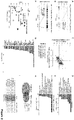

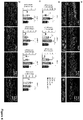

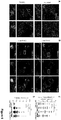

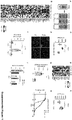

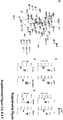

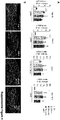


Classifications
-
- C—CHEMISTRY; METALLURGY
- C12—BIOCHEMISTRY; BEER; SPIRITS; WINE; VINEGAR; MICROBIOLOGY; ENZYMOLOGY; MUTATION OR GENETIC ENGINEERING
- C12N—MICROORGANISMS OR ENZYMES; COMPOSITIONS THEREOF; PROPAGATING, PRESERVING, OR MAINTAINING MICROORGANISMS; MUTATION OR GENETIC ENGINEERING; CULTURE MEDIA
- C12N15/00—Mutation or genetic engineering; DNA or RNA concerning genetic engineering, vectors, e.g. plasmids, or their isolation, preparation or purification; Use of hosts therefor
- C12N15/09—Recombinant DNA-technology
- C12N15/11—DNA or RNA fragments; Modified forms thereof; Non-coding nucleic acids having a biological activity
- C12N15/113—Non-coding nucleic acids modulating the expression of genes, e.g. antisense oligonucleotides; Antisense DNA or RNA; Triplex- forming oligonucleotides; Catalytic nucleic acids, e.g. ribozymes; Nucleic acids used in co-suppression or gene silencing
-
- A—HUMAN NECESSITIES
- A01—AGRICULTURE; FORESTRY; ANIMAL HUSBANDRY; HUNTING; TRAPPING; FISHING
- A01K—ANIMAL HUSBANDRY; AVICULTURE; APICULTURE; PISCICULTURE; FISHING; REARING OR BREEDING ANIMALS, NOT OTHERWISE PROVIDED FOR; NEW BREEDS OF ANIMALS
- A01K67/00—Rearing or breeding animals, not otherwise provided for; New or modified breeds of animals
- A01K67/60—New or modified breeds of invertebrates
- A01K67/61—Genetically modified invertebrates, e.g. transgenic or polyploid
- A01K67/63—Genetically modified worms
- A01K67/64—Genetically modified nematodes
-
- A—HUMAN NECESSITIES
- A61—MEDICAL OR VETERINARY SCIENCE; HYGIENE
- A61K—PREPARATIONS FOR MEDICAL, DENTAL OR TOILETRY PURPOSES
- A61K31/00—Medicinal preparations containing organic active ingredients
- A61K31/70—Carbohydrates; Sugars; Derivatives thereof
- A61K31/7088—Compounds having three or more nucleosides or nucleotides
- A61K31/7105—Natural ribonucleic acids, i.e. containing only riboses attached to adenine, guanine, cytosine or uracil and having 3'-5' phosphodiester links
-
- A—HUMAN NECESSITIES
- A61—MEDICAL OR VETERINARY SCIENCE; HYGIENE
- A61K—PREPARATIONS FOR MEDICAL, DENTAL OR TOILETRY PURPOSES
- A61K31/00—Medicinal preparations containing organic active ingredients
- A61K31/70—Carbohydrates; Sugars; Derivatives thereof
- A61K31/7088—Compounds having three or more nucleosides or nucleotides
- A61K31/713—Double-stranded nucleic acids or oligonucleotides
-
- A—HUMAN NECESSITIES
- A01—AGRICULTURE; FORESTRY; ANIMAL HUSBANDRY; HUNTING; TRAPPING; FISHING
- A01K—ANIMAL HUSBANDRY; AVICULTURE; APICULTURE; PISCICULTURE; FISHING; REARING OR BREEDING ANIMALS, NOT OTHERWISE PROVIDED FOR; NEW BREEDS OF ANIMALS
- A01K2217/00—Genetically modified animals
- A01K2217/07—Animals genetically altered by homologous recombination
- A01K2217/075—Animals genetically altered by homologous recombination inducing loss of function, i.e. knock out
-
- A—HUMAN NECESSITIES
- A01—AGRICULTURE; FORESTRY; ANIMAL HUSBANDRY; HUNTING; TRAPPING; FISHING
- A01K—ANIMAL HUSBANDRY; AVICULTURE; APICULTURE; PISCICULTURE; FISHING; REARING OR BREEDING ANIMALS, NOT OTHERWISE PROVIDED FOR; NEW BREEDS OF ANIMALS
- A01K2227/00—Animals characterised by species
- A01K2227/70—Invertebrates
- A01K2227/703—Worms, e.g. Caenorhabdities elegans
-
- A—HUMAN NECESSITIES
- A01—AGRICULTURE; FORESTRY; ANIMAL HUSBANDRY; HUNTING; TRAPPING; FISHING
- A01K—ANIMAL HUSBANDRY; AVICULTURE; APICULTURE; PISCICULTURE; FISHING; REARING OR BREEDING ANIMALS, NOT OTHERWISE PROVIDED FOR; NEW BREEDS OF ANIMALS
- A01K2267/00—Animals characterised by purpose
- A01K2267/03—Animal model, e.g. for test or diseases
Definitions
- the invention relates generally to methods, agents and pharmaceutical compositions for treating or preventing an aging-related disease by reducing the levels and/or activity of the RNA-binding protein PUM2.
- RNA-binding proteins are interesting within this context, as they bind ribonucleic-acid molecules regulating their fate after transcription (Shi and Barna, 2015).
- RBPs contain low-complexity (LC) domains that mediate their condensation in ribonucleoprotein (RNP) granules, which exert a role in mRNA translation, metabolism and transport (Sheinberger and Shav-Tal, 2017). These structures also mediate the response to cellular stress, by assembling RBPs and their target mRNAs in stress granules (SGs), where protein translation is repressed (Sheinberger and Shav-Tal, 2017).
- RBPs ribonucleoprotein
- SGs stress granules
- the abnormal localization and aggregation of wild-type and mutated forms of RBPs is the cause of several neuromuscular degenerative disorders (Huang et al., 2010; Harrison and Shorter, 2017; Conlon and Manley, 2017).
- RBPs amyotrophic lateral sclerosis
- FTLD-U frontotemporal lobar degeneration with ubiquitin-positive inclusions
- PABPN1 in the oculopharyngeal muscular dystrophy (OPMD)
- OPMD oculopharyngeal muscular dystrophy
- TIA1 in Tau-dependent Alzheimer's disease (Apicco et al., 2018) and in distal myopathies (Lee et al., 2018).
- the mechanisms by which the RBPs cause these pathologies are disease-specific.
- RBPs pathogenic proteins
- a common effect of pathogenic RBPs is a profound alteration of cellular proteostasis, as they lead to the abnormal accumulation and aggregation of RNP granules.
- they can impair protein homeostasis at the level of protein synthesis, by affecting the translational efficacy of their target mRNAs.
- RBPs While the role of RBPs is getting unveiled in the setting of diseases, only a few RBPs were investigated in the context of aging, and the mechanisms underpinning their function in aging are not well characterized (Chaturvedi et al., 2015; Masuda et al., 2009).
- PUM2 therefore represents a driver of a novel post-transcriptional mechanism that could link altered proteostasis to mitochondrial dysfunction during aging.
- Candidate therapeutic agents that reduce the levels and/or activity of the RNA-binding protein PUM2 can thus treat or prevent aging-related diseases.
- the present invention provides a method of treating or preventing an aging-related disease, the method comprising administering to a subject in need thereof a pharmaceutical composition comprising a therapeutic or prophylactic amount of at least one agent that reduces the levels and/or activity of the RNA-binding protein PUM2.
- a further object of the present invention is to provide a pharmaceutical composition comprising at least one agent that reduces the levels and/or activity of the RNA-binding protein PUM2.
- a further object of the present invention is to provide a pharmaceutical composition comprising at least one agent that reduces the levels and/or activity of the RNA-binding protein PUM2 for use in treating or preventing an aging-related disease.
- a further object of the present invention is to provide a gene delivery vector comprising
- a further object of the present invention is to provide a gene delivery vector comprising i) a nucleic acid encoding at least one TALEN protein, wherein the at least one TALEN protein is capable of inducing a site-specific double stranded DNA break in a DNA target sequence selected from the group comprising the Pum2 gene and a regulatory sequence of the Pum2 gene, and ii) at least one nucleic acid donor sequence, wherein the donor sequence is a template for targeting sequence selected from the group comprising the PUM2 gene and a regulatory sequence of the PUM2 gene.
- a further object of the present invention is to provide a nucleic acid encoding an miRNA, siRNA, piRNA, hnRNA, snRNA, esiRNA, shRNA, or antisense oligonucleotide that reduces the levels and/or activity of the RNA-binding protein PUM2.
- a further object of the present invention is to provide a kit comprising i) a pharmaceutical composition of the invention ii) a gene delivery vector of the invention or iii) an acid nucleic of the invention .
- the terms "subject”/"subject in need thereof', or “patient”/”patient in need thereof " are well-recognized in the art, and, are used interchangeably herein to refer to a mammal, including dog, cat, rat, mouse, monkey, cow, horse, goat, sheep, pig, camel, and, most preferably, a human.
- the subject is a subject in need of treatment or a subject with a disease or disorder.
- the subject can be a normal subject.
- the term does not denote a particular age or sex. Thus, adult and newborn subjects, whether male or female, are intended to be covered.
- nucleic acid refers to any kind of deoxyribonucleotide (e.g. DNA, cDNA, ...) or ribonucleotide (e.g. RNA, mRNA, ...) polymer or a combination of deoxyribonucleotide and ribonucleotide (e.g. DNA/RNA) polymer, in linear or circular conformation, and in either single - or double - stranded form.
- analogue of a particular nucleotide has the same base-pairing specificity; i.e., an analogue of A will base-pair with T.
- vector refers to a viral vector or to a nucleic acid (DNA or RNA) molecule such as a plasmid or other vehicle, which contains one or more heterologous nucleic acid sequence(s) (such as, e.g. nucleic acid sequence(s) encoding the sgRNA, TRACR and CrRNA, or the Cas9 nuclease of the invention), and is designed for transfer between different host cells.
- expression vector “gene delivery vector” and “gene therapy vector” refer to any vector that is effective to incorporate and express one or more nucleic acid(s), in a cell, preferably under the regulation of a promoter.
- a cloning or expression vector may comprise additional elements, for example, regulatory and/or post-transcriptional regulatory elements in addition to a promoter.
- the gene delivery vector of the invention is a viral vector or a plasmid vector. More preferably, the gene delivery vector is a viral vector, such as a lenti- or baculo- or even more preferably adeno-viral/adeno-associated viral (AAV) vector, but other means of delivery or vehicles are known (such as yeast systems, microvesicles, gene guns/means of attaching vectors to gold nanoparticles).
- AAV adeno-viral/adeno-associated viral
- one or more of the viral or plasmid vectors may be delivered via liposomes, nanoparticles, exosomes, microvesicles, or a gene-gun.
- the gene delivery viral vector is selected from the group comprising an adeno-associated virus (AAV) and a lentivirus. Lentivirus of 1st, 2nd, and 3rd generation are also envisioned and are known in the art.
- the type of AAV surface protein determines the target tissue.
- any adeno -associated virus (AAV) serotype or engineered AAV is envisioned.
- the AAV will be selected from the group comprising AAV6 and AAV9, due to their broad tissue specificity and expression levels. AAV9 particularly has a minimal inflammatory response, thereby reducing the side effects.
- the viral particles will usually be administered by injection into the bloodstream.
- AAV6 can also be used with cultured patient-derived cells as described herein.
- treatment means any administration of a composition, pharmaceutical composition, compound, agent, etc... of the disclosure to a subject for the purpose of:
- prevention means any administration of a composition, pharmaceutical composition, compound, agent, etc... of the disclosure to a subject for the purpose of preventing the disease, condition, or disorder, that is, causing the clinical symptoms of the disease.
- the disease, condition, or disorder is alleviated by treatment with a compound, agent, composition, or pharmaceutical composition, of the disclosure that reduces the levels and/or activity of the RNA-binding protein PUM2.
- said disease, condition, or disorder is an aging-related disease.
- said aging-related disease is selected from the non-limiting group comprising muscle diseases, such as e.g., inclusion body myositis, age-related sarcopenia, frailty of the elderly, and muscular dystrophy's (such as Duchenne's or Becker's muscular dystrophy).
- muscle diseases such as e.g., inclusion body myositis, age-related sarcopenia, frailty of the elderly, and muscular dystrophy's (such as Duchenne's or Becker's muscular dystrophy).
- the aging-related disease is a neurodegenerative disease.
- the neurodegenerative disease is selected from the non-limiting group comprising Alzheimer's disease, Dementia, Parkinson's disease, Huntington's disease, and amyotrophic lateral sclerosis.
- administering refers to contact of one or more pharmaceutical compositions of the invention, to the subject, preferably the subject in need thereof.
- PUM2 Pumilio2
- PUM2 which is a translation repressor, is thus induced upon aging and acts as a negative regulator of lifespan and mitochondrial homeostasis.
- the present invention thus concerns a method of treating or preventing an aging-related disease, the method comprising administering to a subject in need thereof a pharmaceutical composition comprising a therapeutic or prophylactic amount of at least one agent that reduces the levels and/or activity of the RNA-binding protein PUM2.
- said agent either inhibits the translation of an RNA encoding PUM2 or the transcription of a DNA encoding PUM2 and/or inhibits or impairs the binding of the PUM2 protein to a target RNA.
- the agent can be a synthetic compound or a naturally occurring compound.
- the agent can be selected from the group comprising a chemical agent (e.g. a small molecule), a peptide or analog thereof, an antibody or an antigen-binding fragment of said antibody, a gene delivery vector and a nucleic acid, and combination thereof.
- an "antibody” is a protein molecule that reacts with a specific antigenic determinant or epitope and belongs to one or five distinct classes based on structural properties: IgA, IgD, IgE, IgG and IgM.
- the antibody may be a polyclonal (e.g. a polyclonal serum) or a monoclonal antibody, including but not limited to fully assembled antibody, single chain antibody, antibody fragment, and chimeric antibody, humanized antibody as long as these molecules are still biologically active and still bind to at least one peptide of the invention.
- the antibody is a monoclonal antibody.
- the monoclonal antibody will be selected from the group comprising the IgG1, IgG2, IgG2a, IgG2b, IgG3 and IgG4 or a combination thereof. Most preferably, the monoclonal antibody is selected from the group comprising the IgG1, IgG2, IgG2a, and IgG2b, or a combination thereof.
- the antibody of the invention is preferably an anti- PUM2 protein antibody that reduces the levels and/or activity of the RNA-binding protein PUM2 e.g. by inhibiting or impairing the binding of the PUM2 protein to the target RNA.
- said target RNA is an mRNA containing at least one motif 5•-UGUAXAUA-3• known as a Pumilio-binding element (PBE).
- a typical antibody is composed of two immunoglobulin (Ig) heavy chains and two Ig light chains.
- immunoglobulin (Ig) heavy chains and two immunoglobulin light chains.
- Ig heavy chains Several different types of heavy chain exist that define the class or isotype of an antibody. These heavy chain types vary between different animals. All heavy chains contain a series of immunoglobulin domains, usually with one variable (VH) domain that is important for binding antigen and several constant (CH) domains.
- Each light chain is composed of two tandem immunoglobulin domains: one constant (CL) domain and one variable domain (VL) that is important for antigen binding.
- Antibodies can be described in terms of the CDRs of the heavy and light chains.
- CDR complementarity determining region
- CDR complementarity determining region
- isolated when used as a modifier of an antibody of the invention means that the antibody is made by the hand of man or is separated, completely or at least in part, from their naturally occurring in vivo environment. Generally, isolated antibodies are substantially free of one or more materials with which they normally associate with in nature, for example, one or more protein.
- isolated does not exclude alternative physical forms of the antibodies, such as multimers/oligomers, modifications (e g , phosphorylation, glycosylation, lipidation) or derivatized forms, or forms expressed in host cells produced by the hand of man
- an “isolated” antibody can also be “substantially pure” or “purified” when free of most or all of the materials with which it typically associates with in nature.
- an isolated antibody that also is substantially pure or purified does not include polypeptides or polynucleotides present among millions of other sequences, such as antibodies of an antibody library or nucleic acids in a genomic or cDNA library.
- an "antigen binding fragment” comprises a portion of a full-length antibody.
- antigen binding fragments include Fab, Fab', F(ab') 2 , and Fv fragments; diabodies; minobodies; nanobodies; linear antibodies ( Zapata et al. (1995) Protein Eng. 8(10):1057-1062 ); single-chain antibody molecules; and multispecific antibodies formed from antibody fragments.
- the antigen binding fragment of the invention is preferably an anti-PUM2 protein binding fragment that reduces the levels and/or activity of the RNA-binding protein PUM2 e.g. by inhibiting or impairing the binding of the PUM2 protein to the target RNA.
- said target RNA is an mRNA containing at least one motif 5•-UGUAXAUA-3• known as a Pumilio-binding element (PBE).
- nucleic acid refers to any kind of deoxyribonucleotide (e.g. DNA, cDNA, ...) or ribonucleotide (e.g. RNA, miRNA, siRNA, piRNA, hnRNA, snRNA, esiRNA, shRNA, ...) polymer or a combination of deoxyribonucleotide and ribonucleotide (e.g. DNA/RNA) polymer, in linear or circular conformation, and in either single - or double - stranded form.
- deoxyribonucleotide e.g. DNA, cDNA, .
- ribonucleotide e.g. RNA, miRNA, siRNA, piRNA, hnRNA, snRNA, esiRNA, shRNA, .
- oligonucleotides or nucleotides can comprise modifications to the nucleobases, the backbone residues, and/or the internucleoside linkers of said oligonucleotides. Modifications to one or more nucleobases of said oligonucleotides may comprise one or more alkylated purines and pyrimidines, acylated purines and pyrimidines, and other heterocycles.
- pyrimidines and purines are known in the art and include pseudoisocytosine, N4,N4-ethanocytosine, 8-hydroxy-N-6-methyladenine, 4-acetylcytosine, 5-(carboxyhydroxylmethyl)uracil, 5 fluorouracil, 5-bromouracil, 5-carboxymethylaminomethyl-2-thiouracil, 5-carboxy-methylaminomethyl uracil, dihydrouracil, inosine, N6-isopentyl-adenine, 1-methyladenine, 1-methylpseudouracil, 1-methylguanine, 2,2-dimethylguanine, 2-methyladenine, 2-methylguanine, 3-methylcytosine, 5-methylcytosine, N6-methyladenine, 7-methylguanine, 5-methylaminomethyl uracil, 5-methoxy amino methyl-2-thiouracil, -D-mannosylqueosine, 5-methoxycarbony
- Modifications to one or more backbone residues of said oligonucleotides may comprise one or more of the following: 2' sugar modifications such as 2'-O-methyl (2'-OMe), 2'-O-methoxyethyl (2'-MOE), 2'-O-methoxyethoxy, 2'-Fluoro (2'-F), 2'-Allyl, 2'-O-[2-(methylamino)-2-oxoethyl], 2'-O-(N-methylcarbamate); 4' sugar modifications including 4'-thio, 4'-CH2-O-2'-bridge, 4-(CH2)2-O-2'-bridge; Locked Nucleic Acid (LNA); Peptide Nucleic Acid (PNA); Intercalating nucleic acid (INA); Twisted intercalating nucleic acid (TINA); Hexitol nucleic acids (HNA); arabinonucleic acid (ANA); cyclohexane nucleic acids (CNA); cyclohe
- Modifications to one or more internucleoside linkers of said oligonucleotides may comprise one or more of the following: Phosphorothioate, phosphoramidate, phosphorodiamidate, phosphorodithioate, phosphoroselenoate, phosphorodiselenoate, phosphoroanilothioate and phosphoranilidate, or any combinations thereof.
- an analogue of a particular nucleotide has the same base-pairing specificity; i.e., an analogue of A will base-pair with T.
- a nucleic acid according to the invention can be modified to enhance expression and reduce possible toxicity by including one or more modified nucleoside e.g. using pseudo-U or 5-Methyl-C.
- said agent is a nucleic acid
- it will be selected among the non-limiting group comprising a miRNA, a siRNA, a piRNA, a hnRNA, a snRNA, a esiRNA, a shRNA, and an antisense oligonucleotide, or a combination thereof.
- microRNA refers to endogenous or artificial non-coding RNAs that are capable of regulating gene expression. It is believed that miRNAs function via RNA interference.
- siRNA and short interfering RNA are interchangeable and refer to single-stranded or double-stranded RNA molecules that are capable of inducing RNA interference. SiRNA molecules typically have a duplex region that is between 18 and 30 base pairs in length.
- PiRNA and "Piwi-interacting RNA” are interchangeable and refer to a class of small RNAs involved in gene silencing. PiRNA molecules typically are between 26 and 31 nucleotides in length.
- snRNA and "small nuclear RNA” are interchangeable and refer to a class of small RNAs involved in a variety of processes including RNA splicing and regulation of transcription factors.
- the subclass of small nucleolar RNAs (snoRNAs) is also included.
- the term is also intended to include artificial snRNAs, such as antisense derivatives of snRNAs comprising antisense sequences.
- an "shRNA molecule” includes a conventional stem-loop shRNA, which forms a precursor miRNA (pre-miRNA).
- shRNA also includes micro-RNA embedded shRNAs (miRNA-based shRNAs), wherein the guide strand and the passenger strand of the miRNA duplex are incorporated into an existing (or natural) miRNA or into a modified or synthetic (designed) miRNA.
- miRNA-based shRNAs micro-RNA embedded shRNAs
- a conventional shRNA forms a primary miRNA (pri-miRNA) or a structure very similar to a natural pri-miRNA.
- pri-miRNA is subsequently processed by Drosha and its cofactors into pre-miRNA. Therefore, the term "shRNA” includes pri-miRNA (shRNA-mir) molecules and pre-miRNA molecules.
- siRNA and shRNA will preferably be selected among the non-limiting group of Table 1.
- Table 1 shRNA name Sequence Species clone ID SEQ ID No. PUM2 sh #1 TTGACTTTATTCATCCATTT Human TRCN0000296986 1 PUM2 sh #2 CTAGCTCCAACTGCCTATTAT Human TRCN0000297020 2 Pum2 sh #1 CCTAATCCGACAGCGAATAAA Mouse TRCN0000233377 3 Pum2 sh #2 ATTTGTGCCAAATCCATATAT Mouse TRCN0000233378 4 scr CAACAAGATGAAGAGCACCAA Non-mammalian SHC002 5 siRNA name Sequence Species siPUM2i #1 Human 6 siPUM2 #2 Human 7 siPUM2 #3 Human 8
- antisense oligonucleotide or “antisense sequence” refers to a single-stranded nucleic acid molecule having a nucleobase sequence that permits hybridization to a corresponding segment of a target nucleic acid.
- the antisense oligonucleotides are directed either against RNA (sense strand) or against DNA where they form triplex structures inhibiting transcription by RNA polymerase II.
- the "antisense oligonucleotide” or “antisense sequence” can be a double-stranded antisense oligonucleotide and is also intended to be within the scope of the term as defined and used herein.
- antisense oligonucleotide or “antisense sequence” known in the art, such as e.g. Gapmer ( Lundin et al., in Hum Gene Ther. 2015 Aug 1; 26(8): 475-485 ) is also intended to be within the scope of the term as defined and used herein.
- the nucleic acid is encoding at least one nuclease such as a Cas9 endonuclease, and at least one single guide RNA (sgRNA), or crRNA and tracrRNA, recognizing a DNA target sequence comprising 16 to 25 nucleotides wherein said DNA target sequence is selected from the group comprising the Pum2 gene and a regulatory sequence of the Pum2 gene.
- the Cas9 endonuclease of the present invention can be a naturally occurring Cas9, or variants and orthologs.
- the Cas9 endonuclease of the present invention is a naturally occurring Cas9 endonuclease of S. pyogenes.
- the Cas9 endonuclease of the present invention comprises one or more mutations as compared to a naturally occurring Cas9.
- the Cas9 can be a modified Cas9 endonuclease modified for transcriptional repression such as, e.g. an enzymatically dead Cas9.
- both RuvC- and HNH- nuclease domains can be rendered inactive by point mutations (e.g. D10A and H840A in SpCas9), resulting in a nuclease dead Cas9 molecule that cannot cleave target DNA.
- the dead Cas9 molecule retains the ability to bind to target DNA based on the sgRNA targeting sequence, which sgRNA sequence is comprised in CRISPR-based gain/loss-of-function system.
- nuclease of the gene editing system such as a meganuclease, zinc finger nuclease (ZFNs), transcription activator-like effector-based nuclease (TALEN), CPF1 is also intended to be within the scope of the term as defined and used herein.
- ZFNs zinc finger nuclease
- TALEN transcription activator-like effector-based nuclease
- the nucleic acid is encoding at least one TALEN protein, wherein the at least one TALEN protein is capable of inducing a site-specific double stranded DNA break in a DNA target sequence selected from the group comprising the Pum2 gene and a regulatory sequence of the Pum2 gene.
- said agent is a gene delivery vector
- said gene delivery vector comprises
- a "chemical agent” is a compound that produces change by virtue of its chemical composition and its effects on living tissues and organisms.
- the chemical agent may be a small molecule inhibitor (SMI) and is preferably a non-peptidyl molecule.
- SMI small molecule inhibitor
- the chemical agent is a small molecule inhibitor selected from the group comprising a tetracycline, actinonin, a phenicol, Urolithin A (UA), Carbonyl cyanide-4-(trifluoromethoxy)phenylhydrazone (FCCP) and a combination thereof.
- tetracyclins include, but are not limited to, doxycycline, tetracycline, rolitetracycline, methacycline, minocycline and lymecycline.
- an effective amount of doxycycline to be administered systemically is about 50 mg/kg to about 100 mg/kg per day in the food for 9-10 weeks, preferably about 90 mg/kg/day in the food for 9-10 weeks.
- doxycycline is administered in a liquid (e.g. water), then is will usually be administered in an effective amount of about 200 and 500 mg/kg/day in the water for 9-10 weeks.
- phenicol include, but are not limited to, those selected from the group comprising chloramphenicol, thiamphenicol, florfenicol and a combination thereof.
- a pharmaceutical composition comprising a therapeutically effective amount of at least one agent of the invention that reduces the levels and/or activity of the RNA-binding protein PUM2.
- the agent that reduces the levels and/or activity of the RNA-binding protein PUM2 of the invention is selected from the group comprising a chemical agent, a peptide or analog thereof, an antibody or an antigen-binding fragment of said antibody, a nucleic acid, a gene delivery vector, and a combination thereof.
- the pharmaceutical composition is intended for use in treating or preventing an aging-related disease described herein.
- compositions refers to a chemical substance intended for use in the cure, treatment, or prevention of disease. Details on techniques for formulation and administration of such compositions may be found in Remington, The Science and Practice of Pharmacy 21st Edition (Mack Publishing Co., Easton, Pa .) and Nielloud and Marti-Mestres, Pharmaceutical Emulsions and Suspensions: 2nd Edition (Marcel Dekker, Inc, New York ).
- the pharmaceutical compositions may be administered by a variety of means including orally, parenterally, by inhalation spray, topically, or rectally in formulations containing pharmaceutically acceptable carriers, adjuvants and vehicles.
- parenteral as used here includes but is not limited to subcutaneous, intravenous, intramuscular, intraarterial, intradermal, intrathecal and epidural injections with a variety of infusion techniques.
- Intraarterial and intravenous injection as used herein includes administration through catheters. Administration via intracoronary stents and intracoronary reservoirs is also contemplated.
- oral as used herein includes, but is not limited to oral ingestion, or delivery by a sublingual or buccal route.
- Oral administration includes fluid drinks, foods, energy bars, as well as pill formulations Pharmaceutical compositions may be in any form suitable for the intended method of administration.
- compositions intended for oral use may be prepared according to any method known to the art for the manufacture of pharmaceutical compositions and such compositions may contain one or more agents including sweetening agents, flavoring agents, coloring agents and preserving agents, in order to provide a palatable preparation.
- Tablets containing a drug compound in admixture with non-toxic pharmaceutically acceptable excipient which are suitable for manufacture of tablets are acceptable.
- excipients may be, for example, inert diluents, such as calcium or sodium carbonate, lactose, calcium or sodium phosphate; granulating and disintegrating agents, such as maize starch, or alginic acid; binding agents, such as starch, gelatin or acacia; and lubricating agents; such as magnesium stearate, stearic acid or talc. Tablets may be uncoated, or may be coated by known techniques including enteric coating, colonic coating, or microencapsulation to delay disintegration and adsorption in the gastrointestinal tract and/or provide a sustained action over a longer period.
- inert diluents such as calcium or sodium carbonate, lactose, calcium or sodium phosphate
- granulating and disintegrating agents such as maize starch, or alginic acid
- binding agents such as starch, gelatin or acacia
- lubricating agents such as magnesium stearate, stearic acid or tal
- a time delay material such as glyceryl monostearate or glyceryl distearate alone or with a wax may be employed.
- Formulations for oral use may be also presented as hard gelatin capsules where the drug compound is mixed with an inert solid diluent, for example calcium phosphate or kaolin, or as soft gelatin capsules wherein the active ingredient is mixed with water or an oil medium, such as peanut oil, liquid paraffin or olive oil.
- Such excipients include a suspending agent, such as sodium carboxymethylcellulose, methylcellulose, hydroxypropyl methylcellulose, sodium alginate, polyvinylpyrrolidone, gum tragacanth and gum acacia, and dispersing or wetting agents such as a naturally occurring phosphatide (e.g., lecithin), a condensation product of an alkylene oxide with a fatty acid (e.g., polyoxyethylene stearate), a condensation product of ethylene oxide with a long chain aliphatic alcohol (e.g., heptadecaethyleneoxycetanol), a condensation product of ethylene oxide with a partial ester derived from a fatty acid and a hexitol anhydride (e.g., polyoxyethylene sorbitan monooleate).
- a suspending agent such as sodium carboxymethylcellulose, methylcellulose, hydroxypropyl methylcellulose, sodium alginate, polyvinylpyrrolidone, gum trag
- the aqueous suspension may also contain one or more preservatives such as ethyl or n-propyl p-hydroxy-benzoate, one or more coloring agents, one or more flavoring agents and one or more sweetening agents, such as sucrose or saccharin.
- Oil suspensions may be formulated by suspending the active ingredient in a vegetable oil, such as arachis oil, olive oil, sesame oil or coconut oil, or a mineral oil such as liquid paraffin.
- the oral suspensions may contain a thickening agent, such as beeswax, hard paraffin or cetyl alcohol. Sweetening agents, such as those set forth above, and flavoring agents may be added to provide a palatable oral preparation.
- compositions may be preserved by the addition of an antioxidant such as ascorbic acid.
- Dispersible powders and granules of the disclosure suitable for preparation of an aqueous suspension by the addition of water provide the active ingredient in admixture with a dispersing or wetting agent, a suspending agent, and one or more preservatives. Suitable dispersing or wetting agents and suspending agents are exemplified by those disclosed above. Additional excipients, for example sweetening, flavoring and coloring agents, may also be present.
- the pharmaceutical compositions of the disclosure may also be in the form of oil-in-water emulsions.
- the oily phase may be a vegetable oil, such as olive oil or arachis oil, a mineral oil, such as liquid paraffin, or a mixture of these.
- Suitable emulsifying agents include naturally-occurring gums, such as gum acacia and gum tragacanth, naturally occurring phosphatides, such as soybean lecithin, esters or partial esters derived from fatty acids and hexitol anhydrides, such as sorbitan monooleate, and condensation products of these partial esters with ethylene oxide, such as polyoxyethylene sorbitan monooleate.
- the emulsion may also contain sweetening and flavoring agents.
- Syrups and elixirs may be formulated with sweetening agents, such as glycerol, sorbitol or sucrose. Such formulations may also contain a demulcent, a preservative, a flavoring or a coloring agent.
- the pharmaceutical compositions of the disclosure may be in the form of a sterile injectable preparation, such as a sterile injectable aqueous or oleaginous suspension. This suspension may be formulated according to the known art using those suitable dispersing or wetting agents and suspending agents which have been mentioned above.
- the sterile injectable preparation may also be a sterile injectable solution or suspension in a non-toxic parenterally acceptable diluent or solvent such as a solution in 1,3-butane-diol or prepared as a lyophilized powder.
- a non-toxic parenterally acceptable diluent or solvent such as a solution in 1,3-butane-diol or prepared as a lyophilized powder.
- acceptable vehicles and solvents that may be employed are water, Ringer's solution and isotonic sodium chloride solution.
- sterile fixed oils may conventionally be employed as a solvent or suspending medium.
- any bland fixed oil may be employed including synthetic mono- or diglycerides.
- fatty acids such as oleic acid may likewise be used in the preparation of injectables.
- the amount of active ingredient i.e.
- RNA-binding protein PUM2 as described herein, which may be combined with the carrier material to produce a single dosage form
- a time-release formulation intended for oral administration to humans may contain approximately 20 to 500 mg of active material compounded with an appropriate and convenient amount of carrier material which may vary from about 5 to about 95% of the total compositions. It is preferred that the pharmaceutical composition be prepared which provides easily measurable amounts for administration.
- an effective amount to be administered systemically is about 0.1 mg/kg to about 100 mg/kg and depends upon a number of factors including, for example, the age and weight of the subject (e.g., a mammal such as a human), the precise condition requiring treatment and its severity, the route of administration, and will ultimately be at the discretion of the attendant physician or veterinarian. It will be understood, however, that the specific dose level for any particular patient will depend on a variety of factors including the activity of the specific compound employed, the age, body weight, general health, sex and diet of the individual being treated; the time and route of administration; the rate of excretion; other drugs which have previously been administered; and the severity of the particular condition undergoing therapy, as is well understood by those skilled in the art.
- therapeutically effective amount means an amount of an agent that reduces the levels and/or activity of the RNA-binding protein PUM2 high enough to significantly positively modify the symptoms and/or condition to be treated, but low enough to avoid serious side effects (at a reasonable risk/benefit ratio), within the scope of sound medical judgment.
- the therapeutically effective amount of agent of the invention is selected in accordance with a variety of factors including type, species, age, weight, sex and medical condition of the patient; the severity of the condition to be treated; the route of administration; the renal and hepatic function of the patient.
- a physician of ordinary skill in the art can readily determine and prescribe the effective amount of the agent required to prevent, counter or arrest the progress of the concerned disease.
- the pharmaceutical composition of the invention may comprise a therapeutically effective amount of a cell or a population of cells.
- said cell or population of cells comprise a modification or alteration of a DNA target sequence comprising 16 to 25 nucleotides of interest, wherein said DNA target sequence is selected from the group comprising the PUM2 gene and a regulatory sequence of the PUM2 gene.
- the pharmaceutical composition of the invention may comprise a therapeutically effective amount of a cell or a population of cells, wherein said cell or population of cells comprises a gene delivery vector of the invention.
- the gene delivery vector is selected from the non-limiting group comprising a viral and a plasmid vector as described herein.
- the pharmaceutical compositions comprising a therapeutically effective amount of a cell or a population of cells are administered to the patient by any route of administration and/or delivery methods known in the art and/or described herein.
- the present invention further contemplates a method of treating or preventing an aging-related disease comprising modifying the DNA target sequence disclosed herein in a single cell or a population of cells, and reintroducing the modified single cell or population of cells into the patient in need thereof.
- a biopsy or other tissue or biological fluid sample comprising the single cell or the population of cells may be necessary.
- Stem cells such as ES cells or pluripotent stem cell that can be generated directly from adult cells, such as iPSCs, are particularly preferred in this regard.
- the cell is selected - or derived - from the group comprising neurons, glia, satellite muscle cells, heart cells, hepatocytes, and fibroblasts.
- the modified single cell or population of cells is/are then reintroduced into the patient in need thereof by any route of administration and/or delivery methods known in the art as described below.
- kits for treating or preventing an aging-related disease as described herein comprising
- the label or package insert may comprise instructions for use thereof. Instructions included may be affixed to packaging material or may be included as a package insert. While the instructions are typically written or printed materials they are not limited to such. Any medium capable of storing such instructions and communicating them to an end user is contemplated by this disclosure.
- the present invention further contemplates the use of a pharmaceutical composition of the invention in the manufacture of a medicament.
- the medicament is for treating or preventing an aging-related disease.
- a cosmetic composition comprising a cosmetically effective amount of at least one agent of the invention that reduces the levels and/or activity of the RNA-binding protein PUM2.
- the agent that reduces the levels and/or activity of the RNA-binding protein PUM2 of the invention is selected from the group comprising a chemical agent, a peptide or analog thereof, an antibody or an antigen-binding fragment of said antibody, a nucleic acid, a gene delivery vector, and a combination thereof as described herein.
- mice experiments were performed in compliance with all relevant ethical regulations. The mice experiments were authorized by the local animal experimentation committee of the Canton de Vaud, under license 2890. The committee that approved the license is the "Commission cantonale pour l' preservation animale”.
- C2C12 myoblasts female, ECACC, 91031101
- Dulbecco's modified Eagle's medium with high glucose content Gibco, DMEM, 41966-029
- FCS Fetal Calf Serum
- 100U/mL penicillin and 100 ⁇ g/mL streptomycin Gibco, 15140-122
- HeLa female, ATCC® CCL-2TM
- HEK-293T ATCC® CRL-3216TM
- HEK AAV-293 cells Agilent, 240073 cells were cultured in the same condition described above, but with 10% FCS.
- HeLa and C2C12 stable clones were cultured as described above with the addition of puromycin 2 • g/ml (Invivogen, QLL-38-03A) as a selection antibiotic. Trypsin-EDTA 0.05% (Gibco, 25300-062) was used for all the cell lines. All cells were maintained at 37°C and 5% CO 2 .
- C. elegans Strains and Bacterial Strains C. elegans strains were provided by the Caenorhabditis Genetics Center (University of Minnesota). N2 Bristol, SJ4103 (zcIs14[myo-3::GFP(mit)]) and RW1596 (stEx30 [myo-3p::GFP::myo-3 + rol-6(su1006)]) strains were cultured at 20 °C. The glp-1 (e2144) strain was cultured at 15°C. All strains were cultured on nematode growth media agar plates seeded with E. coli strain OP50.
- glp - 1 (e2141ts) eggs were seeded on plates and raised at 25°C (to eliminate germ cells) for • 40 hours, then shifted to 20°C for the rest of life.
- Bacterial RNAi feeding experiments were carried out as described in (Kamath et al., 2001), from Day 1 of adulthood, unless differently specified. Clones used were puf-8 (C30G12.7) and mff-1 (F11C1.2). Clones were purchased from Source BioScience and verified by sequencing.
- C. elegans motility, survival and oxygen-consumption assays C . elegans movement analysis was performed as described in (Mouchiroud et al., 2016), starting from day 1 of adulthood, using the Movement Tracker software. The experiments were repeated at least twice. Lifespan tests were performed at 20 °C as described in (Mouchiroud et al., 2013). Worms that crawled off the plate or had an exploded vulva phenotype were censored. These exclusion criteria were established before starting the experiments. Oxygen consumption was measured using the Seahorse XF96 respirometer (Seahorse Bioscience) (Koopman et al., 2016).
- Lentiviruses were produced by cotransfecting HEK293T cells with lentiviral, packaging (pCMV-dR8.2 dvpr, Addgene, #8455) and envelope (pCMV-VSV-G, Addgene, #8454) plasmids, in a ratio of 4:3:1, respectively, by using FuGENE 6 (Promega, E2691) following manufacturer's instructions. Transfection medium was removed 24 h after transfection and fresh medium was added to the plate. Cell supernatants were collected at 24 and 48 h and filtered through a 0.45-• m filter.
- HEK293T HEK293T and were transfected with the indicated amounts of EGFP-PUM2 or pEGFP-C1, as control, for 24 hours, using FuGENE6.
- HEK293T were transfected with m-KEIMA (pCHAC-mt-mKeima, Addgene #72342) together with the pCL-Ampho Retrovirus Packaging Vector (Novus Biologicals) in a ratio 1:1, by using FuGENE 6.
- Cell supernatants were collected at 48 h and filtered through a 0.45-• m sterile filter.
- C2C12 cells were transduced with the virus-containing supernatant, left to recover for 24 h in growth media and analyzed by confocal imaging.
- Lipofectamine® RNAiMAX (Thermo Scientific, 13778100) was used following manufacturer's instructions. 50 picomoles of the siRNA listed in Supplementary Table 4 (synthetized by Microsynth, custom made) were transfected and cells were analyzed by confocal imaging after 48 hours.
- Lysates were eluted in 5x Laemmli buffer (715um • -mercapto-ethanol, 1M Tris-HCl pH 6.8, 30% Glycerol, 10% SDS, 0.25% Blu Bromophenol). Equal amounts of proteins were separated by SDS-PAGE and transferred onto polyvinylidene difluoride membranes (Millipore, Immobilion-P IPIVH00010). Filters were washed in TBS + 0,05% Tween and blocked for 1 hour with 5% Non-Fat milk.
- CoIP buffer 50mM Tris-HCl pH 7.4, 75mM NaCl, 1% NP-40, 0,1% SDS, 5mg/ml Sodium deoxycholate. 1ml of CoIP buffer for 20 million of cells, 5ml for one whole brain lysate) plus protease and phosphatase inhibitor cocktails.
- Proteins were detected using the following antibodies: PUM2 (Santacruz, sc-514108, 1:1000), MFF (ProteinTech Group, 17090-1-AP, 1:1000), OXPHOS cocktail (Mitoscience/Abcam, ab110413, 1:2000), PABPC1 (Abcam, ab21060, 1:3000), PINK1 (Novus Biologicals, BC100-494, 1:500), SQSTM1/p62 (Progen, GP62-C, 1:500), LC-3 (Cell Signaling, 4108S, 1:500), GAPDH (Cell Signaling, 2118,1:3000), HSP90 (BD Transduction Laboratories, 610418, 1:4000).
- the secondary antibodies used were goat-anti-rabbit (Cambridge Bioscience, AC2114, 1:5000), goat-anti-mouse (Cambridge Bioscience, AC2115, 1:5000), donkey-anti-goat (Cambridge Bioscience, AC2149, 1:2500) and goat-anti-Guinea pig H&L HRP (Abcam, ab6908, 1:2500) HRP secondary antibodies.
- Antibody reactions detection were imaged using the c300 imaging system (Azure Biosystems).
- Tissue immunostaining was performed on fresh frozen section of mice tibialis anterior muscles and whole brain tissues. 8um sections were cut from OCT-embedded samples. Sections were fixed with 4% PFA for 20 min, permeabilized in PBS + 0,5% Triton-X-100 and blocked with 3% BSA+ 10% donkey serum for 1 hour at RT. Sections were stained using an antibody against PUM2 (Abcam, ab10361, 1:300) overnight at 4°C and incubated with the secondary antibody (donkey anti-rabbit Alexa 568, 1:1000) 1 hour at RT. A final counterstaining with Hoechst (Thermo Scientific, 33342, 1:10000) was performed for 3 min.
- ThS staining was performed for 15 minute RT (ThS 0,03% in 50% EtOH), prior primary antibody incubation.
- p myo-3 ::mito::GFP worms at the indicated ages were prepared for imaging as described in (Houtkooper et al., 2013).
- C2C12 clones and HEK293T were fixed with 4% PFA for 20 minutes, permeabilized with 0.1% Triton-X-100 and blocked with 3% BSA 1 hour at RT.
- mitochondrial morphology analysis cells were stained with Tom20 antibody (Santa Cruz, sc-11415, 1:200) overnight at 4°C, incubated with the secondary antibody (anti-rabbit Alexa Fluor-488, 1:1000) for 1 hour at RT.
- HEK293T were transfected with different amounts of GFP proteins and stained with a PABPC1 antibody (Abcam, ab21060, 1:200) overnight at 4°C, and incubated with the secondary antibody (donkey anti-rabbit Alexa 568, 1:1000) for 1 hour at RT.
- PABPC1 antibody Abcam, ab21060, 1:200
- secondary antibody donkey anti-rabbit Alexa 568, 1:1000
- nuclei were counterstained with DAPI.
- GFP-PUM2 and PABPC1 co-stained samples were thresholded and double positive granules were counted for at least 20 cells from three random fields to assess the number of SGs per cell.
- Co-positive PUM2 and ThS (Sigma, T1892) granules in the neocortex, hippocampus and dentate gyrus regions of mice brain tissues were counted and the stress granules area was calculated by using the Fiji "analysis particles" for > 20 cells. Image processing was performed with Fiji.
- Mitophagy quantitation C2C12 transduced with the m-KEIMA were examined as described in (Zheng et al., 2017). In brief, m-Keima fluorescence was imaged in two channels via two sequential excitations (488 nm, cyan; 555 nm, red) and using a 570- to 695-nm emission range. Imaging settings were maintained with the same parameters for comparison between different experimental conditions. Mitophagy index quantification was performed as previously described (Sun et al., 2015). Briefly, 550/438 signal ratio was calculated for each region as 550/(550+438) signal, background corrected using a not m-KEIMA transfected control condition and normalized by total cell area. The average of 20-30 cells from each condition was taken, and the values were normalized to the average value seen in the control, assigned the value of one. In each experimental condition, imaging parameters are the same for all data acquisitions.
- Luciferase assay The full-length 3•UTR of human MFF mRNA was amplified by PCR with the following primers:
- RNA from cells and tissues and worms was extracted using TRIzol (Thermo Scientific, 15596026) and then transcribes in cDNA by the QuantiTect Reverse Transcription Kit (Qiagen, 205313) following the manufacturer's instructions.
- the q-RT-PCR reactions were performed using the Light-Cycler system (Roche Applied Science) and the expression of selected genes was analysed using the LightCycler 480 System (Roche) and SYBR Green chemistry. All quantitative polymerase chain reaction (PCR) results were presented relative to the mean of housekeeping genes (• • Ct method).
- mRNA levels were normalized over Gapdh for gene expression for cell and tissue samples.
- actin act-1
- peroxisomal membrane protein 3 pmp-3
- Relative values for mitochondrial genes mt-16S
- nuclear genes Hk2
- q-RT-PCR quantitative reverse transcription PCR
- RNA-Crosslinking and Immunoprecipitation C2C12 cells were plated on 150 cm culture plate and after 24 hours the medium was replaced by ice cold PBS.
- CLIP RNA-Crosslinking and Immunoprecipitation
- SILAC proteome analysis For SILAC labeling, HeLa SCR and PUM2sh #1 clones were cultured in for six passages in SILAC DMEM media minus 1-arginine and 1-lysine (Thermo Scientific, 89985) with 10% dialyzed fetal bovine serum (Invitrogen) and 100 U/mL penicillin/streptomycin.
- SILAC-labeled cells were then lysed in SDS 2% and protein concentrations of the different lysates were estimated with DC protein assay. Samples were mixed equitably at 10• g per SILAC state per replicate. Samples were trypsin digested using the FASP protocol(Wi•niewski et al., 2009). Peptide were desalted on C18 StageTips and fractionated into six fractions by strong cation exchange. All fractions were dried down by vacuum centrifugation prior to Mass Spectrometric measurements.
- peptides were resuspended in 2% acetonitrile, 0.1% FA and separated by reversed-phase chromatography on a Dionex Ultimate 3000 RSLC nanoUPLC system in-line connected with an Orbitrap Q Exactive Mass-Spectrometer (Thermo Fischer Scientific).
- SILAC labeled data were analyzed with MaxQuant version 1.5.1.2 against a concatenated database consisting of UniProt human database release 2015_07.
- Carbamidomethylation was set as a fixed modification, whereas oxidation (M) and acetylation (Protein N-term) were considered as variable modifications.
- RNA sequencing library preparation and analysis Total RNA from HeLa cells was extracted using TRIzol (Thermo Fisher Scientific) and purified by column using RNeasy Mini kit (QIAGEN, 74104). Agilent 2100 Bioanalyzer (Agilent RNA 6000 Nano Kit) was used to detect the total RNA samples concentration, RIN, 28S/18S and size. The purity of the samples was tested by NanoDropTM. Total RNA sample was digested by DNase• (NEB) and purified by oligo-dT beads (Dynabeads mRNA purification kit, Invitrogen, 61006), then poly (A)-containing mRNA were fragmented into 130bp with First Strand buffer.
- First-strand cDNA was generated by N6 primer, FirstStrand Master Mix and Super Script II reverse transcription (Invitrogen, 18064022) (Reaction condition• 25°C for 10 min• 42°C or 40 min• 70°C for 15 min). Then Second Strand Master Mix was added to synthesize the second-strand cDNA (16°C for 1h). The cDNA was purified with Ampure XP Beads (Agencourt, A63880), combined with End Repair Mix, incubated at 20°C for 30min, purified, added with A-Tailing Mix and incubated at 37°C for 30 min.
- the samples were combined with Adenylate 3' Ends DNA, Adapter and Ligation Mix and incubated for the ligation reaction at 20°C for 20 min.
- Several rounds of PCR amplification with PCR Primer Cocktail and PCR Master Mix were performed to enrich the cDNA fragments.
- the PCR products were purified with Ampure XP Beads.
- the final library was quantitated in two ways: determining the average molecule length using the Agilent 2100 bioanalyzer (Agilent DNA 1000 Reagents), and quantifying the library by real-time quantitative PCR (QPCR) (TaqMan Probe).
- the libraries were amplified on cBot to generate the cluster on the flow cell (TruSeq PE Cluster Kit V3-cBot-HS, Illumina, PE-401-3001) and the amplified flow cell was sequenced pair end on the HiSeq 2000 System (TruSeq SBS KIT-HS V3 ⁇ Illumina, TG-101-3001), with read length 50bp.
- the reads obtained were first trimmed out to remove adaptor sequences and then mapped using a TopHat2 against the human genome (GRCh37). HTSeq-count was then used to obtain the counts of each gene. Differential expressed genes in each condition were identified using R/Bioconductor package Deseq.
- Optiprep Density Gradient Centrifugation Whole brains were lysed using extraction buffer (EB, 25 mM HEPES [pH 7.3], 150 mM KCl, 8% glycerol, 0.1% NP-40, 1 mM DTT, protease inhibitor cocktail [Roche], 40 U/ml RNase inhibitors), using a motor-driven dounce as described in (Fritzsche et al., 2013).
- extraction buffer 25 mM HEPES [pH 7.3], 150 mM KCl, 8% glycerol, 0.1% NP-40, 1 mM DTT, protease inhibitor cocktail [Roche], 40 U/ml RNase inhibitors
- Soluble supernatant of homogenized brain lysate was layered on top of a 10 ml 15%-30% linear Optiprep (Axis Shield, 1114542) density gradient and centrifuged in a swinging bucket rotor (SW41, Beckman Coulter Genomics) at 280,000 ⁇ g at 4°C for 2.5 hr. Eight fractions of 900•1 each were collected from the top to the bottom of the gradient and flash-frozen in liquid nitrogen. Samples of each fraction were boiled in Laemmli Buffer and subjected to western blotting.
- the primers were designed and cloned in the HA-saCas9/containing px601 plasmid, as described in (Ran et al., 2015), to obtain the following plasmids: g PUM2 #1, #2 and #3.
- the primers used for the cloning are listed in the Supplementary Table 4.
- g PUM2 sh#1, #2, #3 and px601 as control were transfected in HEK293T with Fugene6, following manufacturer's instructions. After 48 hours, cells were lysed in RIPA buffer and analyzed by Western Blot as described above. g PUM2 #1 was selected as the most efficient guide and its genome editing efficiency was further confirmed by sequencing the genomic region containing the g PUM2 #1-targeted sequence. Genomic DNA from cells transfected with the g PUM2 #1 and the px601 plasmids was extracted with the NucleoSpin® Tissue kit (Macherey-Nagel, 740952). The PCR was performed using the oligos listed in the Supplementary Table 4.
- PCR product was gel purified and Sanger sequenced with the PCR Fw oligo. PCR products were analyzed for % of indels and of aberrant sequences using TIDE (https://www.deskgen.com/landing/tide.html).
- Recombinant serotype 9 adeno-associated viral (AAV) vectors were produced according to standard procedures, as described in (Löw et al., 2013). Briefly, HEK AAV-293 cells (Agilent) were co-transfected with the pAAV (px601 or px601-g PUM2 sh#1) and pDP9 plasmids (Sonntag et al., 2011).
- the AAV9 particles contained in the cell lysates were isolated on an iodixanol gradient followed by ion exchange FPLC using a HiTrap Q-FF column (5 ml, GE Healthcare) connected to an AKTA start chromatography system (GE Healthcare). After buffer exchange (resuspension in DPBS) and concentration on a centrifugal filter (cut-off 100 kDa, Amicon Ultra, Millipore), the vector suspensions were titered by real-time PCR for the presence of genome-containing particles (VG), as described in (D'Costa et al., 2016). The titers of the obtained AAV9 suspensions used for in vivo experiments ranged between 7.9E13 VG/mL and 2.4E14 VG/mL.
- the cubes were then washed thoroughly with cacodylate buffer (0.1M, pH 7.4), postfixed for 40 minutes in 1.0 % osmium tetroxide with 1.5% potassium ferrocyanide, and then in 1.0% osmium tetroxide for a further 40 minutes alone. They were finally stained for 30 minutes in 1% uranyl acetate in water before being dehydrated through increasing concentrations of alcohol and then embedded in Durcupan ACM (Fluka, Switzerland) resin. The samples were then placed in silicon molds and left to harden for 24 hours in a 65°C oven. Thin, 50 nm thick, sections were cut with a diamond knife, and collected onto pioloform support films on single slot copper grids.
- cacodylate buffer 0.1M, pH 7.4
- Sections where washed in water at 50°C before being stained with lead aspartate at the same temperature. The sections were then dehydrated in increasing concentrations of ethanol and then embedded in spurs resin which was hardened at 65 degrees for 24 h. Samples were glued to aluminum mounting pins and mounted inside the electron microscope (Zeiss Merlin) fitted with a 3View system (Gatan). Serial images were collected of the region of interest at 1.5 kV using a pixel size of around 6 nm and 50 nm of resin was removed from the block surface after each image. The final image series was aligned within the TrakEM2 plugin (Fiji) and then segmented using the arealist function.
- TrakEM2 plugin Fiji
- GTEx Portal version v6p
- GTEx Consortium version v6p
- Gene expression residuals after removing the available covariates by PEER were used for the enrichment analysis.
- Heatmaps were obtained using the heatmap2 function of R/gplots.
- Pum2 is a negative regulator of lifespan.
- Pum2, Rbm6 and Nudt16l are furthermore the only three common regulated RBP transcripts between three datasets ( Figure 1A ), i.e. aged mouse muscle (Edwards et al., 2007) ( Figure SIC), neocortex of aged mice (Oberdoerffer et al., 2008) ( Figure S1C and D), and muscle biopsies of aged humans (Yang et al., 2015).
- PUM2 is the only transcript whose levels are consistently up-regulated upon aging in a skeletal muscle compendium of gene expression in human biopsies (Su et al., 2015).
- puf-8 was the closest orthologue of mammalian Pum2 (Spassov and Jurecic, 2003).
- Figure 1F puf-8 loss-of-function
- Figure S1G leads to a robust lifespan reduction ( Figure S1H), due to the known effects of its depletion on germline maturation and on development (Subramaniam and Seydoux, 2003).
- puf-8 LOF germline deficient glp-1(e2144) mutant worms to test its impact on lifespan.
- puf-8 levels are increased in an age-dependent manner in glp-1 mutants ( Figure S1I).
- puf-8 LOF increased lifespan in contrast to its effect in N2 controls ( Figure 1G ).
- This effect was accompanied by a significant increase in fitness (Figure S1J) and mitochondrial respiration in the old worms ( Figure 1H ), indicating an enhanced healthspan upon puf-8 RNAi.
- Multi-omics analyses reveal MFF as a novel post-transcriptional target of PUM2
- PUM2 mainly acts as a repressor of protein synthesis, by binding and inhibiting the translation of mRNAs containing the 5•-UGUAXAUA-3• Pumilio-binding element (PBE) (Hafner et al., 2010) and it was previously linked to germ-cell development (Fox et al., 2005), genome stability (Lee et al., 2016), stem cell function (Shigunov et al., 2012) and synaptic morphogenesis (Vessey et al., 2010). Moreover, PUM2 harbours LC regions that upon stress, allow it to form stress granules, in which its target mRNAs are trapped and unable to be translated (Vessey et al., 2010).
- PBE Pumilio-binding element
- MFF mitochondrial fission factor
- OMM outer mitochondrial membrane
- SLC6A6 a plasma membrane taurine-alanine transporter, whose up-regulation is in line with the increase of taurine and alanine in PUM2 sh cells
- MFF contains the most highly conserved PBE in different species, including in the C . elegans MFF orthologue, mff-1 ( Figure 2I ). This evidence, together with its direct role in mitochondrial function, pinpoints MFF as a potential mediator of PUM2's effects on mitochondrial homeostasis.
- PUM2 regulates mitochondrial dynamics and mitophagy via MFF
- C2C12 cells treated with two different Pum2 shRNAs show a reduced mitochondrial to nuclear DNA ratio (mtDNA/nDNA) ( Figure 3F ), suggesting a higher mitochondrial turnover rate.
- mitophagy rates in these clones were assessed by using the mitophagy marker m-KEIMA (Katayama et al., 2011).
- m-KEIMA mitophagy marker
- C2C12 Pum2sh clones exhibit increased mitophagy rates, i.e.
- puf-8 improves mitochondrial dynamics and function during nematode aging
- Aging is accompanied by the accumulation of giant, dysfunctional mitochondria, that cannot be eliminated by mitophagy, as reported in muscles of nematodes (Yasuda et al., 2006), flies (Rana et al., 2017) and mice (Leduc-Gaudet et al., 2015; Mercken et al., 2017).
- puf-8 RNAi feeding from the adult stage reverted this aging phenotype (Day 8, puf-8 ) and re-established mitochondrial networks similar to those of young worms.
- double RNAi of both puf-8 and mff-1 cancelled the normalizing effect of puf-8 LOF on mitochondrial morphology ( Figures 4A ).
- puf-8 depletion also increased the expression of the mitophagy markers, dct-1, pink-1 and pdr-1 ( Figure 4B ) and of several OXPHOS genes ( Figure 4C ), in an mff-1 -dependent fashion.
Landscapes
- Life Sciences & Earth Sciences (AREA)
- Health & Medical Sciences (AREA)
- Chemical & Material Sciences (AREA)
- Engineering & Computer Science (AREA)
- Molecular Biology (AREA)
- Genetics & Genomics (AREA)
- Biochemistry (AREA)
- Zoology (AREA)
- Animal Behavior & Ethology (AREA)
- General Health & Medical Sciences (AREA)
- Biomedical Technology (AREA)
- Epidemiology (AREA)
- Organic Chemistry (AREA)
- Public Health (AREA)
- Pharmacology & Pharmacy (AREA)
- Environmental Sciences (AREA)
- Veterinary Medicine (AREA)
- Biotechnology (AREA)
- General Engineering & Computer Science (AREA)
- Medicinal Chemistry (AREA)
- Bioinformatics & Cheminformatics (AREA)
- Wood Science & Technology (AREA)
- Microbiology (AREA)
- Plant Pathology (AREA)
- Biophysics (AREA)
- Animal Husbandry (AREA)
- Biodiversity & Conservation Biology (AREA)
- Physics & Mathematics (AREA)
- Pharmaceuticals Containing Other Organic And Inorganic Compounds (AREA)
- Medicines That Contain Protein Lipid Enzymes And Other Medicines (AREA)
Abstract
The invention relates generally to methods, agents and pharmaceutical compositions for treating or preventing an aging-related disease by reducing the levels and/or activity of the RNA-binding protein PUM2.
Description
- The invention relates generally to methods, agents and pharmaceutical compositions for treating or preventing an aging-related disease by reducing the levels and/or activity of the RNA-binding protein PUM2.
- Aging is characterized by a functional decline in most biological processes including alterations in cellular (Houtkooper et al., 2010) and mitochondrial metabolism (Sun et al., 2016). Despite the wealth of data available on the transcriptional control of the aging process across different species, the involvement of post-transcriptional regulatory mechanisms is much less studied. Among such processes, regulation of protein synthesis and degradation, which assures proteostasis, is emerging as a key process in aging (Gonskikh and Polacek, 2017; Steffen and Dillin, 2016). RNA-binding proteins (RBPs) are interesting within this context, as they bind ribonucleic-acid molecules regulating their fate after transcription (Shi and Barna, 2015). RBPs contain low-complexity (LC) domains that mediate their condensation in ribonucleoprotein (RNP) granules, which exert a role in mRNA translation, metabolism and transport (Sheinberger and Shav-Tal, 2017). These structures also mediate the response to cellular stress, by assembling RBPs and their target mRNAs in stress granules (SGs), where protein translation is repressed (Sheinberger and Shav-Tal, 2017). The abnormal localization and aggregation of wild-type and mutated forms of RBPs is the cause of several neuromuscular degenerative disorders (Huang et al., 2010; Harrison and Shorter, 2017; Conlon and Manley, 2017). A few relevant examples include the RBPs, FUS and TDP-43, in the context of amyotrophic lateral sclerosis (ALS) and frontotemporal lobar degeneration with ubiquitin-positive inclusions (FTLD-U) (Gitler and Shorter, 2011), PABPN1 in the oculopharyngeal muscular dystrophy (OPMD) (Banerjee et al., 2013) and TIA1 in Tau-dependent Alzheimer's disease (Apicco et al., 2018) and in distal myopathies (Lee et al., 2018). The mechanisms by which the RBPs cause these pathologies are disease-specific. However, a common effect of pathogenic RBPs is a profound alteration of cellular proteostasis, as they lead to the abnormal accumulation and aggregation of RNP granules. In addition, they can impair protein homeostasis at the level of protein synthesis, by affecting the translational efficacy of their target mRNAs.
While the role of RBPs is getting unveiled in the setting of diseases, only a few RBPs were investigated in the context of aging, and the mechanisms underpinning their function in aging are not well characterized (Chaturvedi et al., 2015; Masuda et al., 2009). Towards this end, we systematically screened for RBPs that are altered upon aging of muscle and brain, the tissues in which this class of proteins is most frequently associated with diseases. This led us to identify the RBP, PUM2, as a negative regulator of longevity and healthspan in nematode and mice models and to show that PUM2 in aged tissues leads to accumulation of granules, similarly to other pathogenic RBPs. - PUM2 therefore represents a driver of a novel post-transcriptional mechanism that could link altered proteostasis to mitochondrial dysfunction during aging. Candidate therapeutic agents that reduce the levels and/or activity of the RNA-binding protein PUM2 can thus treat or prevent aging-related diseases.
-
-
Figure 1 | Pumilio2 expression is up-regulated upon aging.- (A) Top, Venn diagram representing common significantly changed transcripts amongst 1343 different RBPs in old vs. young and old caloric restricted vs. old mouse gastrocnemius muscle (from GSE6323, p < 0.05), young vs. old mouse neocortex tissues (from GSE13120, p< 0.001) and muscle biopsies from aged humans (Yang et al., 2015). The expression of the 3 common hits, Pum2, Rbm6 and Nudt16l1, in young, old and old caloric restricted gastrocnemius tissues (GSE6323) is shown in the heatmap below. (B and C) Western blot of PUM2 and GAPDH as loading control in young (2 month) and old (24 month) quadriceps (B) and forelimb (C) muscles from C57BL/6J mice. (D) Immunostaining of PUM2 (red) in neocortex tissues from young (2 month) and old (24 month) C57BL/6J mice. Nuclei are counterstained in blue with Hoechst. Scale bar = 50um. (E) Correlation analysis of Pum2 mRNA levels (x axis) in neocortex from the BXD (left) and whole brain tissues from the LXS (right) mouse genetic reference populations, respectively, and mean longevity (y axis). Coefficient of correlation (r) and p value (p) are shown in red. (F) mRNA levels of puf-8, the C. elegans orthologue of Pum2, in N2 worms at the larval stage (L4), adult (Day 6) and old worms (Day 15). Data expressed as transformed counts, from GSE21784. •p < 0.05, unpaired two-tailed Student's t test. Error bars represent the mean ± SD. (G) Lifespan curves of glp-1(e2144) worms fed with empty vector (ev, black) or puf-8 RNAi (puf-8, red), from
Day 1 of adulthood. ••p < 0.05, log-rank (Mantel-Cox) test. (H) Oxygen consumption rates showing basal and FCCP-induced maximal respiration in glp-1 worms fed as inFigure 1F . ••p < 0.01; ••••p < 0.0001, unpaired two-tailed Student's t test. Error bars represent the mean ± SD.
See also Figure S1.
- (A) Top, Venn diagram representing common significantly changed transcripts amongst 1343 different RBPs in old vs. young and old caloric restricted vs. old mouse gastrocnemius muscle (from GSE6323, p < 0.05), young vs. old mouse neocortex tissues (from GSE13120, p< 0.001) and muscle biopsies from aged humans (Yang et al., 2015). The expression of the 3 common hits, Pum2, Rbm6 and Nudt16l1, in young, old and old caloric restricted gastrocnemius tissues (GSE6323) is shown in the heatmap below. (B and C) Western blot of PUM2 and GAPDH as loading control in young (2 month) and old (24 month) quadriceps (B) and forelimb (C) muscles from C57BL/6J mice. (D) Immunostaining of PUM2 (red) in neocortex tissues from young (2 month) and old (24 month) C57BL/6J mice. Nuclei are counterstained in blue with Hoechst. Scale bar = 50um. (E) Correlation analysis of Pum2 mRNA levels (x axis) in neocortex from the BXD (left) and whole brain tissues from the LXS (right) mouse genetic reference populations, respectively, and mean longevity (y axis). Coefficient of correlation (r) and p value (p) are shown in red. (F) mRNA levels of puf-8, the C. elegans orthologue of Pum2, in N2 worms at the larval stage (L4), adult (Day 6) and old worms (Day 15). Data expressed as transformed counts, from GSE21784. •p < 0.05, unpaired two-tailed Student's t test. Error bars represent the mean ± SD. (G) Lifespan curves of glp-1(e2144) worms fed with empty vector (ev, black) or puf-8 RNAi (puf-8, red), from
-
Figure 2 | Multi-omics analyses reveal PUM2 as negative regulator of mitochondrial function.- (A and B) Gene set enrichment analysis of PUM2 in human cortex indicates its positive correlation with the gene ontology (GO) category "Cytoplasmic stress granule" (A) and negative correlation with the category "Mitochondrial membrane part" (B). NES, normalized enrichment score. FDR, false discovery rate. (C) Analysis of proteomic changes in HeLa cells stably expressing either a scramble (SCR) or a PUM2-targeting short-hairpin sequence (PUM2sh). Scatterplot depicts SILAC Forward (Fw, x-axis) and Reverse (Rev, y-axis) replicates comparing PUM2sh vs. SCR cells. Each dot represents a single protein level, expressed as fold-change. In red are the proteins significantly regulated in both replicates (sign.B < 0.05) and with common direction of their fold change. Supplementary Table 1 contains the full proteomics dataset. (D and E) Pathway enrichment analysis for the Reactome (C) and GO cellular-component categories (D) of the 85 commonly induced proteins upon PUM2sh in HeLa stable clones. (F) Metabolome pathway enrichment analysis of up-regulated metabolites in PUM2sh vs SCR HeLa cells. Scatter-plot represents p values from integrated enrichment analysis and impact values from pathway topology analysis. The node color is based on the p values and the node radius represents the pathway impact values. (G) Ranking of the 36 proteins that, upon PUM2sh, are significantly upregulated (sign.B < 0.05 SILAC Fw), but whose mRNA levels are not significantly changed (adj.p val > 0.05) or downregulated (so with opposite direction in respect of the protein levels) (adj.p.val < 0.05; log(Fold change) < 0). X-axis represent the -log(sign.B) for each hit. The 9 common hits from
Figure 2H are highlighted in red. (H) Venn diagram representing mRNAs bound by PUM2 (PUM2 CLIP, from(Hafner et al., 2010)) and the 36 proteins fromFigure 2G . Among the 9 common hits, MFF and SLC6A6 are the only proteins whose corresponding mRNAs contain at least one Pumilio-binding element (PBE).- (I) Alignment of the MFF/Mff 3'UTR regions containing the PBE in the indicated species. The square highlights the evolutionary conservation of the PBE sequence. Asterisks indicate positions with fully conserved residues.
- (A and B) Gene set enrichment analysis of PUM2 in human cortex indicates its positive correlation with the gene ontology (GO) category "Cytoplasmic stress granule" (A) and negative correlation with the category "Mitochondrial membrane part" (B). NES, normalized enrichment score. FDR, false discovery rate. (C) Analysis of proteomic changes in HeLa cells stably expressing either a scramble (SCR) or a PUM2-targeting short-hairpin sequence (PUM2sh). Scatterplot depicts SILAC Forward (Fw, x-axis) and Reverse (Rev, y-axis) replicates comparing PUM2sh vs. SCR cells. Each dot represents a single protein level, expressed as fold-change. In red are the proteins significantly regulated in both replicates (sign.B < 0.05) and with common direction of their fold change. Supplementary Table 1 contains the full proteomics dataset. (D and E) Pathway enrichment analysis for the Reactome (C) and GO cellular-component categories (D) of the 85 commonly induced proteins upon PUM2sh in HeLa stable clones. (F) Metabolome pathway enrichment analysis of up-regulated metabolites in PUM2sh vs SCR HeLa cells. Scatter-plot represents p values from integrated enrichment analysis and impact values from pathway topology analysis. The node color is based on the p values and the node radius represents the pathway impact values. (G) Ranking of the 36 proteins that, upon PUM2sh, are significantly upregulated (sign.B < 0.05 SILAC Fw), but whose mRNA levels are not significantly changed (adj.p val > 0.05) or downregulated (so with opposite direction in respect of the protein levels) (adj.p.val < 0.05; log(Fold change) < 0). X-axis represent the -log(sign.B) for each hit. The 9 common hits from
-
Figure 3 | PUM2 regulates mitochondrial fission and mitophagy via MFF.
Analysis of mouse myoblast C2C12 stable cell clones, expressing a control shRNA (SCR, grey) or two independent Pum2-targeting shRNAs (Pum2 sh # 1 in orange,Pum2 sh # 2 in red). (A) Protein levels of PUM2, MFF and HSP90 (as loading control) in C2C12 cells. (B) Quantitative-RT-PCR (q-RT-PCR) of Pum2 and Mff normalized to Gapdh mRNA levels. Data are expressed as fold change (n=3). •p < 0.05; •••p < 0.001, ••••p < 0.0001, one-way ANOVA. Error bars represent the mean ± SD.- (C) Luciferase assay in C2C12 SCR,
Pum2 sh # 1 andPum2 sh # 2 stable clones expressing the pGL3-Promoter vector containing either the Mff 3'UTR or no additional sequences (Empty), downstream to the Luciferase ORF. C2C12 cells were co-transfected with the pRL-CMV Renilla-expressing plasmid. Values represent the ratio of Luciferase to Renilla signals, expressed as fold change (n=3). •p < 0.05, unpaired two-tailed Student's t test. Error bars represent the mean ± SD. - (D) Top, representative scheme of the qPCR strategy after cross-linking and immunoprecipitation (CLIP) of PUM2 or IgG (as control). In brief, after immunoprecipitation, IgG- and PUM2-bound mRNAs were eluted, retro-transcribed and the corresponding cDNA was analysed for Mff and Actb levels (bottom). An aliquot of the IP'ed samples was analysed to assess immunoprecipitation efficiency (Figure S3D). Values represent the ratio of the mRNA levels in the IP'ed fraction normalized by the levels in the corresponding total mRNA fraction. Values are expressed as fold change (n=3). •p < 0.05, unpaired two-tailed Student's t test. Error bars represent the mean ± SD. (E) Confocal immunofluorescence imaging of SCR,
Pum2 sh # 1, andPum2 sh # 1 C2C12 cells. In some cells, Mff was knocked-down by small-interfering RNA (siMff). Mitochondria are stained for Tom20 (green) and nuclei are shown in blue after DAPI staining. Bottom, higher magnification of the mitochondrial networks. Scale bar = 10 um. Quantification of the % of cells undergoing fission is shown in Figure S3E. - (F) Quantification of the mtDNA/nDNA ratio in the indicated C2C12 clones using the 16S and Hexokinase 2 (Hk2) loci, respectively. Values are expressed as fold change (n=5). •p < 0.05, one-way ANOVA. Error bars represent the mean ± SD.
- (G) C2C12 cell clones expressing SCR,
Pum2 sh # 1 andPum2 sh # 2 analysed with the m-KEIMA fluorophore showing increased mitophagy (red signal). Scale bar = 10 um. Quantification of the mitophagic rate is shown in Figure S3F.
See also Figure S3.
- (C) Luciferase assay in C2C12 SCR,
-
Figure 4 | puf-8 regulates mitochondrial fission in vivo in aged worms.- (A) Confocal imaging of worms expressing the muscle-specific pmyo-3::mito::GFP reporter to visualize mitochondrial morphology. Images compare young worms (Day1) fed with control RNAi and old worms fed with either control RNAi (Day 8) or with puf-8 RNAi (
Day 8, puf-8) or with both puf-8 and mff-1 RNAi (Day 8, puf-8 mff-1). Bottom, higher magnification of the mitochondrial networks. Scale bar = 5 um. (B and C) q-RT-PCR analysis of the mitophagy marker genes dct-1, pink-1 and pdr-1 (B) and the OXPHOS genes mev-1, sdhb-1, cyc-1 and cco-1 (C), normalized to the levels of pmp-3 and act-1, in glp-1 worms treated as inFigure 4A (n>4). •p < 0.05; ••p < 0.01; •••p < 0.001, unpaired Student's t test. Error bars represent the mean ± SD. (D) Confocal imaging of N2 worms expressing myo-3::GFP, to visualize muscle fibers, in worms treated as inFigure 4A . Scale bar = 10 um. See also Figure S4B.
See also Figure S4.
- (A) Confocal imaging of worms expressing the muscle-specific pmyo-3::mito::GFP reporter to visualize mitochondrial morphology. Images compare young worms (Day1) fed with control RNAi and old worms fed with either control RNAi (Day 8) or with puf-8 RNAi (
-
Figure 5 | PUM2 regulates mitochondrial function in old mice.- (A) Western blot of PUM2 and MFF (GAPDH levels as loading control) in quadriceps muscles of old mice (24 months) injected either with AAV9s containing only Cas9 as control (-) or both Cas9 and a Pum2-targeting gRNA (+ gPum2). (B) Representative electron micrographs showing the morphology of intermyofibrillar (IFM) mitochondria of control and gPum2 injected mouse gastrocnemius muscles analysed by transmission electron microscopy. Scale bar = 1 um. (C and D) Mitochondrial volume quantification expressed as um3 of mitochondria per um3 of muscle (n = 6) (C) and representative 3D reconstructions (D) of mitochondria from mice muscles as in Fig. B. Scale bar = 0.5 uM. •p < 0.05, unpaired two-tailed Student's t test. Error bars represent the mean ± SD. (E and F) Western blot analysis of the OXPHOS components ATP5A, UQCRC2 and SDHB (GAPDH as loading control) (E) and citrate synthase activity (F) in old quadriceps muscle tissues as in
Figure 5A (n = 5). •p < 0.05, ratio paired Student's t test. Error bars represent the mean ± SD. - (G and H) Western blot (G) and quantification (H) of PINK1, LC3-I/LC3-II, P62 and GAPDH in old quadriceps muscle tissues as in
Figure 5A . •p < 0.05; ••p < 0.01, ratio paired Student's t test. Error bars represent the mean ± SD.
See also Figure S5.
- (A) Western blot of PUM2 and MFF (GAPDH levels as loading control) in quadriceps muscles of old mice (24 months) injected either with AAV9s containing only Cas9 as control (-) or both Cas9 and a Pum2-targeting gRNA (+ gPum2). (B) Representative electron micrographs showing the morphology of intermyofibrillar (IFM) mitochondria of control and gPum2 injected mouse gastrocnemius muscles analysed by transmission electron microscopy. Scale bar = 1 um. (C and D) Mitochondrial volume quantification expressed as um3 of mitochondria per um3 of muscle (n = 6) (C) and representative 3D reconstructions (D) of mitochondria from mice muscles as in Fig. B. Scale bar = 0.5 uM. •p < 0.05, unpaired two-tailed Student's t test. Error bars represent the mean ± SD. (E and F) Western blot analysis of the OXPHOS components ATP5A, UQCRC2 and SDHB (GAPDH as loading control) (E) and citrate synthase activity (F) in old quadriceps muscle tissues as in
-
Figure 6 | PUM2 forms Mff-containing stress granules.- (A) Representative confocal images of C2C12 myoblasts untreated or treated with sodium arsenite (NaAsO2, 0.5mM, 45 min) and stained with an antibody detecting the endogenous PUM2 protein (green) and with a fluorescent probe targeting Mff mRNA (red). Arrows indicate SGs associated with Mff mRNA. Scale bar = 5 um. Bottom, higher magnification. (B) Representative confocal images of HEK239T cells transfected with increasing amounts of GFP-PUM2 (Low = 0.03ug, high =1ug in sub-confluent cells seeded in 6 well plates). Cells were then stained for endogenous PABPC1 (red). See also Figures S6A and B. (C and D) Corresponding quantification of the number of GFP-PUM2 granules colocalizing with PABCP1 (C) and of the size of GFP-PUM2 granules (D) (the two intermediate conditions, comprised between Low and High, were transfected with 0.1ug and 0.3ug of GFP-PUM2, respectively) (n>22). Bottom, higher magnification. Scale bar = 10 um. See also Figure S6C. •p < 0.05; ••p < 0.01; •••p < 0.001, unpaired Student's t test. Error bars represent the mean ± SD.
See also Figure S6.
- (A) Representative confocal images of C2C12 myoblasts untreated or treated with sodium arsenite (NaAsO2, 0.5mM, 45 min) and stained with an antibody detecting the endogenous PUM2 protein (green) and with a fluorescent probe targeting Mff mRNA (red). Arrows indicate SGs associated with Mff mRNA. Scale bar = 5 um. Bottom, higher magnification. (B) Representative confocal images of HEK239T cells transfected with increasing amounts of GFP-PUM2 (Low = 0.03ug, high =1ug in sub-confluent cells seeded in 6 well plates). Cells were then stained for endogenous PABPC1 (red). See also Figures S6A and B. (C and D) Corresponding quantification of the number of GFP-PUM2 granules colocalizing with PABCP1 (C) and of the size of GFP-PUM2 granules (D) (the two intermediate conditions, comprised between Low and High, were transfected with 0.1ug and 0.3ug of GFP-PUM2, respectively) (n>22). Bottom, higher magnification. Scale bar = 10 um. See also Figure S6C. •p < 0.05; ••p < 0.01; •••p < 0.001, unpaired Student's t test. Error bars represent the mean ± SD.
-
Figure 7 | PUM2 forms Mff-containing aging-associated stress granules in vivo.- (A) Size fractionation of RNP granules using the Optiprep density gradient centrifugation of whole protein extract from brains of young (top; 2 month) or old (bottom; 24 month) C57BL/6J mice. Filters were stained with Ponceau S to assess the fractionation of the whole pool of cellular proteins and then probed with the indicated antibodies. PUM2 and PABPC1 cofractionate in the heavy fractions (4-7). See also Figure S6D. (B) PUM2 co-immunoprecipitation assay from the pooled
fractions 4 to 7 from old tissue fromFigure 7A . Equal volumes of each fraction were mixed and the lysate divided in two aliquots, one was incubated with control IgG and the other with an antibody targeting PUM2. Western blot analysis shows co-immunoprecipitation of PUM2 and the SG component, PABPC1. Input, 1% of total lysate. (C) q-RT-PCR of the mRNA bound to endogenous PUM2 IP'ed from old brain tissue, as inFigure 7B . RNA was extracted from the IP'ed samples, retro-transcribed and the corresponding cDNA was amplified with primers encompassing Mff 3'UTR or Gapdh, as control. (D) Co-Immunostaining of PUM2 (red) and ThioflavinS (ThS, green) in the neocortex of young (2 month; top) and old (24 month, bottom) mouse brains. Nuclei are counterstained in blue with Hoechst. Bottom, higher magnification. Scale bar = 10 um. (E and F) Corresponding quantification of number (E, n>21) and size (F, n=6 Low, n>43 for the other conditions) of PUM2 granules. •p < 0.05, unpaired Student's t test, •••p < 0.001, unpaired Student's t test. Error bars represent the mean ± SD. (G) Schematic representation of a model of the PUM2-containing aging-associated SG. PUM2 (red circles) increases upon aging and interacts with other SG proteins, such as PABPC1 (yellow circles). PUM2 binds and sequesters Mff mRNA in these aging SGs preventing its translation and impairing mitochondrial fission, mitophagy and consequently mitochondrial function.
See also Figure S6.
- (A) Size fractionation of RNP granules using the Optiprep density gradient centrifugation of whole protein extract from brains of young (top; 2 month) or old (bottom; 24 month) C57BL/6J mice. Filters were stained with Ponceau S to assess the fractionation of the whole pool of cellular proteins and then probed with the indicated antibodies. PUM2 and PABPC1 cofractionate in the heavy fractions (4-7). See also Figure S6D. (B) PUM2 co-immunoprecipitation assay from the pooled
-
Figure S1 | Pumilio2 expression is up-regulated upon aging in worm and mouse models and humans, Related to
Figure 1 .- (A) Workflow to identify significantly regulated RNA-binding-proteins (RBPs, red lines) during aging. (B) Heatmap of the 66 significantly changed transcripts amongst 1343 different RBPs in old vs. young and old CR vs. old mouse muscle in the GSE6323 dataset (p< 0.05). (C) mRNA expression of Pum2 in the GSE6323 dataset (n=5). •••p < 0.001; ••••p < 0.0001, unpaired two-tailed Student's t test. Error bars represent mean ± SD (D) Heatmap of the 19 RBP transcripts significantly changed in the mouse neocortex aging dataset GSE13120 (p< 0.01) in common with the RBPs in Figure S1B. (E) mRNA expression levels of Pum2 in the mouse neocortex aging dataset GSE13120 (n=5). ••p < 0.01, unpaired two-tailed Student's t test. Error bars represent mean ± SD (F) Immunostaining of PUM2 in tibialis muscles from young (2 month) and old (24 month) C57BL/6J mice (n = 2). Scale bar = 50 um. (G) mRNA levels of puf-8 in WT N2 young worms (Day 1) fed, from hatching with either control (ev, black) or an RNAi targeting puf-8 (puf-8, red). Values are normalized to pmp-3 and act-1 and expressed as fold change (n=3). •••p < 0.001, unpaired two-tailed Student's t test. Error bars represent mean ± SD. (H) Lifespan curve of N2 worms fed with empty vector (ev, black) or puf-8 RNAi (puf-8, red) from hatching. •••p < 0.001, log-rank (Mantel-Cox) test. (I) mRNA levels of puf-8 in glp-1 adult (Day 6) and old (Day 9) worms fed, from
Day 1 of adulthood with either control (ev) or puf-8 targeting RNAi (puf-8). Data show the age-dependent increase of puf-8 levels and the efficiency of the RNAi at both time points. Values are normalized to pmp-3 and act-1 and expressed as fold change (n=5). ••••p < 0.0001, unpaired two-tailed Student's t test. Error bars represent mean ± SD. (J) Mobility at the indicated days of adulthood of glp-1 worms treated with ev or puf-8 RNAi from Day 1 (n>32 Day5, n>28Day 7, n>19 Day9). •p < 0.05, unpaired Student's t test. Error bars represent mean ± SEM.
- (A) Workflow to identify significantly regulated RNA-binding-proteins (RBPs, red lines) during aging. (B) Heatmap of the 66 significantly changed transcripts amongst 1343 different RBPs in old vs. young and old CR vs. old mouse muscle in the GSE6323 dataset (p< 0.05). (C) mRNA expression of Pum2 in the GSE6323 dataset (n=5). •••p < 0.001; ••••p < 0.0001, unpaired two-tailed Student's t test. Error bars represent mean ± SD (D) Heatmap of the 19 RBP transcripts significantly changed in the mouse neocortex aging dataset GSE13120 (p< 0.01) in common with the RBPs in Figure S1B. (E) mRNA expression levels of Pum2 in the mouse neocortex aging dataset GSE13120 (n=5). ••p < 0.01, unpaired two-tailed Student's t test. Error bars represent mean ± SD (F) Immunostaining of PUM2 in tibialis muscles from young (2 month) and old (24 month) C57BL/6J mice (n = 2). Scale bar = 50 um. (G) mRNA levels of puf-8 in WT N2 young worms (Day 1) fed, from hatching with either control (ev, black) or an RNAi targeting puf-8 (puf-8, red). Values are normalized to pmp-3 and act-1 and expressed as fold change (n=3). •••p < 0.001, unpaired two-tailed Student's t test. Error bars represent mean ± SD. (H) Lifespan curve of N2 worms fed with empty vector (ev, black) or puf-8 RNAi (puf-8, red) from hatching. •••p < 0.001, log-rank (Mantel-Cox) test. (I) mRNA levels of puf-8 in glp-1 adult (Day 6) and old (Day 9) worms fed, from
-
Figure S2 | Multi-omics analyses reveal PUM2 as negative regulator of mitochondrial function, Related to
Figure 2 .- (A) Heat-map showing the top gene sets enriched for the up-regulation of PUM2 expression using GSEA in human transcriptome data from GTEx cohort. The corresponding tissues of the transcriptome data were indicated. GO-terms to which PUM2 is known to belong are in bold. NES = Normalized enrichment score. (B and C) Enrichment plot of PUM2 in human frontal cortex samples indicates its positive correlation with the GO category "Cytoplasmic stress granule" (B) and negative correlation with the category "Mitochondrial membrane part" (C). NES, normalized enrichment score. FDR, false discovery rate. (D) STRING Interaction network analysis of the 85 upregulated protein from
Figure 2C (interaction score > 0.500). Proteins containing at least one Pumilio Binding Element (PBE) are in red. Proteins not connected to the network are not shown, except if they contain PBEs. (E and G) Box-whisker plots representing the levels of the nucleotides ATP, GTP, UTP and CTP (E), of the TCA components, citrate and cis-aconitate (F) and of the metabolites, alanine and taurine (G) in SCR (grey) and PUM2sh (orange) HeLa stable cells. Values are expressed as peak intensity. Full metabolome is described in Supplementary Table 3. ••p < 0.01; •••p < 0.001; ••••p < 0.0001, unpaired two-tailed Student's t test. Error bars represent mean ± mean to max.
- (A) Heat-map showing the top gene sets enriched for the up-regulation of PUM2 expression using GSEA in human transcriptome data from GTEx cohort. The corresponding tissues of the transcriptome data were indicated. GO-terms to which PUM2 is known to belong are in bold. NES = Normalized enrichment score. (B and C) Enrichment plot of PUM2 in human frontal cortex samples indicates its positive correlation with the GO category "Cytoplasmic stress granule" (B) and negative correlation with the category "Mitochondrial membrane part" (C). NES, normalized enrichment score. FDR, false discovery rate. (D) STRING Interaction network analysis of the 85 upregulated protein from
- Figure S3 | PUM2 regulates mitochondrial fission and mitophagy via MFF, Related to
Figure 3 .
Analysis of human HeLa stable cell clones, expressing a control shRNA (SCR, grey) or two independent PUM2-targeting shRNAs (Pum2 sh # 1 in orange,Pum2 sh # 2 in red). (A) Protein levels of PUM2, MFF and HSP90 (as loading control). (B) Quantitative-RT-PCR (q-RT-PCR) of PUM2 and MFF normalized to GAPDH mRNA levels. Data are expressed as fold change (n=3). ••p < 0.01, one-way ANOVA. Error bars represent mean ± SD. (C) Secondary structure of the mouse Mff 3'UTR sequence, calculated by Vienna RNAfold according to the minimum free energy "MFE" criteria. Free energy of the structure is expressed as kcal/mol. (D) Immunoprecipitation efficiency of PUM2 related to the CLIP-q-RT-PCR shown inFigure 2D . (E) Quantification of the changes in mitochondrial morphology fromFigure 3E . Values represent the percentage of cells with indicated mitochondrial morphologies from three independent experiments (cell no. per experiment > 40) as defined in(Otera et al., 2010). •••p < 0.001; ••••p < 0.0001, comparing intermediate vs. fragmented with unpaired two-tailed Student's t test. Error bars represent mean ± SEM. (F) Mitophagic index of cells inFigure 3G , calculated as in (Zheng et al., 2017). Graph represents three independent experiments. ••p < 0.01; •••p < 0.001, unpaired two-tailed Student's t test. Error bars represent mean ± SEM. -
Figure S4 | puf-8 regulates muscle homeostasis in aged worms without affecting stress-related pathways, Related to
Figure 4 .- (A) q-RT-PCR analysis of hsp-60 as a marker of the mitochondrial unfolded protein response (UPRmt), hsp-3 as a marker of the endoplasmic reticulum unfolded protein response (UPRer), sod-3 as a marker of oxidative stress and hsp-16.1 as a marker of the heat-shock response (HSR). All transcript levels are normalized to the levels of the housekeeping genes, pmp-3 and act-1 (n>4). ••p < 0.01; ••••p < 0.0001, unpaired Student's t test. Error bars represent mean ± SD. (B) Confocal imaging of N2 worms expressing myo-3::GFP, to visualize muscle fibers, in worms treated as in Figure S4A. Bottom, higher magnification. Scale bar = 10 um.
- Figure S5 | Selection of the most efficient guide RNA to knock-down Pum2 and induce protein, but not mRNA, levels of MFF, Related to
Figure 5 .- (A) Western blot analysis to assess the efficiency of three plasmids encoding different guide RNAs (gRNAs) targeting PUM2 (
gPUM2 # 1,gPUM2 # 2, gPUM2 #3), compared to the control vector (Ctrl, expressing Cas9 only), in 293T cells. Plasmid containing thegPUM2 # 1, which is most efficient in knocking-down PUM2 expression and inducing its target MFF, was selected to produce the AAV9s used for the in vivo mouse experiments inFigure 5 (referred as gPum2). All the gPUM sequences target both human and mouse genomes. Filters are probed for PUM2 and MFF. The Cas9 expressed in these plasmids is fused with an HA-tag, which is used to verify its expression. GAPDH is used as loading control. (B and C) Percentage of insertions-deletions (B, total indel efficiency = 17.2%) and of aberrant sequences (C) around and downstream of the genomic locus targeted by gPUM2 #1 (represented as bp = 0 for B and as a dotted blue line in C) compared to the gDNA. Results are from the HEK293T cells in Figure S5A transfected with eithergPUM2 # 1 or the control vector. (D) mRNA levels of Mff in young and old mice fromFigure 5A , normalized to B2m mRNA levels (n=5). N.S. = Not Significant.
- (A) Western blot analysis to assess the efficiency of three plasmids encoding different guide RNAs (gRNAs) targeting PUM2 (
-
Figure S6 | PUM2 forms Mff-containing aging-associated stress granules in vitro and in vivo, Related to
Figure 6 andFigure 7 .- (A and B) C2C12 cells stained for PUM2 protein (green) and a probe targeting either the Ppib mRNA (encoding for the Cyclophilin B protein) as positive control (A), or the bacterial DapB mRNA, used as negative control (B). Scale bar = 5 um. (C) Representative image of 293T cells transfected with "High" amount (1ug) of a GFP-only expressing vector. No aggregation of the GFP is observed. Scale bar = 10 um. (D) Quantitation of the relative PUM2 protein levels in the gradients from
Fig. 7A . (E and F) Co-Immunostaining of PUM2 (red) and ThioflavinS (ThS, green) in cerebellum (E) and dentate gyrus (F) of young (2 month) and old (24 month) mice, as inFig.7D . Nuclei are counterstained in blue with Hoechst. Bottom, higher magnification. Scale bar = 10 um.
- (A and B) C2C12 cells stained for PUM2 protein (green) and a probe targeting either the Ppib mRNA (encoding for the Cyclophilin B protein) as positive control (A), or the bacterial DapB mRNA, used as negative control (B). Scale bar = 5 um. (C) Representative image of 293T cells transfected with "High" amount (1ug) of a GFP-only expressing vector. No aggregation of the GFP is observed. Scale bar = 10 um. (D) Quantitation of the relative PUM2 protein levels in the gradients from
- The present invention provides a method of treating or preventing an aging-related disease, the method comprising administering to a subject in need thereof a pharmaceutical composition comprising a therapeutic or prophylactic amount of at least one agent that reduces the levels and/or activity of the RNA-binding protein PUM2.
- A further object of the present invention is to provide a pharmaceutical composition comprising at least one agent that reduces the levels and/or activity of the RNA-binding protein PUM2.
- A further object of the present invention is to provide a pharmaceutical composition comprising at least one agent that reduces the levels and/or activity of the RNA-binding protein PUM2 for use in treating or preventing an aging-related disease.
- A further object of the present invention is to provide a gene delivery vector comprising
- i) a Cas9 endonuclease, and
- ii) at least one single guide RNA (sgRNA), or crRNA and tracrRNA, recognizing a DNA target sequence comprising 16 to 25 nucleotides wherein said DNA target sequence is selected from the group comprising the Pum2 gene and a regulatory sequence of the Pum2 gene.
- A further object of the present invention is to provide a gene delivery vector comprising i) a nucleic acid encoding at least one TALEN protein, wherein the at least one TALEN protein is capable of inducing a site-specific double stranded DNA break in a DNA target sequence selected from the group comprising the Pum2 gene and a regulatory sequence of the Pum2 gene, and ii) at least one nucleic acid donor sequence, wherein the donor sequence is a template for targeting sequence selected from the group comprising the PUM2 gene and a regulatory sequence of the PUM2 gene.
- A further object of the present invention is to provide a nucleic acid encoding an miRNA, siRNA, piRNA, hnRNA, snRNA, esiRNA, shRNA, or antisense oligonucleotide that reduces the levels and/or activity of the RNA-binding protein PUM2.
- A further object of the present invention is to provide a kit comprising i) a pharmaceutical composition of the invention ii) a gene delivery vector of the invention or iii) an acid nucleic of the invention .
- Although methods and materials similar or equivalent to those described herein can be used in the practice or testing of the present invention, suitable methods and materials are described below. All publications, patent applications, patents, and other references mentioned herein are incorporated by reference in their entirety. The publications and applications discussed herein are provided solely for their disclosure prior to the filing date of the present application. Nothing herein is to be construed as an admission that the present invention is not entitled to antedate such publication by virtue of prior invention. In addition, the materials, methods, and examples are illustrative only and are not intended to be limiting.
- In the case of conflict, the present specification, including definitions, will control. Unless defined otherwise, all technical and scientific terms used herein have the same meaning as is commonly understood by one of skill in art to which the subject matter herein belongs. As used herein, the following definitions are supplied in order to facilitate the understanding of the present invention.
- The term "comprise/comprising" is generally used in the sense of include/including, that is to say permitting the presence of one or more features or components.
- As used in the specification and claims, the singular form "a", "an" and "the" include plural references unless the context clearly dictates otherwise.
- As used herein, "at least one" means "one or more", "two or more", "three or more", etc.
- As used herein the terms "subject"/"subject in need thereof', or "patient"/"patient in need thereof " are well-recognized in the art, and, are used interchangeably herein to refer to a mammal, including dog, cat, rat, mouse, monkey, cow, horse, goat, sheep, pig, camel, and, most preferably, a human. In some cases, the subject is a subject in need of treatment or a subject with a disease or disorder. However, in other aspects, the subject can be a normal subject. The term does not denote a particular age or sex. Thus, adult and newborn subjects, whether male or female, are intended to be covered.
- The terms "nucleic acid", "polynucleotide," and "oligonucleotide" are used interchangeably and refer to any kind of deoxyribonucleotide (e.g. DNA, cDNA, ...) or ribonucleotide (e.g. RNA, mRNA, ...) polymer or a combination of deoxyribonucleotide and ribonucleotide (e.g. DNA/RNA) polymer, in linear or circular conformation, and in either single - or double - stranded form. These terms are not to be construed as limiting with respect to the length of a polymer and can encompass known analogues of natural nucleotides, as well as nucleotides that are modified in the base, sugar and/or phosphate moieties (e.g. phosphorothioate backbones). In general, an analogue of a particular nucleotide has the same base-pairing specificity; i.e., an analogue of A will base-pair with T.
- The term "vector", as used herein, refers to a viral vector or to a nucleic acid (DNA or RNA) molecule such as a plasmid or other vehicle, which contains one or more heterologous nucleic acid sequence(s) (such as, e.g. nucleic acid sequence(s) encoding the sgRNA, TRACR and CrRNA, or the Cas9 nuclease of the invention), and is designed for transfer between different host cells. The terms "expression vector", "gene delivery vector" and "gene therapy vector" refer to any vector that is effective to incorporate and express one or more nucleic acid(s), in a cell, preferably under the regulation of a promoter. A cloning or expression vector may comprise additional elements, for example, regulatory and/or post-transcriptional regulatory elements in addition to a promoter.
- Any suitable vector can be employed that is effective for introduction of one or more nucleic acid(s) of the invention into cells. Preferably, the gene delivery vector of the invention is a viral vector or a plasmid vector. More preferably, the gene delivery vector is a viral vector, such as a lenti- or baculo- or even more preferably adeno-viral/adeno-associated viral (AAV) vector, but other means of delivery or vehicles are known (such as yeast systems, microvesicles, gene guns/means of attaching vectors to gold nanoparticles). In some aspects, one or more of the viral or plasmid vectors may be delivered via liposomes, nanoparticles, exosomes, microvesicles, or a gene-gun. Most preferably, the gene delivery viral vector is selected from the group comprising an adeno-associated virus (AAV) and a lentivirus. Lentivirus of 1st, 2nd, and 3rd generation are also envisioned and are known in the art.
The type of AAV surface protein determines the target tissue. Preferably, any adeno -associated virus (AAV) serotype or engineered AAV is envisioned. Most preferably, the AAV will be selected from the group comprising AAV6 and AAV9, due to their broad tissue specificity and expression levels. AAV9 particularly has a minimal inflammatory response, thereby reducing the side effects. The viral particles will usually be administered by injection into the bloodstream. AAV6 can also be used with cultured patient-derived cells as described herein. - The term "about," particularly in reference to a given quantity, is meant to encompass deviations of plus or minus ten (10) percent.
- The term "treatment" or "treating" means any administration of a composition, pharmaceutical composition, compound, agent, etc... of the disclosure to a subject for the purpose of:
- (i) inhibiting the disease, condition, or disorder, that is, arresting the development of clinical symptoms; and/or
- (ii) relieving the disease, condition, or disorder, that is, causing the regression of clinical symptoms.
- The term "prevention" or "preventing" means any administration of a composition, pharmaceutical composition, compound, agent, etc... of the disclosure to a subject for the purpose of preventing the disease, condition, or disorder, that is, causing the clinical symptoms of the disease.
In the context of the present invention, the disease, condition, or disorder is alleviated by treatment with a compound, agent, composition, or pharmaceutical composition, of the disclosure that reduces the levels and/or activity of the RNA-binding protein PUM2. Preferably, said disease, condition, or disorder is an aging-related disease. - Most preferably, said aging-related disease is selected from the non-limiting group comprising muscle diseases, such as e.g., inclusion body myositis, age-related sarcopenia, frailty of the elderly, and muscular dystrophy's (such as Duchenne's or Becker's muscular dystrophy).
- In some aspects, the aging-related disease is a neurodegenerative disease. Most preferably, the neurodegenerative disease is selected from the non-limiting group comprising Alzheimer's disease, Dementia, Parkinson's disease, Huntington's disease, and amyotrophic lateral sclerosis.
- "Administering" or "administration", as it applies herein, refers to contact of one or more pharmaceutical compositions of the invention, to the subject, preferably the subject in need thereof.
- Surprisingly, the inventors of the present invention have shown that genome editing of Pum2 in the muscle of elderly mice shows that Pumilio2 (PUM2) regulates mitochondrial dynamics and function, as well as mitochondrial clearance upon aging in a similar fashion as in C. elegans. PUM2, which is a translation repressor, is thus induced upon aging and acts as a negative regulator of lifespan and mitochondrial homeostasis.
- The present invention thus concerns a method of treating or preventing an aging-related disease, the method comprising administering to a subject in need thereof a pharmaceutical composition comprising a therapeutic or prophylactic amount of at least one agent that reduces the levels and/or activity of the RNA-binding protein PUM2.
In one aspect, said agent either inhibits the translation of an RNA encoding PUM2 or the transcription of a DNA encoding PUM2 and/or inhibits or impairs the binding of the PUM2 protein to a target RNA.
In the foregoing methods, the agent can be a synthetic compound or a naturally occurring compound. For example, the agent can be selected from the group comprising a chemical agent (e.g. a small molecule), a peptide or analog thereof, an antibody or an antigen-binding fragment of said antibody, a gene delivery vector and a nucleic acid, and combination thereof. - As used herein, an "antibody" is a protein molecule that reacts with a specific antigenic determinant or epitope and belongs to one or five distinct classes based on structural properties: IgA, IgD, IgE, IgG and IgM. The antibody may be a polyclonal (e.g. a polyclonal serum) or a monoclonal antibody, including but not limited to fully assembled antibody, single chain antibody, antibody fragment, and chimeric antibody, humanized antibody as long as these molecules are still biologically active and still bind to at least one peptide of the invention. Preferably the antibody is a monoclonal antibody. Preferably also the monoclonal antibody will be selected from the group comprising the IgG1, IgG2, IgG2a, IgG2b, IgG3 and IgG4 or a combination thereof. Most preferably, the monoclonal antibody is selected from the group comprising the IgG1, IgG2, IgG2a, and IgG2b, or a combination thereof. The antibody of the invention is preferably an anti- PUM2 protein antibody that reduces the levels and/or activity of the RNA-binding protein PUM2 e.g. by inhibiting or impairing the binding of the PUM2 protein to the target RNA. Preferably, said target RNA is an mRNA containing at least one
motif 5•-UGUAXAUA-3• known as a Pumilio-binding element (PBE). - A typical antibody is composed of two immunoglobulin (Ig) heavy chains and two Ig light chains. Several different types of heavy chain exist that define the class or isotype of an antibody. These heavy chain types vary between different animals. All heavy chains contain a series of immunoglobulin domains, usually with one variable (VH) domain that is important for binding antigen and several constant (CH) domains. Each light chain is composed of two tandem immunoglobulin domains: one constant (CL) domain and one variable domain (VL) that is important for antigen binding.
Antibodies can be described in terms of the CDRs of the heavy and light chains. As used herein, the term "CDR" or "complementarity determining region" is intended to mean the non-contiguous antigen combining sites found within the variable region of both heavy and light chain polypeptides. These particular regions have been described by Kabat et al., J. Biol. Chem. 252:6609-6616 (1977); Kabat et al., U.S. Dept. of Health and Human Services, "Sequences of proteins of immunological interest" (1991); by Chothia et al., J. Mol. Biol. 196:901-917 (1987); and MacCallum et al., J. Mol. Biol. 262:732-745 (1996), where the definitions include overlapping or subsets of amino acid residues when compared against each other. Nevertheless, application of either definition to refer to a CDR of an antibody or variants thereof, as described herein, is intended to be within the scope of the term as defined and used herein. - The term "isolated", when used as a modifier of an antibody of the invention means that the antibody is made by the hand of man or is separated, completely or at least in part, from their naturally occurring in vivo environment. Generally, isolated antibodies are substantially free of one or more materials with which they normally associate with in nature, for example, one or more protein. The term "isolated" does not exclude alternative physical forms of the antibodies, such as multimers/oligomers, modifications (e g , phosphorylation, glycosylation, lipidation) or derivatized forms, or forms expressed in host cells produced by the hand of man
- An "isolated" antibody can also be "substantially pure" or "purified" when free of most or all of the materials with which it typically associates with in nature. Thus, an isolated antibody that also is substantially pure or purified does not include polypeptides or polynucleotides present among millions of other sequences, such as antibodies of an antibody library or nucleic acids in a genomic or cDNA library.
- An "antigen binding fragment" comprises a portion of a full-length antibody. Examples of antigen binding fragments include Fab, Fab', F(ab')2, and Fv fragments; diabodies; minobodies; nanobodies; linear antibodies (Zapata et al. (1995) Protein Eng. 8(10):1057-1062); single-chain antibody molecules; and multispecific antibodies formed from antibody fragments. The antigen binding fragment of the invention is preferably an anti-PUM2 protein binding fragment that reduces the levels and/or activity of the RNA-binding protein PUM2 e.g. by inhibiting or impairing the binding of the PUM2 protein to the target RNA. Preferably, said target RNA is an mRNA containing at least one
motif 5•-UGUAXAUA-3• known as a Pumilio-binding element (PBE). - The terms "nucleic acid", "polynucleotide," and "oligonucleotide" are used interchangeably and refer to any kind of deoxyribonucleotide (e.g. DNA, cDNA, ...) or ribonucleotide (e.g. RNA, miRNA, siRNA, piRNA, hnRNA, snRNA, esiRNA, shRNA, ...) polymer or a combination of deoxyribonucleotide and ribonucleotide (e.g. DNA/RNA) polymer, in linear or circular conformation, and in either single - or double - stranded form. These terms are not to be construed as limiting with respect to the length of a polymer and can encompass known analogues of natural nucleotides, as well as nucleotides that are chemically modified in the base, sugar and/or phosphate moieties.
Chemical modifications of said oligonucleotides or nucleotides can comprise modifications to the nucleobases, the backbone residues, and/or the internucleoside linkers of said oligonucleotides.
Modifications to one or more nucleobases of said oligonucleotides may comprise one or more alkylated purines and pyrimidines, acylated purines and pyrimidines, and other heterocycles. These classes of pyrimidines and purines are known in the art and include pseudoisocytosine, N4,N4-ethanocytosine, 8-hydroxy-N-6-methyladenine, 4-acetylcytosine, 5-(carboxyhydroxylmethyl)uracil, 5 fluorouracil, 5-bromouracil, 5-carboxymethylaminomethyl-2-thiouracil, 5-carboxy-methylaminomethyl uracil, dihydrouracil, inosine, N6-isopentyl-adenine, 1-methyladenine, 1-methylpseudouracil, 1-methylguanine, 2,2-dimethylguanine, 2-methyladenine, 2-methylguanine, 3-methylcytosine, 5-methylcytosine, N6-methyladenine, 7-methylguanine, 5-methylaminomethyl uracil, 5-methoxy amino methyl-2-thiouracil, -D-mannosylqueosine, 5-methoxycarbonylmethyluracil, 5-methoxyuracil, 2 methylthio-N-6-isopentenyladenine, uracil-5-oxyacetic acid methyl ester, psueouracil, 2-thiocytosine, 5-methyl-2 thiouracil, 2-thiouracil, 4-thiouracil, 5-methyluracil, N-uracil-5-oxyacetic acid methylester, uracil 5-oxyacetic acid, queosine, 2-thiocytosine, 5-propyluracil, 5-propylcytosine, 5-ethyluracil, 5-ethylcytosine, 5-butyluracil, 5-pentyluracil, 5-pentylcytosine, and 2,6,diaminopurine, methylpsuedouracil, 1-methylguanine and 1-methylcytosine.
Modifications to one or more backbone residues of said oligonucleotides may comprise one or more of the following: 2' sugar modifications such as 2'-O-methyl (2'-OMe), 2'-O-methoxyethyl (2'-MOE), 2'-O-methoxyethoxy, 2'-Fluoro (2'-F), 2'-Allyl, 2'-O-[2-(methylamino)-2-oxoethyl], 2'-O-(N-methylcarbamate); 4' sugar modifications including 4'-thio, 4'-CH2-O-2'-bridge, 4-(CH2)2-O-2'-bridge; Locked Nucleic Acid (LNA); Peptide Nucleic Acid (PNA); Intercalating nucleic acid (INA); Twisted intercalating nucleic acid (TINA); Hexitol nucleic acids (HNA); arabinonucleic acid (ANA); cyclohexane nucleic acids (CNA); cyclohexenylnucleic acid (CeNA); threosyl nucleic acid (TNA); Morpholino oligonucleotides; Gap-mers; Mix-mers; Incorporation Arginine-rich peptides; addition of 5'-phosphate to synthetic RNAs; RNA Aptamers; or any combinations thereof.
Modifications to one or more internucleoside linkers of said oligonucleotides may comprise one or more of the following: Phosphorothioate, phosphoramidate, phosphorodiamidate, phosphorodithioate, phosphoroselenoate, phosphorodiselenoate, phosphoroanilothioate and phosphoranilidate, or any combinations thereof.
In general, an analogue of a particular nucleotide has the same base-pairing specificity; i.e., an analogue of A will base-pair with T. For example, a nucleic acid according to the invention, can be modified to enhance expression and reduce possible toxicity by including one or more modified nucleoside e.g. using pseudo-U or 5-Methyl-C. - In case said agent is a nucleic acid, then it will be selected among the non-limiting group comprising a miRNA, a siRNA, a piRNA, a hnRNA, a snRNA, a esiRNA, a shRNA, and an antisense oligonucleotide, or a combination thereof.
- The terms "microRNA," "miRNA," and MiR" are interchangeable and refer to endogenous or artificial non-coding RNAs that are capable of regulating gene expression. It is believed that miRNAs function via RNA interference. The terms "siRNA" and "short interfering RNA" are interchangeable and refer to single-stranded or double-stranded RNA molecules that are capable of inducing RNA interference. SiRNA molecules typically have a duplex region that is between 18 and 30 base pairs in length.
- The terms "piRNA" and "Piwi-interacting RNA" are interchangeable and refer to a class of small RNAs involved in gene silencing. PiRNA molecules typically are between 26 and 31 nucleotides in length.
- The terms "snRNA" and "small nuclear RNA" are interchangeable and refer to a class of small RNAs involved in a variety of processes including RNA splicing and regulation of transcription factors. The subclass of small nucleolar RNAs (snoRNAs) is also included. The term is also intended to include artificial snRNAs, such as antisense derivatives of snRNAs comprising antisense sequences.
- As used herein, an "shRNA molecule" includes a conventional stem-loop shRNA, which forms a precursor miRNA (pre-miRNA). "shRNA" also includes micro-RNA embedded shRNAs (miRNA-based shRNAs), wherein the guide strand and the passenger strand of the miRNA duplex are incorporated into an existing (or natural) miRNA or into a modified or synthetic (designed) miRNA. When transcribed, a conventional shRNA forms a primary miRNA (pri-miRNA) or a structure very similar to a natural pri-miRNA. The pri-miRNA is subsequently processed by Drosha and its cofactors into pre-miRNA. Therefore, the term "shRNA" includes pri-miRNA (shRNA-mir) molecules and pre-miRNA molecules.
- siRNA and shRNA will preferably be selected among the non-limiting group of Table 1.
Table 1 shRNA name Sequence Species clone ID SEQ ID No. PUM2 sh # 1TTGACTTTATTCATCCATTT Human TRCN0000296986 1 PUM2 sh # 2CTAGCTCCAACTGCCTATTAT Human TRCN0000297020 2 Pum2 sh # 1CCTAATCCGACAGCGAATAAA Mouse TRCN0000233377 3 Pum2 sh # 2ATTTGTGCCAAATCCATATAT Mouse TRCN0000233378 4 scr CAACAAGATGAAGAGCACCAA Non-mammalian SHC002 5 siRNA name Sequence Species siPUM2i # 1 
Human 6 siPUM2 # 2
Human 7 siPUM2 # 3
Human 8 - As used herein, "antisense oligonucleotide" or "antisense sequence" refers to a single-stranded nucleic acid molecule having a nucleobase sequence that permits hybridization to a corresponding segment of a target nucleic acid. The antisense oligonucleotides are directed either against RNA (sense strand) or against DNA where they form triplex structures inhibiting transcription by RNA polymerase II.
Alternatively, the "antisense oligonucleotide" or "antisense sequence" can be a double-stranded antisense oligonucleotide and is also intended to be within the scope of the term as defined and used herein.
Any "antisense oligonucleotide" or "antisense sequence" known in the art, such as e.g. Gapmer (Lundin et al., in Hum Gene Ther. 2015 ) is also intended to be within the scope of the term as defined and used herein. - In a particular aspect of the invention, the nucleic acid is encoding at least one nuclease such as a Cas9 endonuclease, and at least one single guide RNA (sgRNA), or crRNA and tracrRNA, recognizing a DNA target sequence comprising 16 to 25 nucleotides wherein said DNA target sequence is selected from the group comprising the Pum2 gene and a regulatory sequence of the Pum2 gene.
The Cas9 endonuclease of the present invention can be a naturally occurring Cas9, or variants and orthologs. Preferably, the Cas9 endonuclease of the present invention is a naturally occurring Cas9 endonuclease of S. pyogenes. In another aspect, the Cas9 endonuclease of the present invention comprises one or more mutations as compared to a naturally occurring Cas9. For example, the Cas9 can be a modified Cas9 endonuclease modified for transcriptional repression such as, e.g. an enzymatically dead Cas9. Specifically, both RuvC- and HNH- nuclease domains can be rendered inactive by point mutations (e.g. D10A and H840A in SpCas9), resulting in a nuclease dead Cas9 molecule that cannot cleave target DNA. However, the dead Cas9 molecule retains the ability to bind to target DNA based on the sgRNA targeting sequence, which sgRNA sequence is comprised in CRISPR-based gain/loss-of-function system. - Any nuclease of the gene editing system known in the art, such as a meganuclease, zinc finger nuclease (ZFNs), transcription activator-like effector-based nuclease (TALEN), CPF1 is also intended to be within the scope of the term as defined and used herein.
- In a particular aspect of the invention, the nucleic acid is encoding at least one TALEN protein, wherein the at least one TALEN protein is capable of inducing a site-specific double stranded DNA break in a DNA target sequence selected from the group comprising the Pum2 gene and a regulatory sequence of the Pum2 gene.
- In case said agent is a gene delivery vector, then said gene delivery vector comprises
- i) a Cas9 endonuclease, and
- ii) at least one single guide RNA (sgRNA), or crRNA and tracrRNA, recognizing a DNA target sequence comprising 16 to 25 nucleotides wherein said DNA target sequence is selected from the group comprising the Pum2 gene and a regulatory sequence of the Pum2 gene.
- i) a nucleic acid encoding at least one TALEN protein, wherein the at least one TALEN protein is capable of inducing a site-specific double stranded DNA break in a DNA target sequence selected from the group comprising the Pum2 gene and a regulatory sequence of the Pum2 gene, and
- ii) a nucleic acid donor sequence, wherein the donor sequence is selected among the non-limiting group of Table 3.
- As used herein, a "chemical agent" is a compound that produces change by virtue of its chemical composition and its effects on living tissues and organisms. The chemical agent may be a small molecule inhibitor (SMI) and is preferably a non-peptidyl molecule. Most preferably, the chemical agent is a small molecule inhibitor selected from the group comprising a tetracycline, actinonin, a phenicol, Urolithin A (UA), Carbonyl cyanide-4-(trifluoromethoxy)phenylhydrazone (FCCP) and a combination thereof.
Examples of tetracyclins include, but are not limited to, doxycycline, tetracycline, rolitetracycline, methacycline, minocycline and lymecycline. Typically, an effective amount of doxycycline to be administered systemically is about 50 mg/kg to about 100 mg/kg per day in the food for 9-10 weeks, preferably about 90 mg/kg/day in the food for 9-10 weeks. If doxycycline is administered in a liquid (e.g. water), then is will usually be administered in an effective amount of about 200 and 500 mg/kg/day in the water for 9-10 weeks.
Examples of phenicol include, but are not limited to, those selected from the group comprising chloramphenicol, thiamphenicol, florfenicol and a combination thereof. - Also contemplated in the present invention is a pharmaceutical composition comprising a therapeutically effective amount of at least one agent of the invention that reduces the levels and/or activity of the RNA-binding protein PUM2. Preferably, the agent that reduces the levels and/or activity of the RNA-binding protein PUM2 of the invention is selected from the group comprising a chemical agent, a peptide or analog thereof, an antibody or an antigen-binding fragment of said antibody, a nucleic acid, a gene delivery vector, and a combination thereof.
Preferably, the pharmaceutical composition is intended for use in treating or preventing an aging-related disease described herein. - The term "pharmaceutical" as used herein refers to a chemical substance intended for use in the cure, treatment, or prevention of disease. Details on techniques for formulation and administration of such compositions may be found in Remington, The Science and Practice of Pharmacy 21st Edition (Mack Publishing Co., Easton, Pa.) and Nielloud and Marti-Mestres, Pharmaceutical Emulsions and Suspensions: 2nd Edition (Marcel Dekker, Inc, New York).
For the purposes of this disclosure, the pharmaceutical compositions may be administered by a variety of means including orally, parenterally, by inhalation spray, topically, or rectally in formulations containing pharmaceutically acceptable carriers, adjuvants and vehicles. The term parenteral as used here includes but is not limited to subcutaneous, intravenous, intramuscular, intraarterial, intradermal, intrathecal and epidural injections with a variety of infusion techniques. Intraarterial and intravenous injection as used herein includes administration through catheters. Administration via intracoronary stents and intracoronary reservoirs is also contemplated. The term oral as used herein includes, but is not limited to oral ingestion, or delivery by a sublingual or buccal route. Oral administration includes fluid drinks, foods, energy bars, as well as pill formulations
Pharmaceutical compositions may be in any form suitable for the intended method of administration. When used for oral use for example, tablets, troches, lozenges, aqueous or oil suspensions, dispersible powders or granules, emulsions, hard or soft capsules, syrups or elixirs may be prepared. Compositions intended for oral use may be prepared according to any method known to the art for the manufacture of pharmaceutical compositions and such compositions may contain one or more agents including sweetening agents, flavoring agents, coloring agents and preserving agents, in order to provide a palatable preparation. Tablets containing a drug compound in admixture with non-toxic pharmaceutically acceptable excipient which are suitable for manufacture of tablets are acceptable. These excipients may be, for example, inert diluents, such as calcium or sodium carbonate, lactose, calcium or sodium phosphate; granulating and disintegrating agents, such as maize starch, or alginic acid; binding agents, such as starch, gelatin or acacia; and lubricating agents; such as magnesium stearate, stearic acid or talc. Tablets may be uncoated, or may be coated by known techniques including enteric coating, colonic coating, or microencapsulation to delay disintegration and adsorption in the gastrointestinal tract and/or provide a sustained action over a longer period. For example, a time delay material such as glyceryl monostearate or glyceryl distearate alone or with a wax may be employed.
Formulations for oral use may be also presented as hard gelatin capsules where the drug compound is mixed with an inert solid diluent, for example calcium phosphate or kaolin, or as soft gelatin capsules wherein the active ingredient is mixed with water or an oil medium, such as peanut oil, liquid paraffin or olive oil.
Such excipients include a suspending agent, such as sodium carboxymethylcellulose, methylcellulose, hydroxypropyl methylcellulose, sodium alginate, polyvinylpyrrolidone, gum tragacanth and gum acacia, and dispersing or wetting agents such as a naturally occurring phosphatide (e.g., lecithin), a condensation product of an alkylene oxide with a fatty acid (e.g., polyoxyethylene stearate), a condensation product of ethylene oxide with a long chain aliphatic alcohol (e.g., heptadecaethyleneoxycetanol), a condensation product of ethylene oxide with a partial ester derived from a fatty acid and a hexitol anhydride (e.g., polyoxyethylene sorbitan monooleate). The aqueous suspension may also contain one or more preservatives such as ethyl or n-propyl p-hydroxy-benzoate, one or more coloring agents, one or more flavoring agents and one or more sweetening agents, such as sucrose or saccharin.
Oil suspensions may be formulated by suspending the active ingredient in a vegetable oil, such as arachis oil, olive oil, sesame oil or coconut oil, or a mineral oil such as liquid paraffin. The oral suspensions may contain a thickening agent, such as beeswax, hard paraffin or cetyl alcohol. Sweetening agents, such as those set forth above, and flavoring agents may be added to provide a palatable oral preparation. These compositions may be preserved by the addition of an antioxidant such as ascorbic acid.
Dispersible powders and granules of the disclosure suitable for preparation of an aqueous suspension by the addition of water provide the active ingredient in admixture with a dispersing or wetting agent, a suspending agent, and one or more preservatives. Suitable dispersing or wetting agents and suspending agents are exemplified by those disclosed above. Additional excipients, for example sweetening, flavoring and coloring agents, may also be present.
The pharmaceutical compositions of the disclosure may also be in the form of oil-in-water emulsions. The oily phase may be a vegetable oil, such as olive oil or arachis oil, a mineral oil, such as liquid paraffin, or a mixture of these. Suitable emulsifying agents include naturally-occurring gums, such as gum acacia and gum tragacanth, naturally occurring phosphatides, such as soybean lecithin, esters or partial esters derived from fatty acids and hexitol anhydrides, such as sorbitan monooleate, and condensation products of these partial esters with ethylene oxide, such as polyoxyethylene sorbitan monooleate. The emulsion may also contain sweetening and flavoring agents.
Syrups and elixirs may be formulated with sweetening agents, such as glycerol, sorbitol or sucrose. Such formulations may also contain a demulcent, a preservative, a flavoring or a coloring agent.
The pharmaceutical compositions of the disclosure may be in the form of a sterile injectable preparation, such as a sterile injectable aqueous or oleaginous suspension. This suspension may be formulated according to the known art using those suitable dispersing or wetting agents and suspending agents which have been mentioned above. The sterile injectable preparation may also be a sterile injectable solution or suspension in a non-toxic parenterally acceptable diluent or solvent such as a solution in 1,3-butane-diol or prepared as a lyophilized powder. Among the acceptable vehicles and solvents that may be employed are water, Ringer's solution and isotonic sodium chloride solution. In addition, sterile fixed oils may conventionally be employed as a solvent or suspending medium. For this purpose any bland fixed oil may be employed including synthetic mono- or diglycerides. In addition, fatty acids such as oleic acid may likewise be used in the preparation of injectables.
The amount of active ingredient, i.e. the agent that reduces the levels and/or activity of the RNA-binding protein PUM2 as described herein, which may be combined with the carrier material to produce a single dosage form will vary depending upon the host treated and the particular mode of administration. For example, a time-release formulation intended for oral administration to humans may contain approximately 20 to 500 mg of active material compounded with an appropriate and convenient amount of carrier material which may vary from about 5 to about 95% of the total compositions. It is preferred that the pharmaceutical composition be prepared which provides easily measurable amounts for administration. Typically, an effective amount to be administered systemically is about 0.1 mg/kg to about 100 mg/kg and depends upon a number of factors including, for example, the age and weight of the subject (e.g., a mammal such as a human), the precise condition requiring treatment and its severity, the route of administration, and will ultimately be at the discretion of the attendant physician or veterinarian. It will be understood, however, that the specific dose level for any particular patient will depend on a variety of factors including the activity of the specific compound employed, the age, body weight, general health, sex and diet of the individual being treated; the time and route of administration; the rate of excretion; other drugs which have previously been administered; and the severity of the particular condition undergoing therapy, as is well understood by those skilled in the art. - The term "therapeutically effective amount" as used herein means an amount of an agent that reduces the levels and/or activity of the RNA-binding protein PUM2 high enough to significantly positively modify the symptoms and/or condition to be treated, but low enough to avoid serious side effects (at a reasonable risk/benefit ratio), within the scope of sound medical judgment. The therapeutically effective amount of agent of the invention is selected in accordance with a variety of factors including type, species, age, weight, sex and medical condition of the patient; the severity of the condition to be treated; the route of administration; the renal and hepatic function of the patient. A physician of ordinary skill in the art can readily determine and prescribe the effective amount of the agent required to prevent, counter or arrest the progress of the concerned disease.
- Alternatively, the pharmaceutical composition of the invention may comprise a therapeutically effective amount of a cell or a population of cells. Preferably, said cell or population of cells comprise a modification or alteration of a DNA target sequence comprising 16 to 25 nucleotides of interest, wherein said DNA target sequence is selected from the group comprising the PUM2 gene and a regulatory sequence of the PUM2 gene.
- Alternatively also, the pharmaceutical composition of the invention may comprise a therapeutically effective amount of a cell or a population of cells, wherein said cell or population of cells comprises a gene delivery vector of the invention. Preferably, the gene delivery vector is selected from the non-limiting group comprising a viral and a plasmid vector as described herein.
The pharmaceutical compositions comprising a therapeutically effective amount of a cell or a population of cells are administered to the patient by any route of administration and/or delivery methods known in the art and/or described herein. - The present invention further contemplates a method of treating or preventing an aging-related disease comprising modifying the DNA target sequence disclosed herein in a single cell or a population of cells, and reintroducing the modified single cell or population of cells into the patient in need thereof.
Preferably, a biopsy or other tissue or biological fluid sample comprising the single cell or the population of cells may be necessary. Stem cells such as ES cells or pluripotent stem cell that can be generated directly from adult cells, such as iPSCs, are particularly preferred in this regard. Usually, the cell is selected - or derived - from the group comprising neurons, glia, satellite muscle cells, heart cells, hepatocytes, and fibroblasts.
The modified single cell or population of cells is/are then reintroduced into the patient in need thereof by any route of administration and/or delivery methods known in the art as described below. - In yet another aspect, the invention provides kits for treating or preventing an aging-related disease as described herein, said kits comprising
- i) a composition or a pharmaceutical composition of the invention,
- ii) a gene delivery vector of the invention, or
- iii) an acid nucleic of the invention,
- iv) or a combination thereof.
- The label or package insert may comprise instructions for use thereof. Instructions included may be affixed to packaging material or may be included as a package insert. While the instructions are typically written or printed materials they are not limited to such. Any medium capable of storing such instructions and communicating them to an end user is contemplated by this disclosure.
- The present invention further contemplates the use of a pharmaceutical composition of the invention in the manufacture of a medicament. Preferably, the medicament is for treating or preventing an aging-related disease.
- Since the present invention can be effective in the cosmetic as well, further comprised in the present invention is a cosmetic composition comprising a cosmetically effective amount of at least one agent of the invention that reduces the levels and/or activity of the RNA-binding protein PUM2. Preferably, the agent that reduces the levels and/or activity of the RNA-binding protein PUM2 of the invention is selected from the group comprising a chemical agent, a peptide or analog thereof, an antibody or an antigen-binding fragment of said antibody, a nucleic acid, a gene delivery vector, and a combination thereof as described herein.
- Those skilled in the art will appreciate that the invention described herein is susceptible to variations and modifications other than those specifically described. It is to be understood that the invention includes all such variations and modifications without departing from the spirit or essential characteristics thereof. The invention also includes all of the steps, features, compositions and compounds referred to or indicated in this specification, individually or collectively, and any and all combinations or any two or more of said steps or features. The present disclosure is therefore to be considered as in all aspects illustrated and not restrictive, the scope of the invention being indicated by the appended Claims, and all changes which come within the meaning and range of equivalency are intended to be embraced therein. Various references are cited throughout this Specification, each of which is incorporated herein by reference in its entirety. The foregoing description will be more fully understood with reference to the following Examples.
- Mice: 24 months old male C57BL/6J mice (Janvier) were bilaterally injected in the gastrocnemius muscles with 5*1011 viral particles containing the gPum2 #1 (left leg) or the px601 vector as control (right leg) (n = 7). Mice were housed single-caged. After 5 weeks, animals were randomized, sacrificed and processed to perform electron microscopy imaging (n=2 per condition) and for all biochemical and functional analyses described below (n=5 per condition). For the latter analyses, gastrocnemius muscles were rapidly removed and snap-frozen in liquid nitrogen. 2 months and 24 months old male C57BL/6J mice (Janvier) (n=3) were sacrificed and whole brain and tibilialis anterioris tissues were OCT-embedded for immunohistochemical analysis, while quadriceps and forelimb muscles were rapidly snap-frozen. No blinding was used during the experiment procedures. All experiments were performed in compliance with all relevant ethical regulations. The mice experiments were authorized by the local animal experimentation committee of the Canton de Vaud, under license 2890. The committee that approved the license is the "Commission cantonale pour l'expérimentation animale".
- Cell cultures: C2C12 myoblasts (female, ECACC, 91031101) were cultured in Dulbecco's modified Eagle's medium with high glucose content (Gibco, DMEM, 41966-029), 20% of Fetal Calf Serum (FCS) and 100U/mL penicillin and 100µg/mL streptomycin (Gibco, 15140-122). HeLa (female, ATCC® CCL-2™), HEK-293T (ATCC® CRL-3216™) and HEK AAV-293 cells (Agilent, 240073) cells were cultured in the same condition described above, but with 10% FCS. HeLa and C2C12 stable clones were cultured as described above with the addition of
puromycin 2 • g/ml (Invivogen, QLL-38-03A) as a selection antibiotic. Trypsin-EDTA 0.05% (Gibco, 25300-062) was used for all the cell lines. All cells were maintained at 37°C and 5% CO2. - C. elegans Strains and Bacterial Strains: C. elegans strains were provided by the Caenorhabditis Genetics Center (University of Minnesota). N2 Bristol, SJ4103 (zcIs14[myo-3::GFP(mit)]) and RW1596 (stEx30 [myo-3p::GFP::myo-3 + rol-6(su1006)]) strains were cultured at 20 °C. The glp-1(e2144) strain was cultured at 15°C. All strains were cultured on nematode growth media agar plates seeded with E. coli strain OP50. To perform the experiments, glp-1(e2141ts) eggs were seeded on plates and raised at 25°C (to eliminate germ cells) for • 40 hours, then shifted to 20°C for the rest of life. Bacterial RNAi feeding experiments were carried out as described in (Kamath et al., 2001), from
Day 1 of adulthood, unless differently specified. Clones used were puf-8 (C30G12.7) and mff-1 (F11C1.2). Clones were purchased from Source BioScience and verified by sequencing. - C. elegans motility, survival and oxygen-consumption assays: C. elegans movement analysis was performed as described in (Mouchiroud et al., 2016), starting from
day 1 of adulthood, using the Movement Tracker software. The experiments were repeated at least twice. Lifespan tests were performed at 20 °C as described in (Mouchiroud et al., 2013). Worms that crawled off the plate or had an exploded vulva phenotype were censored. These exclusion criteria were established before starting the experiments. Oxygen consumption was measured using the Seahorse XF96 respirometer (Seahorse Bioscience) (Koopman et al., 2016). Maximal respiration was measured after injecting carbonyl cyanide-4(trifluormethoxy)phenylhydrazone (FCCP, C2920, Sigma-Aldrich) at a final concentration of 10 • M in the well. Respiration rates were normalized to the number of worms in each individual well and calculated as averaged values of 6-7 repeated measurements. Each experiment was repeated at least twice. - Cell transfection and transduction: Lentiviruses were produced by cotransfecting HEK293T cells with lentiviral, packaging (pCMV-dR8.2 dvpr, Addgene, #8455) and envelope (pCMV-VSV-G, Addgene, #8454) plasmids, in a ratio of 4:3:1, respectively, by using FuGENE 6 (Promega, E2691) following manufacturer's instructions. Transfection medium was removed 24 h after transfection and fresh medium was added to the plate. Cell supernatants were collected at 24 and 48 h and filtered through a 0.45-• m filter. Cells to be transduced were seeded 24 hours before infection and then transduced with virus-containing supernatant supplemented with 5 mg/ml of polybrene (Millipore). This step was repeated twice and cells were left to recover for 24 h in growth media before puromycin (2 • g/ml) selection. The list of shRNAs are shown in Supplementary Table 4. HEK293T and were transfected with the indicated amounts of EGFP-PUM2 or pEGFP-C1, as control, for 24 hours, using FuGENE6. To assess mitophagy, HEK293T were transfected with m-KEIMA (pCHAC-mt-mKeima, Addgene #72342) together with the pCL-Ampho Retrovirus Packaging Vector (Novus Biologicals) in a ratio 1:1, by using
FuGENE 6. Cell supernatants were collected at 48 h and filtered through a 0.45-• m sterile filter. C2C12 cells were transduced with the virus-containing supernatant, left to recover for 24 h in growth media and analyzed by confocal imaging. For siRNA transfection in C2C12, Lipofectamine® RNAiMAX (Thermo Scientific, 13778100) was used following manufacturer's instructions. 50 picomoles of the siRNA listed in Supplementary Table 4 (synthetized by Microsynth, custom made) were transfected and cells were analyzed by confocal imaging after 48 hours. - Western blot analysis: Cells and tissues were lysed in RIPA buffer [50 mM tris (pH 7.4), 150 mM NaCl, 5 mM EDTA, 0,1% SDS, 1% NP40, 100 mM NaF, 5mg/ml Sodium deoxycholate] with HaltTM protease (Thermo Fisher Scientific, 78430) and phosphatase (Thermo Fisher Scientific, 78442) inhibitor cocktails. Clear supernatants were collected and protein concentration was assessed by DC protein assay (Bio-Rad, 500-0116). Lysates were eluted in 5x Laemmli buffer (715um • -mercapto-ethanol, 1M Tris-HCl pH 6.8, 30% Glycerol, 10% SDS, 0.25% Blu Bromophenol). Equal amounts of proteins were separated by SDS-PAGE and transferred onto polyvinylidene difluoride membranes (Millipore, Immobilion-P IPIVH00010). Filters were washed in TBS + 0,05% Tween and blocked for 1 hour with 5% Non-Fat milk. For co-immunoprecipitation assays, cells and tissues were lysed in CoIP buffer (50mM Tris-HCl pH 7.4, 75mM NaCl, 1% NP-40, 0,1% SDS, 5mg/ml Sodium deoxycholate. 1ml of CoIP buffer for 20 million of cells, 5ml for one whole brain lysate) plus protease and phosphatase inhibitor cocktails. 1mg of clear supernatants from cells or 2mg from whole brain extracts were precleared with 30ul of Protein A/G Agarose beads (Pierce, 20421), 2ug of rabbit Igg (Santacruz, sc-2027) and 0,05% BSA and incubated 1 hour at 4°C on a rotating wheel. 2.5% of the precleared lysates were used as input. The rest of the precleared extracts were incubated with 5ug of either an antibody against PUM2 (Abcam, ab10361) or of rabbit control IgG (Santacruz, sc-2027) overnight at 4°C on a rotating wheel. Samples were added with 50ug of Protein A/G Agarose and incubated on the rotating wheel for additional 1 hour. Beads were washed 5 times in CoIP buffer, eluted in 5x Laemmli Buffer and boiled at 95°C. Supernatants were analyzed by western blot as described above. Proteins were detected using the following antibodies: PUM2 (Santacruz, sc-514108, 1:1000), MFF (ProteinTech Group, 17090-1-AP, 1:1000), OXPHOS cocktail (Mitoscience/Abcam, ab110413, 1:2000), PABPC1 (Abcam, ab21060, 1:3000), PINK1 (Novus Biologicals, BC100-494, 1:500), SQSTM1/p62 (Progen, GP62-C, 1:500), LC-3 (Cell Signaling, 4108S, 1:500), GAPDH (Cell Signaling, 2118,1:3000), HSP90 (BD Transduction Laboratories, 610418, 1:4000). The secondary antibodies used were goat-anti-rabbit (Cambridge Bioscience, AC2114, 1:5000), goat-anti-mouse (Cambridge Bioscience, AC2115, 1:5000), donkey-anti-goat (Cambridge Bioscience, AC2149, 1:2500) and goat-anti-Guinea pig H&L HRP (Abcam, ab6908, 1:2500) HRP secondary antibodies. Antibody reactions detection were imaged using the c300 imaging system (Azure Biosystems).
- Tissue, worm and cell immunofluorescence analysis: Tissue immunostaining was performed on fresh frozen section of mice tibialis anterior muscles and whole brain tissues. 8um sections were cut from OCT-embedded samples. Sections were fixed with 4% PFA for 20 min, permeabilized in PBS + 0,5% Triton-X-100 and blocked with 3% BSA+ 10% donkey serum for 1 hour at RT. Sections were stained using an antibody against PUM2 (Abcam, ab10361, 1:300) overnight at 4°C and incubated with the secondary antibody (donkey anti-rabbit Alexa 568, 1:1000) 1 hour at RT. A final counterstaining with Hoechst (Thermo Scientific, 33342, 1:10000) was performed for 3 min. ThS staining was performed for 15 minute RT (
ThS 0,03% in 50% EtOH), prior primary antibody incubation. pmyo-3::mito::GFP worms at the indicated ages were prepared for imaging as described in (Houtkooper et al., 2013). C2C12 clones and HEK293T were fixed with 4% PFA for 20 minutes, permeabilized with 0.1% Triton-X-100 and blocked with 3% BSA 1 hour at RT. For mitochondrial morphology analysis, cells were stained with Tom20 antibody (Santa Cruz, sc-11415, 1:200) overnight at 4°C, incubated with the secondary antibody (anti-rabbit Alexa Fluor-488, 1:1000) for 1 hour at RT. Images were obtained analyzing z-stacks (max intensity) at multiple positions under non-saturating exposure conditions. For stress granules imaging, C2C12 were hybridized with a probe targeting the mouse Mff mRNA (ACD, RNAscope® Probe- Mm-Mff, Cat No. 510891), which was detected with the RNAscope® Fluorescent Multiplex kit following manufactures' instructions (ACD, Cat No. 320850). Ppib mRNA (ACD, Cat No. 313911) and Dapb mRNA (ACD, Cat No. 310043) were used as positive and negative controls, respectively. Cells were then stained for PUM2 (Abcam ab10361, 1:300). For imaging of the dose-dependent accumulation of SGs, HEK293T were transfected with different amounts of GFP proteins and stained with a PABPC1 antibody (Abcam, ab21060, 1:200) overnight at 4°C, and incubated with the secondary antibody (donkey anti-rabbit Alexa 568, 1:1000) for 1 hour at RT. For all cell immunofluorescence staining, nuclei were counterstained with DAPI. To analyze stress granules number and area, GFP-PUM2 and PABPC1 co-stained samples were thresholded and double positive granules were counted for at least 20 cells from three random fields to assess the number of SGs per cell. Co-positive PUM2 and ThS (Sigma, T1892) granules in the neocortex, hippocampus and dentate gyrus regions of mice brain tissues were counted and the stress granules area was calculated by using the Fiji "analyse particles" for > 20 cells. Image processing was performed with Fiji. - Mitophagy quantitation: C2C12 transduced with the m-KEIMA were examined as described in (Zheng et al., 2017). In brief, m-Keima fluorescence was imaged in two channels via two sequential excitations (488 nm, cyan; 555 nm, red) and using a 570- to 695-nm emission range. Imaging settings were maintained with the same parameters for comparison between different experimental conditions. Mitophagy index quantification was performed as previously described (Sun et al., 2015). Briefly, 550/438 signal ratio was calculated for each region as 550/(550+438) signal, background corrected using a not m-KEIMA transfected control condition and normalized by total cell area. The average of 20-30 cells from each condition was taken, and the values were normalized to the average value seen in the control, assigned the value of one. In each experimental condition, imaging parameters are the same for all data acquisitions.
- Luciferase assay : The full-
length 3•UTR of human MFF mRNA was amplified by PCR with the following primers: - MFF_3'UTR_Fw: 5' TTTTCTAGAAGGTAACATCAGCCCTC 3' (SEQ ID No 21);
- MFF_3'UTR_Rev: 5' TTTTCTAGATTCTTTGGTTGACAGTTTATTAAATAC 3' (SEQ ID No 22).
- Quantitative real-time PCR (q-RT-QPCR), mtDNA/nDNA ratio and citrate synthase activity. RNA from cells and tissues and worms was extracted using TRIzol (Thermo Scientific, 15596026) and then transcribes in cDNA by the QuantiTect Reverse Transcription Kit (Qiagen, 205313) following the manufacturer's instructions. The q-RT-PCR reactions were performed using the Light-Cycler system (Roche Applied Science) and the expression of selected genes was analysed using the LightCycler 480 System (Roche) and SYBR Green chemistry. All quantitative polymerase chain reaction (PCR) results were presented relative to the mean of housekeeping genes (• • Ct method). mRNA levels were normalized over Gapdh for gene expression for cell and tissue samples. For C. elegans, two housekeeping genes were used to normalize the expression data, actin (act-1) and peroxisomal membrane protein 3 (pmp-3). Relative values for mitochondrial genes (mt-16S) and nuclear genes (Hk2) were compared in each sample to generate a ratio representing the relative level of mtDNA per nuclear genome. The average of three technical replicates was used for each biological data point. Primer sets for quantitative reverse transcription PCR (q-RT-PCR) analyses are shown in Supplementary Table 4. Citrate synthase (CS) activity was determined using the CS assay kit (Sigma, CS0720-1KT). Absorbance at 412•nm was recorded on a Victor X4 (PerkinElmer) with 10 readings over the 1.5-min timespan. These readings were in the linear range of enzymatic activity. The difference between baseline and oxaloacetate-treated samples was obtained and used to calculate total citrate synthase activity according to the formula provided in the manual. The obtained values were normalized to the amount of protein used for each sample.
- RNA-Crosslinking and Immunoprecipitation (CLIP): C2C12 cells were plated on 150 cm culture plate and after 24 hours the medium was replaced by ice cold PBS. For CLIP from brain tissues, one brain per experimental condition was resuspended in ice-cold PBS and chunked in smaller pieces. The solution was pipetted with a glass Pasteur pipette until dissolving all visible tissue pieces and the layered on a 10 cm culture plate. For both C2C12 cells and tissue homogenate, plates were exposed to 150 mJ/cm2 UVC (Stratagene, model UV Stratalinker 2400) on ice. Cells were then pelleted and lysed in CLIP buffer (50 mM Tris-HCl pH 7.4, 100 mM NaCl, 1% NP-40, 0.1% SDS, 0.5% sodium deoxycholate, 80 U/ml RNase OUT (Invitrogen) with protease inhibitor). Supernatants were pre-cleared with Protein A/G beads, rabbit control IgG, 0.05% BSA (Sigma, A7906-100G) and 0.2 • g/ml yeast tRNA (Thermo Scientific, AM7119). Pre-cleared lysates were incubated with PUM2 antibody (Abcam, ab10361, 5 • g) or the corresponding amount of control rabbit IgG, overnight at 4°C with gentle rotation. Next day, 40 • l of Protein A-G beads were added to the lysates and the tubes were incubated for an additional hour at 4°C with gentle rotation. Then, beads were washed 5 times with CLIP buffer. Beads were treated using 20 units of RNase-free DNase (Roche, 04716728001) for 15 min at room temperature, followed by PCR-grade Proteinase K (50 • g, Roche, RPROTKSOL-RO) treatment for 30 min at 37° C. Immunoprecipated RNA was isolated using miRNeasy kit (Qiagen, 217004) and q-RT-PCR was performed using primers designed to amplify Mff cDNA regions flaking the PUM2-binding site. Primers are listed in Supplementary Table 4. Isolated RNA from a fraction (5%) of pre-cleared lysate was used as input.
- SILAC proteome analysis: For SILAC labeling, HeLa SCR and
PUM2sh # 1 clones were cultured in for six passages in SILAC DMEM media minus 1-arginine and 1-lysine (Thermo Scientific, 89985) with 10% dialyzed fetal bovine serum (Invitrogen) and 100 U/mL penicillin/streptomycin. Two biological replicates were performed, namely Forward (Fw) and Reverse (Rev), with the cells containing the following mixture of amino acids at 49 mg/mL each: SCR Fw, 1-arginine (Arg0) and 1-lysine (LysO); PUM2sh Fw, 13C615N4-1-arginine (Arg10) and 13C615N2-1-Lysine (Lys8); SCR Rev, 13C615N4-1-arginine (Arg10) and 13C615N2-1-Lysine (Lys8), PUM2sh Rev, 13C614N4-1-arginine (Arg6) and 4,4,5,5-D4-1-lysine (Lys4). The SILAC-labeled cells were then lysed inSDS 2% and protein concentrations of the different lysates were estimated with DC protein assay. Samples were mixed equitably at 10• g per SILAC state per replicate. Samples were trypsin digested using the FASP protocol(Wi•niewski et al., 2009). Peptide were desalted on C18 StageTips and fractionated into six fractions by strong cation exchange. All fractions were dried down by vacuum centrifugation prior to Mass Spectrometric measurements. For LC MS/MS analysis, peptides were resuspended in 2% acetonitrile, 0.1% FA and separated by reversed-phase chromatography on a Dionex Ultimate 3000 RSLC nanoUPLC system in-line connected with an Orbitrap Q Exactive Mass-Spectrometer (Thermo Fischer Scientific). SILAC labeled data were analyzed with MaxQuant version 1.5.1.2 against a concatenated database consisting of UniProt human database release 2015_07. Carbamidomethylation was set as a fixed modification, whereas oxidation (M) and acetylation (Protein N-term) were considered as variable modifications. Relative quantification within different conditions was obtained calculating the significance B values for each of the identified proteins using Perseus software (Tyanova et al., 2016). Supplementary Table 1 contains the full proteomic dataset.
HeLa stable clones were seeded at density of 3 x 10⁵ cells/well in 6-well plates. After 48 hours, cells were washed twice with 75 mM ammonium carbonate buffer (pH 7.4, 37°C) and cell metabolism was quenched by shock freezing of plates in liquid N2. Metabolites were extracted by adding 700 ul ice-cold acetonitrile/methanol/water (40:40:20, v/v). The extraction procedure was repeated twice. Scraped cells and supernatants were pooled in the same tube. To remove cell debris, tubes were centrifuged (4°C, 13'000 rpm, 2 min) and the supernatants collected were assayed by flow injection analysis using TOF MS (6550 QTOF, Agilent Technologies) operated in the negative ionization mode. High resolution mass spectra were recorded from 50-1,000 m/z and analyzed as described previously (Fuhrer et al., 2011). Detected ions were putatively annotated by accurate mass against the Human Metabolome Database version 3.6 (Wishart et al., 2013). Mass matching was done using a tolerance of m/z 0.001 and including isotopologues, common electrospray derivatives, and adducts. Differences between treatments and control cells were determined using the R/Bioconductor package limma. - RNA sequencing library preparation and analysis: Total RNA from HeLa cells was extracted using TRIzol (Thermo Fisher Scientific) and purified by column using RNeasy Mini kit (QIAGEN, 74104). Agilent 2100 Bioanalyzer (Agilent RNA 6000 Nano Kit) was used to detect the total RNA samples concentration, RIN, 28S/18S and size. The purity of the samples was tested by NanoDrop™. Total RNA sample was digested by DNase• (NEB) and purified by oligo-dT beads (Dynabeads mRNA purification kit, Invitrogen, 61006), then poly (A)-containing mRNA were fragmented into 130bp with First Strand buffer. First-strand cDNA was generated by N6 primer, FirstStrand Master Mix and Super Script II reverse transcription (Invitrogen, 18064022) (Reaction condition• 25°C for 10 min• 42°C or 40 min• 70°C for 15 min). Then Second Strand Master Mix was added to synthesize the second-strand cDNA (16°C for 1h). The cDNA was purified with Ampure XP Beads (Agencourt, A63880), combined with End Repair Mix, incubated at 20°C for 30min, purified, added with A-Tailing Mix and incubated at 37°C for 30 min. Then the samples were combined with Adenylate 3' Ends DNA, Adapter and Ligation Mix and incubated for the ligation reaction at 20°C for 20 min. Several rounds of PCR amplification with PCR Primer Cocktail and PCR Master Mix were performed to enrich the cDNA fragments. Then the PCR products were purified with Ampure XP Beads. The final library was quantitated in two ways: determining the average molecule length using the Agilent 2100 bioanalyzer (
Agilent DNA 1000 Reagents), and quantifying the library by real-time quantitative PCR (QPCR) (TaqMan Probe). The libraries were amplified on cBot to generate the cluster on the flow cell (TruSeq PE Cluster Kit V3-cBot-HS, Illumina, PE-401-3001) and the amplified flow cell was sequenced pair end on the HiSeq 2000 System (TruSeq SBS KIT-HS V3 π Illumina, TG-101-3001), with read length 50bp. The reads obtained were first trimmed out to remove adaptor sequences and then mapped using a TopHat2 against the human genome (GRCh37). HTSeq-count was then used to obtain the counts of each gene. Differential expressed genes in each condition were identified using R/Bioconductor package Deseq. - Optiprep Density Gradient Centrifugation: Whole brains were lysed using extraction buffer (EB, 25 mM HEPES [pH 7.3], 150 mM KCl, 8% glycerol, 0.1% NP-40, 1 mM DTT, protease inhibitor cocktail [Roche], 40 U/ml RNase inhibitors), using a motor-driven dounce as described in (Fritzsche et al., 2013). Soluble supernatant of homogenized brain lysate was layered on top of a 10
ml 15%-30% linear Optiprep (Axis Shield, 1114542) density gradient and centrifuged in a swinging bucket rotor (SW41, Beckman Coulter Genomics) at 280,000 × g at 4°C for 2.5 hr. Eight fractions of 900•1 each were collected from the top to the bottom of the gradient and flash-frozen in liquid nitrogen. Samples of each fraction were boiled in Laemmli Buffer and subjected to western blotting. - CRISPR-Cas9 plasmid cloning and AAV production: Guide RNAs targeting the Pum2 gene were designed using the CRISPR Benchling design software (https://benchling.com/crispr, gRNA length = 21bp with additional 5•guanine, PAM = NNGRRT), selecting the first 3 hits, ranked by the On-target score. The primers were designed and cloned in the HA-saCas9/containing px601 plasmid, as described in (Ran et al., 2015), to obtain the following plasmids:
gPUM2 # 1, #2 and #3. The primers used for the cloning are listed in the Supplementary Table 4. For the guide efficiency determination, 3ug ofgPUM2sh# 1, #2, #3 and px601 as control were transfected in HEK293T with Fugene6, following manufacturer's instructions. After 48 hours, cells were lysed in RIPA buffer and analyzed by Western Blot as described above.gPUM2 # 1 was selected as the most efficient guide and its genome editing efficiency was further confirmed by sequencing the genomic region containing the gPUM2 #1-targeted sequence. Genomic DNA from cells transfected with thegPUM2# 1 and the px601 plasmids was extracted with the NucleoSpin® Tissue kit (Macherey-Nagel, 740952). The PCR was performed using the oligos listed in the Supplementary Table 4. The PCR product was gel purified and Sanger sequenced with the PCR Fw oligo. PCR products were analyzed for % of indels and of aberrant sequences using TIDE (https://www.deskgen.com/landing/tide.html).Recombinant serotype 9 adeno-associated viral (AAV) vectors were produced according to standard procedures, as described in (Löw et al., 2013). Briefly, HEK AAV-293 cells (Agilent) were co-transfected with the pAAV (px601 or px601-gPUM2sh#1) and pDP9 plasmids (Sonntag et al., 2011). The AAV9 particles contained in the cell lysates were isolated on an iodixanol gradient followed by ion exchange FPLC using a HiTrap Q-FF column (5 ml, GE Healthcare) connected to an AKTA start chromatography system (GE Healthcare). After buffer exchange (resuspension in DPBS) and concentration on a centrifugal filter (cut-off 100 kDa, Amicon Ultra, Millipore), the vector suspensions were titered by real-time PCR for the presence of genome-containing particles (VG), as described in (D'Costa et al., 2016). The titers of the obtained AAV9 suspensions used for in vivo experiments ranged between 7.9E13 VG/mL and 2.4E14 VG/mL. - Transmission electron microscopy: 24 months old male C57BL/6J mice were perfused, via the heart, with 200 ml of a buffered mix of 2.5 % glutaraldehyde and 2.0 % paraformaldehyde in 0.1M phosphate buffer (pH 7.4), and then left for 30 minutes. The gastrocnemius muscle was then removed and the medial portion sliced into small (1 x 1 x 1 mm) cubes which were then further fixed in the same fixative solution for a further 4 hours. The cubes were then washed thoroughly with cacodylate buffer (0.1M, pH 7.4), postfixed for 40 minutes in 1.0 % osmium tetroxide with 1.5% potassium ferrocyanide, and then in 1.0% osmium tetroxide for a further 40 minutes alone. They were finally stained for 30 minutes in 1% uranyl acetate in water before being dehydrated through increasing concentrations of alcohol and then embedded in Durcupan ACM (Fluka, Switzerland) resin. The samples were then placed in silicon molds and left to harden for 24 hours in a 65°C oven. Thin, 50 nm thick, sections were cut with a diamond knife, and collected onto pioloform support films on single slot copper grids. These were contrasted with lead citrate and uranyl acetate, and images taken with a transmission electron microscope at 80 kV (Tecnai Spirit, FEI Company with Eagle CCD camera). To analyse the morphology of mitochondria we used block face scanning electron microscopy. The fixed muscle tissue was cut into small cubes (1 mm x 1 mm) and immersed in a buffered mix of paraformaldehyde (1%) and glutaraldehyde (1.25%). After 24 hours, the pieces were postfixed in potassium ferrocyanide (1.5%) and osmium (2%), then stained with thiocarbohydrazide (1%) followed by osmium tetroxide (2%) and then stained overnight in uranyl acetate (1%). Sections where washed in water at 50°C before being stained with lead aspartate at the same temperature. The sections were then dehydrated in increasing concentrations of ethanol and then embedded in spurs resin which was hardened at 65 degrees for 24 h. Samples were glued to aluminum mounting pins and mounted inside the electron microscope (Zeiss Merlin) fitted with a 3View system (Gatan). Serial images were collected of the region of interest at 1.5 kV using a pixel size of around 6 nm and 50 nm of resin was removed from the block surface after each image. The final image series was aligned within the TrakEM2 plugin (Fiji) and then segmented using the arealist function. The final models were then imported into the Blender software (www.blender.org) and the volumes of mitochondria measured using the NeuroMorph toolset (Jorstad et al., 2015) (www.neuromorph.epfl.ch).
Bioinformatic and statistical analysis: For the in silico correlation of Pum2 expression levels with longevity, we used publicly available longevity data from the BXD (mean longevity) and LXS genetic reference population (maximal longevity) downloaded from GeneNetwork.org. Pearson's r was used to establish correlations between longevity and Pum2 mRNA levels in whole brain and neocortex respectively. For the GSEA, RNAseq data from human tissues, as well as the covariates data, were downloaded from the GTEx Portal (version v6p) (GTEx Consortium, 2013). Gene expression residuals after removing the available covariates by PEER (Stegle et al., 2012) were used for the enrichment analysis. For enrichment analysis, genes were ranked based on their Pearson correlation coefficients with the expression residuals of PUM2, and Gene Set Enrichment Analysis (GSEA) was performed to find the enriched gene sets co-expressed with PUM2 (Subramanian et al., 2005) by using R/fgsea package (Sergushichev, 2016). Heatmaps were obtained using the heatmap2 function of R/gplots. The network analysis of the proteins induced upon PUM2 knock-down form the SILAC experiment was performed using Cytoscape 7.0 with the STRING interaction database. Pathway enrichment analysis for Gene Ontology (GO) Cellular Component and for Reactome was performed using EnrichR (http://amp.pharm.mssm.edu/Enrichr/). - Quantification and Statistical Analysis: No statistical methods were used to predetermine sample size. Differences between two groups were assessed using two-tailed t-tests, unless stated otherwise. Differences between more than two groups were assessed by using one-way ANOVA. For worm lifespan analysis, log-rank (Mantel-Cox) test was used to compare two different groups. GraphPad Prism 6 (GraphPad Software, Inc.) was used for all statistical analyses. Variability in plots and graphs is presented as the standard deviation (s.d.), unless stated otherwise. All p<•0.05 were considered to be significant. *p•<•0.05; **p•••0.01; ***p•••0.001; ****p•••0.0001 unless stated otherwise. Mouse experiments were performed once. Animals that showed signs of severity, predefined by the animal authorizations, were euthanized. These animals, together with those who died spontaneously during the experiments, were excluded from the calculations. These criteria were established before starting the experiments. For motility, fitness and death scoring experiments in C. elegans, sample size was estimated based on the known variability of the assay. All experiments were done non-blinded and repeated at least twice.
- The inventors analysed the expression of the repertoire of known mammalian RBPs (Neelamraju et al., 2015) in extant transcriptome data from aged mouse muscle tissues (Edwards et al., 2007) (Figure S1A) and found that only the expression of 66 out of 1343 RBPs was significantly changed in both young vs. old and old vs. old calorie restricted (CR) muscle samples (Figure S1B). Pumilio2 (Pum2) showed a robust increase upon aging, which was restored to the level of young mice in aged CR muscles (Figures S1B and C). Pum2, Rbm6 and Nudt16l are furthermore the only three common regulated RBP transcripts between three datasets (
Figure 1A ), i.e. aged mouse muscle (Edwards et al., 2007) (Figure SIC), neocortex of aged mice (Oberdoerffer et al., 2008) (Figure S1C and D), and muscle biopsies of aged humans (Yang et al., 2015).Among these three candidates, PUM2 is the only transcript whose levels are consistently up-regulated upon aging in a skeletal muscle compendium of gene expression in human biopsies (Su et al., 2015). We confirmed the increase of PUM2 expression also at the protein level in quadriceps (Figure 1B ), forelimb (Figure 1C ) and tibialis (Figure S1F) muscles of aged C57BL/6J mice. PUM2 levels were also increased in the neocortex of old mice (Figure 1D ). Of importance, Pum2 levels in neocortex and whole brain were inversely correlated to mean longevity, in the BXD (Gelman et al., 1988) and in the LXS (Liao et al., 2010) mouse genetic reference populations (Figure IE), suggesting a negative effect of the increase of PUM2 on the aging process. - To experimentally validate this suggestive effect on lifespan, we used the short-lived nematode C. elegans. Phylogenetic analysis indicated that puf-8 was the closest orthologue of mammalian Pum2 (Spassov and Jurecic, 2003). In wild-type Bristol N2 worms, puf-8 transcript levels gradually increased upon aging (
Figure 1F ), consistent with the observations in mice and humans. puf-8 loss-of-function (LOF) (Figure S1G) leads to a robust lifespan reduction (Figure S1H), due to the known effects of its depletion on germline maturation and on development (Subramaniam and Seydoux, 2003). To avoid these pleiotropic effects of puf-8 LOF we used germline deficient glp-1(e2144) mutant worms to test its impact on lifespan. As in N2 worms, puf-8 levels are increased in an age-dependent manner in glp-1 mutants (Figure S1I). Moreover, in the glp-1 mutants, puf-8 LOF increased lifespan in contrast to its effect in N2 controls (Figure 1G ). This effect was accompanied by a significant increase in fitness (Figure S1J) and mitochondrial respiration in the old worms (Figure 1H ), indicating an enhanced healthspan upon puf-8 RNAi. Thus, these results suggest that the accumulation of both Pum2 and of its C. elegans orthologue, puf-8, could contribute to accelerate the aging process. - PUM2 mainly acts as a repressor of protein synthesis, by binding and inhibiting the translation of mRNAs containing the 5•-UGUAXAUA-3• Pumilio-binding element (PBE) (Hafner et al., 2010) and it was previously linked to germ-cell development (Fox et al., 2005), genome stability (Lee et al., 2016), stem cell function (Shigunov et al., 2012) and synaptic morphogenesis (Vessey et al., 2010). Moreover, PUM2 harbours LC regions that upon stress, allow it to form stress granules, in which its target mRNAs are trapped and unable to be translated (Vessey et al., 2010). To further understand PUM2's biological role, we performed a multi-tissue GSEA (gene set enrichment analysis) (Subramanian et al., 2005) in the human GTEx cohort (GTEx Consortium, 2013). PUM2 transcript levels positively correlate with genes in the gene ontology (GO) categories to which PUM2 belongs, such as "Cytoplasmic stress granule" and "Regulation of post-transcriptional gene silencing" (
Figure 2A and Figure S2A and B). Strikingly, all the top 15 GO categories negatively correlating with PUM2 are linked to mitochondrial function (Figure S2A), except the category "Ribosomal subunits", which could be, however, in line with PUM2's role as a translation repressor. The correlation between PUM2 and mitochondrial-related categories was confirmed also with tissue-specific GSEA in brain cortex (Figure 2B ) and frontal cortex (Figure S2C). - Previous studies on PUM2 function in mammals were mainly based on either transcriptomic or ribonomic analyses (Bohn et al., 2017; Hafner et al., 2010; Lee et al., 2016; Shigunov et al., 2012), inciting us to apply a multi-omics approach to reveal novel post-transcriptional effects of PUM2 that could link it to mitochondrial functions. First, we performed quantitative proteomics after stable isotope labelling with amino acids (SILAC) in HeLa cells. We identified 4485 proteins, of which 85 are commonly up-regulated and 58 down-regulated, in PUM2 knock-down (PUM2sh) versus control (SCR) cells (
Figure 2C ). The higher number of induced vs. repressed proteins is consistent with the removal of PUM2 as a translation inhibitor. The network of up-regulated targets showed a tight functional interaction (Figure S2D) and was significantly enriched for metabolic pathways (Figure 2D ). In line with the results of GSEA, the cellular component enrichment analysis suggests that these changes could be driven by mitochondrial-dependent mechanisms (Figure 2E ). Consistent with the proteomic analysis, also untargeted metabolomics of PUM2sh vs. control cells showed that mitochondrial and metabolic pathways, such as TCA cycle and purine/pyrimidine pathways were among the top hits (Figures 2F and S2E and F). - We also performed RNA-Seq to discriminate between transcriptional and post-transcriptional responses driven by PUM2 depletion. Multi-layered analysis showed only 36 candidates upregulated at protein, but not at mRNA level (
Figure 2G ). Finally, to identify the direct PUM2 targets leading to these changes, we crossed the proteins from the multi-omics analysis with the list of client transcripts bound by PUM2 in extant human CLIP-Seq data (Hafner et al., 2010). Nine candidates are both bound and repressed by PUM2 (Figure 2G - red color) and only two of them have a perfect PBE in their 3'UTR (Figure 2H ). These two hits are potential translational targets of PUM2 and include mitochondrial fission factor (MFF), an outer mitochondrial membrane (OMM) protein required for mitochondrial fission by recruiting the dynamin-like protein DNM1L (Otera et al., 2010) and SLC6A6, a plasma membrane taurine-alanine transporter, whose up-regulation is in line with the increase of taurine and alanine in PUM2sh cells (Figure S2G). MFF contains the most highly conserved PBE in different species, including in the C. elegans MFF orthologue, mff-1 (Figure 2I ). This evidence, together with its direct role in mitochondrial function, pinpoints MFF as a potential mediator of PUM2's effects on mitochondrial homeostasis. - We validated whether PUM2 negatively regulates the MFF protein levels, using two independent shRNAs in mouse C2C12 myoblasts (
Figure 3A ) and human HeLa cells (Figure S3A). Pum2 depletion increased MFF at the protein, but not transcript levels in both C2C12 (Figure 3A and 3B ) and HeLa cells (Figure S3A and S3B), supporting its role in post-transcriptional regulation. Mff has a stable 3'UTR, a feature of post-translationally regulated mRNAs (Figure S3C). Pum2 depletion in C2C12 cells increased the luciferase activity of a reporter construct under the control ofMff 3•UTR sequences (Figure 3C ), and cross-linking and immunoprecipitation (CLIP)-qPCR of PUM2 demonstrated its binding on Mff mRNA, but not Actb, 3'UTR (Figure 3D and Figure S3D). Altogether, these data demonstrate that PUM2 binds and specifically represses the translation of Mff mRNA. - Increased MFF levels are reported to cause a shift of mitochondrial dynamics towards fission (Otera et al., 2010). In line with this premise, PUM2 depletion increased the percentage of myoblast cells undergoing fission (
Figure 3E and Figure S3E). This effect is MFF-dependent, since the double knock-down of both Pum2 and Mff restores mitochondrial morphology to the basal state (Figures 3E and S3E). Increased fission is accompanied by improved removal of fragmented mitochondria through mitophagy (Frank et al., 2012; MacVicar and Lane, 2014; Tanaka et al., 2010; Twig et al., 2008). Indeed, C2C12 cells treated with two different Pum2 shRNAs show a reduced mitochondrial to nuclear DNA ratio (mtDNA/nDNA) (Figure 3F ), suggesting a higher mitochondrial turnover rate. In addition, mitophagy rates in these clones were assessed by using the mitophagy marker m-KEIMA (Katayama et al., 2011). When mitochondria are at neutral pH m-KEIMA is excited at 440 nm (pseudocolored in cyan), whereas in mitochondria undergoing mitophagy the fluorophore is ionized and changes its excitation wavelength (represented in red). Consistent with the previous data, C2C12 Pum2sh clones exhibit increased mitophagy rates, i.e. red to cyan signal, compared to control cells (Figures 3G and Figure S3F). Our data hence unveiled that PUM2 regulates mitochondrial dynamics and suggest that the increase of PUM2 that we observed upon aging could impair mitochondrial dynamics and mitophagy, both hallmarks of aging (Sebastián et al., 2017; Sun et al., 2016). - Aging is accompanied by the accumulation of giant, dysfunctional mitochondria, that cannot be eliminated by mitophagy, as reported in muscles of nematodes (Yasuda et al., 2006), flies (Rana et al., 2017) and mice (Leduc-Gaudet et al., 2015; Mercken et al., 2017). We confirmed the increase of swollen mitochondria in old (Day 8) relative to young (Day 1) worms that express pmyo-3::mito::GFP, a GFP localized in the mitochondria of body wall muscles (
Figures 4A and B ). Importantly, puf-8 RNAi feeding from the adult stage reverted this aging phenotype (Day 8, puf-8) and re-established mitochondrial networks similar to those of young worms. In addition, double RNAi of both puf-8 and mff-1 cancelled the normalizing effect of puf-8 LOF on mitochondrial morphology (Figures 4A ). puf-8 depletion also increased the expression of the mitophagy markers, dct-1, pink-1 and pdr-1 (Figure 4B ) and of several OXPHOS genes (Figure 4C ), in an mff-1-dependent fashion. Interestingly, no changes were observed in markers of mitochondrial and endoplasmic reticulum unfolded protein response (UPRmt and UPRer, respectively), oxidative stress and heat shock response (HSR) (Figure S4A), supporting a predominant role of puf-8 in mitochondrial dynamics and mitophagy. Importantly, the effects of the puf-8/mff-1 axis on mitochondria also impact on the general muscle homeostasis, since puf-8 worms showed reduced aging-related muscle fiber damage in an mff-1 dependent fashion (Figures 4D and S4B). These data demonstrate an evolutionary conserved role of PUM2 in regulating mitochondrial fission and mitophagy through MFF and show that puf-8 contributes to aging-dependent alterations in mitochondrial dynamics in C. elegans. - To ascertain whether PUM2 inhibition affects mitochondrial dynamics and quality also during mammalian aging in a fashion similar to nematodes, we knocked-down PUM2 in muscles of old mice in vivo using the CRISPR-Cas9 system (Ran et al., 2015). First, we tested three different Pum2-targeting guides (gPum2) in 293T cells and selected the guide leading to the most efficient knock-down of PUM2 and consequent upregulation of its target, MFF (
gPUM2 # 1, Figure S5A). Genomic sequencing of the region around the gRNA-targeted site confirmed the efficient genome editing of PUM2 gene (Figures S5B and C). We then injected Cas9/gPum2 or Cas9 (as a control) encoding AAV9s, bilaterally, in gastrocnemius muscles of 24 month old C57BL/6J mice. Pum2 depletion in the muscle of old mice increased the MFF protein (Figure 5A ), but not the mRNA level (Figure S5D) and induced the fragmentation (Figure 5B ) and reduction in volume fraction (Figure 5C and D and Movies S1 and S2) of hyperfused and swollen muscle intermyofibrillar (IFM) mitochondria that are typical for aged muscle fibers. Similarly to what we observed in nematodes, Pum2 knock-down in the gastrocnemius increased the levels of a subset of OXPHOS proteins (Figure 5E ) and of citrate synthase activity (Figure 5F ), reflecting a better mitochondrial function. Consistent with the data in cells and worms, LOF of PUM2 also affects mitophagy in vivo. Indeed, depletion of Pum2 stabilized PINK1 protein levels, increased the LC3-II/LC3-I ratio, and decreased p62/SQSTM levels (Figures 5G and H ), three markers of increased autophagy/mitophagy (Okatsu et al., 2010; Ryu et al., 2016; Burman et al., 2017; Sorrentino et al., 2017). Altogether, the CRISPR-Cas9 genome editing of Pum2 in the muscle of elderly mice shows that PUM2 regulates mitochondrial dynamics and function, as well as mitochondrial clearance upon aging in a similar fashion as in C. elegans. - Upon aging, certain RBPs are reported to form aggregates, with detrimental impact on lifespan in both yeast (Schlissel et al., 2017) and C. elegans (Lechler et al., 2017). Little is known whether these "aging-granules" have a conserved function in mammals. We hence tested whether PUM2 could sequester and inhibit the translation of specific mRNAs, such as Mff, in stress granules (SGs) upon aging. We co-stained C2C12 myoblasts for both PUM2 protein and Mff mRNA, in basal conditions and upon treatment with the SG-inducer sodium arsenite (NaAsO2). In non-stressed conditions, PUM2 was uniformly distributed and Mff mRNA was randomly scattered throughout the cytosol. However, after exposure to NaAsO2, PUM2 formed discrete stress granules and Mff mRNA relocalized in the proximity to these PUM2-SGs (
Figure 6A ). This association did not occur when using a probe targeting the control mRNA, Ppib, coding for the Cyclophillin B protein, which lacked a PUM2 binding site (Figure S6A). A probe targeting the bacterial mRNA, Dabp, as negative control, showed no signal, validating the specificity of the mRNA staining (Figure S6B).
When certain SG-components are highly concentrated they spontaneously tend to form larger and more stable aggregates (Molliex et al., 2015). Indeed, a GFP-tagged PUM2 protein expressed at low concentrations mostly exhibited a uniform staining in the cytosol (Figure 6B , top), similarly to the endogenous PUM2 (Figure 6A , top). Increasing the expression of GFP-PUM2, however, dose-dependently resulted in more and bigger condensates that colocalized with the endogenous SG-component PABPC1 (red) (Figures 6B , C and D). This effect was not due to the high expression of the GFP-tag, since expression of the GFP alone at the same higher dose, did not result in aggregate formation or association with PABPC1 (Figure S6C). In combination, these data suggest that high levels of PUM2 favour the formation of large and persistent SGs, where mRNA targets are trapped and inhibited. - The immunoprecipitation of endogenous PUM2 from the heavy RNPs-containing fractions (
fractions 4 to 7 fromFigure 7A ) in aged brain tissues showed that PUM2 interacts with the SGs protein PABPC1 (Figure 7B ) and the Mff mRNA (Figure 7C ). Consistently, PUM2 colocalized with Thioflavin S (ThS), a dye which stains amyloidogenic SGs (Molliex et al., 2015) in the neocortex (Figure 7D ), cerebellum (Figure S6E) and dentate gyrus (Figure S6F). Furthermore, the number (Figure 7E ) and size (Figure 7F ) of the PUM2 SGs was significantly increased when comparing young to old animals. Altogether, these data show that upon aging PUM2 accumulates in RNPs together with other SGs components. In these aging SGs, PUM2 binds and sequesters Mff, repressing its translation, thereby impairing mitochondrial fission, mitophagy and ultimately leading to age-associated mitochondrial dysfunction (Figure 7G ). -
- Abeliovich, H., Zarei, M., Rigbolt, K.T.G., Youle, R.J., and Dengjel, J. (2013). Involvement of mitochondrial dynamics in the segregation of mitochondrial matrix proteins during stationary phase mitophagy. Nat. Commun. 4, 2789.
- Apicco, D.J., Ash, P.E.A., Maziuk, B., LeBlang, C., Medalla, M., Abdullatif, A.A., Ferragud, A., Botelho, E., Ballance, H.I., Dhawan, U., et al. (2018). Reducing the RNA binding protein TIA1 protects against tau-mediated neurodegeneration in vivo. Nat. Neurosci. 21, 72.
- Banerjee, A., Apponi, L.H., Pavlath, G.K., and Corbett, A.H. (2013). PABPN1: molecular function and muscle disease. FEBS J. 280, 4230-4250.
- Bohn, J.A., Van Etten, J.L., Schagat, T.L., Bowman, B.M., McEachin, R.C., Freddolino, P.L., and Goldstrohm, A.C. (2017). Identification of diverse target RNAs that are functionally regulated by human Pumilio proteins. Nucleic Acids Res.
- Burman, J.L., Pickles, S., Wang, C., Sekine, S., Vargas, J.N.S., Zhang, Z., Youle, A.M., Nezich, C.L., Wu, X., Hammer, J.A., et al. (2017). Mitochondrial fission facilitates the selective mitophagy of protein aggregates. J Cell Biol jcb.201612106.
- Chaturvedi, P., Neelamraju, Y., Arif, W., Kalsotra, A., and Janga, S.C. (2015). Uncovering RNA binding proteins associated with age and gender during liver maturation. Sci. Rep. 5, 9512.
- Conlon, E.G., and Manley, J.L. (2017). RNA-binding proteins in neurodegeneration: mechanisms in aggregate. Genes Dev. 31, 1509-1528.
- D'Amico, D., Sorrentino, V., and Auwerx, J. (2017). Cytosolic Proteostasis Networks of the Mitochondrial Stress Response. Trends Biochem. Sci. 42, 712-725.
- D'Costa, S., Blouin, V., Broucque, F., Penaud-Budloo, M., François, A., Perez, I.C., Le Bec, C., Moullier, P., Snyder, R.O., and Ayuso, E. (2016). Practical utilization of recombinant AAV vector reference standards: focus on vector genomes titration by free ITR qPCR. Mol. Ther. Methods Clin. Dev. 5, 16019.
- Diot, A., Morten, K., and Poulton, J. (2016). Mitophagy plays a central role in mitochondrial ageing. Mamm. Genome 27, 381-395.
- Edwards, M.G., Anderson, R.M., Yuan, M., Kendziorski, C.M., Weindruch, R., and Prolla, T.A. (2007). Gene expression profiling of aging reveals activation of a p53-mediated transcriptional program. .
- Fox, M., Urano, J., and Reijo Pera, R.A. (2005). Identification and characterization of RNA sequences to which human PUMILIO-2 (PUM2) and deleted in Azoospermia-like (DAZL) bind. Genomics 85, 92-105.
- Frank, M., Duvezin-Caubet, S., Koob, S., Occhipinti, A., Jagasia, R., Petcherski, A., Ruonala, M.O., Priault, M., Salin, B., and Reichert, A.S. (2012). Mitophagy is triggered by mild oxidative stress in a mitochondrial fission dependent manner. Biochim. Biophys. Acta 1823, 2297-2310.
- Fritzsche, R., Karra, D., Bennett, K.L., Ang, F. yee, Heraud-Farlow, J.E., Tolino, M., Doyle, M., Bauer, K.E., Thomas, S., Planyavsky, M., et al. (2013). Interactome of Two Diverse RNA Granules Links mRNA Localization to Translational Repression in Neurons. Cell Rep. 5, 1749-1762.
- Gelman, R., Watson, A., Bronson, R., and Yunis, E. (1988). Murine Chromosomal Regions Correlated with Longevity. Genetics 118, 693-704.
- Gitler, A.D., and Shorter, J. (2011). RNA-binding proteins with prion-like domains in ALS and FTLD-.
- Gonskikh, Y., and Polacek, N. (2017). Alterations of the translation apparatus during aging and stress response. Mech. Ageing Dev. 168, 30-36.
- GTEx Consortium (2013). The Genotype-Tissue Expression (GTEx) project. Nat. Genet. 45, 580-585.
- Hafner, M., Landthaler, M., Burger, L., Khorshid, M., Hausser, J., Berninger, P., Rothballer, A., Ascano, M., Jungkamp, A.-C., Munschauer, M., et al. (2010). Transcriptome-wide identification of RNA-binding protein and microRNA target sites by PAR-CLIP. Cell 141, 129-141.
- Harrison, A.F., and Shorter, J. (2017). RNA-binding proteins with prion-like domains in health and disease. Biochem. J. 474, 1417-1438.
- Houtkooper, R.H., Williams, R.W., and Auwerx, J. (2010). Metabolic Networks of Longevity. Cell 142, 9-14.
- Houtkooper, R.H., Mouchiroud, L., Ryu, D., Moullan, N., Katsyuba, E., Knott, G., Williams, R.W., and Auwerx, J. (2013). Mitonuclear protein imbalance as a conserved longevity mechanism. Nature 497, 451-457.
- Huang, E.J., Zhang, J., Geser, F., Trojanowski, J.Q., Strober, J.B., Dickson, D.W., Brown, R.H., Shapiro, B.E., and Lomen-Hoerth, C. (2010). Extensive FUS-immunoreactive Pathology in Juvenile Amyotrophic Lateral Sclerosis with Basophilic Inclusions. Brain Pathol. Zurich Switz. 20, 1069-1076.
- Jorstad, A., Nigro, B., Cali, C., Wawrzyniak, M., Fua, P., and Knott, G. (2015). NeuroMorph: A Toolset for the Morphometric Analysis and Visualization of 3D Models Derived from Electron Microscopy Image Stacks. Neuroinformatics 13, 83-92.
- Kageyama, Y., Hoshijima, M., Seo, K., Bedja, D., Sysa-Shah, P., Andrabi, S.A., Chen, W., Höke, A., Dawson, V.L., Dawson, T.M., et al. (2014). Parkin-independent mitophagy requires Drpl and maintains the integrity of mammalian heart and brain. EMBO J. 33, 2798-2813.
- Kamath, R.S., Martinez-Campos, M., Zipperlen, P., Fraser, A.G., and Ahringer, J. (2001). Effectiveness of specific RNA-mediated interference through ingested double-stranded RNA in Caenorhabditis elegans. Genome Biol. 2, RESEARCH0002.
- Katayama, H., Kogure, T., Mizushima, N., Yoshimori, T., and Miyawaki, A. (2011). A Sensitive and Quantitative Technique for Detecting Autophagic Events Based on Lysosomal Delivery. Chem. Biol. 18, 1042-1052.
- Koopman, M., Michels, H., Dancy, B.M., Kamble, R., Mouchiroud, L., Auwerx, J., Nollen, E.A.A., and Houtkooper, R.H. (2016). A screening-based platform for the assessment of cellular respiration in Caenorhabditis elegans. Nat. Protoc. 11, 1798-1816.
- Lechler, M.C., Crawford, E.D., Groh, N., Widmaier, K., Jung, R., Kirstein, J., Trinidad, J.C., Burlingame, A.L., and David, D.C. (2017). Reduced Insulin/IGF-1 Signaling Restores the Dynamic Properties of Key Stress Granule Proteins during Aging. Cell Rep. 18, 454-467.
- Leduc-Gaudet, J.-P., Picard, M., Pelletier, F.S.-J., Sgarioto, N., Auger, M.-J., Vallée, J., Robitaille, R., St-Pierre, D.H., Gouspillou, G., Leduc-Gaudet, J.-P., et al. (2015). Mitochondrial morphology is altered in atrophied skeletal muscle of aged mice. .
- Lee, S., Kopp, F., Chang, T.-C., Sataluri, A., Chen, B., Sivakumar, S., Yu, H., Xie, Y., and Mendell, J.T. (2016). Noncoding RNA NORAD Regulates Genomic Stability by Sequestering PUMILIO Proteins. Cell 164, 69-80.
- Lee, Y., Jonson, P.H., Sarparanta, J., Palmio, J., Sarkar, M., Vihola, A., Evilä, A., Suominen, T., Penttilä, S., Savarese, M., et al. (2018). TIA1 variant drives myodegeneration in multisystem proteinopathy with SQSTM1 mutations. J. Clin. Invest. 128 .
- Liao, C.-Y., Rikke, B.A., Johnson, T.E., Diaz, V., and Nelson, J.F. (2010). Genetic Variation in the Murine Lifespan Response to Dietary Restriction: from Life Extension to Life Shortening. Aging .
- Löw, K., Aebischer, P., and Schneider, B.L. (2013). Direct and retrograde transduction of nigral neurons with AAV6, 8, and 9 and intraneuronal persistence of viral particles. Hum. Gene Ther. 24, 613-629.
- MacVicar, T.D.B., and Lane, J.D. (2014). Impaired OMA1-dependent cleavage of OPA1 and reduced DRP1 fission activity combine to prevent mitophagy in cells that are dependent on oxidative phosphorylation. J Cell Sci 127, 2313-2325.
- Masuda, K., Marasa, B., Martindale, J.L., Halushka, M.K., and Gorospe, M. (2009). Tissue- and age-dependent expression of RNA-binding proteins that influence mRNA turnover and translation. Aging 1, 681-698.
- Mercken, E.M., Capri, M., Carboneau, B.A., Conte, M., Heidler, J., Santoro, A., Martin-Montalvo, A., Gonzalez-Freire, M., Khraiwesh, H., González-Reyes, J.A., et al. (2017). Conserved and species-specific molecular denominators in mammalian skeletal muscle aging. Npj Aging Mech. Dis. 3, 8.
- Molliex, A., Temirov, J., Lee, J., Coughlin, M., Kanagaraj, A.P., Kim, H.J., Mittag, T., and Taylor, J.P. (2015). Phase separation by low complexity domains promotes stress granule assembly and drives pathological fibrillization. Cell 163, 123-133.
- Mouchiroud, L., Houtkooper, R.H., Moullan, N., Katsyuba, E., Ryu, D., Cantó, C., Mottis, A., Jo, Y.-S., Viswanathan, M., Schoonjans, K., et al. (2013). The NAD+/Sirtuin Pathway Modulates Longevity through Activation of Mitochondrial UPR and FOXO Signaling. Cell 154, 430-441.
- Mouchiroud, L., Sorrentino, V., Williams, E.G., Cornaglia, M., Frochaux, M.V., Lin, T., Nicolet-Dit-Félix, A.A., Krishnamani, G., Ouhmad, T., Gijs, M.A.M., et al. (2016). The Movement Tracker: A Flexible System for Automated Movement Analysis in Invertebrate Model Organisms. Curr. Protoc. Neurosci. 77, 8.37.1-8.37.21.
- Neelamraju, Y., Hashemikhabir, S., and Janga, S.C. (2015). The human RBPome: from genes and proteins to human disease. J. Proteomics 127, 61-70.
- Oberdoerffer, P., Michan, S., McVay, M., Mostoslavsky, R., Vann, J., Park, S.-K., Hartlerode, A., Stegmuller, J., Hafner, A., Loerch, P., et al. (2008). SIRT1 redistribution on chromatin promotes genomic stability but alters gene expression during aging. Cell 135, 907-918.
- Okatsu, K., Saisho, K., Shimanuki, M., Nakada, K., Shitara, H., Sou, Y., Kimura, M., Sato, S., Hattori, N., Komatsu, M., et al. (2010). P62/SQSTM1 cooperates with Parkin for perinuclear clustering of depolarized mitochondria. .
- Otera, H., Wang, C., Cleland, M.M., Setoguchi, K., Yokota, S., Youle, R.J., and Mihara, K. (2010). Mff is an essential factor for mitochondrial recruitment of Drp1 during mitochondrial fission in mammalian cells. J. Cell Biol. 191, 1141-1158.
- Ran, F.A., Cong, L., Yan, W.X., Scott, D.A., Gootenberg, J.S., Kriz, A.J., Zetsche, B., Shalem, O., Wu, X., Makarova, K.S., et al. (2015). In vivo genome editing using Staphylococcus aureus Cas9. Nature 520, 186-191.
- Rana, A., Rera, M., and Walker, D.W. (2013). Parkin overexpression during aging reduces proteotoxicity, alters mitochondrial dynamics, and extends lifespan. Proc. Natl. Acad. Sci. U. S. A. 110, 8638-8643.
- Rana, A., Oliveira, M.P., Khamoui, A.V., Aparicio, R., Rera, M., Rossiter, H.B., and Walker, D.W. (2017). Promoting Drpl-mediated mitochondrial fission in midlife prolongs healthy lifespan of Drosophila melanogaster. Nat. Commun. 8, 448.
- Ryu, D., Mouchiroud, L., Andreux, P.A., Katsyuba, E., Moullan, N., Nicolet-dit-Felix, A.A., Williams, E.G., Jha, P., Lo Sasso, G., Huzard, D., et al. (2016). Urolithin A induces mitophagy and prolongs lifespan in C. elegans and increases muscle function in rodents. Nat. Med. 22, 879-888.
- Schlissel, G., Krzyzanowski, M.K., Caudron, F., Barral, Y., and Rine, J. (2017). Aggregation of the Whi3 protein, not loss of heterochromatin, causes sterility in old yeast cells. Science 355, 1184-1187.
- Sebastián, D., Palacín, M., and Zorzano, A. (2017). Mitochondrial Dynamics: Coupling Mitochondrial Fitness with Healthy Aging. Trends Mol. Med. 23, 201-215.
- Sergushichev, A. (2016). An algorithm for fast preranked gene set enrichment analysis using cumulative statistic calculation. BioRxiv 060012.
- Sheinberger, J., and Shav-Tal, Y. (2017). mRNPs meet stress granules. FEBS Lett. 591, 2534-2542.
- Shi, Z., and Barna, M. (2015). Translating the genome in time and space: specialized ribosomes, RNA regulons, and RNA-binding proteins. Annu. Rev. Cell Dev. Biol. 31, 31-54.
- Shigunov, P., Sotelo-Silveira, J., Kuligovski, C., de Aguiar, A.M., Rebelatto, C.K., Moutinho, J.A., Brofman, P.S., Krieger, M.A., Goldenberg, S., Munroe, D., et al. (2012). PUMILIO-2 is involved in the positive regulation of cellular proliferation in human adipose-derived stem cells. Stem Cells Dev. 21, 217-227.
- Sonntag, F., Köther, K., Schmidt, K., Weghofer, M., Raupp, C., Nieto, K., Kuck, A., Gerlach, B., Böttcher, B., Müller, O.J., et al. (2011). The assembly-activating protein promotes capsid assembly of different adeno-associated virus serotypes. J. Virol. 85, 12686-12697.
- Sorrentino, V., Romani, M., Mouchiroud, L., Beck, J.S., Zhang, H., D'Amico, D., Moullan, N., Potenza, F., Schmid, A.W., Rietsch, S., et al. (2017). Enhancing mitochondrial proteostasis reduces amyloid-• proteotoxicity. Nature 552, 187-193.
- Souquere, S., Mollet, S., Kress, M., Dautry, F., Pierron, G., and Weil, D. (2009). Unravelling the ultrastructure of stress granules and associated P-bodies in human cells. J. Cell Sci. 122, 3619-3626.
- Spassov, D., and Jurecic, R. (2003). The PUF Family of RNA-binding Proteins: Does Evolutionarily Conserved Structure Equal Conserved Function? IUBMB Life 55, 359-366.
- Steffen, K.K., and Dillin, A. (2016). A Ribosomal Perspective on Proteostasis and Aging. Cell Metab. 23, 1004-1012.
- Stegle, O., Parts, L., Piipari, M., Winn, J., and Durbin, R. (2012). Using probabilistic estimation of expression residuals (PEER) to obtain increased power and interpretability of gene expression analyses. Nat. Protoc. 7, 500-507.
- Su, J., Ekman, C., Oskolkov, N., Lahti, L., Ström, K., Brazma, A., Groop, L., Rung, J., and Hansson, O. (2015). A novel atlas of gene expression in human skeletal muscle reveals molecular changes associated with aging. Skelet. .
- Subramaniam, K., and Seydoux, G. (2003). Dedifferentiation of primary spermatocytes into germ cell tumors in C. elegans lacking the pumilio-like protein PUF-8. Curr. Biol. CB 13, 134-139.
- Subramanian, A., Tamayo, P., Mootha, V.K., Mukherjee, S., Ebert, B.L., Gillette, M.A., Paulovich, A., Pomeroy, S.L., Golub, T.R., Lander, E.S., et al. (2005). Gene set enrichment analysis: a knowledge-based approach for interpreting genome-wide expression profiles. Proc. Natl. Acad. Sci. U. S. A. 102, 15545-15550.
- Sun, N., Yun, J., Liu, J., Malide, D., Liu, C., Rovira, I.I., Holmström, K.M., Fergusson, M.M., Yoo, Y.H., Combs, C.A., et al. (2015). Measuring In Vivo Mitophagy. Mol. .
- Sun, N., Youle, R.J., and Finkel, T. (2016). The Mitochondrial Basis of Aging. Mol. Cell 61, 654-666.
- Tanaka, A., Cleland, M.M., Xu, S., Narendra, D.P., Suen, D.-F., Karbowski, M., and Youle, R.J. (2010). Proteasome and p97 mediate mitophagy and degradation of mitofusins induced by Parkin. J. Cell Biol. 191, 1367-1380.
- Twig, G., Elorza, A., Molina, A.J.A., Mohamed, H., Wikstrom, J.D., Walzer, G., Stiles, L., Haigh, S.E., Katz, S., Las, G., et al. (2008). Fission and selective fusion govern mitochondrial segregation and elimination by autophagy. EMBO J. 27, 433-446.
- Tyanova, S., Temu, T., Sinitcyn, P., Carlson, A., Hein, M.Y., Geiger, T., Mann, M., and Cox, J. (2016). The Perseus computational platform for comprehensive analysis of (prote)omics data. Nat. Methods 13, 731-740.
- Vessey, J.P., Schoderboeck, L., Gingl, E., Luzi, E., Riefler, J., Di Leva, F., Karra, D., Thomas, S., Kiebler, M.A., and Macchi, P. (2010). .
- Wishart, D.S., Jewison, T., Guo, A.C., Wilson, M., Knox, C., Liu, Y., Djoumbou, Y., Mandal, R., Aziat, F., Dong, E., et al. (2013). HMDB 3.0-The Human Metabolome Database in 2013. Nucleic Acids Res. 41, D801-D807.
- Winiewski, J.R., Zougman, A., Nagaraj, N., and Mann, M. (2009). Universal sample preparation method for proteome analysis. Nat. .
- Yang, J., Huang, T., Petralia, F., Long, Q., Zhang, B., Argmann, C., Zhao, Y., Mobbs, C.V., Schadt, E.E., Zhu, J., et al. (2015). Synchronized age-related gene expression changes across multiple tissues in human and the link to complex diseases. Sci. Rep. 5, 15145.
- Yasuda, K., Ishii, T., Suda, H., Akatsuka, A., Hartman, P.S., Goto, S., Miyazawa, M., and Ishii, N. (2006). Age-related changes of mitochondrial structure and function in Caenorhabditis elegans. Mech. Ageing Dev. 127, 763-770.
- Zheng, L., Bernard-Marissal, N., Moullan, N., D'Amico, D., Auwerx, J., Moore, D.J., Knott, G., Aebischer, P., and Schneider, B.L. (2017). Parkin functionally interacts with PGC-1• to preserve mitochondria and protect dopaminergic neurons. Hum. Mol. Genet. 26, 582-598.
| sgRNA name | Sequence | Species | SEQ ID No. |
| Pum2 sgRNA (#1) Fw | CACCGAGGCCTTGGTGTGAGCATGG | Human/ | 9 |
| Pum2 sgRNA (#1) Rev | AAACCCATGCTCACACCAAGGCCTC | Human/ | 10 |
| | CACCGAGTTCCTCTCCTGCTGATAAA | Human/Mouse | 11 |
| | AAACTTTATCAGCAGGAGAGGAACTC | Human/Mouse | 12 |
| | CACCGGACAAAAAGGCATATTTCTT | Human/Mouse | 13 |
| | AAACAAGAAATATGCCTTTTTGTCC | Human/Mouse | 14 |
| Sequence name | Sequence | Species | SEQ ID No. | |
| Pum2 TALEN (#1) | | Human | 15 | |
| TCAGAGGACTAATGCACTAA | ||||
| Pum2 TALEN (#2) | | Human | 16 | |
| TCAGAGGACTAATGC | ||||
| Pum2 TALEN (#3) | TGCTGCTGTTGAGCT spacer | Human | 17 | |
| TGCACTAACAGTTCAAC | ||||
| Pum2 TALEN (#4) | | Human | 18 | |
| TCAACAGCAGCAATATGCA | ||||
| Pum2 TALEN (#5) | TCAAAAGCACTCCCAAGA spacer | Human | 19 | |
| TAGGTTTACTCTGATT | ||||
| Pum2 TALEN (#6) | | Human | 20 | |
| TAGCAGCAGCTCAGCAGCCA |
As described herein, the gene delivery vector of the invention is preferably selected from the non-limiting group comprising a viral and a plasmid vector.


Claims (38)
- A pharmaceutical composition comprising at least one agent that reduces the levels and/or activity of the RNA-binding protein PUM2 for use in treating or preventing an aging-related disease.
- The pharmaceutical composition for use of claim 1, wherein the at least one agent inhibits translation of an RNA encoding PUM2.
- The pharmaceutical composition for use of claim 1, wherein the at least one agent inhibits transcription of a DNA encoding PUM2.
- The pharmaceutical composition for use of claim 1 or 2, wherein the at least one agent is a nucleic acid.
- The pharmaceutical composition for use of claim 4, wherein the nucleic acid is selected from the group comprising a miRNA, a siRNA, a piRNA, a hnRNA, a snRNA, a esiRNA, a shRNA, and an antisense oligonucleotide, or a combination thereof.
- The pharmaceutical composition for use of claim 1, wherein the at least one agent is a gene delivery vector comprisingi) a Cas9 endonuclease, andii) at least one single guide RNA (sgRNA), or crRNA and tracrRNA, recognizing a DNA target sequence comprising 16 to 25 nucleotides wherein said DNA target sequence is selected from the group comprising the Pum2 gene and a regulatory sequence of the Pum2 gene.
- The pharmaceutical composition for use of claim 1, wherein the at least one agent is a gene delivery vector comprising i) a nucleic acid encoding at least one TALEN protein, wherein the at least one TALEN protein is capable of inducing a site-specific double stranded DNA break in a DNA target sequence selected from the group comprising the Pum2 gene and a regulatory sequence of the Pum2 gene, andii) a nucleic acid donor sequence, wherein the donor sequence is a template for targeting sequence selected from the group comprising the PUM2 gene and a regulatory sequence of the PUM2 gene.
- The pharmaceutical composition for use of claim 6 or 7, wherein the gene delivery vector is selected from the group comprising a viral or a plasmid vector.
- The pharmaceutical composition for use of claim 4, wherein the nucleic acid is a nucleic acid encoding at least one Cas9 endonuclease, and at least one single guide RNA (sgRNA), or crRNA and tracrRNA, recognizing a DNA target sequence comprising 16 to 25 nucleotides wherein said DNA target sequence is selected from the group comprising the Pum2 gene and a regulatory sequence of the Pum2 gene.
- The pharmaceutical composition for use of claim 4, wherein the nucleic acid is a nucleic acid encoding at least one TALEN protein, wherein the at least one TALEN protein is capable of inducing a site-specific double stranded DNA break in a DNA target sequence selected from the group comprising the Pum2 gene and a regulatory sequence of the Pum2 gene; and at least one nucleic acid donor sequence, wherein the donor sequence is a template for targeting sequence selected from the group comprising the PUM2 gene and a regulatory sequence of the PUM2 gene
- The pharmaceutical composition for use of any one of claims 1 to 3, wherein the at least one agent is selected from the group comprising a chemical agent, a peptide or analog thereof, an antibody or an antigen-binding fragment of said antibody.
- The pharmaceutical composition for use of claim 11, wherein the chemical agent is selected from the group comprising a tetracycline, actinonin, a phenicol, Urolithin A (UA) and Carbonyl cyanide-4-(trifluoromethoxy)phenylhydrazone (FCCP).
- The pharmaceutical composition for use of any one of the preceding claims, wherein the aging-related disease is selected from the group comprising muscle diseases, such as inclusion body myositis, age-related sarcopenia, frailty of the elderly, and muscular dystrophy's (such as Duchenne's or Becker's muscular dystrophy).
- The pharmaceutical composition for use of any one of claims 1 to 14, wherein the aging-related disease is a neurodegenerative disease selected from the group comprising Alzheimer's disease, Dementia, Parkinson's disease, Huntington's disease, and amyotrophic lateral sclerosis.
- A gene delivery vector comprisingi) a Cas9 endonuclease, and ii) at least one single guide RNA (sgRNA), or crRNA and tracrRNA, recognizing a DNA target sequence comprising 16 to 25 nucleotides wherein said DNA target sequence is selected from the group comprising the Pum2 gene and a regulatory sequence of the Pum2 gene,
ori) a nucleic acid encoding at least one TALEN protein, wherein the at least one TALEN protein is capable of inducing a site-specific double stranded DNA break in a DNA target sequence selected from the group comprising the Pum2 gene and a regulatory sequence of the Pum2 gene, and ii) at least one nucleic acid donor sequence, wherein the donor sequence is a template for targeting sequence selected from the group comprising the PUM2 gene and a regulatory sequence of the PUM2 gene - The gene delivery vector of claim 15, wherein the vector is a viral or a plasmid vector.
- The gene delivery vector of claim 16, wherein the viral vector is selected from the group comprising an adeno-associated virus (AAV) and a lentivirus.
- The gene delivery vector of claim 16, wherein the plasmid vector is a pAAV based plasmid.
- A nucleic acid encoding an miRNA, siRNA, piRNA, hnRNA, snRNA, esiRNA, shRNA, or antisense oligonucleotide that reduces the levels and/or activity of the RNA-binding protein PUM2.
- A pharmaceutical composition comprising at least one agent that reduces the levels and/or activity of the RNA-binding protein PUM2.
- A method of treating or preventing an aging-related disease, the method comprising administering to a subject in need thereof a pharmaceutical composition comprising a therapeutic or prophylactic amount of at least one agent that reduces the levels and/or activity of the RNA-binding protein PUM2.
- The method of claim 21, wherein the at least one agent inhibits translation of an RNA encoding PUM2.
- The method of claim 21, wherein the at least one agent inhibits transcription of a DNA encoding PUM2.
- The method of claim 21 or 22, wherein the at least one agent is a nucleic acid.
- The method of claim 4, wherein the nucleic acid is selected from the group comprising a miRNA, a siRNA, a piRNA, a hnRNA, a snRNA, a esiRNA, a shRNA, and an antisense oligonucleotide, or a combination thereof.
- The method of claim 21, wherein the at least one agent is a gene delivery vector comprisingi) a Cas9 endonuclease, andii) at least one single guide RNA (sgRNA), or crRNA and tracrRNA, recognizing a DNA target sequence comprising 16 to 25 nucleotides wherein said DNA target sequence is selected from the group comprising the Pum2 gene and a regulatory sequence of the Pum2 gene.
- The method of claim 21, wherein the at least one agent is a gene delivery vector comprising i) a nucleic acid encoding at least one TALEN protein, wherein the at least one TALEN protein is capable of inducing a site-specific double stranded DNA break in a DNA target sequence selected from the group comprising the Pum2 gene and a regulatory sequence of the Pum2 gene, andii) a nucleic acid donor sequence, wherein the donor sequence is a template for targeting sequence selected from the group comprising the PUM2 gene and a regulatory sequence of the PUM2 gene.
- The method of claim 26 or 27, wherein the gene delivery vector is selected from the group comprising a viral or a plasmid vector.
- The method of claim 24, wherein the nucleic acid is a nucleic acid encoding at least one Cas9 endonuclease, and at least one single guide RNA (sgRNA), or crRNA and tracrRNA, recognizing a DNA target sequence comprising 16 to 25 nucleotides wherein said DNA target sequence is selected from the group comprising the Pum2 gene and a regulatory sequence of the Pum2 gene.
- The method of claim 24, wherein the nucleic acid is a nucleic acid encoding at least one TALEN protein, wherein the at least one TALEN protein is capable of inducing a site-specific double stranded DNA break in a DNA target sequence selected from the group comprising the Pum2 gene and a regulatory sequence of the Pum2 gene; and at least one nucleic acid donor sequence, wherein the donor sequence is a template for targeting sequence selected from the group comprising the PUM2 gene and a regulatory sequence of the PUM2 gene
- The method of any one of claims 21 to 23, wherein the at least one agent is selected from the group comprising a chemical agent, a peptide or analog thereof, an antibody or an antigen-binding fragment of said antibody.
- The method of claim 31, wherein the chemical agent is selected from the group comprising a tetracycline, actinonin, a phenicol, Urolithin A (UA) and Carbonyl cyanide-4-(trifluoromethoxy)phenylhydrazone (FCCP).
- The method of claim 32, wherein the tetracycline is selected from the group comprising doxycycline, tetracycline, rolitetracycline, methacycline, minocycline and lymecycline.
- The method of claim 32, wherein the phenicol is selected from the group comprising chloramphenicol, thiamphenicol, and florfenicol.
- The method of any one of the preceding claims, wherein the aging-related disease is selected from the group comprising muscle diseases, such as inclusion body myositis, age-related sarcopenia, frailty of the elderly, and muscular dystrophy's (such as Duchenne's or Becker's muscular dystrophy).
- The method of any one of claims 21 to 34, wherein the aging-related disease is a neurodegenerative disease.
- The method of claim 36, wherein the neurodegenerative disease is selected from the group comprising Alzheimer's disease, Dementia, Parkinson's disease, Huntington's disease, and amyotrophic lateral sclerosis.
- A kit comprising i) a pharmaceutical composition of any one of claims 18 - 14 or 20, ii) a gene delivery vector of anyone of claim 15-18 or iii) the acid nucleic of claim 19 .
Priority Applications (2)
| Application Number | Priority Date | Filing Date | Title |
|---|---|---|---|
| EP18174938.3A EP3575401A1 (en) | 2018-05-29 | 2018-05-29 | Methods of treating or preventing an aging-related disease |
| PCT/EP2019/063984 WO2019229133A1 (en) | 2018-05-29 | 2019-05-29 | Methods of treating or preventing an aging-related disease |
Applications Claiming Priority (1)
| Application Number | Priority Date | Filing Date | Title |
|---|---|---|---|
| EP18174938.3A EP3575401A1 (en) | 2018-05-29 | 2018-05-29 | Methods of treating or preventing an aging-related disease |
Publications (1)
| Publication Number | Publication Date |
|---|---|
| EP3575401A1 true EP3575401A1 (en) | 2019-12-04 |
Family
ID=62486509
Family Applications (1)
| Application Number | Title | Priority Date | Filing Date |
|---|---|---|---|
| EP18174938.3A Withdrawn EP3575401A1 (en) | 2018-05-29 | 2018-05-29 | Methods of treating or preventing an aging-related disease |
Country Status (2)
| Country | Link |
|---|---|
| EP (1) | EP3575401A1 (en) |
| WO (1) | WO2019229133A1 (en) |
Cited By (1)
| Publication number | Priority date | Publication date | Assignee | Title |
|---|---|---|---|---|
| CN115969852A (en) * | 2022-10-17 | 2023-04-18 | 常州大学 | Application of Amide Derivatives of Methoxyurolithin A |
Families Citing this family (4)
| Publication number | Priority date | Publication date | Assignee | Title |
|---|---|---|---|---|
| JP7734917B2 (en) | 2019-01-28 | 2025-09-08 | ミトコンドリア エモーション, インク. | Trans-4-hydroxycyclohexylphenylamide mitofusin activator and method of use thereof |
| JP7473565B2 (en) | 2019-01-28 | 2024-04-23 | ミトコンドリア エモーション, インク. | Mitofusin activator and method of using same |
| CN113413394B (en) * | 2021-07-27 | 2022-07-01 | 陈玉松 | Application of 5' -monophosphate nucleotide and mixture thereof in preparation of medicines or foods for improving mitochondrial function |
| CN114891784B (en) * | 2022-07-14 | 2022-10-21 | 北京市农林科学院 | A kind of extraction method of semen RNA |
Citations (2)
| Publication number | Priority date | Publication date | Assignee | Title |
|---|---|---|---|---|
| WO2016148994A1 (en) * | 2015-03-13 | 2016-09-22 | The Jackson Laboratory | A three-component crispr/cas complex system and uses thereof |
| US20170145394A1 (en) * | 2015-11-23 | 2017-05-25 | The Regents Of The University Of California | Tracking and manipulating cellular rna via nuclear delivery of crispr/cas9 |
-
2018
- 2018-05-29 EP EP18174938.3A patent/EP3575401A1/en not_active Withdrawn
-
2019
- 2019-05-29 WO PCT/EP2019/063984 patent/WO2019229133A1/en not_active Ceased
Patent Citations (2)
| Publication number | Priority date | Publication date | Assignee | Title |
|---|---|---|---|---|
| WO2016148994A1 (en) * | 2015-03-13 | 2016-09-22 | The Jackson Laboratory | A three-component crispr/cas complex system and uses thereof |
| US20170145394A1 (en) * | 2015-11-23 | 2017-05-25 | The Regents Of The University Of California | Tracking and manipulating cellular rna via nuclear delivery of crispr/cas9 |
Non-Patent Citations (87)
| Title |
|---|
| "Remington, The Science and Practice of Pharmacy", MACK PUBLISHING CO. |
| "The Genotype-Tissue Expression (GTEx) project", NAT. GENET., vol. 45, 2013, pages 580 - 585 |
| ABELIOVICH, H.; ZAREI, M.; RIGBOLT, K.T.G.; YOULE, R.J.; DENGJEL, J.: "Involvement of mitochondrial dynamics in the segregation of mitochondrial matrix proteins during stationary phase mitophagy", NAT. COMMUN., vol. 4, 2013, pages 2789 |
| APICCO, D.J.; ASH, P.E.A.; MAZIUK, B.; LEBLANG, C.; MEDALLA, M.; ABDULLATIF, A.A.; FERRAGUD, A.; BOTELHO, E.; BALLANCE, H.I.; DHAW: "Reducing the RNA binding protein TIA1 protects against tau-mediated neurodegeneration in vivo", NAT. NEUROSCI., vol. 21, 2018, pages 72 |
| BANERJEE, A.; APPONI, L.H.; PAVLATH, G.K.; CORBETT, A.H.: "PABPN1: molecular function and muscle disease", FEBS J., vol. 280, 2013, pages 4230 - 4250 |
| BOHN, J.A.; VAN ETTEN, J.L.; SCHAGAT, T.L.; BOWMAN, B.M.; MCEACHIN, R.C.; FREDDOLINO, P.L.; GOLDSTROHM, A.C.: "Identification of diverse target RNAs that are functionally regulated by human Pumilio proteins", NUCLEIC ACIDS RES., 2017 |
| BURMAN, J.L.; PICKLES, S.; WANG, C.; SEKINE, S.; VARGAS, J.N.S.; ZHANG, Z.; YOULE, A.M.; NEZICH, C.L.; WU, X.; HAMMER, J.A. ET AL.: "Mitochondrial fission facilitates the selective mitophagy of protein aggregates", J CELL BIOL, 2017 |
| C.-G. CHEONG ET AL: "Engineering RNA sequence specificity of Pumilio repeats", PROCEEDINGS OF THE NATIONAL ACADEMY OF SCIENCES OF THE UNITED STATES OF AMERICA, vol. 103, no. 37, 12 September 2006 (2006-09-12), US, pages 13635 - 13639, XP055564297, ISSN: 0027-8424, DOI: 10.1073/pnas.0606294103 * |
| CÉCILE NAUDIN ET AL: "PUMILIO/FOXP1 signaling drives expansion of hematopoietic stem/progenitor and leukemia cells", BLOOD, vol. 129, no. 18, 4 May 2017 (2017-05-04), pages 2493 - 2506, XP055564294, ISSN: 0006-4971, DOI: 10.1182/blood-2016-10-747436 * |
| CHATURVEDI, P.; NEELAMRAJU, Y.; ARIF, W.; KALSOTRA, A.; JANGA, S.C.: "Uncovering RNA binding proteins associated with age and gender during liver maturation", SCI. REP., vol. 5, 2015, pages 9512 |
| CHOTHIA ET AL., J. MOL. BIOL., vol. 196, 1987, pages 901 - 917 |
| CONLON, E.G.; MANLEY, J.L.: "RNA-binding proteins in neurodegeneration: mechanisms in aggregate", GENES DEV., vol. 31, 2017, pages 1509 - 1528 |
| D'AMICO, D.; SORRENTINO, V.; AUWERX, J.: "Cytosolic Proteostasis Networks of the Mitochondrial Stress Response", TRENDS BIOCHEM. SCI., vol. 42, 2017, pages 712 - 725, XP085195730, DOI: doi:10.1016/j.tibs.2017.05.002 |
| D'COSTA, S.; BLOUIN, V.; BROUCQUE, F.; PENAUD-BUDLOO, M.; FRANCOIS, A.; PEREZ, I.C.; LE BEC, C.; MOULLIER, P.; SNYDER, R.O.; AYUSO: "Practical utilization of recombinant AAV vector reference standards: focus on vector genomes titration by free ITR qPCR", MOL. THER. METHODS CLIN. DEV., vol. 5, 2016, pages 16019 |
| DIOT, A.; MORTEN, K.; POULTON, J.: "Mitophagy plays a central role in mitochondrial ageing", MAMM. GENOME, vol. 27, 2016, pages 381 - 395, XP035995869, DOI: doi:10.1007/s00335-016-9651-x |
| EDWARDS, M.G.; ANDERSON, R.M.; YUAN, M.; KENDZIORSKI, C.M.; WEINDRUCH, R.; PROLLA, T.A.: "Gene expression profiling of aging reveals activation of a p53-mediated transcriptional program", BMC GENOMICS, vol. 8, 2007, pages 80, XP021022389, DOI: doi:10.1186/1471-2164-8-80 |
| FOX, M.; URANO, J.; REIJO PERA, R.A.: "Identification and characterization of RNA sequences to which human PUMILIO-2 (PUM2) and deleted in Azoospermia-like (DAZL) bind", GENOMICS, vol. 85, 2005, pages 92 - 105, XP004682848, DOI: doi:10.1016/j.ygeno.2004.10.003 |
| FRANK, M.; DUVEZIN-CAUBET, S.; KOOB, S.; OCCHIPINTI, A.; JAGASIA, R.; PETCHERSKI, A.; RUONALA, M.O.; PRIAULT, M.; SALIN, B.; REICH: "Mitophagy is triggered by mild oxidative stress in a mitochondrial fission dependent manner", BIOCHIM. BIOPHYS. ACTA, vol. 1823, 2012, pages 2297 - 2310, XP028956598, DOI: doi:10.1016/j.bbamcr.2012.08.007 |
| FRITZSCHE, R.; KARRA, D.; BENNETT, K.L.; ANG, F. YEE; HERAUD-FARLOW, J.E.; TOLINO, M.; DOYLE, M.; BAUER, K.E.; THOMAS, S.; PLANYAV: "Interactome of Two Diverse RNA Granules Links mRNA Localization to Translational Repression in Neurons", CELL REP., vol. 5, 2013, pages 1749 - 1762 |
| GELMAN, R.; WATSON, A.; BRONSON, R.; YUNIS, E.: "Murine Chromosomal Regions Correlated with Longevity", GENETICS, vol. 118, 1988, pages 693 - 704 |
| GITLER, A.D.; SHORTER, J.: "RNA-binding proteins with prion-like domains in ALS and FTLD-U", PRION, vol. 5, 2011, pages 179 - 187 |
| GONSKIKH, Y.; POLACEK, N.: "Alterations of the translation apparatus during aging and stress response", MECH. AGEING DEV., vol. 168, 2017, pages 30 - 36 |
| HAFNER, M.; LANDTHALER, M.; BURGER, L.; KHORSHID, M.; HAUSSER, J.; BERNINGER, P.; ROTHBALLER, A.; ASCANO, M.; JUNGKAMP, A.-C.; MUN: "Transcriptome-wide identification of RNA-binding protein and microRNA target sites by PAR-CLIP", CELL, vol. 141, 2010, pages 129 - 141, XP055293783, DOI: doi:10.1016/j.cell.2010.03.009 |
| HARRISON, A.F.; SHORTER, J.: "RNA-binding proteins with prion-like domains in health and disease", BIOCHEM. J., vol. 474, 2017, pages 1417 - 1438 |
| HOUTKOOPER, R.H.; MOUCHIROUD, L.; RYU, D.; MOULLAN, N.; KATSYUBA, E.; KNOTT, G.; WILLIAMS, R.W.; AUWERX, J.: "Mitonuclear protein imbalance as a conserved longevity mechanism", NATURE, vol. 497, 2013, pages 451 - 457, XP055466368, DOI: doi:10.1038/nature12188 |
| HOUTKOOPER, R.H.; WILLIAMS, R.W.; AUWERX, J.: "Metabolic Networks of Longevity", CELL, vol. 142, 2010, pages 9 - 14, XP055036518, DOI: doi:10.1016/j.cell.2010.06.029 |
| HUANG, E.J; ZHANG, J.; GESER, F.; TROJANOWSKI, J.Q.; STROBER, J.B.; DICKSON, D.W.; BROWN, R.H.; SHAPIRO, B.E.; LOMEN-HOERTH, C.: "Extensive FUS-immunoreactive Pathology in Juvenile Amyotrophic Lateral Sclerosis with Basophilic Inclusions", BRAIN PATHOL. ZURICH SWITZ., vol. 20, 2010, pages 1069 - 1076, XP055361024, DOI: doi:10.1111/j.1750-3639.2010.00413.x |
| J. P. VESSEY ET AL: "Dendritic Localization of the Translational Repressor Pumilio 2 and Its Contribution to Dendritic Stress Granules", THE JOURNAL OF NEUROSCIENCE, vol. 26, no. 24, 14 June 2006 (2006-06-14), US, pages 6496 - 6508, XP055564280, ISSN: 0270-6474, DOI: 10.1523/JNEUROSCI.0649-06.2006 * |
| JORSTAD, A.; NIGRO, B.; CALI, C.; WAWRZYNIAK, M.; FUA, P.; KNOTT, G.: "NeuroMorph: A Toolset for the Morphometric Analysis and Visualization of 3D Models Derived from Electron Microscopy Image Stacks", NEUROINFORMATICS, vol. 13, 2015, pages 83 - 92, XP035433984, DOI: doi:10.1007/s12021-014-9242-5 |
| KABAT ET AL., J. BIOL. CHEM., vol. 252, 1977, pages 6609 - 6616 |
| KABAT ET AL.: "Sequences of proteins of immunological interest", 1991, U.S. DEPT. OF HEALTH AND HUMAN SERVICES |
| KAGEYAMA, Y.; HOSHIJIMA, M.; SEO, K.; BEDJA, D.; SYSA-SHAH, P.; ANDRABI, S.A.; CHEN, W.; HOKE, A.; DAWSON, V.L.; DAWSON, T.M. ET A: "Parkin-independent mitophagy requires Drpl and maintains the integrity of mammalian heart and brain", EMBO J., vol. 33, 2014, pages 2798 - 2813 |
| KAMATH, R.S.; MARTINEZ-CAMPOS, M.; ZIPPERLEN, P.; FRASER, A.G.; AHRINGER, J.: "Effectiveness of specific RNA-mediated interference through ingested double-stranded RNA in Caenorhabditis elegans", GENOME BIOL., vol. 2, 2001 |
| KATAYAMA, H.; KOGURE, T.; MIZUSHIMA, N.; YOSHIMORI, T.; MIYAWAKI, A.: "A Sensitive and Quantitative Technique for Detecting Autophagic Events Based on Lysosomal Delivery", CHEM. BIOL., vol. 18, 2011, pages 1042 - 1052, XP028272029, DOI: doi:10.1016/j.chembiol.2011.05.013 |
| KOOPMAN, M.; MICHELS, H.; DANCY, B.M.; KAMBLE, R.; MOUCHIROUD, L.; AUWERX, J.; NOLLEN, E.A.A.; HOUTKOOPER, R.H.: "A screening-based platform for the assessment of cellular respiration in Caenorhabditis elegans", NAT. PROTOC., vol. 11, 2016, pages 1798 - 1816 |
| LECHLER, M.C.; CRAWFORD, E.D.; GROH, N.; WIDMAIER, K.; JUNG, R.; KIRSTEIN, J.; TRINIDAD, J.C.; BURLINGAME, A.L.; DAVID, D.C.: "Reduced Insulin/IGF-1 Signaling Restores the Dynamic Properties of Key Stress Granule Proteins during Aging", CELL REP., vol. 18, 2017, pages 454 - 467 |
| LEDUC-GAUDET, J.-P.; PICARD, M.; PELLETIER, F.S.-J.; SGARIOTO, N.; AUGER, M.-J.; VALLEE, J.; ROBITAILLE, R.; ST-PIERRE, D.H.; GOUS: "Mitochondrial morphology is altered in atrophied skeletal muscle of aged mice", ONCOTARGET, vol. 6, 2015, pages 17923 - 17937 |
| LEE, S.; KOPP, F.; CHANG, T.-C.; SATALURI, A.; CHEN, B.; SIVAKUMAR, S.; YU, H.; XIE, Y.; MENDELL, J.T.: "Noncoding RNA NORAD Regulates Genomic Stability by Sequestering PUMILIO Proteins", CELL, vol. 164, 2016, pages 69 - 80 |
| LEE, Y.; JONSON, P.H.; SARPARANTA, J.; PALMIO, J.; SARKAR, M.; VIHOLA, A.; EVILA, A.; SUOMINEN, T.; PENTTILA, S.; SAVARESE, M. ET: "TIA1 variant drives myodegeneration in multisystem proteinopathy with SQSTM1 mutations", J. CLIN. INVEST., vol. 128, 2018 |
| LIAO, C.-Y.; RIKKE, B.A.; JOHNSON, T.E.; DIAZ, V.; NELSON, J.F.: "Genetic Variation in the Murine Lifespan Response to Dietary Restriction: from Life Extension to Life Shortening", AGING CELL, vol. 9, 2010, pages 92 - 95 |
| LOW, K.; AEBISCHER, P.; SCHNEIDER, B.L.: "Direct and retrograde transduction of nigral neurons with AAV6, 8, and 9 and intraneuronal persistence of viral particles", HUM. GENE THER., vol. 24, 2013, pages 613 - 629 |
| LUNDIN ET AL., HUM GENE THER., vol. 26, no. 8, 1 August 2015 (2015-08-01), pages 475 - 485 |
| MACCALLUM ET AL., J. MOL. BIOL., vol. 262, 1996, pages 732 - 745 |
| MACVICAR, T.D.B.; LANE, J.D.: "Impaired OMA1-dependent cleavage of OPA1 and reduced DRP1 fission activity combine to prevent mitophagy in cells that are dependent on oxidative phosphorylation", J CELL SCI, vol. 127, 2014, pages 2313 - 2325 |
| MASUDA, K.; MARASA, B.; MARTINDALE, J.L.; HALUSHKA, M.K.; GOROSPE, M.: "Tissue- and age-dependent expression of RNA-binding proteins that influence mRNA turnover and translation", AGING, vol. 1, 2009, pages 681 - 698 |
| MERCKEN, E.M.; CAPRI, M.; CARBONEAU, B.A.; CONTE, M.; HEIDLER, J.; SANTORO, A.; MARTIN-MONTALVO, A.; GONZALEZ-FREIRE, M.; KHRAIWES: "Conserved and species-specific molecular denominators in mammalian skeletal muscle aging", NPJ AGING MECH. DIS., vol. 3, 2017, pages 8 |
| MOLLIEX, A.; TEMIROV, J.; LEE, J.; COUGHLIN, M.; KANAGARAJ, A.P.; KIM, H.J.; MITTAG, T.; TAYLOR, J.P.: "Phase separation by low complexity domains promotes stress granule assembly and drives pathological fibrillization", CELL, vol. 163, 2015, pages 123 - 133, XP029280485, DOI: doi:10.1016/j.cell.2015.09.015 |
| MOUCHIROUD, L.; HOUTKOOPER, R.H.; MOULLAN, N.; KATSYUBA, E.; RYU, D.; CANTO, C.; MOTTIS, A.; JO, Y.-S.; VISWANATHAN, M.; SCHOONJAN: "The NAD+/Sirtuin Pathway Modulates Longevity through Activation of Mitochondrial UPR and FOXO Signaling", CELL, vol. 154, 2013, pages 430 - 441, XP028680093, DOI: doi:10.1016/j.cell.2013.06.016 |
| MOUCHIROUD, L.; SORRENTINO, V.; WILLIAMS, E.G.; COMAGLIA, M.; FROCHAUX, M.V.; LIN, T.; NICOLET-DIT-FELIX, A.A.; KRISHNAMANI, G.; O: "The Movement Tracker: A Flexible System for Automated Movement Analysis in Invertebrate Model Organisms", CURR. PROTOC. NEUROSCI., vol. 77, 2016, pages 8.37.1 - 8.37.21 |
| NEELAMRAJU, Y.; HASHEMIKHABIR, S.; JANGA, S.C.: "The human RBPome: from genes and proteins to human disease", J. PROTEOMICS, vol. 127, 2015, pages 61 - 70, XP029283704, DOI: doi:10.1016/j.jprot.2015.04.031 |
| NIELLOUD; MARTI-MESTRES: "Pharmaceutical Emulsions and Suspensions", MARCEL DEKKER, INC |
| OBERDOERFFER, P.; MICHAN, S.; MCVAY, M.; MOSTOSLAVSKY, R.; VANN, J.; PARK, S.-K.; HARTLERODE, A.; STEGMULLER, J.; HAFNER, A.; LOER: "SIRT1 redistribution on chromatin promotes genomic stability but alters gene expression during aging", CELL, vol. 135, 2008, pages 907 - 918 |
| OKATSU, K.; SAISHO, K.; SHIMANUKI, M.; NAKADA, K.; SHITARA, H.; SOU, Y.; KIMURA, M.; SATO, S.; HATTORI, N.; KOMATSU, M. ET AL.: "P62/SQSTM1 cooperates with Parkin for perinuclear clustering of depolarized mitochondria", GENES CELLS, vol. 15, 2010, pages 887 - 900 |
| OTERA, H.; WANG, C.; CLELAND, M.M.; SETOGUCHI, K.; YOKOTA, S.; YOULE, R.J.; MIHARA, K.: "Mff is an essential factor for mitochondrial recruitment of Drpl during mitochondrial fission in mammalian cells", J. CELL BIOL., vol. 191, 2010, pages 1141 - 1158 |
| PHILIPP FOLLWACZNY ET AL: "Pumilio2-deficient mice show a predisposition for epilepsy", DISEASE MODELS & MECHANISMS, vol. 10, no. 11, 1 November 2017 (2017-11-01), GB, pages 1333 - 1342, XP055564286, ISSN: 1754-8403, DOI: 10.1242/dmm.029678 * |
| RAN, F.A.; CONG, L.; YAN, W.X.; SCOTT, D.A.; GOOTENBERG, J.S.; KRIZ, A.J.; ZETSCHE, B.; SHALEM, O.; WU, X.; MAKAROVA, K.S. ET AL.: "In vivo genome editing using Staphylococcus aureus Cas9", NATURE, vol. 520, 2015, pages 186 - 191, XP055484527, DOI: doi:10.1038/nature14299 |
| RANA, A.; OLIVEIRA, M.P.; KHAMOUI, A.V.; APARICIO, R.; RERA, M.; ROSSITER, H.B.; WALKER, D.W.: "Promoting Drpl-mediated mitochondrial fission in midlife prolongs healthy lifespan of Drosophila melanogaster", NAT. COMMUN., vol. 8, 2017, pages 448 |
| RANA, A.; RERA, M.; WALKER, D.W.: "Parkin overexpression during aging reduces proteotoxicity, alters mitochondrial dynamics, and extends lifespan", PROC. NATL. ACAD. SCI. U. S. A., vol. 110, 2013, pages 8638 - 8643 |
| RYU, D.; MOUCHIROUD, L.; ANDREUX, P.A.; KATSYUBA, E.; MOULLAN, N.; NICOLET-DIT-FELIX, A.A.; WILLIAMS, E.G.; JHA, P.; LO SASSO, G.;: "Urolithin A induces mitophagy and prolongs lifespan in C. elegans and increases muscle function in rodents", NAT. MED., vol. 22, 2016, pages 879 - 888, XP055414238, DOI: doi:10.1038/nm.4132 |
| SCHLISSEL, G.; KRZYZANOWSKI, M.K.; CAUDRON, F.; BARRAL, Y.; RINE, J.: "Aggregation of the Whi3 protein, not loss of heterochromatin, causes sterility in old yeast cells", SCIENCE, vol. 355, 2017, pages 1184 - 1187 |
| SEBASTIAN, D.; PALACIN, M.; ZORZANO, A.: "Mitochondrial Dynamics: Coupling Mitochondrial Fitness with Healthy Aging", TRENDS MOL. MED., vol. 23, 2017, pages 201 - 215, XP029932821, DOI: doi:10.1016/j.molmed.2017.01.003 |
| SERGUSHICHEV, A.: "An algorithm for fast preranked gene set enrichment analysis using cumulative statistic calculation", BIORXIV 060012, 2016 |
| SHEINBERGER, J.; SHAV-TAL, Y.: "mRNPs meet stress granules", FEBS LETT., vol. 591, 2017, pages 2534 - 2542 |
| SHI, Z.; BARNA, M.: "Translating the genome in time and space: specialized ribosomes, RNA regulons, and RNA-binding proteins", ANNU. REV. CELL DEV. BIOL., vol. 31, 2015, pages 31 - 54 |
| SHIGUNOV, P.; SOTELO-SILVEIRA, J.; KULIGOVSKI, C.; DE AGUIAR, A.M.; REBELATTO, C.K.; MOUTINHO, J.A.; BROFMAN, P.S.; KRIEGER, M.A.;: "PUMILIO-2 is involved in the positive regulation of cellular proliferation in human adipose-derived stem cells", STEM CELLS DEV., vol. 27, 2012, pages 217 - 227 |
| SONNTAG, F.; KOTHER, K.; SCHMIDT, K.; WEGHOFER, M.; RAUPP, C.; NIETO, K.; KUCK, A.; GERLACH, B.; BOTTCHER, B.; MULLER, O.J. ET AL.: "The assembly-activating protein promotes capsid assembly of different adeno-associated virus serotypes", J. VIROL., vol. 85, 2011, pages 12686 - 12697, XP055187887, DOI: doi:10.1128/JVI.05359-11 |
| SORRENTINO, V.; ROMANI, M.; MOUCHIROUD, L.; BECK, J.S.; ZHANG, H.; D'AMICO, D.; MOULLAN, N.; POTENZA, F.; SCHMID, A.W.; RIETSCH, S: "Enhancing mitochondrial proteostasis reduces amyloid-- proteotoxicity", NATURE, vol. 552, 2017, pages 187 - 193 |
| SOUQUERE, S.; MOLLET, S.; KRESS, M.; DAUTRY, F.; PIERRON, G.; WEIL, D.: "Unravelling the ultrastructure of stress granules and associated P-bodies in human cells", J. CELL SCI., vol. 122, 2009, pages 3619 - 3626 |
| SPASSOV, D.; JURECIC, R.: "The PUF Family of RNA-binding Proteins: Does Evolutionarily Conserved Structure Equal Conserved Function?", IUBMB LIFE, vol. 55, 2003, pages 359 - 366 |
| STEFFEN, K.K.; DILLIN, A.: "A Ribosomal Perspective on Proteostasis and Aging", CELL METAB., vol. 23, 2016, pages 1004 - 1012, XP029601865, DOI: doi:10.1016/j.cmet.2016.05.013 |
| STEGLE, O.; PARTS, L.; PIIPARI, M.; WINN, J.; DURBIN, R.: "Using probabilistic estimation of expression residuals (PEER) to obtain increased power and interpretability of gene expression analyses", NAT. PROTOC., vol. 7, 2012, pages 500 - 507 |
| SU, J.; EKMAN, C.; OSKOLKOV, N.; LAHTI, L.; STROM, K.; BRAZMA, A.; GROOP, L.; RUNG, J.; HANSSON, O.: "A novel atlas of gene expression in human skeletal muscle reveals molecular changes associated with aging", SKELET. MUSCLE, vol. 5, 2015, pages 35, XP021230307, DOI: doi:10.1186/s13395-015-0059-1 |
| SUBRAMANIAM, K.; SEYDOUX, G.: "Dedifferentiation of primary spermatocytes into germ cell tumors in C. elegans lacking the pumilio-like protein PUF-8", CURR. BIOL. CB, vol. 13, 2003, pages 134 - 139 |
| SUBRAMANIAN, A.; TAMAYO, P.; MOOTHA, V.K.; MUKHERJEE, S.; EBERT, B.L.; GILLETTE, M.A.; PAULOVICH, A.; POMEROY, S.L.; GOLUB, T.R.;: "Gene set enrichment analysis: a knowledge-based approach for interpreting genome-wide expression profiles", PROC. NATL. ACAD. SCI. U. S. A., vol. 102, 2005, pages 15545 - 15550, XP002464143, DOI: doi:10.1073/pnas.0506580102 |
| SUN JUN-HONG ET AL: "An "up, no change, or down" system: Time-dependent expression of mRNAs in contused skeletal muscle of rats used for wound age estimation", FORENSIC SCIENCE INTERNATIONAL, ELSEVIER B.V, AMSTERDAM, NL, vol. 272, 17 January 2017 (2017-01-17), pages 104 - 110, XP029926584, ISSN: 0379-0738, DOI: 10.1016/J.FORSCIINT.2017.01.012 * |
| SUN, N.; YOULE, R.J.; FINKEL, T.: "The Mitochondrial Basis of Aging", MOL. CELL, vol. 61, 2016, pages 654 - 666, XP029451591, DOI: doi:10.1016/j.molcel.2016.01.028 |
| SUN, N.; YUN, J.; LIU, J.; MALIDE, D.; LIU, C.; ROVIRA, I.I.; HOLMSTROM, K.M.; FERGUSSON, M.M.; YOO, Y.H.; COMBS, C.A. ET AL.: "Measuring In Vivo Mitophagy", MOL. CELL, vol. 60, 2015, pages 685 - 696 |
| TANAKA, A.; CLELAND, M.M.; XU, S.; NARENDRA, D.P.; SUEN, D.-F.; KARBOWSKI, M.; YOULE, R.J.: "Proteasome and p97 mediate mitophagy and degradation of mitofusins induced by Parkin", J. CELL BIOL., vol. 191, 2010, pages 1367 - 1380 |
| TWIG, G.; ELORZA, A.; MOLINA, A.J.A.; MOHAMED, H.; WIKSTROM, J.D.; WALZER, G.; STILES, L.; HAIGH, S.E.; KATZ, S.; LAS, G. ET AL.: "Fission and selective fusion govern mitochondrial segregation and elimination by autophagy", EMBO J., vol. 27, 2008, pages 433 - 446 |
| TYANOVA, S.; TEMU, T.; SINITCYN, P.; CARLSON, A.; HEIN, M.Y.; GEIGER, T.; MANN, M.; COX, J.: "The Perseus computational platform for comprehensive analysis of (prote)omics data", NAT. METHODS, vol. 13, 2016, pages 731 - 740 |
| VESSEY, J.P.; SCHODERBOECK, L.; GINGL, E.; LUZI, E.; RIEFLER, J.; DI LEVA, F.; KARRA, D.; THOMAS, S.; KIEBLER, M.A.; MACCHI, P.: "Mammalian Pumilio 2 regulates dendrite morphogenesis and synaptic function", PROC. NATL. ACAD. SCI. U. S. A., vol. 107, 2010, pages 3222 - 3227 |
| WI NIEWSKI, J.R.; ZOUGMAN, A.; NAGARAJ, N.; MANN, M.: "Universal sample preparation method for proteome analysis", NAT. METHODS, vol. 6, 2009, pages 359 |
| WISHART, D.S.; JEWISON, T.; GUO, A.C.; WILSON, M.; KNOX, C.; LIU, Y.; DJOUMBOU, Y.; MANDAL, R.; AZIAT, F.; DONG, E. ET AL.: "HMDB 3.0—The Human Metabolome Database in", NUCLEIC ACIDS RES., vol. 41, 2013, pages D801 - D807 |
| YANG, J.; HUANG, T.; PETRALIA, F.; LONG, Q.; ZHANG, B.; ARGMANN, C.; ZHAO, Y.; MOBBS, C.V.; SCHADT, E.E.; ZHU, J. ET AL.: "Synchronized age-related gene expression changes across multiple tissues in human and the link to complex diseases", SCI. REP., vol. 5, 2015, pages 15145 |
| YASUDA, K.; ISHII, T.; SUDA, H.; AKATSUKA, A.; HARTMAN, P.S.; GOTO, S.; MIYAZAWA, M.; ISHII, N.: "Age-related changes of mitochondrial structure and function in Caenorhabditis elegans", MECH. AGEING DEV., vol. 127, 2006, pages 763 - 770, XP025071561, DOI: doi:10.1016/j.mad.2006.07.002 |
| ZAPATA ET AL., PROTEIN ENG., vol. 8, no. 10, 1995, pages 1057 - 1062 |
| ZHENG, L.; BERNARD-MARISSAL, N.; MOULLAN, N.; D'AMICO, D.; AUWERX, J.; MOORE, D.J.; KNOTT, G.; AEBISCHER, P.; SCHNEIDER, B.L.: "Parkin functionally interacts with PGC-1* to preserve mitochondria and protect dopaminergic neurons", HUM. MOL. GENET., vol. 26, 2017, pages 582 - 598 |
Cited By (1)
| Publication number | Priority date | Publication date | Assignee | Title |
|---|---|---|---|---|
| CN115969852A (en) * | 2022-10-17 | 2023-04-18 | 常州大学 | Application of Amide Derivatives of Methoxyurolithin A |
Also Published As
| Publication number | Publication date |
|---|---|
| WO2019229133A1 (en) | 2019-12-05 |
Similar Documents
| Publication | Publication Date | Title |
|---|---|---|
| D’Amico et al. | The RNA-binding protein PUM2 impairs mitochondrial dynamics and mitophagy during aging | |
| WO2019229133A1 (en) | Methods of treating or preventing an aging-related disease | |
| US10801027B2 (en) | Inhibitors of SRSF1 to treat neurodegenerative disorders | |
| US9290759B2 (en) | Optimized miRNA constructs | |
| WO2020191212A1 (en) | Antisense oligonucleotide-based progranulin augmentation therapy in neurodegenerative diseases | |
| WO2016064895A1 (en) | Targeting apolipoprotein e (apoe) in neurologic disease | |
| TW201733597A (en) | Compositions and methods for decreasing TAU expression | |
| AU2019254701B2 (en) | MIR-181 inhibitors and uses thereof | |
| US20250263700A1 (en) | Method of treating, ameliorating and/or preventing polycystic kidney disease | |
| US20190241894A1 (en) | Molecular re-engineering of excitation-inhibition balance in memory circuits | |
| US20230067811A1 (en) | Modulating lymphatic vessels in neurological disease | |
| WO2016077595A1 (en) | Methods for treating neurodegenerative diseases | |
| WO2015038593A1 (en) | Targeting microrna-26a/b for the treatment of neurodegenerative disease | |
| US20260022377A1 (en) | Polynucleotide compositions and methods for treatment of neurodegenerative diseases | |
| EP3947676A1 (en) | Inhibitor of mir-129 and uses thereof | |
| EP3812396A1 (en) | Methods for treating and/or preventing hypersomnias | |
| Galloway et al. | miR-146a is a Pleiotropic Regulator of Motor Neuron Degeneration | |
| Parsi | miRNAs as therapeutic agents in neurodegeneration: a pilot study | |
| Van Westering | Absence of the dystrophin protein in Duchenne muscular dystrophy: effects on transcriptome, proteome and microRNA secretome | |
| WO2016134246A2 (en) | Compositions and methods for treating protein conformational diseases | |
| WO2024160756A1 (en) | Suppressors of tauopathies | |
| Lim | Development of Antisense Therapies for Facioscapulohumeral and Duchenne Muscular Dystrophy | |
| US20180327778A1 (en) | Animal models for brain inflammation and white matter degeneration | |
| WO2014095916A1 (en) | Ninjurin-1 as therapeutic target for brain tumor | |
| Annis | Restriction of apoptosis in mature neurons by multiple redundant brakes |
Legal Events
| Date | Code | Title | Description |
|---|---|---|---|
| PUAI | Public reference made under article 153(3) epc to a published international application that has entered the european phase |
Free format text: ORIGINAL CODE: 0009012 |
|
| STAA | Information on the status of an ep patent application or granted ep patent |
Free format text: STATUS: THE APPLICATION HAS BEEN PUBLISHED |
|
| AK | Designated contracting states |
Kind code of ref document: A1 Designated state(s): AL AT BE BG CH CY CZ DE DK EE ES FI FR GB GR HR HU IE IS IT LI LT LU LV MC MK MT NL NO PL PT RO RS SE SI SK SM TR |
|
| AX | Request for extension of the european patent |
Extension state: BA ME |
|
| STAA | Information on the status of an ep patent application or granted ep patent |
Free format text: STATUS: THE APPLICATION IS DEEMED TO BE WITHDRAWN |
|
| 18D | Application deemed to be withdrawn |
Effective date: 20200605 |