EP3575307A1 - Carbonate-containing silane compound and making method - Google Patents
Carbonate-containing silane compound and making method Download PDFInfo
- Publication number
- EP3575307A1 EP3575307A1 EP19176902.5A EP19176902A EP3575307A1 EP 3575307 A1 EP3575307 A1 EP 3575307A1 EP 19176902 A EP19176902 A EP 19176902A EP 3575307 A1 EP3575307 A1 EP 3575307A1
- Authority
- EP
- European Patent Office
- Prior art keywords
- dimethyl
- silyl
- ethyl
- carbonate
- methyl
- Prior art date
- Legal status (The legal status is an assumption and is not a legal conclusion. Google has not performed a legal analysis and makes no representation as to the accuracy of the status listed.)
- Granted
Links
Images




Classifications
-
- C—CHEMISTRY; METALLURGY
- C07—ORGANIC CHEMISTRY
- C07F—ACYCLIC, CARBOCYCLIC OR HETEROCYCLIC COMPOUNDS CONTAINING ELEMENTS OTHER THAN CARBON, HYDROGEN, HALOGEN, OXYGEN, NITROGEN, SULFUR, SELENIUM OR TELLURIUM
- C07F7/00—Compounds containing elements of Groups 4 or 14 of the Periodic Table
- C07F7/02—Silicon compounds
- C07F7/08—Compounds having one or more C—Si linkages
- C07F7/18—Compounds having one or more C—Si linkages as well as one or more C—O—Si linkages
- C07F7/1896—Compounds having one or more Si-O-acyl linkages
-
- C—CHEMISTRY; METALLURGY
- C07—ORGANIC CHEMISTRY
- C07F—ACYCLIC, CARBOCYCLIC OR HETEROCYCLIC COMPOUNDS CONTAINING ELEMENTS OTHER THAN CARBON, HYDROGEN, HALOGEN, OXYGEN, NITROGEN, SULFUR, SELENIUM OR TELLURIUM
- C07F7/00—Compounds containing elements of Groups 4 or 14 of the Periodic Table
- C07F7/02—Silicon compounds
- C07F7/08—Compounds having one or more C—Si linkages
- C07F7/0801—General processes
-
- C—CHEMISTRY; METALLURGY
- C07—ORGANIC CHEMISTRY
- C07F—ACYCLIC, CARBOCYCLIC OR HETEROCYCLIC COMPOUNDS CONTAINING ELEMENTS OTHER THAN CARBON, HYDROGEN, HALOGEN, OXYGEN, NITROGEN, SULFUR, SELENIUM OR TELLURIUM
- C07F7/00—Compounds containing elements of Groups 4 or 14 of the Periodic Table
- C07F7/02—Silicon compounds
- C07F7/08—Compounds having one or more C—Si linkages
- C07F7/0803—Compounds with Si-C or Si-Si linkages
- C07F7/081—Compounds with Si-C or Si-Si linkages comprising at least one atom selected from the elements N, O, halogen, S, Se or Te
-
- C—CHEMISTRY; METALLURGY
- C07—ORGANIC CHEMISTRY
- C07F—ACYCLIC, CARBOCYCLIC OR HETEROCYCLIC COMPOUNDS CONTAINING ELEMENTS OTHER THAN CARBON, HYDROGEN, HALOGEN, OXYGEN, NITROGEN, SULFUR, SELENIUM OR TELLURIUM
- C07F7/00—Compounds containing elements of Groups 4 or 14 of the Periodic Table
- C07F7/02—Silicon compounds
- C07F7/08—Compounds having one or more C—Si linkages
- C07F7/0803—Compounds with Si-C or Si-Si linkages
- C07F7/0825—Preparations of compounds not comprising Si-Si or Si-cyano linkages
- C07F7/083—Syntheses without formation of a Si-C bond
-
- H—ELECTRICITY
- H01—ELECTRIC ELEMENTS
- H01M—PROCESSES OR MEANS, e.g. BATTERIES, FOR THE DIRECT CONVERSION OF CHEMICAL ENERGY INTO ELECTRICAL ENERGY
- H01M10/00—Secondary cells; Manufacture thereof
- H01M10/05—Accumulators with non-aqueous electrolyte
- H01M10/052—Li-accumulators
-
- H—ELECTRICITY
- H01—ELECTRIC ELEMENTS
- H01M—PROCESSES OR MEANS, e.g. BATTERIES, FOR THE DIRECT CONVERSION OF CHEMICAL ENERGY INTO ELECTRICAL ENERGY
- H01M10/00—Secondary cells; Manufacture thereof
- H01M10/05—Accumulators with non-aqueous electrolyte
- H01M10/056—Accumulators with non-aqueous electrolyte characterised by the materials used as electrolytes, e.g. mixed inorganic/organic electrolytes
- H01M10/0564—Accumulators with non-aqueous electrolyte characterised by the materials used as electrolytes, e.g. mixed inorganic/organic electrolytes the electrolyte being constituted of organic materials only
- H01M10/0566—Liquid materials
- H01M10/0567—Liquid materials characterised by the additives
-
- H—ELECTRICITY
- H01—ELECTRIC ELEMENTS
- H01M—PROCESSES OR MEANS, e.g. BATTERIES, FOR THE DIRECT CONVERSION OF CHEMICAL ENERGY INTO ELECTRICAL ENERGY
- H01M2300/00—Electrolytes
- H01M2300/0017—Non-aqueous electrolytes
- H01M2300/0025—Organic electrolyte
-
- Y—GENERAL TAGGING OF NEW TECHNOLOGICAL DEVELOPMENTS; GENERAL TAGGING OF CROSS-SECTIONAL TECHNOLOGIES SPANNING OVER SEVERAL SECTIONS OF THE IPC; TECHNICAL SUBJECTS COVERED BY FORMER USPC CROSS-REFERENCE ART COLLECTIONS [XRACs] AND DIGESTS
- Y02—TECHNOLOGIES OR APPLICATIONS FOR MITIGATION OR ADAPTATION AGAINST CLIMATE CHANGE
- Y02E—REDUCTION OF GREENHOUSE GAS [GHG] EMISSIONS, RELATED TO ENERGY GENERATION, TRANSMISSION OR DISTRIBUTION
- Y02E60/00—Enabling technologies; Technologies with a potential or indirect contribution to GHG emissions mitigation
- Y02E60/10—Energy storage using batteries
Definitions
- This invention relates to a carbonate-containing silane compound and a method for preparing the same.
- organosilicon compounds containing a carbonate group are useful as silane coupling agents, surface treating agents, adhesives, and the like.
- a carbonate-containing silane coupling agent is added to a nonaqueous electrolyte solution in a lithium ion secondary battery, the electrode assumes an ideal surface state. That is, the silicon compound functions as a surface treating agent to improve the durability, heat resistance, and Li conduction of the electrode surface.
- Lithium ion secondary batteries using nonaqueous electrolyte solutions based on dimethyl carbonate or diethyl carbonate encounter the risk of battery rupture and ignition because the electrolytes will be vaporized and decomposed. It is thus desired to improve the discharge characteristics, cycle performance, and safety of lithium ion secondary batteries. Many attempts have been made for such improvements.
- Patent Document 1 One attempt is to add a cyclic carbonate-modified siloxane to nonaqueous electrolyte solutions (Patent Document 1). Because of a high surface activity, the cyclic carbonate-modified siloxane is effective in improving the wetting of electrodes or separators. Therefore, the cyclic carbonate-modified siloxane contributes to improvements in discharge characteristics at low temperature and discharge characteristics at high outputs of lithium ion secondary batteries. Also, since these siloxane derivatives have satisfactory properties such as flame retardancy, low vapor pressure and low flammability, the lithium ion secondary batteries are improved in safety.
- Patent Document 1 JP-A 2007-077075 (USP 7,425,283 )
- the cyclic carbonate-modified siloxane of Patent Document 1 exhibits low flammability, it lacks chemical stability in electrolyte solutions. That is, since fluorine-containing lithium salts such as LiPF 4 are used in electrolyte solutions of lithium ion secondary batteries, the siloxane bonds can be severed by the fluorine atoms. If the siloxane compound is decomposed, the vapor pressure rises, with the increased risk of ignition.
- An object of the invention is to provide a carbonate-containing silane compound which is chemically stable and when used as an additive to nonaqueous electrolyte solutions, does not jeopardize the safety of lithium ion secondary batteries even during service in a rigorous environment.
- a carbonate-containing silane compound having a characteristic structure that at least two silicon atoms are linked by a carbon chain is useful as an intermediate of a silane coupling agent and also chemically stable in electrolyte solutions of lithium ion secondary batteries.
- the invention provides a carbonate-containing silane compound having the general formula (1): wherein R 1 and R 4 are each independently a substituted or unsubstituted C 1 -C 10 straight or branched divalent hydrocarbon group, R 2 , R 3 , R 5 , R 6 and R 7 are each independently a substituted or unsubstituted C 1 -C 10 straight or branched alkyl or alkenyl group, R 8 is a substituted or unsubstituted C 1 -C 10 monovalent hydrocarbon group, and n is 1 or 2.
- at least one of R 2 , R 3 , R 5 , R 6 and R 7 is a substituted or unsubstituted C 2 -C 10 straight or branched alkenyl group.
- the invention provides a method for preparing the carbonate-containing silane compound defined above, comprising the step of effecting condensation reaction of a silyl alcohol compound having the general formula (2): wherein R 1 to R 7 and n are as defined above, with a halogenated formate having the general formula (3): wherein R 8 is as defined above and X is halogen in the presence of a base.
- the base is preferably a heterocyclic amine or tertiary amine.
- the carbonate-containing silane compound of the invention having silicon atoms linked via carbon atoms is extremely stable in electrolyte solutions of lithium ion secondary batteries and thus useful as an additive to the electrolyte solutions.
- the carbonate-containing silane has a double bond, it is also useful as an intermediate of a carbonate-containing silane coupling agent.
- the notation (Cn-Cm) means a group containing from n to m carbon atoms per group.
- the invention provides a carbonate-containing silane compound having the general formula (1).
- n 1 or 2.
- R 1 and R 4 are each independently a substituted or unsubstituted, straight or branched divalent hydrocarbon group of 1 to 10 carbon atoms, preferably 1 to 6 carbon atoms.
- the divalent hydrocarbon group include straight alkylene groups such as methylene, ethylene, trimethylene and tetramethylene; and branched alkylene groups such as isopropylene, isobutylene and isopentylene.
- C 1 -C 3 alkylene groups such as methylene, ethylene and trimethylene are preferred for availability of the reactant.
- Some or all of the hydrogen atoms on the divalent hydrocarbon group may be substituted by other substituents.
- Suitable substituents include alkoxy groups such as methoxy, ethoxy and (iso)propoxy; halogen atoms such as fluorine, chlorine, bromine and iodine; cyano, amino, aromatic hydrocarbon, ester, alkyl separated by oxygen, acyl, sulfide, alkylsilyl, and alkoxysilyl groups, which may be used alone or in admixture of two or more. Neither the site of substitution nor the number of substituents is limited.
- R 2 , R 3 , R 5 , R 6 and R 7 are each independently a substituted or unsubstituted, straight or branched alkyl groups of 1 to 10 carbon atoms, preferably 1 to 6 carbon atoms or a substituted or unsubstituted, straight or branched alkenyl group of 2 to 10 carbon atoms, preferably 2 to 6 carbon atoms.
- alkyl group examples include straight alkyl groups such as methyl, ethyl, n-propyl, n-butyl, n-pentyl, n-hexyl, n-heptyl, n-octyl, n-nonyl, n-decyl, n-undecyl and n-dodecyl and branched alkyl groups such as isopropyl, isobutyl, sec-butyl, tert-butyl, isopentyl, neopentyl, isohexyl, isoheptyl, isooctyl, tert-octyl, isononyl, isodecyl and isoundecyl.
- straight alkyl groups such as methyl, ethyl, n-propyl, n-butyl, n-pentyl, n-hexyl,
- alkenyl group examples include straight alkenyl groups such as vinyl, 1-propenyl, n-propenyl (2-propenyl or allyl), n-butenyl, n-pentenyl, n-hexenyl, n-heptenyl, n-octenyl, n-nonenyl, n-decenyl, n-undecenyl and n-dodecenyl and branched alkenyl groups such as isopropenyl, isobutenyl, isopentenyl, isohexenyl, isoheptenyl, isooctenyl, isononenyl, isodecenyl and isoundecenyl.
- straight alkenyl groups such as vinyl, 1-propenyl, n-propenyl (2-propenyl or allyl), n-butenyl, n-pentenyl,
- C 1 -C 3 straight alkyl groups such as methyl and ethyl and C 2 or C 3 straight alkenyl groups such as vinyl and n-propenyl are preferred for availability of the reactant.
- Some or all of the hydrogen atoms on the alkyl or alkenyl group may be substituted by other substituents. Suitable substituents are as exemplified above for R 1 and R 4 .
- R 8 is a substituted or unsubstituted, monovalent hydrocarbon group of 1 to 10 carbon atoms, preferably 1 to 3 carbon atoms.
- the monovalent hydrocarbon groups may be straight, branched or cyclic. Examples include straight alkyl groups such as methyl, ethyl, n-propyl, n-butyl, n-pentyl, n-hexyl, n-heptyl, n-octyl, n-nonyl, n-decyl, n-undecyl and n-dodecyl; branched alkyl groups such as isopropyl, isobutyl, sec-butyl, tert-butyl, isopentyl, neopentyl, isohexyl, isoheptyl, isooctyl, tert-octyl, isononyl, isodecyl and
- C 1 -C 3 straight alkyl groups such as methyl and ethyl
- C 2 or C 3 straight alkenyl groups such as vinyl and n-propenyl
- C 6 -C 8 aryl groups such as phenyl
- Some or all of the hydrogen atoms on the monovalent hydrocarbon group may be substituted by other substituents. Suitable substituents are as exemplified above for R 1 and R 4 .
- the inventive carbonate-containing silane compound has silicon introduced as a flame retardant element, as represented by formula (1), it has the advantage that it releases less harmful gas during burning than carbonate-containing silane compounds having halogen such as chlorine or fluorine introduced therein.
- Examples of the compound having formula (1) include methyl [dimethyl(trimethylsilylmethyl)silyl]methyl carbonate, ethyl [dimethyl(trimethylsilylmethyl)silyl]methyl carbonate, methyl [3-[dimethyl(trimethylsilylmethyl)silyl]propyl] carbonate, ethyl [3-[dimethyl(trimethylsilylmethyl)silyl]propyl] carbonate, methyl [dimethyl[2-(trimethylsilyl)ethyl]silyl]methyl carbonate, ethyl [dimethyl [2-(trimethylsilyl)ethyl] silyl]methyl carbonate, methyl [3 -[dimethyl [2-(trimethylsilyl)ethyl]silyl]propyl] carbonate, ethyl [3-[dimethyl[2-(trimethylsilyl)ethyl]silyl]propyl] carbonate, methyl [dimethyl[3-
- the carbonate-containing silane compound having the formula (1) may be prepared by effecting condensation of a silyl alcohol compound having the formula (2) with a halogenated formate having the formula (3) in the presence of a base according to the following scheme.
- R 1 to R 8 , X and n are as defined above.
- silyl alcohol compound having formula (2) examples include dimethyl(trimethylsilylmethyl)silylmethanol, 3-[dimethyl(trimethylsilylmethyl)silyl]propanol, dimethyl[2-(trimethylsilyl)ethyl]silylmethanol, 3-[dimethyl[2-(trimethylsilyl)ethyl]silyl]propanol, dimethyl[3-(trimethylsilyl)propyl]silylmethanol, 3-[dimethyl[3-(trimethylsilyl)propyl]silyl]propanol, dimethyl(dimethylvinylsilylmethyl)silylmethanol, 3-[dimethyl(dimethylvinylsilylmethyl)silyl]propanol, dimethyl[2-(dimethylvinylsilyl)ethyl]silylmethanol, 3-[dimethyl[2-(dimethylvinylsilyl)ethyl]silyl]propanol, dimethyl
- halogenated formate having formula (3) examples include methyl chloroformate, ethyl chloroformate, propyl chloroformate, butyl chloroformate, pentyl chloroformate, hexyl chloroformate, heptyl chloroformate, octyl chloroformate, nonyl chloroformate, decyl chloroformate, isopropyl chloroformate, isobutyl chloroformate, sec-butyl chloroformate, tert-butyl chloroformate, cyclopentyl chloroformate, cyclohexyl chloroformate, vinyl chloroformate, propenyl chloroformate, butenyl chloroformate, isopropenyl chloroformate, isobutenyl chloroformate, phenyl chloroformate, benzyl chloroformate, methyl bromoformate, ethyl bromoformate, propyl bromine
- the molar ratio of the silyl alcohol compound having formula (2) to the halogenated formate having formula (3) is preferably from 0.1:1 to 1:10, more preferably from 0.5:1 to 1:5 from the economic aspect, though not limited thereto.
- Examples of the base used for trapping hydrogen chloride formed as by-product include heterocyclic amines such as pyridine, picoline, 2,6-lutidine and bipyridine and tertiary amines such as trimethylamine, triethylamine, triphenylamine, 1,4-diazabicyclooctane, 1,5-diazabicyclononene and 1,8-diazabicycloundecene.
- heterocyclic amines such as pyridine, picoline, 2,6-lutidine and bipyridine
- tertiary amines such as trimethylamine, triethylamine, triphenylamine, 1,4-diazabicyclooctane, 1,5-diazabicyclononene and 1,8-diazabicycloundecene.
- the amount of the base used is preferably 1.0 to 5.0 moles, more preferably 1.1 to 2.0 moles per mole of the halogenated formate, though not limited thereto.
- the pressure is preferably atmospheric pressure, though not limited thereto.
- the reaction atmosphere is preferably an inert gas atmosphere such as nitrogen or argon.
- the temperature is not particularly limited, it is preferably in a range of 0 to 200°C, more preferably 0 to 100°C.
- the reaction time is preferably 1 to 40 hours, more preferably 1 to 20 hours, though not limited thereto.
- a solvent may be used.
- Suitable solvents include hydrocarbon solvents such as pentane, hexane, cyclohexane, heptane, isooctane, benzene, toluene and xylene; ether solvents such as diethyl ether, tetrahydrofuran and dioxane; ester solvents such as ethyl acetate and butyl acetate; aprotic polar solvents such as acetonitrile, N,N-dimethylformamide and N-methylpyrrolidone; and chlorinated hydrocarbon solvents such as dichloromethane and chloroform. These solvents may be used alone or in admixture of two or more.
- the hydrochloride salt formed as by-product is preferably removed by post-treatment such as separatory operation using deionized water or filtration.
- the amount of deionized water used for separatory operation is preferably 100 to 300 g, more preferably 100 g to 150 g per mole of the hydrochloride salt, though not limited thereto.
- the crude product after post-treatment may be used as such or further purified prior to use by any of various purification methods such as distillation, filtration, washing, column separation and solid adsorbent depending on the desired quality. Distillation purification is preferred for obtaining the compound of higher purity.
- This fraction was analyzed by mass, 1 H-NMR and IR spectroscopy.
- This fraction was analyzed by mass, 1 H-NMR and IR spectroscopy.
- This fraction was analyzed by mass, 1 H-NMR and IR spectroscopy.
- a flask equipped with a stirrer, reflux condenser, dropping funnel and thermometer was charged with 18.8 g (0.10 mol) of dimethyl(dimethylvinylsilylmethyl)silylmethanol, 9.5 g (0.12 mol) of pyridine, and 20 ml of toluene, and cooled to 0°C.
- 12.0 g (0.11 mol) of ethyl chloroformate was added dropwise over one hour. The contents were warmed up to room temperature and stirred for another 2 hours.
- Deionized water, 10 ml was added thereto. The organic layer was separated and distilled, collecting 19.0 g of a fraction at a boiling point of 112°C/0.8 kPa.
- This fraction was analyzed by mass, 1 H-NMR and IR spectroscopy.
Landscapes
- Chemical & Material Sciences (AREA)
- Organic Chemistry (AREA)
- Engineering & Computer Science (AREA)
- Manufacturing & Machinery (AREA)
- Chemical Kinetics & Catalysis (AREA)
- Electrochemistry (AREA)
- General Chemical & Material Sciences (AREA)
- Physics & Mathematics (AREA)
- Condensed Matter Physics & Semiconductors (AREA)
- General Physics & Mathematics (AREA)
- Inorganic Chemistry (AREA)
Abstract
Description
- This non-provisional application claims priority under 35 U.S.C. §119(a) on Patent Application No.
2018-103445 - This invention relates to a carbonate-containing silane compound and a method for preparing the same.
- It is well known in the art that organosilicon compounds containing a carbonate group are useful as silane coupling agents, surface treating agents, adhesives, and the like. When a carbonate-containing silane coupling agent is added to a nonaqueous electrolyte solution in a lithium ion secondary battery, the electrode assumes an ideal surface state. That is, the silicon compound functions as a surface treating agent to improve the durability, heat resistance, and Li conduction of the electrode surface.
- While various lithium ion secondary batteries are currently loaded in smartphones, laptop computers, electric vehicles, and the like, they are still not satisfactory with respect to discharge characteristics in a rigorous environment and discharge characteristics at high outputs requiring a large quantity of electricity within a short time.
- Lithium ion secondary batteries using nonaqueous electrolyte solutions based on dimethyl carbonate or diethyl carbonate encounter the risk of battery rupture and ignition because the electrolytes will be vaporized and decomposed. It is thus desired to improve the discharge characteristics, cycle performance, and safety of lithium ion secondary batteries. Many attempts have been made for such improvements.
- One attempt is to add a cyclic carbonate-modified siloxane to nonaqueous electrolyte solutions (Patent Document 1). Because of a high surface activity, the cyclic carbonate-modified siloxane is effective in improving the wetting of electrodes or separators. Therefore, the cyclic carbonate-modified siloxane contributes to improvements in discharge characteristics at low temperature and discharge characteristics at high outputs of lithium ion secondary batteries. Also, since these siloxane derivatives have satisfactory properties such as flame retardancy, low vapor pressure and low flammability, the lithium ion secondary batteries are improved in safety.
- Patent Document 1:
JP-A 2007-077075 7,425,283 ) - Although the cyclic carbonate-modified siloxane of
Patent Document 1 exhibits low flammability, it lacks chemical stability in electrolyte solutions. That is, since fluorine-containing lithium salts such as LiPF4 are used in electrolyte solutions of lithium ion secondary batteries, the siloxane bonds can be severed by the fluorine atoms. If the siloxane compound is decomposed, the vapor pressure rises, with the increased risk of ignition. - An object of the invention is to provide a carbonate-containing silane compound which is chemically stable and when used as an additive to nonaqueous electrolyte solutions, does not jeopardize the safety of lithium ion secondary batteries even during service in a rigorous environment.
- The inventors have found that a carbonate-containing silane compound having a characteristic structure that at least two silicon atoms are linked by a carbon chain is useful as an intermediate of a silane coupling agent and also chemically stable in electrolyte solutions of lithium ion secondary batteries.
- In one aspect, the invention provides a carbonate-containing silane compound having the general formula (1):

- In another aspect, the invention provides a method for preparing the carbonate-containing silane compound defined above, comprising the step of effecting condensation reaction of a silyl alcohol compound having the general formula (2):


- The base is preferably a heterocyclic amine or tertiary amine.
- The carbonate-containing silane compound of the invention having silicon atoms linked via carbon atoms is extremely stable in electrolyte solutions of lithium ion secondary batteries and thus useful as an additive to the electrolyte solutions. When the carbonate-containing silane has a double bond, it is also useful as an intermediate of a carbonate-containing silane coupling agent.
-
-
FIG. 1 is a diagram of the 1H-NMR spectrum of the compound obtained in Example 1. -
FIG. 2 is a diagram of the IR spectrum of the compound obtained in Example 1. -
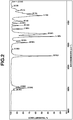
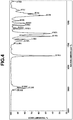
FIGS. 3 and4 are diagrams of the 1H-NMR and IR spectra of the compound obtained in Example 2, respectively. -
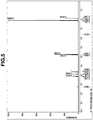
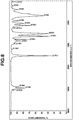
FIGS. 5 and6 are diagrams of the 1H-NMR and IR spectra of the compound obtained in Example 3, respectively. -
FIGS. 7 and8 are diagrams of the 1H-NMR and IR spectra of the compound obtained in Example 4, respectively. - The notation (Cn-Cm) means a group containing from n to m carbon atoms per group.
- The invention provides a carbonate-containing silane compound having the general formula (1).

- In formula (1), n is 1 or 2.
- In formula (1), R1 and R4 are each independently a substituted or unsubstituted, straight or branched divalent hydrocarbon group of 1 to 10 carbon atoms, preferably 1 to 6 carbon atoms. Examples of the divalent hydrocarbon group include straight alkylene groups such as methylene, ethylene, trimethylene and tetramethylene; and branched alkylene groups such as isopropylene, isobutylene and isopentylene. Of these, C1-C3 alkylene groups such as methylene, ethylene and trimethylene are preferred for availability of the reactant. Some or all of the hydrogen atoms on the divalent hydrocarbon group may be substituted by other substituents. Suitable substituents include alkoxy groups such as methoxy, ethoxy and (iso)propoxy; halogen atoms such as fluorine, chlorine, bromine and iodine; cyano, amino, aromatic hydrocarbon, ester, alkyl separated by oxygen, acyl, sulfide, alkylsilyl, and alkoxysilyl groups, which may be used alone or in admixture of two or more. Neither the site of substitution nor the number of substituents is limited.
- R2, R3, R5, R6 and R7 are each independently a substituted or unsubstituted, straight or branched alkyl groups of 1 to 10 carbon atoms, preferably 1 to 6 carbon atoms or a substituted or unsubstituted, straight or branched alkenyl group of 2 to 10 carbon atoms, preferably 2 to 6 carbon atoms. Examples of the alkyl group include straight alkyl groups such as methyl, ethyl, n-propyl, n-butyl, n-pentyl, n-hexyl, n-heptyl, n-octyl, n-nonyl, n-decyl, n-undecyl and n-dodecyl and branched alkyl groups such as isopropyl, isobutyl, sec-butyl, tert-butyl, isopentyl, neopentyl, isohexyl, isoheptyl, isooctyl, tert-octyl, isononyl, isodecyl and isoundecyl. Examples of the alkenyl group include straight alkenyl groups such as vinyl, 1-propenyl, n-propenyl (2-propenyl or allyl), n-butenyl, n-pentenyl, n-hexenyl, n-heptenyl, n-octenyl, n-nonenyl, n-decenyl, n-undecenyl and n-dodecenyl and branched alkenyl groups such as isopropenyl, isobutenyl, isopentenyl, isohexenyl, isoheptenyl, isooctenyl, isononenyl, isodecenyl and isoundecenyl. Of these, C1-C3 straight alkyl groups such as methyl and ethyl and C2 or C3 straight alkenyl groups such as vinyl and n-propenyl are preferred for availability of the reactant. Some or all of the hydrogen atoms on the alkyl or alkenyl group may be substituted by other substituents. Suitable substituents are as exemplified above for R1 and R4.
- R8 is a substituted or unsubstituted, monovalent hydrocarbon group of 1 to 10 carbon atoms, preferably 1 to 3 carbon atoms. The monovalent hydrocarbon groups may be straight, branched or cyclic. Examples include straight alkyl groups such as methyl, ethyl, n-propyl, n-butyl, n-pentyl, n-hexyl, n-heptyl, n-octyl, n-nonyl, n-decyl, n-undecyl and n-dodecyl; branched alkyl groups such as isopropyl, isobutyl, sec-butyl, tert-butyl, isopentyl, neopentyl, isohexyl, isoheptyl, isooctyl, tert-octyl, isononyl, isodecyl and isoundecyl; cyclic alkyl groups such as cyclopentyl and cyclohexyl; straight alkenyl groups such as vinyl, n-propenyl, n-butenyl, n-pentenyl, n-hexenyl, n-heptenyl, n-octenyl, n-nonenyl, n-decenyl, n-undecenyl and n-dodecenyl and branched alkenyl groups such as isopropenyl, isobutenyl, isopentenyl, isohexenyl, isoheptenyl, isooctenyl, isononenyl, isodecenyl and isoundecenyl; aryl groups such as phenyl, tolyl and xylyl; and aralkyl groups such as benzyl, methylbenzyl, phenethyl, methylphenethyl and phenylbenzyl. Of these, C1-C3 straight alkyl groups such as methyl and ethyl, C2 or C3 straight alkenyl groups such as vinyl and n-propenyl and C6-C8 aryl groups such as phenyl are preferred for availability of the reactant. Some or all of the hydrogen atoms on the monovalent hydrocarbon group may be substituted by other substituents. Suitable substituents are as exemplified above for R1 and R4.
- Since the inventive carbonate-containing silane compound has silicon introduced as a flame retardant element, as represented by formula (1), it has the advantage that it releases less harmful gas during burning than carbonate-containing silane compounds having halogen such as chlorine or fluorine introduced therein.
- Examples of the compound having formula (1) include methyl [dimethyl(trimethylsilylmethyl)silyl]methyl carbonate, ethyl [dimethyl(trimethylsilylmethyl)silyl]methyl carbonate, methyl [3-[dimethyl(trimethylsilylmethyl)silyl]propyl] carbonate, ethyl [3-[dimethyl(trimethylsilylmethyl)silyl]propyl] carbonate, methyl [dimethyl[2-(trimethylsilyl)ethyl]silyl]methyl carbonate, ethyl [dimethyl [2-(trimethylsilyl)ethyl] silyl]methyl carbonate, methyl [3 -[dimethyl [2-(trimethylsilyl)ethyl]silyl]propyl] carbonate, ethyl [3-[dimethyl[2-(trimethylsilyl)ethyl]silyl]propyl] carbonate, methyl [dimethyl[3-(trimethylsilyl)propyl]silyl]methyl carbonate, ethyl [dimethyl[3-(trimethylsilyl)propyl]silyl]methyl carbonate, methyl [3-[dimethyl[3-(trimethylsilyl)propyl]silyl]propyl] carbonate, ethyl [3-[dimethyl[3-(trimethylsilyl)propyl]silyl]propyl] carbonate, methyl [dimethyl(dimethylvinylsilylmethyl)silyl]methyl carbonate, ethyl [dimethyl(dimethylvinylsilylmethyl)silyl]methyl carbonate, methyl [3-[dimethyl(dimethylvinylsilylmethyl)silyl]propyl] carbonate, ethyl [3-[dimethyl(dimethylvinylsilylmethyl)silyl]propyl] carbonate, methyl [dimethyl[2-(dimethylvinylsilyl)ethyl]silyl]methyl carbonate, ethyl [dimethyl [2-(dimethylvinylsilyl)ethyl]silyl]methyl carbonate, methyl [3-[dimethyl[2-(dimethylvinylsilyl)ethyl]silyl]propyl] carbonate, ethyl [3-[dimethyl[2-(dimethylvinylsilyl)ethyl]silyl]propyl] carbonate, methyl [dimethyl[3-(dimethylvinylsilyl)propyl]silyl]methyl carbonate, ethyl [dimethyl[3-(dimethylvinylsilyl)propyl]silyl]methyl carbonate, methyl [3-[dimethyl[3-(dimethylvinylsilyl)propyl]silyl]propyl] carbonate, ethyl [3-[dimethyl[3-(dimethylvinylsilyl)propyl]silyl]propyl] carbonate, methyl [dimethyl(trivinylsilylmethyl)silyl]methyl carbonate, ethyl [dimethyl(trivinylsilylmethyl)silyl]methyl carbonate, methyl [3-[dimethyl(trivinylsilylmethyl)silyl]propyl] carbonate, ethyl [3-[dimethyl(trivinylsilylmethyl)silyl]propyl] carbonate, methyl [dimethyl [2-(trivinylsilyl)ethyl]silyl]methyl carbonate, ethyl [dimethyl[2-(trivinylsilyl)ethyl]silyl]methyl carbonate, methyl [3-[dimethyl[2-(trivinylsilyl)ethyl]silyl]propyl] carbonate, ethyl [3-[dimethyl[2-(trivinylsilyl)ethyl]silyl]propyl] carbonate, methyl [dimethyl[3-(trivinylsilyl)propyl]silyl]methyl carbonate, ethyl [dimethyl[3-(trivinylsilyl)propyl]silyl]methyl carbonate, methyl [3-[dimethyl[3-(trivinylsilyl)propyl]silyl]propyl] carbonate, ethyl [3 - [dimethyl [3-(trivinylsilyl)propyl]silyl]propyl] carbonate, methyl [dimethyl[dimethyl(trimethylsilylmethyl)silylmethyl]silyl]methyl carbonate, ethyl [dimethyl[dimethyl(trimethylsilylmethyl)silylmethyl]silyl]methyl carbonate, methyl [3-[dimethyl[dimethyl(trimethylsilylmethyl)silylmethyl]silyl]propyl] carbonate, ethyl [3-[dimethyl[dimethyl(trimethylsilylmethyl)silylmethyl]silyl]propyl] carbonate, methyl [dimethyl[2-[dimethyl[2-(trimethylsilyl)ethyl]silyl]ethyl]silyl]methyl carbonate, ethyl [dimethyl[2-[dimethyl[2-(trimethylsilyl)ethyl]silyl]ethyl]silyl]methyl carbonate, methyl [3-[dimethyl[2-[dimethyl[2-(trimethylsilyl)ethyl]silyl]ethyl]silyl]propyl] carbonate, ethyl [3-[dimethyl[2-[dimethyl [2-(trimethylsilyl)ethyl]silyl]ethyl]silyl]propyl] carbonate, methyl [dimethyl[dimethyl(dimethylvinylsilylmethyl)silylmethyl]silyl]methyl carbonate, ethyl [dimethyl[dimethyl(dimethylvinylsilylmethyl)silylmethyl]silyl]methyl carbonate, methyl [3-[dimethyl[dimethyl(dimethylvinylsilylmethyl)silylmethyl]silyl]propyl] carbonate, ethyl [3-[dimethyl[dimethyl(dimethylvinylsilylmethyl)silylmethyl]silyl]propyl] carbonate, methyl [dimethyl[2-[dimethyl[2-(dimethylvinylsilyl)ethyl]silyl]ethyl]silyl]methyl carbonate, ethyl [dimethyl[2-[dimethyl[2-(dimethylvinylsilyl)ethyl]silyl]ethyl]silyl]methyl carbonate, methyl [3-[dimethyl[2-[dimethyl[2-(dimethylvinylsilyl)ethyl]silyl]ethyl]silyl]propyl] carbonate, ethyl [3-[dimethyl[2-[dimethyl[2-(dimethylvinylsilyl)ethyl]silyl]ethyl]silyl]propyl] carbonate, methyl [dimethyl[dimethyl(trivinylsilylmcthyl)silylmethyl]silyl]methyl carbonate, ethyl [dimethyl[dimethyl(trivinylsilylmethyl)silylmethyl]silyl]methyl carbonate, methyl [3-[dimethyl[dimethyl(trivinylsilylmethyl)silylmethyl]silyl]propyl] carbonate, ethyl [3-[dimethyl[dimethyl(trivinylsilylmethyl)silylmethyl]silyl]propyl] carbonate, methyl [dimethyl[2-[dimethyl[2-(trivinylsilyl)ethyl]silyl]ethyl]silyl]methyl carbonate, ethyl [dimethyl[2-[dimethyl[2-(trivinylsilyl)ethyl]silyl]ethyl]silyl]methyl carbonate, methyl [3-[dimethyl[2-[dimethyl[2-(trivinylsilyl)ethyl]silyl]ethyl]silyl]propyl] carbonate, and ethyl [3-[dimethyl[2-[dimethyl[2-(trivinylsilyl)ethyl]silyl]ethyl]silyl]propyl] carbonate.
- The carbonate-containing silane compound having the formula (1) may be prepared by effecting condensation of a silyl alcohol compound having the formula (2) with a halogenated formate having the formula (3) in the presence of a base according to the following scheme.

- Examples of the silyl alcohol compound having formula (2) include dimethyl(trimethylsilylmethyl)silylmethanol, 3-[dimethyl(trimethylsilylmethyl)silyl]propanol, dimethyl[2-(trimethylsilyl)ethyl]silylmethanol, 3-[dimethyl[2-(trimethylsilyl)ethyl]silyl]propanol, dimethyl[3-(trimethylsilyl)propyl]silylmethanol, 3-[dimethyl[3-(trimethylsilyl)propyl]silyl]propanol, dimethyl(dimethylvinylsilylmethyl)silylmethanol, 3-[dimethyl(dimethylvinylsilylmethyl)silyl]propanol, dimethyl[2-(dimethylvinylsilyl)ethyl]silylmethanol, 3-[dimethyl[2-(dimethylvinylsilyl)ethyl]silyl]propanol, dimethyl[3-(dimethylvinylsilyl)propyl]silylmethanol, 3-[dimethyl[3-(dimethylvinylsilyl)propyl]silyl]propanol, dimethyl(trivinylsilylmethyl)silylmethanol, 3-[dimethyl(trivinylsilylmethyl)silyl]propanol, dimethyl[2-(trivinylsilyl)ethyl]silylmethanol, 3-[dimethyl[2-(trivinylsilyl)ethyl]silyl]propanol, dimethyl[3-(trivinylsilyl)propyl]silylmethanol, 3-[dimethyl[3-(trivinylsilyl)propyl]silyl]propanol, dimethyl[dimethyl(trimethylsilylmethyl)silylmethyl]silylmethanol, 3-[dimethyl[3-(trivinylsilyl)propyl]silyl]propanol, dimethyl[dimethyl(trimethylsilylmethyl)silylmethyl]silylmethanol, 3-[dimethyl[dimethyl(trimethylsilylmethyl)silylmethyl]silyl]propanol, dimethyl[2-[dimethyl[2-(trimethylsilyl)ethyl]silyl]ethyl]silylmethanol, 3-[dimethyl[2-[dimethyl[2-(trimethylsilyl)ethyl]silyl]ethyl]silyl]propanol, dimethyl[dimethyl(dimethylvinylsilylmethyl)silylmethyl]silylmethanol, 3-[dimethyl[dimethyl(dimethylvinylsilylmethyl)silylmethyl]silyl]propanol, dimethyl[2-[dimethyl[2-(dimethylvinylsilyl)ethyl]silyl]ethyl]silylmethanol, 3-[dimethyl[2-[dimethyl[2-(dimethylvinylsilyl)ethyl]silyl]ethyl]silyl]propanol, dimethyl[dimethyl(trivinylsilylmethyl)silylmethyl]silylmethanol, 3-[dimethyl[dimethyl(trivinylsilylmethyl)silylmethyl]silyl]propanol, dimethyl[2-[dimethyl[2-(trivinylisyl)ethyl]silyl]ethyl]silylmethanol, and 3-[dimethyl[2-[dimethyl[2-(trivinylsilyl)ethyl]silyl]ethyl]silylpropanol.
- Examples of the halogenated formate having formula (3) include methyl chloroformate, ethyl chloroformate, propyl chloroformate, butyl chloroformate, pentyl chloroformate, hexyl chloroformate, heptyl chloroformate, octyl chloroformate, nonyl chloroformate, decyl chloroformate, isopropyl chloroformate, isobutyl chloroformate, sec-butyl chloroformate, tert-butyl chloroformate, cyclopentyl chloroformate, cyclohexyl chloroformate, vinyl chloroformate, propenyl chloroformate, butenyl chloroformate, isopropenyl chloroformate, isobutenyl chloroformate, phenyl chloroformate, benzyl chloroformate, methyl bromoformate, ethyl bromoformate, propyl bromoformate, butyl bromoformate, pentyl bromoformate, hexyl bromoformate, heptyl bromoformate, octyl bromoformate, nonyl bromoformate, decyl bromoformate, isopropyl bromoformate, isobutyl bromoformate, sec-butyl bromoformate, tert-butyl bromoformate, cyclopentyl bromoformate, cyclohexyl bromoformate, vinyl bromoformate, propenyl bromoformate, butenyl bromoformate, isopropenyl bromoformate, isobutenyl bromoformate, phenyl bromoformate, and benzyl bromoformate.
- The molar ratio of the silyl alcohol compound having formula (2) to the halogenated formate having formula (3) is preferably from 0.1:1 to 1:10, more preferably from 0.5:1 to 1:5 from the economic aspect, though not limited thereto.
- Examples of the base used for trapping hydrogen chloride formed as by-product include heterocyclic amines such as pyridine, picoline, 2,6-lutidine and bipyridine and tertiary amines such as trimethylamine, triethylamine, triphenylamine, 1,4-diazabicyclooctane, 1,5-diazabicyclononene and 1,8-diazabicycloundecene.
- The amount of the base used is preferably 1.0 to 5.0 moles, more preferably 1.1 to 2.0 moles per mole of the halogenated formate, though not limited thereto.
- During the condensation reaction, the pressure is preferably atmospheric pressure, though not limited thereto. The reaction atmosphere is preferably an inert gas atmosphere such as nitrogen or argon. Although the temperature is not particularly limited, it is preferably in a range of 0 to 200°C, more preferably 0 to 100°C. The reaction time is preferably 1 to 40 hours, more preferably 1 to 20 hours, though not limited thereto.
- Although the condensation reaction may take place in a solventless system, a solvent may be used. Suitable solvents include hydrocarbon solvents such as pentane, hexane, cyclohexane, heptane, isooctane, benzene, toluene and xylene; ether solvents such as diethyl ether, tetrahydrofuran and dioxane; ester solvents such as ethyl acetate and butyl acetate; aprotic polar solvents such as acetonitrile, N,N-dimethylformamide and N-methylpyrrolidone; and chlorinated hydrocarbon solvents such as dichloromethane and chloroform. These solvents may be used alone or in admixture of two or more.
- At the end of reaction, the hydrochloride salt formed as by-product is preferably removed by post-treatment such as separatory operation using deionized water or filtration. The amount of deionized water used for separatory operation is preferably 100 to 300 g, more preferably 100 g to 150 g per mole of the hydrochloride salt, though not limited thereto.
- On use of the carbonate-containing silane compound obtained from the inventive method, the crude product after post-treatment may be used as such or further purified prior to use by any of various purification methods such as distillation, filtration, washing, column separation and solid adsorbent depending on the desired quality. Distillation purification is preferred for obtaining the compound of higher purity.
- Examples of the invention are given below by way of illustration and not by way of limitation.
- A flask equipped with a stirrer, reflux condenser, dropping funnel and thermometer was charged with 30.4 g (0.15 mol) of dimethyl[2-(dimethylvinylsilyl)ethyl]silylmethanol, 14.2 g (0.18 mol) of pyridine, and 30 ml of toluene, and cooled to 0°C. To the flask, 15.6 g (0.17 mol) of methyl chloroformate was added dropwise over one hour. The contents were warmed up to room temperature and stirred for another 2 hours. Deionized water, 15 ml, was added thereto. The organic layer was separated and distilled, collecting 32.2 g of a fraction at a boiling point of 113°C/0.8 kPa.
- This fraction was analyzed by mass, 1H-NMR and IR spectroscopy.
- Mass spectrum: m/z 245, 231, 147, 89, 75, 59
- 1H-NMR spectrum (in deuterated chloroform):
FIG. 1 - IR spectrum:
FIG. 2 - From these data, the compound was identified to be methyl [dimethyl[2-(dimethyl-vinylsilyl)ethyl]silyl]methyl carbonate.
- A flask equipped with a stirrer, reflux condenser, dropping funnel and thermometer was charged with 30.4 g (0.15 mol) of dimethyl[2-(dimethylvinylsilyl)ethyl]silylmethanol, 14.2 g (0.18 mol) of pyridine, and 30 ml of toluene, and cooled to 0°C. To the flask, 17.9 g (0.17 mol) of ethyl chloroformate was added dropwise over one hour. The contents were warmed up to room temperature and stirred for another 2 hours. Deionized water, 15 ml, was added thereto. The organic layer was separated and distilled, collecting 26.8 g of a fraction at a boiling point of 114°C/0.6 kPa.
- This fraction was analyzed by mass, 1H-NMR and IR spectroscopy.
- Mass spectrum: m/z 259, 161, 133, 85, 59
- 1H-NMR spectrum (in deuterated chloroform):
FIG. 3 - IR spectrum:
FIG. 4 - From these data, the compound was identified to be ethyl [dimethyl[2-(dimethyl-vinylsilyl)ethyl]silyl]methyl carbonate.
- A flask equipped with a stirrer, reflux condenser, dropping funnel and thermometer was charged with 22.6 g (0.12 mol) of dimethyl(dimethylvinylsilylmethyl)silylmethanol, 11.4 g (0.15 mol) of pyridine, and 24 ml of toluene, and cooled to 0°C. To the flask, 12.5 g (0.13 mol) of methyl chloroformate was added dropwise over one hour. The contents were warmed up to room temperature and stirred for another 2 hours. Deionized water, 12 ml, was added thereto. The organic layer was separated and distilled, collecting 18.4 g of a fraction at a boiling point of 102°C/0.8 kPa.
- This fraction was analyzed by mass, 1H-NMR and IR spectroscopy.
- Mass spectrum: m/z 245, 187, 157, 117, 73, 59
- 1H-NMR spectrum (in deuterated chloroform):
FIG. 5 - IR spectrum:
FIG. 6 - From these data, the compound was identified to be methyl [dimethyl[(dimethyl-vinylsilyl)methyl]silyl]methyl carbonate.
- A flask equipped with a stirrer, reflux condenser, dropping funnel and thermometer was charged with 18.8 g (0.10 mol) of dimethyl(dimethylvinylsilylmethyl)silylmethanol, 9.5 g (0.12 mol) of pyridine, and 20 ml of toluene, and cooled to 0°C. To the flask, 12.0 g (0.11 mol) of ethyl chloroformate was added dropwise over one hour. The contents were warmed up to room temperature and stirred for another 2 hours. Deionized water, 10 ml, was added thereto. The organic layer was separated and distilled, collecting 19.0 g of a fraction at a boiling point of 112°C/0.8 kPa.
- This fraction was analyzed by mass, 1H-NMR and IR spectroscopy.
- Mass spectrum: m/z 259, 245, 217, 157, 129, 115, 73, 59
- 1H-NMR spectrum (in deuterated chloroform):
FIG. 7 - IR spectrum:
FIG. 8 - From these data, the compound was identified to be ethyl [dimethyl[(dimethylvinyl-silyl)methyl]silyl]methyl carbonate.
- Japanese Patent Application No.
2018-103445 - Although some preferred embodiments have been described, many modifications and variations may be made thereto in light of the above teachings. It is therefore to be understood that the invention may be practiced otherwise than as specifically described without departing from the scope of the appended claims.
Claims (4)
- A carbonate-containing silane compound having the general formula (1):

- The carbonate-containing silane compound of claim 1 wherein at least one of R2, R3, R5, R6 and R7 is a substituted or unsubstituted C2-C10 straight or branched alkenyl group.
- A method for preparing the carbonate-containing silane compound of claim 1 or 2, comprising the step of effecting condensation reaction of a silyl alcohol compound having the general formula (2):


- The method of claim 3 wherein the base is a heterocyclic amine or tertiary amine.
Applications Claiming Priority (1)
| Application Number | Priority Date | Filing Date | Title |
|---|---|---|---|
| JP2018103445A JP6939706B2 (en) | 2018-05-30 | 2018-05-30 | Carbonate group-containing silane compound and its production method |
Publications (2)
| Publication Number | Publication Date |
|---|---|
| EP3575307A1 true EP3575307A1 (en) | 2019-12-04 |
| EP3575307B1 EP3575307B1 (en) | 2021-07-07 |
Family
ID=66668776
Family Applications (1)
| Application Number | Title | Priority Date | Filing Date |
|---|---|---|---|
| EP19176902.5A Active EP3575307B1 (en) | 2018-05-30 | 2019-05-28 | Carbonate-containing silane compound and making method |
Country Status (5)
| Country | Link |
|---|---|
| US (1) | US11203603B2 (en) |
| EP (1) | EP3575307B1 (en) |
| JP (1) | JP6939706B2 (en) |
| KR (1) | KR102746219B1 (en) |
| CN (1) | CN110551149B (en) |
Families Citing this family (3)
| Publication number | Priority date | Publication date | Assignee | Title |
|---|---|---|---|---|
| CN112652818A (en) * | 2021-01-12 | 2021-04-13 | 东莞维科电池有限公司 | Electrolyte for lithium ion battery and lithium ion battery |
| CN113140794B (en) * | 2021-03-30 | 2022-07-12 | 山东海容电源材料有限公司 | Electrolyte film forming additive and lithium ion battery electrolyte containing same |
| JP7690352B2 (en) * | 2021-08-24 | 2025-06-10 | 信越化学工業株式会社 | Nonaqueous electrolyte and nonaqueous electrolyte secondary battery |
Citations (2)
| Publication number | Priority date | Publication date | Assignee | Title |
|---|---|---|---|---|
| JP2007077075A (en) | 2005-09-14 | 2007-03-29 | Shin Etsu Chem Co Ltd | Cyclic carbonate-modified siloxane, method for producing the same, non-aqueous electrolyte, secondary battery, and capacitor |
| JP2018103445A (en) | 2016-12-26 | 2018-07-05 | 日華化学株式会社 | Heat-sensitive recording material |
Family Cites Families (14)
| Publication number | Priority date | Publication date | Assignee | Title |
|---|---|---|---|---|
| NL130315C (en) * | 1966-01-17 | 1900-01-01 | ||
| US5070215A (en) * | 1989-05-02 | 1991-12-03 | Bausch & Lomb Incorporated | Novel vinyl carbonate and vinyl carbamate contact lens material monomers |
| JPH10172610A (en) * | 1996-12-11 | 1998-06-26 | Sumitomo Chem Co Ltd | Lithium secondary battery |
| US5955588A (en) * | 1997-12-22 | 1999-09-21 | Innerdyne, Inc. | Non-thrombogenic coating composition and methods for using same |
| JP2003059530A (en) * | 2001-08-15 | 2003-02-28 | Fuji Photo Film Co Ltd | Electrolyte composition and nonaqueous electrolyte secondary battery |
| US7718321B2 (en) * | 2004-02-04 | 2010-05-18 | Quallion Llc | Battery having electrolyte including organoborate salt |
| TWI395361B (en) * | 2005-08-23 | 2013-05-01 | Shinetsu Chemical Co | Nonaqueous electrolytes, batteries and electrochemical capacitors |
| JP4656312B2 (en) * | 2005-09-13 | 2011-03-23 | 信越化学工業株式会社 | Nonaqueous electrolytic solution, secondary battery and capacitor containing cyclic carbonate-modified organosilicon compound |
| JP5222538B2 (en) * | 2007-05-22 | 2013-06-26 | 株式会社デンソー | Non-aqueous electrolyte and non-aqueous electrolyte secondary battery using the electrolyte |
| JP2008103353A (en) * | 2007-12-06 | 2008-05-01 | Sumitomo Chemical Co Ltd | Lithium secondary battery |
| US9391345B2 (en) * | 2010-09-30 | 2016-07-12 | Uchicago Argonne, Llc | Non-aqueous electrolytes for electrochemical cells |
| US9653755B2 (en) * | 2015-06-22 | 2017-05-16 | Wildcat Discovery Technologies, Inc | Electrolyte formulations for lithium ion batteries |
| CN105261788B (en) * | 2015-09-22 | 2017-06-16 | 宁德新能源科技有限公司 | Electrolyte and the lithium ion battery including the electrolyte |
| US10622675B2 (en) * | 2018-05-04 | 2020-04-14 | Uchicago Argonne, Llc | Solvent for non-aqueous battery |
-
2018
- 2018-05-30 JP JP2018103445A patent/JP6939706B2/en active Active
-
2019
- 2019-05-27 KR KR1020190061624A patent/KR102746219B1/en active Active
- 2019-05-28 EP EP19176902.5A patent/EP3575307B1/en active Active
- 2019-05-29 US US16/425,640 patent/US11203603B2/en active Active
- 2019-05-30 CN CN201910460882.2A patent/CN110551149B/en active Active
Patent Citations (3)
| Publication number | Priority date | Publication date | Assignee | Title |
|---|---|---|---|---|
| JP2007077075A (en) | 2005-09-14 | 2007-03-29 | Shin Etsu Chem Co Ltd | Cyclic carbonate-modified siloxane, method for producing the same, non-aqueous electrolyte, secondary battery, and capacitor |
| US7425283B2 (en) | 2005-09-14 | 2008-09-16 | Shin-Etsu Chemical Co., Ltd. | Cyclic carbonate-modified siloxane, method of making, non-aqueous electrolytic solution, secondary battery, and capacitor |
| JP2018103445A (en) | 2016-12-26 | 2018-07-05 | 日華化学株式会社 | Heat-sensitive recording material |
Non-Patent Citations (1)
| Title |
|---|
| ZAMORA PAUL O ET AL: "Local delivery of basic fibroblast growth factor (bFGF) using adsorbed silyl-heparin, benzyl-bis(dimethylsilylmethyl)oxycarbamoyl-heparin", BIOCONJUGATE CHEMISTRY, AMERICAN CHEMICAL SOCIETY, US, vol. 13, no. 5, 1 September 2002 (2002-09-01), pages 920 - 926, XP002601661, ISSN: 1043-1802, [retrieved on 20020820], DOI: 10.1021/BC0155216 * |
Also Published As
| Publication number | Publication date |
|---|---|
| JP6939706B2 (en) | 2021-09-22 |
| CN110551149B (en) | 2023-11-10 |
| KR102746219B1 (en) | 2024-12-26 |
| CN110551149A (en) | 2019-12-10 |
| JP2019206502A (en) | 2019-12-05 |
| EP3575307B1 (en) | 2021-07-07 |
| US20190367539A1 (en) | 2019-12-05 |
| KR20190136951A (en) | 2019-12-10 |
| US11203603B2 (en) | 2021-12-21 |
Similar Documents
| Publication | Publication Date | Title |
|---|---|---|
| JP4650627B2 (en) | Cyclic carbonate-modified siloxane, method for producing the same, non-aqueous electrolyte, secondary battery, and capacitor | |
| US9085591B2 (en) | Organosilicon amine electrolyte materials containing polyether chain and application thereof in electrolytes of lithium-ion batteries | |
| CA2867628C (en) | Ionic compounds having a silyloxy group | |
| JP6272240B2 (en) | Halogenated organosilicon electrolyte, method of use thereof and electrochemical device containing the same | |
| JP4656312B2 (en) | Nonaqueous electrolytic solution, secondary battery and capacitor containing cyclic carbonate-modified organosilicon compound | |
| EP3575307B1 (en) | Carbonate-containing silane compound and making method | |
| KR20180094027A (en) | Ionic liquids with silane functional groups | |
| US8026394B2 (en) | Lithium salt and method for producing thereof | |
| JP6010252B2 (en) | Zwitterionic compounds and ionic conductors | |
| EP3015471A1 (en) | Novel bisalkoxysilane compound and its production method | |
| JP2013116872A (en) | Amino acid-modified silanol compound- and silanol condensate-containing aqueous solution, and method for producing the same | |
| JP5832315B2 (en) | Solvent for electrolytic solution and electrolytic solution for electrochemical device | |
| CN103130825B (en) | The manufacture method of 1,3 difluoro disiloxane compounds | |
| JP5813472B2 (en) | Method for producing tetracyanoborate salt | |
| CN121494881A (en) | Synthetic methods for polyfluorinated and cyano-containing silanes | |
| US11312734B2 (en) | Nitrogen-containing cyclic organoxysilane compound and method for producing the same | |
| EP3392255B1 (en) | Unsaturated bond-containing bissilyl compound and making method | |
| CN115850321A (en) | A kind of preparation method of oligopolyethylene glycol siloxane | |
| CN120136913A (en) | A method for preparing fluorine- and cyano-containing silane |
Legal Events
| Date | Code | Title | Description |
|---|---|---|---|
| PUAI | Public reference made under article 153(3) epc to a published international application that has entered the european phase |
Free format text: ORIGINAL CODE: 0009012 |
|
| STAA | Information on the status of an ep patent application or granted ep patent |
Free format text: STATUS: THE APPLICATION HAS BEEN PUBLISHED |
|
| AK | Designated contracting states |
Kind code of ref document: A1 Designated state(s): AL AT BE BG CH CY CZ DE DK EE ES FI FR GB GR HR HU IE IS IT LI LT LU LV MC MK MT NL NO PL PT RO RS SE SI SK SM TR |
|
| AX | Request for extension of the european patent |
Extension state: BA ME |
|
| STAA | Information on the status of an ep patent application or granted ep patent |
Free format text: STATUS: REQUEST FOR EXAMINATION WAS MADE |
|
| 17P | Request for examination filed |
Effective date: 20200513 |
|
| RBV | Designated contracting states (corrected) |
Designated state(s): AL AT BE BG CH CY CZ DE DK EE ES FI FR GB GR HR HU IE IS IT LI LT LU LV MC MK MT NL NO PL PT RO RS SE SI SK SM TR |
|
| GRAP | Despatch of communication of intention to grant a patent |
Free format text: ORIGINAL CODE: EPIDOSNIGR1 |
|
| RIC1 | Information provided on ipc code assigned before grant |
Ipc: C07F 7/18 20060101AFI20200717BHEP |
|
| STAA | Information on the status of an ep patent application or granted ep patent |
Free format text: STATUS: GRANT OF PATENT IS INTENDED |
|
| INTG | Intention to grant announced |
Effective date: 20200827 |
|
| GRAJ | Information related to disapproval of communication of intention to grant by the applicant or resumption of examination proceedings by the epo deleted |
Free format text: ORIGINAL CODE: EPIDOSDIGR1 |
|
| GRAP | Despatch of communication of intention to grant a patent |
Free format text: ORIGINAL CODE: EPIDOSNIGR1 |
|
| INTG | Intention to grant announced |
Effective date: 20210215 |
|
| RIN1 | Information on inventor provided before grant (corrected) |
Inventor name: TONOMURA, YOICHI Inventor name: KUBOTA, YASUFUMI Inventor name: AOKI, SHOTARO Inventor name: KIYOMORI, AYUMU |
|
| GRAS | Grant fee paid |
Free format text: ORIGINAL CODE: EPIDOSNIGR3 |
|
| GRAA | (expected) grant |
Free format text: ORIGINAL CODE: 0009210 |
|
| STAA | Information on the status of an ep patent application or granted ep patent |
Free format text: STATUS: THE PATENT HAS BEEN GRANTED |
|
| AK | Designated contracting states |
Kind code of ref document: B1 Designated state(s): AL AT BE BG CH CY CZ DE DK EE ES FI FR GB GR HR HU IE IS IT LI LT LU LV MC MK MT NL NO PL PT RO RS SE SI SK SM TR |
|
| REG | Reference to a national code |
Ref country code: GB Ref legal event code: FG4D |
|
| REG | Reference to a national code |
Ref country code: AT Ref legal event code: REF Ref document number: 1408526 Country of ref document: AT Kind code of ref document: T Effective date: 20210715 |
|
| REG | Reference to a national code |
Ref country code: DE Ref legal event code: R096 Ref document number: 602019005868 Country of ref document: DE |
|
| REG | Reference to a national code |
Ref country code: IE Ref legal event code: FG4D |
|
| REG | Reference to a national code |
Ref country code: LT Ref legal event code: MG9D |
|
| REG | Reference to a national code |
Ref country code: NL Ref legal event code: MP Effective date: 20210707 |
|
| REG | Reference to a national code |
Ref country code: AT Ref legal event code: MK05 Ref document number: 1408526 Country of ref document: AT Kind code of ref document: T Effective date: 20210707 |
|
| PG25 | Lapsed in a contracting state [announced via postgrant information from national office to epo] |
Ref country code: ES Free format text: LAPSE BECAUSE OF FAILURE TO SUBMIT A TRANSLATION OF THE DESCRIPTION OR TO PAY THE FEE WITHIN THE PRESCRIBED TIME-LIMIT Effective date: 20210707 Ref country code: FI Free format text: LAPSE BECAUSE OF FAILURE TO SUBMIT A TRANSLATION OF THE DESCRIPTION OR TO PAY THE FEE WITHIN THE PRESCRIBED TIME-LIMIT Effective date: 20210707 Ref country code: RS Free format text: LAPSE BECAUSE OF FAILURE TO SUBMIT A TRANSLATION OF THE DESCRIPTION OR TO PAY THE FEE WITHIN THE PRESCRIBED TIME-LIMIT Effective date: 20210707 Ref country code: SE Free format text: LAPSE BECAUSE OF FAILURE TO SUBMIT A TRANSLATION OF THE DESCRIPTION OR TO PAY THE FEE WITHIN THE PRESCRIBED TIME-LIMIT Effective date: 20210707 Ref country code: NO Free format text: LAPSE BECAUSE OF FAILURE TO SUBMIT A TRANSLATION OF THE DESCRIPTION OR TO PAY THE FEE WITHIN THE PRESCRIBED TIME-LIMIT Effective date: 20211007 Ref country code: PT Free format text: LAPSE BECAUSE OF FAILURE TO SUBMIT A TRANSLATION OF THE DESCRIPTION OR TO PAY THE FEE WITHIN THE PRESCRIBED TIME-LIMIT Effective date: 20211108 Ref country code: NL Free format text: LAPSE BECAUSE OF FAILURE TO SUBMIT A TRANSLATION OF THE DESCRIPTION OR TO PAY THE FEE WITHIN THE PRESCRIBED TIME-LIMIT Effective date: 20210707 Ref country code: HR Free format text: LAPSE BECAUSE OF FAILURE TO SUBMIT A TRANSLATION OF THE DESCRIPTION OR TO PAY THE FEE WITHIN THE PRESCRIBED TIME-LIMIT Effective date: 20210707 Ref country code: BG Free format text: LAPSE BECAUSE OF FAILURE TO SUBMIT A TRANSLATION OF THE DESCRIPTION OR TO PAY THE FEE WITHIN THE PRESCRIBED TIME-LIMIT Effective date: 20211007 Ref country code: AT Free format text: LAPSE BECAUSE OF FAILURE TO SUBMIT A TRANSLATION OF THE DESCRIPTION OR TO PAY THE FEE WITHIN THE PRESCRIBED TIME-LIMIT Effective date: 20210707 Ref country code: LT Free format text: LAPSE BECAUSE OF FAILURE TO SUBMIT A TRANSLATION OF THE DESCRIPTION OR TO PAY THE FEE WITHIN THE PRESCRIBED TIME-LIMIT Effective date: 20210707 |
|
| PG25 | Lapsed in a contracting state [announced via postgrant information from national office to epo] |
Ref country code: PL Free format text: LAPSE BECAUSE OF FAILURE TO SUBMIT A TRANSLATION OF THE DESCRIPTION OR TO PAY THE FEE WITHIN THE PRESCRIBED TIME-LIMIT Effective date: 20210707 Ref country code: LV Free format text: LAPSE BECAUSE OF FAILURE TO SUBMIT A TRANSLATION OF THE DESCRIPTION OR TO PAY THE FEE WITHIN THE PRESCRIBED TIME-LIMIT Effective date: 20210707 Ref country code: GR Free format text: LAPSE BECAUSE OF FAILURE TO SUBMIT A TRANSLATION OF THE DESCRIPTION OR TO PAY THE FEE WITHIN THE PRESCRIBED TIME-LIMIT Effective date: 20211008 |
|
| REG | Reference to a national code |
Ref country code: DE Ref legal event code: R097 Ref document number: 602019005868 Country of ref document: DE |
|
| PG25 | Lapsed in a contracting state [announced via postgrant information from national office to epo] |
Ref country code: DK Free format text: LAPSE BECAUSE OF FAILURE TO SUBMIT A TRANSLATION OF THE DESCRIPTION OR TO PAY THE FEE WITHIN THE PRESCRIBED TIME-LIMIT Effective date: 20210707 |
|
| PLBE | No opposition filed within time limit |
Free format text: ORIGINAL CODE: 0009261 |
|
| STAA | Information on the status of an ep patent application or granted ep patent |
Free format text: STATUS: NO OPPOSITION FILED WITHIN TIME LIMIT |
|
| PG25 | Lapsed in a contracting state [announced via postgrant information from national office to epo] |
Ref country code: SM Free format text: LAPSE BECAUSE OF FAILURE TO SUBMIT A TRANSLATION OF THE DESCRIPTION OR TO PAY THE FEE WITHIN THE PRESCRIBED TIME-LIMIT Effective date: 20210707 Ref country code: SK Free format text: LAPSE BECAUSE OF FAILURE TO SUBMIT A TRANSLATION OF THE DESCRIPTION OR TO PAY THE FEE WITHIN THE PRESCRIBED TIME-LIMIT Effective date: 20210707 Ref country code: RO Free format text: LAPSE BECAUSE OF FAILURE TO SUBMIT A TRANSLATION OF THE DESCRIPTION OR TO PAY THE FEE WITHIN THE PRESCRIBED TIME-LIMIT Effective date: 20210707 Ref country code: EE Free format text: LAPSE BECAUSE OF FAILURE TO SUBMIT A TRANSLATION OF THE DESCRIPTION OR TO PAY THE FEE WITHIN THE PRESCRIBED TIME-LIMIT Effective date: 20210707 Ref country code: CZ Free format text: LAPSE BECAUSE OF FAILURE TO SUBMIT A TRANSLATION OF THE DESCRIPTION OR TO PAY THE FEE WITHIN THE PRESCRIBED TIME-LIMIT Effective date: 20210707 Ref country code: AL Free format text: LAPSE BECAUSE OF FAILURE TO SUBMIT A TRANSLATION OF THE DESCRIPTION OR TO PAY THE FEE WITHIN THE PRESCRIBED TIME-LIMIT Effective date: 20210707 |
|
| 26N | No opposition filed |
Effective date: 20220408 |
|
| PG25 | Lapsed in a contracting state [announced via postgrant information from national office to epo] |
Ref country code: IT Free format text: LAPSE BECAUSE OF FAILURE TO SUBMIT A TRANSLATION OF THE DESCRIPTION OR TO PAY THE FEE WITHIN THE PRESCRIBED TIME-LIMIT Effective date: 20210707 |
|
| REG | Reference to a national code |
Ref country code: CH Ref legal event code: PL |
|
| REG | Reference to a national code |
Ref country code: BE Ref legal event code: MM Effective date: 20220531 |
|
| PG25 | Lapsed in a contracting state [announced via postgrant information from national office to epo] |
Ref country code: MC Free format text: LAPSE BECAUSE OF FAILURE TO SUBMIT A TRANSLATION OF THE DESCRIPTION OR TO PAY THE FEE WITHIN THE PRESCRIBED TIME-LIMIT Effective date: 20210707 Ref country code: LU Free format text: LAPSE BECAUSE OF NON-PAYMENT OF DUE FEES Effective date: 20220528 Ref country code: LI Free format text: LAPSE BECAUSE OF NON-PAYMENT OF DUE FEES Effective date: 20220531 Ref country code: CH Free format text: LAPSE BECAUSE OF NON-PAYMENT OF DUE FEES Effective date: 20220531 |
|
| PG25 | Lapsed in a contracting state [announced via postgrant information from national office to epo] |
Ref country code: IE Free format text: LAPSE BECAUSE OF NON-PAYMENT OF DUE FEES Effective date: 20220528 Ref country code: FR Free format text: LAPSE BECAUSE OF NON-PAYMENT OF DUE FEES Effective date: 20220531 |
|
| PG25 | Lapsed in a contracting state [announced via postgrant information from national office to epo] |
Ref country code: BE Free format text: LAPSE BECAUSE OF NON-PAYMENT OF DUE FEES Effective date: 20220531 |
|
| GBPC | Gb: european patent ceased through non-payment of renewal fee |
Effective date: 20230528 |
|
| PG25 | Lapsed in a contracting state [announced via postgrant information from national office to epo] |
Ref country code: HU Free format text: LAPSE BECAUSE OF FAILURE TO SUBMIT A TRANSLATION OF THE DESCRIPTION OR TO PAY THE FEE WITHIN THE PRESCRIBED TIME-LIMIT; INVALID AB INITIO Effective date: 20190528 |
|
| PG25 | Lapsed in a contracting state [announced via postgrant information from national office to epo] |
Ref country code: MK Free format text: LAPSE BECAUSE OF FAILURE TO SUBMIT A TRANSLATION OF THE DESCRIPTION OR TO PAY THE FEE WITHIN THE PRESCRIBED TIME-LIMIT Effective date: 20210707 Ref country code: CY Free format text: LAPSE BECAUSE OF FAILURE TO SUBMIT A TRANSLATION OF THE DESCRIPTION OR TO PAY THE FEE WITHIN THE PRESCRIBED TIME-LIMIT Effective date: 20210707 Ref country code: GB Free format text: LAPSE BECAUSE OF NON-PAYMENT OF DUE FEES Effective date: 20230528 |
|
| PG25 | Lapsed in a contracting state [announced via postgrant information from national office to epo] |
Ref country code: TR Free format text: LAPSE BECAUSE OF FAILURE TO SUBMIT A TRANSLATION OF THE DESCRIPTION OR TO PAY THE FEE WITHIN THE PRESCRIBED TIME-LIMIT Effective date: 20210707 |
|
| PG25 | Lapsed in a contracting state [announced via postgrant information from national office to epo] |
Ref country code: MT Free format text: LAPSE BECAUSE OF FAILURE TO SUBMIT A TRANSLATION OF THE DESCRIPTION OR TO PAY THE FEE WITHIN THE PRESCRIBED TIME-LIMIT Effective date: 20210707 |
|
| PGFP | Annual fee paid to national office [announced via postgrant information from national office to epo] |
Ref country code: DE Payment date: 20250521 Year of fee payment: 7 |