EP3573481B1 - Diet composition for the prevention and/or the treatment of endometrial hyperplasia - Google Patents
Diet composition for the prevention and/or the treatment of endometrial hyperplasia Download PDFInfo
- Publication number
- EP3573481B1 EP3573481B1 EP18704878.0A EP18704878A EP3573481B1 EP 3573481 B1 EP3573481 B1 EP 3573481B1 EP 18704878 A EP18704878 A EP 18704878A EP 3573481 B1 EP3573481 B1 EP 3573481B1
- Authority
- EP
- European Patent Office
- Prior art keywords
- diet
- subject
- fasting mimicking
- day
- composition according
- Prior art date
- Legal status (The legal status is an assumption and is not a legal conclusion. Google has not performed a legal analysis and makes no representation as to the accuracy of the status listed.)
- Active
Links
Images


Classifications
-
- A—HUMAN NECESSITIES
- A23—FOODS OR FOODSTUFFS; TREATMENT THEREOF, NOT COVERED BY OTHER CLASSES
- A23L—FOODS, FOODSTUFFS OR NON-ALCOHOLIC BEVERAGES, NOT OTHERWISE PROVIDED FOR; PREPARATION OR TREATMENT THEREOF
- A23L33/00—Modifying nutritive qualities of foods; Dietetic products; Preparation or treatment thereof
- A23L33/30—Dietetic or nutritional methods, e.g. for losing weight
-
- A—HUMAN NECESSITIES
- A23—FOODS OR FOODSTUFFS; TREATMENT THEREOF, NOT COVERED BY OTHER CLASSES
- A23L—FOODS, FOODSTUFFS OR NON-ALCOHOLIC BEVERAGES, NOT OTHERWISE PROVIDED FOR; PREPARATION OR TREATMENT THEREOF
- A23L33/00—Modifying nutritive qualities of foods; Dietetic products; Preparation or treatment thereof
- A23L33/10—Modifying nutritive qualities of foods; Dietetic products; Preparation or treatment thereof using additives
- A23L33/115—Fatty acids or derivatives thereof; Fats or oils
- A23L33/12—Fatty acids or derivatives thereof
-
- A—HUMAN NECESSITIES
- A23—FOODS OR FOODSTUFFS; TREATMENT THEREOF, NOT COVERED BY OTHER CLASSES
- A23L—FOODS, FOODSTUFFS OR NON-ALCOHOLIC BEVERAGES, NOT OTHERWISE PROVIDED FOR; PREPARATION OR TREATMENT THEREOF
- A23L33/00—Modifying nutritive qualities of foods; Dietetic products; Preparation or treatment thereof
- A23L33/10—Modifying nutritive qualities of foods; Dietetic products; Preparation or treatment thereof using additives
- A23L33/125—Modifying nutritive qualities of foods; Dietetic products; Preparation or treatment thereof using additives containing carbohydrate syrups; containing sugars; containing sugar alcohols; containing starch hydrolysates
-
- A—HUMAN NECESSITIES
- A23—FOODS OR FOODSTUFFS; TREATMENT THEREOF, NOT COVERED BY OTHER CLASSES
- A23L—FOODS, FOODSTUFFS OR NON-ALCOHOLIC BEVERAGES, NOT OTHERWISE PROVIDED FOR; PREPARATION OR TREATMENT THEREOF
- A23L33/00—Modifying nutritive qualities of foods; Dietetic products; Preparation or treatment thereof
- A23L33/10—Modifying nutritive qualities of foods; Dietetic products; Preparation or treatment thereof using additives
- A23L33/17—Amino acids, peptides or proteins
- A23L33/185—Vegetable proteins
-
- A—HUMAN NECESSITIES
- A23—FOODS OR FOODSTUFFS; TREATMENT THEREOF, NOT COVERED BY OTHER CLASSES
- A23L—FOODS, FOODSTUFFS OR NON-ALCOHOLIC BEVERAGES, NOT OTHERWISE PROVIDED FOR; PREPARATION OR TREATMENT THEREOF
- A23L33/00—Modifying nutritive qualities of foods; Dietetic products; Preparation or treatment thereof
- A23L33/20—Reducing nutritive value; Dietetic products with reduced nutritive value
-
- A—HUMAN NECESSITIES
- A61—MEDICAL OR VETERINARY SCIENCE; HYGIENE
- A61P—SPECIFIC THERAPEUTIC ACTIVITY OF CHEMICAL COMPOUNDS OR MEDICINAL PREPARATIONS
- A61P15/00—Drugs for genital or sexual disorders; Contraceptives
-
- A—HUMAN NECESSITIES
- A61—MEDICAL OR VETERINARY SCIENCE; HYGIENE
- A61P—SPECIFIC THERAPEUTIC ACTIVITY OF CHEMICAL COMPOUNDS OR MEDICINAL PREPARATIONS
- A61P15/00—Drugs for genital or sexual disorders; Contraceptives
- A61P15/12—Drugs for genital or sexual disorders; Contraceptives for climacteric disorders
-
- A—HUMAN NECESSITIES
- A61—MEDICAL OR VETERINARY SCIENCE; HYGIENE
- A61P—SPECIFIC THERAPEUTIC ACTIVITY OF CHEMICAL COMPOUNDS OR MEDICINAL PREPARATIONS
- A61P5/00—Drugs for disorders of the endocrine system
- A61P5/24—Drugs for disorders of the endocrine system of the sex hormones
- A61P5/32—Antioestrogens
-
- A—HUMAN NECESSITIES
- A23—FOODS OR FOODSTUFFS; TREATMENT THEREOF, NOT COVERED BY OTHER CLASSES
- A23V—INDEXING SCHEME RELATING TO FOODS, FOODSTUFFS OR NON-ALCOHOLIC BEVERAGES AND LACTIC OR PROPIONIC ACID BACTERIA USED IN FOODSTUFFS OR FOOD PREPARATION
- A23V2002/00—Food compositions, function of food ingredients or processes for food or foodstuffs
-
- A—HUMAN NECESSITIES
- A23—FOODS OR FOODSTUFFS; TREATMENT THEREOF, NOT COVERED BY OTHER CLASSES
- A23V—INDEXING SCHEME RELATING TO FOODS, FOODSTUFFS OR NON-ALCOHOLIC BEVERAGES AND LACTIC OR PROPIONIC ACID BACTERIA USED IN FOODSTUFFS OR FOOD PREPARATION
- A23V2200/00—Function of food ingredients
- A23V2200/30—Foods, ingredients or supplements having a functional effect on health
- A23V2200/332—Promoters of weight control and weight loss
Definitions
- the present invention relates to the technical field of the pharmaceutical and dietary industries.
- the invention refers to a diet composition for the prevention and/or the treatment of endometrial hyperplasia in a human subject.
- Endometrial hyperplasia is a condition characterized by thickening of the uterine mucosa (endometrium) occuring in response to disproportionate estrogen levels within respect to progesterone ones (https://www.rcog.org.uk/globalassets/documents/guidelines/green-topguidelines/gtg_67_endometrial_hyperplasia.pdf).
- Conditions predisposing to endometrial hyperplasia include the use of selective estrogen receptor modulators (ER) such as tamoxifen (a drug used for breast cancer treatment), post-menopausal estrogen intake [hormone replacement therapy (HRT)], obesity, and menstrual irreguralities, especially in women suffering from polycystic ovary syndrome.
- ER selective estrogen receptor modulators
- tamoxifen a drug used for breast cancer treatment
- HRT hormone replacement therapy
- Endometrial hyperplasia can cause uterine bleeding and predisposes to endometrial cancer development (particularly atypical endometrial hyperplasia) ( Kurman et al. Cancer. 1985 Jul 15;56(2):403-12 ).
- tamoxifen or HRT careful clinical or ultrasound scan monitoring is required.
- LNG-IUS levonorgestrel-releasing intrauterine systems
- Known approaches for the treatment of endometrial hyperplasia once it is established include the use of oral, parenteral, intrauterine (IUS) progestogens or progestogens administered by vaginal creams.
- IUS intrauterine
- progestogens may in turn cause uterine bleeding (https://www.rcog.org.uk/globalassets/documents/guidelines/green-topguidelines/gtg_67_endometrial_hyperplasia.pdf).
- hysterectomy is generally recommended.
- A.S. MCCAMPBELL ET AL "Loss of p27 Associated with Risk for Endometrial Carcinoma Arising in the Setting of Obesity", Current Molecular Medicine, vol. 16, no. 3, 1 March 2016 (2016-03-01), pages 252-265 , and BOUGIE O ET AL: "Influence of Diet on Development of Fibroids and Endometriosis, Analysis of the National Health and Nutrition Examination Survey", Journal of Minimally Invasive Gynecology, vol. 23, no. 7, 2016 , disclose that caloric restriction may inhibit growth and decrease development of endometrial hyperplasia.
- the present invention is the result of the above research activity.
- the present invention refers to a diet composition for use in the prevention and/or the treatment of endometrial hyperplasia in a human subject, the diet composition comprising:
- the first time period is from 2 to 10 days and the second time period is from 7 to 85 days.
- the first time period is 5 days, and the second time period is 25-26 days.
- the multiple cycles comprise one administration once a month for at least 2 months.
- the fasting mimicking diet component provides the subject preferably with no more than 1160 kcal/day, and in particular, no more than 800 kcal/day.
- the fasting mimicking diet component provides the subject with 100 to 1000 kcal/day.
- the fasting mimicking diet component provides the subject, with 1000, 957, 700, 500, 300, or 100 kcal/day, in ascending order of preference.
- the fasting mimicking diet component provides the subject with a protein amount less than or equal to 36 g/day.
- the fasting mimicking diet component provides the subject with a protein amount equal to 36, 20, 10, or 5 or 0 g/day, in increasing order of preference.
- the fasting mimicking diet component provides the subject with 2-8 kcal/kg of body weight/day.
- the fasting mimicking diet component provides the subject with no more than 0.3, 0.2 or 0.1 g proteins/kg of body weight/day.
- FMD can be found in the WO 2014/066426 and WO 2014/127000 applications.
- Tables 1-2 Lists of nutrients contained in the fasting mimicking diet component referring to a 80-90 kg subject, are shown in Tables 1-2 below.
- Table 1 Day 1 Days 2,3,4,5 Total calories 1152 809 Fats 56% 46% Carbohydrates 34% 46% of which sugars 10% 9% Protein 10% 9%
- Table 2 Unit Day 1 %DD Days 2,3,4,5 %DD mean %DD Protein g 29 18 Fats g 72 41 Carbohydrates (by difference) g 98 91 From sugars g 29 17.6 Dietary fiber g 22 86 14 56 62 Calcium mg 604 60 426 43 46 Iron mg 13 77 10 55 60 Magnesium mg 387 97 230 58 65 Phosphorus mg 390 39 276 28 30 Potassium mg 2519 72 1795 51 55 Sodium mg 2427 101 1750 73 79 Zinc mg 7 46 4.2 28 32 Copper mg 1.5 76 1.2 59 63 Manganese mg 3 148 1.9 95 105 Selenium mg 7 10 5.3 8
- the usual diet of the subjects is substituted for a predefined number of days (e.g. 5 days), in which the subject drinks plenty of water.
- the fasting mimicking diet component is taken up once a month (preferably for 5 days) while for the next 25-26 days the subject receives the re-feeding diet component.
- the subject receives the fasting mimicking diet component for 5 days and the re-feeding diet component for about 85 days continuing with a 5-day cycle of fasting mimicking diet component followed by 85 days of re-feeding diet component.
- the subject weight is monitored so that the subject reacquires at least 95% of the weight lost during the administration of the fasting mimicking diet component, before starting the new cycle (for normal weight subjects).
- a weight loss following FMD cycles is admissible as long as it is well tolerated and the weight of the subject does not drop below the normal BMI range.
- the fasting mimicking diet component comprises proteins in an amount that is less than 15% of the total calories provided by the fasting mimicking diet component.
- the fasting mimicking diet component comprises sugars in an amount that is less than 15% of the total calories provided by the fasting mimicking diet component.
- the fasting mimicking diet component provides the subject with 6 to 10 kcal/kg of body weight/day on days 2 to 5.
- the fasting mimicking diet component provides the subject with 4 to 8 kcal/kg/body weight/day on days 2 to 5.
- the fasting mimicking diet component comprises at least 60% calories from fatty acids, 2-5% calories from glycerol and up to 5% calories from plant-based proteins and a maximum of 35% calories from carbohydrates.
- said fasting mimicking diet component comprises complex carbohydrates from plant sources, which preferably comprise soy, rice or other cereals.
- At least 50% of the calories from fatty acids are from coconut oil and tree nuts.
- the latter preferably comprise walnuts, macadamia nuts and/or almonds.
- reduced caloric intake it is herein meant a daily caloric intake reduced by 10-100%, preferably 50-100%, more preferably 75-100%, with respect to the regular caloric intake, including total fasting.
- the regular caloric intake of the subject is the number of kcal that the subject consumes in order to maintain its weight.
- the normal caloric intake of the subject can be estimated by interviewing the subject or by considering the subject weight. As a rough guide, the normal caloric intake of the subject is on average 2600 kcal/day for men and 1850 kcal/day for women.
- the patient is fed with foods with a high content of monounsaturated and polyunsaturated fats and a reduced content of proteins and sugars ( ⁇ 40% calories coming from fat).
- a diet based on these foods has beneficial effects that are similar to those of fasting [13].
- said reduced caloric intake period ranges from 48 to 150 hours, and more preferably is about 120 hours.
- the above mentioned reduced caloric intake period can be repeated one or more times after respective periods of 5-180 days, during which the patient follows a diet involving a regular caloric intake.
- the aforementioned reduced caloric intake regime preferably corresponds to less than 800 kcal/day, more preferably 400 kcal/day.
- the invention relates to a diet composition as described above for the prevention and/or the treatment of endometrial hyperplasia.
- the diet composition is administered as described above to women at risk of developing endometrial hyperplasia (following HRT or tamoxifen intake, in the context of obesity or menstrual irregularities - in the latter case, there is the indication for use of the diet composition particularly when the menstrual irregularities reflect a polycystic ovary syndrome) or with previously diagnosed endometrial hyperplasia. It is specified that the use of this diet composition does not exclude hysterectomy, in cases in which the presence of atypical hyperplasia requires it.
- mice treated for four weeks with tamoxifen show an increase in uterus weight (see Figures 1A and B ), an increase in the size of the uterus itself ( Figure 2 ) and a histological pattern of uterine hyperplasia ( Figure 3 ), supports the importance of the invention.
- mice subjected to fasting cycles (only water for 48h) or an FMD (ChemoLieve TM of L-Nutra) and concurrent tamoxifen treatment did not develop any of these effects ( Figures 1-3 ).
- mice 6-8 weeks old BALB/c mice were used, which were randomly distributed to one of six groups (five mice per treatment group): control (normal diet); tamoxifen (normal diet with tamoxifen, given at a dosage of 30 mg/kg/day by gastric gavage); fasting (only water for 48 h once a week); FMD (ChemoLieve TM ; 72 h once a week); fasting + tamoxifen; FMD + tamoxifen.
- the mice were sacrificed and the taken uteri were weighed ( Fig. 1A and 1B ), photographed ( Fig. 2 ), fixed for subsequent histological analysis ( Fig. 3 ), or subjected to flash freezing and subsequently used for the RNA extraction and the Igfr1 and Tff1 mRNA quantification ( Fig. 4, 5 ).
- Tff1 mRNA In response to fasting or FMD used alone or in combination with tamoxifen, very low levels of Tff1 mRNA were also measured in the uteri of mice and this indicates that the estrogen receptor (ER) activity, which precisely controls Tff1 expression, is blocked by fasting or FMD.
- ER estrogen receptor
- the main advantages of the invention lie in the possibility of preventing a side effect, which is annoying and heavily affecting the quality of life of women undergoing tamoxifen or HRT therapy.
- the onset of uterine hyperplasia may in fact lead to bleeding and, even when it is asymptomatic, involves the burden of careful clinical or ultrasound monitoring and sometimes invasive biopsy investigations.
- Periodic cycles of a FMD with the diet composition according to the invention during tamoxifen therapy or HRT, or when obesity or menstrual irregularities are present in the context of a polycystic ovarian syndrome might represent a sufficient approach for preventing uterine hyperplasia thus significantly improving the quality of life of patients as well as reducing the risk of developing endometrial cancer.
- FMD cycles Compared to the use of caloric restriction for the prevention or the treatment of endometrial hyperplasia, the use of FMD cycles would have the advantage of allowing a normal diet between cycles and avoiding the side effects of caloric restriction itself (e.g. weight loss, hunger, hypothermia, reduced wounds healing capability). Prevention of uterine hyperplasia by FMD in women taking tamoxifen would also allow not to interrupt the tamoxifen therapy, thus continuing to benefit from the antineoplastic activity of this drug for the entire period of time in which the intake thereof is recommended.
- FMD cycles with the diet composition according to the invention could be prescribed with therapeutic purpose, allowing to avoid the topical or systemic use of progestogens and the adverse effects that these drugs can cause (e.g. bleeding).
Landscapes
- Life Sciences & Earth Sciences (AREA)
- Health & Medical Sciences (AREA)
- Chemical & Material Sciences (AREA)
- Engineering & Computer Science (AREA)
- Polymers & Plastics (AREA)
- Mycology (AREA)
- Nutrition Science (AREA)
- Food Science & Technology (AREA)
- General Chemical & Material Sciences (AREA)
- Public Health (AREA)
- Bioinformatics & Cheminformatics (AREA)
- Endocrinology (AREA)
- Chemical Kinetics & Catalysis (AREA)
- Veterinary Medicine (AREA)
- Medicinal Chemistry (AREA)
- Nuclear Medicine, Radiotherapy & Molecular Imaging (AREA)
- Organic Chemistry (AREA)
- Pharmacology & Pharmacy (AREA)
- Animal Behavior & Ethology (AREA)
- General Health & Medical Sciences (AREA)
- Reproductive Health (AREA)
- Proteomics, Peptides & Aminoacids (AREA)
- Oil, Petroleum & Natural Gas (AREA)
- Molecular Biology (AREA)
- Diabetes (AREA)
- Acyclic And Carbocyclic Compounds In Medicinal Compositions (AREA)
- Medicines That Contain Protein Lipid Enzymes And Other Medicines (AREA)
- Coloring Foods And Improving Nutritive Qualities (AREA)
- Pharmaceuticals Containing Other Organic And Inorganic Compounds (AREA)
- Medicines Containing Plant Substances (AREA)
- Medicines Containing Material From Animals Or Micro-Organisms (AREA)
Description
- The present invention relates to the technical field of the pharmaceutical and dietary industries.
- In particular, the invention refers to a diet composition for the prevention and/or the treatment of endometrial hyperplasia in a human subject.
- Endometrial hyperplasia is a condition characterized by thickening of the uterine mucosa (endometrium) occuring in response to disproportionate estrogen levels within respect to progesterone ones (https://www.rcog.org.uk/globalassets/documents/guidelines/green-topguidelines/gtg_67_endometrial_hyperplasia.pdf).
- Conditions predisposing to endometrial hyperplasia include the use of selective estrogen receptor modulators (ER) such as tamoxifen (a drug used for breast cancer treatment), post-menopausal estrogen intake [hormone replacement therapy (HRT)], obesity, and menstrual irreguralities, especially in women suffering from polycystic ovary syndrome. Endometrial hyperplasia can cause uterine bleeding and predisposes to endometrial cancer development (particularly atypical endometrial hyperplasia) (Kurman et al. Cancer. 1985 Jul 15;56(2):403-12). In women at risk of developing endometrial hyperplasia following use of tamoxifen or HRT, careful clinical or ultrasound scan monitoring is required. In the event of excessive endometrium thickening, interruption of tamoxifen or HRT treatment, invasive gynecological tests and, in some cases, hysterectomy (in the presence of atypical hyperplasia or endometrial carcinoma) may be necessary. In other cases, endometrial hyperplasia, once diagnosed, may require hormone therapy based on oral or topical progestogens. Therefore, it is an extremely common clinical problem with a strong medical, economic and social impact.
- Known approaches currently used for the prevention of endometrial hyperplasia
(https://www.rcog.org.uk/globalassets/documents/guidelines/green-topguidelines/gtg_67_endometrial_hyperplasia.pdf) include estrogens and progestogens combination in the post-menopausal replacement therapy. - In women at risk of developing endometrial hyperplasia as a result of overweight or obesity, weight loss by diet or bariatric surgery as well as physical activity can reduce this risk (Campagnoli C, et al. Gynecol Endocrinol. 2013 Feb;29(2):11924; Charalampakis V, et al. Eur J Obstet Gynecol Reprod Biol. 2016 Oct 17). Finally, in women with menstrual disorder, the use of oral contraceptives containing both estrogens and progestogens may be effective in preventing endometrial hyperplasia.
- In women taking tamoxifen, the use of levonorgestrel-releasing intrauterine systems (LNG-IUS) reduces the risk of developing endometrial hyperplasia. However, because the effect of the progestogen within LNG-IUS on breast cancer recurrence is unknown, the use of these systems can not be routinely recommended. To the best of the applicants' knowledge, no recommended approaches for the prevention of tamoxifen-induced endometrial hyperplasia are currently available. Therefore, only careful follow-up is possible in women taking this medication.
- Known approaches for the treatment of endometrial hyperplasia once it is established (in the absence of evidence of atypical hyperplasia) include the use of oral, parenteral, intrauterine (IUS) progestogens or progestogens administered by vaginal creams. However, the use of progestogens may in turn cause uterine bleeding (https://www.rcog.org.uk/globalassets/documents/guidelines/green-topguidelines/gtg_67_endometrial_hyperplasia.pdf). In cases of atypical endometrial hyperplasia (especially if complex), given the risk of progression to endometrial carcinoma (estimated to be about 22%), hysterectomy is generally recommended.
- Previous studies show that periodic fasting or fasting-mimicking diet (FMD) cycles have preventive effects on the toxicity from chemotherapy drugs (DNA damaging agents) (Levine ME, et al. Cell Metab. 2014 Mar 4;19(3):407-17; Raffaghello L, et al. Proc Natl Acad Sci U S A. 2008 Jun 17;105(24):8215-20;
US 20130045215 A1 ,US 8865646 B2 ,US 9237761 B2 US 20140112909 A1 ,US 20110118528 A1 ), but no data regarding the effects of the periodic fasting or the FMD cycles on the side effects of "targeted" drugs used in oncology, such as the tamoxifen-induced endometrial hyperplasia, are available. - It is also known that periodic fasting, FMD, or caloric restriction may reduce risk factors for chronic conditions and possibly lead to a life span extension (Brandhorst S, et al. Cell Metab. 2015 Jul 7;22(1):86-99; Mattison JA, et al. Nature. 2012 Sep 13;489(7415):318-21; Colman RJ, et al. Science. 2009 Jul 10;325(5937):201-4).
- It has been suggested that diet, weight loss and caloric/energy restriction (typically defined as a chronic 20-40% reduction of the daily calorie intake with a preserved meal rate) reduce the risk of endometrial disease, including hyperplasia and endometrial cancer (Linkov F, et al. Eur J Cancer. 2008 Aug;44(12):1632-4; Campagnoli C, et al. Gynecol Endocrinol. 2013 Feb;29(2):119-24; Koizumi A, et al. J Nutr. 1990 Nov;120(11):1401-11; McCampbell AS, et al. Curr Mol Med. 2016;16(3):252-65), wherein it is pointed out that caloric/energy restriction is a dietary approach involving several disadvantages and side effects, including weight loss, chronic hunger, reduced wound healing capability and tendency to hypothermia/cold feeling.
- It is known from https://web.archive.org/web/20161205061723/http://1-nutra.com/fasting-mimicking-diet-2 / and from https://web.archive.org/web/20170103051650/http://l-nutra.com/chemolieve/ that Fasting Mimicking Diet (FMD) products from L-Nutra, like Prolon and ChemoLieve are to be used 4-5 days per month and have an effect on IGF-1 and may be used to reduce adverse side-effects of chemotherapy and enhance death of cancer cells.
- A.S. MCCAMPBELL ET AL: "Loss of p27 Associated with Risk for Endometrial Carcinoma Arising in the Setting of Obesity", Current Molecular Medicine, vol. 16, no. 3, 1 March 2016 (2016-03-01), pages 252-265, and BOUGIE O ET AL: "Influence of Diet on Development of Fibroids and Endometriosis, Analysis of the National Health and Nutrition Examination Survey", Journal of Minimally Invasive Gynecology, vol. 23, no. 7, 2016, disclose that caloric restriction may inhibit growth and decrease development of endometrial hyperplasia.
- However, no reliable predictions on the effects that fasting or FMD may have in the prevention and/or treatment of endometrial hyperplasia, particularly endometrial hyperplasia developed following the use of tamoxifen or other selective estrogen receptor modulators (SERMs), can be made.
- For these reasons, the research carried out by the Applicants focused on the study of the possible favorable effect of fasting or FMD effect in the prevention and/or treatment of endometrial hyperplasia.
- The present invention is the result of the above research activity.
- In one aspect, the present invention refers to a diet composition for use in the prevention and/or the treatment of endometrial hyperplasia in a human subject, the diet composition comprising:
- a fasting mimicking diet component to be administered for a first time period, said fasting mimicking diet component containing complex carbohydrates from plant sources and providing less than 50% of the normal caloric intake of the subject with both protein restriction and sugar restriction, as it provides the subject with no more than 0.4 g proteins/kg of body weight/day and no more than 11 kcal/kg of bodyweight/day and contains an amount of sugars that provides less than 15% of the total calories provided by the fasting mimicking diet component; and
- a re-feeding diet component to be administered for a second time period, said re-feeding diet component providing 60-100% of the normal caloric intake of the subject;
- wherein the fasting mimicking diet component and the re-feeding diet component are administered for multiple cycles.
- Preferably, the first time period is from 2 to 10 days and the second time period is from 7 to 85 days.
- More preferably, the first time period is 5 days, and the second time period is 25-26 days.
- Preferably, the multiple cycles comprise one administration once a month for at least 2 months.
- Examples of FMD protocols that can be used in the present invention are found in patent applications
US 2015/0133370 A1 andUS 2014/0328863 A1 . - The fasting mimicking diet component provides the subject preferably with no more than 1160 kcal/day, and in particular, no more than 800 kcal/day.
- In one embodiment, the fasting mimicking diet component provides the subject with 100 to 1000 kcal/day.
- The fasting mimicking diet component provides the subject, with 1000, 957, 700, 500, 300, or 100 kcal/day, in ascending order of preference.
- In one embodiment, the fasting mimicking diet component provides the subject with a protein amount less than or equal to 36 g/day. In particular, the fasting mimicking diet component provides the subject with a protein amount equal to 36, 20, 10, or 5 or 0 g/day, in increasing order of preference.
- Preferably the fasting mimicking diet component provides the subject with 2-8 kcal/kg of body weight/day.
- Preferably the fasting mimicking diet component provides the subject with no more than 0.3, 0.2 or 0.1 g proteins/kg of body weight/day.
- Other examples of FMD can be found in the
WO 2014/066426 andWO 2014/127000 applications. - Lists of nutrients contained in the fasting mimicking diet component referring to a 80-90 kg subject, are shown in Tables 1-2 below.
Table 1 Day 1Days Total calories 1152 809 Fats 56% 46% Carbohydrates 34% 46% of which sugars 10% 9% Protein 10% 9% Table 2 Unit Day 1 % DD Days 2,3,4,5 %DD mean %DD Protein g 29 18 Fats g 72 41 Carbohydrates (by difference) g 98 91 From sugars g 29 17.6 Dietary fiber g 22 86 14 56 62 Calcium mg 604 60 426 43 46 Iron mg 13 77 10 55 60 Magnesium mg 387 97 230 58 65 Phosphorus mg 390 39 276 28 30 Potassium mg 2519 72 1795 51 55 Sodium mg 2427 101 1750 73 79 Zinc mg 7 46 4.2 28 32 Copper mg 1.5 76 1.2 59 63 Manganese mg 3 148 1.9 95 105 Selenium mg 7 10 5.3 8 8 Vit. A IU 39254 785 27549 551 598 Vit. C mcg 236 393 138 229 261 Vit. B1 mg 4 209 2.2 113 132 Vit. B2 mg 3.8 191 2 109 126 Vit. B3 (niacin) mg 28.5 143 18 92 102 Vit. B5 (pantothenic acid) mg 1.2 12 1.0 10 10 Vit. B6 mg 4.0 200 2.2 111 129 Vit. B9 (folate) mg 479 120 317 79 87 Vit. B12 mcg 16 227 16 227 227 Vit. D IU 952 238 952 238 238 Vit. E mcg 25 127 16 80 89 Vit. K mg 1795 2243 1110 1387 1559 DD = Daily dose - Typically, in the FMD protocol the usual diet of the subjects is substituted for a predefined number of days (e.g. 5 days), in which the subject drinks plenty of water. For normal weight subjects (Body Mass Index between 18.5 and 25), the fasting mimicking diet component is taken up once a month (preferably for 5 days) while for the next 25-26 days the subject receives the re-feeding diet component.
- This is for the first 3 months; subsequently the subject receives the fasting mimicking diet component for 5 days and the re-feeding diet component for about 85 days continuing with a 5-day cycle of fasting mimicking diet component followed by 85 days of re-feeding diet component. The subject weight is monitored so that the subject reacquires at least 95% of the weight lost during the administration of the fasting mimicking diet component, before starting the new cycle (for normal weight subjects). In overweight subjects, a weight loss following FMD cycles is admissible as long as it is well tolerated and the weight of the subject does not drop below the normal BMI range.
- Preferably, the fasting mimicking diet component comprises proteins in an amount that is less than 15% of the total calories provided by the fasting mimicking diet component.
- Preferably, the fasting mimicking diet component comprises sugars in an amount that is less than 15% of the total calories provided by the fasting mimicking diet component.
- Preferably, the fasting mimicking diet component provides the subject with 6 to 10 kcal/kg of body weight/day on
days 2 to 5. - Most preferably, the fasting mimicking diet component provides the subject with 4 to 8 kcal/kg/body weight/day on
days 2 to 5. - Preferably, the fasting mimicking diet component comprises at least 60% calories from fatty acids, 2-5% calories from glycerol and up to 5% calories from plant-based proteins and a maximum of 35% calories from carbohydrates.
- Preferably, said fasting mimicking diet component comprises complex carbohydrates from plant sources, which preferably comprise soy, rice or other cereals.
- Preferably at least 50% of the calories from fatty acids are from coconut oil and tree nuts. The latter preferably comprise walnuts, macadamia nuts and/or almonds.
- Then the subject is fed with food with a high content of monounsaturated and polyunsaturated fats and a reduced content of proteins and sugars (≥ 40% calories coming from fat). This is because a diet based on these foods has beneficial effects that are similar to those of fasting [13].
- It is also described a method for the prevention and the treatment of endometrial hyperplasia in a human patient, wherein the method comprises subjecting said patient to a reduced caloric intake over a period of 24-190 hours.
- By reduced caloric intake it is herein meant a daily caloric intake reduced by 10-100%, preferably 50-100%, more preferably 75-100%, with respect to the regular caloric intake, including total fasting.
- The regular caloric intake of the subject is the number of kcal that the subject consumes in order to maintain its weight. The normal caloric intake of the subject can be estimated by interviewing the subject or by considering the subject weight. As a rough guide, the normal caloric intake of the subject is on average 2600 kcal/day for men and 1850 kcal/day for women.
- Preferably, when the daily caloric intake is reduced by 10-85%, the patient is fed with foods with a high content of monounsaturated and polyunsaturated fats and a reduced content of proteins and sugars (≥ 40% calories coming from fat). This is because a diet based on these foods has beneficial effects that are similar to those of fasting [13].
- Preferably, said reduced caloric intake period ranges from 48 to 150 hours, and more preferably is about 120 hours.
- The above mentioned reduced caloric intake period can be repeated one or more times after respective periods of 5-180 days, during which the patient follows a diet involving a regular caloric intake.
- The aforementioned reduced caloric intake regime preferably corresponds to less than 800 kcal/day, more preferably 400 kcal/day.
- The present invention will be further described with reference to the enclosed drawings and to some eembodiments, which are provided below for illustrative and non-limiting purposes.
-
-
Figure 1A is a histogram showing the weight of the uterus of BALB/c mice, wherein the mice were subjected to normal diet, tamoxifen treatment and normal diet, fasting (water only), or tamoxifen treatment and fasting, respectively. -
Figure 1B is a histogram showing the weight of the uterus of BALB/c mice, wherein the mice were subjected to normal diet, tamoxifen treatment and normal diet, an FMD (ChemoLieve™) or tamoxifen treatment + FMD (ChemoLieve™). -
Figure 2 shows pictures of the uterus taken from the above BALB/c mice, subjected to the treatments set out inFigures 1A and 1B . -
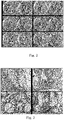
Figure 3 presents pictures from histological analyses carried out on the uteri set out inFigure 2 . -
Figure 4 is a diagram showing the Igfr1 mRNA quantification in the uteri of mice subjected to the treatments set out inFigures 1A and 1B . -
Figure 5 is a diagram showing Tff1 (an estrogen receptor target gene, ER) mRNA quantification in the uteri of mice subjected to the treatments set out inFigures 1A and 1B . - The invention relates to a diet composition as described above for the prevention and/or the treatment of endometrial hyperplasia. The diet composition is administered as described above to women at risk of developing endometrial hyperplasia (following HRT or tamoxifen intake, in the context of obesity or menstrual irregularities - in the latter case, there is the indication for use of the diet composition particularly when the menstrual irregularities reflect a polycystic ovary syndrome) or with previously diagnosed endometrial hyperplasia. It is specified that the use of this diet composition does not exclude hysterectomy, in cases in which the presence of atypical hyperplasia requires it.
- The finding that animals treated for four weeks with tamoxifen (a drug which induces endometrial hyperplasia acting as a partial ER agonist at uterus level) show an increase in uterus weight (see
Figures 1A and B ), an increase in the size of the uterus itself (Figure 2 ) and a histological pattern of uterine hyperplasia (Figure 3 ), supports the importance of the invention. However, mice subjected to fasting cycles (only water for 48h) or an FMD (ChemoLieve™ of L-Nutra) and concurrent tamoxifen treatment did not develop any of these effects (Figures 1-3 ). - In particular, in the experiments set out in
Figures 1-5 , 6-8 weeks old BALB/c mice were used, which were randomly distributed to one of six groups (five mice per treatment group): control (normal diet); tamoxifen (normal diet with tamoxifen, given at a dosage of 30 mg/kg/day by gastric gavage); fasting (only water for 48 h once a week); FMD (ChemoLieve™; 72 h once a week); fasting + tamoxifen; FMD + tamoxifen. After five weeks of treatment, the mice were sacrificed and the taken uteri were weighed (Fig. 1A and 1B ), photographed (Fig. 2 ), fixed for subsequent histological analysis (Fig. 3 ), or subjected to flash freezing and subsequently used for the RNA extraction and the Igfr1 and Tff1 mRNA quantification (Fig. 4, 5 ). - Both fasting and fasting mimicking diet (FMD) were found to have reduced uterus weight and prevented the tamoxifen-induced uterus weight increase (
Fig. 1 ,2 ). Prevention of tamoxifen-induced endometrial hyperplasia by fasting was promptly confirmed by histology (Fig. 3 ). - Previous studies suggested a role for the Igf-1 growth factor-activated signaling cascade in making endometrial cells sensitive to the mitogenic effects of estrogens or, plausibly, of tamoxifen (which acts primarily as a partial estrogen receptor agonist in endometrium) (Eritja N, Mirantes C, Llobet D, Yeramian A, Bergada L, Dosil MA, Domingo M, Matias-Guiu X, Dolcet X: "Long-term estradiol exposure is a direct mitogen for insulin/EGF-primed endometrial cells and drives PTEN loss-induced hyperplasic growth". The American Journal of pathology 2013, 183(1):277-287).
- It is interesting to note that, in the experiments conducted, an Igf-1 receptor mRNA downregulation (Igf1R) was detected in the uteri of mice which were fasted or subjected to FMD during tamoxifen treatment (
Fig. 4 ). This suggests that fasting may downregulate the Igf-1-induced signaling and that this effect may be one of the mechanisms by which fasting itself or FMD protect against tamoxifen-induced endometrial hyperplasia. In response to fasting or FMD used alone or in combination with tamoxifen, very low levels of Tff1mRNA were also measured in the uteri of mice and this indicates that the estrogen receptor (ER) activity, which precisely controls Tff1 expression, is blocked by fasting or FMD. This aspect, i.e. blocking the ER function by fasting or FMD, could represent a further mechanism underlying the countering of endometrial hyperplasia by these dietary measures. - Both fasting and FMD cycles were well tolerated, causing a transient weight loss that was subsequently readily recovered by the animals between cycles.
- Overall, the above experimental results clearly demonstrate the capability of fasting or FMD to prevent or treat endometrial hyperplasia.
- The main advantages of the invention lie in the possibility of preventing a side effect, which is annoying and heavily affecting the quality of life of women undergoing tamoxifen or HRT therapy. The onset of uterine hyperplasia may in fact lead to bleeding and, even when it is asymptomatic, involves the burden of careful clinical or ultrasound monitoring and sometimes invasive biopsy investigations.
- Periodic cycles of a FMD with the diet composition according to the invention during tamoxifen therapy or HRT, or when obesity or menstrual irregularities are present in the context of a polycystic ovarian syndrome might represent a sufficient approach for preventing uterine hyperplasia thus significantly improving the quality of life of patients as well as reducing the risk of developing endometrial cancer.
- Compared to the use of caloric restriction for the prevention or the treatment of endometrial hyperplasia, the use of FMD cycles would have the advantage of allowing a normal diet between cycles and avoiding the side effects of caloric restriction itself (e.g. weight loss, hunger, hypothermia, reduced wounds healing capability). Prevention of uterine hyperplasia by FMD in women taking tamoxifen would also allow not to interrupt the tamoxifen therapy, thus continuing to benefit from the antineoplastic activity of this drug for the entire period of time in which the intake thereof is recommended. In these women, this would have the additional advantage of increasing the antineoplastic activity of tamoxifen itself, which would likely result in an improvement of the prognosis of the patients themselves (in this regard see
Italian Patent Application No. 102016000017036 - In the cases of women diagnosed with uterine hyperplasia (i.e. in the presence of an already developed uterine hyperplasia), FMD cycles with the diet composition according to the invention could be prescribed with therapeutic purpose, allowing to avoid the topical or systemic use of progestogens and the adverse effects that these drugs can cause (e.g. bleeding).
Claims (13)
- A diet composition for use in the prevention and/or the treatment of endometrial hyperplasia in a human subject, the diet composition comprising:- a fasting mimicking diet component to be administered for a first time period, said fasting mimicking diet component containing complex carbohydrates from plant sources and providing less than 50% of the normal caloric intake of the subject with both protein restriction and sugar restriction, as it provides the subject with no more than 0.4 g proteins/kg of body weight/day and no more than 11 kcal/kg of bodyweight/day and contains an amount of sugars that provides less than 15% of the total calories provided by the fasting mimicking diet component; and- a re-feeding diet component to be administered for a second time period, said re-feeding diet component providing 60-100% of the normal caloric intake of the subject;wherein the fasting mimicking diet component and the re-feeding diet component are administered for multiple cycles.
- The diet composition of claim 1, wherein said first time period is from 2 days to 10 days, preferably 5 days, and said second time period is from 7 to 85 days, preferably 25-26 days.
- The diet composition according to claim 1 or 2, wherein said multiple cycles comprise an administration once a month for at least 2 months.
- The diet composition according to any one of claims 1-3, wherein said fasting mimicking diet component provides the subject with no more than 1160 kcal/day, preferably 100-1000 kcal/day.
- The diet composition according to any one of claims 1-4, wherein said fasting mimicking diet component provides the subject with a protein amount of 0-20 g/day.
- The diet composition according to any one of claims 1-5, wherein said fasting mimicking diet component comprises carbohydrates in such an amount as to provide no more than half of the calories provided by said diet component.
- The diet composition according to any one of claims 1-6, wherein said fasting mimicking diet component provides the subject with 2-8 kcal/kg of body weight/day.
- The diet composition according to claim 7, wherein said fasting mimicking diet component provides the subject with proteins in an amount that is 0.1-0.3 g/kg of body weight/day.
- The diet composition according to any one of claims 1-8, wherein said fasting mimicking diet component comprises proteins in an amount that is less than 15% of the total calories provided by the fasting mimicking diet component.
- The diet composition according to any one of claims 2-9, wherein said first time period is 5 days and said fasting mimicking diet component provides the subject with 6 to 10 kcal/kg of body weight/day (preferably 4-8 kcal/kg of body weight/day) for days 2 to 5.
- The diet composition according to any one of claims 1-10, wherein said fasting mimicking diet component comprises at least 60% calories from fatty acids, 2-5% calories from glycerol and up to 5% calories from plant-based proteins and a maximum of 35% calories from carbohydrates.
- The diet composition according to claim 11, wherein said fasting mimicking diet component comprises complex carbohydrates from soy, rice or other grains.
- The diet composition according to claim 11 or 12, wherein at least 50% of the calories from fatty acids are from coconut oil and tree nuts, which preferably comprise walnuts, macadamia nuts and/or almonds.
Applications Claiming Priority (2)
| Application Number | Priority Date | Filing Date | Title |
|---|---|---|---|
| IT102017000008499A IT201700008499A1 (en) | 2017-01-26 | 2017-01-26 | Dietary composition for the prevention and / or treatment of endometrial hyperplasia |
| PCT/EP2018/051590 WO2018138090A1 (en) | 2017-01-26 | 2018-01-23 | Diet composition for the prevention and/or the treatment of endometrial hyperplasia |
Publications (2)
| Publication Number | Publication Date |
|---|---|
| EP3573481A1 EP3573481A1 (en) | 2019-12-04 |
| EP3573481B1 true EP3573481B1 (en) | 2022-04-20 |
Family
ID=58995077
Family Applications (1)
| Application Number | Title | Priority Date | Filing Date |
|---|---|---|---|
| EP18704878.0A Active EP3573481B1 (en) | 2017-01-26 | 2018-01-23 | Diet composition for the prevention and/or the treatment of endometrial hyperplasia |
Country Status (12)
| Country | Link |
|---|---|
| US (1) | US20190380373A1 (en) |
| EP (1) | EP3573481B1 (en) |
| JP (1) | JP2020505921A (en) |
| KR (1) | KR20190126783A (en) |
| CN (1) | CN110402087A (en) |
| AU (1) | AU2018212440A1 (en) |
| BR (1) | BR112019015302A2 (en) |
| CA (1) | CA3051634A1 (en) |
| IT (1) | IT201700008499A1 (en) |
| MX (1) | MX2019008589A (en) |
| RU (1) | RU2019116827A (en) |
| WO (1) | WO2018138090A1 (en) |
Families Citing this family (9)
| Publication number | Priority date | Publication date | Assignee | Title |
|---|---|---|---|---|
| JP7216711B2 (en) * | 2017-09-12 | 2023-02-01 | ソシエテ・デ・プロデュイ・ネスレ・エス・アー | Methods for replicating long-term caloric restriction and conferring health benefits on animals |
| DE212018000421U1 (en) * | 2018-07-18 | 2021-03-01 | Andreas Michalsen | Effects of a short-term diet that mimics fasting on quality of life and chemotherapy tolerance in cancer patients |
| CA3119100C (en) * | 2018-11-09 | 2024-06-04 | Valter D. Longo | Nutrition bar for intermittent fasting-mimicking |
| JP2022530671A (en) * | 2019-04-30 | 2022-06-30 | ユニバーシティ オブ サザン カリフォルニア | Fasting-mimicking diet (FMD) for intervention in Alzheimer's disease (AD) |
| KR102814125B1 (en) | 2019-10-14 | 2025-05-28 | 주식회사 엘지에너지솔루션 | Method and system for evaluating insulation and lithium ion conductivity performance of separator for electrochemical device |
| IT202000008740A1 (en) * | 2020-04-23 | 2021-10-23 | L Nutra Inc | Dietary composition for the increase of lean mass and muscle mass |
| CN111759883B (en) * | 2020-07-23 | 2021-09-17 | 浙江农林大学 | Application of pecan endocarp extract in preparation of anti-ovarian cancer product |
| CN115120609B (en) * | 2022-06-21 | 2023-08-08 | 无限极(中国)有限公司 | Traditional Chinese medicine polysaccharide composition for inhibiting estrogen expression and protecting mammary glands and application thereof |
| KR102747873B1 (en) * | 2024-05-03 | 2024-12-31 | 영인크로매스 주식회사 | System and method for managing ionic conductivity measurement accuracy |
Family Cites Families (9)
| Publication number | Priority date | Publication date | Assignee | Title |
|---|---|---|---|---|
| US8865646B2 (en) * | 2007-03-28 | 2014-10-21 | University Of South California | Dietary compositions and methods for protection against chemotherapy, radiotherapy, oxidative stress, and aging |
| CA2779282C (en) | 2009-10-22 | 2017-12-05 | University Of Southern California | Methods and nutritional formulations to increase the efficacy and reduce the side effects of cancer treatment |
| US20130045215A1 (en) | 2010-04-28 | 2013-02-21 | University Of Southern California | Growth hormone receptor deficiency causes a major reduction in pro-aging signaling, cancer and diabetes in humans |
| RU2438662C1 (en) * | 2010-07-16 | 2012-01-10 | Федеральное Государственное Учреждение Ростовский научно-исследовательский институт акушерства и педиатрии Федерального агентства по высокотехнологичной медицинской помощи | Method of treating benign hyperplastic endometrial processes in patients with metabolic syndrome |
| ES2822178T3 (en) | 2012-10-22 | 2021-04-29 | Univ Southern California | Dietary formulations that promote tissue / organ regeneration |
| US9237761B2 (en) | 2013-02-12 | 2016-01-19 | University Of Southern California | Methods and diets for lowering glucose and/or IGF-1 levels |
| AU2014284399B2 (en) * | 2013-07-01 | 2017-10-26 | University Of Southern California | Fasting condition as dietary treatment of diabetes |
| BR112017023748A2 (en) * | 2015-05-06 | 2018-07-31 | University Of Southern California | methods for treating hypertension; reduce high cholesterol levels and / or high ldl levels; reduce elevated triglyceride levels and / or elevated crp levels; treat an individual with high insulin or glucose levels; treat abdominal obesity; treat an individual with high igf-1 levels; treat or prevent inflammation; increase regeneration; and reduce fatty liver |
| ITUB20160828A1 (en) | 2016-02-18 | 2017-08-18 | Univ Degli Studi Genova | Use of a diet that mimics fasting to enhance the effectiveness of anti-estrogens in cancer therapy |
-
2017
- 2017-01-26 IT IT102017000008499A patent/IT201700008499A1/en unknown
-
2018
- 2018-01-23 EP EP18704878.0A patent/EP3573481B1/en active Active
- 2018-01-23 AU AU2018212440A patent/AU2018212440A1/en not_active Abandoned
- 2018-01-23 US US16/479,243 patent/US20190380373A1/en not_active Abandoned
- 2018-01-23 RU RU2019116827A patent/RU2019116827A/en not_active Application Discontinuation
- 2018-01-23 CN CN201880008392.2A patent/CN110402087A/en active Pending
- 2018-01-23 JP JP2019540052A patent/JP2020505921A/en active Pending
- 2018-01-23 CA CA3051634A patent/CA3051634A1/en active Pending
- 2018-01-23 MX MX2019008589A patent/MX2019008589A/en unknown
- 2018-01-23 WO PCT/EP2018/051590 patent/WO2018138090A1/en not_active Ceased
- 2018-01-23 KR KR1020197025017A patent/KR20190126783A/en not_active Withdrawn
- 2018-01-23 BR BR112019015302-0A patent/BR112019015302A2/en not_active Application Discontinuation
Non-Patent Citations (4)
| Title |
|---|
| DIRKS A J ET AL: "Caloric restriction in humans: Potential pitfalls and health concerns", MECHANISMS OF AGEING AND DEVELOPMENT, ELSEVIER SEQUOIA, LAUSANNE, CH, vol. 127, no. 1, 1 January 2006 (2006-01-01), pages 1 - 7, XP027961524, ISSN: 0047-6374, [retrieved on 20060101] * |
| HOLLOSZY ET AL: "Caloric restriction in humans", EXPERIMENTAL GERONTOLOGY, ELSEVIER, AMSTERDAM, NL, vol. 42, no. 8, 18 July 2007 (2007-07-18), pages 709 - 712, XP022241800, ISSN: 0531-5565, DOI: 10.1016/J.EXGER.2007.03.009 * |
| M MOURITS: "Tamoxifen treatment and gynecologic side effects: a review", OBSTETRICS AND GYNECOLOGY, vol. 97, no. 5, 1 May 2001 (2001-05-01), US, pages 855 - 866, XP055694230, ISSN: 0029-7844, DOI: 10.1016/S0029-7844(00)01196-0 * |
| MIN WEI ET AL: "Fasting-mimicking diet and markers/risk factors for aging, diabetes, cancer, and cardiovascular disease", SCIENCE TRANSLATIONAL MEDICINE, vol. 9, no. 377, 15 February 2017 (2017-02-15), US, pages eaai8700, XP055610354, ISSN: 1946-6234, DOI: 10.1126/scitranslmed.aai8700 * |
Also Published As
| Publication number | Publication date |
|---|---|
| EP3573481A1 (en) | 2019-12-04 |
| CN110402087A (en) | 2019-11-01 |
| RU2019116827A (en) | 2021-02-26 |
| BR112019015302A2 (en) | 2020-03-03 |
| IT201700008499A1 (en) | 2018-07-26 |
| US20190380373A1 (en) | 2019-12-19 |
| WO2018138090A1 (en) | 2018-08-02 |
| CA3051634A1 (en) | 2018-08-02 |
| KR20190126783A (en) | 2019-11-12 |
| MX2019008589A (en) | 2019-11-21 |
| JP2020505921A (en) | 2020-02-27 |
| AU2018212440A1 (en) | 2019-06-20 |
Similar Documents
| Publication | Publication Date | Title |
|---|---|---|
| US20190380373A1 (en) | Diet composition for the prevention and/or the treatment of endometrial hyperplasia | |
| Snoek et al. | The effects of bariatric surgery on periconception maternal health: a systematic review and meta-analysis | |
| Wu et al. | Endometriosis and possible inflammation markers | |
| Kotidis et al. | Serum ghrelin, leptin and adiponectin levels before and after weight loss: comparison of three methods of treatment–a prospective study | |
| Christin-Maître et al. | Prolactinoma and estrogens: pregnancy, contraception and hormonal replacement therapy | |
| Tan et al. | The impact of bariatric surgery on obesity-related infertility and in vitro fertilization outcomes | |
| EP1392275A1 (en) | Use of protein and essential amino acids to treat amenorrhea and related disorders | |
| Vo et al. | Ovarian cancer hormonal and environmental risk effect | |
| Balen et al. | A comprehensive review of the new FIGO classification of ovulatory disorders | |
| De Barros et al. | Abnormal uterine bleeding and chronic iron deficiency | |
| Propst et al. | Evaluation and treatment of anovulatory and unexplained infertility | |
| Vahedpoor et al. | Long-term vitamin D supplementation and the effects on recurrence and metabolic status of cervical intraepithelial neoplasia grade 2 or 3: a randomized, double-blind, placebo-controlled trial | |
| Song et al. | Clinical comparison of mifepristone and gestrinone for laparoscopic endometriosis. | |
| Shahzad et al. | Cabergoline therapy for macroprolactinoma during pregnancy: a case report | |
| Cruzen et al. | Glucoregulatory function in adult rhesus macaques (Macaca mulatta) undergoing treatment with medroxyprogesterone acetate for endometriosis | |
| Yamada et al. | Leuprolide acetate pseudomenopause therapy as a cause of reversible cerebral vasoconstriction syndrome | |
| McNamee et al. | Best practice contraception care for women with obesity: a review of current evidence | |
| Liu et al. | Improvement of polycystic ovary syndrome symptoms in obese patients | |
| King | Noncontraceptive uses of hormonal contraception | |
| Roy | Injectable contraception | |
| Kaunitz | Perimenopause: addressing symptoms and contraceptive needs | |
| Talaulikar | Medical interventions to improve outcomes in infertile obese women planning for pregnancy | |
| Ahmad et al. | The Impact of Clomiphene Citrate-Metformin Combination Versus Clomiphene Citrate Monotherapy on Ovulation in Infertile Patients with Average BMI | |
| Mallmann et al. | Pregnancy in hyperprolactinemic women | |
| Nafee et al. | Induction of ovulation |
Legal Events
| Date | Code | Title | Description |
|---|---|---|---|
| STAA | Information on the status of an ep patent application or granted ep patent |
Free format text: STATUS: UNKNOWN |
|
| STAA | Information on the status of an ep patent application or granted ep patent |
Free format text: STATUS: THE INTERNATIONAL PUBLICATION HAS BEEN MADE |
|
| PUAI | Public reference made under article 153(3) epc to a published international application that has entered the european phase |
Free format text: ORIGINAL CODE: 0009012 |
|
| STAA | Information on the status of an ep patent application or granted ep patent |
Free format text: STATUS: REQUEST FOR EXAMINATION WAS MADE |
|
| 17P | Request for examination filed |
Effective date: 20190820 |
|
| AK | Designated contracting states |
Kind code of ref document: A1 Designated state(s): AL AT BE BG CH CY CZ DE DK EE ES FI FR GB GR HR HU IE IS IT LI LT LU LV MC MK MT NL NO PL PT RO RS SE SI SK SM TR |
|
| AX | Request for extension of the european patent |
Extension state: BA ME |
|
| DAV | Request for validation of the european patent (deleted) | ||
| DAX | Request for extension of the european patent (deleted) | ||
| STAA | Information on the status of an ep patent application or granted ep patent |
Free format text: STATUS: EXAMINATION IS IN PROGRESS |
|
| 17Q | First examination report despatched |
Effective date: 20200519 |
|
| GRAP | Despatch of communication of intention to grant a patent |
Free format text: ORIGINAL CODE: EPIDOSNIGR1 |
|
| STAA | Information on the status of an ep patent application or granted ep patent |
Free format text: STATUS: GRANT OF PATENT IS INTENDED |
|
| INTG | Intention to grant announced |
Effective date: 20211110 |
|
| GRAS | Grant fee paid |
Free format text: ORIGINAL CODE: EPIDOSNIGR3 |
|
| GRAA | (expected) grant |
Free format text: ORIGINAL CODE: 0009210 |
|
| STAA | Information on the status of an ep patent application or granted ep patent |
Free format text: STATUS: THE PATENT HAS BEEN GRANTED |
|
| RAP3 | Party data changed (applicant data changed or rights of an application transferred) |
Owner name: L-NUTRA INC. Owner name: UNIVERSITA DEGLI STUDI DI GENOVA |
|
| AK | Designated contracting states |
Kind code of ref document: B1 Designated state(s): AL AT BE BG CH CY CZ DE DK EE ES FI FR GB GR HR HU IE IS IT LI LT LU LV MC MK MT NL NO PL PT RO RS SE SI SK SM TR |
|
| REG | Reference to a national code |
Ref country code: GB Ref legal event code: FG4D |
|
| REG | Reference to a national code |
Ref country code: CH Ref legal event code: EP |
|
| REG | Reference to a national code |
Ref country code: IE Ref legal event code: FG4D |
|
| REG | Reference to a national code |
Ref country code: DE Ref legal event code: R096 Ref document number: 602018034109 Country of ref document: DE |
|
| REG | Reference to a national code |
Ref country code: AT Ref legal event code: REF Ref document number: 1484465 Country of ref document: AT Kind code of ref document: T Effective date: 20220515 |
|
| REG | Reference to a national code |
Ref country code: LT Ref legal event code: MG9D |
|
| REG | Reference to a national code |
Ref country code: NL Ref legal event code: MP Effective date: 20220420 |
|
| REG | Reference to a national code |
Ref country code: AT Ref legal event code: MK05 Ref document number: 1484465 Country of ref document: AT Kind code of ref document: T Effective date: 20220420 |
|
| PG25 | Lapsed in a contracting state [announced via postgrant information from national office to epo] |
Ref country code: NL Free format text: LAPSE BECAUSE OF FAILURE TO SUBMIT A TRANSLATION OF THE DESCRIPTION OR TO PAY THE FEE WITHIN THE PRESCRIBED TIME-LIMIT Effective date: 20220420 |
|
| PG25 | Lapsed in a contracting state [announced via postgrant information from national office to epo] |
Ref country code: SE Free format text: LAPSE BECAUSE OF FAILURE TO SUBMIT A TRANSLATION OF THE DESCRIPTION OR TO PAY THE FEE WITHIN THE PRESCRIBED TIME-LIMIT Effective date: 20220420 Ref country code: PT Free format text: LAPSE BECAUSE OF FAILURE TO SUBMIT A TRANSLATION OF THE DESCRIPTION OR TO PAY THE FEE WITHIN THE PRESCRIBED TIME-LIMIT Effective date: 20220822 Ref country code: NO Free format text: LAPSE BECAUSE OF FAILURE TO SUBMIT A TRANSLATION OF THE DESCRIPTION OR TO PAY THE FEE WITHIN THE PRESCRIBED TIME-LIMIT Effective date: 20220720 Ref country code: LT Free format text: LAPSE BECAUSE OF FAILURE TO SUBMIT A TRANSLATION OF THE DESCRIPTION OR TO PAY THE FEE WITHIN THE PRESCRIBED TIME-LIMIT Effective date: 20220420 Ref country code: HR Free format text: LAPSE BECAUSE OF FAILURE TO SUBMIT A TRANSLATION OF THE DESCRIPTION OR TO PAY THE FEE WITHIN THE PRESCRIBED TIME-LIMIT Effective date: 20220420 Ref country code: GR Free format text: LAPSE BECAUSE OF FAILURE TO SUBMIT A TRANSLATION OF THE DESCRIPTION OR TO PAY THE FEE WITHIN THE PRESCRIBED TIME-LIMIT Effective date: 20220721 Ref country code: FI Free format text: LAPSE BECAUSE OF FAILURE TO SUBMIT A TRANSLATION OF THE DESCRIPTION OR TO PAY THE FEE WITHIN THE PRESCRIBED TIME-LIMIT Effective date: 20220420 Ref country code: ES Free format text: LAPSE BECAUSE OF FAILURE TO SUBMIT A TRANSLATION OF THE DESCRIPTION OR TO PAY THE FEE WITHIN THE PRESCRIBED TIME-LIMIT Effective date: 20220420 Ref country code: BG Free format text: LAPSE BECAUSE OF FAILURE TO SUBMIT A TRANSLATION OF THE DESCRIPTION OR TO PAY THE FEE WITHIN THE PRESCRIBED TIME-LIMIT Effective date: 20220720 Ref country code: AT Free format text: LAPSE BECAUSE OF FAILURE TO SUBMIT A TRANSLATION OF THE DESCRIPTION OR TO PAY THE FEE WITHIN THE PRESCRIBED TIME-LIMIT Effective date: 20220420 |
|
| PG25 | Lapsed in a contracting state [announced via postgrant information from national office to epo] |
Ref country code: RS Free format text: LAPSE BECAUSE OF FAILURE TO SUBMIT A TRANSLATION OF THE DESCRIPTION OR TO PAY THE FEE WITHIN THE PRESCRIBED TIME-LIMIT Effective date: 20220420 Ref country code: PL Free format text: LAPSE BECAUSE OF FAILURE TO SUBMIT A TRANSLATION OF THE DESCRIPTION OR TO PAY THE FEE WITHIN THE PRESCRIBED TIME-LIMIT Effective date: 20220420 Ref country code: LV Free format text: LAPSE BECAUSE OF FAILURE TO SUBMIT A TRANSLATION OF THE DESCRIPTION OR TO PAY THE FEE WITHIN THE PRESCRIBED TIME-LIMIT Effective date: 20220420 Ref country code: IS Free format text: LAPSE BECAUSE OF FAILURE TO SUBMIT A TRANSLATION OF THE DESCRIPTION OR TO PAY THE FEE WITHIN THE PRESCRIBED TIME-LIMIT Effective date: 20220820 |
|
| REG | Reference to a national code |
Ref country code: DE Ref legal event code: R097 Ref document number: 602018034109 Country of ref document: DE |
|
| PG25 | Lapsed in a contracting state [announced via postgrant information from national office to epo] |
Ref country code: SM Free format text: LAPSE BECAUSE OF FAILURE TO SUBMIT A TRANSLATION OF THE DESCRIPTION OR TO PAY THE FEE WITHIN THE PRESCRIBED TIME-LIMIT Effective date: 20220420 Ref country code: SK Free format text: LAPSE BECAUSE OF FAILURE TO SUBMIT A TRANSLATION OF THE DESCRIPTION OR TO PAY THE FEE WITHIN THE PRESCRIBED TIME-LIMIT Effective date: 20220420 Ref country code: RO Free format text: LAPSE BECAUSE OF FAILURE TO SUBMIT A TRANSLATION OF THE DESCRIPTION OR TO PAY THE FEE WITHIN THE PRESCRIBED TIME-LIMIT Effective date: 20220420 Ref country code: EE Free format text: LAPSE BECAUSE OF FAILURE TO SUBMIT A TRANSLATION OF THE DESCRIPTION OR TO PAY THE FEE WITHIN THE PRESCRIBED TIME-LIMIT Effective date: 20220420 Ref country code: DK Free format text: LAPSE BECAUSE OF FAILURE TO SUBMIT A TRANSLATION OF THE DESCRIPTION OR TO PAY THE FEE WITHIN THE PRESCRIBED TIME-LIMIT Effective date: 20220420 Ref country code: CZ Free format text: LAPSE BECAUSE OF FAILURE TO SUBMIT A TRANSLATION OF THE DESCRIPTION OR TO PAY THE FEE WITHIN THE PRESCRIBED TIME-LIMIT Effective date: 20220420 |
|
| PLBE | No opposition filed within time limit |
Free format text: ORIGINAL CODE: 0009261 |
|
| STAA | Information on the status of an ep patent application or granted ep patent |
Free format text: STATUS: NO OPPOSITION FILED WITHIN TIME LIMIT |
|
| 26N | No opposition filed |
Effective date: 20230123 |
|
| PG25 | Lapsed in a contracting state [announced via postgrant information from national office to epo] |
Ref country code: AL Free format text: LAPSE BECAUSE OF FAILURE TO SUBMIT A TRANSLATION OF THE DESCRIPTION OR TO PAY THE FEE WITHIN THE PRESCRIBED TIME-LIMIT Effective date: 20220420 |
|
| PG25 | Lapsed in a contracting state [announced via postgrant information from national office to epo] |
Ref country code: SI Free format text: LAPSE BECAUSE OF FAILURE TO SUBMIT A TRANSLATION OF THE DESCRIPTION OR TO PAY THE FEE WITHIN THE PRESCRIBED TIME-LIMIT Effective date: 20220420 |
|
| REG | Reference to a national code |
Ref country code: CH Ref legal event code: PL |
|
| PG25 | Lapsed in a contracting state [announced via postgrant information from national office to epo] |
Ref country code: LU Free format text: LAPSE BECAUSE OF NON-PAYMENT OF DUE FEES Effective date: 20230123 |
|
| REG | Reference to a national code |
Ref country code: BE Ref legal event code: MM Effective date: 20230131 |
|
| PG25 | Lapsed in a contracting state [announced via postgrant information from national office to epo] |
Ref country code: LI Free format text: LAPSE BECAUSE OF NON-PAYMENT OF DUE FEES Effective date: 20230131 Ref country code: CH Free format text: LAPSE BECAUSE OF NON-PAYMENT OF DUE FEES Effective date: 20230131 |
|
| PG25 | Lapsed in a contracting state [announced via postgrant information from national office to epo] |
Ref country code: BE Free format text: LAPSE BECAUSE OF NON-PAYMENT OF DUE FEES Effective date: 20230131 |
|
| PG25 | Lapsed in a contracting state [announced via postgrant information from national office to epo] |
Ref country code: IE Free format text: LAPSE BECAUSE OF NON-PAYMENT OF DUE FEES Effective date: 20230123 |
|
| PG25 | Lapsed in a contracting state [announced via postgrant information from national office to epo] |
Ref country code: MC Free format text: LAPSE BECAUSE OF FAILURE TO SUBMIT A TRANSLATION OF THE DESCRIPTION OR TO PAY THE FEE WITHIN THE PRESCRIBED TIME-LIMIT Effective date: 20220420 |
|
| PG25 | Lapsed in a contracting state [announced via postgrant information from national office to epo] |
Ref country code: MC Free format text: LAPSE BECAUSE OF FAILURE TO SUBMIT A TRANSLATION OF THE DESCRIPTION OR TO PAY THE FEE WITHIN THE PRESCRIBED TIME-LIMIT Effective date: 20220420 |
|
| PG25 | Lapsed in a contracting state [announced via postgrant information from national office to epo] |
Ref country code: BG Free format text: LAPSE BECAUSE OF FAILURE TO SUBMIT A TRANSLATION OF THE DESCRIPTION OR TO PAY THE FEE WITHIN THE PRESCRIBED TIME-LIMIT Effective date: 20220420 |
|
| PG25 | Lapsed in a contracting state [announced via postgrant information from national office to epo] |
Ref country code: BG Free format text: LAPSE BECAUSE OF FAILURE TO SUBMIT A TRANSLATION OF THE DESCRIPTION OR TO PAY THE FEE WITHIN THE PRESCRIBED TIME-LIMIT Effective date: 20220420 |
|
| PG25 | Lapsed in a contracting state [announced via postgrant information from national office to epo] |
Ref country code: CY Free format text: LAPSE BECAUSE OF FAILURE TO SUBMIT A TRANSLATION OF THE DESCRIPTION OR TO PAY THE FEE WITHIN THE PRESCRIBED TIME-LIMIT; INVALID AB INITIO Effective date: 20180123 |
|
| PG25 | Lapsed in a contracting state [announced via postgrant information from national office to epo] |
Ref country code: HU Free format text: LAPSE BECAUSE OF FAILURE TO SUBMIT A TRANSLATION OF THE DESCRIPTION OR TO PAY THE FEE WITHIN THE PRESCRIBED TIME-LIMIT; INVALID AB INITIO Effective date: 20180123 |
|
| PG25 | Lapsed in a contracting state [announced via postgrant information from national office to epo] |
Ref country code: TR Free format text: LAPSE BECAUSE OF FAILURE TO SUBMIT A TRANSLATION OF THE DESCRIPTION OR TO PAY THE FEE WITHIN THE PRESCRIBED TIME-LIMIT Effective date: 20220420 |
|
| PGFP | Annual fee paid to national office [announced via postgrant information from national office to epo] |
Ref country code: GB Payment date: 20251224 Year of fee payment: 9 |
|
| PGFP | Annual fee paid to national office [announced via postgrant information from national office to epo] |
Ref country code: DE Payment date: 20251231 Year of fee payment: 9 |
|
| PGFP | Annual fee paid to national office [announced via postgrant information from national office to epo] |
Ref country code: IT Payment date: 20251230 Year of fee payment: 9 |
|
| PGFP | Annual fee paid to national office [announced via postgrant information from national office to epo] |
Ref country code: FR Payment date: 20260121 Year of fee payment: 9 |