EP3573352A1 - Data processing device and data processing method - Google Patents
Data processing device and data processing method Download PDFInfo
- Publication number
- EP3573352A1 EP3573352A1 EP19176451.3A EP19176451A EP3573352A1 EP 3573352 A1 EP3573352 A1 EP 3573352A1 EP 19176451 A EP19176451 A EP 19176451A EP 3573352 A1 EP3573352 A1 EP 3573352A1
- Authority
- EP
- European Patent Office
- Prior art keywords
- scene
- processing
- attribute
- candidates
- sound data
- Prior art date
- Legal status (The legal status is an assumption and is not a legal conclusion. Google has not performed a legal analysis and makes no representation as to the accuracy of the status listed.)
- Granted
Links
Images


Classifications
-
- H—ELECTRICITY
- H04—ELECTRIC COMMUNICATION TECHNIQUE
- H04S—STEREOPHONIC SYSTEMS
- H04S5/00—Pseudo-stereo systems, e.g. in which additional channel signals are derived from monophonic signals by means of phase shifting, time delay or reverberation
- H04S5/005—Pseudo-stereo systems, e.g. in which additional channel signals are derived from monophonic signals by means of phase shifting, time delay or reverberation of the pseudo five- or more-channel type, e.g. virtual surround
-
- H—ELECTRICITY
- H04—ELECTRIC COMMUNICATION TECHNIQUE
- H04N—PICTORIAL COMMUNICATION, e.g. TELEVISION
- H04N21/00—Selective content distribution, e.g. interactive television or video on demand [VOD]
- H04N21/40—Client devices specifically adapted for the reception of or interaction with content, e.g. set-top-box [STB]; Operations thereof
- H04N21/43—Processing of content or additional data, e.g. demultiplexing additional data from a digital video stream; Elementary client operations, e.g. monitoring of home network or synchronising decoder's clock; Client middleware
- H04N21/44—Processing of video elementary streams, e.g. splicing a video clip retrieved from local storage with an incoming video stream or rendering scenes according to encoded video stream scene graphs
- H04N21/44008—Processing of video elementary streams, e.g. splicing a video clip retrieved from local storage with an incoming video stream or rendering scenes according to encoded video stream scene graphs involving operations for analysing video streams, e.g. detecting features or characteristics in the video stream
-
- G—PHYSICS
- G10—MUSICAL INSTRUMENTS; ACOUSTICS
- G10L—SPEECH ANALYSIS TECHNIQUES OR SPEECH SYNTHESIS; SPEECH RECOGNITION; SPEECH OR VOICE PROCESSING TECHNIQUES; SPEECH OR AUDIO CODING OR DECODING
- G10L25/00—Speech or voice analysis techniques not restricted to a single one of groups G10L15/00 - G10L21/00
- G10L25/48—Speech or voice analysis techniques not restricted to a single one of groups G10L15/00 - G10L21/00 specially adapted for particular use
- G10L25/51—Speech or voice analysis techniques not restricted to a single one of groups G10L15/00 - G10L21/00 specially adapted for particular use for comparison or discrimination
-
- H—ELECTRICITY
- H04—ELECTRIC COMMUNICATION TECHNIQUE
- H04N—PICTORIAL COMMUNICATION, e.g. TELEVISION
- H04N21/00—Selective content distribution, e.g. interactive television or video on demand [VOD]
- H04N21/40—Client devices specifically adapted for the reception of or interaction with content, e.g. set-top-box [STB]; Operations thereof
- H04N21/43—Processing of content or additional data, e.g. demultiplexing additional data from a digital video stream; Elementary client operations, e.g. monitoring of home network or synchronising decoder's clock; Client middleware
- H04N21/439—Processing of audio elementary streams
-
- H—ELECTRICITY
- H04—ELECTRIC COMMUNICATION TECHNIQUE
- H04N—PICTORIAL COMMUNICATION, e.g. TELEVISION
- H04N21/00—Selective content distribution, e.g. interactive television or video on demand [VOD]
- H04N21/40—Client devices specifically adapted for the reception of or interaction with content, e.g. set-top-box [STB]; Operations thereof
- H04N21/43—Processing of content or additional data, e.g. demultiplexing additional data from a digital video stream; Elementary client operations, e.g. monitoring of home network or synchronising decoder's clock; Client middleware
- H04N21/439—Processing of audio elementary streams
- H04N21/4394—Processing of audio elementary streams involving operations for analysing the audio stream, e.g. detecting features or characteristics in audio streams
-
- H—ELECTRICITY
- H04—ELECTRIC COMMUNICATION TECHNIQUE
- H04N—PICTORIAL COMMUNICATION, e.g. TELEVISION
- H04N21/00—Selective content distribution, e.g. interactive television or video on demand [VOD]
- H04N21/40—Client devices specifically adapted for the reception of or interaction with content, e.g. set-top-box [STB]; Operations thereof
- H04N21/47—End-user applications
- H04N21/485—End-user interface for client configuration
- H04N21/4852—End-user interface for client configuration for modifying audio parameters, e.g. switching between mono and stereo
-
- H—ELECTRICITY
- H04—ELECTRIC COMMUNICATION TECHNIQUE
- H04N—PICTORIAL COMMUNICATION, e.g. TELEVISION
- H04N5/00—Details of television systems
- H04N5/14—Picture signal circuitry for video frequency region
- H04N5/147—Scene change detection
-
- H—ELECTRICITY
- H04—ELECTRIC COMMUNICATION TECHNIQUE
- H04S—STEREOPHONIC SYSTEMS
- H04S3/00—Systems employing more than two channels, e.g. quadraphonic
- H04S3/008—Systems employing more than two channels, e.g. quadraphonic in which the audio signals are in digital form, i.e. employing more than two discrete digital channels
-
- H—ELECTRICITY
- H04—ELECTRIC COMMUNICATION TECHNIQUE
- H04S—STEREOPHONIC SYSTEMS
- H04S7/00—Indicating arrangements; Control arrangements, e.g. balance control
- H04S7/30—Control circuits for electronic adaptation of the sound field
Definitions
- the present invention relates to a data processing device and a data processing method.
- the data processing device 1 can determine the scene of the content through use of the sound data, and perform the processing (for example, sound field control) on the sound data from the determination result of the scene. Therefore, it is possible to perform more appropriate processing.
- the content is a music video including video data in which a driving scene of a vehicle is drawn.
- the video data is used to determine the scene of the content, there is a fear that such sound field control as to emphasize a frequency relating to a traveling sound of the vehicle may be adversely performed due to the driving scene of the vehicle contained in the video data.
- the data processing device 1 determines the scene through use of the sound data included in the music video. Therefore, it is possible to perform more appropriate sound field control.
- the input unit 11 is configured to acquire an audio signal via an HDMI (trademark) or a network.
- schemes for the audio signal include pulse code modulation (PCM), Dolby (trademark), Dolby TrueHD, Dolby Digital Plus, DOLBY ATMOS (trademark), Advanced Audio Coding (AAC) (trademark), DTS (trademark), DTS-HD (trademark) Master Audio, DTS:X (trademark), and Direct Stream Digital (DSD) (trademark), and there are no particular limitations imposed on a type of the scheme.
- PCM pulse code modulation
- Dolby trademark
- Dolby TrueHD Dolby Digital Plus
- DOLBY ATMOS trademark
- AAC Advanced Audio Coding
- DTS trademark
- DTS-HD trademark
- Master Audio DTS:X
- DSD Direct Stream Digital
- the channel expansion unit 13 may be configured to perform the above-mentioned channel expansion processing only when original content does not include sound data on the number of channels desired by a user. That is, the channel expansion unit 13 may be configured to output the sound data, which has been output from the decoder 12, to the sound data processor 14 as it is when the original content includes the sound data on the number of channels desired by the user. In another case, the channel expansion unit 13 may be omitted from the data processing device 1.
- FIG. 5 is a conceptual diagram of the scene determination model to be used in the first embodiment.
- the scene determination model performs machine learning on much content for training relating to movie content.
- a scene type is manually assigned to each frame in the content for training, and the assigned scene type as well as a volume level, frequency characteristics, and other such features of each channel at that time are input as training data.
- first to fourth scene candidates as well as the volume level, the frequency characteristics, and other such features of each channel are input as the training data.
- the processing selection unit 32 selects one sound field based on the first determination result relating to the scene, which is transmitted from the first determination unit 31, and the determination result relating to the attribute, which is transmitted from the second determination unit 33 (Step S003 and Step S004).
- the scene determination model of the first determination unit 31 may be configured to use a support vector machine for multiclass classification as the machine learning.
- a support vector machine for multiclass classification as the machine learning.
- N-1 support vector machines are combined for classification of classes.
- the scene determination model includes three support vector machines in order to perform classification relating to four scene candidates. For example, a first support vector machine first determines whether or not the input sound data relates to the first scene candidate. When the sound data does not relate to the first scene candidate, a second support vector machine determines whether or not the sound data relates to the second scene candidate. When the sound data does not relate to the second scene candidate, a third support vector machine determines whether or not the sound data relates to the third scene candidate. When the sound data does not relate to the third scene candidate, it is determined that the sound data relates to the fourth scene candidate.
Landscapes
- Engineering & Computer Science (AREA)
- Signal Processing (AREA)
- Multimedia (AREA)
- Physics & Mathematics (AREA)
- Acoustics & Sound (AREA)
- Health & Medical Sciences (AREA)
- Human Computer Interaction (AREA)
- Audiology, Speech & Language Pathology (AREA)
- Computational Linguistics (AREA)
- Stereophonic System (AREA)
- Two-Way Televisions, Distribution Of Moving Picture Or The Like (AREA)
- Television Signal Processing For Recording (AREA)
- Information Retrieval, Db Structures And Fs Structures Therefor (AREA)
Abstract
Description
- The present invention relates to a data processing device and a data processing method.
- In Japanese Patent Application Laid-open No.
2009-296274 - In the above-mentioned configuration disclosed in Japanese Patent Application Laid-open No.
2009-296274 - The present disclosure has an object to achieve a data processing device configured to determine a scene of content through use of sound data and select processing to be executed on the sound data from a determination result of the scene.
- According to at least one embodiment of the present disclosure, there is provided a data processing device including: a first determination unit configured to output a first determination result relating to a scene of content through use of sound data; a processing selection unit configured to select processing for the sound data by a first selection method based on the first determination result; a sound data processor configured to execute the processing selected by the processing selection unit on the sound data; and a second determination unit configured to determine an attribute of the content from among a plurality of attribute candidates, wherein the processing selection unit is configured to select the processing by a second selection method, which is different from the first selection method, based on a determination result of the attribute.
- According to at least one embodiment of the present disclosure, there is provided a data processing method including: outputting a first determination result relating to a scene of content through use of sound data; selecting processing for the sound data by a first selection method based on the first determination result; executing the processing selected by the processing selection unit on the sound data; determining an attribute of the content from among a plurality of attribute candidates; and selecting the processing by a second selection method, which is different from the first selection method, based on a determination result of the attribute.
-
-
FIG. 1 is a block diagram for illustrating a functional configuration of a sound data processor and a control unit in a first embodiment of the present disclosure. -
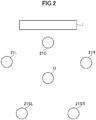
FIG. 2 is a schematic diagram for illustrating a listening environment including a data processing device according to the first embodiment. -
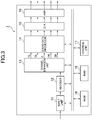
FIG. 3 is a schematic block diagram for illustrating a configuration of the data processing device according to the first embodiment. -
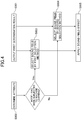
FIG. 4 is a flow chart for illustrating a data processing method according to the first embodiment. -
FIG. 5 is a conceptual diagram of a scene determination model to be used in the first embodiment. - A first embodiment of the present disclosure is described below with reference to the accompanying drawings.
- A
data processing device 1 according to the first embodiment includes acontrol unit 17 and asound data processor 14. Thecontrol unit 17 includes afirst determination unit 31, aprocessing selection unit 32, and asecond determination unit 33. - The
first determination unit 31 is configured to output a first determination result relating to a scene of content through use of sound data. Thesecond determination unit 33 is configured to determine an attribute of the content from among a plurality of attribute candidates. - The
processing selection unit 32 is configured to basically select processing (for example, sound field) by a first selection method based on the first determination result. However, theprocessing selection unit 32 is configured to select the processing by a second selection method, which is different from the first selection method, based on a determination result of the attribute obtained by thesecond determination unit 33. - The
sound data processor 14 is configured to execute the processing selected by theprocessing selection unit 32 on the sound data. For example, thesound data processor 14 applies an effect of the sound field selected by theprocessing selection unit 32 to the sound data. - With such a configuration, the
data processing device 1 according to at least one embodiment of the present disclosure can determine the scene of the content through use of the sound data, and perform the processing (for example, sound field control) on the sound data from the determination result of the scene. Therefore, it is possible to perform more appropriate processing. A description is given of an exemplary case in which the content is a music video including video data in which a driving scene of a vehicle is drawn. When the video data is used to determine the scene of the content, there is a fear that such sound field control as to emphasize a frequency relating to a traveling sound of the vehicle may be adversely performed due to the driving scene of the vehicle contained in the video data. However, with the configuration of the first embodiment, even when the driving scene of the vehicle is contained in the video data, thedata processing device 1 determines the scene through use of the sound data included in the music video. Therefore, it is possible to perform more appropriate sound field control. - The
processing selection unit 32 is further configured to select the sound field by the second selection method, which is different from the first selection method, based on the determination result of the attribute obtained by thesecond determination unit 33, to thereby be able to enable the sound field control corresponding to a plurality of attributes. - Now, a more specific configuration is described.
-
FIG. 2 is a schematic diagram of a listening environment including thedata processing device 1 according to the first embodiment. As illustrated inFIG. 2 , in the first embodiment, aleft front speaker 21L, aright front speaker 21R, acenter speaker 21C, a left surround speaker 21SL, and a right surround speaker 21SR are placed around a listening position U. Theleft front speaker 21L is set on the left front side of the listening position U, theright front speaker 21R is set on the right front side of the listening position U, thecenter speaker 21C is set at the center on the front side of the listening position U, the left surround speaker 21SL is set on the left rear side of the listening position U, and the right surround speaker 21SR is set on the right rear side of the listening position U. Theleft front speaker 21L, theright front speaker 21R, thecenter speaker 21C, the left surround speaker 21SL, and the right surround speaker 21SR are each connected to thedata processing device 1 in a wireless or wired manner. The first embodiment is described by taking a 5-channel surround sound system as an example, but at least one embodiment of the present disclosure can also be applied to surround sound systems having various numbers of channels, for example, 2.0-channel, 5.1-channel, 7.1-channel, and 11.2-channel. -
FIG. 3 is a schematic block diagram for illustrating a configuration of thedata processing device 1 according to the first embodiment. Thedata processing device 1 can be implemented through use of, for example, an audio processor, which is included in an AV amplifier, a personal computer, or a television receiver, or a one-bar speaker. As illustrated inFIG. 3 , thedata processing device 1 according to the first embodiment includes aninput unit 11, adecoder 12, achannel expansion unit 13, asound data processor 14, a D/A converter 15, anamplifier 16, acontrol unit 17, a read-only memory (ROM) 18, a random access memory (RAM) 19. - The
control unit 17 is configured to read a program (firmware) for operation, which is stored in theROM 18, into theRAM 19 to centrally control thedata processing device 1. The relevant program for operation may be installed from any one of various recording media including an optical recording medium and a magnetic recording medium, or may be downloaded via the Internet. - The
input unit 11 is configured to acquire an audio signal via an HDMI (trademark) or a network. Examples of schemes for the audio signal include pulse code modulation (PCM), Dolby (trademark), Dolby TrueHD, Dolby Digital Plus, DOLBY ATMOS (trademark), Advanced Audio Coding (AAC) (trademark), DTS (trademark), DTS-HD (trademark) Master Audio, DTS:X (trademark), and Direct Stream Digital (DSD) (trademark), and there are no particular limitations imposed on a type of the scheme. Theinput unit 11 outputs the sound data to thedecoder 12. - In the first embodiment, the network includes a wireless local area network (LAN), a wired LAN, and a wide area network (WAN), and functions as a signal transmission path between the
data processing device 1 and an optical disc player or other such source device. - The
decoder 12 is formed of, for example, a digital signal processor (DSP), and is configured to decode the audio signal to extract the sounddata therefrom. The first embodiment is described by handling all pieces of sound data as pieces of digital data unless otherwise specified. - The
channel expansion unit 13 is formed of, for example, a DSP, and is configured to generate pieces of sound data for a plurality of channels corresponding to theleft front speaker 21L, theright front speaker 21R, thecenter speaker 21C, the left surround speaker 21SL, and the right surround speaker 21SR, which are described above, by channel expansion processing. As the channel expansion processing, a known technology (for example,US 7, 003, 467 ) can be employed. The generated pieces of sound data for the respective channels are output to thesound data processor 14. - The
channel expansion unit 13 may be configured to perform the above-mentioned channel expansion processing only when original content does not include sound data on the number of channels desired by a user. That is, thechannel expansion unit 13 may be configured to output the sound data, which has been output from thedecoder 12, to thesound data processor 14 as it is when the original content includes the sound data on the number of channels desired by the user. In another case, thechannel expansion unit 13 may be omitted from thedata processing device 1. - The
sound data processor 14 is formed of, for example, a DSP, and is configured to perform processing for adding predetermined sound field effect data to the input pieces of sound data for the respective channels based on setting performed by thecontrol unit 17. - The sound field effect data is formed of, for example, pseudo reflected sound data generated from the input sound data. The generated pseudo reflected sound data is added to the original sound data to be output.
- The D/
A converter 15 is configured to convert the pieces of sound data for the respective channels into analog signals. - The
amplifier 16 is configured to amplify the analog signals output from the D/A converter 15, and output the amplified analog signals to theleft front speaker 21L, theright front speaker 21R, thecenter speaker 21C, the left surround speaker 21SL, and the right surround speaker 21SR. With such a configuration, a sound obtained by adding a pseudo reflected sound to a direct sound of audio content is output from each of the speakers to form a sound field that simulates a predetermined acoustic space around the listening position U. -
FIG. 1 is a block diagram for illustrating a functional configuration of thesound data processor 14 and thecontrol unit 17 in the first embodiment. Thecontrol unit 17 may be formed of a single central processing unit (CPU), or may be formed of a plurality of CPUs. - In the
data processing device 1 according to at least one embodiment of the present disclosure, thecontrol unit 17 includes thefirst determination unit 31, theprocessing selection unit 32, and thesecond determination unit 33 as described above. -
FIG. 4 is a flow chart for illustrating a data processing method according to the first embodiment. Thefirst determination unit 31 outputs the first determination result relating to the scene of the content through use of the sound data acquired from the decoder 12 (Step S001). Thesecond determination unit 33 determines the attribute of the content from among the plurality of attribute candidates (Step S002). Any one of Step S001 of outputting the first determination result by thefirst determination unit 31 and Step S002 of determining the attribute of the content by thesecond determination unit 33 may be performed first. - In this case, there are no particular limitations imposed on the attribute of the content determined by the
second determination unit 33. For example, thesecond determination unit 33 determines which one of movie, music, news, and other such attribute candidates the content is included in. As another different example, thesecond determination unit 33 determines which one of action movie, comedy movie, and science-fiction movie, and other such attribute candidates the content is included in. As further another different example, thesecond determination unit 33 determines which one of attribute candidates of male vocal and female vocal the content is included in. - The first embodiment is described by taking an example in which the "movie" and the "music" are employed as the attribute candidates and the
second determination unit 33 determines which one of those two attribute candidates the content is included in. - In the first embodiment, the
first determination unit 31 includes a scene determination model generated through machine learning relating only to the "movie" being a part of the attribute candidates (movie and music) to be determined by thesecond determination unit 33. As the machine learning, for example, deep learning, a support vector machine, and other such various methods can be used. The first embodiment is described by taking an example in which the scene determination model uses the deep learning to perform machine learning. -
FIG. 5 is a conceptual diagram of the scene determination model to be used in the first embodiment. The scene determination model performs machine learning on much content for training relating to movie content. As a machine learning process, for example, a scene type is manually assigned to each frame in the content for training, and the assigned scene type as well as a volume level, frequency characteristics, and other such features of each channel at that time are input as training data. In the first embodiment, first to fourth scene candidates as well as the volume level, the frequency characteristics, and other such features of each channel are input as the training data. - In the first embodiment, examples of the first to fourth scene candidates to be determined by the
first determination unit 31 are as follows. The first scene candidate is a battle scene or other such scene for which a spectacular sense of scale is required to be rendered. The second scene candidate is a scene with, for example, special effects, for which precise sound is required to be vividly expressed. The third scene candidate is a scene for which rendering suitable for a role-playing game or an adventure game is required. The fourth scene candidate is a scene of, for example, a drama, for which speeches are required to be emphasized. An effect of reverberating sound is applied in the sound field control performed by thesound data processor 14 with a larger degree in order from the first scene candidate to the fourth scene candidate. The first embodiment is described by taking the above-mentioned four scene candidates as an example, but as other scene candidates, for example, a"background-music-oriented scene", a "sound-effects-oriented scene", and a "bass-range-oriented scene" may be included, and contents of the scene candidate are not limited to the above-mentioned examples. - When sound data is input to the
first determination unit 31, determination relating to a scene is performed through use of the above-mentioned scene determination model. Then, thefirst determination unit 31 outputs, as the first determination result, a score relating to each of the first to fourth scene candidates described above (Step S001). As a specific example, thefirst determination unit 31 extracts a feature from the input sound data, and classifies the feature based on the scene determination model provided in advance, to thereby output a score relating to each of the first to fourth scene candidates described above (Step S001) . In the first embodiment, the first determination result finally output by thefirst determination unit 31 is normalized so that the sum of the four scores becomes one. - The
first determination unit 31 transmits the score relating to each of the first to fourth scene candidates described above to theprocessing selection unit 32 as the first determination result relating to the scene. - The
second determination unit 33 determines the attribute of the content from among the plurality of attribute candidates as described above. In the first embodiment, the "movie" and the "music" are employed as the attribute candidates and thesecond determination unit 33 determines which one of those two attribute candidates the content is included in (Step S002). - There are no particular limitations imposed on the determination method for the attribute of the content, which is performed by the
second determination unit 33. Specific examples of the determination method for the attribute of the content include a frequency analysis for sound data, an analysis for video data included in content, and an analysis using title information or other such metadata included in the content. - As a first example of performing the frequency analysis on the sound data, the frequency analysis is performed by analyzing a low frequency effect (LFE) signal included in the content. A frequency band used in the LFE signal is different between movie content and music content. Therefore, it is possible to analyze the LFE signal included in the sound data to determine from the frequency band used in the LFE signal which one of the movie content and the music content the input content is.
- A description is given of a second example of performing the frequency analysis on the sound data. In terms of a time axis, a change of the LFE signal of the movie content is generally larger than a change of the LFE signal of the music content. Therefore, through analysis of the magnitude of a change in amplitude of the LFE signal having a plurality of frames in the sound data, it is possible to determine which one of the movie content and the music content the input content is.
- The
second determination unit 33 transmits the determination result of the attribute of the content to theprocessing selection unit 32. - The
processing selection unit 32 selects one sound field based on the first determination result relating to the scene, which is transmitted from thefirst determination unit 31, and the determination result relating to the attribute, which is transmitted from the second determination unit 33 (Step S003 and Step S004). - In the first embodiment, when the attribute of the content is included in the attribute candidates that have been subjected to the machine learning by the scene determination model included in the first determination unit 31 (in the first embodiment, when the determination result of the attribute is the "movie"), the
processing selection unit 32 employs the first selection method (Step S003). In contrast, when the attribute of the content is not included in the above-mentioned attribute candidates (in the first embodiment, when the determination result of the attribute is the "music"), theprocessing selection unit 32 employs the second selection method (Step S004). - First, a description is given of a case in which the
second determination unit 33 has determined that the attribute of the content is the "movie". Theprocessing selection unit 32 selects the sound field corresponding to a scene candidate having the highest score as the "first selection method" based on the determination result obtained by the second determination unit 33 (Step S003) . For example, when the first scene candidate has the highest score among the scores of the respective scene candidates output from thefirst determination unit 31, theprocessing selection unit 32 selects a sound field suitable for the battle scene or other such scene for which the rendering of a spectacular sense of scale is required. - Next, a description is given of a case in which the
second determination unit 33 has determined that the attribute of the content is the "music". As described above, in the first embodiment, thefirst determination unit 31 includes the scene determination model generated through the machine learning relating only to the "movie" being a part of the attribute candidates (movie and music) to be determined by thesecond determination unit 33. Therefore, when the attribute of the content is the "music", it is not always appropriate to select the sound field based on the scene candidate having the score of the largest value among the respective scene candidates output from thefirst determination unit 31. For example, the music content generally includes a continuously large volume. Therefore, when the music content is subjected to parameter processing based on the scene determination model generated through the machine learning relating to the movie content, the score of the first scene candidate described above is likely to become the highest. When theprocessing selection unit 32 selects the sound field based on the first scene candidate, a sound field having sound unnecessarily reverberated too much for the music content is adversely applied by thesound data processor 14. Therefore, when thesecond determination unit 33 has determined that the attribute of the content is the "music", theprocessing selection unit 32 selects the sound field by the second selection method, which is different from the first selection method described above (Step S004). - As a first example of the second selection method, a description is given of an example in which the
processing selection unit 32 selects the sound field corresponding to a scene candidate having the highest score based on a plurality of scene candidates except a predetermined scene candidate. For example, it is assumed that, in the first determination result, the first scene candidate has a score of 0.5, the second scene candidate has a score of 0.3, the third scene candidate has a score of 0.1, and the fourth scene candidate has a score of 0.1. The first scene candidate is not suitable for the music content for the above-mentioned reason. Therefore, theprocessing selection unit 32 selects, as the second selection method, the sound field corresponding to the scene candidate having the highest score among the second to fourth scene candidates other than the first scene candidate. That is, in the above-mentioned example, theprocessing selection unit 32 selects the sound field corresponding to the second scene candidate. - As a second example of the second selection method, a description is given of an example in which the
processing selection unit 32 multiplies the scores relating to the plurality of scene candidates by a coefficient depending on the determination result of the attribute. For example, theprocessing selection unit 32 may multiply the score relating to the first scene candidate that is not suitable for the music content by a coefficient (for example, 0.8 or 0) having a value smaller than 1, to thereby adjust the first scene candidate so as to have a lower score. Theprocessing selection unit 32 is not always required to multiply one scene candidate by the coefficient, and may multiply all the four scene candidates by the coefficient. Theprocessing selection unit 32 may again perform the normalization so that the sum of the final scores obtained by the multiplication becomes one. - As a third example of the second selection method, a description is given of an example in which the
processing selection unit 32 selects a predetermined sound field. For example, theprocessing selection unit 32 may be configured to select the second scene candidate when the first scene candidate has the highest score in the first determination result output by thefirst determination unit 31. In another case, theprocessing selection unit 32 may be configured to select a fifth sound field, which is different from the sound fields corresponding to the first to fourth scene candidates, when the determination result of the attribute obtained by thesecond determination unit 33 is the "music". - The description of each of the above-mentioned examples is based on the example in which the scene determination model of the
first determination unit 31 uses the deep learning as the machine learning, but the scene determination model of thefirst determination unit 31 may be configured to use a support vector machine for multiclass classification as the machine learning. For example, in order to classify sound data into N scene candidates, N-1 support vector machines are combined for classification of classes. In the above-mentioned example, the scene determination model includes three support vector machines in order to perform classification relating to four scene candidates. For example, a first support vector machine first determines whether or not the input sound data relates to the first scene candidate. When the sound data does not relate to the first scene candidate, a second support vector machine determines whether or not the sound data relates to the second scene candidate. When the sound data does not relate to the second scene candidate, a third support vector machine determines whether or not the sound data relates to the third scene candidate. When the sound data does not relate to the third scene candidate, it is determined that the sound data relates to the fourth scene candidate. - When the scene determination model that has performed the machine learning using the support vector machine for multiclass classification is used, the
first determination unit 31 illustrated inFIG. 1 outputs one scene candidate out of the first to fourth scene candidates as the first determination result. - When the
processing selection unit 32 selects the sound field by the first selection method based on the determination result of the attribute obtained by thesecond determination unit 33, theprocessing selection unit 32 selects the sound field based on one scene candidate being the first determination result output by thefirst determination unit 31. The first embodiment is described by taking an example of selecting a sound field effect to be applied to sound data as an example in which theprocessing selection unit 32 selects the processing to be performed on the sound data, but at least one embodiment of the present disclosure is not limited thereto. Other examples in which theprocessing selection unit 32 selects the processing to be performed on the sound data include the selection of the setting of an equalizer and the selection of a gain ratio, a delay time, and other such parameters of each channel. - Meanwhile, a description is given of a case in which the
processing selection unit 32 selects the predetermined sound field by the second selection method based on the determination result of the attribute obtained by thesecond determination unit 33. For example, theprocessing selection unit 32 may be configured to select, for example, the second scene candidate when thefirst determination unit 31 outputs the "first scene candidate" as the first determination result. In another case, theprocessing selection unit 32 may be configured to select the fifth sound field, which is different from the sound fields corresponding to the first to fourth scene candidates, when the determination result of the attribute obtained by thesecond determination unit 33 is the "music". - The
processing selection unit 32 outputs a command signal based on a sound field selection result to thesound data processor 14. The command signal includes an instruction relating to the setting of different kinds of sound field parameters to be used for the arithmetic operation processing by thesound data processor 14. The sound field parameters include, for example, the gain ratio, the filter coefficient, and the delay time of each channel. Thesound data processor 14 changes the sound field parameter based on the command signal, to thereby perform processing for applying predetermined sound field effect data to the input sound data on each channel (Step S005). - With such a configuration, the first determination result relating to the scene, which is obtained by the
first determination unit 31, can be used for a plurality of pieces of sound data having a plurality of content attributes. In other words, according to the above-mentioned configuration, there is an advantage that thefirst determination unit 31 is not required to perform such scene determination as to cover all attributes of content. Therefore, as the scene determination model included in thefirst determination unit 31, it is possible to use a model generated through machine learning relating only to a part of the plurality of attribute candidates . This allows reduction in the amount of machine learning to be performed on the scene determination model. In addition, it is possible to implement a configuration that suffices as long as the scores relating to a limited number of scene candidates are output as the first determination result output by thefirst determination unit 31. - While there have been described what are at present considered to be certain embodiments of the invention, it will be understood that various modifications may be made thereto, and it is intended that the appended claims cover all such modifications as fall within the true spirit and scope of the invention.
Claims (16)
- A data processing device, comprising:a first determination unit configured to output a first determination result relating to a scene of content through use of sound data;a processing selection unit configured to select processing for the sound data by a first selection method based on the first determination result;a sound data processor configured to execute the processing selected by the processing selection unit on the sound data; anda second determination unit configured to determine an attribute of the content from among a plurality of attribute candidates,wherein the processing selection unit is configured to select the processing by a second selection method, which is different from the first selection method, based on a determination result of the attribute.
- The data processing device according to claim 1, wherein the first determination unit is configured to output the first determination result based on a scene determination model generated through machine learning relating only to a part of the plurality of attribute candidates.
- The data processing device according to claim 2, wherein the processing selection unit is configured to:employ the first selection method when the attribute of the content is included in the part of the plurality of attribute candidates; andemploy the second selection method when the attribute of the content is not included in the part of the plurality of attribute candidates.
- The data processing device according to claim 2 or 3, wherein the first determination unit is configured to extract a feature from the sound data, and perform classification based on the scene determination model, to thereby output a score relating to each of a plurality of scene candidates as the first determination result.
- The data processing device according to claim 4, wherein the processing selection unit is configured to select, in the second selection method, the processing corresponding to one of the plurality of scene candidates that has a highest score among the plurality of scene candidates except a predetermined scene candidate.
- The data processing device according to claim 4, wherein the processing selection unit is configured to multiply, in the second selection method, the score relating to each of the plurality of scene candidates by a coefficient based on the determination result of the attribute.
- The data processing device according to any one of claims 1 to 4, wherein the processing selection unit is configured to select, in the second selection method, predetermined processing based on the determination result of the attribute.
- The data processing device according to any one of claims 1 to 7,
wherein the processing selection unit is configured to select a sound field as the processing for the sound data, and
wherein the sound data processor is configured to apply an effect of the sound field selected by the processing selection unit to the sound data. - A data processing method, comprising:outputting a first determination result relating to a scene of content through use of sound data;selecting processing for the sound data by a first selection method based on the first determination result;executing the processing selected on the sound data;determining an attribute of the content from among a plurality of attribute candidates; andselecting the processing by a second selection method, which is different from the first selection method, based on a determination result of the attribute.
- The data processing method according to claim 9, further comprising outputting the first determination result based on a scene determination model generated through machine learning relating only to a part of the plurality of attribute candidates.
- The data processing method according to claim 10, further comprising:employing the first selection method when the attribute of the content is included in the part of the plurality of attribute candidates; andemploying the second selection method when the attribute of the content is not included in the part of the plurality of attribute candidates.
- The data processing method according to claim 10 or 11, further comprising extracting a feature from the sound data, and performing classification based on the scene determination model, to thereby output a score relating to each of a plurality of scene candidates as the first determination result.
- The data processing method according to claim 12, further comprising selecting, in the second selection method, the processing corresponding to one of the plurality of scene candidates that has a highest score among the plurality of scene candidates except a predetermined scene candidate.
- The data processing method according to claim 12, further comprising multiplying, in the second selection method, the score relating to each of the plurality of scene candidates by a coefficient based on the determination result of the attribute.
- The data processing method according to any one of claims 9 to 12, further comprising selecting, in the second selection method, predetermined processing based on the determination result of the attribute.
- The data processing method according to any one of claims 9 to 15, further comprising:selecting a sound field as the processing for the sound data; andapplying an effect of the selected sound field to the sound data.
Applications Claiming Priority (1)
| Application Number | Priority Date | Filing Date | Title |
|---|---|---|---|
| JP2018100429A JP2019205114A (en) | 2018-05-25 | 2018-05-25 | Data processing apparatus and data processing method |
Publications (2)
| Publication Number | Publication Date |
|---|---|
| EP3573352A1 true EP3573352A1 (en) | 2019-11-27 |
| EP3573352B1 EP3573352B1 (en) | 2023-10-18 |
Family
ID=66647260
Family Applications (1)
| Application Number | Title | Priority Date | Filing Date |
|---|---|---|---|
| EP19176451.3A Active EP3573352B1 (en) | 2018-05-25 | 2019-05-24 | Data processing device and data processing method |
Country Status (4)
| Country | Link |
|---|---|
| US (3) | US11004460B2 (en) |
| EP (1) | EP3573352B1 (en) |
| JP (2) | JP2019205114A (en) |
| CN (1) | CN110536225B (en) |
Cited By (1)
| Publication number | Priority date | Publication date | Assignee | Title |
|---|---|---|---|---|
| EP3767971A1 (en) * | 2019-07-16 | 2021-01-20 | Yamaha Corporation | Acoustic processing device and acoustic processing method |
Families Citing this family (2)
| Publication number | Priority date | Publication date | Assignee | Title |
|---|---|---|---|---|
| US12307203B2 (en) * | 2019-09-17 | 2025-05-20 | Disney Enterprises, Inc. | Artificial intelligence-based roleplaying experiences based on user-selected scenarios |
| WO2025086035A1 (en) * | 2023-10-23 | 2025-05-01 | 瑞声开泰声学科技(上海)有限公司 | Method for processing audio, system, and electronic device |
Citations (7)
| Publication number | Priority date | Publication date | Assignee | Title |
|---|---|---|---|---|
| US7003467B1 (en) | 2000-10-06 | 2006-02-21 | Digital Theater Systems, Inc. | Method of decoding two-channel matrix encoded audio to reconstruct multichannel audio |
| JP2009296274A (en) | 2008-06-04 | 2009-12-17 | Toshiba Corp | Video/sound signal processor |
| US20100118212A1 (en) * | 2008-11-13 | 2010-05-13 | Mstar Semiconductor, Inc. | Multimedia Playing Method and Multimedia Playing Device Thereof |
| CN103927146A (en) * | 2014-04-30 | 2014-07-16 | 深圳市中兴移动通信有限公司 | Sound effect self-adapting method and device |
| EP2840800A1 (en) * | 2013-08-21 | 2015-02-25 | Harman International Industries, Inc. | Content-based audio/video adjustment |
| US9542938B2 (en) * | 2012-05-28 | 2017-01-10 | Zte Corporation | Scene recognition method, device and mobile terminal based on ambient sound |
| WO2018155481A1 (en) * | 2017-02-27 | 2018-08-30 | ヤマハ株式会社 | Information processing method and information processing device |
Family Cites Families (9)
| Publication number | Priority date | Publication date | Assignee | Title |
|---|---|---|---|---|
| JP2002159099A (en) * | 2000-11-20 | 2002-05-31 | Matsushita Electric Ind Co Ltd | Sound field control device |
| JP4854630B2 (en) | 2007-09-13 | 2012-01-18 | 富士通株式会社 | Sound processing apparatus, gain control apparatus, gain control method, and computer program |
| JP2011013383A (en) * | 2009-06-30 | 2011-01-20 | Toshiba Corp | Audio signal correction device and audio signal correction method |
| CN104023117B (en) * | 2013-03-01 | 2016-03-30 | 联想(北京)有限公司 | A kind of method of information processing and electronic equipment |
| CN107093991B (en) * | 2013-03-26 | 2020-10-09 | 杜比实验室特许公司 | Loudness normalization method and device based on target loudness |
| JP2015099266A (en) | 2013-11-19 | 2015-05-28 | ソニー株式会社 | Signal processing apparatus, signal processing method, and program |
| CN203872212U (en) * | 2014-02-18 | 2014-10-08 | 金硕澳门离岸商业服务有限公司 | Voice processing device |
| US9578436B2 (en) * | 2014-02-20 | 2017-02-21 | Bose Corporation | Content-aware audio modes |
| KR20170030384A (en) | 2015-09-09 | 2017-03-17 | 삼성전자주식회사 | Apparatus and Method for controlling sound, Apparatus and Method for learning genre recognition model |
-
2018
- 2018-05-25 JP JP2018100429A patent/JP2019205114A/en active Pending
-
2019
- 2019-05-21 US US16/418,164 patent/US11004460B2/en active Active
- 2019-05-24 CN CN201910439098.3A patent/CN110536225B/en active Active
- 2019-05-24 EP EP19176451.3A patent/EP3573352B1/en active Active
-
2021
- 2021-04-09 US US17/226,498 patent/US11763837B2/en active Active
-
2022
- 2022-07-08 JP JP2022110480A patent/JP7420170B2/en active Active
-
2023
- 2023-08-09 US US18/446,775 patent/US12033660B2/en active Active
Patent Citations (7)
| Publication number | Priority date | Publication date | Assignee | Title |
|---|---|---|---|---|
| US7003467B1 (en) | 2000-10-06 | 2006-02-21 | Digital Theater Systems, Inc. | Method of decoding two-channel matrix encoded audio to reconstruct multichannel audio |
| JP2009296274A (en) | 2008-06-04 | 2009-12-17 | Toshiba Corp | Video/sound signal processor |
| US20100118212A1 (en) * | 2008-11-13 | 2010-05-13 | Mstar Semiconductor, Inc. | Multimedia Playing Method and Multimedia Playing Device Thereof |
| US9542938B2 (en) * | 2012-05-28 | 2017-01-10 | Zte Corporation | Scene recognition method, device and mobile terminal based on ambient sound |
| EP2840800A1 (en) * | 2013-08-21 | 2015-02-25 | Harman International Industries, Inc. | Content-based audio/video adjustment |
| CN103927146A (en) * | 2014-04-30 | 2014-07-16 | 深圳市中兴移动通信有限公司 | Sound effect self-adapting method and device |
| WO2018155481A1 (en) * | 2017-02-27 | 2018-08-30 | ヤマハ株式会社 | Information processing method and information processing device |
Cited By (2)
| Publication number | Priority date | Publication date | Assignee | Title |
|---|---|---|---|---|
| EP3767971A1 (en) * | 2019-07-16 | 2021-01-20 | Yamaha Corporation | Acoustic processing device and acoustic processing method |
| US11277704B2 (en) | 2019-07-16 | 2022-03-15 | Yamaha Corporation | Acoustic processing device and acoustic processing method |
Also Published As
| Publication number | Publication date |
|---|---|
| US20210225390A1 (en) | 2021-07-22 |
| CN110536225B (en) | 2021-04-16 |
| CN110536225A (en) | 2019-12-03 |
| US11763837B2 (en) | 2023-09-19 |
| US12033660B2 (en) | 2024-07-09 |
| JP2019205114A (en) | 2019-11-28 |
| EP3573352B1 (en) | 2023-10-18 |
| US20190362739A1 (en) | 2019-11-28 |
| JP7420170B2 (en) | 2024-01-23 |
| US11004460B2 (en) | 2021-05-11 |
| US20230386501A1 (en) | 2023-11-30 |
| JP2022130736A (en) | 2022-09-06 |
Similar Documents
| Publication | Publication Date | Title |
|---|---|---|
| US12033660B2 (en) | Data processing device and data processing method | |
| JP5674827B2 (en) | Method and system for scaling channel ducking associated with speech in multi-channel audio signals | |
| Blauert et al. | Communication acoustics | |
| JP5144272B2 (en) | Audio data processing apparatus and method, computer program element, and computer-readable medium | |
| CN114203163A (en) | Audio signal processing method and device | |
| KR101044948B1 (en) | Stereo signal generation method and apparatus | |
| US11330387B2 (en) | Method and apparatus for controlling audio signal for applying audio zooming effect in virtual reality | |
| EP2194733B1 (en) | Sound volume correcting device, sound volume correcting method, sound volume correcting program, and electronic apparatus. | |
| US9313598B2 (en) | Method and apparatus for stereo to five channel upmix | |
| KR20080082916A (en) | Audio signal processing method and device thereof | |
| EP3014901B1 (en) | Improved rendering of audio objects using discontinuous rendering-matrix updates | |
| JP2022513184A (en) | Dual-ended media intelligence | |
| KR20100084319A (en) | Method and apparatus for adaptive remastering of rear audio channel | |
| US10848888B2 (en) | Audio data processing device and control method for an audio data processing device | |
| KR100994294B1 (en) | Apparatus and method for synthesizing three output channels using two input channels | |
| EP4018686B1 (en) | Steering of binauralization of audio | |
| CN119785819A (en) | Audio signal separation method and device, electronic equipment and storage medium | |
| CN118741405B (en) | Audio signal mixing and playback method, device, electronic device and storage medium | |
| US20260025116A1 (en) | Adaptive stereo width control | |
| JP7681699B2 (en) | Audio signal enhancement method, device, apparatus and readable recording medium | |
| JP7451896B2 (en) | Sound processing device and sound processing method | |
| CN121844580A (en) | Apparatus and method for audio signal processing to advantageously modify a coherent portion of an audio signal | |
| Kaprocki et al. | Implementation of the Sound Classification Module on the Platform with Limited Resources |
Legal Events
| Date | Code | Title | Description |
|---|---|---|---|
| PUAI | Public reference made under article 153(3) epc to a published international application that has entered the european phase |
Free format text: ORIGINAL CODE: 0009012 |
|
| STAA | Information on the status of an ep patent application or granted ep patent |
Free format text: STATUS: THE APPLICATION HAS BEEN PUBLISHED |
|
| AK | Designated contracting states |
Kind code of ref document: A1 Designated state(s): AL AT BE BG CH CY CZ DE DK EE ES FI FR GB GR HR HU IE IS IT LI LT LU LV MC MK MT NL NO PL PT RO RS SE SI SK SM TR |
|
| AX | Request for extension of the european patent |
Extension state: BA ME |
|
| STAA | Information on the status of an ep patent application or granted ep patent |
Free format text: STATUS: REQUEST FOR EXAMINATION WAS MADE |
|
| 17P | Request for examination filed |
Effective date: 20200319 |
|
| RBV | Designated contracting states (corrected) |
Designated state(s): AL AT BE BG CH CY CZ DE DK EE ES FI FR GB GR HR HU IE IS IT LI LT LU LV MC MK MT NL NO PL PT RO RS SE SI SK SM TR |
|
| STAA | Information on the status of an ep patent application or granted ep patent |
Free format text: STATUS: EXAMINATION IS IN PROGRESS |
|
| 17Q | First examination report despatched |
Effective date: 20210715 |
|
| GRAP | Despatch of communication of intention to grant a patent |
Free format text: ORIGINAL CODE: EPIDOSNIGR1 |
|
| STAA | Information on the status of an ep patent application or granted ep patent |
Free format text: STATUS: GRANT OF PATENT IS INTENDED |
|
| INTG | Intention to grant announced |
Effective date: 20230519 |
|
| GRAS | Grant fee paid |
Free format text: ORIGINAL CODE: EPIDOSNIGR3 |
|
| GRAA | (expected) grant |
Free format text: ORIGINAL CODE: 0009210 |
|
| STAA | Information on the status of an ep patent application or granted ep patent |
Free format text: STATUS: THE PATENT HAS BEEN GRANTED |
|
| AK | Designated contracting states |
Kind code of ref document: B1 Designated state(s): AL AT BE BG CH CY CZ DE DK EE ES FI FR GB GR HR HU IE IS IT LI LT LU LV MC MK MT NL NO PL PT RO RS SE SI SK SM TR |
|
| REG | Reference to a national code |
Ref country code: GB Ref legal event code: FG4D |
|
| REG | Reference to a national code |
Ref country code: CH Ref legal event code: EP |
|
| REG | Reference to a national code |
Ref country code: DE Ref legal event code: R096 Ref document number: 602019039462 Country of ref document: DE |
|
| REG | Reference to a national code |
Ref country code: IE Ref legal event code: FG4D |
|
| REG | Reference to a national code |
Ref country code: LT Ref legal event code: MG9D |
|
| REG | Reference to a national code |
Ref country code: NL Ref legal event code: MP Effective date: 20231018 |
|
| REG | Reference to a national code |
Ref country code: AT Ref legal event code: MK05 Ref document number: 1623547 Country of ref document: AT Kind code of ref document: T Effective date: 20231018 |
|
| PG25 | Lapsed in a contracting state [announced via postgrant information from national office to epo] |
Ref country code: NL Free format text: LAPSE BECAUSE OF FAILURE TO SUBMIT A TRANSLATION OF THE DESCRIPTION OR TO PAY THE FEE WITHIN THE PRESCRIBED TIME-LIMIT Effective date: 20231018 |
|
| PG25 | Lapsed in a contracting state [announced via postgrant information from national office to epo] |
Ref country code: GR Free format text: LAPSE BECAUSE OF FAILURE TO SUBMIT A TRANSLATION OF THE DESCRIPTION OR TO PAY THE FEE WITHIN THE PRESCRIBED TIME-LIMIT Effective date: 20240119 |
|
| PG25 | Lapsed in a contracting state [announced via postgrant information from national office to epo] |
Ref country code: IS Free format text: LAPSE BECAUSE OF FAILURE TO SUBMIT A TRANSLATION OF THE DESCRIPTION OR TO PAY THE FEE WITHIN THE PRESCRIBED TIME-LIMIT Effective date: 20240218 |
|
| PG25 | Lapsed in a contracting state [announced via postgrant information from national office to epo] |
Ref country code: LT Free format text: LAPSE BECAUSE OF FAILURE TO SUBMIT A TRANSLATION OF THE DESCRIPTION OR TO PAY THE FEE WITHIN THE PRESCRIBED TIME-LIMIT Effective date: 20231018 |
|
| PG25 | Lapsed in a contracting state [announced via postgrant information from national office to epo] |
Ref country code: AT Free format text: LAPSE BECAUSE OF FAILURE TO SUBMIT A TRANSLATION OF THE DESCRIPTION OR TO PAY THE FEE WITHIN THE PRESCRIBED TIME-LIMIT Effective date: 20231018 |
|
| PG25 | Lapsed in a contracting state [announced via postgrant information from national office to epo] |
Ref country code: ES Free format text: LAPSE BECAUSE OF FAILURE TO SUBMIT A TRANSLATION OF THE DESCRIPTION OR TO PAY THE FEE WITHIN THE PRESCRIBED TIME-LIMIT Effective date: 20231018 |
|
| PG25 | Lapsed in a contracting state [announced via postgrant information from national office to epo] |
Ref country code: LT Free format text: LAPSE BECAUSE OF FAILURE TO SUBMIT A TRANSLATION OF THE DESCRIPTION OR TO PAY THE FEE WITHIN THE PRESCRIBED TIME-LIMIT Effective date: 20231018 Ref country code: IS Free format text: LAPSE BECAUSE OF FAILURE TO SUBMIT A TRANSLATION OF THE DESCRIPTION OR TO PAY THE FEE WITHIN THE PRESCRIBED TIME-LIMIT Effective date: 20240218 Ref country code: GR Free format text: LAPSE BECAUSE OF FAILURE TO SUBMIT A TRANSLATION OF THE DESCRIPTION OR TO PAY THE FEE WITHIN THE PRESCRIBED TIME-LIMIT Effective date: 20240119 Ref country code: ES Free format text: LAPSE BECAUSE OF FAILURE TO SUBMIT A TRANSLATION OF THE DESCRIPTION OR TO PAY THE FEE WITHIN THE PRESCRIBED TIME-LIMIT Effective date: 20231018 Ref country code: BG Free format text: LAPSE BECAUSE OF FAILURE TO SUBMIT A TRANSLATION OF THE DESCRIPTION OR TO PAY THE FEE WITHIN THE PRESCRIBED TIME-LIMIT Effective date: 20240118 Ref country code: AT Free format text: LAPSE BECAUSE OF FAILURE TO SUBMIT A TRANSLATION OF THE DESCRIPTION OR TO PAY THE FEE WITHIN THE PRESCRIBED TIME-LIMIT Effective date: 20231018 Ref country code: PT Free format text: LAPSE BECAUSE OF FAILURE TO SUBMIT A TRANSLATION OF THE DESCRIPTION OR TO PAY THE FEE WITHIN THE PRESCRIBED TIME-LIMIT Effective date: 20240219 |
|
| PG25 | Lapsed in a contracting state [announced via postgrant information from national office to epo] |
Ref country code: SE Free format text: LAPSE BECAUSE OF FAILURE TO SUBMIT A TRANSLATION OF THE DESCRIPTION OR TO PAY THE FEE WITHIN THE PRESCRIBED TIME-LIMIT Effective date: 20231018 Ref country code: RS Free format text: LAPSE BECAUSE OF FAILURE TO SUBMIT A TRANSLATION OF THE DESCRIPTION OR TO PAY THE FEE WITHIN THE PRESCRIBED TIME-LIMIT Effective date: 20231018 Ref country code: PL Free format text: LAPSE BECAUSE OF FAILURE TO SUBMIT A TRANSLATION OF THE DESCRIPTION OR TO PAY THE FEE WITHIN THE PRESCRIBED TIME-LIMIT Effective date: 20231018 Ref country code: NO Free format text: LAPSE BECAUSE OF FAILURE TO SUBMIT A TRANSLATION OF THE DESCRIPTION OR TO PAY THE FEE WITHIN THE PRESCRIBED TIME-LIMIT Effective date: 20240118 Ref country code: LV Free format text: LAPSE BECAUSE OF FAILURE TO SUBMIT A TRANSLATION OF THE DESCRIPTION OR TO PAY THE FEE WITHIN THE PRESCRIBED TIME-LIMIT Effective date: 20231018 Ref country code: HR Free format text: LAPSE BECAUSE OF FAILURE TO SUBMIT A TRANSLATION OF THE DESCRIPTION OR TO PAY THE FEE WITHIN THE PRESCRIBED TIME-LIMIT Effective date: 20231018 |
|
| PG25 | Lapsed in a contracting state [announced via postgrant information from national office to epo] |
Ref country code: DK Free format text: LAPSE BECAUSE OF FAILURE TO SUBMIT A TRANSLATION OF THE DESCRIPTION OR TO PAY THE FEE WITHIN THE PRESCRIBED TIME-LIMIT Effective date: 20231018 |
|
| REG | Reference to a national code |
Ref country code: DE Ref legal event code: R097 Ref document number: 602019039462 Country of ref document: DE |
|
| PG25 | Lapsed in a contracting state [announced via postgrant information from national office to epo] |
Ref country code: CZ Free format text: LAPSE BECAUSE OF FAILURE TO SUBMIT A TRANSLATION OF THE DESCRIPTION OR TO PAY THE FEE WITHIN THE PRESCRIBED TIME-LIMIT Effective date: 20231018 |
|
| PG25 | Lapsed in a contracting state [announced via postgrant information from national office to epo] |
Ref country code: SK Free format text: LAPSE BECAUSE OF FAILURE TO SUBMIT A TRANSLATION OF THE DESCRIPTION OR TO PAY THE FEE WITHIN THE PRESCRIBED TIME-LIMIT Effective date: 20231018 |
|
| PG25 | Lapsed in a contracting state [announced via postgrant information from national office to epo] |
Ref country code: SM Free format text: LAPSE BECAUSE OF FAILURE TO SUBMIT A TRANSLATION OF THE DESCRIPTION OR TO PAY THE FEE WITHIN THE PRESCRIBED TIME-LIMIT Effective date: 20231018 Ref country code: SK Free format text: LAPSE BECAUSE OF FAILURE TO SUBMIT A TRANSLATION OF THE DESCRIPTION OR TO PAY THE FEE WITHIN THE PRESCRIBED TIME-LIMIT Effective date: 20231018 Ref country code: RO Free format text: LAPSE BECAUSE OF FAILURE TO SUBMIT A TRANSLATION OF THE DESCRIPTION OR TO PAY THE FEE WITHIN THE PRESCRIBED TIME-LIMIT Effective date: 20231018 Ref country code: IT Free format text: LAPSE BECAUSE OF FAILURE TO SUBMIT A TRANSLATION OF THE DESCRIPTION OR TO PAY THE FEE WITHIN THE PRESCRIBED TIME-LIMIT Effective date: 20231018 Ref country code: EE Free format text: LAPSE BECAUSE OF FAILURE TO SUBMIT A TRANSLATION OF THE DESCRIPTION OR TO PAY THE FEE WITHIN THE PRESCRIBED TIME-LIMIT Effective date: 20231018 Ref country code: DK Free format text: LAPSE BECAUSE OF FAILURE TO SUBMIT A TRANSLATION OF THE DESCRIPTION OR TO PAY THE FEE WITHIN THE PRESCRIBED TIME-LIMIT Effective date: 20231018 Ref country code: CZ Free format text: LAPSE BECAUSE OF FAILURE TO SUBMIT A TRANSLATION OF THE DESCRIPTION OR TO PAY THE FEE WITHIN THE PRESCRIBED TIME-LIMIT Effective date: 20231018 |
|
| PLBE | No opposition filed within time limit |
Free format text: ORIGINAL CODE: 0009261 |
|
| STAA | Information on the status of an ep patent application or granted ep patent |
Free format text: STATUS: NO OPPOSITION FILED WITHIN TIME LIMIT |
|
| 26N | No opposition filed |
Effective date: 20240719 |
|
| PG25 | Lapsed in a contracting state [announced via postgrant information from national office to epo] |
Ref country code: SI Free format text: LAPSE BECAUSE OF FAILURE TO SUBMIT A TRANSLATION OF THE DESCRIPTION OR TO PAY THE FEE WITHIN THE PRESCRIBED TIME-LIMIT Effective date: 20231018 |
|
| PG25 | Lapsed in a contracting state [announced via postgrant information from national office to epo] |
Ref country code: SI Free format text: LAPSE BECAUSE OF FAILURE TO SUBMIT A TRANSLATION OF THE DESCRIPTION OR TO PAY THE FEE WITHIN THE PRESCRIBED TIME-LIMIT Effective date: 20231018 |
|
| REG | Reference to a national code |
Ref country code: CH Ref legal event code: PL |
|
| PG25 | Lapsed in a contracting state [announced via postgrant information from national office to epo] |
Ref country code: MC Free format text: LAPSE BECAUSE OF FAILURE TO SUBMIT A TRANSLATION OF THE DESCRIPTION OR TO PAY THE FEE WITHIN THE PRESCRIBED TIME-LIMIT Effective date: 20231018 |
|
| PG25 | Lapsed in a contracting state [announced via postgrant information from national office to epo] |
Ref country code: LU Free format text: LAPSE BECAUSE OF NON-PAYMENT OF DUE FEES Effective date: 20240524 |
|
| GBPC | Gb: european patent ceased through non-payment of renewal fee |
Effective date: 20240524 |
|
| PG25 | Lapsed in a contracting state [announced via postgrant information from national office to epo] |
Ref country code: MC Free format text: LAPSE BECAUSE OF FAILURE TO SUBMIT A TRANSLATION OF THE DESCRIPTION OR TO PAY THE FEE WITHIN THE PRESCRIBED TIME-LIMIT Effective date: 20231018 Ref country code: LU Free format text: LAPSE BECAUSE OF NON-PAYMENT OF DUE FEES Effective date: 20240524 Ref country code: CH Free format text: LAPSE BECAUSE OF NON-PAYMENT OF DUE FEES Effective date: 20240531 |
|
| REG | Reference to a national code |
Ref country code: BE Ref legal event code: MM Effective date: 20240531 |
|
| PG25 | Lapsed in a contracting state [announced via postgrant information from national office to epo] |
Ref country code: IE Free format text: LAPSE BECAUSE OF NON-PAYMENT OF DUE FEES Effective date: 20240524 |
|
| PG25 | Lapsed in a contracting state [announced via postgrant information from national office to epo] |
Ref country code: BE Free format text: LAPSE BECAUSE OF NON-PAYMENT OF DUE FEES Effective date: 20240531 |
|
| PG25 | Lapsed in a contracting state [announced via postgrant information from national office to epo] |
Ref country code: FR Free format text: LAPSE BECAUSE OF NON-PAYMENT OF DUE FEES Effective date: 20240531 |
|
| PG25 | Lapsed in a contracting state [announced via postgrant information from national office to epo] |
Ref country code: GB Free format text: LAPSE BECAUSE OF NON-PAYMENT OF DUE FEES Effective date: 20240524 |
|
| PGFP | Annual fee paid to national office [announced via postgrant information from national office to epo] |
Ref country code: DE Payment date: 20250521 Year of fee payment: 7 |
|
| PG25 | Lapsed in a contracting state [announced via postgrant information from national office to epo] |
Ref country code: CY Free format text: LAPSE BECAUSE OF FAILURE TO SUBMIT A TRANSLATION OF THE DESCRIPTION OR TO PAY THE FEE WITHIN THE PRESCRIBED TIME-LIMIT; INVALID AB INITIO Effective date: 20190524 |
|
| PG25 | Lapsed in a contracting state [announced via postgrant information from national office to epo] |
Ref country code: HU Free format text: LAPSE BECAUSE OF FAILURE TO SUBMIT A TRANSLATION OF THE DESCRIPTION OR TO PAY THE FEE WITHIN THE PRESCRIBED TIME-LIMIT; INVALID AB INITIO Effective date: 20190524 |
|
| PG25 | Lapsed in a contracting state [announced via postgrant information from national office to epo] |
Ref country code: FI Free format text: LAPSE BECAUSE OF FAILURE TO SUBMIT A TRANSLATION OF THE DESCRIPTION OR TO PAY THE FEE WITHIN THE PRESCRIBED TIME-LIMIT Effective date: 20231019 |