EP3570499B1 - Verfahren zur funktional sicheren verbindungsidentifizierung - Google Patents
Verfahren zur funktional sicheren verbindungsidentifizierung Download PDFInfo
- Publication number
- EP3570499B1 EP3570499B1 EP18172386.7A EP18172386A EP3570499B1 EP 3570499 B1 EP3570499 B1 EP 3570499B1 EP 18172386 A EP18172386 A EP 18172386A EP 3570499 B1 EP3570499 B1 EP 3570499B1
- Authority
- EP
- European Patent Office
- Prior art keywords
- data
- communication
- communication subscriber
- request
- safety
- Prior art date
- Legal status (The legal status is an assumption and is not a legal conclusion. Google has not performed a legal analysis and makes no representation as to the accuracy of the status listed.)
- Active
Links
Images

Classifications
-
- H—ELECTRICITY
- H04—ELECTRIC COMMUNICATION TECHNIQUE
- H04L—TRANSMISSION OF DIGITAL INFORMATION, e.g. TELEGRAPHIC COMMUNICATION
- H04L12/00—Data switching networks
- H04L12/28—Data switching networks characterised by path configuration, e.g. LAN [Local Area Networks] or WAN [Wide Area Networks]
- H04L12/40—Bus networks
-
- H—ELECTRICITY
- H04—ELECTRIC COMMUNICATION TECHNIQUE
- H04W—WIRELESS COMMUNICATION NETWORKS
- H04W12/00—Security arrangements; Authentication; Protecting privacy or anonymity
- H04W12/06—Authentication
-
- H—ELECTRICITY
- H04—ELECTRIC COMMUNICATION TECHNIQUE
- H04L—TRANSMISSION OF DIGITAL INFORMATION, e.g. TELEGRAPHIC COMMUNICATION
- H04L63/00—Network architectures or network communication protocols for network security
- H04L63/08—Network architectures or network communication protocols for network security for authentication of entities
- H04L63/0876—Network architectures or network communication protocols for network security for authentication of entities based on the identity of the terminal or configuration, e.g. MAC address, hardware or software configuration or device fingerprint
-
- H—ELECTRICITY
- H04—ELECTRIC COMMUNICATION TECHNIQUE
- H04L—TRANSMISSION OF DIGITAL INFORMATION, e.g. TELEGRAPHIC COMMUNICATION
- H04L63/00—Network architectures or network communication protocols for network security
- H04L63/12—Applying verification of the received information
-
- H—ELECTRICITY
- H04—ELECTRIC COMMUNICATION TECHNIQUE
- H04L—TRANSMISSION OF DIGITAL INFORMATION, e.g. TELEGRAPHIC COMMUNICATION
- H04L63/00—Network architectures or network communication protocols for network security
- H04L63/20—Network architectures or network communication protocols for network security for managing network security; network security policies in general
- H04L63/205—Network architectures or network communication protocols for network security for managing network security; network security policies in general involving negotiation or determination of the one or more network security mechanisms to be used, e.g. by negotiation between the client and the server or between peers or by selection according to the capabilities of the entities involved
-
- H—ELECTRICITY
- H04—ELECTRIC COMMUNICATION TECHNIQUE
- H04W—WIRELESS COMMUNICATION NETWORKS
- H04W12/00—Security arrangements; Authentication; Protecting privacy or anonymity
- H04W12/10—Integrity
- H04W12/106—Packet or message integrity
-
- G—PHYSICS
- G05—CONTROLLING; REGULATING
- G05B—CONTROL OR REGULATING SYSTEMS IN GENERAL; FUNCTIONAL ELEMENTS OF SUCH SYSTEMS; MONITORING OR TESTING ARRANGEMENTS FOR SUCH SYSTEMS OR ELEMENTS
- G05B19/00—Program-control systems
- G05B19/02—Program-control systems electric
- G05B19/04—Program control other than numerical control, i.e. in sequence controllers or logic controllers
- G05B19/042—Program control other than numerical control, i.e. in sequence controllers or logic controllers using digital processors
- G05B19/0423—Input/output
- G05B19/0425—Safety, monitoring
-
- H—ELECTRICITY
- H04—ELECTRIC COMMUNICATION TECHNIQUE
- H04L—TRANSMISSION OF DIGITAL INFORMATION, e.g. TELEGRAPHIC COMMUNICATION
- H04L67/00—Network arrangements or protocols for supporting network services or applications
- H04L67/01—Protocols
- H04L67/12—Protocols specially adapted for proprietary or special-purpose networking environments, e.g. medical networks, sensor networks, networks in vehicles or remote metering networks
Definitions
- the invention relates to a method for functionally reliable connection identification during a data exchange between two communication participants in a communication system, a first communication participant operating as a data provider with a first address identifier and a second communication participant operating as a data inquirer with a second address identifier.
- PROFIsafe system description, technology and application version November 2010, order no. 4.3.4.1
- publisher PROFIBUS user organization on eV PNO
- PROFIsafe safety protocol is an example. With PROFIsafe, a 32-bit code name, which corresponds to an address relationship, is used for unique connection identification.
- a communication participant needs information from a certain other communication participant at one point in time and from another communication participant at another point in time.
- Examples of this are reconfigurable modular machines, driverless transport systems (AGVs), tool changers, clamping frames, crane trolleys, etc.
- a functional safe communication link must be permanently programmed and configured between all potential communication partners.
- n this is up to n • (n - 1) connections, of which only a very small proportion is active at the same time.
- AA code for Profisafe: code name AA code for Profisafe: code name
- the object is achieved by a method for functionally secure connection identification when data is exchanged between two communication participants in a communication system, a first communication participant operating as a data provider with a first address identifier and a second communication participant as a data requester with a second address identifier, the second
- the communication participant sends a sequence number of the data request and its second address identifier to the first communication participant in a request telegram, and the first communication participant replies with a response telegram which contains the safety-related data, the first address identifier, the sequence number and the second address identifier, after receiving the response telegram in the second communication participant, a check is made as to whether this telegram has the second address identification of the requesting second communication participant contains whether this telegram contains the sequence number of the request telegram of the second communication participant and whether this telegram includes the first address identifier of the requested first communication participant, in the event that all test steps are positive, the safety-related data are accepted and otherwise discarded.
- a method has now advantageously been made available in which it is possible to implement a functionally reliable connection identification in which it is no longer necessary for the data provider to have a monitoring mechanism with regard to the communication relationship.
- this method for functionally secure connection identification one obtains a "relationship-flexible, functionally secure communication with a one-sided check".
- all security-relevant requirements such as up-to-dateness, ie Timeliness, authenticity and integrity met.
- a monitoring mechanism on the part of the data provider is no longer necessary. Also no time information needs to be stored in the telegram of the data provider, but a data request with the following two pieces of data is sent to the data provider in the data requestor a) the ID / address of the data requestor, i.e.
- the data provider copies the two data information from the data request telegram into a telegram from the data provider and adds the following data to these two data items of information: c) current process data, d) the ID address / of the data provider, i.e. the first address identifier, which creates a relationship -flexible, functionally safe communication with unilateral testing.
- the data a) to d) are then checked in the data requestor.
- a checksum is also formed in the first communication participant over the safety-related data, the first address identifier, the sequence number and the second address identifier and sent in the response telegram Communication participant checked whether the checksum formed over the data a) to d) is correct.
- the method is further improved in that a time counter for a monitoring time is started in the second communication participant when the safety-related data is requested and assigned to the request telegram, and in the second communication participant it is additionally checked whether within the monitoring times after the request has been sent. Telegram the associated response telegram has been received, otherwise substitute values are provided for the requested safety-related data.
- the second communication partner monitors the time between a request and the receipt of a sequence number associated response telegram with the time of a watchdog timer and will initiate a safety-related response when the watchdog time expires before receiving the expected response telegram, for example providing substitute values.
- the transmission reliability can be further improved if data structures are used for the requested safety-related data; a checksum is then additionally formed over the data structure in the first communication participant and sent with the response telegram.
- a data-specific representative is advantageously assigned to the data types contained in the data structure and then the checksum is formed over the representatives, and then the data structure is transmitted with the checksum formed over the representatives, whereby in the second communication participant the data type-specific representative is again assigned to the data types contained in the received data structure, and the checksum is formed again via the representatives, the transmitted and recalculated checksum is checked on the side of the second communication participant and, in the event of a discrepancy, data corruption is detected within the data structure .
- the method is improved to the effect that when data is exchanged between several communication participants in a communication system, at least the first communication participant works as a data provider and a majority other communication participants work as data inquirers, whereby it is determined in the first communication participant how many data inquirers request data in a certain period of time and this determined number is assigned to another The data requestor is then informed, who can then decide whether to postpone his request.
- an F-data provider can determine how many F-data requesters request F-data in a current period and if only a limited number of F-data requesters can be served within a short period of time, the F -Data providers tell how many data requesters have registered. This enables a "new" F-data inquirer to recognize whether he should postpone his F-data inquiry or whether he can make it immediately. Furthermore, the individual data requesters can use the number of registered data consumers in order to, for example, reduce a driving speed in a process and thus allow a longer reaction time.
- the method is advantageously used for a fail-safe controller to controller communication in which data structures are set up according to the OPC UA standard.
- the first communication participant A comprises a first security application S1, a first security means P1 and a first OPC UA service device O1.
- the first safety application S1 can be, for example, an emergency stop device or a controller for a lock door.
- the first safety means P1 is a program which, according to the specifications of a safety standard, for example PROFIsafe, has now been expanded to the effect that it implements a "Safety Over OPC UA".
- the previously known PROFIsafe procedure is now being expanded to include security for OPC UA data in the PROFIsafe environment.
- the first OPC UA service device O1 can be designed, for example, as an OPC UA server or as an OPC UA communication stack.
- the second communication subscriber B essentially has an analog structure.
- OPC UA communication 23 is now implemented between the first OPC UA service device O1 and a second OPC UA service device O2.
- the second OPC UA service device O2 is in turn connected to a second security means P2 in which the standard is implemented.
- a second safety application S2 is placed on the second safety means P2.
- the first communication participant A works as a data provider and can thus offer data to the second communication participant B in a data supply direction 20. Accordingly, the second communication participant B works as a data inquirer.
- the second communication participant B receives a request 21 for safety-related data F-Data from the first communication participant A in a request telegram 30 (see FIG FIG 4 ) a sequence number Req.Nr i of the data request and send a second address identifier ID_B to the first communication subscriber A.
- the first communication participant A replies with a response telegram 31 (see FIG 4 ), which includes the safety-related data F-Data, the first address identifier ID_A, the sequence number Req.Nr i and the second address identifier ID_B.
- this telegram After receiving the response telegram 31 in the second communication participant B, it is checked whether this telegram contains the second address identifier ID_B of the requesting second communication participant B, and whether this telegram contains the sequence number Req.Nr i of the request telegram 30 of the second communication participant B. and whether this telegram includes the first address identifier ID_A of the requested first communication subscriber A, in the event that all test steps are positive, the safety-related data F-Data are accepted and otherwise discarded. These test steps are implemented as software in the second security means P2.
- a time counter WD is started for a monitoring time and assigned to the request telegram 30, and it is additionally checked in the second communication participant B whether within the monitoring time Sending the request telegram 30, the associated response telegram 31 has arrived, otherwise substitute values FV are provided for the requested safety-related data F-Data.
- a means 24 for determining the number of data requests is implemented in the first security means P1.
- the means 24 for determining the Number of data requests determines how many data requesters request data at a certain point in time and this determined number is then communicated to another data requestor, who can then decide whether to postpone his request.
- the second safety device P2 has a reset device 25.
- a 1 1 unidirectional communication between the first communication participant A and the second communication participant B is shown.
- a request telegram 30 with a sequence number Req.Nr 0 and its own second address identifier ID_B is sent by the second communication subscriber B according to the method.
- the second communication participant B receives a response telegram 31 from the first communication participant A with the requested safety-related data F-Data, the first address identifier ID_A of the first communication participant A and the second address identifier ID_B of the second communication participant B and an additional checksum CRC.
- the inquiries of telegrams i.e. the sending of the inquiry telegrams 30, takes place cyclically.
- the data consumer that is to say the second communication subscriber B, is now responsible for the sequence, the authenticity, the timelines, the connection ID and the consecutive order number or also called the request number.
- the safety-relevant data can normally be recognized as status information, as can also be seen in the examples mentioned is: State "emergency stop pressed yes / no" or "bridge open yes / no”.
- the maximum functionally safe response time (in IEC 61784-3 the SFRT) must be adhered to in the applications concerned, which is why the data requester must send a new data request as soon as possible after receiving the response telegram in order to always receive the current status of the information. This is repeated cyclically as long as this safety function is required (e.g. as long as the ship is in front of or under the bridge in the example).
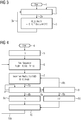
- FIG 3 shows a state machine for a program sequence to be implemented in the first safety means P1. It is essential here that the first communication participant A only has to react to a request or to a request telegram 30.
- FIG 4 the status graph for an implementation in the second communication subscriber B or in the second security means P2 is shown.
- test state 9 is reached via “Receive” 8a.
- the test steps are carried out here. The following is checked: 1. Whether a data telegram was received at all within the monitoring time after sending the data request and 2. Whether the telegram contains the address identifier of the data requestor, whether this telegram contains the sequence number of the last data request, 4. Whether this telegram contains the address identifier of the requested data provider, 5. Whether the signature of the data is correct and if all test steps 1 to 5 are positive, the data are accepted and a message is generated "Measured values ok" 9b, the process values, i.e. the safety-related data F-Data, are used.
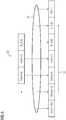
- FIG 5 shows an example of a telegram structure both for the request telegram 30 and for the response telegram 31. If the request telegram 30 has arrived at the data provider, the data provider carries out actions 32.
- the request telegram 30 is supplemented by the first address identifier ID_A, a checksum CRC, and a further checksum CRC struct , which is used in particular to detect interchanges in data structures, and the information already contained in the request telegram 30 sent sequence number Req.Nr i and the second address identifier ID_B copied.
- FIG 5 also shows a possible extension of the telegram in the form of control information, which is also contained in the request telegram 30.
- the data inquirer also sends the data provider control information control, which is sent back in the response from the data provider and on the basis of which the data inquirer checks whether the correct control information control has been carried out.
- the data requestor could send the control information control in the data request, which influences the data provider in its response, for example the control information control could be "give me date number X" to which the data provider in its response "date- Number X "must provide in addition to the control information Control.
- an authenticity code would be assigned to each emergency stop button and each recipient of emergency stop signals.
- the receivers each know the code of their transmitter, and conversely, the transmitters know the code of their receiver.
- the addition of a new machine, i.e. a new receiver, therefore makes it necessary to adapt all transmitters.
- a (inland) ship asks a moving bridge whether the passage is possible.
- the bridge acts as a data provider, the ship as a data consumer. It is relevant to safety here that the ship can check whether it is communicating with the correct bridge and not, for example, with the bridge behind it. All bridges are assigned a transmitter ID that all ships must know. Conversely, it is not absolutely necessary for safe operation that the bridges can identify the ships. Thanks to flexible communication, new ships can be put into operation without having to re-parameterize the bridges.
- the ships would also have to be provided with codes that are known to the bridges. The commissioning of a new ship then makes it necessary to adapt all bridges.
Landscapes
- Engineering & Computer Science (AREA)
- Computer Security & Cryptography (AREA)
- Computer Networks & Wireless Communication (AREA)
- Signal Processing (AREA)
- Computer Hardware Design (AREA)
- Computing Systems (AREA)
- General Engineering & Computer Science (AREA)
- Power Engineering (AREA)
- Mobile Radio Communication Systems (AREA)
- Selective Calling Equipment (AREA)
- Data Exchanges In Wide-Area Networks (AREA)
Description
- Die Erfindung betrifft ein Verfahren zur funktional sicheren Verbindungsidentifizierung bei einem Datenaustausch zwischen zwei Kommunikationsteilnehmern in einem Kommunikationssystem, wobei ein erster Kommunikationsteilnehmer als ein Daten-Anbieter mit einer ersten Adresskennung und ein zweiter Kommunikationsteilnehmer als Daten-Anfrager mit einer zweiten Adresskennung arbeitet.
- Eine funktional sichere Kommunikation und Verbindungsidentifizierung wird beispielsweise mittels PROFIsafe realisiert.
- Die Systembeschreibung "PROFIsafe Systembeschreibung, Technologie und Anwendung", Version November 2010, Bestell-Nr,. 4.3.4.1, Herausgeber PROFIBUS Nutzerorganisation e.V. (PNO) beschreibt die Realisierung einer sicherheitsgerichteten Kommunikation und insbesondere einer sicheren Verbindungsidentifizierung bei PROFIBUS und PROFINET Protokollen.
- Auch das Handbuch "SIMATIC, Industrie Software S7 F/FH Systems - Projektieren und Programmieren", Ausgabe 05/2009, A5E00048979-06 beschreibt eine sicherheitsgerichtete Kommunikation, insbesondere bei SIMATIC Steuerungen.
- All den genannten und aufgezeigten bekannten Verfahren zur sicherheitsgerichteten Kommunikation, insbesondere in der Automatisierungstechnik, ist gemeinsam, dass die Adressbeziehung, umfassend Ziel- und Quelladresse, beispielsweise von PROFIBUS oder PROFINET Teilnehmern, fest projektiert ist.
- Als Beispiel sei das Sicherheitsprotokoll PROFIsafe genannt. Bei PROFIsafe wird ein 32 Bit Codename, welcher einer Adressbeziehung entspricht, zur eindeutigen Verbindungsidentifizierung genutzt.
- Bei der funktional sicheren Kommunikation beispielsweise bei PROFIsafe muss garantiert werden, dass eine Restfehlerrate pro Zeiteinheit hinreichend klein ist. Betrachtet werden Verletzungen der Datenintegrität (Datenintegrität wird durch eine Signatur - z.B. CRC - überpüft), einer Authentizität (Authentizität wird durch einen Vergleich mit einer Quell- und Zieladresse oder mit einem Codenamen überprüft) und einer Timelines (Timelines bedeutet: Telegrammdaten dürfen nur verwendet werden, wenn sie in der richtigen Reihenfolge und rechtzeitig empfangen werden).
- Insbesondere bei einer Kommunikation in neueren Industrieanlagen soll es möglich werden, dass Kommunikationsbeziehungen häufig und schnell wechseln können, d.h. ein Kommunikationsteilnehmer benötigt zu einem Zeitpunkt Informationen von einem bestimmten anderen Kommunikationsteilnehmer und zu einem anderen Zeitpunkt wiederum von einem anderen Kommunikationsteilnehmer. Beispiele hierzu sind rekonfigurierbare modulare Maschinen, fahrerlose Transportsysteme (AGV's), Werkzeugwechsler, Spannrahmen, Krankatzen usw..
- Nach dem aufgezeigten Stand der Technik muss zwischen allen potentiellen Kommunikationspartnern jeweils eine funktionale sichere Kommunikationsverbindung fest programmiert und projektiert werden. Bei n-Teilnehmern sind dies bis zu n • (n - 1) Verbindungen, von denen zu einem Zeitpunkt jeweils nur ein sehr geringer Teil gleichzeitig aktiv ist. Für jede dieser Verbindungen muss aber ein eindeutiger Authentizitäts-Code (AA-Code bei Profisafe: Codename) vergeben werden, der dazu dient, Adressierungsfehler (d.h. Zustellung eines Kommunikationstelegramms an einen falschen Empfänger) sicher zu erkennen.
- Es ist Aufgabe der vorliegenden Erfindung das bisher genutzte funktional sichere Kommunikationsverfahren bzw. die funktional sichere Verbindungsidentifizierung dahingehend zu vereinfachen, dass in den Teilnehmern nicht jedes Mal ein Vergleich von Quell- und Zieladresse erfolgen muss bzw. dass jedes Mal eine fest vorgegebene Kommunikationsverbindung mit dem Codenamen fest projektiert sein muss.
- Die Aufgabe wird gelöst durch ein Verfahren zur funktional sicheren Verbindungsidentifizierung bei einem Datenaustausch zwischen zwei Kommunikationsteilnehmern in einem Kommunikationssystem, wobei ein erster Kommunikationsteilnehmer als ein Daten-Anbieter mit einer ersten Adresskennung und ein zweiter Kommunikationsteilnehmer als Daten-Anfrager mit einer zweiten Adresskennung arbeitet, der zweite Kommunikationsteilnehmer sendet bei einer Anfrage von sicherheitsgerichteten Daten des ersten Kommunikationsteilnehmers in einem Anfrage-Telegramm eine Reihenfolge-Nummer der Datenanforderung und seine zweite Adresskennung zum ersten Kommunikationsteilnehmer und der erste Kommunikationsteilnehmer antwortet darauf mit einem Antwort-Telegramm, welches die sicherheitsgerichteten Daten, die erste Adresskennung, die Reihenfolge-Nummer und die zweite Adresskennung umfasst, dabei wird nach Erhalt des Antwort-Telegramms im zweiten Kommunikationsteilnehmer geprüft, ob dieses Telegramm die zweite Adresskennung des anfragenden zweiten Kommunikationsteilnehmers enthält, ob dieses Telegramm die Reihenfolgenummer des Anfrage-Telegramms des zweiten Kommunikationsteilnehmers enthält und ob dieses Telegramm die erste Adresskennung des angefragten ersten Kommunikationsteilnehmers umfasst, für den Fall, dass alle Prüfschritte positiv sind, werden die sicherheitsgerichteten Daten akzeptiert und ansonsten verworfen.
- Mit Vorteil ist nun ein Verfahren zur Verfügung gestellt worden, bei welchem es möglich ist, eine funktional sichere Verbindungsidentifizierung zu realisieren, bei welchem es nicht mehr notwendig ist, dass ein Überwachungsmechanismus auf Seiten des Datenanbieters hinsichtlich der Kommunikationsbeziehung durchgeführt werden muss. Mit diesem Verfahren zur funktional sicheren Verbindungsidentifizierung erhält man eine "Beziehungs-flexible funktional sichere Kommunikation mit einer einseitigen Prüfung". Trotz der Vereinfachung werden nun alle sicherheitsrelevanten Anforderungen wie Aktualität, d.h. Timeliness, Authentizität und Integrität erfüllt. Ein Überwachungsmechanismus seitens des Datenanbieters ist nicht mehr notwendig. Auch braucht keine Zeitinformation mehr im Telegramm des Datenanbieters hinterlegt werden, sondern es wird in dem Datenanforderer eine Datenanforderung mit den folgenden zwei Dateninformationen an den Datenbieter gesendet a) die ID/Adresse des Datenanforderers, also die erste Adresskennung und b) eine Reihenfolge-Nummer des Datenanforderers. Der Datenanbieter kopiert die beiden Dateninformationen aus dem Telegramm der Datenanforderung in ein Telegramm des Datenanbieters und fügt diesen beiden Dateninformationen folgende Daten hinzu: Die c) aktuellen Prozessdaten, d) die ID-Adresse/des Datenanbieters, also die erste Adresskennung, wodurch man eine beziehungs-flexible funktional sichere Kommunikation mit einseitiger Prüfung erhält. Im Daten-Anfrager werden dann die Daten a) bis d) geprüft.
- Um das Verfahren weiter zu verbessern, wird im ersten Kommunikationsteilnehmer zusätzlich eine Prüfsumme über die sicherheitsgerichteten Daten, die erste Adresskennung, die Reihenfolge-Nummer und die zweite Adresskennung gebildet und im Antwort-Telegramm mit verschickt, dabei wird nach Erhalt des Antwort-Telegramms im zweiten Kommunikationsteilnehmer geprüft, ob die über die Daten a) bis d) gebildete Prüfsumme korrekt ist.
- Das Verfahren wird weiterhin dadurch verbessert, dass im zweiten Kommunikationsteilnehmer bei einer Anfrage der sicherheitsgerichteten Daten ein Zeitzähler für eine Überwachungszeit gestartet wird und dem Anfrage-Telegramm zugeordnet wird, und in dem zweiten Kommunikationsteilnehmer zusätzlich geprüft wird, ob innerhalb der Überwachungszeiten nach Absenden des Anfrage-Telegramms das zugehörige Antwort-Telegramm angekommen ist, ansonsten werden für die angefragten sicherheitsgerichteten Daten Ersatzwerte bereitgestellt.
- Demnach überwacht der zweite Kommunikationspartner die Zeit zwischen einer Anforderung und dem Empfang des zu einer Reihenfolge-Nummer zugehörigen Antwort-Telegramms mit der Zeit eines Watchdogs-Timers und wird bei Ablauf der Watchdog-Zeit vor dem Empfang des erwarteten Antwort-Telegramms eine sicherheitsgerichtete Reaktion einleiten, beispielsweise Ersatzwerte bereitstellen.
- Die Übertragungssicherheit kann weiterhin verbessert werden, wenn bei den angefragten sicherheitsgerichteten Daten Datenstrukturen verwendet werden, dabei wird dann in dem ersten Kommunikationsteilnehmer zusätzlich eine Checksumme über die Datenstruktur gebildet und im Antworttelegramm mit verschickt.
- Dabei wird vorteilhafter Weise zur Absicherung der Datenstruktur im ersten Kommunikationsteilnehmer den in der Datenstruktur enthaltenen Datentypen ein datenspezifischer Repräsentant zugeordnet und anschließend werden über die Repräsentanten die Checksumme gebildet, und dann wird die Datenstruktur mit der über die Repräsentanten gebildete Checksumme übertragen, wobei im zweiten Kommunikationsteilnehmer zu den in der empfangenen Datenstruktur enthaltenen Datentypen erneut der datentypspezifische Repräsentant zugeordnet wird, und erneut über die Repräsentanten die Checksumme gebildet wird, die übertragene und die erneut berechnete Checksumme wird auf der Seite des zweiten Kommunikationsteilnehmers geprüft und bei einer Abweichung wird eine Datenverfälschung innerhalb der Datenstruktur erkannt.
- Hinsichtlich einer Vielfach-Kommunikation, bei dem es beispielsweise einen Daten-Anbieter und viele Daten-Anfrager gibt, wird das Verfahren dahingehend verbessert, dass bei einem Datenaustausch zwischen mehreren Kommunikationsteilnehmern in einem Kommunikationssystem zumindest der erste Kommunikationsteilnehmer als ein Daten-Anbieter arbeitet und eine Mehrzahl anderer Kommunikationsteilnehmer als Daten-Anfrager arbeiten, wobei im ersten Kommunikationsteilnehmer ermittelt wird, wie viele Daten-Anfrager in einem bestimmten Zeitraum Daten anfragen und diese ermittelte Anzahl wird einem weiteren Daten-Anfrager sodann mitgeteilt, welcher daraufhin entscheiden kann, ob er seine Anfrage zurückstellt. Mit dieser optionalen Ergänzung kann ein F-Daten-Anbieter ermitteln, wie viele F-Daten-Anfrager in einem aktuellen Zeitraum F-Daten anfordern und wenn nur eine begrenzte Anzahl von F-Daten-Anfrager innerhalb einer kurzen Zeit bedienbar sind, kann der F-Daten-Anbieter mitteilen, wie viele Daten-Anfrager sich angemeldet haben. Hiermit kann ein "neuer" F-Daten-Anfrager erkennen, ob er seine F-Datenanfrage zurückstellen soll oder sofort stellen kann. Des Weiteren können die einzelnen Daten-Anfrager die Zahl der angemeldeten Datenverbraucher nutzen um in einem Prozess z.B. eine Fahrgeschwindigkeit zu reduzieren und damit eine größere Reaktionszeit zuzulassen.
- Vorteilhafter Weise wird das Verfahren für eine fehlersichere Controller zu Controller-Kommunikation, bei welcher Datenstrukturen nach dem OPC-UA Standard aufgebaut sind, verwendet.
- Die Zeichnung zeigt ein Ausführungsbeispiel der Erfindung, dabei zeigt die
- FIG 1
- ein Prinzipbild eines Kommunikationssystems mit einer funktional sicheren Kommunikation,
- FIG 2
- der zeitliche Ablauf von Anfrage-Telegrammen eines zweiten Kommunikationspartners an einen ersten Kommunikationspartner,
- FIG 3
- ein Zustandsgraf für einen Programmablauf im ersten Kommunikationspartner,
- FIG 4
- ein Zustandsgraf für einen Programmablauf in dem zweiten Kommunikationspartner und
- FIG 5
- ein Beispiel für eine Telegrammstruktur eines Anfrage-Telegramms und eines Antwort-Telegramms.
- Gemäß der
FIG 1 ist ein Kommunikationssystem 100 zur funktional sicheren Kommunikation zwischen einem ersten Kommunikationsteilnehmer A und einem zweiten Kommunikationsteilnehmer B dargestellt. Der erste Kommunikationsteilnehmer A umfasst eine erste Sicherheitsapplikation S1, ein erstes Sicherheitsmittel P1 und eine erste OPC-UA-Dienste-Vorrichtung O1. Die erste Sicherheitsapplikation S1 kann beispielsweise eine Not-Halt-Vorrichtung oder eine Steuerung für eine Schleusentür sein. - Das erste Sicherheitsmittel P1 ist ein Programm, welches nach den Vorgaben eines Sicherheits-Standards, beispielsweise PROFIsafe, nun dahingehend erweitert wurde, dass es ein "Safety Over OPC UA" realisiert. Es wird hier nun das bisher bekannte PROFIsafe Verfahren um eine Sicherheit für OPC UA Daten im PROFIsafe-Umfeld erweitert.
- Die erste OPC-UA-Dienste-Vorrichtung O1 kann beispielsweise als ein OPC-UA-Server oder als ein OPC-UA-Kommunikations-Stack ausgestaltet sein.
- Der zweite Kommunikationsteilnehmer B weist im Wesentlichen einen analogen Aufbau auf. Eine OPC-UA-Kommunikation 23 wird nunmehr zwischen der ersten OPC-UA-Dienste-Vorrichtung O1 und einer zweiten OPC-UA-Dienste-Vorrichtung O2 realisiert. Die zweite OPC-UA-Dienste-Vorrichtung O2 steht nun wiederum mit einem zweiten Sicherheitsmittel P2, in welchem die Norm realisiert ist, in Verbindung. Aufgesetzt auf das zweite Sicherheitsmittel P2 ist eine zweite Sicherheitsapplikation S2.
- Der erste Kommunikationsteilnehmer A arbeitet als ein Daten-Anbieter und kann damit Daten in einer Datenversorgungsrichtung 20 dem zweiten Kommunikationsteilnehmer B anbieten. Demnach arbeitet der zweite Kommunikationsteilnehmer B als Daten-Anfrager. Der zweite Kommunikationsteilnehmer B wird bei einer Anfrage 21 von sicherheitsgerichteten Daten F-Data des ersten Kommunikationsteilnehmers A in einem Anfrage-Telegramm 30 (siehe
FIG 4 ) eine Reihenfolge-Nummer Req.Nri der Datenanforderung und eine zweite Adresskennung ID_B zum ersten Kommunikationsteilnehmer A senden. Der erste Kommunikationsteilnehmer A antwortet daraufhin mit einem Antwort-Telegramm 31 (sieheFIG 4 ), welches die sicherheitsgerichteten Daten F-Data, die erste Adresskennung ID_A, die Reihenfolge-Nummer Req.Nri und die zweite Adresskennung ID_B umfasst. - Nach Erhalt des Antwort-Telegramms 31 im zweiten Kommunikationsteilnehmer B wird geprüft, ob dieses Telegramm die zweite Adresskennung ID_B des anfragenden zweiten Kommunikationsteilnehmers B enthält, und ob dieses Telegramm die Reihenfolge-Nummer Req.Nri des Anfrage-Telegramms 30 des zweiten Kommunikationsteilnehmers B enthält und ob dieses Telegramm die erste Adresskennung ID_A des angefragten ersten Kommunikationsteilnehmers A umfasst, für den Fall, dass alle Prüfschritte positiv sind, werden die sicherheitsgerichteten Daten F-Data akzeptiert und ansonsten verworfen. Diese Prüfschritte sind als Software in dem zweiten Sicherheitsmittel P2 realisiert.
- Weiterhin ist im zweiten Sicherheitsmittel P2 realisiert, dass bei einer Anfrage der sicherheitsgerichteten Daten F-Data ein Zeitzähler WD für eine Überwachungszeit gestartet wird und dem Anfrage-Telegramm 30 zugeordnet wird, und in dem zweiten Kommunikationsteilnehmer B zusätzlich geprüft wird, ob innerhalb der Überwachungszeit nach Absenden des Anfrage-Telegramms 30 das zugehörige Antwort-Telegramm 31 angekommen ist, ansonsten werden für die angefragten sicherheitsgerichteten Daten F-Data Ersatzwerte FV bereitgestellt.
- In dem ersten Sicherheitsmittel P1 ist ein Mittel 24 zum Ermitteln der Anzahl von Datenanfragen implementiert. Bei einem Datenaustausch zwischen mehreren Kommunikationsteilnehmern in einem Kommunikationssystem 100, wobei zumindest der erste Kommunikationsteilnehmer als ein Daten-Anbieter arbeitet und eine Mehrzahl anderer Kommunikationsteilnehmer B als Daten-Anfrager arbeiten, wird vorteilhafter Weise im ersten Kommunikationsteilnehmer A über das Mittel 24 zum Ermitteln der Anzahl von Datenanfragen ermittelt, wie viele Daten-Anfrager in einem bestimmten Zeitpunkt Daten anfragen und diese ermittelte Anzahl wird einen weiteren Daten-Anfrager sodann mitgeteilt, welcher daraufhin entscheiden kann, ob er seine Anfrage zurückstellt. Dazu weist das zweite Sicherheitsmittel P2 ein Zurückstellmittel 25 auf.
- Mit der
FIG 2 ist eine 1:1 unidirektionale Kommunikation zwischen dem ersten Kommunikationsteilnehmer A und dem zweiten Kommunikationsteilnehmer B dargestellt. Für eine sichere Verbindungsidentifizierung, welche eine beziehungs-flexible Safety Communication mit einer einseitigen Prüfung realisiert, wird gemäß dem Verfahren von den zweiten Kommunikationsteilnehmer B ein Anfrage-Telegramm 30 mit einer Reihenfolge-Nummer Req.Nr0 und seiner eigenen zweiten Adresskennung ID_B gesendet. Als Antwort erhält der zweite Kommunikationsteilnehmer B vom ersten Kommunikationsteilnehmer A ein Antwort-Telegramm 31 mit den angefragten sicherheitsgerichteten Daten F-Data, der ersten Adresskennung ID_A des ersten Kommunikationsteilnehmers A und der zweiten Adresskennung ID_B des zweiten Kommunikationsteilnehmers B und einer zusätzlichen Prüfsumme CRC. - In diesem Verfahren ergeben sich als Vorteil für den Daten-Anbieter, also dem ersten Kommunikationsteilnehmer A, dass dieser einfacher ausgestaltet werden kann, dieser muss den Daten-Verbraucher, also den zweiten Kommunikationsteilnehmer B nicht mehr kennen.
- Die Anfragen von Telegrammen, also das Aussenden der Anfrage-Telegramme 30 erfolgt zyklisch. Der Datenverbraucher, also der zweite Kommunikationsteilnehmer B ist nun verantwortlich für die Sequenz, die Authentizität, die Timelines, die Verbindungs-ID und die fortlaufende Reihenfolge-Nummer oder auch Request-Number genannt.
- Die sicherheitsrelevanten Daten sind normalerweise Zustandsinformationen wie auch in den genannten Beispielen zu erkennen ist: Zustand "Not-Halt gedrückt ja/nein" oder "Brücke offen ja/nein".
- Die maximale funktional sichere Reaktionszeit (in der IEC 61784-3 die SFRT) muss in den betroffenen Anwendungen eingehalten werden, deshalb muss der Datenanforderer möglichst kurz nach Erhalt des Antworttelegramms eine erneute Datenanfrage senden um immer den aktuellen Zustand der Informationen zu bekommen. Dies wird zyklisch so lange wiederholt, solange diese Sicherheitsfunktion benötigt wird (z.B. solange sich das Schiff in dem Beispiel vor oder unter der Brücke befindet) .
-
FIG 3 zeigt eine Zustandsmaschine für einen zu implementierenden Programmablauf im ersten Sicherheitsmittel P1. Wesentlich ist hier, dass der erste Kommunikationsteilnehmer A nur auf einen Request bzw. auf ein Anfrage-Telegramm 30 reagieren muss. - Ausgehend von einem Start 1 des Daten-Anbieters gelangt man in einen Zustand "Warten auf Anfrage" 2, welcher zyklisch überprüft wird. Hat der Daten-Anbieter eine Anfrage 2a erhalten, so stellt er ein Antwort-Telegramm 31 "Zusammenstellen und Sende Antwort-Telegramm" 3. Das Zusammenstellen passiert auf folgende Weise, nehme die zweite Adresskennung ID_B und die Reihenfolge-Nummer Req.Nri des anfragenden Kommunikationsteilnehmer, also in diesem Fall, des zweiten Kommunikationsteilnehmers B und füge die eigene erste Adresskennung ID_A, die sicherheitsgerichteten Daten F-Data und eine Checksumme CRC hinzu. Nach erfolgreichem Zusammenstellen des Antwort-Telegramms 31 kann der Zustand "Sende Antwort-Telegramm" 3 über "Antwort-Telegramm gesendet" 3a verlassen werden und der Zustandsgraf befindet sich wieder im Zustand "Warten auf Anfrage" 2.
- Gemäß
FIG 4 ist der Zustandsgraf für eine Implementierung im zweiten Kommunikationsteilnehmer B bzw. im zweiten Sicherheitsmittel P2 dargestellt. - Ausgehend von einem Start 4 des Daten-Anfragers gelangt man in eine Anweisung "nutze/setze Ersatzwerte FV" 5. Der Zustand 6 "Starte Sequenz (erzeuge Reihenfolge-Nummer)" erzeugt eine Reihenfolge-Nummer Req.Nri als Funktion des Datums und der Zeit. Danach wird übergegangen in einen "Sende Anfrage/Starte Zeitzähler-Zustand" 7. Demnach wird von hier aus das Anfrage-Telegramm 30 gesendet, gleichzeitig wird die Reihenfolge-Nummer Req.Nri inkrementiert und ein Zeitzähler WD gestartet. Zustand 7 wird über Anfrage gesendet 7a verlassen und man gelangt in einen Zustand "Warten auf Antwort" 8. Solange der Zeitzähler WD also der Watchdog nun abläuft, kann hier fehlerfrei auf ein Antwort-Telegramm 31 gewartet werden.
- Ist innerhalb der Zeitspanne des Zeitzählers WD das Antwort-Telegramm 31 eingegangen; gelangt man über "Empfangen" 8a in einen Prüfzustand 9. Hier werden die Prüfschritte ausgeführt. Es wird geprüft: 1. Ob innerhalb der Überwachungszeit nach Absenden der Datenanforderung überhaupt ein Datentelegramm eingegangen ist und 2. Ob das Telegramm die Adresskennung des Daten-Anfragers enthält, ob dieses Telegramm die Reihenfolge-Nummer der letzten Datenanfrage enthält, 4. Ob dieses Telegramm die Adresskennung des angefragten Daten-Anbieters enthält, 5. Ob die Signatur der Daten korrekt ist und wenn alle Prüfschritte 1 bis 5 positiv sind, werden die Daten akzeptiert und eine Meldung generiert "Messwerte o.k." 9b somit werden die Prozesswerte, also die sicherheitsgerichteten Daten F-Data verwendet.
- Sollte die Prüfung fehlgeschlagen sein, so wird über "Fehler erkannt/Daten verwerfen" 9a die Aktion Daten verwerfen eingeleitet und es werden über "Nutze/Setze-Ersatzwerte" 8c die Ersatzwerte FV aktiviert. Über einen Fehlerzustand 10 können nun weitere Diagnosemeldungen 10a generiert werden.
-
FIG 5 zeigt ein Beispiel für eine Telegramm-Struktur sowohl für das Anfrage-Telegramm 30 als auch für das Antwort-Telegramm 31. Ist das Anfrage-Telegramm 30 beim Daten-Anbieter eingetroffen, so führt der Daten-Anbieter Aktionen 32 aus. - Das bedeutet, das Anfrage-Telegramm 30 wird ergänzt um die erste Adress-Kennung ID_A um eine Prüfsumme CRC, um eine weitere Checksumme CRCstruct, welche insbesondere für das Erkennen von Vertauschungen in Datenstrukturen genutzt wird, und es werden die bereits im Anfrage-Telegramm 30 gesendete Reihenfolge-Nummer Req.Nri und die zweite Adresskennung ID_B kopiert.
- In Klammern sind jeweils die Anzahl der zur Verfügung stehenden Bytes angegeben.
FIG 5 zeigt ebenfalls noch eine mögliche Erweiterung des Telegrammes in Form einer Steuerinformation Control, welche ebenfalls im Anfrage-Telegramm 30 enthalten ist. Damit sendet der Daten-Anfrager an den Daten-Anbieter zusätzlich eine Steuerinformation Control, die in der Antwort des Daten-Anbieters mit zurückgesendet wird und anhand derer der Daten-Anfrager prüft, ob die richtige Steuerinformation Control ausgeführt wurde. Beispielsweise könnte der Daten-Anfrager die Steuerinformation Control in der Datenanforderung mit schicken, welche den Daten-Anbieter in seiner Antwort beeinflusst, z.B. könnte die Steuerinformation Control lauten "gib mir Datum-Nummer X" worauf der Daten-Anbieter in seiner Antwort "Datum-Nummer X" zusätzlich zur Steuerinformation Control bereitstellen muss. - Applikationsbeispiele für die Beziehungs-Flexible Safety Kommunikation mit einseitiger Prüfung wären beispielsweise folgende:
- Not-Halt bei modularen Maschinen
- Für Not-Halt-Taster gilt in der Sicherheitstechnik die Regel, dass beim Drücken des Not-Halt-Tasters sämtliche Maschinen, die sich im Sichtfeld des Betätigers befinden, anhalten müssen. Dies bedeutet, dass diejenige Maschine, an der der Not-Halt-Taster angeschlossen ist, die Information "Not-Halt-Taster wurde gedrückt/noch nicht gedrückt" an alle übrigen Maschinen, die im Sichtfeld eines potentiellen Betätigers liegen, weitergeben muss. Um potentiell gefährliche Verwechslungen zu vermeiden, muss jede Not-Halt-Nachricht dem Versender eindeutig zugeordnet werden können. Umgekehrt ist es hier nicht nötig, dass der Sender prüfen kann, ob eine Nachricht beim korrekten Empfänger angekommen ist, da die sichere Reaktion sowieso nur im Empfänger erfolgen kann.
- Nach dem Stand der Technik würde an jeden Not-Halt-Taster und jeden Empfänger von Not-Halt-Signalen ein Authenticity-Code vergeben. Die Empfänger kennen jeweils die Codes ihres Senders, und umgekehrt kennen die Sender den Code ihres Empfängers. Das Hinzufügen einer neuen Maschine, d.h. eines neuen Empfängers, macht daher die Anpassung aller Sender erforderlich.
- Durch die nunmehr vorliegende Beziehungsflexible Kommunikation ist eine Anpassung der Sender nicht erforderlich. Lediglich dem neu hinzugefügten Empfänger muss mitgeteilt werden, welche Not-Halt-Signale er regelmäßig erhalten muss, und wie die dazugehörigen Sender-IDs lauten.
- In diesem Szenario fragt ein (Binnen-)Schiff bei einer beweglichen Brücke an, ob die Durchfahrt möglich ist. Die Brücke fungiert als Datenanbieter, das Schiff als Datenverbraucher. Sicherheitsrelevant ist hier, dass das Schiff prüfen kann, ob es mit der richtigen Brücke kommuniziert, und nicht z.B. mit der hinter ihm liegenden Brücke. Allen Brücken wird eine Sender-ID zugeordnet, die alle Schiffe kennen müssen. Umgekehrt ist es für den sicheren Betrieb jedoch nicht unbedingt erforderlich, dass die Brücken die Schiffe identifizieren können. Durch die Beziehungsflexible Kommunikation können daher neue Schiffe in Betrieb genommen werden, ohne die Brücken umzuparametrieren.
- Nach dem Stand der Technik müssten auch die Schiffe mit Codes versehen werden, die den Brücken bekannt sind. Die Inbetriebnahme eines neuen Schiffes macht dann die Anpassung aller Brücken erforderlich.
Claims (7)
- Verfahren zur funktional sicheren Verbindungsidentifizierung bei einem Datenaustausch zwischen zwei Kommunikationsteilnehmern A,B, in einem Kommunikationssystem (10), wobei ein erster Kommunikationsteilnehmer ,A, als ein Daten-Anbieter mit einer ersten Adresskennung ,ID_A, und ein zweiter Kommunikationsteilnehmer ,B, als Daten-Anfrager mit einer zweiten Adresskennung ,ID_B, arbeitet, dadurch gekennzeichnet, dass der zweite Kommunikationsteilnehmer ,B, bei einer Anfrage (21) von sicherheitsgerichteten Daten ,F-Data, des ersten Kommunikationsteilnehmers ,A, in einem Anfrage-Telegramm (30) eine Reihenfolge-Nummer , Req Nr, der Datenanforderung und seine zweite Adresskennung ,ID_B, zum ersten Kommunikationsteilnehmer ,A, sendet und der erste Kommunikationsteilnehmer ,A, darauf mit einem Antwort-Telegramm (31) antwortet, welches- die sicherheitsgerichteten Daten ,F-Data ,- die erste Adresskennung,ID_A,- die Reihenfolge-Nummer, Req Nr, und- die zweite Adresskennung, ID_B, umfasst, dabei wird nach Erhalt des Antwort-Telegramms (31) im zweiten Kommunikationsteilnehmer ,B, geprüft, ob dieses Telegramm die zweite Adresskennung ,ID_B, des anfragenden zweiten Kommunikationsteilnehmers ,B, enthält, ob dieses Telegramm die Reihenfolge-Nummer ,Req Nr, des Anfrage-Telegramms (30) des zweiten Kommunikationsteilnehmers ,B, enthält und ob dieses Telegramm die erste Adresskennung ,ID_A, des angefragten ersten Kommunikationsteilnehmers ,A, umfasst, für den Fall, dass alle Prüfschritte positiv sind, werden die sicherheitsgerichteten Daten ,F-Data, akzeptiert und ansonsten verworfen.
- Verfahren nach Anspruch 1, wobei im ersten Kommunikationsteilnehmer ,A, zusätzlich eine Prüfsumme ,CRC, über- die sicherheitsgerichteten Daten ,F-Data ,- die erste Adresskennung ,ID_A ,- die Reihenfolge-Nummer ,Req Nr, und- die zweite Adresskennung ,ID_B, gebildet wird und im Antwort-Telegramm (31) mit verschickt, dabei wird nach Erhalt des Antwort-Telegramms (31) im zweiten Kommunikationsteilnehmer ,B, geprüft, ob die über die Daten gebildete Prüfsumme ,CRC, korrekt ist.
- Verfahren nach Anspruch 1 oder 2, wobei im zweiten Kommunikationsteilnehmer ,B, bei einer Anfrage der sicherheitsgerichteten Daten ,F-Data, ein Zeitzähler ,WD, für eine Überwachungszeit gestartet wird und dem Anfrage-Telegramm (30) zugeordnet wird, und im zweiten Kommunikationsteilnehmer ,B, zusätzlich geprüft wird, ob innerhalb der Überwachungszeit nach Absenden des Anfrage-Telegramms (30) das zugehörige Antwort-Telegramm (31) angekommen ist, ansonsten werden für die angefragten sicherheitsgerichteten Daten ,F-Data, Ersatzwerte ,FV, bereitgestellt.
- Verfahren nach einem der Ansprüche 1 bis 3, wobei für den Fall, dass die angefragten sicherheitsgerichteten Daten ,F-Data, als eine Datenstruktur aufgebaut sind, im ersten Kommunikationsteilnehmer ,A, zusätzlich eine Checksumme ,CRCstruct, über die Datenstruktur gebildet wird und im Antwort-Telegramm (31) mit verschickt wird.
- Verfahren nach Anspruch 4, wobei zur Absicherung der Datenstruktur im ersten Kommunikationsteilnehmer ,A, den in der Datenstruktur enthaltenen Datentypen ein datentypspezifischer Repräsentant zugeordnet wird, und anschließend über die Repräsentanten die Checksumme ,CRCstruct, gebildet wird, und dann die Datenstruktur mit der über die Repräsentanten gebildete Checksumme ,CRCstruct, übertragen wird, wobei im zweiten Kommunikationsteilnehmer ,B, zu den in der empfangenen Datenstruktur enthaltenen Datentypen erneut der datentypspezifische Repräsentant zugeordnet wird, und erneut über die Repräsentanten die Checksumme ,CRCstruct, gebildet wird, die übertragene und die erneut berechnete Checksumme wird auf der Seite des zweiten Kommunikationsteilnehmers ,B, geprüft und bei einer Abweichung wird eine Datenverfälschung innerhalb der Datenstruktur erkannt.
- Verfahren nach einem der Ansprüche 1 bis 5, wobei bei einen Datenaustausch zwischen mehreren Kommunikationsteilnehmern in einem Kommunikationssystem (100) zumindest der erste Kommunikationsteilnehmer ,A, als ein Daten-Anbieter arbeitet und eine Mehrzahl anderer Kommunikationsteilnehmer als Daten-Anfrager arbeiten, wobei im ersten Kommunikationsteilnehmer ,A, ermittelt wird, wieviele Daten-Anfrager in einem bestimmten Zeitraum Daten anfragen und diese ermittelte Anzahl wird einem weiteren Daten-Anfrager sodann mitgeteilt, welcher daraufhin entscheiden kann, ob er seine Anfrage zurückstellt.
- Verfahren nach einem der Ansprüche 4 oder 5, wobei die Datenstruktur nach dem OPC UA Standard aufgebaut ist.
Priority Applications (3)
| Application Number | Priority Date | Filing Date | Title |
|---|---|---|---|
| EP18172386.7A EP3570499B1 (de) | 2018-05-15 | 2018-05-15 | Verfahren zur funktional sicheren verbindungsidentifizierung |
| US16/411,489 US11290881B2 (en) | 2018-05-15 | 2019-05-14 | Method for functionally secure connection identification |
| CN201910397243.6A CN110493170B (zh) | 2018-05-15 | 2019-05-14 | 功能上安全地鉴定连接的方法 |
Applications Claiming Priority (1)
| Application Number | Priority Date | Filing Date | Title |
|---|---|---|---|
| EP18172386.7A EP3570499B1 (de) | 2018-05-15 | 2018-05-15 | Verfahren zur funktional sicheren verbindungsidentifizierung |
Publications (2)
| Publication Number | Publication Date |
|---|---|
| EP3570499A1 EP3570499A1 (de) | 2019-11-20 |
| EP3570499B1 true EP3570499B1 (de) | 2021-04-07 |
Family
ID=62492395
Family Applications (1)
| Application Number | Title | Priority Date | Filing Date |
|---|---|---|---|
| EP18172386.7A Active EP3570499B1 (de) | 2018-05-15 | 2018-05-15 | Verfahren zur funktional sicheren verbindungsidentifizierung |
Country Status (3)
| Country | Link |
|---|---|
| US (1) | US11290881B2 (de) |
| EP (1) | EP3570499B1 (de) |
| CN (1) | CN110493170B (de) |
Families Citing this family (3)
| Publication number | Priority date | Publication date | Assignee | Title |
|---|---|---|---|---|
| EP3716568A1 (de) * | 2019-03-28 | 2020-09-30 | Siemens Aktiengesellschaft | Funktional-sichere verbindungsidentifizierung für eine m2m kommunikation |
| DE102020100987A1 (de) * | 2020-01-16 | 2021-07-22 | Beckhoff Automation Gmbh | Verfahren zur Datenkommunikation zwischen Teilnehmern eines Automatisierungssystems |
| DE102020003329B4 (de) * | 2020-06-03 | 2025-01-02 | Mercedes-Benz Group AG | Verfahren zur Absicherung der Kommunikation |
Family Cites Families (18)
| Publication number | Priority date | Publication date | Assignee | Title |
|---|---|---|---|---|
| US6690648B2 (en) * | 1998-02-24 | 2004-02-10 | Canon Kabushiki Kaisha | Data communication apparatus, method, and system utilizing reception capability information of a destination node |
| US7107358B2 (en) * | 2001-09-12 | 2006-09-12 | Rockwell Automation Technologies, Inc. | Bridge for an industrial control system using data manipulation techniques |
| CN1161924C (zh) * | 2002-04-02 | 2004-08-11 | 华为技术有限公司 | 一种二层交换设备的数据升级方法 |
| DE502004003469D1 (de) | 2004-05-10 | 2007-05-24 | Siemens Ag | Sicherheitsgerichtete Übertragung von Daten |
| US7941585B2 (en) | 2004-09-10 | 2011-05-10 | Cavium Networks, Inc. | Local scratchpad and data caching system |
| US8181060B1 (en) * | 2009-03-05 | 2012-05-15 | Riverbad Technology, Inc. | Preventing data corruption with transparent network connections |
| CN101841388B (zh) * | 2009-03-18 | 2012-07-04 | 中国科学院沈阳计算技术研究所有限公司 | 一种用于数控总线的消息安全传输方法 |
| CN101656749B (zh) * | 2009-09-17 | 2012-12-05 | 中国船舶重工集团公司第七0九研究所 | 一种实时系统下无中心节点的发布者/订阅者实时互发现方法 |
| CN101668014B (zh) * | 2009-09-24 | 2012-07-18 | 桂林电子科技大学 | 制造网格服务中心与资源节点的通信方法 |
| CN101771695A (zh) * | 2010-01-07 | 2010-07-07 | 福建星网锐捷网络有限公司 | Tcp连接的处理方法、系统及syn代理设备 |
| WO2012114515A1 (ja) * | 2011-02-25 | 2012-08-30 | 株式会社日立製作所 | 業務監視システム、業務監視方法、及び、非一時的な計算機読み取り可能な記憶媒体 |
| EP2822204B1 (de) * | 2012-03-02 | 2019-03-13 | LSIS Co., Ltd. | Kommunikationsvorrichtung und kommunikationsverfahren |
| EP2831683A1 (de) * | 2012-03-26 | 2015-02-04 | Siemens Aktiengesellschaft | Ausfallsichere erkennung und adresszuordnung |
| US9088558B2 (en) * | 2013-08-21 | 2015-07-21 | Owl Computing Technologies, Inc. | Secure one-way interface for OPC data transfer |
| CN104731007A (zh) | 2015-03-13 | 2015-06-24 | 沈阳中科博微自动化技术有限公司 | 功能安全plc背板通信组件及通信方法 |
| CN105592107B (zh) | 2016-03-01 | 2018-10-23 | 南京富岛信息工程有限公司 | 一种基于fpga的工业过程数据安全采集装置及方法 |
| WO2017166213A1 (zh) | 2016-03-31 | 2017-10-05 | 华为技术有限公司 | 一种数据传输方法及装置 |
| CN107046542B (zh) * | 2017-04-24 | 2020-04-14 | 杭州云象网络技术有限公司 | 一种在网络级采用硬件实现共识验证的方法 |
-
2018
- 2018-05-15 EP EP18172386.7A patent/EP3570499B1/de active Active
-
2019
- 2019-05-14 US US16/411,489 patent/US11290881B2/en active Active
- 2019-05-14 CN CN201910397243.6A patent/CN110493170B/zh active Active
Non-Patent Citations (1)
| Title |
|---|
| None * |
Also Published As
| Publication number | Publication date |
|---|---|
| US20190357042A1 (en) | 2019-11-21 |
| US11290881B2 (en) | 2022-03-29 |
| CN110493170B (zh) | 2022-07-12 |
| EP3570499A1 (de) | 2019-11-20 |
| CN110493170A (zh) | 2019-11-22 |
Similar Documents
| Publication | Publication Date | Title |
|---|---|---|
| DE112010001370B4 (de) | Signalübertragungsvorrichtung für einen Aufzug | |
| DE19939567B4 (de) | Vorrichtung zum Steuern von sicherheitskritischen Prozessen | |
| EP1352326B1 (de) | Verfahren und vorrichtung zur überwachung einer datenverarbeitung und -übertragung | |
| EP2302841B1 (de) | Verfahren und Vorrichtung zur sicherheitsgerichteten Kommunikation im Kommunikations-Netzwerk einer Automatisierungs-Anlage | |
| DE19934514C1 (de) | Verfahren zum Konfigurieren eines an einen Feldbus angeschlossenen Busteilnehmers | |
| EP3170287A1 (de) | Steuer- und datenübertragungssystem, gateway-modul, e/a-modul und verfahren zur prozesssteuerung | |
| EP1206868B1 (de) | Verfahren zum konfigurieren eines sicheren busteilnehmers und sicheres steuerungssystem mit einem solchen | |
| EP1296207B1 (de) | HMI Gerät und Verfahren zur Bedienung einer technischen Einrichtung, Automatisierungssystem mit HMI Gerät und Computerprogrammprodukt mit Programm zur Durchführung des Verfahrens in einem HMI Gerät oder Automatisierungssystem | |
| DE102006013578B4 (de) | Verfahren und Steuer- und Datenübertragungsanlage zum Überprüfen des Einbauortes eines sicheren Kommunikationsteilnehmers | |
| EP3098673A1 (de) | Verfahren und vorrichtung zur automatischen validierung von sicherheitsfunktionen an einem modular aufgebauten sicherheitssystem | |
| EP3295645A1 (de) | Verfahren und anordnung zur rückwirkungsfreien übertragung von daten zwischen netzwerken | |
| EP2161638A1 (de) | Automatisierungssystem, Gerät zur Verwendung in einem Automatisierungssystem und Verfahren zum Betreiben eines Automatisierungssystems | |
| EP3042472B1 (de) | Verfahren zum überwachen eines ersten teilnehmers in einem kommunikationsnetzwerk und überwachungssystem | |
| EP1789857B1 (de) | Datenübertragungsverfahren und automatisierungssystem zum einsatz eines solchen datenübertragungsverfahrens | |
| EP3570499A1 (de) | Verfahren zur funktional sicheren verbindungsidentifizierung | |
| EP3673621A1 (de) | Verfahren zur übertragung von daten zwischen einer zentralen steuereinrichtung und einer mehrzahl dezentraler geräte und entsprechende vorrichtungen | |
| EP2484058B1 (de) | Adressierungsverfahren und kommunikationsnetzwerk mit einem solchen adressierungsverfahren | |
| EP3470939B1 (de) | Verfahren und system zum überwachen der sicherheitsintegrität einer durch ein sicherheitssystem bereitgestellten sicherheitsfunktion | |
| EP3470937A1 (de) | Verfahren und vorrichtungen zum überwachen der reaktionszeit einer durch ein sicherheitssystem bereitgestellten sicherheitsfunktion | |
| EP3657758B1 (de) | Verfahren zur funktional sicheren verbindungsidentifizierung | |
| EP1064590A1 (de) | Verkürztes datentelegramm eines automatisierungssystems | |
| EP3903469B1 (de) | Funktional-sichere verbindungsidentifizierung für eine m2m kommunikation | |
| EP2767877A1 (de) | Steuerungs- und Datenübertragungssystem zum Übertragen von sicherheitsbezogenen Daten über einen Feldbus | |
| EP3598254A1 (de) | Verfahren zur konfigurationsänderung und industrielles anlagensystem | |
| EP4073983B1 (de) | Verfahren zur datenkommunikation zwischen teilnehmern eines automatisierungssystems |
Legal Events
| Date | Code | Title | Description |
|---|---|---|---|
| PUAI | Public reference made under article 153(3) epc to a published international application that has entered the european phase |
Free format text: ORIGINAL CODE: 0009012 |
|
| STAA | Information on the status of an ep patent application or granted ep patent |
Free format text: STATUS: THE APPLICATION HAS BEEN PUBLISHED |
|
| AK | Designated contracting states |
Kind code of ref document: A1 Designated state(s): AL AT BE BG CH CY CZ DE DK EE ES FI FR GB GR HR HU IE IS IT LI LT LU LV MC MK MT NL NO PL PT RO RS SE SI SK SM TR |
|
| AX | Request for extension of the european patent |
Extension state: BA ME |
|
| STAA | Information on the status of an ep patent application or granted ep patent |
Free format text: STATUS: REQUEST FOR EXAMINATION WAS MADE |
|
| 17P | Request for examination filed |
Effective date: 20200518 |
|
| RBV | Designated contracting states (corrected) |
Designated state(s): AL AT BE BG CH CY CZ DE DK EE ES FI FR GB GR HR HU IE IS IT LI LT LU LV MC MK MT NL NO PL PT RO RS SE SI SK SM TR |
|
| GRAP | Despatch of communication of intention to grant a patent |
Free format text: ORIGINAL CODE: EPIDOSNIGR1 |
|
| STAA | Information on the status of an ep patent application or granted ep patent |
Free format text: STATUS: GRANT OF PATENT IS INTENDED |
|
| RIC1 | Information provided on ipc code assigned before grant |
Ipc: H04L 12/40 20060101AFI20200930BHEP Ipc: H04L 29/08 20060101ALN20200930BHEP Ipc: G05B 19/042 20060101ALN20200930BHEP |
|
| INTG | Intention to grant announced |
Effective date: 20201104 |
|
| GRAS | Grant fee paid |
Free format text: ORIGINAL CODE: EPIDOSNIGR3 |
|
| GRAA | (expected) grant |
Free format text: ORIGINAL CODE: 0009210 |
|
| STAA | Information on the status of an ep patent application or granted ep patent |
Free format text: STATUS: THE PATENT HAS BEEN GRANTED |
|
| AK | Designated contracting states |
Kind code of ref document: B1 Designated state(s): AL AT BE BG CH CY CZ DE DK EE ES FI FR GB GR HR HU IE IS IT LI LT LU LV MC MK MT NL NO PL PT RO RS SE SI SK SM TR |
|
| REG | Reference to a national code |
Ref country code: GB Ref legal event code: FG4D Free format text: NOT ENGLISH |
|
| REG | Reference to a national code |
Ref country code: AT Ref legal event code: REF Ref document number: 1381112 Country of ref document: AT Kind code of ref document: T Effective date: 20210415 Ref country code: CH Ref legal event code: EP |
|
| REG | Reference to a national code |
Ref country code: DE Ref legal event code: R096 Ref document number: 502018004613 Country of ref document: DE |
|
| REG | Reference to a national code |
Ref country code: IE Ref legal event code: FG4D Free format text: LANGUAGE OF EP DOCUMENT: GERMAN |
|
| REG | Reference to a national code |
Ref country code: LT Ref legal event code: MG9D |
|
| REG | Reference to a national code |
Ref country code: NL Ref legal event code: MP Effective date: 20210407 |
|
| PG25 | Lapsed in a contracting state [announced via postgrant information from national office to epo] |
Ref country code: NL Free format text: LAPSE BECAUSE OF FAILURE TO SUBMIT A TRANSLATION OF THE DESCRIPTION OR TO PAY THE FEE WITHIN THE PRESCRIBED TIME-LIMIT Effective date: 20210407 Ref country code: BG Free format text: LAPSE BECAUSE OF FAILURE TO SUBMIT A TRANSLATION OF THE DESCRIPTION OR TO PAY THE FEE WITHIN THE PRESCRIBED TIME-LIMIT Effective date: 20210707 Ref country code: FI Free format text: LAPSE BECAUSE OF FAILURE TO SUBMIT A TRANSLATION OF THE DESCRIPTION OR TO PAY THE FEE WITHIN THE PRESCRIBED TIME-LIMIT Effective date: 20210407 Ref country code: HR Free format text: LAPSE BECAUSE OF FAILURE TO SUBMIT A TRANSLATION OF THE DESCRIPTION OR TO PAY THE FEE WITHIN THE PRESCRIBED TIME-LIMIT Effective date: 20210407 Ref country code: LT Free format text: LAPSE BECAUSE OF FAILURE TO SUBMIT A TRANSLATION OF THE DESCRIPTION OR TO PAY THE FEE WITHIN THE PRESCRIBED TIME-LIMIT Effective date: 20210407 |
|
| PG25 | Lapsed in a contracting state [announced via postgrant information from national office to epo] |
Ref country code: IS Free format text: LAPSE BECAUSE OF FAILURE TO SUBMIT A TRANSLATION OF THE DESCRIPTION OR TO PAY THE FEE WITHIN THE PRESCRIBED TIME-LIMIT Effective date: 20210807 Ref country code: GR Free format text: LAPSE BECAUSE OF FAILURE TO SUBMIT A TRANSLATION OF THE DESCRIPTION OR TO PAY THE FEE WITHIN THE PRESCRIBED TIME-LIMIT Effective date: 20210708 Ref country code: PT Free format text: LAPSE BECAUSE OF FAILURE TO SUBMIT A TRANSLATION OF THE DESCRIPTION OR TO PAY THE FEE WITHIN THE PRESCRIBED TIME-LIMIT Effective date: 20210809 Ref country code: LV Free format text: LAPSE BECAUSE OF FAILURE TO SUBMIT A TRANSLATION OF THE DESCRIPTION OR TO PAY THE FEE WITHIN THE PRESCRIBED TIME-LIMIT Effective date: 20210407 Ref country code: NO Free format text: LAPSE BECAUSE OF FAILURE TO SUBMIT A TRANSLATION OF THE DESCRIPTION OR TO PAY THE FEE WITHIN THE PRESCRIBED TIME-LIMIT Effective date: 20210707 Ref country code: PL Free format text: LAPSE BECAUSE OF FAILURE TO SUBMIT A TRANSLATION OF THE DESCRIPTION OR TO PAY THE FEE WITHIN THE PRESCRIBED TIME-LIMIT Effective date: 20210407 Ref country code: RS Free format text: LAPSE BECAUSE OF FAILURE TO SUBMIT A TRANSLATION OF THE DESCRIPTION OR TO PAY THE FEE WITHIN THE PRESCRIBED TIME-LIMIT Effective date: 20210407 Ref country code: SE Free format text: LAPSE BECAUSE OF FAILURE TO SUBMIT A TRANSLATION OF THE DESCRIPTION OR TO PAY THE FEE WITHIN THE PRESCRIBED TIME-LIMIT Effective date: 20210407 |
|
| REG | Reference to a national code |
Ref country code: CH Ref legal event code: PL |
|
| REG | Reference to a national code |
Ref country code: DE Ref legal event code: R097 Ref document number: 502018004613 Country of ref document: DE |
|
| PG25 | Lapsed in a contracting state [announced via postgrant information from national office to epo] |
Ref country code: SM Free format text: LAPSE BECAUSE OF FAILURE TO SUBMIT A TRANSLATION OF THE DESCRIPTION OR TO PAY THE FEE WITHIN THE PRESCRIBED TIME-LIMIT Effective date: 20210407 Ref country code: SK Free format text: LAPSE BECAUSE OF FAILURE TO SUBMIT A TRANSLATION OF THE DESCRIPTION OR TO PAY THE FEE WITHIN THE PRESCRIBED TIME-LIMIT Effective date: 20210407 Ref country code: ES Free format text: LAPSE BECAUSE OF FAILURE TO SUBMIT A TRANSLATION OF THE DESCRIPTION OR TO PAY THE FEE WITHIN THE PRESCRIBED TIME-LIMIT Effective date: 20210407 Ref country code: EE Free format text: LAPSE BECAUSE OF FAILURE TO SUBMIT A TRANSLATION OF THE DESCRIPTION OR TO PAY THE FEE WITHIN THE PRESCRIBED TIME-LIMIT Effective date: 20210407 Ref country code: RO Free format text: LAPSE BECAUSE OF FAILURE TO SUBMIT A TRANSLATION OF THE DESCRIPTION OR TO PAY THE FEE WITHIN THE PRESCRIBED TIME-LIMIT Effective date: 20210407 Ref country code: LI Free format text: LAPSE BECAUSE OF NON-PAYMENT OF DUE FEES Effective date: 20210531 Ref country code: MC Free format text: LAPSE BECAUSE OF FAILURE TO SUBMIT A TRANSLATION OF THE DESCRIPTION OR TO PAY THE FEE WITHIN THE PRESCRIBED TIME-LIMIT Effective date: 20210407 Ref country code: LU Free format text: LAPSE BECAUSE OF NON-PAYMENT OF DUE FEES Effective date: 20210515 Ref country code: DK Free format text: LAPSE BECAUSE OF FAILURE TO SUBMIT A TRANSLATION OF THE DESCRIPTION OR TO PAY THE FEE WITHIN THE PRESCRIBED TIME-LIMIT Effective date: 20210407 Ref country code: CZ Free format text: LAPSE BECAUSE OF FAILURE TO SUBMIT A TRANSLATION OF THE DESCRIPTION OR TO PAY THE FEE WITHIN THE PRESCRIBED TIME-LIMIT Effective date: 20210407 Ref country code: CH Free format text: LAPSE BECAUSE OF NON-PAYMENT OF DUE FEES Effective date: 20210531 |
|
| REG | Reference to a national code |
Ref country code: BE Ref legal event code: MM Effective date: 20210531 |
|
| PLBE | No opposition filed within time limit |
Free format text: ORIGINAL CODE: 0009261 |
|
| STAA | Information on the status of an ep patent application or granted ep patent |
Free format text: STATUS: NO OPPOSITION FILED WITHIN TIME LIMIT |
|
| 26N | No opposition filed |
Effective date: 20220110 |
|
| PG25 | Lapsed in a contracting state [announced via postgrant information from national office to epo] |
Ref country code: IE Free format text: LAPSE BECAUSE OF NON-PAYMENT OF DUE FEES Effective date: 20210515 |
|
| PG25 | Lapsed in a contracting state [announced via postgrant information from national office to epo] |
Ref country code: IS Free format text: LAPSE BECAUSE OF FAILURE TO SUBMIT A TRANSLATION OF THE DESCRIPTION OR TO PAY THE FEE WITHIN THE PRESCRIBED TIME-LIMIT Effective date: 20210807 Ref country code: AL Free format text: LAPSE BECAUSE OF FAILURE TO SUBMIT A TRANSLATION OF THE DESCRIPTION OR TO PAY THE FEE WITHIN THE PRESCRIBED TIME-LIMIT Effective date: 20210407 |
|
| PG25 | Lapsed in a contracting state [announced via postgrant information from national office to epo] |
Ref country code: BE Free format text: LAPSE BECAUSE OF NON-PAYMENT OF DUE FEES Effective date: 20210531 |
|
| GBPC | Gb: european patent ceased through non-payment of renewal fee |
Effective date: 20220515 |
|
| PG25 | Lapsed in a contracting state [announced via postgrant information from national office to epo] |
Ref country code: GB Free format text: LAPSE BECAUSE OF NON-PAYMENT OF DUE FEES Effective date: 20220515 |
|
| PG25 | Lapsed in a contracting state [announced via postgrant information from national office to epo] |
Ref country code: CY Free format text: LAPSE BECAUSE OF FAILURE TO SUBMIT A TRANSLATION OF THE DESCRIPTION OR TO PAY THE FEE WITHIN THE PRESCRIBED TIME-LIMIT Effective date: 20210407 |
|
| PG25 | Lapsed in a contracting state [announced via postgrant information from national office to epo] |
Ref country code: HU Free format text: LAPSE BECAUSE OF FAILURE TO SUBMIT A TRANSLATION OF THE DESCRIPTION OR TO PAY THE FEE WITHIN THE PRESCRIBED TIME-LIMIT; INVALID AB INITIO Effective date: 20180515 |
|
| PG25 | Lapsed in a contracting state [announced via postgrant information from national office to epo] |
Ref country code: MK Free format text: LAPSE BECAUSE OF FAILURE TO SUBMIT A TRANSLATION OF THE DESCRIPTION OR TO PAY THE FEE WITHIN THE PRESCRIBED TIME-LIMIT Effective date: 20210407 |
|
| PG25 | Lapsed in a contracting state [announced via postgrant information from national office to epo] |
Ref country code: TR Free format text: LAPSE BECAUSE OF FAILURE TO SUBMIT A TRANSLATION OF THE DESCRIPTION OR TO PAY THE FEE WITHIN THE PRESCRIBED TIME-LIMIT Effective date: 20210407 |
|
| REG | Reference to a national code |
Ref country code: AT Ref legal event code: MM01 Ref document number: 1381112 Country of ref document: AT Kind code of ref document: T Effective date: 20230515 |
|
| PG25 | Lapsed in a contracting state [announced via postgrant information from national office to epo] |
Ref country code: AT Free format text: LAPSE BECAUSE OF NON-PAYMENT OF DUE FEES Effective date: 20230515 |
|
| PG25 | Lapsed in a contracting state [announced via postgrant information from national office to epo] |
Ref country code: AT Free format text: LAPSE BECAUSE OF NON-PAYMENT OF DUE FEES Effective date: 20230515 |
|
| PG25 | Lapsed in a contracting state [announced via postgrant information from national office to epo] |
Ref country code: MT Free format text: LAPSE BECAUSE OF FAILURE TO SUBMIT A TRANSLATION OF THE DESCRIPTION OR TO PAY THE FEE WITHIN THE PRESCRIBED TIME-LIMIT Effective date: 20210407 |
|
| PGFP | Annual fee paid to national office [announced via postgrant information from national office to epo] |
Ref country code: IT Payment date: 20231005 Year of fee payment: 8 |
|
| PGFP | Annual fee paid to national office [announced via postgrant information from national office to epo] |
Ref country code: FR Payment date: 20250516 Year of fee payment: 8 |
|
| PGFP | Annual fee paid to national office [announced via postgrant information from national office to epo] |
Ref country code: DE Payment date: 20250718 Year of fee payment: 8 |
|
| PGFP | Annual fee paid to national office [announced via postgrant information from national office to epo] |
Ref country code: AT Payment date: 20260410 Year of fee payment: 5 |