EP3569589A1 - Radioactive compound for diagnosis of malignant melanoma and use thereof - Google Patents
Radioactive compound for diagnosis of malignant melanoma and use thereof Download PDFInfo
- Publication number
- EP3569589A1 EP3569589A1 EP18738954.9A EP18738954A EP3569589A1 EP 3569589 A1 EP3569589 A1 EP 3569589A1 EP 18738954 A EP18738954 A EP 18738954A EP 3569589 A1 EP3569589 A1 EP 3569589A1
- Authority
- EP
- European Patent Office
- Prior art keywords
- dimethylamino
- carboxamide
- ethyl
- propyl
- butyl
- Prior art date
- Legal status (The legal status is an assumption and is not a legal conclusion. Google has not performed a legal analysis and makes no representation as to the accuracy of the status listed.)
- Pending
Links
Images



Classifications
-
- C—CHEMISTRY; METALLURGY
- C07—ORGANIC CHEMISTRY
- C07B—GENERAL METHODS OF ORGANIC CHEMISTRY; APPARATUS THEREFOR
- C07B59/00—Introduction of isotopes of elements into organic compounds ; Labelled organic compounds per se
-
- A—HUMAN NECESSITIES
- A61—MEDICAL OR VETERINARY SCIENCE; HYGIENE
- A61K—PREPARATIONS FOR MEDICAL, DENTAL OR TOILETRY PURPOSES
- A61K51/00—Preparations containing radioactive substances for use in therapy or testing in vivo
- A61K51/02—Preparations containing radioactive substances for use in therapy or testing in vivo characterised by the carrier, i.e. characterised by the agent or material covalently linked or complexing the radioactive nucleus
- A61K51/04—Organic compounds
- A61K51/041—Heterocyclic compounds
- A61K51/044—Heterocyclic compounds having nitrogen as a ring hetero atom, e.g. guanethidine, rifamycins
- A61K51/0455—Heterocyclic compounds having nitrogen as a ring hetero atom, e.g. guanethidine, rifamycins having six-membered rings with one nitrogen as the only ring hetero atom
-
- A—HUMAN NECESSITIES
- A61—MEDICAL OR VETERINARY SCIENCE; HYGIENE
- A61K—PREPARATIONS FOR MEDICAL, DENTAL OR TOILETRY PURPOSES
- A61K51/00—Preparations containing radioactive substances for use in therapy or testing in vivo
- A61K51/02—Preparations containing radioactive substances for use in therapy or testing in vivo characterised by the carrier, i.e. characterised by the agent or material covalently linked or complexing the radioactive nucleus
- A61K51/04—Organic compounds
-
- A—HUMAN NECESSITIES
- A61—MEDICAL OR VETERINARY SCIENCE; HYGIENE
- A61K—PREPARATIONS FOR MEDICAL, DENTAL OR TOILETRY PURPOSES
- A61K51/00—Preparations containing radioactive substances for use in therapy or testing in vivo
- A61K51/02—Preparations containing radioactive substances for use in therapy or testing in vivo characterised by the carrier, i.e. characterised by the agent or material covalently linked or complexing the radioactive nucleus
- A61K51/04—Organic compounds
- A61K51/0474—Organic compounds complexes or complex-forming compounds, i.e. wherein a radioactive metal (e.g. 111In3+) is complexed or chelated by, e.g. a N2S2, N3S, NS3, N4 chelating group
-
- A—HUMAN NECESSITIES
- A61—MEDICAL OR VETERINARY SCIENCE; HYGIENE
- A61K—PREPARATIONS FOR MEDICAL, DENTAL OR TOILETRY PURPOSES
- A61K51/00—Preparations containing radioactive substances for use in therapy or testing in vivo
- A61K51/02—Preparations containing radioactive substances for use in therapy or testing in vivo characterised by the carrier, i.e. characterised by the agent or material covalently linked or complexing the radioactive nucleus
- A61K51/04—Organic compounds
- A61K51/0474—Organic compounds complexes or complex-forming compounds, i.e. wherein a radioactive metal (e.g. 111In3+) is complexed or chelated by, e.g. a N2S2, N3S, NS3, N4 chelating group
- A61K51/0478—Organic compounds complexes or complex-forming compounds, i.e. wherein a radioactive metal (e.g. 111In3+) is complexed or chelated by, e.g. a N2S2, N3S, NS3, N4 chelating group complexes from non-cyclic ligands, e.g. EDTA, MAG3
- A61K51/048—DTPA (diethylenetriamine tetraacetic acid)
-
- A—HUMAN NECESSITIES
- A61—MEDICAL OR VETERINARY SCIENCE; HYGIENE
- A61K—PREPARATIONS FOR MEDICAL, DENTAL OR TOILETRY PURPOSES
- A61K51/00—Preparations containing radioactive substances for use in therapy or testing in vivo
- A61K51/02—Preparations containing radioactive substances for use in therapy or testing in vivo characterised by the carrier, i.e. characterised by the agent or material covalently linked or complexing the radioactive nucleus
- A61K51/04—Organic compounds
- A61K51/0474—Organic compounds complexes or complex-forming compounds, i.e. wherein a radioactive metal (e.g. 111In3+) is complexed or chelated by, e.g. a N2S2, N3S, NS3, N4 chelating group
- A61K51/0482—Organic compounds complexes or complex-forming compounds, i.e. wherein a radioactive metal (e.g. 111In3+) is complexed or chelated by, e.g. a N2S2, N3S, NS3, N4 chelating group chelates from cyclic ligands, e.g. DOTA
-
- A—HUMAN NECESSITIES
- A61—MEDICAL OR VETERINARY SCIENCE; HYGIENE
- A61K—PREPARATIONS FOR MEDICAL, DENTAL OR TOILETRY PURPOSES
- A61K51/00—Preparations containing radioactive substances for use in therapy or testing in vivo
- A61K51/02—Preparations containing radioactive substances for use in therapy or testing in vivo characterised by the carrier, i.e. characterised by the agent or material covalently linked or complexing the radioactive nucleus
- A61K51/04—Organic compounds
- A61K51/0474—Organic compounds complexes or complex-forming compounds, i.e. wherein a radioactive metal (e.g. 111In3+) is complexed or chelated by, e.g. a N2S2, N3S, NS3, N4 chelating group
- A61K51/0485—Porphyrins, texaphyrins wherein the nitrogen atoms forming the central ring system complex the radioactive metal
-
- C—CHEMISTRY; METALLURGY
- C07—ORGANIC CHEMISTRY
- C07C—ACYCLIC OR CARBOCYCLIC COMPOUNDS
- C07C237/00—Carboxylic acid amides, the carbon skeleton of the acid part being further substituted by amino groups
- C07C237/28—Carboxylic acid amides, the carbon skeleton of the acid part being further substituted by amino groups having the carbon atom of at least one of the carboxamide groups bound to a carbon atom of a non-condensed six-membered aromatic ring of the carbon skeleton
- C07C237/34—Carboxylic acid amides, the carbon skeleton of the acid part being further substituted by amino groups having the carbon atom of at least one of the carboxamide groups bound to a carbon atom of a non-condensed six-membered aromatic ring of the carbon skeleton having the nitrogen atom of the carboxamide group bound to an acyclic carbon atom of a hydrocarbon radical substituted by nitrogen atoms not being part of nitro or nitroso groups
Definitions
- the present invention relates to a novel compound and use thereof, and more particularly to a novel radioactive compound for PET imaging and use thereof.
- Malignant melanoma is known as one of the deadliest cancers due to its high systemic metastatic potential. Malignant melanoma accounts for about 5% of all skin cancers, but it accounts for more than 50% of skin cancer-related deaths. Moreover, the incidence of the disease has doubled over the past two decades and is steadily increasing. To date, effective therapeutic agents for melanoma have not been developed. However, early diagnosis and precise determination of stage of disease are presented as important approaches to improve the survival rate of patients with malignant melanoma.
- Positron-emission tomography which is also called positron tomography, is one of the functional imaging techniques used in the nuclear medicine department and it is one of the nuclear medicine diagnosis methods using positron emission, which is performed by injecting a drug with a radioactive isotope into the body and then tracking and determining its distribution in the by using a positron emission tomography device.
- PET Positron-emission tomography
- a positron has a physical property similar to that of an electron having a negative charge, but has a positive charge.
- F-18-fluoro-deoxyglucose which is the most commonly used radiopharmaceutical, is a glucose-like substance, and it is injected into the living body, it accumulates much in areas where glucose metabolism is enhanced like cancer.
- PET/CT Positron Emission Tomography/Computed Tomography
- CT computed tomography
- PET probes such as 6- 18 F-Fluoro-L-dihydroxyphenylalanine ( 18 F-DOPA), L-[methyl- 11 C]methionien ( 11 C-methionine), 3'- 18 F-fluoro-3'-deoxy-L-thymidine ( 18 F-FLT), 18 F-galacto-RGD peptide were tested for melanoma patients.
- 18 F-FDG a cancer detection probe, also failed to identify metastatic foci with less than 1 cm in diameter in the lung, liver, and brain, which are the major metastatic foci to which melanoma spreads.
- 18 F-N-[2-(diethylamino) ethyl] -4-fluoro-benzamide 18 F-FBZA
- 18 F-FBZA 2-(diethylamino) ethyl] -4-fluoro-benzamide
- PET radioactive compounds for detecting melanoma has the principle of inducing selective intake them by melanoma using the chemical conversion of benzamide structure, they have the problem of low intake rate to melanoma and poor image quality and thus there is a demand for improvement for these problems.
- the present invention has been made to solve the above-mentioned problems, and it is an object of the present invention to provide a novel PET imaging radioactive compound having improved melanoma targeting ability.
- a novel radioactive compound or a pharmaceutically acceptable salt thereof having the following formula: wherein, X 1 is a radioactive isotope halogen element selected from the group consisting of 18 F, 76 Br, 123 I, 124 I and 131 I, or a complex of a chelator selected from the group consisting of NOTA (1,4,7-triazacyclononane- N , N ; N "-triacetic acid), DTPA (diethylenetriaminepenta-acetic acid), and TETA (1,4,8,11-tetraazacyclotetradecane- N , N ', N ", N “'-tetraacetic acid) and a radioactive metal or a salt thereof selected from the group consisting of 68 Ga, Al 18 F, 62 Cu and 64 Cu; X 2 and X 3 are independently C or N; and n is an integer from 1 to 5.
- X 1 is a radioactive isotope halogen element selected from the group consisting of 18 F,
- a contrast agent for positron emission tomography comprising the compound of formula (1) or an acceptable salt thereof as an active ingredient.
- a method for diagnosing melanoma of a subject comprising administering the above-mentioned radioactive compound to the subject.
- novel radioactive compounds and pharmaceutically acceptable salts thereof according to one embodiment of the present invention can be used as PET contrast agents.
- the radioactive compound according to one embodiment of the present invention has an advantage that the targeting ability to melanoma is improved and the metastasis of melanoma can be also detected clearly.
- the scope of the present invention is not limited by the above effects.
- a novel radioactive compound or a pharmaceutically acceptable salt thereof having the following formula: wherein, X 1 is a radioactive isotope halogen element selected from the group consisting of 18 F, 76 Br, 123 I, 124 I and 131 I, or a complex of a chelator selected from the group consisting of NOTA (1,4,7-triazacyclononane- N , N ; N "-triacetic acid), DTPA (diethylenetriaminepenta-acetic acid), and TETA (1,4,8,11-tetraazacyclotetradecane- N , N ', N ", N “'-tetraacetic acid) and a radioactive metal or a salt thereof selected from the group consisting of 68 Ga, Al 18 F, 62 Cu and 64 Cu; X 2 and X 3 are independently C or N; and n is an integer from 1 to 5.
- X 1 is a radioactive isotope halogen element selected from the group consisting of 18 F,
- the compound or pharmaceutically acceptable salt thereof can be prepared by the following reaction scheme:
- radioactive compound may be synthesized through a substitution reaction with a radioactive salt such as K 18 F, K 76 Br or K 123 I (See Examples 3-2 to 3-5) after synthesizing the compound as a non-radioactive compound comprising a non-radioactive halogen element.
- a radioactive salt such as K 18 F, K 76 Br or K 123 I (See Examples 3-2 to 3-5) after synthesizing the compound as a non-radioactive compound comprising a non-radioactive halogen element.
- the radioactive compound may be selected from the group consisting of: N-(2-(dimethylamino)ethyl)-4-[ 18 F]fluorobenzamide, N -(2-(dimethylamino)ethyl)-4-[ 123 I]iodobenzamide, N -(2-(dimethylamino)ethyl)-4-[ 124 I]iodobenzamide, N -(2-(dimethylamino)ethyl)-4-[ 131 I]iodobenzamide, N -(2-(dimethylamino)ethyl)-4-[ 76 Br]bromobenzamide, N -(3-(dimethylamino)propyl)-4-[ 18 F]fluorobenzamide, N -(3-(dimethylamino)propyl)-4-[ 123 I]iodobenzamide, N -(3-(dimethylamino)propyl)-4-[
- X 1 is a complex of the chelator and a radioactive metal or salt thereof, it can be prepared by the following reaction scheme 2:
- the "pharmaceutically acceptable salt” is preferably a salt with an inorganic or organic acid, more preferably a salt having an aliphatic anion such as methoxy, acetoxy, and trifluoroacetoxy anion, a chloride, a bromide, an iodide, aliphatic carboxylate, aromatic or arylaliphatic carboxylate salt, nitrate salts, sulfate salts, phosphate salts, sulfonate salts, mesylate salts, besylate salts and tosylate salts, but not limited thereto.
- the acceptable salt of the present invention include salts with F - , Cl - , Br - , or I - . However, the acceptable salts of the present invention are not limited thereto.
- a contrast agent for positron emission tomography (PET) imaging comprising the above radioactive compound or an acceptable salt thereof as an active ingredient.
- the contrast agent for PET imaging according to one embodiment of the present invention may be combined with a pharmaceutically acceptable carrier according to conventional pharmaceutical preparation techniques.
- a pharmaceutically acceptable carrier may have a wide variety of forms depending on the preparation desired, for example, for oral or parenteral administration (including intravenous administration).
- the contrast agent according to one embodiment of the present invention may be administered at a dose of 0.1 mg/kg to 1 g/kg, more preferably 0.1 mg/kg to 500 mg/kg.
- the dose can be appropriately adjusted according to the age, sex, and condition of the patient within the range of the amount of radiation exposure permitted for the day or the year.
- the contrast agent according to one embodiment of the present invention further comprises an inert component, including a pharmaceutically acceptable carrier.
- a pharmaceutically acceptable carrier means any other ingredient than active ingredient in a composition, specially in a pharmaceutical composition.
- the example of the pharmaceutically acceptable carrier includes binders, disintegrants, diluents, fillers, lubricants, solubilizers or emulsifiers and salts.
- the novel contrast agent may be administered to the subject by parenteral administration, and the parenteral administration may be intravenous injection, intraperitoneal injection, intramuscular injection, or subcutaneous injection, but intravenous administration is most preferred.
- a method for diagnosing melanoma of a subject comprising administering the above-mentioned radioactive compound to the subject.
- the diagnostic method may further include the step of detecting the radiation emitted from the radioactive compound which is accumulated and bound to the melanoma tissue present in the subject after administered from acquired image.
- the step of detecting the radiation may be performed using a PET imaging device.
- N,N- dimethylformamide (DMF) and 1.118 g of N , N , N ', N '-tetramethyl- O -( N- succinimidyl)uronium tetrafluoroborate (hereinafter abbreviated as 'TSTU') are mixed and N -ethyl- N -isopropylpropan-2-amine (0.647 ml) was added thereto, followed by stirring at 50 °C for 3 hours. Then, 0.244 ml of N , N -dimethylethane-1,2-diamine was added thereto, followed by stirring at room temperature for 2 hours.
- the reactant was extracted using 50 mL of CH 2 Cl 2 and 100 mL of D.W. from CH 2 Cl 2 layer and filtered after removing residual water from the CH 2 Cl 2 layer using MgSO 4 .
- the filtrate was evaporated and the product 5-bromo- N -(2-(dimethylamino)ethyl)picolinamide was purified by column chromatography.
- the present inventors designated the compound as "DMFB”.
- ethyl 4-[trimethylammonium]benzoate prepared in Example 1-1 was reacted with a carrier-free K 18 F in acetonitrile solvent to obtain ethyl 4-[ 18 F]fluorobenzoate salt and N-succinimidyl 4-[ 18 F]fluorobenzoate was synthesized by adding tetrapropylammonium hydroxide and TSTU.
- N , N -dimethylethyne-1,2-diamine was added to the labeled compound, and the mixture was heated after adding 0.1 mLof N , N -dimethylethane-1,2-diamine and a radioactive compound, N -(2-(dimethylamino)ethyl)-4-[ 18 F]fluorobenzamide was synthesized.
- the synthesized compound was purified using a semi-preparative column and was designated as "[ 18 F]DMFB".
- Example 2 2 mg of 5-bromo- N -(2-dimethylamino)ethyl)picolinamide prepared in Example 1-2 was reacted with a carrier-free K 18 F in acetonitrile solvent to obtain N- (2-dimethylamino)ethyl)-5-[ 18 F]fluoropicolinamide.
- the synthesized N -(2-dimethylamino)ethyl)-5-[ 18 F]fluoropicolinamide was purified using a semi-preparative column and was designated as "Z-[ 18 F]DMFB".
- N-(2-(dimethylamino)ethyl)nicotinamide prepared in Example 1-3 reacted with a carrier-free K 18 F in an acetonitrile solvent to obtain N- (2-(dimethylamino)ethyl)-6-[ 18 F]fluoronicotinamide.
- the synthesized N -(2-(dimethylamino)ethyl)-6-[ 18 F]fluoronicotinamide was purified using a semi-preparative column and was designated as N-[ 18 F]DMFB.
- N -(3-(dimethylamino)propyl)picolinamide prepared in Example 1-4 was reacted with a carrier-free K 18 F in an acetonitrile solvent to obtain N -(3-(dimethylamino)propyl)-5-[ 18 F]fluoropicolinamide.
- the synthesized N -(3-(dimethylamino)propyl)-5-[ 18 F]fluoropicolinamide was purified using a semi-preparative column and was designated as 3Z-[ 18 F]DMFB.
- N -(4-(dimethylamino)butyl)-5-[ 18 F]fluoropicolinamide 2 mg was reacted with a carrier-free K 18 F in an acetonitrile solvent to obtain N -(4-(dimethylamino)butyl)-5-[ 18 F]fluoropicolinamide.
- the synthesized N -(4-(dimethylamino)butyl)-5-[ 18 F]fluoropicolinamide was purified using a semi-preparative column and was designated as 4Z-[ 18 F]DMFB.
- B16F10 cell line a mouse malignant melanoma cell line
- DMEM medium fetal bovine serum
- the radioactive compound according to one embodiment of the present invention can be very usefully used for identification of a lesion.
- the tumor tissue-specific imaging ability of the radioactive compound according to one embodiment of the present invention compared to other organs was superior to the 18F-FBZA described in the above-mentioned prior arts.
- the radioactivity in the liver decreased with time after the injection of [ 18 ]DMFB, while the radiation in the tumor tissue was maintained.
- the present inventors divided C57BL/6 mice into two groups, one were injected with 1x10 5 cells of B16F10 cell line into the tail vein and the other were not injected with the tumor cells. After 14 days from the tumor cell inoculation, 7.4 MBq of [ 18 F]DMFB was injected into lung metastatic model mice and normal mice via tail vein, respectively and visualized at 60 min. Likewise, liver metastatic mice prepared by injecting 1x10 5 cells of B16F10 cell line into the tale vein were injected with 7.4 MBq of [ 18 F]DMFB into the tail vein. After 60 minutes of the administration, micro PET image was obtained.
- liver metastatic model mice were produced among mice survived after a certain time after the induction of lung metastasis. Mice survived after the induction lung metastasis have metastasized to the lymph nodes and other organs after time elapse.
- Liver metastatic mice were selected by micro PET images using [ 18 F]FDG, and micro PET images using [ 18 F]FDG were used as a positive control for [ 18 F]DMFB according to one embodiment of the present invention. Static images were reconstructed using 3D-ordered subset expectation maximization (3D-OSEM). After obtaining the images, the metastatic model mice and normal mice were sacrificed and lung and liver were excised and uptake ratio of the excised lung and liver were measured by a gamma counter. The results were corrected by organ weight and expressed as a percentage of injections per gram of tissue (% ID/g).
- the radioactive compound according to one embodiment of the present invention can be very usefully used for the diagnosis of melanoma and even for the detection of metastasis thereof.
- the radioactive compound according to one embodiment of the present invention can be very useful as a PET contrast agent for diagnosis of melanoma.
Landscapes
- Health & Medical Sciences (AREA)
- Life Sciences & Earth Sciences (AREA)
- Chemical & Material Sciences (AREA)
- Epidemiology (AREA)
- Physics & Mathematics (AREA)
- Medicinal Chemistry (AREA)
- Optics & Photonics (AREA)
- Pharmacology & Pharmacy (AREA)
- Proteomics, Peptides & Aminoacids (AREA)
- Animal Behavior & Ethology (AREA)
- General Health & Medical Sciences (AREA)
- Public Health (AREA)
- Veterinary Medicine (AREA)
- Organic Chemistry (AREA)
- Pyridine Compounds (AREA)
- Medicines Containing Antibodies Or Antigens For Use As Internal Diagnostic Agents (AREA)
Abstract
Description
- The present invention relates to a novel compound and use thereof, and more particularly to a novel radioactive compound for PET imaging and use thereof.
- Malignant melanoma is known as one of the deadliest cancers due to its high systemic metastatic potential. Malignant melanoma accounts for about 5% of all skin cancers, but it accounts for more than 50% of skin cancer-related deaths. Moreover, the incidence of the disease has doubled over the past two decades and is steadily increasing. To date, effective therapeutic agents for melanoma have not been developed. However, early diagnosis and precise determination of stage of disease are presented as important approaches to improve the survival rate of patients with malignant melanoma.
- Positron-emission tomography (PET), which is also called positron tomography, is one of the functional imaging techniques used in the nuclear medicine department and it is one of the nuclear medicine diagnosis methods using positron emission, which is performed by injecting a drug with a radioactive isotope into the body and then tracking and determining its distribution in the by using a positron emission tomography device. Through PET, it is possible to obtain a receptor imaging or a metabolic imaging for the diagnosis of cancer, heart diseases, and brain diseases, and furthermore for brain function evaluation. A positron has a physical property similar to that of an electron having a negative charge, but has a positive charge. These positons are a type of radiation emitted by radioactive isotopes such as 11C, 13N, 15O, and 18F. These elements are the main constituents of living organisms and can be used to make medicines. F-18-fluoro-deoxyglucose (F-18-FDG), which is the most commonly used radiopharmaceutical, is a glucose-like substance, and it is injected into the living body, it accumulates much in areas where glucose metabolism is enhanced like cancer.
- Recently, a Positron Emission Tomography/Computed Tomography (PET/CT) scanner combining a positron emission tomography scanner and a computed tomography (CT) scanner is widely used. PET/CT has better image quality than conventional positron emission tomography because it provides anatomical information and more accurate image correction due to the addition of a computed tomography scanner.
- In addition to the above F-18-FDG, several PET probes such as 6-18F-Fluoro-L-dihydroxyphenylalanine (18F-DOPA), L-[methyl-11C]methionien (11C-methionine), 3'-18F-fluoro-3'-deoxy-L-thymidine (18F-FLT), 18F-galacto-RGD peptide were tested for melanoma patients. However, the detection rate of these probe molecules for melanoma was extremely low. 18F-FDG, a cancer detection probe, also failed to identify metastatic foci with less than 1 cm in diameter in the lung, liver, and brain, which are the major metastatic foci to which melanoma spreads.
- Recently, 18F-N-[2-(diethylamino) ethyl] -4-fluoro-benzamide (18F-FBZA) has been developed and reported as a contrast agent for PET targeting melanin for the detection of metastatic melanoma (Ren et al., J. Nucl. Med 50(10): 1692-1699, 2009).
- However, although the above-described PET radioactive compounds for detecting melanoma has the principle of inducing selective intake them by melanoma using the chemical conversion of benzamide structure, they have the problem of low intake rate to melanoma and poor image quality and thus there is a demand for improvement for these problems.
- Accordingly, the present invention has been made to solve the above-mentioned problems, and it is an object of the present invention to provide a novel PET imaging radioactive compound having improved melanoma targeting ability.
- It is another object of the present invention to provide various uses of the above-mentioned compounds such as a PET contrast agent containing the compound.
- However, these problems are exemplary and do not limit the scope of the present invention.
- In an aspect of the present invention, there is provided a novel radioactive compound or a pharmaceutically acceptable salt thereof having the following formula:

- In another aspect of the present invention, there is provided a contrast agent for positron emission tomography (PET) comprising the compound of formula (1) or an acceptable salt thereof as an active ingredient.
- In another aspect of the present invention, there is provided a method for diagnosing melanoma of a subject comprising administering the above-mentioned radioactive compound to the subject.
- The novel radioactive compounds and pharmaceutically acceptable salts thereof according to one embodiment of the present invention can be used as PET contrast agents. The radioactive compound according to one embodiment of the present invention has an advantage that the targeting ability to melanoma is improved and the metastasis of melanoma can be also detected clearly. However, the scope of the present invention is not limited by the above effects.
-
-
FIG. 1 is a graph showing the results of confirming the stability of [18F]DMFB according to an embodiment of the present invention. -
FIG. 2 is a graph showing changes in binding ability over time of [18F]DMFB to melanin in vitro according to an embodiment of the present invention. -
FIG. 3 is a graph showing the extent of in vitro uptake of [18F] DMFB by B16F10 melanoma cell line, with or without tyrosine, according to an embodiment of the present invention. -
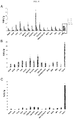
FIG. 4A is a graph showing the absorption ratio (ID/g) over time (10 min, 30 min, 60 min and 120 min) after the injection of [18F]DMFB into a melanoma model mouse according to an embodiment of the present invention;FIG. 4B is a graph showing the absorption ratio in each organ or cancer lesion at 60 minutes from the injection of [18F]DMFB; andFIG. 4C is a graph showing the absorption ratio in each organ and cancer lesion at 120 min from the injection of [18F]DMFB. -
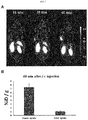
FIG. 5A is a micro PET image taken from tumor model mice according to passage of time (10 min, 30 min and 60 min) from injecting [18F]DMFB into melanoma model mice according to one embodiment of the present invention;FIG. 5B is a graph representing uptake ration in the tumor tissue and liver at 60 minutes from the injection of [18F]DMFB -
FIG. 6 is a micro PET image showing that it is possible to detect a metastatic cancer at 60 minutes from injecting [18F] DMFB according to an embodiment of the present invention to a normal model (left) and a lung model animal (right) to be. -
FIG. 7 is a micro PET image showing that the metastatic cancer can be detected at 60 minutes from the injection of [18F] DMFB according to an embodiment of the present invention to a normal model animal (left) and a hepatic metastasis model animal, respectively. - In an aspect of the present invention, there is provided a novel radioactive compound or a pharmaceutically acceptable salt thereof having the following formula:

- The compound or pharmaceutically acceptable salt thereof can be prepared by the following reaction scheme:

- In addition, the above-mentioned radioactive compound may be synthesized through a substitution reaction with a radioactive salt such as K18F, K76Br or K123I (See Examples 3-2 to 3-5) after synthesizing the compound as a non-radioactive compound comprising a non-radioactive halogen element.
- The radioactive compound may be selected from the group consisting of:
N-(2-(dimethylamino)ethyl)-4-[18F]fluorobenzamide, N-(2-(dimethylamino)ethyl)-4-[123I]iodobenzamide, N-(2-(dimethylamino)ethyl)-4-[124I]iodobenzamide, N-(2-(dimethylamino)ethyl)-4-[131I]iodobenzamide, N-(2-(dimethylamino)ethyl)-4-[76Br]bromobenzamide, N-(3-(dimethylamino)propyl)-4-[18F]fluorobenzamide, N-(3-(dimethylamino)propyl)-4-[123I]iodobenzamide, N-(3-(dimethylamino)propyl)-4-[124I]iodobenzamide, N-(3-(dimethylamino)propyl)-4-[131I]iodobenzamide, N-(3-(dimethylamino)propyl)-4-[76Br]bromobenzamide, N-(4-(dimethylamino)butyl)-4-[18F]fluorobenzamide, N-(4-(dimethylamino)butyl)-4-[123I]iodobenzamide, N-(4-(dimethylamino)butyl)-4-[124I]iodobenzamide, N-(4-(dimethylamino)butyl)-4-[131I]iodobenzamide, N-(4-(dimethylamino)butyl)-4-[76Br]bromobenzamide, N-(5-(dimethylamino)pentyl)-4-[18F]fluorobenzamide, N-(5-(dimethylamino)pentyl)-4-[123I]iodobenzamide, N-(5-(dimethylamino)pentyl)-4-[124I]iodobenzamide, N-(5-(dimethylamino)pentyl)-4-[131I]iodobenzamide, N-(5-(dimethylamino)pentyl)-4-[76Br]bromobenzamide, N-(6-(dimethylamino)hexyl)-4-[18F]fluorobenzamide, N-(6-(dimethylamino)hexyl)-4-[123I]iodobenzamide, N-(6-(dimethylamino)hexyl)-4-[124I]iodobenzamide, N-(6-(dimethylamino)hexyl)-4-[131I]iodobenzamide, N-(6-(dimethylamino)hexyl)-4-[76Br]bromobenzamide, N-(2-(dimethylamino)ethyl)-6-[18F]fluoronicotimamide, N-(2-(dimethylamino)ethyl)-6-[123I]iodonicotimamide, N-(2-(dimethylamino)ethyl)-6-[124I]iodonicotinamide, N-(2-(dimethylamino)ethyl)-6-[131I]iodonicotinamide, N-(2-(dimethylamino)ethyl)-6-[76Br]bromonicotinamide, N-(3-(dimethylamino)propyl)-6-[18F]fluoronicotinamide,N-(3-(dimethylamino)propyl)-6-[123I]iodonicotinamide, N-(3-(dimethylamino)propyl)-6-[124I]iodonicotinamide, N-(3-(dimethylamino)propyl)-6-[131I]iodonicotinamide, N-(3-(dimethylamino)propyl)-6-[76Br]bromonicotinamide, N-(4-(dimethylamino)butyl)-6-[18F]fluoronicotinamide, N-(4-(dimethylamino)butyl)-6-[123I]iodonicotinamide, N-(4-(dimethylamino)butyl)-6-[124I]iodonicotinamide, N-(4-(dimethylamino)butyl)-6-[131I]iodonicotinamide, N-(4-(dimethylamino)butyl)-6-[76Br]bromonicotinamide, N-(5-(dimethylamino)pentyl)-6-[18P]fluoronicotinamide,N-(5-(dimethylamino)pentyl)-6-[123I]iodonicotinamide, N-(5-(dimethylamino)pentyl)-6-[124I]iodonicotinamide, N-(5-(dimethylamino)pentyl)-6-[131I]iodonicotinamide, N-(5-(dimethylamino)pentyl)-6-[76Br]bromonicotinamide, N-(6-(dimethylamino)hexyl)-6-[18F]fluoronicotinamide, N-(6-(dimethylamino)hexyl)-6-[123I]iodonicotinamide, N-(6-(dimethylamino)hexyl)-6-[124I]iodonicotinamide, N-(6-(dimethylamino)hexyl)-6-[131I]iodonicotinamide, N-(6-(dimethylamino)hexyl)-6-[76Br]bromonicotinamide, N-(2-(dimethylamino)ethyl)-5-[18F] fluoropicolinamide, N-(2-(dimethylamino)ethyl)-5-[123I]iodopicolinamide, N-(2-(dimethylamino)ethyl)-5-[124I]iodopicolinamide, N-(2-(dimethylamino)ethyl)-5-[131I]iodopicolinamide, N-(2-(dimethylamino)ethyl)-5-[76Br]bromopicolinamide, N-(3-(dimethylamino)propyl)-5-[18p]fluoropicolinamide, N-(3-(dimethylamino)propyl)-5-[123I]iodopicolinamide, N-(3-(dimethylamino)propyl)-5-[124I]iodopicolinamide, N-(3-(dimethylamino)propyl)-5-[131I]iodopicolinamide, N-(3-(dimethylamino)propyl)-5-[76Br]bromopicolinamide,N-(4-(dimethylamino)butyl)-5-[18F]fluoropicolinamide, N-(4-(dimethylamino)butyl)-5-[123I]iodopicolinamide, N-(4-(dimethylamino)butyl)-5-[124I]iodopicolinamide, N-(4-(dimethylamino)butyl)-5-[131I]iodopicolinamide, N-(4-(dimethylamino)butyl)-5-[76Br]bromopicolinamide, N-(5-(dimethylamino)pentyl)-5-[18F]fluoropicolinamide,N-(5-(dimethylamino)pentyl)-5-[123I]iodopicolinamide, N-(5-(dimethylamino)pentyl)-5-[124I]iodopicolinamide, N-(5-(dimethylamino)pentyl)-5-[131I]iodopicolinamide, N-(5-(dimethylamino)pentyl)-5-[76Br]bromopicolinamide, N-(6-(dimethylamino)hexyl)-5-[18F]fluoropicolinamide, N-(6-(dimethylamino)hexyl)-5-[123I]iodopicolinamide, N-(6-(dimethylamino)hexyl)-5-[124I]iodopicolinamide, N-(6-(dimethylamino)hexyl)-5-[131I]iodopicolinamide, N-(6-(dimethylamino)hexyl)-5-[76Br]bromopicolinamide, N-(2-(dimethylamino)ethyl)-6-[18F]fluoropyridazine-3-carboxamide, N-(2-(dimethylamino)ethyl)-6-[123I]iodopyridazine-3-carboxamide, N-(2-(dimethylamino)ethyl)-6-[124I]iodopyridazine-3-carboxamide, N-(2-(dimethylamino)ethyl)-6-[131I]iodopyridazine-3-carboxamide, N-(2-(dimethylamino)ethyl)-6-[76Br]bromopyridazine-3-carboxamide, N-(3-(dimethylamino)propyl)-6-[18F]fluoropyridazine-3-carboxamide, N-(3-(dimethylamino)propyl)-6-[123I]iodopyridazine-3-carboxamide, N-(3-(dimethylamino)propyl)-6-[1241]iodopyridazine-3-carboxamide, N-(3-(dimethylamino)propyl)-6-[131I]iodopyridazine-3-carboxamide, N-(3-(dimethylamino)propyl)-6-[76Br]bromopyridazine-3-carboxamide, N-(4-(dimethylamino)butyl)-6-[18F]fluoropyridazine-3-carboxamide, N-(4-(dimethylamino)butyl)-6-[123I]iodopyridazine-3-carboxamide, N-(4-(dimethylamino)butyl)-6-[124I]iodopyridazine-3-carboxamide, N-(4-(dimethylamino)butyl)-6-[131]iodopyridazine-3-carboxamide, N-(4-(dimethylamino)butyl)-6-[76Br]bromopyridazine-3-carboxamide, N-(5-(dimethylamino)pentyl)-6-[18F]fluoropyridazine-3-carboxamide, N-(5-(dimethylamino)pentyl)-6-[123I]iodopyridazine-3-carboxamide, N-(5-(dimethylamino)pentyl)-6-[124I]iodopyridazine-3-carboxamide, N-(5-(dimethylamino)pentyl)-6-[131I]iodopyridazine-3-carboxamide, N-(5-(dimethylamino)pentyl)-6-[76Br]bromopyridazine-3-carboxamide, N-(6-(dimethylamino)hexyl)-6-[18F]fluoropyridazine-3-carboxamide, N-(6-(dimethylamino)hexyl)-6-[123I]iodopyridazine-3-carboxamide, N-(6-(dimethylamino)hexyl)-6-[124I]iodopyridazine-3-carboxamide, N-(6-(dimethylamino)hexyl)-6-[131I]iodopyridazine-3-carboxamide, and N-(6-(dimethylamino)hexyl)-6-[76Br]bromopyridazine-3-carboxamide. - On the other hand, when X1 is a complex of the chelator and a radioactive metal or salt thereof, it can be prepared by the following reaction scheme 2:

- The "pharmaceutically acceptable salt" is preferably a salt with an inorganic or organic acid, more preferably a salt having an aliphatic anion such as methoxy, acetoxy, and trifluoroacetoxy anion, a chloride, a bromide, an iodide, aliphatic carboxylate, aromatic or arylaliphatic carboxylate salt, nitrate salts, sulfate salts, phosphate salts, sulfonate salts, mesylate salts, besylate salts and tosylate salts, but not limited thereto. Also the acceptable salt of the present invention include salts with F-, Cl-, Br-, or I-. However, the acceptable salts of the present invention are not limited thereto.
- In another aspect of the present invention, there is provided a contrast agent for positron emission tomography (PET) imaging comprising the above radioactive compound or an acceptable salt thereof as an active ingredient.
- For practical use, the contrast agent for PET imaging according to one embodiment of the present invention may be combined with a pharmaceutically acceptable carrier according to conventional pharmaceutical preparation techniques. Such carriers may have a wide variety of forms depending on the preparation desired, for example, for oral or parenteral administration (including intravenous administration).
- In addition, the contrast agent according to one embodiment of the present invention may be administered at a dose of 0.1 mg/kg to 1 g/kg, more preferably 0.1 mg/kg to 500 mg/kg. On the other hand, the dose can be appropriately adjusted according to the age, sex, and condition of the patient within the range of the amount of radiation exposure permitted for the day or the year.
- The contrast agent according to one embodiment of the present invention further comprises an inert component, including a pharmaceutically acceptable carrier. As used herein, the term "pharmaceutically acceptable carrier" means any other ingredient than active ingredient in a composition, specially in a pharmaceutical composition. The example of the pharmaceutically acceptable carrier includes binders, disintegrants, diluents, fillers, lubricants, solubilizers or emulsifiers and salts.
- The novel contrast agent may be administered to the subject by parenteral administration, and the parenteral administration may be intravenous injection, intraperitoneal injection, intramuscular injection, or subcutaneous injection, but intravenous administration is most preferred.
- In another aspect of the present invention, there is provided a method for diagnosing melanoma of a subject comprising administering the above-mentioned radioactive compound to the subject.
- The diagnostic method may further include the step of detecting the radiation emitted from the radioactive compound which is accumulated and bound to the melanoma tissue present in the subject after administered from acquired image. The step of detecting the radiation may be performed using a PET imaging device.
- Hereinafter, preferred embodiments of the present disclosure will be described in detail. However, the present disclosure is not limited to embodiments explained herein but may be specified in various aspects. Rather, the embodiments are provided to sufficiently transfer the concept of the present disclosure to a person skilled in the art to thorough and complete contents introduced herein.
- 0.64 g of ethyl 4-[dimethylamino] benzoate was dissolved in 12 ml of benzene, 0.4 ml of methyl trifluoromethanesulfonate was added, and the mixture was stirred at 85 °C for 6 hours. The reaction was allowed to cool at room temperature and the solvent was removed by distillation under reduced pressure to yield ethyl 4-[trimethylammonium] benzoate as a white product.
- The results of 1H-NMR analysis of the product are shown below:
1H-NMR (300 MHz, CDCl3): 1.34 (t, 3H), 3.64 (s, 9H), 4.36 (q, 2H), 8.12 - 8.17 (m, 4H). - 0.5 g of 5-bromopyridine-2-carboxylic acid (0.5 g) dissolved in N,N-dimethylformamide (DMF) and 1.118 g of N,N,N',N'-tetramethyl-O-(N-succinimidyl)uronium tetrafluoroborate (hereinafter abbreviated as 'TSTU') are mixed and N-ethyl-N-isopropylpropan-2-amine (0.647 ml) was added thereto, followed by stirring at 50 °C for 3 hours. Then, 0.244 ml of N,N-dimethylethane-1,2-diamine was added thereto, followed by stirring at room temperature for 2 hours. After 2 hours of the reaction, the reactant was extracted using 50 mL of CH2Cl2 and 100 mL of D.W. from CH2Cl2 layer and filtered after removing residual water from the CH2Cl2 layer using MgSO4. The filtrate was evaporated and the product 5-bromo-N-(2-(dimethylamino)ethyl)picolinamide was purified by column chromatography.
- The results of 1 H-NMR analysis of the product are shown below:
1H-NMR (300 MHz, CD3OD): 2.34 (s, 6H), 2.62 (t, 2H), 3.57 (t, 2H), 7.99 - 8.01 (m, 1H), 8.13 - 8.15 (m, 1H), 8.70 (s, 1H). - 0.65 g of 6-bromopyridine-3-carboxylic acid dissolved in DMF and 1.453 g of TSTU were mixed, and 0.841 mL of N-ethyl-N-isopropylpropane-2-amine was added, followed by stirring at 50 °C for 3 hours. And then, after adding 0.317 ml of N,N-dimethylethane-1,2-diamine, the mixture was stirred for 2 hours at room temperature. After 2 hours of reaction, , the reactant was extracted using 50 mL of CH2Cl2 and 100 mL of D.W. from CH2Cl2 layer and filtered after removing residual water from the CH2Cl2 layer using MgSO4. The filtrate was evaporated and the product, 6-bromo-N-(2-(dimethylamino)ethyl)nicotinamide was purified by column chromatography.
- The results of 1 H-NMR analysis of the product are shown below:
1H-NMR (300 MHz, CDCl3): 2.27 (s, 6H), 2.53 (t, 2H), 3.50 (t, 2H), 7.05 (br, 1H), 7.54 - 7.56 (m, 1H), 7.95 - 7.98 (m, 1H), 8.73 - 8.74 (m, 1H). - 0.57 g of 5-bromopyridine-2-carboxylic acid dissolved in DMF and 1.275 g of TSTU were mixed and 0.738 ml of N-ethyl-N-isopropylpropane-2-amine was added, followed by stirring at 50 °C for 3 hours. Then, 0.318 ml of N,N-dimethylpropane-1,3-diamine was added, followed by stirring at room temperature for 2 hours. After 2 hours of reaction, the reactant was extracted using 50 mL of CH2Cl2 and 100 mL of D.W. from CH2Cl2 layer and filtered after removing residual water from the CH2Cl2 layer using MgSO4. The filtrate was evaporated and the product, 5-bromo-N-(3-(dimethylamino)propyl)picolinamide was purified by column chromatography.
- The results of 1H-NMR analysis of the product are shown below:
1H-NMR (300 MHz, CD3OD): 1.78 - 1.84 (m, 2H), 2.25 (s, 6H), 2.39 - 2.42 (m, 2H), 3.44 (t, 2H), 7.98 - 8.00 (m, 1H), 8.11 - 8.13 (m, 1H), 8.67 - 8.68 (m, 1H). - 0.6 g of 5-bromopyridine-2-carboxylic acid dissolved in DMF and 1.342 g of TSTU were added and 0.776 ml of N-ethyl-N-isopropylpropane-2-amine was added thereto, followed by stirring at 50 °C for 3 hours. Then, 0.376 ml of N,N-dimethylbutane-1,4-diamine was added, followed by stirring at room temperature for 2 hours. After 2 hours of reaction, the reactant was extracted using 50 mL of CH2Cl2 and 100 mL of D.W. from CH2Cl2 layer and filtered after removing residual water from the CH2Cl2 layer using MgSO4. The filtrate was evaporated and the product, 5-bromo-N-(4-(dimethylamino)butyl)picolinamide was purified by column chromatography.
- The results of 1H-NMR analysis of the product are shown below:
1H-NMR (300 MHz, CD3OD): 1.57 - 1.68 (m, 4H), 2.34 (s, 6H), 2.48 - 2.51 (m, 2H), 3.43 (t, 2H), 7.99 - 8.00 (m, 1H), 8.13 - 8.15 (m, 1H), 8.70 - 8.71 (m, 1H). - 0.2 g of 4-fluorobenzoic acid dissolved in DMF and 0.645 g of TSTU were added and 0.373 ml of N-ethyl-N-isopropylpropane-2-amine was added thereto, followed by stirring at 50 °C for 3 hours. Then, 0.156 ml of N,N-dimethylethane-1,2-diamine was added, followed by stirring at room temperature for 2 hours. After 2 hours of reaction, the reactant was extracted using 50 mL of CH2Cl2 and 100 mL of D.W. from CH2Cl2 layer and filtered after removing residual water from the CH2Cl2 layer using MgSO4. The filtrate was evaporated and the product, N-(2-(dimethylamino) ethyl)-4-fluorobenzamide was purified by column chromatography.
- The results of 1H-NMR analysis of the product are shown below:
1H-NMR (300 MHz, CDCl3): 2.23 (s, 6H), 2.48 (t, 2H), 3.47 (q, 2H), 7.0 - 7.06 (m, 3H), 7.77 - 7.81 (m, 2H). - The present inventors designated the compound as "DMFB".
- 0.25 g of 5-fluoropyridine-2-carboxylic acid dissolved in DMF and 0.8 g of TSTU were added and 0.463 ml of N-ethyl-N-isopropylpropane-2-amine was added, followed by stirring at 50 °C for 3 hours. Then, 0.175 ml of N,N-dimethylethane-1,2-diamine was added thereto, followed by stirring at room temperature for 2 hours. After 2 hours of reaction, the reactant was extracted using 50 mL of CH2Cl2 and 100 mL of D.W. from CH2Cl2 layer and filtered after removing residual water from the CH2Cl2 layer using MgSO4. The filtrate was evaporated and the product, N-(2-(dimethylamino)ethyl)-5-fluoropicolinamide was purified by column chromatography.
- The results of 1H-NMR analysis of the product are shown below:
1H-NMR (300 MHz, CDCl3): 2.31 (s, 6H), 2.56 (t, 2H), 3.54 (q, 2H), 7.48 - 7.52 (m, 1H), 8.15 - 8.21 (m, 2H), 8.37 - 8.38 (m, 1H) - 0.28 g of 6-fluoropyridine-3-carboxylic acid dissolved in DMF and 0.897 g of TSTU were mixed, and 0.519 ml of N-ethyl-N-isopropylpropane-2-amine was added, followed by stirring at 50 °C for 3 hours. Then, 0.195 ml of N,N-dimethylethane-1,2-diamine was added, followed by stirring at room temperature for 2 hours. After 2 hours of reaction, the reactant was extracted using 50 mL of CH2Cl2 and 100 mL of D.W. from CH2Cl2 layer and filtered after removing residual water from the CH2Cl2 layer using MgSO4. The filtrate was evaporated and the product, N-(2-(dimethylamino)ethyl)-6-fluoronicotinamide was purified by column chromatography.
- The results of 1H-NMR analysis of the product are shown below:
1H-NMR (300 MHz, CDCl3): 2.25 (s, 6H), 2.51 (t, 2H), 3.50 (q, 2H), 6.97 - 7.00 (m, 2H), 8.22 - 8.26 (m, 1H), 8.62 - 8.63 (m, 1H). - 0.26 g of 5-fluoropyridine-2-carboxylic acid dissolved in DMF and 0.833 g of TSTU were mixed and 0.482 ml of N-ethyl-N-isopropylpropane-2-amine was added, followed by stirring at 50 ° C for 3 hours. Then, 0.208 ml of N,N-dimethylpropane-1,3-diamine was added thereto, followed by stirring at room temperature for 2 hours. After 2 hours of reaction, the reactant was extracted using 50 mL of CH2Cl2 and 100 mL of D.W. from CH2Cl2 layer and filtered after removing residual water from the CH2Cl2 layer using MgSO4. The filtrate was evaporated and the product, N-(3-(dimethylamino)propyl)-5-fluoropicolinamide was purified by column chromatography.
- The results of 1H-NMR analysis of the product are shown below:
1H-NMR (300 MHz, CD3OD): 1.82 - 1.88 (m, 2H), 2.34 (s, 6H), 2.50 - 2.53 (m, 2H), 3.46 (t, 2H), 7.72 - 7.76 (m, 1H), 8.14 - 8.17 (m, 1H), 8.51 - 8.52 (m, 1H) - 0.3 g of 5-fluoropyridine-2-carboxylic acid dissolved in DMF and 0.96 g of TSTU were mixed and 0.556 ml of N-ethyl-N-isopropylpropane-2-amine was added, followed by stirring at 50 °C for 3 hours. Then, 0.27 ml of N,N-dimethylbutane-1,4-diamine was added, followed by stirring at room temperature for 2 hours. After 2 hours of reaction, the reactant was extracted using 50 mL of CH2Cl2 and 100 mL of D.W. from CH2Cl2 layer and filtered after removing residual water from the CH2Cl2 layer using MgSO4. The filtrate was evaporated and the product, N-(4-(dimethylamino)butyl)-5-fluoropicolinamide was purified by column chromatography.
- The results of 1H-NMR analysis of the product are shown below:
1H-NMR (300 MHz, CD3OD): 1.65 - 1.75 (m, 4H), 2.674 (s, 6H), 2.90 - 2.93 (m, 2H), 3.45 - 3.47 (t, 2H), 7.72 - 7.76 (m, 1H), 8.14 - 8.17 (m, 1H), 8.51 - 8.52 (m, 1H). - 10 mg of the precursor, ethyl 4-[trimethylammonium]benzoate prepared in Example 1-1 was reacted with a carrier-free K18F in acetonitrile solvent to obtain ethyl 4-[18F]fluorobenzoate salt and N-succinimidyl 4-[18F]fluorobenzoate was synthesized by adding tetrapropylammonium hydroxide and TSTU. Thereafter, 0.1 ml of N,N-dimethylethyne-1,2-diamine was added to the labeled compound, and the mixture was heated after adding 0.1 mLof N,N-dimethylethane-1,2-diamine and a radioactive compound, N-(2-(dimethylamino)ethyl)-4-[18F]fluorobenzamide was synthesized. The synthesized compound was purified using a semi-preparative column and was designated as "[18F]DMFB".
- 2 mg of 5-bromo-N-(2-dimethylamino)ethyl)picolinamide prepared in Example 1-2 was reacted with a carrier-free K18F in acetonitrile solvent to obtain N-(2-dimethylamino)ethyl)-5-[18F]fluoropicolinamide. The synthesized N-(2-dimethylamino)ethyl)-5-[18F]fluoropicolinamide was purified using a semi-preparative column and was designated as "Z-[18F]DMFB".
- 2 mg of 6-bromo-N-(2-(dimethylamino)ethyl)nicotinamide prepared in Example 1-3 reacted with a carrier-free K18F in an acetonitrile solvent to obtain N-(2-(dimethylamino)ethyl)-6-[18F]fluoronicotinamide. The synthesized N-(2-(dimethylamino)ethyl)-6-[18F]fluoronicotinamide was purified using a semi-preparative column and was designated as N-[18F]DMFB.
- 2 mg of 5-bromo-N-(3-(dimethylamino)propyl)picolinamide prepared in Example 1-4 was reacted with a carrier-free K18F in an acetonitrile solvent to obtain N-(3-(dimethylamino)propyl)-5-[18F]fluoropicolinamide. The synthesized N-(3-(dimethylamino)propyl)-5-[18F]fluoropicolinamide was purified using a semi-preparative column and was designated as 3Z-[18F]DMFB.
- 2 mg of 5-bromo-N-(4-(dimethylamino)butyl)picolinamide prepared in Example 1-5 was reacted with a carrier-free K18F in an acetonitrile solvent to obtain N-(4-(dimethylamino)butyl)-5-[18F]fluoropicolinamide. The synthesized N-(4-(dimethylamino)butyl)-5-[18F]fluoropicolinamide was purified using a semi-preparative column and was designated as 4Z-[18F]DMFB.
- For in vitro stability test, 0.74 MBq/100 µl of [18F]DMFB was dissolved in 1.0 ml human serum and then evaluated at 37 °C for 2 hours. The structural stability was measured by ITLC-sg. ITLC-sg (1x10 cm) was developed using MC:MeOH = 10: 1. The results were confirmed by radio TLC. As a result, as shown in
FIG. 1 , [18F] DMFB according to an embodiment of the present invention was confirmed to be very stable even after 2 hours. - 0.74 MBq of [18F] DMFB was reacted with 2 mg of melanin and 10 ml of distilled water for 10, 30, 60, and 120 minutes at 37 °C with stirring. Then, centrifugation was performed at 16,800 rpm for 10 minutes, and 100 µl of the supernatant was measured with a gamma counter. Percentages (%) of [18F]DMFB bound to melanin were calculated based on the mixture of [18F]DMFB and distilled water alone without melanin.
- As a result, as shown in
FIG. 2 , it was found that the binding rate of [18F]DMFB of the present invention was 85% or more and did not significantly decrease even after 120 minutes. - B16F10 cell line, a mouse malignant melanoma cell line, was cultured in 5% CO2 in DMEM medium. Twenty-four hours prior to the experiment, cells were plated at 5×10⁵ cells/well in 12-well plates and treated with 0.275 mM L-tyrosine-supplemented medium and non-supplemented medium, respectively. Then the cells were treated with 0.74 MBq of [18F]DMFB and incubated at 37 for 10, 30, and 60 min, respectively. After washing with PBS twice, the cells were treated with trypsin and the degree of [18F]DMFB in the cell culture medium and cells in each time group was measured with a gamma counter, respectively. Three experiments were performed for each time group, and the results were expressed as percentage of the amount absorbed by cells versus the amount treated into the plate.
- As shown in
FIG. 3 , the [18F]DMFB uptake in the B16F10 melanoma cells in the medium supplemented with tyrosine was significantly increased immediately after 10 minutes, and it did not decrease and increased gradually until the time was increased up to 60 minutes. On the other hand, when L-tyrosine was not treated, it was hardly absorbed. - In order to confirm the in vivo distribution of [18F]DMFB, experiments were performed on nude mice whose tumor was grown to 100 to 150 mm3 after about 10 days of injection of the B16F10 cell line into the right shoulder region. [18F]DMFB was injected into the tail vein of the tumor-bearing mice at a dose of 7.4 MBq and sacrificed at 10, 30, 60, and 120 minutes, respectively to remove tumor tissue, blood and organs, and distribution of the radioactive compound was confirmed. The extracted organs were measured by the gamma counter in each of the organs including blood, heart, lung, liver, spleen, stomach, intestine, kidney, pancreas, normal muscle, bone, brain, skin and eyes. The results were corrected by organ weight and expressed as a percentage of injections per gram of tissue (% ID/g).
- As a result, as shown in
FIGs. 4A to 4C , strong radioactivity was detected in many internal organs such as blood, heart, liver, lung, and kidney after 10 minutes of injection of [18F]DMFB. However, it was found that the radioactivity in the tumor tissue was maintained while the radioactivity in the visceral organs was hardly detected at the elapsed time of 2 hours (FIG. 4C ). In particular, as shown inFIG. 4B , the absorption ratio in tumor tissues was the highest at 1 hour after injection of [18F]DMFB which is same as the imaging time of conventional PET, whereas the absorption ratio in stomach, liver, and kidney was relatively low. Therefore, it can be seen that the radioactive compound according to one embodiment of the present invention can be very usefully used for identification of a lesion. The tumor tissue-specific imaging ability of the radioactive compound according to one embodiment of the present invention compared to other organs was superior to the 18F-FBZA described in the above-mentioned prior arts. - To confirm the in vivo dynamics of [18F]DMFB, B16F10 cell line was injected into the right shoulder region, and about 10 days later, micro PET was performed using a nude mouse bearing tumor ranging in size of 100-150 mm3. The nude mice were anesthetized with Isoflurane inhalation and then injected with 7.4 MBq of [18F]DMFB into the tail vein. Static micro PET images were obtained at 10, 30, and 60 minutes after injection of the radioactive compound. Tumor uptake was determined and the images were reconstructed using 3D-ordered subset expectation maximization (3D-OSEM).
- As a result, as shown in
FIGs. 5A and 5B , the radioactivity in the liver decreased with time after the injection of [18]DMFB, while the radiation in the tumor tissue was maintained. - In order to examine the in vivo distribution and dynamics of [18F]DMFB in lung/liver metastatic animal model, the present inventors divided C57BL/6 mice into two groups, one were injected with 1x10⁵ cells of B16F10 cell line into the tail vein and the other were not injected with the tumor cells. After 14 days from the tumor cell inoculation, 7.4 MBq of [18F]DMFB was injected into lung metastatic model mice and normal mice via tail vein, respectively and visualized at 60 min. Likewise, liver metastatic mice prepared by injecting 1x10⁵ cells of B16F10 cell line into the tale vein were injected with 7.4 MBq of [18F]DMFB into the tail vein. After 60 minutes of the administration, micro PET image was obtained. This liver metastatic model mice were produced among mice survived after a certain time after the induction of lung metastasis. Mice survived after the induction lung metastasis have metastasized to the lymph nodes and other organs after time elapse. Liver metastatic mice were selected by micro PET images using [18F]FDG, and micro PET images using [18F]FDG were used as a positive control for [18F]DMFB according to one embodiment of the present invention. Static images were reconstructed using 3D-ordered subset expectation maximization (3D-OSEM). After obtaining the images, the metastatic model mice and normal mice were sacrificed and lung and liver were excised and uptake ratio of the excised lung and liver were measured by a gamma counter. The results were corrected by organ weight and expressed as a percentage of injections per gram of tissue (% ID/g).
- As a result of the above analysis, as shown in
FIGs. 6 and 7 , the metastatic foci were successfully imaged. - Therefore, the radioactive compound according to one embodiment of the present invention can be very usefully used for the diagnosis of melanoma and even for the detection of metastasis thereof.
- The radioactive compound according to one embodiment of the present invention can be very useful as a PET contrast agent for diagnosis of melanoma.
- While the present invention has been described with reference to exemplary embodiments, it is to be understood that the invention is not limited to the disclosed exemplary embodiments, but, on the contrary, is intended to cover various modifications and equivalent arrangements included within the spirit and scope of the appended claims. Accordingly, the true scope of the present invention should be determined by the technical idea of the appended claims.
Claims (6)
- A novel radioactive compound or pharmaceutically acceptable salt thereof having the following formula:
 wherein, X1 is a radioactive isotope halogen element selected from the group consisting of 18F, 76Br, 123I, 124I and 131I, or a complex of a chelator selected from the group consisting of NOTA (1,4,7-triazacyclononane-N,N;N"-triacetic acid), DTPA (diethylenetriaminepenta-acetic acid), and TETA (1,4,8,11-tetraazacyclotetradecane-N,N',N",N"'-tetraacetic acid) and a radioactive metal or a salt thereof selected from the group consisting of 68Ga, Al18F, 62Cu and 64Cu;X2 and X3 are independently C or N; andn is an integer from 1 to 5.
 - The radioactive compound or pharmaceutically acceptable salt thereof of claim 1, wherein the radioactive compound is selected from the group consisting of:
N-(2-(dimethylamino)ethyl)-4-[18F]fluorobenzamide, N-(2-(dimethylamino)ethyl)-4-[123I]iodobenzamide, N-(2-(dimethylamino)ethyl)-4-[124I]iodobenzamide, N-(2-(dimethylamino)ethyl)-4-[131I]iodobenzamide, N-(2-(dimethylamino)ethyl)-4-[76Br]bromobenzamide, N-(3-(dimethylamino)propyl)-4-[18F]fluorobenzamide, N-(3-(dimethylamino)propyl)-4-[123I]iodobenzamide, N-(3-(dimethylamino)propyl)-4-[124I]iodobenzamide, N-(3-(dimethylamino)propyl)-4-[131I]iodobenzamide, N-(3-(dimethylamino)propyl)-4-[76Br]bromobenzamide, N-(4-(dimethylamino)butyl)-4-[18F]fluorobenzamide, N-(4-(dimethylamino)butyl)-4-[123I]iodobenzamide, N-(4-(dimethylamino)butyl)-4-[124I]iodobenzamide, N-(4-(dimethylamino)butyl)-4-[131I]iodobenzamide, N-(4-(dimethylamino)butyl)-4-[76Br]bromobenzamide, N-(5-(dimethylamino)pentyl)-4-[18F]fluorobenzamide, N-(5-(dimethylamino)pentyl)-4-[123I]iodobenzamide, N-(5-(dimethylamino)pentyl)-4-[124I]iodobenzamide, N-(5-(dimethylamino)pentyl)-4-[131I]iodobenzamide, N-(5-(dimethylamino)pentyl)-4-[76Br]bromobenzamide, N-(6-(dimethylamino)hexyl)-4-[18F]fluorobenzamide, N-(6-(dimethylamino)hexyl)-4-[123I]iodobenzamide, N-(6-(dimethylamino)hexyl)-4-[124I]iodobenzamide, N-(6-(dimethylamino)hexyl)-4-[131I]iodobenzamide, N-(6-(dimethylamino)hexyl)-4-[76Br]bromobenzamide, N-(2-(dimethylamino)ethyl)-6-[18F]fluoronicotimamide, N-(2-(dimethylamino)ethyl)-6-[123I]iodonicotimamide, N-(2-(dimethylamino)ethyl)-6-[124I]iodonicotinamide, N-(2-(dimethylamino)ethyl)-6-[131I]iodonicotinamide, N-(2-(dimethylamino)ethyl)-6-[76Br]bromonicotinamide, N-(3-(dimethylamino)propyl)-6-[18F]fluoronicotinamide,N-(3-(dimethylamino)propyl)-6-[123I]iodonicotinamide, N-(3-(dimethylamino)propyl)-6-[124I]iodonicotinamide, N-(3-(dimethylamino)propyl)-6-[131I]iodonicotinamide, N-(3-(dimethylamino)propyl)-6-[76Br]bromonicotinamide, N-(4-(dimethylamino)butyl)-6-[18F]fluoronicotinamide, N-(4-(dimethylamino)butyl)-6-[123I]iodonicotinamide, N-(4-(dimethylamino)butyl)-6-[124I]iodonicotinamide, N-(4-(dimethylamino)butyl)-6-[131I]iodonicotinamide, N-(4-(dimethylamino)butyl)-6-[76Br]bromonicotinamide, N-(5-(dimethylamino)pentyl)-6-[18F]fluoronicotinamide,N-(5-(dimethylamino)pentyl)-6-[123I]iodonicotinamide, N-(5-(dimethylamino)pentyl)-6-[124I]iodonicotinamide, N-(5-(dimethylamino)pentyl)-6-[131I]iodonicotinamide, N-(5-(dimethylamino)pentyl)-6-[76Br]bromonicotinamide, N-(6-(dimethylamino)hexyl)-6-[18F]fluoronicotinamide, N-(6-(dimethylamino)hexyl)-6-[123I]iodonicotinamide, N-(6-(dimethylamino)hexyl)-6-[124I]iodonicotinamide, N-(6-(dimethylamino)hexyl)-6-[131I]iodonicotinamide, N-(6-(dimethylamino)hexyl)-6-[76Br]bromonicotinamide, N-(2-(dimethylamino)ethyl)-5-[18F]fluoropicolinamide, N-(2-(dimethylamino)ethyl)-5-[123I]iodopicolinamide, N-(2-(dimethylamino)ethyl)-5-[124I]iodopicolinamide, N-(2-(dimethylamino)ethyl)-5-[131I]iodopicolinamide, N-(2-(dimethylamino)ethyl)-5-[76Br]bromopicolinamide, N-(3-(dimethylamino)propyl)-5-[18F]fluoropicolinamide, N-(3-(dimethylamino)propyl)-5-[123I]iodopicolinamide, N-(3-(dimethylamino)propyl)-5-[124I]iodopicolinamide, N-(3-(dimethylamino)propyl)-5-[131I]iodopicolinamide, N-(3-(dimethylamino)propyl)-5-[76Br]bromopicolinamide,N-(4-(dimethylamino)butyl)-5-[18F]fluoropicolinamide, N-(4-(dimethylamino)butyl)-5-[123I]iodopicolinamide, N-(4-(dimethylamino)butyl)-5-[124I]iodopicolinamide, N-(4-(dimethylamino)butyl)-5-[131I]iodopicolinamide, N-(4-(dimethylamino)butyl)-5-[76Br]bromopicolinamide, N-(5-(dimethylamino)pentyl)-5-[18F]fluoropicolinamide,N-(5-(dimethylamino)pentyl)-5-[123I]iodopicolinamide, N-(5-(dimethylamino)pentyl)-5-[124I]iodopicolinamide, N-(5-(dimethylamino)pentyl)-5-[131I]iodopicolinamide, N-(5-(dimethylamino)pentyl)-5-[76Br]bromopicolinamide, N-(6-(dimethylamino)hexyl)-5-[18F]fluoropicolinamide, N-(6-(dimethylamino)hexyl)-5-[123I]iodopicolinamide, N-(6-(dimethylamino)hexyl)-5-[124I]iodopicolinamide, N-(6-(dimethylamino)hexyl)-5-[131I]iodopicolinamide, N-(6-(dimethylamino)hexyl)-5-[76Br]bromopicolinamide, N-(2-(dimethylamino)ethyl)-6-[18F]fluoropyridazine-3-carboxamide, N-(2-(dimethylamino)ethyl)-6-[123I]iodopyridazine-3-carboxamide, N-(2-(dimethylamino)ethyl)-6-[124I]iodopyridazine-3-carboxamide, N-(2-(dimethylamino)ethyl)-6-[131I]iodopyridazine-3-carboxamide, N-(2-(dimethylamino)ethyl)-6-[76Br]bromopyridazine-3-carboxamide, N-(3-(dimethylamino)propyl)-6-[18F]fluoropyridazine-3-carboxamide, N-(3-(dimethylamino)propyl)-6-[123I]iodopyridazine-3-carboxamide, N-(3-(dimethylamino)propyl)-6-[124I]iodopyridazine-3-carboxamide, N-(3-(dimethylamino)propyl)-6-[131I]iodopyridazine-3-carboxamide, N-(3-(dimethylamino)propyl)-6-[76Br]bromopyridazine-3-carboxamide, N-(4-(dimethylamino)butyl)-6-[18F]fluoropyridazine-3-carboxamide, N-(4-(dimethylamino)butyl)-6-[123I]iodopyridazine-3-carboxamide, N-(4-(dimethylamino)butyl)-6-[124I]iodopyridazine-3-carboxamide, N-(4-(dimethylamino)butyl)-6-[131I]iodopyridazine-3-carboxamide, N-(4-(dimethylamino)butyl)-6-[76Br]bromopyridazine-3-carboxamide, N-(5-(dimethylamino)pentyl)-6-[18F]fluoropyridazine-3-carboxamide, N-(5-(dimethylamino)pentyl)-6-[123I]iodopyridazine-3-carboxamide, N-(5-(dimethylamino)pentyl)-6-[124I]iodopyridazine-3-carboxamide, N-(5-(dimethylamino)pentyl)-6-[131I]iodopyridazine-3-carboxamide, N-(5-(dimethylamino)pentyl)-6-[76Br]bromopyridazine-3-carboxamide, N-(6-(dimethylamino)hexyl)-6-[18F]fluoropyridazine-3-carboxamide, N-(6-(dimethylamino)hexyl)-6-[123I]iodopyridazine-3-carboxamide, N-(6-(dimethylamino)hexyl)-6-[124I]iodopyridazine-3-carboxamide, N-(6-(dimethylamino)hexyl)-6-[131I]iodopyridazine-3-carboxamide, and N-(6-(dimethylamino)hexyl)-6-[76Br]bromopyridazine-3-carboxamide. - A contrast agent for positron emission tomography (PET) imaging comprising the radioactive compound or pharmaceutically acceptable salt thereof according to claims 1 or 2 as an active ingredient,
- A method of diagnosing melanoma in a subject comprising administering the radioactive compound or pharmaceutically acceptable salt thereof according to claims 1 or 2 to the subject.
- The method according to claim 4, further comprising detecting the radiation emitted from the radioactive compound which is accumulated and bound to the melanoma tissue present in the subject after the administration of the radioactive compound from acquired image
- The method according to claim 5, wherein the detecting the radiation is performed by a PED device.
Applications Claiming Priority (2)
| Application Number | Priority Date | Filing Date | Title |
|---|---|---|---|
| KR20170006088 | 2017-01-13 | ||
| PCT/KR2018/000549 WO2018131911A1 (en) | 2017-01-13 | 2018-01-11 | Radioactive compound for diagnosis of malignant melanoma and use thereof |
Publications (2)
| Publication Number | Publication Date |
|---|---|
| EP3569589A1 true EP3569589A1 (en) | 2019-11-20 |
| EP3569589A4 EP3569589A4 (en) | 2020-12-23 |
Family
ID=62840424
Family Applications (1)
| Application Number | Title | Priority Date | Filing Date |
|---|---|---|---|
| EP18738954.9A Pending EP3569589A4 (en) | 2017-01-13 | 2018-01-11 | RADIOACTIVE CONNECTION FOR THE DIAGNOSIS OF MALIGNER MELANOMAS AND THEIR USE |
Country Status (4)
| Country | Link |
|---|---|
| US (1) | US11504439B2 (en) |
| EP (1) | EP3569589A4 (en) |
| KR (2) | KR102044480B1 (en) |
| WO (1) | WO2018131911A1 (en) |
Families Citing this family (1)
| Publication number | Priority date | Publication date | Assignee | Title |
|---|---|---|---|---|
| KR102302065B1 (en) * | 2018-06-28 | 2021-09-15 | 전남대학교 산학협력단 | A novel radioactive compound for treating melanoma and use thereof |
Family Cites Families (1)
| Publication number | Priority date | Publication date | Assignee | Title |
|---|---|---|---|---|
| US20150023877A1 (en) * | 2013-07-18 | 2015-01-22 | The Board Of Trustees Of The Leland Stanford Junior University | Methods of parkinsons disease diagnosis and monitoring treatment |
-
2018
- 2018-01-11 KR KR1020180003964A patent/KR102044480B1/en active Active
- 2018-01-11 WO PCT/KR2018/000549 patent/WO2018131911A1/en not_active Ceased
- 2018-01-11 EP EP18738954.9A patent/EP3569589A4/en active Pending
-
2019
- 2019-07-15 US US16/511,079 patent/US11504439B2/en active Active
- 2019-08-30 KR KR1020190107681A patent/KR102050904B1/en active Active
Also Published As
| Publication number | Publication date |
|---|---|
| WO2018131911A1 (en) | 2018-07-19 |
| KR20190104498A (en) | 2019-09-10 |
| KR20180083812A (en) | 2018-07-23 |
| EP3569589A4 (en) | 2020-12-23 |
| US11504439B2 (en) | 2022-11-22 |
| KR102050904B1 (en) | 2019-12-03 |
| US20190336621A1 (en) | 2019-11-07 |
| KR102044480B1 (en) | 2019-11-14 |
Similar Documents
| Publication | Publication Date | Title |
|---|---|---|
| JP5922207B2 (en) | Contrast agents for applications involving perfusion imaging | |
| JP7231413B2 (en) | 18F-Labeled Triazole Containing PSMA Inhibitor | |
| JP2014156400A (en) | Labeled derivative for image diagnosis of tumor | |
| US20240409499A1 (en) | Voltage gated sodium channel imaging agents | |
| CN111662270A (en) | Iodine isotope-labeled benzyl phenyl ether derivative, its preparation method, pharmaceutical composition and use | |
| CN116217505A (en) | Novel marker-targeting agents for diagnosis or treatment of prostate-specific membrane antigen-expressing cancers | |
| WO2014052454A1 (en) | Imaging agents | |
| US11504439B2 (en) | Radioactive compound for diagnosis of malignant melanoma and use thereof | |
| AU2013324636B2 (en) | Radiopharmaceutical products for diagnosis and therapy of adrenal carcinoma | |
| TW202444713A (en) | Ligands targeting fibroblast activation proteins | |
| CN112638919A (en) | Radioactive imidazothiadiazole derivative compound | |
| CN116375709B (en) | Folic acid receptor targeting drug, metal complex, preparation method and application thereof | |
| US20180064742A1 (en) | Pet imaging tracer for imaging prostate cancer | |
| US20240383871A1 (en) | Compound useful for pet-imaging of bruton’s tyrosine kinase | |
| KR101519006B1 (en) | Novel benzamide derivative or pharmaceutically acceptable salt thereof, preparation method thereof and pharmaceutical composition for diagnosis of cancer disease containing the same as an active ingredient | |
| CN108997372B (en) | Compound for positron imaging, intermediate thereof, preparation method and imaging agent | |
| CN121949289A (en) | PET probe based on radioactive metal label and preparation method and application thereof | |
| JP5322527B2 (en) | Compounds suitable for detecting apoptosis | |
| CN119112891A (en) | PARP-targeted integrated diagnostic and therapeutic reagents based on combined drug delivery strategy | |
| JP2026515806A (en) | Ligands that target fibroblast-activating proteins | |
| HK40042293A (en) | Radioactive imidazothiadiazole derivative compound | |
| JP2019043902A (en) | Radiopharmaceuticals for diagnosing and treating cancer | |
| JP2019064986A (en) | MOLECULE PROBE FOR Bcr-Abl PROTEIN IMAGING |
Legal Events
| Date | Code | Title | Description |
|---|---|---|---|
| STAA | Information on the status of an ep patent application or granted ep patent |
Free format text: STATUS: THE INTERNATIONAL PUBLICATION HAS BEEN MADE |
|
| PUAI | Public reference made under article 153(3) epc to a published international application that has entered the european phase |
Free format text: ORIGINAL CODE: 0009012 |
|
| STAA | Information on the status of an ep patent application or granted ep patent |
Free format text: STATUS: REQUEST FOR EXAMINATION WAS MADE |
|
| 17P | Request for examination filed |
Effective date: 20190802 |
|
| AK | Designated contracting states |
Kind code of ref document: A1 Designated state(s): AL AT BE BG CH CY CZ DE DK EE ES FI FR GB GR HR HU IE IS IT LI LT LU LV MC MK MT NL NO PL PT RO RS SE SI SK SM TR |
|
| AX | Request for extension of the european patent |
Extension state: BA ME |
|
| DAV | Request for validation of the european patent (deleted) | ||
| DAX | Request for extension of the european patent (deleted) | ||
| A4 | Supplementary search report drawn up and despatched |
Effective date: 20201119 |
|
| RIC1 | Information provided on ipc code assigned before grant |
Ipc: A61K 51/04 20060101ALI20201113BHEP Ipc: C07C 237/34 20060101ALI20201113BHEP Ipc: C07B 59/00 20060101AFI20201113BHEP |
|
| STAA | Information on the status of an ep patent application or granted ep patent |
Free format text: STATUS: EXAMINATION IS IN PROGRESS |
|
| 17Q | First examination report despatched |
Effective date: 20220105 |