EP3565534B1 - Polymeric nanoparticles encapsulating a combination of natural bio-actives trans-resveratrol(rsv) and celastrol(cl), a process for the preparation and use thereof in the treatment of prostate cancer - Google Patents
Polymeric nanoparticles encapsulating a combination of natural bio-actives trans-resveratrol(rsv) and celastrol(cl), a process for the preparation and use thereof in the treatment of prostate cancer Download PDFInfo
- Publication number
- EP3565534B1 EP3565534B1 EP18708744.0A EP18708744A EP3565534B1 EP 3565534 B1 EP3565534 B1 EP 3565534B1 EP 18708744 A EP18708744 A EP 18708744A EP 3565534 B1 EP3565534 B1 EP 3565534B1
- Authority
- EP
- European Patent Office
- Prior art keywords
- rsv
- nps
- prostate cancer
- present
- surfactant
- Prior art date
- Legal status (The legal status is an assumption and is not a legal conclusion. Google has not performed a legal analysis and makes no representation as to the accuracy of the status listed.)
- Active
Links
Images

Classifications
-
- A—HUMAN NECESSITIES
- A61—MEDICAL OR VETERINARY SCIENCE; HYGIENE
- A61P—SPECIFIC THERAPEUTIC ACTIVITY OF CHEMICAL COMPOUNDS OR MEDICINAL PREPARATIONS
- A61P35/00—Antineoplastic agents
-
- A—HUMAN NECESSITIES
- A61—MEDICAL OR VETERINARY SCIENCE; HYGIENE
- A61K—PREPARATIONS FOR MEDICAL, DENTAL OR TOILETRY PURPOSES
- A61K9/00—Medicinal preparations characterised by special physical form
- A61K9/48—Preparations in capsules, e.g. of gelatin, of chocolate
- A61K9/50—Microcapsules having a gas, liquid or semi-solid filling; Solid microparticles or pellets surrounded by a distinct coating layer, e.g. coated microspheres, coated drug crystals
- A61K9/51—Nanocapsules; Nanoparticles
- A61K9/5107—Excipients; Inactive ingredients
- A61K9/513—Organic macromolecular compounds; Dendrimers
- A61K9/5146—Organic macromolecular compounds; Dendrimers obtained otherwise than by reactions only involving carbon-to-carbon unsaturated bonds, e.g. polyethylene glycol, polyamines, polyanhydrides
- A61K9/5153—Polyesters, e.g. poly(lactide-co-glycolide)
Definitions
- the present invention relates to polymeric nanoparticles for the combined administration of a number of substances of natural origin for the treatment of prostate cancer.
- the present invention relates to polymeric nanoparticles based on a blend of poly( ⁇ -caprolactone) (PCL) and poly(D,L-lactic-co-glycolic acid)-poly(ethylene glycol) (PLGA-PEG) loaded with suitable amounts of resveratrol and celastrol.
- PCL poly( ⁇ -caprolactone)
- PLGA-PEG poly(D,L-lactic-co-glycolic acid)-poly(ethylene glycol)
- the invention also relates to the preparation of said polymeric nanoparticles loaded with resveratrol and celastrol and to their use for conveying said active substances in the treatment of prostate cancer.
- nanoparticles based on different polymeric materials such as PLGA (polylactic-co-glycolic acid), cellulose derivatives, dendrimers, cyclodextrins, have been studied to increase the cytotoxic activity of curcumin against prostate cancer cells ( Thangapazham R.L. et al., Evaluation of a nanotechnology-based carrier for delivery of curcumin in prostate cancer cells. International Journal of Oncology. 2008;32(5):1119-1123 ).
- the combination therapies studied to obtain an enhancement and/or in general an improvement of the anti-cancer activity mainly consist in the use of a natural molecule in association with synthetic chemotherapeutic agents.
- the object of the present invention is to provide an adequate response to the above technical problem.
- a suitable combination of at least two molecules of completely natural origin, one with a recognized chemopreventive activity and the other with a more marked cytotoxic action incorporated/encapsulated in a suitable polymeric nanoparticle unit system, allows enhancing the anticancer activity of said combination with respect to that of the single molecules, both considered as such, and individually encapsulated in the nanosystem, and significantly improving the antiproliferative action on prostate cancer cell lines, with the potential to prevent and/or limit the induction of undesirable toxic and/or systemic effects, thus proving able to give an adequate response to the technical problem above highlighted.
- An object of the present invention are therefore biocompatible polymeric nanoparticles (hereinafter NP as an acronym) based on a blend of poly( ⁇ -caprolactone) (hereinafter, PCL as an acronym) and a poly(D,L-lactic-co-glycolic acid)-poly(ethylene glycol) conjugate (hereinafter, PLGA-PEG-COOH as an acronym) loaded with a combination of trans -resveratrol (hereinafter RSV as an acronym) and celastrol (hereinafter CL as an acronym), as set forth in the appended independent claim.
- PCL poly( ⁇ -caprolactone)
- PLGA-PEG-COOH poly(D,L-lactic-co-glycolic acid)-poly(ethylene glycol) conjugate
- RSV trans -resveratrol
- CL celastrol
- Another object of the present invention is a pharmaceutical composition comprising the above polymeric nanoparticles, as set forth in the appended independent claim.
- Yet another object of the present invention is a method for the preparation of said polymeric nanoparticles referred to above, as set forth in the appended independent claim.
- a further object of the present invention is the use of said polymeric nanoparticles referred to above for the treatment of prostate cancer, as set forth in the appended independent claim.
- Trans-resveratrol or trans -3,5,4'-trihydroxy-stilbene is a non-flavonoid polyphenol mainly extracted from the root of Polygonum Cuspidatum (a perennial herbaceous plant belonging to the Polygonaceae family) and commonly also contained in some fruits like red grapes, blackberries, blueberries, raspberries and peanuts.
- Celastrol ( CL ) a triterpenoid compound extracted from the bark of the Tripterygium wilfordii plant root, widely used in traditional Chinese medicine, has shown interesting activities for the treatment of chronic inflammatory conditions, autoimmune diseases and neurodegenerative diseases.
- CL a triterpenoid compound extracted from the bark of the Tripterygium wilfordii plant root, widely used in traditional Chinese medicine, has shown interesting activities for the treatment of chronic inflammatory conditions, autoimmune diseases and neurodegenerative diseases.
- PC-3 androgen-receptors or AR-negative
- LNCaP AR-positive
- biocompatible polymeric nanoparticles for the controlled co-release of the actives trans-resveratrol (RSV) and celastrol (CL), at least comprising:
- the two component polymers are present in a reciprocal mass ratio PCL:PLGA-PEG-COOH comprised from 3:0.5 to 0.5:2; preferably, 1.5:1.
- the NPs of the present invention have a spherical shape and have an average hydrodynamic diameter (i.e., the diameter of the electrical dipole layer attached to the surface of the particle dispersed in a fluid) ranging from 50 nm to 350 nm; preferably, from 100 nm to 300 nm; more preferably, from 150 nm to 250 nm. In a preferred embodiment of the invention, said average hydrodynamic diameter is about 180-200 nm.
- said optional surfactant is present in aqueous solution in a concentration ranging from 0% to 2.0% by weight, with respect to the weight of the aqueous solvent; preferably from 0.05% to 1.0% by weight; more preferably, from 0.1% to 0.5% by weight. In a preferred embodiment of the invention, said surfactant is present in a concentration of 0.1%.
- Another object of the present invention is a method for the preparation of the nanoparticles (NP) loaded with the above RSV and CL, wherein said method is a nanoprecipitation method at least comprising the following steps:
- NPs obtained as described above were characterized in terms of morphology, particle size, zeta potential, encapsulation efficiency, chemical-physical and thermal analysis, and in vitro release studies, applying the same methodologies and operating conditions described in Sanna V., et al., Resveratrol-loaded nanoparticles based on poly(epsilon-caprolactone) and poly(D,L-lactic-co-glycolic acid)-poly(ethylene glycol) blend for prostate cancer treatment.
- Mol. Pharm. 2013 Oct 7;10(10):3871-81 which, as a result, is included herein as a reference in its entirety.
- the NPs of the invention are spherical in shape, characterized by an average hydrodynamic diameter in the range from 50 nm to 350 nm; more preferably, from 150 nm to 250 nm; even more preferably, from 180 nm to 200 nm.
- the production yield of the method was high, of around 68-77%, while the encapsulation efficiency of the active principles was even higher, around 78-98%.
- the NPs of the present invention have been proved capable of controlling the in vitro release of the encapsulated actives (RSV and CL).
- RSV and CL showed very different release rates; while RSV was released almost completely after the first 4 hours of the test, CL was characterized by a very prolonged release, with only about 12% released within the first 6 hours, about 50% after 24 hours, and 75% approximately after 48 hours.
- the antiproliferative efficacy of the NPs of the present invention was evaluated using the MTT assay (3-[4,5-dimethylthiazol-2-yl]-2,5-diphenyl tetrazolium bromide) applying the procedure described in Sanna V., et al., Resveratrol-loaded nanoparticles based on poly(epsilon-caprolactone) and poly(D,L-lactic-co-glycolic acid)-poly(ethylene glycol) blend for prostate cancer treatment.
- Mol. Pharm. 2013 Oct 7;10(10):3871-81 which, as a result, is included herein as a reference in its entirety.
- the tested prostate cancer cell lines (in the order, C-42, DU-145, and PC-3 cells) were treated for 72 hours, respectively, only with RSV; only with CL; with RSV + CL in combination; with NP not loaded with actives, with NP loaded with only RSV, with NP loaded with only CL, and with NP loaded with RSV + CL in combination.
- the NPs loaded with the combination of RSV + CL all show an antiproliferative activity that is significantly higher than both the non-encapsulated combination and the single encapsulated molecules. In this case, this increase in cytotoxicity is due to a synergistic effect, as shown by the values of CI ( Figure 2 : d, e, f), which are between 0.5 and 0.9, recorded for the three cell lines.
- the NPs loaded with the RSV + CL combination show a cytotoxicity of about 30%, 40 % and 45% respectively higher than at the corresponding doses of the non-encapsulated RSV + CL combination.
- the antiproliferative activity of NPs loaded with the RSV + CL combination is improved/increased on average by about 40% on the DU-145 cells, and of values between 45% and 60% on PC-3 cells, compared to the non-encapsulated RSV + CL combination.
- the PLGA-PEG-COOH conjugated co-polymer was instead prepared as indicated in the following Example 1.
- PLGA-NHS was obtained by precipitation with cold diethyl ether (10 mL) as a white solid, which was filtered and washed repeatedly with a cold mixture of diethyl ether and methanol (in a 1:1 ratio by volume, v:v), and then dried under vacuum and in a stream of nitrogen (yield, about 95%).
- the resulting PGLA-PEG-COOH was dried under vacuum, characterized by 1 H NMR (500 MHz: Brucker Avance 500) and used for the preparation of the NPs without further treatment.
- PCL Sigma-Aldrich
- PLGA-PEG-COOH from Example 1] (37.6 mg)
- RSV Sigma-Aldrich
- CL Booji Guokang BioTechnology Co., Ltd, Republic of China
- the yield of the particle preparation reaction was about 74%, while the encapsulation efficiency of the active principles was about 92%.
- a further object of the present invention is therefore the use of the above polymeric nanoparticles loaded with the RSV and CL actives for the delivery and controlled release of said actives to the desired site of a patient's organism.
- a further object of the present invention is the use of the above polymeric nanoparticles loaded with the RSV and CL actives for the preparation of a pharmaceutical composition for the treatment of prostate cancer.
- a further object of the present invention is a pharmaceutical composition comprising the above polymeric nanoparticles loaded with the RSV and CL actives for use in the treatment of prostate cancer.
Landscapes
- Health & Medical Sciences (AREA)
- Chemical & Material Sciences (AREA)
- Life Sciences & Earth Sciences (AREA)
- Engineering & Computer Science (AREA)
- Bioinformatics & Cheminformatics (AREA)
- Veterinary Medicine (AREA)
- Public Health (AREA)
- General Health & Medical Sciences (AREA)
- Medicinal Chemistry (AREA)
- Pharmacology & Pharmacy (AREA)
- Animal Behavior & Ethology (AREA)
- Nanotechnology (AREA)
- Epidemiology (AREA)
- Optics & Photonics (AREA)
- Physics & Mathematics (AREA)
- Biomedical Technology (AREA)
- Chemical Kinetics & Catalysis (AREA)
- General Chemical & Material Sciences (AREA)
- Nuclear Medicine, Radiotherapy & Molecular Imaging (AREA)
- Organic Chemistry (AREA)
- Medicinal Preparation (AREA)
- Acyclic And Carbocyclic Compounds In Medicinal Compositions (AREA)
- Pharmaceuticals Containing Other Organic And Inorganic Compounds (AREA)
- Medicines That Contain Protein Lipid Enzymes And Other Medicines (AREA)
Description
- The present invention relates to polymeric nanoparticles for the combined administration of a number of substances of natural origin for the treatment of prostate cancer.
- Specifically, the present invention relates to polymeric nanoparticles based on a blend of poly(ε-caprolactone) (PCL) and poly(D,L-lactic-co-glycolic acid)-poly(ethylene glycol) (PLGA-PEG) loaded with suitable amounts of resveratrol and celastrol. The invention also relates to the preparation of said polymeric nanoparticles loaded with resveratrol and celastrol and to their use for conveying said active substances in the treatment of prostate cancer.
- Although several naturally occurring substances have promising pharmacological activity against different types of cancers, their efficacy is often severely limited by a series of limitations due, for example, to their structural instability, poor solubility, non-efficient systemic release, poor bioavailability and/or intrinsic toxicity when administered as such. In an attempt to remedy these limitations, several studies have been directed to the identification of suitable systems, in particular nanosystems, for the most suitable delivery of these substances.
- For example, nanoparticles based on different polymeric materials, such as PLGA (polylactic-co-glycolic acid), cellulose derivatives, dendrimers, cyclodextrins, have been studied to increase the cytotoxic activity of curcumin against prostate cancer cells (Thangapazham R.L. et al., Evaluation of a nanotechnology-based carrier for delivery of curcumin in prostate cancer cells. International Journal of Oncology. 2008;32(5):1119-1123).
- Recently, Sanna and collaborators have proposed a polymeric nanosystem consisting of a blend of poly-caprolactone and PLGA-PEG, for the controlled release of resveratrol on several prostate cancer cell lines (Sanna V. et al., Resveratrol-loaded nanoparticles based on poly(ε-caprolactone) and poly(D,L-lactic-co-glycolic acid)-poly(ethylene glycol) blend for prostate cancer treatment. Mol. Pharm. 2013 Oct 7;10(10):3871-81).
- Recently, Sanna and collaborators have proposed a polymeric nanosystem, based on poly-caprolactone, for the controlled release of celastrol on several prostate cancer cell lines (Sanna V. et al., Nanoencapsulation of natural triterpenoid celastrol for prostate cancer treatment. Int. J. Nanomedicine. 2015 Oct. 30;10:6835-6846).
- Lately, among the emerging strategies for the treatment of cancers, a great interest has been focused on the combination of one or more synthetic chemotherapeutic agents with molecules of natural origin having a chemopreventive activity, with the aim of being able to ensure a better efficacy of treatments and a reduction of the side effects compared to the monotherapies used in conventional protocols. Furthermore, it is hoped that the possibility of combining different anticancer molecules and natural chemopreventive agents can offer the advantage of preventing the onset of the phenomenon of drug resistance by cancer cells, which represents a limitation of the currently used therapies. However, despite the interesting chemopreventive activities shown by different molecules of natural origin against prostate cancer, and the improvement of the effectiveness of the treatments of different types of cancers observed using a combination of synthetic molecules with natural molecules, their therapeutic application still remains rather limited.
- To the present inventors' knowledge, to date the combination therapies studied to obtain an enhancement and/or in general an improvement of the anti-cancer activity mainly consist in the use of a natural molecule in association with synthetic chemotherapeutic agents.
- On the contrary, no publications and/or patents are known describing the preparation of a single system of polymer nanoparticles loaded with at least two or more different molecules of natural origin, with antiproliferative/anti-cancer activity, in particular for the treatment (prevention and/or therapy) of prostate cancer.
- Therefore, a need is strongly felt by the technicians of the field to have new systems for conveying and releasing (possibly in a controlled manner) a combination of several natural compounds, having a valid cytotoxic activity, in particular against prostate cancer cells, able to perform a chemopreventive/anti-cancer action and to obtain a significant enhancement and/or a general improvement in the activity of the bioactive molecules used, together with an improvement in the quality of life of cancer patients.
- The object of the present invention is to provide an adequate response to the above technical problem.
- The present inventors have now unexpectedly found that a suitable combination of at least two molecules of completely natural origin, one with a recognized chemopreventive activity and the other with a more marked cytotoxic action, incorporated/encapsulated in a suitable polymeric nanoparticle unit system, allows enhancing the anticancer activity of said combination with respect to that of the single molecules, both considered as such, and individually encapsulated in the nanosystem, and significantly improving the antiproliferative action on prostate cancer cell lines, with the potential to prevent and/or limit the induction of undesirable toxic and/or systemic effects, thus proving able to give an adequate response to the technical problem above highlighted.
- An object of the present invention are therefore biocompatible polymeric nanoparticles (hereinafter NP as an acronym) based on a blend of poly(ε-caprolactone) (hereinafter, PCL as an acronym) and a poly(D,L-lactic-co-glycolic acid)-poly(ethylene glycol) conjugate (hereinafter, PLGA-PEG-COOH as an acronym) loaded with a combination of trans-resveratrol (hereinafter RSV as an acronym) and celastrol (hereinafter CL as an acronym), as set forth in the appended independent claim.
- Another object of the present invention is a pharmaceutical composition comprising the above polymeric nanoparticles, as set forth in the appended independent claim.
- Yet another object of the present invention is a method for the preparation of said polymeric nanoparticles referred to above, as set forth in the appended independent claim.
- A further object of the present invention is the use of said polymeric nanoparticles referred to above for the treatment of prostate cancer, as set forth in the appended independent claim.
- Preferred embodiments of the present invention are set forth in the appended dependent claims.
- The preferred embodiments the present invention shown in the following description are described herein only by way of non-limiting example of the broad application scope of the invention, which will be apparent to the man skilled in the art.
- The present invention will be described hereinafter by way of example in no way limiting the scope of the same, by illustrating some preferred embodiments thereof. To this end, to better highlight the potential and peculiarities of the polymeric nanoparticles of the present invention, reference will also be made to the accompanying
Figure 1 . -
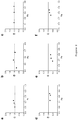
Figure 1 shows the comparison between the viability of the tested prostate cancer cell lines (C-42 cells (a & b); DU-145 cells (c & d); and PC-3 cells (e & f)) treated for 72 hours only with RSV at different doses (20, 30 and 40 µM); only with CL at different doses (0.250, 0.375 and 0.5 µM); with RSV + CL in combination at different doses (20 µM of RSV + 0,25 µM of CL, 30 µM of RSV + 0,375 µM of CL, and 40 µM of RSV + 0,5 µM of CL); and also treated with NP not loaded (empty), NP loaded with only RSV, NP loaded with only CL, and NP loaded with RSV + CL in combination with the same doses indicated above. (n = 3 or 5). - Trans-resveratrol or trans-3,5,4'-trihydroxy-stilbene (RSV) is a non-flavonoid polyphenol mainly extracted from the root of Polygonum Cuspidatum (a perennial herbaceous plant belonging to the Polygonaceae family) and commonly also contained in some fruits like red grapes, blackberries, blueberries, raspberries and peanuts.
- This phytoalexin, widely used in traditional Chinese medicine, produced by plants in response to climatic stress and in defence against pathogens such as bacteria or fungi, is well known for its anti-oxidant, anti-aging, anti-infective and protective effects at the cardiovascular and neurological level. Several in vitro and in vivo studies have shown the effectiveness of RSV as a preventive agent with a significant reduction in the formation and progression of prostate cancer.
- Celastrol (CL), a triterpenoid compound extracted from the bark of the Tripterygium wilfordii plant root, widely used in traditional Chinese medicine, has shown interesting activities for the treatment of chronic inflammatory conditions, autoimmune diseases and neurodegenerative diseases. In vitro and in vivo studies have shown that treatment with CL results in the inhibition of the proteasome activity and the induction of apoptosis in PC-3 (androgen-receptors or AR-negative) and LNCaP (AR-positive) prostate cancer cells.
- Unfortunately, the possible pharmacological use of RSV and CL, despite their interesting anticancer activities, is strongly limited due to the poor bioavailability of these molecules resulting, among other things, from their low solubility in water (the solubility of RSV is of 3 mg/100 mL, while CL is insoluble), chemical instability, which, for example, in the case of RSV, causes the conversion of the biologically active trans isomer into its inactive cis form, and a certain systemic toxicity, in particular of CL.
- Therefore, are an object of the present invention biocompatible polymeric nanoparticles (NP) for the controlled co-release of the actives trans-resveratrol (RSV) and celastrol (CL), at least comprising:
- a biocompatible polymeric blend of poly(ε-caprolactone) (PCL) and poly(D,L-lactic-co-glycolic acid)-poly(ethylene glycol) conjugate co-polymer (PLGA-PEG-COOH); and
- an effective amount of a blend of trans-resveratrol (RSV) and celastrol (CL). Optionally, said NP further comprise an effective amount of at least one surfactant selected from the group consisting of: poloxamers, Pluronic® F-127, polysorbates, Tween® 80, polyvinyl alcohol, PVA; preferably, Pluronic® F-127 and PVA; more preferably Pluronic® F-127.
- In the nanoparticles of the present invention, in said biocompatible polymeric blend, the two component polymers are present in a reciprocal mass ratio PCL:PLGA-PEG-COOH comprised from 3:0.5 to 0.5:2; preferably, 1.5:1.
- In the nanoparticles of the present invention, in said blend of the two active principles (RVS and CL),
- RSV is present at a concentration of from 5 µM to 50 µM; preferably, from 10 µM to 45 µM; more preferably, from 20 µM to 40 µM. In preferred embodiments of the invention, said RSV concentration is 20 µM and/or 25 µM and/or 30 µM and/or 35 µM and/or 40 µM; and
- CL is present at a concentration from 0.050 µM to 5,000 µM; preferably, from 0.150 µM to 2.000 µM; more preferably, from 0.250 µM to 0.500 µM. In preferred embodiments of the invention, said concentration of CL is 0.250 µM and/or 0.325 µM and/or 0.375 µM and/or 0.425 µM and/or 0.500 µM.
- The NPs of the present invention have a spherical shape and have an average hydrodynamic diameter (i.e., the diameter of the electrical dipole layer attached to the surface of the particle dispersed in a fluid) ranging from 50 nm to 350 nm; preferably, from 100 nm to 300 nm; more preferably, from 150 nm to 250 nm. In a preferred embodiment of the invention, said average hydrodynamic diameter is about 180-200 nm. In the nanoparticles of the present invention, said optional surfactant is present in aqueous solution in a concentration ranging from 0% to 2.0% by weight, with respect to the weight of the aqueous solvent; preferably from 0.05% to 1.0% by weight; more preferably, from 0.1% to 0.5% by weight. In a preferred embodiment of the invention, said surfactant is present in a concentration of 0.1%.
- Another object of the present invention is a method for the preparation of the nanoparticles (NP) loaded with the above RSV and CL, wherein said method is a nanoprecipitation method at least comprising the following steps:
- a) dissolving into a vessel, or into a reactor, provided with magnetic or mechanic stirring, according to the size of the vessel itself, the above polymeric blend of PCL:PLGA-PEG-COOH, RSV and CL into a suitable organic solvent, such as acetonitrile and/or acetone, preferably acetonitrile;
- b) adding, under gentle stirring, the solution resulting from step a) into water, added or not with an effective amount of a surfactant, selected from the group consisting of poloxamers, Pluronic® F-127, polysorbates, Tween® 80, polyvinyl alcohol, PVA, preferably, Pluronic® F-127 and PVA, more preferably Pluronic® F-127, at a concentration of from 0% to 2.0%, preferably 0.1% by weight with respect to water, to give a colloidal, milky suspension of nanoparticles encapsulating the active principles;
- c) keeping said suspension from step b) under stirring for about 1 hour at a temperature of from 15 to 30 °C, preferably at room temperature, to evaporate, remove, the organic solvent;
- d) centrifuging the NPs from the suspension from step c), at 10,000 rpm for 5 minutes, and washing them with water several times, for example, three times, to remove the non-encapsulated actives (RSV and CL).
- The method for the preparation of the NPs of the present invention, described above, has been carried out by substantially applying the same methodology and the same operating conditions described for trans-resveratrol (RSV) in the scientific paper by Sanna V., et al., Resveratrol-loaded nanoparticles based on poly(epsilon-caprolactone) and poly(D,L-lactic-co-glycolic acid)-poly(ethylene glycol) blend for prostate cancer treatment. Mol. Pharm. 2013 Oct 7;10(10):3871-81, which, as a result, is included herein as a reference in its entirety.
- The NPs obtained as described above were characterized in terms of morphology, particle size, zeta potential, encapsulation efficiency, chemical-physical and thermal analysis, and in vitro release studies, applying the same methodologies and operating conditions described in Sanna V., et al., Resveratrol-loaded nanoparticles based on poly(epsilon-caprolactone) and poly(D,L-lactic-co-glycolic acid)-poly(ethylene glycol) blend for prostate cancer treatment. Mol. Pharm. 2013 Oct 7;10(10):3871-81, which, as a result, is included herein as a reference in its entirety.
- In particular, it was found, as previously noted, that the NPs of the invention are spherical in shape, characterized by an average hydrodynamic diameter in the range from 50 nm to 350 nm; more preferably, from 150 nm to 250 nm; even more preferably, from 180 nm to 200 nm.
- Moreover, the production yield of the method was high, of around 68-77%, while the encapsulation efficiency of the active principles was even higher, around 78-98%.
- Furthermore, the NPs of the present invention have been proved capable of controlling the in vitro release of the encapsulated actives (RSV and CL). In fact, at pH 7.4 (in physiological conditions), RSV and CL showed very different release rates; while RSV was released almost completely after the first 4 hours of the test, CL was characterized by a very prolonged release, with only about 12% released within the first 6 hours, about 50% after 24 hours, and 75% approximately after 48 hours.
- Finally, in vitro cytotoxicity studies were performed in order to evaluate whether co-administration of encapsulated RSV and CL would have allowed an increase in the antiproliferative efficacy compared to single molecules, both as such and formulated in nanosystems, on androgen-dependent (C-42 cells) and androgen-independent (DU-145 and PC-3 cells) prostate cancer cell lines (PCa).
- The antiproliferative efficacy of the NPs of the present invention was evaluated using the MTT assay (3-[4,5-dimethylthiazol-2-yl]-2,5-diphenyl tetrazolium bromide) applying the procedure described in Sanna V., et al., Resveratrol-loaded nanoparticles based on poly(epsilon-caprolactone) and poly(D,L-lactic-co-glycolic acid)-poly(ethylene glycol) blend for prostate cancer treatment. Mol. Pharm. 2013 Oct 7;10(10):3871-81, which, as a result, is included herein as a reference in its entirety.
- As shown in
Figure 1 , the tested prostate cancer cell lines (in the order, C-42, DU-145, and PC-3 cells) were treated for 72 hours, respectively, only with RSV; only with CL; with RSV + CL in combination; with NP not loaded with actives, with NP loaded with only RSV, with NP loaded with only CL, and with NP loaded with RSV + CL in combination. Each experiment was repeated 3 or 5 times (n = 3 or 5). - As can be seen from the graph, in all cancer cell lines the treatment with non-encapsulated RSV and CL alone produces a reduction of viability that is generally dose-dependent (
Figure 1 : a, c, e); the treatment with the combination of non-encapsulated RSV + CL produces an increase in cytotoxicity, compared to treatment with RSV or CL alone, due to an additive effect, as can be seen from the combination values (CI) (Figure 2 : a, b , c), resulted, in general, between 0.9 and 1.10 (calculated according to the so-called "Loewe additivity" method). - The encapsulation of RSV or CL in NP (Figures b, d, f) generally leads to an increase in cytotoxicity compared to the profiles observed for the free molecules.
- Also the NPs loaded with the combination of RSV + CL all show an antiproliferative activity that is significantly higher than both the non-encapsulated combination and the single encapsulated molecules. In this case, this increase in cytotoxicity is due to a synergistic effect, as shown by the values of CI (
Figure 2 : d, e, f), which are between 0.5 and 0.9, recorded for the three cell lines. - Comparison of the cell viability data after treatment with the non-encapsulated RSV + CL combination and, respectively, encapsulated in the NPs shows an increase in cytotoxicity which also reaches about 60%.
- Specifically, on C-42 androgen-dependent PCa cell lines, the NPs loaded with the RSV + CL combination, at the three tested combination doses, show a cytotoxicity of about 30%, 40 % and 45% respectively higher than at the corresponding doses of the non-encapsulated RSV + CL combination. In turn, on the cell lines of the androgen-independent PCa, the antiproliferative activity of NPs loaded with the RSV + CL combination is improved/increased on average by about 40% on the DU-145 cells, and of values between 45% and 60% on PC-3 cells, compared to the non-encapsulated RSV + CL combination.
- This clearly shows that the co-administration of RSV + CL encapsulated in the NPs of the present invention causes a significant and unexpected enhancement of the anti-cancer effects, compared to those of the single molecules (encapsulated or not) and of their non-encapsulated combination, attributable to a synergistic effect.
- The following experimental section describes some of the characteristic aspects of the present invention, without however limiting the wide potential for use thereof.
- For the preparation of the NPs of the present invention, the necessary materials were substantially found on the market, similarly to what is indicated in Sanna V., et al., Resveratrol-loaded nanoparticles based on poly(epsilon-caprolactone) and poly(D,L-lactic-co-glycolic acid)-poly(ethylene glycol) blend for prostate cancer treatment. Mol. Pharm. 2013 Oct 7;10(10):3871-81; and in Sanna V. et al., Nanoencapsulation of natural triterpenoid celastrol for prostate cancer treatment. Int. J. Nanomedicine. 2015 Oct. 30;10:6835-6846, which are incorporated herein as a reference.
- The PLGA-PEG-COOH conjugated co-polymer was instead prepared as indicated in the following Example 1.
- To a solution of PLGA-COOH (3.0 g, 0.166 mmol: lactide/glycolide ratio 50:50, terminal -COOH,
viscosity 0,20 dL/g) [Purac Biomaterials, Gorinchem, Nl] in methylene chloride (10 mL), were added N-hydroxyisuccinimide (NHS, 76 mg, 0.66 mmol) (Sigma-Aldrich, Steinheim, DE) and 1-ethyl-3-(3-dimethylaminopropyl)-carbodiimide (EDC, 140 mg, 0.72 mmol) [Sigma-Aldrich], and the reaction mixture was magnetically stirred at room temperature for 12 hours under a nitrogen atmosphere. PLGA-NHS was obtained by precipitation with cold diethyl ether (10 mL) as a white solid, which was filtered and washed repeatedly with a cold mixture of diethyl ether and methanol (in a 1:1 ratio by volume, v:v), and then dried under vacuum and in a stream of nitrogen (yield, about 95%). The PLGA-NHS activated polymer (3.0 g, 0.166 mmol) was dissolved in anhydrous chloroform (10 mL), and the NH2-PEG-COOH compounds (0.75 g, 0.22 mmol: MW = 3.400) [JenChem Technology, USA) and N,N-diisopropylethylamine (DIPEA, 42 mg, 0.75 mmol) [Sigma-Aldrich] were then added under magnetic stirring. The reaction mixture was kept under magnetic stirring for 24 hours. The conjugated co-polymer was obtained by treating the mixture with previously cooled diethyl ether (yield, about 90%). The resulting PGLA-PEG-COOH was dried under vacuum, characterized by 1H NMR (500 MHz: Brucker Avance 500) and used for the preparation of the NPs without further treatment.
1H NMR (500 MHz, CDCl3): δ 5.23(m, -OC-CH(CH3)O-, PLGA), 4.78(m, -OC-CH2O-, PLGA), 3.65(s, -CH2CH2O-, PEG), 1.56(brs, -OCCHCH3O-, PLGA) - PCL [Sigma-Aldrich] (56.4 mg) and PLGA-PEG-COOH [from Example 1] (37.6 mg), in a mass ratio of 1.5:1, RSV [Sigma-Aldrich] (6 mg), and CL [Baoji Guokang BioTechnology Co., Ltd, Republic of China] (0.12 mg) were dissolved in acetonitrile (6 mL) and, under gentle stirring, added dropwise in water (20 mL) containing Pluronic® F-127 [Sigma-Aldrich] (0.1% w/w) to give a milky colloidal suspension containing the NPs of the invention. Said suspension was made to evaporate under stirring at room temperature to remove the organic solvent; subsequently, the NPs were centrifuged at 10,000 rpm for 5 min. and washed with water (at least 3 times) to remove the non-encapsulated actives. The NPs loaded with the actives were used immediately for subsequent tests, or lyophilized and stored at -50 °C.
- The NPs without actives and the NPs loaded with the single actives, to be used as a comparison, were prepared in the same way.
- The yield of the particle preparation reaction was about 74%, while the encapsulation efficiency of the active principles was about 92%.
- While, as noted above, the potential pharmacological use of RSV and CL, despite their interesting antiproliferative/cytotoxic activities, is strongly limited because of their poor bioavailability, the co-encapsulation of said molecules in the NPs of the invention, described above and in the appended claims, has provided the advantage of increasing its solubility and chemical stability, reducing its potential systemic toxicity, controlling its release and improving its overall bioavailability. Moreover, the above polymeric nanoparticles loaded with the natural active principles RSV and CL have proved to be very effective/active against the cancer lines of prostate cancer, thus being unexpectedly and advantageously promising for use in the treatment of said pathology.
- A further object of the present invention is therefore the use of the above polymeric nanoparticles loaded with the RSV and CL actives for the delivery and controlled release of said actives to the desired site of a patient's organism.
- Therefore, a further object of the present invention is the use of the above polymeric nanoparticles loaded with the RSV and CL actives for the preparation of a pharmaceutical composition for the treatment of prostate cancer.
- Therefore, a further object of the present invention is a pharmaceutical composition comprising the above polymeric nanoparticles loaded with the RSV and CL actives for use in the treatment of prostate cancer.
Claims (10)
- Biocompatible polymeric nanoparticles (NP) for the controlled co-release of the natural actives trans-resveratrol (RSV) and celastrol (CL), at least comprising:- a biocompatible polymeric blend of poly(ε-caprolactone) (PCL) and poly(D,L-lactic-co-glycolic acid)-poly(ethylene glycol) conjugate co-polymer (PLGA-PEG-COOH); and- an effective amount of a blend of trans-resveratrol (RSV) and celastrol (CL).
- The NPs according to claim 1, further comprising or not an effective amount of a surfactant.
- The NPs according to claim 1 or 2, wherein in said polymeric blend the two component polymers are present in a reciprocal mass ratio PCL:PLGA-PEG-COOH comprised from 3:0.5 to 0.5:1.
- The NPs according to any one of the preceding claims, wherein, in said blend of the two active principles,- RSV is present at a concentration from 5 µM to 50 µM; and- CL is present at a concentration from 0.050 µM to 5.000 µM.
- The NPs according to any one of the preceding claims, wherein said surfactant is selected from the group consisting of poloxamers, Pluronic® F-127, polysorbates, Tween® 80, polyvinyl alcohol, PVA; said surfactant being present in aqueous solution at a concentration from 0% to 2.0% by weight, relative to the aqueous solvent.
- The NPs according to any one of the preceding claims, characterized by a spherical shape and an average hydrodynamic diameter from 50 nm to 350 nm.
- A method for preparing the nanoparticles (NPs) according to any one of claims 1 to 6, wherein said method is a nanoprecipitation method at least comprising the following steps:a) dissolving into a vessel provided with magnetic or mechanic stirring said polymeric blend of PCL:PLGA-PEG-COOH, RSV and CL into an organic solvent;b) adding, under gentle stirring, the solution resulting from step a) into water, added or not with an effective amount of a surfactant, to give a colloidal, milky suspension of nanoparticles encapsulating the active principles;c) keeping said suspension from step b) under stirring at a temperature from 15 to 30°C to evaporate, remove, the organic solvent;d) centrifuging the NPs from the suspension from step c), and washing them with water to remove the non-encapsulated actives (RSV and CL).
- A method according to claim 7, wherein- in said step a), said solvent is acetonitrile and/or acetone;- in said step b), said surfactant is selected from the group consisting of poloxamers, Pluronic® F-127, polysorbates, Tween® 80, polyvinyl alcohol, PVA; said surfactant being present in aqueous solution at a concentration from 0% to 2.0% by weight relative to the aqueous solvent;- in said step d), the NPs are centrifuged at 10,000 rpm for 5 min; andwherein the global yield of the method is approximately 68-77% and the encapsulation of the active principles is approximately 78-98%.
- Use of the NPs according to any one of claims 1 to 6 for in vitro treatment of the C-42 and/or DU-145 and/or PC-3 prostate cancer cell lines.
- A pharmaceutical composition comprising the nanoparticles according to any one of claims 1 to 6 for use in the treatment of prostate cancer.
Applications Claiming Priority (2)
| Application Number | Priority Date | Filing Date | Title |
|---|---|---|---|
| IT102017000015178A IT201700015178A1 (en) | 2017-02-10 | 2017-02-10 | POLYMERIC NANOPARTICLES ENCAPSULATING A COMBINATION OF NATURAL BIOACTIVE MOLECULES, A PROCEDURE FOR THEIR PREPARATION AND THEIR USE FOR THE TREATMENT OF PROSTATIC CANCER |
| PCT/IB2018/050757 WO2018146599A1 (en) | 2017-02-10 | 2018-02-07 | Polymeric nanoparticles encapsulating a combination of natural bio-actives trans-resveratrol(rsv) and celastrol(cl), a process for the preparation and use thereof in the treatment of prostate cancer |
Publications (2)
| Publication Number | Publication Date |
|---|---|
| EP3565534A1 EP3565534A1 (en) | 2019-11-13 |
| EP3565534B1 true EP3565534B1 (en) | 2020-05-13 |
Family
ID=59067804
Family Applications (1)
| Application Number | Title | Priority Date | Filing Date |
|---|---|---|---|
| EP18708744.0A Active EP3565534B1 (en) | 2017-02-10 | 2018-02-07 | Polymeric nanoparticles encapsulating a combination of natural bio-actives trans-resveratrol(rsv) and celastrol(cl), a process for the preparation and use thereof in the treatment of prostate cancer |
Country Status (5)
| Country | Link |
|---|---|
| EP (1) | EP3565534B1 (en) |
| CN (1) | CN110996924B (en) |
| ES (1) | ES2810850T3 (en) |
| IT (1) | IT201700015178A1 (en) |
| WO (1) | WO2018146599A1 (en) |
Families Citing this family (7)
| Publication number | Priority date | Publication date | Assignee | Title |
|---|---|---|---|---|
| WO2020257658A1 (en) * | 2019-06-20 | 2020-12-24 | University Of Iowa Research Foundation | Nanoparticles comprising quinone w methides and compositions for use |
| US12624015B2 (en) | 2019-06-24 | 2026-05-12 | University Of Iowa Research Foundation | JNK inhibitors as anticancer agents |
| US11904006B2 (en) | 2019-12-11 | 2024-02-20 | University Of Iowa Research Foundation | Poly(diaminosulfide) particle-based vaccine |
| CN111286170B (en) * | 2020-02-26 | 2022-06-07 | 成都美益达医疗科技有限公司 | Degradable antiviral material, preparation method and application thereof to mask |
| CN112618729A (en) * | 2021-01-19 | 2021-04-09 | 河南中医药大学 | Preparation method and application of tripterine-chitosan oligosaccharide coupling drug |
| CN113967199A (en) * | 2021-11-29 | 2022-01-25 | 河南省洛阳正骨医院(河南省骨科医院) | Application of resveratrol-polylactic acid long-acting nano microspheres in preparation of medicines for resisting osteoarthritis |
| CN114533703B (en) * | 2022-03-08 | 2024-05-31 | 河南省人民医院 | Tripterine composite film and preparation method and application thereof |
Family Cites Families (2)
| Publication number | Priority date | Publication date | Assignee | Title |
|---|---|---|---|---|
| CA2746506A1 (en) * | 2008-12-08 | 2010-07-08 | Northwestern University | Method of modulating hsf-1 |
| EP2961853B1 (en) * | 2013-02-28 | 2018-09-19 | The Board of Regents of The University of Texas System | Methods for classifying a cancer as susceptible to tmepai-directed therapies and treating such cancers |
-
2017
- 2017-02-10 IT IT102017000015178A patent/IT201700015178A1/en unknown
-
2018
- 2018-02-07 CN CN201880018640.1A patent/CN110996924B/en active Active
- 2018-02-07 EP EP18708744.0A patent/EP3565534B1/en active Active
- 2018-02-07 ES ES18708744T patent/ES2810850T3/en active Active
- 2018-02-07 WO PCT/IB2018/050757 patent/WO2018146599A1/en not_active Ceased
Non-Patent Citations (1)
| Title |
|---|
| None * |
Also Published As
| Publication number | Publication date |
|---|---|
| EP3565534A1 (en) | 2019-11-13 |
| CN110996924B (en) | 2022-06-24 |
| IT201700015178A1 (en) | 2018-08-10 |
| CN110996924A (en) | 2020-04-10 |
| WO2018146599A1 (en) | 2018-08-16 |
| ES2810850T3 (en) | 2021-03-09 |
Similar Documents
| Publication | Publication Date | Title |
|---|---|---|
| WO2018146599A1 (en) | Polymeric nanoparticles encapsulating a combination of natural bio-actives trans-resveratrol(rsv) and celastrol(cl), a process for the preparation and use thereof in the treatment of prostate cancer | |
| Peng et al. | EGCG-based nanoparticles: synthesis, properties, and applications | |
| EP2515946B1 (en) | Nanoconjugates and nanoconjugate formulations | |
| Kumar et al. | Conundrum and therapeutic potential of curcumin in drug delivery | |
| JP5578655B2 (en) | Drug delivery by microparticles | |
| Song et al. | Linolenic acid-modified PEG-PCL micelles for curcumin delivery | |
| Dong et al. | Nanoparticles of poly (D, L‐lactide)/methoxy poly (ethylene glycol)‐poly (D, L‐lactide) blends for controlled release of paclitaxel | |
| Aras et al. | Targeting cancer with nano-bullets: curcumin, EGCG, resveratrol and quercetin on flying carpets | |
| Mosqueira et al. | Biodistribution of long-circulating PEG-grafted nanocapsules in mice: effects of PEG chain length and density | |
| El-Hammadi et al. | Development of enhanced drug delivery vehicles for three cannabis-based terpenes using poly (lactic-co-glycolic acid) based nanoparticles | |
| Danhier et al. | Novel self-assembling PEG-p-(CL-co-TMC) polymeric micelles as safe and effective delivery system for paclitaxel | |
| Michalak et al. | Polymeric nanoparticles–a novel solution for delivery of antimicrobial agents | |
| Khodaverdi et al. | Docetaxel-loaded mixed micelles and polymersomes composed of poly (caprolactone)-poly (ethylene glycol)(PEG-PCL) and poly (lactic acid)-poly (ethylene glycol)(PEG-PLA): preparation and in-vitro characterization | |
| CN107126426B (en) | Adriamycin hydrochloride self-assembly polymer nanoparticles and preparation method thereof | |
| Wu et al. | Synergistic action of doxorubicin and 7-Ethyl-10-hydroxycamptothecin polyphosphorylcholine polymer prodrug | |
| Esmaeili et al. | Cellular cytotoxicity and in-vivo biodistribution of docetaxel poly (lactide-co-glycolide) nanoparticles | |
| Bhutia et al. | Shellac and locust bean gum coacervated curcumin, epigallocatechin gallate nanoparticle ameliorates diabetic nephropathy in a streptozotocin-induced mouse model | |
| Mehrotra et al. | Preparation and characterization and biodistribution studies of lomustine loaded PLGA nanoparticles by interfacial deposition method | |
| Jang et al. | Characterization and preparation of core–shell type nanoparticle for encapsulation of anticancer drug | |
| Villate et al. | Development, characterization and in vitro gastrointestinal release of PLGA nanoparticles loaded with full-spectrum cannabis extracts | |
| Ramezanimoladehi et al. | Synergistic apoptotic effects of berberine and hesperidin co-encapsulated in PLGA nanoparticles on lymph node carcinoma of prostate cell line | |
| Patra et al. | Folate Receptor-Targeted Nanodelivery of Apigenin in Breast Cancer: Formulation Development, Characterization and In Vitro Evaluation | |
| Loch-Neckel et al. | Stealth and non-stealth nanocapsules containing camptothecin: in-vitro and in-vivo activity on B16-F10 melanoma | |
| Paul et al. | Nanophytomedicine and their applications: a brief overview 1 | |
| Thong et al. | Impact of PLA/PEG ratios on curcumin solubility and encapsulation efficiency, size and release behavior of curcumin loaded poly (lactide)-poly (ethylenglycol) polymeric micelles |
Legal Events
| Date | Code | Title | Description |
|---|---|---|---|
| STAA | Information on the status of an ep patent application or granted ep patent |
Free format text: STATUS: UNKNOWN |
|
| STAA | Information on the status of an ep patent application or granted ep patent |
Free format text: STATUS: THE INTERNATIONAL PUBLICATION HAS BEEN MADE |
|
| PUAI | Public reference made under article 153(3) epc to a published international application that has entered the european phase |
Free format text: ORIGINAL CODE: 0009012 |
|
| STAA | Information on the status of an ep patent application or granted ep patent |
Free format text: STATUS: REQUEST FOR EXAMINATION WAS MADE |
|
| 17P | Request for examination filed |
Effective date: 20190809 |
|
| AK | Designated contracting states |
Kind code of ref document: A1 Designated state(s): AL AT BE BG CH CY CZ DE DK EE ES FI FR GB GR HR HU IE IS IT LI LT LU LV MC MK MT NL NO PL PT RO RS SE SI SK SM TR |
|
| AX | Request for extension of the european patent |
Extension state: BA ME |
|
| GRAP | Despatch of communication of intention to grant a patent |
Free format text: ORIGINAL CODE: EPIDOSNIGR1 |
|
| STAA | Information on the status of an ep patent application or granted ep patent |
Free format text: STATUS: GRANT OF PATENT IS INTENDED |
|
| DAV | Request for validation of the european patent (deleted) | ||
| DAX | Request for extension of the european patent (deleted) | ||
| INTG | Intention to grant announced |
Effective date: 20191129 |
|
| RAP1 | Party data changed (applicant data changed or rights of an application transferred) |
Owner name: UNIVERSITA DEGLI STUDI DI SASSARI |
|
| GRAS | Grant fee paid |
Free format text: ORIGINAL CODE: EPIDOSNIGR3 |
|
| GRAA | (expected) grant |
Free format text: ORIGINAL CODE: 0009210 |
|
| STAA | Information on the status of an ep patent application or granted ep patent |
Free format text: STATUS: THE PATENT HAS BEEN GRANTED |
|
| AK | Designated contracting states |
Kind code of ref document: B1 Designated state(s): AL AT BE BG CH CY CZ DE DK EE ES FI FR GB GR HR HU IE IS IT LI LT LU LV MC MK MT NL NO PL PT RO RS SE SI SK SM TR |
|
| REG | Reference to a national code |
Ref country code: GB Ref legal event code: FG4D |
|
| REG | Reference to a national code |
Ref country code: CH Ref legal event code: EP |
|
| REG | Reference to a national code |
Ref country code: DE Ref legal event code: R096 Ref document number: 602018004666 Country of ref document: DE |
|
| REG | Reference to a national code |
Ref country code: AT Ref legal event code: REF Ref document number: 1269332 Country of ref document: AT Kind code of ref document: T Effective date: 20200615 |
|
| REG | Reference to a national code |
Ref country code: LT Ref legal event code: MG4D |
|
| REG | Reference to a national code |
Ref country code: NL Ref legal event code: MP Effective date: 20200513 |
|
| PG25 | Lapsed in a contracting state [announced via postgrant information from national office to epo] |
Ref country code: IS Free format text: LAPSE BECAUSE OF FAILURE TO SUBMIT A TRANSLATION OF THE DESCRIPTION OR TO PAY THE FEE WITHIN THE PRESCRIBED TIME-LIMIT Effective date: 20200913 Ref country code: SE Free format text: LAPSE BECAUSE OF FAILURE TO SUBMIT A TRANSLATION OF THE DESCRIPTION OR TO PAY THE FEE WITHIN THE PRESCRIBED TIME-LIMIT Effective date: 20200513 Ref country code: NO Free format text: LAPSE BECAUSE OF FAILURE TO SUBMIT A TRANSLATION OF THE DESCRIPTION OR TO PAY THE FEE WITHIN THE PRESCRIBED TIME-LIMIT Effective date: 20200813 Ref country code: GR Free format text: LAPSE BECAUSE OF FAILURE TO SUBMIT A TRANSLATION OF THE DESCRIPTION OR TO PAY THE FEE WITHIN THE PRESCRIBED TIME-LIMIT Effective date: 20200814 Ref country code: FI Free format text: LAPSE BECAUSE OF FAILURE TO SUBMIT A TRANSLATION OF THE DESCRIPTION OR TO PAY THE FEE WITHIN THE PRESCRIBED TIME-LIMIT Effective date: 20200513 Ref country code: PT Free format text: LAPSE BECAUSE OF FAILURE TO SUBMIT A TRANSLATION OF THE DESCRIPTION OR TO PAY THE FEE WITHIN THE PRESCRIBED TIME-LIMIT Effective date: 20200914 Ref country code: LT Free format text: LAPSE BECAUSE OF FAILURE TO SUBMIT A TRANSLATION OF THE DESCRIPTION OR TO PAY THE FEE WITHIN THE PRESCRIBED TIME-LIMIT Effective date: 20200513 |
|
| PG25 | Lapsed in a contracting state [announced via postgrant information from national office to epo] |
Ref country code: LV Free format text: LAPSE BECAUSE OF FAILURE TO SUBMIT A TRANSLATION OF THE DESCRIPTION OR TO PAY THE FEE WITHIN THE PRESCRIBED TIME-LIMIT Effective date: 20200513 Ref country code: BG Free format text: LAPSE BECAUSE OF FAILURE TO SUBMIT A TRANSLATION OF THE DESCRIPTION OR TO PAY THE FEE WITHIN THE PRESCRIBED TIME-LIMIT Effective date: 20200813 Ref country code: HR Free format text: LAPSE BECAUSE OF FAILURE TO SUBMIT A TRANSLATION OF THE DESCRIPTION OR TO PAY THE FEE WITHIN THE PRESCRIBED TIME-LIMIT Effective date: 20200513 Ref country code: RS Free format text: LAPSE BECAUSE OF FAILURE TO SUBMIT A TRANSLATION OF THE DESCRIPTION OR TO PAY THE FEE WITHIN THE PRESCRIBED TIME-LIMIT Effective date: 20200513 |
|
| REG | Reference to a national code |
Ref country code: AT Ref legal event code: MK05 Ref document number: 1269332 Country of ref document: AT Kind code of ref document: T Effective date: 20200513 |
|
| PG25 | Lapsed in a contracting state [announced via postgrant information from national office to epo] |
Ref country code: NL Free format text: LAPSE BECAUSE OF FAILURE TO SUBMIT A TRANSLATION OF THE DESCRIPTION OR TO PAY THE FEE WITHIN THE PRESCRIBED TIME-LIMIT Effective date: 20200513 Ref country code: AL Free format text: LAPSE BECAUSE OF FAILURE TO SUBMIT A TRANSLATION OF THE DESCRIPTION OR TO PAY THE FEE WITHIN THE PRESCRIBED TIME-LIMIT Effective date: 20200513 |
|
| PG25 | Lapsed in a contracting state [announced via postgrant information from national office to epo] |
Ref country code: AT Free format text: LAPSE BECAUSE OF FAILURE TO SUBMIT A TRANSLATION OF THE DESCRIPTION OR TO PAY THE FEE WITHIN THE PRESCRIBED TIME-LIMIT Effective date: 20200513 Ref country code: SM Free format text: LAPSE BECAUSE OF FAILURE TO SUBMIT A TRANSLATION OF THE DESCRIPTION OR TO PAY THE FEE WITHIN THE PRESCRIBED TIME-LIMIT Effective date: 20200513 Ref country code: DK Free format text: LAPSE BECAUSE OF FAILURE TO SUBMIT A TRANSLATION OF THE DESCRIPTION OR TO PAY THE FEE WITHIN THE PRESCRIBED TIME-LIMIT Effective date: 20200513 Ref country code: EE Free format text: LAPSE BECAUSE OF FAILURE TO SUBMIT A TRANSLATION OF THE DESCRIPTION OR TO PAY THE FEE WITHIN THE PRESCRIBED TIME-LIMIT Effective date: 20200513 Ref country code: CZ Free format text: LAPSE BECAUSE OF FAILURE TO SUBMIT A TRANSLATION OF THE DESCRIPTION OR TO PAY THE FEE WITHIN THE PRESCRIBED TIME-LIMIT Effective date: 20200513 Ref country code: RO Free format text: LAPSE BECAUSE OF FAILURE TO SUBMIT A TRANSLATION OF THE DESCRIPTION OR TO PAY THE FEE WITHIN THE PRESCRIBED TIME-LIMIT Effective date: 20200513 |
|
| REG | Reference to a national code |
Ref country code: DE Ref legal event code: R097 Ref document number: 602018004666 Country of ref document: DE |
|
| PG25 | Lapsed in a contracting state [announced via postgrant information from national office to epo] |
Ref country code: PL Free format text: LAPSE BECAUSE OF FAILURE TO SUBMIT A TRANSLATION OF THE DESCRIPTION OR TO PAY THE FEE WITHIN THE PRESCRIBED TIME-LIMIT Effective date: 20200513 Ref country code: SK Free format text: LAPSE BECAUSE OF FAILURE TO SUBMIT A TRANSLATION OF THE DESCRIPTION OR TO PAY THE FEE WITHIN THE PRESCRIBED TIME-LIMIT Effective date: 20200513 |
|
| REG | Reference to a national code |
Ref country code: ES Ref legal event code: FG2A Ref document number: 2810850 Country of ref document: ES Kind code of ref document: T3 Effective date: 20210309 |
|
| PLBE | No opposition filed within time limit |
Free format text: ORIGINAL CODE: 0009261 |
|
| STAA | Information on the status of an ep patent application or granted ep patent |
Free format text: STATUS: NO OPPOSITION FILED WITHIN TIME LIMIT |
|
| 26N | No opposition filed |
Effective date: 20210216 |
|
| PG25 | Lapsed in a contracting state [announced via postgrant information from national office to epo] |
Ref country code: MC Free format text: LAPSE BECAUSE OF FAILURE TO SUBMIT A TRANSLATION OF THE DESCRIPTION OR TO PAY THE FEE WITHIN THE PRESCRIBED TIME-LIMIT Effective date: 20200513 |
|
| REG | Reference to a national code |
Ref country code: BE Ref legal event code: MM Effective date: 20210228 |
|
| PG25 | Lapsed in a contracting state [announced via postgrant information from national office to epo] |
Ref country code: LI Free format text: LAPSE BECAUSE OF NON-PAYMENT OF DUE FEES Effective date: 20210228 Ref country code: LU Free format text: LAPSE BECAUSE OF NON-PAYMENT OF DUE FEES Effective date: 20210207 Ref country code: CH Free format text: LAPSE BECAUSE OF NON-PAYMENT OF DUE FEES Effective date: 20210228 |
|
| PG25 | Lapsed in a contracting state [announced via postgrant information from national office to epo] |
Ref country code: IE Free format text: LAPSE BECAUSE OF NON-PAYMENT OF DUE FEES Effective date: 20210207 |
|
| PG25 | Lapsed in a contracting state [announced via postgrant information from national office to epo] |
Ref country code: BE Free format text: LAPSE BECAUSE OF NON-PAYMENT OF DUE FEES Effective date: 20210228 |
|
| PG25 | Lapsed in a contracting state [announced via postgrant information from national office to epo] |
Ref country code: CY Free format text: LAPSE BECAUSE OF FAILURE TO SUBMIT A TRANSLATION OF THE DESCRIPTION OR TO PAY THE FEE WITHIN THE PRESCRIBED TIME-LIMIT Effective date: 20200513 |
|
| PG25 | Lapsed in a contracting state [announced via postgrant information from national office to epo] |
Ref country code: HU Free format text: LAPSE BECAUSE OF FAILURE TO SUBMIT A TRANSLATION OF THE DESCRIPTION OR TO PAY THE FEE WITHIN THE PRESCRIBED TIME-LIMIT; INVALID AB INITIO Effective date: 20180207 |
|
| PG25 | Lapsed in a contracting state [announced via postgrant information from national office to epo] |
Ref country code: SI Free format text: LAPSE BECAUSE OF FAILURE TO SUBMIT A TRANSLATION OF THE DESCRIPTION OR TO PAY THE FEE WITHIN THE PRESCRIBED TIME-LIMIT Effective date: 20200513 |
|
| PG25 | Lapsed in a contracting state [announced via postgrant information from national office to epo] |
Ref country code: MK Free format text: LAPSE BECAUSE OF FAILURE TO SUBMIT A TRANSLATION OF THE DESCRIPTION OR TO PAY THE FEE WITHIN THE PRESCRIBED TIME-LIMIT Effective date: 20200513 |
|
| PG25 | Lapsed in a contracting state [announced via postgrant information from national office to epo] |
Ref country code: MT Free format text: LAPSE BECAUSE OF FAILURE TO SUBMIT A TRANSLATION OF THE DESCRIPTION OR TO PAY THE FEE WITHIN THE PRESCRIBED TIME-LIMIT Effective date: 20200513 |
|
| P01 | Opt-out of the competence of the unified patent court (upc) registered |
Free format text: CASE NUMBER: APP_63762/2024 Effective date: 20241202 |
|
| PGFP | Annual fee paid to national office [announced via postgrant information from national office to epo] |
Ref country code: DE Payment date: 20250225 Year of fee payment: 8 |
|
| PGFP | Annual fee paid to national office [announced via postgrant information from national office to epo] |
Ref country code: ES Payment date: 20250303 Year of fee payment: 8 |
|
| PGFP | Annual fee paid to national office [announced via postgrant information from national office to epo] |
Ref country code: FR Payment date: 20250218 Year of fee payment: 8 |
|
| PGFP | Annual fee paid to national office [announced via postgrant information from national office to epo] |
Ref country code: IT Payment date: 20250226 Year of fee payment: 8 Ref country code: GB Payment date: 20250221 Year of fee payment: 8 |
|
| PG25 | Lapsed in a contracting state [announced via postgrant information from national office to epo] |
Ref country code: TR Free format text: LAPSE BECAUSE OF FAILURE TO SUBMIT A TRANSLATION OF THE DESCRIPTION OR TO PAY THE FEE WITHIN THE PRESCRIBED TIME-LIMIT Effective date: 20200513 |