EP3562096A1 - Method and device for timeout monitoring - Google Patents
Method and device for timeout monitoring Download PDFInfo
- Publication number
- EP3562096A1 EP3562096A1 EP17887171.1A EP17887171A EP3562096A1 EP 3562096 A1 EP3562096 A1 EP 3562096A1 EP 17887171 A EP17887171 A EP 17887171A EP 3562096 A1 EP3562096 A1 EP 3562096A1
- Authority
- EP
- European Patent Office
- Prior art keywords
- request message
- level cache
- key information
- time
- message
- Prior art date
- Legal status (The legal status is an assumption and is not a legal conclusion. Google has not performed a legal analysis and makes no representation as to the accuracy of the status listed.)
- Granted
Links
Images



Classifications
-
- H—ELECTRICITY
- H04—ELECTRIC COMMUNICATION TECHNIQUE
- H04L—TRANSMISSION OF DIGITAL INFORMATION, e.g. TELEGRAPHIC COMMUNICATION
- H04L43/00—Arrangements for monitoring or testing data switching networks
- H04L43/08—Monitoring or testing based on specific metrics, e.g. QoS, energy consumption or environmental parameters
- H04L43/0805—Monitoring or testing based on specific metrics, e.g. QoS, energy consumption or environmental parameters by checking availability
-
- H—ELECTRICITY
- H04—ELECTRIC COMMUNICATION TECHNIQUE
- H04L—TRANSMISSION OF DIGITAL INFORMATION, e.g. TELEGRAPHIC COMMUNICATION
- H04L67/00—Network arrangements or protocols for supporting network services or applications
- H04L67/50—Network services
- H04L67/56—Provisioning of proxy services
- H04L67/568—Storing data temporarily at an intermediate stage, e.g. caching
- H04L67/5682—Policies or rules for updating, deleting or replacing the stored data
-
- H—ELECTRICITY
- H04—ELECTRIC COMMUNICATION TECHNIQUE
- H04L—TRANSMISSION OF DIGITAL INFORMATION, e.g. TELEGRAPHIC COMMUNICATION
- H04L43/00—Arrangements for monitoring or testing data switching networks
- H04L43/16—Threshold monitoring
-
- G—PHYSICS
- G06—COMPUTING OR CALCULATING; COUNTING
- G06F—ELECTRIC DIGITAL DATA PROCESSING
- G06F11/00—Error detection; Error correction; Monitoring
- G06F11/30—Monitoring
- G06F11/3003—Monitoring arrangements specially adapted to the computing system or computing system component being monitored
- G06F11/3006—Monitoring arrangements specially adapted to the computing system or computing system component being monitored where the computing system is distributed, e.g. networked systems, clusters, multiprocessor systems
-
- G—PHYSICS
- G06—COMPUTING OR CALCULATING; COUNTING
- G06F—ELECTRIC DIGITAL DATA PROCESSING
- G06F11/00—Error detection; Error correction; Monitoring
- G06F11/30—Monitoring
- G06F11/3003—Monitoring arrangements specially adapted to the computing system or computing system component being monitored
- G06F11/3037—Monitoring arrangements specially adapted to the computing system or computing system component being monitored where the computing system component is a memory, e.g. virtual memory, cache
-
- G—PHYSICS
- G06—COMPUTING OR CALCULATING; COUNTING
- G06F—ELECTRIC DIGITAL DATA PROCESSING
- G06F12/00—Accessing, addressing or allocating within memory systems or architectures
- G06F12/02—Addressing or allocation; Relocation
- G06F12/08—Addressing or allocation; Relocation in hierarchically structured memory systems, e.g. virtual memory systems
- G06F12/0802—Addressing of a memory level in which the access to the desired data or data block requires associative addressing means, e.g. caches
- G06F12/0893—Caches characterised by their organisation or structure
- G06F12/0897—Caches characterised by their organisation or structure with two or more cache hierarchy levels
-
- H—ELECTRICITY
- H04—ELECTRIC COMMUNICATION TECHNIQUE
- H04L—TRANSMISSION OF DIGITAL INFORMATION, e.g. TELEGRAPHIC COMMUNICATION
- H04L1/00—Arrangements for detecting or preventing errors in the information received
- H04L1/12—Arrangements for detecting or preventing errors in the information received by using return channel
- H04L1/16—Arrangements for detecting or preventing errors in the information received by using return channel in which the return channel carries supervisory signals, e.g. repetition request signals
- H04L1/1607—Details of the supervisory signal
-
- H—ELECTRICITY
- H04—ELECTRIC COMMUNICATION TECHNIQUE
- H04L—TRANSMISSION OF DIGITAL INFORMATION, e.g. TELEGRAPHIC COMMUNICATION
- H04L43/00—Arrangements for monitoring or testing data switching networks
- H04L43/08—Monitoring or testing based on specific metrics, e.g. QoS, energy consumption or environmental parameters
- H04L43/0852—Delays
-
- H—ELECTRICITY
- H04—ELECTRIC COMMUNICATION TECHNIQUE
- H04L—TRANSMISSION OF DIGITAL INFORMATION, e.g. TELEGRAPHIC COMMUNICATION
- H04L67/00—Network arrangements or protocols for supporting network services or applications
- H04L67/14—Session management
- H04L67/143—Termination or inactivation of sessions, e.g. event-controlled end of session
-
- H—ELECTRICITY
- H04—ELECTRIC COMMUNICATION TECHNIQUE
- H04L—TRANSMISSION OF DIGITAL INFORMATION, e.g. TELEGRAPHIC COMMUNICATION
- H04L67/00—Network arrangements or protocols for supporting network services or applications
- H04L67/50—Network services
- H04L67/56—Provisioning of proxy services
- H04L67/568—Storing data temporarily at an intermediate stage, e.g. caching
-
- H—ELECTRICITY
- H04—ELECTRIC COMMUNICATION TECHNIQUE
- H04L—TRANSMISSION OF DIGITAL INFORMATION, e.g. TELEGRAPHIC COMMUNICATION
- H04L67/00—Network arrangements or protocols for supporting network services or applications
- H04L67/50—Network services
- H04L67/60—Scheduling or organising the servicing of application requests, e.g. requests for application data transmissions using the analysis and optimisation of the required network resources
- H04L67/62—Establishing a time schedule for servicing the requests
Definitions
- the present invention relates to the field of data processing, and particularly to a timeout monitoring method and apparatus.
- a data request is sent over the Internet based upon the Internet protocol to request data information.
- the existing network environment is so complicated that corresponding data information may not be obtained in a timely manner in response to each data request.
- the next data packet for an asynchronous request is transmitted by a transmitter directly after transmitting data, without waiting for any response from a receiver.
- a period of time responding from the opposite party is monitored, and if the period of time is above a preset threshold, it will be determined that the response to the request is timeout and invalidated.
- a conventional timeout monitoring method after a request is sent, request data and a related timestamp are recorded in a database, each sent request is monitored, and if no feedback from the opposite party has been received after a specified interval of time elapses, that is, if an instance of time when the request is sent, plus the specified interval of time is less than the current instance of time, it will be determined that a response to the request is timeout.
- all the request data are stored in a database, and it shall be determined for the respective requests whether a response thereto is timeout, so a large amount of resources shall be provided in the database for storage and computing, thus resulting in a considerable burden, and the resources in the database may be significantly consumed particularly in the case of a large amount of concurrent data.
- Embodiments of the invention provide a timeout monitoring method and apparatus so as to address the problem in the related art of consuming a large amount of resources in a database for monitoring a timeout response to a request.
- the method further includes:
- the storing, by the server, the key information into the first level cache includes:
- the scanning, by the server, the first level cache at the preset frequency includes: creating, by the server, N monitoring processes, wherein each of the monitoring process corresponds to one of the memory zones, and scans a corresponding memory zone at the preset frequency.
- the scanning, by the server, the second level cache, and determining whether a response message to a second request message in the second level cache is received, according to the message log includes:
- the writing module is further configured:
- the writing module is configured:
- the first monitoring module is configured: to create N monitoring processes, wherein each of the monitoring process corresponds to one of the memory zones, and scans a corresponding memory zone at the preset frequency.
- the second monitoring module is configured:
- Some embodiments of the invention provide a computer readable storage medium storing computer executable instructions configured to cause a computer to perform the method according to any one of the technical solutions above.
- Some embodiments of the invention provide a computer program product for causing a computer to perform the method according to any one of the technical solutions above, upon being executed on the computer.
- the server stores key information of a request message into the first level cache after sending the request message, where the key information of the request message includes a sending time of the request message.
- the server scans the first level cache at a preset frequency, determines whether a response message corresponding to a request message in the first level cache is received, according to the key information, determines the request message of which a response message is not received, as a first request message, and stores the key information of the first request message into the second level cache. Since response messages to the majority of request messages are fed back in a very short period of time, only a few request messages in the first level cache will be determined as first request messages, and stored into the second level cache.
- the server scans the second level cache, and determines a difference between a sending time of a request message and a current time, according to the key information, and if the difference is greater than an overhead threshold, the server will determine the request message as a second request message, search a message log of the second request message, and determine whether a response message corresponding to the second request message is received according to the message log. If a response message corresponding to the second request message has not been received, the server will determine that the second request message is timeout.
- the key information of the request messages is stored into the buffer, and the responses corresponding to the request messages are buffered and monitored without any storage and computing at a database, thus alleviating resources in the database from being consumed, and lowering a burden on the database.
- Fig. 1 illustrates a flow chart of a timeout monitoring method according to some embodiments of the invention, where the method can include the following steps.
- a server determines key information of a request message, where the key information includes a sending time of the request message.
- the key information of the request message includes the instance of time when the request message is sent, and the server stores the instance of time when the request message is sent, into a buffer, and can determine whether a response message to the request message has not been received after a response deadline expires, according to the instance of time when the request message is sent. Furthermore, the key information further includes a primary key of the request message, and a distributed buffer in the server can be searched quickly for related information of the request message according to the primary key of the request message.
- the server stores the key information into a first level cache.
- the server scans the first level cache at a preset frequency, and if the first level cache includes a first request message, the server will store key information of the first request message into a second level cache, where the first request message represents a response message is not received.
- the server scans the second level cache, determines whether a response message to a second request message in the second level cache is received, according to a message log, and if not, the server will determine that the second request message is timeout, where the second request message represents the difference between a sending time of the request message, and the current instance of time is greater than a time-out threshold.
- the server stores key information of a request message into the first level cache after sending the request message, where the key information of the request message includes a sending time of the request message.
- the server scans the first level cache at a preset frequency, determines whether a response message to a request message in the first level cache is received, according to the key information, determines the request message to which a response message is not received, as a first request message, and stores the key information of the first request message into the second level cache. Since response messages to the majority of request messages are fed back in a very short period of time, only a few request messages in the first level cache will be determined as first request messages, and stored into the second level cache.
- the server scans the second level cache, and determines the difference between an instance of time when a request message is sent, and the current instance of time, according to the key information, and if the difference is greater than an overhead threshold, the server will determine the request message as a second request message, search a message log of the second request message, and determine whether a response message to the second request message is received according to the message log. If a response message to the second request message has not been received, the server will determine that the second request message is timeout.
- the key information of the request messages is stored into the buffer, and the responses to the request messages are buffered and monitored without any storage and computing at a database, thus alleviating resources in the database from being consumed, and lowering a burden on the database.
- the first level cache for storing the key information of all the sent request messages has a larger capacity than that of the second level cache, and is generally designed as a shared memory.
- the data may alternatively be data in an intra-process memory, or mapped in a memory as needed for a number of transactions, and traffic, where if the data are mapped in a memory, the data may be recovered after the server is powered off, or temporarily broken down, and a file can be written using an operating system while the memory is operating.
- the second level cache can also be a shared memory, and if there is a small amount of traffic, the second request message may be stored directly in an intra-process memory space to thereby further improve the efficiency.
- the first level cache is divided into a plurality of memory zones, and the step 102 includes:
- the memory of the first level cache is divided in advance into N memory zones, and for the sake of convenient calculation and categorization, the value of N is generally determined according to the time-out threshold. Since the time-out threshold is generally tens of seconds, the value of N can also be tens accordingly, and in embodiments of the invention, the value of N is set to 60, that is, the memory of the first level cache is divided into 60 memory zones. For the sake of a convenient description, these 60 memory zones are numbered from 0 to 59.
- the server After the request message is sent, the server adds the key information of the request message to a queue for waiting from being written into the first level cache.
- the key information is stored into the first level cache by dividing the current writing instance of time by N, and storing the key information into the corresponding memory zone according to the remainder.
- the value of N is 60
- the memory zones are numbered from 0 to 59. If the current writing instance of time when the key information is stored in the first level cache is 13:48:34, the current writing instance of time will be divided by 60 seconds, and the remainder will be 34, so the key information of the request message will be stored into the memory zone numbered 34.
- the server initializes the memory zones of the first level cache, where the size of an initialized memory zone is the size of a data segment of key information multiplied with the estimated number of transactions in a unit of time, so the size of one memory zone is same with that of another in the same period of time.
- the size of an initialized memory zone is increasing with an increasing number of transactions in a unit of time. Since the size of a memory zone is determined according to an estimated peak number of transactions in a unit of time when it is initialized, there will be a storage space sufficient to store the key information. Moreover for different periods of time, a parameter can be adjusted to thereby newly request and allocate a sufficiently large memory zone.
- the server can also scan each memory zone at some frequency while storing the key information into the memory zone.
- the server scans the respective memory zones respectively, so the server scans the first level cache at the preset frequency in the step 103 above as follows: the server creates N monitoring processes, where each monitoring process corresponds to one of the memory zones, and scans the corresponding memory zone at the preset frequency.
- the server creates N monitoring processes corresponding to the N memory zones, where each monitoring process corresponds to one of the memory zones, and is responsible for scanning the corresponding memory zone starting with the start point of the memory zone.
- each monitoring process corresponds to one of the memory zones, and is responsible for scanning the corresponding memory zone starting with the start point of the memory zone.
- more than 95% of request messages are generally fed back through response messages in five seconds, and particularly, approximately 99% of request messages are fed back through response messages in two seconds, so the monitoring process generally scans the memory zone at an interval of time of one to two seconds, that is, the monitoring process scans the corresponding memory zone once at a two-second interval of time.
- the server stores each received request message into its corresponding memory zone starting with the start point of the memory zones.
- the monitor process can set an end flag at the beginning of each scan so that the monitoring process will not end the current scan until the first end flag in the memory zone, or the monitoring process does not scan the corresponding memory zone until the end of the corresponding memory zone is reached in each scan
- the server After the server stores the key information of the request message into the first level cache, it modifies the key information of the request message upon reception of a response message corresponding to the request message.
- the method further includes:
- the server will search the first level cache for a corresponding request message, and if a corresponding request message is found, the server will mark the key information of the request message as RESPONDED, so that when the server finds the key information of the request message as a scan result, it determines that a response message to the request message is received, and will not perform any further processing on the request message. If a response message to the request message is not received, that is, the corresponding key information is not marked as RESPONDED, the server will determine the request message as a first request message, store the key information thereof into the second level cache, and delete the key information of the request message from the first level cache at the end of a scan.
- the server scans the second level cache, and determines whether a response message to a second request message in the second level cache is received, according to the message log as follows:
- the key information of the first request message is stored into the second level cache sequentially, starting with the head of the link list, in the sequential order of the instances of time when the first request messages are sent, so the first request message which is the first to send is stored in the link list head of the second level cache, and the first request message which is the last to send is stored in the link list tail thereof.
- N monitoring processes scanning the first level cache in some embodiments of the invention, a monitoring process is created to scan the second level cache, and for the sake of a convenient description, the N monitoring processes scanning the first level cache will be referred to as first level monitoring processes, and the monitoring process scanning the second level cache will be referred to as a second level monitoring process.
- the second level monitoring process scans the link list of the second level cache cyclically, determines whether the link list of the second level cache is empty, starting with the head of the link list, and if so, then second level monitoring process will wait for the next scan; otherwise, second level monitoring process will determine whether the difference between the instance of time when the first request message is sent, and the current instance of time is greater than the time-out threshold, that is, determine whether the first request message is timeout, according to the key information stored in the second level cache, starting with the first request message, and if not, then the second level monitoring process will proceed to the second request message in the second level cache, and further make determination; otherwise, that is, if the difference between the instance of time when the first request message is sent, and the current instance of time is above the time-out threshold, then the second level monitoring process will determine the first request message as a second request message, search for a corresponding message log according to the key information of the second request message, and determine whether a response message to the second request message is received, according to the message log of
- an abnormality capturing device is further configured to capture a request message sent by the server while failing or being restarted, so that the server can reprocess the request message sent in that period of time.
- the abnormality capturing device is triggered manually to capture a request starting with a specified point of time from the database, and to invoke the server for reprocessing.
- the message writing unit is responsible for obtaining key information of sent request message, and writing the key information into the first level cache
- the first level cache includes 60 memory zones numbered from 0 to 59
- the number of first level monitoring processes is also 60, and they correspond respectively to the 60 memory zones of the first level cache in a one-to-one manner, and are responsible for monitoring the corresponding memory zones in the first level cache respectively, and writing the key information of the request messages to which response messages are not received, into the second level cache.
- the second level monitoring process is responsible for monitoring the key information in the second level cache, and if the time-out threshold is exceeded, then searching for a message log, determining that request messages to which response messages are not received, and invoking the external timeout processing apparatus to perform timeout processing on these request messages.
- Fig. 3 illustrates the steps in the embodiment as follows:
- the message writing unit, the first monitoring process, and the second monitoring process may perform their operations in any appropriate order, that is, while the message writing unit writes the key information of the request message into the first level cache, the first level monitoring process scans the first level cache at the preset frequency, and the second level monitoring process scans the second level cache periodically.
- the steps above have been numbered only for the sake of a convenient description.
- some embodiments of this disclosure further provide a timeout monitoring apparatus as illustrated in Fig. 4 , which includes:
- the writing module 401 is further configured:
- the writing module 401 is configured:
- the first monitoring module 402 is configured: to create N monitoring processes, where each monitoring process corresponds to one of the memory zones, and scans the corresponding memory zone at the preset frequency.
- the second monitoring module 403 is configured:
- some embodiments of the invention further provide a computing device, which can be particularly a desktop computer, a portable computer, a smart mobile phone, a tablet computer, etc., a Personal Digital Assistant (PDA), etc.
- the computing device can include a Central Processing Unit (CPU) 501, a memory 502, an input device 503, an output device 504, etc., where the input device 503 can include a keyboard, a mouse, a touch panel, etc., and the output device 504 can include a display device, e.g., a Liquid Crystal Display (LCD), a Cathode Ray Tube (CRT) display, etc.
- LCD Liquid Crystal Display
- CRT Cathode Ray Tube
- the memory 502 can include a Read Only Memory (ROM) and a Random Access Memory (RAM), and provide the processor with program instructions and data stored in the memory.
- the memory can be configured to store program for performing the method according to any one of the embodiments above of the invention, and the processor can invoke the program instructions stored in the memory, and be configured to execute the obtained program instructions to perform the method according to any one of the embodiments above of the invention.
- some embodiments of the invention further provides a computer readable storage medium configured to store computer program instructions to be executed by the computing device above, where the computer program instructions include program for performing the method according to any one of the embodiments above of the invention.
- the computer storage medium can be any computer accessible available medium or data storage device including but not limited to a magnetic memory (e.g., a floppy disk, a hard disk, a magnetic tape, a Magnetic-Optical (MO) disk, etc.), an optical memory (e.g., a CD, a DVD, a BD, an HVD, etc.), a semiconductor memory (e.g., an ROM, an EPROM, an EEPROM, a nonvolatile memory (NAND FLASH), a Solid State Disk (SSD), etc.), etc.
- a magnetic memory e.g., a floppy disk, a hard disk, a magnetic tape, a Magnetic-Optical (MO) disk, etc.
- an optical memory e.g., a CD, a DVD, a BD, an HVD, etc.
- a semiconductor memory e.g., an ROM, an EPROM, an EEPROM, a nonvolatile memory (NAND FLASH),
- some embodiments of the invention further provide a computer program product for causing a computer to perform the method according to any one of the embodiments above of the invention, upon being executed on the computer.
- These computer program instructions can also be stored into a computer readable memory capable of directing the computer or the other programmable data processing device to operate in a specific manner so that the instructions stored in the computer readable memory create an article of manufacture including instruction means which perform the functions specified in the flow(s) of the flow chart and/or the block(s) of the block diagram.
- These computer program instructions can also be loaded onto the computer or the other programmable data processing device so that a series of operational steps are performed on the computer or the other programmable data processing device to create a computer implemented process so that the instructions executed on the computer or the other programmable device provide steps for performing the functions specified in the flow(s) of the flow chart and/or the block(s) of the block diagram.
Landscapes
- Engineering & Computer Science (AREA)
- Computer Networks & Wireless Communication (AREA)
- Signal Processing (AREA)
- Theoretical Computer Science (AREA)
- Physics & Mathematics (AREA)
- Computing Systems (AREA)
- General Physics & Mathematics (AREA)
- General Engineering & Computer Science (AREA)
- Quality & Reliability (AREA)
- Mathematical Physics (AREA)
- Environmental & Geological Engineering (AREA)
- Information Retrieval, Db Structures And Fs Structures Therefor (AREA)
- Debugging And Monitoring (AREA)
Abstract
Description
- This application claims the priority of Chinese Patent Application No.
201611219406.4 - The present invention relates to the field of data processing, and particularly to a timeout monitoring method and apparatus.
- Generally a data request is sent over the Internet based upon the Internet protocol to request data information. However, the existing network environment is so complicated that corresponding data information may not be obtained in a timely manner in response to each data request. As opposed to a synchronous request, the next data packet for an asynchronous request is transmitted by a transmitter directly after transmitting data, without waiting for any response from a receiver. In a transaction system after the asynchronous request is sent, a period of time responding from the opposite party is monitored, and if the period of time is above a preset threshold, it will be determined that the response to the request is timeout and invalidated.
- In a conventional timeout monitoring method, after a request is sent, request data and a related timestamp are recorded in a database, each sent request is monitored, and if no feedback from the opposite party has been received after a specified interval of time elapses, that is, if an instance of time when the request is sent, plus the specified interval of time is less than the current instance of time, it will be determined that a response to the request is timeout. In this method, all the request data are stored in a database, and it shall be determined for the respective requests whether a response thereto is timeout, so a large amount of resources shall be provided in the database for storage and computing, thus resulting in a considerable burden, and the resources in the database may be significantly consumed particularly in the case of a large amount of concurrent data.
- Embodiments of the invention provide a timeout monitoring method and apparatus so as to address the problem in the related art of consuming a large amount of resources in a database for monitoring a timeout response to a request.
- Some embodiments of the invention provide a timeout monitoring method including:
- determining, by a server, key information of a request message, wherein the key information comprises a sending time of the request message;
- storing, by the server, the key information into a first level cache;
- scanning, by the server, the first level cache at a preset frequency, and under a condition the first level cache comprises a first request message, storing key information of the first request message into a second level cache, wherein the first request message is not fed back through a response message; and
- scanning, by the server, the second level cache, determining whether a response message corresponding to a second request message in the second level cache is received, according to a message log, and under a condition the response message corresponding to the second request message in the second level cache is received, determining that the second request message is timeout, wherein a difference between a sending time of the second request message and a current time is greater than a time-out threshold.
- Optionally, the method further includes:
- under a condition the server receives a response message, searching in the first level cache for a request message corresponding to the response message; and
- under a condition a request message corresponding to the response message is found, marking the key information of the request message corresponding to the response message as RESPONDED.
- Optionally, the storing, by the server, the key information into the first level cache includes:
- determining, by the server, a writing time for storing the request message into the first level cache;
- storing, by the server, the key information of the request message into a corresponding memory zone according to a remainder result of dividing the writing time of the request message by N, wherein a memory in the first level cache is divided in advance into N memory zones, and a size of each memory zone is a size of a data segment of the key information multiplied with an estimated number of transactions in a unit of time.
- Optionally, the scanning, by the server, the first level cache at the preset frequency includes:
creating, by the server, N monitoring processes, wherein each of the monitoring process corresponds to one of the memory zones, and scans a corresponding memory zone at the preset frequency. - Optionally, the scanning, by the server, the second level cache, and determining whether a response message to a second request message in the second level cache is received, according to the message log includes:
- storing, by the server, the key information of the first request messages sequentially into a link list acting as the second level cache, from a head of the link list, in a sequential order of the sending time of the first request messages;
- inquiring, by the server, the key information of the first request message in the link list sequentially from the head of the link list, and determining whether a difference between the sending time of the first request messages and the current time is greater than the time-out threshold; and
- under a condition the difference between the sending time of the first request messages and the current time is greater than the time-out threshold, determining, by the server, the first request message as a second request message, and determining whether a response message corresponding to the second request message is received, according to the message log of the second request message; and under a condition the difference between the sending time of the first request messages and the current time is not greater than the time-out threshold, performing a timeout processing on the second request message.
- Some embodiments of the invention provide a timeout monitoring apparatus including:
- a writing module configured to determine key information of a request message, wherein the key information comprises a sending time of the request message;
- the writing module further configured to store the key information into a first level cache;
- a first monitoring module configured to scan the first level cache at a preset frequency, and under a condition the first level cache comprises a first request message, to store key information of the first request message into a second level cache, wherein the first request message is not fed back through a response message; and
- a second monitoring module configured to scan the second level cache, to determine whether a response message corresponding to a second request message in the second level cache is received, according to a message log, and under a condition the response message corresponding to the second request message in the second level cache is received, to determine that the second request message is timeout, wherein a difference between a sending time of the second request message and a current time is greater than a time-out threshold.
- Optionally, the writing module is further configured:
- under a condition a response message is received, to search in the first level cache for a request message corresponding to the response message; and
- under a condition a request message corresponding to the response message is found, to mark the key information of the request message corresponding to the response message as RESPONDED.
- Optionally, the writing module is configured:
- to determine a writing time for storing the request message into the first level cache; and
- to store the key information of the request message into a corresponding memory zone according to a remainder result of dividing the writing time of the request message by N, wherein a memory in the first level cache is divided in advance into N memory zones, and a size of each memory zone is a size of a data segment of the key information multiplied with an estimated number of transactions in a unit of time.
- Optionally, the first monitoring module is configured:
to create N monitoring processes, wherein each of the monitoring process corresponds to one of the memory zones, and scans a corresponding memory zone at the preset frequency. - Optionally, the second monitoring module is configured:
- to store the key information of the first request messages sequentially into a link list acting as the second level cache, from a head of the link list, in a sequential order of the sending time of the first request messages;
- to inquiry the key information of the first request message in the link list sequentially from the head of the link list, and determining whether a difference between the sending time of the first request messages and the current time is greater than the time-out threshold; and
- under a condition the difference between the sending time of the first request messages and the current time is greater than the time-out threshold, to determine the first request message as a second request message, and to determine whether a response message corresponding to the second request message is received, according to the message log of the second request message; and under a condition the difference between the sending time of the first request messages and the current time is not greater than the time-out threshold, to perform a timeout processing on the second request message.
- Some embodiments of the invention provide a computer readable storage medium storing computer executable instructions configured to cause a computer to perform the method according to any one of the technical solutions above.
- Some embodiments of the invention provide a computing device including:
- a memory configured to store program instructions; and
- a processor configured to invoke the program instructions stored in the memory, and to execute the program instructions to perform the method according to any one of the technical solutions above.
- Some embodiments of the invention provide a computer program product for causing a computer to perform the method according to any one of the technical solutions above, upon being executed on the computer.
- In embodiments of the invention, the server stores key information of a request message into the first level cache after sending the request message, where the key information of the request message includes a sending time of the request message. The server scans the first level cache at a preset frequency, determines whether a response message corresponding to a request message in the first level cache is received, according to the key information, determines the request message of which a response message is not received, as a first request message, and stores the key information of the first request message into the second level cache. Since response messages to the majority of request messages are fed back in a very short period of time, only a few request messages in the first level cache will be determined as first request messages, and stored into the second level cache. Moreover, the server scans the second level cache, and determines a difference between a sending time of a request message and a current time, according to the key information, and if the difference is greater than an overhead threshold, the server will determine the request message as a second request message, search a message log of the second request message, and determine whether a response message corresponding to the second request message is received according to the message log. If a response message corresponding to the second request message has not been received, the server will determine that the second request message is timeout. In some embodiments of the invention, the key information of the request messages is stored into the buffer, and the responses corresponding to the request messages are buffered and monitored without any storage and computing at a database, thus alleviating resources in the database from being consumed, and lowering a burden on the database.
- In order to make the technical solutions according to the embodiments of the invention more apparent, the drawings to which reference is to made in the description of the embodiments will be introduced below in brief. Apparently the drawings to be described below illustrate only some embodiments of the invention, and those ordinarily skilled in the art can further derive other drawings from these drawings without any inventive effort.
-
Fig. 1 is a flow chart of a timeout monitoring method according to some embodiments of the invention. -
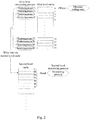
Fig. 2 is a system architecture to which embodiments of the invention is applicable. -
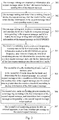
Fig. 3 is a flow chart of a timeout monitoring method according to another embodiment of the invention. -
Fig. 4 is a schematic structural diagram of a timeout monitoring apparatus according to some embodiments of the invention. -
Fig. 5 is a schematic structural diagram of a computing device according to some embodiments of the invention. - In order to make the objects, technical solutions, and advantages of the invention more apparent, the invention will be described below in further details with reference to the drawings. Apparently the embodiments to be described are only a part but all of the embodiments of the invention. Based upon the embodiments here of the invention, all of other embodiments which can occur to those ordinarily skilled in the art without any inventive effort shall come into the scope of the invention as claimed.
-
Fig. 1 illustrates a flow chart of a timeout monitoring method according to some embodiments of the invention, where the method can include the following steps. - In the
step 101, a server determines key information of a request message, where the key information includes a sending time of the request message. - In the step above, the key information of the request message includes the instance of time when the request message is sent, and the server stores the instance of time when the request message is sent, into a buffer, and can determine whether a response message to the request message has not been received after a response deadline expires, according to the instance of time when the request message is sent. Furthermore, the key information further includes a primary key of the request message, and a distributed buffer in the server can be searched quickly for related information of the request message according to the primary key of the request message.
- In the
step 102, the server stores the key information into a first level cache. - In the
step 103, the server scans the first level cache at a preset frequency, and if the first level cache includes a first request message, the server will store key information of the first request message into a second level cache, where the first request message represents a response message is not received. - In the
step 104, the server scans the second level cache, determines whether a response message to a second request message in the second level cache is received, according to a message log, and if not, the server will determine that the second request message is timeout, where the second request message represents the difference between a sending time of the request message, and the current instance of time is greater than a time-out threshold. - In some embodiments of the invention, the server stores key information of a request message into the first level cache after sending the request message, where the key information of the request message includes a sending time of the request message. The server scans the first level cache at a preset frequency, determines whether a response message to a request message in the first level cache is received, according to the key information, determines the request message to which a response message is not received, as a first request message, and stores the key information of the first request message into the second level cache. Since response messages to the majority of request messages are fed back in a very short period of time, only a few request messages in the first level cache will be determined as first request messages, and stored into the second level cache. Moreover, the server scans the second level cache, and determines the difference between an instance of time when a request message is sent, and the current instance of time, according to the key information, and if the difference is greater than an overhead threshold, the server will determine the request message as a second request message, search a message log of the second request message, and determine whether a response message to the second request message is received according to the message log. If a response message to the second request message has not been received, the server will determine that the second request message is timeout. In some embodiments of the invention, the key information of the request messages is stored into the buffer, and the responses to the request messages are buffered and monitored without any storage and computing at a database, thus alleviating resources in the database from being consumed, and lowering a burden on the database.
- In some embodiments of the invention, in order to alleviate the burden on the database, two levels of buffers are set up in the server, where the first level cache for storing the key information of all the sent request messages has a larger capacity than that of the second level cache, and is generally designed as a shared memory. Moreover, in order to improve the efficiency, if there is a small amount of traffic, the data may alternatively be data in an intra-process memory, or mapped in a memory as needed for a number of transactions, and traffic, where if the data are mapped in a memory, the data may be recovered after the server is powered off, or temporarily broken down, and a file can be written using an operating system while the memory is operating. Accordingly, the second level cache can also be a shared memory, and if there is a small amount of traffic, the second request message may be stored directly in an intra-process memory space to thereby further improve the efficiency.
- For the sake of convenient supervision, the first level cache is divided into a plurality of memory zones, and the
step 102 includes: - the server determines a writing instance of time when the request message is stored into the first level cache; and
- the server stores the key information of the request message into a corresponding memory zone according to a remainder of dividing the writing instance of time of the request message by N, where a memory of the first level cache is divided in advance into N memory zones, and the size of each memory zone is the size of a data segment of the key information multiplied with the estimated number of transactions in a unit of time.
- Particularly, the memory of the first level cache is divided in advance into N memory zones, and for the sake of convenient calculation and categorization, the value of N is generally determined according to the time-out threshold. Since the time-out threshold is generally tens of seconds, the value of N can also be tens accordingly, and in embodiments of the invention, the value of N is set to 60, that is, the memory of the first level cache is divided into 60 memory zones. For the sake of a convenient description, these 60 memory zones are numbered from 0 to 59.
- After the request message is sent, the server adds the key information of the request message to a queue for waiting from being written into the first level cache. The key information is stored into the first level cache by dividing the current writing instance of time by N, and storing the key information into the corresponding memory zone according to the remainder. For example, in some embodiments of the invention, the value of N is 60, and the memory zones are numbered from 0 to 59. If the current writing instance of time when the key information is stored in the first level cache is 13:48:34, the current writing instance of time will be divided by 60 seconds, and the remainder will be 34, so the key information of the request message will be stored into the memory zone numbered 34.
- In order to guarantee both the capacities of the memory zones, and the operating efficiency of the server, in some embodiments of the invention, the server initializes the memory zones of the first level cache, where the size of an initialized memory zone is the size of a data segment of key information multiplied with the estimated number of transactions in a unit of time, so the size of one memory zone is same with that of another in the same period of time. In different periods of time, the size of an initialized memory zone is increasing with an increasing number of transactions in a unit of time. Since the size of a memory zone is determined according to an estimated peak number of transactions in a unit of time when it is initialized, there will be a storage space sufficient to store the key information. Moreover for different periods of time, a parameter can be adjusted to thereby newly request and allocate a sufficiently large memory zone.
- The server can also scan each memory zone at some frequency while storing the key information into the memory zone. In order to guarantee the efficiency, and for the sake of convenient management, the server scans the respective memory zones respectively, so the server scans the first level cache at the preset frequency in the
step 103 above as follows:
the server creates N monitoring processes, where each monitoring process corresponds to one of the memory zones, and scans the corresponding memory zone at the preset frequency. - Stated otherwise, in some embodiments of the invention, the server creates N monitoring processes corresponding to the N memory zones, where each monitoring process corresponds to one of the memory zones, and is responsible for scanning the corresponding memory zone starting with the start point of the memory zone. Statistically, more than 95% of request messages are generally fed back through response messages in five seconds, and particularly, approximately 99% of request messages are fed back through response messages in two seconds, so the monitoring process generally scans the memory zone at an interval of time of one to two seconds, that is, the monitoring process scans the corresponding memory zone once at a two-second interval of time. The server stores each received request message into its corresponding memory zone starting with the start point of the memory zones. The monitor process can set an end flag at the beginning of each scan so that the monitoring process will not end the current scan until the first end flag in the memory zone, or the monitoring process does not scan the corresponding memory zone until the end of the corresponding memory zone is reached in each scan.
- After the server stores the key information of the request message into the first level cache, it modifies the key information of the request message upon reception of a response message corresponding to the request message. In some embodiments of the invention, the method further includes:
- the server searches the first level cache for a request message corresponding to a response message upon reception of the response message; and
- if a request message corresponding to the response message is found, the server will mark the key information of the request message corresponding to the response message as RESPONDED.
- Particularly, if the server receives a response message between scanning intervals, it will search the first level cache for a corresponding request message, and if a corresponding request message is found, the server will mark the key information of the request message as RESPONDED, so that when the server finds the key information of the request message as a scan result, it determines that a response message to the request message is received, and will not perform any further processing on the request message. If a response message to the request message is not received, that is, the corresponding key information is not marked as RESPONDED, the server will determine the request message as a first request message, store the key information thereof into the second level cache, and delete the key information of the request message from the first level cache at the end of a scan.
- Since the key information of the request messages in the second level cache has been monitored and filtered, the amount of key information stored in the second level cache is less than 5% of the total amount of key information, so there is a small memory space occupied by the second level cache, and the second level cache can be embodied as an intra-process link list. In the embodiments of the invention, the server scans the second level cache, and determines whether a response message to a second request message in the second level cache is received, according to the message log as follows:
- the second level cache is embodied as a link list, and the key information of the first request messages is stored sequentially into the link list, starting with the head of the link list, in the sequential order of the instances of time when the first request messages are sent;
- the server refers to the key information of the first request message in the link list sequentially starting with the head of the link list, and determines whether the difference between the instance of time when each of the first request messages, and the current instance of time is greater than the time-out threshold; and
- if so, then the server will determine the first request message as a second request message, and determine whether a response message to the second request message is received, according to the message log of the second request message; and if not, then the server will perform timeout processing on the second request message.
- In some embodiments of the invention, the key information of the first request message is stored into the second level cache sequentially, starting with the head of the link list, in the sequential order of the instances of time when the first request messages are sent, so the first request message which is the first to send is stored in the link list head of the second level cache, and the first request message which is the last to send is stored in the link list tail thereof. Instead of N monitoring processes scanning the first level cache, in some embodiments of the invention, a monitoring process is created to scan the second level cache, and for the sake of a convenient description, the N monitoring processes scanning the first level cache will be referred to as first level monitoring processes, and the monitoring process scanning the second level cache will be referred to as a second level monitoring process. The second level monitoring process scans the link list of the second level cache cyclically, determines whether the link list of the second level cache is empty, starting with the head of the link list, and if so, then second level monitoring process will wait for the next scan; otherwise, second level monitoring process will determine whether the difference between the instance of time when the first request message is sent, and the current instance of time is greater than the time-out threshold, that is, determine whether the first request message is timeout, according to the key information stored in the second level cache, starting with the first request message, and if not, then the second level monitoring process will proceed to the second request message in the second level cache, and further make determination; otherwise, that is, if the difference between the instance of time when the first request message is sent, and the current instance of time is above the time-out threshold, then the second level monitoring process will determine the first request message as a second request message, search for a corresponding message log according to the key information of the second request message, and determine whether a response message to the second request message is received, according to the message log of the second request message, and if so, then a response message to the second request message will have been received, and no timeout processing will be performed thereon; otherwise, that is, if a response message to the second request message has not been received, then an external timeout processing service will be invoked to perform timeout processing on the second request message. Thereafter no matter whether a response message to the second request message is received, the second level monitoring process proceeds to the second request message in the second level cache, and further makes determinations unless all the request messages in the second level cache are traversed for making determination.
- Furthermore, in some embodiments of the invention, an abnormality capturing device is further configured to capture a request message sent by the server while failing or being restarted, so that the server can reprocess the request message sent in that period of time. Alternatively the abnormality capturing device is triggered manually to capture a request starting with a specified point of time from the database, and to invoke the server for reprocessing.
- In order to make the invention more apparent, the flow above will be described below in details in connection with a particular embodiment thereof, and in this particular embodiment, there are a message writing unit, a first level cache, first level monitoring processes, a second level cache, and a second level monitoring process as illustrated in
Fig. 2 , where the message writing unit is responsible for obtaining key information of sent request message, and writing the key information into the first level cache; the first level cache includes 60 memory zones numbered from 0 to 59; and the number of first level monitoring processes is also 60, and they correspond respectively to the 60 memory zones of the first level cache in a one-to-one manner, and are responsible for monitoring the corresponding memory zones in the first level cache respectively, and writing the key information of the request messages to which response messages are not received, into the second level cache. The second level monitoring process is responsible for monitoring the key information in the second level cache, and if the time-out threshold is exceeded, then searching for a message log, determining that request messages to which response messages are not received, and invoking the external timeout processing apparatus to perform timeout processing on these request messages. -
Fig. 3 illustrates the steps in the embodiment as follows: - in the
step 301, the message writing unit obtains key information of a request message, where the key information includes the instance of time when the request message is sent; - in the
step 302, the message writing unit determines a writing instance of time when the request message is stored into the first level cache, and writes the key information of the request message into a corresponding memory zone according to a remainder result of dividing the writing instance of time by 60 seconds; - in the
step 303, the message writing unit receives a response message, and searches the first level cache for a request message corresponding to the response message, and if it is found, the message writing unit will mark the key information of the request message as RESPONDED; - in the
step 304, the first level monitoring process scans a corresponding memory zone in the first level cache for key information marked as RESPONDED at a preset frequency, and if it is not found, the first level monitoring process will determine the request message as a first request message, and store the key information of the first request message into the second level cache; - in the
step 305, the second level monitoring process scans a memory zone in the second level cache starting with the list head, and determines the first request message with the difference between the instance of time when the request message is sent, and the current instance of time being greater than the time-out threshold, as a second request message according to the key information of the first request message; - in the
step 306, the second level monitoring process searches for a message log according to the key information of the second request message, and determines that a response message corresponding to the second request message is not received; and - in the
step 307, the second level monitoring process invokes an external apparatus to perform timeout processing on the second request message. - It shall be noted that in the steps above, the message writing unit, the first monitoring process, and the second monitoring process may perform their operations in any appropriate order, that is, while the message writing unit writes the key information of the request message into the first level cache, the first level monitoring process scans the first level cache at the preset frequency, and the second level monitoring process scans the second level cache periodically. The steps above have been numbered only for the sake of a convenient description.
- Based upon the same technical idea, some embodiments of this disclosure further provide a timeout monitoring apparatus as illustrated in
Fig. 4 , which includes: - a
writing module 401 is configured to determine key information of a request message, where the key information includes a sending time of the request message; - the
writing module 401 is further configured to store the key information into a first level cache; - a
first monitoring module 402 is configured to scan the first level cache at a preset frequency, and if the first level cache includes a first request message, to store key information of the first request message into a second level cache, where the first request message is a request message which is not fed back through a response message; and -
second monitoring module 403 is configured to scan the second level cache, to determine whether a response message corresponding to a second request message in the second level cache is received, according to a message log, and if not, to determine that the second request message is timeout, where the second request message is a request message of which the difference between a sending time of the request message, and the current instance of time is greater than a time-out threshold. - The
writing module 401 is further configured: - if a response message is received, to search the first level cache for a request message corresponding to the response message; and
- if a request message corresponding to the response message is found, to mark the key information of the request message corresponding to the response message as RESPONDED.
- The
writing module 401 is configured: - to determine a writing instance of time when the request message is stored into the first level cache; and
- to write the key information of the request message into a corresponding memory zone according to a remainder result of dividing the writing instance of time of the request message by N, where a memory in the first level cache is divided in advance into N memory zones, and the size of each memory zone is the size of a data segment of the key information multiplied with the estimated number of transactions in a unit of time.
- The
first monitoring module 402 is configured:
to create N monitoring processes, where each monitoring process corresponds to one of the memory zones, and scans the corresponding memory zone at the preset frequency. - The
second monitoring module 403 is configured: - when the second level cache is a link list, to store the key information of the first request messages sequentially into the link list, starting with the head of the link list, in the sequential order of the instances of time when the first request messages are sent;
- to inquiry the key information of the first request message in the link list sequentially starting with the head of the link list, and to determine whether the difference between the instance of time when each of the first request messages, and the current instance of time is greater than the time-out threshold; and
- if so, to determine the first request message as a second request message, and to determine whether a response message to the second request message is received, according to the message log of the second request message; and if not, to perform timeout processing on the second request message.
- Based upon the same technical idea, some embodiments of the invention further provide a computing device, which can be particularly a desktop computer, a portable computer, a smart mobile phone, a tablet computer, etc., a Personal Digital Assistant (PDA), etc. As illustrated in
Fig. 5 which is a schematic structural diagram of a computing device according to some embodiments of the invention, the computing device can include a Central Processing Unit (CPU) 501, amemory 502, aninput device 503, anoutput device 504, etc., where theinput device 503 can include a keyboard, a mouse, a touch panel, etc., and theoutput device 504 can include a display device, e.g., a Liquid Crystal Display (LCD), a Cathode Ray Tube (CRT) display, etc. - The
memory 502 can include a Read Only Memory (ROM) and a Random Access Memory (RAM), and provide the processor with program instructions and data stored in the memory. In the embodiment of the invention, the memory can be configured to store program for performing the method according to any one of the embodiments above of the invention, and the processor can invoke the program instructions stored in the memory, and be configured to execute the obtained program instructions to perform the method according to any one of the embodiments above of the invention. - Based upon the same technical idea, some embodiments of the invention further provides a computer readable storage medium configured to store computer program instructions to be executed by the computing device above, where the computer program instructions include program for performing the method according to any one of the embodiments above of the invention.
- The computer storage medium can be any computer accessible available medium or data storage device including but not limited to a magnetic memory (e.g., a floppy disk, a hard disk, a magnetic tape, a Magnetic-Optical (MO) disk, etc.), an optical memory (e.g., a CD, a DVD, a BD, an HVD, etc.), a semiconductor memory (e.g., an ROM, an EPROM, an EEPROM, a nonvolatile memory (NAND FLASH), a Solid State Disk (SSD), etc.), etc.
- Based upon the same technical idea, some embodiments of the invention further provide a computer program product for causing a computer to perform the method according to any one of the embodiments above of the invention, upon being executed on the computer.
- The invention has been described in a flow chart and/or a block diagram of the method, the device (system) and the computer program product according to the embodiments of the invention. It shall be appreciated that respective flows and/or blocks in the flow chart and/or the block diagram and combinations of the flows and/or the blocks in the flow chart and/or the block diagram can be embodied in computer program instructions. These computer program instructions can be loaded onto a general-purpose computer, a specific-purpose computer, an embedded processor or a processor of another programmable data processing device to produce a machine so that the instructions executed on the computer or the processor of the other programmable data processing device create means for performing the functions specified in the flow(s) of the flow chart and/or the block(s) of the block diagram.
- These computer program instructions can also be stored into a computer readable memory capable of directing the computer or the other programmable data processing device to operate in a specific manner so that the instructions stored in the computer readable memory create an article of manufacture including instruction means which perform the functions specified in the flow(s) of the flow chart and/or the block(s) of the block diagram.
- These computer program instructions can also be loaded onto the computer or the other programmable data processing device so that a series of operational steps are performed on the computer or the other programmable data processing device to create a computer implemented process so that the instructions executed on the computer or the other programmable device provide steps for performing the functions specified in the flow(s) of the flow chart and/or the block(s) of the block diagram.
- Although the preferred embodiments of the invention have been described, those skilled in the art benefiting from the underlying inventive concept can make additional modifications and variations to these embodiments. Therefore the appended claims are intended to be construed as encompassing the preferred embodiments and all the modifications and variations coming into the scope of the invention.
- Evidently those skilled in the art can make various modifications and variations to the invention without departing from the spirit and scope of the invention. Thus the invention is also intended to encompass these modifications and variations thereto so long as the modifications and variations come into the scope of the claims appended to the invention and their equivalents.
Claims (13)
- A method timeout monitoring, comprising:determining, by a server, key information of a request message, wherein the key information comprises a sending time of the request message;storing, by the server, the key information into a first level cache;scanning, by the server, the first level cache at a preset frequency, and under a condition the first level cache comprises a first request message, storing key information of the first request message into a second level cache, wherein the first request message is not fed back through a response message; andscanning, by the server, the second level cache, determining whether a response message corresponding to a second request message in the second level cache is received, according to a message log, and under a condition the response message corresponding to the second request message in the second level cache is received, determining that the second request message is timeout, wherein a difference between a sending time of the second request message and a current time is greater than a time-out threshold.
- The method according to claim 1, further comprises:under a condition the server receives a response message, searching in the first level cache for a request message corresponding to the response message; andunder a condition a request message corresponding to the response message is found, marking the key information of the request message corresponding to the response message as RESPONDED.
- The method according to claim 1, wherein the storing, by the server, the key information into the first level cache comprises:determining, by the server, a writing time for storing the request message into the first level cache;storing, by the server, the key information of the request message into a corresponding memory zone according to a remainder result of dividing the writing time of the request message by N, wherein a memory in the first level cache is divided in advance into N memory zones, and a size of each memory zone is a size of a data segment of the key information multiplied with an estimated number of transactions in a unit of time.
- The method according to claim 3, wherein the scanning, by the server, the first level cache at the preset frequency comprises:
creating, by the server, N monitoring processes, wherein each of the monitoring process corresponds to one of the memory zones, and scans a corresponding memory zone at the preset frequency. - The method according to claim 1, wherein the scanning, by the server, the second level cache, and determining whether a response message to a second request message in the second level cache is received, according to the message log comprises:storing, by the server, the key information of the first request messages sequentially into a link list acting as the second level cache, from a head of the link list, in a sequential order of the sending time of the first request messages;inquiring, by the server, the key information of the first request message in the link list sequentially from the head of the link list, and determining whether a difference between the sending time of the first request messages and the current time is greater than the time-out threshold; andunder a condition the difference between the sending time of the first request messages and the current time is greater than the time-out threshold, determining, by the server, the first request message as a second request message, and determining whether a response message corresponding to the second request message is received, according to the message log of the second request message; and under a condition the difference between the sending time of the first request messages and the current time is not greater than the time-out threshold, performing a timeout processing on the second request message.
- A timeout monitoring apparatus, comprising:a writing module configured to determine key information of a request message, wherein the key information comprises a sending time of the request message;the writing module further configured to store the key information into a first level cache;a first monitoring module configured to scan the first level cache at a preset frequency, and under a condition the first level cache comprises a first request message, to store key information of the first request message into a second level cache, wherein the first request message is not fed back through a response message; anda second monitoring module configured to scan the second level cache, to determine whether a response message corresponding to a second request message in the second level cache is received, according to a message log, and under a condition the response message corresponding to the second request message in the second level cache is received, to determine that the second request message is timeout, wherein a difference between a sending time of the second request message and a current time is greater than a time-out threshold.
- The apparatus according to claim 6, wherein the writing module is further configured:under a condition a response message is received, to search in the first level cache for a request message corresponding to the response message; andunder a condition a request message corresponding to the response message is found, to mark the key information of the request message corresponding to the response message as RESPONDED.
- The apparatus according to claim 6, wherein the writing module is configured:to determine a writing time for storing the request message into the first level cache; andto store the key information of the request message into a corresponding memory zone according to a remainder result of dividing the writing time of the request message by N, wherein a memory in the first level cache is divided in advance into N memory zones, and a size of each memory zone is a size of a data segment of the key information multiplied with an estimated number of transactions in a unit of time.
- The apparatus according to claim 8, wherein the first monitoring module is configured:
to create N monitoring processes, wherein each of the monitoring process corresponds to one of the memory zones, and scans a corresponding memory zone at the preset frequency. - The apparatus according to claim 6, wherein the second monitoring module is configured:to store the key information of the first request messages sequentially into a link list acting as the second level cache, from a head of the link list, in a sequential order of the sending time of the first request messages;to inquiry the key information of the first request message in the link list sequentially from the head of the link list, and determining whether a difference between the sending time of the first request messages and the current time is greater than the time-out threshold; andunder a condition the difference between the sending time of the first request messages and the current time is greater than the time-out threshold, to determine the first request message as a second request message, and to determine whether a response message corresponding to the second request message is received, according to the message log of the second request message; and under a condition the difference between the sending time of the first request messages and the current time is not greater than the time-out threshold, to perform a timeout processing on the second request message.
- A computer readable storage medium, storing computer executable instructions configured to cause a computer to perform the method according to any one of claims 1 to 5.
- A computing device, comprising:a memory configured to store program instructions; anda processor configured to invoke the program instructions stored in the memory, and to execute the program instructions to perform the method according to any one of claims 1 to 5.
- A computer program product for causing a computer to perform the method according to any one of claims 1 to 5, upon being executed on the computer.
Applications Claiming Priority (2)
| Application Number | Priority Date | Filing Date | Title |
|---|---|---|---|
| CN201611219406.4A CN106789431B (en) | 2016-12-26 | 2016-12-26 | Overtime monitoring method and device |
| PCT/CN2017/117733 WO2018121404A1 (en) | 2016-12-26 | 2017-12-21 | Method and device for timeout monitoring |
Publications (3)
| Publication Number | Publication Date |
|---|---|
| EP3562096A1 true EP3562096A1 (en) | 2019-10-30 |
| EP3562096A4 EP3562096A4 (en) | 2020-01-01 |
| EP3562096B1 EP3562096B1 (en) | 2023-04-19 |
Family
ID=58926970
Family Applications (1)
| Application Number | Title | Priority Date | Filing Date |
|---|---|---|---|
| EP17887171.1A Active EP3562096B1 (en) | 2016-12-26 | 2017-12-21 | Method and device for timeout monitoring |
Country Status (4)
| Country | Link |
|---|---|
| US (1) | US11611634B2 (en) |
| EP (1) | EP3562096B1 (en) |
| CN (1) | CN106789431B (en) |
| WO (1) | WO2018121404A1 (en) |
Families Citing this family (11)
| Publication number | Priority date | Publication date | Assignee | Title |
|---|---|---|---|---|
| CN106789431B (en) | 2016-12-26 | 2019-12-06 | 中国银联股份有限公司 | Overtime monitoring method and device |
| CN109901918B (en) * | 2017-12-08 | 2024-04-05 | 北京京东尚科信息技术有限公司 | Method and device for processing overtime task |
| CN108712494A (en) * | 2018-05-18 | 2018-10-26 | 阿里巴巴集团控股有限公司 | Handle the method, apparatus and equipment of asynchronous message |
| CN108418903B (en) * | 2018-05-28 | 2024-02-02 | 苏州德姆斯信息技术有限公司 | Remote access system and access method for embedded software log |
| CN109543988A (en) * | 2018-11-16 | 2019-03-29 | 中国银行股份有限公司 | The method, apparatus and storage medium of optimization transaction overtime threshold |
| CN114138520B (en) * | 2020-05-13 | 2022-06-28 | 浙江创邻科技有限公司 | Distributed message processing method and system |
| CN112104521A (en) * | 2020-09-08 | 2020-12-18 | 北京金山云网络技术有限公司 | Request timeout monitoring method and device, computer equipment and storage medium |
| CN112181701B (en) * | 2020-09-23 | 2024-08-13 | 中国建设银行股份有限公司 | Method and device for locating abnormal service request |
| CN112787958B (en) * | 2021-01-05 | 2022-09-20 | 北京字跳网络技术有限公司 | Delayed message processing method and device |
| CN113115138B (en) * | 2021-03-24 | 2022-08-05 | 烽火通信科技股份有限公司 | Message interaction timeout judgment method, device, equipment and storage medium |
| CN119835178B (en) * | 2024-12-30 | 2025-11-04 | 中移互联网有限公司 | Data processing methods, devices and systems |
Family Cites Families (32)
| Publication number | Priority date | Publication date | Assignee | Title |
|---|---|---|---|---|
| US6598167B2 (en) * | 1997-09-26 | 2003-07-22 | Worldcom, Inc. | Secure customer interface for web based data management |
| US8176186B2 (en) * | 2002-10-30 | 2012-05-08 | Riverbed Technology, Inc. | Transaction accelerator for client-server communications systems |
| US8938553B2 (en) * | 2003-08-12 | 2015-01-20 | Riverbed Technology, Inc. | Cooperative proxy auto-discovery and connection interception through network address translation |
| JP4144882B2 (en) * | 2004-05-14 | 2008-09-03 | インターナショナル・ビジネス・マシーンズ・コーポレーション | Information processing apparatus, information system, proxy processing method, program, and recording medium |
| CN100471128C (en) * | 2005-12-30 | 2009-03-18 | 华为技术有限公司 | A method and device for implementing equipment status polling |
| US7720990B2 (en) | 2007-01-10 | 2010-05-18 | International Business Machines Corporation | Method and apparatus for handling service requests in a data processing system |
| US8561116B2 (en) * | 2007-09-26 | 2013-10-15 | Charles A. Hasek | Methods and apparatus for content caching in a video network |
| CN101702173A (en) * | 2009-11-11 | 2010-05-05 | 中兴通讯股份有限公司 | Method and device for increasing access speed of mobile portal dynamic page |
| US8452888B2 (en) * | 2010-07-22 | 2013-05-28 | International Business Machines Corporation | Flow control for reliable message passing |
| GB2497012B (en) * | 2010-07-26 | 2013-10-30 | Seven Networks Inc | Mobile network traffic coordination across multiple applications |
| CN108429800B (en) * | 2010-11-22 | 2020-04-24 | 杭州硕文软件有限公司 | Mobile device |
| WO2012149434A2 (en) * | 2011-04-27 | 2012-11-01 | Seven Networks, Inc. | Detecting and preserving state for satisfying application requests in a distributed proxy and cache system |
| WO2013015835A1 (en) * | 2011-07-22 | 2013-01-31 | Seven Networks, Inc. | Mobile application traffic optimization |
| US9996403B2 (en) * | 2011-09-30 | 2018-06-12 | Oracle International Corporation | System and method for providing message queues for multinode applications in a middleware machine environment |
| CN103581225A (en) * | 2012-07-25 | 2014-02-12 | 中国银联股份有限公司 | Distributed system node processing task method |
| US20140082129A1 (en) * | 2012-09-18 | 2014-03-20 | Netapp, Inc. | System and method for managing a system of appliances that are attached to a networked file system |
| US9628344B2 (en) * | 2012-12-13 | 2017-04-18 | Level 3 Communications, Llc | Framework supporting content delivery with reducer services network |
| WO2014107602A1 (en) * | 2013-01-03 | 2014-07-10 | Huawei Technologies Co., Ltd. | An end-user carried location hint for content in information-centric networks |
| WO2015100653A1 (en) * | 2013-12-31 | 2015-07-09 | 华为技术有限公司 | Data caching method, device and system |
| US9584617B2 (en) * | 2013-12-31 | 2017-02-28 | Successfactors, Inc. | Allocating cache request in distributed cache system based upon cache object and marker identifying mission critical data |
| US20150339178A1 (en) * | 2014-05-21 | 2015-11-26 | Freescale Semiconductor, Inc. | Processing system and method of operating a processing system |
| US10044795B2 (en) * | 2014-07-11 | 2018-08-07 | Vmware Inc. | Methods and apparatus for rack deployments for virtual computing environments |
| KR102183654B1 (en) * | 2014-08-07 | 2020-11-27 | 애플 인크. | Control of traffic from applications when third party servers encounter problems |
| CN105471616B (en) * | 2014-09-12 | 2019-02-12 | 博雅网络游戏开发(深圳)有限公司 | Caching system management method and system |
| CN104917645B (en) | 2015-04-17 | 2018-04-13 | 浪潮电子信息产业股份有限公司 | A method and device for online detection of message transmission timeout |
| US9747179B2 (en) * | 2015-10-29 | 2017-08-29 | Netapp, Inc. | Data management agent for selective storage re-caching |
| CN105516548B (en) * | 2015-11-27 | 2019-01-11 | 中央电视台 | A kind of file pre-reading method and device |
| CN105847184A (en) * | 2016-02-22 | 2016-08-10 | 乐视移动智能信息技术(北京)有限公司 | Network request method, device and processing system for android operation system |
| CN105721632A (en) * | 2016-04-12 | 2016-06-29 | 上海斐讯数据通信技术有限公司 | Wireless access method and wireless access device based on DNS (Domain Name System) mechanism |
| CN106210021A (en) * | 2016-07-05 | 2016-12-07 | 中国银行股份有限公司 | The method for real-time monitoring of financial application system online business and supervising device |
| CN108073446B (en) * | 2016-11-10 | 2020-11-17 | 华为技术有限公司 | Timeout prejudging method and device |
| CN106789431B (en) * | 2016-12-26 | 2019-12-06 | 中国银联股份有限公司 | Overtime monitoring method and device |
-
2016
- 2016-12-26 CN CN201611219406.4A patent/CN106789431B/en active Active
-
2017
- 2017-12-21 US US16/470,206 patent/US11611634B2/en active Active
- 2017-12-21 WO PCT/CN2017/117733 patent/WO2018121404A1/en not_active Ceased
- 2017-12-21 EP EP17887171.1A patent/EP3562096B1/en active Active
Also Published As
| Publication number | Publication date |
|---|---|
| EP3562096A4 (en) | 2020-01-01 |
| US11611634B2 (en) | 2023-03-21 |
| US20200021665A1 (en) | 2020-01-16 |
| EP3562096B1 (en) | 2023-04-19 |
| CN106789431B (en) | 2019-12-06 |
| WO2018121404A1 (en) | 2018-07-05 |
| CN106789431A (en) | 2017-05-31 |
Similar Documents
| Publication | Publication Date | Title |
|---|---|---|
| US11611634B2 (en) | Method and device for timeout monitoring | |
| CN105787077B (en) | Data synchronization method and device | |
| CN109873904B (en) | User message state reporting processing method, device and storage medium for message pushing | |
| US10380103B2 (en) | Object data updating method and apparatus in an object storage system | |
| WO2017041398A1 (en) | Data transmission method and device | |
| US10649905B2 (en) | Method and apparatus for storing data | |
| US8375200B2 (en) | Embedded device and file change notification method of the embedded device | |
| CN107943594A (en) | Data capture method and device | |
| CN112965799B (en) | Task state prompting method and device, electronic equipment and medium | |
| US20160323160A1 (en) | Detection of node.js memory leaks | |
| CN110162410B (en) | A message processing method and device | |
| CN117762898A (en) | Data migration method, device, equipment and storage medium | |
| CN111831503A (en) | A monitoring method and monitoring agent device based on monitoring agent | |
| CN112148705A (en) | Data migration method and device | |
| US12314759B1 (en) | Timer object management for a multiprocessor virtual environment | |
| CN110019366A (en) | A kind of data cached method and apparatus | |
| US20170346753A1 (en) | Method and device for forwarding data messages | |
| US10616291B2 (en) | Response caching | |
| CN114218198A (en) | Service information migration method, device, device and medium | |
| CN113886329A (en) | Data acquisition method, device, system, equipment and storage medium | |
| US10534646B2 (en) | Memory management for applications operating on java virtual machines | |
| CN113296977B (en) | Message processing method and device | |
| CN113676531B (en) | E-commerce traffic peak shaving method, device, electronic equipment and readable storage medium | |
| CN111858579A (en) | Data storage method and device | |
| CN116521639A (en) | Log data processing method, electronic equipment and computer readable medium |
Legal Events
| Date | Code | Title | Description |
|---|---|---|---|
| STAA | Information on the status of an ep patent application or granted ep patent |
Free format text: STATUS: THE INTERNATIONAL PUBLICATION HAS BEEN MADE |
|
| PUAI | Public reference made under article 153(3) epc to a published international application that has entered the european phase |
Free format text: ORIGINAL CODE: 0009012 |
|
| STAA | Information on the status of an ep patent application or granted ep patent |
Free format text: STATUS: REQUEST FOR EXAMINATION WAS MADE |
|
| 17P | Request for examination filed |
Effective date: 20190718 |
|
| AK | Designated contracting states |
Kind code of ref document: A1 Designated state(s): AL AT BE BG CH CY CZ DE DK EE ES FI FR GB GR HR HU IE IS IT LI LT LU LV MC MK MT NL NO PL PT RO RS SE SI SK SM TR |
|
| AX | Request for extension of the european patent |
Extension state: BA ME |
|
| A4 | Supplementary search report drawn up and despatched |
Effective date: 20191202 |
|
| RIC1 | Information provided on ipc code assigned before grant |
Ipc: H04L 29/08 20060101AFI20191126BHEP Ipc: H04L 12/26 20060101ALI20191126BHEP |
|
| DAV | Request for validation of the european patent (deleted) | ||
| DAX | Request for extension of the european patent (deleted) | ||
| STAA | Information on the status of an ep patent application or granted ep patent |
Free format text: STATUS: EXAMINATION IS IN PROGRESS |
|
| 17Q | First examination report despatched |
Effective date: 20201221 |
|
| REG | Reference to a national code |
Ref country code: DE Ref legal event code: R079 Ref document number: 602017067952 Country of ref document: DE Free format text: PREVIOUS MAIN CLASS: H04L0012260000 Ipc: H04L0043080500 |
|
| RIC1 | Information provided on ipc code assigned before grant |
Ipc: H04L 43/0852 20220101ALI20220310BHEP Ipc: H04L 67/62 20220101ALI20220310BHEP Ipc: H04L 67/568 20220101ALI20220310BHEP Ipc: H04L 43/0805 20220101AFI20220310BHEP |
|
| GRAP | Despatch of communication of intention to grant a patent |
Free format text: ORIGINAL CODE: EPIDOSNIGR1 |
|
| STAA | Information on the status of an ep patent application or granted ep patent |
Free format text: STATUS: GRANT OF PATENT IS INTENDED |
|
| INTG | Intention to grant announced |
Effective date: 20220422 |
|
| GRAJ | Information related to disapproval of communication of intention to grant by the applicant or resumption of examination proceedings by the epo deleted |
Free format text: ORIGINAL CODE: EPIDOSDIGR1 |
|
| STAA | Information on the status of an ep patent application or granted ep patent |
Free format text: STATUS: EXAMINATION IS IN PROGRESS |
|
| INTC | Intention to grant announced (deleted) | ||
| GRAP | Despatch of communication of intention to grant a patent |
Free format text: ORIGINAL CODE: EPIDOSNIGR1 |
|
| STAA | Information on the status of an ep patent application or granted ep patent |
Free format text: STATUS: GRANT OF PATENT IS INTENDED |
|
| INTG | Intention to grant announced |
Effective date: 20221025 |
|
| GRAS | Grant fee paid |
Free format text: ORIGINAL CODE: EPIDOSNIGR3 |
|
| GRAA | (expected) grant |
Free format text: ORIGINAL CODE: 0009210 |
|
| STAA | Information on the status of an ep patent application or granted ep patent |
Free format text: STATUS: THE PATENT HAS BEEN GRANTED |
|
| AK | Designated contracting states |
Kind code of ref document: B1 Designated state(s): AL AT BE BG CH CY CZ DE DK EE ES FI FR GB GR HR HU IE IS IT LI LT LU LV MC MK MT NL NO PL PT RO RS SE SI SK SM TR |
|
| REG | Reference to a national code |
Ref country code: GB Ref legal event code: FG4D |
|
| REG | Reference to a national code |
Ref country code: CH Ref legal event code: EP |
|
| REG | Reference to a national code |
Ref country code: NL Ref legal event code: FP |
|
| REG | Reference to a national code |
Ref country code: DE Ref legal event code: R096 Ref document number: 602017067952 Country of ref document: DE |
|
| REG | Reference to a national code |
Ref country code: IE Ref legal event code: FG4D |
|
| REG | Reference to a national code |
Ref country code: AT Ref legal event code: REF Ref document number: 1562040 Country of ref document: AT Kind code of ref document: T Effective date: 20230515 |
|
| P01 | Opt-out of the competence of the unified patent court (upc) registered |
Effective date: 20230515 |
|
| REG | Reference to a national code |
Ref country code: LT Ref legal event code: MG9D |
|
| REG | Reference to a national code |
Ref country code: AT Ref legal event code: MK05 Ref document number: 1562040 Country of ref document: AT Kind code of ref document: T Effective date: 20230419 |
|
| PG25 | Lapsed in a contracting state [announced via postgrant information from national office to epo] |
Ref country code: SE Free format text: LAPSE BECAUSE OF FAILURE TO SUBMIT A TRANSLATION OF THE DESCRIPTION OR TO PAY THE FEE WITHIN THE PRESCRIBED TIME-LIMIT Effective date: 20230419 Ref country code: PT Free format text: LAPSE BECAUSE OF FAILURE TO SUBMIT A TRANSLATION OF THE DESCRIPTION OR TO PAY THE FEE WITHIN THE PRESCRIBED TIME-LIMIT Effective date: 20230821 Ref country code: NO Free format text: LAPSE BECAUSE OF FAILURE TO SUBMIT A TRANSLATION OF THE DESCRIPTION OR TO PAY THE FEE WITHIN THE PRESCRIBED TIME-LIMIT Effective date: 20230719 Ref country code: ES Free format text: LAPSE BECAUSE OF FAILURE TO SUBMIT A TRANSLATION OF THE DESCRIPTION OR TO PAY THE FEE WITHIN THE PRESCRIBED TIME-LIMIT Effective date: 20230419 Ref country code: AT Free format text: LAPSE BECAUSE OF FAILURE TO SUBMIT A TRANSLATION OF THE DESCRIPTION OR TO PAY THE FEE WITHIN THE PRESCRIBED TIME-LIMIT Effective date: 20230419 |
|
| PG25 | Lapsed in a contracting state [announced via postgrant information from national office to epo] |
Ref country code: RS Free format text: LAPSE BECAUSE OF FAILURE TO SUBMIT A TRANSLATION OF THE DESCRIPTION OR TO PAY THE FEE WITHIN THE PRESCRIBED TIME-LIMIT Effective date: 20230419 Ref country code: PL Free format text: LAPSE BECAUSE OF FAILURE TO SUBMIT A TRANSLATION OF THE DESCRIPTION OR TO PAY THE FEE WITHIN THE PRESCRIBED TIME-LIMIT Effective date: 20230419 Ref country code: LV Free format text: LAPSE BECAUSE OF FAILURE TO SUBMIT A TRANSLATION OF THE DESCRIPTION OR TO PAY THE FEE WITHIN THE PRESCRIBED TIME-LIMIT Effective date: 20230419 Ref country code: LT Free format text: LAPSE BECAUSE OF FAILURE TO SUBMIT A TRANSLATION OF THE DESCRIPTION OR TO PAY THE FEE WITHIN THE PRESCRIBED TIME-LIMIT Effective date: 20230419 Ref country code: IS Free format text: LAPSE BECAUSE OF FAILURE TO SUBMIT A TRANSLATION OF THE DESCRIPTION OR TO PAY THE FEE WITHIN THE PRESCRIBED TIME-LIMIT Effective date: 20230819 Ref country code: HR Free format text: LAPSE BECAUSE OF FAILURE TO SUBMIT A TRANSLATION OF THE DESCRIPTION OR TO PAY THE FEE WITHIN THE PRESCRIBED TIME-LIMIT Effective date: 20230419 Ref country code: GR Free format text: LAPSE BECAUSE OF FAILURE TO SUBMIT A TRANSLATION OF THE DESCRIPTION OR TO PAY THE FEE WITHIN THE PRESCRIBED TIME-LIMIT Effective date: 20230720 |
|
| PG25 | Lapsed in a contracting state [announced via postgrant information from national office to epo] |
Ref country code: FI Free format text: LAPSE BECAUSE OF FAILURE TO SUBMIT A TRANSLATION OF THE DESCRIPTION OR TO PAY THE FEE WITHIN THE PRESCRIBED TIME-LIMIT Effective date: 20230419 |
|
| PG25 | Lapsed in a contracting state [announced via postgrant information from national office to epo] |
Ref country code: SK Free format text: LAPSE BECAUSE OF FAILURE TO SUBMIT A TRANSLATION OF THE DESCRIPTION OR TO PAY THE FEE WITHIN THE PRESCRIBED TIME-LIMIT Effective date: 20230419 |
|
| REG | Reference to a national code |
Ref country code: DE Ref legal event code: R097 Ref document number: 602017067952 Country of ref document: DE |
|
| PG25 | Lapsed in a contracting state [announced via postgrant information from national office to epo] |
Ref country code: SM Free format text: LAPSE BECAUSE OF FAILURE TO SUBMIT A TRANSLATION OF THE DESCRIPTION OR TO PAY THE FEE WITHIN THE PRESCRIBED TIME-LIMIT Effective date: 20230419 Ref country code: SK Free format text: LAPSE BECAUSE OF FAILURE TO SUBMIT A TRANSLATION OF THE DESCRIPTION OR TO PAY THE FEE WITHIN THE PRESCRIBED TIME-LIMIT Effective date: 20230419 Ref country code: RO Free format text: LAPSE BECAUSE OF FAILURE TO SUBMIT A TRANSLATION OF THE DESCRIPTION OR TO PAY THE FEE WITHIN THE PRESCRIBED TIME-LIMIT Effective date: 20230419 Ref country code: EE Free format text: LAPSE BECAUSE OF FAILURE TO SUBMIT A TRANSLATION OF THE DESCRIPTION OR TO PAY THE FEE WITHIN THE PRESCRIBED TIME-LIMIT Effective date: 20230419 Ref country code: DK Free format text: LAPSE BECAUSE OF FAILURE TO SUBMIT A TRANSLATION OF THE DESCRIPTION OR TO PAY THE FEE WITHIN THE PRESCRIBED TIME-LIMIT Effective date: 20230419 Ref country code: CZ Free format text: LAPSE BECAUSE OF FAILURE TO SUBMIT A TRANSLATION OF THE DESCRIPTION OR TO PAY THE FEE WITHIN THE PRESCRIBED TIME-LIMIT Effective date: 20230419 |
|
| PLBE | No opposition filed within time limit |
Free format text: ORIGINAL CODE: 0009261 |
|
| STAA | Information on the status of an ep patent application or granted ep patent |
Free format text: STATUS: NO OPPOSITION FILED WITHIN TIME LIMIT |
|
| 26N | No opposition filed |
Effective date: 20240122 |
|
| PG25 | Lapsed in a contracting state [announced via postgrant information from national office to epo] |
Ref country code: SI Free format text: LAPSE BECAUSE OF FAILURE TO SUBMIT A TRANSLATION OF THE DESCRIPTION OR TO PAY THE FEE WITHIN THE PRESCRIBED TIME-LIMIT Effective date: 20230419 |
|
| PG25 | Lapsed in a contracting state [announced via postgrant information from national office to epo] |
Ref country code: SI Free format text: LAPSE BECAUSE OF FAILURE TO SUBMIT A TRANSLATION OF THE DESCRIPTION OR TO PAY THE FEE WITHIN THE PRESCRIBED TIME-LIMIT Effective date: 20230419 Ref country code: IT Free format text: LAPSE BECAUSE OF FAILURE TO SUBMIT A TRANSLATION OF THE DESCRIPTION OR TO PAY THE FEE WITHIN THE PRESCRIBED TIME-LIMIT Effective date: 20230419 |
|
| REG | Reference to a national code |
Ref country code: CH Ref legal event code: PL |
|
| PG25 | Lapsed in a contracting state [announced via postgrant information from national office to epo] |
Ref country code: LU Free format text: LAPSE BECAUSE OF NON-PAYMENT OF DUE FEES Effective date: 20231221 |
|
| PG25 | Lapsed in a contracting state [announced via postgrant information from national office to epo] |
Ref country code: MC Free format text: LAPSE BECAUSE OF FAILURE TO SUBMIT A TRANSLATION OF THE DESCRIPTION OR TO PAY THE FEE WITHIN THE PRESCRIBED TIME-LIMIT Effective date: 20230419 |
|
| REG | Reference to a national code |
Ref country code: BE Ref legal event code: MM Effective date: 20231231 |
|
| PG25 | Lapsed in a contracting state [announced via postgrant information from national office to epo] |
Ref country code: MC Free format text: LAPSE BECAUSE OF FAILURE TO SUBMIT A TRANSLATION OF THE DESCRIPTION OR TO PAY THE FEE WITHIN THE PRESCRIBED TIME-LIMIT Effective date: 20230419 Ref country code: LU Free format text: LAPSE BECAUSE OF NON-PAYMENT OF DUE FEES Effective date: 20231221 |
|
| REG | Reference to a national code |
Ref country code: IE Ref legal event code: MM4A |
|
| PG25 | Lapsed in a contracting state [announced via postgrant information from national office to epo] |
Ref country code: IE Free format text: LAPSE BECAUSE OF NON-PAYMENT OF DUE FEES Effective date: 20231221 |
|
| PG25 | Lapsed in a contracting state [announced via postgrant information from national office to epo] |
Ref country code: BE Free format text: LAPSE BECAUSE OF NON-PAYMENT OF DUE FEES Effective date: 20231231 |
|
| PG25 | Lapsed in a contracting state [announced via postgrant information from national office to epo] |
Ref country code: CH Free format text: LAPSE BECAUSE OF NON-PAYMENT OF DUE FEES Effective date: 20231231 |
|
| PG25 | Lapsed in a contracting state [announced via postgrant information from national office to epo] |
Ref country code: IE Free format text: LAPSE BECAUSE OF NON-PAYMENT OF DUE FEES Effective date: 20231221 Ref country code: CH Free format text: LAPSE BECAUSE OF NON-PAYMENT OF DUE FEES Effective date: 20231231 Ref country code: BE Free format text: LAPSE BECAUSE OF NON-PAYMENT OF DUE FEES Effective date: 20231231 |
|
| PG25 | Lapsed in a contracting state [announced via postgrant information from national office to epo] |
Ref country code: BG Free format text: LAPSE BECAUSE OF FAILURE TO SUBMIT A TRANSLATION OF THE DESCRIPTION OR TO PAY THE FEE WITHIN THE PRESCRIBED TIME-LIMIT Effective date: 20230419 |
|
| PG25 | Lapsed in a contracting state [announced via postgrant information from national office to epo] |
Ref country code: BG Free format text: LAPSE BECAUSE OF FAILURE TO SUBMIT A TRANSLATION OF THE DESCRIPTION OR TO PAY THE FEE WITHIN THE PRESCRIBED TIME-LIMIT Effective date: 20230419 |
|
| PG25 | Lapsed in a contracting state [announced via postgrant information from national office to epo] |
Ref country code: CY Free format text: LAPSE BECAUSE OF FAILURE TO SUBMIT A TRANSLATION OF THE DESCRIPTION OR TO PAY THE FEE WITHIN THE PRESCRIBED TIME-LIMIT; INVALID AB INITIO Effective date: 20171221 |
|
| PG25 | Lapsed in a contracting state [announced via postgrant information from national office to epo] |
Ref country code: HU Free format text: LAPSE BECAUSE OF FAILURE TO SUBMIT A TRANSLATION OF THE DESCRIPTION OR TO PAY THE FEE WITHIN THE PRESCRIBED TIME-LIMIT; INVALID AB INITIO Effective date: 20171221 |
|
| PG25 | Lapsed in a contracting state [announced via postgrant information from national office to epo] |
Ref country code: TR Free format text: LAPSE BECAUSE OF FAILURE TO SUBMIT A TRANSLATION OF THE DESCRIPTION OR TO PAY THE FEE WITHIN THE PRESCRIBED TIME-LIMIT Effective date: 20230419 |
|
| PGFP | Annual fee paid to national office [announced via postgrant information from national office to epo] |
Ref country code: DE Payment date: 20251211 Year of fee payment: 9 |
|
| PGFP | Annual fee paid to national office [announced via postgrant information from national office to epo] |
Ref country code: GB Payment date: 20251219 Year of fee payment: 9 |
|
| PGFP | Annual fee paid to national office [announced via postgrant information from national office to epo] |
Ref country code: NL Payment date: 20251219 Year of fee payment: 9 Ref country code: FR Payment date: 20251229 Year of fee payment: 9 |