EP3561679A1 - Data processing system and data processing method - Google Patents
Data processing system and data processing method Download PDFInfo
- Publication number
- EP3561679A1 EP3561679A1 EP17884612.7A EP17884612A EP3561679A1 EP 3561679 A1 EP3561679 A1 EP 3561679A1 EP 17884612 A EP17884612 A EP 17884612A EP 3561679 A1 EP3561679 A1 EP 3561679A1
- Authority
- EP
- European Patent Office
- Prior art keywords
- data
- holding device
- processed
- structured
- binary
- Prior art date
- Legal status (The legal status is an assumption and is not a legal conclusion. Google has not performed a legal analysis and makes no representation as to the accuracy of the status listed.)
- Granted
Links
Images


Classifications
-
- G—PHYSICS
- G06—COMPUTING OR CALCULATING; COUNTING
- G06F—ELECTRIC DIGITAL DATA PROCESSING
- G06F16/00—Information retrieval; Database structures therefor; File system structures therefor
- G06F16/20—Information retrieval; Database structures therefor; File system structures therefor of structured data, e.g. relational data
- G06F16/28—Databases characterised by their database models, e.g. relational or object models
- G06F16/284—Relational databases
- G06F16/285—Clustering or classification
-
- G—PHYSICS
- G06—COMPUTING OR CALCULATING; COUNTING
- G06F—ELECTRIC DIGITAL DATA PROCESSING
- G06F12/00—Accessing, addressing or allocating within memory systems or architectures
- G06F12/02—Addressing or allocation; Relocation
- G06F12/06—Addressing a physical block of locations, e.g. base addressing, module addressing, memory dedication
- G06F12/0638—Combination of memories, e.g. ROM and RAM such as to permit replacement or supplementing of words in one module by words in another module
-
- G—PHYSICS
- G06—COMPUTING OR CALCULATING; COUNTING
- G06F—ELECTRIC DIGITAL DATA PROCESSING
- G06F16/00—Information retrieval; Database structures therefor; File system structures therefor
- G06F16/10—File systems; File servers
- G06F16/16—File or folder operations, e.g. details of user interfaces specifically adapted to file systems
- G06F16/168—Details of user interfaces specifically adapted to file systems, e.g. browsing and visualisation, 2d or 3d GUIs
-
- G—PHYSICS
- G06—COMPUTING OR CALCULATING; COUNTING
- G06F—ELECTRIC DIGITAL DATA PROCESSING
- G06F16/00—Information retrieval; Database structures therefor; File system structures therefor
- G06F16/10—File systems; File servers
- G06F16/18—File system types
- G06F16/182—Distributed file systems
- G06F16/1824—Distributed file systems implemented using Network-attached Storage [NAS] architecture
-
- G—PHYSICS
- G06—COMPUTING OR CALCULATING; COUNTING
- G06F—ELECTRIC DIGITAL DATA PROCESSING
- G06F16/00—Information retrieval; Database structures therefor; File system structures therefor
- G06F16/20—Information retrieval; Database structures therefor; File system structures therefor of structured data, e.g. relational data
- G06F16/24—Querying
- G06F16/245—Query processing
-
- G—PHYSICS
- G06—COMPUTING OR CALCULATING; COUNTING
- G06F—ELECTRIC DIGITAL DATA PROCESSING
- G06F16/00—Information retrieval; Database structures therefor; File system structures therefor
- G06F16/20—Information retrieval; Database structures therefor; File system structures therefor of structured data, e.g. relational data
- G06F16/24—Querying
- G06F16/248—Presentation of query results
-
- G—PHYSICS
- G06—COMPUTING OR CALCULATING; COUNTING
- G06F—ELECTRIC DIGITAL DATA PROCESSING
- G06F16/00—Information retrieval; Database structures therefor; File system structures therefor
- G06F16/40—Information retrieval; Database structures therefor; File system structures therefor of multimedia data, e.g. slideshows comprising image and additional audio data
- G06F16/43—Querying
-
- G—PHYSICS
- G06—COMPUTING OR CALCULATING; COUNTING
- G06F—ELECTRIC DIGITAL DATA PROCESSING
- G06F2212/00—Indexing scheme relating to accessing, addressing or allocation within memory systems or architectures
- G06F2212/10—Providing a specific technical effect
- G06F2212/1041—Resource optimization
Definitions
- the embodiments of the present invention relate generally to a data processing system and a data processing method.
- IoT Internet of Things
- data is continuously collected from various sensors and devices, etc. Therefore, a database system that accumulates large volumes of small pieces of time-series data is required.
- an application that performs failure prediction, etc. involved with use of IoT uses data such as images captured by a camera. Characteristics of data such as images are different from general sensor data characteristics. Data related to images, etc., is binary data. Binary data is data with a large file size, and is not structured.
- IoT utilization In general examples of IoT utilization, analysis, prediction, actuation, etc., are performed based on the most recent data acquired from a device or sensor. Therefore, the following (1) and (2) are the characteristics of the system.
- IoT system usage is abnormality detection, which is based on an analysis using data stored (recorded and accumulated) on a long-term basis and a real-time analysis. Therefore, the following (1) and (2) are required (for example, see Non-Patent Document 1).
- a system for IoT is required to be a data processing system that achieves both permanent accumulation of data associated with time-series data and high-speed acquisition of the latest data.
- Current data processing systems are configured by the following (1) and (2), as in the configuration of a general computer.
- a general data processing system has a mechanism for holding an index in a memory in order to increase a data search speed.
- the number of indexes increases according to the number of data. Therefore, in the case of handling an extremely large number of data, such as sensor data, generating an index becomes a bottleneck upon data writing, and causes a problem that the data size of the index exceeds the data size storable in the memory.
- the value of the latest classification is frequently referred to (read). Therefore, even if indexes are generated for all data, most of such indexes are not referenced. Therefore, the index has less effect on increasing the speed.
- a general data processing system has a mechanism for increasing the reading speed of the same data using a cache.
- the same data is referred to less frequently. Therefore, using the cache has less effect on increasing the reading speed.
- binary data such as images is characterized in not being structured and having a large file size. Therefore, if the binary data is stored in the same database as the sensor data, since the file format needs to be converted, it would be difficult to achieve high-speed writing and reading.
- the data model is updated, which would likely cause inconsistency among the application, the device, an interface (I/F) of the data processing system, and setting information. This increases the management load for maintaining the consistency of the I/F of the entire system.
- the present invention has been made in view of such circumstances, and an object thereof is to provide a data processing system and a data processing method capable of achieving both improvement in the access speed of data and the permanence of stored data.
- an aspect of the data processing system provides a system including first and second data storage devices including a storage medium capable of permanently storing data; a data holding device having a storage medium capable of storing the data at a higher speed than the first and second data storage devices; and a controller that determines the type of data to be processed, and, in the case where the data to be processed is structured data, stores the data to be processed in the data holding device, then, collectively, in the first data storage device, and, in the case where the data to be processed is binary data, stores the data to be processed in the data holding device and in the second data storage device.
- the present embodiment focuses on that, in the IoT field, there are many applications that periodically perform state monitoring, etc., and that data of the latest time is frequently read in the data search.
- the present embodiment by holding data of the latest time in a data holding device, it is possible to read the data at high speed.
- the data processing system first writes data received from a device, etc., into a data holding device, such as a cache provided in a memory or a memory in a kernel space of an operating system (OS).
- a data holding device such as a cache provided in a memory or a memory in a kernel space of an operating system (OS).
- OS operating system
- the data processing system then writes this data and time-series information into the data storage device.
- the data is permanently stored in the data storage device in association with time-series data, which allows the latest data to be referred to at high speed.
- FIG. 1 is a diagram showing a first configuration example of the data processing system according to an embodiment of the present invention.
- a data processing system (data accumulation/processing system) 10 in the embodiment includes an I/F providing unit for applications (first interface providing unit) 40, a device-side I/F providing unit (second interface providing unit) 50, and a data processing unit 60.
- Each unit in the data processing system 10 can be realized by a device serving as a computer device, such as a personal computer (PC).
- the computer device includes a processor such as a central processing unit (CPU), a volatile memory connected to the processor, a nonvolatile memory, and a communication interface, etc.
- the processor executes a program stored in the nonvolatile memory for each unit of the data processing system 10 to realize various processes.
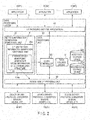
- FIG. 2 is a diagram showing a second configuration example of the data accumulation processing system according to an embodiment of the present invention.
- the data processing system 10 further includes a setting information generation functional unit (setting information generation unit) 20 in addition to the configuration explained in FIG. 1 .
- the setting information generation functional unit 20 includes an I/F and setting information generation functional unit 20a.
- the I/F and setting information generation functional unit 20a includes a storage device memorizing generation origin information of a common data structure 30 that stores generation origin information of a common data structure or a file describing the generation origin information of a common data structure.
- the generation origin information of a common data structure is common information from which (1) an application program (also referred to as an application or an APP), (2) a device-side I/F, (3) an application programming interface (API), (4) setting information for the data processing units, and (5) various I/F, etc. are illuminaterated.
- an application program also referred to as an application or an APP
- API application programming interface
- the generation origin information of a common data structure may be a csv file defining a class, an attribute, or a relation, and a json file defining a relation between instances.
- the setting information generation functional unit 20 the I/F providing unit for applications 40, the device-side I/F providing unit 50, and the data processing unit 60 will each be explained.
- the I/F providing unit for applications 40 has a function of providing an interface for an application 80, such as an API, to the application 80.
- the data processing unit 60 includes a data holding device 61, a first data storage device 62a, a second data storage device 62b, and a query controller 63.
- the query controller 63 has a function of processing a request to perform data reference (acquisition), etc., input from an application, etc.
- the query controller 63 has a function of determining data accumulated in the data holding device 61, the first data storage device 62a, or the second data storage device 62b, or the type of data requested by the query.
- the query controller 63 has a function of interacting among one of the data holding device 61, the first data storage device 62a, and the second data storage device 62b to accumulate or acquire data to be processed.
- the data holding device 61 has a storage medium such as a nonvolatile memory capable of storing data. Under the same cost condition, the storage capacity of the storage medium of the data holding device 61 is smaller than the storage capacity of the storage medium of the first data storage device 62a and the storage medium of the second data storage device 62b.
- the data holding device 61 Due to the characteristics of this storage medium, the data holding device 61 has a function of reading data from this storage medium at high speed, and a function of saving new data in the storage medium.
- the first data storage device 62a has a storage medium such as a nonvolatile memory that is capable of permanently storing data. Due to the characteristics of this storage medium, the data holding device 61 has a function of permanently accumulating data that is not binary data in this storage medium, and a function of reading data that is not binary data at high speed from this storage medium.
- the second data storage device 62b has a storage medium such as a nonvolatile memory capable of permanently storing data. Due to the characteristics of this storage medium, the data holding device 61 has a function of permanently accumulating binary data in this storage medium, and a function of reading binary data at high speed from this storage medium.
- the storage medium of the data holding device 61 is characterized in being able to write data at a higher speed or read data at a higher speed than the storage medium of the first data storage device 62a and the storage medium of the second data storage device 62b.
- the device-side I/F providing unit 50 has a function of providing interfaces for applications of a device driver/protocol converter/sensor/device, etc. 90, such as an API, to the device driver/protocol converter/sensor/device, etc. 90.
- the "device driver/protocol converter/sensor/devices, etc.” may sometimes be collectively referred to as a device.
- the query controller 63 of the data processing system 10 determines the type of data to be processed by the data processing unit 60, that is, the type of data to be accumulated in the data holding device 61, the first data storage device 62a, or the second data storage device 62b inside the data processing unit 60.
- the query controller 63 writes the structured data into the data holding device 61 (not accumulated permanently).
- the query controller 63 permanently accumulates the structured data, information serving as a search key for the data, and time information in the first data storage device 62a via the data holding device 61. The permanence of the structured data is thereby maintained.
- the query controller 63 accumulates the binary data in the data holding device 61, and permanently accumulates the binary data accumulated in the data holding device 61 in the second data storage device 62b. The permanence of the binary data is thereby maintained.
- the query controller 63 may include in a file name, etc. of the binary data accumulated in this second data storage device 62b, information serving as a key (key information) when searching binary data, such as a class name, an instance ID, and a time stamp.
- key information when searching binary data, such as a class name, an instance ID, and a time stamp.
- the query controller 63 may write information of the storage destination of this binary data (file path of the second data storage device 62b, etc.) into the data holding device 61 or the first data storage device 62a via the same route as the structured data. This allows the query controller 63 to search the information of the storage destination of the binary data by using the above key information, and to acquire information of this storage destination at high speed.
- the I/F and setting information generation functional unit 20a in the setting information generation functional unit 20 may generate data type setting information, the I/F for applications, the device-side I/F, or a part thereof so as to have consistency.
- the query controller 63 may determine the type of data by using the data type setting information generated based on the generation origin information of a common data structure stored in the storage device memorizing generation origin information of a common data structure 30.
- the query controller 63 is capable of reading the new structured data in time-series at high speed.
- the query controller 63 first searches the data holding device 61 using key information for searching the structured data, such as by using a class name, an instance ID, and a time stamp, and searches the first data storage device 62a via the data holding device 61 in the case where the data is not stored in the data holding device 61.
- the query controller 63 first searches the data holding device 61 using key information for searching the binary data, and searches the second data storage device 62b via the data holding device 61 in the case where the data is not stored in the data holding device 61.
- the data processing unit 60 is capable of automatically generating the I/F for applications, the device-side I/F, and the data type setting information.
- the generation origin information of a common data structure stored in the storage device memorizing generation origin information of a common data structure 30 may be, for example, (1) a csv file defining class/attribute/relations, etc., and (2) a json file defining a relation between instances.
- the I/F and setting information generation functional unit 20a may generate (1) the data type setting information representing the correspondence relationship of the data types, (2) the I/F for applications such as REST API, and (3) the device-side I/F such as MQTT API, or a part thereof.
- the correspondence relationship of data types is, for example, (1) the correspondence relationship between class names and binary data, or (2) the correspondence relationship between class names and structured data (json, etc.).
- the endpoint of the REST API which is an example of the I/F for applications, may be "/class name/instance ID/time stamp”.
- the topic name of the MQTT API which is an example of the device-side I/F, may be "/class name/instance ID/time stamp”.
- the I/F and setting information generation functional unit 20a may integrally generate the I/F for applications of when referring to data inside the data processing unit 60 (for example, the endpoint of the REST API) and the device-side I/F (for example, the topic name of the MQTT API) as an I/F maintaining consistency.
- data inside the data processing unit 60 for example, the endpoint of the REST API
- the device-side I/F for example, the topic name of the MQTT API
- the query controller 63 selects a database, etc., having an appropriate property according to the type of the data, and writes and reads the data among the data holding device 61, the first data storage device 62a, and the second data storage device 62b.
- FIG. 3 is a diagram for explaining processing by a data processing system according to an embodiment of the present invention.
- the data holding device 61, the first data storage device 62a, and the second data storage device 62b explained with reference to FIG. 1 correspond one-on-one to a memory 61-2, a database (DB) 62a-2, and a file DB 62b-2.
- the DB 62a-2 collectively stores structured data having a smaller data size than that of binary data stored in the file DB 62b-2.
- the file DB 62b-2 individually stores binary data having a larger data size than that of the structured data stored in the DB 62a-2.
- a broker 64 is provided between the query controller 63 and the device-side I/F providing unit 50. The broker 64 exchanges data between the query controller 63 and the device-side I/F providing unit 50.
- the query controller 63 compares data type setting information with information such as a class name included in a header in an HTTP request which is a request for accumulating data input from a device driver/protocol converter/sensor/device, etc. 90. As a result of this collation, the query controller 63 determines from the device driver/protocol converter/sensor/device, etc. 90, a target to be accumulated in the data holding device 61, the first data storage device 62a, and the second data storage device 62b inside the data processing unit 60, that is, the type of data to be processed by the data processing unit 60.
- the query controller 63 writes the data in the memory 61-2, classifies the data written in the memory 61-2 on the basis of the setting information generated from the generation origin information of a common data structure, and collectively writes the classified data together with one or more key information for acquiring the data and value information (measurement data that is an accumulation target) in the DB 62a-2.
- the query controller 63 accumulates this binary data in the memory 61-2, classifies the data written in the memory 61-2 for each device generating the data based on the generation origin information of a common data structure, and individually writes the classified data into the file DB 62b-2 in a binary format and in a form that can be searched by key information.
- the query controller 63 compares the data type setting information and information such as the class name included in the header of the data acquisition request to thereby determine the type of data of an acquisition target (search target) from the data processing unit 60.
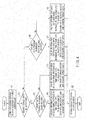
- the query controller 63 searches the memory 61-2 using the key information key (class name, instance ID, time stamp, etc.); and when the structured data to be acquired is accumulated in the memory 61-2 (Yes in S3), the structured data to be acquired is acquired at high speed from a file including the structured data in the memory 61-2 (S4).
- the key information key class name, instance ID, time stamp, etc.
- the query controller 63 searches the DB 62a-2 using the time information and key information, copies the file including the structured data to be acquired from the DB 62a-2 to the memory 61-2, and acquires the data to be acquired at high speed from a file including the structured data in the memory 61-2 (S5).
- the query controller 63 searches the memory 61-2 using the above-mentioned key information; and when the binary data to be acquired is accumulated in the memory 61-2 (Yes in S6), the query controller 63 acquires the binary data from the memory 61-2 at high speed (S7).
- the query controller 63 searches the file DB 62b-2 via the memory 61-2 using the key information, copies the file including the binary data to be acquired from the file DB 62b-2 to the memory 61-2, and acquires the binary data to be acquired from the memory 61-2 at high speed (S8).
- the query controller 63 returns the data acquired in S4, S5, S7, or S8 to the application as the data requested by the data acquisition request (S9). In this manner, data can be acquired efficiently by acquiring the data using the key information.
- the data processing system stores or acquires data according to the data type in a device having suitable characteristics.
- the data processing system stores or acquires data according to the data type in a device having suitable characteristics.
- the data processing system 10 is able to maintain consistency between the data type setting information and the I/F of the application and the device, etc., and deal with changes in data structure.
- the present invention is not limited to the above embodiments, and can be modified in various manners in practice when implementing the invention without departing from the gist of the invention. Moreover, each of the embodiments may be implemented by being suitably combined to a maximum extent, in which case a combined effect will be obtained. Furthermore, the above embodiments include inventions at various stages, and various inventions can be extracted by an appropriate combination of a plurality of disclosed constitutional requirements.
- a program (software means) that can be executed by a computer
- the method described in each embodiment can be distributed by being stored in a storage medium such as a magnetic disk (a floppy disk (trademark), a hard disk, etc.), an optical disk (CD-ROM, DVD, MO, etc.), and a semiconductor memory (ROM, RAM, flash memory, etc.), or by being transmitted by a communication medium.
- the program stored on the medium side also includes a setting program for causing the software means that is to be executed by the computer (including not only an execution program but also a table structure and a data structure) to be configured in the computer.
- the computer that realizes the present device reads a program stored in a storage medium, and, in some cases, constructs software means by the setting program, and executes the above-mentioned processing by causing operations to be controlled by the software means.
- the storage medium referred to in this specification is not limited to distribution, and includes a storage medium such as a magnetic disk and a semiconductor memory provided in a device that is connected via the inside of the computer or a network.
Landscapes
- Engineering & Computer Science (AREA)
- Theoretical Computer Science (AREA)
- Databases & Information Systems (AREA)
- Physics & Mathematics (AREA)
- General Engineering & Computer Science (AREA)
- General Physics & Mathematics (AREA)
- Data Mining & Analysis (AREA)
- Computational Linguistics (AREA)
- Human Computer Interaction (AREA)
- Multimedia (AREA)
- Information Retrieval, Db Structures And Fs Structures Therefor (AREA)
Abstract
Description
- The embodiments of the present invention relate generally to a data processing system and a data processing method.
- In recent years, the Internet of Things (IoT), which connects various sensors, devices, and networks to utilize data, has been attracting attention. In the IoT, data is continuously collected from various sensors and devices, etc. Therefore, a database system that accumulates large volumes of small pieces of time-series data is required.
- In addition to the sensor data, an application that performs failure prediction, etc. involved with use of IoT, uses data such as images captured by a camera. Characteristics of data such as images are different from general sensor data characteristics. Data related to images, etc., is binary data. Binary data is data with a large file size, and is not structured.
- Based on the above characteristics, data processing systems suitable for IoT are required to select the most appropriate method of data accumulation based on the type of data involved.
- In general examples of IoT utilization, analysis, prediction, actuation, etc., are performed based on the most recent data acquired from a device or sensor. Therefore, the following (1) and (2) are the characteristics of the system.
- (1) Data is frequently written to the storage device in chronological order.
- (2) Values belonging to the latest classification in time-series is frequently referred to among all data.
- A typical example of IoT system usage is abnormality detection, which is based on an analysis using data stored (recorded and accumulated) on a long-term basis and a real-time analysis. Therefore, the following (1) and (2) are required (for example, see Non-Patent Document 1).
- (1) Permanently accumulate sensor data in association with time-series data, and perform processing in bulk.
- (2) Acquire latest data at high speed.
- Based on the above requirements, a system for IoT is required to be a data processing system that achieves both permanent accumulation of data associated with time-series data and high-speed acquisition of the latest data. Current data processing systems are configured by the following (1) and (2), as in the configuration of a general computer.
- (1) A storage device whose capacity is generally large, as in a hard disk, etc., and that is capable of permanently storing data; however, that does not have a relatively high data reading speed.
- (2) A data holding device that has a relatively high data reading speed, as in a cache provided in a memory, etc.; however, whose capacity is generally small, and that does not permanently store data.
- A general data processing system has a mechanism for holding an index in a memory in order to increase a data search speed. However, the number of indexes increases according to the number of data. Therefore, in the case of handling an extremely large number of data, such as sensor data, generating an index becomes a bottleneck upon data writing, and causes a problem that the data size of the index exceeds the data size storable in the memory.
- Furthermore, regarding the sensor data, the value of the latest classification is frequently referred to (read). Therefore, even if indexes are generated for all data, most of such indexes are not referenced. Therefore, the index has less effect on increasing the speed.
- Furthermore, a general data processing system has a mechanism for increasing the reading speed of the same data using a cache. However, it is not realistic to have the latest value of large amounts of the sensor data held in the cache that has limited capacity. Furthermore, regarding the sensor data whose latest values are constantly updated in chronological order, the same data is referred to less frequently. Therefore, using the cache has less effect on increasing the reading speed.
- Due to these problems of writing and reading, it has been difficult to achieve both high-speed processing of sensor data and perpetuation of stored data by a conventional configuration that simply uses a database that uses an index and a cache.
- Furthermore, binary data such as images is characterized in not being structured and having a large file size. Therefore, if the binary data is stored in the same database as the sensor data, since the file format needs to be converted, it would be difficult to achieve high-speed writing and reading.
- Furthermore, in the data processing system, due to the change of the device connection configuration and the change of the application requirement, the data model is updated, which would likely cause inconsistency among the application, the device, an interface (I/F) of the data processing system, and setting information. This increases the management load for maintaining the consistency of the I/F of the entire system.
- In the above manner, in the field of IoT, a larger amount of sensor data is required to be processed than in a conventional device. Furthermore, since both long-term analysis and real-time analysis may become processing targets, permanent accumulation of time-series data, and high-speed and frequent reading of the latest value of data are respectively required. In addition, a mechanism to accumulate both structured data having a small data size, such as sensor data, and binary data having a large data size (larger data size compared to the structured data), such as image data, is required.
- In the conventional data processing system, it is difficult to achieve both improvement in writing speed and reading speed and permanence of stored data for a large amount of structured data in time-series and binary data.
- The present invention has been made in view of such circumstances, and an object thereof is to provide a data processing system and a data processing method capable of achieving both improvement in the access speed of data and the permanence of stored data.
- In order to achieve the above object, an aspect of the data processing system according to the embodiment of the present invention provides a system including first and second data storage devices including a storage medium capable of permanently storing data; a data holding device having a storage medium capable of storing the data at a higher speed than the first and second data storage devices; and a controller that determines the type of data to be processed, and, in the case where the data to be processed is structured data, stores the data to be processed in the data holding device, then, collectively, in the first data storage device, and, in the case where the data to be processed is binary data, stores the data to be processed in the data holding device and in the second data storage device.
- According to the present invention, it is possible to achieve both improvement in the access speed of data and permanence of stored data.
-
-
FIG. 1 is a diagram showing a first configuration example of a data processing system according to an embodiment of the present invention. -
FIG. 2 is a diagram showing a second configuration example of the data processing system according to an embodiment of the present invention. -
FIG. 3 is a diagram for explaining the processing by the data processing system according to an embodiment of the present invention. -
FIG. 4 is a flowchart explaining processing performed upon data reference (search) in the data processing system according to an embodiment of the present invention. - Hereinafter, a data processing system to which a data processing method according to an embodiment of the present invention is applied will be explained with reference to the drawings.
- The present embodiment focuses on that, in the IoT field, there are many applications that periodically perform state monitoring, etc., and that data of the latest time is frequently read in the data search. In the present embodiment, by holding data of the latest time in a data holding device, it is possible to read the data at high speed.
- In the conventional general configuration, frequently accessed data is held in the data holding device, such as a cache on a memory, and the latest data is not necessarily stored in the data holding device.
- In this case, it is necessary to read data from a data storage device that permanently stores data, such as from a hard disk. Since the reading speed of the data from the data storage device is slower than the reading speed of the data from the data holding device, it takes more time to read the latest data.
- Therefore, in the present embodiment, the data processing system first writes data received from a device, etc., into a data holding device, such as a cache provided in a memory or a memory in a kernel space of an operating system (OS). The data processing system then writes this data and time-series information into the data storage device. In this manner, the data is permanently stored in the data storage device in association with time-series data, which allows the latest data to be referred to at high speed.
-
FIG. 1 is a diagram showing a first configuration example of the data processing system according to an embodiment of the present invention. - As shown in
FIG. 1 , a data processing system (data accumulation/processing system) 10 in the embodiment includes an I/F providing unit for applications (first interface providing unit) 40, a device-side I/F providing unit (second interface providing unit) 50, and adata processing unit 60. - Each unit in the
data processing system 10 can be realized by a device serving as a computer device, such as a personal computer (PC). For example, the computer device includes a processor such as a central processing unit (CPU), a volatile memory connected to the processor, a nonvolatile memory, and a communication interface, etc. The processor executes a program stored in the nonvolatile memory for each unit of thedata processing system 10 to realize various processes. -
FIG. 2 is a diagram showing a second configuration example of the data accumulation processing system according to an embodiment of the present invention. - In the example shown in
FIG. 2 , thedata processing system 10 further includes a setting information generation functional unit (setting information generation unit) 20 in addition to the configuration explained inFIG. 1 . The setting information generationfunctional unit 20 includes an I/F and setting information generationfunctional unit 20a. - The I/F and setting information generation
functional unit 20a includes a storage device memorizing generation origin information of acommon data structure 30 that stores generation origin information of a common data structure or a file describing the generation origin information of a common data structure. - The generation origin information of a common data structure is common information from which (1) an application program (also referred to as an application or an APP), (2) a device-side I/F, (3) an application programming interface (API), (4) setting information for the data processing units, and (5) various I/F, etc. are gernerated.
- The generation origin information of a common data structure may be a csv file defining a class, an attribute, or a relation, and a json file defining a relation between instances.
- Hereinafter, the setting information generation
functional unit 20, the I/F providing unit forapplications 40, the device-side I/F providing unit 50, and thedata processing unit 60 will each be explained. - The I/F providing unit for
applications 40 has a function of providing an interface for anapplication 80, such as an API, to theapplication 80. - The
data processing unit 60 includes adata holding device 61, a firstdata storage device 62a, a seconddata storage device 62b, and aquery controller 63. - The
query controller 63 has a function of processing a request to perform data reference (acquisition), etc., input from an application, etc. Thequery controller 63 has a function of determining data accumulated in thedata holding device 61, the firstdata storage device 62a, or the seconddata storage device 62b, or the type of data requested by the query. - In accordance with the result of this determination, the
query controller 63 has a function of interacting among one of thedata holding device 61, the firstdata storage device 62a, and the seconddata storage device 62b to accumulate or acquire data to be processed. - The
data holding device 61 has a storage medium such as a nonvolatile memory capable of storing data. Under the same cost condition, the storage capacity of the storage medium of thedata holding device 61 is smaller than the storage capacity of the storage medium of the firstdata storage device 62a and the storage medium of the seconddata storage device 62b. - Due to the characteristics of this storage medium, the
data holding device 61 has a function of reading data from this storage medium at high speed, and a function of saving new data in the storage medium. - The first
data storage device 62a has a storage medium such as a nonvolatile memory that is capable of permanently storing data. Due to the characteristics of this storage medium, thedata holding device 61 has a function of permanently accumulating data that is not binary data in this storage medium, and a function of reading data that is not binary data at high speed from this storage medium. - The second
data storage device 62b has a storage medium such as a nonvolatile memory capable of permanently storing data. Due to the characteristics of this storage medium, thedata holding device 61 has a function of permanently accumulating binary data in this storage medium, and a function of reading binary data at high speed from this storage medium. - The storage medium of the
data holding device 61 is characterized in being able to write data at a higher speed or read data at a higher speed than the storage medium of the firstdata storage device 62a and the storage medium of the seconddata storage device 62b. - The device-side I/
F providing unit 50 has a function of providing interfaces for applications of a device driver/protocol converter/sensor/device, etc. 90, such as an API, to the device driver/protocol converter/sensor/device, etc. 90. The "device driver/protocol converter/sensor/devices, etc." may sometimes be collectively referred to as a device. - When accumulating the data input from the device driver/protocol converter/sensor/device, etc. 90 in the
data processing unit 60, thequery controller 63 of thedata processing system 10 determines the type of data to be processed by thedata processing unit 60, that is, the type of data to be accumulated in thedata holding device 61, the firstdata storage device 62a, or the seconddata storage device 62b inside thedata processing unit 60. When this data is structured data, thequery controller 63 writes the structured data into the data holding device 61 (not accumulated permanently). - Furthermore, the
query controller 63 permanently accumulates the structured data, information serving as a search key for the data, and time information in the firstdata storage device 62a via thedata holding device 61. The permanence of the structured data is thereby maintained. - Furthermore, when the determined data is not structured data but binary data, the
query controller 63 accumulates the binary data in thedata holding device 61, and permanently accumulates the binary data accumulated in thedata holding device 61 in the seconddata storage device 62b. The permanence of the binary data is thereby maintained. - When the
query controller 63 accumulates the binary data in the seconddata storage device 62b via thedata holding device 61, thequery controller 63 may include in a file name, etc. of the binary data accumulated in this seconddata storage device 62b, information serving as a key (key information) when searching binary data, such as a class name, an instance ID, and a time stamp. When acquiring the binary data later on from the seconddata storage device 62b, this allows thequery controller 63 to use this key information to acquire the binary data from the seconddata storage device 62b via thedata holding device 61. - Similarly, when the
query controller 63 accumulates the binary data in the seconddata storage device 62b, thequery controller 63 may write information of the storage destination of this binary data (file path of the seconddata storage device 62b, etc.) into thedata holding device 61 or the firstdata storage device 62a via the same route as the structured data. This allows thequery controller 63 to search the information of the storage destination of the binary data by using the above key information, and to acquire information of this storage destination at high speed. - Furthermore, based on the generation origin information of a common data structure stored in the storage device memorizing generation origin information of a
common data structure 30, the I/F and setting information generationfunctional unit 20a in the setting information generationfunctional unit 20 may generate data type setting information, the I/F for applications, the device-side I/F, or a part thereof so as to have consistency. - The
query controller 63 may determine the type of data by using the data type setting information generated based on the generation origin information of a common data structure stored in the storage device memorizing generation origin information of acommon data structure 30. - Furthermore, by constantly overwriting a data set already stored in the
data holding device 61 by the latest data set that is frequently referred to in the structured data, thequery controller 63 is capable of reading the new structured data in time-series at high speed. - At the time of data reading, the type of data requested to be read is determined. In the case where this type is structured data such as json, the
query controller 63 first searches thedata holding device 61 using key information for searching the structured data, such as by using a class name, an instance ID, and a time stamp, and searches the firstdata storage device 62a via thedata holding device 61 in the case where the data is not stored in thedata holding device 61. - On the other hand, in the case where the determined type is binary data, the
query controller 63 first searches thedata holding device 61 using key information for searching the binary data, and searches the seconddata storage device 62b via thedata holding device 61 in the case where the data is not stored in thedata holding device 61. - The processing performed by the data processing system in the embodiment of the present invention will be described.
- The
data processing unit 60 is capable of automatically generating the I/F for applications, the device-side I/F, and the data type setting information. - The generation origin information of a common data structure stored in the storage device memorizing generation origin information of a
common data structure 30 may be, for example, (1) a csv file defining class/attribute/relations, etc., and (2) a json file defining a relation between instances. - Based on the generation origin information of a common data structure stored in the storage device memorizing generation origin information of a
common data structure 30, the I/F and setting information generationfunctional unit 20a may generate (1) the data type setting information representing the correspondence relationship of the data types, (2) the I/F for applications such as REST API, and (3) the device-side I/F such as MQTT API, or a part thereof. - The correspondence relationship of data types is, for example, (1) the correspondence relationship between class names and binary data, or (2) the correspondence relationship between class names and structured data (json, etc.).
- The endpoint of the REST API, which is an example of the I/F for applications, may be "/class name/instance ID/time stamp". The topic name of the MQTT API, which is an example of the device-side I/F, may be "/class name/instance ID/time stamp".
- Based on the above data type setting information generated on the basis of the generation origin information of a common data structure, the I/F and setting information generation
functional unit 20a may integrally generate the I/F for applications of when referring to data inside the data processing unit 60 (for example, the endpoint of the REST API) and the device-side I/F (for example, the topic name of the MQTT API) as an I/F maintaining consistency. - Also, based on the information such as the class name of an HTTP request and the data type setting information, the
query controller 63 selects a database, etc., having an appropriate property according to the type of the data, and writes and reads the data among thedata holding device 61, the firstdata storage device 62a, and the seconddata storage device 62b. -
FIG. 3 is a diagram for explaining processing by a data processing system according to an embodiment of the present invention. - With reference to
FIG. 3 , the processing at the time of data accumulation will be explained. In the example shown inFIG. 3 , thedata holding device 61, the firstdata storage device 62a, and the seconddata storage device 62b explained with reference toFIG. 1 correspond one-on-one to a memory 61-2, a database (DB) 62a-2, and afile DB 62b-2. TheDB 62a-2 collectively stores structured data having a smaller data size than that of binary data stored in thefile DB 62b-2. Thefile DB 62b-2 individually stores binary data having a larger data size than that of the structured data stored in theDB 62a-2. Furthermore, in the example shown inFIG. 3 , abroker 64 is provided between thequery controller 63 and the device-side I/F providing unit 50. Thebroker 64 exchanges data between thequery controller 63 and the device-side I/F providing unit 50. - The
query controller 63 compares data type setting information with information such as a class name included in a header in an HTTP request which is a request for accumulating data input from a device driver/protocol converter/sensor/device, etc. 90. As a result of this collation, thequery controller 63 determines from the device driver/protocol converter/sensor/device, etc. 90, a target to be accumulated in thedata holding device 61, the firstdata storage device 62a, and the seconddata storage device 62b inside thedata processing unit 60, that is, the type of data to be processed by thedata processing unit 60. - As a result of the determination, in a case where the above data to be accumulated is structured data described in the form of json, etc., the
query controller 63 writes the data in the memory 61-2, classifies the data written in the memory 61-2 on the basis of the setting information generated from the generation origin information of a common data structure, and collectively writes the classified data together with one or more key information for acquiring the data and value information (measurement data that is an accumulation target) in theDB 62a-2. - When the above data to be accumulated is binary data such as an image, the
query controller 63 accumulates this binary data in the memory 61-2, classifies the data written in the memory 61-2 for each device generating the data based on the generation origin information of a common data structure, and individually writes the classified data into thefile DB 62b-2 in a binary format and in a form that can be searched by key information. - With reference to
FIG. 3 andFIG. 4 , the processing at the time of performing data reference (search) will be explained. - When a data acquisition request (HTTP, etc.) input from the application is sent to the query controller 63 (S1), the
query controller 63 compares the data type setting information and information such as the class name included in the header of the data acquisition request to thereby determine the type of data of an acquisition target (search target) from thedata processing unit 60. - When the data to be acquired is structured data (Yes in S2), the
query controller 63 searches the memory 61-2 using the key information key (class name, instance ID, time stamp, etc.); and when the structured data to be acquired is accumulated in the memory 61-2 (Yes in S3), the structured data to be acquired is acquired at high speed from a file including the structured data in the memory 61-2 (S4). - When the structured data to be acquired is not accumulated in the memory 61-2 (No in S3), the
query controller 63 searches theDB 62a-2 using the time information and key information, copies the file including the structured data to be acquired from theDB 62a-2 to the memory 61-2, and acquires the data to be acquired at high speed from a file including the structured data in the memory 61-2 (S5). - In a case where the data to be acquired is binary data (an image, etc.) (No in S2), the
query controller 63 searches the memory 61-2 using the above-mentioned key information; and when the binary data to be acquired is accumulated in the memory 61-2 (Yes in S6), thequery controller 63 acquires the binary data from the memory 61-2 at high speed (S7). - When the binary data to be acquired is not stored in the memory 61-2 (No in S6), the
query controller 63 searches thefile DB 62b-2 via the memory 61-2 using the key information, copies the file including the binary data to be acquired from thefile DB 62b-2 to the memory 61-2, and acquires the binary data to be acquired from the memory 61-2 at high speed (S8). Thequery controller 63 returns the data acquired in S4, S5, S7, or S8 to the application as the data requested by the data acquisition request (S9). In this manner, data can be acquired efficiently by acquiring the data using the key information. - In the embodiment of the present invention, in accordance with the data characteristic of the IoT system, the data processing system stores or acquires data according to the data type in a device having suitable characteristics. As a result, it is possible to construct a system that can permanently accumulate time-series data and can read latest data that is frequently referred to at high speed.
- In addition, by determining the data type by using the data type setting information generated based on the generation origin information of a common data structure, the
data processing system 10 is able to maintain consistency between the data type setting information and the I/F of the application and the device, etc., and deal with changes in data structure. In the embodiments of the present invention, it is possible to construct a data processing system that can be connected to applications and devices handling binary data and time-series data, as well as an IoT platform based on this system. - The present invention is not limited to the above embodiments, and can be modified in various manners in practice when implementing the invention without departing from the gist of the invention. Moreover, each of the embodiments may be implemented by being suitably combined to a maximum extent, in which case a combined effect will be obtained. Furthermore, the above embodiments include inventions at various stages, and various inventions can be extracted by an appropriate combination of a plurality of disclosed constitutional requirements.
- As a program (software means) that can be executed by a computer, the method described in each embodiment can be distributed by being stored in a storage medium such as a magnetic disk (a floppy disk (trademark), a hard disk, etc.), an optical disk (CD-ROM, DVD, MO, etc.), and a semiconductor memory (ROM, RAM, flash memory, etc.), or by being transmitted by a communication medium. The program stored on the medium side also includes a setting program for causing the software means that is to be executed by the computer (including not only an execution program but also a table structure and a data structure) to be configured in the computer. The computer that realizes the present device reads a program stored in a storage medium, and, in some cases, constructs software means by the setting program, and executes the above-mentioned processing by causing operations to be controlled by the software means. The storage medium referred to in this specification is not limited to distribution, and includes a storage medium such as a magnetic disk and a semiconductor memory provided in a device that is connected via the inside of the computer or a network.
Claims (7)
- A data processing system comprising:first and second data storage devices (62a, 62b) including a storage medium on which data is permanently storable;a data holding device (61) including a storage medium on which the data is storable at a higher speed than the first and second data storage devices (62a, 62b); anda controller (63) that:determines a type of data to be processed;stores the data to be processed in the data holding device (61) and in the first data storage device (62a) in a case where the data to be processed is structured data; andstores the data to be processed in the second data storage device (62b) in a case where the data to be processed is binary data.
- The data processing system according to claim 1 further comprising:a setting information generation unit (20) for generating setting information to be used for the controller (63); anda storage device (30) that stores generation origin information that is information from which the setting information is generated, whereinthe controller (63) determines the type of the data to be processed based on the setting information generated by the setting information generation unit (20).
- The data processing system according to claim 2 further comprising:a first interface providing unit (40) that provides an interface to be used for an application to the application; anda second interface providing unit (50) that provides an interface to be used for a device to the device, whereinthe setting information generation unit (20) generates the setting information having consistency with the interface to be used for the application and the interface to be used for the device by using the generation origin information.
- The data processing system according to claim 2 further comprising:a first interface providing unit (40) that provides an interface to be used for an application to the application; anda second interface providing unit (50) that provides an interface to be used for a device to the device, whereinthe generation origin information is generation origin information of a common data structure that serves as common information for respectively generating the interface to be used for the application, the interface to be used for the device, and the setting information.
- The data processing system according to one of claims 1 to 4, wherein the controller (63):when the data to be processed is the structured data, stores the data to be processed in the data holding device (61), classifies the structured data stored in the data holding device (61) for each device that generated the data, and collectively stores data that is smaller than the binary data in the first data storage device (62a) together with key information and time information for acquiring the structured data;when the data to be acquired is the structured data, searches the data holding device (61) using the key information;when the structured data to be acquired is stored in the data holding device (61), searches the structured data to be acquired from a file including this structured data, and acquires the structured data from the data holding device (61); andwhen the structured data to be acquired is not stored in the data holding device (61), copies a file including the structured data to be acquired from the first data storage device (62a) to the data holding device (61) using the key information and the time information, and searches and acquires from the data holding device (61) structured data to be acquired from a file including the structured data.
- The data processing system according to one of claims 1 to 4, wherein the controller (63):when the data to be processed is the binary data, stores the data to be processed in the data holding device (61), classifies the binary data stored in the data holding device (61) for each device that generated the data, and separately stores data that is larger than the structured data in the second data storage device (62b) together with key information for acquiring the binary data;when data to be acquired is the binary data, searches the data holding device (61) using the key information;when the binary data to be acquired is stored in the data holding device (61), acquires this binary data from the data holding device (61); andwhen the binary data to be acquired is not stored in the data holding device (61), copies a file including the binary data to be acquired from the second data storage device (62b) to the data holding device (61) using the key information, and acquires this binary data from the data holding device (61).
- A data processing method implemented in a data processing system that includes first and second data storage devices (62a, 62b) including a storage medium on which data is permanently storable, and a data holding device (61) including a storage medium capable of storing the data at a higher speed than the first and second data storage devices (62a, 62b), the method comprising:determining a type of data to be processed;storing the data to be processed in the data holding device (61), and, in a case where the data to be processed is structured data, storing the data to be processed in the first data storage device (62a); andin a case where the data to be processed is binary data, storing the data to be processed in the second data storage device (62b).
Applications Claiming Priority (2)
| Application Number | Priority Date | Filing Date | Title |
|---|---|---|---|
| JP2016249723 | 2016-12-22 | ||
| PCT/JP2017/045941 WO2018117218A1 (en) | 2016-12-22 | 2017-12-21 | Data processing system and data processing method |
Publications (3)
| Publication Number | Publication Date |
|---|---|
| EP3561679A1 true EP3561679A1 (en) | 2019-10-30 |
| EP3561679A4 EP3561679A4 (en) | 2020-08-19 |
| EP3561679B1 EP3561679B1 (en) | 2024-03-27 |
Family
ID=62626785
Family Applications (1)
| Application Number | Title | Priority Date | Filing Date |
|---|---|---|---|
| EP17884612.7A Active EP3561679B1 (en) | 2016-12-22 | 2017-12-21 | Data processing system and data processing method |
Country Status (5)
| Country | Link |
|---|---|
| US (1) | US11514083B2 (en) |
| EP (1) | EP3561679B1 (en) |
| JP (1) | JP6629994B2 (en) |
| CN (1) | CN110088745B (en) |
| WO (1) | WO2018117218A1 (en) |
Families Citing this family (4)
| Publication number | Priority date | Publication date | Assignee | Title |
|---|---|---|---|---|
| CN111480161B (en) * | 2017-12-20 | 2024-11-22 | 飞力凯网路股份有限公司 | Information processing device and information processing method |
| JP7073952B2 (en) * | 2018-07-09 | 2022-05-24 | 横河電機株式会社 | Data collection system and data collection method |
| CN112579834B (en) * | 2021-02-22 | 2021-09-03 | 北京工业大数据创新中心有限公司 | Industrial equipment data storage method and system |
| CN118394977B (en) * | 2024-06-27 | 2024-09-06 | 成都秦川物联网科技股份有限公司 | Data management method, device and equipment based on industrial Internet of Things |
Family Cites Families (24)
| Publication number | Priority date | Publication date | Assignee | Title |
|---|---|---|---|---|
| JP2001520819A (en) * | 1996-10-31 | 2001-10-30 | センサーマティック・エレクトロニクス・コーポレーション | Intelligent video information management system |
| JP2002055995A (en) * | 2000-05-31 | 2002-02-20 | Canon Inc | Information processing method and apparatus |
| JP2002202905A (en) * | 2000-10-27 | 2002-07-19 | Canon Inc | Data storage method and apparatus, and storage medium |
| JP4810009B2 (en) * | 2001-06-27 | 2011-11-09 | キヤノン株式会社 | Data processing apparatus, method and program |
| JP4194588B2 (en) * | 2005-08-12 | 2008-12-10 | キヤノン株式会社 | Playback apparatus and playback method |
| JP2008024385A (en) * | 2006-07-18 | 2008-02-07 | Toppan Forms Co Ltd | Goods management system |
| KR101212872B1 (en) * | 2007-01-07 | 2012-12-17 | 애플 인크. | Synchronizati0n methods and systems |
| US7979627B2 (en) * | 2007-05-14 | 2011-07-12 | Buffalo Inc. | Storage device with binary and multivalued memory |
| JP4944812B2 (en) * | 2008-02-20 | 2012-06-06 | 株式会社リコー | Information processing system, information processing method, and program |
| JP5186270B2 (en) * | 2008-04-23 | 2013-04-17 | インターナショナル・ビジネス・マシーンズ・コーポレーション | Database cache system |
| JP5608680B2 (en) * | 2008-12-30 | 2014-10-15 | インテリジェント スペイシャル テクノロジーズ,インク. | Mobile image retrieval and indexing system and method |
| JP5544508B2 (en) * | 2009-03-27 | 2014-07-09 | 株式会社国際電気通信基礎技術研究所 | Action identification system |
| JP2010271862A (en) * | 2009-05-20 | 2010-12-02 | Toshiba Corp | Information processing system and information processing apparatus |
| US20140365861A1 (en) * | 2011-04-25 | 2014-12-11 | Google Inc. | Prefetching binary data for use by a browser plugin |
| US20120317337A1 (en) * | 2011-06-09 | 2012-12-13 | Microsoft Corporation | Managing data placement on flash-based storage by use |
| GB2506164A (en) * | 2012-09-24 | 2014-03-26 | Ibm | Increased database performance via migration of data to faster storage |
| JP6172508B2 (en) * | 2013-06-25 | 2017-08-02 | 富士電機機器制御株式会社 | Data collection system and wired / wireless converter |
| JP2015026167A (en) * | 2013-07-25 | 2015-02-05 | 株式会社東芝 | Alarm management device and alarm management method |
| WO2015165545A1 (en) * | 2014-05-01 | 2015-11-05 | Longsand Limited | Embedded processing of structured and unstructured data using a single application protocol interface (api) |
| JP5948399B2 (en) | 2014-12-04 | 2016-07-06 | 日本電信電話株式会社 | Information recording apparatus, method and program |
| US20160210306A1 (en) * | 2015-01-15 | 2016-07-21 | Commvault Systems, Inc. | Managing structured data in a data storage system |
| JP6516630B2 (en) * | 2015-08-26 | 2019-05-22 | キヤノン株式会社 | Memory control circuit and control method thereof |
| US10216740B2 (en) * | 2016-03-31 | 2019-02-26 | Acronis International Gmbh | System and method for fast parallel data processing in distributed storage systems |
| CN106095796A (en) * | 2016-05-30 | 2016-11-09 | 中国邮政储蓄银行股份有限公司 | Distributed data storage method, Apparatus and system |
-
2017
- 2017-12-21 EP EP17884612.7A patent/EP3561679B1/en active Active
- 2017-12-21 WO PCT/JP2017/045941 patent/WO2018117218A1/en not_active Ceased
- 2017-12-21 US US16/471,447 patent/US11514083B2/en active Active
- 2017-12-21 CN CN201780079851.1A patent/CN110088745B/en active Active
- 2017-12-21 JP JP2018558067A patent/JP6629994B2/en active Active
Also Published As
| Publication number | Publication date |
|---|---|
| US11514083B2 (en) | 2022-11-29 |
| WO2018117218A1 (en) | 2018-06-28 |
| EP3561679B1 (en) | 2024-03-27 |
| EP3561679A4 (en) | 2020-08-19 |
| JPWO2018117218A1 (en) | 2019-03-28 |
| JP6629994B2 (en) | 2020-01-15 |
| US20200192916A1 (en) | 2020-06-18 |
| CN110088745A (en) | 2019-08-02 |
| CN110088745B (en) | 2023-08-08 |
Similar Documents
| Publication | Publication Date | Title |
|---|---|---|
| KR102007070B1 (en) | Reference block aggregating into a reference set for deduplication in memory management | |
| US8219591B2 (en) | Graph query adaptation | |
| US11514083B2 (en) | Data processing system and data processing method | |
| CN104537076B (en) | A kind of file read/write method and device | |
| US9015695B2 (en) | Information processing apparatus and information processing method | |
| US11580061B2 (en) | System and method for file archiving using machine learning | |
| JP6281225B2 (en) | Information processing device | |
| KR20140114618A (en) | Method and apparatus for analyzing data to facilitate allocation in a storage device | |
| CN102713824A (en) | Allocate memory based on future usage estimates | |
| KR101355273B1 (en) | A computing system, a method for controlling thereof, and a computer-readable recording medium having a computer program for controlling thereof | |
| CN107844274B (en) | Hardware resource management method, device and terminal based on super-fusion storage system | |
| US10915534B2 (en) | Extreme value computation | |
| US20170031929A1 (en) | Embedded Processing Of Structured and Unstructured Data Using A Single Application Protocol Interface (API) | |
| JP2018129074A5 (en) | Storage system and storage system control method | |
| GB2559465A (en) | Database memory monitoring and defragmentation of database indexes | |
| US10095737B2 (en) | Information storage system | |
| JP2019144872A (en) | System having computation model for machine learning, and machine learning method | |
| CN111581247B (en) | Data manager, time sequence database and information processing system | |
| US20110093688A1 (en) | Configuration management apparatus, configuration management program, and configuration management method | |
| US10990604B2 (en) | Non-transitory computer-readable storage medium, record data processing method, and record data processing apparatus | |
| US11029887B2 (en) | Data process execution device, storage medium, and data process execution system | |
| US11645549B2 (en) | System for deriving data in constrained environments | |
| US11194504B2 (en) | Information processing device and data management method of information processing device | |
| CN117081673B (en) | A method and device for transmitting optical fiber data with interruption source in a multi-level mapping table | |
| JP6508202B2 (en) | INFORMATION PROCESSING APPARATUS, INFORMATION PROCESSING METHOD, AND PROGRAM |
Legal Events
| Date | Code | Title | Description |
|---|---|---|---|
| STAA | Information on the status of an ep patent application or granted ep patent |
Free format text: STATUS: THE INTERNATIONAL PUBLICATION HAS BEEN MADE |
|
| PUAI | Public reference made under article 153(3) epc to a published international application that has entered the european phase |
Free format text: ORIGINAL CODE: 0009012 |
|
| STAA | Information on the status of an ep patent application or granted ep patent |
Free format text: STATUS: REQUEST FOR EXAMINATION WAS MADE |
|
| 17P | Request for examination filed |
Effective date: 20190628 |
|
| AK | Designated contracting states |
Kind code of ref document: A1 Designated state(s): AL AT BE BG CH CY CZ DE DK EE ES FI FR GB GR HR HU IE IS IT LI LT LU LV MC MK MT NL NO PL PT RO RS SE SI SK SM TR |
|
| AX | Request for extension of the european patent |
Extension state: BA ME |
|
| DAV | Request for validation of the european patent (deleted) | ||
| DAX | Request for extension of the european patent (deleted) | ||
| REG | Reference to a national code |
Ref country code: DE Ref legal event code: R079 Free format text: PREVIOUS MAIN CLASS: G06F0012000000 Ipc: G06F0012060000 Ref country code: DE Ref legal event code: R079 Ref document number: 602017080483 Country of ref document: DE Free format text: PREVIOUS MAIN CLASS: G06F0012000000 Ipc: G06F0012060000 |
|
| A4 | Supplementary search report drawn up and despatched |
Effective date: 20200721 |
|
| RIC1 | Information provided on ipc code assigned before grant |
Ipc: G06F 16/40 20190101ALI20200715BHEP Ipc: G06F 13/10 20060101ALI20200715BHEP Ipc: G06F 16/00 20190101ALI20200715BHEP Ipc: G06F 16/58 20190101ALI20200715BHEP Ipc: G06F 16/13 20190101ALI20200715BHEP Ipc: G06F 16/27 20190101ALI20200715BHEP Ipc: G06F 12/06 20060101AFI20200715BHEP |
|
| STAA | Information on the status of an ep patent application or granted ep patent |
Free format text: STATUS: EXAMINATION IS IN PROGRESS |
|
| 17Q | First examination report despatched |
Effective date: 20210511 |
|
| GRAP | Despatch of communication of intention to grant a patent |
Free format text: ORIGINAL CODE: EPIDOSNIGR1 |
|
| STAA | Information on the status of an ep patent application or granted ep patent |
Free format text: STATUS: GRANT OF PATENT IS INTENDED |
|
| RIC1 | Information provided on ipc code assigned before grant |
Ipc: G06F 16/43 20190101ALI20230928BHEP Ipc: G06F 16/00 20190101ALI20230928BHEP Ipc: G06F 16/27 20190101ALI20230928BHEP Ipc: G06F 13/10 20060101ALI20230928BHEP Ipc: G06F 16/58 20190101ALI20230928BHEP Ipc: G06F 16/13 20190101ALI20230928BHEP Ipc: G06F 16/40 20190101ALI20230928BHEP Ipc: G06F 12/06 20060101AFI20230928BHEP |
|
| INTG | Intention to grant announced |
Effective date: 20231031 |
|
| GRAS | Grant fee paid |
Free format text: ORIGINAL CODE: EPIDOSNIGR3 |
|
| GRAA | (expected) grant |
Free format text: ORIGINAL CODE: 0009210 |
|
| STAA | Information on the status of an ep patent application or granted ep patent |
Free format text: STATUS: THE PATENT HAS BEEN GRANTED |
|
| AK | Designated contracting states |
Kind code of ref document: B1 Designated state(s): AL AT BE BG CH CY CZ DE DK EE ES FI FR GB GR HR HU IE IS IT LI LT LU LV MC MK MT NL NO PL PT RO RS SE SI SK SM TR |
|
| REG | Reference to a national code |
Ref country code: GB Ref legal event code: FG4D |
|
| REG | Reference to a national code |
Ref country code: CH Ref legal event code: EP |
|
| REG | Reference to a national code |
Ref country code: DE Ref legal event code: R096 Ref document number: 602017080483 Country of ref document: DE |
|
| REG | Reference to a national code |
Ref country code: IE Ref legal event code: FG4D |
|
| PG25 | Lapsed in a contracting state [announced via postgrant information from national office to epo] |
Ref country code: LT Free format text: LAPSE BECAUSE OF FAILURE TO SUBMIT A TRANSLATION OF THE DESCRIPTION OR TO PAY THE FEE WITHIN THE PRESCRIBED TIME-LIMIT Effective date: 20240327 |
|
| REG | Reference to a national code |
Ref country code: LT Ref legal event code: MG9D |
|
| PG25 | Lapsed in a contracting state [announced via postgrant information from national office to epo] |
Ref country code: GR Free format text: LAPSE BECAUSE OF FAILURE TO SUBMIT A TRANSLATION OF THE DESCRIPTION OR TO PAY THE FEE WITHIN THE PRESCRIBED TIME-LIMIT Effective date: 20240628 |
|
| PG25 | Lapsed in a contracting state [announced via postgrant information from national office to epo] |
Ref country code: RS Free format text: LAPSE BECAUSE OF FAILURE TO SUBMIT A TRANSLATION OF THE DESCRIPTION OR TO PAY THE FEE WITHIN THE PRESCRIBED TIME-LIMIT Effective date: 20240627 Ref country code: HR Free format text: LAPSE BECAUSE OF FAILURE TO SUBMIT A TRANSLATION OF THE DESCRIPTION OR TO PAY THE FEE WITHIN THE PRESCRIBED TIME-LIMIT Effective date: 20240327 |
|
| PG25 | Lapsed in a contracting state [announced via postgrant information from national office to epo] |
Ref country code: RS Free format text: LAPSE BECAUSE OF FAILURE TO SUBMIT A TRANSLATION OF THE DESCRIPTION OR TO PAY THE FEE WITHIN THE PRESCRIBED TIME-LIMIT Effective date: 20240627 Ref country code: NO Free format text: LAPSE BECAUSE OF FAILURE TO SUBMIT A TRANSLATION OF THE DESCRIPTION OR TO PAY THE FEE WITHIN THE PRESCRIBED TIME-LIMIT Effective date: 20240627 Ref country code: LT Free format text: LAPSE BECAUSE OF FAILURE TO SUBMIT A TRANSLATION OF THE DESCRIPTION OR TO PAY THE FEE WITHIN THE PRESCRIBED TIME-LIMIT Effective date: 20240327 Ref country code: HR Free format text: LAPSE BECAUSE OF FAILURE TO SUBMIT A TRANSLATION OF THE DESCRIPTION OR TO PAY THE FEE WITHIN THE PRESCRIBED TIME-LIMIT Effective date: 20240327 Ref country code: GR Free format text: LAPSE BECAUSE OF FAILURE TO SUBMIT A TRANSLATION OF THE DESCRIPTION OR TO PAY THE FEE WITHIN THE PRESCRIBED TIME-LIMIT Effective date: 20240628 Ref country code: FI Free format text: LAPSE BECAUSE OF FAILURE TO SUBMIT A TRANSLATION OF THE DESCRIPTION OR TO PAY THE FEE WITHIN THE PRESCRIBED TIME-LIMIT Effective date: 20240327 Ref country code: BG Free format text: LAPSE BECAUSE OF FAILURE TO SUBMIT A TRANSLATION OF THE DESCRIPTION OR TO PAY THE FEE WITHIN THE PRESCRIBED TIME-LIMIT Effective date: 20240327 |
|
| REG | Reference to a national code |
Ref country code: NL Ref legal event code: MP Effective date: 20240327 |
|
| PG25 | Lapsed in a contracting state [announced via postgrant information from national office to epo] |
Ref country code: SE Free format text: LAPSE BECAUSE OF FAILURE TO SUBMIT A TRANSLATION OF THE DESCRIPTION OR TO PAY THE FEE WITHIN THE PRESCRIBED TIME-LIMIT Effective date: 20240327 Ref country code: LV Free format text: LAPSE BECAUSE OF FAILURE TO SUBMIT A TRANSLATION OF THE DESCRIPTION OR TO PAY THE FEE WITHIN THE PRESCRIBED TIME-LIMIT Effective date: 20240327 |
|
| PG25 | Lapsed in a contracting state [announced via postgrant information from national office to epo] |
Ref country code: NL Free format text: LAPSE BECAUSE OF FAILURE TO SUBMIT A TRANSLATION OF THE DESCRIPTION OR TO PAY THE FEE WITHIN THE PRESCRIBED TIME-LIMIT Effective date: 20240327 |
|
| REG | Reference to a national code |
Ref country code: AT Ref legal event code: MK05 Ref document number: 1670577 Country of ref document: AT Kind code of ref document: T Effective date: 20240327 |
|
| PG25 | Lapsed in a contracting state [announced via postgrant information from national office to epo] |
Ref country code: NL Free format text: LAPSE BECAUSE OF FAILURE TO SUBMIT A TRANSLATION OF THE DESCRIPTION OR TO PAY THE FEE WITHIN THE PRESCRIBED TIME-LIMIT Effective date: 20240327 |
|
| PG25 | Lapsed in a contracting state [announced via postgrant information from national office to epo] |
Ref country code: IS Free format text: LAPSE BECAUSE OF FAILURE TO SUBMIT A TRANSLATION OF THE DESCRIPTION OR TO PAY THE FEE WITHIN THE PRESCRIBED TIME-LIMIT Effective date: 20240727 |
|
| PG25 | Lapsed in a contracting state [announced via postgrant information from national office to epo] |
Ref country code: PT Free format text: LAPSE BECAUSE OF FAILURE TO SUBMIT A TRANSLATION OF THE DESCRIPTION OR TO PAY THE FEE WITHIN THE PRESCRIBED TIME-LIMIT Effective date: 20240729 Ref country code: SM Free format text: LAPSE BECAUSE OF FAILURE TO SUBMIT A TRANSLATION OF THE DESCRIPTION OR TO PAY THE FEE WITHIN THE PRESCRIBED TIME-LIMIT Effective date: 20240327 |
|
| PG25 | Lapsed in a contracting state [announced via postgrant information from national office to epo] |
Ref country code: ES Free format text: LAPSE BECAUSE OF FAILURE TO SUBMIT A TRANSLATION OF THE DESCRIPTION OR TO PAY THE FEE WITHIN THE PRESCRIBED TIME-LIMIT Effective date: 20240327 |
|
| PG25 | Lapsed in a contracting state [announced via postgrant information from national office to epo] |
Ref country code: CZ Free format text: LAPSE BECAUSE OF FAILURE TO SUBMIT A TRANSLATION OF THE DESCRIPTION OR TO PAY THE FEE WITHIN THE PRESCRIBED TIME-LIMIT Effective date: 20240327 Ref country code: EE Free format text: LAPSE BECAUSE OF FAILURE TO SUBMIT A TRANSLATION OF THE DESCRIPTION OR TO PAY THE FEE WITHIN THE PRESCRIBED TIME-LIMIT Effective date: 20240327 |
|
| PG25 | Lapsed in a contracting state [announced via postgrant information from national office to epo] |
Ref country code: AT Free format text: LAPSE BECAUSE OF FAILURE TO SUBMIT A TRANSLATION OF THE DESCRIPTION OR TO PAY THE FEE WITHIN THE PRESCRIBED TIME-LIMIT Effective date: 20240327 |
|
| PG25 | Lapsed in a contracting state [announced via postgrant information from national office to epo] |
Ref country code: PL Free format text: LAPSE BECAUSE OF FAILURE TO SUBMIT A TRANSLATION OF THE DESCRIPTION OR TO PAY THE FEE WITHIN THE PRESCRIBED TIME-LIMIT Effective date: 20240327 |
|
| PG25 | Lapsed in a contracting state [announced via postgrant information from national office to epo] |
Ref country code: SK Free format text: LAPSE BECAUSE OF FAILURE TO SUBMIT A TRANSLATION OF THE DESCRIPTION OR TO PAY THE FEE WITHIN THE PRESCRIBED TIME-LIMIT Effective date: 20240327 |
|
| PG25 | Lapsed in a contracting state [announced via postgrant information from national office to epo] |
Ref country code: SM Free format text: LAPSE BECAUSE OF FAILURE TO SUBMIT A TRANSLATION OF THE DESCRIPTION OR TO PAY THE FEE WITHIN THE PRESCRIBED TIME-LIMIT Effective date: 20240327 Ref country code: SK Free format text: LAPSE BECAUSE OF FAILURE TO SUBMIT A TRANSLATION OF THE DESCRIPTION OR TO PAY THE FEE WITHIN THE PRESCRIBED TIME-LIMIT Effective date: 20240327 Ref country code: RO Free format text: LAPSE BECAUSE OF FAILURE TO SUBMIT A TRANSLATION OF THE DESCRIPTION OR TO PAY THE FEE WITHIN THE PRESCRIBED TIME-LIMIT Effective date: 20240327 Ref country code: PT Free format text: LAPSE BECAUSE OF FAILURE TO SUBMIT A TRANSLATION OF THE DESCRIPTION OR TO PAY THE FEE WITHIN THE PRESCRIBED TIME-LIMIT Effective date: 20240729 Ref country code: PL Free format text: LAPSE BECAUSE OF FAILURE TO SUBMIT A TRANSLATION OF THE DESCRIPTION OR TO PAY THE FEE WITHIN THE PRESCRIBED TIME-LIMIT Effective date: 20240327 Ref country code: IS Free format text: LAPSE BECAUSE OF FAILURE TO SUBMIT A TRANSLATION OF THE DESCRIPTION OR TO PAY THE FEE WITHIN THE PRESCRIBED TIME-LIMIT Effective date: 20240727 Ref country code: ES Free format text: LAPSE BECAUSE OF FAILURE TO SUBMIT A TRANSLATION OF THE DESCRIPTION OR TO PAY THE FEE WITHIN THE PRESCRIBED TIME-LIMIT Effective date: 20240327 Ref country code: EE Free format text: LAPSE BECAUSE OF FAILURE TO SUBMIT A TRANSLATION OF THE DESCRIPTION OR TO PAY THE FEE WITHIN THE PRESCRIBED TIME-LIMIT Effective date: 20240327 Ref country code: CZ Free format text: LAPSE BECAUSE OF FAILURE TO SUBMIT A TRANSLATION OF THE DESCRIPTION OR TO PAY THE FEE WITHIN THE PRESCRIBED TIME-LIMIT Effective date: 20240327 Ref country code: AT Free format text: LAPSE BECAUSE OF FAILURE TO SUBMIT A TRANSLATION OF THE DESCRIPTION OR TO PAY THE FEE WITHIN THE PRESCRIBED TIME-LIMIT Effective date: 20240327 |
|
| PG25 | Lapsed in a contracting state [announced via postgrant information from national office to epo] |
Ref country code: IT Free format text: LAPSE BECAUSE OF FAILURE TO SUBMIT A TRANSLATION OF THE DESCRIPTION OR TO PAY THE FEE WITHIN THE PRESCRIBED TIME-LIMIT Effective date: 20240327 |
|
| PG25 | Lapsed in a contracting state [announced via postgrant information from national office to epo] |
Ref country code: IT Free format text: LAPSE BECAUSE OF FAILURE TO SUBMIT A TRANSLATION OF THE DESCRIPTION OR TO PAY THE FEE WITHIN THE PRESCRIBED TIME-LIMIT Effective date: 20240327 |
|
| REG | Reference to a national code |
Ref country code: DE Ref legal event code: R097 Ref document number: 602017080483 Country of ref document: DE |
|
| PG25 | Lapsed in a contracting state [announced via postgrant information from national office to epo] |
Ref country code: DK Free format text: LAPSE BECAUSE OF FAILURE TO SUBMIT A TRANSLATION OF THE DESCRIPTION OR TO PAY THE FEE WITHIN THE PRESCRIBED TIME-LIMIT Effective date: 20240327 |
|
| PG25 | Lapsed in a contracting state [announced via postgrant information from national office to epo] |
Ref country code: DK Free format text: LAPSE BECAUSE OF FAILURE TO SUBMIT A TRANSLATION OF THE DESCRIPTION OR TO PAY THE FEE WITHIN THE PRESCRIBED TIME-LIMIT Effective date: 20240327 |
|
| PLBE | No opposition filed within time limit |
Free format text: ORIGINAL CODE: 0009261 |
|
| STAA | Information on the status of an ep patent application or granted ep patent |
Free format text: STATUS: NO OPPOSITION FILED WITHIN TIME LIMIT |
|
| 26N | No opposition filed |
Effective date: 20250103 |
|
| PG25 | Lapsed in a contracting state [announced via postgrant information from national office to epo] |
Ref country code: SI Free format text: LAPSE BECAUSE OF FAILURE TO SUBMIT A TRANSLATION OF THE DESCRIPTION OR TO PAY THE FEE WITHIN THE PRESCRIBED TIME-LIMIT Effective date: 20240327 |
|
| PG25 | Lapsed in a contracting state [announced via postgrant information from national office to epo] |
Ref country code: MC Free format text: LAPSE BECAUSE OF FAILURE TO SUBMIT A TRANSLATION OF THE DESCRIPTION OR TO PAY THE FEE WITHIN THE PRESCRIBED TIME-LIMIT Effective date: 20240327 |
|
| REG | Reference to a national code |
Ref country code: CH Ref legal event code: PL |
|
| PG25 | Lapsed in a contracting state [announced via postgrant information from national office to epo] |
Ref country code: LU Free format text: LAPSE BECAUSE OF NON-PAYMENT OF DUE FEES Effective date: 20241221 |
|
| REG | Reference to a national code |
Ref country code: BE Ref legal event code: MM Effective date: 20241231 |
|
| PG25 | Lapsed in a contracting state [announced via postgrant information from national office to epo] |
Ref country code: BE Free format text: LAPSE BECAUSE OF NON-PAYMENT OF DUE FEES Effective date: 20241231 |
|
| PG25 | Lapsed in a contracting state [announced via postgrant information from national office to epo] |
Ref country code: CH Free format text: LAPSE BECAUSE OF NON-PAYMENT OF DUE FEES Effective date: 20241231 |
|
| PG25 | Lapsed in a contracting state [announced via postgrant information from national office to epo] |
Ref country code: IE Free format text: LAPSE BECAUSE OF NON-PAYMENT OF DUE FEES Effective date: 20241221 |
|
| PGFP | Annual fee paid to national office [announced via postgrant information from national office to epo] |
Ref country code: DE Payment date: 20251211 Year of fee payment: 9 |
|
| PGFP | Annual fee paid to national office [announced via postgrant information from national office to epo] |
Ref country code: GB Payment date: 20251219 Year of fee payment: 9 |
|
| PGFP | Annual fee paid to national office [announced via postgrant information from national office to epo] |
Ref country code: FR Payment date: 20251229 Year of fee payment: 9 |
|
| REG | Reference to a national code |
Ref country code: DE Ref legal event code: R081 Ref document number: 602017080483 Country of ref document: DE Owner name: NTT, INC., JP Free format text: FORMER OWNER: NIPPON TELEGRAPH AND TELEPHONE CORPORATION, TOKYO, JP Ref country code: DE Ref legal event code: R082 Ref document number: 602017080483 Country of ref document: DE Representative=s name: DENNEMEYER & ASSOCIATES RECHTSANWALTSGESELLSCH, DE |