EP3556212A1 - Dispersion having antiviral properties - Google Patents
Dispersion having antiviral properties Download PDFInfo
- Publication number
- EP3556212A1 EP3556212A1 EP17880621.2A EP17880621A EP3556212A1 EP 3556212 A1 EP3556212 A1 EP 3556212A1 EP 17880621 A EP17880621 A EP 17880621A EP 3556212 A1 EP3556212 A1 EP 3556212A1
- Authority
- EP
- European Patent Office
- Prior art keywords
- dispersion solution
- copper compound
- fatty acid
- fine particles
- acid
- Prior art date
- Legal status (The legal status is an assumption and is not a legal conclusion. Google has not performed a legal analysis and makes no representation as to the accuracy of the status listed.)
- Granted
Links
Images
Classifications
-
- A—HUMAN NECESSITIES
- A01—AGRICULTURE; FORESTRY; ANIMAL HUSBANDRY; HUNTING; TRAPPING; FISHING
- A01N—PRESERVATION OF BODIES OF HUMANS OR ANIMALS OR PLANTS OR PARTS THEREOF; BIOCIDES, e.g. AS DISINFECTANTS, AS PESTICIDES OR AS HERBICIDES; PEST REPELLANTS OR ATTRACTANTS; PLANT GROWTH REGULATORS
- A01N25/00—Biocides, pest repellants or attractants, or plant growth regulators, characterised by their forms, or by their non-active ingredients or by their methods of application, e.g. seed treatment or sequential application; Substances for reducing the noxious effect of the active ingredients to organisms other than pests
- A01N25/02—Biocides, pest repellants or attractants, or plant growth regulators, characterised by their forms, or by their non-active ingredients or by their methods of application, e.g. seed treatment or sequential application; Substances for reducing the noxious effect of the active ingredients to organisms other than pests containing liquids as carriers, diluents or solvents
- A01N25/04—Dispersions, emulsions, suspoemulsions, suspension concentrates or gels
-
- A—HUMAN NECESSITIES
- A01—AGRICULTURE; FORESTRY; ANIMAL HUSBANDRY; HUNTING; TRAPPING; FISHING
- A01N—PRESERVATION OF BODIES OF HUMANS OR ANIMALS OR PLANTS OR PARTS THEREOF; BIOCIDES, e.g. AS DISINFECTANTS, AS PESTICIDES OR AS HERBICIDES; PEST REPELLANTS OR ATTRACTANTS; PLANT GROWTH REGULATORS
- A01N25/00—Biocides, pest repellants or attractants, or plant growth regulators, characterised by their forms, or by their non-active ingredients or by their methods of application, e.g. seed treatment or sequential application; Substances for reducing the noxious effect of the active ingredients to organisms other than pests
- A01N25/26—Biocides, pest repellants or attractants, or plant growth regulators, characterised by their forms, or by their non-active ingredients or by their methods of application, e.g. seed treatment or sequential application; Substances for reducing the noxious effect of the active ingredients to organisms other than pests in coated particulate form
-
- A—HUMAN NECESSITIES
- A01—AGRICULTURE; FORESTRY; ANIMAL HUSBANDRY; HUNTING; TRAPPING; FISHING
- A01N—PRESERVATION OF BODIES OF HUMANS OR ANIMALS OR PLANTS OR PARTS THEREOF; BIOCIDES, e.g. AS DISINFECTANTS, AS PESTICIDES OR AS HERBICIDES; PEST REPELLANTS OR ATTRACTANTS; PLANT GROWTH REGULATORS
- A01N25/00—Biocides, pest repellants or attractants, or plant growth regulators, characterised by their forms, or by their non-active ingredients or by their methods of application, e.g. seed treatment or sequential application; Substances for reducing the noxious effect of the active ingredients to organisms other than pests
- A01N25/30—Biocides, pest repellants or attractants, or plant growth regulators, characterised by their forms, or by their non-active ingredients or by their methods of application, e.g. seed treatment or sequential application; Substances for reducing the noxious effect of the active ingredients to organisms other than pests characterised by the surfactants
-
- A—HUMAN NECESSITIES
- A01—AGRICULTURE; FORESTRY; ANIMAL HUSBANDRY; HUNTING; TRAPPING; FISHING
- A01N—PRESERVATION OF BODIES OF HUMANS OR ANIMALS OR PLANTS OR PARTS THEREOF; BIOCIDES, e.g. AS DISINFECTANTS, AS PESTICIDES OR AS HERBICIDES; PEST REPELLANTS OR ATTRACTANTS; PLANT GROWTH REGULATORS
- A01N37/00—Biocides, pest repellants or attractants, or plant growth regulators containing organic compounds containing a carbon atom having three bonds to hetero atoms with at the most two bonds to halogen, e.g. carboxylic acids
- A01N37/02—Saturated carboxylic acids or thio analogues thereof; Derivatives thereof
-
- A—HUMAN NECESSITIES
- A01—AGRICULTURE; FORESTRY; ANIMAL HUSBANDRY; HUNTING; TRAPPING; FISHING
- A01N—PRESERVATION OF BODIES OF HUMANS OR ANIMALS OR PLANTS OR PARTS THEREOF; BIOCIDES, e.g. AS DISINFECTANTS, AS PESTICIDES OR AS HERBICIDES; PEST REPELLANTS OR ATTRACTANTS; PLANT GROWTH REGULATORS
- A01N59/00—Biocides, pest repellants or attractants, or plant growth regulators containing elements or inorganic compounds
- A01N59/16—Heavy metals; Compounds thereof
- A01N59/20—Copper
-
- D—TEXTILES; PAPER
- D06—TREATMENT OF TEXTILES OR THE LIKE; LAUNDERING; FLEXIBLE MATERIALS NOT OTHERWISE PROVIDED FOR
- D06M—TREATMENT, NOT PROVIDED FOR ELSEWHERE IN CLASS D06, OF FIBRES, THREADS, YARNS, FABRICS, FEATHERS OR FIBROUS GOODS MADE FROM SUCH MATERIALS
- D06M11/00—Treating fibres, threads, yarns, fabrics or fibrous goods made from such materials, with inorganic substances or complexes thereof; Such treatment combined with mechanical treatment, e.g. mercerising
- D06M11/32—Treating fibres, threads, yarns, fabrics or fibrous goods made from such materials, with inorganic substances or complexes thereof; Such treatment combined with mechanical treatment, e.g. mercerising with oxygen, ozone, ozonides, oxides, hydroxides or percompounds; Salts derived from anions with an amphoteric element-oxygen bond
- D06M11/36—Treating fibres, threads, yarns, fabrics or fibrous goods made from such materials, with inorganic substances or complexes thereof; Such treatment combined with mechanical treatment, e.g. mercerising with oxygen, ozone, ozonides, oxides, hydroxides or percompounds; Salts derived from anions with an amphoteric element-oxygen bond with oxides, hydroxides or mixed oxides; with salts derived from anions with an amphoteric element-oxygen bond
- D06M11/38—Oxides or hydroxides of elements of Groups 1 or 11 of the Periodic Table
- D06M11/42—Oxides or hydroxides of copper, silver or gold
-
- D—TEXTILES; PAPER
- D06—TREATMENT OF TEXTILES OR THE LIKE; LAUNDERING; FLEXIBLE MATERIALS NOT OTHERWISE PROVIDED FOR
- D06M—TREATMENT, NOT PROVIDED FOR ELSEWHERE IN CLASS D06, OF FIBRES, THREADS, YARNS, FABRICS, FEATHERS OR FIBROUS GOODS MADE FROM SUCH MATERIALS
- D06M13/00—Treating fibres, threads, yarns, fabrics or fibrous goods made from such materials, with non-macromolecular organic compounds; Such treatment combined with mechanical treatment
- D06M13/10—Treating fibres, threads, yarns, fabrics or fibrous goods made from such materials, with non-macromolecular organic compounds; Such treatment combined with mechanical treatment with compounds containing oxygen
- D06M13/184—Carboxylic acids; Anhydrides, halides or salts thereof
-
- D—TEXTILES; PAPER
- D06—TREATMENT OF TEXTILES OR THE LIKE; LAUNDERING; FLEXIBLE MATERIALS NOT OTHERWISE PROVIDED FOR
- D06M—TREATMENT, NOT PROVIDED FOR ELSEWHERE IN CLASS D06, OF FIBRES, THREADS, YARNS, FABRICS, FEATHERS OR FIBROUS GOODS MADE FROM SUCH MATERIALS
- D06M13/00—Treating fibres, threads, yarns, fabrics or fibrous goods made from such materials, with non-macromolecular organic compounds; Such treatment combined with mechanical treatment
- D06M13/10—Treating fibres, threads, yarns, fabrics or fibrous goods made from such materials, with non-macromolecular organic compounds; Such treatment combined with mechanical treatment with compounds containing oxygen
- D06M13/184—Carboxylic acids; Anhydrides, halides or salts thereof
- D06M13/192—Polycarboxylic acids; Anhydrides, halides or salts thereof
-
- D—TEXTILES; PAPER
- D06—TREATMENT OF TEXTILES OR THE LIKE; LAUNDERING; FLEXIBLE MATERIALS NOT OTHERWISE PROVIDED FOR
- D06M—TREATMENT, NOT PROVIDED FOR ELSEWHERE IN CLASS D06, OF FIBRES, THREADS, YARNS, FABRICS, FEATHERS OR FIBROUS GOODS MADE FROM SUCH MATERIALS
- D06M13/00—Treating fibres, threads, yarns, fabrics or fibrous goods made from such materials, with non-macromolecular organic compounds; Such treatment combined with mechanical treatment
- D06M13/10—Treating fibres, threads, yarns, fabrics or fibrous goods made from such materials, with non-macromolecular organic compounds; Such treatment combined with mechanical treatment with compounds containing oxygen
- D06M13/224—Esters of carboxylic acids; Esters of carbonic acid
-
- D—TEXTILES; PAPER
- D06—TREATMENT OF TEXTILES OR THE LIKE; LAUNDERING; FLEXIBLE MATERIALS NOT OTHERWISE PROVIDED FOR
- D06M—TREATMENT, NOT PROVIDED FOR ELSEWHERE IN CLASS D06, OF FIBRES, THREADS, YARNS, FABRICS, FEATHERS OR FIBROUS GOODS MADE FROM SUCH MATERIALS
- D06M23/00—Treatment of fibres, threads, yarns, fabrics or fibrous goods made from such materials, characterised by the process
- D06M23/08—Processes in which the treating agent is applied in powder or granular form
Definitions
- This invention relates to a dispersion solution having antiviral property. More specifically, the invention relates to a dispersion solution in which particles of a copper compound having antiviral property are homogeneously dispersed in a dispersion medium maintaining stability over extended periods of time.
- Silver ions and copper (II) ions have heretofore been used as effective components for the materials that exhibit antibacterial and antiviral properties.
- various antiviral materials obtained by carrying these metal ions on a material such as zeolite or silica gel or by dispersing these metal ions in a solvent.
- the above metal ions are capable of expressing antiviral property against the viruses having an envelope structure, such as influenza viruses but are not capable of expressing antiviral property against the viruses having no envelope structure, such as noroviruses.
- a patent document 1 described below is disclosing an antiviral composition containing fine particles of a monovalent copper compound, a reducing agent and a dispersion medium, and having a pH of not more than 6.
- a patent document 2 described below is disclosing a virus inactivating agent containing fine particles of a monovalent copper compound and a dispersion medium, the fine particles of the monovalent copper compound being those of chloride, acetate, sulfide, iodide, bromide, peroxide, oxide, hydroxide, cyanate, thiocyanate, or a mixed compound thereof.
- a patent document 3 below is describing copper-type nanoparticles containing organic components, cuprous oxide and cupper, prepared by heat-treating, in a non-oxidizing atmosphere, an organic copper compound at a temperature higher than a decomposition start temperature thereof but lower than a completely decomposing temperature thereof in the presence of an organic matter that contains a 1,2-alkanediol having 8 to 30 carbon atoms and/or a derivative thereof and a tertiary amine compound.
- Patent Documents
- the fine particles of the monovalent copper compound described in the above patent document have excellent antiviral property.
- the fine particles of the monovalent copper compound having antiviral property tend to be easily aggregated in a non-aqueous solvent, and cannot be homogeneously dispersed therein. Therefore, antiviral property possessed by the fine particles of the monovalent cupper compound could not be efficiently expressed when the dispersion solution was used in the form of an antiviral composition or when the dispersion solution was mixed with a coating material so as to be used in the form of an antiviral formed article by being coated with a mixture thereof.
- fine particles of the monovalent cupper compound obtained by pulverizing the monovalent copper compound are added to water or a lower alcohol to prepare a dispersion solution in which the fine particles are dispersed and pulverized. Therefore, the fine particles are subject to be aggregated and, besides, it happens that the cuprous oxide is easily oxidized into a copper oxide (II).
- the copper-type nanoparticles are intended to be used in the form of a paste for forming wirings. If used in the form of a dispersion solution by using a non-aqueous solvent, therefore, there arises a problem in that the copper-type nanoparticles cannot be dispersed maintaining stability over time.
- an object of the present invention to provide a dispersion solution having antiviral property, in which particles of a copper compound and, specifically, particles of a monovalent copper compound are homogeneously dispersed maintaining stability over extended periods of time, the dispersion solution being capable of efficiently expressing antiviral property possessed by the fine particles of the copper compound over extended periods of time.
- a dispersion solution comprising a solvent which contains fine particles of a copper compound, a stabilizer, a fatty acid, a fatty acid ester of the fatty acid, and a polycarboxylic acid.
- the dispersion solution of the present invention contains a stabilizer, a fatty acid, a fatty acid ester of the fatty acid and a polycarboxylic acid in addition to the fine particles of the copper compound. Even when contained at high concentrations in a solvent, therefore, the particles of the copper compound do not aggregate but remain dispersed homogeneously for extended periods of time. Therefore, excellent properties possessed by the particles of the copper compound can be efficiently expressed for extended periods of time. Specifically, since the copper compound is a monovalent copper compound, the antiviral property can be efficiently expressed even against the viruses having no envelope structure as described above.
- the dispersion solution of the present invention it is considered that the fatty acid, the ester compound of the fatty acid and the polycarboxylic acid contained in the dispersion solution are coordinated in the form of protection layers on the fine particles of the copper compound. Therefore, even the monovalent copper compound having poor stability is allowed to stably maintain its monovalent state. Besides, the fine particles of the copper compound are allowed to remain homogeneously dispersed in the non-aqueous solvent without precipitating. Therefore, the dispersion solution can be favorably used as a solvent for diluting the coating compositions and the resin compositions to impart various properties to the films and the formed resin articles.
- the surfaces of the particles of the copper compound are coated with the polycarboxylic acid. Namely, increased repulsive forces are imparted to the particles of the copper compound. Accordingly, the particles of the copper compound exhibit improved dispersion stability over extended periods of time without undergoing aggregation or precipitation.
- antiviral property stand for inactivating the viruses.
- the dispersion solution of the present invention comprises a solvent which contains fine particles of a copper compound, a stabilizer, a fatty acid, a fatty acid ester of the fatty acid, and a polycarboxylic acid.
- the copper compound which is a component that effectively exhibits the antiviral property is a monovalent copper compound or a divalent copper compound. Both of these compounds are capable of inactivating the viruses by adsorbing the viruses.
- the divalent copper compound exhibits the antiviral property against the viruses that have an envelope structure while the monovalent copper compound is capable of expressing the antiviral property irrespective of if the viruses have the envelope or not.
- the copper compound there can be exemplified oxide, acetic acid compound, chloride, bromide, hydroxide and cyanide. Among them, the cuprous oxide is specifically preferred.
- the fine particles of the copper compound are coated on their surfaces with the fatty acid, the polycarboxylic acid and the ester compound of the fatty acid. This prevents the oxidation on the surfaces of the fine particles of the copper compound that is caused by an increase in the surface activity of the fine particles and, further, suppresses the aggregation of the fine particles.
- the particles of the monovalent copper compound have a high surface activity and tend to be oxidized and aggregated.
- the fine particles of the monovalent copper compound can be homogeneously dispersed in the dispersion solution to exhibit excellent antiviral property.
- the fine particles of the copper compound further, exhibit antibacterial property, electrically conducting property, ultraviolet ray-shielding property and anti-fouling property in addition to exhibiting antiviral property.
- fatty acid for covering the surfaces of the fine particles of the copper compound there can be exemplified myristic acid, stearic acid, oleic acid, palmitic acid, n-decanoic acid, paratoluic acid, succinic acid, malonic acid, tartaric acid, malic acid, glutaric acid, adipic acid and acetic acid, which may be used in a plurality of kinds in combination. Specifically, however, the stearic acid is preferred.
- ester compound of the fatty acid there can be exemplified an ester compound with a high-boiling solvent that will be described later.
- the fatty acid is a stearic acid and the high-boiling solvent is a diethylene glycol, it is a diethylene glycol distearate.
- the fine particles of the copper compound have a mean particle size in a range of, preferably, 1 to 200 nm.
- the fine particles of the copper compound are homogeneously dispersed without being aggregated even when the concentration thereof is high. Therefore, upon being compounded by the fact that the copper particle sizes are within the above-mentioned range, the fine particles of the copper compound are allowed to efficiently express their excellent antiviral property.
- the fine particles of the copper compound coated on their surfaces thereof with the fatty acid, ester compound of the fatty acid and polycarboxylic acid described later are contained in an amount of 0.01 to 2 wt% and, specifically, 0.05 to 1 wt% in the dispersion solution.
- the amount of the fine particles of the copper compound is smaller than the above range, the antiviral property cannot be expressed as sufficiently as when the amount thereof is in the above range.
- the amount of the fine particles of the copper compound is larger than the above range, on the other hand, it becomes disadvantageous in economy and, besides, the applicability and formability might be impaired when the dispersion solution is used for the coating compositions and the resin compositions as compared to when the amount of the fine particles of the copper compound is in the above-mentioned range.
- the single particle is a particle that has no gap between a fine particle of the copper compound and a fine particle of the copper compound, and the mean particle size is a mean size of such single particles.
- the dispersion solution of the present invention contains a stabilizer enabling the fine particles of the copper compound to be stably maintained in either a monovalent state or a divalent state.
- the dispersion solution contains the stabilizer and, besides, the fine particles of the copper compound are coated on their surfaces with the fatty acid, ester compound of the fatty acid and polycarboxylic acid. Therefore, the fine particles of the copper compound are little likely to be oxidized and can be made present in the dispersion solution maintaining stability over extended periods of time.
- the stabilizer may often be dissolved depending upon the solvent that is used. It is, however, considered that the stabilizer is coordinated on the fine particles of the copper compound together with the fatty acid, ester compound of the fatty acid and polycarboxylic acid.
- saccharin there can be exemplified saccharin, salicylic acid, aspartic acid and citric acid.
- the saccharin can be favorably used.
- the stabilizer is contained in the dispersion solution in an amount of, desirably, 0.01 to 0.1 wt% and, specifically, 0.02 to 0.05 wt%.
- amount of the stabilizer is smaller than the above range, the stability of the fine particles of the copper compound cannot be improved as much as when the amount thereof is within the above range.
- the amount of the stabilizer is larger than the above range, on the other hand, no further improved effect can be expected but bringing about only disadvantage in economy.
- the dispersion solution of the present invention contains the polycarboxylic acid enabling, as described above, the particles of the copper compound to be dispersed therein maintaining stability over extended periods of time.
- polycarboxylic acid there can be exemplified homopolymers or copolymers of monomers having a carboxyl group, such as polyacrylic acid, polymethacrylic acid, polymaleic acid, polyitaconic acid and acrylic acid-methacrylic acid copolymer.
- the polycarboxylic acid of a high molecular weight having a number average molecular weight in a range of 2,000 to 10,000.
- the polycarboxylic acid is contained in the dispersion solution in an amount of 0.01 to 5 wt% and, specifically, 0.5 to 2 wt%.
- the amount of the polycarboxylic acid is smaller than the above range, the dispersion stability over time of the fine particles of the copper compound cannot be improved as much as when the amount thereof is within the above range.
- the amount of the polycarboxylic acid is larger than the above range, on the other hand, no further improved effect can be expected but bringing about only disadvantage in economy.
- the dispersion solution of the present invention preferably, contains a dispersing agent in addition to the above-mentioned fine particles of the copper compound, stabilizer, fatty acid, ester compound of the fatty acid and polycarboxylic acid. It is, therefore, allowed to obtain the dispersion solution in which the fine particles of the copper compound are homogeneously dispersed even at high concentrations. That is, adsorption groups of the dispersing agent are adsorbed by the surfaces of the particles of the copper compound, and compatibility with the non-aqueous solvent is improved by the main chains or the side chains of the dispersing agent.
- repulsion is produced by the steric hindrance of the high-molecular chains enabling, therefore, the fine particles of the copper compound to be homogeneously dispersed in the solvent while suppressing the aggregation and, further, eliminating the aggregation over time being aided by the presence of the polycarboxylic acid.
- the dispersing agent there can be exemplified a high-molecular dispersing agent having, as the adsorption group, one or more kinds of primary, secondary or tertiary amine, amine salt thereof with its counter ion neutralized, carboxylic acid or carboxylate, or hydroxyl group and, further, having, on the main chains and side chains thereof, fatty acid, polyether, polyester, polyurethane or polyarylate.
- the dispersion solution of the present invention contains the polycarboxylic acid as an essential component. Therefore, there can be used a dispersing agent having acidic adsorption groups and, specifically, a dispersing agent having a pH of 4 to 6, which is in an acid range. This helps further improve the dispersion stability of the particles of the copper compound coated with the polycarboxylic acid.
- the high-molecular dispersing agent there can be used the one of the type that is constituted by the main chain only, the one of the comb-type structure having side chains, or the one of the type of star structure.
- the dispersing agent is contained in the dispersion solution in an amount of 0.01 to 2 wt% and, specifically, 0.1 to 1wt%.
- the amount of the dispersing agent is smaller than the above range, dispersion property of the fine particles of the copper compound cannot be improved more than that of when the amount thereof is in the above-mentioned range.
- the amount of the dispersing agent is larger than the above range, on the other hand, no further improved effect can be expected but bringing about disadvantage in economy.
- the dispersing solution of the present invention can be blended with known additives such as antioxidant, ultraviolet ray absorber, antistatic agent, dye and the like agent according to a recipe known per se.
- the solvent to be used for the dispersion solution of the invention there can be favorably used a non-aqueous solvent capable of forming two separate phases with the high-boiling solvent.
- low-boiling solvents i.e., esters such as methyl acetate, ethyl acetate and butyl acetate; hydrocarbons such as hexane, heptane, toluene, xylene and cyclohexane; and ketones such as methyl isobutyl ketone, methyl ethyl ketone and cyclohexanone.
- the ester-type solvent is preferred and butyl acetate is specifically preferred.
- the non-aqueous solvent which is the above-mentioned low-boiling solvent enables the dispersion solution of the present invention to be effectively used as a diluent for the hydrophobic coating compositions and resin compositions.
- the solvent to be used will be a high-boiling solvent such as glycols.
- the dispersion solution of the present invention can be prepared by a method described below.
- a fatty acid copper, a stabilizing agent and a polycarboxylic acid are added to a high-boiling solvent followed by heating. There is thus prepared a dispersion solution of the high-boiling solvent containing the stabilizing agent and, dispersed therein, the fine particles of the copper oxide covered on the surfaces thereof with both the fatty acid and an ester compound of the fatty acid, and with the polycarboxylic acid.
- the heating temperature is, desirably, lower than a decomposition start temperature of the fatty acid copper that is used and, concretely, is in a range of 180 to 230°C.
- the time for heating and mixing is, desirably, 30 to 360 minutes.
- the high-boiling solvent there can be exemplified glycols such as ethylene glycol, diethylene glycol, triethylene glycol and polyethylene glycol.
- glycols such as ethylene glycol, diethylene glycol, triethylene glycol and polyethylene glycol.
- the high-boiling solvent is suitably selected in combination with a low-boiling solvent that will be described later.
- the amount of the fatty acid copper that is added is, desirably, in a range of 0.1 to 5 parts by weight per 100 parts by weight of the high-boiling solvent.
- the amount of the fatty acid copper is smaller than the above range, antiviral property may not be imparted to the dispersion solution as sufficiently as when the amount thereof is within the above range.
- the amount of the fatty acid copper is larger than the above range, it would become disadvantageous in economy while impairing applicability and formability as compared to when the amount thereof is within the above range.
- the amount of the water that is added is, desirably, in a range of 0.1 to 5 parts by weight per 100 parts by weight of the high-boiling solvent.
- the amount of the water is smaller than the above range, the cuprous oxide would form in a decreased amount.
- the rate of reduction into the cuprous oxide becomes so large that the particle size increases .
- the amount of the polycarboxylic acid that is added is, desirably, in a range of 0.01 to 5 parts by weight per 100 parts by weight of the high-boiling solvent.
- the amount of the polycarboxylic acid is smaller than the above range, the copper oxide may not be maintained stable for extended periods of time as compared to when the amount thereof is within the above range.
- the amount of the polycarboxylic acid is larger than the above range, it would become disadvantageous in economy and besides the remaining polycarboxylic acid would impair the texture.
- the stabilizing agent is contained in an amount in a range of 0.01 to 0.1 parts by weight per 100 parts by weight of the high-boiling solvent.
- the amount of the stabilizing agent is smaller than the above range, the copper oxide may not be maintained stable for extended periods of time as compared to when the amount thereof is within the above range.
- the amount of the stabilizing agent is larger than the above range, stability of the copper oxide cannot be improved any more as compared to when the amount thereof is within the above range bringing about disadvantage in economy.
- the low-boiling solvent is added to the dispersion solution of the high-boiling solvent in an amount of 10 to 200 parts by weight per 100 parts by weight of the high-boiling solvent. It is desired that the dispersing agent is added to the low-boiling solvent in amount of 0.01 to 2 parts by weight per 100 parts by weight of the low-boiling solvent through it may vary depending on the amount of the fine particles of the copper oxide coated with the fatty acid, ester compound of the fatty acid and polycarboxylic acid in the dispersion solution of the high-boiling solvent.
- the low-boiling solvent there can be used the above-mentioned non-aqueous solvent used for the dispersion solution. It is important that the low-boiling solvent is not compatible with the high-boiling solvent. These solvents should be used in such a combination that a difference in the solubility parameter (Sp-value) is not less than 3 between the high-boiling solvent and the low-boiling solvent.
- the above mixed solution is left to stand still at a temperature of 0 to 40°C for 30 to 120 minutes so that the high-boiling solvent and the low-boiling solvent are separated into different phases.
- the fine particles of the copper oxide coated with the fatty acid, ester compound of the fatty acid and polycarboxylic acid in the mixed solution are extracted by the low-boiling solvent.
- the low-boiling solvent since the low-boiling solvent has been blended with the dispersing agent, the adsorption groups of the dispersing agent are coordinated on the fine particles of the copper oxide permitting, therefore, the fine particles of the copper oxide to be easily extracted by the low-boiling solvent.
- the high-boiling solvent is removed from the mixed solution that has been separated into phases, and there is thus obtained a dispersion solution containing the fine particles of the copper oxide coated with the fatty acid, ester compound of the fatty acid and polycarboxylic acid being dispersed in the low-boiling solvent.
- the high-boiling solvent can be removed by a customary method such as simple distillation, reduced-pressure distillation, precision distillation, thin-membrane distillation, extraction or membrane separation.
- the high-boiling solvent with the fatty acid copper, polycarboxylic acid, stabilizing agent, as well as sodium chloride and sodium bromide to transform the fine particles of the copper compound dispersed in the dispersion solution into the fine particles of a halide of copper.
- the dispersion solution containing the fine particles of the copper oxide coated with the fatty acid being dispersed in the low-boiling solvent can also be produced by the methods described below.
- the fatty acid and a copper compound are added in combination instead of adding the fatty acid copper.
- the procedure is carried out in the same manner as in the first production method.
- a copper acetate is used as the copper compound
- a dispersion solution in which are dispersed the fine particles of the copper acetate being coated with the fatty acid, ester compound of the fatty acid and polycarboxylic acid.
- the fine particles of the monovalent copper acetate coated with the fatty acid, ester compound of the fatty acid and polycarboxylic acid can be dispersed in the low-boiling solvent by adding the high-boiling solvent as well as the water in the first step.
- the dispersion solution obtained by dispersing the fine particles of the copper compound coated with the fatty acid, ester compound of the fatty acid and polycarboxylic acid in the high-boiling solvent obtained by the above-mentioned first step, i.e., in the glycols which are high-boiling solvents.
- a dispersion solution of glycols containing the stabilizing agent by adding the fatty acid copper, ester compound of the fatty acid copper, polycarboxylic acid and stabilizing agent to the glycols followed by heating and mixing to decompose the fatty acid copper so that the fine particles of the copper oxide are dispersed therein.
- glycols as well as water are made present so that the fine particles of the copper oxide are formed as the fine particles of the monovalent copper oxide to express excellent antiviral property.
- the low-boiling solvent can be removed by heating from the dispersion solution of the low-boiling solvent prepared by the above-mentioned preparation method to obtain a paste-like product thereof.
- the paste-like product is, thereafter, dispersed again in a solvent which is compatible with the glycols to thereby obtain a dispersion solution thereof.
- the fine particles of the copper compound in the high-boiling solvent are extracted by the low-boiling solvent by separating the solvents into two phases. According to the method of separation into two phases, however, it is important to use the low-boiling solvent and the high-boiling solvent in combination, and it is difficult to disperse the fine particles of the copper compound in a desired low-boiling solvent that is compatible with the high-boiling solvent.
- the conditions for heating, mixing and contraction may comply with the conditions of the first to third steps in the above-mentioned method of producing the dispersion solutions.
- a diethylene glycol there were added 2.5 wt% of a copper stearate and 0.05 wt% of a saccharin, and the mixture thereof was heated with stirring. At a moment when the temperature has reached 140°C, 1.0 wt% of distilled water was added thereto. The mixture thereof was, further, heated and after the temperature thereof has reached 190°C, heating was continued for another 2 hours. Thereafter, the diethylene glycol dispersion solution was cooled down to 60°C.
- a dispersion solution of fine particles of a cuprous oxide was obtained in the same manner as in Example 1 but adding a salicilyc acid instead of the saccharin.
- Zeta potentials were measured by using the zeta potential particle size ⁇ molecular weight measuring system (ELSZ-2000ZS manufactured by Ohtsuka Denshi Co.) at a measuring voltage of 300 V.
- ELSZ-2000ZS manufactured by Ohtsuka Denshi Co.
- the dispersion solutions were checked for their states with the eye one week after they were prepared. Regarded to be ⁇ (highly stable over time) when there was no precipitation of particles and ⁇ (lowly stable over time) when there was precipitation of particles.
- the fine particles of the copper compound contained in the dispersion solutions of the present invention exhibit such properties as antiviral property, antibacterial property, electrically conducting property, ultraviolet ray-shielding property and anti-fouling property.
- the fine particles of the monovalent copper compound express antiviral property even against the viruses without envelope structure, such as noroviruses. Therefore, the dispersion solution of the present invention can be contained as a diluent in the resin compositions that constitute fiber products, or can be directly applied onto, or can be rendered imbibed by, the fiber products in order to impart antiviral property to the fiber products.
- the dispersion solution of the invention can also be adapted to various kinds of uses, such as electrically conducting films, films, metal sheets, glass plates, coating materials for ships, etc.
- the dispersion solution of the invention can be used as a diluent for the coating compositions and the resin compositions to thereby impart antiviral property to the films and the resin formed articles.
Landscapes
- Life Sciences & Earth Sciences (AREA)
- Engineering & Computer Science (AREA)
- General Health & Medical Sciences (AREA)
- Health & Medical Sciences (AREA)
- Textile Engineering (AREA)
- Dentistry (AREA)
- Plant Pathology (AREA)
- Agronomy & Crop Science (AREA)
- Wood Science & Technology (AREA)
- Zoology (AREA)
- Environmental Sciences (AREA)
- Pest Control & Pesticides (AREA)
- Toxicology (AREA)
- Chemical & Material Sciences (AREA)
- Inorganic Chemistry (AREA)
- Dispersion Chemistry (AREA)
- Agricultural Chemicals And Associated Chemicals (AREA)
- Chemical Or Physical Treatment Of Fibers (AREA)
- Treatments For Attaching Organic Compounds To Fibrous Goods (AREA)
- Colloid Chemistry (AREA)
- Manufacture Of Metal Powder And Suspensions Thereof (AREA)
- Paints Or Removers (AREA)
Abstract
Description
- This invention relates to a dispersion solution having antiviral property. More specifically, the invention relates to a dispersion solution in which particles of a copper compound having antiviral property are homogeneously dispersed in a dispersion medium maintaining stability over extended periods of time.
- Silver ions and copper (II) ions have heretofore been used as effective components for the materials that exhibit antibacterial and antiviral properties. There have also been proposed various antiviral materials obtained by carrying these metal ions on a material such as zeolite or silica gel or by dispersing these metal ions in a solvent.
- The above metal ions are capable of expressing antiviral property against the viruses having an envelope structure, such as influenza viruses but are not capable of expressing antiviral property against the viruses having no envelope structure, such as noroviruses.
- There have also been known monovalent copper compounds as metal compounds capable of expressing antiviral property regardless of the presence of the envelope structure. For instance, a patent document 1 described below is disclosing an antiviral composition containing fine particles of a monovalent copper compound, a reducing agent and a dispersion medium, and having a pH of not more than 6.
- Moreover, a patent document 2 described below is disclosing a virus inactivating agent containing fine particles of a monovalent copper compound and a dispersion medium, the fine particles of the monovalent copper compound being those of chloride, acetate, sulfide, iodide, bromide, peroxide, oxide, hydroxide, cyanate, thiocyanate, or a mixed compound thereof.
- Further, a patent document 3 below is describing copper-type nanoparticles containing organic components, cuprous oxide and cupper, prepared by heat-treating, in a non-oxidizing atmosphere, an organic copper compound at a temperature higher than a decomposition start temperature thereof but lower than a completely decomposing temperature thereof in the presence of an organic matter that contains a 1,2-alkanediol having 8 to 30 carbon atoms and/or a derivative thereof and a tertiary amine compound.
-
- Patent document 1: Japanese Patent No.
5194185 - Patent document 2: Japanese Patent No.
5452966 - Patent document 3: Japanese Patent No.
5707134 - As described above, the fine particles of the monovalent copper compound described in the above patent document have excellent antiviral property. However, the fine particles of the monovalent copper compound having antiviral property tend to be easily aggregated in a non-aqueous solvent, and cannot be homogeneously dispersed therein. Therefore, antiviral property possessed by the fine particles of the monovalent cupper compound could not be efficiently expressed when the dispersion solution was used in the form of an antiviral composition or when the dispersion solution was mixed with a coating material so as to be used in the form of an antiviral formed article by being coated with a mixture thereof.
- In the case of the antiviral inactivating agent described in the above patent document 2, fine particles of the monovalent cupper compound obtained by pulverizing the monovalent copper compound are added to water or a lower alcohol to prepare a dispersion solution in which the fine particles are dispersed and pulverized. Therefore, the fine particles are subject to be aggregated and, besides, it happens that the cuprous oxide is easily oxidized into a copper oxide (II).
- Further, according to the above patent document 3, the copper-type nanoparticles are intended to be used in the form of a paste for forming wirings. If used in the form of a dispersion solution by using a non-aqueous solvent, therefore, there arises a problem in that the copper-type nanoparticles cannot be dispersed maintaining stability over time.
- It is, therefore, an object of the present invention to provide a dispersion solution having antiviral property, in which particles of a copper compound and, specifically, particles of a monovalent copper compound are homogeneously dispersed maintaining stability over extended periods of time, the dispersion solution being capable of efficiently expressing antiviral property possessed by the fine particles of the copper compound over extended periods of time.
- According to the present invention, there is provided a dispersion solution comprising a solvent which contains fine particles of a copper compound, a stabilizer, a fatty acid, a fatty acid ester of the fatty acid, and a polycarboxylic acid.
- In the dispersion solution of the invention, it is desired that:
- 1. The polycarboxylic acid has a number average molecular weight of 2,000 to 10,000;
- 2. The particles of the copper compound are the particles of a monovalent copper compound;
- 3. The monovalent copper compound is a cuprous oxide;
- 4. The solvent is a non-aqueous solvent;
- 5. The non-aqueous solvent is an ester-type solvent;
- 6. The stabilizer is at least the one selected from a saccharin, a salicylic acid, an aspartic acid and a citric acid;
- 7. A dispersing agent is, further, contained; and
- 8. The copper compound has antiviral property.
- The dispersion solution of the present invention contains a stabilizer, a fatty acid, a fatty acid ester of the fatty acid and a polycarboxylic acid in addition to the fine particles of the copper compound. Even when contained at high concentrations in a solvent, therefore, the particles of the copper compound do not aggregate but remain dispersed homogeneously for extended periods of time. Therefore, excellent properties possessed by the particles of the copper compound can be efficiently expressed for extended periods of time. Specifically, since the copper compound is a monovalent copper compound, the antiviral property can be efficiently expressed even against the viruses having no envelope structure as described above.
- That is, in the dispersion solution of the present invention, it is considered that the fatty acid, the ester compound of the fatty acid and the polycarboxylic acid contained in the dispersion solution are coordinated in the form of protection layers on the fine particles of the copper compound. Therefore, even the monovalent copper compound having poor stability is allowed to stably maintain its monovalent state. Besides, the fine particles of the copper compound are allowed to remain homogeneously dispersed in the non-aqueous solvent without precipitating. Therefore, the dispersion solution can be favorably used as a solvent for diluting the coating compositions and the resin compositions to impart various properties to the films and the formed resin articles.
- In the present invention, specifically, the surfaces of the particles of the copper compound are coated with the polycarboxylic acid. Namely, increased repulsive forces are imparted to the particles of the copper compound. Accordingly, the particles of the copper compound exhibit improved dispersion stability over extended periods of time without undergoing aggregation or precipitation.
- In the specification, the words antiviral property stand for inactivating the viruses.
-
- [
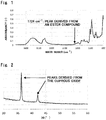
Fig. 1 ] It is an IR chart of the particles in Example 1. - [
Fig. 2 ] It shows a profile of an X-ray diffraction of the particles in Example 1. - As described above, it is an important feature of the present invention that the dispersion solution of the present invention comprises a solvent which contains fine particles of a copper compound, a stabilizer, a fatty acid, a fatty acid ester of the fatty acid, and a polycarboxylic acid.
- In the dispersion solution of the present invention, the copper compound which is a component that effectively exhibits the antiviral property is a monovalent copper compound or a divalent copper compound. Both of these compounds are capable of inactivating the viruses by adsorbing the viruses. Here, the divalent copper compound exhibits the antiviral property against the viruses that have an envelope structure while the monovalent copper compound is capable of expressing the antiviral property irrespective of if the viruses have the envelope or not.
- As the copper compound, there can be exemplified oxide, acetic acid compound, chloride, bromide, hydroxide and cyanide. Among them, the cuprous oxide is specifically preferred.
- In the present invention, the fine particles of the copper compound are coated on their surfaces with the fatty acid, the polycarboxylic acid and the ester compound of the fatty acid. This prevents the oxidation on the surfaces of the fine particles of the copper compound that is caused by an increase in the surface activity of the fine particles and, further, suppresses the aggregation of the fine particles. Specifically, the particles of the monovalent copper compound have a high surface activity and tend to be oxidized and aggregated. Upon being coated with the fatty acid, the ester compound of the fatty acid and the polycarboxylic acid, however, the fine particles of the monovalent copper compound can be homogeneously dispersed in the dispersion solution to exhibit excellent antiviral property.
- The fine particles of the copper compound, further, exhibit antibacterial property, electrically conducting property, ultraviolet ray-shielding property and anti-fouling property in addition to exhibiting antiviral property.
- As the fatty acid for covering the surfaces of the fine particles of the copper compound, there can be exemplified myristic acid, stearic acid, oleic acid, palmitic acid, n-decanoic acid, paratoluic acid, succinic acid, malonic acid, tartaric acid, malic acid, glutaric acid, adipic acid and acetic acid, which may be used in a plurality of kinds in combination. Specifically, however, the stearic acid is preferred.
- As the ester compound of the fatty acid, further, there can be exemplified an ester compound with a high-boiling solvent that will be described later. When, for example, the fatty acid is a stearic acid and the high-boiling solvent is a diethylene glycol, it is a diethylene glycol distearate. As described above, upon being coated with the fatty acid and, further, with the ester compound of the fatty acid, the above-mentioned actions and effects can be exhibited more conspicuously than when coated with the fatty acid only.
- In the invention, the fine particles of the copper compound have a mean particle size in a range of, preferably, 1 to 200 nm. In the dispersion solution of the invention, the fine particles of the copper compound are homogeneously dispersed without being aggregated even when the concentration thereof is high. Therefore, upon being compounded by the fact that the copper particle sizes are within the above-mentioned range, the fine particles of the copper compound are allowed to efficiently express their excellent antiviral property.
- In the dispersion solution of the invention, it is desired that the fine particles of the copper compound coated on their surfaces thereof with the fatty acid, ester compound of the fatty acid and polycarboxylic acid described later, are contained in an amount of 0.01 to 2 wt% and, specifically, 0.05 to 1 wt% in the dispersion solution. When the amount of the fine particles of the copper compound is smaller than the above range, the antiviral property cannot be expressed as sufficiently as when the amount thereof is in the above range. When the amount of the fine particles of the copper compound is larger than the above range, on the other hand, it becomes disadvantageous in economy and, besides, the applicability and formability might be impaired when the dispersion solution is used for the coating compositions and the resin compositions as compared to when the amount of the fine particles of the copper compound is in the above-mentioned range.
- In the specification, the single particle is a particle that has no gap between a fine particle of the copper compound and a fine particle of the copper compound, and the mean particle size is a mean size of such single particles.
- The dispersion solution of the present invention contains a stabilizer enabling the fine particles of the copper compound to be stably maintained in either a monovalent state or a divalent state. The dispersion solution contains the stabilizer and, besides, the fine particles of the copper compound are coated on their surfaces with the fatty acid, ester compound of the fatty acid and polycarboxylic acid. Therefore, the fine particles of the copper compound are little likely to be oxidized and can be made present in the dispersion solution maintaining stability over extended periods of time. The stabilizer may often be dissolved depending upon the solvent that is used. It is, however, considered that the stabilizer is coordinated on the fine particles of the copper compound together with the fatty acid, ester compound of the fatty acid and polycarboxylic acid.
- As the stabilizer, there can be exemplified saccharin, salicylic acid, aspartic acid and citric acid. The saccharin, however, can be favorably used.
- The stabilizer is contained in the dispersion solution in an amount of, desirably, 0.01 to 0.1 wt% and, specifically, 0.02 to 0.05 wt%. When the amount of the stabilizer is smaller than the above range, the stability of the fine particles of the copper compound cannot be improved as much as when the amount thereof is within the above range. Even when the amount of the stabilizer is larger than the above range, on the other hand, no further improved effect can be expected but bringing about only disadvantage in economy.
- The dispersion solution of the present invention contains the polycarboxylic acid enabling, as described above, the particles of the copper compound to be dispersed therein maintaining stability over extended periods of time.
- As the polycarboxylic acid, there can be exemplified homopolymers or copolymers of monomers having a carboxyl group, such as polyacrylic acid, polymethacrylic acid, polymaleic acid, polyitaconic acid and acrylic acid-methacrylic acid copolymer.
- Specifically, from the standpoint of being coordinated on the surfaces of the particles of the copper compound and preventing the aggregation of the particles of the copper compound by utilizing the repulsion due to the steric hindrance of the molecular chains according to the present invention, it is desired to use the polycarboxylic acid of a high molecular weight having a number average molecular weight in a range of 2,000 to 10,000.
- It is desired that the polycarboxylic acid is contained in the dispersion solution in an amount of 0.01 to 5 wt% and, specifically, 0.5 to 2 wt%. When the amount of the polycarboxylic acid is smaller than the above range, the dispersion stability over time of the fine particles of the copper compound cannot be improved as much as when the amount thereof is within the above range. Even when the amount of the polycarboxylic acid is larger than the above range, on the other hand, no further improved effect can be expected but bringing about only disadvantage in economy.
- The dispersion solution of the present invention, preferably, contains a dispersing agent in addition to the above-mentioned fine particles of the copper compound, stabilizer, fatty acid, ester compound of the fatty acid and polycarboxylic acid. It is, therefore, allowed to obtain the dispersion solution in which the fine particles of the copper compound are homogeneously dispersed even at high concentrations. That is, adsorption groups of the dispersing agent are adsorbed by the surfaces of the particles of the copper compound, and compatibility with the non-aqueous solvent is improved by the main chains or the side chains of the dispersing agent. Here, repulsion is produced by the steric hindrance of the high-molecular chains enabling, therefore, the fine particles of the copper compound to be homogeneously dispersed in the solvent while suppressing the aggregation and, further, eliminating the aggregation over time being aided by the presence of the polycarboxylic acid.
- As the dispersing agent, there can be exemplified a high-molecular dispersing agent having, as the adsorption group, one or more kinds of primary, secondary or tertiary amine, amine salt thereof with its counter ion neutralized, carboxylic acid or carboxylate, or hydroxyl group and, further, having, on the main chains and side chains thereof, fatty acid, polyether, polyester, polyurethane or polyarylate. The dispersion solution of the present invention contains the polycarboxylic acid as an essential component. Therefore, there can be used a dispersing agent having acidic adsorption groups and, specifically, a dispersing agent having a pH of 4 to 6, which is in an acid range. This helps further improve the dispersion stability of the particles of the copper compound coated with the polycarboxylic acid.
- As the high-molecular dispersing agent, there can be used the one of the type that is constituted by the main chain only, the one of the comb-type structure having side chains, or the one of the type of star structure.
- It is desired that the dispersing agent is contained in the dispersion solution in an amount of 0.01 to 2 wt% and, specifically, 0.1 to 1wt%. When the amount of the dispersing agent is smaller than the above range, dispersion property of the fine particles of the copper compound cannot be improved more than that of when the amount thereof is in the above-mentioned range. Even when the amount of the dispersing agent is larger than the above range, on the other hand, no further improved effect can be expected but bringing about disadvantage in economy.
- The dispersing solution of the present invention can be blended with known additives such as antioxidant, ultraviolet ray absorber, antistatic agent, dye and the like agent according to a recipe known per se.
- As the solvent to be used for the dispersion solution of the invention, there can be favorably used a non-aqueous solvent capable of forming two separate phases with the high-boiling solvent. Though not limited thereto only, there can be exemplified low-boiling solvents, i.e., esters such as methyl acetate, ethyl acetate and butyl acetate; hydrocarbons such as hexane, heptane, toluene, xylene and cyclohexane; and ketones such as methyl isobutyl ketone, methyl ethyl ketone and cyclohexanone. Among them, the ester-type solvent is preferred and butyl acetate is specifically preferred.
- The non-aqueous solvent which is the above-mentioned low-boiling solvent enables the dispersion solution of the present invention to be effectively used as a diluent for the hydrophobic coating compositions and resin compositions.
- As will be described later, further, when it is attempted to disperse the particles of the copper compound that are in a paste-like form as a result of removing the low-boiling solvent after having been separated into two phases, it is allowable to use, as the solvent, water or a lower alcohol for the dispersion solution of the present invention.
- As will be described later, further, when the high-boiling solvent containing the fine copper particles is to be used by itself, the solvent to be used will be a high-boiling solvent such as glycols.
- The dispersion solution of the present invention can be prepared by a method described below.
- A fatty acid copper, a stabilizing agent and a polycarboxylic acid are added to a high-boiling solvent followed by heating. There is thus prepared a dispersion solution of the high-boiling solvent containing the stabilizing agent and, dispersed therein, the fine particles of the copper oxide covered on the surfaces thereof with both the fatty acid and an ester compound of the fatty acid, and with the polycarboxylic acid.
- Here, by adding the water together with the high-boiling solvent, it is allowed to render the fine particles of the copper oxide to be the fine particles of the monovalent copper oxide.
- The heating temperature is, desirably, lower than a decomposition start temperature of the fatty acid copper that is used and, concretely, is in a range of 180 to 230°C. The time for heating and mixing is, desirably, 30 to 360 minutes.
- As the high-boiling solvent, there can be exemplified glycols such as ethylene glycol, diethylene glycol, triethylene glycol and polyethylene glycol. The high-boiling solvent is suitably selected in combination with a low-boiling solvent that will be described later.
- The amount of the fatty acid copper that is added is, desirably, in a range of 0.1 to 5 parts by weight per 100 parts by weight of the high-boiling solvent. When the amount of the fatty acid copper is smaller than the above range, antiviral property may not be imparted to the dispersion solution as sufficiently as when the amount thereof is within the above range. On the other hand, when the amount of the fatty acid copper is larger than the above range, it would become disadvantageous in economy while impairing applicability and formability as compared to when the amount thereof is within the above range.
- The amount of the water that is added is, desirably, in a range of 0.1 to 5 parts by weight per 100 parts by weight of the high-boiling solvent. When the amount of the water is smaller than the above range, the cuprous oxide would form in a decreased amount. When the amount thereof is larger than the above range, on the other hand, the rate of reduction into the cuprous oxide becomes so large that the particle size increases .
- The amount of the polycarboxylic acid that is added is, desirably, in a range of 0.01 to 5 parts by weight per 100 parts by weight of the high-boiling solvent. When the amount of the polycarboxylic acid is smaller than the above range, the copper oxide may not be maintained stable for extended periods of time as compared to when the amount thereof is within the above range. On the other hand, when the amount of the polycarboxylic acid is larger than the above range, it would become disadvantageous in economy and besides the remaining polycarboxylic acid would impair the texture.
- Further, it is desired that the stabilizing agent is contained in an amount in a range of 0.01 to 0.1 parts by weight per 100 parts by weight of the high-boiling solvent. When the amount of the stabilizing agent is smaller than the above range, the copper oxide may not be maintained stable for extended periods of time as compared to when the amount thereof is within the above range. On the other hand, when the amount of the stabilizing agent is larger than the above range, stability of the copper oxide cannot be improved any more as compared to when the amount thereof is within the above range bringing about disadvantage in economy.
- Next, a mixed solution is prepared by mixing together:
- the dispersion solution of the high-boiling solvent containing the stabilizing agent and, dispersed therein, the fine particles of the copper oxide coated with the fatty acid, ester compound of the fatty acid and polycarboxylic acid; and
- a low-boiling solvent that has been blended with the above-mentioned dispersing agent in advance.
- It is desired that the low-boiling solvent is added to the dispersion solution of the high-boiling solvent in an amount of 10 to 200 parts by weight per 100 parts by weight of the high-boiling solvent. It is desired that the dispersing agent is added to the low-boiling solvent in amount of 0.01 to 2 parts by weight per 100 parts by weight of the low-boiling solvent through it may vary depending on the amount of the fine particles of the copper oxide coated with the fatty acid, ester compound of the fatty acid and polycarboxylic acid in the dispersion solution of the high-boiling solvent.
- As the low-boiling solvent, there can be used the above-mentioned non-aqueous solvent used for the dispersion solution. It is important that the low-boiling solvent is not compatible with the high-boiling solvent. These solvents should be used in such a combination that a difference in the solubility parameter (Sp-value) is not less than 3 between the high-boiling solvent and the low-boiling solvent.
- When a diethylene glycol (Sp-value: 12.6) is used as the high-boiling solvent, it is desired to use a butyl acetate (Sp-value: 8.4) as the low-boiling solvent.
- The above mixed solution is left to stand still at a temperature of 0 to 40°C for 30 to 120 minutes so that the high-boiling solvent and the low-boiling solvent are separated into different phases. After the mixed solution is separated into different phases, the fine particles of the copper oxide coated with the fatty acid, ester compound of the fatty acid and polycarboxylic acid in the mixed solution are extracted by the low-boiling solvent. Here, since the low-boiling solvent has been blended with the dispersing agent, the adsorption groups of the dispersing agent are coordinated on the fine particles of the copper oxide permitting, therefore, the fine particles of the copper oxide to be easily extracted by the low-boiling solvent.
- Next, the high-boiling solvent is removed from the mixed solution that has been separated into phases, and there is thus obtained a dispersion solution containing the fine particles of the copper oxide coated with the fatty acid, ester compound of the fatty acid and polycarboxylic acid being dispersed in the low-boiling solvent.
- The high-boiling solvent can be removed by a customary method such as simple distillation, reduced-pressure distillation, precision distillation, thin-membrane distillation, extraction or membrane separation.
- Here, in the above-mentioned first step, it is also allowable to blend the high-boiling solvent with the fatty acid copper, polycarboxylic acid, stabilizing agent, as well as sodium chloride and sodium bromide to transform the fine particles of the copper compound dispersed in the dispersion solution into the fine particles of a halide of copper.
- In addition to being produced by the above-mentioned method, the dispersion solution containing the fine particles of the copper oxide coated with the fatty acid being dispersed in the low-boiling solvent can also be produced by the methods described below.
- That is, in the first step in the above-mentioned method, the fatty acid and a copper compound are added in combination instead of adding the fatty acid copper. In other respects, the procedure is carried out in the same manner as in the first production method.
- Therefore, when, for example, a copper acetate is used as the copper compound, there can be prepared a dispersion solution in which are dispersed the fine particles of the copper acetate being coated with the fatty acid, ester compound of the fatty acid and polycarboxylic acid.
- In this method, too, like in the above-mentioned method, the fine particles of the monovalent copper acetate coated with the fatty acid, ester compound of the fatty acid and polycarboxylic acid can be dispersed in the low-boiling solvent by adding the high-boiling solvent as well as the water in the first step.
- In the invention, further, it is also allowable to just use the dispersion solution obtained by dispersing the fine particles of the copper compound coated with the fatty acid, ester compound of the fatty acid and polycarboxylic acid in the high-boiling solvent obtained by the above-mentioned first step, i.e., in the glycols which are high-boiling solvents.
- That is, there may be prepared a dispersion solution of glycols containing the stabilizing agent by adding the fatty acid copper, ester compound of the fatty acid copper, polycarboxylic acid and stabilizing agent to the glycols followed by heating and mixing to decompose the fatty acid copper so that the fine particles of the copper oxide are dispersed therein.
- In this case, too, like in the case of the above-mentioned production method, glycols as well as water are made present so that the fine particles of the copper oxide are formed as the fine particles of the monovalent copper oxide to express excellent antiviral property.
- In preparing the dispersion solution of the present invention, when a low-boiling solvent compatible with the glycols, such as ethanol or isopropanol is used as a dispersion medium, the low-boiling solvent can be removed by heating from the dispersion solution of the low-boiling solvent prepared by the above-mentioned preparation method to obtain a paste-like product thereof. The paste-like product is, thereafter, dispersed again in a solvent which is compatible with the glycols to thereby obtain a dispersion solution thereof.
- That is, in the above-mentioned method of preparing the dispersion solution, the fine particles of the copper compound in the high-boiling solvent are extracted by the low-boiling solvent by separating the solvents into two phases. According to the method of separation into two phases, however, it is important to use the low-boiling solvent and the high-boiling solvent in combination, and it is difficult to disperse the fine particles of the copper compound in a desired low-boiling solvent that is compatible with the high-boiling solvent. By removing the low-boiling solvent from the dispersion solution to obtain a paste-like product thereof as described above, however, it becomes possible to provide the dispersion solutions in which the fine particles of the copper oxide coated with the fatty acid are dispersed in various kinds of solvents.
- The conditions for heating, mixing and contraction may comply with the conditions of the first to third steps in the above-mentioned method of producing the dispersion solutions.
- To a diethylene glycol, there were added 2.5 wt% of a copper stearate and 0.05 wt% of a saccharin, and the mixture thereof was heated with stirring. At a moment when the temperature has reached 140°C, 1.0 wt% of distilled water was added thereto. The mixture thereof was, further, heated and after the temperature thereof has reached 190°C, heating was continued for another 2 hours. Thereafter, the diethylene glycol dispersion solution was cooled down to 60°C.
- Next, there were, further, added thereto with stirring a butyl acetate in which have been dissolved 1.0 wt% of DISPERBYK-2090 (produced by BYK Chemie Japan Co.) that was a dispersing agent and 2.0 wt% of AKM-0531 (produced by Nichiyu Co.) that was a polycarboxylic acid dispersing agent having a molecular weight of about 4,000. After left to stand still for about one hour, the butyl acetate layer was picked up to obtain a dispersion solution of fine particles of a cuprous oxide.
- There was added with stirring the butyl acetate in which has been dissolved 2.0 wt% of SC-0505K (produced by Nichiyu Co.) that was a polycarboxylic acid dispersing agent of a molecular weight of about 2,000 instead of dissolving the polycarboxylic acid dispersing agent used in Example 1.
- There was added with stirring the butyl acetate in which has been dissolved 2.0 wt% of AFB-1521 (produced by Nichiyu Co.) that was a polycarboxylic acid dispersing agent of a molecular weight of about 10,000 instead of dissolving the polycarboxylic acid dispersing agent used in Example 1.
- A dispersion solution of fine particles of a cuprous oxide was obtained in the same manner as in Example 1 but adding a salicilyc acid instead of the saccharin.
- There was added with stirring the butyl acetate in which has been dissolved the DISPERBYK-2090 only without, however, adding the polycarboxylic acid dispersing agent used in Example 1.
- There was added with stirring the butyl acetate in which has been dissolved 2 . 0 wt% of AD-374M (produced by Nichiyu Co.) that was an amine compound dispersing agent of a molecular weight of about 3,000 instead of dissolving the polycarboxylic acid dispersing agent used in Example 1.
- There was added with stirring the butyl acetate in which has been dissolved 2 . 0 wt% of AD-3172M (produced by Nichiyu Co.) that was an amine compound dispersing agent of a molecular weight of about 2,000 instead of dissolving the polycarboxylic acid dispersing agent used in Example 1.
- There was added with stirring the butyl acetate in which has been dissolved 2.0 wt% of L-201 (produced by Nichiyu Co.) that was an amine compound dispersing agent of a molecular weight of about 1,000 instead of dissolving the polycarboxylic acid dispersing agent used in Example 1.
- Zeta potentials were measured by using the zeta potential particle size· molecular weight measuring system (ELSZ-2000ZS manufactured by Ohtsuka Denshi Co.) at a measuring voltage of 300 V. The larger the absolute values of the zeta potential, the higher the dispersion stability.
- The dispersion solutions were checked for their states with the eye one week after they were prepared. Regarded to be ○ (highly stable over time) when there was no precipitation of particles and × (lowly stable over time) when there was precipitation of particles.
- It was confirmed relying on the IR if an ester compound of the diethylene glycol solvent and a stearic acid dissociated from the copper stearate was formed in the dispersion solution of Example 1.
- The composition of the copper compound particles in the dispersion solution of Example 1 was confirmed relying on the X-ray analysis.
[Table 1] Molecular weight Adsorbed part Solubility Zeta potential (mV) Stability over time Ex. 1 high acidic watersoluble 30.91 ○ Ex. 2 intermediate acidic watersoluble 25.73 ○ Ex. 3 high acidic water-insoluble 35.10 ○ Ex. 4 high acidic water-soluble 32.94 ○ Comp. Ex. 1 - - - 30.16 × Comp. Ex. 2 intermediate basic water-insoluble -7.07 × Comp. Ex. 3 intermediate basic watersoluble -19.37 × Comp. Ex. 4 low basic water-insoluble -17.77 × - The fine particles of the copper compound contained in the dispersion solutions of the present invention exhibit such properties as antiviral property, antibacterial property, electrically conducting property, ultraviolet ray-shielding property and anti-fouling property. Specifically, the fine particles of the monovalent copper compound express antiviral property even against the viruses without envelope structure, such as noroviruses. Therefore, the dispersion solution of the present invention can be contained as a diluent in the resin compositions that constitute fiber products, or can be directly applied onto, or can be rendered imbibed by, the fiber products in order to impart antiviral property to the fiber products.
- In addition to the sanitary products, the dispersion solution of the invention can also be adapted to various kinds of uses, such as electrically conducting films, films, metal sheets, glass plates, coating materials for ships, etc.
- Moreover, by using a low-boiling solvent as the dispersion medium, the dispersion solution of the invention can be used as a diluent for the coating compositions and the resin compositions to thereby impart antiviral property to the films and the resin formed articles.
Claims (9)
- A dispersion solution comprising a solvent which contains fine particles of a copper compound, a stabilizer, a fatty acid, a fatty acid ester of the fatty acid, and a polycarboxylic acid.
- The dispersion solution according to claim 1, wherein said polycarboxylic acid has a number average molecular weight of 2,000 to 10,000.
- The dispersion solution according to claim 1 or 2, wherein said particles of the copper compound are the particles of a monovalent copper compound.
- The dispersion solution according to claim 3, wherein said monovalent copper compound is a cuprous oxide.
- The dispersion solution according to any one of claims 1 to 4, wherein said solvent is a non-aqueous solvent.
- The dispersion solution according to claim 5, wherein said non-aqueous solvent is an ester-type solvent.
- The dispersion solution according to any one of claims 1 to 6, wherein said stabilizer is at least the one selected from a saccharin, a salicylic acid, an aspartic acid and a citric acid.
- The dispersion solution according to any one of claims 1 to 7, wherein a dispersing agent is, further, contained.
- The dispersion solution according to any one of claims 1 to 8, wherein said copper compound has antiviral property.
Applications Claiming Priority (2)
| Application Number | Priority Date | Filing Date | Title |
|---|---|---|---|
| JP2016243148A JP6984122B2 (en) | 2016-12-15 | 2016-12-15 | Dispersion with antiviral properties |
| PCT/JP2017/043391 WO2018110332A1 (en) | 2016-12-15 | 2017-12-04 | Dispersion having antiviral properties |
Publications (3)
| Publication Number | Publication Date |
|---|---|
| EP3556212A1 true EP3556212A1 (en) | 2019-10-23 |
| EP3556212A4 EP3556212A4 (en) | 2020-05-27 |
| EP3556212B1 EP3556212B1 (en) | 2023-08-23 |
Family
ID=62558297
Family Applications (1)
| Application Number | Title | Priority Date | Filing Date |
|---|---|---|---|
| EP17880621.2A Active EP3556212B1 (en) | 2016-12-15 | 2017-12-04 | Dispersion having antiviral properties |
Country Status (6)
| Country | Link |
|---|---|
| US (1) | US11647744B2 (en) |
| EP (1) | EP3556212B1 (en) |
| JP (1) | JP6984122B2 (en) |
| KR (1) | KR20190092534A (en) |
| CN (1) | CN110198632A (en) |
| WO (1) | WO2018110332A1 (en) |
Families Citing this family (7)
| Publication number | Priority date | Publication date | Assignee | Title |
|---|---|---|---|---|
| EP3437471A4 (en) * | 2016-03-28 | 2019-12-04 | Toyo Seikan Group Holdings, Ltd. | DISPERSION LIQUID, PROCESS FOR PRODUCING THE SAME, AND COPPER COMPOUND PARTICLES |
| WO2020204119A1 (en) * | 2019-04-03 | 2020-10-08 | 東洋製罐グループホールディングス株式会社 | Metal copper fine particle-containing resin composition and method for producing same |
| JP7572156B2 (en) * | 2019-04-03 | 2024-10-23 | 東洋製罐グループホールディングス株式会社 | Antiviral agent consisting of metallic copper particles |
| US20220264889A1 (en) * | 2019-08-07 | 2022-08-25 | Corning Incorporated | Biocidal dispersions for coating compositions |
| KR102198915B1 (en) * | 2020-04-22 | 2021-01-06 | 주식회사 퀀텀바이오닉스 | Composition for antivirus and antibacterial containing iron-copper alloy nano powder |
| KR20220061650A (en) * | 2020-11-06 | 2022-05-13 | (주) 엔피피플러스 | Antibacterial agent having coloidal cupper and salt |
| KR102368574B1 (en) * | 2021-08-17 | 2022-02-28 | 주식회사 퀀텀바이오닉스 | Antibacterial film with antibacterial, antiviral and deodorizing effect and manufacturing method thereof |
Family Cites Families (49)
| Publication number | Priority date | Publication date | Assignee | Title |
|---|---|---|---|---|
| JPS5318272B2 (en) | 1972-12-30 | 1978-06-14 | ||
| JPS577134B2 (en) | 1973-07-16 | 1982-02-09 | ||
| JPS5194185A (en) | 1975-02-12 | 1976-08-18 | ||
| US4144527A (en) | 1977-08-18 | 1979-03-13 | General Electric Company | Dual-slope analog to digital converter |
| CA1142466A (en) * | 1979-01-09 | 1983-03-08 | National Research Development Corporation | Cell lines |
| JPS577134A (en) | 1980-06-14 | 1982-01-14 | Fujitsu Ltd | Recognition apparatus |
| US6471976B1 (en) * | 1990-10-01 | 2002-10-29 | Evelyn J. Taylor | Copper complex bactericide/fungicide and method of making same |
| JPH06158042A (en) * | 1992-11-16 | 1994-06-07 | Hitachi Maxell Ltd | Fine powder emitting visible ray |
| JPH0812513A (en) * | 1994-07-01 | 1996-01-16 | Nippon Boshoku Kogyo Kk | Aquatic antifouling agent |
| KR20010013377A (en) * | 1997-06-04 | 2001-02-26 | 데이비드 엠 모이어 | Mild, leave-on antimicrobial compositions |
| JP3945555B2 (en) * | 1998-03-13 | 2007-07-18 | 中国塗料株式会社 | Antifouling paint composition, antifouling coating film, ship or underwater structure coated with the antifouling coating film, and antifouling method for ship outer plate or underwater structure |
| DK1457531T3 (en) | 2002-10-23 | 2011-01-24 | Chugoku Marine Paints | Anti-fouling paint composition, anti-fouling paint film, and ships, underwater structures, fishing equipment and fishing nets coated with the films |
| CA2530044C (en) * | 2003-06-17 | 2012-09-25 | Phibro-Tech, Inc. | Particulate wood preservative and method for producing same |
| US8425926B2 (en) | 2003-07-16 | 2013-04-23 | Yongxing Qiu | Antimicrobial medical devices |
| JP2005053794A (en) * | 2003-08-04 | 2005-03-03 | Tadashi Inoue | Aqueous suspension-like agrochemical formulation comprising inorganic antimicrobial agent |
| JP2005053793A (en) | 2003-08-04 | 2005-03-03 | Tadashi Inoue | Method for preparing aqueous suspension-like agrochemical formulation comprising inorganic antimicrobial agent |
| US8361553B2 (en) | 2004-07-30 | 2013-01-29 | Kimberly-Clark Worldwide, Inc. | Methods and compositions for metal nanoparticle treated surfaces |
| CN101010003B (en) * | 2004-07-30 | 2012-07-04 | 金佰利-克拉克国际公司 | Antimicrobial silver compositions |
| JP4583842B2 (en) * | 2004-08-31 | 2010-11-17 | 中国塗料株式会社 | Antifouling paint composition for freshwater bodies, coating film thereof and antifouling method |
| US20060068024A1 (en) * | 2004-09-27 | 2006-03-30 | Schroeder Kurt M | Antimicrobial silver halide composition |
| US7426948B2 (en) | 2004-10-08 | 2008-09-23 | Phibrowood, Llc | Milled submicron organic biocides with narrow particle size distribution, and uses thereof |
| WO2006062857A2 (en) | 2004-12-09 | 2006-06-15 | The Dial Corporation | Compositions having a high antiviral and antibacterial efficacy |
| MX321310B (en) * | 2006-02-08 | 2014-06-24 | Kimberly Clark Co | METHODS AND COMPOSITIONS FOR SURFACES TREATED WITH METAL NANOPARTICLES. |
| US20080102122A1 (en) * | 2006-10-31 | 2008-05-01 | Shivkumar Mahadevan | Antimicrobial polymeric articles, processes to prepare them and methods of their use |
| JP2011026357A (en) * | 2007-11-21 | 2011-02-10 | Nitto Kasei Co Ltd | Contamination-proof coating composition, manufacturing method for the composition, contamination-proof coating film formed using the composition, coated article having the coating film on surface, and contamination-proofing treatment method for forming the coating film |
| US20090163606A1 (en) * | 2007-12-20 | 2009-06-25 | Glen Harold Kirby | Additives for controlled dispersion of aqueous suspensions and suspension comprising such additives |
| US8784702B2 (en) | 2008-08-11 | 2014-07-22 | Osaka Municipal Technical Research Institute | Copper-containing nanoparticles and manufacturing method therefor |
| JP5723155B2 (en) * | 2008-09-03 | 2015-05-27 | 株式会社Nbcメッシュテック | Antiviral agent |
| JP2009041029A (en) * | 2008-09-19 | 2009-02-26 | Chugoku Marine Paints Ltd | Method for producing antifouling paint composition |
| US8834957B2 (en) * | 2008-11-05 | 2014-09-16 | Lg Chem, Ltd. | Preparation method for an electroconductive patterned copper layer |
| JP5452966B2 (en) | 2009-04-06 | 2014-03-26 | 株式会社Nbcメッシュテック | Virus inactivating agent |
| JP5904524B2 (en) * | 2010-12-22 | 2016-04-13 | 国立大学法人 東京大学 | Virus inactivating agent |
| SG194862A1 (en) * | 2011-05-24 | 2013-12-30 | Agienic Inc | Compositions and methods for antimicrobial metal nanoparticles |
| US20120301528A1 (en) | 2011-05-24 | 2012-11-29 | Uhlmann Donald R | Compositions and methods for antimicrobial metal nanoparticles |
| EP2633907A4 (en) * | 2011-06-27 | 2014-01-08 | Showa Denko Kk | PHOTO-CATALYST OF TITANIUM OXIDE SUPPORTING COPPER COMPOUND, AND MANUFACTURING METHOD THEREOF |
| JP5812488B2 (en) * | 2011-10-12 | 2015-11-11 | 昭和電工株式会社 | Antibacterial antiviral composition and method for producing the same |
| CN102511503B (en) * | 2011-12-06 | 2014-07-02 | 海南大学 | Efficient and environmentally-friendly antibacterial and mildewproof inorganic composite nano-powder slurry and its preparation method |
| JP6087519B2 (en) * | 2012-05-18 | 2017-03-01 | 東洋製罐グループホールディングス株式会社 | Antibacterial resin composition |
| JP5194185B1 (en) * | 2012-06-20 | 2013-05-08 | 株式会社Nbcメッシュテック | Antiviral composition |
| CA2883487A1 (en) * | 2012-09-10 | 2014-03-13 | Private Secretary Ltd. | Meetings coordinating system and method |
| JP5318272B1 (en) * | 2012-11-15 | 2013-10-16 | イーダ株式会社 | Antibacterial liquid composition |
| US9144564B2 (en) * | 2013-03-21 | 2015-09-29 | Julius Zecchino | Delivery system having stabilized ascorbic acid and other actives |
| EP3025811B1 (en) * | 2013-07-25 | 2020-03-11 | Ishihara Sangyo Kaisha, Ltd. | Metallic copper dispersion, method for manufacturing same, and usage for same |
| JP6243190B2 (en) * | 2013-10-30 | 2017-12-06 | 東洋製罐グループホールディングス株式会社 | Antimicrobial metal ultrafine particle-containing dispersion and method for producing the same |
| WO2015076385A1 (en) * | 2013-11-22 | 2015-05-28 | 東洋製罐グループホールディングス株式会社 | Curable resin composition having antibacterial properties |
| JP2015078243A (en) * | 2015-01-29 | 2015-04-23 | 旭化成ケミカルズ株式会社 | Powder-dispersed water-based cosmetic and method for producing the same |
| CN105123753A (en) * | 2015-09-21 | 2015-12-09 | 山东农业大学 | Nano-cuprous oxide fungicide composite subjected to in-situ reduction of lignin |
| JP6885146B2 (en) * | 2016-03-28 | 2021-06-09 | 東洋製罐グループホールディングス株式会社 | Antiviral molded body |
| EP3437471A4 (en) * | 2016-03-28 | 2019-12-04 | Toyo Seikan Group Holdings, Ltd. | DISPERSION LIQUID, PROCESS FOR PRODUCING THE SAME, AND COPPER COMPOUND PARTICLES |
-
2016
- 2016-12-15 JP JP2016243148A patent/JP6984122B2/en active Active
-
2017
- 2017-12-04 WO PCT/JP2017/043391 patent/WO2018110332A1/en not_active Ceased
- 2017-12-04 EP EP17880621.2A patent/EP3556212B1/en active Active
- 2017-12-04 KR KR1020197020129A patent/KR20190092534A/en not_active Ceased
- 2017-12-04 US US16/469,241 patent/US11647744B2/en active Active
- 2017-12-04 CN CN201780084421.9A patent/CN110198632A/en active Pending
Also Published As
| Publication number | Publication date |
|---|---|
| US20190350195A1 (en) | 2019-11-21 |
| EP3556212B1 (en) | 2023-08-23 |
| KR20190092534A (en) | 2019-08-07 |
| JP2018095607A (en) | 2018-06-21 |
| EP3556212A4 (en) | 2020-05-27 |
| CN110198632A (en) | 2019-09-03 |
| WO2018110332A1 (en) | 2018-06-21 |
| JP6984122B2 (en) | 2021-12-17 |
| US11647744B2 (en) | 2023-05-16 |
Similar Documents
| Publication | Publication Date | Title |
|---|---|---|
| EP3556212A1 (en) | Dispersion having antiviral properties | |
| KR102168357B1 (en) | Dispersion and its manufacturing method, and copper compound particles | |
| JP7120382B2 (en) | Method for producing copper compound fine particle-containing dispersion | |
| JP6885146B2 (en) | Antiviral molded body | |
| EP1308228B1 (en) | Colloidal metal solution, process for producing the same, and coating material containing the same | |
| CN110087805B (en) | Metal fine particles, dispersion liquid containing metal fine particles, and production method thereof | |
| JP5712635B2 (en) | Silver-containing composition | |
| JP6815071B2 (en) | Metal nanoparticle composition, ink for inkjet and inkjet device, and dispersion medium composition for metal nanoparticle composition | |
| CN105682830A (en) | Dispersion liquid containing antibacterial metal ultrafine particles and method for producing same | |
| JP2011516646A5 (en) | ||
| JP2019065363A (en) | Metal copper fine particle and method for producing the same | |
| CN104471652B (en) | Silver-containing composition and silver component forming substrate | |
| KR102313277B1 (en) | Metallic copper fine particles and manufacturing method thereof | |
| KR20240001585A (en) | Hard coating composition and Method of manufacturing thereof | |
| CN114403156A (en) | Preparation method of antibacterial material and antibacterial coating composition | |
| RU2787382C1 (en) | Antimicrobial component and method for its production | |
| JP2013253296A (en) | Method for producing alloy particle | |
| EP4613819A1 (en) | Coating composition and its use | |
| TW201610032A (en) | Interior wall latex paint having a function of releasing nano-anions and manufacturing method thereof | |
| JP2025018327A (en) | Antimicrobial dispersion containing metal particles as an active ingredient | |
| KR20150143448A (en) | Free-flowing dispersion containing particulate metal oxides, metal oxide hydrates and/or metal hydroxides, a dispersant and an organic dispersion medium | |
| JP2018133223A (en) | Conductive paste and method for producing conductive paste |
Legal Events
| Date | Code | Title | Description |
|---|---|---|---|
| STAA | Information on the status of an ep patent application or granted ep patent |
Free format text: STATUS: THE INTERNATIONAL PUBLICATION HAS BEEN MADE |
|
| PUAI | Public reference made under article 153(3) epc to a published international application that has entered the european phase |
Free format text: ORIGINAL CODE: 0009012 |
|
| STAA | Information on the status of an ep patent application or granted ep patent |
Free format text: STATUS: REQUEST FOR EXAMINATION WAS MADE |
|
| 17P | Request for examination filed |
Effective date: 20190610 |
|
| AK | Designated contracting states |
Kind code of ref document: A1 Designated state(s): AL AT BE BG CH CY CZ DE DK EE ES FI FR GB GR HR HU IE IS IT LI LT LU LV MC MK MT NL NO PL PT RO RS SE SI SK SM TR |
|
| AX | Request for extension of the european patent |
Extension state: BA ME |
|
| DAV | Request for validation of the european patent (deleted) | ||
| DAX | Request for extension of the european patent (deleted) | ||
| A4 | Supplementary search report drawn up and despatched |
Effective date: 20200428 |
|
| RIC1 | Information provided on ipc code assigned before grant |
Ipc: A01N 25/04 20060101ALI20200421BHEP Ipc: D06M 13/192 20060101ALI20200421BHEP Ipc: A01N 59/20 20060101ALI20200421BHEP Ipc: D06M 11/42 20060101ALI20200421BHEP Ipc: A01P 1/00 20060101ALI20200421BHEP Ipc: D06M 13/224 20060101ALI20200421BHEP Ipc: A01N 25/26 20060101AFI20200421BHEP Ipc: D06M 23/08 20060101ALI20200421BHEP Ipc: D06M 13/184 20060101ALI20200421BHEP Ipc: A01N 25/30 20060101ALI20200421BHEP |
|
| STAA | Information on the status of an ep patent application or granted ep patent |
Free format text: STATUS: EXAMINATION IS IN PROGRESS |
|
| 17Q | First examination report despatched |
Effective date: 20220527 |
|
| GRAP | Despatch of communication of intention to grant a patent |
Free format text: ORIGINAL CODE: EPIDOSNIGR1 |
|
| STAA | Information on the status of an ep patent application or granted ep patent |
Free format text: STATUS: GRANT OF PATENT IS INTENDED |
|
| INTG | Intention to grant announced |
Effective date: 20230510 |
|
| GRAS | Grant fee paid |
Free format text: ORIGINAL CODE: EPIDOSNIGR3 |
|
| GRAA | (expected) grant |
Free format text: ORIGINAL CODE: 0009210 |
|
| STAA | Information on the status of an ep patent application or granted ep patent |
Free format text: STATUS: THE PATENT HAS BEEN GRANTED |
|
| AK | Designated contracting states |
Kind code of ref document: B1 Designated state(s): AL AT BE BG CH CY CZ DE DK EE ES FI FR GB GR HR HU IE IS IT LI LT LU LV MC MK MT NL NO PL PT RO RS SE SI SK SM TR |
|
| REG | Reference to a national code |
Ref country code: GB Ref legal event code: FG4D |
|
| REG | Reference to a national code |
Ref country code: CH Ref legal event code: EP |
|
| REG | Reference to a national code |
Ref country code: DE Ref legal event code: R096 Ref document number: 602017073254 Country of ref document: DE |
|
| REG | Reference to a national code |
Ref country code: IE Ref legal event code: FG4D |
|
| REG | Reference to a national code |
Ref country code: LT Ref legal event code: MG9D |
|
| REG | Reference to a national code |
Ref country code: NL Ref legal event code: MP Effective date: 20230823 |
|
| REG | Reference to a national code |
Ref country code: AT Ref legal event code: MK05 Ref document number: 1601460 Country of ref document: AT Kind code of ref document: T Effective date: 20230823 |
|
| PG25 | Lapsed in a contracting state [announced via postgrant information from national office to epo] |
Ref country code: GR Free format text: LAPSE BECAUSE OF FAILURE TO SUBMIT A TRANSLATION OF THE DESCRIPTION OR TO PAY THE FEE WITHIN THE PRESCRIBED TIME-LIMIT Effective date: 20231124 |
|
| PG25 | Lapsed in a contracting state [announced via postgrant information from national office to epo] |
Ref country code: IS Free format text: LAPSE BECAUSE OF FAILURE TO SUBMIT A TRANSLATION OF THE DESCRIPTION OR TO PAY THE FEE WITHIN THE PRESCRIBED TIME-LIMIT Effective date: 20231223 |
|
| PG25 | Lapsed in a contracting state [announced via postgrant information from national office to epo] |
Ref country code: SE Free format text: LAPSE BECAUSE OF FAILURE TO SUBMIT A TRANSLATION OF THE DESCRIPTION OR TO PAY THE FEE WITHIN THE PRESCRIBED TIME-LIMIT Effective date: 20230823 Ref country code: RS Free format text: LAPSE BECAUSE OF FAILURE TO SUBMIT A TRANSLATION OF THE DESCRIPTION OR TO PAY THE FEE WITHIN THE PRESCRIBED TIME-LIMIT Effective date: 20230823 Ref country code: PT Free format text: LAPSE BECAUSE OF FAILURE TO SUBMIT A TRANSLATION OF THE DESCRIPTION OR TO PAY THE FEE WITHIN THE PRESCRIBED TIME-LIMIT Effective date: 20231226 Ref country code: NO Free format text: LAPSE BECAUSE OF FAILURE TO SUBMIT A TRANSLATION OF THE DESCRIPTION OR TO PAY THE FEE WITHIN THE PRESCRIBED TIME-LIMIT Effective date: 20231123 Ref country code: NL Free format text: LAPSE BECAUSE OF FAILURE TO SUBMIT A TRANSLATION OF THE DESCRIPTION OR TO PAY THE FEE WITHIN THE PRESCRIBED TIME-LIMIT Effective date: 20230823 Ref country code: LV Free format text: LAPSE BECAUSE OF FAILURE TO SUBMIT A TRANSLATION OF THE DESCRIPTION OR TO PAY THE FEE WITHIN THE PRESCRIBED TIME-LIMIT Effective date: 20230823 Ref country code: LT Free format text: LAPSE BECAUSE OF FAILURE TO SUBMIT A TRANSLATION OF THE DESCRIPTION OR TO PAY THE FEE WITHIN THE PRESCRIBED TIME-LIMIT Effective date: 20230823 Ref country code: IS Free format text: LAPSE BECAUSE OF FAILURE TO SUBMIT A TRANSLATION OF THE DESCRIPTION OR TO PAY THE FEE WITHIN THE PRESCRIBED TIME-LIMIT Effective date: 20231223 Ref country code: HR Free format text: LAPSE BECAUSE OF FAILURE TO SUBMIT A TRANSLATION OF THE DESCRIPTION OR TO PAY THE FEE WITHIN THE PRESCRIBED TIME-LIMIT Effective date: 20230823 Ref country code: GR Free format text: LAPSE BECAUSE OF FAILURE TO SUBMIT A TRANSLATION OF THE DESCRIPTION OR TO PAY THE FEE WITHIN THE PRESCRIBED TIME-LIMIT Effective date: 20231124 Ref country code: FI Free format text: LAPSE BECAUSE OF FAILURE TO SUBMIT A TRANSLATION OF THE DESCRIPTION OR TO PAY THE FEE WITHIN THE PRESCRIBED TIME-LIMIT Effective date: 20230823 Ref country code: AT Free format text: LAPSE BECAUSE OF FAILURE TO SUBMIT A TRANSLATION OF THE DESCRIPTION OR TO PAY THE FEE WITHIN THE PRESCRIBED TIME-LIMIT Effective date: 20230823 |
|
| PG25 | Lapsed in a contracting state [announced via postgrant information from national office to epo] |
Ref country code: PL Free format text: LAPSE BECAUSE OF FAILURE TO SUBMIT A TRANSLATION OF THE DESCRIPTION OR TO PAY THE FEE WITHIN THE PRESCRIBED TIME-LIMIT Effective date: 20230823 |
|
| PG25 | Lapsed in a contracting state [announced via postgrant information from national office to epo] |
Ref country code: ES Free format text: LAPSE BECAUSE OF FAILURE TO SUBMIT A TRANSLATION OF THE DESCRIPTION OR TO PAY THE FEE WITHIN THE PRESCRIBED TIME-LIMIT Effective date: 20230823 |
|
| PG25 | Lapsed in a contracting state [announced via postgrant information from national office to epo] |
Ref country code: SM Free format text: LAPSE BECAUSE OF FAILURE TO SUBMIT A TRANSLATION OF THE DESCRIPTION OR TO PAY THE FEE WITHIN THE PRESCRIBED TIME-LIMIT Effective date: 20230823 Ref country code: RO Free format text: LAPSE BECAUSE OF FAILURE TO SUBMIT A TRANSLATION OF THE DESCRIPTION OR TO PAY THE FEE WITHIN THE PRESCRIBED TIME-LIMIT Effective date: 20230823 Ref country code: ES Free format text: LAPSE BECAUSE OF FAILURE TO SUBMIT A TRANSLATION OF THE DESCRIPTION OR TO PAY THE FEE WITHIN THE PRESCRIBED TIME-LIMIT Effective date: 20230823 Ref country code: EE Free format text: LAPSE BECAUSE OF FAILURE TO SUBMIT A TRANSLATION OF THE DESCRIPTION OR TO PAY THE FEE WITHIN THE PRESCRIBED TIME-LIMIT Effective date: 20230823 Ref country code: DK Free format text: LAPSE BECAUSE OF FAILURE TO SUBMIT A TRANSLATION OF THE DESCRIPTION OR TO PAY THE FEE WITHIN THE PRESCRIBED TIME-LIMIT Effective date: 20230823 Ref country code: CZ Free format text: LAPSE BECAUSE OF FAILURE TO SUBMIT A TRANSLATION OF THE DESCRIPTION OR TO PAY THE FEE WITHIN THE PRESCRIBED TIME-LIMIT Effective date: 20230823 Ref country code: SK Free format text: LAPSE BECAUSE OF FAILURE TO SUBMIT A TRANSLATION OF THE DESCRIPTION OR TO PAY THE FEE WITHIN THE PRESCRIBED TIME-LIMIT Effective date: 20230823 |
|
| REG | Reference to a national code |
Ref country code: DE Ref legal event code: R097 Ref document number: 602017073254 Country of ref document: DE |
|
| PG25 | Lapsed in a contracting state [announced via postgrant information from national office to epo] |
Ref country code: IT Free format text: LAPSE BECAUSE OF FAILURE TO SUBMIT A TRANSLATION OF THE DESCRIPTION OR TO PAY THE FEE WITHIN THE PRESCRIBED TIME-LIMIT Effective date: 20230823 |
|
| PLBE | No opposition filed within time limit |
Free format text: ORIGINAL CODE: 0009261 |
|
| STAA | Information on the status of an ep patent application or granted ep patent |
Free format text: STATUS: NO OPPOSITION FILED WITHIN TIME LIMIT |
|
| 26N | No opposition filed |
Effective date: 20240524 |
|
| PG25 | Lapsed in a contracting state [announced via postgrant information from national office to epo] |
Ref country code: SI Free format text: LAPSE BECAUSE OF FAILURE TO SUBMIT A TRANSLATION OF THE DESCRIPTION OR TO PAY THE FEE WITHIN THE PRESCRIBED TIME-LIMIT Effective date: 20230823 |
|
| REG | Reference to a national code |
Ref country code: CH Ref legal event code: PL |
|
| PG25 | Lapsed in a contracting state [announced via postgrant information from national office to epo] |
Ref country code: LU Free format text: LAPSE BECAUSE OF NON-PAYMENT OF DUE FEES Effective date: 20231204 |
|
| PG25 | Lapsed in a contracting state [announced via postgrant information from national office to epo] |
Ref country code: MC Free format text: LAPSE BECAUSE OF FAILURE TO SUBMIT A TRANSLATION OF THE DESCRIPTION OR TO PAY THE FEE WITHIN THE PRESCRIBED TIME-LIMIT Effective date: 20230823 |
|
| REG | Reference to a national code |
Ref country code: BE Ref legal event code: MM Effective date: 20231231 |
|
| PG25 | Lapsed in a contracting state [announced via postgrant information from national office to epo] |
Ref country code: MC Free format text: LAPSE BECAUSE OF FAILURE TO SUBMIT A TRANSLATION OF THE DESCRIPTION OR TO PAY THE FEE WITHIN THE PRESCRIBED TIME-LIMIT Effective date: 20230823 Ref country code: LU Free format text: LAPSE BECAUSE OF NON-PAYMENT OF DUE FEES Effective date: 20231204 |
|
| REG | Reference to a national code |
Ref country code: IE Ref legal event code: MM4A |
|
| PG25 | Lapsed in a contracting state [announced via postgrant information from national office to epo] |
Ref country code: IE Free format text: LAPSE BECAUSE OF NON-PAYMENT OF DUE FEES Effective date: 20231204 |
|
| PG25 | Lapsed in a contracting state [announced via postgrant information from national office to epo] |
Ref country code: BE Free format text: LAPSE BECAUSE OF NON-PAYMENT OF DUE FEES Effective date: 20231231 |
|
| PG25 | Lapsed in a contracting state [announced via postgrant information from national office to epo] |
Ref country code: CH Free format text: LAPSE BECAUSE OF NON-PAYMENT OF DUE FEES Effective date: 20231231 |
|
| PG25 | Lapsed in a contracting state [announced via postgrant information from national office to epo] |
Ref country code: IE Free format text: LAPSE BECAUSE OF NON-PAYMENT OF DUE FEES Effective date: 20231204 Ref country code: CH Free format text: LAPSE BECAUSE OF NON-PAYMENT OF DUE FEES Effective date: 20231231 Ref country code: BE Free format text: LAPSE BECAUSE OF NON-PAYMENT OF DUE FEES Effective date: 20231231 |
|
| PG25 | Lapsed in a contracting state [announced via postgrant information from national office to epo] |
Ref country code: BG Free format text: LAPSE BECAUSE OF FAILURE TO SUBMIT A TRANSLATION OF THE DESCRIPTION OR TO PAY THE FEE WITHIN THE PRESCRIBED TIME-LIMIT Effective date: 20230823 |
|
| PG25 | Lapsed in a contracting state [announced via postgrant information from national office to epo] |
Ref country code: BG Free format text: LAPSE BECAUSE OF FAILURE TO SUBMIT A TRANSLATION OF THE DESCRIPTION OR TO PAY THE FEE WITHIN THE PRESCRIBED TIME-LIMIT Effective date: 20230823 |
|
| PG25 | Lapsed in a contracting state [announced via postgrant information from national office to epo] |
Ref country code: CY Free format text: LAPSE BECAUSE OF FAILURE TO SUBMIT A TRANSLATION OF THE DESCRIPTION OR TO PAY THE FEE WITHIN THE PRESCRIBED TIME-LIMIT; INVALID AB INITIO Effective date: 20171204 |
|
| PG25 | Lapsed in a contracting state [announced via postgrant information from national office to epo] |
Ref country code: HU Free format text: LAPSE BECAUSE OF FAILURE TO SUBMIT A TRANSLATION OF THE DESCRIPTION OR TO PAY THE FEE WITHIN THE PRESCRIBED TIME-LIMIT; INVALID AB INITIO Effective date: 20171204 |
|
| PG25 | Lapsed in a contracting state [announced via postgrant information from national office to epo] |
Ref country code: TR Free format text: LAPSE BECAUSE OF FAILURE TO SUBMIT A TRANSLATION OF THE DESCRIPTION OR TO PAY THE FEE WITHIN THE PRESCRIBED TIME-LIMIT Effective date: 20230823 |
|
| PGFP | Annual fee paid to national office [announced via postgrant information from national office to epo] |
Ref country code: DE Payment date: 20251211 Year of fee payment: 9 |
|
| PGFP | Annual fee paid to national office [announced via postgrant information from national office to epo] |
Ref country code: GB Payment date: 20251219 Year of fee payment: 9 |
|
| PGFP | Annual fee paid to national office [announced via postgrant information from national office to epo] |
Ref country code: FR Payment date: 20251229 Year of fee payment: 9 |