EP3555947B1 - Lithium metal battery containing electrolyte grafted with immobilized anions - Google Patents
Lithium metal battery containing electrolyte grafted with immobilized anions Download PDFInfo
- Publication number
- EP3555947B1 EP3555947B1 EP17880829.1A EP17880829A EP3555947B1 EP 3555947 B1 EP3555947 B1 EP 3555947B1 EP 17880829 A EP17880829 A EP 17880829A EP 3555947 B1 EP3555947 B1 EP 3555947B1
- Authority
- EP
- European Patent Office
- Prior art keywords
- electrolyte
- anions
- lithium battery
- metal anode
- interface
- Prior art date
- Legal status (The legal status is an assumption and is not a legal conclusion. Google has not performed a legal analysis and makes no representation as to the accuracy of the status listed.)
- Active
Links
Images

Classifications
-
- H—ELECTRICITY
- H01—ELECTRIC ELEMENTS
- H01M—PROCESSES OR MEANS, e.g. BATTERIES, FOR THE DIRECT CONVERSION OF CHEMICAL ENERGY INTO ELECTRICAL ENERGY
- H01M10/00—Secondary cells; Manufacture thereof
- H01M10/05—Accumulators with non-aqueous electrolyte
- H01M10/052—Li-accumulators
-
- H—ELECTRICITY
- H01—ELECTRIC ELEMENTS
- H01M—PROCESSES OR MEANS, e.g. BATTERIES, FOR THE DIRECT CONVERSION OF CHEMICAL ENERGY INTO ELECTRICAL ENERGY
- H01M10/00—Secondary cells; Manufacture thereof
- H01M10/05—Accumulators with non-aqueous electrolyte
- H01M10/056—Accumulators with non-aqueous electrolyte characterised by the materials used as electrolytes, e.g. mixed inorganic/organic electrolytes
- H01M10/0564—Accumulators with non-aqueous electrolyte characterised by the materials used as electrolytes, e.g. mixed inorganic/organic electrolytes the electrolyte being constituted of organic materials only
- H01M10/0566—Liquid materials
- H01M10/0567—Liquid materials characterised by the additives
-
- H—ELECTRICITY
- H01—ELECTRIC ELEMENTS
- H01M—PROCESSES OR MEANS, e.g. BATTERIES, FOR THE DIRECT CONVERSION OF CHEMICAL ENERGY INTO ELECTRICAL ENERGY
- H01M10/00—Secondary cells; Manufacture thereof
- H01M10/05—Accumulators with non-aqueous electrolyte
- H01M10/056—Accumulators with non-aqueous electrolyte characterised by the materials used as electrolytes, e.g. mixed inorganic/organic electrolytes
- H01M10/0564—Accumulators with non-aqueous electrolyte characterised by the materials used as electrolytes, e.g. mixed inorganic/organic electrolytes the electrolyte being constituted of organic materials only
- H01M10/0565—Polymeric materials, e.g. gel-type or solid-type
-
- H—ELECTRICITY
- H01—ELECTRIC ELEMENTS
- H01M—PROCESSES OR MEANS, e.g. BATTERIES, FOR THE DIRECT CONVERSION OF CHEMICAL ENERGY INTO ELECTRICAL ENERGY
- H01M10/00—Secondary cells; Manufacture thereof
- H01M10/05—Accumulators with non-aqueous electrolyte
- H01M10/052—Li-accumulators
- H01M10/0525—Rocking-chair batteries, i.e. batteries with lithium insertion or intercalation in both electrodes; Lithium-ion batteries
-
- H—ELECTRICITY
- H01—ELECTRIC ELEMENTS
- H01M—PROCESSES OR MEANS, e.g. BATTERIES, FOR THE DIRECT CONVERSION OF CHEMICAL ENERGY INTO ELECTRICAL ENERGY
- H01M10/00—Secondary cells; Manufacture thereof
- H01M10/05—Accumulators with non-aqueous electrolyte
- H01M10/056—Accumulators with non-aqueous electrolyte characterised by the materials used as electrolytes, e.g. mixed inorganic/organic electrolytes
-
- H—ELECTRICITY
- H01—ELECTRIC ELEMENTS
- H01M—PROCESSES OR MEANS, e.g. BATTERIES, FOR THE DIRECT CONVERSION OF CHEMICAL ENERGY INTO ELECTRICAL ENERGY
- H01M10/00—Secondary cells; Manufacture thereof
- H01M10/05—Accumulators with non-aqueous electrolyte
- H01M10/056—Accumulators with non-aqueous electrolyte characterised by the materials used as electrolytes, e.g. mixed inorganic/organic electrolytes
- H01M10/0564—Accumulators with non-aqueous electrolyte characterised by the materials used as electrolytes, e.g. mixed inorganic/organic electrolytes the electrolyte being constituted of organic materials only
- H01M10/0566—Liquid materials
- H01M10/0568—Liquid materials characterised by the solutes
-
- H—ELECTRICITY
- H01—ELECTRIC ELEMENTS
- H01M—PROCESSES OR MEANS, e.g. BATTERIES, FOR THE DIRECT CONVERSION OF CHEMICAL ENERGY INTO ELECTRICAL ENERGY
- H01M10/00—Secondary cells; Manufacture thereof
- H01M10/05—Accumulators with non-aqueous electrolyte
- H01M10/056—Accumulators with non-aqueous electrolyte characterised by the materials used as electrolytes, e.g. mixed inorganic/organic electrolytes
- H01M10/0564—Accumulators with non-aqueous electrolyte characterised by the materials used as electrolytes, e.g. mixed inorganic/organic electrolytes the electrolyte being constituted of organic materials only
- H01M10/0566—Liquid materials
- H01M10/0569—Liquid materials characterised by the solvents
-
- H—ELECTRICITY
- H01—ELECTRIC ELEMENTS
- H01M—PROCESSES OR MEANS, e.g. BATTERIES, FOR THE DIRECT CONVERSION OF CHEMICAL ENERGY INTO ELECTRICAL ENERGY
- H01M10/00—Secondary cells; Manufacture thereof
- H01M10/42—Methods or arrangements for servicing or maintenance of secondary cells or secondary half-cells
- H01M10/4235—Safety or regulating additives or arrangements in electrodes, separators or electrolyte
-
- H—ELECTRICITY
- H01—ELECTRIC ELEMENTS
- H01M—PROCESSES OR MEANS, e.g. BATTERIES, FOR THE DIRECT CONVERSION OF CHEMICAL ENERGY INTO ELECTRICAL ENERGY
- H01M4/00—Electrodes
- H01M4/02—Electrodes composed of, or comprising, active material
- H01M4/13—Electrodes for accumulators with non-aqueous electrolyte, e.g. for lithium-accumulators; Processes of manufacture thereof
- H01M4/134—Electrodes based on metals, Si or alloys
-
- H—ELECTRICITY
- H01—ELECTRIC ELEMENTS
- H01M—PROCESSES OR MEANS, e.g. BATTERIES, FOR THE DIRECT CONVERSION OF CHEMICAL ENERGY INTO ELECTRICAL ENERGY
- H01M4/00—Electrodes
- H01M4/02—Electrodes composed of, or comprising, active material
- H01M4/36—Selection of substances as active materials, active masses, active liquids
- H01M4/38—Selection of substances as active materials, active masses, active liquids of elements or alloys
- H01M4/381—Alkaline or alkaline earth metals elements
- H01M4/382—Lithium
-
- H—ELECTRICITY
- H01—ELECTRIC ELEMENTS
- H01M—PROCESSES OR MEANS, e.g. BATTERIES, FOR THE DIRECT CONVERSION OF CHEMICAL ENERGY INTO ELECTRICAL ENERGY
- H01M50/00—Constructional details or processes of manufacture of the non-active parts of electrochemical cells other than fuel cells, e.g. hybrid cells
- H01M50/40—Separators; Membranes; Diaphragms; Spacing elements inside cells
- H01M50/409—Separators, membranes or diaphragms characterised by the material
- H01M50/411—Organic material
- H01M50/414—Synthetic resins, e.g. thermoplastics or thermosetting resins
-
- H—ELECTRICITY
- H01—ELECTRIC ELEMENTS
- H01M—PROCESSES OR MEANS, e.g. BATTERIES, FOR THE DIRECT CONVERSION OF CHEMICAL ENERGY INTO ELECTRICAL ENERGY
- H01M50/00—Constructional details or processes of manufacture of the non-active parts of electrochemical cells other than fuel cells, e.g. hybrid cells
- H01M50/40—Separators; Membranes; Diaphragms; Spacing elements inside cells
- H01M50/409—Separators, membranes or diaphragms characterised by the material
- H01M50/411—Organic material
- H01M50/429—Natural polymers
-
- H—ELECTRICITY
- H01—ELECTRIC ELEMENTS
- H01M—PROCESSES OR MEANS, e.g. BATTERIES, FOR THE DIRECT CONVERSION OF CHEMICAL ENERGY INTO ELECTRICAL ENERGY
- H01M50/00—Constructional details or processes of manufacture of the non-active parts of electrochemical cells other than fuel cells, e.g. hybrid cells
- H01M50/40—Separators; Membranes; Diaphragms; Spacing elements inside cells
- H01M50/409—Separators, membranes or diaphragms characterised by the material
- H01M50/449—Separators, membranes or diaphragms characterised by the material having a layered structure
-
- H—ELECTRICITY
- H01—ELECTRIC ELEMENTS
- H01M—PROCESSES OR MEANS, e.g. BATTERIES, FOR THE DIRECT CONVERSION OF CHEMICAL ENERGY INTO ELECTRICAL ENERGY
- H01M50/00—Constructional details or processes of manufacture of the non-active parts of electrochemical cells other than fuel cells, e.g. hybrid cells
- H01M50/40—Separators; Membranes; Diaphragms; Spacing elements inside cells
- H01M50/409—Separators, membranes or diaphragms characterised by the material
- H01M50/449—Separators, membranes or diaphragms characterised by the material having a layered structure
- H01M50/451—Separators, membranes or diaphragms characterised by the material having a layered structure comprising layers of only organic material and layers containing inorganic material
-
- H—ELECTRICITY
- H01—ELECTRIC ELEMENTS
- H01M—PROCESSES OR MEANS, e.g. BATTERIES, FOR THE DIRECT CONVERSION OF CHEMICAL ENERGY INTO ELECTRICAL ENERGY
- H01M50/00—Constructional details or processes of manufacture of the non-active parts of electrochemical cells other than fuel cells, e.g. hybrid cells
- H01M50/40—Separators; Membranes; Diaphragms; Spacing elements inside cells
- H01M50/46—Separators, membranes or diaphragms characterised by their combination with electrodes
-
- H—ELECTRICITY
- H01—ELECTRIC ELEMENTS
- H01M—PROCESSES OR MEANS, e.g. BATTERIES, FOR THE DIRECT CONVERSION OF CHEMICAL ENERGY INTO ELECTRICAL ENERGY
- H01M2300/00—Electrolytes
- H01M2300/0017—Non-aqueous electrolytes
- H01M2300/0025—Organic electrolyte
-
- H—ELECTRICITY
- H01—ELECTRIC ELEMENTS
- H01M—PROCESSES OR MEANS, e.g. BATTERIES, FOR THE DIRECT CONVERSION OF CHEMICAL ENERGY INTO ELECTRICAL ENERGY
- H01M2300/00—Electrolytes
- H01M2300/0017—Non-aqueous electrolytes
- H01M2300/0065—Solid electrolytes
- H01M2300/0082—Organic polymers
-
- H—ELECTRICITY
- H01—ELECTRIC ELEMENTS
- H01M—PROCESSES OR MEANS, e.g. BATTERIES, FOR THE DIRECT CONVERSION OF CHEMICAL ENERGY INTO ELECTRICAL ENERGY
- H01M2300/00—Electrolytes
- H01M2300/0085—Immobilising or gelification of electrolyte
-
- Y—GENERAL TAGGING OF NEW TECHNOLOGICAL DEVELOPMENTS; GENERAL TAGGING OF CROSS-SECTIONAL TECHNOLOGIES SPANNING OVER SEVERAL SECTIONS OF THE IPC; TECHNICAL SUBJECTS COVERED BY FORMER USPC CROSS-REFERENCE ART COLLECTIONS [XRACs] AND DIGESTS
- Y02—TECHNOLOGIES OR APPLICATIONS FOR MITIGATION OR ADAPTATION AGAINST CLIMATE CHANGE
- Y02E—REDUCTION OF GREENHOUSE GAS [GHG] EMISSIONS, RELATED TO ENERGY GENERATION, TRANSMISSION OR DISTRIBUTION
- Y02E60/00—Enabling technologies; Technologies with a potential or indirect contribution to GHG emissions mitigation
- Y02E60/10—Energy storage using batteries
-
- Y—GENERAL TAGGING OF NEW TECHNOLOGICAL DEVELOPMENTS; GENERAL TAGGING OF CROSS-SECTIONAL TECHNOLOGIES SPANNING OVER SEVERAL SECTIONS OF THE IPC; TECHNICAL SUBJECTS COVERED BY FORMER USPC CROSS-REFERENCE ART COLLECTIONS [XRACs] AND DIGESTS
- Y02—TECHNOLOGIES OR APPLICATIONS FOR MITIGATION OR ADAPTATION AGAINST CLIMATE CHANGE
- Y02P—CLIMATE CHANGE MITIGATION TECHNOLOGIES IN THE PRODUCTION OR PROCESSING OF GOODS
- Y02P70/00—Climate change mitigation technologies in the production process for final industrial or consumer products
- Y02P70/50—Manufacturing or production processes characterised by the final manufactured product
Definitions
- the present invention relates to lithium metal batteries and more specifically to a lithium metal battery configuration that inhibits the formation and growth of dendrite on the surface of the lithium metal electrode.
- a lithium battery using a lithium metal as a negative electrode has excellent energy density.
- such a battery can be subject to dendrites' growths on the surface of the lithium metal electrode when recharging the battery as the lithium ions are unevenly re-plated on surface of the lithium metal electrode.
- a lithium metal battery typically uses a mechanical system that applies pressure onto the multiple laminates of the electrochemical cells, each laminate of the electrochemical cells including a solid polymer electrolyte having sufficient mechanical strength to withstand the applied pressure as described in US Pat. No. 6,007,935 which is herein incorporated by reference.
- the mechanical strength and shear modulus of the solid polymer electrolyte combined with mechanical pressure applied onto the lithium metal electrode is believed to inhibit the growth of dendrite on the surface of the lithium metal electrode or at least substantially reduce the dendrite growth velocity over hundreds of charge-discharge cycle such that a lithium battery using a lithium metal anode may have a long service life.
- dendrites may eventually form on the surface of the lithium metal anode and may still grow to penetrate the electrolyte, even though the electrolyte is solid and proven to be an effective barrier against perforation of dendrites. Dendrites' growth may ultimately cause 'soft' short circuits between the negative electrode and the positive electrode, resulting in decreasing or poor performance of the battery.
- the growth of dendrites may still limit the cycling characteristics of a solid polymer electrolyte battery and therefore still constitutes an important obstacle with respect to the optimization of the performances of lithium batteries having a metallic lithium anode.
- the Li dendrite growth during the Li deposition process or re-plating on the surface of the Li metal anode which occurs when the electrochemical cell is recharged has been extensively studied over the years in order to reveal the mechanisms of dendrite formation and the growth processes in an effort to find approaches to suppress or prevent the dendrite formation. It was found that different dendrite morphologies are formed at different current densities during recharge. At low current density, needle-like and particle-like dendrites are observed whereas at higher current densities tree-like or bush-like dendrites are observed.
- Document XP055437382 refers to Ioninc-Liquid-Nanoparticle Hybrid electrolytes.
- Document EP 3 539 178 discloses a lithium salt grafted nano-crystalline cellulose for solid polymer electrolyte.
- One aspect of the present invention is to provide a lithium battery as defined in claims 1 to 10.
- FIG. 1 illustrates schematically a lithium metal battery 10 having a plurality of electrochemical cells 12 each including a Li metal anode or negative electrode 14 made of a sheet of metallic lithium, an electrolyte 16 and a cathode or positive electrode film 18 layered onto a current collector 20.
- the electrolyte 16 typically includes a lithium sait to provide ionic conduction between the anode 14 and the cathode 18.
- the sheet of lithium metal typically has a thickness ranging from 20 microns to 100 microns; the electrolyte 16 has a thickness ranging from 10 microns to 50 microns, and the positive electrode film 18 typically has a thickness ranging from 20 microns to 100 microns.
- the electrolyte 16 is composed of at least one polymer and a lithium salt.
- the polymer having the ability to dissolve the lithium sait to form a conductive medium for lithium ions migrating between the anode 14 and the cathode 18 such as for example polymers of the polyether family which includes polyethylene oxide (PEO), polypropylene oxide (PPO), polybutylene oxide (PBO) and so on, and copolymers comprising or including one of these polymers.
- the polymer is preferably a polyethylene oxide (PEO) based polymer or copolymer.
- the polymer can be in a solid, or gel state in the electrolyte.
- the lithium salt may be selected from LiCF 3 SO 3 , LiB(C 2 O 4 ) 2 , LiN(CF 3 SO 2 ) 2 , LiC(CF 3 SO 2 ) 3 , LiC(CH 3 )(CF 3 SO 2 ) 2 , LiCH(CF 3 SO 2 ) 2 , LiCH 2 (CF 3 SO 2 ), LiC 2 F 5 SO 3 , LiN(C 2 F 5 SO 2 ) 2 , LiN(CF 3 SO 2 ), LiB(CF 3 SO 2 ) 2 , LiPF 6 , LiSbF 6 , LiClO 4 , LiSCN, LiAsF 6 , LiBOB, LiBF 4 , and LiClO 4 .
- the electrolyte 16 is composed of a separator membrane and an electrolytic solution comprising an organic solvent and a lithium salt dissolved therein.
- the separator membrane can be a porous polymer sheet, a porous cellulose sheet or any other type of porous material in sheet form typically used for li-ion batteries.
- the organic solvent can include any suitable type that has been generally used for li-ion batteries.
- organic solvents examples include propylene carbonate (PC), ethylene carbonate (EC), diethyl carbonate (DEC), dimethyl carbonate (DMC), 1,2-dimethoxyethane, 1,2-diethoxyethane, .gamma.-butyrolactone, tetrahydrofuran, 2-methyl tetrahydrofuran, 1,3-dioxolane, 4-methyl-1,3-dioxolane, diethyl ether, sulfolane, methylsulfolane, acetonitrile, propionitrile, anisole, acetate, butyrate, propionate and the like.
- PC propylene carbonate
- EC ethylene carbonate
- DEC diethyl carbonate
- DMC dimethyl carbonate
- 1,2-dimethoxyethane 1,2-diethoxyethane
- .gamma.-butyrolactone 1,2-dimethoxyethane
- 1,2-diethoxyethane 1,2-die
- Lithium salts commonly used as a solute in the electrolytic solution include LiPF 6 , LiBF 4 , LiCF 3 SO 3 , LiN(CF 3 SO 2 ) 2 , LiN(C 2 F 5 SO 2 ) 2 , LiN(CF 3 SO 2 )(C 4 F 9 SO 2 ), LiC(CF 3 SO 2 ) 3 , LiC(C 2 F 5 SO 2 ) 3 , LiAsF 6 , LiClO 4 , LiB 10 Cl 10 , Li 2 B 12 Cl 12 , LiB(C 2 O 4 ) 2 , LiB(C 2 O 4 )F 2 , LiCl, LiBr, and the like.
- the interface 17 between the Li metal anode 14 and the electrolyte 16 includes immobilized anions represented by (-). These immobilized anions remain fixed at or near the interface 17 to ensure that the anionic concentration never falls to zero at or near the surface of the Li metal anode 14 throughout the charge-discharge cycle of the lithium metal battery 10.
- immobilized anions remain fixed at or near the interface 17 to ensure that the anionic concentration never falls to zero at or near the surface of the Li metal anode 14 throughout the charge-discharge cycle of the lithium metal battery 10.
- anions migrate toward the positive electrode 18 thereby depleting the surface of the Li metal anode 14 of anions in specific locations on the surface of the Li metal anode 14 resulting in instability of the surface potential at the interface 17, which creates localized electric field that leads to dendrite formation and growth due to preferential path for Li deposition during charging.
- Immobilized anions were therefore permanently fixed at and near the surface of the Li metal anode 14 at the interface 17 to maintain the anionic concentration at the interface 17 above zero throughout the charge-discharge cycle in order to prevent instability of the surface potential of the Li metal anode 14 at the interface 17 thereby preventing the creation of localized electric field at the surface of the Li metal anode 14 which leads to dendrite formation and growth during Li deposition in the charging cycle of the lithium metal battery 10.
- Immobilized anions are added and fixed onto the surface of the Li metal anode 14 at the interface 17 by grafting anions onto the surface of the electrolyte 16 directly in contact with the surface of the Li metal anode 14 at the interface 17. Immobilized anions may also be grafted throughout the electrolyte 16 ensuring that immobilized anions are present at the interface 17 and in contact with the surface of the Li metal anode 14.
- the grafted anions are preferably but not necessarily anions of the lithium salts previously described which are respectively CF 3 SO 3 , B(C2O4)2, N(CF 3 SO 2 ) 2 , C(CF 3 SO 2 ) 3 , C(CH 3 )(CF 3 SO 2 ) 2 , CH(CF 3 SO 2 ) 2 , CH 2 (CF 3 SO 2 ), CLF 3 SO 3 , N(C 2 F 5 SO 2 ) 2 , N(CF 3 SO 2 ), B(CF 3 SO 2 ) 2 , PF6, SbF6, C1O4, SCN, AsF 6 , BOB, BF 4 , and ClO 4 .
- the lithium salts previously described which are respectively CF 3 SO 3 , B(C2O4)2, N(CF 3 SO 2 ) 2 , C(CF 3 SO 2 ) 3 , C(CH 3 )(CF 3 SO 2 ) 2 , CH(CF 3 SO 2 ) 2 , CH 2 (CF 3 SO 2 ), CLF 3
- the anions are grafted or otherwise immobilized onto or into the polymer, cellulose or porous component of the membrane itself.
- the grafted anions are anions of the lithium salts previously described which are respectively PF 6 , BF 4 , CF 3 SO 3 , N(CF3SO2)2, N(C 2 F 5 SO 2 ) 2 , N(CF 3 SO 2 )(C 4 F 9 SO 2 ), C(CF 3 SO 2 ) 3 , C(C 2 F 5 SO 2 ) 3 , AsF6, ClO4, BloC110, B12C112, B(C 2 O 4 ) 2 , B(C 2 O 4 )F 2 , Cl, Br, etc.
- other kinds of anion not related to lithium salts may also be grafted onto the components of the electrolyte without departing from the concept of the present invention.
- Immobilized anions of these lithium salts (or other kinds) positioned at the interface 17 ensures that the anionic concentration at the interface 17 remains above zero throughout the charge cycle by avoiding depletion of anions on the surface of the Li metal anode 14 in various locations which in effect prevents instability of the surface potential at the surface of the Li metal anode 14 thereby preventing dendrite formation and growth during Li deposition in the charging cycle of the lithium metal battery 10.
- the immobilized grafted anions positioned at the interface 17 substantially reduce the formation of heterogeneous electrodeposits of lithium (including dendrites formation) during charging.
- the grafted anions positioned at the interface 17 do not hinder ionic conduction between anode 14 and cathode 18 and the preferred grafted anions of lithium salts provide an additional ionic path for Li ions migrating from the Li metal anode 14 to the electrolyte 16.
- the grafted anions improve the electrochemical performance by increasing the number of Li ions transport.
- an additional layer of material 22 including immobilized anions is positioned between the Li metal anode 14 and the electrolyte 16 which acts as a protective barrier against dendrite formation and growth on the surface of the Li metal anode 14 by fixing immobilized anions (-) on and near the surface of the Li metal anode 14 such that the anionic concentration at the surface of the Li metal anode 14 never falls to zero and remains anionic throughout the charge-discharge cycle of the lithium metal battery 10.
- the presence of immobilized anions positioned at the interface between the electrolyte 16 and the Li metal anode 14 ensures that the surface of the Li metal anode 14 is never depleted of anions in various locations and therefore prevents instability of the surface potential on the surface of the Li metal anode 14 thereby preventing dendrite formation and growth during Li deposition in the charging cycle of the lithium metal battery 10.
- the additional layer of material 22 may be a layer of polymer grafted with immobilized anions, a layer of ceramic grafted with immobilized anions, a layer of nanocellulose grafted with immobilized anions of lithium salt or any other molecules capable of retaining immobilized anions or to which can be grafted anions.
- the entire electrolyte 16 may include immobilized anions in the form of grafted anions preferably of lithium salts to maintain the anionic concentration at the interface above zero.
- the entire electrolyte 16 including immobilized grafted anions also ensures that the anionic concentration at the interface 17 and at the surface of the Li metal anode 14 remains above zero and anionic by preventing the depletion of anions on the surface of the Li metal anode 14 and maintaining the interface 17 anionic throughout the charge-discharge cycles in order to prevent surface potential instability at the interface of the Li metal anode 14 and electrolyte 16 such that dendrite formation and growth during Li deposition in the charging cycle is eliminated or substantially reduced.
Landscapes
- Chemical & Material Sciences (AREA)
- Chemical Kinetics & Catalysis (AREA)
- General Chemical & Material Sciences (AREA)
- Electrochemistry (AREA)
- Engineering & Computer Science (AREA)
- Manufacturing & Machinery (AREA)
- Inorganic Chemistry (AREA)
- Physics & Mathematics (AREA)
- General Physics & Mathematics (AREA)
- Condensed Matter Physics & Semiconductors (AREA)
- Materials Engineering (AREA)
- Dispersion Chemistry (AREA)
- Secondary Cells (AREA)
- Battery Electrode And Active Subsutance (AREA)
- Cell Separators (AREA)
Description
- The present invention relates to lithium metal batteries and more specifically to a lithium metal battery configuration that inhibits the formation and growth of dendrite on the surface of the lithium metal electrode.
- A lithium battery using a lithium metal as a negative electrode has excellent energy density. However, with repeated cycles, such a battery can be subject to dendrites' growths on the surface of the lithium metal electrode when recharging the battery as the lithium ions are unevenly re-plated on surface of the lithium metal electrode. To minimize the effect of the morphological evolution of the surface of the lithium metal anode including dendrites growth, a lithium metal battery typically uses a mechanical system that applies pressure onto the multiple laminates of the electrochemical cells, each laminate of the electrochemical cells including a solid polymer electrolyte having sufficient mechanical strength to withstand the applied pressure as described in
US Pat. No. 6,007,935 which is herein incorporated by reference. The mechanical strength and shear modulus of the solid polymer electrolyte combined with mechanical pressure applied onto the lithium metal electrode is believed to inhibit the growth of dendrite on the surface of the lithium metal electrode or at least substantially reduce the dendrite growth velocity over hundreds of charge-discharge cycle such that a lithium battery using a lithium metal anode may have a long service life. However, dendrites may eventually form on the surface of the lithium metal anode and may still grow to penetrate the electrolyte, even though the electrolyte is solid and proven to be an effective barrier against perforation of dendrites. Dendrites' growth may ultimately cause 'soft' short circuits between the negative electrode and the positive electrode, resulting in decreasing or poor performance of the battery. The growth of dendrites may still limit the cycling characteristics of a solid polymer electrolyte battery and therefore still constitutes an important obstacle with respect to the optimization of the performances of lithium batteries having a metallic lithium anode. - The Li dendrite growth during the Li deposition process or re-plating on the surface of the Li metal anode which occurs when the electrochemical cell is recharged has been extensively studied over the years in order to reveal the mechanisms of dendrite formation and the growth processes in an effort to find approaches to suppress or prevent the dendrite formation. It was found that different dendrite morphologies are formed at different current densities during recharge. At low current density, needle-like and particle-like dendrites are observed whereas at higher current densities tree-like or bush-like dendrites are observed. The evolution of tree-like and needle-like dendrites being more problematic as the branches of the tree-like dendrites or the needles of the needle-like dendrites are more likely to perforate the solid polymer electrolyte as they grow to eventually contact the opposite positive electrode thereby causing a short circuit.
- Other investigations revealed swelling and shrinking of the surface of the Li film during repeated Li deposition (charge) and Li stripping (discharge) causing cracks along the grain boundaries of the structure the Li film which become preferential locations on the surface for Li deposition and therefore dendrite formation and growth. Another study demonstrated that the bulk of the dendrite structure lay within the Li electrode, underneath the polymer electrolyte / Li electrode interface at the early stage of dendrite development and that crystalline impurities in the Li electrode were found at the base of the subsurface dendritic structure pointing to the importance of the purity of the lithium metal electrode.
- It was also found that temperature and electrolyte composition strongly impact the Li deposition morphology leading to dendrite formation and growth.
- Furthermore, it has been shown that when the electrolyte is polarized under high current density, Li+ cations near the surface of the electrode are reduced to Li metal such that the Li+ cation concentration decreases resulting in anion migrating toward the positive electrode until a new equilibrium is reached thereby depleting the surface of the Li metal electrode of anions in specific locations on the surface of the Li metal where the anionic concentration falls to zero resulting in instability at the interface of the Li electrode and electrolyte from erratic and inconsistent distribution of the surface potential, which creates localized electric field that leads to dendrite formation and growth due to preferential path for Li deposition.
Document XP055610393 concerns MMA and SO3Li-grafted polypropylene separator used in Li-ion batteries. - Document XP055437382 refers to Ioninc-Liquid-Nanoparticle Hybrid electrolytes.
- Document
US 2014/272600 describes a block copolymer including a polyanion based on a TFSILI anion monomer as a battery electrolyte. - Document
EP 3 539 178 discloses a lithium salt grafted nano-crystalline cellulose for solid polymer electrolyte. - Document
US 2016/190534 deals with a separator for lithium-ion batteries. - Several models were conceived to explain the mechanisms of dendrite formation and the growth processes on the surface of a Li metal electrode; however no real solution has been provided to date to suppress or prevent the dendrite formation. Thus, there is a need for an electrochemical cell configuration including a Li metal electrode which is specifically adapted to suppress, prevent or strongly inhibit dendrite formation and growth on the surface of the Li metal electrode through repeated cycles of charge and discharge.
- One aspect of the present invention is to provide a lithium battery as defined in claims 1 to 10.
- For a better understanding of the present invention as well as other aspects and further features thereof, reference is made to the following description which is to be used in conjunction with the accompanying drawings, where:
-
FIG. 1 is a schematic representation of a plurality of electrochemical cells forming a lithium metal polymer battery; -
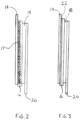
FIG. 2 is a schematic representation illustrating the interface between the Li metal anode and the electrolyte including immobilized anions; and -
FIG. 3 is a schematic representation illustrating a layer containing immobilized anions positioned at the interface between the Li metal anode and the electrolyte. -
Figure 1 illustrates schematically alithium metal battery 10 having a plurality ofelectrochemical cells 12 each including a Li metal anode ornegative electrode 14 made of a sheet of metallic lithium, anelectrolyte 16 and a cathode orpositive electrode film 18 layered onto acurrent collector 20. Theelectrolyte 16 typically includes a lithium sait to provide ionic conduction between theanode 14 and thecathode 18. The sheet of lithium metal typically has a thickness ranging from 20 microns to 100 microns; theelectrolyte 16 has a thickness ranging from 10 microns to 50 microns, and thepositive electrode film 18 typically has a thickness ranging from 20 microns to 100 microns. - The
electrolyte 16 according to one embodiment of the invention is composed of at least one polymer and a lithium salt. The polymer having the ability to dissolve the lithium sait to form a conductive medium for lithium ions migrating between theanode 14 and thecathode 18 such as for example polymers of the polyether family which includes polyethylene oxide (PEO), polypropylene oxide (PPO), polybutylene oxide (PBO) and so on, and copolymers comprising or including one of these polymers. The polymer is preferably a polyethylene oxide (PEO) based polymer or copolymer. The polymer can be in a solid, or gel state in the electrolyte. - The lithium salt may be selected from LiCF3SO3, LiB(C2O4)2, LiN(CF3SO2)2, LiC(CF3SO2)3, LiC(CH3)(CF3SO2)2, LiCH(CF3SO2)2, LiCH2(CF3SO2), LiC2F5SO3, LiN(C2F5SO2)2, LiN(CF3SO2), LiB(CF3SO2)2, LiPF6, LiSbF6, LiClO4, LiSCN, LiAsF6, LiBOB, LiBF4, and LiClO4.
- The
electrolyte 16 according to another embodiment of the invention is composed of a separator membrane and an electrolytic solution comprising an organic solvent and a lithium salt dissolved therein. The separator membrane can be a porous polymer sheet, a porous cellulose sheet or any other type of porous material in sheet form typically used for li-ion batteries. The organic solvent can include any suitable type that has been generally used for li-ion batteries. Examples of such organic solvents include propylene carbonate (PC), ethylene carbonate (EC), diethyl carbonate (DEC), dimethyl carbonate (DMC), 1,2-dimethoxyethane, 1,2-diethoxyethane, .gamma.-butyrolactone, tetrahydrofuran, 2-methyl tetrahydrofuran, 1,3-dioxolane, 4-methyl-1,3-dioxolane, diethyl ether, sulfolane, methylsulfolane, acetonitrile, propionitrile, anisole, acetate, butyrate, propionate and the like. Lithium salts commonly used as a solute in the electrolytic solution include LiPF6, LiBF4, LiCF3SO3, LiN(CF3SO2)2, LiN(C2F5SO2)2, LiN(CF3SO2)(C4F9SO2), LiC(CF3SO2)3, LiC(C2F5SO2)3, LiAsF6, LiClO4, LiB10Cl10, Li2B12Cl12, LiB(C2O4)2, LiB(C2O4)F2, LiCl, LiBr, and the like. - With reference to
Figure 2 , there is shown that the interface 17 between theLi metal anode 14 and theelectrolyte 16 includes immobilized anions represented by (-). These immobilized anions remain fixed at or near the interface 17 to ensure that the anionic concentration never falls to zero at or near the surface of theLi metal anode 14 throughout the charge-discharge cycle of thelithium metal battery 10. As described above, when the electrolyte is polarized under high current density, anions migrate toward thepositive electrode 18 thereby depleting the surface of theLi metal anode 14 of anions in specific locations on the surface of theLi metal anode 14 resulting in instability of the surface potential at the interface 17, which creates localized electric field that leads to dendrite formation and growth due to preferential path for Li deposition during charging. Immobilized anions were therefore permanently fixed at and near the surface of theLi metal anode 14 at the interface 17 to maintain the anionic concentration at the interface 17 above zero throughout the charge-discharge cycle in order to prevent instability of the surface potential of theLi metal anode 14 at the interface 17 thereby preventing the creation of localized electric field at the surface of theLi metal anode 14 which leads to dendrite formation and growth during Li deposition in the charging cycle of thelithium metal battery 10. - Immobilized anions are added and fixed onto the surface of the
Li metal anode 14 at the interface 17 by grafting anions onto the surface of theelectrolyte 16 directly in contact with the surface of theLi metal anode 14 at the interface 17. Immobilized anions may also be grafted throughout theelectrolyte 16 ensuring that immobilized anions are present at the interface 17 and in contact with the surface of theLi metal anode 14. - For polymer electrolytes, the grafted anions are preferably but not necessarily anions of the lithium salts previously described which are respectively CF3SO3, B(C2O4)2, N(CF3SO2)2, C(CF3SO2)3, C(CH3)(CF3SO2)2, CH(CF3SO2)2, CH2(CF3SO2), CLF3SO3, N(C2F5SO2)2, N(CF3SO2), B(CF3SO2)2, PF6, SbF6, C1O4, SCN, AsF6, BOB, BF4, and ClO4. For electrolytes composed of a separator membrane and an electrolytic solution, the anions are grafted or otherwise immobilized onto or into the polymer, cellulose or porous component of the membrane itself. The grafted anions are anions of the lithium salts previously described which are respectively PF6, BF4, CF3SO3, N(CF3SO2)2, N(C2F5SO2)2, N(CF3SO2)(C4F9SO2), C(CF3SO2)3, C(C2F5SO2)3, AsF6, ClO4, BloC110, B12C112, B(C2O4)2, B(C2O4)F2, Cl, Br, etc. In both types of electrolytes, other kinds of anion not related to lithium salts may also be grafted onto the components of the electrolyte without departing from the concept of the present invention.
- Immobilized anions of these lithium salts (or other kinds) positioned at the interface 17 ensures that the anionic concentration at the interface 17 remains above zero throughout the charge cycle by avoiding depletion of anions on the surface of the
Li metal anode 14 in various locations which in effect prevents instability of the surface potential at the surface of theLi metal anode 14 thereby preventing dendrite formation and growth during Li deposition in the charging cycle of thelithium metal battery 10. The immobilized grafted anions positioned at the interface 17 substantially reduce the formation of heterogeneous electrodeposits of lithium (including dendrites formation) during charging. - The grafted anions positioned at the interface 17 do not hinder ionic conduction between
anode 14 andcathode 18 and the preferred grafted anions of lithium salts provide an additional ionic path for Li ions migrating from theLi metal anode 14 to theelectrolyte 16. The grafted anions improve the electrochemical performance by increasing the number of Li ions transport. - With reference to
Figure 3 , an additional layer ofmaterial 22 including immobilized anions is positioned between theLi metal anode 14 and theelectrolyte 16 which acts as a protective barrier against dendrite formation and growth on the surface of theLi metal anode 14 by fixing immobilized anions (-) on and near the surface of theLi metal anode 14 such that the anionic concentration at the surface of theLi metal anode 14 never falls to zero and remains anionic throughout the charge-discharge cycle of thelithium metal battery 10. As previously described, the presence of immobilized anions positioned at the interface between theelectrolyte 16 and theLi metal anode 14 ensures that the surface of theLi metal anode 14 is never depleted of anions in various locations and therefore prevents instability of the surface potential on the surface of theLi metal anode 14 thereby preventing dendrite formation and growth during Li deposition in the charging cycle of thelithium metal battery 10. - The additional layer of
material 22 may be a layer of polymer grafted with immobilized anions, a layer of ceramic grafted with immobilized anions, a layer of nanocellulose grafted with immobilized anions of lithium salt or any other molecules capable of retaining immobilized anions or to which can be grafted anions. - In a further embodiment of the invention the
entire electrolyte 16 may include immobilized anions in the form of grafted anions preferably of lithium salts to maintain the anionic concentration at the interface above zero. Theentire electrolyte 16 including immobilized grafted anions also ensures that the anionic concentration at the interface 17 and at the surface of theLi metal anode 14 remains above zero and anionic by preventing the depletion of anions on the surface of theLi metal anode 14 and maintaining the interface 17 anionic throughout the charge-discharge cycles in order to prevent surface potential instability at the interface of theLi metal anode 14 andelectrolyte 16 such that dendrite formation and growth during Li deposition in the charging cycle is eliminated or substantially reduced. - Modifications and improvement to the above described embodiments of the present invention may become apparent to those skilled in the art. The foregoing description is intended to be exemplary rather than limiting. Furthermore, the dimensions of features of various components that may appear on the drawings are not meant to be limiting, and the size of the components therein can vary from the size that may be portrayed in the figures herein. The scope of the present invention is therefore intended to be limited solely by the scope of the appended claims.
Claims (10)
- A lithium battery comprising a Li metal anode (14), a cathode (18) and an electrolyte (16) in between the Li metal anode and the cathode wherein the electrolyte includes immobilized anions at least at the interface between the Li metal anode to maintain the anionic concentration at the interface above zero throughout the charge-discharge cycles thereby preventing surface potential instability at the interface of the Li metal anode and electrolyte, wherein the electrolyte is a polymer electrolyte comprising a layer of ceramic grafted with immobilized anions positioned at the interface between the Li metal anode and the electrolyte, and wherein the immobilized anions are anions of the lithium salts selected from the group consisting of CF3SO3 -, B(C2O4)2 -, N(CF3SO2)2 -, C(CF3SO2)3 -, C(CH3)(CF3SO2)2 -, CH(CF3SO2)2 -, CH2(CF3SO2)-, C2F5SO3 -, N(C2F5SO2)2 -, B(CF3SO2)2 -, PF6 -, SbF6 -, ClO4 -, SCN-, AsF6 - and BF4 -.
- A lithium battery as defined in claim 1, wherein the electrolyte comprises a layer of polymer grafted with immobilized anions is positioned at the interface between the Li metal anode and the electrolyte.
- A lithium battery as defined in claim 1, wherein the electrolyte comprises a layer of nanocellulosic material grafted with immobilized anions is positioned at the interface between the Li metal anode and the electrolyte.
- A lithium battery as defined in claim 1, wherein the entire electrolyte includes immobilized anions.
- A lithium battery as defined in claim 1, wherein the electrolyte includes at least one polymer and a lithium salt dissolved therein, the at least one polymer selected from the group consisting of polyethylene oxide (PEO), polypropylene oxide (PPO), polybutylene oxide (PBO) and copolymers comprising one of these polymers.
- A lithium battery as defined in claim 1, wherein the electrolyte includes a separator membrane and an electrolytic solution comprising an organic solvent and a lithium salt dissolved therein.
- A lithium battery as defined in claim 6, wherein the separator membrane is porous material in sheet form.
- A lithium battery as defined in claim 7, wherein the porous material in sheet form is selected from the group consisting of a porous polymer sheet and a porous cellulose sheet.
- A lithium battery as defined in claim 6, wherein the organic solvent is selected from the group consisting of propylene carbonate (PC), ethylene carbonate (EC), diethyl carbonate (DEC), dimethyl carbonate (DMC), 1,2-dimethoxyethane, 1,2-diethoxyethane, .gamma.-butyrolactone, tetrahydrofuran, 2-methyl tetrahydrofuran, 1,3-dioxolane, 4-methyl-1,3-dioxolane, diethyl ether, sulfolane, methylsulfolane, acetonitrile, propionitrile, anisole, acetate, butyrate, and propionate.
- A lithium battery as defined in claim 6, wherein the lithium salt used as a solute in the electrolytic solution is selected from the group consisting of LiPF6, LiBF4, LiCF3SO3, LiN(CF3SO2)2, LiN(C2F5SO2)2, LiN(CF3SO2)(C4F9SO2), LiC(CF3SO2)3, LiC(C2F5SO2)3 LiAsF6, LiClO4, LiB10Cl10, Li2B12Cl12, LiB(C2O4)2, LiB(C2O4)F2, LiCl, and LiBr.
Applications Claiming Priority (2)
| Application Number | Priority Date | Filing Date | Title |
|---|---|---|---|
| US201662434192P | 2016-12-14 | 2016-12-14 | |
| PCT/CA2017/000260 WO2018107263A1 (en) | 2016-12-14 | 2017-12-05 | Lithium metal battery containing electrolyte grafted with immobilized anions |
Publications (4)
| Publication Number | Publication Date |
|---|---|
| EP3555947A1 EP3555947A1 (en) | 2019-10-23 |
| EP3555947A4 EP3555947A4 (en) | 2020-06-17 |
| EP3555947B1 true EP3555947B1 (en) | 2024-01-24 |
| EP3555947C0 EP3555947C0 (en) | 2024-01-24 |
Family
ID=62489737
Family Applications (1)
| Application Number | Title | Priority Date | Filing Date |
|---|---|---|---|
| EP17880829.1A Active EP3555947B1 (en) | 2016-12-14 | 2017-12-05 | Lithium metal battery containing electrolyte grafted with immobilized anions |
Country Status (8)
| Country | Link |
|---|---|
| US (2) | US10680283B2 (en) |
| EP (1) | EP3555947B1 (en) |
| JP (1) | JP2020513669A (en) |
| KR (1) | KR20190090402A (en) |
| CN (1) | CN110291677A (en) |
| CA (1) | CA3046999A1 (en) |
| TW (1) | TW201828525A (en) |
| WO (1) | WO2018107263A1 (en) |
Families Citing this family (3)
| Publication number | Priority date | Publication date | Assignee | Title |
|---|---|---|---|---|
| KR102238829B1 (en) * | 2018-02-07 | 2021-04-09 | 주식회사 엘지화학 | Lithium metal secondary battery and battery module including the same |
| CN111540870A (en) * | 2020-05-08 | 2020-08-14 | 中航锂电技术研究院有限公司 | Diaphragm, preparation method and lithium ion battery |
| CN113036077A (en) * | 2021-03-05 | 2021-06-25 | 中山大学 | Artificial solid-phase electrolyte interface film modified lithium battery cathode and preparation method and application thereof |
Family Cites Families (14)
| Publication number | Priority date | Publication date | Assignee | Title |
|---|---|---|---|---|
| JPH10241460A (en) * | 1996-12-25 | 1998-09-11 | Yazaki Corp | Solid electrolyte material and lithium secondary battery |
| WO2000005774A1 (en) * | 1998-07-23 | 2000-02-03 | Massachusetts Institute Of Technology | Block copolymer electrolyte |
| KR100922740B1 (en) * | 2002-01-07 | 2009-10-22 | 삼성에스디아이 주식회사 | Separator for lithium battery containing cationic polymer, electrode and lithium battery employing same |
| WO2005117188A1 (en) * | 2004-05-27 | 2005-12-08 | Dutch Polymer Institute | Polymer electrolyte; and an electrochemical device equipped with such a polymer electrolyte |
| US8313860B2 (en) * | 2004-09-28 | 2012-11-20 | Tadiran Batteries Ltd. | Lithium cell and method of forming same |
| FR2979630B1 (en) * | 2011-09-05 | 2013-10-04 | Univ Provence Aix Marseille 1 | BLOCK COPOLYMERS HAVING A POLYANIONIC BASED ON ANION MONOMER TYPE TFSILI AS ELECTROLYTE BATTERY. |
| EP2688133B1 (en) * | 2012-07-19 | 2015-03-25 | CIC Energigune | Hybrid electrolyte |
| WO2014022224A1 (en) * | 2012-08-02 | 2014-02-06 | The Penn State Research Foundation | Polymer conductor for lithium-ion batteries |
| US9819050B2 (en) * | 2013-05-17 | 2017-11-14 | Nissan Motor Co., Ltd. | Non-aqueous electrolyte secondary battery |
| CN103367799B (en) * | 2013-07-18 | 2015-02-25 | 北京科技大学 | All-solid-state polyelectrolyte film, its preparation and application method |
| CN103956450B (en) * | 2014-05-16 | 2016-08-24 | 中国东方电气集团有限公司 | A kind of composite diaphragm for lithium ion battery and preparation method thereof |
| FR3024146B1 (en) * | 2014-07-23 | 2018-02-16 | Cdp Innovation | NOVEL POLYMERS CONTAINING BIS (SULFONYL) GRAFTED LITHIUM OR SODIUM SALTS, PROCESSES FOR THEIR PREPARATION AND THEIR USE AS ELECTROLYTES FOR BATTERIES |
| US20160190534A1 (en) * | 2014-12-26 | 2016-06-30 | Samsung Electronics Co., Ltd. | Separator for lithium ion secondary battery and preparation method thereof |
| US20180131041A1 (en) * | 2016-11-09 | 2018-05-10 | Blue Solutions Canada Inc. | Lithium salt grafted nanocrystalline cellulose for solid polymer electrolyte |
-
2017
- 2017-12-05 WO PCT/CA2017/000260 patent/WO2018107263A1/en not_active Ceased
- 2017-12-05 CA CA3046999A patent/CA3046999A1/en active Pending
- 2017-12-05 CN CN201780086293.1A patent/CN110291677A/en active Pending
- 2017-12-05 KR KR1020197020296A patent/KR20190090402A/en not_active Ceased
- 2017-12-05 EP EP17880829.1A patent/EP3555947B1/en active Active
- 2017-12-05 JP JP2019531696A patent/JP2020513669A/en active Pending
- 2017-12-06 US US15/833,951 patent/US10680283B2/en active Active
- 2017-12-12 TW TW106143613A patent/TW201828525A/en unknown
-
2020
- 2020-04-30 US US16/863,013 patent/US11158882B2/en active Active
Also Published As
| Publication number | Publication date |
|---|---|
| CN110291677A (en) | 2019-09-27 |
| US10680283B2 (en) | 2020-06-09 |
| US11158882B2 (en) | 2021-10-26 |
| WO2018107263A1 (en) | 2018-06-21 |
| US20180166745A1 (en) | 2018-06-14 |
| EP3555947A4 (en) | 2020-06-17 |
| TW201828525A (en) | 2018-08-01 |
| US20200328473A1 (en) | 2020-10-15 |
| EP3555947A1 (en) | 2019-10-23 |
| JP2020513669A (en) | 2020-05-14 |
| CA3046999A1 (en) | 2018-06-21 |
| KR20190090402A (en) | 2019-08-01 |
| EP3555947C0 (en) | 2024-01-24 |
Similar Documents
| Publication | Publication Date | Title |
|---|---|---|
| US11978852B2 (en) | Lithium electrode and lithium secondary battery comprising same | |
| CN111095653B (en) | Solid electrolyte battery and battery module and battery pack containing the solid electrolyte battery | |
| US9455470B2 (en) | Non-aqueous electrolyte and lithium secondary battery using the same | |
| US11811051B2 (en) | Electrochemical cell design with lithium metal anode | |
| JP2014523083A (en) | Lithium / sulfur battery | |
| US11158882B2 (en) | Lithum metal battery | |
| US11870078B2 (en) | Lithium electrode and lithium secondary battery comprising same | |
| KR101811484B1 (en) | Electrolyte solution for lithium-air battery and lithium-ion battery comprising the same | |
| KR102508685B1 (en) | Electrolyte solution including additives and lithium ion battery containing the electolyte solution | |
| KR20190131721A (en) | Electrolyte for lithium secondary battery and lithium secondary battery comprising the same | |
| US9564658B2 (en) | Lithium-ion secondary battery and electrolyte thereof | |
| KR102617866B1 (en) | Curent Collector, Electrode and Lithium Secondary Battery Comprising the Same | |
| US20220399573A1 (en) | Non-Aqueous Electrolyte Solution for Lithium Secondary Battery and Lithium Secondary Battery Including the Same | |
| US20240170724A1 (en) | Electrolyte solution for lithium secondary battery and lithium secondary battery comprising the same | |
| KR20260005625A (en) | Lithium metal anodes, methods of making the same, and lithium secondary batteries comprising the same | |
| KR102392541B1 (en) | Anode for lithium secondary battery and lithium secondary battery comprising the same | |
| US20210184261A1 (en) | Electrolyte solution for lithium secondary batteries and lithium secondary battery including the same | |
| CN121642101A (en) | Lithium ion battery | |
| KR20240086585A (en) | Negative electrode currentor and manufacturing method thereof | |
| JP2024066207A (en) | Method for manufacturing non-aqueous secondary battery | |
| KR20210106912A (en) | Non-aqueous electrolyte for lithium secondary battery and lithium secondary battery comprising the same |
Legal Events
| Date | Code | Title | Description |
|---|---|---|---|
| STAA | Information on the status of an ep patent application or granted ep patent |
Free format text: STATUS: THE INTERNATIONAL PUBLICATION HAS BEEN MADE |
|
| PUAI | Public reference made under article 153(3) epc to a published international application that has entered the european phase |
Free format text: ORIGINAL CODE: 0009012 |
|
| STAA | Information on the status of an ep patent application or granted ep patent |
Free format text: STATUS: REQUEST FOR EXAMINATION WAS MADE |
|
| 17P | Request for examination filed |
Effective date: 20190712 |
|
| AK | Designated contracting states |
Kind code of ref document: A1 Designated state(s): AL AT BE BG CH CY CZ DE DK EE ES FI FR GB GR HR HU IE IS IT LI LT LU LV MC MK MT NL NO PL PT RO RS SE SI SK SM TR |
|
| AX | Request for extension of the european patent |
Extension state: BA ME |
|
| DAV | Request for validation of the european patent (deleted) | ||
| DAX | Request for extension of the european patent (deleted) | ||
| A4 | Supplementary search report drawn up and despatched |
Effective date: 20200519 |
|
| RIC1 | Information provided on ipc code assigned before grant |
Ipc: H01M 10/0565 20100101ALI20200513BHEP Ipc: H01M 10/052 20100101ALI20200513BHEP Ipc: H01M 10/058 20100101AFI20200513BHEP Ipc: H01M 4/38 20060101ALI20200513BHEP Ipc: H01M 10/0568 20100101ALI20200513BHEP Ipc: H01M 10/056 20100101ALI20200513BHEP Ipc: H01M 2/16 20060101ALI20200513BHEP Ipc: H01M 10/0569 20100101ALI20200513BHEP |
|
| STAA | Information on the status of an ep patent application or granted ep patent |
Free format text: STATUS: EXAMINATION IS IN PROGRESS |
|
| 17Q | First examination report despatched |
Effective date: 20221213 |
|
| GRAP | Despatch of communication of intention to grant a patent |
Free format text: ORIGINAL CODE: EPIDOSNIGR1 |
|
| STAA | Information on the status of an ep patent application or granted ep patent |
Free format text: STATUS: GRANT OF PATENT IS INTENDED |
|
| RIC1 | Information provided on ipc code assigned before grant |
Ipc: H01M 50/46 20210101ALI20230601BHEP Ipc: H01M 50/449 20210101ALI20230601BHEP Ipc: H01M 50/429 20210101ALI20230601BHEP Ipc: H01M 50/414 20210101ALI20230601BHEP Ipc: H01M 10/0569 20100101ALI20230601BHEP Ipc: H01M 10/0568 20100101ALI20230601BHEP Ipc: H01M 4/38 20060101ALI20230601BHEP Ipc: H01M 10/056 20100101ALI20230601BHEP Ipc: H01M 10/0565 20100101ALI20230601BHEP Ipc: H01M 10/052 20100101ALI20230601BHEP Ipc: H01M 10/058 20100101AFI20230601BHEP |
|
| INTG | Intention to grant announced |
Effective date: 20230703 |
|
| GRAS | Grant fee paid |
Free format text: ORIGINAL CODE: EPIDOSNIGR3 |
|
| GRAA | (expected) grant |
Free format text: ORIGINAL CODE: 0009210 |
|
| STAA | Information on the status of an ep patent application or granted ep patent |
Free format text: STATUS: THE PATENT HAS BEEN GRANTED |
|
| AK | Designated contracting states |
Kind code of ref document: B1 Designated state(s): AL AT BE BG CH CY CZ DE DK EE ES FI FR GB GR HR HU IE IS IT LI LT LU LV MC MK MT NL NO PL PT RO RS SE SI SK SM TR |
|
| REG | Reference to a national code |
Ref country code: GB Ref legal event code: FG4D |
|
| REG | Reference to a national code |
Ref country code: CH Ref legal event code: EP |
|
| REG | Reference to a national code |
Ref country code: DE Ref legal event code: R096 Ref document number: 602017078800 Country of ref document: DE |
|
| REG | Reference to a national code |
Ref country code: IE Ref legal event code: FG4D |
|
| U01 | Request for unitary effect filed |
Effective date: 20240124 |
|
| U07 | Unitary effect registered |
Designated state(s): AT BE BG DE DK EE FI FR IT LT LU LV MT NL PT SE SI Effective date: 20240207 |
|
| PG25 | Lapsed in a contracting state [announced via postgrant information from national office to epo] |
Ref country code: IS Free format text: LAPSE BECAUSE OF FAILURE TO SUBMIT A TRANSLATION OF THE DESCRIPTION OR TO PAY THE FEE WITHIN THE PRESCRIBED TIME-LIMIT Effective date: 20240524 |
|
| PG25 | Lapsed in a contracting state [announced via postgrant information from national office to epo] |
Ref country code: GR Free format text: LAPSE BECAUSE OF FAILURE TO SUBMIT A TRANSLATION OF THE DESCRIPTION OR TO PAY THE FEE WITHIN THE PRESCRIBED TIME-LIMIT Effective date: 20240425 |
|
| PG25 | Lapsed in a contracting state [announced via postgrant information from national office to epo] |
Ref country code: RS Free format text: LAPSE BECAUSE OF FAILURE TO SUBMIT A TRANSLATION OF THE DESCRIPTION OR TO PAY THE FEE WITHIN THE PRESCRIBED TIME-LIMIT Effective date: 20240424 Ref country code: HR Free format text: LAPSE BECAUSE OF FAILURE TO SUBMIT A TRANSLATION OF THE DESCRIPTION OR TO PAY THE FEE WITHIN THE PRESCRIBED TIME-LIMIT Effective date: 20240124 |
|
| PG25 | Lapsed in a contracting state [announced via postgrant information from national office to epo] |
Ref country code: ES Free format text: LAPSE BECAUSE OF FAILURE TO SUBMIT A TRANSLATION OF THE DESCRIPTION OR TO PAY THE FEE WITHIN THE PRESCRIBED TIME-LIMIT Effective date: 20240124 |
|
| PG25 | Lapsed in a contracting state [announced via postgrant information from national office to epo] |
Ref country code: RS Free format text: LAPSE BECAUSE OF FAILURE TO SUBMIT A TRANSLATION OF THE DESCRIPTION OR TO PAY THE FEE WITHIN THE PRESCRIBED TIME-LIMIT Effective date: 20240424 Ref country code: NO Free format text: LAPSE BECAUSE OF FAILURE TO SUBMIT A TRANSLATION OF THE DESCRIPTION OR TO PAY THE FEE WITHIN THE PRESCRIBED TIME-LIMIT Effective date: 20240424 Ref country code: IS Free format text: LAPSE BECAUSE OF FAILURE TO SUBMIT A TRANSLATION OF THE DESCRIPTION OR TO PAY THE FEE WITHIN THE PRESCRIBED TIME-LIMIT Effective date: 20240524 Ref country code: HR Free format text: LAPSE BECAUSE OF FAILURE TO SUBMIT A TRANSLATION OF THE DESCRIPTION OR TO PAY THE FEE WITHIN THE PRESCRIBED TIME-LIMIT Effective date: 20240124 Ref country code: GR Free format text: LAPSE BECAUSE OF FAILURE TO SUBMIT A TRANSLATION OF THE DESCRIPTION OR TO PAY THE FEE WITHIN THE PRESCRIBED TIME-LIMIT Effective date: 20240425 Ref country code: ES Free format text: LAPSE BECAUSE OF FAILURE TO SUBMIT A TRANSLATION OF THE DESCRIPTION OR TO PAY THE FEE WITHIN THE PRESCRIBED TIME-LIMIT Effective date: 20240124 |
|
| PG25 | Lapsed in a contracting state [announced via postgrant information from national office to epo] |
Ref country code: PL Free format text: LAPSE BECAUSE OF FAILURE TO SUBMIT A TRANSLATION OF THE DESCRIPTION OR TO PAY THE FEE WITHIN THE PRESCRIBED TIME-LIMIT Effective date: 20240124 |
|
| PG25 | Lapsed in a contracting state [announced via postgrant information from national office to epo] |
Ref country code: PL Free format text: LAPSE BECAUSE OF FAILURE TO SUBMIT A TRANSLATION OF THE DESCRIPTION OR TO PAY THE FEE WITHIN THE PRESCRIBED TIME-LIMIT Effective date: 20240124 |
|
| PG25 | Lapsed in a contracting state [announced via postgrant information from national office to epo] |
Ref country code: SM Free format text: LAPSE BECAUSE OF FAILURE TO SUBMIT A TRANSLATION OF THE DESCRIPTION OR TO PAY THE FEE WITHIN THE PRESCRIBED TIME-LIMIT Effective date: 20240124 |
|
| PG25 | Lapsed in a contracting state [announced via postgrant information from national office to epo] |
Ref country code: CZ Free format text: LAPSE BECAUSE OF FAILURE TO SUBMIT A TRANSLATION OF THE DESCRIPTION OR TO PAY THE FEE WITHIN THE PRESCRIBED TIME-LIMIT Effective date: 20240124 |
|
| REG | Reference to a national code |
Ref country code: DE Ref legal event code: R097 Ref document number: 602017078800 Country of ref document: DE |
|
| PG25 | Lapsed in a contracting state [announced via postgrant information from national office to epo] |
Ref country code: SK Free format text: LAPSE BECAUSE OF FAILURE TO SUBMIT A TRANSLATION OF THE DESCRIPTION OR TO PAY THE FEE WITHIN THE PRESCRIBED TIME-LIMIT Effective date: 20240124 |
|
| PG25 | Lapsed in a contracting state [announced via postgrant information from national office to epo] |
Ref country code: SM Free format text: LAPSE BECAUSE OF FAILURE TO SUBMIT A TRANSLATION OF THE DESCRIPTION OR TO PAY THE FEE WITHIN THE PRESCRIBED TIME-LIMIT Effective date: 20240124 Ref country code: SK Free format text: LAPSE BECAUSE OF FAILURE TO SUBMIT A TRANSLATION OF THE DESCRIPTION OR TO PAY THE FEE WITHIN THE PRESCRIBED TIME-LIMIT Effective date: 20240124 Ref country code: RO Free format text: LAPSE BECAUSE OF FAILURE TO SUBMIT A TRANSLATION OF THE DESCRIPTION OR TO PAY THE FEE WITHIN THE PRESCRIBED TIME-LIMIT Effective date: 20240124 Ref country code: CZ Free format text: LAPSE BECAUSE OF FAILURE TO SUBMIT A TRANSLATION OF THE DESCRIPTION OR TO PAY THE FEE WITHIN THE PRESCRIBED TIME-LIMIT Effective date: 20240124 |
|
| PLBE | No opposition filed within time limit |
Free format text: ORIGINAL CODE: 0009261 |
|
| STAA | Information on the status of an ep patent application or granted ep patent |
Free format text: STATUS: NO OPPOSITION FILED WITHIN TIME LIMIT |
|
| U20 | Renewal fee for the european patent with unitary effect paid |
Year of fee payment: 8 Effective date: 20241121 |
|
| 26N | No opposition filed |
Effective date: 20241025 |
|
| PG25 | Lapsed in a contracting state [announced via postgrant information from national office to epo] |
Ref country code: MC Free format text: LAPSE BECAUSE OF FAILURE TO SUBMIT A TRANSLATION OF THE DESCRIPTION OR TO PAY THE FEE WITHIN THE PRESCRIBED TIME-LIMIT Effective date: 20240124 |
|
| REG | Reference to a national code |
Ref country code: CH Ref legal event code: PL |
|
| PG25 | Lapsed in a contracting state [announced via postgrant information from national office to epo] |
Ref country code: CH Free format text: LAPSE BECAUSE OF NON-PAYMENT OF DUE FEES Effective date: 20241231 |
|
| PG25 | Lapsed in a contracting state [announced via postgrant information from national office to epo] |
Ref country code: IE Free format text: LAPSE BECAUSE OF NON-PAYMENT OF DUE FEES Effective date: 20241205 |
|
| U20 | Renewal fee for the european patent with unitary effect paid |
Year of fee payment: 9 Effective date: 20251119 |
|
| PGFP | Annual fee paid to national office [announced via postgrant information from national office to epo] |
Ref country code: GB Payment date: 20251120 Year of fee payment: 9 |
|
| PG25 | Lapsed in a contracting state [announced via postgrant information from national office to epo] |
Ref country code: CY Free format text: LAPSE BECAUSE OF FAILURE TO SUBMIT A TRANSLATION OF THE DESCRIPTION OR TO PAY THE FEE WITHIN THE PRESCRIBED TIME-LIMIT; INVALID AB INITIO Effective date: 20171205 |