EP3554248B1 - A beverage product with free divalent cations protein aggregation and a method producing thereof - Google Patents
A beverage product with free divalent cations protein aggregation and a method producing thereof Download PDFInfo
- Publication number
- EP3554248B1 EP3554248B1 EP17823091.8A EP17823091A EP3554248B1 EP 3554248 B1 EP3554248 B1 EP 3554248B1 EP 17823091 A EP17823091 A EP 17823091A EP 3554248 B1 EP3554248 B1 EP 3554248B1
- Authority
- EP
- European Patent Office
- Prior art keywords
- calcium
- milk
- beverage
- ingredient composition
- whey
- Prior art date
- Legal status (The legal status is an assumption and is not a legal conclusion. Google has not performed a legal analysis and makes no representation as to the accuracy of the status listed.)
- Revoked
Links
Images
Classifications
-
- A—HUMAN NECESSITIES
- A23—FOODS OR FOODSTUFFS; TREATMENT THEREOF, NOT COVERED BY OTHER CLASSES
- A23B—PRESERVATION OF FOODS, FOODSTUFFS OR NON-ALCOHOLIC BEVERAGES; CHEMICAL RIPENING OF FRUIT OR VEGETABLES
- A23B11/00—Preservation of milk or dairy products
- A23B11/10—Preservation of milk or milk preparations
- A23B11/12—Preservation of milk or milk preparations by heating
-
- A—HUMAN NECESSITIES
- A23—FOODS OR FOODSTUFFS; TREATMENT THEREOF, NOT COVERED BY OTHER CLASSES
- A23B—PRESERVATION OF FOODS, FOODSTUFFS OR NON-ALCOHOLIC BEVERAGES; CHEMICAL RIPENING OF FRUIT OR VEGETABLES
- A23B70/00—Preservation of non-alcoholic beverages
- A23B70/30—Preservation of non-alcoholic beverages by heating
-
- A—HUMAN NECESSITIES
- A23—FOODS OR FOODSTUFFS; TREATMENT THEREOF, NOT COVERED BY OTHER CLASSES
- A23C—DAIRY PRODUCTS, e.g. MILK, BUTTER OR CHEESE; MILK OR CHEESE SUBSTITUTES; PREPARATION THEREOF
- A23C21/00—Whey; Whey preparations
- A23C21/06—Mixtures of whey with milk products or milk components
-
- A—HUMAN NECESSITIES
- A23—FOODS OR FOODSTUFFS; TREATMENT THEREOF, NOT COVERED BY OTHER CLASSES
- A23C—DAIRY PRODUCTS, e.g. MILK, BUTTER OR CHEESE; MILK OR CHEESE SUBSTITUTES; PREPARATION THEREOF
- A23C9/00—Milk preparations; Milk powder or milk powder preparations
- A23C9/15—Reconstituted or recombined milk products containing neither non-milk fat nor non-milk proteins
- A23C9/1512—Reconstituted or recombined milk products containing neither non-milk fat nor non-milk proteins containing isolated milk or whey proteins, caseinates or cheese; Enrichment of milk products with milk proteins in isolated or concentrated form, e.g. ultrafiltration retentate
-
- A—HUMAN NECESSITIES
- A23—FOODS OR FOODSTUFFS; TREATMENT THEREOF, NOT COVERED BY OTHER CLASSES
- A23C—DAIRY PRODUCTS, e.g. MILK, BUTTER OR CHEESE; MILK OR CHEESE SUBSTITUTES; PREPARATION THEREOF
- A23C9/00—Milk preparations; Milk powder or milk powder preparations
- A23C9/152—Milk preparations; Milk powder or milk powder preparations containing additives
- A23C9/1522—Inorganic additives, e.g. minerals, trace elements; Chlorination or fluoridation of milk; Organic salts or complexes of metals other than natrium or kalium; Calcium enrichment of milk
-
- A—HUMAN NECESSITIES
- A23—FOODS OR FOODSTUFFS; TREATMENT THEREOF, NOT COVERED BY OTHER CLASSES
- A23C—DAIRY PRODUCTS, e.g. MILK, BUTTER OR CHEESE; MILK OR CHEESE SUBSTITUTES; PREPARATION THEREOF
- A23C9/00—Milk preparations; Milk powder or milk powder preparations
- A23C9/152—Milk preparations; Milk powder or milk powder preparations containing additives
- A23C9/154—Milk preparations; Milk powder or milk powder preparations containing additives containing thickening substances, eggs or cereal preparations; Milk gels
-
- A—HUMAN NECESSITIES
- A23—FOODS OR FOODSTUFFS; TREATMENT THEREOF, NOT COVERED BY OTHER CLASSES
- A23C—DAIRY PRODUCTS, e.g. MILK, BUTTER OR CHEESE; MILK OR CHEESE SUBSTITUTES; PREPARATION THEREOF
- A23C9/00—Milk preparations; Milk powder or milk powder preparations
- A23C9/152—Milk preparations; Milk powder or milk powder preparations containing additives
- A23C9/156—Flavoured milk preparations ; Addition of fruits, vegetables, sugars, sugar alcohols or sweeteners
-
- A—HUMAN NECESSITIES
- A23—FOODS OR FOODSTUFFS; TREATMENT THEREOF, NOT COVERED BY OTHER CLASSES
- A23G—COCOA; COCOA PRODUCTS, e.g. CHOCOLATE; SUBSTITUTES FOR COCOA OR COCOA PRODUCTS; CONFECTIONERY; CHEWING GUM; ICE-CREAM; PREPARATION THEREOF
- A23G1/00—Cocoa; Cocoa products, e.g. chocolate; Substitutes therefor
- A23G1/30—Cocoa products, e.g. chocolate; Substitutes therefor
- A23G1/32—Cocoa products, e.g. chocolate; Substitutes therefor characterised by the composition containing organic or inorganic compounds
- A23G1/44—Cocoa products, e.g. chocolate; Substitutes therefor characterised by the composition containing organic or inorganic compounds containing peptides or proteins
-
- A—HUMAN NECESSITIES
- A23—FOODS OR FOODSTUFFS; TREATMENT THEREOF, NOT COVERED BY OTHER CLASSES
- A23G—COCOA; COCOA PRODUCTS, e.g. CHOCOLATE; SUBSTITUTES FOR COCOA OR COCOA PRODUCTS; CONFECTIONERY; CHEWING GUM; ICE-CREAM; PREPARATION THEREOF
- A23G1/00—Cocoa; Cocoa products, e.g. chocolate; Substitutes therefor
- A23G1/30—Cocoa products, e.g. chocolate; Substitutes therefor
- A23G1/56—Liquid products; Solid products in the form of powders, flakes or granules for making liquid products, e.g. for making chocolate milk, drinks and the products for their preparation, pastes for spreading or milk crumb
-
- A—HUMAN NECESSITIES
- A23—FOODS OR FOODSTUFFS; TREATMENT THEREOF, NOT COVERED BY OTHER CLASSES
- A23J—PROTEIN COMPOSITIONS FOR FOODSTUFFS; WORKING-UP PROTEINS FOR FOODSTUFFS; PHOSPHATIDE COMPOSITIONS FOR FOODSTUFFS
- A23J1/00—Obtaining protein compositions for foodstuffs; Bulk opening of eggs and separation of yolks from whites
- A23J1/20—Obtaining protein compositions for foodstuffs; Bulk opening of eggs and separation of yolks from whites from milk, e.g. casein; from whey
- A23J1/207—Co-precipitates of casein and lactalbumine
-
- A—HUMAN NECESSITIES
- A23—FOODS OR FOODSTUFFS; TREATMENT THEREOF, NOT COVERED BY OTHER CLASSES
- A23L—FOODS, FOODSTUFFS OR NON-ALCOHOLIC BEVERAGES, NOT OTHERWISE PROVIDED FOR; PREPARATION OR TREATMENT THEREOF
- A23L2/00—Non-alcoholic beverages; Dry compositions or concentrates therefor; Preparation or treatment thereof
- A23L2/38—Other non-alcoholic beverages
-
- A—HUMAN NECESSITIES
- A23—FOODS OR FOODSTUFFS; TREATMENT THEREOF, NOT COVERED BY OTHER CLASSES
- A23L—FOODS, FOODSTUFFS OR NON-ALCOHOLIC BEVERAGES, NOT OTHERWISE PROVIDED FOR; PREPARATION OR TREATMENT THEREOF
- A23L2/00—Non-alcoholic beverages; Dry compositions or concentrates therefor; Preparation or treatment thereof
- A23L2/52—Adding ingredients
- A23L2/56—Flavouring or bittering agents
-
- A—HUMAN NECESSITIES
- A23—FOODS OR FOODSTUFFS; TREATMENT THEREOF, NOT COVERED BY OTHER CLASSES
- A23L—FOODS, FOODSTUFFS OR NON-ALCOHOLIC BEVERAGES, NOT OTHERWISE PROVIDED FOR; PREPARATION OR TREATMENT THEREOF
- A23L2/00—Non-alcoholic beverages; Dry compositions or concentrates therefor; Preparation or treatment thereof
- A23L2/52—Adding ingredients
- A23L2/58—Colouring agents
-
- A—HUMAN NECESSITIES
- A23—FOODS OR FOODSTUFFS; TREATMENT THEREOF, NOT COVERED BY OTHER CLASSES
- A23L—FOODS, FOODSTUFFS OR NON-ALCOHOLIC BEVERAGES, NOT OTHERWISE PROVIDED FOR; PREPARATION OR TREATMENT THEREOF
- A23L2/00—Non-alcoholic beverages; Dry compositions or concentrates therefor; Preparation or treatment thereof
- A23L2/52—Adding ingredients
- A23L2/60—Sweeteners
-
- A—HUMAN NECESSITIES
- A23—FOODS OR FOODSTUFFS; TREATMENT THEREOF, NOT COVERED BY OTHER CLASSES
- A23L—FOODS, FOODSTUFFS OR NON-ALCOHOLIC BEVERAGES, NOT OTHERWISE PROVIDED FOR; PREPARATION OR TREATMENT THEREOF
- A23L2/00—Non-alcoholic beverages; Dry compositions or concentrates therefor; Preparation or treatment thereof
- A23L2/52—Adding ingredients
- A23L2/62—Clouding agents; Agents to improve the cloud-stability
-
- A—HUMAN NECESSITIES
- A23—FOODS OR FOODSTUFFS; TREATMENT THEREOF, NOT COVERED BY OTHER CLASSES
- A23L—FOODS, FOODSTUFFS OR NON-ALCOHOLIC BEVERAGES, NOT OTHERWISE PROVIDED FOR; PREPARATION OR TREATMENT THEREOF
- A23L2/00—Non-alcoholic beverages; Dry compositions or concentrates therefor; Preparation or treatment thereof
- A23L2/52—Adding ingredients
- A23L2/66—Proteins
-
- A—HUMAN NECESSITIES
- A23—FOODS OR FOODSTUFFS; TREATMENT THEREOF, NOT COVERED BY OTHER CLASSES
- A23L—FOODS, FOODSTUFFS OR NON-ALCOHOLIC BEVERAGES, NOT OTHERWISE PROVIDED FOR; PREPARATION OR TREATMENT THEREOF
- A23L29/00—Foods or foodstuffs containing additives; Preparation or treatment thereof
- A23L29/20—Foods or foodstuffs containing additives; Preparation or treatment thereof containing gelling or thickening agents
- A23L29/206—Foods or foodstuffs containing additives; Preparation or treatment thereof containing gelling or thickening agents of vegetable origin
- A23L29/231—Pectin; Derivatives thereof
-
- A—HUMAN NECESSITIES
- A23—FOODS OR FOODSTUFFS; TREATMENT THEREOF, NOT COVERED BY OTHER CLASSES
- A23L—FOODS, FOODSTUFFS OR NON-ALCOHOLIC BEVERAGES, NOT OTHERWISE PROVIDED FOR; PREPARATION OR TREATMENT THEREOF
- A23L29/00—Foods or foodstuffs containing additives; Preparation or treatment thereof
- A23L29/20—Foods or foodstuffs containing additives; Preparation or treatment thereof containing gelling or thickening agents
- A23L29/206—Foods or foodstuffs containing additives; Preparation or treatment thereof containing gelling or thickening agents of vegetable origin
- A23L29/238—Foods or foodstuffs containing additives; Preparation or treatment thereof containing gelling or thickening agents of vegetable origin from seeds, e.g. locust bean gum or guar gum
-
- A—HUMAN NECESSITIES
- A23—FOODS OR FOODSTUFFS; TREATMENT THEREOF, NOT COVERED BY OTHER CLASSES
- A23L—FOODS, FOODSTUFFS OR NON-ALCOHOLIC BEVERAGES, NOT OTHERWISE PROVIDED FOR; PREPARATION OR TREATMENT THEREOF
- A23L29/00—Foods or foodstuffs containing additives; Preparation or treatment thereof
- A23L29/20—Foods or foodstuffs containing additives; Preparation or treatment thereof containing gelling or thickening agents
- A23L29/206—Foods or foodstuffs containing additives; Preparation or treatment thereof containing gelling or thickening agents of vegetable origin
- A23L29/25—Exudates, e.g. gum arabic, gum acacia, gum karaya or tragacanth
-
- A—HUMAN NECESSITIES
- A23—FOODS OR FOODSTUFFS; TREATMENT THEREOF, NOT COVERED BY OTHER CLASSES
- A23L—FOODS, FOODSTUFFS OR NON-ALCOHOLIC BEVERAGES, NOT OTHERWISE PROVIDED FOR; PREPARATION OR TREATMENT THEREOF
- A23L29/00—Foods or foodstuffs containing additives; Preparation or treatment thereof
- A23L29/20—Foods or foodstuffs containing additives; Preparation or treatment thereof containing gelling or thickening agents
- A23L29/206—Foods or foodstuffs containing additives; Preparation or treatment thereof containing gelling or thickening agents of vegetable origin
- A23L29/262—Cellulose; Derivatives thereof, e.g. ethers
-
- A—HUMAN NECESSITIES
- A23—FOODS OR FOODSTUFFS; TREATMENT THEREOF, NOT COVERED BY OTHER CLASSES
- A23L—FOODS, FOODSTUFFS OR NON-ALCOHOLIC BEVERAGES, NOT OTHERWISE PROVIDED FOR; PREPARATION OR TREATMENT THEREOF
- A23L29/00—Foods or foodstuffs containing additives; Preparation or treatment thereof
- A23L29/20—Foods or foodstuffs containing additives; Preparation or treatment thereof containing gelling or thickening agents
- A23L29/269—Foods or foodstuffs containing additives; Preparation or treatment thereof containing gelling or thickening agents of microbial origin, e.g. xanthan or dextran
- A23L29/272—Gellan
-
- A—HUMAN NECESSITIES
- A23—FOODS OR FOODSTUFFS; TREATMENT THEREOF, NOT COVERED BY OTHER CLASSES
- A23L—FOODS, FOODSTUFFS OR NON-ALCOHOLIC BEVERAGES, NOT OTHERWISE PROVIDED FOR; PREPARATION OR TREATMENT THEREOF
- A23L29/00—Foods or foodstuffs containing additives; Preparation or treatment thereof
- A23L29/20—Foods or foodstuffs containing additives; Preparation or treatment thereof containing gelling or thickening agents
- A23L29/275—Foods or foodstuffs containing additives; Preparation or treatment thereof containing gelling or thickening agents of animal origin, e.g. chitin
- A23L29/281—Proteins, e.g. gelatin or collagen
Definitions
- the invention relates to a method of producing shelf stable ready-to-drink (RTD) beverage product comprising aggregated proteins comprising micellar casein and whey protein aggregates.
- RTD ready-to-drink
- the present invention also relates to a method for forming agglomerated proteins in a beverage.
- CN104489097A describes a process to obtain a heat convection drying protectant preparations for lactic bacteria or probiotics consisting in heat treating at 60°C a milk preparation enriched with calcium in order to induce protein aggregation and subsequently submitting the preparation to a mechanical homogenization treatment.
- This patent application does not relates to beverage preparation.
- WO 06065135 A2 disclosing the production of a free divalent cations-rich liquid food product in which 20% of the lysine residues carried out by the proteins have been glycosylated in order to increase their resistance to aggregation in presence of calcium. Therefore, WO 06065135 A2 is related to preventing protein aggregation in presence of divalent cations, calcium among others.
- US20130011515 A1 is describing a process for the production of a milk protein concentrate which is enriched with whey proteins. Skimmed milk is heated in the pH range 6.5-7.0 in order to promote aggregation of whey proteins together with caseins. The heated product is subsequently submitted to filtration in order to concentrate protein aggregates and to remove lactose. US20130011515 A1 is not concerned with the preparation of shelf stable beverages.
- WO 2016/142278 discloses shelf stable ready to drink beverages comprising hydrolysed whole grain and a stabilizing system comprising high acyl gellan gum.
- WO 2016/102503 discloses beverage products with a protein system induced by controlled aggregation of milk proteins which imparts outstanding sensory attributes.
- WO 2015/177145 discloses ready to drink low sugar flavored dairy beverages comprising a first stabilizing component and a second stabilizing component.
- the first stabilizing component is microcrystalline cellulose, carboxymethyl cellulose and further comprising carrageenans, and the second stabilizing component is at least one of gellan or a modified starch.
- EP 0235971 A2 discloses calcium-enriched and phosphorus-enriched fortified milk with minimal settling of the calcium source, acceptable flavor, and acceptable viscosity and mouthfeel. It is made by the additon of tri basic calcium phosphate, carrageenan and guar gum to fresh milk.
- the prior art teaching shows that although viscosity may be obtained with calcium addition and gelling is a well know effect but this is undesirable in beverage production. Furthermore, the pH of the product is close to neutral and influence of divalent ions and heat treatment process may lead to instability of the RTD beverage product during shelf life. The prior art does not show how to provide RTD beverage products delivering desirable taste and texture while maintaining good physical stability during product shelf-life.
- beverage products which are low in fat while having same or improved mouthfeel and texture while delivering good physico-chemical stability during product shelf-life.
- the present invention provides the improvement by the use of milk protein-based aggregates by specific heat treatment in the presence of a specific concentration of added divalent cations.
- the invention relates to a method of producing a shelf stable ready-to-drink beverage product, comprising the steps of:
- the present invention uses milk protein-based aggregates that are generated upon heat treatment in presence of added-free divalent cations in combination of hydrocolloids to deliver optimum sensorial properties while allowing a reduction of the total fat and/or sugar content in the product, as well as good physical chemical stability during product shelf-life.
- the described invention enables formulation of dairy-based texturized products which are shelf stable with stabilizing system comprising specific range of hydrocolloids. Content of hydrocolloids below this range may lead to sedimentation and/or serum separation. Addition of hydrocolloids above this range might result in gelation.
- a major advantage of this invention is that it allows to texturize reduced fat milk-protein based systems, as well as good physical chemical stability during entire product shelf-life.
- the agglomerates created with the method according to the invention and present in the product of the invention have a size of 5 - 30 microns as measured by D(4,3) mean diameter.
- PSD agglomerate particle size distribution
- the agglomerate particle size distribution (PSD) is measured using a laser particle size analyser such as a Mastersizer 3000 (Malvern Instruments, UK).
- a sample may e.g. be dispersed in the Hydro SM measuring cell until an obscuration rate of 9-10% is obtained and then analysed in the Mastersizer.
- the free divalent cations may be measured by means of a selective electrode.
- free (ionic) calcium concentration is determined by a Thermo Scientific 9720 BNWP Ionplus ® Sure-Flow ® calcium ion selective electrode (ISE) (Thermo Scientific,Chelmsford, MA, USA).
- the electrode connected to a Thermo Scientific Orion Star A214 pH/ISE meter (Thermo Scientific, Chelmsford, MA, USA) with a waterproof BNC connector.
- Optimum Results TM A filling solution (Thermo Scientific, Cat. No. 900061) is used to fill the electrode.
- % of a component means the % of weight based on the weight of the composition, i.e. weight/weight %.
- the divalent cation is Ca. This divalent cation is food grade and do not provide for easy oxidation.
- the divalent cations are added to until the free divalent cations concentration is 3 - 20 mM and most preferred 4 - 8 mM divalent cations.
- the divalent calcium is from a source selected from the group consisting of calcium chloride, calcium lactate, calcium gluconate, calcium acetate, calcium fumarate, calcium malate, calcium phosphate, fractionated calcium from milk source, or a combination thereof.
- the calcium salt is calcium lactate.
- the calcium is obtained from concentrated minerals from milk after separation of the protein, fat and lactose by e.g. membrane fractionation.
- the method comprises a stabilizing system consisting of gellan gum.
- stabilizing system may further comprises 0.05 - 0.1 wt.% guar gum. It has been found that the specific range of gellan and guar gums in combination with specific range of calcium provide stability of the product at 4°C, 20°C and 30°C during a 9 month of storage.
- the gellan gum is high acyl with a level of acylation of 50 - 99 %.
- the aggregates have a particle size of 5 - 30 microns, preferably 6 - 15 microns as D(4,3) mean diameter as measured by laser diffraction. This give a desirable mouth feel to the product without the aggregates providing grittiness.
- the ingredient composition for the method according to the invention may comprises from 0 - 4 wt.% milk fat, preferably 0 - 3.5 wt. %, more preferably 0 - 2 wt.%, most preferably 0 - 1 wt. % of milk fat.
- the milk proteins in the ingredient composition are selected from raw milk, pasteurized milk, low and medium heat concentrated milk, low and medium heat milk powder, micellar casein, low and medium heat milk protein concentrate, buttermilk, low and medium heat milk protein isolate or milk powder, whey protein concentrate, whey protein isolate, sweet whey, acid whey, demineralized whey, beta-lactoglobulin or a combination of thereof.
- the protein source of the composition may also be obtained from the corresponding raw materials by processing and extraction techniques familiar to a person skilled in the art.
- a no or low fat product may be obtained with a good mouthfeel and texture and physical chemical stability during product shelf-life.
- the product may comprises from 0 - 4 wt.% milk fat, preferably 0 - 3.5 wt. %, more preferably 0 - 2 wt.%, most preferably 0 - 1 wt. % of milk fat.
- the product may comprises sucrose, preferably 0 - 4.5, more preferably 0.5 - 4.5 wt % sucrose.
- concentrations of ingredients are given as wt/wt.% based on the whole product formulation.
- Fluid milk containing 1% milkfat was used in preparation of all samples described in the examples below.
- the RTD beverages are made by the following process:
- the RTD beverage was prepared as in Example 1 process, using 44 kg of skim milk, 3.5 kg of milk cream, 2.5 kg of whey milk powders, 30 g of high acyl gellan gum, 90 g of guar gum, 5 kg sugar, 1 kg of cocoa, 150 g of calcium lactate pentahydrate and water necessary to reach 100 kg of the final beverage.
- FIG. 1 Particle size distribution determined by using a laser light scattering Mastersizer 3000 MA(Malvern Instrument) equipped with Hydro 2000G dispersion unit is shown in Figure 1 in comparison between milk produced without added calcium source and invention produced with calcium.
- the Figure 1 shows protein aggregation in the invention produced with calcium.
- the RTD beverage with controlled protein aggregation was prepared as in Example 2, but using 250 g of calcium lactate pentahydrate.
- the RTD beverage with controlled protein aggregation was prepared as in Example 2, but using 500 g of calcium lactate pentahydrate.
- the RTD beverage with controlled protein aggregation was prepared as in Example 2, but using 650 g of calcium lactate pentahydrate.
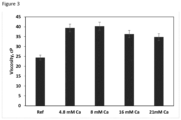
- Viscosities of beverages with addition of 150, 250, 500 and 650 g of calcium lactate pentahydrate are shown in Figure 3 . Viscosity of the all above beverages were significantly higher than that of the reference prepared without addition of calcium lactate pentahydrate.
- Viscosities of beverages with 150 and 250 g of calcium lactate pentahydrate are statistically the same, while increasing concentration of calcium lactate pentahydrate in the beverages decreased their viscosity. Addition of calcium lactate pentahydrate at 650 g and above creates physical instability.
- the RTD beverage with controlled protein aggregation was prepared as in Example 2, but without addition of high acyl gellan gum.
- the RTD beverage with controlled protein aggregation was prepared as in Example 2, but with addition of 20 g of high acyl gellan gum and without guar gum.
- the RTD beverage with controlled protein aggregation was prepared as in Example 2, with 25 g of high acyl gellan gum and without guar gum.
- RTD beverage Beverage physico-chemical properties were evaluated and sensory characteristics were judged by trained sensory panelists. It was found that the RTD beverage showed significantly improved texture/mouthfeel having normalized sensory texture attribute of 0.7. The invention beverage also had homogeneous visual appearance.
- the RTD beverage with controlled protein aggregation was prepared as in Example 2, with 30 g of high acyl gellan gum and without guar gum.
- RTD beverage Beverage physico-chemical properties were evaluated and sensory characteristics were judged by trained sensory panelists. It was found that the RTD beverage showed significantly improved texture/mouthfeel having normalized sensory texture attribute of 1.4. The invention beverage also had homogeneous visual appearance.
- the RTD beverage with controlled protein aggregation was prepared as in Example 2, with 33 g of high acyl gellan gum and without guar gum.
- RTD beverage Beverage physico-chemical properties were evaluated and sensory characteristics were judged by trained sensory panelists. It was found that the RTD beverage showed significantly improved texture/mouthfeel having normalized sensory texture attribute of 1.6. The invention beverage also had homogeneous visual appearance.
- the RTD beverage with controlled protein aggregation was prepared as in Example 10, with 50 g of calcium lactate pentahydrate.
- the RTD beverage with controlled protein aggregation was prepared as in Example 10, with 100 g of calcium lactate pentahydrate.
- the RTD beverage with controlled protein aggregation was prepared as in Example 11, with 100 g of calcium lactate pentahydrate.
- the invention relates to a method of producing a shelf stable ready-to-drink beverage product, comprising the steps of: providing an ingredient composition comprising micellar caseins and whey protein, having a total protein concentration of 1.5 - 8 wt. %, and wherein the composition has a casein to whey protein ratio of 90/10 - 60/40, adding divalent cations to provide a concentration of 3 - 20 mM free divalent cations in the ingredient composition, and 0.025 - 0.3 wt % of high acyl gellan gum with a level of acylation of 50 - 99 %, and subsequently heat treating the ingredient composition at ultra high temperature (UHT) at 135 -150°C for 3 - 30 s to form agglomerated proteins comprising casein and beta-lactoglobulin from the whey protein, the agglomerates having a size of 5 - 30 microns mean diameter D(4,3) as measured by laser diffraction; wherein the divalent
Landscapes
- Chemical & Material Sciences (AREA)
- Life Sciences & Earth Sciences (AREA)
- Engineering & Computer Science (AREA)
- Food Science & Technology (AREA)
- Polymers & Plastics (AREA)
- Nutrition Science (AREA)
- Health & Medical Sciences (AREA)
- Dispersion Chemistry (AREA)
- Inorganic Chemistry (AREA)
- Zoology (AREA)
- Wood Science & Technology (AREA)
- Proteomics, Peptides & Aminoacids (AREA)
- Biochemistry (AREA)
- Non-Alcoholic Beverages (AREA)
- Dairy Products (AREA)
- Confectionery (AREA)
Description
- The invention relates to a method of producing shelf stable ready-to-drink (RTD) beverage product comprising aggregated proteins comprising micellar casein and whey protein aggregates. The present invention also relates to a method for forming agglomerated proteins in a beverage.
- It is known to provide texture and mouthfeel to food and beverage product by protein aggregation. There continues to be a need for food and beverages products exhibiting nutritional balance of macronutrients while delivering great taste and texture.
-
CN104489097A describes a process to obtain a heat convection drying protectant preparations for lactic bacteria or probiotics consisting in heat treating at 60°C a milk preparation enriched with calcium in order to induce protein aggregation and subsequently submitting the preparation to a mechanical homogenization treatment. This patent application does not relates to beverage preparation. -
WO 06065135 A2 WO 06065135 A2 -
US20130011515 A1 is describing a process for the production of a milk protein concentrate which is enriched with whey proteins. Skimmed milk is heated in the pH range 6.5-7.0 in order to promote aggregation of whey proteins together with caseins. The heated product is subsequently submitted to filtration in order to concentrate protein aggregates and to remove lactose.US20130011515 A1 is not concerned with the preparation of shelf stable beverages. - D. L. Van Hekken et al. [Rheology and Microstructure of Chemically Superphosphorylated Whole Casein, 1997, J. Dairy Sci. 80 2740-2750.] described the effect of addition of free calcium on the viscosity of superphosphorylated caseins. It was shown that the viscosity of a 4 wt.% superphosporylated caseins (190% phosphorylation) increased by addition of 30 mM calcium at pH 8.4. This study does not cover beverage products. Further, for beverage products the superphosporylated caseins are not desirable relevant as chemically modified and expensive ingredient.
- C. Holt described in his paper [An equilibrium thermodynamic model of the sequestration of calcium phosphate by casein micelles and its application to the calculation of the partition of salts in milk, 2004, Eur. J. Phys., 33, 421-434] reported that the amount of free calcium ions in bovine milk at pH 6.70 was 10.2 mM and that this value decreased to 8 mM when milk pH decreased to 6.0. This study does not describe protein aggregation resulting from interaction with free calcium ions.
- I.R. McKinnon et al. [Diffusing-wave spectroscopy investigation of heated reconstituted skim milks containing calcium chloride, 2009, Food Hydrocolloids, 1127-1133] investigated the effect of calcium chloride addition to skimmed milk reconstituted at 10 wt.% in the pH range 6.0 - 7.2 and the subsequent effect on viscosity when the milks were heated for 10 minutes at 60, 75 and 90°C. They reported a critical instability pH of 5.9 for the milks upon heating at 90°C for calcium chloride content up to 10 mM. The article by I.R. McKinnon is silent about how to make beverage products with a good shelf-life stability.
- L. Ramasubramanian et al. [The rheological properties of calcium-induced milk gels, 2014, J. Food Engineering, 45-51] determined the impact of calcium chloride addition into full fat milk (3.5% fat) upon heating at 70°C. It was reported that calcium chloride addition below 12.5 mM was leading to viscous dispersions while higher calcium chloride concentrations induced formation of stronger gels. Interestingly, pre-treatment of the milk at 90°C for 10 minutes before calcium chloride addition and subsequent heating at 70°C was leading to the strongest gels. Gel formation is not desirable in shelf stable beverages.
- T. Phan-Xuan et al. [Tuning the structure of protein particles and gels with calcium or sodium ions. 2013, Biomacromolecules, 14, 6, 1980-1989.] reported that addition of calcium chloride to β-lactoglobulin at pH 7.0 was leading to microgels or gel formation upon heating at 68 or 85°C when calcium content was 5-6 mM for a protein concentration of 4 wt.%. Gel formation is not desirable in shelf stable beverages.
-
WO 2016/142278 discloses shelf stable ready to drink beverages comprising hydrolysed whole grain and a stabilizing system comprising high acyl gellan gum. -
WO 2016/102503 discloses beverage products with a protein system induced by controlled aggregation of milk proteins which imparts outstanding sensory attributes. -
WO 2015/177145 discloses ready to drink low sugar flavored dairy beverages comprising a first stabilizing component and a second stabilizing component. The first stabilizing component is microcrystalline cellulose, carboxymethyl cellulose and further comprising carrageenans, and the second stabilizing component is at least one of gellan or a modified starch. -
EP 0235971 A2 discloses calcium-enriched and phosphorus-enriched fortified milk with minimal settling of the calcium source, acceptable flavor, and acceptable viscosity and mouthfeel. It is made by the additon of tri basic calcium phosphate, carrageenan and guar gum to fresh milk. - The prior art teaching shows that although viscosity may be obtained with calcium addition and gelling is a well know effect but this is undesirable in beverage production. Furthermore, the pH of the product is close to neutral and influence of divalent ions and heat treatment process may lead to instability of the RTD beverage product during shelf life. The prior art does not show how to provide RTD beverage products delivering desirable taste and texture while maintaining good physical stability during product shelf-life.
- For RTD products stability is critical during shelf life especially for storage at ambient temperatures. For example it is important to avoid serum, marbling, sedimentation or gelation.
- Thus, there is a need for beverage products which are low in fat while having same or improved mouthfeel and texture while delivering good physico-chemical stability during product shelf-life.
- It is thus the object of present invention to provide a method for producing a shelf-stable ready-to-drink beverage with improved texture and mouthfeel.
- The present invention provides the improvement by the use of milk protein-based aggregates by specific heat treatment in the presence of a specific concentration of added divalent cations.
- In a first aspect, the invention relates to a method of producing a shelf stable ready-to-drink beverage product, comprising the steps of:
- providing an ingredient composition comprising micellar caseins and whey protein, having a total protein concentration of 1.5 - 8 wt. %, and wherein the composition has a casein to whey protein ratio of 90/10 - 60/40,
- adding divalent cations to provide a concentration of 3 - 20 mM free divalent cations in the ingredient composition, and 0.025 - 0.3 wt % of high acyl gellan gum with a level of acylation of 50 - 99 %, and subsequently
- heat treating the ingredient composition at ultra high temperature (UHT) at 135 - 150°C for 3 - 30 s to form agglomerated proteins comprising casein and beta-lactoglobulin from the whey protein, the agglomerates having a size of 5 - 30 microns mean diameter D(4,3) as measured by laser diffraction; wherein the divalent cation is calcium from a source selected from the group consisting of calcium chloride, calcium lactate, calcium gluconate, calcium acetate, calcium fumarate, calcium malate, calcium phosphate, fractionated calcium from milk source, or a combination thereof.
- The present invention uses milk protein-based aggregates that are generated upon heat treatment in presence of added-free divalent cations in combination of hydrocolloids to deliver optimum sensorial properties while allowing a reduction of the total fat and/or sugar content in the product, as well as good physical chemical stability during product shelf-life. In addition, the described invention enables formulation of dairy-based texturized products which are shelf stable with stabilizing system comprising specific range of hydrocolloids. Content of hydrocolloids below this range may lead to sedimentation and/or serum separation. Addition of hydrocolloids above this range might result in gelation.
-
-
Figure 1 shows particle size distribution of milk without added calcium and RTD beverage according to the invention with added calcium. -
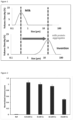
Figure 2 shows the effect of added calcium on sensory texture attribute (thickness) of RTD beverages. -
Figure 3 shows the effect of added calcium on viscosity of RTD beverages. - When carrying out experiments on the effect of divalent cations addition, in particular calcium, to milk on protein aggregation and viscosity built up, it was surprisingly found that there is a critical range of divalent cations addition leading to optimum protein aggregation without precipitation or gelation of the formed aggregates upon heating. When this optimum concentration of calcium is passed, the system either exhibited over-aggregation with precipitation or a decrease of aggregate size.
- Without being bound to theory, it is likely that calcium chloride addition to proteins is leading to an exchange between the protons adsorbed at the surface of the proteins and the calcium ions which have a higher affinity. This phenomenon resulted in a decrease of electrostatic repulsions between proteins as well as possible crosslinking of proteins by calcium cations. In these conditions, subsequent heat treatment of milk or milk based dispersions and emulsions is leading to a controlled aggregation of the proteins which was shown to affect positively the textural and sensorial properties of the finished products.
- A major advantage of this invention is that it allows to texturize reduced fat milk-protein based systems, as well as good physical chemical stability during entire product shelf-life.
- In the present context the agglomerates created with the method according to the invention and present in the product of the invention have a size of 5 - 30 microns as measured by D(4,3) mean diameter. The agglomerate particle size distribution (PSD) is measured using a laser particle size analyser such as a Mastersizer 3000 (Malvern Instruments, UK). For the measurements a sample may e.g. be dispersed in the Hydro SM measuring cell until an obscuration rate of 9-10% is obtained and then analysed in the Mastersizer.
- Further in the present context the free divalent cations may be measured by means of a selective electrode. For example, free (ionic) calcium concentration is determined by a Thermo Scientific 9720 BNWP Ionplus® Sure-Flow® calcium ion selective electrode (ISE) (Thermo Scientific,Chelmsford, MA, USA). The electrode connected to a Thermo Scientific Orion Star A214 pH/ISE meter (Thermo Scientific, Chelmsford, MA, USA) with a waterproof BNC connector. Optimum Results™ A filling solution (Thermo Scientific, Cat. No. 900061) is used to fill the electrode.
- Further in the present context unless otherwise indicated % of a component means the % of weight based on the weight of the composition, i.e. weight/weight %.
- In accordance with the invention the divalent cation is Ca. This divalent cation is food grade and do not provide for easy oxidation.
- Advantageously, the divalent cations are added to until the free divalent cations concentration is 3 - 20 mM and most preferred 4 - 8 mM divalent cations.
- Furthermore, the divalent calcium is from a source selected from the group consisting of calcium chloride, calcium lactate, calcium gluconate, calcium acetate, calcium fumarate, calcium malate, calcium phosphate, fractionated calcium from milk source, or a combination thereof. In a particular preferred embodiment of the invention the calcium salt is calcium lactate.
- In an all-natural embodiment of the invention the calcium is obtained from concentrated minerals from milk after separation of the protein, fat and lactose by e.g. membrane fractionation.
- According to the invention the method comprises a stabilizing system consisting of gellan gum. Furthermore, stabilizing system may further comprises 0.05 - 0.1 wt.% guar gum. It has been found that the specific range of gellan and guar gums in combination with specific range of calcium provide stability of the product at 4°C, 20°C and 30°C during a 9 month of storage. The gellan gum is high acyl with a level of acylation of 50 - 99 %.
- The aggregates have a particle size of 5 - 30 microns, preferably 6 - 15 microns as D(4,3) mean diameter as measured by laser diffraction. This give a desirable mouth feel to the product without the aggregates providing grittiness.
- The ingredient composition for the method according to the invention may comprises from 0 - 4 wt.% milk fat, preferably 0 - 3.5 wt. %, more preferably 0 - 2 wt.%, most preferably 0 - 1 wt. % of milk fat.
- The milk proteins in the ingredient composition are selected from raw milk, pasteurized milk, low and medium heat concentrated milk, low and medium heat milk powder, micellar casein, low and medium heat milk protein concentrate, buttermilk, low and medium heat milk protein isolate or milk powder, whey protein concentrate, whey protein isolate, sweet whey, acid whey, demineralized whey, beta-lactoglobulin or a combination of thereof.
- The protein source of the composition may also be obtained from the corresponding raw materials by processing and extraction techniques familiar to a person skilled in the art.
- According to the invention a no or low fat product may be obtained with a good mouthfeel and texture and physical chemical stability during product shelf-life. The product may comprises from 0 - 4 wt.% milk fat, preferably 0 - 3.5 wt. %, more preferably 0 - 2 wt.%, most preferably 0 - 1 wt. % of milk fat.
- According to the invention, the product may comprises sucrose, preferably 0 - 4.5, more preferably 0.5 - 4.5 wt % sucrose.
- The present invention is illustrated further herein by the following non-limiting examples.
- In this and in the all other examples of the invention, concentrations of ingredients are given as wt/wt.% based on the whole product formulation.
- Fluid milk containing 1% milkfat was used in preparation of all samples described in the examples below.
- The RTD beverages are made by the following process:
- Hydration (e.g., wetting) of cocoa powder in water for 45 minutes at 90°C to form the cocoa slurry.
- High acyl gellan gum and/or guar gum was dry blended with sucrose and then were added under high agitation to a separate tank containing fluid milk.
- Addition under agitation of the cocoa slurry to the fluid milk tank containing hydrocolloids
- Addition under agitation of the rest of ingredients such as sweetener, other flavors, and source of divalent cations
- Homogenization at 135/35 bars at 70°C.
- Subjection of the beverage to ultra-high temperature (UHT) heat treatment at about 142°C for about 11 seconds
- Cooling below 25°C under aseptic conditions
- Aseptic filling of the RTD beverage into a suitable aseptic container, e.g. PET bottles, Tetra Pak®, jars, jugs or pouches.
- The RTD beverage was prepared as in Example 1 process, using 44 kg of skim milk, 3.5 kg of milk cream, 2.5 kg of whey milk powders, 30 g of high acyl gellan gum, 90 g of guar gum, 5 kg sugar, 1 kg of cocoa, 150 g of calcium lactate pentahydrate and water necessary to reach 100 kg of the final beverage.
- Particle size distribution determined by using a laser light scattering Mastersizer 3000 MA(Malvern Instrument) equipped with Hydro 2000G dispersion unit is shown in
Figure 1 in comparison between milk produced without added calcium source and invention produced with calcium. TheFigure 1 shows protein aggregation in the invention produced with calcium. - Beverage physico-chemical properties were evaluated and sensory characteristics were judged by trained sensory panelists. It was found that the RTD beverage significantly improved texture/mouthfeel (improvement is significant if normalized sensory score is equal or above 0.5) having normalized sensory texture attribute ~ of 1.1 (
Figure 2 ). The invention beverage also had homogeneous visual appearance. - The RTD beverage with controlled protein aggregation was prepared as in Example 2, but using 250 g of calcium lactate pentahydrate.
- Beverage physico-chemical properties were evaluated and sensory characteristics were judged by trained sensory panelists. It was found that the RTD beverage significantly improved texture/mouthfeel having normalized sensory texture attribute of 1 (
Figure 2 ). The invention beverage also had homogeneous visual appearance. - The RTD beverage with controlled protein aggregation was prepared as in Example 2, but using 500 g of calcium lactate pentahydrate.
- Beverage physico-chemical properties were evaluated and sensory characteristics were judged by trained sensory panelists. It was found that the RTD beverage significantly improved texture/mouthfeel having normalized sensory texture attribute of 0.9 (
Figure 2 ). The invention beverage also had homogeneous visual appearance. - The RTD beverage with controlled protein aggregation was prepared as in Example 2, but using 650 g of calcium lactate pentahydrate.
- Beverage physico-chemical properties were evaluated and sensory characteristics were judged by trained sensory panelists. It was found that the RTD beverage significantly improved texture/mouthfeel having normalized sensory texture attribute of 0.5 (
Figure 2 ). However, phase separation and gelation was found during the storage. - Viscosities of beverages with addition of 150, 250, 500 and 650 g of calcium lactate pentahydrate are shown in
Figure 3 . Viscosity of the all above beverages were significantly higher than that of the reference prepared without addition of calcium lactate pentahydrate. - Viscosities of beverages with 150 and 250 g of calcium lactate pentahydrate are statistically the same, while increasing concentration of calcium lactate pentahydrate in the beverages decreased their viscosity. Addition of calcium lactate pentahydrate at 650 g and above creates physical instability.
- The RTD beverage with controlled protein aggregation was prepared as in Example 2, but without addition of high acyl gellan gum.
- Beverage physico-chemical properties were evaluated and sensory characteristics were judged by trained sensory panelists. The beverage physical instability issues (i.e. phase separation such as sedimentation, marbling) were found.
- The RTD beverage with controlled protein aggregation was prepared as in Example 2, but with addition of 20 g of high acyl gellan gum and without guar gum.
- Beverage physico-chemical properties were evaluated and sensory characteristics were judged by trained sensory panelists. The beverage showed no increase in viscosity and instability issues (i.e. phase separation such as serum, sedimentation, and marbling) were found.
- The RTD beverage with controlled protein aggregation was prepared as in Example 2, with 25 g of high acyl gellan gum and without guar gum.
- Beverage physico-chemical properties were evaluated and sensory characteristics were judged by trained sensory panelists. It was found that the RTD beverage showed significantly improved texture/mouthfeel having normalized sensory texture attribute of 0.7. The invention beverage also had homogeneous visual appearance.
- The RTD beverage with controlled protein aggregation was prepared as in Example 2, with 30 g of high acyl gellan gum and without guar gum.
- Beverage physico-chemical properties were evaluated and sensory characteristics were judged by trained sensory panelists. It was found that the RTD beverage showed significantly improved texture/mouthfeel having normalized sensory texture attribute of 1.4. The invention beverage also had homogeneous visual appearance.
- The RTD beverage with controlled protein aggregation was prepared as in Example 2, with 33 g of high acyl gellan gum and without guar gum.
- Beverage physico-chemical properties were evaluated and sensory characteristics were judged by trained sensory panelists. It was found that the RTD beverage showed significantly improved texture/mouthfeel having normalized sensory texture attribute of 1.6. The invention beverage also had homogeneous visual appearance.
- The RTD beverage with controlled protein aggregation was prepared as in Example 10, with 50 g of calcium lactate pentahydrate.
- Beverage physico-chemical properties were evaluated and sensory characteristics were judged by trained sensory panelists. It was found that the RTD beverage had no change in viscosity and sensory texture attribute. However, the invention beverage had homogeneous visual appearance.
- The RTD beverage with controlled protein aggregation was prepared as in Example 10, with 100 g of calcium lactate pentahydrate.
- Beverage physico-chemical properties were evaluated and sensory characteristics were judged by trained sensory panelists. It was found that the RTD beverage significantly improved texture/mouthfeel having normalized sensory texture attribute of 1.1. The invention beverage also had homogeneous visual appearance.
- The RTD beverage with controlled protein aggregation was prepared as in Example 11, with 100 g of calcium lactate pentahydrate.
- Beverage physico-chemical properties were evaluated and sensory characteristics were judged by trained sensory panelists. It was found that the RTD beverage significantly improved texture/mouthfeel having normalized sensory texture attribute of 1.4. The invention beverage also had homogeneous visual appearance.
- It should be understood that various changes and modifications to the presently preferred embodiments described herein will be apparent to those skilled in the art. Such changes and modifications can be made without departing from the spirit and scope of the present subject matter and without diminishing its intended advantages. It is therefore intended that such changes and modifications be covered by the appended claims.
- The invention relates to a method of producing a shelf stable ready-to-drink beverage product, comprising the steps of: providing an ingredient composition comprising micellar caseins and whey protein, having a total protein concentration of 1.5 - 8 wt. %, and wherein the composition has a casein to whey protein ratio of 90/10 - 60/40, adding divalent cations to provide a concentration of 3 - 20 mM free divalent cations in the ingredient composition, and 0.025 - 0.3 wt % of high acyl gellan gum with a level of acylation of 50 - 99 %, and subsequently heat treating the ingredient composition at ultra high temperature (UHT) at 135 -150°C for 3 - 30 s to form agglomerated proteins comprising casein and beta-lactoglobulin from the whey protein, the agglomerates having a size of 5 - 30 microns mean diameter D(4,3) as measured by laser diffraction; wherein the divalent cation is calcium from a source selected from the group consisting of calcium chloride, calcium lactate, calcium gluconate, calcium acetate, calcium fumarate, calcium malate, calcium phosphate, fractionated calcium from milk source, or a combination thereof.
Claims (7)
- A method of producing a shelf stable ready-to-drink beverage product, comprising the steps of:providing an ingredient composition comprising micellar caseins and whey protein, having a total protein concentration of 1.5 - 8 wt. %, and wherein the composition has a casein to whey protein ratio of 90/10 - 60/40,adding divalent cations to provide a concentration of 3 - 20 mM free divalent cations in the ingredient composition, and 0.025 - 0.3 wt % of high acyl gellan gum with a level of acylation of 50 - 99 %, and subsequentlyheat treating the ingredient composition at ultra high temperature (UHT) at 135 -150°C for 3 - 30 s to form agglomerated proteins comprising casein and beta-lactoglobulin from the whey protein, the agglomerates having a size of 5 - 30 microns mean diameter D(4,3) as measured by laser diffraction;wherein the divalent cation is calcium from a source selected from the group consisting of calcium chloride, calcium lactate, calcium gluconate, calcium acetate, calcium fumarate, calcium malate, calcium phosphate, fractionated calcium from milk source, or a combination thereof.
- A method according to claim 1, wherein the ingredient composition is subjected to a homogenization, and wherein the homogenisation is before the UHT heat treatment of the composition.
- A method according to any of the preceding claims, wherein the free divalent mineral cations concentration is 4 - 8 mM divalent cations.
- A method according to any of the preceding claims, wherein the ingredient composition comprises sucrose, preferably 0 - 4.5 wt % sucrose.
- A method according to any of the preceding claims, wherein the aggregates has a particle size of 5 - 30 microns, preferably 6 - 15 microns as D(4,3) mean diameter as measured by laser diffraction.
- A method according to any of the preceding claims, wherein the ingredient composition comprises from 0 - 4 wt.% milk fat, preferably 0 - 3.5 wt. %, more preferably 0 - 2 wt.%, most preferably 0 - 1 wt. % of milk fat.
- A method according to any of the preceding claims, wherein the milk proteins in the ingredient composition are selected from raw milk, pasteurized milk, low and medium heat concentrated milk, low and medium heat milk powder, micellar casein, low and medium heat milk protein concentrate, buttermilk, low and medium heat milk protein isolate or milk powder, whey protein concentrate, whey protein isolate, sweet whey, acid whey, demineralized whey, beta-lactoglobulin or a combination of thereof.
Applications Claiming Priority (2)
| Application Number | Priority Date | Filing Date | Title |
|---|---|---|---|
| US201662436119P | 2016-12-19 | 2016-12-19 | |
| PCT/EP2017/083365 WO2018114834A1 (en) | 2016-12-19 | 2017-12-18 | A beverage product with free divalent cations protein aggregation and a method producing thereof |
Publications (2)
| Publication Number | Publication Date |
|---|---|
| EP3554248A1 EP3554248A1 (en) | 2019-10-23 |
| EP3554248B1 true EP3554248B1 (en) | 2024-11-06 |
Family
ID=60915500
Family Applications (1)
| Application Number | Title | Priority Date | Filing Date |
|---|---|---|---|
| EP17823091.8A Revoked EP3554248B1 (en) | 2016-12-19 | 2017-12-18 | A beverage product with free divalent cations protein aggregation and a method producing thereof |
Country Status (11)
| Country | Link |
|---|---|
| US (1) | US11259537B2 (en) |
| EP (1) | EP3554248B1 (en) |
| JP (1) | JP2020503849A (en) |
| KR (1) | KR20190100912A (en) |
| CN (1) | CN109963470A (en) |
| AU (1) | AU2017384159B2 (en) |
| BR (1) | BR112019010239B1 (en) |
| CL (1) | CL2019001398A1 (en) |
| MX (1) | MX2019005843A (en) |
| PH (1) | PH12019550080A1 (en) |
| WO (1) | WO2018114834A1 (en) |
Families Citing this family (9)
| Publication number | Priority date | Publication date | Assignee | Title |
|---|---|---|---|---|
| CA3065427A1 (en) * | 2017-06-01 | 2018-12-06 | Societe Des Produits Nestle S.A. | A method of producing a food or beverage product with free divalent cations dairy and plant protein aggregation |
| US20210267238A1 (en) | 2018-06-27 | 2021-09-02 | Arla Foods Amba | Instant beverage powder based on blg |
| EP4696147A3 (en) * | 2018-11-20 | 2026-04-22 | Fonterra Co-Operative Group Ltd | Dairy product and process |
| US20220053793A1 (en) * | 2018-12-03 | 2022-02-24 | Societe Des Produits Nestle S.A. | Food or beverage product with agglomerated pea protein |
| CN113061175B (en) * | 2020-12-17 | 2023-04-21 | 西北民族大学 | Calcium coprecipitation protein prepared from qula as raw material and preparation method thereof |
| WO2023006950A1 (en) * | 2021-07-29 | 2023-02-02 | Societe Des Produits Nestle S.A. | Compositions and methods using in-situ complexation of an exogenous mineral with milk casein in liquid form |
| US12349701B2 (en) | 2023-01-13 | 2025-07-08 | Leprino Foods Company | Denatured milk proteins, methods of making, and protein fortified foods |
| CN117907169A (en) * | 2023-11-15 | 2024-04-19 | 内蒙古蒙牛乳业(集团)股份有限公司 | Application of volume weighted average diameter in evaluating granular feel of post-heat treatment yoghurt |
| WO2026041511A1 (en) * | 2024-08-23 | 2026-02-26 | Société des Produits Nestlé S.A. | Iron-fortified dairy food or beverage product |
Citations (6)
| Publication number | Priority date | Publication date | Assignee | Title |
|---|---|---|---|---|
| US5855936A (en) | 1997-03-21 | 1999-01-05 | Nestec S.A. | Food fortification |
| US5928691A (en) | 1997-05-01 | 1999-07-27 | Nestec S.A. | Calcium complex and a process of making a food fortified with calcium |
| US20050266138A1 (en) | 2004-05-26 | 2005-12-01 | Yuan C R | Calcium stable high acyl gellan gum for enhanced colloidal stability in beverages |
| WO2016102503A1 (en) | 2014-12-22 | 2016-06-30 | Nestec S.A. | Ready-to-drink milk beverages with improved texture/mouthfeel by controlled protein aggregation, and method of making thereof |
| WO2016142278A1 (en) | 2015-03-06 | 2016-09-15 | Nestec S.A. | Shelf-stable ready to drink beverages containing hydrolyzed whole grain and a stabilizing system |
| EP3554250B1 (en) | 2016-12-19 | 2024-10-30 | Société des Produits Nestlé S.A. | A method of producing a dairy concentrate with free divalent cations protein aggregation |
Family Cites Families (10)
| Publication number | Priority date | Publication date | Assignee | Title |
|---|---|---|---|---|
| US4701329A (en) | 1986-02-10 | 1987-10-20 | Borden, Inc. | Calcium-fortified milk |
| WO2006065135A2 (en) | 2004-12-15 | 2006-06-22 | Csm Nederland B.V. | Modified proteins with altered aggregation properties |
| MX365883B (en) * | 2009-02-13 | 2019-06-10 | Soc Des Produits Nestle S A Star | Frozen aerated products. |
| WO2011049991A2 (en) | 2009-10-19 | 2011-04-28 | Cytosport, Inc. | Milk protein concentrates |
| WO2011076572A1 (en) | 2009-12-21 | 2011-06-30 | Nestec S.A. | Ready to drink beverages |
| WO2015177145A1 (en) * | 2014-05-22 | 2015-11-26 | Nestec S.A. | Low-sugar dairy beverages |
| FR3026918B1 (en) | 2014-10-13 | 2018-02-23 | Even Sante Industrie | PROCESS FOR OBTAINING CHILD-FREE MILK READY FOR USE AND LONG CONSERVATION |
| CN104489097B (en) | 2014-11-25 | 2018-01-23 | 南通东概念新材料有限公司 | Biodiasmin or the heat of probiotics and convective drying protective agent and preparation method thereof |
| WO2016102500A1 (en) | 2014-12-22 | 2016-06-30 | Nestec S.A. | Milk concentrates with improved mouth feel |
| WO2017021428A1 (en) * | 2015-08-06 | 2017-02-09 | Nestec S.A. | Ready-to-drink beverages with improved texture by controlled protein aggregation |
-
2017
- 2017-12-18 JP JP2019527151A patent/JP2020503849A/en active Pending
- 2017-12-18 CN CN201780071376.3A patent/CN109963470A/en active Pending
- 2017-12-18 EP EP17823091.8A patent/EP3554248B1/en not_active Revoked
- 2017-12-18 US US16/462,747 patent/US11259537B2/en not_active Expired - Fee Related
- 2017-12-18 KR KR1020197014461A patent/KR20190100912A/en not_active Withdrawn
- 2017-12-18 MX MX2019005843A patent/MX2019005843A/en unknown
- 2017-12-18 BR BR112019010239-6A patent/BR112019010239B1/en not_active IP Right Cessation
- 2017-12-18 WO PCT/EP2017/083365 patent/WO2018114834A1/en not_active Ceased
- 2017-12-18 AU AU2017384159A patent/AU2017384159B2/en active Active
-
2019
- 2019-05-03 PH PH12019550080A patent/PH12019550080A1/en unknown
- 2019-05-23 CL CL2019001398A patent/CL2019001398A1/en unknown
Patent Citations (6)
| Publication number | Priority date | Publication date | Assignee | Title |
|---|---|---|---|---|
| US5855936A (en) | 1997-03-21 | 1999-01-05 | Nestec S.A. | Food fortification |
| US5928691A (en) | 1997-05-01 | 1999-07-27 | Nestec S.A. | Calcium complex and a process of making a food fortified with calcium |
| US20050266138A1 (en) | 2004-05-26 | 2005-12-01 | Yuan C R | Calcium stable high acyl gellan gum for enhanced colloidal stability in beverages |
| WO2016102503A1 (en) | 2014-12-22 | 2016-06-30 | Nestec S.A. | Ready-to-drink milk beverages with improved texture/mouthfeel by controlled protein aggregation, and method of making thereof |
| WO2016142278A1 (en) | 2015-03-06 | 2016-09-15 | Nestec S.A. | Shelf-stable ready to drink beverages containing hydrolyzed whole grain and a stabilizing system |
| EP3554250B1 (en) | 2016-12-19 | 2024-10-30 | Société des Produits Nestlé S.A. | A method of producing a dairy concentrate with free divalent cations protein aggregation |
Non-Patent Citations (14)
| Title |
|---|
| "Cellulose and Cellulose Derivatives in the Food Industry: Fundamentals and Applications", 1 January 2015, WILEY , ISBN: 978-3-527-33758-3, article TANJA WÜSTENBERG: "Chapter 1: General Overview of Food Hydrocolloids", pages: 1 - 68, XP055607555, DOI: 10.1002/9783527682935.ch01 |
| "Dairy Processing and Quality Assurance", 21 December 2015, WILEY, ISBN: 978-1-118-81027-9, article KAILASAPATHY KASIPATHY: "Chemical Composition, Physical, and Functional Properties of Milk and Milk Ingredients", pages: 77 - 105, XP093238746, DOI: 10.1002/9781118810279.ch04 |
| "Nonfat Dry Milk Ingredients", DAIRY MANAGEMENT INC., 1 January 2005 (2005-01-01), pages 1 - 2, XP055181305, Retrieved from the Internet <URL:http://www.thinkusadairy.org/assets/Documents/Customer Site/C3-Using Dairy/C3.7-Resources and Insights/03-Application and Technical Materials/NDM_Spec.pdf> [retrieved on 20150407] |
| ALICIA NOELLE JONES: "Density of milk", THE PHYSICS FACTBOOK, 1 January 2002 (2002-01-01), pages 1 - 2, XP055548854, Retrieved from the Internet <URL:https://hypertextbook.com/facts/2002/AliciaNoelleJones.shtml> [retrieved on 20190129] |
| ANONYMOUS: "© Malvern Panalytical 2017 Mastersizer 3000 Customer Training Course", 1 January 2017 (2017-01-01), pages 1 - 60, XP093015960, Retrieved from the Internet <URL:https://www.anamet.cz/wp-content/uploads/2022/02/a_ms3000_training_1.pdf> [retrieved on 20230120] |
| ANONYMOUS: "Definitions - IDFA", DEFINITIONS - IDFA, IDFA - INTERNATIONAL DAIRY FOODS ASSOCIATION, 12 August 2025 (2025-08-12), pages 1 - 4, XP093304398, Retrieved from the Internet <URL:https://www.idfa.org/definition> |
| ANONYMOUS: "Lait UHT", WIKIPÉDIA, 31 October 2024 (2024-10-31), pages 1 - 4, XP093304401, Retrieved from the Internet <URL:https://fr.wikipedia.org/w/index.php?title=Lait_UHT&oldid=219897808> |
| GAUCHERON F: "The minerals of milk.", REPRODUCTION, NUTRITION, DEVELOPMENT, vol. 45, no. 4, 1 July 2005 (2005-07-01), FR , pages 473 - 483, XP002411682, ISSN: 0926-5287, DOI: 10.1051/rnd:2005030 |
| LAKSHMI RAMASUBRAMANIAN, BRUCE R. D’ARCY, HILTON C. DEETH, H. EUSTINA OH: "The rheological properties of calcium-induced milk gels", JOURNAL OF FOOD ENGINEERING, ELSEVIER, AMSTERDAM, NL, vol. 130, 2 February 2014 (2014-02-02), AMSTERDAM, NL, pages 45 - 51, XP055395360, ISSN: 0260-8774, DOI: 10.1016/j.jfoodeng.2014.01.020 |
| MARTIN NICOLE: "Pasteurized versus Ultra-Pasteurized Milk -Why Such Long Sell-By Dates?", MILK QUALITY IMPROVEMENT PROGRAM, CORNELL CALS - COLLEGE OF AGRICULTURE AND LIFE SCIENCES, 12 October 2020 (2020-10-12), pages 1 - 2, XP093304405, Retrieved from the Internet <URL:https://cals.cornell.edu/sites/default/files/2023-04/pasteurization-fact-sheet-v1.pdf> |
| MICHAEL J LEWIS: "The measurement and significance of ionic calcium in milk - A review", INTERNATIONAL JOURNAL OF DAIRY TECHNOLOGY, vol. 64, no. 1, 1 February 2011 (2011-02-01), GB , pages 1 - 13, XP055610583, ISSN: 1364-727X, DOI: 10.1111/j.1471-0307.2010.00639.x |
| NGUYEN BACH T., BALAKRISHNAN GIREESHKUMAR, JACQUETTE BORIS, NICOLAI TACO, CHASSENIEUX CHRISTOPHE, SCHMITT CHRISTOPHE, BOVETTO LION: "Inhibition and Promotion of Heat-Induced Gelation of Whey Proteins in the Presence of Calcium by Addition of Sodium Caseinate", BIOMACROMOLECULES, AMERICAN CHEMICAL SOCIETY, US, vol. 17, no. 11, 14 November 2016 (2016-11-14), US , pages 3800 - 3807, XP093303529, ISSN: 1525-7797, DOI: 10.1021/acs.biomac.6b01322 |
| PAGLIARINI ELLA, IAMETTI STEFANIA, PERI CLAUDIO, BONOMI FRANCO: "An Analytical Approach to the Evaluation of Heat Damage In Commercial Milks", JOURNAL OF DAIRY SCIENCE, ELSEVIER, AMSTERDAM, NL, vol. 73, no. 1, 1 January 1990 (1990-01-01), AMSTERDAM, NL, pages 41 - 44, XP009562449, ISSN: 0022-0302, DOI: 10.3168/jds.S0022-0302(90)78643-2 |
| SILANIKOVE NISSIM, SHAPIRO FIRA, SHAMAY AVI: "Use of an ion-selective electrode to determine free Ca ion concentration in the milk of various mammals", JOURNAL OF DAIRY RESEARCH, CAMBRIDGE UNIVERSITY PRESS., CAMBRIDGE, UK, vol. 70, no. 2, 1 May 2003 (2003-05-01), Cambridge, UK, pages 241 - 243, XP009562448, ISSN: 0022-0299, DOI: 10.1017/S0022029903006083 |
Also Published As
| Publication number | Publication date |
|---|---|
| WO2018114834A1 (en) | 2018-06-28 |
| JP2020503849A (en) | 2020-02-06 |
| US20190364917A1 (en) | 2019-12-05 |
| EP3554248A1 (en) | 2019-10-23 |
| KR20190100912A (en) | 2019-08-29 |
| US11259537B2 (en) | 2022-03-01 |
| PH12019550080A1 (en) | 2020-02-10 |
| CL2019001398A1 (en) | 2019-10-11 |
| BR112019010239A2 (en) | 2019-08-20 |
| MX2019005843A (en) | 2019-10-02 |
| CN109963470A (en) | 2019-07-02 |
| AU2017384159B2 (en) | 2022-10-20 |
| BR112019010239B1 (en) | 2023-05-09 |
| AU2017384159A1 (en) | 2019-05-30 |
Similar Documents
| Publication | Publication Date | Title |
|---|---|---|
| US11259537B2 (en) | Beverage product with free divalent cations protein aggregation and a method producing thereof | |
| JP5014137B2 (en) | Nanoparticulate whey protein | |
| CN102469805B (en) | Protein stabilizer systems comprising carrageenan for weakly acidic flavored milk drinks | |
| EP3484304B1 (en) | Method of producing concentrated or dried acid-gellable whey protein aggregates, and related compositions and food products | |
| JP2011500015A (en) | Process for producing acid-stable protein products and products produced thereby | |
| BRPI0904313A2 (en) | method of producing a stable concentrated dairy liquid, and whey and lactose concentrated concentrated dairy liquid | |
| JP7724158B2 (en) | Dairy products and methods | |
| WO2012146777A1 (en) | Creamers and methods of making same | |
| CN109963471B (en) | Method for preparing a dairy concentrate with aggregation of free divalent cationic proteins | |
| KR20180095112A (en) | High solids concentrated dairy liquids | |
| KR20140048294A (en) | Stabilized acidified milk products | |
| JP2003289799A (en) | Weakly acidic milk beverage and method for producing the same | |
| AU2016301887A1 (en) | Fat-free ready-to-drink beverages with improved texture by controlled protein aggregation | |
| JP2017055751A (en) | Production method of weakly acidic gelatinous milk processed product | |
| EP3349590B1 (en) | Stabiliser-free cottage cheese, a thickened dairy liquid suitable for its production, and related methods | |
| AU2024324023B2 (en) | Dairy product and process | |
| JP4795180B2 (en) | Dairy beverage having a new texture and method for producing the same | |
| WO2025159882A1 (en) | High-protein cultured beverage prepared from reduced-mineral casein | |
| US20200178551A1 (en) | Stability and mouthfeel enhancement of fortified, aseptically processed beverages | |
| JP7420538B2 (en) | new yogurt | |
| JP2002262836A (en) | Drink and method for producing the same | |
| JP2017055749A (en) | Production method of weakly acidic gelatinous milk processed product | |
| Sidhu | EFFECT OF MICROFLUIDIZATION ON FUNCTIONALITY OF BUFFALO MILK PROTEIN CONCENTRATE MANUFACTURED FROM BUFFALO MILK | |
| NOVOKSHANOVA et al. | ARTICLE Gelation of nanofiltrated acid whey by κ-carrageenan and xanthan gum | |
| JP2018138038A (en) | Milk component-containing food and beverage |
Legal Events
| Date | Code | Title | Description |
|---|---|---|---|
| STAA | Information on the status of an ep patent application or granted ep patent |
Free format text: STATUS: UNKNOWN |
|
| STAA | Information on the status of an ep patent application or granted ep patent |
Free format text: STATUS: THE INTERNATIONAL PUBLICATION HAS BEEN MADE |
|
| PUAI | Public reference made under article 153(3) epc to a published international application that has entered the european phase |
Free format text: ORIGINAL CODE: 0009012 |
|
| STAA | Information on the status of an ep patent application or granted ep patent |
Free format text: STATUS: REQUEST FOR EXAMINATION WAS MADE |
|
| 17P | Request for examination filed |
Effective date: 20190719 |
|
| AK | Designated contracting states |
Kind code of ref document: A1 Designated state(s): AL AT BE BG CH CY CZ DE DK EE ES FI FR GB GR HR HU IE IS IT LI LT LU LV MC MK MT NL NO PL PT RO RS SE SI SK SM TR |
|
| AX | Request for extension of the european patent |
Extension state: BA ME |
|
| DAV | Request for validation of the european patent (deleted) | ||
| DAX | Request for extension of the european patent (deleted) | ||
| STAA | Information on the status of an ep patent application or granted ep patent |
Free format text: STATUS: EXAMINATION IS IN PROGRESS |
|
| 17Q | First examination report despatched |
Effective date: 20200526 |
|
| P01 | Opt-out of the competence of the unified patent court (upc) registered |
Effective date: 20230527 |
|
| GRAP | Despatch of communication of intention to grant a patent |
Free format text: ORIGINAL CODE: EPIDOSNIGR1 |
|
| STAA | Information on the status of an ep patent application or granted ep patent |
Free format text: STATUS: GRANT OF PATENT IS INTENDED |
|
| INTG | Intention to grant announced |
Effective date: 20240726 |
|
| GRAS | Grant fee paid |
Free format text: ORIGINAL CODE: EPIDOSNIGR3 |
|
| GRAA | (expected) grant |
Free format text: ORIGINAL CODE: 0009210 |
|
| STAA | Information on the status of an ep patent application or granted ep patent |
Free format text: STATUS: THE PATENT HAS BEEN GRANTED |
|
| AK | Designated contracting states |
Kind code of ref document: B1 Designated state(s): AL AT BE BG CH CY CZ DE DK EE ES FI FR GB GR HR HU IE IS IT LI LT LU LV MC MK MT NL NO PL PT RO RS SE SI SK SM TR |
|
| REG | Reference to a national code |
Ref country code: GB Ref legal event code: FG4D |
|
| REG | Reference to a national code |
Ref country code: CH Ref legal event code: EP |
|
| REG | Reference to a national code |
Ref country code: DE Ref legal event code: R096 Ref document number: 602017085972 Country of ref document: DE |
|
| REG | Reference to a national code |
Ref country code: DE Ref legal event code: R079 Ref document number: 602017085972 Country of ref document: DE Free format text: PREVIOUS MAIN CLASS: A23C0003020000 Ipc: A23B0011120000 |
|
| REG | Reference to a national code |
Ref country code: IE Ref legal event code: FG4D |
|
| REG | Reference to a national code |
Ref country code: LT Ref legal event code: MG9D |
|
| REG | Reference to a national code |
Ref country code: NL Ref legal event code: MP Effective date: 20241106 |
|
| PG25 | Lapsed in a contracting state [announced via postgrant information from national office to epo] |
Ref country code: IS Free format text: LAPSE BECAUSE OF FAILURE TO SUBMIT A TRANSLATION OF THE DESCRIPTION OR TO PAY THE FEE WITHIN THE PRESCRIBED TIME-LIMIT Effective date: 20250306 Ref country code: PT Free format text: LAPSE BECAUSE OF FAILURE TO SUBMIT A TRANSLATION OF THE DESCRIPTION OR TO PAY THE FEE WITHIN THE PRESCRIBED TIME-LIMIT Effective date: 20250306 Ref country code: HR Free format text: LAPSE BECAUSE OF FAILURE TO SUBMIT A TRANSLATION OF THE DESCRIPTION OR TO PAY THE FEE WITHIN THE PRESCRIBED TIME-LIMIT Effective date: 20241106 |
|
| PG25 | Lapsed in a contracting state [announced via postgrant information from national office to epo] |
Ref country code: FI Free format text: LAPSE BECAUSE OF FAILURE TO SUBMIT A TRANSLATION OF THE DESCRIPTION OR TO PAY THE FEE WITHIN THE PRESCRIBED TIME-LIMIT Effective date: 20241106 Ref country code: NL Free format text: LAPSE BECAUSE OF FAILURE TO SUBMIT A TRANSLATION OF THE DESCRIPTION OR TO PAY THE FEE WITHIN THE PRESCRIBED TIME-LIMIT Effective date: 20241106 |
|
| REG | Reference to a national code |
Ref country code: AT Ref legal event code: MK05 Ref document number: 1738299 Country of ref document: AT Kind code of ref document: T Effective date: 20241106 |
|
| PG25 | Lapsed in a contracting state [announced via postgrant information from national office to epo] |
Ref country code: BG Free format text: LAPSE BECAUSE OF FAILURE TO SUBMIT A TRANSLATION OF THE DESCRIPTION OR TO PAY THE FEE WITHIN THE PRESCRIBED TIME-LIMIT Effective date: 20241106 |
|
| PG25 | Lapsed in a contracting state [announced via postgrant information from national office to epo] |
Ref country code: ES Free format text: LAPSE BECAUSE OF FAILURE TO SUBMIT A TRANSLATION OF THE DESCRIPTION OR TO PAY THE FEE WITHIN THE PRESCRIBED TIME-LIMIT Effective date: 20241106 |
|
| PG25 | Lapsed in a contracting state [announced via postgrant information from national office to epo] |
Ref country code: NO Free format text: LAPSE BECAUSE OF FAILURE TO SUBMIT A TRANSLATION OF THE DESCRIPTION OR TO PAY THE FEE WITHIN THE PRESCRIBED TIME-LIMIT Effective date: 20250206 |
|
| PG25 | Lapsed in a contracting state [announced via postgrant information from national office to epo] |
Ref country code: GR Free format text: LAPSE BECAUSE OF FAILURE TO SUBMIT A TRANSLATION OF THE DESCRIPTION OR TO PAY THE FEE WITHIN THE PRESCRIBED TIME-LIMIT Effective date: 20250207 Ref country code: AT Free format text: LAPSE BECAUSE OF FAILURE TO SUBMIT A TRANSLATION OF THE DESCRIPTION OR TO PAY THE FEE WITHIN THE PRESCRIBED TIME-LIMIT Effective date: 20241106 Ref country code: LV Free format text: LAPSE BECAUSE OF FAILURE TO SUBMIT A TRANSLATION OF THE DESCRIPTION OR TO PAY THE FEE WITHIN THE PRESCRIBED TIME-LIMIT Effective date: 20241106 |
|
| PG25 | Lapsed in a contracting state [announced via postgrant information from national office to epo] |
Ref country code: PL Free format text: LAPSE BECAUSE OF FAILURE TO SUBMIT A TRANSLATION OF THE DESCRIPTION OR TO PAY THE FEE WITHIN THE PRESCRIBED TIME-LIMIT Effective date: 20241106 |
|
| PG25 | Lapsed in a contracting state [announced via postgrant information from national office to epo] |
Ref country code: RS Free format text: LAPSE BECAUSE OF FAILURE TO SUBMIT A TRANSLATION OF THE DESCRIPTION OR TO PAY THE FEE WITHIN THE PRESCRIBED TIME-LIMIT Effective date: 20250206 |
|
| REG | Reference to a national code |
Ref country code: DE Ref legal event code: R119 Ref document number: 602017085972 Country of ref document: DE |
|
| PG25 | Lapsed in a contracting state [announced via postgrant information from national office to epo] |
Ref country code: SM Free format text: LAPSE BECAUSE OF FAILURE TO SUBMIT A TRANSLATION OF THE DESCRIPTION OR TO PAY THE FEE WITHIN THE PRESCRIBED TIME-LIMIT Effective date: 20241106 |
|
| PG25 | Lapsed in a contracting state [announced via postgrant information from national office to epo] |
Ref country code: DK Free format text: LAPSE BECAUSE OF FAILURE TO SUBMIT A TRANSLATION OF THE DESCRIPTION OR TO PAY THE FEE WITHIN THE PRESCRIBED TIME-LIMIT Effective date: 20241106 |
|
| PG25 | Lapsed in a contracting state [announced via postgrant information from national office to epo] |
Ref country code: EE Free format text: LAPSE BECAUSE OF FAILURE TO SUBMIT A TRANSLATION OF THE DESCRIPTION OR TO PAY THE FEE WITHIN THE PRESCRIBED TIME-LIMIT Effective date: 20241106 |
|
| PG25 | Lapsed in a contracting state [announced via postgrant information from national office to epo] |
Ref country code: RO Free format text: LAPSE BECAUSE OF FAILURE TO SUBMIT A TRANSLATION OF THE DESCRIPTION OR TO PAY THE FEE WITHIN THE PRESCRIBED TIME-LIMIT Effective date: 20241106 |
|
| PG25 | Lapsed in a contracting state [announced via postgrant information from national office to epo] |
Ref country code: SK Free format text: LAPSE BECAUSE OF FAILURE TO SUBMIT A TRANSLATION OF THE DESCRIPTION OR TO PAY THE FEE WITHIN THE PRESCRIBED TIME-LIMIT Effective date: 20241106 |
|
| PG25 | Lapsed in a contracting state [announced via postgrant information from national office to epo] |
Ref country code: CZ Free format text: LAPSE BECAUSE OF FAILURE TO SUBMIT A TRANSLATION OF THE DESCRIPTION OR TO PAY THE FEE WITHIN THE PRESCRIBED TIME-LIMIT Effective date: 20241106 |
|
| PG25 | Lapsed in a contracting state [announced via postgrant information from national office to epo] |
Ref country code: IT Free format text: LAPSE BECAUSE OF FAILURE TO SUBMIT A TRANSLATION OF THE DESCRIPTION OR TO PAY THE FEE WITHIN THE PRESCRIBED TIME-LIMIT Effective date: 20241106 |
|
| REG | Reference to a national code |
Ref country code: DE Ref legal event code: R026 Ref document number: 602017085972 Country of ref document: DE |
|
| REG | Reference to a national code |
Ref country code: CH Ref legal event code: PL |
|
| PLBI | Opposition filed |
Free format text: ORIGINAL CODE: 0009260 |
|
| PLAB | Opposition data, opponent's data or that of the opponent's representative modified |
Free format text: ORIGINAL CODE: 0009299OPPO |
|
| PG25 | Lapsed in a contracting state [announced via postgrant information from national office to epo] |
Ref country code: LU Free format text: LAPSE BECAUSE OF NON-PAYMENT OF DUE FEES Effective date: 20241218 |
|
| PLAX | Notice of opposition and request to file observation + time limit sent |
Free format text: ORIGINAL CODE: EPIDOSNOBS2 |
|
| 26 | Opposition filed |
Opponent name: COMPAGNIE GERVAIS DANONE Effective date: 20250730 |
|
| PLBB | Reply of patent proprietor to notice(s) of opposition received |
Free format text: ORIGINAL CODE: EPIDOSNOBS3 |
|
| PG25 | Lapsed in a contracting state [announced via postgrant information from national office to epo] |
Ref country code: SE Free format text: LAPSE BECAUSE OF FAILURE TO SUBMIT A TRANSLATION OF THE DESCRIPTION OR TO PAY THE FEE WITHIN THE PRESCRIBED TIME-LIMIT Effective date: 20241106 |
|
| R26 | Opposition filed (corrected) |
Opponent name: COMPAGNIE GERVAIS DANONE Effective date: 20250730 |
|
| PG25 | Lapsed in a contracting state [announced via postgrant information from national office to epo] |
Ref country code: MC Free format text: LAPSE BECAUSE OF FAILURE TO SUBMIT A TRANSLATION OF THE DESCRIPTION OR TO PAY THE FEE WITHIN THE PRESCRIBED TIME-LIMIT Effective date: 20241106 |
|
| RDAF | Communication despatched that patent is revoked |
Free format text: ORIGINAL CODE: EPIDOSNREV1 |
|
| REG | Reference to a national code |
Ref country code: DE Ref legal event code: R064 Ref document number: 602017085972 Country of ref document: DE Ref country code: DE Ref legal event code: R103 Ref document number: 602017085972 Country of ref document: DE |
|
| REG | Reference to a national code |
Ref country code: BE Ref legal event code: MM Effective date: 20241231 |
|
| PG25 | Lapsed in a contracting state [announced via postgrant information from national office to epo] |
Ref country code: DE Free format text: LAPSE BECAUSE OF NON-PAYMENT OF DUE FEES Effective date: 20250701 |
|
| PG25 | Lapsed in a contracting state [announced via postgrant information from national office to epo] |
Ref country code: BE Free format text: LAPSE BECAUSE OF NON-PAYMENT OF DUE FEES Effective date: 20241231 |
|
| PG25 | Lapsed in a contracting state [announced via postgrant information from national office to epo] |
Ref country code: FR Free format text: LAPSE BECAUSE OF NON-PAYMENT OF DUE FEES Effective date: 20250106 |
|
| PG25 | Lapsed in a contracting state [announced via postgrant information from national office to epo] |
Ref country code: CH Free format text: LAPSE BECAUSE OF NON-PAYMENT OF DUE FEES Effective date: 20241231 |
|
| PG25 | Lapsed in a contracting state [announced via postgrant information from national office to epo] |
Ref country code: IE Free format text: LAPSE BECAUSE OF NON-PAYMENT OF DUE FEES Effective date: 20241218 |
|
| GBPC | Gb: european patent ceased through non-payment of renewal fee |
Effective date: 20250206 |
|
| PG25 | Lapsed in a contracting state [announced via postgrant information from national office to epo] |
Ref country code: GB Free format text: LAPSE BECAUSE OF NON-PAYMENT OF DUE FEES Effective date: 20250206 |
|
| RDAG | Patent revoked |
Free format text: ORIGINAL CODE: 0009271 |
|
| STAA | Information on the status of an ep patent application or granted ep patent |
Free format text: STATUS: PATENT REVOKED |
|
| REG | Reference to a national code |
Ref country code: CH Ref legal event code: N12 Free format text: ST27 STATUS EVENT CODE: U-0-0-N10-N12 (AS PROVIDED BY THE NATIONAL OFFICE) Effective date: 20260114 |
|
| 27W | Patent revoked |
Effective date: 20250922 |