EP3554010A1 - Method and system for use in constructing content delivery network platform on heterogeneous resources - Google Patents
Method and system for use in constructing content delivery network platform on heterogeneous resources Download PDFInfo
- Publication number
- EP3554010A1 EP3554010A1 EP17909038.6A EP17909038A EP3554010A1 EP 3554010 A1 EP3554010 A1 EP 3554010A1 EP 17909038 A EP17909038 A EP 17909038A EP 3554010 A1 EP3554010 A1 EP 3554010A1
- Authority
- EP
- European Patent Office
- Prior art keywords
- application
- resource
- information
- layer
- basic
- Prior art date
- Legal status (The legal status is an assumption and is not a legal conclusion. Google has not performed a legal analysis and makes no representation as to the accuracy of the status listed.)
- Granted
Links
Images



Classifications
-
- H—ELECTRICITY
- H04—ELECTRIC COMMUNICATION TECHNIQUE
- H04L—TRANSMISSION OF DIGITAL INFORMATION, e.g. TELEGRAPHIC COMMUNICATION
- H04L41/00—Arrangements for maintenance, administration or management of data switching networks, e.g. of packet switching networks
- H04L41/40—Arrangements for maintenance, administration or management of data switching networks, e.g. of packet switching networks using virtualisation of network functions or resources, e.g. SDN or NFV entities
-
- H—ELECTRICITY
- H04—ELECTRIC COMMUNICATION TECHNIQUE
- H04L—TRANSMISSION OF DIGITAL INFORMATION, e.g. TELEGRAPHIC COMMUNICATION
- H04L41/00—Arrangements for maintenance, administration or management of data switching networks, e.g. of packet switching networks
- H04L41/04—Network management architectures or arrangements
- H04L41/044—Network management architectures or arrangements comprising hierarchical management structures
-
- H—ELECTRICITY
- H04—ELECTRIC COMMUNICATION TECHNIQUE
- H04L—TRANSMISSION OF DIGITAL INFORMATION, e.g. TELEGRAPHIC COMMUNICATION
- H04L41/00—Arrangements for maintenance, administration or management of data switching networks, e.g. of packet switching networks
- H04L41/06—Management of faults, events, alarms or notifications
-
- H—ELECTRICITY
- H04—ELECTRIC COMMUNICATION TECHNIQUE
- H04L—TRANSMISSION OF DIGITAL INFORMATION, e.g. TELEGRAPHIC COMMUNICATION
- H04L41/00—Arrangements for maintenance, administration or management of data switching networks, e.g. of packet switching networks
- H04L41/14—Network analysis or design
- H04L41/145—Network analysis or design involving simulating, designing, planning or modelling of a network
-
- H—ELECTRICITY
- H04—ELECTRIC COMMUNICATION TECHNIQUE
- H04L—TRANSMISSION OF DIGITAL INFORMATION, e.g. TELEGRAPHIC COMMUNICATION
- H04L41/00—Arrangements for maintenance, administration or management of data switching networks, e.g. of packet switching networks
- H04L41/50—Network service management, e.g. ensuring proper service fulfilment according to agreements
- H04L41/5041—Network service management, e.g. ensuring proper service fulfilment according to agreements characterised by the time relationship between creation and deployment of a service
- H04L41/5051—Service on demand, e.g. definition and deployment of services in real time
-
- H—ELECTRICITY
- H04—ELECTRIC COMMUNICATION TECHNIQUE
- H04L—TRANSMISSION OF DIGITAL INFORMATION, e.g. TELEGRAPHIC COMMUNICATION
- H04L41/00—Arrangements for maintenance, administration or management of data switching networks, e.g. of packet switching networks
- H04L41/50—Network service management, e.g. ensuring proper service fulfilment according to agreements
- H04L41/508—Network service management, e.g. ensuring proper service fulfilment according to agreements based on type of value added network service under agreement
- H04L41/509—Network service management, e.g. ensuring proper service fulfilment according to agreements based on type of value added network service under agreement wherein the managed service relates to media content delivery, e.g. audio, video or TV
Definitions
- the present disclosure generally relates to the technical field of content delivery network and, more particularly, relates to a method and system for constructing a content delivery network platform on heterogeneous resources.
- the services provided by the content delivery network has expanded from pure content acceleration to acceleration of applications and services. Take further consideration the popularity of live streaming, the content delivery network experiences new explosive growth.
- the conventional server mode has failed to well support the ever-growing content delivery network business.
- the application creation request includes at least the application basic information, the application ability requirement information, and the resource type information;
- the application basic information includes: one or more of an application name, an IP address, and a deployment region;
- the application ability requirement information includes: one or more of an API (Application Programming Interface) response ability, a bandwidth ability, a high availability ability, and an IO (Input/Output) ability;
- the resource type information includes: one or more of a physical machine, a virtual machine, and a container.
- Another aspect of the present disclosure provides a system for constructing a content delivery network platform on heterogeneous resources, comprising:
- logic application layer includes:
- the unified resource management API module includes:
- the technology driver layer specifically includes: one or more of a physical machine management system driver, a private cloud management system driver, a cloud host management system driver, and a Kubemetes management system driver.
- Step S101 after receiving an application creation request, the logic application layer determines actual resource configuration requirement information and resource type information of an application based on the application creation request, and then sends the actual resource configuration requirement information and the resource type information to a basic resource layer.
- the present disclosure provides a unified abstract management method based on a logic application model, and by performing unified modeling on applications that are constructed on different technical solutions using the method of application ability, unified management of the applications may be realized in upper management.
- the present disclosure may divide the content delivery network platform into the logic application layer and the basic resource layer.
- the logic application layer may determine the actual resource configuration requirement information and the resource type information of the application based on the creation request, and may send the actual resource configuration requirement information and the resource type information to the basic resource layer.
- the application basic information may include: an application name, an IP (Internet Protocol) address, and a deployment region, etc.
- the application basic information may be mainly used to describe the basic information of the application, and may arbitrarily define required information based on the need.
- the foregoing descriptions only provide certain types of application basic information for illustrative purposes, and the basic application information may further include other information such as an application identity (ID).
- ID application identity
- the application ability requirement information may include: an application programming interface (API) response ability, a bandwidth ability, a high availability ability, and an output/input (IO) ability, etc.
- API application programming interface
- IO output/input
- the application ability requirement information may be arbitrarily defined based on the need, and the aforementioned descriptions only provide certain exemplary types of application ability requirement information. For different application, other application ability information may exist, and the present disclosure is not limited thereto.
- the resource type information may include: a physical machine, a virtual machine (also named as 'instance'), and container (also named as 'Docker').
- Step S102 the basic resource layer receives the actual resource configuration requirement information and the resource type information, and creates a basic resource environment of the application based on the actual resource configuration requirement information and the resource type information.
- the step S101 in FIG 1 may include the following specific steps: Step S201, registering the application basic information, the application ability requirement information, and the resource type information at the logic application layer.
- the registration content may include the application basic information, the application ability requirement information, and the resource type information, etc.
- content registered in the logic application layer may include: an application name of virtual machine A; an IP address of 192.168.1.10; a subnet mask of 255.255.0.0; a deployment region of Shandong Telecom; an application account of admin001; a virtual network card connection mode of bridging; a processing capability of 8-core processor; a memory capacity of 16GB; a storage capacity of 480GB; and a resource type information of virtual machine, etc.
- Different applications may have different registration information in the logic application layer.
- the registration information may be compared with the application information in the creation request during the process of creating the application, thereby verifying the creation request and determining whether or not to create the application in the system.
- Step S202 after receiving the application creation request, the logic application layer queries the registration information of the application for comparison with the information in the application creation request, thereby performing verification.
- the logic application layer may query the registration information that the to-be-created application have registered in advance in the logic application layer, such as the previously registered application account, application name, IP address, and deployment region, etc. Further, the registration information may be compared with the information in the creation request. If the information is consistent, the verification is successful, and the application may be continued to be created in the system. If the information is inconsistent, the verification fails, and the application creation process is terminated.
- Step S203 after the verification is passed, the logic application layer queries the utilization condition and remaining condition of the application ability, and converts the application ability requirement information into the actual resource configuration requirement information based on a query result.
- the logic application layer may query the application ability utilization condition and the remaining application ability of the existing application in the current system. Based on the query result, the available application ability in the current system may be found, and with reference to the application ability requirement information in the creation request, the application ability requirement information, such as virtual network card connection mode of bridging, processing capability of 8-core processor, memory of 16GB, and storage capacity of 480GB, etc., may be converted into the actual resource configuration requirement information.
- the situation where the system encounters an error in the creation process due to insufficient application ability caused by application ability required by the application in the creation request exceeding the remaining application ability in the system may be avoided.
- Step S204 when the application creation request includes the resource type information, the logic application layer sends the resource type information in the application creation request and the actual resource configuration requirement information to the basic resource layer.
- the logic application layer may send the actual resource configuration requirement obtained in step S203 and the resource type information in the creation request directly to the basic resource layer.
- the basic resource layer may complete the subsequent resource configuration process.
- Step S205 when the application creation request does not include the resource type information, the logic application layer may query a pre-configured automatic creation strategy, determine the resource type information of the deployed application based on the actual resource configuration requirement and the automatic creation strategy, and then send the resource type information and actual resource configuration requirement information to the basic resource layer.
- the logic application layer may be configured with an automatic creation strategy in advance.
- the automatic creation strategy may determine the resource type information of the deployed application based on the conditions such as the current resource redundant condition, the existing resource allocation condition, and the desired resource type of the application itself with combination of the actual resource configuration requirement information.
- the logic application layer may query the pre-configured automatic creation strategy, and determine the resource type information of the deployed application by integrating the actual resource configuration requirement. Further, the logic application layer may send the actual resource configuration requirement and the resource type information to the basic resource layer.
- the basic resource layer may complete the subsequent resource configuration process.
- the disclosed logic application layer may self-define the business ability model and the creation strategy, and complete the automatic deployment under various technical platforms. Different applications may share configurations or maintain individual configurations, and the configuration method may be flexible.
- the step S102 in FIG. 1 may include the following specific steps.
- Step S301 the basic resource layer may abstract a same type of technologies into a single resource type, such as physical machine, virtual machine ('Instance'), or container ('Docker'), etc.
- Each resource type may specifically include different driver programs, such as physical machine management system driver (Real Server Manager), private cloud management system driver (Private Cloud), cloud host management system driver (EC2), and Kubemetes management system driver, etc., which are not specifically listed by the present disclosure.
- Step S302 finding a corresponding resource type based on the resource type information.
- the basic resource layer may find the corresponding resource type in the basic resource layer based on the resource type information.
- Step S303 finding a corresponding driver program based on the resource type and the actual resource configuration requirement information.
- the basic resource layer may select a suitable driver program corresponding to the resource type based on the actual resource configuration requirement.
- Step S304 creating a basic resource environment of the application through the driver program in conjunction with the actual resource configuration requirement information.
- the present disclosure adopts a layered management approach to simplify the operation and maintenance.
- the disclosed method only needs to properly maintain the resource condition of the internal service and ensure the proper operation and redundant condition of the resources, without paying excessive attention to the specific application content and application functions under operation.
- the present disclosure further provides an exemplary system 1 for constructing the content delivery network platform on heterogeneous resources.
- the system 1 may include a logic application layer 100 and a basic resource layer 200.
- the logic application layer 100 may be configured to, after receiving an application creation request, determine actual resource configuration requirement information and resource type information of the application based on the creation request, and send the actual resource configuration requirement information and the resource type information to the basic resource layer 200.
- the basic resource layer 200 may be configured to create a basic resource environment of the application based on the actual resource configuration requirement information and the resource type information.
- the registration content may include application basic information, application ability information, and application resource type information, etc.
- the application creation request received by the logic application layer 100 may include at least the application basic information and the application ability requirement information.
- the application creation request may further include the resource type information.
- the application basic information may include one or more of an application name, an IP address, and a deployment region.
- the application ability requirement information may include one or more of an API response ability, a bandwidth ability, a high availability ability, and an input/output ability.
- the resource type information may include one or more of a physical machine, a virtual machine, and a container.
- the logic application layer 100 may convert the application ability information in the creation request into actual resource configuration requirement information. Then, the logic application layer 100 may send the actual resource configuration requirement information and the resource type information to the basic resource layer 200.
- the basic resource layer 200 may abstract a same type of technologies into a single resource type. Each resource type may specifically include different driver programs.
- the basic resource layer 200 may find a corresponding resource type based on the received resource type information, and then determine a suitable driver program corresponding to the resource type based on the actual resource configuration requirement. Finally, through the driver program, the basic resource layer 200 may create a basic resource environment of the application based on the actual resource configuration requirement information, and complete the deployment and configuration of the application based on the application requirement.
- FIG. 5 is a detailed block diagram of the exemplary system 1 for constructing a content delivery network platform on heterogeneous resources in FIG. 4 .
- the logic application layer 100 may include a logic application management API module 101 and a service function module 102.
- the basic resource layer 200 may include a unified resource management API module 201, a technology abstraction layer 202, and a technology driver layer 203.
- the logic application management API module 101 may be configured to manage the service function module 102.
- the service function module 102 may be configured to register the application information, verify the application basic information in the creation request through the logic application management API module 101. After the verification is passed, the service function module 102 may determine the actual resource configuration requirement information of the application based on the application ability requirement information in the creation request.
- the unified resource management API module 201 may be configured to manage the technology abstraction layer and the technology driver layer.
- the technology abstraction layer 202 may be configured to abstract the same type of technologies into a resource type, and find a corresponding resource type through the unified resource management API module 201 based on the resource type information.
- the technology driver layer 203 may be configured to find a corresponding driver program based on the resource type of the technology abstraction layer 202 and the actual resource configuration requirement information. Further, the driver program may create a basic resource environment of the application through the unified resource management API module 201 by considering the actual resource configuration requirement information.
- the present disclosure adopts a layered management approach to simplify the operation and maintenance.
- the disclosed method only needs to properly maintain the resource condition of the internal service and ensure the proper operation and redundant condition of the resources, without paying excessive attention to the specific application content and application functions under operation.
- FIG. 6 is a detailed block diagram of a logic application layer 100 in FIG. 5 .
- the logic application management API module 101 may include an application lifecycle management API 1011, an application ability inventory management API 1012, an application information management API 1013, and an application strategy management API 1014.
- the service function module 102 may include: an application information management sub-module 1021, an application ability management sub-module 1022, and an application creation strategy management sub-module 1023.
- the application lifecycle management API 1011 may be configured to provide an application creation request including looking up, deleting, adding, modifying, transferring and recovery of applications.
- the application ability management API 1012 may be configured to query and count the utilization condition and remaining condition of the application ability.
- the application information management API 1013 may be configured to query the application basic information.
- the application strategy management API 1014 may be configured to configure and query the automatic creation strategy.
- the application information management sub-module 1021 may be configured to register the application basic information, application ability information, and application resource type information, and receive the application creation request sent by the application lifecycle management API 1011. Further, the application information management sub-module 1021 may query the registration information of the application through the application information management API 1013 for comparison with the information in the application creation request, thereby performing verification.
- the application ability management sub-module 1022 may, after verification is passed, query the utilization condition and remaining condition of the application ability counted by the application ability management API through the application ability management API, and then convert the application ability requirement information into the actual resource configuration requirement information based on a query result.
- the application creation strategy management sub-module 1023 may be configured to query the pre-configured automatic creation strategy through the application strategy management API when the application creation request does not include the resource type information, and determine the resource type information of the deployed application based on the automatic creation strategy and the actual resource configuration requirement.
- the application basic information, the application ability information, and the application resource type information may be registered in the logic application layer 100 through the application information management sub-module 1021.
- the application information management sub-module 1021 may query the registration information of the application through the application information management API 1013. Further, the registration information may be compared with the information in the application creation request, thereby performing verification. When the information is inconsistent, the verification fails, and the application creation process is terminated.
- the application ability management sub-module 1022 may query the utilization condition and remaining condition of the application ability counted by the application ability management API 1012 through the application ability management API 1012. Further, the application ability management sub-module 1022 may convert the application ability requirement information into the actual resource configuration requirement information based on the query result.
- the application creation strategy management sub-module 1023 may query the pre-configured automatic creation strategy through the application strategy management API 1014, and determine the resource type information of the deployed application based on the automatic creation strategy and the actual resource configuration requirement.
- the present disclosure may self-define the service ability model and the creation strategy in the logic application layer, complete the automatic deployment under various technical platforms. Different applications may share configurations or maintain individual configurations, and the configuration method may be flexible.
- FIG. 7 is a detailed structure of a basic resource layer 200 in FIG. 5 .
- the unified resource management API module 201 may include a resource lifecycle management API 2011 and a resource inventory management API 2012.
- the resource lifecycle management API 2011 may manage the lifecycle of the basic resources, including querying, deleting, adding, and modifying.
- the driver program may integrate the actual resource configuration requirement information to create a basic resource environment of the application through the resource lifecycle management API 2011.
- the resource inventory management API 2012 may query and count the utilization condition and remaining condition of various resources, and find a corresponding resource type in the technology abstraction layer 202 based on the query result and the resource type information.
- the resource types of the technology abstraction layer 202 may include: a physical machine 2021, a virtual machine 2022, and a container 2023.
- the technology driver layer 203 may include: a physical machine management system driver 2031, a private cloud management system driver 2032, a cloud host management system driver 2033, and a Kubernetes management system driver 2034.
- the basic resource layer 200 may query and count the utilization condition and remaining condition of various types of the resources in the technology abstraction layer 202 through the resource inventory management API 2012, and may find a corresponding resource type in the technology abstraction layer based on the query result and the resource type information. Further, based on the actual resource configuration requirement, a suitable driver program corresponding to the resource type may be determined. Through the resource lifecycle management API 2011, the driver program may complete the creation of an application basic resource environment based on the actual resource configuration requirement information, and may complete the deployment and configuration of the application based on the application requirement.
- the present disclosure adopts a two-layered abstraction driving mode to perform unified management on resources in the basic resource layer, thereby implementing the adoption of new technical solutions such as the physical machine and the virtual machine, etc. without changing the existing structure.
- system management may be incorporated, and the new technical architecture may be rapidly introduced.
- the above-described device embodiments are merely for illustrative purposes.
- the units that are described as separated parts may or may not be physically detached.
- the parts displayed as units may or may not be physical units, and may be located at one place, or distributed over a plurality of network units. Based on the actual needs, a part of or all the modules may be selected to achieve the objective of the embodiments.
- the foregoing may be understood and implemented by those ordinarily skilled in the art without contributing creative labor.
- the embodiments may be implemented by means of software in conjunction with an essential common hardware platform, or may be simply implemented by hardware.
- the software product may be stored in computer readable storage media, such as ROM/RAM, magnetic disk, and optical disk, etc., and may include a plurality of instructions to enable a computer (may be a personal computer, a server, or a network device, etc.) to execute the methods described in each embodiment or some parts of the embodiments.
Landscapes
- Engineering & Computer Science (AREA)
- Computer Networks & Wireless Communication (AREA)
- Signal Processing (AREA)
- Multimedia (AREA)
- Information Transfer Between Computers (AREA)
- Stored Programmes (AREA)
Abstract
Description
- The present disclosure generally relates to the technical field of content delivery network and, more particularly, relates to a method and system for constructing a content delivery network platform on heterogeneous resources.
- Constructed over the network, the content delivery network (CDN) often relies on a plurality of edge servers deployed in multiple locations. Through function modules of the central platform, such as the load balancing module, the content distributing module, and the scheduling module, etc., the CDN allows the user to access the content that is needed as close as possible, reduce network congestion, and improve the user access response speed and hit rate.
- As the network develops, the conventional Hyper Text Transfer Protocol (HTTP) and downloading makes the amount of network data to increase rapidly, and the online gaming industry gradually becomes mature. In particular, the content that requires high bandwidth, such as network videos, put greater stress on the servers and the network bandwidth and has an urgent need for the content delivery network service. The content types of the websites are increased and enriched continuously, and under new demands, the website content and services such as streaming media, Flash, video, and downloading have become new major application objects. To accelerate various kinds of services such as software downloading, video streaming media, enterprise web application, business-to-business (B2B) transactions, and Web 2.0 interactions, the conventional content delivery network technology often incorporates technologies such as compression, traffic shaping, intelligent routing and network optimization. As the content types that can be accelerated by the content delivery network are enriched continuously, the services provided by the content delivery network has expanded from pure content acceleration to acceleration of applications and services. Take further consideration the popularity of live streaming, the content delivery network experiences new explosive growth. The conventional server mode has failed to well support the ever-growing content delivery network business.
- The trend of cloud computing started since 2010 and the new virtualization technologies such as Docker that have emerged since 2013 bring new technical trends to the content delivery network. Such new technologies have their own advantages, and may partially overcome the disadvantages of the conventional physical server mode, thereby bringing higher flexibility and resource utilization rate, high availability in case of hardware failures, and higher operational efficiency, etc.
- However, interfaces in new technologies are different from each other and are not compatible, thus resulting in a huge challenge for management. The existing technical solutions are mainly about integration of different systems, such as the management integration of the private cloud and the public could. However, a unified management system covering physical servers, virtual servers, virtual machines, and containers does not exist. OpenStackhas realized a solution that integrates Docker. However, such solution is integration of performing Platform as a Service (PaaS) based on OpenStack, and the actual effect is not good. The solution does not support certain advanced features of Docker because Nova API is abstraction of machines whereas Docker API includes the abstraction of process/applications.
- How to rapidly integrate the new technologies into the content delivery network system is a technical issue that needs to be solved immediately. The issues in existing technologies may include: (1) because management in individual systems have great difference, when a new subsystem is introduced to the content delivery network system, significant amount of manpower and resources is needed to integrate the new subsystem into the content delivery network system; (2) because compatibility between different subsystems is not high, a huge management challenge is generated for vertical management.
- To solve issues in the existing technologies, embodiments of the present disclosure provide a method and system for constructing a content delivery network platform on heterogeneous resources. The technical solutions are as follows.
- In one aspect, a method for constructing a content delivery network platform on heterogeneous resources is provided, the content delivery network platform may include a logic application layer and a basic resource layer, and the construction method may include the following steps:
- after receiving an application creation request, determining, by the logic application layer, actual resource configuration requirement information and resource type information of an application based on the creation request, and sending, by the logic application layer, the actual resource configuration requirement information and the resource type information to the basic resource layer; and
- receiving, by the basic resource layer, the actual resource configuration requirement information and the resource type information, and creating, by the basic resource layer, a basic resource environment of the application based on the actual resource configuration requirement information and the resource type information.
- Further, steps of after receiving an application creation request, determining, by the logic application layer, actual resource configuration requirement information and resource type information of an application based on the creation request, and sending, by the logic application layer, the actual resource configuration requirement information and the resource type information to a basic resource layer may specifically include:
registering application information in the logic application layer, verifying application basic information in the creation request, determining the actual resource configuration requirement information of the application based on application ability requirement information in the creation request after verification is passed, and sending the actual resource configuration requirement information and the resource type information to the basic resource layer. - Further, the application creation request includes at least the application basic information, the application ability requirement information, and the resource type information;
the application basic information includes: one or more of an application name, an IP address, and a deployment region;
the application ability requirement information includes: one or more of an API (Application Programming Interface) response ability, a bandwidth ability, a high availability ability, and an IO (Input/Output) ability; and
the resource type information includes: one or more of a physical machine, a virtual machine, and a container. - Further, specific steps of after receiving an application creation request, determining, by the logic application layer, actual resource configuration requirement information and resource type information of an application based on the creation request, and sending, by the logic application layer, the actual resource configuration information and the resource type information to the basic resource layer may include:
- registering the application basic information, the application ability information, and the application resource type information in the logic application layer;
- after receiving the application creation request, querying, by the logic application layer, the registration information of the application, and comparing, by the logic application layer, the registration information of the application with information in the application creation request, thereby performing verification;
- after verification is passed, querying, by the logic application layer, the utilization condition and the remaining condition of the application ability, and converting, by the logic application layer, the application ability requirement information into the actual resource configuration requirement information based on a query result;
- when the application creation request includes the resource type information, sending, by the logic application layer, the resource type information in the application creation request and the actual resource configuration requirement information to the basic resource layer; and
- when the application creation request does not include the resource type information, querying, by the logic application layer, a pre-configured automatic creation strategy, determining, by the logic application layer, the resource type information of the deployed application based on the actual resource configuration requirement and the automatic creation strategy, and then sending the resource type information and actual resource configuration requirement information to the basic resource layer.
- Further, the automatic creation strategy may include a current resource redundant condition, an existing resource allocation condition, and a desired resource type of the application itself
- Further, specific steps of creating, by the basic resource layer, a basic resource environment of the application based on the actual resource configuration requirement information and the resource type information may include:
abstracting, by the basic resource layer, the same type of technologies into a single resource type, finding a corresponding resource type based on the resource type information, finding a corresponding driver program based on the resource type and the actual resource configuration requirement information, and creating the basic resource environment of the application through the driver program in conjunction with the actual resource configuration requirement information. - Another aspect of the present disclosure provides a system for constructing a content delivery network platform on heterogeneous resources, comprising:
- a logic application layer configured to, after receiving an application creation request, determine actual resource configuration requirement information and resource type information of an application based on the creation request, and send the actual resource configuration requirement information and the resource type information to a basic resource layer; and
- the basic resource layer, configured to create a basic resource environment of the application based on the actual resource configuration requirement information and the resource type information.
- Further, the logic application layer includes:
- a logic application management API module, configured to manage a service function module; and
- the service function module, configured to register the application information, verify the application basic information in the creation request through the logic application management API module, and upon successful verification, determine the actual resource configuration requirement information of the application based on the application ability requirement information in the creation request.
- Further, the logic application management API includes:
- an application lifecycle management API, configured to provide the application creation request that specifically includes looking up, deleting, adding, modifying, transferring and recovering of the application;
- an application ability management API, configured to query and count utilization condition and remaining condition of the application ability;
- an application information management API, configured to query the application basic information; and
- an application strategy management API, configured to configure and query the automatic creation strategy.
- Further, the service function module includes:
- an application information management sub-module, configured to register the application basic information, the application ability information, and the application resource type information, receive the application creation request sent by the application lifecycle management API, query the registration information of the application through the application information management API, and perform verification by comparison with the information in the application creation request;
- an application ability management sub-module configured to, after verification is passed, query the utilization condition and remaining condition of the application ability counted by the application ability management API through the application ability management API, and then convert the application ability requirement information into the actual resource configuration requirement information based on a query result; and
- an application creation strategy management sub-module, configured to query the pre-configured automatic creation strategy through the application strategy management API when the application creation request does not include the resource type information, and determine the resource type information of the deployed application based on the automatic creation strategy and the actual resource configuration requirement.
- Further, the basic resource layer includes:
a unified resource management API module, configured to manage a technology abstraction layer and a technology driver layer. - The technology abstraction layer is configured to abstract the same type of technologies into a resource type, and find a corresponding resource type through the unified resource management API module based on the resource type information.
- The technology driver layer is configured to find a corresponding driver program based on the resource type of the technology abstraction layer and the actual resource configuration requirement information. Then, the driver program integrates the actual resource configuration requirement information to create the basic resource environment of the application through the unified resource management API module.
- Further, the unified resource management API module includes:
- a resource lifecycle management API, configured to manage the lifecycle of the basic resource, including querying, deleting, adding, and modifying the lifecycle of the basic resource, where the driver program integrates the actual resource configuration requirement information to create the basic resource environment of the application; and
- a resource inventory management API, configured to query and count utilization condition and remaining condition of different types of resources, and find a corresponding resource type in the technology abstraction layer based on the query result and the resource type information.
- Further, resource types of the technology abstraction layer include: a physical machine, a virtual machine, and a container.
- Further, the technology driver layer specifically includes: one or more of a physical machine management system driver, a private cloud management system driver, a cloud host management system driver, and a Kubemetes management system driver.
- The beneficial effects brought by the technical solutions according to the present disclosure are as follows. The present disclosure provides a method and system for constructing a content delivery network platform on heterogeneous resources. Based on the self-defined logic application model, the present disclosure uses the ability modeling method to achieve the unified management of services constructed by a plurality of heterogeneous technical solutions such as physical machines, virtual machines, and containers, etc. By using heterogeneous technical solutions such as physical servers, virtual machines, public cloud hosts, and containers to construct the content delivery network, an application management service (service plane) may be separated from a resource architecture (technical plane). However, the unique values, features and intelligence of various resource technologies may remain. The basic resource layer uses a mode of two-layered abstraction driver to perform unified management on the resources, thereby rapidly adopting new technical solutions without changing the original structure. By using layered management, the operation and maintenance may be simplified. The upper layer service may self-define the service ability model and the creation strategy to achieve automatic deployment under a plurality of technical platforms, and different applications may share or individually own configurations, thus allowing the configuration to be flexible.
- To more clearly illustrate the technical solution in embodiments of the present disclosure, the accompanying drawings needed in the description of the disclosed embodiments are briefly described hereinafter. Obviously, the drawings described below are merely some embodiments of the present disclosure. For those ordinarily skilled in the relevant art, other drawings may be obtained based on such accompanying drawings without creative effort.
-
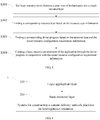
FIG. 1 is a flow chart of an exemplary method for constructing a content delivery network platform on heterogeneous resources according to the disclosed embodiments; -
FIG. 2 is a detailed flow chart of step S101 inFIG. 1 ; -
FIG. 3 is a detailed flow chart of step S102 inFIG. 1 ; -
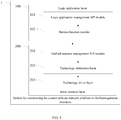
FIG. 4 is a block diagram of anexemplary system 1 for constructing a content delivery network platform on heterogeneous resources according to the disclosed embodiments; -
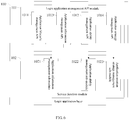
FIG. 5 is a detailed block diagram of theexemplary system 1 for constructing a content delivery network platform on heterogeneous resources inFIG. 4 ; -
FIG. 6 is a detailed block diagram of alogic application layer 100 inFIG. 5 ; and -
FIG. 7 is a detailed block diagram of abasic resource layer 200 inFIG. 5 . - To make the objectives, technical solutions and advantages of the present disclosure clearer, embodiments of the present disclosure will be described more fully hereinafter with reference to the accompanying drawings.
- The present disclosure provides a method for constructing a content delivery network platform on heterogeneous resources. The content delivery network platform may include a logic application layer and a basic resource layer. As shown in
FIG. 1 , the construction method may include the following steps. - Step S101: after receiving an application creation request, the logic application layer determines actual resource configuration requirement information and resource type information of an application based on the application creation request, and then sends the actual resource configuration requirement information and the resource type information to a basic resource layer.
- Because management in different technical solutions may have a relatively large difference, significant amount of manpower and resources is needed to integrate a new system of different technical solutions into the existing content delivery network system. At the same time, because compatibility between different technical solutions is relatively low, a huge management challenge is generated for vertical management. Directed towards the aforementioned issues, the present disclosure provides a unified abstract management method based on a logic application model, and by performing unified modeling on applications that are constructed on different technical solutions using the method of application ability, unified management of the applications may be realized in upper management.
- The logic application model may be an application management basic unit that is abstracted by the present disclosure. Each logic application entity may include a service function program and a resource environment program. For example, when application A is deployed on a physical machine, the entity of the application A may include a function program of the application A itself, and a physical machine entity, system, and software environment that carry the operation of the function program.
- Through the aforementioned method, the present disclosure may divide the content delivery network platform into the logic application layer and the basic resource layer. After receiving the application creation request, the logic application layer may determine the actual resource configuration requirement information and the resource type information of the application based on the creation request, and may send the actual resource configuration requirement information and the resource type information to the basic resource layer.
- The application creation request may at least include application basic information and application ability requirement information. The application creation request may further include resource type information. The resource type information may be optional information, and the creation request may include no such information. When the resource type information is not included in the creation request, the logic application layer may perform determination and selection itself based needs in the creation process.
- The application basic information may include: an application name, an IP (Internet Protocol) address, and a deployment region, etc. The application basic information may be mainly used to describe the basic information of the application, and may arbitrarily define required information based on the need. The foregoing descriptions only provide certain types of application basic information for illustrative purposes, and the basic application information may further include other information such as an application identity (ID). The present disclosure is not limited thereto.
- The application ability requirement information may include: an application programming interface (API) response ability, a bandwidth ability, a high availability ability, and an output/input (IO) ability, etc. The application ability requirement information may be arbitrarily defined based on the need, and the aforementioned descriptions only provide certain exemplary types of application ability requirement information. For different application, other application ability information may exist, and the present disclosure is not limited thereto.
- The resource type information may include: a physical machine, a virtual machine (also named as 'instance'), and container (also named as 'Docker').
- Step S102: the basic resource layer receives the actual resource configuration requirement information and the resource type information, and creates a basic resource environment of the application based on the actual resource configuration requirement information and the resource type information.
- Based on the self-defined logic application model, the present disclosure uses the ability modeling method to achieve the unified management of services constructed by a plurality of heterogeneous technical solutions such as physical machines, virtual machines, and containers, etc. By using heterogeneous technical solutions such as physical servers, virtual machines, public cloud hosts, and containers to construct the content delivery network, the application management service (service plane) may be separated from the resource architecture (technical plane), while the unique values, features and intelligence of various resource technologies still remain.
- Specifically, as shown in
FIG. 2 , the step S101 inFIG 1 may include the following specific steps:
Step S201, registering the application basic information, the application ability requirement information, and the resource type information at the logic application layer. - Before an application is created, various applications may need to be registered in advance in the logic application layer of the CDN system. The registration content may include the application basic information, the application ability requirement information, and the resource type information, etc. For example, for an application virtual machine A, content registered in the logic application layer may include: an application name of virtual machine A; an IP address of 192.168.1.10; a subnet mask of 255.255.0.0; a deployment region of Shandong Telecom; an application account of admin001; a virtual network card connection mode of bridging; a processing capability of 8-core processor; a memory capacity of 16GB; a storage capacity of 480GB; and a resource type information of virtual machine, etc.
- Different applications may have different registration information in the logic application layer. The registration information may be compared with the application information in the creation request during the process of creating the application, thereby verifying the creation request and determining whether or not to create the application in the system.
- Step S202: after receiving the application creation request, the logic application layer queries the registration information of the application for comparison with the information in the application creation request, thereby performing verification.
- After receiving the request to create the application, the logic application layer may query the registration information that the to-be-created application have registered in advance in the logic application layer, such as the previously registered application account, application name, IP address, and deployment region, etc. Further, the registration information may be compared with the information in the creation request. If the information is consistent, the verification is successful, and the application may be continued to be created in the system. If the information is inconsistent, the verification fails, and the application creation process is terminated.
- Step S203: after the verification is passed, the logic application layer queries the utilization condition and remaining condition of the application ability, and converts the application ability requirement information into the actual resource configuration requirement information based on a query result.
- After verification is passed, the logic application layer may query the application ability utilization condition and the remaining application ability of the existing application in the current system. Based on the query result, the available application ability in the current system may be found, and with reference to the application ability requirement information in the creation request, the application ability requirement information, such as virtual network card connection mode of bridging, processing capability of 8-core processor, memory of 16GB, and storage capacity of 480GB, etc., may be converted into the actual resource configuration requirement information. Thus, the situation where the system encounters an error in the creation process due to insufficient application ability caused by application ability required by the application in the creation request exceeding the remaining application ability in the system may be avoided.
- Step S204: when the application creation request includes the resource type information, the logic application layer sends the resource type information in the application creation request and the actual resource configuration requirement information to the basic resource layer.
- When the application specifies the required resource type, i.e., the creation request includes the resource type information, the logic application layer may send the actual resource configuration requirement obtained in step S203 and the resource type information in the creation request directly to the basic resource layer. The basic resource layer may complete the subsequent resource configuration process.
- Step S205: when the application creation request does not include the resource type information, the logic application layer may query a pre-configured automatic creation strategy, determine the resource type information of the deployed application based on the actual resource configuration requirement and the automatic creation strategy, and then send the resource type information and actual resource configuration requirement information to the basic resource layer.
- The logic application layer may be configured with an automatic creation strategy in advance. The automatic creation strategy may determine the resource type information of the deployed application based on the conditions such as the current resource redundant condition, the existing resource allocation condition, and the desired resource type of the application itself with combination of the actual resource configuration requirement information. When the creation request includes the application basic information and the application ability requirement information but includes no resource type information, the logic application layer may query the pre-configured automatic creation strategy, and determine the resource type information of the deployed application by integrating the actual resource configuration requirement. Further, the logic application layer may send the actual resource configuration requirement and the resource type information to the basic resource layer. The basic resource layer may complete the subsequent resource configuration process.
- The disclosed logic application layer may self-define the business ability model and the creation strategy, and complete the automatic deployment under various technical platforms. Different applications may share configurations or maintain individual configurations, and the configuration method may be flexible.
- Specifically, as shown in
FIG. 3 , the step S102 inFIG. 1 may include the following specific steps. - Step S301: the basic resource layer may abstract a same type of technologies into a single resource type, such as physical machine, virtual machine ('Instance'), or container ('Docker'), etc. Each resource type may specifically include different driver programs, such as physical machine management system driver (Real Server Manager), private cloud management system driver (Private Cloud), cloud host management system driver (EC2), and Kubemetes management system driver, etc., which are not specifically listed by the present disclosure.
- Step S302: finding a corresponding resource type based on the resource type information.
- After receiving the actual resource configuration requirement information and the resource type information, the basic resource layer may find the corresponding resource type in the basic resource layer based on the resource type information.
- Step S303: finding a corresponding driver program based on the resource type and the actual resource configuration requirement information.
- After finding the corresponding resource type, the basic resource layer may select a suitable driver program corresponding to the resource type based on the actual resource configuration requirement.
- Step S304: creating a basic resource environment of the application through the driver program in conjunction with the actual resource configuration requirement information.
- The present disclosure adopts a layered management approach to simplify the operation and maintenance. The disclosed method only needs to properly maintain the resource condition of the internal service and ensure the proper operation and redundant condition of the resources, without paying excessive attention to the specific application content and application functions under operation.
- The present disclosure further provides an
exemplary system 1 for constructing the content delivery network platform on heterogeneous resources. As shown inFIG. 4 , thesystem 1 may include alogic application layer 100 and abasic resource layer 200. - The
logic application layer 100 may be configured to, after receiving an application creation request, determine actual resource configuration requirement information and resource type information of the application based on the creation request, and send the actual resource configuration requirement information and the resource type information to thebasic resource layer 200. - The
basic resource layer 200 may be configured to create a basic resource environment of the application based on the actual resource configuration requirement information and the resource type information. - Before the application is created, various applications need to be registered in advance in the
logic application layer 100. The registration content may include application basic information, application ability information, and application resource type information, etc. The application creation request received by thelogic application layer 100 may include at least the application basic information and the application ability requirement information. The application creation request may further include the resource type information. The application basic information may include one or more of an application name, an IP address, and a deployment region. The application ability requirement information may include one or more of an API response ability, a bandwidth ability, a high availability ability, and an input/output ability. The resource type information may include one or more of a physical machine, a virtual machine, and a container. After receiving the application creation request, thelogic application layer 100 may verify the application basic information in the creation request. After verification is passed, thelogic application layer 100 may convert the application ability information in the creation request into actual resource configuration requirement information. Then, thelogic application layer 100 may send the actual resource configuration requirement information and the resource type information to thebasic resource layer 200. Thebasic resource layer 200 may abstract a same type of technologies into a single resource type. Each resource type may specifically include different driver programs. Thebasic resource layer 200 may find a corresponding resource type based on the received resource type information, and then determine a suitable driver program corresponding to the resource type based on the actual resource configuration requirement. Finally, through the driver program, thebasic resource layer 200 may create a basic resource environment of the application based on the actual resource configuration requirement information, and complete the deployment and configuration of the application based on the application requirement. - Specifically,
FIG. 5 is a detailed block diagram of theexemplary system 1 for constructing a content delivery network platform on heterogeneous resources inFIG. 4 . - The
logic application layer 100 may include a logic applicationmanagement API module 101 and aservice function module 102. - The
basic resource layer 200 may include a unified resourcemanagement API module 201, atechnology abstraction layer 202, and atechnology driver layer 203. - The logic application
management API module 101 may be configured to manage theservice function module 102. Theservice function module 102 may be configured to register the application information, verify the application basic information in the creation request through the logic applicationmanagement API module 101. After the verification is passed, theservice function module 102 may determine the actual resource configuration requirement information of the application based on the application ability requirement information in the creation request. - The unified resource
management API module 201 may be configured to manage the technology abstraction layer and the technology driver layer. Thetechnology abstraction layer 202 may be configured to abstract the same type of technologies into a resource type, and find a corresponding resource type through the unified resourcemanagement API module 201 based on the resource type information. Thetechnology driver layer 203 may be configured to find a corresponding driver program based on the resource type of thetechnology abstraction layer 202 and the actual resource configuration requirement information. Further, the driver program may create a basic resource environment of the application through the unified resourcemanagement API module 201 by considering the actual resource configuration requirement information. - The present disclosure adopts a layered management approach to simplify the operation and maintenance. The disclosed method only needs to properly maintain the resource condition of the internal service and ensure the proper operation and redundant condition of the resources, without paying excessive attention to the specific application content and application functions under operation.
-
FIG. 6 is a detailed block diagram of alogic application layer 100 inFIG. 5 . - The logic application
management API module 101 may include an applicationlifecycle management API 1011, an application abilityinventory management API 1012, an applicationinformation management API 1013, and an applicationstrategy management API 1014. - The
service function module 102 may include: an applicationinformation management sub-module 1021, an applicationability management sub-module 1022, and an application creationstrategy management sub-module 1023. - The application
lifecycle management API 1011 may be configured to provide an application creation request including looking up, deleting, adding, modifying, transferring and recovery of applications. The applicationability management API 1012 may be configured to query and count the utilization condition and remaining condition of the application ability. The applicationinformation management API 1013 may be configured to query the application basic information. The applicationstrategy management API 1014 may be configured to configure and query the automatic creation strategy. - The application
information management sub-module 1021 may be configured to register the application basic information, application ability information, and application resource type information, and receive the application creation request sent by the applicationlifecycle management API 1011. Further, the applicationinformation management sub-module 1021 may query the registration information of the application through the applicationinformation management API 1013 for comparison with the information in the application creation request, thereby performing verification. The applicationability management sub-module 1022 may, after verification is passed, query the utilization condition and remaining condition of the application ability counted by the application ability management API through the application ability management API, and then convert the application ability requirement information into the actual resource configuration requirement information based on a query result. The application creation strategy management sub-module 1023 may be configured to query the pre-configured automatic creation strategy through the application strategy management API when the application creation request does not include the resource type information, and determine the resource type information of the deployed application based on the automatic creation strategy and the actual resource configuration requirement. - Before an application is created, the application basic information, the application ability information, and the application resource type information may be registered in the
logic application layer 100 through the applicationinformation management sub-module 1021. After an application creation request is sent to the applicationinformation management sub-module 1021 through the applicationlifecycle management API 1011, the applicationinformation management sub-module 1021 may query the registration information of the application through the applicationinformation management API 1013. Further, the registration information may be compared with the information in the application creation request, thereby performing verification. When the information is inconsistent, the verification fails, and the application creation process is terminated. When the information is consistent, the verification is passed, and the applicationability management sub-module 1022 may query the utilization condition and remaining condition of the application ability counted by the applicationability management API 1012 through the applicationability management API 1012. Further, the applicationability management sub-module 1022 may convert the application ability requirement information into the actual resource configuration requirement information based on the query result. When the application creation request does not include the resource type information, the application creation strategy management sub-module 1023 may query the pre-configured automatic creation strategy through the applicationstrategy management API 1014, and determine the resource type information of the deployed application based on the automatic creation strategy and the actual resource configuration requirement. - The present disclosure may self-define the service ability model and the creation strategy in the logic application layer, complete the automatic deployment under various technical platforms. Different applications may share configurations or maintain individual configurations, and the configuration method may be flexible.
-
FIG. 7 is a detailed structure of abasic resource layer 200 inFIG. 5 . - The unified resource
management API module 201 may include a resourcelifecycle management API 2011 and a resourceinventory management API 2012. The resourcelifecycle management API 2011 may manage the lifecycle of the basic resources, including querying, deleting, adding, and modifying. The driver program may integrate the actual resource configuration requirement information to create a basic resource environment of the application through the resourcelifecycle management API 2011. The resourceinventory management API 2012 may query and count the utilization condition and remaining condition of various resources, and find a corresponding resource type in thetechnology abstraction layer 202 based on the query result and the resource type information. - The resource types of the
technology abstraction layer 202 may include: aphysical machine 2021, a virtual machine 2022, and acontainer 2023. - The
technology driver layer 203 may include: a physical machinemanagement system driver 2031, a private cloudmanagement system driver 2032, a cloud hostmanagement system driver 2033, and a Kubernetesmanagement system driver 2034. - After receiving the actual resource configuration requirement information and the resource type information, the
basic resource layer 200 may query and count the utilization condition and remaining condition of various types of the resources in thetechnology abstraction layer 202 through the resourceinventory management API 2012, and may find a corresponding resource type in the technology abstraction layer based on the query result and the resource type information. Further, based on the actual resource configuration requirement, a suitable driver program corresponding to the resource type may be determined. Through the resourcelifecycle management API 2011, the driver program may complete the creation of an application basic resource environment based on the actual resource configuration requirement information, and may complete the deployment and configuration of the application based on the application requirement. - The present disclosure adopts a two-layered abstraction driving mode to perform unified management on resources in the basic resource layer, thereby implementing the adoption of new technical solutions such as the physical machine and the virtual machine, etc. without changing the existing structure. As long as function connection is fulfilled in the technology driver layer of the resources, system management may be incorporated, and the new technical architecture may be rapidly introduced.
- The sequence of the aforementioned embodiments of the present disclosure is merely for illustrative purposes, and may not represent any preferences.
- The above-described device embodiments are merely for illustrative purposes. The units that are described as separated parts may or may not be physically detached. The parts displayed as units may or may not be physical units, and may be located at one place, or distributed over a plurality of network units. Based on the actual needs, a part of or all the modules may be selected to achieve the objective of the embodiments. The foregoing may be understood and implemented by those ordinarily skilled in the art without contributing creative labor.
- Through the description of the aforementioned embodiments, those skilled in the relevant art may clearly understand that the embodiments may be implemented by means of software in conjunction with an essential common hardware platform, or may be simply implemented by hardware. Based on such understanding, the aforementioned technical solutions in nature or the part of the solutions that contribute to the existing technologies may be embodied in the form of a software product. The software product may be stored in computer readable storage media, such as ROM/RAM, magnetic disk, and optical disk, etc., and may include a plurality of instructions to enable a computer (may be a personal computer, a server, or a network device, etc.) to execute the methods described in each embodiment or some parts of the embodiments.
- The foregoing are merely preferred embodiments of the present disclosure, and are not intended to limit the present disclosure. Any modifications, equivalent substitutions, and improvements, etc. without departing from the spirit and principles of the present disclosure shall all fall within the protection scope of the present disclosure.
Claims (14)
- A method for constructing a content delivery network platform on heterogeneous resources, wherein the content delivery network platform includes a logic application layer and a basic resource layer, the method comprising:after receiving an application creation request, determining, by the logic application layer, actual resource configuration requirement information and resource type information of an application based on the application creation request, and sending, by the logic application layer, the actual resource configuration requirement information and the resource type information to the basic resource layer; andreceiving, by the basic resource layer, the actual resource configuration requirement information and the resource type information, and creating, by the basic resource layer, a basic resource environment of the application based on the actual resource configuration requirement information and the resource type information.
- The method for constructing the content delivery network platform on the heterogeneous resources according to claim 1, wherein, after receiving the application creation request, determining, by the logic application layer, the actual resource configuration requirement information and the resource type information of the application based on the application creation request, and sending, by the logic application layer, the actual resource configuration requirement information and the resource type information to the basic resource layer specifically includes:
registering application information in the logic application layer, verifying application basic information in the application creation request, determining the actual resource configuration requirement information of the application based on application ability requirement information in the application creation request after verification is passed, and sending the actual resource configuration requirement information and the resource type information to the basic resource layer. - The method for constructing the content delivery network platform on heterogeneous resources according to claim 2, wherein:the application creation request includes at least the application basic information and the application ability requirement information, and the resource type information;the application basic information includes one or more of an application name, an IP address, and a deployment region;the application ability requirement information includes one or more of an API response ability, a bandwidth ability, a high availability ability, and an output/input ability; andthe resource type information includes one or more of a physical machine, a virtual machine, and a container.
- The method for constructing the content delivery network platform on the heterogeneous resources according to claim 3, wherein, after receiving the application creation request, determining, by the logic application layer, the actual resource configuration requirement information and the resource type information of the application based on the application creation request, and sending, by the logic application layer, the actual resource configuration requirement information and the resource type information to the basic resource layer specifically includes:registering the application basic information, the application ability requirement information, and the resource type information in the logic application layer;after receiving the application creation request, querying, by the logic application layer, registration information of the application for comparison with the information in the application creation request, thereby performing verification;after the verification is passed, querying, by the logic application layer, utilization condition and remaining condition of the application ability, and converting, by the logic application layer, the application ability requirement information into the actual resource configuration requirement information based on a query result;when the application creation request includes the resource type information, sending, by the logic application layer, the resource type information in the application creation request and the actual resource configuration requirement information to the basic resource layer; andwhen the application creation request does not include the resource type information, querying, by the logic application layer, a pre-configured automatic creation strategy, determining, by the logic application layer, the resource type information of the deployed application based on the actual resource configuration requirement and the automatic creation strategy, and sending, by the logic application layer, the resource type information and the actual resource configuration requirement information to the basic resource layer.
- The method for constructing the content delivery network platform on the heterogeneous resources according to claim 4, wherein:
the automatic creation strategy includes a current resource redundant condition, an existing resource allocation condition, and a desired resource type of the application itself - The method for constructing the content delivery network platform on the heterogeneous resources according to claim 5, wherein, creating, by the basic resource layer, the basic resource environment of the application based on the actual resource configuration requirement information and the resource type information specifically includes:
abstracting, by the basic resource layer, a same type of technologies into a single resource type, finding, by the basic resource layer, a corresponding resource type based on the resource type information, finding, by the basic resource layer, a corresponding driver program based on the resource type and the actual resource configuration requirement information, and creating, by the basic resource layer, the basic resource environment of the application through the driver program in conjunction with the actual resource configuration requirement information. - A system for constructing a content delivery network platform on heterogeneous resources, comprising:a logic application layer, configured to, after receiving an application creation request, determine actual resource configuration requirement information and resource type information of an application based on the creation request, and send the actual resource configuration requirement information and the resource type information to a basic resource layer; andthe basic resource layer, configured to create a basic resource environment of the application based on the actual resource configuration requirement information and the resource type information.
- The system for constructing the content delivery network platform on the heterogeneous resources according to claim 7, wherein the logic application layer includes:a logic application management API module, configured to manage a service function module; andthe service function module, configured to register application information, verify application basic information in the application creation request through the logic application management API module, and determine the actual resource configuration requirement information of the application based on application ability requirement information in the application creation request.
- The system for constructing the content delivery network platform on the heterogeneous resources according to claim 8, wherein the logic application management API includes:an application lifecycle management API, configured to provide the application creation request including looking up, deleting, adding, modifying, transferring and recovering of the application;an application ability management API, configured to query and count utilization condition and remaining condition of application ability;an application information management API, configured to query the application basic information; andan application strategy management API, configured to configure and query an automatic creation strategy.
- The system for constructing the content delivery network platform on the heterogeneous resources according to claim 9, wherein the service function module includes:an application information management sub-module, configured to register the application basic information, the application ability requirement information, and application resource type information, receive the application creation request sent by the application lifecycle management API, query registration information of the application through the application information management API for comparison with the information in the application creation request, thereby performing verification;an application ability management sub-module, configured to query the utilization condition and the remaining condition of the application ability counted by the application ability management API through the application ability management API, and convert the application ability requirement information into the actual resource configuration requirement information based on a query result; andan application creation strategy management sub-module, configured to query a pre-configured automatic creation strategy through the application strategy management API when the application creation request does not include the resource type information, and to determine the resource type information for the deployed application based on the automatic creation strategy and the actual resource configuration requirement.
- The system for constructing the content delivery network platform on the heterogeneous resources according to claim 10, wherein the basic resource layer includes:a unified resource management API module, configured to manage a technology abstraction layer and a technology driver layer;the technology abstraction layer being configured to abstract a same type of technologies into a resource type, and find a corresponding resource type through the unified resource management API module based on the resource type information; andthe technology driver layer being configured to find a corresponding driver program based on the resource type of the technology abstraction layer and the actual resource configuration requirement information, wherein the driver program creates the basic resource environment of the application by integrating the actual resource configuration requirement information through the unified resource management API module.
- The system for constructing the content delivery network platform on the heterogeneous resources according to claim 11, wherein the unified resource management API module includes:a resource lifecycle management API, configured to manage a lifecycle of basic resources, including querying, deleting, adding, and modifying, wherein the driver program integrates the actual resource configuration requirement information to create the basic resource environment of the application through the resource lifecycle management API; anda resource inventory management API, configured to query and count the utilization condition and the remaining condition of different types of resources, and find a corresponding resource type in the technology abstraction layer based on a query result and the resource type information.
- The system for constructing the content delivery network platform on the heterogeneous resources according to claim 12, wherein the resource type in the technology abstraction layer includes a physical machine, a virtual machine, and a container.
- The system for constructing the content delivery network platform on the heterogeneous resources according to claim 11, wherein the technology driver layer includes one or more of a physical machine management system driver, a private cloud management system driver, a cloud host management system driver, and a Kubernetes management system driver.
Applications Claiming Priority (2)
| Application Number | Priority Date | Filing Date | Title |
|---|---|---|---|
| CN201710316602.1A CN107135103B (en) | 2017-05-08 | 2017-05-08 | Method and system for building a content distribution network platform on heterogeneous resources |
| PCT/CN2017/086770 WO2018205325A1 (en) | 2017-05-08 | 2017-06-01 | Method and system for use in constructing content delivery network platform on heterogeneous resources |
Publications (3)
| Publication Number | Publication Date |
|---|---|
| EP3554010A1 true EP3554010A1 (en) | 2019-10-16 |
| EP3554010A4 EP3554010A4 (en) | 2019-11-06 |
| EP3554010B1 EP3554010B1 (en) | 2021-07-21 |
Family
ID=59732413
Family Applications (1)
| Application Number | Title | Priority Date | Filing Date |
|---|---|---|---|
| EP17909038.6A Active EP3554010B1 (en) | 2017-05-08 | 2017-06-01 | Method and system for use in constructing content delivery network platform on heterogeneous resources |
Country Status (4)
| Country | Link |
|---|---|
| US (1) | US11102089B2 (en) |
| EP (1) | EP3554010B1 (en) |
| CN (1) | CN107135103B (en) |
| WO (1) | WO2018205325A1 (en) |
Families Citing this family (23)
| Publication number | Priority date | Publication date | Assignee | Title |
|---|---|---|---|---|
| CN109962940B (en) * | 2017-12-14 | 2023-10-03 | 绍兴数智科技有限公司 | Cloud platform-based virtualized instance scheduling system and scheduling method |
| TWI641279B (en) * | 2017-12-15 | 2018-11-11 | 財團法人工業技術研究院 | Mobile edge platform servers and user equipment context migration management methods thereof |
| CN109885377B (en) * | 2018-11-23 | 2023-04-28 | 中国银联股份有限公司 | Uniform resource scheduling coordinator, method for creating virtual machine and/or container by using uniform resource scheduling coordinator and uniform resource scheduling system |
| CN110430442B (en) * | 2019-08-08 | 2021-11-26 | 赛尔网络有限公司 | Playing method, device and system |
| CN110619185B (en) * | 2019-09-25 | 2020-09-04 | 北京世冠金洋科技发展有限公司 | Data processing method and device and electronic equipment |
| CN110955537B (en) * | 2019-11-25 | 2022-11-04 | 北京奇艺世纪科技有限公司 | Method and device for containing pipes by physical machine |
| CN111327681A (en) * | 2020-01-21 | 2020-06-23 | 北京工业大学 | Cloud computing data platform construction method based on Kubernetes |
| US11281607B2 (en) * | 2020-01-30 | 2022-03-22 | Red Hat, Inc. | Paravirtualized cluster mode for legacy APICs |
| CN111708632A (en) * | 2020-05-19 | 2020-09-25 | 中国人民财产保险股份有限公司 | Cloud resource management method and device |
| CN111813419B (en) * | 2020-07-09 | 2024-04-16 | 浪潮云信息技术股份公司 | A method for managing bare metal lifecycle declaratively based on Kubernetes |
| CN111857955A (en) * | 2020-07-20 | 2020-10-30 | 富通云腾科技有限公司 | A method for automatic construction and update of resource configuration information in heterogeneous cloud environment |
| CN112015520B (en) * | 2020-09-14 | 2024-06-07 | 支付宝(杭州)信息技术有限公司 | Data uploading system and method |
| CN112181648B (en) * | 2020-09-22 | 2022-05-31 | 中国科学院软件研究所 | A configuration-driven lightweight hybrid infrastructure platform and data processing method |
| CN113010410A (en) * | 2020-12-08 | 2021-06-22 | 云智慧(北京)科技有限公司 | Method and system for monitoring and evaluating CDN performance based on backbone network |
| US11914755B2 (en) | 2021-02-04 | 2024-02-27 | International Business Machines Corporation | Cluster resource signature verification |
| CN112698924A (en) * | 2021-03-23 | 2021-04-23 | 杭州太美星程医药科技有限公司 | Clinical test electronic data acquisition system and operation method thereof |
| CN112907233B (en) * | 2021-04-26 | 2025-01-28 | 中国建设银行股份有限公司 | Management method, device, equipment and storage medium for high availability solution |
| CN113312337B (en) * | 2021-06-24 | 2025-02-18 | 中国农业银行股份有限公司 | Method and device for constructing application configuration model |
| US11995420B2 (en) | 2021-08-19 | 2024-05-28 | Red Hat, Inc. | Generating a build process for building software in a target environment |
| CN116016498A (en) * | 2021-10-21 | 2023-04-25 | 中兴通讯股份有限公司 | CDN network element container configuration method, reading and writing method, device, equipment and storage medium |
| CN114389955B (en) * | 2022-03-02 | 2023-08-15 | 中国电子科技集团公司第十四研究所 | Embedded Platform Heterogeneous Resource Pool Management Method |
| CN116684288A (en) * | 2023-06-05 | 2023-09-01 | 武汉烽火技术服务有限公司 | Container resource allocation method and system |
| CN118488052B (en) * | 2024-05-11 | 2026-03-27 | 哈尔滨工业大学 | A method for describing heterogeneous industrial equipment resources in cloud-edge collaborative scenarios |
Family Cites Families (18)
| Publication number | Priority date | Publication date | Assignee | Title |
|---|---|---|---|---|
| US7558864B2 (en) * | 2004-01-27 | 2009-07-07 | International Business Machines Corporation | Method, system and product for identifying, reserving, and logically provisioning resources in provisioning data processing systems |
| US7840398B2 (en) * | 2006-03-28 | 2010-11-23 | Intel Corporation | Techniques for unified management communication for virtualization systems |
| CN101388785B (en) * | 2007-09-11 | 2012-05-23 | 中国电信股份有限公司 | Resource abstraction method and service opening method for content distribution network |
| CN101340368B (en) * | 2008-08-12 | 2013-02-06 | 北京航空航天大学 | Web Service Distributed Management System and Management Method Based on WSDM |
| CN101764810B (en) * | 2009-12-25 | 2012-11-21 | 中国科学院声学研究所 | Negotiation method and system provided by cross-domain service |
| CN102404294B (en) * | 2010-09-15 | 2016-03-30 | 中兴通讯股份有限公司 | A kind of method and system realizing CDN interconnection |
| CN102427473B (en) * | 2011-11-28 | 2014-03-05 | 中国联合网络通信集团有限公司 | Cross-platform resource construction method and system |
| WO2013101217A1 (en) * | 2011-12-30 | 2013-07-04 | Intel Corporation | Technology abstraction layer |
| CN102655532B (en) * | 2012-04-18 | 2014-10-22 | 上海和辰信息技术有限公司 | Distributed heterogeneous virtual resource integration management method and system |
| US8826316B2 (en) * | 2012-10-22 | 2014-09-02 | The Nielsen Company (Us), Llc | Systems and methods for configuring media devices utilizing audio codes or signatures |
| CN103885833B (en) * | 2012-12-20 | 2017-06-20 | 中国移动通信集团公司 | A kind of method for managing resource and system |
| CN105094980A (en) * | 2014-05-23 | 2015-11-25 | 北京云巢动脉科技有限公司 | System for dynamically adjusting memories of virtual machines |
| CN103970908A (en) * | 2014-05-28 | 2014-08-06 | 浪潮电子信息产业股份有限公司 | Virtual machine template IVF storage method |
| CN105577714B (en) * | 2014-10-13 | 2019-12-13 | 中兴通讯股份有限公司 | Method and system for implementing content distribution network based on software-defined network |
| US10102108B2 (en) * | 2015-01-15 | 2018-10-16 | Mobilize.Net Corporation | Injected instrumentation application monitoring and management |
| CN104657918A (en) * | 2015-01-21 | 2015-05-27 | 胡宝清 | Regional resource environmental data sharing and comprehensive service platform |
| CN105578482B (en) * | 2015-12-22 | 2019-04-09 | 重庆邮电大学 | A kind of cellular heterogeneous network resource allocation method |
| CN106230889B (en) * | 2016-07-15 | 2019-12-17 | 福建天泉教育科技有限公司 | resource management method and system for mobile application service components |
-
2017
- 2017-05-08 CN CN201710316602.1A patent/CN107135103B/en not_active Expired - Fee Related
- 2017-06-01 EP EP17909038.6A patent/EP3554010B1/en active Active
- 2017-06-01 WO PCT/CN2017/086770 patent/WO2018205325A1/en not_active Ceased
- 2017-06-01 US US16/463,937 patent/US11102089B2/en not_active Expired - Fee Related
Also Published As
| Publication number | Publication date |
|---|---|
| CN107135103A (en) | 2017-09-05 |
| EP3554010B1 (en) | 2021-07-21 |
| US20200389372A1 (en) | 2020-12-10 |
| CN107135103B (en) | 2021-03-19 |
| WO2018205325A1 (en) | 2018-11-15 |
| US11102089B2 (en) | 2021-08-24 |
| EP3554010A4 (en) | 2019-11-06 |
Similar Documents
| Publication | Publication Date | Title |
|---|---|---|
| EP3554010B1 (en) | Method and system for use in constructing content delivery network platform on heterogeneous resources | |
| US11625281B2 (en) | Serverless platform request routing | |
| US10749740B2 (en) | Deploying network-based cloud platforms on end equipment | |
| CN107689882B (en) | A method and device for service deployment in a virtualized network | |
| US9350682B1 (en) | Compute instance migrations across availability zones of a provider network | |
| US9626172B2 (en) | Deploying a cluster | |
| JP6033789B2 (en) | Integrated software and hardware system that enables automated provisioning and configuration based on the physical location of the blade | |
| WO2017113201A1 (en) | Network service lifecycle management method and device | |
| CN111324412A (en) | Service deployment method, device and storage medium | |
| US10924542B2 (en) | Content delivery system | |
| CN104052789A (en) | Load balancing for a virtual networking system | |
| US10404786B2 (en) | Method for managing a software-defined data center that utilizes duplicate API calls | |
| CN108270818A (en) | A kind of micro services architecture system and its access method | |
| CN103685608A (en) | Method and device for automatically configuring IP (Internet Protocol) address of security virtual machine | |
| CN113900773A (en) | Super-fusion scheduling method based on domestic platform virtual machine and container | |
| US9417997B1 (en) | Automated policy based scheduling and placement of storage resources | |
| WO2024066828A1 (en) | Data processing method and apparatus, and device, computer-readable storage medium and computer program product | |
| US11637737B2 (en) | Network data management framework | |
| US8543680B2 (en) | Migrating device management between object managers | |
| CN112698838B (en) | Multi-cloud container deployment system and container deployment method thereof | |
| CN114629744A (en) | Data access method, system and related device based on macvlan host computer network | |
| CN114265664B (en) | Edge application deployment method, device, equipment and storage medium | |
| WO2019034084A1 (en) | Method for applying for common service resource, related device, and system | |
| CN115904478A (en) | Cloud platform resource management method and system and electronic equipment | |
| US9537948B2 (en) | Method and apparatus for chunk-level sharing-based open virtualization format (OVF) package distribution through dependency analysis |
Legal Events
| Date | Code | Title | Description |
|---|---|---|---|
| STAA | Information on the status of an ep patent application or granted ep patent |
Free format text: STATUS: THE INTERNATIONAL PUBLICATION HAS BEEN MADE |
|
| PUAI | Public reference made under article 153(3) epc to a published international application that has entered the european phase |
Free format text: ORIGINAL CODE: 0009012 |
|
| STAA | Information on the status of an ep patent application or granted ep patent |
Free format text: STATUS: REQUEST FOR EXAMINATION WAS MADE |
|
| 17P | Request for examination filed |
Effective date: 20190712 |
|
| AK | Designated contracting states |
Kind code of ref document: A1 Designated state(s): AL AT BE BG CH CY CZ DE DK EE ES FI FR GB GR HR HU IE IS IT LI LT LU LV MC MK MT NL NO PL PT RO RS SE SI SK SM TR |
|
| AX | Request for extension of the european patent |
Extension state: BA ME |
|
| A4 | Supplementary search report drawn up and despatched |
Effective date: 20191007 |
|
| RIC1 | Information provided on ipc code assigned before grant |
Ipc: H04L 29/06 20060101ALI20190930BHEP Ipc: H04L 12/24 20060101AFI20190930BHEP |
|
| STAA | Information on the status of an ep patent application or granted ep patent |
Free format text: STATUS: EXAMINATION IS IN PROGRESS |
|
| DAV | Request for validation of the european patent (deleted) | ||
| DAX | Request for extension of the european patent (deleted) | ||
| 17Q | First examination report despatched |
Effective date: 20200715 |
|
| GRAP | Despatch of communication of intention to grant a patent |
Free format text: ORIGINAL CODE: EPIDOSNIGR1 |
|
| STAA | Information on the status of an ep patent application or granted ep patent |
Free format text: STATUS: GRANT OF PATENT IS INTENDED |
|
| INTG | Intention to grant announced |
Effective date: 20210216 |
|
| GRAS | Grant fee paid |
Free format text: ORIGINAL CODE: EPIDOSNIGR3 |
|
| GRAA | (expected) grant |
Free format text: ORIGINAL CODE: 0009210 |
|
| STAA | Information on the status of an ep patent application or granted ep patent |
Free format text: STATUS: THE PATENT HAS BEEN GRANTED |
|
| AK | Designated contracting states |
Kind code of ref document: B1 Designated state(s): AL AT BE BG CH CY CZ DE DK EE ES FI FR GB GR HR HU IE IS IT LI LT LU LV MC MK MT NL NO PL PT RO RS SE SI SK SM TR |
|
| REG | Reference to a national code |
Ref country code: GB Ref legal event code: FG4D |
|
| REG | Reference to a national code |
Ref country code: CH Ref legal event code: EP |
|
| REG | Reference to a national code |
Ref country code: DE Ref legal event code: R096 Ref document number: 602017042740 Country of ref document: DE |
|
| REG | Reference to a national code |
Ref country code: AT Ref legal event code: REF Ref document number: 1413628 Country of ref document: AT Kind code of ref document: T Effective date: 20210815 |
|
| REG | Reference to a national code |
Ref country code: IE Ref legal event code: FG4D |
|
| REG | Reference to a national code |
Ref country code: LT Ref legal event code: MG9D |
|
| REG | Reference to a national code |
Ref country code: NL Ref legal event code: MP Effective date: 20210721 |
|
| REG | Reference to a national code |
Ref country code: DE Ref legal event code: R079 Ref document number: 602017042740 Country of ref document: DE Free format text: PREVIOUS MAIN CLASS: H04L0012240000 Ipc: H04L0041000000 |
|
| REG | Reference to a national code |
Ref country code: AT Ref legal event code: MK05 Ref document number: 1413628 Country of ref document: AT Kind code of ref document: T Effective date: 20210721 |
|
| PG25 | Lapsed in a contracting state [announced via postgrant information from national office to epo] |
Ref country code: RS Free format text: LAPSE BECAUSE OF FAILURE TO SUBMIT A TRANSLATION OF THE DESCRIPTION OR TO PAY THE FEE WITHIN THE PRESCRIBED TIME-LIMIT Effective date: 20210721 Ref country code: SE Free format text: LAPSE BECAUSE OF FAILURE TO SUBMIT A TRANSLATION OF THE DESCRIPTION OR TO PAY THE FEE WITHIN THE PRESCRIBED TIME-LIMIT Effective date: 20210721 Ref country code: HR Free format text: LAPSE BECAUSE OF FAILURE TO SUBMIT A TRANSLATION OF THE DESCRIPTION OR TO PAY THE FEE WITHIN THE PRESCRIBED TIME-LIMIT Effective date: 20210721 Ref country code: FI Free format text: LAPSE BECAUSE OF FAILURE TO SUBMIT A TRANSLATION OF THE DESCRIPTION OR TO PAY THE FEE WITHIN THE PRESCRIBED TIME-LIMIT Effective date: 20210721 Ref country code: ES Free format text: LAPSE BECAUSE OF FAILURE TO SUBMIT A TRANSLATION OF THE DESCRIPTION OR TO PAY THE FEE WITHIN THE PRESCRIBED TIME-LIMIT Effective date: 20210721 Ref country code: NO Free format text: LAPSE BECAUSE OF FAILURE TO SUBMIT A TRANSLATION OF THE DESCRIPTION OR TO PAY THE FEE WITHIN THE PRESCRIBED TIME-LIMIT Effective date: 20211021 Ref country code: NL Free format text: LAPSE BECAUSE OF FAILURE TO SUBMIT A TRANSLATION OF THE DESCRIPTION OR TO PAY THE FEE WITHIN THE PRESCRIBED TIME-LIMIT Effective date: 20210721 Ref country code: PT Free format text: LAPSE BECAUSE OF FAILURE TO SUBMIT A TRANSLATION OF THE DESCRIPTION OR TO PAY THE FEE WITHIN THE PRESCRIBED TIME-LIMIT Effective date: 20211122 Ref country code: BG Free format text: LAPSE BECAUSE OF FAILURE TO SUBMIT A TRANSLATION OF THE DESCRIPTION OR TO PAY THE FEE WITHIN THE PRESCRIBED TIME-LIMIT Effective date: 20211021 Ref country code: AT Free format text: LAPSE BECAUSE OF FAILURE TO SUBMIT A TRANSLATION OF THE DESCRIPTION OR TO PAY THE FEE WITHIN THE PRESCRIBED TIME-LIMIT Effective date: 20210721 Ref country code: LT Free format text: LAPSE BECAUSE OF FAILURE TO SUBMIT A TRANSLATION OF THE DESCRIPTION OR TO PAY THE FEE WITHIN THE PRESCRIBED TIME-LIMIT Effective date: 20210721 |
|
| PG25 | Lapsed in a contracting state [announced via postgrant information from national office to epo] |
Ref country code: PL Free format text: LAPSE BECAUSE OF FAILURE TO SUBMIT A TRANSLATION OF THE DESCRIPTION OR TO PAY THE FEE WITHIN THE PRESCRIBED TIME-LIMIT Effective date: 20210721 Ref country code: LV Free format text: LAPSE BECAUSE OF FAILURE TO SUBMIT A TRANSLATION OF THE DESCRIPTION OR TO PAY THE FEE WITHIN THE PRESCRIBED TIME-LIMIT Effective date: 20210721 Ref country code: GR Free format text: LAPSE BECAUSE OF FAILURE TO SUBMIT A TRANSLATION OF THE DESCRIPTION OR TO PAY THE FEE WITHIN THE PRESCRIBED TIME-LIMIT Effective date: 20211022 |
|
| REG | Reference to a national code |
Ref country code: DE Ref legal event code: R097 Ref document number: 602017042740 Country of ref document: DE |
|
| PG25 | Lapsed in a contracting state [announced via postgrant information from national office to epo] |
Ref country code: DK Free format text: LAPSE BECAUSE OF FAILURE TO SUBMIT A TRANSLATION OF THE DESCRIPTION OR TO PAY THE FEE WITHIN THE PRESCRIBED TIME-LIMIT Effective date: 20210721 |
|
| PLBE | No opposition filed within time limit |
Free format text: ORIGINAL CODE: 0009261 |
|
| STAA | Information on the status of an ep patent application or granted ep patent |
Free format text: STATUS: NO OPPOSITION FILED WITHIN TIME LIMIT |
|
| PG25 | Lapsed in a contracting state [announced via postgrant information from national office to epo] |
Ref country code: SM Free format text: LAPSE BECAUSE OF FAILURE TO SUBMIT A TRANSLATION OF THE DESCRIPTION OR TO PAY THE FEE WITHIN THE PRESCRIBED TIME-LIMIT Effective date: 20210721 Ref country code: SK Free format text: LAPSE BECAUSE OF FAILURE TO SUBMIT A TRANSLATION OF THE DESCRIPTION OR TO PAY THE FEE WITHIN THE PRESCRIBED TIME-LIMIT Effective date: 20210721 Ref country code: RO Free format text: LAPSE BECAUSE OF FAILURE TO SUBMIT A TRANSLATION OF THE DESCRIPTION OR TO PAY THE FEE WITHIN THE PRESCRIBED TIME-LIMIT Effective date: 20210721 Ref country code: EE Free format text: LAPSE BECAUSE OF FAILURE TO SUBMIT A TRANSLATION OF THE DESCRIPTION OR TO PAY THE FEE WITHIN THE PRESCRIBED TIME-LIMIT Effective date: 20210721 Ref country code: CZ Free format text: LAPSE BECAUSE OF FAILURE TO SUBMIT A TRANSLATION OF THE DESCRIPTION OR TO PAY THE FEE WITHIN THE PRESCRIBED TIME-LIMIT Effective date: 20210721 Ref country code: AL Free format text: LAPSE BECAUSE OF FAILURE TO SUBMIT A TRANSLATION OF THE DESCRIPTION OR TO PAY THE FEE WITHIN THE PRESCRIBED TIME-LIMIT Effective date: 20210721 |
|
| 26N | No opposition filed |
Effective date: 20220422 |
|
| PG25 | Lapsed in a contracting state [announced via postgrant information from national office to epo] |
Ref country code: IT Free format text: LAPSE BECAUSE OF FAILURE TO SUBMIT A TRANSLATION OF THE DESCRIPTION OR TO PAY THE FEE WITHIN THE PRESCRIBED TIME-LIMIT Effective date: 20210721 |
|
| REG | Reference to a national code |
Ref country code: DE Ref legal event code: R119 Ref document number: 602017042740 Country of ref document: DE |
|
| PG25 | Lapsed in a contracting state [announced via postgrant information from national office to epo] |
Ref country code: MC Free format text: LAPSE BECAUSE OF FAILURE TO SUBMIT A TRANSLATION OF THE DESCRIPTION OR TO PAY THE FEE WITHIN THE PRESCRIBED TIME-LIMIT Effective date: 20210721 |
|
| REG | Reference to a national code |
Ref country code: CH Ref legal event code: PL |
|
| REG | Reference to a national code |
Ref country code: BE Ref legal event code: MM Effective date: 20220630 |
|
| GBPC | Gb: european patent ceased through non-payment of renewal fee |
Effective date: 20220601 |
|
| PG25 | Lapsed in a contracting state [announced via postgrant information from national office to epo] |
Ref country code: LU Free format text: LAPSE BECAUSE OF NON-PAYMENT OF DUE FEES Effective date: 20220601 Ref country code: LI Free format text: LAPSE BECAUSE OF NON-PAYMENT OF DUE FEES Effective date: 20220630 Ref country code: IE Free format text: LAPSE BECAUSE OF NON-PAYMENT OF DUE FEES Effective date: 20220601 Ref country code: FR Free format text: LAPSE BECAUSE OF NON-PAYMENT OF DUE FEES Effective date: 20220630 Ref country code: CH Free format text: LAPSE BECAUSE OF NON-PAYMENT OF DUE FEES Effective date: 20220630 |
|
| PG25 | Lapsed in a contracting state [announced via postgrant information from national office to epo] |
Ref country code: GB Free format text: LAPSE BECAUSE OF NON-PAYMENT OF DUE FEES Effective date: 20220601 Ref country code: DE Free format text: LAPSE BECAUSE OF NON-PAYMENT OF DUE FEES Effective date: 20230103 Ref country code: BE Free format text: LAPSE BECAUSE OF NON-PAYMENT OF DUE FEES Effective date: 20220630 |
|
| PG25 | Lapsed in a contracting state [announced via postgrant information from national office to epo] |
Ref country code: HU Free format text: LAPSE BECAUSE OF FAILURE TO SUBMIT A TRANSLATION OF THE DESCRIPTION OR TO PAY THE FEE WITHIN THE PRESCRIBED TIME-LIMIT; INVALID AB INITIO Effective date: 20170601 |
|
| PG25 | Lapsed in a contracting state [announced via postgrant information from national office to epo] |
Ref country code: MK Free format text: LAPSE BECAUSE OF FAILURE TO SUBMIT A TRANSLATION OF THE DESCRIPTION OR TO PAY THE FEE WITHIN THE PRESCRIBED TIME-LIMIT Effective date: 20210721 Ref country code: CY Free format text: LAPSE BECAUSE OF FAILURE TO SUBMIT A TRANSLATION OF THE DESCRIPTION OR TO PAY THE FEE WITHIN THE PRESCRIBED TIME-LIMIT Effective date: 20210721 |
|
| PG25 | Lapsed in a contracting state [announced via postgrant information from national office to epo] |
Ref country code: MT Free format text: LAPSE BECAUSE OF FAILURE TO SUBMIT A TRANSLATION OF THE DESCRIPTION OR TO PAY THE FEE WITHIN THE PRESCRIBED TIME-LIMIT Effective date: 20210721 |
|
| PG25 | Lapsed in a contracting state [announced via postgrant information from national office to epo] |
Ref country code: TR Free format text: LAPSE BECAUSE OF FAILURE TO SUBMIT A TRANSLATION OF THE DESCRIPTION OR TO PAY THE FEE WITHIN THE PRESCRIBED TIME-LIMIT Effective date: 20210721 |