EP3549928A1 - Methods of sustaining dietary ketosis and its effects on muscle fatigue - Google Patents
Methods of sustaining dietary ketosis and its effects on muscle fatigue Download PDFInfo
- Publication number
- EP3549928A1 EP3549928A1 EP19165873.1A EP19165873A EP3549928A1 EP 3549928 A1 EP3549928 A1 EP 3549928A1 EP 19165873 A EP19165873 A EP 19165873A EP 3549928 A1 EP3549928 A1 EP 3549928A1
- Authority
- EP
- European Patent Office
- Prior art keywords
- day
- ketone
- levels
- week
- blood
- Prior art date
- Legal status (The legal status is an assumption and is not a legal conclusion. Google has not performed a legal analysis and makes no representation as to the accuracy of the status listed.)
- Granted
Links
Images







Classifications
-
- A—HUMAN NECESSITIES
- A61—MEDICAL OR VETERINARY SCIENCE; HYGIENE
- A61K—PREPARATIONS FOR MEDICAL, DENTAL OR TOILETRY PURPOSES
- A61K31/00—Medicinal preparations containing organic active ingredients
- A61K31/21—Esters, e.g. nitroglycerine, selenocyanates
- A61K31/215—Esters, e.g. nitroglycerine, selenocyanates of carboxylic acids
- A61K31/22—Esters, e.g. nitroglycerine, selenocyanates of carboxylic acids of acyclic acids, e.g. pravastatin
- A61K31/225—Polycarboxylic acids
-
- A—HUMAN NECESSITIES
- A61—MEDICAL OR VETERINARY SCIENCE; HYGIENE
- A61K—PREPARATIONS FOR MEDICAL, DENTAL OR TOILETRY PURPOSES
- A61K31/00—Medicinal preparations containing organic active ingredients
- A61K31/21—Esters, e.g. nitroglycerine, selenocyanates
- A61K31/215—Esters, e.g. nitroglycerine, selenocyanates of carboxylic acids
- A61K31/22—Esters, e.g. nitroglycerine, selenocyanates of carboxylic acids of acyclic acids, e.g. pravastatin
-
- A—HUMAN NECESSITIES
- A61—MEDICAL OR VETERINARY SCIENCE; HYGIENE
- A61P—SPECIFIC THERAPEUTIC ACTIVITY OF CHEMICAL COMPOUNDS OR MEDICINAL PREPARATIONS
- A61P3/00—Drugs for disorders of the metabolism
- A61P3/04—Anorexiants; Antiobesity agents
-
- C—CHEMISTRY; METALLURGY
- C07—ORGANIC CHEMISTRY
- C07C—ACYCLIC OR CARBOCYCLIC COMPOUNDS
- C07C31/00—Saturated compounds having hydroxy or O-metal groups bound to acyclic carbon atoms
- C07C31/18—Polyhydroxylic acyclic alcohols
- C07C31/20—Dihydroxylic alcohols
- C07C31/207—1,4-Butanediol; 1,3-Butanediol; 1,2-Butanediol; 2,3-Butanediol
-
- C—CHEMISTRY; METALLURGY
- C07—ORGANIC CHEMISTRY
- C07C—ACYCLIC OR CARBOCYCLIC COMPOUNDS
- C07C69/00—Esters of carboxylic acids; Esters of carbonic or haloformic acids
- C07C69/02—Esters of acyclic saturated monocarboxylic acids having the carboxyl group bound to an acyclic carbon atom or to hydrogen
- C07C69/12—Acetic acid esters
- C07C69/16—Acetic acid esters of dihydroxylic compounds
-
- C—CHEMISTRY; METALLURGY
- C07—ORGANIC CHEMISTRY
- C07C—ACYCLIC OR CARBOCYCLIC COMPOUNDS
- C07C69/00—Esters of carboxylic acids; Esters of carbonic or haloformic acids
- C07C69/34—Esters of acyclic saturated polycarboxylic acids having an esterified carboxyl group bound to an acyclic carbon atom
-
- C—CHEMISTRY; METALLURGY
- C07—ORGANIC CHEMISTRY
- C07B—GENERAL METHODS OF ORGANIC CHEMISTRY; APPARATUS THEREFOR
- C07B2200/00—Indexing scheme relating to specific properties of organic compounds
- C07B2200/07—Optical isomers
Definitions
- This invention relates to ketogenic supplements to produce elevated and sustained levels of ketone bodies in the blood. More specifically, the invention provides a ketogenic treatment to suppress hunger.
- Ketogenic diets (KDs), calorie restriction (CR), therapeutic fasting and ketogenic precursors (e.g. ketone esters) increase blood ketone levels.
- Ketone bodies represent alternative energy substrates for peripheral tissues and the central nervous system (CNS).
- the metabolism of ketone bodies is associated with anticonvulsant effects, enhanced brain metabolism, neuroprotective, muscle sparing properties and improvement in cognitive and physical performance.
- Science-based improvements in efficiency of cellular metabolism, managed through ketone supplementation could have beneficial impacts on physical, cognitive health, psychological health, warfighter resilience and a long-term impact on health with respect to the common avoidable diseases such as neurodegenerative diseases, coronary disease, diabetes and cancer.
- Hepatic ketogenesis converts FFAs into the water soluble ketone bodies beta-hydroxybutyrate (BHB) and acetoacetate (AcAc), and a small percentage of AcAc spontaneously decarboxylates to acetone.
- BHB beta-hydroxybutyrate
- AcAc acetoacetate
- MCFA1-4 monocarboxylic acid transporters
- the brain derives up to 75% of its energy from ketones when glucose availability is limited ( Cahill, Jr., Fuel metabolism in starvation. Annu Rev Nutr 26: 1-22, 2006 ).
- Starvation and dietary ketosis are often confused with diabetic ketoacidosis (DKA), but this occurs only in the absence of insulin ( Vanltallie & Nufert, Ketones: metabolism's ugly duckling.
- Nutr Rev 61: 327-341, 2003 At least two feedback loops prevent runaway ketoacidosis from occurring, including a ketone-induced release of insulin and ketonuria ( Cahill, Jr., Fuel metabolism in starvation. Annu Rev Nutr 26: 1-22, 2006 ).
- ketosenchymal cells The metabolic adaptations associated with starvation-induced ketosis improve mitochondrial function, decrease reactive oxygen species (ROS) production, reduce inflammation and increase the activity of neurotrophic factors ( Maalouf, et al., The neuroprotective properties of calorie restriction, the ketogenic diet, and ketone bodies. Brain Res Rev 59: 293-315, 2009 ). Moreover, it is known that ketones supplied as an alternative fuel are more efficient mitochondrial energy source than glucose (reviewed in Veech, 2004).
- the KD mimics the metabolic state associated with starvation (i.e. therapeutic ketosis) and is efficacious in treating drug-resistant seizure disorders ( Freeman & Kossoff, Ketosis and the ketogenic diet, 2010: advances in treating epilepsy and other disorders. Adv Pediatr 57: 315-329, 2010 ).
- This therapeutic method is well established in children and adults ( Klein, et al., Ketogenic diet treatment in adults with refractory epilepsy. Epilepsy Behav 19: 575-579, 2010 ).
- the anticonvulsant effects of the KD correlate with an elevation of blood ketones, especially AcAc and acetone ( Bough & Rho, Anticonvulsant mechanisms of the ketogenic diet.
- the ketogenic diet has been used to treat pediatric intractable seizures since the 1920s.
- the diet is currently being investigated as treatment for a broad list of disease states from cardiovascular health and type II diabetes to cancer and neurological disorders such as amyotrophic lateral sclerosis (ALS) and traumatic brain injury (TBI).
- Elevating blood ketones to fasting levels (> 5mM) prevents death, coma and even a hypoglycemic reaction in humans administered a normally fatal dose of insulin ( Aoki & Cahill, Jr., Metabolic effects of insulin, glucagon and glucose in man.
- Clinical application. Endocrinology edited by L. DeGroot. Et al. p 1843, New York ; Grune and Straten, 1997).
- the classical ketogenic diet consists of a strict regimen of 4 parts fat to 1 part protein with less than 25-50g of carbohydrates per day.
- glucose availability decreases causing a metabolic shift towards fatty acid beta-oxidation and the production of ketone bodies for energy homeostasis.
- the two most abundant and physiologically significant ketone bodies are Acetoacetate (AcAc) and ⁇ -hydroxybutyrate ( ⁇ HB), while the third ketone body: Acetone is produced as a byproduct that the lungs breathe off.
- the carbohydrate restriction is necessary for the body to produce ketone levels in the therapeutic range 2-7mM/L.
- the therapeutic ketosis produced by the invention provides a rapid and sustained keto-adaptation as a metabolic therapy for a wide range of metabolic disorders, neurological disorders and cancer, and provide nutritional support for therapeutic fasting and performance enhancement.
- KD-induced ketosis works when even high doses of multiple antiepileptic drugs (AEDs) fail ( Kim do & Rho, The ketogenic diet and epilepsy. Curr Opin Clin Nutr Metab Care 11: 113-120, 2008 ).
- AEDs antiepileptic drugs
- the KD activates mechanisms other than those targeted by any specific AED, or even combinations of AEDs.
- the general consensus is that therapeutic ketosis shifts energy metabolism in a way that preserves CNS function and synaptic stability.
- no commercially available AEDs attempt to mimic therapeutic ketosis conferred by the KD.
- TBI Tricarboxylic Acid Cycle
- PDH pyruvate dehydrogenase
- This ketone-induced metabolic enhancement increases the cellular phosphorylation potential, and allows aerobic metabolism to proceed, provided the individual has sustained ketosis with a supplemental ketone bodies. Since TBI outcome is most dependent on preserving brain energy metabolism, this pathway may increase resilience to TBI by bypassing PDH and overcoming impaired glucose utilization and insulin resistance in the brain following trauma or neurodegenerative process.
- Kieran Clark's laboratory in elite athletes (e.g., Olympic rowers) demonstrate superior performance with respect to endurance time, volume of oxygen consumed, heart rate, blood lactate levels and power output when given ketone supplementation (BHB ester).
- BHB ester ketone supplementation
- Athletes that maintain nutritional ketosis maintain lower insulin levels and can better utilize fatty acids and ketones for fuel, effectively sparing blood glucose, which optimizes and prolongs physical and mental performance.
- elevating blood ketones increases branch chain amino acid levels (e.g. leucine) that decreases central fatigue by reducing transport of serotonin precursors across the blood brain barrier (BBB).
- BBB blood brain barrier
- Ketogenic fats like medium chain triglyceride oil (MCFA oil) are generally not well tolerated by the gastrointestinal system, and supplementation produces only low levels of ketones ( ⁇ 0.5 mM) ( Henderson, Ketone bodies as a therapeutic for Alzheimer's disease. Neurotherapeutics 5: 470-480, 2008 ).
- Oral administration of BHB and AcAc in their free acid form is expensive and ineffective at producing sustained ketosis.
- One idea has been to buffer the free acid form of BHB with sodium salts, but this is largely ineffective at preventing seizures in animal models and causes a potentially harmful sodium overload and mineral imbalance at therapeutic levels of ketosis ( Bough & Rho, Anticonvulsant mechanisms of the ketogenic diet. Epilepsia 48: 43-58, 2007 ).
- Ketone bodies are naturally produced in the body as an alternative fuel when glucose and insulin levels are low, e.g., during starvation.
- the body switches from glucose-fueled ATP production to breaking down fats to generate ATP.
- Diets that increase ketone levels have been used to manage epilepsy, and are currently being investigated as adjunct treatment for cancer ( Seyfried, & Shelton, Cancer as a metabolic disease. Nutr Metab (Lond). 2010;7:7 ), amyotrophic lateral sclerosis ( Zhao, et al., A ketogenic diet as a potential novel therapeutic intervention in amyotrophic lateral sclerosis. BMC Neurosci.
- Clarke et al validated the safety and efficacy of an oral administration of a monoester of ⁇ HB in both rats and humans, showing that they were able to maintain elevated blood ketones without dietary restriction with little to no adverse side effects ( Clarke, et al., Kinetics, safety and tolerability of (R)-3-hydroxybutyl (R)-3-hydroxybutyrate in healthy adult subjects. Regul Toxicol Pharmacol.
- a composition which causes a rapid and sustained elevation of blood ketones with a single oral administration.
- sustained ketosis e.g. keto-adaptation
- Individuals on the SAD can expect to get peak fat oxidation from exercise between 60-65% of maximum (VO 2 max); higher exertion levels will then deplete glycogen stores.
- Keto-adapted individuals draw proportionally more substrate from fats and ketones and can shift the peak to much higher VO 2 levels and thus, sustain effort for an extended duration.
- a sustained physiological decrease in glucose and insulin are required for sustained hepatic ketogenesis, which is very difficult for most humans.
- Ketone bodies such as beta-hydroxybutyrate and acetoacetate, have been shown to increase ATP synthesis ( Veech, et al., Ketone bodies, potential therapeutic uses. IUBMB Life. 2001 Apr;51(4):241-247 ; Veech, The therapeutic implications of ketone bodies: the effects of ketone bodies in pathological conditions: ketosis, ketogenic diet, redox states, insulin resistance, and mitochondrial metabolism. Prostaglandins, Leukot Essent Fatty Acids. 2004 Mar;70(3):309-319 ; Maalouf, et al., The neuroprotective properties of calorie restriction, the ketogenic diet, and ketone bodies. Brain Res Rev.
- a composition comprising at least one ketone
- the ketone is R,S-1,3-Butandiol, R,S-1,3-butanediol acetoacetate diester, or a combination of the two ketones.
- the composition has been found to suppress hunger. In light of improved effects ketosis has shown on ATP generation and utilization, as discussed above, the present composition can be used in reducing weight in individuals.
- the ketones are optionally administered between 2 grams and 50 grams, between 5 grams and 30 grams, or between 10 grams and 20 grams.
- the ketone compounds are optionally administered at 2 grams, 4 grams, 5 grams, 6 grams, 7 grams, 8 grams, 9 grams, 10 grams, 11 grams, 12 grams, 13 grams, 14 grams, 15 grams, 17 grams, 19 grams, 20 grams, 22 grams, 24 grams, 26 grams, 28 grams, 30 grams, 32 grams, 34 grams, 36 grams, 38 grams, 40 grams, 42 grams, 44 grams, 46 grams, 48 grams, or 50 grams.
- the ketones are administered at between 5 g/kg to 10 g/kg.
- Nonlimiting examples include 5 g/kg, 5.5 g/kg, 6 g/kg, 6.5 g/kg, 7 g/kg, 7.5 g/kg, 8 g/kg, 8.5 g/kg, 9 g/kg, 9.5 g/kg, or 10 g/kg.
- compositions have been found especially useful when used to produce clinical ketosis in the patient.
- blood levels above 0.5 mmol/L (mild clinical ketosis) through less than 10 mmol/L are used.
- the target blood levels are between about 1.0 mmol/L and about 3.0 mmol/L.
- Administration of the compositions at about 1g/kg/day achieves mild ketosis, whereas 10g/kg/day achieves high levels of ketosis.
- the ketone compositions are optionally administered at about 1g/kg/day to about 10g/kg/day.
- Nonlimiting examples include 1g/kg/day, 1.25g/kg/day, 1.5g/kg/day, 2g/kg/day, 2.5g/kg/day, 3g/kg/day, 3.5g/kg/day, 4g/kg/day, 4.5g/kg/day, 5g/kg/day, 5.5g/kg/day, 6g/kg/day, 7g/kg/day, 8g/kg/day, 8.5g/kg/day, 9g/kg/day, 9.5g/kg/day, and 10g/kg/day.
- ketone precursor includes a mixture of two or more ketone precursors and the like, unless otherwise specified.
- “about” or “approximately” as used herein refers to being within an acceptable error range for the particular value as determined by one of ordinary skill in the art, which will depend in part on how the value is measured or determined, i.e. the limitations of the measurement system, i.e. the degree of precision required for a particular purpose, such as a pharmaceutical formulation.
- “about” can mean within 1 or more than 1 standard deviation, per the practice in the art.
- “about” can mean a range of up to 20%, preferably up to 10%, more preferably up to 5% and more preferably still up to 1% of a given value.
- beta-hydroxybutyrate also known as ⁇ HB or BHB, is a carboxylic acid having the general formula CH 3 CH 2 OHCH 2 COOH which may be utilized by a patient's body as a fuel source during instances of low glucose levels in the patient and is considered a ketone body.
- salt variants of beta-hydroxybutyrate are disclosed.
- Concentrations, amounts, solubilities, and other numerical data may be expressed or presented herein in a range format. It is to be understood that such a range format is used merely for convenience and brevity and thus should be interpreted flexibly to include not only the numerical values explicitly recited as the limits of the range, but also to include all the individual numerical values or sub-ranges encompassed within that range as if each numerical value and sub-range is explicitly recited. As an illustration, a numerical range of "about 1 to about 5" should be interpreted to include not only the explicitly recited values of about 1 to about 5, but also include the individual values and sub-ranges within the indicated range.
- Ketosis refers to a subject having blood ketone levels > 0.5 mmol/L. Ketone levels sustained above 0.5 mmol/L and ideally in the range of 1.0 to 3.0 mmol/L appear to offer the most therapeutic effects in humans. Levels of ketosis above 10.0 mmol/L are associated with signs of ketoacidosis. Ketosis may improve mitochondrial function, elevate Krebs cycle intermediates (e.g. succinate, fumarate), decrease ROS production, reduce inflammation, elevated adenosine and increase the activity of neurotrophic factors associated with enhanced wound repair.
- Krebs cycle intermediates e.g. succinate, fumarate
- patient means members of the animal kingdom, including mammals, such as but not limited to, primates including humans, gorillas and monkeys; rodents, such as mice, fish, reptiles and birds.
- animal means a multicellular, eukaryotic organism classified in the kingdom Animalia or Metazoa. The term includes, but is not limited to, mammals. Non-limiting examples include, rodents, aquatic mammals, domestic animals such as dogs and cats, farm animals such as sheep, pigs, cows and horses, and humans. Wherein the terms "animal” or “mammal” or their plurals are used, it is contemplated that it also applies to any animals.
- the patient may be any animal requiring therapy, treatment, or prophylaxis, or any animal suspected of requiring therapy, treatment, or prophylaxis.
- treatment as used in this definition only, is intended to mean that regiment described is continued until the underlying tissue damage is resolved, whereas therapy requires that the regiment alleviate one or more symptoms of the underlying damage, such as formation of reactive oxygen species.
- the term "therapeutically effective amount” refers to that amount of a therapy (e.g., a ketogenic agent) sufficient to result in the amelioration of oxidation via reactive oxygen species or improving the outcome of wound healing, prevent chronic ulceration, reduce scar formation, or to enhance or improve the therapeutic effect(s) of another wound repair therapy.
- a therapy e.g., a ketogenic agent
- administration or “administering” is used to describe the process in which individual ketone esters, including R,S-1, 3-butanediol acetoacetate diester, and butanediol, R,S-1,3-butanediol, in any combination are delivered to a subject.
- the composition may be administered in various ways including oral, intragastric, and parenteral (referring to intravenous and intra-arterial and other appropriate parenteral routes), among others. Each of these conditions may be readily treated using other administration routes of beta-hydroxybutyrate salts in combination with medium chain triglycerides, derivatives, or any combination thereof to treat a disease or condition.
- Administration will often depend upon the amount of compound administered, the number of doses, and duration of treatment.
- multiple doses of the agent are administered.
- the frequency of administration of the agent can vary depending on any of a variety of factors, such as timing of treatment from previous treatments, objectives of the treatment, i.e., weight loss or treatment of cancer or neurological disease, and the like.
- the duration of administration of the agent e.g., the period of time over which the agent is administered, can vary, depending on any of a variety of factors, including patient response, desired effect of treatment, etc.
- the amount of the agent contacted can vary according to factors such as the degree of susceptibility of the individual, the age, sex, and weight of the individual, idiosyncratic responses of the individual, the dosimetry, and the like. Detectably effective amounts of the agent of the present disclosure can also vary according to instrument and film-related factors. Optimization of such factors is well within the level of skill in the art.
- BD was purchased from Sigma (Milwaukee, WI).
- R,S-1, 3-butanediol acetoacetate diester (KE) synthesized as previously described ( D'Agostino, et al., Therapeutic ketosis with ketone ester delays central nervous system oxygen toxicity seizures in rats. Am J Physiol Regul Integr Comp Physiol. 2013 May 15;304(10):R829-36 ). Briefly, R , S -1,3-butanediol and t-butylacetoacetate were purchased from Sigma (Milwaukee, WI, USA). All commercial solvents and reagents used were high-purity reagent-grade materials.
- KEs were synthesized by transesterification of t -butylacetoacetate with R,S -1,3-butanediol (Savind Inc., Seymour, IL).
- the resultant product consisted of a mixture of monoesters and diester, the ratio of which could be adjusted by varying the stoichiometry of reactants.
- the crude product was distilled under reduced pressure to remove all solvents and starting materials, and the resultant BD-AcAc or BD-AcAc 2 was obtained and assessed for purity using gas chromatography-mass spectrometry (GC-MS).
- the KEs synthesized, R,S -1,3-butanediol acetoacetate (BD-AcAc) and R,S-1,3-butanediol acetoacetate diester (BD-AcAc 2 ), are nonionized sodium-free and pH-neutral precursors of AcAc.
- Rats were treated daily with 5g/kg intragastric gavage of BD or KE for days 1-28. Animals were weighed once per week to maintain accurate dosage using the Mittler Toledo SB16001 scales. Gavage was given between 10am-1pm daily to eliminate variance based on regular eating patterns. Diets were not restricted for this study.
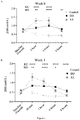
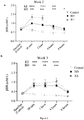
- BD-treated rats showed a moderate increase in ketone bodies, which tended to peak at 30 minutes and remain at constant elevated levels of around 0.8 to 1.0 mM/L through to 4 hours post-treatment, as seen in Figures 1(A) through 3 .
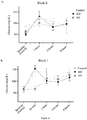
- KE treatment showed a reduction in glucose levels by 1 hour after treatment, as seen in Figure 4(A) , which continued the trend in week 1, seen in Figure 4(B) .
- BD showed a non-significant reduction in week 1.
- KE treatment showed enhanced reduction in glucose, as levels at 1 hour after treatment were also reduced, as seen in Figure 5(A) , and showed moderate reductions at 4 hours after treatment by week 3, as seen in Figure 5(B) .
- KE treatment resulted in reduced glucose levels through 4 hours after treatment, as seen in Figure 6 .
- BD treatment did not appear to drastically affect glucose levels.
- KE-treatment reductions in glucose levels began at 30 minutes after treatment through 4 hours, which was enhanced as treatment progressed through weeks 3 and 4.
- KE (5g/kg) supplemented rats showed a large, but non-significant, inverse relationship between elevated blood ketone levels and decreased blood glucose levels, as seen in Figure 7(A) and Table 1.
- BD (5g/kg) supplemented rats also showed a modest, non-significant inverse relationship.
- control-treated rats did not show any correlation between blood ketone levels and blood glucose levels.
- Weeks 2 and 3 showed less correlation between blood ketone levels and blood glucose levels, as seen in Figures 7(B) and 8 .
- KE-supplemented rats demonstrated a non-significant inverse relationship between elevated blood ketone levels and decreased blood glucose levels, seen in Figure 9(A) .
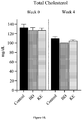
- Total Cholesterol and HDL taken at week 0 and again at week 4, showed a reduction in all samples, including the control, as seen in Figures 10 and 11 .
- Analysis showed the levels in all supplements were not significantly different from control after a 4-week chronic dosage of ketone supplements. Triglyceride levels were mildly elevated at week 4 in the control and Butanediol samples, with little change in levels of ketone ester sample, as seen in Figure 12 . However, none of the levels were significantly different from control after a 4-week chronic dosage of ketone supplements, indicating dietary ketone supplementation does not affect lipid profile.
- Gavaging ketogenic agents resulted in lower blood glucose, reduced bodyweight and appetite suppression, which is much greater than seen with metformin. Butanediol is currently the most potent ketogenic agent for the price. Problem is the taste and at very high doses it can create mild intoxication or sedating effects. In early studies (agents added to food) it was thought that the effects were due to reducing palatability. Gavaging controlled for that and suggests the results are due to ketone-induced appetite suppression effects. Animals gavaged with either BD or KE gained significantly less weight compared to controls.
- Example 1 Animals treated from Example 1 were sacrificed by CO 2 between 4-8 hours after gavage-treatment at the end of 4 weeks (28 days at the dose of 5-10g/kg), which were determined to be peak ketone elevation. Brain, Lungs, Liver, Kidneys, Spleen and Heart were harvest and weighed using AWS-1000 1kg portable digital scale (AWS, Charleston, SC). Organs were then either flash frozen in liquid nitrogen or preserved in paraformaldehyde for future analysis.
- AWS-1000 1kg portable digital scale AWS-1000 1kg portable digital scale
- KE ketone supplements significantly decreased the weight of the liver in the rats.
- BD supplemented animals showed no significant change in non-liver organ weight, as seen in Figure 14(A) .
- KE treatment did result in a statistically significant reduction in liver weight, as seen in Figure 14(B) .
- Livers from rats administered maximum tolerable dose of ketone supplementation were assessed via histology.
- the livers from rats treated 4-weeks with ketone supplementation appeared normal in color, size and texture in all groups upon harvesting.
- the livers were sectioned for histology and stained with Hematoxylin and Eosin (H&E stain), and analyzed by a trained pathologist to assess histopathological changes, including changes in liver cytoarchitecture, presence of steatosis, steatofibrosis, cell nuclei density, capillary density, presence of red blood cells (RBCs) and signs of inflammatory processes (e.g. macrophages).
- RBCs red blood cells
- the representative images are liver sections of Sprague-Dawley that were gavaged daily with water; 1,3-butanediol (BD); Ketone Ester (KE);) for 28 days at the maximum tolerable dose (5-10g/kg).
- BD 1,3-butanediol
- KE Ketone Ester
- 1,3-butanediol has alcohol-like properties and requires hepatocytes to enzymatically metabolize the di-alcohol through cytosolic alcohol dehydrogenase and the induction of cytochrome p450 enzymes for conversion to ⁇ HB.
- the processes are associated with an increase in liver metabolism and blood flow, possibly resulting in greater number of RBCs and capillaries.
- Table 2 The effect of ketone supplementation on hepatocyte nucleus number (based on minimum 5 images/animal, 5 animals/ group).
- Ketones beta-hydroxybutyrate ( ⁇ HB) and acetoacetate (AcAc), are derived from acetyl-CoA generated from the oxidation of fatty acids in the liver. In extrahepatic tissues, they are converted back to acetyl-CoA where they serve as important fuel sources - especially in the heart and skeletal muscle. Most tissues in mature animals, under nutrient replete conditions, do not use ketones but can adapt to their use during starvation or prolonged exercise when glycogen stores become depleted. The underlying hypothesis behind the use of ketogenic agents for induction of nutritional ketosis is that ketones are a metabolic substrate that can be exploited through the oral administration of specific forms of supplementation. This global metabolic profiling study was conducted to examine the systemic and brain metabolic responses of healthy rats subjected to two different diets capable of inducing nutritional ketosis.
- Rats were treated as described in Example 1, and brain and serum samples were extracted and prepared for analysis using a standard solvent extraction method (Metabolon Inc., Durham, NC) at 28 days after initiation of treatment. The extracted samples were split into equal parts for analysis on the GC/MS and LC/MS/MS platforms. Instrument variability was determined by calculating the median relative standard deviation (RSD) for the internal standards that were added to each sample prior to injection into the mass spectrometers.
- RSD median relative standard deviation
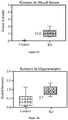
- Metabolomic analysis showed a significant elevation, with respect to controls, of serum ketone levels (>15 fold), seen in Figure 15 , and brain ketone levels (>2 fold), seen in Figure 16 , following administration of ketone esters (KE).
- KE ketone esters
- TCA tricarboxylic acid cycle
- TCA intermediate ketone ester (5g/kg) alpha-ketoglutarate 1.98 a succinate 1.25 fumarate 1.92 a malate 2.03 a citrate 1.99 a a significant difference ( p ⁇ 0.05) between the groups shown; metabolite ratio of ⁇ 1.00.
Landscapes
- Chemical & Material Sciences (AREA)
- Health & Medical Sciences (AREA)
- Organic Chemistry (AREA)
- Animal Behavior & Ethology (AREA)
- Pharmacology & Pharmacy (AREA)
- Veterinary Medicine (AREA)
- Public Health (AREA)
- General Health & Medical Sciences (AREA)
- Medicinal Chemistry (AREA)
- Life Sciences & Earth Sciences (AREA)
- Epidemiology (AREA)
- Emergency Medicine (AREA)
- Chemical Kinetics & Catalysis (AREA)
- Engineering & Computer Science (AREA)
- Nuclear Medicine, Radiotherapy & Molecular Imaging (AREA)
- Child & Adolescent Psychology (AREA)
- General Chemical & Material Sciences (AREA)
- Diabetes (AREA)
- Bioinformatics & Cheminformatics (AREA)
- Obesity (AREA)
- Hematology (AREA)
- Acyclic And Carbocyclic Compounds In Medicinal Compositions (AREA)
Abstract
Description
- This invention was made with government support under Grant # N00014-13-1-0062 awarded by the Department of Defense, Office of Naval Research. The government has certain rights in the invention.
- This application claims priority to
U.S. Provisional Patent Application 61/926,635 - This invention relates to ketogenic supplements to produce elevated and sustained levels of ketone bodies in the blood. More specifically, the invention provides a ketogenic treatment to suppress hunger.
- Ketogenic diets (KDs), calorie restriction (CR), therapeutic fasting and ketogenic precursors (e.g. ketone esters) increase blood ketone levels. Ketone bodies represent alternative energy substrates for peripheral tissues and the central nervous system (CNS). The metabolism of ketone bodies is associated with anticonvulsant effects, enhanced brain metabolism, neuroprotective, muscle sparing properties and improvement in cognitive and physical performance. Science-based improvements in efficiency of cellular metabolism, managed through ketone supplementation, could have beneficial impacts on physical, cognitive health, psychological health, warfighter resilience and a long-term impact on health with respect to the common avoidable diseases such as neurodegenerative diseases, coronary disease, diabetes and cancer. Recent evidence suggests that the health benefits from CR, KD or dietary restriction maybe be due to the effect of ketones on gene expression (Shimazu, et al. Suppression of oxidative stress by β-hydroxybutyrate, an endogenous histone deacetylase inhibitor. Science. 2013 Jan 11;339(6116):211-4) and muscle sparing properties.
- Under normal conditions of the standard American diet (SAD) the brain is exclusively dependent upon the metabolism of glucose to supply its metabolic energy, which is only 2% of bodyweight but 25% of total glucose consumption. It is well known that ketones can replace glucose to supply most of the brain's metabolic energy needs (> 50%) during periods of limited glucose availability resulting from starvation, CR or carbohydrate restriction as in KD, (Cahill, Jr., Fuel metabolism in starvation. Annu Rev Nutr 26: 1-22, 2006). During periods of starvation, CR or KD, the body mobilizes free fatty acids (FFA) from adipose tissue; however, the brain is unable to derive significant energy from FFA (Cahill, Jr., Fuel metabolism in starvation. Annu Rev Nutr 26: 1-22, 2006). Hepatic ketogenesis converts FFAs into the water soluble ketone bodies beta-hydroxybutyrate (BHB) and acetoacetate (AcAc), and a small percentage of AcAc spontaneously decarboxylates to acetone. During prolonged starvation or KD, large quantities of ketone bodies accumulate in the blood (>3 mM) and are transported across the blood brain barrier (BBB) by monocarboxylic acid transporters (MCFA1-4) to fuel brain function, and this ketone transport is enhanced under oxidative stress or limited glucose availability (Prins, Cerebral metabolic adaptation and ketone metabolism after brain injury. J Cereb Blood Flow Metab 28: 1-16, 2008). The brain derives up to 75% of its energy from ketones when glucose availability is limited (Cahill, Jr., Fuel metabolism in starvation. Annu Rev Nutr 26: 1-22, 2006). Starvation and dietary ketosis are often confused with diabetic ketoacidosis (DKA), but this occurs only in the absence of insulin (Vanltallie & Nufert, Ketones: metabolism's ugly duckling. Nutr Rev 61: 327-341, 2003). At least two feedback loops prevent runaway ketoacidosis from occurring, including a ketone-induced release of insulin and ketonuria (Cahill, Jr., Fuel metabolism in starvation. Annu Rev Nutr 26: 1-22, 2006). The metabolic adaptations associated with starvation-induced ketosis improve mitochondrial function, decrease reactive oxygen species (ROS) production, reduce inflammation and increase the activity of neurotrophic factors (Maalouf, et al., The neuroprotective properties of calorie restriction, the ketogenic diet, and ketone bodies. Brain Res Rev 59: 293-315, 2009). Moreover, it is known that ketones supplied as an alternative fuel are more efficient mitochondrial energy source than glucose (reviewed in Veech, 2004).
- The KD mimics the metabolic state associated with starvation (i.e. therapeutic ketosis) and is efficacious in treating drug-resistant seizure disorders (Freeman & Kossoff, Ketosis and the ketogenic diet, 2010: advances in treating epilepsy and other disorders. Adv Pediatr 57: 315-329, 2010). This therapeutic method is well established in children and adults (Klein, et al., Ketogenic diet treatment in adults with refractory epilepsy. Epilepsy Behav 19: 575-579, 2010). The anticonvulsant effects of the KD correlate with an elevation of blood ketones, especially AcAc and acetone (Bough & Rho, Anticonvulsant mechanisms of the ketogenic diet. Epilepsia 48: 43-58, 2007; McNally & Hartman, Ketone bodies in epilepsy. J Neurochem, 2011). The KD requires extreme dietary carbohydrate restriction and only modestly increases blood ketones compared to levels associated with prolonged starvation (Cahill, Jr., Fuel metabolism in starvation. Annu Rev Nutr 26: 1-22, 2006). In addition, the unbalanced macronutrient profile of the KD is often considered unpalatable and has the potential to negatively impact lipid profile if consumed in unrestricted amounts (Freeman & Kossoff, Ketosis and the ketogenic diet, 2010: advances in treating epilepsy and other disorders. Adv Pediatr 57: 315-329, 2010).
- The ketogenic diet has been used to treat pediatric intractable seizures since the 1920s. The diet is currently being investigated as treatment for a broad list of disease states from cardiovascular health and type II diabetes to cancer and neurological disorders such as amyotrophic lateral sclerosis (ALS) and traumatic brain injury (TBI). Elevating blood ketones to fasting levels (> 5mM) prevents death, coma and even a hypoglycemic reaction in humans administered a normally fatal dose of insulin (Aoki & Cahill, Jr., Metabolic effects of insulin, glucagon and glucose in man. Clinical application. Endocrinology, edited by L. DeGroot. Et al. p 1843, New York; Grune and Straten, 1997). The classical ketogenic diet consists of a strict regimen of 4 parts fat to 1 part protein with less than 25-50g of carbohydrates per day. During carbohydrate deprivation, glucose availability decreases causing a metabolic shift towards fatty acid beta-oxidation and the production of ketone bodies for energy homeostasis. The two most abundant and physiologically significant ketone bodies are Acetoacetate (AcAc) and β-hydroxybutyrate (βHB), while the third ketone body: Acetone is produced as a byproduct that the lungs breathe off. The carbohydrate restriction is necessary for the body to produce ketone levels in the therapeutic range 2-7mM/L.
- Many individuals, especially females, experience lethargy and light-headedness, referred to by some as the "low carb flu". This uncomfortable physiological state is due glucose withdraw in the brain and to a depletion of minerals, especially sodium and potassium in the plasma. These symptoms can be attenuated or reversed with sufficient supplementation of sodium, potassium, calcium and magnesium. Supplemental administration of minerals prevents potassium depletion via the renal-adrenal aldosterone pathway. Failure to supplement for minerals can lead to muscle cramps and fatigue. The therapeutic ketosis produced by the invention provides a rapid and sustained keto-adaptation as a metabolic therapy for a wide range of metabolic disorders, neurological disorders and cancer, and provide nutritional support for therapeutic fasting and performance enhancement.
- Evidence for the KD working as a novel metabolic therapy is supported by the fact that KD-induced ketosis works when even high doses of multiple antiepileptic drugs (AEDs) fail (Kim do & Rho, The ketogenic diet and epilepsy. Curr Opin Clin Nutr Metab Care 11: 113-120, 2008). Thus, the KD activates mechanisms other than those targeted by any specific AED, or even combinations of AEDs. The general consensus is that therapeutic ketosis shifts energy metabolism in a way that preserves CNS function and synaptic stability. Surprisingly, no commercially available AEDs attempt to mimic therapeutic ketosis conferred by the KD. However, evidence suggests that a common ketogenic precursor (MCFA oil) induces a very mild ketosis that confers anticonvulsant effects (Neal, et al., A randomized trial of classical and medium-chain triglyceride ketogenic diets in the treatment of childhood epilepsy. Epilepsia 50: 1109-1117, 2009) and improves mild cognitive impairment in patients (Henderson, Ketone bodies as a therapeutic for Alzheimer's disease. Neurotherapeutics 5: 470-480, 2008). There is also a strong rationale for using ketones for traumatic brain injury (TBI). Cellular stress, such as those occurring in TBI, causes insulin resistance in the mitochondria which blocks pyruvate dehydrogenase (PDH), effectively blocking aerobic metabolism and forcing injured cells to generate ATP via substrate level phosphorylation. This switch occurs even in the presence of adequate brain tissue PO2 and substrate. Ketone bodies enter the Tricarboxylic Acid Cycle (TCA cycle) without using the rate limiting enzyme, pyruvate dehydrogenase (PDH), bypassing the restriction of cellular respiration. This ketone-induced metabolic enhancement increases the cellular phosphorylation potential, and allows aerobic metabolism to proceed, provided the individual has sustained ketosis with a supplemental ketone bodies. Since TBI outcome is most dependent on preserving brain energy metabolism, this pathway may increase resilience to TBI by bypassing PDH and overcoming impaired glucose utilization and insulin resistance in the brain following trauma or neurodegenerative process.
- Performance studies in rats, mice and human subjects have shown improved motor function, endurance and cognitive function with ketone supplementation, such as ketone esters. Resilience of cardiopulmonary and neurological function under extreme environments of oxidative stress (hyperoxia) has been achieved in rats given ketone supplementation (D'Agostino, et al. Development, testing and therapeutic applications of ketone esters (KE) for CNS oxygen toxicity (CNS-OT); i.e., hyperbaric oxygen (HBO2)-induced seizures. FASEB J. 711.10, 2012). Recent studies at Oxford (Dr. Kieran Clark's laboratory) in elite athletes (e.g., Olympic rowers) demonstrate superior performance with respect to endurance time, volume of oxygen consumed, heart rate, blood lactate levels and power output when given ketone supplementation (BHB ester). Athletes that maintain nutritional ketosis maintain lower insulin levels and can better utilize fatty acids and ketones for fuel, effectively sparing blood glucose, which optimizes and prolongs physical and mental performance. In addition to providing an alternative fuel source, elevating blood ketones increases branch chain amino acid levels (e.g. leucine) that decreases central fatigue by reducing transport of serotonin precursors across the blood brain barrier (BBB).
- Though a KD is effective at raising blood ketone levels and has potential broad applications, patient compliance is low due to the restrictive nature of the diet. There is an immediate shift back to glucose utilization, meaning decrease in ketone levels, if carbohydrates are consumed over the restrictive amount. Additionally, there are concerns with the diet regarding increasing total cholesterol and triglycerides while decreasing HDL levels. This lipid profile is a key predictor of heart health: atherosclerotic lesions, fatty streaks and fibrous plaques in the aorta and coronary arteries. This is more limiting on adult treatment with the ketogenic diet. Also, elevating blood ketones with ketogenic medical foods or exogenous ketones has been largely ineffective or problematic for a variety of reasons. Ketogenic fats, like medium chain triglyceride oil (MCFA oil) are generally not well tolerated by the gastrointestinal system, and supplementation produces only low levels of ketones (< 0.5 mM) (Henderson, Ketone bodies as a therapeutic for Alzheimer's disease. Neurotherapeutics 5: 470-480, 2008). Oral administration of BHB and AcAc in their free acid form is expensive and ineffective at producing sustained ketosis. One idea has been to buffer the free acid form of BHB with sodium salts, but this is largely ineffective at preventing seizures in animal models and causes a potentially harmful sodium overload and mineral imbalance at therapeutic levels of ketosis (Bough & Rho, Anticonvulsant mechanisms of the ketogenic diet. Epilepsia 48: 43-58, 2007).
- Based on the broad therapeutic potential for the ketogenic diet, the need to develop an oral ketone supplement that could elevate blood ketone levels to therapeutic ranges without dietary restriction is greater than ever.
- Ketone bodies are naturally produced in the body as an alternative fuel when glucose and insulin levels are low, e.g., during starvation. The body switches from glucose-fueled ATP production to breaking down fats to generate ATP. Diets that increase ketone levels have been used to manage epilepsy, and are currently being investigated as adjunct treatment for cancer (Seyfried, & Shelton, Cancer as a metabolic disease. Nutr Metab (Lond). 2010;7:7), amyotrophic lateral sclerosis (Zhao, et al., A ketogenic diet as a potential novel therapeutic intervention in amyotrophic lateral sclerosis. BMC Neurosci. 2006 ), and traumatic brain injury (Prins, Cerebral metabolic adaptation and ketone metabolism after brain injury. J Cereb Blood Flow Metab. 2008 Jan. 28(1):1-16). In 2012, Clarke et al, validated the safety and efficacy of an oral administration of a monoester of βHB in both rats and humans, showing that they were able to maintain elevated blood ketones without dietary restriction with little to no adverse side effects (Clarke, et al., Kinetics, safety and tolerability of (R)-3-hydroxybutyl (R)-3-hydroxybutyrate in healthy adult subjects. Regul Toxicol Pharmacol. 2012 Aug;63(3):401-8; Clarke, et al., Oral 28-day and developmental toxicity studies of (R)-3-hydroxybutyl (R)-3-hydroxybutyrate. Regul Toxicol Pharmacol. 2012 Jul;63(2):196-208). This shows the potential utility of a ketone supplement that would negate the restrictive diet while allowing the same benefits.
- As such, a composition is described which causes a rapid and sustained elevation of blood ketones with a single oral administration. Exploiting the metabolic and physiological advantages of sustained ketosis (e.g. keto-adaptation), which utilize ketones as an alternative fuel to potentially improve metabolic health and performance, and suppress hunger. Individuals on the SAD can expect to get peak fat oxidation from exercise between 60-65% of maximum (VO2 max); higher exertion levels will then deplete glycogen stores. Keto-adapted individuals draw proportionally more substrate from fats and ketones and can shift the peak to much higher VO2 levels and thus, sustain effort for an extended duration. A sustained physiological decrease in glucose and insulin are required for sustained hepatic ketogenesis, which is very difficult for most humans.
- Ketone bodies, such as beta-hydroxybutyrate and acetoacetate, have been shown to increase ATP synthesis (Veech, et al., Ketone bodies, potential therapeutic uses. IUBMB Life. 2001 Apr;51(4):241-247; Veech, The therapeutic implications of ketone bodies: the effects of ketone bodies in pathological conditions: ketosis, ketogenic diet, redox states, insulin resistance, and mitochondrial metabolism. Prostaglandins, Leukot Essent Fatty Acids. 2004 Mar;70(3):309-319; Maalouf, et al., The neuroprotective properties of calorie restriction, the ketogenic diet, and ketone bodies. Brain Res Rev. 2009 Mar;59(2):293-315) and make ATP production more efficient (Veech, et al., Ketone bodies, potential therapeutic uses. IUBMB Life. 2001 Apr;51(4):241-247; Veech, The therapeutic implications of ketone bodies: the effects of ketone bodies in pathological conditions: ketosis, ketogenic diet, redox states, insulin resistance, and mitochondrial metabolism. Prostaglandins, Leukot Essent Fatty Acids. 2004 Mar;70(3):309-319; Maalouf, et al., The neuroprotective properties of calorie restriction, the ketogenic diet, and ketone bodies. Brain Res Rev. 2009 Mar;59(2):293- 315).
- Accordingly, a composition comprising at least one ketone is disclosed, where the ketone is R,S-1,3-Butandiol, R,S-1,3-butanediol acetoacetate diester, or a combination of the two ketones. The composition has been found to suppress hunger. In light of improved effects ketosis has shown on ATP generation and utilization, as discussed above, the present composition can be used in reducing weight in individuals. The ketones are optionally administered between 2 grams and 50 grams, between 5 grams and 30 grams, or between 10 grams and 20 grams. For example, the ketone compounds are optionally administered at 2 grams, 4 grams, 5 grams, 6 grams, 7 grams, 8 grams, 9 grams, 10 grams, 11 grams, 12 grams, 13 grams, 14 grams, 15 grams, 17 grams, 19 grams, 20 grams, 22 grams, 24 grams, 26 grams, 28 grams, 30 grams, 32 grams, 34 grams, 36 grams, 38 grams, 40 grams, 42 grams, 44 grams, 46 grams, 48 grams, or 50 grams. Alternatively, the ketones are administered at between 5 g/kg to 10 g/kg. Nonlimiting examples include 5 g/kg, 5.5 g/kg, 6 g/kg, 6.5 g/kg, 7 g/kg, 7.5 g/kg, 8 g/kg, 8.5 g/kg, 9 g/kg, 9.5 g/kg, or 10 g/kg.
- These compositions have been found especially useful when used to produce clinical ketosis in the patient. Preferably, blood levels above 0.5 mmol/L (mild clinical ketosis) through less than 10 mmol/L are used. In specific embodiments, the target blood levels are between about 1.0 mmol/L and about 3.0 mmol/L. Administration of the compositions at about 1g/kg/day achieves mild ketosis, whereas 10g/kg/day achieves high levels of ketosis. As such the ketone compositions are optionally administered at about 1g/kg/day to about 10g/kg/day. Nonlimiting examples include 1g/kg/day, 1.25g/kg/day, 1.5g/kg/day, 2g/kg/day, 2.5g/kg/day, 3g/kg/day, 3.5g/kg/day, 4g/kg/day, 4.5g/kg/day, 5g/kg/day, 5.5g/kg/day, 6g/kg/day, 7g/kg/day, 8g/kg/day, 8.5g/kg/day, 9g/kg/day, 9.5g/kg/day, and 10g/kg/day.
- For a fuller understanding of the invention, reference should be made to the following detailed description, taken in connection with the accompanying drawings, in which:
-
Figures 1(A) and (B) are graphs showing the effects of ketone supplementation on blood ketone levels. Ketone supplementation demonstrated significant elevation of ketones over 4 weeks. (A)Week 0 and (B)week 1, ketone supplements BD and KE were given at 5 g/kg for all four weeks. Both elevated ketones starting at 30 min and lasting 8 hours. Two-Way ANOVA with Dunnett's post hoc test, results considered significant if p<0.05. Error bars represent ±SEM. * p < 0.05; ** p < 0.01; *** p < 0.001; **** p < 0.0001. -
Figure 2(A) and (B) are graphs showing the effects of ketone supplementation on blood ketone levels. Ketone supplementation demonstrated significant elevation of ketones over 4 weeks. (A)Week 2 and (B)week 3, ketone supplements BD and KE were given at 5 g/kg for all four weeks. Both elevated ketones starting at 30 min and lasting 8 hours. Two-Way ANOVA with Dunnett's post hoc test, results considered significant if p<0.05. Error bars represent ±SEM. * p < 0.05; ** p < 0.01; *** p < 0.001; **** p < 0.0001. -
Figure 3 is a graph showing the effects of ketone supplementation on blood ketone levels. Ketone supplementation demonstrated significant elevation of ketones over 4 weeks.Week 4, ketone supplements BD and KE were given at 5 g/kg for all four weeks. Both elevated ketones starting at 30 min and lasting 8 hours. Two-Way ANOVA with Dunnett's post hoc test, results considered significant if p<0.05. Error bars represent ±SEM. * p < 0.05; ** p < 0.01; *** p < 0.001; **** p < 0.0001. -
Figures 4(A) and (B) are graphs showing the effects of ketone supplementation on blood glucose levels at (A)week 0 and (B)week 1. Two-Way ANOVA with Dunnett's post hoc test, results considered significant if p<0.05. Error bars represent ±SEM. -
Figures 5(A) and (B) are graphs showing the effects of ketone supplementation on blood glucose levels at (A)week 2 and (B)week 3. Two-Way ANOVA with Dunnett's post hoc test, results considered significant if p<0.05. Error bars represent ±SEM. -
Figure 6 is a graph showing the effects of ketone supplementation on blood glucose levels atweek 4. Two-Way ANOVA with Dunnett's post hoc test, results considered significant if p<0.05. Error bars represent ±SEM. -
Figures 7(A) and (B) are graphs showing a binary regression analysis between ketone and glucose levels at (A)week 0 and (B)week 1. Linear regression analysis results were considered significant if p < 0.05. -
Figure 8 is a graph showing a binary regression analysis between ketone and glucose levels atweek 2. Linear regression analysis results were considered significant if p < 0.05. -
Figures 9(A) and (B) are graphs showing a binary regression analysis between ketone and glucose levels at (A)week 3 and (B)week 4. Atweek 4, BD (5g/kg) showed a significant correlation between blood ketone levels and blood glucose levels. Linear regression analysis results were considered significant if p < 0.05. -
Figure 10 is a graph showing ketone supplementation does not affect lipid profile. Atweek 0 andweek 4 total cholesterol were not significantly different from control in any of the test substances. Two-Way ANOVA with Dunnett's post hoc test, results considered significant if p<0.05. Error bars represent ±SEM. -
Figure 11 is a graph showing ketone supplementation does not affect lipid profile. Atweek 0 andweek 4 HDL were not significantly different from control in any of the test substances. Two-Way ANOVA with Dunnett's post hoc test, results considered significant if p<0.05. Error bars represent ±SEM. -
Figure 12 is a graph showing ketone supplementation does not affect lipid profile. Atweek 0 andweek 4 triglycerides were not significantly different from control in any of the test substances. Two-Way ANOVA with Dunnett's post hoc test, results considered significant if p<0.05. Error bars represent ±SEM. -
Figure 13 is a graph showing the effects of ketone supplementation on change of body weight. * p < 0.05; ** p < 0.01; *** p < 0.001; **** p < 0.0001. -
Figures 14(A) and (B) are graphs showing the effects of ketone supplementation on organ weights. (A)week 4 harvested organ weights and (B)week 4 harvested liver weights were significantly decreased in ketone ester supplement. There was not a significant change in liver weight with animals fed BD ketone supplement. Two-Way ANOVA with Dunnett's post hoc test, results considered significant if p<0.05. Error bars represent ±SEM. ** p < 0.01. -
Figure 15 is a graph showing levels of ketone in blood serum after 28-day KE treatment, n = 8. Samples were equally split and analyzed on GC/MS and LC/MS/MS platforms. Error bars represent ±SEM. -
Figure 16 is a graph showing levels of ketone in the hippocampus after 28-day KE treatment, n = 8. Samples were equally split and analyzed on GC/MS and LC/MS/MS platforms. Error bars represent ±SEM. -
Figure 17 is a graph showing levels of the Krebs cycle (TCA) intermediate alpha-ketoglutarate in blood serum after 28-day KE treatment, indicating an anaplerotic mechanism. Error bars represent ±SEM. -
Figure 18 is a graph showing levels of Krebs cycle (TCA) intermediate succinate in blood serum after 28-day KE treatment, indicating an anaplerotic mechanism. Error bars represent ±SEM. -
Figure 19 is a graph showing levels of Krebs cycle (TCA) intermediate fumarate in blood serum after 28-day KE treatment, indicating an anaplerotic mechanism. Error bars represent ±SEM. -
Figure 20 is a graph showing levels of Krebs cycle (TCA) intermediate malate in blood serum after 28-day KE treatment, indicating an anaplerotic mechanism. Error bars represent ±SEM. -
Figure 21 is a graph showing levels of Krebs cycle (TCA) intermediate citrate in blood serum after 28-day KE treatment, indicating an anaplerotic mechanism. Error bars represent ±SEM. - As used herein, the singular forms "a," "an" and "the" include plural referents unless the context clearly dictates otherwise. Thus, for example, reference to "a ketone precursor" includes a mixture of two or more ketone precursors and the like, unless otherwise specified.
- As used herein, "about" or "approximately" as used herein refers to being within an acceptable error range for the particular value as determined by one of ordinary skill in the art, which will depend in part on how the value is measured or determined, i.e. the limitations of the measurement system, i.e. the degree of precision required for a particular purpose, such as a pharmaceutical formulation. For example, "about" can mean within 1 or more than 1 standard deviation, per the practice in the art. Alternatively, "about" can mean a range of up to 20%, preferably up to 10%, more preferably up to 5% and more preferably still up to 1% of a given value. In specific embodiments, "about" means approximately or nearly and in the context of a numerical value or range set forth means ±15% of the numerical. "About" is understood to refer to numbers in a range of numerals. Moreover, all numerical ranges herein should be understood to include all integer, whole or fractions, within the range.
- All numerical designations, such as pH, temperature, time, concentration, and molecular weight, including ranges, are approximations which are varied up or down by increments of 1.0 or 0.1, as appropriate. It is to be understood, even if it is not always explicitly stated that all numerical designations are preceded by the term "about". It is also to be understood, even if it is not always explicitly stated, that the reagents described herein are merely exemplary and that equivalents of such are known in the art and can be substituted for the reagents explicitly stated herein
- As used herein "beta-hydroxybutyrate," also known as βHB or BHB, is a carboxylic acid having the general formula CH3CH2OHCH2COOH which may be utilized by a patient's body as a fuel source during instances of low glucose levels in the patient and is considered a ketone body. In the present invention, salt variants of beta-hydroxybutyrate are disclosed.
- Concentrations, amounts, solubilities, and other numerical data may be expressed or presented herein in a range format. It is to be understood that such a range format is used merely for convenience and brevity and thus should be interpreted flexibly to include not only the numerical values explicitly recited as the limits of the range, but also to include all the individual numerical values or sub-ranges encompassed within that range as if each numerical value and sub-range is explicitly recited. As an illustration, a numerical range of "about 1 to about 5" should be interpreted to include not only the explicitly recited values of about 1 to about 5, but also include the individual values and sub-ranges within the indicated range. Thus, included in this numerical range are individual values such as 2, 3, and 4 and sub-ranges such as from 1-3, from 2-4 and from 3-5, etc. This same principle applies to ranges reciting only one numerical value. Furthermore, such an interpretation should apply regardless of the range or the characteristics being described.
- "Ketosis" as used herein refers to a subject having blood ketone levels > 0.5 mmol/L. Ketone levels sustained above 0.5 mmol/L and ideally in the range of 1.0 to 3.0 mmol/L appear to offer the most therapeutic effects in humans. Levels of ketosis above 10.0 mmol/L are associated with signs of ketoacidosis. Ketosis may improve mitochondrial function, elevate Krebs cycle intermediates (e.g. succinate, fumarate), decrease ROS production, reduce inflammation, elevated adenosine and increase the activity of neurotrophic factors associated with enhanced wound repair.
- As used herein "patient", means members of the animal kingdom, including mammals, such as but not limited to, primates including humans, gorillas and monkeys; rodents, such as mice, fish, reptiles and birds. As used herein "animal" means a multicellular, eukaryotic organism classified in the kingdom Animalia or Metazoa. The term includes, but is not limited to, mammals. Non-limiting examples include, rodents, aquatic mammals, domestic animals such as dogs and cats, farm animals such as sheep, pigs, cows and horses, and humans. Wherein the terms "animal" or "mammal" or their plurals are used, it is contemplated that it also applies to any animals. The patient may be any animal requiring therapy, treatment, or prophylaxis, or any animal suspected of requiring therapy, treatment, or prophylaxis. The term treatment, as used in this definition only, is intended to mean that regiment described is continued until the underlying tissue damage is resolved, whereas therapy requires that the regiment alleviate one or more symptoms of the underlying damage, such as formation of reactive oxygen species.
- As used herein, the term "therapeutically effective amount" refers to that amount of a therapy (e.g., a ketogenic agent) sufficient to result in the amelioration of oxidation via reactive oxygen species or improving the outcome of wound healing, prevent chronic ulceration, reduce scar formation, or to enhance or improve the therapeutic effect(s) of another wound repair therapy.
- The term "administration" or "administering" is used to describe the process in which individual ketone esters, including R,S-1, 3-butanediol acetoacetate diester, and butanediol, R,S-1,3-butanediol, in any combination are delivered to a subject. The composition may be administered in various ways including oral, intragastric, and parenteral (referring to intravenous and intra-arterial and other appropriate parenteral routes), among others. Each of these conditions may be readily treated using other administration routes of beta-hydroxybutyrate salts in combination with medium chain triglycerides, derivatives, or any combination thereof to treat a disease or condition.
- Administration will often depend upon the amount of compound administered, the number of doses, and duration of treatment. In an embodiment, multiple doses of the agent are administered. The frequency of administration of the agent can vary depending on any of a variety of factors, such as timing of treatment from previous treatments, objectives of the treatment, i.e., weight loss or treatment of cancer or neurological disease, and the like. The duration of administration of the agent, e.g., the period of time over which the agent is administered, can vary, depending on any of a variety of factors, including patient response, desired effect of treatment, etc.
- The amount of the agent contacted (e.g., administered) can vary according to factors such as the degree of susceptibility of the individual, the age, sex, and weight of the individual, idiosyncratic responses of the individual, the dosimetry, and the like. Detectably effective amounts of the agent of the present disclosure can also vary according to instrument and film-related factors. Optimization of such factors is well within the level of skill in the art.
- All data are presented as the mean ± standard error of the mean (SEM). All calculations were performed using statistical analysis software GraphPad PRISM™ version 6.0a. Statistical significance was defined as p < 0.05. All data were compared to control at the applicable time points using a two-way ANOVA with Dunnet's multiple comparisons test.
- BD was purchased from Sigma (Milwaukee, WI). R,S-1, 3-butanediol acetoacetate diester (KE) synthesized as previously described (D'Agostino, et al., Therapeutic ketosis with ketone ester delays central nervous system oxygen toxicity seizures in rats. Am J Physiol Regul Integr Comp Physiol. 2013 May 15;304(10):R829-36). Briefly, R,S-1,3-butanediol and t-butylacetoacetate were purchased from Sigma (Milwaukee, WI, USA). All commercial solvents and reagents used were high-purity reagent-grade materials. KEs were synthesized by transesterification of t-butylacetoacetate with R,S-1,3-butanediol (Savind Inc., Seymour, IL). The resultant product consisted of a mixture of monoesters and diester, the ratio of which could be adjusted by varying the stoichiometry of reactants. Following synthesis the crude product was distilled under reduced pressure to remove all solvents and starting materials, and the resultant BD-AcAc or BD-AcAc2 was obtained and assessed for purity using gas chromatography-mass spectrometry (GC-MS). The KEs synthesized, R,S-1,3-butanediol acetoacetate (BD-AcAc) and R,S-1,3-butanediol acetoacetate diester (BD-AcAc2), are nonionized sodium-free and pH-neutral precursors of AcAc.
- Adult male Sprague-Dawley rats (n = 74), 275-325 grams, were obtained from Harlan, and randomly assigned to the following groups: control (water), R,S-1,3-butanediol (BD), or R,S-1,3-butanediol acetoacetate diester (KE). Rats were treated daily with 5g/kg intragastric gavage of BD or KE for days 1-28. Animals were weighed once per week to maintain accurate dosage using the Mittler Toledo SB16001 scales. Gavage was given between 10am-1pm daily to eliminate variance based on regular eating patterns. Diets were not restricted for this study.
- Once a week, animals were fasted, with water still available for 4 hours prior to intragastric gavage to eliminate blood glucose and ketone variance of regular eating habits. Whole blood samples (10 µl) were acquired from the saphenous vein for analysis of glucose and βHB utilizing the commercially available glucose and ketone monitoring system Precision Xtra™ (Abbott Laboratories, Abbott Park, IL) at
time 0, 0.5, 1, 4, 8, and 12 hours after test substance administration, or until βHB returned to baseline. On Day 0 (Week 0) and Day 28 (Week 4), whole blood samples (10 µL) were acquired for analysis of total cholesterol, HDL, and triglycerides for a lipid panel utilizing the commercially available home cholesterol analyzer Cardio Chek™ (Polymer Technology Systems, Inc., Indianapolis, IN) attime 0. - Over the 28-day experiment, administered amounts of the ketone precursors R,S-1,3-butanediol (BD) and R,S-1,3-butanediol acetoacetate diester (KE) remained constant, at 5 g/kg. BD-treated rats showed a moderate increase in ketone bodies, which tended to peak at 30 minutes and remain at constant elevated levels of around 0.8 to 1.0 mM/L through to 4 hours post-treatment, as seen in
Figures 1(A) through 3 . Slight deviations are apparent, as seen inFigure 1(A) , which showed a peak of 1.0 mM/L at 4 hours, andFigure 3 , which showed an initial peak of about 0.8 mM/L at 30 minutes that began to subside, followed by a second peak of about 0.8 mM/L at 8 hours. It is possible these deviations are due to administration, asFigure 1(A) shows treatment atweek 0 andFigure 3 shows treatment atweek 6. However, these variations are likely due to artifacts, with the overall trend of a 30 minute-peak evidencing the physiological response to BD. KE-treated rats showed an increase inketone bodies 30 minutes after administration to about 1.3 to 1.5 mM/L, which then slowly decreased over the 8 hour-testing window. Similar to BD treatment, the KE results did show deviations from the overall trend. InFigure 1(A) , ketone levels remained elevated through 4 hours before decreasing, and inFigure 2(B) , ketone levels plateaued at 30 minutes, followed by an increase to a peak level at 4 hours of about 1.1 to 1.2 mM/L. In light of the variations, it appears the deviations are due to sampling differences, and that the physiological response is reflected by the overall trends, which show significant elevations in βHB levels until 8 hours post-treatment. - Administered amounts of the ketone precursors R,S-1,3-butanediol (BD) and R,S-1,3-butanediol acetoacetate diester (KE) resulted in a rapid reduction in blood glucose. At
week 0, KE treatment showed a reduction in glucose levels by 1 hour after treatment, as seen inFigure 4(A) , which continued the trend inweek 1, seen inFigure 4(B) . BD showed a non-significant reduction inweek 1. Byweek 2, KE treatment showed enhanced reduction in glucose, as levels at 1 hour after treatment were also reduced, as seen inFigure 5(A) , and showed moderate reductions at 4 hours after treatment byweek 3, as seen inFigure 5(B) . Byweek 4, KE treatment resulted in reduced glucose levels through 4 hours after treatment, as seen inFigure 6 . BD treatment did not appear to drastically affect glucose levels. KE-treatment reductions in glucose levels began at 30 minutes after treatment through 4 hours, which was enhanced as treatment progressed throughweeks - In week 0 (baseline), KE (5g/kg) supplemented rats showed a large, but non-significant, inverse relationship between elevated blood ketone levels and decreased blood glucose levels, as seen in
Figure 7(A) and Table 1. BD (5g/kg) supplemented rats also showed a modest, non-significant inverse relationship. By comparison, control-treated rats did not show any correlation between blood ketone levels and blood glucose levels.Weeks Figures 7(B) and8 . Atweek 3, KE-supplemented rats demonstrated a non-significant inverse relationship between elevated blood ketone levels and decreased blood glucose levels, seen inFigure 9(A) . However, BD-treated rats did not show a similar correlation, as seen inFigure 9(A) . Atweek 4, KE and BD treatment indicated an inverse relationship, though only KE treatment showed a significant correlation between blood ketone levels and blood glucose levels, as seen inFigure 9(B) and Table 1.Table 1. Statistical analysis of the binary relationship between ketone levels and glucose levels in KE and BD treatments. Compound Week 0 Week 1Week 2Week 3Week 4BD r2 = 0.07855 r2 = 0.03847 r2 = 0.007530 r2 = 0.001469 r2 = 0.1005 p = 0.2600* p = 0.4354* p = 0.7321* p = 0.8839* p = 0.2150* KE r2 = 0.1593 r2 = 0.03155 r2 = 0.1356 r2 = 0.4096 r2 = 0.2381 p = 0.1008* p = 0.4807* p = 0.1327* p = 0.0057 p = 0.0469 * Results failed to reach statistical significance based on p < 0.05. - Total Cholesterol and HDL, taken at
week 0 and again atweek 4, showed a reduction in all samples, including the control, as seen inFigures 10 and11 . Analysis showed the levels in all supplements were not significantly different from control after a 4-week chronic dosage of ketone supplements. Triglyceride levels were mildly elevated atweek 4 in the control and Butanediol samples, with little change in levels of ketone ester sample, as seen inFigure 12 . However, none of the levels were significantly different from control after a 4-week chronic dosage of ketone supplements, indicating dietary ketone supplementation does not affect lipid profile. - Animal weights were obtained weekly (Mittler Toledo SB16001 scales). Control rats steadily increased in weight over the 4 week study. BD treatment modestly decreased body weight increases, with differences in weight increases significant in
weeks 2 through 4, as seen inFigure 13 . KE treatments further reduced weight gains compared to BD treatment, and were statistically significant at all test points. - Gavaging ketogenic agents resulted in lower blood glucose, reduced bodyweight and appetite suppression, which is much greater than seen with metformin. Butanediol is currently the most potent ketogenic agent for the price. Problem is the taste and at very high doses it can create mild intoxication or sedating effects. In early studies (agents added to food) it was thought that the effects were due to reducing palatability. Gavaging controlled for that and suggests the results are due to ketone-induced appetite suppression effects. Animals gavaged with either BD or KE gained significantly less weight compared to controls.
- Animals treated from Example 1 were sacrificed by CO2 between 4-8 hours after gavage-treatment at the end of 4 weeks (28 days at the dose of 5-10g/kg), which were determined to be peak ketone elevation. Brain, Lungs, Liver, Kidneys, Spleen and Heart were harvest and weighed using AWS-1000 1kg portable digital scale (AWS, Charleston, SC). Organs were then either flash frozen in liquid nitrogen or preserved in paraformaldehyde for future analysis.
- KE ketone supplements significantly decreased the weight of the liver in the rats. BD supplemented animals showed no significant change in non-liver organ weight, as seen in
Figure 14(A) . However, KE treatment did result in a statistically significant reduction in liver weight, as seen inFigure 14(B) . - Livers from rats administered maximum tolerable dose of ketone supplementation were assessed via histology. The livers from rats treated 4-weeks with ketone supplementation appeared normal in color, size and texture in all groups upon harvesting. The livers were sectioned for histology and stained with Hematoxylin and Eosin (H&E stain), and analyzed by a trained pathologist to assess histopathological changes, including changes in liver cytoarchitecture, presence of steatosis, steatofibrosis, cell nuclei density, capillary density, presence of red blood cells (RBCs) and signs of inflammatory processes (e.g. macrophages).
- The representative images are liver sections of Sprague-Dawley that were gavaged daily with water; 1,3-butanediol (BD); Ketone Ester (KE);) for 28 days at the maximum tolerable dose (5-10g/kg). There was a trend for greater number of RBCs and capillaries in BD- and KE-treated rats compared to control, which was most prevalent in the 1,3-butanediol group (data not shown). Fat deposits were evident in upon BE or KE treatment, with 1,3-butanediol treatment group showing the most prevalence of fat deposition. It should be noted that 1,3-butanediol has alcohol-like properties and requires hepatocytes to enzymatically metabolize the di-alcohol through cytosolic alcohol dehydrogenase and the induction of cytochrome p450 enzymes for conversion to βHB. The processes are associated with an increase in liver metabolism and blood flow, possibly resulting in greater number of RBCs and capillaries. There was also a modest, but statistically significant increase in hepatocyte cell nuclei, seen in Table 2, although no indications of liver damage, inflammation, fibrosis or presence of Mallory-Denk bodies were observed.
Table 2. The effect of ketone supplementation on hepatocyte nucleus number (based on minimum 5 images/animal, 5 animals/ group). unpaired t-test; results considered significant if p<0.05.Control BD KE average 95.36 93.56 107.80a minimum 79 70 83 maximum 123 120 141 standard deviation 10.01 12.97 16.00 significance 0.585 0.002 a statistically significant results. - Ketones, beta-hydroxybutyrate (βHB) and acetoacetate (AcAc), are derived from acetyl-CoA generated from the oxidation of fatty acids in the liver. In extrahepatic tissues, they are converted back to acetyl-CoA where they serve as important fuel sources - especially in the heart and skeletal muscle. Most tissues in mature animals, under nutrient replete conditions, do not use ketones but can adapt to their use during starvation or prolonged exercise when glycogen stores become depleted. The underlying hypothesis behind the use of ketogenic agents for induction of nutritional ketosis is that ketones are a metabolic substrate that can be exploited through the oral administration of specific forms of supplementation. This global metabolic profiling study was conducted to examine the systemic and brain metabolic responses of healthy rats subjected to two different diets capable of inducing nutritional ketosis.
- Rats were treated as described in Example 1, and brain and serum samples were extracted and prepared for analysis using a standard solvent extraction method (Metabolon Inc., Durham, NC) at 28 days after initiation of treatment. The extracted samples were split into equal parts for analysis on the GC/MS and LC/MS/MS platforms. Instrument variability was determined by calculating the median relative standard deviation (RSD) for the internal standards that were added to each sample prior to injection into the mass spectrometers.
- Comparison of the biochemical profiles of serum and hippocampal samples collected from Sprague-Dawley rats fed a control diet (control) or a ketone ester diet (KE; BDAcAC2) revealed several key metabolic differences. A total of 388 and 290 compounds were identified in serum and hippocampus samples, respectively. Statistical tests revealed a wide range of changes in serum among all diet groups whereas the number of statistically significant changes in the hippocampus was more limited. The less robust changes in the hippocampal tissue may have been due to the time frame needed to dissect the hippocampal tissue from the brain prior to flash freezing (2-4 minutes). Random Forest (RF) is a supervised classification technique reporting on the consensus of a large number of decision trees. In this study, the serum and hippocampus profiles of animals subjected to different dietary treatments were classified in order to: 1) assess the capacity to distinguish between dietary treatment on the basis of global metabolic profiles and 2) identify biochemicals important to the classification. A classification accuracy of 33% is expected by random chance when comparing three groups. For this study, classification of serum and hippocampus samples was 100% and 83% accurate, respectively, in correctly categorizing samples into their proper groups. This suggests that each ketogenic dietary treatment produced a distinct metabolic phenotype that was influenced by the specific properties of the ketone supplement. In serum, the biochemical key to classifying the groups included biomarkers related to ketones, energy metabolites, medium-chain fatty acids, and ketones were key factors for hippocampal group classification.
- Metabolomic analysis showed a significant elevation, with respect to controls, of serum ketone levels (>15 fold), seen in
Figure 15 , and brain ketone levels (>2 fold), seen inFigure 16 , following administration of ketone esters (KE). In addition, and tricarboxylic acid cycle (TCA, a.k.a., Szent-Györgyi Krebs cycle) intermediates were significantly elevated following 28 days of ketone esters administration, as seen inFigures 17-21 and Table 3.Table 3. The metabolite ratio relative to a standard diet (SD) alone. TCA intermediate ketone ester (5g/kg) alpha-ketoglutarate 1.98a succinate 1.25 fumarate 1.92a malate 2.03a citrate 1.99a a significant difference (p ≤ 0.05) between the groups shown; metabolite ratio of ≥ 1.00. - The significant boost in anaplerosis demonstrates elevated energy reserves and increased anabolic precursors for synthesis of other metabolic substrates and neurotransmitters, including adenosine, which has anticonvulsant and neuroprotective properties. In addition to elevated TCA cycle intermediates was a significant elevation of carnosine and anserine, which play a major role in preserving antioxidant status and reducing fatigue during exercise. These data provide evidence that ketone supplementation produces a metabolic profile that is consistent with increased metabolic resilience and antioxidant neuroprotection against oxidative and metabolic stress associated with CNS-OT.
- In the preceding specification, all documents, acts, or information disclosed does not constitute an admission that the document, act, or information of any combination thereof was publicly available, known to the public, part of the general knowledge in the art, or was known to be relevant to solve any problem at the time of priority.
- The disclosures of all publications cited above are expressly incorporated herein by reference, each in its entirety, to the same extent as if each were incorporated by reference individually.
- While there has been described and illustrated specific embodiments of the method of improving wound healing, it will be apparent to those skilled in the art that variations and modifications are possible without deviating from the broad spirit and principle of the present invention. It is also to be understood that the following claims are intended to cover all of the generic and specific features of the invention herein described, and all statements of the scope of the invention which, as a matter of language, might be said to fall therebetween.
Claims (11)
- A composition comprising a ketogenic agent, wherein the ketogenic agent is R,S-1,3-butanediol acetoacetate diester, for use in a method of reducing muscle fatigue in a subject.
- The composition for use according to claim 1, wherein the ketogenic agent is administered without dietary restrictions.
- The composition for use according to any of claims 1 or 2, further comprising R,S-1,3-butanediol.
- The composition for use according to any one of claims 1 to 3, wherein the R,S-1,3-butanediol acetoacetate diester is administered at between 1 g/kg and 10 g/kg.
- The composition for use according to claim 4, wherein the R,S-1,3-butanediol acetoacetate diester is administered at 5 g/kg, 6 g/kg, 7 g/kg, 8 g/kg, 9 g/kg, or 10g/kg.
- The composition for use according to any one of claims 3 to 5, wherein the R,S-1,3-butanediol acetoacetate diester and R,S-1,3-butanediol are independently administered at between 5 g/kg and 10 g/kg.
- The composition for use according to claim 6, wherein the R,S-1,3-butanediol acetoacetate diester and R,S-1,3-butanediol are independently administered at 5 g/kg, 6 g/kg, 7 g/kg, 8 g/kg, 9 g/kg, or 10g/kg.
- The composition for use according to any one of claims 1 to 7, wherein the R,S-1,3-butanediol acetoacetate diester is administered at between 2 g/day and 50 g/day.
- The composition for use according to claim 8, wherein the R,S-1,3-butanediol acetoacetate diester is administered at 1g/kg/day, 1g/kg/day, 1.25g/kg/day, 1.5g/kg/day, 2g/kg/day, 2.5g/kg/day, 3g/kg/day, 3.5g/kg/day, 4g/kg/day, 4.5g/kg/day, 5g/kg/day, 5.5g/kg/day, 6g/kg/day, 7g/kg/day, 8g/kg/day, 8.5g/kg/day, 9g/kg/day, 9.5g/kg/day, or 10g/kg/day.
- The composition for use according to any one of claims 3 to 9, wherein the R,S-1,3-butanediol is administered at between 2 g/day and 50 g/day.
- The composition for use according to claim 10, wherein the R,S-1,3-butanediol is administered at 1g/kg/day, 1g/kg/day, 1.25g/kg/day, 1.5g/kg/day, 2g/kg/day, 2.5g/kg/day, 3g/kg/day, 3.5g/kg/day, 4g/kg/day, 4.5g/kg/day, 5g/kg/day, 5.5g/kg/day, 6g/kg/day, 7g/kg/day, 8g/kg/day, 8.5g/kg/day, 9g/kg/day, 9.5g/kg/day, or 10g/kg/day.
Applications Claiming Priority (3)
| Application Number | Priority Date | Filing Date | Title |
|---|---|---|---|
| US201461926635P | 2014-01-13 | 2014-01-13 | |
| PCT/US2015/011165 WO2015156865A1 (en) | 2014-01-13 | 2015-01-13 | Methods of sustaining dietary ketosis and its effects on lipid profile |
| EP15776261.8A EP3094321B1 (en) | 2014-01-13 | 2015-01-13 | Methods of sustaining dietary ketosis and its effects on lipid profile |
Related Parent Applications (2)
| Application Number | Title | Priority Date | Filing Date |
|---|---|---|---|
| EP15776261.8A Division EP3094321B1 (en) | 2014-01-13 | 2015-01-13 | Methods of sustaining dietary ketosis and its effects on lipid profile |
| EP15776261.8A Division-Into EP3094321B1 (en) | 2014-01-13 | 2015-01-13 | Methods of sustaining dietary ketosis and its effects on lipid profile |
Publications (2)
| Publication Number | Publication Date |
|---|---|
| EP3549928A1 true EP3549928A1 (en) | 2019-10-09 |
| EP3549928B1 EP3549928B1 (en) | 2021-09-22 |
Family
ID=54288249
Family Applications (2)
| Application Number | Title | Priority Date | Filing Date |
|---|---|---|---|
| EP19165873.1A Active EP3549928B1 (en) | 2014-01-13 | 2015-01-13 | Methods of sustaining dietary ketosis and its effects on muscle fatigue |
| EP15776261.8A Active EP3094321B1 (en) | 2014-01-13 | 2015-01-13 | Methods of sustaining dietary ketosis and its effects on lipid profile |
Family Applications After (1)
| Application Number | Title | Priority Date | Filing Date |
|---|---|---|---|
| EP15776261.8A Active EP3094321B1 (en) | 2014-01-13 | 2015-01-13 | Methods of sustaining dietary ketosis and its effects on lipid profile |
Country Status (4)
| Country | Link |
|---|---|
| US (3) | US20160317487A1 (en) |
| EP (2) | EP3549928B1 (en) |
| CA (1) | CA2973342A1 (en) |
| WO (1) | WO2015156865A1 (en) |
Families Citing this family (37)
| Publication number | Priority date | Publication date | Assignee | Title |
|---|---|---|---|---|
| WO2015156865A1 (en) * | 2014-01-13 | 2015-10-15 | University Of South Florida | Methods of sustaining dietary ketosis and its effects on lipid profile |
| US10973792B2 (en) | 2019-02-13 | 2021-04-13 | Axcess Global Sciences, Llc | Racemic beta-hydroxybutyrate mixed salt-acid compositions and methods of use |
| US10736861B2 (en) | 2016-03-11 | 2020-08-11 | Axcess Global Sciences, Llc | Mixed salt compositions for producing elevated and sustained ketosis |
| US11185518B2 (en) | 2017-12-19 | 2021-11-30 | Axcess Global Sciences, Llc | S-beta-hydroxybutyrate compounds and compositions enriched with S-enantiomer |
| US10973786B2 (en) | 2016-03-11 | 2021-04-13 | Axcess Global Sciences, Llc | R-beta-hydroxybutyrate, S-beta-hydroxybutyrate, and RS-beta-hydroxybutyrate mixed salt compositions |
| US11241403B2 (en) | 2016-03-11 | 2022-02-08 | Axcess Global Sciences, Llc | Beta-hydroxybutyrate mixed salt compositions and methods of use |
| US11103470B2 (en) | 2017-11-22 | 2021-08-31 | Axcess Global Sciences, Llc | Non-racemic beta-hydroxybutyrate compounds and compositions enriched with the R-enantiomer and methods of use |
| US11944598B2 (en) | 2017-12-19 | 2024-04-02 | Axcess Global Sciences, Llc | Compositions containing s-beta-hydroxybutyrate or non-racemic mixtures enriched with the s-enatiomer |
| US12533346B2 (en) | 2016-04-19 | 2026-01-27 | Axcess Global Sciences, Llc | Administration of berberine metabolites |
| US20230346721A1 (en) | 2018-04-18 | 2023-11-02 | Axcess Global Sciences, Llc | Beta-hydroxybutyric acid compositions and methods for delivery of ketone bodies |
| US12622889B2 (en) | 2016-04-19 | 2026-05-12 | Axcess Global Sciences, Llc | S-β-hydroxybutyrate esters for improving metabolic function |
| US12599579B2 (en) | 2016-04-19 | 2026-04-14 | Axcess Global Sciences, Llc | Compositions and compounds containing ketone bodies and/or ketone body precursors and one or more amino acids |
| US10925843B2 (en) | 2018-04-18 | 2021-02-23 | Axcess Global Sciences, Llc | Compositions and methods for keto stacking with beta-hydroxybutyrate and acetoacetate |
| US11202769B2 (en) | 2017-11-22 | 2021-12-21 | Axcess Global Sciences, Llc | Ketone body esters of s-beta-hydroxybutyrate and/or s-1,3-butanediol for modifying metabolic function |
| US12521378B2 (en) | 2016-04-19 | 2026-01-13 | Axcess Global Sciences, Llc | Administration of R-beta-hydroxybutyrate salt blend and related compounds in humans |
| US12496283B2 (en) | 2016-04-19 | 2025-12-16 | Axcess Global Sciences, Llc | Administration of R-beta-hydroxybutyrate and related compounds in humans |
| US12109182B2 (en) | 2016-04-19 | 2024-10-08 | Axcess Global Sciences, Llc | Administration of R-beta-hydroxybutyrate and related compounds in humans |
| US12329734B2 (en) | 2017-12-19 | 2025-06-17 | Axcess Global Sciences, Llc | Use of S-beta-hydroxybutyrate compounds for induction and maintenance of flow |
| US11806324B2 (en) | 2018-04-18 | 2023-11-07 | Axcess Global Sciences, Llc | Beta-hydroxybutyric acid compositions and methods for oral delivery of ketone bodies |
| WO2018009208A1 (en) * | 2016-07-08 | 2018-01-11 | Cognate Nutritionals, Inc. | Nutritional mitiggation of the cns effects of traumatic brain injury |
| JP2019526607A (en) * | 2016-09-12 | 2019-09-19 | ユニバーシティ・オブ・サウス・フロリダ | Improved nerve regeneration with ketones |
| EP3528802A4 (en) * | 2016-10-24 | 2020-05-13 | University Of South Florida | Delaying latency to seizure by combinations of ketone supplements |
| US20180177753A1 (en) | 2016-12-23 | 2018-06-28 | Neuroenergy Ventures, Inc. | Glyceryl 3-hydroxybutyrates for migraine symptom management |
| US9925164B1 (en) | 2017-01-12 | 2018-03-27 | Neuroenergy Ventures, Inc. | Glyceryl 3-hydroxybutyrates for traumatic brain injury |
| WO2019013616A1 (en) * | 2017-07-12 | 2019-01-17 | N.V. Nutricia | Treatment of traumatic brain injury |
| US12090129B2 (en) | 2017-11-22 | 2024-09-17 | Axcess Global Sciences, Llc | Non-racemic beta-hydroxybutyrate compounds and compositions enriched with the R-enantiomer and methods of use |
| EP3723511A4 (en) * | 2017-12-12 | 2021-11-10 | University of South Florida | COMPOSITIONS AND PROCEDURES FOR MAINTAINING WEIGHT LOSS |
| US10980772B2 (en) | 2018-08-27 | 2021-04-20 | Axcess Global Sciences, Llc | Compositions and methods for delivering tetrahydrocannabinol and ketone bodies |
| US11129802B2 (en) | 2018-08-27 | 2021-09-28 | Axcess Global Sciences, Llc | Compositions and methods for delivering cannabidiol and ketone bodies |
| US11419836B2 (en) | 2019-02-13 | 2022-08-23 | Axcess Global Sciences, Llc | Racemic and near racemic beta-hydroxybutyrate mixed salt-acid compositions |
| US11241401B2 (en) | 2020-02-06 | 2022-02-08 | Axcess Global Sciences, Llc | Enantiomerically pure r-beta-hydroxybutyrate mixed salt-acid compositions |
| US12472200B2 (en) | 2019-05-15 | 2025-11-18 | Axcess Global Sciences, Llc | Autobiotic compositions and method for promoting healthy gut microbiome |
| US11969430B1 (en) | 2023-03-10 | 2024-04-30 | Axcess Global Sciences, Llc | Compositions containing paraxanthine and beta-hydroxybutyrate or precursor for increasing neurological and physiological performance |
| US11033553B2 (en) | 2019-06-21 | 2021-06-15 | Axcess Global Sciences, Llc | Non-vasoconstricting energy-promoting compositions containing ketone bodies |
| US11950616B2 (en) | 2019-06-21 | 2024-04-09 | Axcess Global Sciences, Llc | Non-vasoconstricting energy-promoting compositions containing ketone bodies |
| US12167993B2 (en) | 2019-06-21 | 2024-12-17 | Axcess Global Sciences, Llc | Non-vasoconstricting energy-promoting compositions containing ketone bodies |
| US12186297B2 (en) | 2020-08-26 | 2025-01-07 | Axcess Global Sciences, Llc | Compositions and methods for increasing lean-to-fat mass ratio |
Citations (5)
| Publication number | Priority date | Publication date | Assignee | Title |
|---|---|---|---|---|
| US5126373A (en) * | 1987-11-19 | 1992-06-30 | Henri Brunengraber | Composition for parenteral and oral nutrition |
| US20060280721A1 (en) * | 2003-06-03 | 2006-12-14 | The Gov Of Usa Represented By Secretary Of Dpt Of | Nutritional supplements and therapeutic compositions comprising (r)-3- hydroxybutyrate derivatives |
| WO2010021766A1 (en) * | 2008-08-21 | 2010-02-25 | Isis Innovation Limited | Hydroxybutyrate ester and medical use thereof |
| WO2012154837A2 (en) * | 2011-05-09 | 2012-11-15 | University Of South Florida | The use of ketone esters for prevention of cns oxygen toxicity |
| WO2017165443A1 (en) * | 2016-03-21 | 2017-09-28 | Csilla Ari D'agostino | Methods of improving motor function using ketone supplementation |
Family Cites Families (6)
| Publication number | Priority date | Publication date | Assignee | Title |
|---|---|---|---|---|
| US6380244B2 (en) * | 1998-07-22 | 2002-04-30 | Metabolix, Inc. | Nutritional and therapeutic uses of 3-hydroxyalkanoate oligomers |
| US20060252775A1 (en) | 2005-05-03 | 2006-11-09 | Henderson Samuel T | Methods for reducing levels of disease associated proteins |
| WO2007001883A2 (en) | 2005-06-20 | 2007-01-04 | Accera, Inc. | Method to reduce oxidative damage and improve mitochondrial efficiency |
| US8642654B2 (en) * | 2009-04-16 | 2014-02-04 | Isis Innovation Limited | Hydroxybutyrate ester and medical use thereof |
| WO2015156865A1 (en) * | 2014-01-13 | 2015-10-15 | University Of South Florida | Methods of sustaining dietary ketosis and its effects on lipid profile |
| US10987340B2 (en) | 2015-07-24 | 2021-04-27 | Jesse Alexander Galinski | Composition and method for rapidly inducing an endogenous ketosis |
-
2015
- 2015-01-13 WO PCT/US2015/011165 patent/WO2015156865A1/en not_active Ceased
- 2015-01-13 EP EP19165873.1A patent/EP3549928B1/en active Active
- 2015-01-13 CA CA2973342A patent/CA2973342A1/en not_active Abandoned
- 2015-01-13 EP EP15776261.8A patent/EP3094321B1/en active Active
-
2016
- 2016-07-11 US US15/206,673 patent/US20160317487A1/en not_active Abandoned
-
2017
- 2017-03-07 US US15/451,891 patent/US10792268B2/en active Active
-
2020
- 2020-10-05 US US17/063,183 patent/US20210100766A1/en not_active Abandoned
Patent Citations (5)
| Publication number | Priority date | Publication date | Assignee | Title |
|---|---|---|---|---|
| US5126373A (en) * | 1987-11-19 | 1992-06-30 | Henri Brunengraber | Composition for parenteral and oral nutrition |
| US20060280721A1 (en) * | 2003-06-03 | 2006-12-14 | The Gov Of Usa Represented By Secretary Of Dpt Of | Nutritional supplements and therapeutic compositions comprising (r)-3- hydroxybutyrate derivatives |
| WO2010021766A1 (en) * | 2008-08-21 | 2010-02-25 | Isis Innovation Limited | Hydroxybutyrate ester and medical use thereof |
| WO2012154837A2 (en) * | 2011-05-09 | 2012-11-15 | University Of South Florida | The use of ketone esters for prevention of cns oxygen toxicity |
| WO2017165443A1 (en) * | 2016-03-21 | 2017-09-28 | Csilla Ari D'agostino | Methods of improving motor function using ketone supplementation |
Non-Patent Citations (24)
| Title |
|---|
| "Prostaglandins", LEUKOT ESSENT FATTY ACIDS, vol. 70, no. 3, March 2004 (2004-03-01), pages 309 - 319 |
| ANNU REV NUTR, vol. 26, 2006, pages 1 - 22 |
| AOKI; CAHILL, JR. ET AL.: "Endocrinology", 1997, article "Metabolic effects of insulin, glucagon and glucose in man. Clinical application", pages: 1843 |
| BOUGH; RHO: "Anticonvulsant mechanisms of the ketogenic diet", EPILEPSIA, vol. 48, 2007, pages 43 - 58 |
| CAHILL, JR.: "Fuel metabolism in starvation", ANNU REV NUTR, vol. 26, 2006, pages 1 - 22 |
| CAHILL, JR.: "Fuel metabolism in starvation", ANNU REV NUTR, vol. 26, 22 January 2006 (2006-01-22) |
| CLARKE ET AL.: "Kinetics, safety and tolerability of (R)-3-hydroxybutyl (R)-3-hydroxybutyrate in healthy adult subjects", REGUL TOXICOL PHARMACOL., vol. 63, no. 3, August 2012 (2012-08-01), pages 401 - 8, XP028427124, DOI: doi:10.1016/j.yrtph.2012.04.008 |
| CLARKE ET AL.: "Oral 28-day and developmental toxicity studies of (R)-3-hydroxybutyl (R)-3-hydroxybutyrate", REGUL TOXICOL PHARMACOL., vol. 63, no. 2, July 2012 (2012-07-01), pages 196 - 208 |
| D'AGOSTINO ET AL.: "Therapeutic ketosis with ketone ester delays central nervous system oxygen toxicity seizures in rats", AM J PHYSIOL REGUL INTEGR COMP PHYSIOL., vol. 304, no. 10, 15 May 2013 (2013-05-15), pages R829 - 36 |
| FREEMAN; KOSSOFF: "Ketosis and the ketogenic diet, 2010: advances in treating epilepsy and other disorders", ADV PEDIATR, vol. 57, 2010, pages 315 - 329, XP027464745, DOI: doi:10.1016/j.yapd.2010.08.003 |
| HENDERSON: "Ketone bodies as a therapeutic for Alzheimer's disease", NEUROTHERAPEUTICS, vol. 5, 2008, pages 470 - 480, XP023438787, DOI: doi:10.1016/j.nurt.2008.05.004 |
| J CEREB BLOOD FLOW METAB, vol. 28, 2008, pages 1 - 16 |
| KIM DO; RHO: "The ketogenic diet and epilepsy", CURR OPIN CLIN NUTR METAB CARE, vol. 11, 2008, pages 113 - 120 |
| KLEIN ET AL.: "Ketogenic diet treatment in adults with refractory epilepsy", EPILEPSY BEHAV, vol. 19, 2010, pages 575 - 579, XP027556032 |
| MAALOUF ET AL.: "The neuroprotective properties of calorie restriction, the ketogenic diet, and ketone bodies", BRAIN RES REV, vol. 59, 2009, pages 293 - 315, XP025962051, DOI: doi:10.1016/j.brainresrev.2008.09.002 |
| MAALOUF ET AL.: "The neuroprotective properties of calorie restriction, the ketogenic diet, and ketone bodies", BRAIN RES REV., vol. 59, no. 2, March 2009 (2009-03-01), pages 293 - 315, XP025962051, DOI: doi:10.1016/j.brainresrev.2008.09.002 |
| MCNALLY; HARTMAN: "Ketone bodies in epilepsy", J NEUROCHEM, 2011 |
| NEAL ET AL.: "A randomized trial of classical and medium-chain triglyceride ketogenic diets in the treatment of childhood epilepsy", EPILEPSIA, vol. 50, 2009, pages 1109 - 1117 |
| PRINS: "Cerebral metabolic adaptation and ketone metabolism after brain injury", J CEREB BLOOD FLOW METAB, vol. 28, no. 1, January 2008 (2008-01-01), pages 1 - 16, XP055450433, DOI: doi:10.1038/sj.jcbfm.9600543 |
| SEYFRIED; SHELTON: "Cancer as a metabolic disease", NUTR METAB (LOND, vol. 7, 2010, pages 7, XP021069115 |
| SHIMAZU ET AL.: "Suppression of oxidative stress by β-hydroxybutyrate, an endogenous histone deacetylase inhibitor", SCIENCE, vol. 339, no. 6116, 11 January 2013 (2013-01-11), pages 211 - 4 |
| VANLTALLIE; NUFERT: "Ketones: metabolism's ugly duckling", NUTR REV, vol. 61, 2003, pages 327 - 341 |
| VEECH ET AL.: "Ketone bodies, potential therapeutic uses", IUBMB LIFE, vol. 51, no. 4, April 2001 (2001-04-01), pages 241 - 247, XP002964863, DOI: doi:10.1080/152165401753311780 |
| ZHAO ET AL.: "A ketogenic diet as a potential novel therapeutic intervention in amyotrophic lateral sclerosis", BMC NEUROSCI., vol. 7, 3 April 2006 (2006-04-03), pages 29, XP021015059, DOI: doi:10.1186/1471-2202-7-29 |
Also Published As
| Publication number | Publication date |
|---|---|
| US20170172969A1 (en) | 2017-06-22 |
| EP3549928B1 (en) | 2021-09-22 |
| WO2015156865A1 (en) | 2015-10-15 |
| EP3094321A1 (en) | 2016-11-23 |
| EP3094321A4 (en) | 2017-05-24 |
| EP3094321B1 (en) | 2019-05-01 |
| US20160317487A1 (en) | 2016-11-03 |
| US10792268B2 (en) | 2020-10-06 |
| CA2973342A1 (en) | 2015-10-15 |
| US20210100766A1 (en) | 2021-04-08 |
Similar Documents
| Publication | Publication Date | Title |
|---|---|---|
| EP3549928B1 (en) | Methods of sustaining dietary ketosis and its effects on muscle fatigue | |
| US20200268701A1 (en) | Compositions and methods for producing elevated and sustained ketosis | |
| Kesl et al. | Effects of exogenous ketone supplementation on blood ketone, glucose, triglyceride, and lipoprotein levels in Sprague–Dawley rats | |
| Lam et al. | Resveratrol vs. calorie restriction: data from rodents to humans | |
| Ari et al. | Delaying latency to hyperbaric oxygen‐induced CNS oxygen toxicity seizures by combinations of exogenous ketone supplements | |
| Wang et al. | The impact of carnosine on biological ageing–A geroscience approach | |
| Lu et al. | Integration of dietary nutrition and TRIB3 action into diabetes mellitus | |
| Feng et al. | β-hydroxybutyrate and ischemic stroke: roles and mechanisms | |
| US20200158714A1 (en) | Continuous monitoring of blood lactate and ongoing targeting of blood lactate via nutritional support | |
| Arias et al. | The combination of resveratrol and conjugated linoleic acid is not useful in preventing obesity | |
| Sogard et al. | The role of nutritional factors in exercise-induced bronchoconstriction: a narrative review | |
| US9232815B2 (en) | Blood lactate range targets and nutritional formulations and protocols to support patients | |
| EP4486321A1 (en) | Fatty acids for ketosis control | |
| Fernández-Quintela et al. | Effects of Quercetin on Mitochondriogenesis in Skeletal Muscle: Consequences for Physical Endurance and Glycemic Control | |
| JP2024151469A (en) | Foods that increase body temperature by promoting energy consumption | |
| KR20250092263A (en) | Method and composition for enhancing AMPK in mammals | |
| Mitmesser | Octacosanol and wheat germ oil | |
| Otten | The non-flavonoid polyphenol resveratrol induces anti-obesity effects via SIRT1 dependent improved mitochondrial functioning | |
| Aminizadeh et al. | Advances in Redox Research | |
| HK1216847B (en) | Compositions and methods for producing elevated and sustained ketosis |
Legal Events
| Date | Code | Title | Description |
|---|---|---|---|
| PUAI | Public reference made under article 153(3) epc to a published international application that has entered the european phase |
Free format text: ORIGINAL CODE: 0009012 |
|
| STAA | Information on the status of an ep patent application or granted ep patent |
Free format text: STATUS: THE APPLICATION HAS BEEN PUBLISHED |
|
| AC | Divisional application: reference to earlier application |
Ref document number: 3094321 Country of ref document: EP Kind code of ref document: P |
|
| AK | Designated contracting states |
Kind code of ref document: A1 Designated state(s): AL AT BE BG CH CY CZ DE DK EE ES FI FR GB GR HR HU IE IS IT LI LT LU LV MC MK MT NL NO PL PT RO RS SE SI SK SM TR |
|
| STAA | Information on the status of an ep patent application or granted ep patent |
Free format text: STATUS: REQUEST FOR EXAMINATION WAS MADE |
|
| 17P | Request for examination filed |
Effective date: 20200407 |
|
| RBV | Designated contracting states (corrected) |
Designated state(s): AL AT BE BG CH CY CZ DE DK EE ES FI FR GB GR HR HU IE IS IT LI LT LU LV MC MK MT NL NO PL PT RO RS SE SI SK SM TR |
|
| STAA | Information on the status of an ep patent application or granted ep patent |
Free format text: STATUS: EXAMINATION IS IN PROGRESS |
|
| 17Q | First examination report despatched |
Effective date: 20200608 |
|
| GRAP | Despatch of communication of intention to grant a patent |
Free format text: ORIGINAL CODE: EPIDOSNIGR1 |
|
| STAA | Information on the status of an ep patent application or granted ep patent |
Free format text: STATUS: GRANT OF PATENT IS INTENDED |
|
| INTG | Intention to grant announced |
Effective date: 20210412 |
|
| GRAS | Grant fee paid |
Free format text: ORIGINAL CODE: EPIDOSNIGR3 |
|
| GRAA | (expected) grant |
Free format text: ORIGINAL CODE: 0009210 |
|
| STAA | Information on the status of an ep patent application or granted ep patent |
Free format text: STATUS: THE PATENT HAS BEEN GRANTED |
|
| AC | Divisional application: reference to earlier application |
Ref document number: 3094321 Country of ref document: EP Kind code of ref document: P |
|
| AK | Designated contracting states |
Kind code of ref document: B1 Designated state(s): AL AT BE BG CH CY CZ DE DK EE ES FI FR GB GR HR HU IE IS IT LI LT LU LV MC MK MT NL NO PL PT RO RS SE SI SK SM TR |
|
| REG | Reference to a national code |
Ref country code: GB Ref legal event code: FG4D |
|
| REG | Reference to a national code |
Ref country code: IE Ref legal event code: FG4D |
|
| REG | Reference to a national code |
Ref country code: DE Ref legal event code: R096 Ref document number: 602015073628 Country of ref document: DE |
|
| REG | Reference to a national code |
Ref country code: CH Ref legal event code: EP Ref country code: AT Ref legal event code: REF Ref document number: 1432236 Country of ref document: AT Kind code of ref document: T Effective date: 20211015 |
|
| REG | Reference to a national code |
Ref country code: LT Ref legal event code: MG9D |
|
| REG | Reference to a national code |
Ref country code: NL Ref legal event code: MP Effective date: 20210922 |
|
| PG25 | Lapsed in a contracting state [announced via postgrant information from national office to epo] |
Ref country code: SE Free format text: LAPSE BECAUSE OF FAILURE TO SUBMIT A TRANSLATION OF THE DESCRIPTION OR TO PAY THE FEE WITHIN THE PRESCRIBED TIME-LIMIT Effective date: 20210922 Ref country code: RS Free format text: LAPSE BECAUSE OF FAILURE TO SUBMIT A TRANSLATION OF THE DESCRIPTION OR TO PAY THE FEE WITHIN THE PRESCRIBED TIME-LIMIT Effective date: 20210922 Ref country code: FI Free format text: LAPSE BECAUSE OF FAILURE TO SUBMIT A TRANSLATION OF THE DESCRIPTION OR TO PAY THE FEE WITHIN THE PRESCRIBED TIME-LIMIT Effective date: 20210922 Ref country code: HR Free format text: LAPSE BECAUSE OF FAILURE TO SUBMIT A TRANSLATION OF THE DESCRIPTION OR TO PAY THE FEE WITHIN THE PRESCRIBED TIME-LIMIT Effective date: 20210922 Ref country code: NO Free format text: LAPSE BECAUSE OF FAILURE TO SUBMIT A TRANSLATION OF THE DESCRIPTION OR TO PAY THE FEE WITHIN THE PRESCRIBED TIME-LIMIT Effective date: 20211222 Ref country code: LT Free format text: LAPSE BECAUSE OF FAILURE TO SUBMIT A TRANSLATION OF THE DESCRIPTION OR TO PAY THE FEE WITHIN THE PRESCRIBED TIME-LIMIT Effective date: 20210922 Ref country code: BG Free format text: LAPSE BECAUSE OF FAILURE TO SUBMIT A TRANSLATION OF THE DESCRIPTION OR TO PAY THE FEE WITHIN THE PRESCRIBED TIME-LIMIT Effective date: 20211222 |
|
| REG | Reference to a national code |
Ref country code: AT Ref legal event code: MK05 Ref document number: 1432236 Country of ref document: AT Kind code of ref document: T Effective date: 20210922 |
|
| PG25 | Lapsed in a contracting state [announced via postgrant information from national office to epo] |
Ref country code: LV Free format text: LAPSE BECAUSE OF FAILURE TO SUBMIT A TRANSLATION OF THE DESCRIPTION OR TO PAY THE FEE WITHIN THE PRESCRIBED TIME-LIMIT Effective date: 20210922 Ref country code: GR Free format text: LAPSE BECAUSE OF FAILURE TO SUBMIT A TRANSLATION OF THE DESCRIPTION OR TO PAY THE FEE WITHIN THE PRESCRIBED TIME-LIMIT Effective date: 20211223 |
|
| PG25 | Lapsed in a contracting state [announced via postgrant information from national office to epo] |
Ref country code: AT Free format text: LAPSE BECAUSE OF FAILURE TO SUBMIT A TRANSLATION OF THE DESCRIPTION OR TO PAY THE FEE WITHIN THE PRESCRIBED TIME-LIMIT Effective date: 20210922 |
|
| PG25 | Lapsed in a contracting state [announced via postgrant information from national office to epo] |
Ref country code: IS Free format text: LAPSE BECAUSE OF FAILURE TO SUBMIT A TRANSLATION OF THE DESCRIPTION OR TO PAY THE FEE WITHIN THE PRESCRIBED TIME-LIMIT Effective date: 20220122 Ref country code: SK Free format text: LAPSE BECAUSE OF FAILURE TO SUBMIT A TRANSLATION OF THE DESCRIPTION OR TO PAY THE FEE WITHIN THE PRESCRIBED TIME-LIMIT Effective date: 20210922 Ref country code: RO Free format text: LAPSE BECAUSE OF FAILURE TO SUBMIT A TRANSLATION OF THE DESCRIPTION OR TO PAY THE FEE WITHIN THE PRESCRIBED TIME-LIMIT Effective date: 20210922 Ref country code: PT Free format text: LAPSE BECAUSE OF FAILURE TO SUBMIT A TRANSLATION OF THE DESCRIPTION OR TO PAY THE FEE WITHIN THE PRESCRIBED TIME-LIMIT Effective date: 20220124 Ref country code: PL Free format text: LAPSE BECAUSE OF FAILURE TO SUBMIT A TRANSLATION OF THE DESCRIPTION OR TO PAY THE FEE WITHIN THE PRESCRIBED TIME-LIMIT Effective date: 20210922 Ref country code: NL Free format text: LAPSE BECAUSE OF FAILURE TO SUBMIT A TRANSLATION OF THE DESCRIPTION OR TO PAY THE FEE WITHIN THE PRESCRIBED TIME-LIMIT Effective date: 20210922 Ref country code: ES Free format text: LAPSE BECAUSE OF FAILURE TO SUBMIT A TRANSLATION OF THE DESCRIPTION OR TO PAY THE FEE WITHIN THE PRESCRIBED TIME-LIMIT Effective date: 20210922 Ref country code: EE Free format text: LAPSE BECAUSE OF FAILURE TO SUBMIT A TRANSLATION OF THE DESCRIPTION OR TO PAY THE FEE WITHIN THE PRESCRIBED TIME-LIMIT Effective date: 20210922 Ref country code: CZ Free format text: LAPSE BECAUSE OF FAILURE TO SUBMIT A TRANSLATION OF THE DESCRIPTION OR TO PAY THE FEE WITHIN THE PRESCRIBED TIME-LIMIT Effective date: 20210922 Ref country code: AL Free format text: LAPSE BECAUSE OF FAILURE TO SUBMIT A TRANSLATION OF THE DESCRIPTION OR TO PAY THE FEE WITHIN THE PRESCRIBED TIME-LIMIT Effective date: 20210922 |
|
| REG | Reference to a national code |
Ref country code: DE Ref legal event code: R097 Ref document number: 602015073628 Country of ref document: DE |
|
| PG25 | Lapsed in a contracting state [announced via postgrant information from national office to epo] |
Ref country code: DK Free format text: LAPSE BECAUSE OF FAILURE TO SUBMIT A TRANSLATION OF THE DESCRIPTION OR TO PAY THE FEE WITHIN THE PRESCRIBED TIME-LIMIT Effective date: 20210922 |
|
| PLBE | No opposition filed within time limit |
Free format text: ORIGINAL CODE: 0009261 |
|
| STAA | Information on the status of an ep patent application or granted ep patent |
Free format text: STATUS: NO OPPOSITION FILED WITHIN TIME LIMIT |
|
| 26N | No opposition filed |
Effective date: 20220623 |
|
| PG25 | Lapsed in a contracting state [announced via postgrant information from national office to epo] |
Ref country code: MC Free format text: LAPSE BECAUSE OF FAILURE TO SUBMIT A TRANSLATION OF THE DESCRIPTION OR TO PAY THE FEE WITHIN THE PRESCRIBED TIME-LIMIT Effective date: 20210922 |
|
| REG | Reference to a national code |
Ref country code: CH Ref legal event code: PL |
|
| REG | Reference to a national code |
Ref country code: BE Ref legal event code: MM Effective date: 20220131 |
|
| PG25 | Lapsed in a contracting state [announced via postgrant information from national office to epo] |
Ref country code: LU Free format text: LAPSE BECAUSE OF NON-PAYMENT OF DUE FEES Effective date: 20220113 |
|
| PG25 | Lapsed in a contracting state [announced via postgrant information from national office to epo] |
Ref country code: SI Free format text: LAPSE BECAUSE OF FAILURE TO SUBMIT A TRANSLATION OF THE DESCRIPTION OR TO PAY THE FEE WITHIN THE PRESCRIBED TIME-LIMIT Effective date: 20210922 Ref country code: BE Free format text: LAPSE BECAUSE OF NON-PAYMENT OF DUE FEES Effective date: 20220131 |
|
| PG25 | Lapsed in a contracting state [announced via postgrant information from national office to epo] |
Ref country code: LI Free format text: LAPSE BECAUSE OF NON-PAYMENT OF DUE FEES Effective date: 20220131 Ref country code: CH Free format text: LAPSE BECAUSE OF NON-PAYMENT OF DUE FEES Effective date: 20220131 |
|
| PG25 | Lapsed in a contracting state [announced via postgrant information from national office to epo] |
Ref country code: IT Free format text: LAPSE BECAUSE OF FAILURE TO SUBMIT A TRANSLATION OF THE DESCRIPTION OR TO PAY THE FEE WITHIN THE PRESCRIBED TIME-LIMIT Effective date: 20210922 Ref country code: IE Free format text: LAPSE BECAUSE OF NON-PAYMENT OF DUE FEES Effective date: 20220113 |
|
| P01 | Opt-out of the competence of the unified patent court (upc) registered |
Effective date: 20230529 |
|
| PG25 | Lapsed in a contracting state [announced via postgrant information from national office to epo] |
Ref country code: SM Free format text: LAPSE BECAUSE OF FAILURE TO SUBMIT A TRANSLATION OF THE DESCRIPTION OR TO PAY THE FEE WITHIN THE PRESCRIBED TIME-LIMIT Effective date: 20210922 Ref country code: MK Free format text: LAPSE BECAUSE OF FAILURE TO SUBMIT A TRANSLATION OF THE DESCRIPTION OR TO PAY THE FEE WITHIN THE PRESCRIBED TIME-LIMIT Effective date: 20210922 Ref country code: CY Free format text: LAPSE BECAUSE OF FAILURE TO SUBMIT A TRANSLATION OF THE DESCRIPTION OR TO PAY THE FEE WITHIN THE PRESCRIBED TIME-LIMIT Effective date: 20210922 |
|
| PG25 | Lapsed in a contracting state [announced via postgrant information from national office to epo] |
Ref country code: HU Free format text: LAPSE BECAUSE OF FAILURE TO SUBMIT A TRANSLATION OF THE DESCRIPTION OR TO PAY THE FEE WITHIN THE PRESCRIBED TIME-LIMIT; INVALID AB INITIO Effective date: 20150113 |
|
| PG25 | Lapsed in a contracting state [announced via postgrant information from national office to epo] |
Ref country code: MT Free format text: LAPSE BECAUSE OF FAILURE TO SUBMIT A TRANSLATION OF THE DESCRIPTION OR TO PAY THE FEE WITHIN THE PRESCRIBED TIME-LIMIT Effective date: 20210922 |
|
| PG25 | Lapsed in a contracting state [announced via postgrant information from national office to epo] |
Ref country code: TR Free format text: LAPSE BECAUSE OF FAILURE TO SUBMIT A TRANSLATION OF THE DESCRIPTION OR TO PAY THE FEE WITHIN THE PRESCRIBED TIME-LIMIT Effective date: 20210922 |
|
| PGFP | Annual fee paid to national office [announced via postgrant information from national office to epo] |
Ref country code: GB Payment date: 20260112 Year of fee payment: 12 |
|
| PGFP | Annual fee paid to national office [announced via postgrant information from national office to epo] |
Ref country code: DE Payment date: 20260107 Year of fee payment: 12 |
|
| PGFP | Annual fee paid to national office [announced via postgrant information from national office to epo] |
Ref country code: FR Payment date: 20260108 Year of fee payment: 12 |