EP3547136A1 - Method and apparatus for communication between webpage and operating system - Google Patents
Method and apparatus for communication between webpage and operating system Download PDFInfo
- Publication number
- EP3547136A1 EP3547136A1 EP19164179.4A EP19164179A EP3547136A1 EP 3547136 A1 EP3547136 A1 EP 3547136A1 EP 19164179 A EP19164179 A EP 19164179A EP 3547136 A1 EP3547136 A1 EP 3547136A1
- Authority
- EP
- European Patent Office
- Prior art keywords
- message
- clipboard
- operating system
- webpage
- preset
- Prior art date
- Legal status (The legal status is an assumption and is not a legal conclusion. Google has not performed a legal analysis and makes no representation as to the accuracy of the status listed.)
- Ceased
Links
Images


Classifications
-
- G—PHYSICS
- G06—COMPUTING OR CALCULATING; COUNTING
- G06F—ELECTRIC DIGITAL DATA PROCESSING
- G06F9/00—Arrangements for program control, e.g. control units
- G06F9/06—Arrangements for program control, e.g. control units using stored programs, i.e. using an internal store of processing equipment to receive or retain programs
- G06F9/46—Multiprogramming arrangements
- G06F9/54—Interprogram communication
- G06F9/546—Message passing systems or structures, e.g. queues
-
- G—PHYSICS
- G06—COMPUTING OR CALCULATING; COUNTING
- G06F—ELECTRIC DIGITAL DATA PROCESSING
- G06F3/00—Input arrangements for transferring data to be processed into a form capable of being handled by the computer; Output arrangements for transferring data from processing unit to output unit, e.g. interface arrangements
- G06F3/01—Input arrangements or combined input and output arrangements for interaction between user and computer
- G06F3/048—Interaction techniques based on graphical user interfaces [GUI]
- G06F3/0481—Interaction techniques based on graphical user interfaces [GUI] based on specific properties of the displayed interaction object or a metaphor-based environment, e.g. interaction with desktop elements like windows or icons, or assisted by a cursor's changing behaviour or appearance
- G06F3/0483—Interaction with page-structured environments, e.g. book metaphor
-
- G—PHYSICS
- G06—COMPUTING OR CALCULATING; COUNTING
- G06F—ELECTRIC DIGITAL DATA PROCESSING
- G06F9/00—Arrangements for program control, e.g. control units
- G06F9/06—Arrangements for program control, e.g. control units using stored programs, i.e. using an internal store of processing equipment to receive or retain programs
- G06F9/46—Multiprogramming arrangements
- G06F9/54—Interprogram communication
- G06F9/543—User-generated data transfer, e.g. clipboards, dynamic data exchange [DDE], object linking and embedding [OLE]
-
- G—PHYSICS
- G06—COMPUTING OR CALCULATING; COUNTING
- G06F—ELECTRIC DIGITAL DATA PROCESSING
- G06F9/00—Arrangements for program control, e.g. control units
- G06F9/06—Arrangements for program control, e.g. control units using stored programs, i.e. using an internal store of processing equipment to receive or retain programs
- G06F9/46—Multiprogramming arrangements
- G06F9/54—Interprogram communication
- G06F9/544—Buffers; Shared memory; Pipes
-
- G—PHYSICS
- G06—COMPUTING OR CALCULATING; COUNTING
- G06F—ELECTRIC DIGITAL DATA PROCESSING
- G06F9/00—Arrangements for program control, e.g. control units
- G06F9/06—Arrangements for program control, e.g. control units using stored programs, i.e. using an internal store of processing equipment to receive or retain programs
- G06F9/46—Multiprogramming arrangements
- G06F9/54—Interprogram communication
- G06F9/545—Interprogram communication where tasks reside in different layers, e.g. user- and kernel-space
Definitions
- the present disclosure relates to the field of electronic technology, and particularly to a method and apparatus for communication between webpage and operating system.
- terminals With the development of electronic technology and touch screen technology, various terminals have been widely used. Correspondingly, applications on terminals are more and more diverse in variety and function. For example, a browser is a commonly used application.
- a user can browse various webpages through the browser.
- a webpage can implement a certain function by calling a system application of the system, a webpage can communicate with an operating system.
- a webpage can communicate with an operating system by calling a corresponding interface in the browser.
- the webpage Based on the processing mode in which the webpage communicates with the operating system, if no corresponding interface is set in the browser used by the user, the webpage cannot communicate with the operating system, thereby causing the webpage to fail to communicate with the operating system.
- a method for communication between a webpage and an operating system wherein the method is applied to a first object and comprises:
- a method for communication between a webpage and an operating system wherein the method is applied to a second object and comprises:
- a webpage comprising:
- an apparatus for communication between a webpage and an operating system wherein the apparatus is applied to a first object and comprises:
- an apparatus for communication between a webpage and an operating system wherein the apparatus is applied to a second object and comprises:
- an apparatus for communication between a webpage and an operating system comprising:
- a terminal comprising: a processor and a memory, wherein the memory stores at least one instruction, at least one program, code set or instruction set, the at least one instruction, the at least one program, code set or instruction set is loaded by the processor and executed to implement a method for communication between a webpage and an operating system according to the first aspect, the second aspect and the third aspect.
- a computer readable storage medium stores at least one instruction, at least one program, code set, or instruction set, the at least one instruction, the at least one program, code set or instruction set is loaded by a processor and executed to implement a method for communication between a webpage and an operating system according to the first aspect, the second aspect and the third aspect.
- the terminal may be any terminal having a function of displaying a webpage, such as mobile phones, tablets, PCs, etc. installed with a browser and/or other applications that contain a browser kernel.
- the terminal may include components such as a processor, a memory, a screen, and the like.
- the processor may be a CPU (Central Processing Unit) or the like, and may be used to identify a message in a clipboard and process a first message in a special format.
- CPU Central Processing Unit
- the memory may be a RAM (Random Access Memory), a Flash (Flash), etc., and may be used to store received data, data required for processing, data generated during processing, etc., such as messages transmitted by webpages and operating systems., etc.
- the screen may be a touch screen, may be used to display a webpage, and may also be used to detect touch signals and the like.
- a first object acquires a first message that is communicated with a second object, and edits the first message into a second message in a preset format that can be identified by the second object.
- the first object may be a webpage that needs to communicate with an operating system, or may be an operating system.
- a user can browse various webpages through an application such as a browser.
- the webpage and the operating system can communicate with each other.
- a message (which may be referred to as a first message) that is communicated with the second object may be acquired, and then the first message may be edited into a second message in a preset format that can be identified by the second object.
- the technician can trigger a webpage to generate the second message when a click event of a certain button is detected during design.
- the processing step 101 may use various ways of processing, and several feasible processing manners are given below:
- a preset sequence is inserted in the first message to acquire the second message in a preset format that can be identified by the second object.
- the first object after the first object acquires the first message, it can insert the preset sequence into the first message to acquire a second message that can be identified by the second object.
- the preset sequence (the preset sequence may be 101010) may be inserted to the header of the first message.
- the first message is encoded according to a preset encoding mode to acquire the second message in a preset format that can be identified by the second object.
- the encoding mode (such as Base64 encode) may be pre-stored in the first object.
- the first object after acquiring the first message, can encode the first message according to the preset encoding mode to acquire the second message in a preset format that can be identified by the second object. That is, the second message is a message which is encoded by using a preset encoding mode.
- step 102 the first object transmits the second message to a clipboard.
- the first object after acquiring the second message, can transmit the second message in a preset format to a clipboard as shown in FIG. 2 .
- the first object can transmit the second message inserted with the preset sequence to the clipboard.
- the first object can transmit the second message which has been encoded in the preset encoding mode to the clipboard.
- step 103 the second object queries the message in the clipboard.
- the second object can query the message in the clipboard.
- the message in the clipboard can be periodically queried.
- the process of the step 103 can be as follows: querying the message in the clipboard according to a preset query cycle.
- the webpage may be pre-configured with a mechanism for periodically querying the clipboard, for example, a query period.
- the query period may be a relatively small value, so that the webpage may be read a message transmitted by the operating system in a timely manner. The time of processing the message can be reduced.
- the webpage can query the clipboard every preset query period, and when it is queried that there is a message in the clipboard, the webpage can identify the message in the clipboard.
- the second object identifies the message in the clipboard and processes the second message if the second message is identified.
- the second message is communication information transmitted by the first object to the clipboard in a preset format that can be identified by the second object.
- the second object is different from the first object.
- the second object is an operating system.
- the second object is a webpage.
- the second object may detect that there is a message in the clipboard.
- the clipboard may further include messages stored in the clipboard when the terminal receives a copy instruction or a cut instruction. Then, the second object can identify the message in the clipboard. If a message in a preset format is correctly identified, it may be further determined whether the message that is identified in a preset format is transmitted by the first object. If it is transmitted by the first object (i.e., if the second object can correctly identify the second message in a preset format), the second message may be processed.
- the first object is a webpage
- the second object is an operating system
- the second message is a message to turn on an imaging component
- the message may be processed, that is, the imaging component may be turned on. If the second object does not identify any message in a preset format, the second object may not perform message processing.
- the identification of the message transmitted from the first object to the second object and the identification of the message transmitted from the second object to the first object may be set differently, so that the first object and the second object can distinguish the correctly identified message in a preset format is transmitted from the other party and not to the other party, thus the first object and the second object may process the message transmitted by the other party.
- the clipboard belongs to a system component.
- the operating system can detect that there is a message in the clipboard. That is to say, after the webpage transmits the second message to the clipboard, the operating system can identify the message in the clipboard.
- the operating system can also detect that there is a message in the clipboard, and then the operating system will also identify that there is a message in the clipboard. In this case, the operating system can identify that the message in the clipboard is not a message in a preset format, that is, the message in the clipboard will not be processed.
- the message for communicating between the webpage and the operating system may be distinguished from the message cut or copied to the clipboard, so as to avoid misoperation, and avoid to affect the normal functions of cutting, copying and pasting at the same time.
- the processing of the step 104 may be correspondingly as follows: identifying the message in the clipboard and processing the second message inserted with a preset sequence if the second message is identified.
- the second object may identify whether the message in the clipboard contains a preset sequence, and may process the second message inserted with a preset special sequence if the second message is identified, otherwise, may not process the message.
- the processing of the step 104 may be correspondingly as follows: decoding the message in the clipboard based on a preset decoding mode corresponding to the preset encoding mode and processing the second message if the second message is correctly decoded.
- a preset decoding mode corresponding to the preset coding mode may be preset in the second object.
- the message in the clipboard may be decoded by using a preset decoding mode. If the second object can correctly decode the second message, then the second object can process the second message, otherwise, the second object does not process the message.
- the second object may delete the first message, and accordingly, the following processing may be performed: after processing the second message, the second object deletes the second message from the clipboard.
- the second message may be deleted from the clipboard in time. In this way, it is possible to prevent the webpage and the operating system from repeatedly identifying the second message.
- the operating system may judge the message in the clipboard. Accordingly, the processing may be as follows: when receiving a paste instruction, other messages than the message in a preset format in the clipboard are pasted.
- the clipboard in the terminal can also be used for the user to implement the functions of cutting, copying and pasting.
- the message in the clipboard may be identified, and other messages than the message in a preset format are determined, and then the other messages determined may be pasted.
- the message that is newly cut or copied into the clipboard may be pasted, or all messages other than the message in a preset format in the clipboard may be pasted.
- a first object may acquire a first message that is communicated with a second object, and edit the first message into a second message in a preset format that can be identified by the second object, and further, may transmit the second message to a clipboard. Accordingly, the second object may query and identify the message in the clipboard. If the second message in a preset format and transmitted by the first object is identified, the second message may be processed.
- the first object is different from the second object.
- the first object or the second object may be a webpage or an operating system. In this way, the webpage and the operating system can communicate through the clipboard without calling a corresponding interface in the browser, thereby preventing the failure of communication between the webpage and the operating system.
- the apparatus may be the above-mentioned terminal. As shown in FIG. 3 , the apparatus includes:
- the editing module 320 is configured to: insert a preset sequence in the first message to acquire the second message in a preset format that can be identified by the second object.
- the editing module 320 is configured to: encode the first message according to a preset encoding mode to acquire the second message in a preset format that can be identified by the second object.
- the apparatus when the first object is an operating system, the apparatus further comprises: a pasting module 340 configured to paste a message other than the message in a preset format in the clipboard upon receiving a paste command.
- a pasting module 340 configured to paste a message other than the message in a preset format in the clipboard upon receiving a paste command.
- the apparatus may be the above terminal. As shown in FIG. 5 , the apparatus includes:
- the identifying module 520 is configured to: identify the message in the clipboard, and if a second message inserted with a preset sequence is identified, processing a second message inserted with a preset sequence.
- the identifying module 520 is configured to: decode the message in the clipboard based on a preset decoding mode corresponding to the preset encoding mode and processing a second message if the second message is correctly decoded.
- the querying module 510 is configured to: query the message in the clipboard according to a preset query cycle.
- the apparatus further includes: a deleting module 530 configured to delete the second message from the clipboard after processing the second message.
- the apparatus when the second object is an operating system, the apparatus further includes: a pasting module 540 configured to paste a message other than the message in a preset format in the clipboard upon receiving a paste command.
- a pasting module 540 configured to paste a message other than the message in a preset format in the clipboard upon receiving a paste command.
- an apparatus for communication between a webpage and an operating system according to an exemplary embodiment of the present disclosure.
- the apparatus may be the above-mentioned terminal. As shown in FIG. 8 , the apparatus includes:
- the transmitting module 810 is configured to:
- the transmitting module 810 is configured to:
- the identifying module is configured to: identify a message in the clipboard through the second object according to a preset query cycle.
- the apparatus further includes: a deleting module 830 configured to delete the second message from the clipboard through the second object after processing the second message.
- the apparatus when the second object is an operating system, the apparatus further includes: a pasting module 840 configured to paste a message other than the message in a preset format in the clipboard upon receiving a paste command.
- a pasting module 840 configured to paste a message other than the message in a preset format in the clipboard upon receiving a paste command.
- a first object may acquire a first message that is communicated with a second object, and edit the first message into a second message in a preset format that can be identified by the second object, and further, may transmit the second message to a clipboard. Accordingly, the second object may query and identify the message in the clipboard. If the second message in a preset format and transmitted by the first object is identified, the second message may be processed. The first object is different from the second object.
- the first object or the second object may be a webpage or an operating system. In this way, the webpage and the operating system can communicate through the clipboard without calling a corresponding interface in the browser, thereby preventing the failure of the communication between the webpage and the operating system.
- the apparatus for communication between a webpage and an operating system provided by the above embodiments is exemplified only by the above division of each of the functional modules when the communication between a webpage and an operating system is performed in the apparatus.
- the above-described functions may be assigned and completed by different functional modules in accordance with requirements, such that the internal structure of the prompt device can be divided into different functional modules to complete all or part of the functions described above.
- the apparatus for communication between a webpage and an operating system and the method for communication between a webpage and an operating system provided in the above embodiments follow the same principal, and the specific implementation process thereof can be described in the method embodiments and may not be described again hereto.
- the embodiments of the present disclosure further show a schematic diagram of a structure of a terminal.
- the terminal may be a mobile phone and the like.
- the terminal 1100 may include one or more of the following components: a processing component 1102, a memory storage 1104, a power supply component 1106, a multimedia component 1008, an audio component 1110, an input/output (I/O) interface 1112, a sensor component 1114, and a communication component 1116.
- a processing component 1102 a memory storage 1104, a power supply component 1106, a multimedia component 1008, an audio component 1110, an input/output (I/O) interface 1112, a sensor component 1114, and a communication component 1116.
- the processing component 1102 generally can control the overall operation of the terminal 1100, such as operations associated with display, phone call, data communication, camera operation, and recording operation.
- the processing component 1102 may include one or more processors 1118 to execute instructions, to complete all or part of the steps described above.
- the processing component 1102 may include one or more modules to facilitate the interactions between the processing component 1102 and other components.
- the processing component 1102 may include a multimedia module to facilitate interaction between the multimedia component 1108 and the processing component 1102.
- the memory 1104 can be configured to store various types of data to support the operation of the terminal 1100. Examples of such data can include instructions of any application or method operating on the terminal 1 100, contact data, phonebook data, messages, pictures, videos, and the like.
- the memory storage 1104 may be implemented by any type of volatile or nonvolatile memory device or a combination thereof, such as static random access memory (SRAM), electrically erasable programmable read only memory (EEPROM), erasable programmable read only memory (EPROM), programmable read only memory (PROM), read only memory (ROM), magnetic memory, flash memory, disk or CD.
- SRAM static random access memory
- EEPROM electrically erasable programmable read only memory
- EPROM erasable programmable read only memory
- PROM programmable read only memory
- ROM read only memory
- magnetic memory magnetic memory
- flash memory disk or CD.
- the power supply component 1106 can provide power to the various components of the terminal 1100.
- the power supply component 1106 may include a power management system, one or more power supplies, and other components associated with generating, managing, and distributing power for the terminal 1100.
- the multimedia component 1108 may include a screen providing an output interface between the terminal 1100 and the user.
- the screen may include a liquid crystal display (LCD) and a touch panel (TP). If the screen includes a touch panel, the screen may be implemented as a touch screen to receive input signals from the user.
- the touch panel can include one or more touch sensors to sense touches, slides, and gestures on touch panels. The touch sensors may sense not only the boundary of the touch or slide actions, but also the duration and pressure associated with the touch or slide operation.
- the multimedia component 1108 may include a front camera and/or a rear camera. When the terminal 1100 is at an operating mode, such as a shooting mode or a video mode, the front camera and/or the rear camera can receive external multimedia data. Each front camera and rear camera can be a fixed optical lens system or have focal length and optical zoom capability.
- the audio component 1110 can be configured to output and/or input an audio signal.
- the audio component 1110 can include a microphone (MIC) that is configured to receive external audio signals when the terminal 1100 is in the operating mode, such as a call mode, a recording mode, and a voice recognition mode.
- the received audio signals may be further stored in the memory 1104 or transmitted via the communication component 1116.
- the I/O interface 1112 can provide the interface between the processing component 1102 and a peripheral interface module.
- the peripheral interface module may be a keyboard, a mouse, buttons, or the like.
- the buttons may include, but are not limited to, a home button, a volume button, a start button, and a lock button.
- the sensor component 1114 may include one or more sensors for providing condition assessments of the various aspects of the terminal 1100.
- the sensor component 1114 may detect the on/off state of the terminal 1100, the relative positioning of the components, such as the components can be the display and keypad of the terminal 1100, and the sensor component 1114 may also detect position changes of the terminal 1100 or any component thereof, presence or absence of the user contact with the terminal 1100, orientation, acceleration/deceleration, or the temperature changes of the terminal 1100.
- the sensor component 1114 may include a proximity sensor configured to detect the presence of a nearby object without any physical contact.
- the sensor component 1114 may also include a light sensor, such as a CMOS or CCD image sensor, for imaging applications.
- the sensor component 1114 may also include acceleration sensors, gyro sensors, magnetic sensors, pressure sensors, or temperature sensors.
- the communication component 1116 can be configured to facilitate wired or wireless communication between the terminal 1100, and other apparatuses.
- the terminal 1100 may access a wireless network based on a communication standard, such as WiFi, 2G or 3G, or a combination thereof.
- the communication component 1116 can receive broadcast signals or broadcast-related information from an external broadcast management system via broadcast channels.
- the communication component 1016 can also include a near field communication (NFC) module to facilitate short-range communication.
- NFC near field communication
- the terminal 1100 may be implemented by one or more application specific integrated circuits (ASICs), digital signal processors (DSPs), digital signal processing devices (DSPDs), programmable logic devices (PLDs), field programmable gate array (FPGA), a controller, a microcontroller, a microprocessor, or other electronic components for performing the method described above.
- ASICs application specific integrated circuits
- DSPs digital signal processors
- DSPDs digital signal processing devices
- PLDs programmable logic devices
- FPGA field programmable gate array
- controller a microcontroller, a microprocessor, or other electronic components for performing the method described above.
- a non-transitory computer readable storage medium comprising instructions, such as the memory 1104 including the instructions, the instructions may be executed by the processor 1120 of the terminal 1100 to complete the method described above.
- the non-transitory computer readable storage medium may be a ROM, a random access memory (RAM), a CD-ROM, a magnetic tape, a floppy disk, an optical data storage device, etc.
- Non-transitory computer-readable storage medium that, when instructions in the storage medium are executed by the processor of the terminal, causes the terminal to implement the method for communication between a webpage and an operating system.
- the method includes:
- editing the first message into a second message in a preset format that can be identified by the second object comprises: inserting a preset sequence in the first message to acquire the second message in a preset format that can be identified by the second object.
- editing the first message into a second message in a preset format that can be identified by the second object comprises: encoding the first message according to a preset encoding mode to acquire the second message in a preset format that can be identified by the second object.
- the method further comprises: upon receiving a paste command, pasting a messages other than the message in a preset format in the clipboard.
- the method when the method is applied to a second object, includes: querying a message in a clipboard; and identifying the message in the clipboard and processing a second message if the second message is identified, wherein the second message is communication information transmitted by a first object to the clipboard in a preset format that can be identified by the second object; wherein the first object is different from the second object, and the first object and the second object are the webpage or the operating system.
- identifying the message in the clipboard and processing a second message if the second message is identified comprises: identifying the message in the clipboard, and if a second message inserted with a preset sequence is identified, processing the second message.
- identifying the message in the clipboard, and if the second message is identified processing a second message comprises: decoding the message in the clipboard based on a preset decoding mode corresponding to the preset encoding mode and processing a second message if the second message is correctly decoded.
- querying the message in the clipboard when the first object is an operating system and the second object is a webpage comprises: querying the message in the clipboard according to a preset query cycle.
- the method further includes: after processing the second message, deleting the second message from the clipboard.
- the method further comprises: upon receiving a paste command, pasting other messages than the message in a preset format in the clipboard.
- the method may further include:
- transmitting a second message in a preset format to a clipboard through a first object comprises:
- transmitting a second message in a preset format to a clipboard through a first object comprises:
- identifying a message in the clipboard through a second object when the first object is an operating system and the second object is a webpage comprises: identifying a message in the clipboard through a second object according to a preset query cycle.
- the method further includes:
- a first object may acquire a first message that is communicated with a second object, and edit the first message into a second message in a preset format that can be identified by the second object, and further, may transmit the second message to a clipboard. Accordingly, the second object may query and identify the message in the clipboard. If the second message in a preset format and transmitted by the first object is identified, the second message may be processed. The first object is different from the second object.
- the first object or the second object may be a webpage or an operating system. In this way, the webpage and the operating system can communicate through the clipboard without calling a corresponding interface in the browser, thereby preventing a failure of communication between the webpage and the operating system.
Landscapes
- Engineering & Computer Science (AREA)
- Theoretical Computer Science (AREA)
- Software Systems (AREA)
- General Engineering & Computer Science (AREA)
- Physics & Mathematics (AREA)
- General Physics & Mathematics (AREA)
- Human Computer Interaction (AREA)
- Information Transfer Between Computers (AREA)
Abstract
Description
- The present disclosure relates to the field of electronic technology, and particularly to a method and apparatus for communication between webpage and operating system.
- With the development of electronic technology and touch screen technology, various terminals have been widely used. Correspondingly, applications on terminals are more and more diverse in variety and function. For example, a browser is a commonly used application.
- A user can browse various webpages through the browser. In some cases, for example, a webpage can implement a certain function by calling a system application of the system, a webpage can communicate with an operating system. Currently, a webpage can communicate with an operating system by calling a corresponding interface in the browser.
- In the process of implementing the present disclosure, the inventors found that there are at least the following problems.
- Based on the processing mode in which the webpage communicates with the operating system, if no corresponding interface is set in the browser used by the user, the webpage cannot communicate with the operating system, thereby causing the webpage to fail to communicate with the operating system.
- There are provided in the present disclosure a method and an apparatus for communication between a webpage and an operating system.
- According to a first aspect of an embodiment of the present disclosure, there is provided a method for communication between a webpage and an operating system, wherein the method is applied to a first object and comprises:
- acquiring a first message that is communicated with a second object and editing the first message into a second message in a preset format, wherein the second object is capable of identifying the second message in the preset format; and
- transmitting the second message to a clipboard so that the second object acquires the second message through the clipboard;
- wherein the first object is different from the second object, and the first object and the second object are the webpage or the operating system.
- According to a second aspect of an embodiment of the present disclosure, there is provided a method for communication between a webpage and an operating system, wherein the method is applied to a second object and comprises:
- querying a message in a clipboard; and
- identifying the message in the clipboard and processing a second message if the second message is identified, wherein the second message is communication information transmitted by a first object to the clipboard in a preset format, wherein the second object is capable of identifying the second message in the preset format;
- wherein the first object is different from the second object, and the first object and the second object are the webpage or the operating system.
- According to a third aspect of an embodiment of the present disclosure, there is provided a method for communication between a webpage and an operating system, comprising:
- transmitting a second message in a preset format to a clipboard through a first object; and
- identifying a message in the clipboard through a second object and processing the second message if the second message is identified, wherein the second message is communication information transmitted by the first object to the clipboard in a preset format, wherein the second object is capable of identifying the second message in the preset format;
- wherein the first object is different from the second object, and the first object and the second object are the webpage or the operating system.
- According to a fourth aspect of an embodiment of the present disclosure, there is provided an apparatus for communication between a webpage and an operating system, wherein the apparatus is applied to a first object and comprises:
- an acquiring module configured to acquire a first message that is communicated with a second object;
- an editing module configured to edit the first message into a second message in a preset format, wherein the second object is capable of identifying the second message in the preset format; and
- a transmitting module configured to transmit the second message to a clipboard so that the second object acquires the second message through the clipboard;
- wherein the first object is different from the second object, and the first object and the second object are the webpage or the operating system.
- According to a fifth aspect of an embodiment of the present disclosure, there is provided an apparatus for communication between a webpage and an operating system, wherein the apparatus is applied to a second object and comprises:
- a querying module configured to query a message in a clipboard; and
- an identifying module configured to identify the message in the clipboard and processing a second message if the second message is identified, wherein the second message is communication information transmitted by a first object to the clipboard in a preset format, wherein the second object is capable of identifying the second message in the preset format;
- wherein the first object is different from the second object, and the first object and the second object are the webpage or the operating system.
- According to a sixth aspect of an embodiment of the present disclosure, there is provided an apparatus for communication between a webpage and an operating system, comprising:
- a transmitting module configured to transmit a second message in a preset format to a clipboard through a first object; and
- an identifying module configured to identify a message in the clipboard through a second object and processing the second message if the second message is identified, wherein the second message is communication information transmitted by the first object to the clipboard in a preset format, wherein the second object is capable of identifying the second message in the preset format;
- wherein the first object is different from the second object, and the first object and the second object are the webpage or the operating system.
- According to a seventh aspect of an embodiment of the present disclosure, there is provided a terminal, comprising: a processor and a memory, wherein the memory stores at least one instruction, at least one program, code set or instruction set, the at least one instruction, the at least one program, code set or instruction set is loaded by the processor and executed to implement a method for communication between a webpage and an operating system according to the first aspect, the second aspect and the third aspect.
- According to an eighth aspect of an embodiment of the present disclosure, there is provided a computer readable storage medium, wherein the storage medium stores at least one instruction, at least one program, code set, or instruction set, the at least one instruction, the at least one program, code set or instruction set is loaded by a processor and executed to implement a method for communication between a webpage and an operating system according to the first aspect, the second aspect and the third aspect.
- It is to be understood that both the foregoing general description and the following detailed description are exemplary and explanatory only and are not restrictive of the present disclosure.
- The drawings herein are incorporated in and constitute a part of this specification of the present disclosure, showing embodiments consistent with the present disclosure, and explaining the principles of the present disclosure together with the description.
-
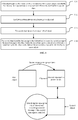
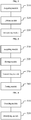
FIG. 1 is a flow chart of a method for communication between a webpage and an operating system according to an exemplary embodiment of the present disclosure; -
FIG. 2 is a schematic diagram of processing messages according to an exemplary embodiment of the present disclosure; -
FIG. 3 is a schematic diagram of an apparatus for communication between a webpage and an operating system according to an exemplary embodiment of the present disclosure; -
FIG. 4 is a schematic diagram of an apparatus for communication between a webpage and an operating system according to an exemplary embodiment of the present disclosure; -
FIG. 5 is a schematic diagram of an apparatus for communication between a webpage and an operating system according to an exemplary embodiment of the present disclosure; -
FIG. 6 is a schematic diagram of an apparatus for communication between a webpage and an operating system according to an exemplary embodiment of the present disclosure; -
FIG. 7 is a schematic diagram of an apparatus for communication between a webpage and an operating system according to an exemplary embodiment of the present disclosure; -
FIG. 8 is a schematic diagram of an apparatus for communication between a webpage and an operating system according to an exemplary embodiment of the present disclosure; -
FIG. 9 is a schematic diagram of an apparatus for communication between a webpage and an operating system according to an exemplary embodiment of the present disclosure; -
FIG. 10 is a schematic diagram of an apparatus for communication between a webpage and an operating system according to an exemplary embodiment of the present disclosure; and -
FIG. 11 is a schematic diagram of a structure of a terminal according to an exemplary embodiment of the present disclosure. - The specific aspects of the present disclosure, which have been illustrated by the accompanying drawings described above, will be described in detail below. These accompanying drawings and description are not intended to limit the scope of the present disclosure in any manner, but to explain the concept of the present disclosure to those skilled in the art via referencing specific aspects.
- Hereinafter, exemplary embodiments will be described in detail. The embodiments are shown in the drawings. In the following description when referring to the drawings, the same numerals in the different drawings denote the same or similar elements unless otherwise indicated. The embodiments described in the following exemplary embodiments are not representative of all embodiments consistent with the present disclosure. Rather, they are merely examples of apparatuses and methods consistent with some aspects of the present disclosure as detailed in the appended claims.
- There is provided a method for communication between a webpage and an operating system in an exemplary embodiment of the present disclosure. The method may be applied to a terminal. The terminal may be any terminal having a function of displaying a webpage, such as mobile phones, tablets, PCs, etc. installed with a browser and/or other applications that contain a browser kernel. The terminal may include components such as a processor, a memory, a screen, and the like. The processor may be a CPU (Central Processing Unit) or the like, and may be used to identify a message in a clipboard and process a first message in a special format. The memory may be a RAM (Random Access Memory), a Flash (Flash), etc., and may be used to store received data, data required for processing, data generated during processing, etc., such as messages transmitted by webpages and operating systems., etc. The screen may be a touch screen, may be used to display a webpage, and may also be used to detect touch signals and the like.
- The processing flow shown in
FIG. 1 will be described in detail below with reference to the embodiments as follows. - In
step 101, a first object acquires a first message that is communicated with a second object, and edits the first message into a second message in a preset format that can be identified by the second object. - Herein, the first object may be a webpage that needs to communicate with an operating system, or may be an operating system.
- In the implementation, during the process of using a terminal, a user can browse various webpages through an application such as a browser. In the process of displaying a webpage by the terminal, the webpage and the operating system can communicate with each other. As an example, when the first object receives an instruction to transmit a message to the second object, a message (which may be referred to as a first message) that is communicated with the second object may be acquired, and then the first message may be edited into a second message in a preset format that can be identified by the second object. For example, when the first object is a webpage and the second object is an operating system, it can be set that the technician can trigger a webpage to generate the second message when a click event of a certain button is detected during design.
- Optionally, based on the diversity of the preset format, the
processing step 101 may use various ways of processing, and several feasible processing manners are given below:
In a first manner, a preset sequence is inserted in the first message to acquire the second message in a preset format that can be identified by the second object. - During implementation, after the first object acquires the first message, it can insert the preset sequence into the first message to acquire a second message that can be identified by the second object. Here, the preset sequence (the preset sequence may be 101010) may be inserted to the header of the first message.
- In a second manner, the first message is encoded according to a preset encoding mode to acquire the second message in a preset format that can be identified by the second object.
- During implementation, the encoding mode (such as Base64 encode) may be pre-stored in the first object. The first object, after acquiring the first message, can encode the first message according to the preset encoding mode to acquire the second message in a preset format that can be identified by the second object. That is, the second message is a message which is encoded by using a preset encoding mode.
- In
step 102, the first object transmits the second message to a clipboard. - During implementation, the first object, after acquiring the second message, can transmit the second message in a preset format to a clipboard as shown in
FIG. 2 . In the case where the second message is acquired through the first method, the first object can transmit the second message inserted with the preset sequence to the clipboard. In the case where the second message is acquired through the second manner, the first object can transmit the second message which has been encoded in the preset encoding mode to the clipboard. - In
step 103, the second object queries the message in the clipboard. - During implementation, the second object can query the message in the clipboard.
- Optionally, in the case where the first object is an operating system and the second object is a webpage, the message in the clipboard can be periodically queried. Correspondingly, the process of the
step 103 can be as follows: querying the message in the clipboard according to a preset query cycle. - During implementation, the webpage may be pre-configured with a mechanism for periodically querying the clipboard, for example, a query period. Herein, the query period may be a relatively small value, so that the webpage may be read a message transmitted by the operating system in a timely manner. The time of processing the message can be reduced. As an example, the webpage can query the clipboard every preset query period, and when it is queried that there is a message in the clipboard, the webpage can identify the message in the clipboard.
- In
step 104, the second object identifies the message in the clipboard and processes the second message if the second message is identified. Herein, the second message is communication information transmitted by the first object to the clipboard in a preset format that can be identified by the second object. - Herein, the second object is different from the first object. When the first object is a webpage, the second object is an operating system. When the first object is an operating system, the second object is a webpage.
- During implementation, after the first object transmits the second message to the clipboard, the second object may detect that there is a message in the clipboard. Herein, the clipboard may further include messages stored in the clipboard when the terminal receives a copy instruction or a cut instruction. Then, the second object can identify the message in the clipboard. If a message in a preset format is correctly identified, it may be further determined whether the message that is identified in a preset format is transmitted by the first object. If it is transmitted by the first object (i.e., if the second object can correctly identify the second message in a preset format), the second message may be processed. For example, the first object is a webpage, the second object is an operating system, and the second message is a message to turn on an imaging component, after the operating system correctly identifies the message to turn on the imaging component, the message may be processed, that is, the imaging component may be turned on. If the second object does not identify any message in a preset format, the second object may not perform message processing. In addition, in this solution, the identification of the message transmitted from the first object to the second object and the identification of the message transmitted from the second object to the first object may be set differently, so that the first object and the second object can distinguish the correctly identified message in a preset format is transmitted from the other party and not to the other party, thus the first object and the second object may process the message transmitted by the other party.
- In addition, the clipboard belongs to a system component. After the webpage transmits a second message to the clipboard for communication with the operating system, the operating system can detect that there is a message in the clipboard. That is to say, after the webpage transmits the second message to the clipboard, the operating system can identify the message in the clipboard. For the situation where the user can trigger the terminal to store a message in the clipboard through a cut button or a copy button, the operating system can also detect that there is a message in the clipboard, and then the operating system will also identify that there is a message in the clipboard. In this case, the operating system can identify that the message in the clipboard is not a message in a preset format, that is, the message in the clipboard will not be processed. In this way, by setting the message for communicating between the webpage and the operating system to be a message in a preset format, the message for communicating between the webpage and the operating system may be distinguished from the message cut or copied to the clipboard, so as to avoid misoperation, and avoid to affect the normal functions of cutting, copying and pasting at the same time.
- For the situation where the first object transmits the second message to the clipboard in the first manner, the processing of the
step 104 may be correspondingly as follows: identifying the message in the clipboard and processing the second message inserted with a preset sequence if the second message is identified. - During implementation, in the situation of the first manner, the second object may identify whether the message in the clipboard contains a preset sequence, and may process the second message inserted with a preset special sequence if the second message is identified, otherwise, may not process the message.
- For the situation where the first object transmits the second message to the clipboard in the second manner, the processing of the
step 104 may be correspondingly as follows: decoding the message in the clipboard based on a preset decoding mode corresponding to the preset encoding mode and processing the second message if the second message is correctly decoded. - During implementation, in the situation of the second manner, a preset decoding mode corresponding to the preset coding mode may be preset in the second object. When the second object identifies the message in the clipboard, the message in the clipboard may be decoded by using a preset decoding mode. If the second object can correctly decode the second message, then the second object can process the second message, otherwise, the second object does not process the message.
- Optionally, after processing the first message, the second object may delete the first message, and accordingly, the following processing may be performed: after processing the second message, the second object deletes the second message from the clipboard.
- During implementation, after the second object processes the second message, the second message may be deleted from the clipboard in time. In this way, it is possible to prevent the webpage and the operating system from repeatedly identifying the second message.
- Optionally, when the first object or the second object is an operating system, for the situation where the communication between the webpage and the operating system is implemented through the clipboard, when a paste instruction is received, the operating system may judge the message in the clipboard. Accordingly, the processing may be as follows: when receiving a paste instruction, other messages than the message in a preset format in the clipboard are pasted.
- During implementation, the clipboard in the terminal can also be used for the user to implement the functions of cutting, copying and pasting. In this case, when the operating system receives a paste instruction, the message in the clipboard may be identified, and other messages than the message in a preset format are determined, and then the other messages determined may be pasted. The message that is newly cut or copied into the clipboard may be pasted, or all messages other than the message in a preset format in the clipboard may be pasted.
- In the embodiments of the present disclosure, a first object may acquire a first message that is communicated with a second object, and edit the first message into a second message in a preset format that can be identified by the second object, and further, may transmit the second message to a clipboard. Accordingly, the second object may query and identify the message in the clipboard. If the second message in a preset format and transmitted by the first object is identified, the second message may be processed. Herein, the first object is different from the second object. The first object or the second object may be a webpage or an operating system. In this way, the webpage and the operating system can communicate through the clipboard without calling a corresponding interface in the browser, thereby preventing the failure of communication between the webpage and the operating system.
- There is provided an apparatus for communication between a webpage and an operating system according to an exemplary embodiment of the present disclosure. The apparatus may be the above-mentioned terminal. As shown in
FIG. 3 , the apparatus includes: - an acquiring
module 310 configured to acquire a first message that is communicated with a second object; - an
editing module 320 configured to edit the first message into a second message in a preset format that can be identified by the second object; and - a
transmitting module 330 configured to transmit the second message to a clipboard so that the second object acquires the second message through the clipboard; - wherein the first object is different from the second object, and the first object and the second object are the webpage or the operating system.
- Optionally, the
editing module 320 is configured to:
insert a preset sequence in the first message to acquire the second message in a preset format that can be identified by the second object. - Optionally, the
editing module 320 is configured to:
encode the first message according to a preset encoding mode to acquire the second message in a preset format that can be identified by the second object. - Optionally, as shown in
FIG. 4 , when the first object is an operating system, the apparatus further comprises:
apasting module 340 configured to paste a message other than the message in a preset format in the clipboard upon receiving a paste command. - There is provided an apparatus for communication between a webpage and an operating system according to an exemplary embodiment of the present disclosure. The apparatus may be the above terminal. As shown in
FIG. 5 , the apparatus includes: - a
querying module 510 configured to query a message in a clipboard; and - an identifying
module 520 configured to identify the message in the clipboard and processing a second message if the second message is identified, wherein the second message is communication information transmitted by a first object to the clipboard in a preset format that can be identified by the second object; - wherein the first object is different from the second object, and the first object and the second object are the webpage or the operating system.
- Optionally, the identifying
module 520 is configured to:
identify the message in the clipboard, and if a second message inserted with a preset sequence is identified, processing a second message inserted with a preset sequence. - Optionally, the identifying
module 520 is configured to:
decode the message in the clipboard based on a preset decoding mode corresponding to the preset encoding mode and processing a second message if the second message is correctly decoded. - Optionally, when the first object is an operating system, and the
querying module 510 is configured to:
query the message in the clipboard according to a preset query cycle. - Optionally, as shown in
FIG. 6 , the apparatus further includes:
a deletingmodule 530 configured to delete the second message from the clipboard after processing the second message. - Optionally, as shown in
FIG. 7 , when the second object is an operating system, the apparatus further includes:
apasting module 540 configured to paste a message other than the message in a preset format in the clipboard upon receiving a paste command. - Based on the same technical concept, there is further provided an apparatus for communication between a webpage and an operating system according to an exemplary embodiment of the present disclosure. The apparatus may be the above-mentioned terminal. As shown in
FIG. 8 , the apparatus includes: - a
transmitting module 810 configured to transmit a second message in a preset format to a clipboard through a first object; and - an identifying
module 820 configured to identify a message in the clipboard through a second object and processing the second message if the second message is identified, wherein the second message is communication information transmitted by the first object to the clipboard in a preset format that can be identified by the second object; - wherein the first object is different from the second object, and the first object and the second object are the webpage or the operating system.
- Optionally, the transmitting
module 810 is configured to: - transmit a second message inserted with a preset sequence to the clipboard through a first object; and
- identify, by a second object, a message in the clipboard and processing the second message if the second message is identified comprises:
identify a message in the clipboard through a second object and processing the second message inserted with a preset sequence if the second message is identified. - Optionally, the transmitting
module 810 is configured to: - transmit a second message encoded by a preset encoding mode to the clipboard through the first object; and
- the identifying
module 820 is configured to:
decode a message in the clipboard based on a preset decoding mode corresponding to the preset encoding mode through a second object, and processing the second message if the second message is correctly decoded. - Optionally, when the first object is an operating system and the second object is a webpage, the identifying module is configured to:
identify a message in the clipboard through the second object according to a preset query cycle. - Optionally, as shown in
FIG. 9 , the apparatus further includes:
a deletingmodule 830 configured to delete the second message from the clipboard through the second object after processing the second message. - Optionally, as shown in
FIG. 10 , when the second object is an operating system, the apparatus further includes:
apasting module 840 configured to paste a message other than the message in a preset format in the clipboard upon receiving a paste command. - With respect to the apparatus of the above embodiments, the specific method of operation performed by each module has been described in details in the embodiments of the method, and the description thereof may not be described in details herein.
- In the embodiments of the present disclosure, a first object may acquire a first message that is communicated with a second object, and edit the first message into a second message in a preset format that can be identified by the second object, and further, may transmit the second message to a clipboard. Accordingly, the second object may query and identify the message in the clipboard. If the second message in a preset format and transmitted by the first object is identified, the second message may be processed. The first object is different from the second object. The first object or the second object may be a webpage or an operating system. In this way, the webpage and the operating system can communicate through the clipboard without calling a corresponding interface in the browser, thereby preventing the failure of the communication between the webpage and the operating system.
- It should be noted that the apparatus for communication between a webpage and an operating system provided by the above embodiments is exemplified only by the above division of each of the functional modules when the communication between a webpage and an operating system is performed in the apparatus. In practice, the above-described functions may be assigned and completed by different functional modules in accordance with requirements, such that the internal structure of the prompt device can be divided into different functional modules to complete all or part of the functions described above. In addition, the apparatus for communication between a webpage and an operating system and the method for communication between a webpage and an operating system provided in the above embodiments follow the same principal, and the specific implementation process thereof can be described in the method embodiments and may not be described again hereto.
- The embodiments of the present disclosure further show a schematic diagram of a structure of a terminal. The terminal may be a mobile phone and the like.
- Referring to
FIG. 11 , the terminal 1100 may include one or more of the following components: aprocessing component 1102, amemory storage 1104, apower supply component 1106, a multimedia component 1008, anaudio component 1110, an input/output (I/O)interface 1112, asensor component 1114, and acommunication component 1116. - The
processing component 1102 generally can control the overall operation of the terminal 1100, such as operations associated with display, phone call, data communication, camera operation, and recording operation. Theprocessing component 1102 may include one or more processors 1118 to execute instructions, to complete all or part of the steps described above. In addition, theprocessing component 1102 may include one or more modules to facilitate the interactions between theprocessing component 1102 and other components. For example, theprocessing component 1102 may include a multimedia module to facilitate interaction between themultimedia component 1108 and theprocessing component 1102. - The
memory 1104 can be configured to store various types of data to support the operation of theterminal 1100. Examples of such data can include instructions of any application or method operating on the terminal 1 100, contact data, phonebook data, messages, pictures, videos, and the like. Thememory storage 1104 may be implemented by any type of volatile or nonvolatile memory device or a combination thereof, such as static random access memory (SRAM), electrically erasable programmable read only memory (EEPROM), erasable programmable read only memory (EPROM), programmable read only memory (PROM), read only memory (ROM), magnetic memory, flash memory, disk or CD. - The
power supply component 1106 can provide power to the various components of theterminal 1100. Thepower supply component 1106 may include a power management system, one or more power supplies, and other components associated with generating, managing, and distributing power for theterminal 1100. - The
multimedia component 1108 may include a screen providing an output interface between the terminal 1100 and the user. In some embodiments, the screen may include a liquid crystal display (LCD) and a touch panel (TP). If the screen includes a touch panel, the screen may be implemented as a touch screen to receive input signals from the user. The touch panel can include one or more touch sensors to sense touches, slides, and gestures on touch panels. The touch sensors may sense not only the boundary of the touch or slide actions, but also the duration and pressure associated with the touch or slide operation. In some embodiments, themultimedia component 1108 may include a front camera and/or a rear camera. When the terminal 1100 is at an operating mode, such as a shooting mode or a video mode, the front camera and/or the rear camera can receive external multimedia data. Each front camera and rear camera can be a fixed optical lens system or have focal length and optical zoom capability. - The
audio component 1110 can be configured to output and/or input an audio signal. For example, theaudio component 1110 can include a microphone (MIC) that is configured to receive external audio signals when the terminal 1100 is in the operating mode, such as a call mode, a recording mode, and a voice recognition mode. The received audio signals may be further stored in thememory 1104 or transmitted via thecommunication component 1116. - The I/
O interface 1112 can provide the interface between theprocessing component 1102 and a peripheral interface module. The peripheral interface module may be a keyboard, a mouse, buttons, or the like. The buttons may include, but are not limited to, a home button, a volume button, a start button, and a lock button. - The
sensor component 1114 may include one or more sensors for providing condition assessments of the various aspects of theterminal 1100. For example, thesensor component 1114 may detect the on/off state of the terminal 1100, the relative positioning of the components, such as the components can be the display and keypad of the terminal 1100, and thesensor component 1114 may also detect position changes of the terminal 1100 or any component thereof, presence or absence of the user contact with the terminal 1100, orientation, acceleration/deceleration, or the temperature changes of theterminal 1100. Thesensor component 1114 may include a proximity sensor configured to detect the presence of a nearby object without any physical contact. Thesensor component 1114 may also include a light sensor, such as a CMOS or CCD image sensor, for imaging applications. In some embodiments, thesensor component 1114 may also include acceleration sensors, gyro sensors, magnetic sensors, pressure sensors, or temperature sensors. - The
communication component 1116 can be configured to facilitate wired or wireless communication between the terminal 1100, and other apparatuses. The terminal 1100, may access a wireless network based on a communication standard, such as WiFi, 2G or 3G, or a combination thereof. In an exemplary embodiment, thecommunication component 1116 can receive broadcast signals or broadcast-related information from an external broadcast management system via broadcast channels. In an exemplary embodiment, the communication component 1016 can also include a near field communication (NFC) module to facilitate short-range communication. - In an exemplary embodiment, the terminal 1100 may be implemented by one or more application specific integrated circuits (ASICs), digital signal processors (DSPs), digital signal processing devices (DSPDs), programmable logic devices (PLDs), field programmable gate array (FPGA), a controller, a microcontroller, a microprocessor, or other electronic components for performing the method described above.
- In an exemplary embodiment, there is also provided a non-transitory computer readable storage medium comprising instructions, such as the
memory 1104 including the instructions, the instructions may be executed by theprocessor 1120 of the terminal 1100 to complete the method described above. For example, the non-transitory computer readable storage medium may be a ROM, a random access memory (RAM), a CD-ROM, a magnetic tape, a floppy disk, an optical data storage device, etc. - There is provided a non-transitory computer-readable storage medium that, when instructions in the storage medium are executed by the processor of the terminal, causes the terminal to implement the method for communication between a webpage and an operating system. When the method is applied to a first object, the method includes:
- acquiring a first message that is communicated with a second object and editing the first message into a second message in a preset format that can be identified by the second object; and
- transmitting the second message to a clipboard so that the second object acquires the second message through the clipboard;
- wherein the first object is different from the second object, and the first object and the second object are the webpage or the operating system.
- Optionally, editing the first message into a second message in a preset format that can be identified by the second object comprises:
inserting a preset sequence in the first message to acquire the second message in a preset format that can be identified by the second object. - Optionally, editing the first message into a second message in a preset format that can be identified by the second object comprises:
encoding the first message according to a preset encoding mode to acquire the second message in a preset format that can be identified by the second object. - Optionally, when the first object is an operating system, the method further comprises:
upon receiving a paste command, pasting a messages other than the message in a preset format in the clipboard. - Optionally, when the method is applied to a second object, the method includes: querying a message in a clipboard; and
identifying the message in the clipboard and processing a second message if the second message is identified, wherein the second message is communication information transmitted by a first object to the clipboard in a preset format that can be identified by the second object;
wherein the first object is different from the second object, and the first object and the second object are the webpage or the operating system. - Optionally, identifying the message in the clipboard and processing a second message if the second message is identified comprises:
identifying the message in the clipboard, and if a second message inserted with a preset sequence is identified, processing the second message. - Optionally, identifying the message in the clipboard, and if the second message is identified processing a second message comprises:
decoding the message in the clipboard based on a preset decoding mode corresponding to the preset encoding mode and processing a second message if the second message is correctly decoded. - Optionally, querying the message in the clipboard when the first object is an operating system and the second object is a webpage comprises:
querying the message in the clipboard according to a preset query cycle. - Optionally, the method further includes:
after processing the second message, deleting the second message from the clipboard. - Optionally, when the second object is an operating system, the method further comprises:
upon receiving a paste command, pasting other messages than the message in a preset format in the clipboard. - The method may further include:
- transmitting a second message in a preset format to a clipboard through a first object; and
- identifying a message in the clipboard through a second object and processing the second message if the second message is identified, wherein the second message is communication information transmitted by the first object to the clipboard in a preset format that can be identified by the second object;
- wherein the first object is different from the second object, and the first object and the second object are the webpage or the operating system.
- Optionally, transmitting a second message in a preset format to a clipboard through a first object comprises:
- transmitting a second message inserted with a preset sequence to the clipboard through a first object; and
- identifying a message in the clipboard through a second object and processing the second message if the second message is identified comprises:
identifying a message in the clipboard through a second object and processing the second message inserted with a preset sequence if the second message is identified. - Optionally, transmitting a second message in a preset format to a clipboard through a first object comprises:
- transmitting a second message encoded by a preset encoding mode to the clipboard through a first object; and
- identifying a message in the clipboard through a second object and processing the second message if the second message is identified comprises:
decoding a message in the clipboard through a second object based on a preset decoding mode corresponding to the preset encoding mode and processing the second message if the second message is correctly decoded. - Optionally, identifying a message in the clipboard through a second object when the first object is an operating system and the second object is a webpage comprises:
identifying a message in the clipboard through a second object according to a preset query cycle. - Optionally, the method further includes:
- deleting the second message from the clipboard through a second object after processing the second message.
- when the second object is an operating system, the method further comprises:
upon receiving a paste command, pasting a message other than the message in a preset format in the clipboard. - In the embodiments of the present disclosure, a first object may acquire a first message that is communicated with a second object, and edit the first message into a second message in a preset format that can be identified by the second object, and further, may transmit the second message to a clipboard. Accordingly, the second object may query and identify the message in the clipboard. If the second message in a preset format and transmitted by the first object is identified, the second message may be processed. The first object is different from the second object. The first object or the second object may be a webpage or an operating system. In this way, the webpage and the operating system can communicate through the clipboard without calling a corresponding interface in the browser, thereby preventing a failure of communication between the webpage and the operating system.
- Other embodiments of the present disclosure will be apparent to those skilled in the art from consideration of the specification and practice of the invention disclosed here. This application is intended to cover any variations, uses, or adaptations of the invention following the general principles thereof and including such departures from the present disclosure as come within known or customary practice in the art. It is intended that the specification and examples be considered as exemplary only, with a true scope of the present invention being indicated by the following claims.
Claims (14)
- A method for communication between a webpage and an operating system, wherein the method is applied to a second object and comprises:querying a message in a clipboard; andidentifying the message in the clipboard and processing a second message if the second message is identified, wherein the second message is communication information transmitted by a first object to the clipboard in a preset format that is identified by the second object;wherein the first object is different from the second object, and the first object and the second object are respectively one of the webpage and the operating system.
- The method according to claim 1, wherein identifying the message in the clipboard and processing a second message if the second message is identified comprises:
identifying the message in the clipboard, and if a second message inserted with a preset sequence is identified, processing the second message. - The method according to claim 1, wherein identifying the message in the clipboard and if a second message is identified, processing the second message comprises:
decoding the message in the clipboard based on a preset decoding mode corresponding to the preset encoding mode, and processing a second message if the second message is correctly decoded. - The method according to any one of claims 1-3, wherein querying the message in the clipboard when the first object is the operating system and the second object is the webpage comprises:
querying the message in the clipboard according to a preset query cycle. - The method according to any one of claims 1-3, further comprising:
after processing the second message, deleting the second message from the clipboard. - The method according to any one of claims 1-3, wherein when the second object is the operating system, the method further comprises:
upon receiving a paste command, pasting message other than the message in a preset format in the clipboard. - An apparatus for communication between a webpage and an operating system, wherein the apparatus is applied to a second object and comprises:a querying module (510) configured to query a message in a clipboard; andan identifying module (520) configured to identify the message in the clipboard and processing a second message if the second message is identified, wherein the second message is communication information transmitted by a first object to the clipboard in a preset format that is identified by the second object;wherein the first object is different from the second object, and the first object and the second object are respectively one of the webpage and the operating system.
- The apparatus according to claim 7, wherein the identifying module (520) is configured to:
identify the message in the clipboard, and if a second message inserted with a preset sequence is identified, process the second message. - The apparatus according to claim 7, wherein the identifying module (520) is configured to:
decode the message in the clipboard based on a preset decoding mode corresponding to the preset encoding mode and processing a second message if the second message is correctly decoded. - The apparatus according to any one of claims 7-9, wherein the first object is the operating system, and the querying module is configured to:
query the message in the clipboard according to a preset query cycle. - The apparatus according to any one of claims 7-9, further comprising:
a deleting module (530) configured to delete the second message from the clipboard after processing the second message. - The apparatus according to any one of claims 7-9, wherein the second object is an operating system, and the apparatus further comprises:
a pasting module (540) configured to paste message other than the message in a preset format in the clipboard upon receiving a paste command. - A terminal, comprising: a processor (1120) and a memory (1104), wherein the memory stores at least one instruction, at least one program, code set or instruction set, the at least one instruction, the at least one program, code set or instruction set is loaded by the processor and executed to implement a method for communication between a webpage and an operating system according to any one of claims 1 to 6.
- A computer readable storage medium, wherein the storage medium stores at least one instruction, at least one program, code set, or instruction set, the at least one instruction, the at least one program, code set or instruction set is loaded by a processor and executed to implement a method for communication between a webpage and an operating system according to any one of claims 1 to 6.
Applications Claiming Priority (1)
| Application Number | Priority Date | Filing Date | Title |
|---|---|---|---|
| CN201810264830.3A CN108491282A (en) | 2018-03-28 | 2018-03-28 | The method and apparatus that webpage and operating system are communicated |
Publications (1)
| Publication Number | Publication Date |
|---|---|
| EP3547136A1 true EP3547136A1 (en) | 2019-10-02 |
Family
ID=63316616
Family Applications (1)
| Application Number | Title | Priority Date | Filing Date |
|---|---|---|---|
| EP19164179.4A Ceased EP3547136A1 (en) | 2018-03-28 | 2019-03-20 | Method and apparatus for communication between webpage and operating system |
Country Status (3)
| Country | Link |
|---|---|
| US (1) | US10817355B2 (en) |
| EP (1) | EP3547136A1 (en) |
| CN (1) | CN108491282A (en) |
Families Citing this family (5)
| Publication number | Priority date | Publication date | Assignee | Title |
|---|---|---|---|---|
| CN109587289A (en) * | 2018-12-29 | 2019-04-05 | 北京小米移动软件有限公司 | Communication means and device |
| CN109714425A (en) * | 2018-12-29 | 2019-05-03 | 北京小米移动软件有限公司 | Communication means and device |
| CN109739662A (en) * | 2018-12-29 | 2019-05-10 | 北京小米移动软件有限公司 | Communication means and device |
| CN109815030B (en) * | 2019-01-10 | 2021-07-23 | 北京小米移动软件有限公司 | Communication method and device |
| CN110007982B (en) * | 2019-03-05 | 2022-09-30 | 北京小米移动软件有限公司 | Communication method and device |
Citations (2)
| Publication number | Priority date | Publication date | Assignee | Title |
|---|---|---|---|---|
| US20050066335A1 (en) * | 2003-09-23 | 2005-03-24 | Robert Aarts | System and method for exposing local clipboard functionality towards external applications |
| US9672366B1 (en) * | 2015-03-31 | 2017-06-06 | Symantec Corporation | Techniques for clipboard monitoring |
Family Cites Families (6)
| Publication number | Priority date | Publication date | Assignee | Title |
|---|---|---|---|---|
| US20100281355A1 (en) * | 2009-05-04 | 2010-11-04 | Lockheed Martin Corporation | Dynamically generated web surveys for use with census activities, and associated methods |
| JP5887926B2 (en) * | 2011-12-28 | 2016-03-16 | ブラザー工業株式会社 | Print control apparatus and program |
| US10120701B2 (en) * | 2013-12-05 | 2018-11-06 | Insyde Software Corp. | System and method for transferring data between operating systems |
| EP3661122A3 (en) * | 2014-05-14 | 2020-07-29 | Pagecloud Inc. | Methods and systems for web content generation |
| US20160078115A1 (en) * | 2014-09-16 | 2016-03-17 | Breach Intelligence LLC | Interactive System and Method for Processing On-Screen Items of Textual Interest |
| CN106657344A (en) * | 2016-12-27 | 2017-05-10 | 四川中电启明星信息技术有限公司 | Terminal browser operation system and communication method of the same |
-
2018
- 2018-03-28 CN CN201810264830.3A patent/CN108491282A/en active Pending
-
2019
- 2019-03-20 EP EP19164179.4A patent/EP3547136A1/en not_active Ceased
- 2019-03-26 US US16/365,195 patent/US10817355B2/en active Active
Patent Citations (2)
| Publication number | Priority date | Publication date | Assignee | Title |
|---|---|---|---|---|
| US20050066335A1 (en) * | 2003-09-23 | 2005-03-24 | Robert Aarts | System and method for exposing local clipboard functionality towards external applications |
| US9672366B1 (en) * | 2015-03-31 | 2017-06-06 | Symantec Corporation | Techniques for clipboard monitoring |
Also Published As
| Publication number | Publication date |
|---|---|
| CN108491282A (en) | 2018-09-04 |
| US20190303225A1 (en) | 2019-10-03 |
| US10817355B2 (en) | 2020-10-27 |
Similar Documents
| Publication | Publication Date | Title |
|---|---|---|
| CN110659028B (en) | Data processing system, method, device, electronic equipment and storage medium | |
| EP3547136A1 (en) | Method and apparatus for communication between webpage and operating system | |
| JP6254751B2 (en) | Communication module firmware, plug-in generation method, apparatus, program, and recording medium | |
| EP3848795A1 (en) | Firmware upgrade method and device, and storage medium | |
| EP3032412B1 (en) | Method and device for upgrading firmware | |
| EP3163884A1 (en) | Image acquiring method and apparatus, computer program and recording medium | |
| CN106547547B (en) | data acquisition method and device | |
| CN110704053B (en) | Style information processing method and device | |
| CN106126025B (en) | Interactive method and device for copying and pasting | |
| CN111371837A (en) | Function presenting method, function presenting device, and storage medium | |
| CN105468606B (en) | Webpage saving method and device | |
| CN113010157B (en) | Code generation method and device | |
| CN105376318A (en) | File transmission method, device and system | |
| CN112230982B (en) | Material processing method, device, electronic equipment and storage medium | |
| CN109491655B (en) | Input event processing method and device | |
| CN112860625A (en) | Data acquisition method, data storage method, device, equipment and storage medium | |
| US20170048292A1 (en) | Electronic device and method for providing content | |
| CN111290882B (en) | Data file backup method, data file backup device and electronic equipment | |
| CN111131000B (en) | Information transmission method, device, server and terminal | |
| CN115373871A (en) | Request processing method and device, electronic equipment and storage medium | |
| CN110457084B (en) | Loading method and device | |
| CN112631695A (en) | Data verification method and device, electronic equipment and storage medium | |
| CN117061583B (en) | Message data information processing methods, apparatus, equipment and storage media | |
| CN114677445B (en) | Camera calibration method, camera calibration device and storage medium | |
| CN114138289B (en) | Component issuing method and device, electronic equipment and storage medium |
Legal Events
| Date | Code | Title | Description |
|---|---|---|---|
| PUAI | Public reference made under article 153(3) epc to a published international application that has entered the european phase |
Free format text: ORIGINAL CODE: 0009012 |
|
| STAA | Information on the status of an ep patent application or granted ep patent |
Free format text: STATUS: THE APPLICATION HAS BEEN PUBLISHED |
|
| AK | Designated contracting states |
Kind code of ref document: A1 Designated state(s): AL AT BE BG CH CY CZ DE DK EE ES FI FR GB GR HR HU IE IS IT LI LT LU LV MC MK MT NL NO PL PT RO RS SE SI SK SM TR |
|
| AX | Request for extension of the european patent |
Extension state: BA ME |
|
| STAA | Information on the status of an ep patent application or granted ep patent |
Free format text: STATUS: REQUEST FOR EXAMINATION WAS MADE |
|
| 17P | Request for examination filed |
Effective date: 20200331 |
|
| RBV | Designated contracting states (corrected) |
Designated state(s): AL AT BE BG CH CY CZ DE DK EE ES FI FR GB GR HR HU IE IS IT LI LT LU LV MC MK MT NL NO PL PT RO RS SE SI SK SM TR |
|
| STAA | Information on the status of an ep patent application or granted ep patent |
Free format text: STATUS: EXAMINATION IS IN PROGRESS |
|
| 17Q | First examination report despatched |
Effective date: 20211005 |
|
| STAA | Information on the status of an ep patent application or granted ep patent |
Free format text: STATUS: THE APPLICATION HAS BEEN REFUSED |
|
| 18R | Application refused |
Effective date: 20230704 |