EP3546592A1 - Amyotrophic lateral sclerosis diagnostic composition using acid sphingomyelinase, and method for detecting diagnostic markers - Google Patents
Amyotrophic lateral sclerosis diagnostic composition using acid sphingomyelinase, and method for detecting diagnostic markers Download PDFInfo
- Publication number
- EP3546592A1 EP3546592A1 EP17874580.8A EP17874580A EP3546592A1 EP 3546592 A1 EP3546592 A1 EP 3546592A1 EP 17874580 A EP17874580 A EP 17874580A EP 3546592 A1 EP3546592 A1 EP 3546592A1
- Authority
- EP
- European Patent Office
- Prior art keywords
- asm
- als
- subject
- lateral sclerosis
- amyotrophic lateral
- Prior art date
- Legal status (The legal status is an assumption and is not a legal conclusion. Google has not performed a legal analysis and makes no representation as to the accuracy of the status listed.)
- Granted
Links
Images


Classifications
-
- C—CHEMISTRY; METALLURGY
- C12—BIOCHEMISTRY; BEER; SPIRITS; WINE; VINEGAR; MICROBIOLOGY; ENZYMOLOGY; MUTATION OR GENETIC ENGINEERING
- C12Q—MEASURING OR TESTING PROCESSES INVOLVING ENZYMES, NUCLEIC ACIDS OR MICROORGANISMS; COMPOSITIONS OR TEST PAPERS THEREFOR; PROCESSES OF PREPARING SUCH COMPOSITIONS; CONDITION-RESPONSIVE CONTROL IN MICROBIOLOGICAL OR ENZYMOLOGICAL PROCESSES
- C12Q1/00—Measuring or testing processes involving enzymes, nucleic acids or microorganisms; Compositions therefor; Processes of preparing such compositions
- C12Q1/68—Measuring or testing processes involving enzymes, nucleic acids or microorganisms; Compositions therefor; Processes of preparing such compositions involving nucleic acids
- C12Q1/6876—Nucleic acid products used in the analysis of nucleic acids, e.g. primers or probes
- C12Q1/6883—Nucleic acid products used in the analysis of nucleic acids, e.g. primers or probes for diseases caused by alterations of genetic material
-
- C—CHEMISTRY; METALLURGY
- C12—BIOCHEMISTRY; BEER; SPIRITS; WINE; VINEGAR; MICROBIOLOGY; ENZYMOLOGY; MUTATION OR GENETIC ENGINEERING
- C12Q—MEASURING OR TESTING PROCESSES INVOLVING ENZYMES, NUCLEIC ACIDS OR MICROORGANISMS; COMPOSITIONS OR TEST PAPERS THEREFOR; PROCESSES OF PREPARING SUCH COMPOSITIONS; CONDITION-RESPONSIVE CONTROL IN MICROBIOLOGICAL OR ENZYMOLOGICAL PROCESSES
- C12Q1/00—Measuring or testing processes involving enzymes, nucleic acids or microorganisms; Compositions therefor; Processes of preparing such compositions
- C12Q1/34—Measuring or testing processes involving enzymes, nucleic acids or microorganisms; Compositions therefor; Processes of preparing such compositions involving hydrolase
- C12Q1/44—Measuring or testing processes involving enzymes, nucleic acids or microorganisms; Compositions therefor; Processes of preparing such compositions involving hydrolase involving esterase
-
- G—PHYSICS
- G01—MEASURING; TESTING
- G01N—INVESTIGATING OR ANALYSING MATERIALS BY DETERMINING THEIR CHEMICAL OR PHYSICAL PROPERTIES
- G01N33/00—Investigating or analysing materials by specific methods not covered by groups G01N1/00 - G01N31/00
- G01N33/48—Biological material, e.g. blood, urine; Haemocytometers
- G01N33/50—Chemical analysis of biological material, e.g. blood, urine; Testing involving biospecific ligand binding methods; Immunological testing
- G01N33/53—Immunoassay; Biospecific binding assay; Materials therefor
- G01N33/573—Immunoassay; Biospecific binding assay; Materials therefor for enzymes or isoenzymes
-
- G—PHYSICS
- G01—MEASURING; TESTING
- G01N—INVESTIGATING OR ANALYSING MATERIALS BY DETERMINING THEIR CHEMICAL OR PHYSICAL PROPERTIES
- G01N33/00—Investigating or analysing materials by specific methods not covered by groups G01N1/00 - G01N31/00
- G01N33/48—Biological material, e.g. blood, urine; Haemocytometers
- G01N33/50—Chemical analysis of biological material, e.g. blood, urine; Testing involving biospecific ligand binding methods; Immunological testing
- G01N33/68—Chemical analysis of biological material, e.g. blood, urine; Testing involving biospecific ligand binding methods; Immunological testing involving proteins, peptides or amino acids
- G01N33/6893—Chemical analysis of biological material, e.g. blood, urine; Testing involving biospecific ligand binding methods; Immunological testing involving proteins, peptides or amino acids related to diseases not provided for elsewhere
-
- G—PHYSICS
- G01—MEASURING; TESTING
- G01N—INVESTIGATING OR ANALYSING MATERIALS BY DETERMINING THEIR CHEMICAL OR PHYSICAL PROPERTIES
- G01N33/00—Investigating or analysing materials by specific methods not covered by groups G01N1/00 - G01N31/00
- G01N33/48—Biological material, e.g. blood, urine; Haemocytometers
- G01N33/50—Chemical analysis of biological material, e.g. blood, urine; Testing involving biospecific ligand binding methods; Immunological testing
- G01N33/92—Chemical analysis of biological material, e.g. blood, urine; Testing involving biospecific ligand binding methods; Immunological testing involving lipids, e.g. cholesterol, lipoproteins, or their receptors
-
- C—CHEMISTRY; METALLURGY
- C12—BIOCHEMISTRY; BEER; SPIRITS; WINE; VINEGAR; MICROBIOLOGY; ENZYMOLOGY; MUTATION OR GENETIC ENGINEERING
- C12Q—MEASURING OR TESTING PROCESSES INVOLVING ENZYMES, NUCLEIC ACIDS OR MICROORGANISMS; COMPOSITIONS OR TEST PAPERS THEREFOR; PROCESSES OF PREPARING SUCH COMPOSITIONS; CONDITION-RESPONSIVE CONTROL IN MICROBIOLOGICAL OR ENZYMOLOGICAL PROCESSES
- C12Q2600/00—Oligonucleotides characterized by their use
- C12Q2600/158—Expression markers
-
- C—CHEMISTRY; METALLURGY
- C12—BIOCHEMISTRY; BEER; SPIRITS; WINE; VINEGAR; MICROBIOLOGY; ENZYMOLOGY; MUTATION OR GENETIC ENGINEERING
- C12Y—ENZYMES
- C12Y301/00—Hydrolases acting on ester bonds (3.1)
- C12Y301/04—Phosphoric diester hydrolases (3.1.4)
- C12Y301/04012—Sphingomyelin phosphodiesterase (3.1.4.12)
-
- G—PHYSICS
- G01—MEASURING; TESTING
- G01N—INVESTIGATING OR ANALYSING MATERIALS BY DETERMINING THEIR CHEMICAL OR PHYSICAL PROPERTIES
- G01N2333/00—Assays involving biological materials from specific organisms or of a specific nature
- G01N2333/90—Enzymes; Proenzymes
- G01N2333/914—Hydrolases (3)
- G01N2333/916—Hydrolases (3) acting on ester bonds (3.1), e.g. phosphatases (3.1.3), phospholipases C or phospholipases D (3.1.4)
-
- G—PHYSICS
- G01—MEASURING; TESTING
- G01N—INVESTIGATING OR ANALYSING MATERIALS BY DETERMINING THEIR CHEMICAL OR PHYSICAL PROPERTIES
- G01N2405/00—Assays, e.g. immunoassays or enzyme assays, involving lipids
- G01N2405/08—Sphingolipids
-
- G—PHYSICS
- G01—MEASURING; TESTING
- G01N—INVESTIGATING OR ANALYSING MATERIALS BY DETERMINING THEIR CHEMICAL OR PHYSICAL PROPERTIES
- G01N2800/00—Detection or diagnosis of diseases
- G01N2800/28—Neurological disorders
- G01N2800/285—Demyelinating diseases; Multipel sclerosis
-
- G—PHYSICS
- G01—MEASURING; TESTING
- G01N—INVESTIGATING OR ANALYSING MATERIALS BY DETERMINING THEIR CHEMICAL OR PHYSICAL PROPERTIES
- G01N2800/00—Detection or diagnosis of diseases
- G01N2800/28—Neurological disorders
- G01N2800/2878—Muscular dystrophy
Definitions
- the present invention relates to a composition for diagnosis of amyotrophic lateral sclerosis (ALS) by using acid sphingomyelinase (ASM) and to a detection method for a diagnostic marker and, more specifically, to a method for detecting an ALS marker, the method comprising the steps of: (a) providing a sample of a subject; (b) measuring the expression level or enzymatic activity level of acid sphingomyelinase (ASM) in the sample; (c) determining the subject as having ALS if the expression level or enzymatic activity level of ASM in the subject is increased compared with that of a normal control.
- ASM acid sphingomyelinase
- ALS Amyotrophic lateral sclerosis
- ALS is a neurodegenerative disease caused by degenerative damage of upper motor neurons located in the brain and spinal cord and lower motor neurons. About 10% of ALS cases result from a genetic predisposition, but most occur sporadically. ALS is classified as a rare disease with a prevalence of 2-3 per 100,000 people. The incidence of ALS is about two times higher in males than in females, while sporadic ALS usually occurs at ages of 50-63 years. The causes or progresses of ALS have not been clearly revealed.
- ALS-causing genes superoxide dismutase 1 (SOD1), transactive response DNA-binding protein (TARDBP), fused in sarcoma (FUS), chromosome 9 open reading frame 72 (C9orf72), and the like are well known.
- SOD1 superoxide dismutase 1
- TARDBP transactive response DNA-binding protein
- FUS sarcoma
- C9orf72 chromosome 9 open reading frame 72
- ALS a progressive pathology of upper and lower motor neurons is mainly checked by patient history and a neurological examination, and nerve conduction tests and electromyography tests are conducted. Many efforts have been made to develop a biomarker for determining a diagnosis and progress rate of ALS and for predicting a prognosis of ALS, but molecular biological indexes of ALS are insufficient.
- the present inventors confirmed that the activity of acid sphingomyelinase, which is important in the sphingolipid metabolism, is increased in plasma and neurons of amyotrophic lateral sclerosis patients, and thus completed the present invention.
- an aspect of the present invention is to provide a method for detecting a marker of amyotrophic lateral sclerosis (ALS) to provide information necessary for diagnosis of ALS, the method comprising the steps of:
- Another aspect of the present invention is to provide a composition for diagnosis of amyotrophic lateral sclerosis, the composition comprising an agent for measuring the enzymatic activity of ASM.
- Still another aspect of the present invention is to provide a composition for diagnosis of amyotrophic lateral sclerosis, the composition comprising an agent for measuring the expression level of ASM protein or mRNA.
- Still another aspect of the present invention is to provide a use of acid sphingomyelinase (ASM) for preparing an agent for diagnosis of amyotrophic lateral sclerosis (ALS).
- ASM acid sphingomyelinase
- Still another aspect of the present invention is to provide a method for diagnosis of amyotrophic lateral sclerosis (ALS), the method comprising the steps of:
- a method for detecting a marker of amyotrophic lateral sclerosis (ALS) to provide information necessary for diagnosis of ALS comprising the steps of:
- compositions for diagnosis of amyotrophic lateral sclerosis comprising an agent for measuring the enzymatic activity of ASM.
- compositions for diagnosis of amyotrophic lateral sclerosis consisting of an agent for measuring the enzymatic activity of ASM.
- compositions for diagnosis of amyotrophic lateral sclerosis consisting essentially of an agent for measuring the enzymatic activity of ASM.
- compositions for diagnosis of amyotrophic lateral sclerosis comprising an agent for measuring the expression level of ASM protein or mRNA.
- compositions for diagnosis of amyotrophic lateral sclerosis consisting of an agent for measuring the expression level of ASM protein or mRNA.
- compositions for diagnosis of amyotrophic lateral sclerosis consisting essentially of an agent for measuring the expression level of ASM protein or mRNA.
- ASM acid sphingomyelinase
- ALS amyotrophic lateral sclerosis
- the present invention provides a method for detecting a marker of amyotrophic lateral sclerosis (ALS) to provide information necessary for diagnosis of ALS, the method comprising the steps of:
- diagnosis refers to the determination of the likelihood or onset of a disease, the progression stage of a disease, or the like by checking the presence or characterization of a pathological condition.
- diagnosis means the determination of the occurrence of amyotrophic lateral sclerosis.
- ALS amyotrophic lateral sclerosis
- MND motor neuron disease
- a current method of diagnosing ALS is based on primary clinical symptoms, such as muscle weakness, movement disorders and respiratory disturbance, caused by motor neuron degeneration. A final decision is made by observation of clinical courses after secondary causes of similar clinical diseases are eliminated. Electrophysiologic testing, such as a motor nerve conduction velocity test and electromyography, and histopathological testing of muscles are conducted.
- the diseases that may show similar symptoms are excluded by conducting cerebrospinal fluid tests, blood tests (serum protein, thyroid hormone, parathyroid hormone, and antibody), urine tests, cervical spine X-ray scans, and MRI scans for excluding the possibility of different diseases accompanying similar symptoms.
- the mutations of about 20 types of genes have been reported to be associated with the onset of ALS, but genetic ALS cases account for only about 10% of all ALS cases.
- the present invention provides an accurate and efficient biomarker for diagnosing ALS, for which an effective molecular disease diagnostic marker is absent, and a method for detecting a diagnostic marker.
- the present inventors confirmed that the activity of acid sphingomyelinase (ASM) in the blood and neurons of ALS patients is increased compared with that of a normal control.
- the present inventors investigated sphingolipid metabolism-related products and enzymatic activity in the blood of healthy controls and the blood of ALS patients having ALS-related genetic mutations, respectively. As a result, the present inventors found that the activity of ASM was consistently increased in the ALS patients, while there was not a great difference in sphingolipid or acid ceramidase activity between the healthy controls and the ALS patients.
- ASM activity was observed in neurons induced from fibroblasts of ALS patients than in induced neurons of a normal control. It may be suggested by the findings of the present inventors that the activity of ASM can be used as a marker for diagnosing ALS by measuring the activity of ASM and detecting a change in the level thereof.
- step (a) in the method of the present invention a sample of a subject is provided.
- the method according to the present invention can be performed without particular limitation on the race, ethnicity, and the like of the subject, while the subject is preferably an Asian, and most preferably a Korean.
- ALS cases are greatly divided into two types according to the cause thereof: familial and sporadic (independently occurring). Familial ALS cases account for about 10% of all the ALS cases, and are caused by mutations of one or more genes. It is known that approximately 15% of the ALS familial patients were caused by the mutation of SOD1 gene, and such a disease may occur even when a defective gene is inherited in an autosomal dominant form from one parent. Meanwhile, the cause of sporadic ALS has not been yet specifically revealed. Heavy metals, as environmental factors, such as aluminum, mercury, and lead used in tooth rods, are suggested as causes of the sporadic ALS, which has not yet been proved.
- ALS patients are not particularly limited to the type thereof, while the subject may have mutations of one or more genes selected form FUS, SOD1, TBK1, C9orf72, TARDBP, OPTN, and NEK1, which are known to be associated with the occurrence of ALS, or sporadic ALS patients.
- the present inventors confirmed that as a result of comparison of ASM activity in the blood and neurons between healthy controls and ALS patients with abnormal FUS, SOD1, or TBK1 gene, the ASM activity was consistently increased regardless of the kind of mutant gene of the ALS patients.
- SOD1 superoxide dismutase 1, soluble
- SOD1 superoxide dismutase 1, soluble
- the human SOD1 gene is located on chromosome 21q22.11. Approximately 20% of hereditary ALS cases are known to be due to a damage to SOD1 causing oxidative stress, while about 110 kinds of different SOD1 mutations in association with the onset of ALS have been reported.
- FUS FUS RNA binding protein/Fused in Sarcoma
- hnRNP heterogeneous nuclear ribonucleoproteins
- the human FUS gene is located on chromosome 16p11.2, and about 50 FUS gene mutations have been found in about 5% of the inherited ALS patients.
- TBK1 TANK-binding kinase 1
- the human TBK1 gene is located on chromosome 12q14.1, and is also called FTDALS4 (frontotemporal dementia and/or amyotrophic lateral sclerosis type 4) because of the relevance between frontal dementia and ALS.
- the sample of the subject may be selected from the group consisting of skin tissue, nerve tissue, whole blood, plasma, serum, cerebrospinal fluid, urine, saliva, nasal discharge, sputum, bone marrow, amniotic fluid, ascitic fluid, and cervical or vaginal discharge.
- the nerve tissue may be a tissue of central nerves including brain or peripheral nerves, and may include skin or bone marrow, which is a tissue capable of being induced and differentiated into neurons.
- the neurons may be collected or isolated from the subject, or may be neurons induced from non-neuronal cells through, for example, de-differentiation, re-differentiation, cross-differentiation, or differentiation induction.
- the sample of the subject may be provided by collection according to a technique known in the art. It is preferable to use a fresh sample to accurately measure the enzyme activity of ASM, while the sample of the subject may be properly pre-treated as known in the art depending on the method of measuring the activity level of ASM to an extent that such pre-treatment does not change the ASM activity level.
- a sample such as blood or tissue, may be rapidly frozen using liquid nitrogen and stored frozen at -20°C or -70°C
- step (b) the expression level or enzymatic activity level of acid sphingomyelinase (ASM) in the sample collected in the subject is measured.
- ASM acid sphingomyelinase
- the “acid sphingomyelinase (ASM)” is a protein belonging to the sphingomyelinase (SMase) family, which is an enzyme that breaks down sphingomyelin into ceramide and phosphorylcholine.
- the acid sphingomyelinase (ASM) is also called sphingomyelin phosphodiesterase 1 (SMPD1), NPD, aSMase, and the like, and is encoded on the human chromosome 11p15.4-p15.1 by the SMPD1 gene.
- SMPD1 sphingomyelin phosphodiesterase 1
- the mRNA sequence information and the protein sequence information of human ASM are disclosed as NCBI Genbank accession number NM_000543.4 (mRNA) and number NP_000534.3 (protein). The loss of expression or function of ASM results in Niemann-Pick disease, a type of metabolic disease.
- SMases are classified on the basis of a pH at which optimum activity thereof is shown, and of the SMases, the activity of ASM is influenced by lipids, cations, pH, redox states, and interactions with other proteins.
- ASM enzymes are divided into two types, lysosomal sphingomyelinase (L-SMase) and secretory sphingomyelinase (S-SMase) depending on the enzyme location and substrate reactivity.
- L-SMase is present in cytoplasmic lysosomes, and is considered to be a major enzyme that produces ceramides in response to cell stimulation, such as stress, infection, death signals including a dead ligand, and anticancer drugs.
- S-SMase is an ASM that is secreted outside cells, and has been reported to mainly break down lipoprotein-linked sphingomyelin into ceramides and coagulate LDL particles.
- Any ASM for implementing the present invention is applicable so long as it has the characteristics of acid sphingomyelinase regardless of the type of L-SMase or S-SMase.
- a method for measuring the enzymatic activity of ASM can be used without limitation as long as it is commonly used in the art, while ASM activity measurement kits are also commercially available.
- a method for measuring the enzymatic level of ASM is mainly performed by providing sphingomyelin, a substrate of ASM, at a pH of 4.5-5.0 and measuring the amount of metabolites produced per unit time.
- the phosphorylcholine produced by ASM activity can be checked by finally measuring the amount of a fluorescent-labeled product through a series of consecutive enzymatic reactions as below: First, the phosphorylcholine is degraded by alkaline phosphatase to choline, and the choline is degraded by choline oxidase to produce H 2 O 2 , which is then finally converted into a fluorescent product, measurable at 530-550 nm, by reactions with horse radish peroxidase and an appropriate substrate (e.g., 10-acetyl-3,7-dihydroxyphenoxazine).
- the activity of ASM may be measured through a reaction in which, instead of sphingomyelin, a substrate capable of directly producing a coloring or fluorescent product is provided as a substrate of ASM.
- 3 ⁇ l of samples were stored at 37°C in a mixture with an ASM activity buffer.
- the samples were prepared by stopping a hydrolysis reaction through the addition of 114 ⁇ l of ethanol and then carrying out centrifugation. After 30 ⁇ l of the prepared samples were transferred into glass vials, 5 ⁇ l of the sample was applied to the UPLC system.
- the ASM concentration levels were measured by comparison with Bodipy(aminoacetaldehyde) combined with sphingomyelin and ceramide.
- the enzyme activity measured in a sample may be increased by an improvement in reaction efficiency or reaction rate of an individual enzyme, or by an increase in the number of enzymes. Therefore, when the expression level of ASM measured in the sample of the subject is increased compared with the level of a normal control, it indicates that the level of ASM protein is increased, suggesting that the activity of ASM would also be increased. Accordingly, as a method for predicting ASM activity, the expression level of ASM protein or ASM mRNA may be measured instead of directly measuring ASM activity.
- the step of measuring the expression level of ASM may be performed by measuring the expression level of ASM protein or ASM mRNA.
- polynucleotide refers to single- or double-stranded deoxyribonucleotide (DNA) or ribonucleotide (RNA). Unless otherwise limited, the polynucleotide or nucleic acid includes known analogs of natural nucleotides that hybridize with nucleic acids in a manner similar to naturally occurring nucleotides.
- DNA includes four bases, adenine (A), guanine (G), cytosine (C), and thymine (T), while RNA has uracil (U) instead of thymine (T).
- base A forms a hydrogen bond with base T or U
- base C forms a hydrogen bond with base G.
- base C forms a hydrogen bond with base G.
- mRNA messenger RNA
- mRNA messenger RNA
- protein is used interchangeably with “polypeptide” or “peptide”, and refers to, for example, a polymer of amino acid residues, as typically found in proteins in nature.
- expression refers to the formation of a protein or a nucleic acid in cells.
- the measurement of mRNA expression can be carried out by using an expression level analysis method, which is common in the art, while examples of the analysis method may include reverse transcription polymerase chain reaction (RT-PCR), competitive RT-PCR, real-time RT-PCR, RNase protection assay (RPA), northern blotting, DNA microarray chip, RNA sequencing, nanostring, or the like, but is not limited thereto.
- RT-PCR reverse transcription polymerase chain reaction
- competitive RT-PCR competitive RT-PCR
- RNase protection assay RNase protection assay
- northern blotting DNA microarray chip
- RNA sequencing nanostring, or the like, but is not limited thereto.
- the measurement of protein expression levels can be carried out by using a method known in the art without limitation. Examples thereof may include western blotting, dot blotting, enzyme-linked immunosorbent assay, radioimmunoassay (RIA), radial immunodiffusion, Ouchterlony immunodiffusion, rocket immunoelectrophoresis, immunohistochemical staining, immunoprecipitation, complement fixation analysis, flow cytometry (FACS), or a protein chip method, but is not limited thereto.
- a method known in the art without limitation. Examples thereof may include western blotting, dot blotting, enzyme-linked immunosorbent assay, radioimmunoassay (RIA), radial immunodiffusion, Ouchterlony immunodiffusion, rocket immunoelectrophoresis, immunohistochemical staining, immunoprecipitation, complement fixation analysis, flow cytometry (FACS), or a protein chip method, but is not limited thereto.
- step (c) the subject is determined as having ALS if the expression level or enzymatic activity level of ASM measured in step (b) is increased compared with that of a normal control.
- the subject is determined as having ALS.
- the criteria for a normal range is established by measuring the expression levels or activity levels of ASM in samples from a plurality of normal controls.
- the activity level of ASM measured in the blood (plasma) of normal controls was 0.16-0.17nmol/ml/h.
- the present invention provides a composition for diagnosis of amyotrophic lateral sclerosis, the composition comprising an agent for measuring enzymatic activity of ASM.
- the composition for diagnosis according to the present invention may be a composition comprising an agent for measuring enzymatic activity of ASM as an active ingredient, a composition consisting of an agent for measuring enzymatic activity of ASM as an active ingredient, or a composition consisting essentially of an agent for measuring enzymatic activity of ASM as an active ingredient.
- compositions and methods comprising
- consisting is used synonymously with “containing (including)” or “characterized by”, and does not exclude specifically unrecited and additional ingredients or method steps in the compositions and methods according to the present invention.
- consisting of is meant to exclude additional elements, steps, or ingredients that are not otherwise indicated.
- consisting essentially of is meant to include not only described materials or steps but also any material or step that does not substantially affect basic characteristics thereof in the scope of a composition or method.
- the agent for measuring the activity of ASM includes a substrate for ASM, such as sphingomyelin, an agent for measuring a reaction product produced by ASM, enzymes, substrates, reaction coenzymes, reaction factors, ions, a standard solution of the reaction product required to derive a standard curve, and the like.
- a substrate for ASM such as sphingomyelin
- an agent for measuring a reaction product produced by ASM enzymes, substrates, reaction coenzymes, reaction factors, ions, a standard solution of the reaction product required to derive a standard curve, and the like.
- the present invention provides a composition for diagnosis of amyotrophic lateral sclerosis, the composition comprising an agent for measuring the expression level of ASM protein or ASM mRNA.
- composition for diagnosis according to the present invention may be a composition comprising an agent for measuring the expression level of ASM as an active ingredient, a composition consisting of an agent for measuring the expression level of ASM as an active ingredient, or a composition consisting essentially of an agent for measuring the expression level of ASM as an active ingredient.
- the agent for measuring the expression level of acid sphingomyelinase (ASM) protein contained in the composition for diagnosis of the present invention may be an antibody specifically binding to ASM protein.
- the term "antibody” refers to an immunoglobulin specifically binding to an antigenic region.
- the antibody in the present invention is an antibody that specifically binds specifically to ASM protein but does not respond to the other proteins including different types of sphingomyelinase other than ASM.
- a gene encoding ASM is cloned into an expression vector and thus a protein encoded by the gene is obtained, and the ASM antibody may be produced from the obtained protein by a conventional method in the art.
- the antibody includes a polyclonal antibody or a monoclonal antibody, and includes all the immunoglobulin antibodies that specifically bind to ASM.
- the agent for measuring the expression level of ASM mRNA may be a probe or primer set, which specifically binds to ASM mRNA.
- a primer is a short single-stranded oligonucleotide acting as a starting point of DNS synthesis.
- the primer specifically binds to a polynucleotide as a template under suitable buffer and temperature conditions.
- DNA is synthesized by allowing DNA polymerase to add and link nucleoside triphosphates having bases complementary to the template DNA to the primer.
- the primer is generally composed of a sequence of 15-30 nucleotides, and the melting temperature (T m ) of the primer for binding to the template strand depends on the nucleotide constitution and length thereof.
- a sequence of the primer does not necessarily need to be perfectly complementary to a sequence of some nucleotides in the template, but the primer is appropriate as long as it has sufficient complementarity within a range in which it can perform its inherent actions through the hybridization with the template. Therefore, the primers for measuring the expression level of ASM mRNA in the present invention do not necessarily need to have a sequence perfectly complementary to the ASM gene sequence, while the primers are sufficient as long as they have a length and complementarity for the purpose of measuring the amount of ASM mRNA by amplifying a specific section of ASM mRNA or cDNA through DNS synthesis.
- the primers for the amplification reaction are composed of a set (pair) of primers that complementarily bind to a template (or sense) and an opposite side (antisense), respectively, of both ends of a specific region of ASM mRNA to be amplified.
- the primers may be easily designed referring to the nucleotide sequence of ASM mRNA or cDNA by a person skilled in the art.
- probe refers to a fragment of a polynucleotide, such as RNA or DNA, capable of specifically binding to mRNA or complementary DNA (cDNA) of a specific gene and having a length of from several to several hundreds of base pairs.
- the probe is labeled to check the presence or absence of target mRNA or cDNA to be bound or the expression level thereof.
- the probe complementary to ASM mRNA can be used for the diagnosis of amyotrophic lateral sclerosis by measuring the expression level of ASM mRNA through the hybridization with the sample of the subject. The selection and hybridization conditions of the probe may be properly selected according to the technique known in the art.
- the primers or probes of the present invention may be chemically synthesized using phosphoramidite solid support synthesis or other well-known methods.
- the primers or probes may be variously modified by a method known in the art to an extent that the hybridization with ASM mRNA is not disturbed. Examples of the modification include methylation, capping, substitution of at least one natural nucleotide with an analogue thereof, and modification between nucleotides, for example, modification with an uncharged linker (e. g., methyl phosphonate, phosphotriester, phosphoroamidate, carbamate, etc) or a charged linker (e. g., phosphorothioate, phosphorodithioate, etc), binding with a labeling material using fluorescence or enzyme, and the like.
- an uncharged linker e. g., methyl phosphonate, phosphotriester, phosphoroamidate, carbamate, etc
- a charged linker e. g
- the present invention provides a use of acid sphingomyelinase (ASM) for preparing an agent for diagnosis of amyotrophic lateral sclerosis (ALS).
- ASM acid sphingomyelinase
- the agent for diagnosis of amyotrophic lateral sclerosis may measure the enzymatic activity of ASM.
- the agent for diagnosis of amyotrophic lateral sclerosis may measure the expression level of ASM protein or ASM mRNA.
- a patient having a mutation of at least one gene selected from the group consisting of FUS, SOD1, TBK1, C9orf72, TARDBP, OPTN, and NEK1, or a sporadic ALS patient may be used as a subject for the amyotrophic lateral sclerosis (ALS).
- ALS amyotrophic lateral sclerosis
- the subject of the present invention may be an animal, preferably a mammal, particularly an animal including a human being, and more preferably a human or a patient in need of diagnosis.
- the subject is as described above.
- the subject may be a Korean.
- any one selected from the group consisting of skin tissue, nerve tissue, whole blood, plasma, serum, cerebrospinal fluid, urine, saliva, nasal discharge, sputum, bone marrow, amniotic fluid, ascitic fluid, and cervical or vaginal discharge of the subject may be used as a sample.
- the present invention provides a method for diagnosis of amyotrophic lateral sclerosis (ALS), the method including:
- the present invention provides a method for detecting a diagnostic maker of amyotrophic lateral sclerosis (ALS) by measuring the expression level or enzymatic activity level of acid sphingomyelinase (ASM) in the sample of the subject, and provides a composition therefor.
- ASM acid sphingomyelinase
- Stem cells were induced using patient skin tissues in sporadic ALS patients and patients with genetic mutations, which meet the diagnosis criteria of ALS based on El Escorial Criteria (revised) among amyotrophic lateral sclerosis patients. Such a method was approved based on the IRB research application No. HYUH 2011-08-010-007 of Hanyang University Hospital.
- the lipids were extracted from a serum sample, and the dried lipid extract was resuspended in 25 ⁇ l of 0.2% Igepal CA-630 (Sigma-Aldrich), and respective lipid levels were quantified using the UPLC system.
- patient fibroblast patient induced neuron models suitable for neurodegenerative system disorders.
- the patient induced neurons were obtained by direct conversion by which fibroblasts are converted into functional neurons through the suppression of the polypyrimidine-tract-binding (PTB) protein.
- PTB polypyrimidine-tract-binding
- the normal controls and patient induced neurons were infected with PTBP1 lentivirus to suppress PTB protein, and after 15 days, enzymatic activity levels were measured.
- ALS amyotrophic lateral sclerosis
- ALS amyotrophic lateral sclerosis
- ASM acid sphingomyelinase
- AC acid ceramidase
- the ASM activity measured in plasma was increased in all the ALS patient groups compared with normal controls.
- the ASM activity in the ALS patient groups showed consistent and statistically significant differences compared with normal controls, regardless of the type of ALS-related gene.
- the AC activity measured in plasma showed no significant difference between normal controls and ALS patient groups.
- the activity of ASM was measured to be higher in the induced neurons from the ALS patients than in those from the normal controls, and thus showed similar changes to those observed in plasma.
- compositions and methods according to the present invention can facilitate the development of novel and effective diagnostic reagents capable of easily diagnosing amyotrophic lateral sclerosis.
Landscapes
- Life Sciences & Earth Sciences (AREA)
- Chemical & Material Sciences (AREA)
- Health & Medical Sciences (AREA)
- Engineering & Computer Science (AREA)
- Organic Chemistry (AREA)
- Proteomics, Peptides & Aminoacids (AREA)
- Molecular Biology (AREA)
- Immunology (AREA)
- Zoology (AREA)
- Wood Science & Technology (AREA)
- Analytical Chemistry (AREA)
- General Health & Medical Sciences (AREA)
- Biochemistry (AREA)
- Microbiology (AREA)
- Biotechnology (AREA)
- Physics & Mathematics (AREA)
- Genetics & Genomics (AREA)
- Urology & Nephrology (AREA)
- Biophysics (AREA)
- Biomedical Technology (AREA)
- Hematology (AREA)
- Bioinformatics & Cheminformatics (AREA)
- General Engineering & Computer Science (AREA)
- Pathology (AREA)
- Cell Biology (AREA)
- Food Science & Technology (AREA)
- Medicinal Chemistry (AREA)
- General Physics & Mathematics (AREA)
- Endocrinology (AREA)
- Measuring Or Testing Involving Enzymes Or Micro-Organisms (AREA)
Abstract
Description
- This application claims priority from Korean Patent Application No.
10-2016-0155859 filed on 22 November 2016 - The present invention relates to a composition for diagnosis of amyotrophic lateral sclerosis (ALS) by using acid sphingomyelinase (ASM) and to a detection method for a diagnostic marker and, more specifically, to a method for detecting an ALS marker, the method comprising the steps of: (a) providing a sample of a subject; (b) measuring the expression level or enzymatic activity level of acid sphingomyelinase (ASM) in the sample; (c) determining the subject as having ALS if the expression level or enzymatic activity level of ASM in the subject is increased compared with that of a normal control.
- Amyotrophic lateral sclerosis (ALS) is a neurodegenerative disease caused by degenerative damage of upper motor neurons located in the brain and spinal cord and lower motor neurons. About 10% of ALS cases result from a genetic predisposition, but most occur sporadically. ALS is classified as a rare disease with a prevalence of 2-3 per 100,000 people. The incidence of ALS is about two times higher in males than in females, while sporadic ALS usually occurs at ages of 50-63 years. The causes or progresses of ALS have not been clearly revealed. With respect to the possible causes of ALS, the following hypotheses have been proposed, including: glutamine overproduction resulting in cytotoxicity in motor cells; damaged neurons due to deficiency of nutrients or growth factors necessary to maintain neuronal functions and restore neuronal damage; damaged motor neurons due to viral infection; and the accumulation of substances causing cell death, such as heavy metals and oxidative stress due to environmental pollution, resulting in the death of motor cells. As ALS-causing genes, superoxide dismutase 1 (SOD1), transactive response DNA-binding protein (TARDBP), fused in sarcoma (FUS), chromosome 9 open reading frame 72 (C9orf72), and the like are well known. With the recent discovery of new genes associated with the onset of ALS, this disease has been found to be associated with frontotemporal dementia and various types of muscular diseases and degenerative diseases, and thus has recently been recognized as a disease group of motor neuron diseases.
- In the early stage of ALS, degeneration proceeds starting from muscles of hands, fingers, and legs, and muscles become thinner due to reduced muscle mass, which also occurs in the other parts of the body. Patients have difficulty in moving muscles due to muscle rigidity and spasm, and have difficulty in eating since the muscles of the tongue and cheeks becomes gradually weakened. At the end stage of ALS, respiration-related muscles are weakened, increasing the risks of breathing disorder and infection. Meanwhile, the damaged cells in ALS are restricted to motor neurons, while there are thus few disorders in association with biological functions modulated by autonomic nerves, such as peripheral sensation and bladder function, and few intellectual disabilities.
- Many studies on ALS were conducted in the 1990s, but there are still few therapies that can stop the progress of ALS or cure ALS. Most of the treatments are symptomatic therapies that prolong the survival period or alleviate symptoms, while drugs showing neuroprotective effects or breathing aids are used. Moreover, the diagnosis of ALS is based on clinical symptoms of motor neuron degeneration, and the progressive pathology of upper and lower motor neurons is mainly checked by patient history and a neurological examination, and nerve conduction tests and electromyography tests are conducted. Many efforts have been made to develop a biomarker for determining a diagnosis and progress rate of ALS and for predicting a prognosis of ALS, but molecular biological indexes of ALS are insufficient.
- Therefore, the development of diagnostic reagents and therapeutic agents for ALS is urgent.
- The present inventors confirmed that the activity of acid sphingomyelinase, which is important in the sphingolipid metabolism, is increased in plasma and neurons of amyotrophic lateral sclerosis patients, and thus completed the present invention.
- Therefore, an aspect of the present invention is to provide a method for detecting a marker of amyotrophic lateral sclerosis (ALS) to provide information necessary for diagnosis of ALS, the method comprising the steps of:
- (a) providing a sample of a subject;
- (b) measuring the expression level or enzymatic activity level of acid sphingomyelinase (ASM) in the sample; and
- (c) determining the subject as having ALS if the expression level or enzymatic activity level of ASM in the subject is increased compared with that of a normal control.
- Another aspect of the present invention is to provide a composition for diagnosis of amyotrophic lateral sclerosis, the composition comprising an agent for measuring the enzymatic activity of ASM.
- Still another aspect of the present invention is to provide a composition for diagnosis of amyotrophic lateral sclerosis, the composition comprising an agent for measuring the expression level of ASM protein or mRNA.
- Still another aspect of the present invention is to provide a use of acid sphingomyelinase (ASM) for preparing an agent for diagnosis of amyotrophic lateral sclerosis (ALS).
- Still another aspect of the present invention is to provide a method for diagnosis of amyotrophic lateral sclerosis (ALS), the method comprising the steps of:
- (a) providing a sample of a subject;
- (b) measuring the expression level or enzymatic activity level of acid sphingomyelinase (ASM) in the sample; and
- (c) determining the subject as having ALS if the expression level or enzymatic activity level of ASM in the subject is increased compared with that of a normal control.
- In accordance with an aspect of the present invention, there is provided a method for detecting a marker of amyotrophic lateral sclerosis (ALS) to provide information necessary for diagnosis of ALS, the method comprising the steps of:
- (a) providing a sample of a subject;
- (b) measuring the expression level or enzymatic activity level of acid sphingomyelinase (ASM) in the sample; and
- (c) determining the subject as having ALS if the expression level or enzymatic activity level of ASM in the subject is increased compared with that of a normal control.
- In accordance with another aspect of the present invention, there is provided a composition for diagnosis of amyotrophic lateral sclerosis, the composition comprising an agent for measuring the enzymatic activity of ASM.
- In accordance with another aspect of the present invention, there is provided a composition for diagnosis of amyotrophic lateral sclerosis, the composition consisting of an agent for measuring the enzymatic activity of ASM.
- In accordance with another aspect of the present invention, there is provided a composition for diagnosis of amyotrophic lateral sclerosis, the composition consisting essentially of an agent for measuring the enzymatic activity of ASM.
- In accordance with still another aspect of the present invention, there is provided a composition for diagnosis of amyotrophic lateral sclerosis, the composition comprising an agent for measuring the expression level of ASM protein or mRNA.
- In accordance with still another aspect of the present invention, there is provided a composition for diagnosis of amyotrophic lateral sclerosis, the composition consisting of an agent for measuring the expression level of ASM protein or mRNA.
- In accordance with still another aspect of the present invention, there is provided a composition for diagnosis of amyotrophic lateral sclerosis, the composition consisting essentially of an agent for measuring the expression level of ASM protein or mRNA.
- In accordance with still another aspect of the present invention, there is provided a use of acid sphingomyelinase (ASM) for preparing an agent for diagnosis of amyotrophic lateral sclerosis (ALS).
- In accordance with still another aspect of the present invention, there is provided a method for diagnosis of amyotrophic lateral sclerosis (ALS), the method comprising the steps of:
- (a) providing a sample of a subject;
- (b) measuring the expression level or enzymatic activity level of acid sphingomyelinase (ASM) in the sample; and
- (c) determining the subject as having ALS if the expression level or enzymatic activity level of ASM in the subject is increased compared with that of a normal control.
- Hereinafter, the present invention will be described in detail.
- The present invention provides a method for detecting a marker of amyotrophic lateral sclerosis (ALS) to provide information necessary for diagnosis of ALS, the method comprising the steps of:
- (a) providing a sample of a subject;
- (b) measuring the expression level or enzymatic activity level of acid sphingomyelinase (ASM) in the sample; and
- (c) determining the subject as having ALS if the expression level or enzymatic activity level of ASM in the subject is increased compared with that of a normal control.
- The term "diagnosis" refers to the determination of the likelihood or onset of a disease, the progression stage of a disease, or the like by checking the presence or characterization of a pathological condition. As used herein, the diagnosis means the determination of the occurrence of amyotrophic lateral sclerosis.
- The "amyotrophic lateral sclerosis (ALS)", which is the object of diagnosis in the present invention, is a neurodegenerative disorder, also called Lou Gehrig's disease. Amyotrophic lateral sclerosis is also called a motor neuron disease (MND) since motor neurons of the cerebrum, brain stem, and spinal cord are selectively destroyed. A current method of diagnosing ALS is based on primary clinical symptoms, such as muscle weakness, movement disorders and respiratory disturbance, caused by motor neuron degeneration. A final decision is made by observation of clinical courses after secondary causes of similar clinical diseases are eliminated. Electrophysiologic testing, such as a motor nerve conduction velocity test and electromyography, and histopathological testing of muscles are conducted. The diseases that may show similar symptoms are excluded by conducting cerebrospinal fluid tests, blood tests (serum protein, thyroid hormone, parathyroid hormone, and antibody), urine tests, cervical spine X-ray scans, and MRI scans for excluding the possibility of different diseases accompanying similar symptoms. The mutations of about 20 types of genes have been reported to be associated with the onset of ALS, but genetic ALS cases account for only about 10% of all ALS cases. Moreover, there are limitations in diagnosing ALS through the detection of all gene mutations because of a variety of genes and mutations.
- The present invention provides an accurate and efficient biomarker for diagnosing ALS, for which an effective molecular disease diagnostic marker is absent, and a method for detecting a diagnostic marker. The present inventors confirmed that the activity of acid sphingomyelinase (ASM) in the blood and neurons of ALS patients is increased compared with that of a normal control. The present inventors investigated sphingolipid metabolism-related products and enzymatic activity in the blood of healthy controls and the blood of ALS patients having ALS-related genetic mutations, respectively. As a result, the present inventors found that the activity of ASM was consistently increased in the ALS patients, while there was not a great difference in sphingolipid or acid ceramidase activity between the healthy controls and the ALS patients. Also, higher ASM activity was observed in neurons induced from fibroblasts of ALS patients than in induced neurons of a normal control. It may be suggested by the findings of the present inventors that the activity of ASM can be used as a marker for diagnosing ALS by measuring the activity of ASM and detecting a change in the level thereof.
- In step (a) in the method of the present invention, a sample of a subject is provided.
- The method according to the present invention can be performed without particular limitation on the race, ethnicity, and the like of the subject, while the subject is preferably an Asian, and most preferably a Korean.
- ALS cases are greatly divided into two types according to the cause thereof: familial and sporadic (independently occurring). Familial ALS cases account for about 10% of all the ALS cases, and are caused by mutations of one or more genes. It is known that approximately 15% of the ALS familial patients were caused by the mutation of SOD1 gene, and such a disease may occur even when a defective gene is inherited in an autosomal dominant form from one parent. Meanwhile, the cause of sporadic ALS has not been yet specifically revealed. Heavy metals, as environmental factors, such as aluminum, mercury, and lead used in tooth rods, are suggested as causes of the sporadic ALS, which has not yet been proved. In the present invention, ALS patients are not particularly limited to the type thereof, while the subject may have mutations of one or more genes selected form FUS, SOD1, TBK1, C9orf72, TARDBP, OPTN, and NEK1, which are known to be associated with the occurrence of ALS, or sporadic ALS patients.
- In an example of the present invention, the present inventors confirmed that as a result of comparison of ASM activity in the blood and neurons between healthy controls and ALS patients with abnormal FUS, SOD1, or TBK1 gene, the ASM activity was consistently increased regardless of the kind of mutant gene of the ALS patients.
- SOD1 (
superoxide dismutase 1, soluble) is an antioxidant enzyme that eliminates superoxide radicals. The human SOD1 gene is located on chromosome 21q22.11. Approximately 20% of hereditary ALS cases are known to be due to a damage to SOD1 causing oxidative stress, while about 110 kinds of different SOD1 mutations in association with the onset of ALS have been reported. FUS (FUS RNA binding protein/Fused in Sarcoma) is a protein that constitutes heterogeneous nuclear ribonucleoproteins (hnRNP) with various functions, such as transcription activation, splicing, and RNA transport. The human FUS gene is located on chromosome 16p11.2, and about 50 FUS gene mutations have been found in about 5% of the inherited ALS patients. TBK1 (TANK-binding kinase 1) is a protein that activates NFκB in response to a specific cell signal, similar to IκB. The human TBK1 gene is located on chromosome 12q14.1, and is also called FTDALS4 (frontotemporal dementia and/or amyotrophic lateral sclerosis type 4) because of the relevance between frontal dementia and ALS. - The sample of the subject may be selected from the group consisting of skin tissue, nerve tissue, whole blood, plasma, serum, cerebrospinal fluid, urine, saliva, nasal discharge, sputum, bone marrow, amniotic fluid, ascitic fluid, and cervical or vaginal discharge. The nerve tissue may be a tissue of central nerves including brain or peripheral nerves, and may include skin or bone marrow, which is a tissue capable of being induced and differentiated into neurons. In addition, the neurons may be collected or isolated from the subject, or may be neurons induced from non-neuronal cells through, for example, de-differentiation, re-differentiation, cross-differentiation, or differentiation induction.
- The sample of the subject may be provided by collection according to a technique known in the art. It is preferable to use a fresh sample to accurately measure the enzyme activity of ASM, while the sample of the subject may be properly pre-treated as known in the art depending on the method of measuring the activity level of ASM to an extent that such pre-treatment does not change the ASM activity level. For example, a sample, such as blood or tissue, may be rapidly frozen using liquid nitrogen and stored frozen at -20°C or -70°C
- In step (b), the expression level or enzymatic activity level of acid sphingomyelinase (ASM) in the sample collected in the subject is measured.
- The "acid sphingomyelinase (ASM)" is a protein belonging to the sphingomyelinase (SMase) family, which is an enzyme that breaks down sphingomyelin into ceramide and phosphorylcholine. The acid sphingomyelinase (ASM) is also called sphingomyelin phosphodiesterase 1 (SMPD1), NPD, aSMase, and the like, and is encoded on the human chromosome 11p15.4-p15.1 by the SMPD1 gene. The mRNA sequence information and the protein sequence information of human ASM are disclosed as NCBI Genbank accession number NM_000543.4 (mRNA) and number NP_000534.3 (protein). The loss of expression or function of ASM results in Niemann-Pick disease, a type of metabolic disease.
- SMases are classified on the basis of a pH at which optimum activity thereof is shown, and of the SMases, the activity of ASM is influenced by lipids, cations, pH, redox states, and interactions with other proteins. ASM enzymes are divided into two types, lysosomal sphingomyelinase (L-SMase) and secretory sphingomyelinase (S-SMase) depending on the enzyme location and substrate reactivity. L-SMase is present in cytoplasmic lysosomes, and is considered to be a major enzyme that produces ceramides in response to cell stimulation, such as stress, infection, death signals including a dead ligand, and anticancer drugs. S-SMase is an ASM that is secreted outside cells, and has been reported to mainly break down lipoprotein-linked sphingomyelin into ceramides and coagulate LDL particles. Any ASM for implementing the present invention is applicable so long as it has the characteristics of acid sphingomyelinase regardless of the type of L-SMase or S-SMase.
- Any method for measuring the enzymatic activity of ASM can be used without limitation as long as it is commonly used in the art, while ASM activity measurement kits are also commercially available. A method for measuring the enzymatic level of ASM is mainly performed by providing sphingomyelin, a substrate of ASM, at a pH of 4.5-5.0 and measuring the amount of metabolites produced per unit time. For example, the phosphorylcholine produced by ASM activity can be checked by finally measuring the amount of a fluorescent-labeled product through a series of consecutive enzymatic reactions as below: First, the phosphorylcholine is degraded by alkaline phosphatase to choline, and the choline is degraded by choline oxidase to produce H2O2, which is then finally converted into a fluorescent product, measurable at 530-550 nm, by reactions with horse radish peroxidase and an appropriate substrate (e.g., 10-acetyl-3,7-dihydroxyphenoxazine). Alternatively, the activity of ASM may be measured through a reaction in which, instead of sphingomyelin, a substrate capable of directly producing a coloring or fluorescent product is provided as a substrate of ASM.
- In an example of the present invention, 3 µl of samples were stored at 37°C in a mixture with an ASM activity buffer. The samples were prepared by stopping a hydrolysis reaction through the addition of 114 µl of ethanol and then carrying out centrifugation. After 30 µl of the prepared samples were transferred into glass vials, 5 µl of the sample was applied to the UPLC system. The ASM concentration levels were measured by comparison with Bodipy(aminoacetaldehyde) combined with sphingomyelin and ceramide.
- The enzyme activity measured in a sample may be increased by an improvement in reaction efficiency or reaction rate of an individual enzyme, or by an increase in the number of enzymes. Therefore, when the expression level of ASM measured in the sample of the subject is increased compared with the level of a normal control, it indicates that the level of ASM protein is increased, suggesting that the activity of ASM would also be increased. Accordingly, as a method for predicting ASM activity, the expression level of ASM protein or ASM mRNA may be measured instead of directly measuring ASM activity.
- The step of measuring the expression level of ASM may be performed by measuring the expression level of ASM protein or ASM mRNA.
- As used herein, the term "polynucleotide" or "nucleic acid" refers to single- or double-stranded deoxyribonucleotide (DNA) or ribonucleotide (RNA). Unless otherwise limited, the polynucleotide or nucleic acid includes known analogs of natural nucleotides that hybridize with nucleic acids in a manner similar to naturally occurring nucleotides. In general, DNA includes four bases, adenine (A), guanine (G), cytosine (C), and thymine (T), while RNA has uracil (U) instead of thymine (T). In the double-stranded nucleic acid, base A forms a hydrogen bond with base T or U, and base C forms a hydrogen bond with base G. Such a relationship between bases is referred to as being "complementary".
- Meanwhile, "mRNA (messenger RNA)" is RNA that acts as a blueprint for polypeptide synthesis (or protein translation) by transferring the genetic information of the nucleotide sequence of a particular gene to ribosomes during protein synthesis. Single-stranded mRNA is synthesized through a transcription process using the gene as a template.
- As used herein, "protein" is used interchangeably with "polypeptide" or "peptide", and refers to, for example, a polymer of amino acid residues, as typically found in proteins in nature.
- As used herein, the term "expression" refers to the formation of a protein or a nucleic acid in cells.
- The measurement of mRNA expression can be carried out by using an expression level analysis method, which is common in the art, while examples of the analysis method may include reverse transcription polymerase chain reaction (RT-PCR), competitive RT-PCR, real-time RT-PCR, RNase protection assay (RPA), northern blotting, DNA microarray chip, RNA sequencing, nanostring, or the like, but is not limited thereto.
- In addition, the measurement of protein expression levels can be carried out by using a method known in the art without limitation. Examples thereof may include western blotting, dot blotting, enzyme-linked immunosorbent assay, radioimmunoassay (RIA), radial immunodiffusion, Ouchterlony immunodiffusion, rocket immunoelectrophoresis, immunohistochemical staining, immunoprecipitation, complement fixation analysis, flow cytometry (FACS), or a protein chip method, but is not limited thereto.
- In step (c), the subject is determined as having ALS if the expression level or enzymatic activity level of ASM measured in step (b) is increased compared with that of a normal control.
- If the expression level or activity level of ASM measured in the sample of the subject shows a significant increase compared with that of a normal control, the subject is determined as having ALS. In order to ordinarily investigate whether the expression level or activity level of ASM is changed, the criteria for a normal range is established by measuring the expression levels or activity levels of ASM in samples from a plurality of normal controls. In an example of the present specification, the activity level of ASM measured in the blood (plasma) of normal controls was 0.16-0.17nmol/ml/h.
- Furthermore, the present invention provides a composition for diagnosis of amyotrophic lateral sclerosis, the composition comprising an agent for measuring enzymatic activity of ASM.
- The composition for diagnosis according to the present invention may be a composition comprising an agent for measuring enzymatic activity of ASM as an active ingredient, a composition consisting of an agent for measuring enzymatic activity of ASM as an active ingredient, or a composition consisting essentially of an agent for measuring enzymatic activity of ASM as an active ingredient.
- As used herein, the term "comprising" is used synonymously with "containing (including)" or "characterized by", and does not exclude specifically unrecited and additional ingredients or method steps in the compositions and methods according to the present invention. The term "consisting of" is meant to exclude additional elements, steps, or ingredients that are not otherwise indicated. The term "consisting essentially of" is meant to include not only described materials or steps but also any material or step that does not substantially affect basic characteristics thereof in the scope of a composition or method.
- The agent for measuring the activity of ASM includes a substrate for ASM, such as sphingomyelin, an agent for measuring a reaction product produced by ASM, enzymes, substrates, reaction coenzymes, reaction factors, ions, a standard solution of the reaction product required to derive a standard curve, and the like.
- Furthermore, the present invention provides a composition for diagnosis of amyotrophic lateral sclerosis, the composition comprising an agent for measuring the expression level of ASM protein or ASM mRNA.
- The composition for diagnosis according to the present invention may be a composition comprising an agent for measuring the expression level of ASM as an active ingredient, a composition consisting of an agent for measuring the expression level of ASM as an active ingredient, or a composition consisting essentially of an agent for measuring the expression level of ASM as an active ingredient.
- The agent for measuring the expression level of acid sphingomyelinase (ASM) protein contained in the composition for diagnosis of the present invention may be an antibody specifically binding to ASM protein.
- The term "antibody" refers to an immunoglobulin specifically binding to an antigenic region. The antibody in the present invention is an antibody that specifically binds specifically to ASM protein but does not respond to the other proteins including different types of sphingomyelinase other than ASM. A gene encoding ASM is cloned into an expression vector and thus a protein encoded by the gene is obtained, and the ASM antibody may be produced from the obtained protein by a conventional method in the art. The antibody includes a polyclonal antibody or a monoclonal antibody, and includes all the immunoglobulin antibodies that specifically bind to ASM.
- In the composition for diagnosis of the present invention, the agent for measuring the expression level of ASM mRNA may be a probe or primer set, which specifically binds to ASM mRNA.
- A primer is a short single-stranded oligonucleotide acting as a starting point of DNS synthesis. The primer specifically binds to a polynucleotide as a template under suitable buffer and temperature conditions. DNA is synthesized by allowing DNA polymerase to add and link nucleoside triphosphates having bases complementary to the template DNA to the primer. The primer is generally composed of a sequence of 15-30 nucleotides, and the melting temperature (Tm) of the primer for binding to the template strand depends on the nucleotide constitution and length thereof.
- A sequence of the primer does not necessarily need to be perfectly complementary to a sequence of some nucleotides in the template, but the primer is appropriate as long as it has sufficient complementarity within a range in which it can perform its inherent actions through the hybridization with the template. Therefore, the primers for measuring the expression level of ASM mRNA in the present invention do not necessarily need to have a sequence perfectly complementary to the ASM gene sequence, while the primers are sufficient as long as they have a length and complementarity for the purpose of measuring the amount of ASM mRNA by amplifying a specific section of ASM mRNA or cDNA through DNS synthesis. The primers for the amplification reaction are composed of a set (pair) of primers that complementarily bind to a template (or sense) and an opposite side (antisense), respectively, of both ends of a specific region of ASM mRNA to be amplified. The primers may be easily designed referring to the nucleotide sequence of ASM mRNA or cDNA by a person skilled in the art.
- The term "probe" refers to a fragment of a polynucleotide, such as RNA or DNA, capable of specifically binding to mRNA or complementary DNA (cDNA) of a specific gene and having a length of from several to several hundreds of base pairs. The probe is labeled to check the presence or absence of target mRNA or cDNA to be bound or the expression level thereof. For the purpose of the present invention, the probe complementary to ASM mRNA can be used for the diagnosis of amyotrophic lateral sclerosis by measuring the expression level of ASM mRNA through the hybridization with the sample of the subject. The selection and hybridization conditions of the probe may be properly selected according to the technique known in the art.
- The primers or probes of the present invention may be chemically synthesized using phosphoramidite solid support synthesis or other well-known methods. In addition, the primers or probes may be variously modified by a method known in the art to an extent that the hybridization with ASM mRNA is not disturbed. Examples of the modification include methylation, capping, substitution of at least one natural nucleotide with an analogue thereof, and modification between nucleotides, for example, modification with an uncharged linker (e. g., methyl phosphonate, phosphotriester, phosphoroamidate, carbamate, etc) or a charged linker (e. g., phosphorothioate, phosphorodithioate, etc), binding with a labeling material using fluorescence or enzyme, and the like.
- Furthermore, the present invention provides a use of acid sphingomyelinase (ASM) for preparing an agent for diagnosis of amyotrophic lateral sclerosis (ALS).
- The agent for diagnosis of amyotrophic lateral sclerosis (ALS) may measure the enzymatic activity of ASM.
- The agent for diagnosis of amyotrophic lateral sclerosis (ALS) may measure the expression level of ASM protein or ASM mRNA.
- Here, a patient having a mutation of at least one gene selected from the group consisting of FUS, SOD1, TBK1, C9orf72, TARDBP, OPTN, and NEK1, or a sporadic ALS patient may be used as a subject for the amyotrophic lateral sclerosis (ALS).
- The subject of the present invention may be an animal, preferably a mammal, particularly an animal including a human being, and more preferably a human or a patient in need of diagnosis. The subject is as described above. The subject may be a Korean. In addition, any one selected from the group consisting of skin tissue, nerve tissue, whole blood, plasma, serum, cerebrospinal fluid, urine, saliva, nasal discharge, sputum, bone marrow, amniotic fluid, ascitic fluid, and cervical or vaginal discharge of the subject may be used as a sample.
- Furthermore, the present invention provides a method for diagnosis of amyotrophic lateral sclerosis (ALS), the method including:
- (a) providing a sample of a subject;
- (b) measuring the expression level or enzymatic activity level of acid sphingomyelinase (ASM) in the sample; and
- (c) determining the subject as having ALS if the expression level or enzymatic activity level of ASM in the subject is increased compared with that of a normal control.
- The expression aspects of ASM are as described above.
- Therefore, the present invention provides a method for detecting a diagnostic maker of amyotrophic lateral sclerosis (ALS) by measuring the expression level or enzymatic activity level of acid sphingomyelinase (ASM) in the sample of the subject, and provides a composition therefor. The activity of ASM, among the lipids and enzymes involved in the sphingolipid metabolism, is specifically increased in samples of ALS patients compared with that of a normal control, and thus the activity of ASM can be used as a marker for diagnosing ALS.
-
-
FIG. 1 is a schematic diagram showing enzymes involved in a sphingolipid metabolism. -
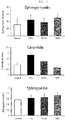
FIG. 2 shows the levels of sphingomyelin, ceramide, and sphingosine, measured in the plasma of normal controls and ALS patients (FUS, SOD1, TBK1). -
FIG. 3 shows the activity levels of acid sphingomyelinase and acid ceramidase measured in the plasma of normal controls and ALS patients (FUS, SOD1, TBK1). The marks * and ** indicate a statistically significant difference, respectively. -
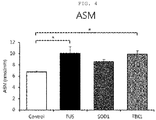
FIG. 4 shows the enzymatic activity level of acid sphingomyelinase measured in induced neurons from normal controls and ALS patients (FUS, SOD1, TBK1), respectively. The mark * indicates a statistically significant difference. - Hereinafter, the present invention will be described in detail.
- However, the following examples are merely for illustrating the present invention and are not intended to limit the scope of the present invention.
- Stem cells were induced using patient skin tissues in sporadic ALS patients and patients with genetic mutations, which meet the diagnosis criteria of ALS based on El Escorial Criteria (revised) among amyotrophic lateral sclerosis patients. Such a method was approved based on the IRB research application No. HYUH 2011-08-010-007 of Hanyang University Hospital.
- As for extraction and quantification of the sphingomyelin, ceramide, and sphingosine, the lipids were extracted from a serum sample, and the dried lipid extract was resuspended in 25 µl of 0.2% Igepal CA-630 (Sigma-Aldrich), and respective lipid levels were quantified using the UPLC system.
- Several microliters of serum samples and 3 µl of induced neuron samples from ALS patients (FUS, SOD1, TBK1) were mixed with an ASM or AC activity buffer, and stored at 37°C The samples were prepared by stopping a hydrolysis reaction through the addition of 114 µl of ethanol, followed by centrifugation. After 30 µl of the prepared samples were transferred into glass vials, 5 µl was applied to the UPLC system.
- To overcome restrictions of a cell modeling (patient fibroblast) system commonly used in ALS studies, the present study was conducted using patient induced neuron models suitable for neurodegenerative system disorders. The patient induced neurons were obtained by direct conversion by which fibroblasts are converted into functional neurons through the suppression of the polypyrimidine-tract-binding (PTB) protein. The normal controls and patient induced neurons were infected with PTBP1 lentivirus to suppress PTB protein, and after 15 days, enzymatic activity levels were measured.
- In order to investigate the effect of amyotrophic lateral sclerosis (ALS) on the sphingolipid metabolism, sphingolipid levels in blood of healthy controls and patients diagnosed with ALS were measured and compared. The patients diagnosed with ALS were confirmed to have mutations of any one gene of FUS (p.Q519E, p.G504Wfs*12, p.R495*), SOD1 (p.I105T, p.G11V), and TBK1 (p.I472Sfs*8, I475T, R384W).
- As can be seen from
FIG. 2 , no consistent differences were observed between normal controls and ALS patients in view of the levels of analysis target sphingolipids, including sphingomyelin, ceramide, and sphingosine, measured in plasma. There were no significant differences in the levels of sphingomyelin and sphingosine in blood between normal controls and ALS patients. In the case of ceramide, ALS patients with FUS gene mutations showed relatively high levels compared with normal controls, while there was no significant difference among all the ALS patients. No significant changes were shown in the levels of sphingolipids in blood between healthy controls and ALS patients. - In order to investigate the effect of amyotrophic lateral sclerosis (ALS) on the sphingolipid metabolism, the activity levels of sphingolipid-related enzymes in blood of healthy controls and patients diagnosed with ALS were measured and compared.
- The activity of sphingolipid-related enzymes, i.e., acid sphingomyelinase (ASM) that breaks down sphingomyelin into ceramide and phosphorylcholine and acid ceramidase (AC) that breaks down ceramide into sphingosine and fatty acid, was measured. The sphingolipid metabolism and main enzymes involved therein are shown in
FIG. 1 . - As can be seen from
FIG. 3 , it was found that the ASM activity measured in plasma was increased in all the ALS patient groups compared with normal controls. The ASM activity in the ALS patient groups showed consistent and statistically significant differences compared with normal controls, regardless of the type of ALS-related gene. In contrast, the AC activity measured in plasma showed no significant difference between normal controls and ALS patient groups. There was no difference in sphingolipids and the activity level of AC between normal controls and ALS patients, but the activity level of ASM was specifically significantly increased in ALS patients, indicating that the activity level of ASM can be used as a marker for diagnosing ALS. - It was investigated whether an increase in ASM activity confirmed in blood of ALS patients was also observed in induced neurons. Fibroblasts collected from healthy controls and ALS patients were allowed to differentiate into neurons, and the activity of ASM was investigated in the differentiated (induced) neurons.
- As shown in
FIG. 4 , the activity of ASM was measured to be higher in the induced neurons from the ALS patients than in those from the normal controls, and thus showed similar changes to those observed in plasma. These results suggest that the activity level of ASM can be used as a marker for diagnosing ALS through the measurement of a change in the activity level of ASM. - The compositions and methods according to the present invention can facilitate the development of novel and effective diagnostic reagents capable of easily diagnosing amyotrophic lateral sclerosis.
Claims (14)
- A method for detecting a marker of amyotrophic lateral sclerosis (ALS) to provide information necessary for diagnosis of ALS, the method comprising the steps of:(a) providing a sample of a subject;(b) measuring the expression level or enzymatic activity level of acid sphingomyelinase (ASM) in the sample; and(c) determining the subject as having ALS if the expression level or enzymatic activity level of ASM in the subject is increased compared with that of a normal control.
- The method of claim 1, wherein the subject is a patient having a mutation of at least one gene selected from the group consisting of FUS, SOD1, TBK1, C9orf72, TARDBP, OPTN, and NEK1, or a sporadic ALS patient.
- The method of claim 1, wherein the subject is a Korean.
- The method of claim 1, wherein the sample is selected from the group consisting of skin tissue, nerve tissue, whole blood, plasma, serum, cerebrospinal fluid, urine, saliva, nasal discharge, sputum, bone marrow, amniotic fluid, ascitic fluid, and cervical or vaginal discharge.
- The method of claim 1, wherein the measuring of the expression level of ASM is performed by measuring the expression level of ASM protein or ASM mRNA.
- A composition for diagnosis of amyotrophic lateral sclerosis, the composition comprising an agent for measuring the enzymatic activity of ASM.
- A composition for diagnosis of amyotrophic lateral sclerosis, the composition comprising an agent for measuring the expression level of ASM protein or ASM mRNA.
- Use of acid sphingomyelinase (ASM) for preparing an agent for diagnosis of amyotrophic lateral sclerosis (ALS).
- The use of claim 8, wherein the agent for diagnosis of amyotrophic lateral sclerosis (ALS) measures the enzymatic activity of ASM.
- The use of claim 8, wherein the agent for diagnosis of amyotrophic lateral sclerosis (ALS) measures the expression level of ASM protein or mRNA.
- The use of claim 8, wherein a patient having a mutation of at least one gene selected from the group consisting of FUS, SOD1, TBK1, C9orf72, TARDBP, OPTN, and NEK1, or a sporadic ALS patient is used as a subject for diagnosis of amyotrophic lateral sclerosis (ALS).
- The use of claim 10, wherein the subject is a Korean.
- The use of claim 10, wherein any one selected from the group consisting of skin tissue, nerve tissue, whole blood, plasma, serum, cerebrospinal fluid, urine, saliva, nasal discharge, sputum, bone marrow, amniotic fluid, ascitic fluid, and cervical or vaginal discharge is used as a sample.
- A method for diagnosis of amyotrophic lateral sclerosis (ALS), the method comprising the steps of:(a) providing a sample of a subject;(b) measuring the expression level or enzymatic activity level of acid sphingomyelinase (ASM) in the sample; and(c) determining the subject as having ALS if the expression level or enzymatic activity level of ASM in the subject is increased compared with that of a normal control.
Applications Claiming Priority (2)
| Application Number | Priority Date | Filing Date | Title |
|---|---|---|---|
| KR1020160155859A KR101947141B1 (en) | 2016-11-22 | 2016-11-22 | Composition and method for detecting a diagnostic marker for amyotrophic lateral sclerosis using acid sphingomyelinase |
| PCT/KR2017/011665 WO2018097485A1 (en) | 2016-11-22 | 2017-10-20 | Amyotrophic lateral sclerosis diagnostic composition using acid sphingomyelinase, and method for detecting diagnostic markers |
Publications (3)
| Publication Number | Publication Date |
|---|---|
| EP3546592A1 true EP3546592A1 (en) | 2019-10-02 |
| EP3546592A4 EP3546592A4 (en) | 2020-09-30 |
| EP3546592B1 EP3546592B1 (en) | 2023-01-18 |
Family
ID=62195964
Family Applications (1)
| Application Number | Title | Priority Date | Filing Date |
|---|---|---|---|
| EP17874580.8A Active EP3546592B1 (en) | 2016-11-22 | 2017-10-20 | Method of diagnosing amyotrophic lateral sclerosis |
Country Status (4)
| Country | Link |
|---|---|
| US (1) | US11466305B2 (en) |
| EP (1) | EP3546592B1 (en) |
| KR (1) | KR101947141B1 (en) |
| WO (1) | WO2018097485A1 (en) |
Families Citing this family (1)
| Publication number | Priority date | Publication date | Assignee | Title |
|---|---|---|---|---|
| CN110511992B (en) * | 2019-08-27 | 2023-06-06 | 深圳市宝安区妇幼保健院 | TARDBP mutant gene, detection primer and kit |
Family Cites Families (2)
| Publication number | Priority date | Publication date | Assignee | Title |
|---|---|---|---|---|
| KR0155859B1 (en) | 1995-07-20 | 1998-10-15 | 김광호 | Flash memory device and manufacturing method thereof |
| KR101521117B1 (en) * | 2013-05-07 | 2015-05-18 | 경북대학교 산학협력단 | Composition for preventing or treating neurodegenerative disorder comprising acid sphingomyelinase inhibitor |
-
2016
- 2016-11-22 KR KR1020160155859A patent/KR101947141B1/en active Active
-
2017
- 2017-10-20 EP EP17874580.8A patent/EP3546592B1/en active Active
- 2017-10-20 US US16/462,899 patent/US11466305B2/en active Active
- 2017-10-20 WO PCT/KR2017/011665 patent/WO2018097485A1/en not_active Ceased
Also Published As
| Publication number | Publication date |
|---|---|
| US20200080129A1 (en) | 2020-03-12 |
| EP3546592A4 (en) | 2020-09-30 |
| US11466305B2 (en) | 2022-10-11 |
| EP3546592B1 (en) | 2023-01-18 |
| KR101947141B1 (en) | 2019-02-12 |
| KR20180057347A (en) | 2018-05-30 |
| WO2018097485A1 (en) | 2018-05-31 |
Similar Documents
| Publication | Publication Date | Title |
|---|---|---|
| CA2863887C (en) | Methods of screening low frequency gdna variation biomarkers for pervasive developmental disorder (pdd) or pervasive developmental disorder - not otherwise specified (pdd_nos) | |
| Ogino et al. | Spinal muscular atrophy: molecular genetics and diagnostics | |
| EP2773779B1 (en) | Methods and compositions for diagnosing, prognosing, and treating neurological conditions | |
| JP5934726B2 (en) | Method for analyzing the presence of disease markers in a blood sample of a subject | |
| US10119140B2 (en) | Methods for enhancing or decreasing the levels of MIR124 and MIR29 in subjects with muscular dystrophy | |
| US20140235486A1 (en) | Methods and Compositions for the Treatment and Diagnosis of Breast Cancer | |
| BR112013033488B1 (en) | Methods to facilitate the diagnosis of cognitive impairment due to Alzheimer's disease or mild cognitive impairment (mci) and kit | |
| EP3701043A1 (en) | A noninvasive molecular clock for fetal development predicts gestational age and preterm delivery | |
| EP2723898A1 (en) | Methods and compositions for the treatment and diagnosis of bladder cancer | |
| WO2013086041A1 (en) | Transcriptome wiring analysis in parkinson's disease and uses thereof | |
| AU2019235923C1 (en) | Precision medicine for pain: diagnostic biomarkers, pharmacogenomics, and repurposed drugs | |
| CN116287258B (en) | Application of a new molecular marker in the diagnosis or prognosis of breast cancer | |
| EP2492353A1 (en) | Biomarkers for predicting therapeutic effect in hyposensitization therapy | |
| US20120213769A1 (en) | Methods of diagnosing amyotrophic lateral sclerosis (als) | |
| EP2521919B1 (en) | Method for diagnosing and monitoring schizophrenia and tauopathies | |
| US11466305B2 (en) | Amyotrophic lateral sclerosis diagnostic composition using acid sphingomyelinase, and method for detecting diagnostic markers | |
| EP1784414A2 (en) | Compositions and methods for determining and predicting treatment responses for depression and anxiety | |
| US11958885B2 (en) | Methods for determining a rapid progression rate of amyotrophic lateral sclerosis (ALS) and restoring phagocytic function of microglia thereof using a NCK-associated protein 1 (NCKAP1) protein or an mRNA thereof | |
| CN114206384A (en) | Compositions and methods for treating cancer | |
| KR102320882B1 (en) | Biomarker for diagnosing alcoholism according to gender and Use thereof | |
| KR102294939B1 (en) | LATS1 Gene Mutation Marker Based Diagnosis of Amyotrophic Lateral Sclerosis | |
| CN109182513B (en) | Application of biomarker SCFD2 in Alzheimer's disease treatment | |
| CN111549117B (en) | Biomarker and application thereof in Parkinson | |
| EP4036233A1 (en) | Method for detecting brain tumor | |
| Bayoglu et al. | NEGR1 can influence symptom severity in fluoxetine treated major depression disorder patients |
Legal Events
| Date | Code | Title | Description |
|---|---|---|---|
| STAA | Information on the status of an ep patent application or granted ep patent |
Free format text: STATUS: THE INTERNATIONAL PUBLICATION HAS BEEN MADE |
|
| PUAI | Public reference made under article 153(3) epc to a published international application that has entered the european phase |
Free format text: ORIGINAL CODE: 0009012 |
|
| STAA | Information on the status of an ep patent application or granted ep patent |
Free format text: STATUS: REQUEST FOR EXAMINATION WAS MADE |
|
| 17P | Request for examination filed |
Effective date: 20190621 |
|
| AK | Designated contracting states |
Kind code of ref document: A1 Designated state(s): AL AT BE BG CH CY CZ DE DK EE ES FI FR GB GR HR HU IE IS IT LI LT LU LV MC MK MT NL NO PL PT RO RS SE SI SK SM TR |
|
| AX | Request for extension of the european patent |
Extension state: BA ME |
|
| DAV | Request for validation of the european patent (deleted) | ||
| DAX | Request for extension of the european patent (deleted) | ||
| A4 | Supplementary search report drawn up and despatched |
Effective date: 20200831 |
|
| RIC1 | Information provided on ipc code assigned before grant |
Ipc: C12Q 1/44 20060101AFI20200825BHEP Ipc: C12Q 1/6883 20180101ALI20200825BHEP Ipc: G01N 33/68 20060101ALI20200825BHEP |
|
| STAA | Information on the status of an ep patent application or granted ep patent |
Free format text: STATUS: EXAMINATION IS IN PROGRESS |
|
| 17Q | First examination report despatched |
Effective date: 20210805 |
|
| REG | Reference to a national code |
Ref country code: DE Ref legal event code: R079 Ref document number: 602017065655 Country of ref document: DE Free format text: PREVIOUS MAIN CLASS: C12Q0001680000 Ipc: G01N0033680000 |
|
| GRAP | Despatch of communication of intention to grant a patent |
Free format text: ORIGINAL CODE: EPIDOSNIGR1 |
|
| STAA | Information on the status of an ep patent application or granted ep patent |
Free format text: STATUS: GRANT OF PATENT IS INTENDED |
|
| RIC1 | Information provided on ipc code assigned before grant |
Ipc: C12Q 1/44 20060101ALI20220701BHEP Ipc: G01N 33/68 20060101AFI20220701BHEP |
|
| RIC1 | Information provided on ipc code assigned before grant |
Ipc: G01N 33/68 20060101AFI20220715BHEP |
|
| INTG | Intention to grant announced |
Effective date: 20220804 |
|
| RIN1 | Information on inventor provided before grant (corrected) |
Inventor name: KI, CHANG-SEOK Inventor name: KIM, SEUNG HYUN Inventor name: LEE, JU YOUN Inventor name: JIN, HEE KYUNG Inventor name: BAE, JAE-SUNG |
|
| GRAS | Grant fee paid |
Free format text: ORIGINAL CODE: EPIDOSNIGR3 |
|
| GRAA | (expected) grant |
Free format text: ORIGINAL CODE: 0009210 |
|
| STAA | Information on the status of an ep patent application or granted ep patent |
Free format text: STATUS: THE PATENT HAS BEEN GRANTED |
|
| AK | Designated contracting states |
Kind code of ref document: B1 Designated state(s): AL AT BE BG CH CY CZ DE DK EE ES FI FR GB GR HR HU IE IS IT LI LT LU LV MC MK MT NL NO PL PT RO RS SE SI SK SM TR |
|
| REG | Reference to a national code |
Ref country code: GB Ref legal event code: FG4D |
|
| REG | Reference to a national code |
Ref country code: DE Ref legal event code: R096 Ref document number: 602017065655 Country of ref document: DE |
|
| REG | Reference to a national code |
Ref country code: CH Ref legal event code: EP |
|
| REG | Reference to a national code |
Ref country code: AT Ref legal event code: REF Ref document number: 1544985 Country of ref document: AT Kind code of ref document: T Effective date: 20230215 Ref country code: IE Ref legal event code: FG4D |
|
| REG | Reference to a national code |
Ref country code: LT Ref legal event code: MG9D |
|
| REG | Reference to a national code |
Ref country code: NL Ref legal event code: MP Effective date: 20230118 |
|
| REG | Reference to a national code |
Ref country code: AT Ref legal event code: MK05 Ref document number: 1544985 Country of ref document: AT Kind code of ref document: T Effective date: 20230118 |
|
| PG25 | Lapsed in a contracting state [announced via postgrant information from national office to epo] |
Ref country code: NL Free format text: LAPSE BECAUSE OF FAILURE TO SUBMIT A TRANSLATION OF THE DESCRIPTION OR TO PAY THE FEE WITHIN THE PRESCRIBED TIME-LIMIT Effective date: 20230118 |
|
| P01 | Opt-out of the competence of the unified patent court (upc) registered |
Effective date: 20230607 |
|
| PG25 | Lapsed in a contracting state [announced via postgrant information from national office to epo] |
Ref country code: RS Free format text: LAPSE BECAUSE OF FAILURE TO SUBMIT A TRANSLATION OF THE DESCRIPTION OR TO PAY THE FEE WITHIN THE PRESCRIBED TIME-LIMIT Effective date: 20230118 Ref country code: PT Free format text: LAPSE BECAUSE OF FAILURE TO SUBMIT A TRANSLATION OF THE DESCRIPTION OR TO PAY THE FEE WITHIN THE PRESCRIBED TIME-LIMIT Effective date: 20230518 Ref country code: NO Free format text: LAPSE BECAUSE OF FAILURE TO SUBMIT A TRANSLATION OF THE DESCRIPTION OR TO PAY THE FEE WITHIN THE PRESCRIBED TIME-LIMIT Effective date: 20230418 Ref country code: LV Free format text: LAPSE BECAUSE OF FAILURE TO SUBMIT A TRANSLATION OF THE DESCRIPTION OR TO PAY THE FEE WITHIN THE PRESCRIBED TIME-LIMIT Effective date: 20230118 Ref country code: LT Free format text: LAPSE BECAUSE OF FAILURE TO SUBMIT A TRANSLATION OF THE DESCRIPTION OR TO PAY THE FEE WITHIN THE PRESCRIBED TIME-LIMIT Effective date: 20230118 Ref country code: HR Free format text: LAPSE BECAUSE OF FAILURE TO SUBMIT A TRANSLATION OF THE DESCRIPTION OR TO PAY THE FEE WITHIN THE PRESCRIBED TIME-LIMIT Effective date: 20230118 Ref country code: ES Free format text: LAPSE BECAUSE OF FAILURE TO SUBMIT A TRANSLATION OF THE DESCRIPTION OR TO PAY THE FEE WITHIN THE PRESCRIBED TIME-LIMIT Effective date: 20230118 Ref country code: AT Free format text: LAPSE BECAUSE OF FAILURE TO SUBMIT A TRANSLATION OF THE DESCRIPTION OR TO PAY THE FEE WITHIN THE PRESCRIBED TIME-LIMIT Effective date: 20230118 |
|
| PG25 | Lapsed in a contracting state [announced via postgrant information from national office to epo] |
Ref country code: SE Free format text: LAPSE BECAUSE OF FAILURE TO SUBMIT A TRANSLATION OF THE DESCRIPTION OR TO PAY THE FEE WITHIN THE PRESCRIBED TIME-LIMIT Effective date: 20230118 Ref country code: PL Free format text: LAPSE BECAUSE OF FAILURE TO SUBMIT A TRANSLATION OF THE DESCRIPTION OR TO PAY THE FEE WITHIN THE PRESCRIBED TIME-LIMIT Effective date: 20230118 Ref country code: IS Free format text: LAPSE BECAUSE OF FAILURE TO SUBMIT A TRANSLATION OF THE DESCRIPTION OR TO PAY THE FEE WITHIN THE PRESCRIBED TIME-LIMIT Effective date: 20230518 Ref country code: GR Free format text: LAPSE BECAUSE OF FAILURE TO SUBMIT A TRANSLATION OF THE DESCRIPTION OR TO PAY THE FEE WITHIN THE PRESCRIBED TIME-LIMIT Effective date: 20230419 Ref country code: FI Free format text: LAPSE BECAUSE OF FAILURE TO SUBMIT A TRANSLATION OF THE DESCRIPTION OR TO PAY THE FEE WITHIN THE PRESCRIBED TIME-LIMIT Effective date: 20230118 |
|
| REG | Reference to a national code |
Ref country code: DE Ref legal event code: R097 Ref document number: 602017065655 Country of ref document: DE |
|
| PG25 | Lapsed in a contracting state [announced via postgrant information from national office to epo] |
Ref country code: SM Free format text: LAPSE BECAUSE OF FAILURE TO SUBMIT A TRANSLATION OF THE DESCRIPTION OR TO PAY THE FEE WITHIN THE PRESCRIBED TIME-LIMIT Effective date: 20230118 Ref country code: RO Free format text: LAPSE BECAUSE OF FAILURE TO SUBMIT A TRANSLATION OF THE DESCRIPTION OR TO PAY THE FEE WITHIN THE PRESCRIBED TIME-LIMIT Effective date: 20230118 Ref country code: EE Free format text: LAPSE BECAUSE OF FAILURE TO SUBMIT A TRANSLATION OF THE DESCRIPTION OR TO PAY THE FEE WITHIN THE PRESCRIBED TIME-LIMIT Effective date: 20230118 Ref country code: DK Free format text: LAPSE BECAUSE OF FAILURE TO SUBMIT A TRANSLATION OF THE DESCRIPTION OR TO PAY THE FEE WITHIN THE PRESCRIBED TIME-LIMIT Effective date: 20230118 Ref country code: CZ Free format text: LAPSE BECAUSE OF FAILURE TO SUBMIT A TRANSLATION OF THE DESCRIPTION OR TO PAY THE FEE WITHIN THE PRESCRIBED TIME-LIMIT Effective date: 20230118 |
|
| PLBE | No opposition filed within time limit |
Free format text: ORIGINAL CODE: 0009261 |
|
| STAA | Information on the status of an ep patent application or granted ep patent |
Free format text: STATUS: NO OPPOSITION FILED WITHIN TIME LIMIT |
|
| PG25 | Lapsed in a contracting state [announced via postgrant information from national office to epo] |
Ref country code: SK Free format text: LAPSE BECAUSE OF FAILURE TO SUBMIT A TRANSLATION OF THE DESCRIPTION OR TO PAY THE FEE WITHIN THE PRESCRIBED TIME-LIMIT Effective date: 20230118 |
|
| 26N | No opposition filed |
Effective date: 20231019 |
|
| PG25 | Lapsed in a contracting state [announced via postgrant information from national office to epo] |
Ref country code: SI Free format text: LAPSE BECAUSE OF FAILURE TO SUBMIT A TRANSLATION OF THE DESCRIPTION OR TO PAY THE FEE WITHIN THE PRESCRIBED TIME-LIMIT Effective date: 20230118 |
|
| PG25 | Lapsed in a contracting state [announced via postgrant information from national office to epo] |
Ref country code: IT Free format text: LAPSE BECAUSE OF FAILURE TO SUBMIT A TRANSLATION OF THE DESCRIPTION OR TO PAY THE FEE WITHIN THE PRESCRIBED TIME-LIMIT Effective date: 20230118 Ref country code: MC Free format text: LAPSE BECAUSE OF FAILURE TO SUBMIT A TRANSLATION OF THE DESCRIPTION OR TO PAY THE FEE WITHIN THE PRESCRIBED TIME-LIMIT Effective date: 20230118 |
|
| REG | Reference to a national code |
Ref country code: BE Ref legal event code: MM Effective date: 20231031 |
|
| PG25 | Lapsed in a contracting state [announced via postgrant information from national office to epo] |
Ref country code: LU Free format text: LAPSE BECAUSE OF NON-PAYMENT OF DUE FEES Effective date: 20231020 |
|
| GBPC | Gb: european patent ceased through non-payment of renewal fee |
Effective date: 20231020 |
|
| PG25 | Lapsed in a contracting state [announced via postgrant information from national office to epo] |
Ref country code: LU Free format text: LAPSE BECAUSE OF NON-PAYMENT OF DUE FEES Effective date: 20231020 |
|
| PG25 | Lapsed in a contracting state [announced via postgrant information from national office to epo] |
Ref country code: GB Free format text: LAPSE BECAUSE OF NON-PAYMENT OF DUE FEES Effective date: 20231020 |
|
| PG25 | Lapsed in a contracting state [announced via postgrant information from national office to epo] |
Ref country code: GB Free format text: LAPSE BECAUSE OF NON-PAYMENT OF DUE FEES Effective date: 20231020 |
|
| PG25 | Lapsed in a contracting state [announced via postgrant information from national office to epo] |
Ref country code: BE Free format text: LAPSE BECAUSE OF NON-PAYMENT OF DUE FEES Effective date: 20231031 |
|
| PG25 | Lapsed in a contracting state [announced via postgrant information from national office to epo] |
Ref country code: IE Free format text: LAPSE BECAUSE OF NON-PAYMENT OF DUE FEES Effective date: 20231020 |
|
| PG25 | Lapsed in a contracting state [announced via postgrant information from national office to epo] |
Ref country code: IE Free format text: LAPSE BECAUSE OF NON-PAYMENT OF DUE FEES Effective date: 20231020 |
|
| PG25 | Lapsed in a contracting state [announced via postgrant information from national office to epo] |
Ref country code: BG Free format text: LAPSE BECAUSE OF FAILURE TO SUBMIT A TRANSLATION OF THE DESCRIPTION OR TO PAY THE FEE WITHIN THE PRESCRIBED TIME-LIMIT Effective date: 20230118 |
|
| PG25 | Lapsed in a contracting state [announced via postgrant information from national office to epo] |
Ref country code: BG Free format text: LAPSE BECAUSE OF FAILURE TO SUBMIT A TRANSLATION OF THE DESCRIPTION OR TO PAY THE FEE WITHIN THE PRESCRIBED TIME-LIMIT Effective date: 20230118 |
|
| PG25 | Lapsed in a contracting state [announced via postgrant information from national office to epo] |
Ref country code: CY Free format text: LAPSE BECAUSE OF FAILURE TO SUBMIT A TRANSLATION OF THE DESCRIPTION OR TO PAY THE FEE WITHIN THE PRESCRIBED TIME-LIMIT; INVALID AB INITIO Effective date: 20171020 |
|
| PG25 | Lapsed in a contracting state [announced via postgrant information from national office to epo] |
Ref country code: HU Free format text: LAPSE BECAUSE OF FAILURE TO SUBMIT A TRANSLATION OF THE DESCRIPTION OR TO PAY THE FEE WITHIN THE PRESCRIBED TIME-LIMIT; INVALID AB INITIO Effective date: 20171020 |
|
| REG | Reference to a national code |
Ref country code: CH Ref legal event code: U11 Free format text: ST27 STATUS EVENT CODE: U-0-0-U10-U11 (AS PROVIDED BY THE NATIONAL OFFICE) Effective date: 20251101 |
|
| PG25 | Lapsed in a contracting state [announced via postgrant information from national office to epo] |
Ref country code: TR Free format text: LAPSE BECAUSE OF FAILURE TO SUBMIT A TRANSLATION OF THE DESCRIPTION OR TO PAY THE FEE WITHIN THE PRESCRIBED TIME-LIMIT Effective date: 20230118 |
|
| PGFP | Annual fee paid to national office [announced via postgrant information from national office to epo] |
Ref country code: DE Payment date: 20251014 Year of fee payment: 9 |
|
| PGFP | Annual fee paid to national office [announced via postgrant information from national office to epo] |
Ref country code: FR Payment date: 20251023 Year of fee payment: 9 |
|
| PGFP | Annual fee paid to national office [announced via postgrant information from national office to epo] |
Ref country code: CH Payment date: 20251101 Year of fee payment: 9 |