EP3539541B1 - Method of evaluating drug resistance and treatment effect - Google Patents
Method of evaluating drug resistance and treatment effect Download PDFInfo
- Publication number
- EP3539541B1 EP3539541B1 EP18211464.5A EP18211464A EP3539541B1 EP 3539541 B1 EP3539541 B1 EP 3539541B1 EP 18211464 A EP18211464 A EP 18211464A EP 3539541 B1 EP3539541 B1 EP 3539541B1
- Authority
- EP
- European Patent Office
- Prior art keywords
- tamoxifen
- trbp
- level
- sox2
- mcf
- Prior art date
- Legal status (The legal status is an assumption and is not a legal conclusion. Google has not performed a legal analysis and makes no representation as to the accuracy of the status listed.)
- Active
Links
Images








Classifications
-
- G—PHYSICS
- G01—MEASURING; TESTING
- G01N—INVESTIGATING OR ANALYSING MATERIALS BY DETERMINING THEIR CHEMICAL OR PHYSICAL PROPERTIES
- G01N33/00—Investigating or analysing materials by specific methods not covered by groups G01N1/00 - G01N31/00
- G01N33/48—Biological material, e.g. blood, urine; Haemocytometers
- G01N33/50—Chemical analysis of biological material, e.g. blood, urine; Testing involving biospecific ligand binding methods; Immunological testing
- G01N33/53—Immunoassay; Biospecific binding assay; Materials therefor
- G01N33/575—Immunoassay; Biospecific binding assay; Materials therefor for cancer
- G01N33/57515—Immunoassay; Biospecific binding assay; Materials therefor for cancer of the breast
-
- A—HUMAN NECESSITIES
- A61—MEDICAL OR VETERINARY SCIENCE; HYGIENE
- A61K—PREPARATIONS FOR MEDICAL, DENTAL OR TOILETRY PURPOSES
- A61K31/00—Medicinal preparations containing organic active ingredients
- A61K31/13—Amines
- A61K31/135—Amines having aromatic rings, e.g. ketamine, nortriptyline
- A61K31/138—Aryloxyalkylamines, e.g. propranolol, tamoxifen, phenoxybenzamine
-
- G—PHYSICS
- G01—MEASURING; TESTING
- G01N—INVESTIGATING OR ANALYSING MATERIALS BY DETERMINING THEIR CHEMICAL OR PHYSICAL PROPERTIES
- G01N33/00—Investigating or analysing materials by specific methods not covered by groups G01N1/00 - G01N31/00
- G01N33/48—Biological material, e.g. blood, urine; Haemocytometers
- G01N33/50—Chemical analysis of biological material, e.g. blood, urine; Testing involving biospecific ligand binding methods; Immunological testing
- G01N33/53—Immunoassay; Biospecific binding assay; Materials therefor
- G01N33/575—Immunoassay; Biospecific binding assay; Materials therefor for cancer
- G01N33/5758—Immunoassay; Biospecific binding assay; Materials therefor for cancer involving compounds serving as markers for tumours, cancers or neoplasias, e.g. cellular determinants, receptors, heat shock/stress proteins, A-protein, oligosaccharides or metabolites
- G01N33/57585—Immunoassay; Biospecific binding assay; Materials therefor for cancer involving compounds serving as markers for tumours, cancers or neoplasias, e.g. cellular determinants, receptors, heat shock/stress proteins, A-protein, oligosaccharides or metabolites involving compounds identifiable in body fluids
Definitions
- the present invention related to a method of evaluating drug resistance in hormone therapy according to claim 1.
- breast cancer is the most common malignancy of women cancer and the treatment thereof remains failure.
- ER estrogen receptor
- ER+ ER positive
- hormone therapy is the major treatment for ER+ breast cancer patients.
- Tamoxifen is a selective estrogen-receptor modulator (SERM) that was discovered in 1967, and which has been the gold standard used in first line hormonal therapy for more than 45 years.
- SERM selective estrogen-receptor modulator
- tamoxifen is widely used to treat all stages of breast cancer and for chemoprevention in women at high risk for breast cancer.
- ER+ breast cancer exhibits a high initial response to hormonal therapy, drug resistance and cancer recurrence ultimately develop (Giuliano et al., 2011; Musgrove and Sutherland, 2009; Riggins et al., 2007), especially in metastatic breast cancer patients who are treated with tamoxifen (1998; Johnston, 1997; Smith et al., 2011).
- the present invention aims at providing a method of evaluating drug resistance in hormone therapy, in which a TAR (HIV-1) RNA binding protein 2 (TRBP) level in a subject is measured and monitored to determine an acquired resistance and/or a primary resistance to tamoxifen treatment.
- TAR HIV-1 RNA binding protein 2
- the present invention aims at providing a method of evaluating drug resistance in hormone therapy, in which a TRBP level in a subject is measured and monitored to evaluate treatment effect for breast cancer, including possible recurrences and poor prognosis after a hormone therapy.
- the present invention mainly establishes an evaluating method for a hormone therapy such as a tamoxifen treatment in breast cancer, in which a level change of TAR (HIV-1) RNA binding protein 2 (TRBP) in a target subject is measured and monitored right before and after the tamoxifen treatment, so as to discriminate an acquired resistance and/or a primary resistance in the target subject, and also to further predict possible recurrence and/or poor prognosis of breast cancer in the target subject.
- the target subject may be a patient with breast cancer, such as an ER+ patient, any suitable samples like cells or body fluids taken from the aforementioned patient, or other suitable organisms.
- the aforementioned evaluating method is established according to a novel p-AKT-TRBP-SOX2 pathway induced by tamoxifen treatment of the present invention, and which is accomplished by firstly administrating an effective amount of tamoxifen into the target subject, for example through any suitably administration like injection, oral administration or incubation.
- the effective amount of tamoxifen is but not limited to be about 20-40 mg/per day.
- a level of TRBP in the target subject is measured, in comparison with a primary level of TRBP in the target subject measured before the tamoxifen administration, with the level and the primary level of TRBP both referring to a TRBP protein level in the target subject, preferably.
- the level change between the primary level and the level of TRBP in the target subject is monitored to discriminate an acquired resistance and/or a primary resistance in the target subject.
- the target subject is discriminated as the acquired resistance and/or the primary resistance.
- the target subject is discriminated to have recurrence and/or poor prognosis of breast cancer.
- the aforementioned evaluating method may be established by further measuring and monitoring a level change of p-AKT and/or SOX2 in the target subject, so as to facilitate the discrimination of the acquired resistance and/or the primary resistance, and the recurrence and/or poor prognosis of breast cancer in the target subject.
- p-AKT and/or SOX2 are respectively the functional upstream target and downstream target of the tamoxifen-TRBP axis
- a level change of p-AKT and/or SOX2 in the target subject may also be measured after the tamoxifen administration, in comparison with a primary level of p-AKT and/or SOX2 in the target subject measured before the tamoxifen administration.
- the target subject may be further confirmed to have an acquired resistance and/or a primary resistance for tamoxifen, as well as recurrence and/or poor prognosis of breast cancer, in the target subject.
- the level and the primary level of SOX2 are both related to a SOX2 protein level in the target subject. Then, the level change between the primary level and the level of p-AKT and/or SOX2 in the target subject is further used to ensure the discrimination of tamoxifen resistance, as well as poor prognosis.
- the tamoxifen treatment of present embodiment is exemplified by administrating the effective amount of tamoxifen
- the present invention is not limited thereto and may include other processes in order to meet the practical requirements.
- the tamoxifen treatment may also be accomplished by administrating an effective amount of an active form of tamoxifen, such as 4-hydroxytamosifen (4OHT), or an effective amount of an analogous of tamoxifen to the subject, but is not limited thereto.
- an effective amount of the active form of tamoxifen such as 4OHT
- the effective amount of the active form of tamoxifen may be about 20-40 mg/per day, but is not limited thereto.
- FIG. 1 shows a schematic diagram illustrating the aforementioned p-AKT-TRBP-SOX2 pathway according to the present invention.
- TRBP is an RNA binding protein that exhibits several known functions. At the molecular level, TRBP suppresses the activation of interferon (IFN)-induced dsRNA-regulated protein kinase PKR and interacts with the PKR activator PACT.
- IFN interferon
- TRBP also regulates HIV-1 gene expression through its interaction with TAR13 and is also involved in the RNAi/miRNA pathway as a cofactor that binds to Dicer in the RISC complex.
- TRBP knockout mice which exhibit growth defects.
- TRBP enhances a transformed phenotype and tumorigenesis in vivo.
- TRBP was dramatically upregulated in tamoxifen-resistant cells.
- the induction of TRBP was found to be directly triggered by the tamoxifen treatment, which suggests a therapy-induced drug resistance pathway that should be considered when tamoxifen is used, as it provides crucial information for the development of possible therapeutic strategies.
- TRBP is overexpressed in hormone therapy resistant cells and breast cancer tissues
- elevated TRBP promotes acquired resistance to tamoxifen
- tamoxifen-induced TRBP results in the desensitization of ER+ breast cancer cells
- tamoxifen posttranscriptionally stabilizes TRBP protein expression through downregulation of merlin
- tamoxifen-induced TRBP stabilizes SOX2 protein to enhance desensitization of breast cancer cells to tamoxifen
- higher expression of SOX2 is correlated with the level of TRBP and hormone therapy resistance in breast cancer patients, sequentially.
- Tamoxifen-sensitive cells were cultured in low glucose Dulbecco's modified Eagle medium (DMEM) supplemented with 10% fetal bovine serum (FBS), 2% glutamine and 1% penicillin/streptomycin antibiotics.
- DMEM low glucose Dulbecco's modified Eagle medium
- FBS fetal bovine serum
- FBS fetal bovine serum
- MCF-7/TR3 Tamoxifen-resistant cells
- ER+ breast cancer cells were maintained in RPMI-1640 medium supplemented with 10% fetal bovine serum (FBS), 2% glutamine and 1% penicillin/streptomycin antibiotics. All cells were incubated at 37 °C with 5% CO 2 in a humidified incubator.
- RNA extraction and reverse transcriptase real-time PCR qRTPCR
- MTT [4,5-dimethylthiazol-2-yl-] diphenyltetrazolium bromide, 5 mg/ml. Cells were seeding in 96-well plates and incubated overnight, and then changed into the fresh medium containing indicated concentrations of tamoxifen for 72h. 50 ⁇ l of MTT was added to each well and incubated for 2h, and the purple formazan crystals were dissolved in DMSO. The absorbance was measured by a microplate reader at a wavelength of 570nm.
- Immunohistochemical studies were performed on formalinfixed, paraffin-embedded tissue. Tissue sections were deparaffinized according to established procedures Antigen retrieval was performed at pH9.0 using Epitope Retrieval 2 solution (Leica Microsystems) for 20 min at 100°C. The primary antibodies used were anti-SOX2 (Millipore, cat. AB5603, 1:50) anti-TRBP (Thermo, cat. LF-MA0209, Clone 46D1, 1:600) for 30 minutes. Slides were then stained using the Leica Microsystems BONDMAX autostainer according to the following steps. Post primary IgG linker reagent localized mouse antibody for 8 minutes. Poly-HRP IgG reagent localized rabbit antibody for 8 minutes. Staining was developed with the substrate chromogen, DAB for 10 minutes. The sections were counterstained with modified Mayer's hematoxylin for 5 minutes. The staining intensity was evaluated by pathologist.
- TRBP is overexpressed in tamoxifen-resistant cells and in cancer cells in metastatic lymph nodes of ER+ breast cancer patients after hormone therapy.
- Tamoxifen-induced TRBP expression resulted in the desensitization of ER+ breast cancer cells.
- tamoxifen posttranscriptionally stabilizes the TRBP protein through downregulation of Merlin, a TRBP-interacting protein known to enhance its degradation via the ubiquitination-proteasome system.
- the tamoxifen-induced TRBP further stabilizes SOX2 protein to enhance desensitization of breast cancer cells to tamoxifen. Similar to TRBP expression, expression of SOX2 is also induced in cancer cells in metastatic lymph nodes of ER+ breast cancer patients after they received hormone therapy.
- the aforementioned p-AKT-TRBP-SOX2 pathway contributes not only to acquired resistance but also to de novo resistance, so that, the evaluating method for a hormone therapy in breast cancer may be established thereby, through measuring and monitoring a level change of TRBP in a target subject to discriminate the acquired resistance and/or the novo resistance, and also to further determine recurrence and/or poor prognosis of breast cancer.
- a primary level of TRBP in the target subject and a level of TRBP in the target subject taken after the tamoxifen treatment are both collected from the target subject, and the level change between the primary level and the level of TRBP in the target subject is monitored to discriminate the acquired resistance and/or the novo resistance in the target subject.
- the level of TRBP is higher than the primary level of TRBP in the target subject, such as being about 20% or more than 20% higher than the primary level of TRBP
- the target subject is discriminated as the acquired resistance and/or the primary resistance.
- the level of TRBP is higher than the primary level of TRBP in the target subject, such as being about 10%-90% higher than the primary level of TRBP, the target subject is discriminated to have recurrence and/or poor prognosis of breast cancer.
- the present invention has proved a novel phospho-AKT (p-AKT)-TRBP-SOX2 pathway induced by tamoxifen treatment which contributes not only to acquired resistance but also to de novo resistance, so that, a valuating method for a hormone therapy in breast cancer may be established thereby, through measuring and monitoring a level change of TRBP in a target subject to discriminate the acquired resistance and/or the novo resistance of the target subject, and also to further determine recurrence and/or poor prognosis of the target subject after a hormone therapy.
- the evaluating method of the present invention not only reveals a missing link between the tamoxifen-induced signaling network and tamoxifen resistance, but also further provides an important information for the design of better therapeutic approaches in breast cancer.
- the induction of TRBP which is triggered by the tamoxifen treatment may further suggest an unexpected effect of tamoxifen during hormone therapy, and the evaluating method of the present invention therefore reveals a missing link between the tamoxifen-induced signaling network and tamoxifen resistance, which provides important information for the design of better therapeutic approaches in breast cancer.
Landscapes
- Health & Medical Sciences (AREA)
- Life Sciences & Earth Sciences (AREA)
- Chemical & Material Sciences (AREA)
- Immunology (AREA)
- Engineering & Computer Science (AREA)
- General Health & Medical Sciences (AREA)
- Medicinal Chemistry (AREA)
- Biomedical Technology (AREA)
- Molecular Biology (AREA)
- Urology & Nephrology (AREA)
- Hematology (AREA)
- Animal Behavior & Ethology (AREA)
- Public Health (AREA)
- Veterinary Medicine (AREA)
- Epidemiology (AREA)
- Pharmacology & Pharmacy (AREA)
- Food Science & Technology (AREA)
- Biochemistry (AREA)
- General Physics & Mathematics (AREA)
- Pathology (AREA)
- Analytical Chemistry (AREA)
- Physics & Mathematics (AREA)
- Microbiology (AREA)
- Cell Biology (AREA)
- Biotechnology (AREA)
- Acyclic And Carbocyclic Compounds In Medicinal Compositions (AREA)
- Medicines That Contain Protein Lipid Enzymes And Other Medicines (AREA)
Description
- The present invention related to a method of evaluating drug resistance in hormone therapy according to
claim 1. - There are four cancers belong to female diseases in top ten cancers of women worldwide announced by ministry of health and welfare and WHO. Among them, breast cancer is the most common malignancy of women cancer and the treatment thereof remains failure. Based on the expression of estrogen receptor (ER) in tumor tissues, approximately 70% of breast cancers are ER positive (ER+) (Lumachi F et al., 2013). Theoretically, activation of the ER signaling pathway facilitates proliferation and tumorigenesis of breast cancer cells, and thus hormone therapy is the major treatment for ER+ breast cancer patients.
- Tamoxifen is a selective estrogen-receptor modulator (SERM) that was discovered in 1967, and which has been the gold standard used in first line hormonal therapy for more than 45 years. Currently, tamoxifen is widely used to treat all stages of breast cancer and for chemoprevention in women at high risk for breast cancer. Despite that ER+ breast cancer exhibits a high initial response to hormonal therapy, drug resistance and cancer recurrence ultimately develop (Giuliano et al., 2011; Musgrove and Sutherland, 2009; Riggins et al., 2007), especially in metastatic breast cancer patients who are treated with tamoxifen (1998; Johnston, 1997; Smith et al., 2011). Clinical scenarios of drug resistance result from diverse mechanisms, and the early response to drug treatment for cancer depends on primary (de novo) resistance derived from the natural defensive ability of tumor cells. However, during treatment, cancer cells undergo clonal adaption, selection, and expansion into tumors with acquired resistance, which may also contribute to recurrence. Thus, it is urgent to identify the resistant mechanism to tamoxifen and to improve the conventional therapeutic scheme for breast cancer.
- This in mind, the present invention aims at providing a method of evaluating drug resistance in hormone therapy, in which a TAR (HIV-1) RNA binding protein 2 (TRBP) level in a subject is measured and monitored to determine an acquired resistance and/or a primary resistance to tamoxifen treatment.
- This in mind, the present invention aims at providing a method of evaluating drug resistance in hormone therapy, in which a TRBP level in a subject is measured and monitored to evaluate treatment effect for breast cancer, including possible recurrences and poor prognosis after a hormone therapy.
- This achieved by a method of evaluating drug resistance in hormone therapy according to
claim 1. The dependent claims pertain to corresponding further developments and improvements. - As will be seen more clearly from the detailed description following below, the claimed method of evaluating drug resistance in hormone therapy comprising steps:
- measuring a primary level of TRBP in a subject;
- administrating an effective amount of tamoxifen, an active form of tamoxifen or an analogous of tamoxifen to the subject;
- after providing the tamoxifen, the active form of tamoxifen or the analogous of tamoxifen, further measuring a level of TRBP in the subject; and
- discriminating tamoxifen resistance through a level change of TRBP in the subject.
- In the following, the invention is further illustrated by way of example, taking reference to the accompanying drawings.
-
FIG. 1 is a schematic diagram illustrating a resistance mechanism for tamoxifen induced p-AKT-TRBP-SOX2 pathway according to the present invention. -
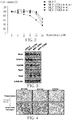
FIG. 2 is a schematic diagram illustrating establishment of tamoxifen-resistant cells according to the present invention. -
FIG. 3-9 are schematic diagrams illustrating dates to prove that TRBP is overexpressed in hormone therapy resistant cells and breast cancer tissues according to the present invention, in which: -
FIG. 3 shows a western blot data for the expression of different microRNA biogenesis factors in cells; -
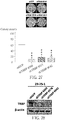
FIG. 4 shows representative images of TRBP IHC in primary tumors and tumors in lymph nodes in cases of cancer recurrence; -
FIG. 5 shows statistics of TRBP protein expression levels in primary tumors and metastatic tumor cells in cases of cancer recurrence; -
FIG. 6 shows an expression of TRBP being analyzed and downloaded by using Oncomine (www.oncomine.org); -
FIG. 7 shows another expression of TRBP being analyzed and downloaded using Oncomine (www.oncomine.org); -
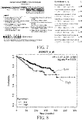
FIG. 8 shows a correlation of TARBP2 expression with overall survival in ER-positive breast cancer patients being analyzed and downloaded by using Kaplan-Meier Plotter (http://kmplot.com); and -
FIG. 9 shows a correlation of TRBP expression with the prognosis of breast cancer patients being analyzed and downloaded by using PrognoScan (http://www.abren.net/PrognoScan). -
FIGs. 10-19 are schematic diagrams illustrating dates to prove elevated TRBP promotes acquired resistance to tamoxifen according to the present invention; in which: -
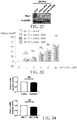
FIGs. 10 and11 show a western blot date and a MTT data of the TRBP expressions in a tamoxifen-resistant cell (MCF-7/TR); -
FIGs. 12 and 13 show a western blot date and a MTT data of the TRBP expressions in a tamoxifen-resistant cell (MCF-7/TR2); -
FIGs. 14 and 15 show a western blot date and a MTT data of the Dicer expressions in the tamoxifen-resistant cell (MCF-7/TR) ; -
FIGs. 16 and17 show a western blot date and a MTT data of the Dicer expressions in the tamoxifen-resistant cell (MCF-7/TR2); and -
FIGs. 18 and 19 show a western blot date and a MTT data of the TRBP expressions in a control, wt-TRBP, or ΔC4-TRBP plasmid. -
FIGs. 20-24 are schematic diagrams illustrating date to prove TRBP is induced by tamoxifen treatment in ER+ breast cancer cells according to the present invention; in which: -
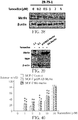
FIG. 20 shows a western blot date and a MTT data of the TRBP expressions in the tamoxifen-resistant cell (MCF-7/TR); -
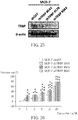
FIG. 21 shows another western blot date and another MTT data of the TRBP expressions in the tamoxifen-resistant cell (MCF-7/TR) ; -
FIG. 22 shows a western blot date and a MTT data of the TRBP expressions in an ER+ breast cancer cell (ZR-75-1); -
FIG. 23 shows another western blot date and another MTT data of the TRBP expressions in the ER+ breast cancer cell (ZR-75-1) ; and -
FIG. 24 shows a western blot date of the TRBP expressions in ER- breast cancer cells. -
FIGs. 25-33 are schematic diagrams illustrating date to prove tamoxifen-induced TRBP contributes to acquired resistance to tamoxifen according to the present invention, in which: -
FIGs. 25 and28 show western blot date for effect of TRBP on tamoxifen sensitivity in the tamoxifen-resistant cell (MCF-7/TR) and the ER+ breast cancer cell (ZR-75-1); -
FIGs. 26 and29 MTT data for effect of TRBP on tamoxifen sensitivity in the tamoxifen-resistant cell (MCF-7/TR) and the ER+ breast cancer cell (ZR-75-1); -
FIG. 27 shows a colony formation data for effect of TRBP on tamoxifen sensitivity in the tamoxifen-resistant cell (MCF-7/TR) and the ER+ breast cancer cell (ZR-75-1); -
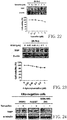
FIGs. 30 andFIG. 32 show western blot date for effect of Dicer expression on the tamoxifen-treated tamoxifen-sensitive cell (MCF-7) and the tamoxifen-treated ER+ breast cancer cell (ZR-75-1); and -
FIGs. 31 andFIG. 33 show MTT date for effect of Dicer expression on the tamoxifen-treated tamoxifen-sensitive cell (MCF-7) and the tamoxifen-treated ER+ breast cancer cell (ZR-75-1) . -
FIGs. 34-42 are schematic diagrams illustrating date to prove tamoxifen stabilizes TRBP through downregulation of Merlin, in which: -
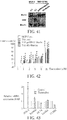
FIGs. 34 ,35 and 36 show a western blot data and a qRT-PCR data for tamoxifen enhanced the protein stability of TRBP; and -
FIGs. 37 ,38, 39, 40 ,41, 42 show western blot data and MTT data for Merlin in tamoxifen sensitivity through regulation of TRBP. -
FIGs. 43-53 are schematic diagrams illustrating date to prove tamoxifen induces SOX2 to enhance tamoxifen resistance through TRBP, in which: -
FIGs. 43 and44 show a western blot data and a qRT-PCR data for expression of different stem cell markers after tamoxifen treatment; -
FIGs. 45 and 46 show a western blot data and a MTT data for effect of SOX2 expression on tamoxifen sensitivity; -
FIGs. 47 Shows a colony formation data and a MTT data for proliferation; -
FIGs. 48 ,49 ,50 and51 show western blot data and reverse-transcription PCR data for tamoxifen downregulated SOX2 through TRBP; and -
FIGs. 52 and 53 show western blot data for upstream modulator of TRBP. -
FIGs. 54-56 are schematic diagrams illustrating date to prove SOX2 and TRBP expression are elevated in hormone therapy resistant tumor cells, in which: -
FIG. 54 shows a correlation of SOX2 expression with the overall survival of patients with ER+ breast cancer; and -
FIGs. 55 and 56 show an association of SOX2 expression and hormone therapy resistance in breast cancer tissues. - The present invention mainly establishes an evaluating method for a hormone therapy such as a tamoxifen treatment in breast cancer, in which a level change of TAR (HIV-1) RNA binding protein 2 (TRBP) in a target subject is measured and monitored right before and after the tamoxifen treatment, so as to discriminate an acquired resistance and/or a primary resistance in the target subject, and also to further predict possible recurrence and/or poor prognosis of breast cancer in the target subject. In the present embodiment, the target subject may be a patient with breast cancer, such as an ER+ patient, any suitable samples like cells or body fluids taken from the aforementioned patient, or other suitable organisms.
- Precisely speaking, the aforementioned evaluating method is established according to a novel p-AKT-TRBP-SOX2 pathway induced by tamoxifen treatment of the present invention, and which is accomplished by firstly administrating an effective amount of tamoxifen into the target subject, for example through any suitably administration like injection, oral administration or incubation. Preferably, the effective amount of tamoxifen is but not limited to be about 20-40 mg/per day. Next, a level of TRBP in the target subject is measured, in comparison with a primary level of TRBP in the target subject measured before the tamoxifen administration, with the level and the primary level of TRBP both referring to a TRBP protein level in the target subject, preferably. Then, the level change between the primary level and the level of TRBP in the target subject is monitored to discriminate an acquired resistance and/or a primary resistance in the target subject. For example, while the level of TRBP is higher than the primary level of TRBP in the target subject, such as being about 20% or more than 20%higher than the primary level of TRBP, the target subject is discriminated as the acquired resistance and/or the primary resistance. Also, while the level of TRBP is higher than the primary level of TRBP in the target subject, such as being about 20% or more than 20% higher than the primary level of TRBP, the target subject is discriminated to have recurrence and/or poor prognosis of breast cancer.
- Furthermore, in one embodiment, the aforementioned evaluating method may be established by further measuring and monitoring a level change of p-AKT and/or SOX2 in the target subject, so as to facilitate the discrimination of the acquired resistance and/or the primary resistance, and the recurrence and/or poor prognosis of breast cancer in the target subject. Since p-AKT and/or SOX2 are respectively the functional upstream target and downstream target of the tamoxifen-TRBP axis, a level change of p-AKT and/or SOX2 in the target subject may also be measured after the tamoxifen administration, in comparison with a primary level of p-AKT and/or SOX2 in the target subject measured before the tamoxifen administration. Likewise, while the level of p-AKT and/or SOX2 is higher than the primary level of p-AKT and/or SOX2 in the target subject, such as being about 20% or more than 20% higher than the primary level of p-AKT and/or SOX2, the target subject may be further confirmed to have an acquired resistance and/or a primary resistance for tamoxifen, as well as recurrence and/or poor prognosis of breast cancer, in the target subject. Preferably, the level and the primary level of SOX2 are both related to a SOX2 protein level in the target subject. Then, the level change between the primary level and the level of p-AKT and/or SOX2 in the target subject is further used to ensure the discrimination of tamoxifen resistance, as well as poor prognosis.
- Although the tamoxifen treatment of present embodiment is exemplified by administrating the effective amount of tamoxifen, the present invention is not limited thereto and may include other processes in order to meet the practical requirements. In one embodiment, the tamoxifen treatment may also be accomplished by administrating an effective amount of an active form of tamoxifen, such as 4-hydroxytamosifen (4OHT), or an effective amount of an analogous of tamoxifen to the subject, but is not limited thereto. Preferably, the effective amount of the active form of tamoxifen (such as 4OHT) may be about 20-40 mg/per day, but is not limited thereto.
- Please refer to
FIG. 1, FIG. 1 shows a schematic diagram illustrating the aforementioned p-AKT-TRBP-SOX2 pathway according to the present invention. In the present invention, a mechanism of tamoxifen resistance is identified in ER+ breast cancer cells through stabilization of TRBP protein and upregulation of a transcription factor SOX2. TRBP is an RNA binding protein that exhibits several known functions. At the molecular level, TRBP suppresses the activation of interferon (IFN)-induced dsRNA-regulated protein kinase PKR and interacts with the PKR activator PACT. TRBP also regulates HIV-1 gene expression through its interaction with TAR13 and is also involved in the RNAi/miRNA pathway as a cofactor that binds to Dicer in the RISC complex. Biologically, the role of TRBP in development was observed in TRBP knockout mice, which exhibit growth defects. The expression of TRBP enhances a transformed phenotype and tumorigenesis in vivo. In the present invention, we found that the expression of TRBP was dramatically upregulated in tamoxifen-resistant cells. Moreover, the induction of TRBP was found to be directly triggered by the tamoxifen treatment, which suggests a therapy-induced drug resistance pathway that should be considered when tamoxifen is used, as it provides crucial information for the development of possible therapeutic strategies. - The aforementioned p-AKT-TRBP-SOX2 pathway has been proved step by step via the following experiments, and materials and methods used in the following experiments are summarized in the following Materials and Methods paragraphs below. In the following experiments, we have proved that TRBP is overexpressed in hormone therapy resistant cells and breast cancer tissues, elevated TRBP promotes acquired resistance to tamoxifen, tamoxifen-induced TRBP results in the desensitization of ER+ breast cancer cells, tamoxifen posttranscriptionally stabilizes TRBP protein expression through downregulation of merlin, tamoxifen-induced TRBP stabilizes SOX2 protein to enhance desensitization of breast cancer cells to tamoxifen, and higher expression of SOX2 is correlated with the level of TRBP and hormone therapy resistance in breast cancer patients, sequentially.
- I. TRBP is overexpressed in hormone therapy resistant cells and breast cancer tissues.
To determine the expression level of TRBP, we established tamoxifen-resistant cells including MCF-7/TR1, MCF-7/TR2 and MCF-7/TR3, and the resistance of the cells MCF-7/TR1, MCF-7/TR2 and MCF-7/TR3 were confirmed as shown inFIG. 2 , in which, a tamoxifen-sensitive cell MCF-7 and the tamoxifen-resistant cells (MCF-7/TR1, MCF-7/TR2 and MCF-7/TR3) were treated with different concentrations of tamoxifen (such as 1, 2, 5, 10, 20 µM) for 72 hours and then the cell proliferations thereof are determined by using a MTT assay. Then, the expressions of different microRNA biogenesis factors in the tamoxifen-sensitive cell (MCF-7) and the tamoxifen-resistant cells (MCF-7/TR1, MCF-7/TR2 and MCF-7/TR3) were screened by seeding those cells in plates until those cells reached 70-80% confluence, followed by collecting and analyzing those cells respectively through a western blot, and we found that only TRBP expression was upregulated in the tamoxifen-resistant cells (MCF-7/TR1, MCF-7/TR2 and MCF-7/TR3), as shown inFIG. 3 .
To establish whether the upregulation of TRBP in tamoxifen-resistant breast cancer cells could be observed in human tumors, we collected metastatic tumors and their corresponding primary tumors from breast cancer patients receiving hormone therapy and analyzed TRBP expression in these tissues by IHC, with data being shown inFIG. 4 and6 . As shown inFIG. 5 , TRBP was highly expressed in tumor cells in metastatic lymph nodes or pleural effusions compared with paired primary tumors from the same patient, and also, in seven paired tissues, a higher level of TRBP protein was observed in five metastatic sites from breast cancer patients.
On the other hand, we also found that TRBP expression was significantly upregulated in breast cancer as compared with normal tissues in all datasets (18/18; 100%) in the Oncomine database, as shown inFIG. 6 . Furthermore, as shown inFIG. 7 , elevated TRBP level was observed in different subtypes of breast cancer. Also, in ER+ patients (as shown inFIG. 8 ) and ER+ patients treated with adjuvant tamoxifen therapy (as shown inFIG. 9 ), higher TRBP expression was observed to be significantly correlated with poor prognosis. Thus, the above results indicated that an elevated TRBP level is correlated with poor prognosis of ER+ patients and is associated with enhanced tamoxifen resistance. - II. Elevated TRBP promotes acquired resistance to tamoxifen.
To investigate the potential role of TRBP in the modulation of tamoxifen resistance, we knocked down TRBP in the tamoxifen-resistant cells (MCF-7/TR1 and MCF-7/TR2) through administrating three specific shRNAs includingshTRBP # 642,shTRBP # 578 andshTRBP # 343. Precisely, the tamoxifen-resistant cells (MCF-7/TR1 and MCF-7/TR2) were transfected with the three shRNAs (shTRBP # 642,shTRBP # 578 and shTRBP #343) respectively for 48 hours, and the efficiency of TRBP knock-down in the tamoxifen-resistant cells was examined by another western blot, as shown inFIGs. 10 and12 . Then, the tamoxifen-resistant cells (MCF-7/TR1 and MCF-7/TR2) were treated with different doses of tamoxifen (such as 1, 2, 5, 10, 20 µM) for 72 hours, and cell proliferations of the tamoxifen-resistant cells (MCF-7/TR1 and MCF-7/TR2) were subjected to another MTT assay respectively, to evaluate drug sensitivities thereof, with data thereof being shown inFIGs. 11 and 13 . As shown inFIGs. 11 and 13 , the depletion of TRBP significantly enhanced tamoxifen sensitivity of the tamoxifen-resistant cells (MCF-7/TR1 and MCF-7/TR2), which indicated that TRBP upregulation is essential for acquired tamoxifen resistance. Furthermore, through similar process of knocked down TRBP, we also knocked down Dicer in the tamoxifen-resistant cells (MCF-7/TR1 and MCF-7/TR2) as shown inFIGs. 14 and 16 , to investigate whether tamoxifen resistance relies on its function in miRNA regulation, and however, the knockdown of Dicer did not affect the sensitivity of the tamoxifen-resistant cells (MCF-7/TR1 and MCF-7/TR2) to tamoxifen, as shown inFIGs. 15 and17 .
Moreover, we transfected the tamoxifen-sensitive cell (MCF-7) with a C4-truncated TRBP, which has lost its Dicer-binding domain, to further confirm whether TRBP-enhanced resistance acts through the miRNA pathway. Precisely, the tamoxifen-sensitive cells (MCF-7) were transfected with a control, wt-TRBP, or ΔC4-TRBP (namely the C4-truncated TRBP) plasmids respectively. After 24 hours of incubation, the tamoxifen-resistant cells (MCF-7/TR1 and MCF-7/TR2) were harvested to determine the TRBP expression by another western blot. Then, the tamoxifen-resistant cells (MCF-7/TR1 and MCF-7/TR2) were further treated with different concentrations of tamoxifen (1, 2, 5, 10, 20 µM) for 72 hours, followed by using another MTT assay to evaluate cell viabilities thereof, wherein all MTT results are presented as the means ± SEM from at least three separate experiments that were performed in duplicate or triplicate and analyzed by two-way ANOVA (*P ≤ 0.05, **P ≤ 0.01, ***P ≤ 0.001). Consistently, as shown inFIGs. 18 and 19 , enhanced tamoxifen resistance was observed in MCF-7 cells after TRBP overexpression, and the promoting effects were also observed in cells that overexpressed C4-truncated TRBP. Thus, the above results indicate that the upregulation of TRBP confers acquired resistance to tamoxifen in breast cancer cells. - III. Tamoxifen-induced TRBP results in the desensitization of ER+ breast cancer cells.
Our previous results showed that TRBP is upregulated in tamoxifen-resistant breast cancer cells and tumors, so that it is believed TRBP contributes to an acquire resistance to tamoxifen. However, drug resistance may arise from the changes in expression that are observed in resistant cells during the selection process and the expansion of cells that survived. In the present experiment, the TRBP upregulation was observed only in a tamoxifen-resistant cell (MCF-7/TR) which is selected over the long term using tamoxifen in the present experiment, in which, the tamoxifen-resistant cell (MCF-7/TR) and an ER+ breast cancer cell (ZR-75-1) were prepared and treated with increasing concentrations of tamoxifen or 4-hydroxytamoxifen (4OHT) respective, for 48 hours, and another western blot was performed to examine the TRBP expression therein, and cytotoxic effects of the indicated concentrations within the aforementioned cells were evaluated by another MTT assay, with all MTT results being presented as the means ± SEM from at least three separate experiments that were performed in duplicate or triplicate.
It is noted that, we observed that the treatment of the tamoxifen-resistant cell (MCF-7/TR) with tamoxifen also induced the TRBP expression in a dose-dependent manner as shown in left ofFIG. 20 without inducing any significant cytotoxic effects as shown in right ofFIG. 20 . Also, similar phenomena were also observed in the tamoxifen-resistant cell (MCF-7/TR) treated with 4-Hydroxytamoxifen (namely a metabolically active form of tamoxifen) which is found in the human body, with data thereof being shown inFIG. 21 . Furthermore, the ER+ breast cancer cell (ZR-75-1) treated with tamoxifen or 4-OHT also observes similar dose-dependent effects on the induction of TRBP expression under short-term and noncytotoxic treatments, as shown inFIGs. 22 and 23 . In contrast, no significant induction of TRBP was found in ER negative (ER-) breast cancer cells including SKBR3, Hs578T, and MDA-MB-231, as shown inFIG. 24 , while the ER- breast cancer cells (SKBR3, Hs578T, and MDA-MB-231) also treated with tamoxifen for 48 hours and analyzed the TRBP expressions therein by the western blot. Thus, the above results indicate that the induction of TRBP is driven by tamoxifen treatment in ER+ breast cancer cells. In other words, TRBP is upregulated and involved in the acquired resistance of the tamoxifen-resistant cell (MCF-7/TR) .
Next, to investigate the functional contribution of TRBP, we further used the shRNAs (shTRBP #642, shTRBP #578 and shTRBP #343) to block the tamoxifen-induced TRBP and to determine the viability of the tamoxifen-resistant cell (MCF-7/TR) in the presence of tamoxifen as shown inFIG. 25 , in which, the tamoxifen-resistant cell (MCF-7/TR) and the ER+ breast cancer cell (ZR-75-1) were transfected with shRNAs (shTRBP #642, shTRBP #578 and shTRBP #343) targeting TRBP for 48 hours, with efficiencies of TRBP knock-down thereof being examined by another western blot, and the tamoxifen-resistant cell (MCF-7/TR) and the ER+ breast cancer cell (ZR-75-1) transfected with the shRNAs (shTRBP #642, shTRBP #578 and shTRBP #343) were then treated with different concentrations of tamoxifen (1, 2, 5, 10, 20 µM) for 72 hours, with proliferations and colony-forming abilities of the tamoxifen-resistant cell (MCF-7/TR) and the ER+ breast cancer cell (ZR-75-1) being determined by another MTT assay (as shown inFIGs. 26 ,29 ) and a colony formation assays (as shown inFIG. 27 ) . At different doses of tamoxifen treatment, TRBP in the tamoxifen-resistant cell (MCF-7/TR) was knocked down by the shRNAs (shTRBP # 642,shTRBP # 578 and shTRBP #343), so that, the tamoxifen-resistant cell (MCF-7/TR) therefore presents a higher tamoxifen sensitivity according to the MTT data as shown inFIG. 26 and the colony formation data as shown inFIG. 27 . Also, similar effects were also observed in the tamoxifen-treated ER+ breast cancer cell (ZR-75-1) as shown inFIGs. 28 and29 , while TRBP in the ER+ breast cancer cell (ZR-75-1) was knocked down by the shRNAs (shTRBP # 642,shTRBP # 578 and shTRBP #343). Thus, the above evidences suggest that the upregulation of TRBP is directly triggered by tamoxifen and consequently results in enhanced primary tamoxifen resistance. Again, the knockdown of Dicer in the tamoxifen-treated tamoxifen-resistant cell (MCF-7/TR) and the tamoxifen-treated ER+ breast cancer cell (ZR-75-1) did not affect drug sensitivity as shown inFIGs. 30, 31 and33 , which supports the concept that tamoxifen induced TRBP enhances drug resistance in a miRNA-independent manner. - IV. Tamoxifen posttranscriptionally stabilizes TRBP protein expression through downregulation of Merlin.
Next, the mechanism of tamoxifen-mediated TRBP induction was proved. Firstly, we analyzed the mRNA expression of TRBP and found that the TRBP mRNA level was not significantly changed either in the tamoxifen-resistant cell (MCF-7/TR) or in the tamoxifen-resistant cell (MCF-7/TR1), in which, RNA was isolated from the tamoxifen-resistant cell (MCF-7/TR) which was pretreated with 2 µM tamoxifen for 48 hours, and then seeded and cultured in plates until reaching 70-80% confluence in the presence of tamoxifen, to analyze a mRNA level of TRBP by a reverse-transcription PCR (qRTPCR). The aforementioned experiment was repeated at least 3 times, and the data thereof are shown inFIG. 34 , which suggested that the regulation of the TRBP protein expression may occur at the posttranscriptional level. Then, in order to investigate changes in TRBP protein stability, the mRNA expression of TRBP was analyzed by further treating the tamoxifen-resistant cell (MCF-7/TR) and the tamoxifen-resistant cell (MCF-7/TR1) with 50 µg/ml cycloheximide (CHX) to block de novo protein synthesis, followed by harvesting the tamoxifen-resistant cell (MCF-7/TR) and the tamoxifen-resistant cell (MCF-7/TR1) at an indicated time point to analyze the expression of TRBP in the tamoxifen-resistant cell (MCF-7/TR) and the tamoxifen-resistant cell through another western blot, wherein the degradation rates were plotted for the average ± SEM of at least three independent experiments and analyzed by two-way ANOVA (*P ≤ 0.05 and **P ≤ 0.01). Accordingly, a significant prolonged degradation of TRBP protein was observed both in the tamoxifen-treated tamoxifen-sensitive cell (MCF-7) compared with an untreated tamoxifen-sensitive cell (MCF-7),as shown inFIG. 35 , and in the tamoxifen-treated tamoxifen-resistant cell (MCF-7/TR1) compared with an untreated tamoxifen-resistant cell (MCF-7/TR1), as shown inFIG. 36 . Thus, the above results indicate that tamoxifen treatment facilitates the accumulation of TRBP protein via a decrease in its degradation.
On the other hand, the present invention also proved that the expression of Merlin, as TRBP-interacting protein that promotes the ubiquitination and degradation of TRBP, was also suppressed in a dose-dependent manner in a tamoxifen-treated tamoxifen-sensitive cell (MCF-7) as shown inFIG. 37 and in a tamoxifen-treated ER+ breast cancer cell (ZR-75-1) as shown inFIG. 38 , in which, the tamoxifen-sensitive cell (MCF-7) and the ER+ breast cancer cell (ZR-75-1) were treated with increasing concentrations of tamoxifen for 48 hours, with the tamoxifen-sensitive cell (MCF-7) and the ER+ breast cancer cell (ZR-75-1) being transfected with indicated plasmid to overexpress Merlin for 24 hours, and then, another western blot was performed to detect the expression of TRBP and Merlin in the tamoxifen-sensitive cell (MCF-7) and the ER+ breast cancer cell (ZR-75-1) . The above results suggest a possible mechanism in that tamoxifen inhibits Merlin to suppress TRBP protein degradation.
Next, we restored Merlin expression and determined TRBP expression in the tamoxifen-treated tamoxifen-sensitive cell (MCF-7) as shown inFIG. 39 and the tamoxifen-treated tamoxifen-resistant cell (MCF-7/TR1) as shown inFIG. 41 by transfected the tamoxifen-sensitive cell (MCF-7) and the tamoxifen resistant cell (MCF-7/TR1) with an indicated plasmid to overexpress Merlin for 24 hours and then collecting the tamoxifen-sensitive cell (MCF-7) and the tamoxifen resistant cell (TR1) to analyze the expression of TRBP and Merlin therein. Upon the restoration of Merlin, the upregulated TRBP was completely diminished both in the tamoxifen-treated tamoxifen-sensitive cell (MCF-7) as shown inFIG. 39 and in the tamoxifen-treated tamoxifen resistant cell (MCF-7/TR1) as shown inFIG. 41 .
Then, the tamoxifen-sensitive cell (MCF-7) and the tamoxifen resistant cell (MCF-7/TR1) were further treated with different concentrations of tamoxifen (1, 2, 5, 10, 20 µM) for 72 h, and cell proliferations thereof were determined by another MTT assay, with data thereof being shown inFIGs. 40 and42 , and with the MTT results being presented as the means ± SEM from at least three separate experiments which were performed in duplicate or triplicate and analyzed by two-way ANOVA (*P ≤ 0.05, **P ≤ 0.01, and ***P ≤ 0.001). Accordingly, the restoration of Merlin resensitized the tamoxifen-treated tamoxifen-sensitive cell (MCF-7) as shown inFIG. 40 and the tamoxifen-treated tamoxifen-resistant cell (MCF-7/TR1) as shown inFIG. 42 . Thus, the above results indicate that tamoxifen downregulates Merlin to stabilize the TRBP protein, which results in enhanced primary and acquired resistance to tamoxifen. - V. Tamoxifen-induced TRBP stabilizes SOX2 protein to enhance desensitization of breast cancer cells to tamoxifen.
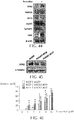
In order to identify the downstream modulator of TRBP, the tamoxifen-sensitive cells (MCF-7) were treated with 2 µM tamoxifen for 48 hours, and then RNA of the tamoxifen-sensitive cell (MCF-7) was isolated to analyze the mRNA expression of stem cell markers by using a reverse-transcription PCR (qRT-PCR), with the aforementioned experiment being repeated at least three times, and with ATP5E being used as a positive control for tamoxifen treatment (*P < 0.05) by t-test. Then, the tamoxifen-sensitive cells (MCF-7) were further collected to analyze protein expression by using a western blot. Accordingly, we determined the expression of several key factors that have been reported to modulate self-renewal and drug resistance of cancer cells, including SOX2, Nanog, OCT4, Lin28A, CCND1. We used real-time qPCR to screen for the expression of these proteins and found that the expression of SOX2 mRNA was upregulated by tamoxifen treatment, as shown inFIG. 43 . The upregulated expression of SOX2 protein was further confirmed by the western blot as shown inFIG. 44 , with the reduction of cyclin D1 which is a known target inhibited by tamoxifen treatment as shown inFIGs. 43 and44 .
Then, in order to further identify the effect of SOX2 expression on tamoxifen sensitivity, the tamoxifen-sensitive cell (MCF-7) was transfected with shRNAs targeting SOX2 (includingshSOX2 # 638 and shSOX2 #637) for 48 hours and then treated with different concentrations of tamoxifen (1, 2, 5, 10, 20 µM) for 72 hours. The efficiency of SOX2 knock-down was examined by a western blot, and the proliferation and colony formation were determined by another MTT and another colony formation assays, respectively, with the MTT experimental results being given as the means ± SEM from at least three separate experiments that were performed in duplicate or triplicate and analyzed by two-way ANOVA (*P ≤ 0.05 and **P ≤ 0.01). After the knockdown of SOX2 using the shRNAs (shSOX2 # 638 and shSOX2 #637) as shown inFIG. 45 , the tamoxifen sensitivity of the tamoxifen-sensitive cell (MCF-7) was rescued according to the MTT data as shown inFIG. 46 and the colony formation data as shown inFIG. 47 , since the aforementioned data indicates the functional role of SOX2 in promoting tamoxifen resistance.
Next, in order to further prove tamoxifen downregulated the protein level of SOX2 through TRBP, the tamoxifen-sensitive cell (MCF-7) was transfected with the shRNAs targeting SOX2 (shSOX2 # 638 and shSOX2 #637) for 48 hours, and the, 2 µM tamoxifen was added to a culture medium of the tamoxifen-sensitive cell (MCF-7) for 48 hours. After that, RNA was isolated from the tamoxifen-sensitive cell (MCF-7) to analyze the mRNA expression of SOX2 by using a reverse-transcription PCR (qRT-PCR). Accordingly, we found that tamoxifen also enhanced SOX2 expression as shown inFIG. 48 . Moreover, the induced SOX2 expression was completely abolished when TRBP was depleted in the tamoxifen-treated tamoxifen-sensitive cell (MCF-7) as shown inFIG. 48 , which indicates that the SOX2 accumulation is enhanced by tamoxifen-induced TRBP. The above results suggested that SOX2 is the functional downstream target of the tamoxifen-TRBP axis, which modulates drug resistance. Following these, we further examined SOX2 protein stability in the tamoxifen-treated tamoxifen-sensitive cell (MCF-7), the results thereof showed that SOX2 protein was degraded more slowly in the tamoxifen-treated tamoxifen-sensitive cell (MCF-7) compared with untreated tamoxifen-sensitive cell (MCF-7) as shown inFIG. 49 and in tamoxifen-treated tamoxifen-resistant cell (MCF-7/TR) compared with the untreated tamoxifen-resistant cell (MCF-7/TR) as shown inFIG. 50 . Furthermore, as shown inFIG. 51 , the depletion of TRBP in tamoxifen-treated tamoxifen-sensitive cell (MCF-7) blocked the tamoxifen-stabilized SOX2 protein accumulation. All these results suggest that SOX2 is a downstream factor that promotes tamoxifen resistance, which is regulated by tamoxifen-induced TRBP through posttranscriptional SOX2 protein stabilization.
On the other hand, similar experiments above are also performed to identify the upstream modulator of TRBP. The results showed that p-AKT was obviously elevated in the tamoxifen-treated tamoxifen-resistant cell (MCF-7/TR1) compared with the tamoxifen-treated tamoxifen-sensitive cell (MCF-7) as shown inFIG. 52 . Also, after TRBP knockdown by shRNAs (such asshTRBP # 1 and shTRBP #2), the enhanced p-AKT in the tamoxifen-treated tamoxifen-resistant cell (MCF-7/TR1) was suppressed, which suggests that a positive feedback regulation of TRBP-induced p-AKT. Furthermore, as shown in left ofFIG. 53 , an elevated -AKT level was firstly observed after treated with tamoxifen, and then, an elevated -SOX2 level was then observed as shown in right ofFIG. 53 . Also, inhibition of tamoxifen-induced p-AKT for example by using a P13K/AKT inhibitor like Wortmannin as shown in left ofFIG. 53 blocked TRBP and SOX2 expression (as shown in right ofFIG. 53 ), which indicates that p-AKT induces TRBP-SOX pathway in the presence of tamoxifen. All these results suggest that p-AKT is an upstream factor that promotes tamoxifen resistance, which is regulated by a p-AKT-TRBP-SOX2 pathway. - VI.Higher expression of SOX2 is correlated with the level of TRBP and hormone therapy resistance in breast cancer patients
- In agreement with our findings that SOX2 is a downstream of TRBP that modulates tamoxifen resistance, we also observed that SOX2 expression is correlated with a poor prognosis of ER+ breast cancer patients, as shown in
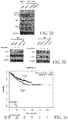
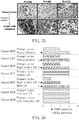
FIG. 54 . Precisely, the correlation of SOX2 expression with the overall survival of patients with ER+ breast cancer was analyzed and downloaded by using Kaplan-Meier Plotter (http://kmplot.com/). Also, to ensure the expression pattern of SOX2 protein in hormone therapy-resist ant breast cancer tissues, we determined SOX2 expression by IHC. In the paired tumor tissues, five metastatic lymph nodes or pleural effusions showed enhanced SOX2 expression in comparison with the corresponding primary tumors, as shown inFIGs. 55 and 56 , while four of the five tissue pairs showed elevated TRBP expression as shown inFIGs. 55, 56 . The above results support a vitro findings that TRBP upregulates SOX2, which in turn induces tamoxifen resistance, as well as poor prognosis. - Tamoxifen-sensitive cells (MCF-7) were cultured in low glucose Dulbecco's modified Eagle medium (DMEM) supplemented with 10% fetal bovine serum (FBS), 2% glutamine and 1% penicillin/streptomycin antibiotics. Tamoxifen-resistant cells (MCF-7/TR1, MCF-7/TR2, MCF-7/TR3) were established by culturing the tamoxifen-sensitive cells (MCF-7) in the presence of 3µM tamoxifen over a period of 6 months. ER+ breast cancer cells were maintained in RPMI-1640 medium supplemented with 10% fetal bovine serum (FBS), 2% glutamine and 1% penicillin/streptomycin antibiotics. All cells were incubated at 37 °C with 5% CO2 in a humidified incubator.
- Whole cell extracts were lysed in RIPA buffer and collected to fractionate by SDSPAGE, and then transferred onto PVDF membranes according to the manufacture's protocols (Bio-Rad). After blocking with 5% nonfat milk in TBST for 60 min, membranes were washed and incubated with primary antibodies at 4°C overnight. Membranes were washed three times for 10 min and incubated with secondary antibodies for 60 min. Protein expressions were visualized by ECL system according to the manufacture's protocols.
- Total RNA was isolated by using Trizol reagent according to the manufacturer's instructions. 200 ng of RNA was reverse transcribed to complementary DNA (cDNA) by using a reverse transcriptase enzyme, a random primer, dNTPs and an RNase inhibitor. Real-time PCR was performed by Applied Biosystem Step One Real-time PCR system (Applied Biosystems) according to manufacturer's protocols. Samples run in three independent experiments and GAPDH or α-tubulin were used as an internal control to normalize the target genes.
- Cell viability was analyzed by MTT (3, [4,5-dimethylthiazol-2-yl-] diphenyltetrazolium bromide, 5 mg/ml). Cells were seeding in 96-well plates and incubated overnight, and then changed into the fresh medium containing indicated concentrations of tamoxifen for 72h. 50µl of MTT was added to each well and incubated for 2h, and the purple formazan crystals were dissolved in DMSO. The absorbance was measured by a microplate reader at a wavelength of 570nm.
- 0.5 x 10³ cells were seeded on the 6-well plates and incubated overnight, and 2µM of tamoxifen was added to the medium for 7 days. The cells were fixed by 3.7% formaldehyde and stained by 0.05% crystal violet. The number of colonies was counted by Image J (NIH).
- Breast cancer patients had operation for breast cancer and subsequently developed lymph node metastasis at National Taiwan University Hospital were included during 2011 to 2015. Paraffin-embedded, formalin-fixed surgical resection specimens were collected for immunohistochemical staining for TRBP and SOX2. All these patients had ER+ disease and had anti-hormone therapy for their disease. Tumor size, local invasion, and lymph node metastasis were acquired from pathology reports. Breast cancer tissues obtained from NTU Hospital were used according to IRB protocols approved by the NTU Hospital.
- Immunohistochemical studies were performed on formalinfixed, paraffin-embedded tissue. Tissue sections were deparaffinized according to established procedures Antigen retrieval was performed at pH9.0 using
Epitope Retrieval 2 solution (Leica Microsystems) for 20 min at 100°C. The primary antibodies used were anti-SOX2 (Millipore, cat. AB5603, 1:50) anti-TRBP (Thermo, cat. LF-MA0209, Clone 46D1, 1:600) for 30 minutes. Slides were then stained using the Leica Microsystems BONDMAX autostainer according to the following steps. Post primary IgG linker reagent localized mouse antibody for 8 minutes. Poly-HRP IgG reagent localized rabbit antibody for 8 minutes. Staining was developed with the substrate chromogen, DAB for 10 minutes. The sections were counterstained with modified Mayer's hematoxylin for 5 minutes. The staining intensity was evaluated by pathologist. - All experiments were performed as the means ± SEM. The Statistical significance between different groups was analyzed by one-way or two-way ANOVA in
Prism 7 software. Values were considered significant when P value was less than 0.05. - Through the aforementioned experiments, it is shown that TRBP is overexpressed in tamoxifen-resistant cells and in cancer cells in metastatic lymph nodes of ER+ breast cancer patients after hormone therapy. Tamoxifen-induced TRBP expression resulted in the desensitization of ER+ breast cancer cells. Mechanistically, tamoxifen posttranscriptionally stabilizes the TRBP protein through downregulation of Merlin, a TRBP-interacting protein known to enhance its degradation via the ubiquitination-proteasome system. The tamoxifen-induced TRBP further stabilizes SOX2 protein to enhance desensitization of breast cancer cells to tamoxifen. Similar to TRBP expression, expression of SOX2 is also induced in cancer cells in metastatic lymph nodes of ER+ breast cancer patients after they received hormone therapy.
- According to the present invention, the aforementioned p-AKT-TRBP-SOX2 pathway contributes not only to acquired resistance but also to de novo resistance, so that, the evaluating method for a hormone therapy in breast cancer may be established thereby, through measuring and monitoring a level change of TRBP in a target subject to discriminate the acquired resistance and/or the novo resistance, and also to further determine recurrence and/or poor prognosis of breast cancer. Precisely, in the evaluating method for a hormone therapy in breast cancer, a primary level of TRBP in the target subject and a level of TRBP in the target subject taken after the tamoxifen treatment are both collected from the target subject, and the level change between the primary level and the level of TRBP in the target subject is monitored to discriminate the acquired resistance and/or the novo resistance in the target subject. While the level of TRBP is higher than the primary level of TRBP in the target subject, such as being about 20% or more than 20% higher than the primary level of TRBP, the target subject is discriminated as the acquired resistance and/or the primary resistance. Also, while the level of TRBP is higher than the primary level of TRBP in the target subject, such as being about 10%-90% higher than the primary level of TRBP, the target subject is discriminated to have recurrence and/or poor prognosis of breast cancer.
- In summary, the present invention has proved a novel phospho-AKT (p-AKT)-TRBP-SOX2 pathway induced by tamoxifen treatment which contributes not only to acquired resistance but also to de novo resistance, so that, a valuating method for a hormone therapy in breast cancer may be established thereby, through measuring and monitoring a level change of TRBP in a target subject to discriminate the acquired resistance and/or the novo resistance of the target subject, and also to further determine recurrence and/or poor prognosis of the target subject after a hormone therapy. In this way, the evaluating method of the present invention not only reveals a missing link between the tamoxifen-induced signaling network and tamoxifen resistance, but also further provides an important information for the design of better therapeutic approaches in breast cancer.
- Furthermore, according to the aforementioned p-AKT-TRBP-SOX2 pathway of the present invention, the induction of TRBP which is triggered by the tamoxifen treatment may further suggest an unexpected effect of tamoxifen during hormone therapy, and the evaluating method of the present invention therefore reveals a missing link between the tamoxifen-induced signaling network and tamoxifen resistance, which provides important information for the design of better therapeutic approaches in breast cancer.
Claims (15)
- A method of evaluating drug resistance in hormone therapy, comprising:measuring a primary level of TRBP in a sample obtained from a subject before treatment with tamoxifen;:measuring a level of TRBP in a sample obtained from the subject after an effective amount of tamoxifen, an active form of tamoxifen or an analogous of tamoxifen had been administered to the subject;
anddiscriminating tamoxifen resistance through a level change of TRBP in the subject. - The method of evaluating drug resistance in hormone therapy according to claim 1, characterized by:after having provided the tamoxifen, the active form of tamoxifen or the analogous of tamoxifen, measuring a level of SOX2 in a sample obtained from the subject; anddiscriminating tamoxifen resistance also through comparing a level change of SOX2 between a primary level of SOX2 and the level of SOX2 in the subject.
- The method of evaluating drug resistance in hormone therapy according to claim 2, characterized in that the level change of SOX2 comprises a protein level change of SOX2.
- The method of evaluating drug resistance in hormone therapy according to claims 1 or 2, characterized by: measuring a level of p-AKT in a sample obtained from the subject; and discriminating the tamoxifen resistance also through comparing a level change of p-AKT between a primary level of p-AKT and the level of p-AKT in the subject.
- The method of evaluating drug resistance in hormone therapy according to claim 1, characterized in that the level change of TRBP is between the primary level of TRBP and the level of TRBP.
- The method of evaluating drug resistance in hormone therapy according to claim 5, characterized in that the level change of TRBP comprises a protein level change of TRBP..
- The method of evaluating drug resistance in hormone therapy according to claim 5, characterized in that the level change of TRBP is 20% or more than 20%.
- The method of evaluating drug resistance in hormone therapy according to claim 1, characterized in that the active form of tamoxifen comprises 4-hydroxytamosifen.
- The method of evaluating drug resistance in hormone therapy according to claim 1, characterized in that the effective amount of the active form of tamoxifen is 20-40 mg/per day.
- The method of evaluating drug resistance in hormone therapy according to claim 1, characterized in that the administrating of the tamoxifen had been carried out via injection, oral administration or incubation.
- The method of evaluating drug resistance in hormone therapy according to claim 1, characterized in that the effective amount of the tamoxifen is 20-40 mg/per day.
- The method of evaluating drug resistance in hormone therapy according to claims 1, 2 or 4, characterized by:
determining prognosis of cancer through the level change of TRBP. - The method of evaluating drug resistance in hormone therapy according to claim 12, characterized by:
discriminating the prognosis of cancer also through comparing a level change of SOX2 between a primary level of SOX2 and the level of SOX2 or a level change of p-AKT between a primary level of p-AKT and the level of p-AKT. - The method of evaluating drug resistance in hormone therapy according to claims 1, 2 or 4, characterized by: determining recurrence of cancer through the level change of TRBP.
- The method of evaluating drug resistance in hormone therapy according to claim 14, characterized by:
discriminating the recurrence of cancer also through comparing a level change of SOX2 between a primary level of SOX2 and the level of SOX2 or a level change of p-AKT between a primary level of p-AKT and the level of p-AKT.
Applications Claiming Priority (1)
| Application Number | Priority Date | Filing Date | Title |
|---|---|---|---|
| US201862641387P | 2018-03-11 | 2018-03-11 |
Publications (2)
| Publication Number | Publication Date |
|---|---|
| EP3539541A1 EP3539541A1 (en) | 2019-09-18 |
| EP3539541B1 true EP3539541B1 (en) | 2020-11-18 |
Family
ID=64664608
Family Applications (1)
| Application Number | Title | Priority Date | Filing Date |
|---|---|---|---|
| EP18211464.5A Active EP3539541B1 (en) | 2018-03-11 | 2018-12-11 | Method of evaluating drug resistance and treatment effect |
Country Status (2)
| Country | Link |
|---|---|
| US (1) | US11435353B2 (en) |
| EP (1) | EP3539541B1 (en) |
Family Cites Families (1)
| Publication number | Priority date | Publication date | Assignee | Title |
|---|---|---|---|---|
| US20110223616A1 (en) | 2010-03-12 | 2011-09-15 | The Curators Of The University Of Missouri | HuR-Associated Biomarkers |
-
2018
- 2018-12-04 US US16/209,907 patent/US11435353B2/en active Active
- 2018-12-11 EP EP18211464.5A patent/EP3539541B1/en active Active
Non-Patent Citations (1)
| Title |
|---|
| None * |
Also Published As
| Publication number | Publication date |
|---|---|
| US20190277850A1 (en) | 2019-09-12 |
| US11435353B2 (en) | 2022-09-06 |
| EP3539541A1 (en) | 2019-09-18 |
Similar Documents
| Publication | Publication Date | Title |
|---|---|---|
| Zhang et al. | Non-SMC condensin I complex, subunit G (NCAPG) is a novel mitotic gene required for hepatocellular cancer cell proliferation and migration | |
| Xie et al. | Knockdown of TRIM26 inhibits the proliferation, migration and invasion of bladder cancer cells through the Akt/GSK3β/β-catenin pathway | |
| Ouyang et al. | Therapeutic effect of palbociclib in chondrosarcoma: implication of cyclin-dependent kinase 4 as a potential target | |
| Wan et al. | HPV-induced Nurr1 promotes cancer aggressiveness, self-renewal, and radioresistance via ERK and AKT signaling in cervical cancer | |
| WO2017067454A1 (en) | Pharmaceutical use and drug product adopting lsd1 inhibitor for preventing and treating triple negative breast cancer | |
| Ni et al. | Dihydroartemisinin, a potential PTGS1 inhibitor, potentiated cisplatin-induced cell death in non-small cell lung cancer through activating ROS-mediated multiple signaling pathways | |
| Zhou et al. | FBXW2 inhibits prostate cancer proliferation and metastasis via promoting EGFR ubiquitylation and degradation | |
| Ding et al. | Peroxiredoxin IV plays a critical role in cancer cell growth and radioresistance through the activation of the Akt/GSK3 signaling pathways | |
| Sun et al. | RETRACTED ARTICLE: Long noncoding RNA LINC00520 accelerates progression of papillary thyroid carcinoma by serving as a competing endogenous RNA of microRNA-577 to increase Sphk2 expression | |
| US20220280590A1 (en) | Use of inhibitors of yap and sox2 for the treatment of cancer | |
| US9200067B2 (en) | Molecular marker CUEDC2 protein for prognostic determination of breast cancer endocrinology therapy | |
| Yang et al. | RETRACTED ARTICLE: Knockdown of zinc finger protein 267 suppresses diffuse large B-cell lymphoma progression, metastasis, and cancer stem cell properties | |
| CN109321656B (en) | Use of protein DEPDC1 as a marker for the diagnosis of triple-negative breast cancer | |
| Ji et al. | Orphan nuclear receptor Nurr1 as a potential novel marker for progression in human pancreatic ductal adenocarcinoma | |
| Chen et al. | ALKAL1 gene silencing prevents colorectal cancer progression via suppressing Sonic Hedgehog (SHH) signaling pathway | |
| Zhao et al. | LncRNA FOXD3-AS1/miR-128-3p axis-mediated IGF2BP3 in glioma stimulates cancer angiogenesis and progression | |
| Ni et al. | SMAGP knockdown inhibits the malignant phenotypes of glioblastoma cells by inactivating the PI3K/Akt pathway | |
| US11435353B2 (en) | Method of evaluating drug resistance and treatment effect | |
| CN114624441B (en) | Application of transmembrane protein 43 as pancreatic cancer tumor diagnosis marker | |
| Ma et al. | 20-hydroxyecdysone suppresses bladder cancer progression via inhibiting USP21: a mechanism associated with deubiquitination and degradation of p65 | |
| KR20170071393A (en) | Composition for diagnosis of radioresistance and use thereof | |
| Chen et al. | Denosumab induces neoplastic stromal cell apoptosis via p62 downregulation dependent on autophagy pathway in giant cell tumour of Bone | |
| Zhou et al. | Erianin reverses 5-FU resistance by targeting CALM1/CAMKK2 and activating autophagy in colorectal cancer | |
| CN108159419B (en) | Application of substances inducing IRF8 expression in the preparation of drugs for the treatment of liver cancer | |
| CN116539884B (en) | Application of oxysterol-binding protein OSBPL2 as a molecular marker and therapeutic target for colorectal cancer |
Legal Events
| Date | Code | Title | Description |
|---|---|---|---|
| PUAI | Public reference made under article 153(3) epc to a published international application that has entered the european phase |
Free format text: ORIGINAL CODE: 0009012 |
|
| STAA | Information on the status of an ep patent application or granted ep patent |
Free format text: STATUS: THE APPLICATION HAS BEEN PUBLISHED |
|
| AK | Designated contracting states |
Kind code of ref document: A1 Designated state(s): AL AT BE BG CH CY CZ DE DK EE ES FI FR GB GR HR HU IE IS IT LI LT LU LV MC MK MT NL NO PL PT RO RS SE SI SK SM TR |
|
| AX | Request for extension of the european patent |
Extension state: BA ME |
|
| XX | Miscellaneous (additional remarks) |
Free format text: FIGURES 6 TO 9 AS WELL AS ANY REFERENCES THERETO IN THE DESCRIPTION ARE DEEMED TO BE DELETED. |
|
| STAA | Information on the status of an ep patent application or granted ep patent |
Free format text: STATUS: REQUEST FOR EXAMINATION WAS MADE |
|
| 17P | Request for examination filed |
Effective date: 20191023 |
|
| RBV | Designated contracting states (corrected) |
Designated state(s): AL AT BE BG CH CY CZ DE DK EE ES FI FR GB GR HR HU IE IS IT LI LT LU LV MC MK MT NL NO PL PT RO RS SE SI SK SM TR |
|
| GRAP | Despatch of communication of intention to grant a patent |
Free format text: ORIGINAL CODE: EPIDOSNIGR1 |
|
| STAA | Information on the status of an ep patent application or granted ep patent |
Free format text: STATUS: GRANT OF PATENT IS INTENDED |
|
| RIC1 | Information provided on ipc code assigned before grant |
Ipc: A61K 31/138 20060101AFI20200519BHEP Ipc: A61P 35/00 20060101ALI20200519BHEP |
|
| INTG | Intention to grant announced |
Effective date: 20200623 |
|
| RIN1 | Information on inventor provided before grant (corrected) |
Inventor name: LI, JIE-NING Inventor name: WANG, MING-YANG Inventor name: CHEN, PAI-SHENG Inventor name: KUO, YAO-LUNG |
|
| GRAS | Grant fee paid |
Free format text: ORIGINAL CODE: EPIDOSNIGR3 |
|
| GRAA | (expected) grant |
Free format text: ORIGINAL CODE: 0009210 |
|
| STAA | Information on the status of an ep patent application or granted ep patent |
Free format text: STATUS: THE PATENT HAS BEEN GRANTED |
|
| AK | Designated contracting states |
Kind code of ref document: B1 Designated state(s): AL AT BE BG CH CY CZ DE DK EE ES FI FR GB GR HR HU IE IS IT LI LT LU LV MC MK MT NL NO PL PT RO RS SE SI SK SM TR |
|
| REG | Reference to a national code |
Ref country code: GB Ref legal event code: FG4D |
|
| XX | Miscellaneous (additional remarks) |
Free format text: FIGURES 6 TO 9 AS WELL AS ANY REFERENCES THERETO IN THE DESCRIPTION ARE DEEMED TO BE DELETED. |
|
| REG | Reference to a national code |
Ref country code: CH Ref legal event code: EP |
|
| REG | Reference to a national code |
Ref country code: IE Ref legal event code: FG4D |
|
| REG | Reference to a national code |
Ref country code: DE Ref legal event code: R096 Ref document number: 602018009842 Country of ref document: DE |
|
| REG | Reference to a national code |
Ref country code: AT Ref legal event code: REF Ref document number: 1334978 Country of ref document: AT Kind code of ref document: T Effective date: 20201215 |
|
| REG | Reference to a national code |
Ref country code: AT Ref legal event code: MK05 Ref document number: 1334978 Country of ref document: AT Kind code of ref document: T Effective date: 20201118 |
|
| REG | Reference to a national code |
Ref country code: NL Ref legal event code: MP Effective date: 20201118 |
|
| PG25 | Lapsed in a contracting state [announced via postgrant information from national office to epo] |
Ref country code: RS Free format text: LAPSE BECAUSE OF FAILURE TO SUBMIT A TRANSLATION OF THE DESCRIPTION OR TO PAY THE FEE WITHIN THE PRESCRIBED TIME-LIMIT Effective date: 20201118 Ref country code: PT Free format text: LAPSE BECAUSE OF FAILURE TO SUBMIT A TRANSLATION OF THE DESCRIPTION OR TO PAY THE FEE WITHIN THE PRESCRIBED TIME-LIMIT Effective date: 20210318 Ref country code: FI Free format text: LAPSE BECAUSE OF FAILURE TO SUBMIT A TRANSLATION OF THE DESCRIPTION OR TO PAY THE FEE WITHIN THE PRESCRIBED TIME-LIMIT Effective date: 20201118 Ref country code: NO Free format text: LAPSE BECAUSE OF FAILURE TO SUBMIT A TRANSLATION OF THE DESCRIPTION OR TO PAY THE FEE WITHIN THE PRESCRIBED TIME-LIMIT Effective date: 20210218 Ref country code: GR Free format text: LAPSE BECAUSE OF FAILURE TO SUBMIT A TRANSLATION OF THE DESCRIPTION OR TO PAY THE FEE WITHIN THE PRESCRIBED TIME-LIMIT Effective date: 20210219 |
|
| PG25 | Lapsed in a contracting state [announced via postgrant information from national office to epo] |
Ref country code: AT Free format text: LAPSE BECAUSE OF FAILURE TO SUBMIT A TRANSLATION OF THE DESCRIPTION OR TO PAY THE FEE WITHIN THE PRESCRIBED TIME-LIMIT Effective date: 20201118 Ref country code: SE Free format text: LAPSE BECAUSE OF FAILURE TO SUBMIT A TRANSLATION OF THE DESCRIPTION OR TO PAY THE FEE WITHIN THE PRESCRIBED TIME-LIMIT Effective date: 20201118 Ref country code: PL Free format text: LAPSE BECAUSE OF FAILURE TO SUBMIT A TRANSLATION OF THE DESCRIPTION OR TO PAY THE FEE WITHIN THE PRESCRIBED TIME-LIMIT Effective date: 20201118 Ref country code: IS Free format text: LAPSE BECAUSE OF FAILURE TO SUBMIT A TRANSLATION OF THE DESCRIPTION OR TO PAY THE FEE WITHIN THE PRESCRIBED TIME-LIMIT Effective date: 20210318 Ref country code: LV Free format text: LAPSE BECAUSE OF FAILURE TO SUBMIT A TRANSLATION OF THE DESCRIPTION OR TO PAY THE FEE WITHIN THE PRESCRIBED TIME-LIMIT Effective date: 20201118 Ref country code: BG Free format text: LAPSE BECAUSE OF FAILURE TO SUBMIT A TRANSLATION OF THE DESCRIPTION OR TO PAY THE FEE WITHIN THE PRESCRIBED TIME-LIMIT Effective date: 20210218 |
|
| REG | Reference to a national code |
Ref country code: LT Ref legal event code: MG9D |
|
| PG25 | Lapsed in a contracting state [announced via postgrant information from national office to epo] |
Ref country code: HR Free format text: LAPSE BECAUSE OF FAILURE TO SUBMIT A TRANSLATION OF THE DESCRIPTION OR TO PAY THE FEE WITHIN THE PRESCRIBED TIME-LIMIT Effective date: 20201118 |
|
| PG25 | Lapsed in a contracting state [announced via postgrant information from national office to epo] |
Ref country code: EE Free format text: LAPSE BECAUSE OF FAILURE TO SUBMIT A TRANSLATION OF THE DESCRIPTION OR TO PAY THE FEE WITHIN THE PRESCRIBED TIME-LIMIT Effective date: 20201118 Ref country code: CZ Free format text: LAPSE BECAUSE OF FAILURE TO SUBMIT A TRANSLATION OF THE DESCRIPTION OR TO PAY THE FEE WITHIN THE PRESCRIBED TIME-LIMIT Effective date: 20201118 Ref country code: SM Free format text: LAPSE BECAUSE OF FAILURE TO SUBMIT A TRANSLATION OF THE DESCRIPTION OR TO PAY THE FEE WITHIN THE PRESCRIBED TIME-LIMIT Effective date: 20201118 Ref country code: SK Free format text: LAPSE BECAUSE OF FAILURE TO SUBMIT A TRANSLATION OF THE DESCRIPTION OR TO PAY THE FEE WITHIN THE PRESCRIBED TIME-LIMIT Effective date: 20201118 Ref country code: RO Free format text: LAPSE BECAUSE OF FAILURE TO SUBMIT A TRANSLATION OF THE DESCRIPTION OR TO PAY THE FEE WITHIN THE PRESCRIBED TIME-LIMIT Effective date: 20201118 Ref country code: LT Free format text: LAPSE BECAUSE OF FAILURE TO SUBMIT A TRANSLATION OF THE DESCRIPTION OR TO PAY THE FEE WITHIN THE PRESCRIBED TIME-LIMIT Effective date: 20201118 |
|
| REG | Reference to a national code |
Ref country code: DE Ref legal event code: R097 Ref document number: 602018009842 Country of ref document: DE |
|
| PG25 | Lapsed in a contracting state [announced via postgrant information from national office to epo] |
Ref country code: DK Free format text: LAPSE BECAUSE OF FAILURE TO SUBMIT A TRANSLATION OF THE DESCRIPTION OR TO PAY THE FEE WITHIN THE PRESCRIBED TIME-LIMIT Effective date: 20201118 Ref country code: MC Free format text: LAPSE BECAUSE OF FAILURE TO SUBMIT A TRANSLATION OF THE DESCRIPTION OR TO PAY THE FEE WITHIN THE PRESCRIBED TIME-LIMIT Effective date: 20201118 |
|
| REG | Reference to a national code |
Ref country code: BE Ref legal event code: MM Effective date: 20201231 |
|
| PLBE | No opposition filed within time limit |
Free format text: ORIGINAL CODE: 0009261 |
|
| STAA | Information on the status of an ep patent application or granted ep patent |
Free format text: STATUS: NO OPPOSITION FILED WITHIN TIME LIMIT |
|
| 26N | No opposition filed |
Effective date: 20210819 |
|
| PG25 | Lapsed in a contracting state [announced via postgrant information from national office to epo] |
Ref country code: NL Free format text: LAPSE BECAUSE OF FAILURE TO SUBMIT A TRANSLATION OF THE DESCRIPTION OR TO PAY THE FEE WITHIN THE PRESCRIBED TIME-LIMIT Effective date: 20201118 Ref country code: AL Free format text: LAPSE BECAUSE OF FAILURE TO SUBMIT A TRANSLATION OF THE DESCRIPTION OR TO PAY THE FEE WITHIN THE PRESCRIBED TIME-LIMIT Effective date: 20201118 Ref country code: IE Free format text: LAPSE BECAUSE OF NON-PAYMENT OF DUE FEES Effective date: 20201211 Ref country code: IT Free format text: LAPSE BECAUSE OF FAILURE TO SUBMIT A TRANSLATION OF THE DESCRIPTION OR TO PAY THE FEE WITHIN THE PRESCRIBED TIME-LIMIT Effective date: 20201118 Ref country code: LU Free format text: LAPSE BECAUSE OF NON-PAYMENT OF DUE FEES Effective date: 20201211 |
|
| PG25 | Lapsed in a contracting state [announced via postgrant information from national office to epo] |
Ref country code: SI Free format text: LAPSE BECAUSE OF FAILURE TO SUBMIT A TRANSLATION OF THE DESCRIPTION OR TO PAY THE FEE WITHIN THE PRESCRIBED TIME-LIMIT Effective date: 20201118 |
|
| PG25 | Lapsed in a contracting state [announced via postgrant information from national office to epo] |
Ref country code: ES Free format text: LAPSE BECAUSE OF FAILURE TO SUBMIT A TRANSLATION OF THE DESCRIPTION OR TO PAY THE FEE WITHIN THE PRESCRIBED TIME-LIMIT Effective date: 20201118 |
|
| PG25 | Lapsed in a contracting state [announced via postgrant information from national office to epo] |
Ref country code: IS Free format text: LAPSE BECAUSE OF FAILURE TO SUBMIT A TRANSLATION OF THE DESCRIPTION OR TO PAY THE FEE WITHIN THE PRESCRIBED TIME-LIMIT Effective date: 20210318 Ref country code: TR Free format text: LAPSE BECAUSE OF FAILURE TO SUBMIT A TRANSLATION OF THE DESCRIPTION OR TO PAY THE FEE WITHIN THE PRESCRIBED TIME-LIMIT Effective date: 20201118 Ref country code: MT Free format text: LAPSE BECAUSE OF FAILURE TO SUBMIT A TRANSLATION OF THE DESCRIPTION OR TO PAY THE FEE WITHIN THE PRESCRIBED TIME-LIMIT Effective date: 20201118 Ref country code: CY Free format text: LAPSE BECAUSE OF FAILURE TO SUBMIT A TRANSLATION OF THE DESCRIPTION OR TO PAY THE FEE WITHIN THE PRESCRIBED TIME-LIMIT Effective date: 20201118 |
|
| PG25 | Lapsed in a contracting state [announced via postgrant information from national office to epo] |
Ref country code: MK Free format text: LAPSE BECAUSE OF FAILURE TO SUBMIT A TRANSLATION OF THE DESCRIPTION OR TO PAY THE FEE WITHIN THE PRESCRIBED TIME-LIMIT Effective date: 20201118 |
|
| PG25 | Lapsed in a contracting state [announced via postgrant information from national office to epo] |
Ref country code: BE Free format text: LAPSE BECAUSE OF NON-PAYMENT OF DUE FEES Effective date: 20201231 |
|
| REG | Reference to a national code |
Ref country code: CH Ref legal event code: PL |
|
| PG25 | Lapsed in a contracting state [announced via postgrant information from national office to epo] |
Ref country code: LI Free format text: LAPSE BECAUSE OF NON-PAYMENT OF DUE FEES Effective date: 20211231 Ref country code: CH Free format text: LAPSE BECAUSE OF NON-PAYMENT OF DUE FEES Effective date: 20211231 |
|
| REG | Reference to a national code |
Ref country code: DE Ref legal event code: R082 Ref document number: 602018009842 Country of ref document: DE Representative=s name: STRAUS, ALEXANDER, DIPL.-CHEM.UNIV. DR.PHIL., DE |
|
| PGFP | Annual fee paid to national office [announced via postgrant information from national office to epo] |
Ref country code: GB Payment date: 20251230 Year of fee payment: 8 |
|
| PGFP | Annual fee paid to national office [announced via postgrant information from national office to epo] |
Ref country code: FR Payment date: 20251230 Year of fee payment: 8 |
|
| PGFP | Annual fee paid to national office [announced via postgrant information from national office to epo] |
Ref country code: DE Payment date: 20251231 Year of fee payment: 8 |