EP3538524B1 - Process for the preparation of umeclidinium bromide - Google Patents
Process for the preparation of umeclidinium bromide Download PDFInfo
- Publication number
- EP3538524B1 EP3538524B1 EP17804269.3A EP17804269A EP3538524B1 EP 3538524 B1 EP3538524 B1 EP 3538524B1 EP 17804269 A EP17804269 A EP 17804269A EP 3538524 B1 EP3538524 B1 EP 3538524B1
- Authority
- EP
- European Patent Office
- Prior art keywords
- ethyl
- process according
- optionally
- solvent
- umeclidinium bromide
- Prior art date
- Legal status (The legal status is an assumption and is not a legal conclusion. Google has not performed a legal analysis and makes no representation as to the accuracy of the status listed.)
- Active
Links
Images





Classifications
-
- A—HUMAN NECESSITIES
- A61—MEDICAL OR VETERINARY SCIENCE; HYGIENE
- A61K—PREPARATIONS FOR MEDICAL, DENTAL OR TOILETRY PURPOSES
- A61K31/00—Medicinal preparations containing organic active ingredients
-
- A—HUMAN NECESSITIES
- A61—MEDICAL OR VETERINARY SCIENCE; HYGIENE
- A61K—PREPARATIONS FOR MEDICAL, DENTAL OR TOILETRY PURPOSES
- A61K9/00—Medicinal preparations characterised by special physical form
- A61K9/0012—Galenical forms characterised by the site of application
- A61K9/007—Pulmonary tract; Aromatherapy
- A61K9/0073—Sprays or powders for inhalation; Aerolised or nebulised preparations generated by other means than thermal energy
- A61K9/0075—Sprays or powders for inhalation; Aerolised or nebulised preparations generated by other means than thermal energy for inhalation via a dry powder inhaler [DPI], e.g. comprising micronized drug mixed with lactose carrier particles
-
- A—HUMAN NECESSITIES
- A61—MEDICAL OR VETERINARY SCIENCE; HYGIENE
- A61K—PREPARATIONS FOR MEDICAL, DENTAL OR TOILETRY PURPOSES
- A61K9/00—Medicinal preparations characterised by special physical form
- A61K9/14—Particulate form, e.g. powders, Processes for size reducing of pure drugs or the resulting products, Pure drug nanoparticles
-
- A—HUMAN NECESSITIES
- A61—MEDICAL OR VETERINARY SCIENCE; HYGIENE
- A61P—SPECIFIC THERAPEUTIC ACTIVITY OF CHEMICAL COMPOUNDS OR MEDICINAL PREPARATIONS
- A61P11/00—Drugs for disorders of the respiratory system
-
- A—HUMAN NECESSITIES
- A61—MEDICAL OR VETERINARY SCIENCE; HYGIENE
- A61P—SPECIFIC THERAPEUTIC ACTIVITY OF CHEMICAL COMPOUNDS OR MEDICINAL PREPARATIONS
- A61P11/00—Drugs for disorders of the respiratory system
- A61P11/08—Bronchodilators
-
- C—CHEMISTRY; METALLURGY
- C07—ORGANIC CHEMISTRY
- C07D—HETEROCYCLIC COMPOUNDS
- C07D211/00—Heterocyclic compounds containing hydrogenated pyridine rings, not condensed with other rings
- C07D211/04—Heterocyclic compounds containing hydrogenated pyridine rings, not condensed with other rings with only hydrogen or carbon atoms directly attached to the ring nitrogen atom
- C07D211/06—Heterocyclic compounds containing hydrogenated pyridine rings, not condensed with other rings with only hydrogen or carbon atoms directly attached to the ring nitrogen atom having no double bonds between ring members or between ring members and non-ring members
- C07D211/36—Heterocyclic compounds containing hydrogenated pyridine rings, not condensed with other rings with only hydrogen or carbon atoms directly attached to the ring nitrogen atom having no double bonds between ring members or between ring members and non-ring members with hetero atoms or with carbon atoms having three bonds to hetero atoms with at the most one bond to halogen, e.g. ester or nitrile radicals, directly attached to ring carbon atoms
- C07D211/60—Carbon atoms having three bonds to hetero atoms with at the most one bond to halogen, e.g. ester or nitrile radicals
- C07D211/62—Carbon atoms having three bonds to hetero atoms with at the most one bond to halogen, e.g. ester or nitrile radicals attached in position 4
-
- C—CHEMISTRY; METALLURGY
- C07—ORGANIC CHEMISTRY
- C07D—HETEROCYCLIC COMPOUNDS
- C07D453/00—Heterocyclic compounds containing quinuclidine or iso-quinuclidine ring systems, e.g. quinine alkaloids
- C07D453/02—Heterocyclic compounds containing quinuclidine or iso-quinuclidine ring systems, e.g. quinine alkaloids containing not further condensed quinuclidine ring systems
-
- C—CHEMISTRY; METALLURGY
- C07—ORGANIC CHEMISTRY
- C07D—HETEROCYCLIC COMPOUNDS
- C07D471/00—Heterocyclic compounds containing nitrogen atoms as the only ring hetero atoms in the condensed system, at least one ring being a six-membered ring with one nitrogen atom, not provided for by groups C07D451/00 - C07D463/00
- C07D471/02—Heterocyclic compounds containing nitrogen atoms as the only ring hetero atoms in the condensed system, at least one ring being a six-membered ring with one nitrogen atom, not provided for by groups C07D451/00 - C07D463/00 in which the condensed system contains two hetero rings
- C07D471/08—Bridged systems
-
- C—CHEMISTRY; METALLURGY
- C07—ORGANIC CHEMISTRY
- C07B—GENERAL METHODS OF ORGANIC CHEMISTRY; APPARATUS THEREFOR
- C07B2200/00—Indexing scheme relating to specific properties of organic compounds
- C07B2200/13—Crystalline forms, e.g. polymorphs
-
- Y—GENERAL TAGGING OF NEW TECHNOLOGICAL DEVELOPMENTS; GENERAL TAGGING OF CROSS-SECTIONAL TECHNOLOGIES SPANNING OVER SEVERAL SECTIONS OF THE IPC; TECHNICAL SUBJECTS COVERED BY FORMER USPC CROSS-REFERENCE ART COLLECTIONS [XRACs] AND DIGESTS
- Y02—TECHNOLOGIES OR APPLICATIONS FOR MITIGATION OR ADAPTATION AGAINST CLIMATE CHANGE
- Y02P—CLIMATE CHANGE MITIGATION TECHNOLOGIES IN THE PRODUCTION OR PROCESSING OF GOODS
- Y02P20/00—Technologies relating to chemical industry
- Y02P20/50—Improvements relating to the production of bulk chemicals
- Y02P20/55—Design of synthesis routes, e.g. reducing the use of auxiliary or protecting groups
Definitions
- the present invention relates to novel processes for the preparation of 4-[hydroxyl(diphenyl)methyl]-1-[2-(phenylmethyl)oxy]ethyl]-1-azoniabicyclo[2.2.2]octane bromide, a compound known by the name umeclidinium bromide.
- Umeclidinium bromide is an effective anticholinergic agent and has been used in the treatment of respiratory diseases such as asthma or chronic obstructive pulmonary disease (COPD). It is used for preparing pharmaceutical compositions to be administrated as a dry powder for oral inhalation at once-daily micrograms dose. New compositions, combinations, forms of administration (e.g. metered-dose inhalers) and dosages using umeclidinium bromide are being developed.
- the compound umeclidinium bromide of molecular structure (I) depicted below is a long-acting muscarinic antagonist used in the treatment of airflow obstruction in patients with chronic obstructive pulmonary disease (COPD), including chronic bronchitis and emphysema.
- COPD chronic obstructive pulmonary disease
- ethyl 1-(2-chloroethyl)piperidine-4-carboxylate of formula (II) is synthesized by reacting 1-bromo-2-chloroethane and ethyl isonipecotate in the presence of potassium carbonate in acetone.
- the compound of formula (II) is prepared in very low yields (39%), due to the formation of a dimer by-product, diethyl 1,1'-(ethane-1,2-diyl)bis(piperidine-4-carboxylate) (V), which must be separated from the primary compound by chromatographic techniques.
- WO2014/027045 claims an alternative two-step process for the preparation of the compound of formula (II) in better yield (80%) as follows:
- WO2014/027045 discloses the use of a high temperature in the first step and the use of a highly corrosive and toxic reagent in the second step, namely thionyl chloride that produces environmentally unfriendly SOx by-products.
- a highly corrosive and toxic reagent in the second step, namely thionyl chloride that produces environmentally unfriendly SOx by-products.
- WO2016/071792 claims a one-step process for the preparation of compound of formula (II) which comprises the reaction of ethyl isonipecotate with halogenated-acetaldehyde in a mixture of methanol:acetic acid together with a reducing agent as follows:
- WO2011/029896 describes an alternative process to prepare umeclidinium bromide through the use of different intermediates as follows: wherein P is a protecting group; R is selected from the group consisting of alkyl, alkenyl, alkynyl, cycloalkyl, cycloalkenyl, heterocycle, aryl and heteroaryl; and X and Y are leaving groups, provided that X and Y are different.
- umeclidinium bromide Unsolvated crystalline forms of umeclidinium bromide have been disclosed as polymorphs of the active pharmaceutical ingredient ( WO2014/027045 , US9273001 B2 ), showing that the compound may give rise to a variety of solids having distinct physical properties.
- the preparation of pure umeclidinium bromide in a single crystalline form has been a challenge for the industry as umeclidinium bromide is highly susceptible to forming solvates.
- Umeclidinium bromide solvates include a methanol solvate ( CZ27764 (Sanofi) ), and ethanol, 2-propanol, 2-methylpropan-1-ol, chlorobenzene and p-xylene solvates have been disclosed ( WO2014/027045 , US9273001 B2 ).
- 1-Propanol has been used as the solvent in the final process step to minimize solvate formation ( US 9273001 B2 ) avoiding the resuspension of the compound in ethyl acetate, methanol and water, which was previously required (example 84, Method B, WO2005/104745 ).
- the present invention also relates to a process for preparing umeclidinium bromide comprising:
- ethyl 1-(2-chloroethyl)piperidine-4-carboxylate (II) obtainable by the processes of the present invention
- umeclidinium bromide obtainable by the process outlined above
- pharmaceutical compositions comprising said umeclidinium bromide.
- step a) of the present invention affords the key intermediate ethyl 1-(2-chloroethyl)piperidine-4-carboxylate (II) in higher yields (66%) than the process disclosed in WO2005/104745 without needing to increase the number of process steps (such as protection-deprotection steps), without needing to use high temperatures and without needing to use undesirable reagents (such as corrosive reagents, toxic reagents or methanol/aqueous acidic systems).
- Step a) of the present invention controls the formation of undesirable by-products such as diethyl 1,1'-(ethane-1,2-diyl)bis(piperidine-4-carboxylate) (V).
- Ethyl 1-(2-chloroethyl)piperidine-4-carboxylate (II) obtained during step a) of the present invention can be either purified or used directly in the process steps that follow without purification (e.g. purification by chromatography).
- the processes of the present invention enable a telescoped (or one-pot) synthesis of umeclidinium bromide, whereby the starting material is subjected to successive chemical reactions. Such a synthesis is in great demand because it improves chemical reaction efficiency by avoiding separation and purification of intermediates, thereby saving time and resources whilst increasing chemical yield.
- step a) of the present invention is that use of the ethyl 1-(2-chloroethyl)piperidine-4-carboxylate (II) intermediate obtained from this process step allows the preparation of umeclidinium bromide in a single, pure crystalline form with a consistent level of crystallinity and chemical purity. Consequently, the present invention discloses processes for the preparation of umeclidinium bromide which afford a single, pure crystalline form with a consistent level of crystallinity and chemical purity.
- the processes of the present invention enables the production of umeclidinium bromide with a particle size suitable for inhalation.
- the present invention provides a process comprising: a) reacting ethyl isonipecotate with 1-bromo-2-chloroethane in the presence of an amine in a solvent to form ethyl 1-(2-chloroethyl)piperidine-4-carboxylate (II) or a salt thereof; wherein the amine is selected from the group consisting of 1,8-diazabicyclo [5.4.0]undec-7-ene, triethylamine, pyridine, N,N-diisopropylethyl amine, 4-(dimethylamino)pyridine.
- the present invention also provides a process comprising the following steps:
- Steps a) to e) may be combined in the absence of step f). Steps a) to d) and f) may be combined in the absence of step e).
- Step a) of the present invention may be carried out as follows:
- the solvent used in step a) may be selected from the group consisting of ketones such as acetone.
- the amine used in step a) is selected from the group consisting of triethylamine, pyridine, N,N-diisopropylethylamine, 4-(dimethylamino)pyridine, 1,8-diazabicyclo[5.4.0]undec-7-ene.
- the organic base is triethylamine.
- solvent exchange may be performed, triethylamine salts can be removed by aqueous extraction, and the resulting solution can be concentrated to isolate the ethyl 1-(2-chloroethyl)piperidine-4-carboxylate (II).
- Step a) may be carried out at a temperature between about 20°C and about 56°C, preferably between about 20°C and about 30°C, more preferably the reaction is performed at a temperature between about 20°C and about 25°C.
- Step a) may be carried out for a time period of between about 14 h and about 24 h.
- the resulting solution can be acidified with inorganic or organic acids, preferably using hydrochloric acid, acetic acid, succinic acid or oxalic acid or solutions thereof, and the product ethyl 1-(2-chloroethyl)piperidine-4-carboxylate (II) can be isolated as a salt, preferably by filtration and drying.
- inorganic or organic acids preferably using hydrochloric acid, acetic acid, succinic acid or oxalic acid or solutions thereof
- the product ethyl 1-(2-chloroethyl)piperidine-4-carboxylate (II) can be isolated as a salt, preferably by filtration and drying.
- step a) may comprise exchanging the reaction solvent.
- the exchange solvent may comprise one or more alkanes, such as n -heptane or a mixture of heptanes.
- step a) may comprise removing the dimer by filtration.
- the reaction mixture may be cooled prior to filtration, optionally being cooled down to about -20°C and maintained at that temperature for about 12h to about 24h, optionally for about 16h.
- step a) may comprise:
- Step b) of the present invention may be carried out as follows: b) reacting ethyl 1-(2-chloroethyl)piperidine-4-carboxylate (II) or a salt thereof with lithium diisopropylamide in a solvent, preferably at a temperature between about -50°C and about 25°C to form ethyl 1-azabicyclo[2.2.2]octane-4-carboxylate (III) or a salt thereof; and preferably thereafter removing any salts formed from the reaction mixture, preferably by basic aqueous extraction, and performing solvent distillation and solvent exchange.
- a solvent preferably at a temperature between about -50°C and about 25°C
- the solvent used in step b) may be selected from the group consisting of cyclic ethers such as tetrahydrofuran (THF).
- Step c) of the present invention may be carried out as follows: c) reacting ethyl 1-azabicyclo[2.2.2]octane-4-carboxylate (III) or a salt thereof with phenyl lithium in a solvent, preferably at a temperature between about -30°C to about 25°C to form 1-azabicyclo[2.2.2]oct-4-yl(diphenyl)methanol (IV) or a salt thereof; preferably treating the reaction mixture containing 1-azabicyclo[2.2.2]oct-4-yl(diphenyl)methanol (IV) or a salt thereof with water and concentrating the resulting solution, and preferably thereafter adding a suitable anti-solvent to effect precipitation, and isolating the product so formed, preferably by filtration and drying, with a purity of ⁇ 98.0% by HPLC.
- the solvent used in step c) may be selected from the group consisting of cyclic ethers such as THF.
- Step d) of the present invention may be carried out as follows: d) reacting 1-azabicyclo[2.2.2]oct-4-yl(diphenyl)methanol (IV) with ((2-bromoethoxy)methyl) benzene in a solvent, at a temperature between about 40°C and about solvent reflux temperature, preferably at a temperature between about 60°C about solvent reflux temperature to form 4-[hydroxyl(diphenyl)methyl]-1-[2-(phenylmethyl)oxy]ethyl]-1-azoniabicyclo[2.2.2]octane bromide (I), umeclidinium bromide, and preferably cooling down the reaction mixture to a temperature between about -10°C and about 5°C, preferably stirring the suspension at a temperature between about -10°C and about 5°C for about 2 h. Thereafter, the resulting product can be isolated, preferably by filtration and dried at a temperature of between about 35°C and about 55° C, preferably under vacuum, with a
- the solvent used in step d) may be selected from the group consisting of cyclic ethers such as THF, aromatic solvents, such as toluene, ketones such as acetone, and protic solvents such as water.
- Step d) may be carried out at a temperature between about 40°C and about 111°C, preferably optionally between about 60°C and about 100°C.
- the reaction is carried out in water at a temperature between about 60°C to about 100°C.
- Step d) may be carried out for a time period of between about 18 h to about 24 h.
- cooling down the reaction allows umeclidinium bromide to be obtained in yields up to 84%.
- the purity of the product obtained by following the procedure described is typically ⁇ 98.0% by HPLC, in a single crystalline form.
- the crystalline form of the isolated umeclidinium bromide is an unsolvated form of umeclidinium bromide.
- Step e) of the present invention may be carried out as follows: e) recrystallizing the umeclidinium bromide in a solvent, at a temperature between about 40°C to about solvent reflux temperature, preferably at a temperature between about 60°C to about 80°C to obtain 4-[hydroxyl(diphenyl)methyl]-1-[2-(phenylmethyl)oxy]ethyl]-1-azoniabicyclo [2.2.2]octane bromide (I), umeclidinium bromide, and preferably cooling down the reaction mixture to a temperature between about -10°C and about 5°C, preferably stirring the suspension at a temperature between about -10°C and about 5°C for about 2 h.
- the resulting product is isolated, preferably by filtration and dried at a temperature of between about 35°C and about 55°C, preferably under vacuum, to provide a product with a purity of ⁇ 99.0% by HPLC and in a single crystalline form.
- Umeclidinium bromide obtained according to the step d) of the present invention can be recrystallized.
- the recrystallization solvents may be selected from the group consisting of alcohols, such as 1-propanol, protic solvents such as water or mixtures of both classes of solvents.
- Preferably recrystallization is carried out in water, optionally by suspending the material in water at a temperature between about 40°C to about solvent reflux temperature, preferably at a temperature between about 60°C and about 80° C.
- the resulting solution may be cooled to a temperature between about -10°C and about 5°C and the resulting suspension may be stirred at a temperature between about -10°C and about 5°C for about 2 hours.
- umeclidinium bromide is isolated (optionally by filtration), washed with water (optional) and then dried.
- the umeclidinium bromide may be dried under vacuum at a temperature between about 35°C and about 55°C.
- the dried product typically has a purity ⁇ 99.0% by HPLC and exhibits a single crystalline form.
- XRPD X-Ray Powder Diffraction
- DSC Differential Scanning Calorimetry
- TGA Thermogravimetric Analysis
- Umeclidinium bromide obtained from the present invention is preferably micronized to obtain material with a particle size suitable for inhalation. Therefore, the present invention also provides a micronization process for tailoring the particle size whilst maintaining the crystalline form of umeclidinium bromide.
- Triethylamine (1.09 mL, 7.79 mmol) was added to a solution of ethyl isonipecotate (0.80 mL, 5.19 mmol) in acetone (7.20 mL) followed by 1-bromo-2-chloroethane (0.86 mL, 10.38 mmol). The reaction mixture was stirred for 24h at 25°C and then concentrated under vacuum. The resulting residue was treated with water (3.0 mL) and extracted with ethyl acetate (3 x 3.0 mL). The combined organic layers were dried with MgSO 4 , filtered and concentrated under vacuum.
- the purification of the crude product was performed by flash chromatography on silica gel (gradient 1:1 n -hexane/ethyl acetate to 9:1 ethyl acetate/methanol) resulting in the desired compound (colorless liquid, 0.75 g, 65.6%) and the respective dimer (0.25 g, 14.0%).
- Triethylamine (1.09 mL, 7.79 mmol) was added to a solution of ethyl isonipecotate (0.80 mL, 5.19 mmol) in acetone (8.60 mL) followed by 1-bromo-2-chloroethane (0.86 mL, 10.38 mmol). The reaction mixture was stirred for 17h at 25°C. n -heptane (8.6 mL) was then added and the acetone was removed under vacuum. To the resultant mixture, n -heptane (8.6 mL) was added again and more acetone was removed under vacuum to obtain a volume of 8.6 mL.
- the purification of the crude product was performed by flash chromatography on silica gel (gradient 1:1 n -hexane/ethyl acetate to 9:1 ethyl acetate/methanol) resulting in the desired compound (colorless liquid, 0.63 g, 55.1%) and the respective dimer (0.10 g, 5.8%).
- Triethylamine (5.45 mL, 38.95 mmol) was added to a solution of ethyl isonipecotate (4.0 mL, 25.95 mmol) in acetone (43.0 mL) followed by 1-bromo-2-chloroethane (4.32 mL, 52.14 mmol). The reaction mixture was stirred for 17h at 25°C. n -heptane (43.0 mL) was then added and the acetone was removed under vacuum. To the resultant mixture, n -heptane (43.0 mL) was added again and more acetone was removed under vacuum to obtain a volume of 43.0 mL.
- MS experiments were performed on Micromass ® Quattro Micro triple quadrupole (Waters ® , Ireland) with an electrospray in positive ion mode (ESI+), ion source at 120 °C, capillary voltage of 3.0 kV and source voltage of 30V.
- ESI+ electrospray in positive ion mode
- HPLC analysis was conducted using a Waters ® model Alliance/2695 and 2487 detector (dual A) system under the following conditions:
- the gradient elution method as follows: Time (min.) Flow (mL/min.) Mobile phase A (%) Mobile phase B (%) 0.01 0.80 85.0 15.0 0.10 0.80 85.0 15.0 36.00 0.80 20.0 80.0 42.00 0.80 20.0 80.0 42.10 0.80 85.0 15.0 50.00 0.80 85.0 15.0
- the X-ray powder patterns were recorded using the PANalytical X'Pert PRO X-ray diffraction system equipped with a copper source (Cu/K ⁇ -1.54056 ⁇ ).
Landscapes
- Chemical & Material Sciences (AREA)
- Organic Chemistry (AREA)
- Health & Medical Sciences (AREA)
- Engineering & Computer Science (AREA)
- Bioinformatics & Cheminformatics (AREA)
- General Health & Medical Sciences (AREA)
- Life Sciences & Earth Sciences (AREA)
- Animal Behavior & Ethology (AREA)
- Medicinal Chemistry (AREA)
- Public Health (AREA)
- Veterinary Medicine (AREA)
- Pharmacology & Pharmacy (AREA)
- Epidemiology (AREA)
- Pulmonology (AREA)
- Otolaryngology (AREA)
- Chemical Kinetics & Catalysis (AREA)
- Nuclear Medicine, Radiotherapy & Molecular Imaging (AREA)
- General Chemical & Material Sciences (AREA)
- Nitrogen Condensed Heterocyclic Rings (AREA)
- Pharmaceuticals Containing Other Organic And Inorganic Compounds (AREA)
- Medicinal Preparation (AREA)
- Hydrogenated Pyridines (AREA)
- Low-Molecular Organic Synthesis Reactions Using Catalysts (AREA)
Description
- The present invention relates to novel processes for the preparation of 4-[hydroxyl(diphenyl)methyl]-1-[2-(phenylmethyl)oxy]ethyl]-1-azoniabicyclo[2.2.2]octane bromide, a compound known by the name umeclidinium bromide.
- Umeclidinium bromide is an effective anticholinergic agent and has been used in the treatment of respiratory diseases such as asthma or chronic obstructive pulmonary disease (COPD). It is used for preparing pharmaceutical compositions to be administrated as a dry powder for oral inhalation at once-daily micrograms dose. New compositions, combinations, forms of administration (e.g. metered-dose inhalers) and dosages using umeclidinium bromide are being developed.
- The compound umeclidinium bromide of molecular structure (I) depicted below is a long-acting muscarinic antagonist used in the treatment of airflow obstruction in patients with chronic obstructive pulmonary disease (COPD), including chronic bronchitis and emphysema.

- The synthesis of umeclidinium bromide has been claimed in
WO2005/104745 involving four steps as follows:
- The key intermediate ethyl 1-(2-chloroethyl)piperidine-4-carboxylate of formula (II) is synthesized by reacting 1-bromo-2-chloroethane and ethyl isonipecotate in the presence of potassium carbonate in acetone. However, the compound of formula (II) is prepared in very low yields (39%), due to the formation of a dimer by-product,
diethyl 1,1'-(ethane-1,2-diyl)bis(piperidine-4-carboxylate) (V), which must be separated from the primary compound by chromatographic techniques.
- In order to overcome the dimerization issue and consequent low yields,
WO2014/027045 claims an alternative two-step process for the preparation of the compound of formula (II) in better yield (80%) as follows:
- There is no doubt that such synthetic alternative can lead to better yields, but the need for two reaction steps, instead of a single one as described in
WO2005/104745 , is not the best solution for an industrial application. Additionally,WO2014/027045 discloses the use of a high temperature in the first step and the use of a highly corrosive and toxic reagent in the second step, namely thionyl chloride that produces environmentally unfriendly SOx by-products. Three major disadvantages when compared to the mild conditions described inWO2005/104745 . - Alternatively,
WO2016/071792 claims a one-step process for the preparation of compound of formula (II) which comprises the reaction of ethyl isonipecotate with halogenated-acetaldehyde in a mixture of methanol:acetic acid together with a reducing agent as follows:
- Although leading to better yields (90%) in comparison to those described in
WO2005/104745 andWO2014/027045 , the synthesis requires the use of methanolic-aqueous acidic solutions, which can degrade the ester moiety to some extent, prior to the reaction with the reductive agents. -
WO2011/029896 describes an alternative process to prepare umeclidinium bromide through the use of different intermediates as follows:
- However, this process is more complex than the process disclosed in
WO2005/104745 because it encompasses a longer synthetic route and includes extra protection-deprotection steps. - Unsolvated crystalline forms of umeclidinium bromide have been disclosed as polymorphs of the active pharmaceutical ingredient (
WO2014/027045 ,US9273001 B2 CZ27764 (Sanofi) WO2014/027045 ,US9273001 B2 US 9273001 B2 WO2005/104745 ). - In order to fulfill the umeclidinium bromide market demand, there is a need to develop more efficient processes. Namely, processes that offer advantages over those previously disclosed in
WO2016/071792 ,WO2005/104745 ,WO2014/027045 andWO2011/029896 . There is also a need to provide processes that prepare umeclidinium bromide in a single, pure crystalline form with a consistent level of crystallinity and chemical purity. - According to the present invention, there is provided a process comprising:
- a) reacting ethyl isonipecotate with 1-bromo-2-chloroethane in the presence of an amine in a solvent to form ethyl 1-(2-chloroethyl)piperidine-4-carboxylate (II) or a salt thereof; wherein the amine is selected from the group consisting of 1,8-diazabicyclo [5.4.0]undec-7-ene, triethylamine, pyridine, N,N-diisopropylethyl amine, 4-(dimethylamino)pyridine.
- The present invention also relates to a process for preparing umeclidinium bromide comprising:
- a) reacting ethyl isonipecotate with 1-bromo-2-chloroethane in the presence of an amine as defined above in a solvent to form ethyl 1-(2-chloroethyl)piperidine-4-carboxylate (II) or a salt thereof; wherein the amine is selected from the group consisting of 1,8-diazabicyclo [5.4.0]undec-7-ene, triethylamine, pyridine, N,N-diisopropylethyl amine, 4-(dimethylamino)pyridine;
- b) reacting ethyl 1-(2-chloroethyl)piperidine-4-carboxylate (II) or a salt thereof with lithium diisopropylamide in a solvent to form ethyl 1-azabicyclo[2.2.2]octane-4-carboxylate (III);
- c) reacting ethyl 1-azabicyclo[2.2.2]octane-4-carboxylate (III) with phenyl lithium in a solvent to form 1-azabicyclo[2.2.2]oct-4-yl(diphenyl)methanol (IV); and
- d) reacting 1-azabicyclo[2.2.2]oct-4-yl(diphenyl)methanol (IV) with ((2-bromoethoxy)methyl) benzene in a solvent to form 4-[hydroxyl(diphenyl)methyl]-1-[2-(phenylmethyl)oxy]ethyl]-1-azoniabicyclo[2.2.2]octane bromide (I), umeclidinium bromide.
- Also disclosed herein but not claimed are ethyl 1-(2-chloroethyl)piperidine-4-carboxylate (II) obtainable by the processes of the present invention, umeclidinium bromide obtainable by the process outlined above, and pharmaceutical compositions comprising said umeclidinium bromide.
- Surprisingly, it has been found that step a) of the present invention affords the key intermediate ethyl 1-(2-chloroethyl)piperidine-4-carboxylate (II) in higher yields (66%) than the process disclosed in
WO2005/104745 without needing to increase the number of process steps (such as protection-deprotection steps), without needing to use high temperatures and without needing to use undesirable reagents (such as corrosive reagents, toxic reagents or methanol/aqueous acidic systems). Step a) of the present invention controls the formation of undesirable by-products such asdiethyl 1,1'-(ethane-1,2-diyl)bis(piperidine-4-carboxylate) (V). Ethyl 1-(2-chloroethyl)piperidine-4-carboxylate (II) obtained during step a) of the present invention can be either purified or used directly in the process steps that follow without purification (e.g. purification by chromatography). The processes of the present invention enable a telescoped (or one-pot) synthesis of umeclidinium bromide, whereby the starting material is subjected to successive chemical reactions. Such a synthesis is in great demand because it improves chemical reaction efficiency by avoiding separation and purification of intermediates, thereby saving time and resources whilst increasing chemical yield. - One advantage of step a) of the present invention is that use of the ethyl 1-(2-chloroethyl)piperidine-4-carboxylate (II) intermediate obtained from this process step allows the preparation of umeclidinium bromide in a single, pure crystalline form with a consistent level of crystallinity and chemical purity. Consequently, the present invention discloses processes for the preparation of umeclidinium bromide which afford a single, pure crystalline form with a consistent level of crystallinity and chemical purity.
- Finally, the processes of the present invention enables the production of umeclidinium bromide with a particle size suitable for inhalation.
-
-
FIG. 1 : XRPD diffractogram of umeclidinium bromide obtained from Example 18. -
FIG. 2 : DSC thermogram of umeclidinium bromide obtained from Example 18. -
FIG. 3 : TGA thermogram of umeclidinium bromide obtained from Example 18. -
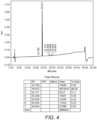
FIG. 4 : HPLC of umeclidinium bromide obtained from Example 18. -
FIG. 5 : HPLC of 1-azabicyclo[2.2.2]oct-4-yl(diphenyl)methanol (IV) obtained after three steps of Example 19 and used as the starting material in the final step to prepare umeclidinium bromide. -
FIG. 6 : HPLC umeclidinium bromide recrystallized from water from Example 20. -
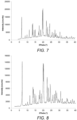
FIG. 7 : XRPD umeclidinium bromide before micronization. -
FIG. 8 : XRPD umeclidinium bromide after fluid energy jet mill micronization from Example 21. -
FIG. 9 : XRPD umeclidinium bromide after high pressure homogenization micronization from Example 22. - The present invention provides a process comprising: a) reacting ethyl isonipecotate with 1-bromo-2-chloroethane in the presence of an amine in a solvent to form ethyl 1-(2-chloroethyl)piperidine-4-carboxylate (II) or a salt thereof; wherein the amine is selected from the group consisting of 1,8-diazabicyclo [5.4.0]undec-7-ene, triethylamine, pyridine, N,N-diisopropylethyl amine, 4-(dimethylamino)pyridine.
- The present invention also provides a process comprising the following steps:
- a) reacting ethyl isonipecotate with 1-bromo-2-chloroethane in the presence of an amine as defined above in a solvent to form ethyl 1-(2-chloroethyl)piperidine-4-carboxylate (II) or a salt thereof;
- b) reacting ethyl 1-(2-chloroethyl)piperidine-4-carboxylate (II) or a salt thereof with lithium diisopropylamide in a solvent to form ethyl 1-azabicyclo[2.2.2]octane-4-carboxylate (III);
- c) reacting ethyl 1-azabicyclo[2.2.2]octane-4-carboxylate (III) with phenyl lithium in a solvent to form 1-azabicyclo[2.2.2]oct-4-yl(diphenyl)methanol (IV);
- d) reacting 1-azabicyclo[2.2.2]oct-4-yl(diphenyl)methanol (IV) with ((2-bromoethoxy)methyl) benzene in a solvent to form 4-[hydroxyl(diphenyl)methyl]-1-[2-(phenylmethyl)oxy]ethyl]-1-azoniabicyclo[2.2.2]octane bromide (I), umeclidinium bromide in a single, pure crystalline form and optionally;
- e) recrystallizing umeclidinium bromide to consistently obtain a high purity product and optionally;
- f) micronizing umeclidinium bromide to obtain a product with a particle size suitable for inhalation while maintaining its crystalline form.
- Steps a) to e) may be combined in the absence of step f). Steps a) to d) and f) may be combined in the absence of step e).
- Step a) of the present invention may be carried out as follows:
- a) reacting ethyl isonipecotate with 1-bromo-2-chloroethane in the presence of an amine as defined above in a solvent, at a temperature between about 20°C to about 56°C, to form ethyl 1-(2-chloroethyl)piperidine-4-carboxylate (II); and preferably thereafter (i) performing solvent exchange, removing any salts formed from the reaction mixture, preferably by aqueous extraction, and concentrating the resulting solution to isolate the ethyl 1-(2-chloroethyl)piperidine-4-carboxylate (II) present from solution after filtration to remove the dimer; or thereafter (ii) removing any salts formed from the reaction mixture, preferably by aqueous extraction, acidification of the resulting solution with inorganic or organic acids, preferably hydrochloric acid, acetic acid, succinic acid or oxalic acid and isolating the product ethyl 1-(2-chloroethyl)piperidine-4-carboxylate (II) as a salt, preferably by filtration and drying.
- The solvent used in step a) may be selected from the group consisting of ketones such as acetone.
- The amine used in step a) is selected from the group consisting of triethylamine, pyridine, N,N-diisopropylethylamine, 4-(dimethylamino)pyridine, 1,8-diazabicyclo[5.4.0]undec-7-ene. Preferably the organic base is triethylamine. Upon completion of the reaction of step a), solvent exchange may be performed, triethylamine salts can be removed by aqueous extraction, and the resulting solution can be concentrated to isolate the ethyl 1-(2-chloroethyl)piperidine-4-carboxylate (II). By using triethylamine as the organic base, it is possible to obtain ethyl 1-(2-chloroethyl)piperidine-4-carboxylate (II) in yields up to 66% with a residual content of
diethyl 1,1'-(ethane-1,2-diyl)bis(piperidine-4-carboxylate) (V) below 14%. In contrast, by performing the innovator's procedure disclosed inWO2005/104745 , the formation of by-product diethyl 1,1'-(ethane-1,2-diyl)bis(piperidine-4-carboxylate) (V) reached 22%. - Step a) may be carried out at a temperature between about 20°C and about 56°C, preferably between about 20°C and about 30°C, more preferably the reaction is performed at a temperature between about 20°C and about 25°C. At temperatures higher than 30°C more significant amounts of the
byproduct diethyl 1,1'-(ethane-1,2-diyl)bis(piperidine-4-carboxylate) (V) are obtained yielding ethyl 1-(2-chloroethyl)piperidine-4-carboxylate (II) in lower yield (34%) Step a) may be carried out for a time period of between about 14 h and about 24 h. - After any salts (e.g. triethylamine salts) have been removed by aqueous extraction, the resulting solution can be acidified with inorganic or organic acids, preferably using hydrochloric acid, acetic acid, succinic acid or oxalic acid or solutions thereof, and the product ethyl 1-(2-chloroethyl)piperidine-4-carboxylate (II) can be isolated as a salt, preferably by filtration and drying.
- As disclosed above, step a) may comprise exchanging the reaction solvent. The exchange solvent may comprise one or more alkanes, such as n-heptane or a mixture of heptanes.
- As also disclosed above, step a) may comprise removing the dimer by filtration. The reaction mixture may be cooled prior to filtration, optionally being cooled down to about -20°C and maintained at that temperature for about 12h to about 24h, optionally for about 16h.
- In combination, step a) may comprise:
- i) exchanging the reaction solvent;
- ii) aqueous extraction; and
- iii) removing the dimer by filtration.
- Step b) of the present invention may be carried out as follows:
b) reacting ethyl 1-(2-chloroethyl)piperidine-4-carboxylate (II) or a salt thereof with lithium diisopropylamide in a solvent, preferably at a temperature between about -50°C and about 25°C to form ethyl 1-azabicyclo[2.2.2]octane-4-carboxylate (III) or a salt thereof; and preferably thereafter removing any salts formed from the reaction mixture, preferably by basic aqueous extraction, and performing solvent distillation and solvent exchange. - The solvent used in step b) may be selected from the group consisting of cyclic ethers such as tetrahydrofuran (THF).
- Step c) of the present invention may be carried out as follows:
c) reacting ethyl 1-azabicyclo[2.2.2]octane-4-carboxylate (III) or a salt thereof with phenyl lithium in a solvent, preferably at a temperature between about -30°C to about 25°C to form 1-azabicyclo[2.2.2]oct-4-yl(diphenyl)methanol (IV) or a salt thereof; preferably treating the reaction mixture containing 1-azabicyclo[2.2.2]oct-4-yl(diphenyl)methanol (IV) or a salt thereof with water and concentrating the resulting solution, and preferably thereafter adding a suitable anti-solvent to effect precipitation, and isolating the product so formed, preferably by filtration and drying, with a purity of ≥98.0% by HPLC. - The solvent used in step c) may be selected from the group consisting of cyclic ethers such as THF.
- Step d) of the present invention may be carried out as follows:
d) reacting 1-azabicyclo[2.2.2]oct-4-yl(diphenyl)methanol (IV) with ((2-bromoethoxy)methyl) benzene in a solvent, at a temperature between about 40°C and about solvent reflux temperature, preferably at a temperature between about 60°C about solvent reflux temperature to form 4-[hydroxyl(diphenyl)methyl]-1-[2-(phenylmethyl)oxy]ethyl]-1-azoniabicyclo[2.2.2]octane bromide (I), umeclidinium bromide, and preferably cooling down the reaction mixture to a temperature between about -10°C and about 5°C, preferably stirring the suspension at a temperature between about -10°C and about 5°C for about 2 h. Thereafter, the resulting product can be isolated, preferably by filtration and dried at a temperature of between about 35°C and about 55° C, preferably under vacuum, with a purity of ≥98.0% by HPLC, in a single crystalline form. - The solvent used in step d) may be selected from the group consisting of cyclic ethers such as THF, aromatic solvents, such as toluene, ketones such as acetone, and protic solvents such as water. Step d) may be carried out at a temperature between about 40°C and about 111°C, preferably optionally between about 60°C and about 100°C. Preferably the reaction is carried out in water at a temperature between about 60°C to about 100°C. Step d) may be carried out for a time period of between about 18 h to about 24 h. When the reaction is complete, cooling down the reaction allows umeclidinium bromide to be obtained in yields up to 84%. The purity of the product obtained by following the procedure described is typically ≥98.0% by HPLC, in a single crystalline form. The crystalline form of the isolated umeclidinium bromide is an unsolvated form of umeclidinium bromide.
- Step e) of the present invention may be carried out as follows:
e) recrystallizing the umeclidinium bromide in a solvent, at a temperature between about 40°C to about solvent reflux temperature, preferably at a temperature between about 60°C to about 80°C to obtain 4-[hydroxyl(diphenyl)methyl]-1-[2-(phenylmethyl)oxy]ethyl]-1-azoniabicyclo [2.2.2]octane bromide (I), umeclidinium bromide, and preferably cooling down the reaction mixture to a temperature between about -10°C and about 5°C, preferably stirring the suspension at a temperature between about -10°C and about 5°C for about 2 h. Thereafter, the resulting product is isolated, preferably by filtration and dried at a temperature of between about 35°C and about 55°C, preferably under vacuum, to provide a product with a purity of ≥99.0% by HPLC and in a single crystalline form. - Umeclidinium bromide obtained according to the step d) of the present invention can be recrystallized. The recrystallization solvents may be selected from the group consisting of alcohols, such as 1-propanol, protic solvents such as water or mixtures of both classes of solvents. Preferably recrystallization is carried out in water, optionally by suspending the material in water at a temperature between about 40°C to about solvent reflux temperature, preferably at a temperature between about 60°C and about 80° C. The resulting solution may be cooled to a temperature between about -10°C and about 5°C and the resulting suspension may be stirred at a temperature between about -10°C and about 5°C for about 2 hours. Preferably, umeclidinium bromide is isolated (optionally by filtration), washed with water (optional) and then dried. The umeclidinium bromide may be dried under vacuum at a temperature between about 35°C and about 55°C. The dried product typically has a purity ≥99.0% by HPLC and exhibits a single crystalline form.
- The X-Ray Powder Diffraction (XRPD) diffractogram, the Differential Scanning Calorimetry (DSC) thermogram, the Thermogravimetric Analysis (TGA) thermogram and HPLC chromatogram of a product obtained according to the present invention are presented in
FIGS.1-9 . - Umeclidinium bromide obtained from the present invention is preferably micronized to obtain material with a particle size suitable for inhalation. Therefore, the present invention also provides a micronization process for tailoring the particle size whilst maintaining the crystalline form of umeclidinium bromide.
- The following examples are provided to illustrate the process of the present invention and are not intended to be construed as limitations of the present invention; minor variations may be resorted to without departing from the spirit and scope of the present invention.
- Triethylamine (1.09 mL, 7.79 mmol) was added to a solution of ethyl isonipecotate (0.80 mL, 5.19 mmol) in acetone (7.20 mL) followed by 1-bromo-2-chloroethane (0.86 mL, 10.38 mmol). The reaction mixture was stirred for 24h at 25°C and then concentrated under vacuum. The resulting residue was treated with water (3.0 mL) and extracted with ethyl acetate (3 x 3.0 mL). The combined organic layers were dried with MgSO4, filtered and concentrated under vacuum. The purification of the crude product was performed by flash chromatography on silica gel (gradient 1:1 n-hexane/ethyl acetate to 9:1 ethyl acetate/methanol) resulting in the desired compound (colorless liquid, 0.75 g, 65.6%) and the respective dimer (0.25 g, 14.0%).
- Ethyl 1-(2-chloroethyl)-4-piperidine-4-carboxylate (II): 1H-NMR (300 MHz, CDCl3) δ 4.11 (q, J = 5.3 Hz, 2H), 3.55 (t, J = 4.0 Hz, 2H), 2.88 - 2.84 (m, 2H), 2.68 (t, J=4.0 Hz, 2H), 2.24 (dt, J = 12.0, 3.0 Hz, 1H), 2.12 (td, J = 11.3, 2.7 Hz, 2H), 1.93 - 1.65 (m, 4H), 1.22 (t, J = 9.0 Hz, 3H); 13C-NMR (75 MHz, CDCl3) δ 175.11, 60.51, 60.21, 53.18, 41.23, 41.09, 28.29, 14.38. MS (ESI) m/z calculated for C10H18ClNO2: 219, found 220 [M + H]+.
-
Diethyl 1,1'-(ethane-1,2-diyl)bis(piperidine-4-carboxylate) (V): 1H-NMR (300 MHz, CDCl3) δ 4.11 (q, J = 5.25 Hz, 4H), 2.99 - 2.76 (m, 4H), 2.47 (s, 4H), 2.30 - 2.20 (m, 2H), 2.07 - 1.99 (m, 6H), 1.90 - 1.84 (m, 4H), 1.79 - 1.66 (m, 4H), 1.23 (t, J = 6.0 Hz, 6H); 13C-NMR (75 MHz, CDCl3) δ 175.29, 60.49, 56.43, 53.68, 41.29, 28.40, 14.40. MS (ESI) m/z calcd for C18H32N2O2: 340, found 341 [M + H]+. - Triethylamine (1.09 mL, 7.79 mmol) was added to a solution of ethyl isonipecotate (0.80 mL, 5.19 mmol) in acetone (8.60 mL) followed by 1-bromo-2-chloroethane (0.86 mL, 10.38 mmol). The reaction mixture was stirred for 17h at 25°C. n-heptane (8.6 mL) was then added and the acetone was removed under vacuum. To the resultant mixture, n-heptane (8.6 mL) was added again and more acetone was removed under vacuum to obtain a volume of 8.6 mL. Water (8.6 mL) was added to the mixture and extracted with n-heptane (2 x 8.6 mL). The combined organic layers were dried with MgSO4, filtered and concentrated under vacuum. Further n-heptane was added (2.40 mL) and the solution was placed at 0°C for 1h and cooled down to -20°C for 16h. The solution was filtered to remove dimer (
diethyl 1,1'-(ethane-1,2-diyl)bis(piperidine-4-carboxylate) (V)) and then concentrated under vacuum. The purification of the crude product was performed by flash chromatography on silica gel (gradient 1:1 n-hexane/ethyl acetate to 9:1 ethyl acetate/methanol) resulting in the desired compound (colorless liquid, 0.63 g, 55.1%) and the respective dimer (0.10 g, 5.8%). - A solution of ethyl isonipecotate (0.40 mL, 2.60 mmol) and triethylamine (0.55 mL, 3.90 mmol) in acetone (1.3 mL) was slowly added over 5h to a solution of 1-bromo-2-chloroethane (0.43 mL, 5.19 mmol) in acetone (3.0 mL) at 56°C. The reaction mixture was stirred for 24h at 56°C and then concentrated under vacuum. The resulting residue was treated with water (1.0 mL) and extracted with diethyl ether (3 x 3.0 mL). The combined organic layers were dried with MgSO4, filtered and concentrated under vacuum. The purification of the crude product was performed by flash chromatography on silica gel 6:4 n-hexane/ethyl acetate) resulting in the desired compound (colorless liquid, 0.19g, 33.5%) and the respective dimer.
- A solution of ethyl isonipecotate (0.40 mL, 2.60 mmol) and triethylamine (0.55 mL, 3.90 mmol) in acetone (1.6 mL) was slowly added over 5h to a solution of 1-bromo-2-chloroethane (0.86 mL, 10.38 mmol) and potassium iodide (10%, 1.04 mmol, 0.17 mg) in acetone (7.0 mL) at room temperature. The reaction mixture was stirred for 24h at 25°C and then concentrated under vacuum. The resulting residue was treated with water (1.0 mL) and extracted with diethyl ether (3 x 3.0 mL). The combined organic layers were dried with MgSO4, filtered and concentrated under vacuum. The purification of the crude product was performed by flash chromatography on silica gel (6:4 n-hexane/ethyl acetate) resulting in the desired compound (colorless liquid, 0.29 g, 50.1%) and the respective dimer.
- N,N-diisopropylethylamine (DIPEA) (1.36 mL, 7.79 mmol) was added to a solution of ethyl isonipecotate (0.80 mL, 5.19 mmol) in acetone (8.60 mL) followed by 1-bromo-2-chloroethane (0.86 mL, 10.38 mmol). The reaction mixture was stirred for 24h at 25°C. Water (3.0 mL) was then added, the pH was neutralized with HCl (1M) and the aqueous phase was extracted with diethyl ether (3 x 10.0 mL). The combined organic layers were dried with MgSO4, filtered and concentrated under vacuum. The crude product (0.67 g) was analyzed by 1H-NMR resulting in a 1.00:0.06 ethyl 1-(2-chloroethyl)-4-piperidine-4-carboxylate (II) to dimer.
- 4-dimethylaminopyridine (DMAP) (0.95 g, 7.79 mmol) was added to a solution of ethyl isonipecotate (0.80 mL, 5.19 mmol) in acetone (8.60 mL) followed by 1-bromo-2-chloroethane (0.86 mL, 10.38 mmol). The reaction mixture was stirred for 24h at 25°C. Water (3.0 mL) was then added, the pH was neutralized with HCl (1M) and the aqueous phase was extracted with diethyl ether (3 x 10.0 mL). The combined organic layers were dried with MgSO4, filtered and concentrated under vacuum. The crude product (0.52 g) was analyzed by 1H-NMR resulting in a 1.00:0.06 ethyl 1-(2-chloroethyl)-4-piperidine-4-carboxylate (II) to dimer.
- 1,8-diazabicycloundec-7-ene (DBU) (1.16 mL, 7.79 mmol) was added to a solution of ethyl isonipecotate (0.80 mL, 5.19 mmol) in acetone (8.60 mL) followed by 1-bromo-2-chloroethane (0.86 mL, 10.38 mmol). The reaction mixture was stirred for 24h at 25°C. Water (3.0 mL) was then added, the pH was neutralized with HCl (1M) and the aqueous phase was extracted with diethyl ether (3 x 10.0 mL). The combined organic layers were dried with MgSO4, filtered and concentrated under vacuum. The crude product (0.88 g) was analyzed by 1H-NMR and the dimer was not detected.
- Pyridine (0.63 mL, 7.79 mmol) was added to a solution of ethyl isonipecotate (0.80 mL, 5.19 mmol) in acetone (8.60 mL) followed by 1-bromo-2-chloroethane (0.86 mL, 10.38 mmol). The reaction mixture was stirred for 24h at 25°C. n-heptane (8.6 mL) was then added and the acetone was removed under vacuum. To the resultant mixture, n-heptane (8.6 mL) was added again and more acetone was removed under vacuum to obtain a volume of 8.6 mL. Water (8.6 mL) was added to the mixture and extracted with n-heptane (2 x 8.6 mL). The combined organic layers were dried with MgSO4, filtered and concentrated under vacuum. The crude product (0.38 g) was analyzed by 1H-NMR resulting in 1.00:0.10 ratio of ethyl 1-(2-chloroethyl)-4-piperidine-4-carboxylate (II) to dimer.
- To a solution of ethyl 1-(2-chloroethyl)-4-piperidine-4-carboxylate (II) (0.15 mL) in ethyl acetate (2 mL) was added hydrogen chloride (1.25 M) in ethanol (0.72 mL), drop by drop, at room temperature. The solvent was removed under vacuum, resulting in a crystalline white solid.
- A solution of ethyl 1-(2-chloroethyl)-4-piperidine-4-carboxylate (II) (5.0 g, 22.76 mmol) in tetrahydrofuran (THF, 147.0 mL) was cooled down to -50°C under nitrogen. LDA (2.0 M in heptane/THF/ethyl benzene, 17.0 mL, 34.0 mmol) was added to the solution at -50°C over 25 mins. The reaction mixture was allowed to warm up to room temperature over 16h. The reaction was quenched with saturated aqueous K2CO3 (122.0 mL) and extracted with diethyl ether (3 x 120.0 mL). The combined organic layers were dried with MgsO4, filtered and concentrated under vacuum. The resulting orange liquid was co-evaporated three times with dichloromethane to remove excess ethyl benzene, resulting in an orange oil (4.15g, 99.4%).
- Ethyl 1-azabicyclo[2.2.2]octane-4-carboxylate (III): 1H-NMR (300 MHz, CDCl3) δ 4.10 (t, J = 5.23 Hz, 2H), 2.90 - 2.85 (m, 6H), 1.71 - 1.66 (m, 6H), 1.22 (t, J = 4.0 Hz, 3H).
- A solution of phenyllithium (1.9 M in 70 cyclohexane/30 ether, 22.30 mL, 42.40 mmol) was cooled down to -30°C under nitrogen. A solution of ethyl 1-azabicyclo[2.2.2]octane-4-carboxylate (III, 2.0 g, 10.90 mmol) in THF (27.0 mL) was slowly added to the reaction mixture at -30°C over 25 mins. The reaction mixture was allowed to warm up to room temperature over 16h. The reaction was quenched with water (10.0 mL) and then evaporated to dryness under vacuum. Water (40.0 mL) and ethyl acetate (40.0 mL) were added, causing a white solid to crash out. This solid was filtered off under vacuum, to give a white powder (2.46 g, 76.8%).
- 1-azabicyclo[2.2.2]oct-4-yl(diphenyl)methanol (IV): 1H-NMR (300 MHz, CDCl3) δ 7.54 - 7.51 (m, 3H), 7.33 - 7.20 (m, 6H), 2.85 - 2.80 (m, 6H), 1.78 - 1.72 (m, 6H). MS (ESI) m/z calcd for C20H23NO: 293, found 294 [M + H]+.
- To a solution of 1-azabicyclo[2.2.2]oct-4-yl(diphenyl)methanol (IV, 0.20 g, 0.69 mmol) in THF (30.0 mL) was added ((2-bromoethoxy)methyl)benzene (0.16 mL, 1.03 mmol). The solution was stirred for 24h at 60°C. Then the solution was cooled down to 25°C and concentrated under vacuum, forming a white solid. The product was filtered and washed with ethyl acetate (5x20.0 mL) and n-hexane (5x20.0 mL) under vacuum. The white solid was then dried under vacuum (0.30 g, 82.2%).
- 4-[hydroxyl(diphenyl)methyl]-1-[2(phenylmethyl)oxy]ethyl}-1-azoniabicyclo[2.2.2] octane bromide (I): 1H-NMR (300 MHz, DMSO-d6) δ 7.54 (d, J = 6.0 Hz, 4H), 7.35 - 7.20 (m, 11H), 5.97 (s, 1H), 4.49 (s, 2H), 3.81 (b, 2H), 3.49 - 3.46 (m, 6H), 3.31 (s, 2H), 1.99 (bt, J=6.0 Hz, 6H).MS (ESI) m/z calcd for C29H34NO2: 428, found 428 [M + H]+.
- To a suspension of 1-azabicyclo[2.2.2]oct-4-yl(diphenyl)methanol (IV, 0.20 g, 0.69 mmol) in acetone (30.0 mL) was added ((2-bromoethoxy)methyl)benzene (0.16 mL, 1.03 mmol). The reaction mixture was stirred for 24h at 600C. Then the reaction mixture was cooled down to 25°C and concentrated under vacuum, forming a white solid. The product was filtered and washed with ethyl acetate (5 x 20.0 mL) and n-hexane (5 x 20.0 mL) under vacuum. The white solid was then dried under vacuum (0.27 g, 75.7%).
- To a suspension of 1-azabicyclo[2.2.2]oct-4-yl(diphenyl)methanol (IV, 0.20 g, 0.69 mmol) in toluene (30.0 mL) was added ((2-bromoethoxy)methyl)benzene (0.16 mL, 1.03 mmol). The reaction mixture was stirred for 24h at 60°C. Then the solution was cooled down to 25°C and concentrated under vacuum, forming a white solid. The product was filtered and washed with ethyl acetate (5 x 20.0 mL) and n-hexane (5 x 20.0 mL) under vacuum. The white solid was then dried under vacuum (0.28 g, 79.6%).
- To a suspension of 1-azabicyclo[2.2.2]oct-4-yl(diphenyl)methanol (IV, 0.20 g, 0.69 mmol) in toluene (30.0 mL) was added ((2-bromoethoxy)methyl)benzene (0.16 mL, 1.03 mmol). The reaction mixture was stirred for 24h under reflux. Then the reaction mixture was slowly cooled down to a temperature between 20C and 40C wherein a white solid precipitated. The product was filtered and washed with ethyl acetate (5 x 20.0 mL) and n-hexane (5 x 20.0 mL) under vacuum. The white solid was then dried under vacuum (0.28 g, 79.6%).
- To a suspension of 1-azabicyclo[2.2.2]oct-4-yl(diphenyl)methanol (IV, 0.20 g, 0.69 mmol) in water (20.0 mL) was added ((2-bromoethoxy)methyl)benzene (0.16 mL, 1.03 mmol). The reaction mixture was stirred for 24h under reflux. Then the reaction mixture was slowly cooled down to a temperature between 20C and 40C wherein a white solid precipitated. The product was filtered and washed with ethyl acetate (20.0 mL) and n-hexane (5 x 20.0 mL) under vacuum. The white solid was then dried under vacuum (0.24 g, 68.3%).
- To a suspension of 1-azabicyclo[2.2.2]oct-4-yl(diphenyl)methanol (IV, 0.20 g, 0.69 mmol) in water (15.0 mL) and acetone (15.0 mL) was added ((2-bromoethoxy)methyl)benzene (0.16 mL, 1.03 mmol). The reaction mixture was stirred for 24h at 600C. Then the reaction mixture was slowly cooled down to a temperature between 20C and 40C wherein a white solid precipitated. The product was filtered and washed with ethyl acetate (20.0 mL) and n-hexane (5 x 20.0 mL) under vacuum. The white solid was then dried under vacuum (0.19 g, 54.2%).
- To a suspension of 1-azabicyclo[2.2.2]oct-4-yl(diphenyl)methanol (IV, 0.75 g, 2.56 mmol) in water (112.50 mL) was added ((2-bromoethoxy)methyl)benzene (0.61 mL, 3.83 mmol). The reaction mixture was stirred for 24h at 60°C. Then the reaction mixture was slowly cooled down to a temperature between 2 °C and 4°C and stirred for 2h at a temperature between 2 °C and 4°C. The product was filtered and washed with ethyl acetate (20.0 mL) and n-hexane (5 x 20.0 mL) under vacuum. The white solid was then dried under vacuum (1.03 g, 78.9%).
- Triethylamine (5.45 mL, 38.95 mmol) was added to a solution of ethyl isonipecotate (4.0 mL, 25.95 mmol) in acetone (43.0 mL) followed by 1-bromo-2-chloroethane (4.32 mL, 52.14 mmol). The reaction mixture was stirred for 17h at 25°C. n-heptane (43.0 mL) was then added and the acetone was removed under vacuum. To the resultant mixture, n-heptane (43.0 mL) was added again and more acetone was removed under vacuum to obtain a volume of 43.0 mL. Water (43.0 mL) was added to the mixture and extracted with n-heptane (2 x 43.0 mL). The combined organic layers were dried with MgSO4, filtered and concentrated under vacuum. This first crude product (4.02 g) was analyzed by 1H-NMR resulting in 1.00:0.11 ratio of ethyl 1-(2-chloroethyl)-4-piperidine-4-carboxylate (II) to dimer. Further n-heptane (11.50 mL) was added to the crude product and the solution was placed at 0°C for 1h and cooled down to -20°C for 16h. The solid was filtered to remove dimer and then the solution of ethyl 1-(2-chloroethyl)-4-piperidine-4-carboxylate (II) was concentrated under vacuum. This second crude product (3.57 g) was analyzed by 1H-NMR resulting in a 1.00:0.09 ratio of ethyl 1-(2-chloroethyl)-4-piperidine-4-carboxylate (II) to dimer.
- A solution of the second crude product (ethyl 1-(2-chloroethyl)-4-piperidine-4-carboxylate (II) 3.57 g) in THF (89.6mL) was cooled down to -50°C under nitrogen. LDA (1.0 M in hexanes/THF 20.72 mL, 20.72 mmol) was added to the solution at -50°C over 25 mins. The reaction mixture was allowed to warm up to room temperature over 16h. The reaction was quenched with saturated aqueous solution of K2CO3 (74.4mL) and extracted with ethyl acetate (3 x 74.4 mL). The combined organic layers were dried with MgSO4, filtered and concentrated under vacuum, to give crude ethyl 1-azabicyclo[2.2.2]octane-4-carboxylate (III) as an orange oil (3.02g).
- A solution of phenyllithium (1.9M in 70 cyclohexane/30 ether, 33.7 mL, 64.1 mmol) was cooled down to -30°C, under nitrogen. A solution of the crude ethyl 1-azabicyclo[2.2.2]octane-4-carboxylate (III, 3.02 g) in THF (36.7 mL) was slowly added to the reaction mixture at -30°C over 25 mins. The reaction mixture was allowed to warm up to room temperature over 16h. The reaction was quenched with water (15 mL) and then evaporated to dryness under vacuum (result: yellow solid). Water (60.2 mL) and ethyl acetate (60.2 mL) were added, causing a white solid to crash out. This solid was filtered off under vacuum, to give crude 1-azabicyclo[2.2.2]oct-4-yl(diphenyl)methanol (IV) as a white powder (1.76g, three steps yield: 23.0%)
- To a suspension of the crude 1-azabicyclo[2.2.2]oct-4-yl(diphenyl)methanol (IV, 1.76 g, 5.83 mmol) in water (258.0 mL) was added ((2-bromoethoxy)methyl)benzene (1.40 mL, 9.01 mmol). The reaction mixture was stirred for 24h under reflux. Then the reaction mixture was slowly cooled down to a temperature between 2°C and 4°C and stirred for 2h at a temperature between 2°C and 4°C. The product was filtered under vacuum and excess bromide was removed by washing the compound with heptane (20.0 mL). The white solid was then dried under vacuum (2.55g, final step yield 84.0%).
- A suspension of 4-[hydroxyl(diphenyl)methyl]-1-[2(phenylmethyl)oxy]ethyl}-1-azoniabicyclo[2.2.2] octane bromide (I, 0.20g) in water (2.25mL) was heated up 80°C. The solution was stirred for 1h then slowly cooled down to a temperature between 2°C and 4°C and stirred for 2h at a temperature between 2°C and 4°C. The solid was filtered and dried under vacuum (0.185g, 92.5%).
- 4-[hydroxyl(diphenyl)methyl]-1-[2(phenylmethyl)oxy]ethyl}-1-azoniabicyclo[2.2.2] octane bromide (I, 3.0 g) was fed to a fluid energy jet mill at 10g/h, operated with N2 at a pressure of 4 bar for the venturi and a pressure of 3 bar for the ring.
- The isolated product presented an XRPD identical to that of the starting material with a particle size distribution of Dv10=0.664µm; Dv50=3.071µm; Dv90=7.013µm; span= 2.07, as depicted in
FIG 8 . - 4-[hydroxyl(diphenyl)methyl]-1-[2(phenylmethyl)oxy]ethyl}-1-azoniabicyclo[2.2.2] octane bromide (I, 15.0g) was suspended in water (285.0 g) and stirred until a uniform suspension was obtained. The uniform suspension was fed to a lab scale High Pressure Homogenization equipment operated at a pressure of 60 bar for 100 cycles in total. After the homogenisation step the suspension was transferred to a holding vessel. The homogenised suspension was fed to a lab scale spray dryer whilst stirring at a feed rate of 5.7 ml/min and at a drying temperature of 75° C (T out).
- The isolated product presented an XRPD identical to that of the starting material with a particle size distribution of Dv10=0.55µm; Dv50= 2.10µm; Dv90=4.77µm; span= 2.03, as depicted in
FIG 9 . - 1H and 13C NMR spectra were recorded on a
Bruker 300 Avance at 300 MHz (1H-NMR) and 75 MHz (13C-NMR). - MS experiments were performed on Micromass® Quattro Micro triple quadrupole (Waters®, Ireland) with an electrospray in positive ion mode (ESI+), ion source at 120 °C, capillary voltage of 3.0 kV and source voltage of 30V.
- The HPLC analysis was conducted using a Waters® model Alliance/2695 and 2487 detector (dual A) system under the following conditions:
- Column: waters symmetry shield RP18 4.6 x 150mm 3.5 micra
- Flow rate: 0.8 mL/min
- Injection Volume:10uL
- Temperature:30°C
- Solvents A: H2O (0.1%TFA)
- Solvent B: CH3CN
- The gradient elution method as follows:
Time (min.) Flow (mL/min.) Mobile phase A (%) Mobile phase B (%) 0.01 0.80 85.0 15.0 0.10 0.80 85.0 15.0 36.00 0.80 20.0 80.0 42.00 0.80 20.0 80.0 42.10 0.80 85.0 15.0 50.00 0.80 85.0 15.0 - The X-ray powder patterns were recorded using the PANalytical X'Pert PRO X-ray diffraction system equipped with a copper source (Cu/Kα-1.54056 Å).
- DSC experiments were performed on DSC Q200,
Ramp 10°C/min to 350°C. - TGA experiments were performed on TGA Q500,
Ramp 10°C/min to 350°C.
Claims (17)
- A process comprising:a) reacting ethyl isonipecotate with 1-bromo-2-chloroethane in the presence of an amine in a solvent to form ethyl 1-(2-chloroethyl)piperidine-4-carboxylate (II) or a salt thereof; wherein the amine is selected from the group consisting of 1,8-diazabicyclo [5.4.0]undec-7-ene, triethylamine, pyridine, N,N-diisopropylethyl amine, 4-(dimethylamino)pyridine.
- A process according to claim 1, wherein the amine is 1,8-diazabicyclo [5.4.0]undec-7-ene or triethylamine.
- A process according to claim 1 or 2, wherein the solvent in step a) comprises a ketone, optionally acetone.
- A process according to claim 1, 2 or 3, wherein the salt formed in step a) is selected from the group consisting of hydrochloride, acetate, succinate or oxalate, optionally hydrochloride.
- A process according to any preceding claim, wherein the reaction of step a) is carried out at a temperature between about 20°C and about 56°C, optionally between about 20°C and about 30°C or between about 20°C and about 25°C.
- A process according to any preceding claim, wherein step a) further comprises exchanging the reaction solvent, optionally wherein the exchange solvent comprises one or more alkanes, optionally wherein the solvent comprises n-heptane or a mixture of heptanes.
- A process according to any preceding claim, wherein step a) further comprises aqueous extraction, optionally wherein aqueous extraction comprises acidification with inorganic or organic acids, optionally hydrochloric acid, acetic acid, succinic acid or oxalic acid.
- A process according to any preceding claim, wherein step a) further comprises removing the dimer (diethyl 1,1'-(ethane-1,2-diyl)bis(piperidine-4-carboxylate) (V)) by filtration, optionally wherein the reaction mixture is cooled prior to filtration.
- A process according to any preceding claim further comprising:b) reacting ethyl 1-(2-chloroethyl)piperidine-4-carboxylate (II) or a salt thereof with lithium diisopropylamide in a solvent to form ethyl 1-azabicyclo[2.2.2]octane-4-carboxylate (III);c) reacting ethyl 1-azabicyclo[2.2.2]octane-4-carboxylate (III) with phenyl lithium in a solvent to form 1-azabicyclo[2.2.2]oct-4-yl(diphenyl)methanol (IV); andd) reacting 1-azabicyclo[2.2.2]oct-4-yl(diphenyl)methanol (IV) with ((2-bromoethoxy)methyl) benzene in a solvent to form 4-[hydroxyl(diphenyl)methyl]-1-[2-(phenylmethyl)oxy]ethyl]-1-azoniabicyclo[2.2.2]octane bromide (I), umeclidinium bromide
- A process according to claim 9, wherein the solvent in step d) is tetrahydrofuran, toluene or acetone.
- A process according to claim 9 or 10, wherein the reaction of step d) is carried out at a temperature between about 40°C and about 111°C, optionally between about 60°C and about 100°C.
- A process according to claim 9, 10 or 11, wherein after some of the umeclidinium bromide formed in step d) has precipitated from the reaction mixture, cooling down the reaction mixture to a temperature between about -10°C and about 10°C, optionally between about 0°C and about 5°C, such that more of the umeclidinium bromide formed in step d) precipitates from the reaction mixture.
- A process according to claim 12, wherein the precipitated umeclidinium bromide is filtered and dried to isolate the product with a purity ≥ 98.0% by HPLC, optionally wherein the crystalline form of the isolated umeclidinium bromide is an unsolvated form of umeclidinium bromide.
- A process according to any of claims 9 to 13, wherein the process further comprises:
e) recrystallizing umeclidinium bromide in a solvent. - A process according to claim 14, wherein the umeclidinium bromide is recrystallized from a solvent selected from a group consisting of alcohols, such as 1-propanol, and protic solvents such as water or combinations thereof, including mixtures of both groups of solvents, optionally wherein the umeclidinium bromide is recrystallized from water to obtain the product with a purity ≥ 99.0% by HPLC, optionally wherein the recrystallized umeclidinium bromide product is isolated and dried.
- A process according to any of claims 9 to 15, wherein the process further comprises:
f) micronizing the umeclidinium bromide. - A process according to claim 16, wherein the micronization is effected by cavitation and/or particle to particle collision and/or shear stress in the milling apparatus, optionally further comprising the step of isolating umeclidinium bromide in the form of powder, optionally by spray drying.
Priority Applications (1)
| Application Number | Priority Date | Filing Date | Title |
|---|---|---|---|
| EP21151177.9A EP3831826A1 (en) | 2016-11-14 | 2017-11-10 | Process for the preparation of umeclidinium bromide |
Applications Claiming Priority (2)
| Application Number | Priority Date | Filing Date | Title |
|---|---|---|---|
| PT109740A PT109740B (en) | 2016-11-14 | 2016-11-14 | PROCESS FOR THE PREPARATION OF UMECLIDINUM BROMIDE |
| PCT/GB2017/053396 WO2018087561A1 (en) | 2016-11-14 | 2017-11-10 | Process for the preparation of umeclidinium bromide |
Related Child Applications (2)
| Application Number | Title | Priority Date | Filing Date |
|---|---|---|---|
| EP21151177.9A Division-Into EP3831826A1 (en) | 2016-11-14 | 2017-11-10 | Process for the preparation of umeclidinium bromide |
| EP21151177.9A Division EP3831826A1 (en) | 2016-11-14 | 2017-11-10 | Process for the preparation of umeclidinium bromide |
Publications (3)
| Publication Number | Publication Date |
|---|---|
| EP3538524A1 EP3538524A1 (en) | 2019-09-18 |
| EP3538524B1 true EP3538524B1 (en) | 2025-05-14 |
| EP3538524C0 EP3538524C0 (en) | 2025-05-14 |
Family
ID=60452679
Family Applications (2)
| Application Number | Title | Priority Date | Filing Date |
|---|---|---|---|
| EP21151177.9A Pending EP3831826A1 (en) | 2016-11-14 | 2017-11-10 | Process for the preparation of umeclidinium bromide |
| EP17804269.3A Active EP3538524B1 (en) | 2016-11-14 | 2017-11-10 | Process for the preparation of umeclidinium bromide |
Family Applications Before (1)
| Application Number | Title | Priority Date | Filing Date |
|---|---|---|---|
| EP21151177.9A Pending EP3831826A1 (en) | 2016-11-14 | 2017-11-10 | Process for the preparation of umeclidinium bromide |
Country Status (9)
| Country | Link |
|---|---|
| US (2) | US10759801B2 (en) |
| EP (2) | EP3831826A1 (en) |
| JP (2) | JP7239472B2 (en) |
| CN (2) | CN115385906A (en) |
| AU (1) | AU2017357653B2 (en) |
| CA (2) | CA3043554A1 (en) |
| IL (1) | IL266589B2 (en) |
| PT (1) | PT109740B (en) |
| WO (1) | WO2018087561A1 (en) |
Families Citing this family (5)
| Publication number | Priority date | Publication date | Assignee | Title |
|---|---|---|---|---|
| PT109740B (en) | 2016-11-14 | 2020-07-30 | Hovione Farmaciencia Sa | PROCESS FOR THE PREPARATION OF UMECLIDINUM BROMIDE |
| PT115583B (en) * | 2019-06-17 | 2022-05-02 | Hovione Farm S A | CONTINUOUS PROCESS FOR THE PREPARATION OF ANTICHOLINERGIC DRUGS |
| CN111484445B (en) * | 2020-04-21 | 2021-05-18 | 广东莱佛士制药技术有限公司 | Method for separating and purifying the intermediate of high-purity umeclidinium bromide |
| CN112645945B (en) * | 2020-06-11 | 2022-03-11 | 上海谷森医药有限公司 | Preparation method of Wumei ammonium bromide intermediate |
| PT117440B (en) | 2021-09-03 | 2024-04-26 | Hovione Farm S A | PROCESS FOR THE PREPARATION OF CHLOROAQUIL SUBSTITUTED CYCLIC AMINES |
Family Cites Families (14)
| Publication number | Priority date | Publication date | Assignee | Title |
|---|---|---|---|---|
| TW593290B (en) * | 1996-05-10 | 2004-06-21 | Janssen Pharmaceutica Nv | Alkylaminobenzothiazole and -benzoxazole derivatives |
| ID24525A (en) * | 1997-07-31 | 2000-07-20 | Hoffmann La Roche | SUBSTITUTED-0 HYDROXICUMARONANTS AS ANTI TUMOR AND ANTIMETASTATIC SUBSTANCES |
| UY28871A1 (en) * | 2004-04-27 | 2005-11-30 | Glaxo Group Ltd | ANTAGONISTS OF THE MUSCARINIC ACETILCOLINE RECEIVER |
| EP1868605A2 (en) * | 2005-03-31 | 2007-12-26 | Janssen Pharmaceutica, N.V. | Phenyl and pyridyl lta4h modulators |
| JP2010150170A (en) * | 2008-12-24 | 2010-07-08 | Nof Corp | Method for producing alkyl ketene dimer |
| WO2011029896A1 (en) | 2009-09-11 | 2011-03-17 | Glaxo Group Limited | Methods of preparation of muscarinic acetylcholine receptor antagonists |
| PT106142B (en) * | 2012-02-10 | 2014-07-18 | Hovione Farmaci Ncia S A | PROCESS FOR THE PREPARATION OF TIOTROPE BROMIDE |
| WO2014027045A1 (en) * | 2012-08-15 | 2014-02-20 | Glaxo Group Limited | Chemical process |
| CZ27764U1 (en) | 2014-08-22 | 2015-02-02 | Zentiva, K.S. | Umeclidinium bromide methanolic solvate |
| JP6615212B2 (en) * | 2014-11-03 | 2019-12-04 | オロン ソシエタ ペル アチオニ | Preparation of 1- (2-halogen-ethyl) -4-piperidinecarboxylic acid ethyl ester |
| CA2976889C (en) * | 2015-03-02 | 2023-06-27 | Ltt Bio-Pharma Co., Ltd. | Quinuclidine derivative |
| CN105461710A (en) | 2015-10-23 | 2016-04-06 | 安徽德信佳生物医药有限公司 | Preparation method of umeclidinium bromide |
| WO2018009750A1 (en) | 2016-07-08 | 2018-01-11 | The Nanosteel Company, Inc. | High yield strength steel |
| PT109740B (en) | 2016-11-14 | 2020-07-30 | Hovione Farmaciencia Sa | PROCESS FOR THE PREPARATION OF UMECLIDINUM BROMIDE |
-
2016
- 2016-11-14 PT PT109740A patent/PT109740B/en active IP Right Grant
-
2017
- 2017-11-10 CA CA3043554A patent/CA3043554A1/en active Pending
- 2017-11-10 CN CN202211082221.9A patent/CN115385906A/en active Pending
- 2017-11-10 CN CN201780081759.9A patent/CN110167931A/en active Pending
- 2017-11-10 EP EP21151177.9A patent/EP3831826A1/en active Pending
- 2017-11-10 US US16/349,404 patent/US10759801B2/en active Active
- 2017-11-10 WO PCT/GB2017/053396 patent/WO2018087561A1/en not_active Ceased
- 2017-11-10 CA CA3206213A patent/CA3206213A1/en active Pending
- 2017-11-10 EP EP17804269.3A patent/EP3538524B1/en active Active
- 2017-11-10 JP JP2019524995A patent/JP7239472B2/en active Active
- 2017-11-10 AU AU2017357653A patent/AU2017357653B2/en active Active
-
2019
- 2019-05-13 IL IL266589A patent/IL266589B2/en unknown
-
2020
- 2020-07-13 US US16/927,574 patent/US11427584B2/en active Active
-
2022
- 2022-04-04 JP JP2022062595A patent/JP7842612B2/en active Active
Also Published As
| Publication number | Publication date |
|---|---|
| US20190263814A1 (en) | 2019-08-29 |
| AU2017357653A1 (en) | 2019-06-06 |
| JP7842612B2 (en) | 2026-04-08 |
| IL266589A (en) | 2019-07-31 |
| WO2018087561A1 (en) | 2018-05-17 |
| JP2022088623A (en) | 2022-06-14 |
| US11427584B2 (en) | 2022-08-30 |
| JP2020500846A (en) | 2020-01-16 |
| EP3538524A1 (en) | 2019-09-18 |
| CA3206213A1 (en) | 2018-05-17 |
| US20200347060A1 (en) | 2020-11-05 |
| CA3043554A1 (en) | 2018-05-17 |
| PT109740A (en) | 2018-05-14 |
| JP7239472B2 (en) | 2023-03-14 |
| CN115385906A (en) | 2022-11-25 |
| IL266589B1 (en) | 2023-03-01 |
| CN110167931A (en) | 2019-08-23 |
| IL266589B2 (en) | 2023-07-01 |
| EP3831826A1 (en) | 2021-06-09 |
| AU2017357653B2 (en) | 2021-11-04 |
| PT109740B (en) | 2020-07-30 |
| EP3538524C0 (en) | 2025-05-14 |
| US10759801B2 (en) | 2020-09-01 |
Similar Documents
| Publication | Publication Date | Title |
|---|---|---|
| US11427584B2 (en) | Process for the preparation of umeclidinium bromide | |
| EP3237404B1 (en) | Processes for preparing ask1 inhibitors | |
| CA2903797C (en) | Processes for the preparation of an apoptosis-inducing agent | |
| AU2014339136B2 (en) | Process for the preparation of a PDE4 inhibitor | |
| EP3083630B1 (en) | Process methods for phosphatidylinositol 3-kinase inhibitors | |
| WO2018038680A1 (en) | Processes for preparing olaparib | |
| EP3401316A1 (en) | Chemical process | |
| CA2863772C (en) | Process for preparing tiotropium bromide | |
| JP2022163113A (en) | Method for preparing purine derivatives | |
| DE112011101112T5 (en) | A process for producing 1- [4- (1,1-dimethylethyl) phenyl] -4- [4- (diphenylmethoxy) -1-piperidinyl] -1-butanone and acid addition salts thereof | |
| ES3035835T3 (en) | Process for the preparation of umeclidinium bromide | |
| KR20220131963A (en) | Method for producing purine derivatives exhibiting CDK inhibitory activity | |
| DE60308170T2 (en) | PROCESS FOR THE PREPARATION OF CHINOLINE DERIVATIVES | |
| PT117982B (en) | PROCESS FOR PREPARING UMECLIDINIUM BROMIDE | |
| WO2024109801A1 (en) | Preparation method for chiral pyrrole derivative and intermediate thereof | |
| EP3532472A1 (en) | Process for the preparation of (3s,4s)-tetrahydrofuran-3-yl 4-isopropyl-6,7-dihydro-3h-imidazo[4,5-c]pyridine-5(4h)-carboxylate | |
| HK1246275B (en) | Processes for preparing ask1 inhibitors |
Legal Events
| Date | Code | Title | Description |
|---|---|---|---|
| STAA | Information on the status of an ep patent application or granted ep patent |
Free format text: STATUS: UNKNOWN |
|
| STAA | Information on the status of an ep patent application or granted ep patent |
Free format text: STATUS: THE INTERNATIONAL PUBLICATION HAS BEEN MADE |
|
| TPAC | Observations filed by third parties |
Free format text: ORIGINAL CODE: EPIDOSNTIPA |
|
| TPAC | Observations filed by third parties |
Free format text: ORIGINAL CODE: EPIDOSNTIPA |
|
| PUAI | Public reference made under article 153(3) epc to a published international application that has entered the european phase |
Free format text: ORIGINAL CODE: 0009012 |
|
| STAA | Information on the status of an ep patent application or granted ep patent |
Free format text: STATUS: REQUEST FOR EXAMINATION WAS MADE |
|
| 17P | Request for examination filed |
Effective date: 20190613 |
|
| AK | Designated contracting states |
Kind code of ref document: A1 Designated state(s): AL AT BE BG CH CY CZ DE DK EE ES FI FR GB GR HR HU IE IS IT LI LT LU LV MC MK MT NL NO PL PT RO RS SE SI SK SM TR |
|
| AX | Request for extension of the european patent |
Extension state: BA ME |
|
| DAV | Request for validation of the european patent (deleted) | ||
| DAX | Request for extension of the european patent (deleted) | ||
| STAA | Information on the status of an ep patent application or granted ep patent |
Free format text: STATUS: EXAMINATION IS IN PROGRESS |
|
| 17Q | First examination report despatched |
Effective date: 20200702 |
|
| GRAP | Despatch of communication of intention to grant a patent |
Free format text: ORIGINAL CODE: EPIDOSNIGR1 |
|
| STAA | Information on the status of an ep patent application or granted ep patent |
Free format text: STATUS: GRANT OF PATENT IS INTENDED |
|
| INTG | Intention to grant announced |
Effective date: 20241202 |
|
| GRAS | Grant fee paid |
Free format text: ORIGINAL CODE: EPIDOSNIGR3 |
|
| GRAA | (expected) grant |
Free format text: ORIGINAL CODE: 0009210 |
|
| STAA | Information on the status of an ep patent application or granted ep patent |
Free format text: STATUS: THE PATENT HAS BEEN GRANTED |
|
| AK | Designated contracting states |
Kind code of ref document: B1 Designated state(s): AL AT BE BG CH CY CZ DE DK EE ES FI FR GB GR HR HU IE IS IT LI LT LU LV MC MK MT NL NO PL PT RO RS SE SI SK SM TR |
|
| REG | Reference to a national code |
Ref country code: GB Ref legal event code: FG4D |
|
| REG | Reference to a national code |
Ref country code: CH Ref legal event code: EP |
|
| REG | Reference to a national code |
Ref country code: DE Ref legal event code: R096 Ref document number: 602017089469 Country of ref document: DE |
|
| REG | Reference to a national code |
Ref country code: IE Ref legal event code: FG4D |
|
| U01 | Request for unitary effect filed |
Effective date: 20250613 |
|
| U07 | Unitary effect registered |
Designated state(s): AT BE BG DE DK EE FI FR IT LT LU LV MT NL PT RO SE SI Effective date: 20250624 |
|
| REG | Reference to a national code |
Ref country code: ES Ref legal event code: FG2A Ref document number: 3035835 Country of ref document: ES Kind code of ref document: T3 Effective date: 20250910 |
|
| PG25 | Lapsed in a contracting state [announced via postgrant information from national office to epo] |
Ref country code: GR Free format text: LAPSE BECAUSE OF FAILURE TO SUBMIT A TRANSLATION OF THE DESCRIPTION OR TO PAY THE FEE WITHIN THE PRESCRIBED TIME-LIMIT Effective date: 20250815 Ref country code: NO Free format text: LAPSE BECAUSE OF FAILURE TO SUBMIT A TRANSLATION OF THE DESCRIPTION OR TO PAY THE FEE WITHIN THE PRESCRIBED TIME-LIMIT Effective date: 20250814 |
|
| PG25 | Lapsed in a contracting state [announced via postgrant information from national office to epo] |
Ref country code: PL Free format text: LAPSE BECAUSE OF FAILURE TO SUBMIT A TRANSLATION OF THE DESCRIPTION OR TO PAY THE FEE WITHIN THE PRESCRIBED TIME-LIMIT Effective date: 20250514 |
|
| PG25 | Lapsed in a contracting state [announced via postgrant information from national office to epo] |
Ref country code: HR Free format text: LAPSE BECAUSE OF FAILURE TO SUBMIT A TRANSLATION OF THE DESCRIPTION OR TO PAY THE FEE WITHIN THE PRESCRIBED TIME-LIMIT Effective date: 20250514 |
|
| PG25 | Lapsed in a contracting state [announced via postgrant information from national office to epo] |
Ref country code: RS Free format text: LAPSE BECAUSE OF FAILURE TO SUBMIT A TRANSLATION OF THE DESCRIPTION OR TO PAY THE FEE WITHIN THE PRESCRIBED TIME-LIMIT Effective date: 20250814 |
|
| PG25 | Lapsed in a contracting state [announced via postgrant information from national office to epo] |
Ref country code: IS Free format text: LAPSE BECAUSE OF FAILURE TO SUBMIT A TRANSLATION OF THE DESCRIPTION OR TO PAY THE FEE WITHIN THE PRESCRIBED TIME-LIMIT Effective date: 20250914 |
|
| REG | Reference to a national code |
Ref country code: CH Ref legal event code: R17 Free format text: ST27 STATUS EVENT CODE: U-0-0-R10-R17 (AS PROVIDED BY THE NATIONAL OFFICE) Effective date: 20251119 |
|
| U20 | Renewal fee for the european patent with unitary effect paid |
Year of fee payment: 9 Effective date: 20251022 |
|
| REG | Reference to a national code |
Ref country code: CH Ref legal event code: U11 Free format text: ST27 STATUS EVENT CODE: U-0-0-U10-U11 (AS PROVIDED BY THE NATIONAL OFFICE) Effective date: 20251201 |
|
| PGFP | Annual fee paid to national office [announced via postgrant information from national office to epo] |
Ref country code: GB Payment date: 20251023 Year of fee payment: 9 |
|
| PG25 | Lapsed in a contracting state [announced via postgrant information from national office to epo] |
Ref country code: SM Free format text: LAPSE BECAUSE OF FAILURE TO SUBMIT A TRANSLATION OF THE DESCRIPTION OR TO PAY THE FEE WITHIN THE PRESCRIBED TIME-LIMIT Effective date: 20250514 |
|
| PGFP | Annual fee paid to national office [announced via postgrant information from national office to epo] |
Ref country code: CH Payment date: 20251201 Year of fee payment: 9 |
|
| PG25 | Lapsed in a contracting state [announced via postgrant information from national office to epo] |
Ref country code: CZ Free format text: LAPSE BECAUSE OF FAILURE TO SUBMIT A TRANSLATION OF THE DESCRIPTION OR TO PAY THE FEE WITHIN THE PRESCRIBED TIME-LIMIT Effective date: 20250514 |
|
| PGFP | Annual fee paid to national office [announced via postgrant information from national office to epo] |
Ref country code: IE Payment date: 20251024 Year of fee payment: 9 |
|
| PG25 | Lapsed in a contracting state [announced via postgrant information from national office to epo] |
Ref country code: SK Free format text: LAPSE BECAUSE OF FAILURE TO SUBMIT A TRANSLATION OF THE DESCRIPTION OR TO PAY THE FEE WITHIN THE PRESCRIBED TIME-LIMIT Effective date: 20250514 |
|
| PGFP | Annual fee paid to national office [announced via postgrant information from national office to epo] |
Ref country code: ES Payment date: 20251201 Year of fee payment: 9 |
|
| PLBE | No opposition filed within time limit |
Free format text: ORIGINAL CODE: 0009261 |
|
| STAA | Information on the status of an ep patent application or granted ep patent |
Free format text: STATUS: NO OPPOSITION FILED WITHIN TIME LIMIT |
|
| REG | Reference to a national code |
Ref country code: CH Ref legal event code: L10 Free format text: ST27 STATUS EVENT CODE: U-0-0-L10-L00 (AS PROVIDED BY THE NATIONAL OFFICE) Effective date: 20260325 |
|
| 26N | No opposition filed |
Effective date: 20260217 |