EP3534575A1 - Method for identifying single packet, and traffic guiding method - Google Patents
Method for identifying single packet, and traffic guiding method Download PDFInfo
- Publication number
- EP3534575A1 EP3534575A1 EP18863808.4A EP18863808A EP3534575A1 EP 3534575 A1 EP3534575 A1 EP 3534575A1 EP 18863808 A EP18863808 A EP 18863808A EP 3534575 A1 EP3534575 A1 EP 3534575A1
- Authority
- EP
- European Patent Office
- Prior art keywords
- data packet
- application
- destination server
- determining whether
- index information
- Prior art date
- Legal status (The legal status is an assumption and is not a legal conclusion. Google has not performed a legal analysis and makes no representation as to the accuracy of the status listed.)
- Granted
Links
Images



Classifications
-
- H—ELECTRICITY
- H04—ELECTRIC COMMUNICATION TECHNIQUE
- H04L—TRANSMISSION OF DIGITAL INFORMATION, e.g. TELEGRAPHIC COMMUNICATION
- H04L45/00—Routing or path finding of packets in data switching networks
- H04L45/302—Route determination based on requested QoS
- H04L45/308—Route determination based on user's profile, e.g. premium users
-
- H—ELECTRICITY
- H04—ELECTRIC COMMUNICATION TECHNIQUE
- H04L—TRANSMISSION OF DIGITAL INFORMATION, e.g. TELEGRAPHIC COMMUNICATION
- H04L45/00—Routing or path finding of packets in data switching networks
- H04L45/302—Route determination based on requested QoS
- H04L45/306—Route determination based on the nature of the carried application
-
- H—ELECTRICITY
- H04—ELECTRIC COMMUNICATION TECHNIQUE
- H04L—TRANSMISSION OF DIGITAL INFORMATION, e.g. TELEGRAPHIC COMMUNICATION
- H04L45/00—Routing or path finding of packets in data switching networks
- H04L45/42—Centralised routing
-
- H—ELECTRICITY
- H04—ELECTRIC COMMUNICATION TECHNIQUE
- H04L—TRANSMISSION OF DIGITAL INFORMATION, e.g. TELEGRAPHIC COMMUNICATION
- H04L45/00—Routing or path finding of packets in data switching networks
- H04L45/56—Routing software
- H04L45/566—Routing instructions carried by the data packet, e.g. active networks
-
- H—ELECTRICITY
- H04—ELECTRIC COMMUNICATION TECHNIQUE
- H04L—TRANSMISSION OF DIGITAL INFORMATION, e.g. TELEGRAPHIC COMMUNICATION
- H04L45/00—Routing or path finding of packets in data switching networks
- H04L45/74—Address processing for routing
- H04L45/745—Address table lookup; Address filtering
-
- H—ELECTRICITY
- H04—ELECTRIC COMMUNICATION TECHNIQUE
- H04L—TRANSMISSION OF DIGITAL INFORMATION, e.g. TELEGRAPHIC COMMUNICATION
- H04L47/00—Traffic control in data switching networks
- H04L47/10—Flow control; Congestion control
- H04L47/24—Traffic characterised by specific attributes, e.g. priority or QoS
- H04L47/2483—Traffic characterised by specific attributes, e.g. priority or QoS involving identification of individual flows
-
- H—ELECTRICITY
- H04—ELECTRIC COMMUNICATION TECHNIQUE
- H04L—TRANSMISSION OF DIGITAL INFORMATION, e.g. TELEGRAPHIC COMMUNICATION
- H04L69/00—Network arrangements, protocols or services independent of the application payload and not provided for in the other groups of this subclass
- H04L69/22—Parsing or analysis of headers
-
- H—ELECTRICITY
- H04—ELECTRIC COMMUNICATION TECHNIQUE
- H04L—TRANSMISSION OF DIGITAL INFORMATION, e.g. TELEGRAPHIC COMMUNICATION
- H04L43/00—Arrangements for monitoring or testing data switching networks
- H04L43/02—Capturing of monitoring data
- H04L43/026—Capturing of monitoring data using flow identification
Definitions
- the present disclosure relates to the field of Internet technologies and, more particularly, relates to a single packet recognition method and a traffic redirection method.
- a video application often requires a lower link quality than a gaming application.
- each network link carries a limited amount of traffic.
- the overloaded link degrades user's experience of accessing Internet.
- an application requiring a high-quality link is assigned to a poor-quality link for purpose of load balancing, the user's experience of accessing Internet may also be degraded.
- the inventors of the present invention discovered that the existing technology redirects traffic based on server IP addresses. Such traffic assignments are pertaining to different servers, rather than different applications. Thus, it is unable to assign links to satisfy different requirements of different applications.
- the objective of the embodiments of the present disclosure is to provide a single packet recognition method and a traffic redirection method, to recognize an application sent a traffic data packet and assigns a routing path based on a pre-configured routing policy corresponding to the recognized application.
- network traffic redirection is optimized, and service quality of back-end link and user's experience of accessing Internet are improved.
- embodiments of the present disclosure provide a single packet recognition method, comprising: after a connection between a client terminal and a destination server is established, obtaining a data packet sent by the client terminal, wherein the data packet is a first data packet to carry application layer data; determining whether a format feature of the data packet matches a data packet format feature of any known application; and when it is determined that the format feature of the data packet matches a data packet format feature of a known application, recognizing the matched application as the application sent the data packet.
- Embodiments of the present disclosure also provide a traffic redirection method, comprising: based on the aforementioned single packet recognition method, determining an application sent a traffic data packet; obtaining a pre-configured routing policy corresponding to the application; and based on the routing policy, forwarding the traffic data packet.
- embodiments of the present disclosure first match the format feature of the first data packet to carry application layer data with a data packet format feature of any known application, after the connection between the client terminal and the destination server is established, to recognize the application sent the first data packet to carry the application layer data. After the application is recognized, the data packet is forwarded based on the pre-configured routing policy corresponding to the application. By recognizing the application sent the data packet before forwarding the data packet based on the pre-configured routing policy to which the associated application corresponds, network traffic redirection is optimized, and service quality of back-end link and user's experience of accessing Internet are improved.
- the determining whether a format feature of the data packet matches a data packet format feature of any known application includes: determining whether information parsed from specific bytes in the application layer data of the data packet is the same as corresponding features in application data of any known application. A specific matching method is provided.
- the data packet carries an IP address of the destination server.
- the single packet recognition method further includes: determining whether the IP address of the destination server is present in a pre-configured database; and when it is determined that the IP address of the destination server is present in the pre-configured database and applications corresponding to the IP address of the destination server include the matched application, recognizing the matched application as the application sent the data packet.
- the efficiency of recognizing the network traffic is increased, and the false recognition rate is reduced.
- the data packet also carries a port number of the destination server.
- the single packet recognition method further includes: based on the IP address and the port number of the destination server carried in the data packet, determining whether index information matching the data packet is present in a database, where the index information includes the IP address and the port number of the server and the database stores mapping relationship between index information and applications; when it is determined that the index information matching the data packet is present in the database, recognizing the application corresponding to the index information as the application sent the data packet; and when it is determined that the index information matching the data packet is absent in the database, determining whether the format feature of the data packet matches a data packet format feature of any known application. Storing the mapping relationship between the index information and the applications in the database is beneficial in improving the efficiency of recognizing the data packets.
- the single packet recognition method further includes: determining whether the port number of the destination server is one of pre-configured common port numbers; when it is determined that the port number of the destination server is not any pre-configured common port number, determining whether any index information matching the data packet is present in the database; and when it is determined that the port number of the destination server is one of the pre-configured common port numbers, determining whether a format feature of the data packet matches a data packet format feature of any known application. Recognizing whether the port number of the destination server is one of the common port numbers is beneficial in avoiding false recognition caused by the common port numbers of the server.
- the data packet further carries a protocol type for the connection between the client terminal and the destination server.
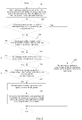
- the present disclosure provides a single packet recognition method, and detailed processes are illustrated in FIG. 1 .
- Step 101 after a connection between a client terminal and a destination server is established, obtaining a data packet sent by the client terminal, where the data packet is a first data packet to carry application layer data.
- the connection established between the client terminal and the destination server may be a transmission control protocol (TCP) connection, a user datagram protocol (UDP) connection, or a connection based on other transmission protocol, which is not limited by the present disclosure.
- TCP transmission control protocol
- UDP user datagram protocol
- the client terminal may exchange data with the destination server through the connection.
- the method may be implemented based on a proxy program.
- the proxy program may run on ingress devices or on a central server.
- the proxy program obtains, from the ingress devices, data packets sent by the client terminal and the destination server through the connection.
- Step 102 determining whether a format feature of the data packet matches a data packet format feature of any known application.
- information parsed from specific bytes in application layer data of the data packet may be compared with corresponding features in application data of any known application to determine whether a format feature of the data packet matches a data packet format feature of any known application.
- the connection between the client terminal and the destination server is a TCP connection.
- the format feature of the application layer data in the data packet sent by an application A includes that the first and second bytes represent a length for a data parsing unit. Because the communication is interactive, when no response is received from the destination server, the client terminal may not send other request again, multiple data parsing units may not be concatenated.Thus, the recorded length is equal to the actual length of the application layer data.
- the third and fourth bytes represent a fixed value for a version number (e.g., 0xaa, 0xff).
- the fifth to eighth bytes represent an IP address of the destination server, which is the same as the destination address of packets sent by the client terminal to the destination server or the source address of packets sent by the destination server to the client terminal.
- the ninth and tenth bytes represent a command field. For the first data packet to carry the application layer data, the value of the command field is "0x00a1", corresponding to "login verification response".
- the first and second bytes in the application layer data of the received data packet is a length of a data parsing unit, which is the same as the length recorded in the first and second bytes in the application data of the application A
- the third and fourth bytes is a fixed value for a version number, which is the same as the fixed value for the version number recorded in the third and fourth bytes in the application data of the application A
- the fifth through eighth bytes is a server IP address, which is the same as the server IP address recorded in the fifth through eighth bytes in the application data of the application A
- the ninth and tenth bytes is a command field, which the command field is "0x00a1
- step 103 is executed.
- the process is terminated. That is, the process of recognizing data packets is terminated.
- Step 103 recognizing the matched application as the application sent the data packet.
- step 102 when it is determined in step 102 that a format feature of the data packet matches the data packet format feature corresponding to the application A, the application sent the data packet is determined to be the application A in step 103.
- the application sent the data packet is recognized and determined.
- Data packets sent by different applications may be assigned to the corresponding routing policies or traffic redirection methods.
- Another embodiment of the present disclosure provides another single packet recognition method, which is an improvement further to the previously described embodiment.
- the main improvements include that after the matched application is determined based on the format feature of the data packet, it is further determined whether an IP address of the destination server is present in a pre-configured database and whether applications corresponding to the IP address of the destination server include the matched application.
- the flow chart of an exemplary embodiment is illustrated in FIG. 2 .
- Step 201 after a connection between a client terminal and a destination server is established, obtaining a data packet sent by the client terminal, where the data packet is a first data packet to carry application layer data.
- Step 202 based on an IP address of and a port number of the destination server carried in the data packet, determining whether index information matching the data packet is present in a pre-configured database.
- a database is pre-configured.
- the database stores mapping relationships between index information and applications.
- the mapping relationship is collected based on history data.
- the index information includes an IP address and a port number of a server.
- the IP address and the port number of the destination server carried in the data packet is extracted first. It is determined whether the index information corresponding to the IP address and the port number of the destination server is present in the database. When it is determined that the index information is present, the corresponding index information is the index information sent the data packet, and step 203 is executed. When it is determined that the index information is absent, the index information sent the data packet is absent in the database, and step 204 is executed.
- Step 203 recognizing the application corresponding to the matched index information as the application sent the data packet.
- the database stores the mapping relationships between the index information and the applications, when it is determined that the index information matching the data packet is present in the database, it is determined that the application corresponding to the matched index information is the application sent the data packet.
- Step 204 determining whether a format feature of the data packet matches a data packet format feature of any known application. When it is determined that a format feature of the data packet matches a data packet format feature of a known application, step 205 is executed. When it is determined that no format feature of the data packet matches any data packet format feature of any known application, the process is terminated.
- Step 205 determining whether an IP address of the destination server is present in a database.
- step 206 is executed.
- the process is terminated. That is, the process of recognizing data packets is terminated.
- Step 206 determining whether applications corresponding to the IP address of the destination server include the matched application.
- step 207 is executed. Otherwise, the process is terminated. That is, the process of recognizing data packets is terminated.
- Step 207 recognizing the matched application as the application sent the data packet.
- Step 208 generating index information corresponding to the data packet, and storing the mapping relationship between the generated index information and the matched application in the database.
- the IP address and the port number of the destination server may be used to generate the index information corresponding to the data packet, and the mapping relationship between the generated index information and the matched application is stored in the database.
- the IP address and the port number of the server may be used directly to search the corresponding application in the database, thereby improving the recognition efficiency.
- a timeout timer is configured for each record in the database (a record is a mapping relationship between a set of index information and an application).
- the record is deleted from the database (i.e., the mapping relationship between the set of the index information and the application is deleted).
- the mapping relationship between the set of the index information and the application is deleted.
- the mapping relationship between the port number of a server is subject to change.
- the application A may be replaced by the application B.
- the mapping relationship between the port number of the current server and the application is fixed.
- the application corresponding to the port number of the current server is subject to change.
- the application A may be replaced by the application B.
- each record in the database is configured with a timeout timer. When the timeout timer expires, the corresponding record is deleted. False recognition of the application B as the application A may be avoided.
- the present embodiment is illustrated by the index information including the IP address and the port number of the server.
- the index information may further include a protocol type (e.g., TCP or UDP) for a connection between the client terminal and the server, which is likely to improve the accuracy of recognizing the application.
- the IP address of the destination server, the port number of the destination server, and the protocol type between the client terminal and the destination server carried in the data packet may be simultaneously extracted. Based on the IP address of the destination server, the port number of the destination server, and the protocol type, whether any index information matching the data packet is present in the database is determined.
- the IP address of the destination server, the port number of the destination server, and the protocol type are required to generate the index information corresponding to the data packet.
- the matched application is determined based on the format feature of the data packet, it is further determined whether the IP address of the destination server is present in the pre-configured database and whether the applications corresponding to the IP address of the destination server include the matched application.
- the efficiency of recognizing the network traffic is improved, and the rate of false recognition is reduced.
- storing the mapping relationship between the index information and the application allows to directly search for the application sent the data packet in the database when the connection between the client terminal and the destination server is established next time, thereby improving the efficiency of recognizing the data packet.
- Another embodiment of the present disclosure provides another single packet recognition method, which is an improvement further to the previously described embodiment.
- the main improvements include that before whether the index information matching the data packet is present in the database is determined, it is determined whether a port number of the destination server is one of pre-configured common port numbers.
- the flow chart of an exemplary embodiment is illustrated in FIG. 3 .
- Step 301 after a connection between a client terminal and a destination server is established, obtaining a data packet sent by the client terminal, where the data packet is a first data packet to carry application layer data.
- Step 302 determining whether a port number of a destination server is one of pre-configured common port numbers.
- the port number of the destination server carried in the data packet is extracted first to determine whether the port number of the destination server is one of the pre-configured common port numbers (e.g., in a TCP connection, server port numbers 443, 80, 8080).
- step 303 is executed.
- step 305 is executed.
- Step 303 based on an IP address and a port number of the destination server carried in the data packet, determining whether index information matching the data packet is present in a pre-configured database. When it is determined that the index information is present in the pre-configured database, step 304 is executed. When it is determined that the index information is absent in the pre-configured database, step 305 is executed.
- Step 304 recognizing the application corresponding to the matched index information as the application sent the data packet.
- Step 305 determining whether a format feature of the data packet matches a data packet format feature of any known application. When it is determined that the format feature of the data packet matches a data packet format feature of a known application, step 306 is executed. When it is determined that the format feature of the data packet does not match a data packet format feature of any known application, the process is terminated.
- Step 306 determining whether the IP address of the destination server is present in the database. When it is determined that the IP address is present, step 307 is executed. When it is determined that the IP address is absent, the process is terminated. That is, the process of recognizing data packets is terminated.
- Step 307 determining whether the applications corresponding to the IP address of the destination server include the matched application. When the corresponding applications include the matched application, step 308 is executed. Otherwise, the process is terminated. That is, the process of recognizing data packets is terminated.
- Step 308 recognizing the matched application as the application sent the data packet.
- Step 309 generating index information corresponding to the data packet, and storing the mapping relationship between the generated index information and the matched application in the database.
- embodiments of the present disclosure first determine whether the port number is one of the common port numbers and based on the result of the port number determination, different steps are executed. Thus, false recognition caused by the common port numbers of servers may be avoided.
- the present disclosure also provides a traffic redirection method.
- the traffic redirection method is based on any of the aforementioned single packet recognition methods.
- the flow chart of an exemplary traffic redirection method is illustrated in FIG. 4 .
- Step 401 using the single packet recognition method to determine an application sent a traffic data packet.
- a first data packet to carry the application layer data is obtained first, and based on any of the single packet recognition methods provided by various embodiments of the present disclosure, an application sent the data packet is determined.
- Step 402 obtaining a pre-configured routing policy corresponding to the application.
- the embodiment may pre-configure a routing requirement for each type of applications and assign a routing policy corresponding to the application. After the application sent the data packet is determined, the routing policy corresponding to the application is obtained.
- Step 403 based on the routing policy, forwarding the traffic data packet.
- a routing path is assigned for the traffic data packet based on the routing policy, and the data packet is transmitted through the routing path.
- Other data packets transmitted through the connection may be transmitted through the same routing path. That is, the routing path is assigned only once in the embodiment.
- the embodiments of the present disclosure first recognize the application sent the traffic data packet. Based on the pre-configured routing policy corresponding to the associated application, the data packet is forwarded. Thus, network traffic redirection is optimized, and service quality of back-end link and user's experience of accessing Internet are improved.
Landscapes
- Engineering & Computer Science (AREA)
- Computer Networks & Wireless Communication (AREA)
- Signal Processing (AREA)
- Computer Security & Cryptography (AREA)
- Data Exchanges In Wide-Area Networks (AREA)
Abstract
Description
- The present disclosure relates to the field of Internet technologies and, more particularly, relates to a single packet recognition method and a traffic redirection method.
- In general, different applications have different requirements for the quality of network links. For example, a video application often requires a lower link quality than a gaming application. In practical situations, each network link carries a limited amount of traffic. Thus, when the video application and the gaming application shares a same high-quality network link, it is likely that the overloaded link degrades user's experience of accessing Internet. Similarly, when an application requiring a high-quality link is assigned to a poor-quality link for purpose of load balancing, the user's experience of accessing Internet may also be degraded. Thus, it is important to properly assign and redirect traffic of different applications.
- The inventors of the present invention discovered that the existing technology redirects traffic based on server IP addresses. Such traffic assignments are pertaining to different servers, rather than different applications. Thus, it is unable to assign links to satisfy different requirements of different applications.
- The objective of the embodiments of the present disclosure is to provide a single packet recognition method and a traffic redirection method, to recognize an application sent a traffic data packet and assigns a routing path based on a pre-configured routing policy corresponding to the recognized application. Thus, network traffic redirection is optimized, and service quality of back-end link and user's experience of accessing Internet are improved.
- To solve the aforementioned technical problems, embodiments of the present disclosure provide a single packet recognition method, comprising: after a connection between a client terminal and a destination server is established, obtaining a data packet sent by the client terminal, wherein the data packet is a first data packet to carry application layer data; determining whether a format feature of the data packet matches a data packet format feature of any known application; and when it is determined that the format feature of the data packet matches a data packet format feature of a known application, recognizing the matched application as the application sent the data packet.
- Embodiments of the present disclosure also provide a traffic redirection method, comprising: based on the aforementioned single packet recognition method, determining an application sent a traffic data packet; obtaining a pre-configured routing policy corresponding to the application; and based on the routing policy, forwarding the traffic data packet.
- With respect to the existing technology, embodiments of the present disclosure first match the format feature of the first data packet to carry application layer data with a data packet format feature of any known application, after the connection between the client terminal and the destination server is established, to recognize the application sent the first data packet to carry the application layer data. After the application is recognized, the data packet is forwarded based on the pre-configured routing policy corresponding to the application. By recognizing the application sent the data packet before forwarding the data packet based on the pre-configured routing policy to which the associated application corresponds, network traffic redirection is optimized, and service quality of back-end link and user's experience of accessing Internet are improved.
- Further, the determining whether a format feature of the data packet matches a data packet format feature of any known application includes: determining whether information parsed from specific bytes in the application layer data of the data packet is the same as corresponding features in application data of any known application. A specific matching method is provided.
- Further, the data packet carries an IP address of the destination server. Before recognizing the matched application as the application sent the data packet, the single packet recognition method further includes: determining whether the IP address of the destination server is present in a pre-configured database; and when it is determined that the IP address of the destination server is present in the pre-configured database and applications corresponding to the IP address of the destination server include the matched application, recognizing the matched application as the application sent the data packet. Thus, the efficiency of recognizing the network traffic is increased, and the false recognition rate is reduced.
- Further, the data packet also carries a port number of the destination server. Before determining whether the format feature of the data packet matches a data packet format feature of any known application, the single packet recognition method further includes: based on the IP address and the port number of the destination server carried in the data packet, determining whether index information matching the data packet is present in a database, where the index information includes the IP address and the port number of the server and the database stores mapping relationship between index information and applications; when it is determined that the index information matching the data packet is present in the database, recognizing the application corresponding to the index information as the application sent the data packet; and when it is determined that the index information matching the data packet is absent in the database, determining whether the format feature of the data packet matches a data packet format feature of any known application. Storing the mapping relationship between the index information and the applications in the database is beneficial in improving the efficiency of recognizing the data packets.
- Further, before determining whether any index information matching the data packet is present in the database, the single packet recognition method further includes:
determining whether the port number of the destination server is one of pre-configured common port numbers; when it is determined that the port number of the destination server is not any pre-configured common port number, determining whether any index information matching the data packet is present in the database; and when it is determined that the port number of the destination server is one of the pre-configured common port numbers, determining whether a format feature of the data packet matches a data packet format feature of any known application. Recognizing whether the port number of the destination server is one of the common port numbers is beneficial in avoiding false recognition caused by the common port numbers of the server. - Further, the data packet further carries a protocol type for the connection between the client terminal and the destination server. The index information further includes the protocol type for the connection between the client terminal and the destination server. Determining whether any index information matching the data packet is present in the database further includes: based on the IP address and the port number of the destination server and the protocol type that are carried in the data packet, determining whether any index information matching the data packet is present in the database. It is beneficial in improving the matching accuracy.
- One or more embodiments are provided for exemplary descriptions with reference to the accompanying drawings. The exemplary descriptions are not intended to limit the scope of the embodiments. Elements having same reference numerals in the drawings refer to same or similar elements. Unless specifically stated otherwise, the drawings do not constitute limitation on proportions.
-
FIG. 1 illustrates a flow chart of an exemplary single packet recognition method according to disclosed embodiments; -
FIG. 2 illustrates a flow chart of another exemplary single packet recognition method according to disclosed embodiments; -
FIG. 3 illustrates a flow chart of another exemplary single packet recognition method according to disclosed embodiments; and -
FIG. 4 illustrates a flow chart of an exemplary traffic redirection method according to disclosed embodiments. - To make the objectives, technical solutions, and advantages of the present disclosure clearer, the following further describes the embodiments of the present disclosure in details with reference to the accompanying drawings. It should be understood that the specific embodiments described herein are only used to explain the present disclosure and are not used to limit the present disclosure. Without departing from the spirit and principles of the present disclosure, any modifications, equivalent substitutions, and improvements, etc. shall fall within the scope of the present disclosure.
- The present disclosure provides a single packet recognition method, and detailed processes are illustrated in
FIG. 1 . - Step 101: after a connection between a client terminal and a destination server is established, obtaining a data packet sent by the client terminal, where the data packet is a first data packet to carry application layer data.
- In one embodiment, the connection established between the client terminal and the destination server may be a transmission control protocol (TCP) connection, a user datagram protocol (UDP) connection, or a connection based on other transmission protocol, which is not limited by the present disclosure. After the connection between the client terminal and the destination server is established, the client terminal may exchange data with the destination server through the connection.
- In one embodiment, the method may be implemented based on a proxy program. The proxy program may run on ingress devices or on a central server. The proxy program obtains, from the ingress devices, data packets sent by the client terminal and the destination server through the connection.
- Step 102: determining whether a format feature of the data packet matches a data packet format feature of any known application.
- In this step, information parsed from specific bytes in application layer data of the data packet may be compared with corresponding features in application data of any known application to determine whether a format feature of the data packet matches a data packet format feature of any known application.
- In one embodiment, the connection between the client terminal and the destination server is a TCP connection. The format feature of the application layer data in the data packet sent by an application A includes that the first and second bytes represent a length for a data parsing unit. Because the communication is interactive, when no response is received from the destination server, the client terminal may not send other request again, multiple data parsing units may not be concatenated.Thus, the recorded length is equal to the actual length of the application layer data. The third and fourth bytes represent a fixed value for a version number (e.g., 0xaa, 0xff). The fifth to eighth bytes represent an IP address of the destination server, which is the same as the destination address of packets sent by the client terminal to the destination server or the source address of packets sent by the destination server to the client terminal. The ninth and tenth bytes represent a command field. For the first data packet to carry the application layer data, the value of the command field is "0x00a1", corresponding to "login verification response".
- Based on the aforementioned format features of the specific bytes, when the first and second bytes in the application layer data of the received data packet (i.e., the first data packet to carry the application layer data) is a length of a data parsing unit, which is the same as the length recorded in the first and second bytes in the application data of the application A, and when the third and fourth bytes is a fixed value for a version number, which is the same as the fixed value for the version number recorded in the third and fourth bytes in the application data of the application A, and when the fifth through eighth bytes is a server IP address, which is the same as the server IP address recorded in the fifth through eighth bytes in the application data of the application A, and when the ninth and tenth bytes is a command field, which the command field is "0x00a1", it is determined that the information parsed from the specific bytes in the application layer data of the data packet is the same as the corresponding features in the application data of the application A. Thus, the format feature of the data packet matches the data packet format feature of the application A.
- It should be noted that different applications may have different format features of the specific bytes. The format features of the specific bytes for the known applications are locally stored in advance for subsequent matching.
- When it is determined that a format feature of the data packet matches a data packet format feature of a known application,
step 103 is executed. When it is determined that a format feature of the data packet does not match any data packet format feature of any known application, the process is terminated. That is, the process of recognizing data packets is terminated. - Step 103: recognizing the matched application as the application sent the data packet.
- For example, when it is determined in
step 102 that a format feature of the data packet matches the data packet format feature corresponding to the application A, the application sent the data packet is determined to be the application A instep 103. - Thus, based on the single packet recognition method provided by the embodiment, the application sent the data packet is recognized and determined. Data packets sent by different applications may be assigned to the corresponding routing policies or traffic redirection methods.
- Another embodiment of the present disclosure provides another single packet recognition method, which is an improvement further to the previously described embodiment. The main improvements include that after the matched application is determined based on the format feature of the data packet, it is further determined whether an IP address of the destination server is present in a pre-configured database and whether applications corresponding to the IP address of the destination server include the matched application. The flow chart of an exemplary embodiment is illustrated in
FIG. 2 . - Step 201: after a connection between a client terminal and a destination server is established, obtaining a data packet sent by the client terminal, where the data packet is a first data packet to carry application layer data.
- Step 202: based on an IP address of and a port number of the destination server carried in the data packet, determining whether index information matching the data packet is present in a pre-configured database.
- In one embodiment, a database is pre-configured. The database stores mapping relationships between index information and applications. The mapping relationship is collected based on history data. The index information includes an IP address and a port number of a server.
- In this step, the IP address and the port number of the destination server carried in the data packet is extracted first. It is determined whether the index information corresponding to the IP address and the port number of the destination server is present in the database. When it is determined that the index information is present, the corresponding index information is the index information sent the data packet, and step 203 is executed. When it is determined that the index information is absent, the index information sent the data packet is absent in the database, and step 204 is executed.
- Step 203: recognizing the application corresponding to the matched index information as the application sent the data packet.
- As described above, because the database stores the mapping relationships between the index information and the applications, when it is determined that the index information matching the data packet is present in the database, it is determined that the application corresponding to the matched index information is the application sent the data packet.
- Step 204: determining whether a format feature of the data packet matches a data packet format feature of any known application. When it is determined that a format feature of the data packet matches a data packet format feature of a known application,
step 205 is executed. When it is determined that no format feature of the data packet matches any data packet format feature of any known application, the process is terminated. - Step 205: determining whether an IP address of the destination server is present in a database. When the IP address of the destination server is present,
step 206 is executed. When the IP address of the destination server is absent, the process is terminated. That is, the process of recognizing data packets is terminated. - Step 206: determining whether applications corresponding to the IP address of the destination server include the matched application.
- After it is determined that the IP address of the destination server is present in the database, applications corresponding to the IP address of the destination server are searched in the database to determine whether the corresponding applications include the matched application determined in
step 204. When the corresponding applications include the matched application,step 207 is executed. Otherwise, the process is terminated. That is, the process of recognizing data packets is terminated. - Step 207: recognizing the matched application as the application sent the data packet.
- Step 208: generating index information corresponding to the data packet, and storing the mapping relationship between the generated index information and the matched application in the database.
- In this step, the IP address and the port number of the destination server may be used to generate the index information corresponding to the data packet, and the mapping relationship between the generated index information and the matched application is stored in the database. Thus, when the connection between the client terminal and the destination server is established next time, the IP address and the port number of the server may be used directly to search the corresponding application in the database, thereby improving the recognition efficiency.
- It should be noted that, in this embodiment, a timeout timer is configured for each record in the database (a record is a mapping relationship between a set of index information and an application). When the timeout timer expires, the record is deleted from the database (i.e., the mapping relationship between the set of the index information and the application is deleted). This is because an application corresponding to a port number of a server is subject to change. For example, the application A may be replaced by the application B. In the embodiment, after the mapping relationship between the index information and the application is stored in the database, the mapping relationship between the port number of the current server and the application is fixed. However, in practical applications, the application corresponding to the port number of the current server is subject to change. For example, the application A may be replaced by the application B. Thus, each record in the database is configured with a timeout timer. When the timeout timer expires, the corresponding record is deleted. False recognition of the application B as the application A may be avoided.
- In addition, it is worth mentioning that the present embodiment is illustrated by the index information including the IP address and the port number of the server. However, in practical applications, the index information may further include a protocol type (e.g., TCP or UDP) for a connection between the client terminal and the server, which is likely to improve the accuracy of recognizing the application. At this point, in
step 202, the IP address of the destination server, the port number of the destination server, and the protocol type between the client terminal and the destination server carried in the data packet may be simultaneously extracted. Based on the IP address of the destination server, the port number of the destination server, and the protocol type, whether any index information matching the data packet is present in the database is determined. Instep 208, the IP address of the destination server, the port number of the destination server, and the protocol type are required to generate the index information corresponding to the data packet. - Further, in this embodiment, after the matched application is determined based on the format feature of the data packet, it is further determined whether the IP address of the destination server is present in the pre-configured database and whether the applications corresponding to the IP address of the destination server include the matched application. Thus, the efficiency of recognizing the network traffic is improved, and the rate of false recognition is reduced. At the same time, storing the mapping relationship between the index information and the application allows to directly search for the application sent the data packet in the database when the connection between the client terminal and the destination server is established next time, thereby improving the efficiency of recognizing the data packet.
- Another embodiment of the present disclosure provides another single packet recognition method, which is an improvement further to the previously described embodiment. The main improvements include that before whether the index information matching the data packet is present in the database is determined, it is determined whether a port number of the destination server is one of pre-configured common port numbers. The flow chart of an exemplary embodiment is illustrated in
FIG. 3 . - Step 301: after a connection between a client terminal and a destination server is established, obtaining a data packet sent by the client terminal, where the data packet is a first data packet to carry application layer data.
- Step 302: determining whether a port number of a destination server is one of pre-configured common port numbers.
- In this step, the port number of the destination server carried in the data packet is extracted first to determine whether the port number of the destination server is one of the pre-configured common port numbers (e.g., in a TCP connection, server port numbers 443, 80, 8080). When it is determined that the port number is not any pre-configured common port number,
step 303 is executed. When it is determined that the port number is one of the pre-configured common port numbers,step 305 is executed. - Step 303: based on an IP address and a port number of the destination server carried in the data packet, determining whether index information matching the data packet is present in a pre-configured database. When it is determined that the index information is present in the pre-configured database,
step 304 is executed. When it is determined that the index information is absent in the pre-configured database,step 305 is executed. - Step 304: recognizing the application corresponding to the matched index information as the application sent the data packet.
- Step 305: determining whether a format feature of the data packet matches a data packet format feature of any known application. When it is determined that the format feature of the data packet matches a data packet format feature of a known application,
step 306 is executed. When it is determined that the format feature of the data packet does not match a data packet format feature of any known application, the process is terminated. - Step 306: determining whether the IP address of the destination server is present in the database. When it is determined that the IP address is present,
step 307 is executed. When it is determined that the IP address is absent, the process is terminated. That is, the process of recognizing data packets is terminated. - Step 307: determining whether the applications corresponding to the IP address of the destination server include the matched application. When the corresponding applications include the matched application,
step 308 is executed. Otherwise, the process is terminated. That is, the process of recognizing data packets is terminated. - Step 308: recognizing the matched application as the application sent the data packet.
- Step 309: generating index information corresponding to the data packet, and storing the mapping relationship between the generated index information and the matched application in the database.
- With respect to the existing technology, embodiments of the present disclosure first determine whether the port number is one of the common port numbers and based on the result of the port number determination, different steps are executed. Thus, false recognition caused by the common port numbers of servers may be avoided.
- The present disclosure also provides a traffic redirection method. The traffic redirection method is based on any of the aforementioned single packet recognition methods. The flow chart of an exemplary traffic redirection method is illustrated in
FIG. 4 . - Step 401: using the single packet recognition method to determine an application sent a traffic data packet.
- After a connection between a client terminal and a destination server is established, a first data packet to carry the application layer data is obtained first, and based on any of the single packet recognition methods provided by various embodiments of the present disclosure, an application sent the data packet is determined.
- Step 402: obtaining a pre-configured routing policy corresponding to the application.
- Because different applications require different routing path qualities, the embodiment may pre-configure a routing requirement for each type of applications and assign a routing policy corresponding to the application. After the application sent the data packet is determined, the routing policy corresponding to the application is obtained.
- Step 403: based on the routing policy, forwarding the traffic data packet.
- After the routing policy is obtained, a routing path is assigned for the traffic data packet based on the routing policy, and the data packet is transmitted through the routing path. Other data packets transmitted through the connection may be transmitted through the same routing path. That is, the routing path is assigned only once in the embodiment.
- With respect to the existing technology, the embodiments of the present disclosure first recognize the application sent the traffic data packet. Based on the pre-configured routing policy corresponding to the associated application, the data packet is forwarded. Thus, network traffic redirection is optimized, and service quality of back-end link and user's experience of accessing Internet are improved.
- The steps in various methods are divided for the clarity of illustration. In practical applications, multiple steps may be combined into one step, or one step may be separated into multiple steps. As long as the same logical relationship is preserved, modifications and changes are within the scope of the present disclosure. Insignificant modifications may be added or insignificant designs may be introduced in the algorithm or process. When the core design of the algorithm or process remains the same, such modifications and changes shall fall within the scope of the present disclosure.
- It should be understood by those skilled in the art that the foregoing are merely certain preferred embodiments of the present disclosure, and are not intended to limit the present disclosure. Without departing from the spirit and principles of the present disclosure, any modifications, equivalent substitutions, and improvements, etc. shall fall within the scope of the present disclosure.
Claims (7)
- A single packet recognition method, comprising:after a connection between a client terminal and a destination server is established, obtaining a data packet sent by the client terminal, wherein the data packet is a first data packet to carry application layer data;determining whether a format feature of the data packet matches a data packet format feature of any known application; andwhen it is determined that the format feature of the data packet matches a data packet format feature of a known application, recognizing the matched application as the application sent the data packet.
- The single packet recognition method of claim 1, the determining whether a format feature of the data packet matches a data packet format feature of any known application includes:
determining whether information parsed from specific bytes in the application layer data of the data packet is the same as corresponding features in application data of any known application. - The single packet recognition method of claim 1, wherein:the data packet carries an IP address of the destination server; andbefore the recognizing the matched application as the application sent the data packet, the single packet recognition method further includes:determining whether the IP address of the destination server is present in a pre-configured database; andwhen it is determined that the IP address of the destination server is present in the pre-configured database and applications corresponding to the IP address of the destination server include the matched application, recognizing the matched application as the application sent the data packet.
- The single packet recognition method of claim 3, wherein:the data packet also carries a port number of the destination server; andbefore the determining whether the format feature of the data packet matches a data packet format feature of any known application, the single packet recognition method further includes:based on the IP address and the port number of the destination server carried in the data packet, determining whether index information matching the data packet is present in a database, wherein the index information includes the IP address and the port number of the server and the database stores mapping relationship between index information and applications;when it is determined that the index information matching the data packet is present in the database, recognizing the application corresponding to the index information as the application sent the data packet; andwhen it is determined that the index information matching the data packet is absent in the database, determining whether the format feature of the data packet matches a data packet format feature of any known application.
- The single packet recognition method of claim 4, wherein:
before the determining whether any index information matching the data packet is present in the database, the single packet recognition method further includes:determining whether the port number of the destination server is one of pre-configured common port numbers;when it is determined that the port number of the destination server is not any pre-configured common port number, determining whether any index information matching the data packet is present in the database; andwhen it is determined that the port number of the destination server is one of the pre-configured common port numbers, determining whether a format feature of the data packet matches a data packet format feature of any known application. - The single packet recognition method of claim 4, wherein:the data packet further carries a protocol type for the connection between the client terminal and the destination server;the index information further includes the protocol type for the connection between the client terminal and the destination server; andthe determining whether any index information matching the data packet is present in the database further includes:
based on the IP address and the port number of the destination server and the protocol type that are carried in the data packet, determining whether any index information matching the data packet is present in the database. - A traffic redirection method, comprising:determining an application sent a traffic data packet based on a single packet recognition method of any of claims 1-6;obtaining a pre-configured routing policy corresponding to the application; andbased on the routing policy, forwarding the traffic data packet.
Applications Claiming Priority (2)
| Application Number | Priority Date | Filing Date | Title |
|---|---|---|---|
| CN201810010981.6A CN108418758B (en) | 2018-01-05 | 2018-01-05 | Single packet identification method and flow guiding method |
| PCT/CN2018/077428 WO2019134239A1 (en) | 2018-01-05 | 2018-02-27 | Method for identifying single packet, and traffic guiding method |
Publications (3)
| Publication Number | Publication Date |
|---|---|
| EP3534575A1 true EP3534575A1 (en) | 2019-09-04 |
| EP3534575A4 EP3534575A4 (en) | 2019-11-27 |
| EP3534575B1 EP3534575B1 (en) | 2022-01-19 |
Family
ID=63125712
Family Applications (1)
| Application Number | Title | Priority Date | Filing Date |
|---|---|---|---|
| EP18863808.4A Not-in-force EP3534575B1 (en) | 2018-01-05 | 2018-02-27 | Method for identifying single packet, and traffic guiding method |
Country Status (4)
| Country | Link |
|---|---|
| US (1) | US20210336876A1 (en) |
| EP (1) | EP3534575B1 (en) |
| CN (1) | CN108418758B (en) |
| WO (1) | WO2019134239A1 (en) |
Families Citing this family (6)
| Publication number | Priority date | Publication date | Assignee | Title |
|---|---|---|---|---|
| CN109905325B (en) * | 2019-03-13 | 2022-09-30 | 厦门网宿有限公司 | Traffic guiding method and traffic identification equipment |
| EP3999979A4 (en) * | 2019-09-20 | 2023-07-26 | Sonatus, Inc. | System, method, and apparatus to extra vehicle communications control |
| DE102020203951A1 (en) * | 2020-03-26 | 2021-09-30 | Siemens Healthcare Gmbh | Process for dynamic data minimization of a data set by means of whitelisting |
| CN111786985B (en) * | 2020-06-28 | 2023-05-23 | 厦门市美亚柏科信息股份有限公司 | A method, device and storage medium for parsing TCP and UDP data |
| CN116248586A (en) * | 2021-08-09 | 2023-06-09 | 荣耀终端有限公司 | A data forwarding method and router |
| CN114143058B (en) * | 2021-11-25 | 2024-06-04 | 山东科技大学 | A method for collecting data full flow vulnerabilities |
Family Cites Families (22)
| Publication number | Priority date | Publication date | Assignee | Title |
|---|---|---|---|---|
| US6918123B1 (en) * | 1998-10-02 | 2005-07-12 | Koninklijke Philips Electronics N.V. | Calls identify scenario for control of software objects via property routes |
| US6687222B1 (en) * | 1999-07-02 | 2004-02-03 | Cisco Technology, Inc. | Backup service managers for providing reliable network services in a distributed environment |
| JP3944122B2 (en) * | 2003-06-05 | 2007-07-11 | 株式会社東芝 | Information recording medium, information recording method, information recording apparatus, information reproducing method, and information reproducing apparatus |
| US20050078668A1 (en) * | 2003-10-08 | 2005-04-14 | Wittenberg Joel L. | Network element having a redirect server |
| US8270413B2 (en) * | 2005-11-28 | 2012-09-18 | Cisco Technology, Inc. | Method and apparatus for self-learning of VPNS from combination of unidirectional tunnels in MPLS/VPN networks |
| US8982887B2 (en) * | 2007-05-18 | 2015-03-17 | International Business Machines Corporation | System, method and program for making routing decisions |
| US8873556B1 (en) * | 2008-12-24 | 2014-10-28 | Palo Alto Networks, Inc. | Application based packet forwarding |
| CN101645806B (en) * | 2009-09-04 | 2011-09-07 | 东南大学 | Network flow classifying system and network flow classifying method combining DPI and DFI |
| CN101789904A (en) * | 2010-02-04 | 2010-07-28 | 杭州华三通信技术有限公司 | Method and equipment for controlling flow |
| CN101977146B (en) * | 2010-10-25 | 2013-04-17 | 成都飞鱼星科技开发有限公司 | Intelligent network traffic controller and implementation method thereof |
| CN102158404A (en) * | 2011-03-25 | 2011-08-17 | 成都飞鱼星科技开发有限公司 | Intelligent flow control system of interactive network and implementing method thereof |
| CN102325124B (en) * | 2011-05-23 | 2016-08-17 | 北京网康科技有限公司 | A kind of application identification Apparatus and method for supporting drainage function |
| CN102325078B (en) * | 2011-06-28 | 2014-04-02 | 北京星网锐捷网络技术有限公司 | Application identification method and device |
| US8724496B2 (en) * | 2011-11-30 | 2014-05-13 | Broadcom Corporation | System and method for integrating line-rate application recognition in a switch ASIC |
| CN103297270A (en) * | 2013-05-24 | 2013-09-11 | 华为技术有限公司 | Application type recognition method and network equipment |
| US9461923B2 (en) * | 2013-12-06 | 2016-10-04 | Algoblu Holdings Limited | Performance-based routing in software-defined network (SDN) |
| CN103986715B (en) * | 2014-05-21 | 2017-10-03 | 海信集团有限公司 | A kind of method and device of control of network flow quantity |
| JP6540283B2 (en) * | 2015-06-30 | 2019-07-10 | 富士通株式会社 | Communication apparatus, communication method, and communication program |
| CN106937350B (en) * | 2015-12-29 | 2020-08-04 | 北界创想(北京)软件有限公司 | Routing method and system based on mobile terminal |
| CN105591973B (en) * | 2015-12-31 | 2019-12-20 | 杭州数梦工场科技有限公司 | Application identification method and device |
| CN106789725B (en) * | 2016-11-10 | 2020-06-19 | 瑞斯康达科技发展股份有限公司 | Method, device and system for realizing traffic redirection |
| CN106936667B (en) * | 2017-04-17 | 2020-08-11 | 东南大学 | A real-time identification method of hosts based on distributed analysis of application traffic |
-
2018
- 2018-01-05 CN CN201810010981.6A patent/CN108418758B/en active Active
- 2018-02-27 US US16/321,680 patent/US20210336876A1/en not_active Abandoned
- 2018-02-27 EP EP18863808.4A patent/EP3534575B1/en not_active Not-in-force
- 2018-02-27 WO PCT/CN2018/077428 patent/WO2019134239A1/en not_active Ceased
Also Published As
| Publication number | Publication date |
|---|---|
| WO2019134239A1 (en) | 2019-07-11 |
| US20210336876A1 (en) | 2021-10-28 |
| CN108418758B (en) | 2021-01-29 |
| CN108418758A (en) | 2018-08-17 |
| EP3534575B1 (en) | 2022-01-19 |
| EP3534575A4 (en) | 2019-11-27 |
Similar Documents
| Publication | Publication Date | Title |
|---|---|---|
| EP3562109B1 (en) | Method for identifying multiple packets, method for identifying data packet, and traffic guiding method | |
| EP3534575B1 (en) | Method for identifying single packet, and traffic guiding method | |
| US7330470B2 (en) | Router and sip server | |
| US10244003B2 (en) | Media session between network endpoints | |
| CN106716963B (en) | Method and apparatus for media sessions between network endpoints | |
| US20130294449A1 (en) | Efficient application recognition in network traffic | |
| CN108702394B (en) | Media sessions between network endpoints | |
| CN113364894B (en) | Method and apparatus for media sessions between network endpoints | |
| US10015091B2 (en) | Method of low-bandwidth data transport | |
| US9590905B2 (en) | Control apparatus and a communication method, apparatus, and system to perform path control of a network | |
| CN111953806B (en) | Link selection method, device, computer equipment and computer storage medium | |
| US8032639B2 (en) | Apparatus and method for providing data session source device information | |
| US8209371B2 (en) | Method and system for managing communication in a computer network using aliases of computer network addresses | |
| US20120072612A1 (en) | Method and an Arrangement of Identifying Traffic Flows in a Communication Network | |
| US7647384B2 (en) | Method and system for managing fragmented information packets in a computer network | |
| US20240113959A1 (en) | Instance-affine service scheduling | |
| CN107666444B (en) | Method and system for routing data traffic | |
| KR100898371B1 (en) | Transparent proxy system and its packet processing method | |
| US12531812B2 (en) | IP network QoS enabled by application category detection and session association | |
| US20240007549A1 (en) | Method and device for switching an item of application data | |
| CN119743534A (en) | A dynamic upstream service selection method, device, equipment and medium |
Legal Events
| Date | Code | Title | Description |
|---|---|---|---|
| STAA | Information on the status of an ep patent application or granted ep patent |
Free format text: STATUS: UNKNOWN |
|
| STAA | Information on the status of an ep patent application or granted ep patent |
Free format text: STATUS: THE INTERNATIONAL PUBLICATION HAS BEEN MADE |
|
| PUAI | Public reference made under article 153(3) epc to a published international application that has entered the european phase |
Free format text: ORIGINAL CODE: 0009012 |
|
| STAA | Information on the status of an ep patent application or granted ep patent |
Free format text: STATUS: REQUEST FOR EXAMINATION WAS MADE |
|
| 17P | Request for examination filed |
Effective date: 20190411 |
|
| AK | Designated contracting states |
Kind code of ref document: A1 Designated state(s): AL AT BE BG CH CY CZ DE DK EE ES FI FR GB GR HR HU IE IS IT LI LT LU LV MC MK MT NL NO PL PT RO RS SE SI SK SM TR |
|
| AX | Request for extension of the european patent |
Extension state: BA ME |
|
| R17P | Request for examination filed (corrected) |
Effective date: 20190411 |
|
| A4 | Supplementary search report drawn up and despatched |
Effective date: 20191029 |
|
| RIC1 | Information provided on ipc code assigned before grant |
Ipc: H04L 12/851 20130101ALI20191023BHEP Ipc: H04L 12/725 20130101AFI20191023BHEP Ipc: H04L 29/06 20060101ALI20191023BHEP Ipc: H04L 12/54 20130101ALI20191023BHEP |
|
| STAA | Information on the status of an ep patent application or granted ep patent |
Free format text: STATUS: EXAMINATION IS IN PROGRESS |
|
| 17Q | First examination report despatched |
Effective date: 20200709 |
|
| DAV | Request for validation of the european patent (deleted) | ||
| DAX | Request for extension of the european patent (deleted) | ||
| REG | Reference to a national code |
Ref country code: DE Ref legal event code: R079 Ref document number: 602018029908 Country of ref document: DE Free format text: PREVIOUS MAIN CLASS: H04L0012725000 Ipc: H04L0012260000 |
|
| RIC1 | Information provided on ipc code assigned before grant |
Ipc: H04L 12/26 20060101AFI20210623BHEP Ipc: H04L 12/725 20130101ALI20210623BHEP Ipc: H04L 12/851 20130101ALI20210623BHEP Ipc: H04L 29/06 20060101ALI20210623BHEP |
|
| GRAP | Despatch of communication of intention to grant a patent |
Free format text: ORIGINAL CODE: EPIDOSNIGR1 |
|
| STAA | Information on the status of an ep patent application or granted ep patent |
Free format text: STATUS: GRANT OF PATENT IS INTENDED |
|
| INTG | Intention to grant announced |
Effective date: 20210913 |
|
| GRAS | Grant fee paid |
Free format text: ORIGINAL CODE: EPIDOSNIGR3 |
|
| GRAA | (expected) grant |
Free format text: ORIGINAL CODE: 0009210 |
|
| STAA | Information on the status of an ep patent application or granted ep patent |
Free format text: STATUS: THE PATENT HAS BEEN GRANTED |
|
| AK | Designated contracting states |
Kind code of ref document: B1 Designated state(s): AL AT BE BG CH CY CZ DE DK EE ES FI FR GB GR HR HU IE IS IT LI LT LU LV MC MK MT NL NO PL PT RO RS SE SI SK SM TR |
|
| REG | Reference to a national code |
Ref country code: GB Ref legal event code: FG4D |
|
| REG | Reference to a national code |
Ref country code: CH Ref legal event code: EP |
|
| REG | Reference to a national code |
Ref country code: DE Ref legal event code: R096 Ref document number: 602018029908 Country of ref document: DE |
|
| REG | Reference to a national code |
Ref country code: AT Ref legal event code: REF Ref document number: 1464414 Country of ref document: AT Kind code of ref document: T Effective date: 20220215 |
|
| REG | Reference to a national code |
Ref country code: IE Ref legal event code: FG4D |
|
| PGFP | Annual fee paid to national office [announced via postgrant information from national office to epo] |
Ref country code: GB Payment date: 20220218 Year of fee payment: 5 Ref country code: DE Payment date: 20220214 Year of fee payment: 5 |
|
| REG | Reference to a national code |
Ref country code: LT Ref legal event code: MG9D |
|
| REG | Reference to a national code |
Ref country code: NL Ref legal event code: MP Effective date: 20220119 |
|
| PGFP | Annual fee paid to national office [announced via postgrant information from national office to epo] |
Ref country code: FR Payment date: 20220228 Year of fee payment: 5 |
|
| REG | Reference to a national code |
Ref country code: AT Ref legal event code: MK05 Ref document number: 1464414 Country of ref document: AT Kind code of ref document: T Effective date: 20220119 |
|
| PG25 | Lapsed in a contracting state [announced via postgrant information from national office to epo] |
Ref country code: NL Free format text: LAPSE BECAUSE OF FAILURE TO SUBMIT A TRANSLATION OF THE DESCRIPTION OR TO PAY THE FEE WITHIN THE PRESCRIBED TIME-LIMIT Effective date: 20220119 |
|
| PG25 | Lapsed in a contracting state [announced via postgrant information from national office to epo] |
Ref country code: SE Free format text: LAPSE BECAUSE OF FAILURE TO SUBMIT A TRANSLATION OF THE DESCRIPTION OR TO PAY THE FEE WITHIN THE PRESCRIBED TIME-LIMIT Effective date: 20220119 Ref country code: RS Free format text: LAPSE BECAUSE OF FAILURE TO SUBMIT A TRANSLATION OF THE DESCRIPTION OR TO PAY THE FEE WITHIN THE PRESCRIBED TIME-LIMIT Effective date: 20220119 Ref country code: PT Free format text: LAPSE BECAUSE OF FAILURE TO SUBMIT A TRANSLATION OF THE DESCRIPTION OR TO PAY THE FEE WITHIN THE PRESCRIBED TIME-LIMIT Effective date: 20220519 Ref country code: NO Free format text: LAPSE BECAUSE OF FAILURE TO SUBMIT A TRANSLATION OF THE DESCRIPTION OR TO PAY THE FEE WITHIN THE PRESCRIBED TIME-LIMIT Effective date: 20220419 Ref country code: LT Free format text: LAPSE BECAUSE OF FAILURE TO SUBMIT A TRANSLATION OF THE DESCRIPTION OR TO PAY THE FEE WITHIN THE PRESCRIBED TIME-LIMIT Effective date: 20220119 Ref country code: HR Free format text: LAPSE BECAUSE OF FAILURE TO SUBMIT A TRANSLATION OF THE DESCRIPTION OR TO PAY THE FEE WITHIN THE PRESCRIBED TIME-LIMIT Effective date: 20220119 Ref country code: ES Free format text: LAPSE BECAUSE OF FAILURE TO SUBMIT A TRANSLATION OF THE DESCRIPTION OR TO PAY THE FEE WITHIN THE PRESCRIBED TIME-LIMIT Effective date: 20220119 Ref country code: BG Free format text: LAPSE BECAUSE OF FAILURE TO SUBMIT A TRANSLATION OF THE DESCRIPTION OR TO PAY THE FEE WITHIN THE PRESCRIBED TIME-LIMIT Effective date: 20220419 |
|
| PG25 | Lapsed in a contracting state [announced via postgrant information from national office to epo] |
Ref country code: PL Free format text: LAPSE BECAUSE OF FAILURE TO SUBMIT A TRANSLATION OF THE DESCRIPTION OR TO PAY THE FEE WITHIN THE PRESCRIBED TIME-LIMIT Effective date: 20220119 Ref country code: LV Free format text: LAPSE BECAUSE OF FAILURE TO SUBMIT A TRANSLATION OF THE DESCRIPTION OR TO PAY THE FEE WITHIN THE PRESCRIBED TIME-LIMIT Effective date: 20220119 Ref country code: GR Free format text: LAPSE BECAUSE OF FAILURE TO SUBMIT A TRANSLATION OF THE DESCRIPTION OR TO PAY THE FEE WITHIN THE PRESCRIBED TIME-LIMIT Effective date: 20220420 Ref country code: FI Free format text: LAPSE BECAUSE OF FAILURE TO SUBMIT A TRANSLATION OF THE DESCRIPTION OR TO PAY THE FEE WITHIN THE PRESCRIBED TIME-LIMIT Effective date: 20220119 Ref country code: AT Free format text: LAPSE BECAUSE OF FAILURE TO SUBMIT A TRANSLATION OF THE DESCRIPTION OR TO PAY THE FEE WITHIN THE PRESCRIBED TIME-LIMIT Effective date: 20220119 |
|
| PG25 | Lapsed in a contracting state [announced via postgrant information from national office to epo] |
Ref country code: IS Free format text: LAPSE BECAUSE OF FAILURE TO SUBMIT A TRANSLATION OF THE DESCRIPTION OR TO PAY THE FEE WITHIN THE PRESCRIBED TIME-LIMIT Effective date: 20220519 |
|
| REG | Reference to a national code |
Ref country code: CH Ref legal event code: PL |
|
| REG | Reference to a national code |
Ref country code: DE Ref legal event code: R097 Ref document number: 602018029908 Country of ref document: DE |
|
| REG | Reference to a national code |
Ref country code: BE Ref legal event code: MM Effective date: 20220228 |
|
| PG25 | Lapsed in a contracting state [announced via postgrant information from national office to epo] |
Ref country code: SM Free format text: LAPSE BECAUSE OF FAILURE TO SUBMIT A TRANSLATION OF THE DESCRIPTION OR TO PAY THE FEE WITHIN THE PRESCRIBED TIME-LIMIT Effective date: 20220119 Ref country code: SK Free format text: LAPSE BECAUSE OF FAILURE TO SUBMIT A TRANSLATION OF THE DESCRIPTION OR TO PAY THE FEE WITHIN THE PRESCRIBED TIME-LIMIT Effective date: 20220119 Ref country code: RO Free format text: LAPSE BECAUSE OF FAILURE TO SUBMIT A TRANSLATION OF THE DESCRIPTION OR TO PAY THE FEE WITHIN THE PRESCRIBED TIME-LIMIT Effective date: 20220119 Ref country code: MC Free format text: LAPSE BECAUSE OF FAILURE TO SUBMIT A TRANSLATION OF THE DESCRIPTION OR TO PAY THE FEE WITHIN THE PRESCRIBED TIME-LIMIT Effective date: 20220119 Ref country code: LU Free format text: LAPSE BECAUSE OF NON-PAYMENT OF DUE FEES Effective date: 20220227 Ref country code: EE Free format text: LAPSE BECAUSE OF FAILURE TO SUBMIT A TRANSLATION OF THE DESCRIPTION OR TO PAY THE FEE WITHIN THE PRESCRIBED TIME-LIMIT Effective date: 20220119 Ref country code: DK Free format text: LAPSE BECAUSE OF FAILURE TO SUBMIT A TRANSLATION OF THE DESCRIPTION OR TO PAY THE FEE WITHIN THE PRESCRIBED TIME-LIMIT Effective date: 20220119 Ref country code: CZ Free format text: LAPSE BECAUSE OF FAILURE TO SUBMIT A TRANSLATION OF THE DESCRIPTION OR TO PAY THE FEE WITHIN THE PRESCRIBED TIME-LIMIT Effective date: 20220119 |
|
| PLBE | No opposition filed within time limit |
Free format text: ORIGINAL CODE: 0009261 |
|
| STAA | Information on the status of an ep patent application or granted ep patent |
Free format text: STATUS: NO OPPOSITION FILED WITHIN TIME LIMIT |
|
| PG25 | Lapsed in a contracting state [announced via postgrant information from national office to epo] |
Ref country code: AL Free format text: LAPSE BECAUSE OF FAILURE TO SUBMIT A TRANSLATION OF THE DESCRIPTION OR TO PAY THE FEE WITHIN THE PRESCRIBED TIME-LIMIT Effective date: 20220119 |
|
| 26N | No opposition filed |
Effective date: 20221020 |
|
| PG25 | Lapsed in a contracting state [announced via postgrant information from national office to epo] |
Ref country code: LI Free format text: LAPSE BECAUSE OF NON-PAYMENT OF DUE FEES Effective date: 20220228 Ref country code: IE Free format text: LAPSE BECAUSE OF NON-PAYMENT OF DUE FEES Effective date: 20220227 Ref country code: CH Free format text: LAPSE BECAUSE OF NON-PAYMENT OF DUE FEES Effective date: 20220228 |
|
| PG25 | Lapsed in a contracting state [announced via postgrant information from national office to epo] |
Ref country code: SI Free format text: LAPSE BECAUSE OF FAILURE TO SUBMIT A TRANSLATION OF THE DESCRIPTION OR TO PAY THE FEE WITHIN THE PRESCRIBED TIME-LIMIT Effective date: 20220119 Ref country code: BE Free format text: LAPSE BECAUSE OF NON-PAYMENT OF DUE FEES Effective date: 20220228 |
|
| PG25 | Lapsed in a contracting state [announced via postgrant information from national office to epo] |
Ref country code: IT Free format text: LAPSE BECAUSE OF FAILURE TO SUBMIT A TRANSLATION OF THE DESCRIPTION OR TO PAY THE FEE WITHIN THE PRESCRIBED TIME-LIMIT Effective date: 20220119 |
|
| REG | Reference to a national code |
Ref country code: DE Ref legal event code: R119 Ref document number: 602018029908 Country of ref document: DE |
|
| GBPC | Gb: european patent ceased through non-payment of renewal fee |
Effective date: 20230227 |
|
| PG25 | Lapsed in a contracting state [announced via postgrant information from national office to epo] |
Ref country code: GB Free format text: LAPSE BECAUSE OF NON-PAYMENT OF DUE FEES Effective date: 20230227 |
|
| PG25 | Lapsed in a contracting state [announced via postgrant information from national office to epo] |
Ref country code: GB Free format text: LAPSE BECAUSE OF NON-PAYMENT OF DUE FEES Effective date: 20230227 Ref country code: FR Free format text: LAPSE BECAUSE OF NON-PAYMENT OF DUE FEES Effective date: 20230228 Ref country code: DE Free format text: LAPSE BECAUSE OF NON-PAYMENT OF DUE FEES Effective date: 20230901 |
|
| PG25 | Lapsed in a contracting state [announced via postgrant information from national office to epo] |
Ref country code: MK Free format text: LAPSE BECAUSE OF FAILURE TO SUBMIT A TRANSLATION OF THE DESCRIPTION OR TO PAY THE FEE WITHIN THE PRESCRIBED TIME-LIMIT Effective date: 20220119 Ref country code: CY Free format text: LAPSE BECAUSE OF FAILURE TO SUBMIT A TRANSLATION OF THE DESCRIPTION OR TO PAY THE FEE WITHIN THE PRESCRIBED TIME-LIMIT Effective date: 20220119 |
|
| PG25 | Lapsed in a contracting state [announced via postgrant information from national office to epo] |
Ref country code: HU Free format text: LAPSE BECAUSE OF FAILURE TO SUBMIT A TRANSLATION OF THE DESCRIPTION OR TO PAY THE FEE WITHIN THE PRESCRIBED TIME-LIMIT; INVALID AB INITIO Effective date: 20180227 |
|
| PG25 | Lapsed in a contracting state [announced via postgrant information from national office to epo] |
Ref country code: TR Free format text: LAPSE BECAUSE OF FAILURE TO SUBMIT A TRANSLATION OF THE DESCRIPTION OR TO PAY THE FEE WITHIN THE PRESCRIBED TIME-LIMIT Effective date: 20220119 |
|
| PG25 | Lapsed in a contracting state [announced via postgrant information from national office to epo] |
Ref country code: MT Free format text: LAPSE BECAUSE OF FAILURE TO SUBMIT A TRANSLATION OF THE DESCRIPTION OR TO PAY THE FEE WITHIN THE PRESCRIBED TIME-LIMIT Effective date: 20220119 |