EP3531341A2 - Method for human motion analysis, apparatus for human motion analysis, device and storage medium - Google Patents
Method for human motion analysis, apparatus for human motion analysis, device and storage medium Download PDFInfo
- Publication number
- EP3531341A2 EP3531341A2 EP19183926.5A EP19183926A EP3531341A2 EP 3531341 A2 EP3531341 A2 EP 3531341A2 EP 19183926 A EP19183926 A EP 19183926A EP 3531341 A2 EP3531341 A2 EP 3531341A2
- Authority
- EP
- European Patent Office
- Prior art keywords
- human body
- action
- sensor
- target human
- target
- Prior art date
- Legal status (The legal status is an assumption and is not a legal conclusion. Google has not performed a legal analysis and makes no representation as to the accuracy of the status listed.)
- Granted
Links
Images


Classifications
-
- G—PHYSICS
- G06—COMPUTING OR CALCULATING; COUNTING
- G06V—IMAGE OR VIDEO RECOGNITION OR UNDERSTANDING
- G06V40/00—Recognition of biometric, human-related or animal-related patterns in image or video data
- G06V40/20—Movements or behaviour, e.g. gesture recognition
-
- G—PHYSICS
- G06—COMPUTING OR CALCULATING; COUNTING
- G06T—IMAGE DATA PROCESSING OR GENERATION, IN GENERAL
- G06T7/00—Image analysis
- G06T7/20—Analysis of motion
- G06T7/292—Multi-camera tracking
-
- G—PHYSICS
- G01—MEASURING; TESTING
- G01G—WEIGHING
- G01G19/00—Weighing apparatus or methods adapted for special purposes not provided for in the preceding groups
- G01G19/52—Weighing apparatus combined with other objects, e.g. furniture
-
- G—PHYSICS
- G01—MEASURING; TESTING
- G01V—GEOPHYSICS; GRAVITATIONAL MEASUREMENTS; DETECTING MASSES OR OBJECTS; TAGS
- G01V8/00—Prospecting or detecting by optical means
- G01V8/10—Detecting, e.g. by using light barriers
-
- G—PHYSICS
- G06—COMPUTING OR CALCULATING; COUNTING
- G06Q—INFORMATION AND COMMUNICATION TECHNOLOGY [ICT] SPECIALLY ADAPTED FOR ADMINISTRATIVE, COMMERCIAL, FINANCIAL, MANAGERIAL OR SUPERVISORY PURPOSES; SYSTEMS OR METHODS SPECIALLY ADAPTED FOR ADMINISTRATIVE, COMMERCIAL, FINANCIAL, MANAGERIAL OR SUPERVISORY PURPOSES, NOT OTHERWISE PROVIDED FOR
- G06Q30/00—Commerce
- G06Q30/06—Buying, selling or leasing transactions
-
- G—PHYSICS
- G06—COMPUTING OR CALCULATING; COUNTING
- G06V—IMAGE OR VIDEO RECOGNITION OR UNDERSTANDING
- G06V10/00—Arrangements for image or video recognition or understanding
- G06V10/10—Image acquisition
- G06V10/12—Details of acquisition arrangements; Constructional details thereof
- G06V10/14—Optical characteristics of the device performing the acquisition or on the illumination arrangements
- G06V10/145—Illumination specially adapted for pattern recognition, e.g. using gratings
-
- G—PHYSICS
- G06—COMPUTING OR CALCULATING; COUNTING
- G06V—IMAGE OR VIDEO RECOGNITION OR UNDERSTANDING
- G06V40/00—Recognition of biometric, human-related or animal-related patterns in image or video data
- G06V40/20—Movements or behaviour, e.g. gesture recognition
- G06V40/28—Recognition of hand or arm movements, e.g. recognition of deaf sign language
-
- G—PHYSICS
- G06—COMPUTING OR CALCULATING; COUNTING
- G06Q—INFORMATION AND COMMUNICATION TECHNOLOGY [ICT] SPECIALLY ADAPTED FOR ADMINISTRATIVE, COMMERCIAL, FINANCIAL, MANAGERIAL OR SUPERVISORY PURPOSES; SYSTEMS OR METHODS SPECIALLY ADAPTED FOR ADMINISTRATIVE, COMMERCIAL, FINANCIAL, MANAGERIAL OR SUPERVISORY PURPOSES, NOT OTHERWISE PROVIDED FOR
- G06Q30/00—Commerce
- G06Q30/02—Marketing; Price estimation or determination; Fundraising
- G06Q30/0201—Market modelling; Market analysis; Collecting market data
-
- G—PHYSICS
- G06—COMPUTING OR CALCULATING; COUNTING
- G06T—IMAGE DATA PROCESSING OR GENERATION, IN GENERAL
- G06T2207/00—Indexing scheme for image analysis or image enhancement
- G06T2207/10—Image acquisition modality
- G06T2207/10048—Infrared image
-
- G—PHYSICS
- G06—COMPUTING OR CALCULATING; COUNTING
- G06T—IMAGE DATA PROCESSING OR GENERATION, IN GENERAL
- G06T2207/00—Indexing scheme for image analysis or image enhancement
- G06T2207/30—Subject of image; Context of image processing
- G06T2207/30196—Human being; Person
Definitions
- Embodiments of the present invention provides a method for human motion analysis, an apparatus for human motion analysis, a device, and a storage medium, so as to improve the accuracy of human tracking and the precision of human motion recognition.
- the method for human motion analysis according to the present invention aims to solve the above technical problems of the prior art.
- the photographing device 11, the photographing device 12, and the photographing device 13 may not be disposed on the top of the store, for example, they may be disposed on a wall, a corner, or the like of the store, as long as the photographing coverage of the plurality of photographing devices may cover the store.
- the photographing device 14 may not be disposed above the shelf, for example, it may be disposed on the vertical beam of the shelf, as long as the photographing device 14 can capture the customer in front of the shelf, and the number of the photographing device installed on each shelf is not limited herein.
- images captured by the photographing device 11, the photographing device 12, the photographing device 13 and the photographing device 14 include a human body A, a human body B, and a human body C.
- the device 16 determines the 3D position information in space and the identification information of the human body A, the human body B, and the human body C, as well as the 2D positions of the human body A, the human body B, and the human body C in the image captured by each photographing device, respectively.
- Step 203 acquiring, according to position information in space of a target human body of the at least one human body, a target image captured by the photographing device above the shelf corresponding to the position information.
- the device 16 can also determine the non-visual sensor closest to the human body A according to the 3D position information in space of the human body A. Specifically, the device 16 recognizes the action of the human body A according to the image information captured by the photographing device 14 and the detection data of the non-visual sensor closest to the human body A.
- the intensity of the infrared radiated by the hand of the human body A detected by the infrared sensor is constantly changing, for example, when the hand of the human body A gradually approaches the commodity 21, the intensity of the infrared radiated by the hand of the human body A detected by the infrared sensor is continuously increased; and when the hand of the human body A gradually moves away from the commodity 21, the intensity of the infrared radiated by the hand of the human body A detected by the infrared sensor is continuously weakened. It can be understood that the intensity of the infrared radiated by the hand of the human body A detected by the infrared sensor closest to the hand of the human body A on the layer plate 19 is relatively accurate.
- the hand of the human body A will pass by the at least one of the plurality of light curtain sensors as described above, for example, the light curtain sensor 18, at this time the light curtain sensor 18 can send a sensing signal to the device 16.And the device 16 can determine the occurrence time of the action of the hand of the human body A according to the time at which the light curtain sensor 18 sends the sensing signal, and can determine the occurrence position of the action of the hand of the human body A according to the position information of the light curtain sensor 18 with respect to the beam 17.
- the device 16 acquires intensity change of the infrared radiation of the human body and/or the commodity detected by the infrared sensor 20, and recognizes the action of the hand of the human body A, such as picking up the commodity, putting the commodity back, or other actions, by combining the intensity change of the infrared radiation of the human body and/or the commodity detected by the infrared sensor 20 with the key point and its change of the hand of the human body A in the target image captured by the photographing device 14.
- the non-visual sensor further includes a gravity sensor which is disposed on the layer plate of the shelf; the method further includes: acquiring, at the occurrence time of the action detected by the light curtain sensor, according to the occurrence position of the action detected by the light curtain sensor, a gravity change detected by a gravity sensor corresponding to the occurrence position of the action; and the recognizing the action of the human body according to the intensity change of infrared radiation of the human body and/or the commodity detected by the infrared sensor corresponding to the occurrence position of the action and the key point of the hand of the human body includes: recognizing the action of the human body according to the intensity change of infrared radiation of the human body and/or the commodity detected by the infrared sensor corresponding to the occurrence position of the action, the gravity change of detected by the gravity sensor corresponding to the occurrence position of the action, and the key point of the hand of the human body.
- the apparatus for human motion analysis 40 includes: a first acquisition module 41, a determination module 42, a second acquisition module 43,and a recognition module 44, where the first acquisition module 41 is configured to acquire image information captured by a plurality of photographing devices, and at least one of the plurality of photographing devices is disposed above the shelf; the determination module 42 is configured to perform human tracking according to the image information captured by the plurality of photographing devices and determine the position information in space of at least one human body and identification information of the at least one human body; the second acquisition module 43 is configured to acquire a target image captured by the photographing device above the shelf corresponding to the position information according to the position information in space of a target human body in the at least one human body; and the recognition module 44 is configured to recognize the action of the target human body according to the target image and the detection data of the non-visual sensor corresponding to the position information.
- FIG. 5 is a schematic structural diagram of a device according to an embodiment of the present invention.
- the device can be a terminal device or a server.
- the device according to the embodiment of the present invention may perform the processing flow according to the embodiment of the method for human motion analysis.
- a device 50 includes a memory 51, a processor 52, a computer program, and a communication interface 53, where the computer program is stored in the memory 51, and is configured to be executed by the processor 52 perform the method for human motion analysis described in the above embodiments.
Landscapes
- Engineering & Computer Science (AREA)
- Physics & Mathematics (AREA)
- General Physics & Mathematics (AREA)
- Theoretical Computer Science (AREA)
- Computer Vision & Pattern Recognition (AREA)
- Multimedia (AREA)
- Business, Economics & Management (AREA)
- General Health & Medical Sciences (AREA)
- Psychiatry (AREA)
- Social Psychology (AREA)
- Human Computer Interaction (AREA)
- Health & Medical Sciences (AREA)
- Artificial Intelligence (AREA)
- Accounting & Taxation (AREA)
- Finance (AREA)
- Life Sciences & Earth Sciences (AREA)
- Geophysics (AREA)
- General Life Sciences & Earth Sciences (AREA)
- Development Economics (AREA)
- General Business, Economics & Management (AREA)
- Strategic Management (AREA)
- Marketing (AREA)
- Economics (AREA)
- Image Analysis (AREA)
- Management, Administration, Business Operations System, And Electronic Commerce (AREA)
- Length Measuring Devices By Optical Means (AREA)
Abstract
Description
- Embodiments of the present invention relate to the field of communication technologies, and in particular, to a method for human motion analysis, an apparatus for human motion analysis, a device, and a storage medium.
- In the retail scenario, a human motion needs to be analyzed, which specifically relates to human tracking and motion acquisition and recognition involving purchasing behaviors.
- In the prior art, the human tracking is performed by a multi-channel camera uniformly arranged, specifically, two-dimensional image information captured by the multi-channel camera is used as a basis of the human tracking, and the human tracking is performed in the two-dimensional image and the position of the human body is determined. However, the human tracking is in accurate in a crowded retail scenario. In addition, the prior art uses a light curtain or an infrared sensor to acquire and recognize actions related to the purchase behaviors, but the position of the hand acquired through the light curtain or the infrared sensor is inaccurate, causing that the human motion cannot be accurately recognized.
- Embodiments of the present invention provides a method for human motion analysis, an apparatus for human motion analysis, a device, and a storage medium, so as to improve the accuracy of human tracking and the precision of human motion recognition.
- In a first aspect, an embodiment of the present invention provides a method for human motion analysis, including:
- acquiring image information captured by a plurality of photographing devices, where at least one of the plurality of photographing devices is disposed above a shelf;
- performing human tracking according to the image information captured by the plurality of photographing devices, and determining position information in space of at least one human body and identification information of the at least one human body;
- acquiring, according to the position information in space of a target human body of the at least one human body, a target image captured by the photographing device above a shelf corresponding to the position information; and
- recognizing an action of the target human body according to the target image and detection data of a non-visual sensor corresponding to the position information.
- In a second aspect, an embodiment of the present invention provides an apparatus for human motion analysis, including:
- a first acquisition module, configured to acquire image information captured by a plurality of photographing devices, where at least one of the plurality of photographing devices is disposed above a shelf;
- a determination module, configured to perform human tracking according to the image information captured by the plurality of photographing devices, and determine position information in space of at least one human body and identification information of the at least one human body;
- a second acquisition module, configured to acquire, according to the position information in space of a target human body of the at least one human body, a target image captured by the photographing device above a shelf corresponding to the position information; and
- a recognition module, configured to recognize an action of the target human body according to the target image and detection data of a non-visual sensor corresponding to the position information.
- In a third aspect, an embodiment of the present invention provides a device, including:
- a memory;
- a processor; and
- a computer program;
- where the computer program is stored in the memory and configured to be executed by the processor to implement the method of the first aspect.
- In a fourth aspect, an embodiment of the present invention provides a computer readable storage medium, having a computer program stored thereon, where the computer program, when executed by a processor, implements the method of the first aspect.
- In the method for human motion analysis, the apparatus for human motion analysis, the device, and the storage medium according to the embodiments of the present invention, image information captured by a plurality of photographing devices is acquired, and the human tracking is performed according to the image information captured by the plurality of photographing devices, where at least one of the plurality of photographing devices is disposed above a shelf, and since the photographing device above the shelf can capture the human body in front of the shelf more completely, the accuracy of the human tracking is improved; in addition, human motion recognition is performed by combining the image information captured by the photographing device above the shelf and the detection data of a non-visual sensor surrounding the human body, thereby improving the precision of the human motion recognition.
-
-
FIG. 1 is a schematic diagram of an application scenario according to an embodiment of the present invention; -
FIG. 2 is a flowchart of a method for human motion analysis according to an embodiment of the present invention; -
FIG. 3 is a flowchart of a method for human motion analysis according to another embodiment of the present invention; -
FIG. 4 is a schematic structural diagram of an apparatus for human motion analysis according to an embodiment of the present invention; and -
FIG. 5 is a schematic structural diagram of a device according to an embodiment of the present invention. - The embodiments of the present disclosure have been shown explicitly by the drawings described above, and will be described in more detail below. These drawings and descriptions are not intended to limit the scope of the ideas disclosed by the present disclosure in any way, but rather to illustrate the concept disclosed by the present disclosure for those skilled in the art by reference to the specific embodiments.
- Exemplary embodiments will be described in detail herein, and examples thereof are illustrated in drawings. When the following description relates to the drawings, unless otherwise indicated, the same number in different drawings represents the same or similar elements. Implementations described in following exemplary embodiments do not represent all implementations consistent with the present disclosure. Instead, they are merely examples of apparatuses and methods consistent with some aspects of the present disclosure as described in detail in the appended claims.
- The method for human motion analysis according to the present invention can be applied to the application scenario shown in
FIG. 1 . As shown inFIG. 1 , the application scenario may specifically be a retail scenario, such as a supermarket and a shopping mall. As shown inFIG. 1 , the application scenario includes a plurality of photographing devices, such as aphotographing device 11, aphotographing device 12, aphotographing device 13, and aphotographing device 14. The photographingdevice 11, thephotographing device 12, and thephotographing device 13 may be disposed at the top of a store, and the photographingdevice 14 may be disposed above ashelf 15. In addition, the application scenario further includes adevice 16 having data processing and image processing functions, and thedevice 16 may be a local terminal device of the store, such as a computer, or a remote server. Thedevice 16 can receive image information captured by the photographingdevice 11, thephotographing device 12, thephotographing device 13, and thephotographing device 14. In addition, a non-visual sensor may be disposed on theshelf 15, such as alight curtain sensor 18 disposed on a beam 17 of theshelf 15, aninfrared sensor 20 disposed on alayer plate 19 of theshelf 15, and thedevice 16 may acquire the detection data of the non-visual sensor. Optionally, the photographing device and the non-visual sensor can be wired or wirelessly connected to thedevice 16. - The method for human motion analysis according to the present invention aims to solve the above technical problems of the prior art.
- The technical solutions of the present invention and how the technical solutions of the present application solve the above technical problems will be described in detail below with reference to specific embodiments. The following specific embodiments may be combined with each other, and the same or similar concepts or processes may not be repeated in some embodiments. The embodiments of the present invention will be described below with reference to drawings.
-
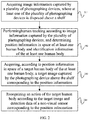
FIG. 2 is a flowchart of a method for human motion analysis according to an embodiment of the present invention. The embodiment of the present invention provides a method for human motion analysis aiming at the above technical problem of the prior art, and specific steps of the method are as follows. -
Step 201, acquiring image information captured by a plurality of photographing devices, where at least one of the plurality of photographing devices is disposed above a shelf. - As shown in
FIG. 1 , thephotographing device 11, thephotographing device 12, and thephotographing device 13 which are disposed on the top of the store and thephotographing device 14 disposed above theshelf 15 capture image information in real time, and send the captured image information to thedevice 16. Optionally, wired communication or wireless communication can be performed between each of the photographing devices and thedevice 16. In this embodiment, the photographing device may specifically be an RGB camera or an RGB-D camera. It is only a schematic illustration herein and does not limit the number and specific location of the photographing device. It can be understood that in other embodiments, thephotographing device 11, thephotographing device 12, and the photographingdevice 13 may not be disposed on the top of the store, for example, they may be disposed on a wall, a corner, or the like of the store, as long as the photographing coverage of the plurality of photographing devices may cover the store. In addition, thephotographing device 14 may not be disposed above the shelf, for example, it may be disposed on the vertical beam of the shelf, as long as the photographingdevice 14 can capture the customer in front of the shelf, and the number of the photographing device installed on each shelf is not limited herein. -
Step 202, performing human tracking according to image information captured by the plurality of photographing devices, and determining position information in space of at least one human body and identification information of the at least one human body. - After receiving the image information captured in real time by the photographing
device 11, thephotographing device 12, thephotographing device 13, and thephotographing device 14, thedevice 16 performs the human tracking according to the image information captured in real time by each photographing device, and determines3D position information in space of the human body captured by each photographing device, identification information of the human body, and 2D position information of human body in the image information captured by each photographing device. - For example, images captured by the photographing
device 11, thephotographing device 12, the photographingdevice 13 and the photographingdevice 14 include a human body A, a human body B, and a human body C. After performing the human tracking, thedevice 16 determines the 3D position information in space and the identification information of the human body A, the human body B, and the human body C, as well as the 2D positions of the human body A, the human body B, and the human body C in the image captured by each photographing device, respectively. -
Step 203, acquiring, according to position information in space of a target human body of the at least one human body, a target image captured by the photographing device above the shelf corresponding to the position information. - It can be understood that the human body A, the human body B and the human body C can generate various actions in the store, such as the actions of picking up a commodity and returning the commodity. The
device 16 can recognize each human action, taking the human body A as an example, after determining the 3D position information in space of the human body A, thedevice 16 can further determine the photographing device above the shelf corresponding to the 3D position information. For example, thedevice 16 determines, according to the 3D position information in space of the human body A, the photographing device disposed above the shelf and closest to the human body, such as the photographingdevice 14, and determines the image information captured by the photographingdevice 14 from all the image information received from thedevice 16. It can be understood that the image information captured by the photographing device 14includes the human body A. The image information captured by the photographingdevice 14 is recorded as the target image. -
Step 204, recognizing an action of the target human body according to the target image and detection data of a non-visual sensor corresponding to the position information. - In this embodiment, the
device 16 can also determine the non-visual sensor closest to the human body A according to the 3D position information in space of the human body A. Specifically, thedevice 16 recognizes the action of the human body A according to the image information captured by the photographingdevice 14 and the detection data of the non-visual sensor closest to the human body A. - Specifically, the recognizing the action of the target human body includes: recognizing an action of picking up a commodity of the target human body; and/or recognizing an action of putting down the commodity of the target human body.
- For example, the
device 16 recognizes the action of picking up the commodity and/or the action of putting down the commodity of the human body A according to the image information captured by the photographingdevice 14 and the detection data of the non-visual sensor closest to the human body A. - In the embodiment of the present invention, image information captured by a plurality of photographing devices is acquired, and the human tracking is performed according to the image information captured by the plurality of photographing devices, where at least one of the plurality of photographing devices is disposed above a shelf, and since the photographing device above the shelf can capture the human body in front of the shelf more completely, the accuracy of the human tracking is improved; in addition, the human action is recognized by combining the image information captured by the photographing device above the shelf and the detection data of the non-visual sensor surrounding the human body, thereby improving the precision of the human action recognition.
-
FIG. 3 is a flowchart of a method for human motion analysis according to another embodiment of the present invention. On the basis of the above embodiment, the recognizing an action of the target human body according to the target image and detection data of a non-visual sensor corresponding to the position information specifically includes following steps: - step301, acquiring a key point of the target human body in the target image, where the key point of the target human body includes a key point of a hand of the target human body.
For example, after receiving the target image captured by the photographingdevice 14, thedevice 16 acquires the key point of the human body A in the target image adopting a human body key point algorithm according to the 2D position information of the human body A in the target image. It can be understood that the key point of the human body A includes the key point of the soma of the human body A and the key point of the hand of the human body A, and thedevice 16 can establish a correlation between the human body A and the hand of the human body A according to the key point of the human body A and the key point of the hand of the human body A in the target image. -
Step 302, recognizing the action of the target human body according to the key point of the hand of the target human body and the detection data of the non-visual sensor corresponding to the position information. - Specifically, the
device 16 recognizes the action of the human body A according to the key point of the hand of the human body A and the detection data of the non-visual sensor closest to the human body A. It can be understood that thedevice 16 can receive the target image captured by the photographingdevice 14 in real time, and extract the key point of the hand of the human body A from the target image in real time, but thedevice 16 does not recognize the action of the hand of the human body A according to the key point of the hand of the human body A in real time, because the action of the hand of the human body A does not occur in real time, for example, the human body A does not pick up the commodity or put it down in real time; the human body A may observe the commodity carefully before picking it up; and the human body A will observe the commodity carefully after picking it up and will not immediately put it down. Therefore, if the action of the hand of the human body A, for example, picking up a commodity or putting it down, occurs with low frequency, and thedevice 16 recognizes the action of the hand of the human body A according to the key point of the hand of the human body A in real time, the amount of calculation of thedevice 16 will be increased. Therefore, in the present embodiment, thedevice 16 can recognize the action of the human body A in combination with the detection data of the non-visual sensor closest to the human body A and the key point of the hand of the human body A. - Optionally, the non-vision sensor includes a light curtain sensor which is disposed on abeam of the shelf facing the customer and configured to detect the occurrence time of the action; and the recognizing the action of the target human body according to the key point of the hand of the target human body and the detection data of the non-visual sensor corresponding to the position information includes: recognizing, according to the key point of the hand of the target human body, the action of the target human body at the occurrence time of the action detected by the light curtain sensor.
- As shown in
Fig. 1 , thelight curtain sensor 18 is disposed on the beam 17 of theshelf 15, and in particular, thelight curtain sensor 18 can be strip-shaped, and thelight curtain sensor 18 is disposed on the outer edge of the beam 17facing the customer. Optionally, a plurality of light curtain sensors are disposed on the outer edge of the beam 17, and thelight curtain sensor 18 is only one of them. For example, the plurality of light curtain sensors are sequentially arranged on the outer edge of the beam 17, where the position information of each light curtain sensor with respect to the beam 17 is preset. - For example, when the human body A reaches out to pick up
commodity 21 or put thecommodity 21 back, the hand of the human body A will pass by at least one of the plurality of light curtain sensors, such as thelight curtain sensor 18, at this time thelight curtain sensor 18 can send a sensing signal to the device 16.And thedevice 16 can determine the occurrence time of the action of the hand of the human body A according to the time when thelight curtain sensor 18 sends the sensing signal, and can determine the occurrence position of the action of the hand of the human body A according to the position information of thelight curtain sensor 18 with respect to the beam 17. Specifically, thedevice 16 recognizes the action of the hand of the human body A, such as picking up the commodity, putting it back, or other actions, according to the key point and change of the hand of the human body A at the occurrence time of the action of the hand of the human body A. - Optionally, the non-vision sensor further includes an infrared sensor which is disposed on a layer plate of the shelf; the light curtain sensor is further configured to detect an occurrence position of the action; the recognizing, according to the key point of the hand of the target human body, the action of the target human body at the occurrence time of the action detected by the light curtain sensor includes: acquiring, at the occurrence time of the action detected by the light curtain sensor, according to the occurrence position of the action detected by the light curtain sensor, a change of infrared radiation intensity of the human body and/or the commodity detected by the infrared sensor corresponding to the occurrence position of the action; and recognizing, according to the change of infrared radiation intensity of the human body and/or the commodity detected by the infrared sensor corresponding to the occurrence position of the action and the key point of the hand of the target human body, the action of the target human body.
- As shown in
FIG. 1 , theinfrared sensor 20 is disposed on thelayer plate 19 of theshelf 15. It can be understood that the plurality of infrared sensors may be disposed on thelayer plate 19 of theshelf 15, and theinfrared sensor 20 is only one of them. The infrared sensor can be used to sense the infrared radiated by the hand of the human body A and the commodity in front of the infrared sensor. When the human body A reaches out to get thecommodity 21 or puts the commodity21 back, the intensity of the infrared radiated by the hand of the human body A detected by the infrared sensor is constantly changing, for example, when the hand of the human body A gradually approaches thecommodity 21, the intensity of the infrared radiated by the hand of the human body A detected by the infrared sensor is continuously increased; and when the hand of the human body A gradually moves away from thecommodity 21, the intensity of the infrared radiated by the hand of the human body A detected by the infrared sensor is continuously weakened. It can be understood that the intensity of the infrared radiated by the hand of the human body A detected by the infrared sensor closest to the hand of the human body A on thelayer plate 19 is relatively accurate. - One possible way to determine the infrared sensor on the
layer plate 19 closest to the hand of the human body A is: when the human body A reaches out to get thecommodity 21 or put thecommodity 21 back, the hand of the human body A will pass by the at least one of the plurality of light curtain sensors as described above, for example, thelight curtain sensor 18, at this time thelight curtain sensor 18 can send a sensing signal to the device 16.And thedevice 16 can determine the occurrence time of the action of the hand of the human body A according to the time at which thelight curtain sensor 18 sends the sensing signal, and can determine the occurrence position of the action of the hand of the human body A according to the position information of thelight curtain sensor 18 with respect to the beam 17. At this time, thedevice 16 can, according to the occurrence position of the action of the hand of the human body A, determine the infrared sensor closest to the occurrence position of the action of the hand of the human body A, or can determine the infrared sensor that is closest to thelight curtain sensor 18, such as theinfrared sensor 20. Further, thedevice 16 acquires intensity change of the infrared radiation of the human body and/or the commodity detected by theinfrared sensor 20, and recognizes the action of the hand of the human body A, such as picking up the commodity, putting the commodity back, or other actions, by combining the intensity change of the infrared radiation of the human body and/or the commodity detected by theinfrared sensor 20 with the key point and its change of the hand of the human body A in the target image captured by the photographingdevice 14. - Optionally, the non-visual sensor further includes a gravity sensor which is disposed on the layer plate of the shelf; the method further includes: acquiring, at the occurrence time of the action detected by the light curtain sensor, according to the occurrence position of the action detected by the light curtain sensor, a gravity change detected by a gravity sensor corresponding to the occurrence position of the action; and the recognizing the action of the human body according to the intensity change of infrared radiation of the human body and/or the commodity detected by the infrared sensor corresponding to the occurrence position of the action and the key point of the hand of the human body includes: recognizing the action of the human body according to the intensity change of infrared radiation of the human body and/or the commodity detected by the infrared sensor corresponding to the occurrence position of the action, the gravity change of detected by the gravity sensor corresponding to the occurrence position of the action, and the key point of the hand of the human body.
- As shown in
FIG. 1 , the gravity sensor can also be disposed on thelayer plate 19 of theshelf 15. It can be understood that the detection result of the gravity sensor is different when the commodities on the layer plate19 are reduced or increased, that is, when the human body A picks up the commodity from thelayer plate 19 or puts the commodity back, the detection result of the gravity sensor is different. Therefore, when thedevice 16 recognizes the action of the human body A, the detection result of the gravity sensor can also be referred to. - Specifically, when the human body A reaches out to get the
commodity 21 or put thecommodity 21 back, the hand of the human body A will pass by at least one of the plurality of light curtain sensors as described above, for example, thelight curtain sensor 18, at this time thelight curtain sensor 18 can send a sensing signal to thedevice 16. And thedevice 16 can determine the occurrence time of the action of the hand of the human body A according to the time at which thelight curtain sensor 18 sends the sensing signal, and can determine the occurrence position of the action of the hand of the human body A according to the position information of thelight curtain sensor 18 with respect to the beam 17. At this time, thedevice 16 can, according to the occurrence position of the action of the hand of the human body A, determine the infrared sensor closest to the occurrence position of the action of the hand of the human body A, or can determine the infrared sensor that is closest to thelight curtain sensor 18, such as theinfrared sensor 20,and can determine the gravity sensor closest to the occurrence position of the action of the hand of the human body A, or can determine the infrared sensor closest to thelight curtain sensor 18, such as the gravity sensor. Further, thedevice 16 acquires the intensity change of the infrared radiation of the human body and/or the commodity detected by theinfrared sensor 20, and the gravity change detected by the gravity sensor. Thedevice 16 recognizes the action of the hand of the human body A, such as picking up the commodity, putting it back, or other actions, in combination with the intensity change of the infrared radiation of the human body and/or the commodity detected by theinfrared sensor 20, the gravity change detected by the gravity sensor, and the key point and its change of the hand of the human body A in the target image captured by the photographingdevice 14. - In addition, after the
device 16 determines the action of the hand of the human body A, it may also determine which person in the current store is performing the action according to the identification information of the human body A determined in the above human tracking process. - The embodiment of the invention recognizes the action of the human body in combination of the image information captured by the photographing device above the shelf and the detection data of the non-visual sensor surrounding the human body, thereby improving the accuracy of the human action recognition. In addition, the occurrence time of the action of the human body is determined by the detection data of the non-visual sensor, the action of the human body is recognized at the occurrence time of the action of the human body, rather than recognizing the action of the human body in real time, thus the calculation amount of the device can be reduced when the occurrence frequency of the action of the human body is low, and the resource utilization rate of the device can be improved.
-
FIG. 4 is a schematic structural diagram of an apparatus for human motion analysis according to an embodiment of the present invention. The apparatus for human motion analysis may specifically be thedevice 16 of the above embodiment, or a component of thedevice 16. The apparatus for human motion analysis according to the embodiment of the present invention can perform the processing flow according to the embodiment of the method for human motion analysis. As shown inFIG. 4 , the apparatus forhuman motion analysis 40 includes: afirst acquisition module 41, adetermination module 42, asecond acquisition module 43,and arecognition module 44, where thefirst acquisition module 41 is configured to acquire image information captured by a plurality of photographing devices, and at least one of the plurality of photographing devices is disposed above the shelf; thedetermination module 42 is configured to perform human tracking according to the image information captured by the plurality of photographing devices and determine the position information in space of at least one human body and identification information of the at least one human body; thesecond acquisition module 43 is configured to acquire a target image captured by the photographing device above the shelf corresponding to the position information according to the position information in space of a target human body in the at least one human body; and therecognition module 44 is configured to recognize the action of the target human body according to the target image and the detection data of the non-visual sensor corresponding to the position information. - Optionally, the
recognition module 44 includes anacquisition unit 441 and anrecognition unit 442; theacquisition unit 441 is configured to acquire a key point of the target human body in the target image, where the key point of the target human body includes a key point of a hand of the target human body; and therecognition unit 442 is configured to recognize the action of the target human body according to the key point of the hand of the target human body and the detection data of the non-visual sensor corresponding to the position information. - Optionally, the non-visual sensor comprises a light curtain sensor, the light curtain sensor is disposed on the beam of the shelf facing the customer, and the light curtain sensor is configured to detect an occurrence time of the action; and the
recognition unit 442 is specifically configured to: recognize the action of the target human body at the occurrence time of the action detected by the light curtain sensor according to the key point of the hand of the target human body. - Optionally, the non-vision sensor further includes an infrared sensor which is disposed on a layer plate of the shelf; the light curtain sensor is further configured to detect an occurrence position of the action; and the
acquisition unit 441 is further configured to: acquire, at the occurrence time of the action detected by the light curtain sensor, according to the occurrence position of the action detected by the light curtain sensor, an intensity change of the infrared radiation of the human body and/or the commodity detected by the infrared sensor corresponding to the occurrence position of the action; and therecognition unit 442 is specifically configured to: recognize, according to the intensity change of the infrared radiation of the human body and/or the commodity detected by the infrared sensor corresponding to the occurrence position of the action and the key point of the hand of the target human body, the action of the target human body. - Optionally, the non-vision sensor further includes a gravity sensor which is disposed on the layer plate of the shelf; the
acquisition unit 441 is further configured to: acquire, according to the occurrence position of the action detected by the light curtain sensor, a gravity change detected by a gravity sensor corresponding to the occurrence position of the action at the occurrence time of the action detected by the light curtain sensor; and therecognition unit 442 is specifically configured to: recognize the action of the target human body according to the intensity change of infrared radiation of the human body and/or the commodity detected by the infrared sensor corresponding to the occurrence position of the action, the gravity change detected by the gravity sensor corresponding to the occurrence position of the action, and the key point of the hand of the target human body. - Optionally, the
recognition module 44 is specifically configured to: recognize an action of picking up the commodity of the target human body; and/or recognize an action of putting down the commodity product of the target human body. - The apparatus for human motion analysis of the embodiment shown in
FIG. 4 can be used to implement the technical solution of the above method embodiment, and the implementation principle and the technical effect thereof are similar, which will not be repeated herein. -
FIG. 5 is a schematic structural diagram of a device according to an embodiment of the present invention. The device can be a terminal device or a server. The device according to the embodiment of the present invention may perform the processing flow according to the embodiment of the method for human motion analysis. As shown inFIG. 5 , adevice 50 includes amemory 51, aprocessor 52, a computer program, and acommunication interface 53, where the computer program is stored in thememory 51, and is configured to be executed by theprocessor 52 perform the method for human motion analysis described in the above embodiments. - The device of the embodiment shown in
FIG. 5 can be used to perform the technical solutions of the above method embodiment, and the implementation principle and the technical effect thereof are similar, which will not be repeated herein. - In addition, this embodiment further provides a computer readable storage medium having a computer program stored thereon, where the computer program, when executed by the processor, implements the method for human motion analysis described in the above embodiments.
- In the several embodiments according to the present invention, it should be understood that the disclosed apparatuses and methods may be implemented in other manners. For example, the apparatus embodiments described above are merely illustrative. For example, the division of the unit is only a logical function division, and there may be other division manners in actual implementation; for example, multiple units or components may be combined or may be integrated into another system, or some features can be ignored or not be executed. In addition, the mutual coupling or direct coupling or communication connection shown or discussed may be an indirect coupling or communication connection through some interfaces, apparatuses or units, and may be in electrical, mechanical or other forms.
- The units described as a separate component may or may not be physically separated, and the components displayed as units may or may not be physical units, that is, may be located in one place, or may be distributed to multiple network units. Some or all of the units may be selected as required to achieve the purpose of the solutions of the embodiments.
- In addition, each functional unit in each embodiment of the present invention may be integrated into one processing unit, or each unit may exist physically separately, or two or more units may be integrated into one unit. The above integrated unit can be implemented in the form of hardware or in the form of hardware plus software functional units.
- The above integrated unit implemented in the form of a software functional unit can be stored in a computer readable storage medium. The above software functional unit stored in a storage medium includes some instructions for causing a computer device (may be a personal computer, a server, or a network device, etc.) or a processor to perform part of the steps of the methods of each embodiment of the present invention. The above storage medium includes: a U disk, a mobile hard disk, a read-only memory (ROM), a random access memory (RAM), a magnetic disk, or an optical disk, and the like, which can store program codes.
- Those skilled in the art can clearly understand that, for convenience and brevity of the description, only the division of each functional module described above is illustrated with examples. In practical applications, the above functions can be assigned to different functional modules as needed for completion, that is, the internal structure of the apparatus is divided into different functional modules to perform all or part of the functions described above. The specific working process of the apparatus described above may refer to the corresponding processes in the foregoing method embodiments, which will not be repeated herein.
- Finally, it should be noted that the above embodiments are merely illustrative of the technical solutions of the present invention, and are not to be taken in a limiting sense; although the present invention has been described in detail with reference to the above embodiments, those skilled in the art will understand that they may still modify the technical solutions described in the above embodiments, or equivalently substitute some or all of the technical features; and the modifications or substitutions do not deviate the essence of the corresponding technical solutions from the scope of the technical solutions of each embodiment of the present invention.
Claims (14)
- A method for human motion analysis, comprising:Acquiring (201) image information captured by a plurality of photographing devices, wherein at least one of the plurality of photographing devices is disposed above a shelf;performing (202) human tracking according to the image information captured by the plurality of photographing devices, and determining position information in space of at least one human body and identification information of the at least one human body;acquiring (203), according to the position information in space of a the target human body of the at least one human body, a target image captured by the photographing device above a shelf corresponding to the position information; andrecognizing (204) an action of the target human body according to the target image and detection data of a non-visual sensor corresponding to the position information.
- The method according to claim 1, wherein the recognizing (204) an action of the target human body according to the target image and detection data of a non-visual sensor corresponding to the position information comprises:acquiring (301) a key point of the target human body in the target image, wherein the key point of the target human body comprises a key point of a hand of the target human body; andrecognizing (302) the action of the target human body according to the key point of the hand of the target human body and the detection data of the non-visual sensor corresponding to the position information.
- The method according to claim 2, wherein the non-visual sensor comprises a light curtain sensor which is disposed on abeam of the shelf facing a customer and used to detect occurrence time of the action; and
the recognizing (302) the action of the target human body according to the key point of the hand of the target human body and the detection data of the non-visual sensor corresponding to the position information comprises:
recognizing, according to the key point of the hand of the target human body, the action of the target human body at the occurrence time of the action detected by the light curtain sensor. - The method according to claim 3, wherein the non-vision sensor further comprises an infrared sensor that is disposed on a layer plate of the shelf;
the light curtain sensor is further used to detect an occurrence position of the action;
the recognizing, according to the key point of the hand of the target human body, the action of the target human body at the occurrence time of the action detected by the light curtain sensor comprises:acquiring, according to the occurrence position of the action detected by the light curtain sensor, an intensity change of infrared radiation of the human body and/or a commodity detected by the infrared sensor corresponding to the occurrence position of the action at the occurrence time of the action detected by the light curtain sensor; andrecognizing, according to the intensity change of infrared radiation of the human body and/or the commodity detected by the infrared sensor corresponding to the occurrence position of the action and the key point of the hand of the target human body, the action of the target human body. - The method according to claim 4, wherein the non-vision sensor further comprises a gravity sensor that is disposed on the layer plate of the shelf;
the method further comprises:acquiring, according to the occurrence position of the action detected by the light curtain sensor, a gravity change detected by the gravity sensor corresponding to the occurrence position of the action at the occurrence time of the action detected by the light curtain sensor; andthe recognizing, according to the intensity change of infrared radiation of the human body and/or the commodity detected by the infrared sensor corresponding to the occurrence position of the action and the key point of the hand of the target human body, the action of the target human body comprises:
recognizing, according to the change intensity of infrared radiation of the human body and/or the commodity detected by the infrared sensor corresponding to the occurrence position of the action, the gravity change detected by the gravity sensor corresponding to the occurrence position of the action, and the key point of the hand of the target human body, the action of the target human body. - The method according to any one of claims 1 to 5, wherein the recognizing an action of the target human body comprises:recognizing an action of picking up a commodity of the target human body; and/orrecognizing an action of putting down the commodity of the target human body.
- An apparatus for human motion analysis, comprising: a first acquisition module (41), configured to acquire image information captured by a plurality of photographing devices, wherein at least one of the plurality of photographing devices is disposed above a shelf;
a determination module (42), configured to perform human tracking according to the image information captured by the plurality of photographing devices, and determine position information in space of at least one human body and identification information of the at least one human body;
a second acquisition module (43), configured to acquire, according to the position information in space of a target human body of the at least one human body, a target image captured by the photographing device above a shelf corresponding to the position information; and
a recognition module (44), configured to recognize an action of the target human body according to the target image and detection data of anon-visual sensor corresponding to the position information. - The apparatus according to claim 7, wherein the recognition module (44) comprises:
an acquisition unit (441) and a recognition unit (442);the acquisition unit (441) is configured to acquire a key point of the target human body in the target image, wherein the key point of the target human body comprises a key point of a hand of the target human body; andthe recognition unit (442) is configured to recognize the action of the target human body according to the key point of the hand of the target human body and the detection data of the non-visual sensor corresponding to the position information. - The apparatus according to claim 8, wherein the non-vision sensor comprises a light curtain sensor which is disposed on a beam of the shelf facing a customer and used to detect occurrence time of the action; and
the recognition unit (442) is specifically configured to: recognize, according to the key point of the hand of the target human body, the action of the target human body at the occurrence time of the action detected by the light curtain sensor. - The apparatus according to claim 9, wherein the non-vision sensor further comprises an infrared sensor that is disposed on a layer plate of the shelf;
the light curtain sensor is further used to detect an occurrence position of the action;
the acquisition unit (441) is further configured to: acquire, according to the occurrence position of the action detected by the light curtain sensor, an intensity change of infrared radiation of the human body and/or a commodity detected by the infrared sensor corresponding to the occurrence position of the action, at the occurrence time of the action detected by the light curtain sensor; and
the recognition unit (442) is specifically configured to: recognize, according to the intensity change of infrared radiation of the human body and/or the commodity detected by the infrared sensor corresponding to the occurrence position of the action and the key point of the hand of the target human body, the action of the target human body. - The apparatus according to claim 10, wherein the non-vision sensor further comprises a gravity sensor that is disposed on the layer plate of the shelf;
the acquisition unit (441) is further configured to: acquire, according to the occurrence position of the action detected by the light curtain sensor, a gravity change detected by the gravity sensor corresponding to the occurrence position of the action at the occurrence time of the action detected by the light curtain sensor; and
the recognition unit (442) is specifically configured to: recognize, according to the intensity change in infrared radiation of the human body and/or the commodity detected by the infrared sensor corresponding to the occurrence position of the action, the gravity change detected by gravity sensor corresponding to the occurrence position of the action, and the key point of the hand of the target human body, the action of the target human body. - The apparatus according to any one of claims 7 to 11, wherein the recognition module (44) is specifically configured to:recognize an action of picking up a commodity of the target human body; and/orrecognize an action of putting down the commodity of the target human body.
- A device (50), comprising:a memory (51);a processor (52); anda computer program;wherein the computer program is stored in the memory and is configured to be executed by the processor to implement the method according to any one of claims 1 to 6.
- A computer readable storage medium, having a computer program stored thereon, wherein the computer program, when executed by a processor, implements the method according to any one of claims 1 to 6.
Applications Claiming Priority (1)
| Application Number | Priority Date | Filing Date | Title |
|---|---|---|---|
| CN201810720374.9A CN108921098B (en) | 2018-07-03 | 2018-07-03 | Human motion analysis method, device, equipment and storage medium |
Publications (3)
| Publication Number | Publication Date |
|---|---|
| EP3531341A2 true EP3531341A2 (en) | 2019-08-28 |
| EP3531341A3 EP3531341A3 (en) | 2020-01-08 |
| EP3531341B1 EP3531341B1 (en) | 2022-04-27 |
Family
ID=64425344
Family Applications (1)
| Application Number | Title | Priority Date | Filing Date |
|---|---|---|---|
| EP19183926.5A Active EP3531341B1 (en) | 2018-07-03 | 2019-07-02 | Method and apparatus for recognising an action of a hand |
Country Status (4)
| Country | Link |
|---|---|
| US (1) | US10970528B2 (en) |
| EP (1) | EP3531341B1 (en) |
| JP (1) | JP6731097B2 (en) |
| CN (1) | CN108921098B (en) |
Cited By (1)
| Publication number | Priority date | Publication date | Assignee | Title |
|---|---|---|---|---|
| CN110705510A (en) * | 2019-10-16 | 2020-01-17 | 上海极链网络科技有限公司 | Action determination method, device, server and storage medium |
Families Citing this family (9)
| Publication number | Priority date | Publication date | Assignee | Title |
|---|---|---|---|---|
| CN111429194B (en) * | 2019-01-09 | 2023-04-07 | 阿里巴巴集团控股有限公司 | User track determination system, method, device and server |
| WO2020179480A1 (en) * | 2019-03-01 | 2020-09-10 | 日本電気株式会社 | Article deduction device, article deduction method, and program |
| CN109948515B (en) * | 2019-03-15 | 2022-04-15 | 百度在线网络技术(北京)有限公司 | Object class identification method and device |
| CN109979130A (en) * | 2019-03-29 | 2019-07-05 | 厦门益东智能科技有限公司 | A kind of commodity automatic identification and clearing sales counter, method and system |
| CN110443218B (en) * | 2019-08-13 | 2022-01-28 | 北京百度网讯科技有限公司 | Person detection method and device |
| CN111401207B (en) * | 2020-03-11 | 2022-07-08 | 福州大学 | Human body action recognition method based on MARS depth feature extraction and enhancement |
| CN113554678B (en) * | 2020-04-24 | 2023-09-12 | 杭州海康威视数字技术股份有限公司 | Method, device and storage medium for detecting loitering behavior of moving object |
| CN113449740A (en) * | 2021-06-30 | 2021-09-28 | 上海宇仓智能仓储设备有限公司 | Channel visual detection method, system, equipment and storage medium of mobile shelf |
| US20230119061A1 (en) * | 2021-10-14 | 2023-04-20 | Dematic Corp. | Dynamic pick wall/put wall |
Family Cites Families (32)
| Publication number | Priority date | Publication date | Assignee | Title |
|---|---|---|---|---|
| AU2004203173A1 (en) * | 2003-07-14 | 2005-02-03 | Sunnybrook And Women's College And Health Sciences Centre | Optical image-based position tracking for magnetic resonance imaging |
| US8403858B2 (en) * | 2006-10-12 | 2013-03-26 | Perceptive Navigation Llc | Image guided catheters and methods of use |
| US8670029B2 (en) * | 2010-06-16 | 2014-03-11 | Microsoft Corporation | Depth camera illuminator with superluminescent light-emitting diode |
| US20120056982A1 (en) * | 2010-09-08 | 2012-03-08 | Microsoft Corporation | Depth camera based on structured light and stereo vision |
| US8929600B2 (en) * | 2012-12-19 | 2015-01-06 | Microsoft Corporation | Action recognition based on depth maps |
| WO2014104360A1 (en) * | 2012-12-28 | 2014-07-03 | 株式会社東芝 | Motion information processing device and method |
| US9414776B2 (en) * | 2013-03-06 | 2016-08-16 | Navigated Technologies, LLC | Patient permission-based mobile health-linked information collection and exchange systems and methods |
| JP2015061579A (en) * | 2013-07-01 | 2015-04-02 | 株式会社東芝 | Motion information processing apparatus |
| JP5632512B1 (en) * | 2013-07-02 | 2014-11-26 | パナソニック株式会社 | Human behavior analysis device, human behavior analysis system, human behavior analysis method, and monitoring device |
| JP6253311B2 (en) * | 2013-08-28 | 2017-12-27 | キヤノン株式会社 | Image processing apparatus and image processing method |
| WO2015033575A1 (en) * | 2013-09-06 | 2015-03-12 | 日本電気株式会社 | Sales promotion system, sales promotion method, non-temporary computer-readable medium, and shelf system |
| JP6249021B2 (en) | 2013-09-06 | 2017-12-20 | 日本電気株式会社 | Security system, security method, and security program |
| WO2015033577A1 (en) | 2013-09-06 | 2015-03-12 | 日本電気株式会社 | Customer behavior analysis system, customer behavior analysis method, non-temporary computer-readable medium, and shelf system |
| US10163115B2 (en) * | 2013-09-19 | 2018-12-25 | Panasonic Intellectual Property Corporation Of America | Control method for displaying merchandising information on information terminal |
| CN105794191B (en) * | 2013-12-17 | 2019-04-09 | 夏普株式会社 | Identification data transmission device and method and identification data recording device and method |
| JP6595181B2 (en) * | 2014-01-09 | 2019-10-23 | パナソニック インテレクチュアル プロパティ コーポレーション オブ アメリカ | Information display method and lighting control method for store operations related to lighting control system |
| JP2015176227A (en) * | 2014-03-13 | 2015-10-05 | 富士通株式会社 | Monitoring method, monitoring device, and monitoring program |
| US9514363B2 (en) * | 2014-04-08 | 2016-12-06 | Disney Enterprises, Inc. | Eye gaze driven spatio-temporal action localization |
| JP6532217B2 (en) * | 2014-11-19 | 2019-06-19 | キヤノン株式会社 | IMAGE PROCESSING APPARATUS, IMAGE PROCESSING METHOD, AND IMAGE PROCESSING SYSTEM |
| CN204305213U (en) * | 2014-12-02 | 2015-04-29 | 苏州创捷传媒展览股份有限公司 | The interactive sighting device of multi-cam human body tracking |
| JP6573361B2 (en) * | 2015-03-16 | 2019-09-11 | キヤノン株式会社 | Image processing apparatus, image processing system, image processing method, and computer program |
| US9877012B2 (en) * | 2015-04-01 | 2018-01-23 | Canon Kabushiki Kaisha | Image processing apparatus for estimating three-dimensional position of object and method therefor |
| JP2017033401A (en) | 2015-08-04 | 2017-02-09 | 株式会社 impactTV | Customer information collection device, customer information collection system and customer information collection method |
| JP2017076338A (en) | 2015-10-16 | 2017-04-20 | ソニー株式会社 | Information processing device, information processing method, wearable terminal, and program |
| CN105761423B (en) * | 2016-02-04 | 2018-04-06 | 合肥联宝信息技术有限公司 | Detect the device and method of the behavior of the user of hand-held electronic equipment |
| US10813477B2 (en) | 2016-03-22 | 2020-10-27 | Nec Corporation | Image display device, image display system, image display method, and program |
| US10922541B2 (en) * | 2016-04-06 | 2021-02-16 | Nec Corporation | Object type identifying apparatus, object type identifying method, and recording medium |
| CN114795151A (en) * | 2016-06-30 | 2022-07-29 | 松下知识产权经营株式会社 | Method and system |
| CN109409175B (en) * | 2017-08-16 | 2024-02-27 | 图灵通诺(北京)科技有限公司 | Settlement method, device and system |
| US20190143517A1 (en) * | 2017-11-14 | 2019-05-16 | Arizona Board Of Regents On Behalf Of Arizona State University | Systems and methods for collision-free trajectory planning in human-robot interaction through hand movement prediction from vision |
| EP3579196A1 (en) * | 2018-06-05 | 2019-12-11 | Cristian Sminchisescu | Human clothing transfer method, system and device |
| CN109920180A (en) * | 2019-01-23 | 2019-06-21 | 北京小牛智能科技有限公司 | Antitheft system for supermarket, supermarket self-checkout method and client |
-
2018
- 2018-07-03 CN CN201810720374.9A patent/CN108921098B/en active Active
-
2019
- 2019-07-02 EP EP19183926.5A patent/EP3531341B1/en active Active
- 2019-07-02 US US16/459,890 patent/US10970528B2/en active Active
- 2019-07-03 JP JP2019124785A patent/JP6731097B2/en active Active
Cited By (2)
| Publication number | Priority date | Publication date | Assignee | Title |
|---|---|---|---|---|
| CN110705510A (en) * | 2019-10-16 | 2020-01-17 | 上海极链网络科技有限公司 | Action determination method, device, server and storage medium |
| CN110705510B (en) * | 2019-10-16 | 2023-09-05 | 杭州优频科技有限公司 | Action determining method, device, server and storage medium |
Also Published As
| Publication number | Publication date |
|---|---|
| JP6731097B2 (en) | 2020-07-29 |
| JP2019164842A (en) | 2019-09-26 |
| CN108921098A (en) | 2018-11-30 |
| EP3531341A3 (en) | 2020-01-08 |
| US20190325207A1 (en) | 2019-10-24 |
| CN108921098B (en) | 2020-08-18 |
| US10970528B2 (en) | 2021-04-06 |
| EP3531341B1 (en) | 2022-04-27 |
Similar Documents
| Publication | Publication Date | Title |
|---|---|---|
| US10970528B2 (en) | Method for human motion analysis, apparatus for human motion analysis, device and storage medium | |
| US11915567B2 (en) | Systems and methods for RFID-based retail management | |
| US10455364B2 (en) | System and method of personalized navigation inside a business enterprise | |
| Sami et al. | LAPD: Hidden spy camera detection using smartphone time-of-flight sensors | |
| US10402634B2 (en) | Information processing device, information processing method, and computer program product | |
| EP3779776B1 (en) | Abnormality detection method, apparatus and device in unmanned settlement scenario | |
| US9411037B2 (en) | Calibration of Wi-Fi localization from video localization | |
| US10957074B2 (en) | Calibrating cameras using human skeleton | |
| US20170154424A1 (en) | Position detection device, position detection method, and storage medium | |
| Lee et al. | Low-cost 3D motion capture system using passive optical markers and monocular vision | |
| EP3531340B1 (en) | Human body tracing method, apparatus and device, and storage medium | |
| Wang et al. | Computer vision-assisted 3D object localization via COTS RFID devices and a monocular camera | |
| CN105915784A (en) | Information processing method and information processing device | |
| US10997474B2 (en) | Apparatus and method for person detection, tracking, and identification utilizing wireless signals and images | |
| CN110969644A (en) | Personnel trajectory tracking method, device and system | |
| CN106470478B (en) | Positioning data processing method, device and system | |
| KR20200074050A (en) | Identification devices and electronics | |
| CN111429194B (en) | User track determination system, method, device and server | |
| CN112291701B (en) | Positioning verification method, positioning verification device, robot, external equipment and storage medium | |
| CN111461104A (en) | Visual recognition method, device, equipment and storage medium | |
| KR102250712B1 (en) | Electronic apparatus and control method thereof | |
| Hadi et al. | Fusion of thermal and depth images for occlusion handling for human detection from mobile robot | |
| CN113052034B (en) | Living body detection method based on binocular camera and related device | |
| AU2020370038B2 (en) | System and method of personalized navigation inside a business enterprise | |
| US10565406B2 (en) | Item management system using tag information |
Legal Events
| Date | Code | Title | Description |
|---|---|---|---|
| PUAI | Public reference made under article 153(3) epc to a published international application that has entered the european phase |
Free format text: ORIGINAL CODE: 0009012 |
|
| STAA | Information on the status of an ep patent application or granted ep patent |
Free format text: STATUS: REQUEST FOR EXAMINATION WAS MADE |
|
| 17P | Request for examination filed |
Effective date: 20190702 |
|
| AK | Designated contracting states |
Kind code of ref document: A2 Designated state(s): AL AT BE BG CH CY CZ DE DK EE ES FI FR GB GR HR HU IE IS IT LI LT LU LV MC MK MT NL NO PL PT RO RS SE SI SK SM TR |
|
| AX | Request for extension of the european patent |
Extension state: BA ME |
|
| PUAL | Search report despatched |
Free format text: ORIGINAL CODE: 0009013 |
|
| AK | Designated contracting states |
Kind code of ref document: A3 Designated state(s): AL AT BE BG CH CY CZ DE DK EE ES FI FR GB GR HR HU IE IS IT LI LT LU LV MC MK MT NL NO PL PT RO RS SE SI SK SM TR |
|
| AX | Request for extension of the european patent |
Extension state: BA ME |
|
| RIC1 | Information provided on ipc code assigned before grant |
Ipc: G06K 9/00 20060101AFI20191202BHEP Ipc: G06K 9/20 20060101ALI20191202BHEP |
|
| STAA | Information on the status of an ep patent application or granted ep patent |
Free format text: STATUS: EXAMINATION IS IN PROGRESS |
|
| 17Q | First examination report despatched |
Effective date: 20200710 |
|
| GRAP | Despatch of communication of intention to grant a patent |
Free format text: ORIGINAL CODE: EPIDOSNIGR1 |
|
| STAA | Information on the status of an ep patent application or granted ep patent |
Free format text: STATUS: GRANT OF PATENT IS INTENDED |
|
| RIC1 | Information provided on ipc code assigned before grant |
Ipc: G06T 7/292 20170101ALI20211116BHEP Ipc: G06K 9/20 20060101ALI20211116BHEP Ipc: G06K 9/00 20060101AFI20211116BHEP |
|
| INTG | Intention to grant announced |
Effective date: 20211210 |
|
| RAP3 | Party data changed (applicant data changed or rights of an application transferred) |
Owner name: BAIDU ONLINE NETWORK TECHNOLOGY (BEIJING) CO., LTD. |
|
| GRAS | Grant fee paid |
Free format text: ORIGINAL CODE: EPIDOSNIGR3 |
|
| GRAA | (expected) grant |
Free format text: ORIGINAL CODE: 0009210 |
|
| STAA | Information on the status of an ep patent application or granted ep patent |
Free format text: STATUS: THE PATENT HAS BEEN GRANTED |
|
| AK | Designated contracting states |
Kind code of ref document: B1 Designated state(s): AL AT BE BG CH CY CZ DE DK EE ES FI FR GB GR HR HU IE IS IT LI LT LU LV MC MK MT NL NO PL PT RO RS SE SI SK SM TR |
|
| REG | Reference to a national code |
Ref country code: GB Ref legal event code: FG4D |
|
| REG | Reference to a national code |
Ref country code: CH Ref legal event code: EP |
|
| REG | Reference to a national code |
Ref country code: DE Ref legal event code: R096 Ref document number: 602019014051 Country of ref document: DE |
|
| REG | Reference to a national code |
Ref country code: AT Ref legal event code: REF Ref document number: 1487511 Country of ref document: AT Kind code of ref document: T Effective date: 20220515 |
|
| REG | Reference to a national code |
Ref country code: IE Ref legal event code: FG4D |
|
| REG | Reference to a national code |
Ref country code: LT Ref legal event code: MG9D |
|
| REG | Reference to a national code |
Ref country code: NL Ref legal event code: MP Effective date: 20220427 |
|
| REG | Reference to a national code |
Ref country code: AT Ref legal event code: MK05 Ref document number: 1487511 Country of ref document: AT Kind code of ref document: T Effective date: 20220427 |
|
| PG25 | Lapsed in a contracting state [announced via postgrant information from national office to epo] |
Ref country code: NL Free format text: LAPSE BECAUSE OF FAILURE TO SUBMIT A TRANSLATION OF THE DESCRIPTION OR TO PAY THE FEE WITHIN THE PRESCRIBED TIME-LIMIT Effective date: 20220427 |
|
| PG25 | Lapsed in a contracting state [announced via postgrant information from national office to epo] |
Ref country code: SE Free format text: LAPSE BECAUSE OF FAILURE TO SUBMIT A TRANSLATION OF THE DESCRIPTION OR TO PAY THE FEE WITHIN THE PRESCRIBED TIME-LIMIT Effective date: 20220427 Ref country code: PT Free format text: LAPSE BECAUSE OF FAILURE TO SUBMIT A TRANSLATION OF THE DESCRIPTION OR TO PAY THE FEE WITHIN THE PRESCRIBED TIME-LIMIT Effective date: 20220829 Ref country code: NO Free format text: LAPSE BECAUSE OF FAILURE TO SUBMIT A TRANSLATION OF THE DESCRIPTION OR TO PAY THE FEE WITHIN THE PRESCRIBED TIME-LIMIT Effective date: 20220727 Ref country code: LT Free format text: LAPSE BECAUSE OF FAILURE TO SUBMIT A TRANSLATION OF THE DESCRIPTION OR TO PAY THE FEE WITHIN THE PRESCRIBED TIME-LIMIT Effective date: 20220427 Ref country code: HR Free format text: LAPSE BECAUSE OF FAILURE TO SUBMIT A TRANSLATION OF THE DESCRIPTION OR TO PAY THE FEE WITHIN THE PRESCRIBED TIME-LIMIT Effective date: 20220427 Ref country code: GR Free format text: LAPSE BECAUSE OF FAILURE TO SUBMIT A TRANSLATION OF THE DESCRIPTION OR TO PAY THE FEE WITHIN THE PRESCRIBED TIME-LIMIT Effective date: 20220728 Ref country code: FI Free format text: LAPSE BECAUSE OF FAILURE TO SUBMIT A TRANSLATION OF THE DESCRIPTION OR TO PAY THE FEE WITHIN THE PRESCRIBED TIME-LIMIT Effective date: 20220427 Ref country code: ES Free format text: LAPSE BECAUSE OF FAILURE TO SUBMIT A TRANSLATION OF THE DESCRIPTION OR TO PAY THE FEE WITHIN THE PRESCRIBED TIME-LIMIT Effective date: 20220427 Ref country code: BG Free format text: LAPSE BECAUSE OF FAILURE TO SUBMIT A TRANSLATION OF THE DESCRIPTION OR TO PAY THE FEE WITHIN THE PRESCRIBED TIME-LIMIT Effective date: 20220727 Ref country code: AT Free format text: LAPSE BECAUSE OF FAILURE TO SUBMIT A TRANSLATION OF THE DESCRIPTION OR TO PAY THE FEE WITHIN THE PRESCRIBED TIME-LIMIT Effective date: 20220427 |
|
| REG | Reference to a national code |
Ref country code: DE Ref legal event code: R079 Ref document number: 602019014051 Country of ref document: DE Free format text: PREVIOUS MAIN CLASS: G06K0009000000 Ipc: G06V0010000000 |
|
| PG25 | Lapsed in a contracting state [announced via postgrant information from national office to epo] |
Ref country code: RS Free format text: LAPSE BECAUSE OF FAILURE TO SUBMIT A TRANSLATION OF THE DESCRIPTION OR TO PAY THE FEE WITHIN THE PRESCRIBED TIME-LIMIT Effective date: 20220427 Ref country code: PL Free format text: LAPSE BECAUSE OF FAILURE TO SUBMIT A TRANSLATION OF THE DESCRIPTION OR TO PAY THE FEE WITHIN THE PRESCRIBED TIME-LIMIT Effective date: 20220427 Ref country code: LV Free format text: LAPSE BECAUSE OF FAILURE TO SUBMIT A TRANSLATION OF THE DESCRIPTION OR TO PAY THE FEE WITHIN THE PRESCRIBED TIME-LIMIT Effective date: 20220427 Ref country code: IS Free format text: LAPSE BECAUSE OF FAILURE TO SUBMIT A TRANSLATION OF THE DESCRIPTION OR TO PAY THE FEE WITHIN THE PRESCRIBED TIME-LIMIT Effective date: 20220827 |
|
| REG | Reference to a national code |
Ref country code: DE Ref legal event code: R097 Ref document number: 602019014051 Country of ref document: DE |
|
| PG25 | Lapsed in a contracting state [announced via postgrant information from national office to epo] |
Ref country code: SM Free format text: LAPSE BECAUSE OF FAILURE TO SUBMIT A TRANSLATION OF THE DESCRIPTION OR TO PAY THE FEE WITHIN THE PRESCRIBED TIME-LIMIT Effective date: 20220427 Ref country code: SK Free format text: LAPSE BECAUSE OF FAILURE TO SUBMIT A TRANSLATION OF THE DESCRIPTION OR TO PAY THE FEE WITHIN THE PRESCRIBED TIME-LIMIT Effective date: 20220427 Ref country code: RO Free format text: LAPSE BECAUSE OF FAILURE TO SUBMIT A TRANSLATION OF THE DESCRIPTION OR TO PAY THE FEE WITHIN THE PRESCRIBED TIME-LIMIT Effective date: 20220427 Ref country code: EE Free format text: LAPSE BECAUSE OF FAILURE TO SUBMIT A TRANSLATION OF THE DESCRIPTION OR TO PAY THE FEE WITHIN THE PRESCRIBED TIME-LIMIT Effective date: 20220427 Ref country code: DK Free format text: LAPSE BECAUSE OF FAILURE TO SUBMIT A TRANSLATION OF THE DESCRIPTION OR TO PAY THE FEE WITHIN THE PRESCRIBED TIME-LIMIT Effective date: 20220427 Ref country code: CZ Free format text: LAPSE BECAUSE OF FAILURE TO SUBMIT A TRANSLATION OF THE DESCRIPTION OR TO PAY THE FEE WITHIN THE PRESCRIBED TIME-LIMIT Effective date: 20220427 |
|
| REG | Reference to a national code |
Ref country code: DE Ref legal event code: R119 Ref document number: 602019014051 Country of ref document: DE |
|
| PG25 | Lapsed in a contracting state [announced via postgrant information from national office to epo] |
Ref country code: MC Free format text: LAPSE BECAUSE OF FAILURE TO SUBMIT A TRANSLATION OF THE DESCRIPTION OR TO PAY THE FEE WITHIN THE PRESCRIBED TIME-LIMIT Effective date: 20220427 |
|
| REG | Reference to a national code |
Ref country code: CH Ref legal event code: PL |
|
| PLBE | No opposition filed within time limit |
Free format text: ORIGINAL CODE: 0009261 |
|
| STAA | Information on the status of an ep patent application or granted ep patent |
Free format text: STATUS: NO OPPOSITION FILED WITHIN TIME LIMIT |
|
| REG | Reference to a national code |
Ref country code: BE Ref legal event code: MM Effective date: 20220731 |
|
| PG25 | Lapsed in a contracting state [announced via postgrant information from national office to epo] |
Ref country code: AL Free format text: LAPSE BECAUSE OF FAILURE TO SUBMIT A TRANSLATION OF THE DESCRIPTION OR TO PAY THE FEE WITHIN THE PRESCRIBED TIME-LIMIT Effective date: 20220427 |
|
| 26N | No opposition filed |
Effective date: 20230130 |
|
| PG25 | Lapsed in a contracting state [announced via postgrant information from national office to epo] |
Ref country code: LU Free format text: LAPSE BECAUSE OF NON-PAYMENT OF DUE FEES Effective date: 20220702 Ref country code: LI Free format text: LAPSE BECAUSE OF NON-PAYMENT OF DUE FEES Effective date: 20220731 Ref country code: FR Free format text: LAPSE BECAUSE OF NON-PAYMENT OF DUE FEES Effective date: 20220731 Ref country code: CH Free format text: LAPSE BECAUSE OF NON-PAYMENT OF DUE FEES Effective date: 20220731 |
|
| PG25 | Lapsed in a contracting state [announced via postgrant information from national office to epo] |
Ref country code: SI Free format text: LAPSE BECAUSE OF FAILURE TO SUBMIT A TRANSLATION OF THE DESCRIPTION OR TO PAY THE FEE WITHIN THE PRESCRIBED TIME-LIMIT Effective date: 20220427 Ref country code: DE Free format text: LAPSE BECAUSE OF NON-PAYMENT OF DUE FEES Effective date: 20230201 Ref country code: BE Free format text: LAPSE BECAUSE OF NON-PAYMENT OF DUE FEES Effective date: 20220731 |
|
| P01 | Opt-out of the competence of the unified patent court (upc) registered |
Effective date: 20230530 |
|
| PG25 | Lapsed in a contracting state [announced via postgrant information from national office to epo] |
Ref country code: IE Free format text: LAPSE BECAUSE OF NON-PAYMENT OF DUE FEES Effective date: 20220702 |
|
| PG25 | Lapsed in a contracting state [announced via postgrant information from national office to epo] |
Ref country code: IT Free format text: LAPSE BECAUSE OF FAILURE TO SUBMIT A TRANSLATION OF THE DESCRIPTION OR TO PAY THE FEE WITHIN THE PRESCRIBED TIME-LIMIT Effective date: 20220427 |
|
| PG25 | Lapsed in a contracting state [announced via postgrant information from national office to epo] |
Ref country code: HU Free format text: LAPSE BECAUSE OF FAILURE TO SUBMIT A TRANSLATION OF THE DESCRIPTION OR TO PAY THE FEE WITHIN THE PRESCRIBED TIME-LIMIT; INVALID AB INITIO Effective date: 20190702 |
|
| PG25 | Lapsed in a contracting state [announced via postgrant information from national office to epo] |
Ref country code: MK Free format text: LAPSE BECAUSE OF FAILURE TO SUBMIT A TRANSLATION OF THE DESCRIPTION OR TO PAY THE FEE WITHIN THE PRESCRIBED TIME-LIMIT Effective date: 20220427 Ref country code: CY Free format text: LAPSE BECAUSE OF FAILURE TO SUBMIT A TRANSLATION OF THE DESCRIPTION OR TO PAY THE FEE WITHIN THE PRESCRIBED TIME-LIMIT Effective date: 20220427 |
|
| PG25 | Lapsed in a contracting state [announced via postgrant information from national office to epo] |
Ref country code: MT Free format text: LAPSE BECAUSE OF FAILURE TO SUBMIT A TRANSLATION OF THE DESCRIPTION OR TO PAY THE FEE WITHIN THE PRESCRIBED TIME-LIMIT Effective date: 20220427 |
|
| PG25 | Lapsed in a contracting state [announced via postgrant information from national office to epo] |
Ref country code: BG Free format text: LAPSE BECAUSE OF FAILURE TO SUBMIT A TRANSLATION OF THE DESCRIPTION OR TO PAY THE FEE WITHIN THE PRESCRIBED TIME-LIMIT Effective date: 20220427 |
|
| PG25 | Lapsed in a contracting state [announced via postgrant information from national office to epo] |
Ref country code: BG Free format text: LAPSE BECAUSE OF FAILURE TO SUBMIT A TRANSLATION OF THE DESCRIPTION OR TO PAY THE FEE WITHIN THE PRESCRIBED TIME-LIMIT Effective date: 20220427 |
|
| PGFP | Annual fee paid to national office [announced via postgrant information from national office to epo] |
Ref country code: GB Payment date: 20250604 Year of fee payment: 7 |
|
| PG25 | Lapsed in a contracting state [announced via postgrant information from national office to epo] |
Ref country code: TR Free format text: LAPSE BECAUSE OF FAILURE TO SUBMIT A TRANSLATION OF THE DESCRIPTION OR TO PAY THE FEE WITHIN THE PRESCRIBED TIME-LIMIT Effective date: 20220427 |