EP3524241B1 - Idhp for use in the therapeutic inhibition of platelet formation, the therapeutic promotion of angiogenesis and the prevention or treatment of vascular dementia - Google Patents
Idhp for use in the therapeutic inhibition of platelet formation, the therapeutic promotion of angiogenesis and the prevention or treatment of vascular dementia Download PDFInfo
- Publication number
- EP3524241B1 EP3524241B1 EP17857834.0A EP17857834A EP3524241B1 EP 3524241 B1 EP3524241 B1 EP 3524241B1 EP 17857834 A EP17857834 A EP 17857834A EP 3524241 B1 EP3524241 B1 EP 3524241B1
- Authority
- EP
- European Patent Office
- Prior art keywords
- idhp
- therapeutic
- angiogenesis
- treatment
- prevention
- Prior art date
- Legal status (The legal status is an assumption and is not a legal conclusion. Google has not performed a legal analysis and makes no representation as to the accuracy of the status listed.)
- Active
Links
Images




Classifications
-
- A—HUMAN NECESSITIES
- A61—MEDICAL OR VETERINARY SCIENCE; HYGIENE
- A61K—PREPARATIONS FOR MEDICAL, DENTAL OR TOILETRY PURPOSES
- A61K31/00—Medicinal preparations containing organic active ingredients
- A61K31/21—Esters, e.g. nitroglycerine, selenocyanates
- A61K31/215—Esters, e.g. nitroglycerine, selenocyanates of carboxylic acids
- A61K31/216—Esters, e.g. nitroglycerine, selenocyanates of carboxylic acids of acids having aromatic rings, e.g. benactizyne, clofibrate
-
- A—HUMAN NECESSITIES
- A23—FOODS OR FOODSTUFFS; TREATMENT THEREOF, NOT COVERED BY OTHER CLASSES
- A23L—FOODS, FOODSTUFFS OR NON-ALCOHOLIC BEVERAGES, NOT OTHERWISE PROVIDED FOR; PREPARATION OR TREATMENT THEREOF
- A23L29/00—Foods or foodstuffs containing additives; Preparation or treatment thereof
- A23L29/03—Organic compounds
- A23L29/035—Organic compounds containing oxygen as heteroatom
-
- A—HUMAN NECESSITIES
- A23—FOODS OR FOODSTUFFS; TREATMENT THEREOF, NOT COVERED BY OTHER CLASSES
- A23L—FOODS, FOODSTUFFS OR NON-ALCOHOLIC BEVERAGES, NOT OTHERWISE PROVIDED FOR; PREPARATION OR TREATMENT THEREOF
- A23L33/00—Modifying nutritive qualities of foods; Dietetic products; Preparation or treatment thereof
- A23L33/10—Modifying nutritive qualities of foods; Dietetic products; Preparation or treatment thereof using additives
-
- A—HUMAN NECESSITIES
- A61—MEDICAL OR VETERINARY SCIENCE; HYGIENE
- A61K—PREPARATIONS FOR MEDICAL, DENTAL OR TOILETRY PURPOSES
- A61K9/00—Medicinal preparations characterised by special physical form
- A61K9/10—Dispersions; Emulsions
- A61K9/107—Emulsions ; Emulsion preconcentrates; Micelles
-
- A—HUMAN NECESSITIES
- A61—MEDICAL OR VETERINARY SCIENCE; HYGIENE
- A61K—PREPARATIONS FOR MEDICAL, DENTAL OR TOILETRY PURPOSES
- A61K9/00—Medicinal preparations characterised by special physical form
- A61K9/14—Particulate form, e.g. powders, Processes for size reducing of pure drugs or the resulting products, Pure drug nanoparticles
- A61K9/16—Agglomerates; Granulates; Microbeadlets ; Microspheres; Pellets; Solid products obtained by spray drying, spray freeze drying, spray congealing,(multiple) emulsion solvent evaporation or extraction
- A61K9/1605—Excipients; Inactive ingredients
- A61K9/1629—Organic macromolecular compounds
- A61K9/1652—Polysaccharides, e.g. alginate, cellulose derivatives; Cyclodextrin
-
- A—HUMAN NECESSITIES
- A61—MEDICAL OR VETERINARY SCIENCE; HYGIENE
- A61P—SPECIFIC THERAPEUTIC ACTIVITY OF CHEMICAL COMPOUNDS OR MEDICINAL PREPARATIONS
- A61P25/00—Drugs for disorders of the nervous system
- A61P25/28—Drugs for disorders of the nervous system for treating neurodegenerative disorders of the central nervous system, e.g. nootropic agents, cognition enhancers, drugs for treating Alzheimer's disease or other forms of dementia
-
- A—HUMAN NECESSITIES
- A61—MEDICAL OR VETERINARY SCIENCE; HYGIENE
- A61P—SPECIFIC THERAPEUTIC ACTIVITY OF CHEMICAL COMPOUNDS OR MEDICINAL PREPARATIONS
- A61P7/00—Drugs for disorders of the blood or the extracellular fluid
- A61P7/02—Antithrombotic agents; Anticoagulants; Platelet aggregation inhibitors
-
- A—HUMAN NECESSITIES
- A61—MEDICAL OR VETERINARY SCIENCE; HYGIENE
- A61P—SPECIFIC THERAPEUTIC ACTIVITY OF CHEMICAL COMPOUNDS OR MEDICINAL PREPARATIONS
- A61P9/00—Drugs for disorders of the cardiovascular system
-
- A—HUMAN NECESSITIES
- A61—MEDICAL OR VETERINARY SCIENCE; HYGIENE
- A61P—SPECIFIC THERAPEUTIC ACTIVITY OF CHEMICAL COMPOUNDS OR MEDICINAL PREPARATIONS
- A61P9/00—Drugs for disorders of the cardiovascular system
- A61P9/10—Drugs for disorders of the cardiovascular system for treating ischaemic or atherosclerotic diseases, e.g. antianginal drugs, coronary vasodilators, drugs for myocardial infarction, retinopathy, cerebrovascula insufficiency, renal arteriosclerosis
-
- A—HUMAN NECESSITIES
- A23—FOODS OR FOODSTUFFS; TREATMENT THEREOF, NOT COVERED BY OTHER CLASSES
- A23V—INDEXING SCHEME RELATING TO FOODS, FOODSTUFFS OR NON-ALCOHOLIC BEVERAGES AND LACTIC OR PROPIONIC ACID BACTERIA USED IN FOODSTUFFS OR FOOD PREPARATION
- A23V2002/00—Food compositions, function of food ingredients or processes for food or foodstuffs
-
- A—HUMAN NECESSITIES
- A23—FOODS OR FOODSTUFFS; TREATMENT THEREOF, NOT COVERED BY OTHER CLASSES
- A23V—INDEXING SCHEME RELATING TO FOODS, FOODSTUFFS OR NON-ALCOHOLIC BEVERAGES AND LACTIC OR PROPIONIC ACID BACTERIA USED IN FOODSTUFFS OR FOOD PREPARATION
- A23V2200/00—Function of food ingredients
- A23V2200/30—Foods, ingredients or supplements having a functional effect on health
- A23V2200/322—Foods, ingredients or supplements having a functional effect on health having an effect on the health of the nervous system or on mental function
-
- A—HUMAN NECESSITIES
- A23—FOODS OR FOODSTUFFS; TREATMENT THEREOF, NOT COVERED BY OTHER CLASSES
- A23V—INDEXING SCHEME RELATING TO FOODS, FOODSTUFFS OR NON-ALCOHOLIC BEVERAGES AND LACTIC OR PROPIONIC ACID BACTERIA USED IN FOODSTUFFS OR FOOD PREPARATION
- A23V2200/00—Function of food ingredients
- A23V2200/30—Foods, ingredients or supplements having a functional effect on health
- A23V2200/326—Foods, ingredients or supplements having a functional effect on health having effect on cardiovascular health
-
- A—HUMAN NECESSITIES
- A23—FOODS OR FOODSTUFFS; TREATMENT THEREOF, NOT COVERED BY OTHER CLASSES
- A23V—INDEXING SCHEME RELATING TO FOODS, FOODSTUFFS OR NON-ALCOHOLIC BEVERAGES AND LACTIC OR PROPIONIC ACID BACTERIA USED IN FOODSTUFFS OR FOOD PREPARATION
- A23V2200/00—Function of food ingredients
- A23V2200/30—Foods, ingredients or supplements having a functional effect on health
- A23V2200/3262—Foods, ingredients or supplements having a functional effect on health having an effect on blood cholesterol
Definitions
- the present disclosure relates to ⁇ -(3,4-dihydroxyphenyl)- ⁇ - hydroxyisopropyl propionate (IDHP)for use in the therapeutic inhibiting of platelet aggregation, the therapeutic promoting of angiogenesis, or the prevention or treatment of vascular dementia.
- IDHP ⁇ -(3,4-dihydroxyphenyl)- ⁇ - hydroxyisopropyl propionate
- IDHP ⁇ -(3,4-Dihydroxyphenyl)- ⁇ -hydroxyisopropyl propionate
- IDHP is an active compound screened from a large number of metabolites and their series of modifications during the research on Danshen Dripping Pills, Guanxin Danshen Tablets, Danshen Drink and other compound Danshen prescriptions, and Jun-Shi pair herbs by using HPLC-MS, GC-MS, GC-FTIR, MS, NMR and other technical methods of metabolomics technology. IDHP can also be synthesized.
- CN 1 583 710 A discloses IDHP for use in the treatment and prevention of cardiovascular and cerebrovascular diseases.
- IDHP ND-309
- the inventors explored the role of IDHP in inhibiting platelet aggregation, promoting angiogenesis, etc., which provided a valuable theoretical basis for development of new drugs.
- Coronary artery atherosclerosis is a type of disease caused by the buildup of plaque inside coronary artery that cause stenosis or obstruction of the vascular lumen, resulting in ischemia, hypoxia or necrosis.
- Common coronary atherosclerosis-related disease is coronary heart disease, stroke and myocardial infarction (MI).
- MI myocardial infarction
- the major pathogenesis of coronary heart disease is closely related to the unstable coronary atherosclerotic plaque and the formation of thrombosis. Platelet aggregation is an important factor resulting in thrombosis, so antiplatelet therapy plays an important role in the prevention and treatment of coronary heart diseases.
- Stroke refers to a high-risk disease that, for a patient with cerebrovascular disease, various factors will induce cerebral artery stenosis, occlusion or rupture, resulting in acute cerebral circulation dysfunction, and clinically manifested as transient or permanent brain dysfunction.
- Antiplatelet therapy plays an important role in the primary and secondary prevention of stroke, and is currently recognized as one of the three major treatments (surgery, anticoagulation and antiplatelet aggregation).
- the occurrence and treatment of coronary artery atherosclerosis-related diseases are closely related to angiogenesis.
- Pathological neovascularization often occurs in atherosclerotic plaques, which can promote the development of atherosclerotic lesions, and even induce plaque hemorrhage and plaque rupture and its complications.
- the density of neovascularization around the infarction site of ischemic stroke is directly related to the survival rate of patients with ischemic stroke, and promoting angiogenesis after ischemic stroke is conducive to saving the ischemic penumbra.
- Angiogenesis is also a key process in coronary reperfusion and ischemic myocardium repair.
- pro-angiogenesis plays a significant role after recovery from myocardial infarction.
- IDHP can significantly inhibit ADP or collagen-induced human platelet aggregation, and at the same time, IDHP can significantly promote angiogenesis in primary human umbilical vein endothelial cells (HUVEC). This result indicates that IDHP can be used to prepare drugs for prevention and treatment of diseases related to coronary artery atherosclerosis.
- IDHP can significantly inhibit ADP or collagen-induced human platelet aggregation, which becomes a basis for using IDHP in the development of anti-platelet aggregation drugs.
- IDHP can significantly promote angiogenesis in primary human umbilical vein endothelial cells (HUVEC), and IDHP can also significantly promotes the growth of zebrafish intersegmental vessels and posterior longitudinal blood vessels, which indicates that IDHP can be used to prepare drugs for promoting angiogenesis.
- HUVEC primary human umbilical vein endothelial cells
- IDHP can significantly inhibit human platelet aggregation and promote angiogenesis, improve blood circulation, and thereby can be used to treat vascular dementia.
- IDHP is a human body-derived substance. By intaking IDHP, the balance state of the body can be regulated, to achieve the purpose of prevention or treatment of vascular dementia.
- IDHP compound of the present disclosure is as shown in the following formula, and the preparation method thereof can be referred to CN 200410026205.3 .
- Example 1 IDHP Promotes Angiogenesis of Cultured Human Umbilical Vein Endothelial Cells (HUVEC) In Vitro
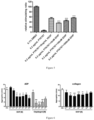
- Human umbilical vein endothelial cells were seeded in a 96-well plate at a density of approximately 2,500 cells per well. After the cells were culture for 24 hours, the medium was changed for a fresh medium containing drug, 100 ⁇ l/well, and the cells were continued culturing for 48 hours. 2 hours before the end of drug treatment, CCK-8 reagent was added to the culture medium in the dark, 10 ⁇ l per well. The culture was continued for 2 hours, and then the absorbance at 450 nm was determined with a microplate reader to calculate the cell proliferation rate. The result is shown in Figure 1 . Compared with the blank control group, IDHP significantly promoted the proliferation of vascular endothelial cell at a concentration of 10 -9 to 10 -7 M (P ⁇ 0.01).
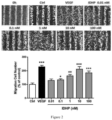
- Endothelial cells were seeded on a cover slip pre-coated with gelatin in a 24-well plate at a density of about 10 5 cells per well. After the cells attached to the cover slip and reached confluence, cells were starved in a medium without serum for 4 hours. A home-made tool was used to make scratch on the cover slip with cells. The cover slip was washed twice with PBS, and a medium containing drug was added, 600 ⁇ l/well. Control group was immediately fixed with ice-cold methanol at zero time point; rest of the cells were cultured for 16 hours, and then fixed with ice-cold methanol. Images were acquired under a microscope and subjected to statistics analysis. The result ( Figure 2 ) shows that IDHP could promote the migration of human umbilical vein endothelial cells (HUVEC) in a dose-dependent manner at a concentration range of 10 -10 to 10 -7 M.
- HAVEC human umbilical vein endothelial cells
- IDHP significantly promoted the tube formation of primary human umbilical vein endothelial cells (HUVEC), indicating that IDHP has an activity of promoting angiogenesis in vitro.
- HUVEC primary human umbilical vein endothelial cells
- the transgenic Tg (VEGFR2:GFP) zebrafishes were cultured under the standard conditions of illumination for 14 hours /dark for 10 hours at 28 °C. Healthy and mature zebrafishes were put into a breeding container at a ratio of female to male 1/1 or 1/2 for mating. The fertilized eggs were obtained at 9 to 10 o'clock the next day. The fertilized eggs were sterilized and washed, then transferred to zebrafish embryo culture medium and cultured at 28 °C.
- Drug solution was added to a 24-well culture plate, and 24 hpf embryos were carefully transferred to wells, 8-10 per well, and culture medium was added until a total volume of 2 ml to make sure that the final concentration of DMSO in the medium was not higher than 1%.
- the embryos were observed under a fluorescence microscope, and the total number of intersegmental vessels in trunk and tail were counted, and the relative generation rate of ISV in each administration group was calculated. Analysis of variance between groups was performed using SPSS software.
- Table 1 The Promotion Effect of IDHP on the Growth of Zebrafish ISV Name Concentration Length of Blood Vessels ( ⁇ m) Number of Blood Vessels DMSO 0.1% 785.1 ⁇ 49.5 28.9 ⁇ 3.8 PTK787 0.1 ⁇ g/ml 36.4 ⁇ 14.2 3.6 ⁇ 1.3 VEGF 10 ng/ml 420.0 ⁇ 54.2 29.3 ⁇ 3.3 IDHP 0.01 ⁇ M 287.4 ⁇ 18.8*** 25.0 ⁇ 8.6*** 0.1 ⁇ M 359.2 ⁇ 58.2*** 26.1 ⁇ 3.3*** 1.0 ⁇ M 447.6 ⁇ 19.5*** 34.4 ⁇ 7.0*** Note: *** represents p ⁇ 0.001 compared with the control
- Example 3 Inhibits Normal Human Platelet Aggregation Induced by ADP and Collagen
- the whole blood samples of healthy volunteers were collected into the anticoagulant tubes and centrifuged at 800 g for 5 minutes at room temperature.
- the light yellow supernatant was the platelet-rich plasma (PRP); the remaining solution was further centrifuged at 4000 g for 10minutes at room temperature, and the supernatant obtained was platelet-poor plasma (PPP).
- PRP platelet-rich plasma
- PPP platelet-poor plasma
- PRP was adjusted to 3 ⁇ 10 5 platelets / ⁇ l with PPP, 300 ⁇ l of adjusted PRP was added to 30 ⁇ l of PBS or different concentrations of IDHP and incubated at 37 °C for 3 minutes in a blood coagulation apparatus. Collagen or ADP at a final concentration of 3 ⁇ mol/L was added to initiate the aggregation reaction of platelets. The inhibitory effect of IDHP and clopidogrel on platelet aggregation was determined by turbidimetry.
- mice Sixty mice were used, half male and half female, and randomly divided into 6 groups. IDHP was formulated into six concentrations using physiological saline: 3.145%, 2.68%, 2.4%, 2%, 1.875% and 1.6%. The spacing between the concentrations was 1:0.9. After the animals were fasted for 12 hours, each group was subjected to IV administration, the volume was 20 ml/kg, and the administration was completed within 5 seconds for each animal. The doses of the six groups were 629 mg/kg, 530 mg/kg, 480 mg/kg, 400 mg/kg, 375 mg/kg, and 320 mg/kg, respectively. After the IV, the animal represented shortness of breath, rapid heartbeat, jumping and convulsions, followed by slow movement and lying on the ground.
- the poisoning phenomenon increased with the increase of the dose; the dead animals basically died within 1 minute after the administration, and the undead animals returned to normal after 10 minutes.
- the dead mice was subjected to autopsy, observed by naked eyes, there was no abnormality in the vital organs such as heart, liver, spleen, lung, kidney, brain, stomach or intestine.
- LD 50 was measured by the Bliss method and the value was 424 ⁇ 58 mg/kg, the 95% confidence interval was 370 to 486 mg/kg, as shown in Table 2.
- Table 2 LD 50 of IDHP Measured by Bliss's Method Dose mg/kg Logarithmic Dose Number of Animals Mortality Rate (%) Test Probability Unit Regression Probability Unit Error ( ⁇ 10 -6 ) 629 2.798 10 100 6.96 7.24 2.13 530 2.724 10 100 6.96 6.26 2.53 480 2.681 10 50 5.00 5.7 2.77 400 2.602 10 40 4.75 4.66 3.19 375 2.574 10 40 4.75 4.3 3.34 320 2.505 10 0 3.04 3.4 3.72
- the test mice with qualified body weight were selected and randomly divided into groups according to body weight and sex, 10 for each group, half male and half female. According to the result of premeasurement, the absolute lethal dose was 2.4 g/kg.
- the mice were subjected to tail vein administration, the dose for the mice was calculated according to body weight.
- the doses were 2.4 g/kg, 2.2 g/kg, 2.0 g/kg, and 1.8 g/kg, respectively, and the drug delivery rate was calculated.
- the administration was completed within 10 minutes.
- the reactions of the mice were observed after the administration and the death of the mice was recorded within 14 days.
- mice The main toxic reactions after intravenous administration were central inhibition, respiratory failure, etc. Most of the death occurred during the administration period. No abnormal changes were found in anatomy. After 14 days of observation, the mortality rate of the mice was calculated.
- LD 50 was measured by the Bliss method and the value was 2.048 g/kg ⁇ 0.085 g/kg, 95% confidence limit was 1.965 to 2.135 g/kg, the result is shown in Table 3: Table 3 LD 50 of IDHP Measured by Bliss's Method in Mice Administered via Tail Vein Group Number of Mice Dose (d) g/kg Number of Deaths (n) Mortality Rate (%) 1 11 2.4 10 100 2 10 2.2 8 80 3 10 2.0 3 30 4 10 1.8 1 10
- the tubes were put in water bath at 37 ⁇ 0.5 °C, one tube from each group was taken at 0.5 h, 1 h, 2 h and 3 h respectively, centrifuged at 3000rpm for 15 minutes. Red blood cell hemolysis was observed, at the same time, the morphology of red blood cells was observed under light microscope.
- Danshensu is a human body-derived substance
- lipase widely presents in animals, plants and microorganisms (such as molds, bacteria) tissues containing fats, and human body contains isopropanol, suggesting that IDHP is an endogenous substance of human body.
- the emulsion formula was, IDHP: 10.0 g, vitamin E: 3.0 g, refined soybean: 200.0 g, oleic acid: 15.0 g, refined protein lecithin: 25.0 g, water for injection: about 900 ml, glycerol: 2.0 g.
- IDHP 10.4 g
- starch 6.3 g
- sodium carboxymethyl starch 1.8 g
- polyethylene glycol molecular weight 6000
- IDHP and polyethylene glycol 6000 were heated to 80 °C to get melted, and then starch and sodium carboxymethyl starch were added, mixed well, dripped into liquid paraffin coolant (1 to 5 °C) to make 1000 pills, 45 mg per pill. Traces of oil on the surface were removed to obtain the final product.
Landscapes
- Health & Medical Sciences (AREA)
- Engineering & Computer Science (AREA)
- Life Sciences & Earth Sciences (AREA)
- Chemical & Material Sciences (AREA)
- Bioinformatics & Cheminformatics (AREA)
- Medicinal Chemistry (AREA)
- Veterinary Medicine (AREA)
- Public Health (AREA)
- General Health & Medical Sciences (AREA)
- Animal Behavior & Ethology (AREA)
- Pharmacology & Pharmacy (AREA)
- Chemical Kinetics & Catalysis (AREA)
- Organic Chemistry (AREA)
- General Chemical & Material Sciences (AREA)
- Nuclear Medicine, Radiotherapy & Molecular Imaging (AREA)
- Epidemiology (AREA)
- Neurosurgery (AREA)
- Neurology (AREA)
- Biomedical Technology (AREA)
- Emergency Medicine (AREA)
- Cardiology (AREA)
- Heart & Thoracic Surgery (AREA)
- Diabetes (AREA)
- Hematology (AREA)
- Hospice & Palliative Care (AREA)
- Polymers & Plastics (AREA)
- Urology & Nephrology (AREA)
- Psychiatry (AREA)
- Vascular Medicine (AREA)
- Nutrition Science (AREA)
- Food Science & Technology (AREA)
- Mycology (AREA)
- Dispersion Chemistry (AREA)
- Acyclic And Carbocyclic Compounds In Medicinal Compositions (AREA)
- Pharmaceuticals Containing Other Organic And Inorganic Compounds (AREA)
- Medicines Containing Material From Animals Or Micro-Organisms (AREA)
- Medicines That Contain Protein Lipid Enzymes And Other Medicines (AREA)
- Coloring Foods And Improving Nutritive Qualities (AREA)
Description
- The present application claims priority to
Chinese Patent Application No. 201610876752.3, entitled "USE OF IDHP IN PREPARATION OF DRUG OR HEALTH PRODUCT FOR PREVENTION AND TREATMENT OF CORONARY ATHEROSCLEROSIS DISEASE" filed with SIPO on October 08, 2016 - The present disclosure relates to β-(3,4-dihydroxyphenyl)-α- hydroxyisopropyl propionate (IDHP)for use in the therapeutic inhibiting of platelet aggregation, the therapeutic promoting of angiogenesis, or the prevention or treatment of vascular dementia.
- β-(3,4-Dihydroxyphenyl)-α-hydroxyisopropyl propionate (IDHP) is an active compound screened from a large number of metabolites and their series of modifications during the research on Danshen Dripping Pills, Guanxin Danshen Tablets, Danshen Drink and other compound Danshen prescriptions, and Jun-Shi pair herbs by using HPLC-MS, GC-MS, GC-FTIR, MS, NMR and other technical methods of metabolomics technology. IDHP can also be synthesized.
-
CN 1 583 710 A - Neurosci. Lett. 2008, 442(3), 279 discloses IDHP (ND-309) for use in the treatment and prevention of cerebral infarction.
- The inventors explored the role of IDHP in inhibiting platelet aggregation, promoting angiogenesis, etc., which provided a valuable theoretical basis for development of new drugs.
- Coronary artery atherosclerosis is a type of disease caused by the buildup of plaque inside coronary artery that cause stenosis or obstruction of the vascular lumen, resulting in ischemia, hypoxia or necrosis. Common coronary atherosclerosis-related disease is coronary heart disease, stroke and myocardial infarction (MI). The major pathogenesis of coronary heart disease is closely related to the unstable coronary atherosclerotic plaque and the formation of thrombosis. Platelet aggregation is an important factor resulting in thrombosis, so antiplatelet therapy plays an important role in the prevention and treatment of coronary heart diseases. Stroke refers to a high-risk disease that, for a patient with cerebrovascular disease, various factors will induce cerebral artery stenosis, occlusion or rupture, resulting in acute cerebral circulation dysfunction, and clinically manifested as transient or permanent brain dysfunction. Antiplatelet therapy plays an important role in the primary and secondary prevention of stroke, and is currently recognized as one of the three major treatments (surgery, anticoagulation and antiplatelet aggregation). In addition, the occurrence and treatment of coronary artery atherosclerosis-related diseases are closely related to angiogenesis. Pathological neovascularization often occurs in atherosclerotic plaques, which can promote the development of atherosclerotic lesions, and even induce plaque hemorrhage and plaque rupture and its complications. The density of neovascularization around the infarction site of ischemic stroke is directly related to the survival rate of patients with ischemic stroke, and promoting angiogenesis after ischemic stroke is conducive to saving the ischemic penumbra. Angiogenesis is also a key process in coronary reperfusion and ischemic myocardium repair. In addition, pro-angiogenesis plays a significant role after recovery from myocardial infarction. The inventors' studies show that IDHP can significantly inhibit ADP or collagen-induced human platelet aggregation, and at the same time, IDHP can significantly promote angiogenesis in primary human umbilical vein endothelial cells (HUVEC). This result indicates that IDHP can be used to prepare drugs for prevention and treatment of diseases related to coronary artery atherosclerosis.
- The inventors found that IDHP can significantly inhibit ADP or collagen-induced human platelet aggregation, which becomes a basis for using IDHP in the development of anti-platelet aggregation drugs.
- The inventors found that IDHP can significantly promote angiogenesis in primary human umbilical vein endothelial cells (HUVEC), and IDHP can also significantly promotes the growth of zebrafish intersegmental vessels and posterior longitudinal blood vessels, which indicates that IDHP can be used to prepare drugs for promoting angiogenesis.
- IDHP can significantly inhibit human platelet aggregation and promote angiogenesis, improve blood circulation, and thereby can be used to treat vascular dementia.
- By acute and chronic toxicity tests and hemolysis experiments in mice, the inventors found that the safety of IDHP is relatively high.
- The inventors found that IDHP is a human body-derived substance. By intaking IDHP, the balance state of the body can be regulated, to achieve the purpose of prevention or treatment of vascular dementia.
-
-
Figure 1 shows the effect of different concentrations of IDHP on the proliferation of human umbilical vein endothelial cells; -
Figure 2 shows the effect of different concentrations of IDHP on the migration of human umbilical vein endothelial cells; -
Figure 3 shows the effect of different concentrations of IDHP on the tube formation of human umbilical vein endothelial cells; -
Figure 4 shows the effect of IDHP on growth of zebrafish intersegmental vessels, wherein: A, PTK 787; B, 0.01 µM IDHP; C, 0.1 µM IDHP; D, 1.0 µM IDHP; E, 10.0 µM IDHP; F, 10 nM VEGF; -
Figure 5 shows the result of the growth of intersegmental vessels promoted by IDHP in zebrafish; -
Figure 6 shows the effect of IDHP on ADP and collagen-induced normal human platelet aggregation (n=16); -
Figure 7 shows the identification of IDHP by mass spectrum; -
Figure 8 shows the identification of IDHP by liquid chromatography. - The structure of IDHP compound of the present disclosure is as shown in the following formula, and the preparation method thereof can be referred to
CN 200410026205.3 
- The scope of the invention is defined by the appended claims.
- Human umbilical vein endothelial cells were seeded in a 96-well plate at a density of approximately 2,500 cells per well. After the cells were culture for 24 hours, the medium was changed for a fresh medium containing drug, 100 µl/well, and the cells were continued culturing for 48 hours. 2 hours before the end of drug treatment, CCK-8 reagent was added to the culture medium in the dark, 10 µl per well. The culture was continued for 2 hours, and then the absorbance at 450 nm was determined with a microplate reader to calculate the cell proliferation rate. The result is shown in
Figure 1 . Compared with the blank control group, IDHP significantly promoted the proliferation of vascular endothelial cell at a concentration of 10-9 to 10-7 M (P < 0.01). - Endothelial cells were seeded on a cover slip pre-coated with gelatin in a 24-well plate at a density of about 105 cells per well. After the cells attached to the cover slip and reached confluence, cells were starved in a medium without serum for 4 hours. A home-made tool was used to make scratch on the cover slip with cells. The cover slip was washed twice with PBS, and a medium containing drug was added, 600 µl/well. Control group was immediately fixed with ice-cold methanol at zero time point; rest of the cells were cultured for 16 hours, and then fixed with ice-cold methanol. Images were acquired under a microscope and subjected to statistics analysis. The result (
Figure 2 ) shows that IDHP could promote the migration of human umbilical vein endothelial cells (HUVEC) in a dose-dependent manner at a concentration range of 10-10 to 10-7 M. - Pipette tips and 96-well plate were pre-cooled at -20 °C. Matrigel gel was placed on ice and melted, and then added to the pre-cooled 96-well plate (60 µl/well). Avoid the formation of air bubbles. The plate was placed on ice for 5 minutes to level the Matrigel gel, and then put into a cell culture incubator for 30 minutes to solidify. Endothelial cells were added to the wells (5×10⁴ cells/well) containing Matrigel gel, and fresh medium containing different concentrations of the drug was added, incubated at 37 °C for 8 hours. The plate was observed under a microscope, 5 fields of view were chosen at 0, 3, 6, 9 o'clock positions and the center of each well, the number of tubules and the integrity of the tubular structure were observed and images were acquired. The result shows that, compared with the Ctrl control group, IDHP significantly promoted the tube formation of primary human umbilical vein endothelial cells (HUVEC), indicating that IDHP has an activity of promoting angiogenesis in vitro.
- The transgenic Tg (VEGFR2:GFP) zebrafishes were cultured under the standard conditions of illumination for 14 hours /dark for 10 hours at 28 °C. Healthy and mature zebrafishes were put into a breeding container at a ratio of female to male 1/1 or 1/2 for mating. The fertilized eggs were obtained at 9 to 10 o'clock the next day. The fertilized eggs were sterilized and washed, then transferred to zebrafish embryo culture medium and cultured at 28 °C.
- Drug solution was added to a 24-well culture plate, and 24 hpf embryos were carefully transferred to wells, 8-10 per well, and culture medium was added until a total volume of 2 ml to make sure that the final concentration of DMSO in the medium was not higher than 1%. After 24-hour drug treatment, the embryos were observed under a fluorescence microscope, and the total number of intersegmental vessels in trunk and tail were counted, and the relative generation rate of ISV in each administration group was calculated. Analysis of variance between groups was performed using SPSS software.
- The result shows that IDHP at concentrations of 0.01, 0.1 and 1.0 µM, respectively, significantly promoted the growth of intersegmental vessels and posterior longitudinal blood vessels in zebrafish (
Figure 4 ) with a significant increase in the total number and length of blood vessels (Table 1). According to the formula: relative generation rate (%) = (total length of blood vessels in the drug treatment group - total length of blood vessels in the control group of PTK787) ÷ total blood pressure of normal control group × 100, the relative generation rate was calculated, and the result showed a dose-dependent relationship of the drug treatment (Figure 5 ).Table 1 The Promotion Effect of IDHP on the Growth of Zebrafish ISV Name Concentration Length of Blood Vessels (µm) Number of Blood Vessels DMSO 0.1% 785.1 ± 49.5 28.9 ± 3.8 PTK787 0.1 µg/ml 36.4 ± 14.2 3.6 ± 1.3 VEGF 10 ng/ml 420.0 ± 54.2 29.3 ± 3.3 IDHP 0.01 µM 287.4 ± 18.8*** 25.0 ± 8.6*** 0.1 µM 359.2 ± 58.2*** 26.1 ± 3.3*** 1.0 µM 447.6 ± 19.5*** 34.4 ± 7.0*** Note: *** represents p<0.001 compared with the control - The whole blood samples of healthy volunteers were collected into the anticoagulant tubes and centrifuged at 800 g for 5 minutes at room temperature. The light yellow supernatant was the platelet-rich plasma (PRP); the remaining solution was further centrifuged at 4000 g for 10minutes at room temperature, and the supernatant obtained was platelet-poor plasma (PPP).
- PRP was adjusted to 3×10⁵ platelets /µl with PPP, 300 µl of adjusted PRP was added to 30 µl of PBS or different concentrations of IDHP and incubated at 37 °C for 3 minutes in a blood coagulation apparatus. Collagen or ADP at a final concentration of 3 µmol/L was added to initiate the aggregation reaction of platelets. The inhibitory effect of IDHP and clopidogrel on platelet aggregation was determined by turbidimetry. The result in
Figure 6 shows that clopidogrel significantly inhibited ADP-induced platelet aggregation in the measured concentration range (p < 0.001); compared with ADP alone or collagen alone groups (Ctrl), IDHP respectively and significantly inhibit ADP- or collagen-induced platelet aggregation, and the inhibitory effect on collagen-induced platelet aggregation was more significant (P < 0.001). - Sixty mice were used, half male and half female, and randomly divided into 6 groups. IDHP was formulated into six concentrations using physiological saline: 3.145%, 2.68%, 2.4%, 2%, 1.875% and 1.6%. The spacing between the concentrations was 1:0.9. After the animals were fasted for 12 hours, each group was subjected to IV administration, the volume was 20 ml/kg, and the administration was completed within 5 seconds for each animal. The doses of the six groups were 629 mg/kg, 530 mg/kg, 480 mg/kg, 400 mg/kg, 375 mg/kg, and 320 mg/kg, respectively. After the IV, the animal represented shortness of breath, rapid heartbeat, jumping and convulsions, followed by slow movement and lying on the ground. The poisoning phenomenon increased with the increase of the dose; the dead animals basically died within 1 minute after the administration, and the undead animals returned to normal after 10 minutes. The dead mice was subjected to autopsy, observed by naked eyes, there was no abnormality in the vital organs such as heart, liver, spleen, lung, kidney, brain, stomach or intestine., LD50 was measured by the Bliss method and the value was 424 ± 58 mg/kg, the 95% confidence interval was 370 to 486 mg/kg, as shown in Table 2.
Table 2 LD50 of IDHP Measured by Bliss's Method Dose mg/kg Logarithmic Dose Number of Animals Mortality Rate (%) Test Probability Unit Regression Probability Unit Error (×10-6) 629 2.798 10 100 6.96 7.24 2.13 530 2.724 10 100 6.96 6.26 2.53 480 2.681 10 50 5.00 5.7 2.77 400 2.602 10 40 4.75 4.66 3.19 375 2.574 10 40 4.75 4.3 3.34 320 2.505 10 0 3.04 3.4 3.72 - Base Mortality Rate: 0%
- Significance index: G=0.1760 X50=-0.3722 Sx=0.0158 G is relatively small, omitted
- Heterogeneity check: Chi2=6.90 Chi2.05=9.64 Sb=2.7993 No heterogeneity
- Regression Equation Formula: Y(Probit)=9.8687+13.0795×log(D) r=0.8716
- LD50= 424.4 ± 39.7 (mg/kg)
- Feiller Heterogeneity Correction: Sx=0.0229 Sb=3.6778
- LD50 = 424.4 ± 57.9 (mg/kg) 95% confidence interval was 370.4 to 486.2 mg/kg.
- After housing in the laboratory for 1 day, the test mice with qualified body weight were selected and randomly divided into groups according to body weight and sex, 10 for each group, half male and half female. According to the result of premeasurement, the absolute lethal dose was 2.4 g/kg. The mice were subjected to tail vein administration, the dose for the mice was calculated according to body weight. The doses were 2.4 g/kg, 2.2 g/kg, 2.0 g/kg, and 1.8 g/kg, respectively, and the drug delivery rate was calculated. The administration was completed within 10 minutes. The reactions of the mice were observed after the administration and the death of the mice was recorded within 14 days.
- The main toxic reactions after intravenous administration were central inhibition, respiratory failure, etc. Most of the death occurred during the administration period. No abnormal changes were found in anatomy. After 14 days of observation, the mortality rate of the mice was calculated. LD50 was measured by the Bliss method and the value was 2.048 g/kg ± 0.085 g/kg, 95% confidence limit was 1.965 to 2.135 g/kg, the result is shown in Table 3:
Table 3 LD50 of IDHP Measured by Bliss's Method in Mice Administered via Tail Vein Group Number of Mice Dose (d) g/kg Number of Deaths (n) Mortality Rate (%) 1 11 2.4 10 100 2 10 2.2 8 80 3 10 2.0 3 30 4 10 1.8 1 10 - Arterial blood from domestic rabbit was collected, fibrin was removed, red blood cells were washed with physiological saline and then formulated into a 2% red blood cell physiological saline solution. The test was operated according to Table 4, four parallel test tubes in each group.
Table 4 Group Control Group IDHP Group (10-3 mol/1) 2 4 6 8 10 IDHP Solution (ml) / 0.1 0.2 0.3 0.4 0.5 Physiological Saline (ml) 2.5 2.4 2.3 2.2 2.1 2.0 2% red blood cell (ml) 2.5 2.5 2.5 2.5 2.5 2.5 - After the above operation, the tubes were put in water bath at 37 ± 0.5 °C, one tube from each group was taken at 0.5 h, 1 h, 2 h and 3 h respectively, centrifuged at 3000rpm for 15 minutes. Red blood cell hemolysis was observed, at the same time, the morphology of red blood cells was observed under light microscope.
- The test result shows that the red blood cells were intact, there was no obvious hemolysis, suggesting that IDHP has no hemolysis effect.
- Lipase-catalyzed synthesis of IDHP from isopropanol and Danshensu.

- For specific implementation, refer to but is not limited to the following solution:
Danshensu (5.0 mg, 0.025 mmol), isopropanol (0.3 mg, 0.005 mmol), water (1.5 ml) and lipase (5 mg) were sealed, put in a shaker (220 rpm) and incubated at 37 °C for 24 hours. 100 µl of the reaction solution was taken, added with 100 µl of ethyl acetate, and shaked for 20 seconds. The organic phase was subjected to liquid chromatography and mass spectrum. The mass spectrum result ([M-1] = 239.0965) is shown inFigure 7 ; the liquid chromatography result is shown inFigure 8 . - Liquid chromatography detection conditions were, methanol : 0.2% formic acid water = 3 : 7; flow rate: 0.6 ml/min; chromatography column: C18 (zorbax), 250 mm, 5 µm, 4.6 mm (inner diameter); column temperature: 25 °C.
- Combined with the inventors' previous research in which it was found that Danshensu is a human body-derived substance, also, lipase widely presents in animals, plants and microorganisms (such as molds, bacteria) tissues containing fats, and human body contains isopropanol, suggesting that IDHP is an endogenous substance of human body.
- The emulsion formula was, IDHP: 10.0 g, vitamin E: 3.0 g, refined soybean: 200.0 g, oleic acid: 15.0 g, refined protein lecithin: 25.0 g, water for injection: about 900 ml, glycerol: 2.0 g.
- IDHP: 10.4 g, starch: 6.3 g, sodium carboxymethyl starch: 1.8 g, polyethylene glycol (molecular weight 6000): 26.5 g. During the preparation, prescription amount of IDHP and polyethylene glycol 6000 were heated to 80 °C to get melted, and then starch and sodium carboxymethyl starch were added, mixed well, dripped into liquid paraffin coolant (1 to 5 °C) to make 1000 pills, 45 mg per pill. Traces of oil on the surface were removed to obtain the final product.
Claims (3)
- β-(3,4-dihydroxyphenyl)-α-hydroxyisopropyl propionate (IDHP) for use in the therapeutic inhibiting of platelet aggregation.
- IDHP for use in the therapeutic promoting of angiogenesis.
- IDHP for use in the prevention or treatment of vascular dementia.
Applications Claiming Priority (2)
| Application Number | Priority Date | Filing Date | Title |
|---|---|---|---|
| CN201610876752.3A CN106420688B (en) | 2016-10-08 | 2016-10-08 | IDHP prepares the application of prevention and treatment coronary atherosclerosis disease medicine |
| PCT/CN2017/104278 WO2018064953A1 (en) | 2016-10-08 | 2017-09-29 | Use of idhp in preparation of drug or health product for prevention and treatment of coronary atherosclerosis disease |
Publications (4)
| Publication Number | Publication Date |
|---|---|
| EP3524241A1 EP3524241A1 (en) | 2019-08-14 |
| EP3524241A4 EP3524241A4 (en) | 2020-05-27 |
| EP3524241B1 true EP3524241B1 (en) | 2023-06-07 |
| EP3524241C0 EP3524241C0 (en) | 2023-06-07 |
Family
ID=58172355
Family Applications (1)
| Application Number | Title | Priority Date | Filing Date |
|---|---|---|---|
| EP17857834.0A Active EP3524241B1 (en) | 2016-10-08 | 2017-09-29 | Idhp for use in the therapeutic inhibition of platelet formation, the therapeutic promotion of angiogenesis and the prevention or treatment of vascular dementia |
Country Status (15)
| Country | Link |
|---|---|
| US (1) | US10993926B2 (en) |
| EP (1) | EP3524241B1 (en) |
| JP (1) | JP6851652B2 (en) |
| KR (1) | KR102286297B1 (en) |
| CN (1) | CN106420688B (en) |
| AU (1) | AU2017340305B2 (en) |
| CA (1) | CA3039287C (en) |
| CY (1) | CY1126073T1 (en) |
| HU (1) | HUE063053T2 (en) |
| IL (1) | IL265753B2 (en) |
| MY (1) | MY195760A (en) |
| PL (1) | PL3524241T3 (en) |
| RU (1) | RU2719391C1 (en) |
| SG (1) | SG11201902987SA (en) |
| WO (1) | WO2018064953A1 (en) |
Families Citing this family (4)
| Publication number | Priority date | Publication date | Assignee | Title |
|---|---|---|---|---|
| CN106420688B (en) | 2016-10-08 | 2017-11-10 | 西北大学 | IDHP prepares the application of prevention and treatment coronary atherosclerosis disease medicine |
| KR102529594B1 (en) | 2021-06-23 | 2023-05-09 | 재단법인 아산사회복지재단 | Use of anti-citrullinated peptide antibodies as a biomarker for diagnosing and predicting prognosis of aortic stenosis |
| KR102643120B1 (en) | 2021-11-12 | 2024-03-05 | 재단법인 아산사회복지재단 | Mitochondrial biomarkers for diagnosing aortic stenosis and pharmaceutical compositions for preventing or treating aortic stenosis comprising mitochondrial activators |
| CN117045631A (en) * | 2023-08-16 | 2023-11-14 | 西北大学 | Application of L-salvianic acid A and its ester in preparing medicament for promoting angiogenesis |
Family Cites Families (6)
| Publication number | Priority date | Publication date | Assignee | Title |
|---|---|---|---|---|
| WO1997035579A1 (en) * | 1996-03-27 | 1997-10-02 | Merck & Co., Inc. | A method for inhibiting clot formation |
| EP1437137B1 (en) | 2001-09-14 | 2008-12-31 | Mitsubishi Tanabe Pharma Corporation | Drugs comprising combination of antithrombotic agent with pyrazolone derivative |
| JP3895228B2 (en) * | 2002-05-07 | 2007-03-22 | 松下電器産業株式会社 | Wireless communication apparatus and direction of arrival estimation method |
| CN100441563C (en) * | 2004-06-03 | 2008-12-10 | 西安交通大学 | β-(3,4-dihydroxyphenyl)-α-hydroxypropionic acid isopropyl ester and its synthesis method |
| CN101596196A (en) * | 2008-06-02 | 2009-12-09 | 北京科士蓝医药技术有限公司 | The compositions of ligustrazine and danshensu and pharmacology activity research thereof |
| CN106420688B (en) | 2016-10-08 | 2017-11-10 | 西北大学 | IDHP prepares the application of prevention and treatment coronary atherosclerosis disease medicine |
-
2016
- 2016-10-08 CN CN201610876752.3A patent/CN106420688B/en active Active
-
2017
- 2017-09-29 PL PL17857834.0T patent/PL3524241T3/en unknown
- 2017-09-29 SG SG11201902987SA patent/SG11201902987SA/en unknown
- 2017-09-29 US US16/338,801 patent/US10993926B2/en active Active
- 2017-09-29 MY MYPI2019001888A patent/MY195760A/en unknown
- 2017-09-29 EP EP17857834.0A patent/EP3524241B1/en active Active
- 2017-09-29 AU AU2017340305A patent/AU2017340305B2/en active Active
- 2017-09-29 WO PCT/CN2017/104278 patent/WO2018064953A1/en not_active Ceased
- 2017-09-29 KR KR1020197013111A patent/KR102286297B1/en active Active
- 2017-09-29 HU HUE17857834A patent/HUE063053T2/en unknown
- 2017-09-29 RU RU2019113518A patent/RU2719391C1/en active
- 2017-09-29 JP JP2019518211A patent/JP6851652B2/en active Active
- 2017-09-29 CA CA3039287A patent/CA3039287C/en active Active
-
2019
- 2019-04-01 IL IL265753A patent/IL265753B2/en unknown
-
2023
- 2023-06-13 CY CY20231100274T patent/CY1126073T1/en unknown
Also Published As
| Publication number | Publication date |
|---|---|
| IL265753B2 (en) | 2023-02-01 |
| EP3524241A1 (en) | 2019-08-14 |
| KR102286297B1 (en) | 2021-08-09 |
| MY195760A (en) | 2023-02-09 |
| WO2018064953A1 (en) | 2018-04-12 |
| SG11201902987SA (en) | 2019-05-30 |
| IL265753A (en) | 2019-06-30 |
| CA3039287C (en) | 2021-02-16 |
| EP3524241C0 (en) | 2023-06-07 |
| HUE063053T2 (en) | 2023-12-28 |
| CN106420688A (en) | 2017-02-22 |
| RU2719391C1 (en) | 2020-04-17 |
| PL3524241T3 (en) | 2023-07-17 |
| CN106420688B (en) | 2017-11-10 |
| BR112019006957A2 (en) | 2019-07-02 |
| IL265753B (en) | 2022-10-01 |
| KR20190075953A (en) | 2019-07-01 |
| CA3039287A1 (en) | 2018-04-12 |
| US10993926B2 (en) | 2021-05-04 |
| JP2019537561A (en) | 2019-12-26 |
| NZ752717A (en) | 2020-12-18 |
| CY1126073T1 (en) | 2023-11-15 |
| AU2017340305A1 (en) | 2019-05-02 |
| JP6851652B2 (en) | 2021-03-31 |
| EP3524241A4 (en) | 2020-05-27 |
| US20200038357A1 (en) | 2020-02-06 |
| AU2017340305B2 (en) | 2020-07-09 |
Similar Documents
| Publication | Publication Date | Title |
|---|---|---|
| US10993926B2 (en) | Use of IDHP in preparation of drug or health product for prevention and treatment of coronary atherosclerosis disease | |
| US20080233208A1 (en) | Use of erianin in preparing pharmaceutical for treating tumors | |
| CN106928246A (en) | A kind of compound and preparation method thereof and purposes | |
| CN112891340A (en) | Application of PSO in preparation of medicine for treating anthracycline chemotherapy drug-induced cardiotoxicity | |
| CN104119221A (en) | Beta-elemene 14-site ramification and application of beta-elemene 14-site ramification in treating atherosclerosis | |
| CN114671841B (en) | Flavanone compounds and their preparation methods and applications | |
| CN102516079A (en) | Novel ferulic acid derivative, its application and synthetic method | |
| CN106699771A (en) | Cryptotanshinone compound, as well as preparation method and application thereof | |
| CN105663102B (en) | Application of a kind of phenolic amide compound in the prevention and treatment of brain injury | |
| NZ752717B2 (en) | Use of idhp in preparation of drug or health product for prevention and treatment of coronary atherosclerosis disease | |
| BR112019006957B1 (en) | USE OF IDHP IN THE PREPARATION OF A DRUG OR HEALTH PRODUCT FOR THE PREVENTION AND TREATMENT OF CORONARY ATHEROSCLEROSIS DISEASE | |
| CN117752649A (en) | Application of mulberry ketone C in the preparation of anti-platelet aggregation and anti-thrombosis drugs | |
| WO2005003146A1 (en) | The c-glycosylisoflavones having alkylaminoalkoxyl substituent, the preparation and the use of the same | |
| EP2899186B1 (en) | New hydroxysafflor yellow pharmaceutical salts | |
| KR101780054B1 (en) | Pharmaceutical composition or pharmaceutically acceptable salt thereof for the treatment of breast cancer comprising 2-ethoxypropionic acid derivative as an active ingredient | |
| CN109223816B (en) | Application of eleutheroside D in preparation of anti-depression drug | |
| CN113694055A (en) | Application of agarotetrol in preparing medicine for treating vascular dementia | |
| CN105535005A (en) | Application of platycodin D in preparation of medicines for preventing and treating pulmonary hypertension | |
| CN105669666A (en) | Small molecule compound YF-452 and application thereof in preparation of anti-angiogenesis drugs | |
| CN103142584B (en) | Application of polysubstituted 5-hydroxypyrrolidone compounds in preparation of antitumor medicines | |
| CN100999512A (en) | Isochromanone 4 derivate, its preparation process and therapeutic use | |
| TW202007680A (en) | Pharmaceutical compound for treating colorectal cancer | |
| CN109464433B (en) | Application of Kaurenic Acid in the Preparation of Antidepressant Drugs | |
| US20210299103A1 (en) | Composition for preventing or treating cancer, comprising sulfonamide derivative as active ingredient | |
| CN117919240A (en) | Medicine for treating vascular calcification |
Legal Events
| Date | Code | Title | Description |
|---|---|---|---|
| STAA | Information on the status of an ep patent application or granted ep patent |
Free format text: STATUS: THE INTERNATIONAL PUBLICATION HAS BEEN MADE |
|
| PUAI | Public reference made under article 153(3) epc to a published international application that has entered the european phase |
Free format text: ORIGINAL CODE: 0009012 |
|
| STAA | Information on the status of an ep patent application or granted ep patent |
Free format text: STATUS: REQUEST FOR EXAMINATION WAS MADE |
|
| 17P | Request for examination filed |
Effective date: 20190424 |
|
| AK | Designated contracting states |
Kind code of ref document: A1 Designated state(s): AL AT BE BG CH CY CZ DE DK EE ES FI FR GB GR HR HU IE IS IT LI LT LU LV MC MK MT NL NO PL PT RO RS SE SI SK SM TR |
|
| AX | Request for extension of the european patent |
Extension state: BA ME |
|
| DAV | Request for validation of the european patent (deleted) | ||
| DAX | Request for extension of the european patent (deleted) | ||
| A4 | Supplementary search report drawn up and despatched |
Effective date: 20200424 |
|
| RIC1 | Information provided on ipc code assigned before grant |
Ipc: A61P 9/10 20060101ALI20200420BHEP Ipc: A61P 7/02 20060101ALI20200420BHEP Ipc: A61K 31/216 20060101AFI20200420BHEP Ipc: A61P 25/28 20060101ALI20200420BHEP Ipc: A61K 9/00 20060101ALI20200420BHEP |
|
| STAA | Information on the status of an ep patent application or granted ep patent |
Free format text: STATUS: EXAMINATION IS IN PROGRESS |
|
| 17Q | First examination report despatched |
Effective date: 20201216 |
|
| GRAP | Despatch of communication of intention to grant a patent |
Free format text: ORIGINAL CODE: EPIDOSNIGR1 |
|
| STAA | Information on the status of an ep patent application or granted ep patent |
Free format text: STATUS: GRANT OF PATENT IS INTENDED |
|
| RIC1 | Information provided on ipc code assigned before grant |
Ipc: A61K 9/16 20060101ALI20221125BHEP Ipc: A61K 9/107 20060101ALI20221125BHEP Ipc: A61P 25/28 20060101ALI20221125BHEP Ipc: A61P 9/10 20060101ALI20221125BHEP Ipc: A61P 7/02 20060101ALI20221125BHEP Ipc: A61K 31/216 20060101AFI20221125BHEP |
|
| INTG | Intention to grant announced |
Effective date: 20221220 |
|
| GRAS | Grant fee paid |
Free format text: ORIGINAL CODE: EPIDOSNIGR3 |
|
| GRAA | (expected) grant |
Free format text: ORIGINAL CODE: 0009210 |
|
| STAA | Information on the status of an ep patent application or granted ep patent |
Free format text: STATUS: THE PATENT HAS BEEN GRANTED |
|
| AK | Designated contracting states |
Kind code of ref document: B1 Designated state(s): AL AT BE BG CH CY CZ DE DK EE ES FI FR GB GR HR HU IE IS IT LI LT LU LV MC MK MT NL NO PL PT RO RS SE SI SK SM TR |
|
| REG | Reference to a national code |
Ref country code: GB Ref legal event code: FG4D |
|
| REG | Reference to a national code |
Ref country code: CH Ref legal event code: EP Ref country code: AT Ref legal event code: REF Ref document number: 1572808 Country of ref document: AT Kind code of ref document: T Effective date: 20230615 Ref country code: DE Ref legal event code: R096 Ref document number: 602017069946 Country of ref document: DE |
|
| U01 | Request for unitary effect filed |
Effective date: 20230607 |
|
| U07 | Unitary effect registered |
Designated state(s): AT BE BG DE DK EE FI FR IT LT LU LV MT NL PT SE SI Effective date: 20230612 |
|
| REG | Reference to a national code |
Ref country code: GR Ref legal event code: EP Ref document number: 20230401049 Country of ref document: GR Effective date: 20230808 |
|
| REG | Reference to a national code |
Ref country code: LT Ref legal event code: MG9D |
|
| PG25 | Lapsed in a contracting state [announced via postgrant information from national office to epo] |
Ref country code: NO Free format text: LAPSE BECAUSE OF FAILURE TO SUBMIT A TRANSLATION OF THE DESCRIPTION OR TO PAY THE FEE WITHIN THE PRESCRIBED TIME-LIMIT Effective date: 20230907 Ref country code: ES Free format text: LAPSE BECAUSE OF FAILURE TO SUBMIT A TRANSLATION OF THE DESCRIPTION OR TO PAY THE FEE WITHIN THE PRESCRIBED TIME-LIMIT Effective date: 20230607 |
|
| PG25 | Lapsed in a contracting state [announced via postgrant information from national office to epo] |
Ref country code: RS Free format text: LAPSE BECAUSE OF FAILURE TO SUBMIT A TRANSLATION OF THE DESCRIPTION OR TO PAY THE FEE WITHIN THE PRESCRIBED TIME-LIMIT Effective date: 20230607 Ref country code: HR Free format text: LAPSE BECAUSE OF FAILURE TO SUBMIT A TRANSLATION OF THE DESCRIPTION OR TO PAY THE FEE WITHIN THE PRESCRIBED TIME-LIMIT Effective date: 20230607 |
|
| U21 | Renewal fee for the european patent with unitary effect paid with additional fee |
Year of fee payment: 7 Effective date: 20231116 |
|
| REG | Reference to a national code |
Ref country code: HU Ref legal event code: AG4A Ref document number: E063053 Country of ref document: HU |
|
| PG25 | Lapsed in a contracting state [announced via postgrant information from national office to epo] |
Ref country code: SK Free format text: LAPSE BECAUSE OF FAILURE TO SUBMIT A TRANSLATION OF THE DESCRIPTION OR TO PAY THE FEE WITHIN THE PRESCRIBED TIME-LIMIT Effective date: 20230607 |
|
| PG25 | Lapsed in a contracting state [announced via postgrant information from national office to epo] |
Ref country code: IS Free format text: LAPSE BECAUSE OF FAILURE TO SUBMIT A TRANSLATION OF THE DESCRIPTION OR TO PAY THE FEE WITHIN THE PRESCRIBED TIME-LIMIT Effective date: 20231007 |
|
| PG25 | Lapsed in a contracting state [announced via postgrant information from national office to epo] |
Ref country code: SM Free format text: LAPSE BECAUSE OF FAILURE TO SUBMIT A TRANSLATION OF THE DESCRIPTION OR TO PAY THE FEE WITHIN THE PRESCRIBED TIME-LIMIT Effective date: 20230607 Ref country code: SK Free format text: LAPSE BECAUSE OF FAILURE TO SUBMIT A TRANSLATION OF THE DESCRIPTION OR TO PAY THE FEE WITHIN THE PRESCRIBED TIME-LIMIT Effective date: 20230607 Ref country code: RO Free format text: LAPSE BECAUSE OF FAILURE TO SUBMIT A TRANSLATION OF THE DESCRIPTION OR TO PAY THE FEE WITHIN THE PRESCRIBED TIME-LIMIT Effective date: 20230607 Ref country code: IS Free format text: LAPSE BECAUSE OF FAILURE TO SUBMIT A TRANSLATION OF THE DESCRIPTION OR TO PAY THE FEE WITHIN THE PRESCRIBED TIME-LIMIT Effective date: 20231007 Ref country code: CZ Free format text: LAPSE BECAUSE OF FAILURE TO SUBMIT A TRANSLATION OF THE DESCRIPTION OR TO PAY THE FEE WITHIN THE PRESCRIBED TIME-LIMIT Effective date: 20230607 |
|
| REG | Reference to a national code |
Ref country code: DE Ref legal event code: R097 Ref document number: 602017069946 Country of ref document: DE |
|
| PLBE | No opposition filed within time limit |
Free format text: ORIGINAL CODE: 0009261 |
|
| STAA | Information on the status of an ep patent application or granted ep patent |
Free format text: STATUS: NO OPPOSITION FILED WITHIN TIME LIMIT |
|
| 26N | No opposition filed |
Effective date: 20240308 |
|
| PG25 | Lapsed in a contracting state [announced via postgrant information from national office to epo] |
Ref country code: MC Free format text: LAPSE BECAUSE OF FAILURE TO SUBMIT A TRANSLATION OF THE DESCRIPTION OR TO PAY THE FEE WITHIN THE PRESCRIBED TIME-LIMIT Effective date: 20230607 |
|
| U20 | Renewal fee for the european patent with unitary effect paid |
Year of fee payment: 8 Effective date: 20240916 |
|
| PGFP | Annual fee paid to national office [announced via postgrant information from national office to epo] |
Ref country code: GR Payment date: 20250923 Year of fee payment: 9 |
|
| REG | Reference to a national code |
Ref country code: CH Ref legal event code: U11 Free format text: ST27 STATUS EVENT CODE: U-0-0-U10-U11 (AS PROVIDED BY THE NATIONAL OFFICE) Effective date: 20251013 |
|
| PGFP | Annual fee paid to national office [announced via postgrant information from national office to epo] |
Ref country code: PL Payment date: 20250926 Year of fee payment: 9 Ref country code: TR Payment date: 20250923 Year of fee payment: 9 |
|
| PGFP | Annual fee paid to national office [announced via postgrant information from national office to epo] |
Ref country code: IE Payment date: 20250922 Year of fee payment: 9 |
|
| U20 | Renewal fee for the european patent with unitary effect paid |
Year of fee payment: 9 Effective date: 20250922 |
|
| PGFP | Annual fee paid to national office [announced via postgrant information from national office to epo] |
Ref country code: HU Payment date: 20251021 Year of fee payment: 9 |
|
| PGFP | Annual fee paid to national office [announced via postgrant information from national office to epo] |
Ref country code: GB Payment date: 20251023 Year of fee payment: 9 |
|
| PGFP | Annual fee paid to national office [announced via postgrant information from national office to epo] |
Ref country code: CH Payment date: 20251013 Year of fee payment: 9 |
|
| PGFP | Annual fee paid to national office [announced via postgrant information from national office to epo] |
Ref country code: CY Payment date: 20250919 Year of fee payment: 9 |