EP3521504B1 - Clothes dryer, method and device for calculating humidity value of clothes in clothes dryer - Google Patents
Clothes dryer, method and device for calculating humidity value of clothes in clothes dryer Download PDFInfo
- Publication number
- EP3521504B1 EP3521504B1 EP17854557.0A EP17854557A EP3521504B1 EP 3521504 B1 EP3521504 B1 EP 3521504B1 EP 17854557 A EP17854557 A EP 17854557A EP 3521504 B1 EP3521504 B1 EP 3521504B1
- Authority
- EP
- European Patent Office
- Prior art keywords
- value
- time period
- current
- maximum
- humidity
- Prior art date
- Legal status (The legal status is an assumption and is not a legal conclusion. Google has not performed a legal analysis and makes no representation as to the accuracy of the status listed.)
- Active
Links
Images


Classifications
-
- D—TEXTILES; PAPER
- D06—TREATMENT OF TEXTILES OR THE LIKE; LAUNDERING; FLEXIBLE MATERIALS NOT OTHERWISE PROVIDED FOR
- D06F—LAUNDERING, DRYING, IRONING, PRESSING OR FOLDING TEXTILE ARTICLES
- D06F58/00—Domestic laundry dryers
- D06F58/32—Control of operations performed in domestic laundry dryers
- D06F58/34—Control of operations performed in domestic laundry dryers characterised by the purpose or target of the control
- D06F58/36—Control of operational steps, e.g. for optimisation or improvement of operational steps depending on the condition of the laundry
- D06F58/38—Control of operational steps, e.g. for optimisation or improvement of operational steps depending on the condition of the laundry of drying, e.g. to achieve the target humidity
-
- D—TEXTILES; PAPER
- D06—TREATMENT OF TEXTILES OR THE LIKE; LAUNDERING; FLEXIBLE MATERIALS NOT OTHERWISE PROVIDED FOR
- D06F—LAUNDERING, DRYING, IRONING, PRESSING OR FOLDING TEXTILE ARTICLES
- D06F2103/00—Parameters monitored or detected for the control of domestic laundry washing machines, washer-dryers or laundry dryers
- D06F2103/02—Characteristics of laundry or load
- D06F2103/08—Humidity
-
- D—TEXTILES; PAPER
- D06—TREATMENT OF TEXTILES OR THE LIKE; LAUNDERING; FLEXIBLE MATERIALS NOT OTHERWISE PROVIDED FOR
- D06F—LAUNDERING, DRYING, IRONING, PRESSING OR FOLDING TEXTILE ARTICLES
- D06F2105/00—Systems or parameters controlled or affected by the control systems of washing machines, washer-dryers or laundry dryers
- D06F2105/12—Humidity or dryness of laundry
Definitions
- the present disclosure relates to a technical field of household appliances, and the invention relates to a method for calculating a humidity value of clothes in a clothes dryer, to a device for calculating a humidity value of clothes in a clothes dryer, and to a clothes dryer as such.
- a clothes dryer provides a clothes drying method in humid weather, serious air pollution and poor sunlight, or the like, is becoming more and more popular.
- the clothes dryer on the market detects humidity of clothes mainly by means of an air-temperature graph or a humidity sensor, thereby judging a degree of dryness of the clothes.
- the problem is that the drying effect is unstable, which is represented mainly in two aspects: first, the humidity after drying by the clothes dryer is unstable, or the clothes is too dry, which damages the clothes; second, the machine ends operation before the drying is completed failing to achieve the drying purpose.
- EP0388939A1 relates generally to a humidity control device capable of controlling in multi-level wetness of clothes after dried.
- the clothes dryer according to EP0388939A1 A is structured so as to detect the absolute humidity varying depending on the temperature in the rotary drum by deriving the maximum value of the output the absolute humidity sensor and then complete the drying operation at the time when the absolute humidity sensor output is decreased by the predetermined value from the maximum value.
- EP2407590A1 relates generally to a method for operating a clothes drying appliance, wherein moisture content of the clothes or laundry is determined by measuring a current running through the clothes.
- a first purpose of the present invention is to provide a method for calculating a humidity value of clothes in a clothes dryer, to ensure accuracy of humidity calculation and a desired drying effect of the clothes.
- a second purpose of the present invention is to provide a device for calculating a humidity value of clothes in a clothes dryer, and a third purpose of the present invention is to provide a clothes dryer as such.
- a first aspect of the present invention provides a method for calculating a humidity value of clothes in the clothes dryer according to claim 1.
- the method includes: acquiring a plurality of sampling points of a humidity sensor during a first time period; extracting a maximum value from the plurality of sampling points, and generating a maximum-value accumulated value according to the maximum value during the first time period; acquiring a plurality of maximum-value accumulated values during a second time period, and generating an average value during the second time period, the second time period including a plurality of first time periods; acquiring a plurality of current sampling points during a current first time period, and acquiring a current maximum value of the current sampling points; and generating a current humidity value according to the current maximum value and the average value.
- the plurality of sampling points of the humidity sensor during the first time period are acquired.
- the maximum value is extracted from the plurality of sampling points, and the maximum-value accumulated value is generated according to the maximum value during the first time period.
- the plurality of maximum-value accumulated values during the second time period are acquired, and the average value during the second time period is generated, in which the second time period includes a plurality of first time periods.
- the plurality of current sampling points during the current first time period are acquired, and the current maximum value of the current sampling points is acquired.
- the current humidity value is generated according to the current maximum value and the average value. Therefore, the humidity situation of the clothes in the clothes dryer can be comprehensively considered with the method for calculating the humidity value of clothes in the clothes dryer, which prevents from excessive drying or incomplete drying of the clothes, and improves the user experience.
- the method for calculating the humidity value of the clothes in the clothes dryer according to the above embodiments of the present invention may further have the following additional technical features.
- the average value during the second time period is generated by the following formula: ⁇ maxNewHumiValue 1 sec ⁇ the first time period / the second time period ⁇ 60 , in which the maxNewHumi Value 1 sec represents the maximum-value accumulated value.
- the first time period is 0.5-1.5 seconds.
- the second time period is 2-4 minutes.
- a second aspect of the present invention provides a device for calculating a humidity value of clothes in the clothes dryer according to claim 6.
- the device includes: a first acquisition module configured to acquire a plurality of sampling points of a humidity sensor during a first time period; a first generation module configured to extract a maximum value from the plurality of sampling points, and generate a maximum-value accumulated value according to the maximum value during a first time period; a second generation module configured to acquire a plurality of maximum-value accumulated values during a second time period, and generate an average value during the second time period, the second time period including a plurality of first time periods; a second acquisition module configured to acquire a plurality of current sampling points during a current first time period, and acquire a current maximum value of the current sampling points; and a third generation module configured to generate a current humidity value according to the current maximum value and the average value.
- the plurality of sampling points of the humidity sensor during the first time period are acquired by means of the first acquisition module.
- the first generation module extracts the maximum value from the plurality of sampling points, and generates the maximum-value accumulated value according to the maximum value during the first time period.
- the second generation module acquires the plurality of maximum-value accumulated values during the second time period, and generates the average value during the second time period, in which the second time period includes a plurality of first time periods.
- the second acquisition module acquires the plurality of current sampling points during the current first time period, and acquires the current maximum value of the current sampling points.
- the third generation module generates the current humidity value according to the current maximum value and the average value. Therefore, the humidity situation of the clothes in the clothes dryer can be comprehensively considered, which prevents from excessive drying or incomplete drying of the clothes, and improves the user experience.
- the device for calculating the humidity value of the clothes in the clothes dryer may further have the following additional technical features.
- the average value during the second time period is generated by the following formula: ⁇ maxNewHumiValue 1 sec ⁇ the first time period / the second time period ⁇ 60 , in which the maxNewHumi Value 1 sec represents the maximum-value accumulated value.
- the first time period is 0.5-1.5 seconds
- the second time period is 2-4 minutes.
- a clothes dryer including the above-described device for calculating the humidity of the clothes.
- the humidity situation of the clothes in the clothes dryer can be comprehensively considered, which prevents from excessive drying or incomplete drying of the clothes, and improves the user experience.
- first acquisition module 10 first generation module 20, second generation module 30, second acquisition module 40, third generation module 50, clothes dryer 100, and device 200 for calculating humidity value of clothes.
- a method for calculating a humidity value of clothes in a clothes dryer, a device for calculating a humidity value of clothes in a clothes dryer, and a clothes dryer according to embodiments of the present invention will be described below in combination with the drawings.
- Fig. 1 is a flow chart of a method for calculating a humidity value of clothes in a clothes dryer according to an embodiment of the present disclosure. As illustrated in Fig. 1 , the method for calculating the humidity value of clothes in the clothes dryer includes the following actions.
- a plurality of sampling points of a humidity sensor during a first time period are acquired.
- the first time period includes five humidity pulse periods, one sampling point is acquired during each humidity pulse period, and five sampling points are acquired during the first time period.
- the first time period is 0.5-1.5 seconds.
- the first time period is 1 second.
- An action at block S1 can be understood as acquiring a set of sampling points of the humidity sensor every 1 second. For example, five sampling points are acquired in a time range of 0.5-1.5 seconds, which includes humidity 1, humidity 2, humidity 3, humidity 4, and humidity 5, in which the maximum value is the humidity 2. Then, in the next 1 second, i.e. in a time range of 1.5-2.5 seconds, other five sampling points of the humidity sensor are also acquired, which includes humidity 1', humidity 2', humidity 3', humidity 4', and humidity 5', in which the maximum value is the humidity 2'. And so on, five sampling points of the humidity sensor are respectively acquired every 1 second.
- a maximum value is extracted from the plurality of sampling points, and a maximum-value accumulated value is generated according to the maximum value during the first time period.
- the maximum value of the five sampling points in the time range of 0.5-1.5 seconds is the humidity 2
- the maximum value of the five sampling points in the time range of 1.5-2.5 seconds is the humidity 2'.
- An action at block S2 can be understood as extracting the maximum humidity 2 from the time range of 0.5-1.5 seconds, then extracting the maximum humidity 2' from the time range of 1.5-2.5 seconds, and accumulating two values of the humidity 2 and the humidity 2' to acquire a maximum-value accumulated value in 0.5-2.5 seconds. And so on, the maximum value of the five sampling points is acquired and added to a previously obtained maximum-value accumulated value to acquire a new maximum-value accumulated value every second.
- a plurality of maximum-value accumulated values during a second time period are acquired, and an average value during the second time period is generated, in which the second time period includes a plurality of first time periods.
- the second time period includes a plurality of first time periods, and each first time period corresponds to one maximum-value accumulated value. Therefore, a plurality of maximum-value accumulated values are averaged to acquire the average value during the second time period.
- the average value during the second time period is generated by the following formula: ⁇ maxNewHumiValue 1 sec ⁇ the first time period / the second time period ⁇ 60 , in which the maxNewHumi Value 1 sec represents the maximum-value accumulated value.
- the maximum value in the time range of 0.5-1.5 seconds is denoted by X1
- the maximum value in the time range of 1.5-2.5 seconds is denoted by X2
- the maximum value in the time range of 2.5-3.5 seconds is denoted by X3, and so on, until the last maximum value Xn during the second time period is acquired.
- X1, X2, X3...Xn are added sequentially to obtain the maximum-value accumulated value, and the maximum-value accumulated value is divided by the second time period to obtain the average value Y during the second time period.
- the second time period is 2-4 minutes, preferably 3 minutes.
- a plurality of current sampling points during a current first time period are acquired, and a current maximum value of the current sampling points is acquired.
- the current first time period merely has the same value as that of the above-described first time period, while the current first time period is after the second time period. That is, the plurality of current sampling points during the current first time period are acquired after the average value is acquired during the second time period, the plurality of current sampling points can includes humidity 1", humidity 2", humidity 3", humidity 4" and humidity 5", in which the humidity 3" is the maximum value of the sampling points, i.e. the current maximum value during the current first time period is denoted by Z, such as a current sampling point acquired in the immediate 1 second after the 3 minutes.
- a current humidity value is generated according to the current maximum value and the average value.
- the method for calculating the humidity value of the clothes in the clothes dryer includes the following actions.
- the maximum value is extracted from the five sampling points in the time of 1 second.
- the maximum value extracted at each time is accumulated o acquire the maximum-value accumulated value.
- the average value of the maximum-value accumulated value in three minutes is acquired, and the formula is ( ⁇ (the maximum-value accumulated value ⁇ 1 second))/(3 minutes*60).
- the maximum value is extracted in the current 1 second.
- the method for calculating the humidity value of clothes in the clothes dryer first, the plurality of sampling points of the humidity sensor during the first time period are acquired. Next, the maximum value is extracted from the plurality of sampling points, and the maximum-value accumulated value is generated according to the maximum value during the first time period. Then the plurality of maximum-value accumulated values during the second time period are acquired, and the average value during the second time period is generated, in which the second time period includes a plurality of first time periods. Next, the plurality of current sampling points during the current first time period are acquired, and the current maximum value of the current sampling points is acquired. Finally the current humidity value is generated according to the current maximum value and the average value. Therefore, the humidity situation of the clothes in the clothes dryer can be comprehensively considered with the method for calculating the humidity value of clothes in the clothes dryer, which prevents from excessive drying or incomplete drying of the clothes, and improves the user experience.
- embodiments of the present disclosure also provide a device for calculating the humidity value of the clothes in the clothes dryer, which includes a first acquisition module 10, a first generation module 20, a second generation module 30, a second acquisition module 40 and a third generation module 50.
- the plurality of sampling points of the humidity sensor during the first time period are acquired by means of the first acquisition module 10.
- the first generation module 20 extracts the maximum value from the plurality of sampling points, and generates the maximum-value accumulated value according to the maximum value during the first time period.
- the second generation module 30 acquires the plurality of maximum-value accumulated values during the second time period, and generates the average value during the second time period, in which the second time period includes a plurality of first time periods.
- the second acquisition module 40 acquires the plurality of current sampling points during the current first time period, and acquires the current maximum value of the current sampling points.
- the third generation module 50 generates the current humidity value according to the current maximum value and the average value. Therefore, the humidity situation of the clothes in the clothes dryer can be comprehensively considered, which prevents from excessive drying or incomplete drying of the clothes, and improves the user experience.
- the average value during the second time period is generated by the following formula: ( ⁇ (maxNewHumiValue1sec * the first time period))/(the second time period * 60), in which maxNewHumiValue1sec represents the maximum-value accumulated value.
- the first time period is 0.5-1.5 seconds
- the second time period is 2-4 minutes, preferably 3 minutes.
- the first acquiring module 10 acquires the plurality of sampling points during the first time period of 0.5-1.5 seconds, the first acquiring module 10 acquires the plurality of sampling points during the next first time period of 1.5-2.5 seconds, and so on, the first acquiring module 10 acquires a plurality of sampling points during Nth first time period (i.e. 1 second interval), until the end of the initial second time period.
- the first generation module 20 extracts the maximum value from the plurality of sampling points during the first time period of 0.5-1.5 seconds. Then the first generation module 20 extracts the maximum value from the plurality of sampling points during the next first time period of 1.5-2.5 seconds, and the maximum value is added to the previously extracted maximum value to acquire the maximum-value accumulated value.
- the second generation module 30 acquires the maximum-value accumulated value during one second time period (which may be 3 minutes), and acquires the average value of the maximum-value accumulated value during the second time period.
- the second acquisition module 40 acquires the plurality of current sampling points during the current first time period after the second time period, that is, the second acquisition module 40 acquires the plurality of sampling points after the second generation module 30 acquires the average value.
- the third generation module 50 extracts the maximum value from the plurality of current sampling points, and finally calculates the humidity value of the current clothes with the humidity calculating formula, so as to avoid inaccurate humidity calculation due to uneven humidity, insufficient contact, contact probability of the clothes or the like, which otherwise results in a situation that the clothes has an unsatisfactory drying effect.
- the plurality of sampling points of the humidity sensor during the first time period are acquired by means of the first acquisition module.
- the first generation module extracts the maximum value from the plurality of sampling points, and generates the maximum-value accumulated value according to the maximum value during the first time period.
- the second generation module acquires the plurality of maximum-value accumulated values during the second time period, and generates the average value during the second time period, in which the second time period includes a plurality of first time periods.
- the second acquisition module acquires the plurality of current sampling points during the current first time period, and acquires the current maximum value of the current sampling points.
- the third generation module generates the current humidity value according to the current maximum value and the average value. Therefore, the humidity situation of the clothes in the clothes dryer can be comprehensively considered, which prevents from excessive drying or incomplete drying of the clothes, and improves the user experience.
- embodiments of the present disclosure also provide a clothes dryer 100, the clothes dryer includes the device 200 for calculating the humidity value of the clothes in the clothes dryer described above.
- the humidity situation of the clothes in the clothes dryer can be comprehensively considered, which prevents from excessive drying or incomplete drying of the clothes, and improves the user experience.
- first and second are used herein for purposes of description and are not intended to indicate or imply relative importance or significance.
- the feature defined with “first” and “second” may indicate or imply that at least one this feature is included.
- a term “a plurality of” means at least two, such as two, three, etc., unless specified otherwise.
- the terms “mounted,” “connected,” “coupled,” “fixed” and the like are used broadly, and may be, for example, fixed connections, detachable connections, or integral connections; may also be mechanical or electrical connections; may also be direct connections or indirect connections via intervening structures; may also be inner communications of two elements.
- the above terms can be understood by those skilled in the art according to specific situations.
- a structure in which a first feature is “on” or “below” a second feature may include an embodiment in which the first feature is in direct contact with the second feature, and may also include an embodiment in which the first feature and the second feature are not in direct contact with each other, but are contacted via an additional feature formed therebetween.
- a first feature "on,” “above,” or “on top of” a second feature may include an embodiment in which the first feature is right or obliquely “on,” “above,” or “on top of” the second feature, or just means that the first feature is at a height higher than that of the second feature.
- first feature "below,” “under,” or “on bottom of” a second feature may include an embodiment in which the first feature is right or obliquely “below,” “under,” or “on bottom of” the second feature, or just means that the first feature is at a height lower than that of the second feature.
Landscapes
- Engineering & Computer Science (AREA)
- Textile Engineering (AREA)
- Detail Structures Of Washing Machines And Dryers (AREA)
- Control Of Washing Machine And Dryer (AREA)
Description
- The present disclosure relates to a technical field of household appliances, and the invention relates to a method for calculating a humidity value of clothes in a clothes dryer, to a device for calculating a humidity value of clothes in a clothes dryer, and to a clothes dryer as such.
- With the improvement in life, people have higher and higher requirement for electronic appliances. A clothes dryer provides a clothes drying method in humid weather, serious air pollution and poor sunlight, or the like, is becoming more and more popular. At present, the clothes dryer on the market detects humidity of clothes mainly by means of an air-temperature graph or a humidity sensor, thereby judging a degree of dryness of the clothes. However, the problem is that the drying effect is unstable, which is represented mainly in two aspects: first, the humidity after drying by the clothes dryer is unstable, or the clothes is too dry, which damages the clothes; second, the machine ends operation before the drying is completed failing to achieve the drying purpose.
EP0388939A1 relates generally to a humidity control device capable of controlling in multi-level wetness of clothes after dried. In particular, the clothes dryer according toEP0388939A1 A is structured so as to detect the absolute humidity varying depending on the temperature in the rotary drum by deriving the maximum value of the output the absolute humidity sensor and then complete the drying operation at the time when the absolute humidity sensor output is decreased by the predetermined value from the maximum value.EP2407590A1 relates generally to a method for operating a clothes drying appliance, wherein moisture content of the clothes or laundry is determined by measuring a current running through the clothes. - Aspects of the invention are set out in the claims. The present invention seeks to solve at least one of the problems existing in the related art to at least some extent. To this end, a first purpose of the present invention is to provide a method for calculating a humidity value of clothes in a clothes dryer, to ensure accuracy of humidity calculation and a desired drying effect of the clothes.
- A second purpose of the present invention is to provide a device for calculating a humidity value of clothes in a clothes dryer, and a third purpose of the present invention is to provide a clothes dryer as such.
- In order to achieve the above purposes, a first aspect of the present invention provides a method for calculating a humidity value of clothes in the clothes dryer according to
claim 1. The method includes: acquiring a plurality of sampling points of a humidity sensor during a first time period; extracting a maximum value from the plurality of sampling points, and generating a maximum-value accumulated value according to the maximum value during the first time period; acquiring a plurality of maximum-value accumulated values during a second time period, and generating an average value during the second time period, the second time period including a plurality of first time periods; acquiring a plurality of current sampling points during a current first time period, and acquiring a current maximum value of the current sampling points; and generating a current humidity value according to the current maximum value and the average value. - In the method for calculating the humidity value of clothes in the clothes dryer, first, the plurality of sampling points of the humidity sensor during the first time period are acquired. Next, the maximum value is extracted from the plurality of sampling points, and the maximum-value accumulated value is generated according to the maximum value during the first time period. Then the plurality of maximum-value accumulated values during the second time period are acquired, and the average value during the second time period is generated, in which the second time period includes a plurality of first time periods. Next, the plurality of current sampling points during the current first time period are acquired, and the current maximum value of the current sampling points is acquired. Finally the current humidity value is generated according to the current maximum value and the average value. Therefore, the humidity situation of the clothes in the clothes dryer can be comprehensively considered with the method for calculating the humidity value of clothes in the clothes dryer, which prevents from excessive drying or incomplete drying of the clothes, and improves the user experience.
- Additionally, the method for calculating the humidity value of the clothes in the clothes dryer according to the above embodiments of the present invention may further have the following additional technical features.
- According to an embodiment of the present invention, the average value during the second time period is generated by the following formula:

maxNewHumi Value 1 sec represents the maximum-value accumulated value. - According to an embodiment of the present invention, the first time period is 0.5-1.5 seconds.
- According to an embodiment of the present invention, the second time period is 2-4 minutes.
- According to the first aspect of the present invention, the current humidity value is generated by the following formula:

- In order to achieve the above purposes, a second aspect of the present invention provides a device for calculating a humidity value of clothes in the clothes dryer according to claim 6. The device includes: a first acquisition module configured to acquire a plurality of sampling points of a humidity sensor during a first time period; a first generation module configured to extract a maximum value from the plurality of sampling points, and generate a maximum-value accumulated value according to the maximum value during a first time period; a second generation module configured to acquire a plurality of maximum-value accumulated values during a second time period, and generate an average value during the second time period, the second time period including a plurality of first time periods; a second acquisition module configured to acquire a plurality of current sampling points during a current first time period, and acquire a current maximum value of the current sampling points; and a third generation module configured to generate a current humidity value according to the current maximum value and the average value.
- In the device for calculating the humidity value of clothes in the clothes dryer, the plurality of sampling points of the humidity sensor during the first time period are acquired by means of the first acquisition module. Next, the first generation module extracts the maximum value from the plurality of sampling points, and generates the maximum-value accumulated value according to the maximum value during the first time period. Then the second generation module acquires the plurality of maximum-value accumulated values during the second time period, and generates the average value during the second time period, in which the second time period includes a plurality of first time periods. Next, the second acquisition module acquires the plurality of current sampling points during the current first time period, and acquires the current maximum value of the current sampling points. Finally, the third generation module generates the current humidity value according to the current maximum value and the average value. Therefore, the humidity situation of the clothes in the clothes dryer can be comprehensively considered, which prevents from excessive drying or incomplete drying of the clothes, and improves the user experience.
- Additionally, the device for calculating the humidity value of the clothes in the clothes dryer according to embodiments of the present invention may further have the following additional technical features.
- According to an embodiment of the present invention, the average value during the second time period is generated by the following formula:

maxNewHumi Value 1 sec represents the maximum-value accumulated value. - According to an embodiment of the present invention, the first time period is 0.5-1.5 seconds, and the second time period is 2-4 minutes.
- According to the second aspect of the present invention, the current humidity value is generated by the following formula:
the current humidity value = the average value * 0.995 + the current maximum value * 0.005. In order to achieve the above purposes, embodiments of a third aspect of the present invention provides a clothes dryer including the above-described device for calculating the humidity of the clothes. - In the clothes dryer according to embodiments of the present invention, by providing the device for calculating the humidity of the clothes, the humidity situation of the clothes in the clothes dryer can be comprehensively considered, which prevents from excessive drying or incomplete drying of the clothes, and improves the user experience.
-
-
Fig. 1 is a flow chart of a method for calculating a humidity value of clothes in a clothes dryer according to an embodiment of the present invention; -
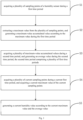
Fig. 2 is a flow chart of a method for calculating a humidity value of clothes in a clothes dryer according to a specific embodiment of the present invention; -
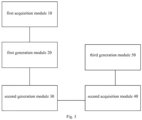
Fig. 3 is a block diagram of a device for calculating a humidity value of clothes in a clothes dryer according to an embodiment of the present invention; and -
Fig. 4 is a block diagram of a clothes dryer according to an embodiment of the present invention. - Reference numerals:
first acquisition module 10,first generation module 20,second generation module 30,second acquisition module 40,third generation module 50,clothes dryer 100, anddevice 200 for calculating humidity value of clothes. - Embodiments of the present invention will be described in detail and examples of the embodiments will be illustrated in the drawings, where same or similar reference numerals are used to indicate same or similar members or members with same or similar functions. The embodiments described herein with reference to drawings are explanatory, illustrative, and used to generally understand the present invention.
- The embodiments shall not be construed to limit the present invention.
- A method for calculating a humidity value of clothes in a clothes dryer, a device for calculating a humidity value of clothes in a clothes dryer, and a clothes dryer according to embodiments of the present invention will be described below in combination with the drawings.
-
Fig. 1 is a flow chart of a method for calculating a humidity value of clothes in a clothes dryer according to an embodiment of the present disclosure. As illustrated inFig. 1 , the method for calculating the humidity value of clothes in the clothes dryer includes the following actions. - At block S1, a plurality of sampling points of a humidity sensor during a first time period are acquired.
- Five sampling points can be provided. That is, the first time period includes five humidity pulse periods, one sampling point is acquired during each humidity pulse period, and five sampling points are acquired during the first time period.
- In addition, according to an embodiment of the present disclosure, the first time period is 0.5-1.5 seconds. Preferably, the first time period is 1 second. An action at block S1 can be understood as acquiring a set of sampling points of the humidity sensor every 1 second. For example, five sampling points are acquired in a time range of 0.5-1.5 seconds, which includes
humidity 1,humidity 2,humidity 3,humidity 4, and humidity 5, in which the maximum value is thehumidity 2. Then, in the next 1 second, i.e. in a time range of 1.5-2.5 seconds, other five sampling points of the humidity sensor are also acquired, which includes humidity 1', humidity 2', humidity 3', humidity 4', and humidity 5', in which the maximum value is the humidity 2'. And so on, five sampling points of the humidity sensor are respectively acquired every 1 second. - At block S2, a maximum value is extracted from the plurality of sampling points, and a maximum-value accumulated value is generated according to the maximum value during the first time period.
- Using the above example again, the maximum value of the five sampling points in the time range of 0.5-1.5 seconds is the
humidity 2, and the maximum value of the five sampling points in the time range of 1.5-2.5 seconds is the humidity 2'. An action at block S2 can be understood as extracting themaximum humidity 2 from the time range of 0.5-1.5 seconds, then extracting the maximum humidity 2' from the time range of 1.5-2.5 seconds, and accumulating two values of thehumidity 2 and the humidity 2' to acquire a maximum-value accumulated value in 0.5-2.5 seconds. And so on, the maximum value of the five sampling points is acquired and added to a previously obtained maximum-value accumulated value to acquire a new maximum-value accumulated value every second. - At block S3, a plurality of maximum-value accumulated values during a second time period are acquired, and an average value during the second time period is generated, in which the second time period includes a plurality of first time periods.
- In the above actions, one maximum value is acquired during each first time period. The second time period includes a plurality of first time periods, and each first time period corresponds to one maximum-value accumulated value. Therefore, a plurality of maximum-value accumulated values are averaged to acquire the average value during the second time period.
- Specifically, according to an embodiment of the present disclosure, the average value during the second time period is generated by the following formula:

maxNewHumi Value 1 sec represents the maximum-value accumulated value. - Using the above example again, the maximum value in the time range of 0.5-1.5 seconds is denoted by X1, the maximum value in the time range of 1.5-2.5 seconds is denoted by X2, the maximum value in the time range of 2.5-3.5 seconds is denoted by X3, and so on, until the last maximum value Xn during the second time period is acquired. Then, X1, X2, X3...Xn are added sequentially to obtain the maximum-value accumulated value, and the maximum-value accumulated value is divided by the second time period to obtain the average value Y during the second time period.
- According to an embodiment of the present disclosure, the second time period is 2-4 minutes, preferably 3 minutes.
- At block S4, a plurality of current sampling points during a current first time period are acquired, and a current maximum value of the current sampling points is acquired.
- It could be understood that, the current first time period merely has the same value as that of the above-described first time period, while the current first time period is after the second time period. That is, the plurality of current sampling points during the current first time period are acquired after the average value is acquired during the second time period, the plurality of current sampling points can includes
humidity 1",humidity 2",humidity 3",humidity 4" and humidity 5", in which thehumidity 3" is the maximum value of the sampling points, i.e. the current maximum value during the current first time period is denoted by Z, such as a current sampling point acquired in the immediate 1 second after the 3 minutes. - At block S5, a current humidity value is generated according to the current maximum value and the average value.
- The current humidity value is generated by the following formula:

- Specifically, as illustrated in
Fig. 2 , the method for calculating the humidity value of the clothes in the clothes dryer includes the following actions. - At block S201, it is determined that whether a time interval reaches 1 second, if so, perform an action at block S202.
- At block S202, the maximum value is extracted from the five sampling points in the time of 1 second.
- At block S203, the maximum value extracted at each time is accumulated o acquire the maximum-value accumulated value.
- At block S204, it is determined that whether time for performing an action at block S201 reaches 3 minutes, if so, perform an action at block S205, if not, return to the action at block S201.
- At block S205, the average value of the maximum-value accumulated value in three minutes is acquired, and the formula is ( Σ (the maximum-value accumulated
value ∗1 second))/(3 minutes*60). - At block S206, it is determined that whether a time interval after acquiring the average value of the maximum-value accumulated value reaches 1 second, if so, perform an action at block S207.
- At block S207, the maximum value is extracted in the current 1 second.
- At block S208, the current humidity value is calculated, the current humidity value = the average value of the maximum-value accumulated value * 0.995 + the maximum value in the current 1 second *0.005.
- In general, in the method for calculating the humidity value of clothes in the clothes dryer, first, the plurality of sampling points of the humidity sensor during the first time period are acquired. Next, the maximum value is extracted from the plurality of sampling points, and the maximum-value accumulated value is generated according to the maximum value during the first time period. Then the plurality of maximum-value accumulated values during the second time period are acquired, and the average value during the second time period is generated, in which the second time period includes a plurality of first time periods. Next, the plurality of current sampling points during the current first time period are acquired, and the current maximum value of the current sampling points is acquired. Finally the current humidity value is generated according to the current maximum value and the average value. Therefore, the humidity situation of the clothes in the clothes dryer can be comprehensively considered with the method for calculating the humidity value of clothes in the clothes dryer, which prevents from excessive drying or incomplete drying of the clothes, and improves the user experience.
- In addition, as illustrated in
Fig. 3 , embodiments of the present disclosure also provide a device for calculating the humidity value of the clothes in the clothes dryer, which includes afirst acquisition module 10, afirst generation module 20, asecond generation module 30, asecond acquisition module 40 and athird generation module 50. - The plurality of sampling points of the humidity sensor during the first time period are acquired by means of the
first acquisition module 10. Next, thefirst generation module 20 extracts the maximum value from the plurality of sampling points, and generates the maximum-value accumulated value according to the maximum value during the first time period. Then thesecond generation module 30 acquires the plurality of maximum-value accumulated values during the second time period, and generates the average value during the second time period, in which the second time period includes a plurality of first time periods. Next, thesecond acquisition module 40 acquires the plurality of current sampling points during the current first time period, and acquires the current maximum value of the current sampling points. Finally, thethird generation module 50 generates the current humidity value according to the current maximum value and the average value. Therefore, the humidity situation of the clothes in the clothes dryer can be comprehensively considered, which prevents from excessive drying or incomplete drying of the clothes, and improves the user experience. - According to an embodiment of the present disclosure, the average value during the second time period is generated by the following formula:
(Σ(maxNewHumiValue1sec * the first time period))/(the second time period * 60), in which maxNewHumiValue1sec represents the maximum-value accumulated value. - According to an embodiment of the present disclosure, the first time period is 0.5-1.5 seconds, and the second time period is 2-4 minutes, preferably 3 minutes.
- The current humidity value is generated by the following formula:
the current humidity value = the average value * 0.995 + the current maximum value * 0.005. - Specifically, the first acquiring
module 10 acquires the plurality of sampling points during the first time period of 0.5-1.5 seconds, the first acquiringmodule 10 acquires the plurality of sampling points during the next first time period of 1.5-2.5 seconds, and so on, the first acquiringmodule 10 acquires a plurality of sampling points during Nth first time period (i.e. 1 second interval), until the end of the initial second time period. Thefirst generation module 20 extracts the maximum value from the plurality of sampling points during the first time period of 0.5-1.5 seconds. Then thefirst generation module 20 extracts the maximum value from the plurality of sampling points during the next first time period of 1.5-2.5 seconds, and the maximum value is added to the previously extracted maximum value to acquire the maximum-value accumulated value. - Then, the
second generation module 30 acquires the maximum-value accumulated value during one second time period (which may be 3 minutes), and acquires the average value of the maximum-value accumulated value during the second time period. Next, thesecond acquisition module 40 acquires the plurality of current sampling points during the current first time period after the second time period, that is, thesecond acquisition module 40 acquires the plurality of sampling points after thesecond generation module 30 acquires the average value. Thethird generation module 50 extracts the maximum value from the plurality of current sampling points, and finally calculates the humidity value of the current clothes with the humidity calculating formula, so as to avoid inaccurate humidity calculation due to uneven humidity, insufficient contact, contact probability of the clothes or the like, which otherwise results in a situation that the clothes has an unsatisfactory drying effect. - In general, with the device for calculating the humidity value of clothes in the clothes dryer, the plurality of sampling points of the humidity sensor during the first time period are acquired by means of the first acquisition module. Next, the first generation module extracts the maximum value from the plurality of sampling points, and generates the maximum-value accumulated value according to the maximum value during the first time period. Then the second generation module acquires the plurality of maximum-value accumulated values during the second time period, and generates the average value during the second time period, in which the second time period includes a plurality of first time periods. Next, the second acquisition module acquires the plurality of current sampling points during the current first time period, and acquires the current maximum value of the current sampling points. Finally, the third generation module generates the current humidity value according to the current maximum value and the average value. Therefore, the humidity situation of the clothes in the clothes dryer can be comprehensively considered, which prevents from excessive drying or incomplete drying of the clothes, and improves the user experience.
- In addition, as illustrated in
Fig. 4 , embodiments of the present disclosure also provide aclothes dryer 100, the clothes dryer includes thedevice 200 for calculating the humidity value of the clothes in the clothes dryer described above. - In general, in the clothes dryer according to embodiments of the present disclosure, by providing the device for calculating the humidity of the clothes, the humidity situation of the clothes in the clothes dryer can be comprehensively considered, which prevents from excessive drying or incomplete drying of the clothes, and improves the user experience.
- In the specification, it is to be understood that terms such as "central," "longitudinal," "lateral," "length," "width," "thickness," "upper," "lower," "front," "rear," "left," "right," "vertical," "horizontal," "top," "bottom," "inner," "outer," "clockwise," "counterclockwise," "axial," "radial" and "circumferential" should be construed to refer to the orientation as then described or as shown in the drawings under discussion. These relative terms are for convenience of description and do not require that the present disclosure be constructed or operated in a particular orientation and should not be construed to limit the present disclosure.
- In addition, terms such as "first" and "second" are used herein for purposes of description and are not intended to indicate or imply relative importance or significance. Thus, the feature defined with "first" and "second" may indicate or imply that at least one this feature is included. In the description of the present disclosure, a term "a plurality of" means at least two, such as two, three, etc., unless specified otherwise.
- In the present disclosure, unless specified or limited otherwise, the terms "mounted," "connected," "coupled," "fixed" and the like are used broadly, and may be, for example, fixed connections, detachable connections, or integral connections; may also be mechanical or electrical connections; may also be direct connections or indirect connections via intervening structures; may also be inner communications of two elements. The above terms can be understood by those skilled in the art according to specific situations.
- In the present disclosure, unless specified or limited otherwise, a structure in which a first feature is "on" or "below" a second feature may include an embodiment in which the first feature is in direct contact with the second feature, and may also include an embodiment in which the first feature and the second feature are not in direct contact with each other, but are contacted via an additional feature formed therebetween. Furthermore, a first feature "on," "above," or "on top of" a second feature may include an embodiment in which the first feature is right or obliquely "on," "above," or "on top of" the second feature, or just means that the first feature is at a height higher than that of the second feature. While a first feature "below," "under," or "on bottom of" a second feature may include an embodiment in which the first feature is right or obliquely "below," "under," or "on bottom of" the second feature, or just means that the first feature is at a height lower than that of the second feature.
- Reference throughout this specification to "an embodiment," "some embodiments," "an example," "a specific example," or "some examples," means that a particular feature, structure, material, or characteristic described in connection with the embodiment or example is included in at least one embodiment or example of the present disclosure. Thus, the appearances of the phrases in various places throughout this specification are not necessarily referring to the same embodiment or example of the present disclosure.
- Although explanatory embodiments have been shown and described, it would be appreciated by those skilled in the art that the above embodiments cannot be construed to limit the present disclosure, and changes, modifications, alternatives, and variants can be made in the embodiments without departing from scope of the present invention as defined in the claims.
Claims (10)
- A method for calculating a humidity value of clothes in a clothes dryer, comprising:for each of a plurality of first time periods:acquiring (S 1) a first plurality of sampling points of a humidity sensor during the first time period, andextracting (S2, S202) a maximum value (X1, X2, X3, Xn) from the plurality of sampling points;generating a maximum-value accumulated value by adding the extracted maximum values (X1, X2, X3, Xn);acquiring (S3, S205) the maximum-value accumulated value during a second time period, the second time period including the plurality of first time periods, and generating an average value during the second time period by dividing the maximum-value accumulated value during the second time period by the second time period;acquiring (S4, S207), after generating the average value, a plurality of current sampling points during a current first time period, and acquiring a current maximum value of the current sampling points;generating (S208) a current humidity value according to the current maximum value and the average value;wherein the current humidity value is generated by the following formula:

- The method according to claim 1, wherein the average value during the second time period is generated by the following formula:

- The method according to claim 1, wherein the first time period is 0.5-1.5 seconds.
- The method according to claim 1, wherein the second time period is 2-4 minutes.
- The method according to any preceding claim, further comprising using the calculated current humidity value for preventing excessive drying or incomplete drying of the clothes.
- A device (200) for calculating a humidity value of clothes in a clothes dryer (100), comprising:a first acquisition module (10) configured to, for each of a plurality of first time periods, acquire a plurality of sampling points of a humidity sensor during the first time period;a first generation module (20) configured to for each of the plurality of first time periods extract a maximum value (X1, X2, X3, Xn) from the acquired plurality of sampling points, and generate a maximum-value accumulated value by adding the extracted maximum value (X1, X2, X3, Xn);a second generating module (30) configured to acquire the of maximum-value accumulated value during a second time period that includes the plurality of first time periods, and generate an average value during the second time period by dividing the maximum-value accumulated value during the second time period by the second time period;a second acquisition module (40) configured to acquire, after generation of the average value, a plurality of current sampling points during a current first time period, and acquire a current maximum value of the current sampling points;a third generation module (50) configured to generate a current humidity value according to the current maximum value and the average value;wherein the current humidity value is generated by the following formula:

- The device according to claim 6, wherein the average value during the second time period is generated by the following formula:

- The device according to claim 6, wherein the first time period is 0.5-1.5 seconds, and the second time period is 2-4 minutes.
- The device according to any of claims 6 to 8, configured to use the calculated current humidity value for preventing excessive drying or incomplete drying of the clothes.
- A clothes dryer (100), comprising: a device for calculating a humidity value of clothes in a clothes dryer according to any one of claims 6 to 9.
Applications Claiming Priority (2)
| Application Number | Priority Date | Filing Date | Title |
|---|---|---|---|
| CN201610874627.9A CN106337271B (en) | 2016-09-30 | 2016-09-30 | The humidity value calculating method and its device of clothing in dryer, dryer |
| PCT/CN2017/095058 WO2018059104A2 (en) | 2016-09-30 | 2017-07-28 | Clothes dryer, method and apparatus for calculating humidity value of clothes in clothes dryer |
Publications (3)
| Publication Number | Publication Date |
|---|---|
| EP3521504A2 EP3521504A2 (en) | 2019-08-07 |
| EP3521504A4 EP3521504A4 (en) | 2019-10-09 |
| EP3521504B1 true EP3521504B1 (en) | 2023-10-18 |
Family
ID=57839802
Family Applications (1)
| Application Number | Title | Priority Date | Filing Date |
|---|---|---|---|
| EP17854557.0A Active EP3521504B1 (en) | 2016-09-30 | 2017-07-28 | Clothes dryer, method and device for calculating humidity value of clothes in clothes dryer |
Country Status (4)
| Country | Link |
|---|---|
| US (1) | US11015282B2 (en) |
| EP (1) | EP3521504B1 (en) |
| CN (1) | CN106337271B (en) |
| WO (1) | WO2018059104A2 (en) |
Families Citing this family (1)
| Publication number | Priority date | Publication date | Assignee | Title |
|---|---|---|---|---|
| CN106337271B (en) | 2016-09-30 | 2018-05-01 | 无锡飞翎电子有限公司 | The humidity value calculating method and its device of clothing in dryer, dryer |
Family Cites Families (16)
| Publication number | Priority date | Publication date | Assignee | Title |
|---|---|---|---|---|
| US4738034A (en) * | 1985-12-16 | 1988-04-19 | Kabushiki Kaisha Toshiba | Drying machine |
| DE69002494T2 (en) * | 1989-03-24 | 1993-11-25 | Sanyo Electric Co | Method and device for controlling a clothes dryer. |
| WO2002090855A1 (en) * | 2001-05-10 | 2002-11-14 | Edwards Systems Technology, Incorporated | Absolute humidity sensor to control drying equipment |
| KR100540142B1 (en) * | 2003-08-12 | 2006-01-10 | 엘지전자 주식회사 | Detection signal shaping method of dry state detection sensor |
| KR100556806B1 (en) * | 2004-05-13 | 2006-03-10 | 엘지전자 주식회사 | Drying signal processing method of clothing dryer |
| JP2006296993A (en) * | 2005-04-25 | 2006-11-02 | Matsushita Electric Works Ltd | Washing and drying system |
| DE102006053274A1 (en) * | 2006-11-06 | 2008-05-08 | E.G.O. Elektro-Gerätebau GmbH | Method for determining the amount of charge in a tumble dryer and tumble dryer |
| KR101191204B1 (en) * | 2009-12-15 | 2012-10-15 | 엘지전자 주식회사 | Control method of clothes treatment apparatus |
| EP2407590A1 (en) * | 2010-07-13 | 2012-01-18 | BSH Bosch und Siemens Hausgeräte GmbH | Method for operating a clothes drying appliance and clothes drying appliance |
| EP2458078B2 (en) * | 2010-11-29 | 2022-07-20 | Electrolux Home Products Corporation N.V. | Rotatable-drum laundry drier and method of controlling a rotatable-drum laundry drier |
| US9206543B2 (en) * | 2011-10-14 | 2015-12-08 | Ecolab Usa Inc. | Dryer monitoring |
| KR20140125899A (en) * | 2013-04-18 | 2014-10-30 | 주식회사 에어로네트 | High-Speed Air-Jet Scanning Dryer |
| CN105105694B (en) * | 2015-07-21 | 2018-07-13 | 佛山市顺德区美的洗涤电器制造有限公司 | Apparatus for control of drying, method and the dish-washing machine of dish-washing machine |
| CN105509246B (en) * | 2015-12-24 | 2018-09-11 | 珠海格力电器股份有限公司 | Humidification control method and device for air conditioner |
| CN105648728B (en) * | 2016-04-14 | 2018-05-18 | 合肥工业大学 | A kind of automatic drying method of roller washing machine |
| CN106337271B (en) * | 2016-09-30 | 2018-05-01 | 无锡飞翎电子有限公司 | The humidity value calculating method and its device of clothing in dryer, dryer |
-
2016
- 2016-09-30 CN CN201610874627.9A patent/CN106337271B/en active Active
-
2017
- 2017-07-28 EP EP17854557.0A patent/EP3521504B1/en active Active
- 2017-07-28 WO PCT/CN2017/095058 patent/WO2018059104A2/en not_active Ceased
-
2019
- 2019-04-01 US US16/372,244 patent/US11015282B2/en active Active
Also Published As
| Publication number | Publication date |
|---|---|
| WO2018059104A3 (en) | 2018-05-17 |
| CN106337271B (en) | 2018-05-01 |
| WO2018059104A2 (en) | 2018-04-05 |
| EP3521504A2 (en) | 2019-08-07 |
| EP3521504A4 (en) | 2019-10-09 |
| CN106337271A (en) | 2017-01-18 |
| US11015282B2 (en) | 2021-05-25 |
| US20190226140A1 (en) | 2019-07-25 |
Similar Documents
| Publication | Publication Date | Title |
|---|---|---|
| CN105316895B (en) | A washing machine control method and washing machine | |
| CN106480685B (en) | Clothes drying method and clothes dryer | |
| RU2009144147A (en) | METHOD FOR DRUM DRYER DRYING | |
| CN107558098A (en) | The dewatering of device for clothing processing | |
| EP2684990A3 (en) | Laundry treating appliance and method of operation | |
| RU2013129924A (en) | DRYING MACHINE WITH ROTATING DRUM AND METHOD OF CONTROL DRYING MACHINE WITH ROTATING DRUM | |
| WO2011163528A3 (en) | Washing machine out of balance detection | |
| Palamara et al. | An effective algorithm for the generation of patient-specific Purkinje networks in computational electrocardiology | |
| JP2018153250A5 (en) | ||
| US11015282B2 (en) | Clothes dryer, method and device for calculating humidity value of clothes in clothes dryer | |
| EP2927364B1 (en) | Method of conducting a drying cycle in a laundry treating machine, laundry treating machine and electronic controller unit | |
| EP2593601B1 (en) | Method for operating a clothes drying appliance and clothes drying appliance | |
| KR100651902B1 (en) | Control method of automatic drying device | |
| JP6790931B2 (en) | Battery state estimator | |
| KR101655611B1 (en) | Perceiving method of stack state for fuel cell system | |
| CN109554903A (en) | Clothes-drying device and clothes drying time-correcting method | |
| JP2016102775A (en) | Electrical apparatus operating state identification method and system | |
| CN111442924B (en) | Systems and procedures | |
| CN110004686A (en) | The drying judgment method and condensing drying equipment of object to be dried | |
| CN109086447B (en) | Energy consumption detection method and device for heat pump equipment, computer equipment and storage medium | |
| CN113584836A (en) | Fan blowing method, fan and computer readable storage medium | |
| CN109554904A (en) | Dryer and dryer drying time setting method | |
| CN108866930A (en) | The method and apparatus and machine readable storage medium of laundry machine dehydration control | |
| CN113584842B (en) | Fan control method, control terminal and computer-readable storage medium | |
| CN110359250A (en) | A kind of control method and washing machine of the air-dry time of washing machine |
Legal Events
| Date | Code | Title | Description |
|---|---|---|---|
| STAA | Information on the status of an ep patent application or granted ep patent |
Free format text: STATUS: THE INTERNATIONAL PUBLICATION HAS BEEN MADE |
|
| PUAI | Public reference made under article 153(3) epc to a published international application that has entered the european phase |
Free format text: ORIGINAL CODE: 0009012 |
|
| STAA | Information on the status of an ep patent application or granted ep patent |
Free format text: STATUS: REQUEST FOR EXAMINATION WAS MADE |
|
| 17P | Request for examination filed |
Effective date: 20190426 |
|
| AK | Designated contracting states |
Kind code of ref document: A2 Designated state(s): AL AT BE BG CH CY CZ DE DK EE ES FI FR GB GR HR HU IE IS IT LI LT LU LV MC MK MT NL NO PL PT RO RS SE SI SK SM TR |
|
| AX | Request for extension of the european patent |
Extension state: BA ME |
|
| A4 | Supplementary search report drawn up and despatched |
Effective date: 20190905 |
|
| RIC1 | Information provided on ipc code assigned before grant |
Ipc: D06F 58/28 20060101AFI20190830BHEP |
|
| DAV | Request for validation of the european patent (deleted) | ||
| DAX | Request for extension of the european patent (deleted) | ||
| STAA | Information on the status of an ep patent application or granted ep patent |
Free format text: STATUS: EXAMINATION IS IN PROGRESS |
|
| 17Q | First examination report despatched |
Effective date: 20220325 |
|
| REG | Reference to a national code |
Ref country code: DE Ref legal event code: R079 Free format text: PREVIOUS MAIN CLASS: D06F0058280000 Ipc: D06F0058380000 Ref country code: DE Ref legal event code: R079 Ref document number: 602017075537 Country of ref document: DE Free format text: PREVIOUS MAIN CLASS: D06F0058280000 Ipc: D06F0058380000 |
|
| RIC1 | Information provided on ipc code assigned before grant |
Ipc: D06F 105/12 20200101ALN20230531BHEP Ipc: D06F 103/08 20200101ALN20230531BHEP Ipc: D06F 58/38 20200101AFI20230531BHEP |
|
| GRAP | Despatch of communication of intention to grant a patent |
Free format text: ORIGINAL CODE: EPIDOSNIGR1 |
|
| STAA | Information on the status of an ep patent application or granted ep patent |
Free format text: STATUS: GRANT OF PATENT IS INTENDED |
|
| INTG | Intention to grant announced |
Effective date: 20230711 |
|
| GRAS | Grant fee paid |
Free format text: ORIGINAL CODE: EPIDOSNIGR3 |
|
| GRAA | (expected) grant |
Free format text: ORIGINAL CODE: 0009210 |
|
| STAA | Information on the status of an ep patent application or granted ep patent |
Free format text: STATUS: THE PATENT HAS BEEN GRANTED |
|
| AK | Designated contracting states |
Kind code of ref document: B1 Designated state(s): AL AT BE BG CH CY CZ DE DK EE ES FI FR GB GR HR HU IE IS IT LI LT LU LV MC MK MT NL NO PL PT RO RS SE SI SK SM TR |
|
| REG | Reference to a national code |
Ref country code: GB Ref legal event code: FG4D |
|
| REG | Reference to a national code |
Ref country code: CH Ref legal event code: EP |
|
| REG | Reference to a national code |
Ref country code: IE Ref legal event code: FG4D |
|
| REG | Reference to a national code |
Ref country code: DE Ref legal event code: R096 Ref document number: 602017075537 Country of ref document: DE |
|
| REG | Reference to a national code |
Ref country code: LT Ref legal event code: MG9D |
|
| REG | Reference to a national code |
Ref country code: NL Ref legal event code: MP Effective date: 20231018 |
|
| REG | Reference to a national code |
Ref country code: AT Ref legal event code: MK05 Ref document number: 1622561 Country of ref document: AT Kind code of ref document: T Effective date: 20231018 |
|
| PG25 | Lapsed in a contracting state [announced via postgrant information from national office to epo] |
Ref country code: NL Free format text: LAPSE BECAUSE OF FAILURE TO SUBMIT A TRANSLATION OF THE DESCRIPTION OR TO PAY THE FEE WITHIN THE PRESCRIBED TIME-LIMIT Effective date: 20231018 |
|
| PG25 | Lapsed in a contracting state [announced via postgrant information from national office to epo] |
Ref country code: GR Free format text: LAPSE BECAUSE OF FAILURE TO SUBMIT A TRANSLATION OF THE DESCRIPTION OR TO PAY THE FEE WITHIN THE PRESCRIBED TIME-LIMIT Effective date: 20240119 |
|
| PG25 | Lapsed in a contracting state [announced via postgrant information from national office to epo] |
Ref country code: IS Free format text: LAPSE BECAUSE OF FAILURE TO SUBMIT A TRANSLATION OF THE DESCRIPTION OR TO PAY THE FEE WITHIN THE PRESCRIBED TIME-LIMIT Effective date: 20240218 |
|
| PG25 | Lapsed in a contracting state [announced via postgrant information from national office to epo] |
Ref country code: LT Free format text: LAPSE BECAUSE OF FAILURE TO SUBMIT A TRANSLATION OF THE DESCRIPTION OR TO PAY THE FEE WITHIN THE PRESCRIBED TIME-LIMIT Effective date: 20231018 |
|
| PG25 | Lapsed in a contracting state [announced via postgrant information from national office to epo] |
Ref country code: AT Free format text: LAPSE BECAUSE OF FAILURE TO SUBMIT A TRANSLATION OF THE DESCRIPTION OR TO PAY THE FEE WITHIN THE PRESCRIBED TIME-LIMIT Effective date: 20231018 |
|
| PG25 | Lapsed in a contracting state [announced via postgrant information from national office to epo] |
Ref country code: ES Free format text: LAPSE BECAUSE OF FAILURE TO SUBMIT A TRANSLATION OF THE DESCRIPTION OR TO PAY THE FEE WITHIN THE PRESCRIBED TIME-LIMIT Effective date: 20231018 |
|
| PG25 | Lapsed in a contracting state [announced via postgrant information from national office to epo] |
Ref country code: LT Free format text: LAPSE BECAUSE OF FAILURE TO SUBMIT A TRANSLATION OF THE DESCRIPTION OR TO PAY THE FEE WITHIN THE PRESCRIBED TIME-LIMIT Effective date: 20231018 Ref country code: IS Free format text: LAPSE BECAUSE OF FAILURE TO SUBMIT A TRANSLATION OF THE DESCRIPTION OR TO PAY THE FEE WITHIN THE PRESCRIBED TIME-LIMIT Effective date: 20240218 Ref country code: GR Free format text: LAPSE BECAUSE OF FAILURE TO SUBMIT A TRANSLATION OF THE DESCRIPTION OR TO PAY THE FEE WITHIN THE PRESCRIBED TIME-LIMIT Effective date: 20240119 Ref country code: ES Free format text: LAPSE BECAUSE OF FAILURE TO SUBMIT A TRANSLATION OF THE DESCRIPTION OR TO PAY THE FEE WITHIN THE PRESCRIBED TIME-LIMIT Effective date: 20231018 Ref country code: BG Free format text: LAPSE BECAUSE OF FAILURE TO SUBMIT A TRANSLATION OF THE DESCRIPTION OR TO PAY THE FEE WITHIN THE PRESCRIBED TIME-LIMIT Effective date: 20240118 Ref country code: AT Free format text: LAPSE BECAUSE OF FAILURE TO SUBMIT A TRANSLATION OF THE DESCRIPTION OR TO PAY THE FEE WITHIN THE PRESCRIBED TIME-LIMIT Effective date: 20231018 Ref country code: PT Free format text: LAPSE BECAUSE OF FAILURE TO SUBMIT A TRANSLATION OF THE DESCRIPTION OR TO PAY THE FEE WITHIN THE PRESCRIBED TIME-LIMIT Effective date: 20240219 |
|
| PG25 | Lapsed in a contracting state [announced via postgrant information from national office to epo] |
Ref country code: SE Free format text: LAPSE BECAUSE OF FAILURE TO SUBMIT A TRANSLATION OF THE DESCRIPTION OR TO PAY THE FEE WITHIN THE PRESCRIBED TIME-LIMIT Effective date: 20231018 Ref country code: RS Free format text: LAPSE BECAUSE OF FAILURE TO SUBMIT A TRANSLATION OF THE DESCRIPTION OR TO PAY THE FEE WITHIN THE PRESCRIBED TIME-LIMIT Effective date: 20231018 Ref country code: PL Free format text: LAPSE BECAUSE OF FAILURE TO SUBMIT A TRANSLATION OF THE DESCRIPTION OR TO PAY THE FEE WITHIN THE PRESCRIBED TIME-LIMIT Effective date: 20231018 Ref country code: NO Free format text: LAPSE BECAUSE OF FAILURE TO SUBMIT A TRANSLATION OF THE DESCRIPTION OR TO PAY THE FEE WITHIN THE PRESCRIBED TIME-LIMIT Effective date: 20240118 Ref country code: LV Free format text: LAPSE BECAUSE OF FAILURE TO SUBMIT A TRANSLATION OF THE DESCRIPTION OR TO PAY THE FEE WITHIN THE PRESCRIBED TIME-LIMIT Effective date: 20231018 Ref country code: HR Free format text: LAPSE BECAUSE OF FAILURE TO SUBMIT A TRANSLATION OF THE DESCRIPTION OR TO PAY THE FEE WITHIN THE PRESCRIBED TIME-LIMIT Effective date: 20231018 |
|
| PG25 | Lapsed in a contracting state [announced via postgrant information from national office to epo] |
Ref country code: DK Free format text: LAPSE BECAUSE OF FAILURE TO SUBMIT A TRANSLATION OF THE DESCRIPTION OR TO PAY THE FEE WITHIN THE PRESCRIBED TIME-LIMIT Effective date: 20231018 |
|
| REG | Reference to a national code |
Ref country code: DE Ref legal event code: R097 Ref document number: 602017075537 Country of ref document: DE |
|
| PG25 | Lapsed in a contracting state [announced via postgrant information from national office to epo] |
Ref country code: CZ Free format text: LAPSE BECAUSE OF FAILURE TO SUBMIT A TRANSLATION OF THE DESCRIPTION OR TO PAY THE FEE WITHIN THE PRESCRIBED TIME-LIMIT Effective date: 20231018 |
|
| PG25 | Lapsed in a contracting state [announced via postgrant information from national office to epo] |
Ref country code: SK Free format text: LAPSE BECAUSE OF FAILURE TO SUBMIT A TRANSLATION OF THE DESCRIPTION OR TO PAY THE FEE WITHIN THE PRESCRIBED TIME-LIMIT Effective date: 20231018 |
|
| PG25 | Lapsed in a contracting state [announced via postgrant information from national office to epo] |
Ref country code: SM Free format text: LAPSE BECAUSE OF FAILURE TO SUBMIT A TRANSLATION OF THE DESCRIPTION OR TO PAY THE FEE WITHIN THE PRESCRIBED TIME-LIMIT Effective date: 20231018 Ref country code: SK Free format text: LAPSE BECAUSE OF FAILURE TO SUBMIT A TRANSLATION OF THE DESCRIPTION OR TO PAY THE FEE WITHIN THE PRESCRIBED TIME-LIMIT Effective date: 20231018 Ref country code: RO Free format text: LAPSE BECAUSE OF FAILURE TO SUBMIT A TRANSLATION OF THE DESCRIPTION OR TO PAY THE FEE WITHIN THE PRESCRIBED TIME-LIMIT Effective date: 20231018 Ref country code: IT Free format text: LAPSE BECAUSE OF FAILURE TO SUBMIT A TRANSLATION OF THE DESCRIPTION OR TO PAY THE FEE WITHIN THE PRESCRIBED TIME-LIMIT Effective date: 20231018 Ref country code: EE Free format text: LAPSE BECAUSE OF FAILURE TO SUBMIT A TRANSLATION OF THE DESCRIPTION OR TO PAY THE FEE WITHIN THE PRESCRIBED TIME-LIMIT Effective date: 20231018 Ref country code: DK Free format text: LAPSE BECAUSE OF FAILURE TO SUBMIT A TRANSLATION OF THE DESCRIPTION OR TO PAY THE FEE WITHIN THE PRESCRIBED TIME-LIMIT Effective date: 20231018 Ref country code: CZ Free format text: LAPSE BECAUSE OF FAILURE TO SUBMIT A TRANSLATION OF THE DESCRIPTION OR TO PAY THE FEE WITHIN THE PRESCRIBED TIME-LIMIT Effective date: 20231018 |
|
| PLBE | No opposition filed within time limit |
Free format text: ORIGINAL CODE: 0009261 |
|
| STAA | Information on the status of an ep patent application or granted ep patent |
Free format text: STATUS: NO OPPOSITION FILED WITHIN TIME LIMIT |
|
| 26N | No opposition filed |
Effective date: 20240719 |
|
| PG25 | Lapsed in a contracting state [announced via postgrant information from national office to epo] |
Ref country code: SI Free format text: LAPSE BECAUSE OF FAILURE TO SUBMIT A TRANSLATION OF THE DESCRIPTION OR TO PAY THE FEE WITHIN THE PRESCRIBED TIME-LIMIT Effective date: 20231018 |
|
| PG25 | Lapsed in a contracting state [announced via postgrant information from national office to epo] |
Ref country code: SI Free format text: LAPSE BECAUSE OF FAILURE TO SUBMIT A TRANSLATION OF THE DESCRIPTION OR TO PAY THE FEE WITHIN THE PRESCRIBED TIME-LIMIT Effective date: 20231018 |
|
| PG25 | Lapsed in a contracting state [announced via postgrant information from national office to epo] |
Ref country code: MC Free format text: LAPSE BECAUSE OF FAILURE TO SUBMIT A TRANSLATION OF THE DESCRIPTION OR TO PAY THE FEE WITHIN THE PRESCRIBED TIME-LIMIT Effective date: 20231018 |
|
| REG | Reference to a national code |
Ref country code: CH Ref legal event code: PL |
|
| PG25 | Lapsed in a contracting state [announced via postgrant information from national office to epo] |
Ref country code: LU Free format text: LAPSE BECAUSE OF NON-PAYMENT OF DUE FEES Effective date: 20240728 |
|
| GBPC | Gb: european patent ceased through non-payment of renewal fee |
Effective date: 20240728 |
|
| PG25 | Lapsed in a contracting state [announced via postgrant information from national office to epo] |
Ref country code: LU Free format text: LAPSE BECAUSE OF NON-PAYMENT OF DUE FEES Effective date: 20240728 |
|
| PG25 | Lapsed in a contracting state [announced via postgrant information from national office to epo] |
Ref country code: CH Free format text: LAPSE BECAUSE OF NON-PAYMENT OF DUE FEES Effective date: 20240731 Ref country code: BE Free format text: LAPSE BECAUSE OF NON-PAYMENT OF DUE FEES Effective date: 20240731 |
|
| PG25 | Lapsed in a contracting state [announced via postgrant information from national office to epo] |
Ref country code: FR Free format text: LAPSE BECAUSE OF NON-PAYMENT OF DUE FEES Effective date: 20240731 |
|
| PG25 | Lapsed in a contracting state [announced via postgrant information from national office to epo] |
Ref country code: GB Free format text: LAPSE BECAUSE OF NON-PAYMENT OF DUE FEES Effective date: 20240728 |
|
| REG | Reference to a national code |
Ref country code: BE Ref legal event code: MM Effective date: 20240731 |
|
| PG25 | Lapsed in a contracting state [announced via postgrant information from national office to epo] |
Ref country code: IE Free format text: LAPSE BECAUSE OF NON-PAYMENT OF DUE FEES Effective date: 20240728 |
|
| PG25 | Lapsed in a contracting state [announced via postgrant information from national office to epo] |
Ref country code: FI Free format text: LAPSE BECAUSE OF FAILURE TO SUBMIT A TRANSLATION OF THE DESCRIPTION OR TO PAY THE FEE WITHIN THE PRESCRIBED TIME-LIMIT Effective date: 20231019 |
|
| PGFP | Annual fee paid to national office [announced via postgrant information from national office to epo] |
Ref country code: DE Payment date: 20250724 Year of fee payment: 9 |
|
| PG25 | Lapsed in a contracting state [announced via postgrant information from national office to epo] |
Ref country code: CY Free format text: LAPSE BECAUSE OF FAILURE TO SUBMIT A TRANSLATION OF THE DESCRIPTION OR TO PAY THE FEE WITHIN THE PRESCRIBED TIME-LIMIT; INVALID AB INITIO Effective date: 20170728 |
|
| PG25 | Lapsed in a contracting state [announced via postgrant information from national office to epo] |
Ref country code: HU Free format text: LAPSE BECAUSE OF FAILURE TO SUBMIT A TRANSLATION OF THE DESCRIPTION OR TO PAY THE FEE WITHIN THE PRESCRIBED TIME-LIMIT; INVALID AB INITIO Effective date: 20170728 |