EP3521427A1 - Odorant receptor co-receptor - Google Patents
Odorant receptor co-receptor Download PDFInfo
- Publication number
- EP3521427A1 EP3521427A1 EP17856153.6A EP17856153A EP3521427A1 EP 3521427 A1 EP3521427 A1 EP 3521427A1 EP 17856153 A EP17856153 A EP 17856153A EP 3521427 A1 EP3521427 A1 EP 3521427A1
- Authority
- EP
- European Patent Office
- Prior art keywords
- receptor
- amino acid
- acid sequence
- insect
- odorant
- Prior art date
- Legal status (The legal status is an assumption and is not a legal conclusion. Google has not performed a legal analysis and makes no representation as to the accuracy of the status listed.)
- Pending
Links
Images




Classifications
-
- C—CHEMISTRY; METALLURGY
- C07—ORGANIC CHEMISTRY
- C07K—PEPTIDES
- C07K14/00—Peptides having more than 20 amino acids; Gastrins; Somatostatins; Melanotropins; Derivatives thereof
- C07K14/435—Peptides having more than 20 amino acids; Gastrins; Somatostatins; Melanotropins; Derivatives thereof from animals; from humans
- C07K14/43504—Peptides having more than 20 amino acids; Gastrins; Somatostatins; Melanotropins; Derivatives thereof from animals; from humans from invertebrates
- C07K14/43563—Peptides having more than 20 amino acids; Gastrins; Somatostatins; Melanotropins; Derivatives thereof from animals; from humans from invertebrates from insects
- C07K14/43577—Peptides having more than 20 amino acids; Gastrins; Somatostatins; Melanotropins; Derivatives thereof from animals; from humans from invertebrates from insects from flies
- C07K14/43581—Peptides having more than 20 amino acids; Gastrins; Somatostatins; Melanotropins; Derivatives thereof from animals; from humans from invertebrates from insects from flies from Drosophila
-
- C—CHEMISTRY; METALLURGY
- C07—ORGANIC CHEMISTRY
- C07K—PEPTIDES
- C07K14/00—Peptides having more than 20 amino acids; Gastrins; Somatostatins; Melanotropins; Derivatives thereof
- C07K14/435—Peptides having more than 20 amino acids; Gastrins; Somatostatins; Melanotropins; Derivatives thereof from animals; from humans
- C07K14/705—Receptors; Cell surface antigens; Cell surface determinants
-
- C—CHEMISTRY; METALLURGY
- C07—ORGANIC CHEMISTRY
- C07K—PEPTIDES
- C07K19/00—Hybrid peptides, i.e. peptides covalently bound to nucleic acids, or non-covalently bound protein-protein complexes
-
- C—CHEMISTRY; METALLURGY
- C12—BIOCHEMISTRY; BEER; SPIRITS; WINE; VINEGAR; MICROBIOLOGY; ENZYMOLOGY; MUTATION OR GENETIC ENGINEERING
- C12N—MICROORGANISMS OR ENZYMES; COMPOSITIONS THEREOF; PROPAGATING, PRESERVING, OR MAINTAINING MICROORGANISMS; MUTATION OR GENETIC ENGINEERING; CULTURE MEDIA
- C12N15/00—Mutation or genetic engineering; DNA or RNA concerning genetic engineering, vectors, e.g. plasmids, or their isolation, preparation or purification; Use of hosts therefor
- C12N15/09—Recombinant DNA-technology
-
- C—CHEMISTRY; METALLURGY
- C12—BIOCHEMISTRY; BEER; SPIRITS; WINE; VINEGAR; MICROBIOLOGY; ENZYMOLOGY; MUTATION OR GENETIC ENGINEERING
- C12N—MICROORGANISMS OR ENZYMES; COMPOSITIONS THEREOF; PROPAGATING, PRESERVING, OR MAINTAINING MICROORGANISMS; MUTATION OR GENETIC ENGINEERING; CULTURE MEDIA
- C12N15/00—Mutation or genetic engineering; DNA or RNA concerning genetic engineering, vectors, e.g. plasmids, or their isolation, preparation or purification; Use of hosts therefor
- C12N15/09—Recombinant DNA-technology
- C12N15/63—Introduction of foreign genetic material using vectors; Vectors; Use of hosts therefor; Regulation of expression
- C12N15/79—Vectors or expression systems specially adapted for eukaryotic hosts
- C12N15/85—Vectors or expression systems specially adapted for eukaryotic hosts for animal cells
-
- C—CHEMISTRY; METALLURGY
- C12—BIOCHEMISTRY; BEER; SPIRITS; WINE; VINEGAR; MICROBIOLOGY; ENZYMOLOGY; MUTATION OR GENETIC ENGINEERING
- C12N—MICROORGANISMS OR ENZYMES; COMPOSITIONS THEREOF; PROPAGATING, PRESERVING, OR MAINTAINING MICROORGANISMS; MUTATION OR GENETIC ENGINEERING; CULTURE MEDIA
- C12N5/00—Undifferentiated human, animal or plant cells, e.g. cell lines; Tissues; Cultivation or maintenance thereof; Culture media therefor
- C12N5/10—Cells modified by introduction of foreign genetic material
-
- G—PHYSICS
- G01—MEASURING; TESTING
- G01N—INVESTIGATING OR ANALYSING MATERIALS BY DETERMINING THEIR CHEMICAL OR PHYSICAL PROPERTIES
- G01N33/00—Investigating or analysing materials by specific methods not covered by groups G01N1/00 - G01N31/00
- G01N33/0004—Gaseous mixtures, e.g. polluted air
-
- C—CHEMISTRY; METALLURGY
- C12—BIOCHEMISTRY; BEER; SPIRITS; WINE; VINEGAR; MICROBIOLOGY; ENZYMOLOGY; MUTATION OR GENETIC ENGINEERING
- C12N—MICROORGANISMS OR ENZYMES; COMPOSITIONS THEREOF; PROPAGATING, PRESERVING, OR MAINTAINING MICROORGANISMS; MUTATION OR GENETIC ENGINEERING; CULTURE MEDIA
- C12N15/00—Mutation or genetic engineering; DNA or RNA concerning genetic engineering, vectors, e.g. plasmids, or their isolation, preparation or purification; Use of hosts therefor
- C12N15/09—Recombinant DNA-technology
- C12N15/63—Introduction of foreign genetic material using vectors; Vectors; Use of hosts therefor; Regulation of expression
- C12N15/79—Vectors or expression systems specially adapted for eukaryotic hosts
- C12N15/85—Vectors or expression systems specially adapted for eukaryotic hosts for animal cells
- C12N15/8509—Vectors or expression systems specially adapted for eukaryotic hosts for animal cells for producing genetically modified animals, e.g. transgenic
- C12N2015/8527—Vectors or expression systems specially adapted for eukaryotic hosts for animal cells for producing genetically modified animals, e.g. transgenic for producing animal models, e.g. for tests or diseases
- C12N2015/859—Animal models comprising reporter system for screening tests
Definitions
- the present invention relates to an odorant receptor co-receptor.
- the present invention also relates to a polynucleotide encoding an odorant receptor co-receptor, an expression plasmid having the polynucleotide incorporated therein, and a cell having the expression plasmid incorporated therein.
- living organisms such as a dog or a nematode may be utilized.
- methods of utilizing living organisms are capable of detecting an odorous substance with high sensitivity, the methods lack stability, since there are fluctuations depending on the conditions or the individual.
- the duration of the power of concentration it is also considered difficult to utilize the methods for a long time period.
- an odorant receptor complex composed of an odorant receptor (hereinafter, may be referred to as "OR") that recognizes odorous substances, and an odorant receptor co-receptor (hereinafter, may be referred to as "ORCO” or "co-receptor”).
- the odorant receptor complex When the odorant receptor complex is activated by an odorous substance, the complex exhibits ion channel activity, and the odorous substance is detected by that complex ( U. Benjamin Kaupp, Nature Reviews Neuroscience, Vol. 11 (2010), p. 188-200 ).
- the concentration of the odorous substance may be very low. Therefore, an olfactory sensor that is used for detecting an odorous substance is required to be highly sensitive.
- the present invention was achieved in view of the above-described circumstances, and it is an object of the invention to provide an odorant receptor co-receptor that exhibits excellent detection sensitivity for an odorous substance when bound to an odorant receptor to form an odorant receptor complex.
- the inventors of the present invention conducted an investigation on chimeric odorant receptor co-receptors obtained by recombining two insect odorant receptor co-receptors of different varieties, and as a result, the inventors found that in a case in which the position of recombination of the two kinds of odorant receptor co-receptors is in the vicinity of the farthest carboxyl-terminal amino acid residue of the fourth transmembrane domain in the odorant receptor co-receptor, the odorant receptor complex having the chimeric odorant receptor co-receptor thus obtained has superior detection sensitivity to an odorous substance compared to an odorant receptor complex having the original odorant receptor co-receptor.
- the invention is based on these findings.
- the invention relates to, for example, the following items [1] to [17].
- a chimeric odorant receptor co-receptor that exhibits excellent detection sensitivity to odorous substances when bound to an odorant receptor to form an odorant receptor complex.
- the odorant receptor complex having the chimeric odorant receptor co-receptor of the invention exhibits superior detection sensitivity to odorous substances compared to an odorant receptor complex having each one of two kinds of odorant receptor co-receptors which are origin of the chimeric odorant receptor co-receptors.
- the invention can also provide a polynucleotide encoding the chimeric odorant receptor co-receptor according to the invention, an expression plasmid having the polynucleotide incorporated therein, and a cell having the polynucleotide or the expression plasmid incorporated therein.
- Odorant receptors of insects constitute a class of G protein-coupled receptors having a seven-transmembrane structure and the recognition specificity of the odorant receptors to odorants is high.
- odorant-specific odorant receptors are known.
- an odorant receptor co-receptor of an insect is a membrane protein having a seven-transmembrane structure as in the case of an odorant receptor, the odorant receptor co-receptor itself does not recognize odorous substances and functions by forming a hetero-complex with an odorant receptor.
- the odorant receptor co-receptors are conserved in all insects and are known as Orco family.
- N-terminus amino-terminus
- C-terminus carboxyl-terminal
- NT N-terminal domain
- TM1 first transmembrane domain
- EC1 first extracellular loop
- TM2 second transmembrane domain
- IC1 first intracellular loop
- TM3 third transmembrane domain
- EC2 second extracellular loop
- TM4 fourth transmembrane domain
- IC2 second intracellular loop
- TM5 fifth transmembrane domain
- EC3 third extracellular loop
- TM6 sixth transmembrane domain
- IC3 seventh transmembrane domain
- TM7 seventh transmembrane domain
- CT C-terminal domain
- An odorant receptor complex which is a hetero complex composed of the above-mentioned odorant receptor and the above-mentioned odorant receptor co-receptor, has ion channel activity that is activated by an odorous substance.
- the odorant receptor complex When the odorant receptor complex is activated, the odorant receptor complex causes cations such as sodium ions (Na + ) and calcium ions (Ca 2+ ) to flow into cells.
- the odorant receptor co-receptor of the present embodiment includes, in order from its N-terminus, a first amino acid sequence that is a partial amino acid sequence of an odorant receptor co-receptor of a first insect or a variant of the co-receptor; and a second amino acid sequence that is a partial amino acid sequence of an odorant receptor co-receptor of a second insect of a variety different from the first insect or a variant of the co-receptor. That is, the odorant receptor co-receptor of the present embodiment includes a first amino acid sequence, and subsequent to the farthest C-terminal amino acid residue of the first amino acid sequence, a second amino acid sequence.
- variant refers to a protein that retains the function as a co-receptor compared to an intended protein, but has several different amino acid residues compared to the amino acid sequence of the intended protein. Specifically, a variant may have one to ten different amino acid residues, may have one to five different amino acid residues, or may have one or two different amino acid residues. Such variation of amino acid residues may be specifically deletion, substitution, addition, and the like of amino acid variation. These include deletion, substitution, addition, and the like of amino acids occurring as a result of genetic mutations naturally occurring due to species differences, individual differences, or the like of the living organism from which the co-receptor is derived, as well as genetic mutations that are artificially introduced.
- the substitution of an amino acid may be, for example, conservative substitution with an amino acid having similar features in hydrophobicity, electric charge, pK, and the steric structure.
- the first insect and the second insect are insects of varieties different from each other.
- the first insect and the second insect may be insects of the superorder Endopterygota.
- Examples of the insects of the superorder Endopterygota include the order Diptera such as the genus Culicidae and the genus Drosophilidae; the order Lepidoptera such as the genus Bombycidae; and the order Hymenoptera such as the genus Apidae.
- the first insect and the second insect may be insects of different varieties selected from the group consisting of insects of the order Diptera, insects of the order Lepidoptera, and insects of the order Hymenoptera.
- Examples of the insects of the genus Culicidae include Anopheles gambiae , Aedes aegypti , and Culex quinquefasciatus.
- Examples of the insects of the genus Drosophilidae include Drosophila melanogaster , Drosophila pseudoobscura , and Drosophila virillis.
- Examples of the genus Bombycidae include Bombyx mori, Bombyx mandarina , and Trilocha varians.
- Examples of the insects of the genus Apidae include Apis mellifera, Apis florea, Apis dorsata, and Bombus terrestris.
- the first insect is preferably Aedes aegypti, Anopheles gambiae, or Drosophila melanogaster.
- the second insect is preferably Aedes aegypti or Apis mellifera.
- the first insect and the second insect may be arbitrarily combined as long as the insects are insects of varieties different from each other.
- a specific combination of the first insect and the second insect may be, for example, a combination of Drosophila melanogaster as the first insect and Apis mellifera as the second insect; a combination of Drosophila melanogaster as the first insect and Aedes aegypti as the second insect; or a combination of Aedes aegypti as the first insect and Apis mellifera as the second insect.
- the first amino acid sequence is an amino acid sequence that is contiguous from the N-terminus of an odorant receptor co-receptor of a first insect or a variant of the co-receptor, to several amino acid residues positioned in the range of twenty amino acid residues before and after the farthest C-terminal amino acid residue of the fourth transmembrane domain.
- the first amino acid sequence is an amino acid sequence including from the N-terminal domain (NT) of an odorant receptor co-receptor of a first insect or a variant of the co-receptor, with a first transmembrane domain (TM1), a first extracellular loop (EC1), a second transmembrane domain (TM2), a first intracellular loop (IC1), a third transmembrane domain (TM3), and a second extracellular loop (EC2) being subsequently disposed, to any one amino acid residue positioned in the range of twenty amino acid residues before and after the farthest C-terminal amino acid residue of the fourth transmembrane domain (TM4).
- NT N-terminal domain
- TM2 first transmembrane domain
- EC1 first extracellular loop
- TM2 second transmembrane domain
- IC1 intracellular loop
- TM3 third transmembrane domain
- EC2 second extracellular loop
- the farthest C-terminal amino acid residue of the first amino acid sequence may be any one amino acid residue positioned in the range of twenty amino acid residues before and after the farthest C-terminal amino acid residue of the fourth transmembrane domain in the odorant receptor co-receptor of the first insect or a variant of the co-receptor; may be any one amino acid residue positioned in the range of fifteen amino acid residues before and after the farthest C-terminal amino acid residue of the fourth transmembrane domain; may be any one amino acid residue positioned in the range of ten amino acid residues before and after the farthest C-terminal amino acid residue of the fourth transmembrane domain; may be any one amino acid residue positioned in the range of five amino acid residues before and after the amino acid residue furthest C-terminal side of the fourth transmembrane domain; or may be the farthest C-terminal amino acid residue of the fourth transmembrane domain.
- the first amino acid sequence may be, for example, an amino acid sequence having an identity of 90% or higher with an amino acid sequence that is contiguous from the N-terminal amino acid residue of the N-terminal domain of an odorant receptor co-receptor of Drosophila melanogaster to the farthest C-terminal amino acid residue of the fourth transmembrane domain (SEQ ID NO:1), or the first amino acid sequence may be an amino acid sequence having an identity of 95% or higher therewith; may be an amino acid sequence having an identity of 98% or higher therewith; may be an amino acid sequence having an identity of 99% or higher therewith; or may be a 100% identical amino acid sequence.
- the first amino acid sequence may be, for example, an amino acid sequence having an identity of 90% or higher with an amino acid sequence that is contiguous from the N-terminal amino acid residue of the N-terminal domain of an odorant receptor co-receptor of Aedes aegypti to the farthest C-terminal amino acid residue of the fourth transmembrane domain (SEQ ID NO:135), or the first amino acid sequence may be an amino acid sequence having an identity of 95% or higher therewith; may be an amino acid sequence having an identity of 98% or higher therewith; may be an amino acid sequence having an identity of 99% or higher therewith; or may be a 100% identical amino acid sequence.
- the first amino acid sequence may be, for example, an amino acid sequence having an identity of 90% or higher with an amino acid sequence that is contiguous from the N-terminal amino acid residue of the N-terminal domain of an odorant receptor co-receptor of Anopheles gambiae to the farthest C-terminal amino acid residue of the fourth transmembrane domain (SEQ ID NO: 136), or the first amino acid sequence may be an amino acid sequence having an identity of 95% or higher thererwith; may be an amino acid sequence having an identity of 98% or higher therewith; may be an amino acid sequence having an identity of 99% or higher therewith; or may be a 100% identical amino acid sequence.
- the second amino acid sequence is an amino acid sequence that is contiguous from an amino acid residue at a position that is one position C-terminal to a position corresponding, in an alignment analysis of the amino acid sequence of the first insect odorant receptor co-receptor or the variant thereof and the amino acid sequence of the second insect odorant receptor co-receptor or the variant thereof, to the farthest C-terminal amino acid residue of the first amino acid sequence in the odorant receptor co-receptor of the second insect or a variant of the co-receptor, to the C-terminus of the odorant receptor co-receptor of the second insect or a variant of the co-receptor.
- the second amino acid sequence is, for example, an amino acid sequence including from any one amino acid residue positioned in the range of about twenty amino acid residues before and after the farthest N-terminal amino acid residue of the second intracellular loop (IC2) of the odorant receptor co-receptor of the second insect or a variant of the co-receptor, with a fifth transmembrane domain (TM5), a third extracellular loop (EC3), a sixth transmembrane domain (TM6), a third intracellular loop (IC3), and a seventh transmembrane domain (TM7) being subsequently disposed, to the C-terminal domain (CT).
- TM5 transmembrane domain
- EC3 third extracellular loop
- TM6 sixth transmembrane domain
- IC3 third intracellular loop
- TM7 seventh transmembrane domain
- the odorant receptor co-receptor of the present embodiment having the first amino acid sequence and the second amino acid sequence is such that the amino acid sequence at a position corresponding to the second amino acid sequence in the odorant receptor co-receptor of the first insect has been replaced with the amino acid sequence of the odorant receptor co-receptor of the second insect. Any duplication or deletion in the amino acid residue at a corresponding position in an alignment of the amino acid sequences of the original two kinds of odorant receptor co-receptors does not exist between the first amino acid sequence and the second amino acid sequence.
- the second amino acid sequence may be, for example, an amino acid sequence having an identity of 90% or higher with an amino acid sequence that is contiguous from the farthest N-terminal amino acid residue of the second intracellular loop of an odorant receptor co-receptor of Apis mellifera to the C-terminal amino acid residue of the C-terminal domain (SEQ ID NO:2), or the second amino acid sequence may be an amino acid sequence having an identity of 95% or higher therewith; may be an amino acid sequence having an identity of 98% or higher therewith; may be an amino acid sequence having an identity of 99% or higher therewith; or may be a 100% identical amino acid sequence.
- the second amino acid sequence may be, for example, an amino acid sequence having an identity of 90% or higher with an amino acid sequence that is contiguous from the farthest N-terminal amino acid residue of the second intracellular loop of an odorant receptor co-receptor of Aedes aegypti to the C-terminal amino acid residue of the C-terminal domain (SEQ ID NO:137), or the second amino acid sequence may be an amino acid sequence having an identity of 95% or higher therewith; may be an amino acid sequence having an identity of 98% or higher therewith; may be an amino acid sequence having an identity of 99% or higher therewith; or may be a 100% identical amino acid sequence.
- the chimeric odorant receptor co-receptor of the present embodiment includes a first amino acid sequence and a second amino acid sequence and is composed of from about 460 to about 500 amino acid residues.
- the chimeric odorant receptor co-receptor of the present embodiment is composed of an N-terminal domain (NT), a first transmembrane domain (TM1), a first extracellular loop (EC1), a second transmembrane domain (TM2), a first intracellular loop (IC1), a third transmembrane domain (TM3), a second extracellular loop (EC2), a fourth transmembrane domain (TM4), a second intracellular loop (IC2), a fifth transmembrane domain (TM5), a third extracellular loop (EC3), a sixth transmembrane domain (TM6), a third intracellular loop (IC3), a seventh transmembrane domain (TM7), and a C-terminal domain (CT), linked in the above order from the N-terminus toward the C
- the chimeric odorant receptor co-receptor of the present embodiment has an ability to be coupled with an insect odorant receptor and to cause cations to flow into a cell.
- the ability of the odorant receptor co-receptor to be coupled with an odorant receptor and to cause cations to flow into a cell can be measured using, for example, cultured cells that co-express an odorant receptor co-receptor of an object of measurement and an insect odorant receptor. Specifically, a ligand of the odorant receptor is brought into contact with the cultured cells, and the transient change in the intracellular calcium concentration is measured.
- the odorant receptor co-receptor of the object of measurement has the above-described ability, an increase in the intracellular calcium concentration caused by activation of the odorant receptor is detected.
- the odorant receptor co-receptor of the present embodiment can be produced by a method of incorporating a polynucleotide encoding a polypeptide having the first amino acid sequence and a polynucleotide encoding a polypeptide having the second amino acid sequence into one expression plasmid such that these polynucleotides are linked together in frame, incorporating this expression plasmid into a cell to express an intended protein, and then purifying the expressed protein, or the like.
- the method of expressing an odorant receptor co-receptor in a cell is not particularly limited, and any known method can be used.
- the ratio (molar ratio) of the DNA fragments at the time of incorporating a polynucleotide encoding a polypeptide having the first amino acid sequence and a polynucleotide encoding a polypeptide having the second amino acid sequence into one expression plasmid is preferably 1:1. Whether the expression plasmid has been incorporated into a cell can be checked by methods such as PCR. The odorant receptor co-receptor expressed in the cell can be purified by solubilizing the cell membrane and then subjecting the cell mixture to various columns for purification.
- odorant receptor co-receptor of the present embodiment When the chimeric odorant receptor co-receptor of the present embodiment is used, superior detection sensitivity to an odorous substance is obtained when the chimeric receptor co-receptor is bound to an odorant receptor to form an odorant receptor complex, compared to the original two kinds of odorant receptor co-receptors.
- An odorant receptor co-receptor having such characteristics is useful as an olfactory sensor capable of detecting an odorous substance at a lower concentration.
- the type of the odorant receptor can be selected as appropriate according to the targeting ligand.
- the odorant receptor may be specifically OR8 or OR10 of Aedes aegypti , OR10 or OR28 of Anopheles gambiae, OR56 of Bombyx mori, or OR47a of Drosophila melanogaster.
- the polynucleotide of the present embodiment encodes the above-described chimeric odorant receptor co-receptor.
- the polynucleotide of the present embodiment includes a first nucleotide sequence encoding the first amino acid sequence and a second nucleotide sequence encoding the second amino acid sequence.
- the polynucleotide of the present embodiment can be produced by a method of linking a polynucleotide having the first nucleotide sequence with a polynucleotide having the second nucleotide sequence, or the like.
- the method of linking the polynucleotides is not particularly limited, and any known method can be used.
- an In-Fusion HD Cloning Kit manufactured by Takara Bio, Inc.
- an expression plasmid may be used together with an expression plasmid.
- the polynucleotide of the present embodiment can be obtained in a state of being incorporated into a plasmid.
- the expression plasmid is not particularly limited, and for example, pCDNA3.1 can be used.
- the polynucleotide of the present embodiment or an expression plasmid having the polynucleotide incorporated therein is incorporated, and the cell can express the odorant receptor co-receptor described above.
- the cell of the present embodiment can be produced by incorporating the polynucleotide of the present embodiment or an expression plasmid into a cell. The cell can be selected as appropriate according to the type of the expression plasmid to be incorporated.
- Examples of the cell include colon bacteria such as Escherichia coli K12; Bacillus bacteria such as Bacillus subtilis MI114; yeasts such as Saccharomyces cerevisiae AH22; insect cells such as Spodoptera frugiperda -derived Sf cell line or Trichoplusia ni -derived HighFive cell line; and animal cells such as COS7 cells.
- Preferred examples of animal cells include mammal-derived culctured cells, and specific examples include COS7 cells, CHO cells, HEK293 cells, HEK293FT cells, Hela cells, PC12 cells, N1E-115 cells, and SH-SY5Y cells.
- insects described in the present Examples are as follows.
- Anopheles gambiae (hereinafter, may be referred to as "Anopheles” or “Ag”)
- Aedes aegypti (hereinafter, may be referred to as “Aedes” or “Aa”)
- Drosophila melanogaster (hereinafter, may be referred to as “Drosophila” or “Dm”)
- Apis mellifera (hereinafter, may be referred to as "Apis” or "Am”)
- Bombyx mori (Hereinafter, may be referred to as "Bombyx" or "Bm")
- Drosophila mellifera co-receptor (hereinafter, may be referred to as "DmORCO")
- RNA An adult Drosophila melanogaster RNA (manufactured by Takara Bio, Inc.) was used as a template, and a reverse transcription reaction was performed by adding Super Script III reverse transcriptase (manufactured by Invitrogen, Inc.) to the template and keeping the system warm for 50 minutes at 55°C and then for 15 minutes at 75°C. Thus, cDNA was obtained.
- Super Script III reverse transcriptase manufactured by Invitrogen, Inc.
- PCR was performed using 1 ⁇ L of the cDNA thus obtained as a template, and using 1 ⁇ L of 10 ⁇ M forward primer DmOrco-5' (5'-caccatgacaacctcgatgcagccgagcaagt; SEQ ID NO:3), 1 ⁇ L of 10 ⁇ M reverse primer DmOrco-3' (5'-ttacttgagctgcaccagcaccataaagt; SEQ ID NO:4), and 1 ⁇ L of KOD Plus neo DNA polymerase (manufactured by Toyobo Co., Ltd.).
- the PCR reaction was carried out under the following conditions: (1) 94°C, for 2 minutes, (2) 98°C, for 10 seconds, and (3) 68°C, for 1.5 minutes, and the processes of (2) and (3) were repeatedly carried out for 35 cycles.
- the PCR product thus obtained was subjected to agarose gel electrophoresis, and then about 1.5-kb DNA detected on the gel was collected.
- the DNA thus collected was incorporated into pENTR/D-TOPO vector (manufactured by Invitrogen, Inc.), and a plasmid named pENTR-DmOrco was obtained.
- Aedes aegypti co-receptor (hereinafter, may be referred to as "AaORCO")
- the RNA thus extracted was purified using an RNA purification kit (RNeasy Mini Kit; manufactured by QIAGEN N.V.) according to the manual attached to the kit.
- a reverse transcription reaction was carried out using the Total RNA thus obtained as a template, adding Super Script III reverse transcriptase (manufactured by Invitrogen, Inc.) to the template, and keeping the mixture warm for 50 minutes at 55°C and then for 15 minutes at 75°C. Thus, cDNA was obtained.
- PCR was performed using 1 ⁇ L of the cDNA thus obtained as a template, and using 1 ⁇ L of 10 ⁇ M forward primer AaOrco-5' (5'-tggaattctgcagatcaccatgaacgtccaaccgacaaagtacc; SEQ ID NO:7), 1 ⁇ L of 10 ⁇ M reverse primer AaOrco-3' (5'-gccactgtgctggatttatttcaactgcaccaacacc; SEQ ID NO:8), and 1 ⁇ L of KOD Plus neo DNA polymerase (manufactured by Toyobo Co., Ltd.).
- the PCR reaction was carried out under the following conditions: (1) 94°C, for 2 minutes, (2) 98°C, for 10 seconds, (3) 63°C, for 30 seconds, and (4) 68°C, for 1.5 minutes, and the processes of (2) to (4) were repeatedly carried out for 35 cycles.
- the PCR product thus obtained was linked to pcDNA3.1 (manufactured by Invitrogen, Inc.) that had been digested with EcoRV, using In-Fusion HD Cloning Kit (manufactured by Takara Bio, Inc.), subsequently the product was incorporated into Escherichia coli, and the bacterial cells were cultured.
- pcDNA3.1-AaOrco was obtained.
- the nucleotide sequence of the expression plasmid pcDNA3.1-AaOrco was analyzed using a DNA sequencer, and it was found that this plasmid contained the nucleotide sequence set forth in SEQ ID NO:9.
- the nucleotide sequence set forth in SEQ ID NO:9 encodes the amino acid sequence set forth in SEQ ID NO:10.
- AmORCO Expression plasmid of Apis co-receptor
- Double-stranded DNA having the nucleotide sequence set forth in SEQ ID NO:11 in any one of the DNA strands was synthesized.
- PCR was performed using 100 ng of the DNA thus obtained as a template, and using 1 ⁇ L of 10 ⁇ M forward primer AmOrco-5' (5'-tggaattctgcagatcaccatgaagttcaagcaacaagggctaa; SEQ ID NO:12), 1 ⁇ L of 10 ⁇ M reverse primer AmOrco-3' (5'-gccactgtgctggattcacttcagttgcaccaacaccatgaa; SEQ ID NO:13), and 1 ⁇ L of KOD Plus neo DNA polymerase (manufactured by Toyobo Co., Ltd.).
- the PCR reaction was carried out under the following conditions: (1) 94°C, for 2 minutes, (2) 98°C, for 10 seconds, (3) 63°c, for 30 seconds, and (4) 68°C, for 1.5 minutes, and the processes of (2) to (4) were repeatedly carried out for 35 cycles.
- the PCR product thus obtained was linked to pcDNA3.1 (manufactured by Invitrogen, Inc.) that had been digested with EcoRV, using In-Fusion HD Cloning Kit (manufactured by Takara Bio, Inc.), subsequently the product was incorporated into Escherichia coli, and the bacterial cells were cultured.
- pcDNA3.1-AmOrco an expression plasmid named pcDNA3.1-AmOrco was obtained.
- the nucleotide sequence of the expression plasmid pcDNA3.1-AmOrco was analyzed using a DNA sequencer, and it was found that this plasmid contained the nucleotide sequence set forth in SEQ ID NO:11.
- the nucleotide sequence set forth in SEQ ID NO:11 encodes the amino acid sequence set forth in SEQ ID NO:14.
- AgORCO Expression plasmid of Anopheles co-receptor
- the RNA thus extracted was purified using an RNA purification kit (RNeasy Mini Kit; manufactured by QIAGEN N.V.) according to the manual attached to the kit.
- a reverse transcription reaction was carried out using the Total RNA thus obtained as a template, adding Super Script III reverse transcriptase (manufactured by Invitrogen, Inc.) to the template, and keeping the mixture warm for 50 minutes at 55°C and then for 15 minutes at 75°C. Thus, cDNA was obtained.
- PCR was performed using 1 ⁇ L of the cDNA thus obtained as a template, and using 1 ⁇ L of 10 ⁇ M forward primer AgOrco-5' (5'-caccatgcaagtccagccgaccaagtacgtcggcct; SEQ ID NO:15), 1 ⁇ L of 10 ⁇ M reverse primer AgOrco-3' (5'-ttacttcagctgcaccagcaccatgaagt; SEQ ID NO:16), and 1 ⁇ L of KOD Plus neo DNA polymerase (manufactured by Toyobo Co., Ltd.).
- the PCR reaction was carried out under the following conditions: (1) 94°C, for 5 minutes, (2) 98°C, for 10 seconds, (3) 60°C, for 30 seconds, and (4) 68°C, for 1.5 minutes, and the processes of (2) to (4) were repeatedly carried out for 35 cycles.
- the PCR product thus obtained was subjected to agarose gel electrophoresis, and then about 1.4-kb DNA detected on the gel was collected.
- the DNA thus collected was incorporated into pENTR/D-TOPO vector (manufactured by Invitrogen, Inc.), and a plasmid named pENTR-AgOrco was obtained.
- PCR was performed using 100 ng of the expression plasmid of DmORCO described above as a template, and using 1 ⁇ L of a 10- ⁇ M forward primer, 1 ⁇ L of a 10- ⁇ M reverse primer, and 1 ⁇ L of KOD Plus neo DNA polymerase (manufactured by Toyobo Co., Ltd.).
- the PCR reaction was carried out under the following conditions: (1) 94°C, for 2 minutes, (2) 98°C, for 10 seconds, (3) 63°C, for 30 seconds, and (4) 68°C, for 1.5 minutes, and the processes of (2) to (4) were repeated for 35 cycles.
- the combinations of the forward primer and the reverse primer, and the PCR product thus obtained are presented in Table 1.
- PCR was performed using 1 ⁇ L (100 ng) of the above-mentioned expression plasmid of AaORCO as a template, and using 1 ⁇ L of a 10- ⁇ M forward primer, 1 ⁇ L of a 10- ⁇ M reverse primer, and 1 ⁇ L of KOD Plus neo DNA polymerase (manufactured by Toyobo Co., Ltd.).
- the PCR reaction was carried out under the following conditions: (1) 94°C, for 2 minutes, (2) 98°C, for 10 seconds, (3) 63°C, for 30 seconds, and (4) 68°C, for 1.5 minutes, and the processes of (2) to (4) were repeated for 35 cycles.
- the combinations of the forward primer and the reverse primer, and the PCR product thus obtained are presented in Table 2.
- nucleotide sequences of the chimeric receptor expression plasmids thus obtained were analyzed using a DNA sequencer, and it was found that each of the various plasmids contained any one of nucleotide sequences set forth in SEQ ID NO:59 to SEQ ID NO:68.
- the nucleotide sequences set forth in SEQ ID NO:59 to SEQ ID NO:68 encode amino acid sequences set forth in SEQ ID NO:69 to SEQ ID NO:78, respectively.
- the amino acid sequence including from the N-terminal domain (NT) to the first extracellular loop (EC1) is derived from a Drosophila co-receptor, and the amino acid sequence including from the second transmembrane domain to the C-terminal domain is derived from an Aedes co-receptor.
- the amino acid sequence including from the N-terminal domain (NT) to the third transmembrane domain (TM3) is derived from a Drosophila co-receptor, and the amino acid sequence including from the second extracellular loop to the C-terminal domain is derived from an Aedes co-receptor.
- the amino acid sequence including from the N-terminal domain (NT) to the fourth transmembrane domain (TM4) is derived from a Drosophila co-receptor (Dm(NT-TM4), SEQ ID NO:1), and the amino acid sequence including from the second intracellular loop to the C-terminal domain is derived from an Aedes co-receptor (Aa(IC2-CT), SEQ ID NO:137).
- the amino acid sequence including from the N-terminal domain (NT) to the fifth transmembrane domain (TM5) is derived from a Drosophila co-receptor, and the amino acid sequence including from the third extracellular loop to the C-terminal domain is derived from an Aedes co-receptor.
- the amino acid sequence including from the N-terminal domain (NT) to the sixth transmembrane domain (TM6) is derived from a Drosophila co-receptor, and the amino acid sequence including from the third intracellular loop to the C-terminal domain is derived from an Aedes co-receptor.
- the amino acid sequence including from the N-terminal amino acid residue to amino acid residue 264 is derived from a Drosophila co-receptor, and the amino acid sequence including from amino acid residue 265 to the C-terminal amino acid residue is derived from an Aedes co-receptor.
- the amino acid sequence including from the N-terminal amino acid residue to amino acid residue 293 is derived from a Drosophila co-receptor, and the amino acid sequence including from amino acid residue 294 to the C-terminal amino acid residue is derived from an Aedes co-receptor.
- the amino acid sequence from the N-terminal amino acid residue to amino acid residue 323 is derived from a Drosophila co-receptor, and the amino acid sequence including from amino acid residue 324 to the C-terminal amino acid residue is derived from an Aedes co-receptor.
- the amino acid sequence including from the N-terminal amino acid residue to amino acid residue 360 is derived from a Drosophila co-receptor, and the amino acid sequence including from amino acid residue 361 to the C-terminal amino acid residue is an Aedes co-receptor.
- the amino acid sequence including from the N-terminal amino acid residue to amino acid residue 212 is derived from a Drosophila co-receptor, and the amino acid sequence including from amino acid residue 213 to the C-terminal amino acid residue is an Aedes co-receptor.
- PCR was performed using 100 ng of the DNA thus obtained as a template, and using 1 ⁇ L of 10 ⁇ M forward primer AaOrco-5' (5'-tggaattctgcagatcaccatgaacgtccaaccgacaaagtacc; SEQ ID NO:80), 1 ⁇ L of 10 ⁇ M reverse primer DmAaOrco(IC2-CT)-3' (5'-gccactgtgctggatttatttcaactgcaccaaca; SEQ ID NO:81), and 1 ⁇ L of KOD Plus neo DNA polymerase (manufactured by Toyobo Co., Ltd.).
- the PCR reaction was carried out under the following conditions: (1) 94°C, for 2 minutes, (2) 98°C, for 10 seconds, (3) 63°C, for 30 seconds, and (4) 68°C, for 1.5 minutes, and the processes of (2) to (4) were repeatedly carried out for 35 cycles.
- the PCR product thus obtained was linked to pcDNA3.1 (manufactured by Invitrogen, Inc.) that had been digested with EcoRV, using In-Fusion HD Cloning Kit (manufactured by Takara Bio, Inc.), subsequently the product was incorporated into Escherichia coli, and the bacterial cells were cultured.
- pcDNA3.1-Aa(TM1-4Dm)AaOrco was obtained.
- the nucleotide sequence of the expression plasmid pcDNA3.1-Aa(TM1-4Dm)AaOrco was analyzed using a DNA sequencer, and it was found that this plasmid contained the nucleotide sequence set forth in SEQ ID NO:79.
- the nucleotide sequence set forth in SEQ ID NO:79 encodes the amino acid sequence set forth in SEQ ID NO:82.
- the amino acid sequences of the first transmembrane domain, the second transmembrane domain, the third transmembrane domain, and the fourth transmembrane domain are derived from a Drosophila co-receptor, and the amino acid sequences of the other domains are derived from an Aedes co-receptor.
- Double-stranded DNA having a nucleotide sequence set forth in SEQ ID NO:83 in any one of the DNA strands was synthesized.
- PCR was performed using 100 ng of the DNA thus obtained as a template, and using 1 ⁇ L of 10 ⁇ M forward primer DmOrco(NT-TM4)-5' (5'-tggaattctgcagatcaccatgacaacctcgatgcagccgagcaa; SEQ ID NO:84), 1 ⁇ L of 10 ⁇ M reverse primer DmAaOrco(IC2-CT)-3' (5'-gccactgtgctggatttatttcaactgcaccaaca; SEQ ID NO:85), and 1 ⁇ L of KOD Plus neo DNA polymerase (manufactured by Toyobo Co., Ltd.).
- the PCR reaction was carried out under the following conditions: (1) 94°C, for 2 minutes, (2) 98°C, for 10 seconds, (3) 63°C, for 30 seconds, and (4) 68°C, for 1.5 minutes, and the processes of (2) to (4) were repeatedly carried out for 35 cycles.
- the PCR product thus obtained was linked to pcDNA3.1 (manufactured by Invitrogen, Inc.) that had been digested with EcoRV, using In-Fusion HD Cloning Kit (manufactured by Takara Bio, Inc.), subsequently the product was incorporated into Escherichia coli, and the bacterial cells were cultured.
- pcDNA3.1-Dm(TMl-4Aa)AaOrco was obtained.
- the nucleotide sequence of the expression plasmid pcDNA3.1-Aa(TMl-4Dm)AaOrco was analyzed using a DNA sequencer, and it was found that this plasmid contained a nucleotide sequence set forth in SEQ ID NO:83.
- the nucleotide sequence set forth in SEQ ID NO:83 encodes the amino acid sequence set forth in SEQ ID NO:86.
- the amino acid sequences of the amino-terminal domain, the first extracellular loop, the first intracellular loop, and the second extracellular loop are derived from a Drosophila co-receptor; the amino acid sequences of the first transmembrane domain, the second transmembrane domain, the third transmembrane domain, and the fourth transmembrane domain are derived from an Aedes co-receptor; and the amino acid sequence including from the second intracellular loop to the C-terminal domain is derived from an Aedes co-receptor.
- PCR was performed using 1 ⁇ L (100 ng) of the above-mentioned expression plasmid of AmORCO as a template, and using 1 ⁇ L of a 10- ⁇ M forward primer, 1 ⁇ L of a 10- ⁇ M reverse primer, and 1 ⁇ L of KOD Plus neo DNA polymerase (manufactured by Toyobo Co., Ltd.).
- the PCR reaction was carried out under the following conditions: (1) 94°C, for 2 minutes, (2) 98°C, for 10 seconds, (3) 63°C, for 30 seconds, and (4) 68°C, for 1.5 minutes, and the processes of (2) to (4) were repeatedly carried out for 35 cycles.
- the combinations of the forward primer and the reverse primer, and the PCR products thus obtained are presented in Table 4.
- PCR products Dm(NT-TM3), Dm(NT-TM4), Dm(NT-TM5), and Dm(NT-Tm6), and one of the PCR products described in Table 4 were linked in the combinations indicated in Table 5 to pcDNA3.1 (manufactured by Invitrogen, Inc.) that had been digested with EcoRV, using In-Fusion HD Cloning Kit (manufactured by Takara Bio, Inc.).
- the DNA thus linked was incorporated into Escherichia coli, and the bacterial cells were cultured.
- expression plasmids of various chimeric co-receptors derived from a Drosophila co-receptor and an Apis co-receptor were obtained.
- nucleotide sequences of the chimeric receptor expression plasmids thus obtained were analyzed using a DNA sequencer, and it was found that each of the various plasmids contained any one of nucleotide sequences set forth in SEQ ID NO:95 to SEQ ID NO:98.
- the nucleotide sequences set forth in SEQ ID NO:95 to SEQ ID NO:98 encode amino acid sequences set forth in SEQ ID NO:99 to SEQ ID NO:102, respectively.
- sequence numbers of the nucleotide sequence of the combination of PCR products used for the production of the chimeric receptor expression plasmids are shown in Table 5.
- the amino acid sequence including from the N-terminal domain (NT) to the third transmembrane domain (TM3) is derived from a Drosophila co-receptor, and the amino acid sequence including from the second extracellular loop to the C-terminal domain is derived from an Apis co-receptor (Am(IC2-CT), SEQ ID NO:2).
- Dm(NT-TM4)AmORCO the amino acid sequence including from the N-terminal domain (NT) to the fourth transmembrane domain (TM4) is derived from a Drosophila co-receptor (Dm(NT-TM4) SEQ ID NO:1), and the amino acid sequence including from the second intracellular loop to the C-terminal domain is derived from an Apis co-receptor.
- the amino acid sequence including from the N-terminal domain (NT) to the fifth transmembrane domain (TM5) is derived from a Drosophila co-receptor, and the amino acid sequence including from the third extracellular loop to the C-terminal domain is derived from an Apis co-receptor.
- the amino acid sequence including from the N-terminal domain (NT) to the sixth transmembrane domain (TM6) is derived from a Drosophila co-receptor, and the amino acid sequence including from the third intracellular loop to the C-terminal domain is derived from an Apis co-receptor.
- Expression plasmid of chimeric co-receptor of Aedes co-receptor and Apis co-receptor (hereinafter, may be referred to as "Aa(NT-TM4)AmORCO”)
- PCR was performed using 100 ng of the above-mentioned expression plasmid of AaORCO as a template, and using 1 ⁇ L of 10 ⁇ M forward primer AaOrco(NT-TM4)-5' (5'-tggaattctgcagatcaccatgaacgtccaaccgacaaagtacc; SEQ ID NO: 103), 1 ⁇ L of 10 ⁇ M reverse primer AaOrco (NT-TM4)-3' (5'-caaatgttgcagctgttcgcaagtga; SEQ ID NO:104), and 1 ⁇ L of KOD Plus neo DNA polymerase (manufactured by Toyobo Co., Ltd.).
- the PCR reaction was carried out under the following conditions: (1) 94°C, for 2 minutes, (2) 98°C, for 10 seconds, (3) 63°C, for 30 seconds, and (4) 68°C, for 1.5 minutes, and the processes of (2) to (4) were repeatedly carried out for 35 cycles.
- PCR was performed using 100 ng of the above-mentioned expression plasmid of AmORCO as a template, and using 1 ⁇ L of 10 ⁇ M forward primer AaAmOrco(IC2-CT)-5' (5'-cagctgcaacatttgaagaatatcatgaagcctttgatggaa; SEQ ID NO:105), 1 ⁇ L of 10 ⁇ M reverse primer AaAmOrco (IC2-CT)-3' (5'-gccactgtgctggattcacttcagttgcaccaacaccatgaa; SEQ ID NO:106), and 1 ⁇ L of KOD Plus neo DNA polymerase (manufactured by Toyobo Co., Ltd.).
- the PCR reaction was carried out under the following conditions: (1) 94°C, for 2 minutes, (2) 98°C, for 10 seconds, (3) 63°C, for 30 seconds, and (4) 68°C, for 1.5 minutes, and the processes of (2) to (4) were repeatedly carried out for 35 cycles.
- the two PCR products thus obtained were linked to pcDNA3.1 (manufactured by Invitrogen, Inc.) that had been digested with EcoRV, using In-Fusion HD Cloning Kit (manufactured by Takara Bio, Inc.).
- the DNA thus linked was incorporated into Escherichia coli, and the bacterial cells were cultured.
- an expression plasmid of a chimeric co-receptor of an Aedes co-receptor and an Apis co-receptor which was named pcDNA3.1-AaAmOrco
- the nucleotide sequence of the expression plasmid pcDNA3.1-AaAmOrco thus obtained was analyzed using a DNA sequencer, and it was found that the expression plasmid contained the nucleotide sequence set forth in SEQ ID NO:107.
- the nucleotide sequence set forth in SEQ ID NO:107 encodes the amino acid sequence set forth in SEQ ID NO:108.
- the amino acid sequence including from the N-terminal domain (NT) to the fourth transmembrane domain (TM4) is derived from an Aedes co-receptor (Aa(NT-TM4), SEQ ID NO:135), and the amino acid sequence including from the second intracellular loop to the C-terminal domain is derived from an Apis co-receptor (Am(IC2-CT), SEQ ID NO:2).
- Expression plasmid of chimeric co-receptor of Anopheles co-receptor and Apis co-receptor (hereinafter, may be referred to as "Ag(NT-TM4)AmORCO”)
- PCR was performed using 100 ng of the above-mentioned expression plasmid of an Anopheles co-receptor as a template, and using 1 ⁇ L of 10 ⁇ M forward primer AgOrco(NT-TM4)-5' (5'-tggaattctgcagatcaccatgcaagtccagccgaccaagtacgt; SEQ ID NO:109), 1 ⁇ L of 10 ⁇ M reverse primer AgOrco(NT-TM4)-3' (5'-caagtgttgcagctgctcgcaggcta; SEQ ID NO:110), and 1 ⁇ L of KOD Plus neo DNA polymerase (manufactured by Toyobo Co., Ltd.).
- the PCR reaction was carried out under the following conditions: (1) 94°C, for 2 minutes, (2) 98°C, for 10 seconds, (3) 63°C, for 30 seconds, and (4) 68°C, for 1.5 minutes, and the processes of (2) to (4) were repeatedly carried out for 35 cycles.
- PCR was performed using 100 ng of the above-mentioned expression plasmid of an Apis co-receptor as a template, and using 1 ⁇ L of 10 ⁇ M forward primer AgAmOrco(IC2-CT)-5' (5'-cagctgcaacacttgaagaatatcatgaagcctttgatgg; SEQ ID NO:111), 1 ⁇ L of 10 ⁇ M reverse primer AmOrco-3' (5'-gccactgtgctggattcacttcagttgcaccaacaccatgaa; SEQ ID NO: 112), and 1 ⁇ L of KOD Plus neo DNA polymerase (manufactured by Toyobo Co., Ltd.).
- the PCR reaction was carried out under the following conditions: (1) 94°C, for 2 minutes, (2) 98°C, for 10 seconds, (3) 63°C, for 30 seconds, and (4) 68°C, for 1.5 minutes, and the processes of (2) to (4) were repeatedly carried out for 35 cycles.
- the two PCR products thus obtained were linked to pcDNA3.1 (manufactured by Invitrogen, Inc.) that had been digested with EcoRV, using In-Fusion HD Cloning Kit (manufactured by Takara Bio, Inc.).
- the DNA thus linked was incorporated into Escherichia coli, and the bacterial cells were cultured.
- an expression plasmid of a chimeric co-receptor of an Anopheles co-receptor and an Apis co-receptor which was named pcDNA3.1-AgAmOrco
- the nucleotide sequence of the expression plasmid pcDNA3.1-AgAmOrco thus obtained was analyzed using a DNA sequencer, and it was found that the expression plasmid contained the nucleotide sequence set forth in SEQ ID NO:113.
- the nucleotide sequence set forth in SEQ ID NO:113 encodes the amino acid sequence set forth in SEQ ID NO:114.
- the amino acid sequence including from the N-terminal domain (NT) to the fourth transmembrane domain (TM4) is derived from an Anopheles co-receptor (Ag(NT-TM4), SEQ ID NO:136), and the amino acid sequence including from the second intracellular loop to the C-terminal domain is derived from an Apis co-receptor (Am(IC2-CT), SEQ ID NO:2).
- Aedes odorant receptor OR8 Expression plasmid of Aedes odorant receptor OR8 (hereinafter, may be referred to as "AaOR8")
- 1 ⁇ L of a cDNA derived from the Aedes head part produced by the method described above was used as a template, and PCR was performed using 1 ⁇ L of 10 ⁇ M forward primer AaOR8-5' (5'-tggaattctgcagatcaccatgggaggtaagttctc; SEQ ID NO:115), 1 ⁇ L of 10 ⁇ M reverse primer AaOR8-3' (5'-gccactgtgctggattcacttctgacttggttc; SEQ ID NO:116), and 1 ⁇ L of KOD Plus neo DNA polymerase (manufactured by Toyobo Co., Ltd.).
- the PCR reaction was carried out under the following conditions: (1) 94°C, for 2 minutes, (2) 98°C, for 10 seconds, and (3), 68°C, for 1 minute, and the processes of (2) to (4) were repeatedly carried out for 30 cycles.
- the PCR product thus obtained was linked to pcDNA3.1 (manufactured by Invitrogen, Inc.) that had been digested with EcoRV, using In-Fusion HD Cloning Kit (manufactured by Takara Bio, Inc.).
- the DNA thus linked was incorporated into Escherichia coli, and the bacterial cells were cultured.
- an expression plasmid named pcDNA3.1-AaOR8 was obtained.
- the nucleotide sequence of the expression plasmid pcDNA3.1-AaOR8 was analyzed using a DNA sequencer, and it was found that the expression plasmid contained the nucleotide sequence set forth in SEQ ID NO:117.
- the nucleotide sequence set forth in SEQ ID NO:117 encodes the amino acid sequence set forth in SEQ ID NO:118.
- Drosophila odorant receptor OR47a Expression plasmid of Drosophila odorant receptor OR47a (hereinafter, may be referred to as "DmOR47a”)
- 1 ⁇ L of a cDNA derived from Drosophila imago produced by the method described above was used as a template, and PCR was performed using 1 ⁇ L of 10 ⁇ M forward primer DmOR47a-5' (5'-caccatggacagttttctgcaagtacagaa; SEQ ID NO:119), 1 ⁇ L of 10 ⁇ M reverse primer DmOR47a-3' (5'-ttaggagaatgatctcagcattgtgatgta; SEQ ID NO:120), and 1 ⁇ L of KOD Plus neo DNA polymerase (manufactured by Toyobo Co., Ltd.).
- the PCR reaction was carried out under the following conditions: (1) 94°C, for 2 minutes, (2) 98°C, for 10 seconds, and (3), 68°C, for 1.5 minutes, and the processes of (2) and (3) were repeatedly carried out for 35 cycles.
- the PCR product thus obtained was subjected to agarose gel electrophoresis, and then about 1.2-kb DNA detected on the gel was collected.
- the DNA thus collected was incorporated into pENTR/D-TOPO vector (manufactured by Invitrogen, Inc.), and a plasmid named pENTR-DmOR47a was obtained.
- BmOR56 Bombyx odorant receptor OR56
- Double-stranded DNA having the nucleotide sequence set forth in SEQ ID NO:123 in any one of the DNA strands was synthesized.
- PCR was performed using 100 ng of the double-stranded DNA having the nucleotide sequence set forth in SEQ ID NO:123, and using 1 ⁇ L of 10 ⁇ M forward primer BmOR56-5' (5'-tggaattctgcagatcaccatgaagctcctggagaagctag; SEQ ID NO:124), 1 ⁇ L of 10 ⁇ M reverse primer BmOR56-3' (5'-gccactgtgctggattcatgttttattcatttgcgactgac; SEQ ID NO:125), and 1 ⁇ L of KOD Plus neo DNA polymerase (manufactured by Toyobo Co., Ltd.).
- the PCR reaction was carried out under the following conditions: (1) 94°C, for 2 minutes, (2) 98°C, for 10 seconds, (3) 63°C, for 30 seconds, and (4) 68°C, for 1.5 minutes, and the processes of (2) to (4) were repeatedly carried out for 35 cycles.
- the PCR product thus obtained was linked to pcDNA3.1 (manufactured by Invitrogen, Inc.) that had been digested with EcoRV, using In-Fusion HD Cloning Kit (manufactured by Takara Bio, Inc.).
- the DNA thus linked was incorporated into Escherichia coli, and the bacterial cells were cultured.
- an expression plasmid named pcDNA3.1-BmOR56 was obtained.
- the nucleotide sequence of the expression plasmid pcDNA3.1-BmOR56 was analyzed using a DNA sequencer, and it was found that the expression plasmid contained the nucleotide sequence set forth in SEQ ID NO:123.
- the nucleotide sequence set forth in SEQ ID NO:123 encodes the amino acid sequence set forth in SEQ ID NO:126.
- a plasmid obtained by cloning the nucleotide sequence set forth in SEQ ID NO:127, which encodes aequorin, into pMD19 vector (pMD19-AEQ) was used as a template, and PCR was performed using 1 ⁇ L of 1 ⁇ M forward primer AEQ-5' (5'-caccatgacaagcaaacaatactc; SEQ ID NO:128), 1 ⁇ L of 10 ⁇ M reverse primer AEQ-3' (5'-ttaggggacagctccaccgtag; SEQ ID NO: 129), and 1 ⁇ L of KOD Plus neo DNA polymerase (manufactured by Toyobo Co., Ltd.).
- the PCR reaction was carried out under the following conditions: (1) 95°C, for 3 minutes, (2) 95°C, for 30 seconds, (3), 60°C, for 30 seconds, and (4) 68°C, for 1 minute, and the processes of (2) to (4) were repeatedly carried out for 35 cycles.
- the PCR product thus obtained was subjected to agarose gel electrophoresis, and then about 600-bp DNA detected on the gel was collected.
- the DNA thus collected was incorporated into pENTR/D-TOPO vector (manufactured by Invitrogen, Inc.), and a plasmid named pENTR-AEQ was obtained.
- the nucleotide sequence set forth in SEQ ID NO:127 encodes the amino acid sequence set forth in SEQ ID NO:130.
- PCR was performed using 1 ⁇ L of 10 ⁇ M forward primer In-Fusion SEQ-5' (5'-gtggcggccgctcgaggccaccatgacaagcaaacaatactc; SEQ ID NO:131), 1 ⁇ L of 10 ⁇ M reverse primer In-Fusion AEQ-3' (5'-gccctctagactcgagttaggggacagctccaccgtag; SEQ ID NO:132), and 1 ⁇ L of KOD neo Plus DNA polymerase (manufactured by Toyobo Co., Ltd.).
- the PCR reaction was carried out under the following conditions: (1) 95°C, for 3 minutes, (2) 95°C, for 30 seconds, (3) 60°C, for 30 seconds, and (4) 68°C, for 1 minute, and the processes of (2) to (4) were repeatedly carried out for 35 cycles.
- the DNA thus obtained was subjected to agarose gel electrophoresis, and then about 600-bp DNA detected on the gel was collected. This DNA was designated as insert DNA1.
- pcDNA3.1 manufactured by Invitrogen, Inc.
- XhoI was used as a vector, and the insert DNA1 was linked to this vector using In-Fusion HD Cloning Kit (manufactured by Takara Bio, Inc.).
- pcDNA3.1-AEQ a plasmid named pcDNA3.1-AEQ was obtained.
- PCR was performed using 100 ng of pcDNA3.1-AEQ as a template, and using 1 ⁇ L of 10 ⁇ M forward primer In-Fusion AEQ-5' (5'-gtggcggccgctcgaggccaccatgacaagcaaacaatactc; SEQ ID NO:133), 1 ⁇ L of 10 ⁇ M reverse primer In-Fusion AEQ-3' (5'-gccctctagactcgagttaggggacagctccaccgtag; SEQ ID NO:134), and 1 ⁇ L of KOD Plus neo DNA polymerase (manufactured by Toyobo Co., Ltd.).
- the PCR reaction as carried out under the following conditions: (1) 95°C, for 3 minutes, (2) 95°C, for 30 seconds, (3) 60°C, for 30 seconds, and (4) 68°C, for 1 minute, and the processes of (2) to (4) were repeatedly carried out for 35 cycles.
- the DNA thus obtained was subjected to agarose gel electrophoresis, and then about 600-bp DNA detected on the gel was collected, and this was designated as insert DNA2.
- pcDNA3.1(hygro) manufactured by Invitrogen, Inc.
- the insert DNA2 was linked to this vector using In-Fusion HD Cloning Kit (manufactured by Takara Bio, Inc.).
- the DNA thus linked was incorporated into Escherichia coli, and the bacterial cells were cultured. Thereby, an expression plasmid named pcDNA3.1(hygro)-AEQ was obtained.
- HEK293FT cells purchased from Invitrogen, Inc.
- DMEM medium containing 10% FBS (manufactured by Nacalai Tesque, Inc.) for about 24 hours under the conditions of 37°C and 5% CO 2 .
- the cells were inoculated onto a 96-well plate at a concentration of 9 ⁇ 10 4 cells/well, and the cells were cultured in DMEM medium containing 10% FBS (manufactured by Nacalai Tesque, Inc.) for about 24 hours under the conditions of 37°C and 5% CO 2 .
- DMEM medium containing 10% FBS (manufactured by Nacalai Tesque, Inc.) for about 24 hours under the conditions of 37°C and 5% CO 2 .
- Aequorin is activated when bound to a calcium ion, and oxidizes a substrate such as coelenterazine, thus emitting light. Therefore, an increase in the intracellular calcium ion concentration in a cell that expresses aequorin is directly exhibited as an increase in the amount of luminescence. Therefore, whether an odorant receptor complex functions as an ion channel as a result of addition of a substance to be detected, can be measured from the change in the amount of luminescence.
- a culture fluid of the transformed cells was removed, and the medium was exchanged with Hanks-HEPES (20 mM, pH 7.4) including Assay buffer (0.5 ⁇ M coelenterazine h (manufactured by Promega Corporation) and 0.3% BSA.
- the culture system was left to stand for another 4 hours at room temperature.
- a substance to be detected which corresponded to an odorant receptor, was added to the cell culture using FLEXSTATION 3 (manufactured by Molecular Devices, LLC), and at the same time, the amount of luminescence of the cells was measured.
- FLEXSTATION 3 manufactured by Molecular Devices, LLC
Landscapes
- Health & Medical Sciences (AREA)
- Life Sciences & Earth Sciences (AREA)
- Chemical & Material Sciences (AREA)
- Genetics & Genomics (AREA)
- Organic Chemistry (AREA)
- Engineering & Computer Science (AREA)
- Zoology (AREA)
- Biochemistry (AREA)
- General Health & Medical Sciences (AREA)
- Wood Science & Technology (AREA)
- Bioinformatics & Cheminformatics (AREA)
- Biotechnology (AREA)
- Biomedical Technology (AREA)
- Molecular Biology (AREA)
- Biophysics (AREA)
- General Engineering & Computer Science (AREA)
- Medicinal Chemistry (AREA)
- Proteomics, Peptides & Aminoacids (AREA)
- Physics & Mathematics (AREA)
- Microbiology (AREA)
- Immunology (AREA)
- Cell Biology (AREA)
- Insects & Arthropods (AREA)
- Gastroenterology & Hepatology (AREA)
- Toxicology (AREA)
- Plant Pathology (AREA)
- Combustion & Propulsion (AREA)
- Food Science & Technology (AREA)
- Pathology (AREA)
- General Physics & Mathematics (AREA)
- Analytical Chemistry (AREA)
- Tropical Medicine & Parasitology (AREA)
- Peptides Or Proteins (AREA)
- Micro-Organisms Or Cultivation Processes Thereof (AREA)
Abstract
Description
- The present invention relates to an odorant receptor co-receptor. The present invention also relates to a polynucleotide encoding an odorant receptor co-receptor, an expression plasmid having the polynucleotide incorporated therein, and a cell having the expression plasmid incorporated therein.
- In recent years, various technologies for measuring volatile chemical substances (odorous substances) are known. Such technologies are expected to be applied to the field of diagnosis and healthcare, such as cancer diagnosis; the field of disaster prevention and security, such as person search and detection of narcotic drugs; the field of environment, such as detection of harmful substances; and the like.
- For the detection of an odorous substance, living organisms such as a dog or a nematode may be utilized. However, while methods of utilizing living organisms are capable of detecting an odorous substance with high sensitivity, the methods lack stability, since there are fluctuations depending on the conditions or the individual. Furthermore, since there are limitations in the duration of the power of concentration, it is also considered difficult to utilize the methods for a long time period.
- Therefore, attention is being paid not to a living organism itself, but to the olfactory function possessed by the living organism. Particularly, the olfactory function of insects is considered to have high recognition specificity of odorous substances, and a way of utilizing the olfactory function of insects in olfactory sensors and the like is being sought for. In the olfactory organ of an insect, an odorant receptor complex composed of an odorant receptor (hereinafter, may be referred to as "OR") that recognizes odorous substances, and an odorant receptor co-receptor (hereinafter, may be referred to as "ORCO" or "co-receptor"). When the odorant receptor complex is activated by an odorous substance, the complex exhibits ion channel activity, and the odorous substance is detected by that complex (U. Benjamin Kaupp, Nature Reviews Neuroscience, Vol. 11 (2010), p. 188-200).
- However, in a case in which it is intended to detect an odorous substance in the field, the concentration of the odorous substance may be very low. Therefore, an olfactory sensor that is used for detecting an odorous substance is required to be highly sensitive.
- The present invention was achieved in view of the above-described circumstances, and it is an object of the invention to provide an odorant receptor co-receptor that exhibits excellent detection sensitivity for an odorous substance when bound to an odorant receptor to form an odorant receptor complex.
- The inventors of the present invention conducted an investigation on chimeric odorant receptor co-receptors obtained by recombining two insect odorant receptor co-receptors of different varieties, and as a result, the inventors found that in a case in which the position of recombination of the two kinds of odorant receptor co-receptors is in the vicinity of the farthest carboxyl-terminal amino acid residue of the fourth transmembrane domain in the odorant receptor co-receptor, the odorant receptor complex having the chimeric odorant receptor co-receptor thus obtained has superior detection sensitivity to an odorous substance compared to an odorant receptor complex having the original odorant receptor co-receptor. The invention is based on these findings.
- That is, the invention relates to, for example, the following items [1] to [17].
- [1] An odorant receptor co-receptor including the following first amino acid sequence and the following second amino acid sequence subsequent to the farthest carboxyl-terminal amino acid residue of the first amino acid sequence:
- (1) a first amino acid sequence, which is a partial amino acid sequence of an odorant receptor co-receptor of a first insect or a variant of the co-receptor, the partial amino acid sequence being an amino acid sequence that is contiguous from the amino-terminus of the odorant receptor co-receptor of the first insect or a variant of the co-receptor to any amino acid residue positioned in the range of twenty amino acid residues before and after the farthest carboxyl-terminal amino acid residue of the fourth transmembrane domain; and
- (2) a second amino acid sequence, which is a partial amino acid sequence of an odorant receptor co-receptor of a second insect of a variety different from the first insect or a variant of the co-receptor, the partial amino acid sequence being an amino acid sequence that is contiguous from an amino acid residue at a position that is one position carboxyl-terminal to a position corresponding, in an alignment analysis of the amino acid sequence of the first insect odorant receptor co-receptor or the variant thereof and the amino acid sequence of the second insect odorant receptor co-receptor or the variant thereof, to the farthest carboxyl-terminal amino acid residue of the first amino acid sequence in the odorant receptor co-receptor of the second insect or a variant of the co-receptor, to the carboxyl-terminus of the odorant receptor co-receptor of the second insect or a variant of the co-receptor.
- [2] The odorant receptor co-receptor according to [1], in which the first insect and the second insect are insects of different varieties selected from the group consisting of insects of the superorder Endopterygota.
- [3] The odorant receptor co-receptor according to [1] or [2], in which the first insect and the second insect are insects of different varieties selected from the group consisting of insects of the order Diptera, insects of the order Lepidoptera, and insects of the order Hymenoptera.
- [4] The odorant receptor co-receptor according to any one of [1] to [3], in which the first insect and the second insect are insects of different varieties selected from the group consisting of insects of the genus Culicidae, insects of the genus Drosophilidae, insects of the genus Bombycidae, and insects of the genus Apidae.
- [5] The odorant receptor co-receptor according to any one of [1] to [4], in which the first insect is any one insect from among Aedes aegypti, Anopheles gambiae, and Drosophila melanogaster.
- [6] The odorant receptor co-receptor according to any one of [1] to [5], in which the first amino acid sequence is an amino acid sequence having an identity of 90% or higher with an amino acid sequence set forth in any one of SEQ ID NO:1, SEQ ID NO:135, or SEQ ID NO:136.
- [7] The odorant receptor co-receptor according to any one of [1] to [6], in which the second insect is any one insect from among Aedes aegypti and Apis mellifera.
- [8] The odorant receptor co-receptor according to any one of [1] to [7], in which the second amino acid sequence is an amino acid sequence having an identity of 90% or higher with the amino acid sequence set forth in SEQ ID NO:2 or SEQ ID NO:137.
- [9] The odorant receptor co-receptor according to any one of [1] to [4], in which the first insect is Drosophila melanogaster, and the second insect is Apis mellifera.
- [10] The odorant receptor co-receptor according to [9], including an amino acid sequence having an identity of 90% or higher with the amino acid sequence set forth in SEQ ID NO:100.
- [11] The odorant receptor co-receptor according to any one of [1] to [4], in which the first insect is Drosophila melanogaster, and the second insect is Aedes aegypti.
- [12] The odorant receptor co-receptor according to [11], including an amino acid sequence having an identity of 90% or higher with the amino acid sequence set forth in SEQ ID NO:71.
- [13] The odorant receptor co-receptor according to any one of [1] to [4], in which the first insect is Aedes aegypti, and the second insect is Apis mellifera.
- [14] The odorant receptor co-receptor according to [13], including an amino acid sequence having an identity of 90% or higher with the amino acid sequence set forth in SEQ ID NO: 108.
- [15] A polynucleotide encoding the odorant receptor co-receptor according to any one of [1] to [14].
- [16] An expression plasmid having the polynucleotide according to [15] incorporated therein.
- [17] A cell having the polynucleotide according to [15] or the expression plasmid according to [16] incorporated therein.
- According to the present invention, a chimeric odorant receptor co-receptor that exhibits excellent detection sensitivity to odorous substances when bound to an odorant receptor to form an odorant receptor complex, can be provided. The odorant receptor complex having the chimeric odorant receptor co-receptor of the invention exhibits superior detection sensitivity to odorous substances compared to an odorant receptor complex having each one of two kinds of odorant receptor co-receptors which are origin of the chimeric odorant receptor co-receptors. The invention can also provide a polynucleotide encoding the chimeric odorant receptor co-receptor according to the invention, an expression plasmid having the polynucleotide incorporated therein, and a cell having the polynucleotide or the expression plasmid incorporated therein.
-
-
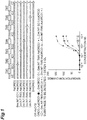
Fig. 1 shows the relative value of the amount of luminescence detected when 1-octen-3-ol was added to a cell that expresses AaOR8 as an odorant receptor and expresses any one of AaORCO, DmORCO, or various chimeric co-receptors (Dm-AaORCO) having different positions of recombination as a co-receptor. -
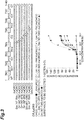
Fig. 2 shows the relative value of the amount of luminescence detected when 1-octen-3-ol was added to a cell that expresses AaOR8 as an odorant receptor and expresses any one of AmORCO, DmORCO, or various chimeric co-receptors (Dm-AmORCO) having different positions of recombination as a co-receptor. -
Fig. 3 shows the relative value of the amount of luminescence detected when 1-octen-3-ol was added to a cell that expresses AaOR8 as an odorant receptor and expresses any one of AaORCO, DmORCO, or various chimeric co-receptors (Dm-AaORCO) as a co-receptor. -
Fig. 4 shows the relative value of the amount of luminescence detected when 1-octen-3-ol was added to a cell that expresses AaOR8 as an odorant receptor and expresses any one of AaORCO, DmORCO, or various chimeric co-receptors (Dm-AaORCO) as a co-receptor. -
Fig. 5 shows the relative value of the amount of luminescence detected when 1-octen-3-ol was added to a cell that expresses AaOR8 as an odorant receptor and expresses, as a co-receptor, any one of AaORCO, DmORCO, Dm(NT-TM4)AaORCO, or various chimeric co-receptors (Dm-AaORCO) obtained by recombining a transmembrane domain or an intracellular domain and an extracellular domain. -
Fig. 6 shows the relative value of the amount of luminescence detected when pentyl acetate was added to a cell that expresses DmOR47a as an odorant receptor and expresses any one of DmORCO, AmORCO, or Dm(NT-TM4)AmORCO as a co-receptor. -
Fig. 7 shows the relative value of the amount of luminescence detected when 1-octen-3-ol was added to a cell that expresses AaOR8 as an odorant receptor and expresses any one of AaORCO, AmORCO, or Aa(NT-TM4)AmORCO as a co-receptor. -
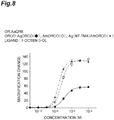
Fig. 8 shows the relative value of the amount of luminescence detected when 1-octen-3-ol was added to a cell that expresses AaOR8 as an odorant receptor and expresses any one of AgORCO, AmORCO, or Ag(NT-TM4)AmORCO as a co-receptor. -
Fig. 9 shows the relative value of the amount of luminescence detected when cis-jasmone was added to a cell that expresses BmOR56 as an odorant receptor and expresses any one of BmORCO or Dm(NT-TM4)AmORCO as a co-receptor. - In the following description, embodiments for carrying out the present invention (hereinafter, referred to as "present embodiments") will be explained in detail. However, the invention is not intended to be limited to the following embodiments.
- Odorant receptors of insects constitute a class of G protein-coupled receptors having a seven-transmembrane structure and the recognition specificity of the odorant receptors to odorants is high. Several odorant-specific odorant receptors are known.
- While an odorant receptor co-receptor of an insect is a membrane protein having a seven-transmembrane structure as in the case of an odorant receptor, the odorant receptor co-receptor itself does not recognize odorous substances and functions by forming a hetero-complex with an odorant receptor. The odorant receptor co-receptors are conserved in all insects and are known as Orco family. Many of the odorant receptor co-receptors of the Orco family are each composed of, from the amino-terminus (hereinafter, may be referred to as "N-terminus") toward the carboxyl-terminal (hereinafter, may be referred to as "C-terminus"), an N-terminal domain (NT), a first transmembrane domain (TM1), a first extracellular loop (EC1), a second transmembrane domain (TM2), a first intracellular loop (IC1), a third transmembrane domain (TM3), a second extracellular loop (EC2), a fourth transmembrane domain (TM4), a second intracellular loop (IC2), a fifth transmembrane domain (TM5), a third extracellular loop (EC3), a sixth transmembrane domain (TM6), a third intracellular loop (IC3), a seventh transmembrane domain (TM7), and a C-terminal domain (CT), linked in the above order.
- An odorant receptor complex, which is a hetero complex composed of the above-mentioned odorant receptor and the above-mentioned odorant receptor co-receptor, has ion channel activity that is activated by an odorous substance. When the odorant receptor complex is activated, the odorant receptor complex causes cations such as sodium ions (Na+) and calcium ions (Ca2+) to flow into cells.
- The odorant receptor co-receptor of the present embodiment includes, in order from its N-terminus, a first amino acid sequence that is a partial amino acid sequence of an odorant receptor co-receptor of a first insect or a variant of the co-receptor; and a second amino acid sequence that is a partial amino acid sequence of an odorant receptor co-receptor of a second insect of a variety different from the first insect or a variant of the co-receptor. That is, the odorant receptor co-receptor of the present embodiment includes a first amino acid sequence, and subsequent to the farthest C-terminal amino acid residue of the first amino acid sequence, a second amino acid sequence.
- The term "variant" according to the present specification refers to a protein that retains the function as a co-receptor compared to an intended protein, but has several different amino acid residues compared to the amino acid sequence of the intended protein. Specifically, a variant may have one to ten different amino acid residues, may have one to five different amino acid residues, or may have one or two different amino acid residues. Such variation of amino acid residues may be specifically deletion, substitution, addition, and the like of amino acid variation. These include deletion, substitution, addition, and the like of amino acids occurring as a result of genetic mutations naturally occurring due to species differences, individual differences, or the like of the living organism from which the co-receptor is derived, as well as genetic mutations that are artificially introduced. The substitution of an amino acid may be, for example, conservative substitution with an amino acid having similar features in hydrophobicity, electric charge, pK, and the steric structure.
- The first insect and the second insect are insects of varieties different from each other. The first insect and the second insect may be insects of the superorder Endopterygota. Examples of the insects of the superorder Endopterygota include the order Diptera such as the genus Culicidae and the genus Drosophilidae; the order Lepidoptera such as the genus Bombycidae; and the order Hymenoptera such as the genus Apidae. The first insect and the second insect may be insects of different varieties selected from the group consisting of insects of the order Diptera, insects of the order Lepidoptera, and insects of the order Hymenoptera. Examples of the insects of the genus Culicidae include Anopheles gambiae, Aedes aegypti, and Culex quinquefasciatus. Examples of the insects of the genus Drosophilidae include Drosophila melanogaster, Drosophila pseudoobscura, and Drosophila virillis. Examples of the genus Bombycidae include Bombyx mori, Bombyx mandarina, and Trilocha varians. Examples of the insects of the genus Apidae include Apis mellifera, Apis florea, Apis dorsata, and Bombus terrestris.
- The first insect is preferably Aedes aegypti, Anopheles gambiae, or Drosophila melanogaster. The second insect is preferably Aedes aegypti or Apis mellifera. The first insect and the second insect may be arbitrarily combined as long as the insects are insects of varieties different from each other. A specific combination of the first insect and the second insect may be, for example, a combination of Drosophila melanogaster as the first insect and Apis mellifera as the second insect; a combination of Drosophila melanogaster as the first insect and Aedes aegypti as the second insect; or a combination of Aedes aegypti as the first insect and Apis mellifera as the second insect.
- In regard to the odorant receptor co-receptor of the present embodiment, the first amino acid sequence is an amino acid sequence that is contiguous from the N-terminus of an odorant receptor co-receptor of a first insect or a variant of the co-receptor, to several amino acid residues positioned in the range of twenty amino acid residues before and after the farthest C-terminal amino acid residue of the fourth transmembrane domain. That is, the first amino acid sequence is an amino acid sequence including from the N-terminal domain (NT) of an odorant receptor co-receptor of a first insect or a variant of the co-receptor, with a first transmembrane domain (TM1), a first extracellular loop (EC1), a second transmembrane domain (TM2), a first intracellular loop (IC1), a third transmembrane domain (TM3), and a second extracellular loop (EC2) being subsequently disposed, to any one amino acid residue positioned in the range of twenty amino acid residues before and after the farthest C-terminal amino acid residue of the fourth transmembrane domain (TM4). The farthest C-terminal amino acid residue of the first amino acid sequence may be any one amino acid residue positioned in the range of twenty amino acid residues before and after the farthest C-terminal amino acid residue of the fourth transmembrane domain in the odorant receptor co-receptor of the first insect or a variant of the co-receptor; may be any one amino acid residue positioned in the range of fifteen amino acid residues before and after the farthest C-terminal amino acid residue of the fourth transmembrane domain; may be any one amino acid residue positioned in the range of ten amino acid residues before and after the farthest C-terminal amino acid residue of the fourth transmembrane domain; may be any one amino acid residue positioned in the range of five amino acid residues before and after the amino acid residue furthest C-terminal side of the fourth transmembrane domain; or may be the farthest C-terminal amino acid residue of the fourth transmembrane domain.
- The first amino acid sequence may be, for example, an amino acid sequence having an identity of 90% or higher with an amino acid sequence that is contiguous from the N-terminal amino acid residue of the N-terminal domain of an odorant receptor co-receptor of Drosophila melanogaster to the farthest C-terminal amino acid residue of the fourth transmembrane domain (SEQ ID NO:1), or the first amino acid sequence may be an amino acid sequence having an identity of 95% or higher therewith; may be an amino acid sequence having an identity of 98% or higher therewith; may be an amino acid sequence having an identity of 99% or higher therewith; or may be a 100% identical amino acid sequence.
- The first amino acid sequence may be, for example, an amino acid sequence having an identity of 90% or higher with an amino acid sequence that is contiguous from the N-terminal amino acid residue of the N-terminal domain of an odorant receptor co-receptor of Aedes aegypti to the farthest C-terminal amino acid residue of the fourth transmembrane domain (SEQ ID NO:135), or the first amino acid sequence may be an amino acid sequence having an identity of 95% or higher therewith; may be an amino acid sequence having an identity of 98% or higher therewith; may be an amino acid sequence having an identity of 99% or higher therewith; or may be a 100% identical amino acid sequence.
- The first amino acid sequence may be, for example, an amino acid sequence having an identity of 90% or higher with an amino acid sequence that is contiguous from the N-terminal amino acid residue of the N-terminal domain of an odorant receptor co-receptor of Anopheles gambiae to the farthest C-terminal amino acid residue of the fourth transmembrane domain (SEQ ID NO: 136), or the first amino acid sequence may be an amino acid sequence having an identity of 95% or higher thererwith; may be an amino acid sequence having an identity of 98% or higher therewith; may be an amino acid sequence having an identity of 99% or higher therewith; or may be a 100% identical amino acid sequence.
- In regard to the odorant receptor co-receptor of the present embodiment, the second amino acid sequence is an amino acid sequence that is contiguous from an amino acid residue at a position that is one position C-terminal to a position corresponding, in an alignment analysis of the amino acid sequence of the first insect odorant receptor co-receptor or the variant thereof and the amino acid sequence of the second insect odorant receptor co-receptor or the variant thereof, to the farthest C-terminal amino acid residue of the first amino acid sequence in the odorant receptor co-receptor of the second insect or a variant of the co-receptor, to the C-terminus of the odorant receptor co-receptor of the second insect or a variant of the co-receptor. The second amino acid sequence is, for example, an amino acid sequence including from any one amino acid residue positioned in the range of about twenty amino acid residues before and after the farthest N-terminal amino acid residue of the second intracellular loop (IC2) of the odorant receptor co-receptor of the second insect or a variant of the co-receptor, with a fifth transmembrane domain (TM5), a third extracellular loop (EC3), a sixth transmembrane domain (TM6), a third intracellular loop (IC3), and a seventh transmembrane domain (TM7) being subsequently disposed, to the C-terminal domain (CT).
- That is, the odorant receptor co-receptor of the present embodiment having the first amino acid sequence and the second amino acid sequence is such that the amino acid sequence at a position corresponding to the second amino acid sequence in the odorant receptor co-receptor of the first insect has been replaced with the amino acid sequence of the odorant receptor co-receptor of the second insect. Any duplication or deletion in the amino acid residue at a corresponding position in an alignment of the amino acid sequences of the original two kinds of odorant receptor co-receptors does not exist between the first amino acid sequence and the second amino acid sequence.
- The second amino acid sequence may be, for example, an amino acid sequence having an identity of 90% or higher with an amino acid sequence that is contiguous from the farthest N-terminal amino acid residue of the second intracellular loop of an odorant receptor co-receptor of Apis mellifera to the C-terminal amino acid residue of the C-terminal domain (SEQ ID NO:2), or the second amino acid sequence may be an amino acid sequence having an identity of 95% or higher therewith; may be an amino acid sequence having an identity of 98% or higher therewith; may be an amino acid sequence having an identity of 99% or higher therewith; or may be a 100% identical amino acid sequence.
- The second amino acid sequence may be, for example, an amino acid sequence having an identity of 90% or higher with an amino acid sequence that is contiguous from the farthest N-terminal amino acid residue of the second intracellular loop of an odorant receptor co-receptor of Aedes aegypti to the C-terminal amino acid residue of the C-terminal domain (SEQ ID NO:137), or the second amino acid sequence may be an amino acid sequence having an identity of 95% or higher therewith; may be an amino acid sequence having an identity of 98% or higher therewith; may be an amino acid sequence having an identity of 99% or higher therewith; or may be a 100% identical amino acid sequence.
- The chimeric odorant receptor co-receptor of the present embodiment includes a first amino acid sequence and a second amino acid sequence and is composed of from about 460 to about 500 amino acid residues. The chimeric odorant receptor co-receptor of the present embodiment is composed of an N-terminal domain (NT), a first transmembrane domain (TM1), a first extracellular loop (EC1), a second transmembrane domain (TM2), a first intracellular loop (IC1), a third transmembrane domain (TM3), a second extracellular loop (EC2), a fourth transmembrane domain (TM4), a second intracellular loop (IC2), a fifth transmembrane domain (TM5), a third extracellular loop (EC3), a sixth transmembrane domain (TM6), a third intracellular loop (IC3), a seventh transmembrane domain (TM7), and a C-terminal domain (CT), linked in the above order from the N-terminus toward the C-terminus in the following order,.
- The chimeric odorant receptor co-receptor of the present embodiment has an ability to be coupled with an insect odorant receptor and to cause cations to flow into a cell. The ability of the odorant receptor co-receptor to be coupled with an odorant receptor and to cause cations to flow into a cell can be measured using, for example, cultured cells that co-express an odorant receptor co-receptor of an object of measurement and an insect odorant receptor. Specifically, a ligand of the odorant receptor is brought into contact with the cultured cells, and the transient change in the intracellular calcium concentration is measured. When the odorant receptor co-receptor of the object of measurement has the above-described ability, an increase in the intracellular calcium concentration caused by activation of the odorant receptor is detected.
- More specific examples of the chimeric odorant receptor co-receptor of the present embodiment include:
- an odorant receptor co-receptor in which the first amino acid sequence is a partial amino acid sequence of a co-receptor of Drosophila melanogaster, and the second amino acid sequence of a partial amino acid sequence of a co-receptor of Apis mellifera;
- an odorant receptor co-receptor including an amino acid sequence having an identity of 90% or higher with the amino acid sequence set forth in SEQ ID NO: 100;
- the above-mentioned odorant receptor co-receptor in which the first amino acid sequence is a partial amino acid sequence of a co-receptor of Drosophila melanogaster, and the second amino acid sequence is a partial amino acid sequence of a co-receptor of Aedes aegypti;
- an odorant receptor co-receptor including an amino acid sequence having an identity of 90% or higher with the amino acid sequence set forth in SEQ ID NO:71;
- the above-mentioned odorant receptor co-receptor in which the first amino acid sequence is a partial amino acid sequence of a co-receptor of Aedes aegypti, and the second amino acid sequence is a partial amino acid sequence of a co-receptor of Apis mellifera; and
- an odorant receptor co-receptor including an amino acid sequence having an identity of 90% or higher with the amino acid sequence set forth in SEQ ID NO:108.
- The odorant receptor co-receptor of the present embodiment can be produced by a method of incorporating a polynucleotide encoding a polypeptide having the first amino acid sequence and a polynucleotide encoding a polypeptide having the second amino acid sequence into one expression plasmid such that these polynucleotides are linked together in frame, incorporating this expression plasmid into a cell to express an intended protein, and then purifying the expressed protein, or the like. The method of expressing an odorant receptor co-receptor in a cell is not particularly limited, and any known method can be used. The ratio (molar ratio) of the DNA fragments at the time of incorporating a polynucleotide encoding a polypeptide having the first amino acid sequence and a polynucleotide encoding a polypeptide having the second amino acid sequence into one expression plasmid, is preferably 1:1. Whether the expression plasmid has been incorporated into a cell can be checked by methods such as PCR. The odorant receptor co-receptor expressed in the cell can be purified by solubilizing the cell membrane and then subjecting the cell mixture to various columns for purification.
- When the chimeric odorant receptor co-receptor of the present embodiment is used, superior detection sensitivity to an odorous substance is obtained when the chimeric receptor co-receptor is bound to an odorant receptor to form an odorant receptor complex, compared to the original two kinds of odorant receptor co-receptors. An odorant receptor co-receptor having such characteristics is useful as an olfactory sensor capable of detecting an odorous substance at a lower concentration.
- In a case in which an odorant receptor complex is produced by using the odorant receptor co-receptor of the present embodiment together with an odorant receptor, the type of the odorant receptor can be selected as appropriate according to the targeting ligand. The odorant receptor may be specifically OR8 or OR10 of Aedes aegypti, OR10 or OR28 of Anopheles gambiae, OR56 of Bombyx mori, or OR47a of Drosophila melanogaster.
- The polynucleotide of the present embodiment encodes the above-described chimeric odorant receptor co-receptor. The polynucleotide of the present embodiment includes a first nucleotide sequence encoding the first amino acid sequence and a second nucleotide sequence encoding the second amino acid sequence. The polynucleotide of the present embodiment can be produced by a method of linking a polynucleotide having the first nucleotide sequence with a polynucleotide having the second nucleotide sequence, or the like. The method of linking the polynucleotides is not particularly limited, and any known method can be used. For example, an In-Fusion HD Cloning Kit (manufactured by Takara Bio, Inc.) or the like may be used together with an expression plasmid. In this case, the polynucleotide of the present embodiment can be obtained in a state of being incorporated into a plasmid. The expression plasmid is not particularly limited, and for example, pCDNA3.1 can be used.
- In a cell of the present embodiment, the polynucleotide of the present embodiment or an expression plasmid having the polynucleotide incorporated therein is incorporated, and the cell can express the odorant receptor co-receptor described above. The cell of the present embodiment can be produced by incorporating the polynucleotide of the present embodiment or an expression plasmid into a cell. The cell can be selected as appropriate according to the type of the expression plasmid to be incorporated. Examples of the cell include colon bacteria such as Escherichia coli K12; Bacillus bacteria such as Bacillus subtilis MI114; yeasts such as Saccharomyces cerevisiae AH22; insect cells such as Spodoptera frugiperda-derived Sf cell line or Trichoplusia ni-derived HighFive cell line; and animal cells such as COS7 cells. Preferred examples of animal cells include mammal-derived culctured cells, and specific examples include COS7 cells, CHO cells, HEK293 cells, HEK293FT cells, Hela cells, PC12 cells, N1E-115 cells, and SH-SY5Y cells.
- Hereinafter, the present invention will be specifically described based on Examples. However, the invention is not intended to be limited to the following Examples.
- The insects described in the present Examples are as follows.
- Anopheles gambiae (hereinafter, may be referred to as "Anopheles" or "Ag")
Aedes aegypti (hereinafter, may be referred to as "Aedes" or "Aa")
Drosophila melanogaster (hereinafter, may be referred to as "Drosophila" or "Dm")
Apis mellifera (hereinafter, may be referred to as "Apis" or
"Am") Bombyx mori (Hereinafter, may be referred to as "Bombyx" or "Bm") - An adult Drosophila melanogaster RNA (manufactured by Takara Bio, Inc.) was used as a template, and a reverse transcription reaction was performed by adding Super Script III reverse transcriptase (manufactured by Invitrogen, Inc.) to the template and keeping the system warm for 50 minutes at 55°C and then for 15 minutes at 75°C. Thus, cDNA was obtained. PCR was performed using 1 µL of the cDNA thus obtained as a template, and using 1 µL of 10 µM forward primer DmOrco-5' (5'-caccatgacaacctcgatgcagccgagcaagt; SEQ ID NO:3), 1 µL of 10 µM reverse primer DmOrco-3' (5'-ttacttgagctgcaccagcaccataaagt; SEQ ID NO:4), and 1 µL of KOD Plus neo DNA polymerase (manufactured by Toyobo Co., Ltd.). The PCR reaction was carried out under the following conditions: (1) 94°C, for 2 minutes, (2) 98°C, for 10 seconds, and (3) 68°C, for 1.5 minutes, and the processes of (2) and (3) were repeatedly carried out for 35 cycles. The PCR product thus obtained was subjected to agarose gel electrophoresis, and then about 1.5-kb DNA detected on the gel was collected. The DNA thus collected was incorporated into pENTR/D-TOPO vector (manufactured by Invitrogen, Inc.), and a plasmid named pENTR-DmOrco was obtained. 4 µL of pENTR-DmOrco, 1 µL of pcDNA6.2V5-DEST, and 2 µL of LR Clonase II (manufactured by Invitrogen, Inc.) were mixed, and the mixture was maintained for one hour at room temperature. The mixture thus obtained was incorporated into Escherichia coli, and the bacterial cells were cultured. Thereby, an expression plasmid named pcDNA6.2-DmOrco was obtained. The nucleotide sequence of the expression plasmid pcDNA6.2-DmOrco was analyzed using a DNA sequencer, and it was found that this plasmid contained the nucleotide sequence set forth in SEQ ID NO:5. The nucleotide sequence set forth in SEQ ID NO:5 encodes the amino acid sequence set forth in SEQ ID NO:6.
- The head part of Aedes aegypti was frozen with liquid nitrogen, and then TRIzol (manufactured by Invitrogen, Inc.) was added thereto. The frozen head part was crushed using a mortar and a pestle in the presence of liquid nitrogen. From the crushed product thus obtained, RNA was extracted according to the manual attached to the TRIzol reagent. The RNA thus extracted was purified using an RNA purification kit (RNeasy Mini Kit; manufactured by QIAGEN N.V.) according to the manual attached to the kit. A reverse transcription reaction was carried out using the Total RNA thus obtained as a template, adding Super Script III reverse transcriptase (manufactured by Invitrogen, Inc.) to the template, and keeping the mixture warm for 50 minutes at 55°C and then for 15 minutes at 75°C. Thus, cDNA was obtained. PCR was performed using 1 µL of the cDNA thus obtained as a template, and using 1 µL of 10 µM forward primer AaOrco-5' (5'-tggaattctgcagatcaccatgaacgtccaaccgacaaagtacc; SEQ ID NO:7), 1 µL of 10 µM reverse primer AaOrco-3' (5'-gccactgtgctggatttatttcaactgcaccaacacc; SEQ ID NO:8), and 1 µL of KOD Plus neo DNA polymerase (manufactured by Toyobo Co., Ltd.). The PCR reaction was carried out under the following conditions: (1) 94°C, for 2 minutes, (2) 98°C, for 10 seconds, (3) 63°C, for 30 seconds, and (4) 68°C, for 1.5 minutes, and the processes of (2) to (4) were repeatedly carried out for 35 cycles. The PCR product thus obtained was linked to pcDNA3.1 (manufactured by Invitrogen, Inc.) that had been digested with EcoRV, using In-Fusion HD Cloning Kit (manufactured by Takara Bio, Inc.), subsequently the product was incorporated into Escherichia coli, and the bacterial cells were cultured. Thus, an expression plasmid named pcDNA3.1-AaOrco was obtained. The nucleotide sequence of the expression plasmid pcDNA3.1-AaOrco was analyzed using a DNA sequencer, and it was found that this plasmid contained the nucleotide sequence set forth in SEQ ID NO:9. The nucleotide sequence set forth in SEQ ID NO:9 encodes the amino acid sequence set forth in SEQ ID NO:10.
- Expression plasmid of Apis co-receptor (hereinafter, may be referred to as "AmORCO")
- Double-stranded DNA having the nucleotide sequence set forth in SEQ ID NO:11 in any one of the DNA strands was synthesized. PCR was performed using 100 ng of the DNA thus obtained as a template, and using 1 µL of 10 µM forward primer AmOrco-5' (5'-tggaattctgcagatcaccatgaagttcaagcaacaagggctaa; SEQ ID NO:12), 1 µL of 10 µM reverse primer AmOrco-3' (5'-gccactgtgctggattcacttcagttgcaccaacaccatgaa; SEQ ID NO:13), and 1 µL of KOD Plus neo DNA polymerase (manufactured by Toyobo Co., Ltd.). The PCR reaction was carried out under the following conditions: (1) 94°C, for 2 minutes, (2) 98°C, for 10 seconds, (3) 63°c, for 30 seconds, and (4) 68°C, for 1.5 minutes, and the processes of (2) to (4) were repeatedly carried out for 35 cycles. The PCR product thus obtained was linked to pcDNA3.1 (manufactured by Invitrogen, Inc.) that had been digested with EcoRV, using In-Fusion HD Cloning Kit (manufactured by Takara Bio, Inc.), subsequently the product was incorporated into Escherichia coli, and the bacterial cells were cultured. Thus, an expression plasmid named pcDNA3.1-AmOrco was obtained. The nucleotide sequence of the expression plasmid pcDNA3.1-AmOrco was analyzed using a DNA sequencer, and it was found that this plasmid contained the nucleotide sequence set forth in SEQ ID NO:11. The nucleotide sequence set forth in SEQ ID NO:11 encodes the amino acid sequence set forth in SEQ ID NO:14.
- The head part of Anopheles gambiae Kisum strain or G3 strain was frozen with liquid nitrogen, and then TRIzol (manufactured by Invitrogen, Inc.) was added thereto. The frozen head part was crushed using a mortar and a pestle in the presence of liquid nitrogen. From the crushed product thus obtained, RNA was extracted according to the manual attached to the TRIzol reagent. The RNA thus extracted was purified using an RNA purification kit (RNeasy Mini Kit; manufactured by QIAGEN N.V.) according to the manual attached to the kit. A reverse transcription reaction was carried out using the Total RNA thus obtained as a template, adding Super Script III reverse transcriptase (manufactured by Invitrogen, Inc.) to the template, and keeping the mixture warm for 50 minutes at 55°C and then for 15 minutes at 75°C. Thus, cDNA was obtained. PCR was performed using 1 µL of the cDNA thus obtained as a template, and using 1 µL of 10 µM forward primer AgOrco-5' (5'-caccatgcaagtccagccgaccaagtacgtcggcct; SEQ ID NO:15), 1 µL of 10 µM reverse primer AgOrco-3' (5'-ttacttcagctgcaccagcaccatgaagt; SEQ ID NO:16), and 1 µL of KOD Plus neo DNA polymerase (manufactured by Toyobo Co., Ltd.). The PCR reaction was carried out under the following conditions: (1) 94°C, for 5 minutes, (2) 98°C, for 10 seconds, (3) 60°C, for 30 seconds, and (4) 68°C, for 1.5 minutes, and the processes of (2) to (4) were repeatedly carried out for 35 cycles. The PCR product thus obtained was subjected to agarose gel electrophoresis, and then about 1.4-kb DNA detected on the gel was collected. The DNA thus collected was incorporated into pENTR/D-TOPO vector (manufactured by Invitrogen, Inc.), and a plasmid named pENTR-AgOrco was obtained. 4 µL of pENTR-AgOrco, 1 µL of pcDNA6.2V5-DEST, and 2 µL of LR Clonase II (manufactured by Invitrogen, Inc.) were mixed, and the mixture was maintained for one hour at room temperature. The mixture thus obtained was incorporated into Escherichia coli, and the bacterial cells were cultured. Thereby, an expression plasmid named pcDNA6.2-AgOrco was obtained. The nucleotide sequence of the expression plasmid pcDNA6.2-AgOrco was analyzed using a DNA sequencer, and it was found that this plasmid contained the nucleotide sequence set forth in SEQ ID NO:17. The nucleotide sequence set forth in SEQ ID NO:17 encodes the amino acid sequence set forth in SEQ ID NO:18.
- PCR was performed using 100 ng of the expression plasmid of DmORCO described above as a template, and using 1 µL of a 10-µM forward primer, 1 µL of a 10-µM reverse primer, and 1 µL of KOD Plus neo DNA polymerase (manufactured by Toyobo Co., Ltd.). The PCR reaction was carried out under the following conditions: (1) 94°C, for 2 minutes, (2) 98°C, for 10 seconds, (3) 63°C, for 30 seconds, and (4) 68°C, for 1.5 minutes, and the processes of (2) to (4) were repeated for 35 cycles. The combinations of the forward primer and the reverse primer, and the PCR product thus obtained are presented in Table 1.
- Furthermore, PCR was performed using 1 µL (100 ng) of the above-mentioned expression plasmid of AaORCO as a template, and using 1 µL of a 10-µM forward primer, 1 µL of a 10-µM reverse primer, and 1 µL of KOD Plus neo DNA polymerase (manufactured by Toyobo Co., Ltd.). The PCR reaction was carried out under the following conditions: (1) 94°C, for 2 minutes, (2) 98°C, for 10 seconds, (3) 63°C, for 30 seconds, and (4) 68°C, for 1.5 minutes, and the processes of (2) to (4) were repeated for 35 cycles. The combinations of the forward primer and the reverse primer, and the PCR product thus obtained are presented in Table 2.
- One of the PCR products described in Table 1 and one of the PCR products described in Table 2 were linked in the combinations indicated in Table 3, to pcDNA3.1 (manufactured by Invitrogen, Inc.) that had been digested with EcoRV, using In-Fusion HD Cloning Kit (manufactured by Takara Bio, Inc.). The DNA thus linked was incorporated into Escherichia coli, and the bacterial cells were cultured. Thereby, expression plasmids of various chimeric co-receptors derived from a Drosophila co-receptor and an Aedes co-receptor were obtained. The nucleotide sequences of the chimeric receptor expression plasmids thus obtained were analyzed using a DNA sequencer, and it was found that each of the various plasmids contained any one of nucleotide sequences set forth in SEQ ID NO:59 to SEQ ID NO:68. The nucleotide sequences set forth in SEQ ID NO:59 to SEQ ID NO:68 encode amino acid sequences set forth in SEQ ID NO:69 to SEQ ID NO:78, respectively. The combinations of the PCR products used for the production of the above-mentioned chimeric receptor expression plasmids, the sequence numbers of the nucleotide sequences of chimeric co-receptor encoding domains, and the sequence numbers of the amino acid sequences of the chimeric co-receptors are presented in Table 3.
- The configurations of the amino acid sequences of the chimeric co-receptors encoded by the expression plasmids thus obtained are described below.
- In Dm(NT-EC1)AaORCO, the amino acid sequence including from the N-terminal domain (NT) to the first extracellular loop (EC1) is derived from a Drosophila co-receptor, and the amino acid sequence including from the second transmembrane domain to the C-terminal domain is derived from an Aedes co-receptor.
- In Dm(NT-TM3)AaORCO, the amino acid sequence including from the N-terminal domain (NT) to the third transmembrane domain (TM3) is derived from a Drosophila co-receptor, and the amino acid sequence including from the second extracellular loop to the C-terminal domain is derived from an Aedes co-receptor.
- In Dm(NT-TM4)AaORCO, the amino acid sequence including from the N-terminal domain (NT) to the fourth transmembrane domain (TM4) (amino acid sequence including from the N-terminal amino acid residue to amino acid residue 234) is derived from a Drosophila co-receptor (Dm(NT-TM4), SEQ ID NO:1), and the amino acid sequence including from the second intracellular loop to the C-terminal domain is derived from an Aedes co-receptor (Aa(IC2-CT), SEQ ID NO:137).
- In Dm(NT-TM5)AaORCO, the amino acid sequence including from the N-terminal domain (NT) to the fifth transmembrane domain (TM5) is derived from a Drosophila co-receptor, and the amino acid sequence including from the third extracellular loop to the C-terminal domain is derived from an Aedes co-receptor.
- In Dm(NT-TM6)AaORCO, the amino acid sequence including from the N-terminal domain (NT) to the sixth transmembrane domain (TM6) is derived from a Drosophila co-receptor, and the amino acid sequence including from the third intracellular loop to the C-terminal domain is derived from an Aedes co-receptor.
- In Dm(NT-792)AaORCO, the amino acid sequence including from the N-terminal amino acid residue to amino acid residue 264 is derived from a Drosophila co-receptor, and the amino acid sequence including from amino acid residue 265 to the C-terminal amino acid residue is derived from an Aedes co-receptor.
- In Dm(NT-879)AaORCO, the amino acid sequence including from the N-terminal amino acid residue to amino acid residue 293 is derived from a Drosophila co-receptor, and the amino acid sequence including from amino acid residue 294 to the C-terminal amino acid residue is derived from an Aedes co-receptor.
- In Dm(NT-969)AaORCO, the amino acid sequence from the N-terminal amino acid residue to amino acid residue 323 is derived from a Drosophila co-receptor, and the amino acid sequence including from amino acid residue 324 to the C-terminal amino acid residue is derived from an Aedes co-receptor.
- In Dm(NT-1080)AaORCO, the amino acid sequence including from the N-terminal amino acid residue to amino acid residue 360 is derived from a Drosophila co-receptor, and the amino acid sequence including from amino acid residue 361 to the C-terminal amino acid residue is an Aedes co-receptor.
- In Dm(NT-636)AaORCO, the amino acid sequence including from the N-terminal amino acid residue to amino acid residue 212 is derived from a Drosophila co-receptor, and the amino acid sequence including from amino acid residue 213 to the C-terminal amino acid residue is an Aedes co-receptor.
[Table 1] PCR product Primer Sequence number of primer Nucleotide sequence (5'-3') Dm (NT-EC1) Forward 19 
Reverse 20 cgtgttgcccgacagctcgttgacct Dm (NT-TM3) Forward 21 
Reverse 22 aaagaaggtgatcgtggtccaggcggt Dm (NT-TM4) Forward 23 
Reverse 24 caagtgctgcagctgctcgcaggcgaatat Dm (NT-TM5) Forward 25 
Reverse 26 ggcctggtatgccagcagggtcagcttgat Dm (NT-TM6) Forward 27 
Reverse 28 attgccaaagatgcaaaagtggaaca Dm (792) Forward 29 
Reverse 30 ggccgacagggacctgaagagggccgccgagtt Dm (879) Forward 31 
Reverse 32 atccgctttcgagctgtagatgccc Dm (969) Forward 33 
Reverse 34 gggattagcgccgttcaccaacccgtt Dm (1080) Forward 35 
Reverse 36 tccgtaagtatcgccgatggcagcca Dm (636) Forward 37 
Reverse 38 gtggatcatcgagaagagcacgtagt (NT: N-terminal domain, EC: extracellular loop, TM: transmembrane domain) [Table 2] PCR product Primer Sequence number of primer Nucleotide sequence (5'-3') Aa (TM2-CT) Forward 39 ctgtcgggcaacacgataacgacgctgtttttcacccatt Reverse 40 gccactgtgctggatttatttcaactgcaccaacaccatgaa Aa (EC2-CT) Forward 41 acgatcaccttctttggcgatagcgtcaaaaacgtattcg Reverse 42 gccactgtgctggatttatttcaactgcaccaaca Aa (IC2-CT) Forward 43 cagctgcagcacttgaagggtataatgcgccccctgatggaa Reverse 44 gccactgtgctggatttatttcaactgcaccaaca Aa (EC3-CT) Forward 45 ctggcataccaggccaccaaaatcgatgcactcaacgtt Reverse 46 gccactgtgctggatttatttcaactgcaccaaca Aa (IC3-CT) Forward 47 tgcatctttggcaatcgattaattgaagagagttcatcag Reverse 48 gccactgtgctggatttatttcaactgcaccaaca Aa (792) Forward 49 aggtccctgtcggccggatccaaatcggagctgattttgaat Reverse 50 gccactgtgctggatttatttcaactgcaccaacaccatgaa Aa (879) Forward 51 agctcgaaagcggattggggtgcccagttcagggcgccat Reverse 52 gccactgtgctggatttatttcaactgcaccaacaccatgaa Aa (969) Forward 53 aacggcgctaatcccaatggactaaccaagaagcaggaact Reverse 54 gccactgtgctggatttatttcaactgcaccaacaccatgaa Aa (1080) Forward 55 ggcgatacttacggagccgccctgttgcttcacatgttga Reverse 56 gccactgtgctggatttatttcaactgcaccaacaccatgaa Aa (636) Forward 57 ttctcgatgatccacgccaacctcgccgatgtgatgtttt Reverse 58 gccactgtgctggatttatttcaactgcaccaacaccatgaa (EC: extracellular loop, IC: intracellular loop, TM: transmembrane domain,
CT: C-terminal domain)[Table 3] Chimeric co-receptor PCR product Sequence number of nucleotide sequence Sequence number of amino acid sequence Dm (NT-EC1)AaORCO Dm (NT-EC1), Aa (TM2-CT) 59 69 Dm (NT-TM3)AaORCO Dm (NT-TM3), Aa (EC2-CT) 60 70 Dm (NT-TM4)AaORCO Dm (NT-TM4), Aa (IC2-CT) 61 71 Dm (NT-TM5)AaORCO Dm (NT-TM5), Aa (EC3-CT) 62 72 Dm (NT-TM6)AaORCO Dm (NT-TM6), Aa (IC3-CT) 63 73 Dm (NT-792)AaORCO Dm (792), Aa (792) 64 74 Dm (NT-879)AaORCO Dm (879), Aa (879) 65 75 Dm (NT-969)AaORCO Dm (969), Aa (969) 66 76 Dm (NT-1080)AaORCO Dm (1080), Aa (1080) 67 77 Dm (NT-636)AaORCO Dm (636), Aa (636) 68 78 (NT: N-terminal domain, EC: extracellular loop, TM: transmembrane domain) - Expression plasmid of chimeric co-receptor in which transmembrane domain is derived from Drosophila co-receptor and other domains are derived from Aedes co-receptor (hereinafter, may be referred to as "Aa(TM1-4Dm)AaORCO")
Double-stranded DNA having the nucleotide sequence set forth in SEQ ID NO:79 in any one of the DNA strands was synthesized. PCR was performed using 100 ng of the DNA thus obtained as a template, and using 1 µL of 10 µM forward primer AaOrco-5' (5'-tggaattctgcagatcaccatgaacgtccaaccgacaaagtacc; SEQ ID NO:80), 1 µL of 10 µM reverse primer DmAaOrco(IC2-CT)-3' (5'-gccactgtgctggatttatttcaactgcaccaaca; SEQ ID NO:81), and 1 µL of KOD Plus neo DNA polymerase (manufactured by Toyobo Co., Ltd.). The PCR reaction was carried out under the following conditions: (1) 94°C, for 2 minutes, (2) 98°C, for 10 seconds, (3) 63°C, for 30 seconds, and (4) 68°C, for 1.5 minutes, and the processes of (2) to (4) were repeatedly carried out for 35 cycles. The PCR product thus obtained was linked to pcDNA3.1 (manufactured by Invitrogen, Inc.) that had been digested with EcoRV, using In-Fusion HD Cloning Kit (manufactured by Takara Bio, Inc.), subsequently the product was incorporated into Escherichia coli, and the bacterial cells were cultured. Thus, an expression plasmid named pcDNA3.1-Aa(TM1-4Dm)AaOrco was obtained. The nucleotide sequence of the expression plasmid pcDNA3.1-Aa(TM1-4Dm)AaOrco was analyzed using a DNA sequencer, and it was found that this plasmid contained the nucleotide sequence set forth in SEQ ID NO:79. The nucleotide sequence set forth in SEQ ID NO:79 encodes the amino acid sequence set forth in SEQ ID NO:82. In the chimeric co-receptor encoded by the expression plasmid pcDNA3.1-Aa(TMl-4Dm)AaOrco, the amino acid sequences of the first transmembrane domain, the second transmembrane domain, the third transmembrane domain, and the fourth transmembrane domain are derived from a Drosophila co-receptor, and the amino acid sequences of the other domains are derived from an Aedes co-receptor. - Expression plasmid of chimeric co-receptor in which amino-terminal domain, first extracellular loop, first intracellular loop, and second extracellular loop are derived from a Drosophila co-receptor, and other domains are derived from Aedes co-receptor (hereinafter, may be referred to as "Dm(TM1-4Aa)AaORCO")
Double-stranded DNA having a nucleotide sequence set forth in SEQ ID NO:83 in any one of the DNA strands was synthesized. PCR was performed using 100 ng of the DNA thus obtained as a template, and using 1 µL of 10 µM forward primer DmOrco(NT-TM4)-5' (5'-tggaattctgcagatcaccatgacaacctcgatgcagccgagcaa; SEQ ID NO:84), 1 µL of 10 µM reverse primer DmAaOrco(IC2-CT)-3' (5'-gccactgtgctggatttatttcaactgcaccaaca; SEQ ID NO:85), and 1 µL of KOD Plus neo DNA polymerase (manufactured by Toyobo Co., Ltd.). The PCR reaction was carried out under the following conditions: (1) 94°C, for 2 minutes, (2) 98°C, for 10 seconds, (3) 63°C, for 30 seconds, and (4) 68°C, for 1.5 minutes, and the processes of (2) to (4) were repeatedly carried out for 35 cycles. The PCR product thus obtained was linked to pcDNA3.1 (manufactured by Invitrogen, Inc.) that had been digested with EcoRV, using In-Fusion HD Cloning Kit (manufactured by Takara Bio, Inc.), subsequently the product was incorporated into Escherichia coli, and the bacterial cells were cultured. Thus, an expression plasmid named pcDNA3.1-Dm(TMl-4Aa)AaOrco was obtained. The nucleotide sequence of the expression plasmid pcDNA3.1-Aa(TMl-4Dm)AaOrco was analyzed using a DNA sequencer, and it was found that this plasmid contained a nucleotide sequence set forth in SEQ ID NO:83. The nucleotide sequence set forth in SEQ ID NO:83 encodes the amino acid sequence set forth in SEQ ID NO:86. In the chimeric co-receptor encoded by the expression plasmid pcDNA3.1-Aa(TM1-4Dm)AaOrco, the amino acid sequences of the amino-terminal domain, the first extracellular loop, the first intracellular loop, and the second extracellular loop are derived from a Drosophila co-receptor; the amino acid sequences of the first transmembrane domain, the second transmembrane domain, the third transmembrane domain, and the fourth transmembrane domain are derived from an Aedes co-receptor; and the amino acid sequence including from the second intracellular loop to the C-terminal domain is derived from an Aedes co-receptor. - Dm(NT-TM3), Dm(NT-TM4), Dm(NT-TM5), and Dm(NT-Tm6) as the PCR products shown in Table 1 were produced.
- PCR was performed using 1 µL (100 ng) of the above-mentioned expression plasmid of AmORCO as a template, and using 1 µL of a 10-µM forward primer, 1 µL of a 10-µM reverse primer, and 1 µL of KOD Plus neo DNA polymerase (manufactured by Toyobo Co., Ltd.). The PCR reaction was carried out under the following conditions: (1) 94°C, for 2 minutes, (2) 98°C, for 10 seconds, (3) 63°C, for 30 seconds, and (4) 68°C, for 1.5 minutes, and the processes of (2) to (4) were repeatedly carried out for 35 cycles. The combinations of the forward primer and the reverse primer, and the PCR products thus obtained are presented in Table 4.
- One of the PCR products Dm(NT-TM3), Dm(NT-TM4), Dm(NT-TM5), and Dm(NT-Tm6), and one of the PCR products described in Table 4 were linked in the combinations indicated in Table 5 to pcDNA3.1 (manufactured by Invitrogen, Inc.) that had been digested with EcoRV, using In-Fusion HD Cloning Kit (manufactured by Takara Bio, Inc.). The DNA thus linked was incorporated into Escherichia coli, and the bacterial cells were cultured. Thus, expression plasmids of various chimeric co-receptors derived from a Drosophila co-receptor and an Apis co-receptor were obtained. The nucleotide sequences of the chimeric receptor expression plasmids thus obtained were analyzed using a DNA sequencer, and it was found that each of the various plasmids contained any one of nucleotide sequences set forth in SEQ ID NO:95 to SEQ ID NO:98. The nucleotide sequences set forth in SEQ ID NO:95 to SEQ ID NO:98 encode amino acid sequences set forth in SEQ ID NO:99 to SEQ ID NO:102, respectively. The sequence numbers of the nucleotide sequence of the combination of PCR products used for the production of the chimeric receptor expression plasmids, the sequence number of the nucleotide sequences of the chimeric co-receptor encoding domain, and the sequence numbers of the amino acid sequences of the chimeric co-receptor are shown in Table 5.
- The configuration of the amino acid sequences of the chimeric co-receptors encoded by the expression plasmids thus obtained is shown below.
- In Dm(NT-TM3)AmORCO, the amino acid sequence including from the N-terminal domain (NT) to the third transmembrane domain (TM3) is derived from a Drosophila co-receptor, and the amino acid sequence including from the second extracellular loop to the C-terminal domain is derived from an Apis co-receptor (Am(IC2-CT), SEQ ID NO:2).
- In Dm(NT-TM4)AmORCO, the amino acid sequence including from the N-terminal domain (NT) to the fourth transmembrane domain (TM4) is derived from a Drosophila co-receptor (Dm(NT-TM4) SEQ ID NO:1), and the amino acid sequence including from the second intracellular loop to the C-terminal domain is derived from an Apis co-receptor.
- In Dm(NT-TM5)AmORCO, the amino acid sequence including from the N-terminal domain (NT) to the fifth transmembrane domain (TM5) is derived from a Drosophila co-receptor, and the amino acid sequence including from the third extracellular loop to the C-terminal domain is derived from an Apis co-receptor.
- In Dm(NT-TM6)AmORCO, the amino acid sequence including from the N-terminal domain (NT) to the sixth transmembrane domain (TM6) is derived from a Drosophila co-receptor, and the amino acid sequence including from the third intracellular loop to the C-terminal domain is derived from an Apis co-receptor.
[Table 4] PCR product Primer Sequence number of primer Nucleotide sequence (5'-3') Am (EC2-CT) Forward 87 acgatcaccttctttggtgactctgtgaaaaaggtcatcg Reverse 88 gccactgtgctggattcacttcagttgcaccaacaccatgaa Am (IC2-CT) Forward 89 cagctgcagcacttgaagaatatcatgaagcctttgatgg Reverse 90 gccactgtgctggattcacttcagttgcaccaacaccatgaa Am (EC3-CT) Forward 91 ctggcataccaggccacaaagatacatgcagtagatacat Reverse 92 gccactgtgctggattcacttcagttgcaccaacaccatgaa Am (IC3-CT) Forward 93 tgcatctttggcaatcgtctcattgaagagagctcatcag Reverse 94 gccactgtgctggattcacttcagttgcaccaacaccatgaa (EC: extracellular loop, IC: intracellular loop, CT: C-terminal domain) [Table 5] Chimeric co-receptor PCR product Sequence number of nucleotide sequence Sequence number of amino acid sequence Dm (NT-TM3)AmORCO Dm (NT-TM3), Am (EC2-CT) 95 99 Dm (NT-TM4)AmORCO Dm (NT-TM4), Am (IC2-CT) 96 100 Dm (NT-TM5)AmORCO Dm (NT-TM5), Am (EC3-CT) 97 101 Dm (NT-TM6)AmORCO Dm (NT-TM6), Am (IC3-CT) 98 102 (NT: N-terminal domain, TM: transmembrane domain) - PCR was performed using 100 ng of the above-mentioned expression plasmid of AaORCO as a template, and using 1 µL of 10 µM forward primer AaOrco(NT-TM4)-5' (5'-tggaattctgcagatcaccatgaacgtccaaccgacaaagtacc; SEQ ID NO: 103), 1 µL of 10 µM reverse primer AaOrco (NT-TM4)-3' (5'-caaatgttgcagctgttcgcaagtga; SEQ ID NO:104), and 1 µL of KOD Plus neo DNA polymerase (manufactured by Toyobo Co., Ltd.). The PCR reaction was carried out under the following conditions: (1) 94°C, for 2 minutes, (2) 98°C, for 10 seconds, (3) 63°C, for 30 seconds, and (4) 68°C, for 1.5 minutes, and the processes of (2) to (4) were repeatedly carried out for 35 cycles. PCR was performed using 100 ng of the above-mentioned expression plasmid of AmORCO as a template, and using 1 µL of 10 µM forward primer AaAmOrco(IC2-CT)-5' (5'-cagctgcaacatttgaagaatatcatgaagcctttgatggaa; SEQ ID NO:105), 1 µL of 10 µM reverse primer AaAmOrco (IC2-CT)-3' (5'-gccactgtgctggattcacttcagttgcaccaacaccatgaa; SEQ ID NO:106), and 1 µL of KOD Plus neo DNA polymerase (manufactured by Toyobo Co., Ltd.). The PCR reaction was carried out under the following conditions: (1) 94°C, for 2 minutes, (2) 98°C, for 10 seconds, (3) 63°C, for 30 seconds, and (4) 68°C, for 1.5 minutes, and the processes of (2) to (4) were repeatedly carried out for 35 cycles. The two PCR products thus obtained were linked to pcDNA3.1 (manufactured by Invitrogen, Inc.) that had been digested with EcoRV, using In-Fusion HD Cloning Kit (manufactured by Takara Bio, Inc.). The DNA thus linked was incorporated into Escherichia coli, and the bacterial cells were cultured. Thus, an expression plasmid of a chimeric co-receptor of an Aedes co-receptor and an Apis co-receptor, which was named pcDNA3.1-AaAmOrco, was obtained. The nucleotide sequence of the expression plasmid pcDNA3.1-AaAmOrco thus obtained was analyzed using a DNA sequencer, and it was found that the expression plasmid contained the nucleotide sequence set forth in SEQ ID NO:107. The nucleotide sequence set forth in SEQ ID NO:107 encodes the amino acid sequence set forth in SEQ ID NO:108. In the chimeric co-receptor encoded by the expression plasmid pcDNA3.1-AaAmOrco, the amino acid sequence including from the N-terminal domain (NT) to the fourth transmembrane domain (TM4) is derived from an Aedes co-receptor (Aa(NT-TM4), SEQ ID NO:135), and the amino acid sequence including from the second intracellular loop to the C-terminal domain is derived from an Apis co-receptor (Am(IC2-CT), SEQ ID NO:2).
- PCR was performed using 100 ng of the above-mentioned expression plasmid of an Anopheles co-receptor as a template, and using 1 µL of 10 µM forward primer AgOrco(NT-TM4)-5' (5'-tggaattctgcagatcaccatgcaagtccagccgaccaagtacgt; SEQ ID NO:109), 1 µL of 10 µM reverse primer AgOrco(NT-TM4)-3' (5'-caagtgttgcagctgctcgcaggcta; SEQ ID NO:110), and 1 µL of KOD Plus neo DNA polymerase (manufactured by Toyobo Co., Ltd.). The PCR reaction was carried out under the following conditions: (1) 94°C, for 2 minutes, (2) 98°C, for 10 seconds, (3) 63°C, for 30 seconds, and (4) 68°C, for 1.5 minutes, and the processes of (2) to (4) were repeatedly carried out for 35 cycles. PCR was performed using 100 ng of the above-mentioned expression plasmid of an Apis co-receptor as a template, and using 1 µL of 10 µM forward primer AgAmOrco(IC2-CT)-5' (5'-cagctgcaacacttgaagaatatcatgaagcctttgatgg; SEQ ID NO:111), 1 µL of 10 µM reverse primer AmOrco-3' (5'-gccactgtgctggattcacttcagttgcaccaacaccatgaa; SEQ ID NO: 112), and 1 µL of KOD Plus neo DNA polymerase (manufactured by Toyobo Co., Ltd.). The PCR reaction was carried out under the following conditions: (1) 94°C, for 2 minutes, (2) 98°C, for 10 seconds, (3) 63°C, for 30 seconds, and (4) 68°C, for 1.5 minutes, and the processes of (2) to (4) were repeatedly carried out for 35 cycles. The two PCR products thus obtained were linked to pcDNA3.1 (manufactured by Invitrogen, Inc.) that had been digested with EcoRV, using In-Fusion HD Cloning Kit (manufactured by Takara Bio, Inc.). The DNA thus linked was incorporated into Escherichia coli, and the bacterial cells were cultured. Thus, an expression plasmid of a chimeric co-receptor of an Anopheles co-receptor and an Apis co-receptor, which was named pcDNA3.1-AgAmOrco, was obtained. The nucleotide sequence of the expression plasmid pcDNA3.1-AgAmOrco thus obtained was analyzed using a DNA sequencer, and it was found that the expression plasmid contained the nucleotide sequence set forth in SEQ ID NO:113. The nucleotide sequence set forth in SEQ ID NO:113 encodes the amino acid sequence set forth in SEQ ID NO:114. In the chimeric co-receptor encoded by the expression plasmid pcDNA3.1-AgAmOrco, the amino acid sequence including from the N-terminal domain (NT) to the fourth transmembrane domain (TM4) is derived from an Anopheles co-receptor (Ag(NT-TM4), SEQ ID NO:136), and the amino acid sequence including from the second intracellular loop to the C-terminal domain is derived from an Apis co-receptor (Am(IC2-CT), SEQ ID NO:2).
- 1 µL of a cDNA derived from the Aedes head part produced by the method described above was used as a template, and PCR was performed using 1 µL of 10 µM forward primer AaOR8-5' (5'-tggaattctgcagatcaccatgggaggtaagttctc; SEQ ID NO:115), 1 µL of 10 µM reverse primer AaOR8-3' (5'-gccactgtgctggattcacttctgacttggttc; SEQ ID NO:116), and 1 µL of KOD Plus neo DNA polymerase (manufactured by Toyobo Co., Ltd.). The PCR reaction was carried out under the following conditions: (1) 94°C, for 2 minutes, (2) 98°C, for 10 seconds, and (3), 68°C, for 1 minute, and the processes of (2) to (4) were repeatedly carried out for 30 cycles. The PCR product thus obtained was linked to pcDNA3.1 (manufactured by Invitrogen, Inc.) that had been digested with EcoRV, using In-Fusion HD Cloning Kit (manufactured by Takara Bio, Inc.). The DNA thus linked was incorporated into Escherichia coli, and the bacterial cells were cultured. Thus, an expression plasmid named pcDNA3.1-AaOR8 was obtained. The nucleotide sequence of the expression plasmid pcDNA3.1-AaOR8 was analyzed using a DNA sequencer, and it was found that the expression plasmid contained the nucleotide sequence set forth in SEQ ID NO:117. The nucleotide sequence set forth in SEQ ID NO:117 encodes the amino acid sequence set forth in SEQ ID NO:118.
- 1 µL of a cDNA derived from Drosophila imago produced by the method described above was used as a template, and PCR was performed using 1 µL of 10 µM forward primer DmOR47a-5' (5'-caccatggacagttttctgcaagtacagaa; SEQ ID NO:119), 1 µL of 10 µM reverse primer DmOR47a-3' (5'-ttaggagaatgatctcagcattgtgatgta; SEQ ID NO:120), and 1 µL of KOD Plus neo DNA polymerase (manufactured by Toyobo Co., Ltd.). The PCR reaction was carried out under the following conditions: (1) 94°C, for 2 minutes, (2) 98°C, for 10 seconds, and (3), 68°C, for 1.5 minutes, and the processes of (2) and (3) were repeatedly carried out for 35 cycles. The PCR product thus obtained was subjected to agarose gel electrophoresis, and then about 1.2-kb DNA detected on the gel was collected. The DNA thus collected was incorporated into pENTR/D-TOPO vector (manufactured by Invitrogen, Inc.), and a plasmid named pENTR-DmOR47a was obtained. 4 µL of pENTR-DmOR47a, 1 µL of pcDNA6.2V5-DEST, and 2 µL of LR Clonase II (manufactured by Invitrogen, Inc.) were mixed, and the mixture was maintained for one hour at room temperature. The mixture thus obtained was incorporated into Escherichia coli, and the bacterial cells were cultured. Thereby, an expression plasmid named pcDNA6.1-DmOR47a was obtained. The nucleotide sequence of the expression plasmid pcDNA6.2-DmOR47a was analyzed using a DNA sequencer, and it was found that the expression plasmid contained the nucleotide sequence set forth in SEQ ID NO:121. The nucleotide sequence set forth in SEQ ID NO:121 encodes the amino acid sequence represented by SEQ ID NO:122.
- Double-stranded DNA having the nucleotide sequence set forth in SEQ ID NO:123 in any one of the DNA strands was synthesized. PCR was performed using 100 ng of the double-stranded DNA having the nucleotide sequence set forth in SEQ ID NO:123, and using 1 µL of 10 µM forward primer BmOR56-5' (5'-tggaattctgcagatcaccatgaagctcctggagaagctag; SEQ ID NO:124), 1 µL of 10 µM reverse primer BmOR56-3' (5'-gccactgtgctggattcatgttttattcatttgcgactgac; SEQ ID NO:125), and 1 µL of KOD Plus neo DNA polymerase (manufactured by Toyobo Co., Ltd.). The PCR reaction was carried out under the following conditions: (1) 94°C, for 2 minutes, (2) 98°C, for 10 seconds, (3) 63°C, for 30 seconds, and (4) 68°C, for 1.5 minutes, and the processes of (2) to (4) were repeatedly carried out for 35 cycles. The PCR product thus obtained was linked to pcDNA3.1 (manufactured by Invitrogen, Inc.) that had been digested with EcoRV, using In-Fusion HD Cloning Kit (manufactured by Takara Bio, Inc.). The DNA thus linked was incorporated into Escherichia coli, and the bacterial cells were cultured. Thus, an expression plasmid named pcDNA3.1-BmOR56 was obtained. The nucleotide sequence of the expression plasmid pcDNA3.1-BmOR56 was analyzed using a DNA sequencer, and it was found that the expression plasmid contained the nucleotide sequence set forth in SEQ ID NO:123. The nucleotide sequence set forth in SEQ ID NO:123 encodes the amino acid sequence set forth in SEQ ID NO:126.
- 50 ng of a plasmid obtained by cloning the nucleotide sequence set forth in SEQ ID NO:127, which encodes aequorin, into pMD19 vector (pMD19-AEQ) was used as a template, and PCR was performed using 1 µL of 1 µM forward primer AEQ-5' (5'-caccatgacaagcaaacaatactc; SEQ ID NO:128), 1 µL of 10 µM reverse primer AEQ-3' (5'-ttaggggacagctccaccgtag; SEQ ID NO: 129), and 1 µL of KOD Plus neo DNA polymerase (manufactured by Toyobo Co., Ltd.). The PCR reaction was carried out under the following conditions: (1) 95°C, for 3 minutes, (2) 95°C, for 30 seconds, (3), 60°C, for 30 seconds, and (4) 68°C, for 1 minute, and the processes of (2) to (4) were repeatedly carried out for 35 cycles. The PCR product thus obtained was subjected to agarose gel electrophoresis, and then about 600-bp DNA detected on the gel was collected. The DNA thus collected was incorporated into pENTR/D-TOPO vector (manufactured by Invitrogen, Inc.), and a plasmid named pENTR-AEQ was obtained. The nucleotide sequence set forth in SEQ ID NO:127 encodes the amino acid sequence set forth in SEQ ID NO:130. 4 µL of pENTR-AEQ, 1 µL of pcDNA6.2V5-DEST, and 2 µL of LR Clonase II (manufactured by Invitrogen, Inc.) were mixed, and the mixture was maintained for one hour at room temperature. The mixture thus obtained was incorporated into Escherichia coli, and the mixture was amplified. Thereby, an expression plasmid named pcDNA6.2-AEQ was obtained. 100 ng of the plasmid pcDNA6.2-AEQ was used as a template, and PCR was performed using 1 µL of 10 µM forward primer In-Fusion SEQ-5' (5'-gtggcggccgctcgaggccaccatgacaagcaaacaatactc; SEQ ID NO:131), 1 µL of 10 µM reverse primer In-Fusion AEQ-3' (5'-gccctctagactcgagttaggggacagctccaccgtag; SEQ ID NO:132), and 1 µL of KOD neo Plus DNA polymerase (manufactured by Toyobo Co., Ltd.). The PCR reaction was carried out under the following conditions: (1) 95°C, for 3 minutes, (2) 95°C, for 30 seconds, (3) 60°C, for 30 seconds, and (4) 68°C, for 1 minute, and the processes of (2) to (4) were repeatedly carried out for 35 cycles. The DNA thus obtained was subjected to agarose gel electrophoresis, and then about 600-bp DNA detected on the gel was collected. This DNA was designated as insert DNA1. pcDNA3.1 (manufactured by Invitrogen, Inc.) that had been digested with XhoI was used as a vector, and the insert DNA1 was linked to this vector using In-Fusion HD Cloning Kit (manufactured by Takara Bio, Inc.). The DNA thus linked was incorporated into Escherichia coli, and the bacterial cells were cultured. Thus, a plasmid named pcDNA3.1-AEQ was obtained. PCR was performed using 100 ng of pcDNA3.1-AEQ as a template, and using 1 µL of 10 µM forward primer In-Fusion AEQ-5' (5'-gtggcggccgctcgaggccaccatgacaagcaaacaatactc; SEQ ID NO:133), 1 µL of 10 µM reverse primer In-Fusion AEQ-3' (5'-gccctctagactcgagttaggggacagctccaccgtag; SEQ ID NO:134), and 1 µL of KOD Plus neo DNA polymerase (manufactured by Toyobo Co., Ltd.). The PCR reaction as carried out under the following conditions: (1) 95°C, for 3 minutes, (2) 95°C, for 30 seconds, (3) 60°C, for 30 seconds, and (4) 68°C, for 1 minute, and the processes of (2) to (4) were repeatedly carried out for 35 cycles. The DNA thus obtained was subjected to agarose gel electrophoresis, and then about 600-bp DNA detected on the gel was collected, and this was designated as insert DNA2. pcDNA3.1(hygro) (manufactured by Invitrogen, Inc.) that had been digested with XhoI was used as a vector, and the insert DNA2 was linked to this vector using In-Fusion HD Cloning Kit (manufactured by Takara Bio, Inc.). The DNA thus linked was incorporated into Escherichia coli, and the bacterial cells were cultured. Thereby, an expression plasmid named pcDNA3.1(hygro)-AEQ was obtained.
- HEK293FT cells (purchased from Invitrogen, Inc.) were inoculated into 10-cm Petri dishes at a concentration of 3×10⁶ cells/Petri dish, and the cells were cultured in DMEM medium containing 10% FBS (manufactured by Nacalai Tesque, Inc.) for about 24 hours under the conditions of 37°C and 5% CO2. 3 µg of any one of the co-receptor expression plasmids produced, 1.5 µg of any one of the odorant receptor expression plasmids produced, and 8 µg of Aequorin expression plasmid were mixed with 12.5 µL of Plus reagent and 31.25 µL of LIPOFECTAMINE LTX (manufactured by Invitrogen, Inc.), and the mixture was maintained for 30 minutes. Subsequently, this liquid mixture was transfected into the above-mentioned cells. After 4 hours from the initiation of transfection, the cells were inoculated onto a 96-well plate at a concentration of 9×10⁴ cells/well, and the cells were cultured in DMEM medium containing 10% FBS (manufactured by Nacalai Tesque, Inc.) for about 24 hours under the conditions of 37°C and 5% CO2. Thereby, transformed cells having a co-receptor expression plasmid, an odorant receptor expression plasmid, and an aequorin expression plasmid transiently incorporated therein were obtained.
- Aequorin is activated when bound to a calcium ion, and oxidizes a substrate such as coelenterazine, thus emitting light. Therefore, an increase in the intracellular calcium ion concentration in a cell that expresses aequorin is directly exhibited as an increase in the amount of luminescence. Therefore, whether an odorant receptor complex functions as an ion channel as a result of addition of a substance to be detected, can be measured from the change in the amount of luminescence.
- A culture fluid of the transformed cells was removed, and the medium was exchanged with Hanks-HEPES (20 mM, pH 7.4) including Assay buffer (0.5 µM coelenterazine h (manufactured by Promega Corporation) and 0.3% BSA. The culture system was left to stand for another 4 hours at room temperature. Subsequently, a substance to be detected, which corresponded to an odorant receptor, was added to the cell culture using FLEXSTATION 3 (manufactured by Molecular Devices, LLC), and at the same time, the amount of luminescence of the cells was measured. As a control substance, the amount of luminescence in the cells to which dimethyl sulfoxide had been added was designated as 1, and the amount of luminescence of cells to which the substance to be detected was added was calculated as a relative value.
- Cells into which:
- an expression plasmid of odorant receptor AaOR8;
- an expression plasmid of any one of co-receptor AaORCO or DmORCO, or various chimeric co-receptors Dm-AaORCO having different positions of recombination [Dm(NT-EC1)AaORCO, Dm(NT-TM3)AaOROC, Dm(NT-TM4)AaORCO, Dm(NT-TM5)AaORCO, or Dm(NT-TM6)AaORCO]; and
- an aequorin expression plasmid
had been incorporated were used, and the amount of luminescence was measured as explained above. 1-Octen-3-ol was used as a substance to be detected, and 1-octen-3-ol was added to the culture fluid at a concentration of 10-4 M, 10-5 M, 10-6 M, 10-7 M, 10-8 M, 10-9 M, or 10-10 M. The results are presented inFig. 1 . In cells that expressed an odorant receptor and, among the chimeric co-receptors of DmORCO and AaORCO, chimeric co-receptor [Dm(NT-TM4)AaORCO] in which the amino acid sequence including from the N-terminal domain to the fourth transmembrane domain was derived from a Drosophila co-receptor, and the amino acid sequence including from the second intracellular loop to the C-terminal domain was derived from an Aedes co-receptor, the increase in the amount of luminescence caused by addition of 1-octen-3-ol was larger compared to the cells that expressed original AaORCO or DmORCO and an odorant receptor. It was found that cells that expressed an odorant receptor and a chimeric co-receptor [Dm(NT-TM4)AaORCO] in which the amino acid sequence including from the N-terminal domain to the fourth transmembrane domain was derived from a Drosophila co-receptor, and the amino acid sequence including from the second intracellular loop to the C-terminal domain was derived from an Aedes co-receptor, responded more strongly to 1-octen-3-ol, compared to cells that expressed any one of original AaORCO or DmORCO and an odorant receptor. - Cells into which:
- an expression plasmid of odorant receptor AaOR8;
- an expression plasmid of any one of co-receptor AmORCO or DmORCO, or various chimeric co-receptors Dm-AmORCO having different positions of recombination [Dm(NT-TM3)AmOROC, Dm(NT-TM4)AmORCO, Dm(NT-TM5)AmORCO, or Dm(NT-TM6)AmORCO]; and
- an aequorin expression plasmid
had been incorporated were used, and the amount of luminescence was measured as explained above. 1-Octen-3-ol was used as a substance to be detected, and 1-octen-3-ol was added to the culture fluid at a concentration of 10-4 M, 10-5 M, 10-6 M, 10-7 M, 10-8 M, 10-9 M, or 10-10 M. The results are presented inFig. 2 . Also for chimeric co-receptors of DmORCO and AmORCO, similarly to the chimeric co-receptors of DmORCO and AaORCO, in cells that expressed an odorant receptor and chimeric co-receptor [Dm(NT-TM4)AmORCO] in which the amino acid sequence including from the N-terminal domain to the fourth transmembrane domain was derived from a Drosophila co-receptor, and the amino acid sequence including from the second intracellular loop to the C-terminal domain was derived from an Apis co-receptor, the increase in the amount of luminescence caused by addition of 1-octen-3-ol was larger compared to the cells that expressed any one of original AmORCO or DmORCO and an odorant receptor. From the results of Test Examples 1 and 2, it was found that in order to produce a chimeric co-receptor having a high intensity of response to a ligand when the chimeric co-receptor is bound to an odorant receptor to form an odorant receptor complex, it is important to recombine the amino acid sequences of the original two kinds of co-receptors near the C-terminus of the fourth transmembrane domain. - Cells into which:
- an expression plasmid of odorant receptor AaOR8;
- an expression plasmid of any one of co-receptor AaORCO or DmORCO, or various chimeric co-receptors Dm-AaORCO having different positions of recombination [Dm(NT-TM4)AaORCO, Dm(NT-792)AaORCO, Dm(NT-879)AaORCO, Dm(NT-969)AaORCO, Dm(NT-1080)AaORCO, Dm(NT-TM5)AaORCO, or Dm(NT-636)AaORCO]; and
- an aequorin expression plasmid
had been incorporated were used, and the amount of luminescence was measured as explained above. 1-Octen-3-ol was used as a substance to be detected, and 1-octen-3-ol was added to the culture fluid at a concentration of 10-4 M, 10-5 M, 10-6 M, 10-7 M, 10-8 M, 10-9 M, or 10-10 M. The results are presented inFig. 3 andFig. 4 . In cells that expressed Dm(NT-TM4)AaORCO and an odorant receptor, the intensity of response to 1-octen-3-ol was higher, compared to cells that expressed any one of original AaORCO or DmORCO and an odorant receptor. In contrast, in cells that expressed an odorant receptor and Dm(792)AaORCO in which the DmORCO-derived amino acid sequence was longer by thirty amino acid residues on the C-terminal side than Dm(NT-TM4)AaORCO, the intensity of response to 1-octen-3-ol was decreased compared to cells that expressed original AaORCO and an odorant receptor. Also, in cells that expressed an odorant receptor and Dm(NT-636)AaORCO in which the DmORCO-derived amino acid sequence was shorter by 22 amino acid residues on the N-terminal side than Dm(NT-TM4)AaORCO, the intensity of response to 1-octen-3-ol was decreased compared to cells that expressed any one of original AaORCO or DmORCO and an odorant receptor. From these results, it was suggested that it is preferable for the amino acid sequence derived from ORCO of a first insect in the chimeric co-receptor to include from the N-terminal to any one amino acid residue in the range of about twenty amino acid residues before and after the farthest C-terminal amino acid residue of the fourth transmembrane domain. - (Test Example 4)
- Cells into which:
- an expression plasmid of odorant receptor AaOR8;
- an expression plasmid of any one of co-receptor AaORCO or DmORCO, or various chimeric co-receptors Dm(NT-TM4)AaORCO, Aa(TM1-4Dm)AaORCO obtained by further incorporating only the first to fourth transmembrane domains from AaORCO into DmORCO, or Dm(TM1-4Aa)AaORCO obtained by further incorporating the N-terminal domain, the first and second extracellular domains, and the first intracellular domain from AaORCO into DmORCO; and
- an aequorin expression plasmid
had been incorporated were used, and the amount of luminescence was measured as explained above. 1-Octen-3-ol was used as a substance to be detected, and 1-octen-3-ol was added to the culture fluid at a concentration of 10-4 M, 10-5 M, 10-6 M, 10-7 M, 10-8 M, 10-9 M, or 10-10 M. The results are presented inFig. 5 . As a result, in cells that expressed an odorant receptor and a chimeric co-receptor obtained by incorporating only the transmembrane domains or the intracellular domains and extracellular domains [Aa(TM1-4Dm)AaORCO or Dm(TM1-4Aa)AaORCO], the intensity of response to 1-octen-3-ol was decreased compared to cells that expressed any one of original AaORCO or DmORCO and an odorant receptor. It was found that in order to produce a chimeric co-receptor having a high intensity of response to a ligand when bound to an odorant receptor to form an odorant receptor complex, it is necessary that the domains from the N-terminal to the fourth transmembrane domain are contiguous and are domains derived from ORCO of the same species. - Cells into which:
- an expression plasmid of odorant receptor DmOR47a;
- an expression plasmid of any one of co-receptor DmORCO or AmORCO, or chimeric co-receptor Dm(NT-TM4)AmORCO; and
- an aequorin expression plasmid
had been incorporated were used, and the amount of luminescence was measured as explained above. Pentyl acetate was used as a substance to be detected, and pentyl acetate was added to the culture fluid at a concentration of 10-4 M, 10-4.5 M, 10-5 M, 10-5.5 M, 10-6 M, 10-6.5 M, or 10-7 M. The results are presented inFig. 6 . It was found that cells that expressed Dm(NT-TM4)AmORCO and an odorant receptor responded more strongly to pentyl acetate, compared to cells that expressed any one of original DmORCO or AmORCO and an odorant receptor. - Cells into which:
- an expression plasmid of odorant receptor AaOR8;
- an expression plasmid of any one of co-receptor AaORCO or AmORCO, or chimeric co-receptor Aa(NT-TM4)AmORCO; and
- an aequorin expression plasmid
had been incorporated were used, and the amount of luminescence was measured as explained above. 1-Octan-3-ol was used as a substance to be detected, and 1-octan-3-ol was added to the culture fluid at a concentration of 10-4 M, 10-5 M, 10-6 M, 10-7 M, 10-8 M, 10-9 M, or 10-10 M. The results are presented inFig. 7 . It was found that cells that expressed Aa(NT-TM4)AmORCO and an odorant receptor responded more strongly to 1-octan-3-ol, compared to cells that expressed any one of original AaORCO or AmORCO and an odorant receptor. - Cells into which:
- an expression plasmid of odorant receptor AaOR8;
- an expression plasmid of any one of co-receptor AgORCO or AmORCO, or chimeric co-receptor Ag(NT-TM4)AmORCO; and
- an aequorin expression plasmid
had been incorporated were used, and the amount of luminescence was measured as explained above. 1-Octan-3-ol was used as a substance to be detected, and 1-octan-3-ol was added to the culture fluid at a concentration of 10-4 M, 10-5 M, 10-6 M, 10-7 M, 10-8 M, 10-9 M, or 10-10 M. The results are presented inFig. 8 . It was found that cells that expressed Ag(NT-TM4)AmORCO and an odorant receptor when bound to an odorant receptor to form an odorant receptor complex, responded to 1-octan-3-ol at a lower concentration compared to cells that expressed any one of original AaORCO or AmORCO and an odorant receptor. - Cells into which:
- an expression plasmid of odorant receptor BmOR56;
- an expression plasmid of any one of co-receptor BmORCO or chimeric co-receptor Dm(NT-TM4)AmORCO; and
- an aequorin expression plasmid
had been incorporated were used, and the amount of luminescence was measured as explained above. Cis-jasmone was used as a substance to be detected, and cis-jasmone was added to the culture fluid at a concentration of 10-5 M, 10-6 M, 10-7 M, 10-8 M, 10-9 M, 10-10 M, or 10-11 M. The results are presented inFig. 9 . It was found that cells that expressed Dm(NT-TM4)AmORCO and BmOR56 responded more strongly to cis-jasmone than cells that expressed BmORCO and BmOR56. Furthermore, from the results of Examples 7 and 8, it was found that cells that expressed the chimeric co-receptor of the present embodiment and an odorant receptor derived from an insect of a variety different from the respective insects from which the original ORCO's constituting a chimeric co-receptor are derived, respond strongly or with high sensitivity to a ligand, compared to cells that express he original odorant receptor co-receptor and the above-mentioned odorant receptor.


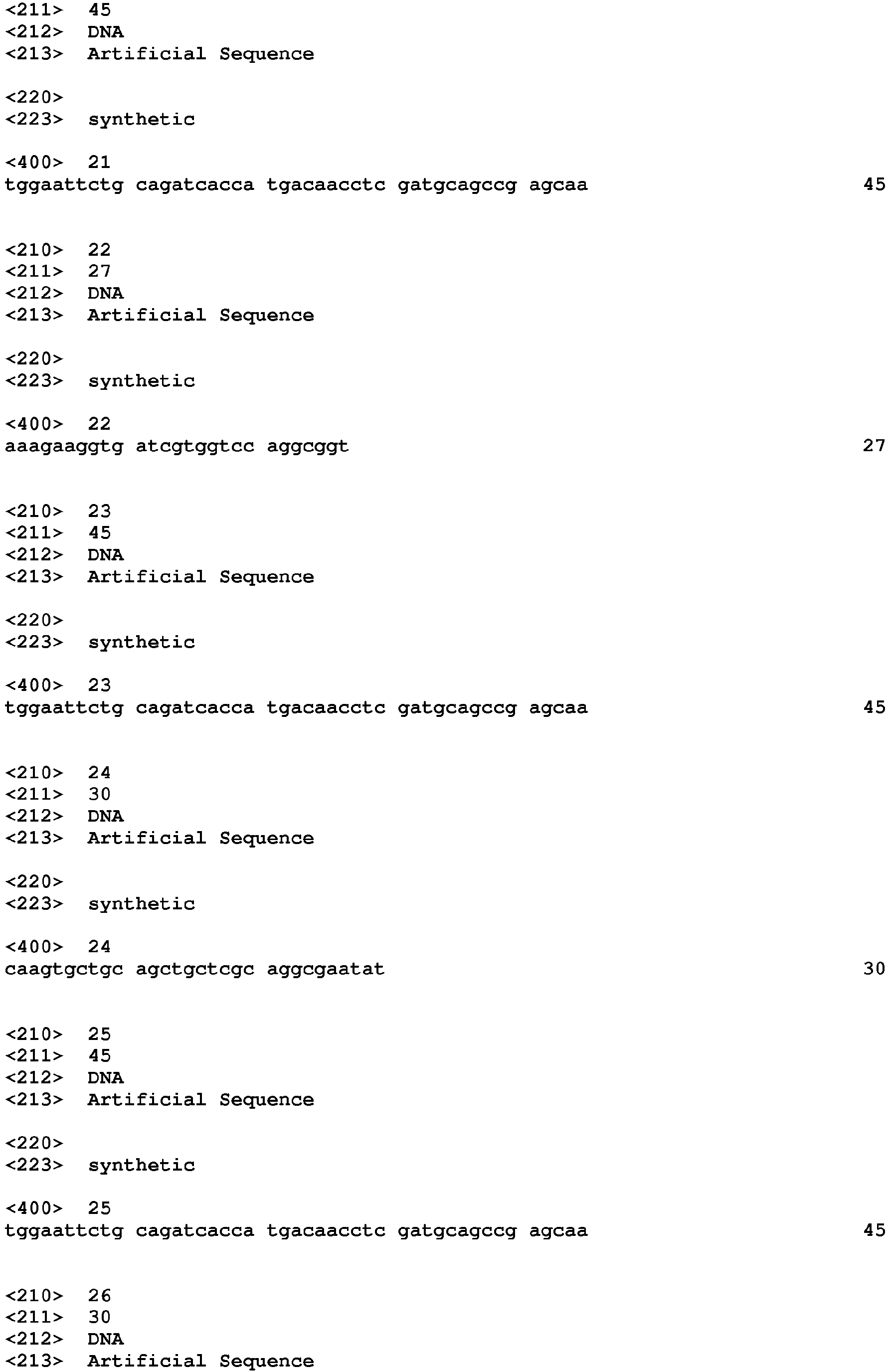


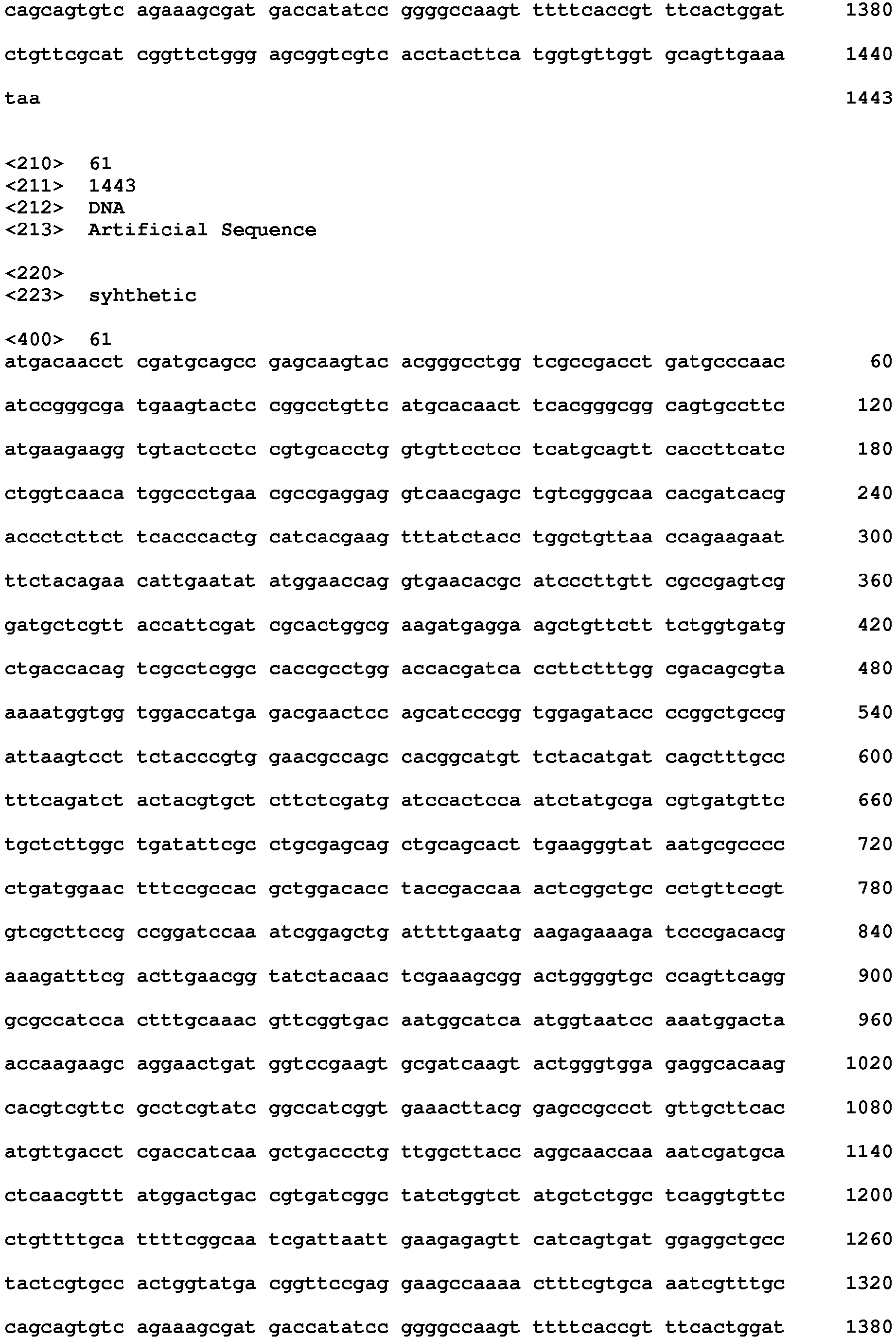


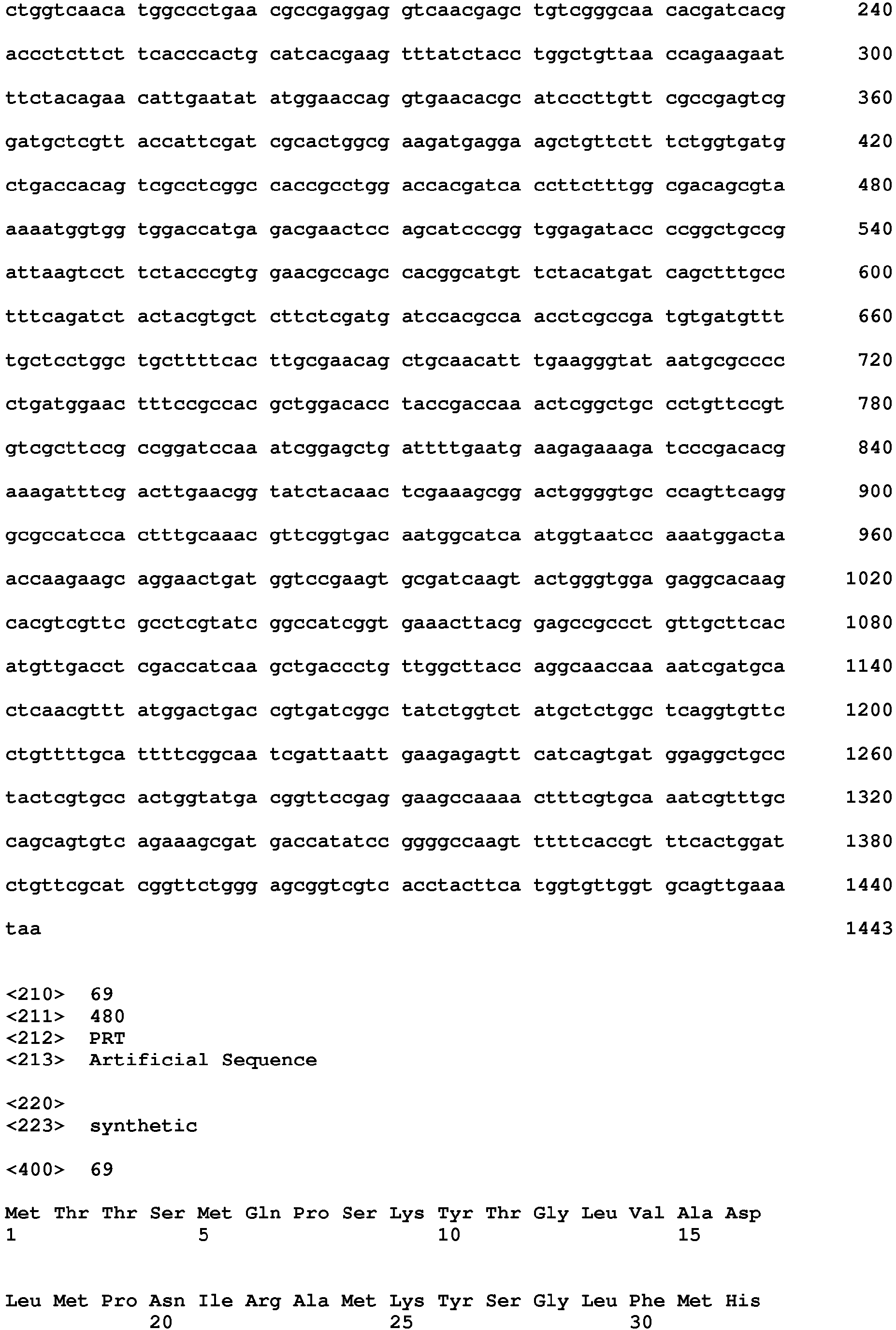


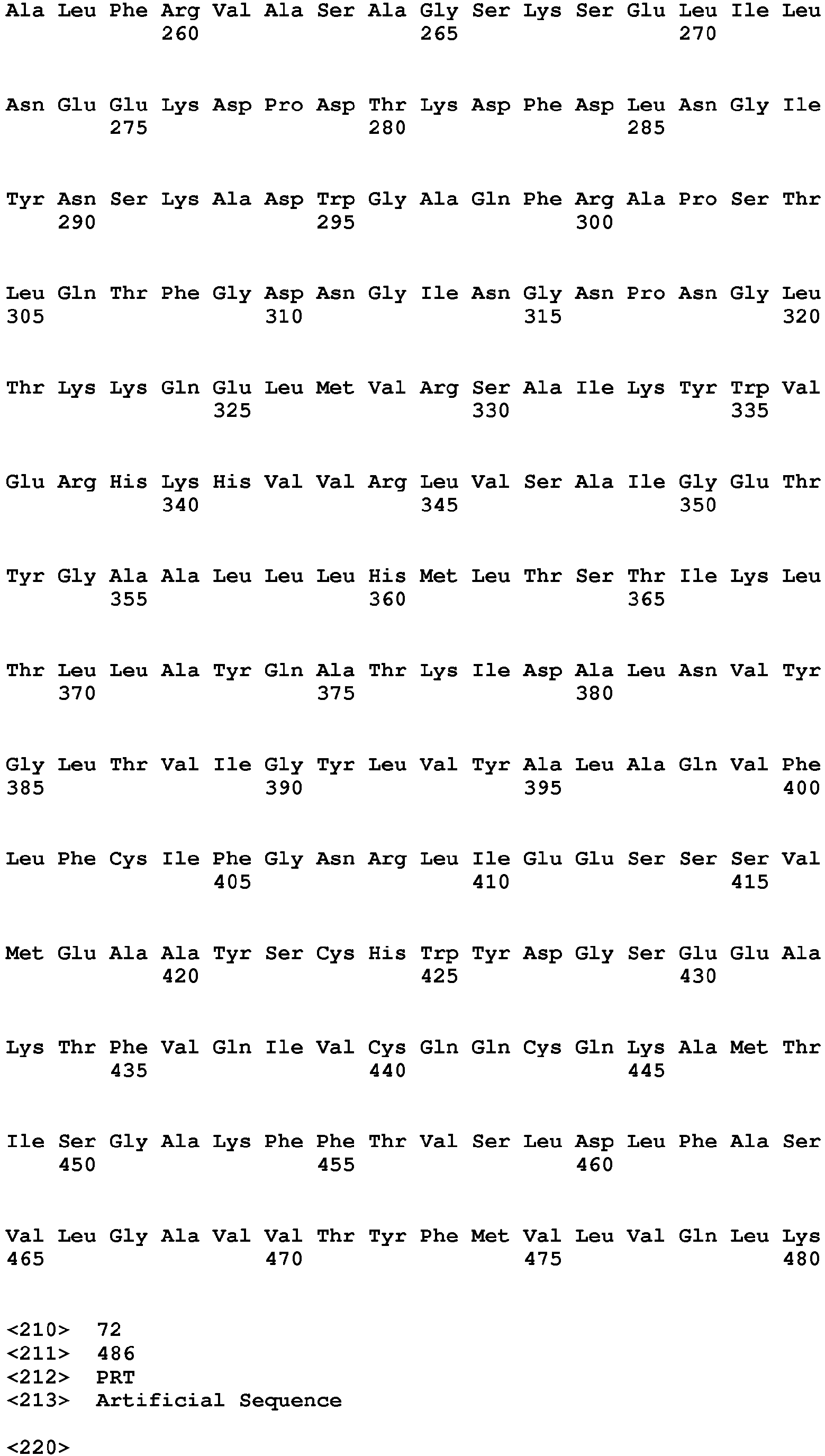


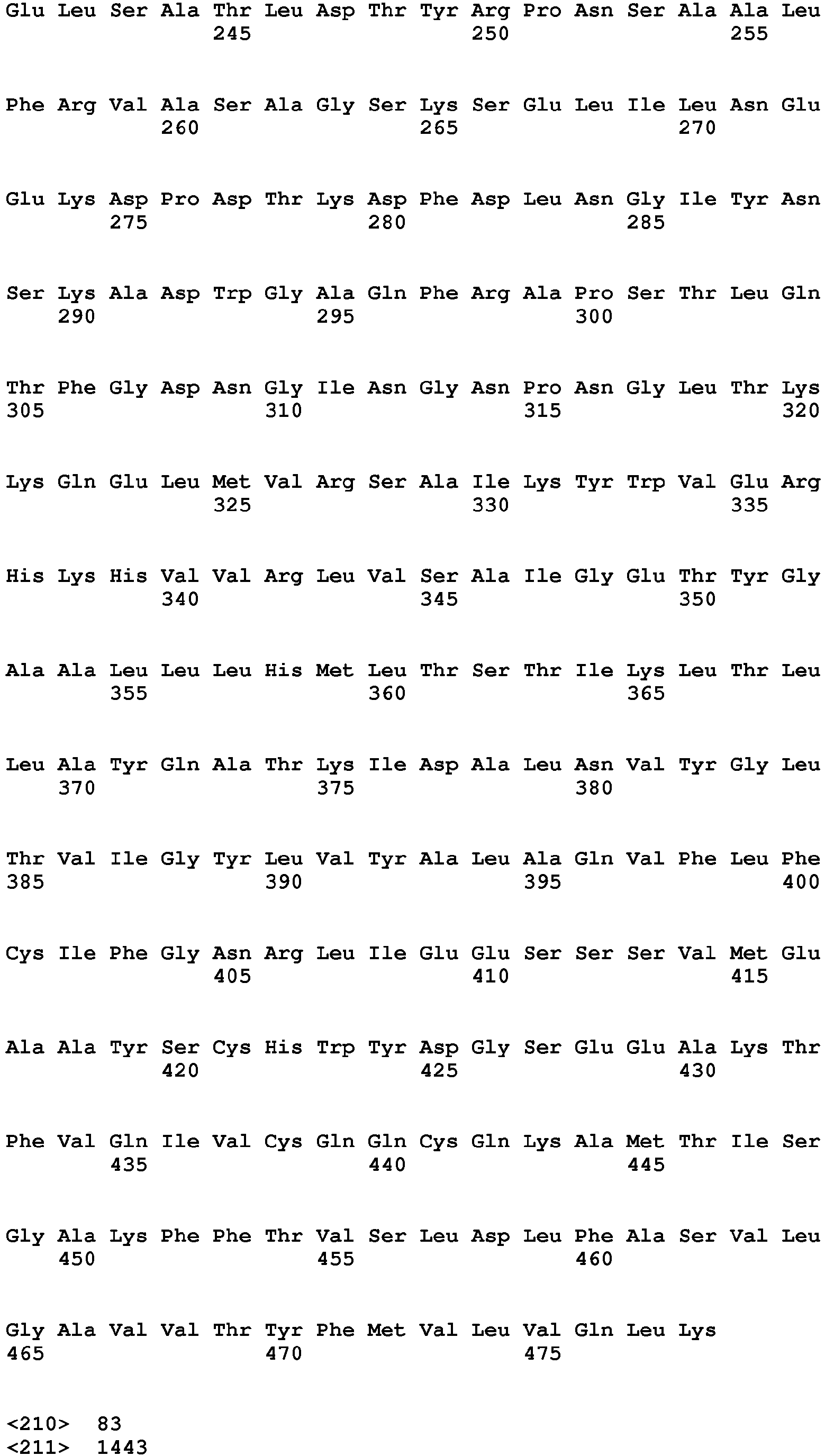


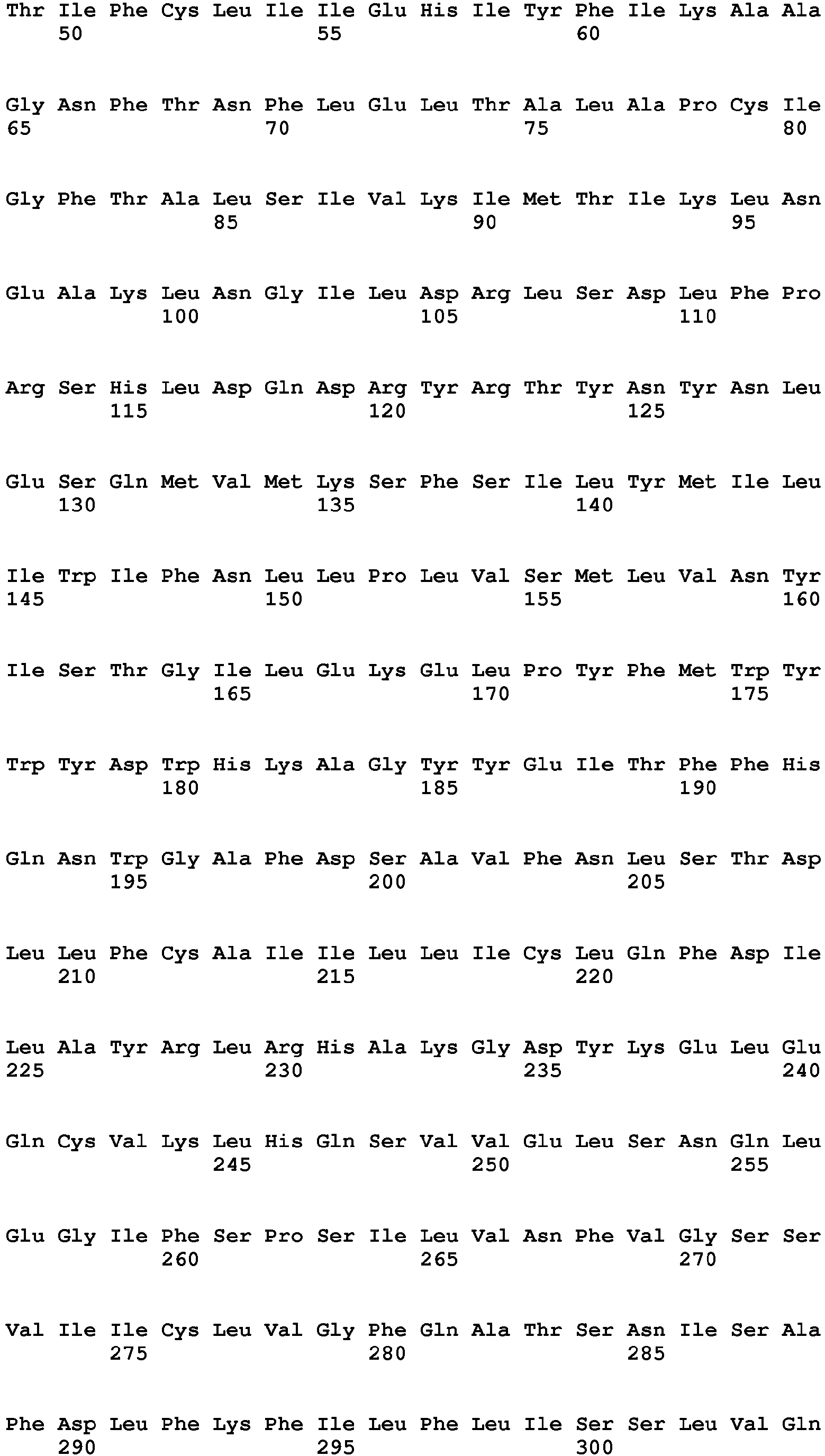


Claims (17)
- An odorant receptor co-receptor, comprising the following first amino acid sequence and the following second amino acid sequence subsequently to the farthest carboxyl-terminal amino acid residue of the first amino acid sequence:(1) a first amino acid sequence, which is a partial amino acid sequence of an odorant receptor co-receptor of a first insect or a variant of the co-receptor, the partial amino acid sequence being an amino acid sequence that is contiguous from the amino-terminus of the odorant receptor co-receptor of the first insect or a variant of the co-receptor to any one amino acid residue positioned in the range of twenty amino acid residues before and after the farthest carboxyl-terminal amino acid residue of the fourth transmembrane domain; and(2) a second amino acid sequence, which is a partial amino acid sequence of an odorant receptor co-receptor of a second insect of a variety different from the first insect or a variant of the co-receptor, the partial amino acid sequence being an amino acid sequence that is contiguous from an amino acid residue at a position that is one position carboxyl-terminal to a position corresponding, in an alignment analysis of the amino acid sequence of the first insect odorant receptor co-receptor or the variant thereof and the amino acid sequence of the second insect odorant receptor co-receptor or the variant thereof, to the farthest carboxyl-terminal amino acid residue of the first amino acid sequence in the odorant receptor co-receptor of the second insect or a variant of the co-receptor, to the carboxyl-terminus of the odorant receptor co-receptor of the second insect or a variant of the co-receptor.
- The odorant receptor co-receptor according to claim 1, wherein the first insect and the second insect are insects of different varieties selected from the group consisting of insects of the superorder Endopterygota.
- The odorant receptor co-receptor according to claim 1 or 2, wherein the first insect and the second insect are insects of different varieties selected from the group consisting of insects of the order Diptera, insects of the order Lepidoptera, and insects of the order Hymenoptera.
- The odorant receptor co-receptor according to any one of claims 1 to 3, wherein the first insect and the second insect are insects of different varieties selected from the group consisting of insects of the genus Culicidae, insects of the genus Drosophilidae, insects of the genus Bombycidae, and insects of the genus Apidae.
- The odorant receptor co-receptor according to any one of claims 1 to 4, wherein the first insect is any one insect from among Aedes aegypti, Anopheles gambiae, and Drosophila melanogaster.
- The odorant receptor co-receptor according to any one of claims 1 to 5, wherein the first amino acid sequence is an amino acid sequence having an identity of 90% or higher with an amino acid sequence set forth in any one of SEQ ID NO:1, SEQ ID NO:135, or SEQ ID NO:136.
- The odorant receptor co-receptor according to any one of claims 1 to 6, wherein the second insect is any one insect from among Aedes aegypti and Apis mellifera.
- The odorant receptor co-receptor according to any one of claims 1 to 7, wherein the second amino acid sequence is an amino acid sequence having an identity of 90% or higher with the amino acid sequence set forth in SEQ ID NO:2 or SEQ ID NO: 137.
- The odorant receptor co-receptor according to any one of claims 1 to 4, wherein the first insect is Drosophila melanogaster, and the second insect is Apis mellifera.
- The odorant receptor co-receptor according to claim 9, comprising an amino acid sequence having an identity of 90% or higher with the amino acid sequence set forth in SEQ ID NO:100.
- The odorant receptor co-receptor according to any one of claims 1 to 4, wherein the first insect is Drosophila melanogaster, and the second insect is Aedes aegypti.
- The odorant receptor co-receptor according to claim 11, comprising an amino acid sequence having an identity of 90% or higher with the amino acid sequence set forth in SEQ ID NO:71.
- The odorant receptor co-receptor according to any one of claims 1 to 4, wherein the first insect is Aedes aegypti, and the second insect is Apis mellifera.
- The odorant receptor co-receptor according to claim 13, comprising an amino acid sequence having an identity of 90% or higher with the amino acid sequence set forth in SEQ ID NO:108.
- A polynucleotide, encoding the odorant receptor co-receptor according to any one of claims 1 to 14.
- An expression plasmid, comprising the polynucleotide according to claim 15 incorporated therein.
- A cell, comprising the polynucleotide according to claim 15 or the expression plasmid according to claim 16 incorporated therein.
Applications Claiming Priority (2)
| Application Number | Priority Date | Filing Date | Title |
|---|---|---|---|
| JP2016191904A JP6875815B2 (en) | 2016-09-29 | 2016-09-29 | Olfactory receptor co-receptor |
| PCT/JP2017/034792 WO2018062203A1 (en) | 2016-09-29 | 2017-09-26 | Odorant receptor co-receptor |
Publications (2)
| Publication Number | Publication Date |
|---|---|
| EP3521427A1 true EP3521427A1 (en) | 2019-08-07 |
| EP3521427A4 EP3521427A4 (en) | 2020-04-22 |
Family
ID=61759756
Family Applications (1)
| Application Number | Title | Priority Date | Filing Date |
|---|---|---|---|
| EP17856153.6A Pending EP3521427A4 (en) | 2016-09-29 | 2017-09-26 | ODORANT RECEPTOR CO-RECEIVER |
Country Status (6)
| Country | Link |
|---|---|
| US (1) | US11919930B2 (en) |
| EP (1) | EP3521427A4 (en) |
| JP (1) | JP6875815B2 (en) |
| CN (1) | CN109804067B (en) |
| TW (1) | TWI770066B (en) |
| WO (1) | WO2018062203A1 (en) |
Families Citing this family (21)
| Publication number | Priority date | Publication date | Assignee | Title |
|---|---|---|---|---|
| AU2019285559B2 (en) * | 2018-06-13 | 2024-07-25 | Scentian Bio Limited | Biosensor device and methods |
| EP4190901A4 (en) | 2020-07-27 | 2024-11-27 | Sumitomo Chemical Company, Limited | NITRO COMPOUND DETECTION ELEMENT |
| TW202221013A (en) | 2020-07-27 | 2022-06-01 | 日商住友化學股份有限公司 | mutant insect olfactory receptor protein |
| US11828210B2 (en) | 2020-08-20 | 2023-11-28 | Denso International America, Inc. | Diagnostic systems and methods of vehicles using olfaction |
| US11932080B2 (en) | 2020-08-20 | 2024-03-19 | Denso International America, Inc. | Diagnostic and recirculation control systems and methods |
| US12251991B2 (en) | 2020-08-20 | 2025-03-18 | Denso International America, Inc. | Humidity control for olfaction sensors |
| US11881093B2 (en) | 2020-08-20 | 2024-01-23 | Denso International America, Inc. | Systems and methods for identifying smoking in vehicles |
| US12377711B2 (en) | 2020-08-20 | 2025-08-05 | Denso International America, Inc. | Vehicle feature control systems and methods based on smoking |
| US11760169B2 (en) | 2020-08-20 | 2023-09-19 | Denso International America, Inc. | Particulate control systems and methods for olfaction sensors |
| US11760170B2 (en) | 2020-08-20 | 2023-09-19 | Denso International America, Inc. | Olfaction sensor preservation systems and methods |
| US11636870B2 (en) | 2020-08-20 | 2023-04-25 | Denso International America, Inc. | Smoking cessation systems and methods |
| US12269315B2 (en) | 2020-08-20 | 2025-04-08 | Denso International America, Inc. | Systems and methods for measuring and managing odor brought into rental vehicles |
| US11813926B2 (en) | 2020-08-20 | 2023-11-14 | Denso International America, Inc. | Binding agent and olfaction sensor |
| US12017506B2 (en) | 2020-08-20 | 2024-06-25 | Denso International America, Inc. | Passenger cabin air control systems and methods |
| CN113504378B (en) * | 2021-09-08 | 2022-01-04 | 汉王科技股份有限公司 | Olfactory receptor, recombinant cell, kit and use thereof |
| JP2025138913A (en) * | 2022-03-10 | 2025-09-26 | 国立研究開発法人農業・食品産業技術総合研究機構 | Cells derived from the sleeping chironomid and odor sensor comprising the same |
| CN114921469B (en) * | 2022-04-12 | 2024-02-27 | 广西壮族自治区蚕业技术推广站 | Application of silkworm olfactory receptor gene BmOR56 |
| US20250368699A1 (en) * | 2022-06-09 | 2025-12-04 | Firmenich Incorporated | Arthropod chemosensory receptors and uses thereof |
| CN116286818B (en) * | 2023-02-16 | 2023-10-13 | 北京林业大学 | dsRNA of target anoplophora glabripensis olfactory coexpression receptor gene and application thereof |
| JP2024159344A (en) * | 2023-04-28 | 2024-11-08 | 住友化学株式会社 | Method for producing cells for measuring activity of sensor protein |
| CN119842724B (en) * | 2025-03-24 | 2025-07-15 | 浙江农林大学 | Taiwan lactotermite Or-43884 gene and application thereof in termite control |
Family Cites Families (10)
| Publication number | Priority date | Publication date | Assignee | Title |
|---|---|---|---|---|
| DK1208111T3 (en) | 1999-02-25 | 2009-02-09 | Univ Columbia | Genes encoding insect odorant receptors and uses thereof |
| CA2438212A1 (en) * | 2001-02-08 | 2002-09-06 | Temple University - Of The Commonwealth System Of Higher Education | Biosensor for detecting chemical agents |
| EP2354156A3 (en) | 2001-08-14 | 2011-11-16 | Sentigen Biosciences, Inc. | Nucleic acids and proteins of insect OR83B odorant receptor genes and uses thereof |
| AU2002326834A1 (en) | 2001-09-04 | 2003-03-18 | Sentigen Corp. | Anopheles gambiae odorant receptors and genes |
| MY152003A (en) * | 2008-05-29 | 2014-08-15 | Univ Leland Stanford Junior | Cell line, system and method for optical control of secondary messengers |
| JP5747542B2 (en) | 2010-03-03 | 2015-07-15 | 住友化学株式会社 | Plant disease control composition and plant disease control method |
| WO2012056603A1 (en) | 2010-10-25 | 2012-05-03 | パナソニック株式会社 | METHOD FOR PRODUCING cAMP USING CHIMERIC OLFACTORY RECEPTOR |
| ITMI20121045A1 (en) | 2012-06-15 | 2013-12-16 | Isagro Ricerca Srl | SYNERGIC COMPOSITIONS FOR THE PROTECTION OF AGRICULTURAL CROPS AND ITS USE |
| JP6106976B2 (en) | 2012-07-20 | 2017-04-05 | 住友化学株式会社 | Plant disease control composition and use thereof |
| JP6755640B2 (en) | 2014-03-28 | 2020-09-16 | 味の素株式会社 | Sweet receptor chimeric protein and its utilization |
-
2016
- 2016-09-29 JP JP2016191904A patent/JP6875815B2/en active Active
-
2017
- 2017-09-26 EP EP17856153.6A patent/EP3521427A4/en active Pending
- 2017-09-26 US US16/338,245 patent/US11919930B2/en active Active
- 2017-09-26 CN CN201780060791.9A patent/CN109804067B/en active Active
- 2017-09-26 WO PCT/JP2017/034792 patent/WO2018062203A1/en not_active Ceased
- 2017-09-28 TW TW106133416A patent/TWI770066B/en active
Also Published As
| Publication number | Publication date |
|---|---|
| US11919930B2 (en) | 2024-03-05 |
| CN109804067A (en) | 2019-05-24 |
| JP2018050556A (en) | 2018-04-05 |
| TWI770066B (en) | 2022-07-11 |
| TW201813974A (en) | 2018-04-16 |
| EP3521427A4 (en) | 2020-04-22 |
| US20190225659A1 (en) | 2019-07-25 |
| CN109804067B (en) | 2023-05-02 |
| JP6875815B2 (en) | 2021-05-26 |
| WO2018062203A1 (en) | 2018-04-05 |
Similar Documents
| Publication | Publication Date | Title |
|---|---|---|
| EP3521427A1 (en) | Odorant receptor co-receptor | |
| Barzilai et al. | Convergent evolution of sodium ion selectivity in metazoan neuronal signaling | |
| EP3013978B1 (en) | Methods of identifying, isolating and using odorant and aroma receptors | |
| Rettig et al. | Inactivation properties of voltage-gated K+ channels altered by presence of β-subunit | |
| Coast et al. | The Drosophila melanogaster homologue of an insect calcitonin-like diuretic peptide stimulates V-ATPase activity in fruit fly Malpighian tubules | |
| WO2018062201A1 (en) | Odorant receptor complex and cells expressing same | |
| Qian et al. | Cloning and characterization of teneurin C-terminus associated peptide (TCAP)-3 from the hypothalamus of an adult rainbow trout (Oncorhynchus mykiss) | |
| Kim et al. | The pheromone biosynthesis activating neuropeptide (PBAN) receptor of Heliothis virescens: identification, functional expression, and structure–activity relationships of ligand analogs | |
| US20160326219A1 (en) | Optically activated receptors | |
| EP4190900A1 (en) | Mutant insect olfactory receptor protein | |
| CN109627344A (en) | CAMP fluorescence probe and its application | |
| Pozzolini et al. | Molecular characterization and expression analysis of the first Porifera tumor necrosis factor superfamily member and of its putative receptor in the marine sponge Chondrosia reniformis | |
| Chen et al. | Functional and pharmacological characterization of a β-adrenergic-like octopamine receptor from the silkworm Bombyx mori | |
| EP4613759A1 (en) | Fructose-1,6-diphosphate optical probe, and preparation method therefor and use thereof | |
| JP5328190B2 (en) | Method for evaluating TRPA1 activator | |
| Jiang et al. | Isolation and functional characterization of the pheromone biosynthesis activating neuropeptide receptor of Chinese oak silkworm, Antheraea pernyi | |
| Luo et al. | Neural detection of gases—carbon dioxide, oxygen—in vertebrates and invertebrates | |
| JP2014054218A (en) | Screening method for repellent candidate substances | |
| Chen et al. | A novel potassium channel encoded by Ectocarpus siliculosus virus | |
| EP2149606B1 (en) | Nucleic acid molecules and methods for identifying modulators of GPR84 activity | |
| Hashimoto et al. | Induction of tyrosine hydroxylase gene expression by bacteria in the fat body of eri-silkworm, Samia cynthia ricini | |
| An et al. | Identification of a novel bursicon‐regulated transcriptional regulator, md13379, in the house fly Musca domestica | |
| WO2001070811A1 (en) | Potassium channel protein kcnq5, a target for diseases of central nervous system and cardiovascular system | |
| Borg et al. | Peptide Modulation of Acid-Sensing Ion Channels | |
| Lynagh et al. | Evolution of Acid-Sensing Ion Channels |
Legal Events
| Date | Code | Title | Description |
|---|---|---|---|
| STAA | Information on the status of an ep patent application or granted ep patent |
Free format text: STATUS: THE INTERNATIONAL PUBLICATION HAS BEEN MADE |
|
| PUAI | Public reference made under article 153(3) epc to a published international application that has entered the european phase |
Free format text: ORIGINAL CODE: 0009012 |
|
| STAA | Information on the status of an ep patent application or granted ep patent |
Free format text: STATUS: REQUEST FOR EXAMINATION WAS MADE |
|
| 17P | Request for examination filed |
Effective date: 20190408 |
|
| AK | Designated contracting states |
Kind code of ref document: A1 Designated state(s): AL AT BE BG CH CY CZ DE DK EE ES FI FR GB GR HR HU IE IS IT LI LT LU LV MC MK MT NL NO PL PT RO RS SE SI SK SM TR |
|
| AX | Request for extension of the european patent |
Extension state: BA ME |
|
| DAV | Request for validation of the european patent (deleted) | ||
| DAX | Request for extension of the european patent (deleted) | ||
| A4 | Supplementary search report drawn up and despatched |
Effective date: 20200323 |
|
| RIC1 | Information provided on ipc code assigned before grant |
Ipc: C12N 15/09 20060101AFI20200316BHEP Ipc: C07K 14/705 20060101ALI20200316BHEP Ipc: C07K 19/00 20060101ALI20200316BHEP Ipc: C12N 5/10 20060101ALI20200316BHEP Ipc: C12N 1/15 20060101ALI20200316BHEP Ipc: C12N 1/21 20060101ALI20200316BHEP Ipc: C12N 1/19 20060101ALI20200316BHEP |