EP3517606A1 - Method for preparing a supplement from mesenchymal cell cultures of wharton's jelly and uses of same - Google Patents
Method for preparing a supplement from mesenchymal cell cultures of wharton's jelly and uses of same Download PDFInfo
- Publication number
- EP3517606A1 EP3517606A1 EP17853510.0A EP17853510A EP3517606A1 EP 3517606 A1 EP3517606 A1 EP 3517606A1 EP 17853510 A EP17853510 A EP 17853510A EP 3517606 A1 EP3517606 A1 EP 3517606A1
- Authority
- EP
- European Patent Office
- Prior art keywords
- cutaneous
- accordance
- equivalent
- dermal
- cells
- Prior art date
- Legal status (The legal status is an assumption and is not a legal conclusion. Google has not performed a legal analysis and makes no representation as to the accuracy of the status listed.)
- Granted
Links
Images



Classifications
-
- C—CHEMISTRY; METALLURGY
- C12—BIOCHEMISTRY; BEER; SPIRITS; WINE; VINEGAR; MICROBIOLOGY; ENZYMOLOGY; MUTATION OR GENETIC ENGINEERING
- C12N—MICROORGANISMS OR ENZYMES; COMPOSITIONS THEREOF; PROPAGATING, PRESERVING, OR MAINTAINING MICROORGANISMS; MUTATION OR GENETIC ENGINEERING; CULTURE MEDIA
- C12N5/00—Undifferentiated human, animal or plant cells, e.g. cell lines; Tissues; Cultivation or maintenance thereof; Culture media therefor
- C12N5/06—Animal cells or tissues; Human cells or tissues
- C12N5/0602—Vertebrate cells
- C12N5/0625—Epidermal cells, skin cells; Cells of the oral mucosa
- C12N5/0629—Keratinocytes; Whole skin
-
- A—HUMAN NECESSITIES
- A61—MEDICAL OR VETERINARY SCIENCE; HYGIENE
- A61K—PREPARATIONS FOR MEDICAL, DENTAL OR TOILETRY PURPOSES
- A61K35/00—Medicinal preparations containing materials or reaction products thereof with undetermined constitution
- A61K35/12—Materials from mammals; Compositions comprising non-specified tissues or cells; Compositions comprising non-embryonic stem cells; Genetically modified cells
- A61K35/28—Bone marrow; Haematopoietic stem cells; Mesenchymal stem cells of any origin, e.g. adipose-derived stem cells
-
- A—HUMAN NECESSITIES
- A61—MEDICAL OR VETERINARY SCIENCE; HYGIENE
- A61K—PREPARATIONS FOR MEDICAL, DENTAL OR TOILETRY PURPOSES
- A61K35/00—Medicinal preparations containing materials or reaction products thereof with undetermined constitution
- A61K35/12—Materials from mammals; Compositions comprising non-specified tissues or cells; Compositions comprising non-embryonic stem cells; Genetically modified cells
- A61K35/33—Fibroblasts
-
- A—HUMAN NECESSITIES
- A61—MEDICAL OR VETERINARY SCIENCE; HYGIENE
- A61K—PREPARATIONS FOR MEDICAL, DENTAL OR TOILETRY PURPOSES
- A61K35/00—Medicinal preparations containing materials or reaction products thereof with undetermined constitution
- A61K35/12—Materials from mammals; Compositions comprising non-specified tissues or cells; Compositions comprising non-embryonic stem cells; Genetically modified cells
- A61K35/36—Skin; Hair; Nails; Sebaceous glands; Cerumen; Epidermis; Epithelial cells; Keratinocytes; Langerhans cells; Ectodermal cells
-
- A—HUMAN NECESSITIES
- A61—MEDICAL OR VETERINARY SCIENCE; HYGIENE
- A61K—PREPARATIONS FOR MEDICAL, DENTAL OR TOILETRY PURPOSES
- A61K35/00—Medicinal preparations containing materials or reaction products thereof with undetermined constitution
- A61K35/12—Materials from mammals; Compositions comprising non-specified tissues or cells; Compositions comprising non-embryonic stem cells; Genetically modified cells
- A61K35/48—Reproductive organs
- A61K35/51—Umbilical cord; Umbilical cord blood; Umbilical stem cells
-
- A—HUMAN NECESSITIES
- A61—MEDICAL OR VETERINARY SCIENCE; HYGIENE
- A61L—METHODS OR APPARATUS FOR STERILISING MATERIALS OR OBJECTS IN GENERAL; DISINFECTION, STERILISATION OR DEODORISATION OF AIR; CHEMICAL ASPECTS OF BANDAGES, DRESSINGS, ABSORBENT PADS OR SURGICAL ARTICLES; MATERIALS FOR BANDAGES, DRESSINGS, ABSORBENT PADS OR SURGICAL ARTICLES
- A61L27/00—Materials for grafts or prostheses or for coating grafts or prostheses
- A61L27/36—Materials for grafts or prostheses or for coating grafts or prostheses containing ingredients of undetermined constitution or reaction products thereof, e.g. transplant tissue, natural bone, extracellular matrix
- A61L27/3604—Materials for grafts or prostheses or for coating grafts or prostheses containing ingredients of undetermined constitution or reaction products thereof, e.g. transplant tissue, natural bone, extracellular matrix characterised by the human or animal origin of the biological material, e.g. hair, fascia, fish scales, silk, shellac, pericardium, pleura, renal tissue, amniotic membrane, parenchymal tissue, fetal tissue, muscle tissue, fat tissue, enamel
- A61L27/362—Skin, e.g. dermal papillae
-
- A—HUMAN NECESSITIES
- A61—MEDICAL OR VETERINARY SCIENCE; HYGIENE
- A61L—METHODS OR APPARATUS FOR STERILISING MATERIALS OR OBJECTS IN GENERAL; DISINFECTION, STERILISATION OR DEODORISATION OF AIR; CHEMICAL ASPECTS OF BANDAGES, DRESSINGS, ABSORBENT PADS OR SURGICAL ARTICLES; MATERIALS FOR BANDAGES, DRESSINGS, ABSORBENT PADS OR SURGICAL ARTICLES
- A61L27/00—Materials for grafts or prostheses or for coating grafts or prostheses
- A61L27/36—Materials for grafts or prostheses or for coating grafts or prostheses containing ingredients of undetermined constitution or reaction products thereof, e.g. transplant tissue, natural bone, extracellular matrix
- A61L27/3641—Materials for grafts or prostheses or for coating grafts or prostheses containing ingredients of undetermined constitution or reaction products thereof, e.g. transplant tissue, natural bone, extracellular matrix characterised by the site of application in the body
-
- A—HUMAN NECESSITIES
- A61—MEDICAL OR VETERINARY SCIENCE; HYGIENE
- A61L—METHODS OR APPARATUS FOR STERILISING MATERIALS OR OBJECTS IN GENERAL; DISINFECTION, STERILISATION OR DEODORISATION OF AIR; CHEMICAL ASPECTS OF BANDAGES, DRESSINGS, ABSORBENT PADS OR SURGICAL ARTICLES; MATERIALS FOR BANDAGES, DRESSINGS, ABSORBENT PADS OR SURGICAL ARTICLES
- A61L27/00—Materials for grafts or prostheses or for coating grafts or prostheses
- A61L27/36—Materials for grafts or prostheses or for coating grafts or prostheses containing ingredients of undetermined constitution or reaction products thereof, e.g. transplant tissue, natural bone, extracellular matrix
- A61L27/38—Materials for grafts or prostheses or for coating grafts or prostheses containing ingredients of undetermined constitution or reaction products thereof, e.g. transplant tissue, natural bone, extracellular matrix containing added animal cells
-
- A—HUMAN NECESSITIES
- A61—MEDICAL OR VETERINARY SCIENCE; HYGIENE
- A61L—METHODS OR APPARATUS FOR STERILISING MATERIALS OR OBJECTS IN GENERAL; DISINFECTION, STERILISATION OR DEODORISATION OF AIR; CHEMICAL ASPECTS OF BANDAGES, DRESSINGS, ABSORBENT PADS OR SURGICAL ARTICLES; MATERIALS FOR BANDAGES, DRESSINGS, ABSORBENT PADS OR SURGICAL ARTICLES
- A61L27/00—Materials for grafts or prostheses or for coating grafts or prostheses
- A61L27/50—Materials characterised by their function or physical properties, e.g. injectable or lubricating compositions, shape-memory materials, surface modified materials
- A61L27/54—Biologically active materials, e.g. therapeutic substances
-
- A—HUMAN NECESSITIES
- A61—MEDICAL OR VETERINARY SCIENCE; HYGIENE
- A61L—METHODS OR APPARATUS FOR STERILISING MATERIALS OR OBJECTS IN GENERAL; DISINFECTION, STERILISATION OR DEODORISATION OF AIR; CHEMICAL ASPECTS OF BANDAGES, DRESSINGS, ABSORBENT PADS OR SURGICAL ARTICLES; MATERIALS FOR BANDAGES, DRESSINGS, ABSORBENT PADS OR SURGICAL ARTICLES
- A61L27/00—Materials for grafts or prostheses or for coating grafts or prostheses
- A61L27/50—Materials characterised by their function or physical properties, e.g. injectable or lubricating compositions, shape-memory materials, surface modified materials
- A61L27/58—Materials at least partially resorbable by the body
-
- A—HUMAN NECESSITIES
- A61—MEDICAL OR VETERINARY SCIENCE; HYGIENE
- A61L—METHODS OR APPARATUS FOR STERILISING MATERIALS OR OBJECTS IN GENERAL; DISINFECTION, STERILISATION OR DEODORISATION OF AIR; CHEMICAL ASPECTS OF BANDAGES, DRESSINGS, ABSORBENT PADS OR SURGICAL ARTICLES; MATERIALS FOR BANDAGES, DRESSINGS, ABSORBENT PADS OR SURGICAL ARTICLES
- A61L27/00—Materials for grafts or prostheses or for coating grafts or prostheses
- A61L27/50—Materials characterised by their function or physical properties, e.g. injectable or lubricating compositions, shape-memory materials, surface modified materials
- A61L27/60—Materials for use in artificial skin
-
- A—HUMAN NECESSITIES
- A61—MEDICAL OR VETERINARY SCIENCE; HYGIENE
- A61P—SPECIFIC THERAPEUTIC ACTIVITY OF CHEMICAL COMPOUNDS OR MEDICINAL PREPARATIONS
- A61P17/00—Drugs for dermatological disorders
- A61P17/02—Drugs for dermatological disorders for treating wounds, ulcers, burns, scars, keloids, or the like
-
- C—CHEMISTRY; METALLURGY
- C12—BIOCHEMISTRY; BEER; SPIRITS; WINE; VINEGAR; MICROBIOLOGY; ENZYMOLOGY; MUTATION OR GENETIC ENGINEERING
- C12N—MICROORGANISMS OR ENZYMES; COMPOSITIONS THEREOF; PROPAGATING, PRESERVING, OR MAINTAINING MICROORGANISMS; MUTATION OR GENETIC ENGINEERING; CULTURE MEDIA
- C12N5/00—Undifferentiated human, animal or plant cells, e.g. cell lines; Tissues; Cultivation or maintenance thereof; Culture media therefor
- C12N5/06—Animal cells or tissues; Human cells or tissues
- C12N5/0602—Vertebrate cells
- C12N5/0603—Embryonic cells ; Embryoid bodies
- C12N5/0605—Cells from extra-embryonic tissues, e.g. placenta, amnion, yolk sac, Wharton's jelly
-
- C—CHEMISTRY; METALLURGY
- C12—BIOCHEMISTRY; BEER; SPIRITS; WINE; VINEGAR; MICROBIOLOGY; ENZYMOLOGY; MUTATION OR GENETIC ENGINEERING
- C12N—MICROORGANISMS OR ENZYMES; COMPOSITIONS THEREOF; PROPAGATING, PRESERVING, OR MAINTAINING MICROORGANISMS; MUTATION OR GENETIC ENGINEERING; CULTURE MEDIA
- C12N5/00—Undifferentiated human, animal or plant cells, e.g. cell lines; Tissues; Cultivation or maintenance thereof; Culture media therefor
- C12N5/06—Animal cells or tissues; Human cells or tissues
- C12N5/0602—Vertebrate cells
- C12N5/0652—Cells of skeletal and connective tissues; Mesenchyme
- C12N5/0656—Adult fibroblasts
-
- C—CHEMISTRY; METALLURGY
- C12—BIOCHEMISTRY; BEER; SPIRITS; WINE; VINEGAR; MICROBIOLOGY; ENZYMOLOGY; MUTATION OR GENETIC ENGINEERING
- C12N—MICROORGANISMS OR ENZYMES; COMPOSITIONS THEREOF; PROPAGATING, PRESERVING, OR MAINTAINING MICROORGANISMS; MUTATION OR GENETIC ENGINEERING; CULTURE MEDIA
- C12N5/00—Undifferentiated human, animal or plant cells, e.g. cell lines; Tissues; Cultivation or maintenance thereof; Culture media therefor
- C12N5/06—Animal cells or tissues; Human cells or tissues
- C12N5/0697—Artificial constructs associating cells of different lineages, e.g. tissue equivalents
- C12N5/0698—Skin equivalents
-
- C—CHEMISTRY; METALLURGY
- C12—BIOCHEMISTRY; BEER; SPIRITS; WINE; VINEGAR; MICROBIOLOGY; ENZYMOLOGY; MUTATION OR GENETIC ENGINEERING
- C12P—FERMENTATION OR ENZYME-USING PROCESSES TO SYNTHESISE A DESIRED CHEMICAL COMPOUND OR COMPOSITION OR TO SEPARATE OPTICAL ISOMERS FROM A RACEMIC MIXTURE
- C12P21/00—Preparation of peptides or proteins
-
- A—HUMAN NECESSITIES
- A61—MEDICAL OR VETERINARY SCIENCE; HYGIENE
- A61L—METHODS OR APPARATUS FOR STERILISING MATERIALS OR OBJECTS IN GENERAL; DISINFECTION, STERILISATION OR DEODORISATION OF AIR; CHEMICAL ASPECTS OF BANDAGES, DRESSINGS, ABSORBENT PADS OR SURGICAL ARTICLES; MATERIALS FOR BANDAGES, DRESSINGS, ABSORBENT PADS OR SURGICAL ARTICLES
- A61L2300/00—Biologically active materials used in bandages, wound dressings, absorbent pads or medical devices
- A61L2300/40—Biologically active materials used in bandages, wound dressings, absorbent pads or medical devices characterised by a specific therapeutic activity or mode of action
- A61L2300/412—Tissue-regenerating or healing or proliferative agents
-
- A—HUMAN NECESSITIES
- A61—MEDICAL OR VETERINARY SCIENCE; HYGIENE
- A61L—METHODS OR APPARATUS FOR STERILISING MATERIALS OR OBJECTS IN GENERAL; DISINFECTION, STERILISATION OR DEODORISATION OF AIR; CHEMICAL ASPECTS OF BANDAGES, DRESSINGS, ABSORBENT PADS OR SURGICAL ARTICLES; MATERIALS FOR BANDAGES, DRESSINGS, ABSORBENT PADS OR SURGICAL ARTICLES
- A61L2300/00—Biologically active materials used in bandages, wound dressings, absorbent pads or medical devices
- A61L2300/60—Biologically active materials used in bandages, wound dressings, absorbent pads or medical devices characterised by a special physical form
- A61L2300/64—Animal cells
-
- A—HUMAN NECESSITIES
- A61—MEDICAL OR VETERINARY SCIENCE; HYGIENE
- A61L—METHODS OR APPARATUS FOR STERILISING MATERIALS OR OBJECTS IN GENERAL; DISINFECTION, STERILISATION OR DEODORISATION OF AIR; CHEMICAL ASPECTS OF BANDAGES, DRESSINGS, ABSORBENT PADS OR SURGICAL ARTICLES; MATERIALS FOR BANDAGES, DRESSINGS, ABSORBENT PADS OR SURGICAL ARTICLES
- A61L2430/00—Materials or treatment for tissue regeneration
- A61L2430/34—Materials or treatment for tissue regeneration for soft tissue reconstruction
-
- C—CHEMISTRY; METALLURGY
- C12—BIOCHEMISTRY; BEER; SPIRITS; WINE; VINEGAR; MICROBIOLOGY; ENZYMOLOGY; MUTATION OR GENETIC ENGINEERING
- C12N—MICROORGANISMS OR ENZYMES; COMPOSITIONS THEREOF; PROPAGATING, PRESERVING, OR MAINTAINING MICROORGANISMS; MUTATION OR GENETIC ENGINEERING; CULTURE MEDIA
- C12N2501/00—Active agents used in cell culture processes, e.g. differentation
- C12N2501/10—Growth factors
- C12N2501/11—Epidermal growth factor [EGF]
-
- C—CHEMISTRY; METALLURGY
- C12—BIOCHEMISTRY; BEER; SPIRITS; WINE; VINEGAR; MICROBIOLOGY; ENZYMOLOGY; MUTATION OR GENETIC ENGINEERING
- C12N—MICROORGANISMS OR ENZYMES; COMPOSITIONS THEREOF; PROPAGATING, PRESERVING, OR MAINTAINING MICROORGANISMS; MUTATION OR GENETIC ENGINEERING; CULTURE MEDIA
- C12N2501/00—Active agents used in cell culture processes, e.g. differentation
- C12N2501/10—Growth factors
- C12N2501/115—Basic fibroblast growth factor (bFGF, FGF-2)
-
- C—CHEMISTRY; METALLURGY
- C12—BIOCHEMISTRY; BEER; SPIRITS; WINE; VINEGAR; MICROBIOLOGY; ENZYMOLOGY; MUTATION OR GENETIC ENGINEERING
- C12N—MICROORGANISMS OR ENZYMES; COMPOSITIONS THEREOF; PROPAGATING, PRESERVING, OR MAINTAINING MICROORGANISMS; MUTATION OR GENETIC ENGINEERING; CULTURE MEDIA
- C12N2502/00—Coculture with; Conditioned medium produced by
- C12N2502/02—Coculture with; Conditioned medium produced by embryonic cells
- C12N2502/025—Coculture with; Conditioned medium produced by embryonic cells extra-embryonic cells, e.g. amniotic epithelium, placental cells, Wharton's jelly
Definitions
- the present invention pertains to the field of tissue engineering.
- the present invention concern to a method for preparing a supplement from mesenchymal cell cultures of Wharton's jelly and uses of same.
- the cutaneous trauma cause diverse conditions that put at risk the health of patient, between these conditions are included dehydration, loss of electrolytes and proteins in the wound site, at the same time that the wound remains exposed to bacterial infections.
- dehydration loss of electrolytes and proteins in the wound site, at the same time that the wound remains exposed to bacterial infections.
- diverse methods has been developed, allowing replacement of the main components of skin, epidermis, and dermis, with biological equivalents produced in vitro.
- cells 3T3 have been used to induce the proliferation of keratinocytes in culture.
- the cells 3T3 are mouse embrionary fibroblasts, serving as feeder cells (humans or animals) or "nurses" (Rheinwald JG, Green H., Serial cultivation of strains of human epidermal keratinocytes: the formation of keratinizing colonies from single cells, 1975). This method has been widely used to grow keratinocytes.
- the previous method comprises to grow the obtained cells from a biopsy in presence of irradiated cells 3T3, subsequently; the culture of keratinocytes washes and collects.
- the previous methodology has allowed to obtain large quantities of keratinocytes, in order to construct epidermal equivalents including cutaneous equivalents or dermal equivalents used to treat patients with second or third degree burns ( Llames S, Garcia E, Garcia V, del Rio M, Larcher F, Jorcano JL, et al. Clinical results of an autologous engineered skin, 2006 ).
- mesenchymal cells applied directly in wounds promotes the recovery by an indirect mechanism, delivering diverse molecules that may have a therapeutic effect, for example, growth factors and other cytokines, while the mesenchymal cells can differentiate to fibroblasts ( Chui-Yee Fong, Human Wharton's Jelly Stem Cells and Its Conditioned Medium Enhace healing of Excisional and Diabetic Wounds, 2014 ).
- the mesenchymal cells obtained from Wharton's jelly secrete different factors, which can induce the proliferation of keratinocytes and fibroblasts in culture.
- the supplement obtained by the method of present invention can be used as additive in the cell cultures from cutaneous system, to elaborate a cell suspension of fibroblasts and to use in the treatment of diseases, defects, cutaneous disorders as result from cutaneous aging.
- the application of cultivated fibroblasts using the supplement obtained by the method developed increases the cellular activation, promoting an increase from mechanical stress in the extracellular matrix, inducing an elongation from fibroblasts and the stimulation in the collagen synthesis, release of growth factors, inhibition from metalloproteinase secretion, and increasing the secretion from inhibitor factors of the same.
- the supplement is prepared from the supernatant of mesenchymal cell cultures obtained from Wharton's jelly cultivated in specific conditions.
- the supplement includes growth factors necessary to favor and increases the cellular proliferation in vitro for several cells from cutaneous system.
- the present invention is related with the production of a supplement from mesenchymal cell cultures of Wharton's jelly and its use in the development of cell cultures from cutaneous system in vitro.
- the cells of cutaneous system comprise fibroblasts, keratinocytes, dendritic cells, monocytes or combinations of the same, which can be cultivated in an isolated manner.
- the supplement obtained by the method in the present invention can be used in the expansion of cutaneous cell populations or incorporated in culture means for the same, independently from intended use of the cells.
- the present invention provides a method to obtain a supplement from mesenchymal cells of Wharton's jelly.
- the method to obtain the supplement comprises:
- the mesenchymal cells of Wharton's jelly used in the present invention are obtained from collect a fragment of umbilical cord, under aseptic conditions, subsequently the size of umbilical cord is reduced by a medical and enzymatic treatment.
- “Cultivate mesenchymal cells of Wharton's jelly” refers to cultivate treated fragments from umbilical cord in a suitable culture mean to reach a suitable confluence.
- “Harvest the cultivated cells” refers to separate the previous cultivated cells from culture mean by an enzymatic treatment; wash the previous cultivated cells; and seeds the previous cultivated cells in a new suitable culture mean during a determined time, preferably 48 hours.
- “harvest the cultivated cells” is equivalent to "step”.
- the cell culture in accordance with the steps a) and b), is repeated preferably at least once, at least 2 times, at least 3 times, at least 4 times, at least 5 times, at least 6 times, at least 7 times, at least 8 times, at least 9 times.
- the conditioned mean refers to culture mean obtained from seed or steps, that is found free of cells. Besides contain the proper components of their formulation, contains the secretion products (proteins, hormones, development factors, cytokines, and signaling molecules) that are produced and delivered by the cells in question during its culture.
- the term "supplement” corresponds to the conditioned mean by the mesenchymal cells concentrated and sterilized.
- the supplement can be used in a culture mean.
- the supplement from present invention comprises several cytokines, for example, the compounds Actine, Annexin A1, Amyloid beta A4, ATP synthase sub-unity-B, Cadherin 2, CD44, Collagen chain alpha-1 (VIII), EGF, derived factor of epithelium pigmentary, Fibronectin, FGF-2, Inhibin chain Beta, Integrin B1, Interleukin 6, ILGF-bp4, ILGF-bp7, Keratin 2, Laminar sub-unity Alpha-2, Lipoprotein lipase, MAPK1, Myosin 9, Moesin, M-CSF, MPI-1, PI-2, Nexin derived of glia, NDP-kA, NDP-kB, PAI-1, PDGF sub-unity A, Peroxyredoxin 1, Peroxyredoxin 2, Complementary protein 5 of reparation to XR , protein ih-h3 induced by TGFB, Purine nucleoside phosphorilase, S
- meenchymal cells of Wharton's jelly refers to multi-potential cells from mesoderm obtained from umbilical cord.
- confluence refers to the number of cells in a cell culture and is referred to grade in which the cells cover the surface of a solid culture mean or volume of a cellular culture. The confluence is measured in % with respect to occupied total volume.
- suitable confluence refers to a suitable percentage (%) to be used in a process, for example, in the elaboration from supplement, elaboration from dermal equivalent or cutaneous equivalent in accordance with the present invention.
- a suitable percentage % to be used in a process, for example, in the elaboration from supplement, elaboration from dermal equivalent or cutaneous equivalent in accordance with the present invention.
- such percentage is greater than 60%, more preferably, is greater than 80%.
- suitable culture mean refers to a culture mean for mesenchymal cells, for example, a DMEM-F12 mean (DMEM 50% - F12 50%) supplemented with 10% bovine fetal serum 10% and antibiotics.
- the suitable culture mean can be supplemented with development factors, for example, the epidermal growth factor (EGF) and basic factor of fibroblasts development (FGFb).
- EGF epidermal growth factor
- FGFb basic factor of fibroblasts development
- the present invention provides methods to obtain an epidermal equivalent using the supplement from present invention.
- the epidermal equivalents refer to epithelial cells laminates grown over a culture.
- the epidermal equivalents are useful to be applied in patients with second degree superficial burns or with cutaneous chronic ulcers of different etiology.
- the epidermal equivalents can be dermal or cutaneous equivalents.
- the term "dermal equivalent” refers to a tissue construed by tissue engineering comprising a cellular layer of fibroblasts and an extracellular matrix organized similarly to dermal tissue in the skin.
- the fibroblasts are located placed within a scaffold of natural, synthetic or composite biomaterials.
- the term "cutaneous equivalent” refers to a tissue constructed by tissue engineering comprising an internal layer and an external layer, in which the internal layer comprises the dermal complex, and the external layer comprises the epidermal complex constituted by a monolayer of keratinocytes. Both layers are organized similarly to dermis and epidermis in the skin, respectively. In a modality, the external layer consists of stratified plane epithelium with stratum corneum. The epidermal equivalent is located placed over the dermal equivalent constructed with natural, synthetic or composite biomaterials.
- the method to obtain the dermal equivalent comprises:
- the fibroblasts used in the method to obtain the dermal equivalent can be obtained from autologous or allogenic cells from cutaneous system, from which the fibroblasts of dermis are separated by an enzymatic treatment.
- cultivate fibroblasts refers to maintain fibroblasts in a culture mean comprising the supplement from present invention to reach a suitable confluence; separate previous cultivated cells from culture mean by an enzymatic treatment; wash the previous cultivated cells; and reseeds the cells in a culture mean comprising the supplement from present invention to reach a suitable confluence for the construction from dermic equivalent.
- the supplement from present invention is used in a concentration from of 5% to 50% with respect to total volume form culture mean.
- Produce the dermic equivalent refers to place the fibroblasts cultivated previously in a solution containing fibrinogen and prothrombin in presence of antifibrinolytics, sodium chloride and calcium chloride, to form a cellular suspension; place the cellular suspension in a container and incubate to its gelation; and place the gel over a scaffold of natural, synthetic or composite biomaterials with adhesive biocompatible.
- the method to obtain the cutaneous equivalent comprises:
- cultivate keratinocytes refers to cultivate keratinocytes in a culture mean comprising the supplement from present invention to reach a suitable confluence; separate previous cultivated cells from culture mean by an enzymatic treatment; wash the previous cultivated cells; and reseeds the cells in a culture mean comprising the supplement from present invention to reach a suitable confluence, necessary to the construction the cutaneous equivalent.
- the supplement from present invention is used in a concentration of 5% al 50% with respect to total volume from culture mean.
- Produce the cutaneous equivalent refers to seed and cultivate the keratinocytes previously cultivated over gelled fibroblasts in a culture mean added with the supplement from present invention to reach the suitable confluence; and place over a scaffold of natural, synthetic or composite biomaterials with adhesive biocompatible.
- the fibroblasts used to elaborate the cutaneous equivalent are obtained according to the elaboration method of dermic equivalent.
- the supplement from present invention is used in a concentration of 5% to 50% with respect to total volume from culture mean.
- autologous system comprises an epithelial and dermal cells system obtained from the same person to which the tissue will be grafted.
- allogenic system comprises epithelial and dermic cells obtained from a different person to which the tissue will be grafted.
- the present invention is related with the use of dermic equivalent, obtained by the method from present invention, to treat diseases, defects, dermal disorders, or wounds.
- the dermal equivalents from present invention are useful to induce in the patient a regeneration from conjunctive tissue, to subsequently promote the reepithelialization.
- the use of dermal equivalents from present invention consists in apply directly the dermal equivalent over the wound bed at least once a week to regenerate the dermal and epidermal tissues from patient, what is achieved un a period from 2 to 14 weeks treatment, preferably 4 to 8 weeks.
- the candidates to receive the treatment with dermal equivalents comprise patients presenting diseases, defects, dermal disorders, orwounds, for example, ulcers, chronic wounds, vascular, arterial, venous, and lymphatic, of decubitus or diabetic foot.
- the patient must be free of infection in wound and in case of being diabetic with the controlled glycaemia.
- the wound must be washing by the use of antiseptic solution to subsequently debridement from lesion.
- the dermal equivalent is directly implanted over the injured tissue, subsequently is covered with an insulating bandages to prevent its detachment, keeping in that way by a sufficient time to reach the closure of the wound.
- the present invention is related with the use of the cutaneous equivalent, obtained by the method from present invention, in the treatment from diseases, dermal defects, cutaneous disorders or wounds when the thickness from condition is partial or with an extension requiring graft.
- the use from cutaneous equivalent is applicable for example, when the dermal defect is a nevus, tattoo, hypertrophic scar, keloid or burn scar or of a size large enough to be surgically removed.
- the use from cutaneous equivalent can be applied for the case of second or third degree burns from a size large enough to be surgically removed.
- the implantation from cutaneous equivalent is performed by a surgical procedure, in which the cutaneous equivalent is placed as a graft immediately after of retirement from affected tissue, fixing by using sutures, surgical staples or a suitable adhesive, to subsequently cover with un an insulating bandage to avoid its detachment.
- the affected zone remains covered by a sufficient time to reach the closure of the wound.
- a method to manufacture a cellular suspension of fibroblasts comprises:
- the obtained supplement from developed method or cellular suspension of fibroblasts described in the above paragraph can be used to favor the growth and activation in vitro from cells of cutaneous system which can be inactive by age, for example in the skin of adult patients with fine, moderate to deep, or deep wrinkles; loss of dermal tone and subcutaneous tissue; injuries in the skin such as atrophic scares as acne marks grade I (macular), II (mild), III (moderate), and IV (serious) and injuries of cutaneous caused by red or white stretch marks; pigmentary injuries from type solar or senil lentigo and simple lentigo, melasma and melanodermias from different etiology; injuries of acne; photo-aging severe classified with Fiztpatrick's scale from I, II, or III, in Glogau's scale fom 1, 2, 3, or 4 and in SCINEXA's scale from 0, 1, 2, or 3 characterized in that loss of elasticity and tissue tone, this because fibroblasts gradually losing
- EXAMPLE 1 Production of conditioned mean from culture of mesenchymal cells of Warthon's jelly from umbilical cord.
- the conditioned mean was obtained from following procedure:
- a dermal equivalent was produced by the following protocol:
- a cutaneous equivalent was produced by the following procedure.
- EXAMPLE 4 Use from dermal equivalent in patients with ulcers.
- the dermal equivalent obtained was used in the treatment of ulcers, in accordance with the following procedure.
- EXAMPLE 5 Use from cutaneous equivalent in patients with burns from autologous cells.
- the cutaneous equivalent obtained according with the present invention was used in the treatment from patients with burns, according with the following procedure.
- Table 1 the general data from patients participating in the experiment are shown including gender, age, evolution, consumption of NSAIDs, comorbidities and size from wound to each of the two compared groups.
- a statistical comparison from mean values is included to each considered parameter in accordance with the statistic test applied, a P value greater than 0.05 indicate the existence of statistically significant differences between both groups.
- a P value greater than 0.05 indicate the existence of statistically significant differences between both groups.
- statistically significant differences do not exist between both groups for the measured parameters.
- Table 3 and Figures 4 and 5 a comparison it shows between the means from area of ulcer, from area from ulcer in the eight week, the mean reduction, the area from reduced ulcer of, the percentage from closed ulcer, the closing velocity and percentage of patients with total closing at 9 weeks of treatment for each from two groups compared. Same in the above tables, a statistic comparison from mean values is included to each considered parameter. As shown in the P column from Table 3, statistically significant differences do not exist in any of measured parameters between the treatments of ulcers using the dermal equivalent generated using the supplement elaborated by the developed method and a conventional hydrocolloid dermal equivalent. Although statistically significant there is no decrease in the area from ulcers between both treatments, there is a significant reduction from approximately twice the size from wounds in the group of patients treated with the dermic equivalent.
- the average weekly cost is presented from treatment using dermal equivalents available commercially and the cost of dermal equivalent elaborated using the supplement from present invention.
- the average cost from weekly treatment using the developed dermal equivalent is widely less to the average cost from conventional treatments; at the same time maintain the therapeutic activity.
- the treatment with Oasis is of lower price; however, does not have autologous cells such as the case from described in the developed dermal equivalent in accordance with the method described in the present invention.
- Dermalogen is an acellular collagen matrix obtained from skin of cadaveric donators and is equal in costs to dermal equivalent described in accordance to the developed method in the present invention, On the other hand, its manufacture method is totally different to dermal equivalent described here. Table 4.
Landscapes
- Health & Medical Sciences (AREA)
- Life Sciences & Earth Sciences (AREA)
- Engineering & Computer Science (AREA)
- Chemical & Material Sciences (AREA)
- Biomedical Technology (AREA)
- Zoology (AREA)
- General Health & Medical Sciences (AREA)
- Biotechnology (AREA)
- Organic Chemistry (AREA)
- Medicinal Chemistry (AREA)
- Cell Biology (AREA)
- Bioinformatics & Cheminformatics (AREA)
- Veterinary Medicine (AREA)
- Public Health (AREA)
- Animal Behavior & Ethology (AREA)
- Wood Science & Technology (AREA)
- Genetics & Genomics (AREA)
- Epidemiology (AREA)
- Dermatology (AREA)
- Developmental Biology & Embryology (AREA)
- Pharmacology & Pharmacy (AREA)
- Transplantation (AREA)
- Oral & Maxillofacial Surgery (AREA)
- General Engineering & Computer Science (AREA)
- Microbiology (AREA)
- Biochemistry (AREA)
- Immunology (AREA)
- Chemical Kinetics & Catalysis (AREA)
- Virology (AREA)
- Molecular Biology (AREA)
- Botany (AREA)
- Reproductive Health (AREA)
- General Chemical & Material Sciences (AREA)
- Gynecology & Obstetrics (AREA)
- Rheumatology (AREA)
- Nuclear Medicine, Radiotherapy & Molecular Imaging (AREA)
- Hematology (AREA)
- Pregnancy & Childbirth (AREA)
- Urology & Nephrology (AREA)
- Vascular Medicine (AREA)
Abstract
Description
- The present invention pertains to the field of tissue engineering. In particular, the present invention concern to a method for preparing a supplement from mesenchymal cell cultures of Wharton's jelly and uses of same.
- The cutaneous trauma cause diverse conditions that put at risk the health of patient, between these conditions are included dehydration, loss of electrolytes and proteins in the wound site, at the same time that the wound remains exposed to bacterial infections. In the last decades diverse methods has been developed, allowing replacement of the main components of skin, epidermis, and dermis, with biological equivalents produced in vitro.
- Between the methods employed for preparing epidermal equivalents, the most common corresponds to describe in the 70's decade by Rheinwald James G and Green (Serial cultivation of strains of human epidermal keratinocytes: the formation of keratinizing colonies from single cells, 1975). The method of Rheinwald and Green have a high reliability, studies have been performed (Benathan and Labidi-Ubaldi, Substitus épidermiques et dermo-épidermiques vivants pour le traitement des grands brülés, 1998) where from 65 performed preparations, only anomalies were detected in four cases in the dermic equivalents prepared, two of those cases corresponded to cultures in which was poor stratification, in the other two the cells revealed signs of apoptosis.
- In the clinic practice, the method of Rheinwald and Green presents difficulties such as the high fragility from epidermal grafts cultivated in absence from dermal equivalents and high cost from transplants (Miguel Concha, Production from autologous dermo-epidermal equivalents for treatment of great burns and keloid scars, 2002). On the other hand, the inclusion of elements from animal origin in the process of elaboration from Rheinwald and Green for epidermal equivalents can attend with the persistence of mouse fibroblasts, as well as residuals of bovine fetal serum in the finalized epidermal equivalent (Cairns BA, Xenogenic mouse fibroblast persists in human cultured epidermal grafts: a possible mechanism of graft lost, 1995), which can cause the rejection of it because the immune response from patient.
- To build epidermal equivalents both cutaneous and/or dermal, cells 3T3 have been used to induce the proliferation of keratinocytes in culture. The cells 3T3 are mouse embrionary fibroblasts, serving as feeder cells (humans or animals) or "nurses" (Rheinwald JG, Green H., Serial cultivation of strains of human epidermal keratinocytes: the formation of keratinizing colonies from single cells, 1975). This method has been widely used to grow keratinocytes.
- Briefly, the previous method comprises to grow the obtained cells from a biopsy in presence of irradiated cells 3T3, subsequently; the culture of keratinocytes washes and collects. The previous methodology has allowed to obtain large quantities of keratinocytes, in order to construct epidermal equivalents including cutaneous equivalents or dermal equivalents used to treat patients with second or third degree burns (Llames S, Garcia E, Garcia V, del Rio M, Larcher F, Jorcano JL, et al. Clinical results of an autologous engineered skin, 2006).
- On the other hand, there is evidence that the use of mesenchymal cells applied directly in wounds promotes the recovery by an indirect mechanism, delivering diverse molecules that may have a therapeutic effect, for example, growth factors and other cytokines, while the mesenchymal cells can differentiate to fibroblasts (Chui-Yee Fong, Human Wharton's Jelly Stem Cells and Its Conditioned Medium Enhace Healing of Excisional and Diabetic Wounds, 2014). The mesenchymal cells obtained from Wharton's jelly secrete different factors, which can induce the proliferation of keratinocytes and fibroblasts in culture. The use of conditioned media to grow several cell types has gained ground strongly, in which it has been observed that resident cells of a tissue can modulate the secretory activity from mesenchymal cells and these in turn induce the differentiation to cells from tissue in question (Vidya Gopakumari, Nivedita Chatterjee, Sowmya Parameswarani, Subramanian Nirmala and Subramanian Krishnakumar, 2016). However, a history in the production of use epidermal equivalents from does not exists, whether cutaneous and/or dermal so that promotes the delivery of growth factors necessary to stimulate the cellular proliferation in vitro from several cells of cutaneous system, to perform epidermal equivalents whether cutaneous and/or dermal.
- In the state of the art already disclosed alternative methods for preparing epidermal equivalents to avoid the use of animal elements, for example using autologous or allogenic human fibroblasts to promote the growth and differentiation of keratinocytes during the elaboration from cutaneous equivalent (Mazlyzam, Reconstruction of living bilayer human skin equivalent utilizing human fibrin as a scaffold, 2007). Even though these methods avoid the risk of allergic reactions to animal components (zoonosis), do not reduce significantly the cost to patient. Then, there is a need to have alternative methods for preparing epidermal equivalents offering different advantages.
- Here is described a method for preparing a supplement that when used in the elaboration of epidermal equivalents, permits the removal from risk of zoonosis and offers a decrease in the manufacturing costs of same.
- Additionally, the supplement obtained by the method of present invention can be used as additive in the cell cultures from cutaneous system, to elaborate a cell suspension of fibroblasts and to use in the treatment of diseases, defects, cutaneous disorders as result from cutaneous aging.
- The application of cultivated fibroblasts using the supplement obtained by the method developed increases the cellular activation, promoting an increase from mechanical stress in the extracellular matrix, inducing an elongation from fibroblasts and the stimulation in the collagen synthesis, release of growth factors, inhibition from metalloproteinase secretion, and increasing the secretion from inhibitor factors of the same.
- The supplement is prepared from the supernatant of mesenchymal cell cultures obtained from Wharton's jelly cultivated in specific conditions. The supplement includes growth factors necessary to favor and increases the cellular proliferation in vitro for several cells from cutaneous system.
- The invention is illustrated below, without limitation, with reference to described examples and figures:
- The
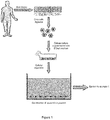
Figure 1 shows the flowchart to elaborate an epidermal equivalent from autologous cells of patient. - The
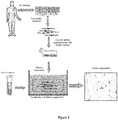
Figure 2 shows the flowchart to elaborate a dermal equivalent from autologous cells of patient. - The
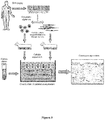
Figure 3 shows the flowchart to elaborate a cutaneous equivalent from autologous cells of patient. - The
Figure 4 shows the graphic which compares the reduction from area of ulcers in patients treated with a dermal equivalent elaborated by the method of the invention (light gray line) and a conventional hydrocolloid dermal dressing (dark gray line). - The
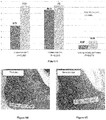
Figure 5 shows a simultaneous comparative graph in: i) the area in cm2 of wound reduction, ii) the area in percentage of wound reduction, and iii) the closing velocity (cm2/week) for ulcers in patients treated with a dermal equivalent generated using the supplement elaborated by the developed method (columns of light gray color) and a conventional hydrocolloid dermal dressing (columns of dark gray color). - The
Figure 6A shows an ulcer wound of 17.7X 4 centimeters in the patient. TheFigure 6B shows the closed wound in the patient after seven weeks of treatment employing the dermal equivalent generated using the supplement elaborated by the developed method. - The
Figure 7A shows an ulcer wound de 7X 3 centimeters in the patient. In theFigure 7B shows the closed wound in the patient after nine weeks of treatment employing the dermal equivalent generated using the supplement elaborated by the developed method. - The
Figure 8A shows an ulcer wound of 2.1 X 2 centimeters in the patient. TheFigure 8B shows the closed wound in the patient after seven weeks of treatment employing the dermal equivalent generated using the supplement elaborated by the developed method. - The
Figure 9 shows a simplified flowchart to elaborate a cellular suspension of fibroblasts to be applied in diseases, defects and cutaneous disorders as result from skin aging from autologous cells of patient. - The present invention is related with the production of a supplement from mesenchymal cell cultures of Wharton's jelly and its use in the development of cell cultures from cutaneous system in vitro.
- As used in the present invention, the cells of cutaneous system comprise fibroblasts, keratinocytes, dendritic cells, monocytes or combinations of the same, which can be cultivated in an isolated manner. The supplement obtained by the method in the present invention can be used in the expansion of cutaneous cell populations or incorporated in culture means for the same, independently from intended use of the cells.
- In a first aspect, the present invention provides a method to obtain a supplement from mesenchymal cells of Wharton's jelly.
- In a modality, the method to obtain the supplement comprises:
- a) Cultivate mesenchymal cells of Wharton's jelly in a culture mean suitable with growth factors to reach a suitable confluence;
- b) Harvest the cultivated cells from step a) and cultivate in a suitable mean, without development factors;
- c) Collect the conditioned mean from step b);
- d) Repeat the steps a) and b), at least once; and
- e) Concentrate the conditioned mean and sterilize by filtration.
- The mesenchymal cells of Wharton's jelly used in the present invention are obtained from collect a fragment of umbilical cord, under aseptic conditions, subsequently the size of umbilical cord is reduced by a medical and enzymatic treatment.
- As used in the present invention, "Cultivate mesenchymal cells of Wharton's jelly" refers to cultivate treated fragments from umbilical cord in a suitable culture mean to reach a suitable confluence.
- As used in the present invention "Harvest the cultivated cells" refers to separate the previous cultivated cells from culture mean by an enzymatic treatment; wash the previous cultivated cells; and seeds the previous cultivated cells in a new suitable culture mean during a determined time, preferably 48 hours. As used in the present invention, "harvest the cultivated cells" is equivalent to "step".
- The cell culture in accordance with the steps a) and b), is repeated preferably at least once, at least 2 times, at least 3 times, at least 4 times, at least 5 times, at least 6 times, at least 7 times, at least 8 times, at least 9 times.
- As used in the present invention, "the conditioned mean" refers to culture mean obtained from seed or steps, that is found free of cells. Besides contain the proper components of their formulation, contains the secretion products (proteins, hormones, development factors, cytokines, and signaling molecules) that are produced and delivered by the cells in question during its culture.
- As used in the present invention, the term "supplement" corresponds to the conditioned mean by the mesenchymal cells concentrated and sterilized. The supplement can be used in a culture mean.
- In a preferred modality, the supplement from present invention comprises several cytokines, for example, the compounds Actine, Annexin A1, Amyloid beta A4, ATP synthase sub-unity-B, Cadherin 2, CD44, Collagen chain alpha-1 (VIII), EGF, derived factor of epithelium pigmentary, Fibronectin, FGF-2, Inhibin chain Beta, Integrin B1, Interleukin 6, ILGF-bp4, ILGF-bp7, Keratin 2, Laminar sub-unity Alpha-2, Lipoprotein lipase, MAPK1, Myosin 9, Moesin, M-CSF, MPI-1, PI-2, Nexin derived of glia, NDP-kA, NDP-kB, PAI-1, PDGF sub-unity A, Peroxyredoxin 1, Peroxyredoxin 2, Complementary protein 5 of reparation to XR , protein ih-h3 induced by TGFB, Purine nucleoside phosphorilase, Sulfhydryl oxidase, SPARE, Substrate 1 from botulinum toxin related to Ras, Substrate 2 from botulinum toxin related to Ras, Thrombospondin, Tropomyosin alpha 1, TGFB, TGFB-R1, TGFB-R2, VEGF A, and Vinculin.
- The term "mesenchymal cells of Wharton's jelly" refers to multi-potential cells from mesoderm obtained from umbilical cord.
- The term "confluence" refers to the number of cells in a cell culture and is referred to grade in which the cells cover the surface of a solid culture mean or volume of a cellular culture. The confluence is measured in % with respect to occupied total volume.
- As described in the present invention, the term "suitable confluence" refers to a suitable percentage (%) to be used in a process, for example, in the elaboration from supplement, elaboration from dermal equivalent or cutaneous equivalent in accordance with the present invention. Preferably, such percentage is greater than 60%, more preferably, is greater than 80%.
- The term "suitable culture mean" refers to a culture mean for mesenchymal cells, for example, a DMEM-F12 mean (DMEM 50% - F12 50%) supplemented with 10% bovine fetal serum 10% and antibiotics. The suitable culture mean can be supplemented with development factors, for example, the epidermal growth factor (EGF) and basic factor of fibroblasts development (FGFb).
- In other aspect, the present invention provides methods to obtain an epidermal equivalent using the supplement from present invention. As used in the present invention, the epidermal equivalents refer to epithelial cells laminates grown over a culture. The epidermal equivalents are useful to be applied in patients with second degree superficial burns or with cutaneous chronic ulcers of different etiology. The epidermal equivalents can be dermal or cutaneous equivalents.
- As used in the present invention, the term "dermal equivalent" refers to a tissue construed by tissue engineering comprising a cellular layer of fibroblasts and an extracellular matrix organized similarly to dermal tissue in the skin. The fibroblasts are located placed within a scaffold of natural, synthetic or composite biomaterials.
- As used in the present invention, the term "cutaneous equivalent" refers to a tissue constructed by tissue engineering comprising an internal layer and an external layer, in which the internal layer comprises the dermal complex, and the external layer comprises the epidermal complex constituted by a monolayer of keratinocytes. Both layers are organized similarly to dermis and epidermis in the skin, respectively. In a modality, the external layer consists of stratified plane epithelium with stratum corneum. The epidermal equivalent is located placed over the dermal equivalent constructed with natural, synthetic or composite biomaterials.
- In a preferred modality, the method to obtain the dermal equivalent comprises:
- a) Cultivate autologous or allogenic fibroblasts in a culture mean containing the supplement from present invention to obtain a suitable confluence; and
- b) Produce the dermic equivalent.
- The fibroblasts used in the method to obtain the dermal equivalent can be obtained from autologous or allogenic cells from cutaneous system, from which the fibroblasts of dermis are separated by an enzymatic treatment.
- As used in the present invention "cultivate fibroblasts" refers to maintain fibroblasts in a culture mean comprising the supplement from present invention to reach a suitable confluence; separate previous cultivated cells from culture mean by an enzymatic treatment; wash the previous cultivated cells; and reseeds the cells in a culture mean comprising the supplement from present invention to reach a suitable confluence for the construction from dermic equivalent. The supplement from present invention is used in a concentration from of 5% to 50% with respect to total volume form culture mean.
- As used in the present invention, "Produce the dermic equivalent" refers to place the fibroblasts cultivated previously in a solution containing fibrinogen and prothrombin in presence of antifibrinolytics, sodium chloride and calcium chloride, to form a cellular suspension; place the cellular suspension in a container and incubate to its gelation; and place the gel over a scaffold of natural, synthetic or composite biomaterials with adhesive biocompatible.
- In a preferred modality, the method to obtain the cutaneous equivalent comprises:
- a) Cultivate autologous or allogenic keratinocytes in a culture mean containing the supplement from present invention to obtain a suitable confluence; and
- b) Produce the cutaneous equivalent.
- As used in the present invention "cultivate keratinocytes" refers to cultivate keratinocytes in a culture mean comprising the supplement from present invention to reach a suitable confluence; separate previous cultivated cells from culture mean by an enzymatic treatment; wash the previous cultivated cells; and reseeds the cells in a culture mean comprising the supplement from present invention to reach a suitable confluence, necessary to the construction the cutaneous equivalent. The supplement from present invention is used in a concentration of 5% al 50% with respect to total volume from culture mean.
- As used in the present invention "Produce the cutaneous equivalent" refers to seed and cultivate the keratinocytes previously cultivated over gelled fibroblasts in a culture mean added with the supplement from present invention to reach the suitable confluence; and place over a scaffold of natural, synthetic or composite biomaterials with adhesive biocompatible. In a preferred modality, the fibroblasts used to elaborate the cutaneous equivalent, are obtained according to the elaboration method of dermic equivalent. The supplement from present invention is used in a concentration of 5% to 50% with respect to total volume from culture mean.
- The term "autologous system" comprises an epithelial and dermal cells system obtained from the same person to which the tissue will be grafted. The term "allogenic system" comprises epithelial and dermic cells obtained from a different person to which the tissue will be grafted.
- In other aspect, the present invention is related with the use of dermic equivalent, obtained by the method from present invention, to treat diseases, defects, dermal disorders, or wounds. The dermal equivalents from present invention are useful to induce in the patient a regeneration from conjunctive tissue, to subsequently promote the reepithelialization. The use of dermal equivalents from present invention consists in apply directly the dermal equivalent over the wound bed at least once a week to regenerate the dermal and epidermal tissues from patient, what is achieved un a period from 2 to 14 weeks treatment, preferably 4 to 8 weeks.
- The candidates to receive the treatment with dermal equivalents comprise patients presenting diseases, defects, dermal disorders, orwounds, for example, ulcers, chronic wounds, vascular, arterial, venous, and lymphatic, of decubitus or diabetic foot. The patient must be free of infection in wound and in case of being diabetic with the controlled glycaemia. To apply the dermic equivalent, the wound must be washing by the use of antiseptic solution to subsequently debridement from lesion. After preparing the area of lesion, the dermal equivalent is directly implanted over the injured tissue, subsequently is covered with an insulating bandages to prevent its detachment, keeping in that way by a sufficient time to reach the closure of the wound.
- In other aspect, the present invention is related with the use of the cutaneous equivalent, obtained by the method from present invention, in the treatment from diseases, dermal defects, cutaneous disorders or wounds when the thickness from condition is partial or with an extension requiring graft. The use from cutaneous equivalent is applicable for example, when the dermal defect is a nevus, tattoo, hypertrophic scar, keloid or burn scar or of a size large enough to be surgically removed. The use from cutaneous equivalent can be applied for the case of second or third degree burns from a size large enough to be surgically removed.
- The implantation from cutaneous equivalent is performed by a surgical procedure, in which the cutaneous equivalent is placed as a graft immediately after of retirement from affected tissue, fixing by using sutures, surgical staples or a suitable adhesive, to subsequently cover with un an insulating bandage to avoid its detachment. Once implanted the cutaneous equivalent, the affected zone remains covered by a sufficient time to reach the closure of the wound.
- In other modality, a method to manufacture a cellular suspension of fibroblasts is provided. The method comprises:
- a) Cultivate fibroblasts, in a culture mean comprising the supplement from present invention to reach a suitable confluence; e
- b) Incorporate the fibroblasts from step a) in a solution of autologous blood serum.
- In other modality, the obtained supplement from developed method or cellular suspension of fibroblasts described in the above paragraph, can be used to favor the growth and activation in vitro from cells of cutaneous system which can be inactive by age, for example in the skin of adult patients with fine, moderate to deep, or deep wrinkles; loss of dermal tone and subcutaneous tissue; injuries in the skin such as atrophic scares as acne marks grade I (macular), II (mild), III (moderate), and IV (serious) and injuries of cutaneous caused by red or white stretch marks; pigmentary injuries from type solar or senil lentigo and simple lentigo, melasma and melanodermias from different etiology; injuries of acne; photo-aging severe classified with Fiztpatrick's scale from I, II, or III, in Glogau's scale fom 1, 2, 3, or 4 and in SCINEXA's scale from 0, 1, 2, or 3 characterized in that loss of elasticity and tissue tone, this because fibroblasts gradually losing the capacity to synthetize some elements from dermic extracellular matrix, so that can be obtain autologous fibroblasts from such patients and cultivate in presence from supplement elaborated according with the developed method in a concentration from between 5% to 50%, 5% to 50% with respect to total volume from culture mean, promoting a reactivation from cells restoring its synthesis and secretion capacities of dermic matrix elements so they can re-implanted by intradermal injections in areas with major damage by photo-aging.
- The examples presented below have as their sole object illustrate and demonstrate some modalities of the invention. The exemplified modalities does not consider as limitative from present invention. As a technical in the art can recognize, can be perform modifications and variations to modalities described here without alter the essence of the invention.
- The conditioned mean was obtained from following procedure:
- a) Collect, under aseptic conditions, a fragment of between 10 to 15 cm of umbilical cord;
- b) Immerse the umbilical cord in a tube Corning of 50 ml with DMEM medium, supplemented with a solution 100X of antibiotics (penicillin [10,000 U/mL] and streptomycin [10,000 µg/mL]) and antifungal (fungizone [25 µg/mL]);
- c) Cut up the umbilical cord in fragments of 1 cm length;
- d) Incubate the fragments of umbilical cord in culture mean supplemented with the enzymes: collagenase and hyaluronidase during 30 min, promoting a partial digestion from Warthon's jelly;
- e) Place the fragments of umbilical cord in culture plates with el DMEM-F12 medium (DMEM 50% - F12 50%) supplemented with 10% bovine fetal serum and antibiotics;
- f) Perform the change of culture mean by a fresh mean, such as described in the step e each 48 hours. Repeat to reach confluence greater than 90%;
- g) Harvest the cells by its incubation with a mean supplemented with Trypsin/EDTA;
- h) Inactivate and remove the trypsin by washing and centrifugation;
- i) Harvest the obtained cells of the harvest in a proportion from up 1 in 10 in new culture containers such as expands the cellular colony;
- j) Cultivate the cells in culture containers in a culture mean of DMEM supplemented with factor for epidermal growth (EGF), basic factor of fibroblasts growth (FGFb), bovine fetal serum and antibiotics and cultivate to reach a confluence from 90%;
- k) Wash the cultivated cells from step j) tree times with culture medium DMEM not supplemented to remove the growth factors exogenously added and maintain in culture with DMEM not supplemented during 48 hours;
- l) Once elapsed 48 hrs, collect the conditioned mean by the cells from step k);
- m) After collect the conditioned mean, repeat the harvest processes, inactivation of trypsin, re-seeds, wash, culture and collect of supplement from steps g), h), i), j), k) and I) to step number 6;
- n) By centrifugation sediment the cellular debris suspended in each conditioned means collected in the step m);
- o) Concentrate the conditioned mean in a concentration of 10X by centrifugation in tubes Amicon;
- p) Sterilize by filtration the concentrated conditioned mean with PVDF filter of low affinity to proteins with pore size of 0.22 um;
- q) Preserve the conditioned mean to its storage by ultra-freeze to -80°C; and
- r) Use the conditioned mean in cultures of keratinocytes, fibroblasts and other cells from cutaneous system to induce a proliferation of the same to a concentration of between 5% and 50% diluted in culture means.
- A dermal equivalent was produced by the following protocol:
- a) Cultivate fibroblasts in suitable culture conditions added with the supplement in a concentration of between 5% and 50% diluted in culture means;
- b) Perform the change from culture mean by fresh culture mean, each 48 hours. Repeat to reach confluence greater than 80%;
- c) Harvest the cells by its incubation with a supplemented means with Trypsin/EDTA;
- d) Inactivate and remove the trypsin by washing and centrifugation;
- e) Harvest the cells obtained from harvest in a proportion from up 1 in 10 in nevus culture containers such that expands the cellular colony;
- f) Incorporate the fibroblasts from step e) in an aqueous solution containing fibrinogen and prothrombin obtained from human blood plasma in presence of antifibrinolytics, sodium chloride and calcium chloride to form a cellular suspension;
- g) Place the cellular suspension from step f) in a culture container and incubate up the plasm to gels;
- h) Cultivate the gelled dermal equivalent in culture with conditioned means during 5 days changing the fresh conditioned cultured means fresco each 48 hrs to a concentration of between 5% and 50% diluted in culture means; and
- i) Place over the dermal equivalent a sterile nylon mesh and adhere over the dermal equivalent with a biocompatible adhesive, as such surgical methacrylate.
- A cutaneous equivalent was produced by the following procedure.
- a) Collect 1 cm2 of skin of patient and transfer to a sterile tube with antiseptic solution of benzalkonium chloride or 70% ethanol and incubate during 30 seconds;
- b) Apply tree consecutive washes with culture means supplemented with antibiotics;
- c) Cut up the skin specimens in fragments of approximately 2 mm and transfer to a tube with supplemented means with dispase and incubate during 18 hrs to 4°C;
- d) Mechanically separate the dermis from epidermis;
- e) Transfer the epidermal laminates to a tube with trypsin-EDTA and incubate during 30 minutes at 37°C in continue agitation;
- f) Collect the supernatant and place apart the dermic laminate;
- g) From supernatant, obtain by centrifugation a epidermal celular suspension;
- h) Use the cells obtained for the culture of keratinocytes;
- i) Transfer the dermal laminate from step g) to a new tube with means supplemented with the collagenase enzyme and cultivate during 4 hrs at 37 °C in continue agitation to complete digestion of dermal tissue;
- j) Obtain the supernatant and centrifuge to obtain a dermal celular suspension including fibroblasts;
- k) Place the fibroblasts in activation and proliferation conditions in a culture means added with the supplement from present invention to a concentration of between 5% and 50% diluted in culture means and cultivate changing with the same means each 48 hrs to reach a confluence greater than 80%;
- l) Harvest the cells by incubation with a supplemented means with Trypsin/EDTA;
- m) Wash and centrifuge to inactivate and remove the trypsin;
- n) Seed the cells obtained from harvest in a rate from up 1 in 10 in new culture containers such as to expands the cellular colony;
- o) Add the keratinocytes from step d) to dermal complex from step c) to form the cutaneous equivalent;
- p) Repeat the re-seed to obtain the desired cellular density to cutaneous equivalent without expand the cells beyond from step 8; and
- q) Place over the cutaneous equivalent a sterile nylon mesh and adhere over the cutaneous equivalent with a biocompatible adhesive, such as surgical methacrylate.
- The dermal equivalent obtained was used in the treatment of ulcers, in accordance with the following procedure.
- a) Select a patient presenting ulcers of long progression, either of vascular origin, by pressure, or diabetic foot;
- b) Verify that the patient be free of infection in the ulcer and in case of being diabetic, with the glycaemia controlled;
- c) Wash the ulcer by the use of antiseptic solutions;
- d) Debride the ulcer removing any debris of necrotic tissue;
- e) Implant the dermal equivalent from area of injury directly over the ulcerated tissue;
- f) Cover with an insulating bandage;
- g) Maintain the bandage during seven days; and
- h) Wash the wound with antiseptic solutions at least once a week, to reach the closure of the wound.
- The cutaneous equivalent obtained according with the present invention was used in the treatment from patients with burns, according with the following procedure.
- a) Select a patient presenting second or third degree burns in an area of the skin that in according with the clinical judgment that considers the specialist physician, have indication to apply a graft;
- b) Collect an specimen of complete skin (dermis and epidermis) from patient;
- c) Isolate the epidermal from dermal layer by enzymatic digestion;
- d) Obtain independently keratinocytes and fibroblasts;
- e) Cultivate and expand the keratinocytes and fibroblasts in presence of the conditioned mean, to obtain the cellular density necessary to construct the superficial extension required to the graft;
- f) Prepare the patient suffering of second or third degree burns to a surgical procedure in which the cutaneous equivalent will implant as a graft;
- g) Remove the burned tissue by an elective surgical procedure;
- h) Place the cutaneous equivalent as a graft immediately after removal from burned tissue;
- i) Fix the cutaneous equivalent by the use of sutures, surgical staples or a suitable adhesive;
- j) Cover the cutaneous equivalent with an insulating bandage to avoid its detachment;
- k) Maintain covered the zone in which the cutaneous equivalent was placed and review between the days 5 and 7 later to verify its implantation; and
- l) Handle with care the implant from cutaneous equivalent and if it is necessary clean the area.
- Were recruited 36 patients from which is consent was obtained to participate in the experiment, each patient was randomly assigned to treatment with the dermal equivalent generated using the supplement elaborated by the developed method or a conventional hydrocolloid dermal equivalent so that 18 patients were assigned to each treatments.
- In the Table 1 the general data from patients participating in the experiment are shown including gender, age, evolution, consumption of NSAIDs, comorbidities and size from wound to each of the two compared groups. A statistical comparison from mean values is included to each considered parameter in accordance with the statistic test applied, a P value greater than 0.05 indicate the existence of statistically significant differences between both groups. As shown in the P column from Table 1, statistically significant differences do not exist between both groups for the measured parameters.
- In the Table 2 the characteristics of ulcers are shown for each patients group including islands of epithelium, granulation, fibrin, exudate and pain of each from two groups compared. Same in the Table 1, a statistic comparison is included from the mean values for each considered parameter. As shown in the P column from Table 2, statistically significant differences do not exist between the characteristics from ulcers between both groups.
- In the Table 3 and
Figures 4 and5 a comparison it shows between the means from area of ulcer, from area from ulcer in the eight week, the mean reduction, the area from reduced ulcer of, the percentage from closed ulcer, the closing velocity and percentage of patients with total closing at 9 weeks of treatment for each from two groups compared. Same in the above tables, a statistic comparison from mean values is included to each considered parameter. As shown in the P column from Table 3, statistically significant differences do not exist in any of measured parameters between the treatments of ulcers using the dermal equivalent generated using the supplement elaborated by the developed method and a conventional hydrocolloid dermal equivalent. Although statistically significant there is no decrease in the area from ulcers between both treatments, there is a significant reduction from approximately twice the size from wounds in the group of patients treated with the dermic equivalent. It is possible that can show significance to increase the number of patients in each group. ////Table 1. Comparison from general data of patients Conventional Hydrocolloid Equivalent Dermal Equivalent Value from Statistic Test P Gender Females 8 11 1.003 0.317 Males 10 7 Total 18 18 Age 58.61 +/-13.057 63.28 +/-11.55 1.13 0.264 Evolution (months) Mean 29.56 48.39 160 0.949 Median 8 9.5 Range 1-100 1-360 Consumption of NSAIDs 7 5 0.5 0.45 Comorbidities 1 5 1.8 0.177 Size of wound (cm2) Mean 9.99 10.29 160.5 0.962 Median 5.67 6.24 Range 1 to 33 1 to 35 Table 2. Comparison of general characteristics from ulcers. Conventional Hydrocolloid Equivalent Dermal Equivalent Value from Statistic Test P Islands of epithelium (%) 1 3 - 0.603 Granulation (%) Mean 73.33 72.22 157 0.873 Median 80 80 Range 20 to 100 0 to 100 Fibrin (%) Mean 25 25 161 0.974 Median 20 15 Range 0 to 80 0 to 100 Exudate 15 16 - 1 Pain Mean 5 5 159.5 0.937 Median 5.5 5.5 Range 0-10 0-10 Table 3. Comparison from area of ulcer. Conventional Hydrocolloid Equivalent Dermal Equivalent P Basal (cm2) 9.99 10.29 0.96 Week 8 (cm2) 6.21 2.98 0.831 Media of reduction (cm2) 3.78 7.31 0.384 Area from reduced ulcer (cm2) 3.77 7.31 0.381 Percentage from closed ulcer (%) 66.3 75 0.235 Closing velocity (cm2/week) 0.47 0.91 0.613 % patients with total closing in 9 weeks 38.9 44.4 0.735 - In the Table 4 the average weekly cost is presented from treatment using dermal equivalents available commercially and the cost of dermal equivalent elaborated using the supplement from present invention. The average cost from weekly treatment using the developed dermal equivalent is widely less to the average cost from conventional treatments; at the same time maintain the therapeutic activity. It is noteworthy that the treatment with Oasis is of lower price; however, does not have autologous cells such as the case from described in the developed dermal equivalent in accordance with the method described in the present invention. In the case of Dermalogen, is an acellular collagen matrix obtained from skin of cadaveric donators and is equal in costs to dermal equivalent described in accordance to the developed method in the present invention, On the other hand, its manufacture method is totally different to dermal equivalent described here.
Table 4. Comparison of costs with other dermal equivalents COMPANY TRADE NAME AVERAGE COST OF WEEKLY TREATMENT BY CM2 Integra Lifesciences Corp Integra $39 USD dls Organogenesis Apligraf $31 USD dls Organogenesis Inc Dermagraft $32 USD dls BioHorizons Alloderm $33 USD dls Collagen Matrix Technologies Dermalogen $18 USD dls Smith & Nephew Inc. Oasis wound matrix $10 USD dls - Dermal equivalent elaborated in accordance with the developed method $18 USD dls
Claims (33)
- A method for preparing of a supplement to favor the cellular proliferation in vitro of cells from cutaneous system, characterized in that the method comprises the steps of:a) Cultivate mesenchymal cells of Wharton's jelly in a suitable culture mean with growth factors to reach a suitable confluence;b) Harvest the cultivated cells from step a) and cultivate in a suitable mean, without development factors;c) Collect the conditioned mean from step b);d) Repeat the steps a) and b), at least once; ande) Concentrate the conditioned mean and sterilize by filtration.
- A supplement comprising growth factors to favor the cellular proliferation in vitro of several cells from cutaneous system, characterized in that is prepared in accordance with the method from claim 1.
- The supplement in accordance with claim 2 to use in the expansion of cutaneous cellular populations or as an addition in culture mean for the same, wherein the supplement is used diluted in the culture mean to a concentration of between 5% and 50%.
- A method to favor the development and activation in vitro of cells from cutaneous system characterized in that comprising cultivate such cells from cutaneous system in a culture mean containing the supplement in accordance with claim 2.
- The method in accordance with claim 4, characterized in that the cells from cutaneous system comprises fibroblasts, keratinocytes, dendritic cells, monocytes or combinations of the same.
- The method in accordance with claim 4, characterized in that each type of cell from cutaneous system is cultivated in isolation.
- The method in accordance with claim 4, characterized in that the cell culture from cutaneous system is performed in absence of cells 3T3 or some other population of feeder human or animal cells.
- A method to manufacture a dermal equivalent characterized in that comprising the steps of:a) Cultivate autologous or allogenic fibroblasts in a culture mean containing the supplement in accordance with claim 2 to obtain a suitable confluence; andb) Produce the dermal equivalent.
- A dermal equivalent characterized in that is prepared by the method in accordance with claim 8.
- EI dermal equivalent in accordance with claim 9, for the use in the treatment of diseases, defects, dermal disorders, or wounds in a patient.
- The use from dermal equivalent in accordance with claim 10, wherein the disease, defect, dermal disorder or wound is selected from group consisting in wounds and ulcers.
- The use from dermal equivalent in accordance with claim 10, wherein the wound is selected from group consisting of chronic wound, arterial, venous or lymphatic wounds, decubitus wound, diabetic foot wound.
- A method to manufacture a cutaneous equivalent, characterized in that comprising the steps de:a) Obtain a dermal equivalent;b) Obtain keratinocytes from an autologous or allogenic system;c) Cultivate the keratinocytes from step b) in a culture mean containing the supplement in accordance with claim 2 to obtain a suitable confluence; andd) Cultivate the keratinocytes from step c) over a dermal equivalent to produce the cutaneous equivalent.
- A cutaneous equivalent characterized in that is prepared for the method in accordance with claim 13.
- The cutaneous equivalent in accordance with claim 14, characterized in that comprising an internal layer and an external layer, wherein the internal layer comprises the dermal complex and the external layer comprises the epidermal complex constituted by a monolayer of keratinocytes.
- The cutaneous equivalent in accordance with claim 15, characterized in that the external layer consist of stratified plane epithelium with corneal stratum.
- The cutaneous equivalent in accordance with claim 14, for the use in the treatment of diseases, dermal defects, cutaneous disorders or wounds in a patient.
- The use from cutaneous equivalent in accordance with claim 17, wherein the disease, dermal defect, cutaneous disorder or wound is at least of partial thickness or with an extension requiring graft.
- The use from cutaneous equivalent in accordance with claim 18, wherein the dermal defect is selected from the group consisting in nevi, tattoos, scares, wounds and burns.
- The use from cutaneous equivalent in accordance with claim 19, wherein the nevus or tattoo from a size large enough to be surgically removed.
- The use from cutaneous equivalent in accordance with claim 19, wherein the scar is an hypertrophic or keloid scare.
- The use from cutaneous equivalent in accordance with claim 19, wherein the burn is of second or third degree and from a size large enough to be surgically removed.
- The method in accordance with claim 8 or 13, characterized in that the cell culture is performed in absence of cells 3T3 or any other population of animal or human feeder cells.
- The method in accordance with claims 8 or 13, characterized in that the equivalents are constructed in a suitable size for its application.
- The method in accordance with claims 8 and 13, characterized in that fibroblasts and keratinocytes may come from an autologous or allogenic system from human or animal origin.
- A method to manufacture a cellular suspension of fibroblasts characterized in that comprising the steps of:a) Cultivate fibroblasts, in a culture mean comprising the supplement from claims X-Y to reach a suitable confluence; andb) Incorporate the fibroblasts from step a) in a solution of autologous blood serum.
- A cellular suspension of fibroblasts characterized in that is prepared by the method in accordance with claim 26.
- The cellular suspension of fibroblasts in accordance with claim 27, for the use in the treatment of diseases, defects, cutaneous disorders as result from cutaneous aging.
- The use from cellular suspension of fibroblasts in accordance with claim 28, wherein the skin diseases, defects and cutaneous disorders is selected from group consisting in wrinkles, loss of dermal and subcutaneous tissue tones, injuries in the skin, pigmentary injuries, injuries of acne and severe photo-aging.
- The use from cellular suspension of fibroblasts in accordance with claim 29, wherein the wrinkle is a fine, moderate to deep, or deep wrinkle.
- The use from cellular suspension of fibroblasts in accordance with claim 29. wherein the injury of skin is due to atrophic scares such as marks of acne grade I (macular), II (mild), III (moderate), and IV (severe) and cutaneous injuries caused by red or white stretch marks.
- The use from cellular suspension of fibroblasts in accordance with claim 29, wherein the pigmentary injuries are injuries from type solar lentigo or senil and lentigo simple, melasma and melanodermias from different etiology.
- The use from cellular suspension of fibroblasts in accordance with claim 29 wherein the photo-aging classified with the Fiztpatrick's scale is I, II or III, in the Glogau's scale is 1, 2, 3, or 4 and in the SCINEXA's scale is of 0, 1, 2, or 3.
Applications Claiming Priority (2)
| Application Number | Priority Date | Filing Date | Title |
|---|---|---|---|
| MX2016012375A MX380950B (en) | 2016-09-23 | 2016-09-23 | METHOD FOR PREPARING A SUPPLEMENT FROM WHARTON'S GELATIN MESENCHYMAL CELL CULTURES AND USES THEREOF. |
| PCT/MX2017/000103 WO2018056798A1 (en) | 2016-09-23 | 2017-09-25 | Method for preparing a supplement from mesenchymal cell cultures of wharton's jelly and uses of same |
Publications (4)
| Publication Number | Publication Date |
|---|---|
| EP3517606A1 true EP3517606A1 (en) | 2019-07-31 |
| EP3517606A4 EP3517606A4 (en) | 2019-11-06 |
| EP3517606C0 EP3517606C0 (en) | 2026-01-28 |
| EP3517606B1 EP3517606B1 (en) | 2026-01-28 |
Family
ID=61690914
Family Applications (1)
| Application Number | Title | Priority Date | Filing Date |
|---|---|---|---|
| EP17853510.0A Active EP3517606B1 (en) | 2016-09-23 | 2017-09-25 | Method for preparing a supplement from mesenchymal cell cultures of wharton's jelly and uses of same |
Country Status (8)
| Country | Link |
|---|---|
| US (1) | US20200010802A1 (en) |
| EP (1) | EP3517606B1 (en) |
| AR (1) | AR110634A1 (en) |
| CL (1) | CL2019000761A1 (en) |
| CO (1) | CO2019003982A2 (en) |
| ES (1) | ES3072951T3 (en) |
| MX (1) | MX380950B (en) |
| WO (1) | WO2018056798A1 (en) |
Families Citing this family (1)
| Publication number | Priority date | Publication date | Assignee | Title |
|---|---|---|---|---|
| US20210355437A1 (en) * | 2015-09-02 | 2021-11-18 | Restem Llc | Factor rich product from umbilical cord mesenchymal stem cells |
Family Cites Families (4)
| Publication number | Priority date | Publication date | Assignee | Title |
|---|---|---|---|---|
| BR9915476A (en) * | 1998-11-19 | 2002-01-02 | Organogenesis Inc | Fabric constructs made by bioengineering and methods for their production and use |
| US10179900B2 (en) * | 2008-12-19 | 2019-01-15 | DePuy Synthes Products, Inc. | Conditioned media and methods of making a conditioned media |
| US20120195969A1 (en) * | 2010-09-29 | 2012-08-02 | Aidan Research And Consulting, Llc | Treatment of acne by conditioned media |
| US9315776B2 (en) * | 2011-11-09 | 2016-04-19 | National University Of Singapore | Wharton's jelly mesenchymal stem cells and uses thereof |
-
2016
- 2016-09-23 MX MX2016012375A patent/MX380950B/en unknown
-
2017
- 2017-09-21 AR ARP170102608A patent/AR110634A1/en unknown
- 2017-09-25 ES ES17853510T patent/ES3072951T3/en active Active
- 2017-09-25 US US16/335,884 patent/US20200010802A1/en not_active Abandoned
- 2017-09-25 EP EP17853510.0A patent/EP3517606B1/en active Active
- 2017-09-25 WO PCT/MX2017/000103 patent/WO2018056798A1/en not_active Ceased
-
2019
- 2019-03-22 CL CL2019000761A patent/CL2019000761A1/en unknown
- 2019-04-23 CO CONC2019/0003982A patent/CO2019003982A2/en unknown
Also Published As
| Publication number | Publication date |
|---|---|
| ES3072951T3 (en) | 2026-07-07 |
| CL2019000761A1 (en) | 2019-08-09 |
| BR112019005758A2 (en) | 2019-06-11 |
| EP3517606A4 (en) | 2019-11-06 |
| EP3517606C0 (en) | 2026-01-28 |
| AR110634A1 (en) | 2019-04-17 |
| MX2016012375A (en) | 2018-03-22 |
| MX380950B (en) | 2025-03-12 |
| EP3517606B1 (en) | 2026-01-28 |
| CO2019003982A2 (en) | 2019-07-31 |
| US20200010802A1 (en) | 2020-01-09 |
| WO2018056798A1 (en) | 2018-03-29 |
Similar Documents
| Publication | Publication Date | Title |
|---|---|---|
| US20230405180A1 (en) | Mesenchymal stem cell-hydrogel-biodegradable or mesenchymal stem cell-hydrogel-undegradable support composition for skin regeneration or wound healing | |
| Hashemi et al. | The healing effect of Wharton's jelly stem cells seeded on biological scaffold in chronic skin ulcers: A randomized clinical trial | |
| Clark et al. | Tissue engineering for cutaneous wounds | |
| Dreifke et al. | Current wound healing procedures and potential care | |
| Pirayesh et al. | Glyaderm® dermal substitute: clinical application and long-term results in 55 patients | |
| EP1476206B1 (en) | Compositions comprising undifferentiated fetal cells for the treatment of skin disordes | |
| Liu et al. | Autologous cultured keratinocytes on porcine gelatin microbeads effectively heal chronic venous leg ulcers | |
| Chiu et al. | Tissue engineering-based strategies for diabetic foot ulcer management | |
| Abdel-Sayed et al. | Cell therapies for skin regeneration: an overview of 40 years of experience in burn units. | |
| JP2018515444A (en) | Mesenchymal stem cell-hydrogel-biodegradable or mesenchymal stem cell-hydrogel-non-degradable support composition for alleviating or improving bullous epidermis | |
| Lo et al. | Wound healing after cultured epithelial autografting in patients with massive burn injury: a cohort study | |
| JP2010500335A (en) | How to treat skin wounds | |
| CN112870445A (en) | Preparation method and application of soft tissue repair material | |
| Vaienti et al. | Limb trauma: the use of an advanced wound care device in the treatment of full-thickness wounds | |
| CN110840818A (en) | A skin caring and antiaging preparation and its preparation method | |
| CN102172337B (en) | Tissue-engineered skin with sebaceous gland-like structure and preparation method thereof | |
| EP3517606B1 (en) | Method for preparing a supplement from mesenchymal cell cultures of wharton's jelly and uses of same | |
| CN120641116A (en) | Use of conditioned culture of umbilical cord lining mesenchymal stem cells for healing wounded or damaged skin areas and/or preventing the formation and/or recurrence of wounded or damaged skin areas | |
| Kierski et al. | Novel extracellular matrix wound dressing shows increased epithelialization of full-thickness skin wounds in dogs | |
| RU2512681C2 (en) | Chronic wound and/or wound chamber healing technique | |
| RU2010122327A (en) | METHOD FOR TREATING NEUROTROPHIC EXTREMITAL ULCERS | |
| BR112019005758B1 (en) | METHOD FOR PREPARING A CULTURE SUPPLEMENT, SAID SUPPLEMENT, METHOD FOR PROMOTING THE IN VITRO GROWTH AND ACTIVATION OF CUTANEOUS SYSTEM CELLS, METHOD FOR MANUFACTURING A DERMAL AND CUTANEOUS EQUIVALENT AND A FIBROBLAST CELL SUSPENSION | |
| Sabetkam et al. | Impact of Mummy Substance on Proliferation and Migration of Human Wharton’s Jelly-Derived Stem Cells and Fibroblasts in an In Vitro Culture System | |
| Mcheik et al. | Study of proliferation and 3D epidermal reconstruction from foreskin, auricular and trunk keratinocytes in children | |
| Mirza et al. | Effectiveness of Amnion on Chronic Wounds Vs Saline Dressing |
Legal Events
| Date | Code | Title | Description |
|---|---|---|---|
| STAA | Information on the status of an ep patent application or granted ep patent |
Free format text: STATUS: THE INTERNATIONAL PUBLICATION HAS BEEN MADE |
|
| PUAI | Public reference made under article 153(3) epc to a published international application that has entered the european phase |
Free format text: ORIGINAL CODE: 0009012 |
|
| STAA | Information on the status of an ep patent application or granted ep patent |
Free format text: STATUS: REQUEST FOR EXAMINATION WAS MADE |
|
| 17P | Request for examination filed |
Effective date: 20190415 |
|
| AK | Designated contracting states |
Kind code of ref document: A1 Designated state(s): AL AT BE BG CH CY CZ DE DK EE ES FI FR GB GR HR HU IE IS IT LI LT LU LV MC MK MT NL NO PL PT RO RS SE SI SK SM TR |
|
| AX | Request for extension of the european patent |
Extension state: BA ME |
|
| A4 | Supplementary search report drawn up and despatched |
Effective date: 20191009 |
|
| RIC1 | Information provided on ipc code assigned before grant |
Ipc: A61P 17/02 20060101ALI20191003BHEP Ipc: A61K 35/36 20150101ALI20191003BHEP Ipc: C12N 5/071 20100101AFI20191003BHEP Ipc: A61K 35/33 20150101ALI20191003BHEP Ipc: C12N 5/073 20100101ALI20191003BHEP |
|
| DAV | Request for validation of the european patent (deleted) | ||
| DAX | Request for extension of the european patent (deleted) | ||
| STAA | Information on the status of an ep patent application or granted ep patent |
Free format text: STATUS: EXAMINATION IS IN PROGRESS |
|
| 17Q | First examination report despatched |
Effective date: 20201013 |
|
| GRAP | Despatch of communication of intention to grant a patent |
Free format text: ORIGINAL CODE: EPIDOSNIGR1 |
|
| STAA | Information on the status of an ep patent application or granted ep patent |
Free format text: STATUS: GRANT OF PATENT IS INTENDED |
|
| INTG | Intention to grant announced |
Effective date: 20250902 |
|
| RAP3 | Party data changed (applicant data changed or rights of an application transferred) |
Owner name: UNIVERSIDAD NACIONAL AUTONOMA DE MEXICO |
|
| GRAS | Grant fee paid |
Free format text: ORIGINAL CODE: EPIDOSNIGR3 |
|
| GRAA | (expected) grant |
Free format text: ORIGINAL CODE: 0009210 |
|
| STAA | Information on the status of an ep patent application or granted ep patent |
Free format text: STATUS: THE PATENT HAS BEEN GRANTED |
|
| AK | Designated contracting states |
Kind code of ref document: B1 Designated state(s): AL AT BE BG CH CY CZ DE DK EE ES FI FR GB GR HR HU IE IS IT LI LT LU LV MC MK MT NL NO PL PT RO RS SE SI SK SM TR |
|
| REG | Reference to a national code |
Ref country code: CH Ref legal event code: F10 Free format text: ST27 STATUS EVENT CODE: U-0-0-F10-F00 (AS PROVIDED BY THE NATIONAL OFFICE) Effective date: 20260128 Ref country code: GB Ref legal event code: FG4D |
|
| REG | Reference to a national code |
Ref country code: DE Ref legal event code: R096 Ref document number: 602017093740 Country of ref document: DE |
|
| REG | Reference to a national code |
Ref country code: IE Ref legal event code: FG4D |
|
| U01 | Request for unitary effect filed |
Effective date: 20260227 |
|
| U07 | Unitary effect registered |
Designated state(s): AT BE BG DE DK EE FI FR IT LT LU LV MT NL PT RO SE SI Effective date: 20260320 |
|
| PG25 | Lapsed in a contracting state [announced via postgrant information from national office to epo] |
Ref country code: RS Free format text: LAPSE BECAUSE OF FAILURE TO SUBMIT A TRANSLATION OF THE DESCRIPTION OR TO PAY THE FEE WITHIN THE PRESCRIBED TIME-LIMIT Effective date: 20260428 |
|
| REG | Reference to a national code |
Ref country code: ES Ref legal event code: FG2A Ref document number: 3072951 Country of ref document: ES Kind code of ref document: T3 Effective date: 20260707 |
|
| PG25 | Lapsed in a contracting state [announced via postgrant information from national office to epo] |
Ref country code: PL Free format text: LAPSE BECAUSE OF FAILURE TO SUBMIT A TRANSLATION OF THE DESCRIPTION OR TO PAY THE FEE WITHIN THE PRESCRIBED TIME-LIMIT Effective date: 20260128 |
|
| PG25 | Lapsed in a contracting state [announced via postgrant information from national office to epo] |
Ref country code: NO Free format text: LAPSE BECAUSE OF FAILURE TO SUBMIT A TRANSLATION OF THE DESCRIPTION OR TO PAY THE FEE WITHIN THE PRESCRIBED TIME-LIMIT Effective date: 20260428 |
|
| PG25 | Lapsed in a contracting state [announced via postgrant information from national office to epo] |
Ref country code: HR Free format text: LAPSE BECAUSE OF FAILURE TO SUBMIT A TRANSLATION OF THE DESCRIPTION OR TO PAY THE FEE WITHIN THE PRESCRIBED TIME-LIMIT Effective date: 20260128 |
|
| PG25 | Lapsed in a contracting state [announced via postgrant information from national office to epo] |
Ref country code: IS Free format text: LAPSE BECAUSE OF FAILURE TO SUBMIT A TRANSLATION OF THE DESCRIPTION OR TO PAY THE FEE WITHIN THE PRESCRIBED TIME-LIMIT Effective date: 20260528 |